Wine Advisor



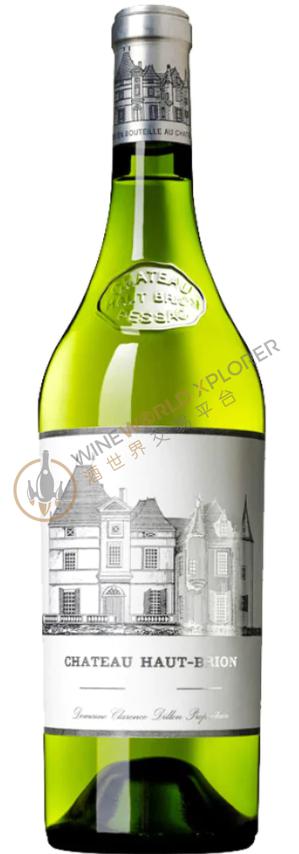
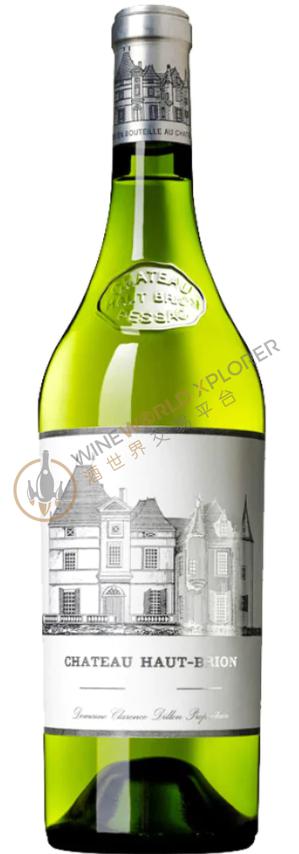
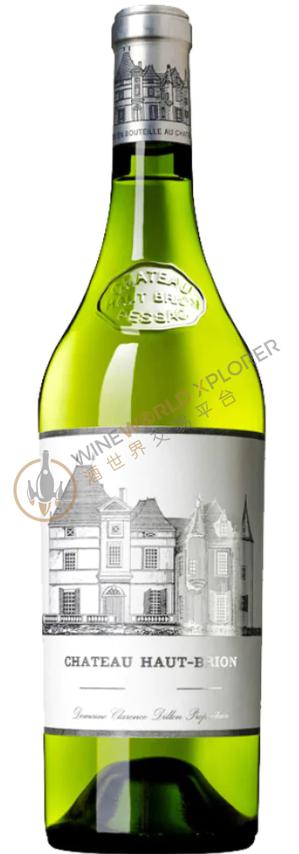
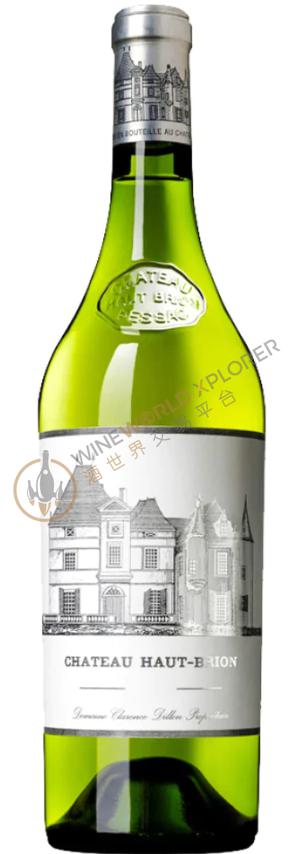
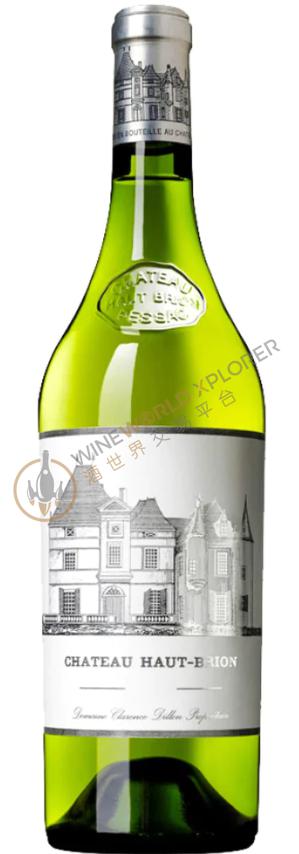
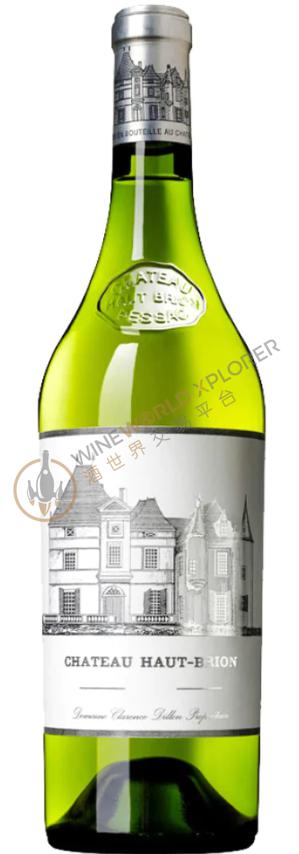
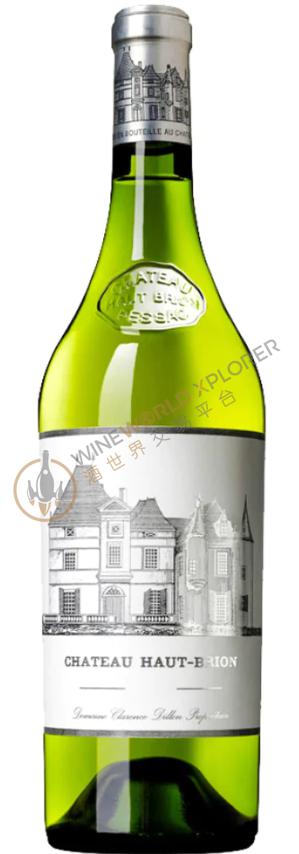
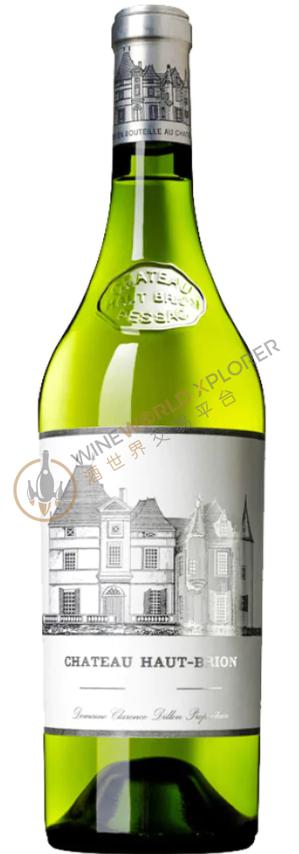
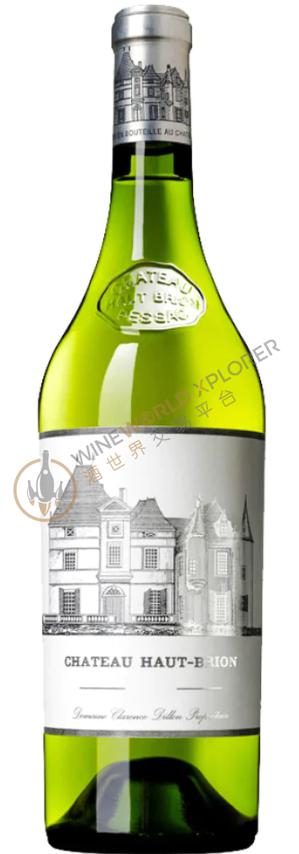
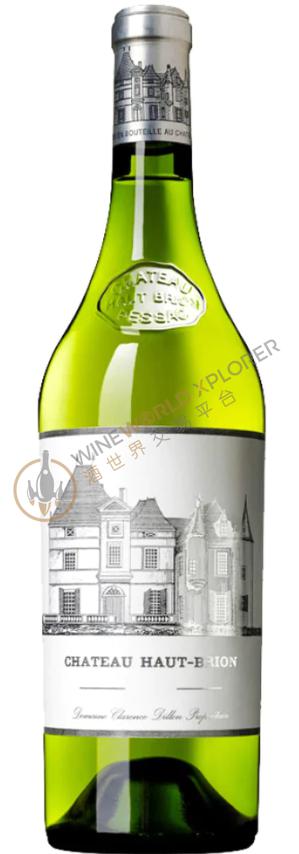
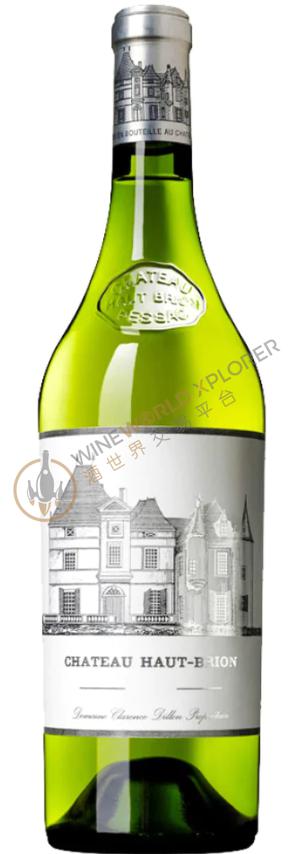
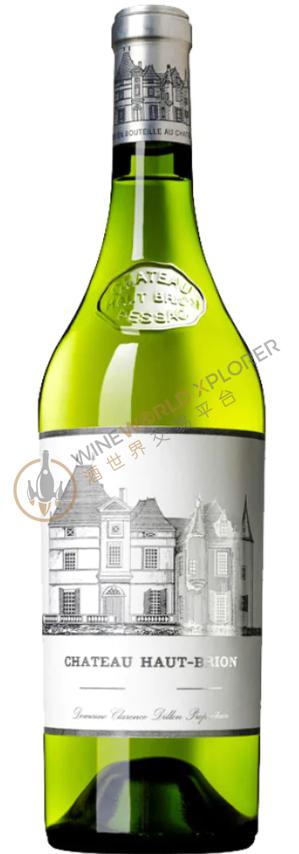
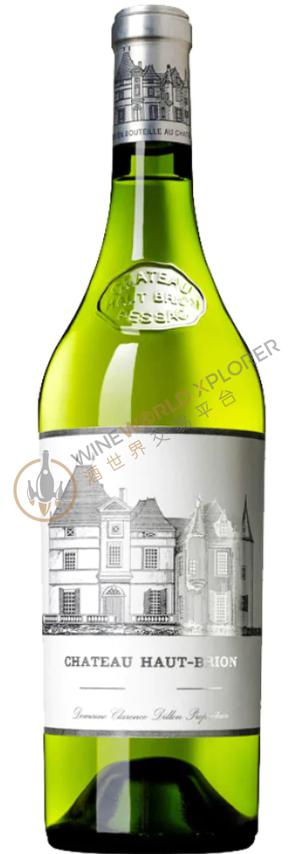
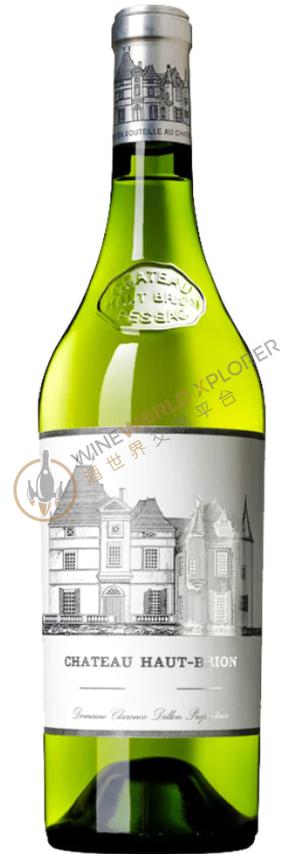
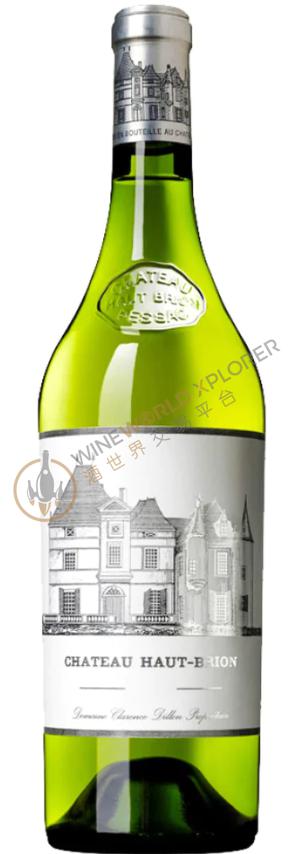
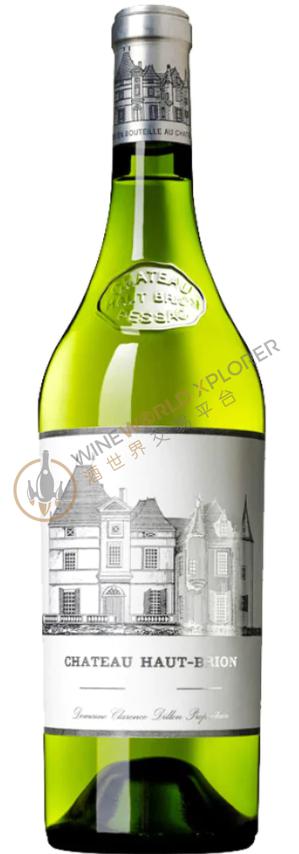
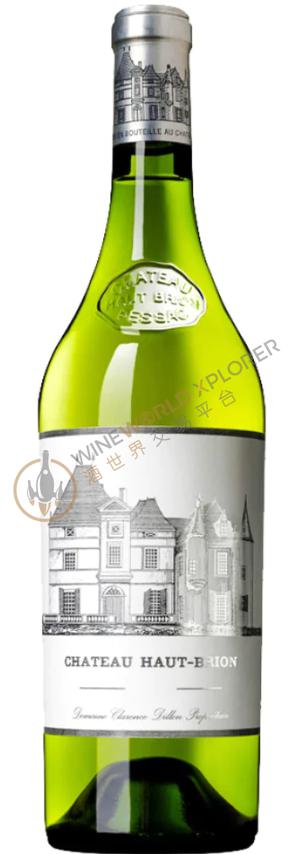
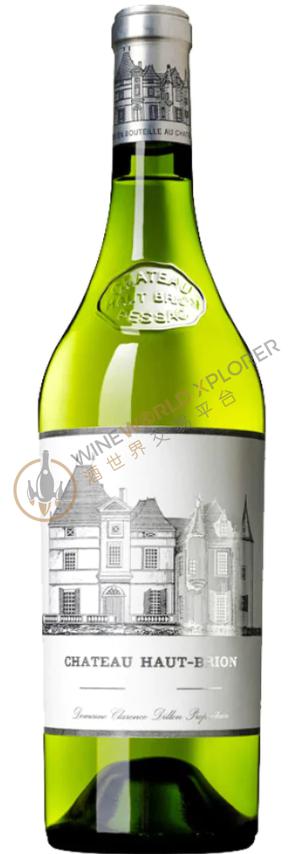
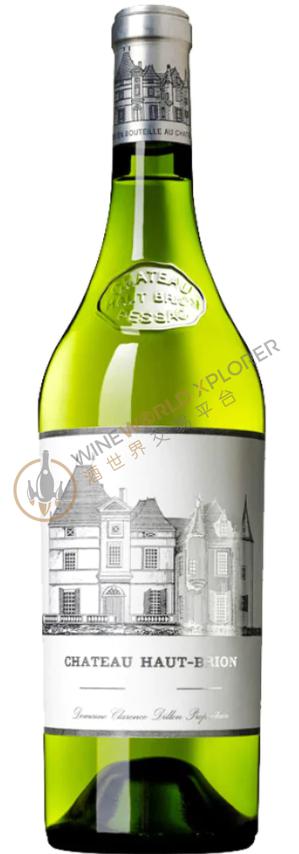
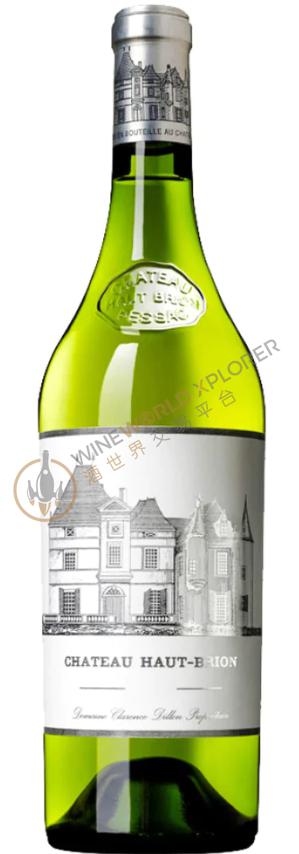
Haut Brion Blanc 1988
 View analysis


Description
Tasting notes

Reviewed by: Neal Martin
Tasted at lunch at "The Oysterage" on the Suffolk coast, this wine (tasted blind) failed to enamour. A deep straw hue, the nose was distinctly lacking the delineation and minerality that I associate with this wine. Just "non-descript" with a faint scent of almonds and geraniums. The palate lacks acidity, fails to lift off after a rather moribund beginning. Quite oily in texture with a rather characterless finish. Average. Tasted May 2006.
Reviewed by: Robert M. Parker, Jr.
The 1988 is tightly knit, with a reticent but light-intensity bouquet of minerals, lemons, figs, and melons. This tightly structured, relatively high acid Haut-Brion Blanc will no doubt prove to be a long-distance runner, but how much pleasure and character will evolve remains difficult to assess. Anticipated maturity: Now-2005. Last tasted, 4/91.
Reviewed by: Robert M. Parker, Jr.
The 1988 is built along the lines of the 1966, but better made and more concentrated. Medium-bodied, rich, and tannic, it will have to be cellared until the end of this century. Anticipated maturity: 2000-2025. Last tasted, 6/93.
Reviewed by: Robert M. Parker, Jr.
Last Tasted 8/92 This vintage merits more attention from consumers looking for a good buy. Just about every merchant in America is discounting their 1988s, making it one of the more attractively priced Bordeaux vintages. Haut Brion's 1988 is a more structured and tannic wine than the 1989, without the latter vintage's sweetness and sheer essence of jammy fruit. Nevertheless, there is plenty of concentration, a tight yet promising nose of black fruits, earth, tobacco, and minerals, as well as a medium-bodied, long, moderately tannic finish. This wine continues to reveal more personality and character now that it is in the bottle. Although drinkable now, the wine ideally needs another 3-4 years of cellaring and should easily last as long as the 1989 (25 years) .
Reviewed by: Robert M. Parker, Jr.
The 1988 Haut-Brion is built along the lines of the 1966, but it is more concentrated and powerful. The dense bouquet of tobacco, ripe, black fruits and spicy oak has just begun to develop. Medium-bodied, rich, tannic, with a good inner-core of fruit, this wine will have to be cellared until the end of this century. Anticipated maturity: 2000-2025.
Reviewed by: Neal Martin
This is one of the better bottles of Haut-Brion ‘88s that I have had. A deep garnet hue with a deep brick rim. The nose is austere and conservative with cedar, pine, leather and cigar box but good definition and vigour. The palate displays fresh acidity, an austere, slightly lean character with a firmness creeping in towards the finish. Great purity though, but just lacking something in the middle. Drink now. Tasted September 2007.
Reviewed by: Neal Martin
Quite youthful in appearance compared to the 1989 and 1990 but dwarfed by both on the nose and palate. A dry herbal, woody nose typical of so many 1988's - very little fruit. The palate is austere, a bit mean and lacking some cohesion. Leafy tobacco finish. Definitely needs some food to accompany it. A bit disappointed considering this is a first growth; rather skeletal when all is said and done. Drink now. Tasted April 2004.
Reviewed by: Robert M. Parker, Jr.
A Possible Legend Candidate
Reviewed by: Robert M. Parker, Jr.
A more firmly structured Haut-Brion, built somewhat along the lines of the 1996, this dark garnet-colored wine is showing notes of licorice, underbrush, compost, truffles, dried herbs, creosote, and sweet black cherries and currants. Medium-bodied, rich, but still structured, this wine unfolds incrementally on the palate, showing superb density and a lot of complex Graves elements. It is just beginning to hit its plateau of full maturity. Anticipated maturity: Now-2025. Last tasted, 11/02.
Reviewed by: Robert M. Parker, Jr.
The 1988 Haut-Brion is built along the lines of the 1966, but it is more concentrated and powerful. The dense bouquet of tobacco, ripe, black fruits and spicy oak has just begun to develop. The wine is medium-bodied, rich, and tannic, with a good inner-core of fruit. This wine will have to be cellared until the end of this century. Anticipated maturity: 2000-2025. Last tasted 1/93
About the Producer
Haut-Brion has long produced the most prestigious Graves Blanc, although it faced strong competition from its neighbour La Mission Haut-Brion, which had been producing its own white wines under the Laville Haut-Brion label until 2009, when it was rebranded as La Mission Haut-Brion Blanc (both estates are under the same ownership). With very small production since the first vintage in 1916, La Mission Haut-Brion Blanc has always been a wine of considerable strength and longevity; its rarity, and the fact that it is the only white wine produced by a first growth in the Graves, makes it highly sought after by collectors. The estate's first growth status does not include white wines and it remains unclassified. Of the 52 hectares planted on the estate, only 2.9 are white: 53% Sémillon and 47% Sauvignon Blanc. (There are also a few rows of Sauvignon Blanc today, but they were not planted in 1989). They are planted on a 27m high hillock opposite the château. The soil is very deep gravel, on a clay subsoil. There is less clay than in Lamena and a different mix of varieties, with much more Sauvignon Blanc in Haut-Brion. The whole estate is located within the city limits of Bordeaux and therefore benefits from a warmer microclimate. Yields range from 25-40 litres/ha. Harvesting is carried out by hand, at maximum ripeness, so that the wines vary from 13% to 14% alcohol. Sorting takes place in the vineyard and the grapes are pneumatically pressed in whole bunches with no skin contact. Fermentation was carried out in oak barrels with native yeasts, but malolactic fermentation was prevented. The wines were decanted every three or four months and aged for 10 to 12 months, with very little stirring of the lees. In the 1980s it was common for wines to be aged entirely in new oak barrels, but today this percentage is around 50%. Production varies from 5,500 to 8,500 bottles. In 2000, the British critic Tom Cannavan enthused: "The nose has a wax and wet wool character, very buttery, with a gorgeous weight of fruit and little floral notes in the peaches, vanilla and nuts. Wonderful fruit ripeness gives a sweet impression, lots of oranges and lush apricots ...... A long, very concentrated and pure finish. Recently, American critic Jeff Leve reported on the 2010 vertical tasting, noting that the 1989 "opens with freshly picked flowers, honey, caramel, grass, lemon and lime aromas. Accompanied by a rich, polished fruit texture, the wine finishes with a blend of citrus flavours".
1977(1)1978(1)1981(1)1984(1)1987(1)
Package Size