Wine Advisor



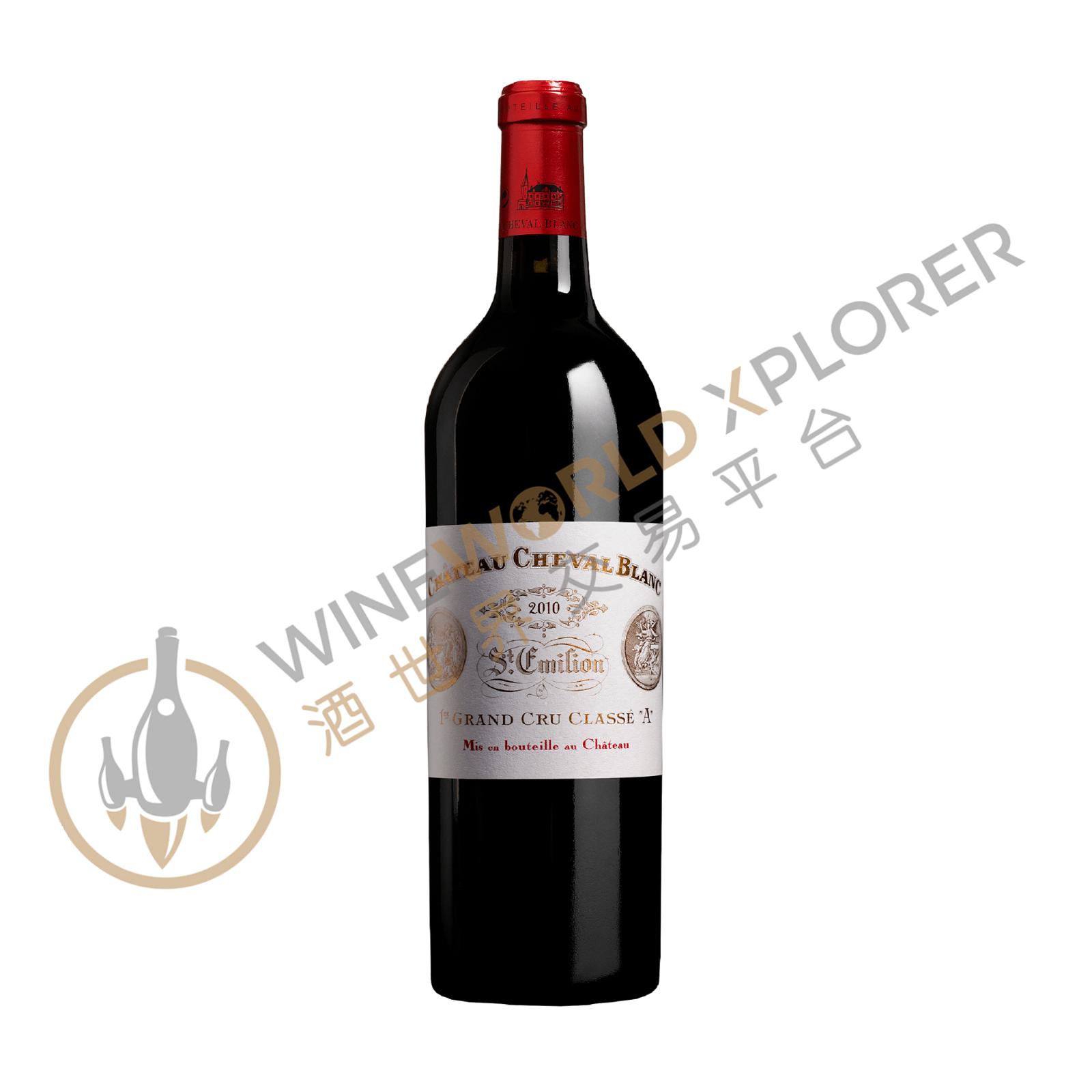
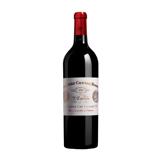
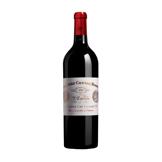
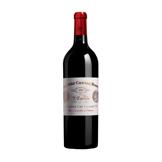
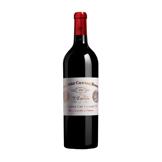
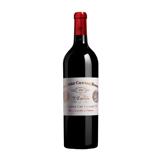
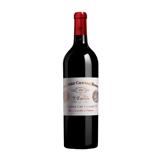
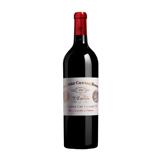
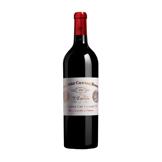
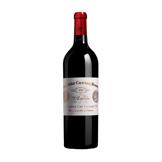
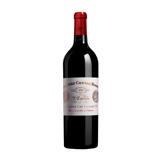
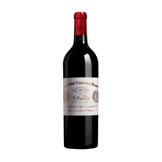
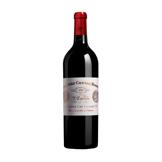
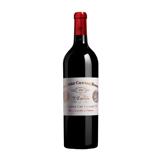
Cheval Blanc 2013
 View analysis


Description
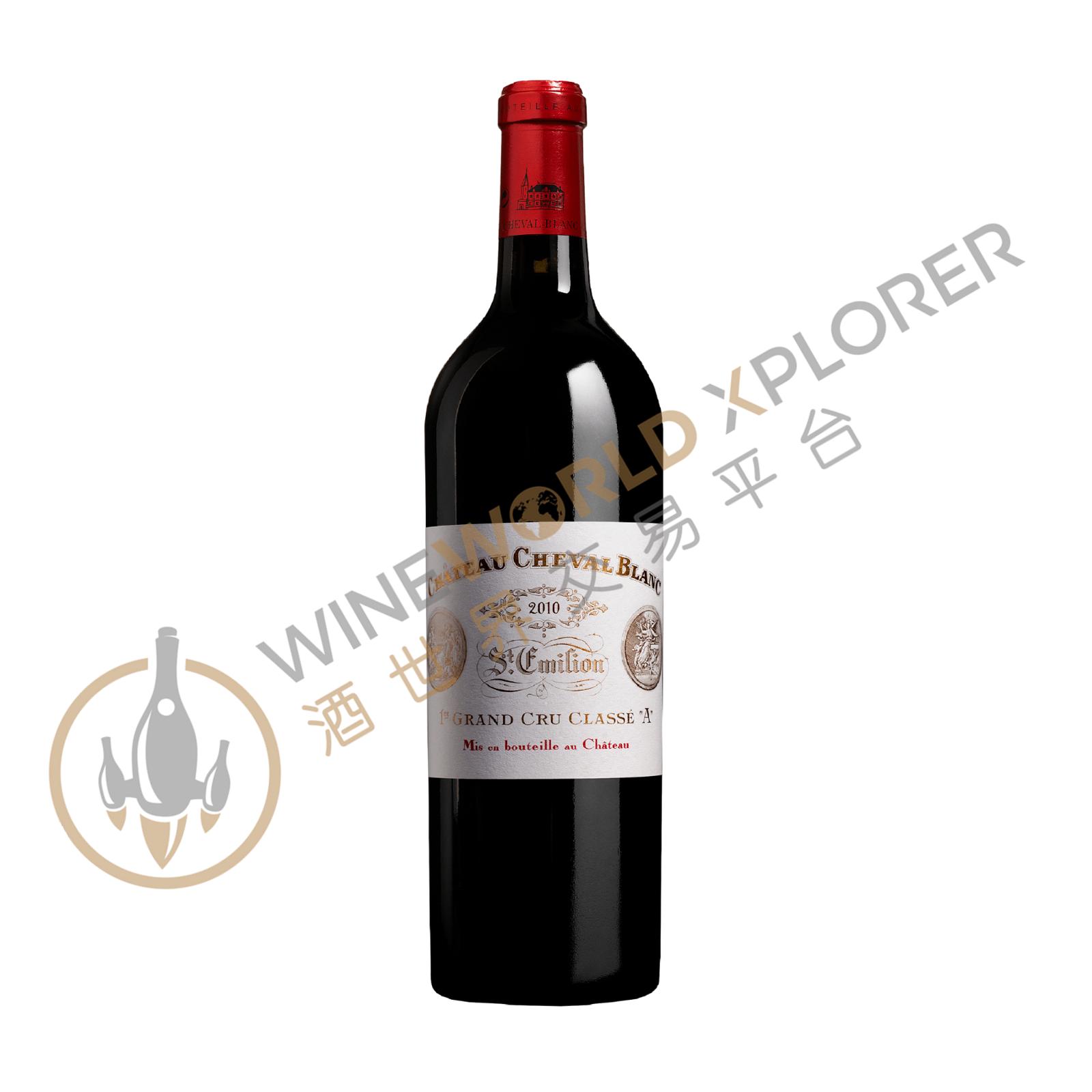
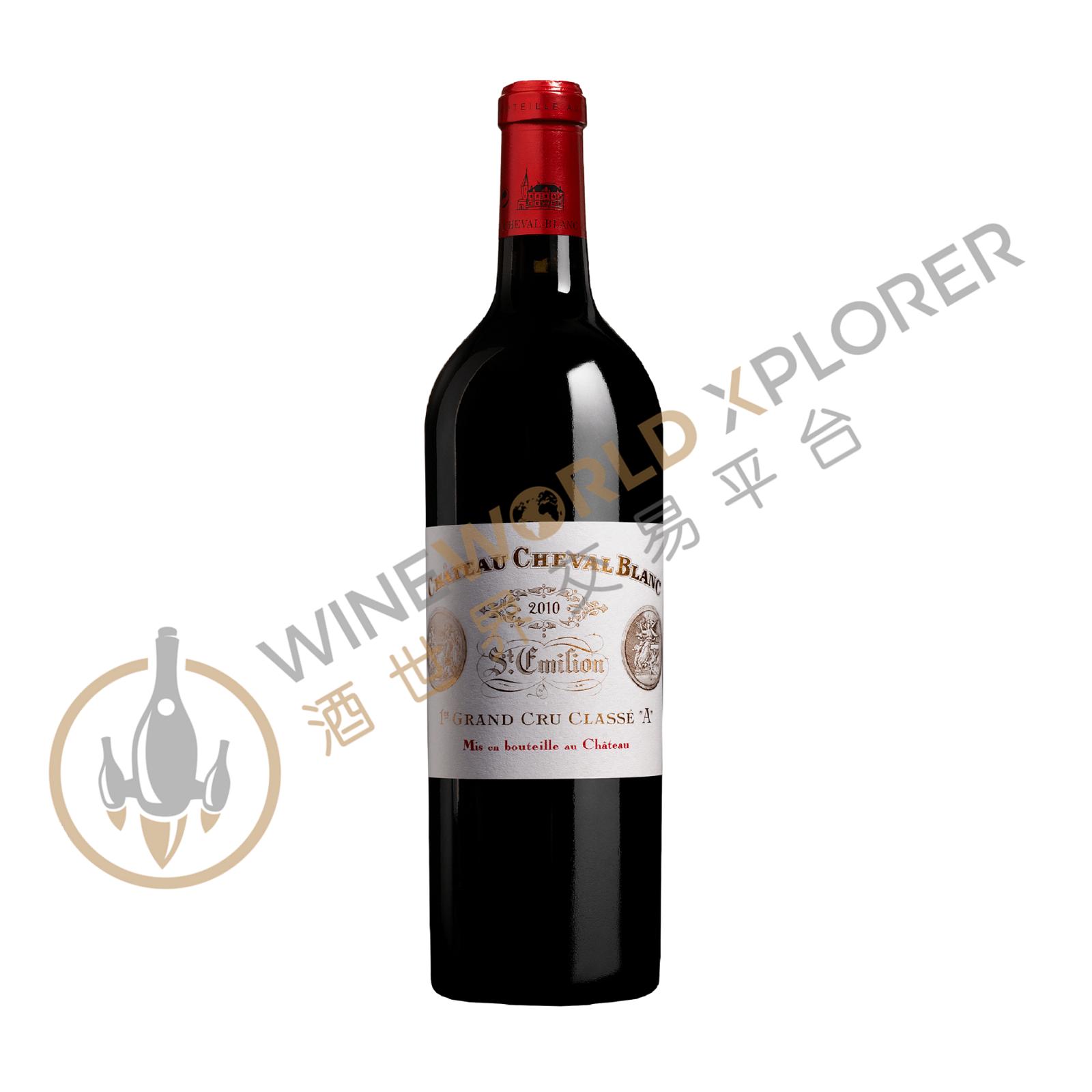
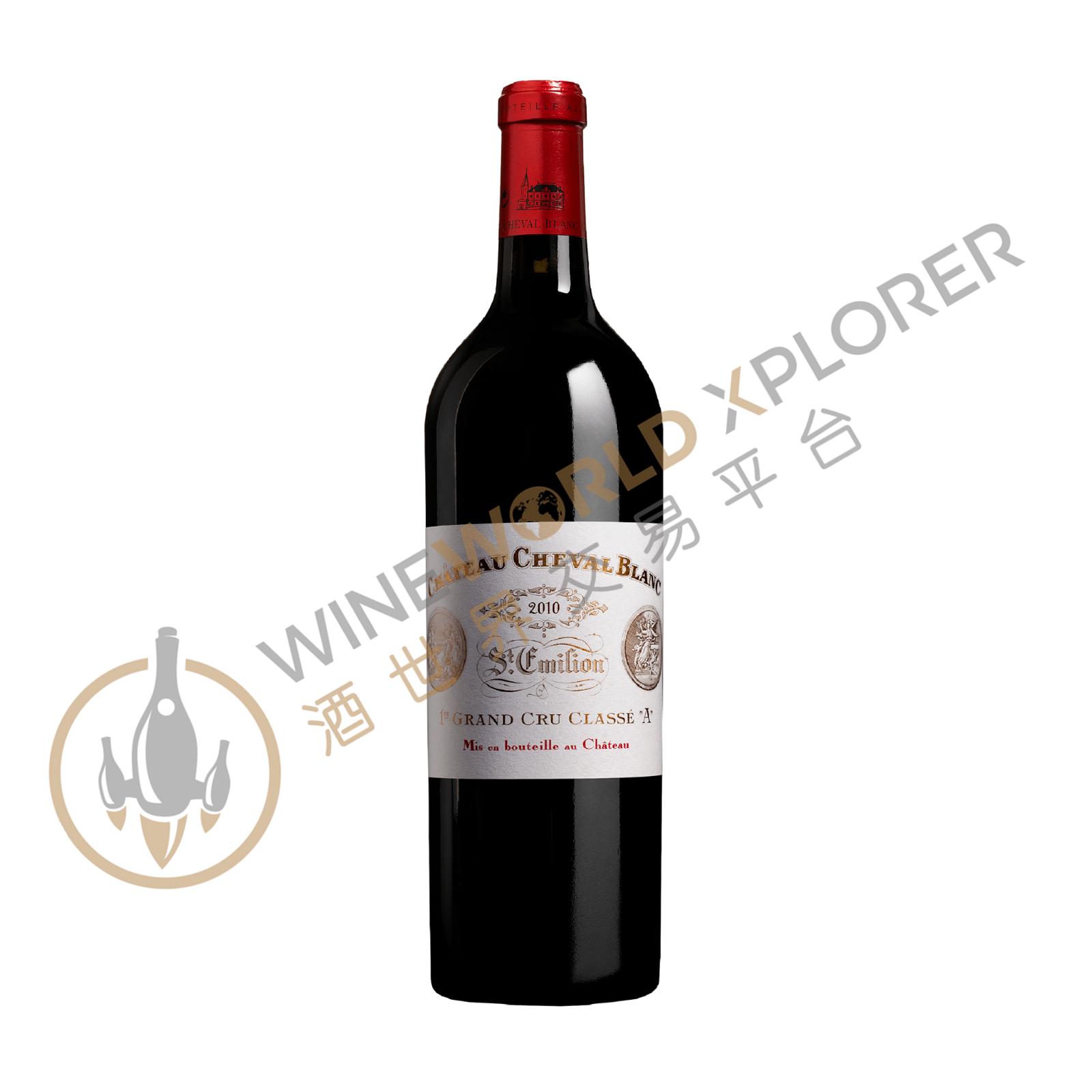
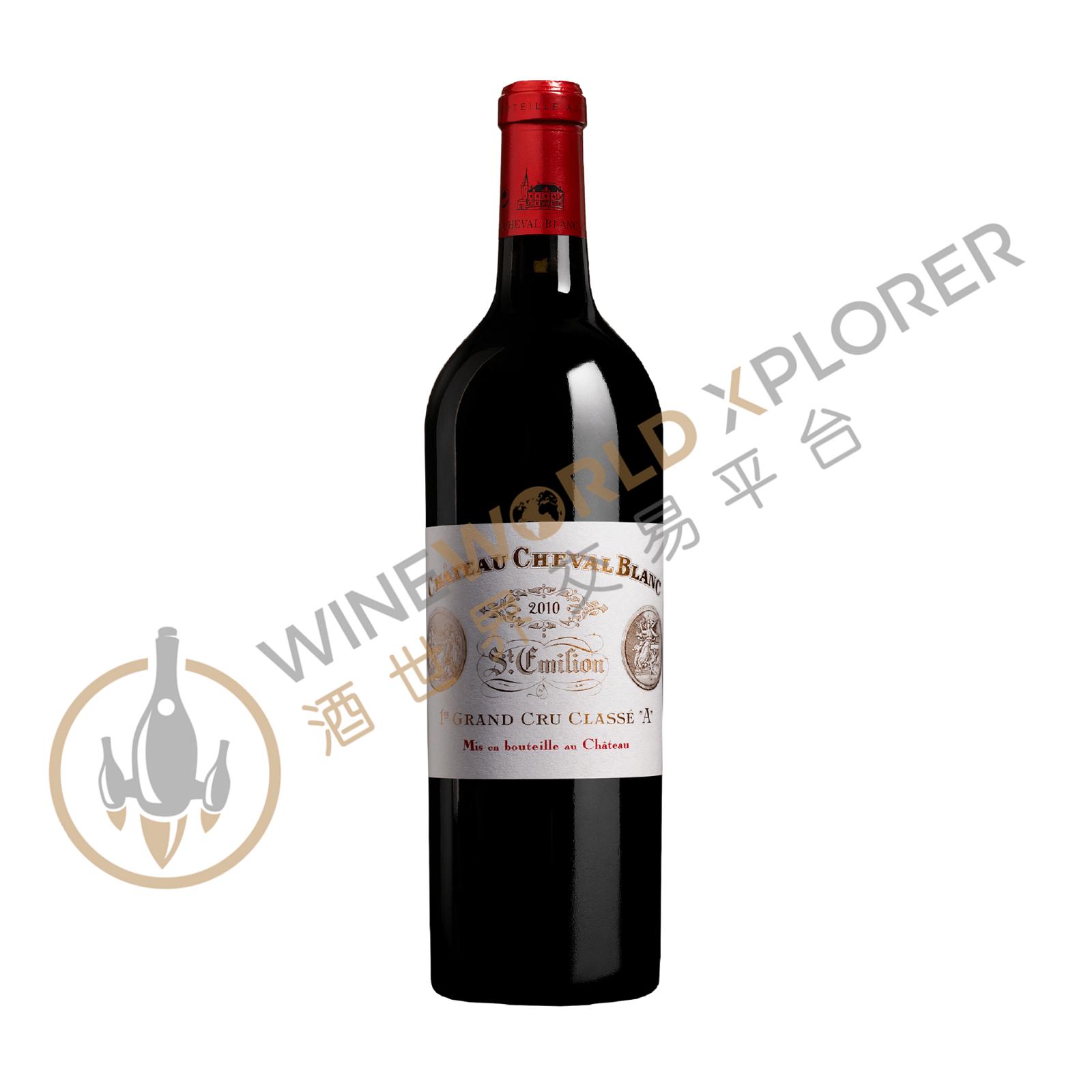
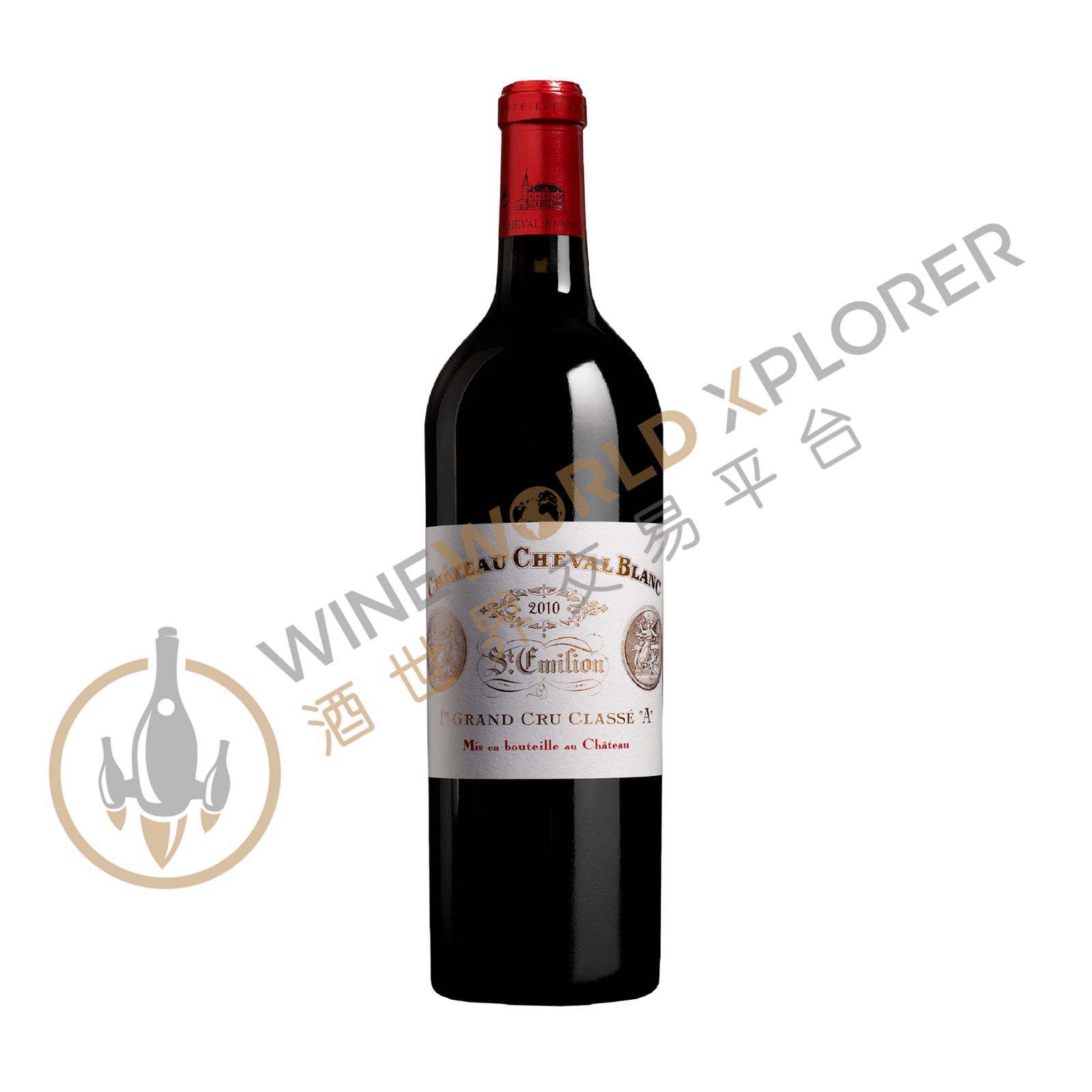
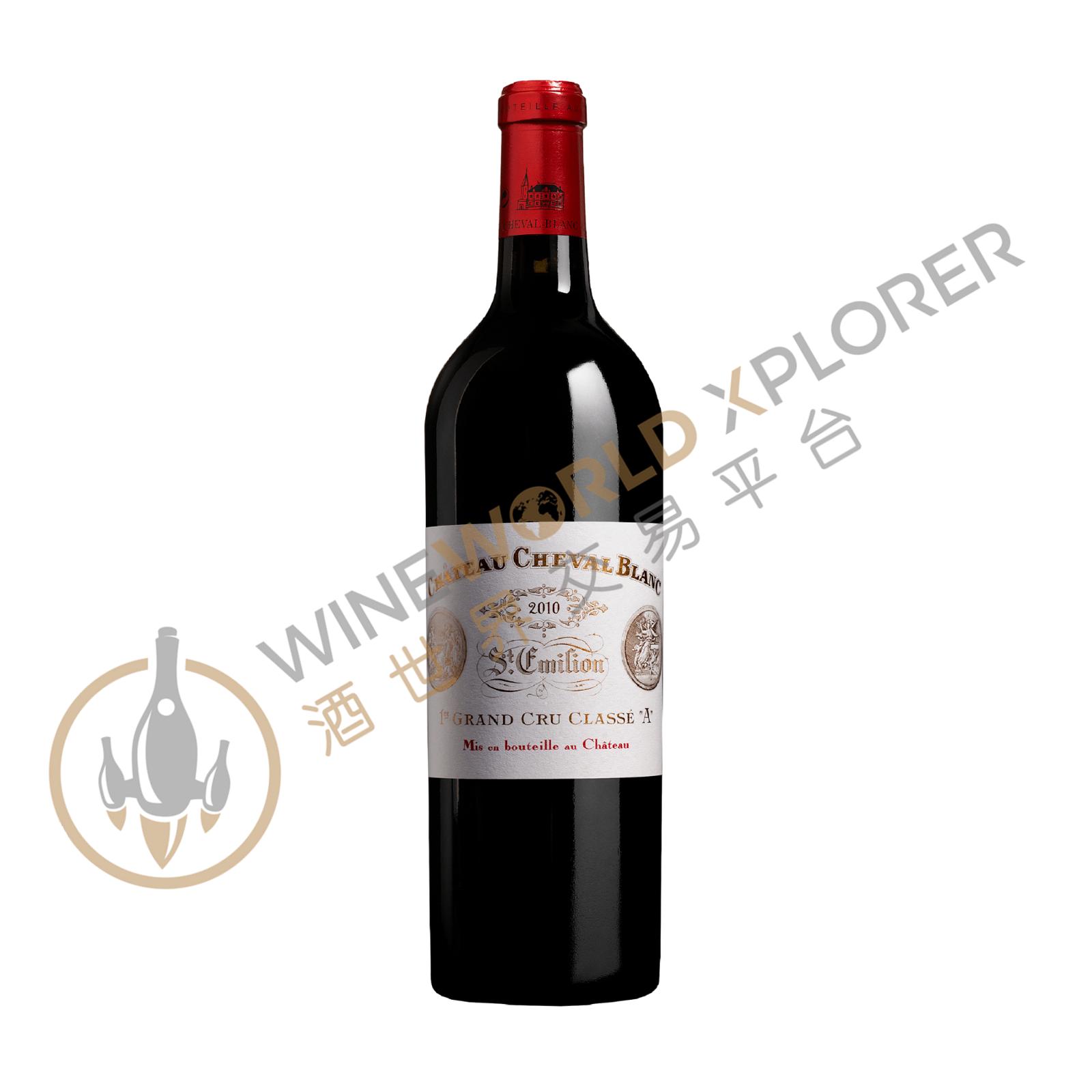
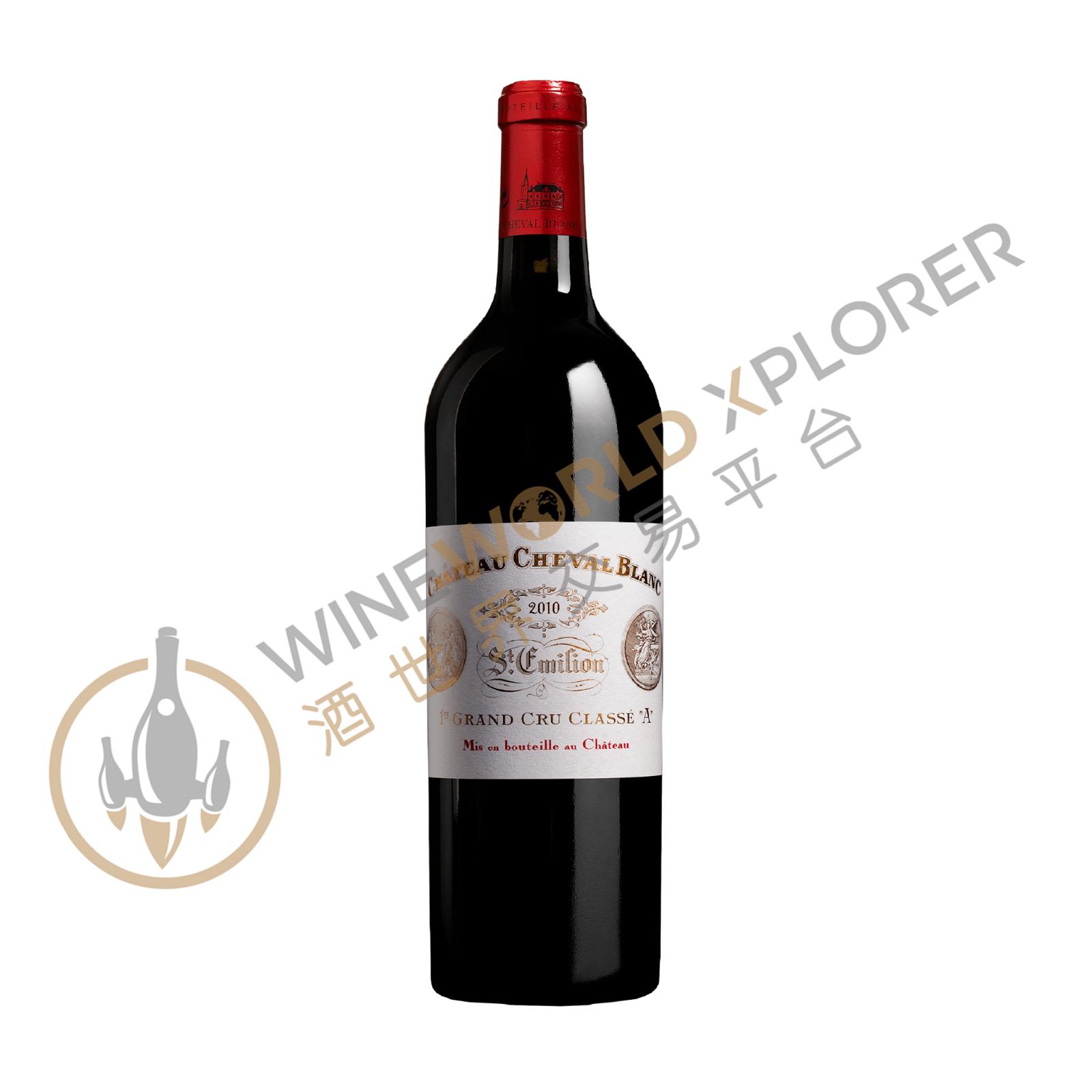
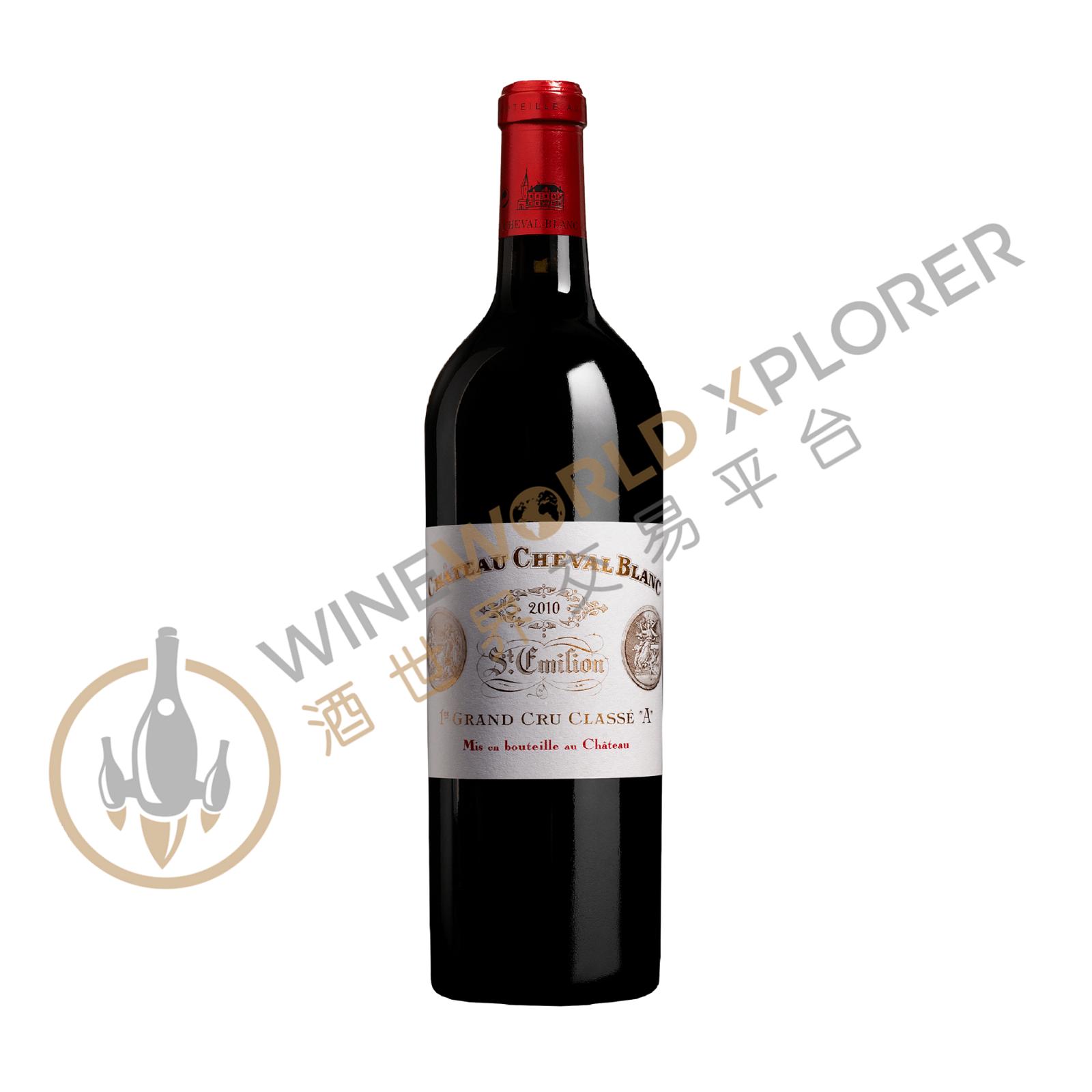
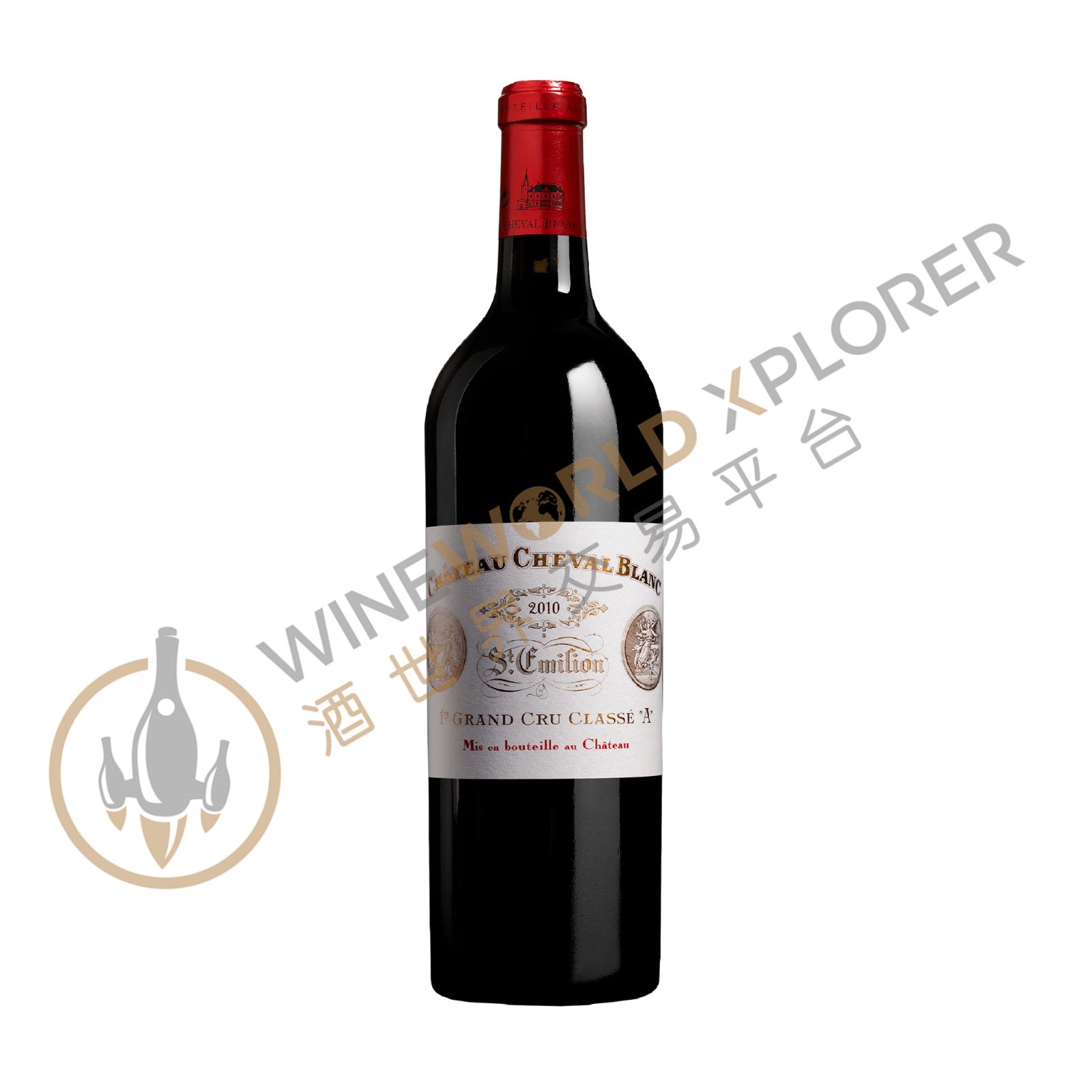
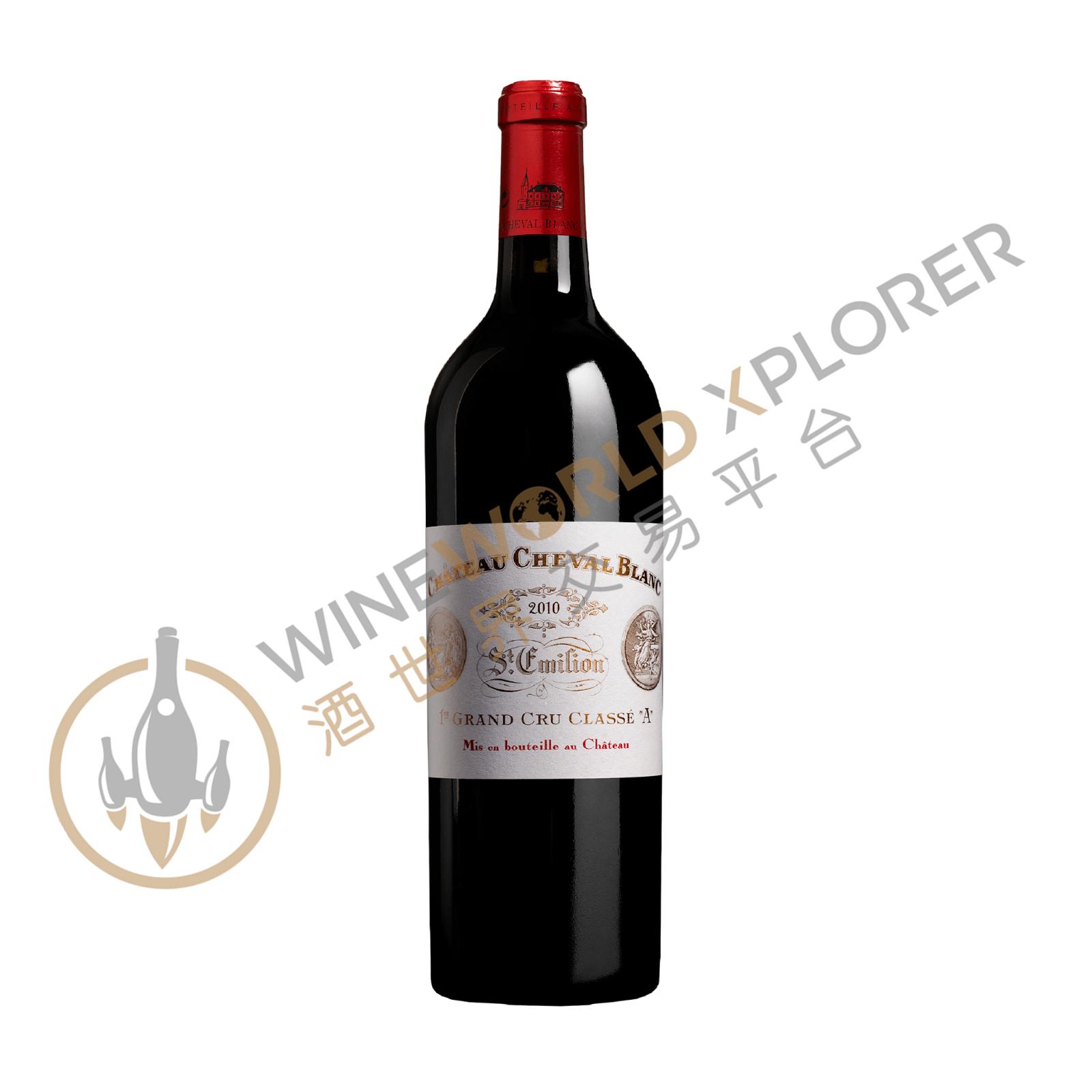
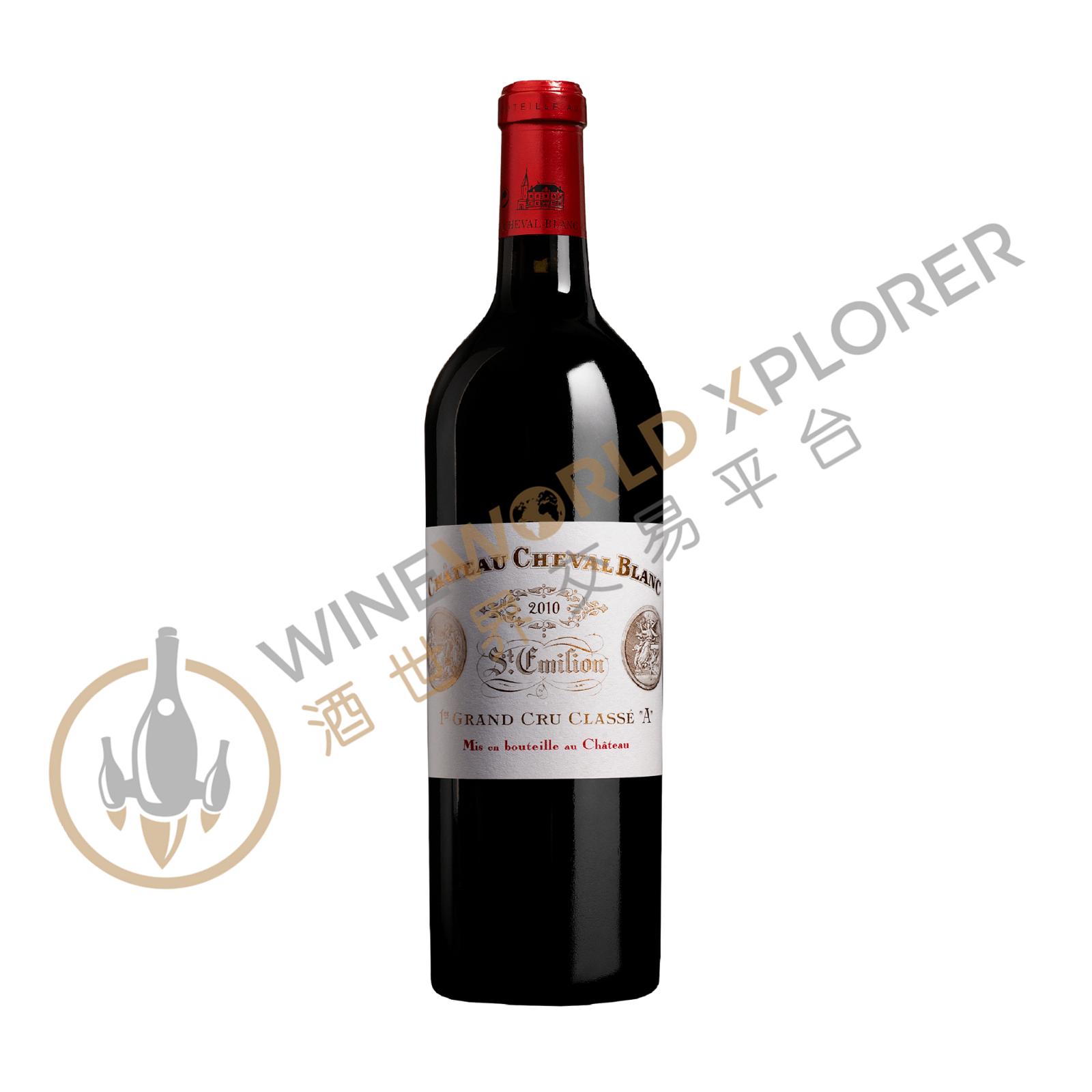
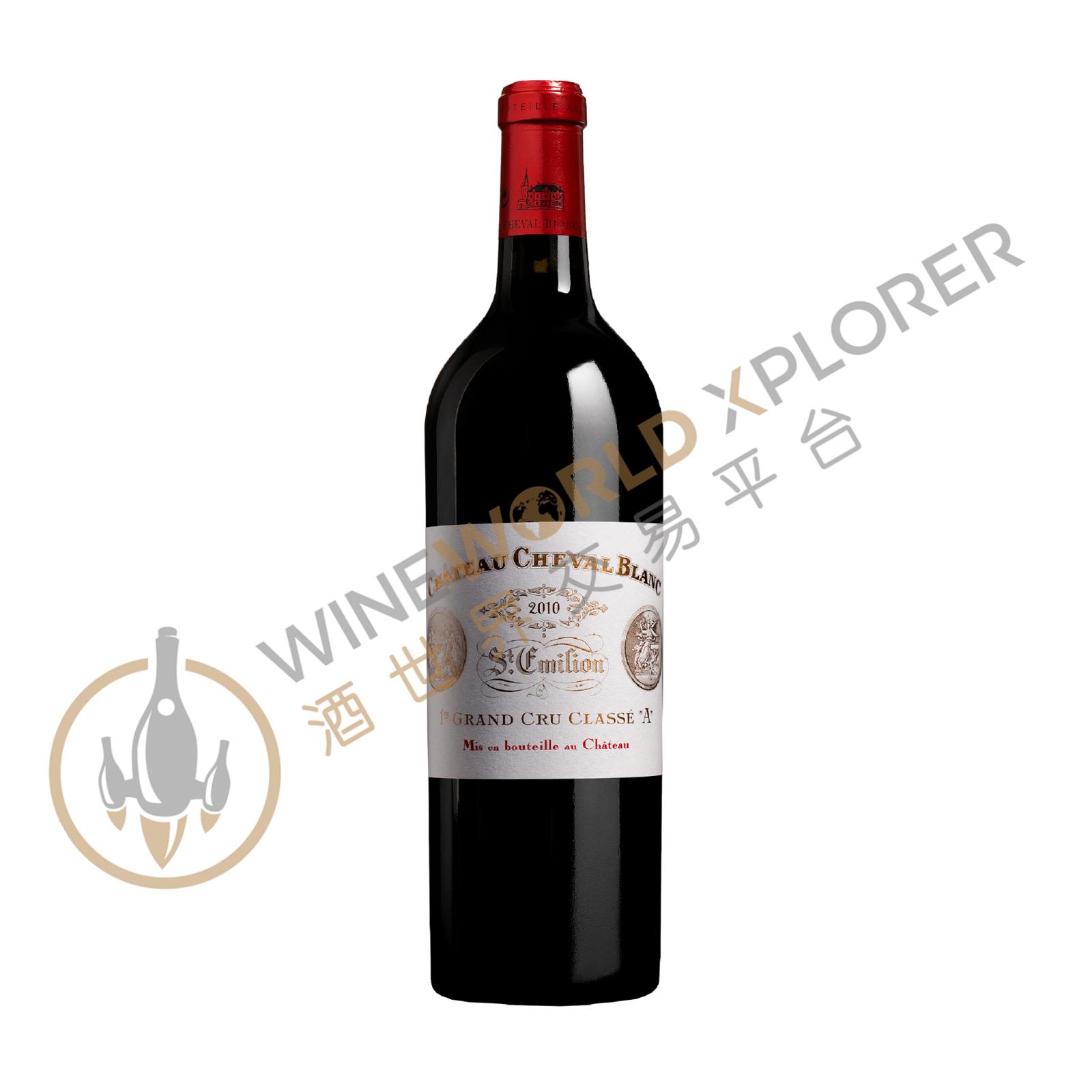
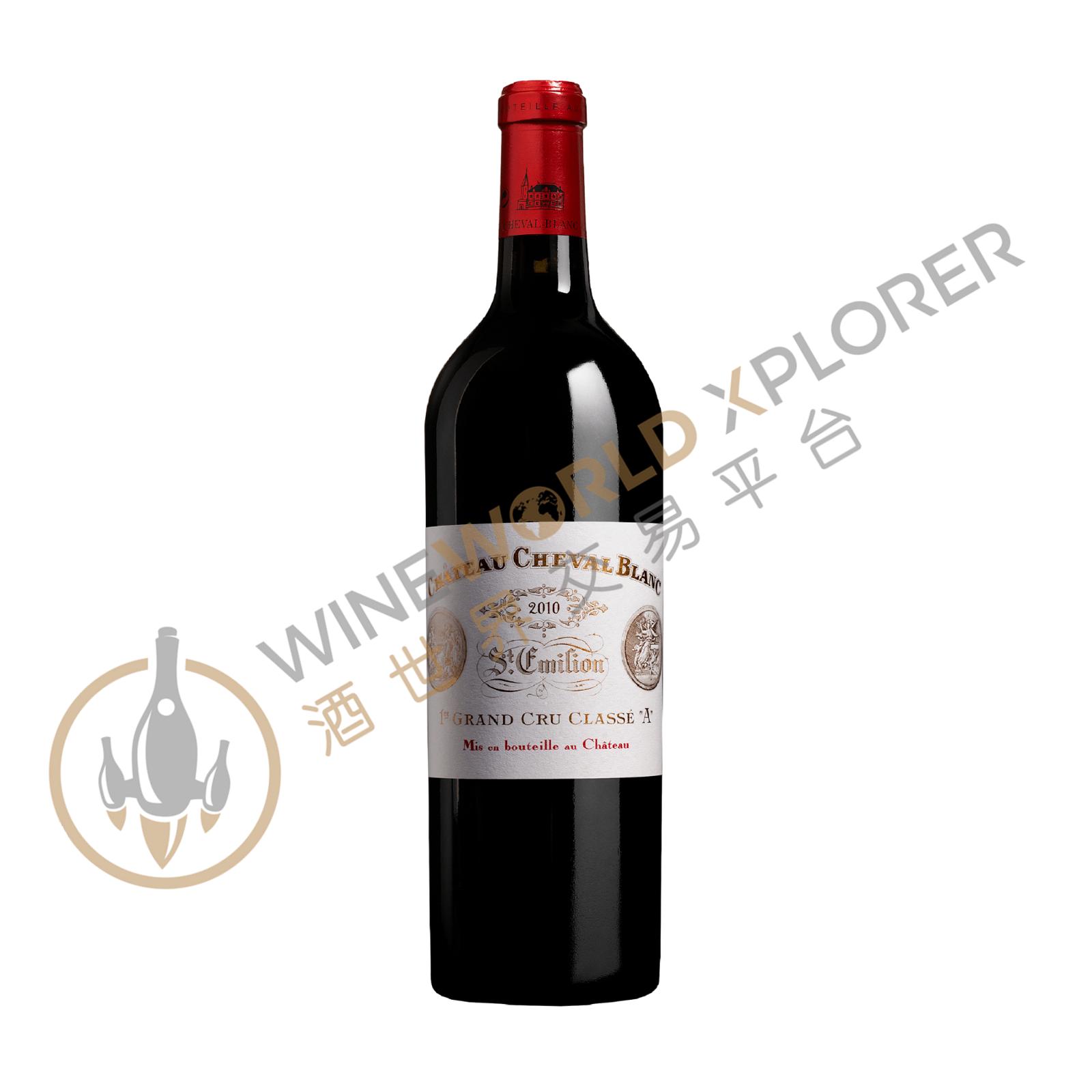
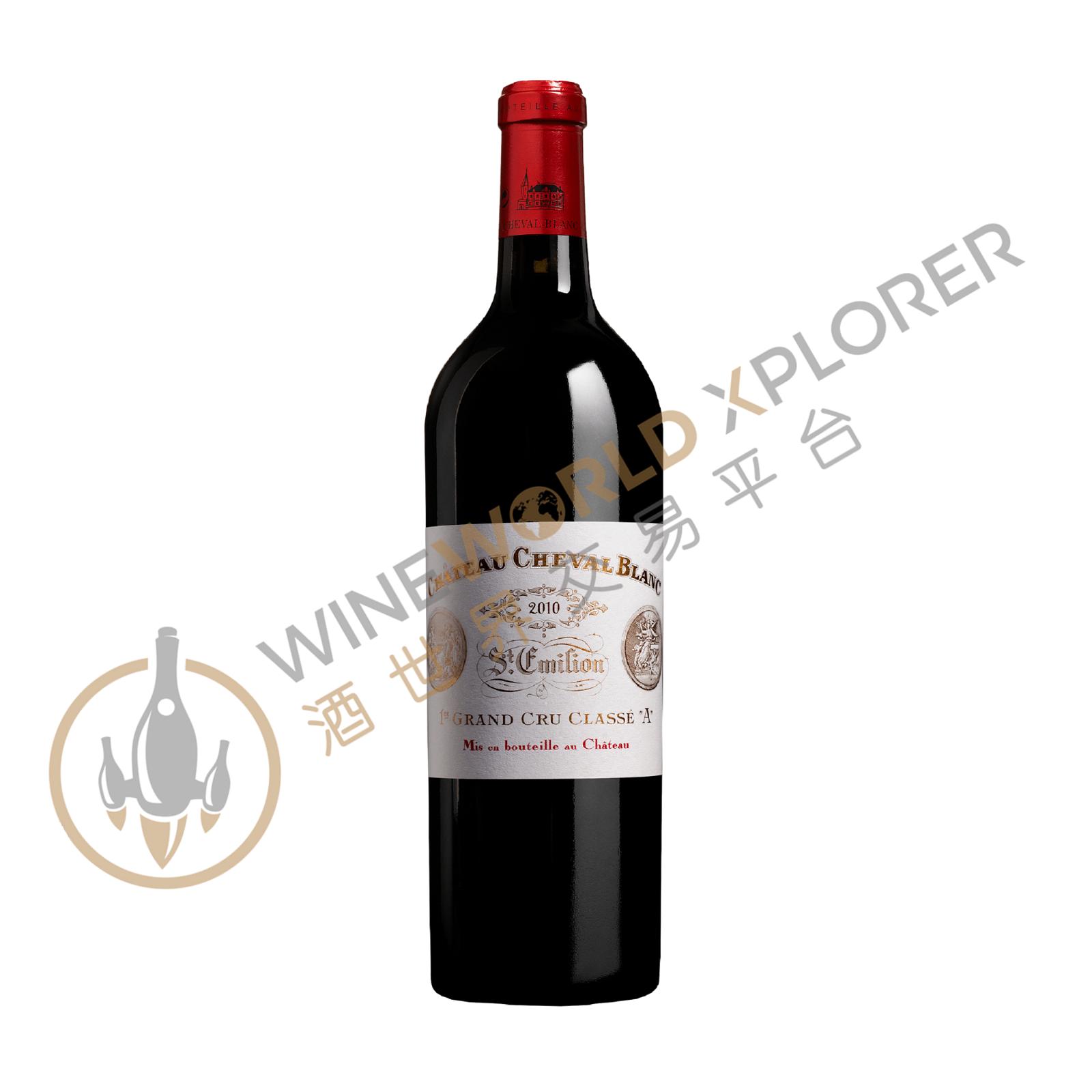
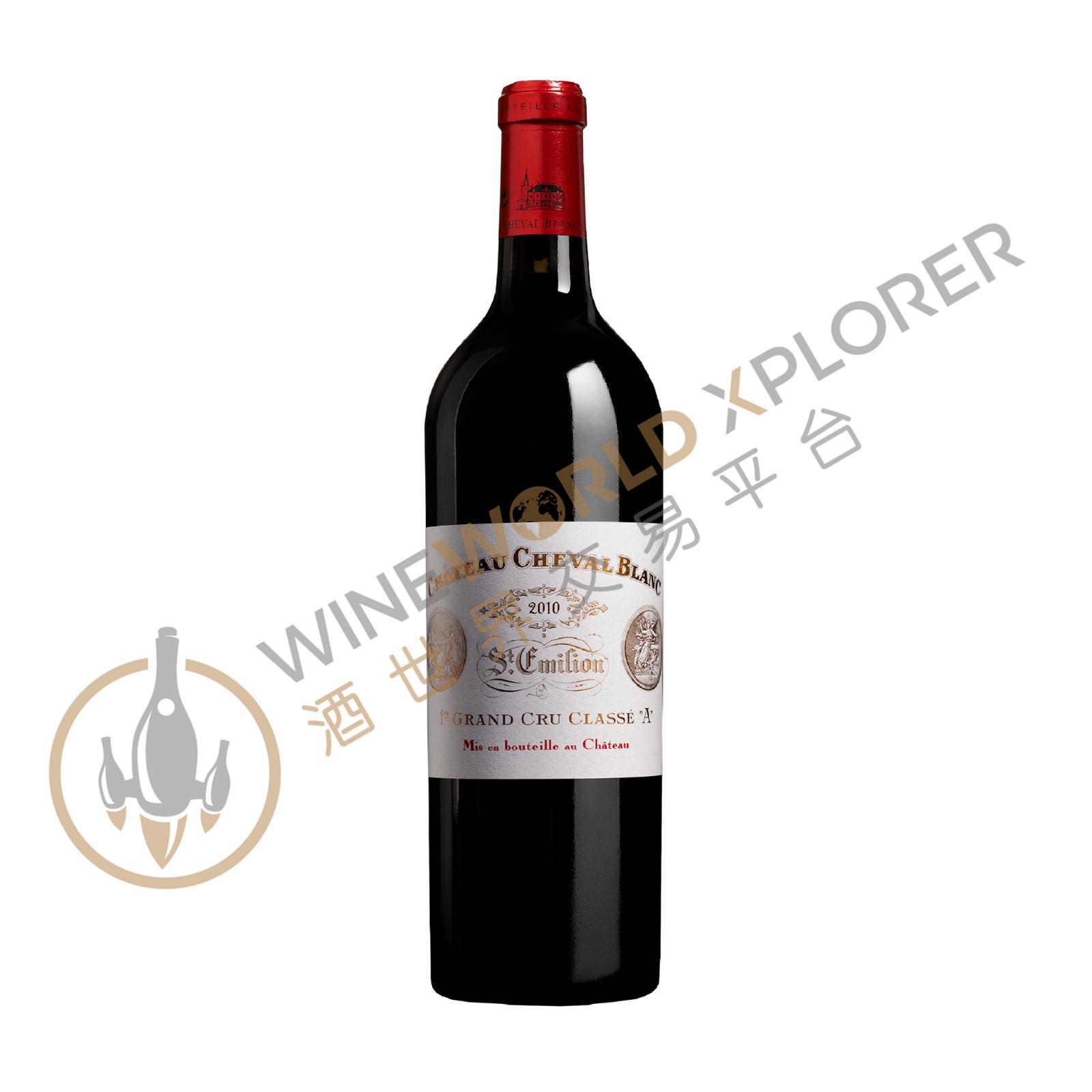
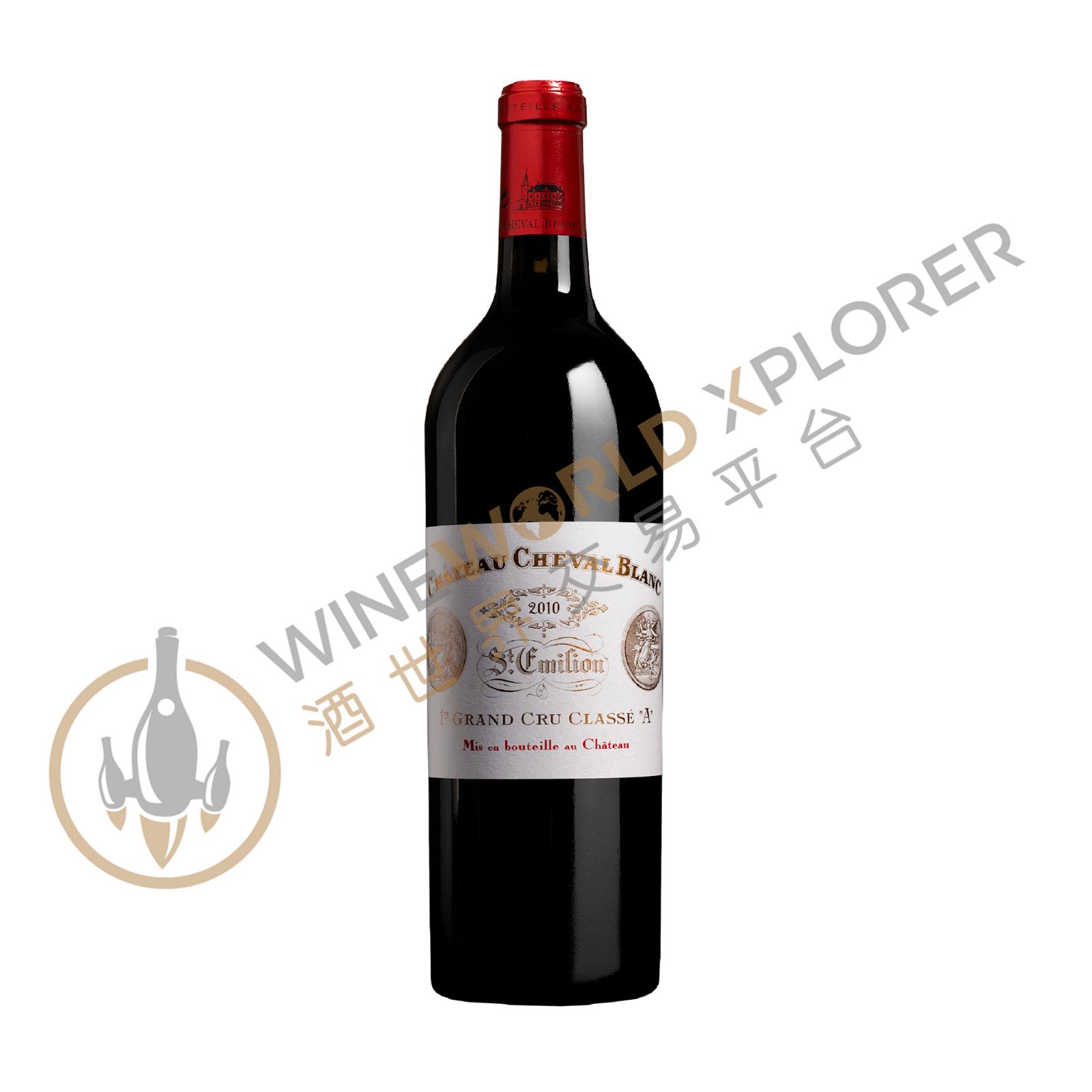
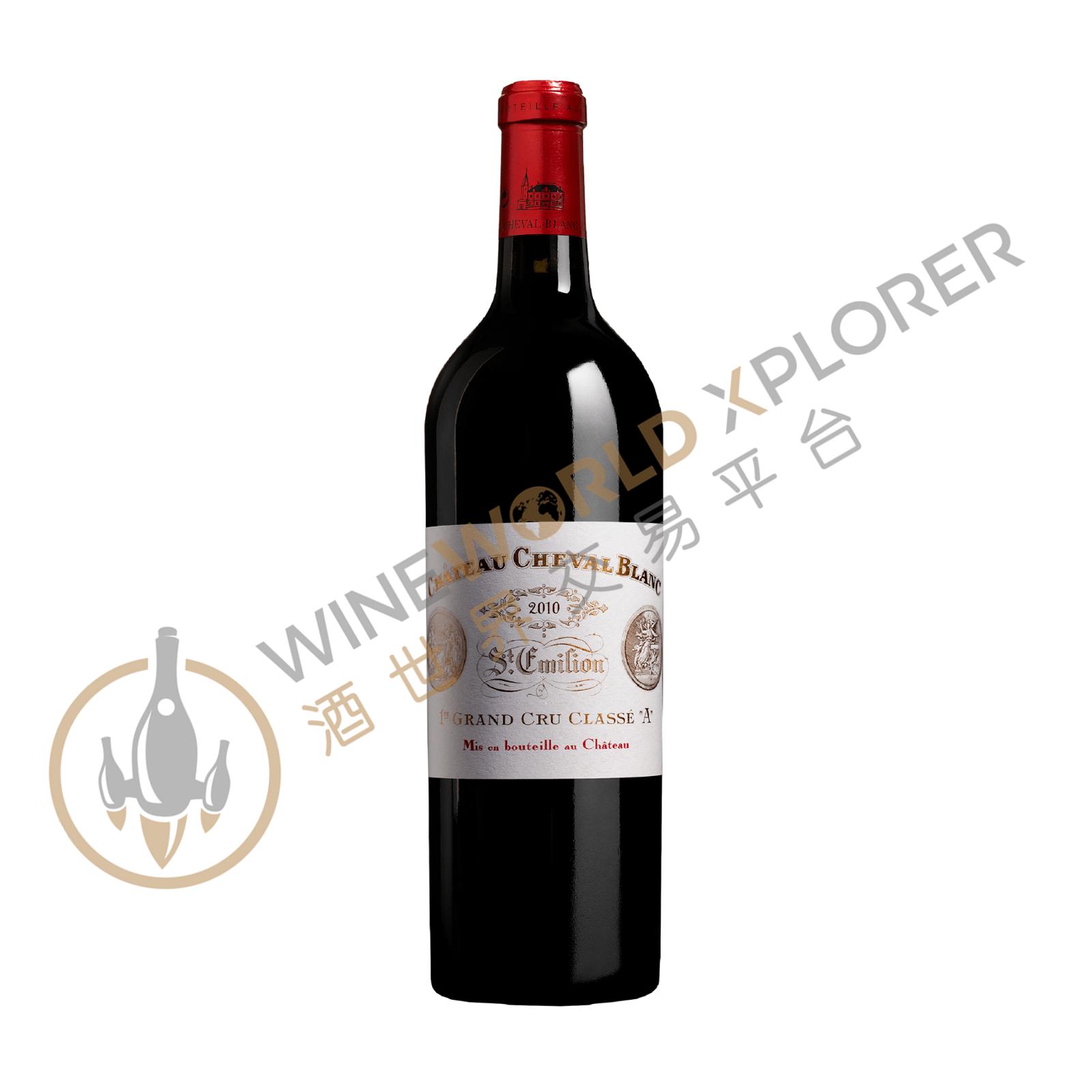
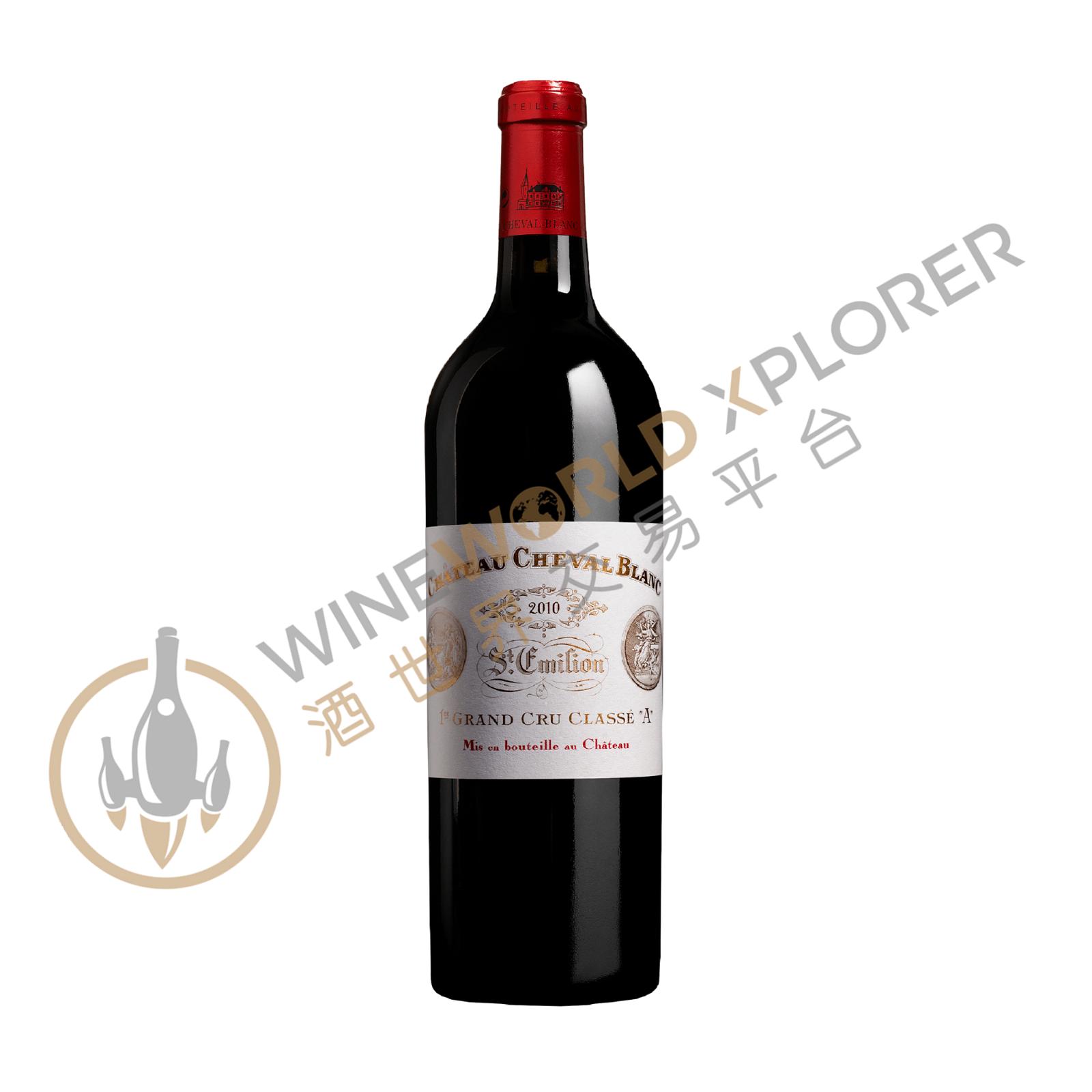
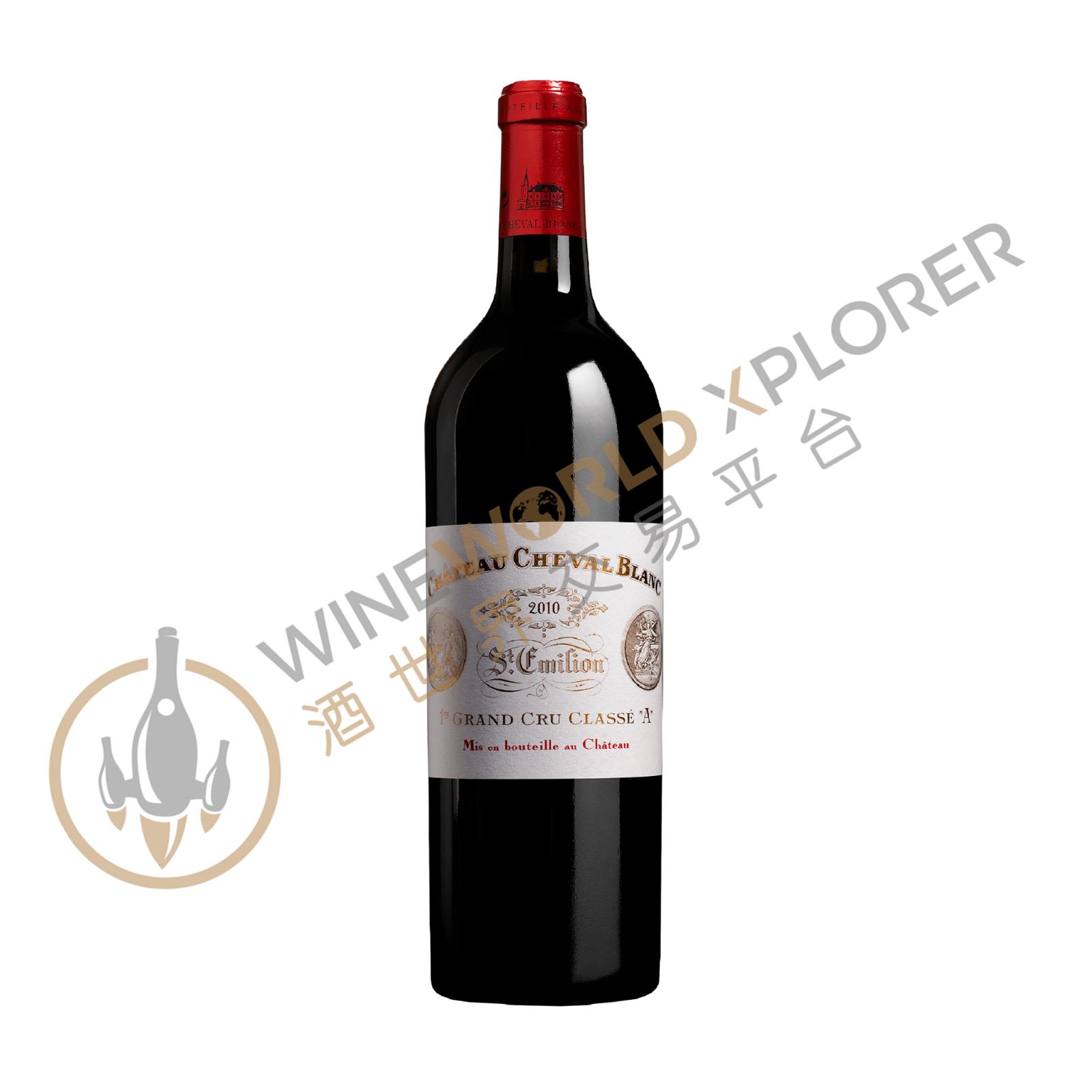
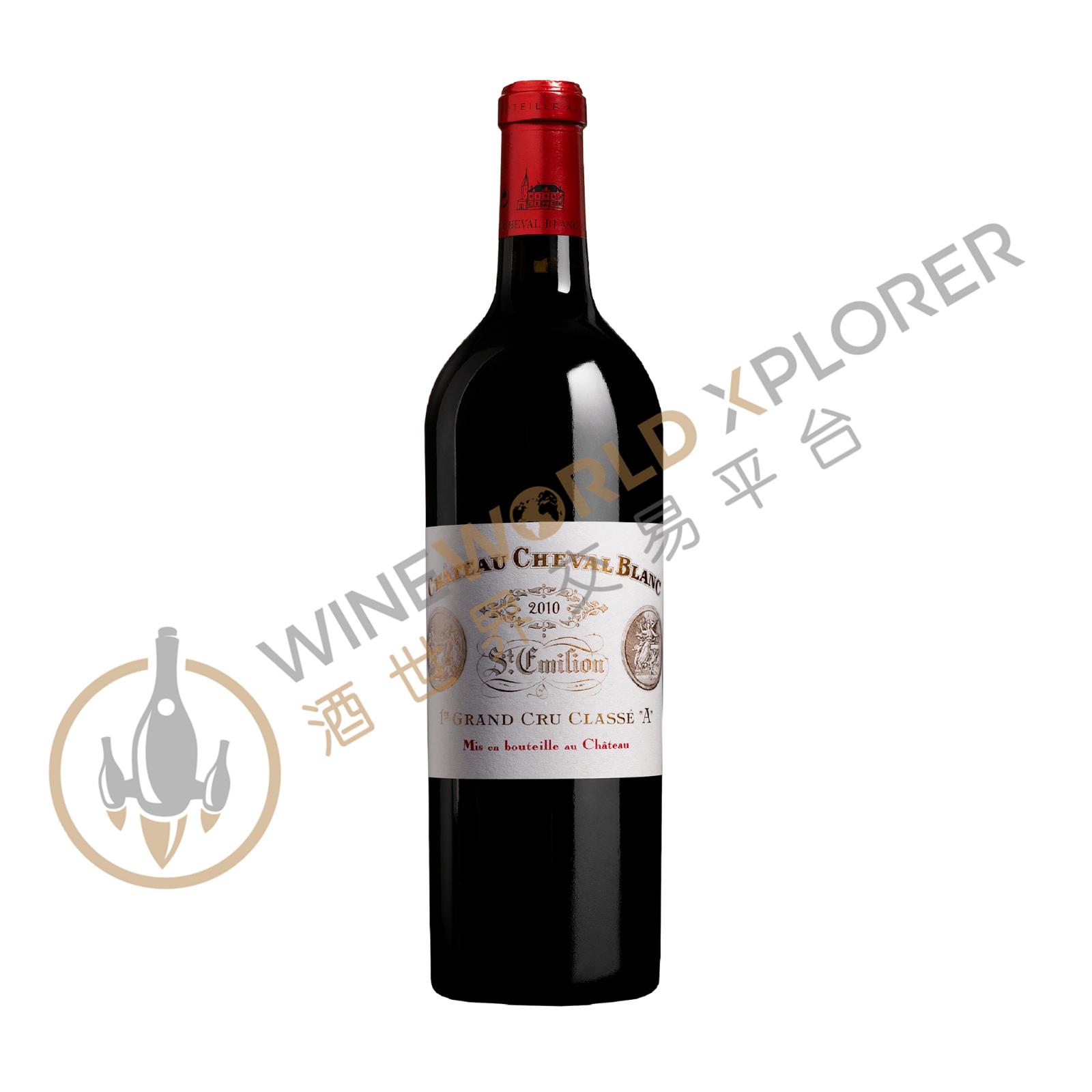
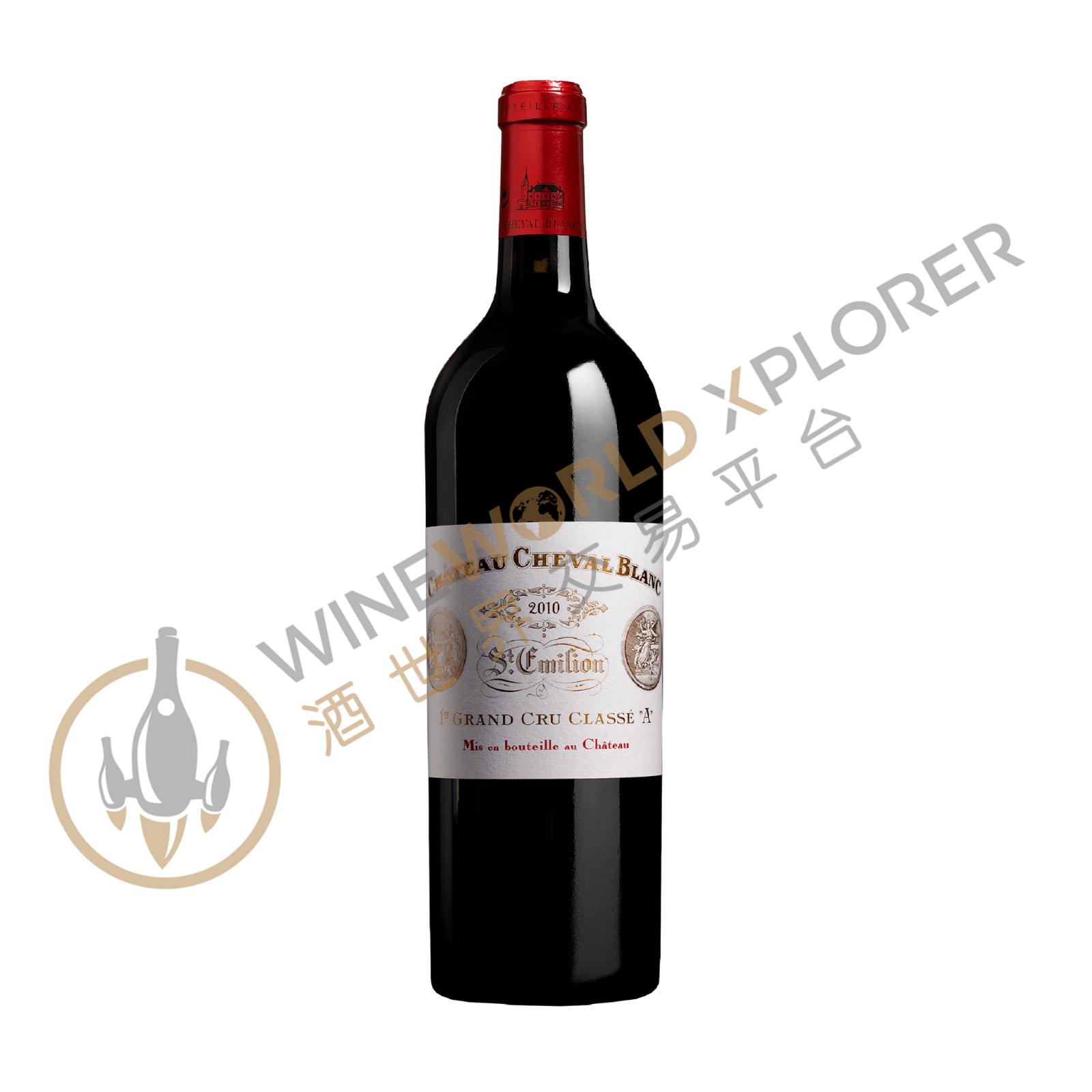
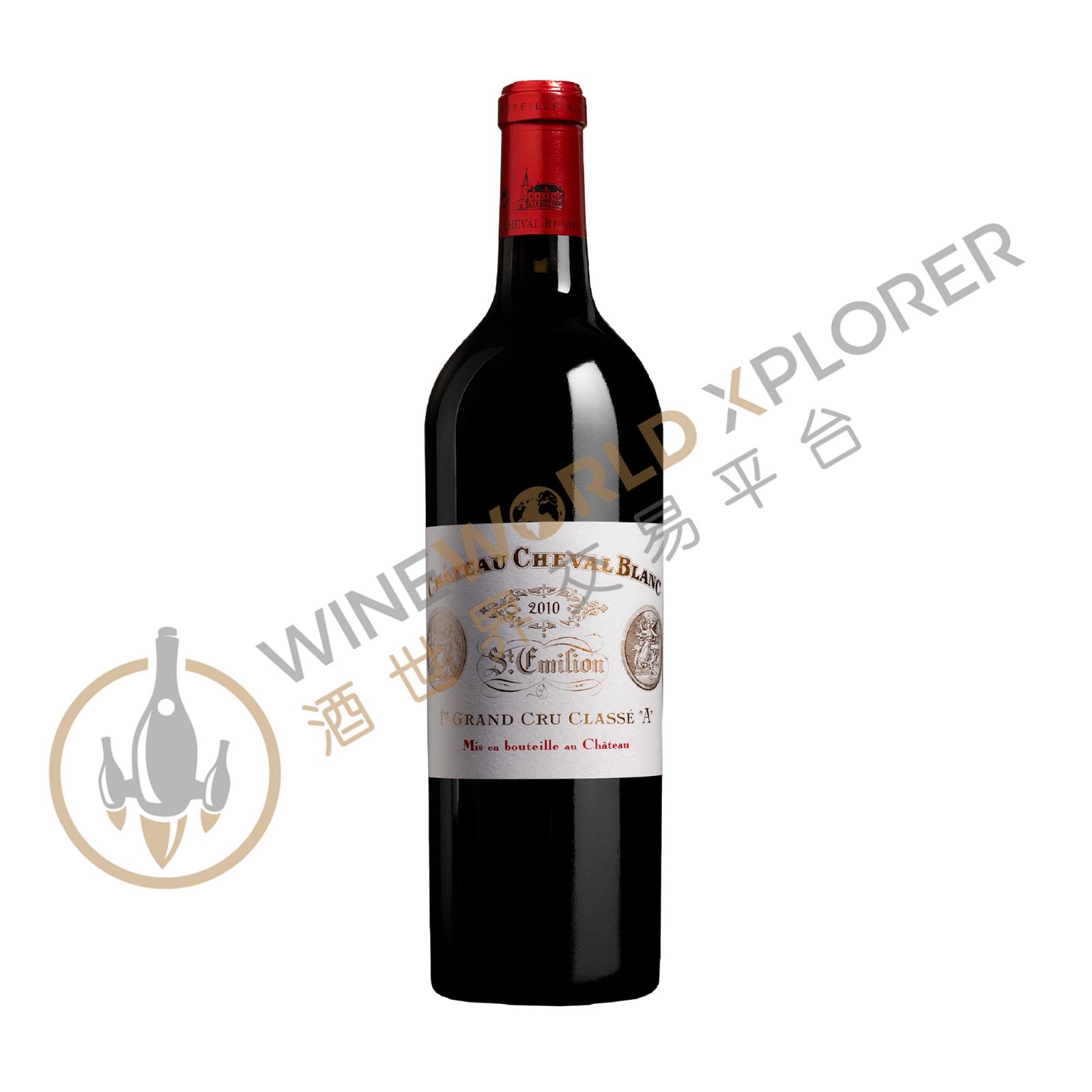
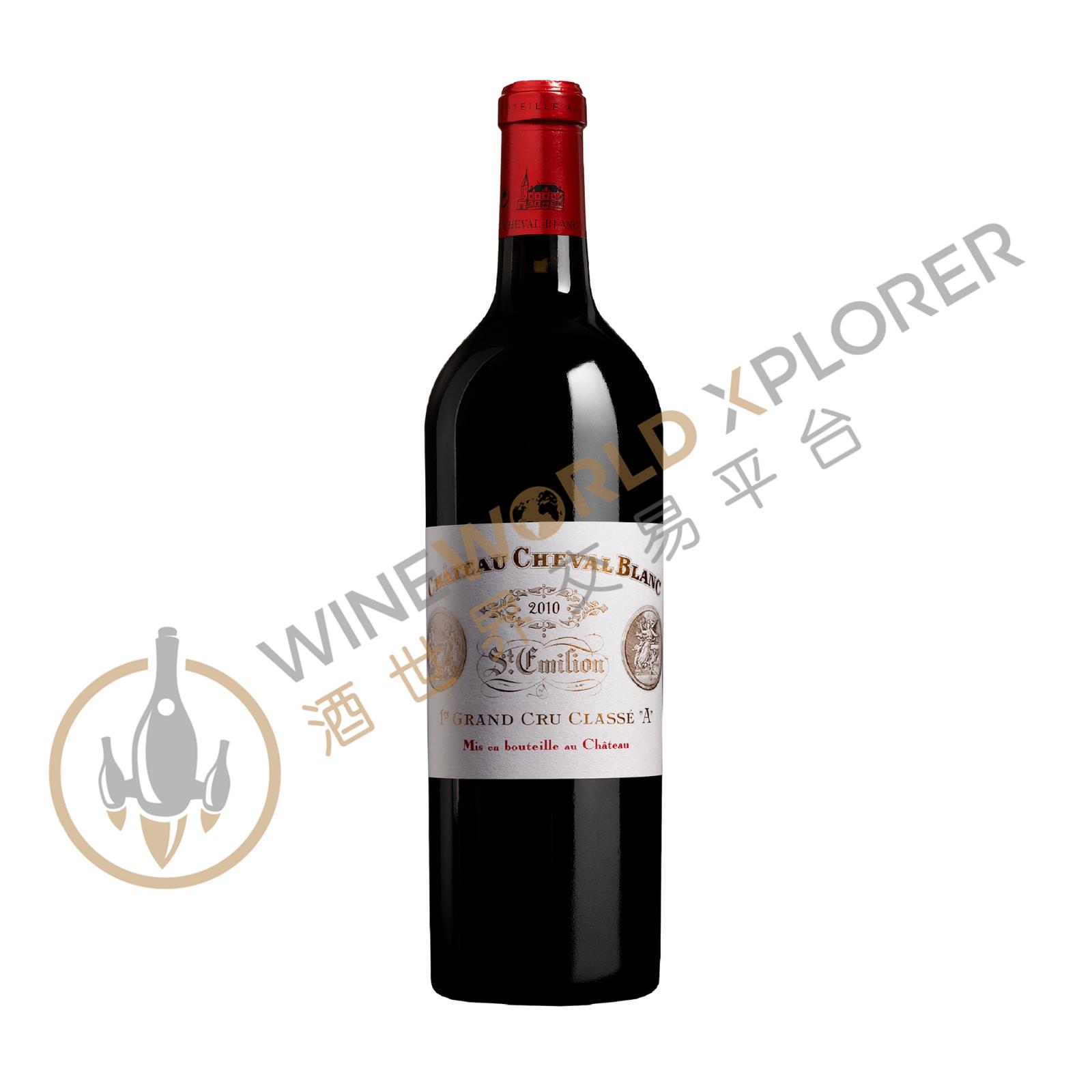
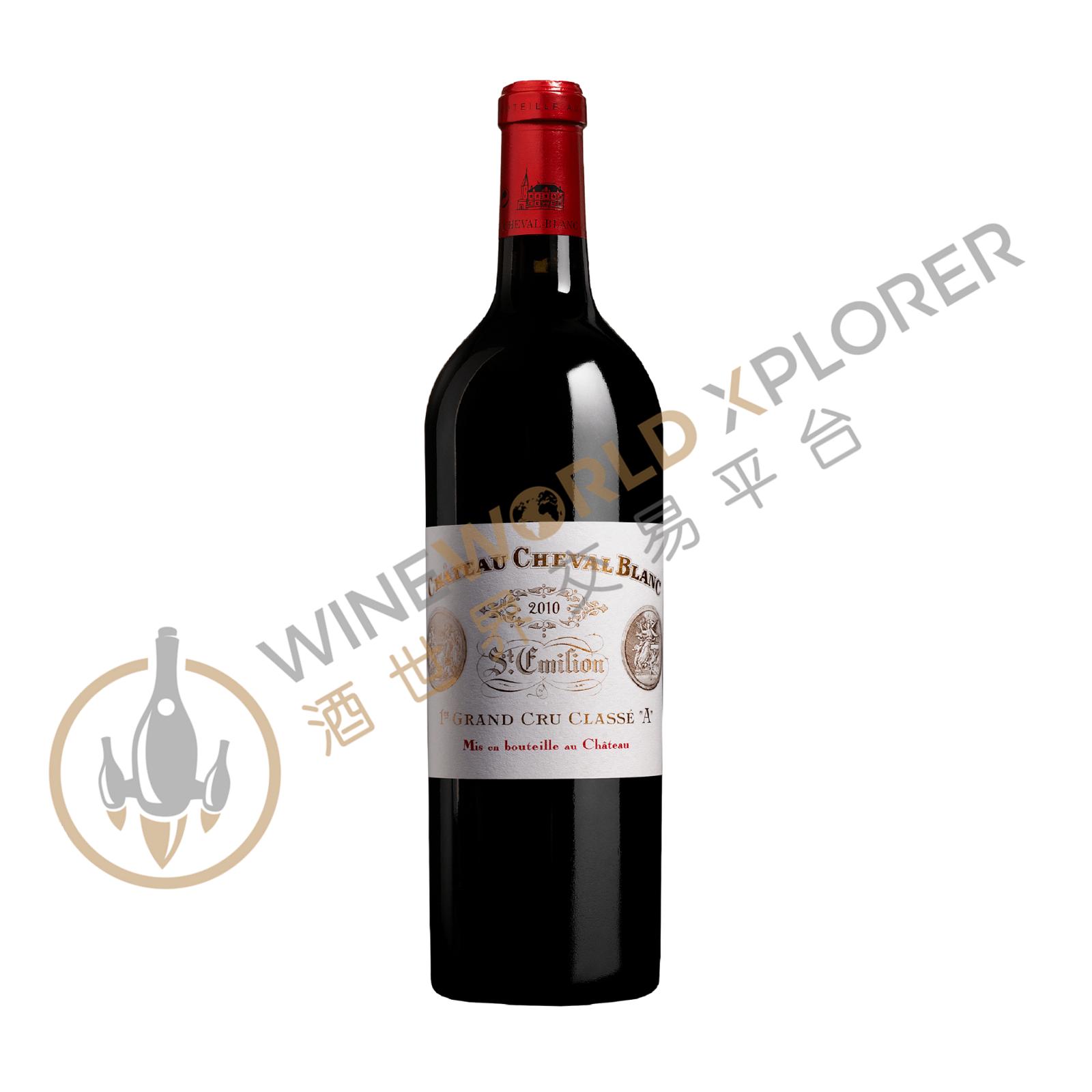
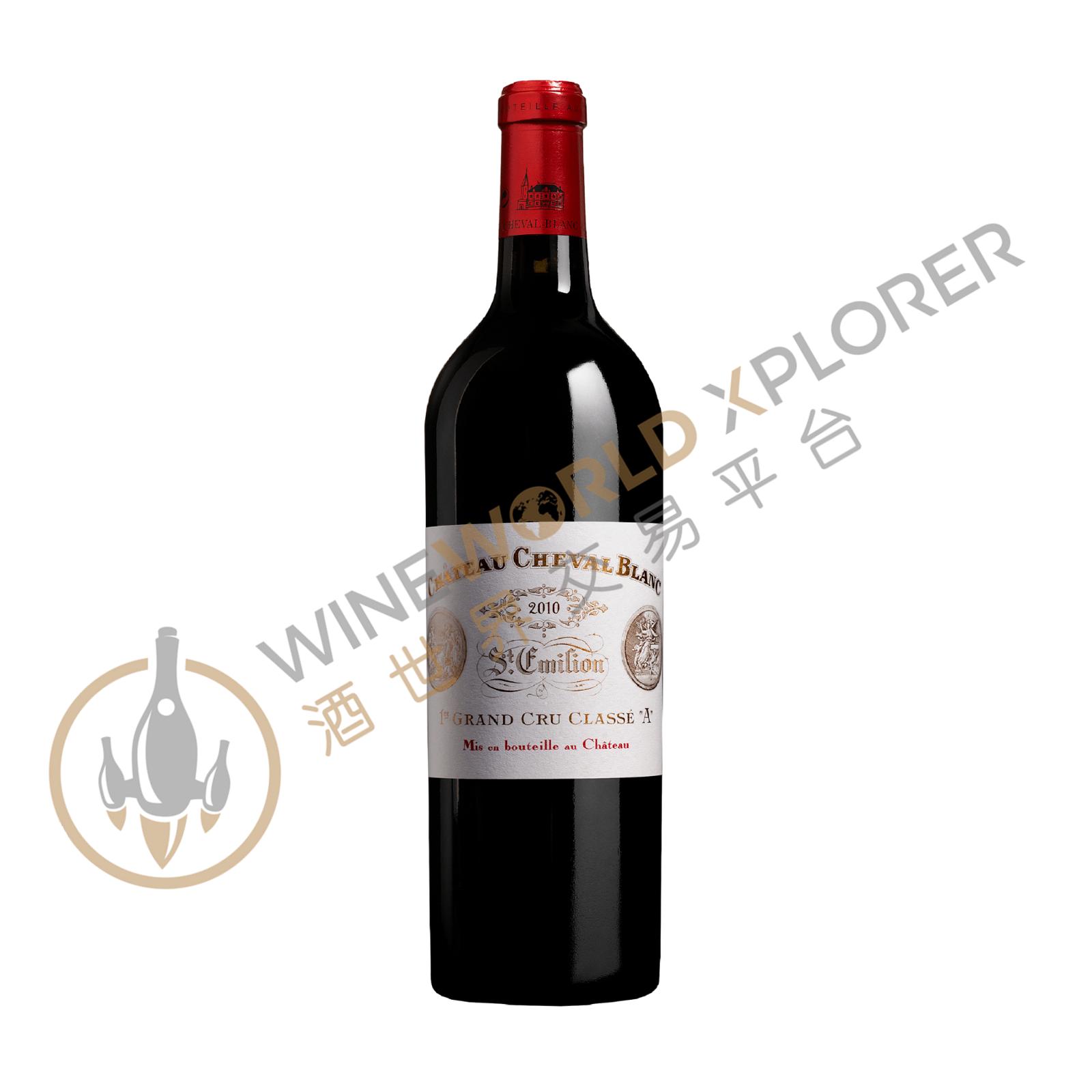
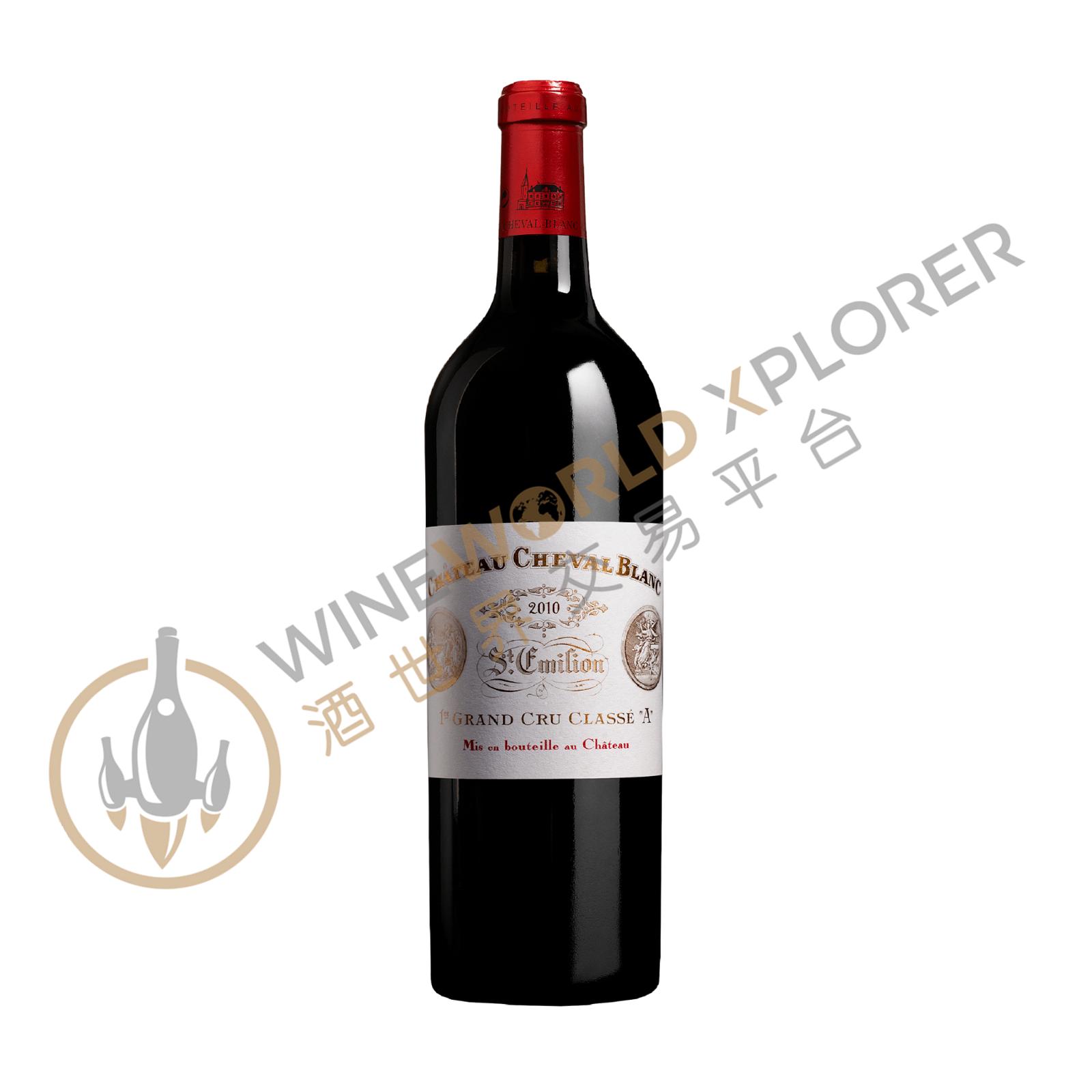
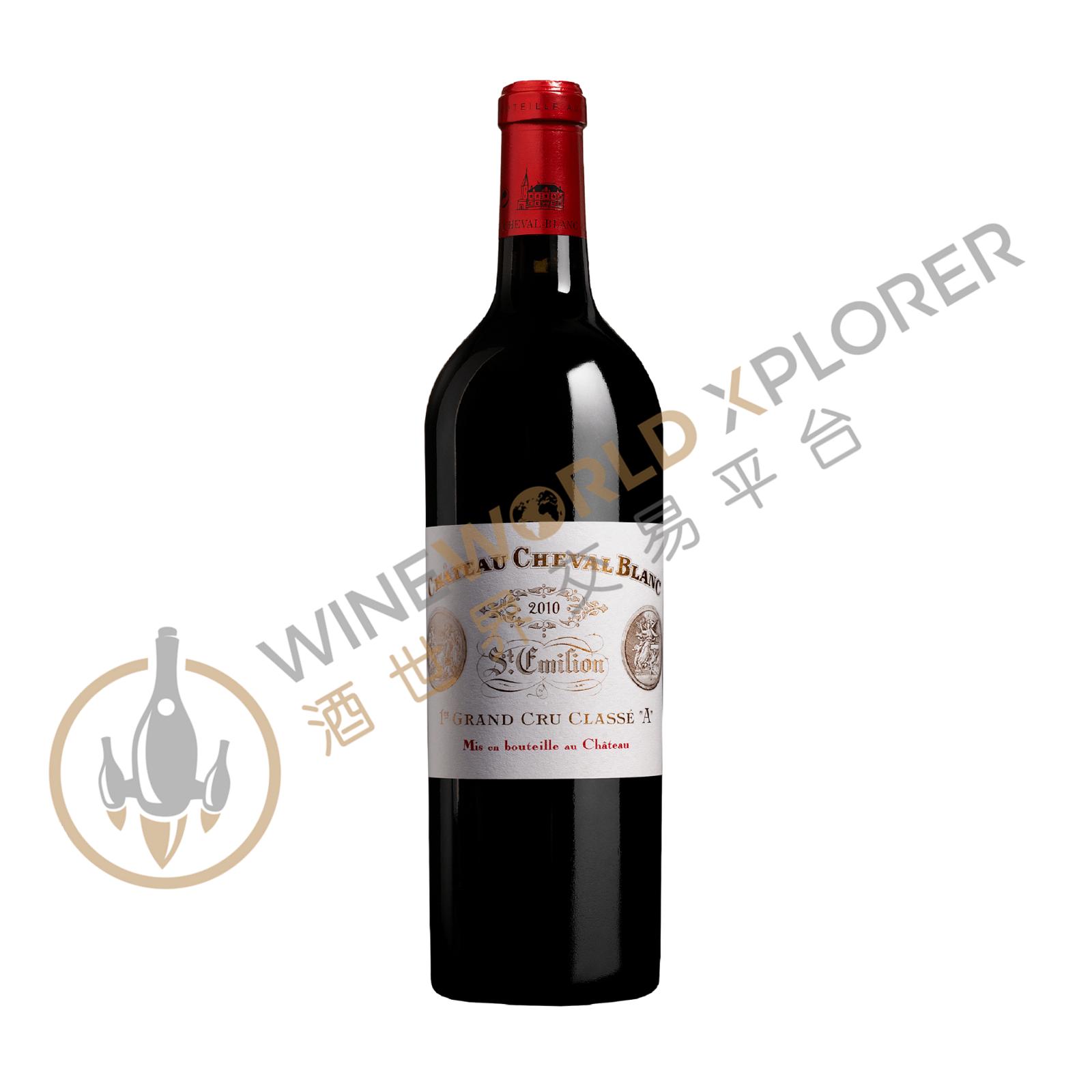
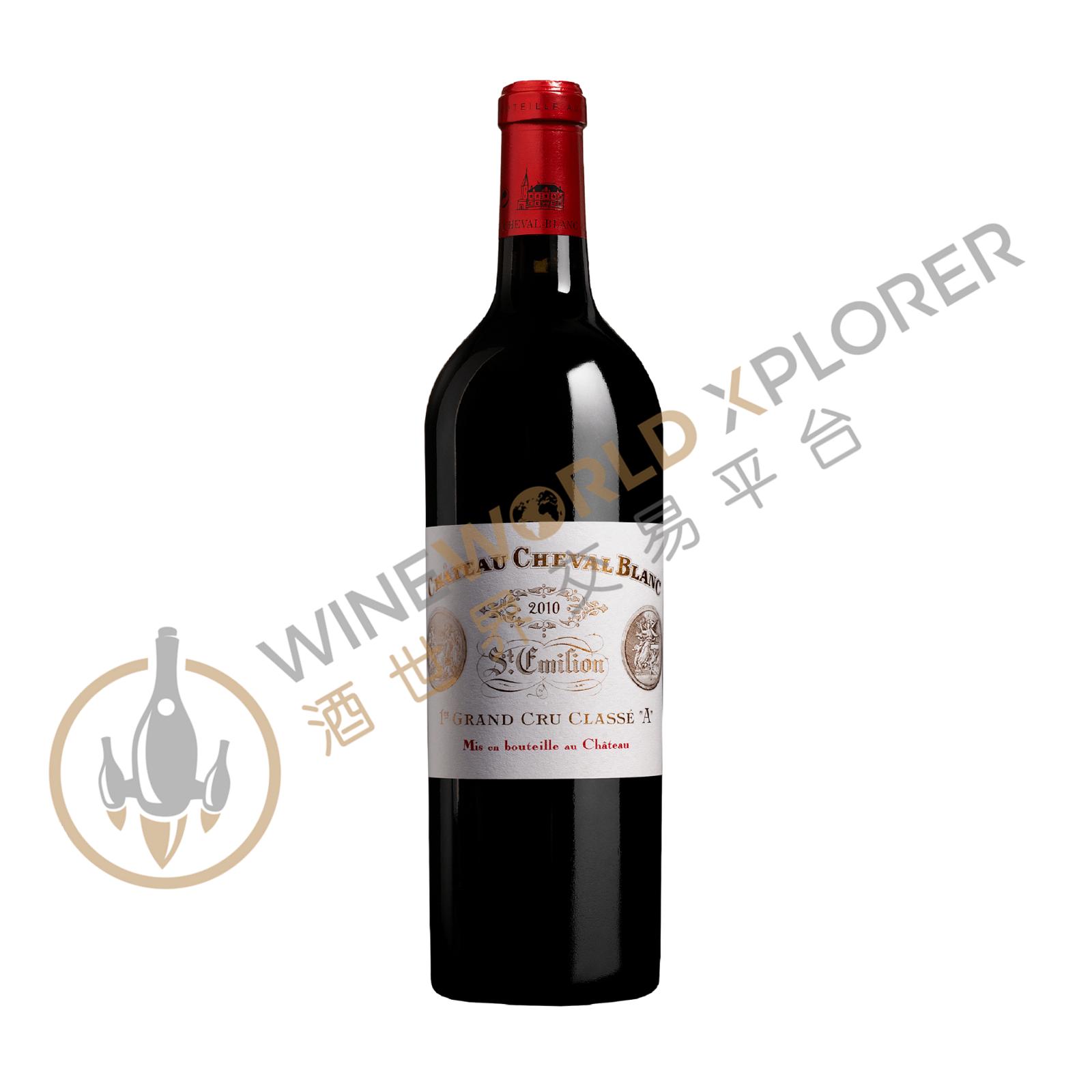
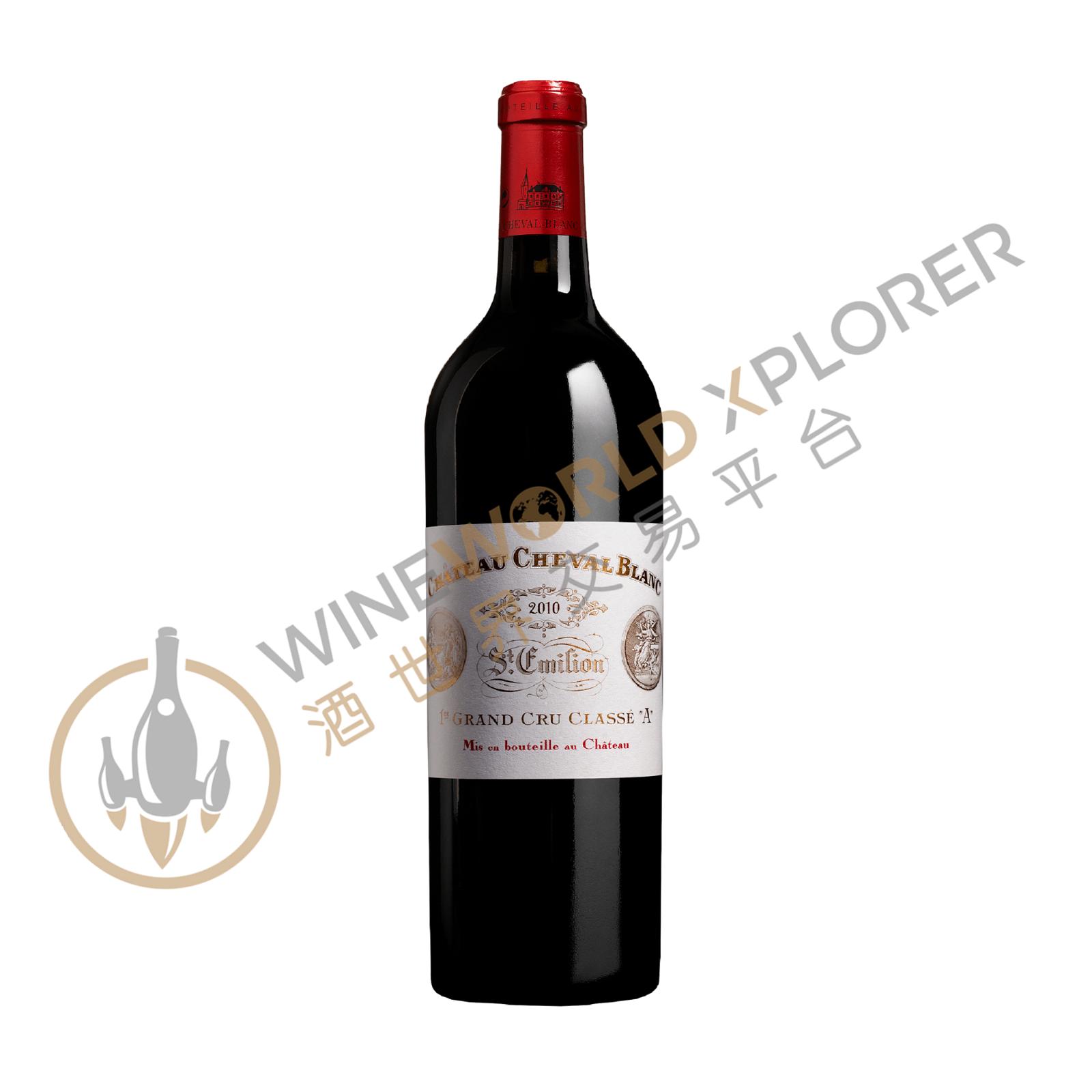
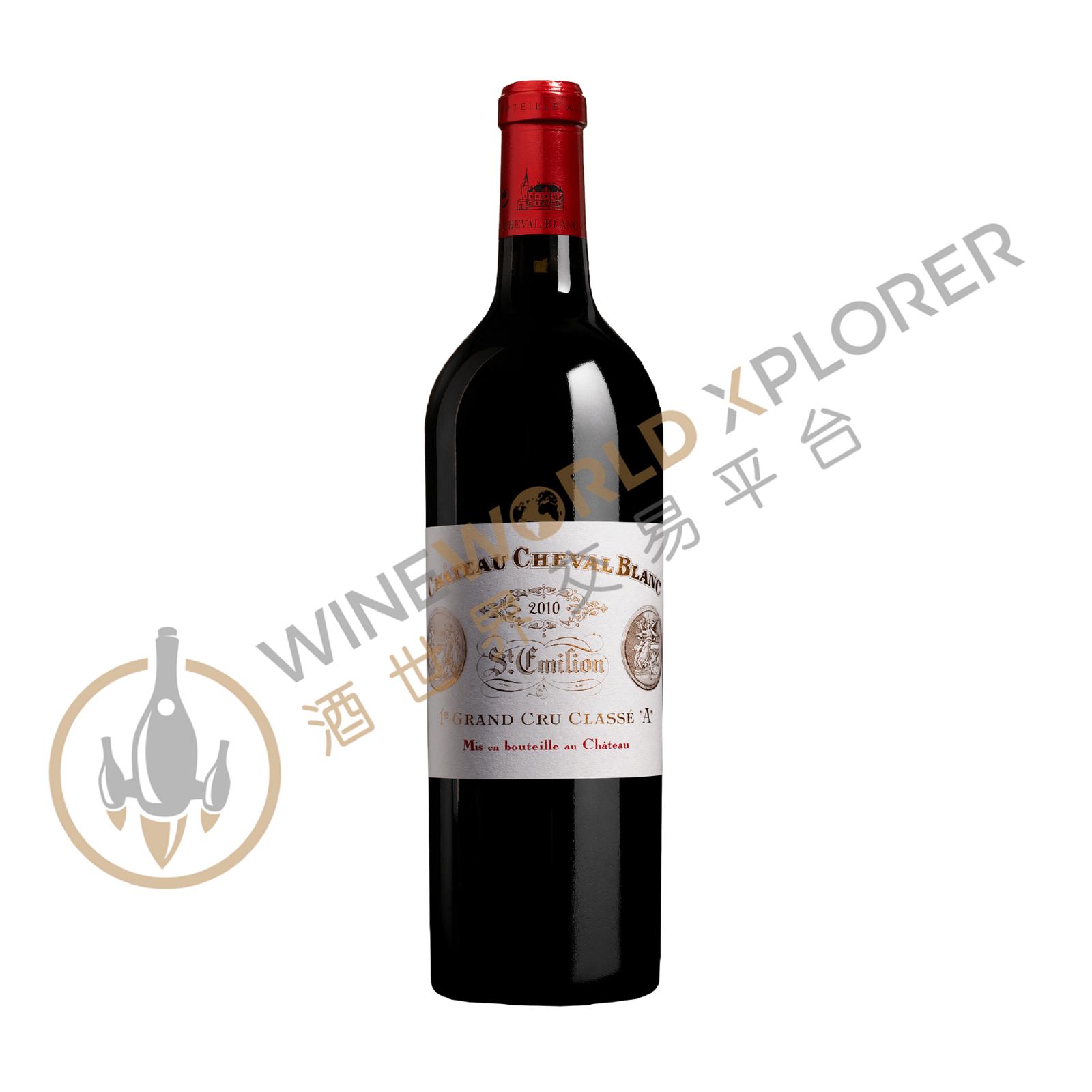
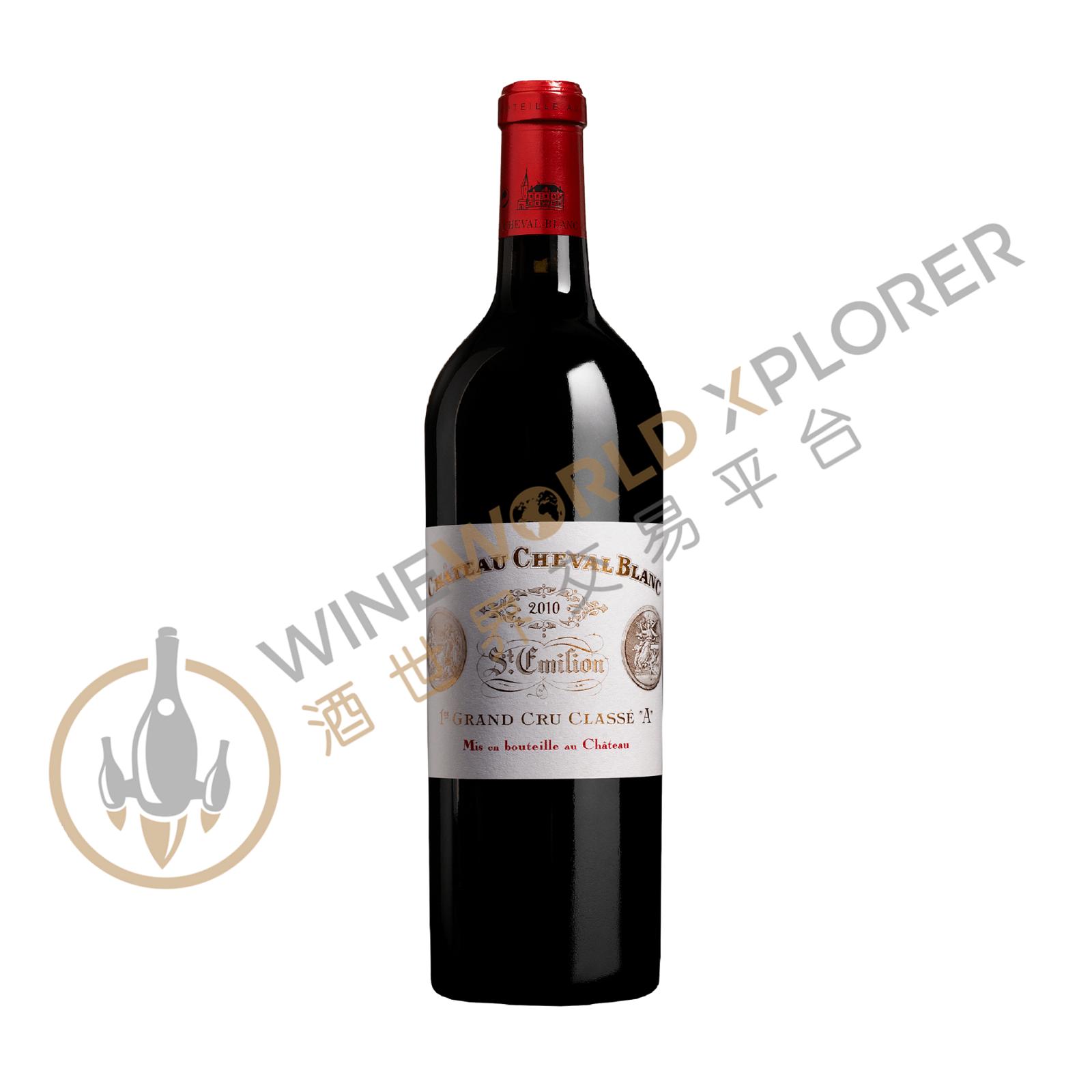
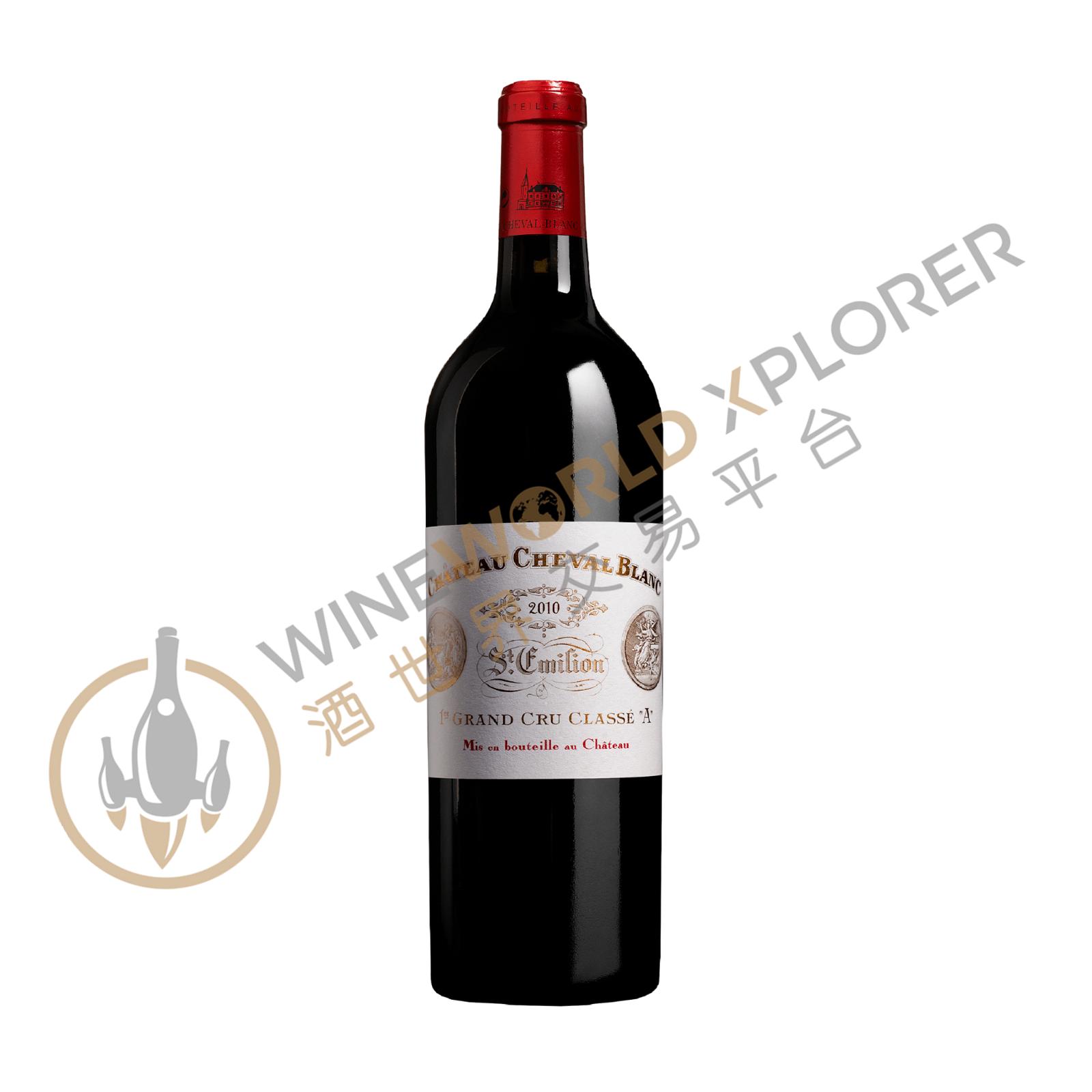
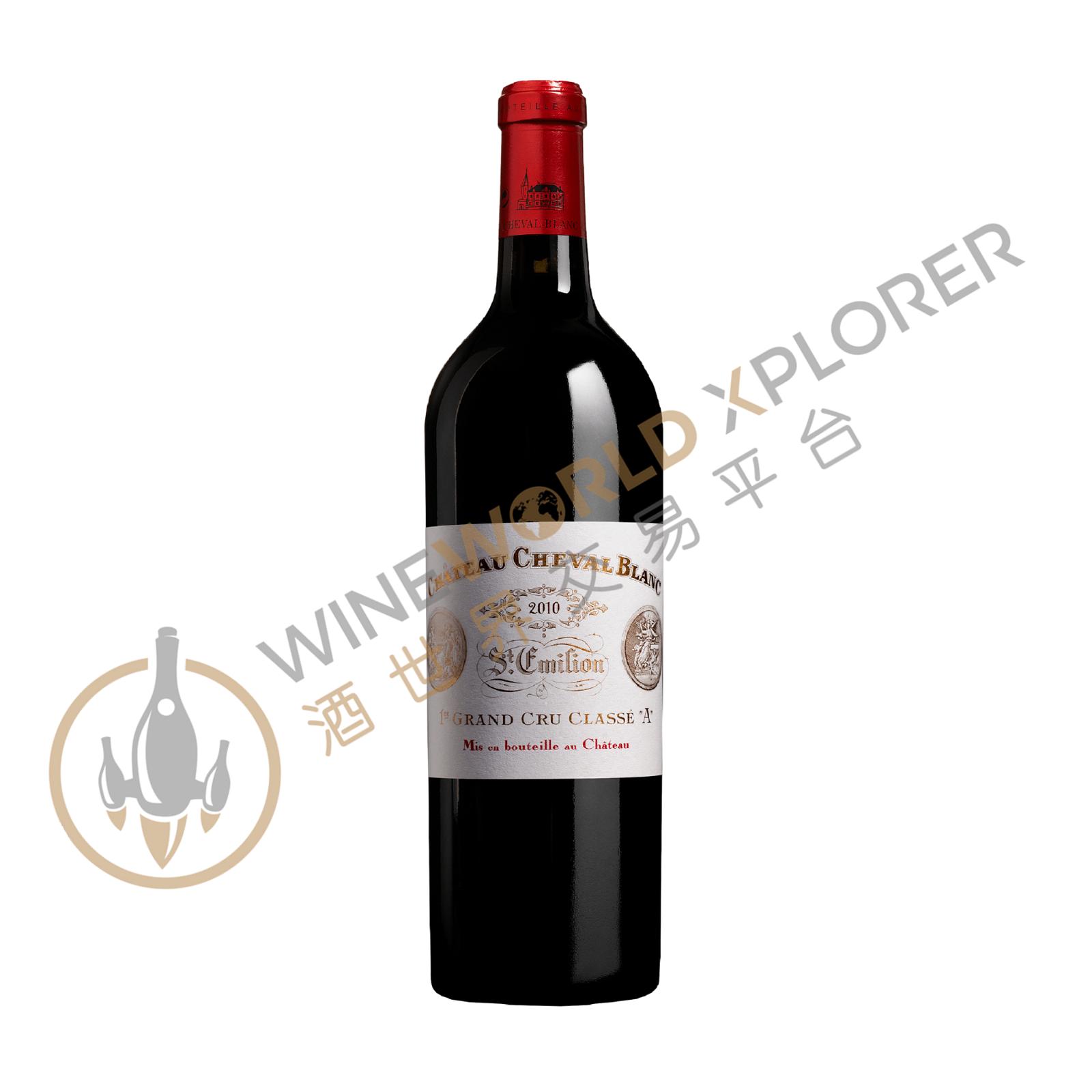
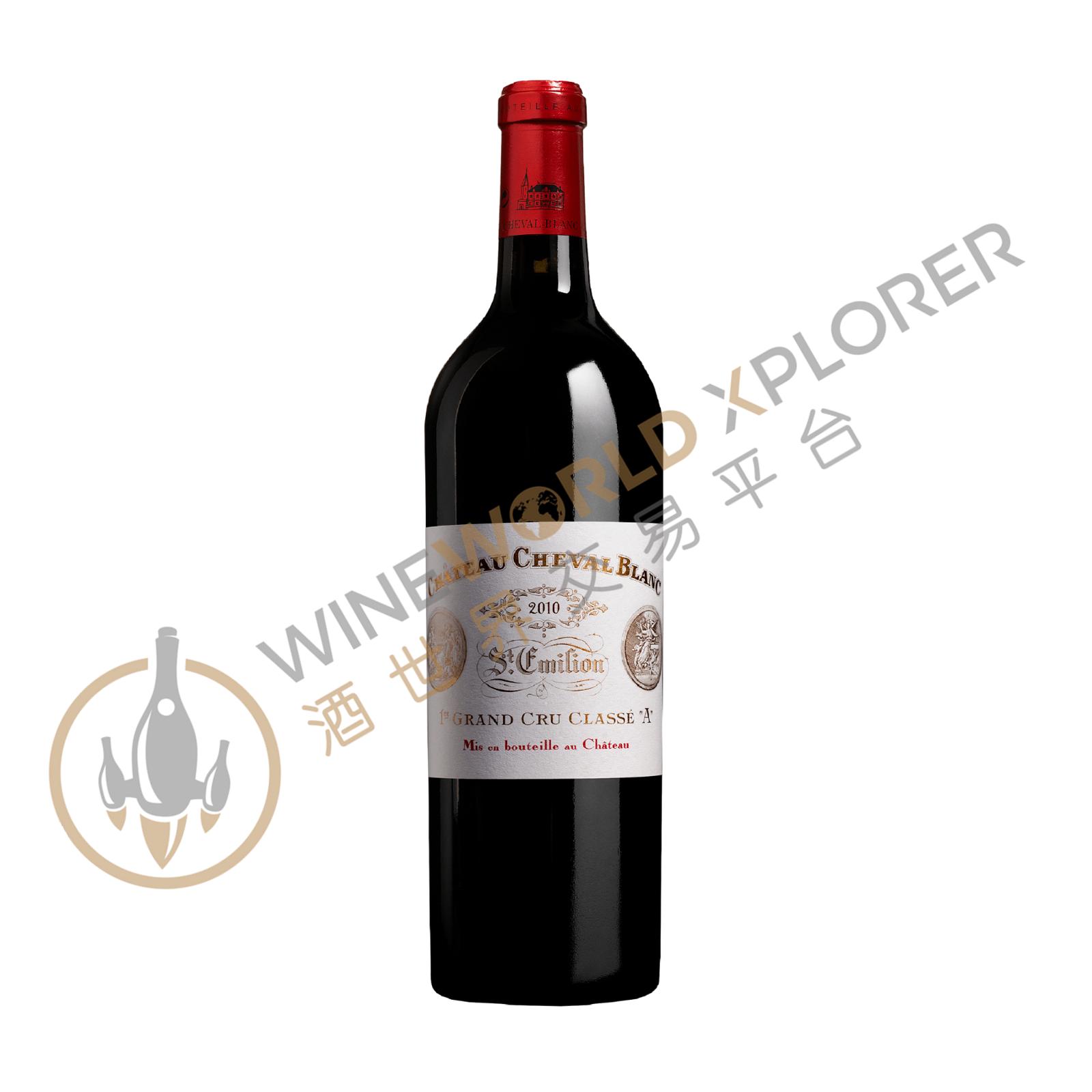
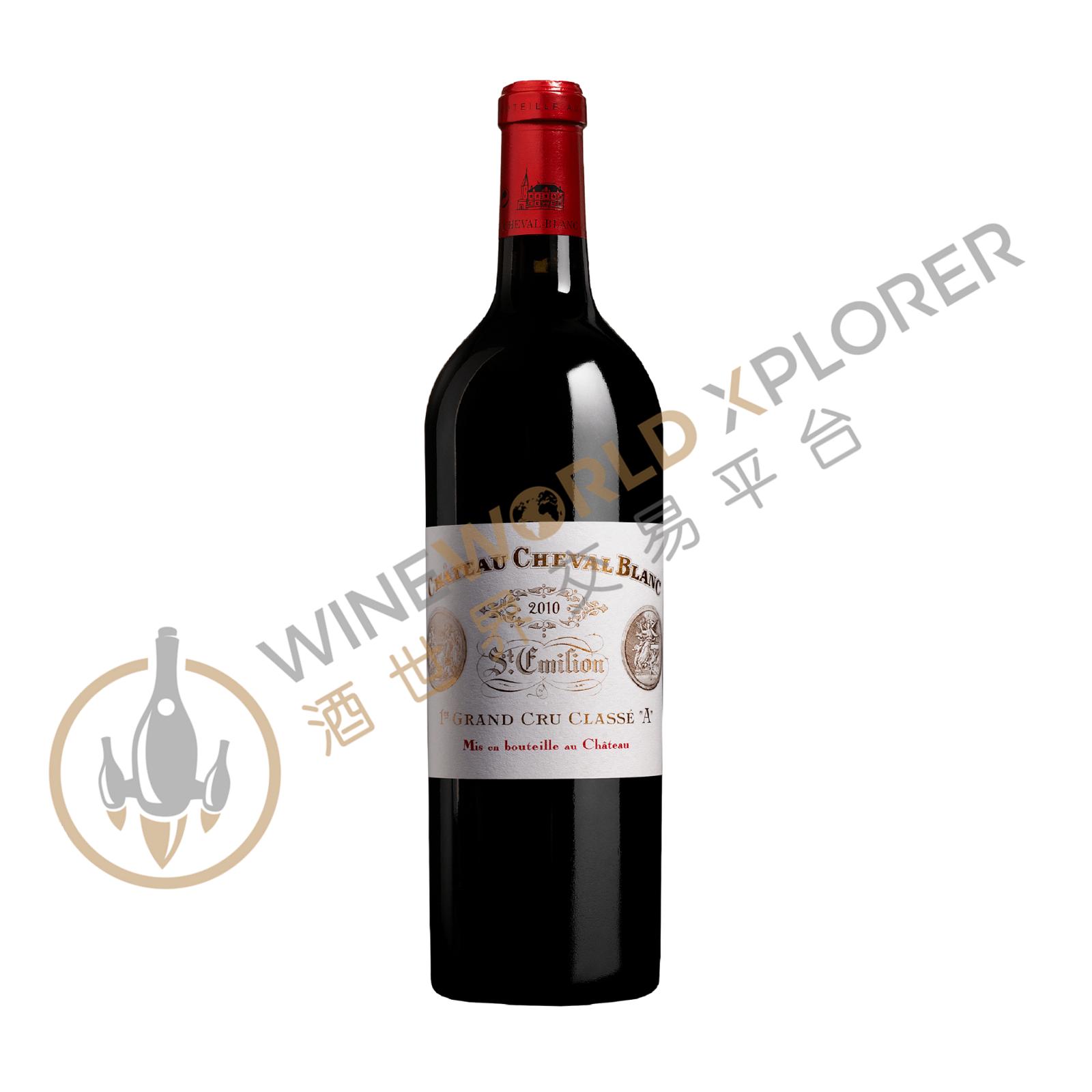
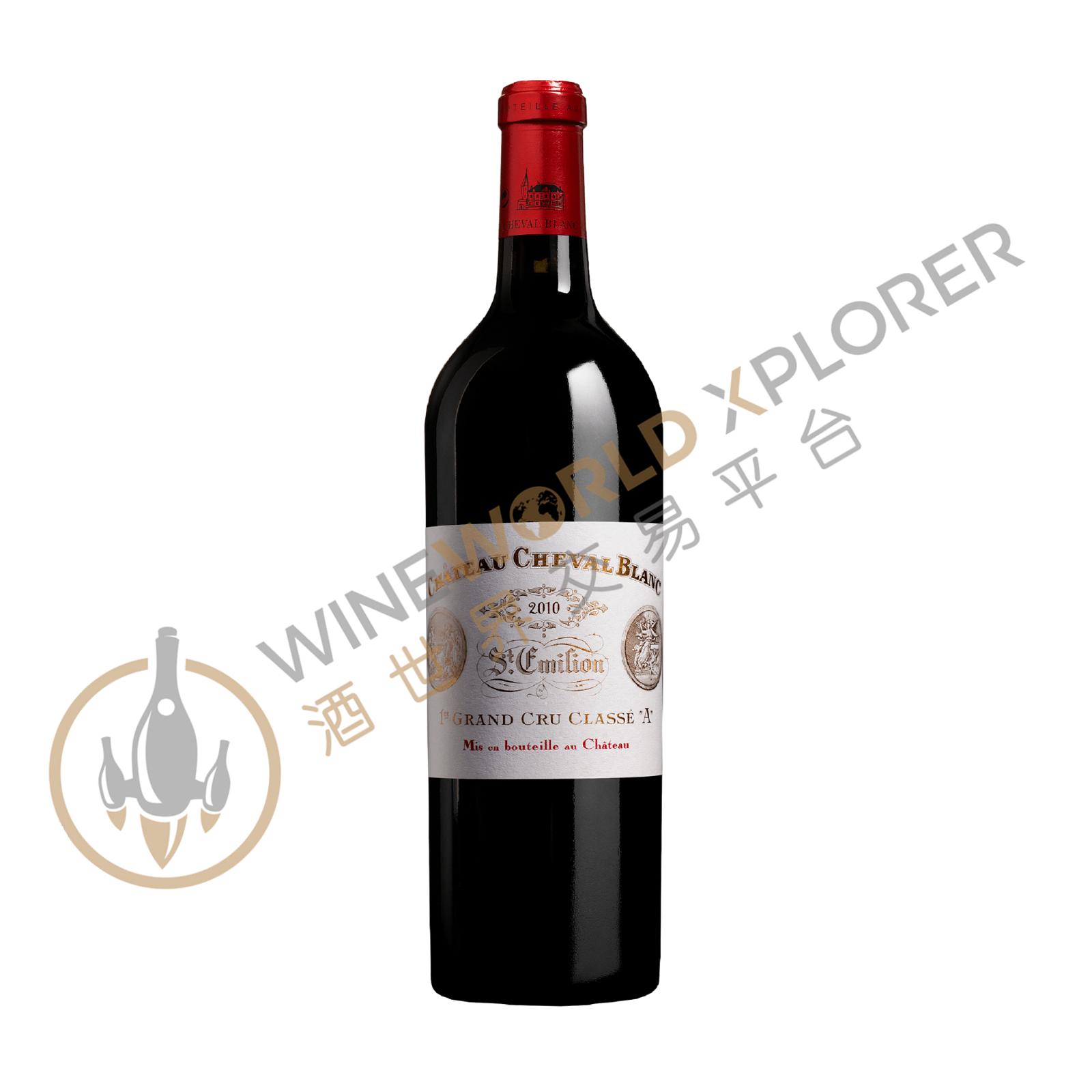
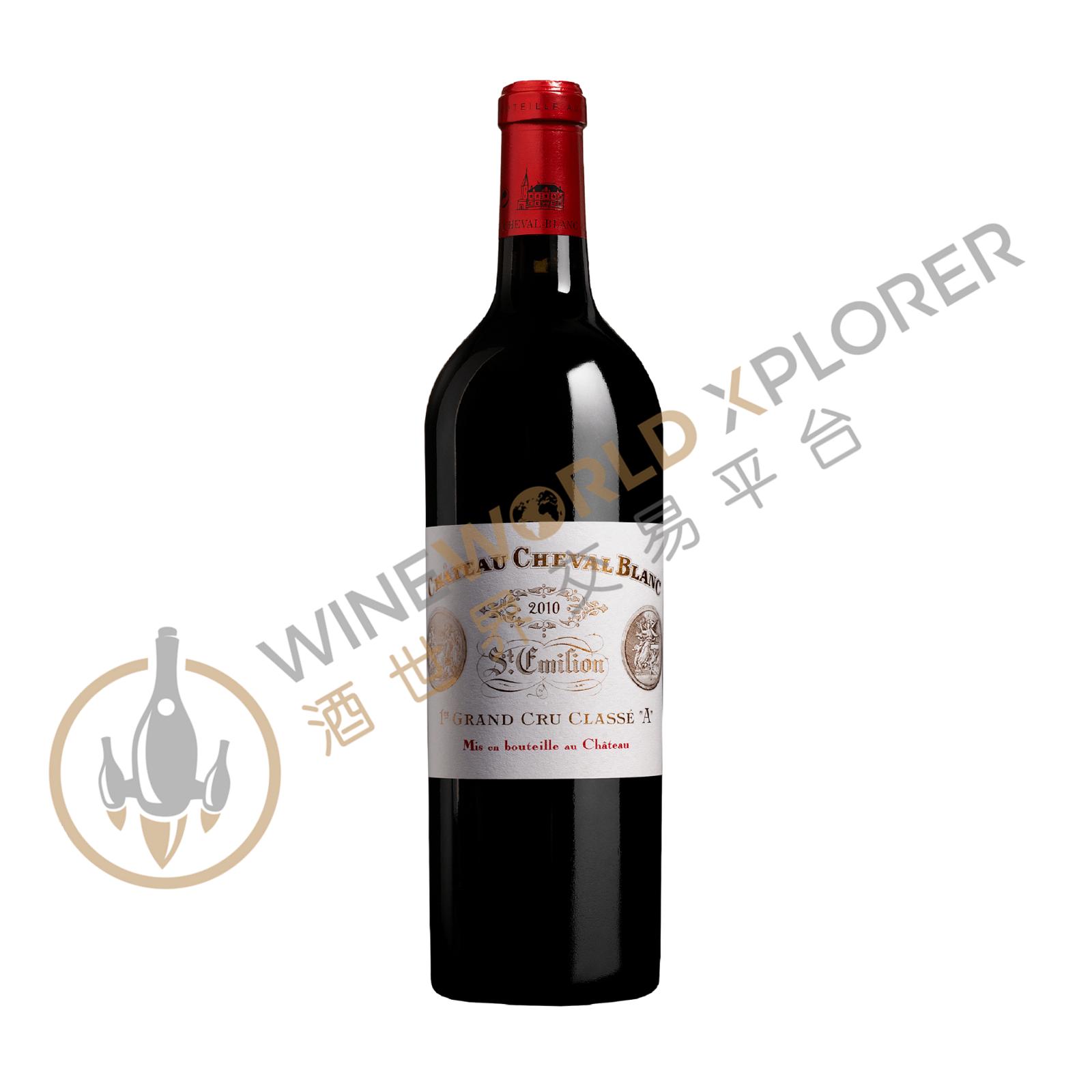
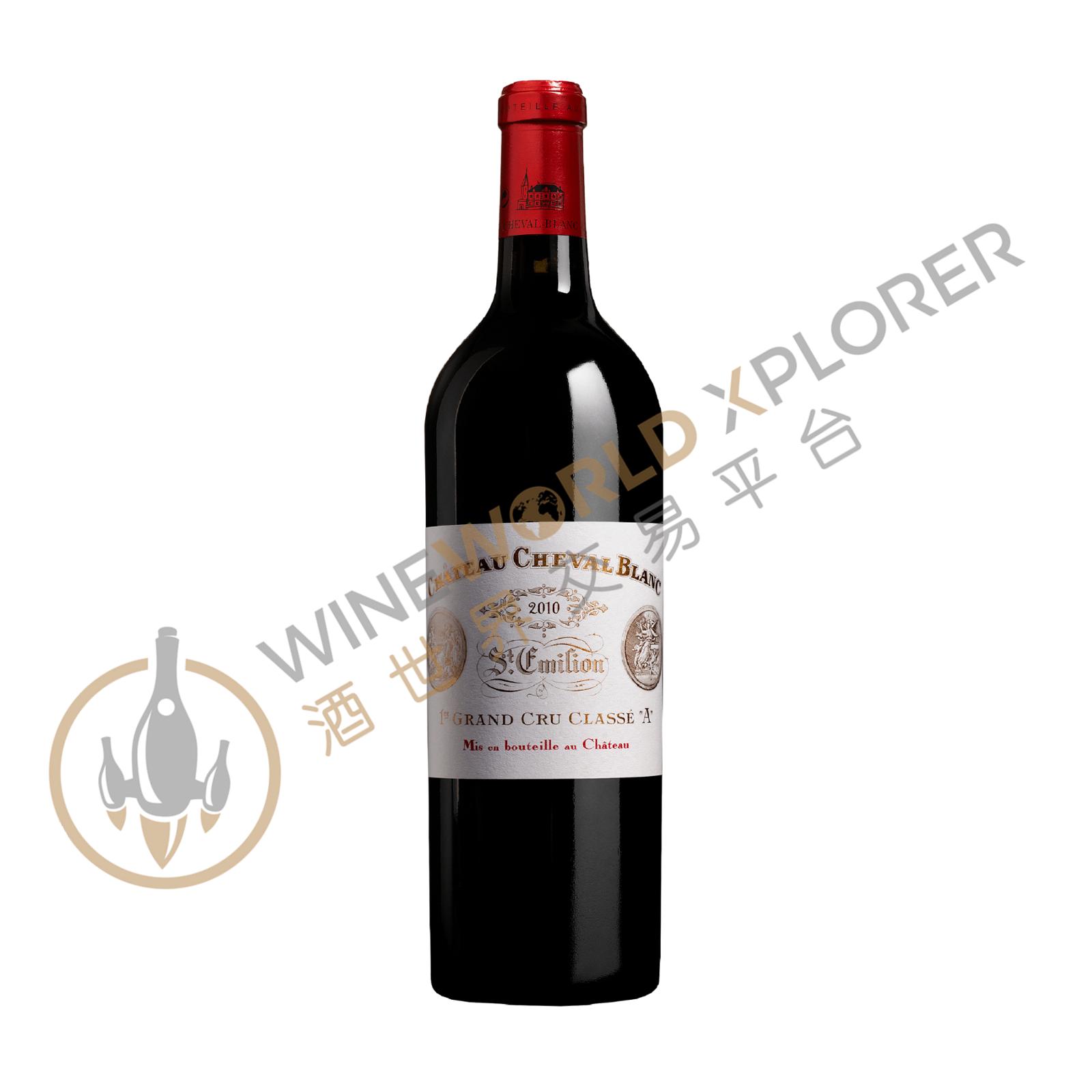
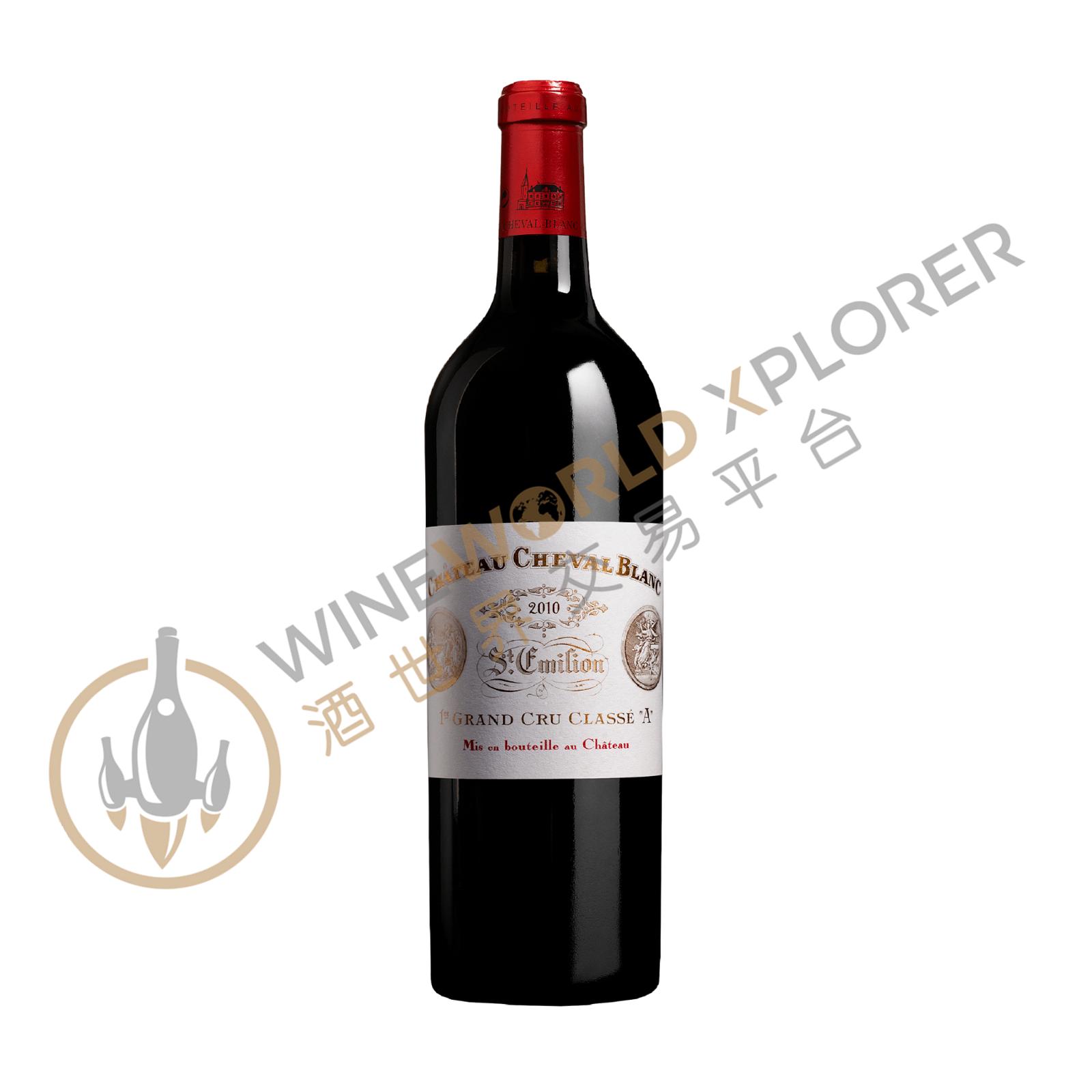
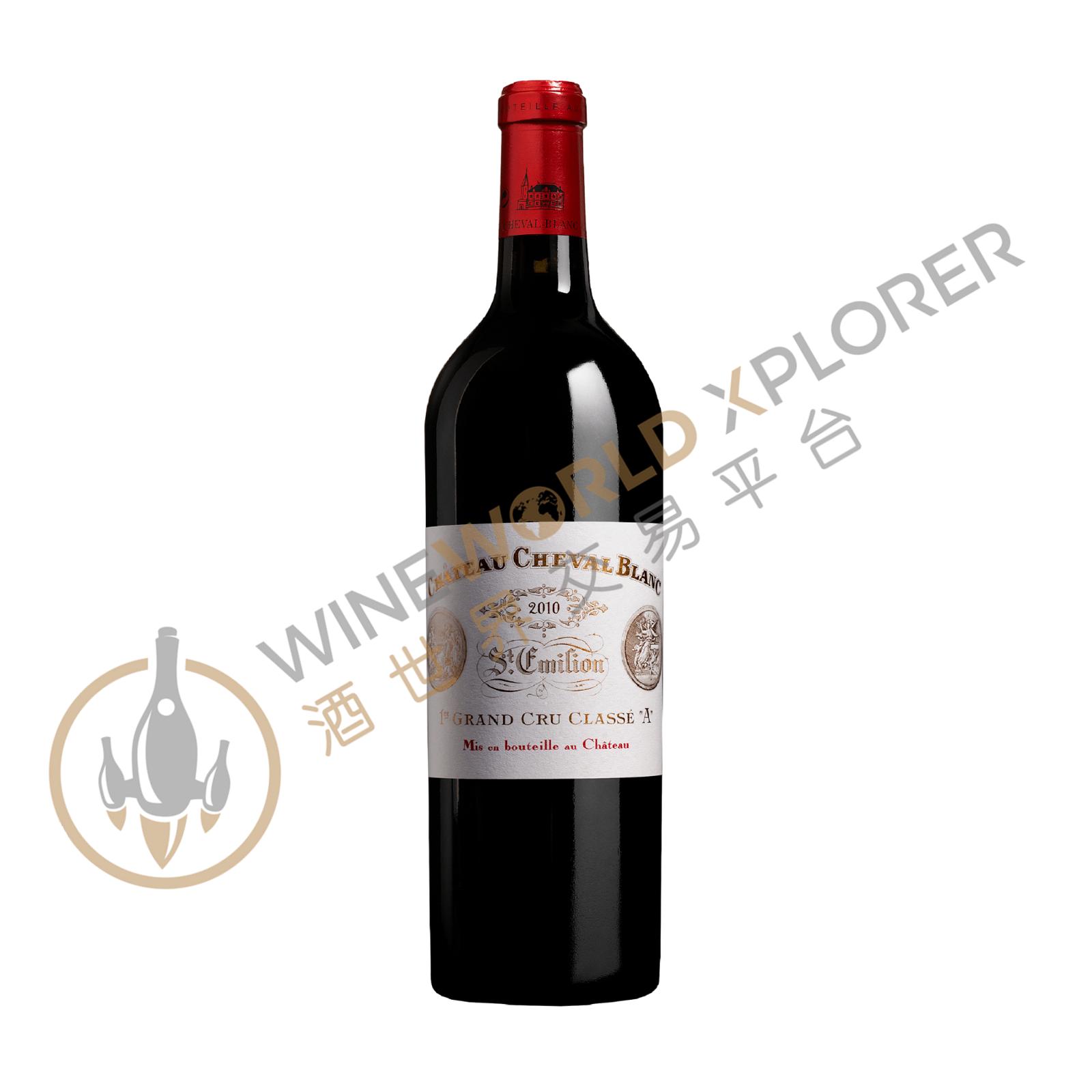
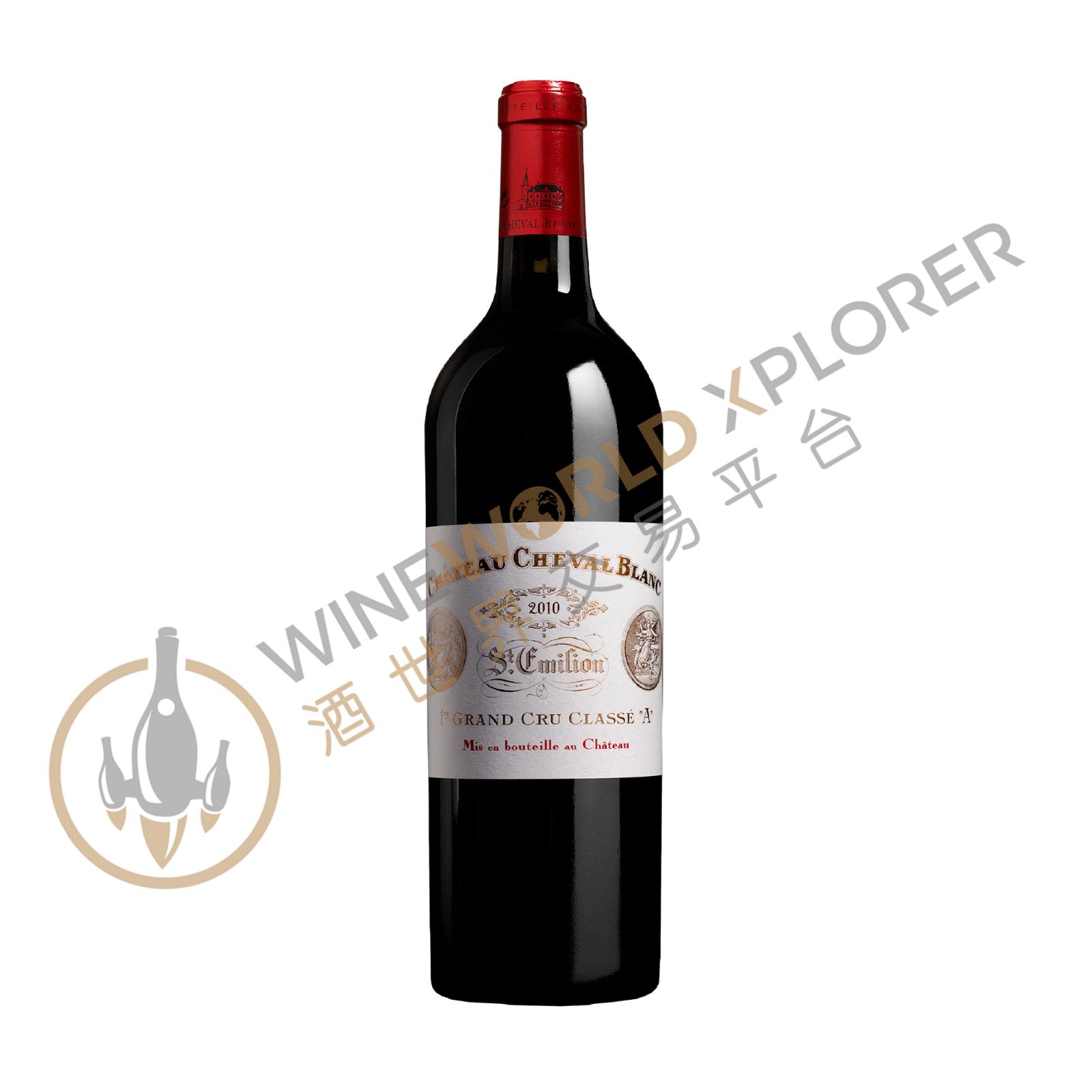
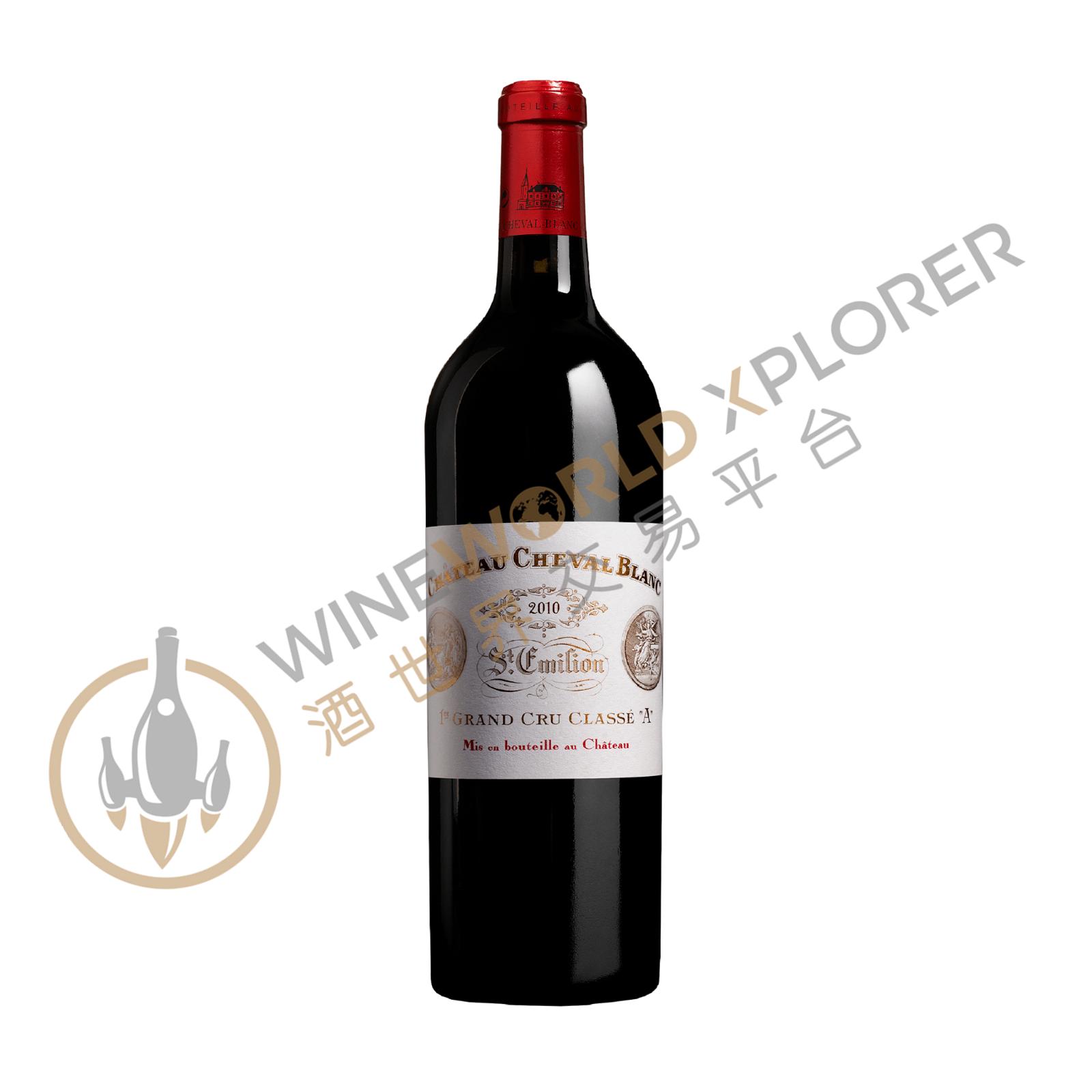
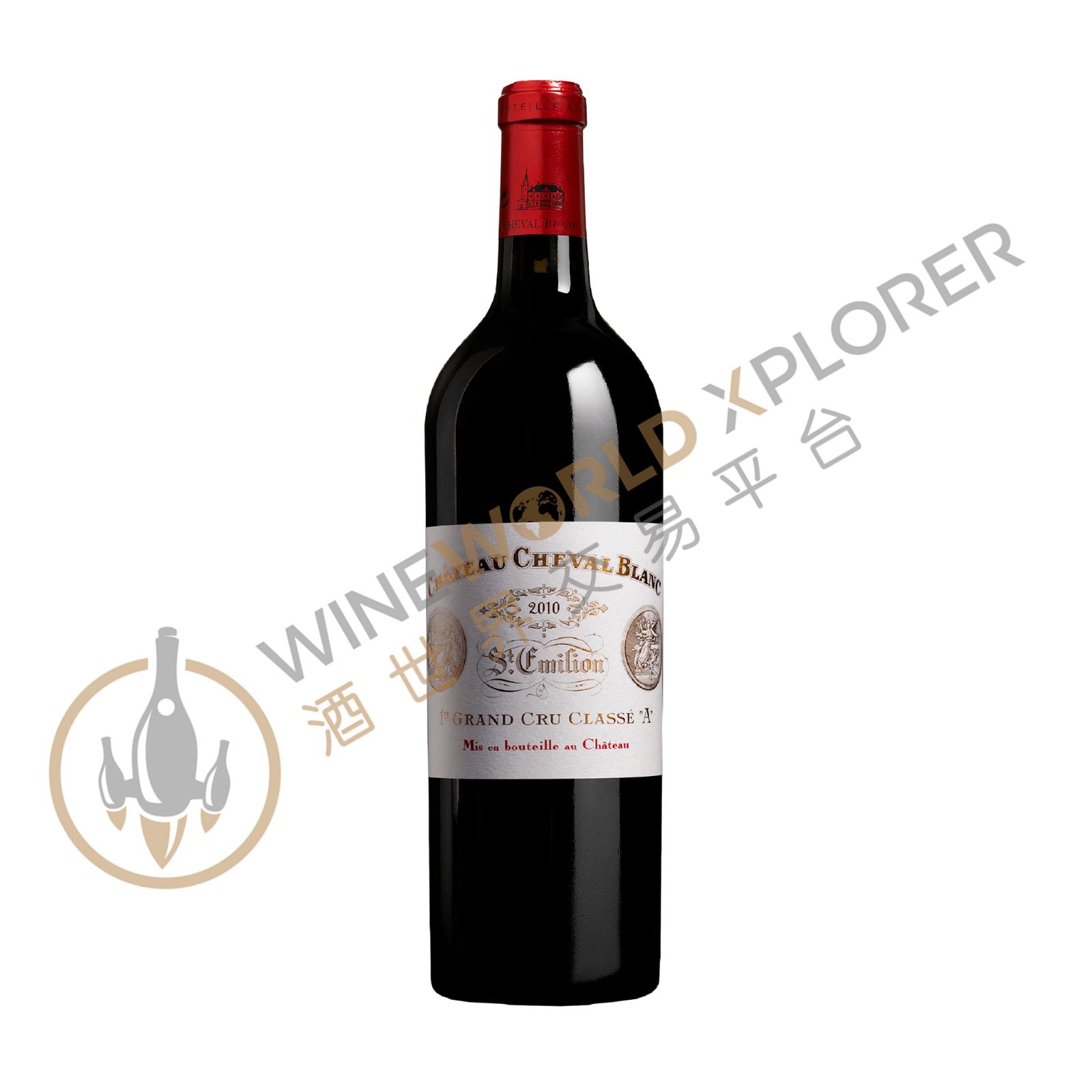
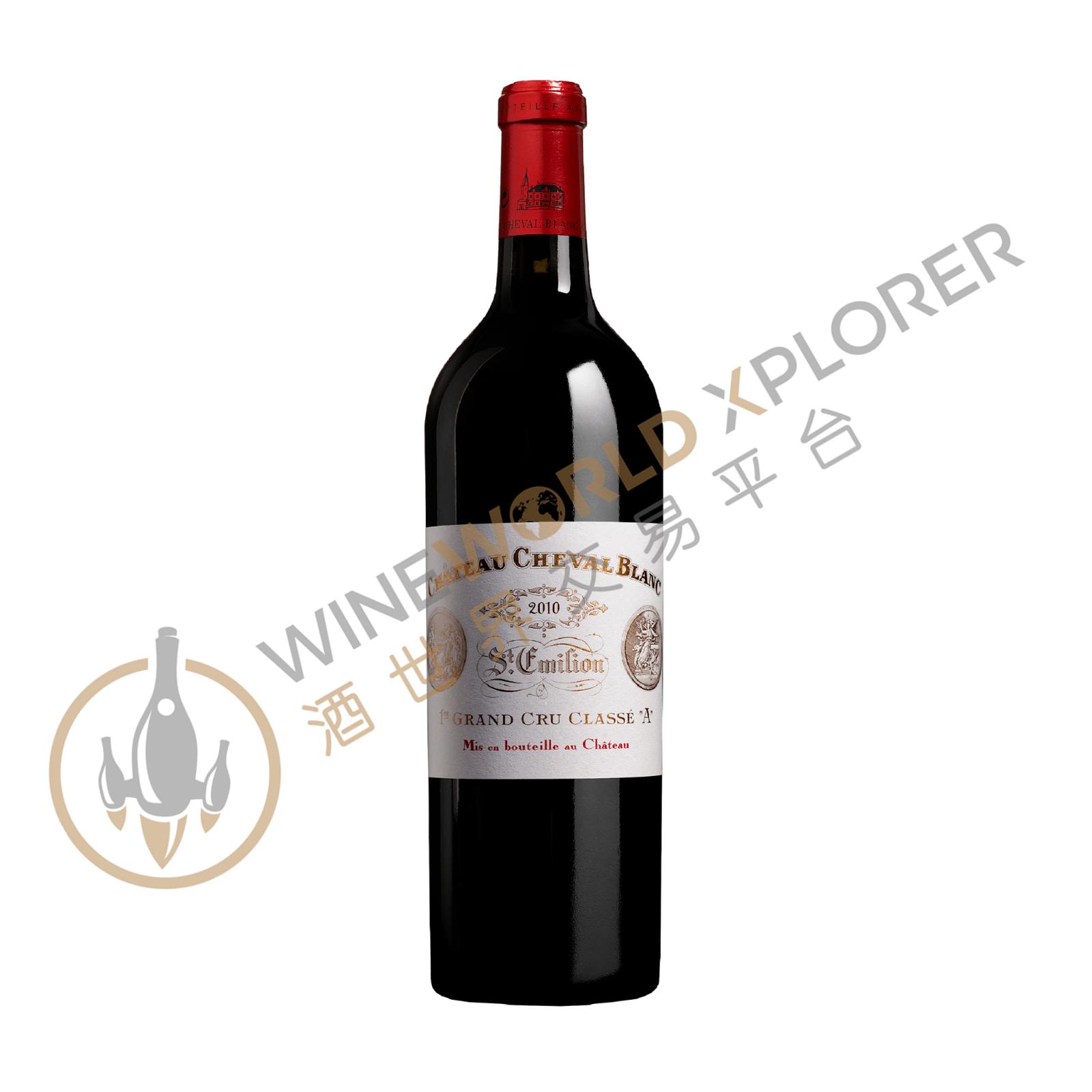
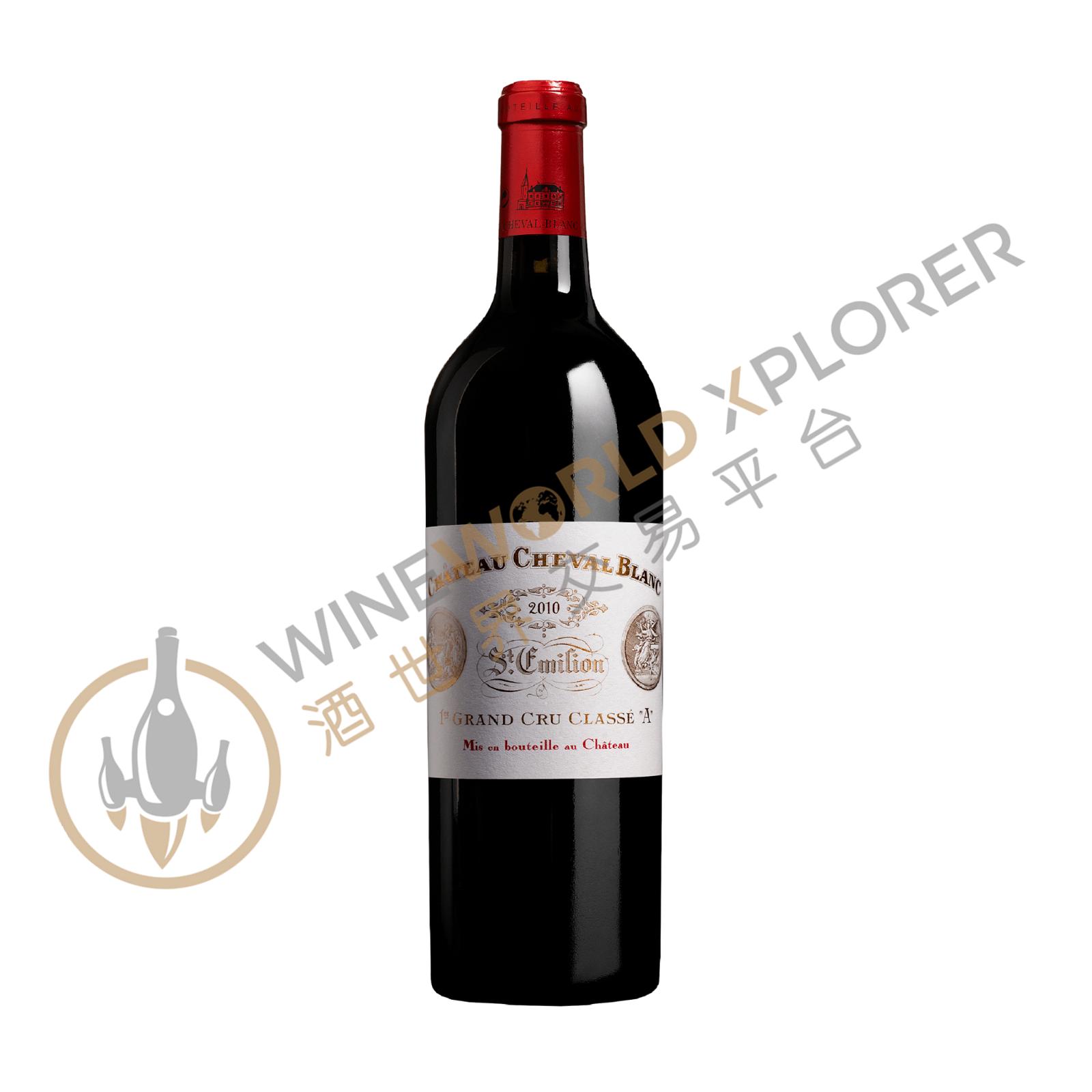
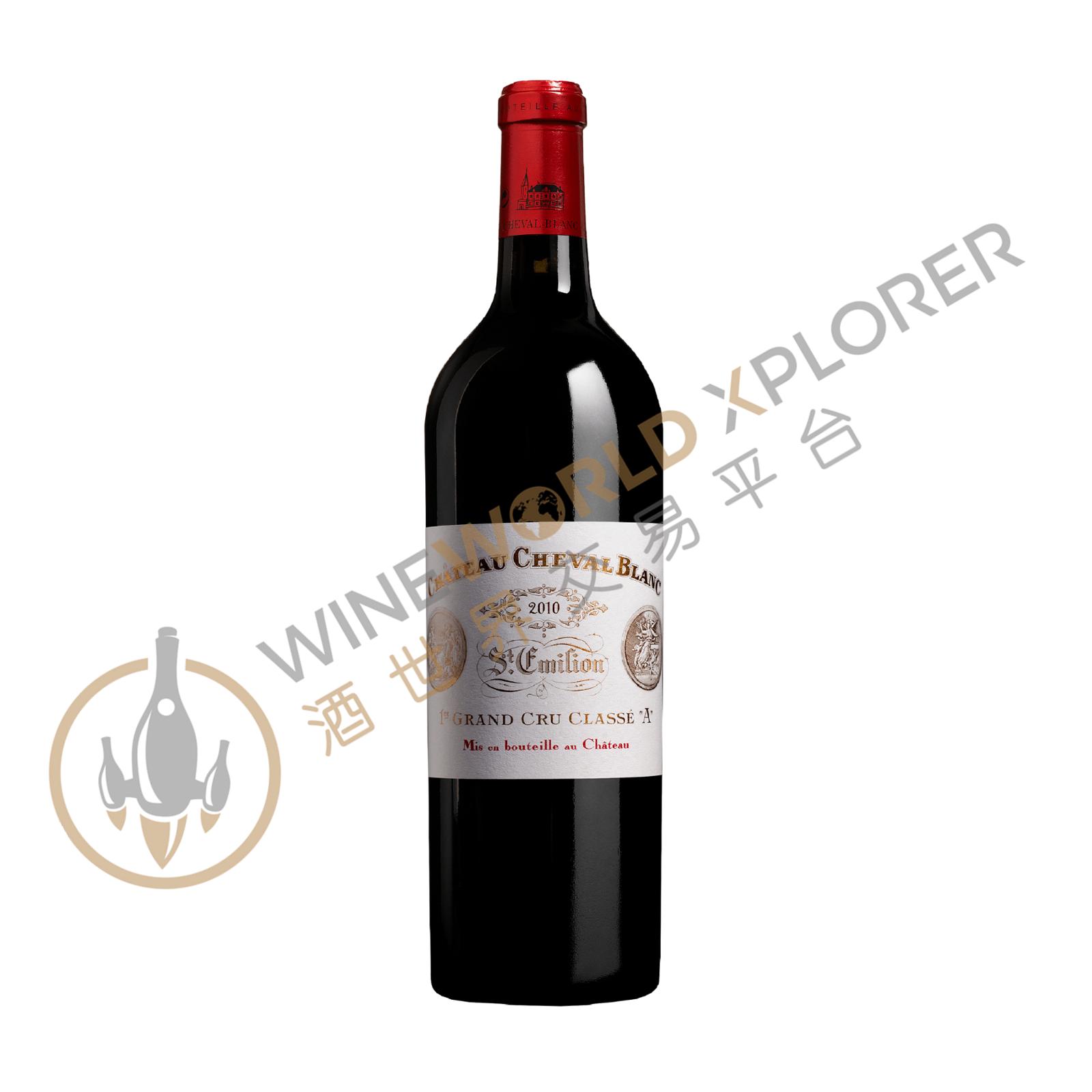
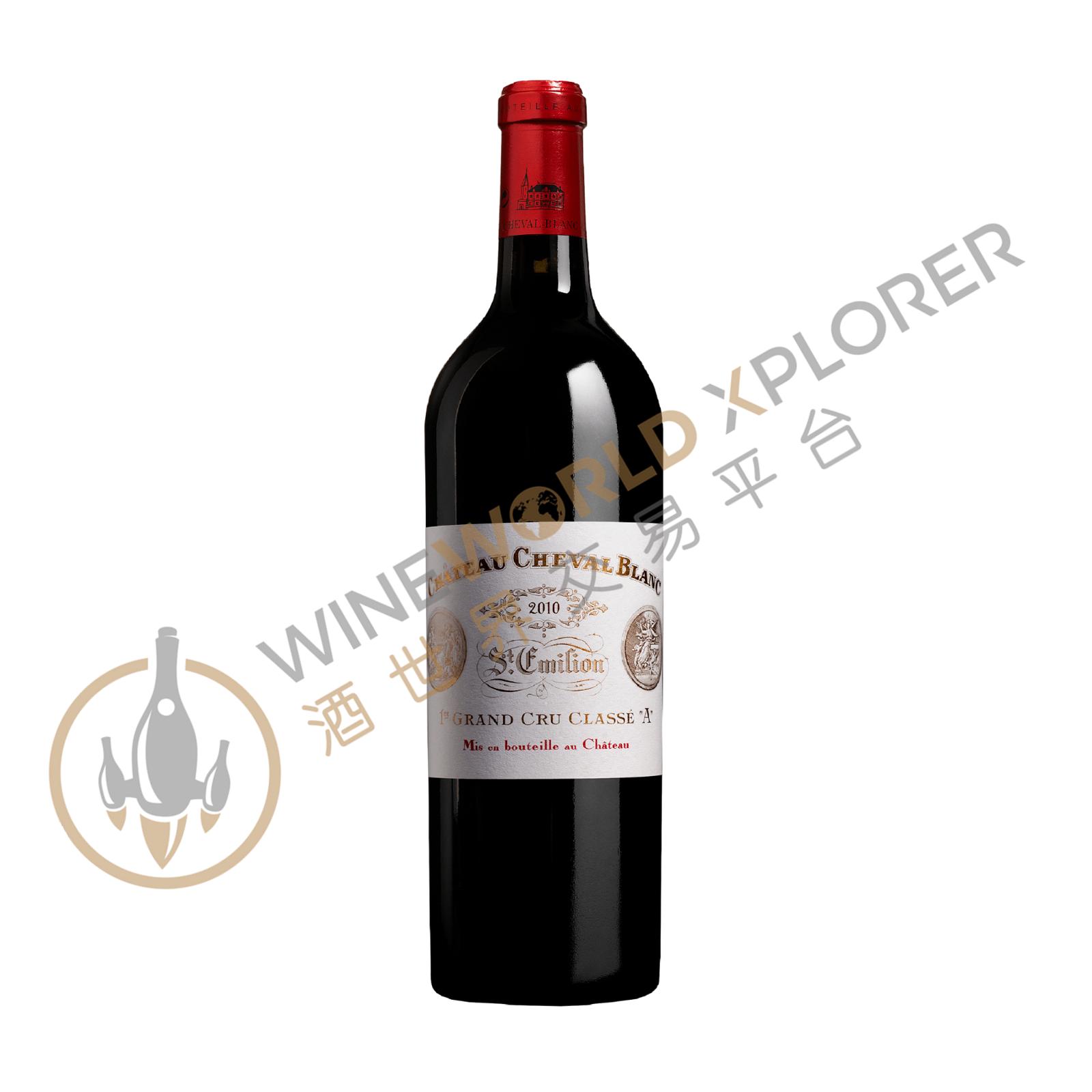
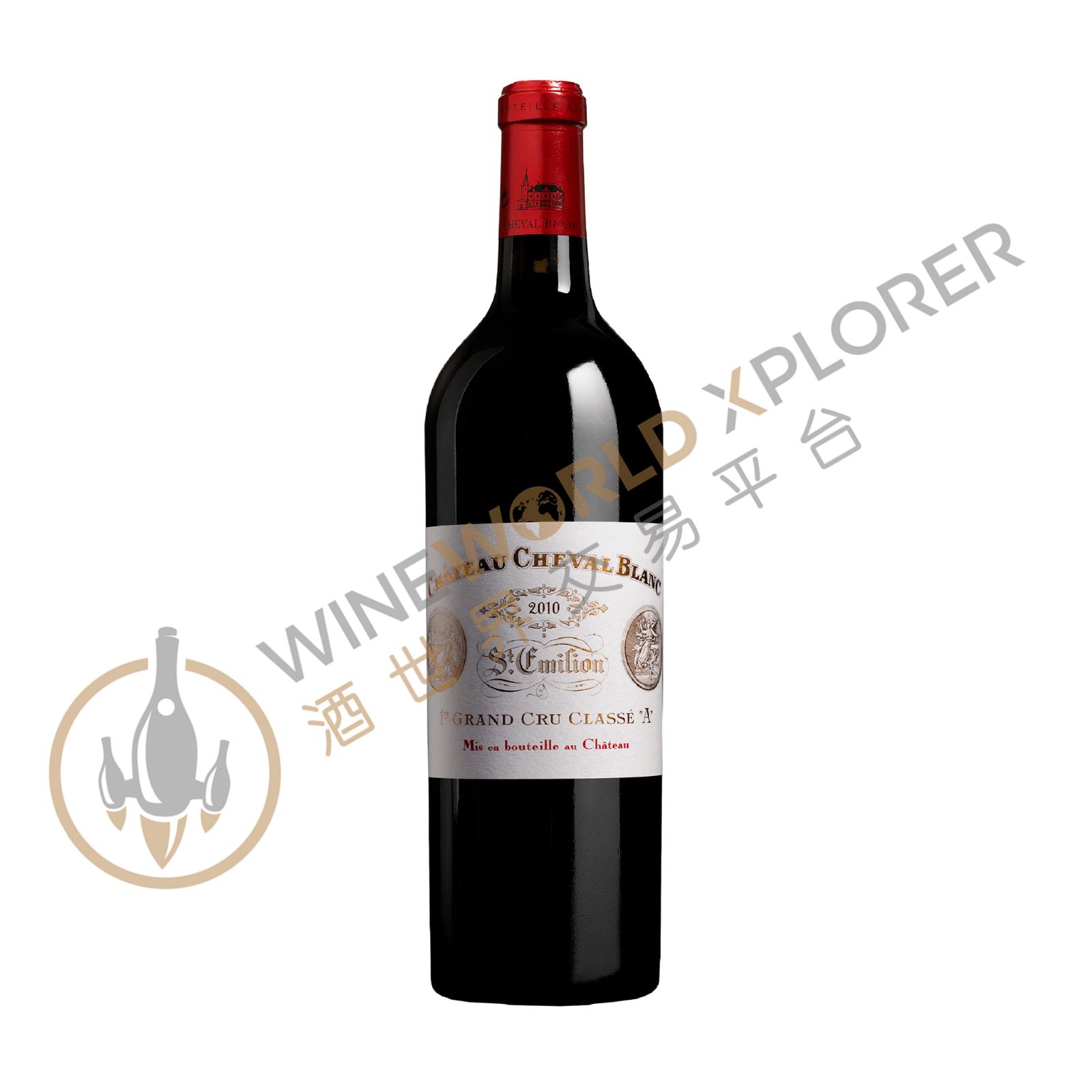
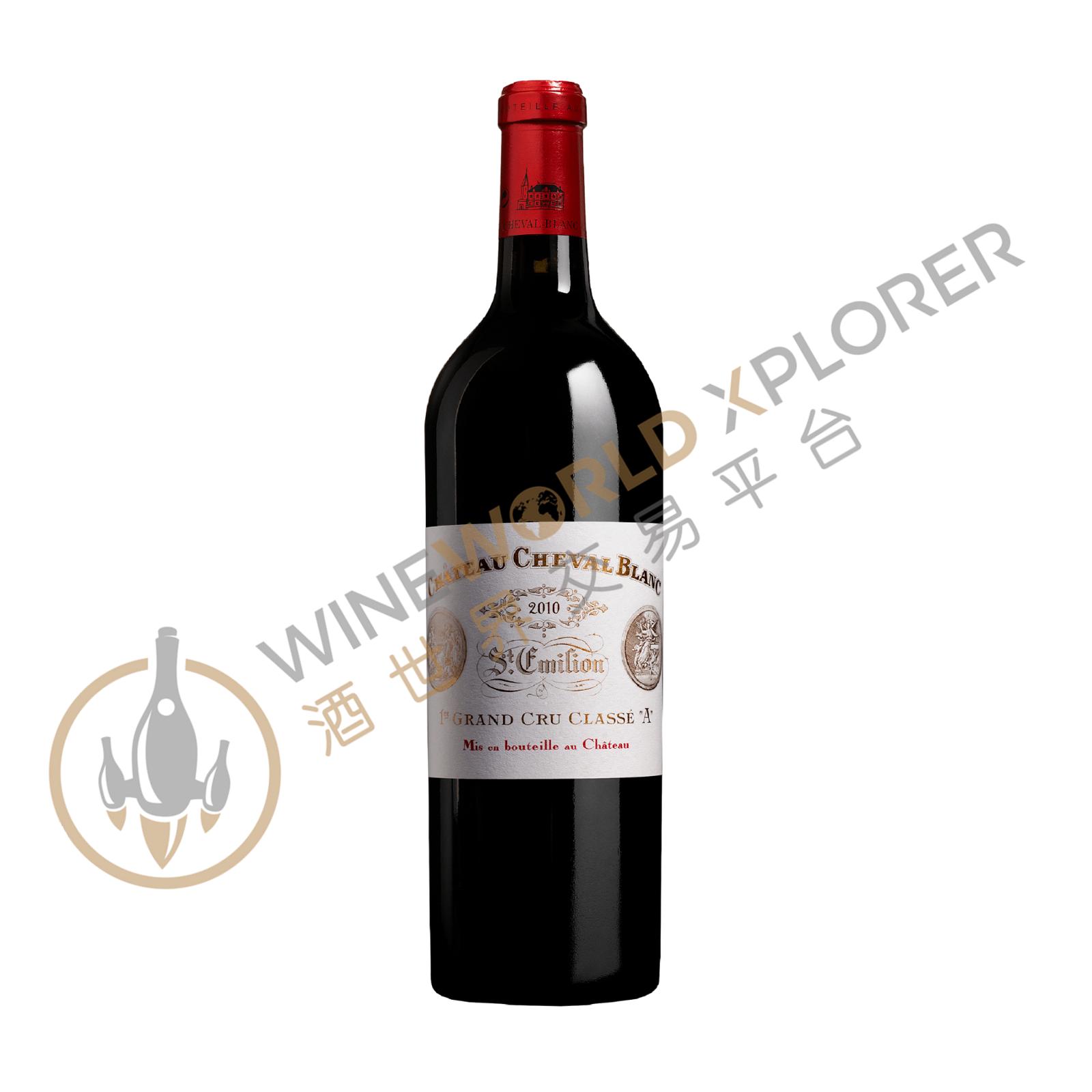
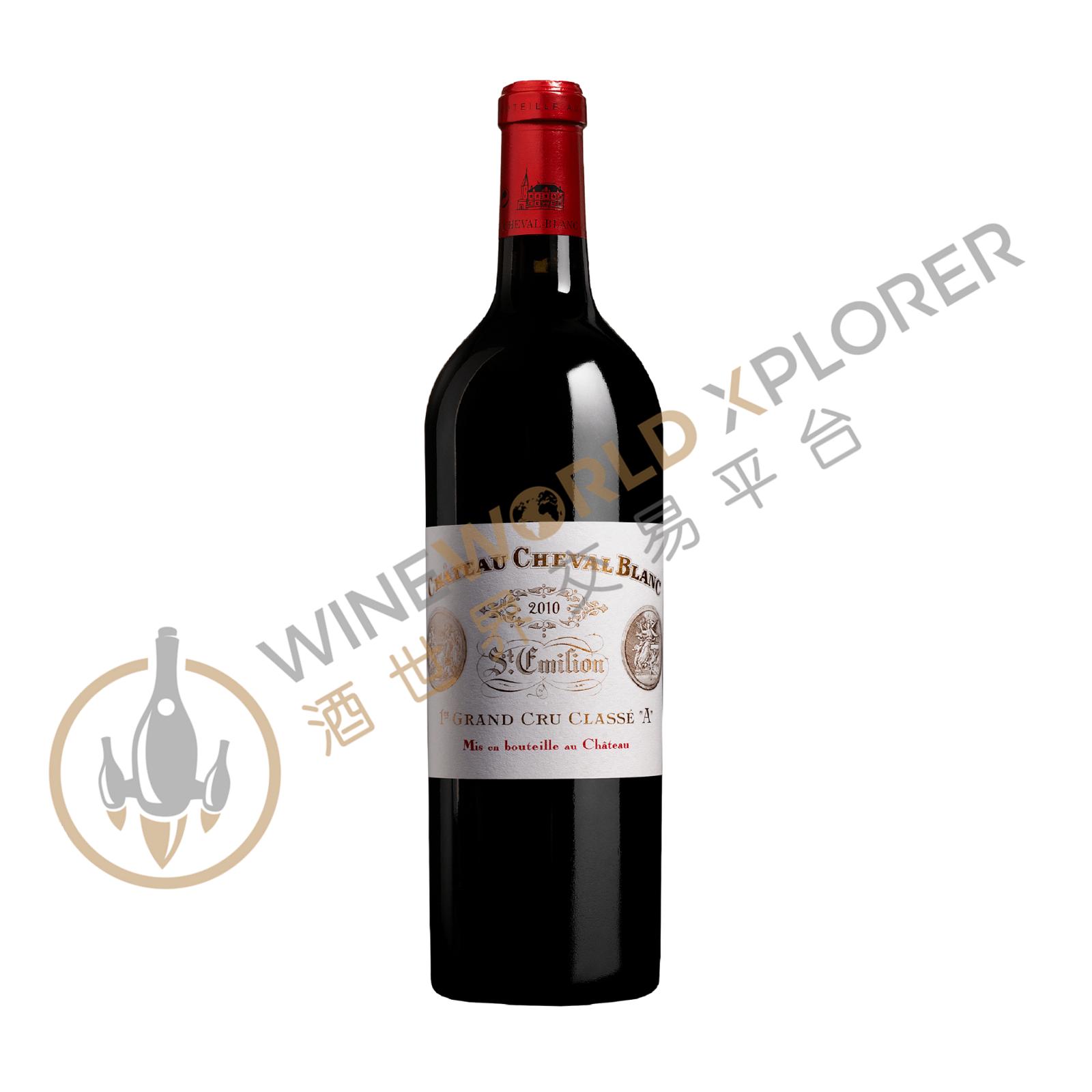
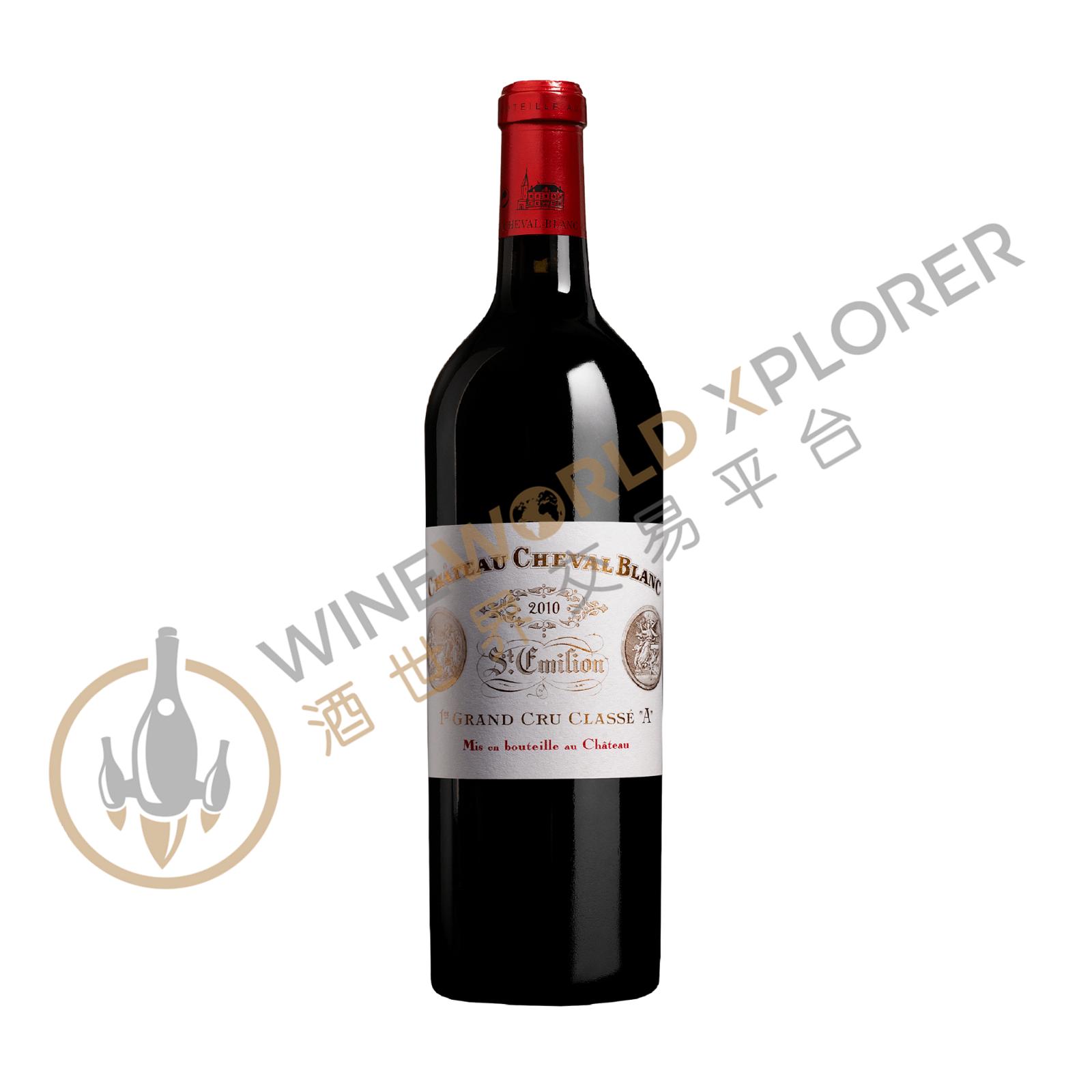
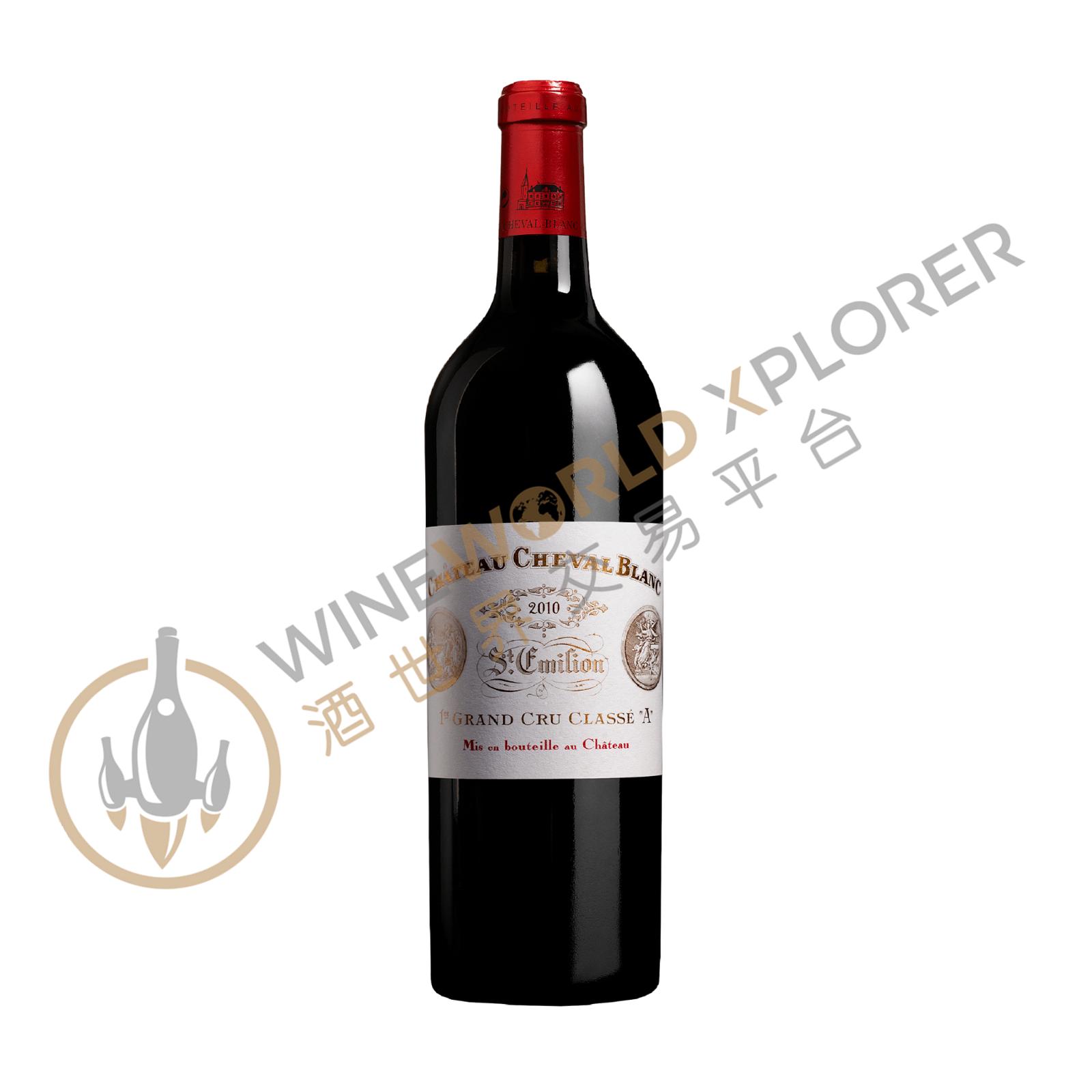
Château Cheval Blanc, a 1er Grand Cru Classé (A) is unquestionably the leading estate in St. Emilion. It is located in the north-west of the St. Emilion appellation, bordering Pomerol. Cheval Blanc obtained its first medal at the 1862 Universal Exhibition in London. In fact, a representation of this bronze medal is found on the château’s present-day label. Cheval Blanc won their first gold medal at the 1878 Universal Exhibition in Paris, and this new distinction also appeared on the label. In 1886, Cheval Blanc won a second gold medal at the Universal Exhibition in Antwerp. Reflecting this series of successes and a wine well on the way to achieving international recognition, a château was built on the estate.
Tasting notes

Reviewed by: Neal Martin
The Cheval Blanc 2013 is a blend of 52% Cabernet Franc and 48% Merlot, representing around 60% of the total production. It has a complex bouquet, introverted at first with pure black, mineral rich fruit that feels as if it is holding everything back for later. The palate has commendable purity considering the growing season - certainly with no sign of greenness. It might lack a little flair, but it is very focused with fine tension on the linear finish. Whilst this might be construed as a conservative Cheval Blanc, the addition of all the parcels in the blend has created a very well balanced, engaging Saint Emilion, one that might deserve a higher score post-bottling. Tasted April 2014.
Reviewed by: Robert M. Parker, Jr.
The final blend of the 2013 Cheval Blanc is 53% Cabernet Franc and 47% Merlot. It is a light- to medium-bodied, but stylish, perfumed, complex wine exhibiting hints of forest floor, raspberries and underbrush in a gentle, nicely textured style that builds incrementally in the mouth. Attractive fruit and substance give the wine more completeness than many of its peers. Administrator Pierre Lurton compares it, in a positive manner, to the style of the 2001, but I do not think it has quite the richness of that vintage. Nevertheless, this is an early-maturing, easygoing Cheval Blanc to drink in its first 10-12 years of life. Cheval Blanc began their harvest on September 26 and, because of the tropical humidity and disease pressure, finished quickly.
Reviewed by: Neal Martin
The 2013 Cheval Blanc, a blend of 49% Merlot, 3% Cabernet Sauvignon and 48% Cabernet Franc (and that is the correct blend!), is darker in color than the 2013 Le Petit Cheval. It has a fragrant bouquet with raspberry preserves, wild strawberries and hints of truffle from the Cabernet Franc - one of the most pleasurable you will find in this vintage. The palate is smooth on the entry with sappy red berry fruit, nicely judged acidity, harmonious and lilting in style with good body and density on the finish. There is a huge difference between the deuxième and grand vin this year. Enjoy this fine Cheval Blanc over the next 10-15 years.
Reviewed by: Lisa Perrotti-Brown
Medium garnet colored, the 2013 Cheval Blanc has a captivating, open-knit nose of roses and lilacs over a core of fragrant soil, charcuterie, kirsch and raspberry preserves plus a waft of stewed plums. Medium-bodied, chewy and with tons of spring to its step, the palate is delicately fruited with an earthy finish.
Reviewed by: Ian d'Agata
(53% cabernet franc and 47% merlot): Luminous ruby color. Captivating aromas of strawberry, raspberry, minerals, violet and graphite: very cab franc! The palate offers an uncanny combination of sweetness and penetrating power, with brisk acidity framing and lifting the fine-grained flavors of blackcurrant, spearmint and aromatic spices. The very long, slowly mounting finish conveys an impression of energy and great finesse, and the firm tannic spine suggests that this will age better than most 2013s. This reminded me of the 1993 Cheval Blanc, but it has a little more meat and depth than that wine, not to mention greater precision. Lurton suggested it is more like the 1988.
Reviewed by: Antonio Galloni
The 2013 Cheval Blanc has an attractive, slightly ferrous nose of light red fruit, loam and white pepper scents. The palate is medium-bodied with supple tannins, very simple for Cheval Blanc, though endowed with a sense of weight and personality. White pepper and clove appear toward the finish. This should be drunk over the next decade. Tasted at Bordeaux Index's 10-Year On tasting.
Reviewed by: James Suckling
Mellow and quite developed, this has plenty of wild-berry fruit, but also a touch of blood orange. Medium-bodied and rather supple, but not very strong on the mid-palate, this is a competent example of the vintage. Better at the moderately dry and harmonious finish. Drink or hold. Château Quintus vertical tasting. SP.
About the Producer
Château Cheval Blanc is a highly lauded wine estate in the Saint-Émilion region of northeast Bordeaux. Classified with the top ranking of Premier Grand Cru Classé A, it is regarded by many as one of the greatest wines of the appellation – if not, the greatest. It is certainly the most famous Cabernet Franc-based wine in the world, albeit often alongside very similar levels of Merlot. Typically, the "grand vin" (the estate's eponymous wine) is lush and full bodied with great weight of fruit. It tends to require ten years of bottle age and the best vintages can last half a century or more. The second wine of the estate is Le Petit Cheval. The vineyard is located in the northwest of the region, bordering Pomerol (La Conseillante is a neighbor) and consists of 39 hectares (96 acres) divided into 45 plots. There is an unusually large amount of Cabernet Franc planted – about 49 percent – with 47 percent Merlot and four percent Cabernet Sauvignon. The unusual planting proportions reflect the terroir; most vineyards in the region are either clay or gravel-based over impermeable sedimentary rock, but Cheval Blanc is unique in having a patchwork of soils with the two types in roughly equal proportions. The clay soils provide base wines with velvety tannins, while those from gravel soils are more aromatic and elegant. Vines have been grown since the 14th Century at this spot but the vineyard as it is known today took shape in the 19th Century when the core plots were added to by purchases from the nearby Figeac estate. Subsequent replantings established the atypical half-Merlot, half-Cabernet Franc proportions. Cheval Blanc gained its first medal at the 1862 Universal Exhibition in London – the first of a series of successes building its reputation and achieving price levels comparable to the Médoc first growths, which paved the way for a château to be built on the estate. In the first classification of Saint-Émilion wines in 1955, Cheval Blanc was awarded the highest possible rating and remains a Premier Grand Cru Classé A. In 1998, after 166 years of continuous family ownership, Bernard Arnault, the head of luxury goods firm LVMH, and the late Baron Albert Frère (a Belgian billionaire investor) jointly purchased the estate. The spectacular new cellar opened in 2011, with 52 concrete vats (replacing stainless steel) of differing sizes corresponding to different vineyard plots. The grand vin spends 16 to 18 months in new oak barrels from a variety of cooperages.
1949(1)1953(1)1955(4)1958(1)1962(1)1966(1)1967(2)1970(2)1973(1)1974(2)1975(3)1976(1)1977(1)1978(1)1979(2)1980(1)1981(2)1982(5)1983(1)1984(1)1985(1)1986(5)1988(4)1989(4)1990(13)1992(3)1993(1)1994(4)1995(7)1996(9)1997(2)1998(11)1999(5)2000(13)2001(4)2002(1)2003(1)2004(15)2005(11)2006(11)2007(11)2008(10)2009(10)2010(12)2011(8)2012(11)
Package Size
1 x 3L12 x 75cl3 x 75cl