Wine Advisor



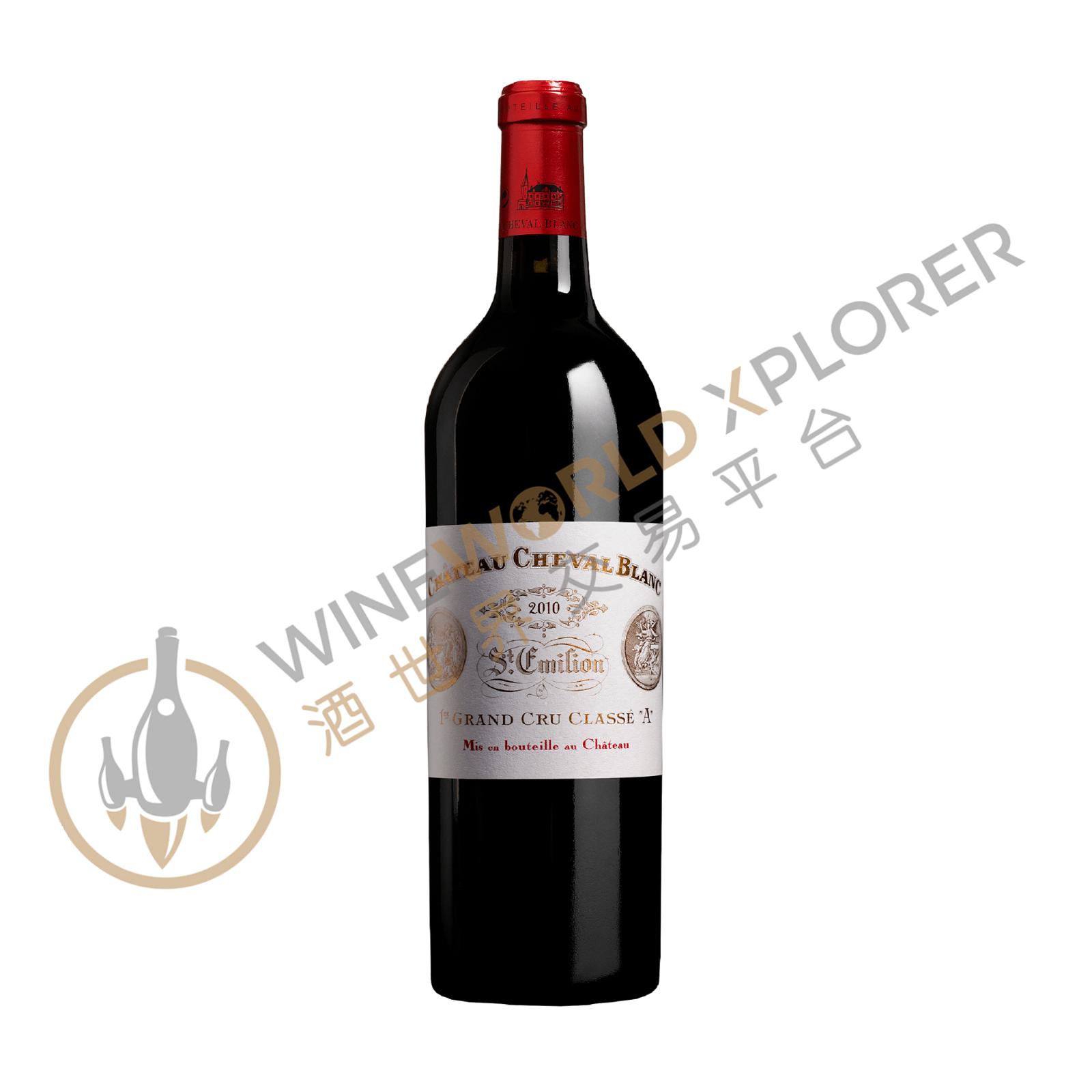
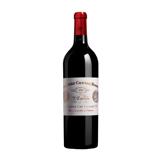
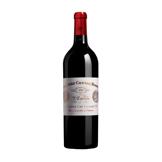
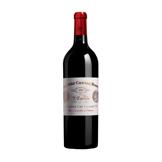
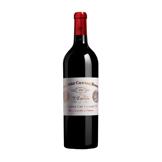
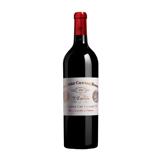
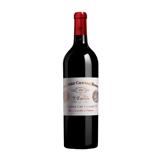
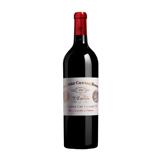
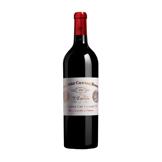
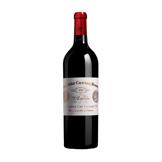
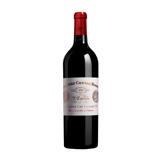
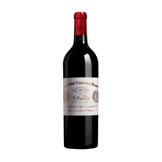
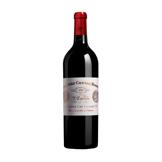
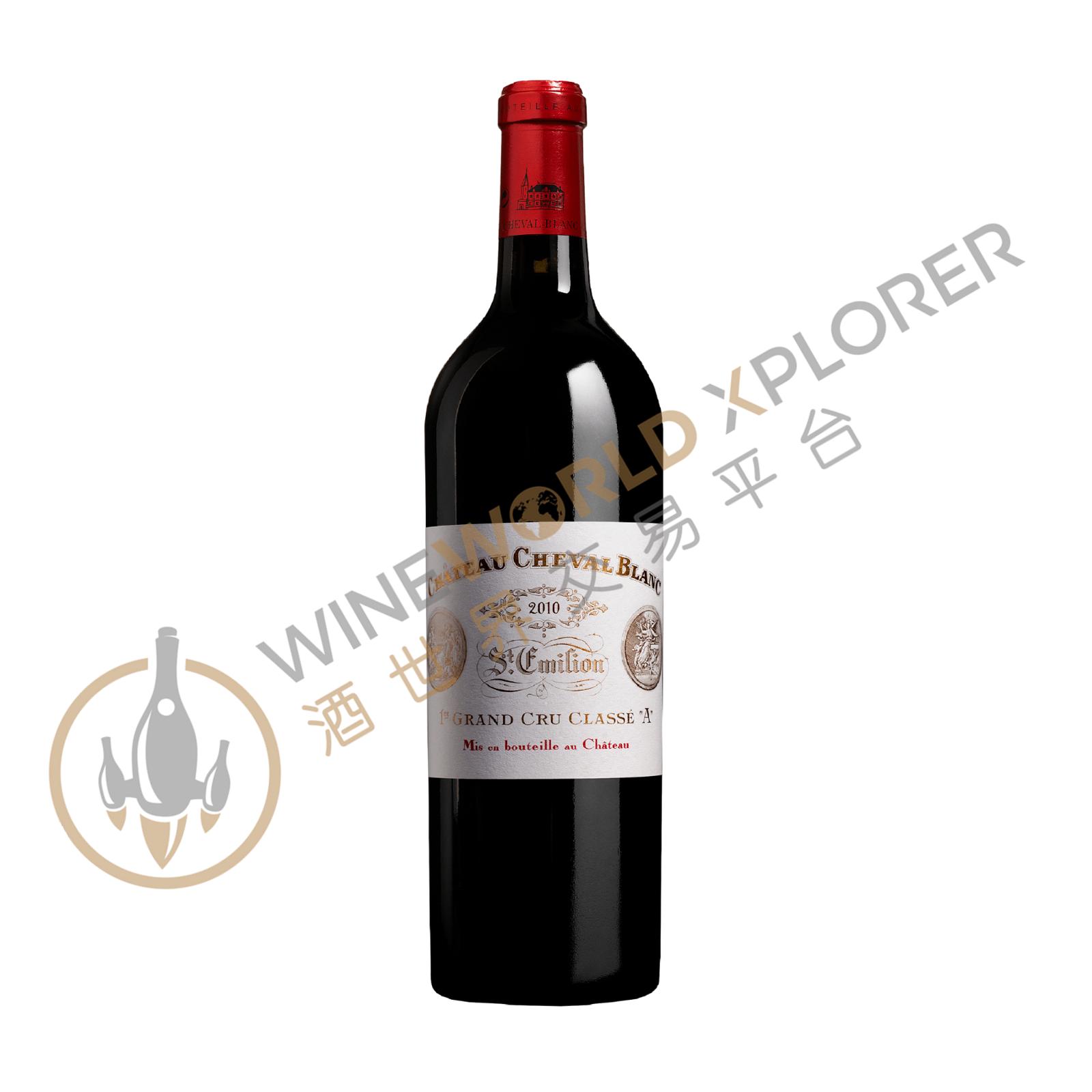
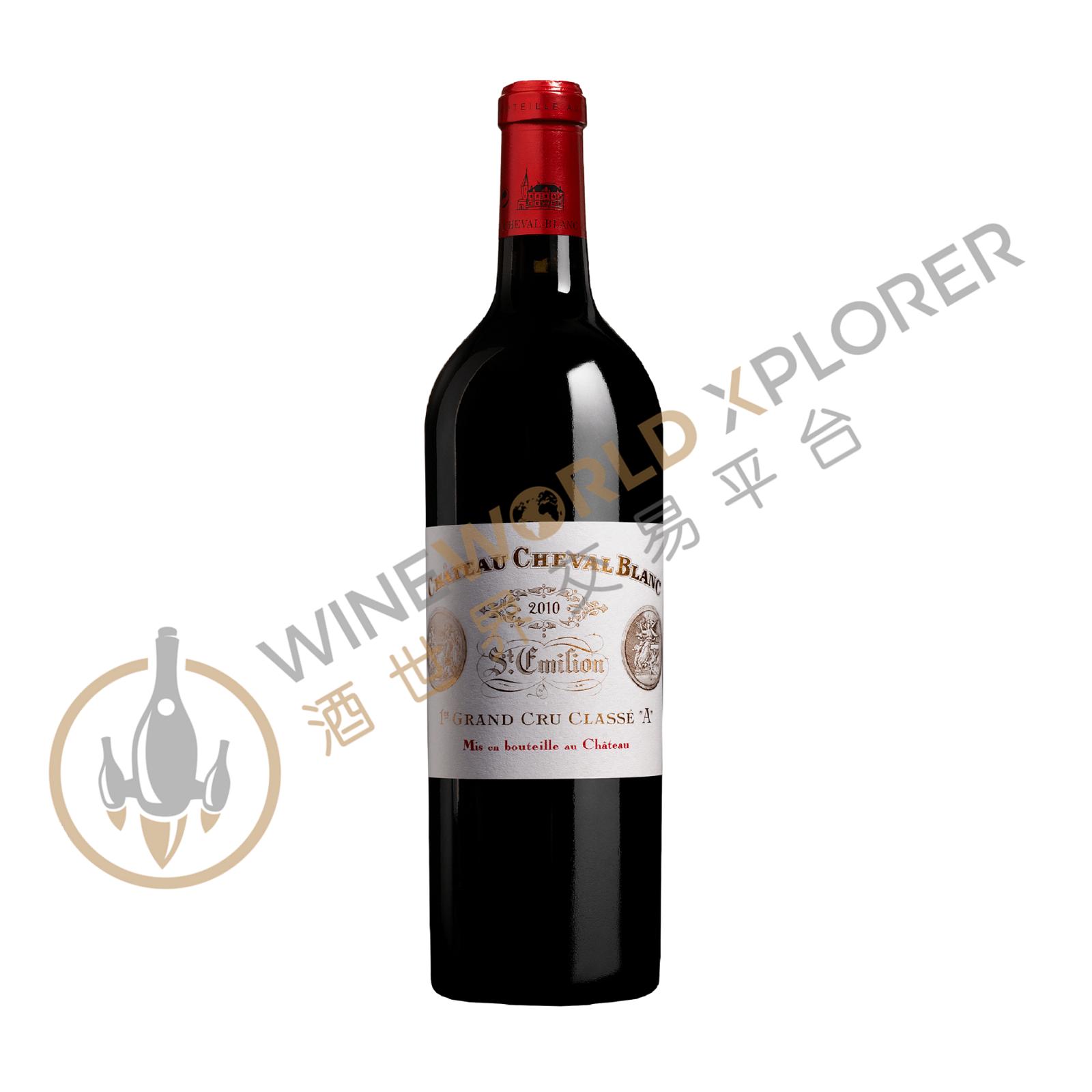
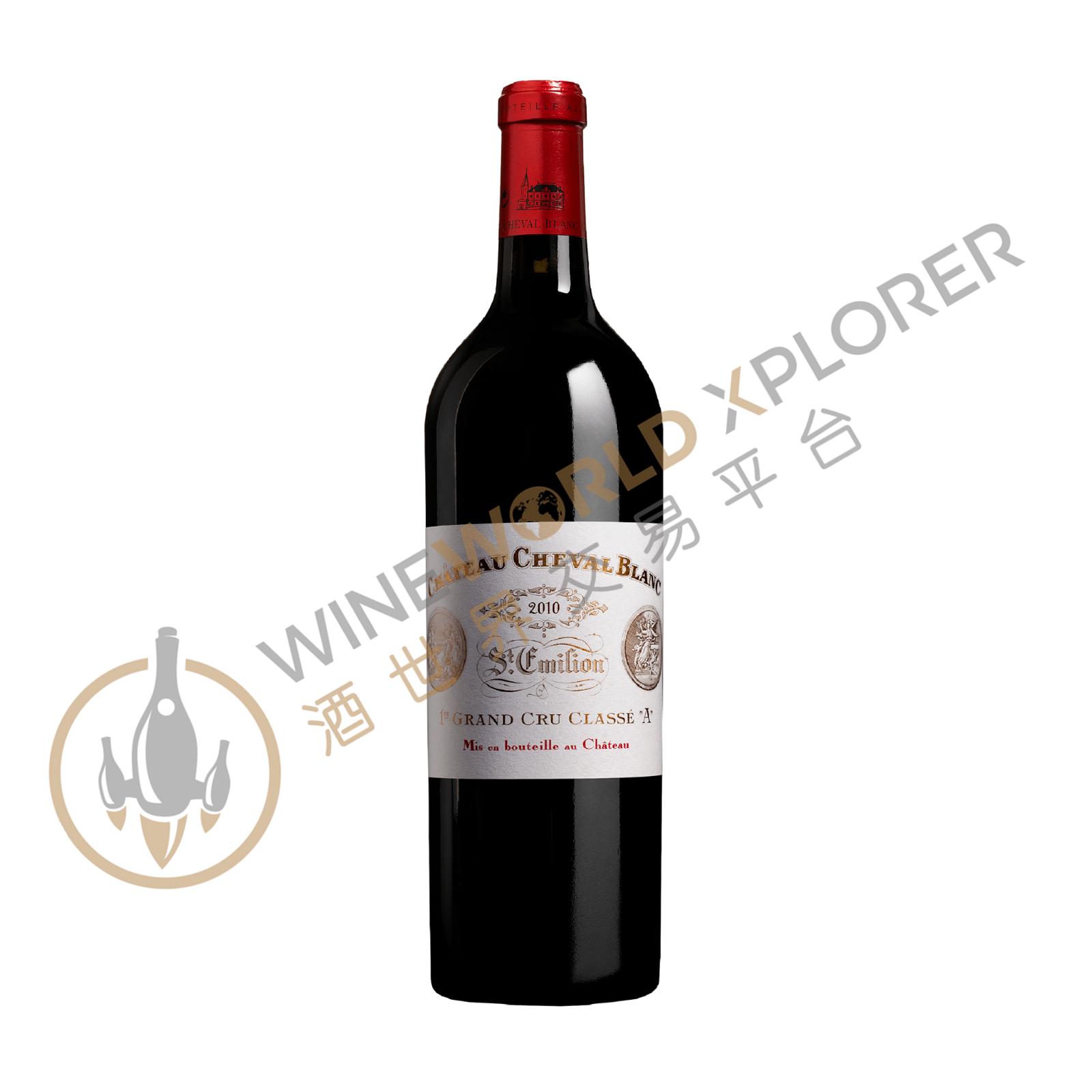
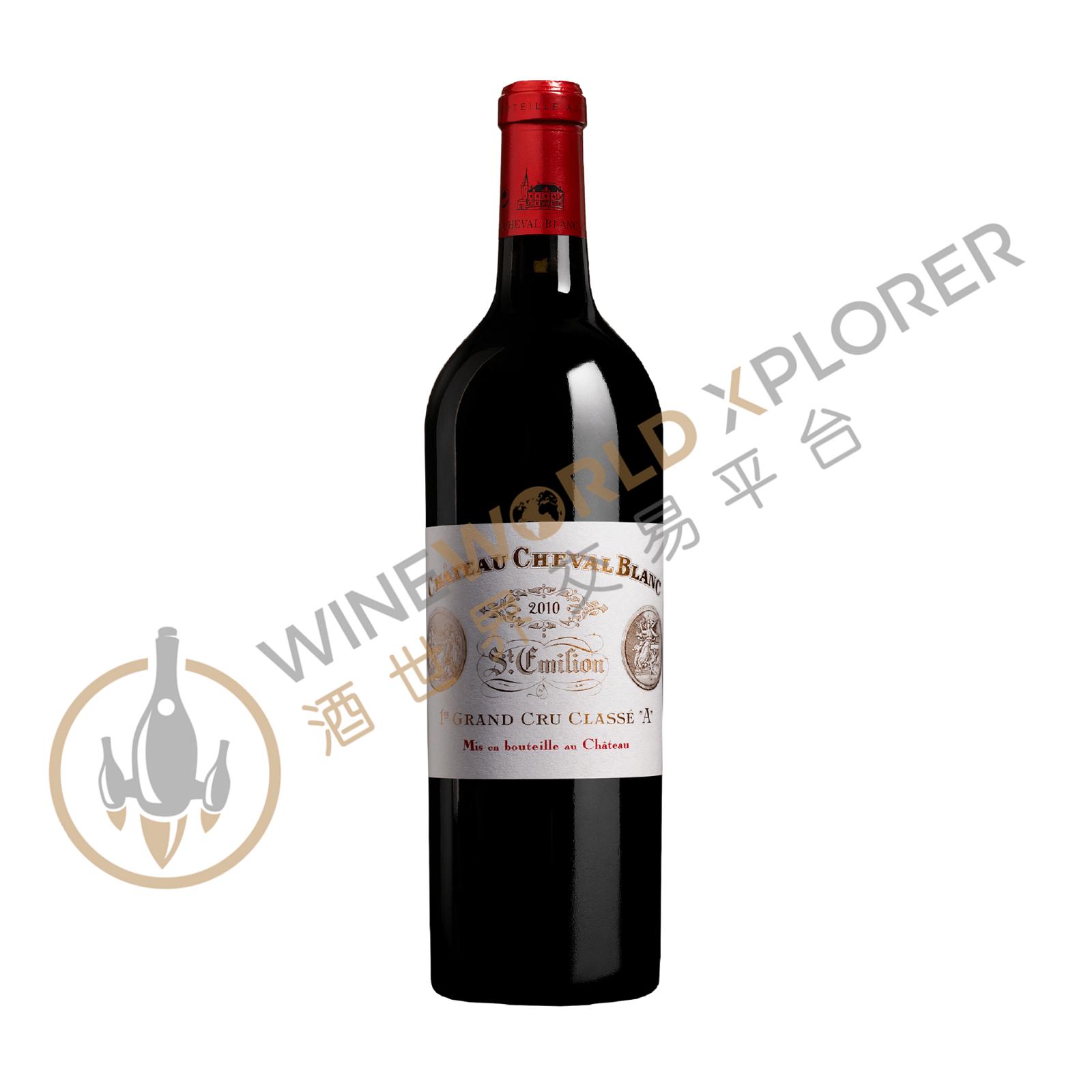
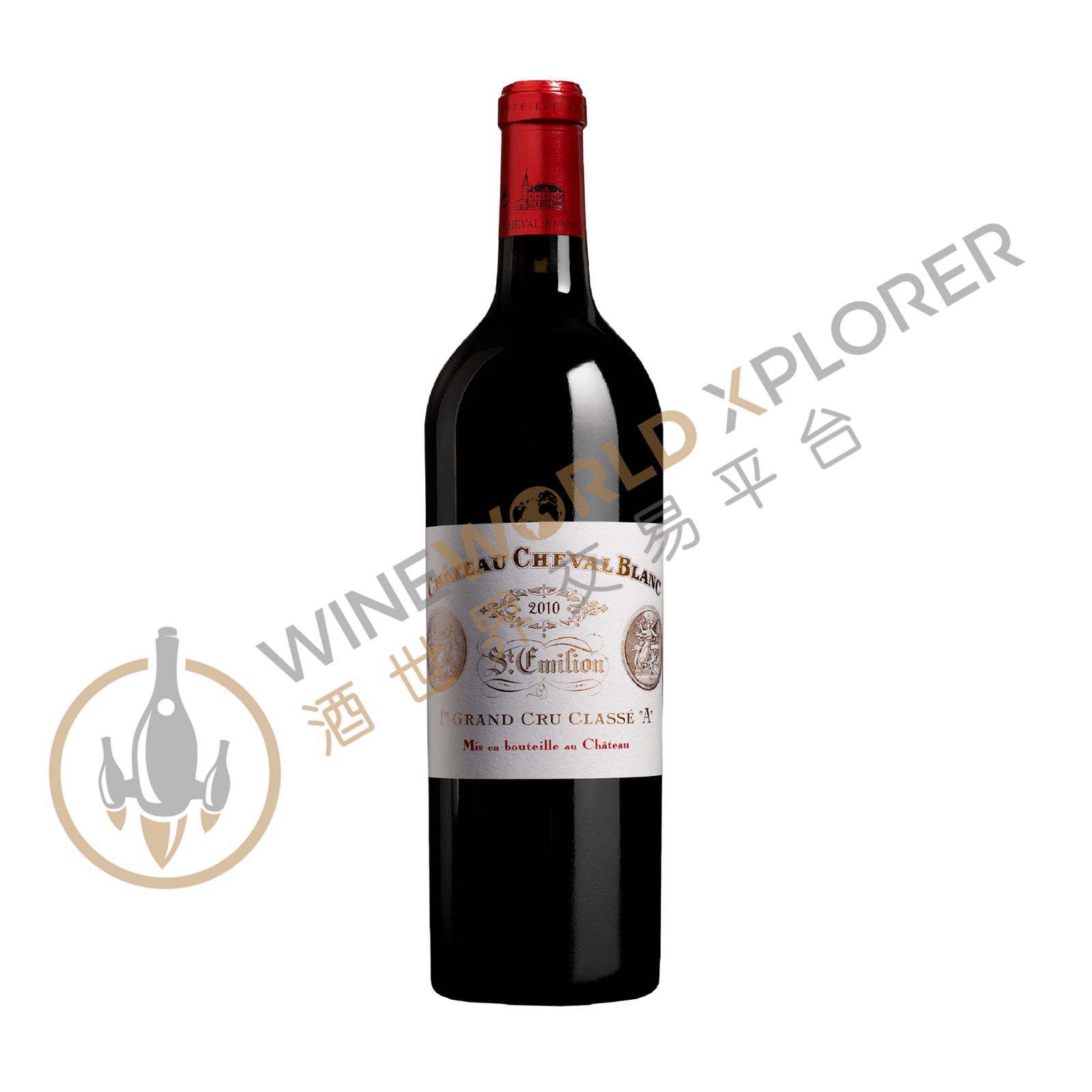
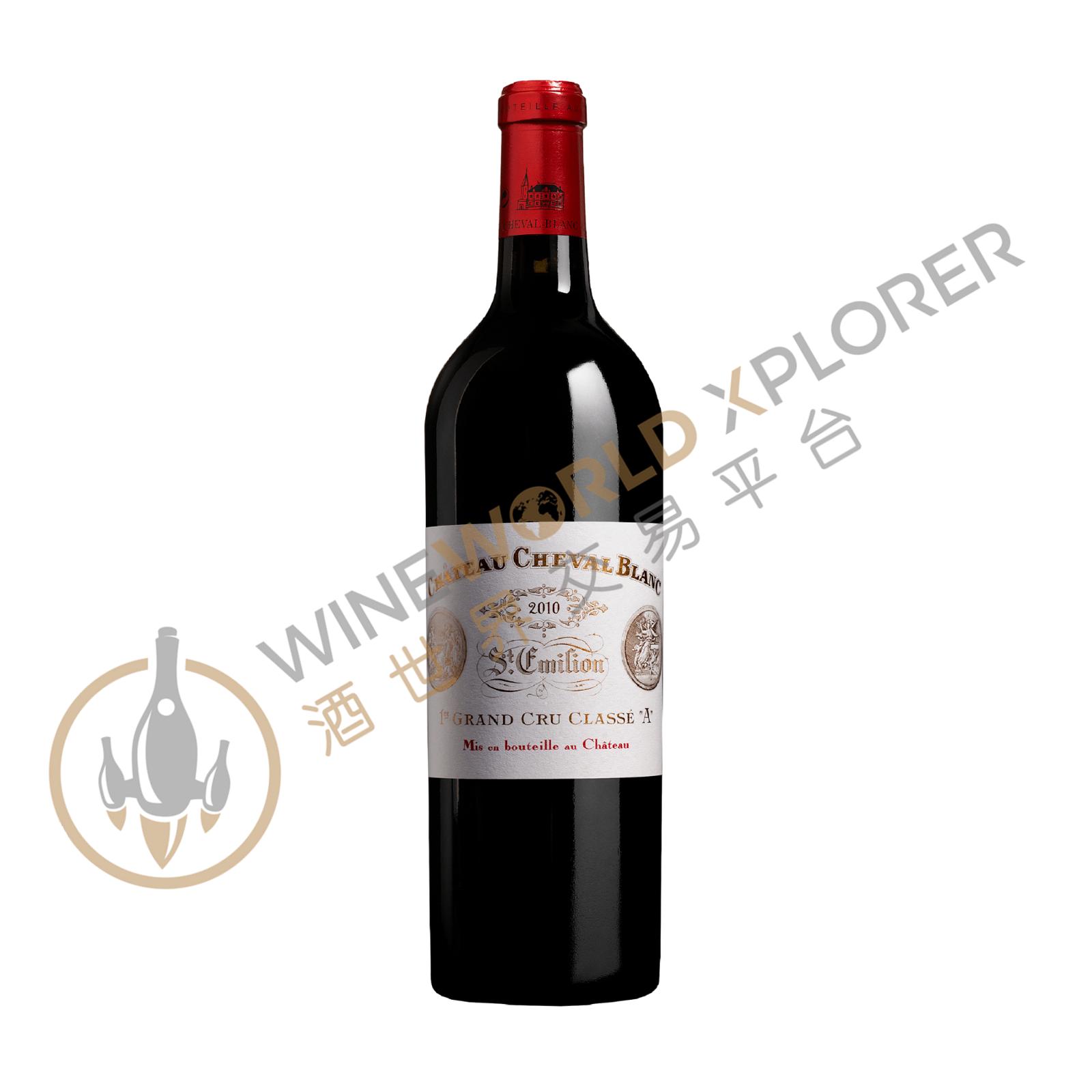
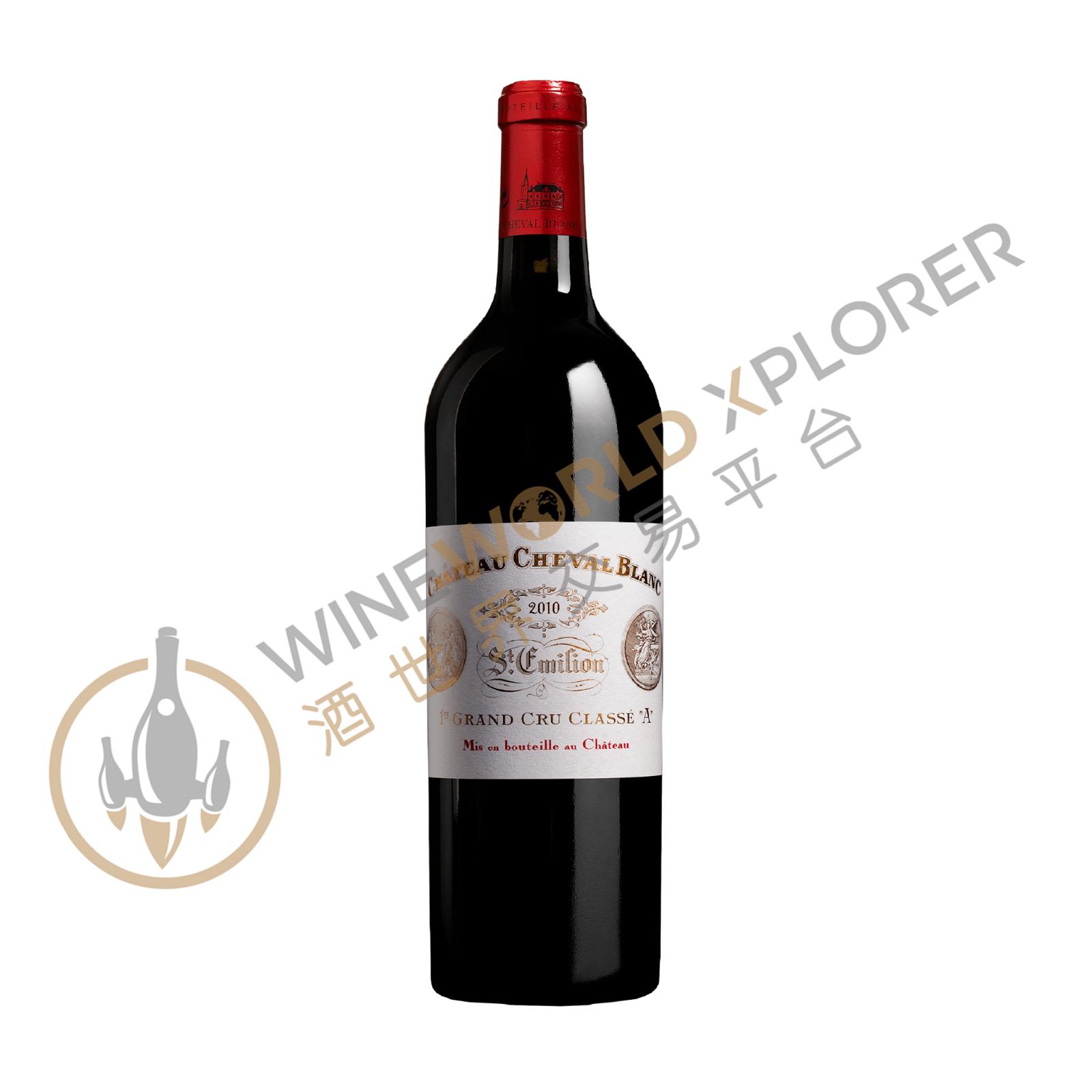
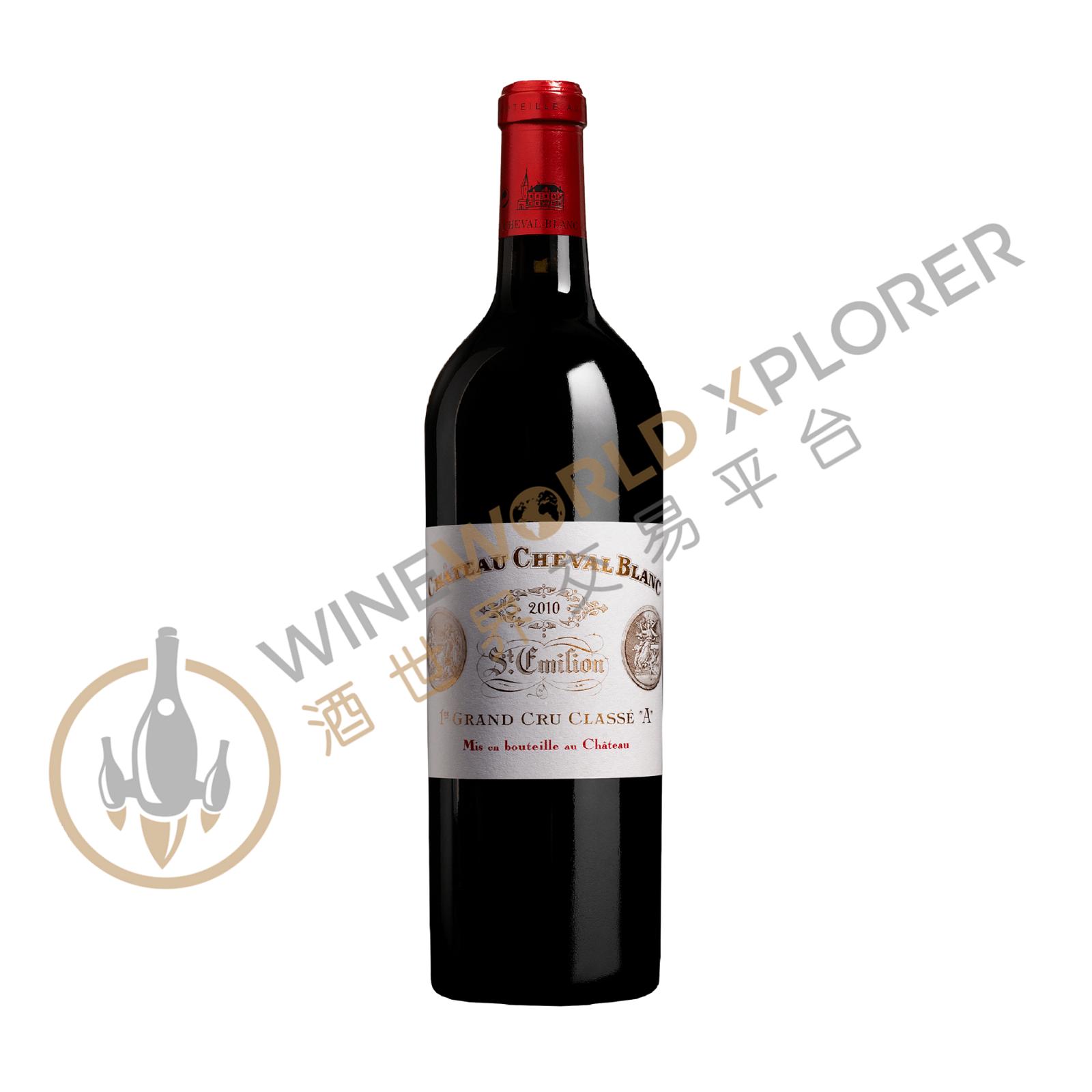
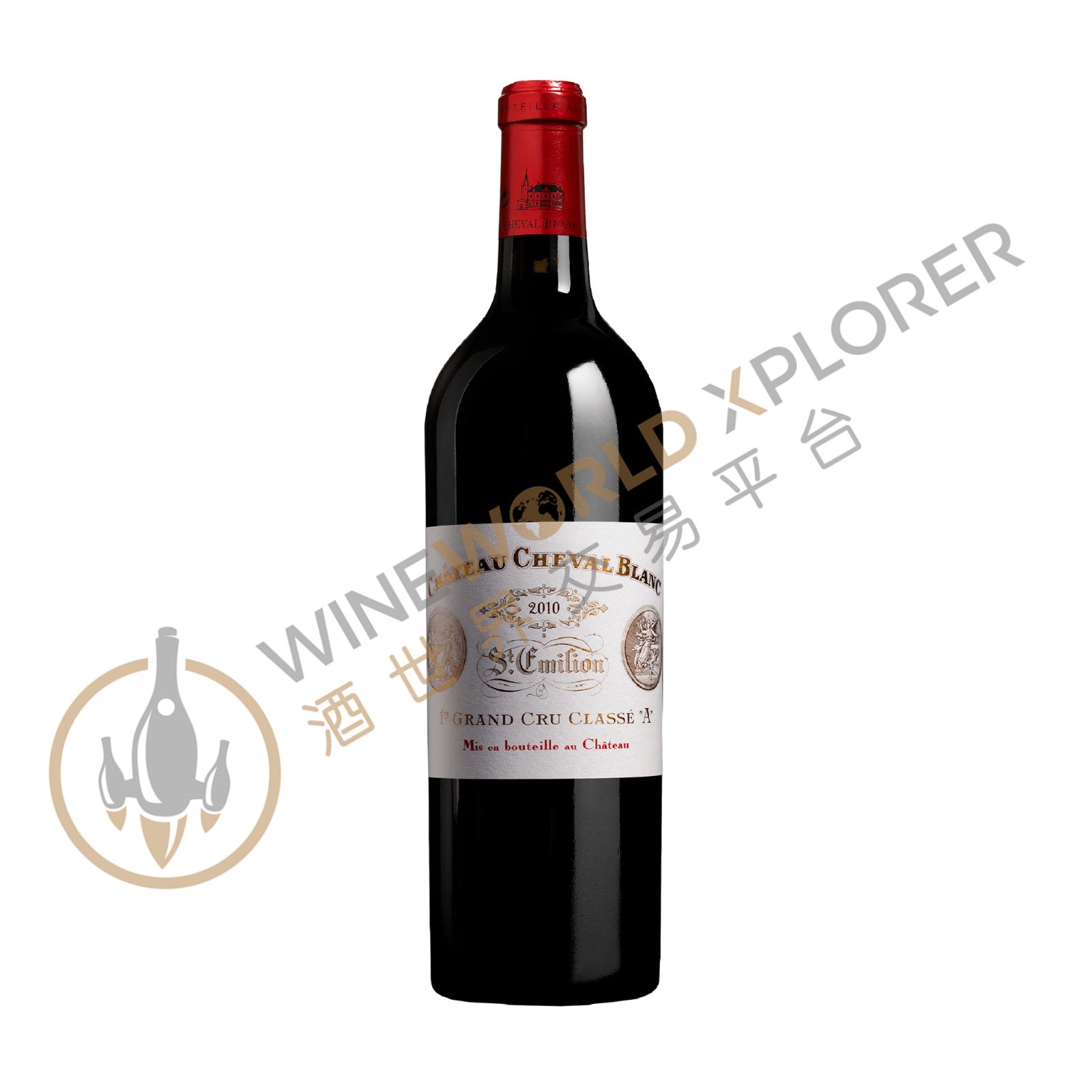
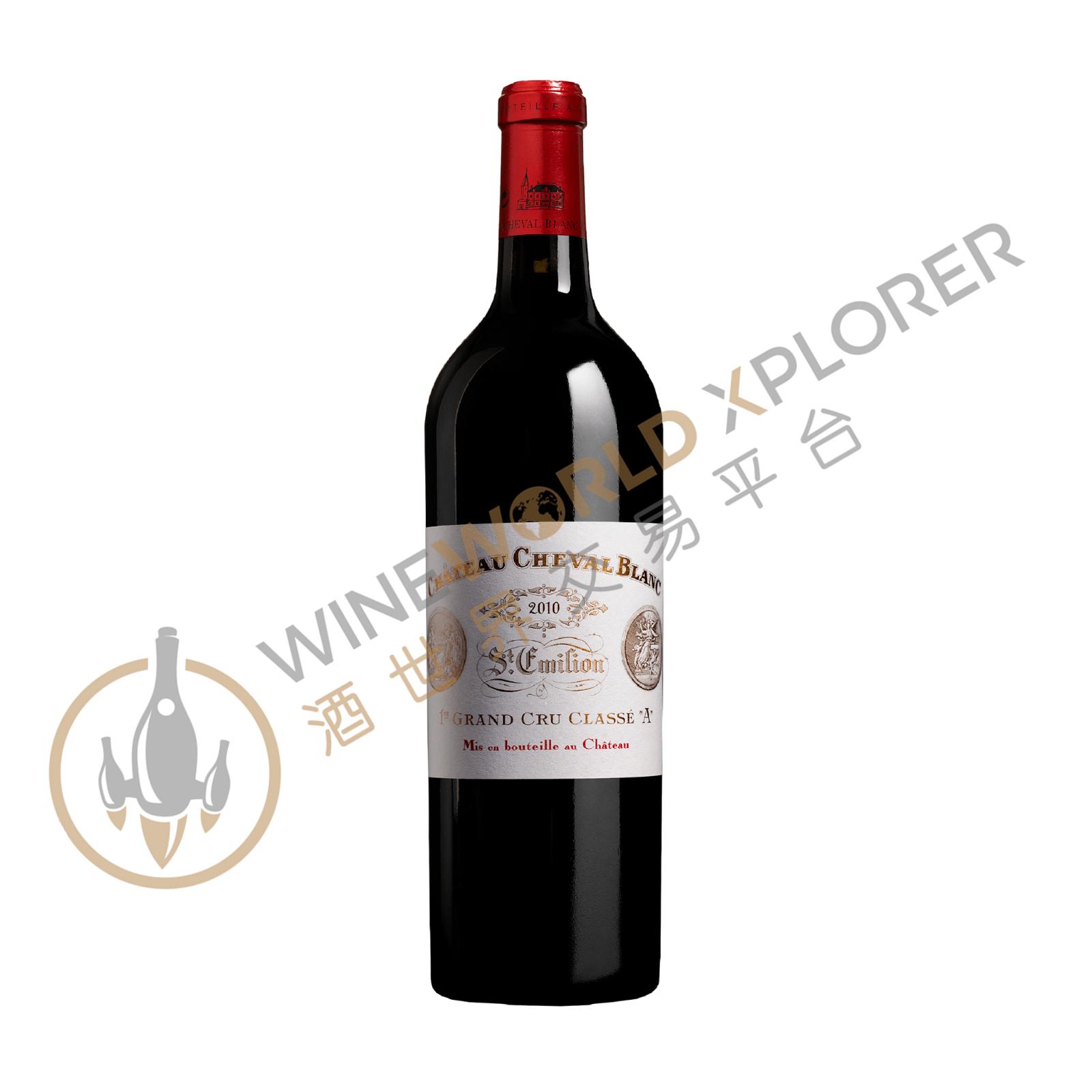
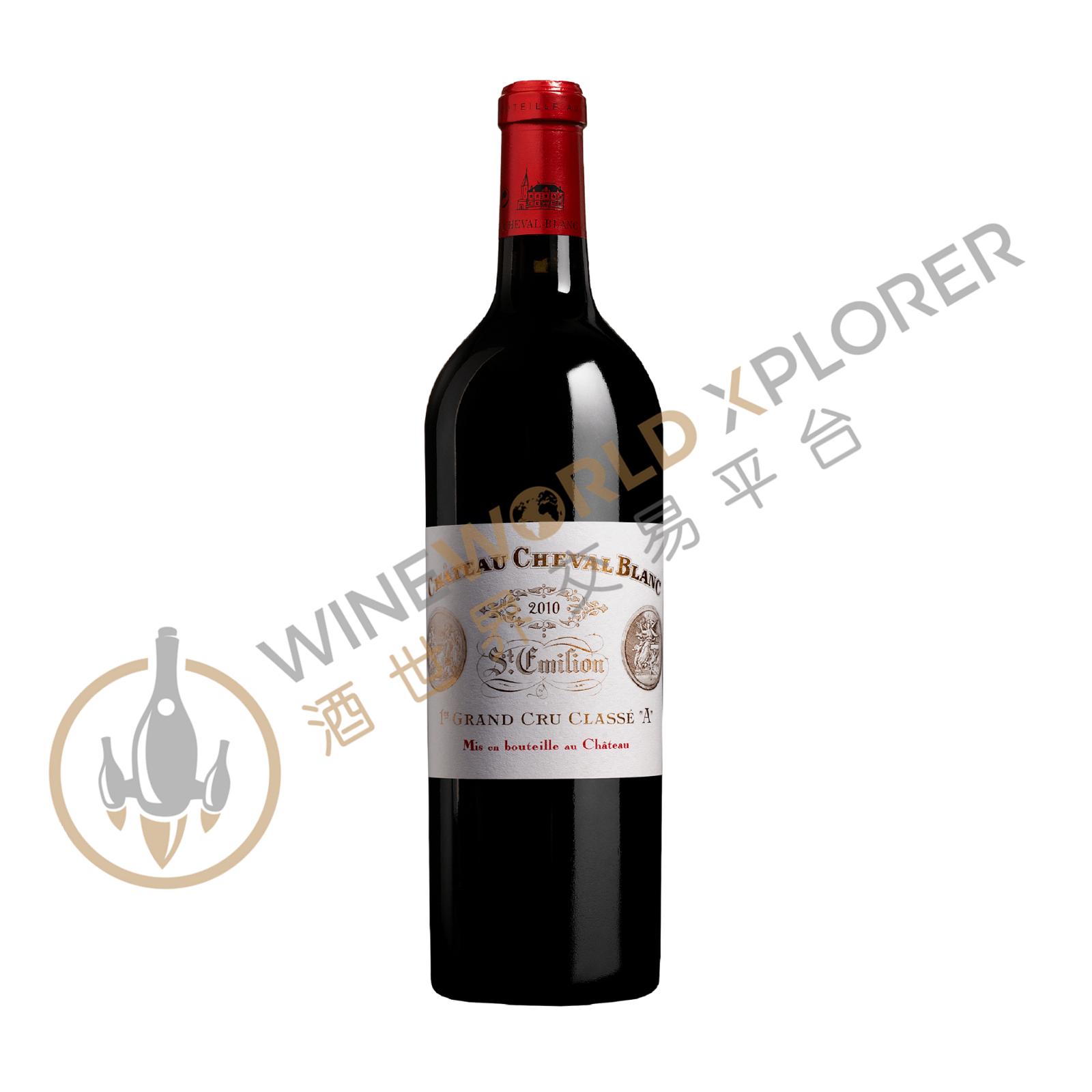
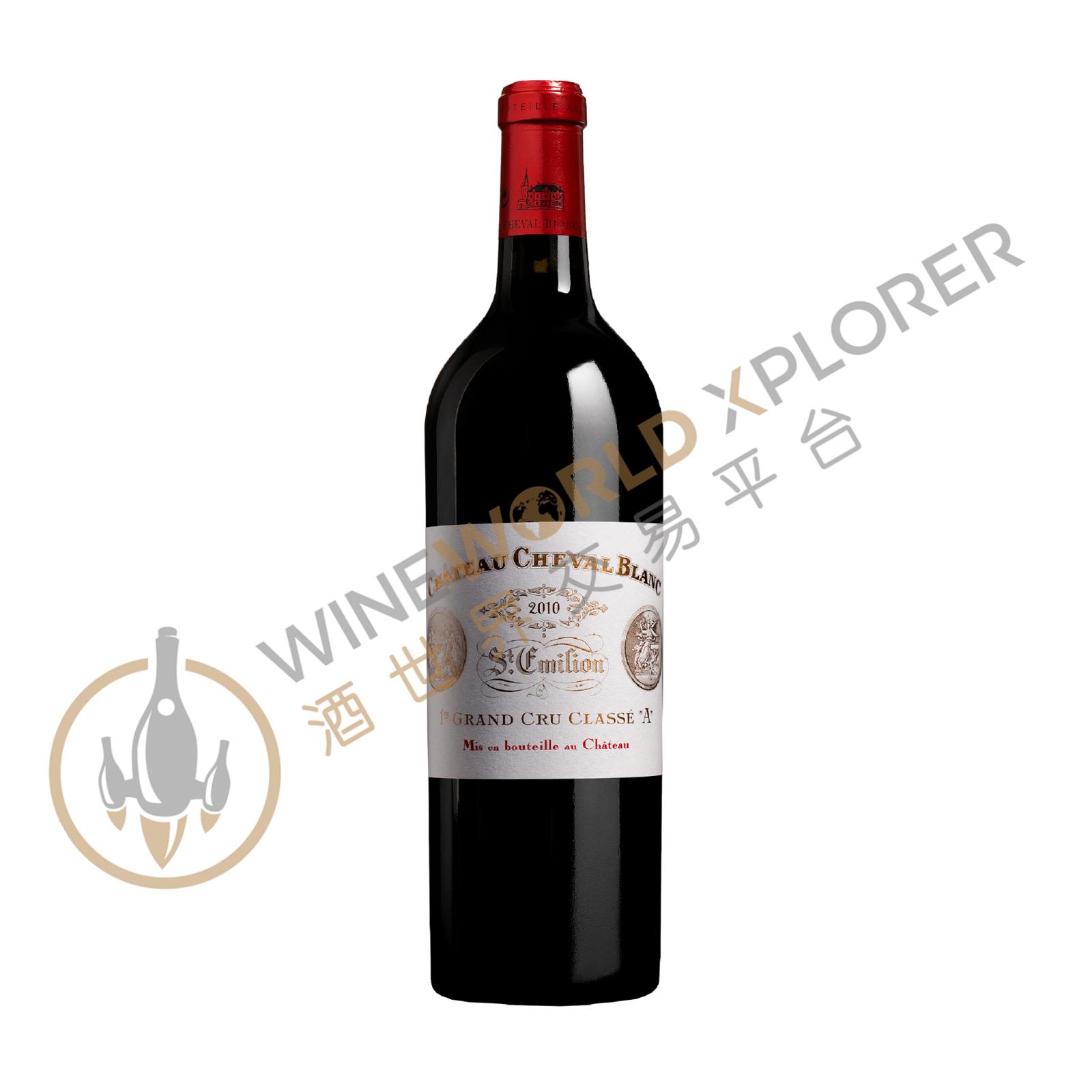
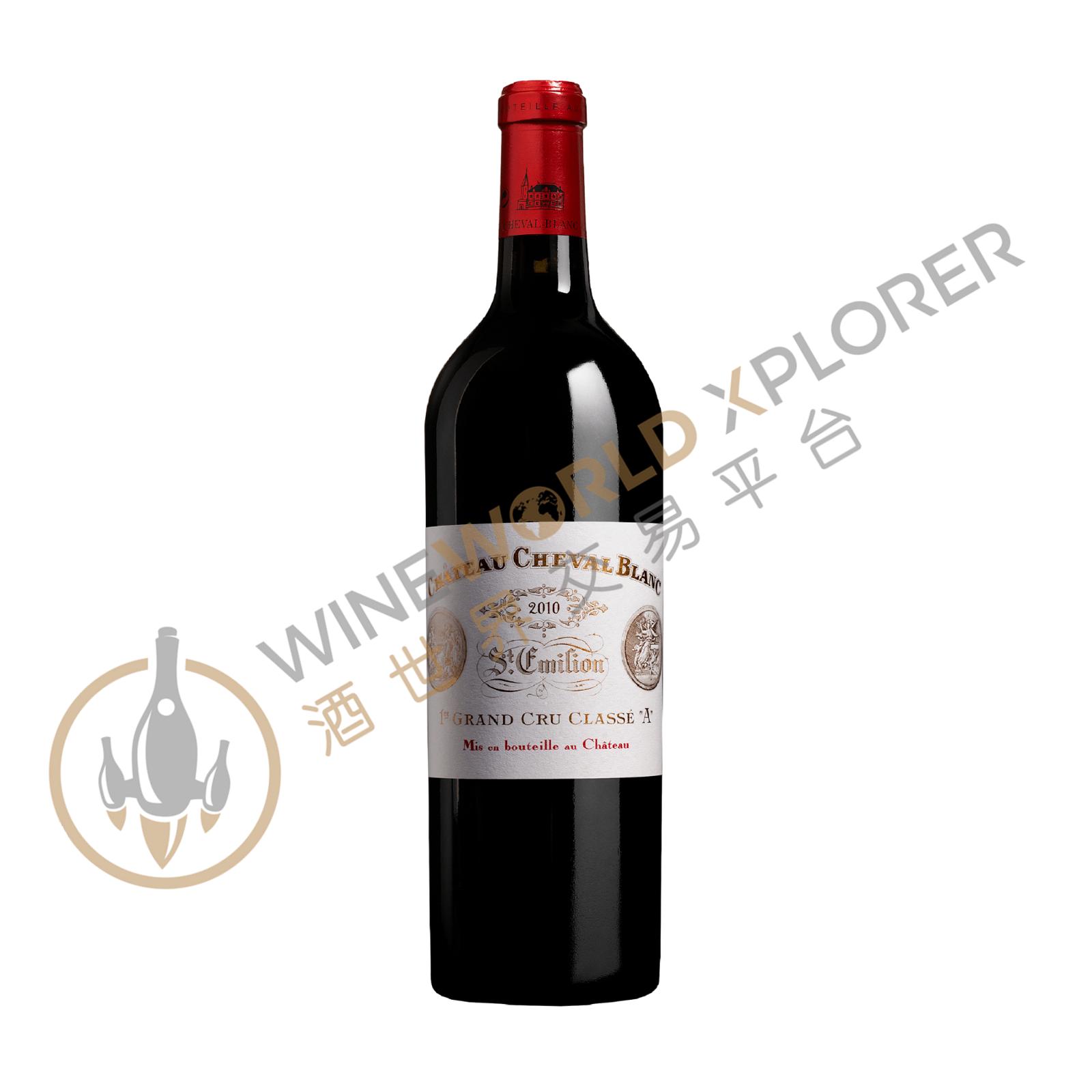
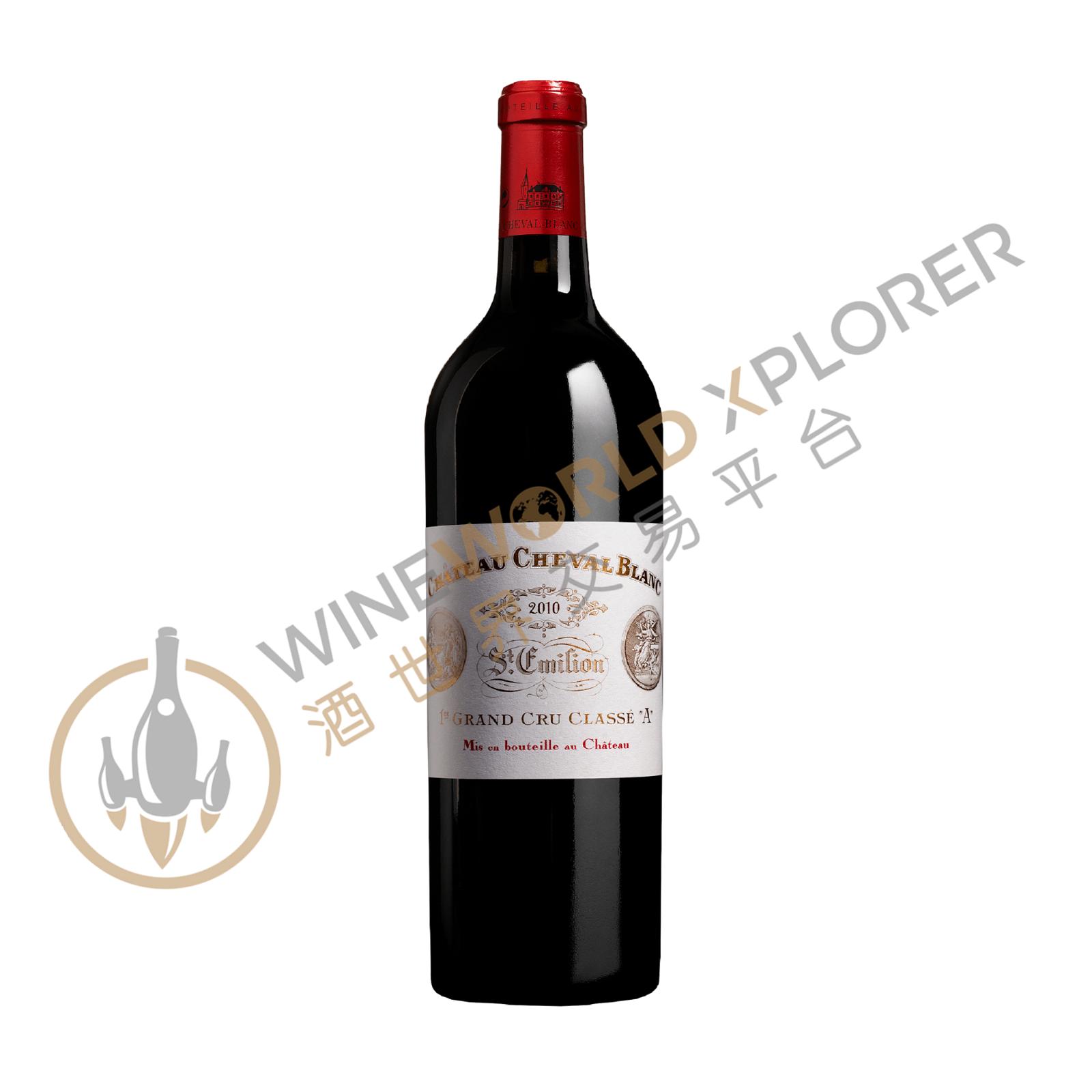
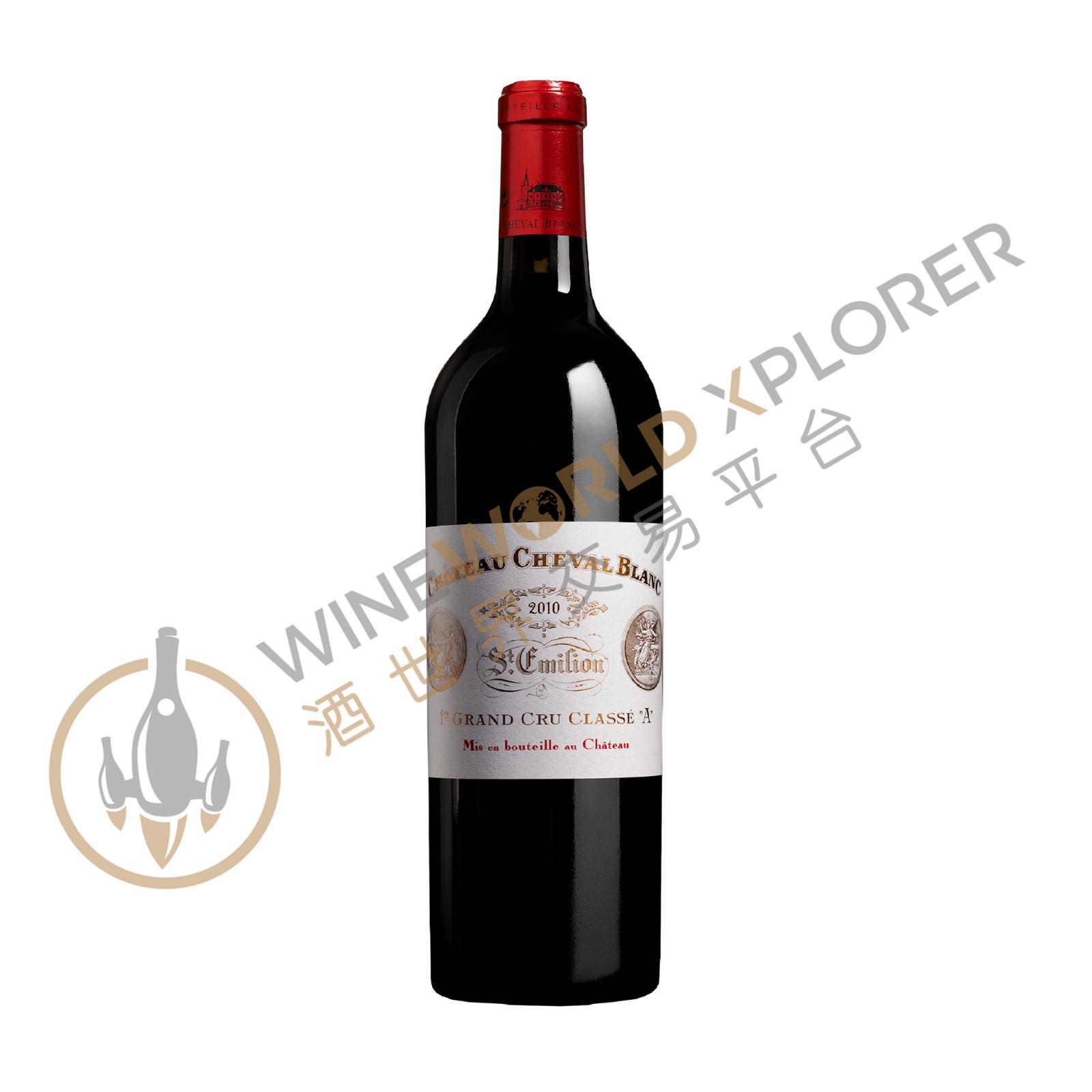
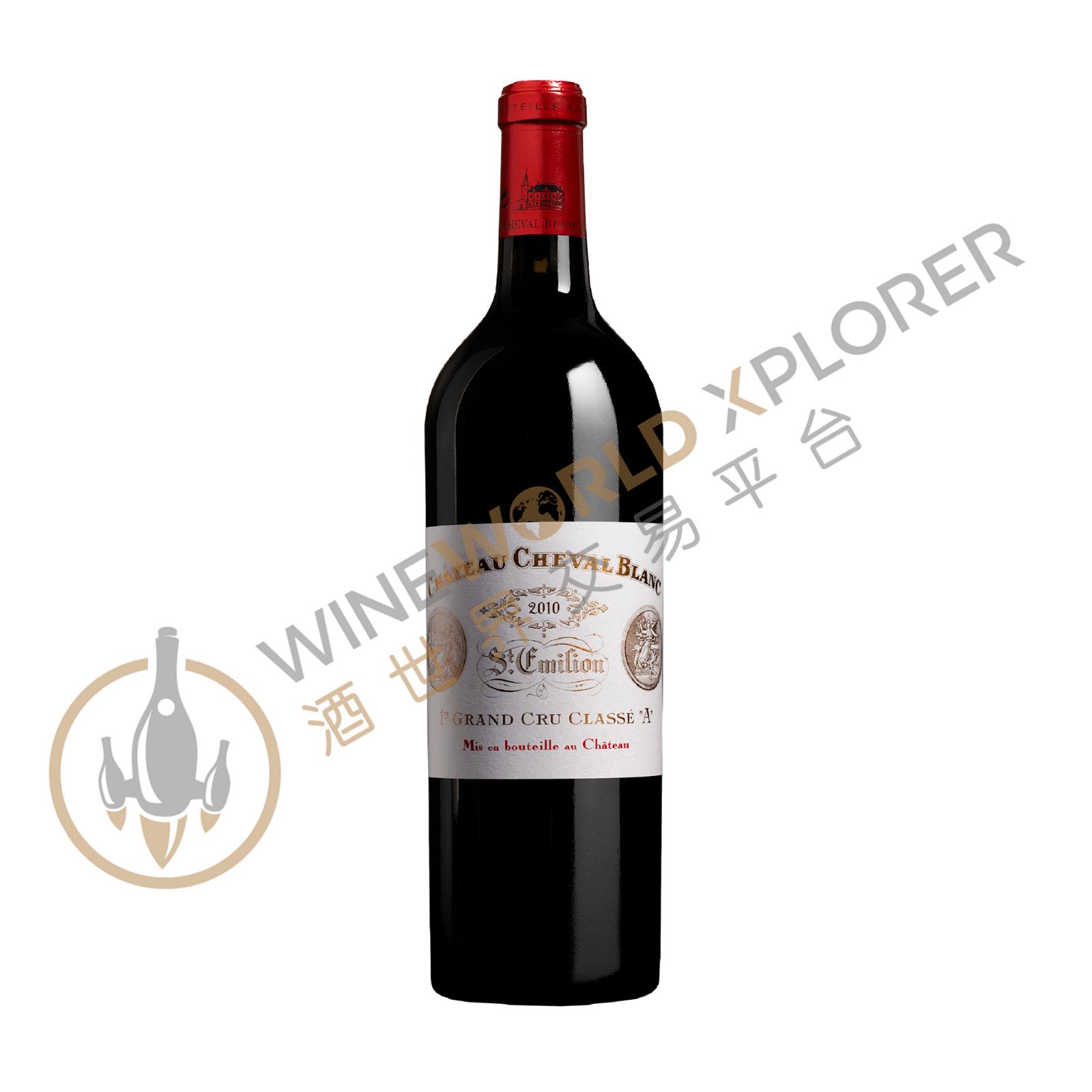
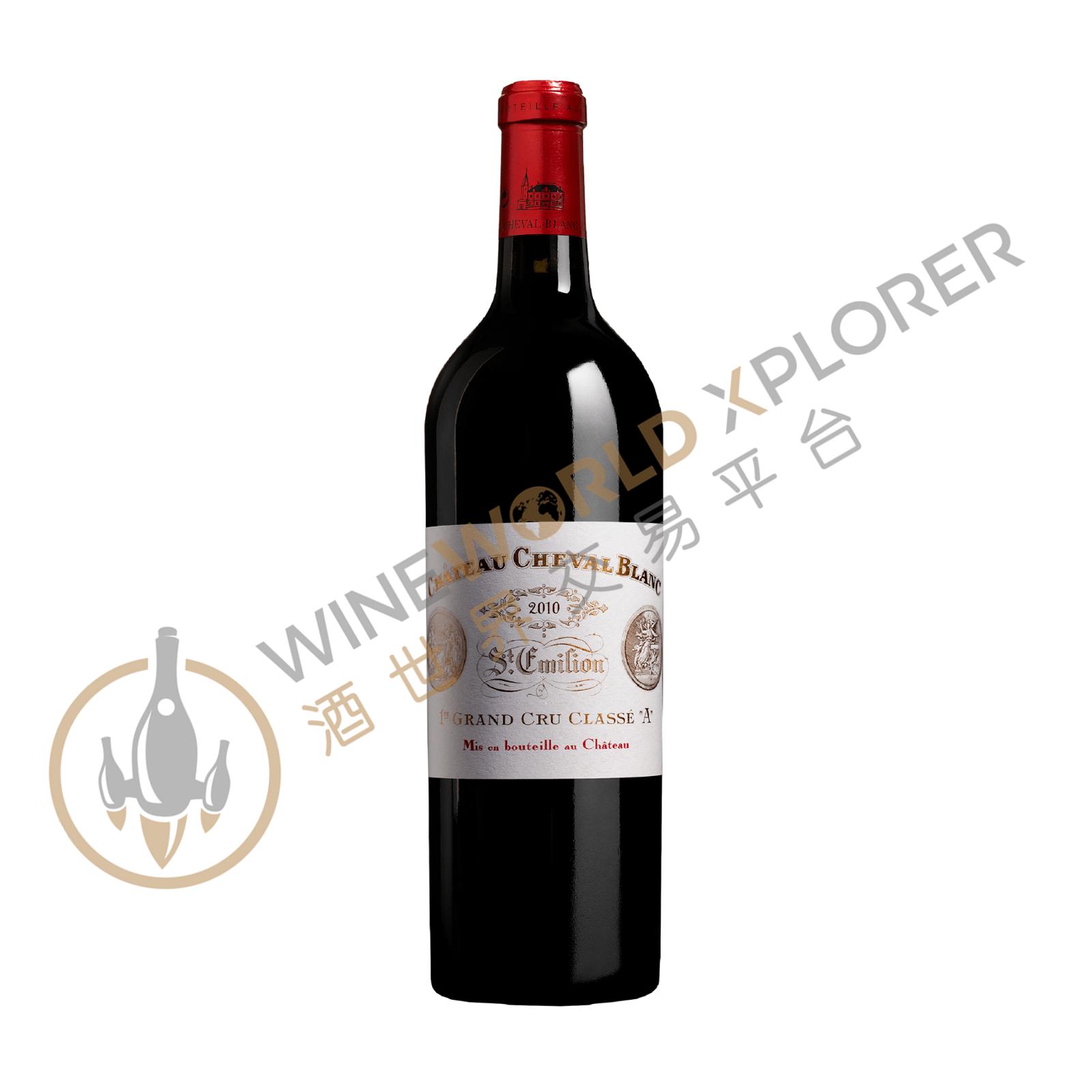
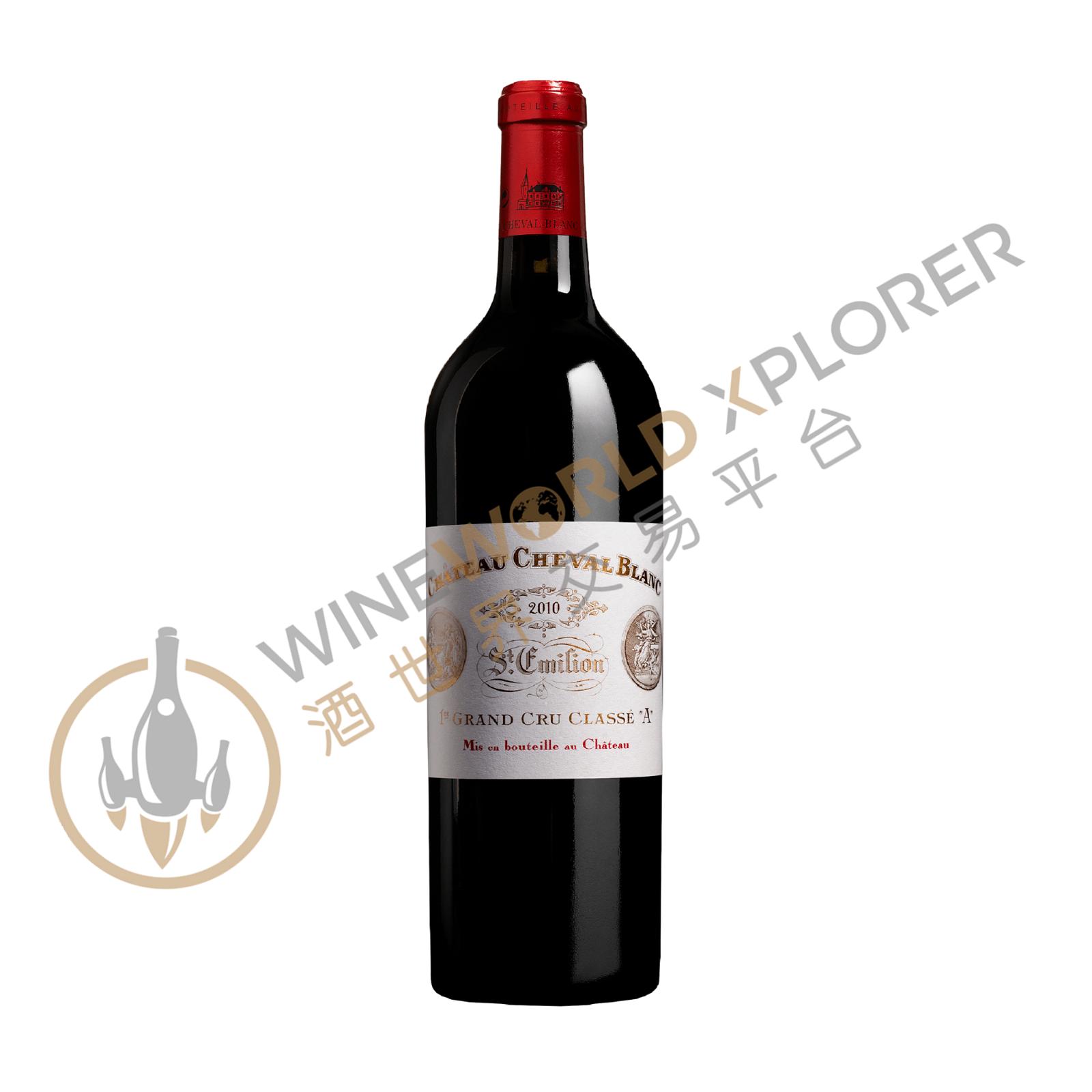
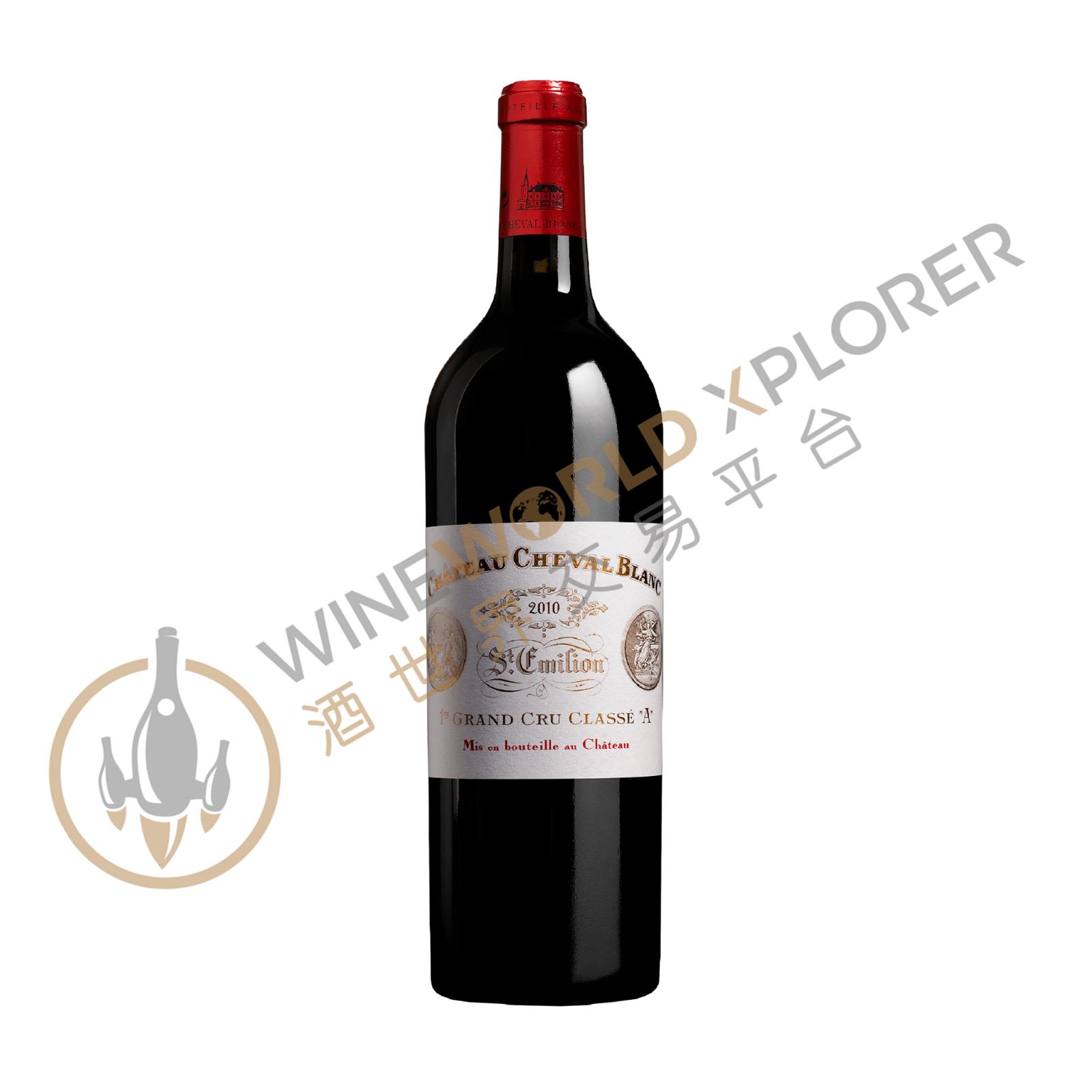
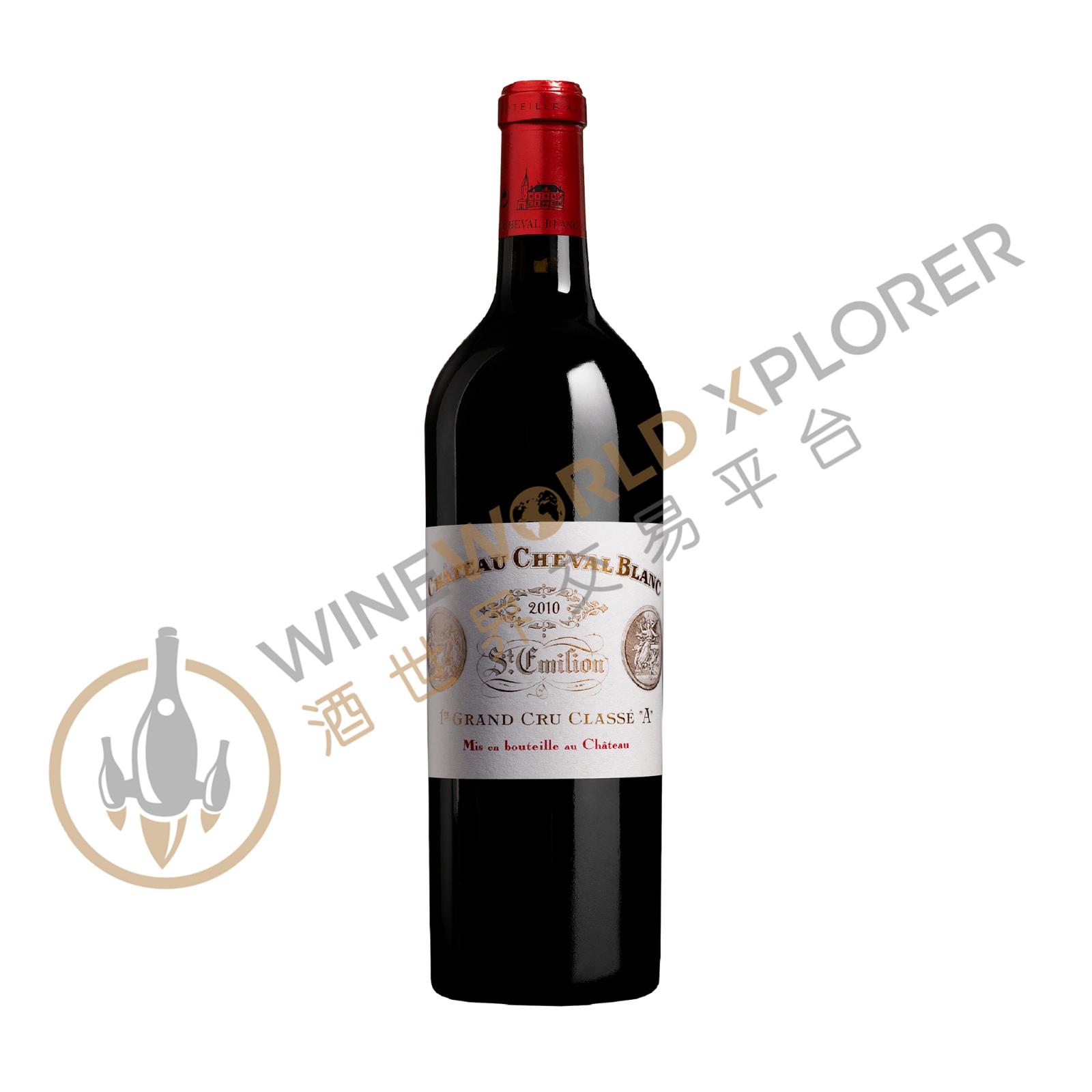
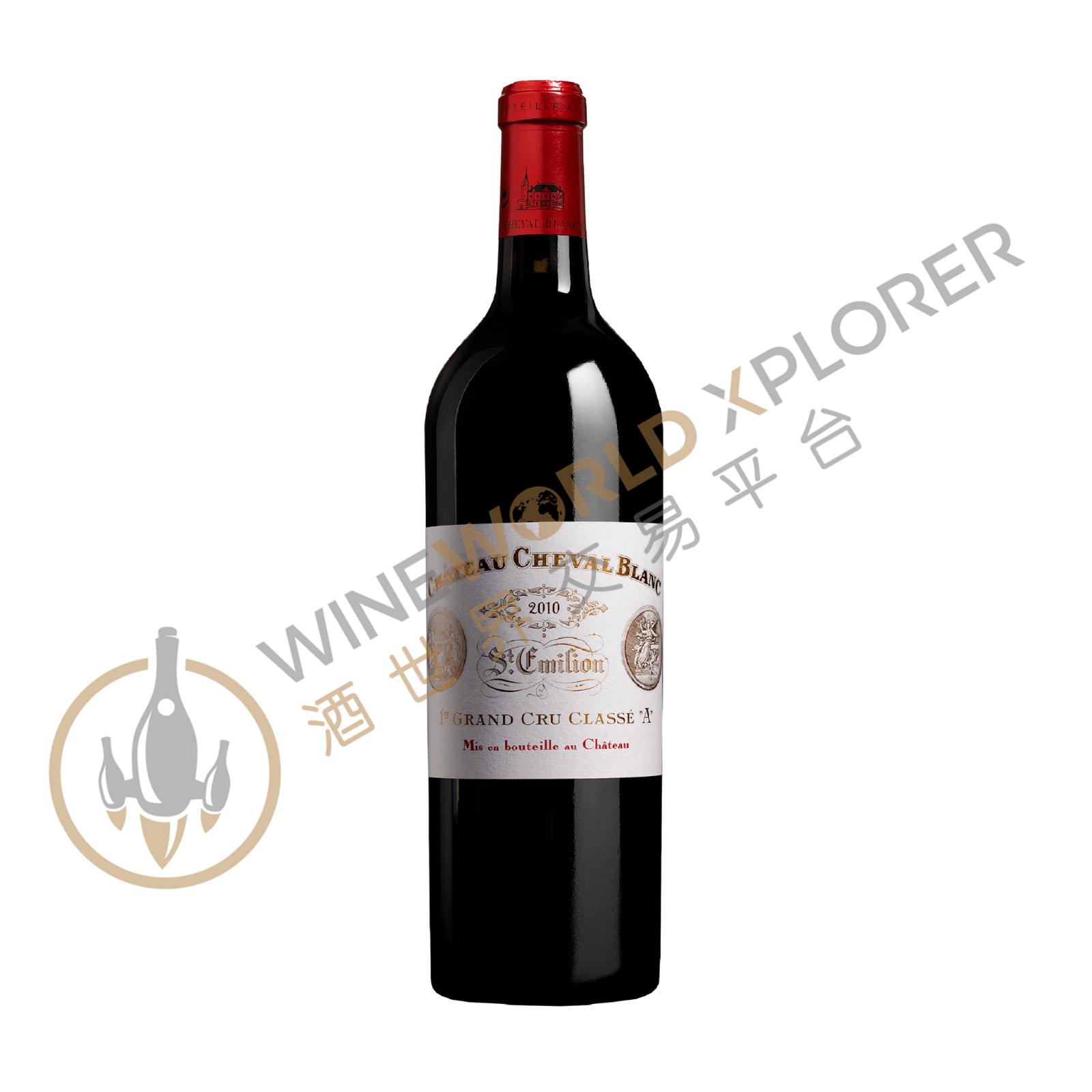
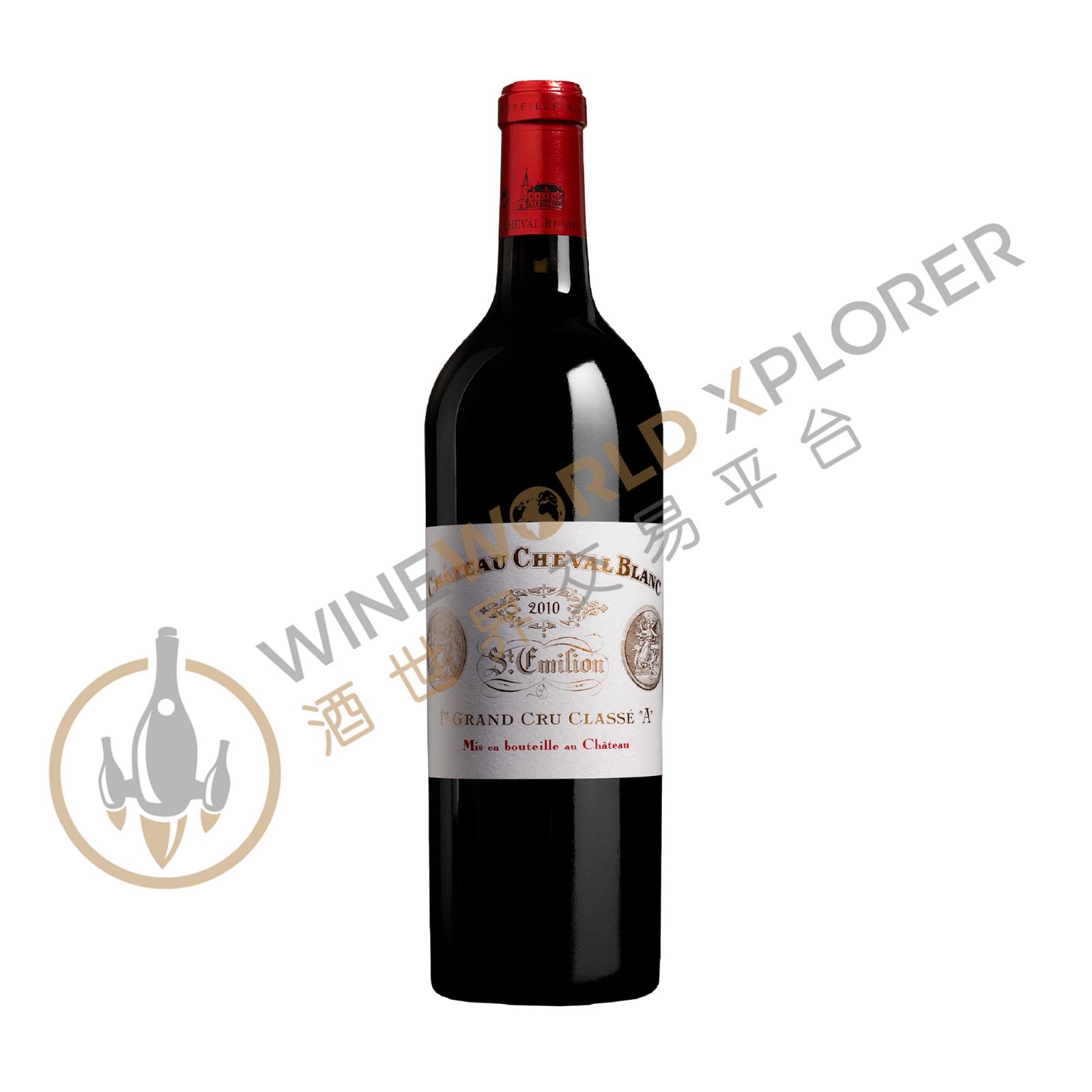
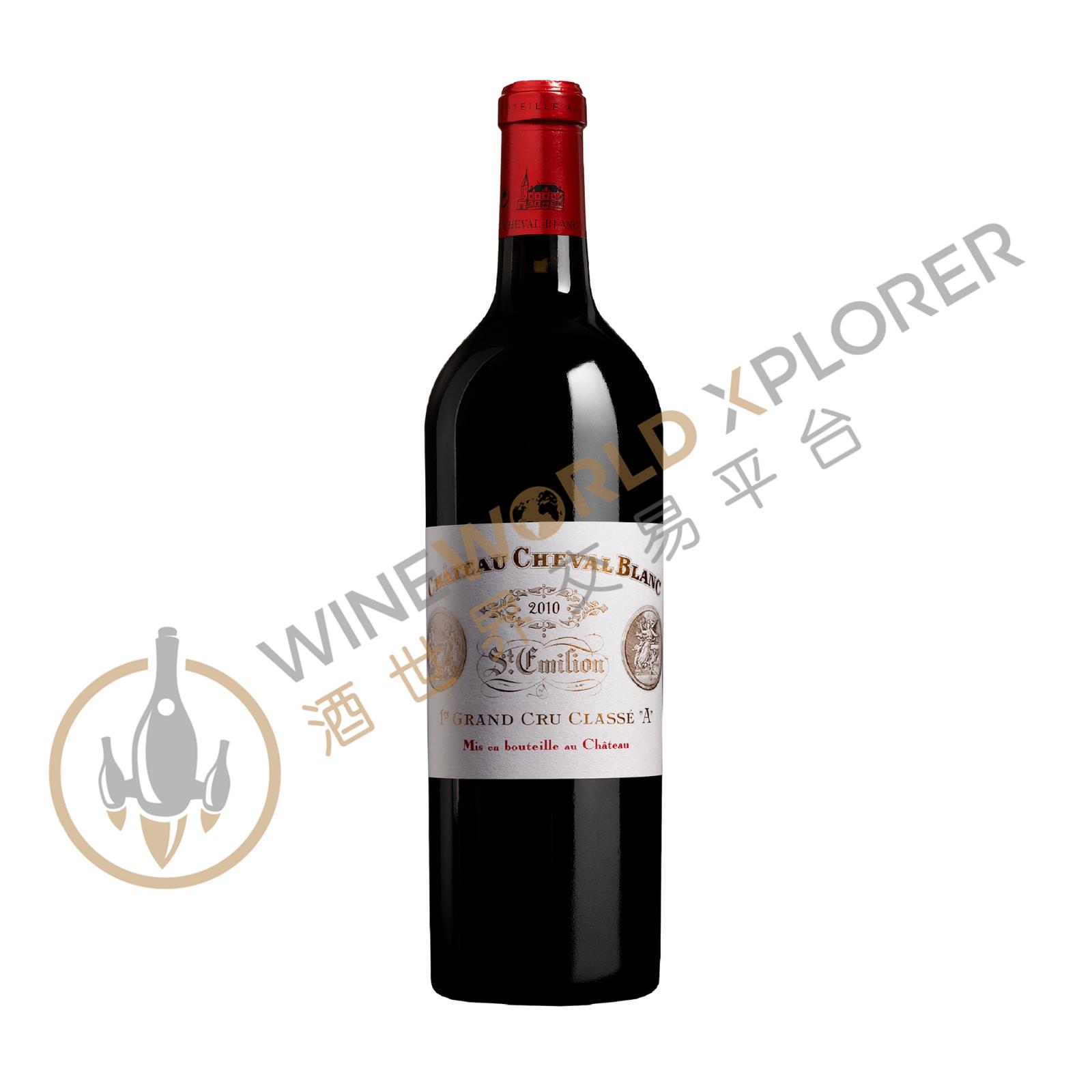
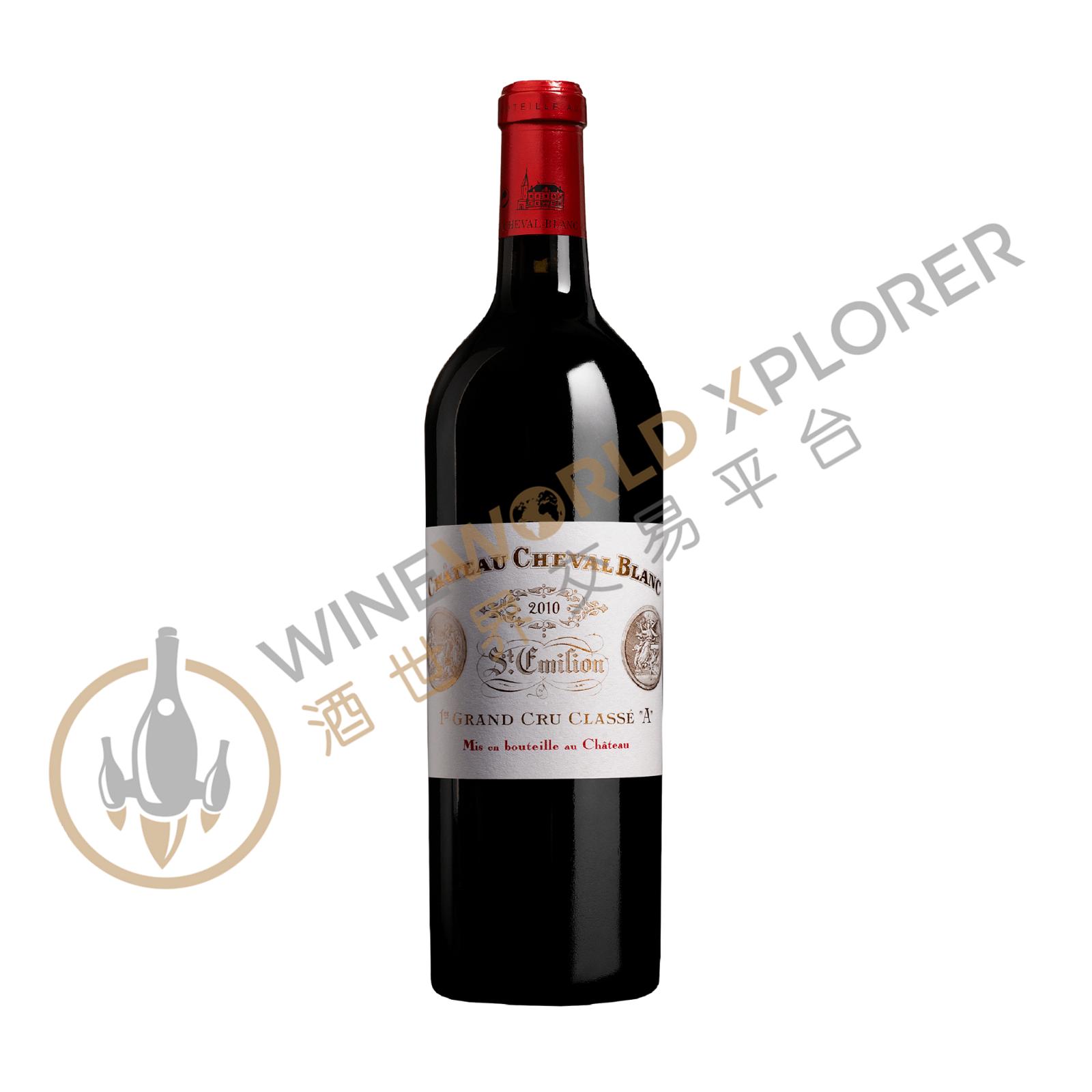
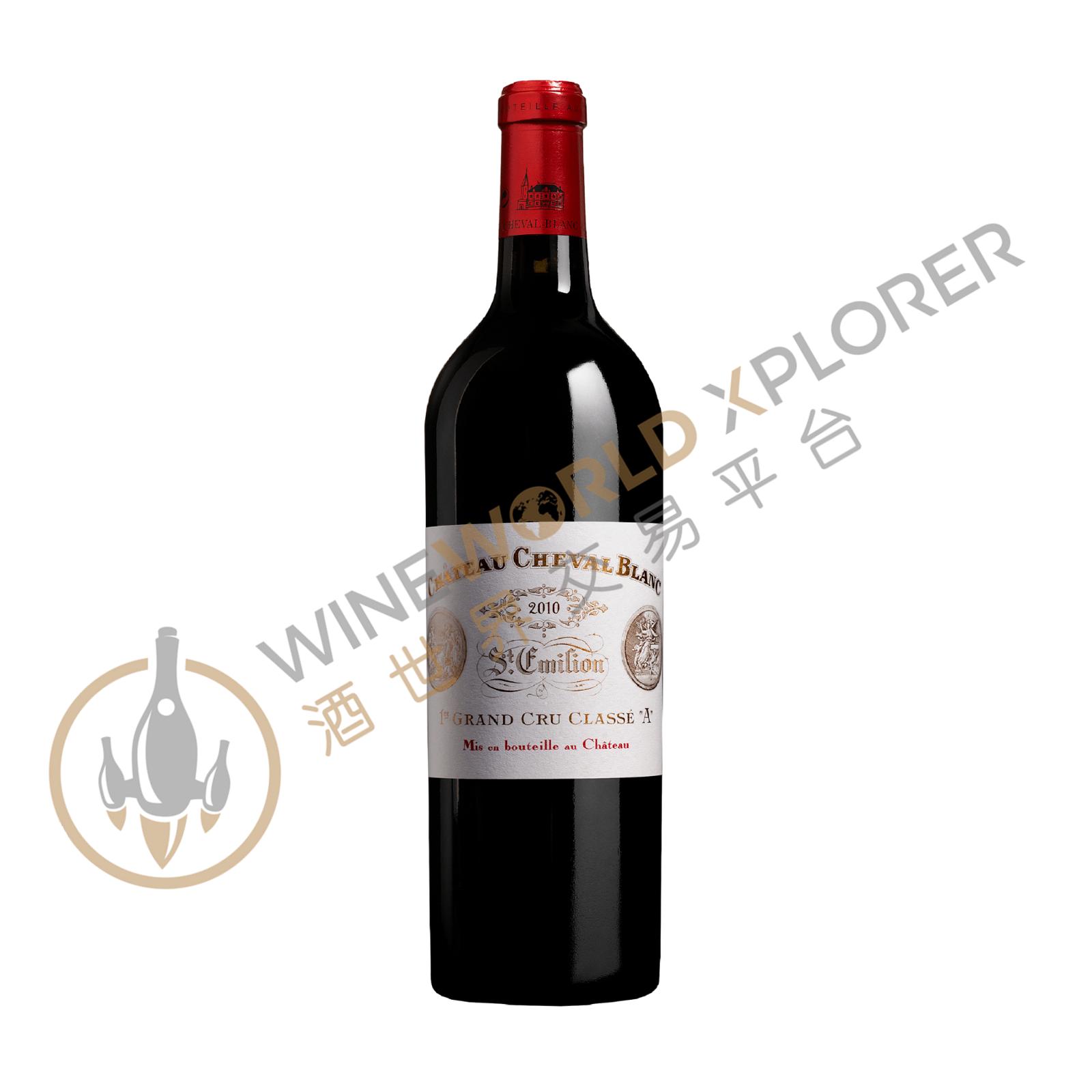
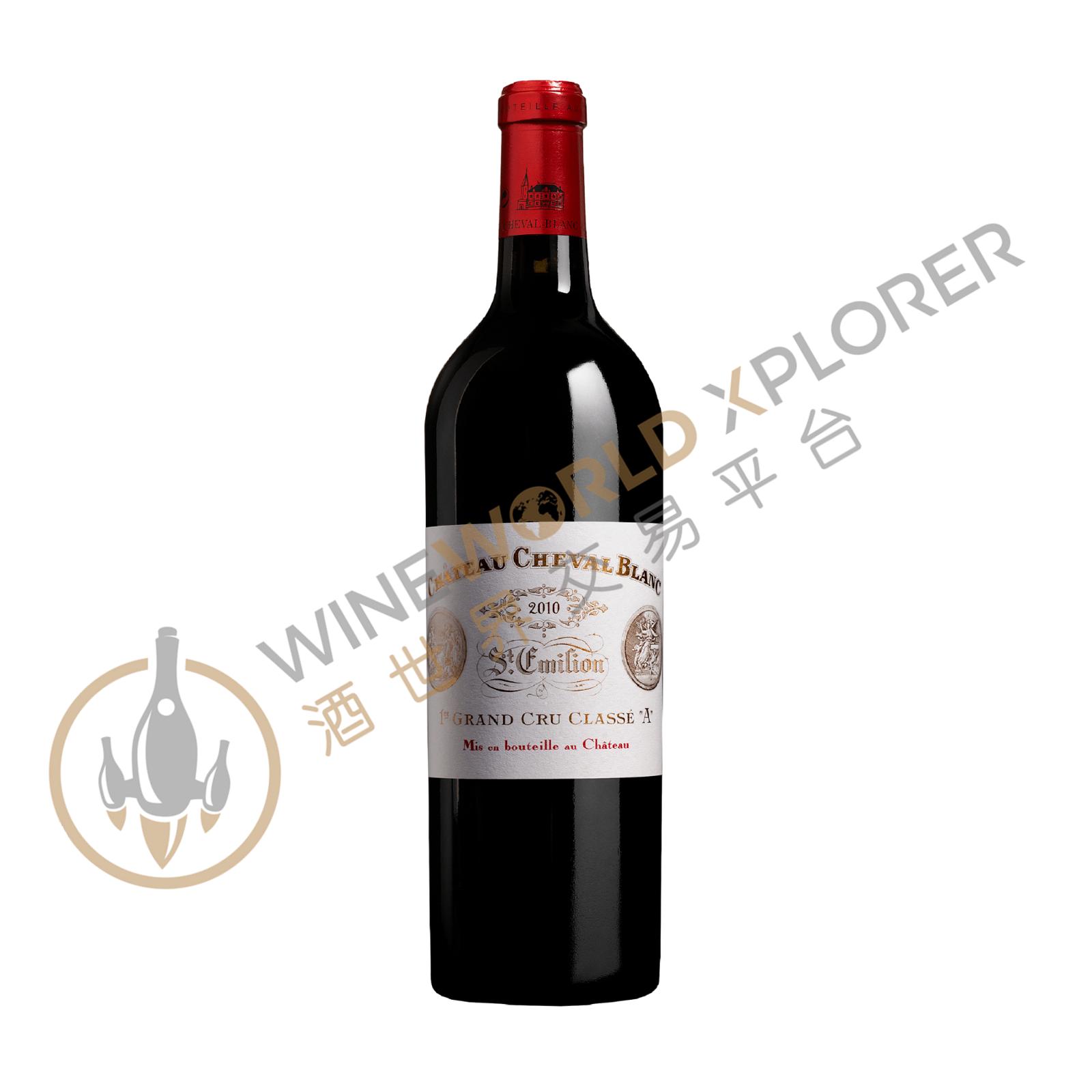
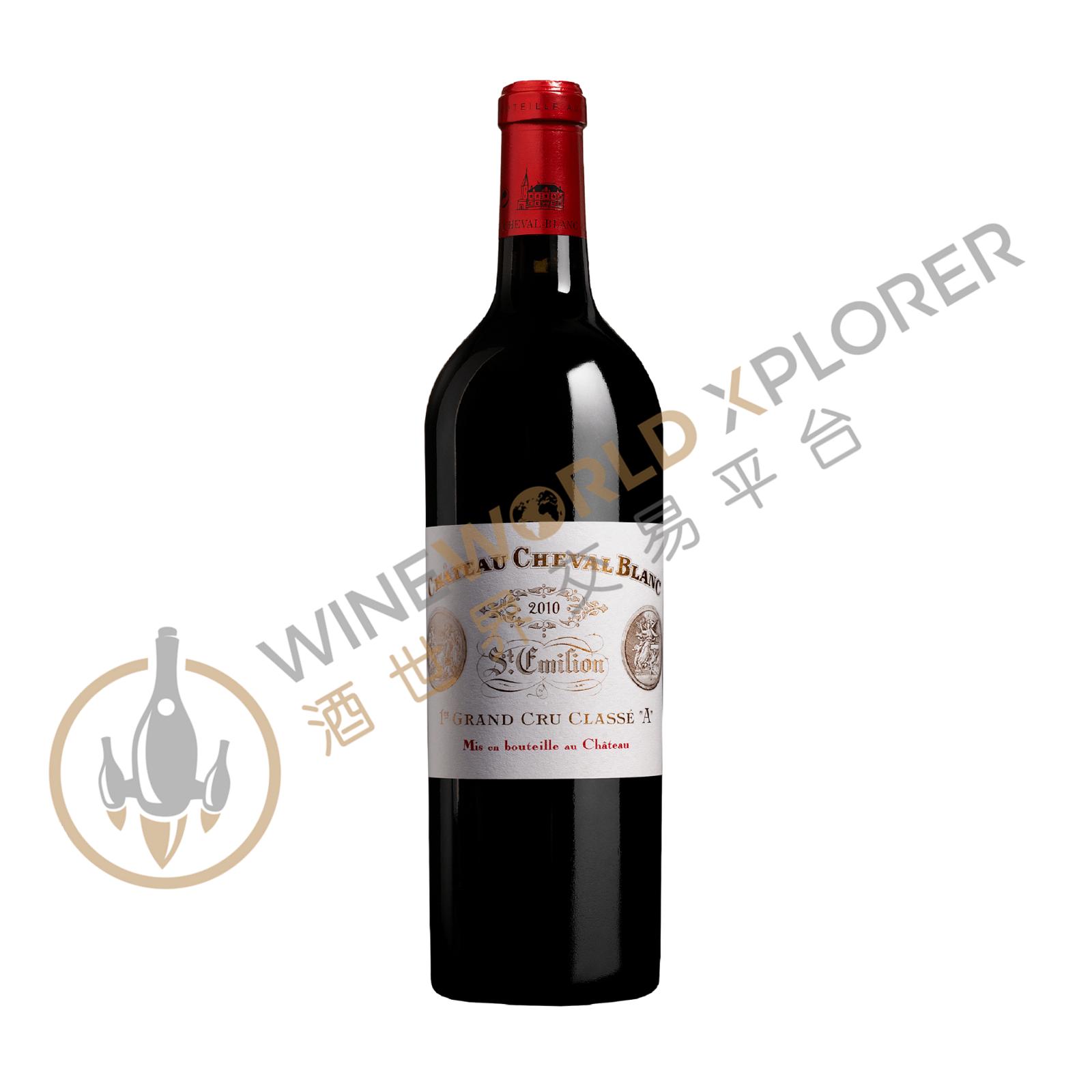
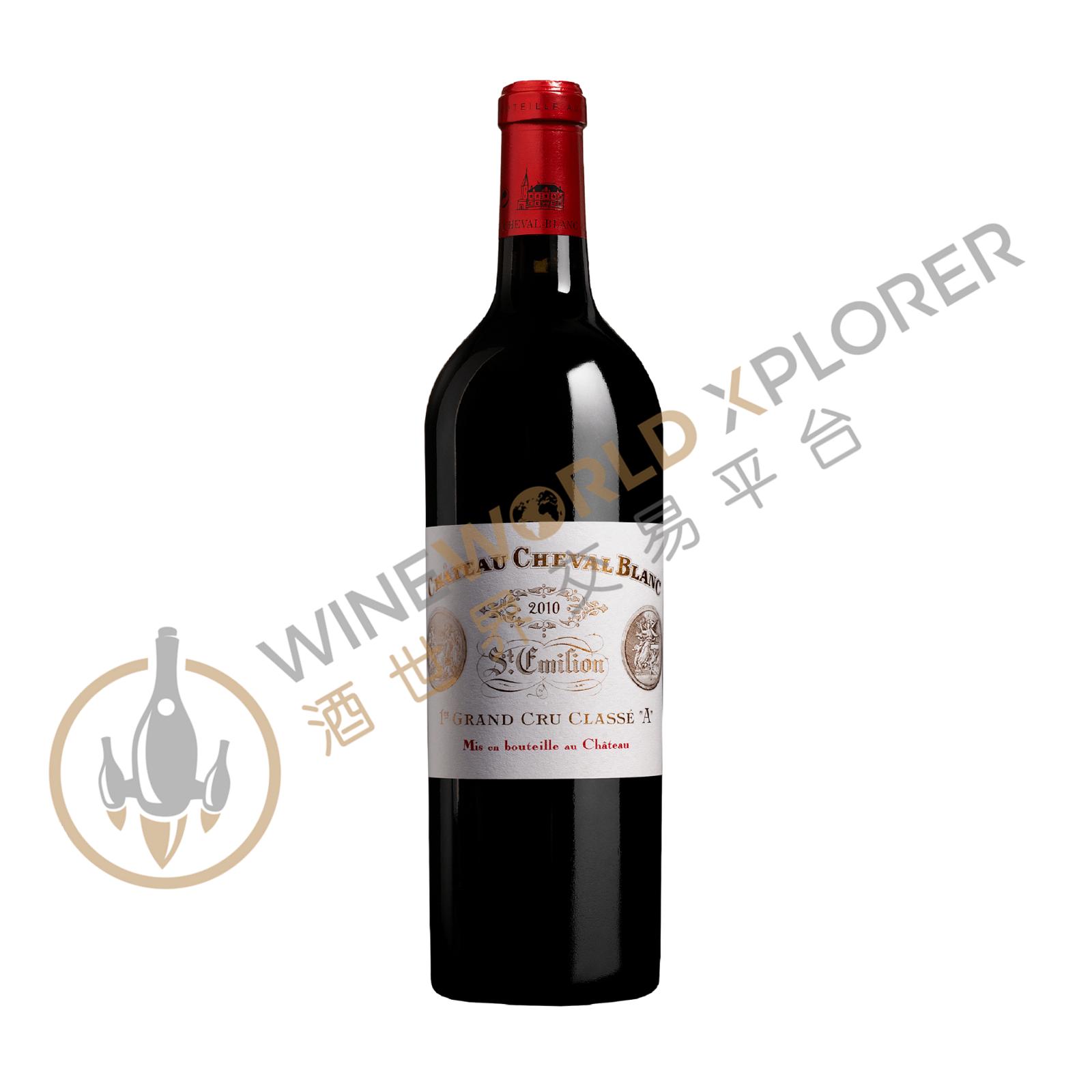
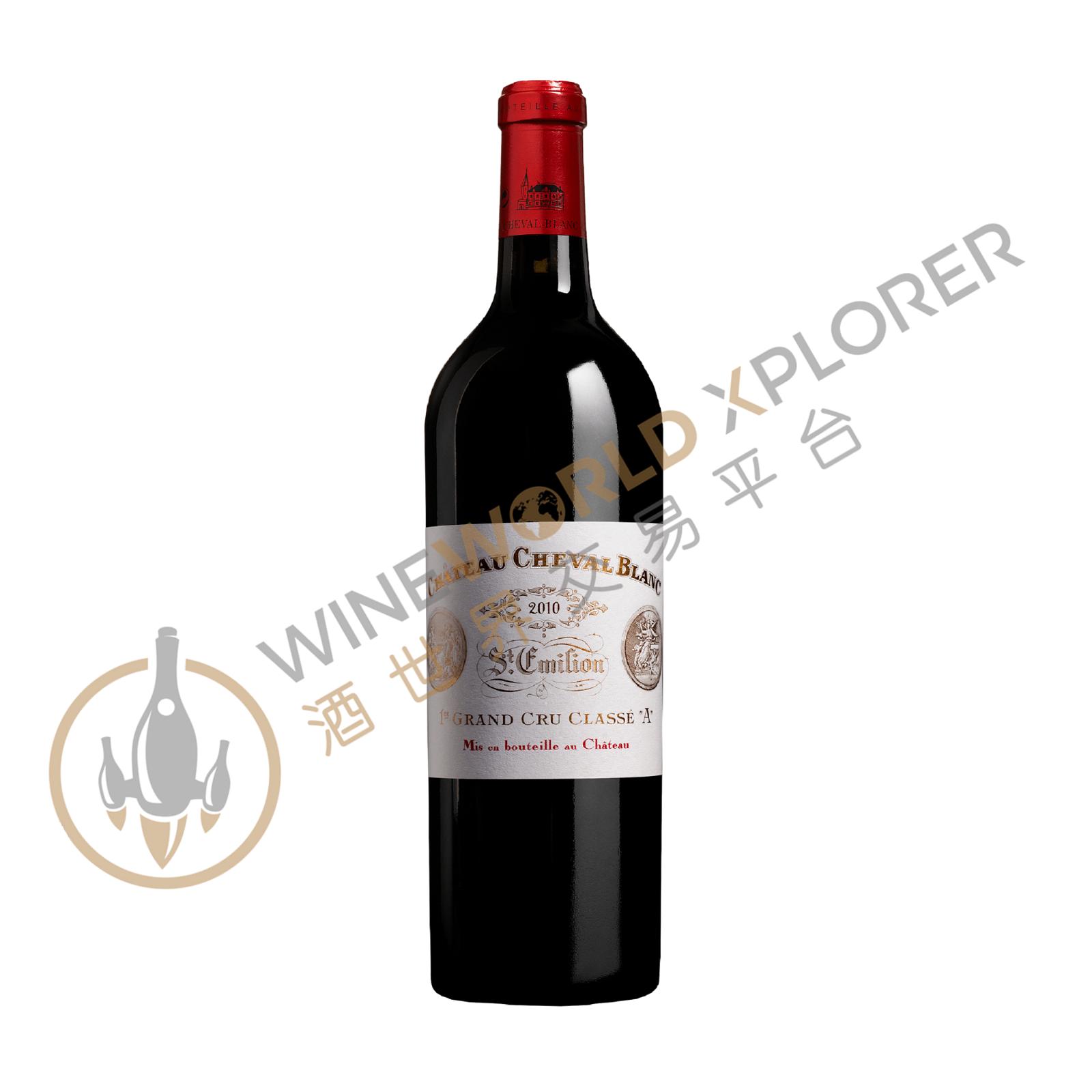
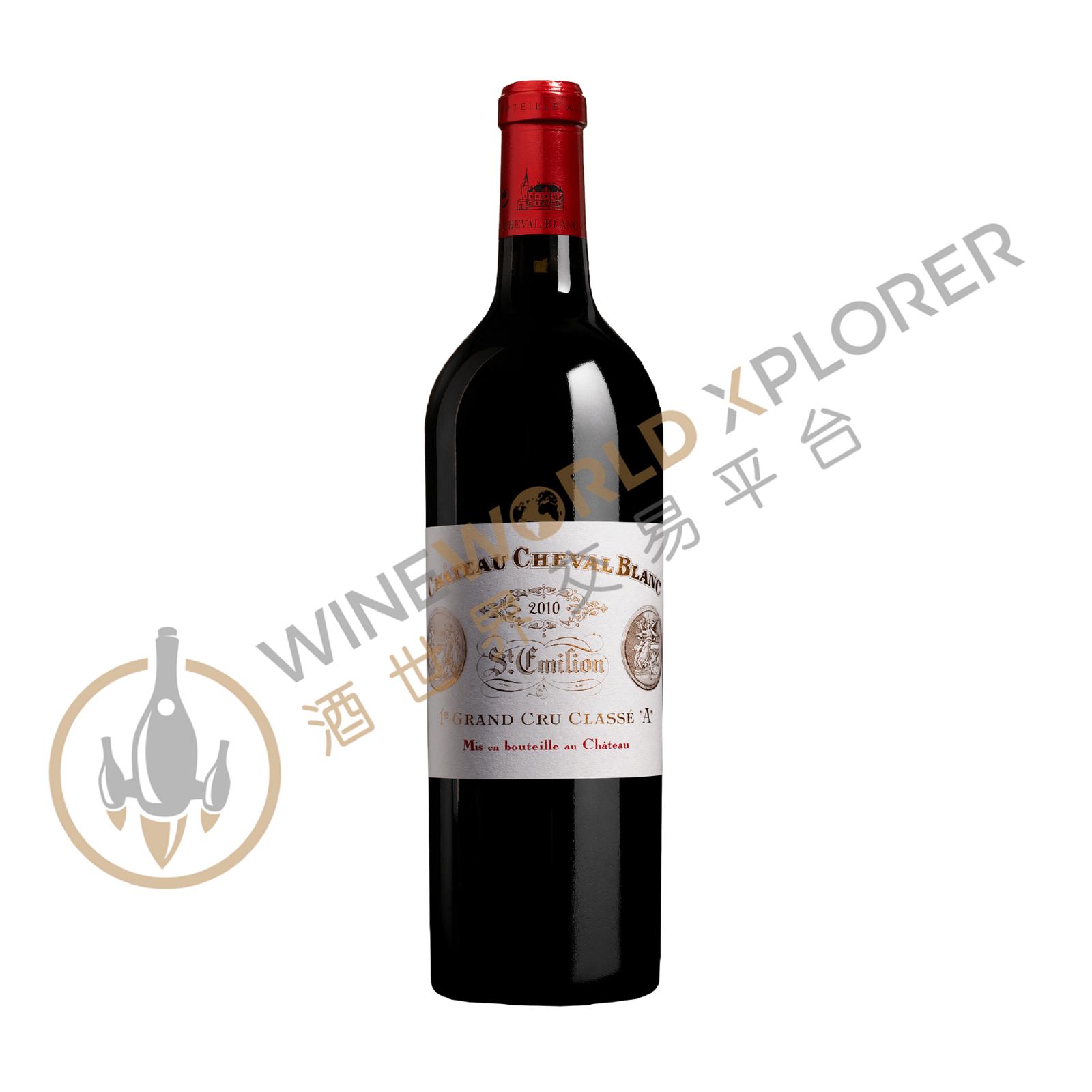
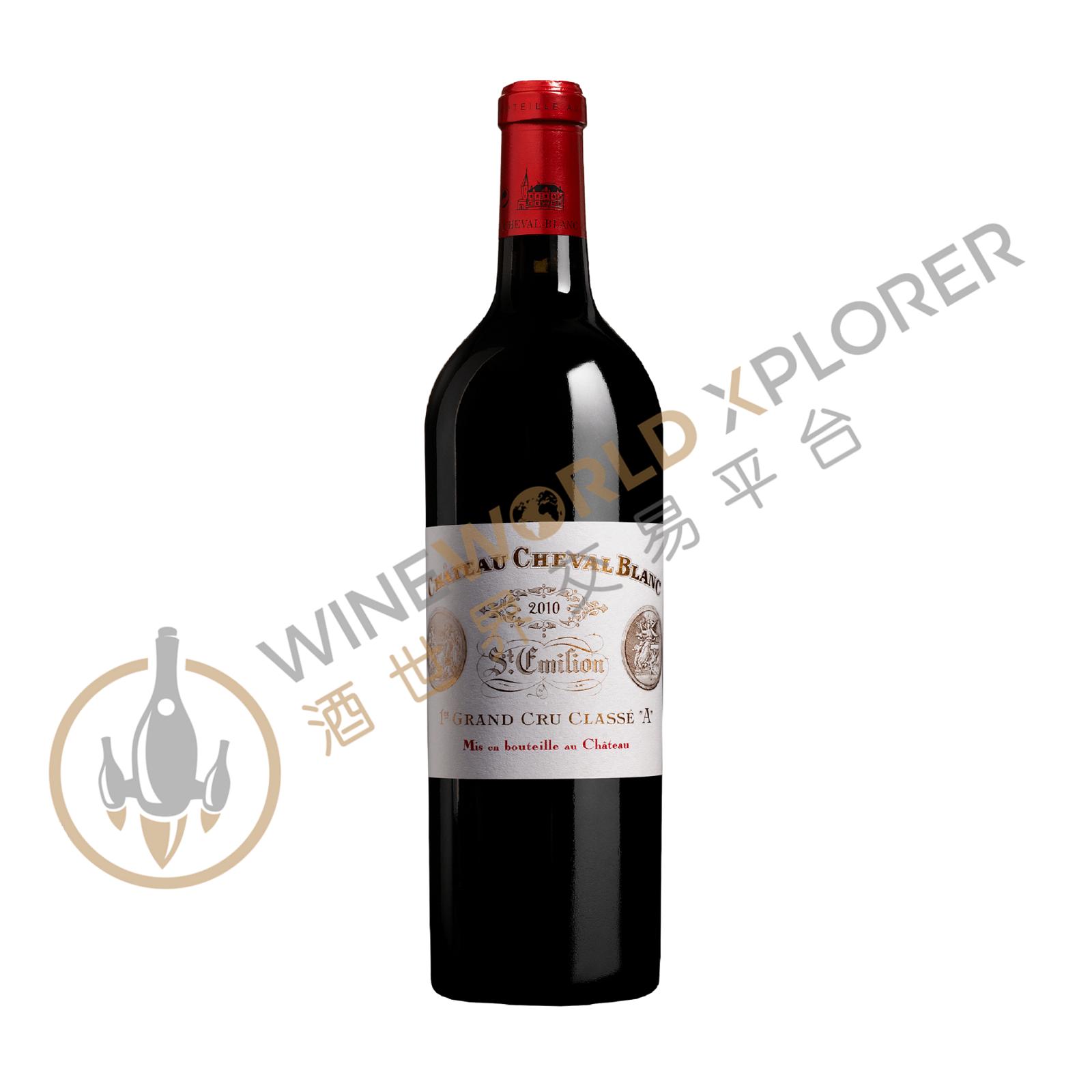
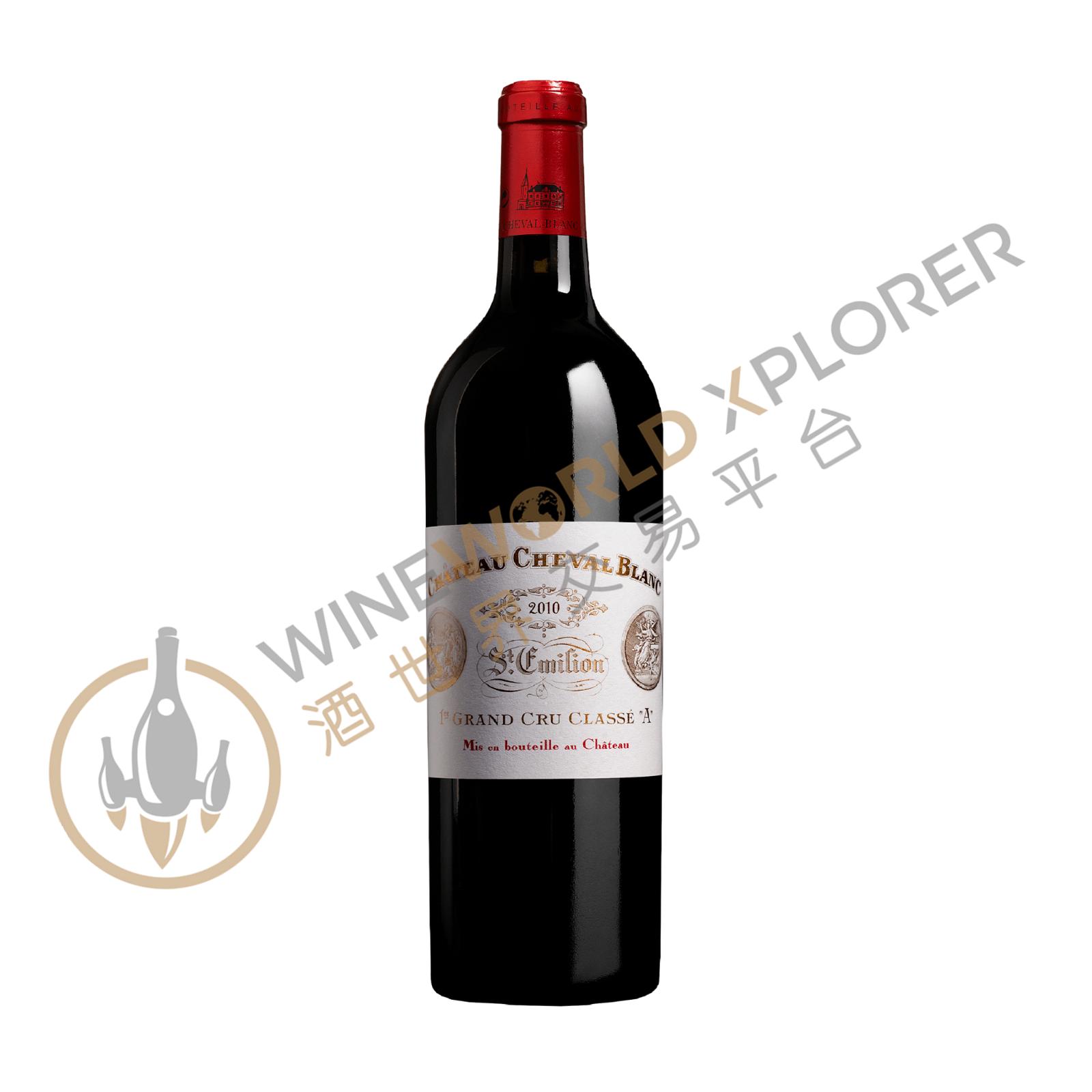
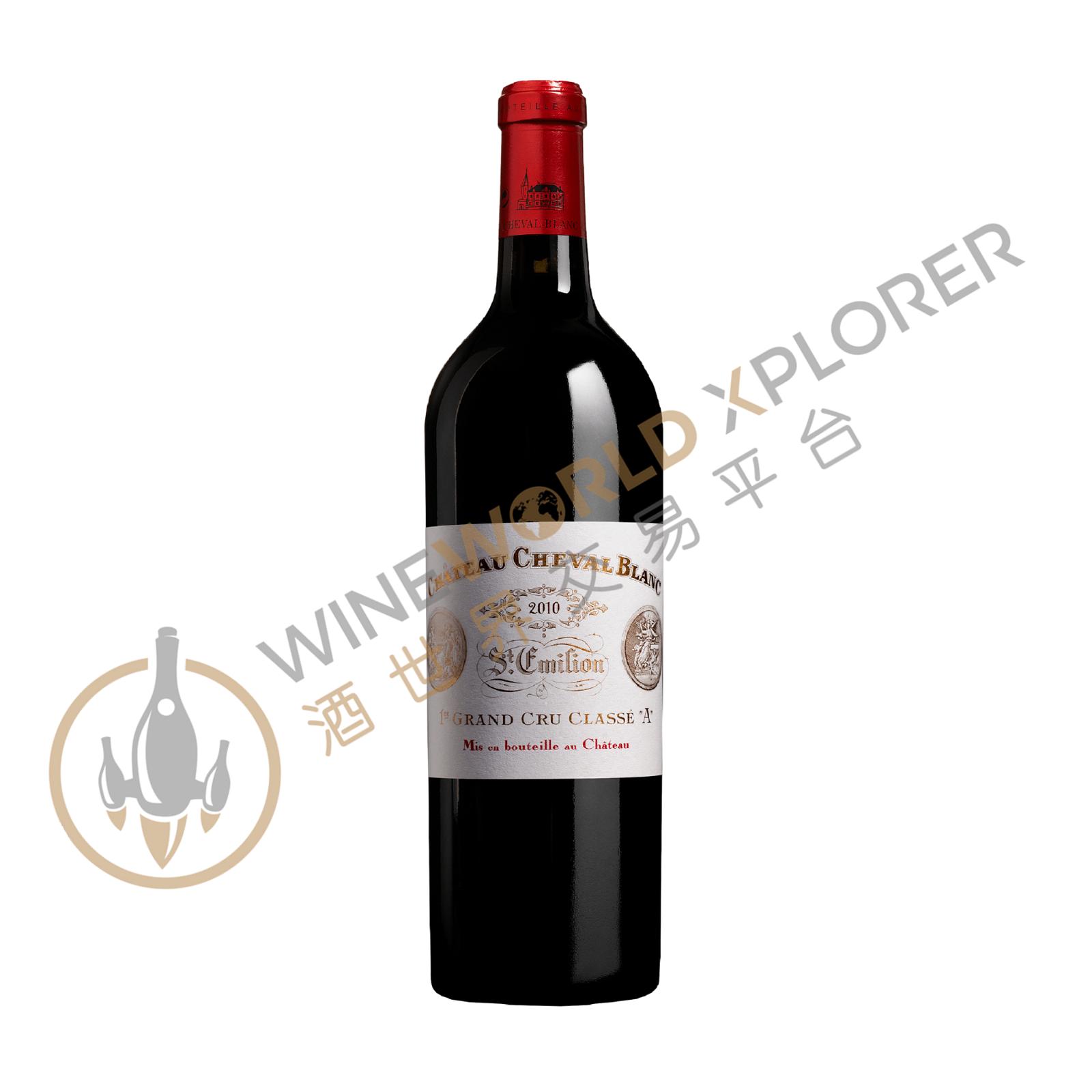
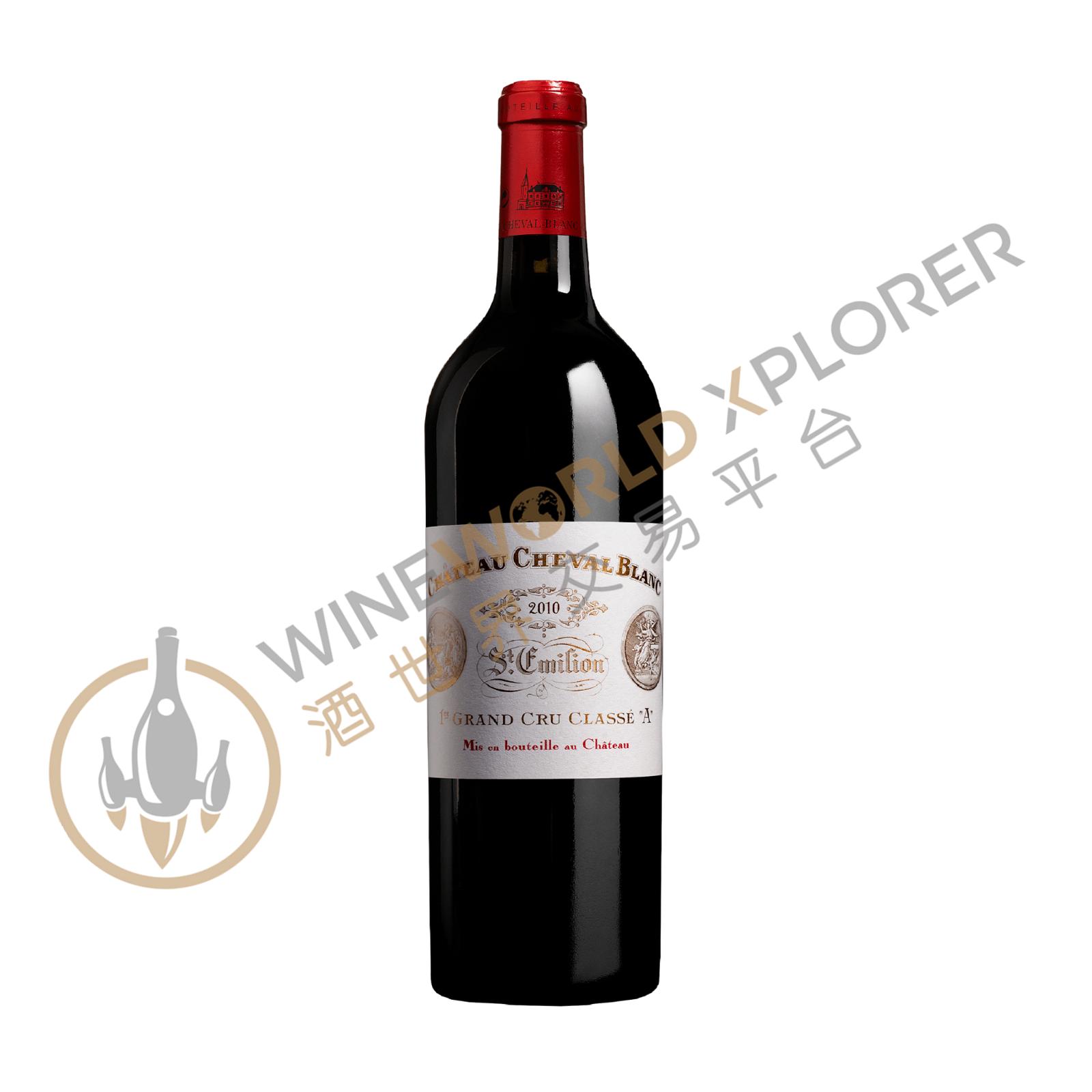
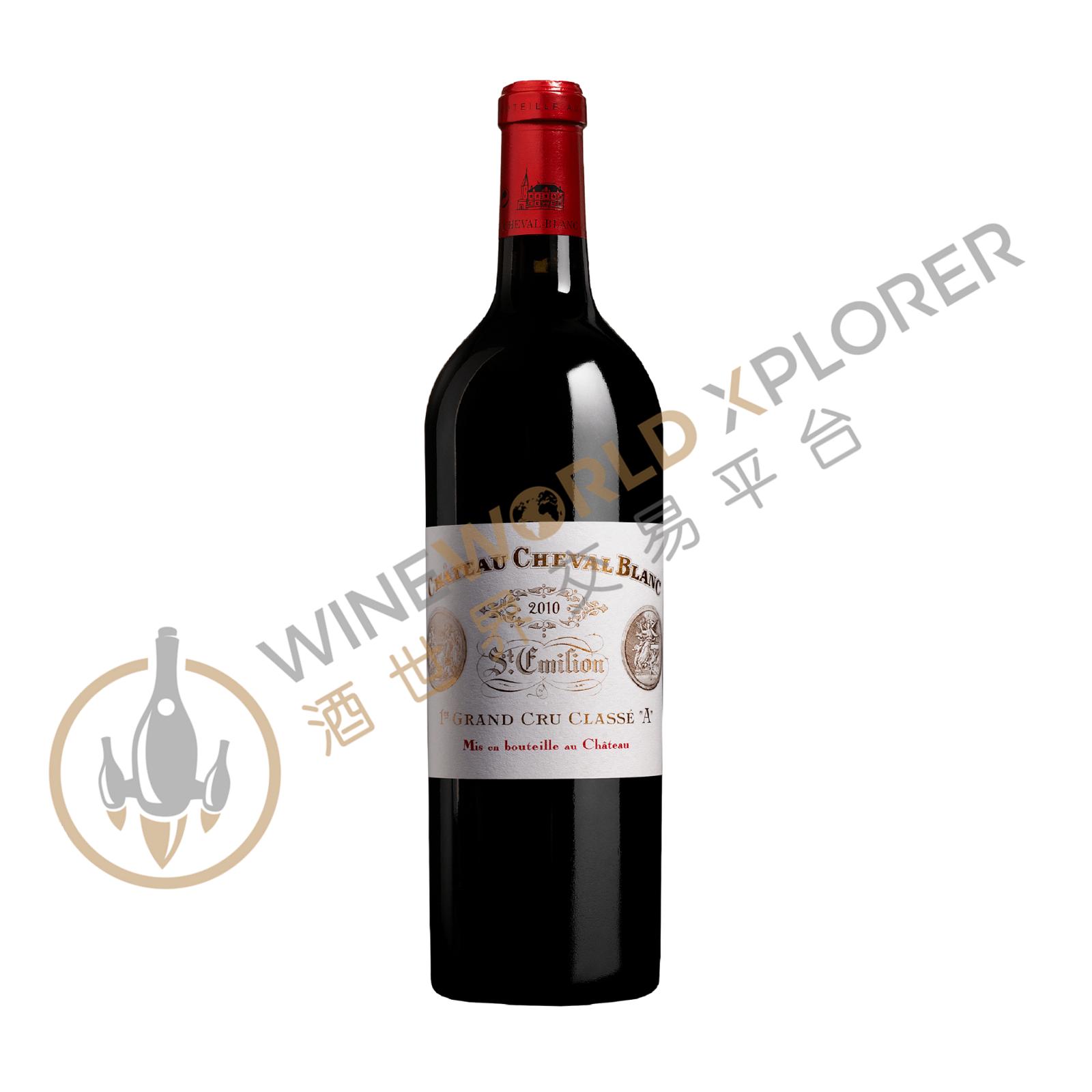
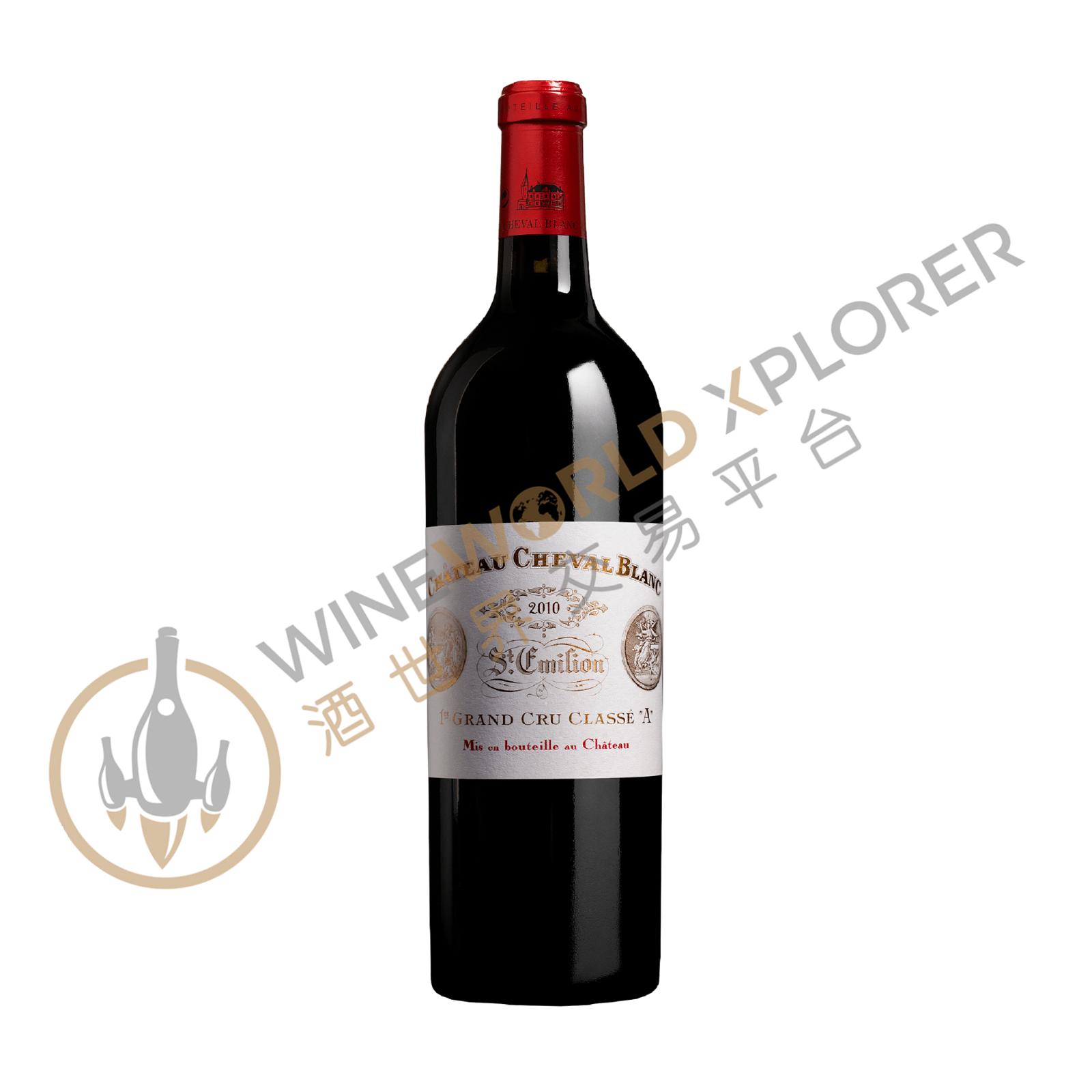
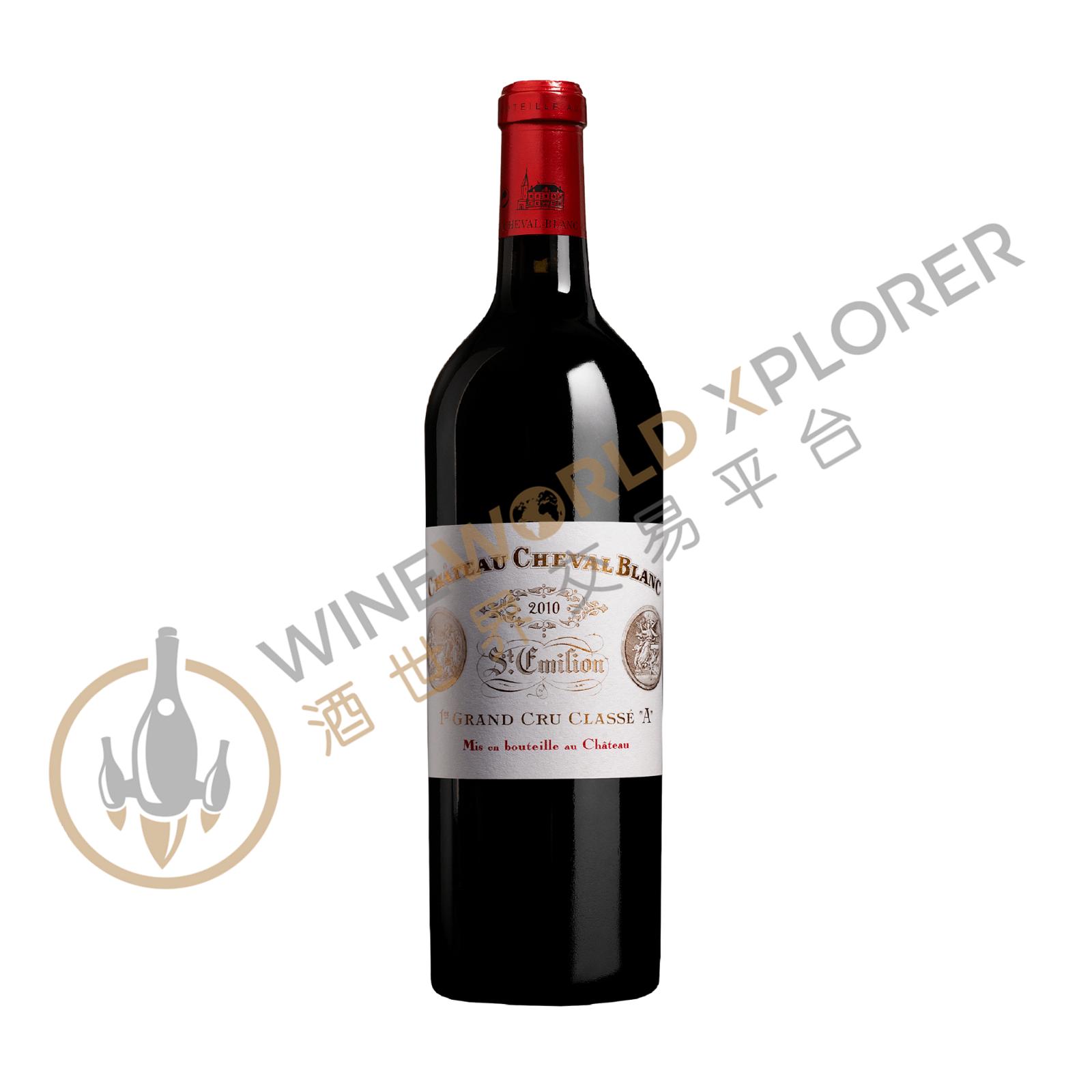
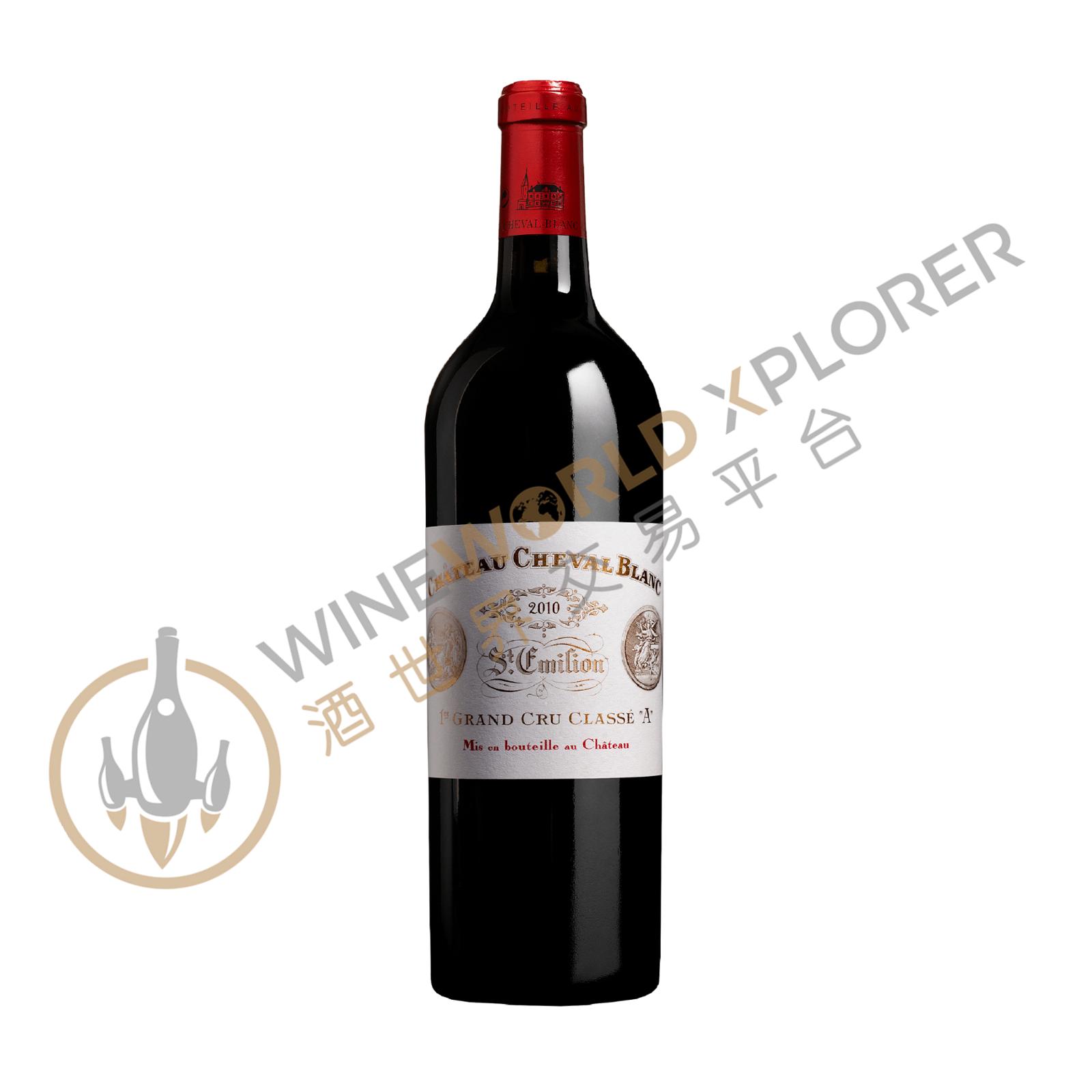
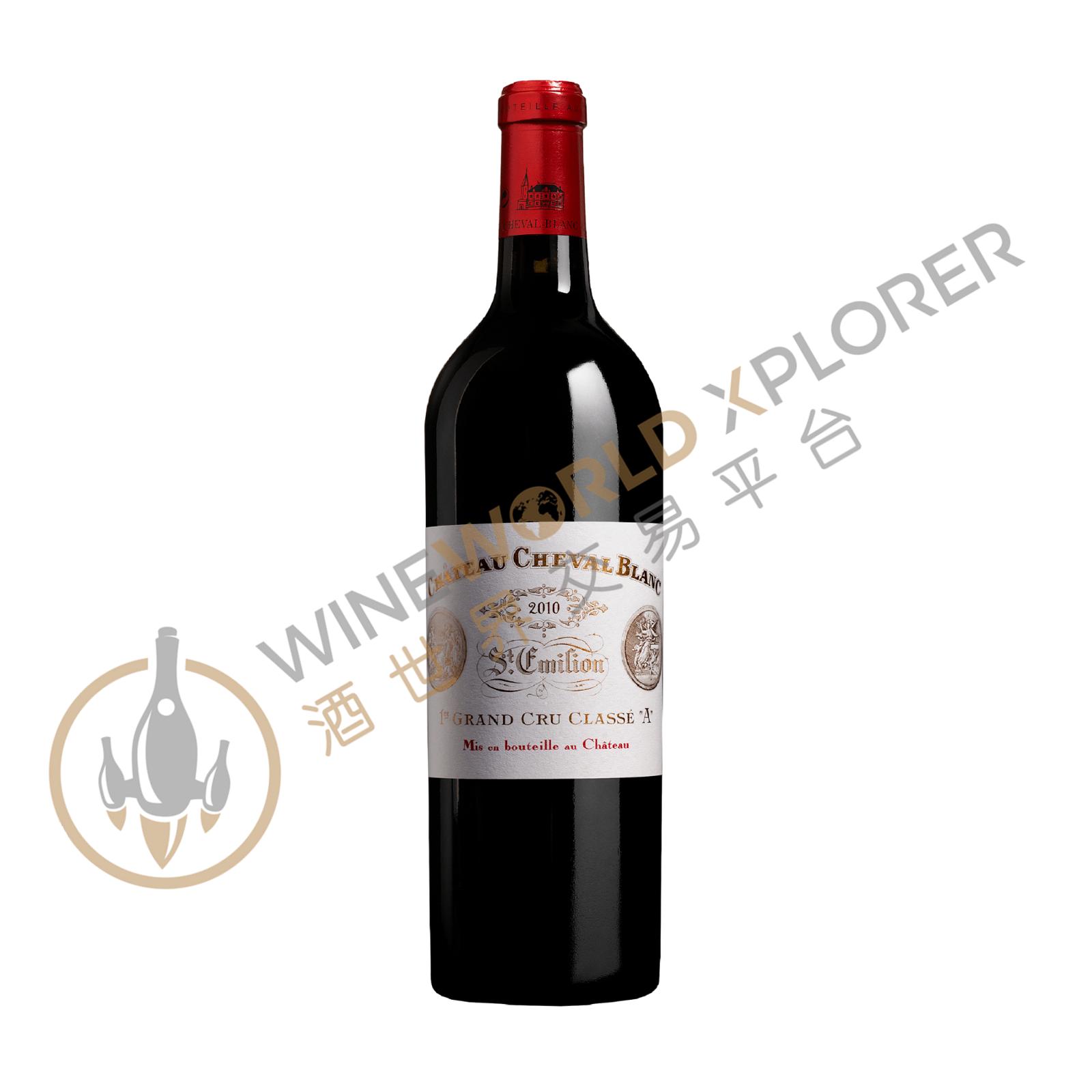
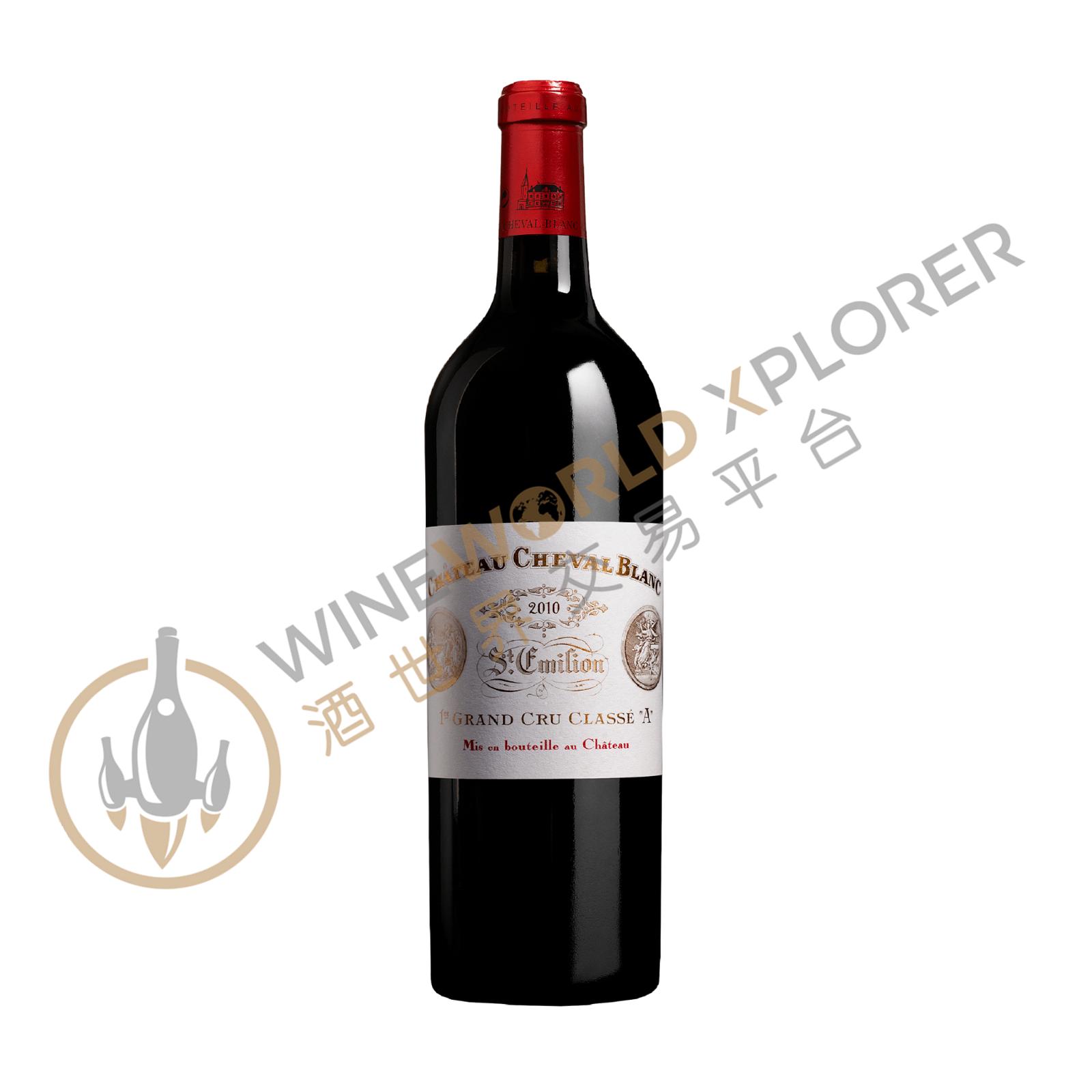
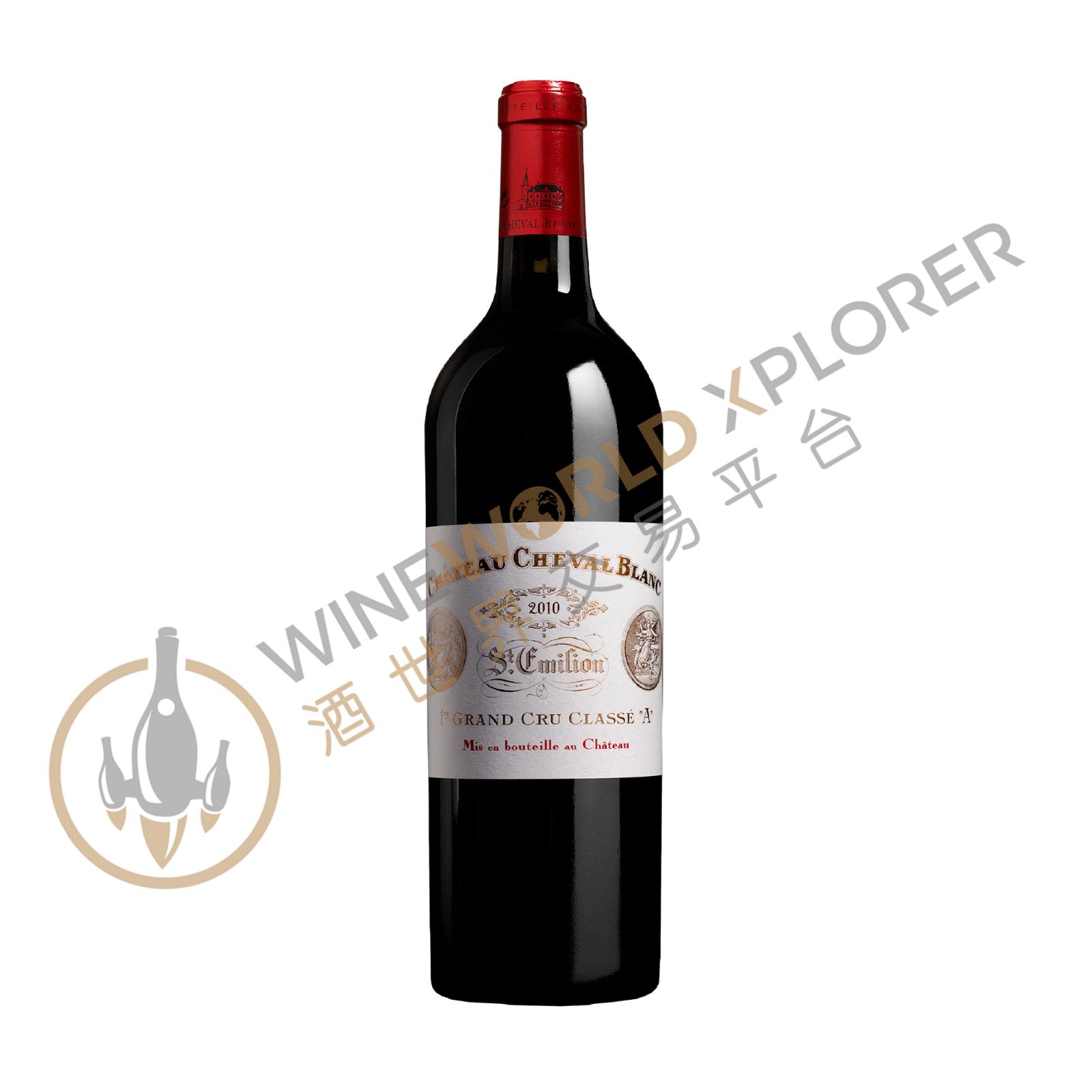
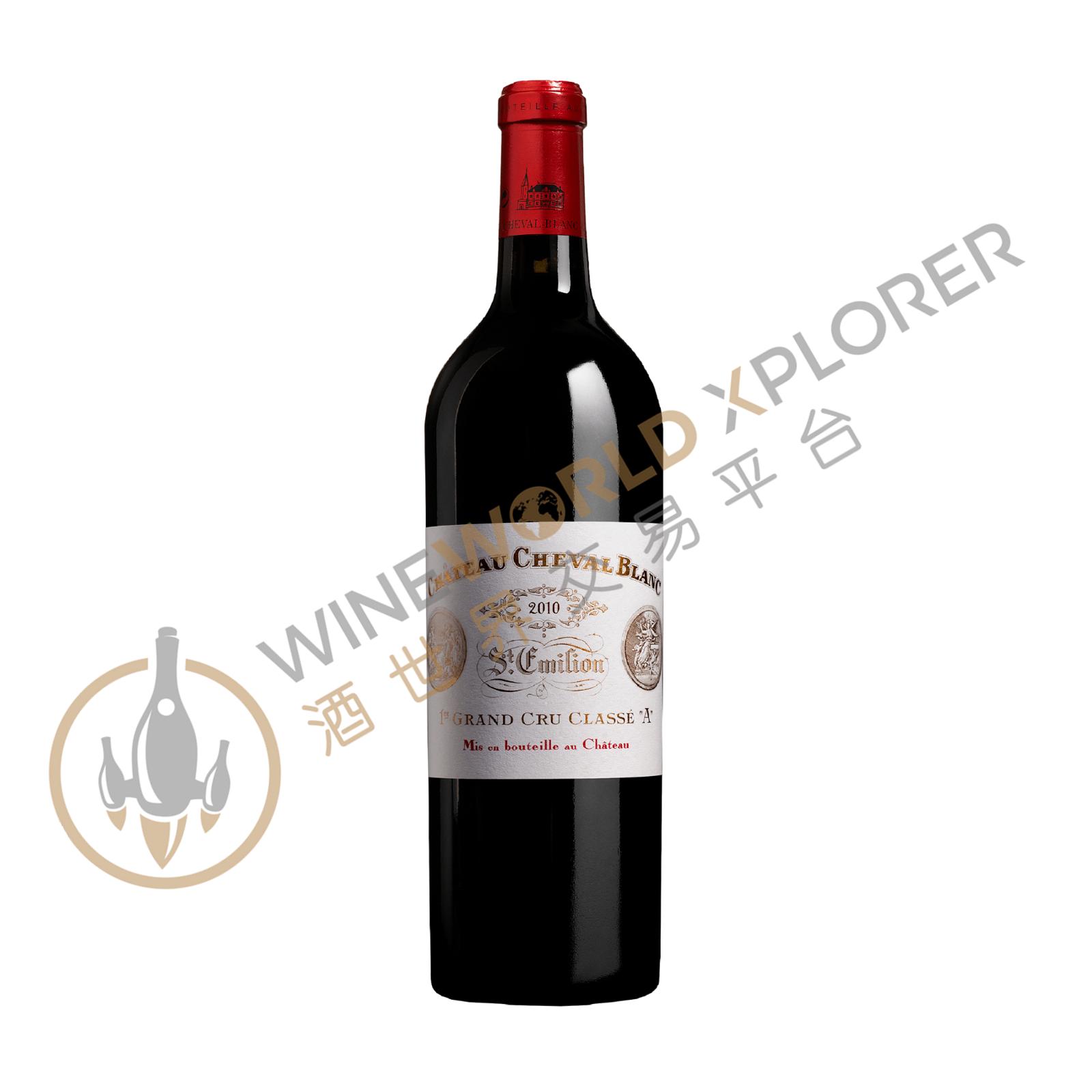
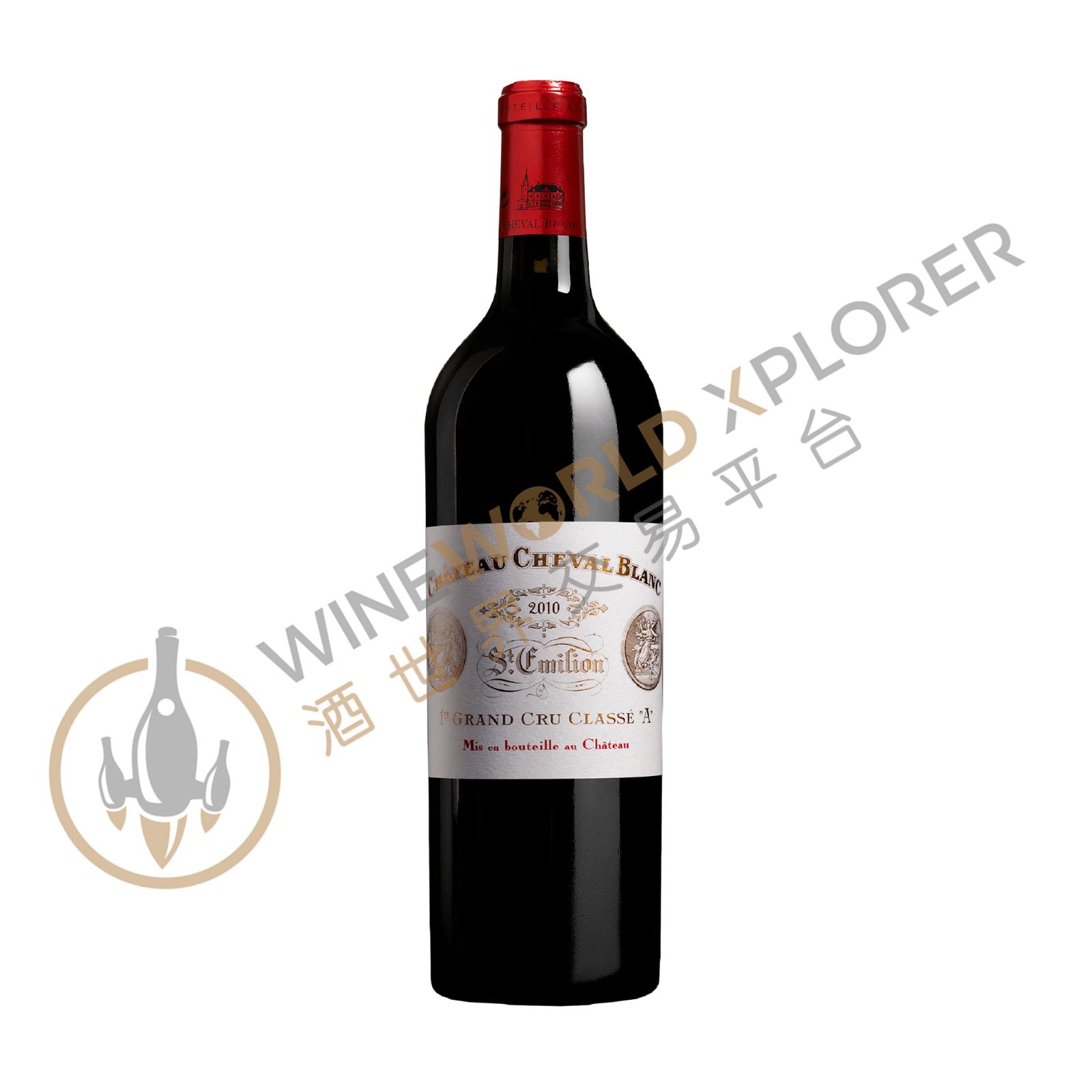
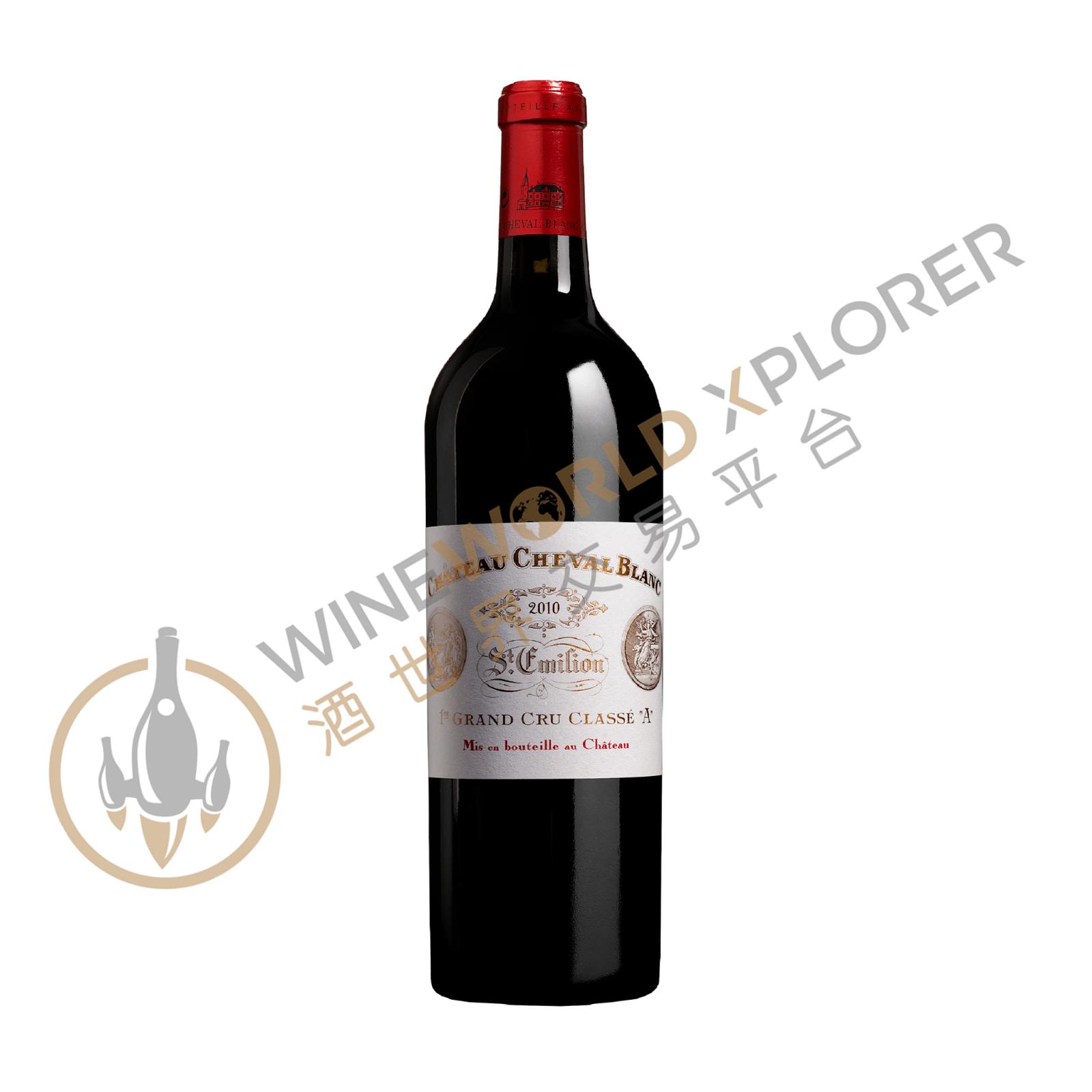
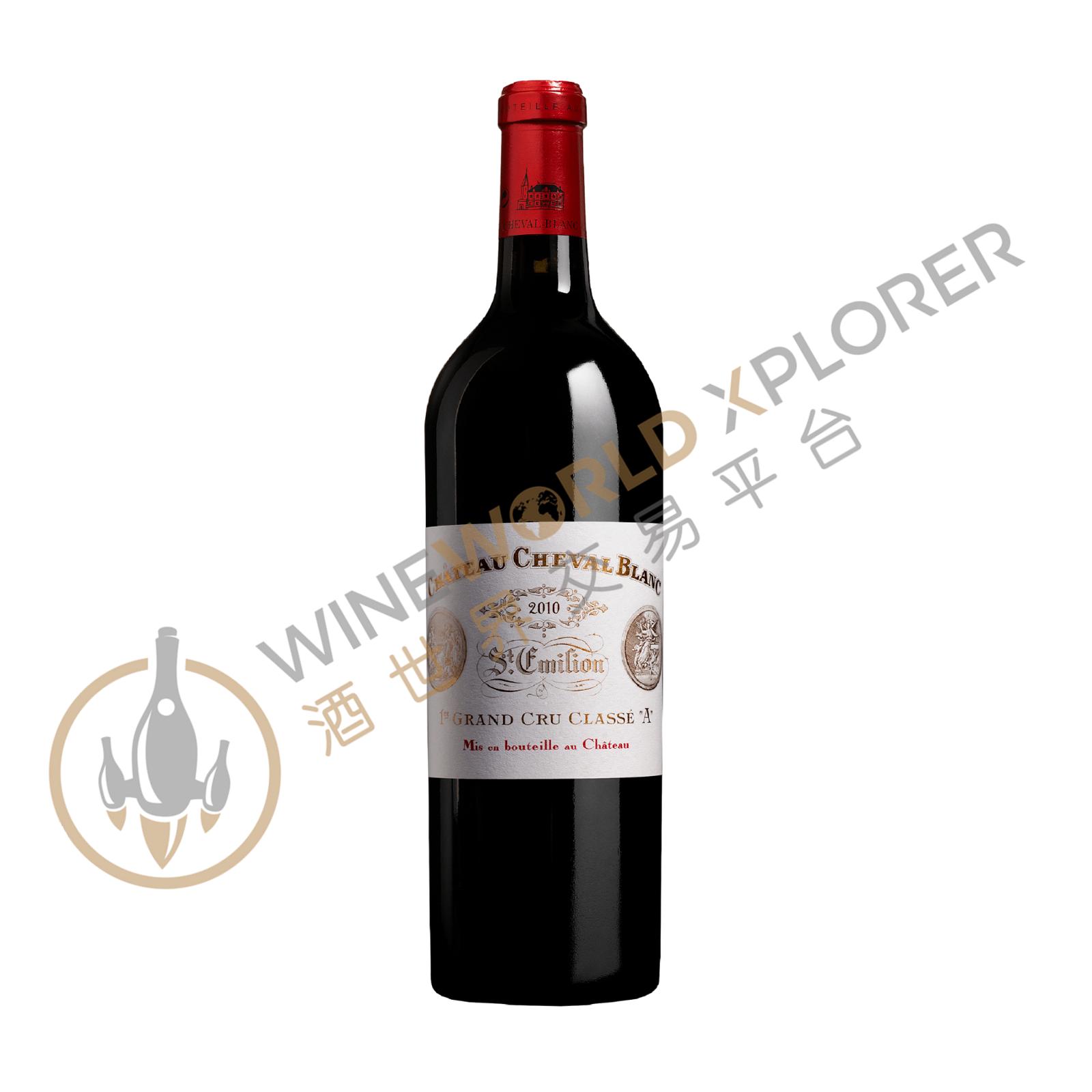
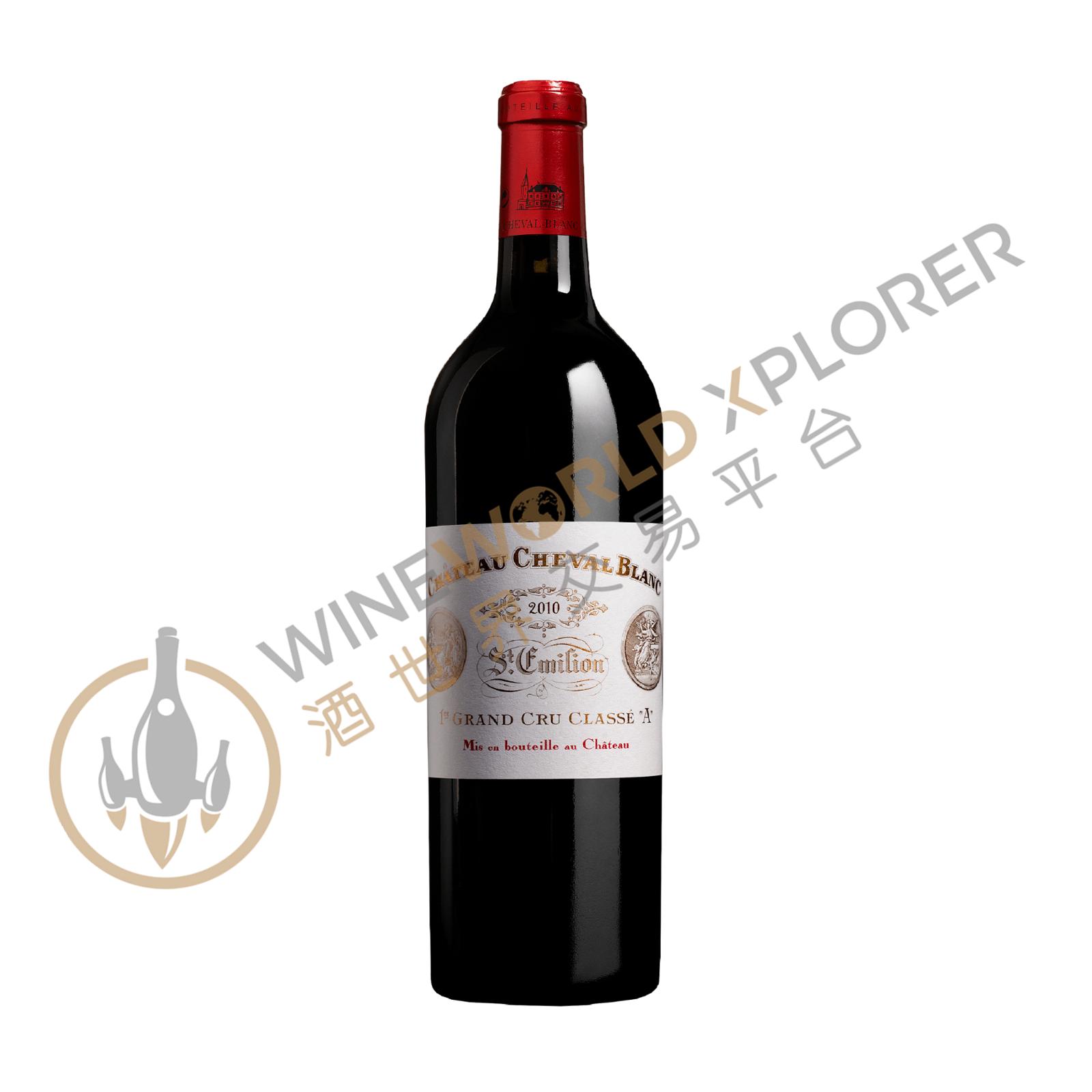
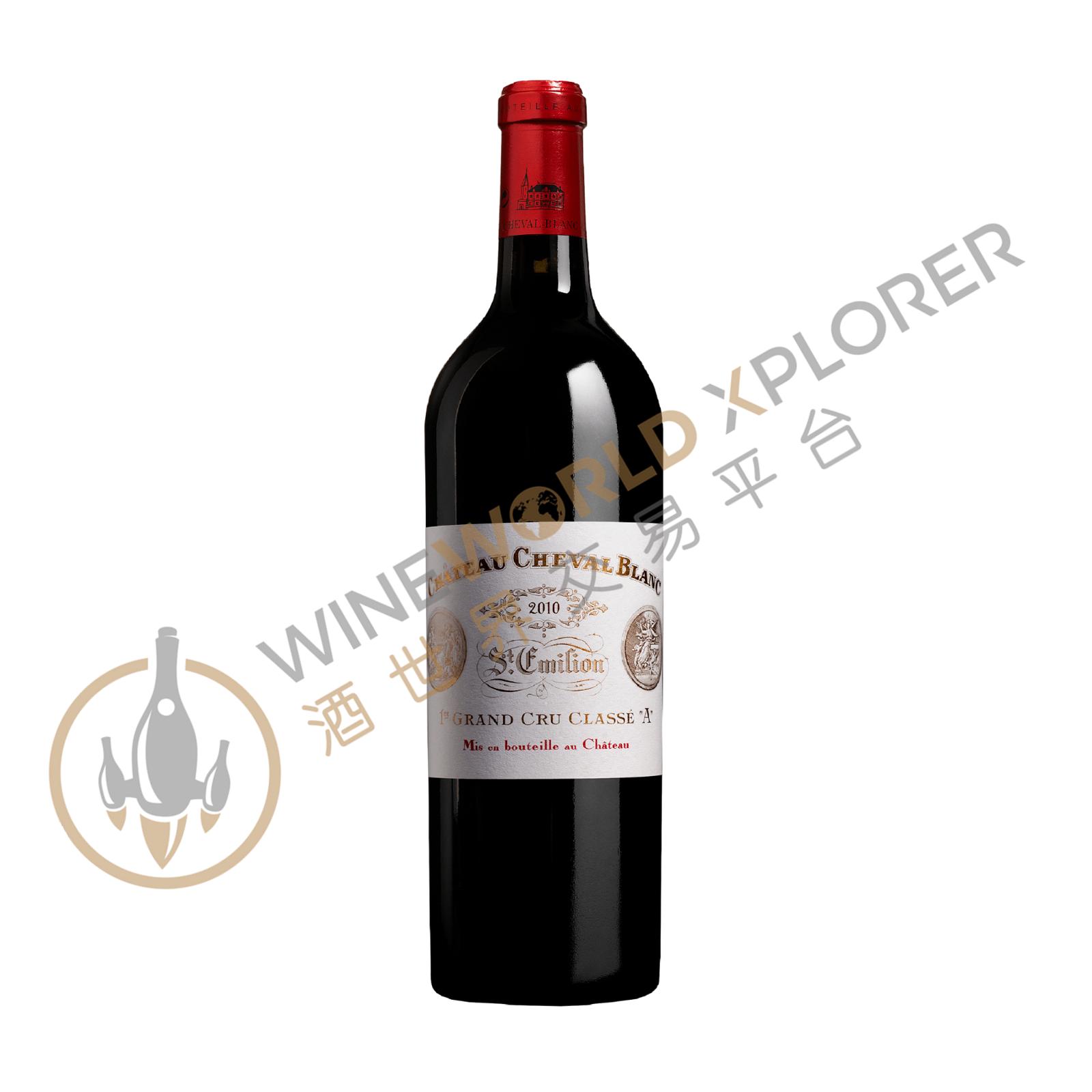
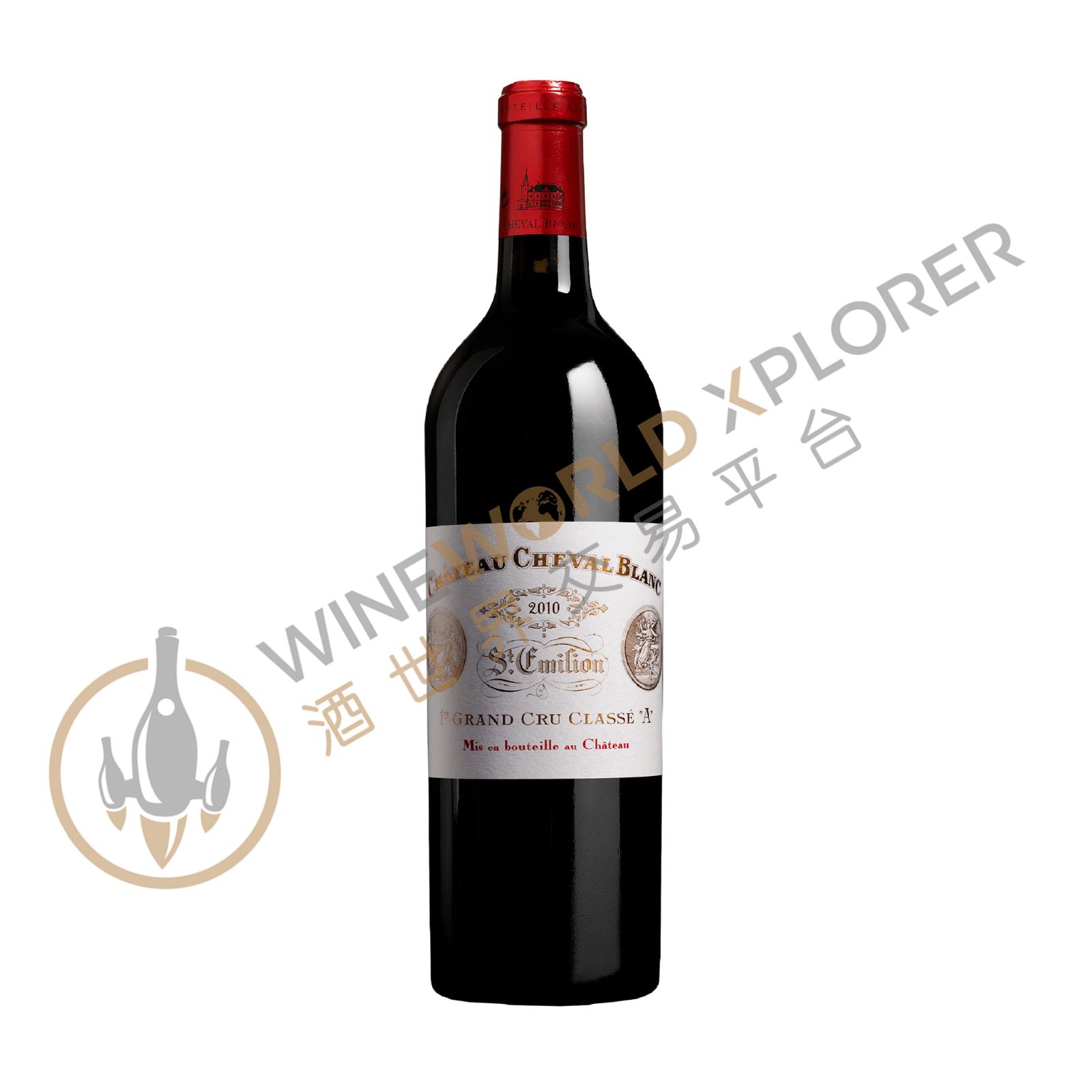
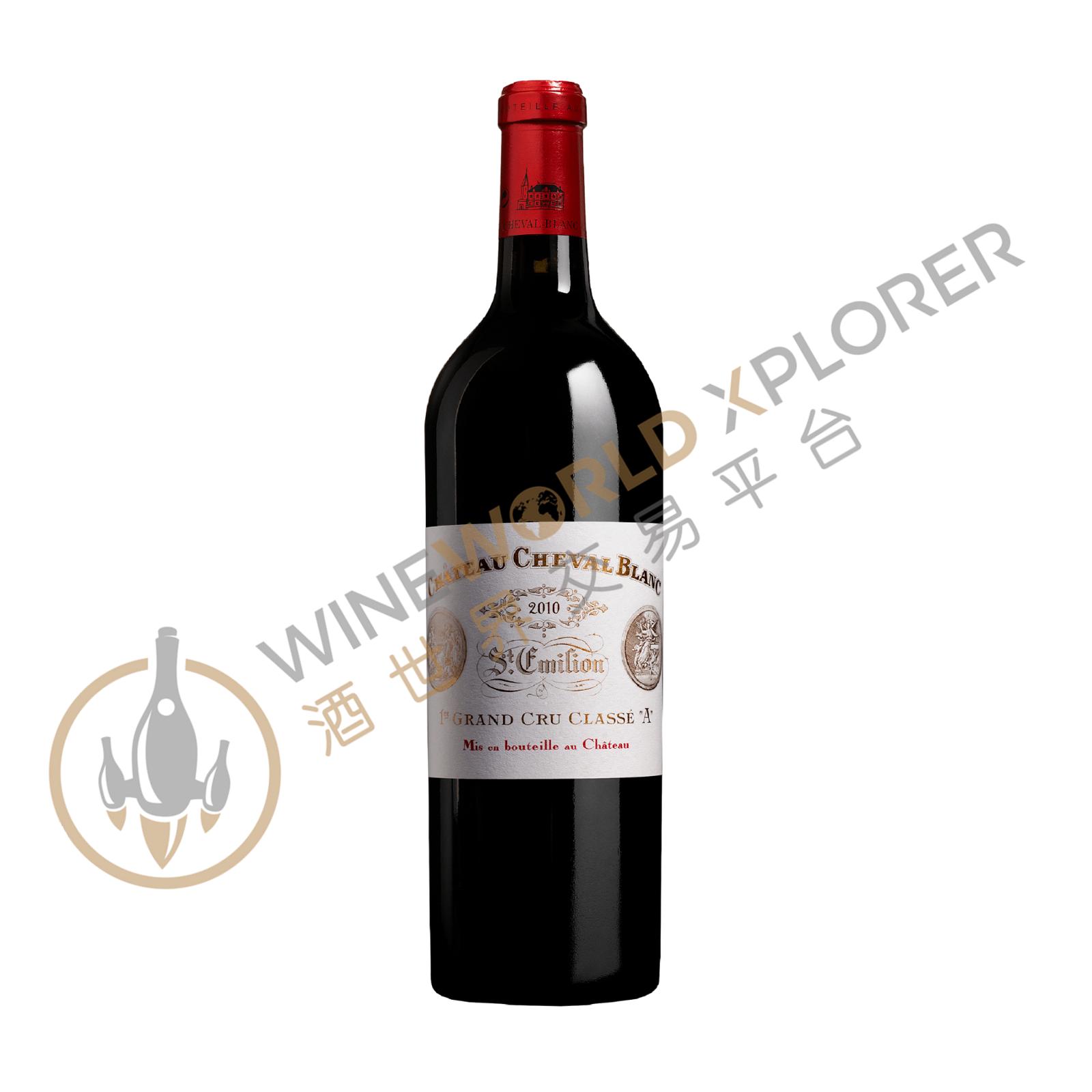
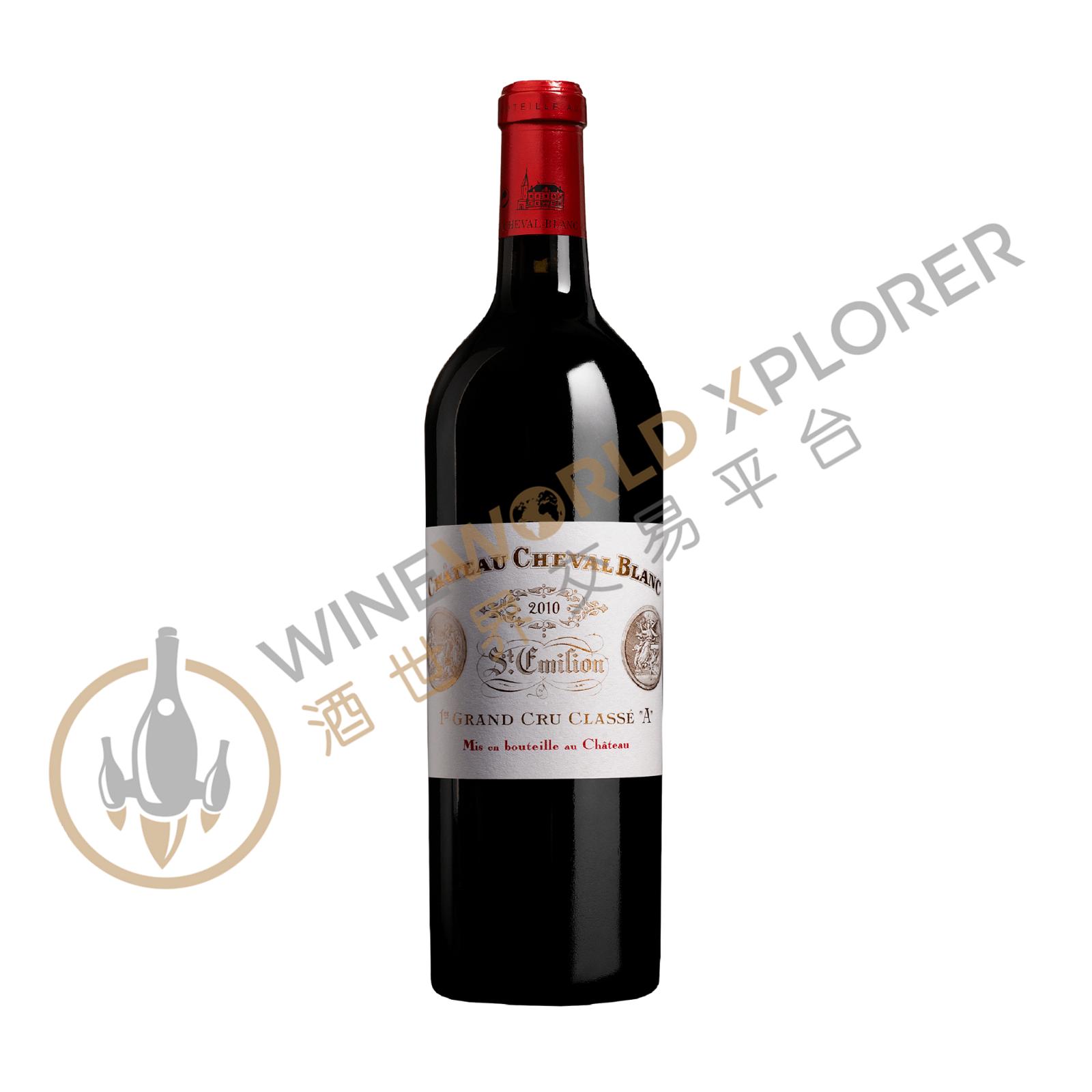
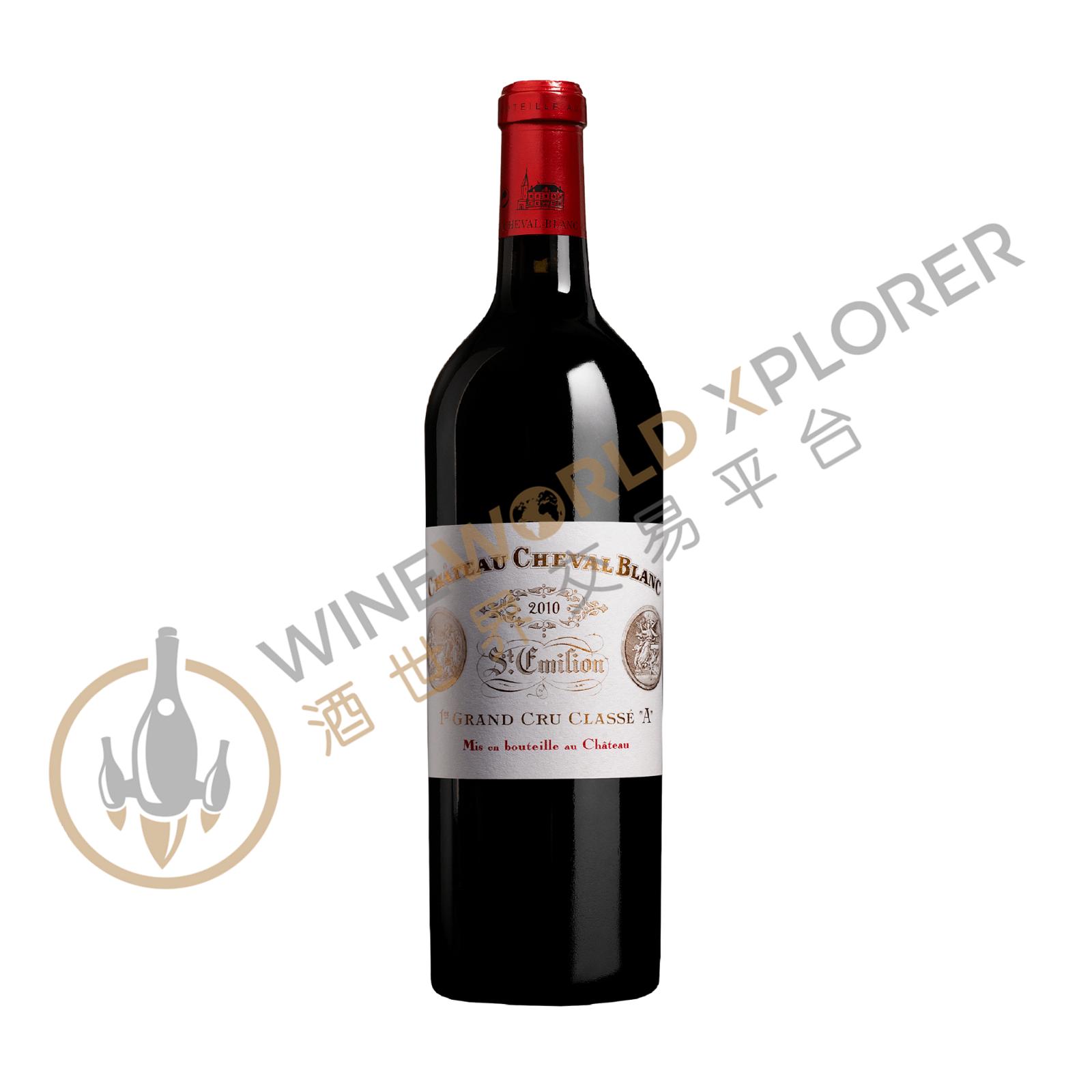
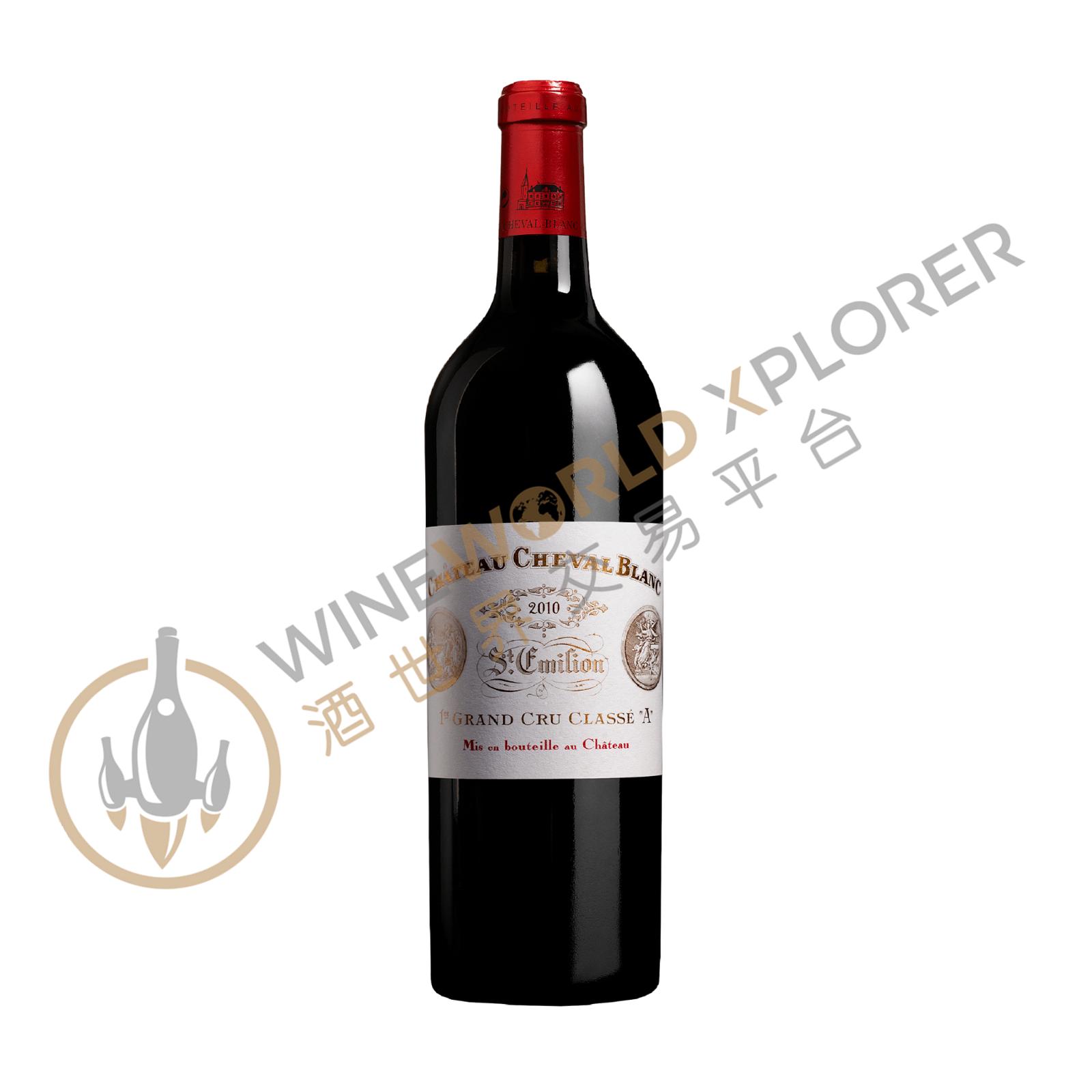
Cheval Blanc 2010
 View analysis


Description
Château Cheval Blanc, a 1er Grand Cru Classé (A) is unquestionably the leading estate in St. Emilion. It is located in the north-west of the St. Emilion appellation, bordering Pomerol. Cheval Blanc obtained its first medal at the 1862 Universal Exhibition in London. In fact, a representation of this bronze medal is found on the château’s present-day label. Cheval Blanc won their first gold medal at the 1878 Universal Exhibition in Paris, and this new distinction also appeared on the label. In 1886, Cheval Blanc won a second gold medal at the Universal Exhibition in Antwerp. Reflecting this series of successes and a wine well on the way to achieving international recognition, a château was built on the estate.
Tasting notes

Reviewed by: Neal Martin
The stellar Cheval Blanc 2010 has a very precise bouquet, not powerful but exuding a brooding intensity. It is very well defined with hints of honey and dried violet petals in the background. The palate is medium-bodied with a wondrous spicy entry, perfectly judged acidity, real weight and heft on the back palate that fans out as if there is no tomorrow. This is a huge wine, totally compelling, a behemoth destined to mature over years rather than decades. Tasted January 2014.
Reviewed by: Robert M. Parker, Jr.
The 2010 Cheval Blanc contains 13.8% alcohol, which is very high for this estate, and has an unusually high percentage of Cabernet Franc in the final blend (56% versus 44% Merlot). Yields were tiny, adding to the richness and intensity already instilled by the drought of summer and resulting tiny berries. In the style of some of the great Cheval Blancs of the late 1940s, this wine is rich, opulent, full-bodied, and at the risk of sounding like a broken record, as saturated purple in color as any Cheval Blanc I have seen. Mulberries, black currants, fresh minerals, and floral notes jump from the glass of this full-bodied, dense wine. With its tannins, good acidity and surprisingly modest pH, this should be an exceptionally long-lived wine, more backward and delineated than the fatter, more opulent 2009. Drink it over the next 30+ years.
Reviewed by: Neal Martin
A blend of 60% Cabernet Franc and 40% Merlot, the latter suffering a little coulure (so bunches were cut earlier during the season after veraison to increase homogeneity.) The Merlot were reaching around 14.5% alcohol and the clay/gravel soils inhibited the increased alcohol level at the end. The harvest began on 15th September and finished on 13th October with a major part of the vineyard picked on 7th October. Like many samples, the Cheval Blanc takes a long time to open but eventually reveals a very refined, tightly-knit bouquet with dark berries, espresso, underbrush, the Cabernet Franc dominating the Merlot at present. The palate is medium-bodied and much more masculine compared to the fleshier 2009 last year, like the nose, the Cabernet Franc defining the wine with touches of dried herbs, a little allspice and white pepper. There is a firm backbone to this Cheval Blanc, quite structured towards the spicy finish, fresh but obdurate and broody. This will need a decade to really open up. Very promising, but do not expect fireworks...yet. Drink 2020-2040+ Tasted March 2011.
Reviewed by: Neal Martin
Tasted at the property, the Cheval Blanc 2010 has a wonderful bouquet with pixelated clarity: blackberry, briary, crushed stone and a touch of cigar box – it is stately and almost aloof in style. The palate is medium-bodied with superb balance and focus. The tannins are fully ripe, but it maintains the austere style of the vintage. Hints of bay leaf, black pepper and a touch of black truffle inform the dry, but powerful finish. This will need 10 years to really show its pedigree, but it will grow up to by a sublime Cheval Blanc. Tasted November 2012.
Reviewed by: Lisa Perrotti-Brown
Deep garnet colored, the 2010 Cheval Blanc is fairly shut down at this stage, offering up subtle glimpses of an incredibly complex array of aromas including smoked meats, yeast extract, cigar box and new leather with dried mulberries and crème de cassis at the core plus a waft of potpourri. Full-bodied, big, opulent and built like a brick house, it has super firm tannins and great freshness, packed solid with muscular fruit, finishing very long. Tightly wound and oh-so-youthful, yet perfectly formed and poised to be a blockbuster, readers should give this incredible vintage about decade in the cellar before broaching.
Reviewed by: Robert M. Parker, Jr.
The 2010 is one of the most impressive two-year-old Cheval Blancs I have tasted in 34 years in this profession. The final blend of 54% Cabernet Franc and 46% Merlot has the tell-tale berry/floral nose with subtle hints of menthol, blueberry, raspberry and flowers in addition to some forest floor and a delicate touch of lead pencil shavings. The wine exhibits more structure and density than it did from barrel, and it was already remarkable then. The foresty/floral notes seem to linger and linger in this surprisingly full-bodied, powerful Cheval Blanc, yet it possesses a very healthy pH that should ensure enormous longevity. Dense purple in color, and a bigger, richer wine than usual, this is one Cheval Blanc that will probably need a decade of cellaring. I like the description from the estate’s administrator, Pierre Lurton, who said it tasted like “liquid cashmere,” a perfect expression, despite the wine’s structure and intensity. This is another 50-year wine from this amazingly structured, rich vintage.
Reviewed by: Lisa Perrotti-Brown
Deep garnet in color and made of 54% Cabernet Franc and 46% Merlot, the nose of the 2010 Cheval Blanc is a bit subdued to begin, measuredly opening out to reveal achingly provocative notions of molten chocolate, preserved Morello cherries, baked blackberries, boysenberries and blueberry compote with wafts of underbrush, cigar box, cumin seed and sandalwood. Full-bodied, the palate is a full-on atomic bomb waiting to go off, with very tightly coiled, slowly maturing black fruits eking out glimpses of a vast array of nuances. Still very youthful, it finishes with an incredibly persistent, jaw-dropping display of earth and mineral fireworks. I’d leave this one for another 5 years and drink it over the next 50.
Reviewed by: Ian d'Agata
(a 56/44 blend of cabernet franc and merlot; 3.8 pH; 84 IPT; 14.5% alcohol; a roughly 60% selection for the grand vin Deep ruby-purple. Brooding nose opens slowly with air to reveal concentrated, multifaceted aromas of cassis, violet, coffee, minerals and white pepper. Very rich and dense on entry, displaying concentrated flavors of black fruits, sweet spices and cocoa, with a complicating violet note. The finish is very long and lightly saline. This big, rich Cheval Blanc offers great palate presence and a wonderfully layered texture.
Reviewed by: Neal Martin
The 2010 Cheval Blanc has another extravagant bouquet with ample red cherries, raspberry preserve, mulberry, fig and singed leather. The palate is medium-bodied with supple tannins, quite dense and assertive, backward with a sinewy finish that just feels a little forced compared to some of the other wines in this flight. With time in the glass, the new oak seems to dominate the finish. I have definitely had far superior bottles, but that's the way it goes. Tasted blind at Farr Vintners 10-Year On Bordeaux horizontal.
Reviewed by: Stephen Tanzer
Good bright, deep red. Captivating scents of cassis, violet, minerals, bitter chocolate and wild herbs. Extremely fine-grained but also very dense and chewy for young Cheval Blanc, showing great cabernet franc lift and perfume and a downright velvety texture. This deep, multilayered wine was a bit dominated by its brooding tannins and big structure when first poured, but I found my score going steadily higher as the wine benefited from air. My rating may look too conservative a decade from now--or three or four decades hence.
Reviewed by: Neal Martin
The 2010 Cheval Blanc has another extravagant bouquet with ample red cherries, raspberry preserve, mulberry, fig and singed leather. The palate is medium-bodied with supple tannins, quite dense and assertive, backward with a sinewy finish that just feels a little forced compared to some of the other wines in this flight. With time in the glass, the new oak seems to dominate the finish. I have definitely had far superior bottles, but that's the way it goes. Tasted blind at Farr Vintners 10-Year On Bordeaux horizontal.
Reviewed by: James Suckling
The aroma in this wine is crazy with flowers, mushroom, forest floor, and fruit. It seems like I am walking through a row of the vines in Cheval Blanc when I have my nose in the glass. It's full-bodied, with fabulous layers of ultra-fine tannins and milk chocolate, raspberries, and a phenomenal finish. Truly one of the greatest Chevals ever. Better than 2009. Try in 2020.
Reviewed by: James Suckling
The aromas here are crazy with flowers, mushroom, forest floor, and fruit. It seems like I am walking through a row of the vines in Cheval Blanc when I have my nose in the glass. It's full-bodied, with fabulous layers of ultra-fine tannins and milk chocolate, raspberries, and a phenomenal finish. Truly one of the greatest Chevals ever. Better than 2009. Try in 2020.
About the Producer
Château Cheval Blanc is a highly lauded wine estate in the Saint-Émilion region of northeast Bordeaux. Classified with the top ranking of Premier Grand Cru Classé A, it is regarded by many as one of the greatest wines of the appellation – if not, the greatest. It is certainly the most famous Cabernet Franc-based wine in the world, albeit often alongside very similar levels of Merlot. Typically, the "grand vin" (the estate's eponymous wine) is lush and full bodied with great weight of fruit. It tends to require ten years of bottle age and the best vintages can last half a century or more. The second wine of the estate is Le Petit Cheval. The vineyard is located in the northwest of the region, bordering Pomerol (La Conseillante is a neighbor) and consists of 39 hectares (96 acres) divided into 45 plots. There is an unusually large amount of Cabernet Franc planted – about 49 percent – with 47 percent Merlot and four percent Cabernet Sauvignon. The unusual planting proportions reflect the terroir; most vineyards in the region are either clay or gravel-based over impermeable sedimentary rock, but Cheval Blanc is unique in having a patchwork of soils with the two types in roughly equal proportions. The clay soils provide base wines with velvety tannins, while those from gravel soils are more aromatic and elegant. Vines have been grown since the 14th Century at this spot but the vineyard as it is known today took shape in the 19th Century when the core plots were added to by purchases from the nearby Figeac estate. Subsequent replantings established the atypical half-Merlot, half-Cabernet Franc proportions. Cheval Blanc gained its first medal at the 1862 Universal Exhibition in London – the first of a series of successes building its reputation and achieving price levels comparable to the Médoc first growths, which paved the way for a château to be built on the estate. In the first classification of Saint-Émilion wines in 1955, Cheval Blanc was awarded the highest possible rating and remains a Premier Grand Cru Classé A. In 1998, after 166 years of continuous family ownership, Bernard Arnault, the head of luxury goods firm LVMH, and the late Baron Albert Frère (a Belgian billionaire investor) jointly purchased the estate. The spectacular new cellar opened in 2011, with 52 concrete vats (replacing stainless steel) of differing sizes corresponding to different vineyard plots. The grand vin spends 16 to 18 months in new oak barrels from a variety of cooperages.
1949(1)1953(1)1955(4)1958(1)1962(1)1966(1)1967(2)1970(2)1973(1)1974(2)1975(3)1976(1)1977(1)1978(1)1979(2)1980(1)1981(2)1982(5)1983(1)1984(1)1985(1)1986(5)1988(4)1989(4)1990(13)1992(3)1993(1)1994(4)1995(7)1996(9)1997(2)1998(11)1999(5)2000(13)2001(4)2002(1)2003(1)2004(15)2005(11)2006(11)2007(11)2008(10)2009(10)
Package Size