Wine Advisor



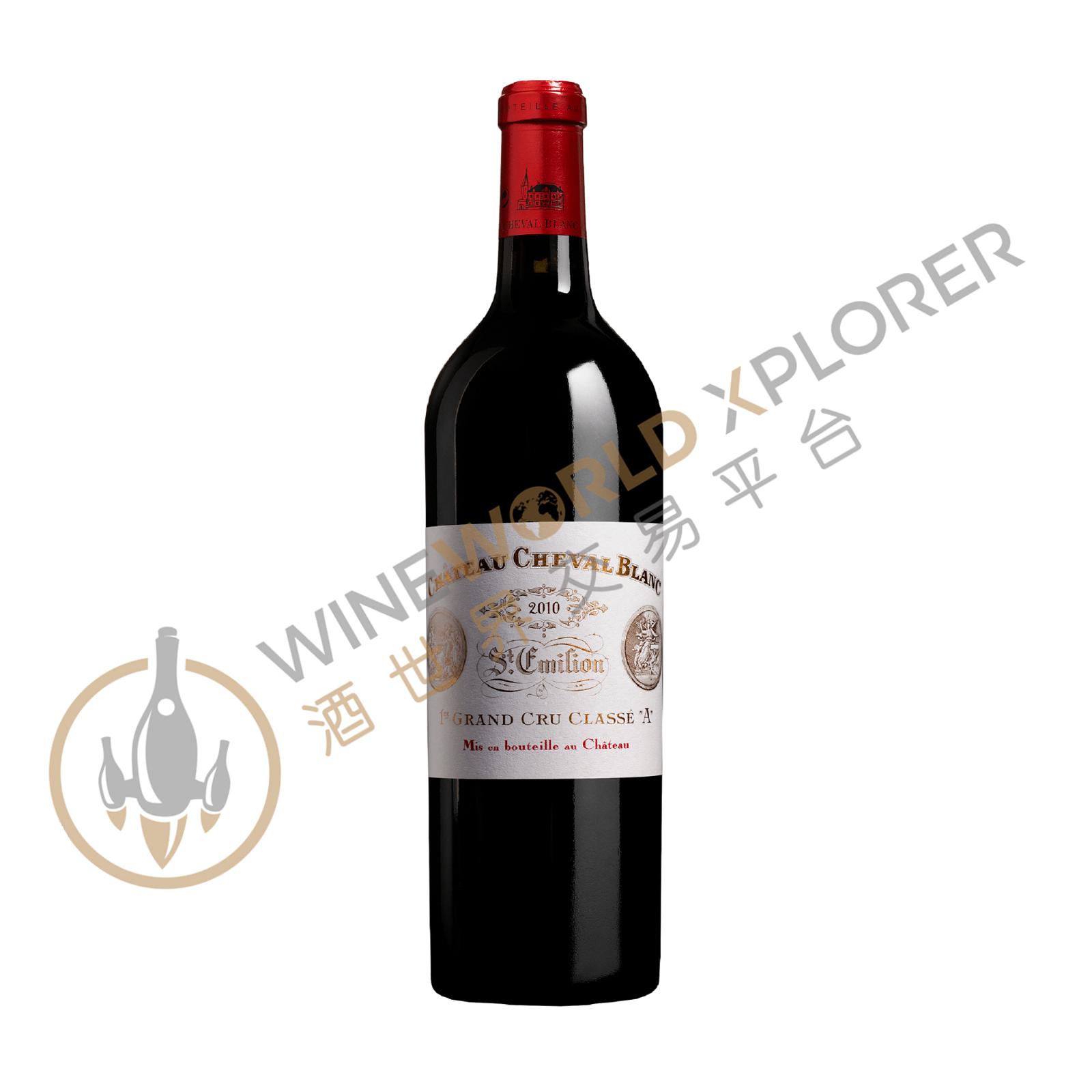
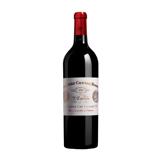
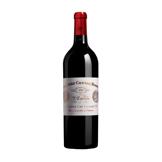
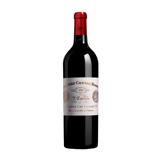
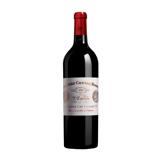
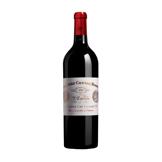
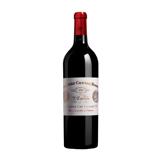
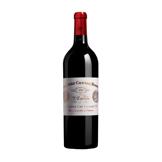
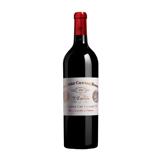
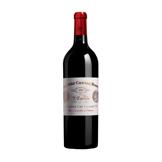
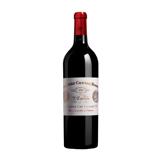
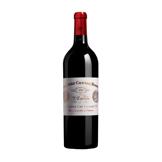
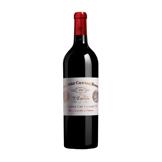
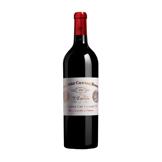
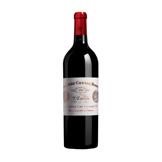
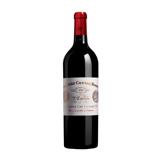
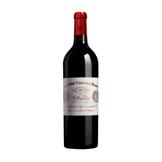
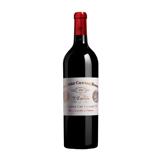
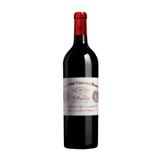
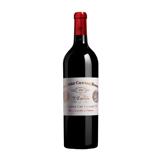
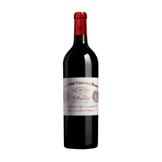
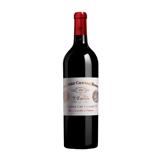
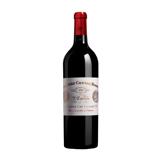
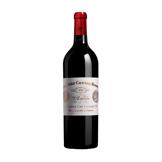
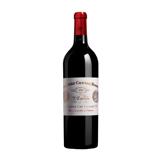
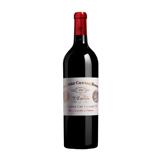
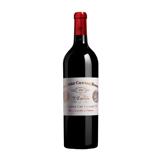
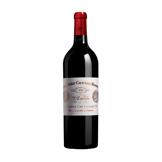
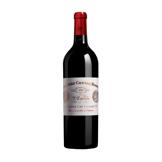
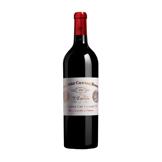
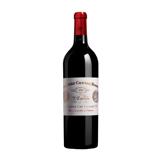
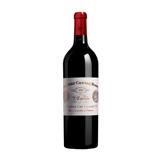
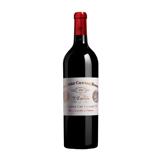
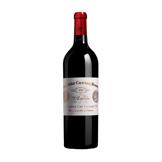
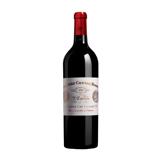
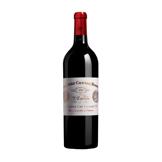
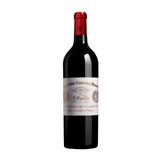
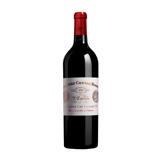
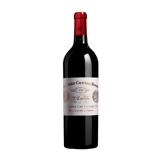
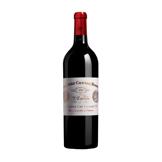
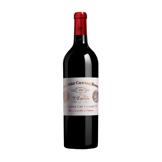
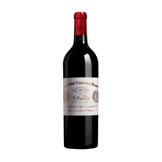
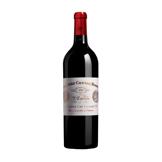
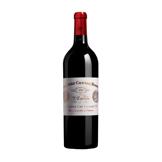
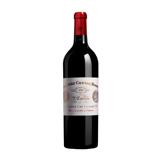
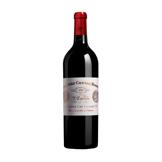
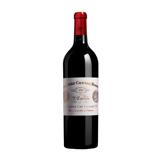
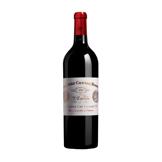
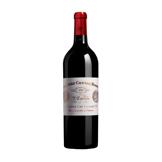
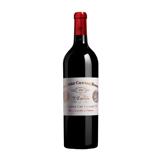
Cheval Blanc 2004
 View analysis


Description
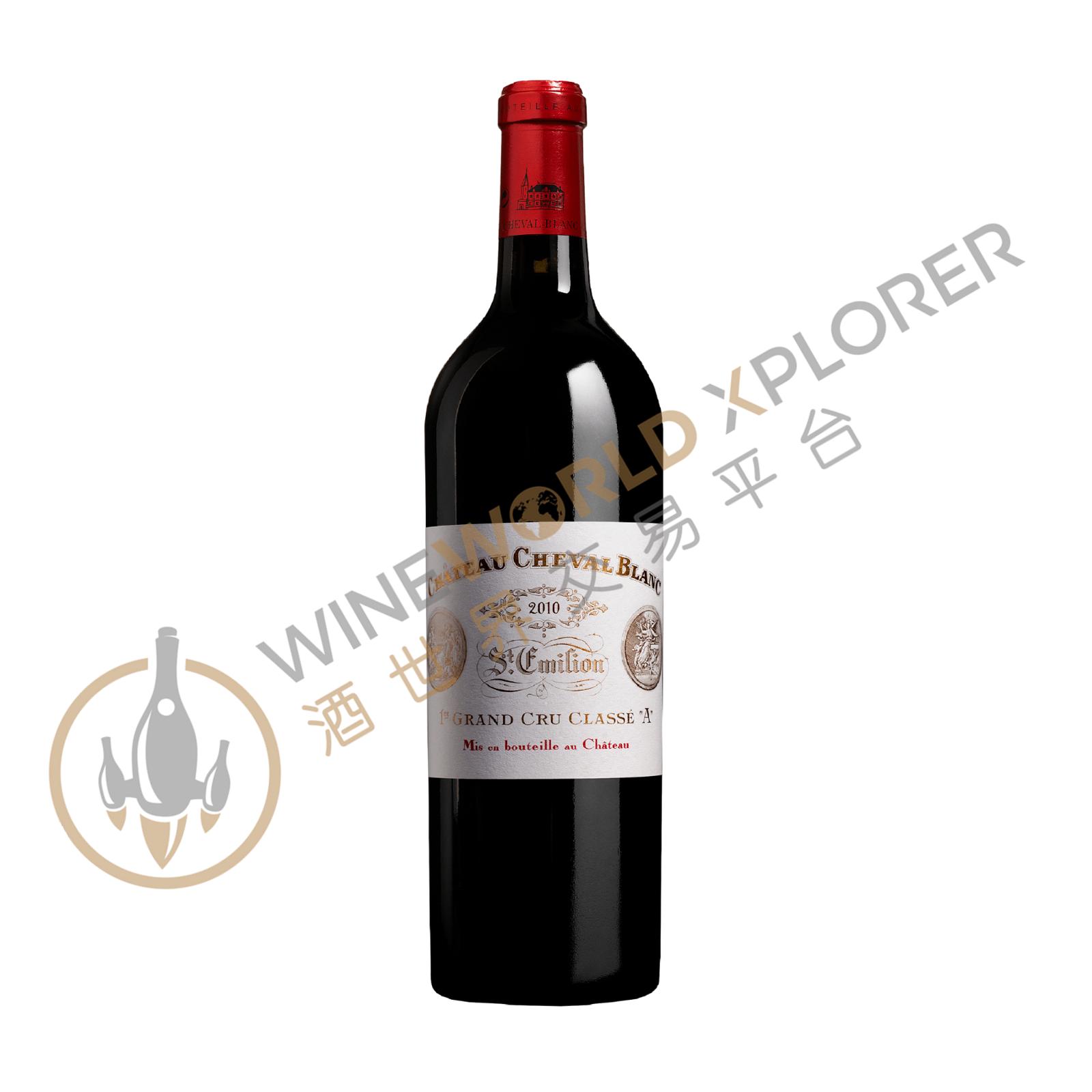
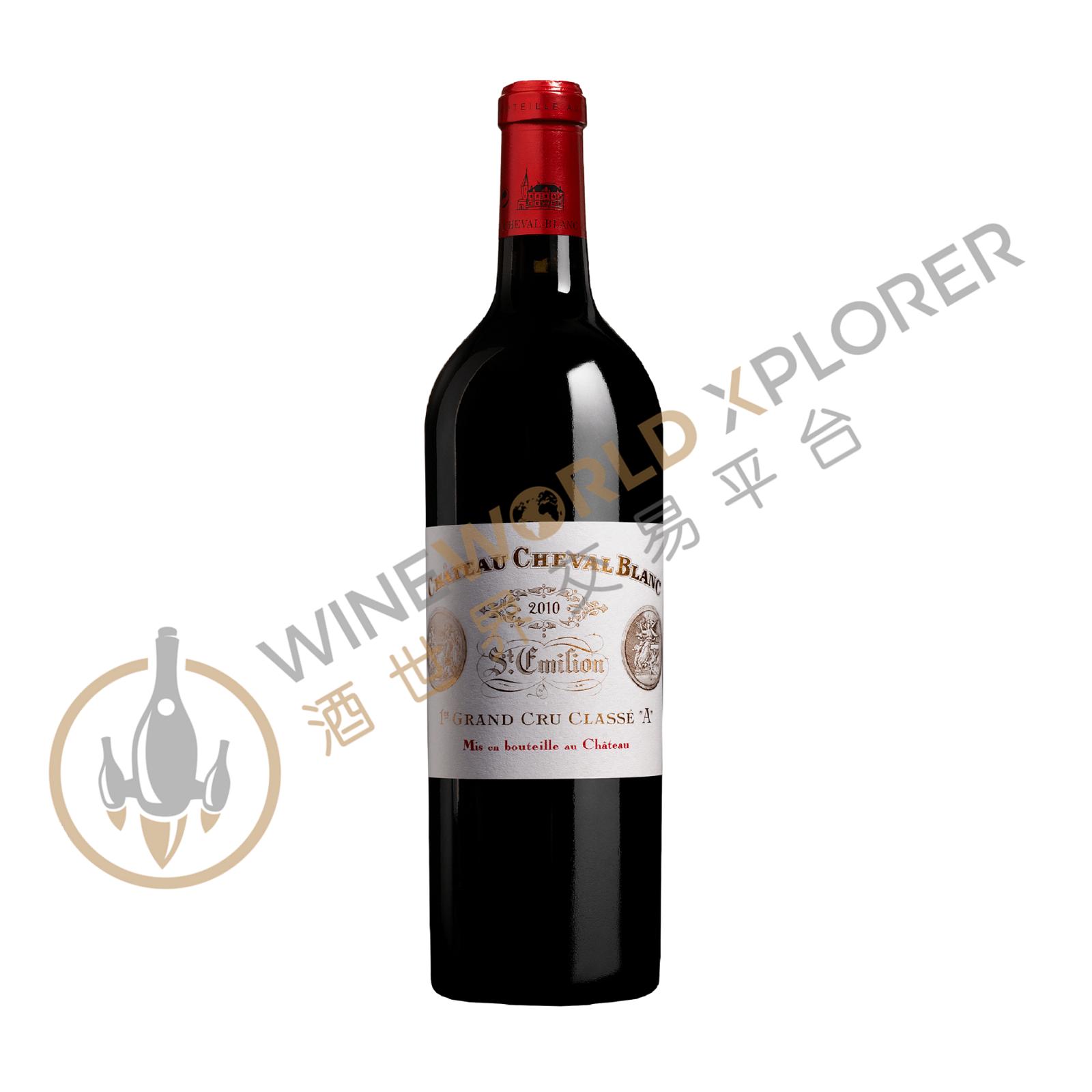
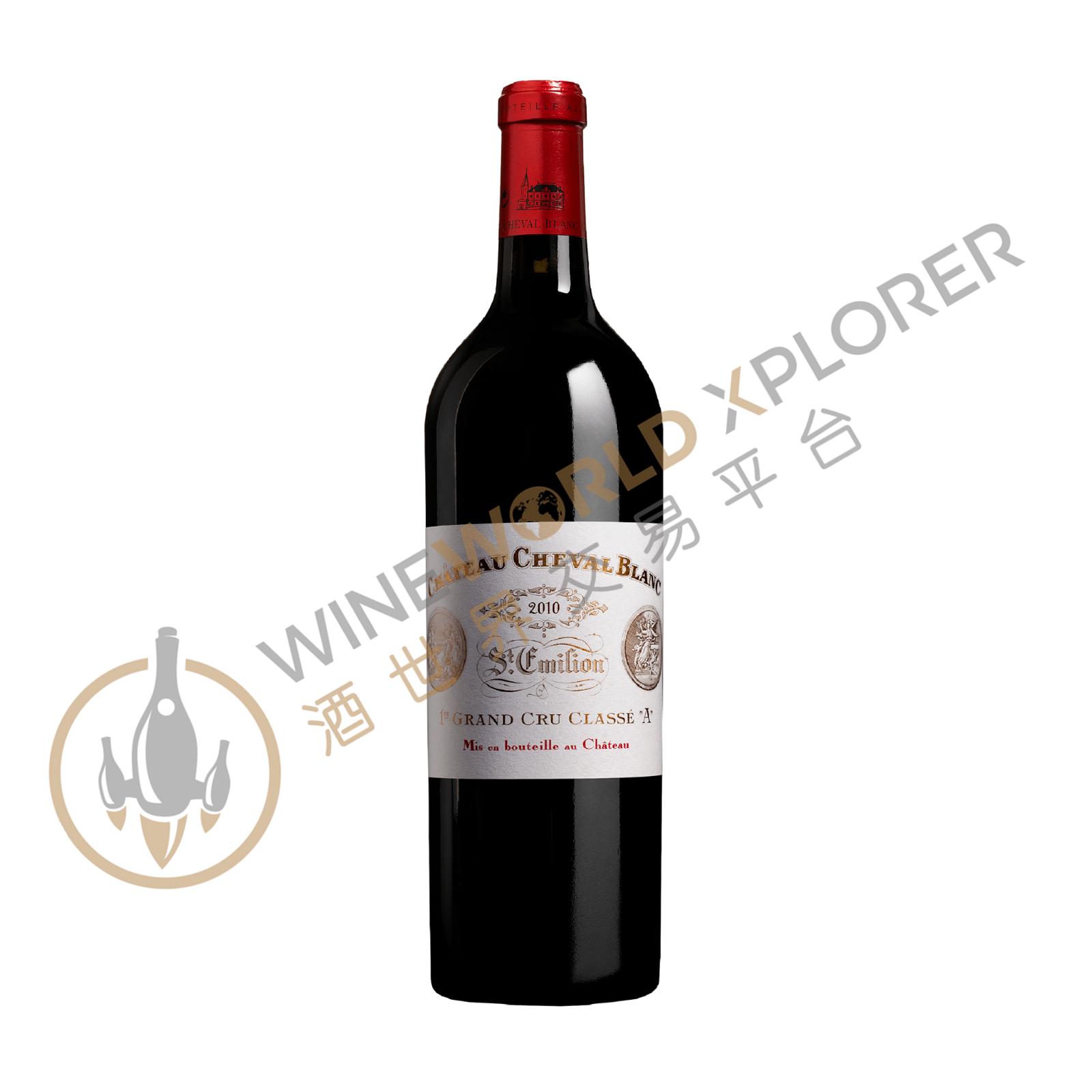
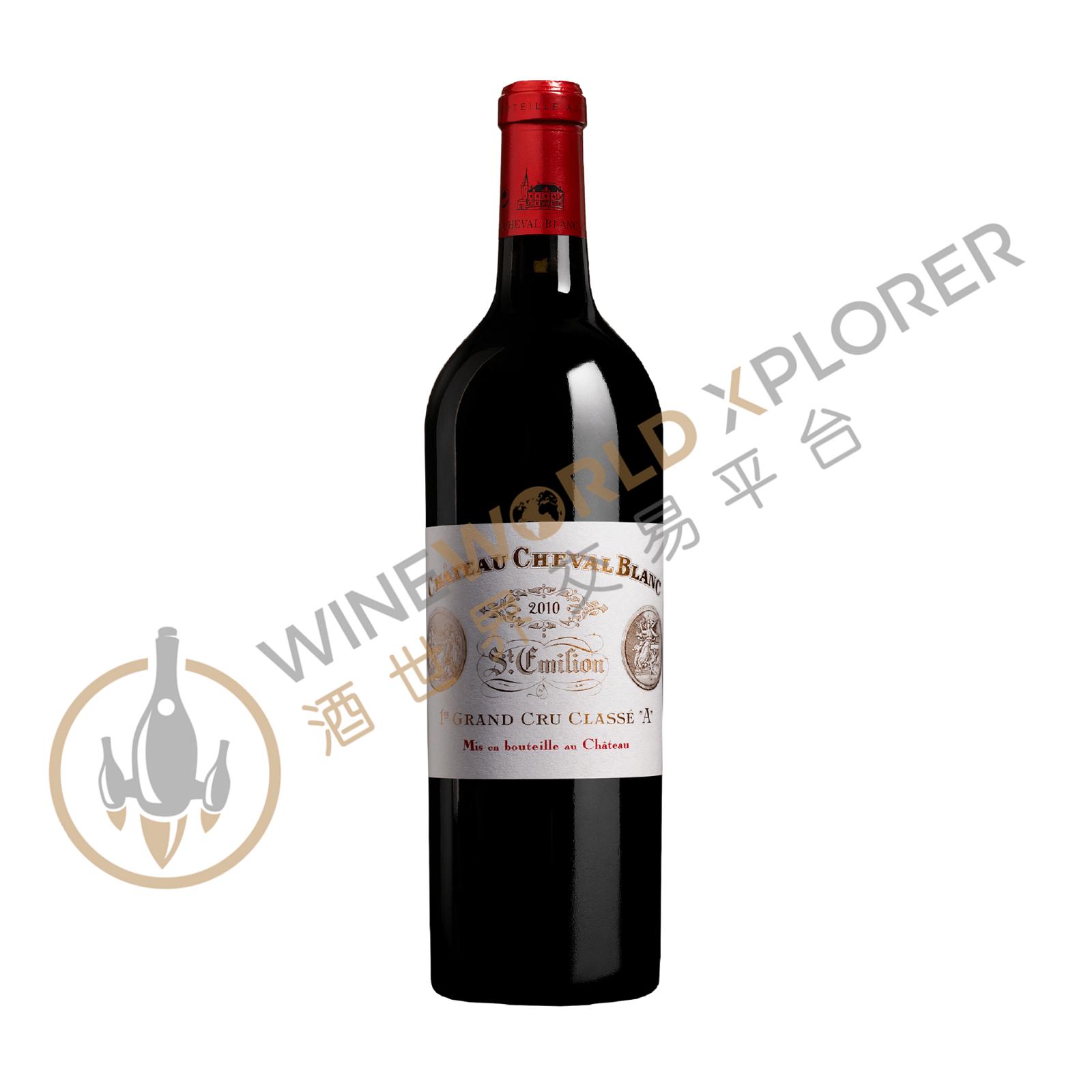
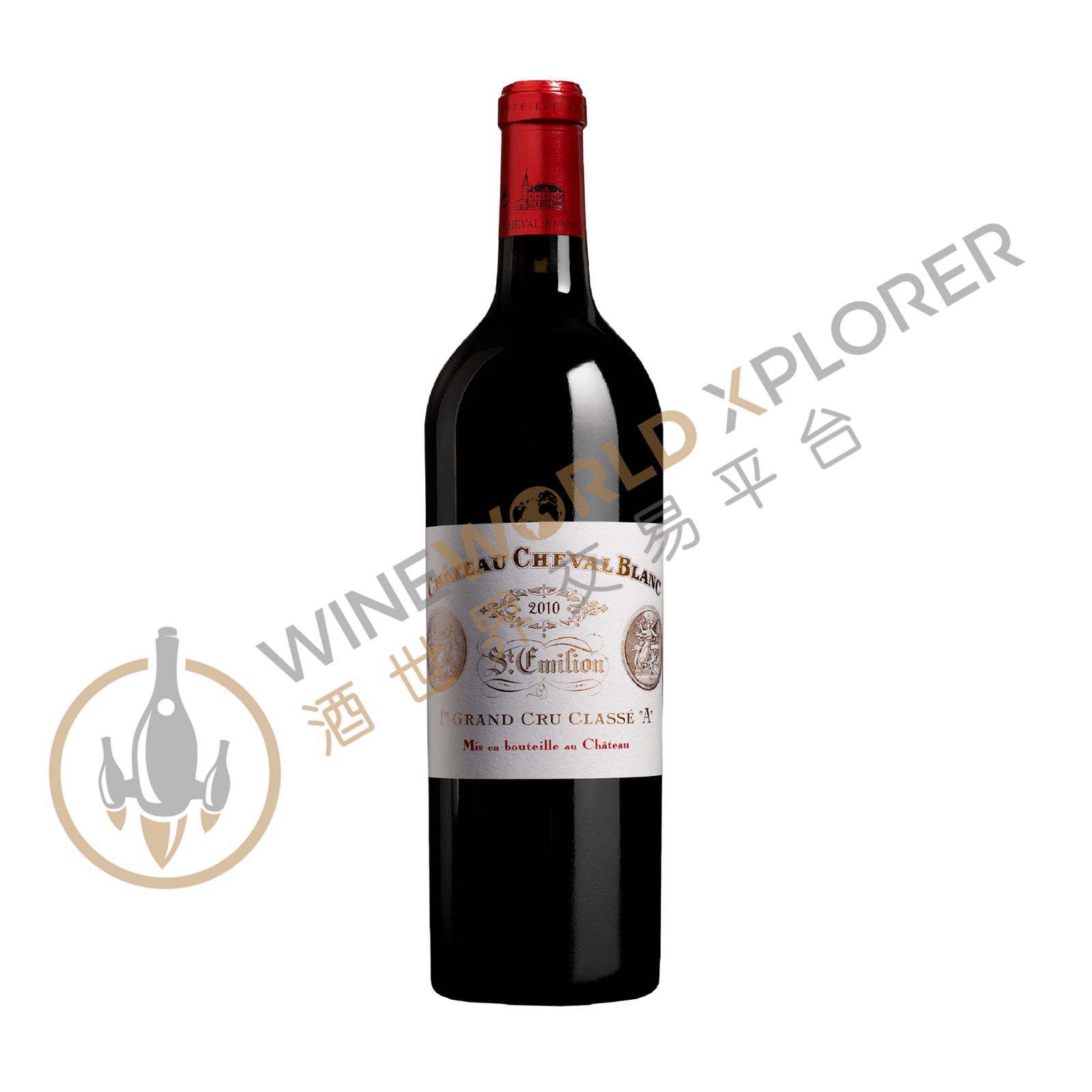
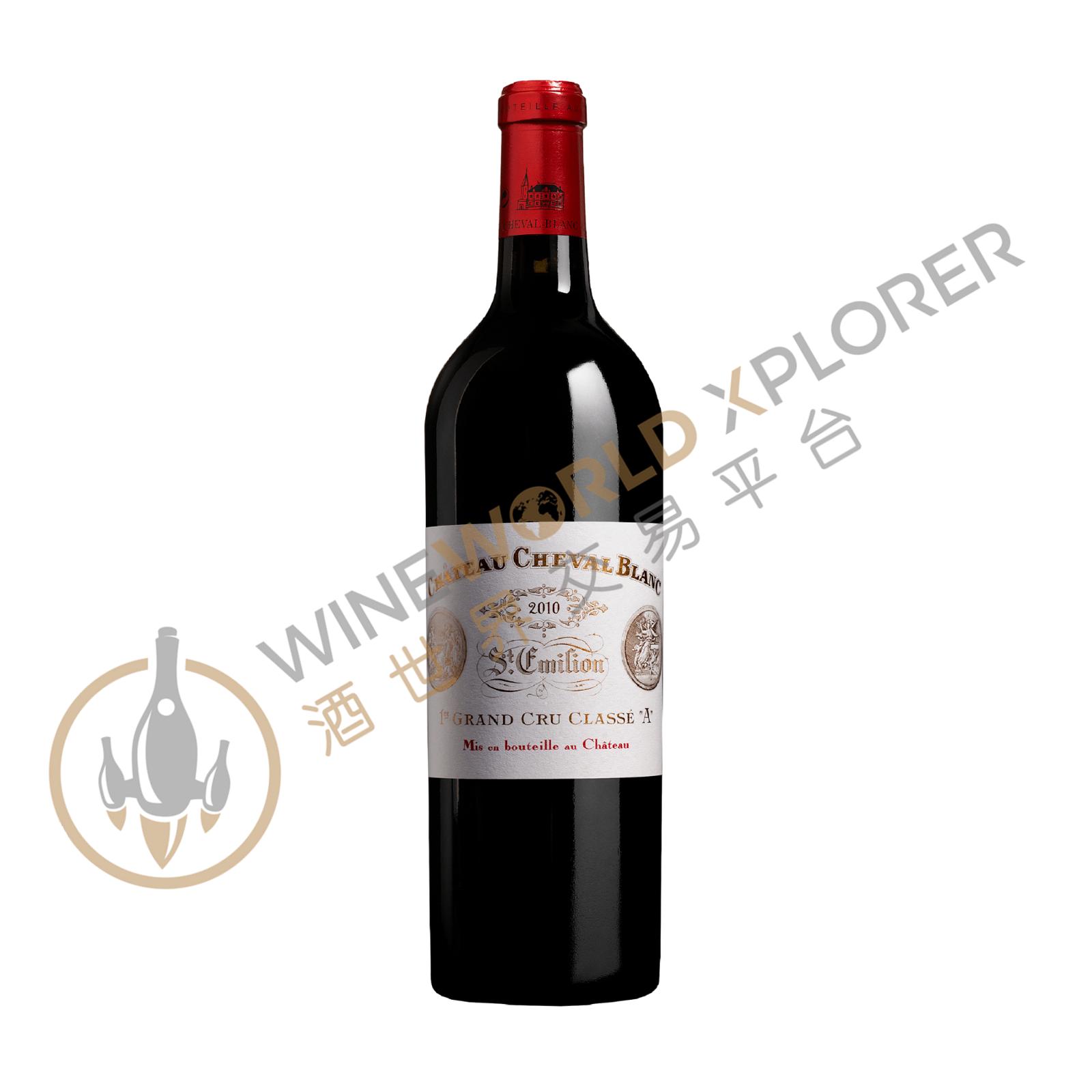
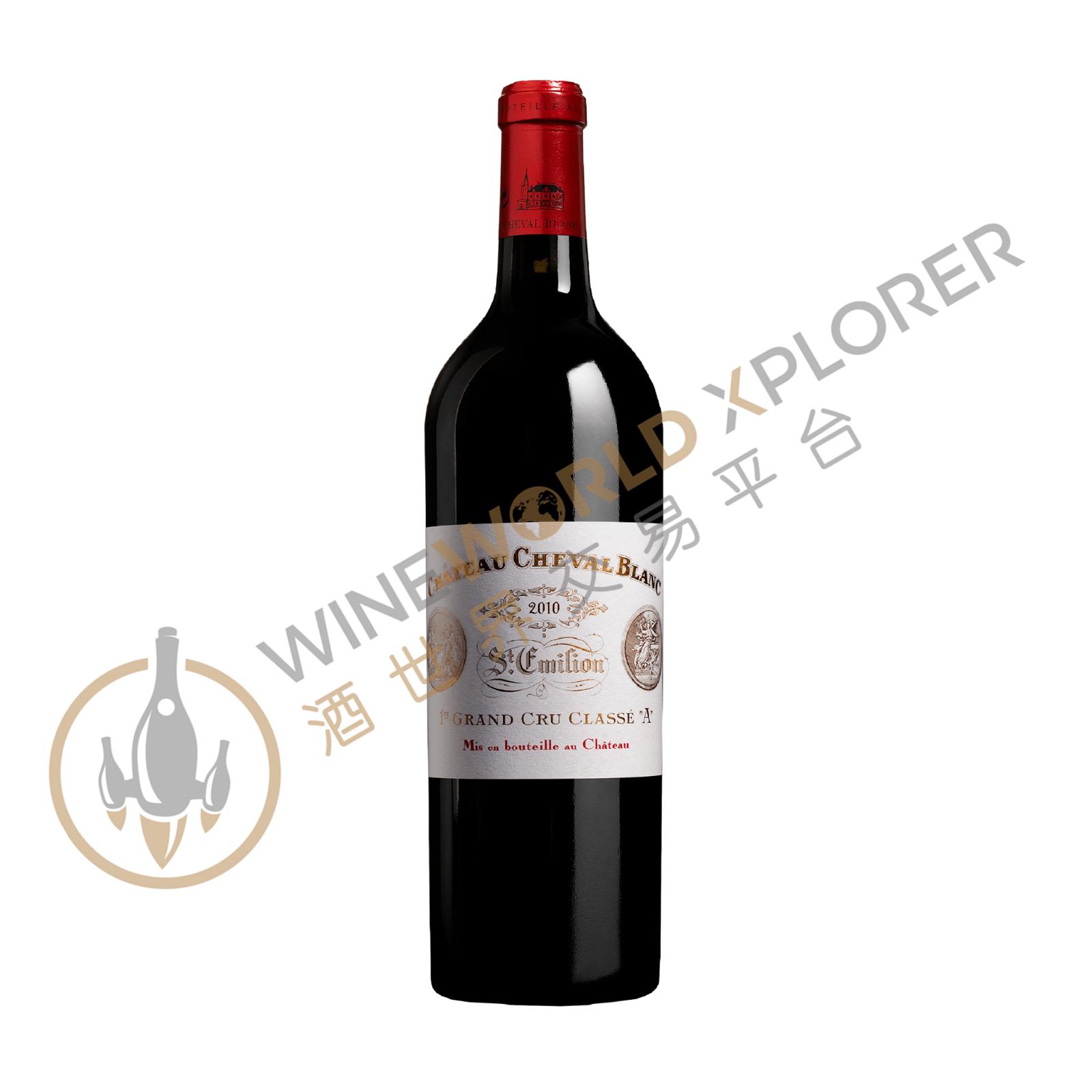
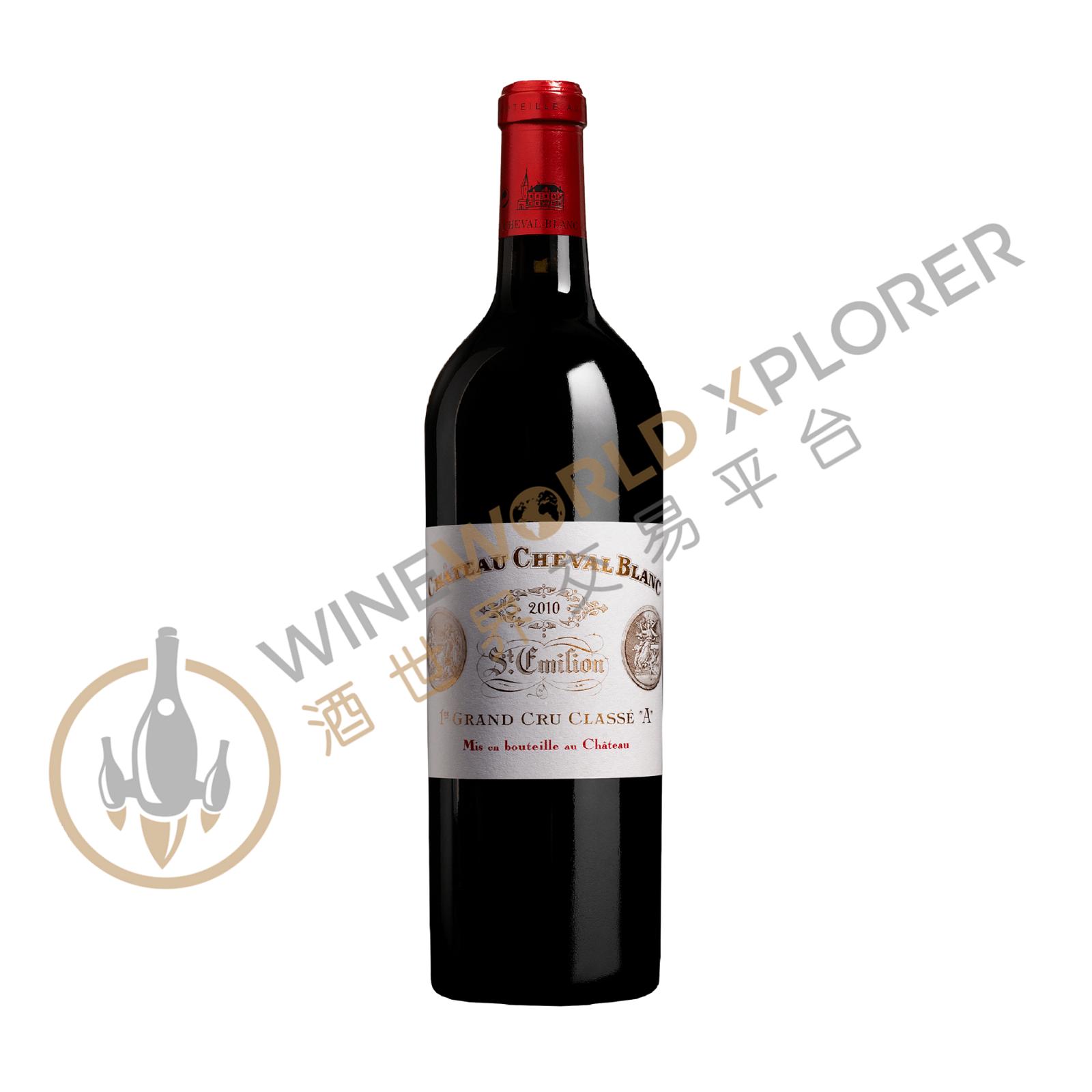
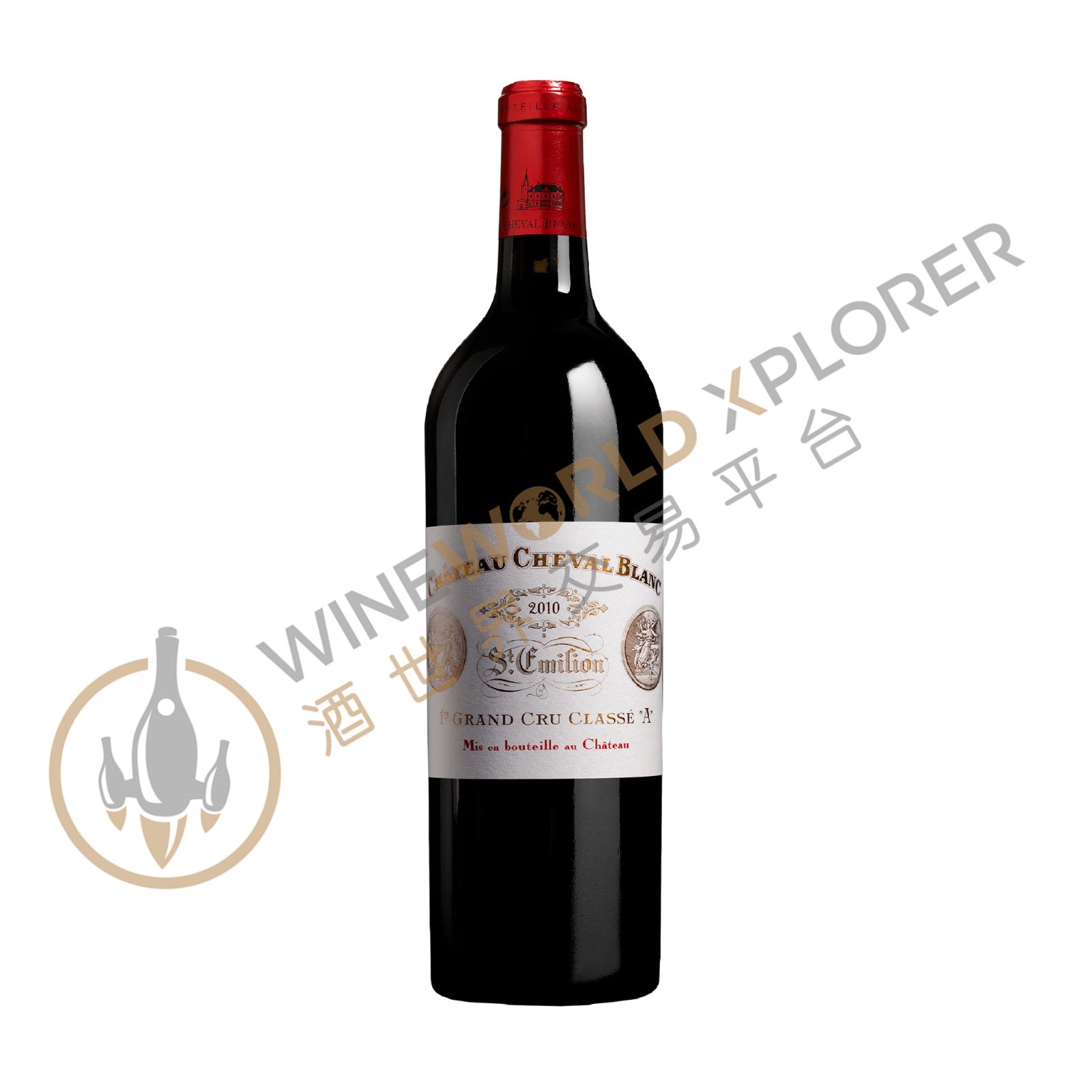
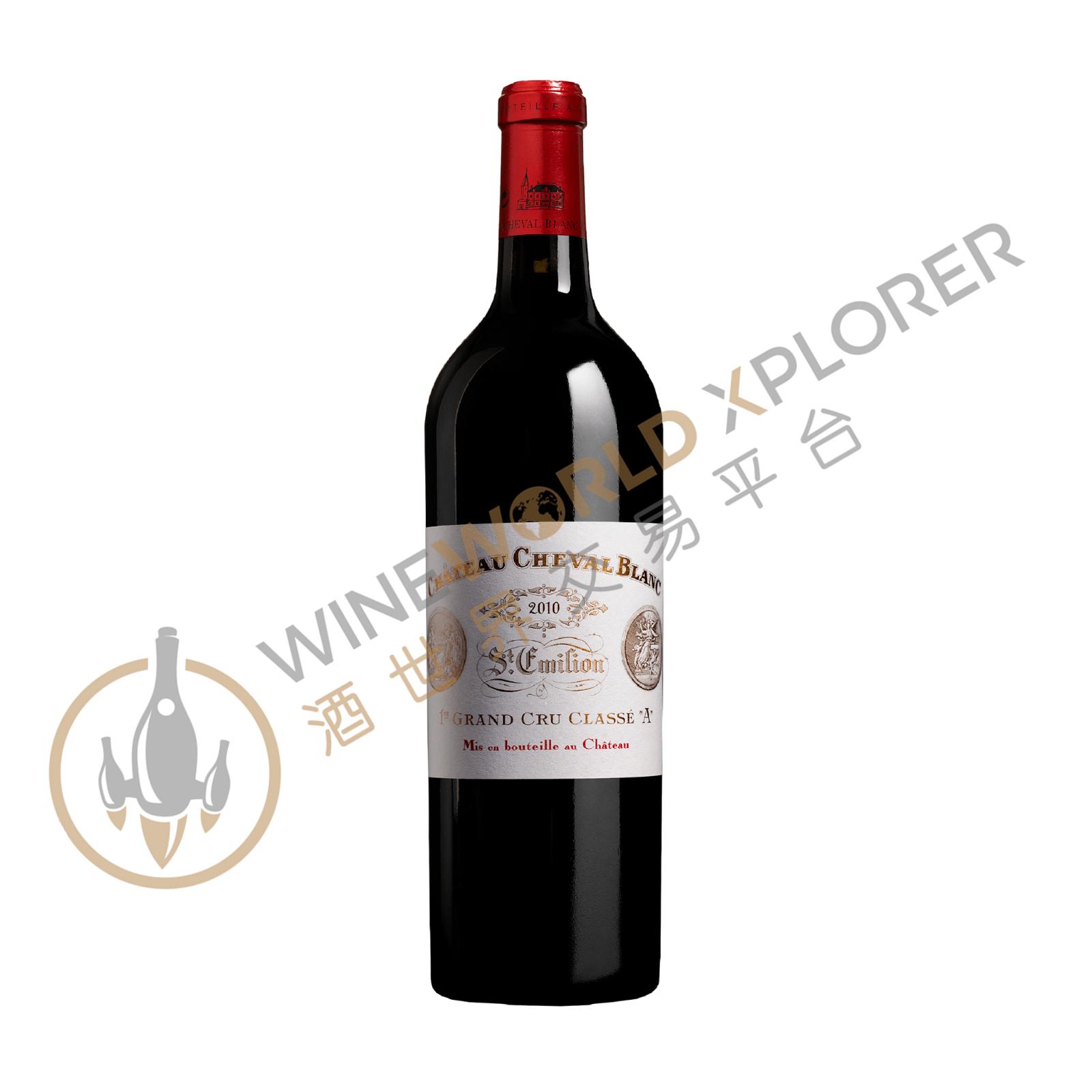
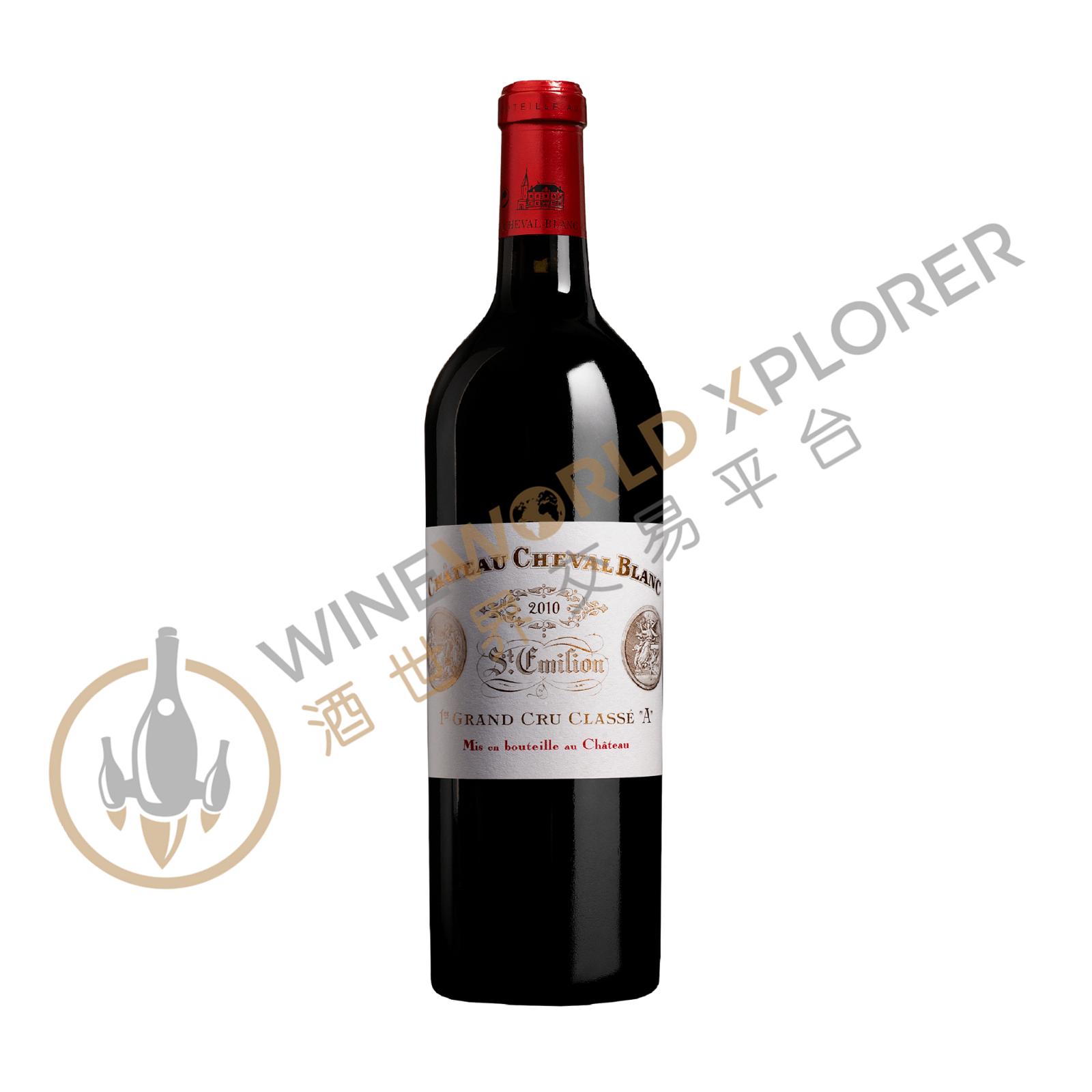
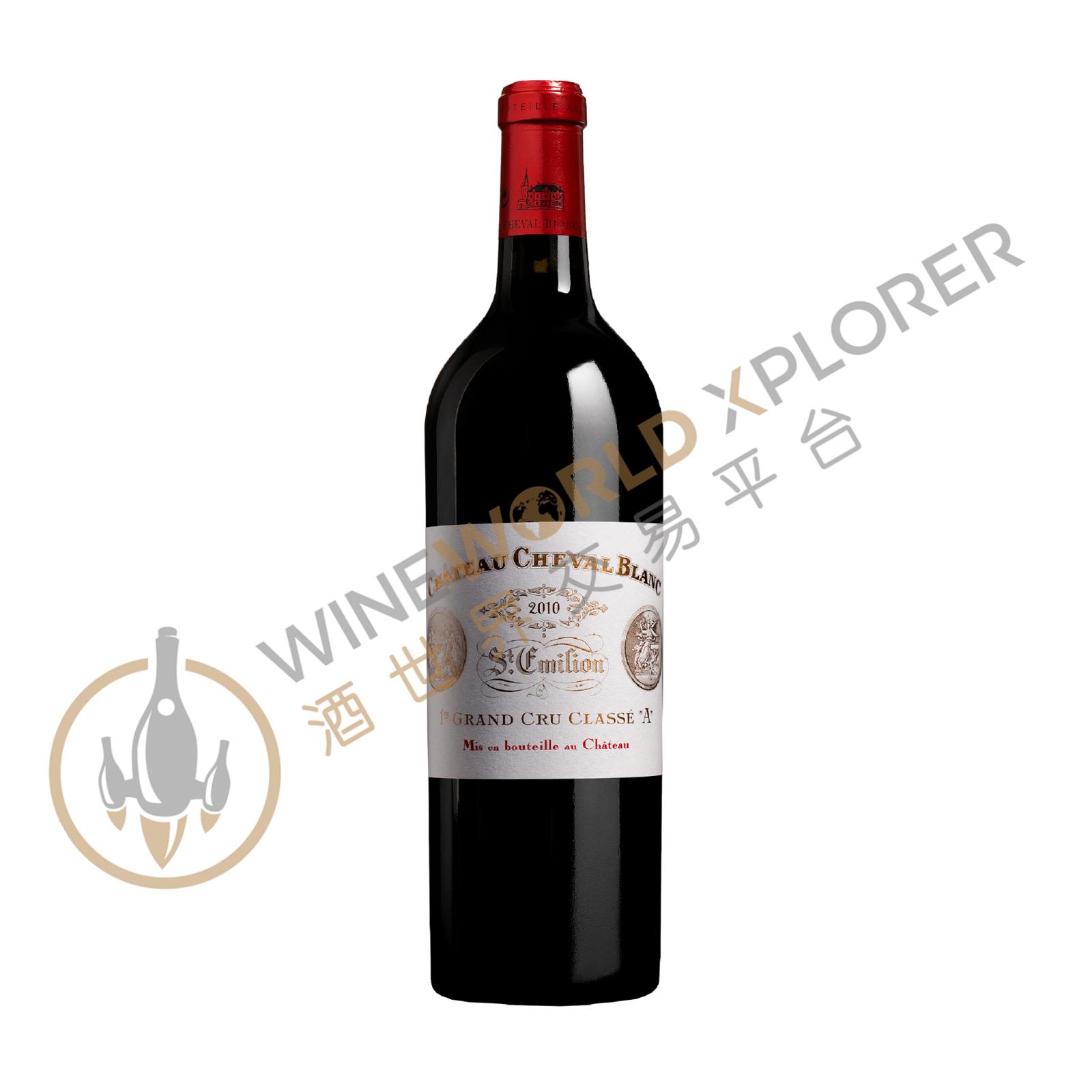
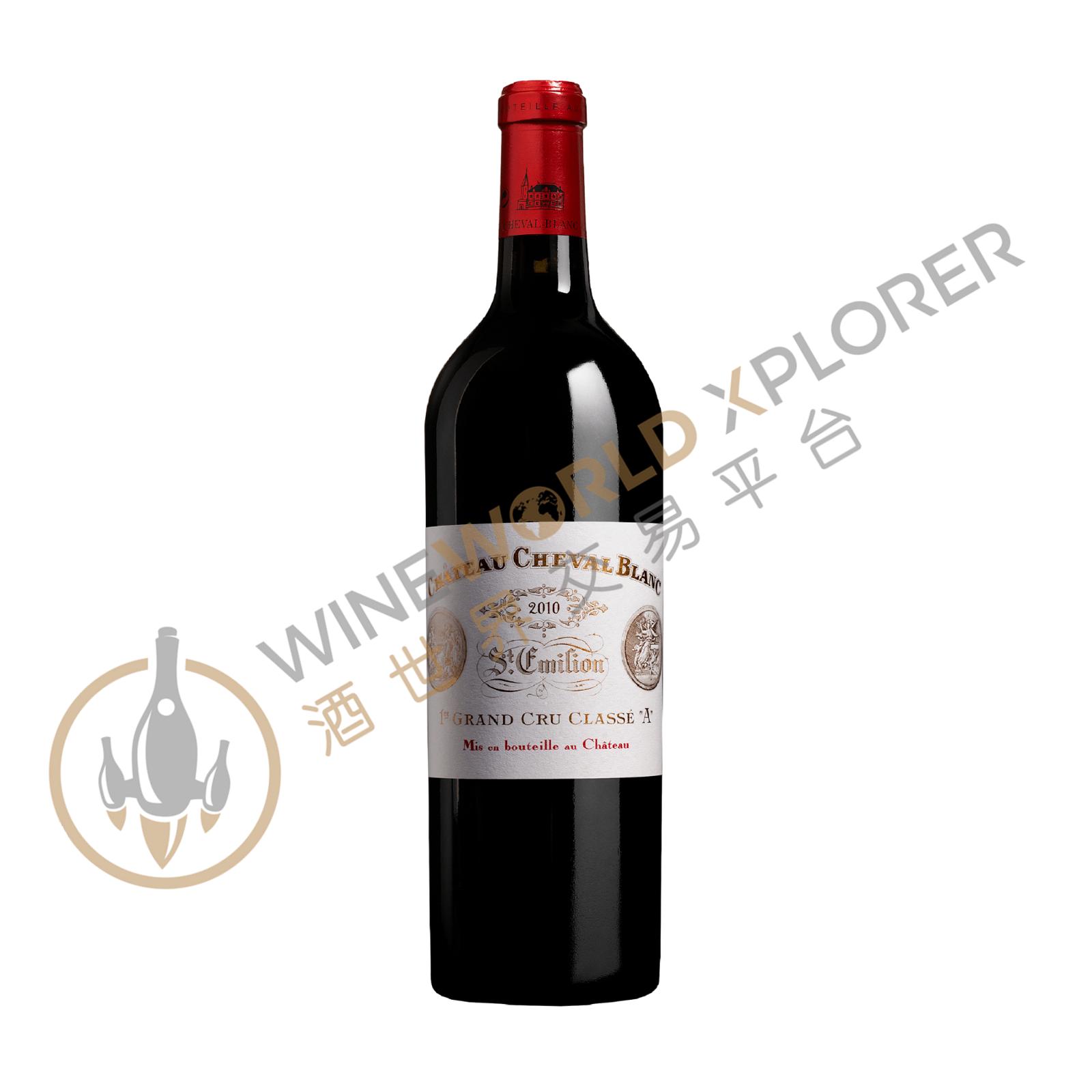
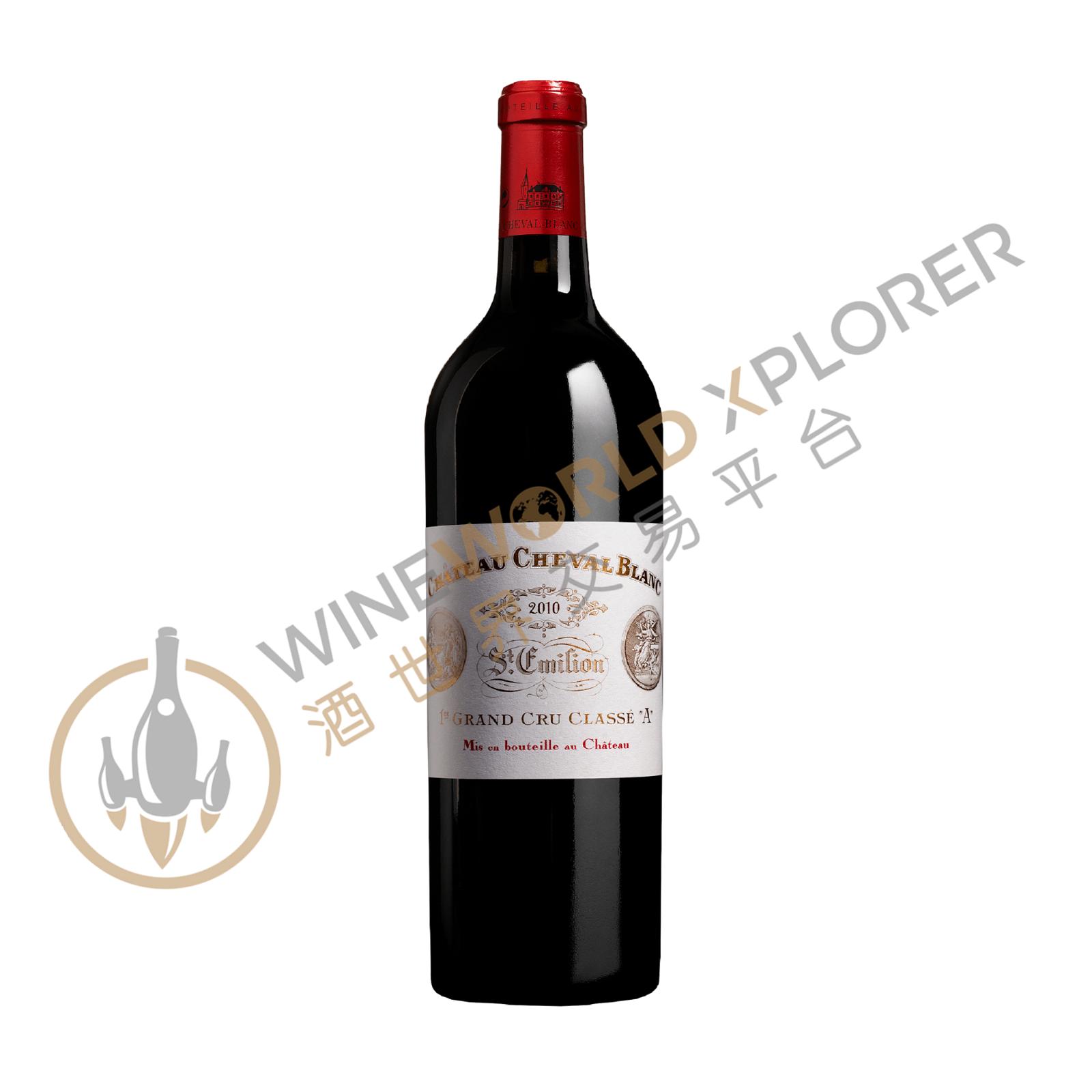
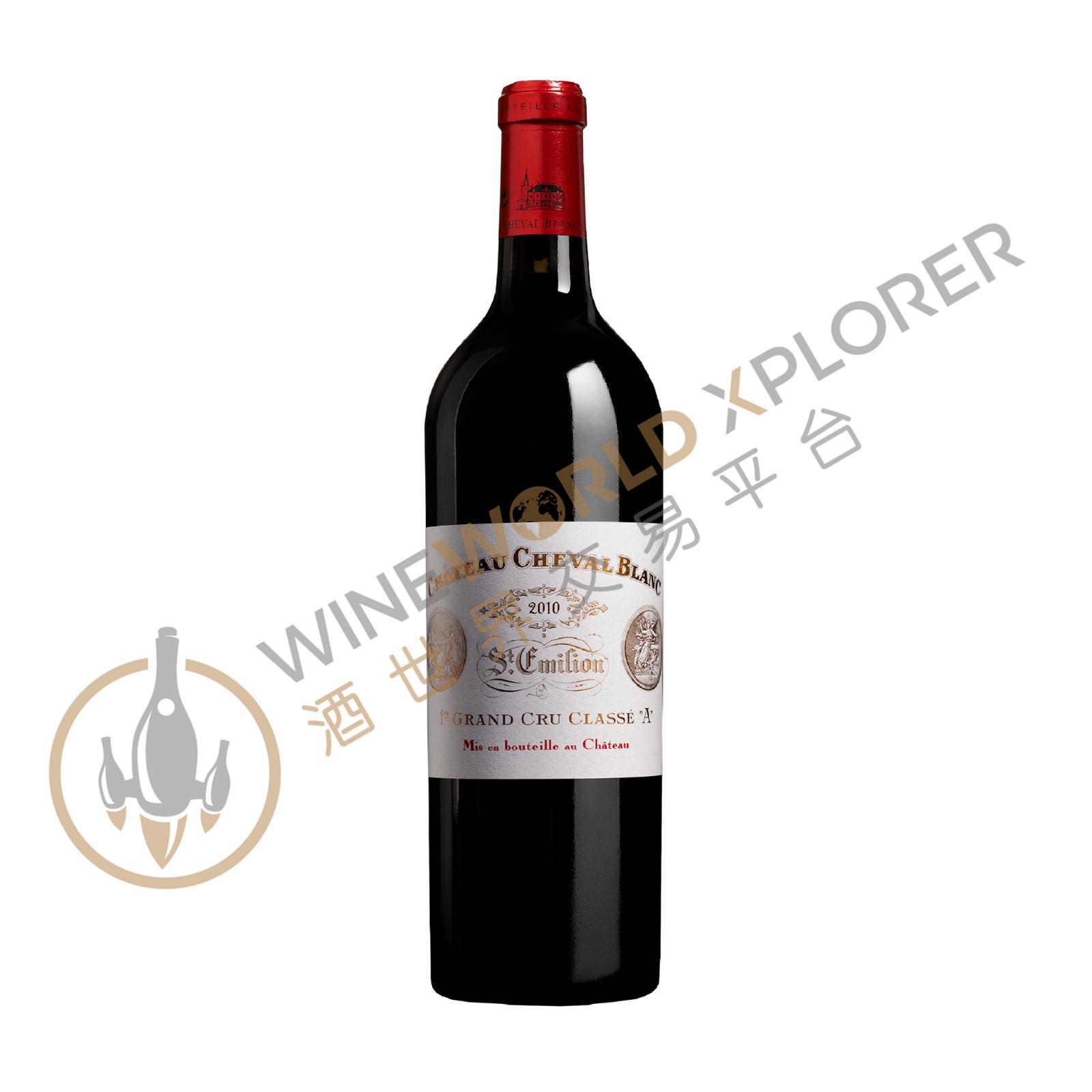
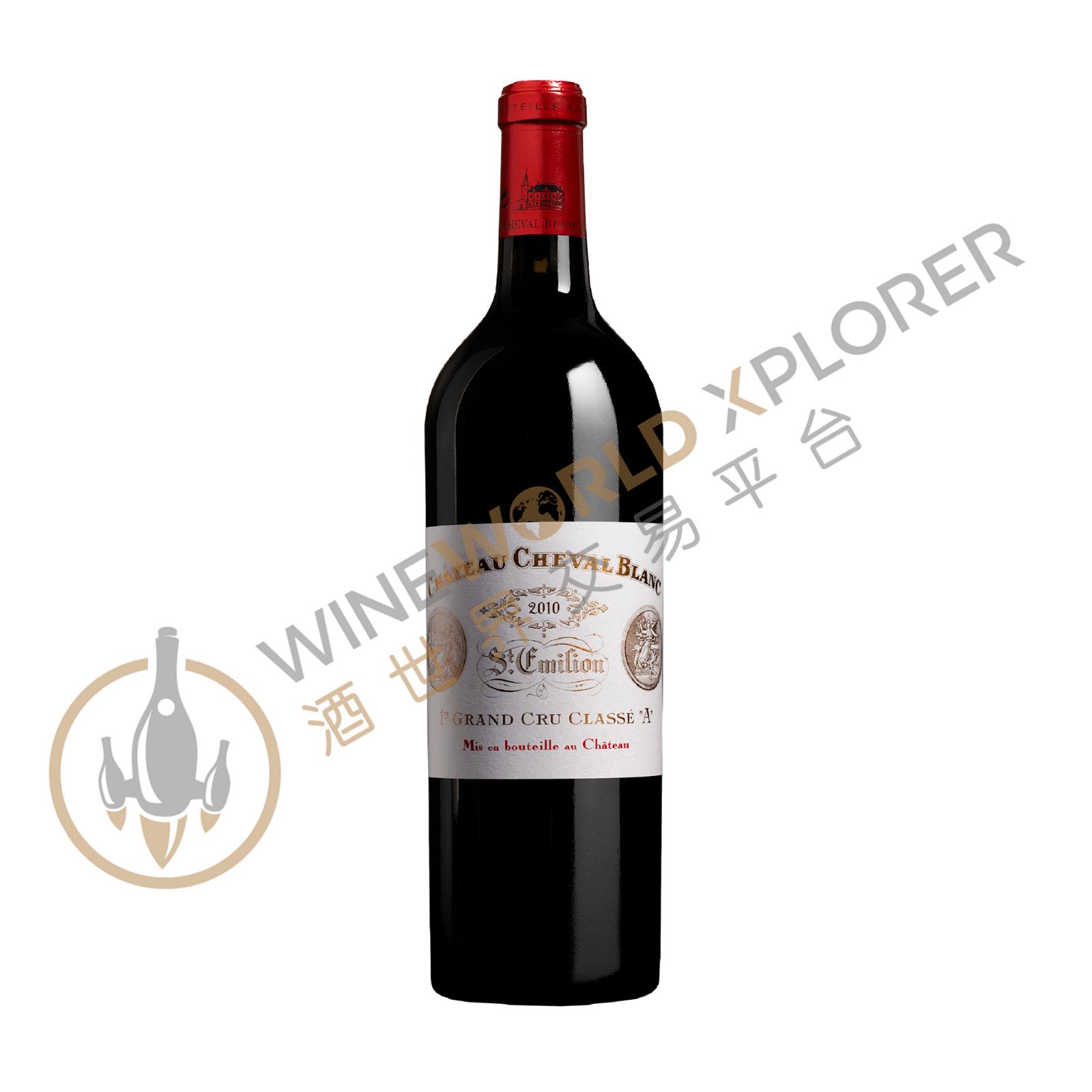
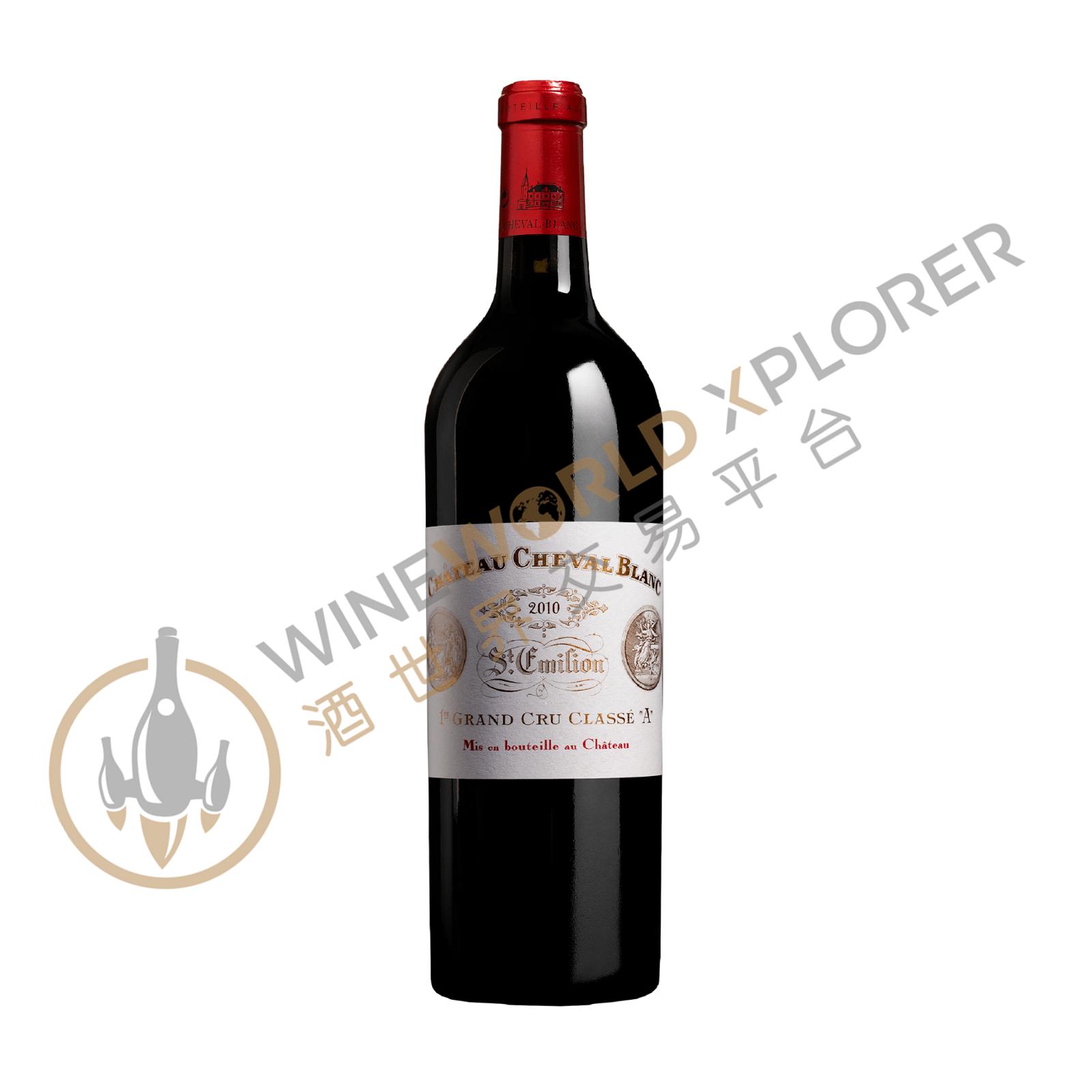
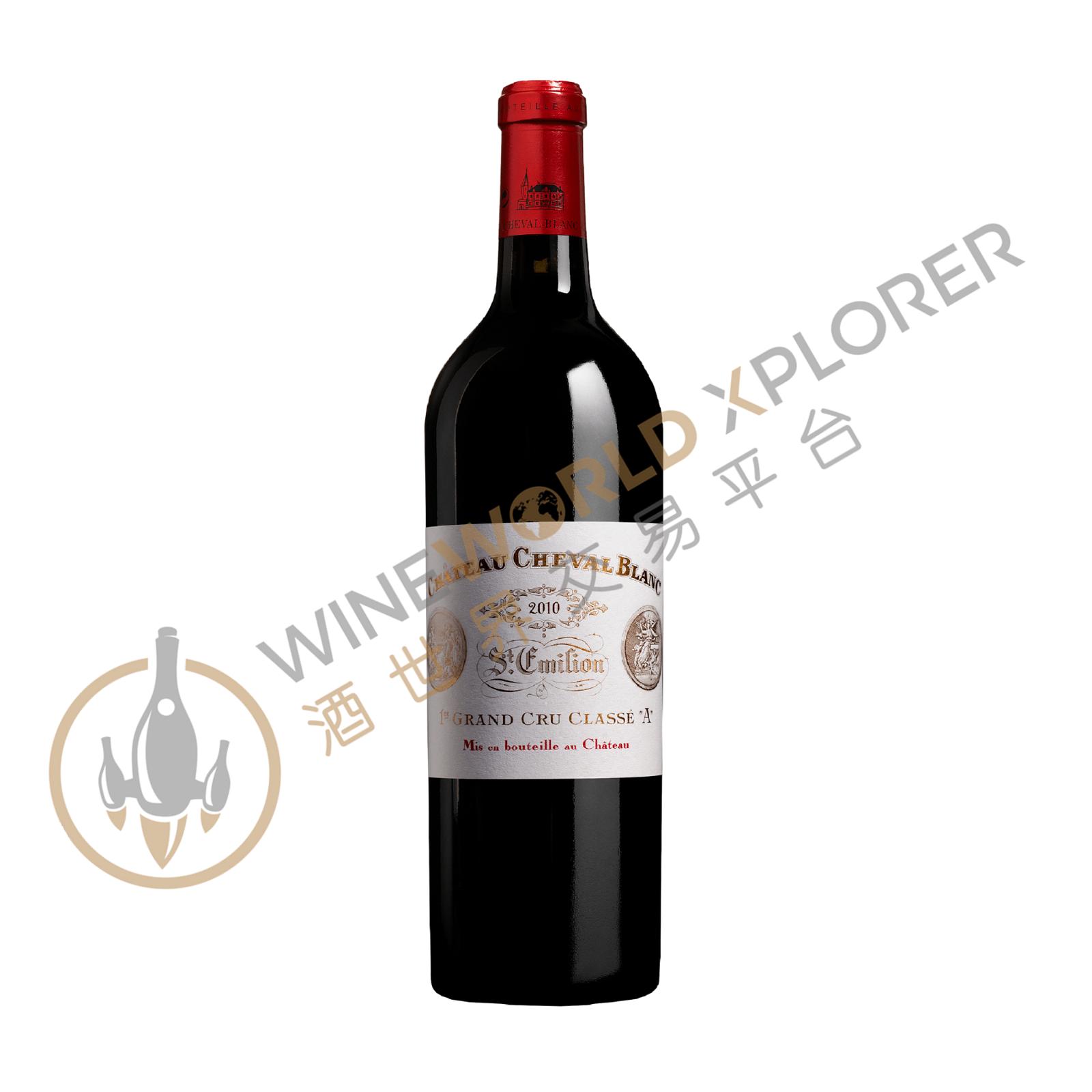
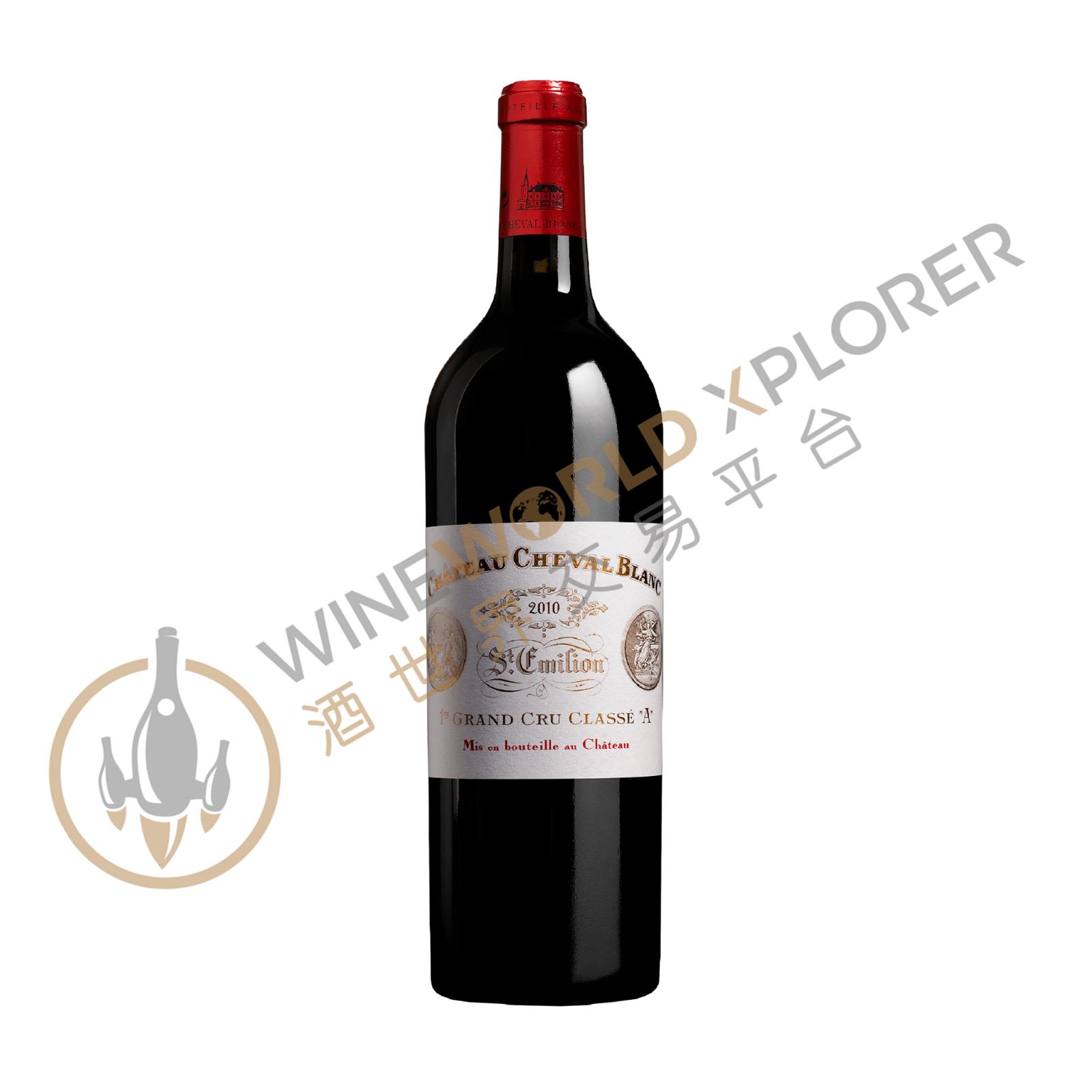
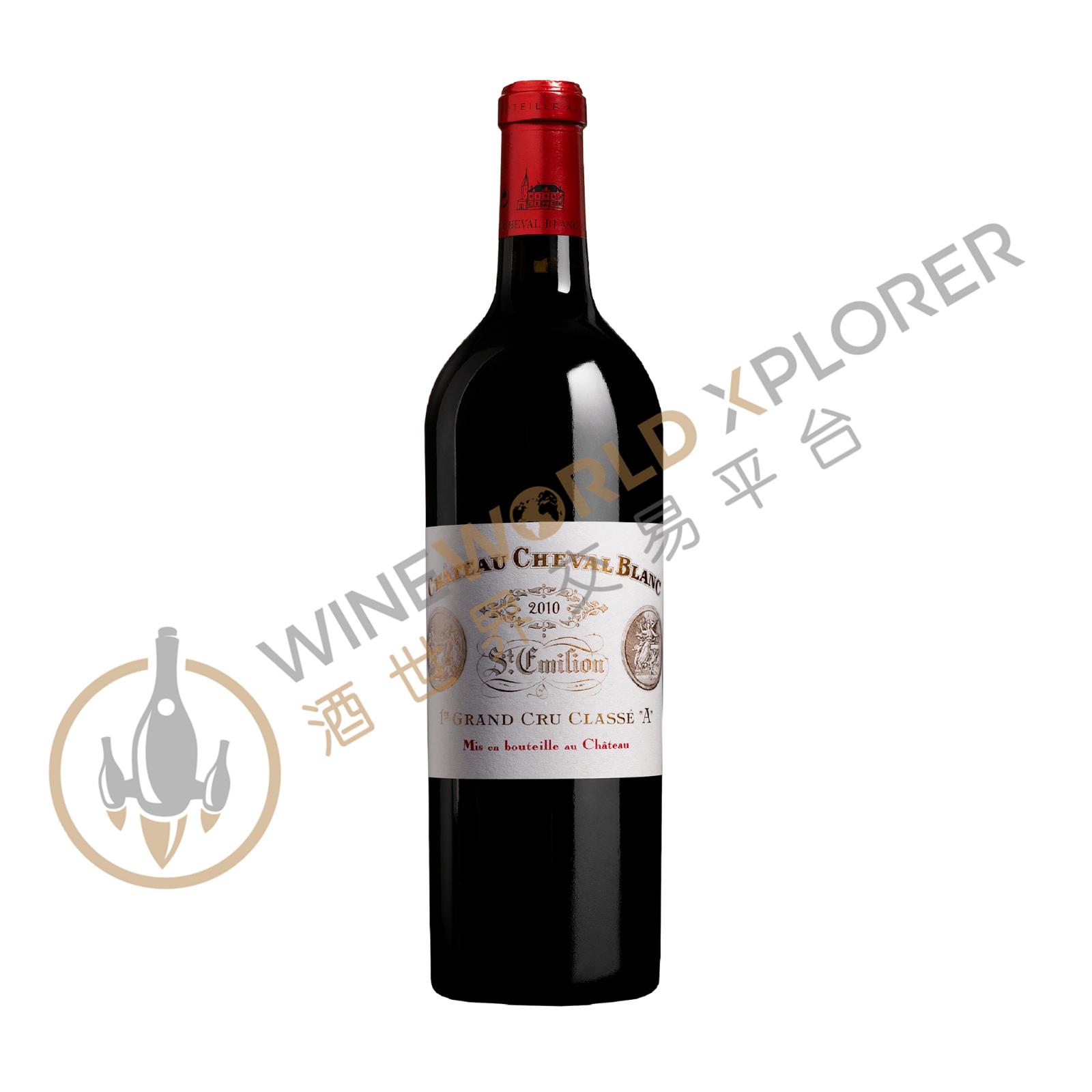
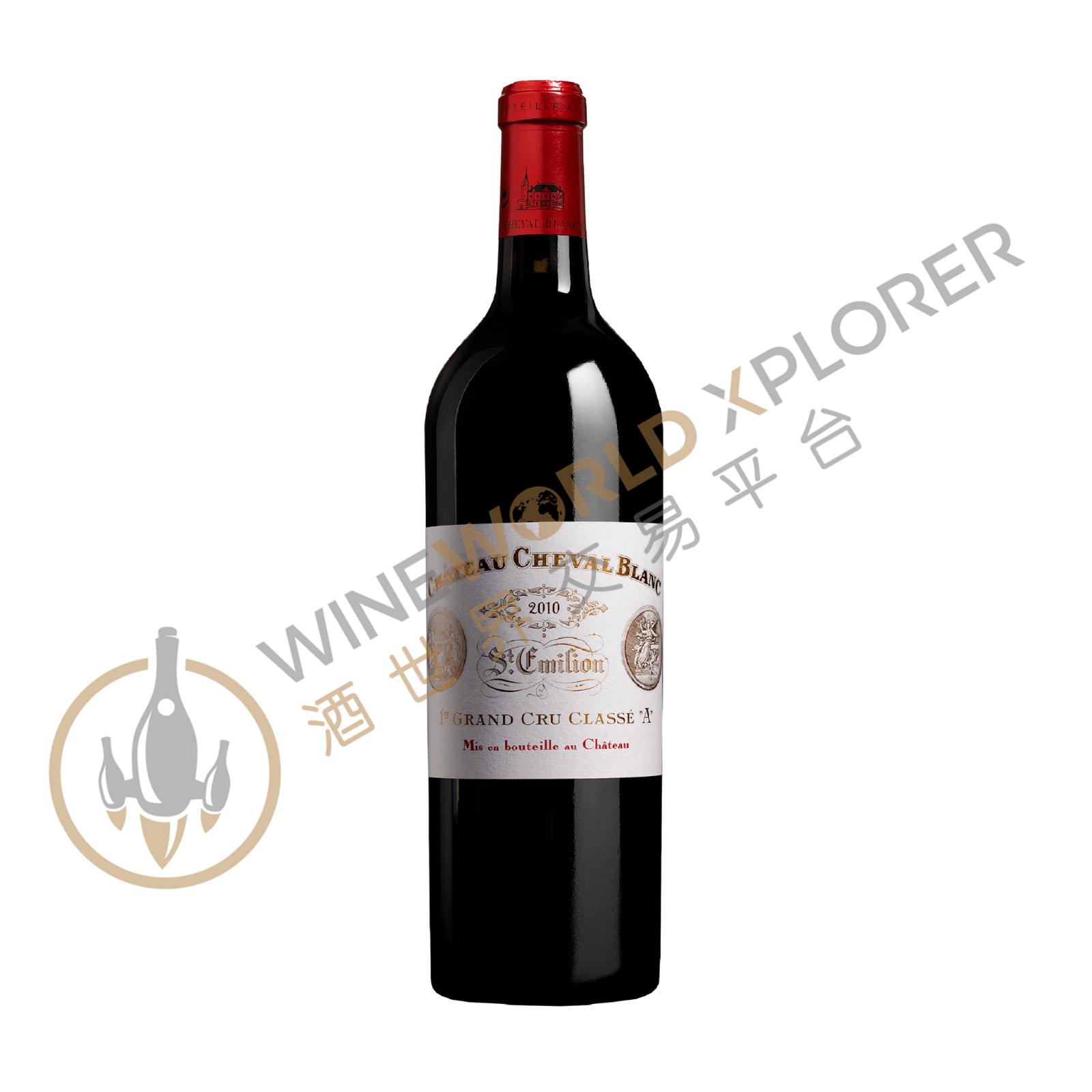
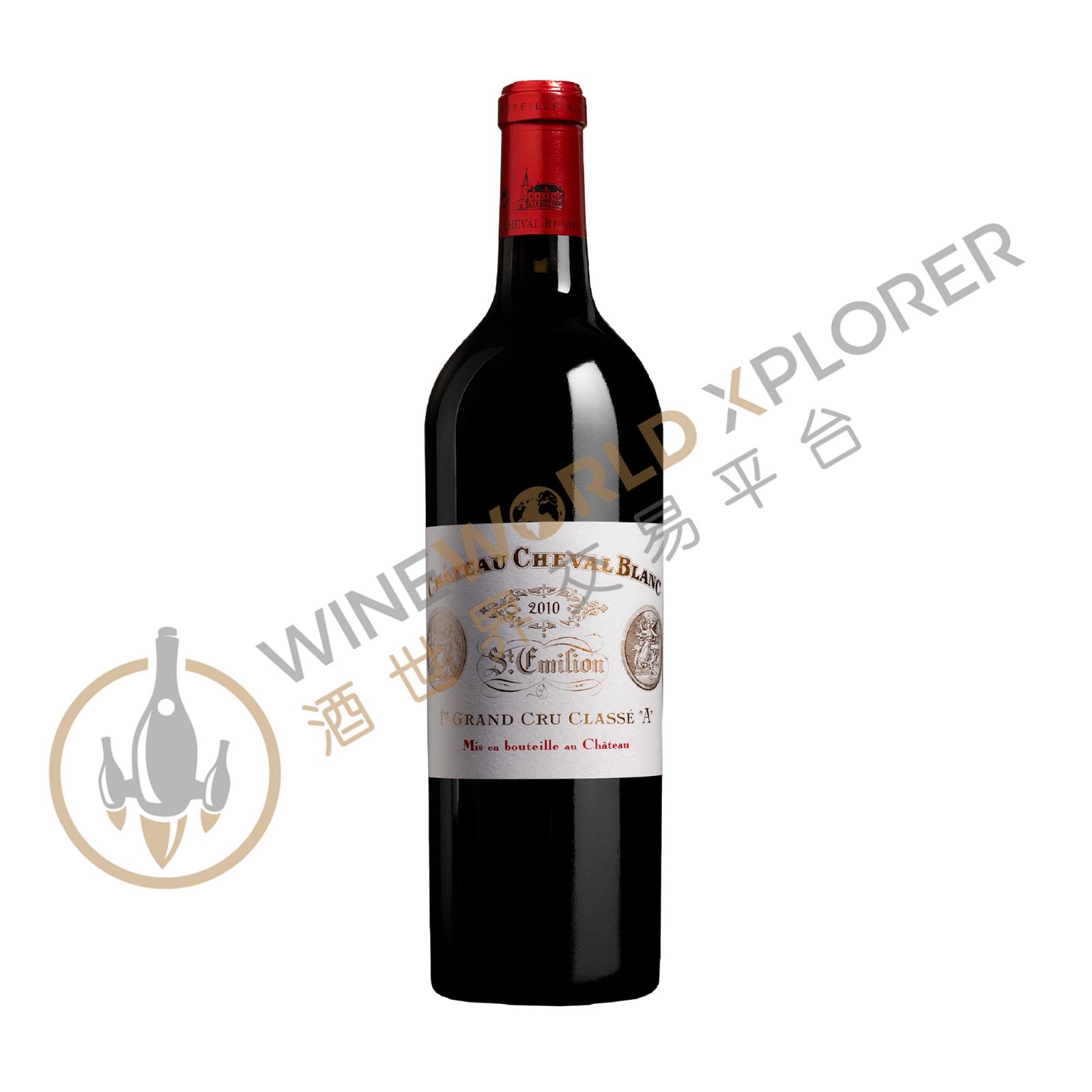
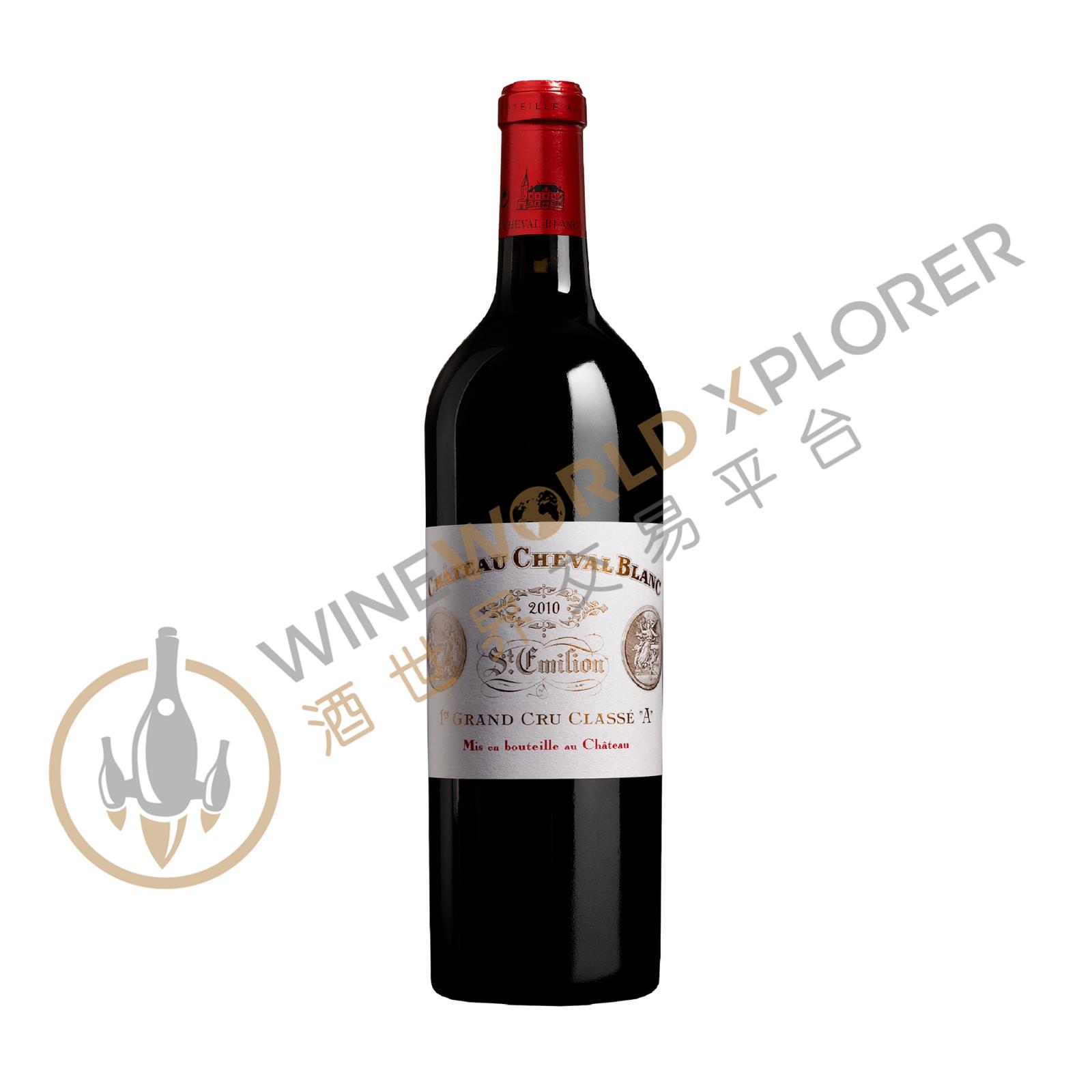
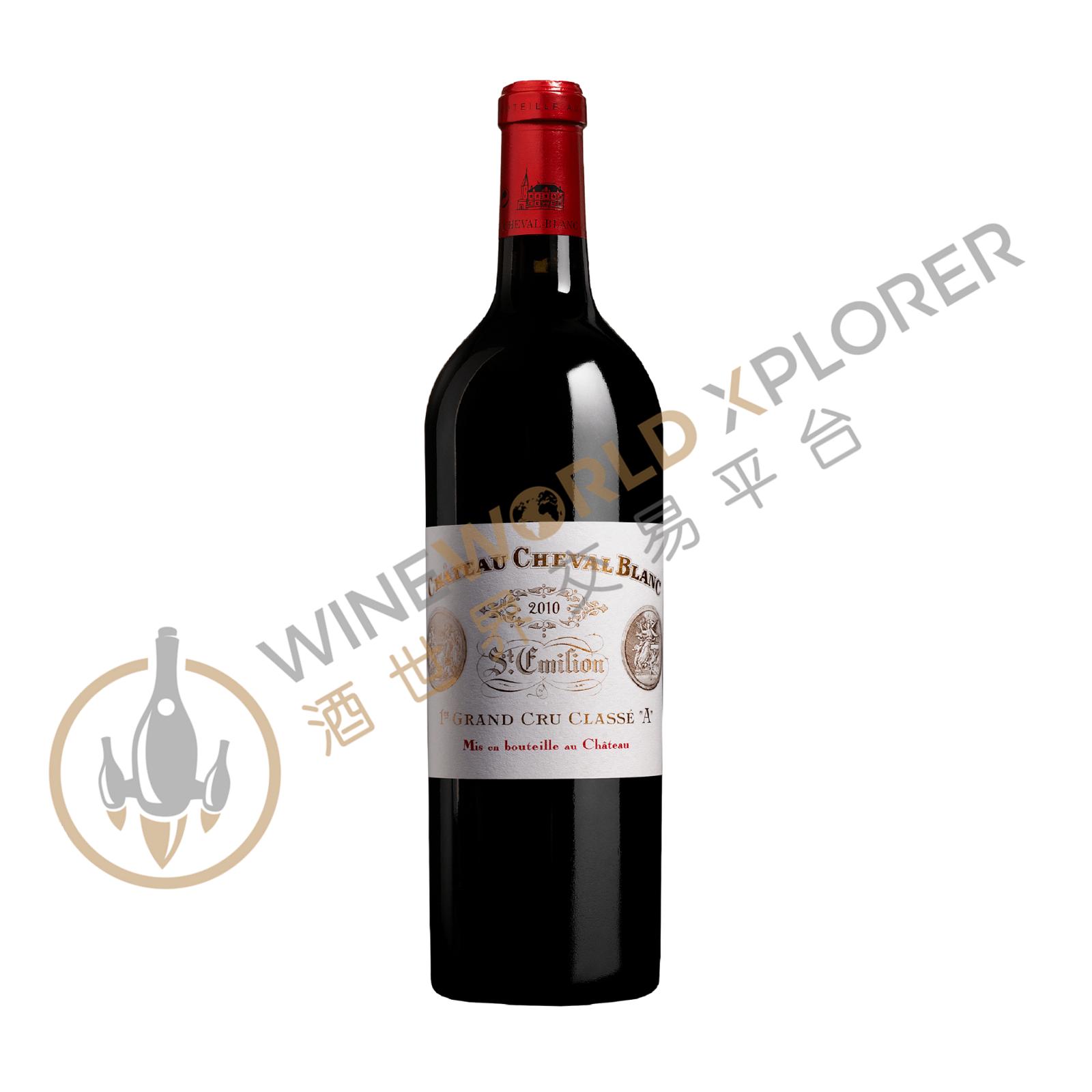
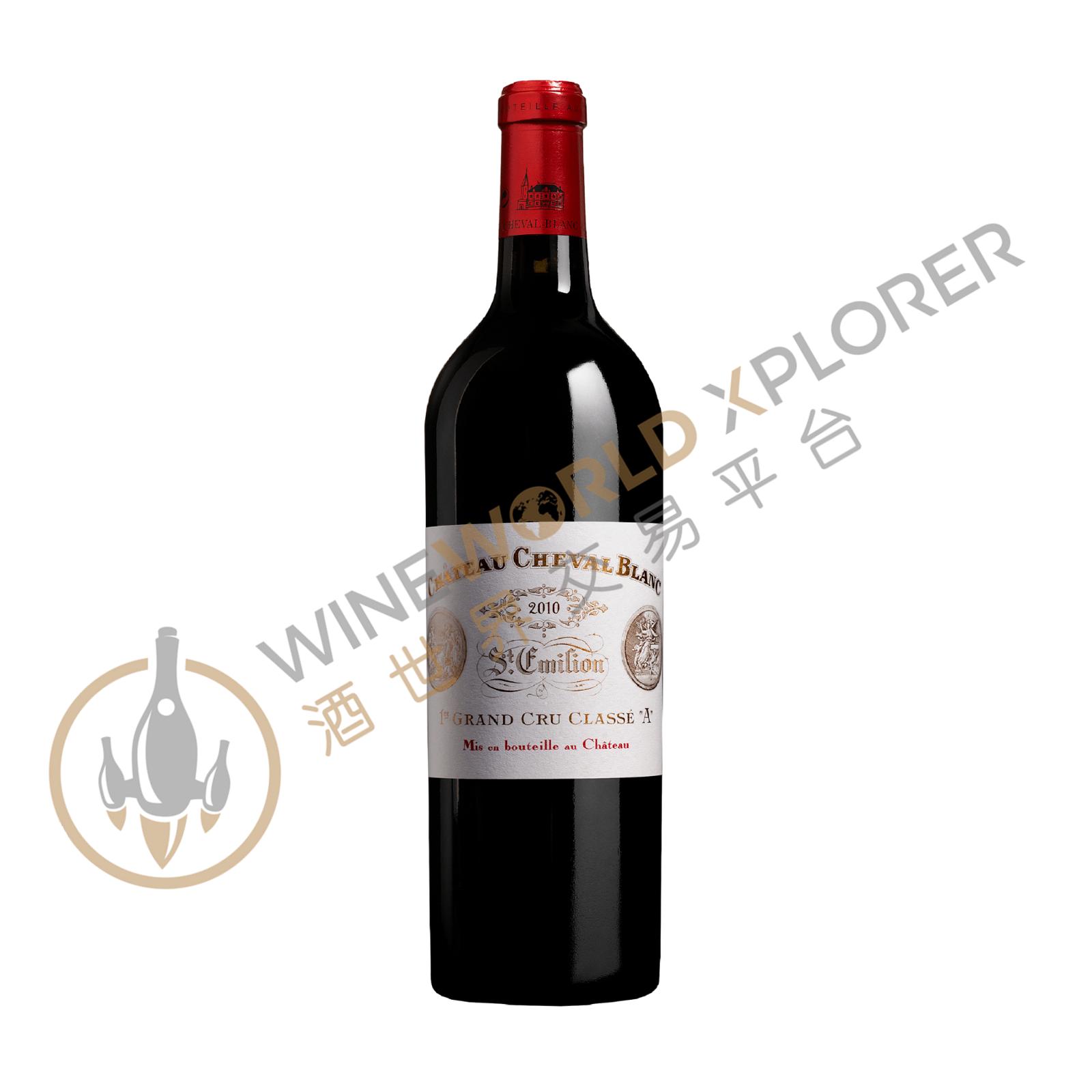
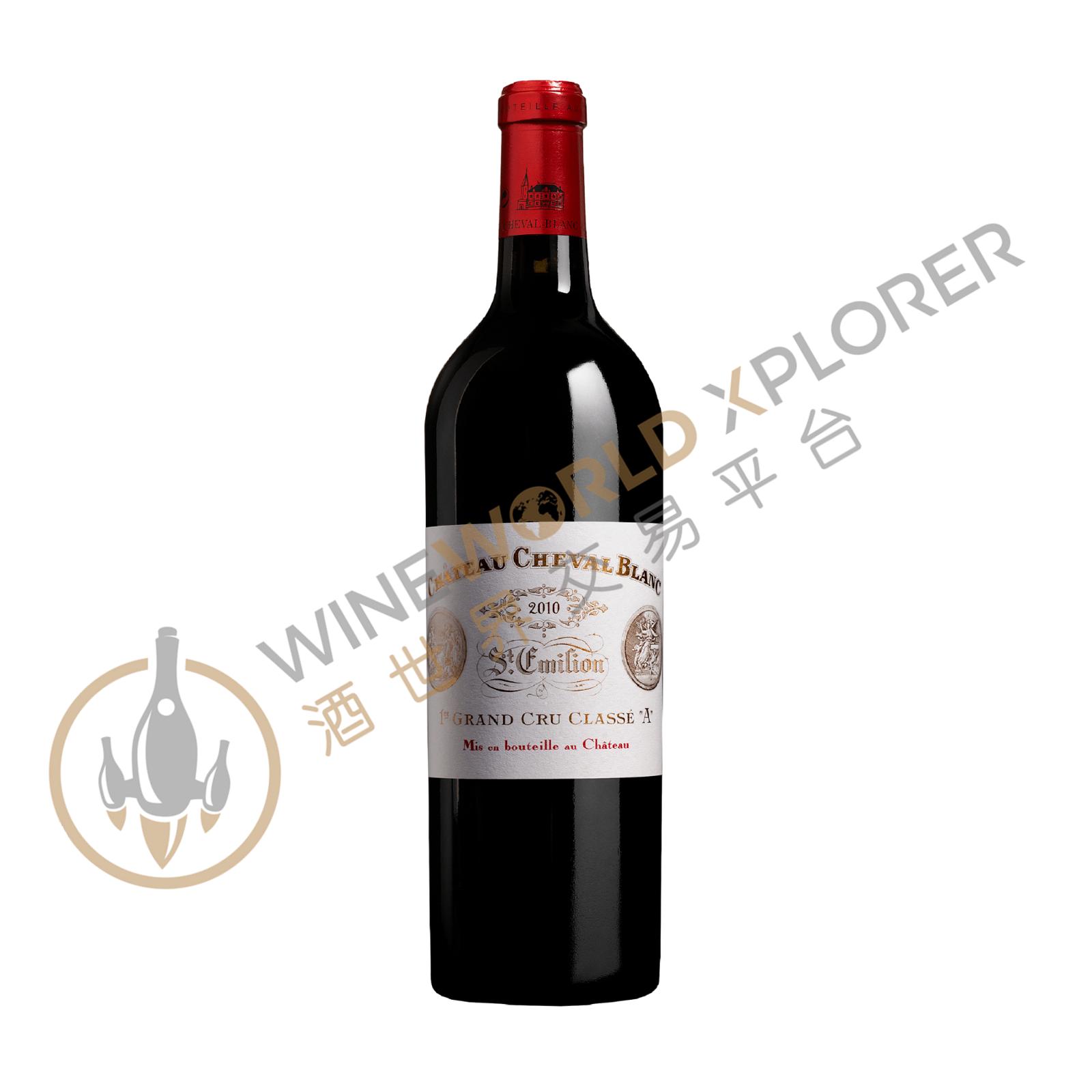
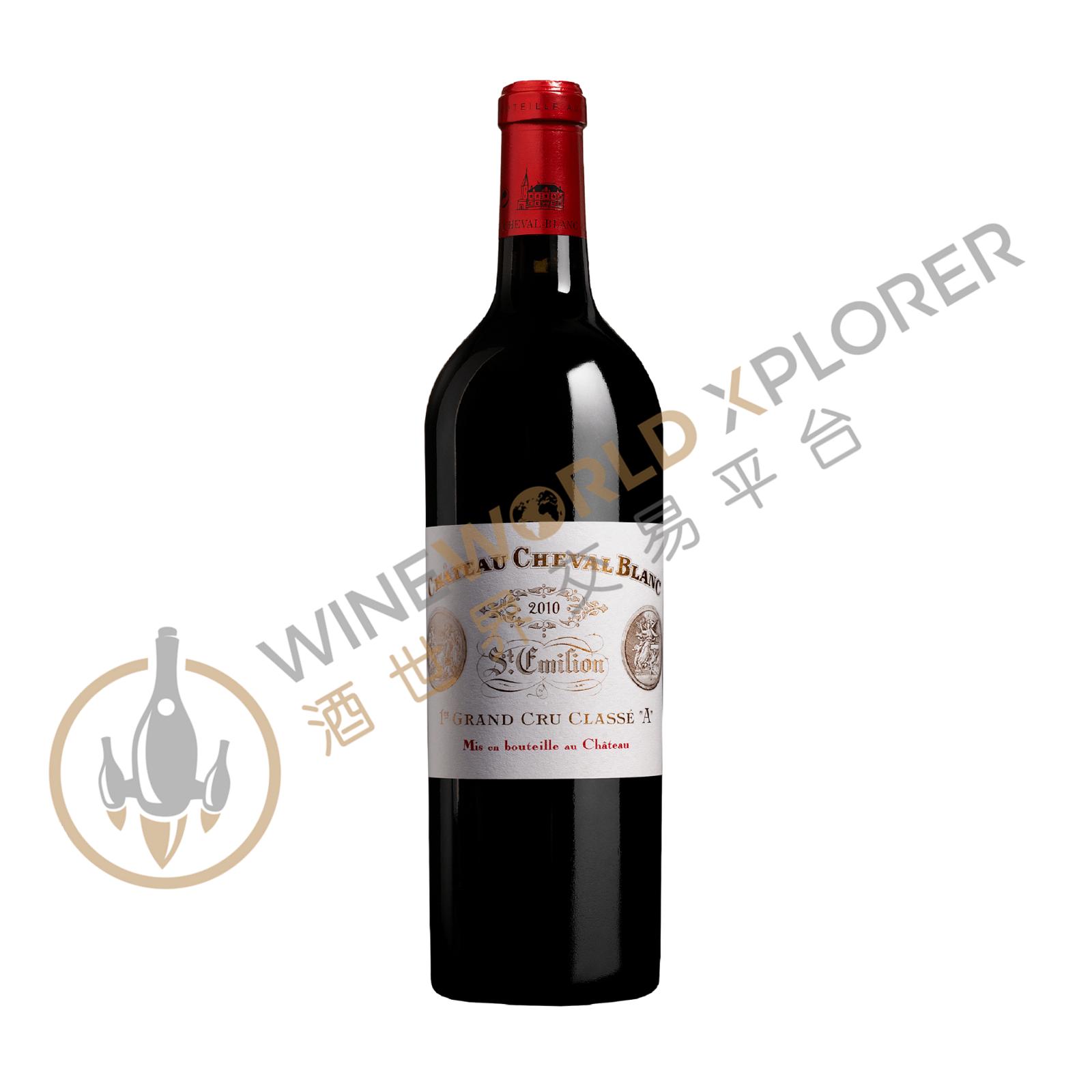
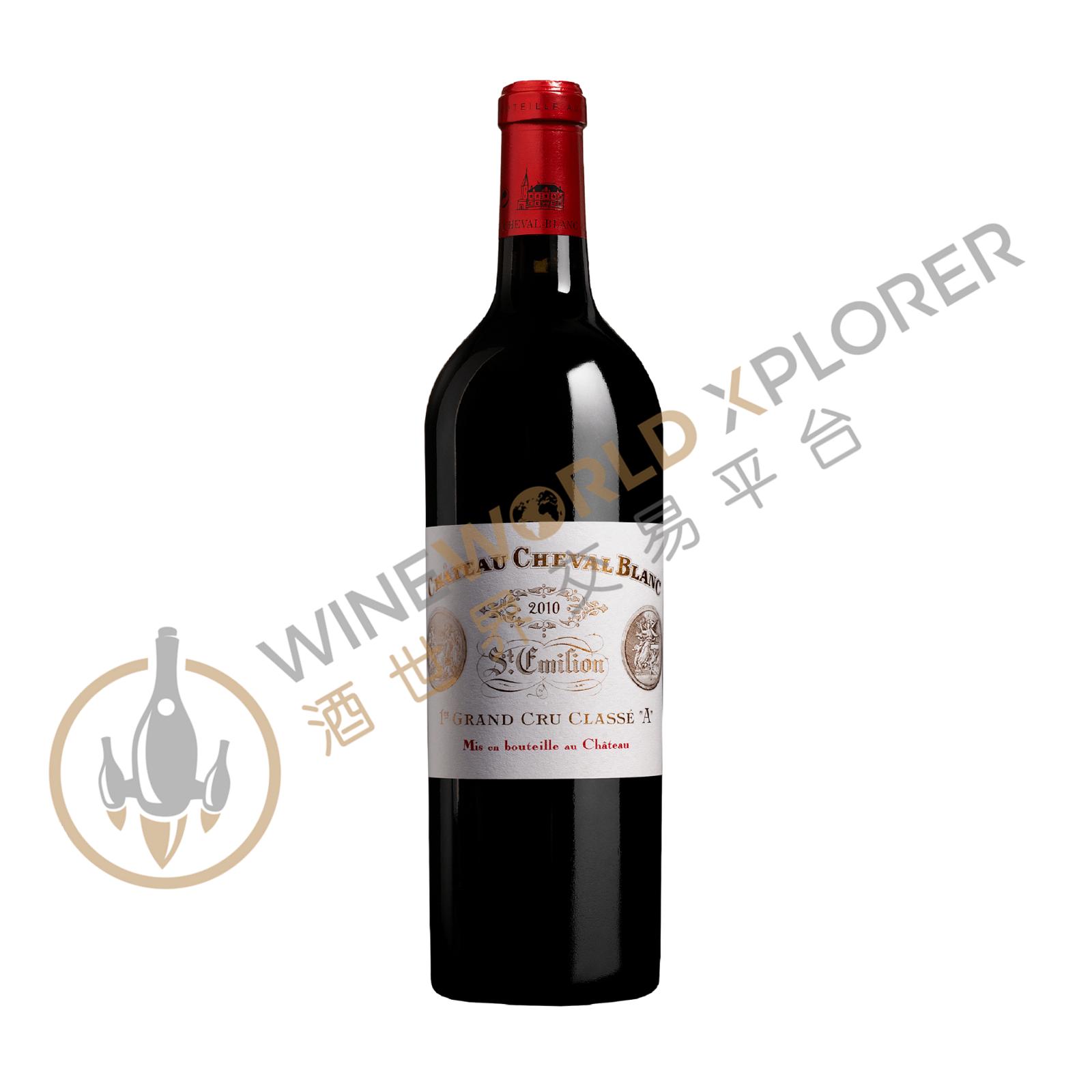
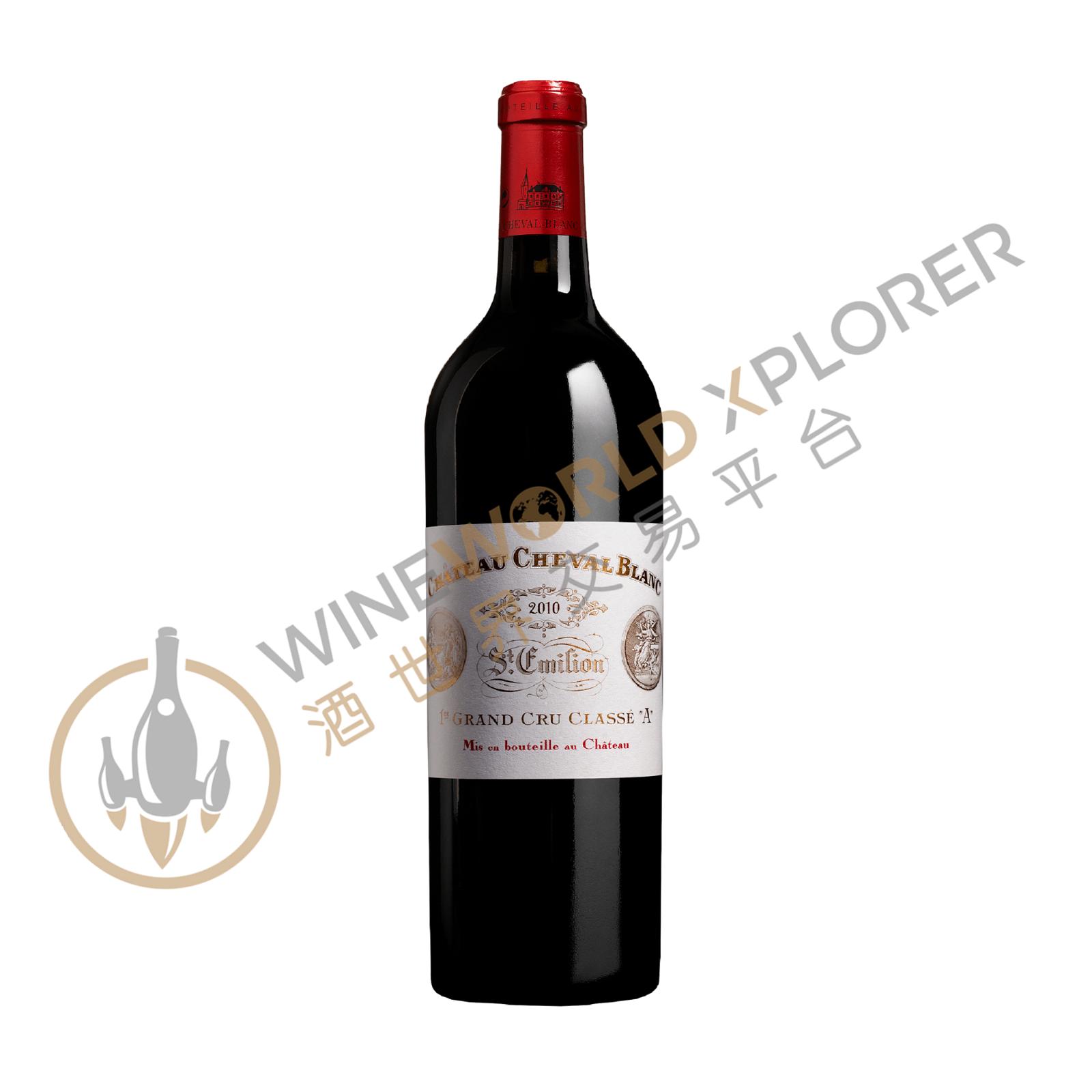
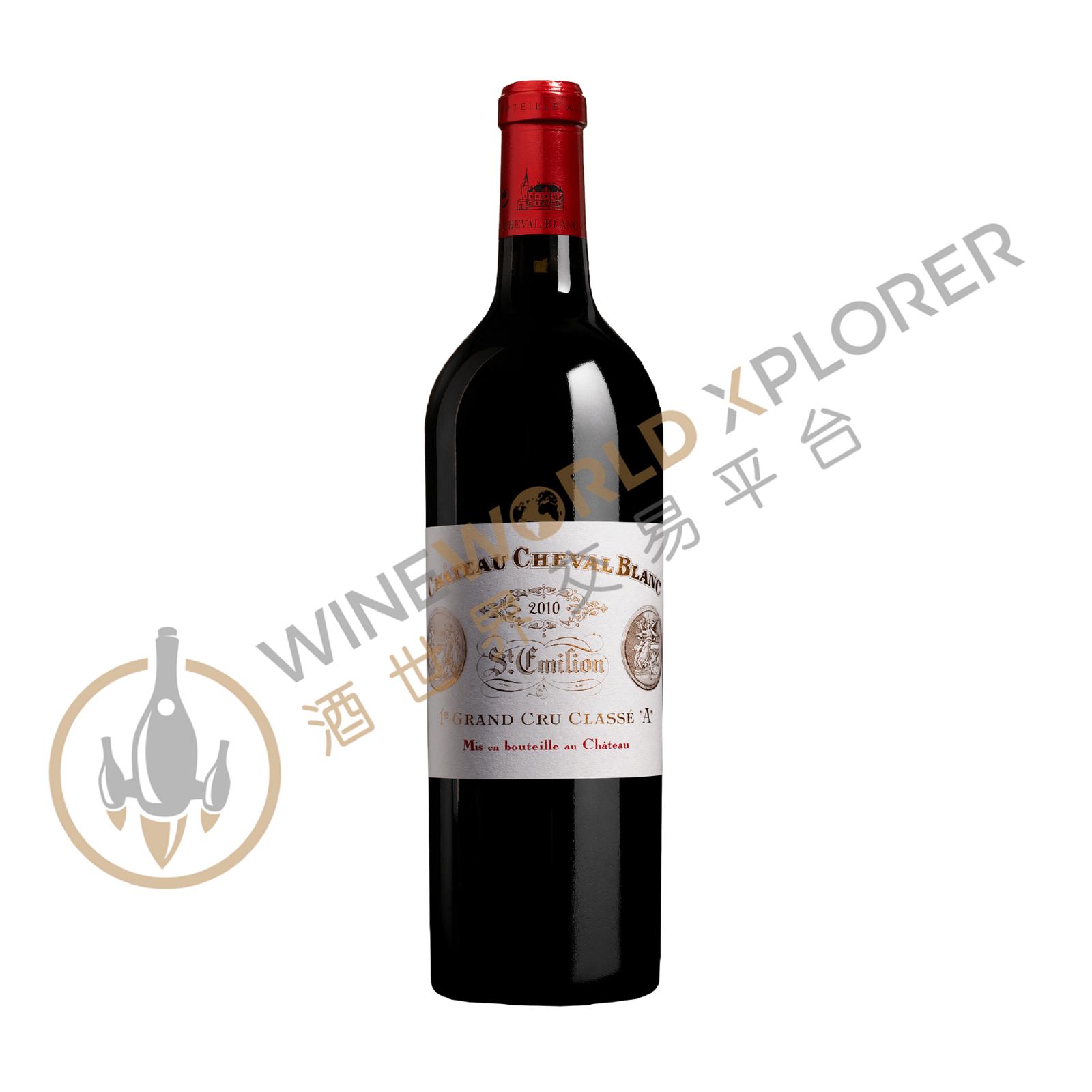
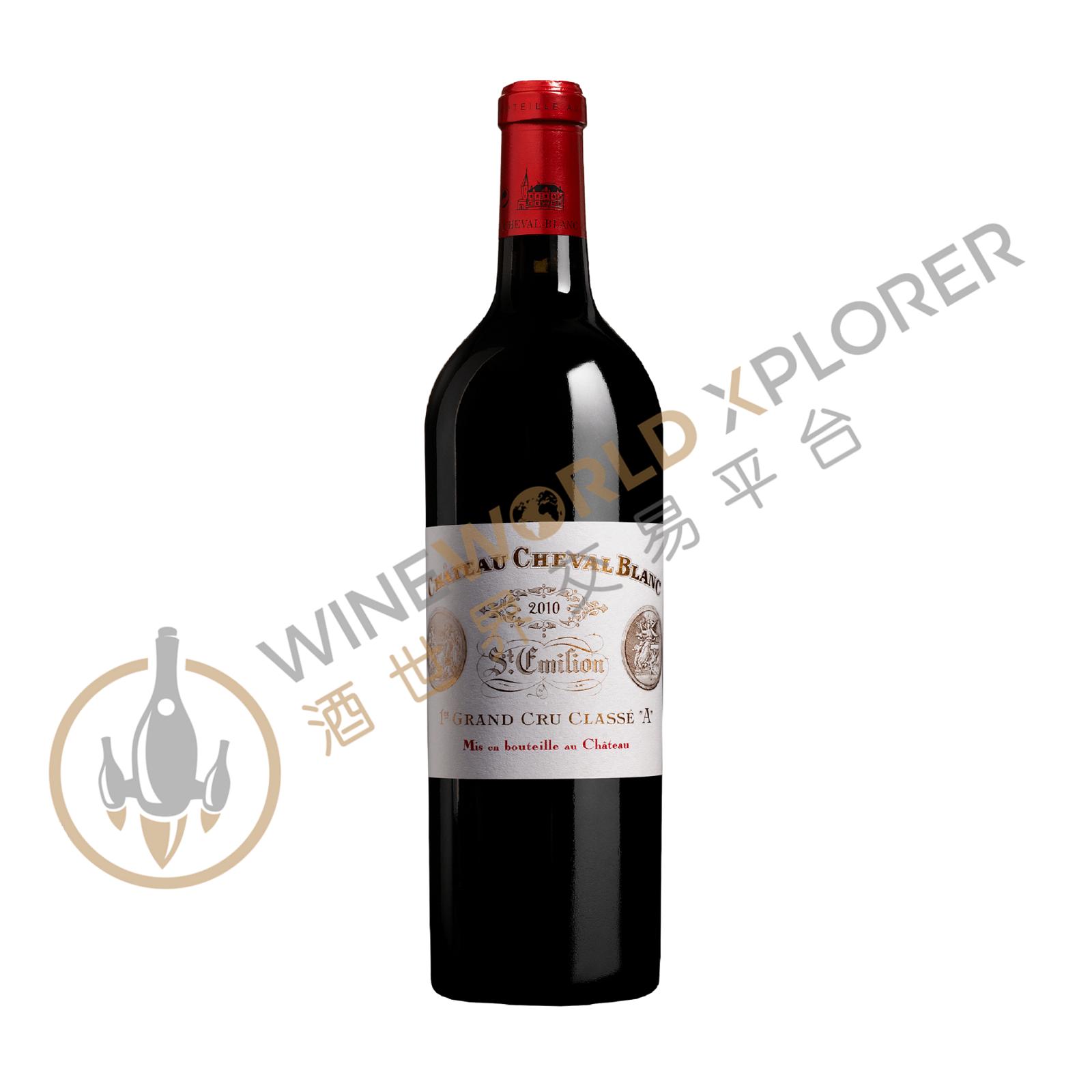
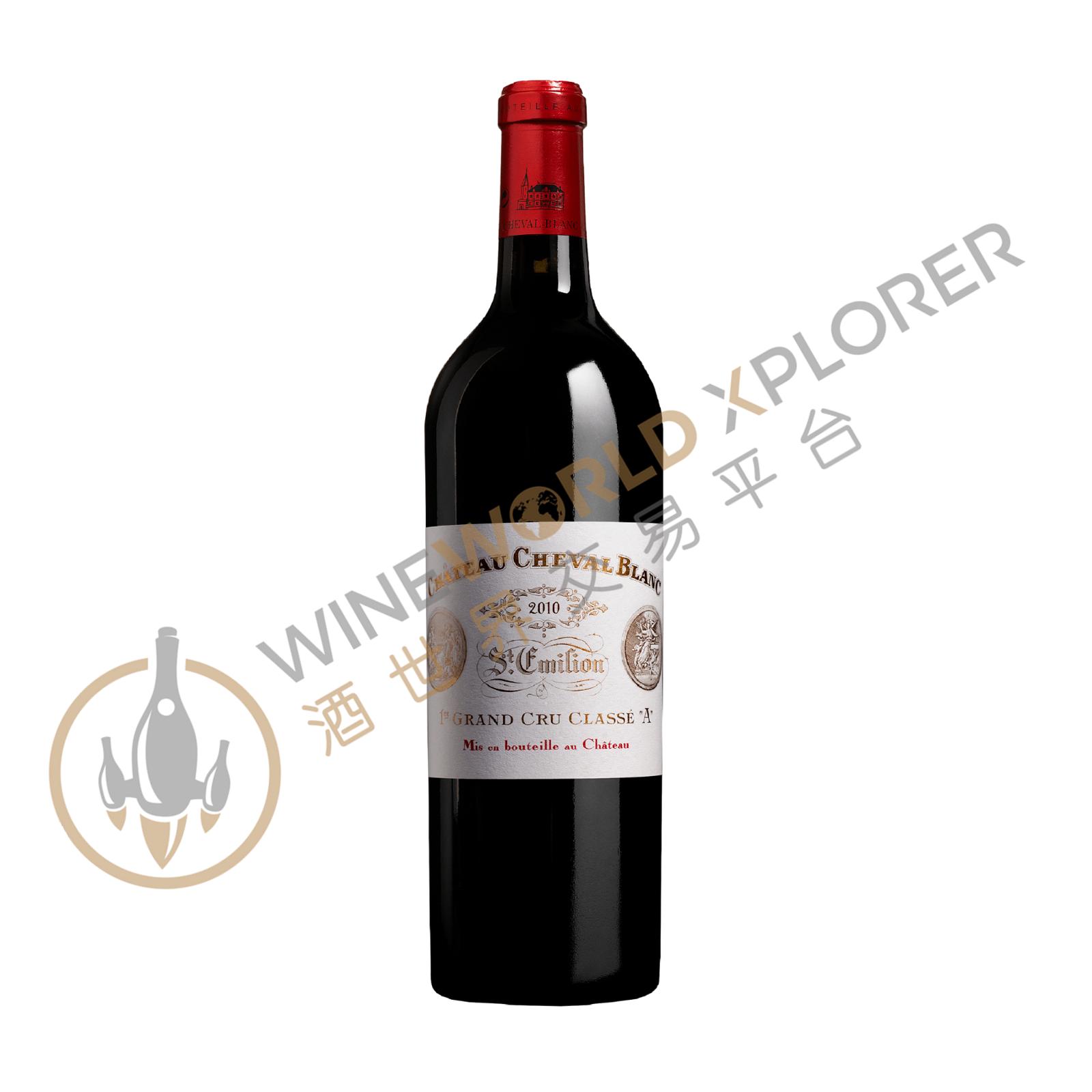
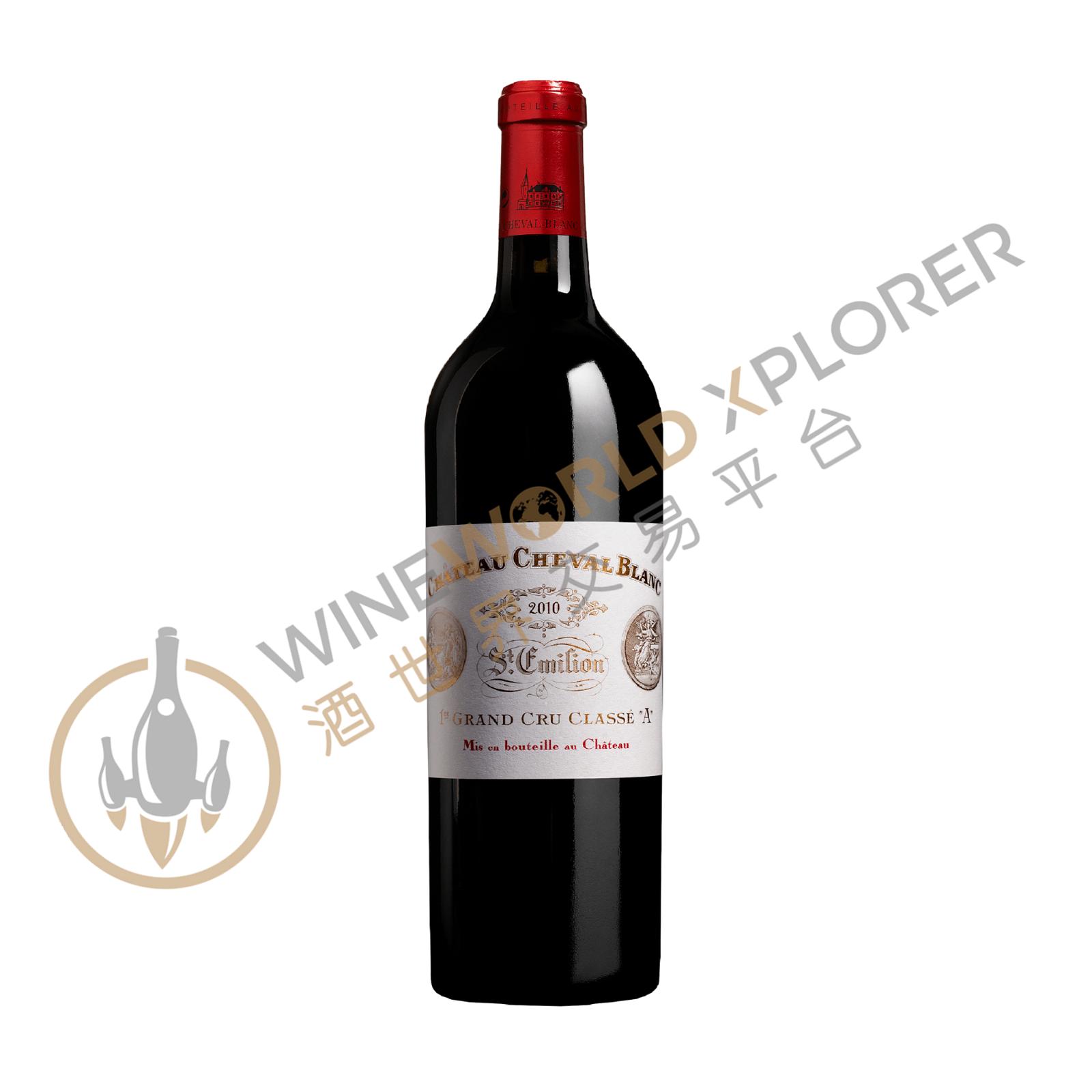
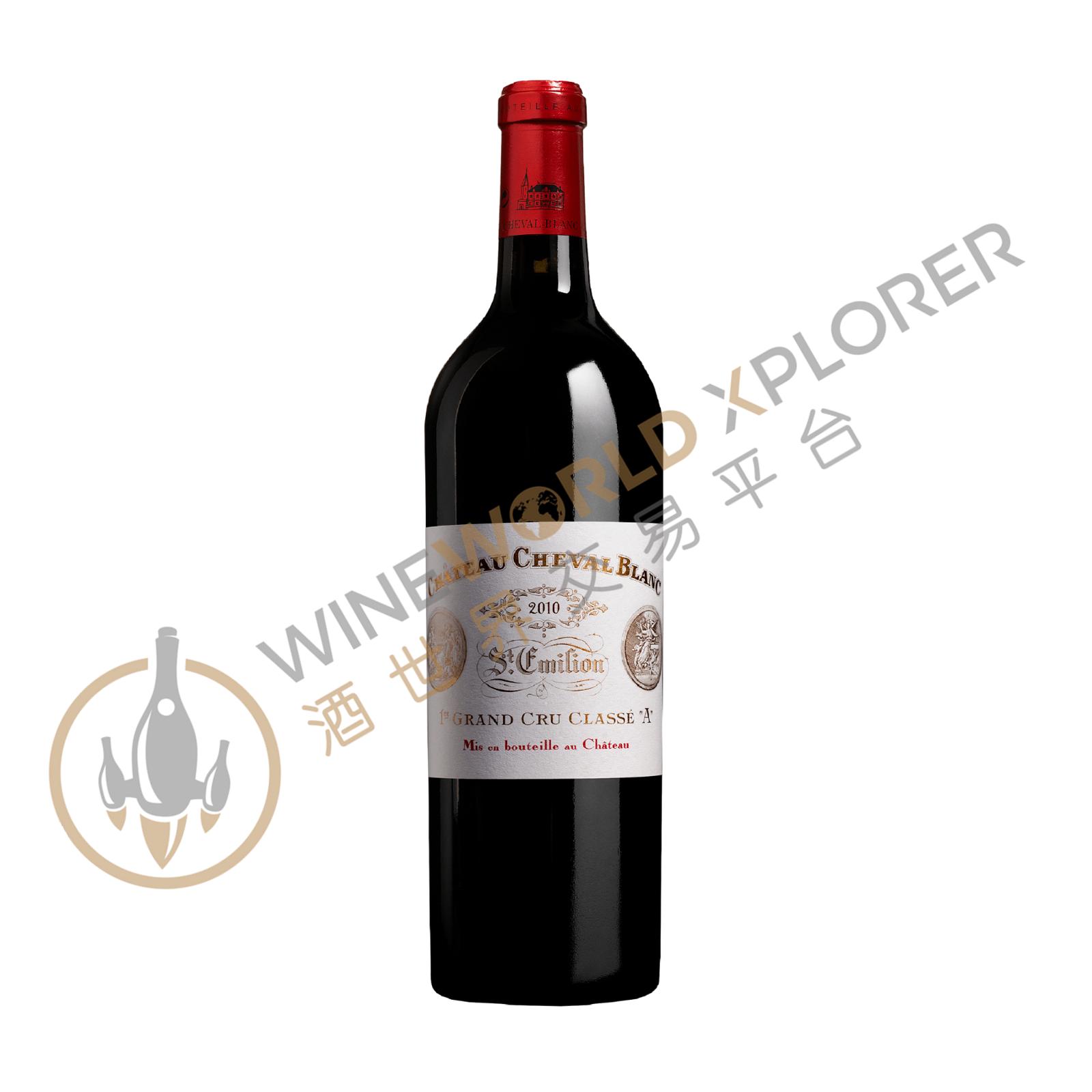
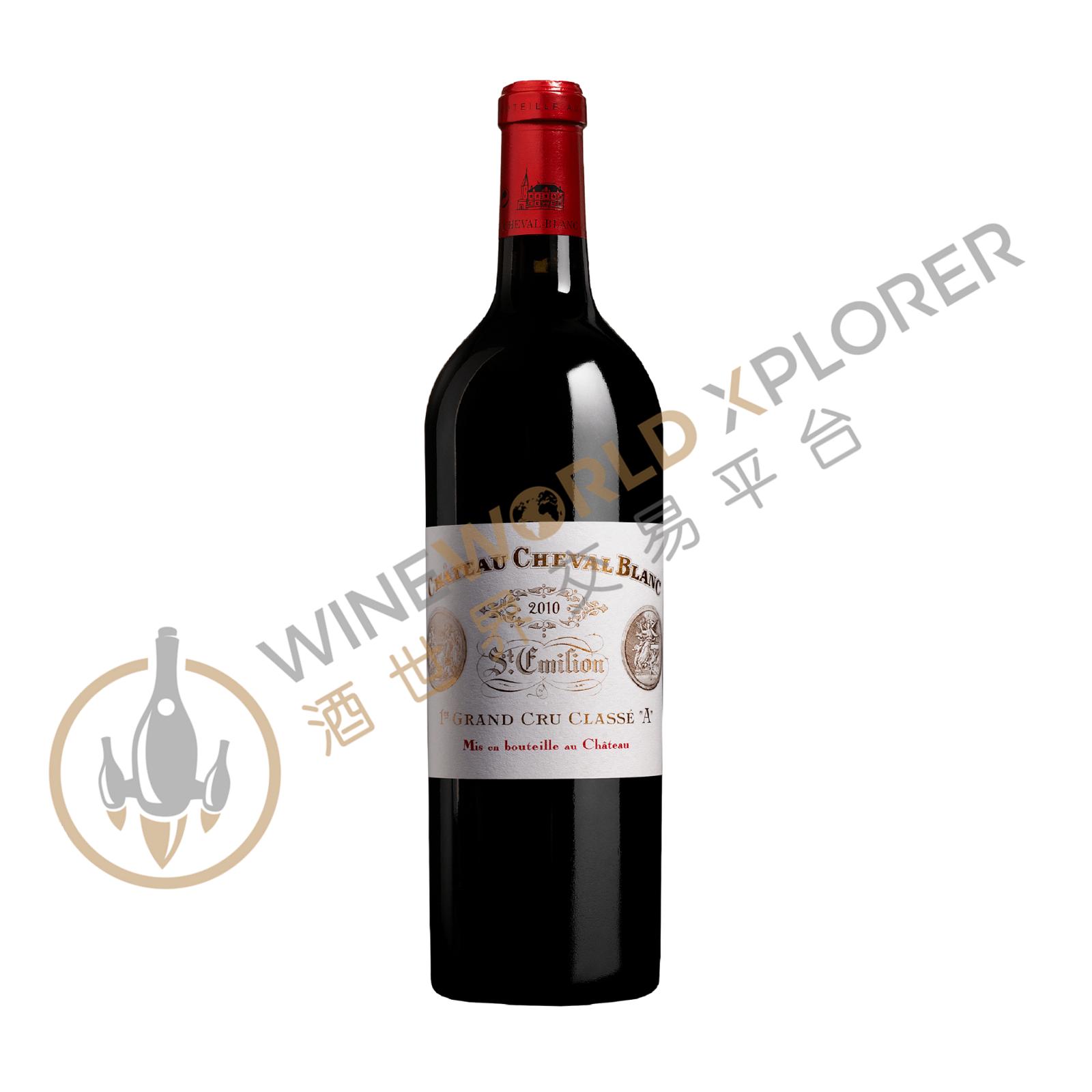
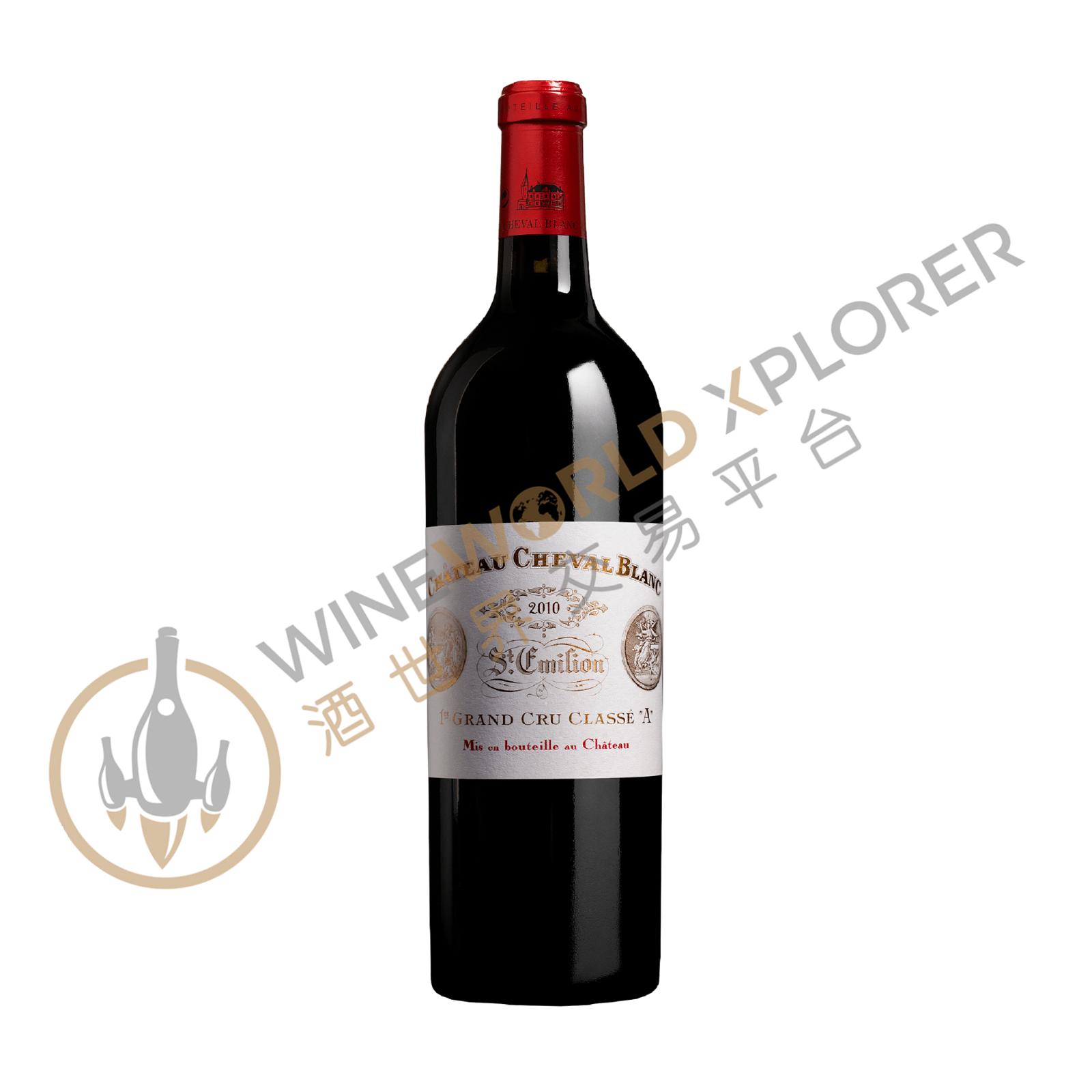
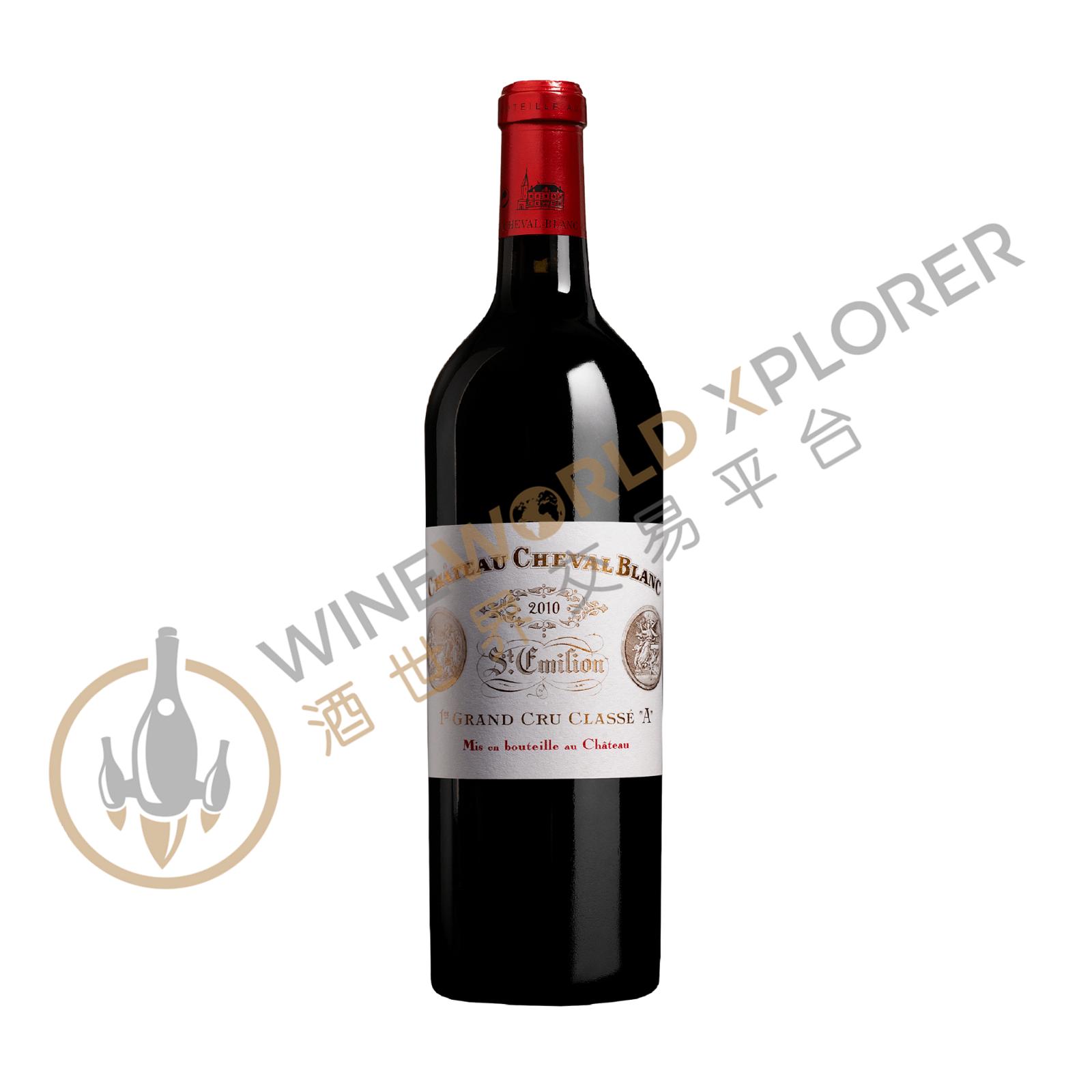
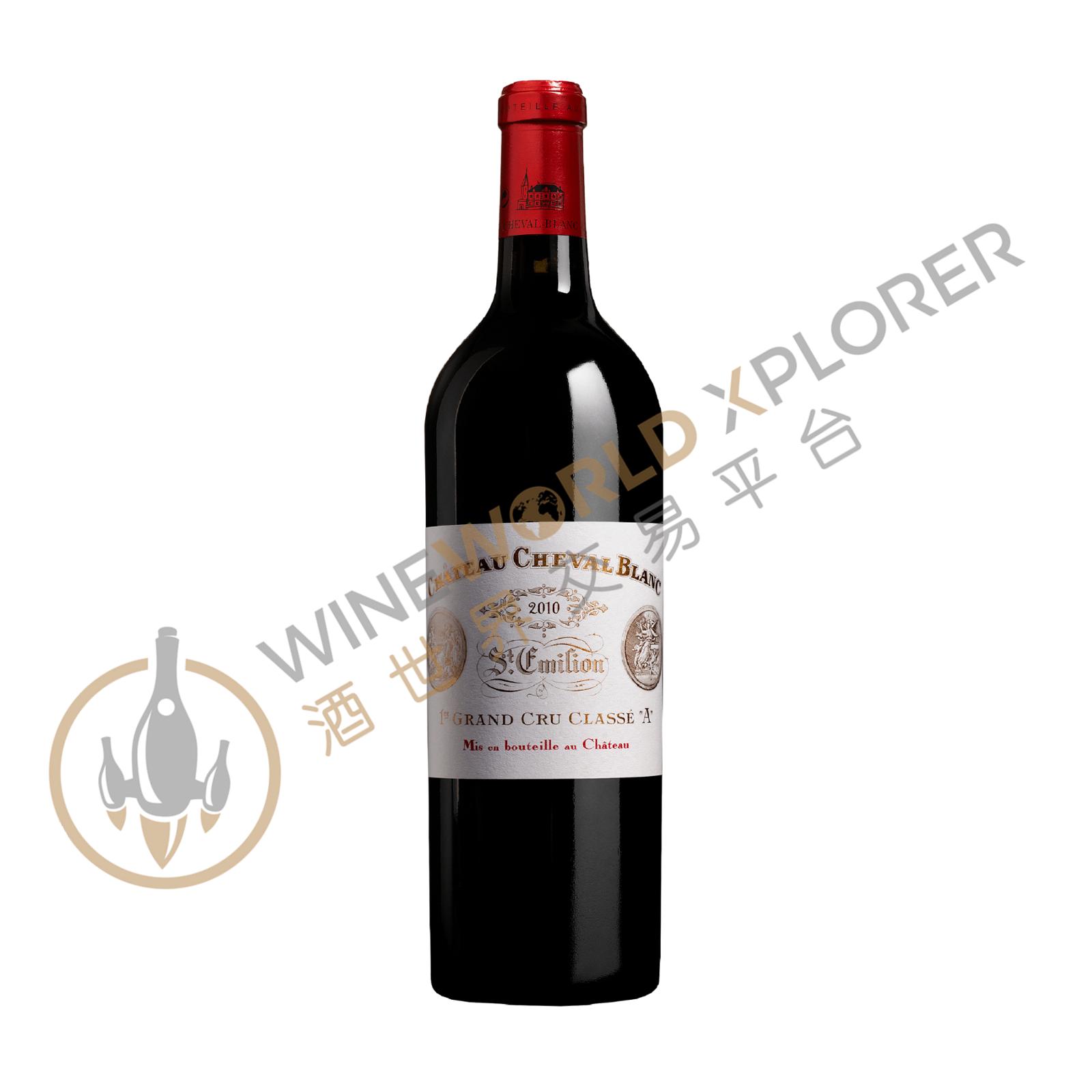
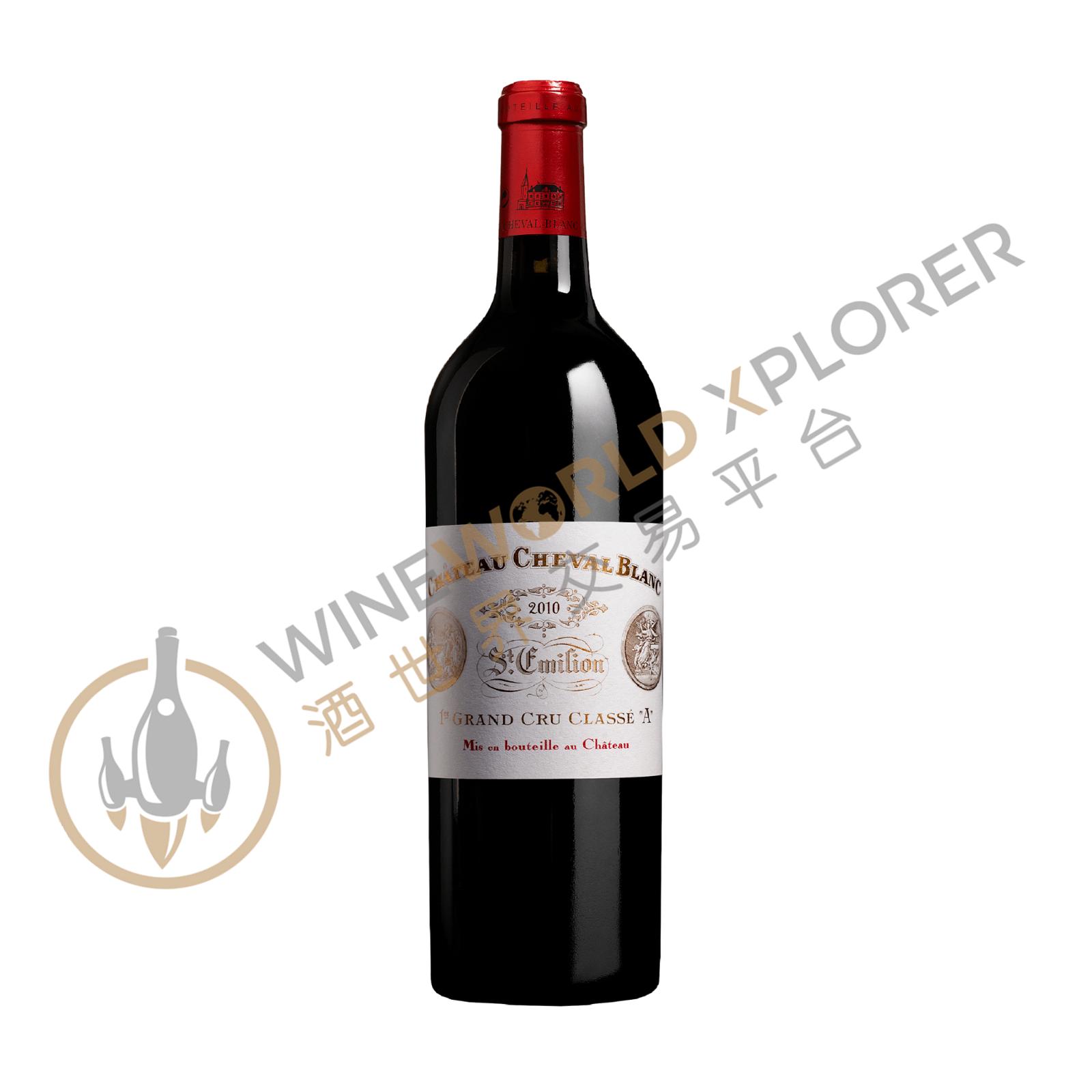
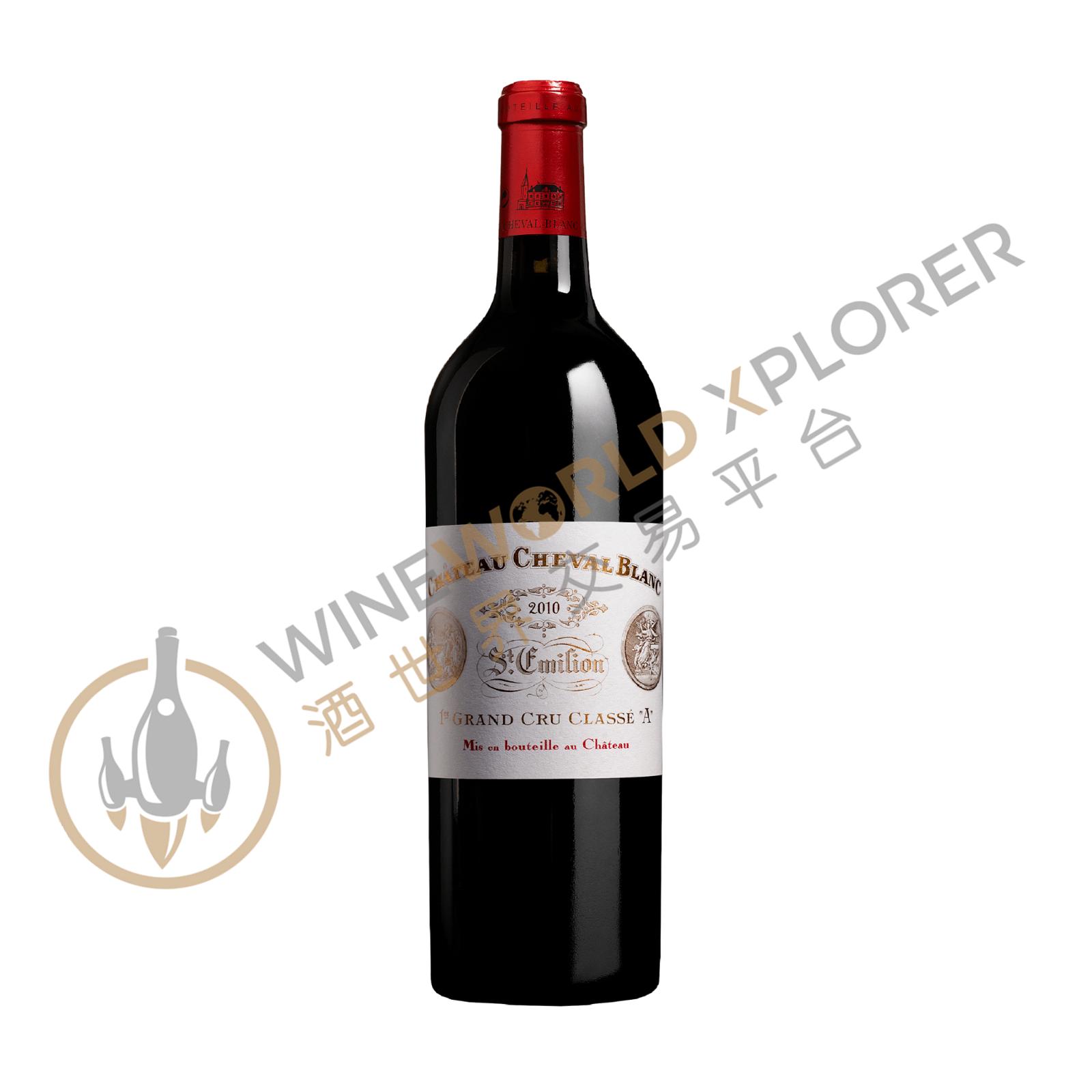
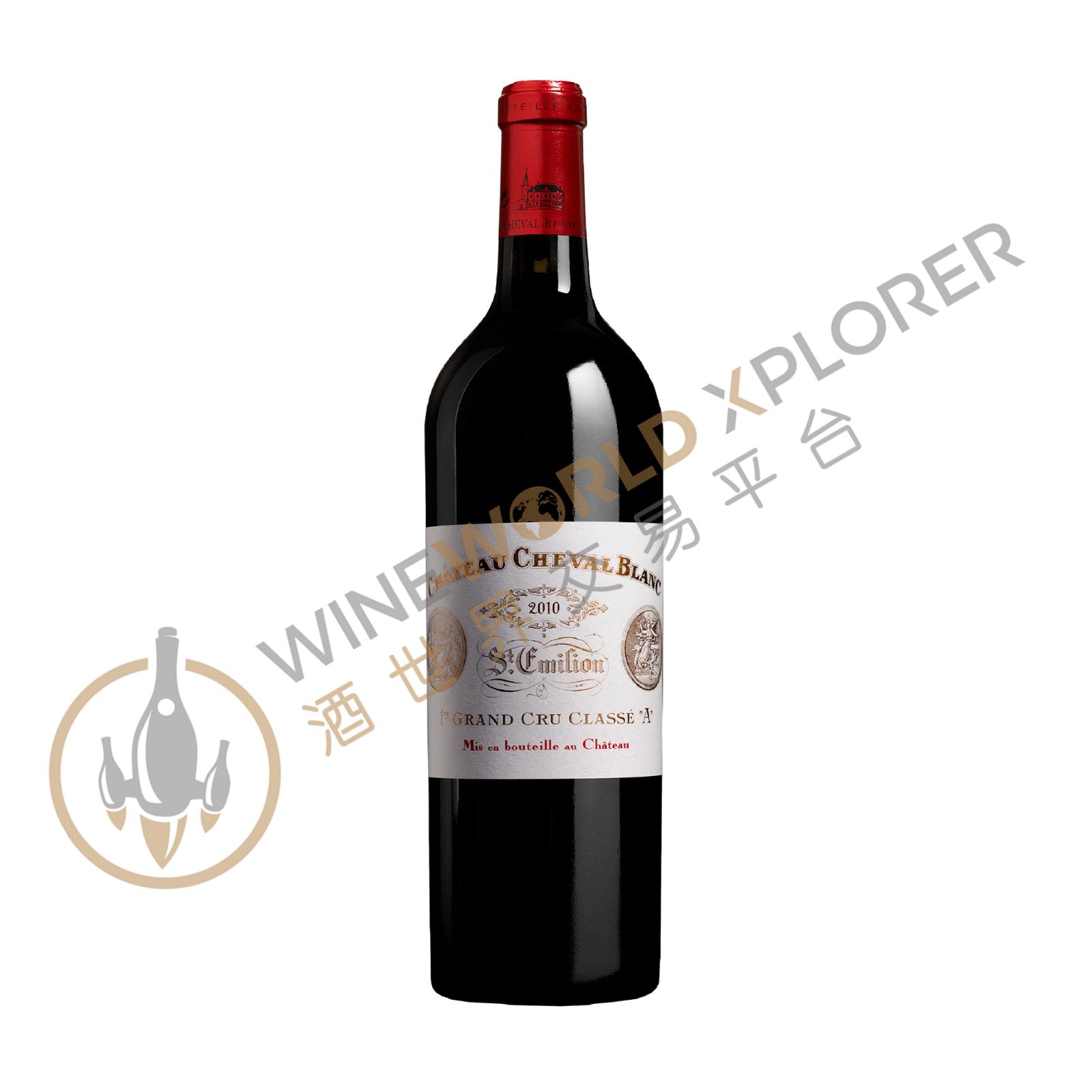
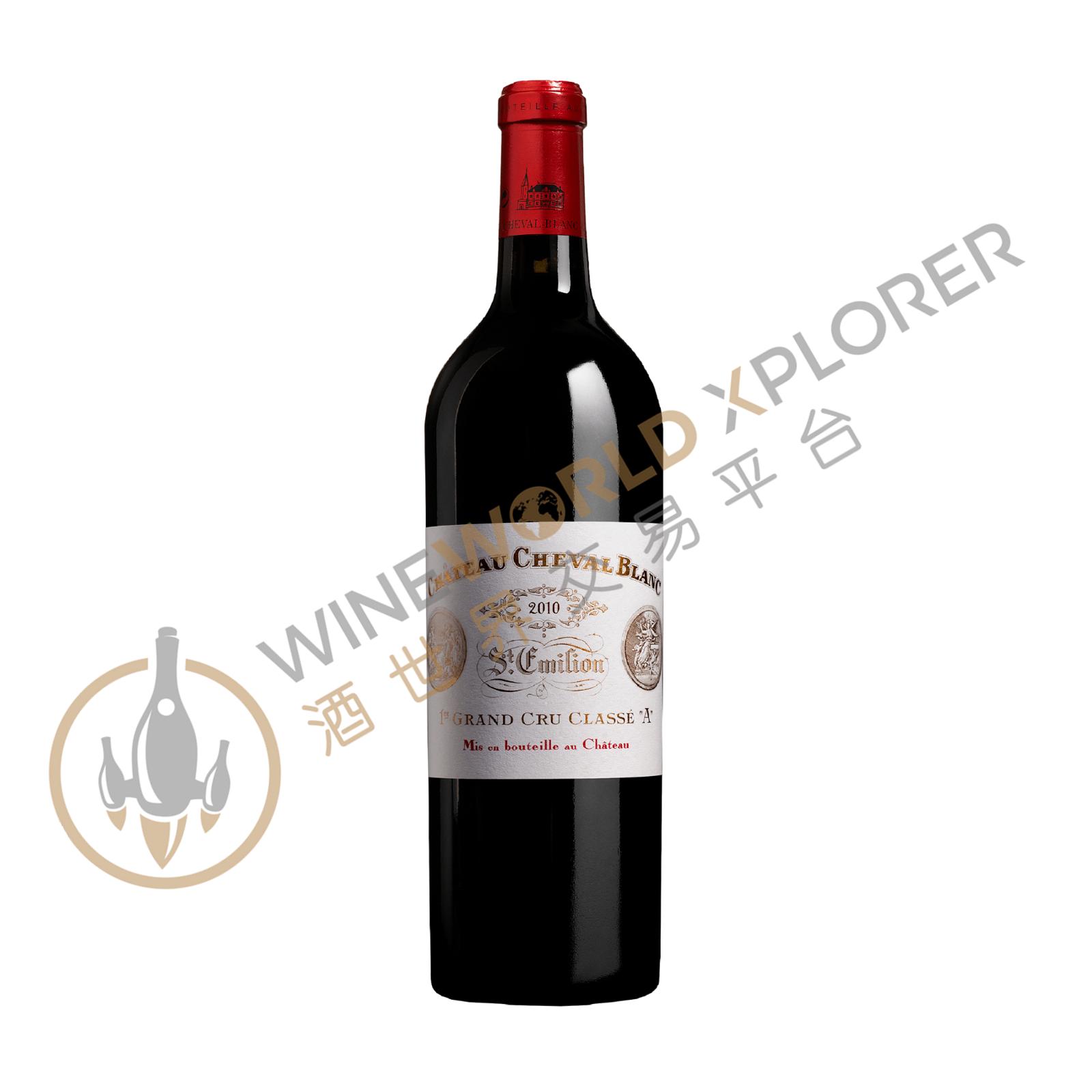
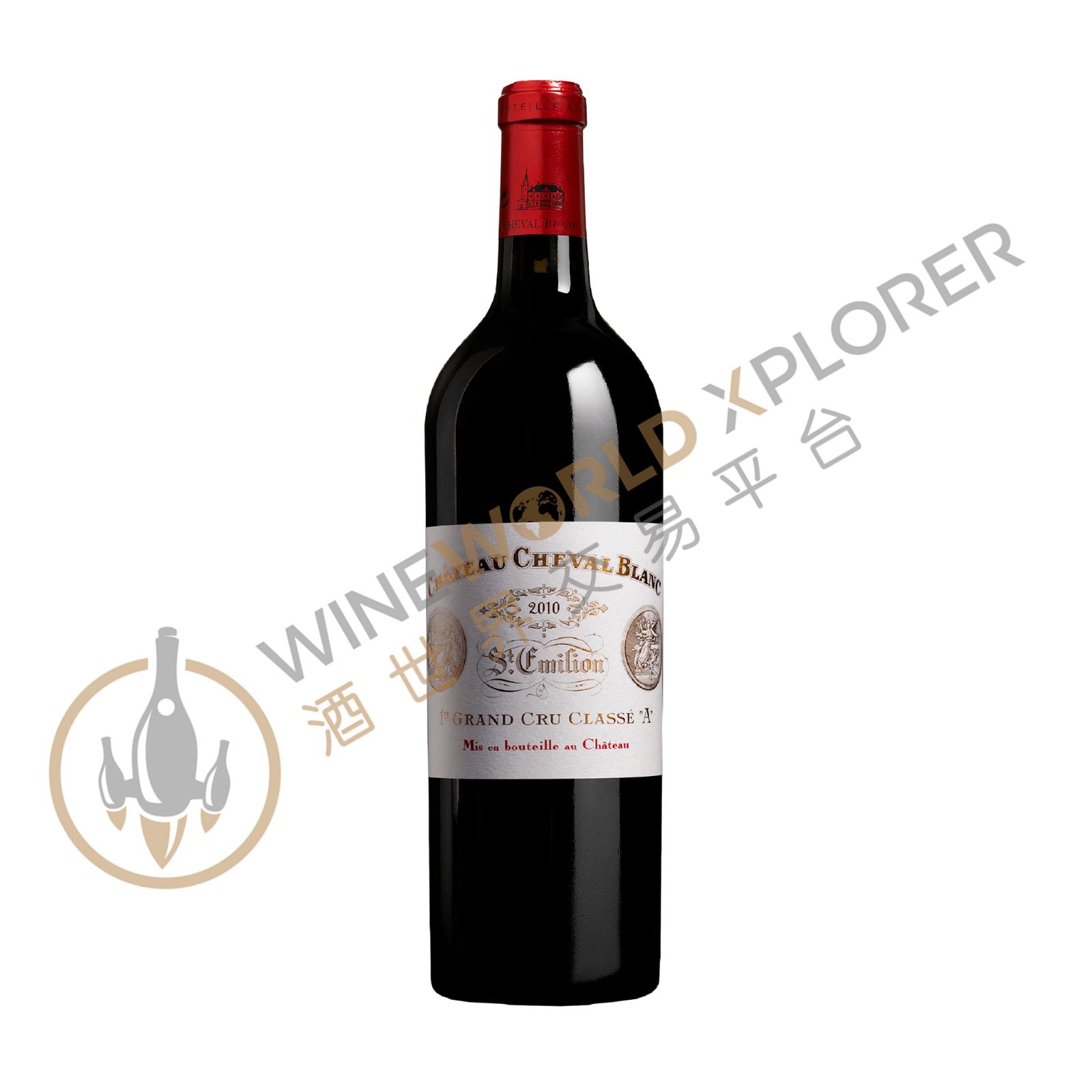
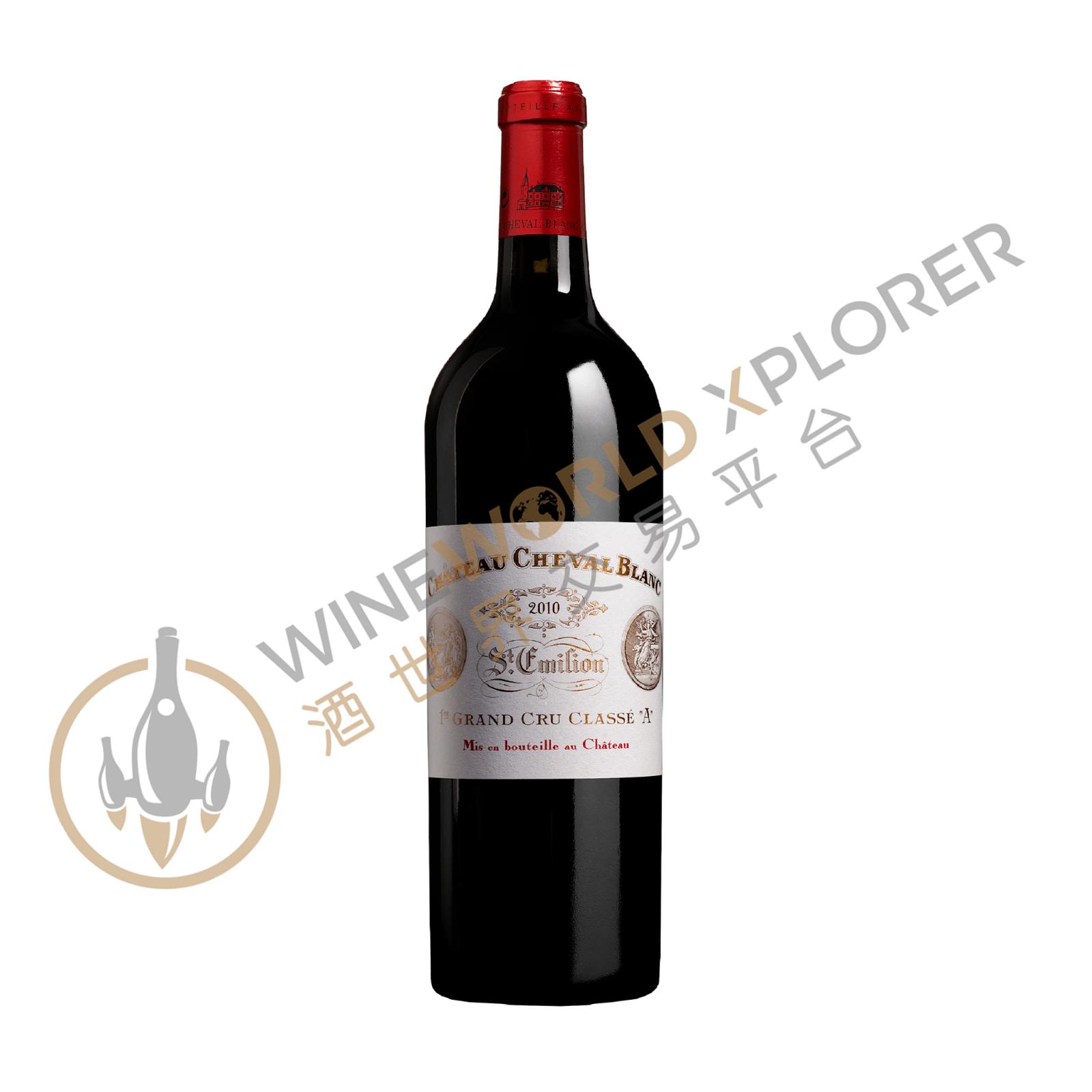
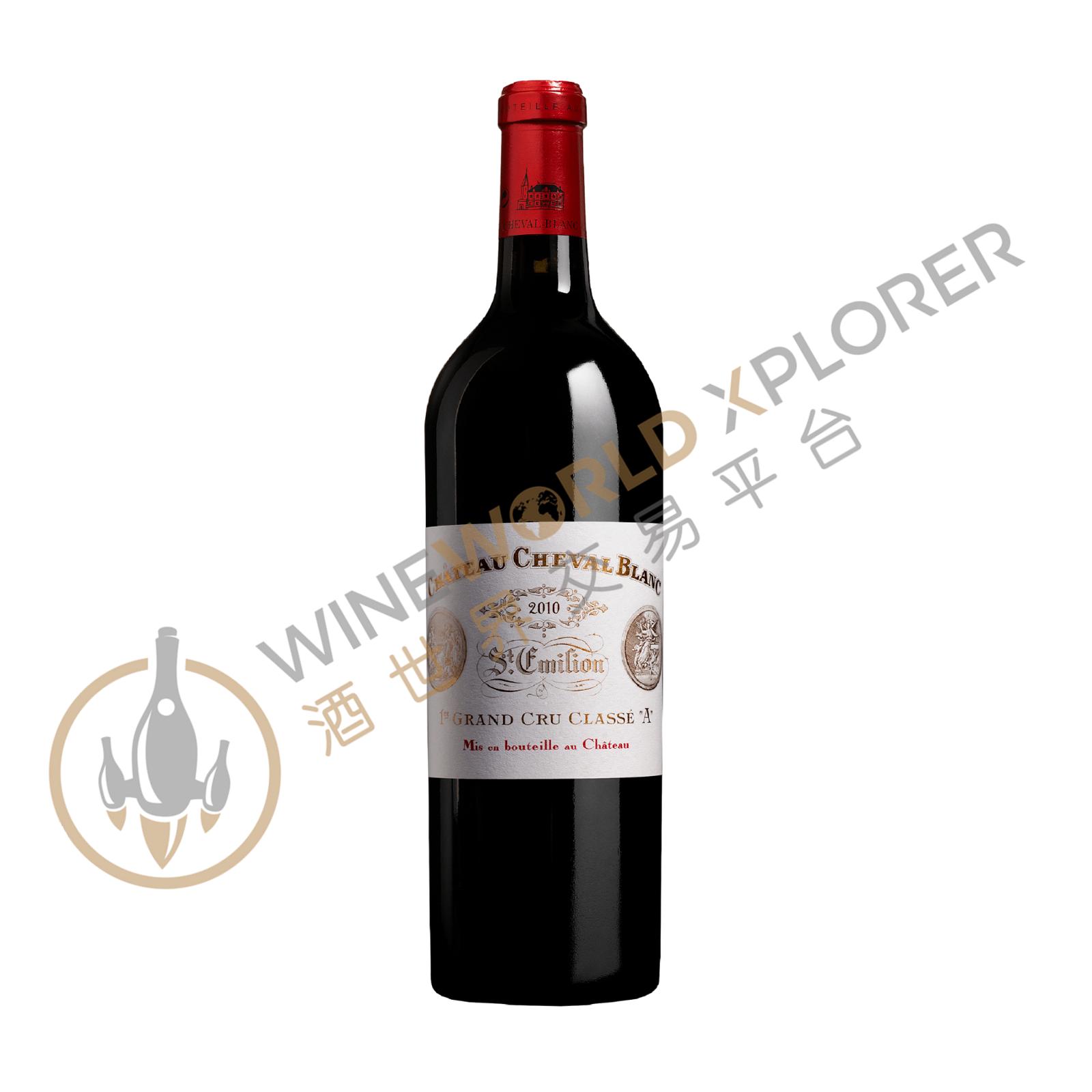
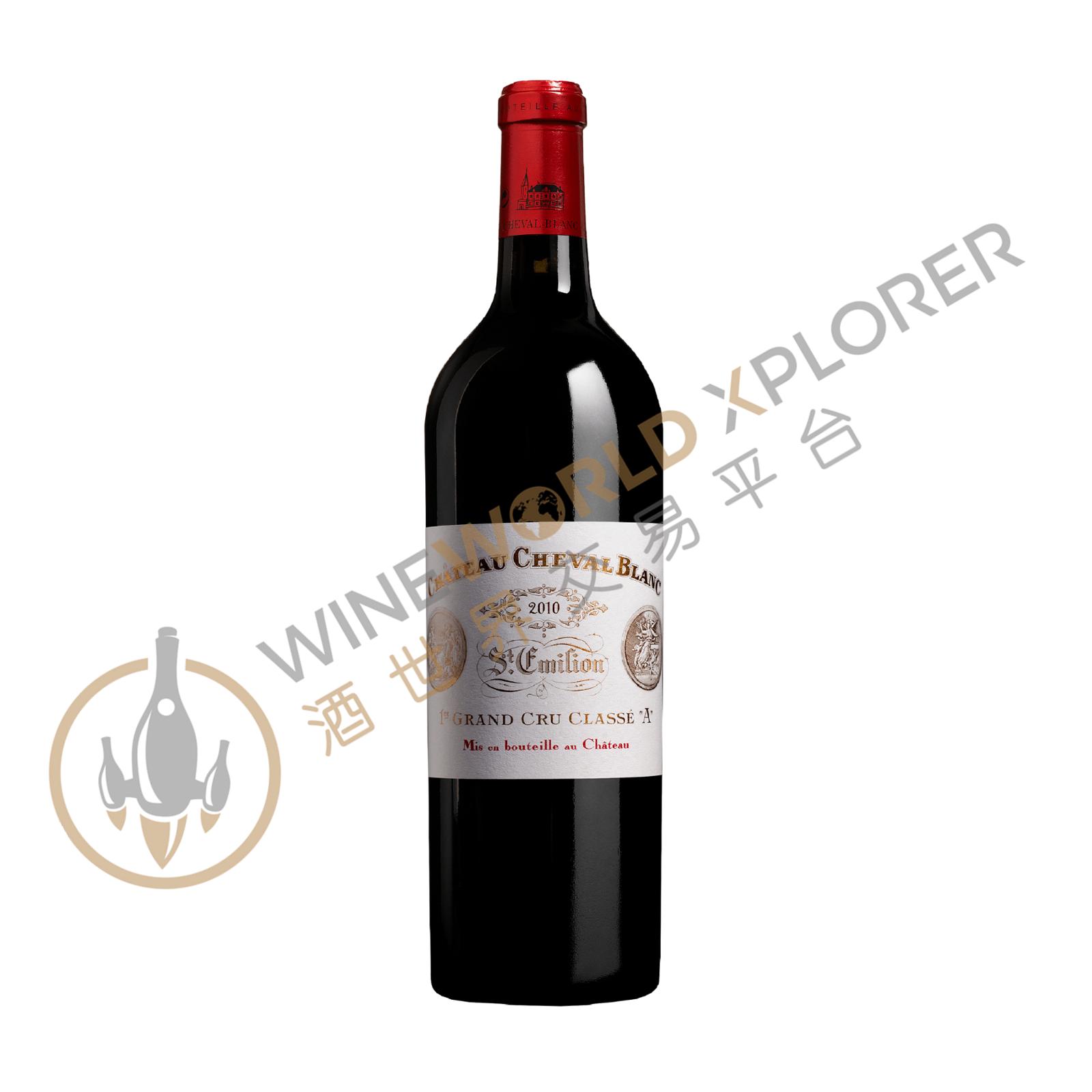
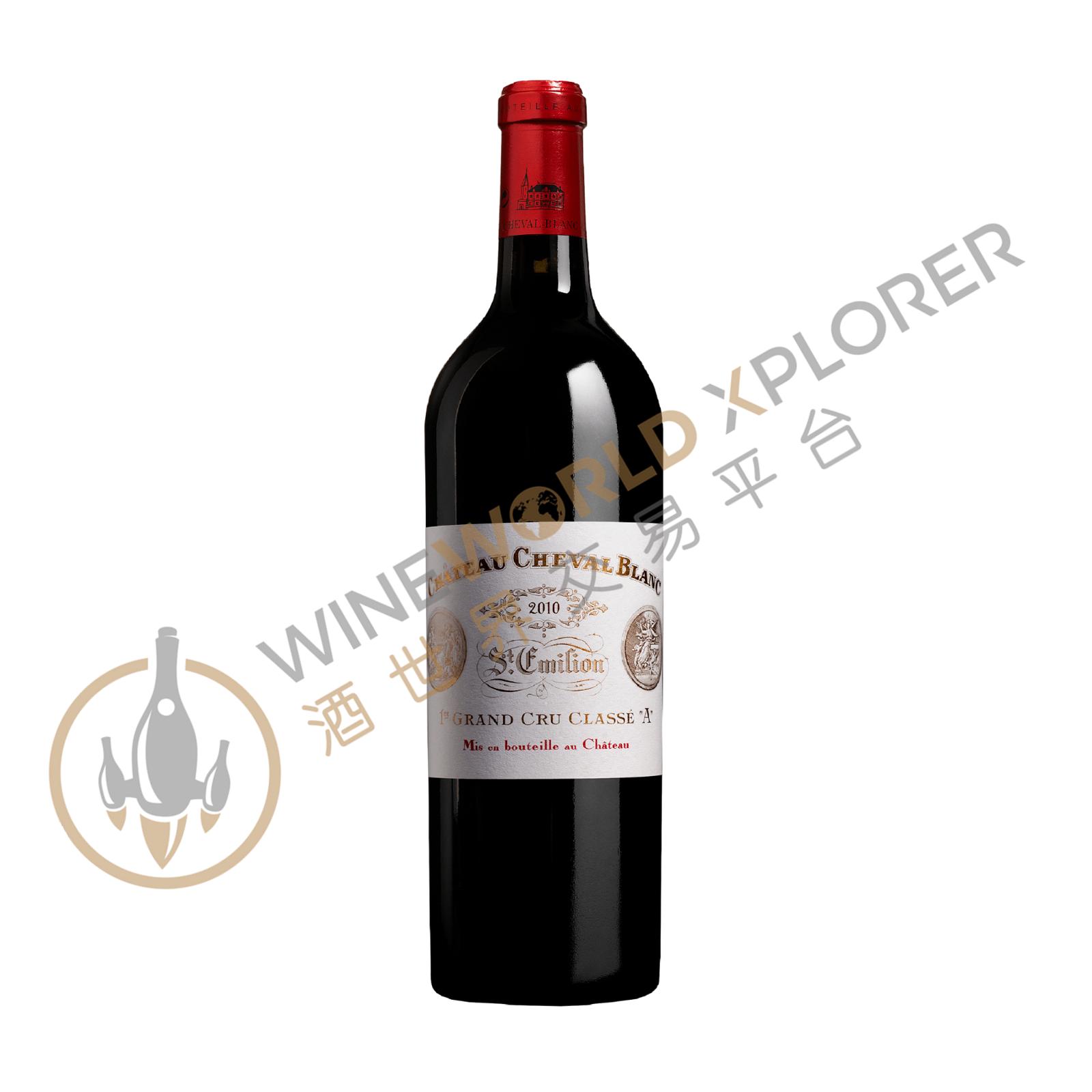
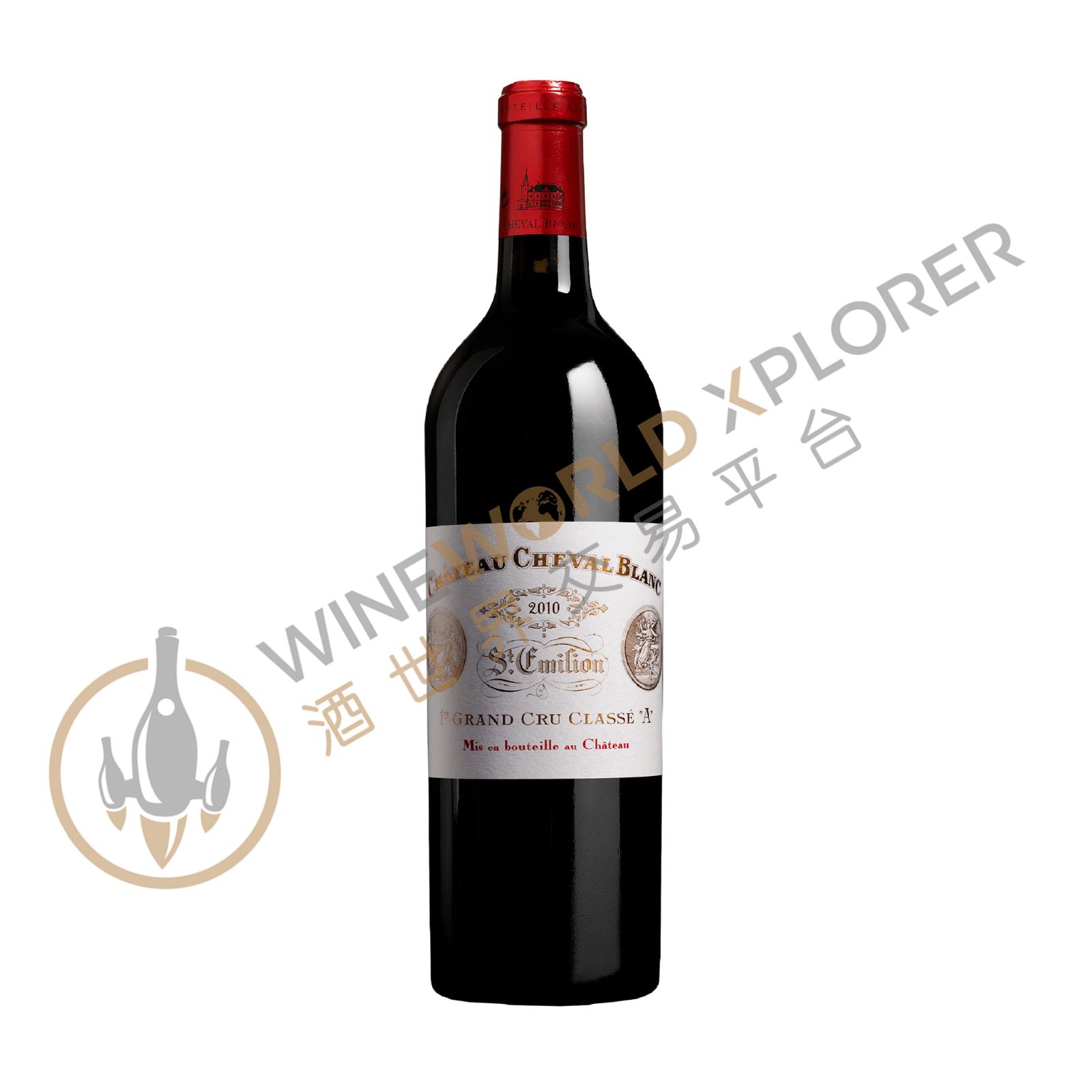
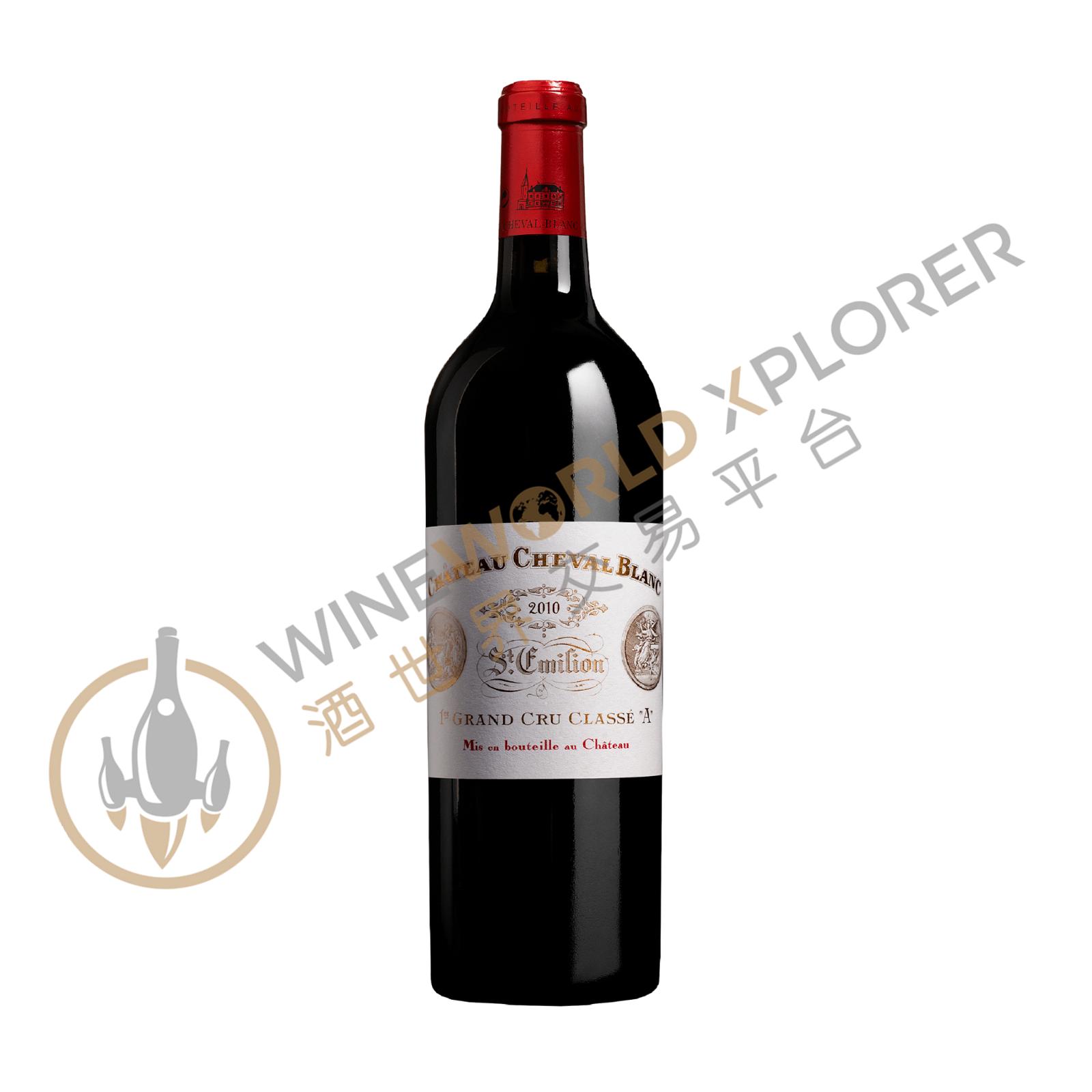
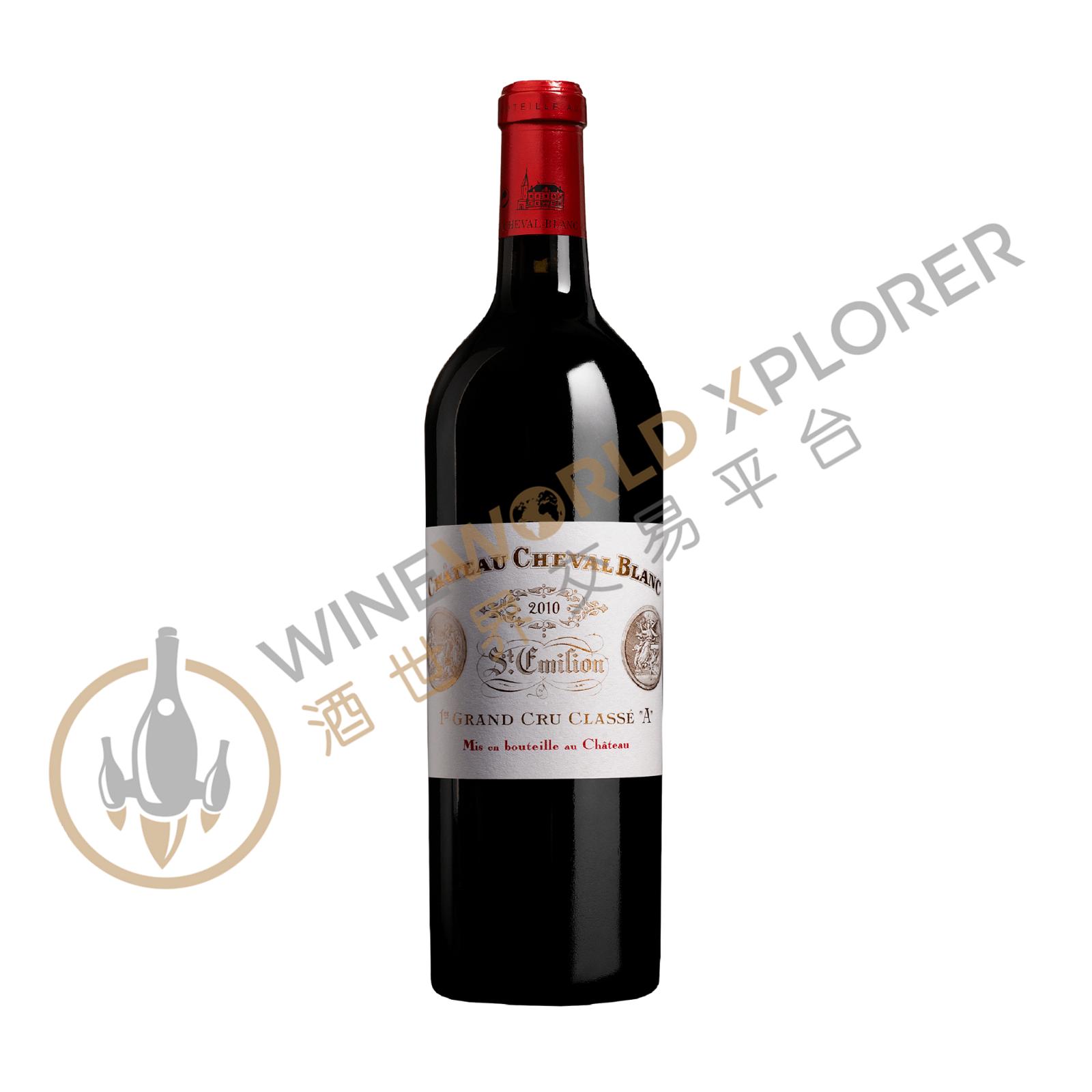
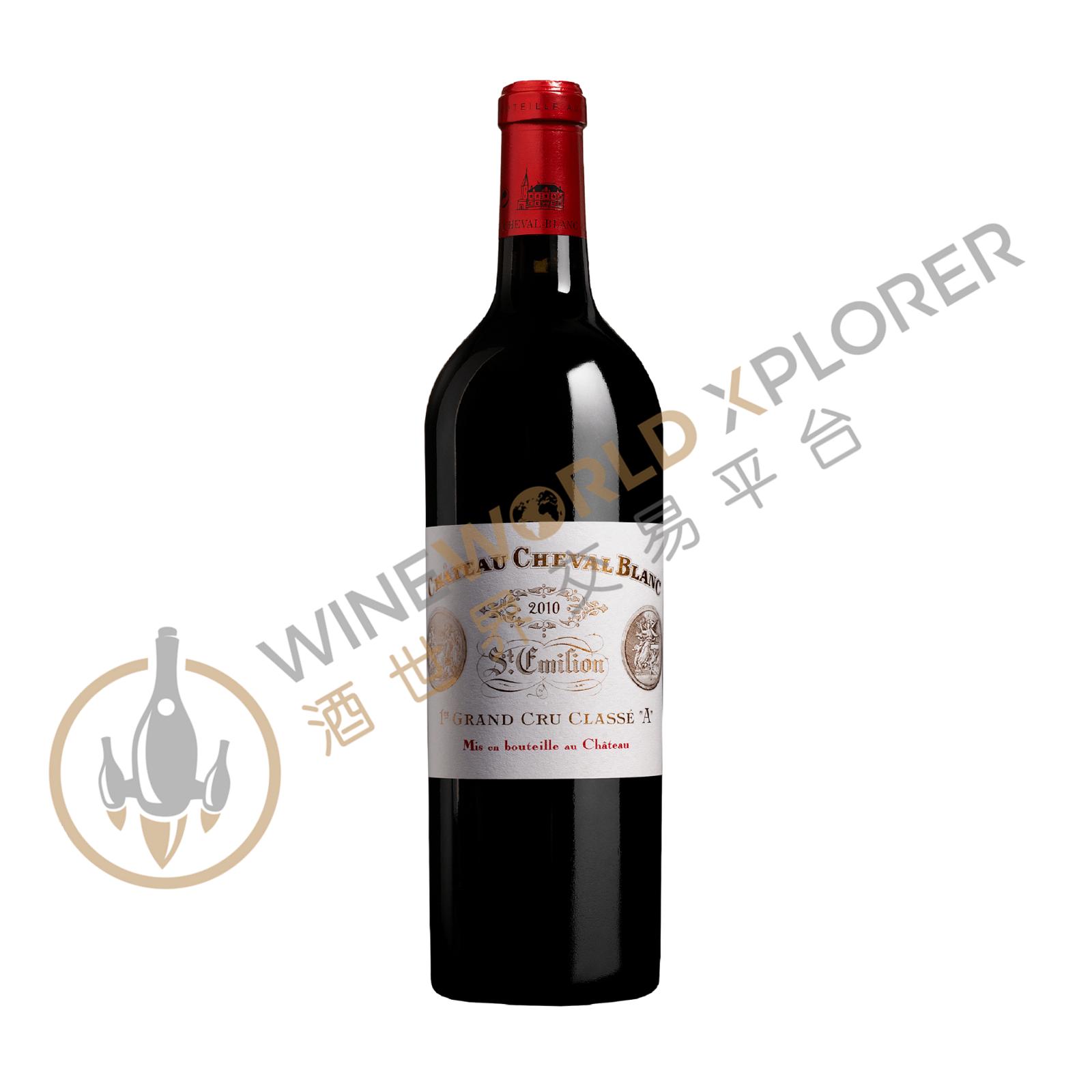
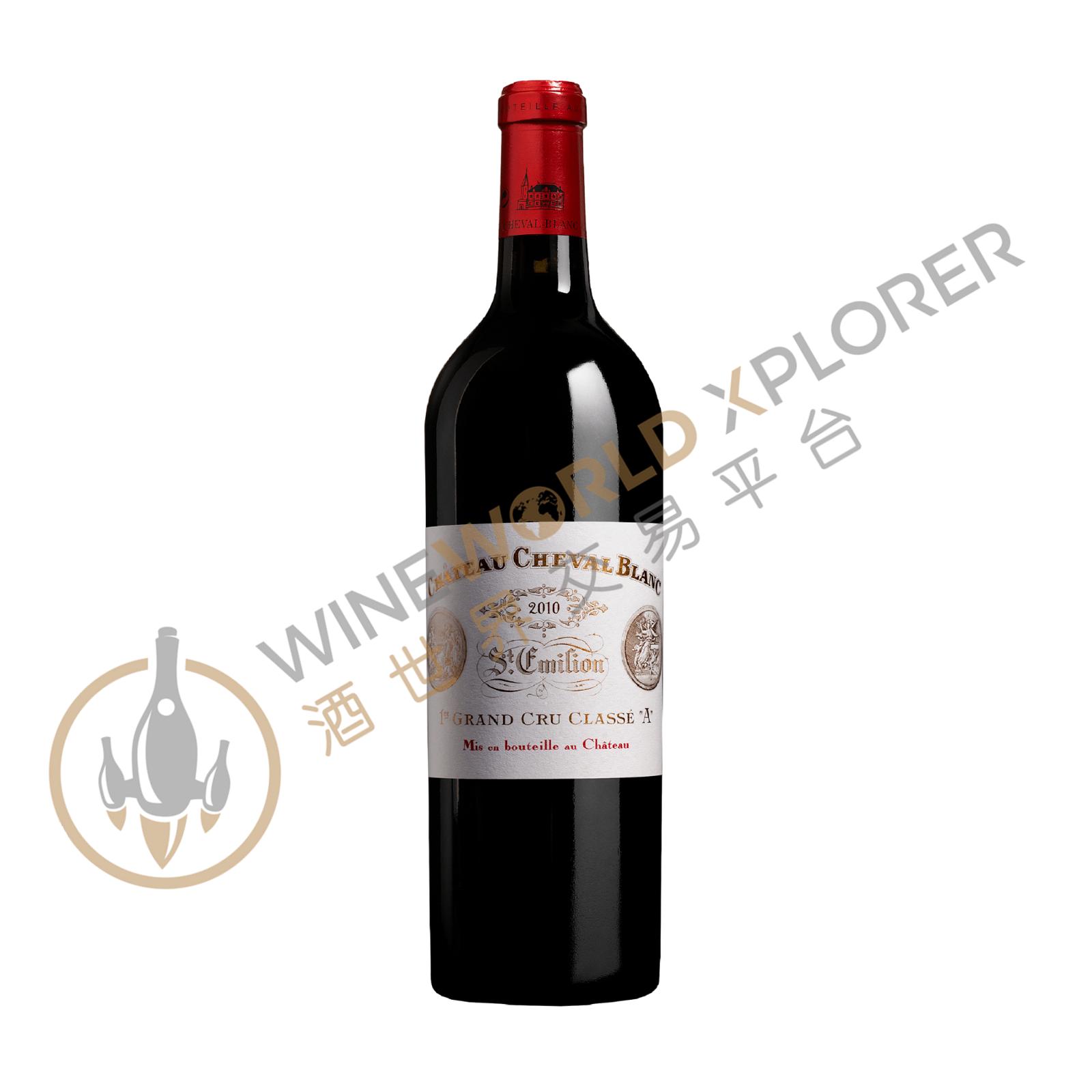
Château Cheval Blanc, a 1er Grand Cru Classé (A) is unquestionably the leading estate in St. Emilion. It is located in the north-west of the St. Emilion appellation, bordering Pomerol. Cheval Blanc obtained its first medal at the 1862 Universal Exhibition in London. In fact, a representation of this bronze medal is found on the château’s present-day label. Cheval Blanc won their first gold medal at the 1878 Universal Exhibition in Paris, and this new distinction also appeared on the label. In 1886, Cheval Blanc won a second gold medal at the Universal Exhibition in Antwerp. Reflecting this series of successes and a wine well on the way to achieving international recognition, a château was built on the estate.
Tasting notes

Reviewed by: Neal Martin
I had high hopes for this Cheval Blanc out of barrel, perhaps a return to form? I still think this is a very fine Saint Emilion although it has not quite fulfilled the promise it initially showed. A very deep ruby/garnet colour. The nose seems to be quite backward with the Cabernet Franc component in the driving seat, aromas of blackcurrant, cherry, dark chocolate and iron rust. Good definition. The palate displays firm tannins, a rather “edgy” Cheval Blanc, quite tight and bashful; minerally and hints of burnt toast on the surprisingly dry finish. I will be more parsimonious with my score, but something tells me that it could put on weight over the next 5-6 years. Drink 2015-2025+ Tasted November 2008.
Reviewed by: Neal Martin
The nose is quite closed, but then pure blackcurrant, cherry notes emerge. Minerally. Very fine definition on the palate, pure black fruits, smoke. Medium rather than full-bodied. Tight with a gravelly finish. I think this is much better wine than the previous years, much more cohesive and focused. Not as profound as the best Cheval Blancs, but certainly a return to form. Tasted April 2005
Reviewed by: Neal Martin
The 2004 Cheval Blanc has always been a wine that I felt needed patience on behalf of the wine lover, and so it is proving to be the case. Served blind I remarked upon a surprisingly Burgundy-like bouquet with ample red cherries, candied strawberry and redcurrant scents, the Merlot clearly more conspicuous than the Cabernet Franc, at least for now. The palate is medium-bodied with just a touch of coarseness on the entry. I appreciate the weight and balance here and belatedly the Cabernet Franc begins to express itself on the latter half, lending structure and grip, a dash of spice and a bit of sinew. Whilst it will never have the persistence of other vintages and regrettably continue to be dwarfed by the 2005, it remains a very fine Cheval Blanc from Pierre Lurton and his team. Tasted September 2016.
Reviewed by: Neal Martin
Tasted blind as a vintage comparison at the Valandraud vertical, the 2004 Cheval Blanc offers pastille-like fruit on the nose: strawberry, raspberry coulis and wilted rose petal aromas, nicely defined although compared to other vintages, missing a sense of terroir expression. The palate is medium-bodied with grippy tannin, masculine in style with moderate depth. Conservative, correct and linear, it is redeemed by a fine line of acidity, overtly "classic" in style with an edgy finish that offers just the right amount of dryness to urge you back for more. Not the most exciting Cheval Blanc, ii must be said, although it feels "solid" and should offer another 15 years of drinking pleasure. Tasted December 2016.
Reviewed by: Robert M. Parker, Jr.
The 2004 Cheval Blanc displays a dark plum/ruby color in addition to a perfumed sweet nose of cranberries, cherries, incense, dried herbs, espresso, and mocha. Elegant, medium-bodied, layered, and significantly richer than its weight suggests, this defined, perfumed, stylish wine should at its peak between 2008-2019. It is an outstanding, but hardly inspired effort.
Reviewed by: Robert M. Parker, Jr.
This may be the finest Cheval Blanc since the monumental 2000. Only 50% of the crop made it into the final blend (55% Cabernet Franc and 45% Merlot). Cheval has a tendency to come across as a bit light in its infancy, but the 2004 lacks neither stuffing nor intensity. A deep ruby/purple color is accompanied by a classic Cheval perfume of menthol, red as well as black currants, smoke, oranges, and black tea. It possesses beautiful sweetness and purity, medium body, extraordinary elegance, and potential complexity. While not a blockbuster in the style of the 2000 and 1998, it is a precise, fragrant, potentially top-flight effort as well as one of the finest wines of the vintage. Anticipated maturity: 2009-2022.
Reviewed by: Robert M. Parker, Jr.
Eighty thousand bottles of 2004 Cheval Blanc were produced from a blend of 55% Cabernet Franc and 45% Merlot. Subtle herb, menthol, cranberry, black currant, and licorice aromas emerge from this dark ruby/plum-colored wine. It is medium-bodied and elegant with plenty of sweet fruit, but not a lot of weight or intensity. The complexity and nobility of Cheval Blanc’s gravelly terroir is apparent in this delicate, subtle St.-Emilion. Give it a few years to develop additional aromatics, and drink it over the following 12-15.
Reviewed by: Stephen Tanzer
Good bright ruby-red. Subdued but pure aromas of plum, flowers, licorice, menthol and Asian spices. Suave on entry, then dry and tight in the middle; extremely backward and shut down. Most impressive now for its finesse of texture. But today there's little sign of the fleshiness the wine showed in the spring after the harvest. Lock this one away for a while and forget about it. This vintage has more cab franc than merlot.
Reviewed by: Stephen Tanzer
(a 55/45 blend of cabernet franc and merlot) Bright medium ruby. Blueberry, blackberry, violet, pepper and bitter chocolate on the vibrant nose. Very bright on entry, then creamy-sweet and suave in the middle palate, with flavors of candied blackberry, violet and chocolate. Almost disconcertingly lush and easy to taste for young Cheval. Finishes very long and smooth, with sweet tannins and no undue oaky torrefaction at this early stage. Perhaps not as gripping as great vintages like 1998, but I may be splitting hairs. Incidentally, Cheval Blanc will soon be replanting a plot of 20-year-old merlot to cabernet franc.
About the Producer
Château Cheval Blanc is a highly lauded wine estate in the Saint-Émilion region of northeast Bordeaux. Classified with the top ranking of Premier Grand Cru Classé A, it is regarded by many as one of the greatest wines of the appellation – if not, the greatest. It is certainly the most famous Cabernet Franc-based wine in the world, albeit often alongside very similar levels of Merlot. Typically, the "grand vin" (the estate's eponymous wine) is lush and full bodied with great weight of fruit. It tends to require ten years of bottle age and the best vintages can last half a century or more. The second wine of the estate is Le Petit Cheval. The vineyard is located in the northwest of the region, bordering Pomerol (La Conseillante is a neighbor) and consists of 39 hectares (96 acres) divided into 45 plots. There is an unusually large amount of Cabernet Franc planted – about 49 percent – with 47 percent Merlot and four percent Cabernet Sauvignon. The unusual planting proportions reflect the terroir; most vineyards in the region are either clay or gravel-based over impermeable sedimentary rock, but Cheval Blanc is unique in having a patchwork of soils with the two types in roughly equal proportions. The clay soils provide base wines with velvety tannins, while those from gravel soils are more aromatic and elegant. Vines have been grown since the 14th Century at this spot but the vineyard as it is known today took shape in the 19th Century when the core plots were added to by purchases from the nearby Figeac estate. Subsequent replantings established the atypical half-Merlot, half-Cabernet Franc proportions. Cheval Blanc gained its first medal at the 1862 Universal Exhibition in London – the first of a series of successes building its reputation and achieving price levels comparable to the Médoc first growths, which paved the way for a château to be built on the estate. In the first classification of Saint-Émilion wines in 1955, Cheval Blanc was awarded the highest possible rating and remains a Premier Grand Cru Classé A. In 1998, after 166 years of continuous family ownership, Bernard Arnault, the head of luxury goods firm LVMH, and the late Baron Albert Frère (a Belgian billionaire investor) jointly purchased the estate. The spectacular new cellar opened in 2011, with 52 concrete vats (replacing stainless steel) of differing sizes corresponding to different vineyard plots. The grand vin spends 16 to 18 months in new oak barrels from a variety of cooperages.
1949(1)1953(1)1955(4)1958(1)1962(1)1966(1)1967(2)1970(2)1973(1)1974(2)1975(3)1976(1)1977(1)1978(1)1979(2)1980(1)1981(2)1982(5)1983(1)1984(1)1985(1)1986(5)1988(4)1989(4)1990(13)1992(3)1993(1)1994(4)1995(7)1996(9)1997(2)1998(11)1999(5)2000(13)2001(4)2002(1)2003(1)
Package Size
1 x 3L1 x 75cl12 x 75cl3 x 1.5L