Wine Advisor



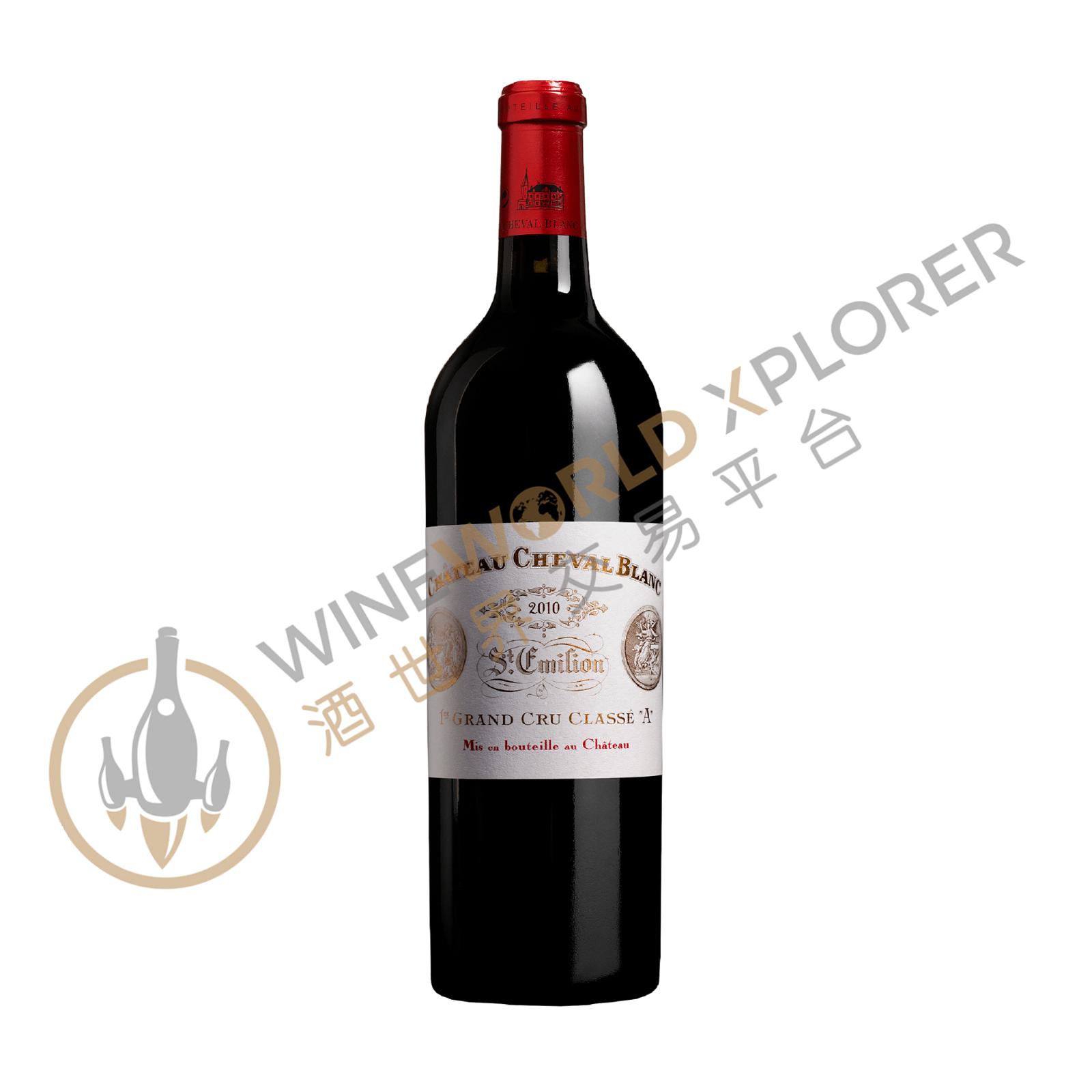
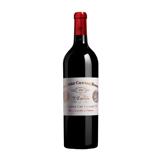
Cheval Blanc 2001
 View analysis


Description
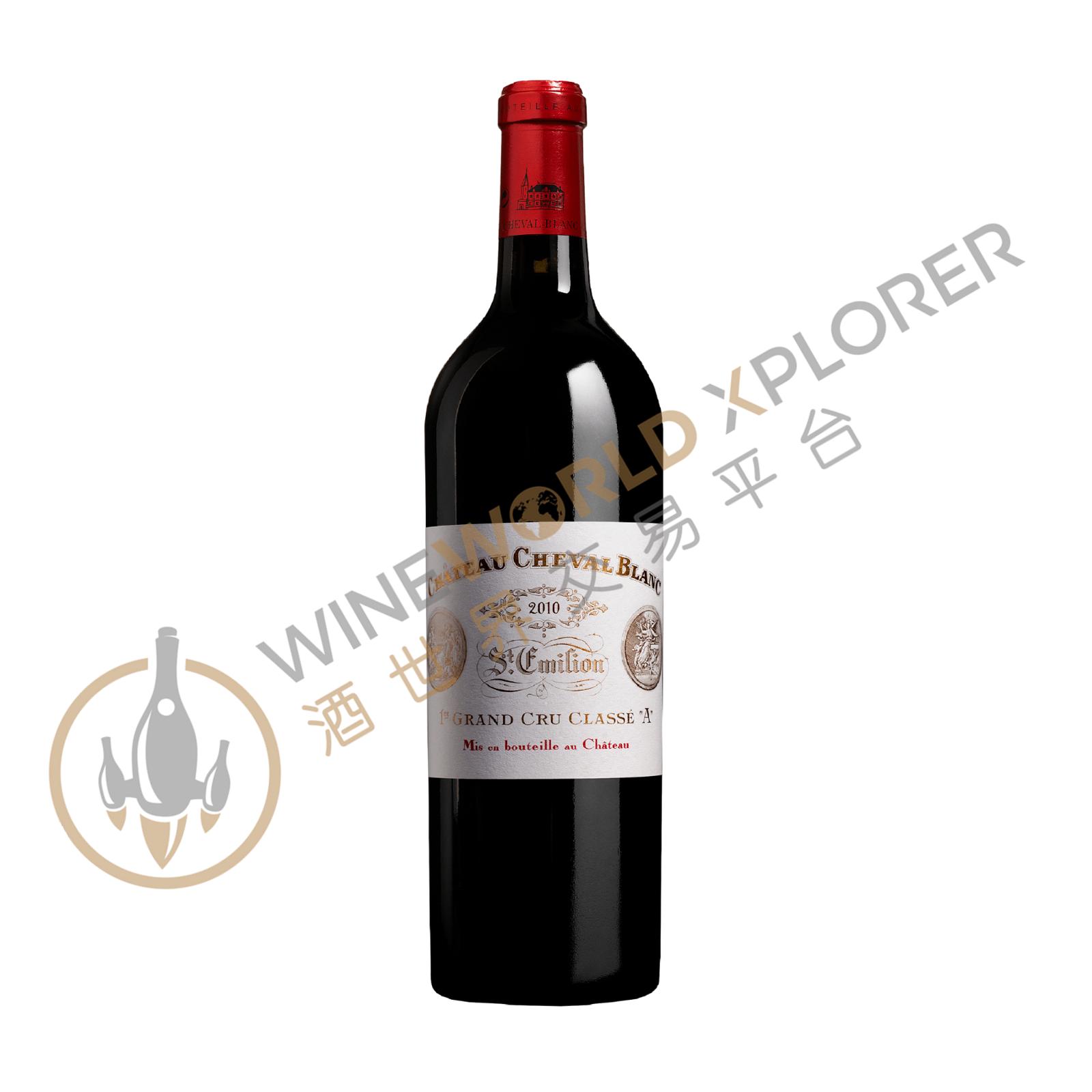
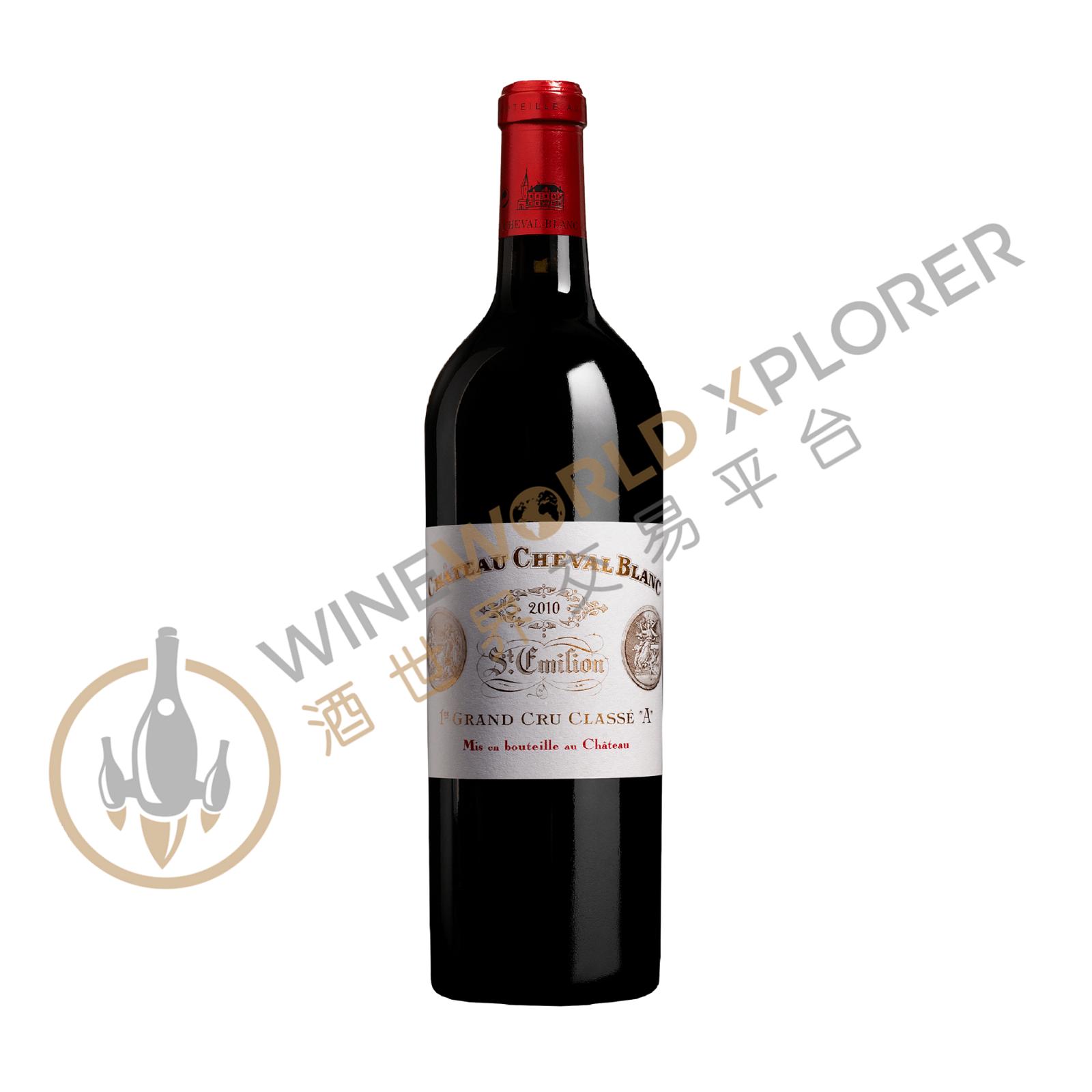
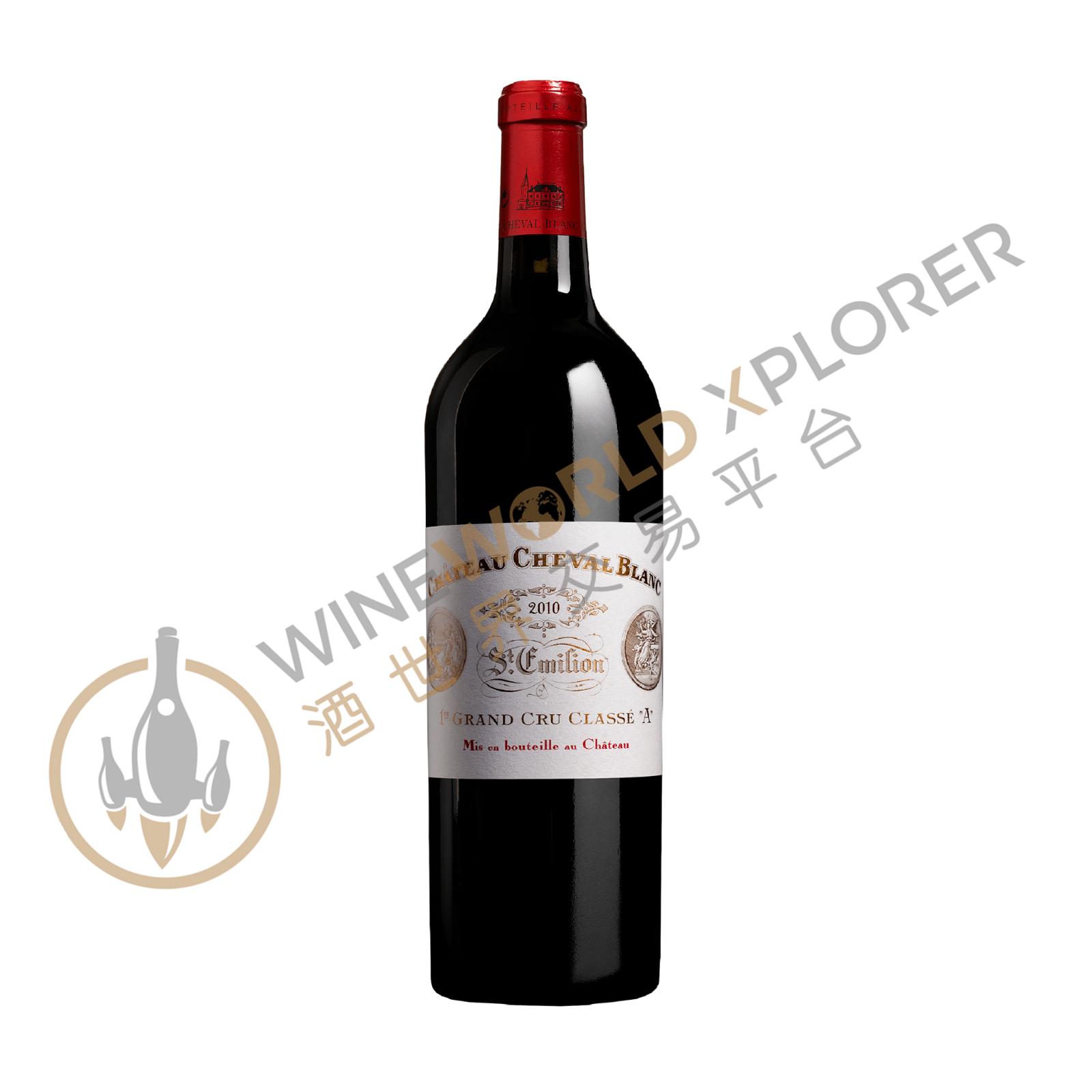
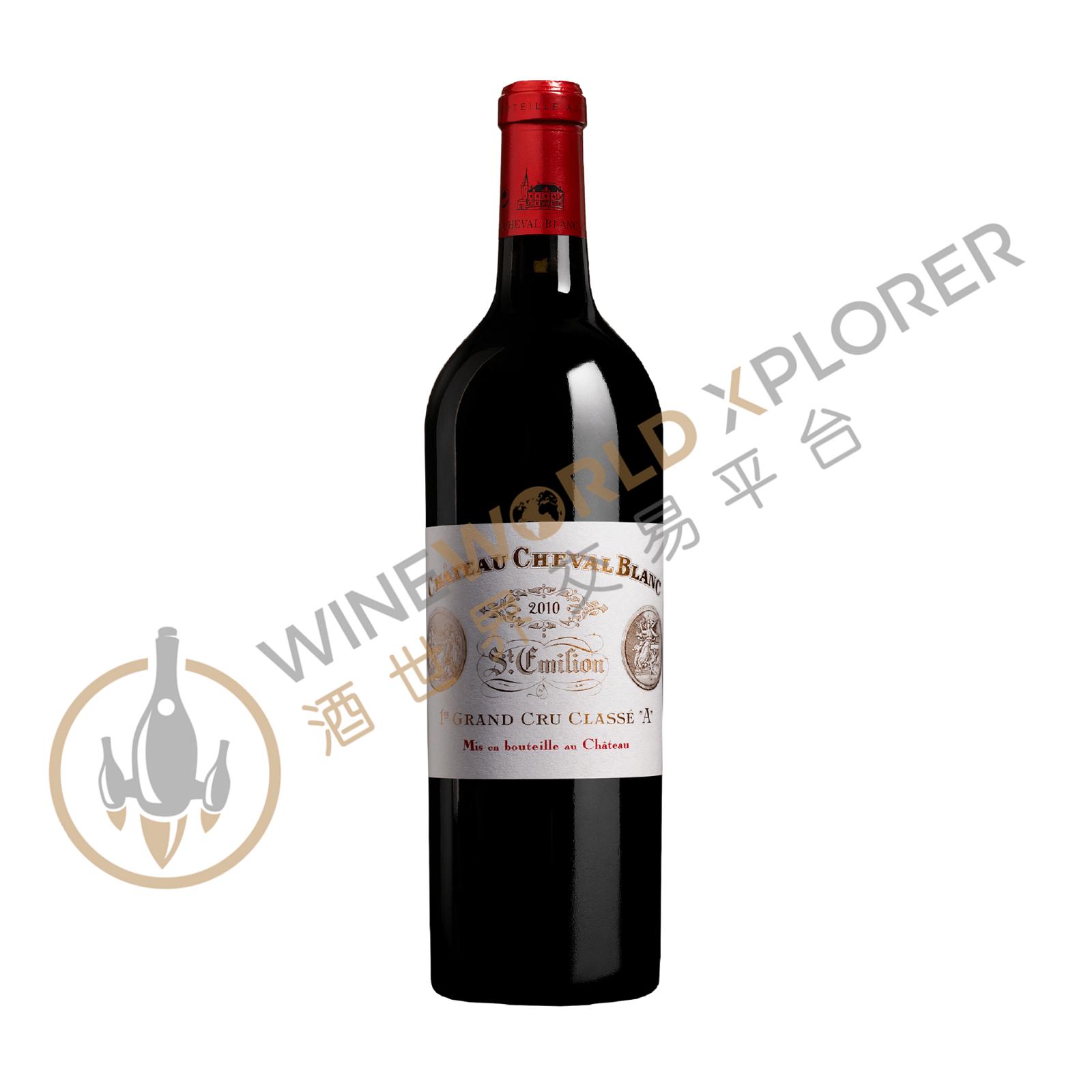
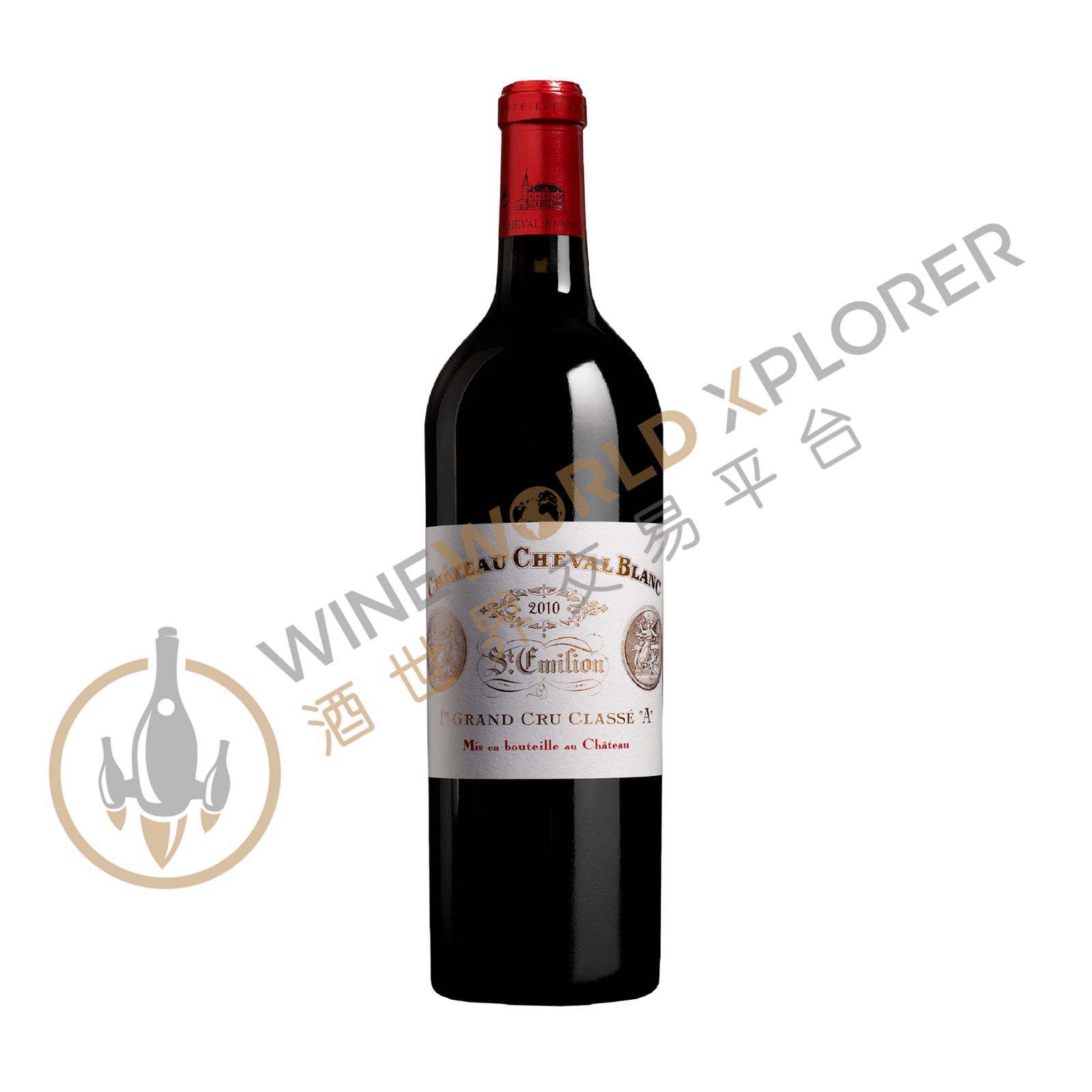
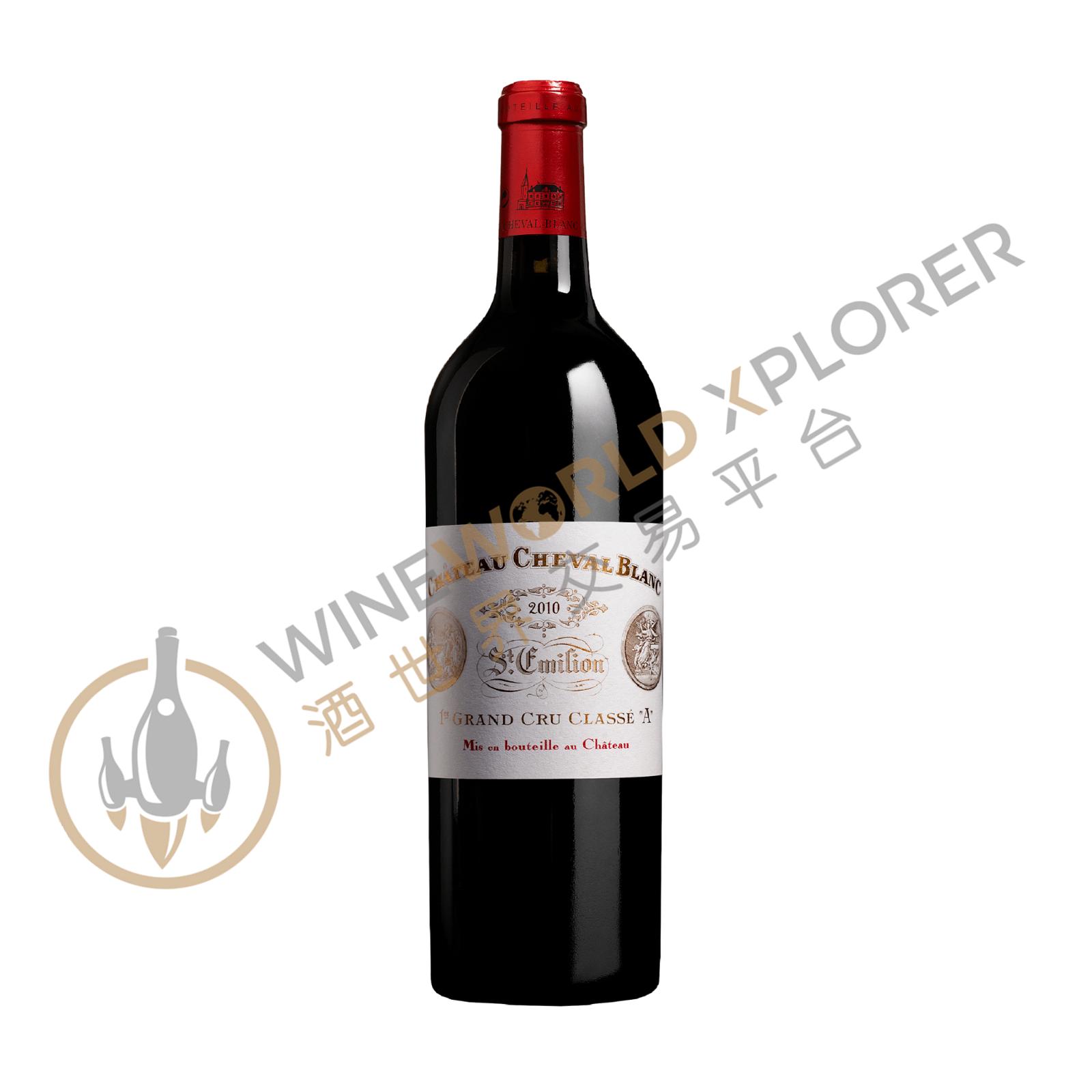
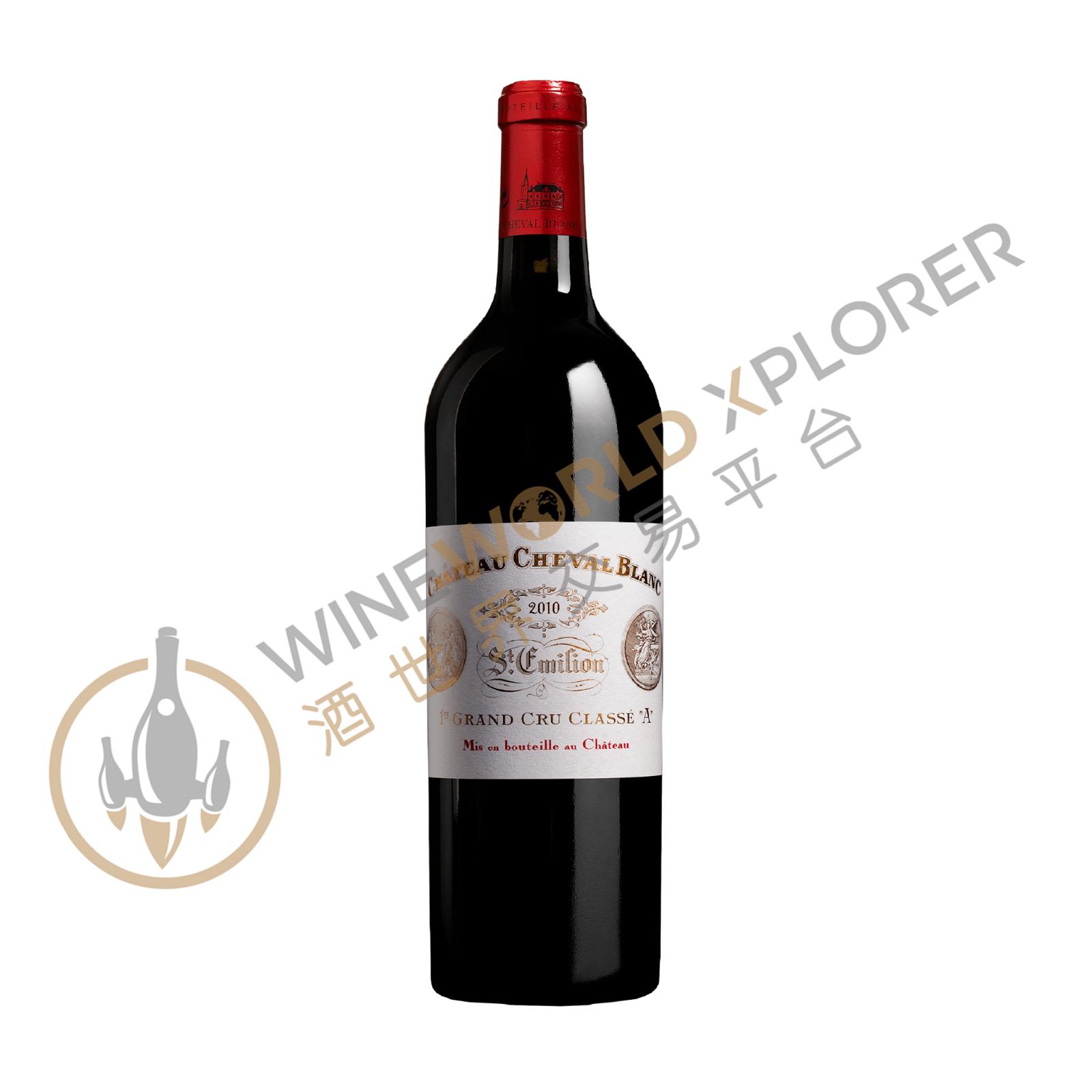
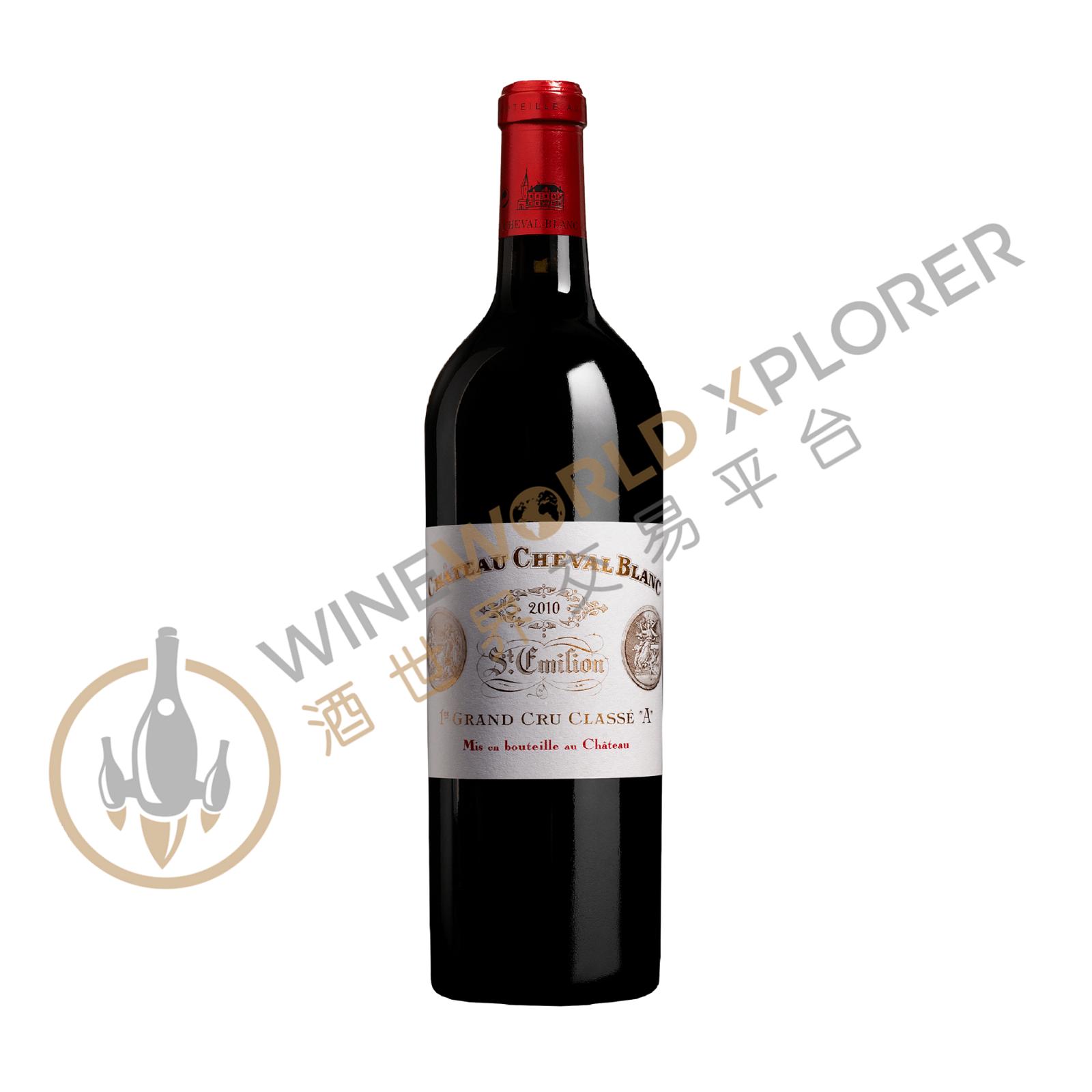
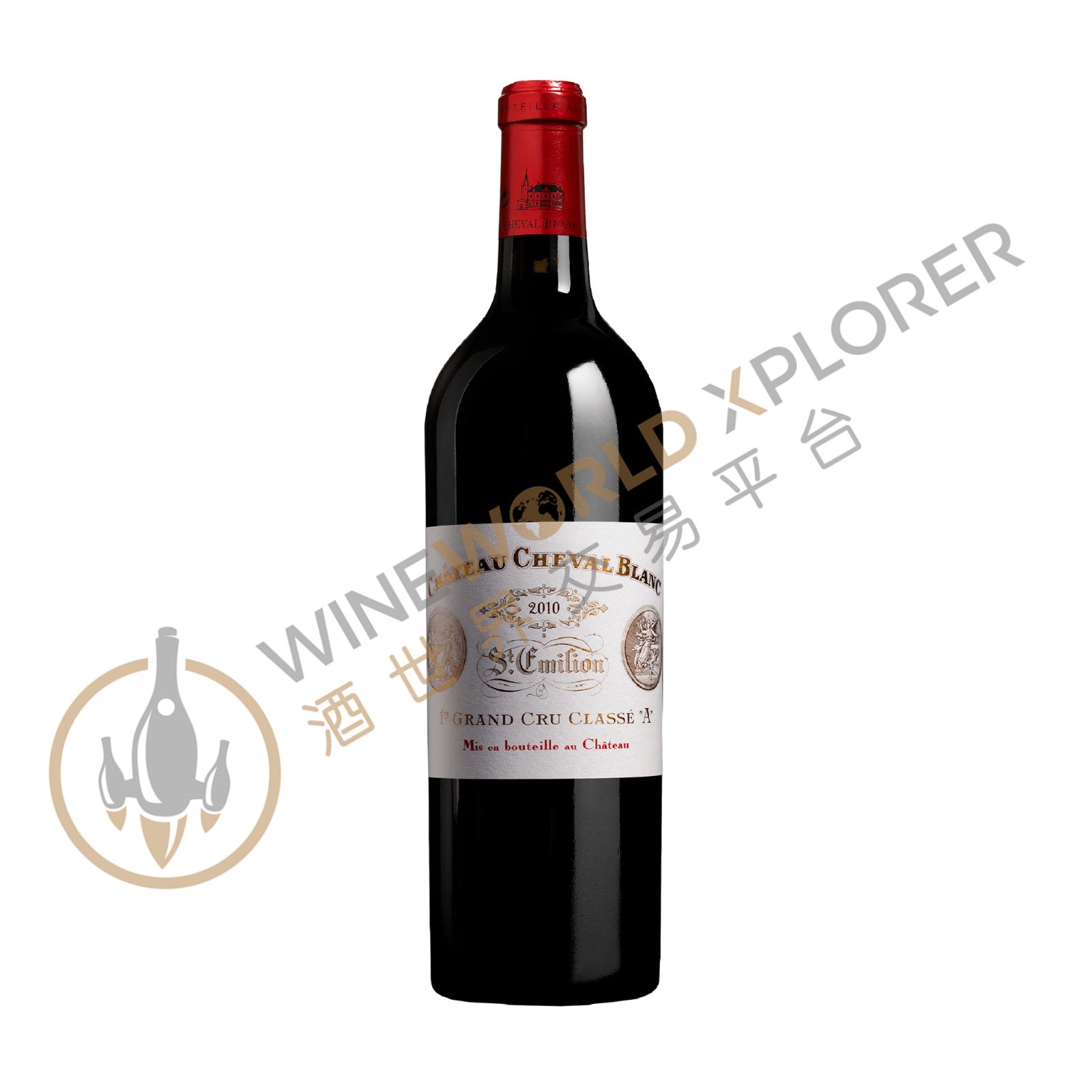
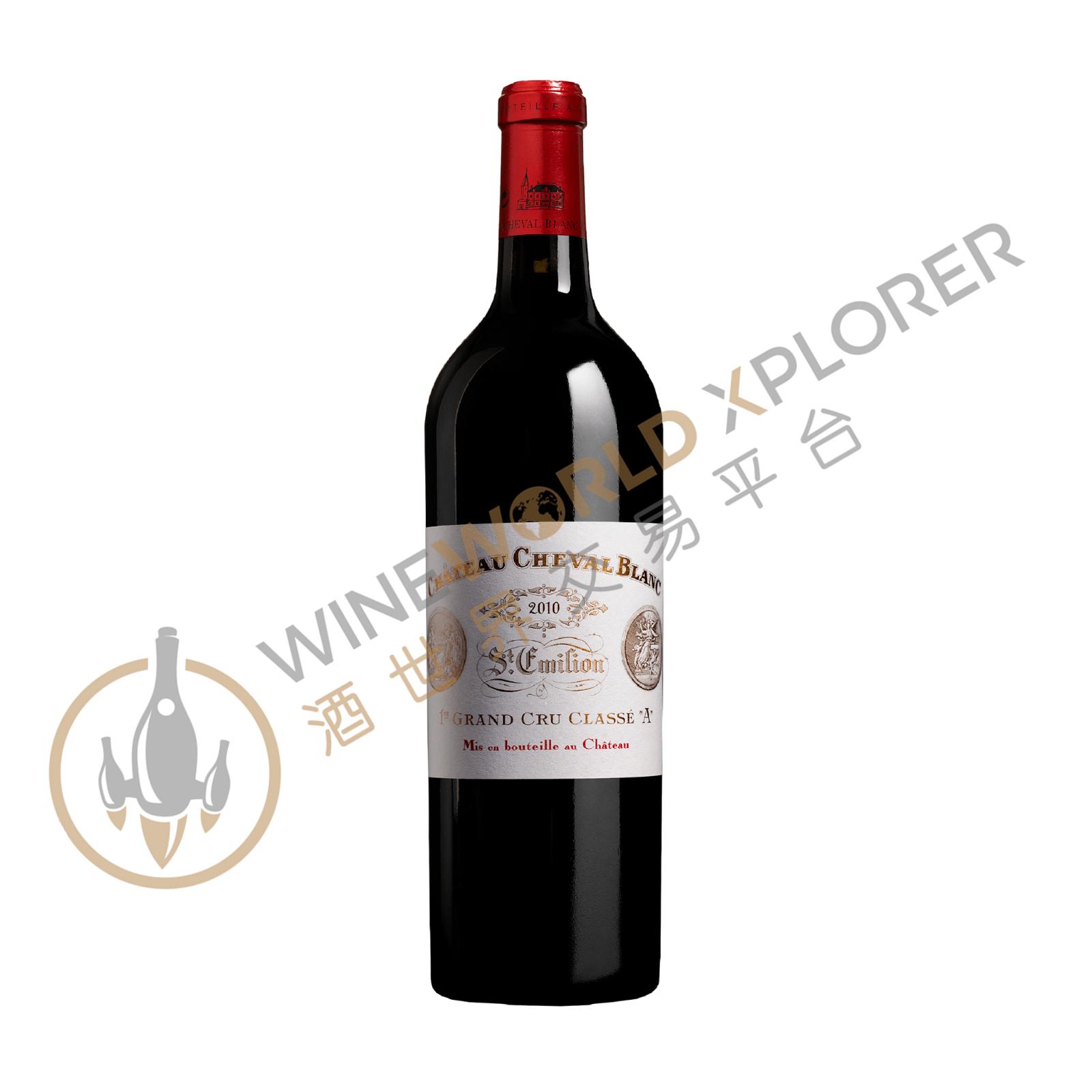
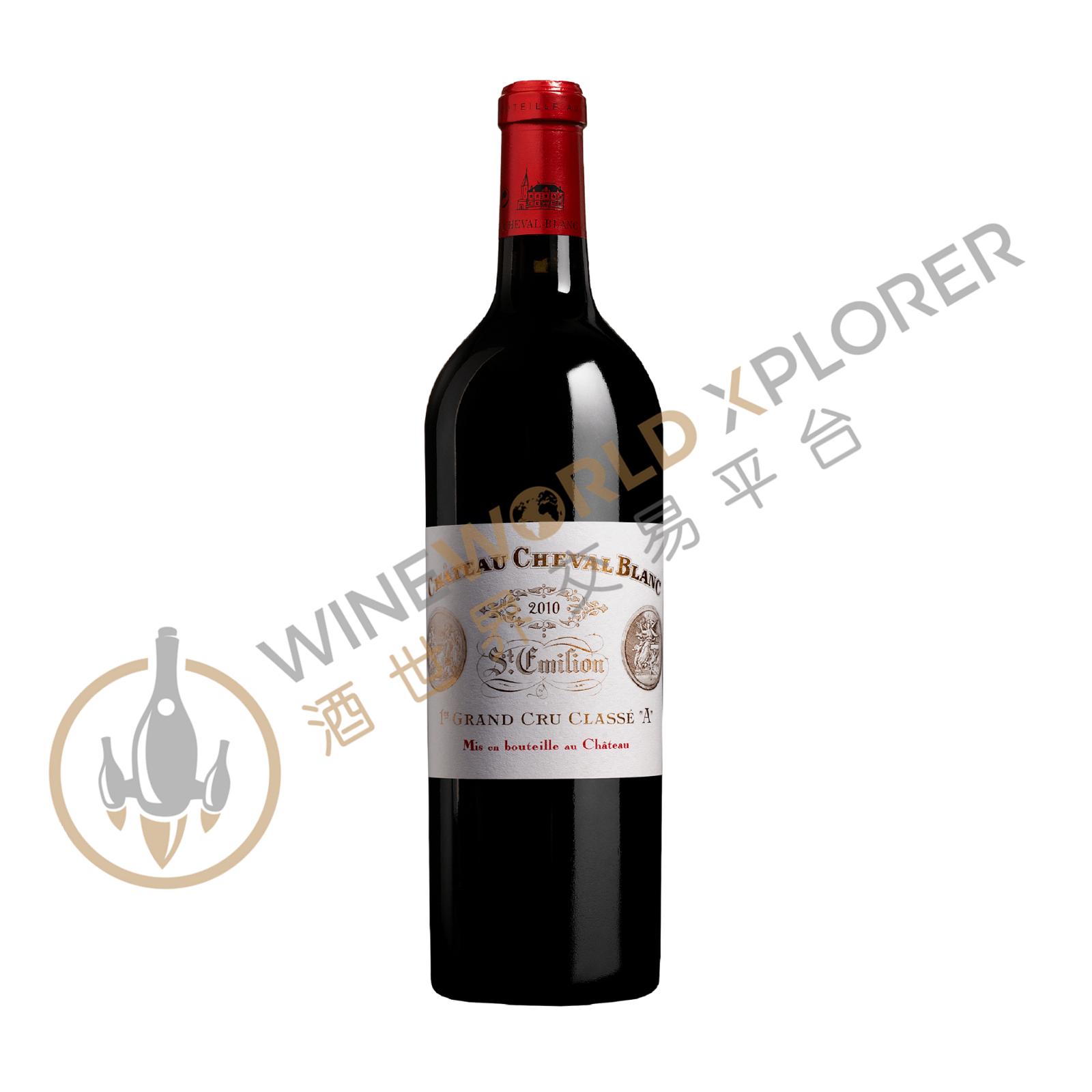
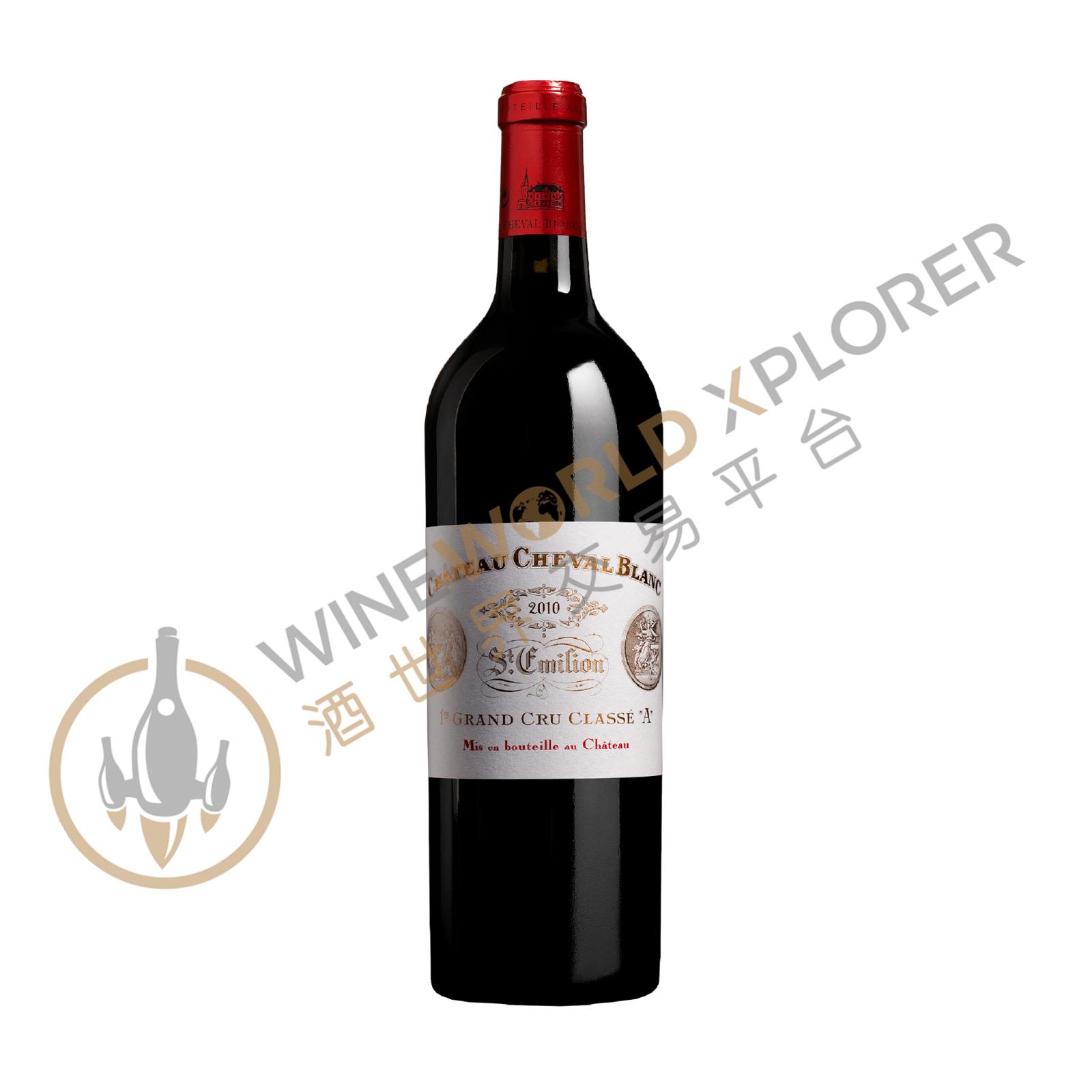
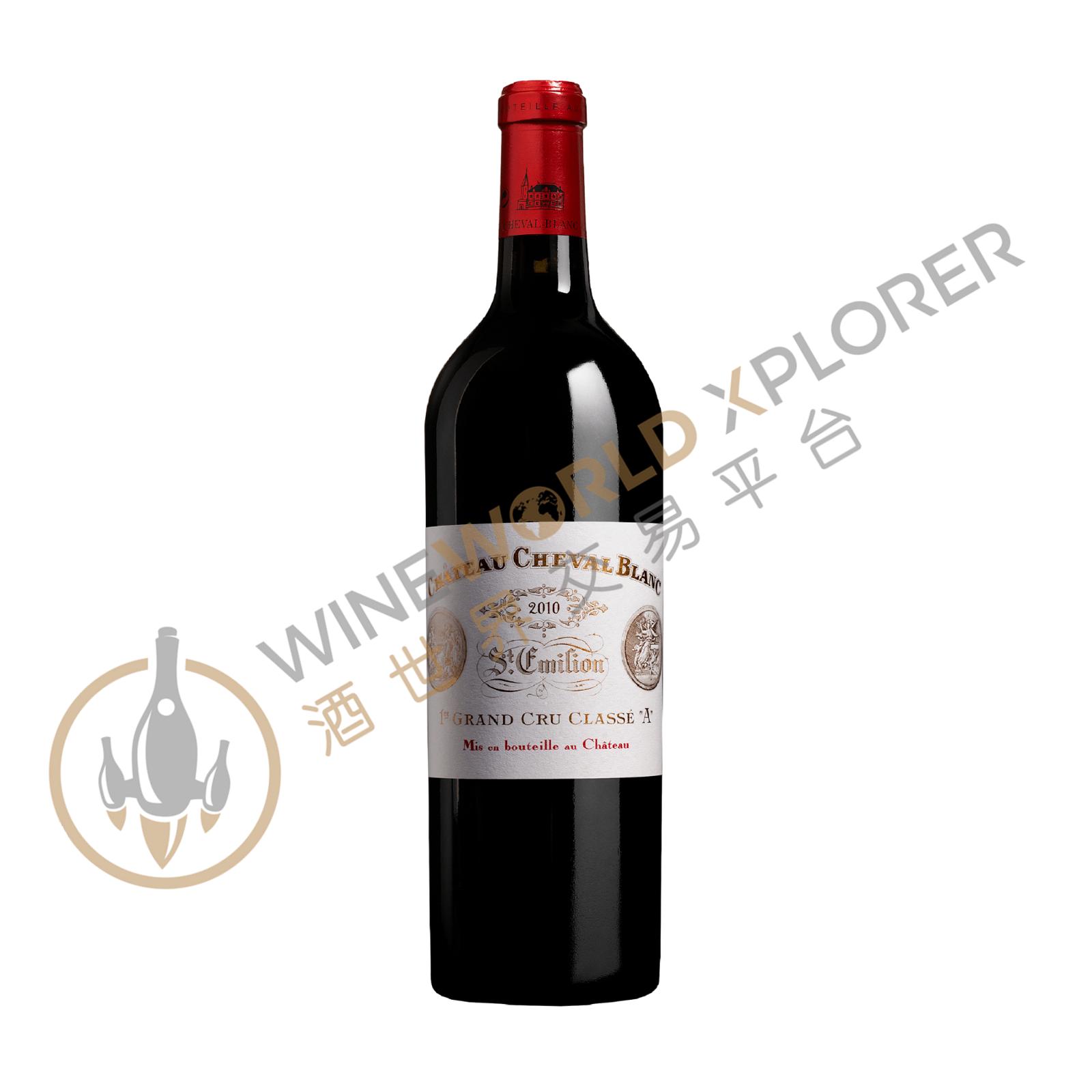
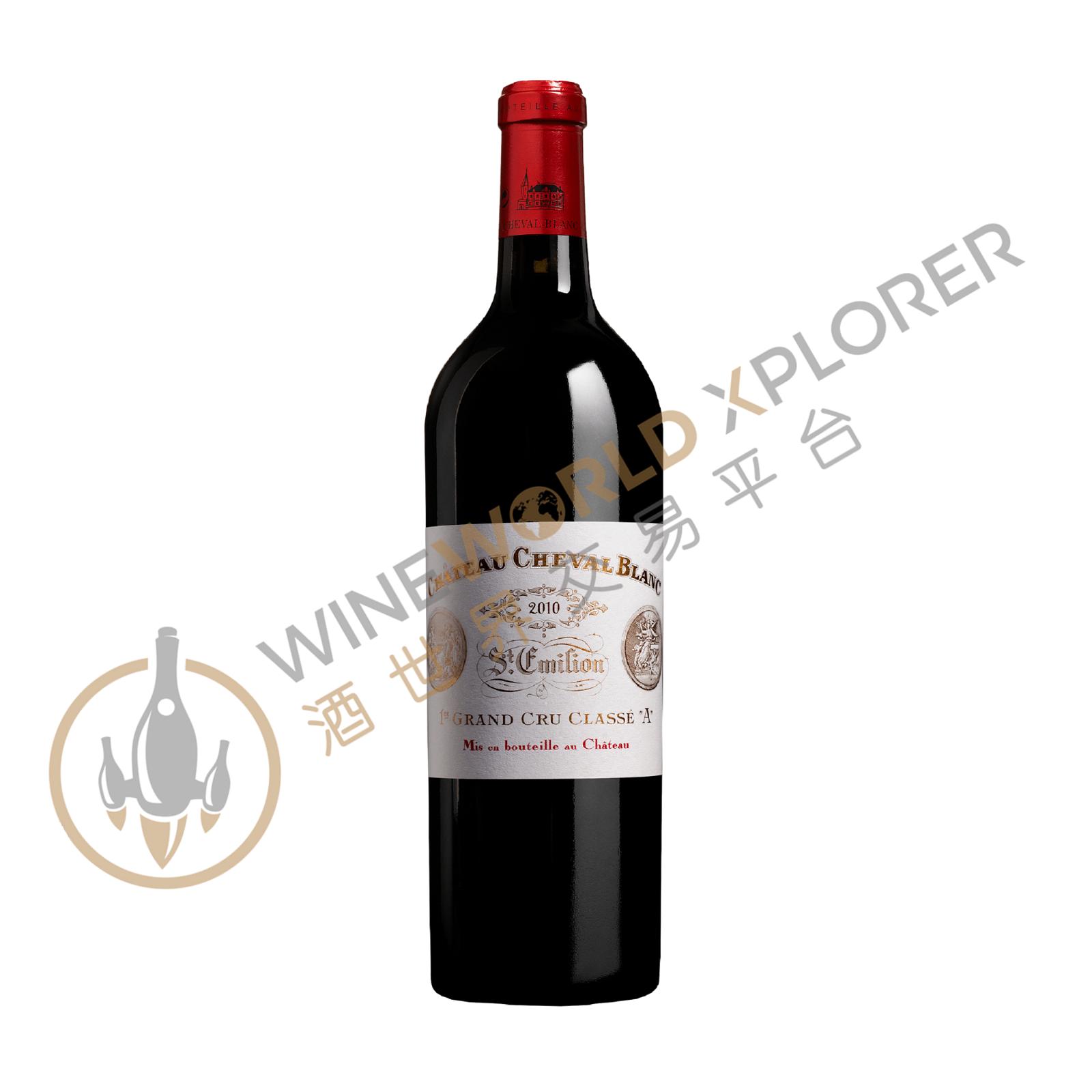
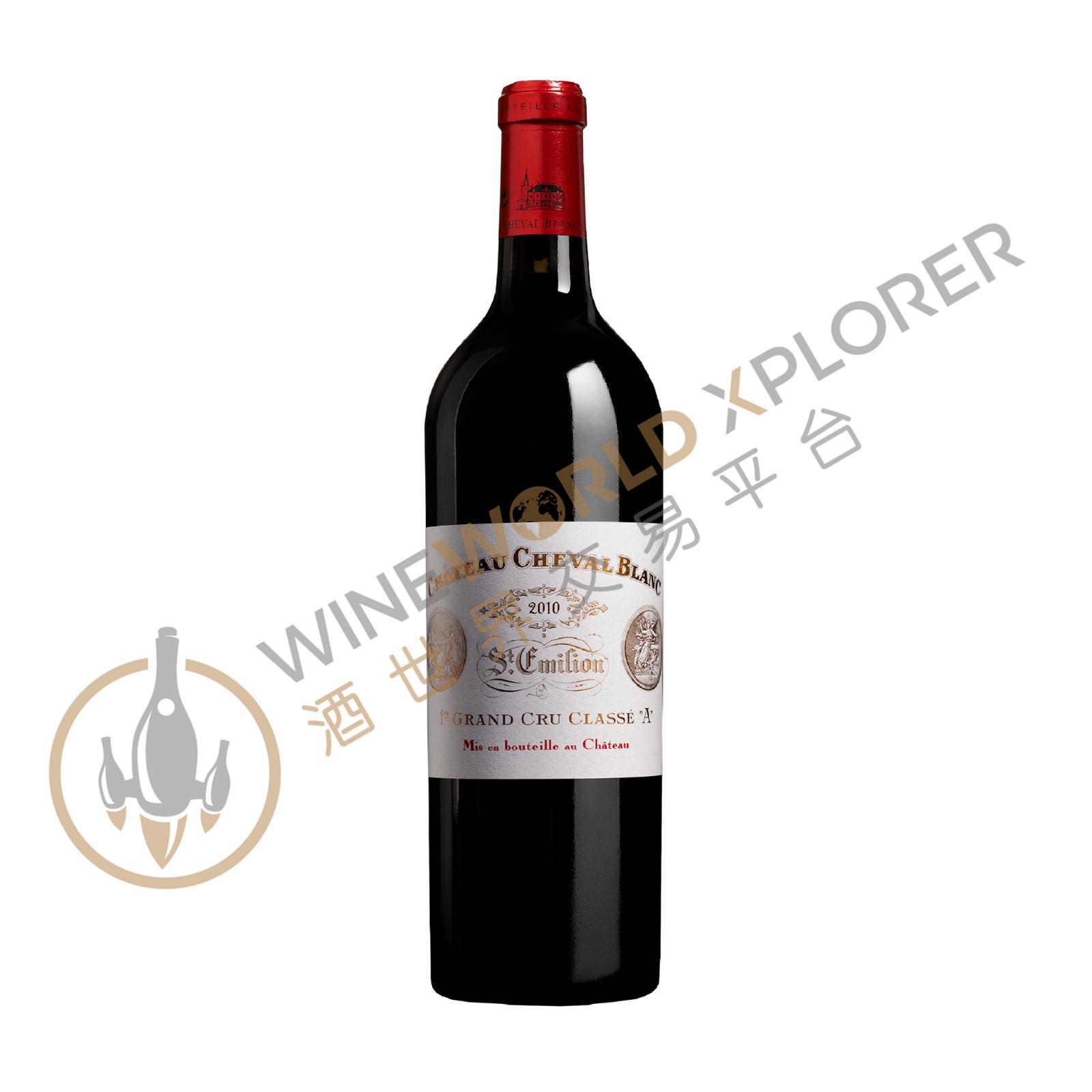
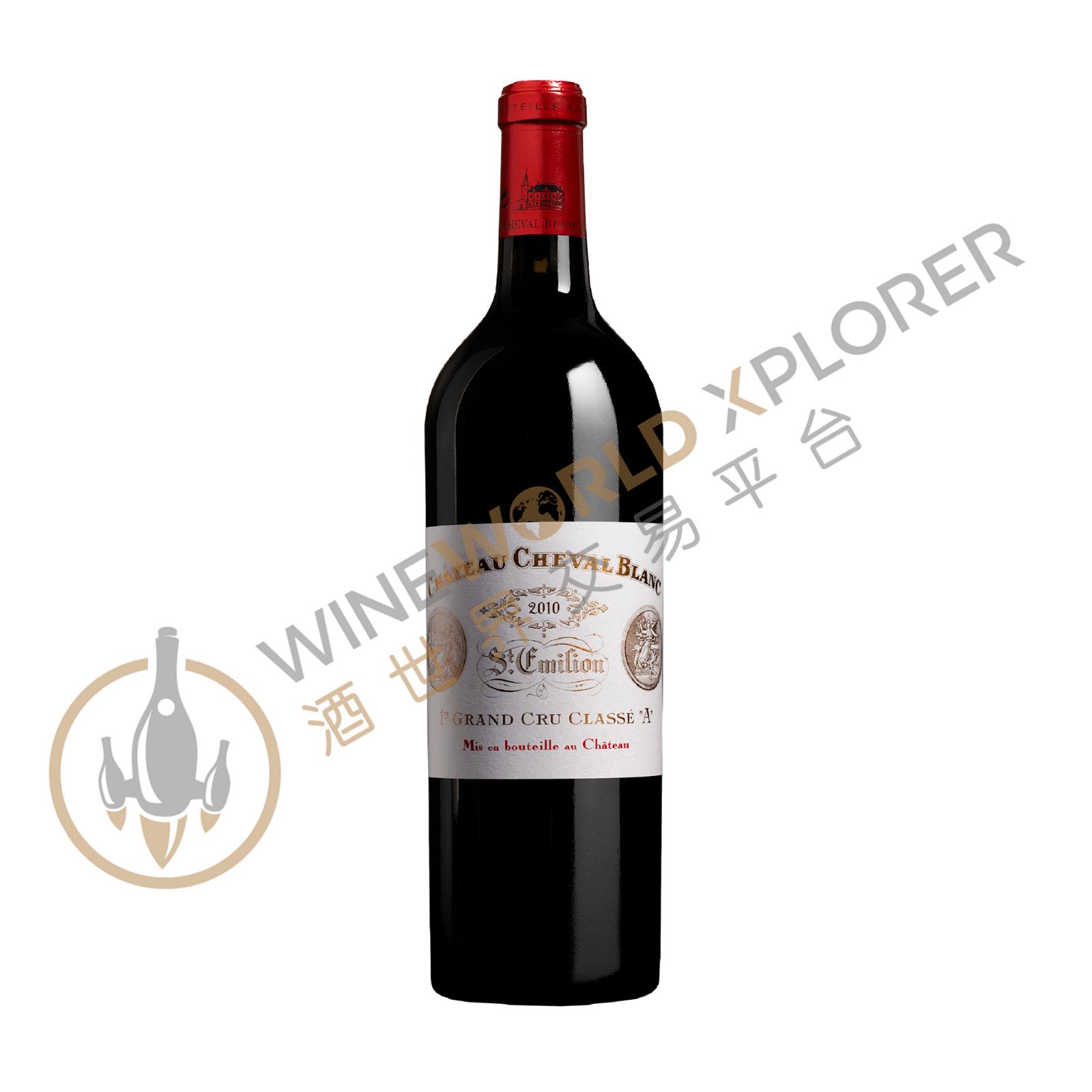
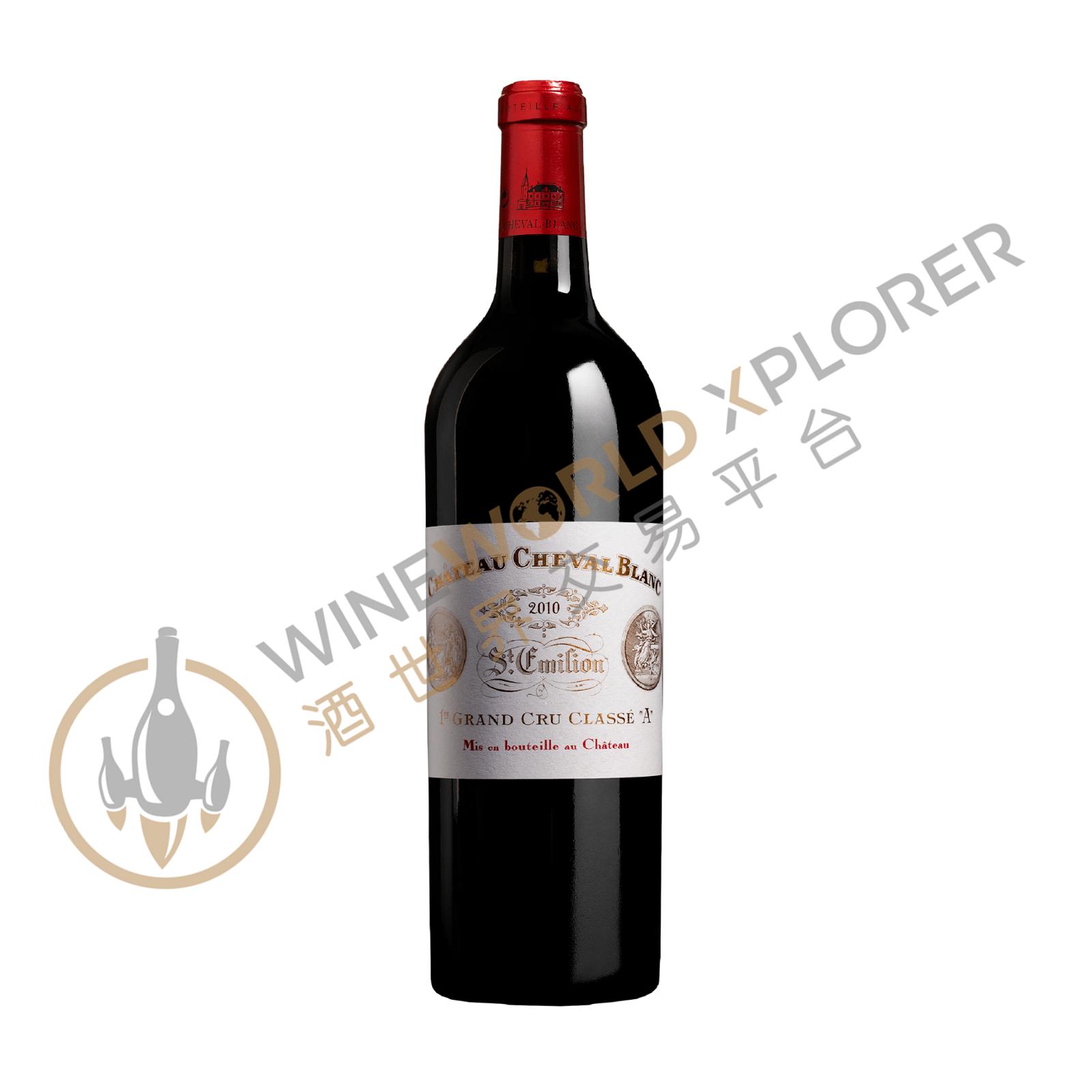
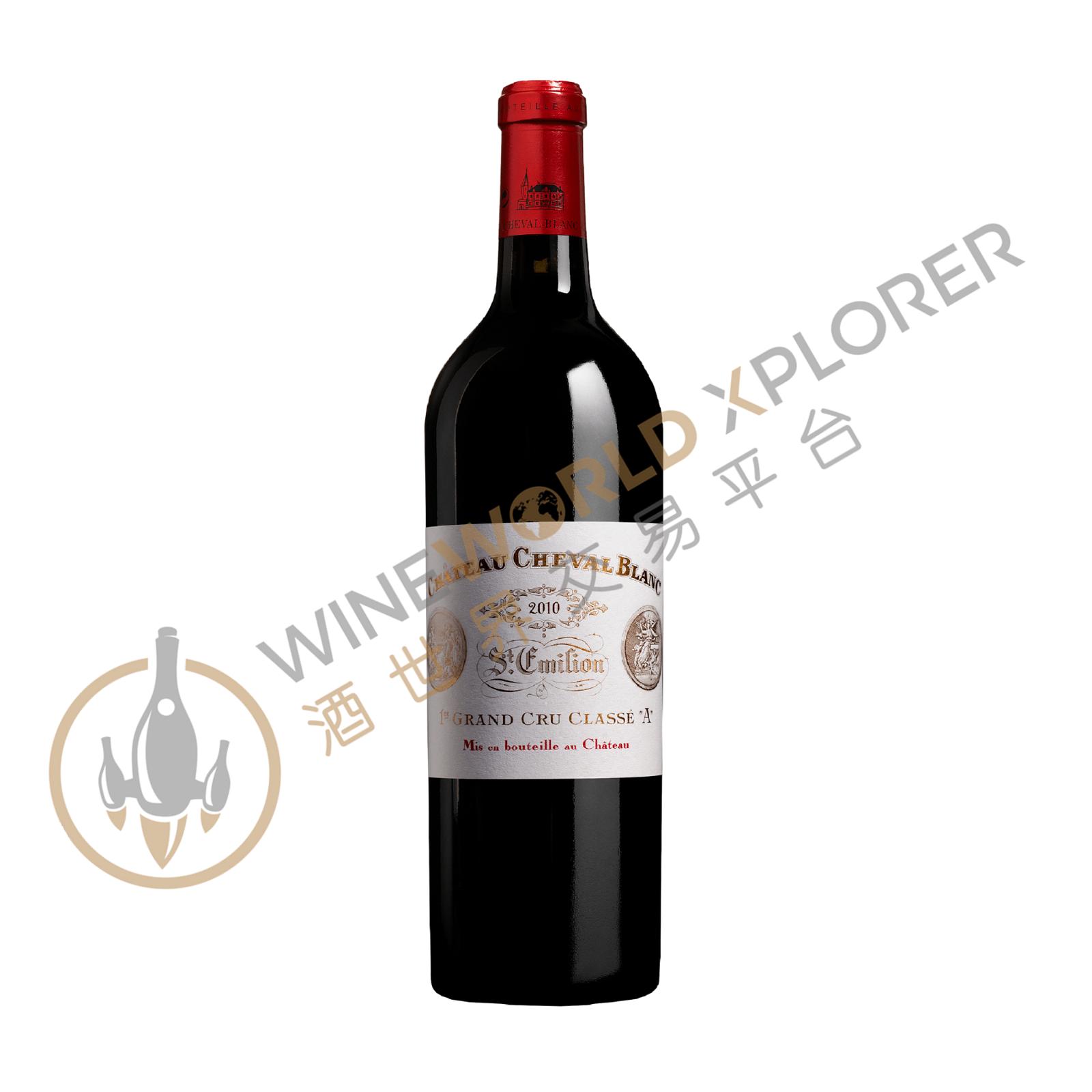
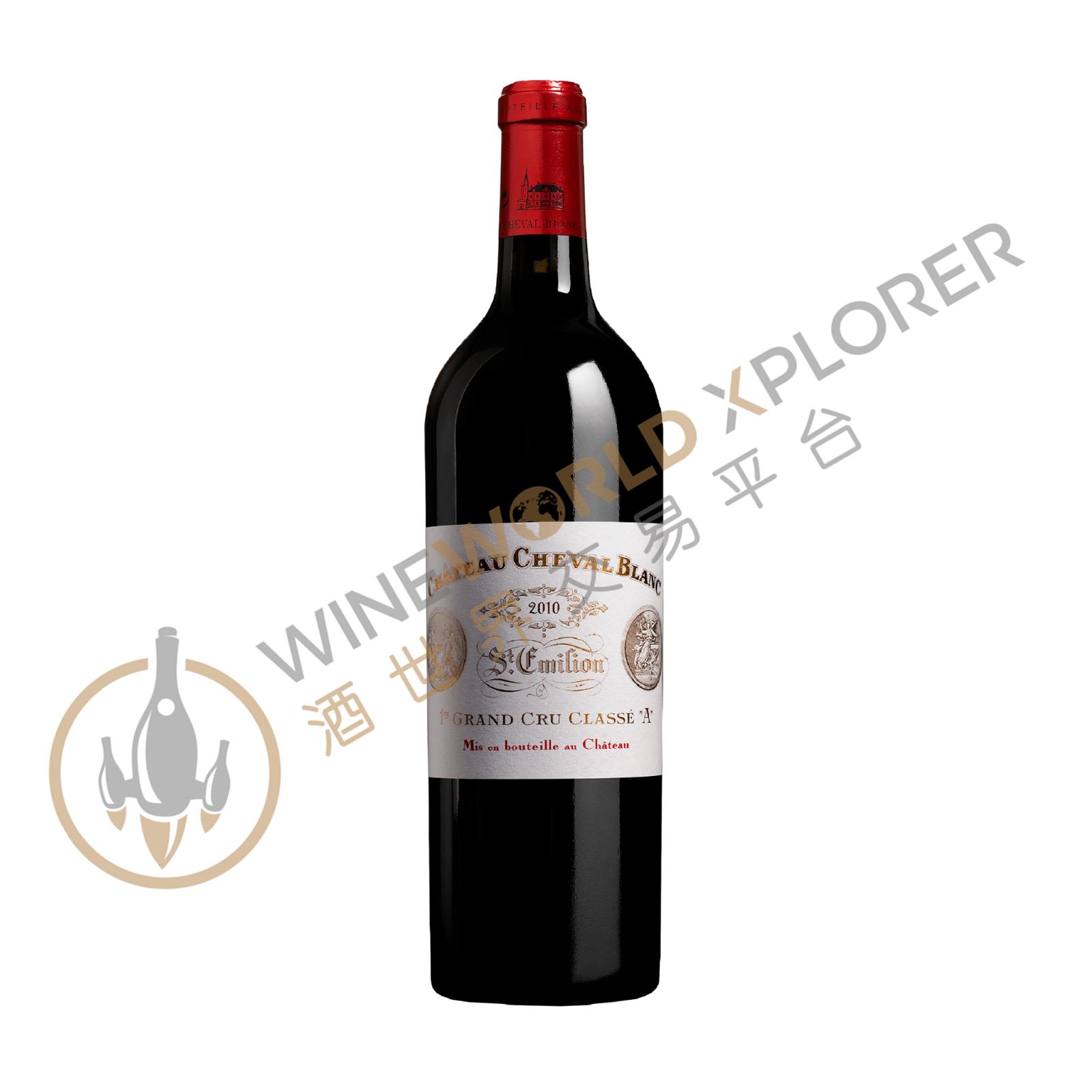
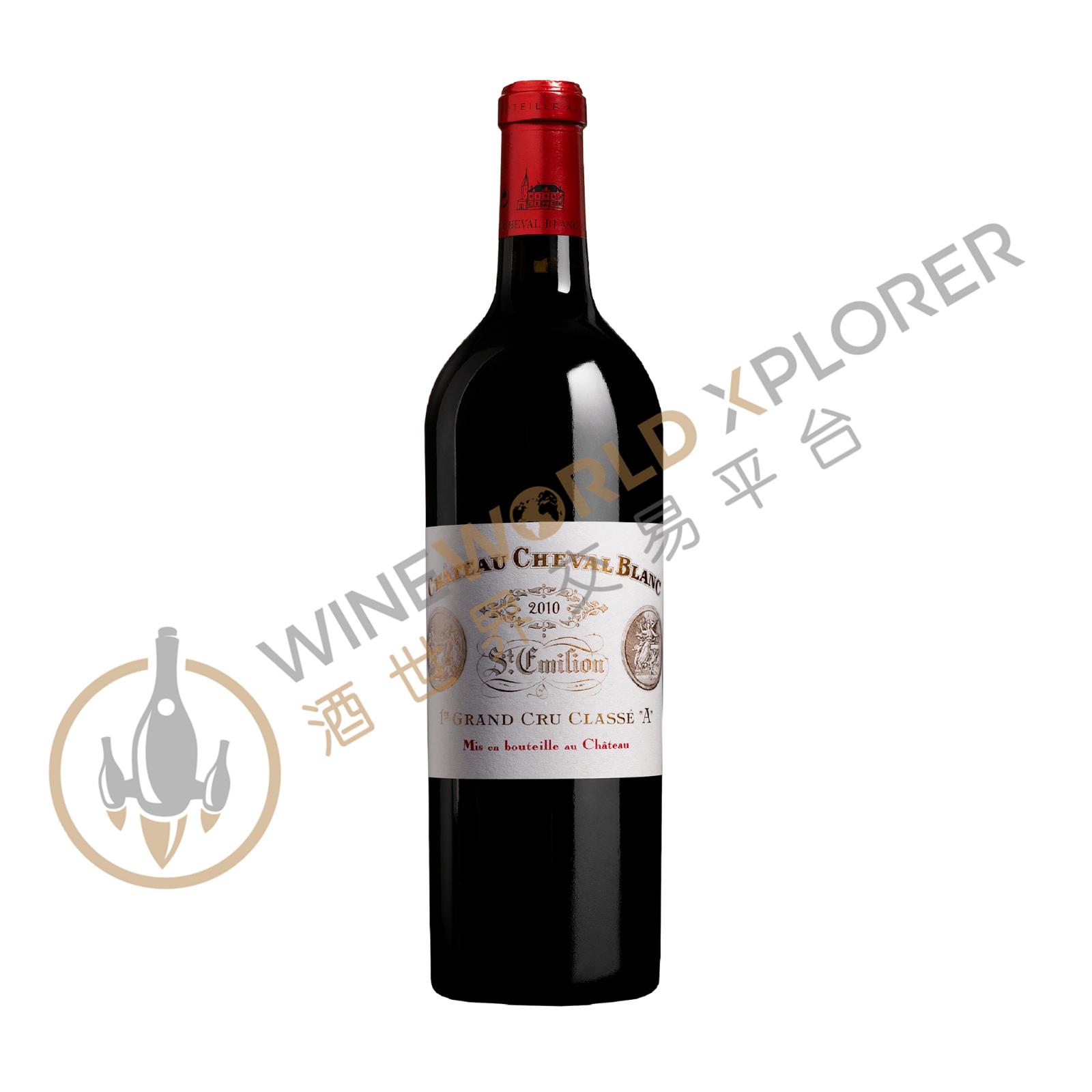
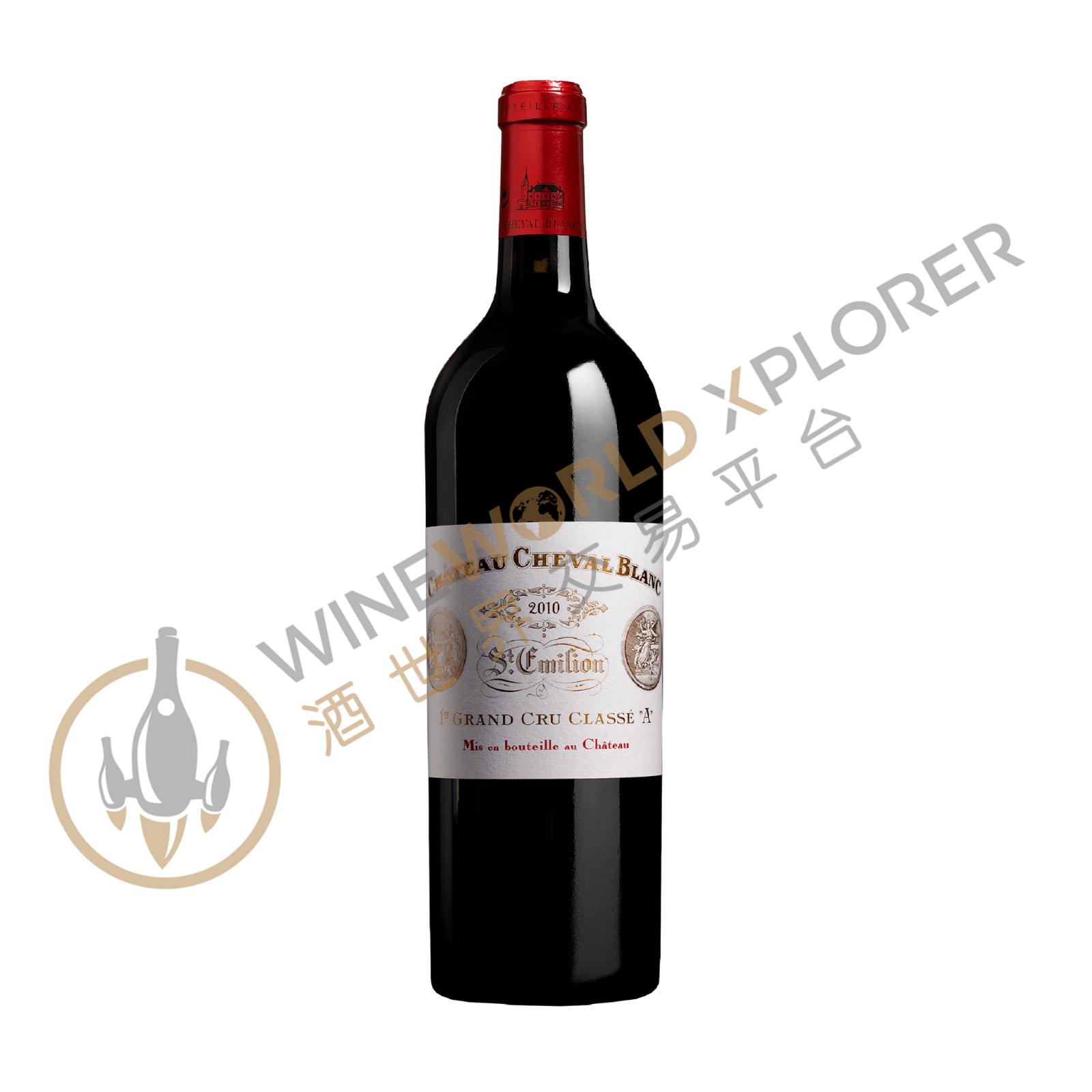
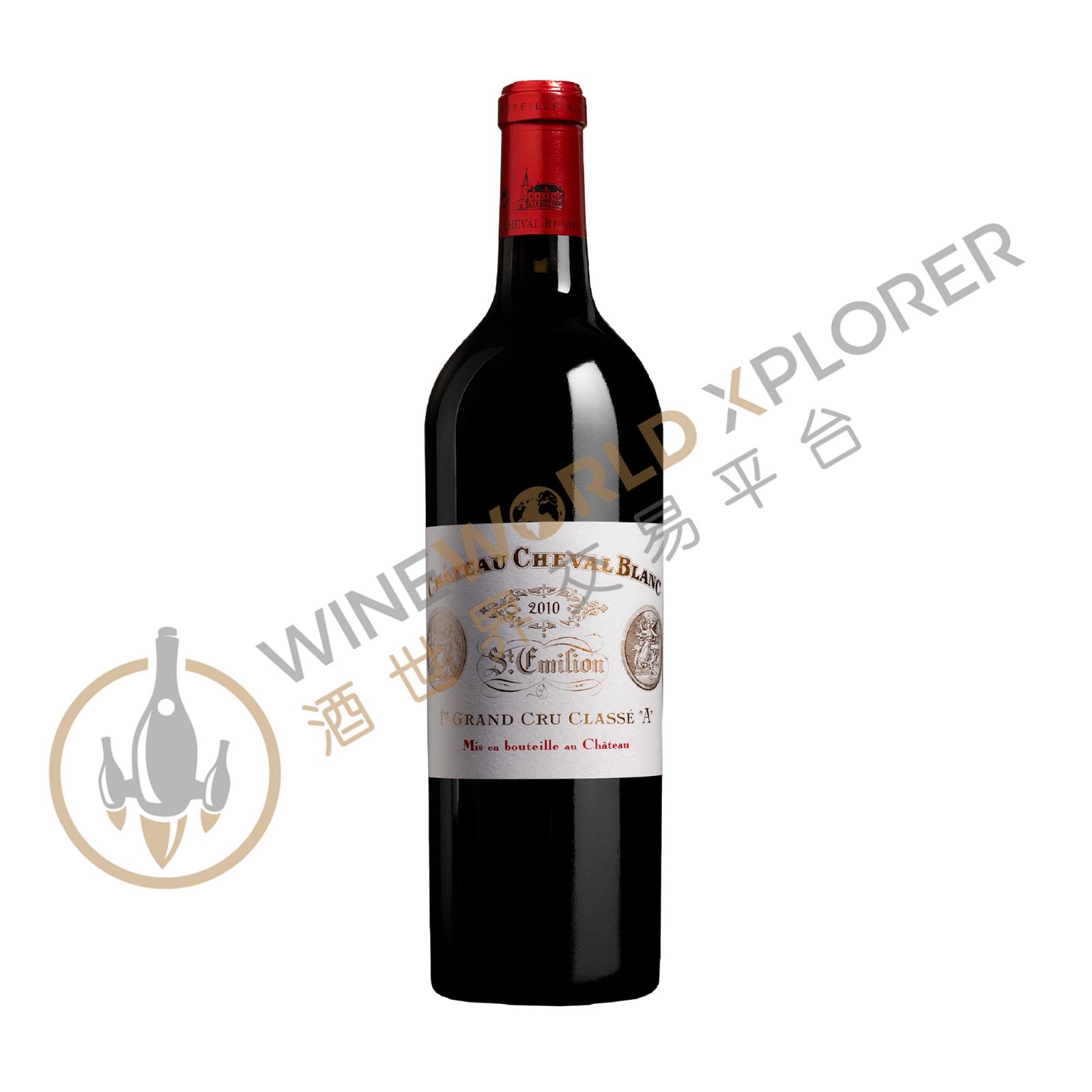
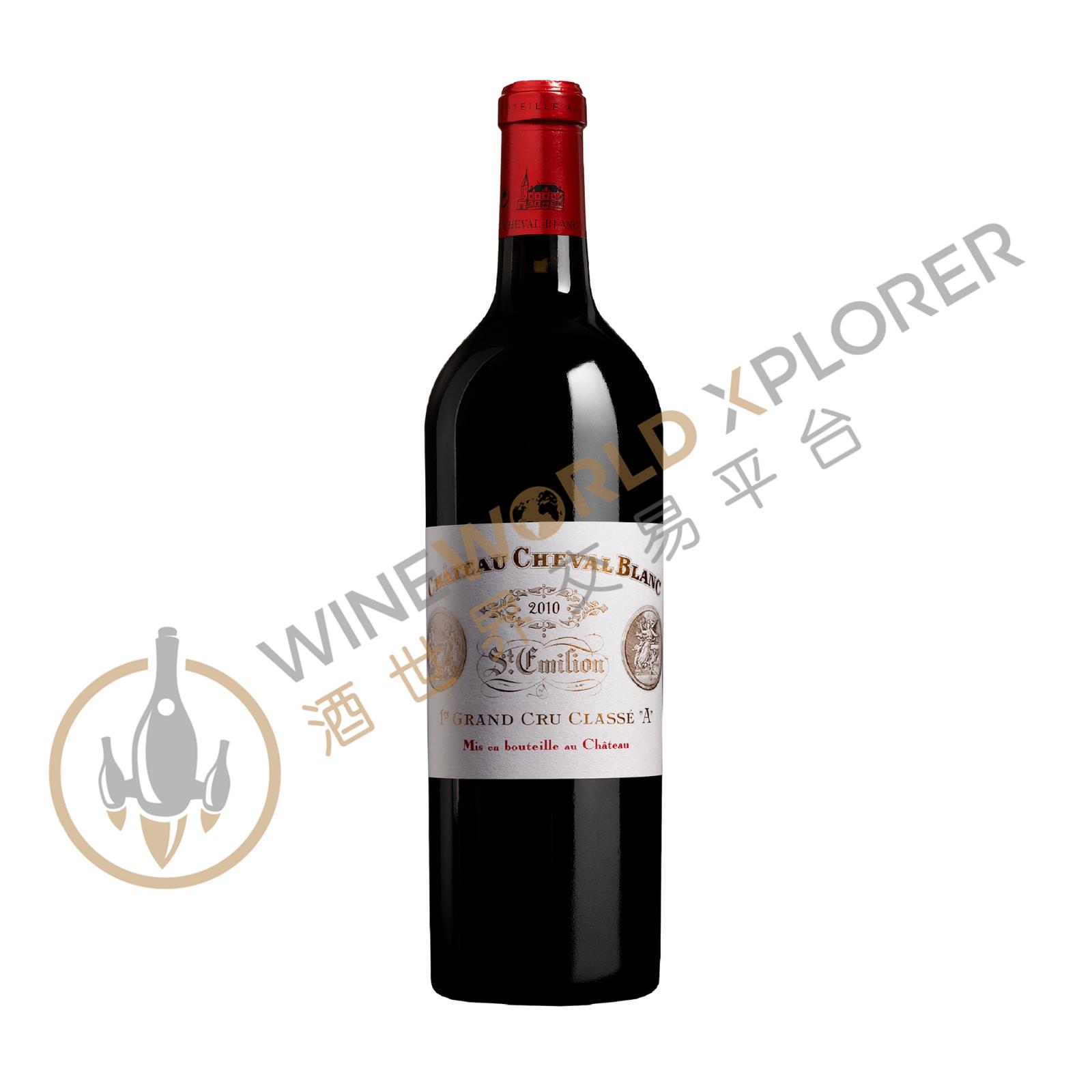
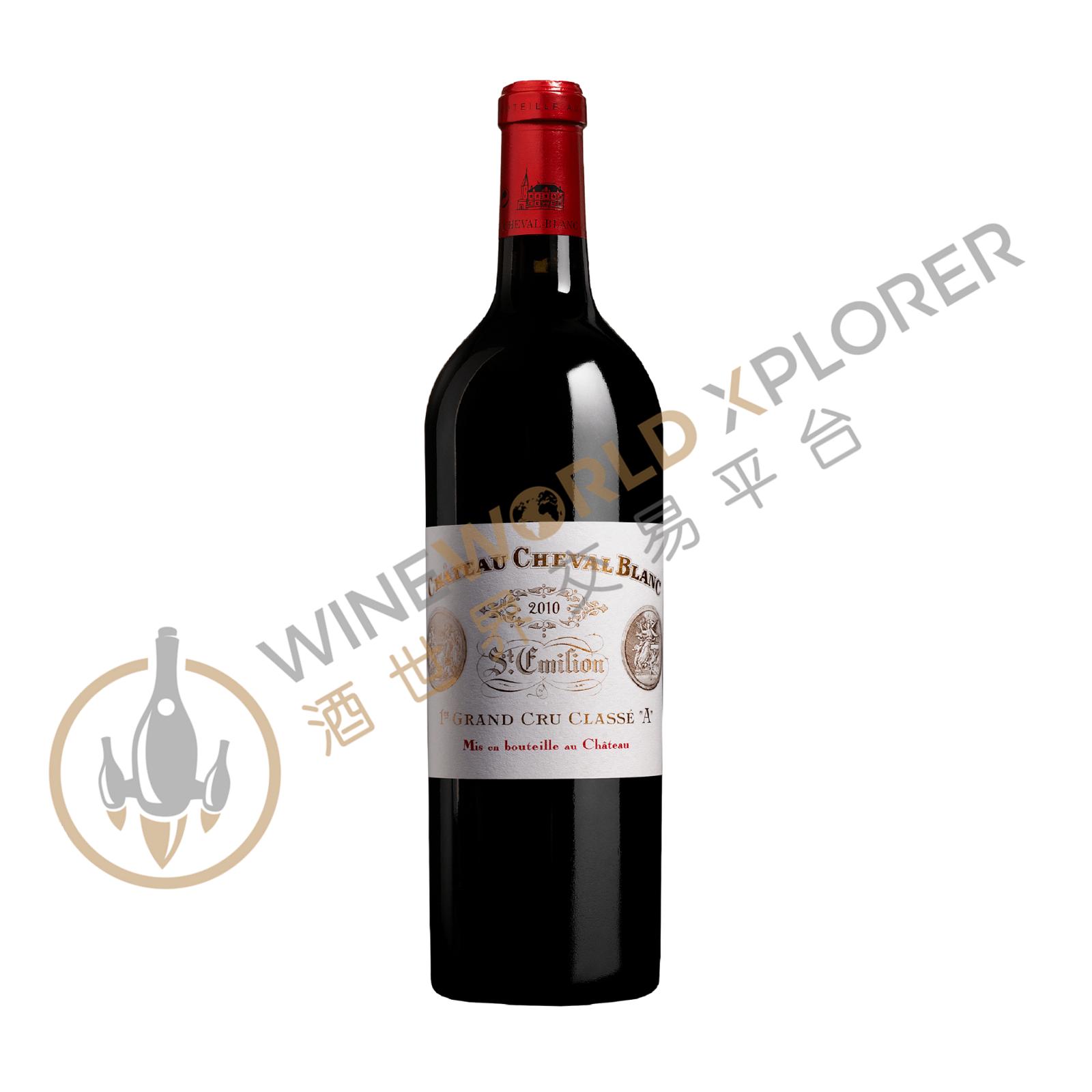
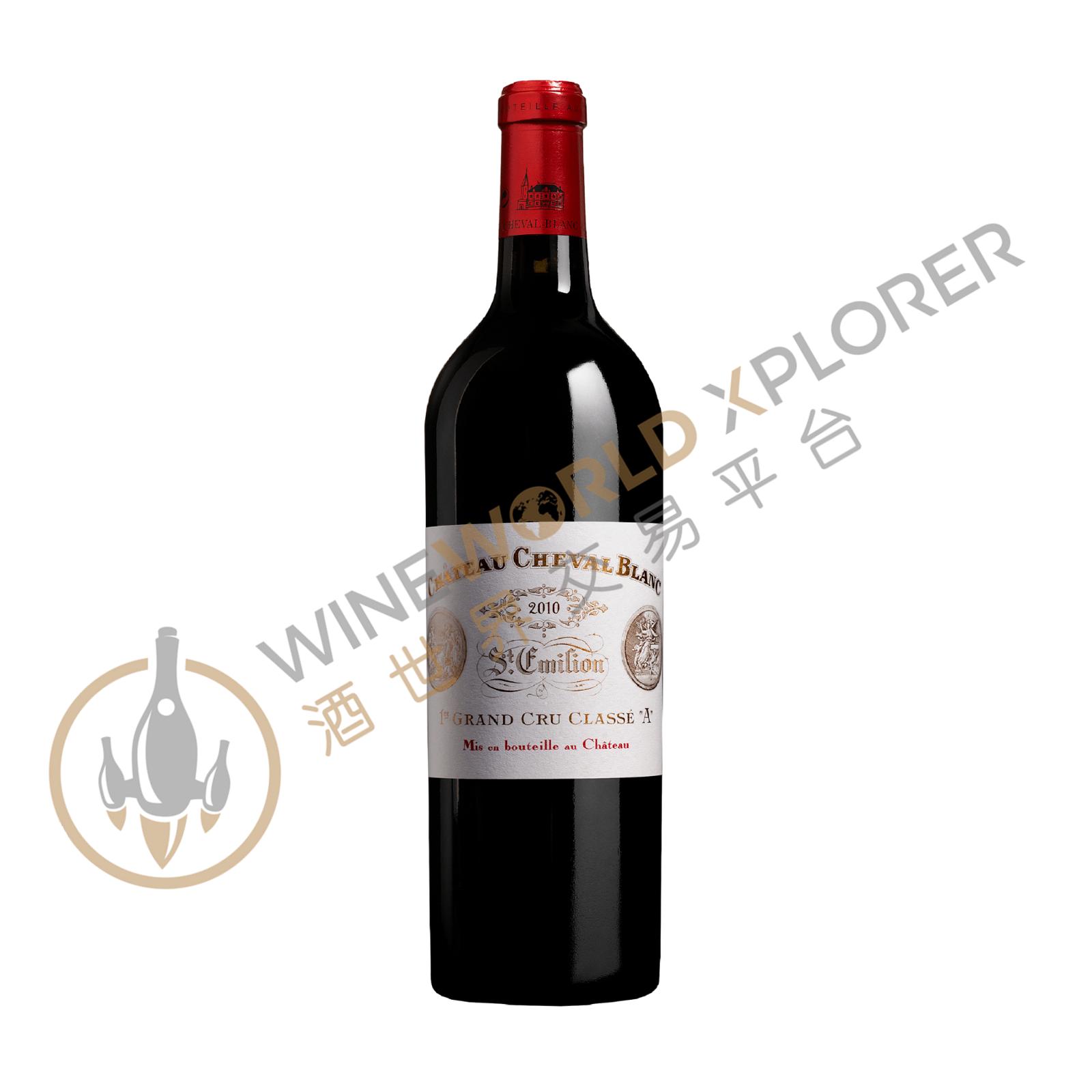
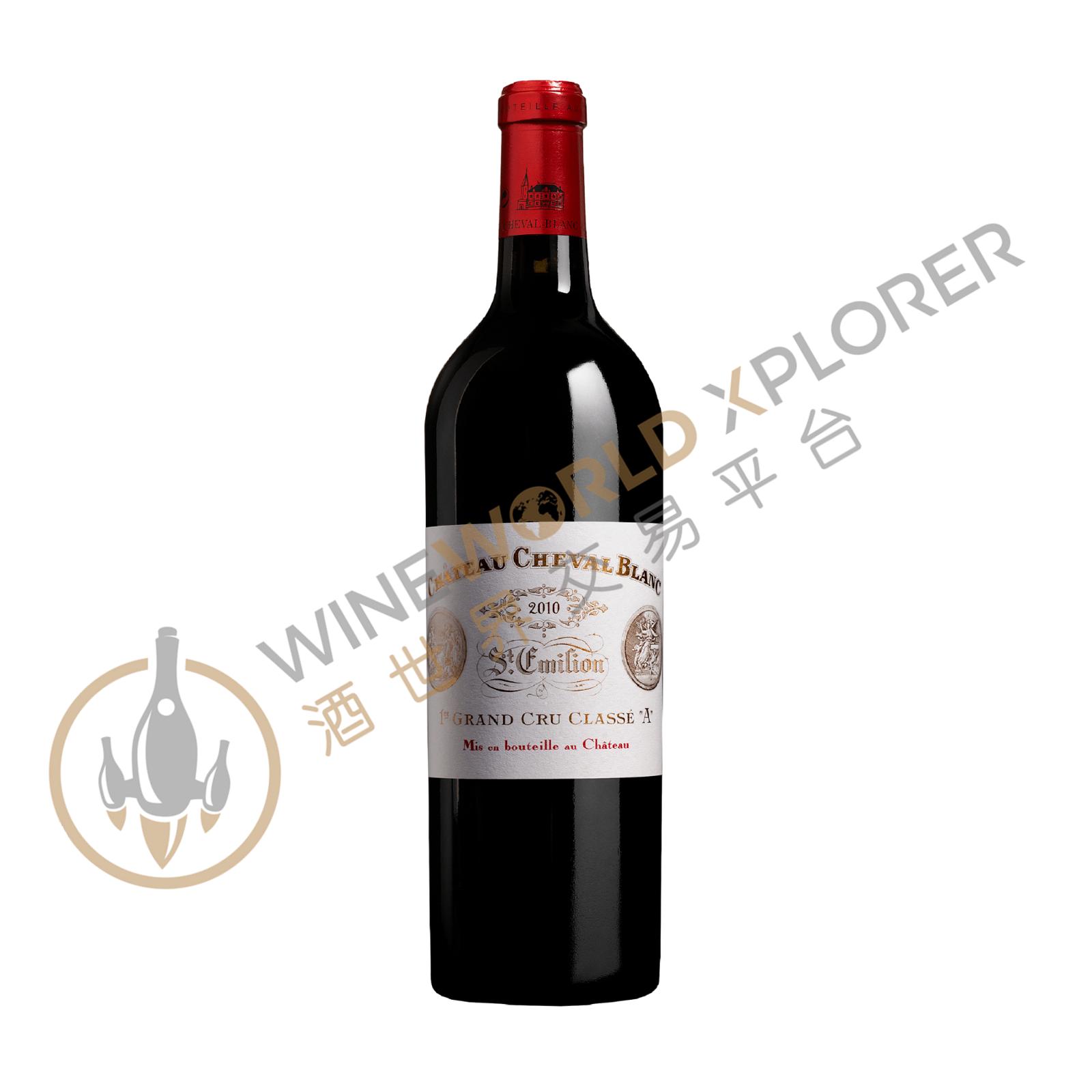
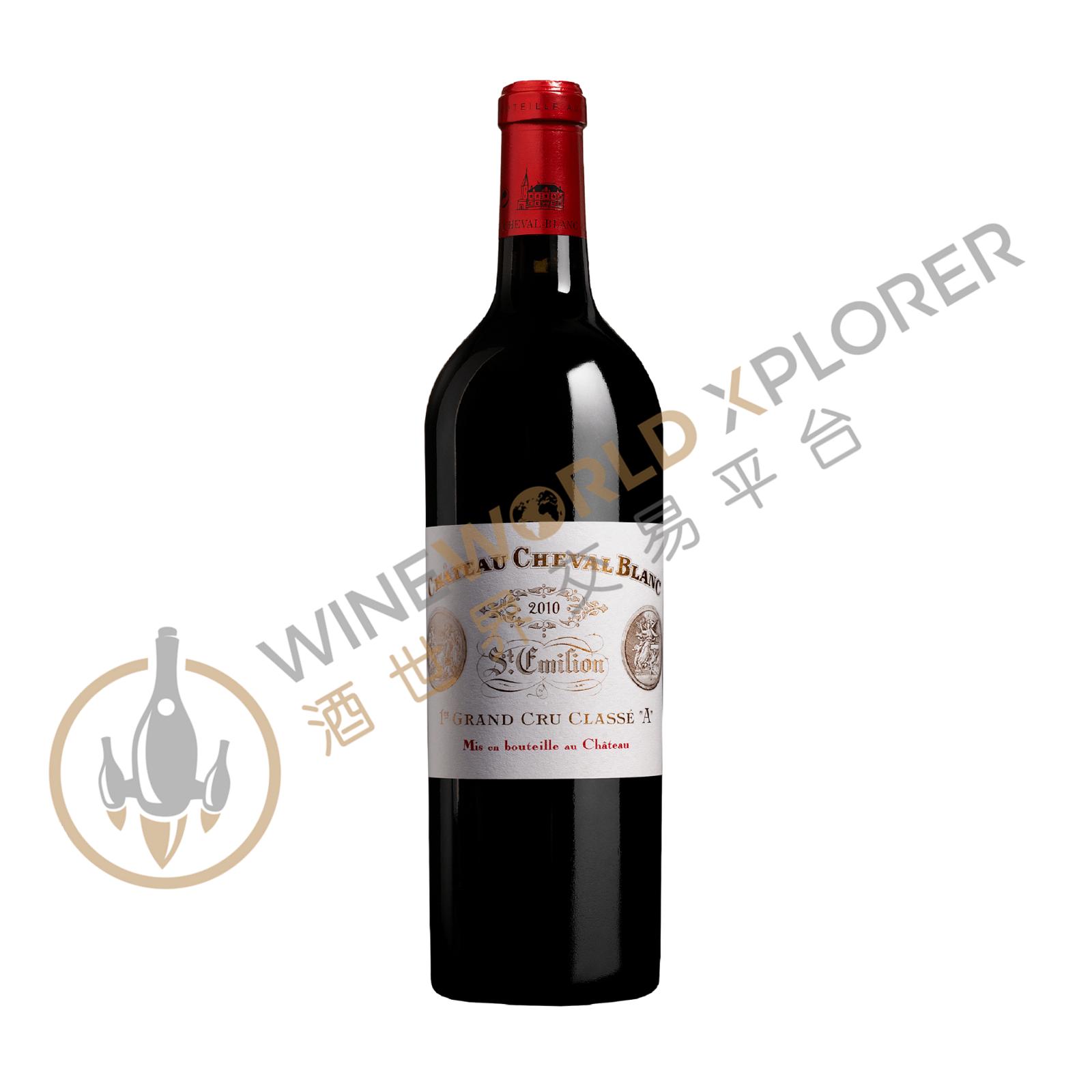
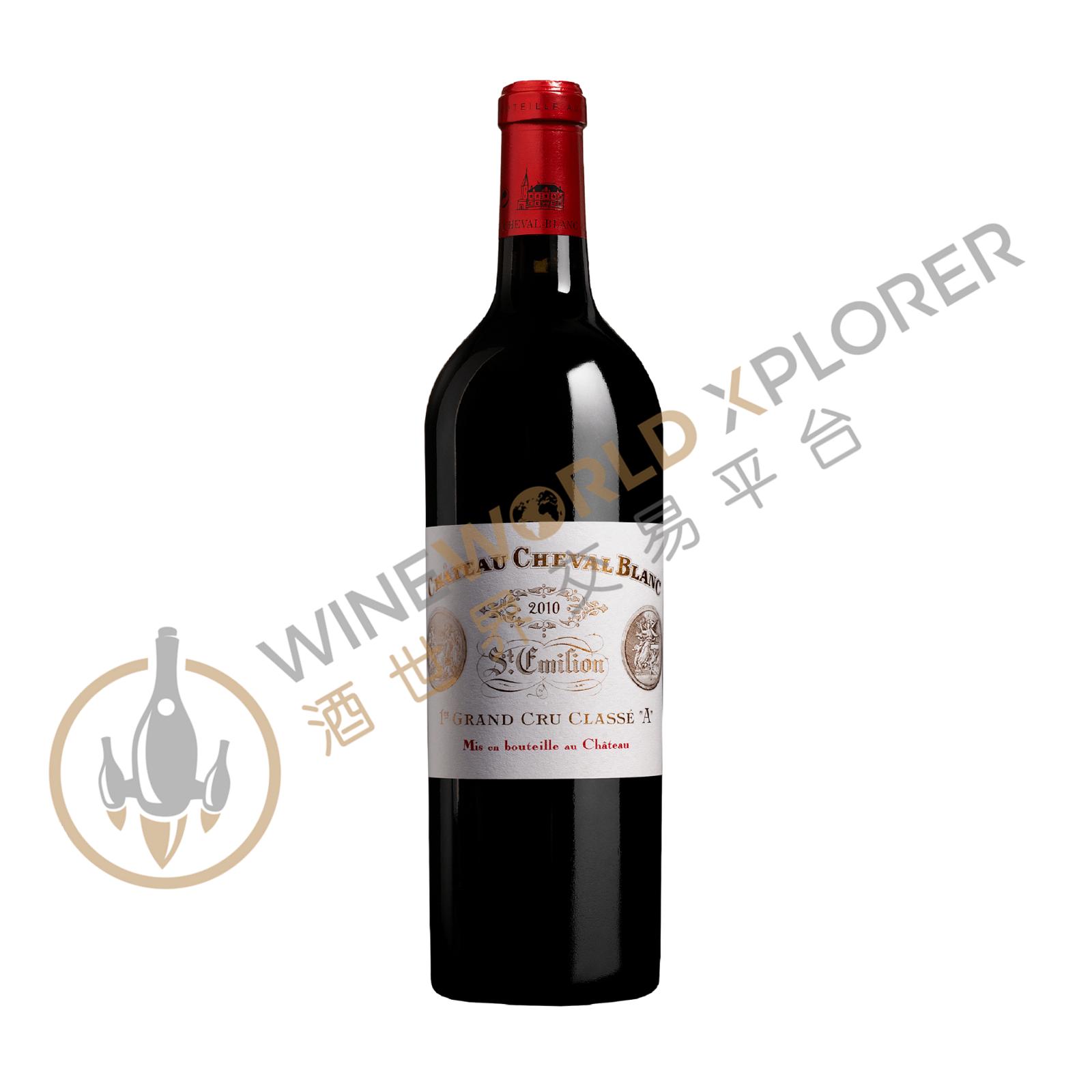
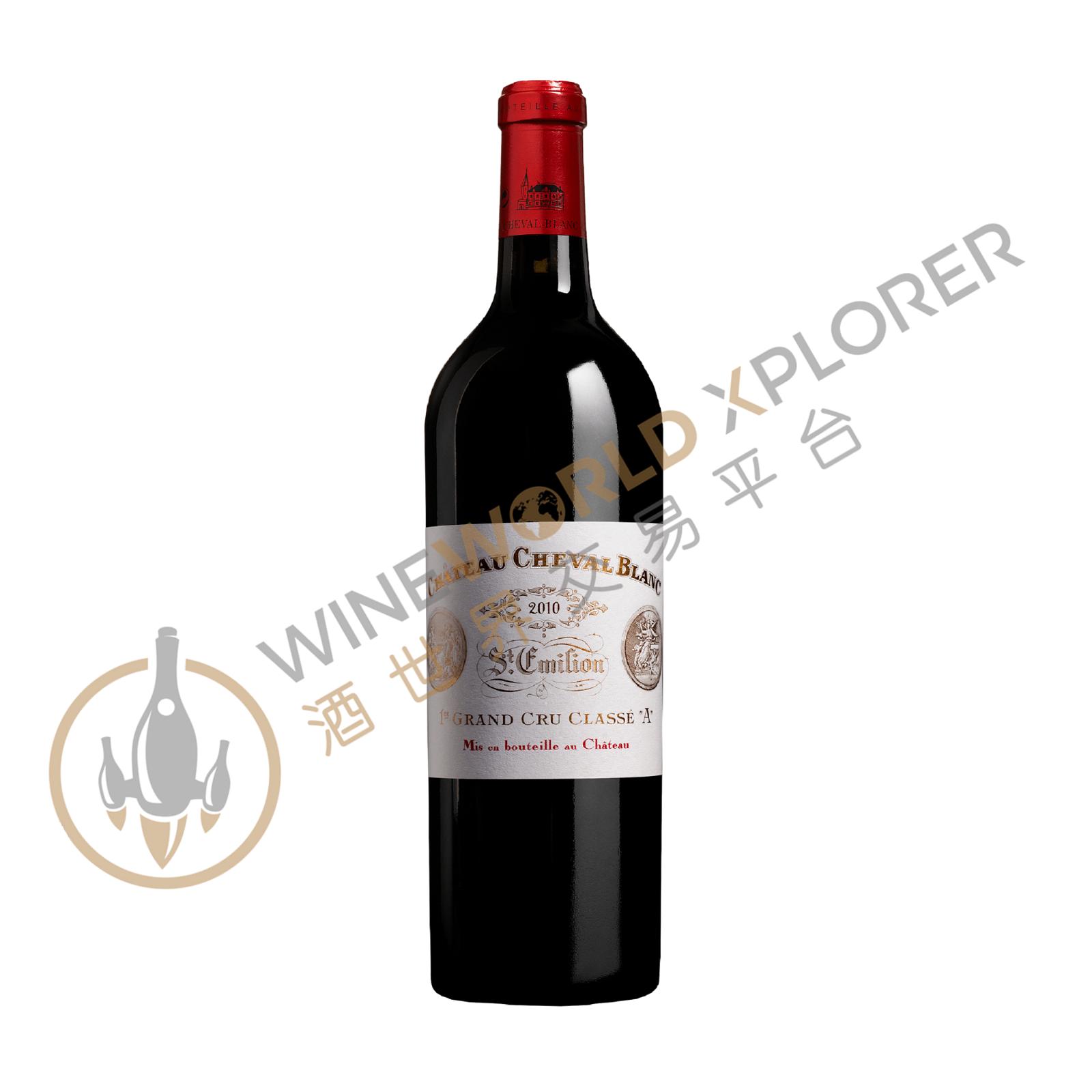
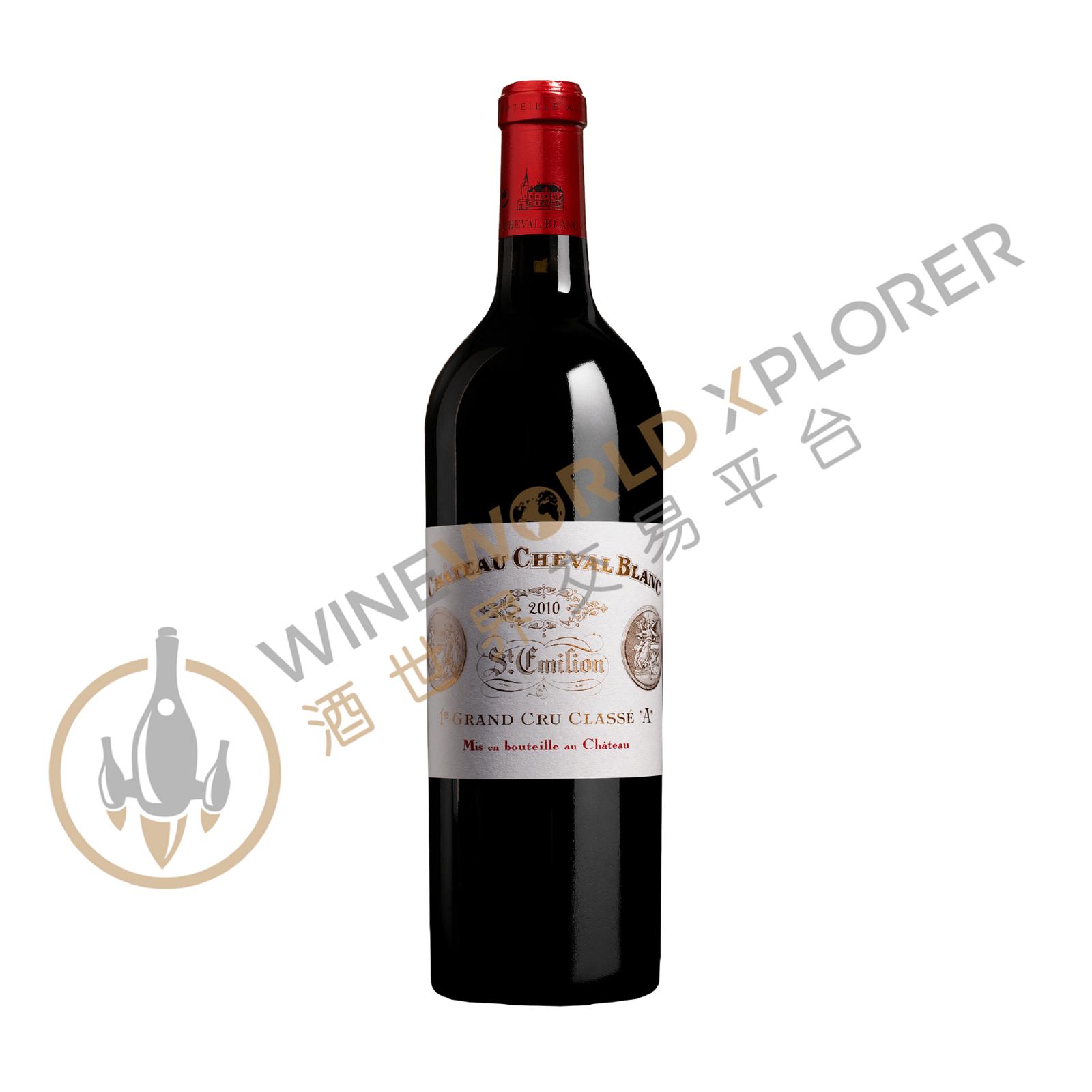
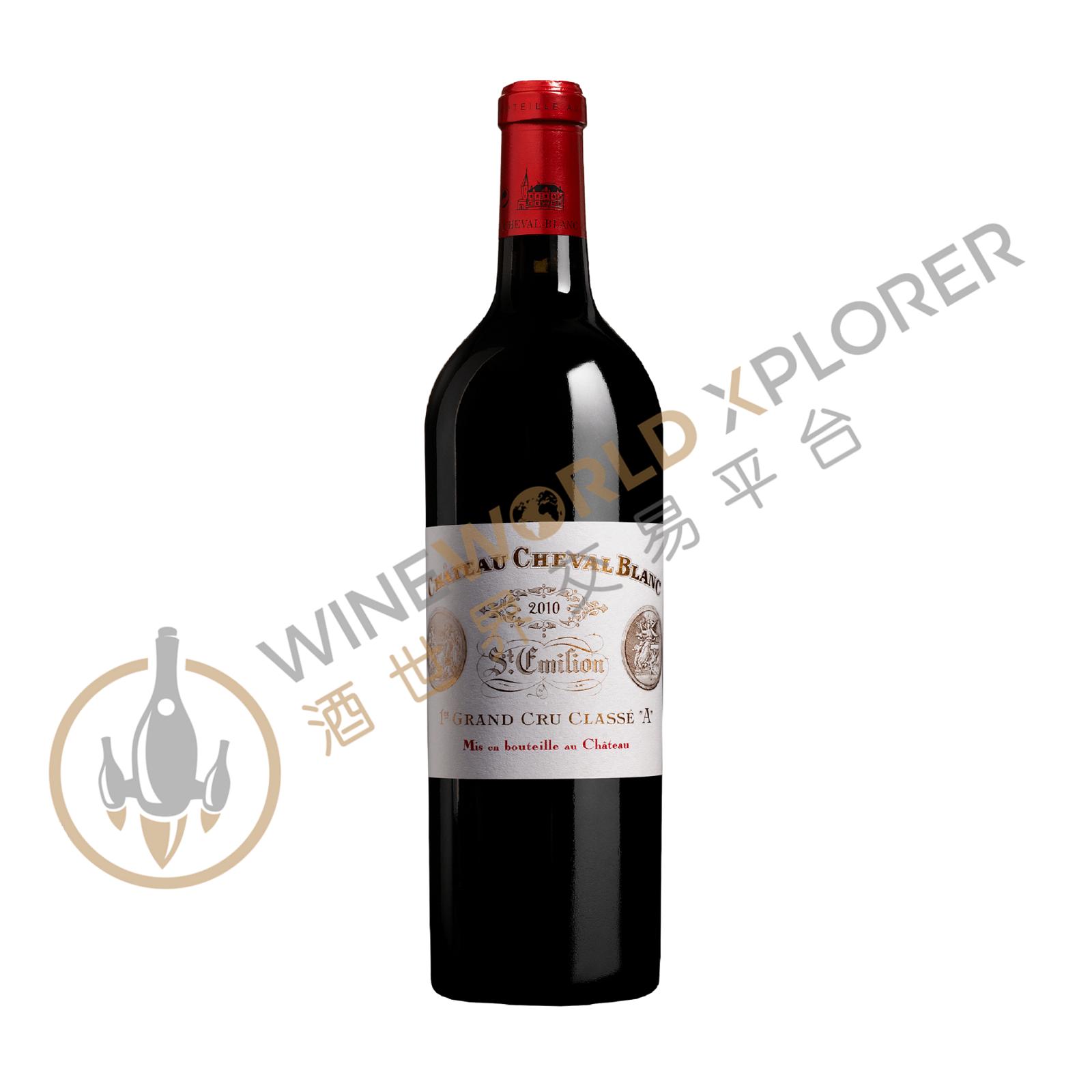
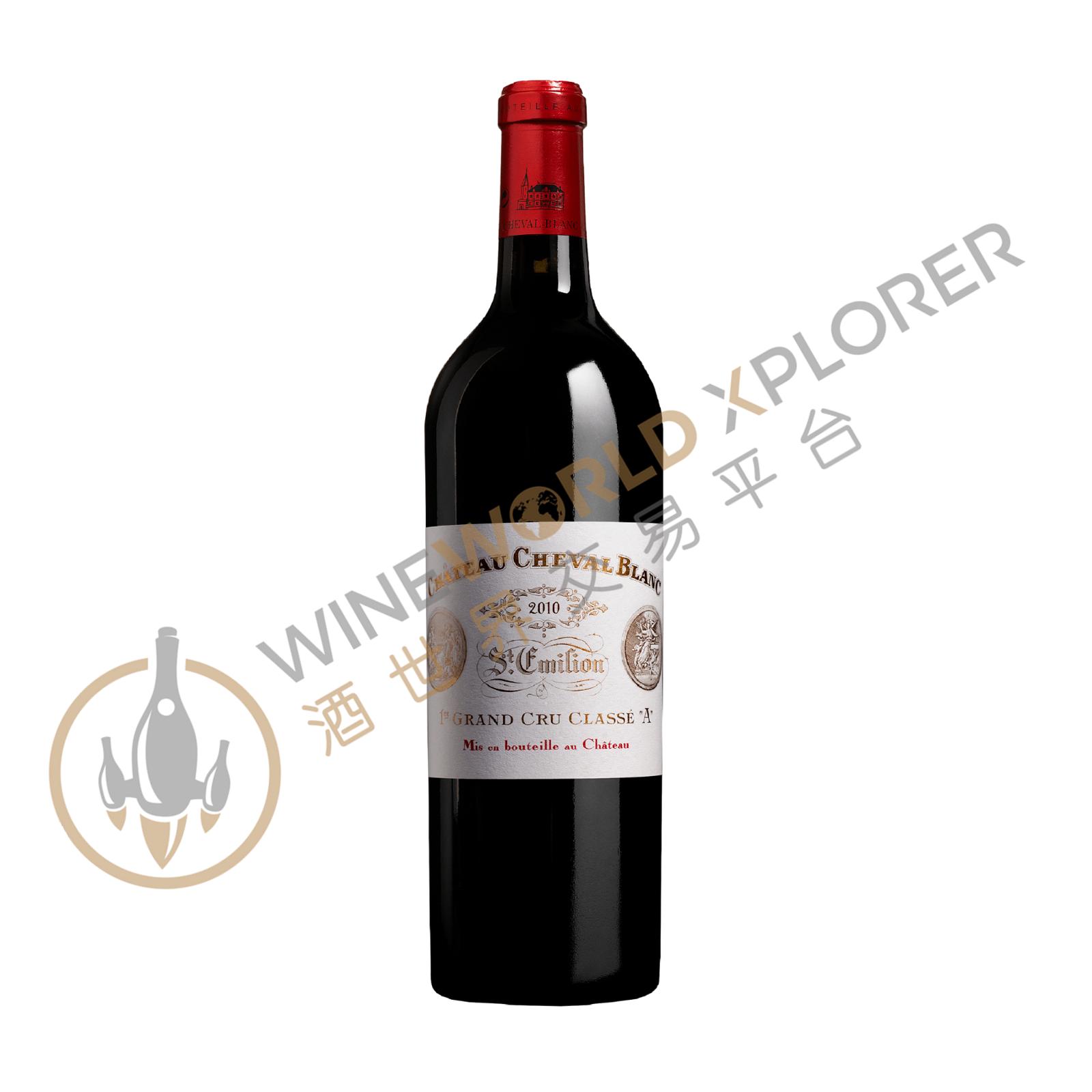
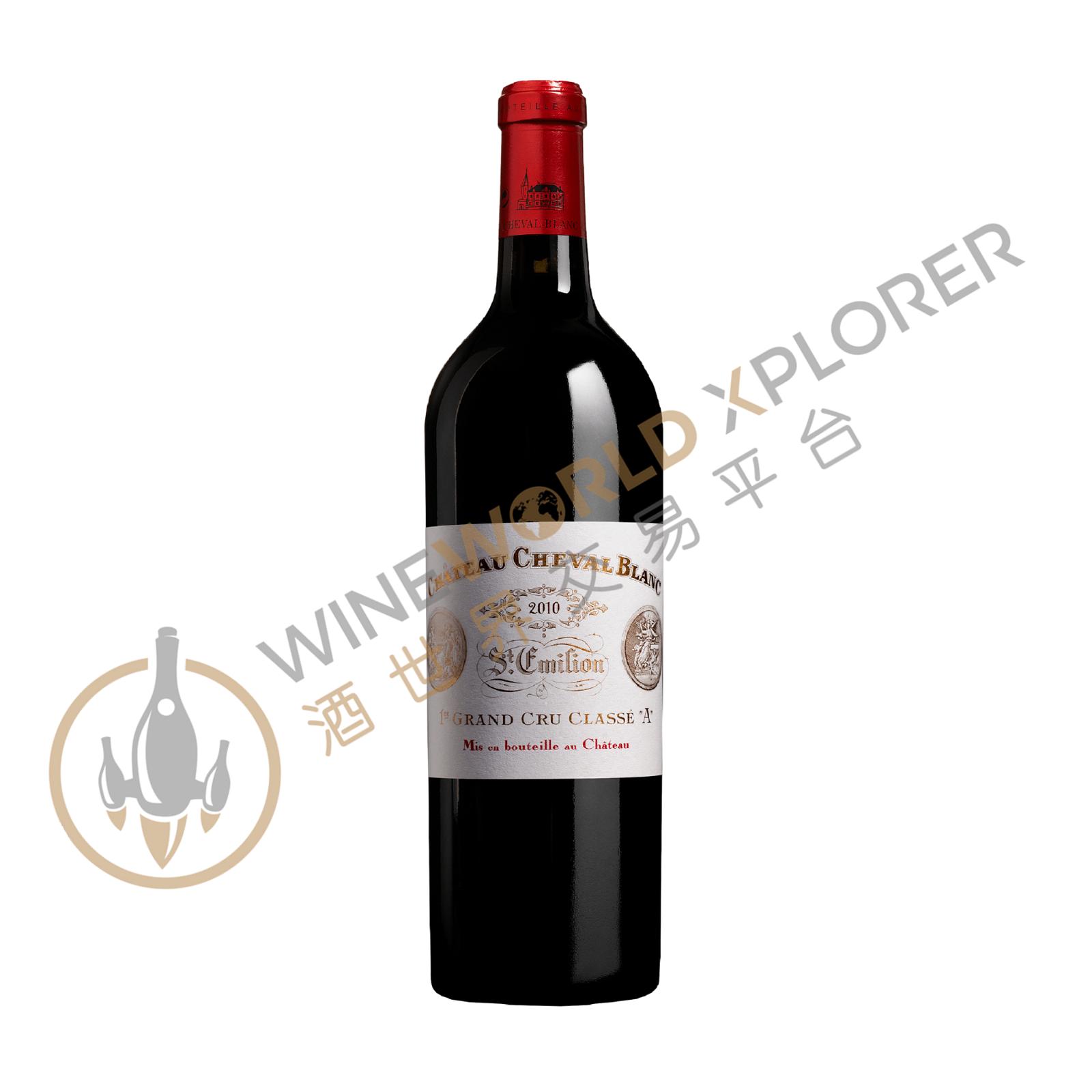
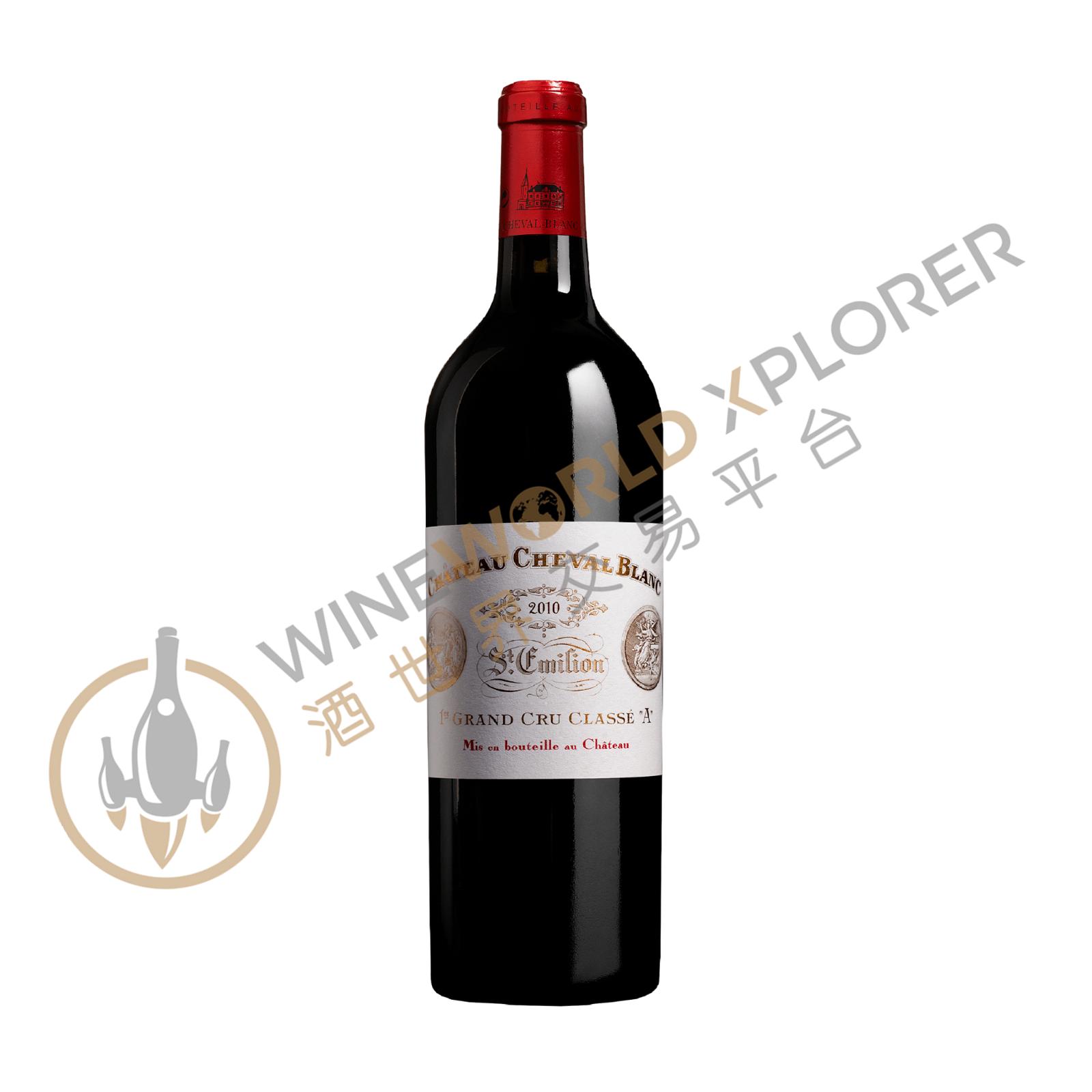
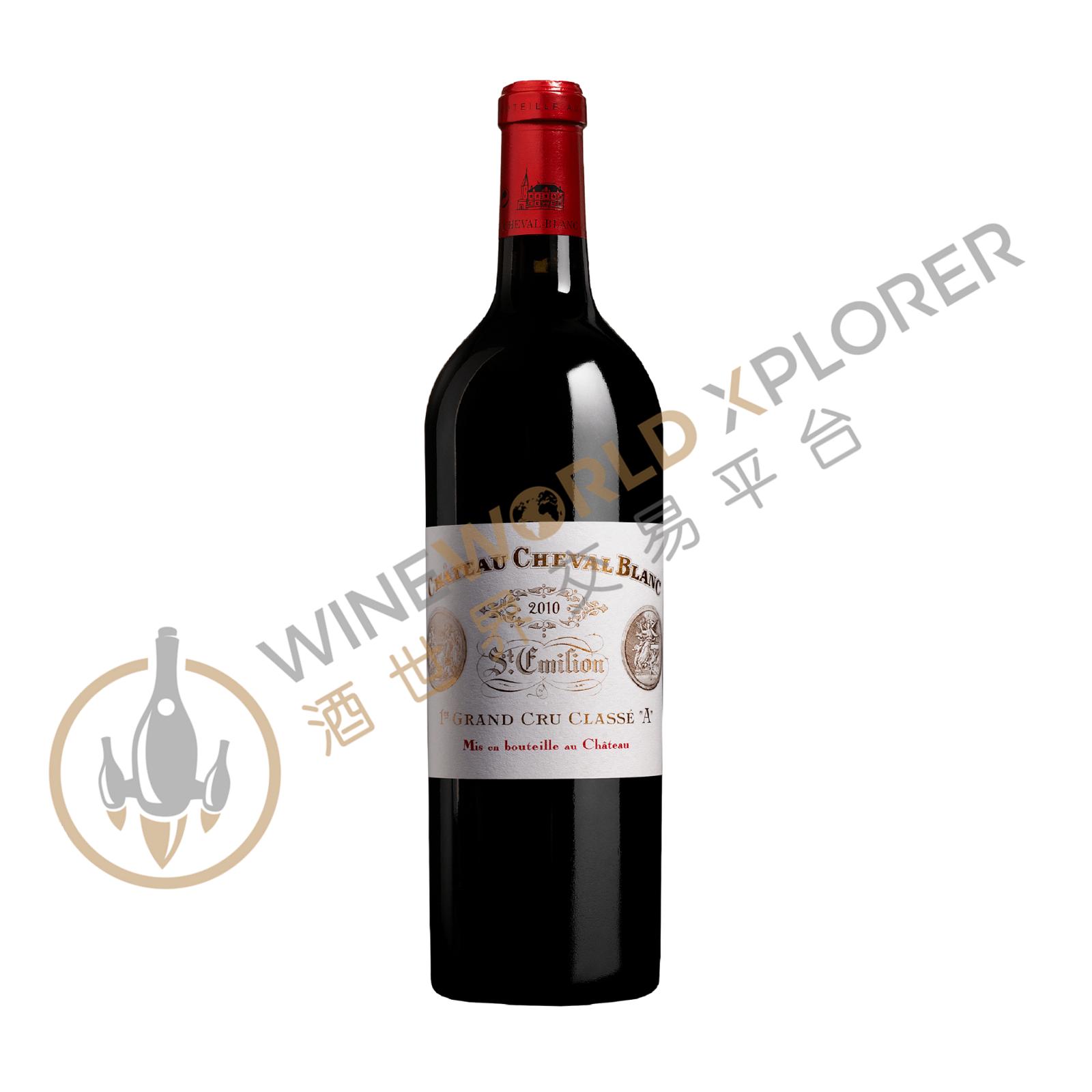
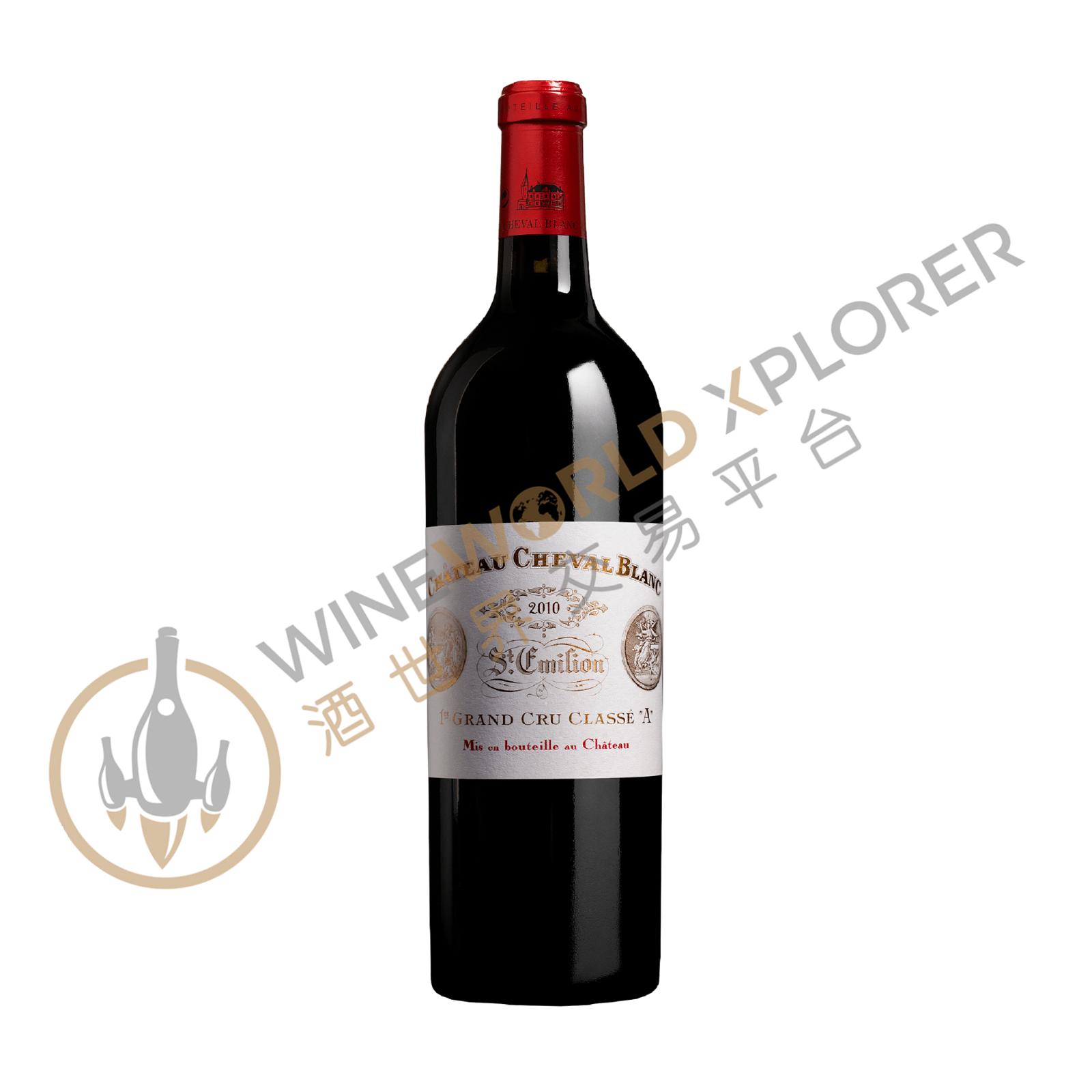
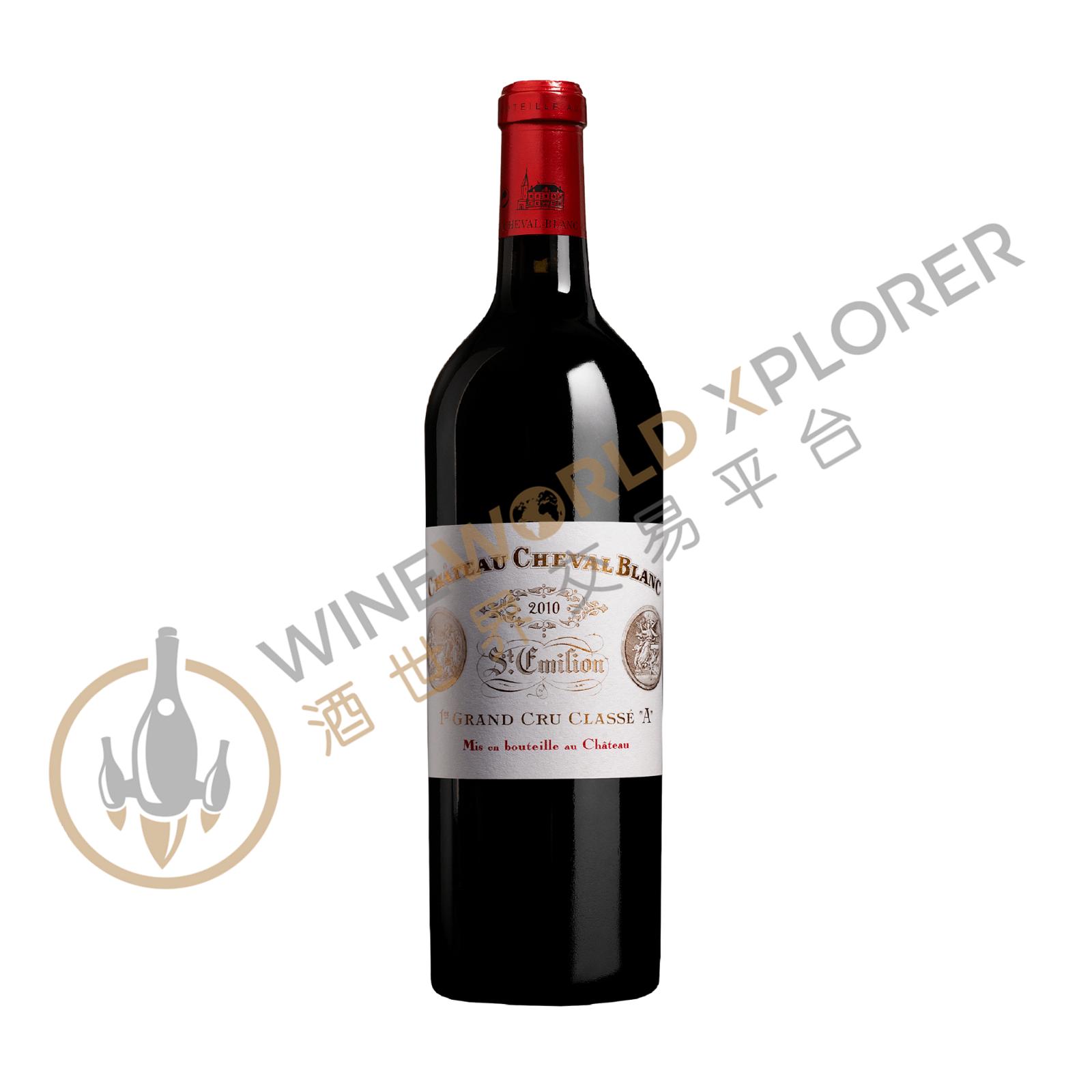
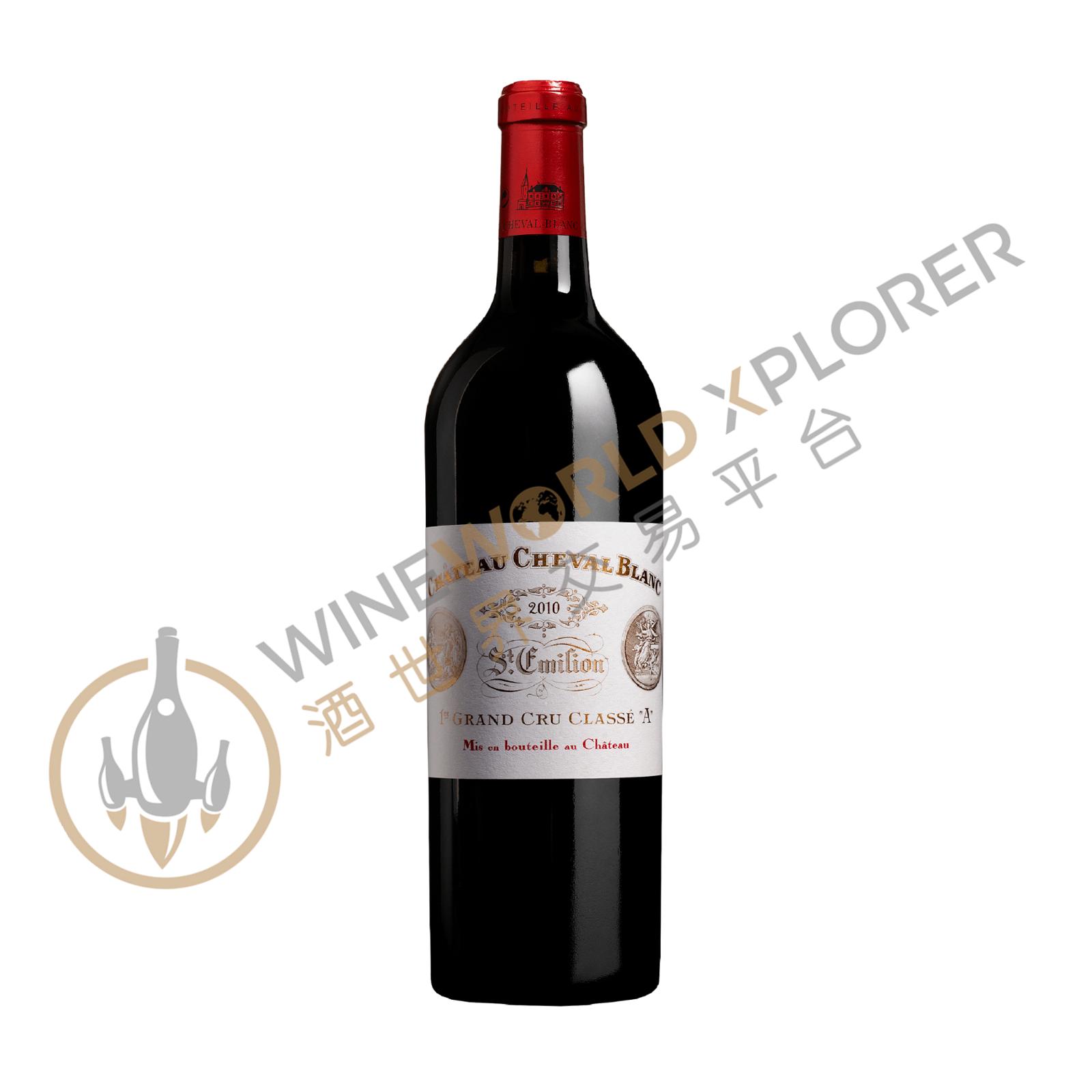
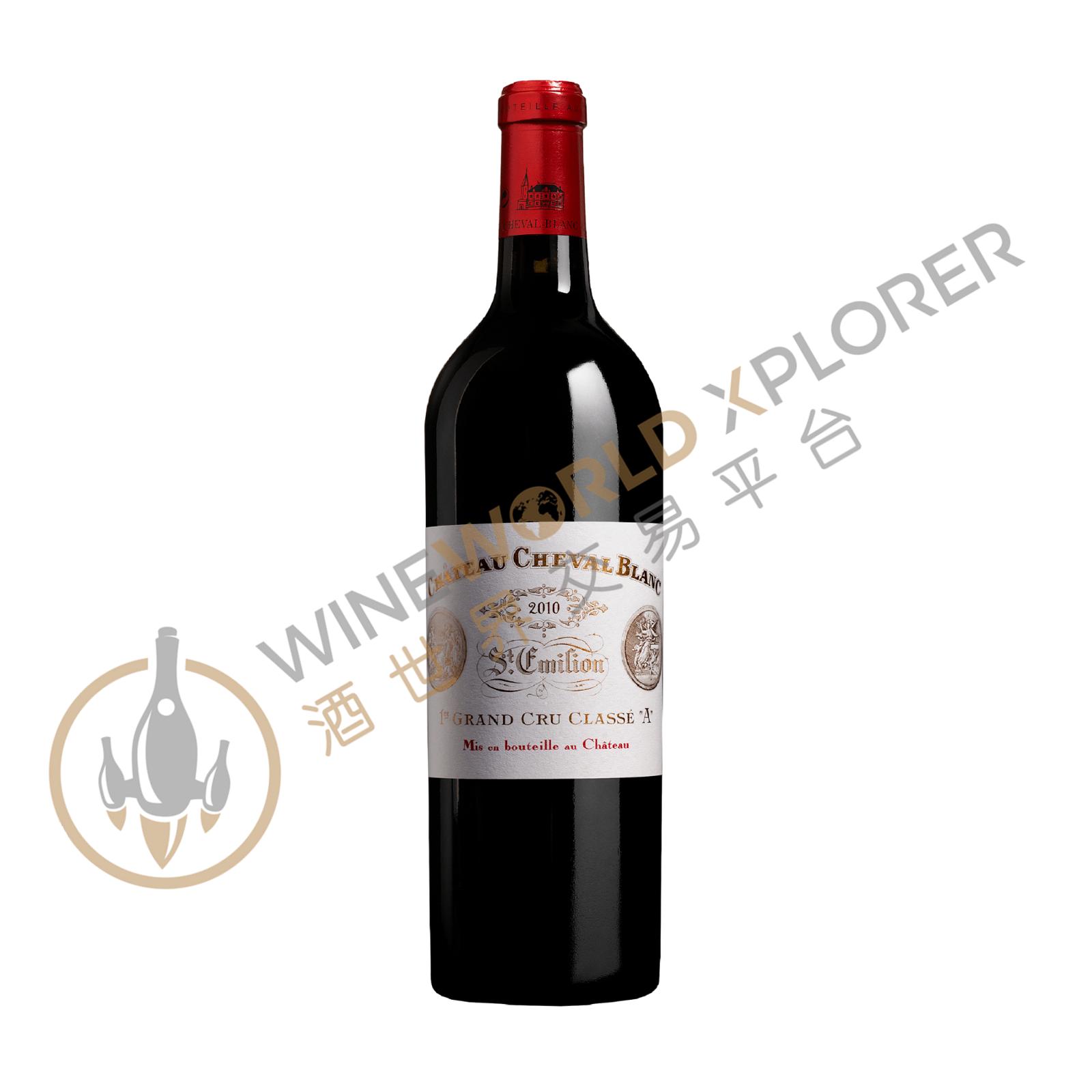
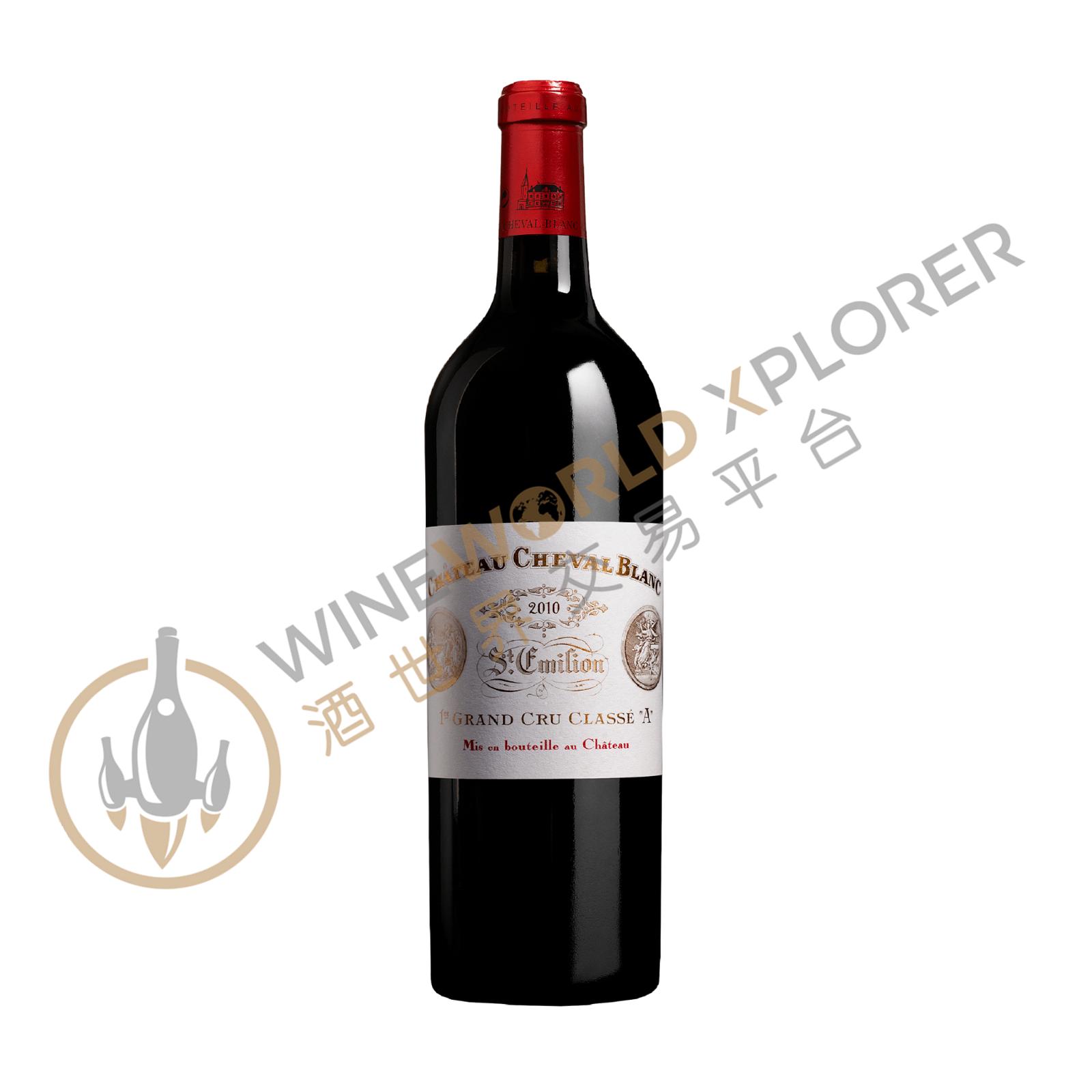
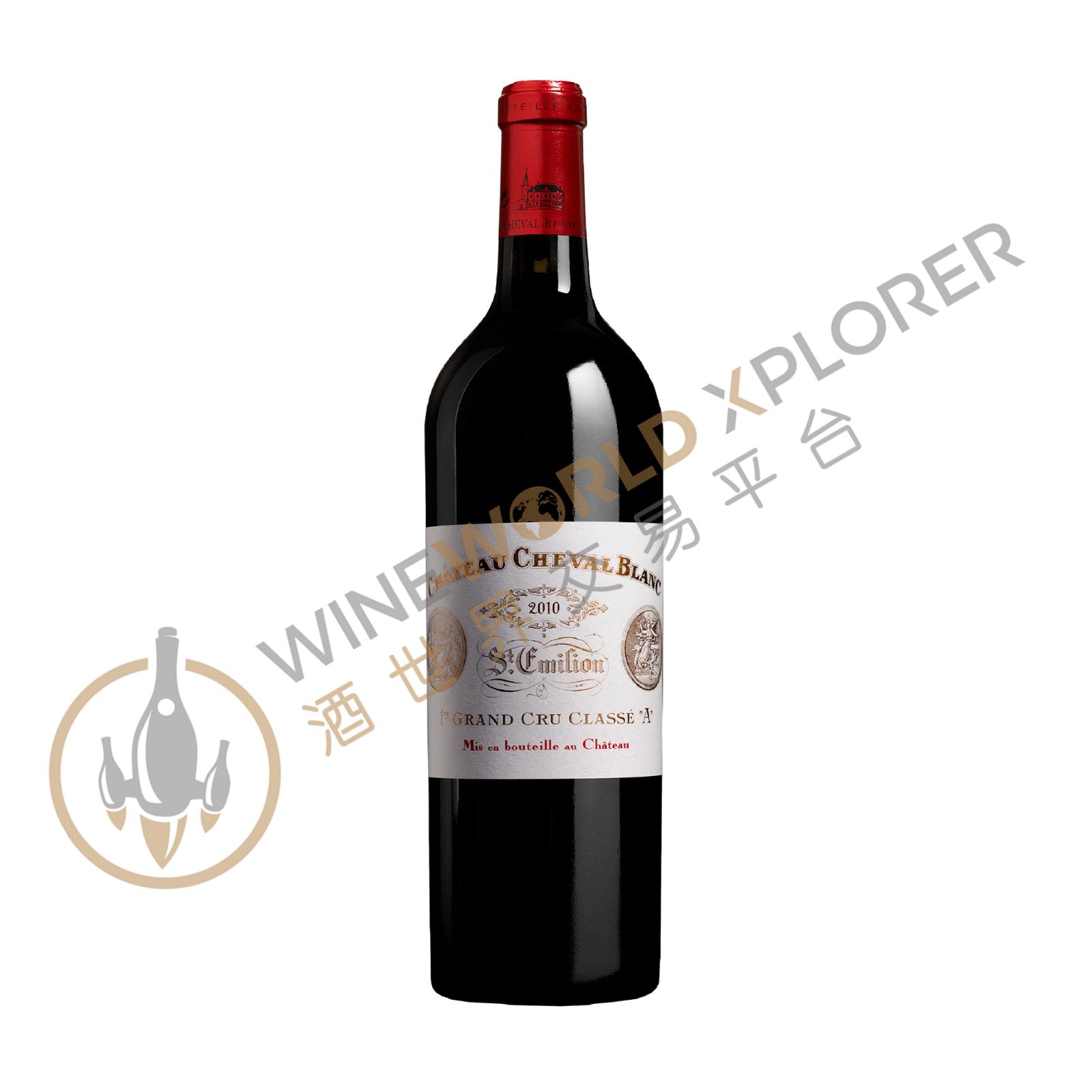
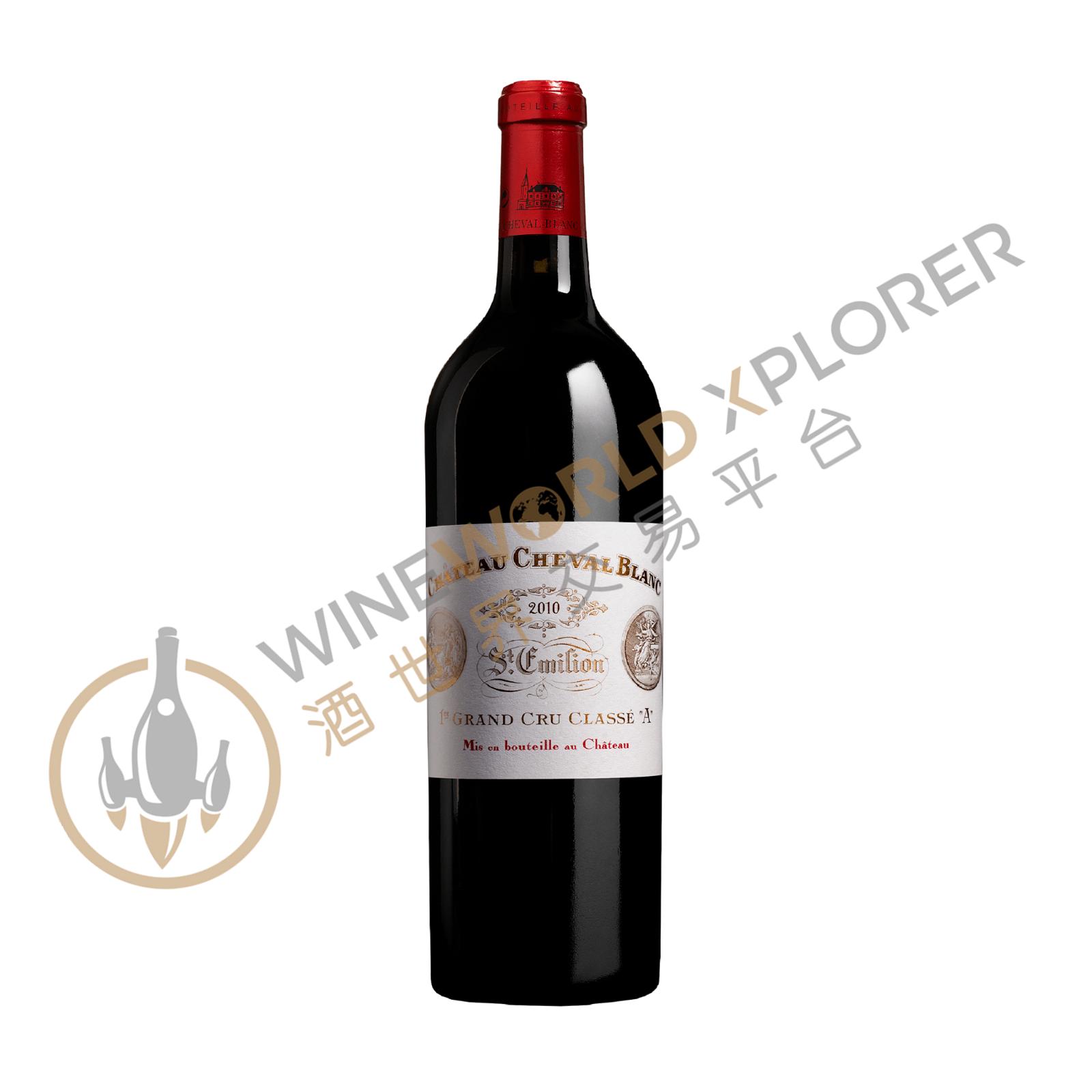
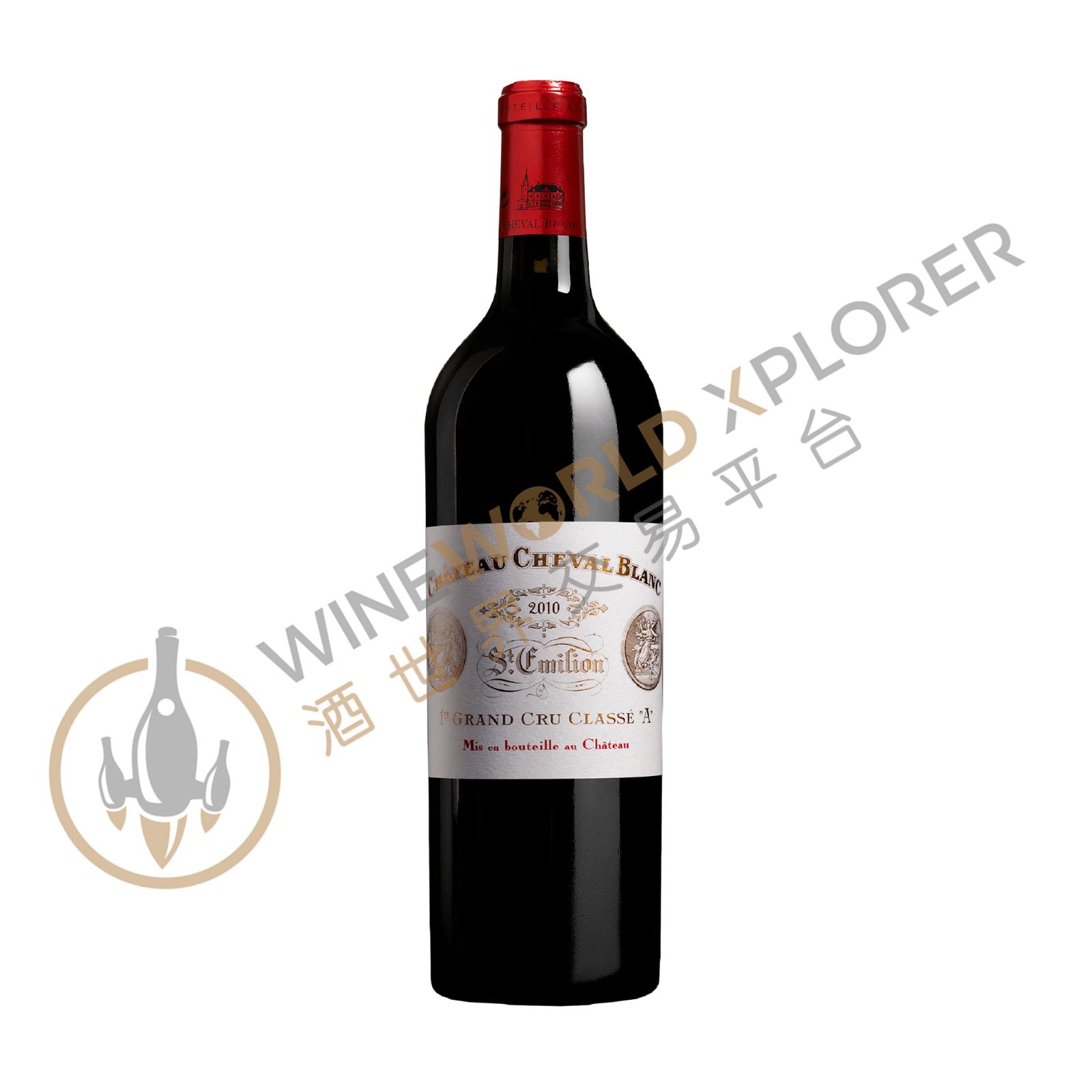
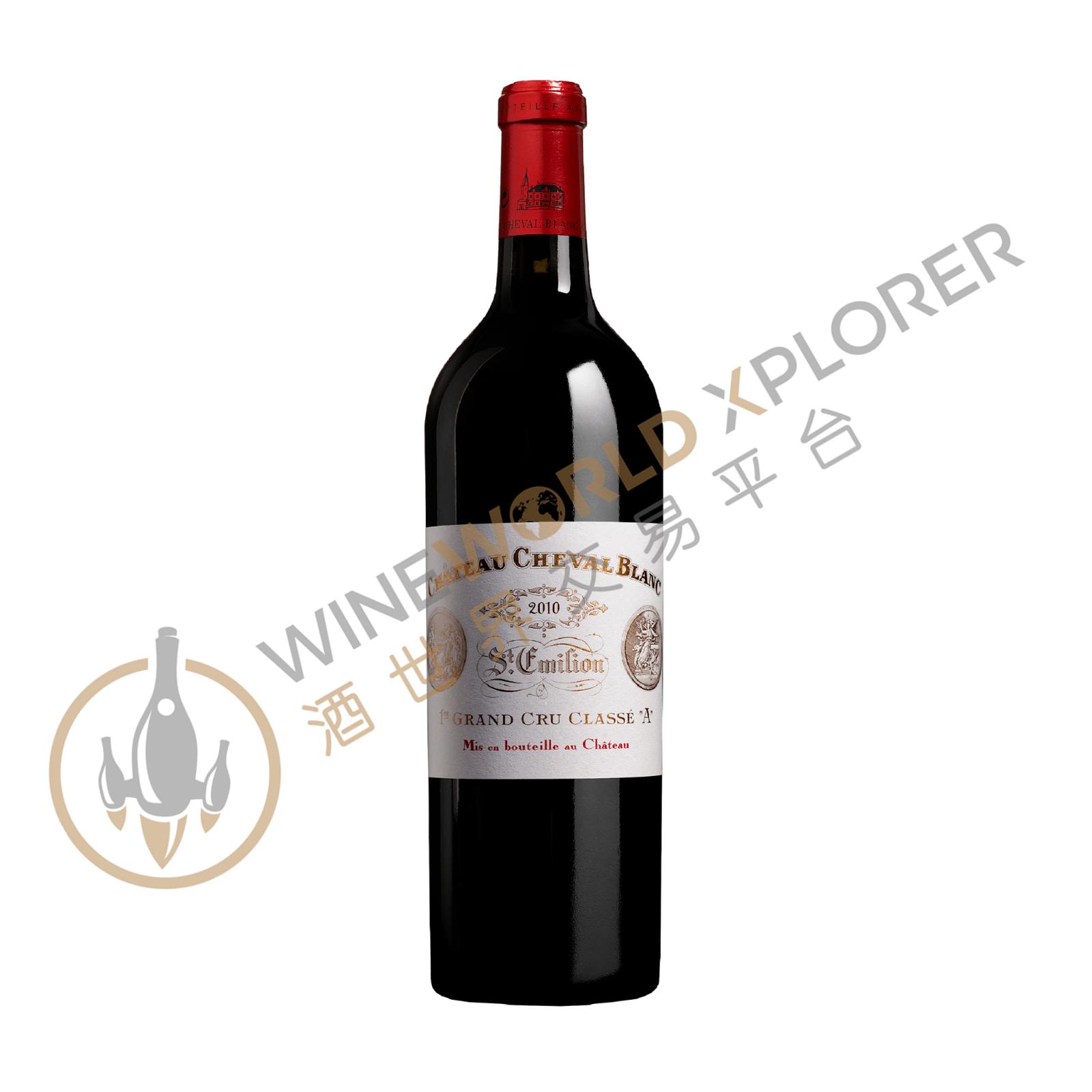
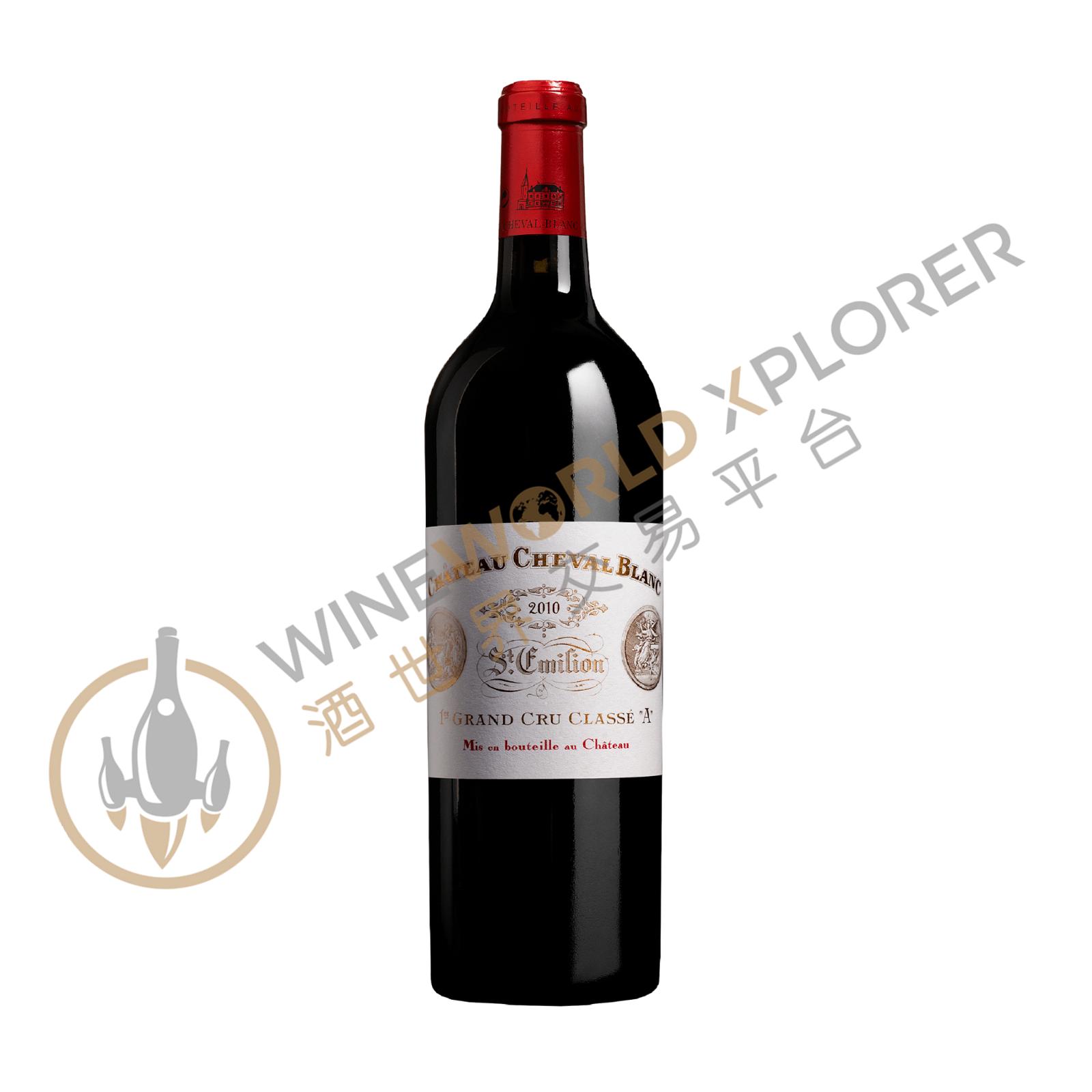
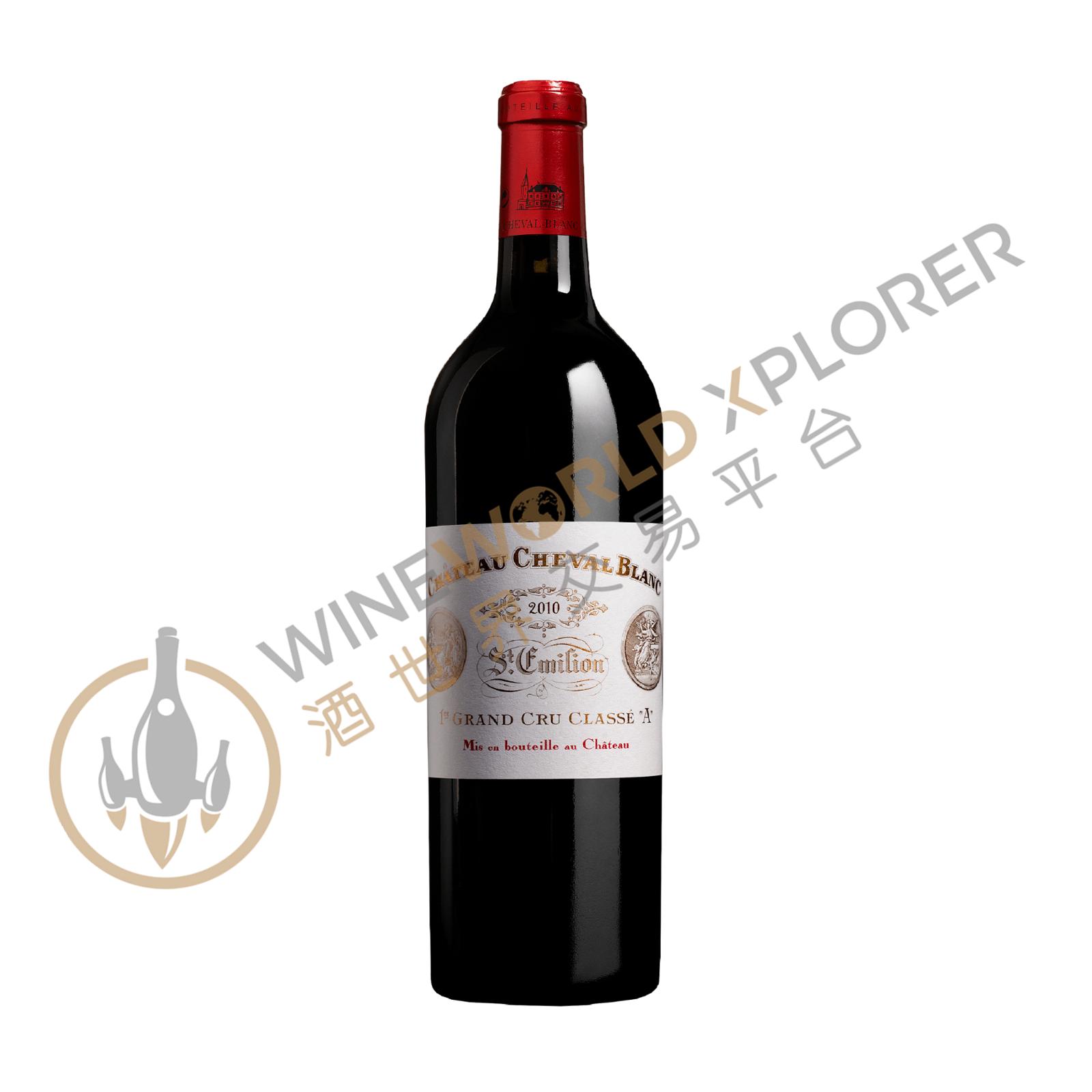
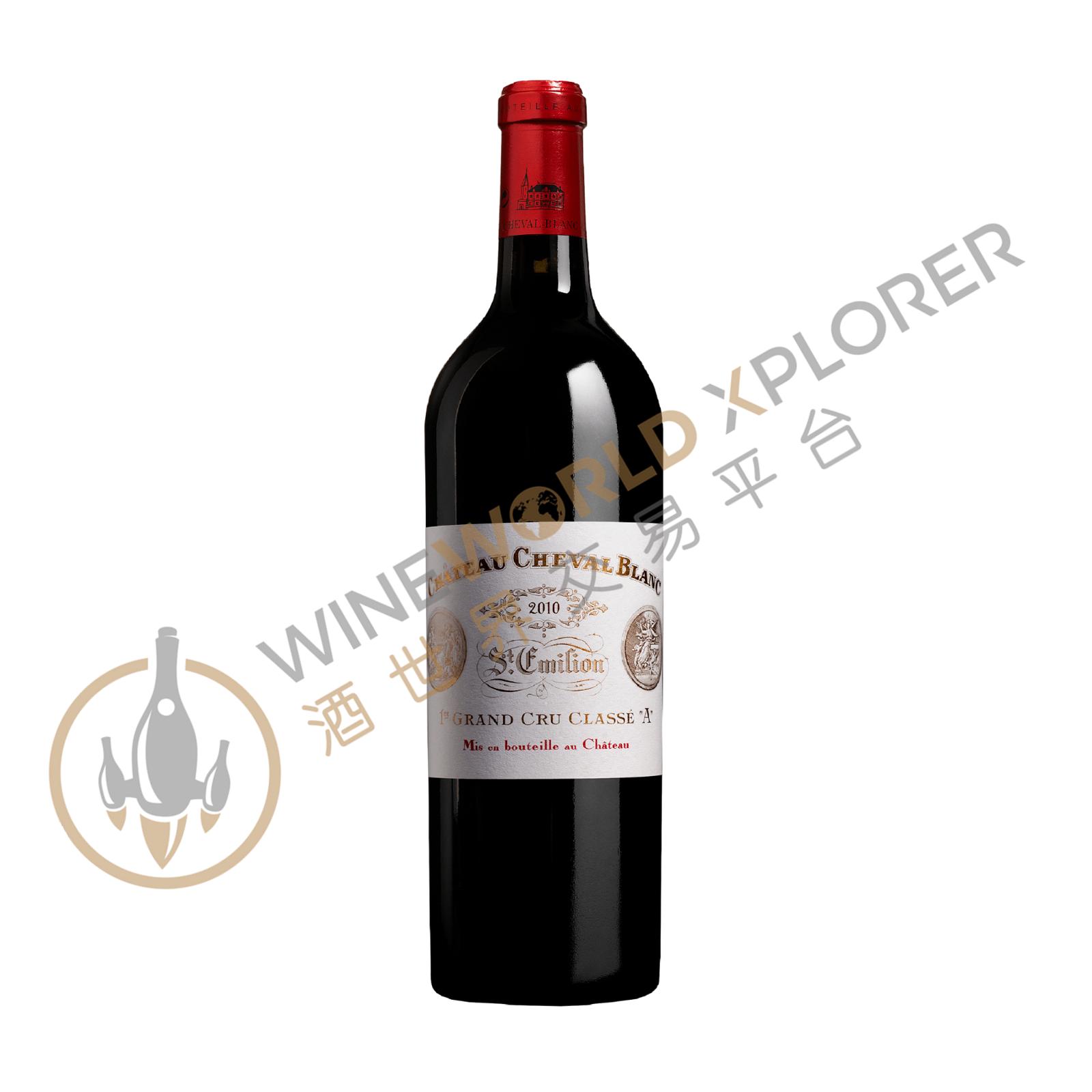
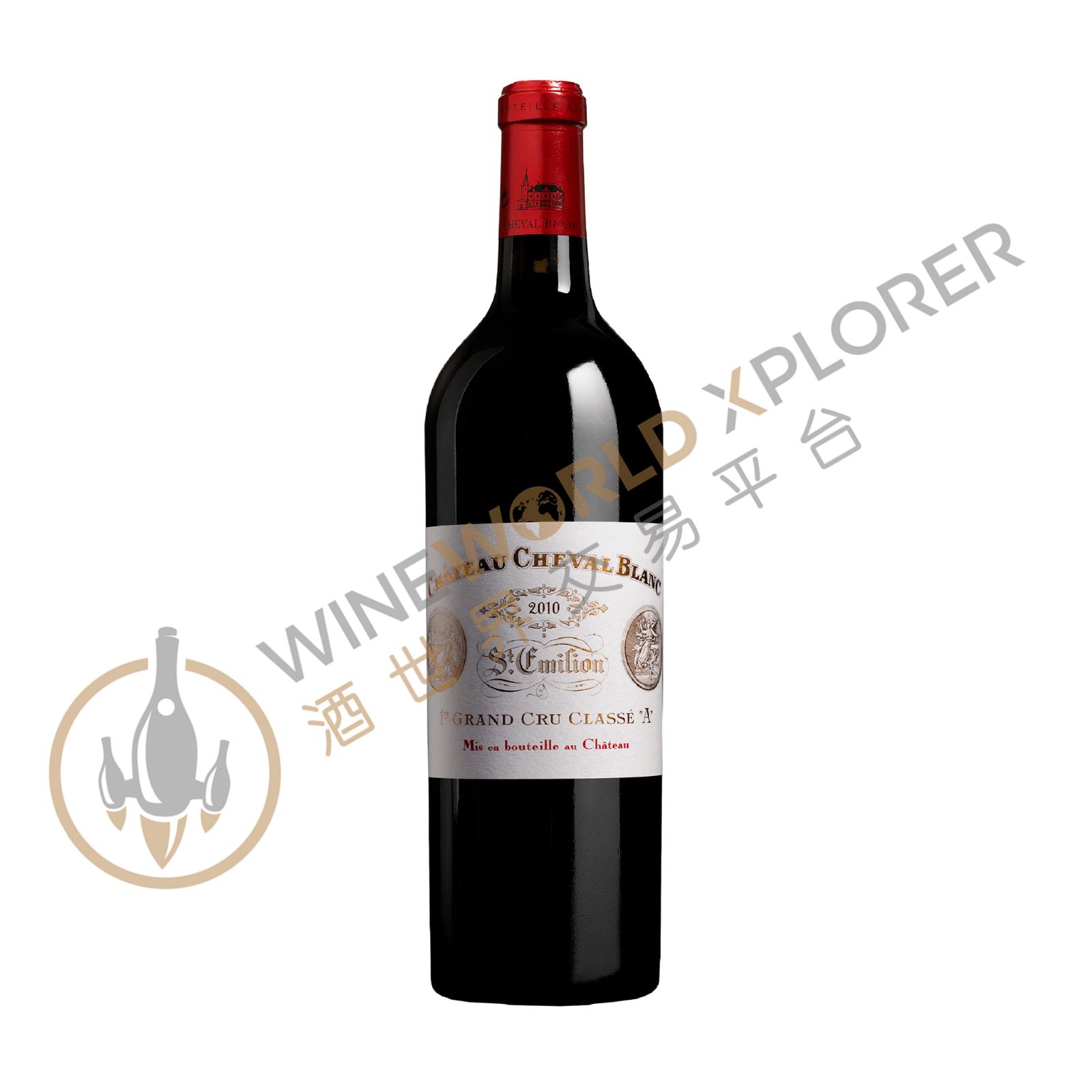
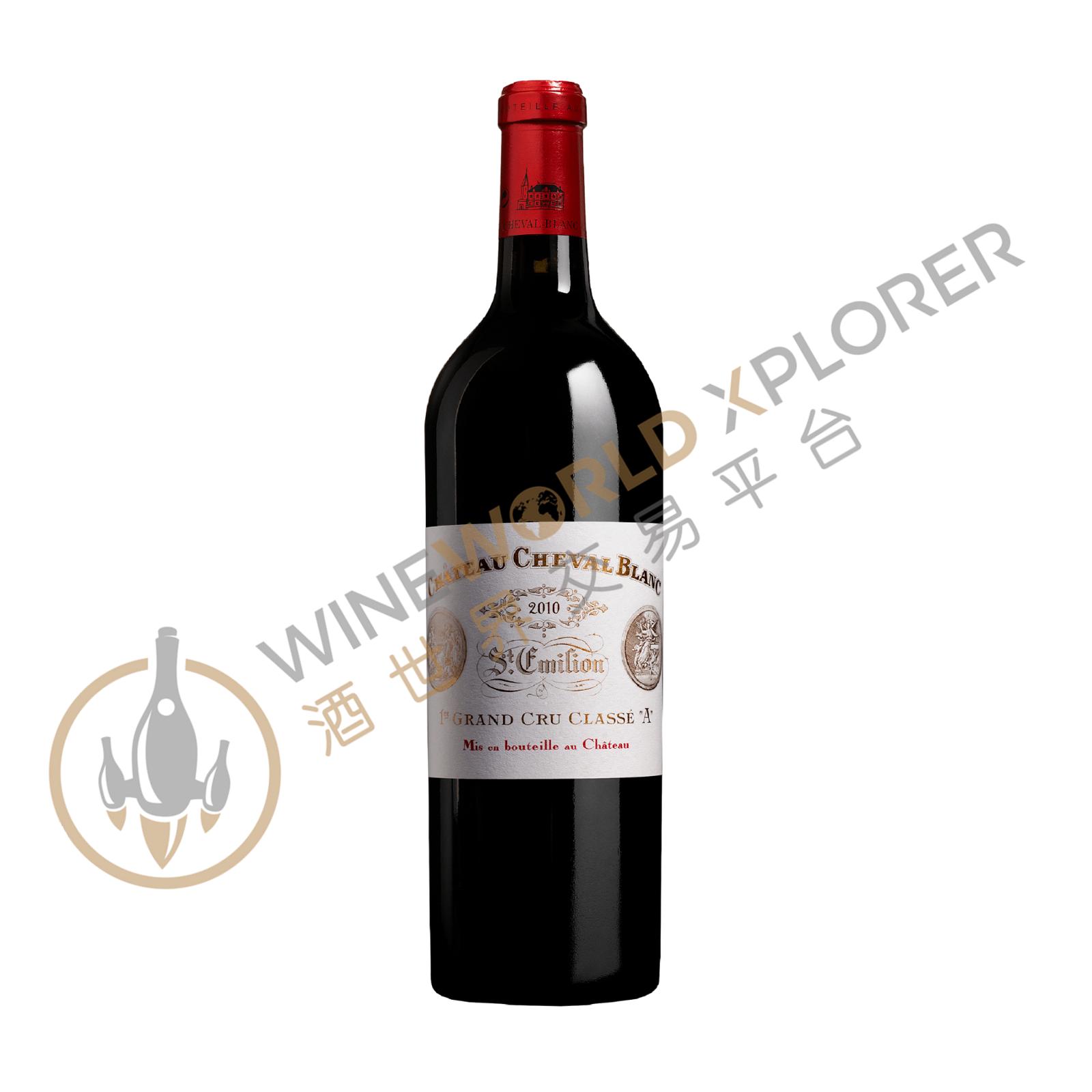
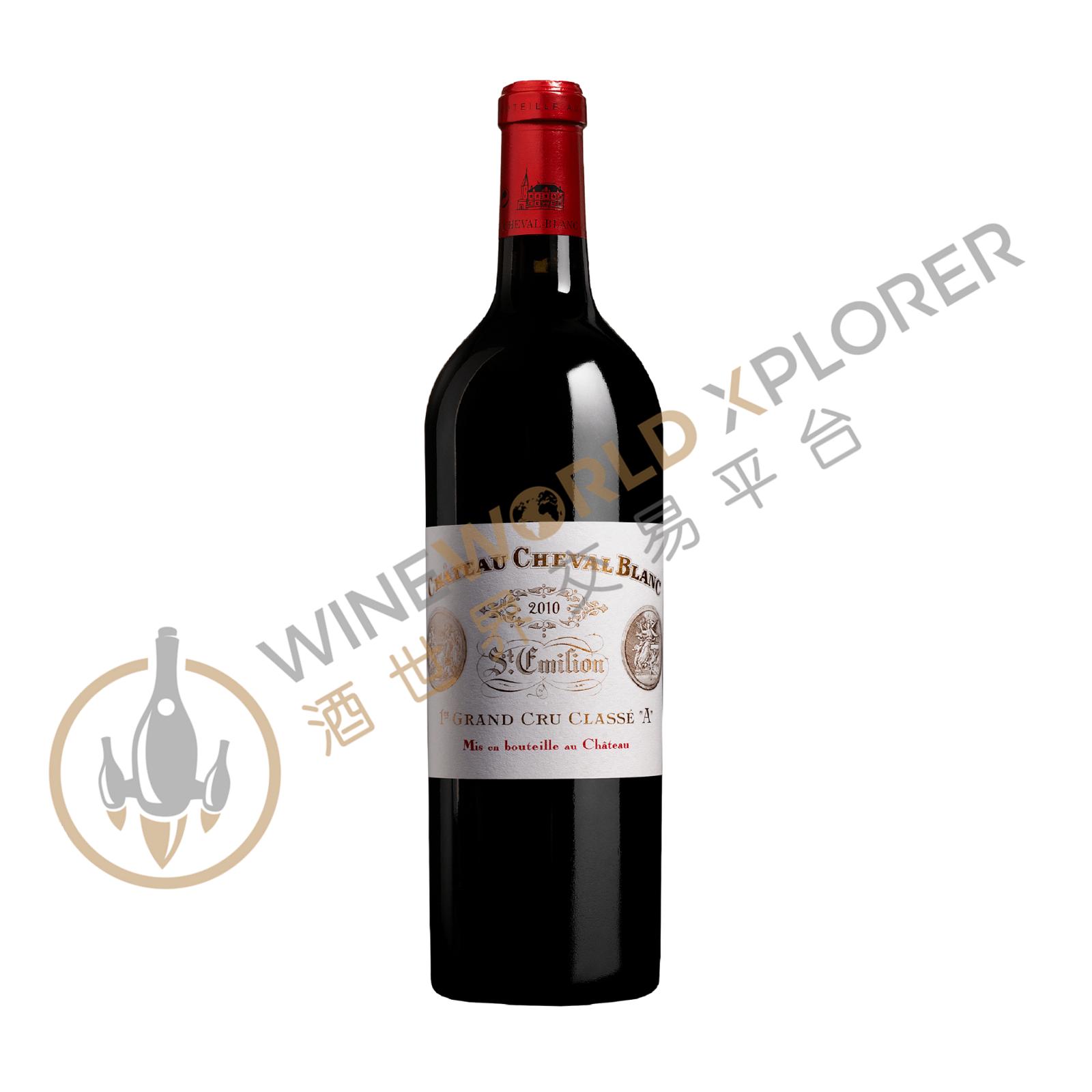
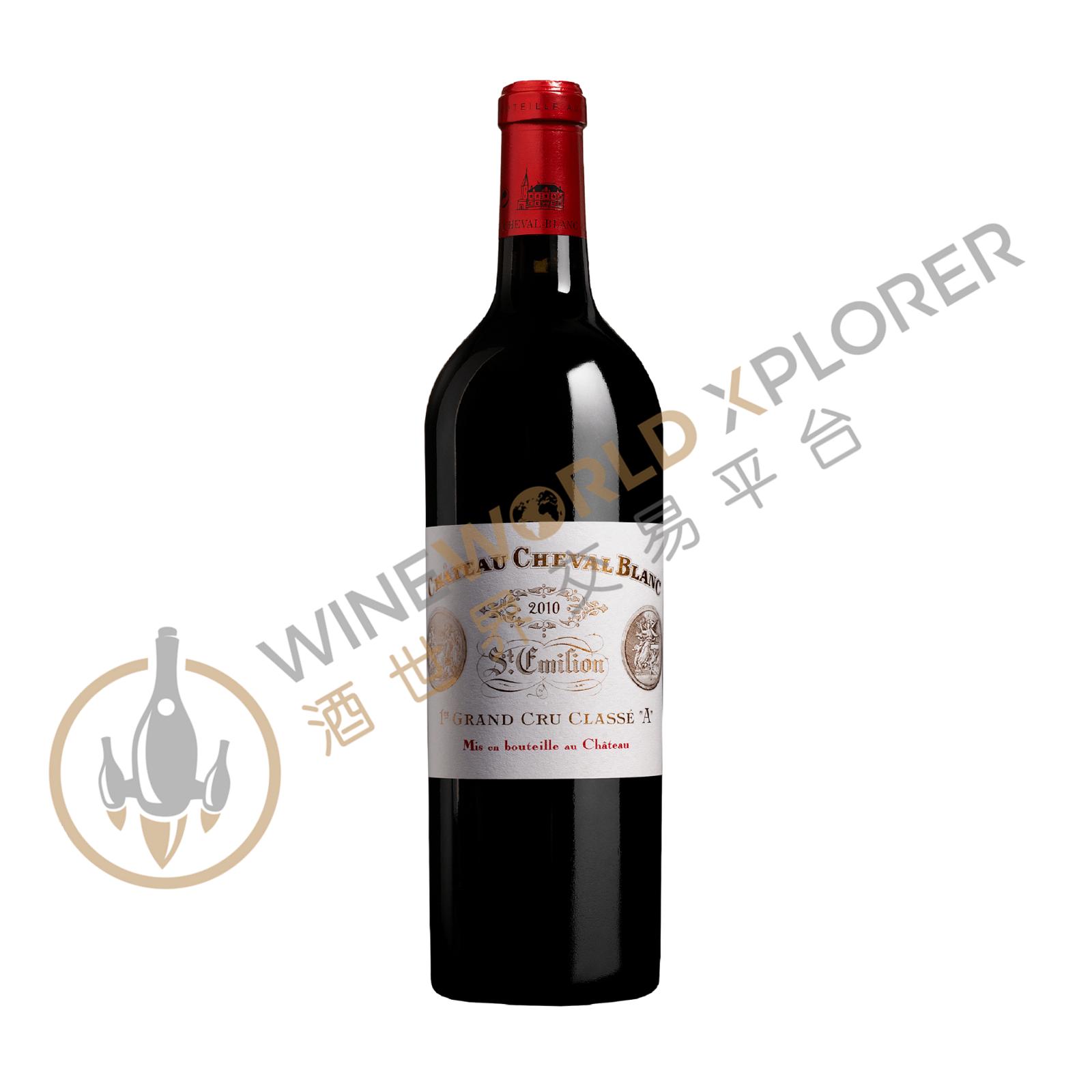
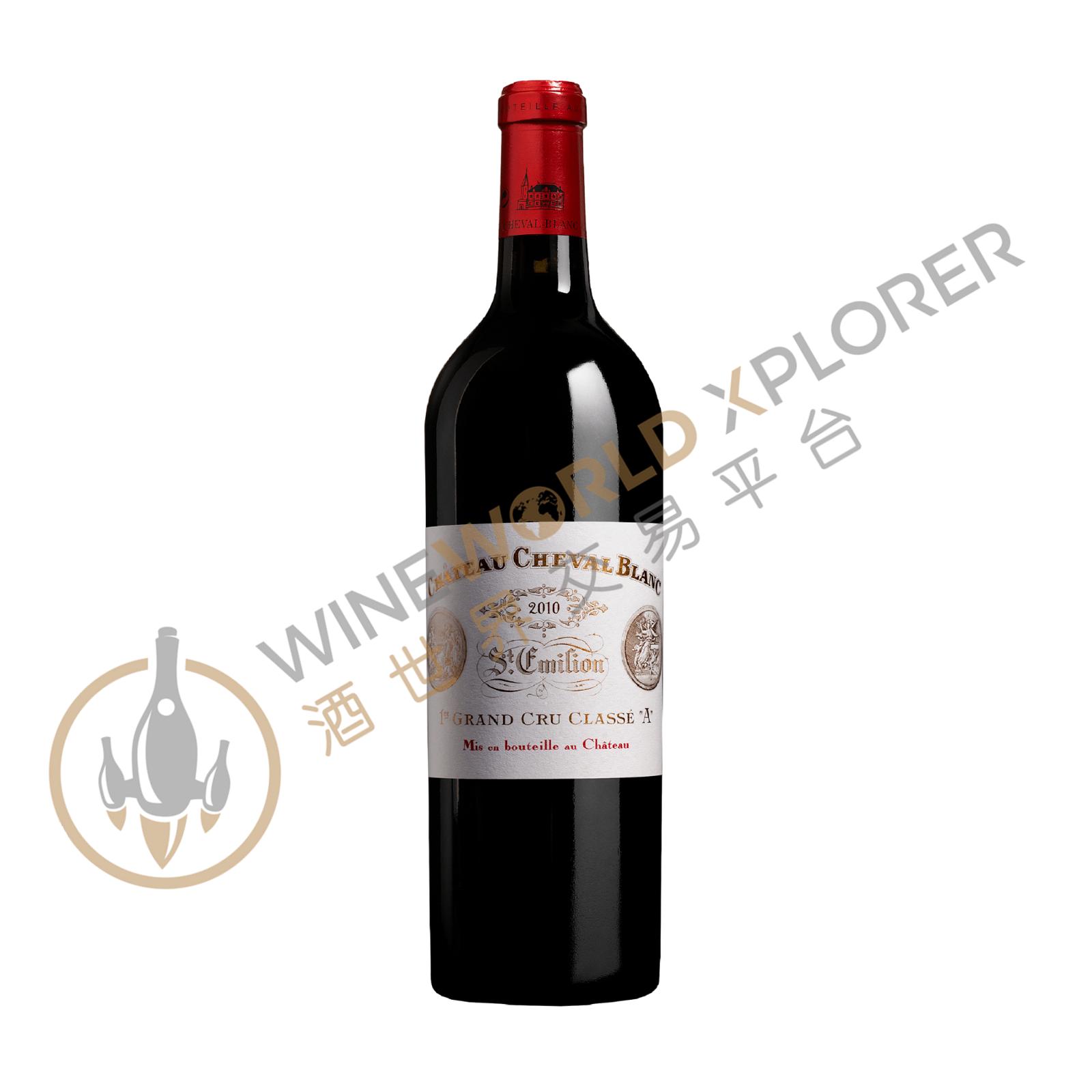
Château Cheval Blanc, a 1er Grand Cru Classé (A) is unquestionably the leading estate in St. Emilion. It is located in the north-west of the St. Emilion appellation, bordering Pomerol. Cheval Blanc obtained its first medal at the 1862 Universal Exhibition in London. In fact, a representation of this bronze medal is found on the château’s present-day label. Cheval Blanc won their first gold medal at the 1878 Universal Exhibition in Paris, and this new distinction also appeared on the label. In 1886, Cheval Blanc won a second gold medal at the Universal Exhibition in Antwerp. Reflecting this series of successes and a wine well on the way to achieving international recognition, a château was built on the estate.
Tasting notes

Reviewed by: Neal Martin
A deep garnet core. This has a sumptuous, Merlot-driven nose with touches of cassis, blueberry and Morello. The palate has you hooked instantly with a satisfying velvety texture though this wine is medium- rather than full-bodied, still backward with blackberry, cassis and a touch of Doris plum although for me it is lacking the dimension that a greater proportion of Cabernet Franc would lend it. After a couple of hours is develops an irresistible lushness with a more floral, violet-inspired perfume. A sexy Cheval, although not as profound as the 1998. Tasted October 2007.
Reviewed by: Neal Martin
A very deep nose that demands coaxing from the glass. A touch of sea salt? Dense, quite broody black fruits with an undercurrent of orange peel and apricot. The palate is full-bodied, quite rich and tannic with quite a dry finish. Tasted October 2007.
Reviewed by: Neal Martin
At nearly ten years of age, the Cheval ’01 has impressive precision on the nose with the Cabernet Franc component beginning to make its presence felt. The succulent black fruit now contend with herbaceous, dried meat scents with just a touch of truffle. The palate is full-bodied with good intensity. Ripe, dusky tannins, still quite closed with a structure, graphite tinged finish, and it shows very fine poise if not the complexity of a top class Cheval Blanc. Give it another 3-4 years. Tasted November 2010.
Reviewed by: Robert M. Parker, Jr.
Fifty percent of the crop made it into the 2001 Cheval Blanc, which includes an unusually high percentage of Merlot (60%, along with 40% Cabernet Franc). As administrator Pierre Lurton told me, it was a year where the vines had to be extensively pruned so yields were kept low. The Cabernet Franc vineyards produced 32 hectoliters per hectare, and the Merlot vineyards, 39 hectoliters per hectare. The cool September weather resulted in a late harvest for this estate. The opaque ruby/purple color of the 2001 is accompanied by a sweet bouquet of menthol, ripe black currant, plum, and cherry fruit, and an intriguing mineral characteristic. The wine is medium-bodied, with wonderful sweetness and purity, good definition, a layered texture, and sweet tannin in the finish. It will not make anyone forget the prodigious 2000 or the increasingly impressive 1998, but it is a fruit-driven, dense effort with abundant quantities of vibrant acidity. Anticipated maturity: 2010-2030.
Reviewed by: Neal Martin
Tasted blind at Bordeaux Index’s 10-Year On horizontal. This is a little pinched on the nose with touches of leather and bacon fat alongside sweet red-berried fruit. Good definition and poise. The palate is medium-bodied with cedar and tobacco-laced red fruits, finely balanced, though showing just a little austerity towards the grippy, dry finish. The aftertaste of dried orange rind and dried blood is very agreeable. Tasted March 2011.
Reviewed by: Robert M. Parker, Jr.
Fifty percent of the crop made it into the 2001 Cheval Blanc, which includes an unusually high percentage of Merlot (65%, along with 35% Cabernet Franc). The 2001 has a lot in common with the 1999 and 1988. Its opaque ruby/purple color is accompanied by a sweet bouquet of menthol, ripe black currant, plum, and cherry fruit, and an intriguing mineral characteristic. The wine is medium-bodied, with wonderful sweetness and purity, good definition, a light texture, and sweet tannin in the finish. It will not make anyone forget the prodigious 2000 or the increasingly impressive 1998, but it is a fruit-driven, dense effort with abundant quantities of vibrant acidity. As administrator Pierre Lurton told me, in this vintage the vines had to be extensively pruned (and crop-thinned) so yields were kept low. The Cabernet Franc vineyards produced 32 hectoliters per hectare, and the Merlot vineyards, 39 hectoliters per hectare. The cool September weather resulted in a late harvest for this estate. Anticipated maturity: 2007-2020.
Reviewed by: Ian d'Agata
(a blend of 60% merlot and 40% cabernet franc; cropped at 35 hectoliters per hectare; 50% selection for the grand vin): Bright red-ruby. High-pitched, slightly candied aromas of crushed red berries and plum lifted by whiffs of violet and cocoa. Then tightly wound, with juicy minerality and good energy to its spicy, exotic blackcurrant and herbal flavors. Boasts wonderful precision and lingering perfume on the long, taut finish. The 2001 vintage was characterized by a late harvest due to a cooler than average September; the wines are far above average in quality and, given their relatively low cost compared to the much sought-after 2000s and 2005s, represent very intelligent buys for Bordeaux lovers all over the world.
Reviewed by: Neal Martin
The 2001 Cheval Blanc has a slightly more expressive and less feral bouquet compared to the 2000, perhaps better defined, although I miss the menthol aspect that develops on the previous vintage. But give it an hour's aeration and it coheres magnificently, gaining more intensity as it manifests dark berry fruit mixed with potpourri. The palate is medium-bodied with grippy tannins, quite firm and (for this estate) quite austere and strict, though yet again, after an hour it mellows, gaining more rondeur and sensuality. Whereas initially I leaned toward the millennial Cheval Blanc, the 2001 has its nose in front by the end. Tasted at Cheval Blanc.
Reviewed by: Stephen Tanzer
Full medium ruby. Enticing aromas of black raspberry, lead pencil and cocoa powder. Rich, full, sweet and penetrating, with vibrant flavors of purple berries and bitter chocolate. Broad and full, but the wine's harmonious acidity and floral element give it an impression of delicacy. Offers a lovely combination of fat middle and gripping aftertaste. I would expect this wine to continue to put on weight in bottle.
Reviewed by: Stephen Tanzer
Medium ruby. Jammy but restrained aromas of blackberry, flowers and mint. Tightly wound, intensely flavored and quite structured, with urgent blackberry, boysenberry, violet, tobacco leaf and tree bark flavors shaped by very firm acidity. Showing its tougher cabernet franc side today and stubbornly closed in the glass. But this intensely floral wine finishes extremely long and vibrant, with fine, toothcoating tannins and superb grip.
Reviewed by: Stephen Tanzer
Bright medium ruby. Subtly perfumed, pure aromas of boysenberry, black cherry and violet. Silky and moderately dense but tightly wound, with lovely precision and urgency of dark berry, bitter chocolate and violet flavor. Very long, youthfully vibrant finish features firm tannins and superb cut.
Reviewed by: Robert M. Parker, Jr.
I was surprised by how soft, opulent, even voluptuous the 2001 Cheval Blanc performed out of bottle as this estate’s wines tend to shut down when young. Its deep ruby/purple color was accompanied by sweet aromas of cranberries, black currants, menthol, Asian spices, and underbrush. This seductive blend of 60% Merlot and 40% Cabernet Franc reveals a lush sweetness, medium body, and ripe, well-integrated tannin. A racy effort filled with personality, it should be at its finest between 2007-2018.
Reviewed by: James Suckling
I have always believed in the 2001 Cheval Blanc. It may even be better than the more highly thought of 2000 and it's certainly much less expensive. It sells for about $550 a bottle compared to $1000 a bottle for the 2000. I drank it recently again and it's so layered and gorgeous. A wine with superb texture and cedar and chocolate. Full and velvety tannins with sweet tobacco and meat with dried plums. Firm and chewy yet tight and reserved. So young. Decant two hours before serving. Drink or hold.
About the Producer
Château Cheval Blanc is a highly lauded wine estate in the Saint-Émilion region of northeast Bordeaux. Classified with the top ranking of Premier Grand Cru Classé A, it is regarded by many as one of the greatest wines of the appellation – if not, the greatest. It is certainly the most famous Cabernet Franc-based wine in the world, albeit often alongside very similar levels of Merlot. Typically, the "grand vin" (the estate's eponymous wine) is lush and full bodied with great weight of fruit. It tends to require ten years of bottle age and the best vintages can last half a century or more. The second wine of the estate is Le Petit Cheval. The vineyard is located in the northwest of the region, bordering Pomerol (La Conseillante is a neighbor) and consists of 39 hectares (96 acres) divided into 45 plots. There is an unusually large amount of Cabernet Franc planted – about 49 percent – with 47 percent Merlot and four percent Cabernet Sauvignon. The unusual planting proportions reflect the terroir; most vineyards in the region are either clay or gravel-based over impermeable sedimentary rock, but Cheval Blanc is unique in having a patchwork of soils with the two types in roughly equal proportions. The clay soils provide base wines with velvety tannins, while those from gravel soils are more aromatic and elegant. Vines have been grown since the 14th Century at this spot but the vineyard as it is known today took shape in the 19th Century when the core plots were added to by purchases from the nearby Figeac estate. Subsequent replantings established the atypical half-Merlot, half-Cabernet Franc proportions. Cheval Blanc gained its first medal at the 1862 Universal Exhibition in London – the first of a series of successes building its reputation and achieving price levels comparable to the Médoc first growths, which paved the way for a château to be built on the estate. In the first classification of Saint-Émilion wines in 1955, Cheval Blanc was awarded the highest possible rating and remains a Premier Grand Cru Classé A. In 1998, after 166 years of continuous family ownership, Bernard Arnault, the head of luxury goods firm LVMH, and the late Baron Albert Frère (a Belgian billionaire investor) jointly purchased the estate. The spectacular new cellar opened in 2011, with 52 concrete vats (replacing stainless steel) of differing sizes corresponding to different vineyard plots. The grand vin spends 16 to 18 months in new oak barrels from a variety of cooperages.
1949(1)1953(1)1955(4)1958(1)1962(1)1966(1)1967(2)1970(2)1973(1)1974(2)1975(3)1976(1)1977(1)1978(1)1979(2)1980(1)1981(2)1982(5)1983(1)1984(1)1985(1)1986(5)1988(4)1989(4)1990(13)1992(3)1993(1)1994(4)1995(7)1996(9)1997(2)1998(11)1999(5)2000(13)
Package Size