Wine Advisor



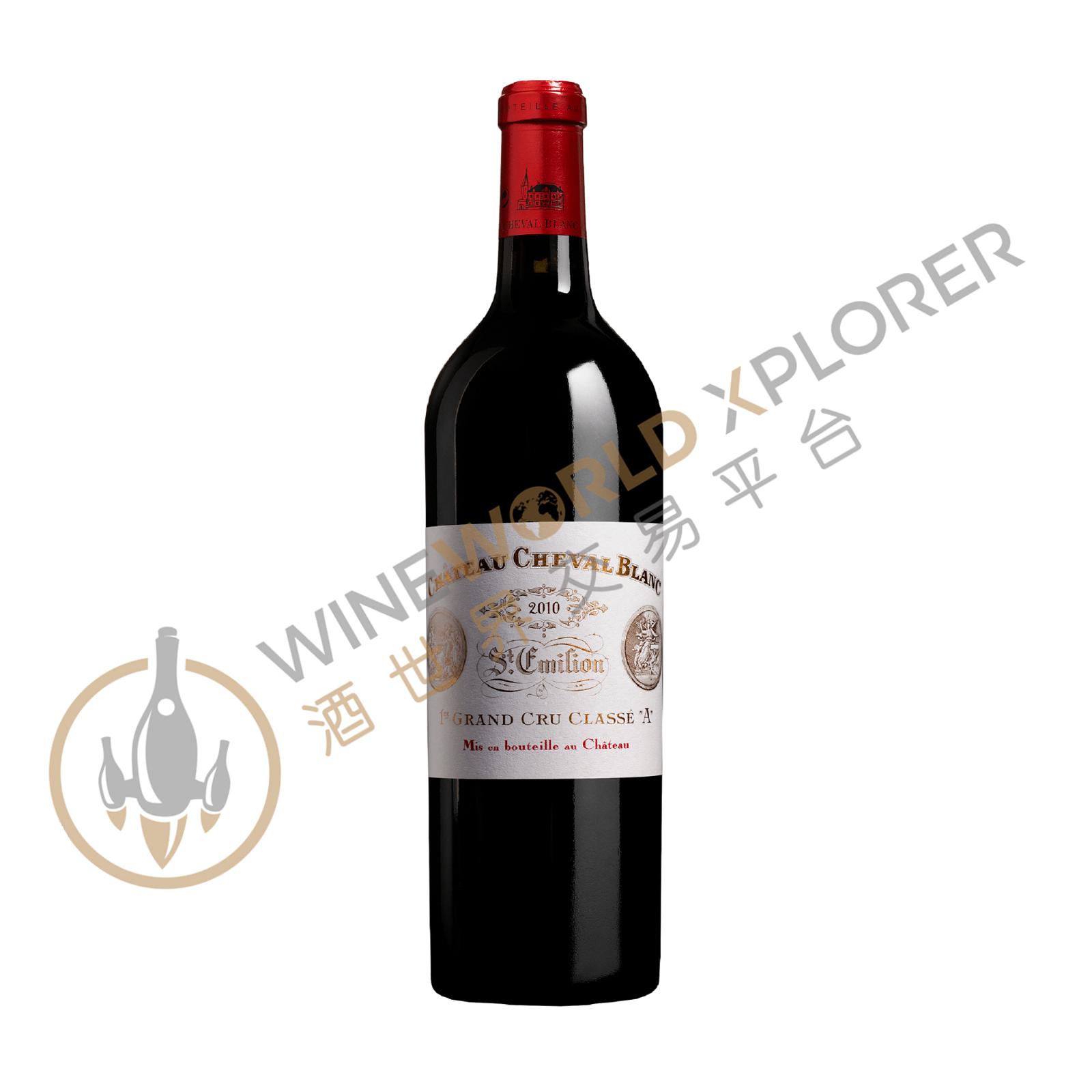
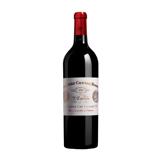
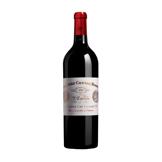
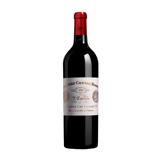
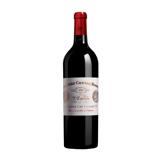
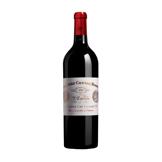
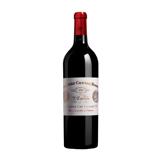
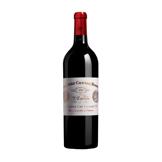
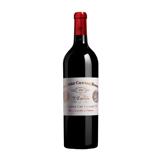
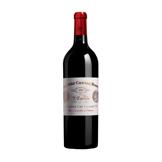
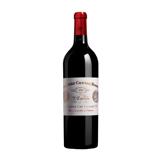
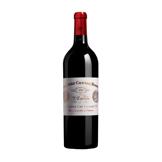
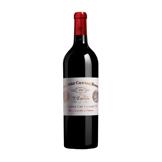
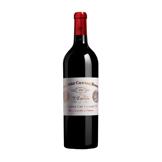
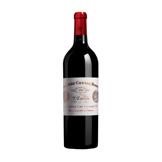
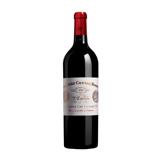
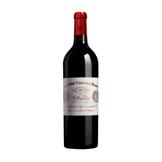
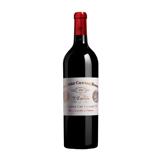
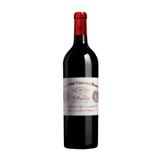
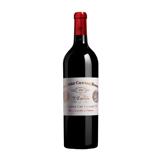
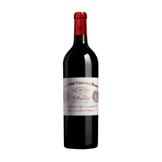
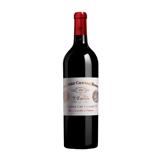
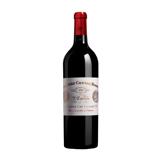
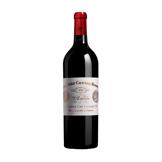
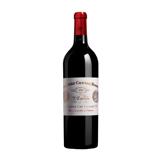
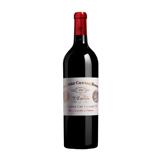
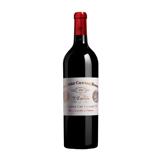
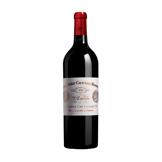
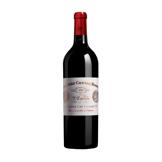
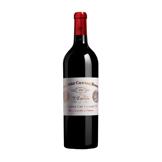
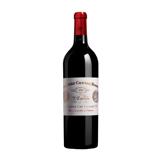
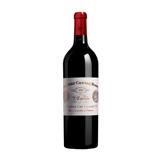
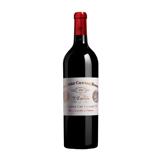
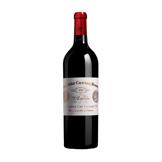
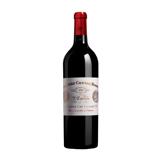
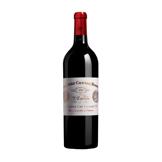
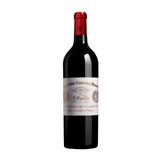
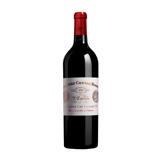
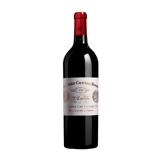
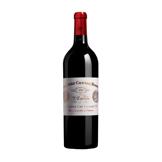
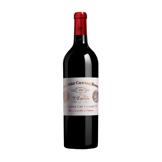
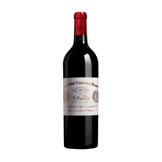
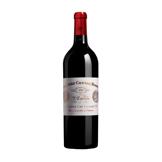
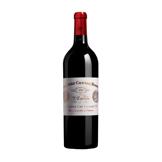
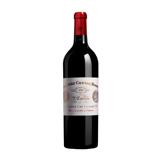
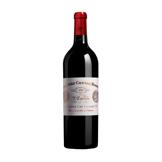
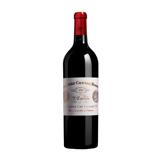
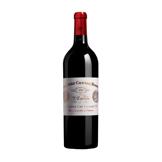
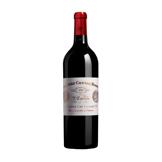
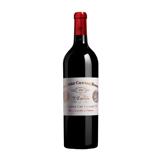
Cheval Blanc 1998
 View analysis


Description
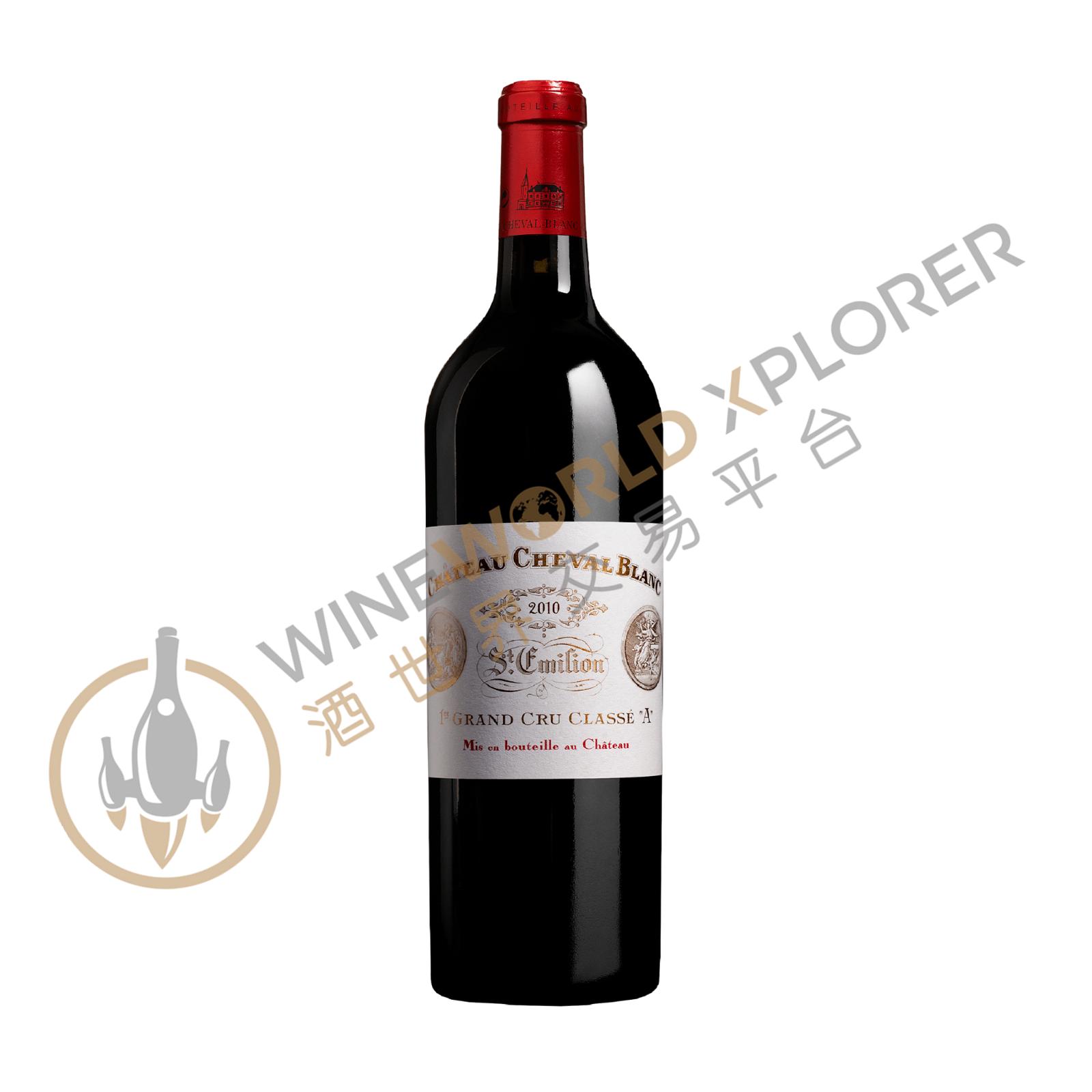
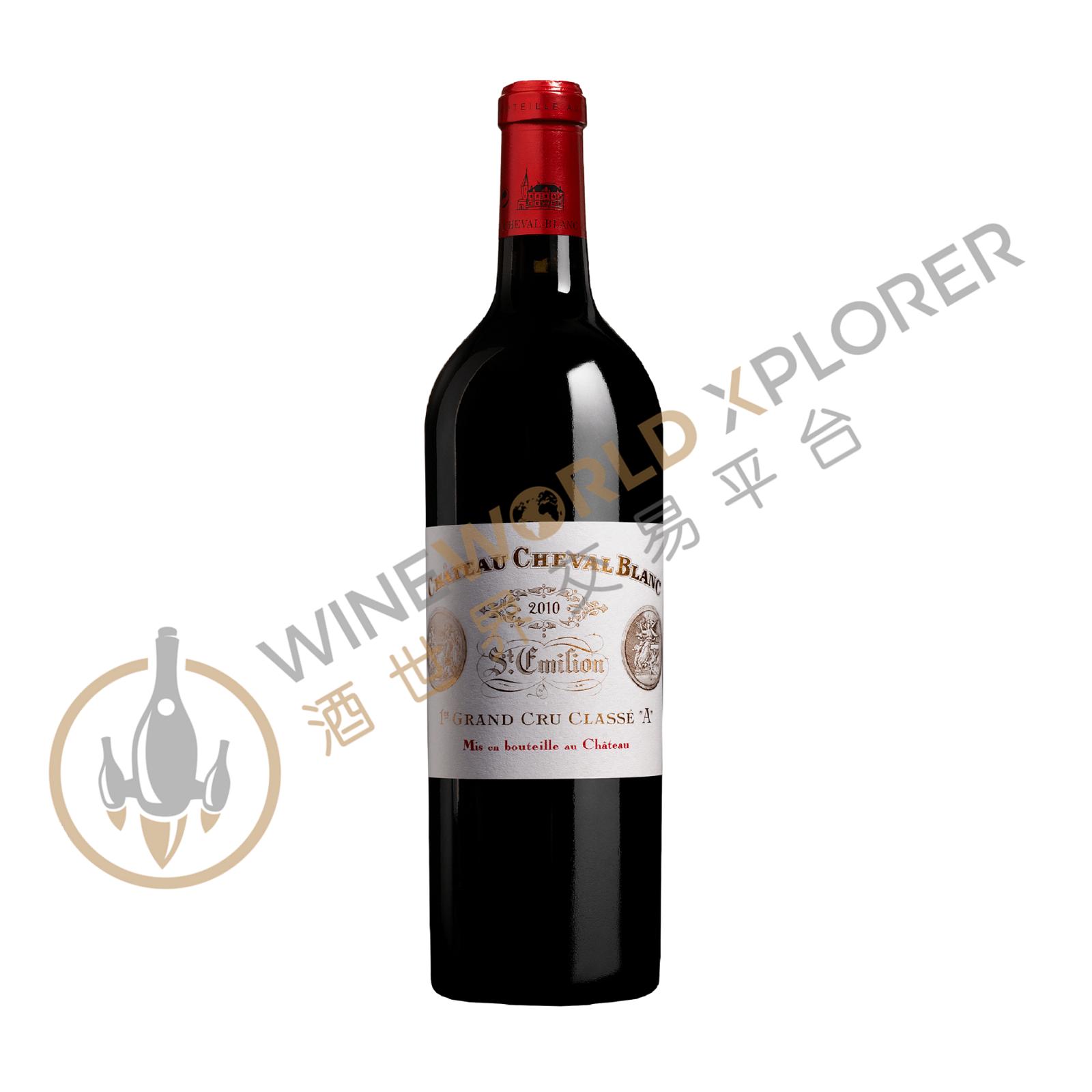
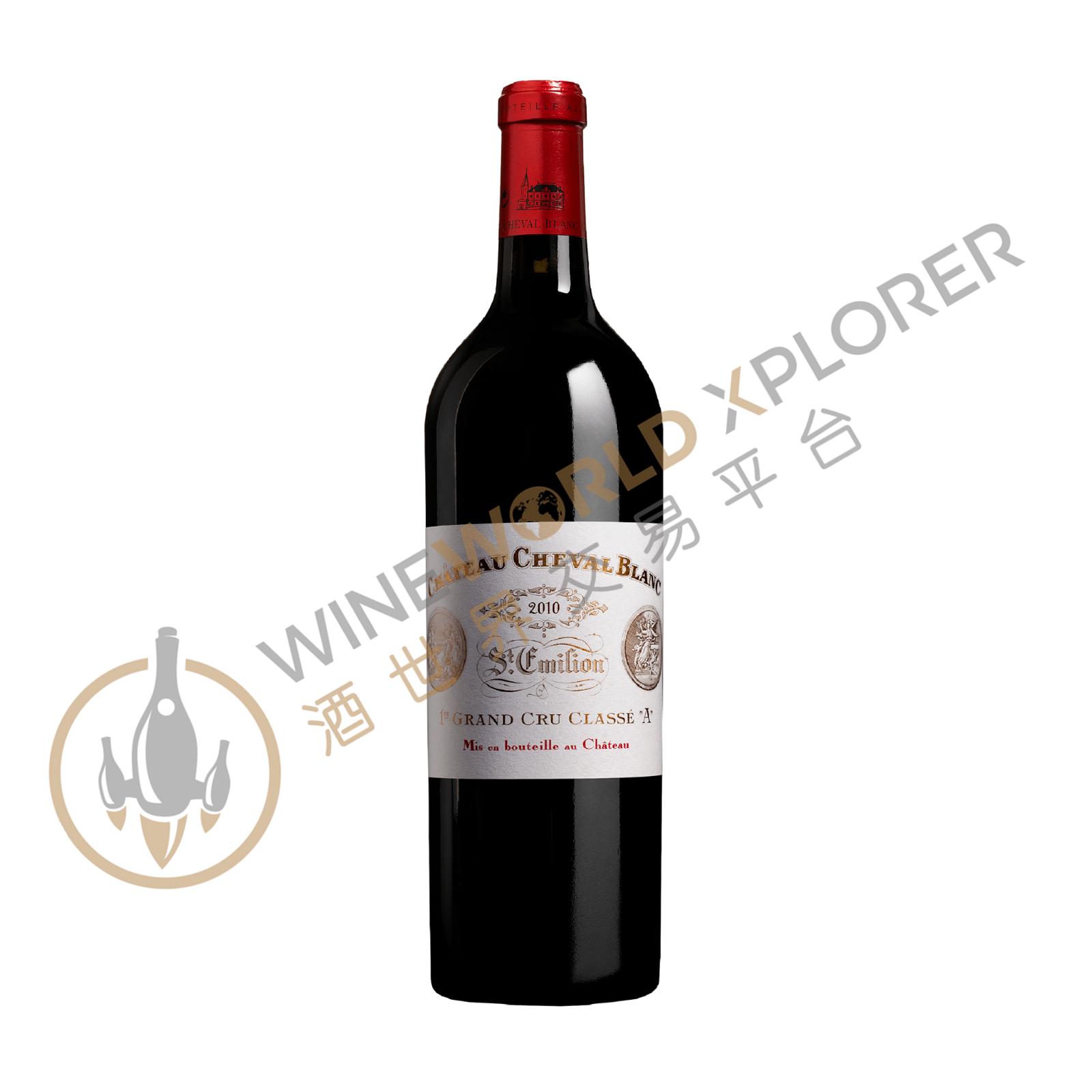
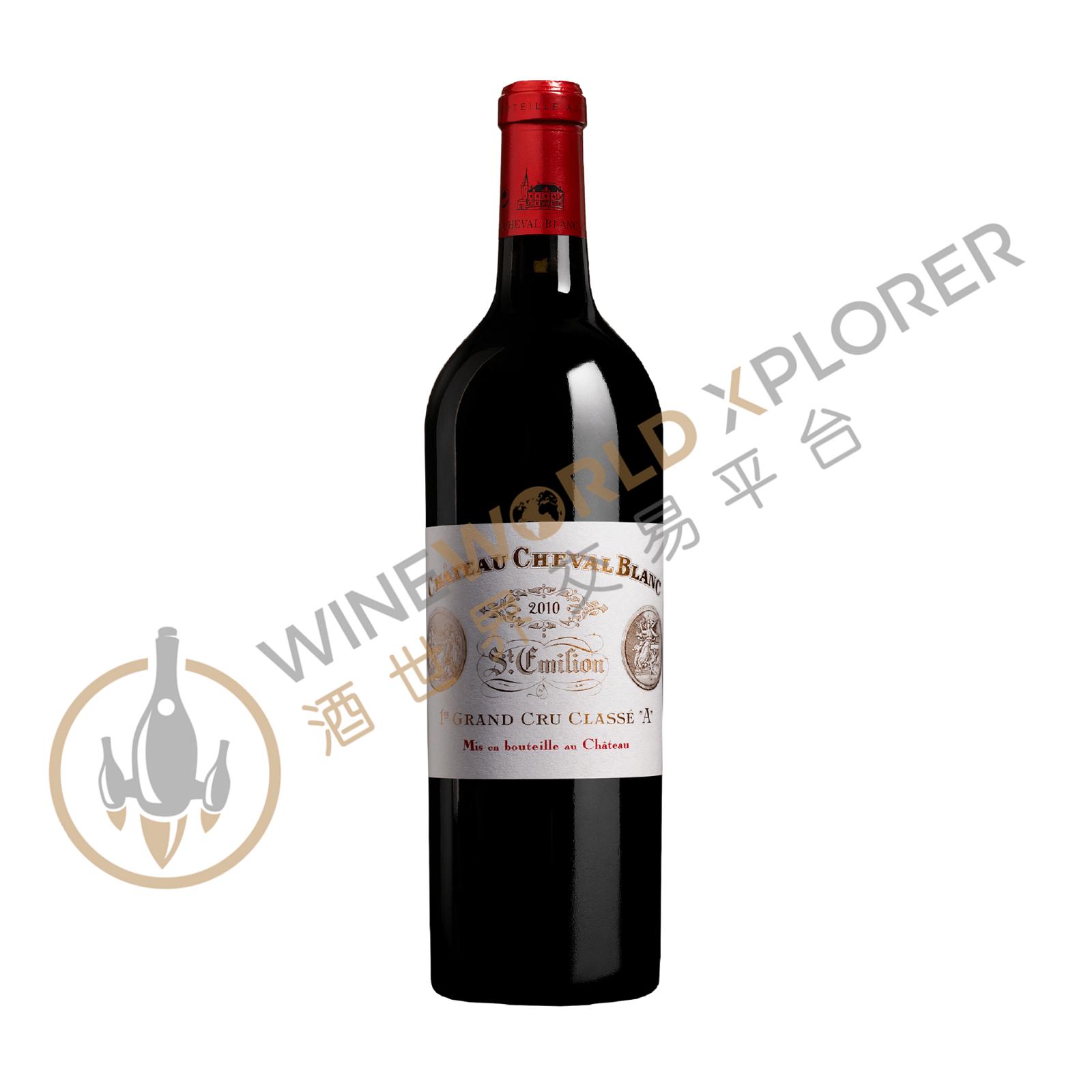
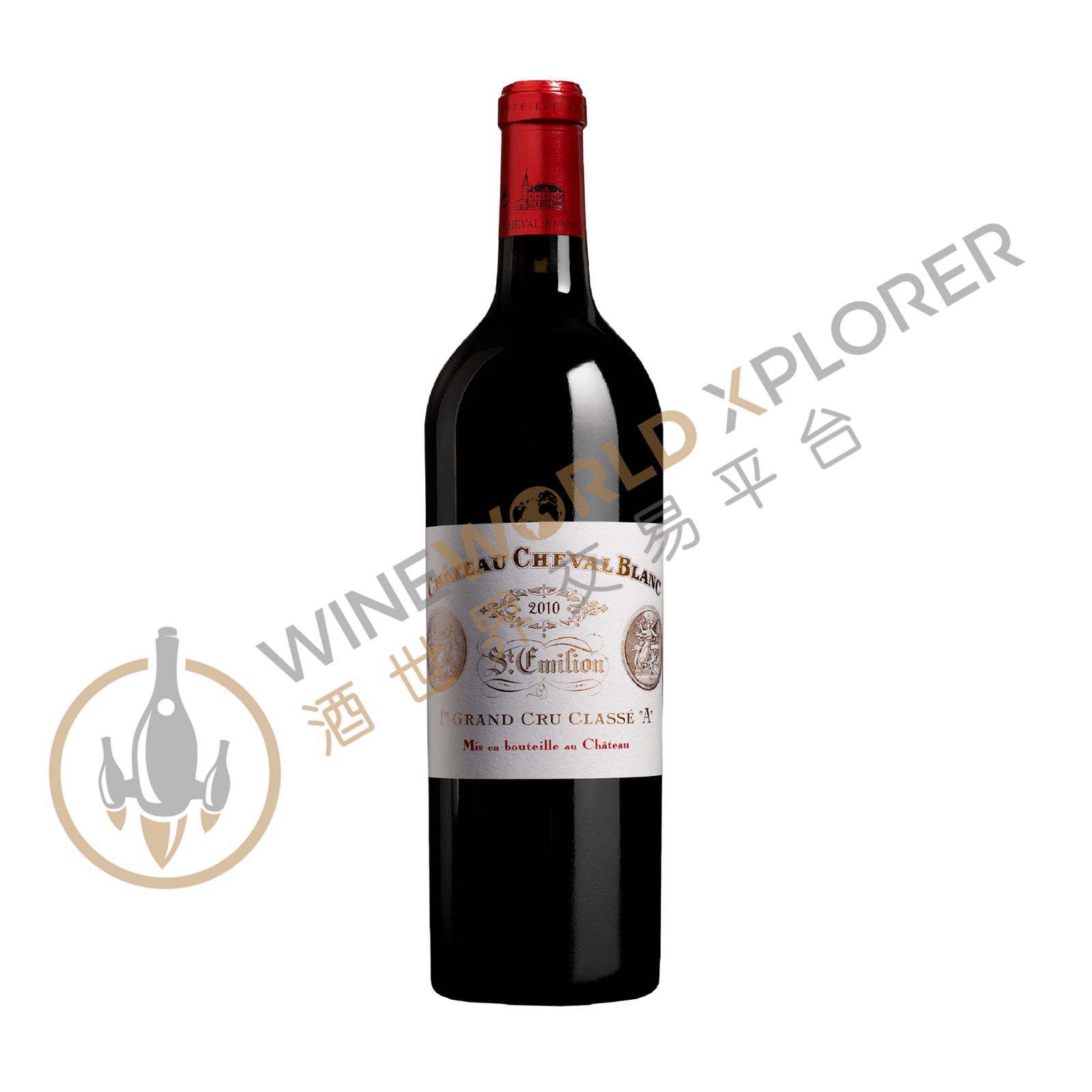
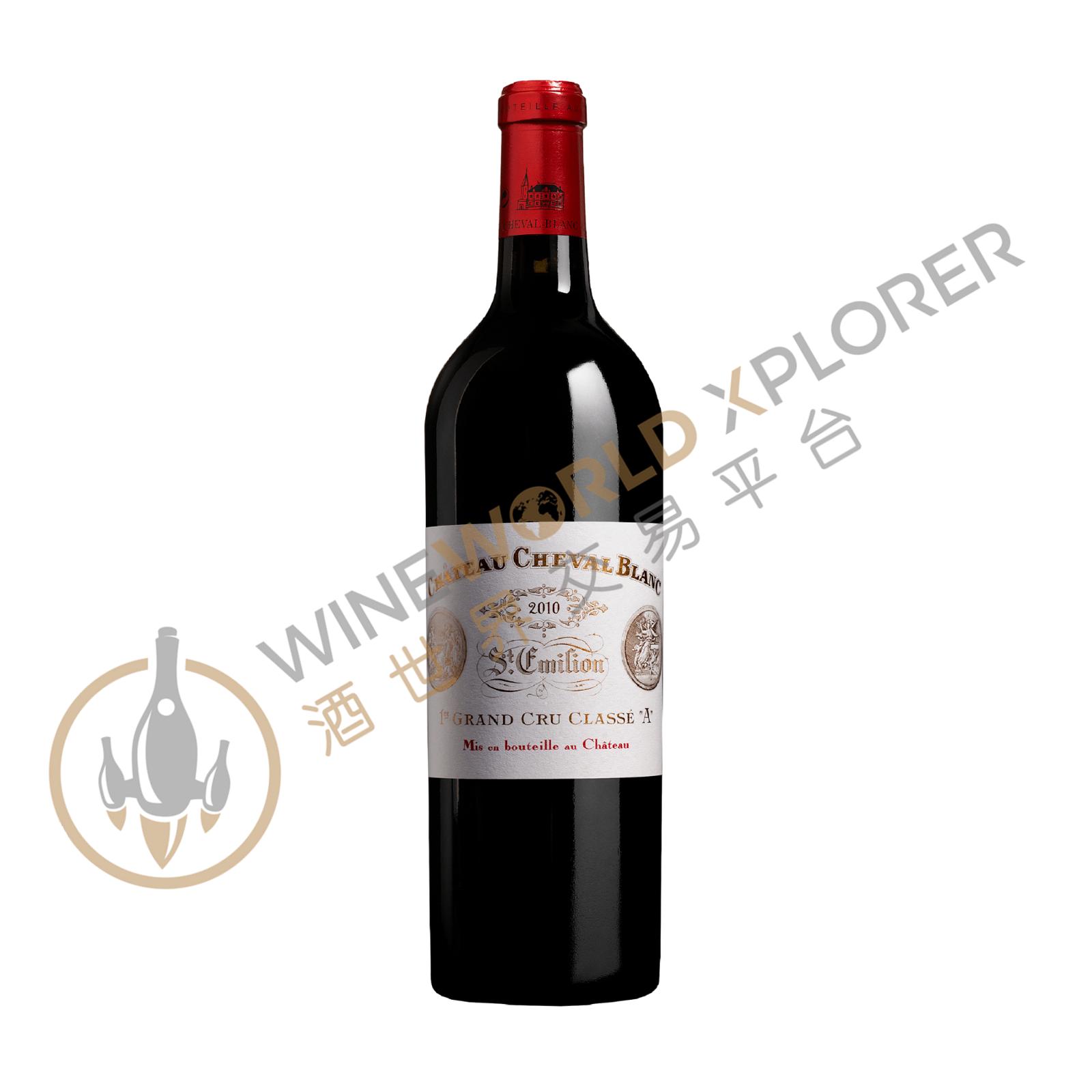
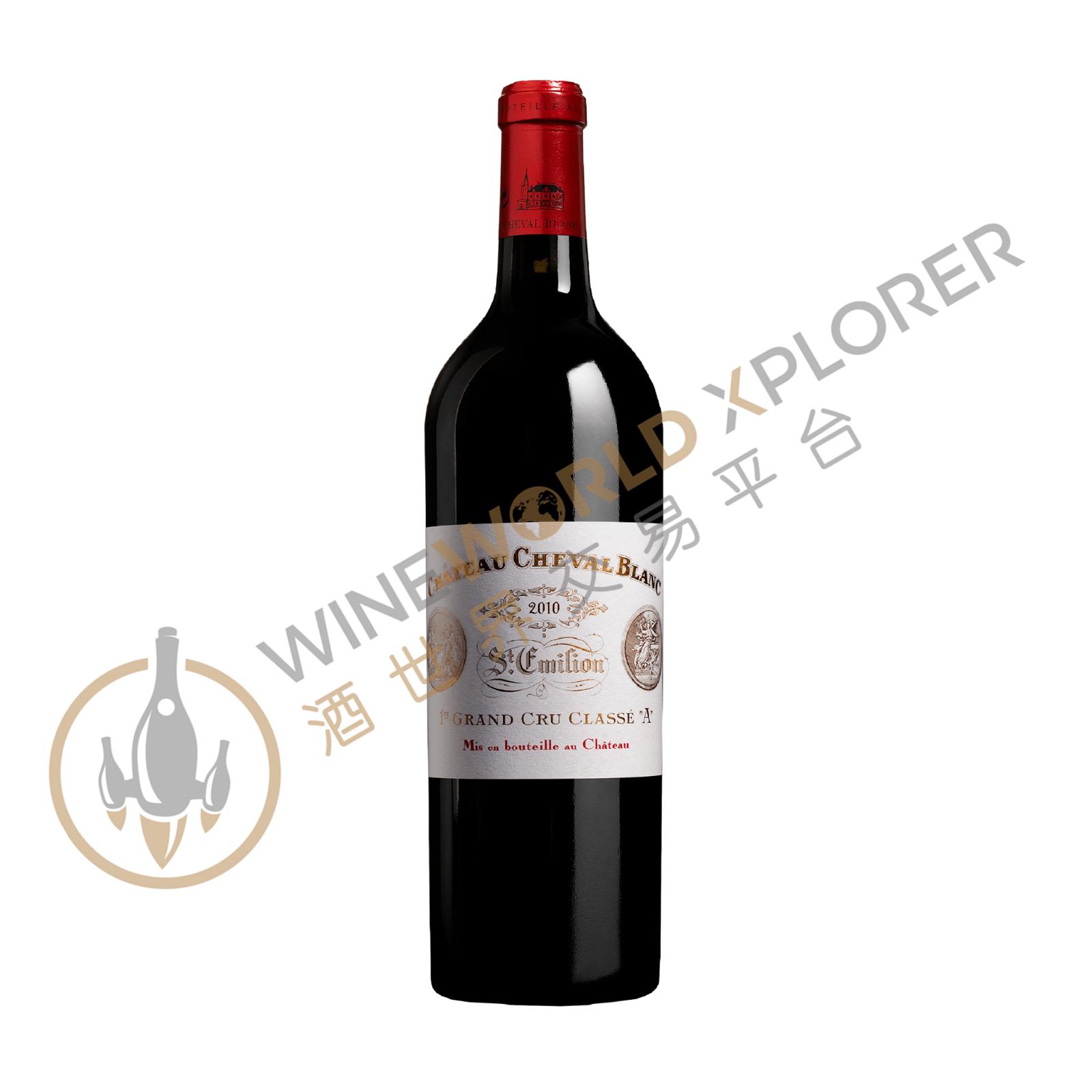
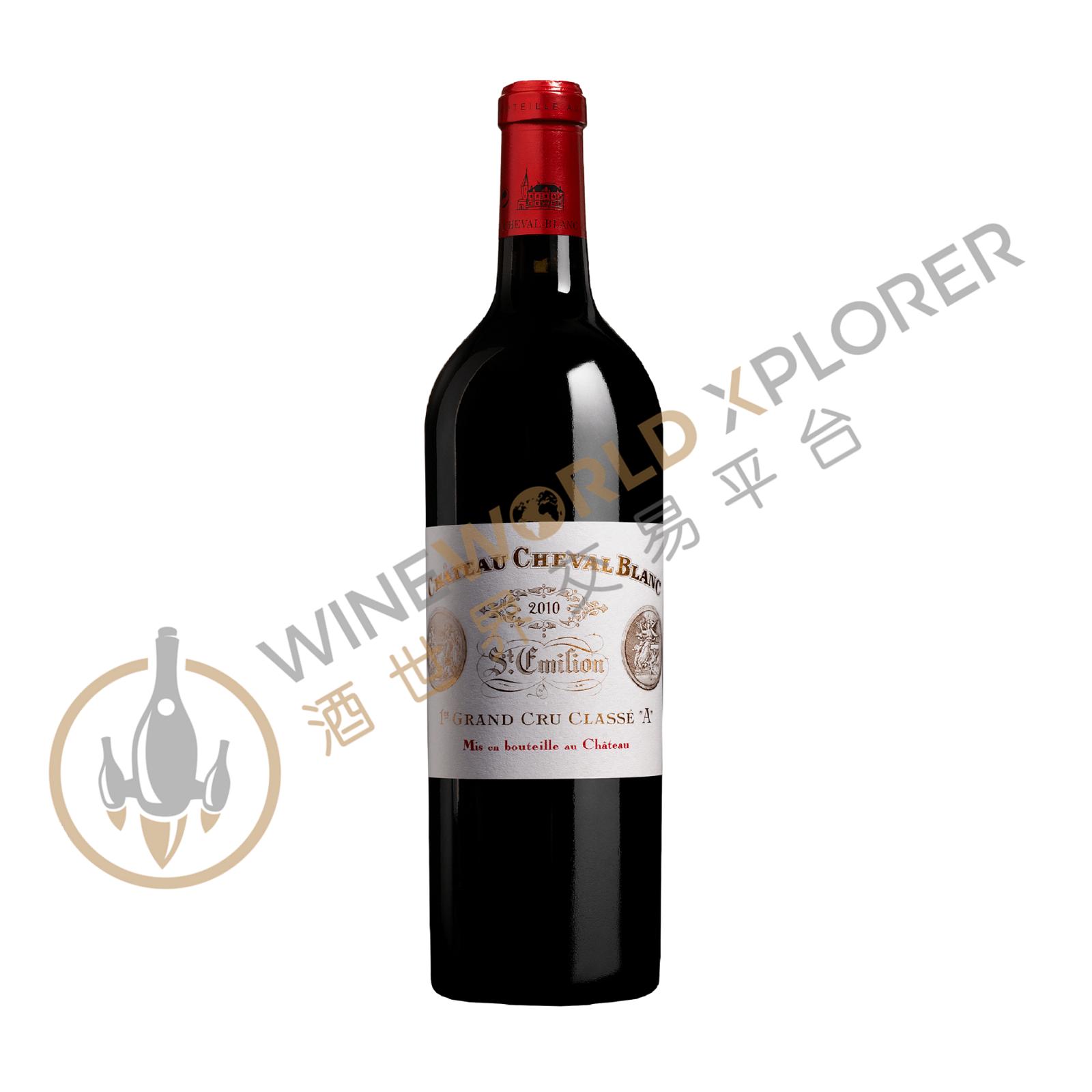
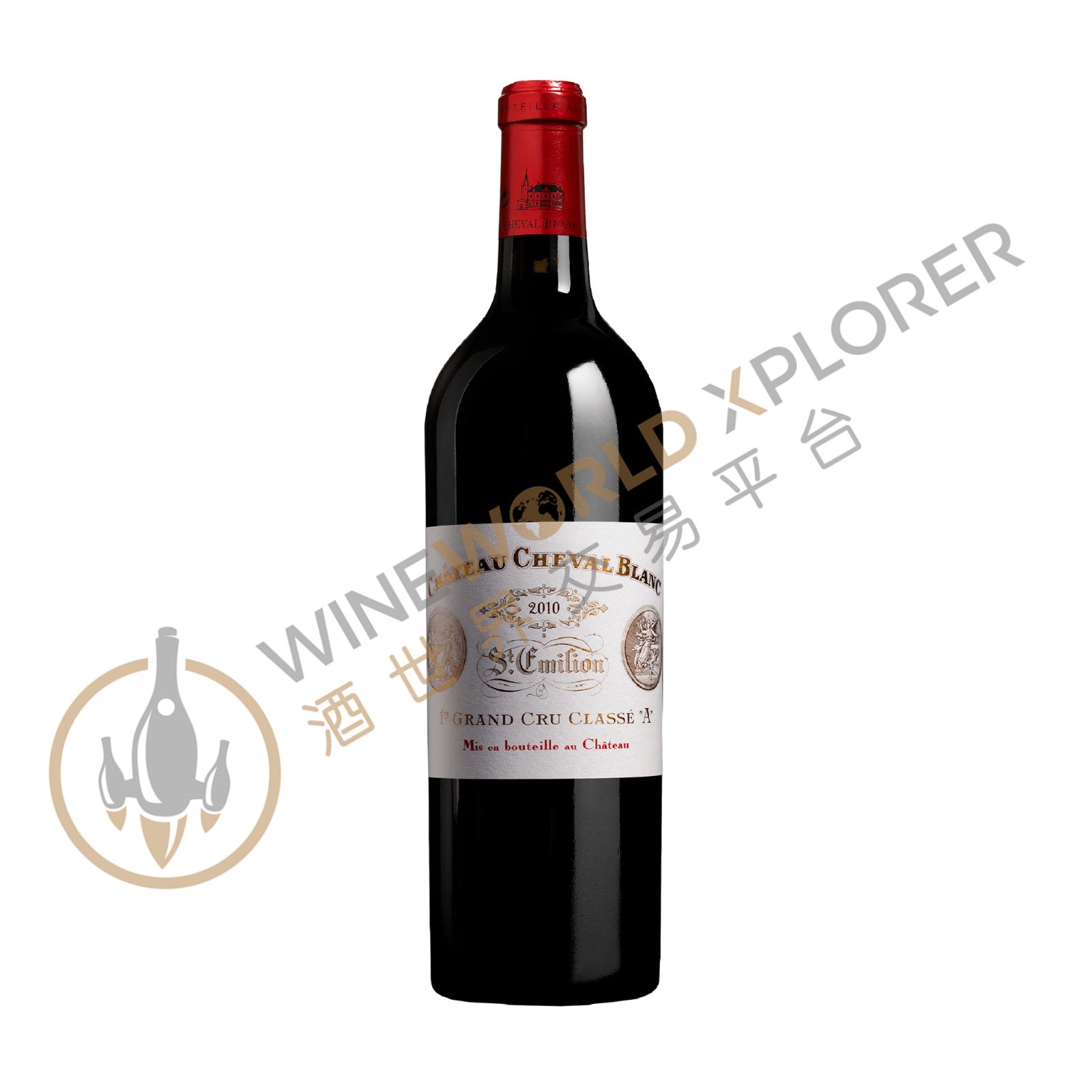
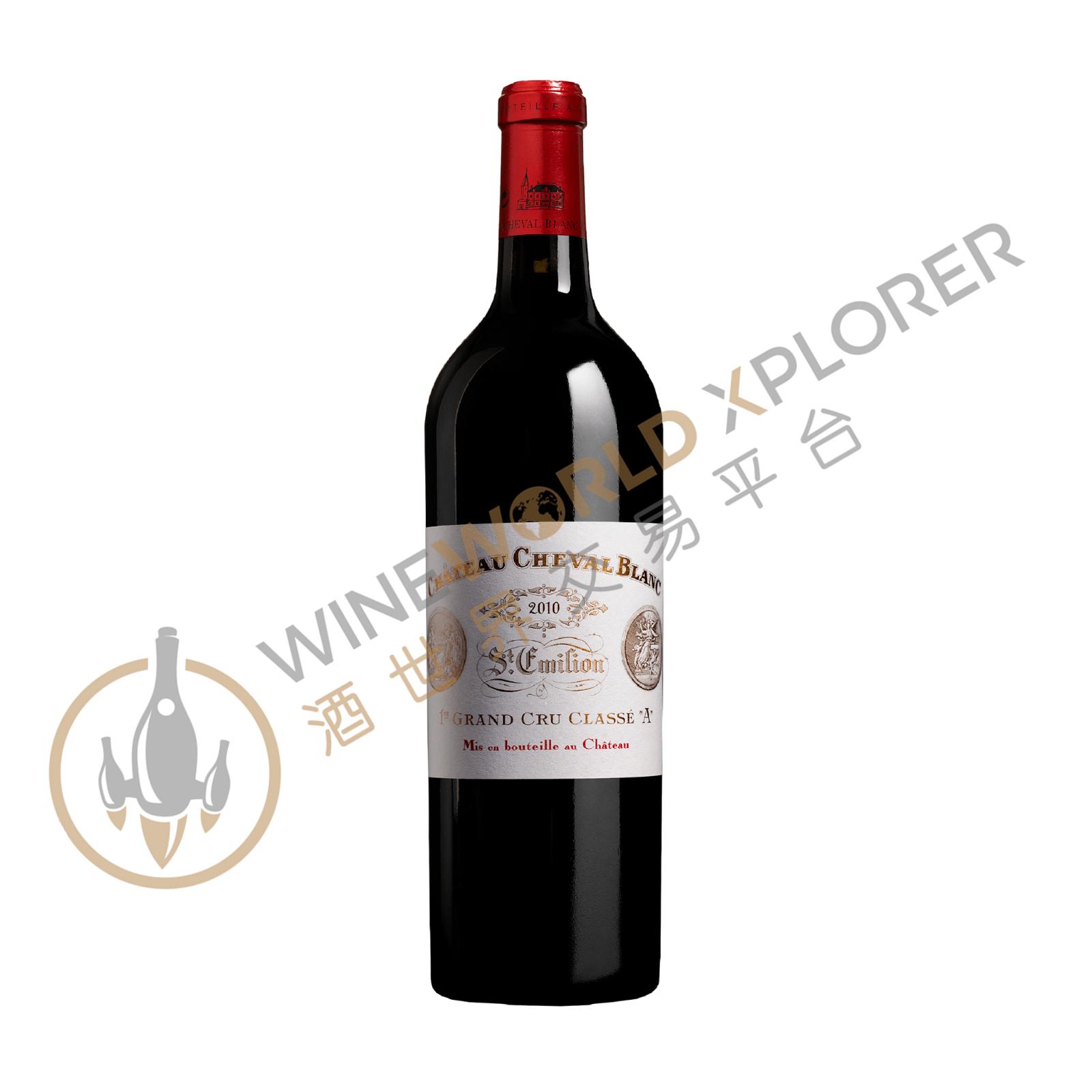
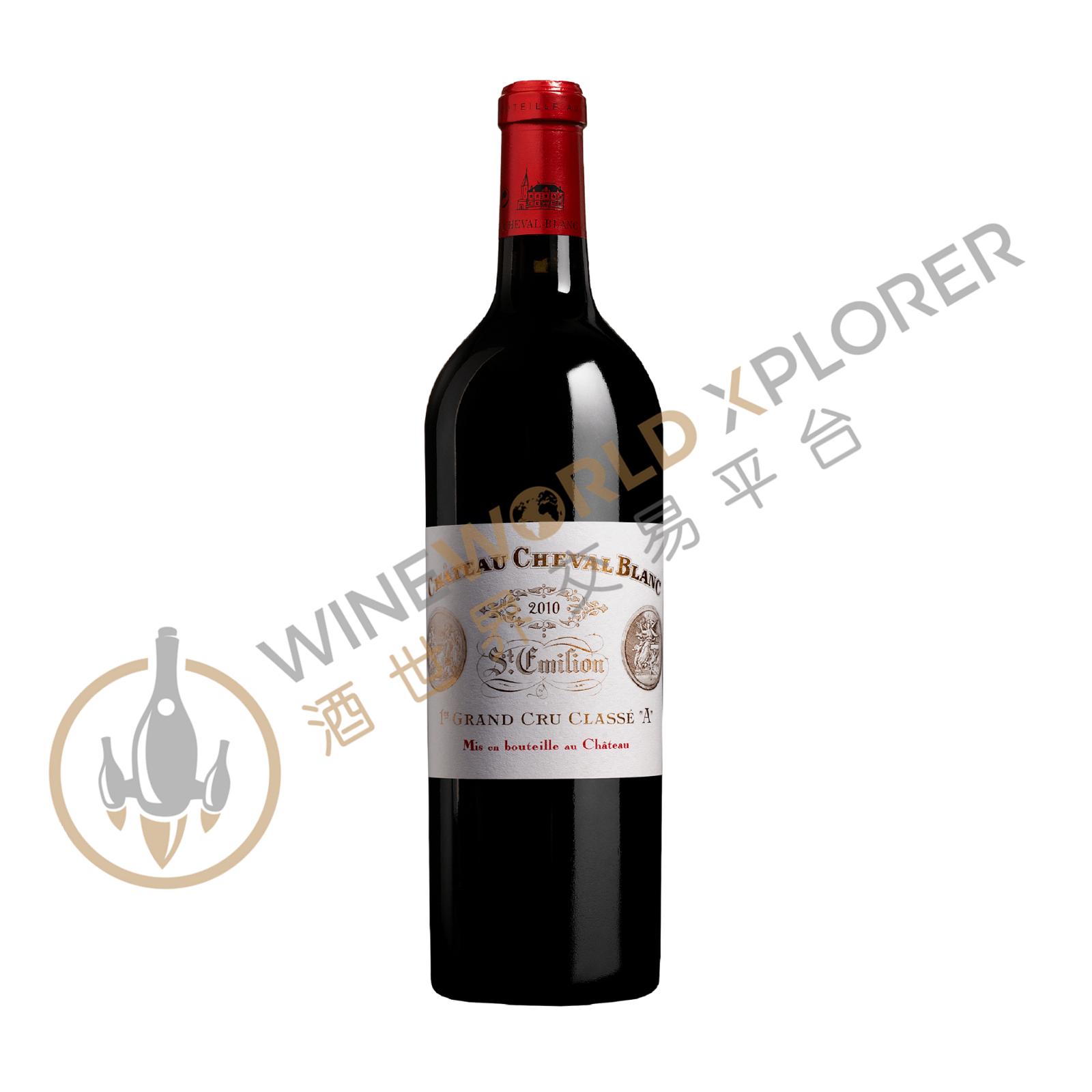
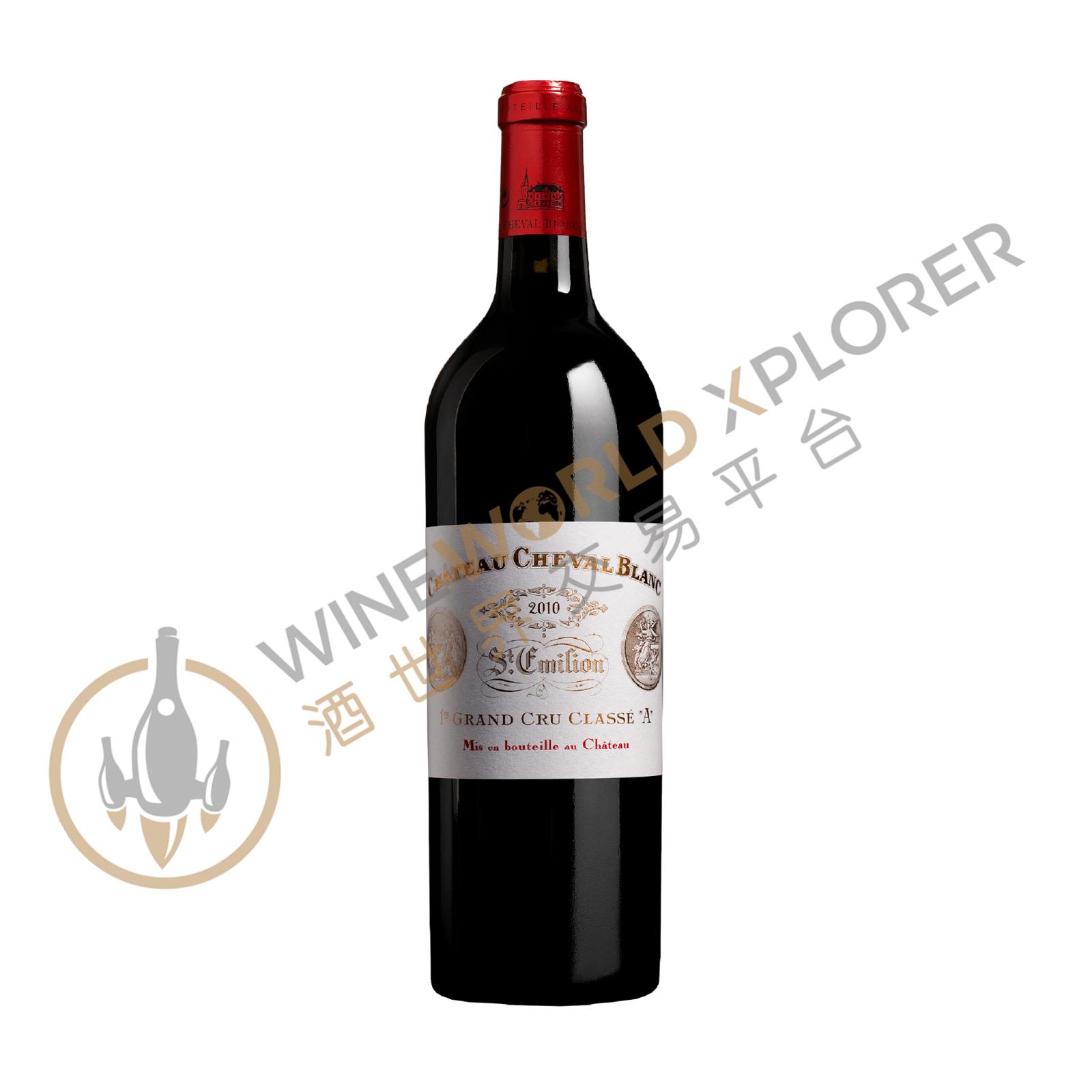
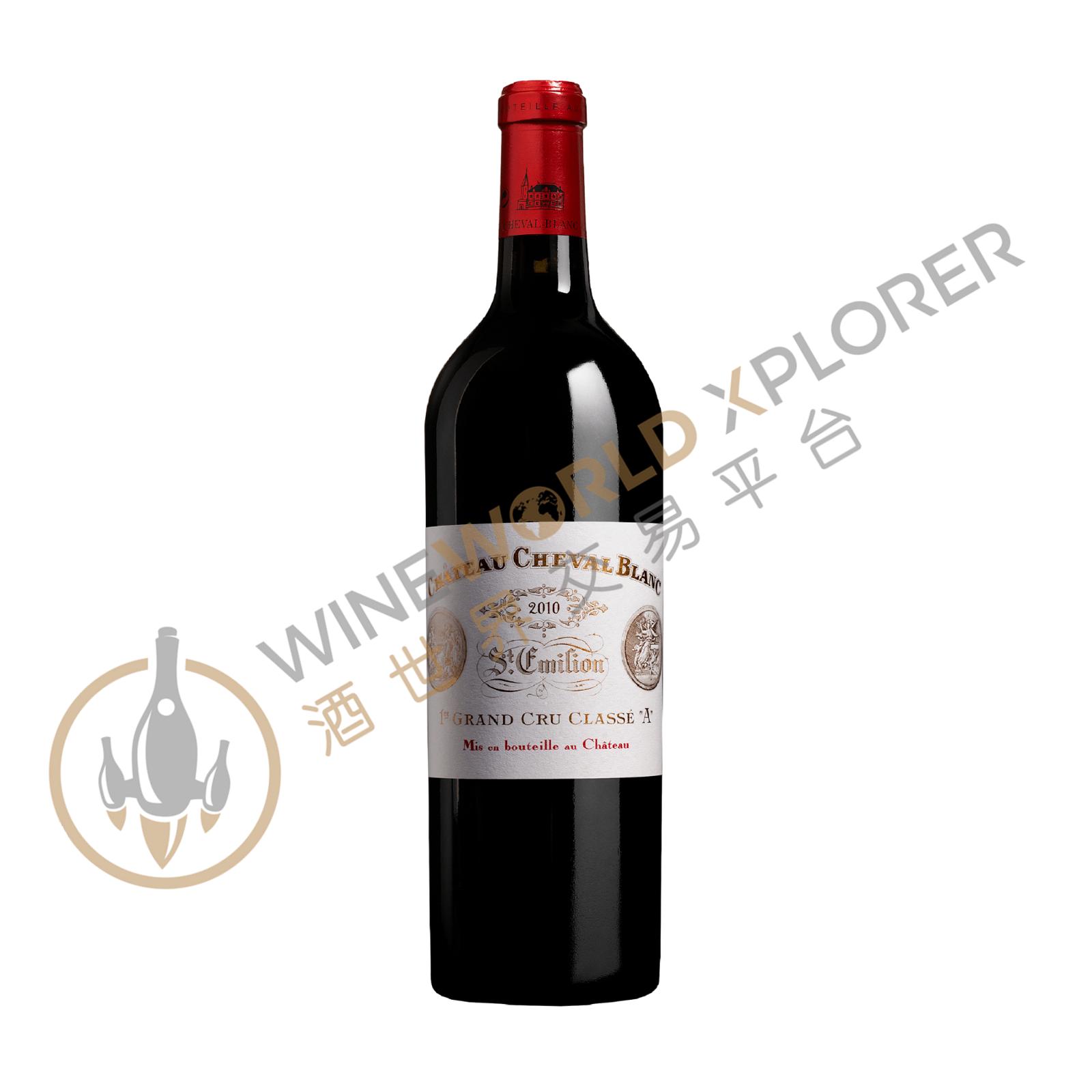
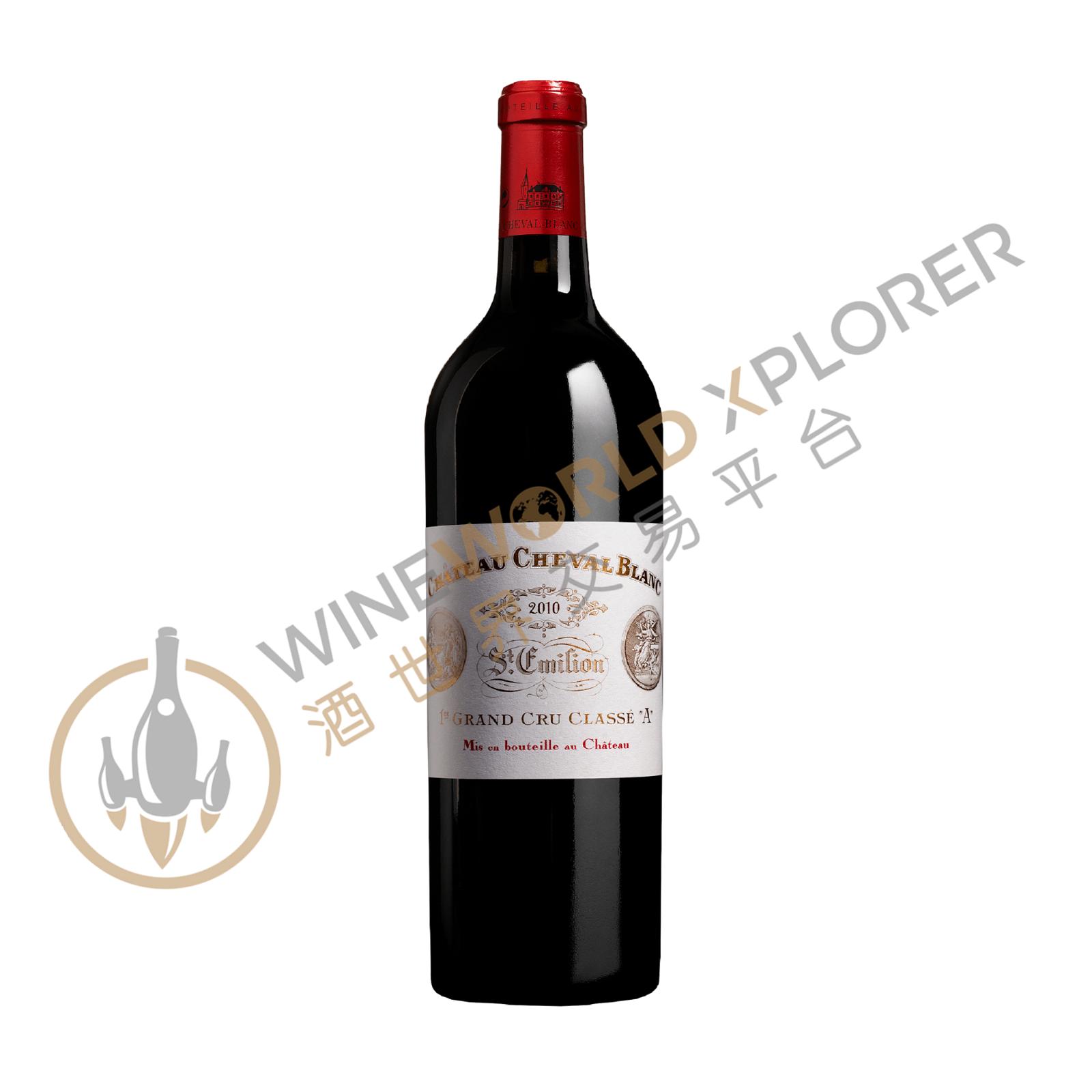
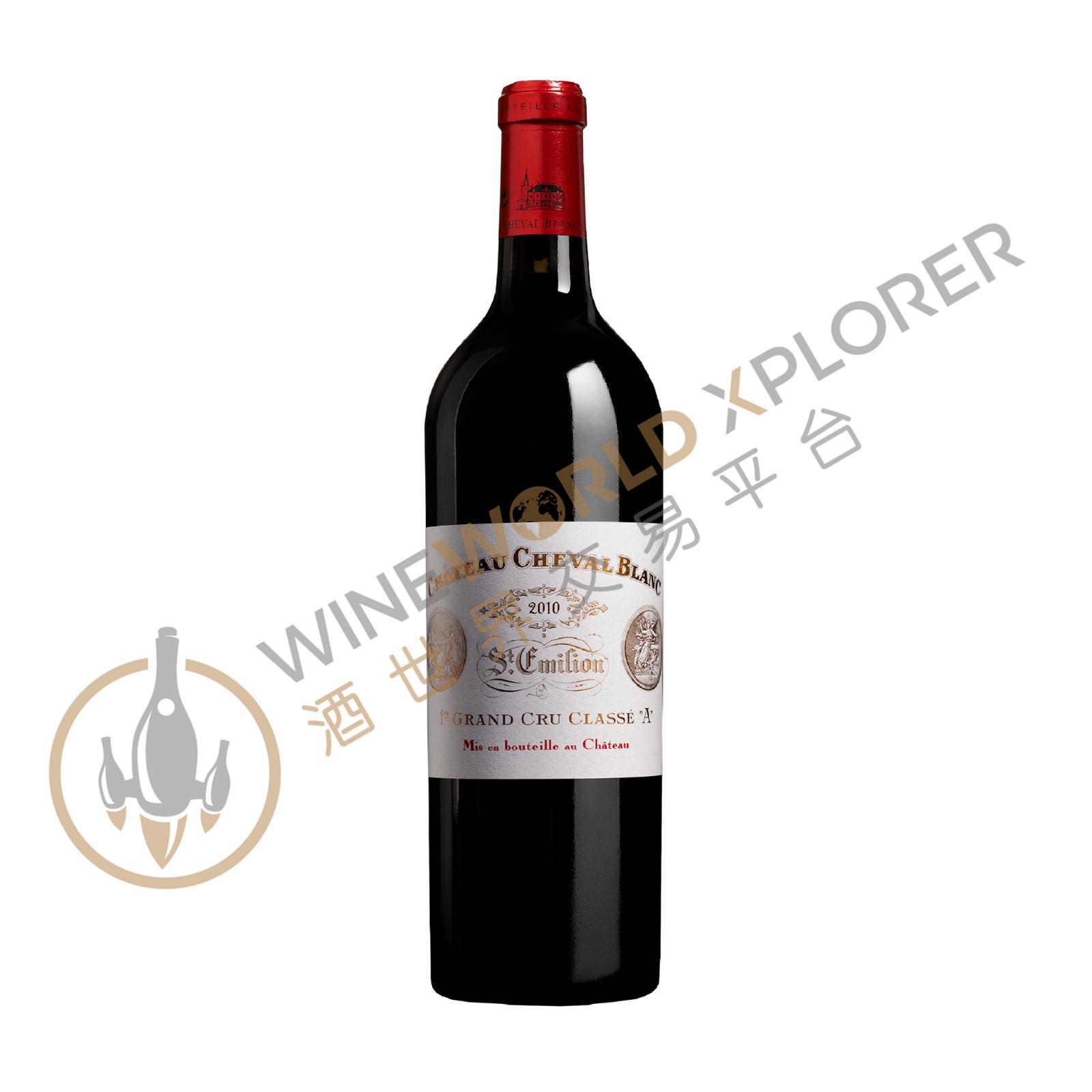
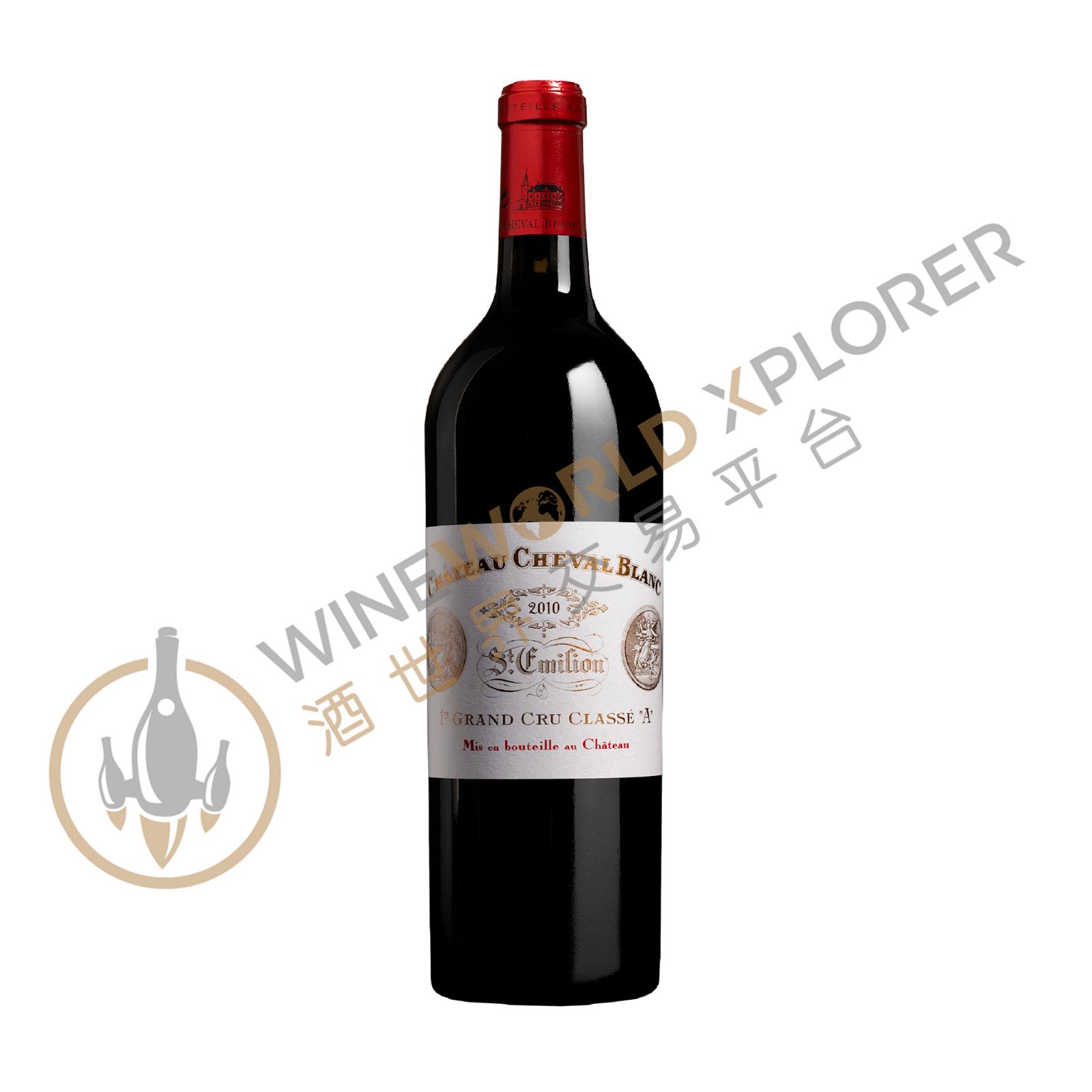
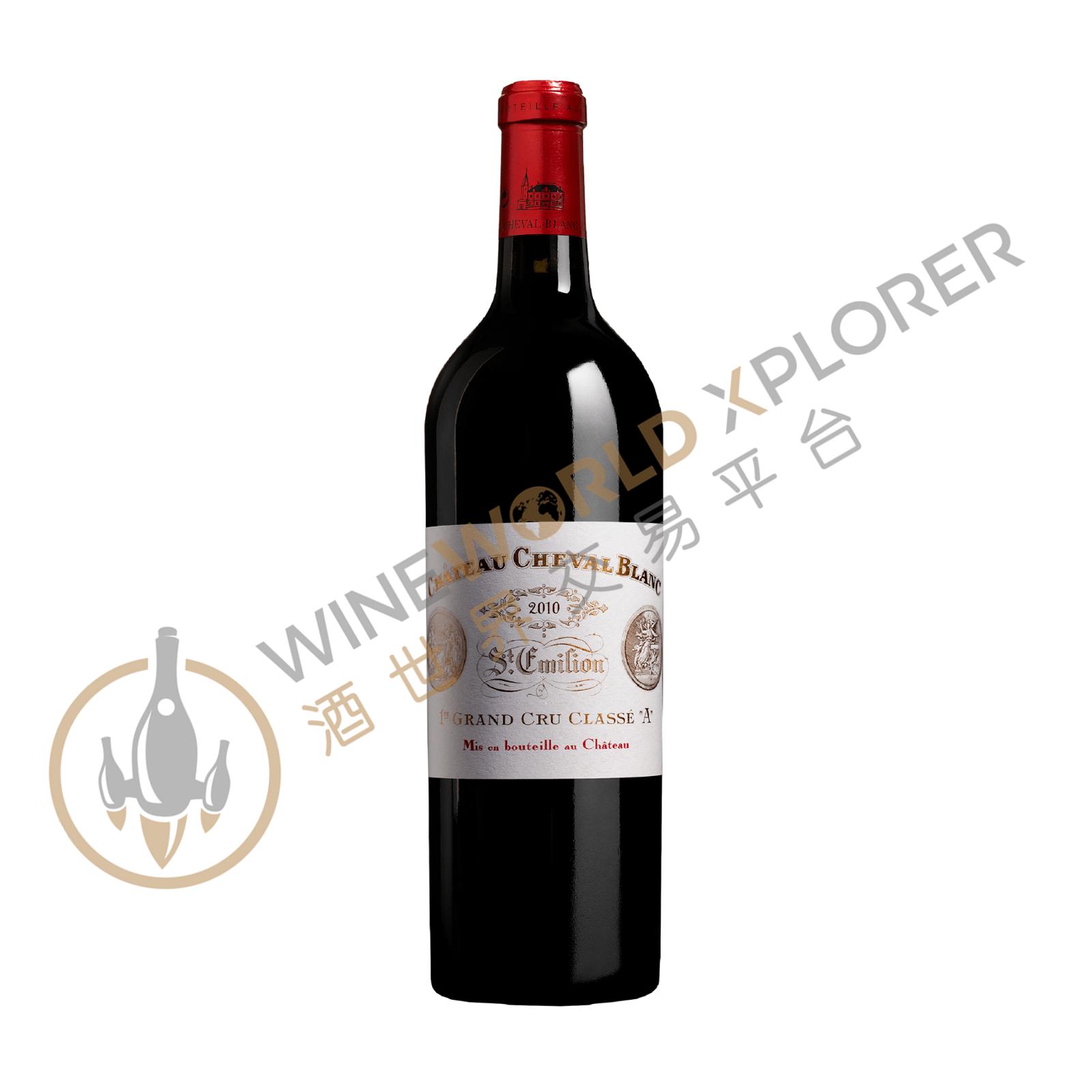
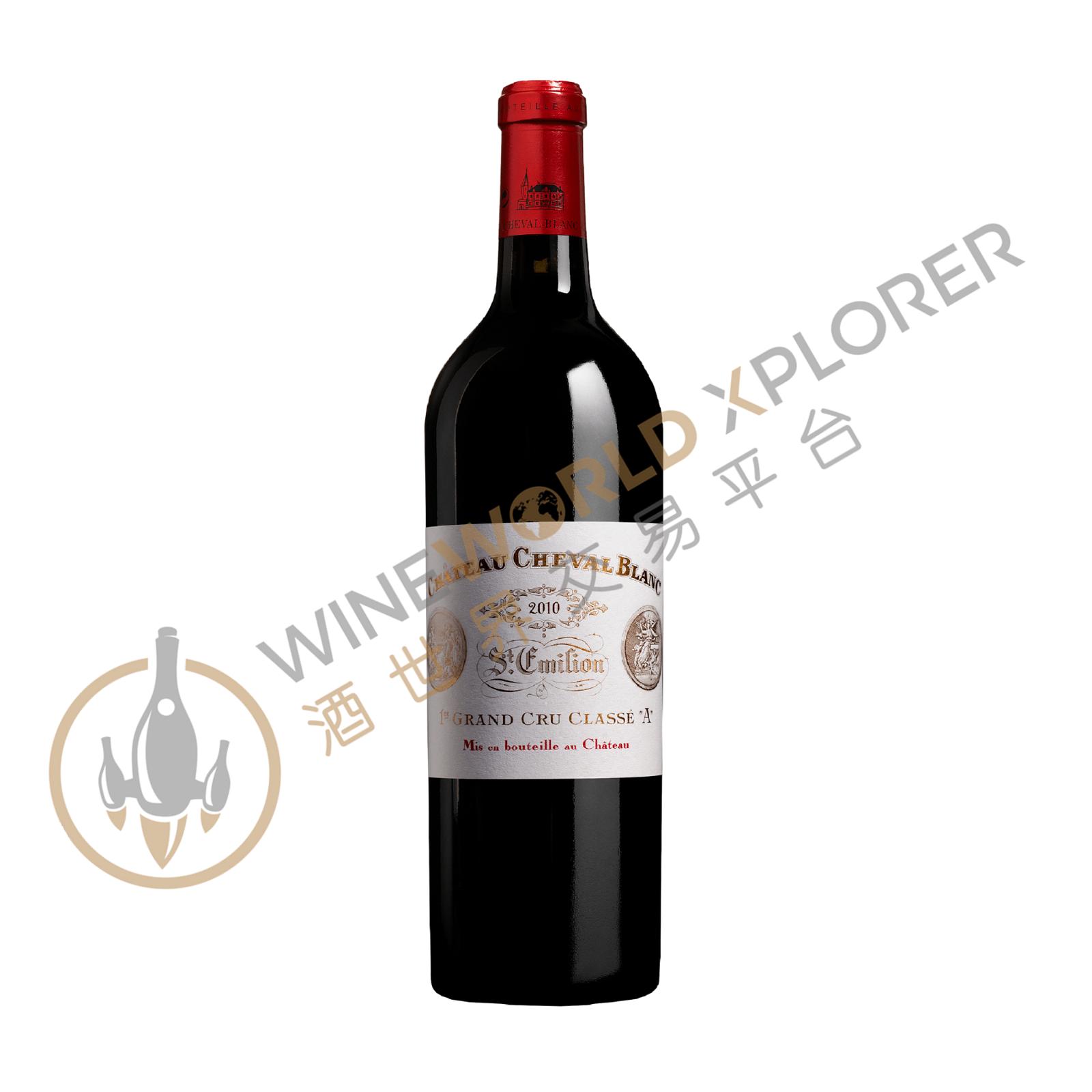
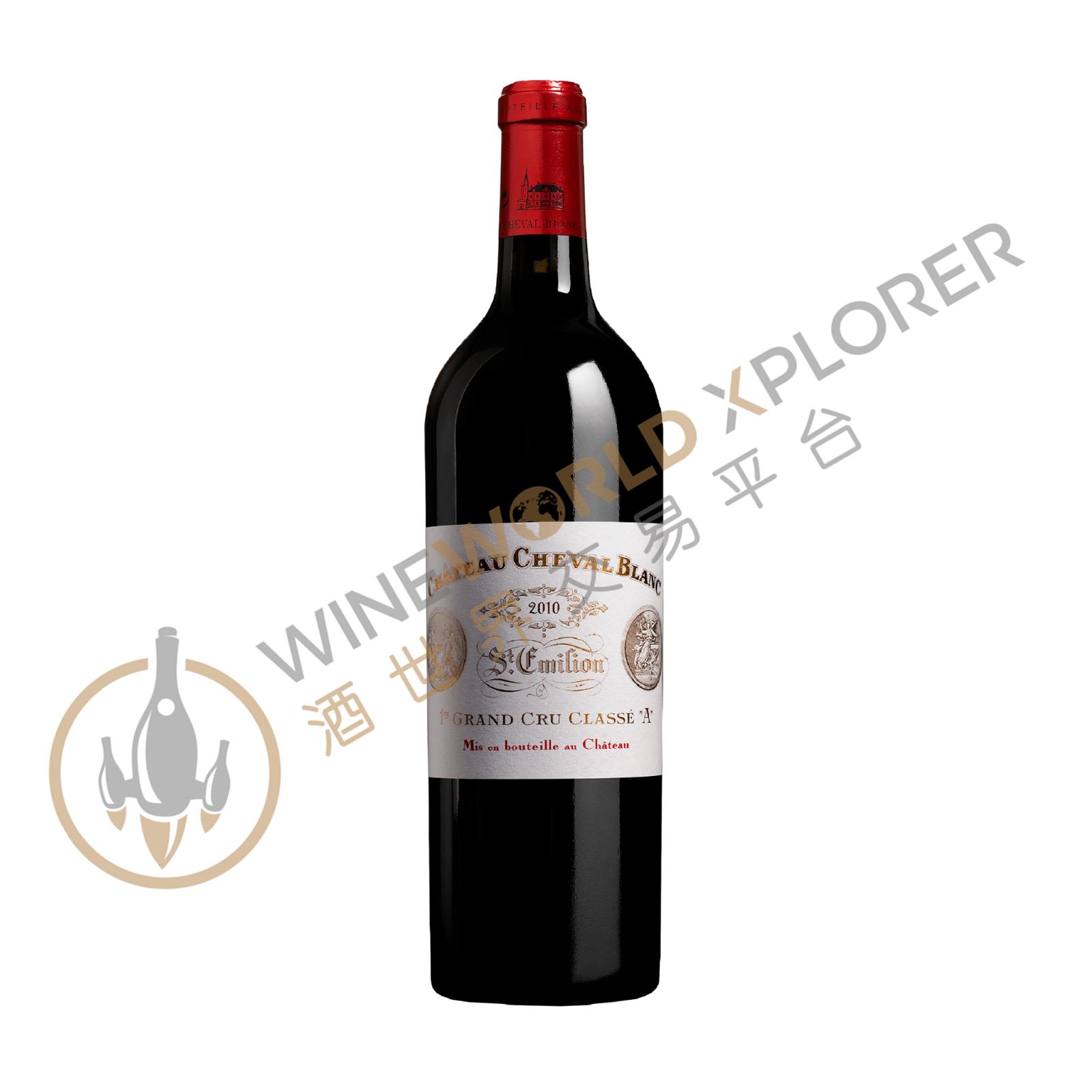
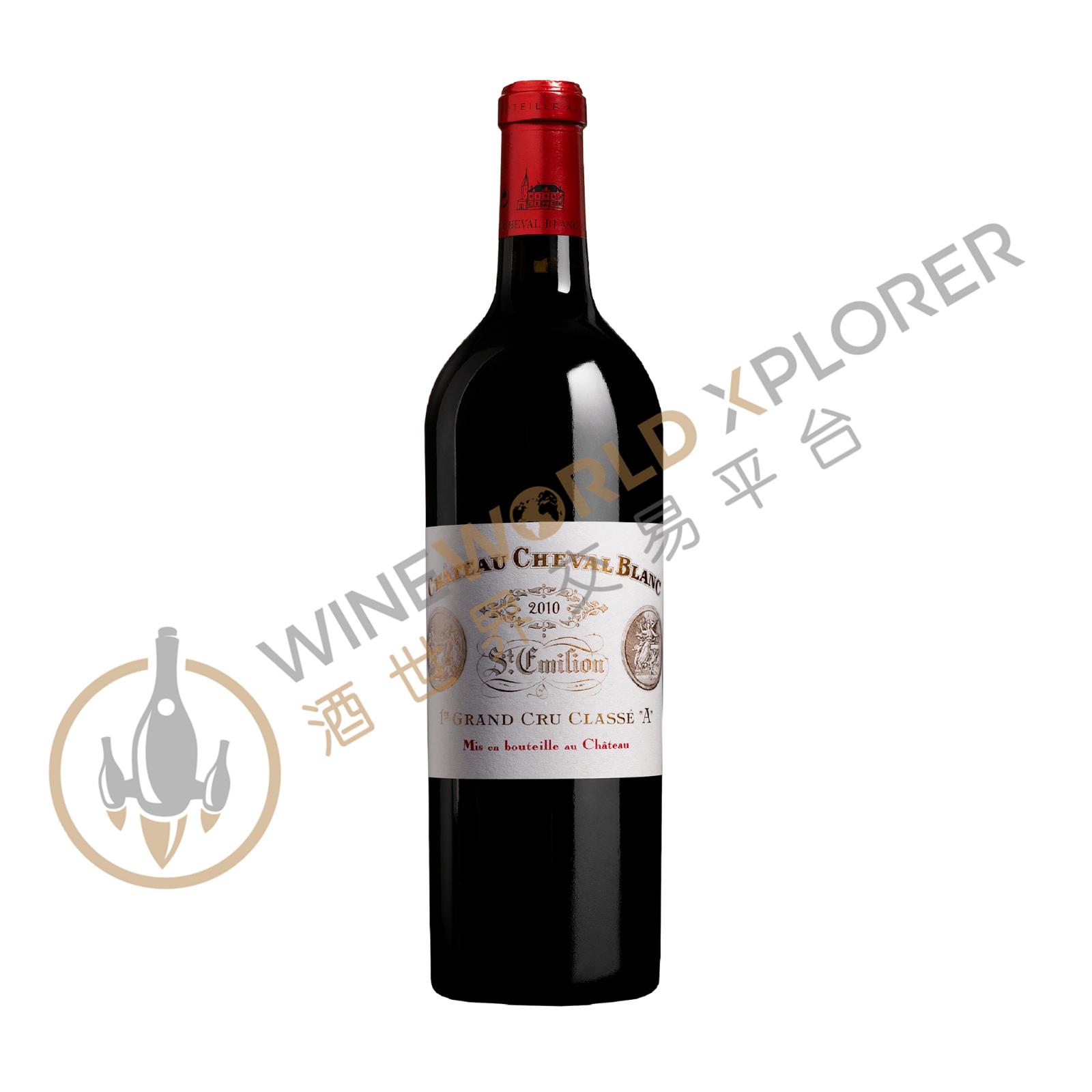
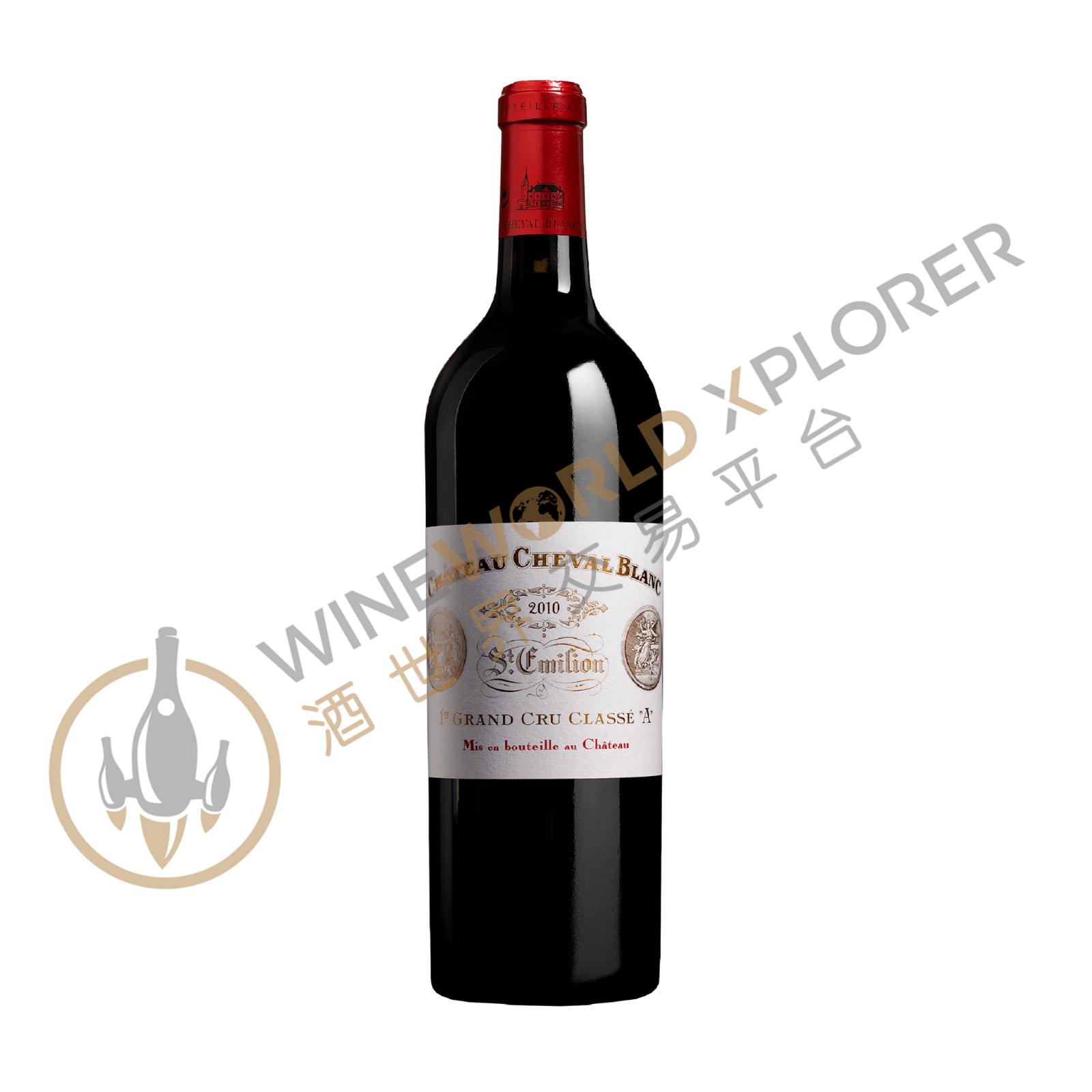
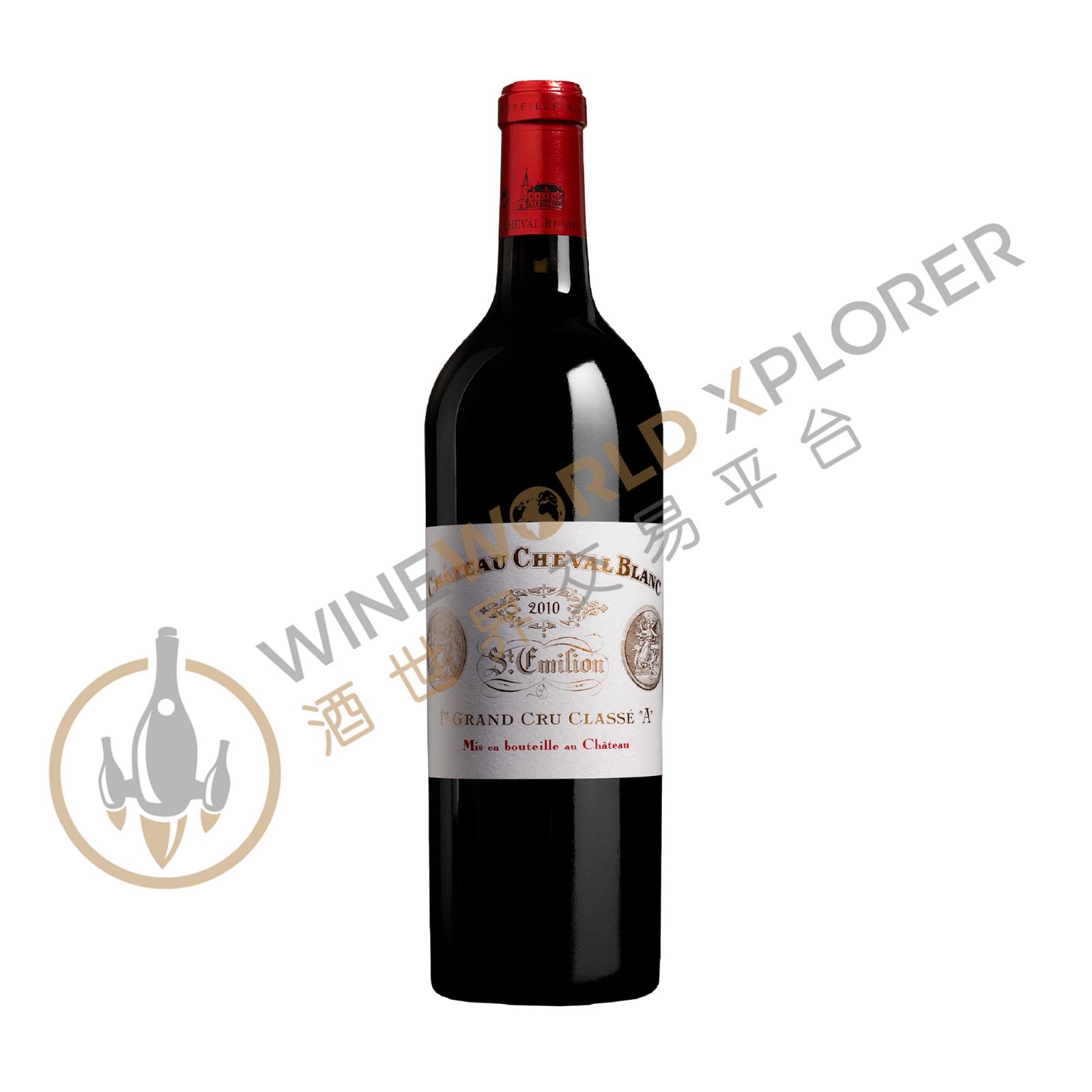
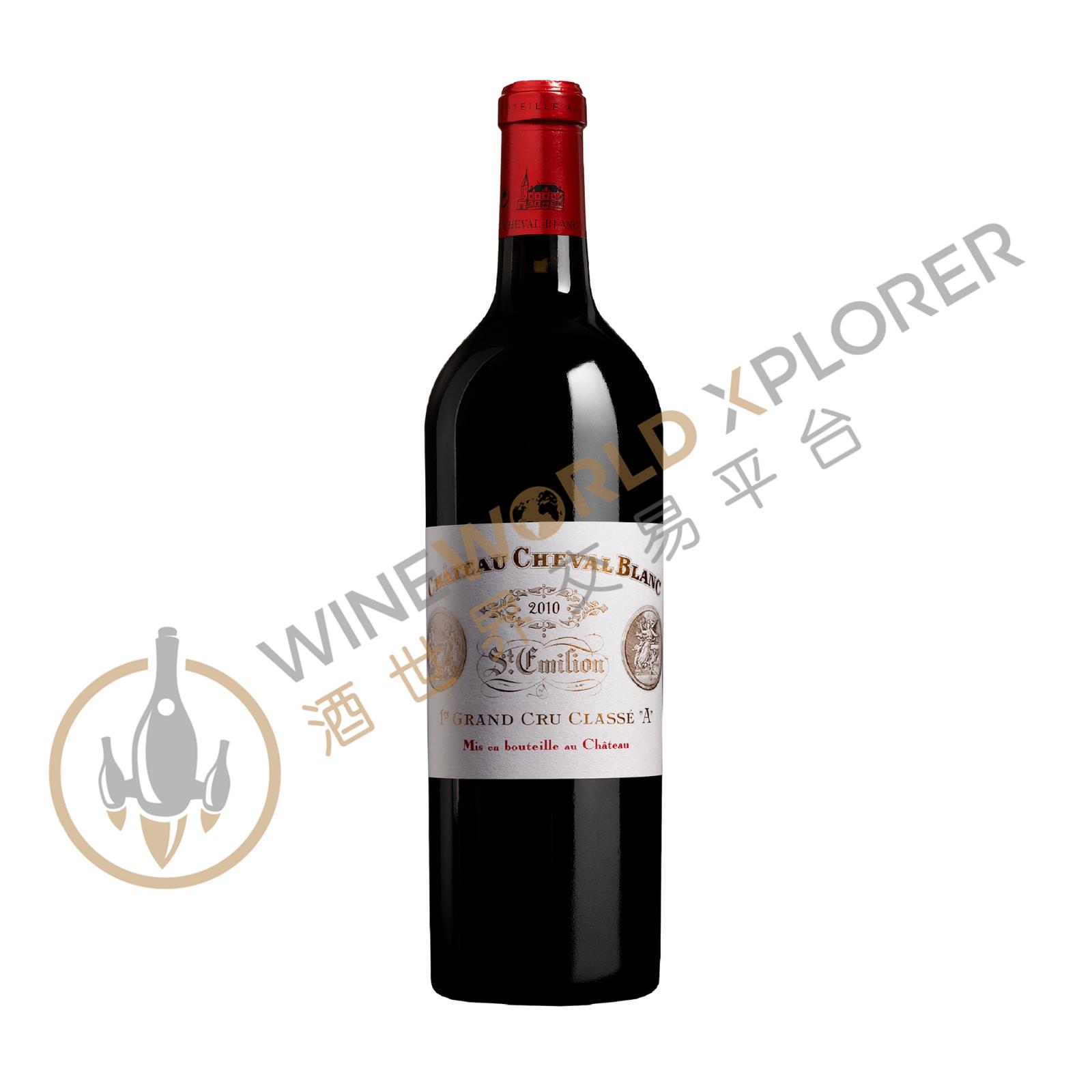
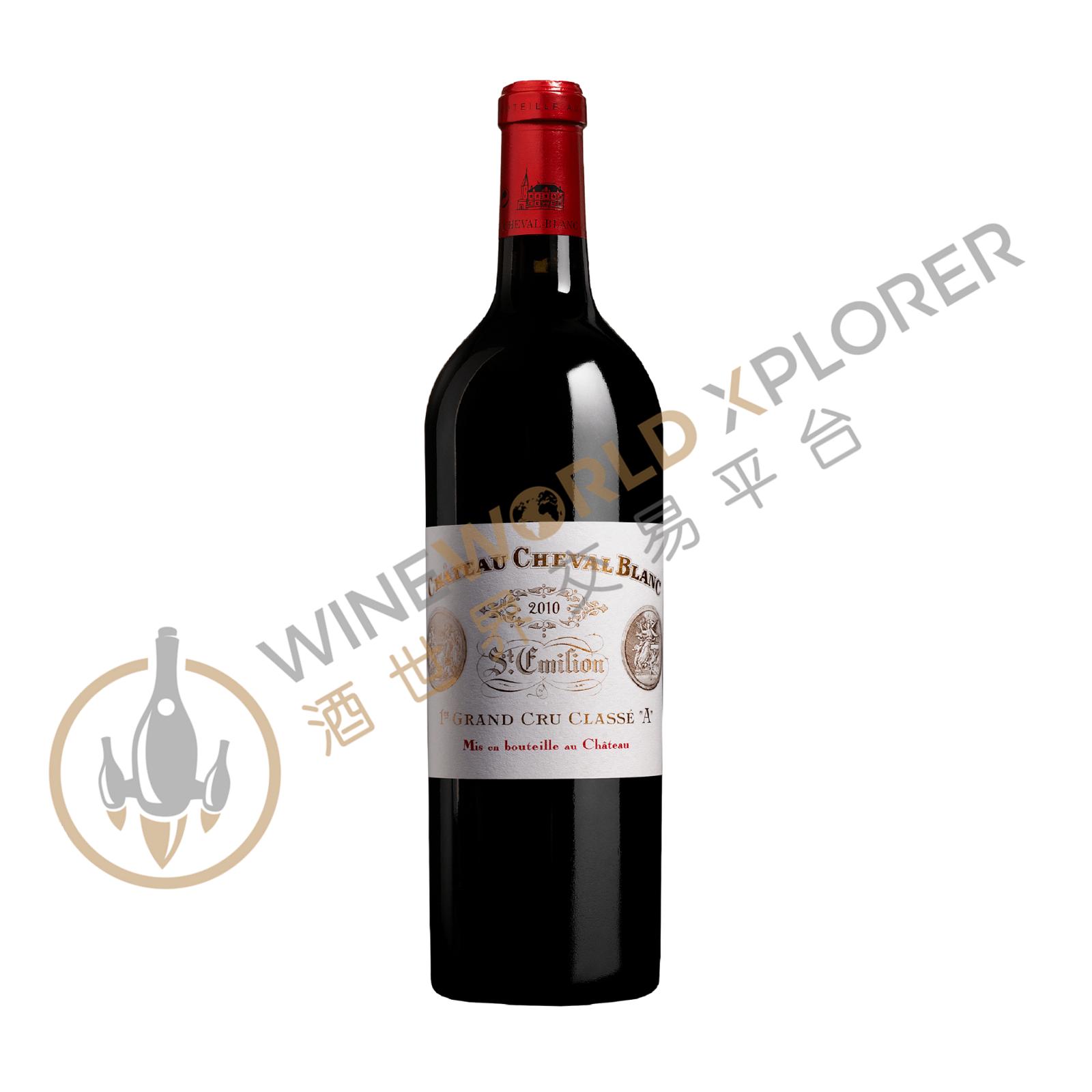
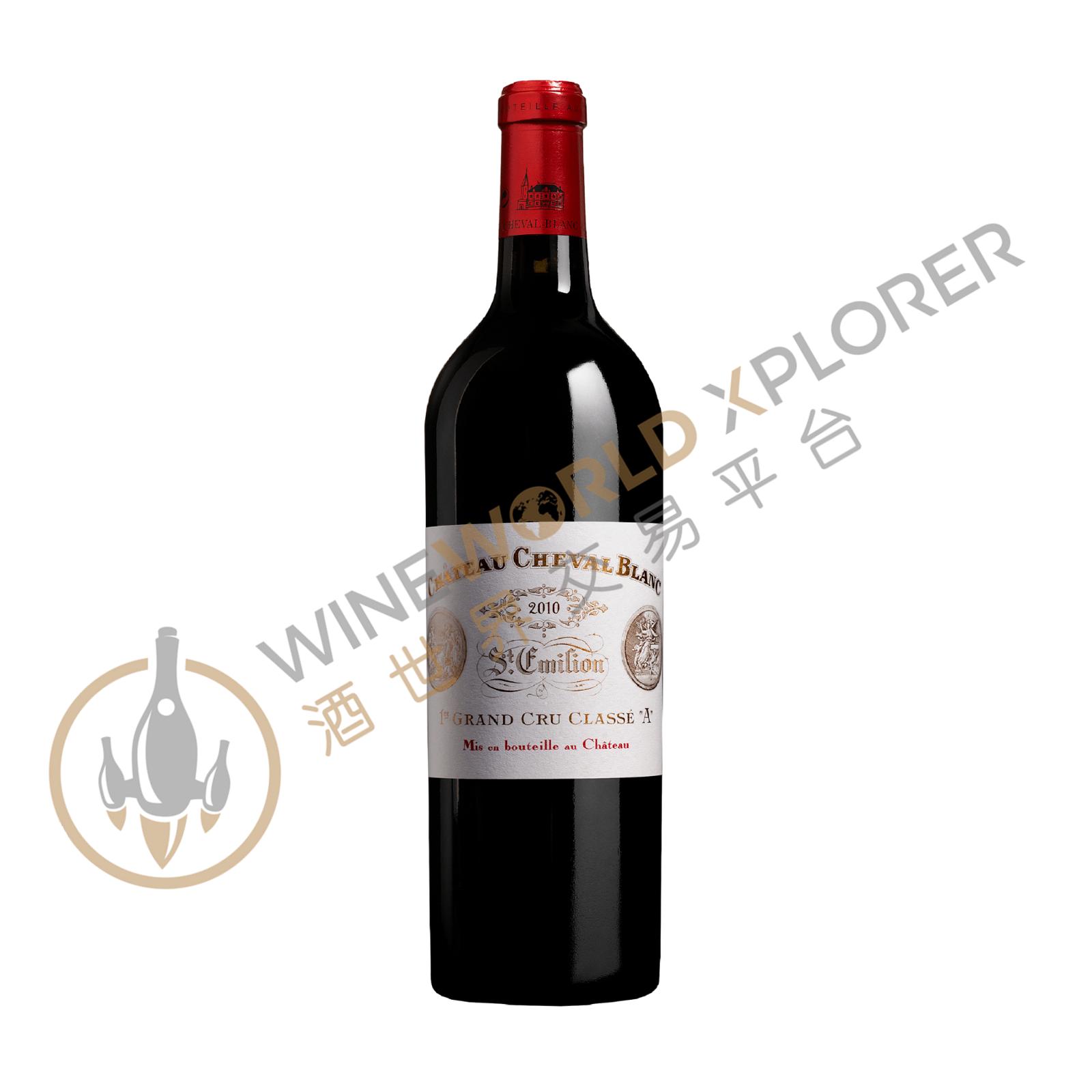
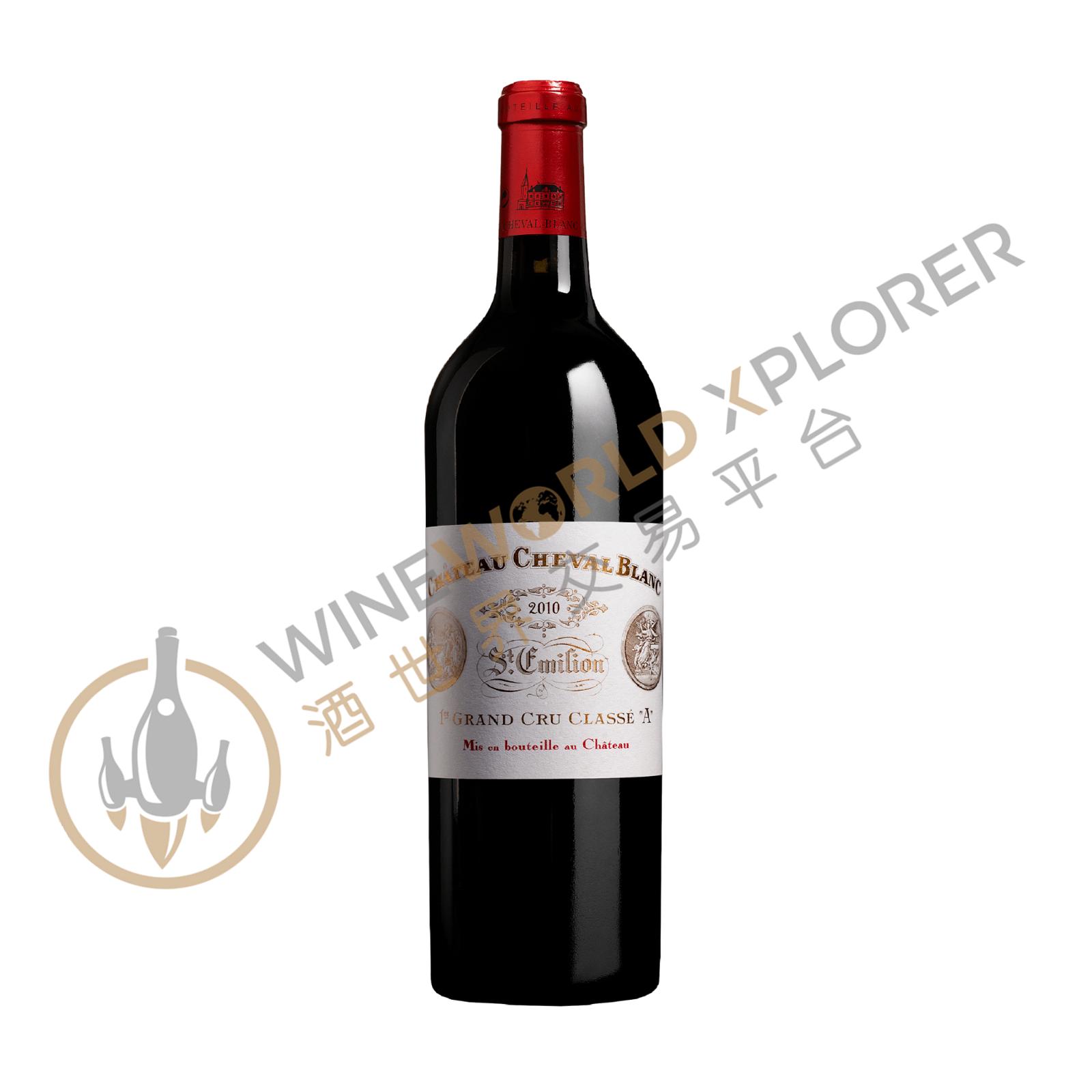
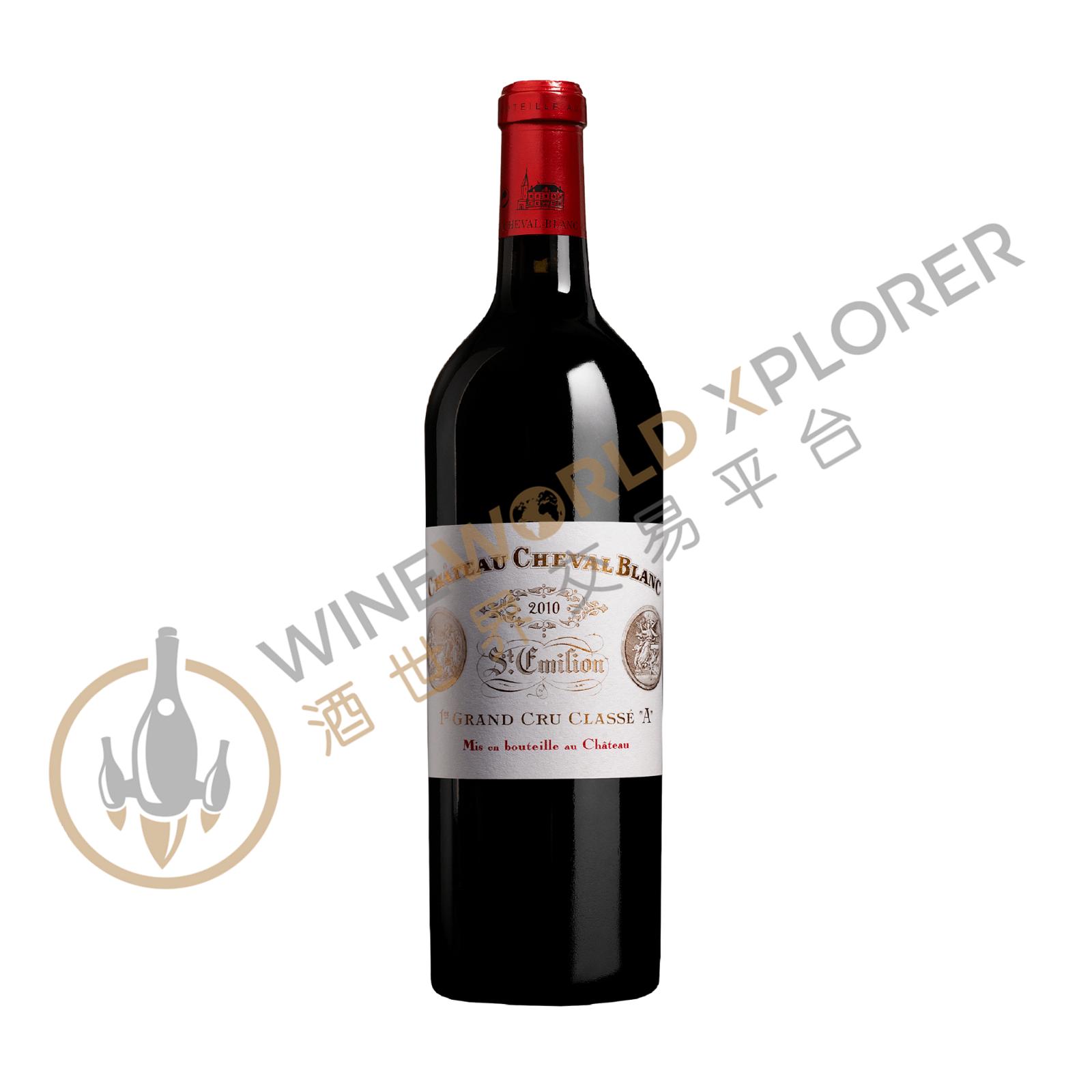
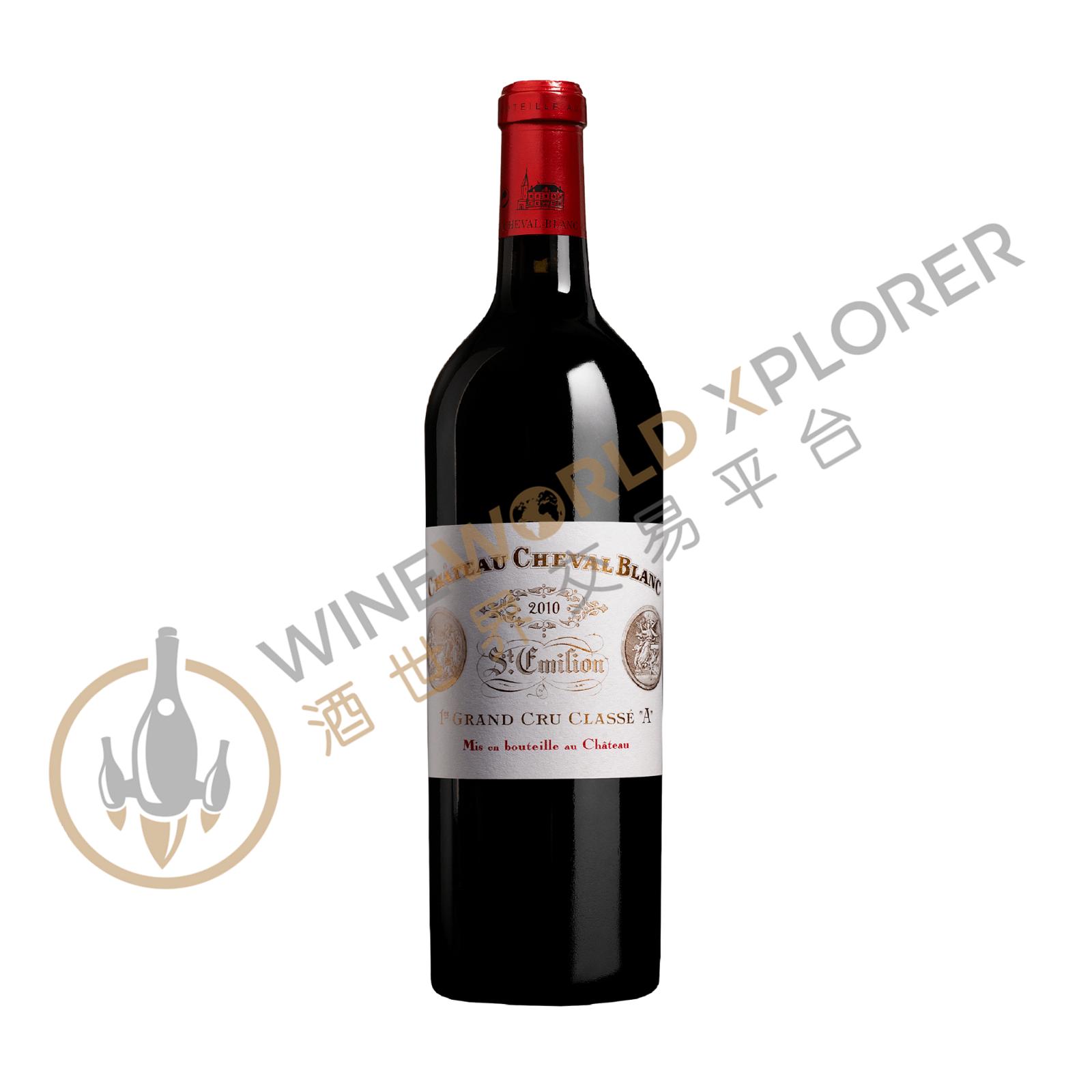
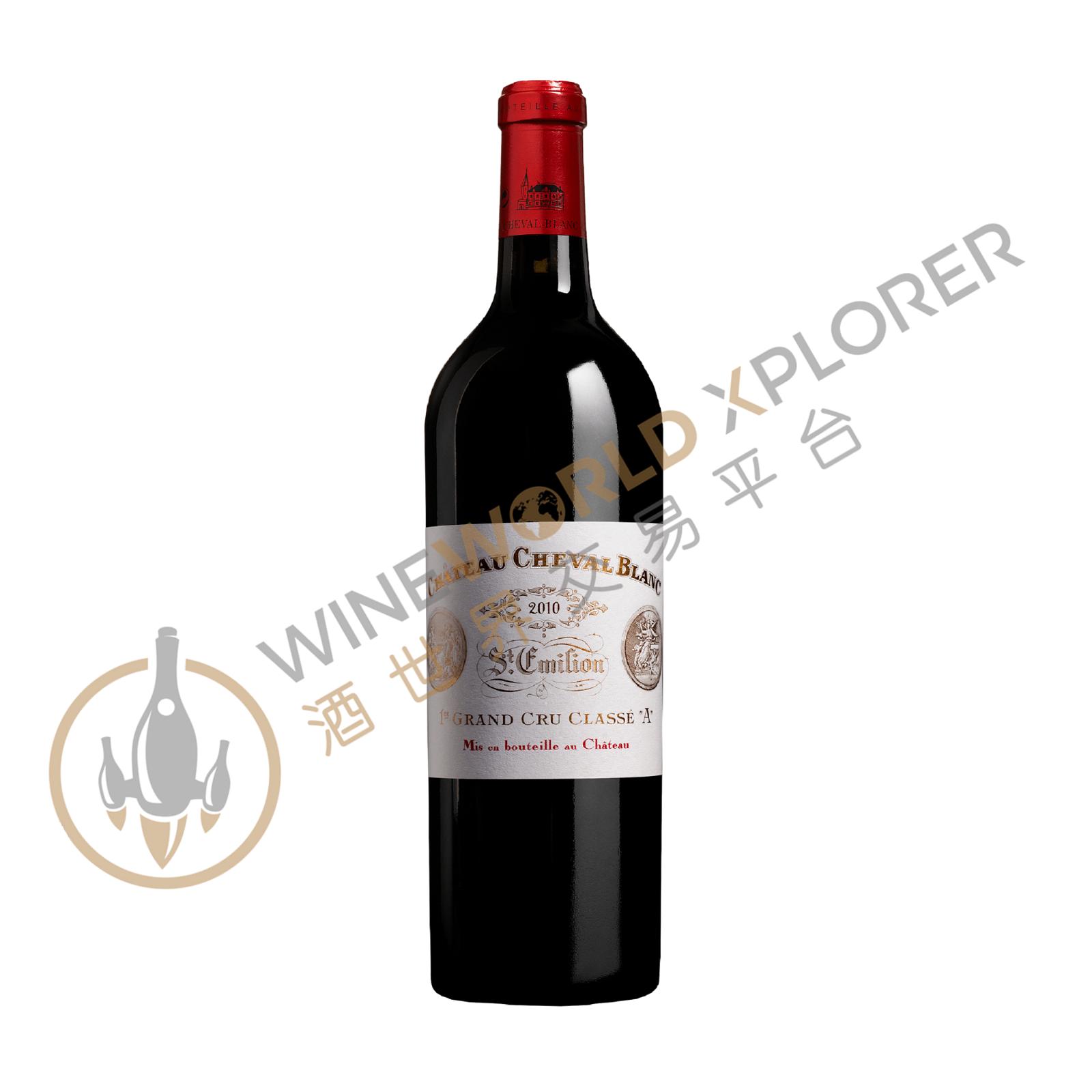
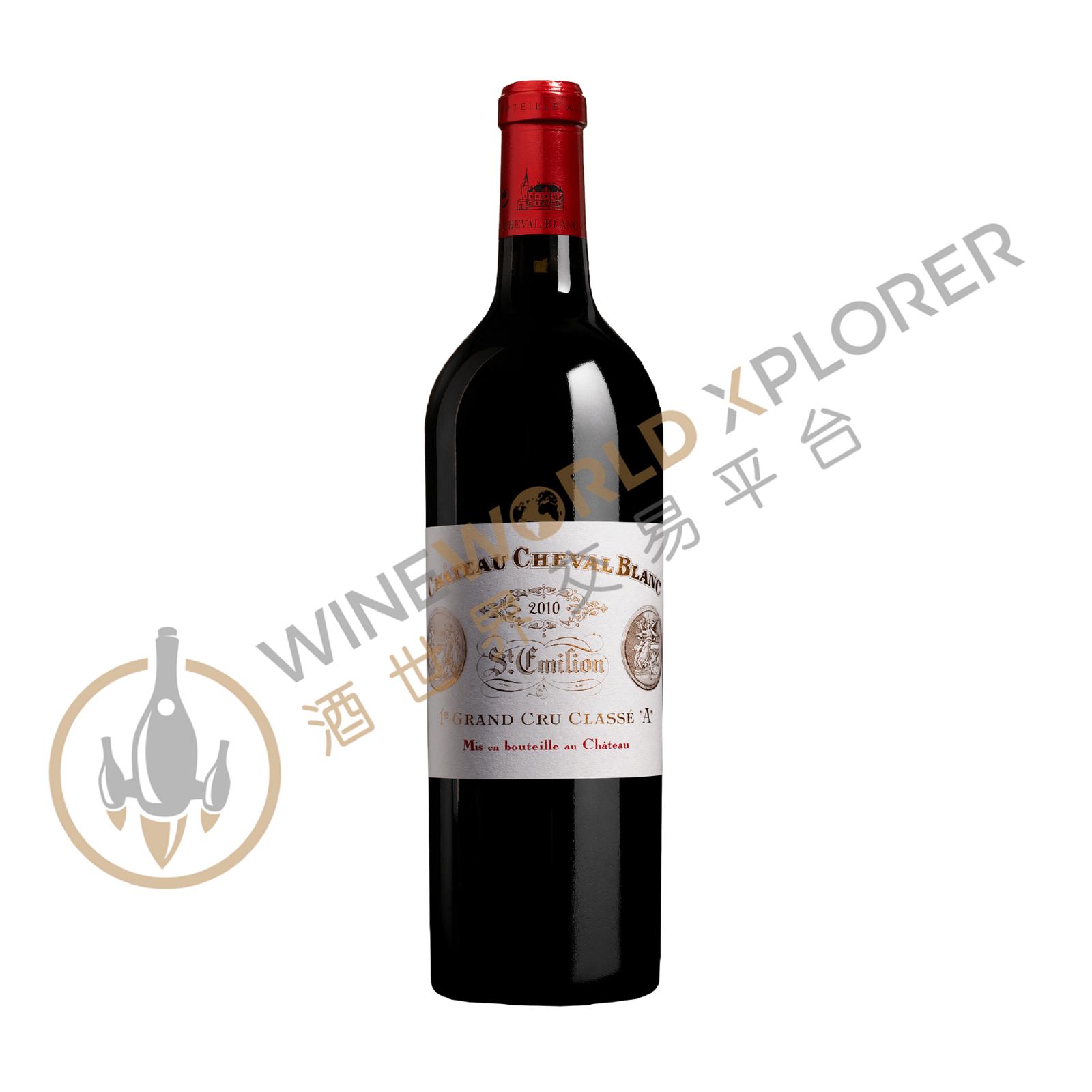
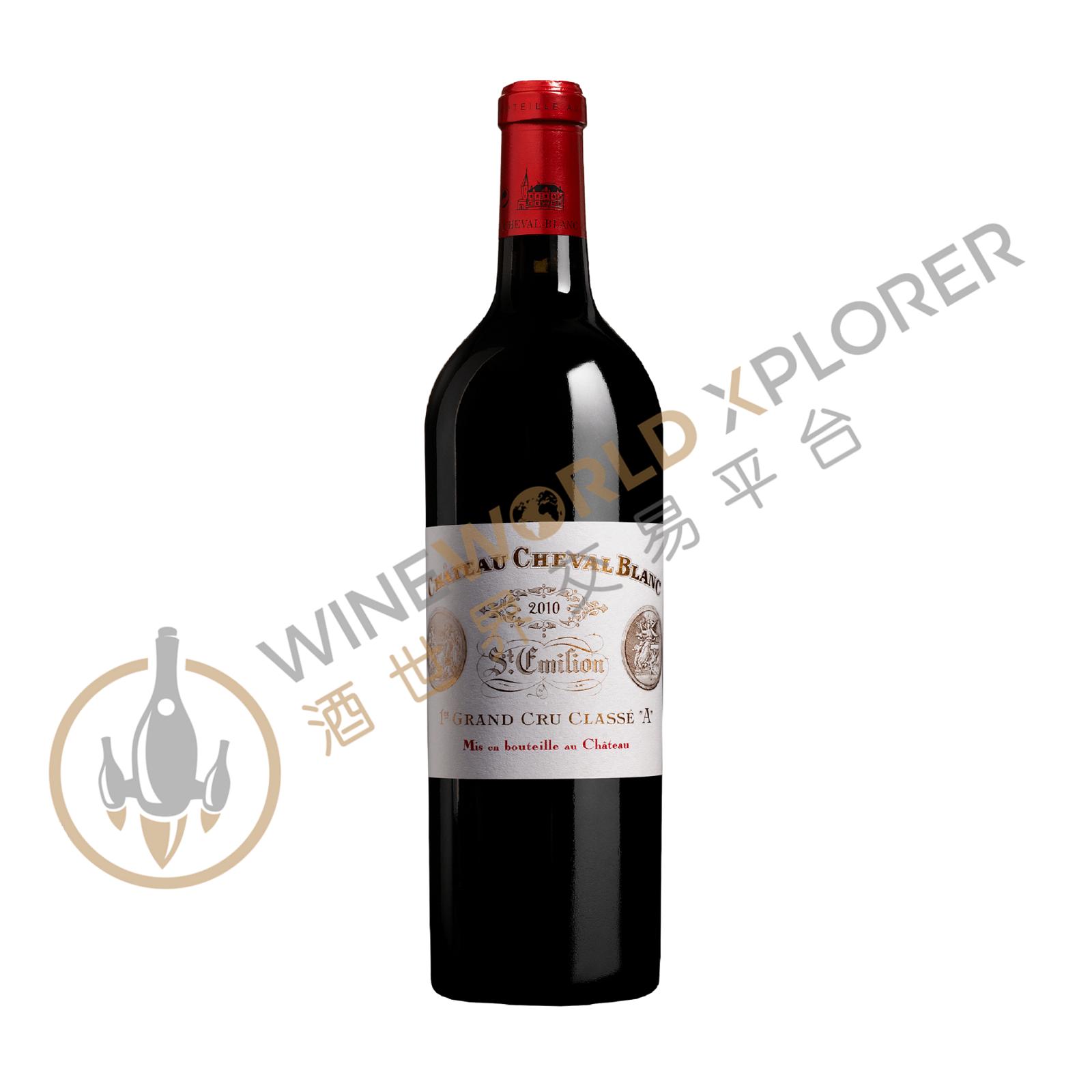
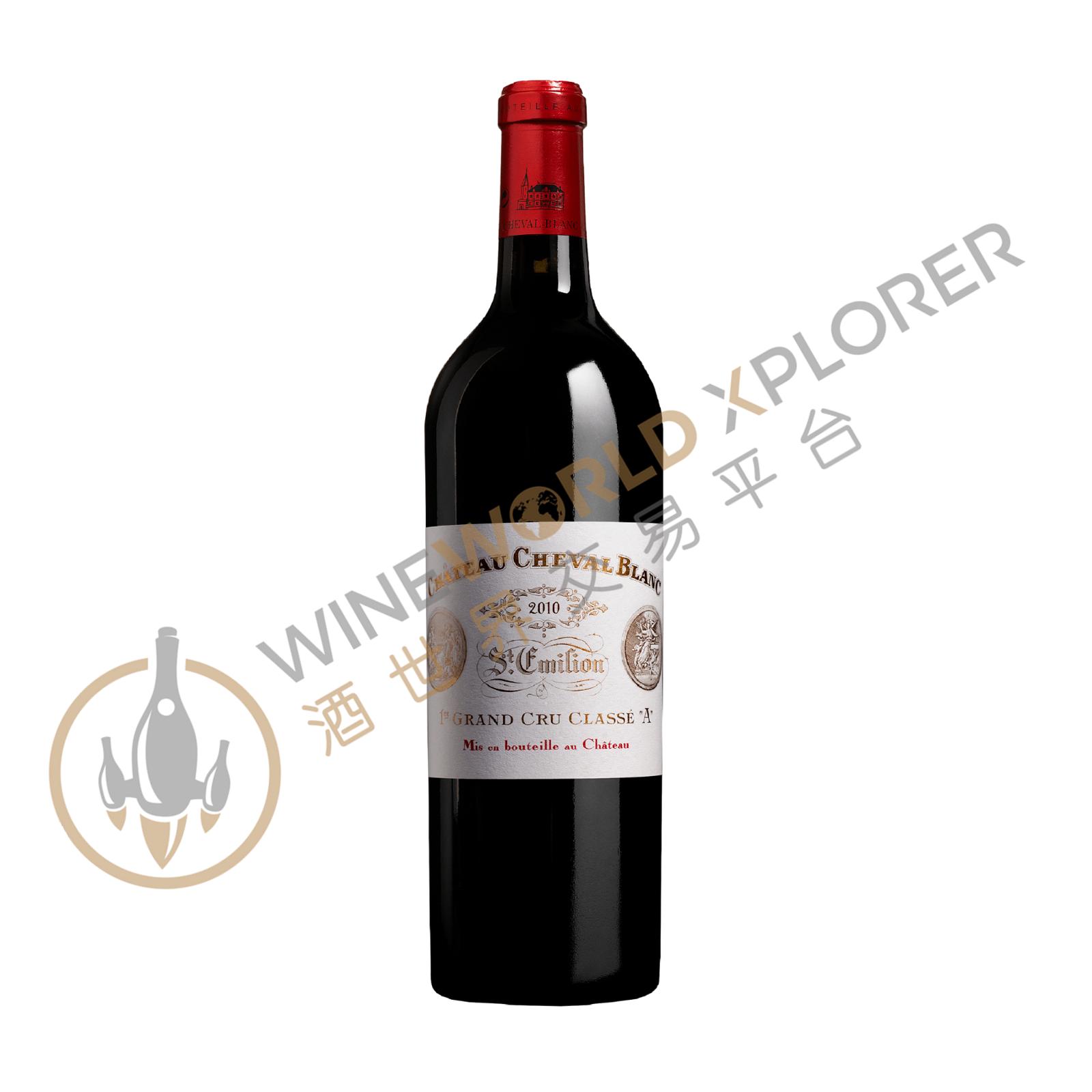
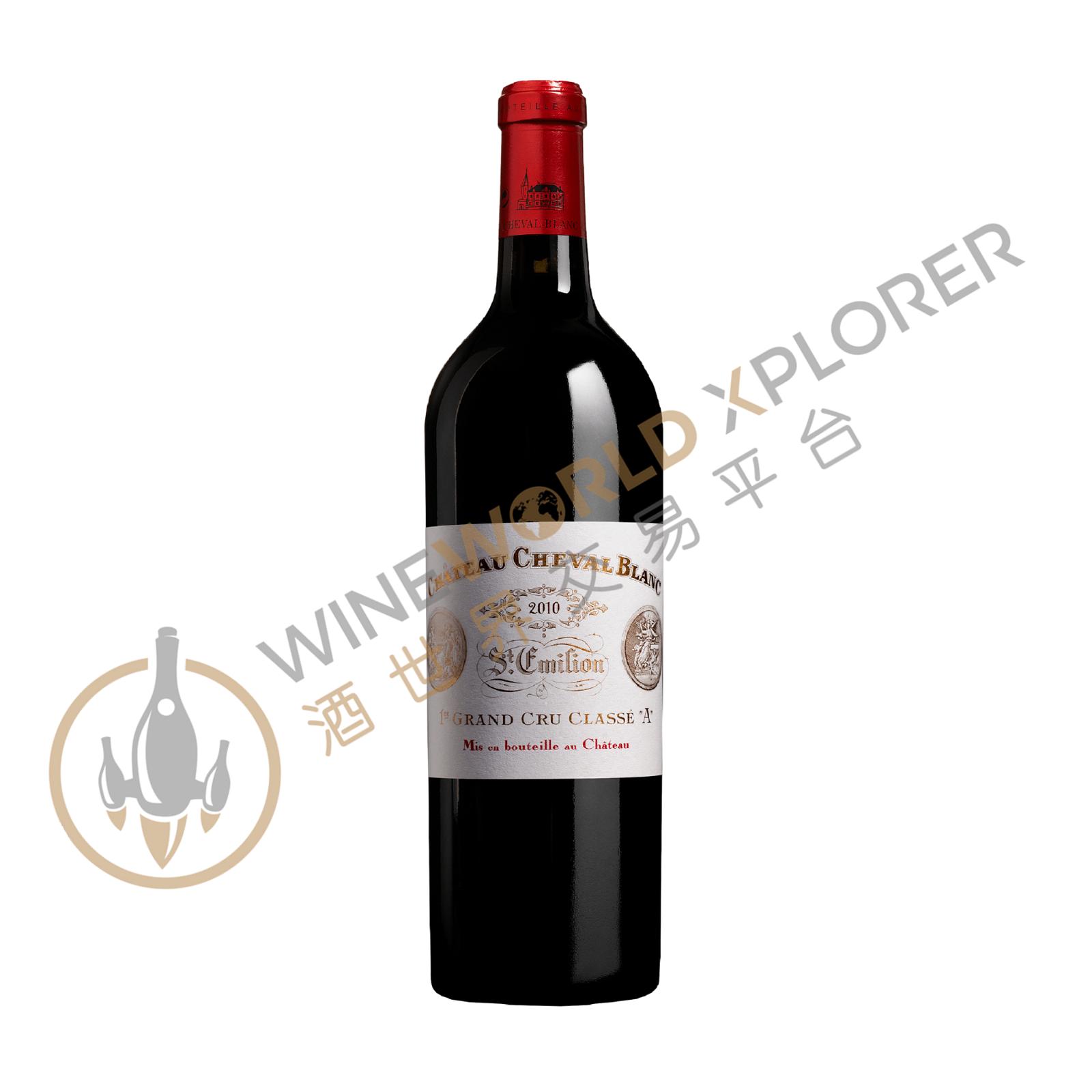
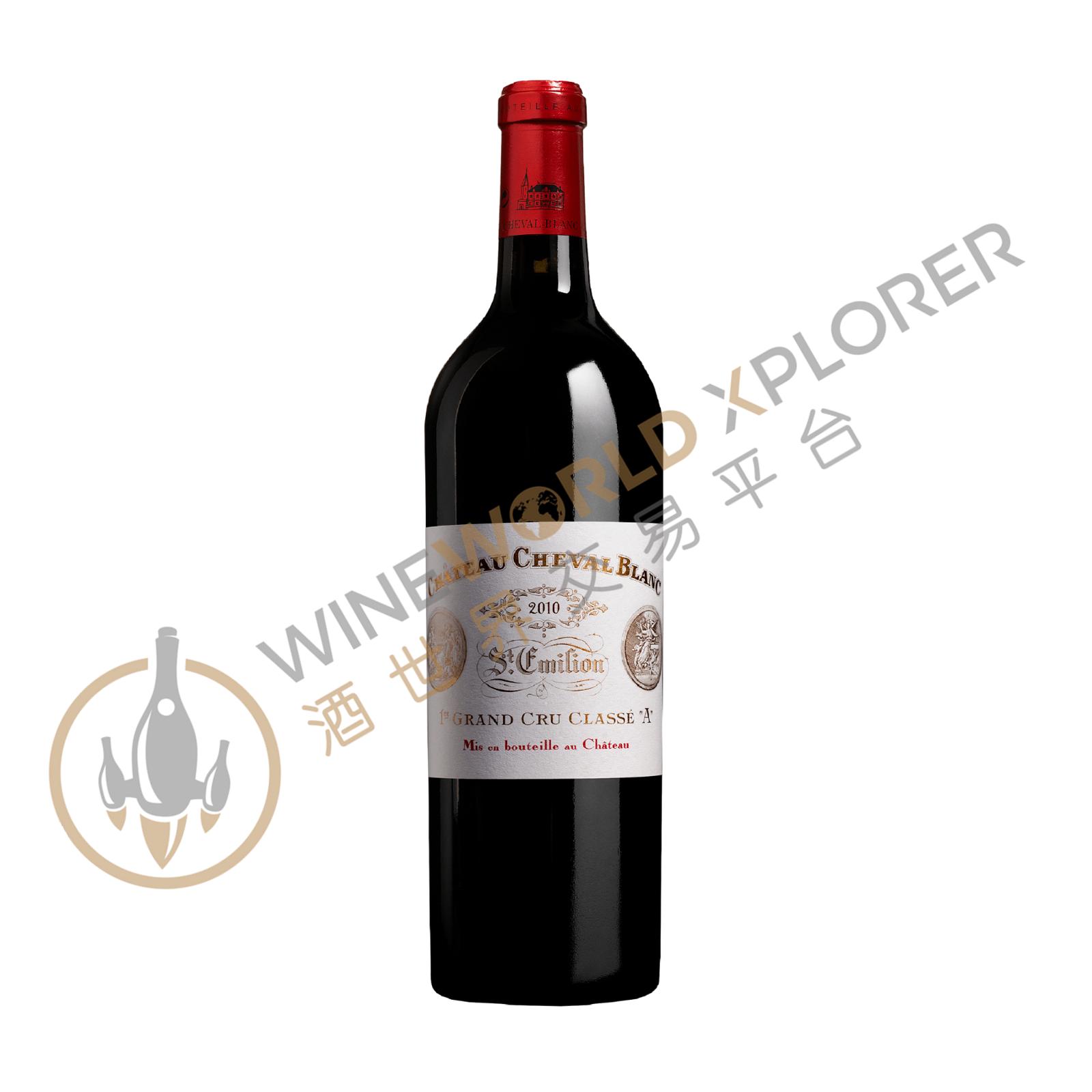
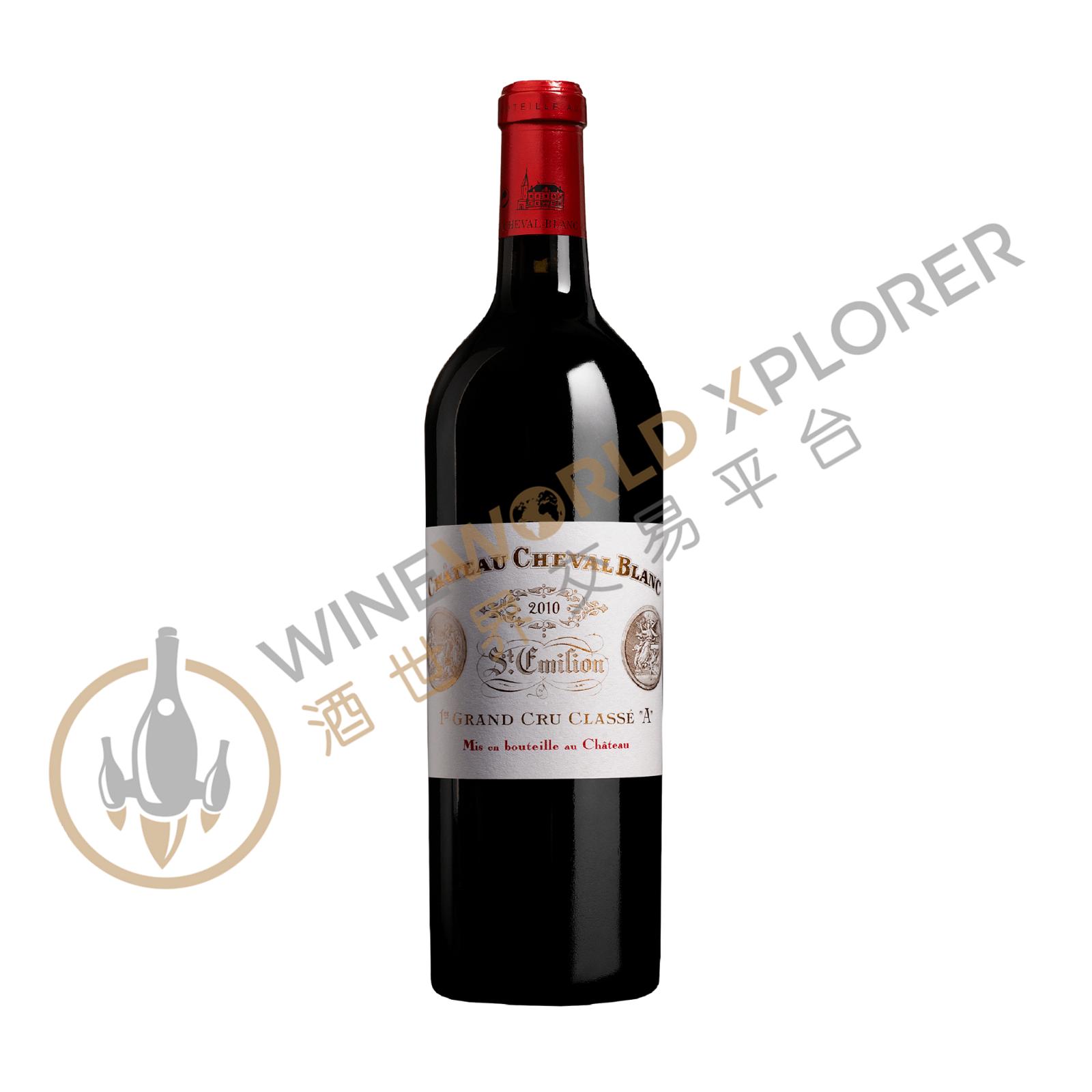
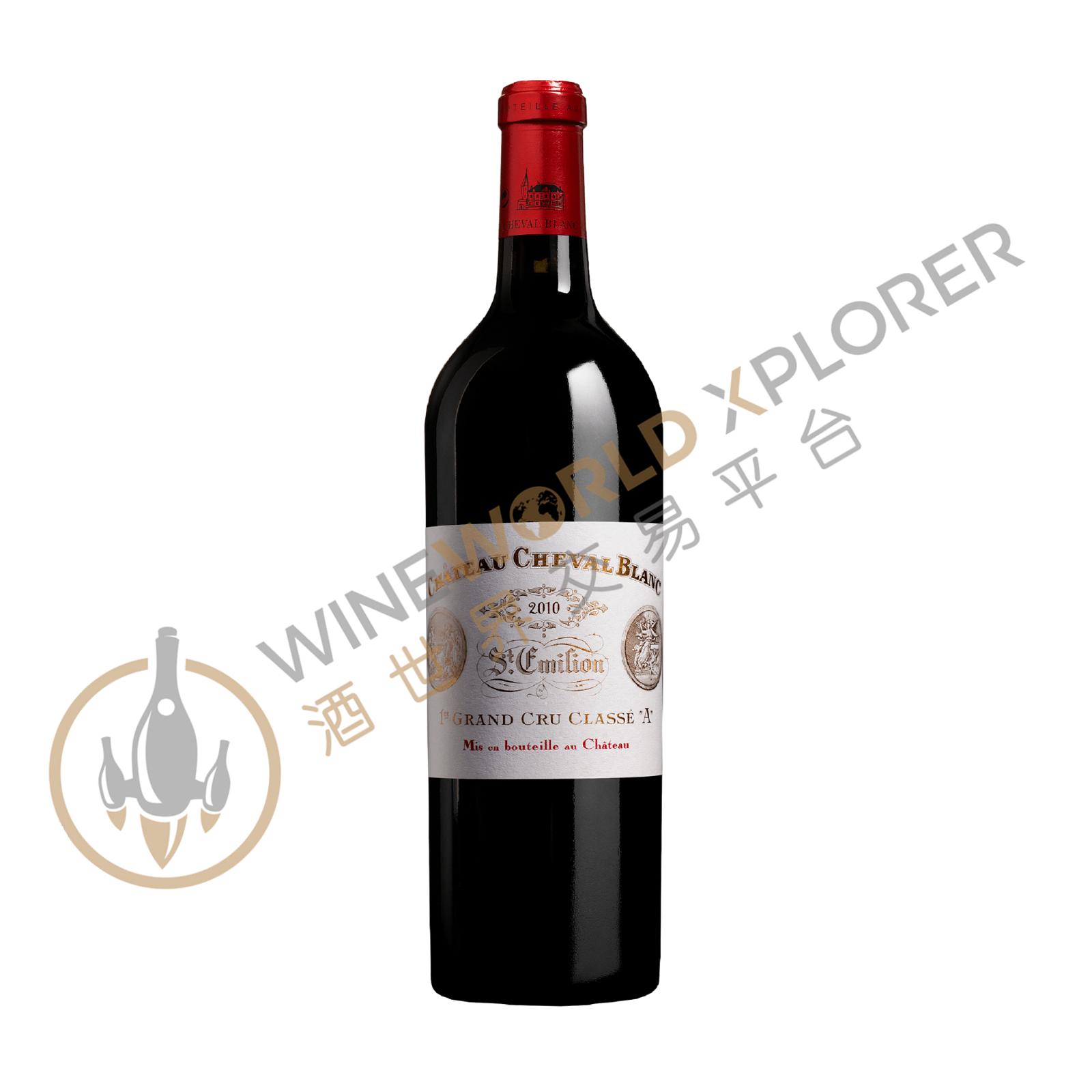
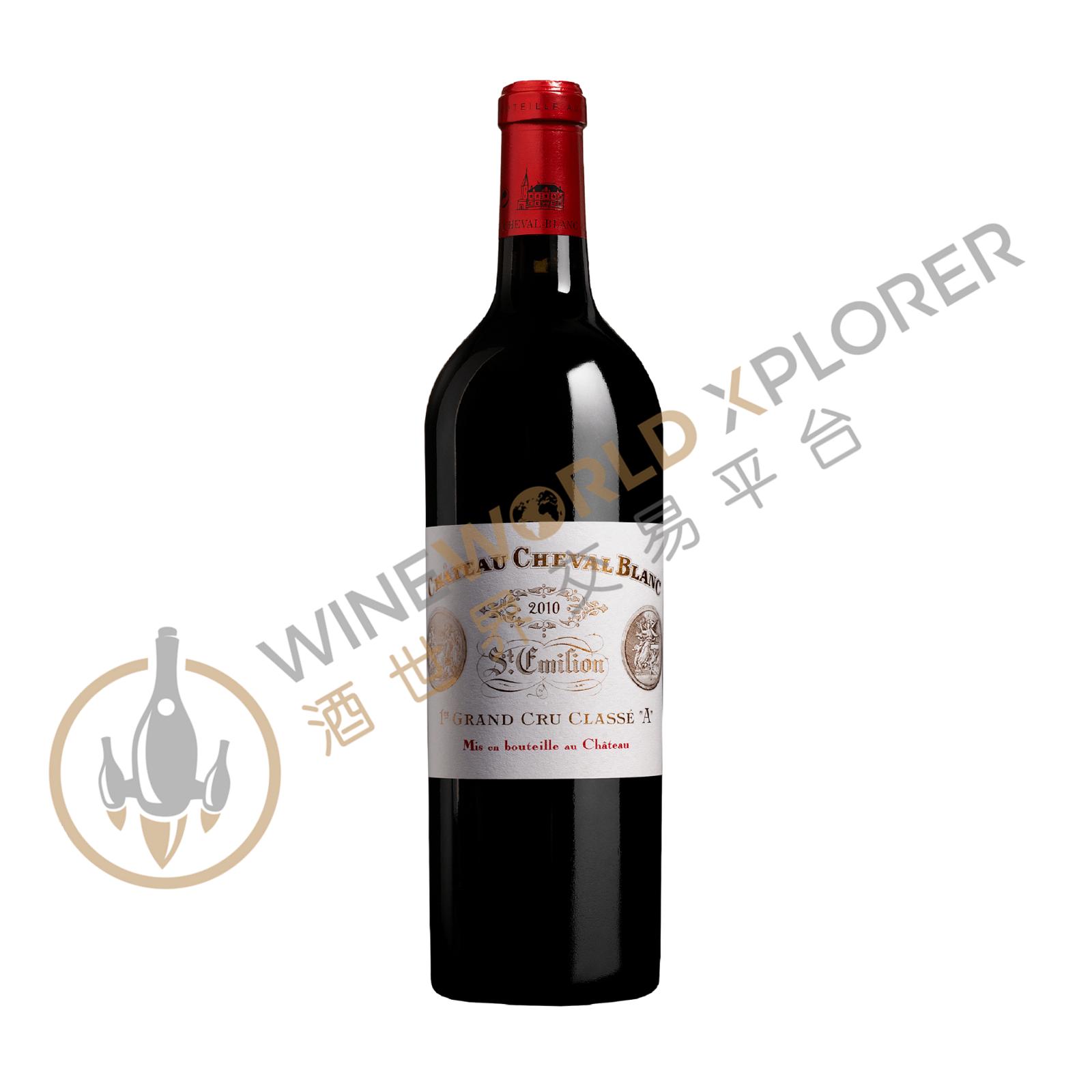
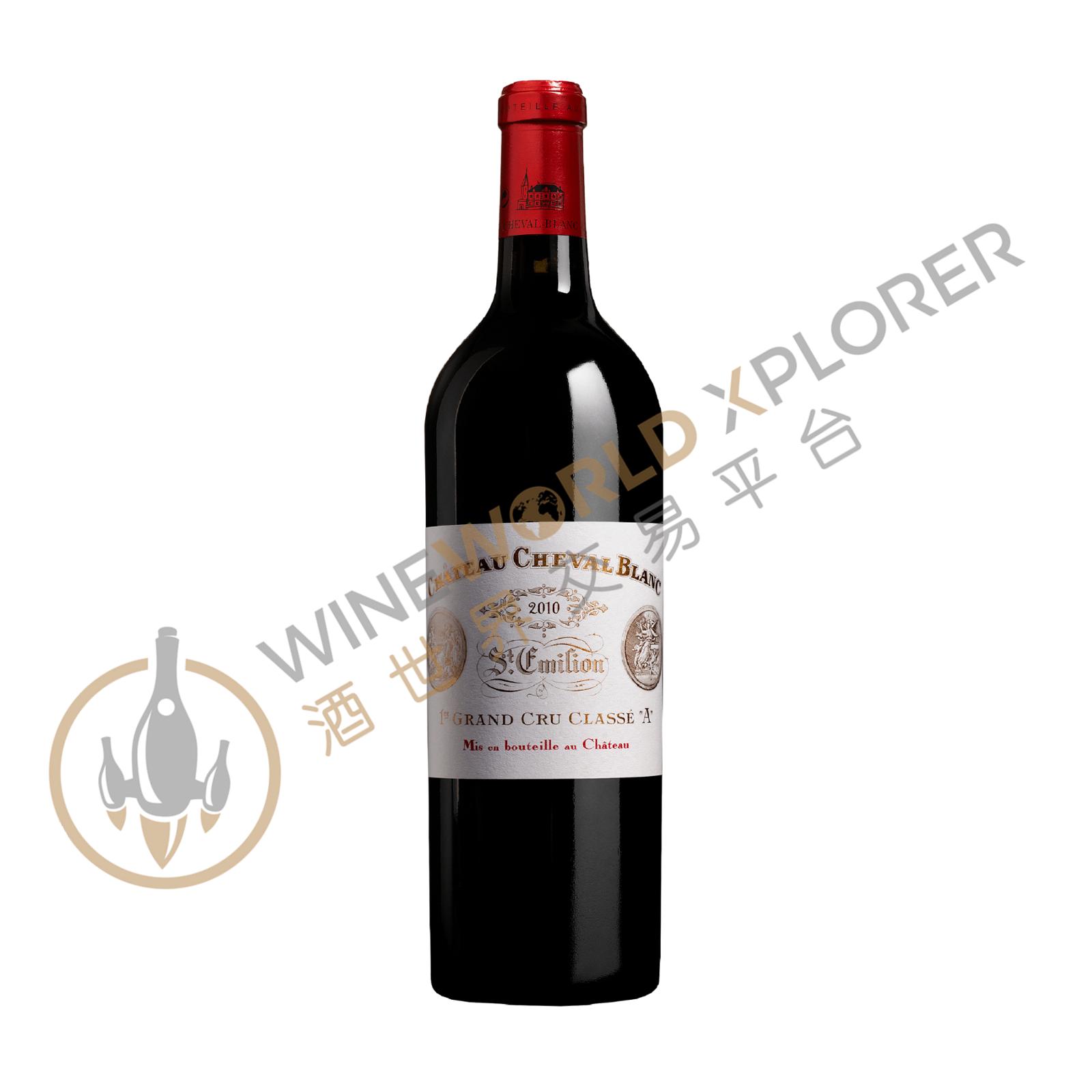
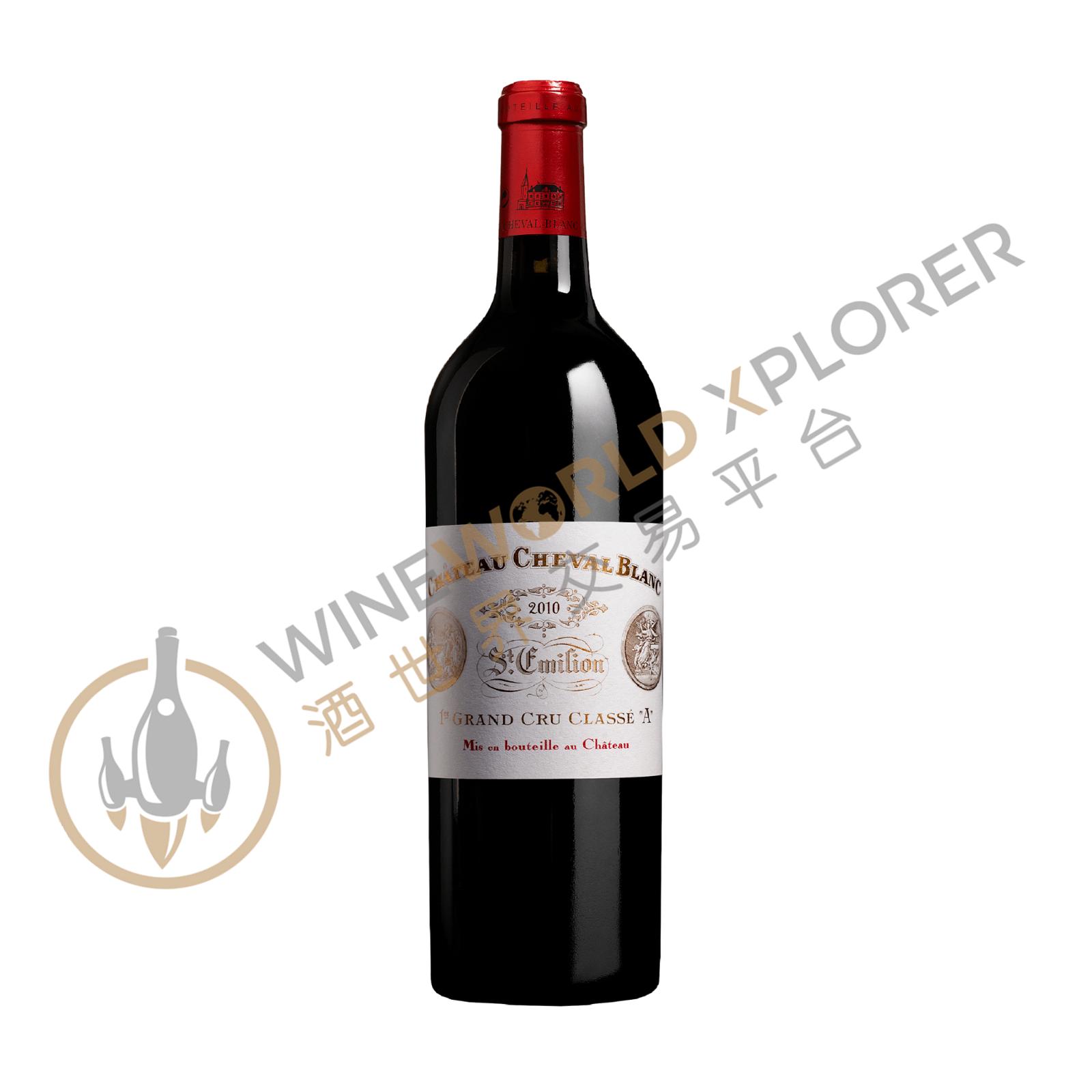
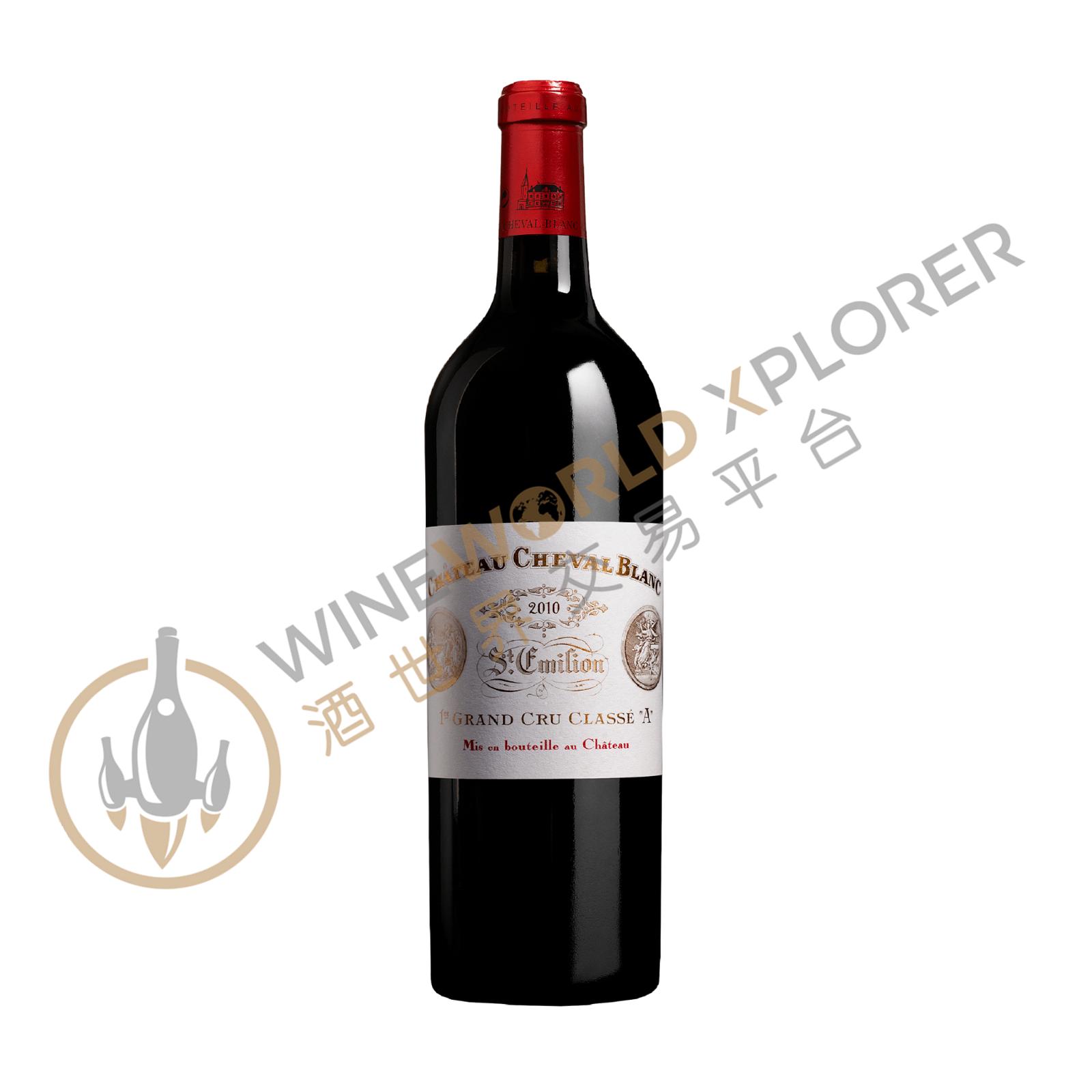
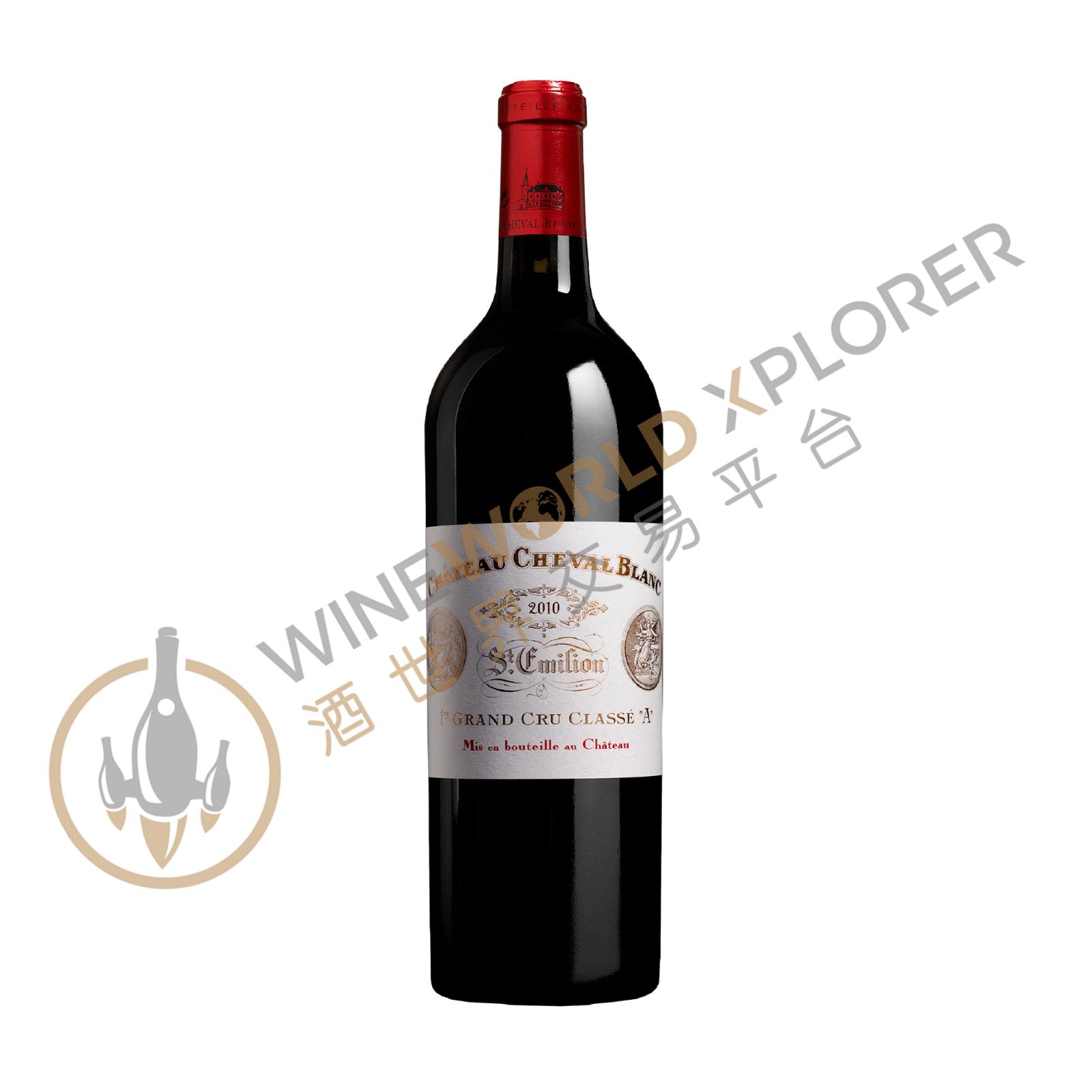
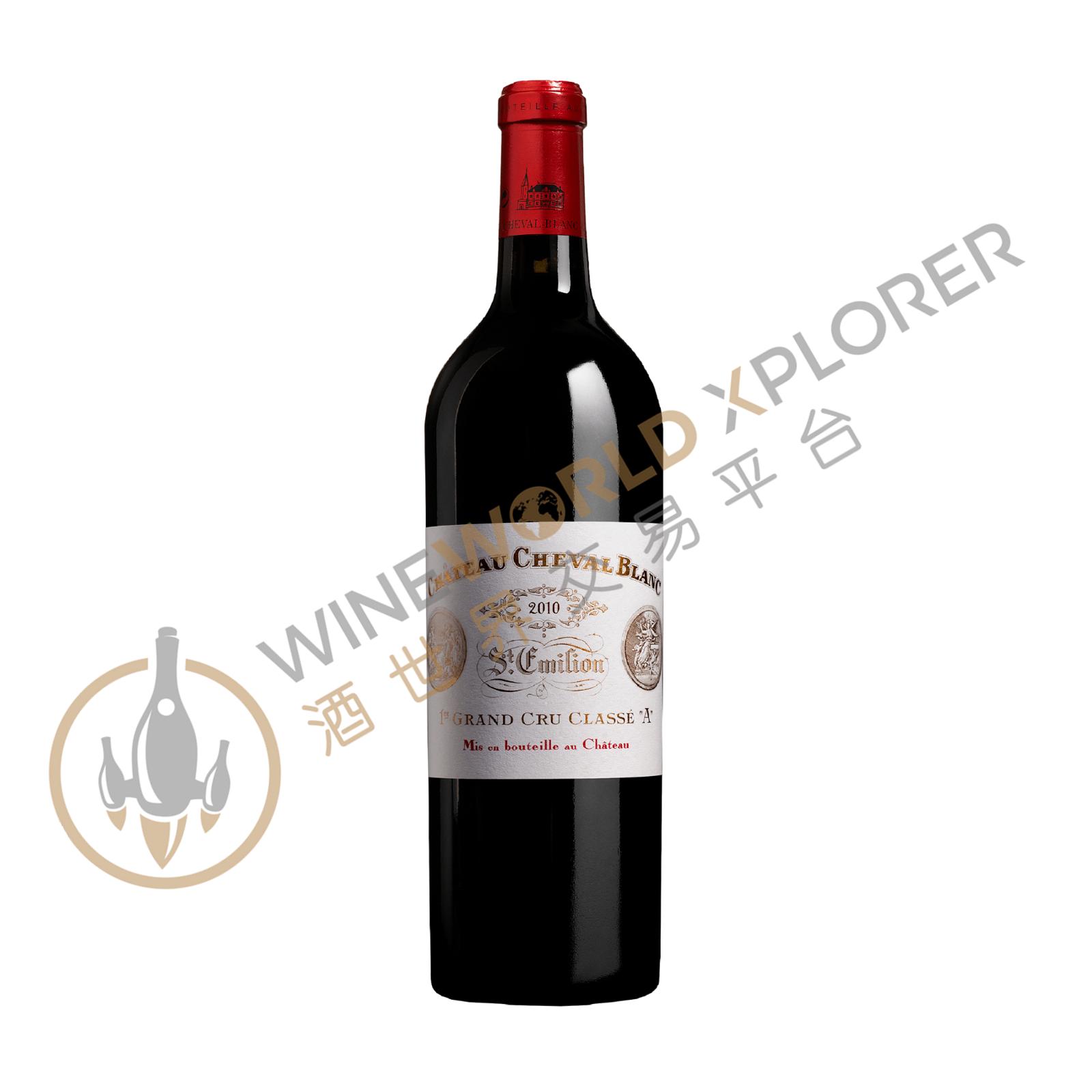
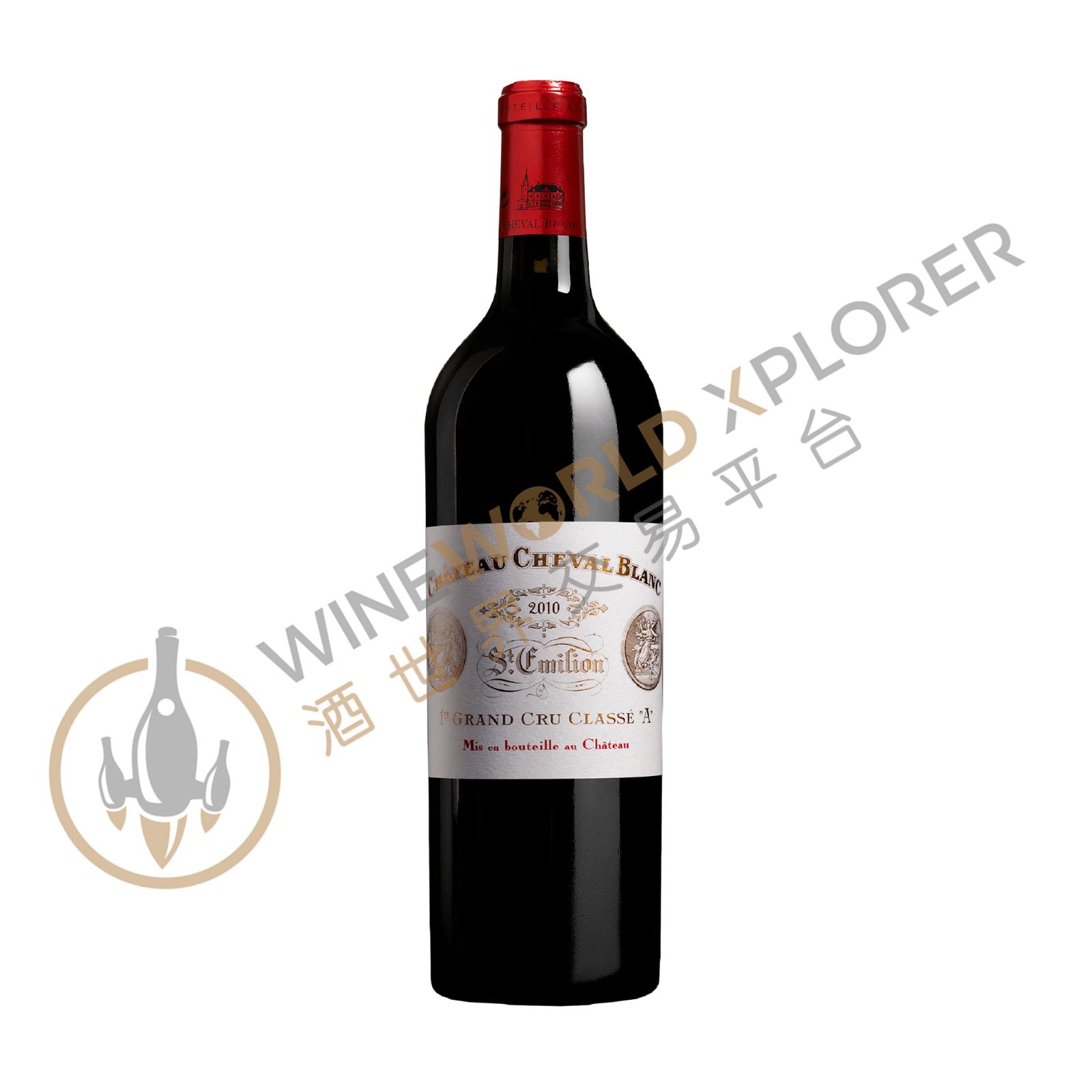
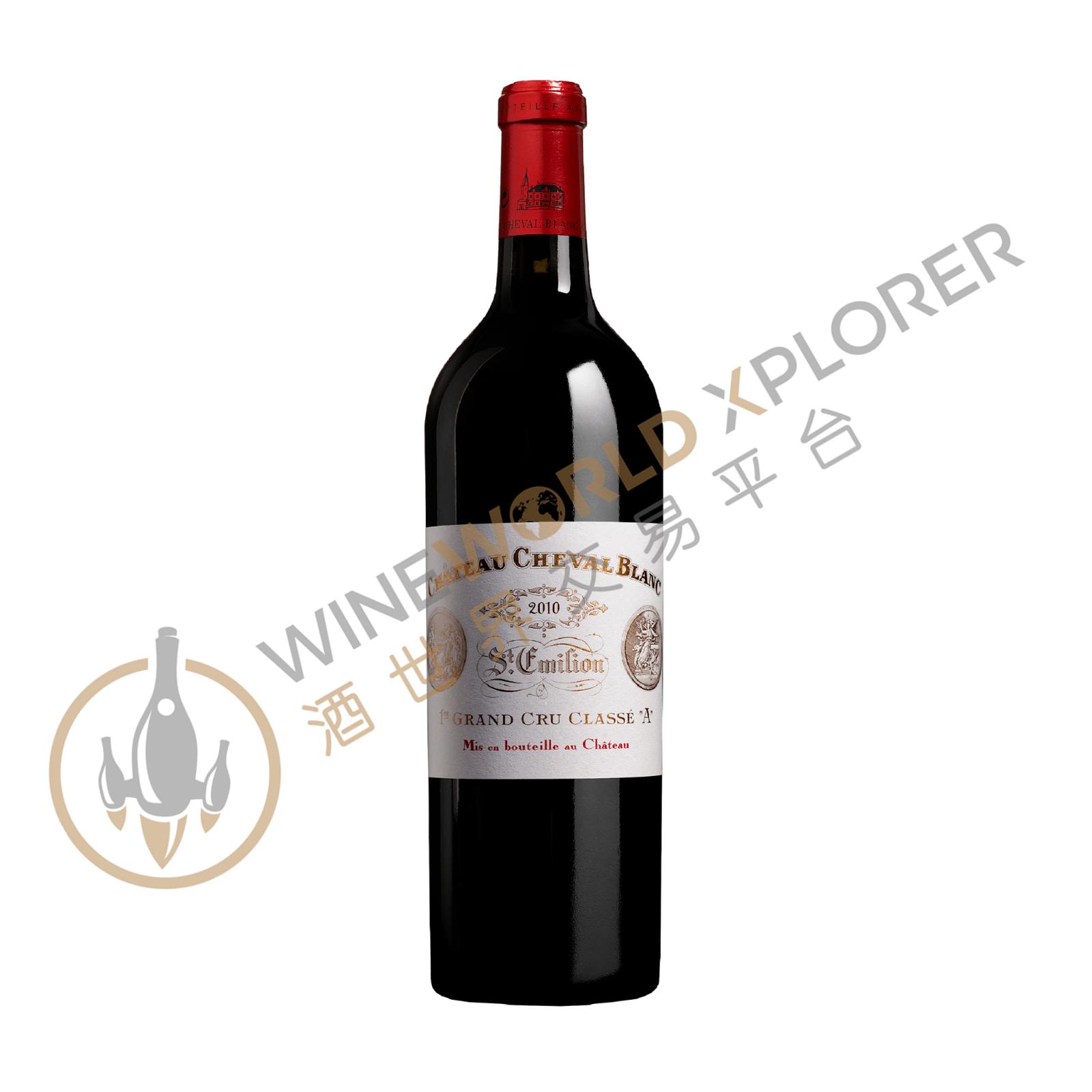
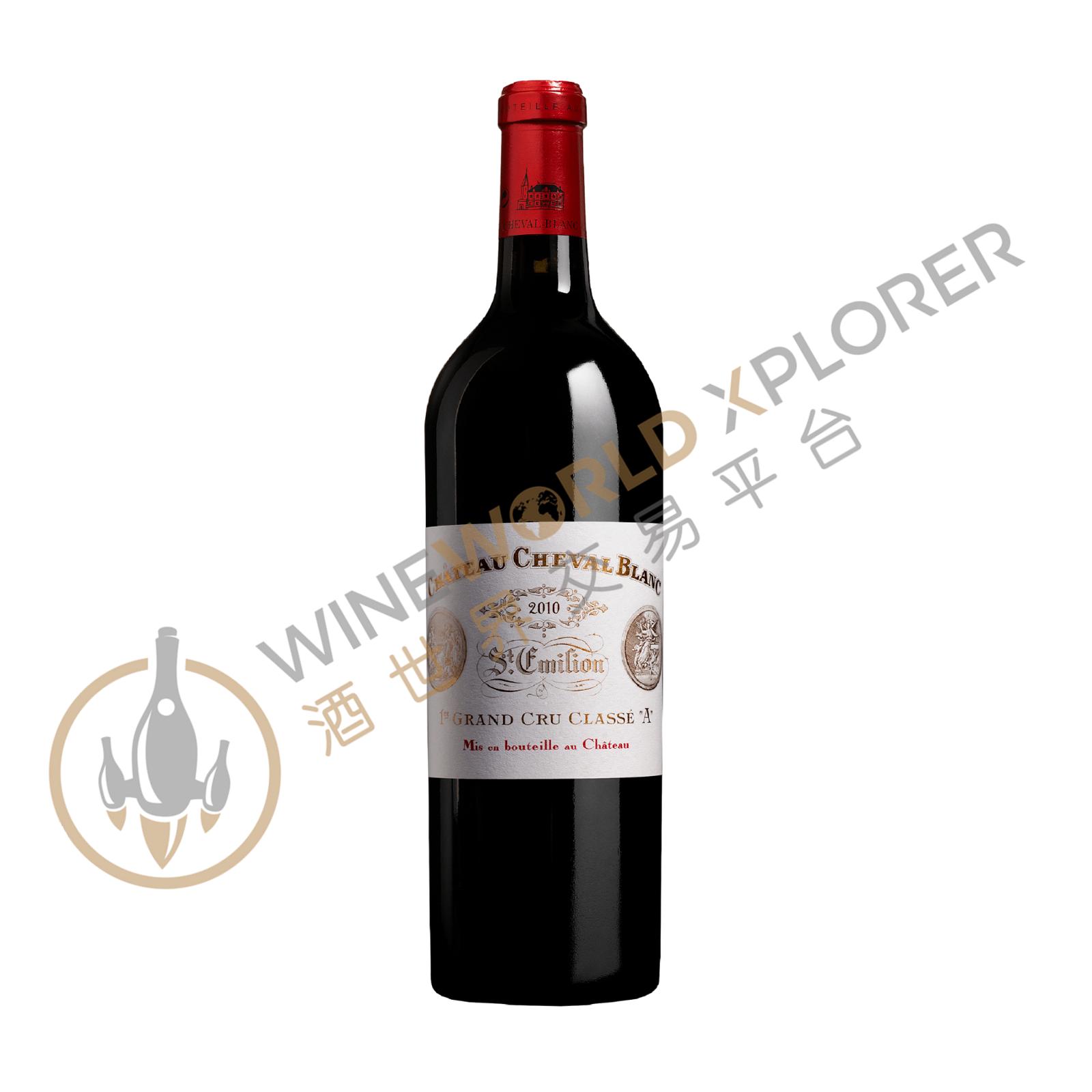
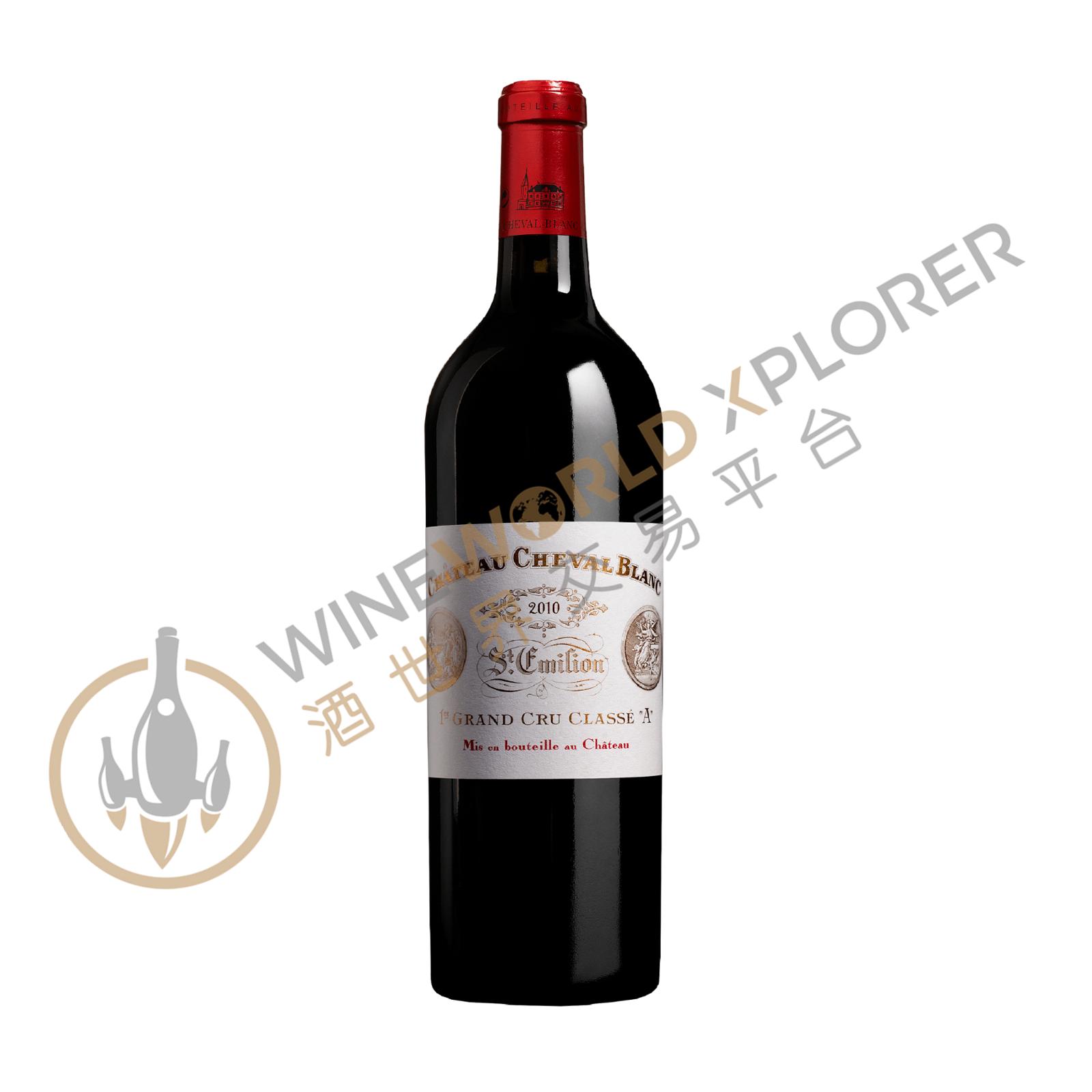
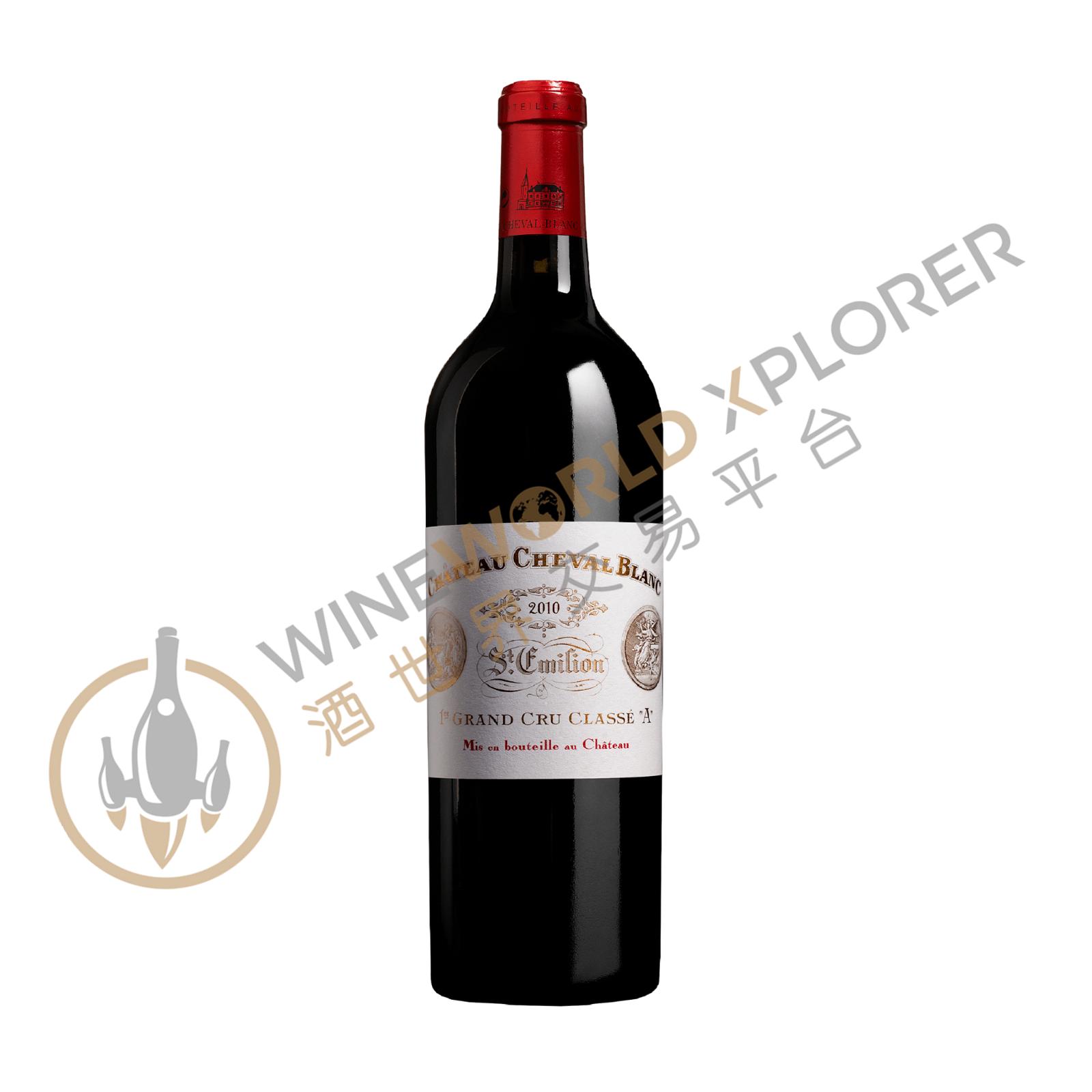
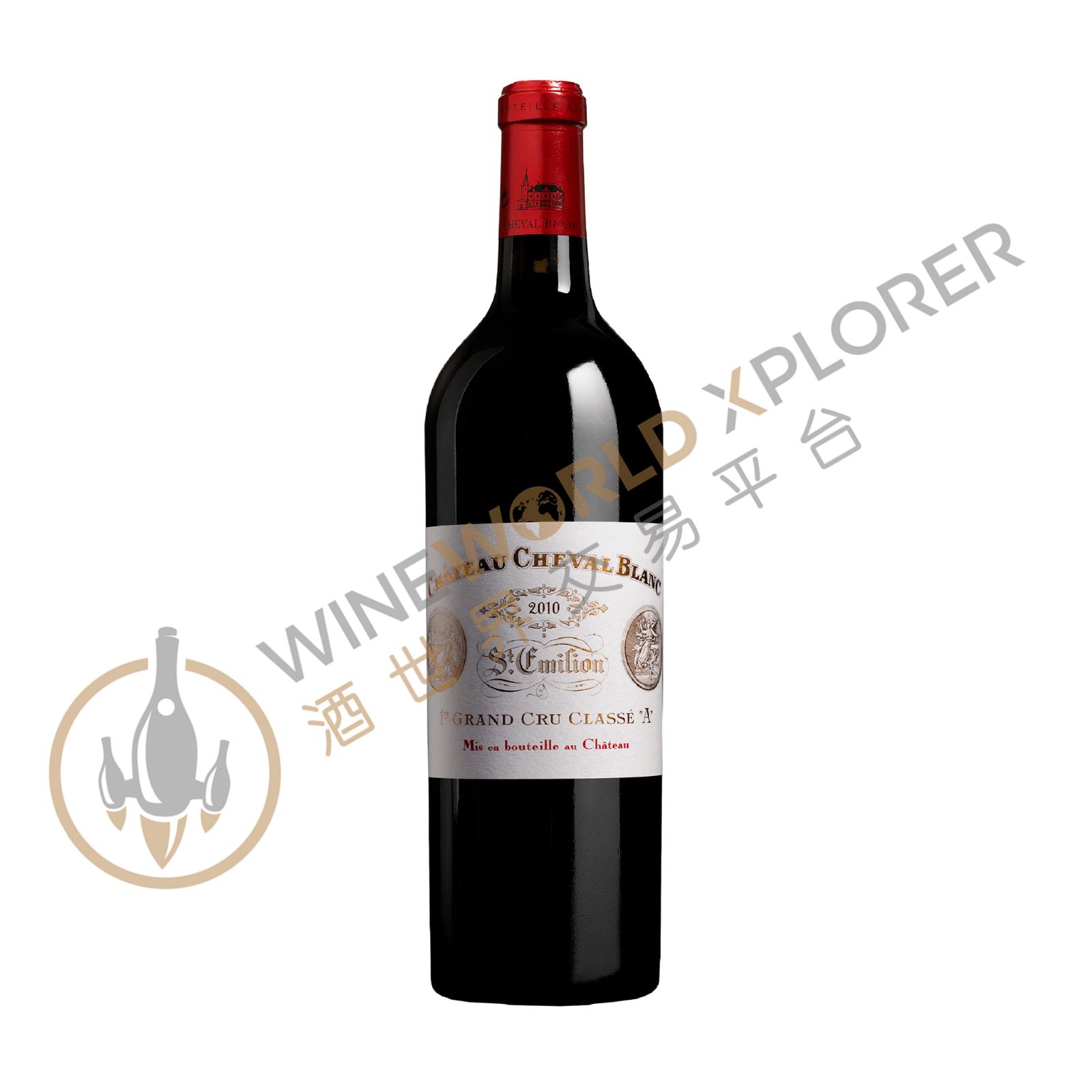
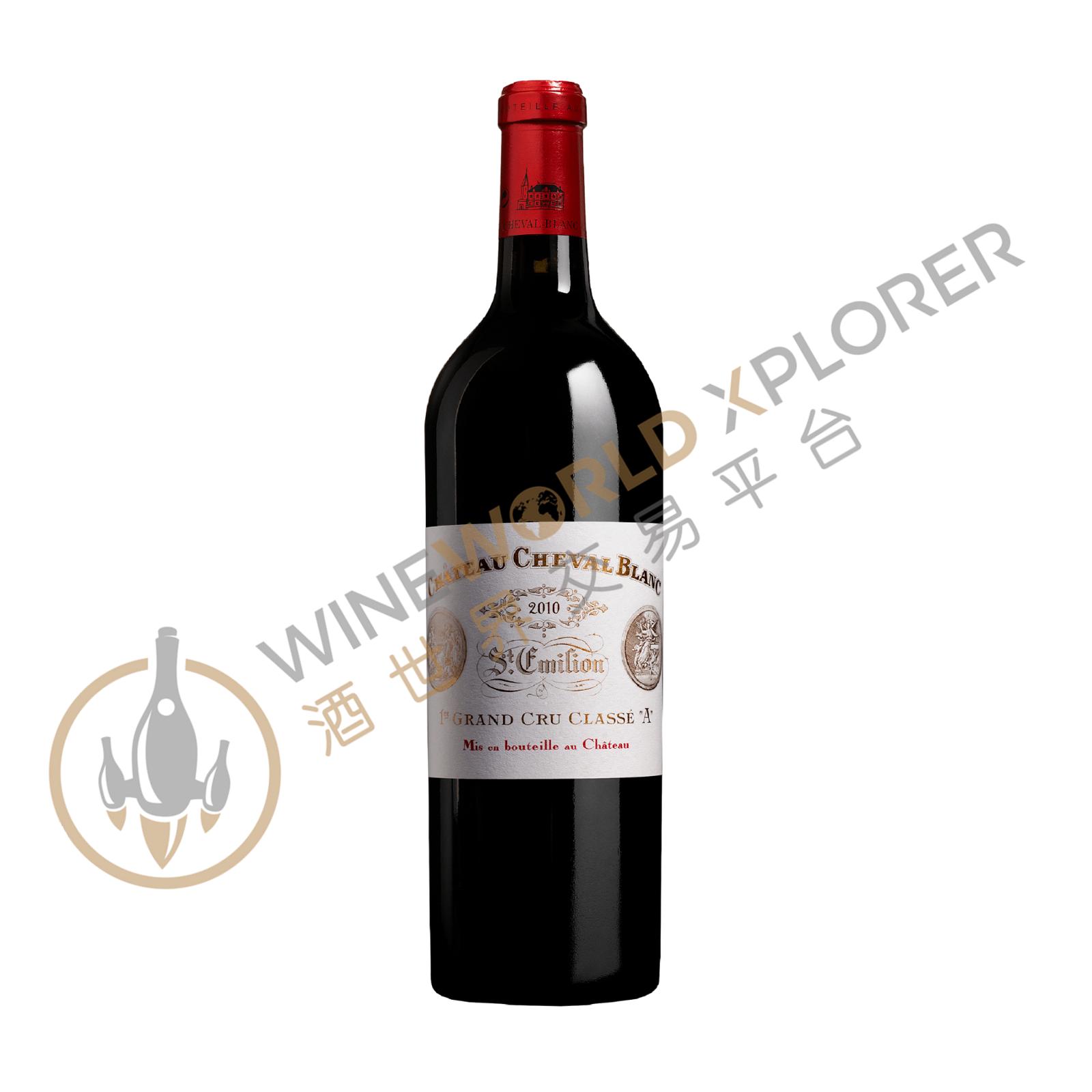
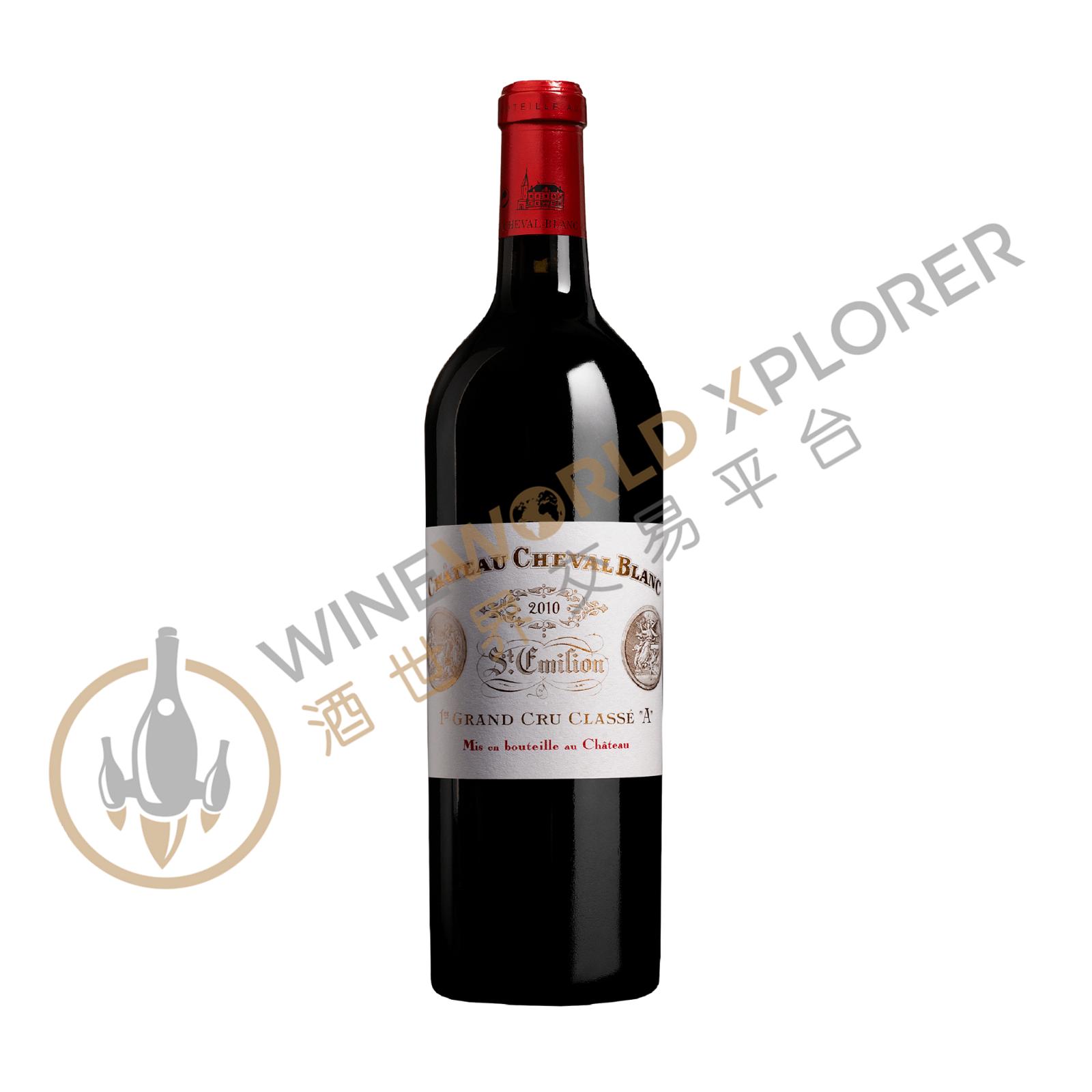
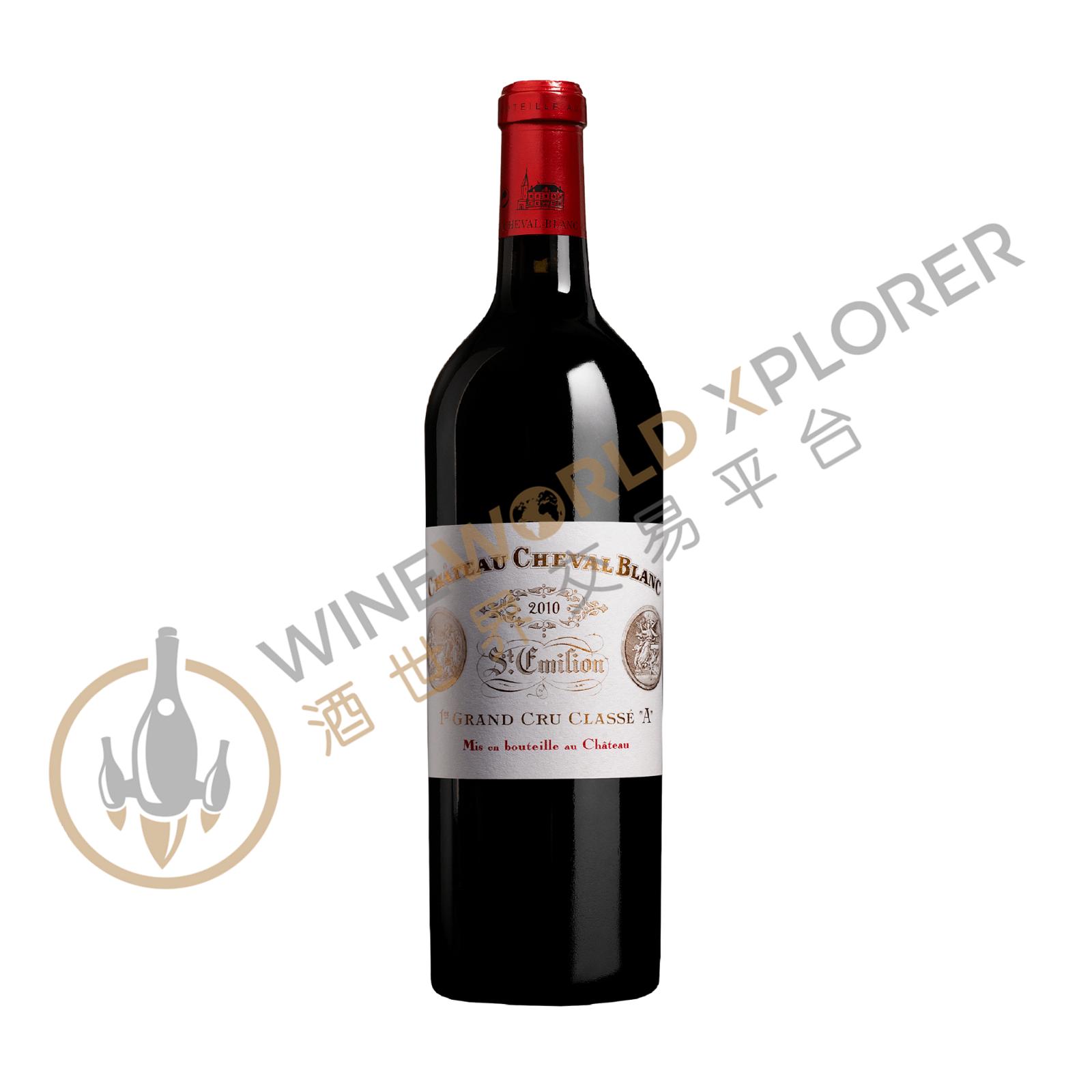
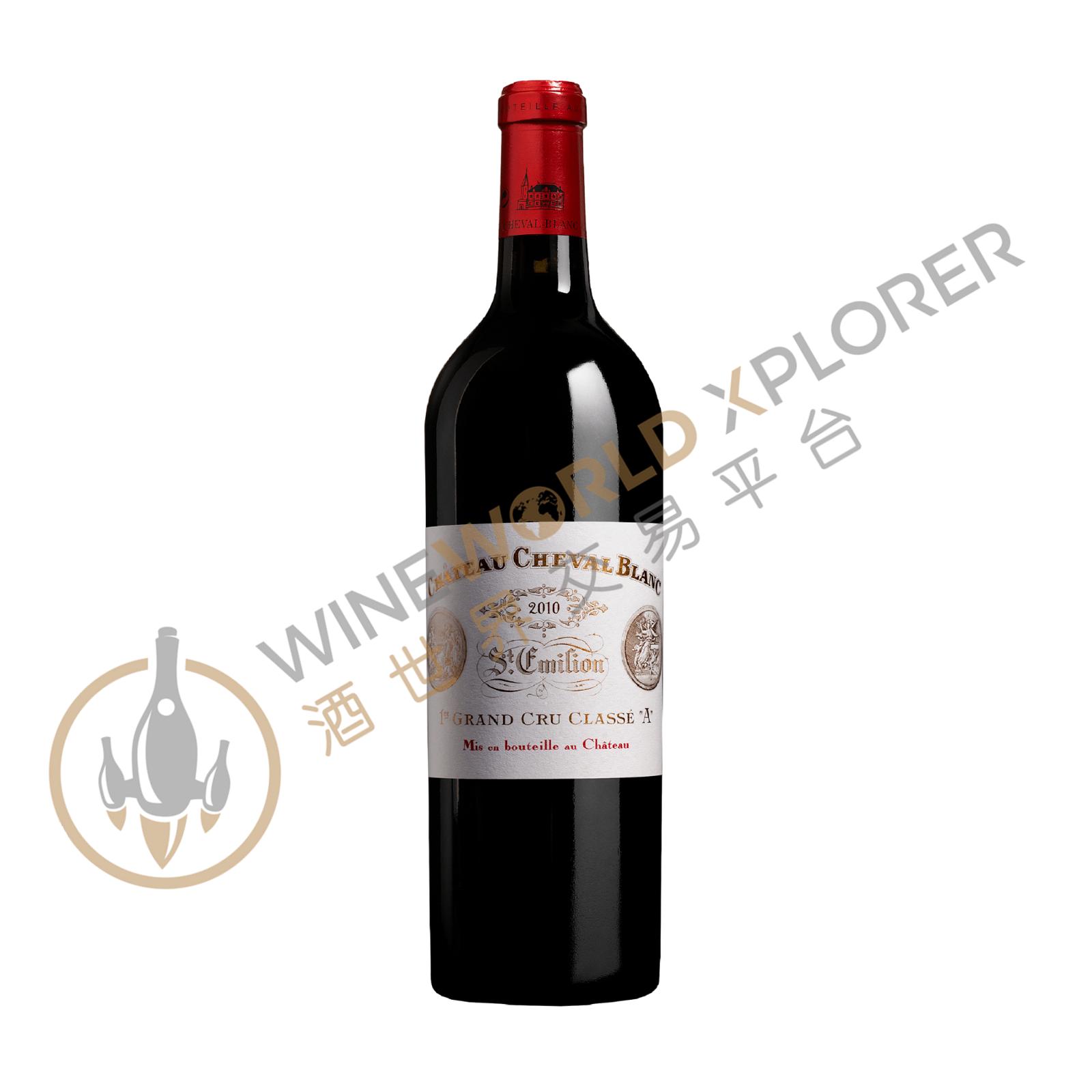
Château Cheval Blanc, a 1er Grand Cru Classé (A) is unquestionably the leading estate in St. Emilion. It is located in the north-west of the St. Emilion appellation, bordering Pomerol. Cheval Blanc obtained its first medal at the 1862 Universal Exhibition in London. In fact, a representation of this bronze medal is found on the château’s present-day label. Cheval Blanc won their first gold medal at the 1878 Universal Exhibition in Paris, and this new distinction also appeared on the label. In 1886, Cheval Blanc won a second gold medal at the Universal Exhibition in Antwerp. Reflecting this series of successes and a wine well on the way to achieving international recognition, a château was built on the estate.
Tasting notes

Reviewed by: Neal Martin
This is destined to be a legendary Cheval Blanc. A deep garnet colour. The nose is intense, though more broody than the bottle shown four months later with hints of blackberry, plum and sloe. The bouquet needs time to unfurl, so advise serious decanting if opening any bottles now. The palate is full-bodied, beautifully delineated with here, a hint of oyster sauce on the mid-palate. Crunchy blackberry, oodles of sweet Merlot but unlike the ’01, complemented by some wonderful Cabernet Franc. Even after a couple of hours in glass, this wine is revealing nuances. Stunning. Tasted October 2007.
Reviewed by: Robert M. Parker, Jr.
Cheval Blanc harvested its Merlot in mid to late September, and the Cabernet Franc after the rains of September 27 and 28. Yields were a modest 32 hectoliters per hectare, and approximately 72% of the production went into the grand vin. The 1998's final blend was 52% Merlot and 48% Cabernet Franc. A beautifully made Cheval, it may be the finest effort since 1990, although it does not possess that vintage's over-ripeness and opulence. Nevertheless, it is an impressive, sweet, distinctive wine with a deep dark ruby/purple color, and aromas of blackberry liqueur, vanillin, coconut, and a touch of coffee. The 1998 is elegant and sweet, with surprisingly good fatness, medium body, and well-integrated, velvety tannin. This wine can be difficult to taste young (because of the high percentage of Cabernet Franc), and often puts on considerable weight, meriting an even higher score after several years. That being said, the 1998 performed extremely well for such a young Cheval Blanc. Anticipated maturity: 2002-2016.
Reviewed by: Neal Martin
Slightly light in colour than Ausone 1998 with a little more maturity on the rim. The nose is more extrovert than Ausone, opulent and fleshy, not dissimilar to a more cultured version of the La Mondotte. It develops further nuances of sloes and black plum with ten minutes in the glass. The palate is very impressive: wonderful structure, a forceful assertive Cheval Blanc with a tad more weight and depth than Ausone. Very harmonious on the finish, the merlot dominating, although you can tell that the Cabernet Franc is lurking in the sidelines waiting to take over from 2010. A great Cheval Blanc fulfilling all its initial promise. Tasted March 2008.
Reviewed by: Neal Martin
An ex-chateau bottle, I have enjoyed the Cheval Blanc '98 on a number of occasions, though in the company of the 2000 I think it does not quite have the same class. It has a lifted perfumed bouquet that has an almost Northern Rhone-like allure. It is high-toned compared to the millennial wine, without quite the same delineation. The palate is medium-bodied with good length. Lively and focused, more ostentatious than either the 1990 and 2000, there is a slight Californian element to this wine. With fine symmetry towards the finish, one can see it ageing for another two decade without problem, though it needs to muster a little more soul. Tasted February 2014.
Reviewed by: Robert M. Parker, Jr.
This offering is just beginning to put on more weight and reveal the multiple dimensions that Cheval Blanc can achieve. An extremely difficult wine to judge young because of the high percentage of Cabernet Franc in the blend, the dark ruby/purple-colored 1998 possesses medium body, and a gorgeously sweet nose of black fruits, flowers, minerals, and toast. Rich and expansive, with a silky texture, a sexy, exotic personality, and an elegant, stylish, creamy-textured finish, it is weightier, thicker, and richer than when tasted in spring, 1999. If it continues to develop, the above score will appear stingy. I like the direction of this wine's evolution. Anticipated maturity: 2004-2020.
Reviewed by: Neal Martin
As swarthy and magisterial as the bottle last October. No point saying any more! Tasted September 2008.
Reviewed by: Neal Martin
Smooth and sensuous out of barrel. Then at the Cheval vertical in July 2005. A less depth on the rim than the 2000. The nose is certainly more subdued with tobacco, strawberry and a little cinnamon. The palate is full-bodied, dense, masculine, and very backward. Less extrovert and sweet than the 2000. Broody, black fruits, tar and dark chocolate. A traditional Cheval Blanc that has closed down. Initially I was swept away by the opulence of the 2000, but on reflection this will be a longer-lasting wine. But it is going to need fifteen years to reach its plateau. Tasted July 2005.
Reviewed by: Robert M. Parker, Jr.
I seriously underestimated this wine, as I have often tended to do with Cheval Blanc. A potentially immortal example that has gained significant weight since it has been bottled, this blend of 55% Cabernet Franc and 45% Merlot has a saturated purple color and a glorious nose of menthol, plums, mulberries, new saddle leather, cocoa, and vanilla. Remarkably fuller-bodied than I ever remembered it young, with an amazingly seamless texture and tremendous concentration and extract, this full-bodied yet gorgeously pure and elegant wine is impeccably balanced and certainly one of the all-time great Cheval Blancs. If it continues to improve as much as it has over the last three years since bottling, this wine will certainly rival the 2000, 1990, and 1982. Anticipated maturity: 2009-2030. Last tasted, 1/03.
Reviewed by: Robert M. Parker, Jr.
This blend of 55% Cabernet Franc and 45% Merlot exhibits a dark ruby/purple color as well as classic aromas of menthol, plums, mulberries, and assorted black fruits. The oak, texture, acidity, and tannin are all beautifully integrated. While full-bodied, elegant, concentrated, and impeccably balanced, it requires several years of cellaring. Anticipated maturity: 2004-2020. Kudos to administrator Pierre Lurton for the efforts he has put forth over recent years.
Reviewed by: Neal Martin
On this occasion, the 1998 Château Cheval Blanc could not match the stellar performance of the 1990, though it is still a great wine. It has a very pure, svelte bouquet with black cherries, camphor, creme de cassis and sage aromas. Giving it ten minutes to open in the glass, there is an attractive mint note that becomes ever more pronounced. The palate is medium-bodied with succulent tannins cloaked in glossy red cherry and strawberry fruit. There is great backbone and structure to this Cheval Blanc with a very long finish that fans out gloriously. I'd be inclined to give it two, three, maybe even four more years in bottle before it reaches its peak. Tasted March 2015.
Reviewed by: Ian d'Agata
(a blend of 56% merlot and 44% cabernet franc; 13% alcohol; 32 h/h): Bright ruby. Ripe, intensely pure black cherry, blackcurrant, floral and milk chocolate aromas. Enters silky and suave, with rich red cherry and blackcurrant flavors that give the middle palate a fruit cocktail quality. Almost more Pomerol than Saint-Emilion here, with a rich, fleshy mouth feel and highly polished tannins. Finishes very long and suave, with a pretty smoky, floral note. I also had the opportunity to taste the pure bottlings of the 1998 Cheval's merlot and cabernet franc, and the cabernet franc was absolutely mesmerizing; the best of these lots went into the Cheval Blanc, and the wine is noticeably better than the Petit Cheval of the same year. That said, given the truly amazing quality of the cabernet franc this vintage, I am utterly convinced that having included more of it in Cheval Blanc's final blend would have turned this into one of the estate's five or six best wines ever. The 1998 vintage recorded temperatures close to the yearly averages throughout the growth cycle, and though not particularly hot, it was one of the drier years on record; the harvest took place from September 28 through October 6.
Reviewed by: Neal Martin
The 1998 Cheval Blanc has been a lauded wine ever since release. I have often, quite controversially felt that it never quite matched its startling performances in its first ten years, though it remains and excellent wine. Now at 20-years old it offers opulent, high-toned scents of maraschino cherry, iodine, crème de cassis, dried blood and a subtle, almost Provençal herb-like scent courtesy of the Cabernet Franc. The palate is medium-bodied with fine grip, showy compared to other vintages of Cheval Blanc with sappy red fruit and a fine structured that lends this 1998 focus. Perhaps this bottle did not quite deliver the intensity on the finish that I was expecting, jogging instead of sprinting over the finish line. That said, it is a very impressive wine, even if personally I would not put it amongst the very best wines that Pierre Lurton has overseen. Tasted at Cheval Blanc.
Reviewed by: Stephen Tanzer
Full, bright medium ruby. Nose shows an almost liqueur-like ripeness, along with notes of bitter chocolate and menthol; a great expression of ripe but youthfully unevolved cabernet franc. Extremely dense and pure but still quite tight and showing a minty austerity. Wonderful acids give the wine superb clarity of flavor. This will require another decade to unfold. Finishes impressively persistent and juicy. Drink 2010 through 2030.
Reviewed by: Stephen Tanzer
Medium ruby. Explosive nose of great complexity: cassis, black raspberry, bitter chocolate, espresso, flowers. Then dense and gripping in the mouth, with great freshness and intensity of flavor and lively clarifying acids. Finishes with firm tannic spine and superb grip. This very young wine will develop slowly and enjoy a long life.
Reviewed by: Stephen Tanzer
Sur colle. Good deep ruby. Knockout nose of smoky black raspberry, minerals, tar, dark chocolate and Cuban tobacco. Terrific cut and intensity, even if rather closed today due to the fining. Denser than the '98, and utterly smooth in the middle. Very ripe and solidly structured to age. Finishes with rich, noble tannins and superb persistence.
Reviewed by: Stephen Tanzer
Very full saturated ruby. Primary aromas of cassis, blackberry, dark chocolate, mocha, mint, clove and exotic spices; very ripe but not at all over the top. Sweet and dense in the mouth, with uncanny depth of flavor and texture for a young Cheval. Fills the mouth with suave fruit that currently covers the wine substantial structure (typically this wine's fat is hidden by its structure in the early going). Extremely long on the aftertaste, with very even, palate-saturating tannins and an intriguing mineral complexity. Exciting potential.
Reviewed by: Lisa Perrotti-Brown
The 1998 Cheval Blanc, a blend of 65% Merlot and 35% Cabernet Franc, is deep garnet-brick in color and absolutely explodes with scents of exotic spices, incense, dried roses, cigar box and licorice, with a core of crème de cassis and dried cherries plus touches of black tea and dusty earth. Medium to full-bodied, it fills the mouth with rich, plushly textured fruit and then POW—it hits the mid-palate with an explosion of Chinese five spice and floral perfume sparks, leading to an epically long finish. This cannot fail to impress and can easily cellar for another 30 years or more.
Reviewed by: James Suckling
Aromas of rose petal and hints of fresh herbs such currant leaf. Tobacco, too. Medium body, very fine tannins and a balanced fruit. Extremely refined and polished. A beautiful harmony. So lovely now.
About the Producer
Château Cheval Blanc is a highly lauded wine estate in the Saint-Émilion region of northeast Bordeaux. Classified with the top ranking of Premier Grand Cru Classé A, it is regarded by many as one of the greatest wines of the appellation – if not, the greatest. It is certainly the most famous Cabernet Franc-based wine in the world, albeit often alongside very similar levels of Merlot. Typically, the "grand vin" (the estate's eponymous wine) is lush and full bodied with great weight of fruit. It tends to require ten years of bottle age and the best vintages can last half a century or more. The second wine of the estate is Le Petit Cheval. The vineyard is located in the northwest of the region, bordering Pomerol (La Conseillante is a neighbor) and consists of 39 hectares (96 acres) divided into 45 plots. There is an unusually large amount of Cabernet Franc planted – about 49 percent – with 47 percent Merlot and four percent Cabernet Sauvignon. The unusual planting proportions reflect the terroir; most vineyards in the region are either clay or gravel-based over impermeable sedimentary rock, but Cheval Blanc is unique in having a patchwork of soils with the two types in roughly equal proportions. The clay soils provide base wines with velvety tannins, while those from gravel soils are more aromatic and elegant. Vines have been grown since the 14th Century at this spot but the vineyard as it is known today took shape in the 19th Century when the core plots were added to by purchases from the nearby Figeac estate. Subsequent replantings established the atypical half-Merlot, half-Cabernet Franc proportions. Cheval Blanc gained its first medal at the 1862 Universal Exhibition in London – the first of a series of successes building its reputation and achieving price levels comparable to the Médoc first growths, which paved the way for a château to be built on the estate. In the first classification of Saint-Émilion wines in 1955, Cheval Blanc was awarded the highest possible rating and remains a Premier Grand Cru Classé A. In 1998, after 166 years of continuous family ownership, Bernard Arnault, the head of luxury goods firm LVMH, and the late Baron Albert Frère (a Belgian billionaire investor) jointly purchased the estate. The spectacular new cellar opened in 2011, with 52 concrete vats (replacing stainless steel) of differing sizes corresponding to different vineyard plots. The grand vin spends 16 to 18 months in new oak barrels from a variety of cooperages.
1949(1)1953(1)1955(4)1958(1)1962(1)1966(1)1967(2)1970(2)1973(1)1974(2)1975(3)1976(1)1977(1)1978(1)1979(2)1980(1)1981(2)1982(5)1983(1)1984(1)1985(1)1986(5)1988(4)1989(4)1990(13)1992(3)1993(1)1994(4)1995(7)1996(9)1997(2)
Package Size