Wine Advisor



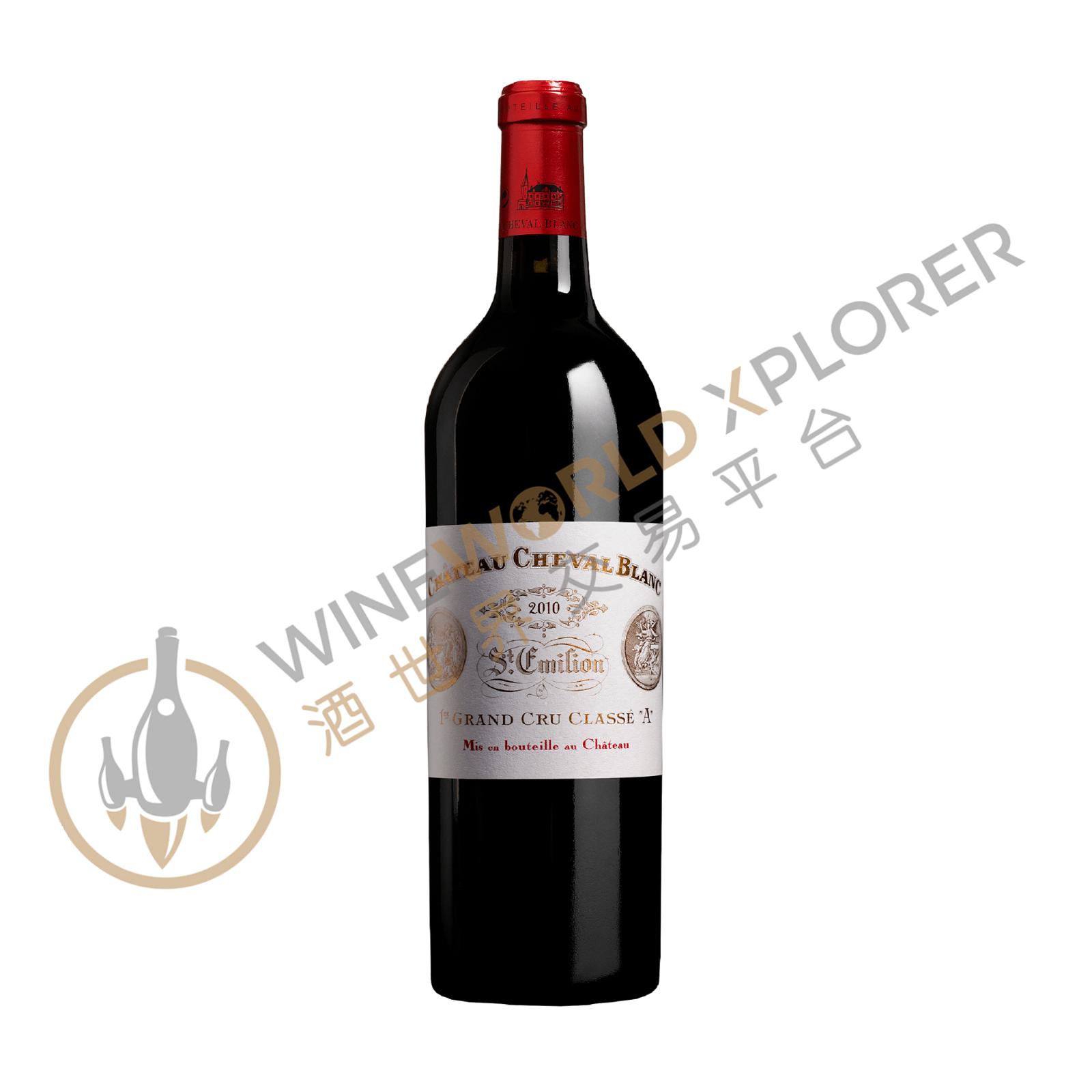
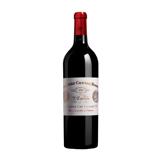
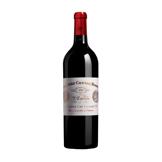
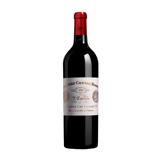
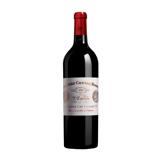
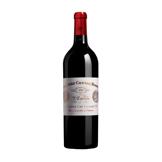
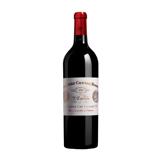
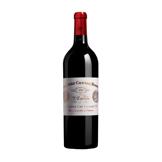
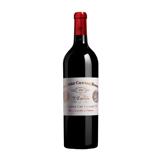
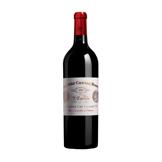
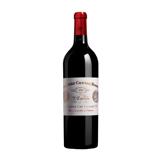
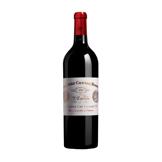
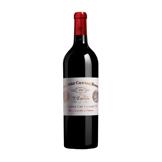
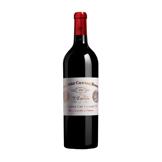
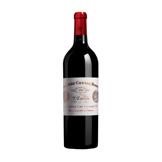
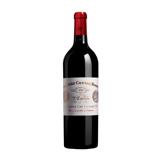
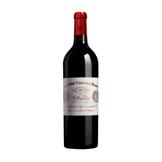
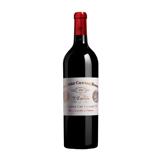
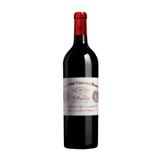
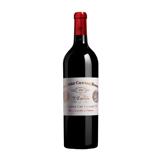
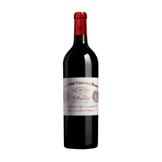
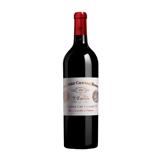
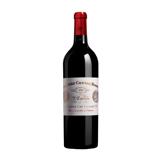
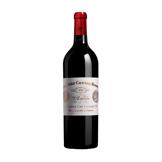
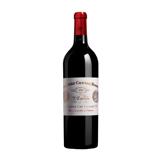
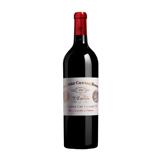
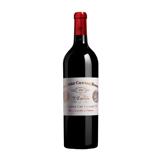
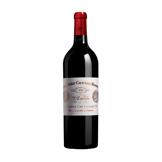
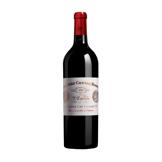
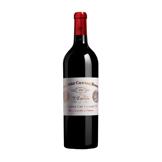
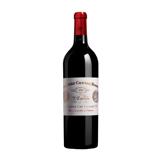
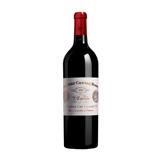
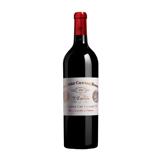
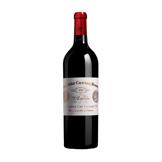
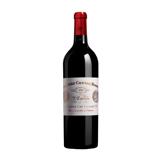
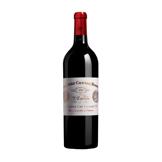
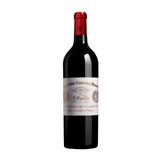
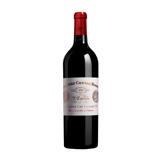
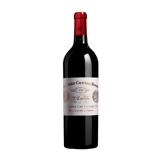
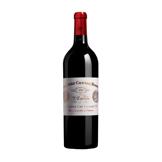
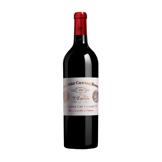
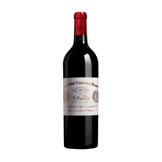
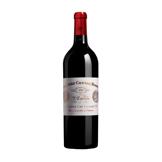
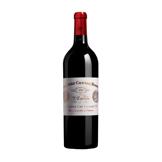
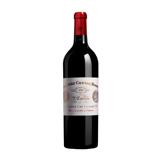
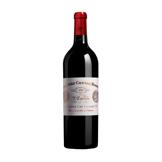
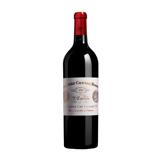
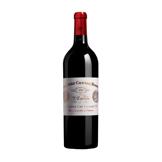
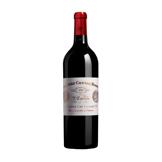
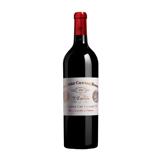
Cheval Blanc 1996
 View analysis


Description
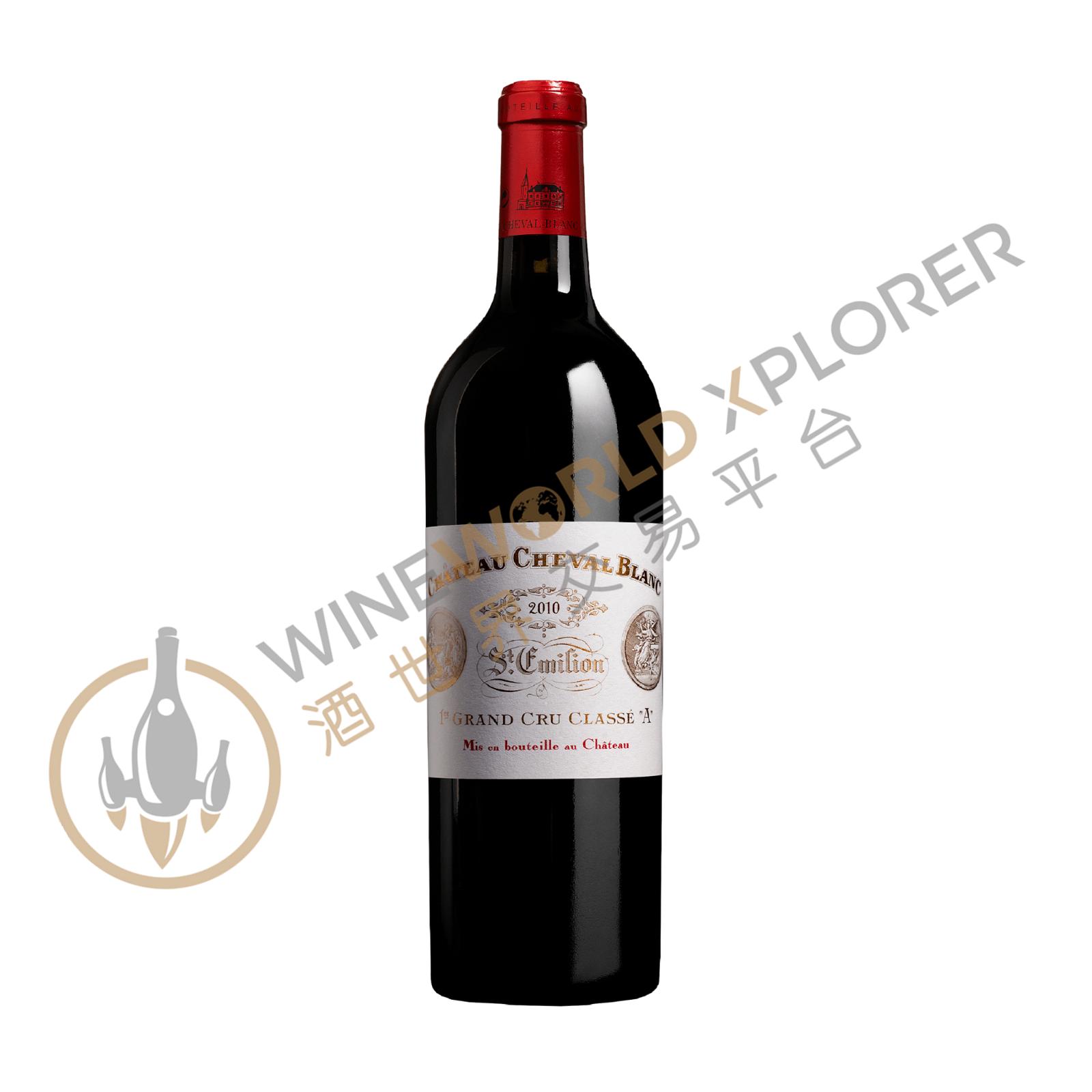
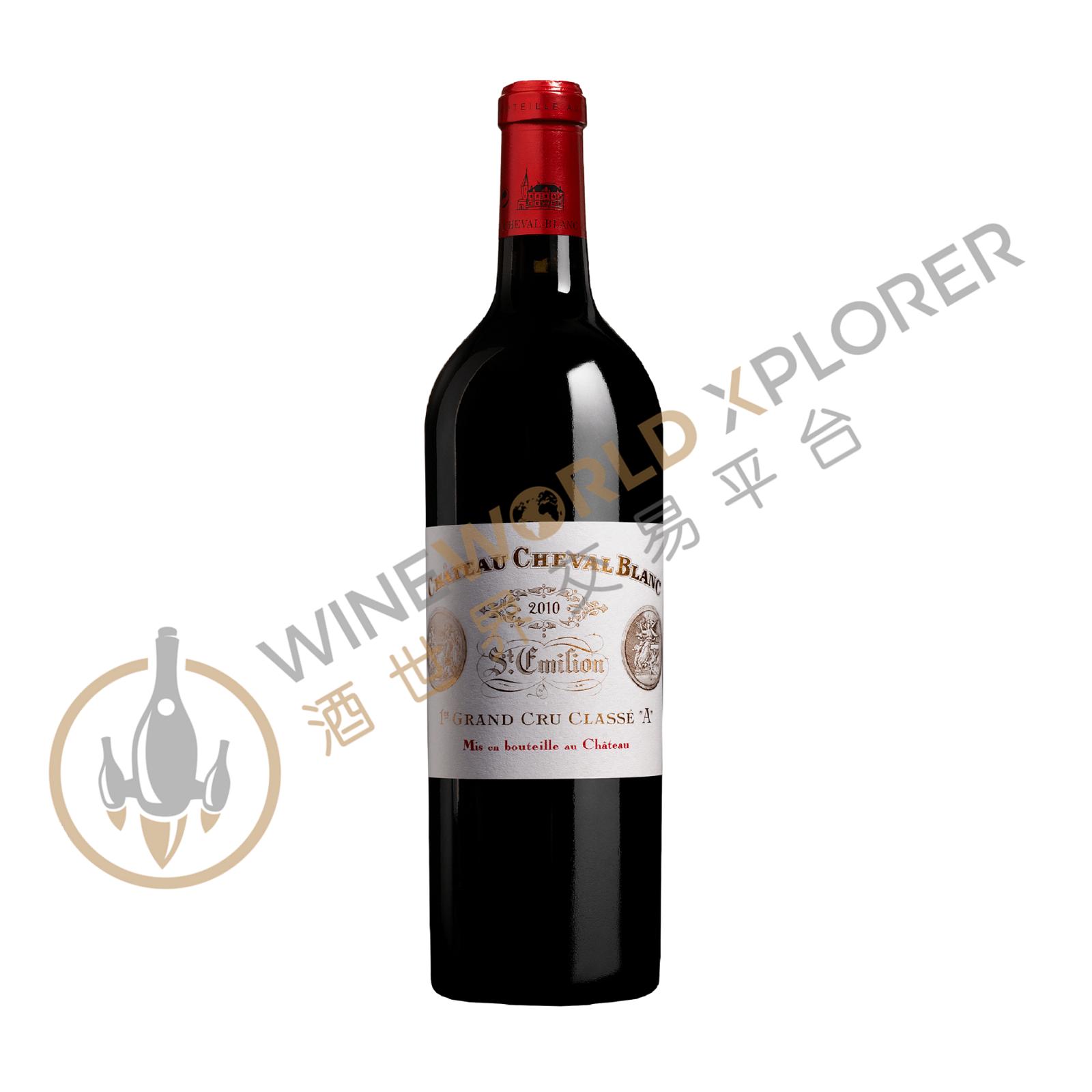
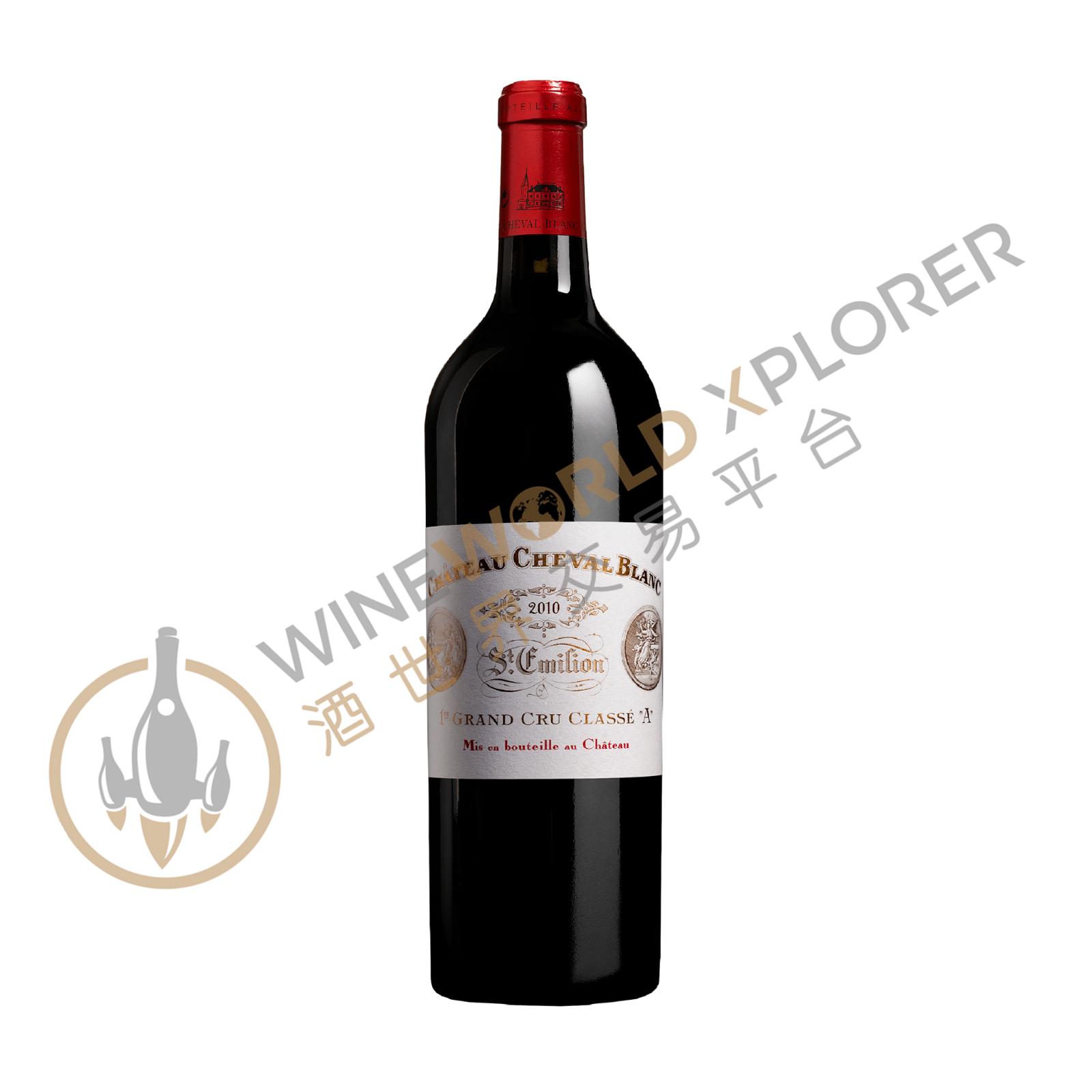
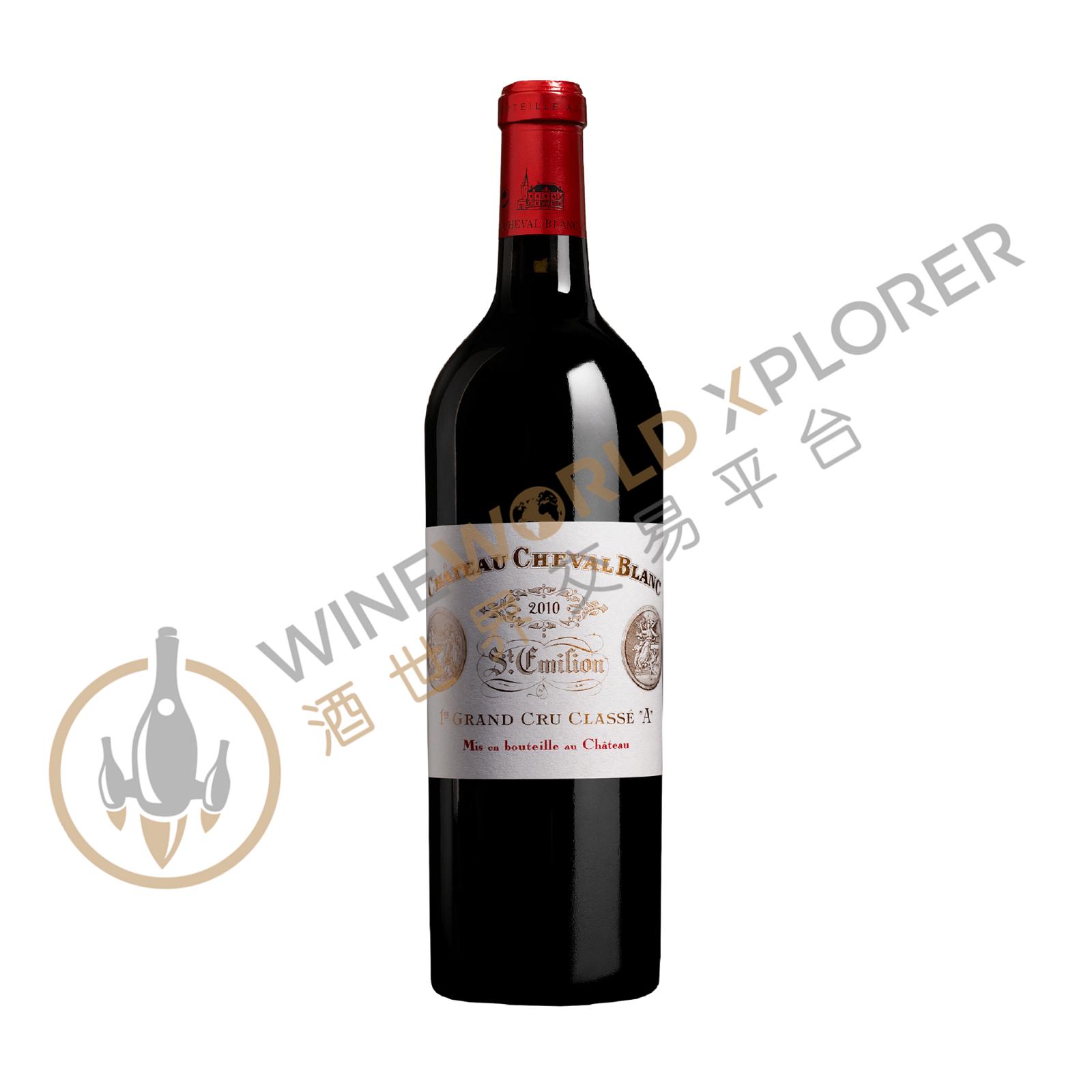
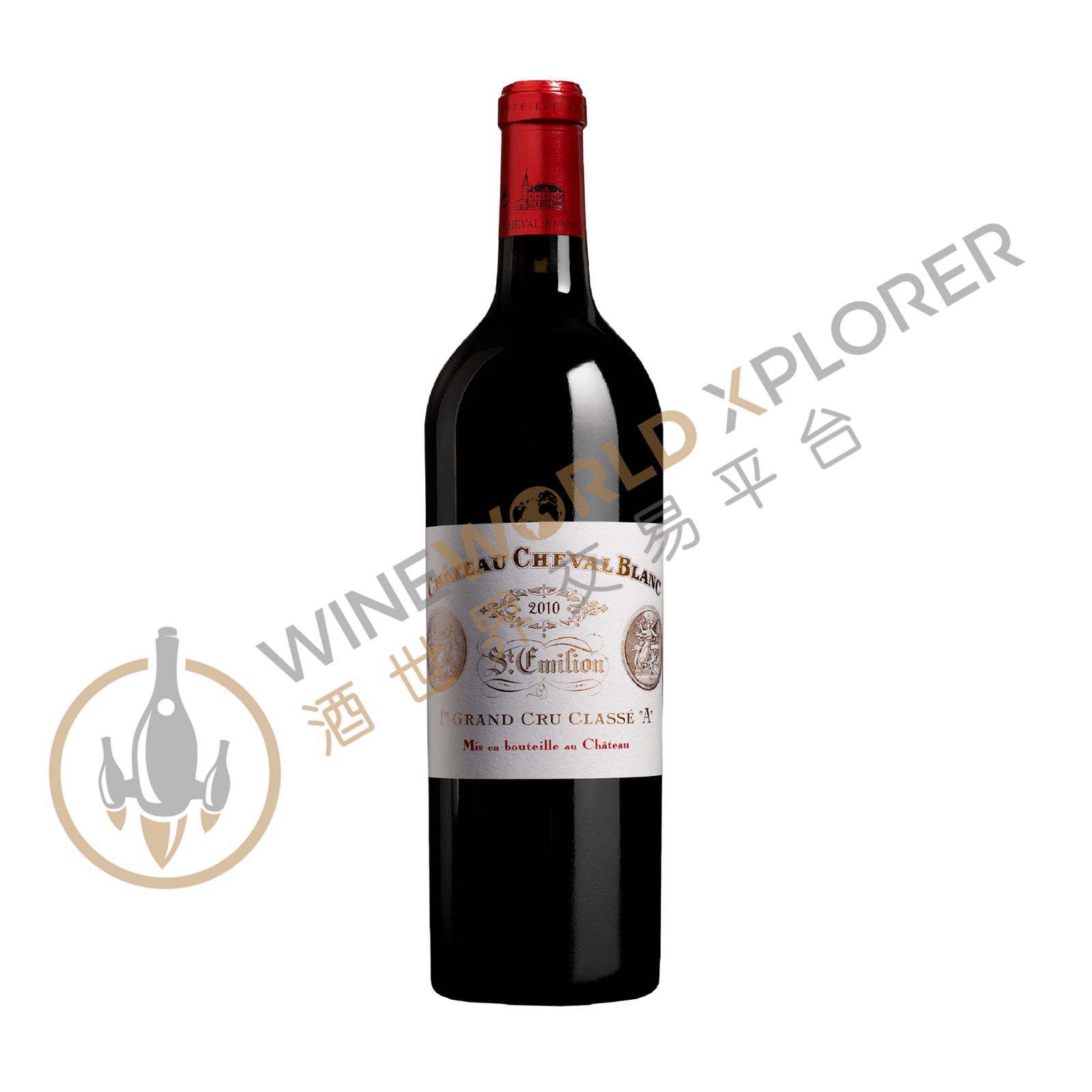
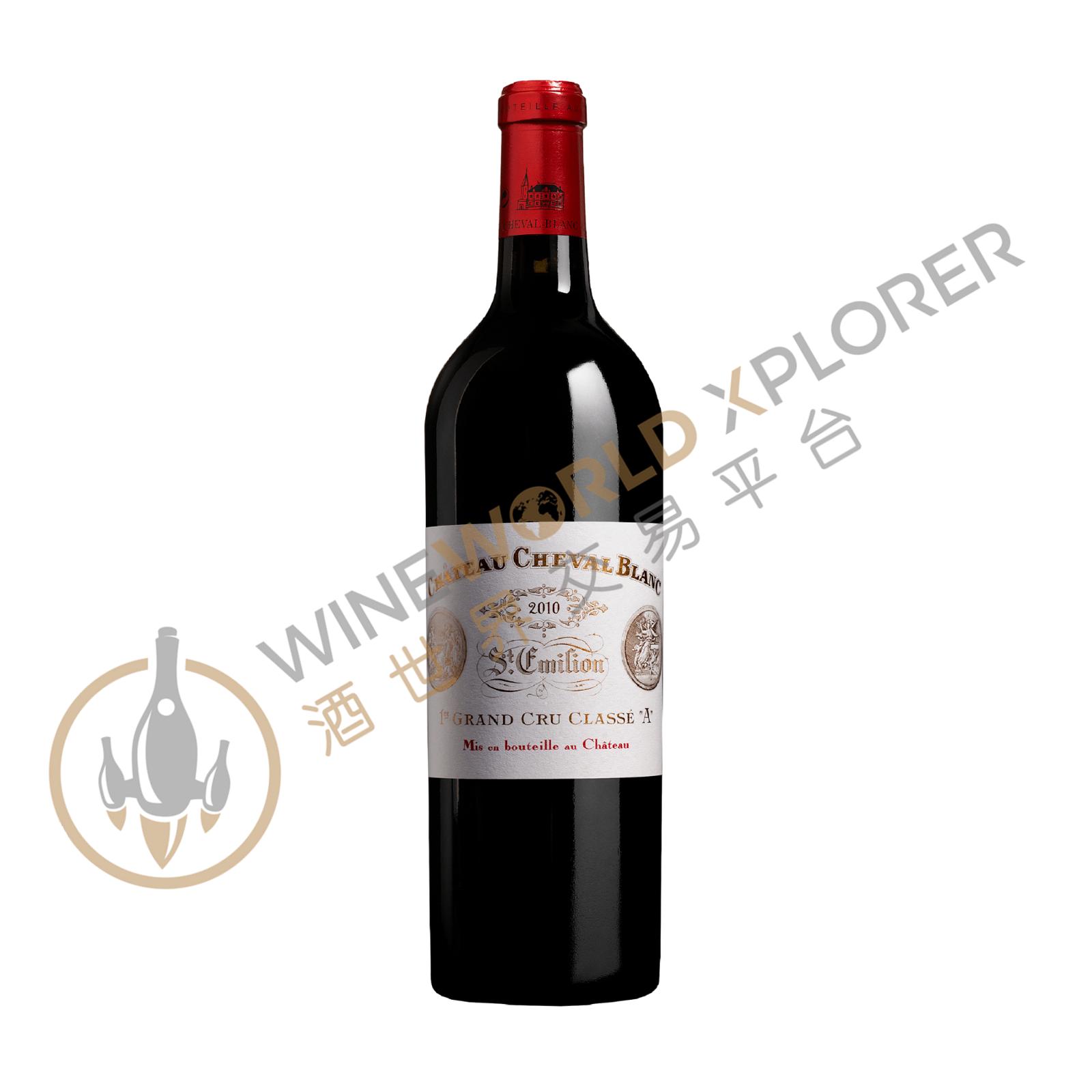
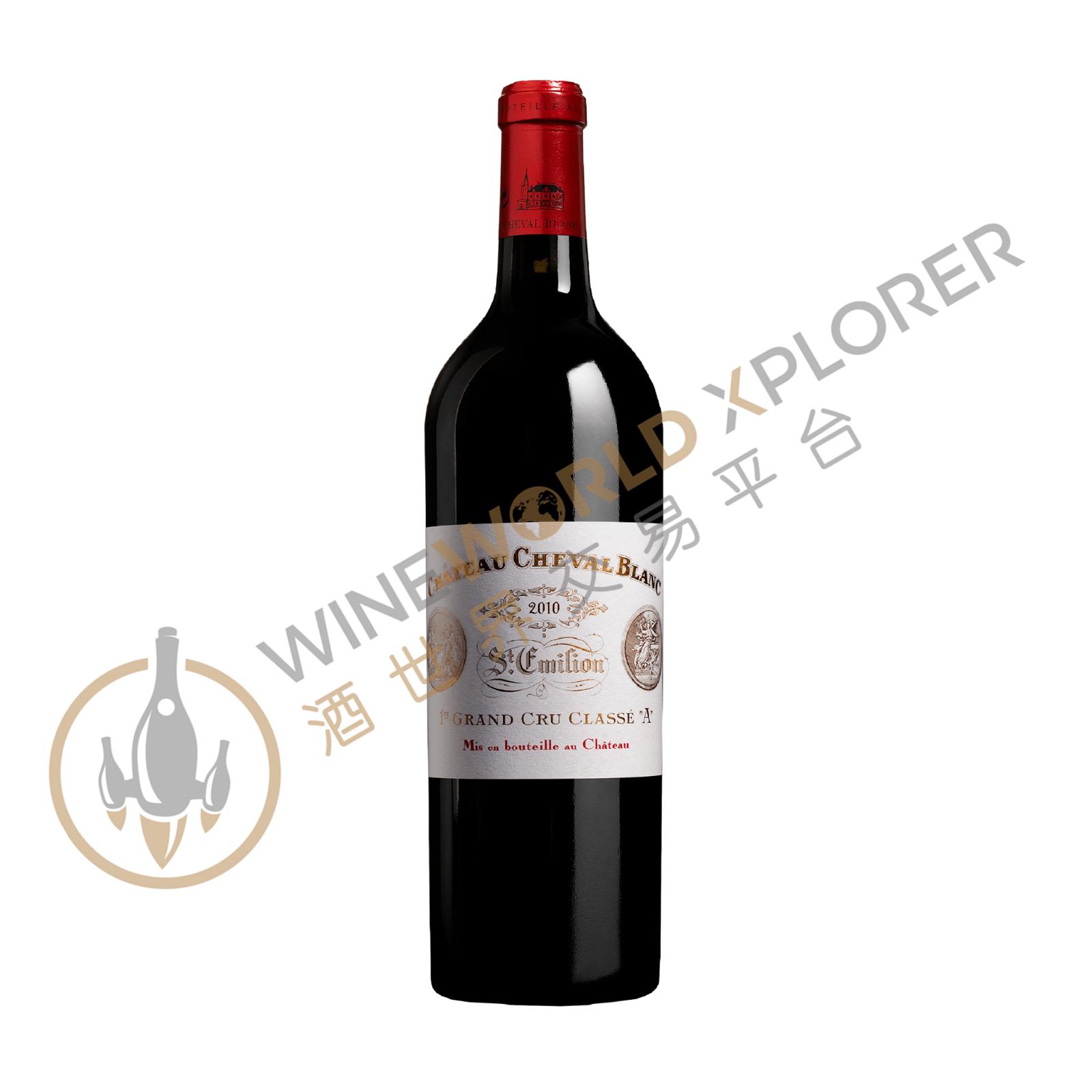
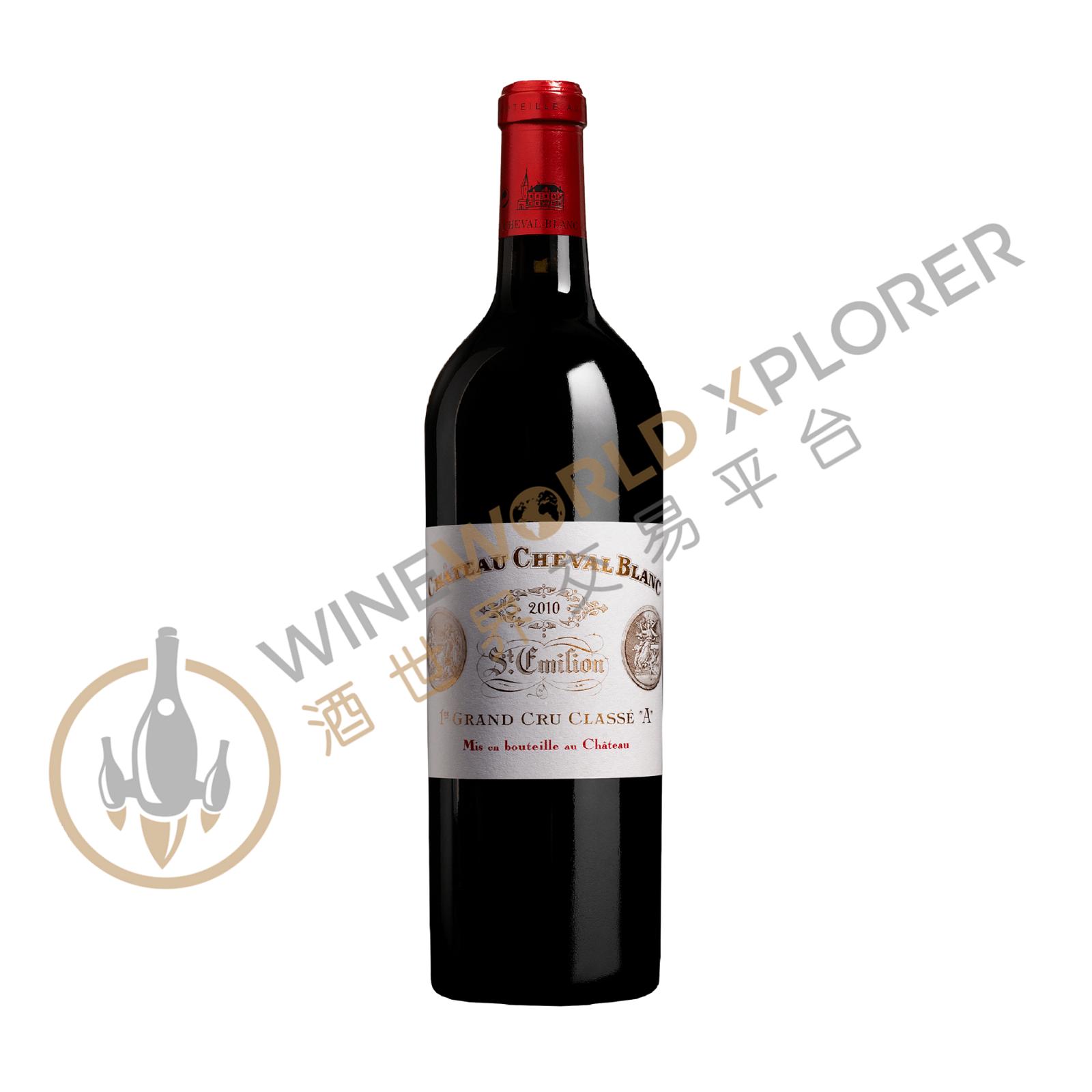
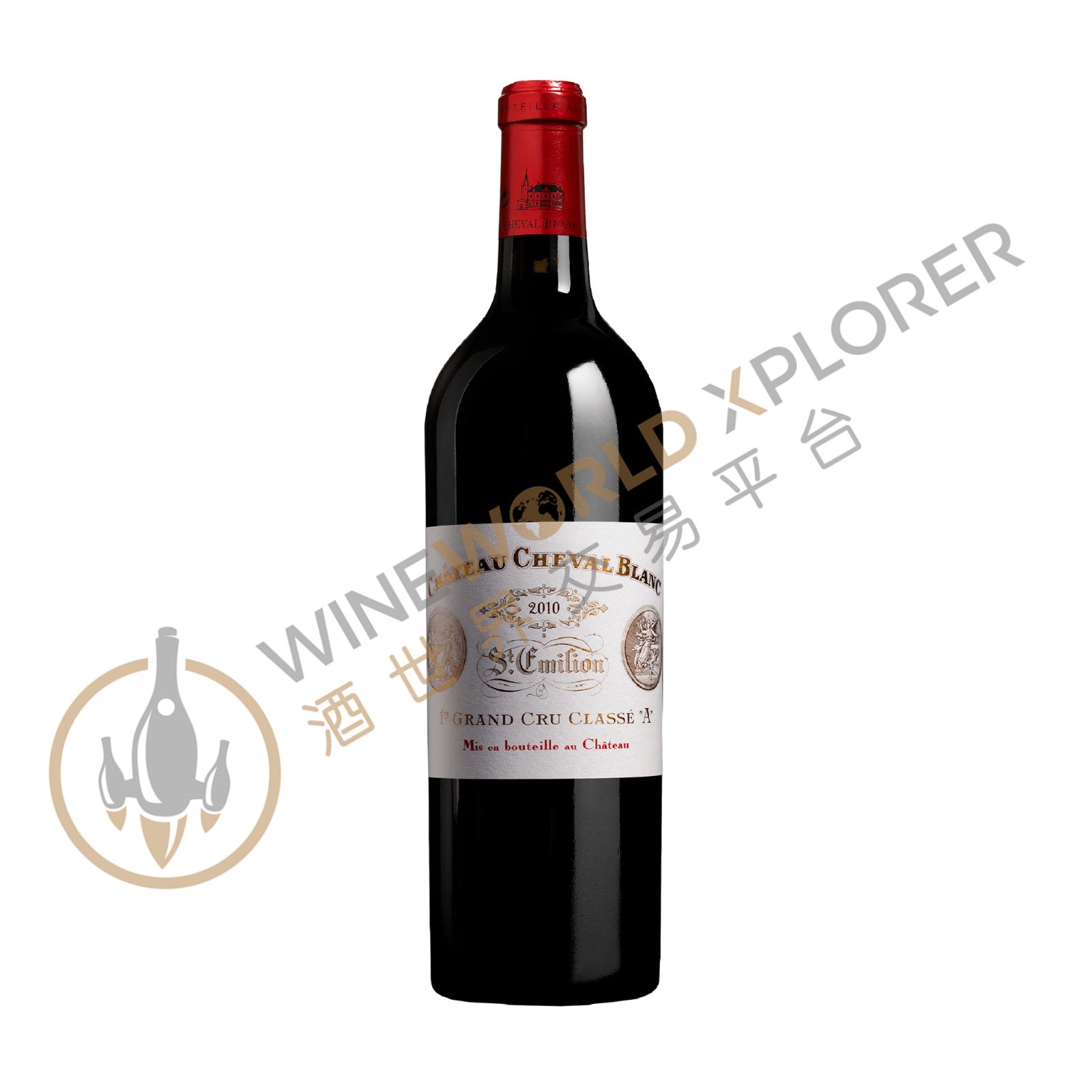
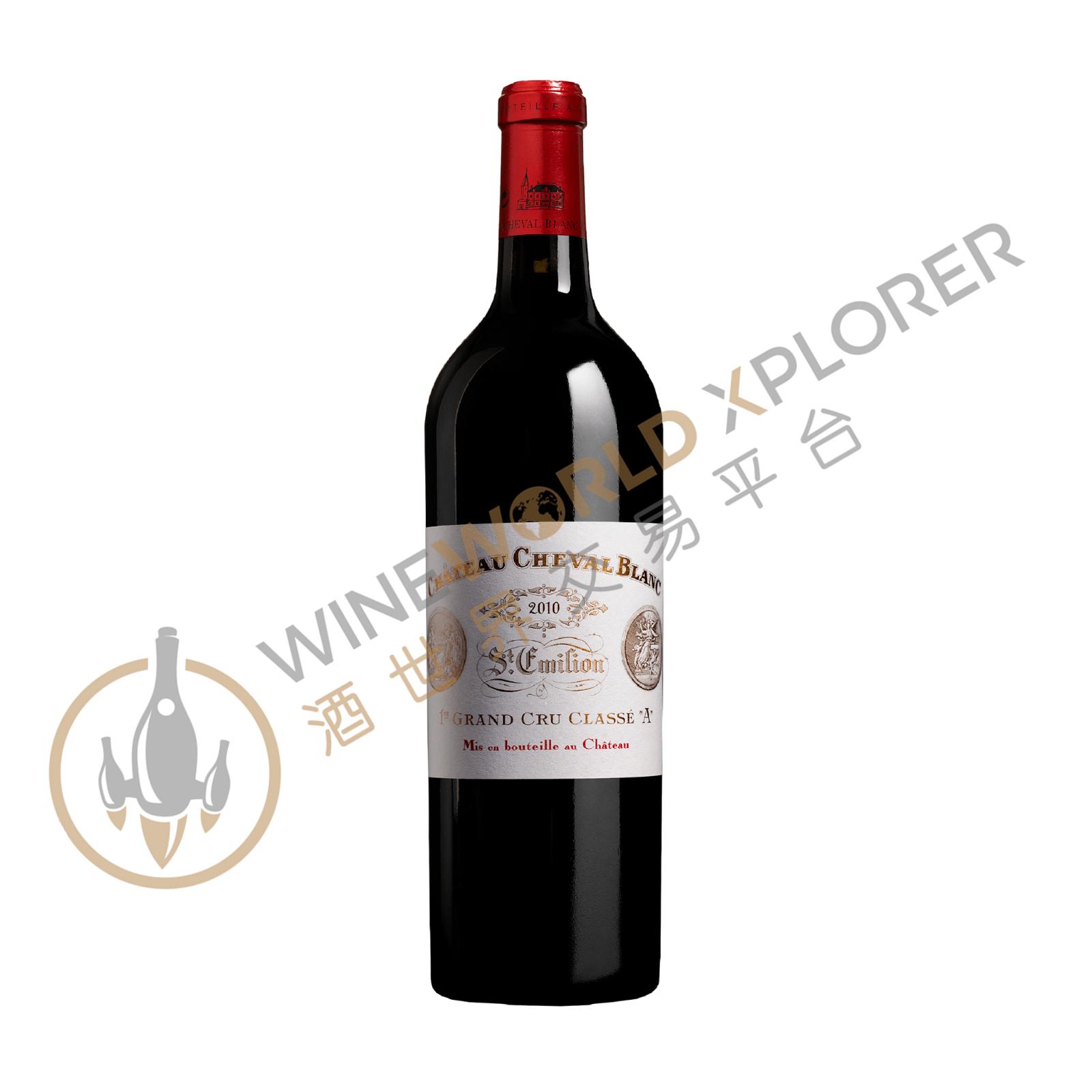
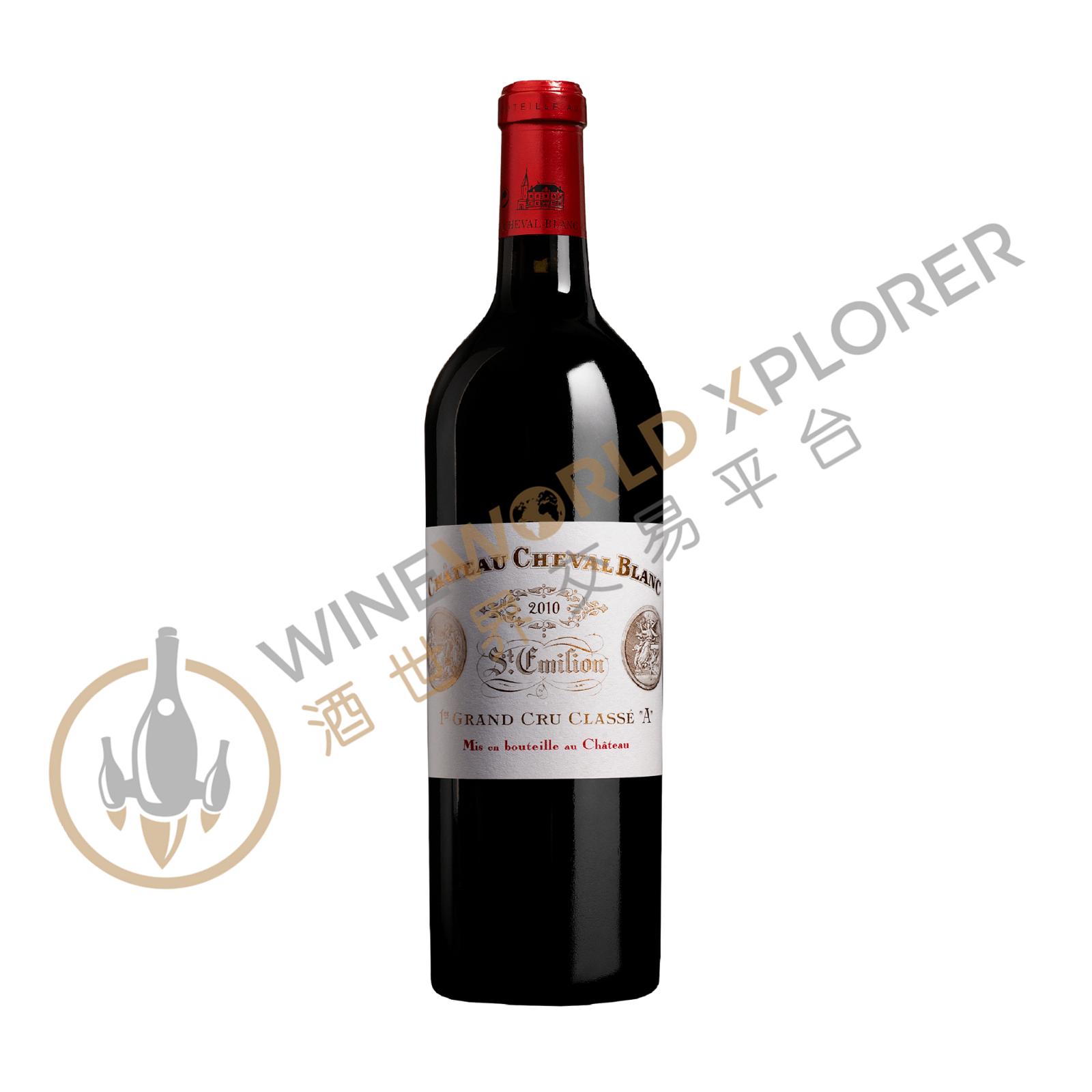
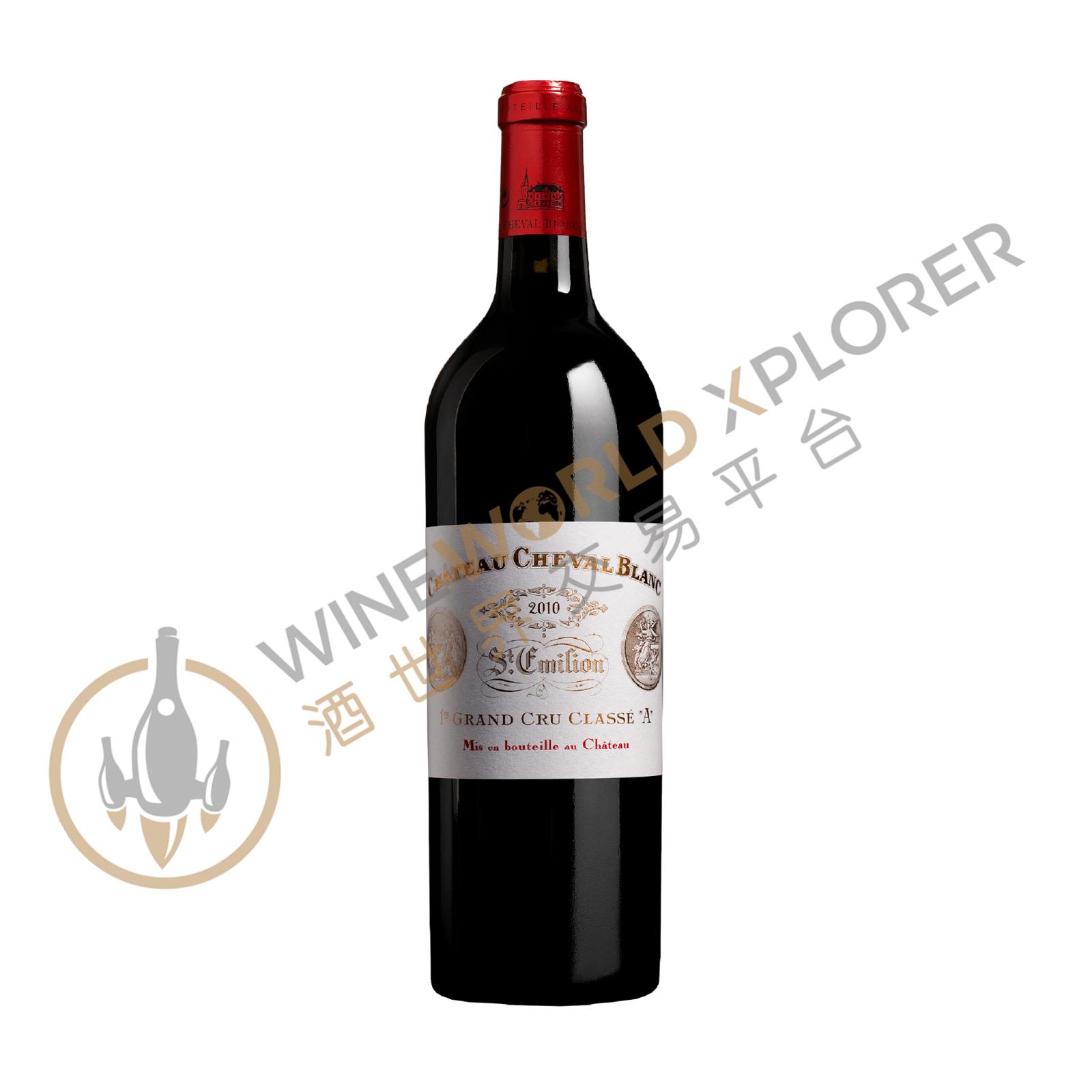
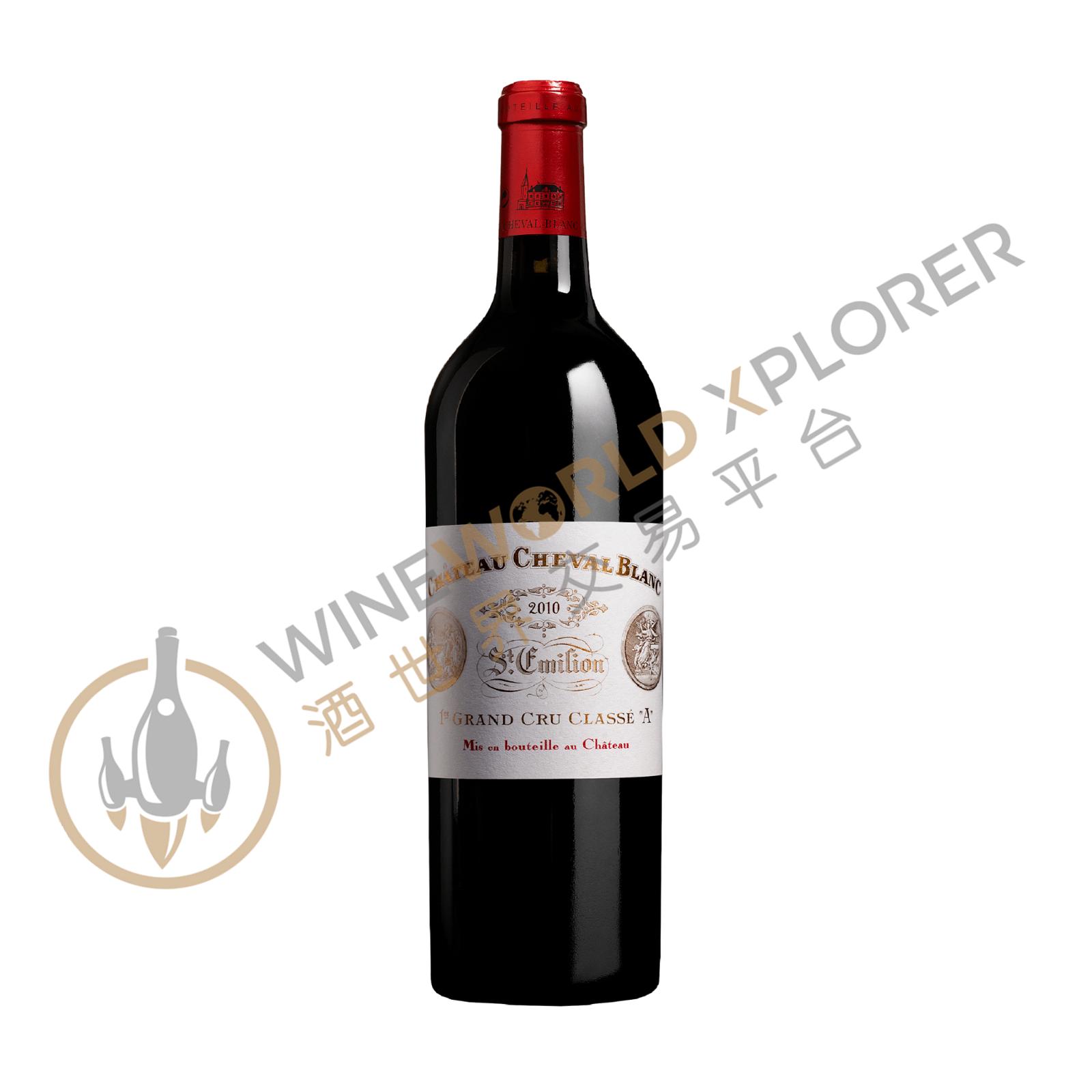
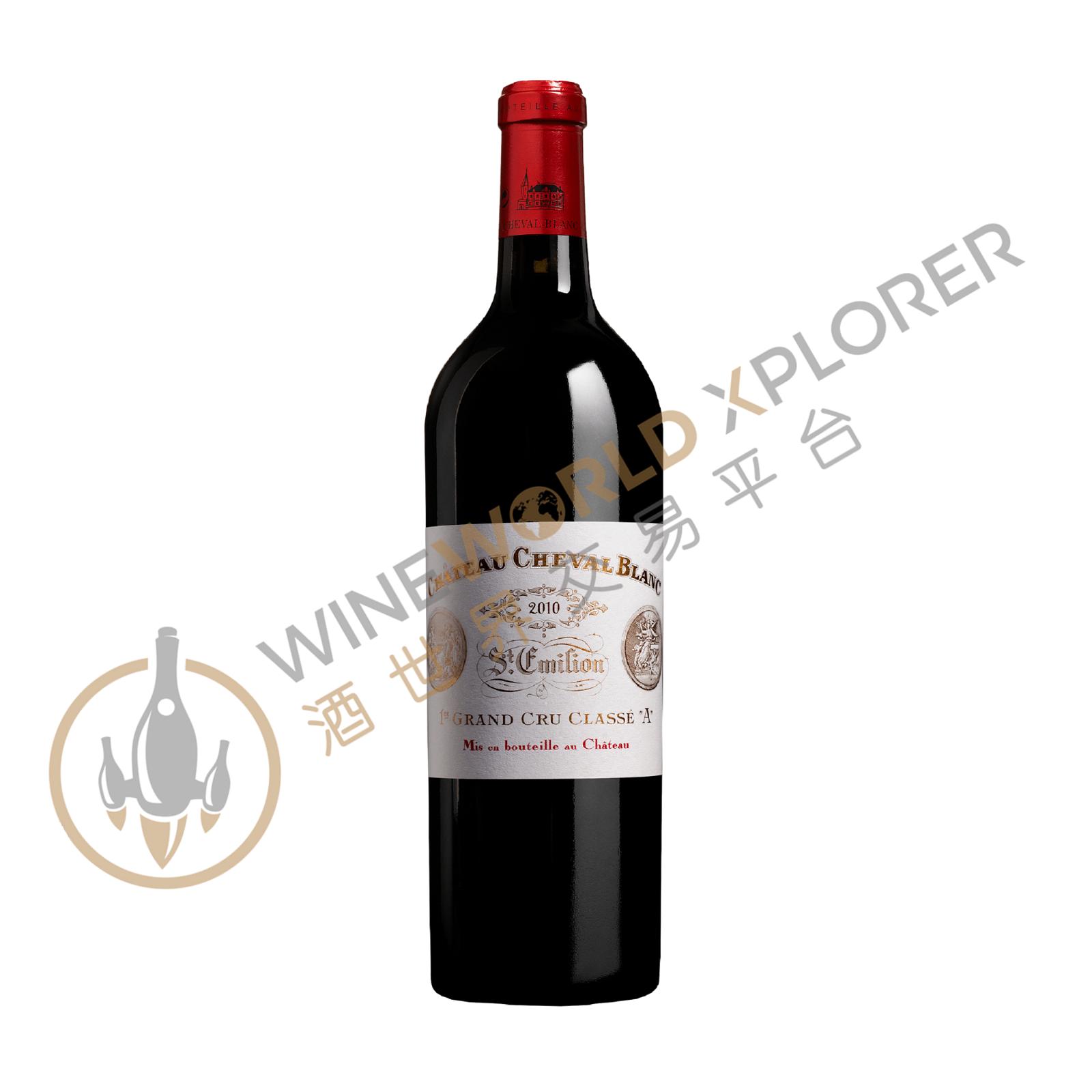
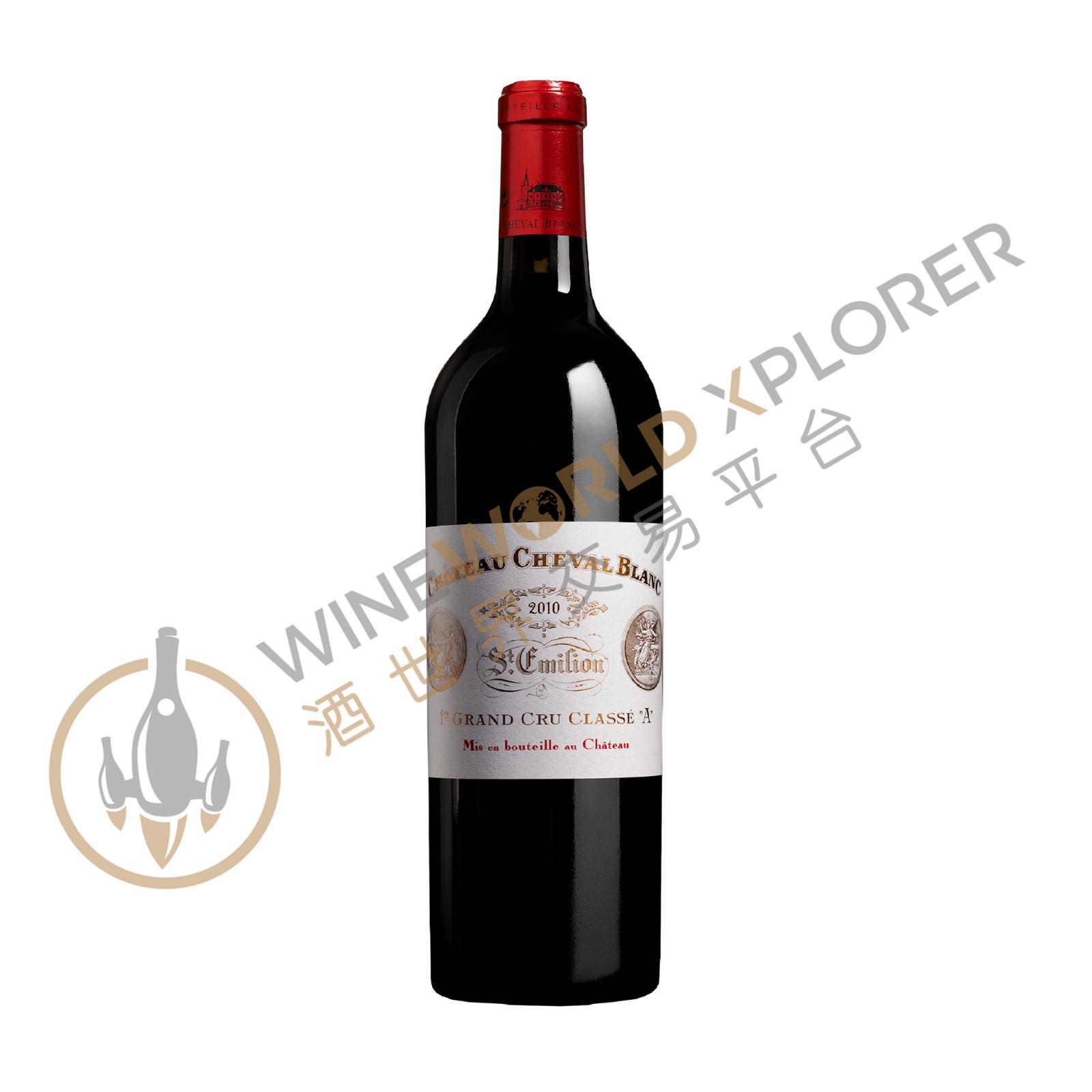
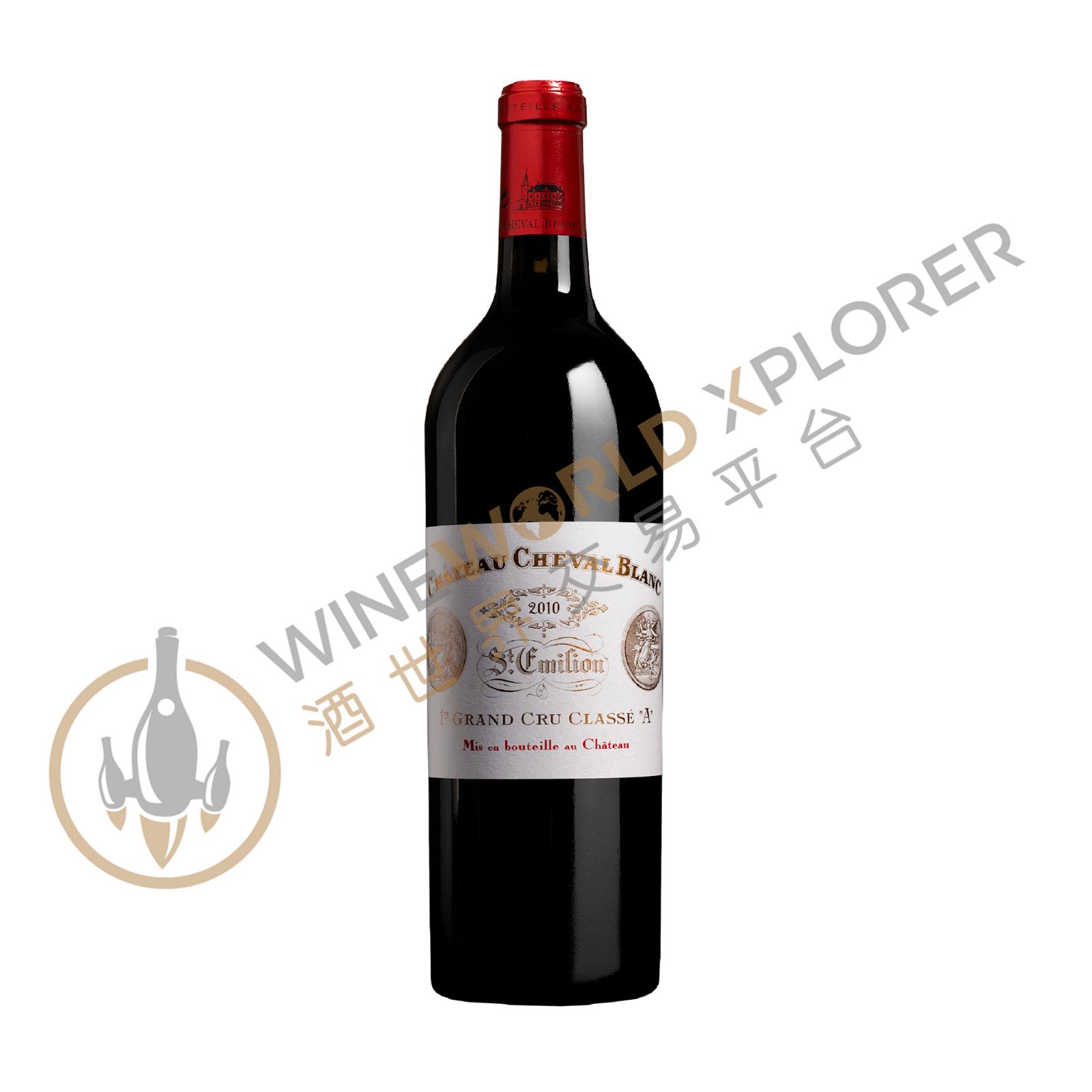
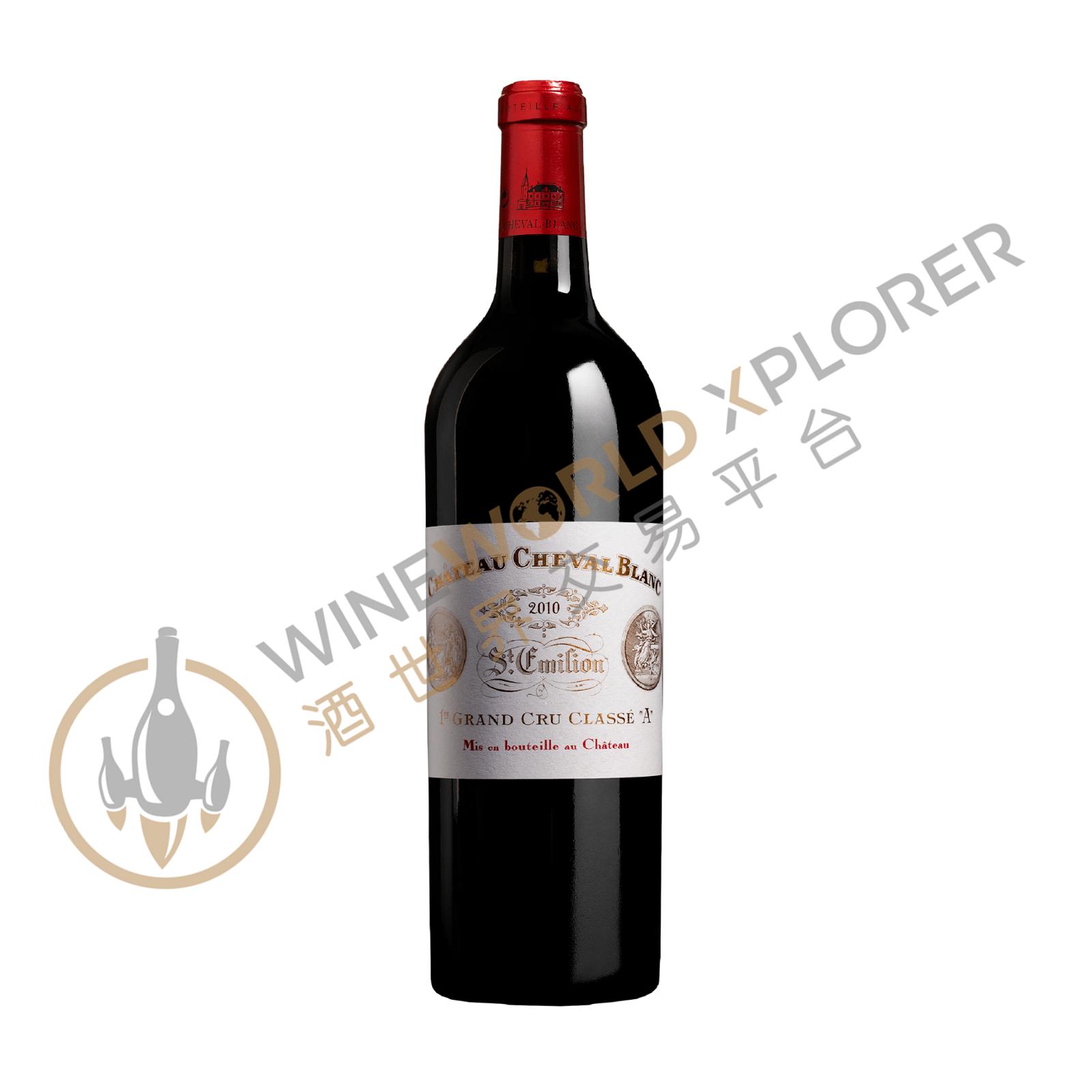
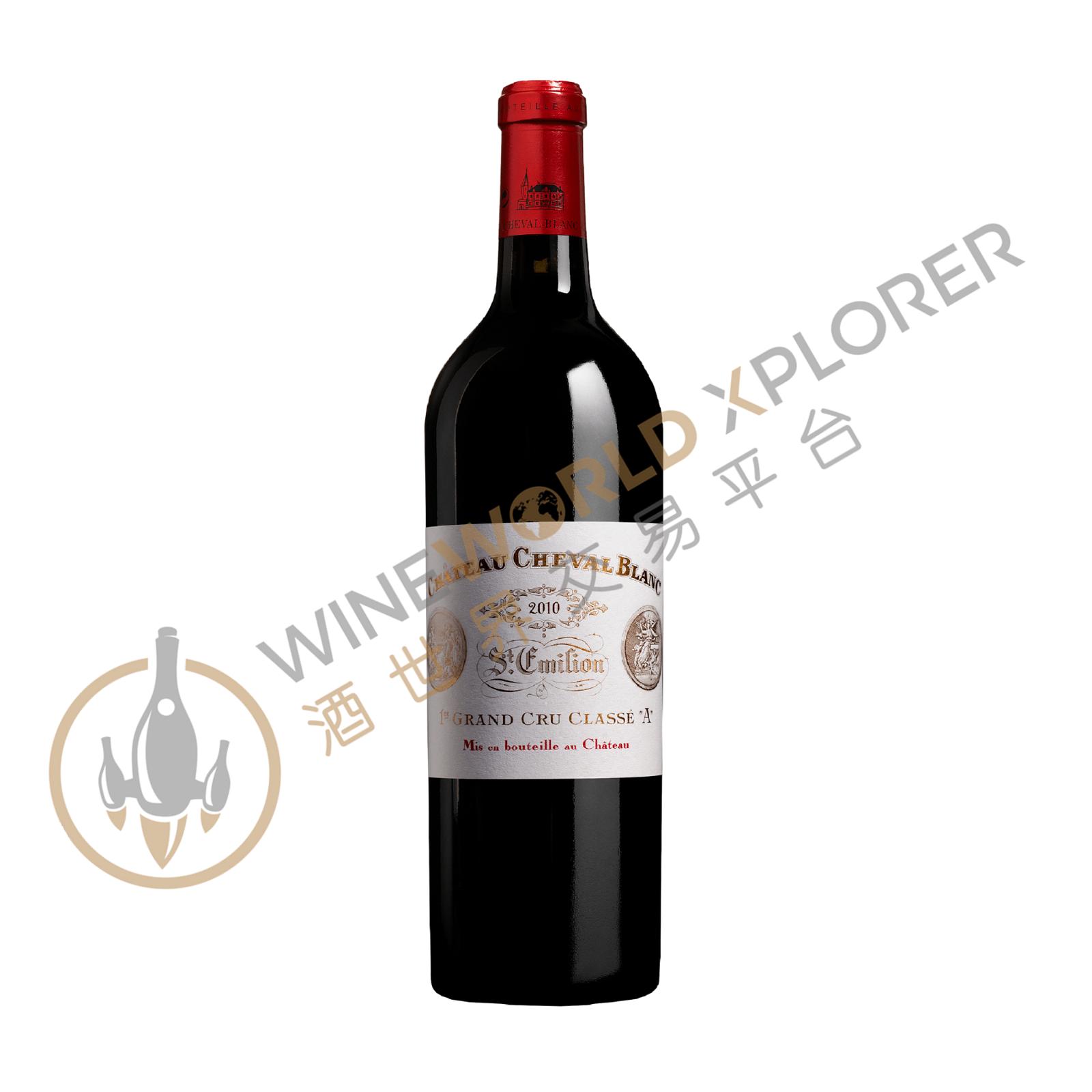
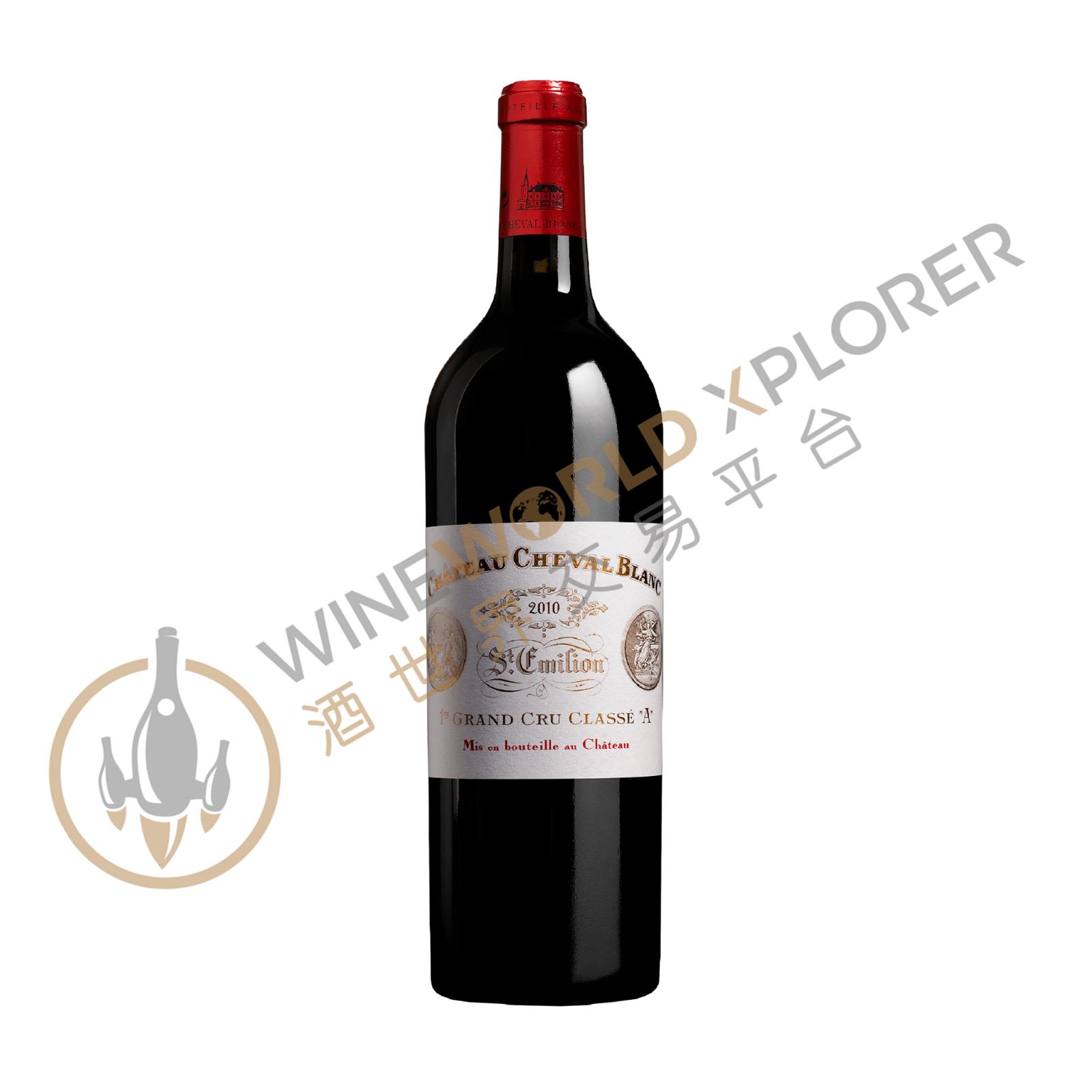
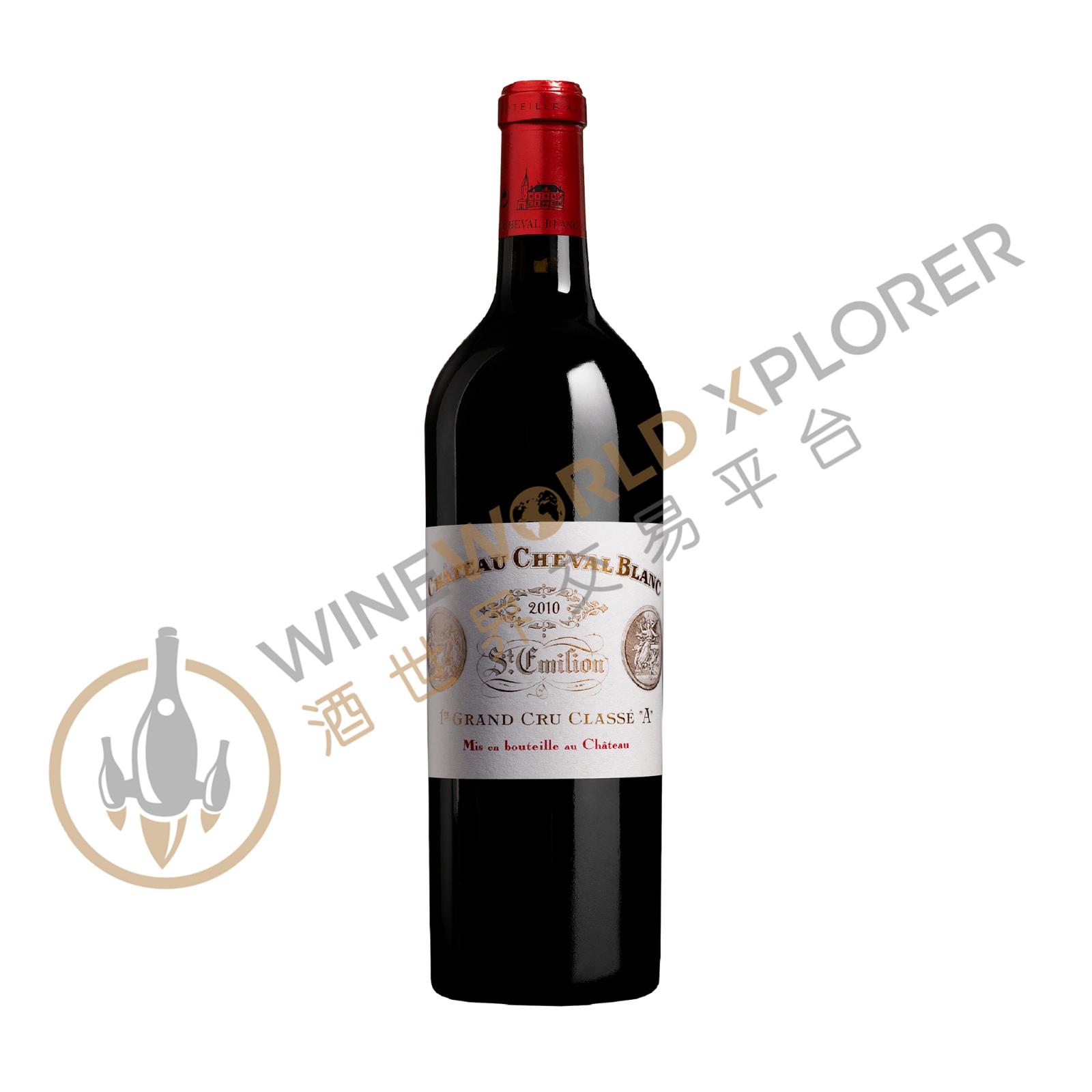
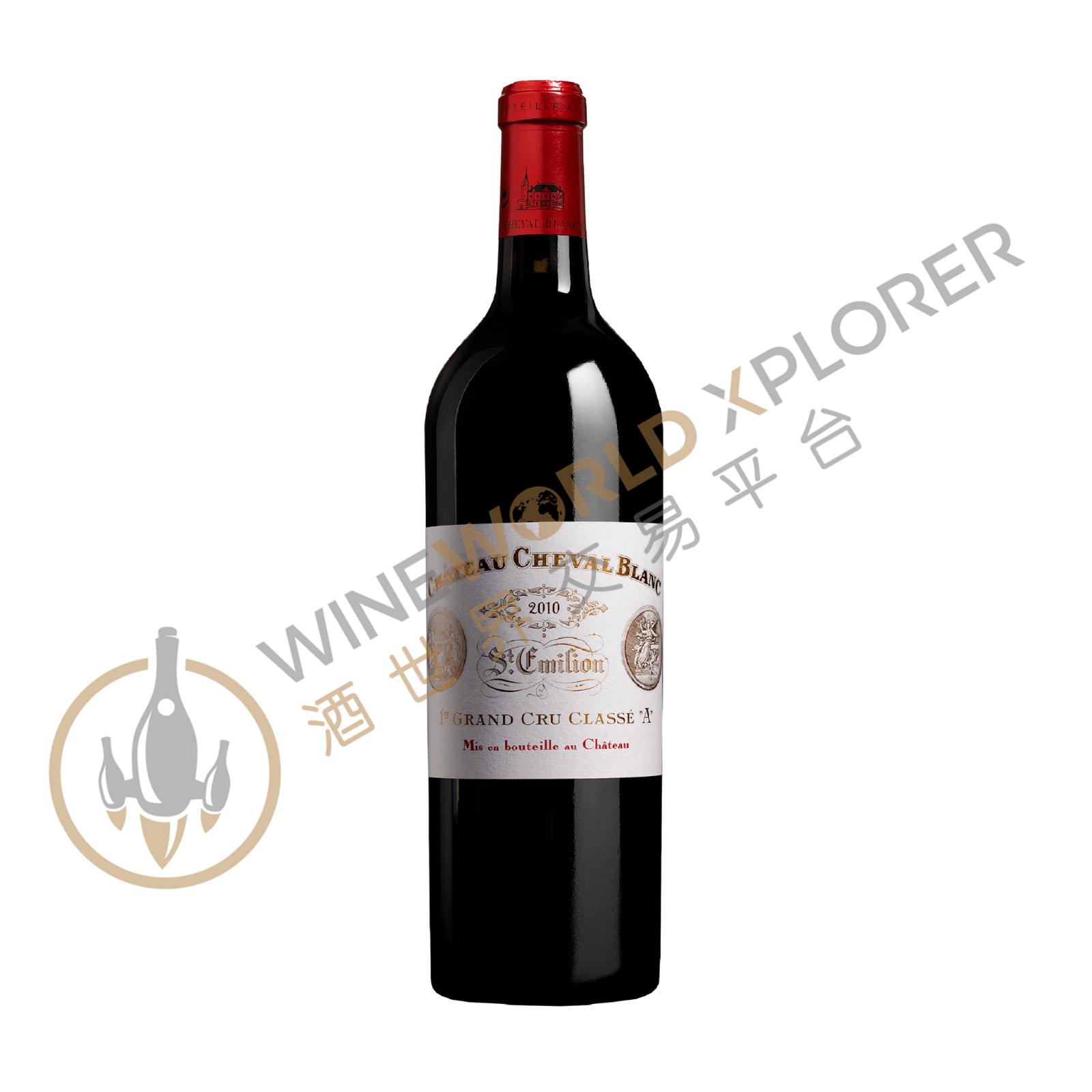
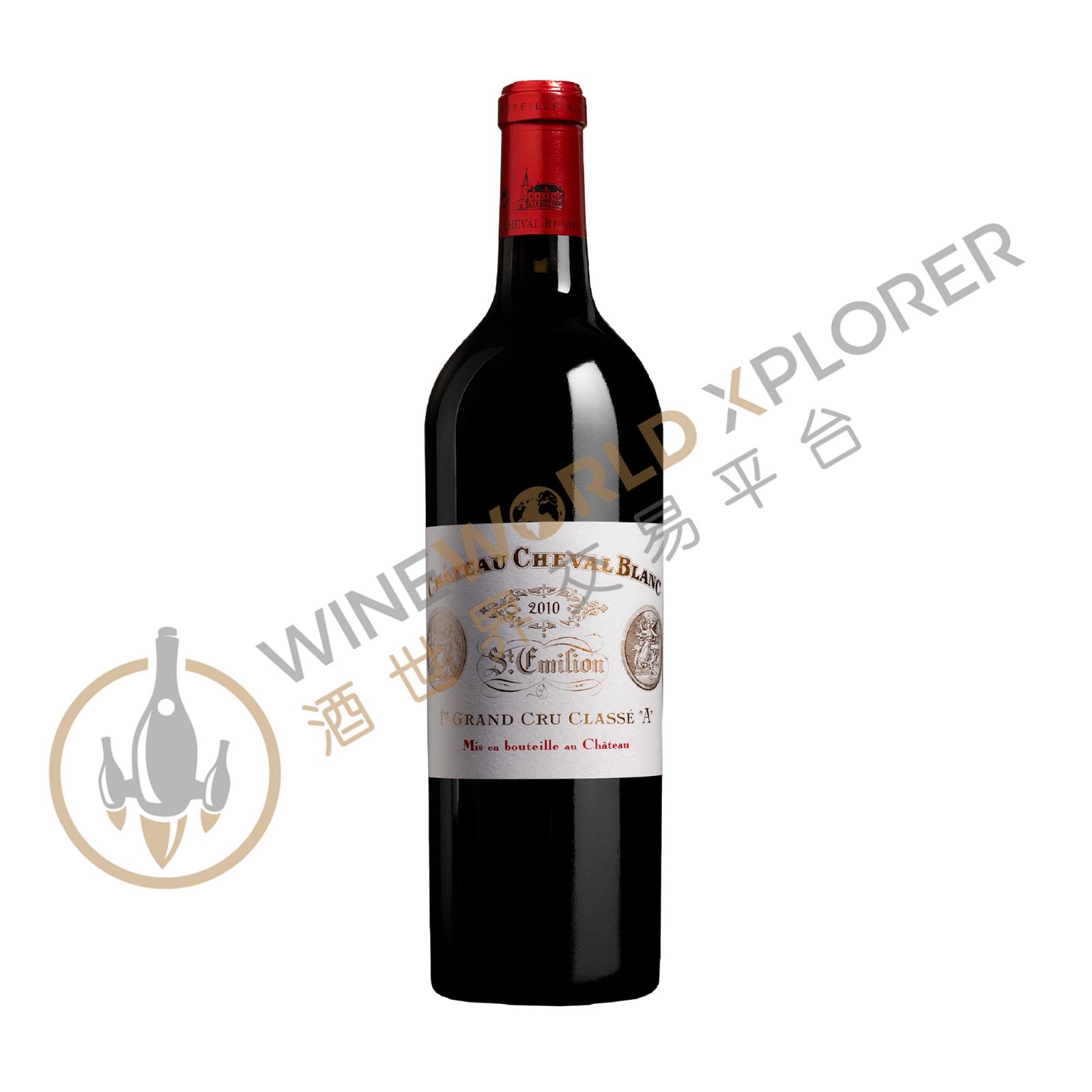
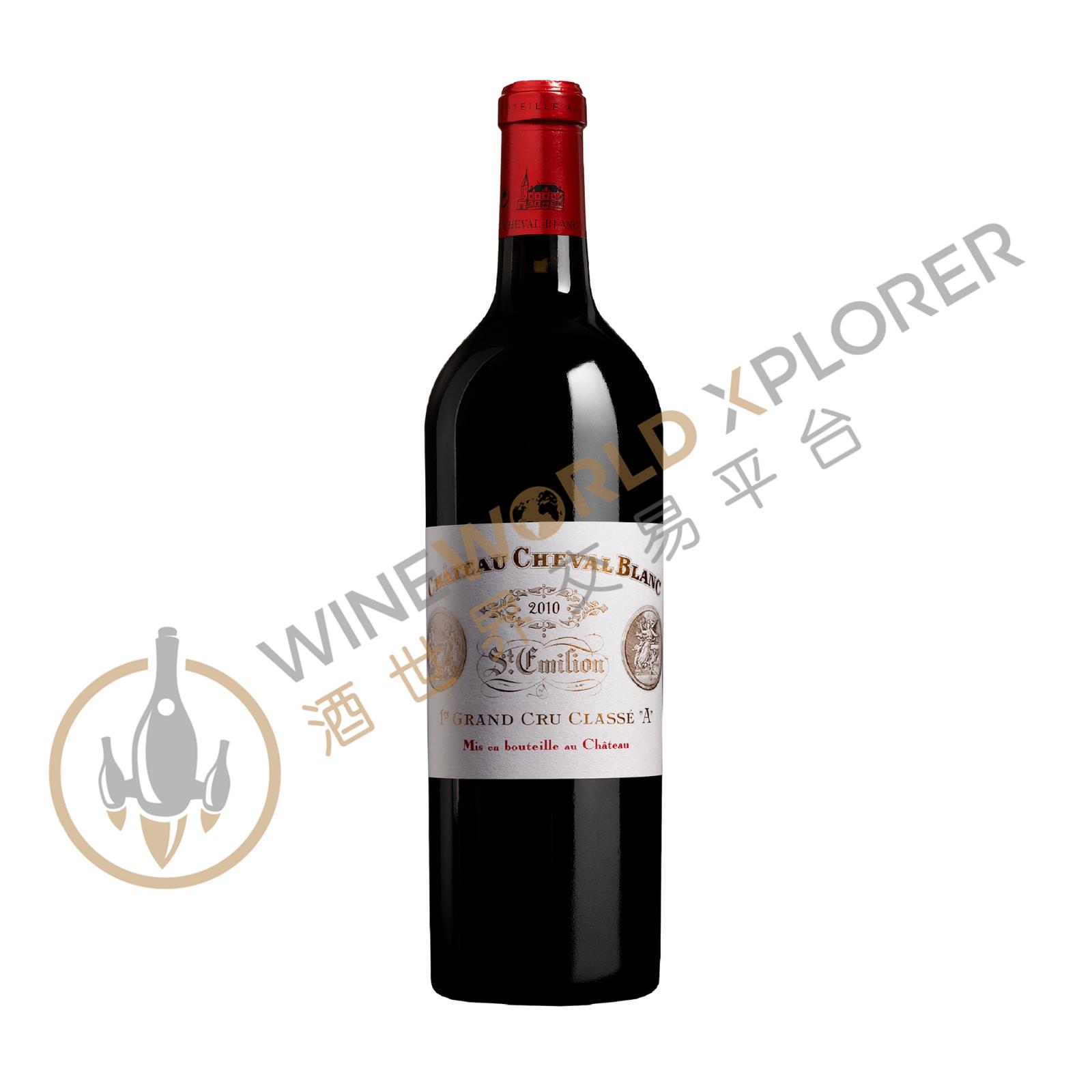
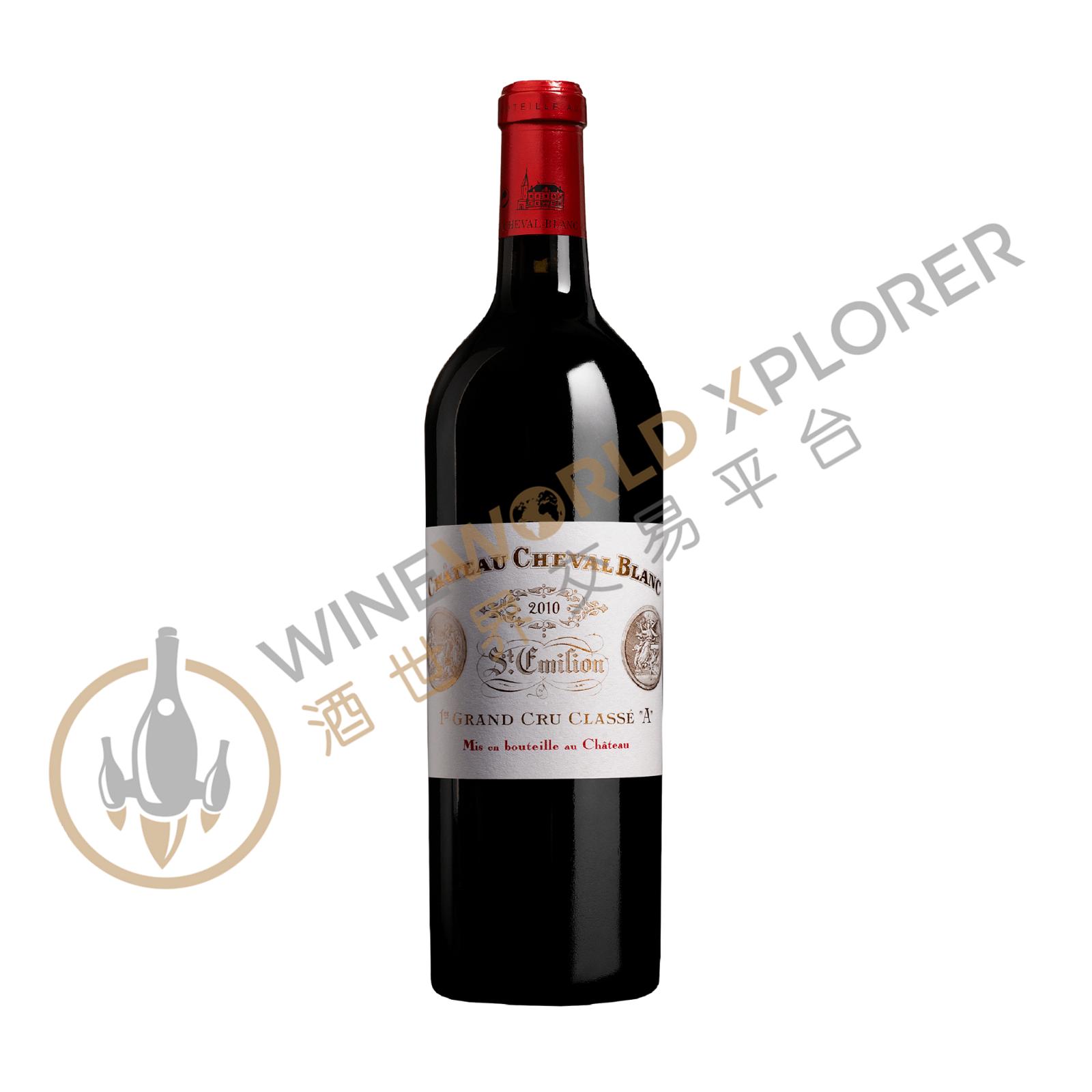
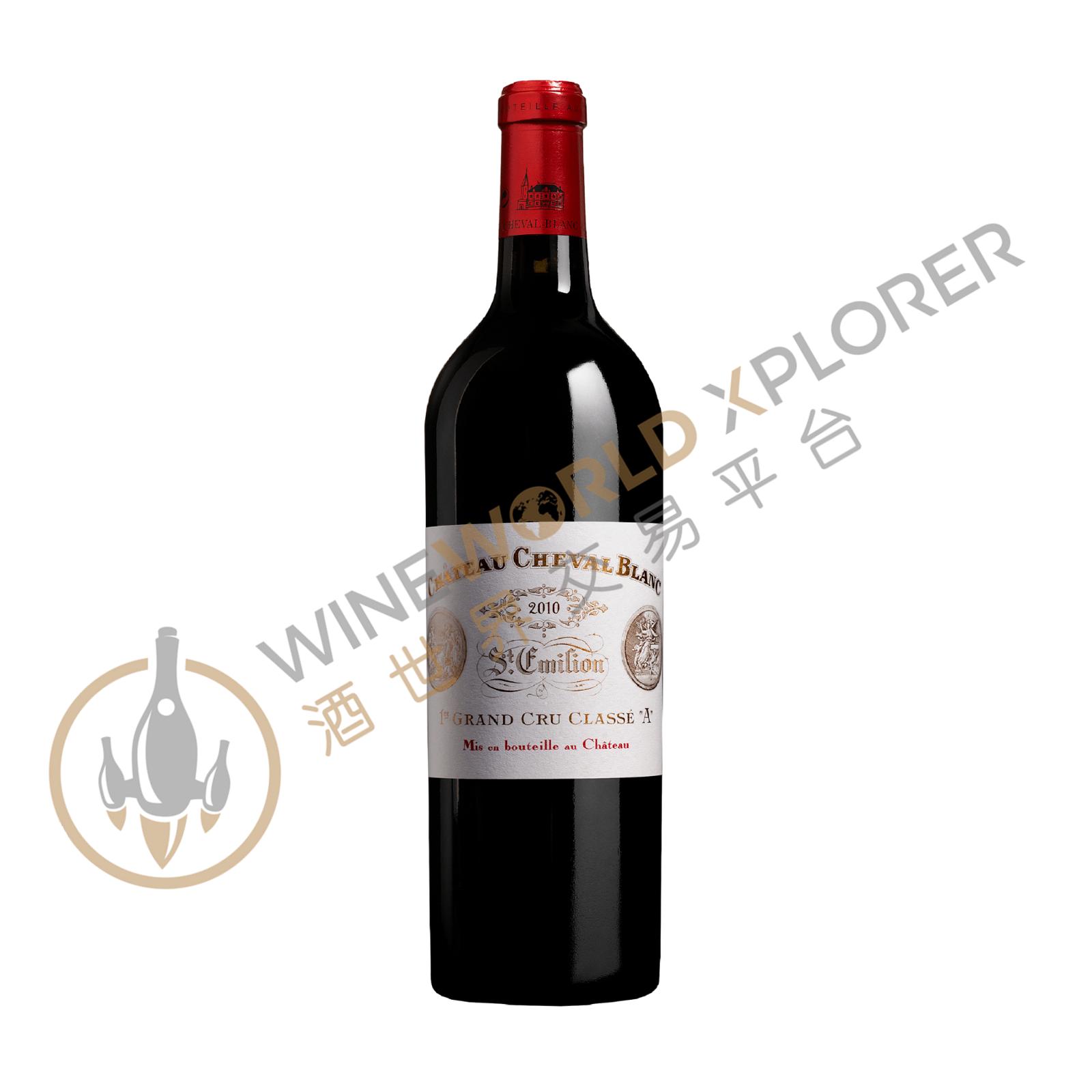
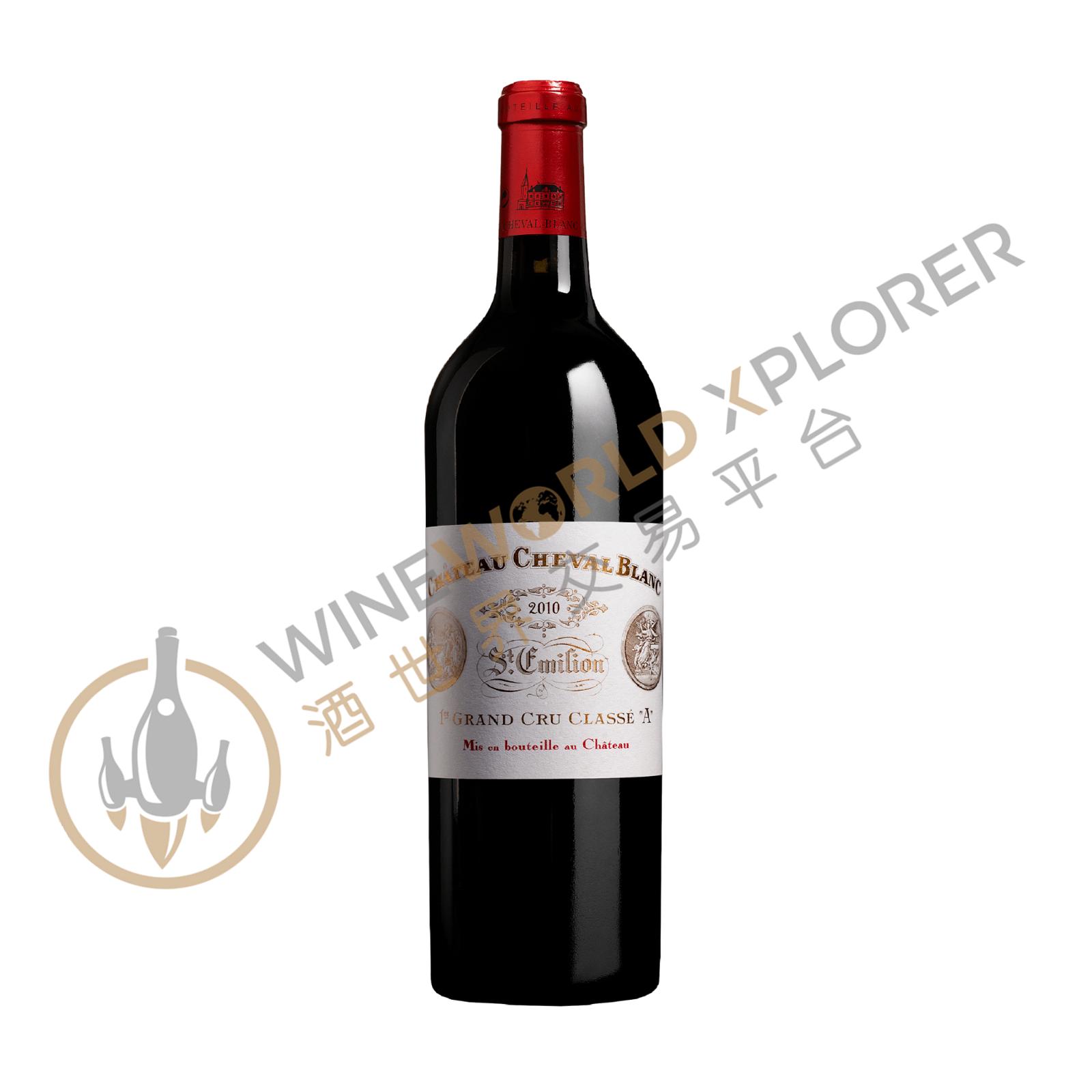
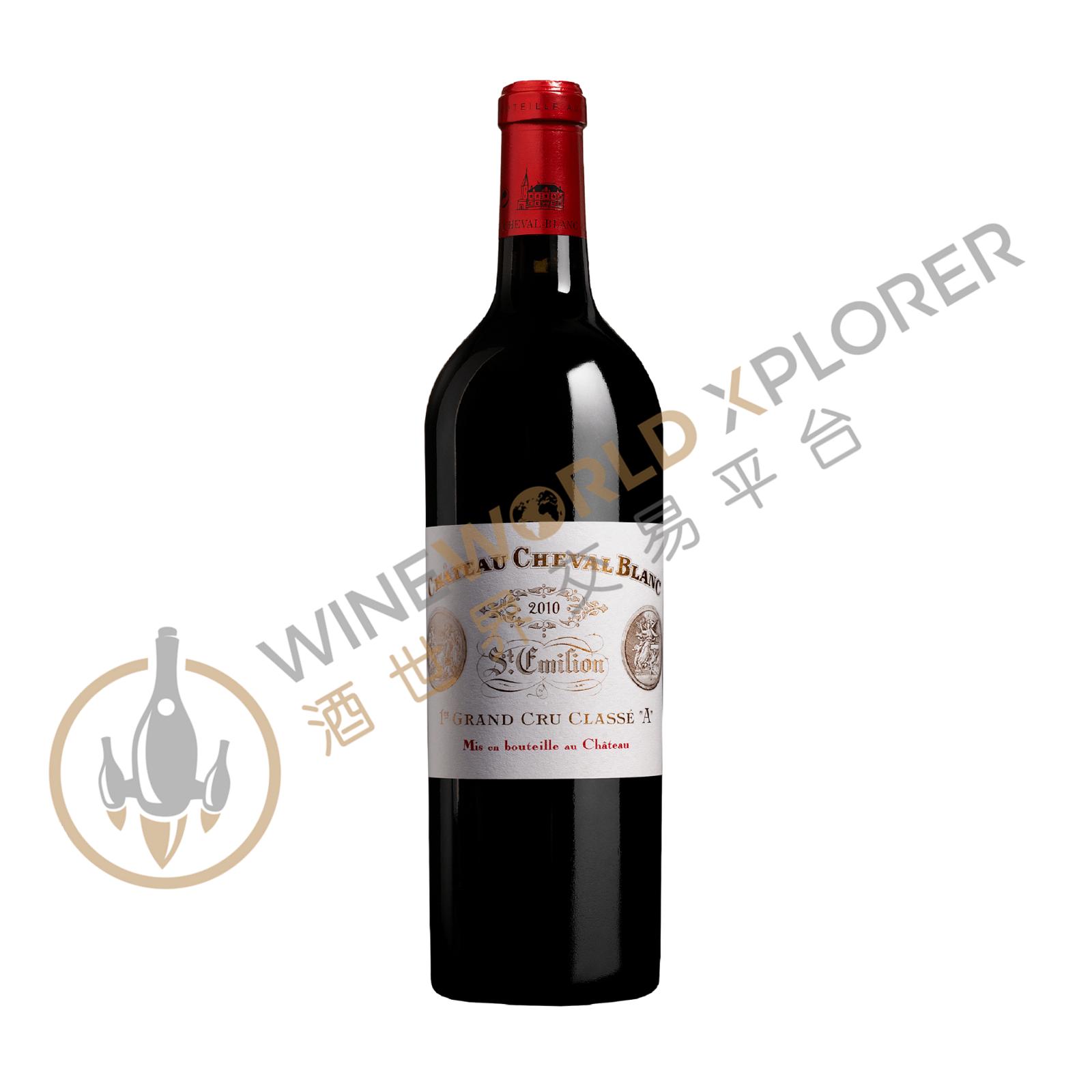
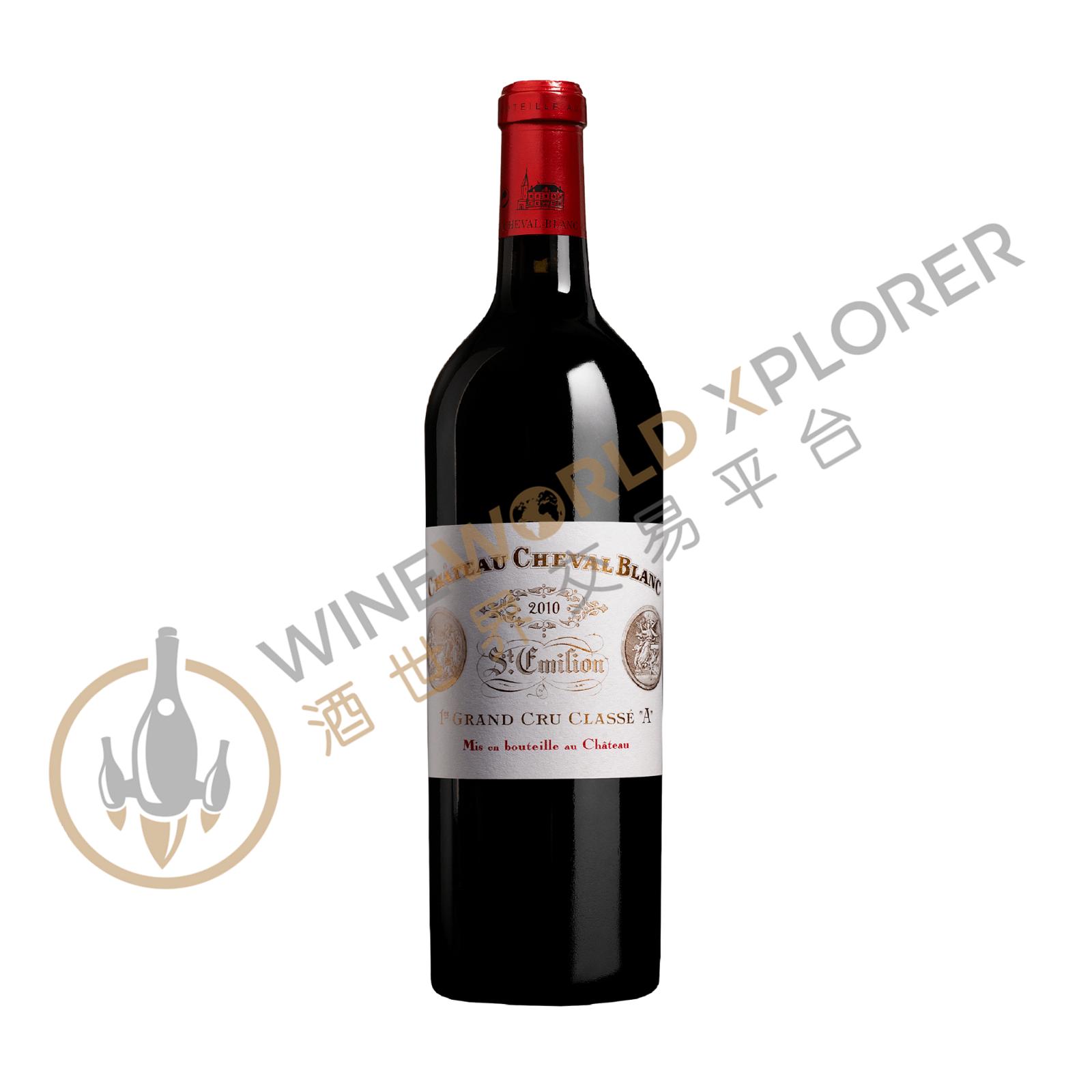
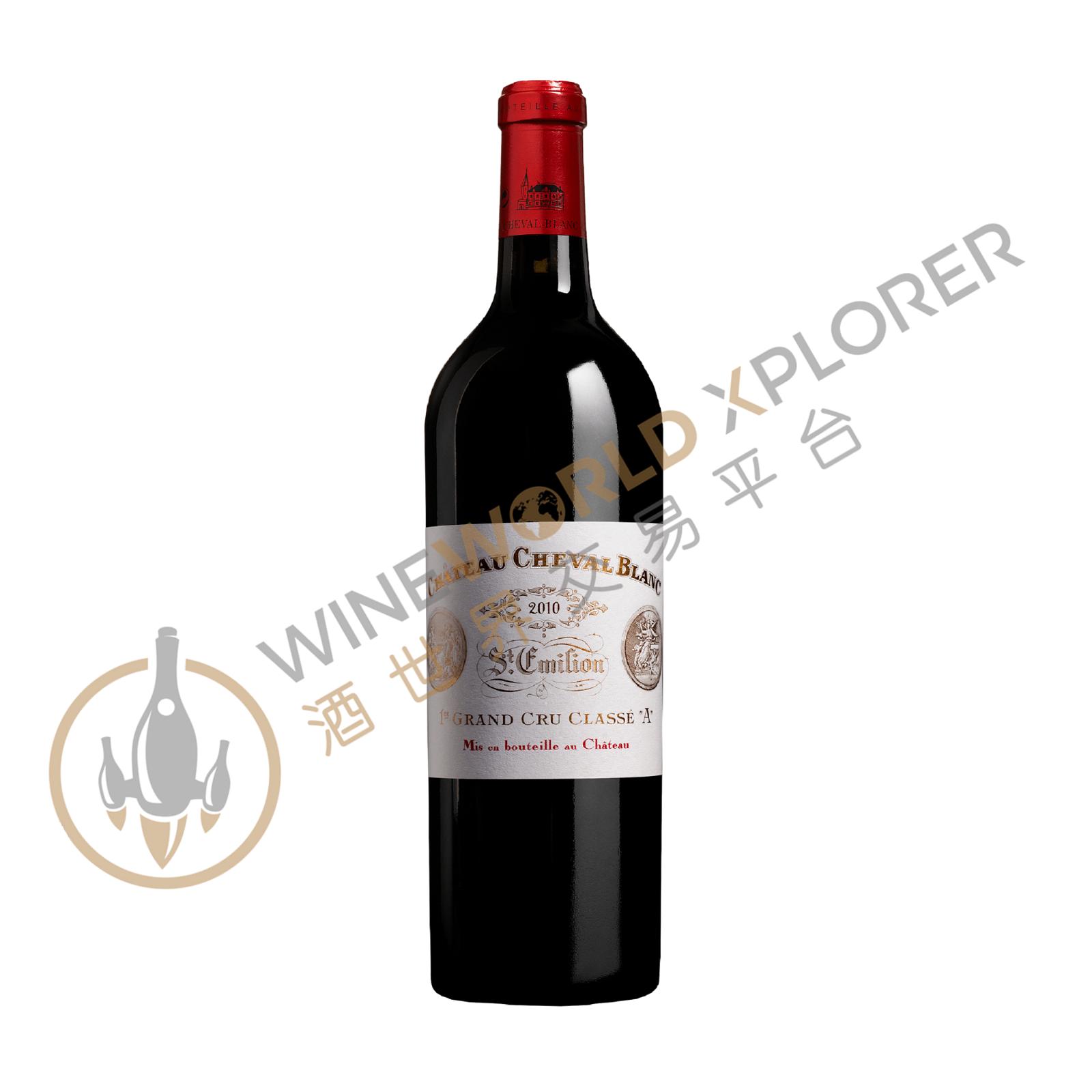
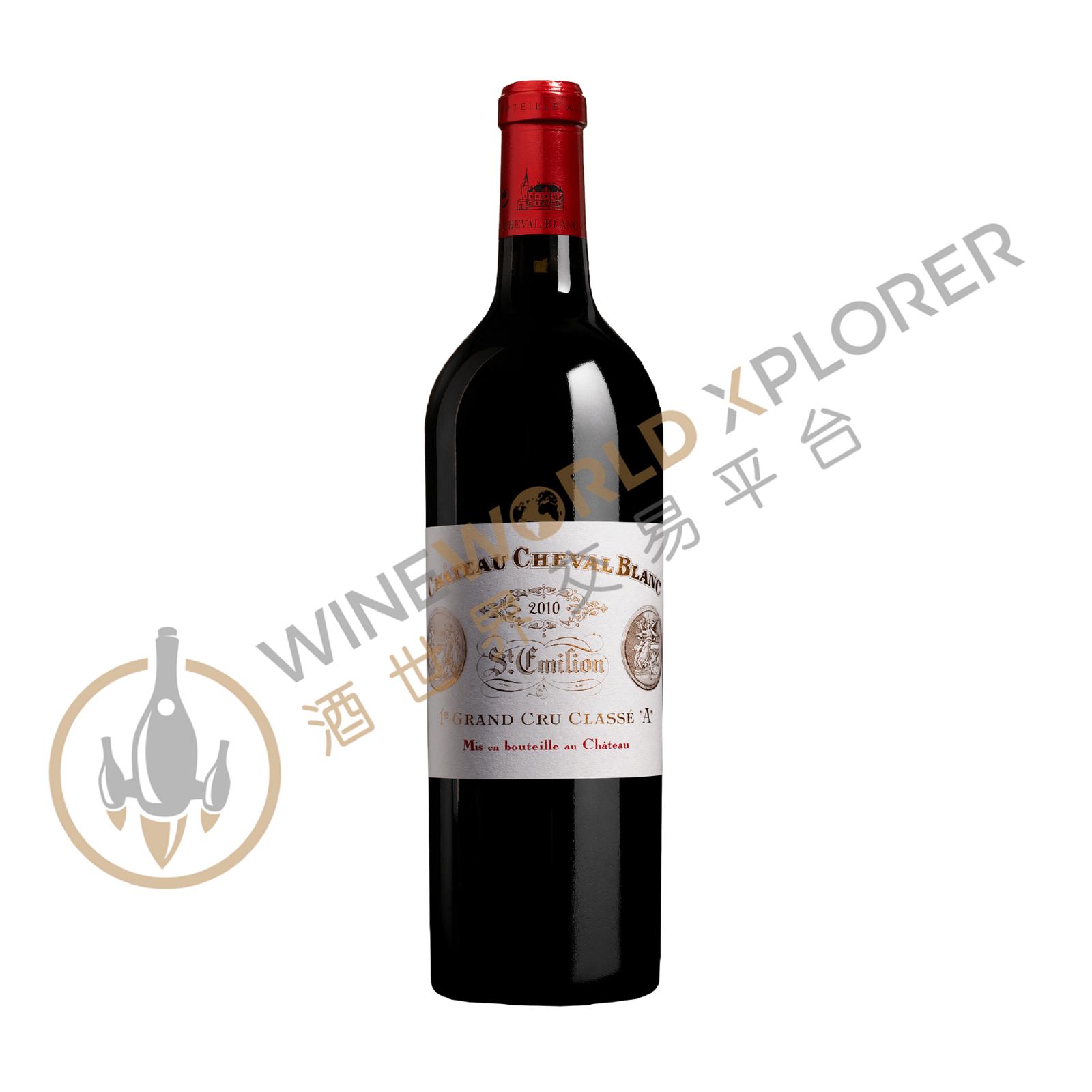
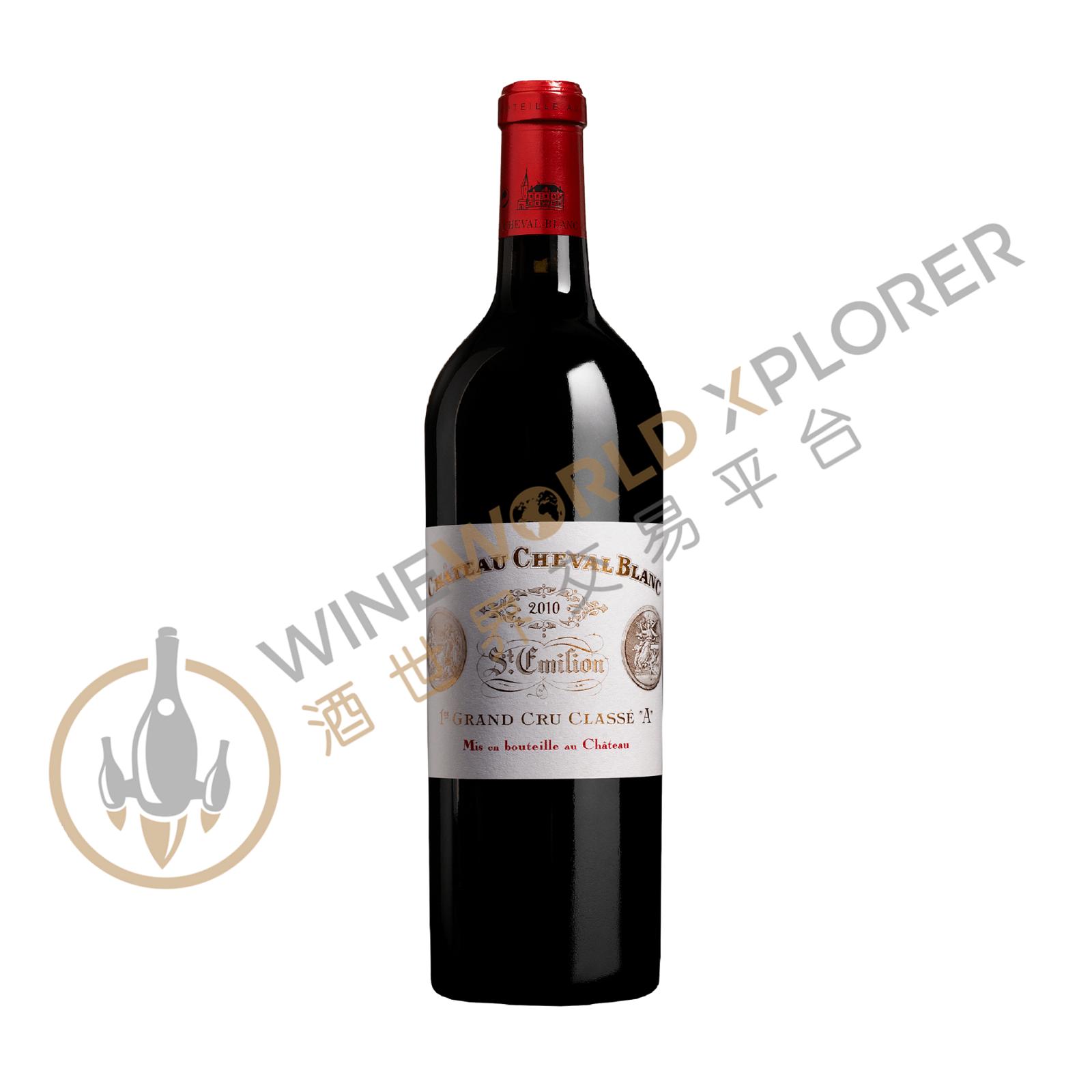
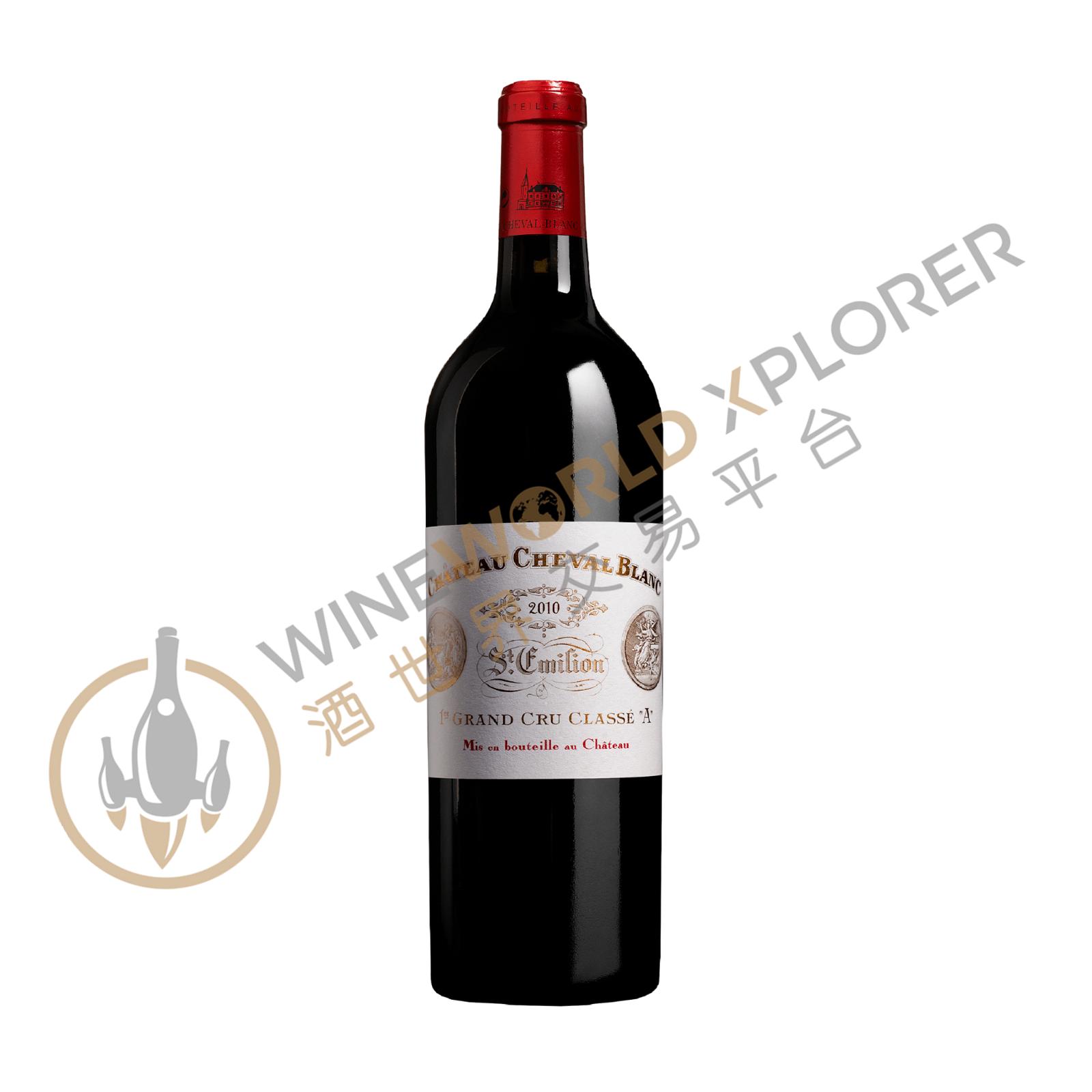
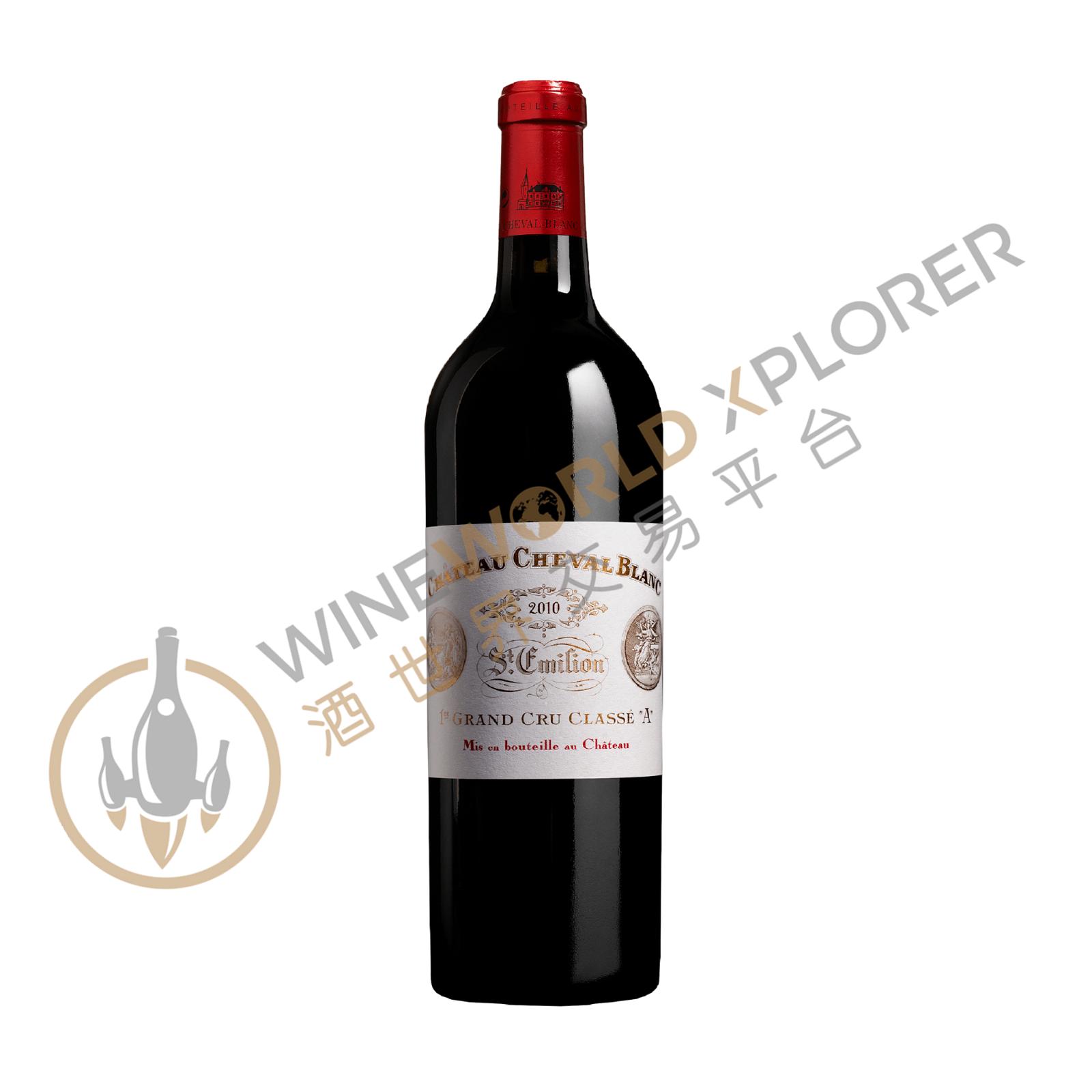
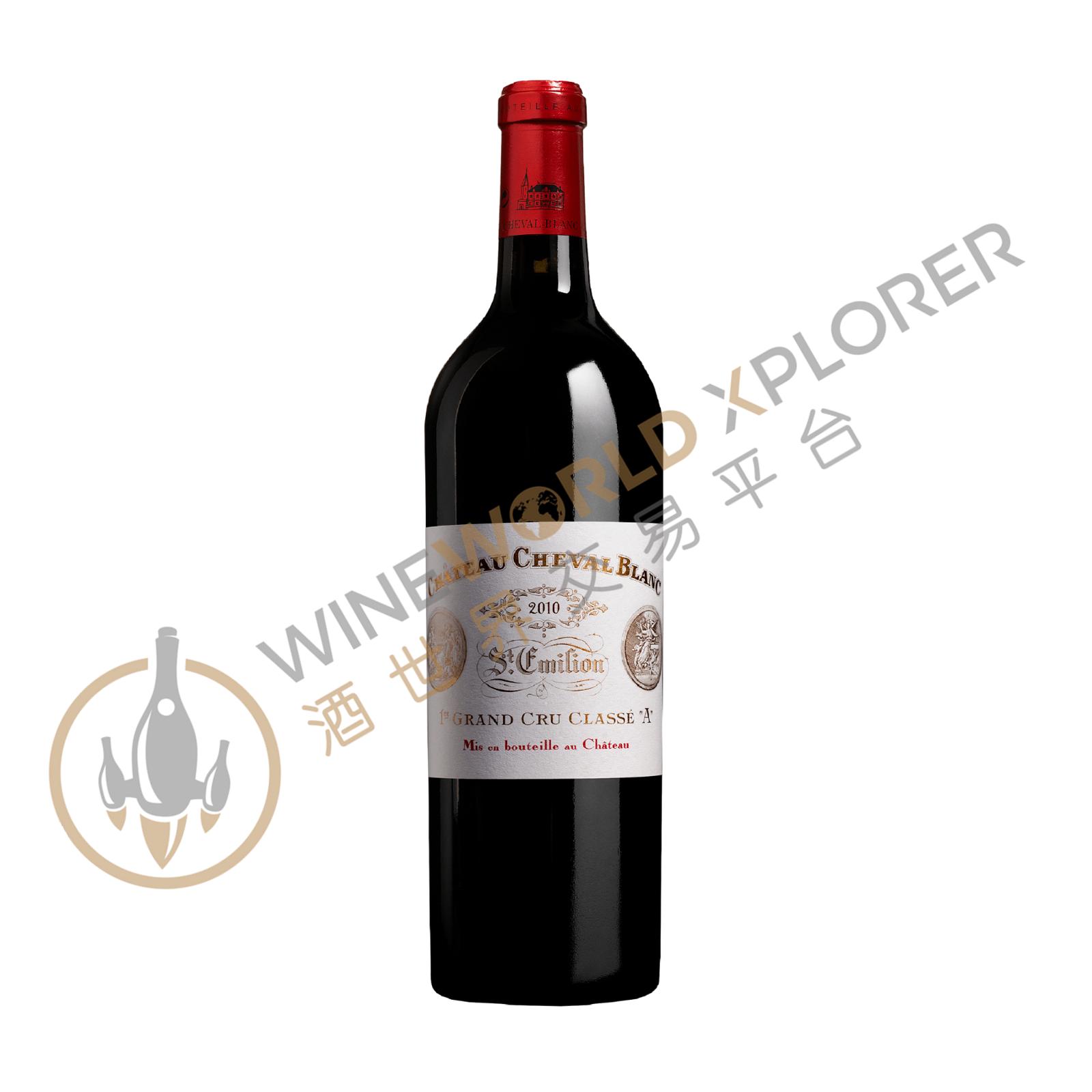
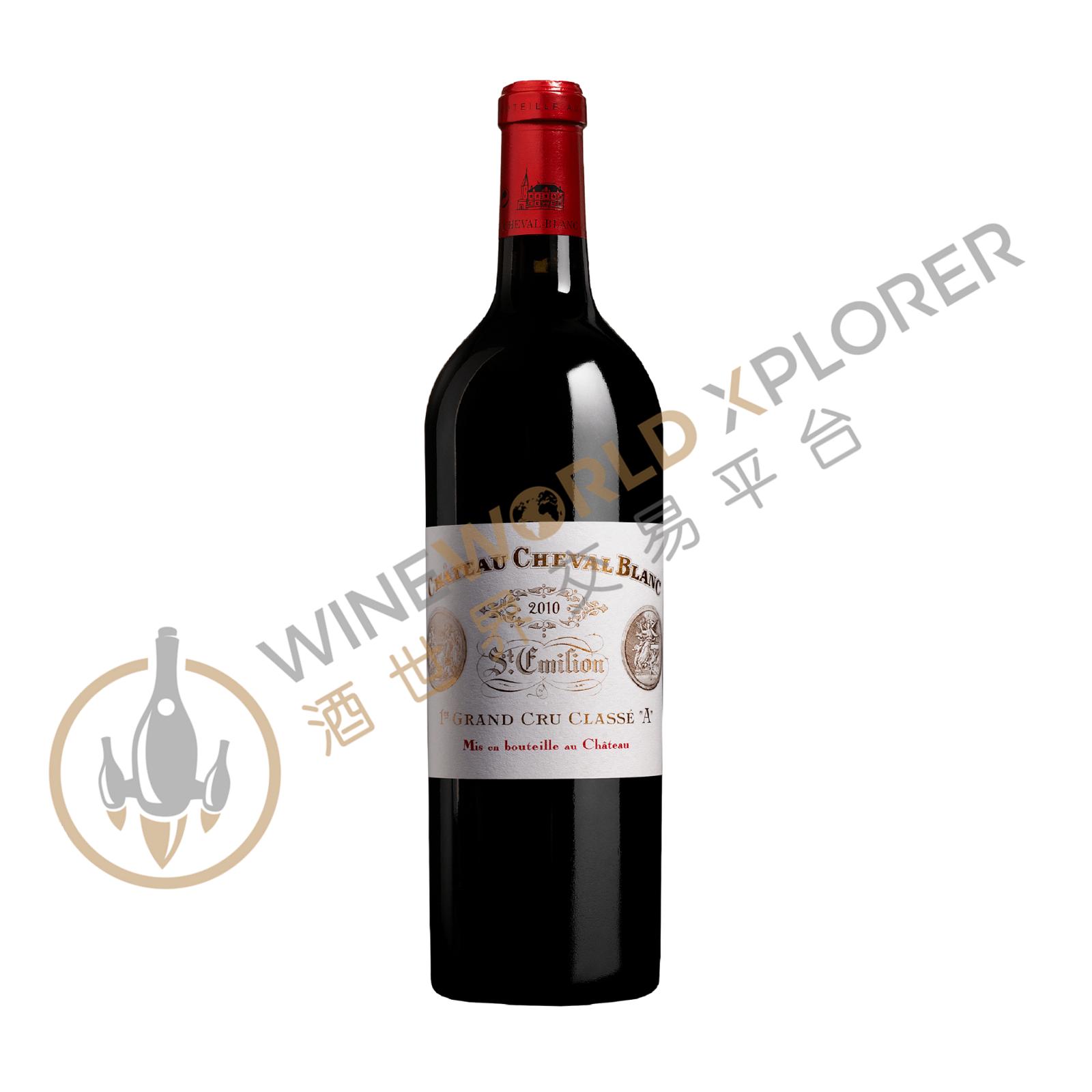
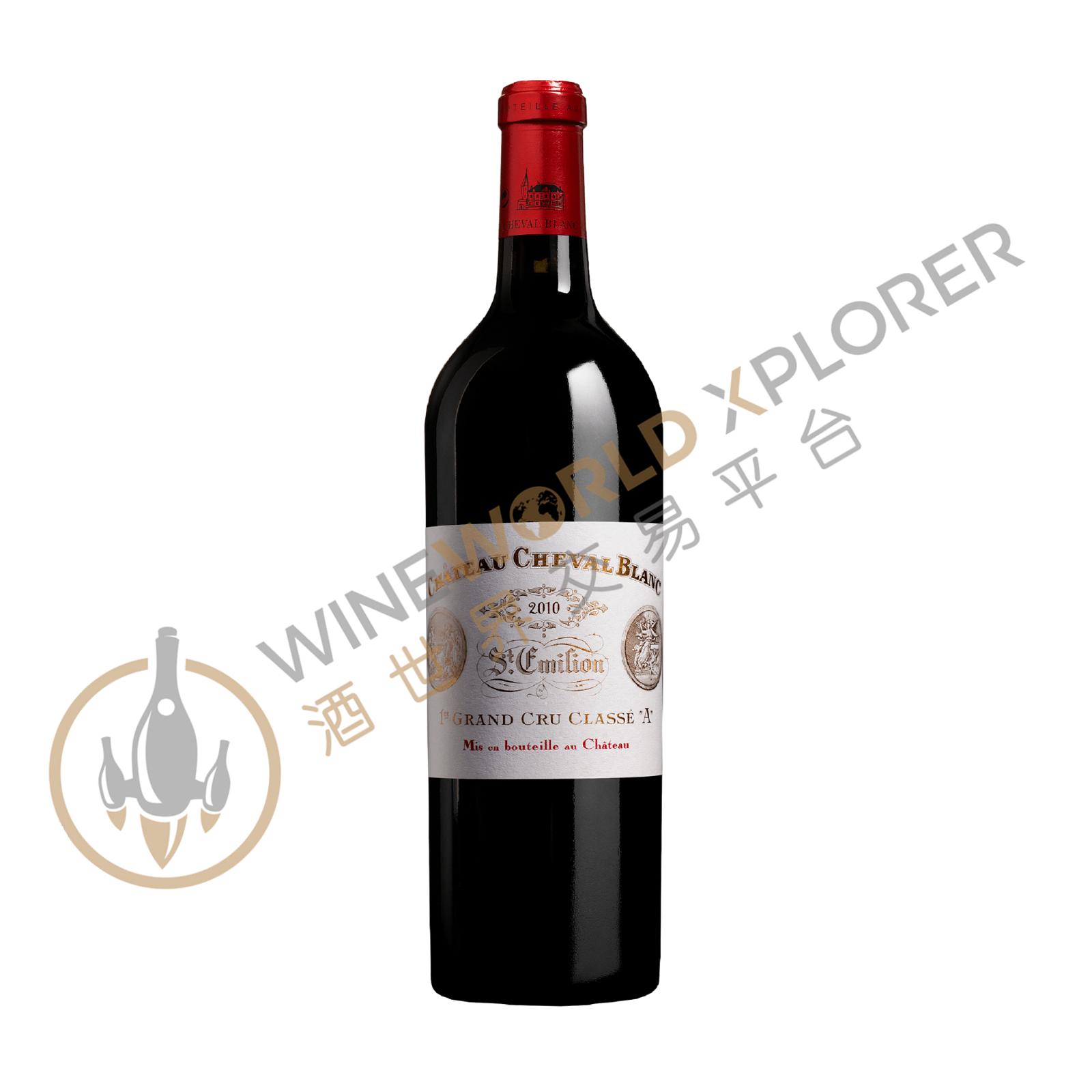
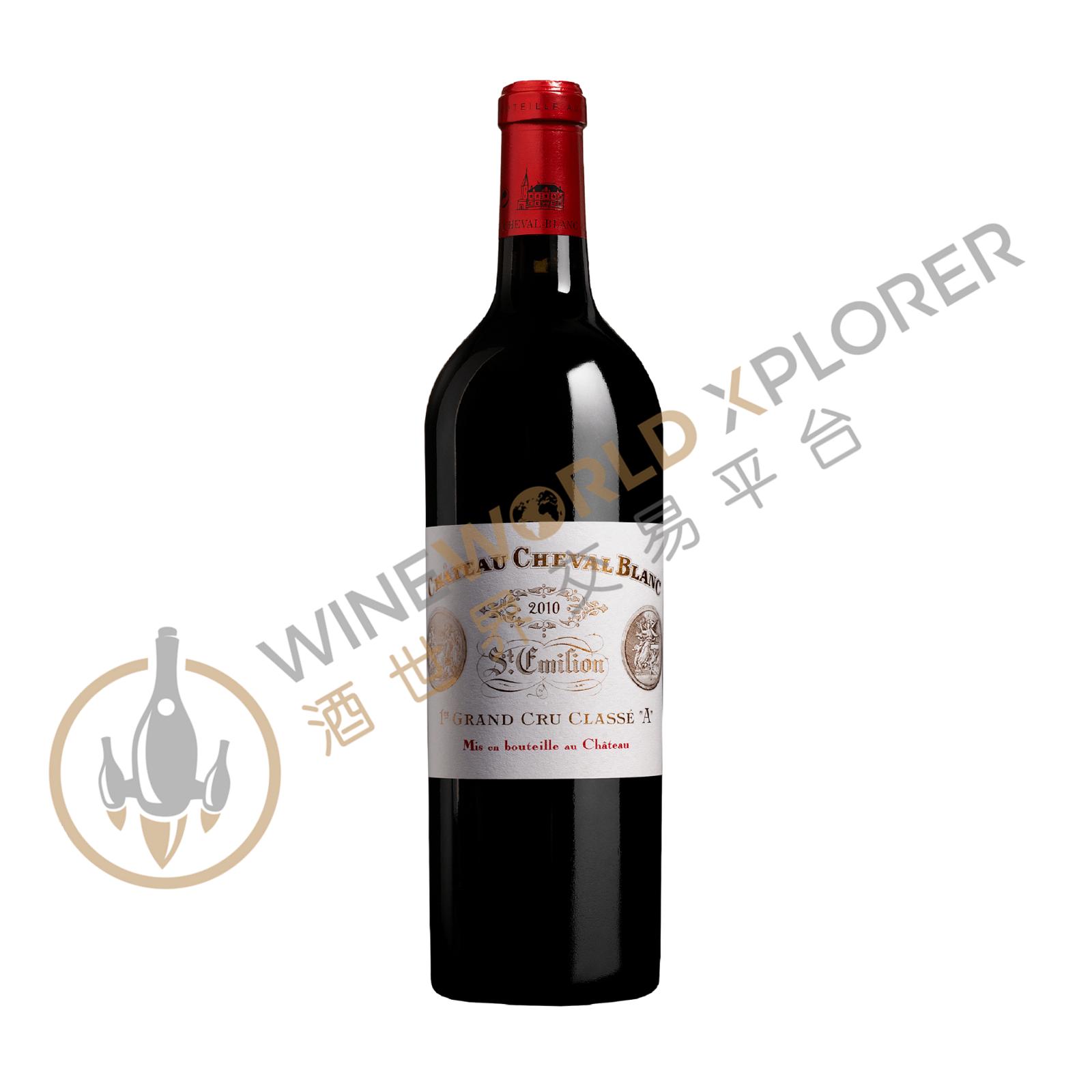
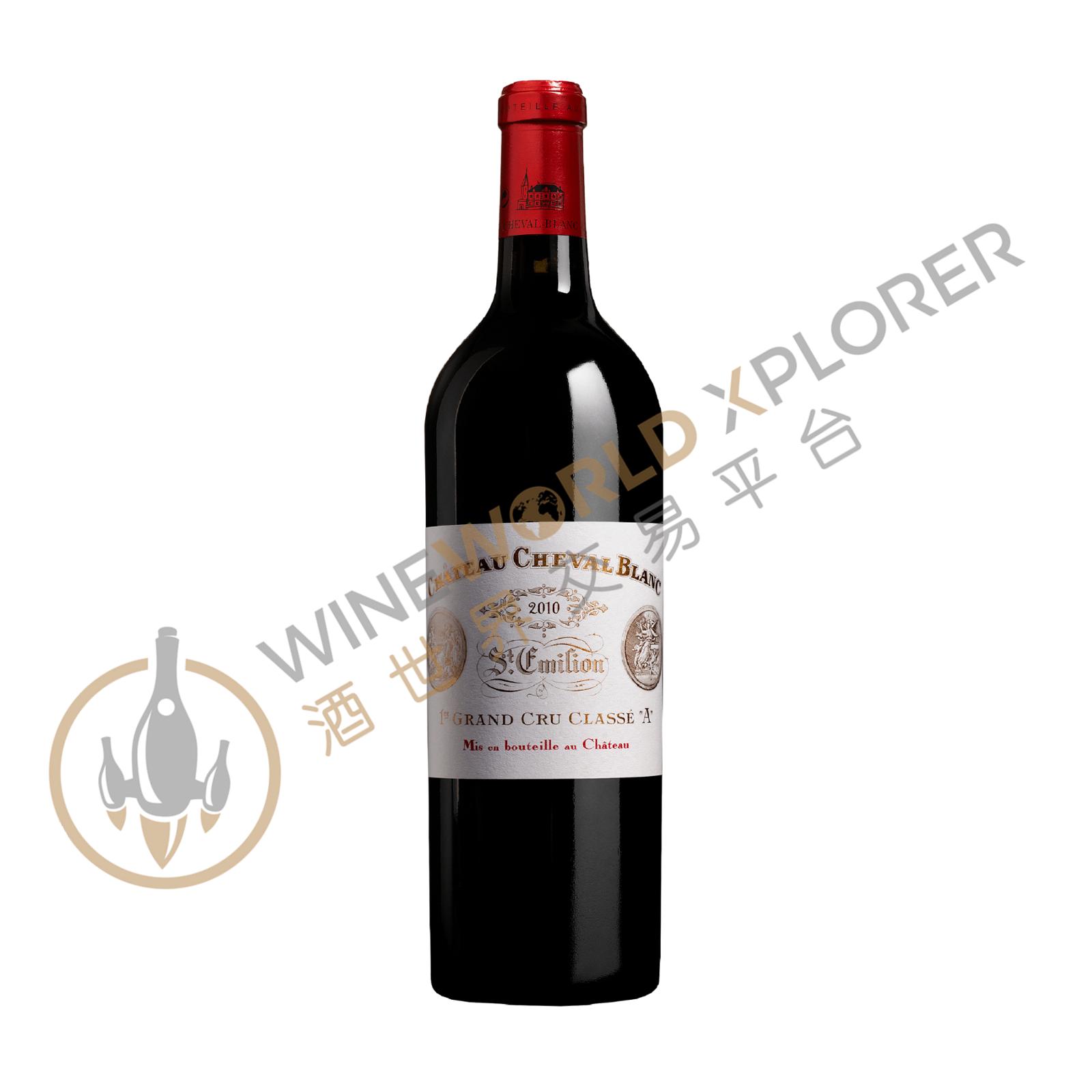
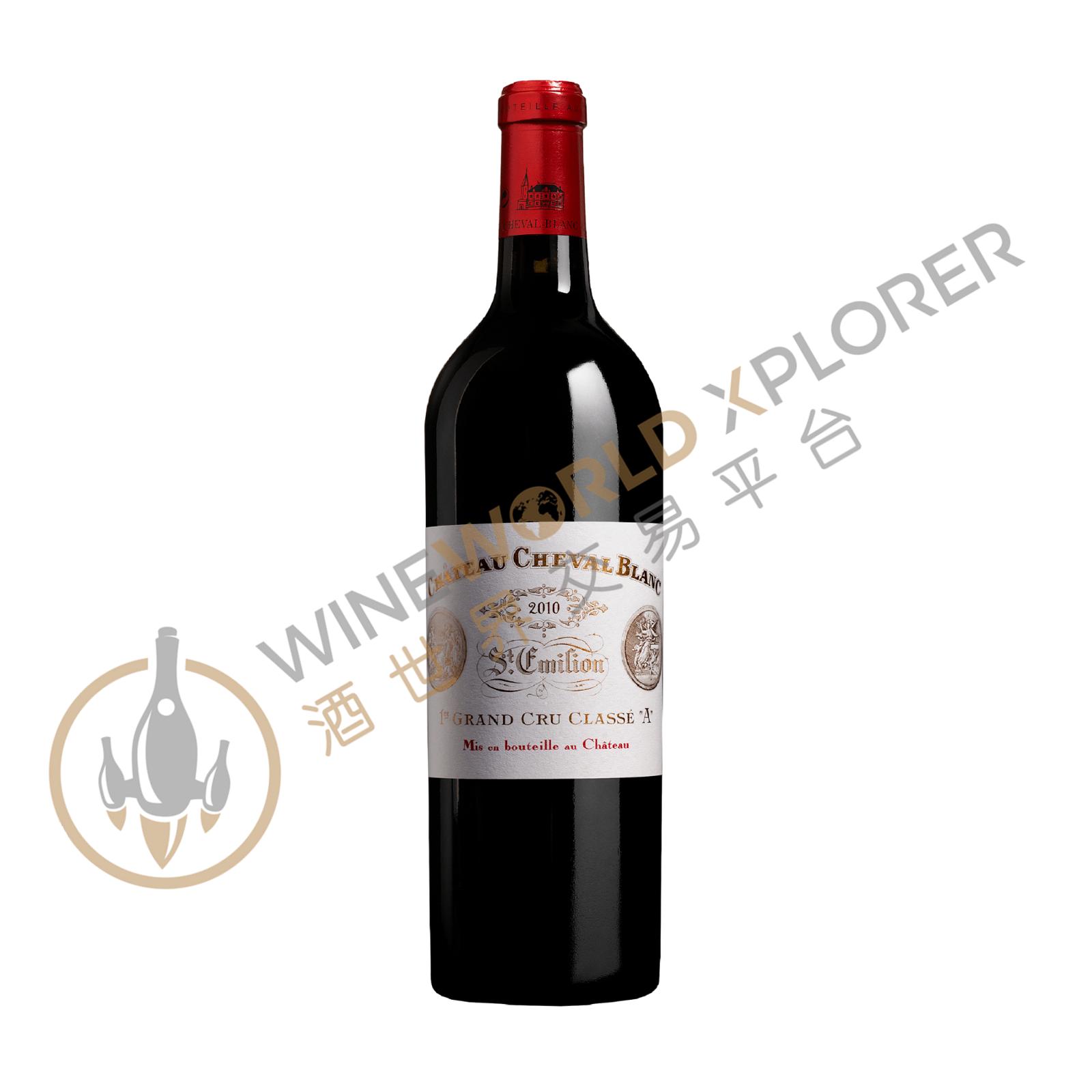
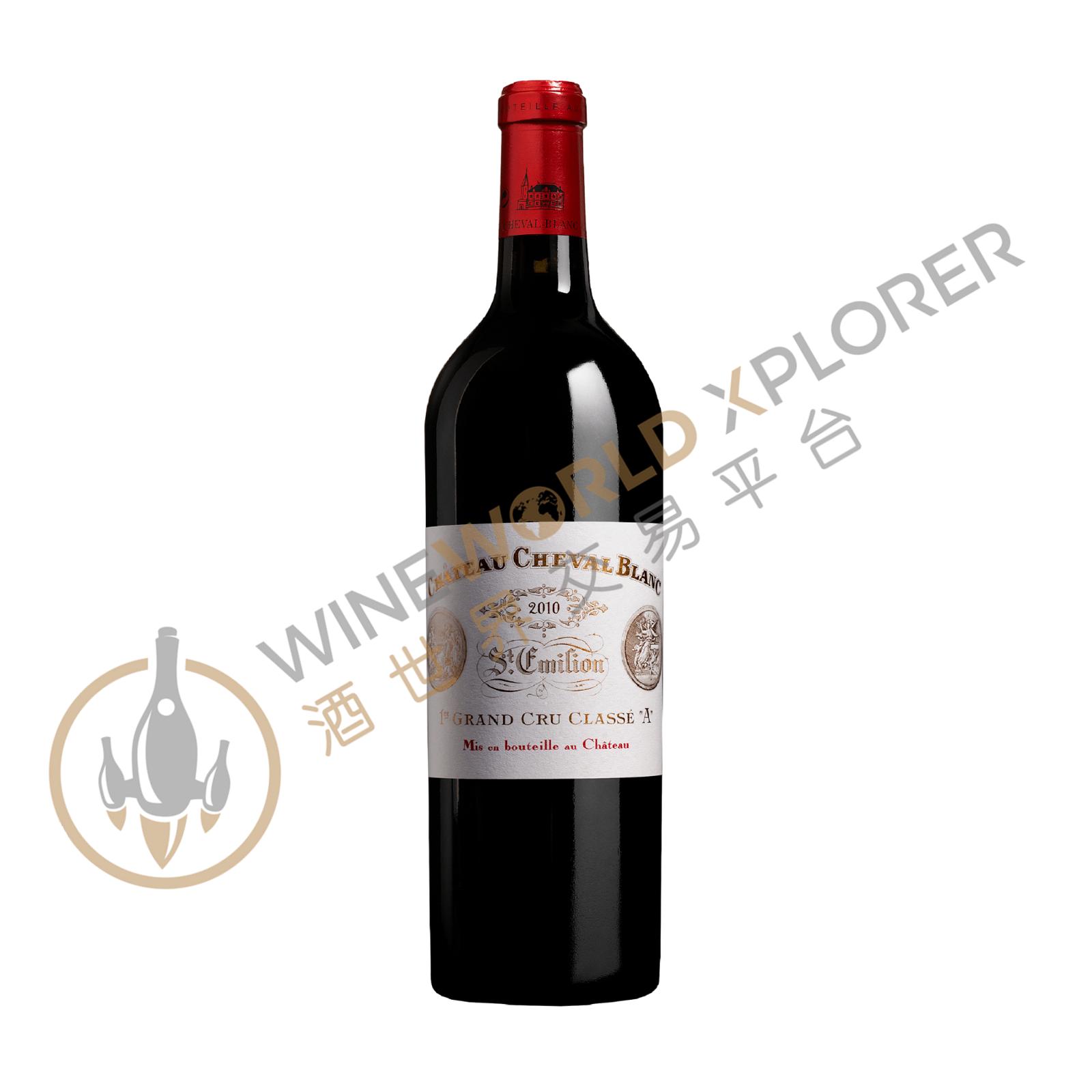
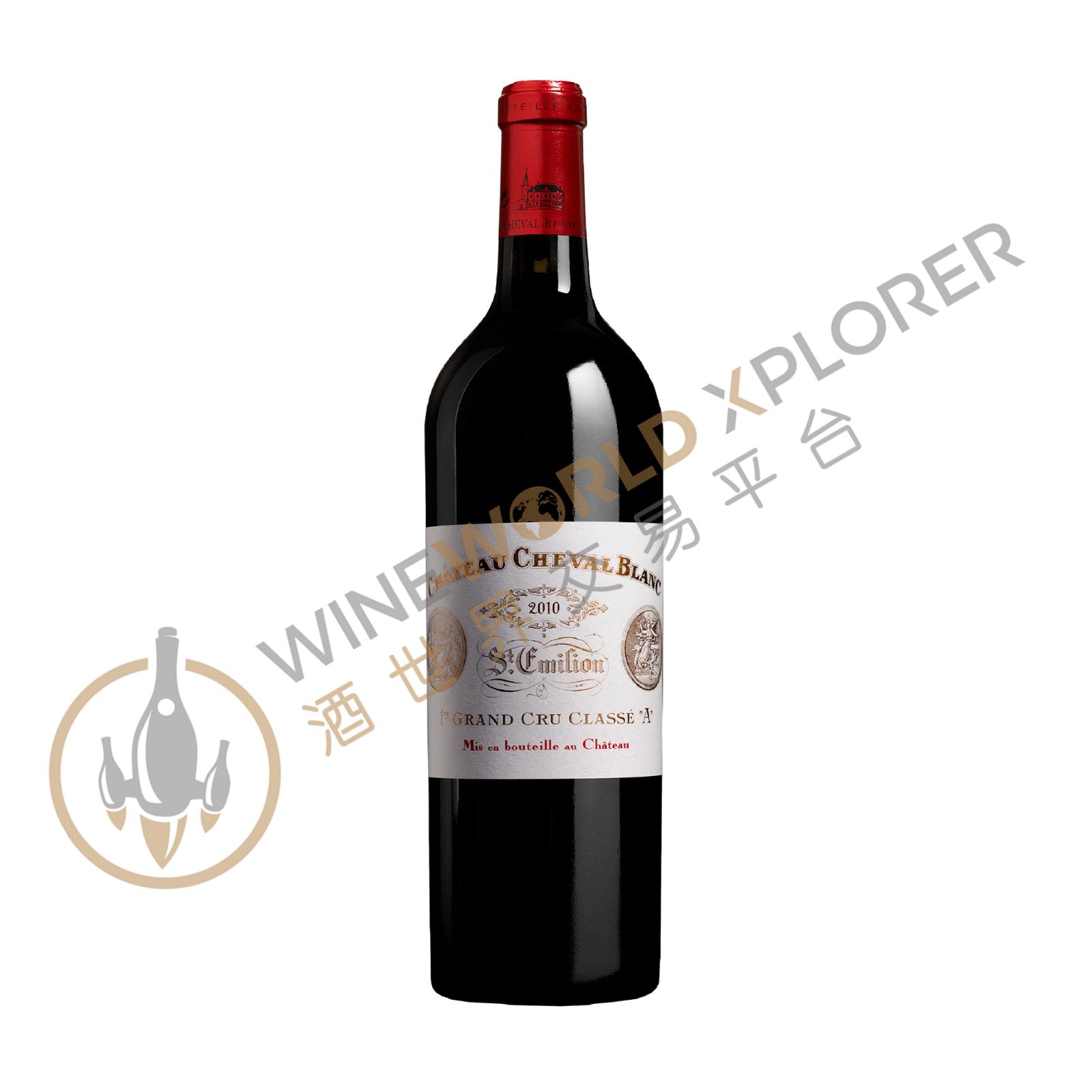
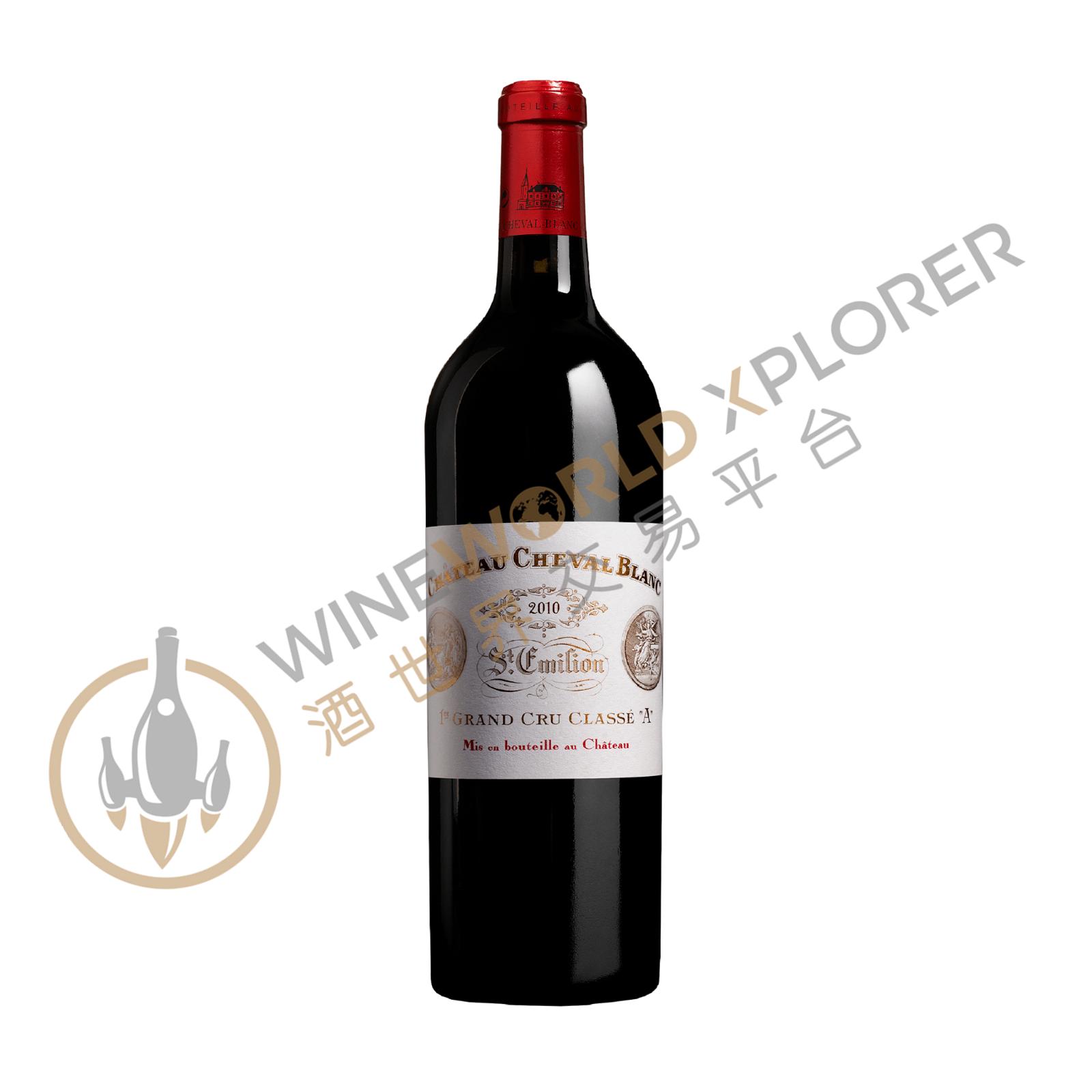
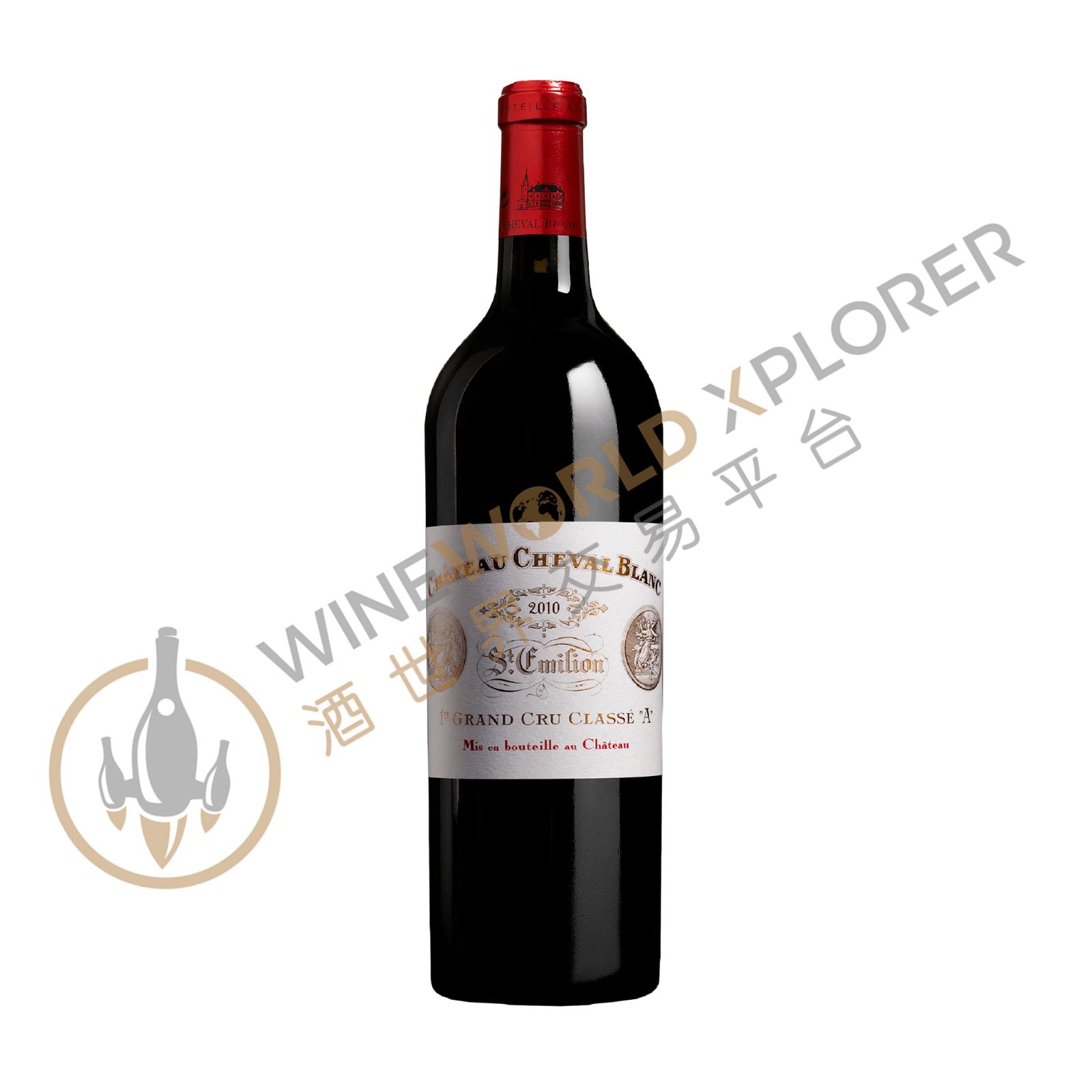
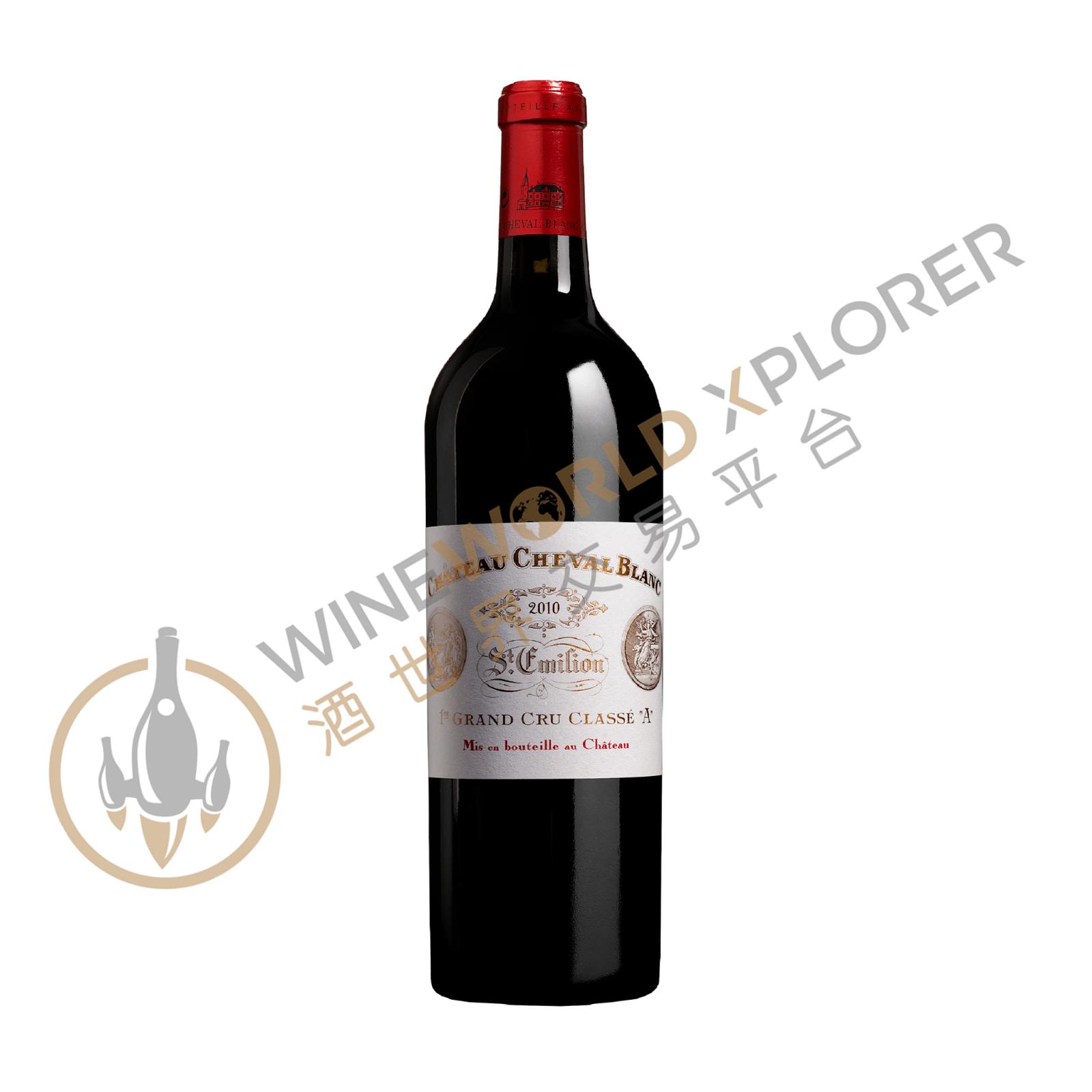
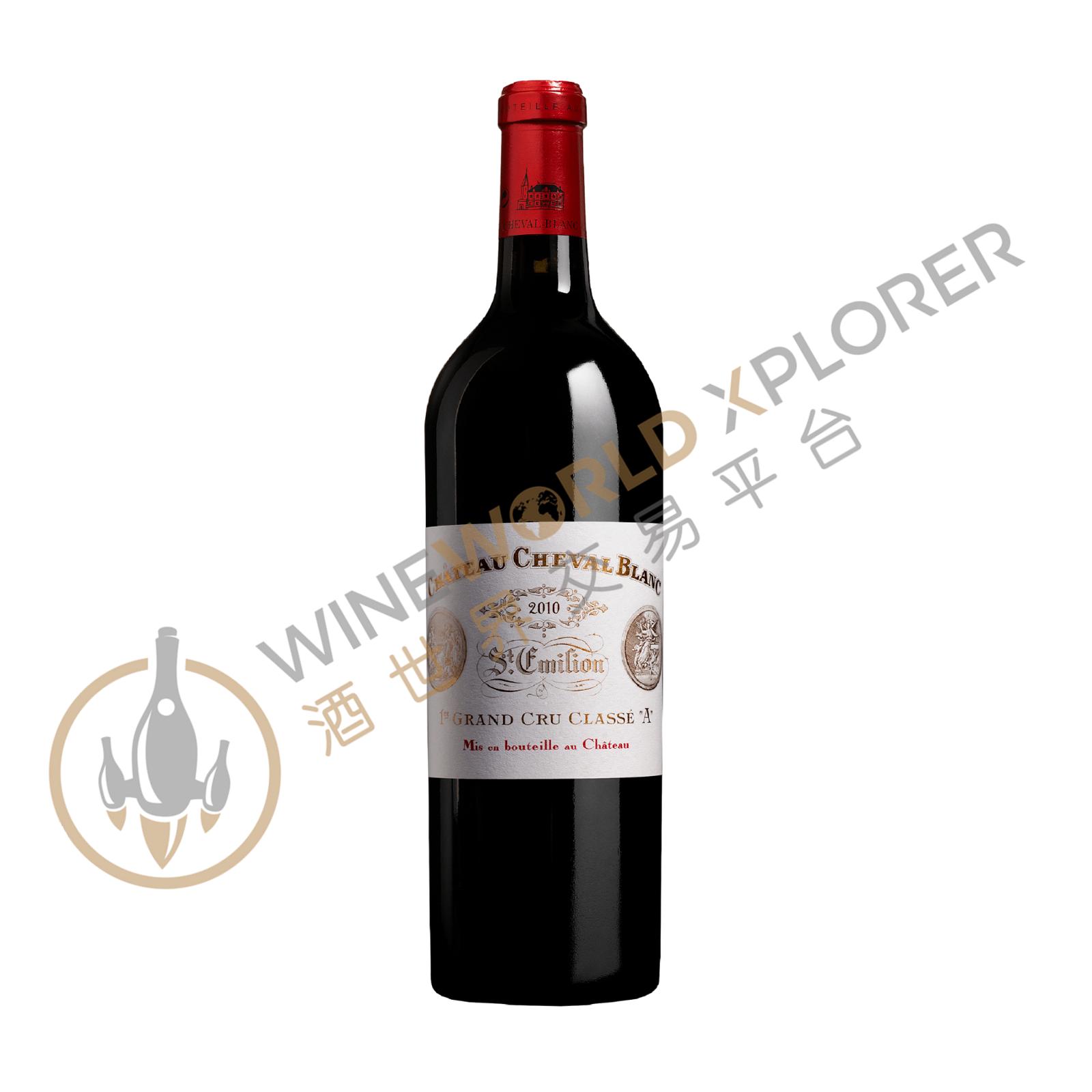
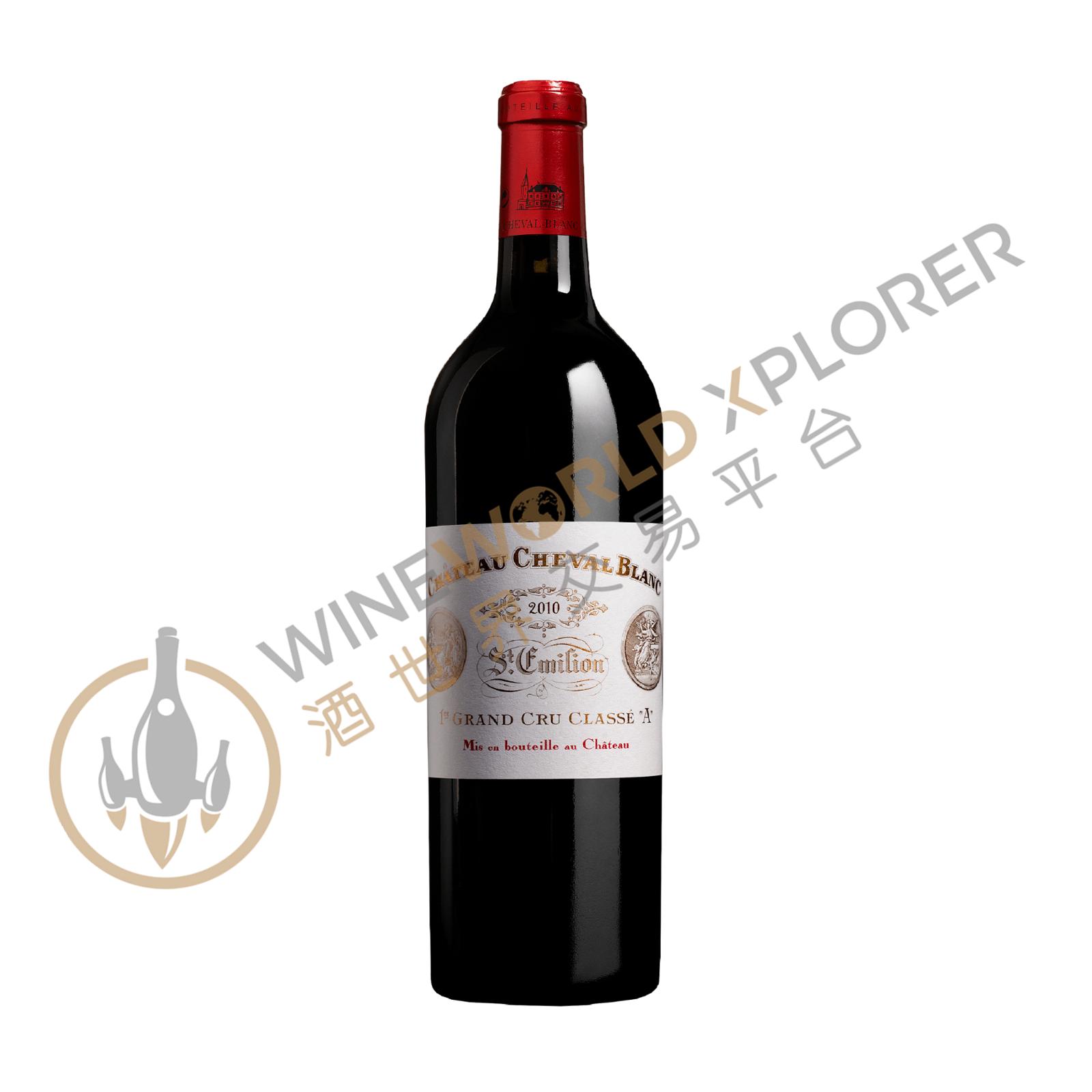
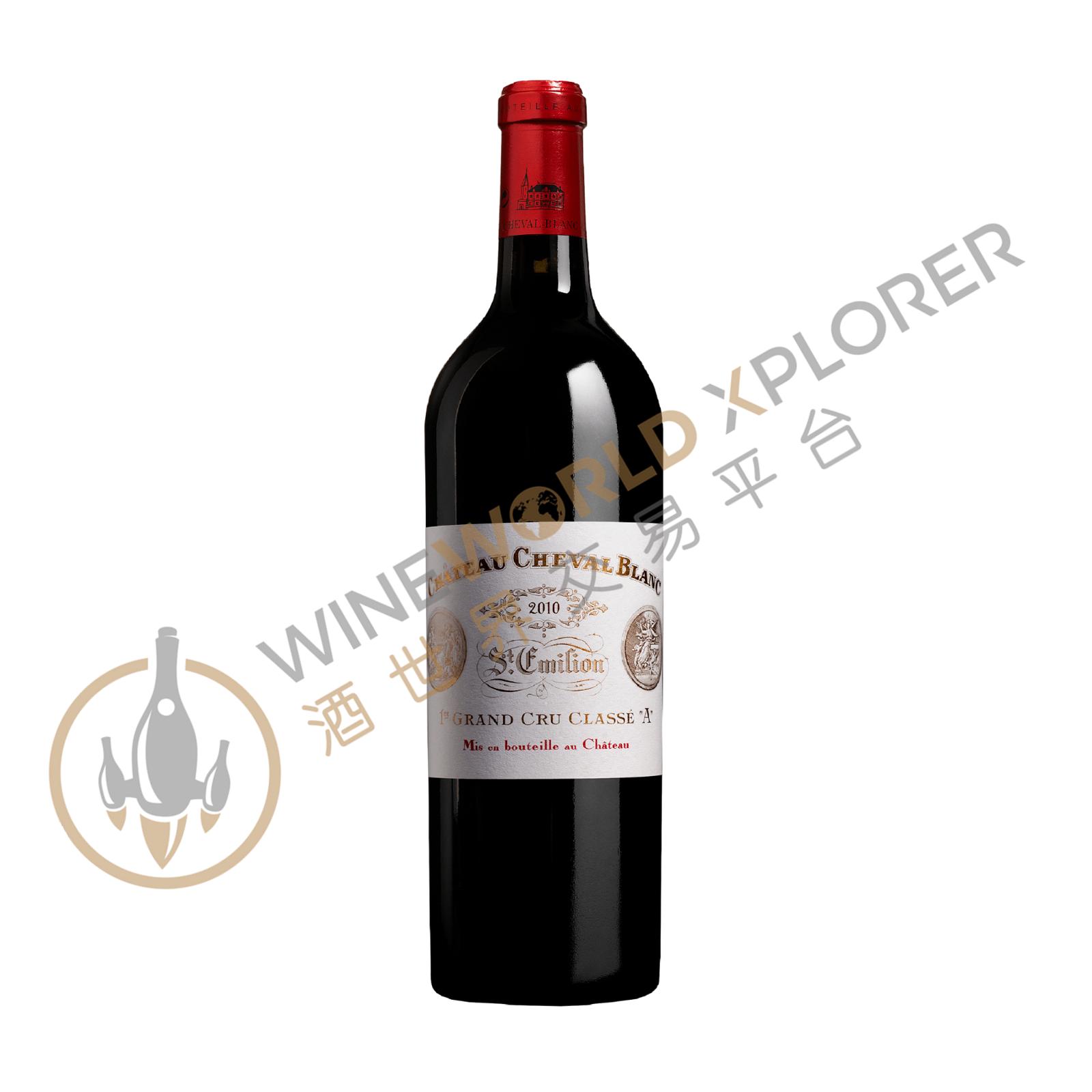
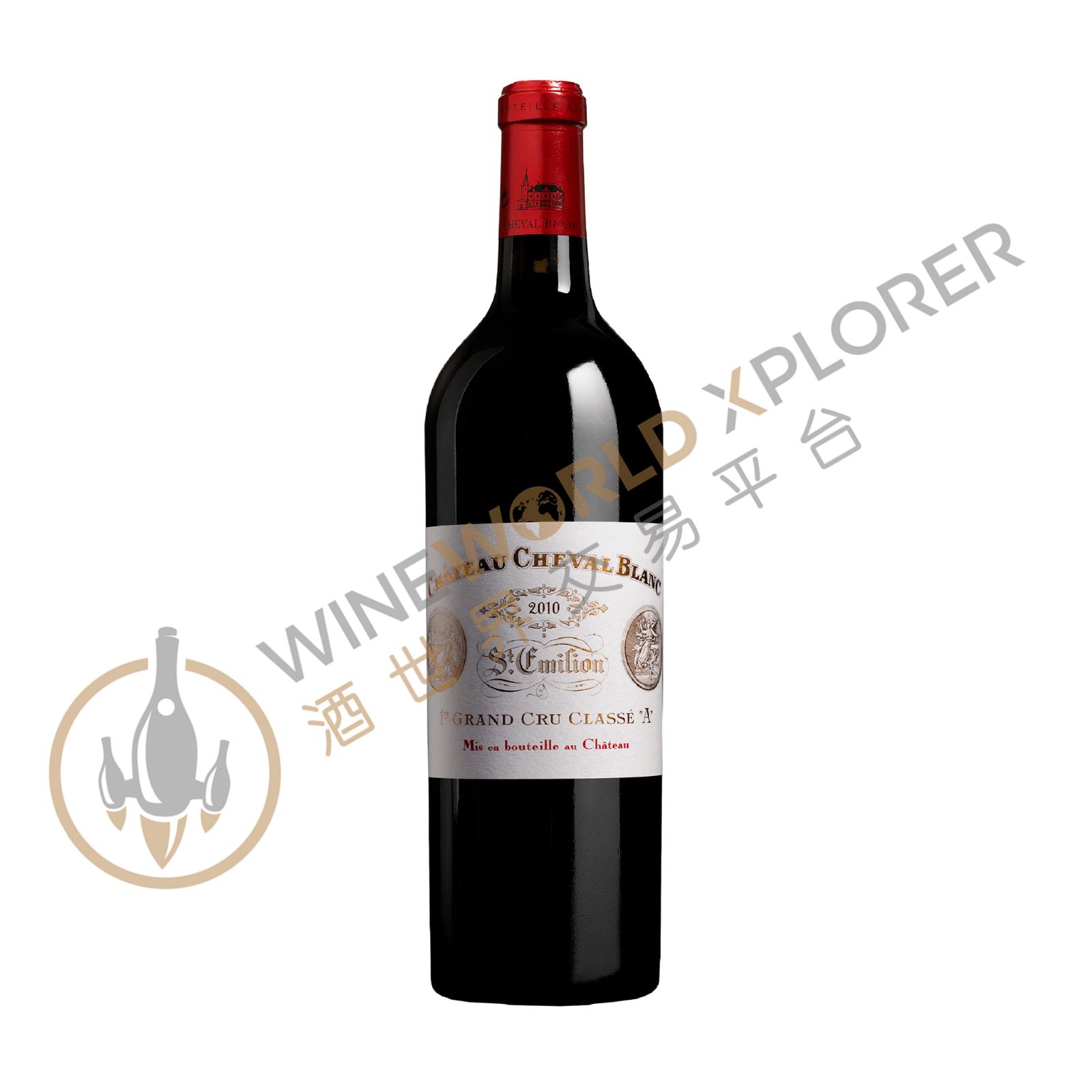
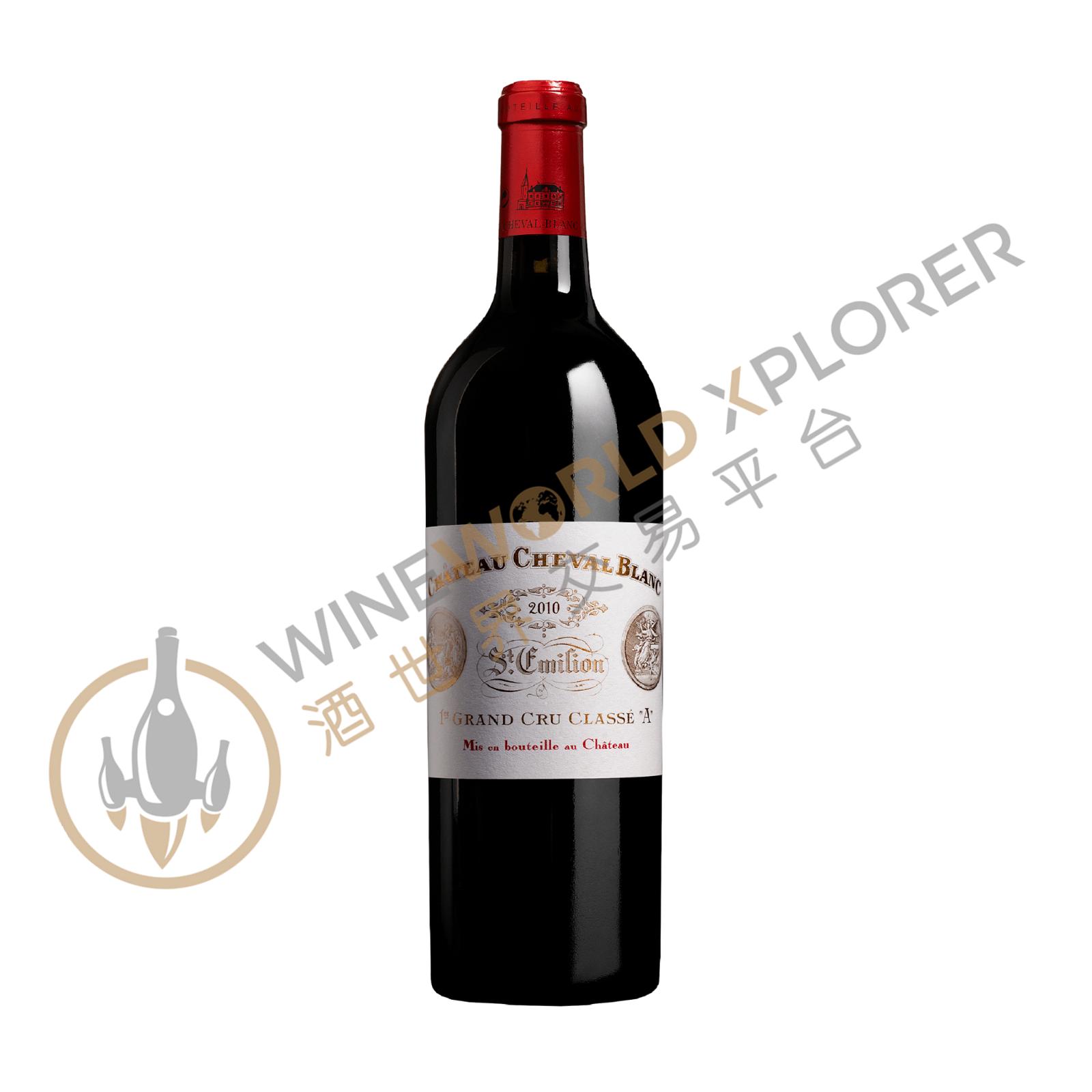
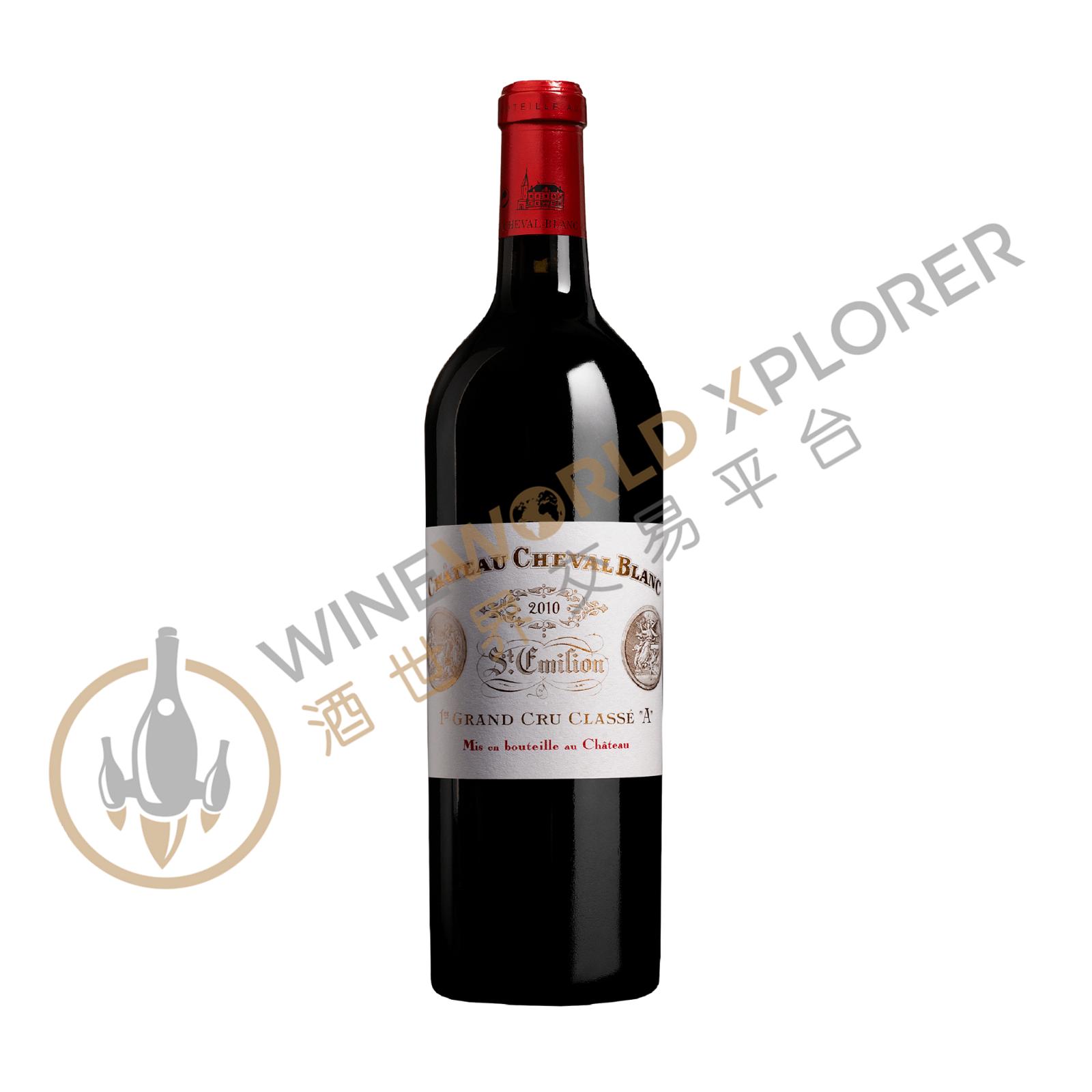
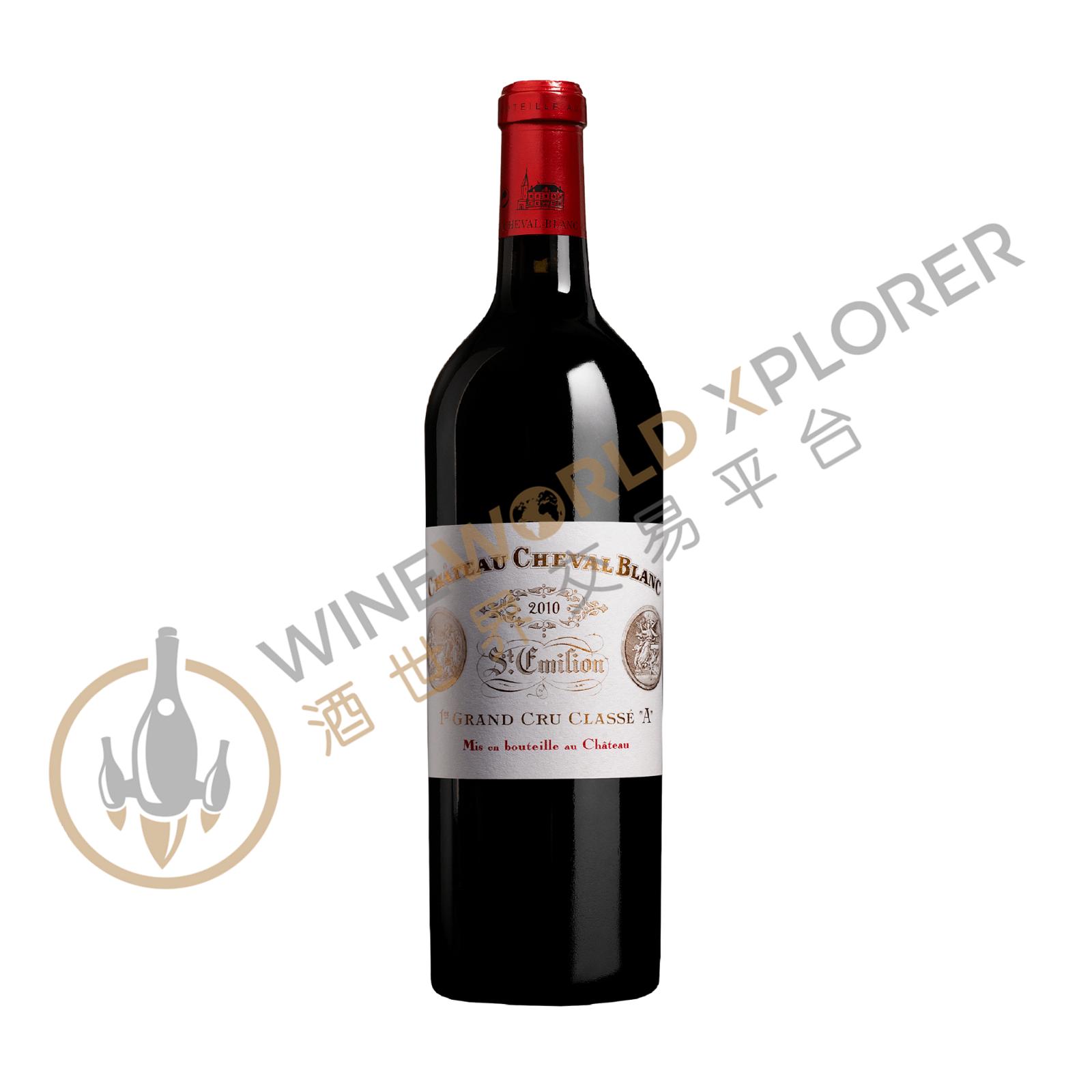
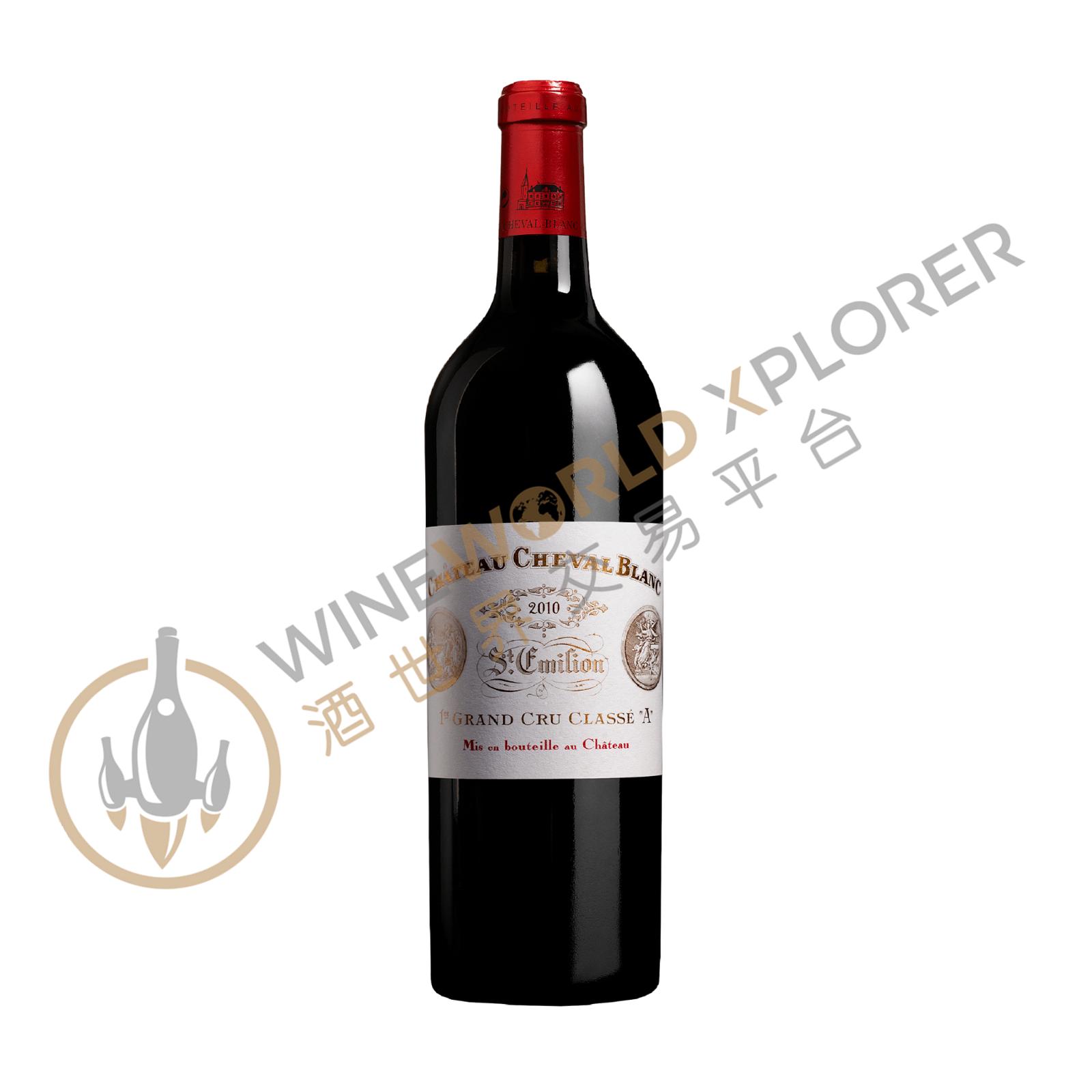
Château Cheval Blanc, a 1er Grand Cru Classé (A) is unquestionably the leading estate in St. Emilion. It is located in the north-west of the St. Emilion appellation, bordering Pomerol. Cheval Blanc obtained its first medal at the 1862 Universal Exhibition in London. In fact, a representation of this bronze medal is found on the château’s present-day label. Cheval Blanc won their first gold medal at the 1878 Universal Exhibition in Paris, and this new distinction also appeared on the label. In 1886, Cheval Blanc won a second gold medal at the Universal Exhibition in Antwerp. Reflecting this series of successes and a wine well on the way to achieving international recognition, a château was built on the estate.
Tasting notes

Reviewed by: Robert M. Parker, Jr.
The elegant, moderately weighted 1996 Cheval Blanc reveals a deep garnet/plum, evolved color. Quintessentially elegant, with a complex nose of black fruits, coconut, smoke, and pain grille, this medium-bodied wine exhibits sweet fruit on the attack, substantial complexity, and a lush, velvety-textured finish. It is very soft and evolved for a 1996. Anticipated maturity: 2000-2015.
Reviewed by: Neal Martin
Tasted at the château, the 1996 Cheval Blanc was a majority of Cabernet Franc although the exact blend is not known. Firstly, the color is a healthy garnet with a mahogany rim. The bouquet has good intensity although it is certainly not a complex set of aromas: dusky black fruit, game, clove and a faint touch of hickory. The palate is quite sharp on the entry with noticeable acidity. My main criticism is a lack of cohesion and a lack of Merlot to bind everything together and lend fleshiness. It seems to be rather monochromatic, a Cheval Blanc with a single note, the finish conservative with a touch of black pepper and cooked meat, but a little frayed around the edges. I would drink bottles now and maybe larger formats would yield more pleasure. The bottom line is this is not one of the great Cheval Blancs and that is reflected in my score. Tasted July 2016.
Reviewed by: Neal Martin
A very disappointing wine after the gorgeous Cheval Blanc 1995. The nose is reticent, unresolved with woody, smoky scents. Similarly the palate is rather disjointed with some under-ripeness on the mid-palate. Linear with a thin weedy finish. Very ordinary. Shown up for what it is at this horizontal comparative tasting. Tasted September 2005.
Reviewed by: Robert M. Parker, Jr.
Typical for this estate's wines, the 1996 has put on considerable weight and flesh since I first tasted it. Forty percent of the 1996 crop was declassified, but the quality of the Cabernet Franc (which often makes up 50%-60% of the final blend) was high. Yields were below 30-35 hectoliters per hectare. This deep garnet/plum-colored Cheval Blanc offers a gorgeously exotic, sweet, smoky, coconut, menthol, jammy raspberry and blackberry-scented nose. Medium body, ripe fruit, outstanding concentration, and a succulent texture place this wine high up on the qualitative hierarchy. An intriguing coffee bean and chocolatey sweetness can be found in the wine's finish. This appears to be an impressive, savory, multidimensional Cheval Blanc that is growing in stature and weight as it ages in cask. Anticipated maturity: 1999-2020.
Reviewed by: Robert M. Parker, Jr.
It appears that this great estate could make a more concentrated and complex wine if a few risks were taken. Moreover, couldn't the selection for the grand vin be more severe? When Cheval Blanc does everything right (1982, 1983, 1985, and 1990), this is one of the most exotic, compelling wines made in the world, yet recent vintages, while obviously delicious, have been lighter than expected for one of Bordeaux's most famous wines. Admittedly, Cheval Blanc has a tendency to put on weight, but my instincts suggest that a stricter selection (charge higher prices if necessary) will result in more persuasive and authoritative wines. Nevertheless, the moderately dark purple-colored 1996 reveals an evolved blueberry and redcurrant, coconut, spicy new oak-scented bouquet, medium body, soft, round, savory flavors, and a clean finish. It lacks concentration and depth, but this wine is still seductive, albeit too compressed, polite, and under-sized. The 1996 Cheval Blanc should drink well early, and last for 15 years. Given the recent higher quality efforts at Ausone, it is easy to imagine that Ausone may begin to outdistance Cheval Blanc in head to head competition.
Reviewed by: Robert M. Parker, Jr.
This wine has put on considerable weight during cask aging and looks exceptionally strong, not surprising given the fact that 1996 is considered a strong vintage for Cabernet Franc. The 1996 Cheval Blanc exhibits a dark, dense garnet/plum color, as well as a hedonistic, smoky, exotic, sweet coconut, black plum, and cherry-scented nose intermingled with smoky oak (about 25% of the new oak is from Taransaud). The wine is ripe and complex, with rich, sweet layers of fruit that hit the palate with outstanding purity and ripeness. It is much more expansive and fatter than when I first tasted it in spring following the vintage. Sixty percent of the crop was used in the grand vin, with 20% of the balance going into the second wine, and the rest sold in bulk. This should turn out to be a sensational Cheval Blanc, rivaling the gorgeous 1995. Anticipated maturity: 2001-2020. Last tasted 11/97
Reviewed by: Ian d'Agata
(a blend of 56% cabernet franc and 44% merlot; 40 h/h): Bright red. Fresh floral, white pepper, raspberry and strawberry aromas on the captivating nose, lifted by minerals and Oriental spices. Very fresh, balanced and pure on the palate, with bright red berry, floral and delicately smoky plum flavors. Very cabernet franc, and very Cheval Blanc! The lively, harmonious acids keep this wine light on its feet and really extend the flavors on the back half. The long finish features a subtly spicy kick and smooth tannins. A touch more density and it would have scored even higher. The harvest took place between September 28 and October 4.
Reviewed by: Stephen Tanzer
Moderately saturated medium red. Deeper aromas of plum, loganberry, milk chocolate and spice; seems more vibrant than the '97 today. Good density and weight in the mouth; offers a penetrating sweetness and a smooth texture despite its lively acidity. Finishes youthfully fresh, with firm but not hard tannins and sneaky length.
Reviewed by: Stephen Tanzer
Medium red color. More deeply pitched aromas of black raspberry, redcurrant, mocha, cocoa powder and tobacco leaf; very cabernet franc in its smoke and earth notes, and less floral than the '97. Smooth entry, then a bit more dense than the '97 but rather disjointed today. Finishes with dusty tannins and sneaky persistence of flavor.
About the Producer
Château Cheval Blanc is a highly lauded wine estate in the Saint-Émilion region of northeast Bordeaux. Classified with the top ranking of Premier Grand Cru Classé A, it is regarded by many as one of the greatest wines of the appellation – if not, the greatest. It is certainly the most famous Cabernet Franc-based wine in the world, albeit often alongside very similar levels of Merlot. Typically, the "grand vin" (the estate's eponymous wine) is lush and full bodied with great weight of fruit. It tends to require ten years of bottle age and the best vintages can last half a century or more. The second wine of the estate is Le Petit Cheval. The vineyard is located in the northwest of the region, bordering Pomerol (La Conseillante is a neighbor) and consists of 39 hectares (96 acres) divided into 45 plots. There is an unusually large amount of Cabernet Franc planted – about 49 percent – with 47 percent Merlot and four percent Cabernet Sauvignon. The unusual planting proportions reflect the terroir; most vineyards in the region are either clay or gravel-based over impermeable sedimentary rock, but Cheval Blanc is unique in having a patchwork of soils with the two types in roughly equal proportions. The clay soils provide base wines with velvety tannins, while those from gravel soils are more aromatic and elegant. Vines have been grown since the 14th Century at this spot but the vineyard as it is known today took shape in the 19th Century when the core plots were added to by purchases from the nearby Figeac estate. Subsequent replantings established the atypical half-Merlot, half-Cabernet Franc proportions. Cheval Blanc gained its first medal at the 1862 Universal Exhibition in London – the first of a series of successes building its reputation and achieving price levels comparable to the Médoc first growths, which paved the way for a château to be built on the estate. In the first classification of Saint-Émilion wines in 1955, Cheval Blanc was awarded the highest possible rating and remains a Premier Grand Cru Classé A. In 1998, after 166 years of continuous family ownership, Bernard Arnault, the head of luxury goods firm LVMH, and the late Baron Albert Frère (a Belgian billionaire investor) jointly purchased the estate. The spectacular new cellar opened in 2011, with 52 concrete vats (replacing stainless steel) of differing sizes corresponding to different vineyard plots. The grand vin spends 16 to 18 months in new oak barrels from a variety of cooperages.
1949(1)1953(1)1955(4)1958(1)1962(1)1966(1)1967(2)1970(2)1973(1)1974(2)1975(3)1976(1)1977(1)1978(1)1979(2)1980(1)1981(2)1982(5)1983(1)1984(1)1985(1)1986(5)1988(4)1989(4)1990(13)1992(3)1993(1)1994(4)1995(7)
Package Size
1 x 75cl12 x 75cl2 x 75cl24 x 37.5cl