Wine Advisor



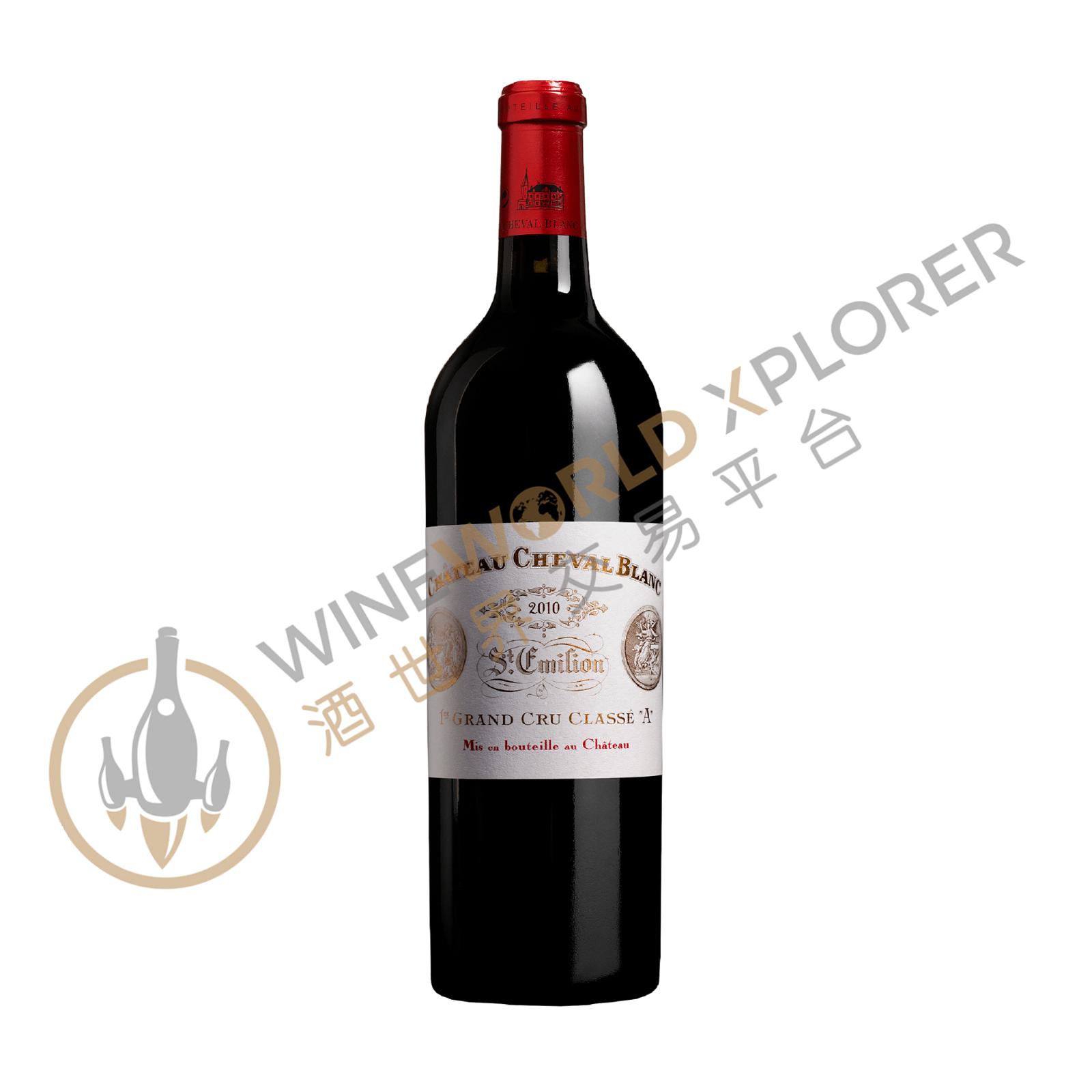
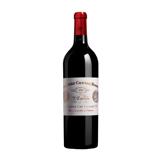
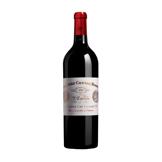
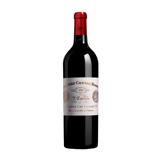
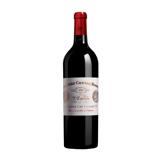
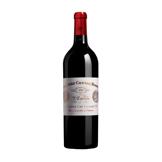
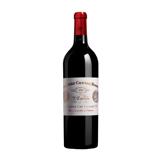
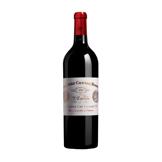
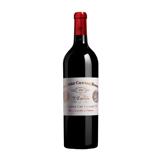
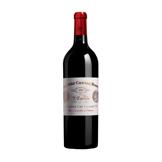
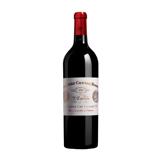
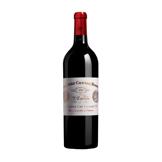
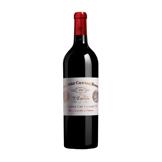
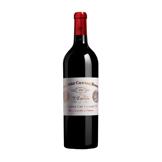
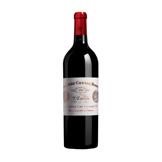
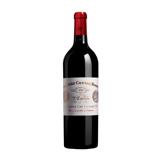
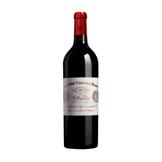
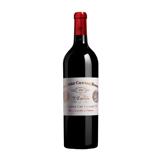
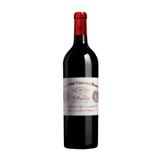
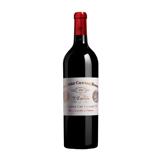
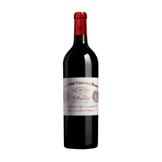
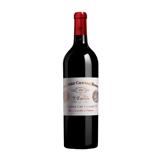
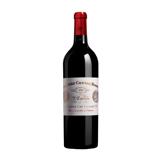
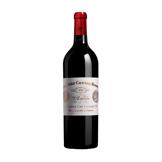
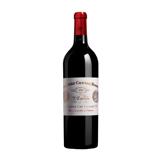
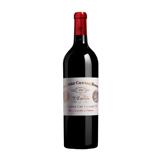
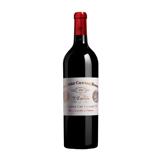
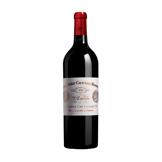
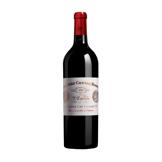
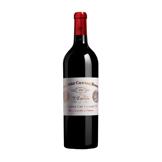
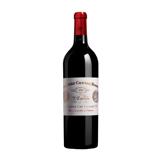
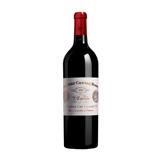
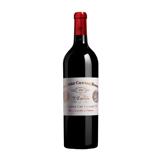
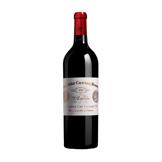
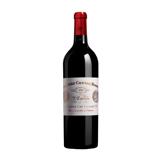
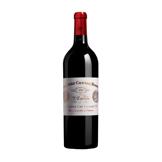
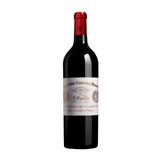
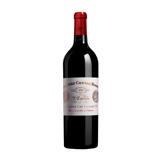
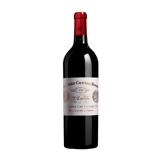
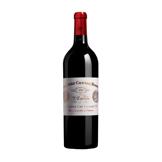
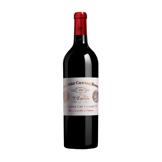
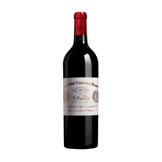
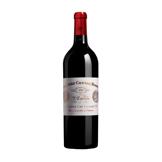
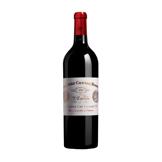
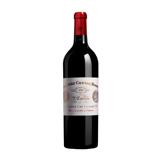
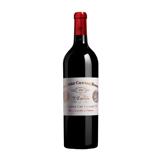
Cheval Blanc 1995
 View analysis


Description
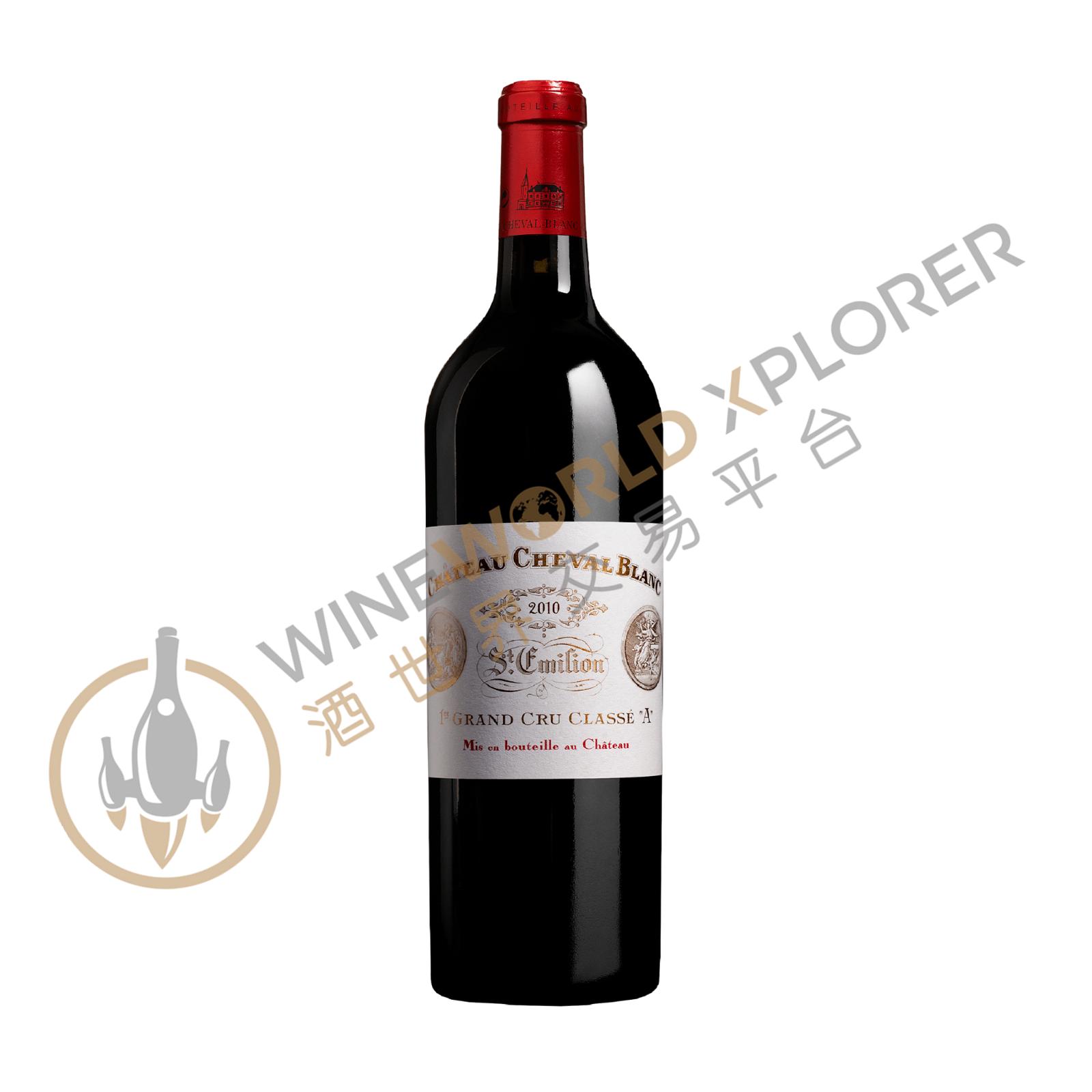
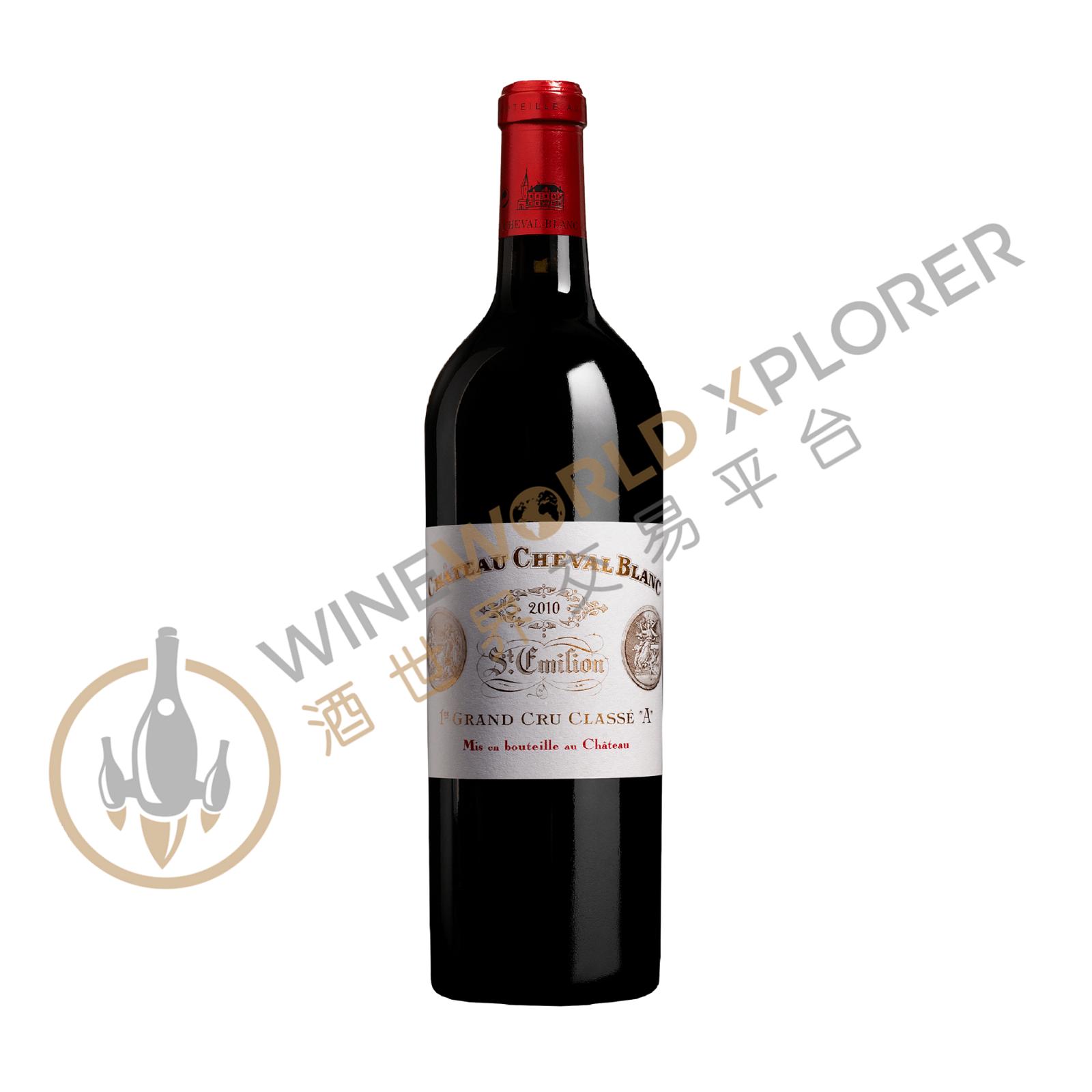
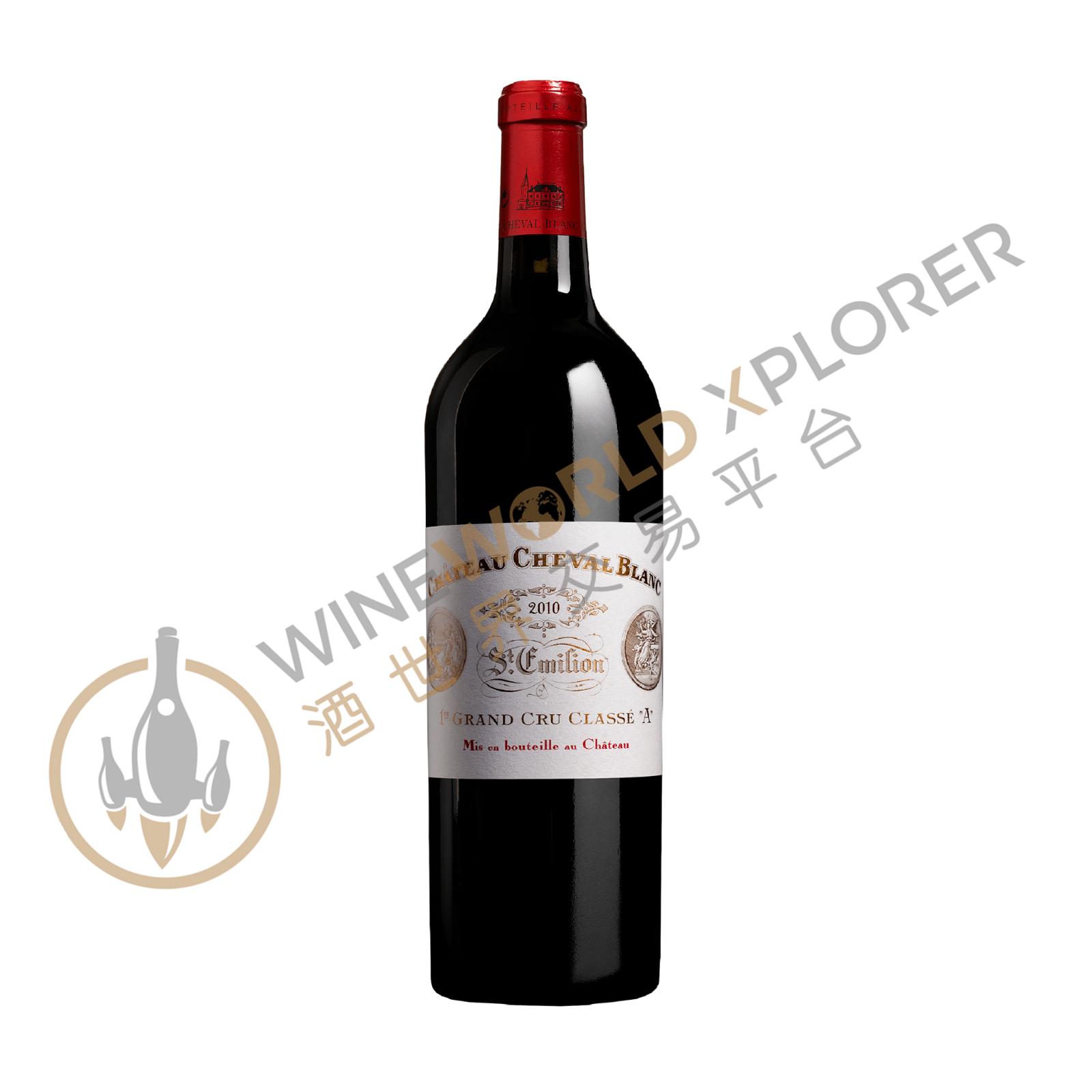
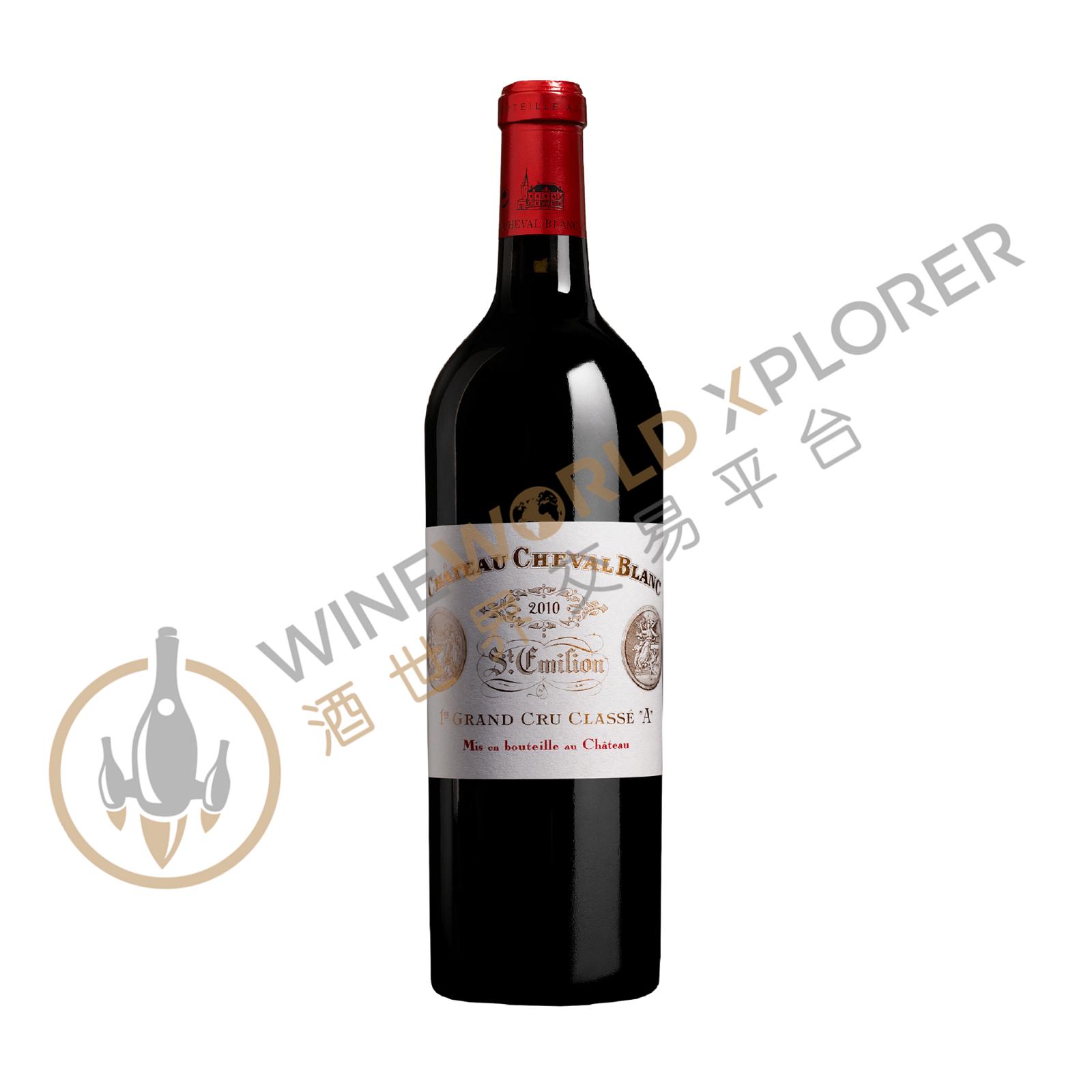
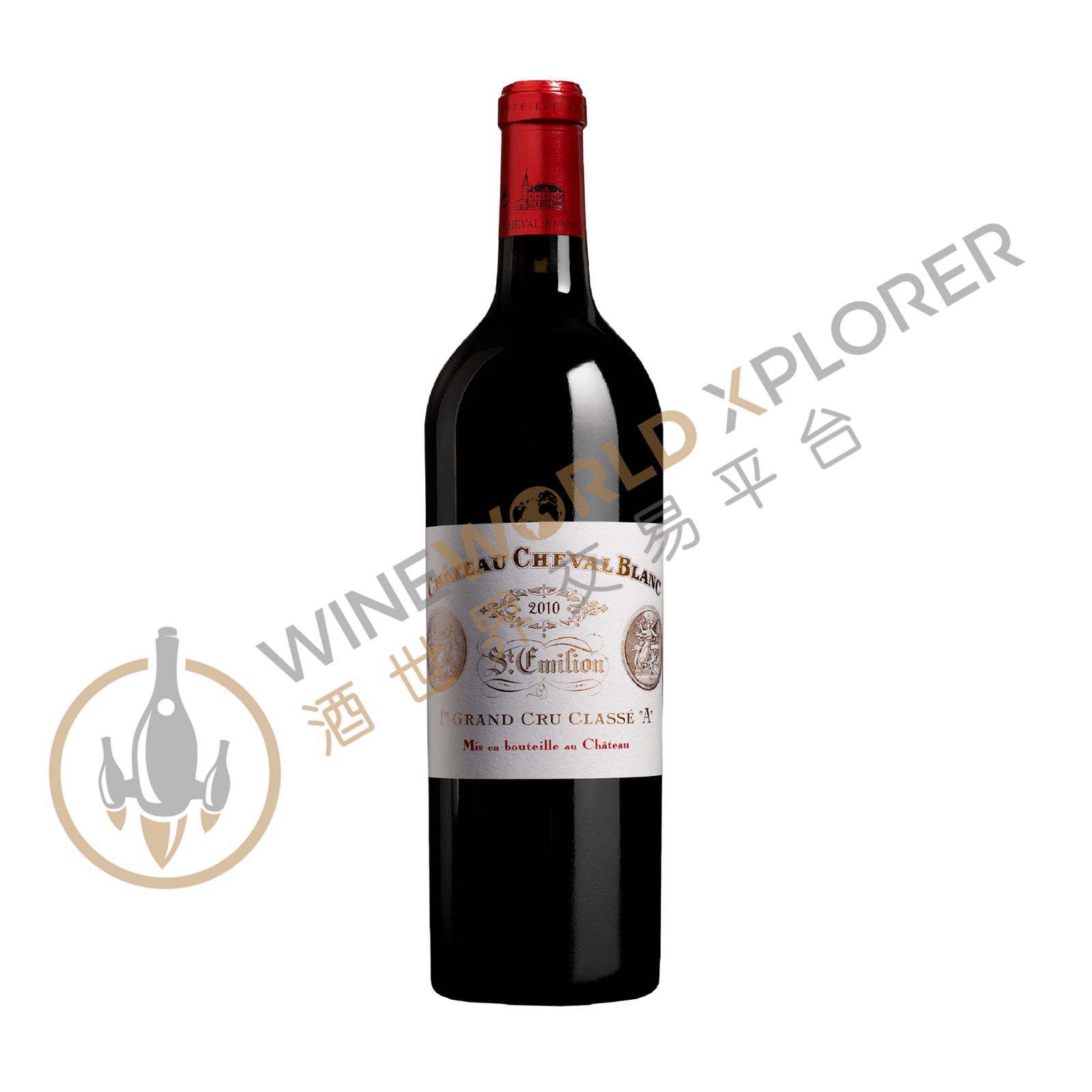
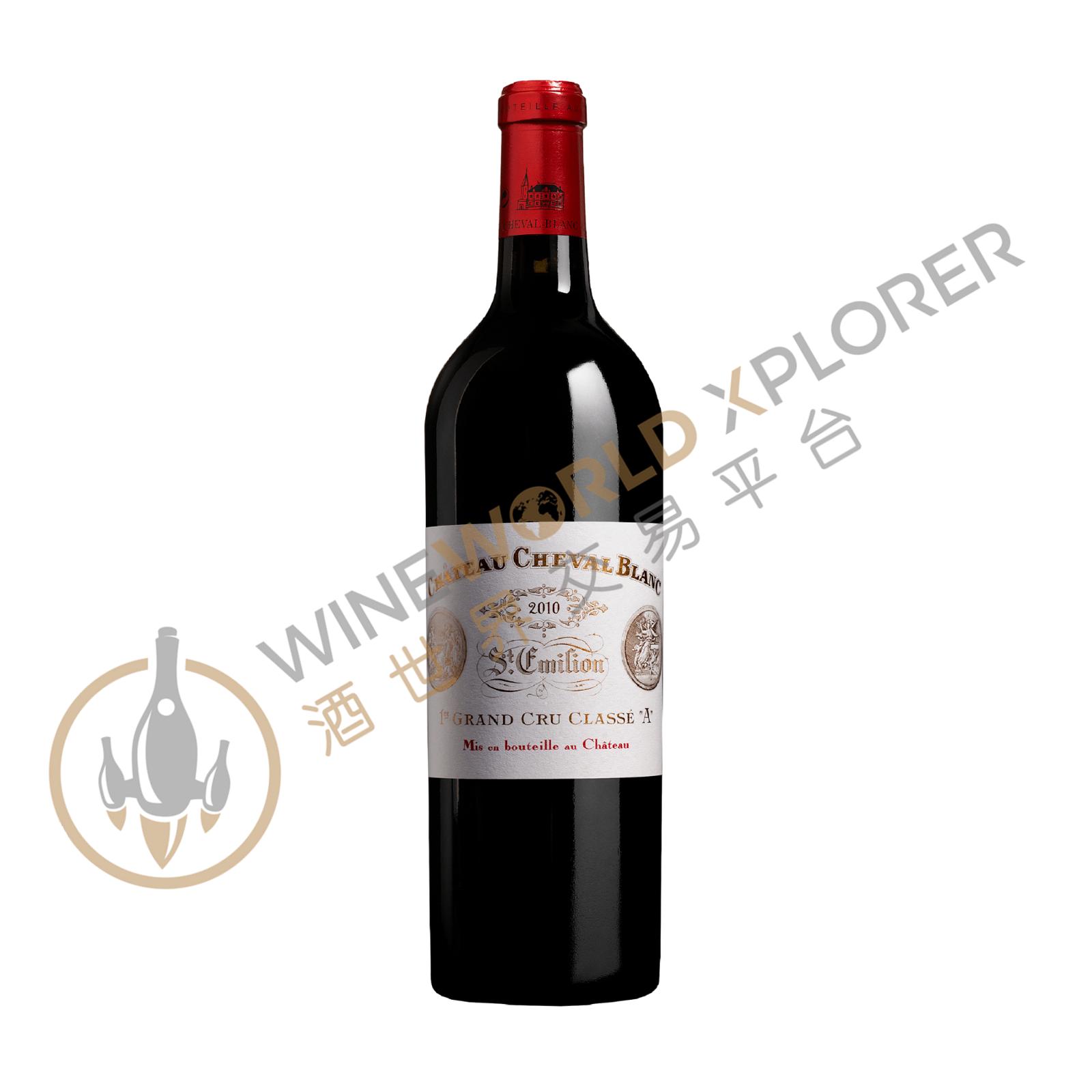
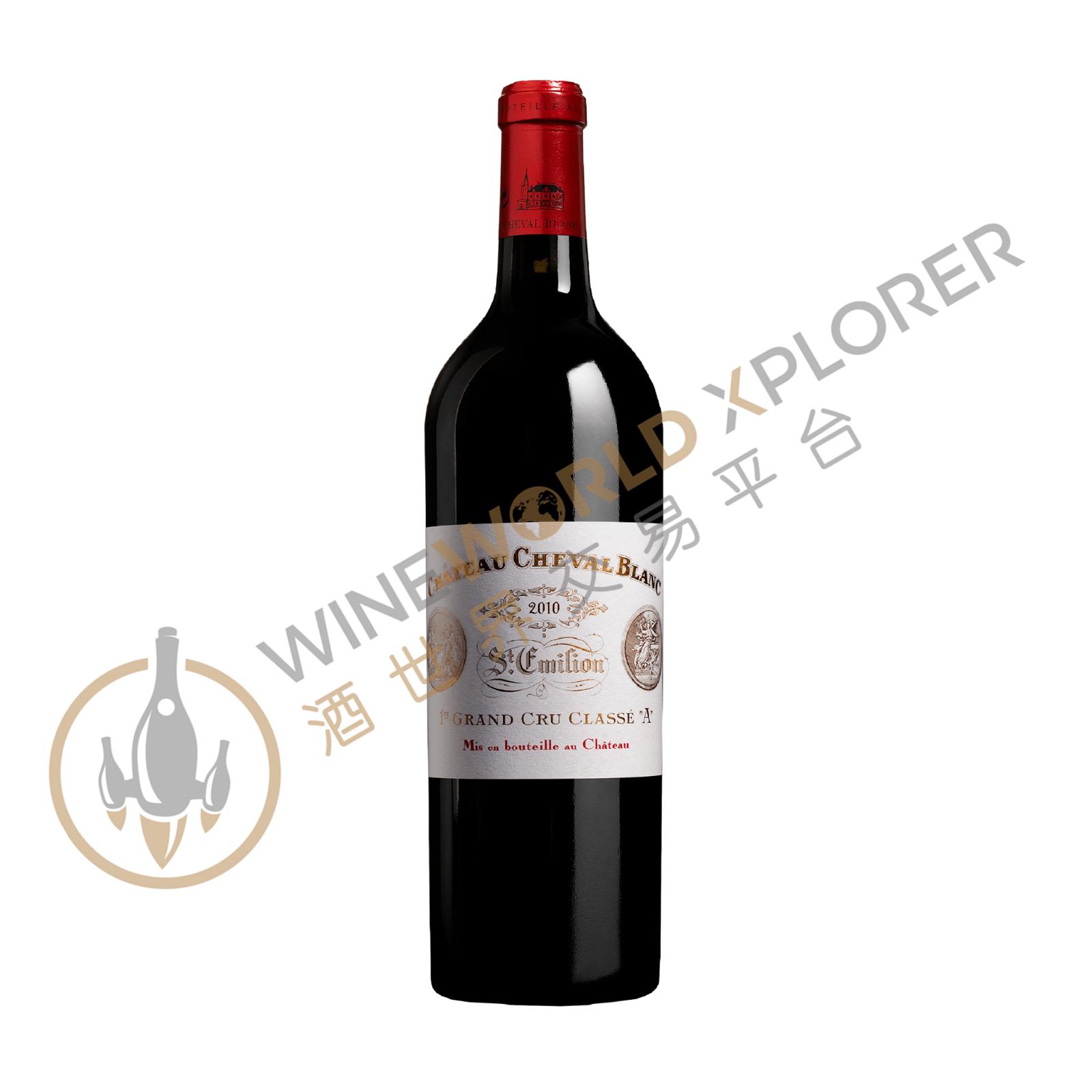
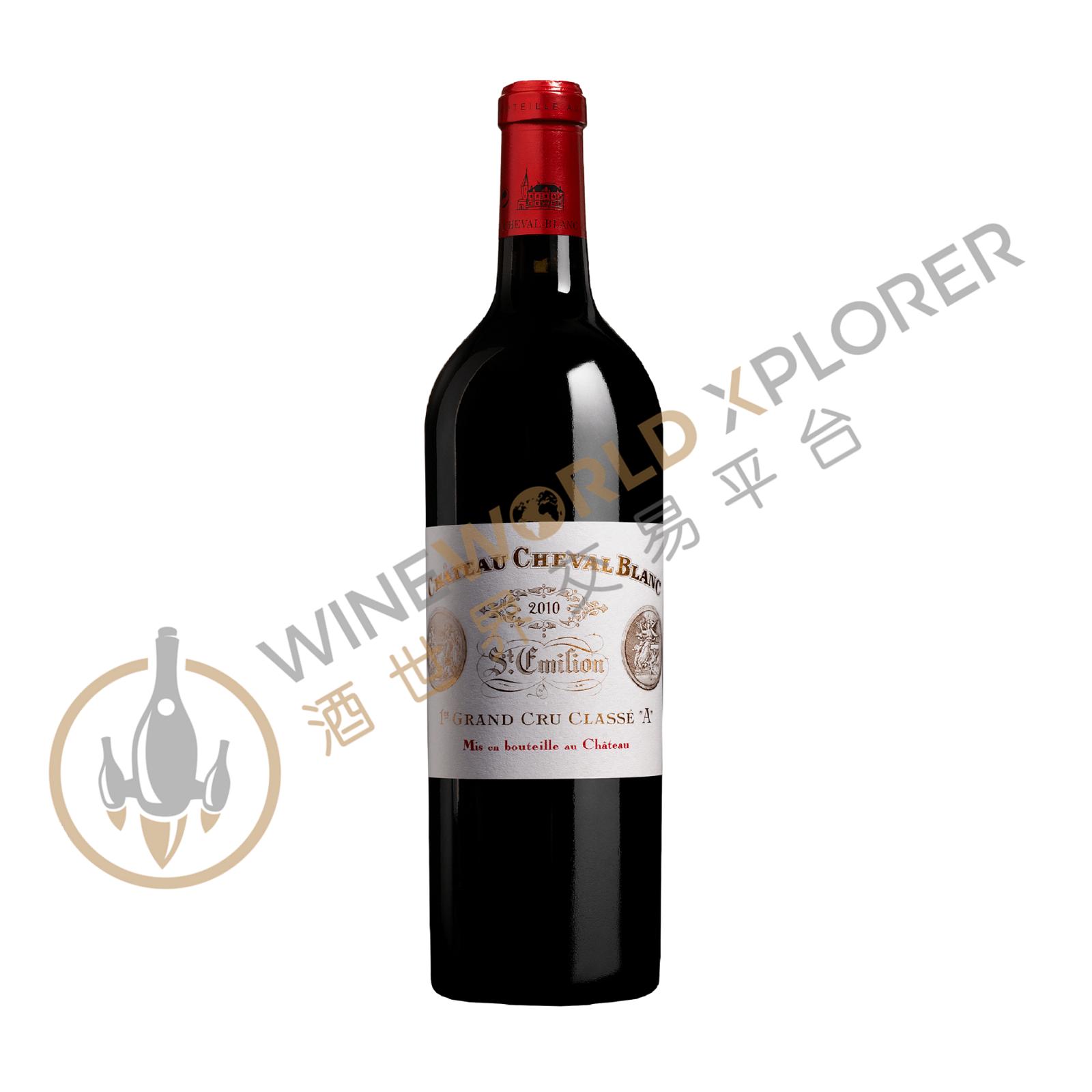
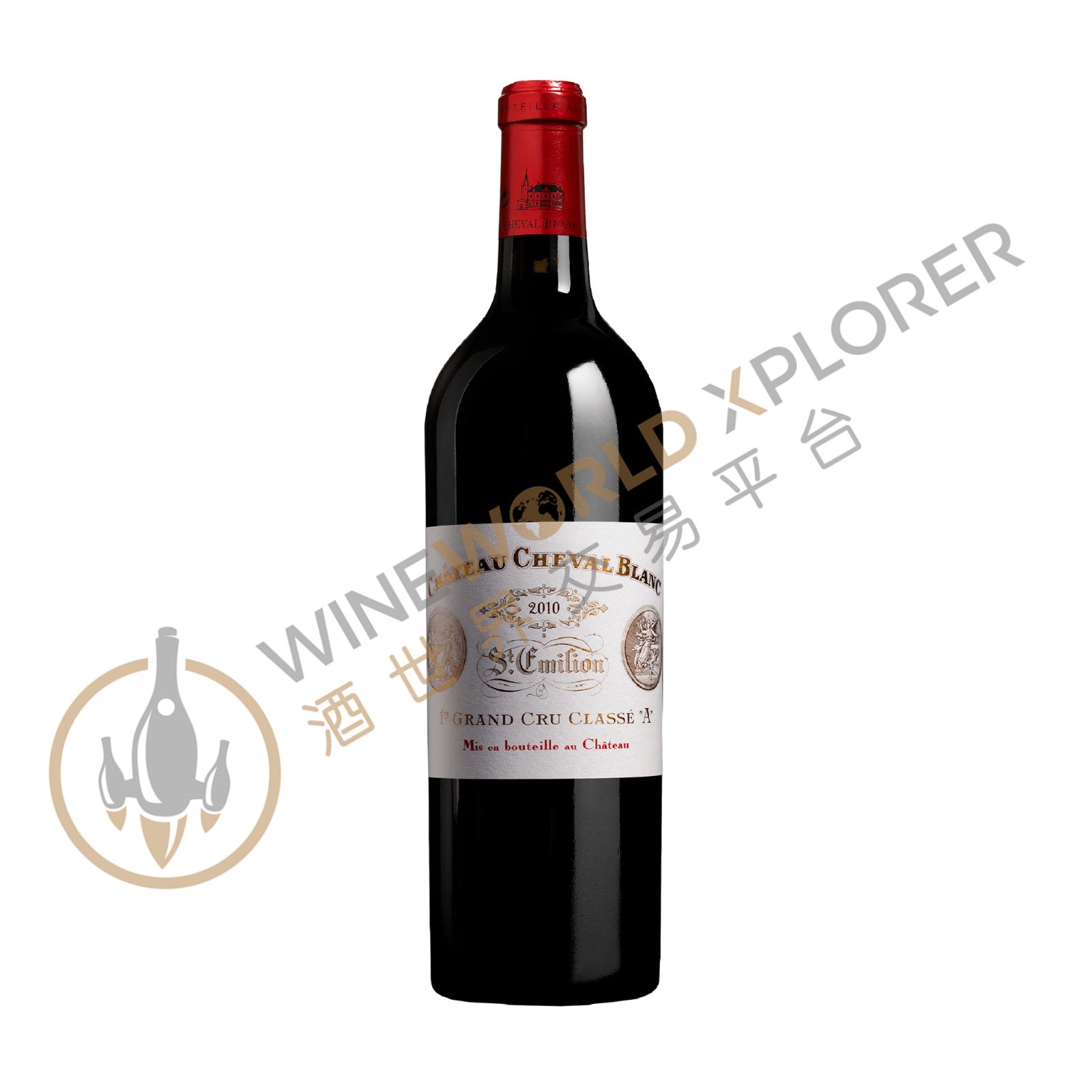
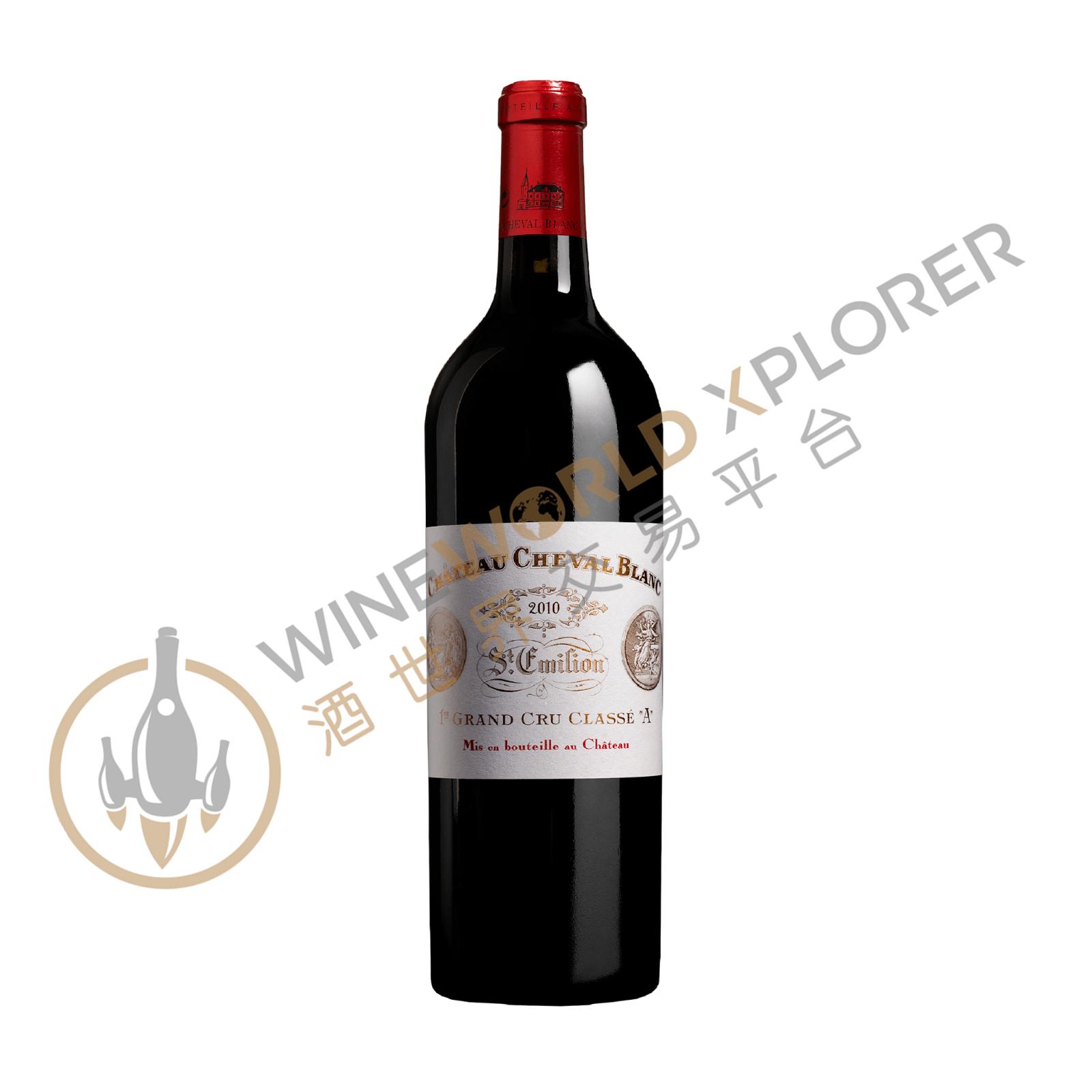
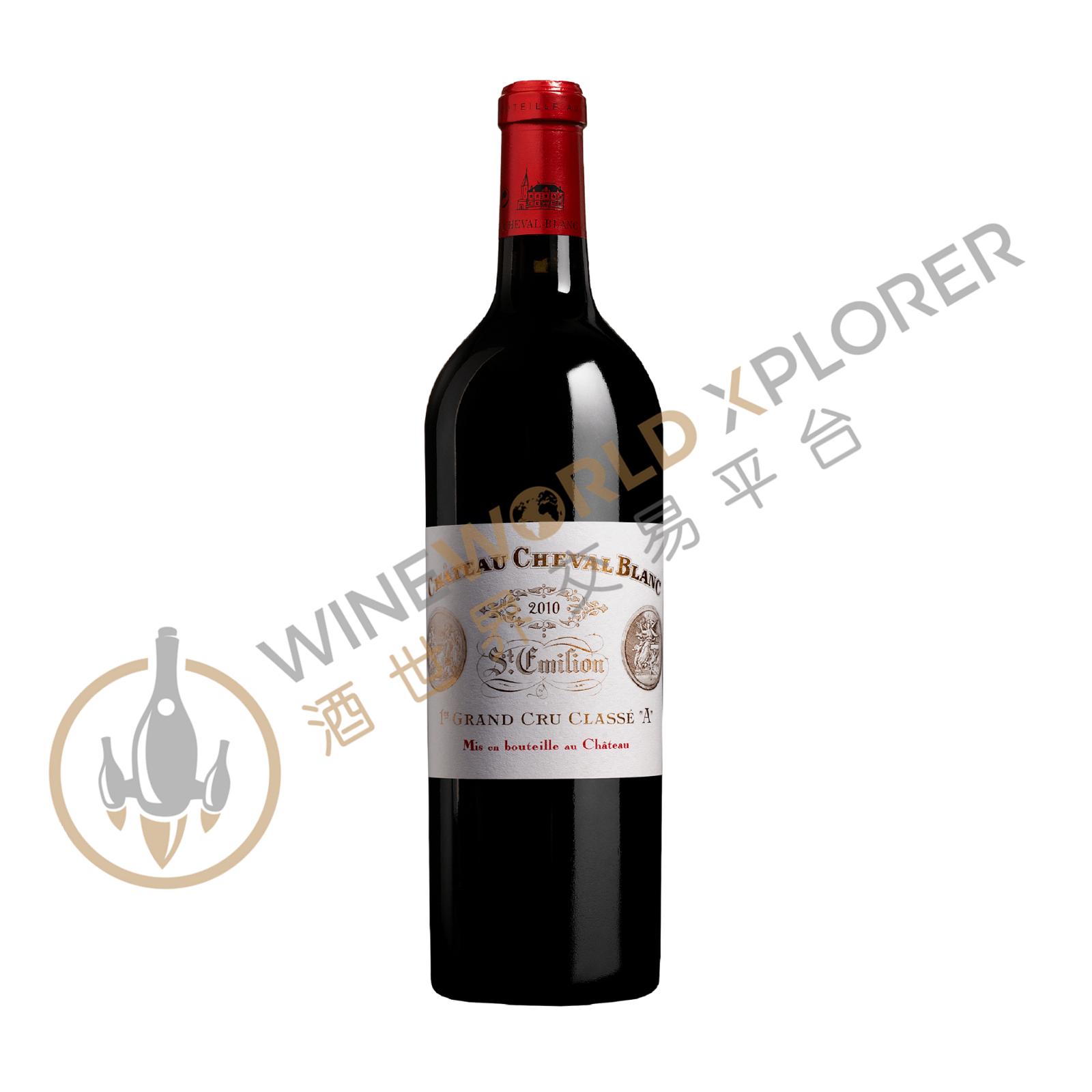
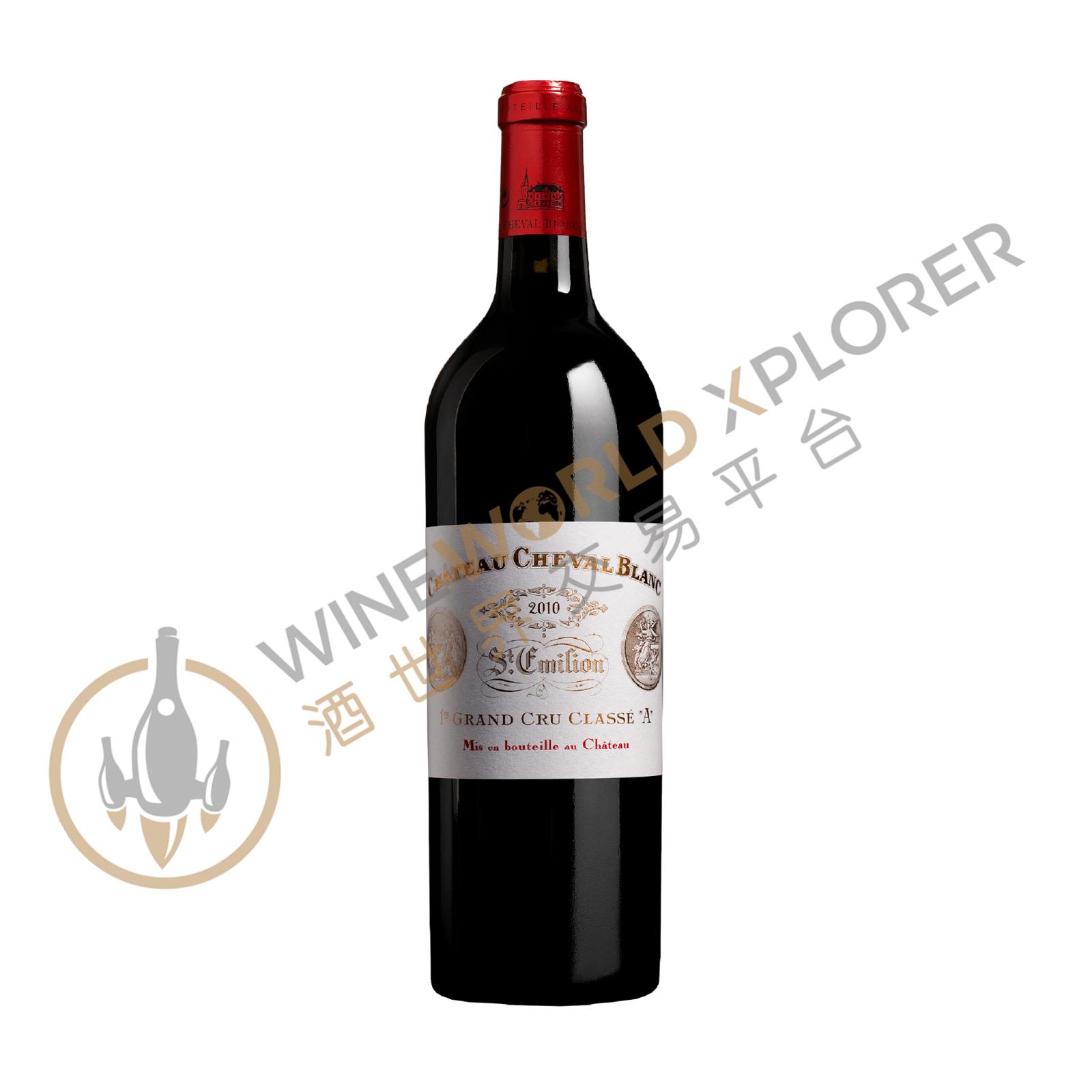
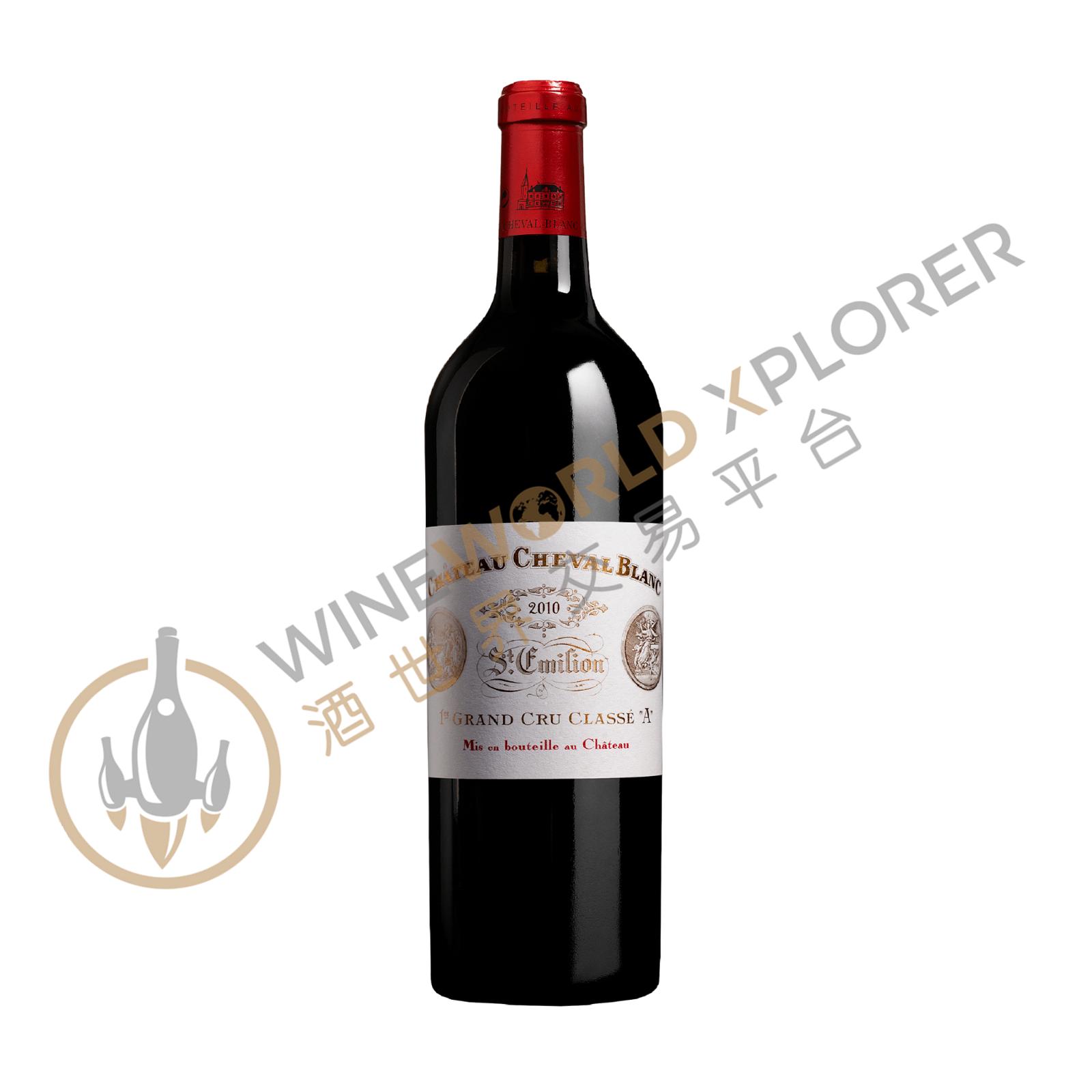
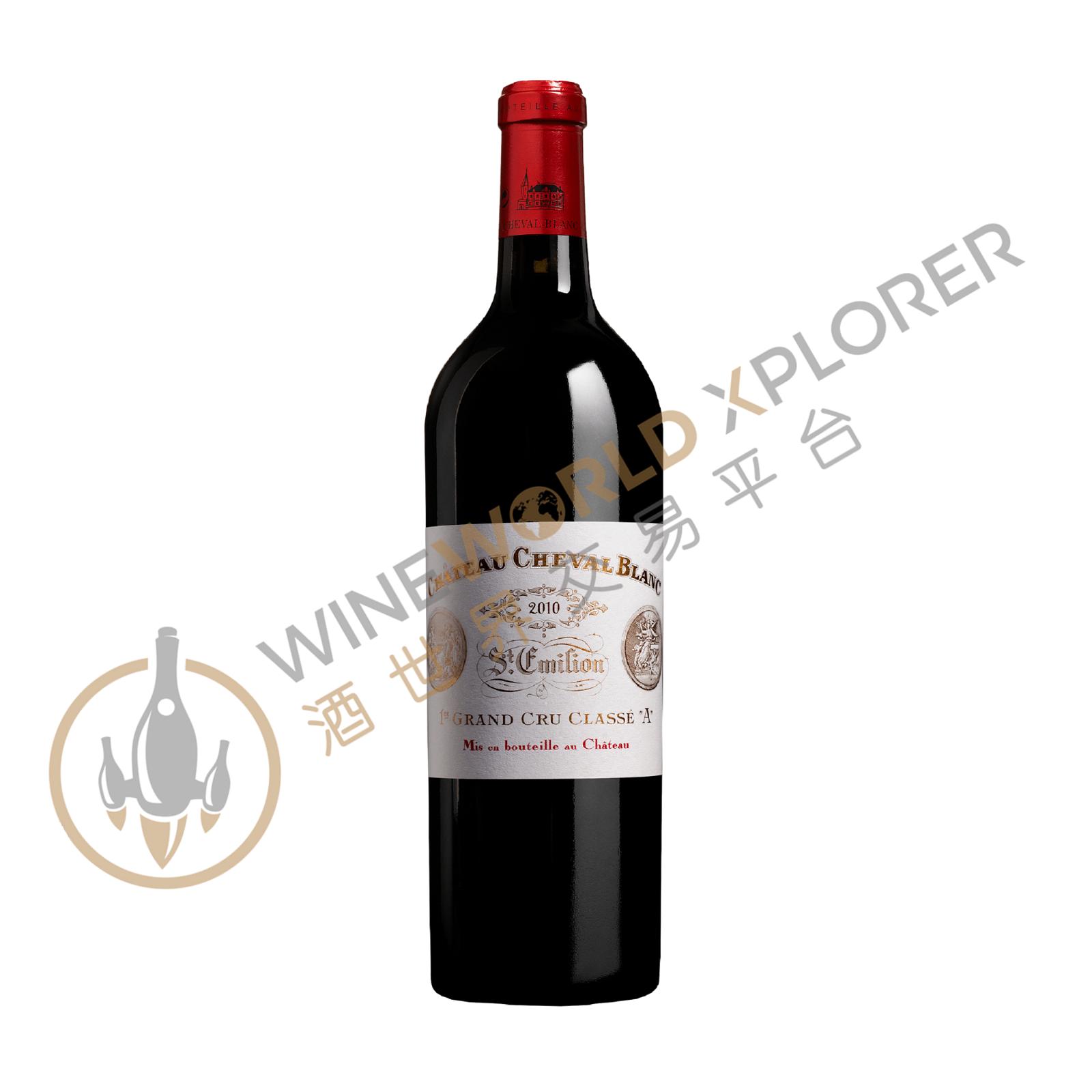
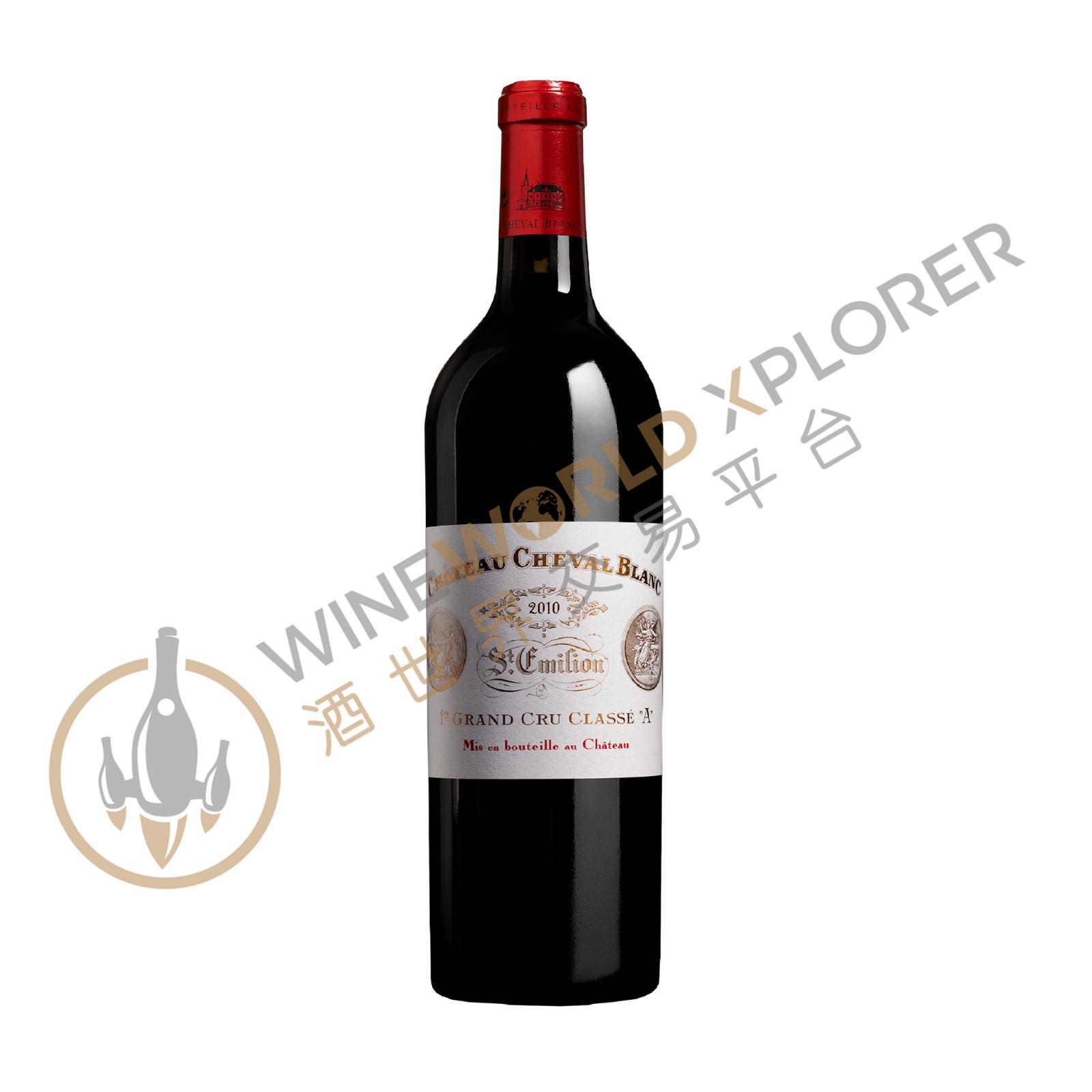
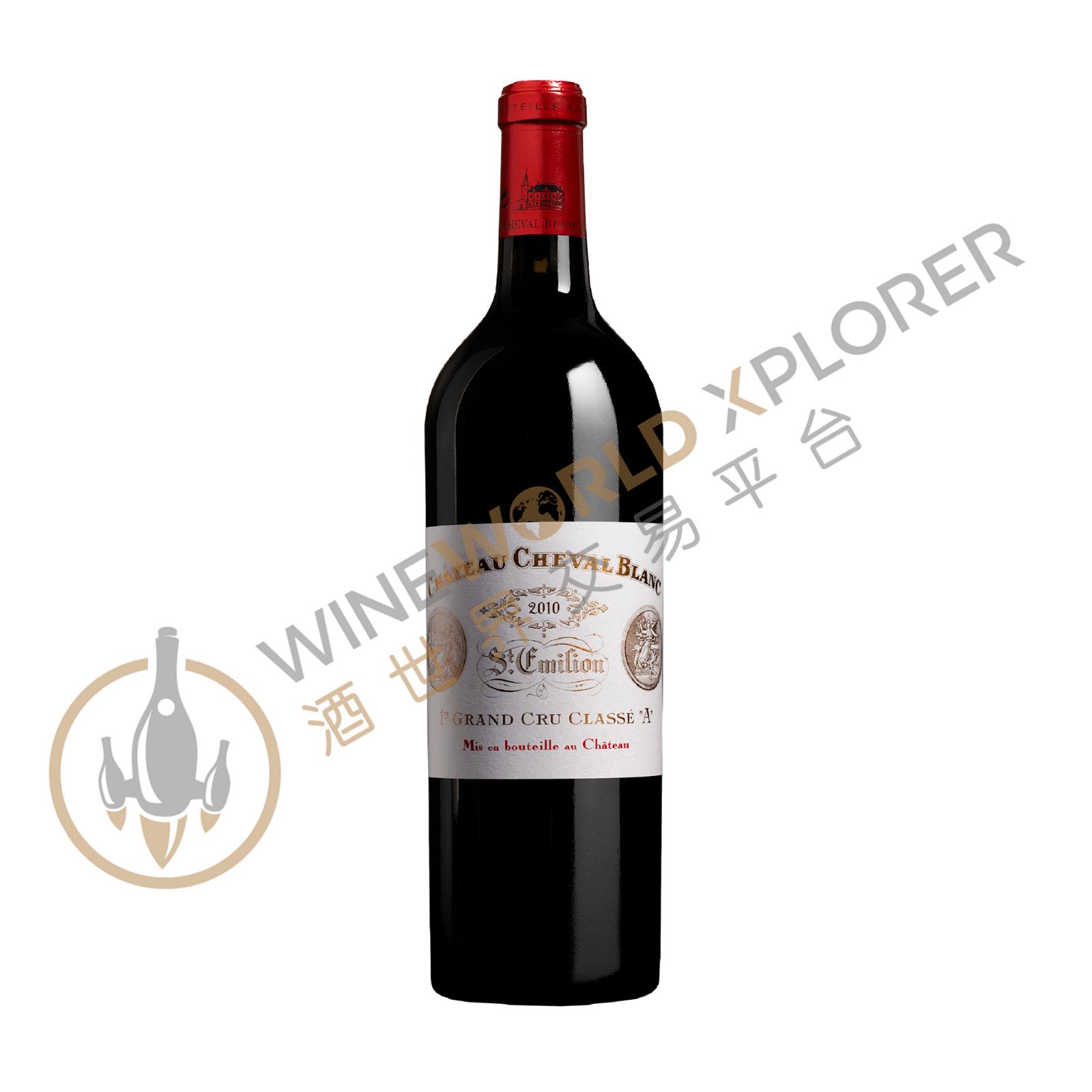
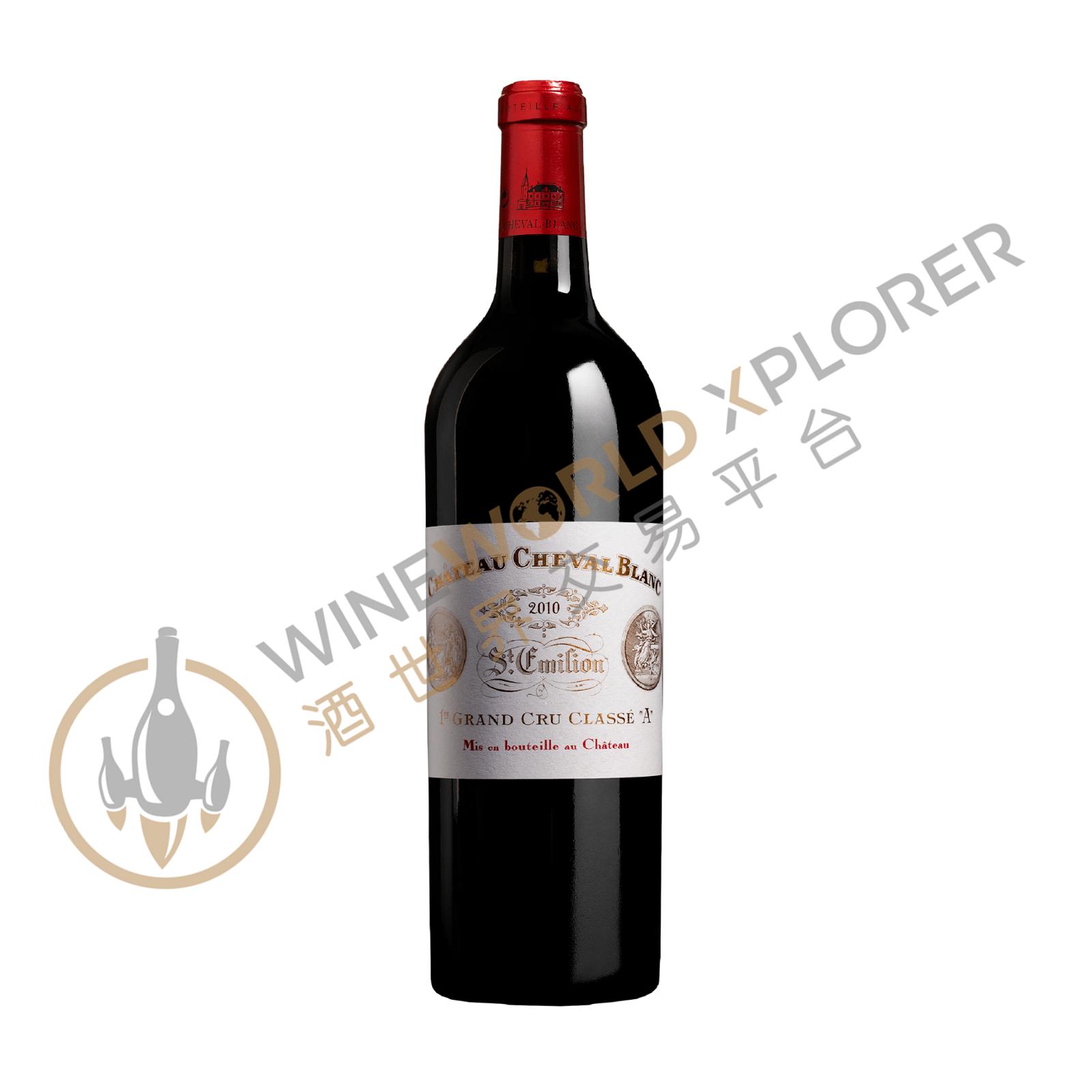
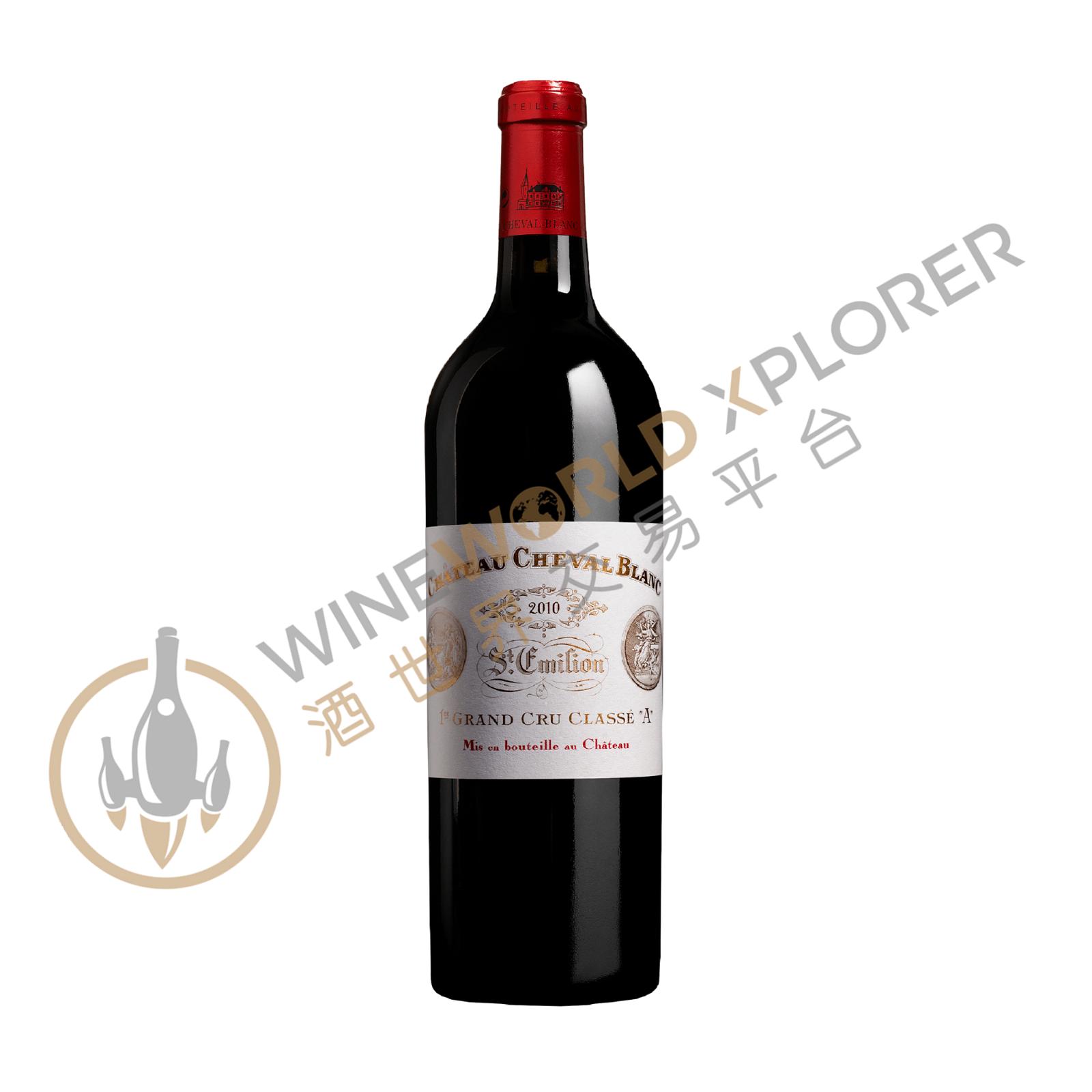
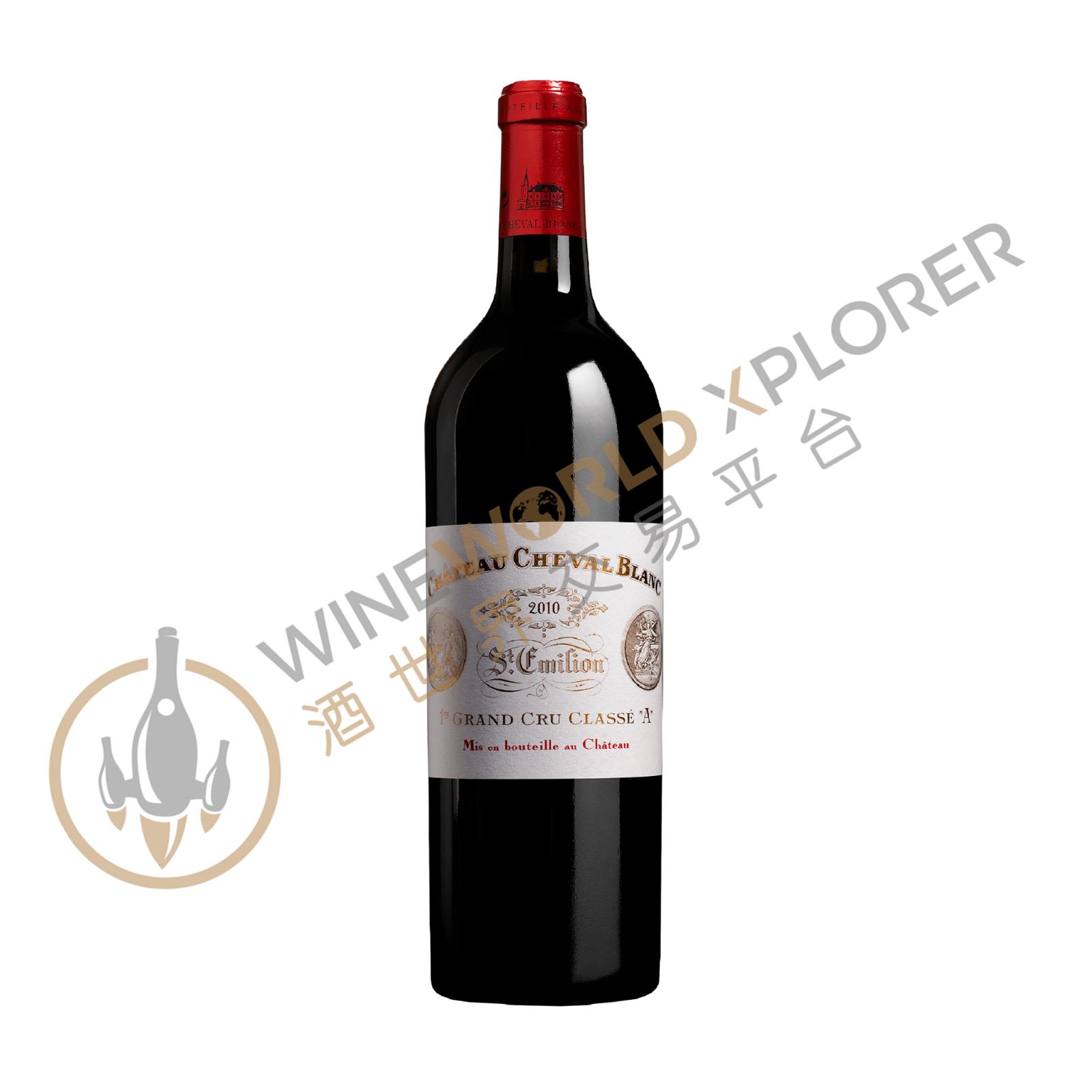
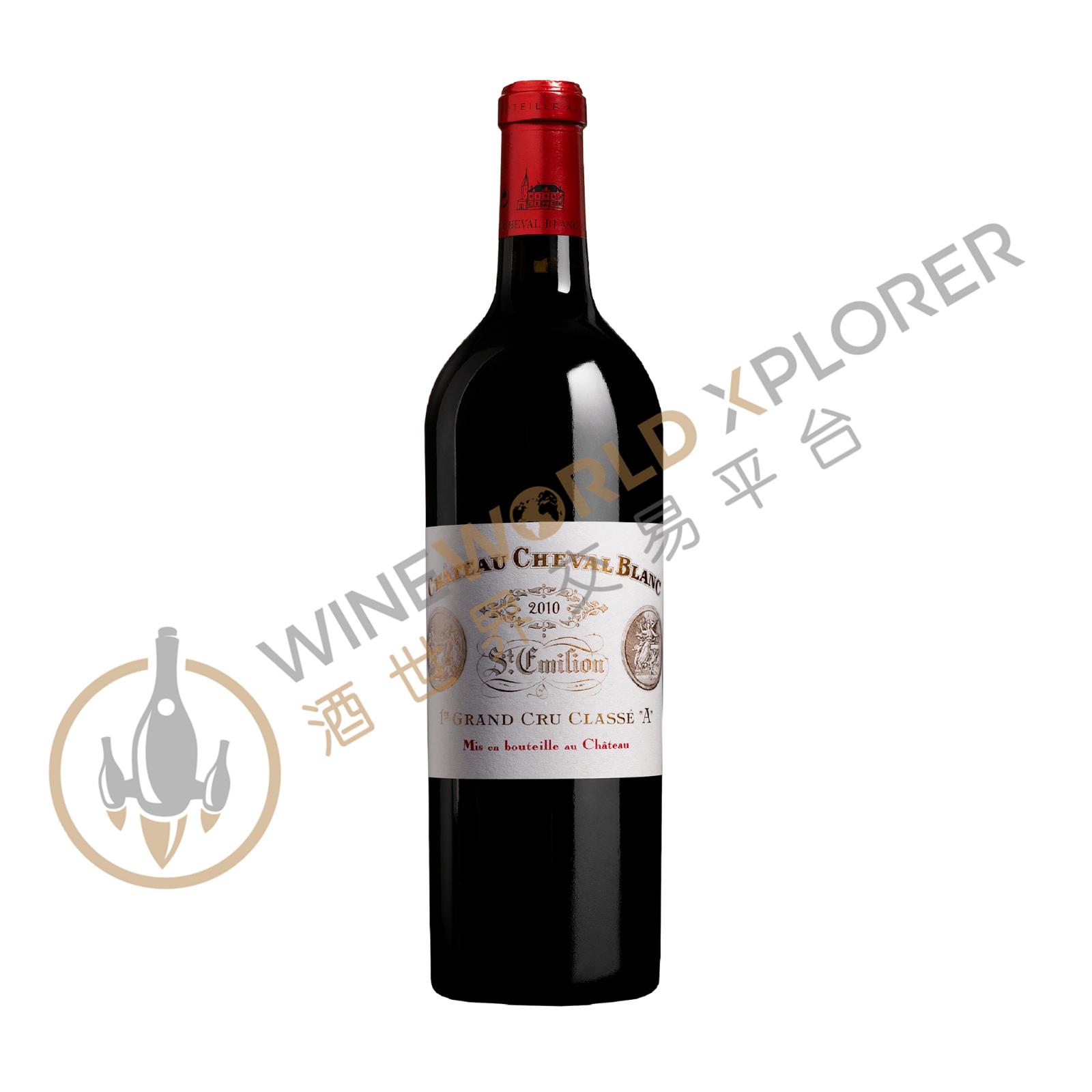
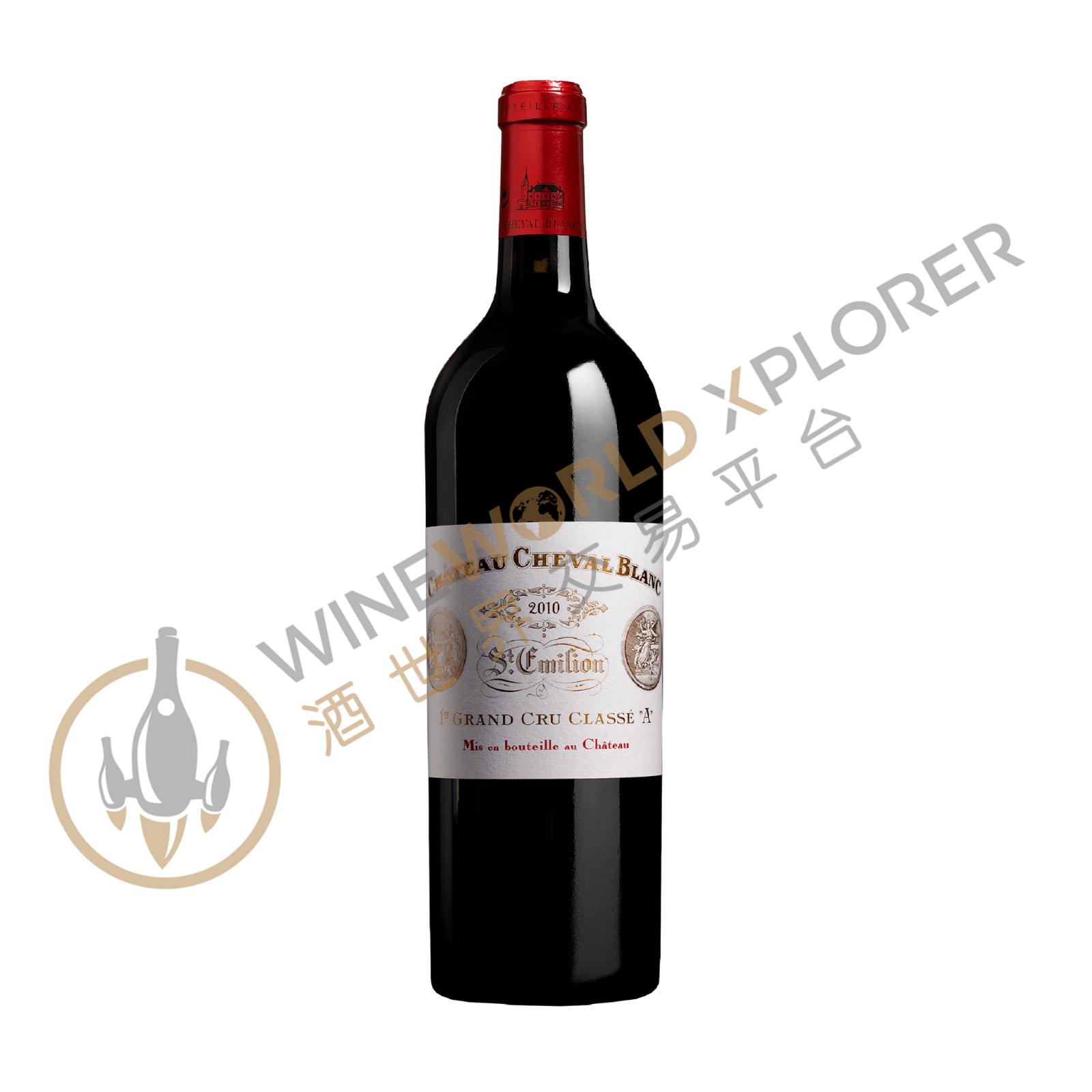
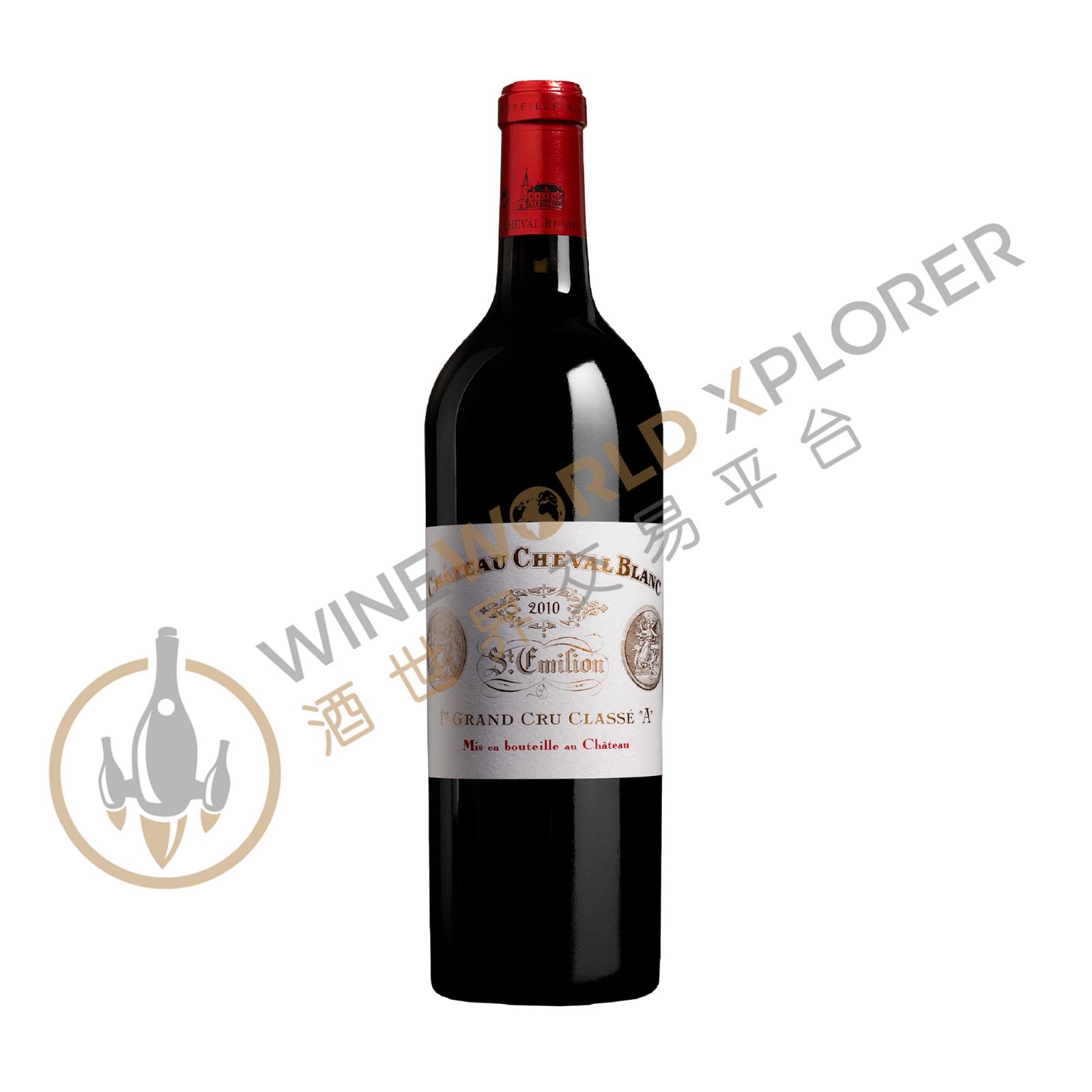
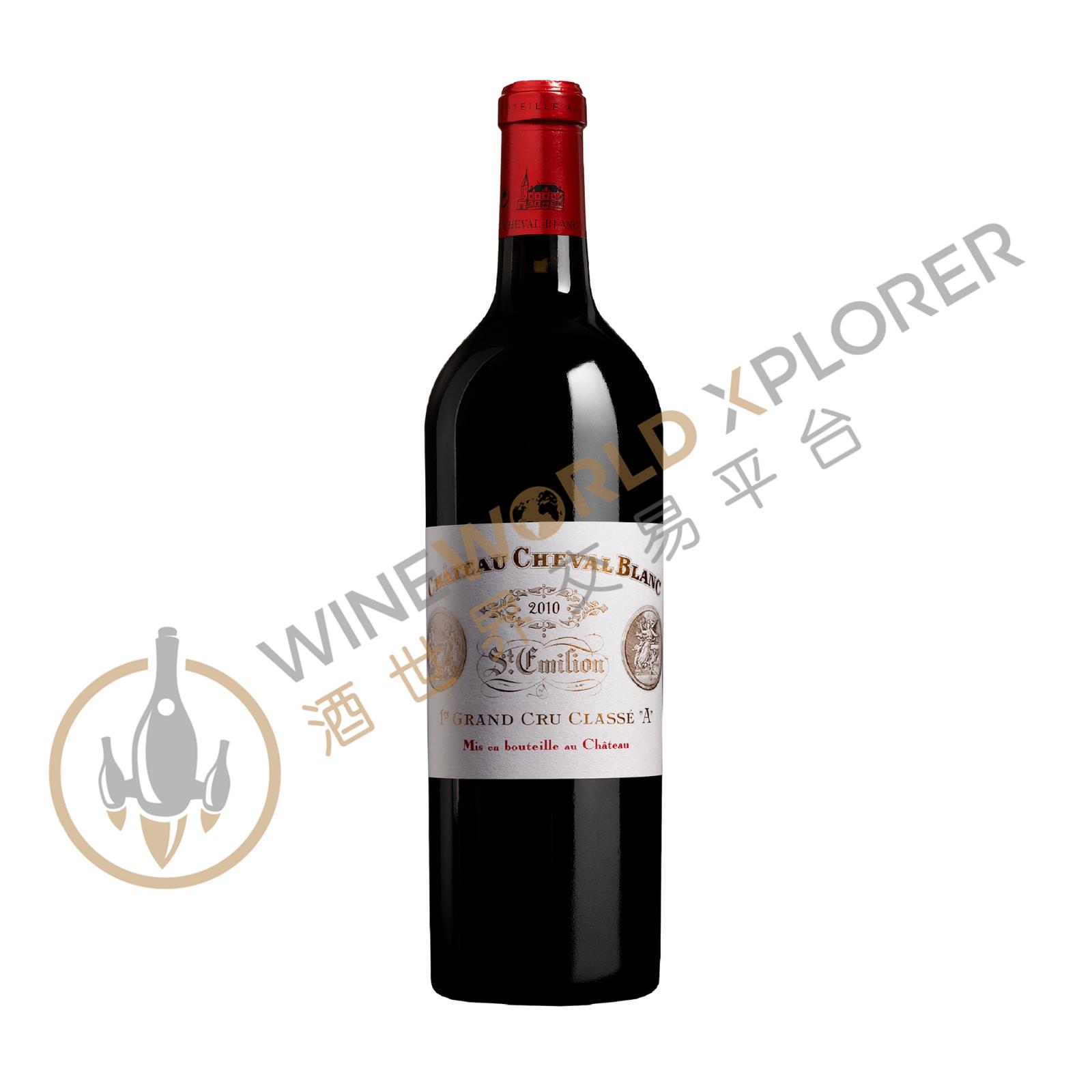
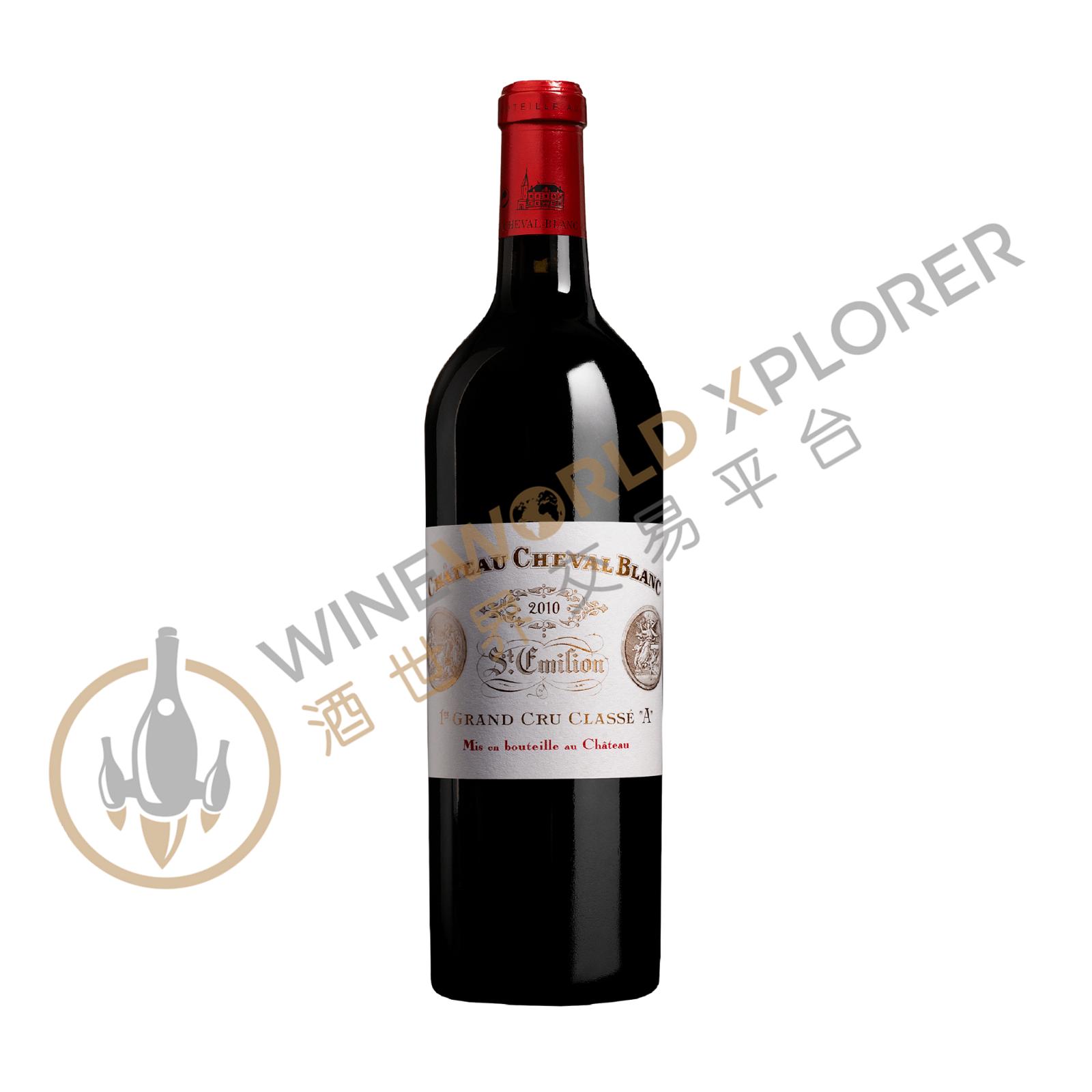
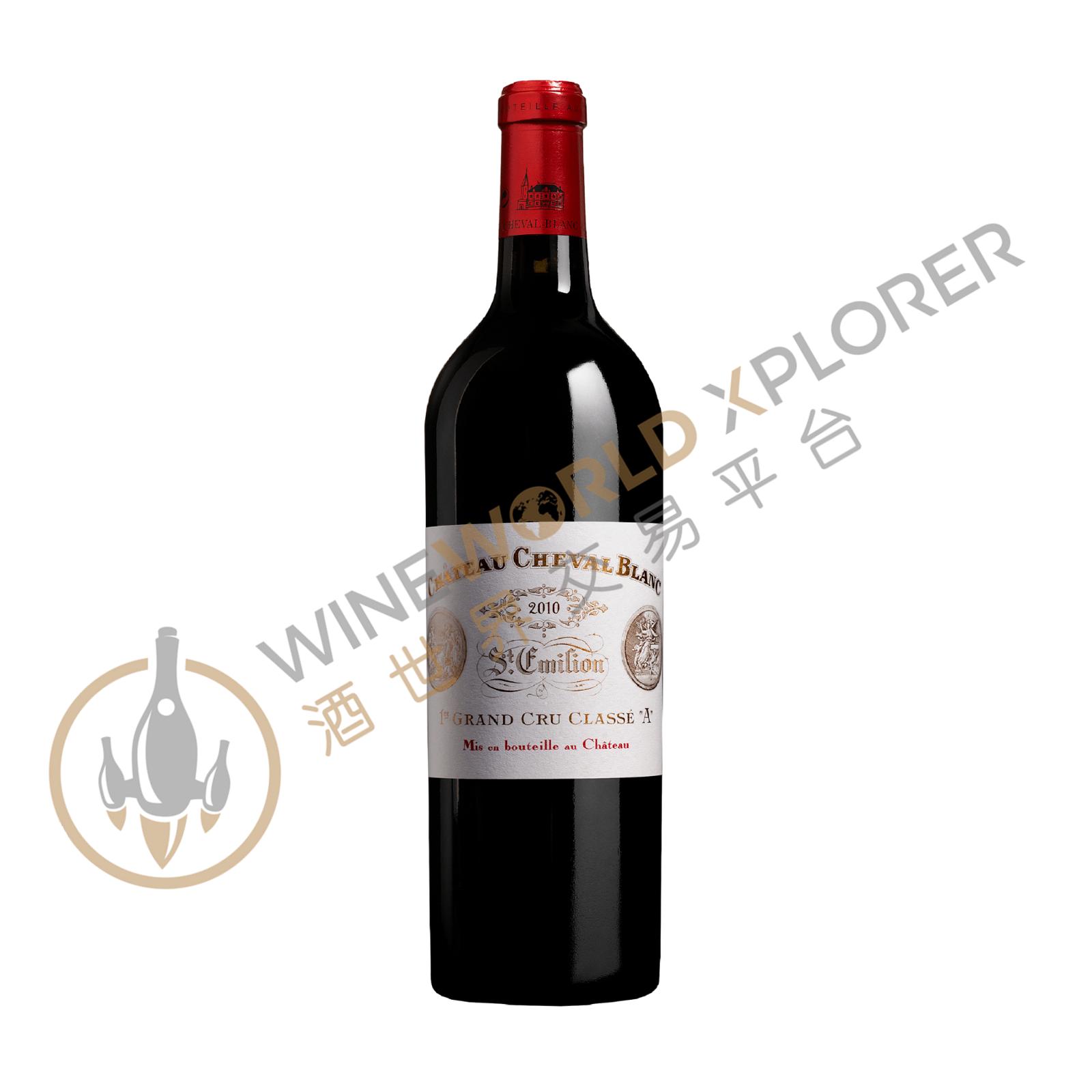
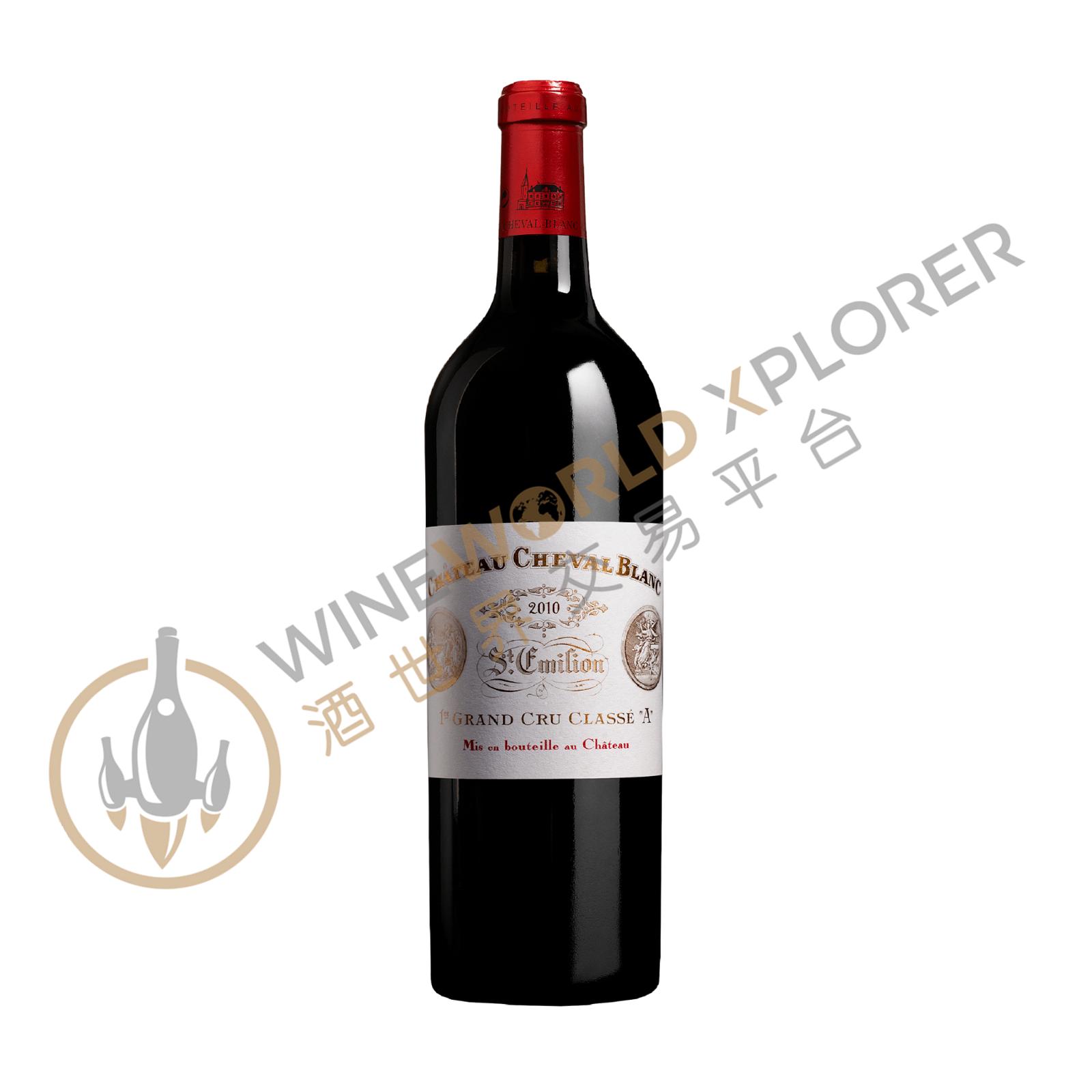
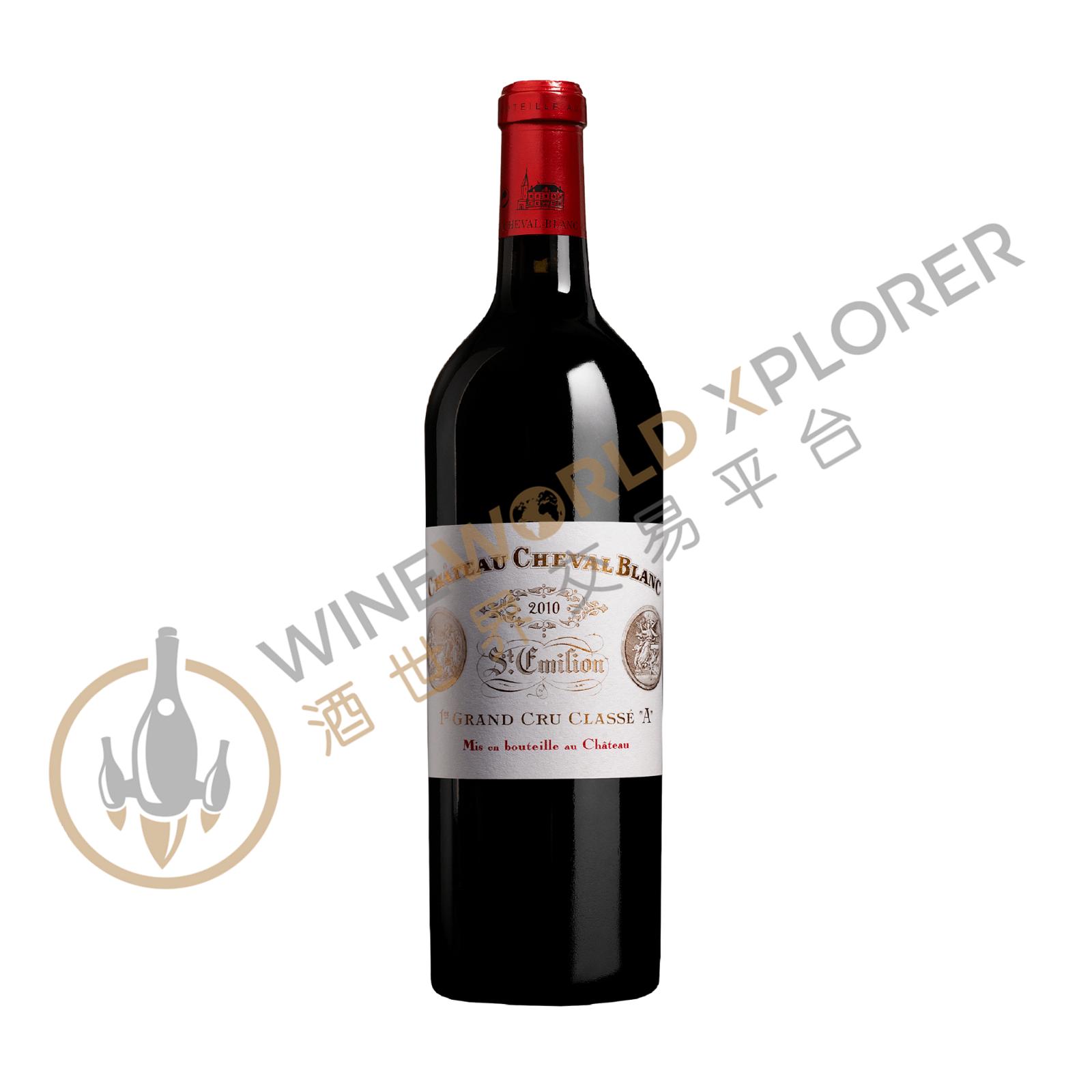
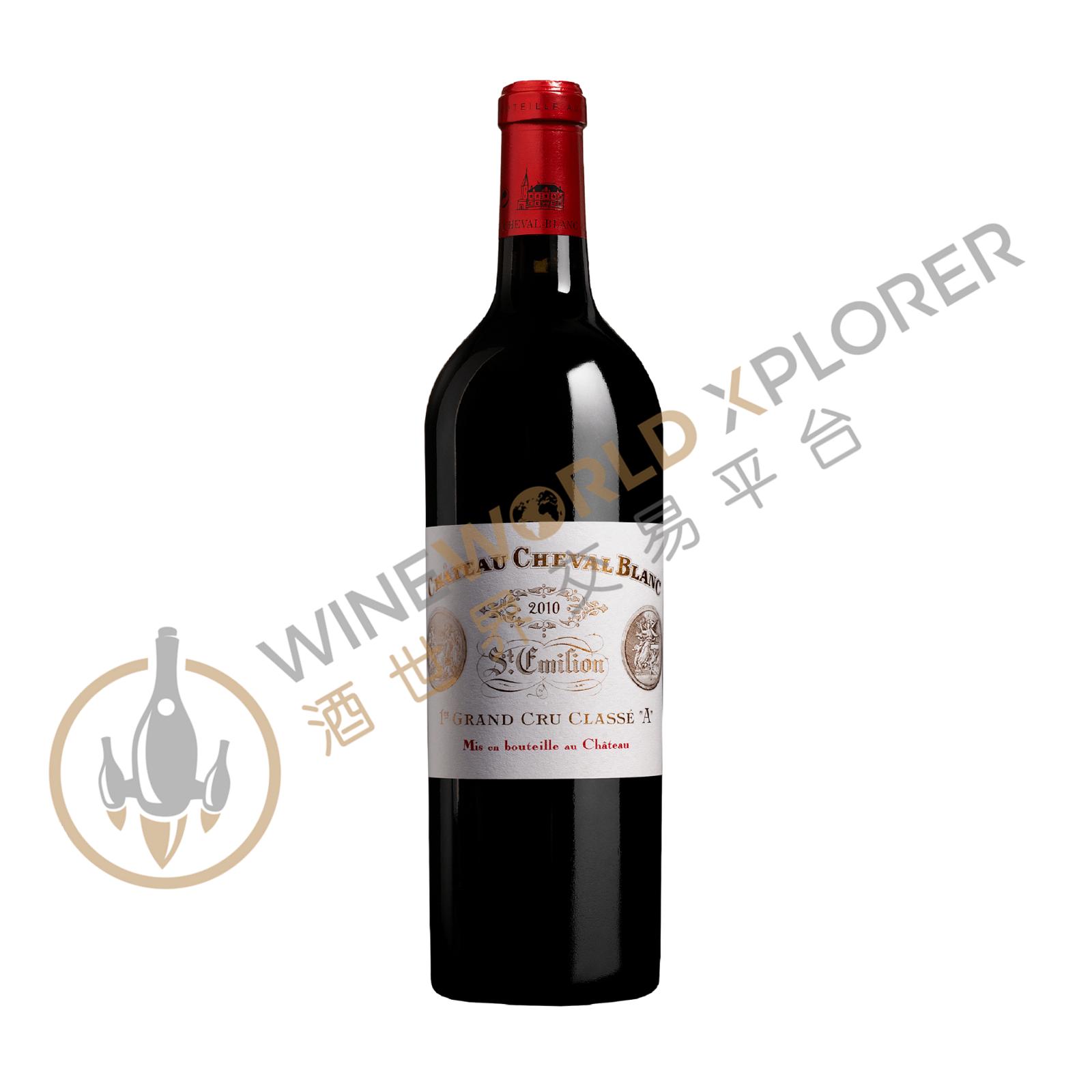
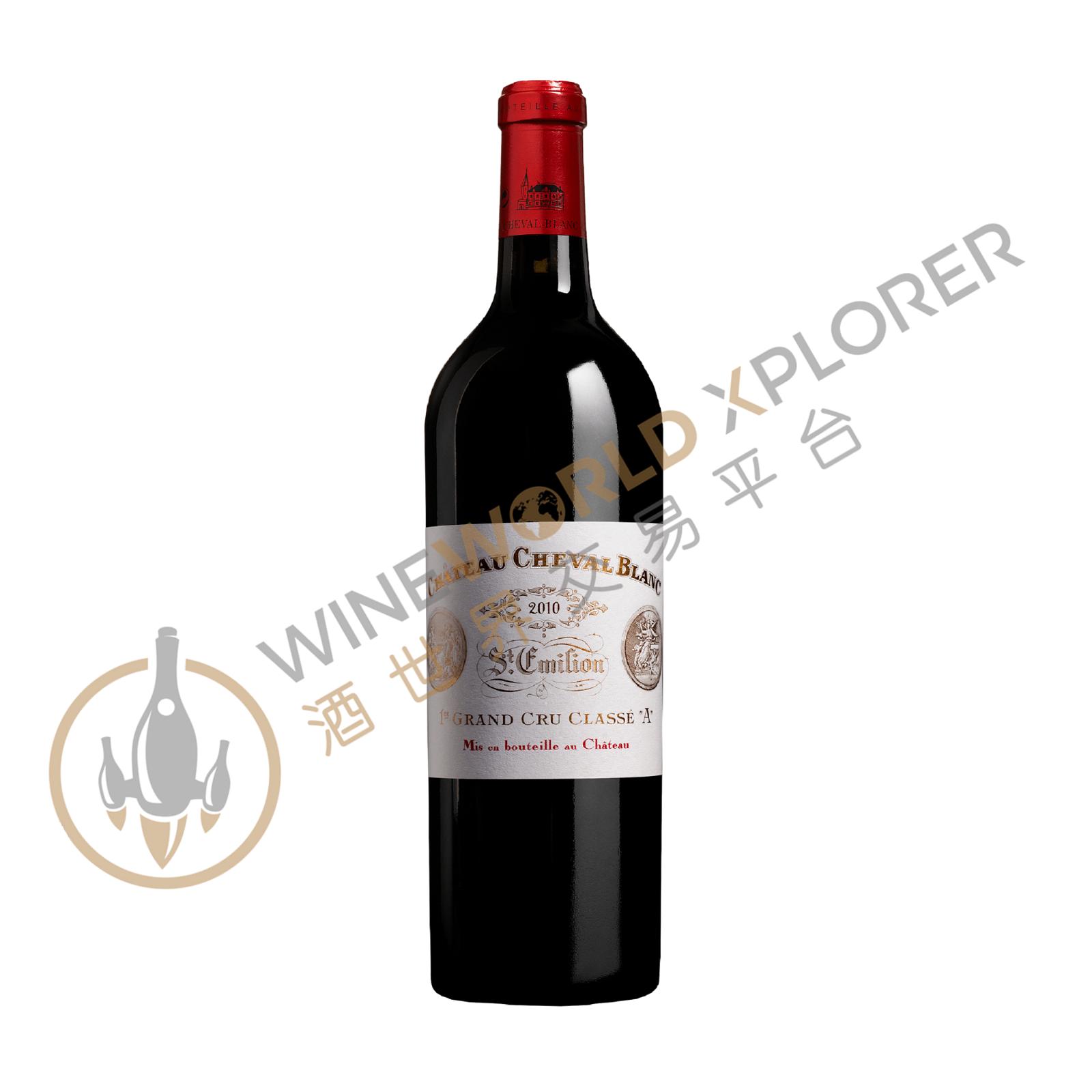
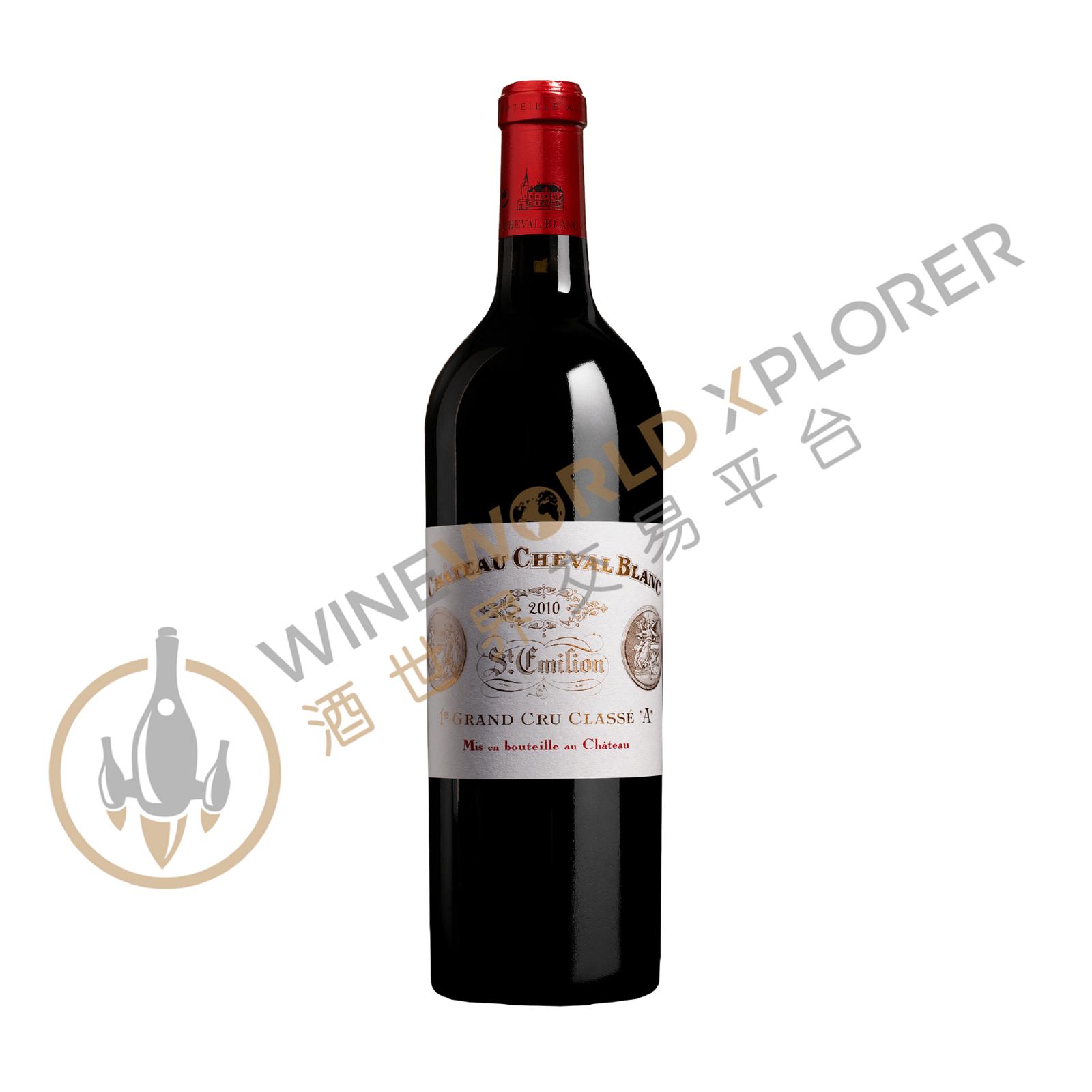
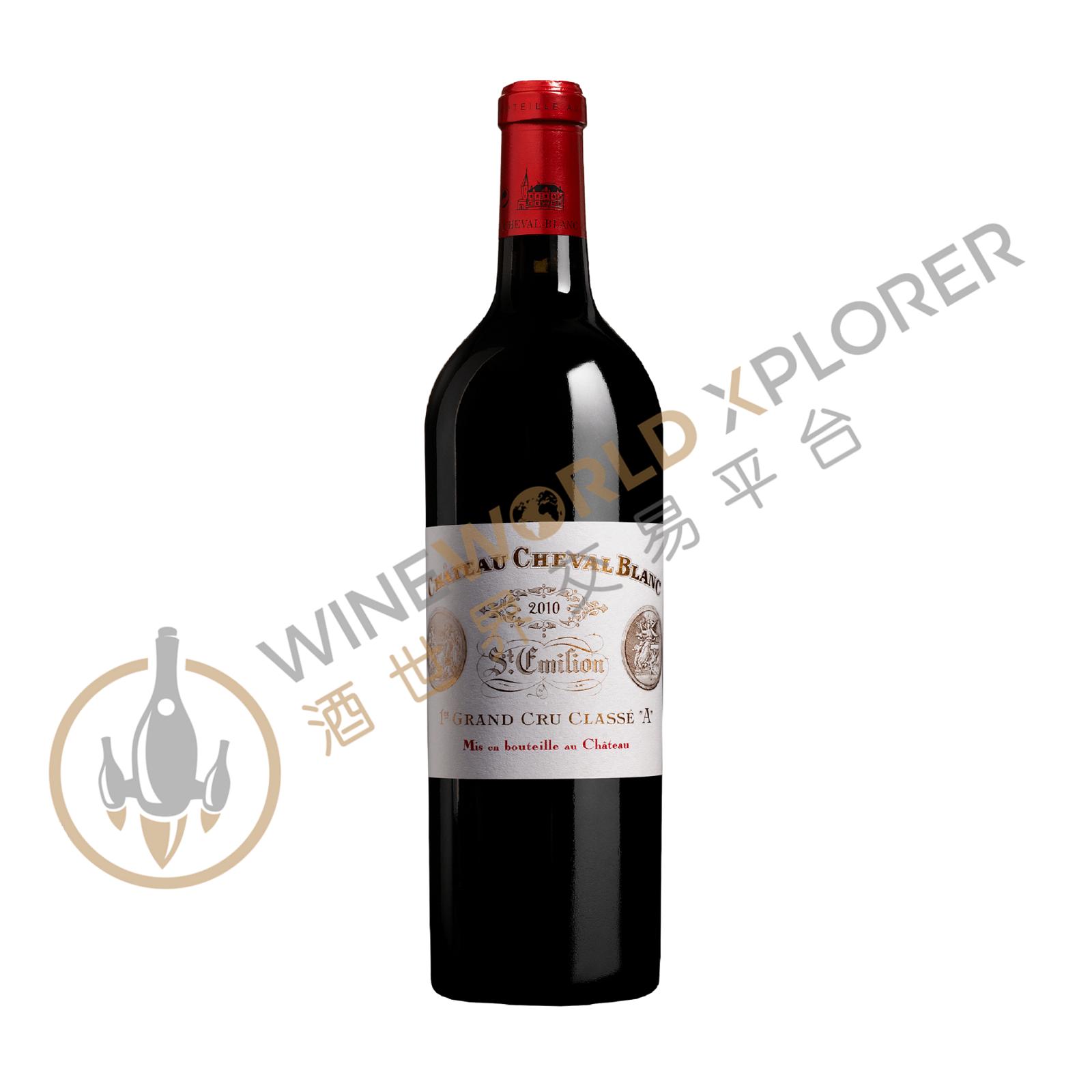
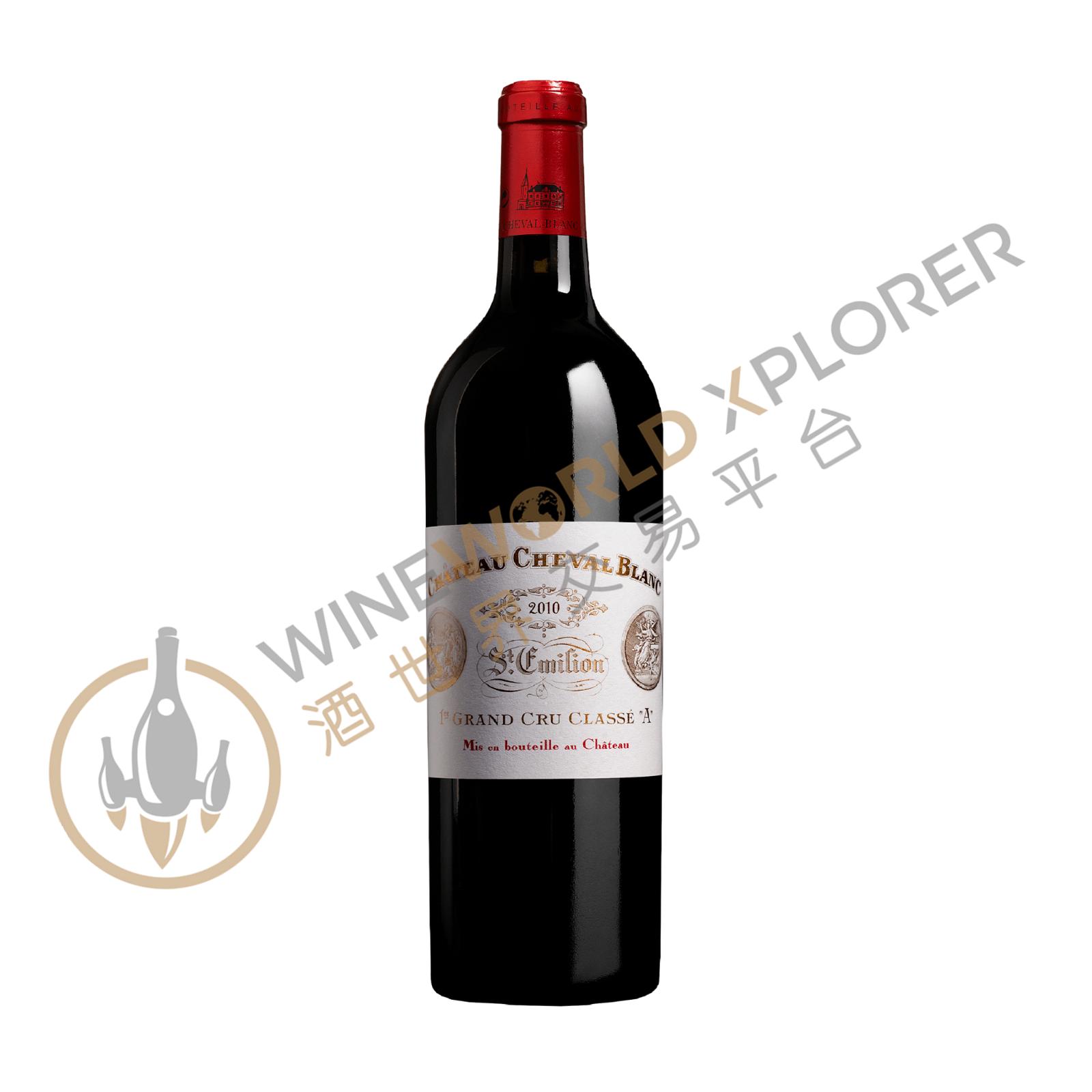
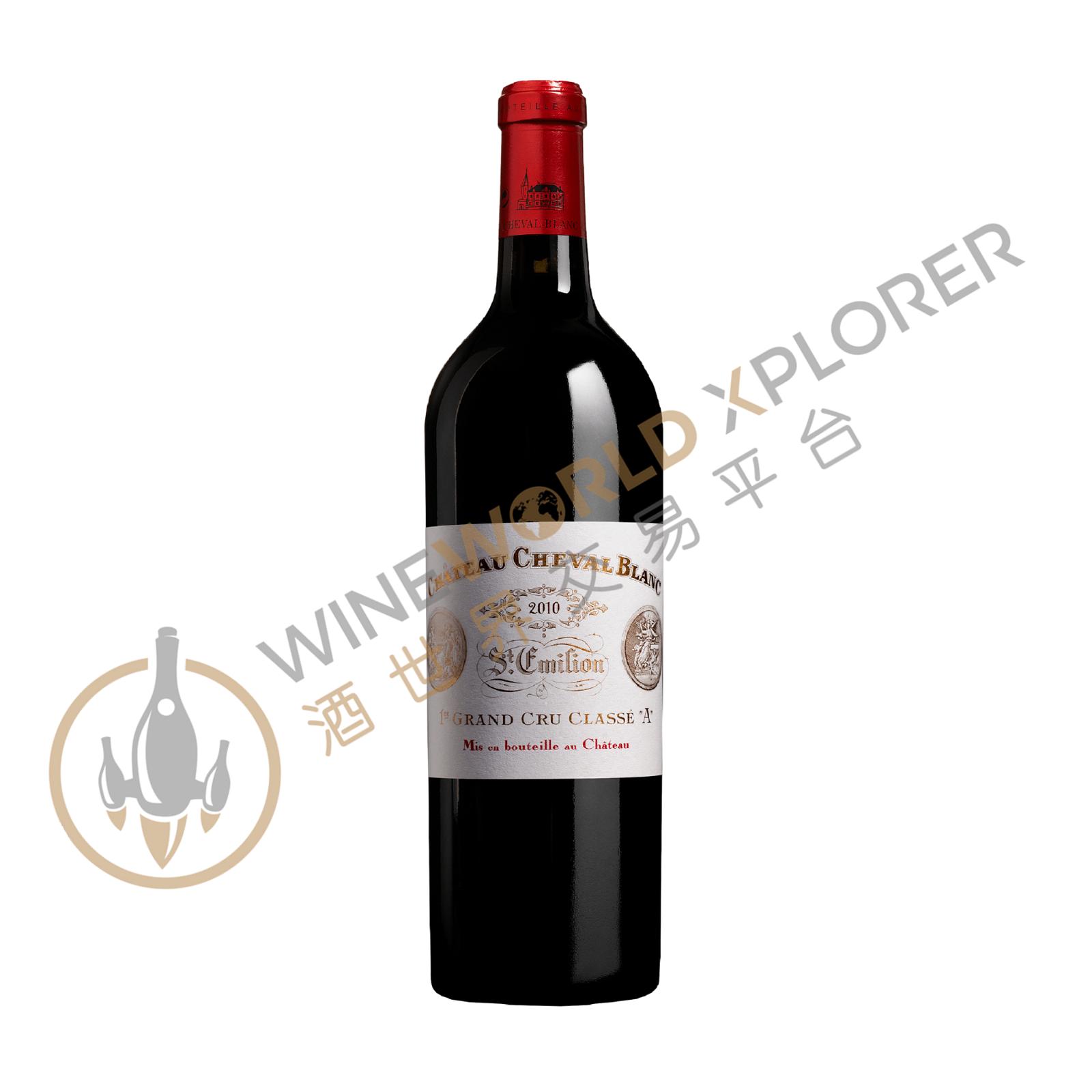
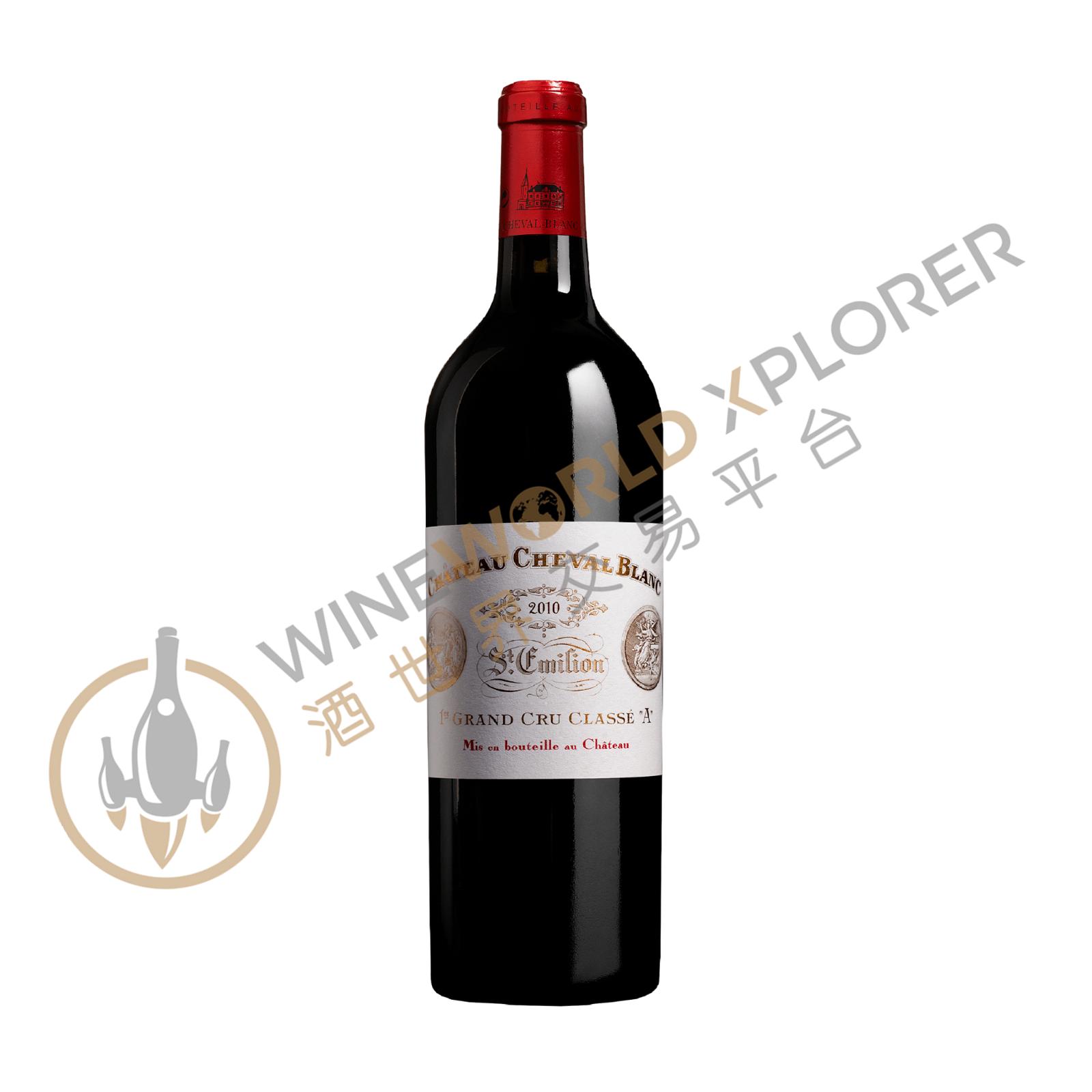
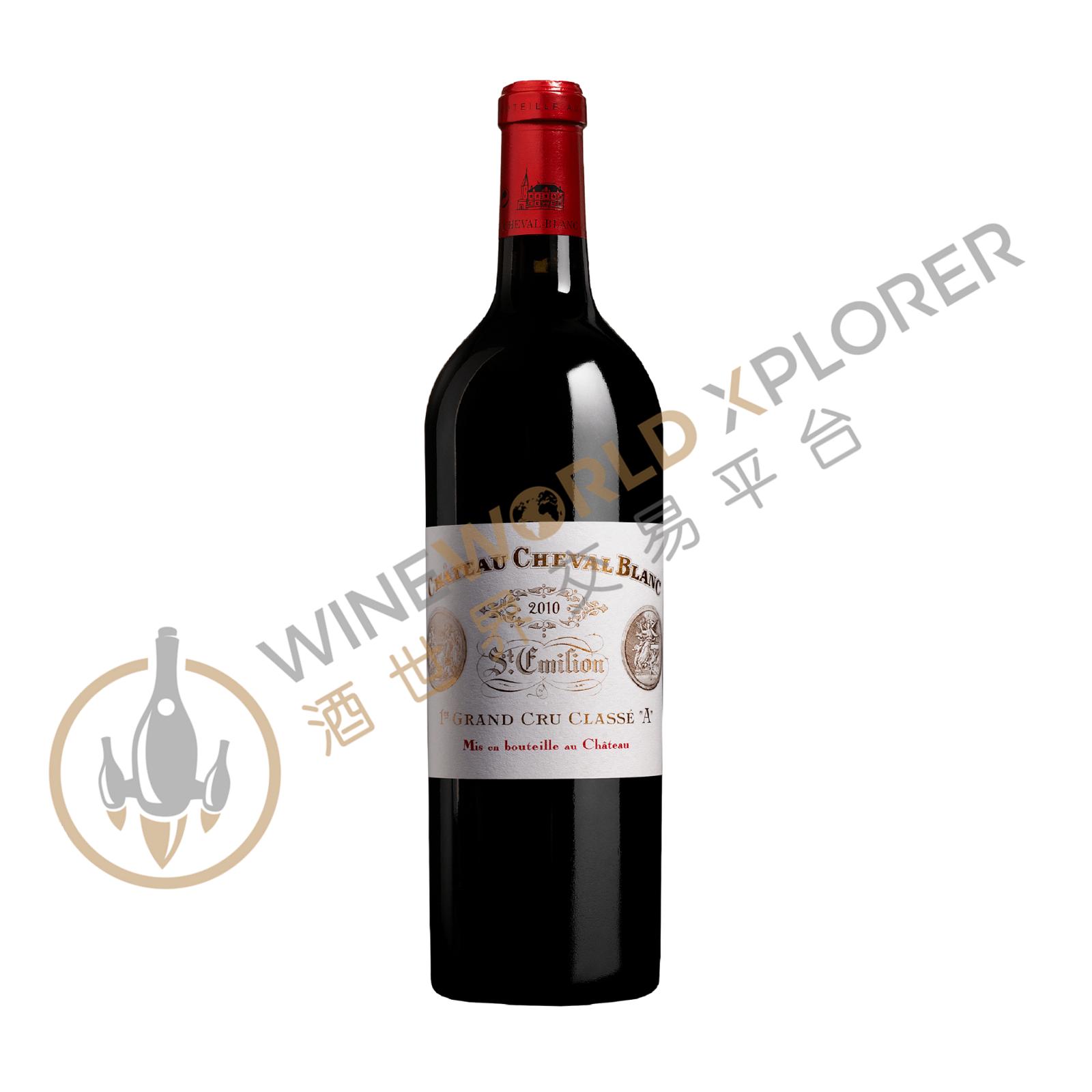
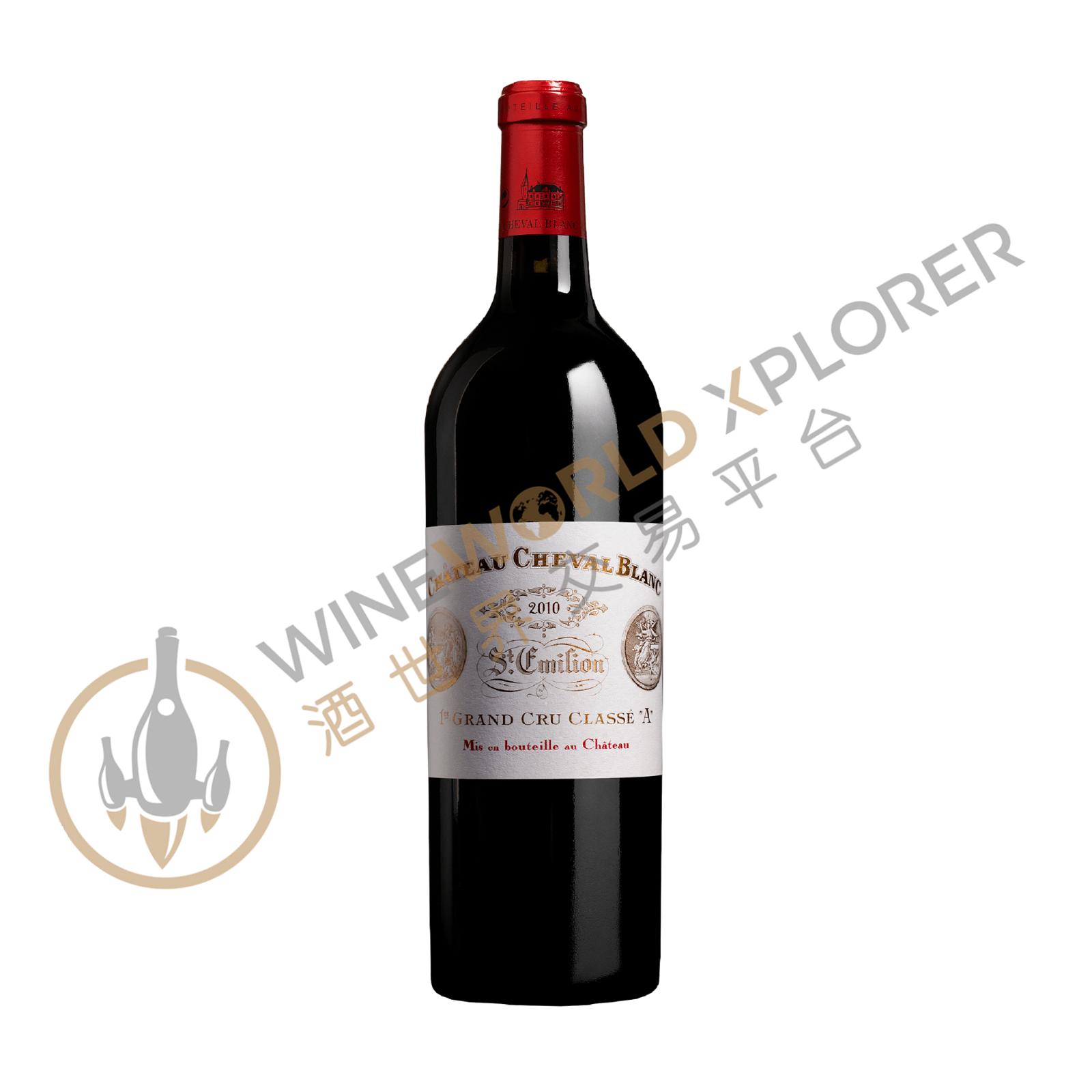
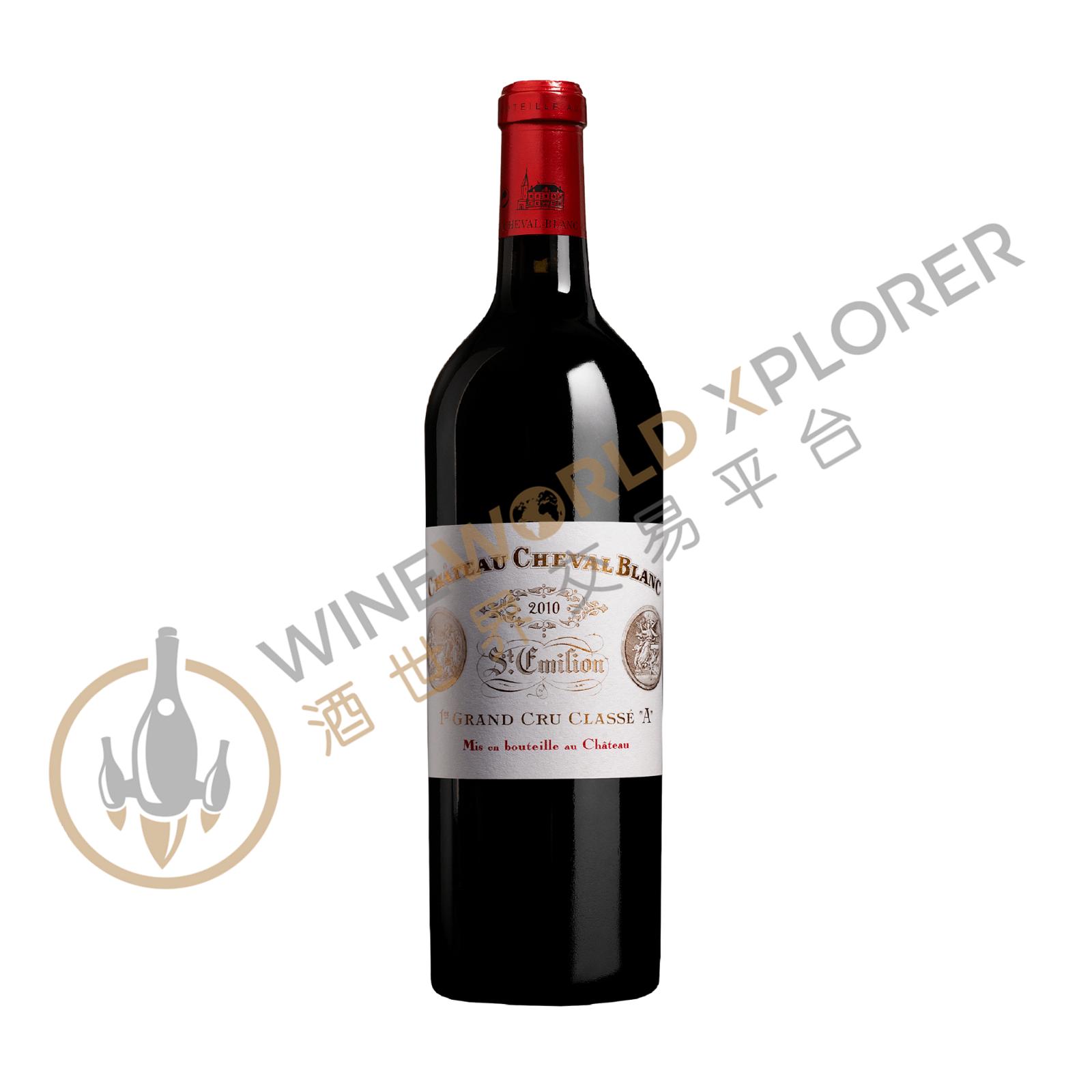
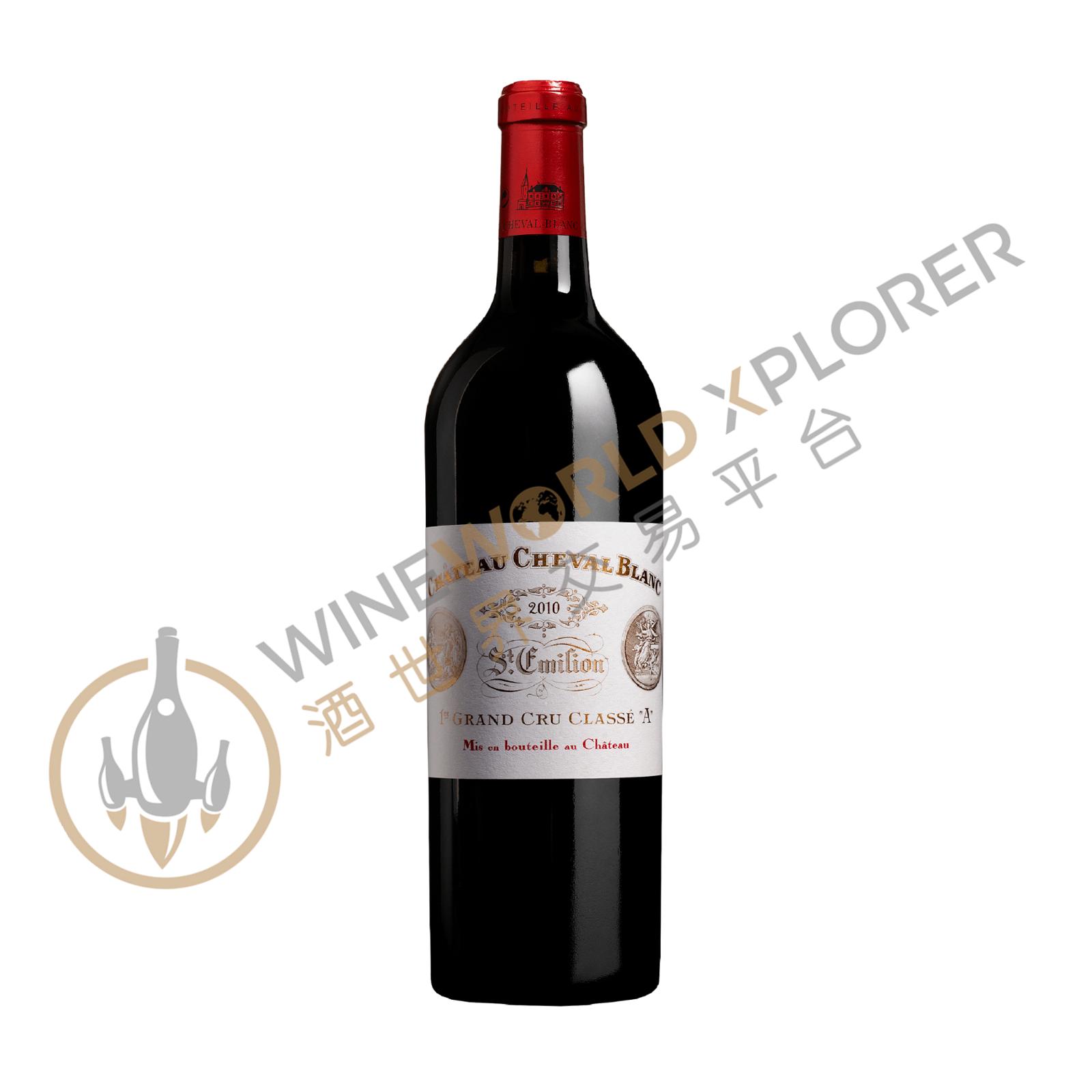
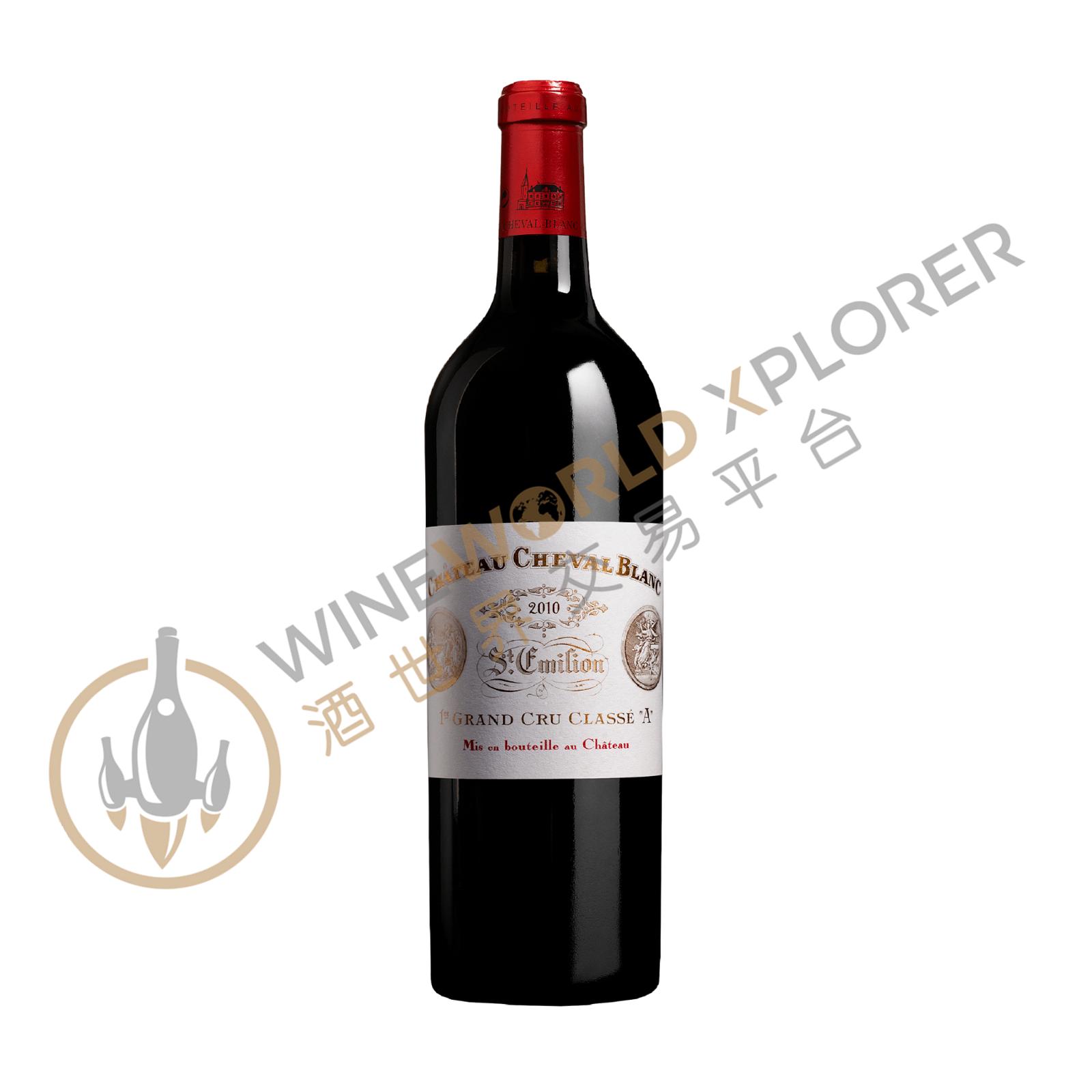
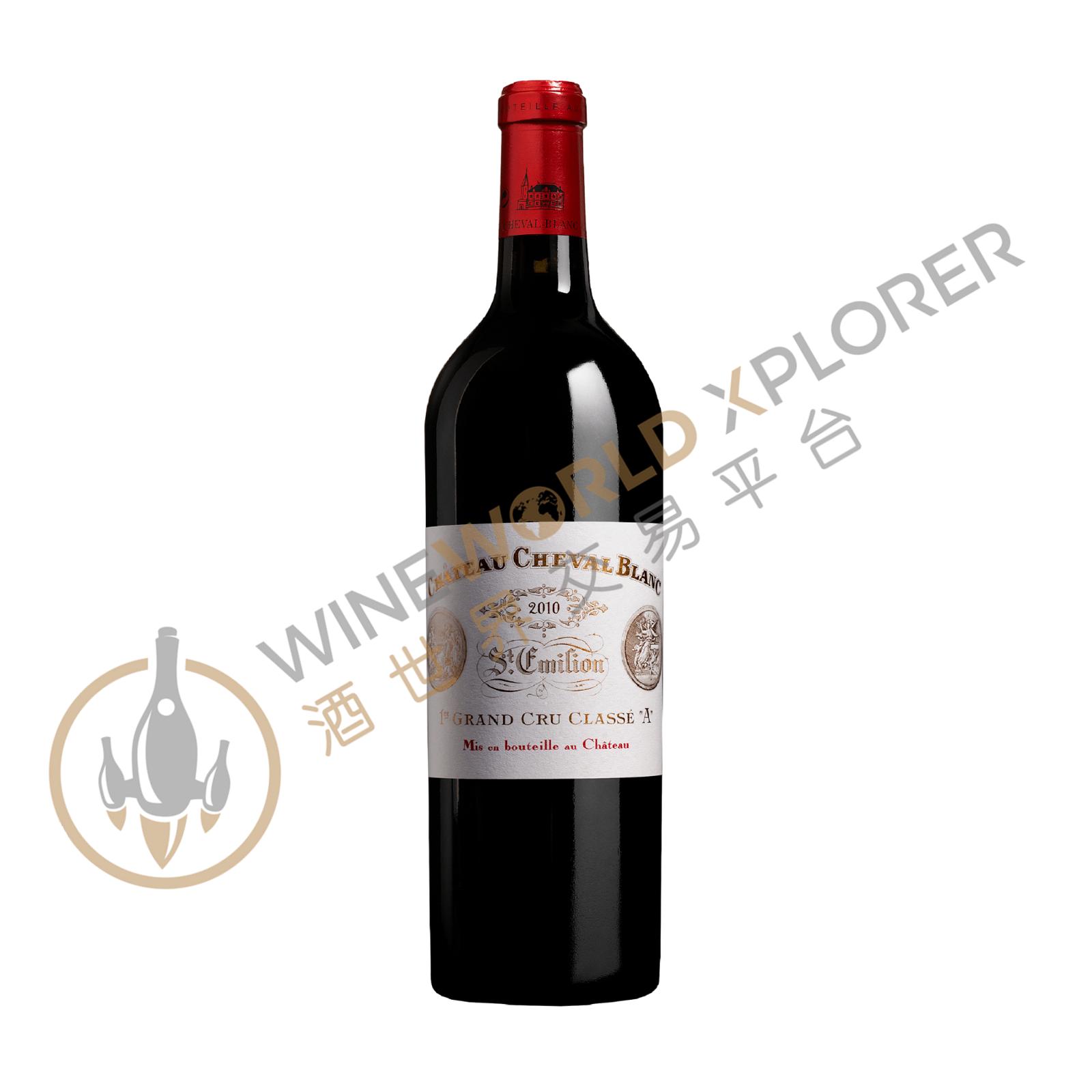
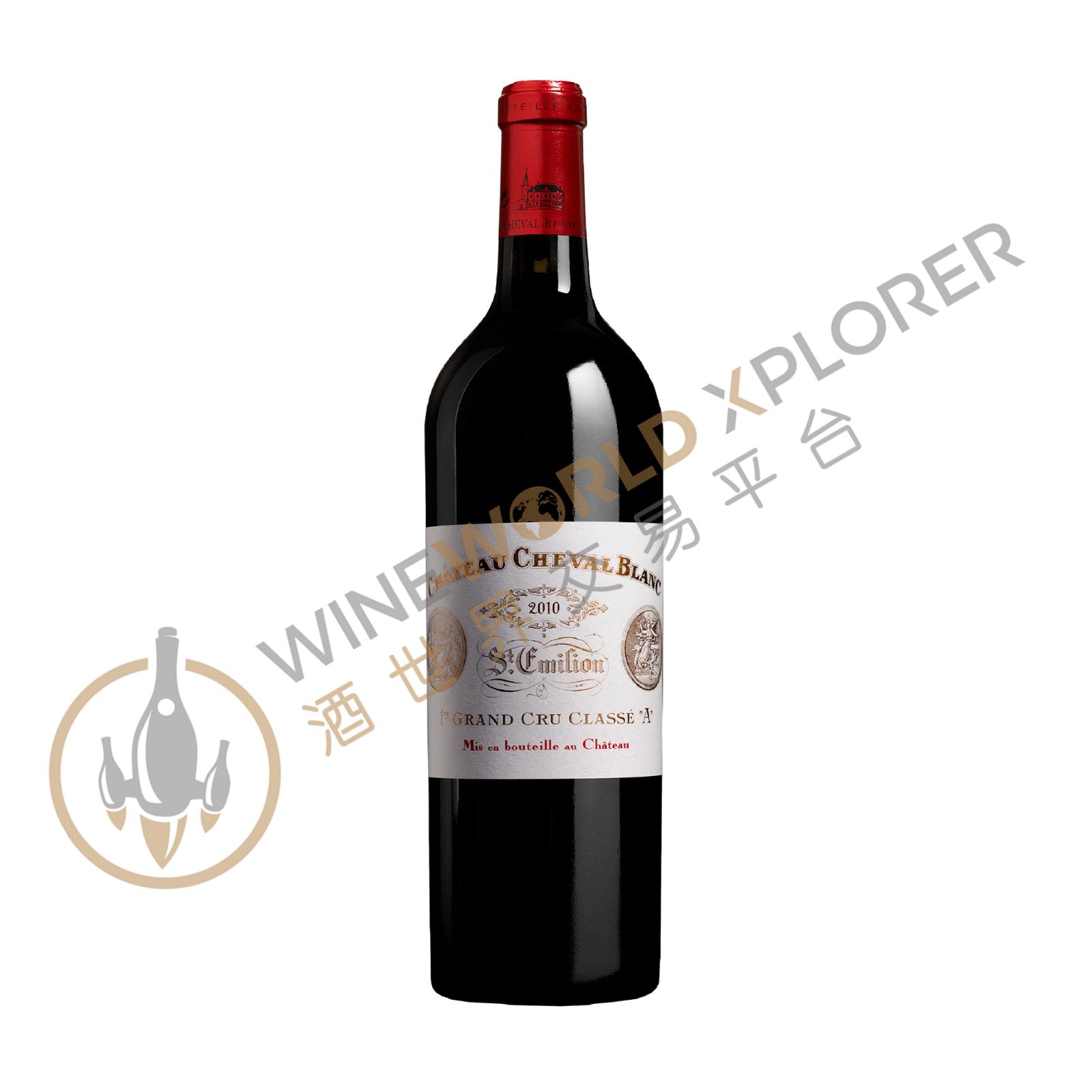
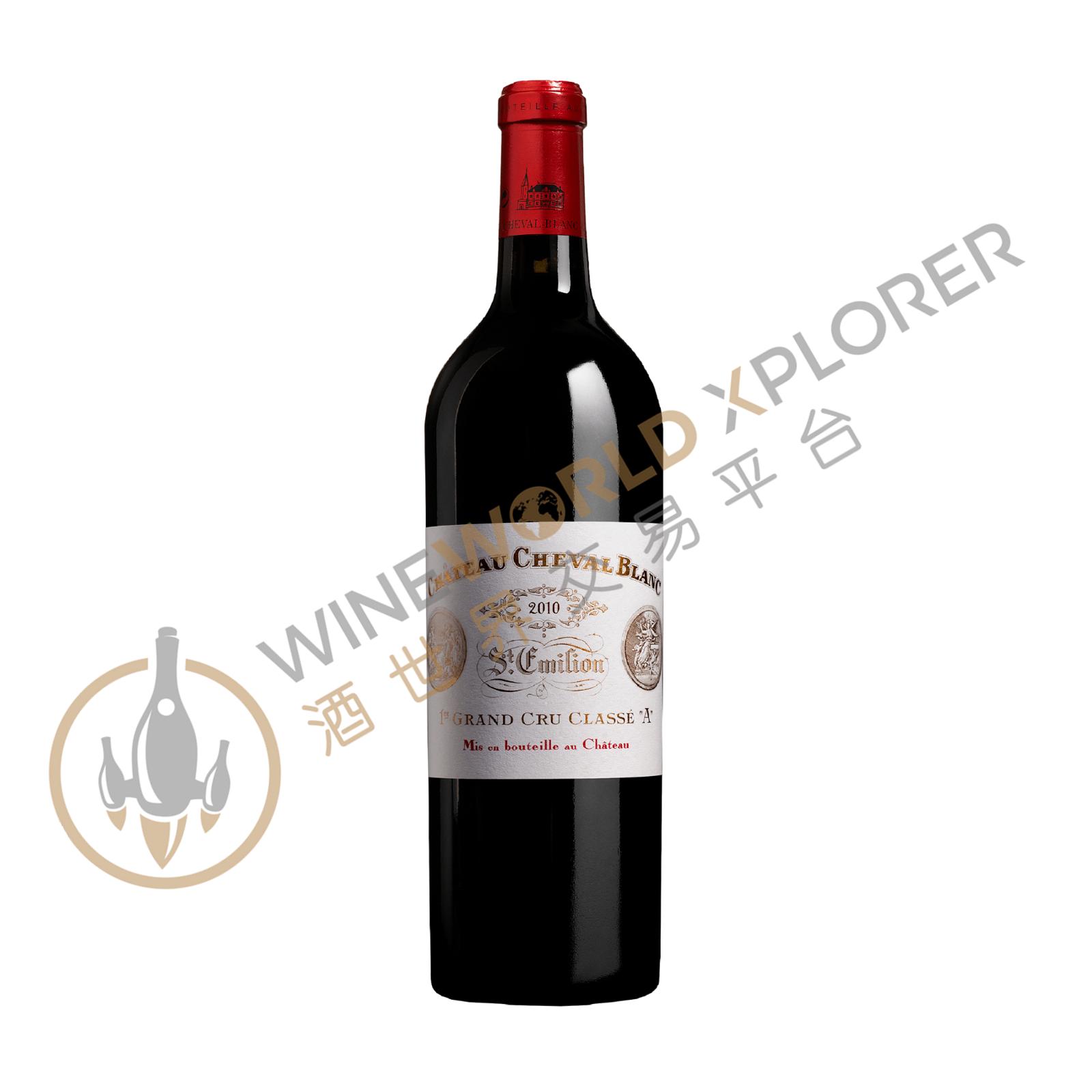
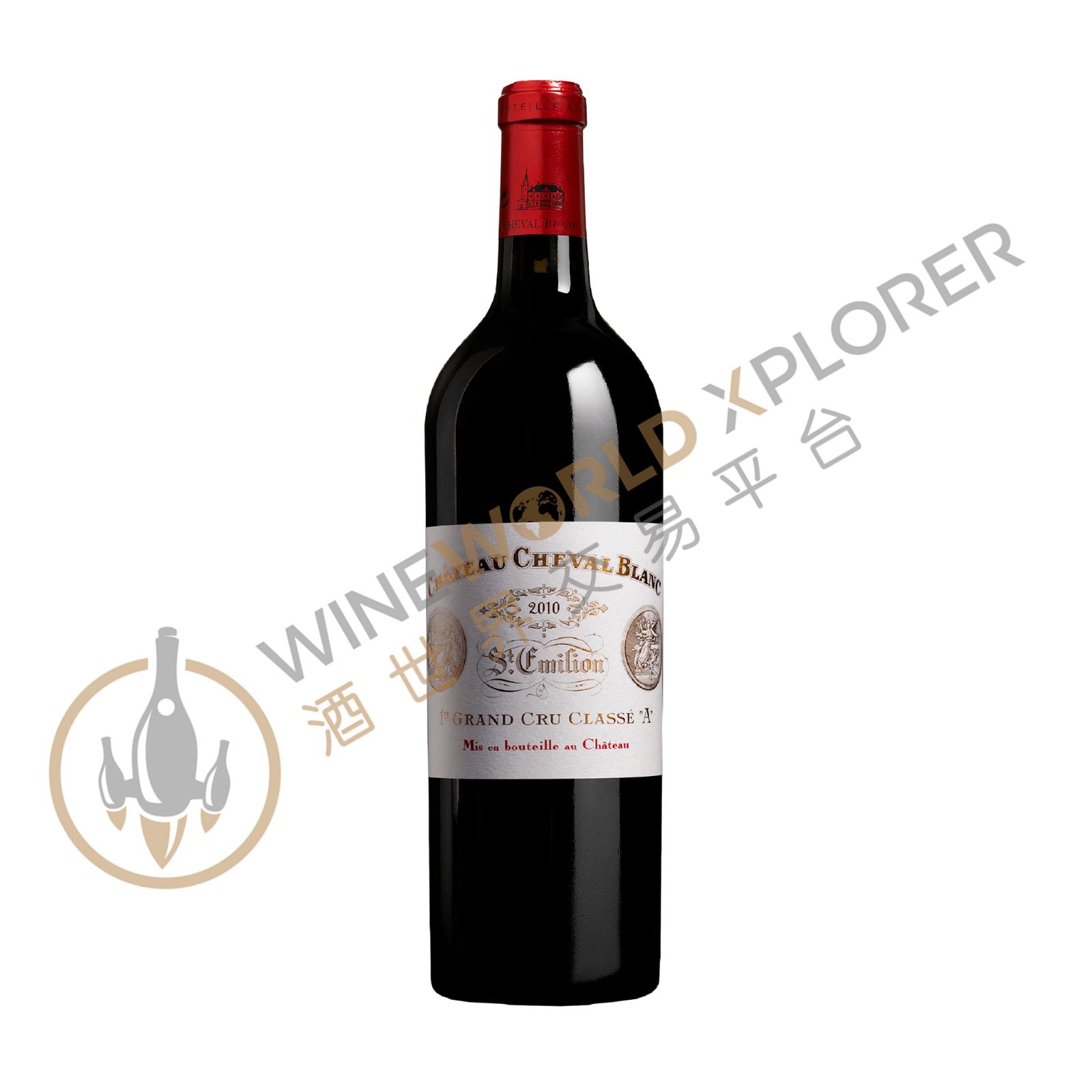
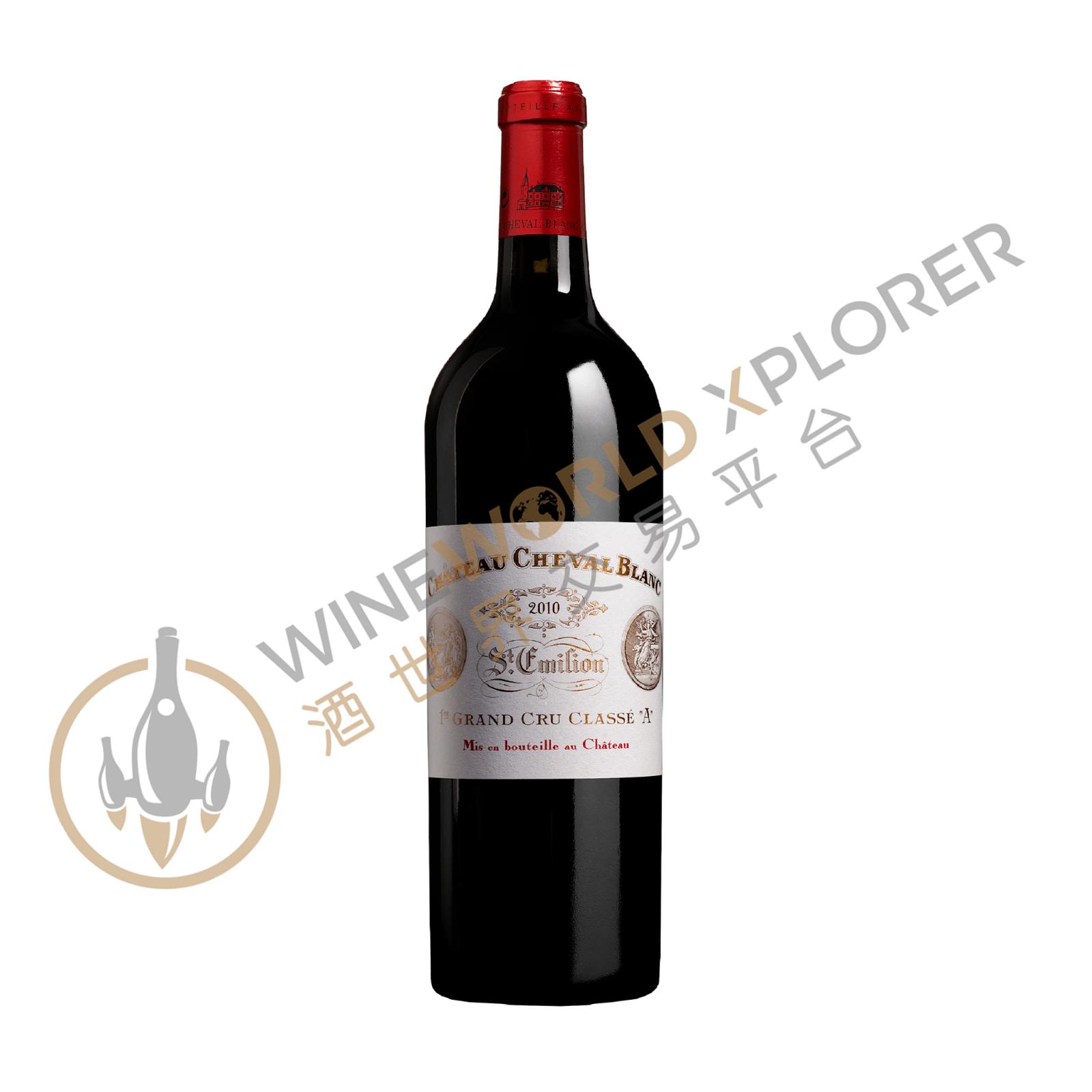
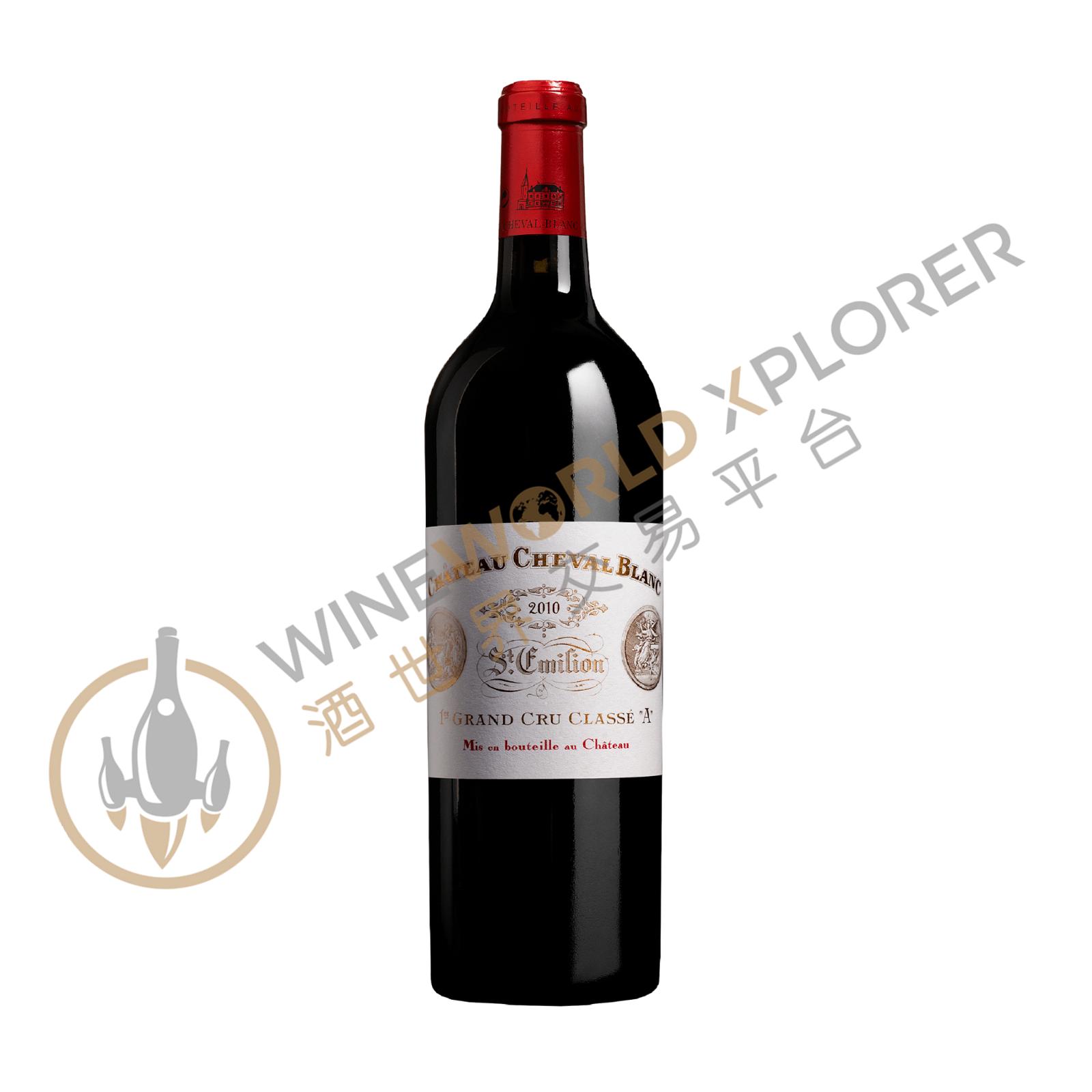
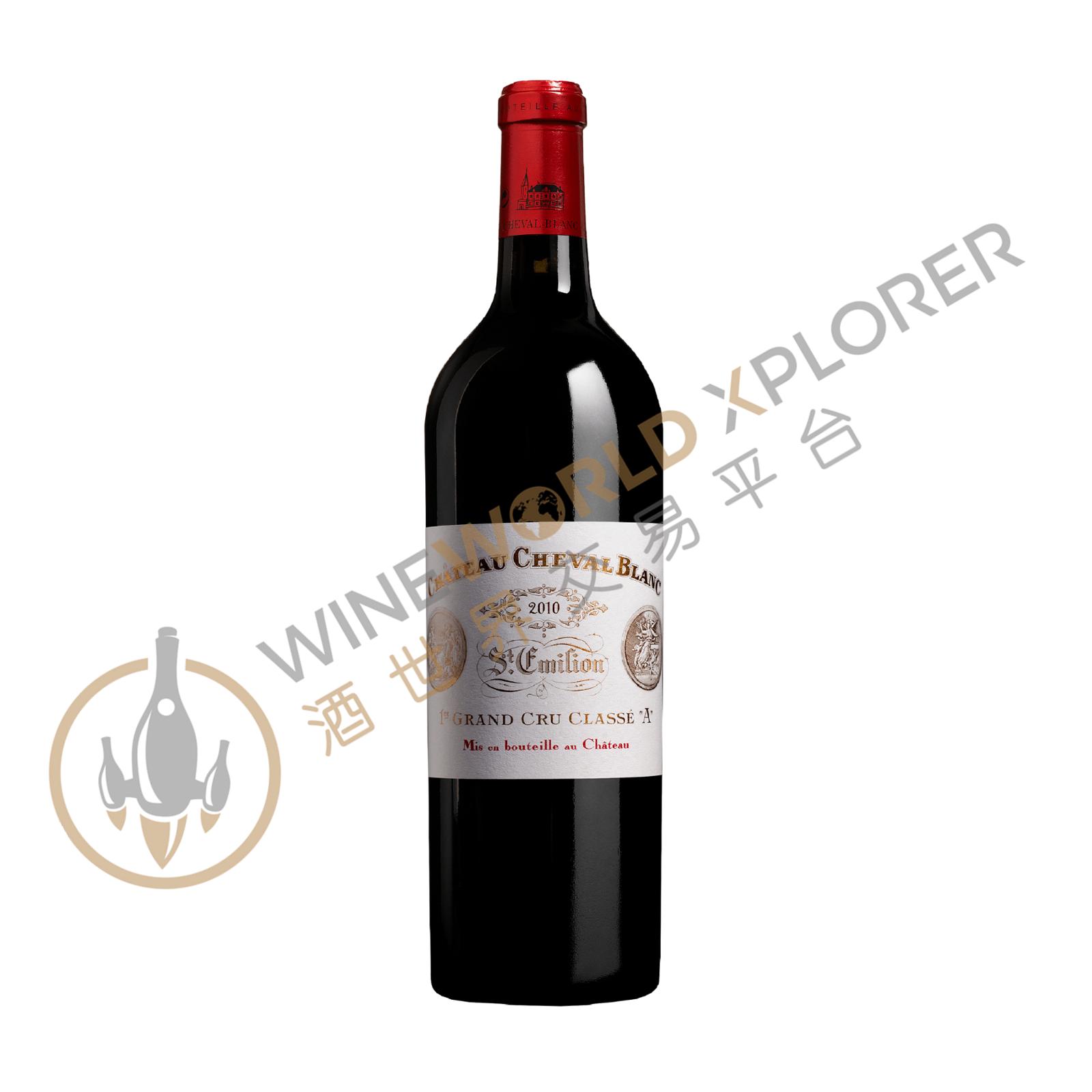
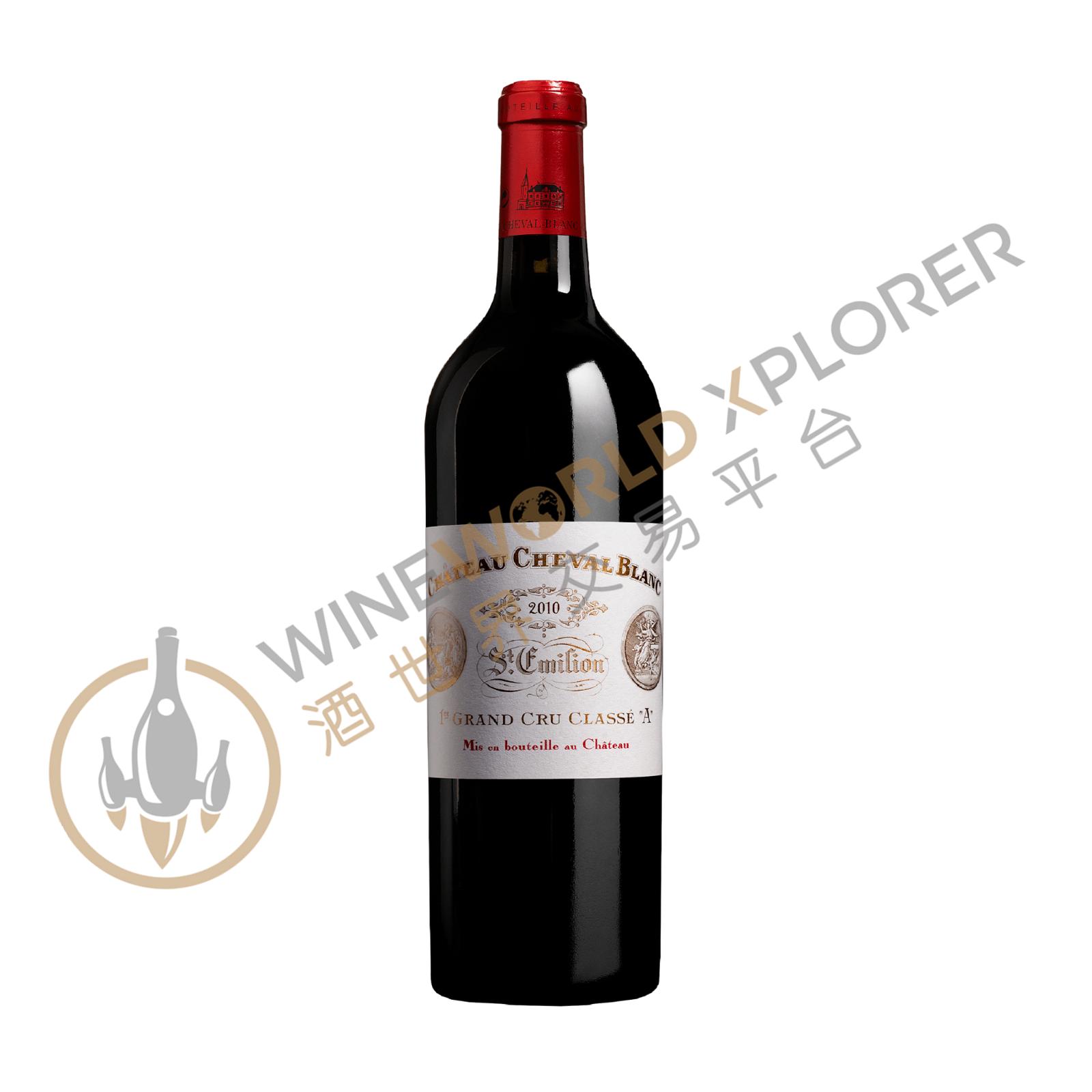
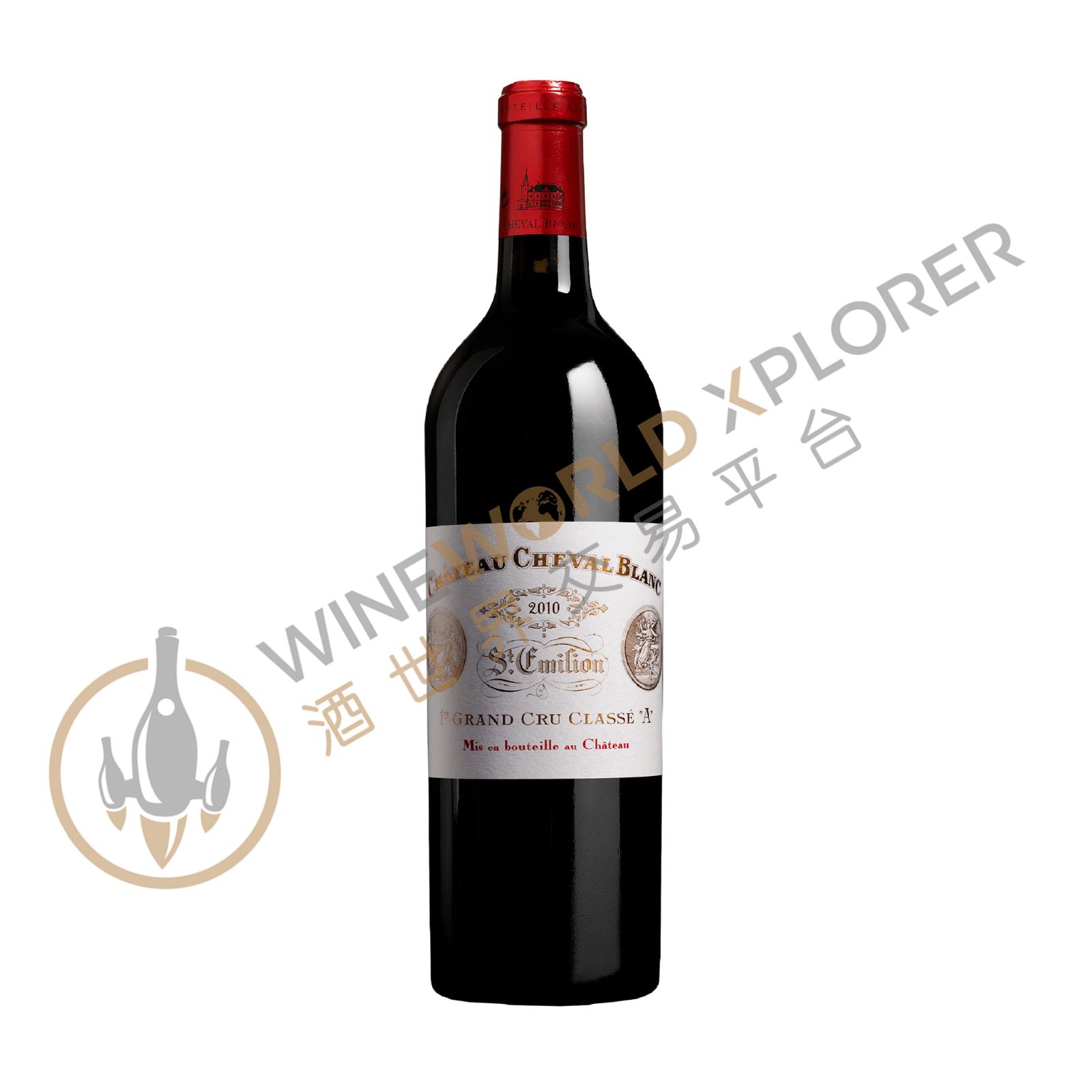
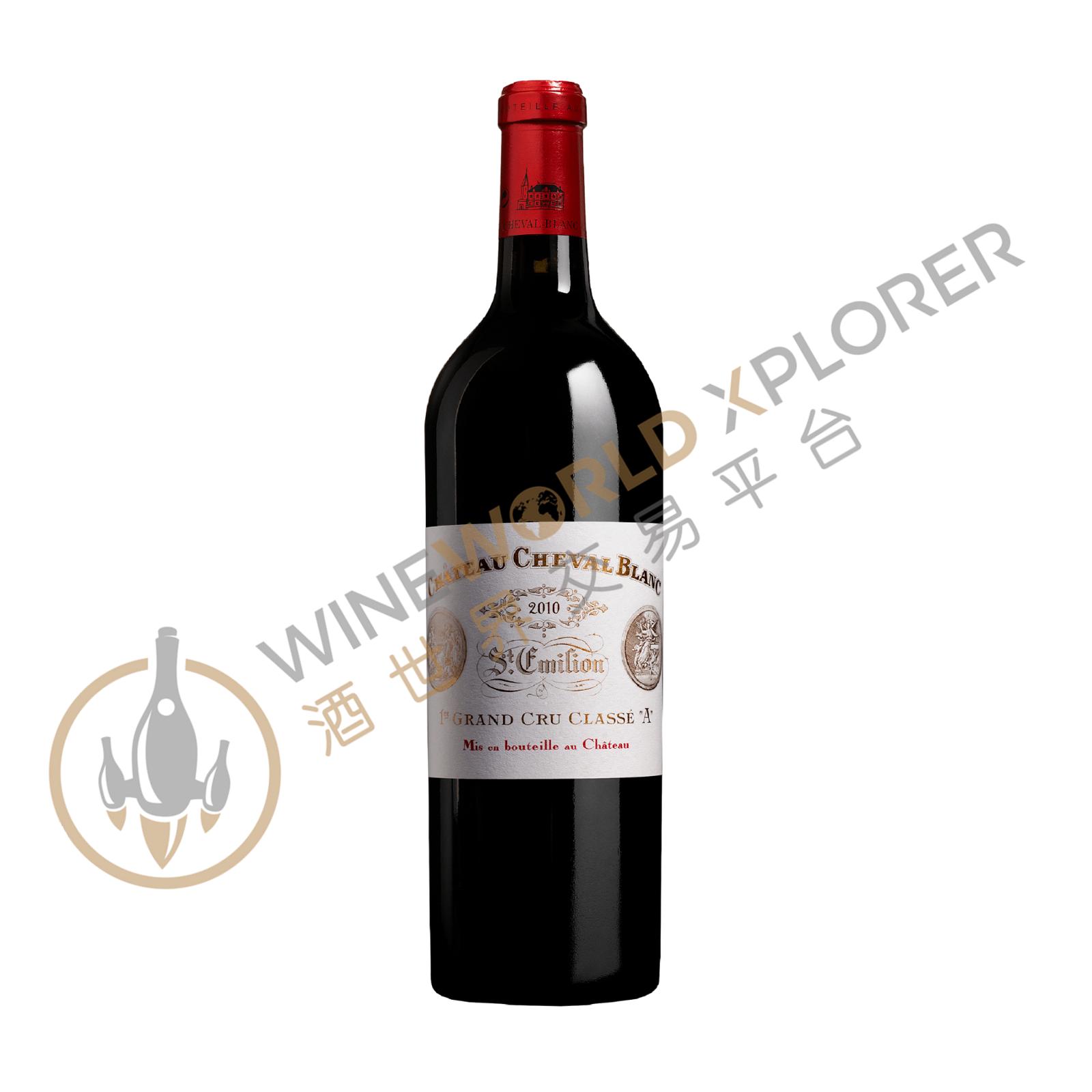
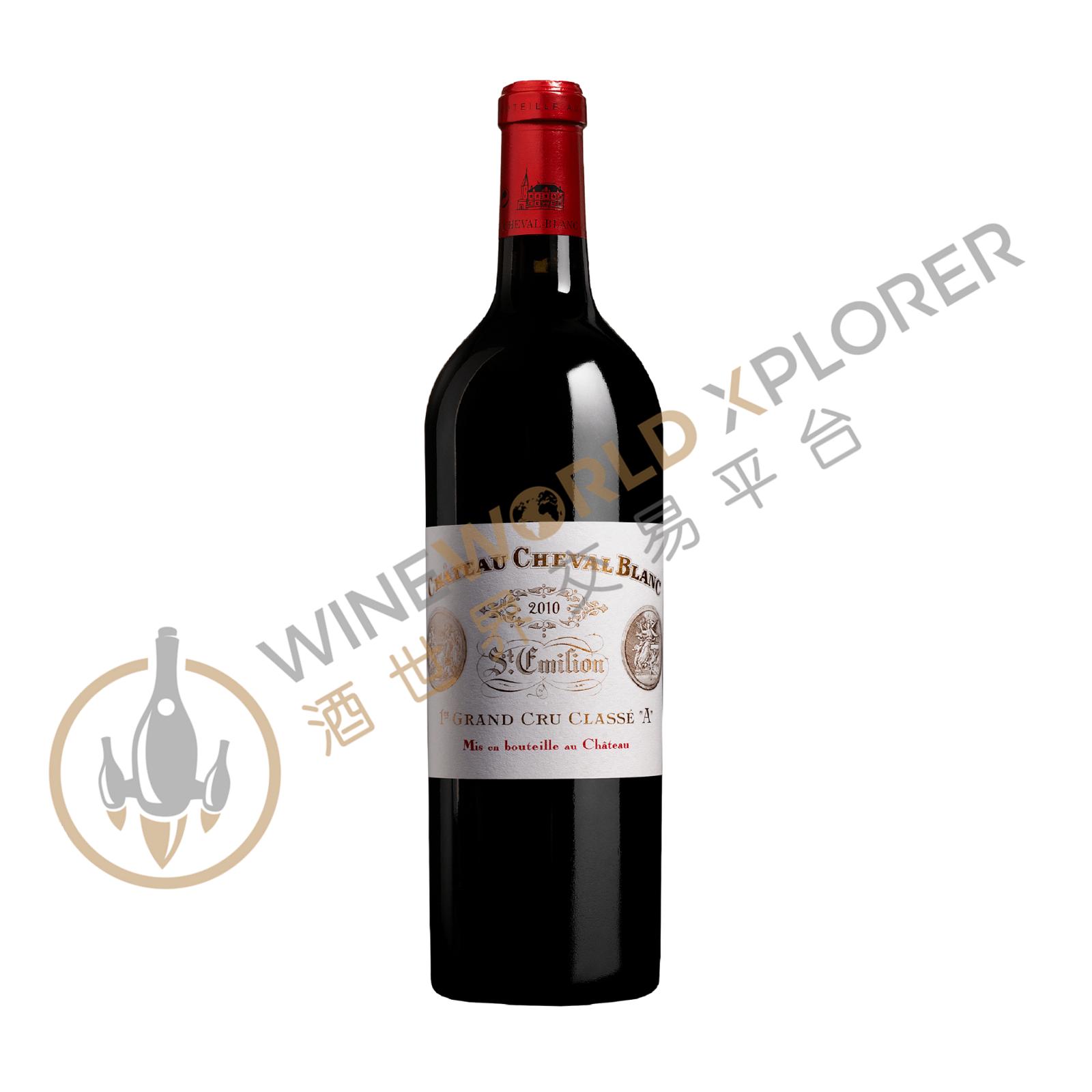
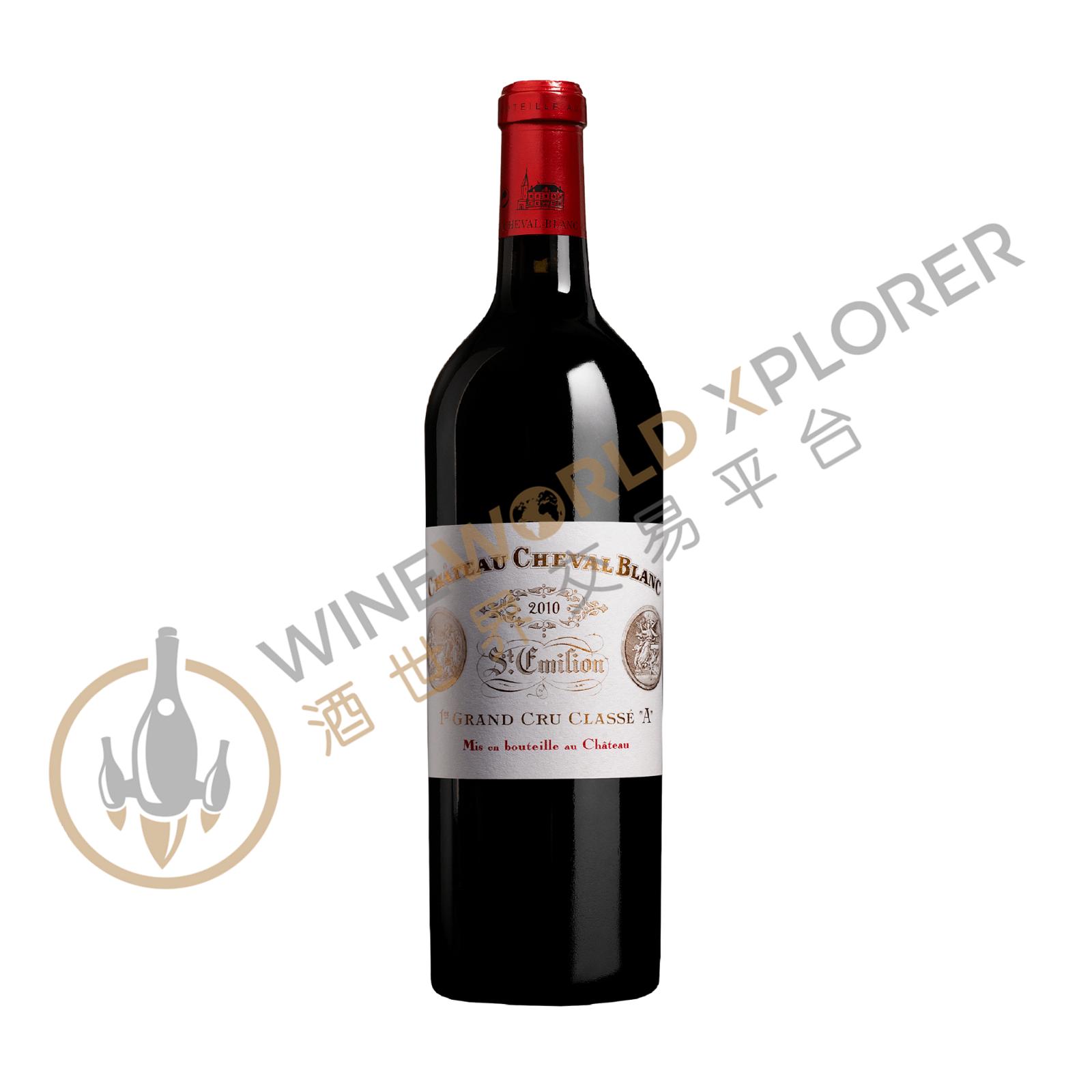
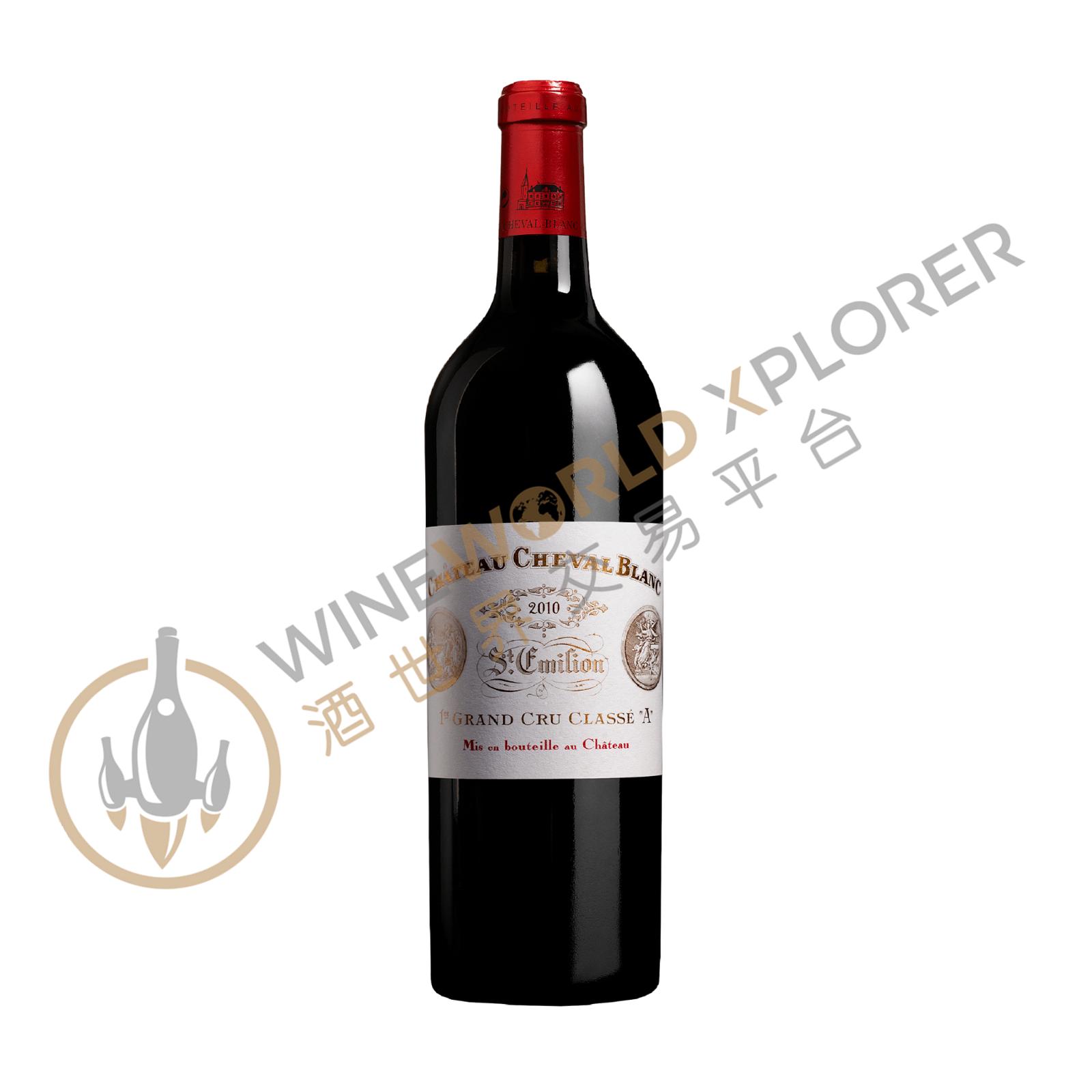
Château Cheval Blanc, a 1er Grand Cru Classé (A) is unquestionably the leading estate in St. Emilion. It is located in the north-west of the St. Emilion appellation, bordering Pomerol. Cheval Blanc obtained its first medal at the 1862 Universal Exhibition in London. In fact, a representation of this bronze medal is found on the château’s present-day label. Cheval Blanc won their first gold medal at the 1878 Universal Exhibition in Paris, and this new distinction also appeared on the label. In 1886, Cheval Blanc won a second gold medal at the Universal Exhibition in Antwerp. Reflecting this series of successes and a wine well on the way to achieving international recognition, a château was built on the estate.
Tasting notes

Reviewed by: Neal Martin
Tasted at Cheval Blanc dinner at The Ledbury. This is an outrageously decadent Cheval Blanc. The nose is layer upon layer of ebullient, red-berried fruit: raspberries, crushed strawberries, lavish creamy new oak and a touch of vanilla pod. I would describe it as “slutty” in the hands of a lesser estate. The palate is full-bodied with plush red-berried fruit, at the moment firmly under the governance of the Merlot with a sexy, lascivious finish. The word that comes to mind is: orgiastic. I wonder if it will obtain the breeding of the ’85? Tasted November 2010.
Reviewed by: Neal Martin
Tasted several times, the first in November 1999: deep purple/ruby. Concentrated nose of blackberries/cough candy. Fantastic concentrated palate. Intense tarry black fruits. Great depth. Surprisingly open and seductive at present though it may close down in the near future. Tasted again in July 2004. What a damn sexy wine this is. A very pretty, sensuous nose of black cherry, minerals and a touch of marzipan. The palate has brilliant cohesion and harmony with tannins as smooth as a baby’s bottom. Opulent, low acidity, very sexy. Drinking now but should leave for a few years yet. Again blind at the CECWINE 1995 horizontal. A very intense, sexy nose of black fruit, espresso and a touch of anis. Very fine definition and class. Beautiful balance with seamless tannins and a solid mass of fruit on the mid-palate. Seems to have more weight than the previous wine (that turned out to be Ausone 95.) Pure and refined. Last at the 1995 vs. 1996 horizontal in September 2005. A bold and brassy nose that is opulent, rich, and meaty with a touch of espresso, quite Pomerol aromatically. Dense, concentrated palate but with great definition and wonderful harmony. Ripe cherry and cranberry, minerals with a lush finish. The best Cheval of the decade? Tasted September 2004.
Reviewed by: Robert M. Parker, Jr.
The 1995 Cheval Blanc was performing exceptionally well several months before its scheduled bottling. The wine is dark ruby/purple-colored with an opaque middle. It exhibits a sexy, penetrating fragrance of chocolate, vanilla, black plummy fruit, minerals, and exotic fruits (coconuts). Fatter and richer than it was last spring, this layered, opulently-textured, medium-bodied wine possesses gorgeous reserves of fruit, glycerin, and extract. Its low acidity, moderate tannin, and wonderful purity suggests an outstanding example of Cheval Blanc. While it will not rival the 1990 or 1982, the 1995 is significantly better than the 1989 and 1988. Anticipated maturity: 1999-2018.
Reviewed by: Robert M. Parker, Jr.
This Cheval Blanc (a 50% Merlot/50% Cabernet Franc blend in 1995) is dark ruby/purple-colored with an opaque middle. It exhibits a sexy, penetrating fragrance of chocolate, vanilla, black plummy fruit, minerals, and exotic fruits (coconuts). Fatter and richer than it was last spring, this layered, opulently-textured, medium-bodied wine possesses gorgeous reserves of fruit, glycerin, and extract. Its low acidity, moderate tannin, and wonderful purity suggests an outstanding example of Cheval Blanc. While it will not rival the 1990 or 1982, the 1995 is significantly better than the 1989 and 1988. Anticipated maturity: 1999-2018. Last tasted 11/97
Reviewed by: Robert M. Parker, Jr.
In a year when many people were pleased with Cabernet Franc (Cheval Blanc's blend always contains at least two-thirds Cabernet Franc), the 1995 possesses a dark ruby color with purple nuances. The big, sweet aromatics include jammy red and blackcurrant, spice, and vanillin scents. With a creamy texture, low acidity, medium body, and excellent concentration, drinking this wine is akin to eating candy given its lush, silky texture and heady finish. If it puts on some weight and gains more depth it will turn out better than the 1989 and 1988, but let no one suggest this is remotely reminiscent of the great 1990. It will require 3-4 years of cellaring, and will keep for 15-16 years. All of the wines in this segment were tasted between March 19 and March 28 in Bordeaux. Most of the important wines from both the 1994 and 1995 vintages were tasted three separate times during my ten-day stay in Bordeaux.
Reviewed by: Robert M. Parker, Jr.
A pretty, attractive Cheval Blanc, the 1995 contains a higher percentage of Merlot in the final blend than usual (50% Merlot/50% Cabernet Franc). This wine has not developed as much fat or weight as its younger sibling, the 1996, but it appears to be an outstanding Cheval Blanc with an enthralling smoky, black currant, coffee, and exotic bouquet. Complex, rich, medium to full-bodied flavors are well-endowed and pure, with surprisingly firm tannin in the finish. Unlike the sweeter, riper 1996, the 1995 may be more structured and potentially longer-lived. Anticipated maturity: 2002-2020.
About the Producer
Château Cheval Blanc is a highly lauded wine estate in the Saint-Émilion region of northeast Bordeaux. Classified with the top ranking of Premier Grand Cru Classé A, it is regarded by many as one of the greatest wines of the appellation – if not, the greatest. It is certainly the most famous Cabernet Franc-based wine in the world, albeit often alongside very similar levels of Merlot. Typically, the "grand vin" (the estate's eponymous wine) is lush and full bodied with great weight of fruit. It tends to require ten years of bottle age and the best vintages can last half a century or more. The second wine of the estate is Le Petit Cheval. The vineyard is located in the northwest of the region, bordering Pomerol (La Conseillante is a neighbor) and consists of 39 hectares (96 acres) divided into 45 plots. There is an unusually large amount of Cabernet Franc planted – about 49 percent – with 47 percent Merlot and four percent Cabernet Sauvignon. The unusual planting proportions reflect the terroir; most vineyards in the region are either clay or gravel-based over impermeable sedimentary rock, but Cheval Blanc is unique in having a patchwork of soils with the two types in roughly equal proportions. The clay soils provide base wines with velvety tannins, while those from gravel soils are more aromatic and elegant. Vines have been grown since the 14th Century at this spot but the vineyard as it is known today took shape in the 19th Century when the core plots were added to by purchases from the nearby Figeac estate. Subsequent replantings established the atypical half-Merlot, half-Cabernet Franc proportions. Cheval Blanc gained its first medal at the 1862 Universal Exhibition in London – the first of a series of successes building its reputation and achieving price levels comparable to the Médoc first growths, which paved the way for a château to be built on the estate. In the first classification of Saint-Émilion wines in 1955, Cheval Blanc was awarded the highest possible rating and remains a Premier Grand Cru Classé A. In 1998, after 166 years of continuous family ownership, Bernard Arnault, the head of luxury goods firm LVMH, and the late Baron Albert Frère (a Belgian billionaire investor) jointly purchased the estate. The spectacular new cellar opened in 2011, with 52 concrete vats (replacing stainless steel) of differing sizes corresponding to different vineyard plots. The grand vin spends 16 to 18 months in new oak barrels from a variety of cooperages.
1949(1)1953(1)1955(4)1958(1)1962(1)1966(1)1967(2)1970(2)1973(1)1974(2)1975(3)1976(1)1977(1)1978(1)1979(2)1980(1)1981(2)1982(5)1983(1)1984(1)1985(1)1986(5)1988(4)1989(4)1990(13)1992(3)1993(1)1994(4)
Package Size
1 x 6L12 x 75cl