Wine Advisor



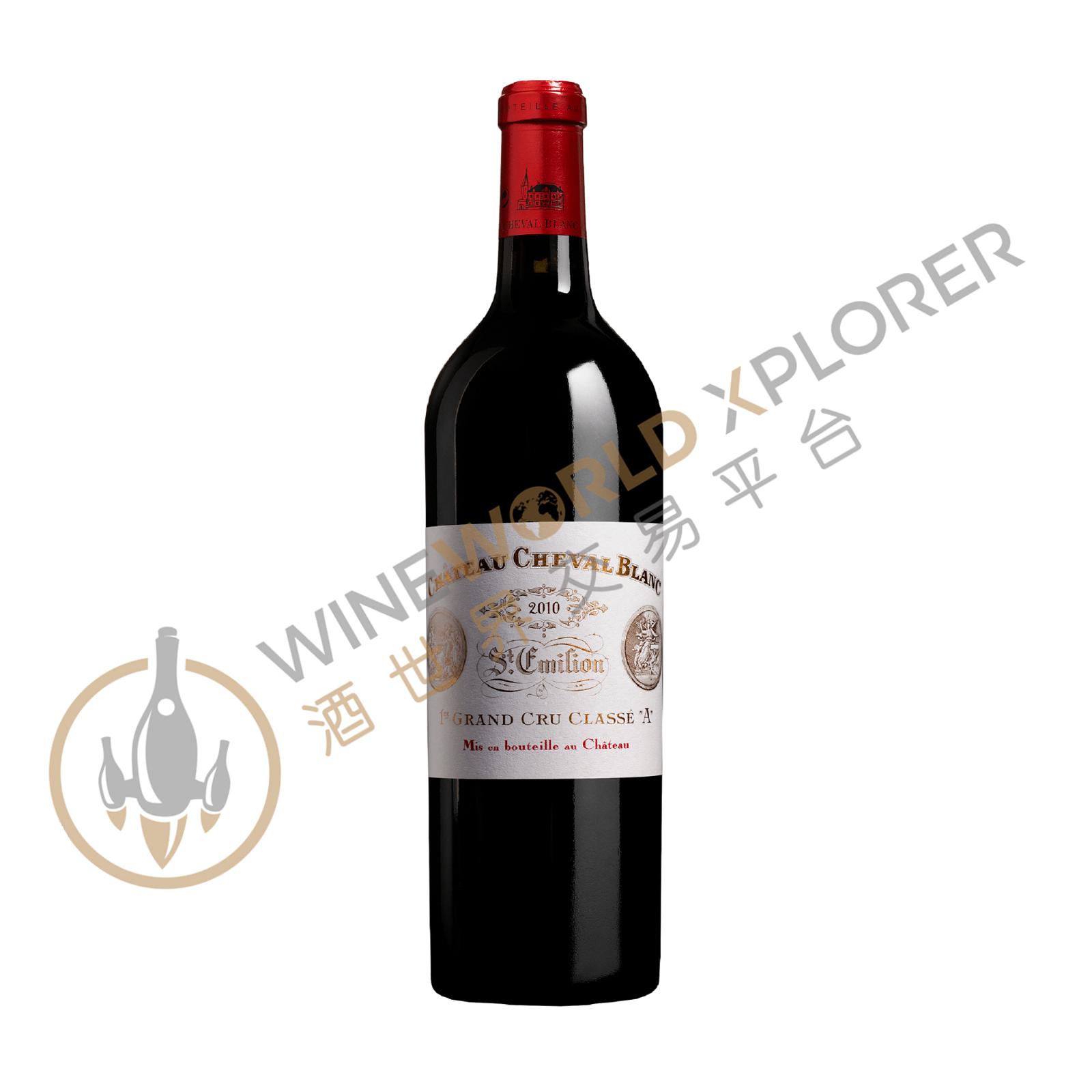
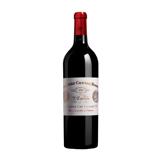
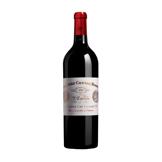
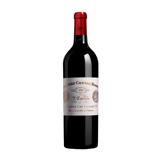
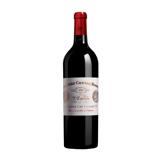
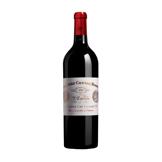
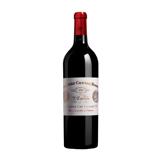
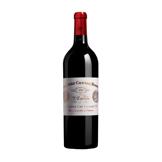
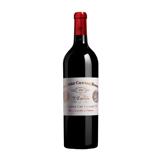
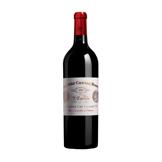
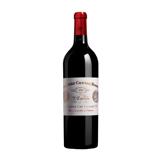
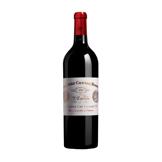
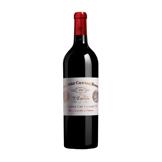
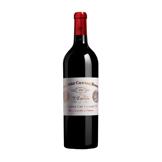
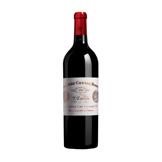
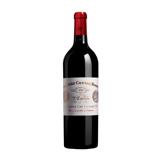
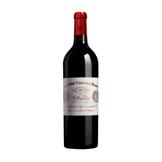
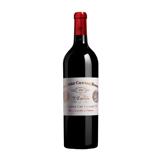
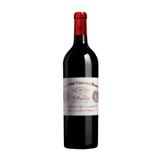
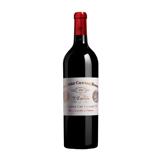
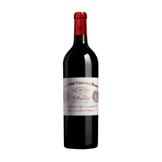
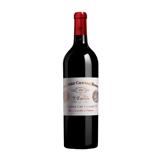
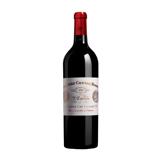
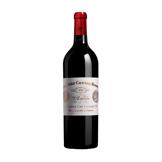
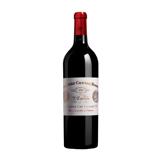
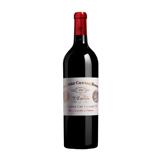
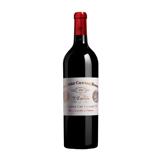
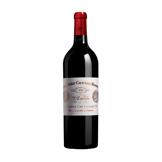
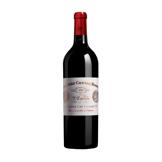
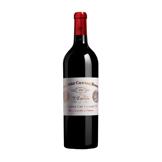
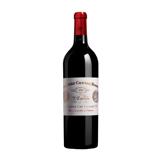
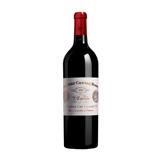
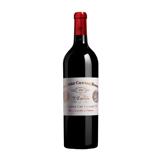
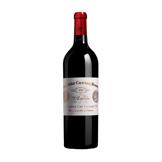
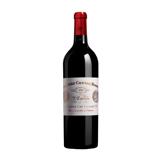
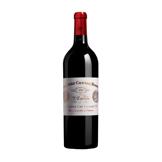
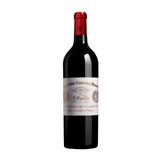
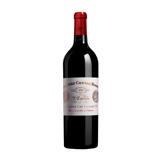
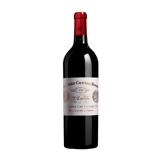
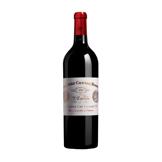
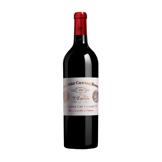
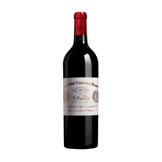
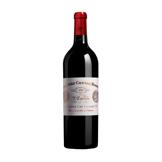
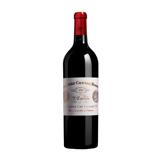
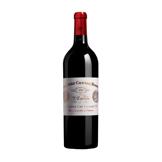
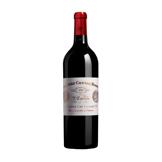
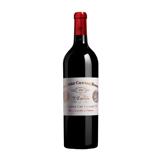
Cheval Blanc 1990
 View analysis


Description
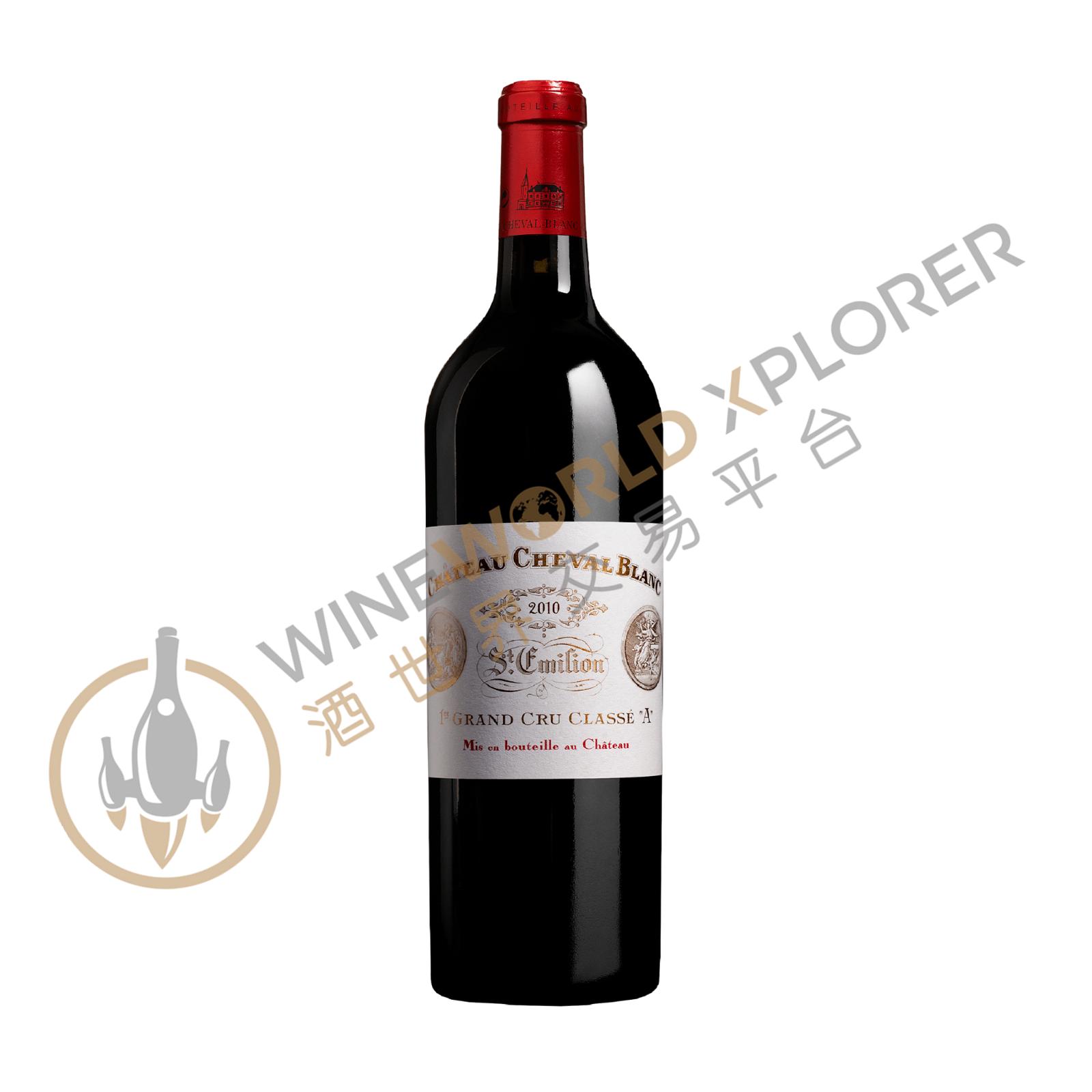
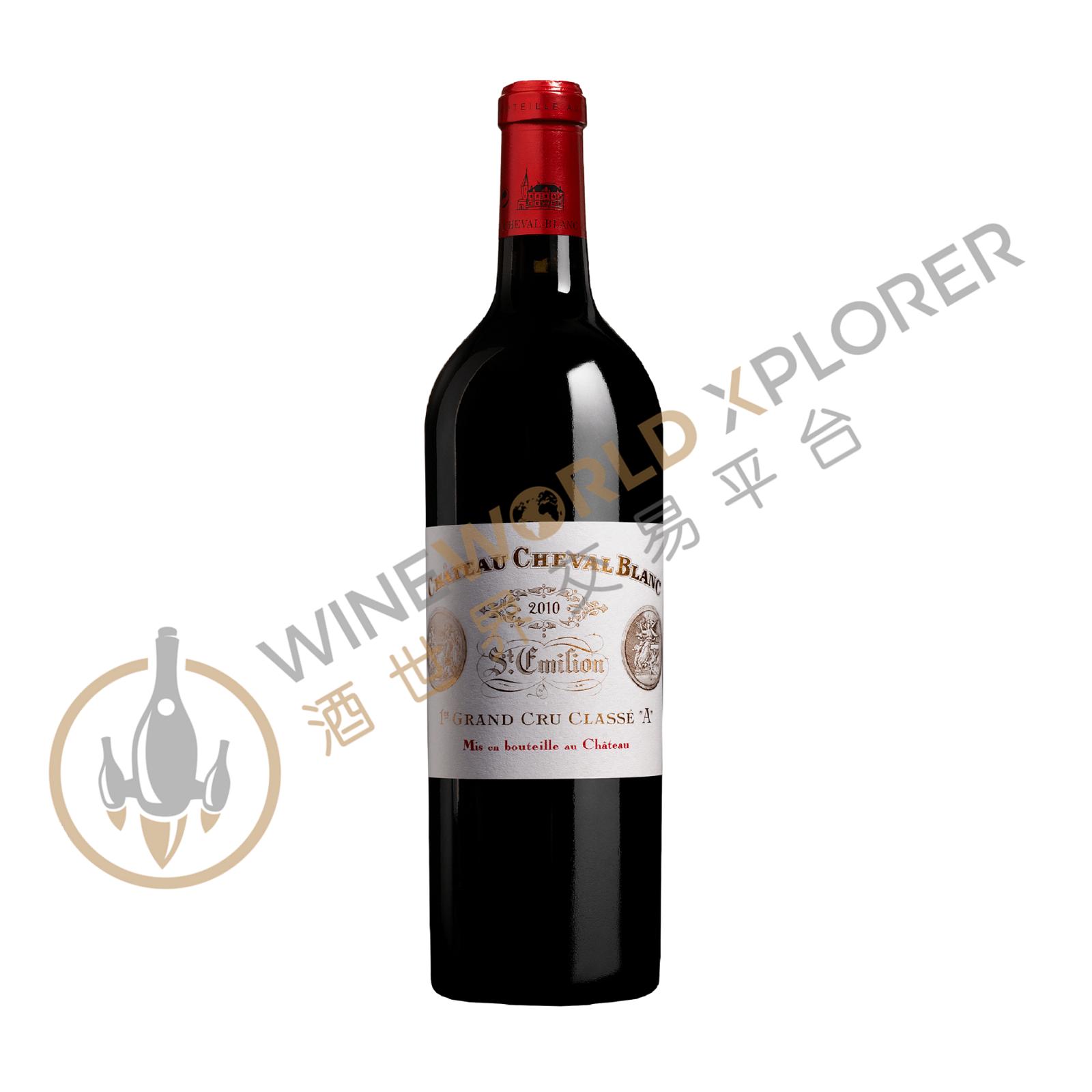
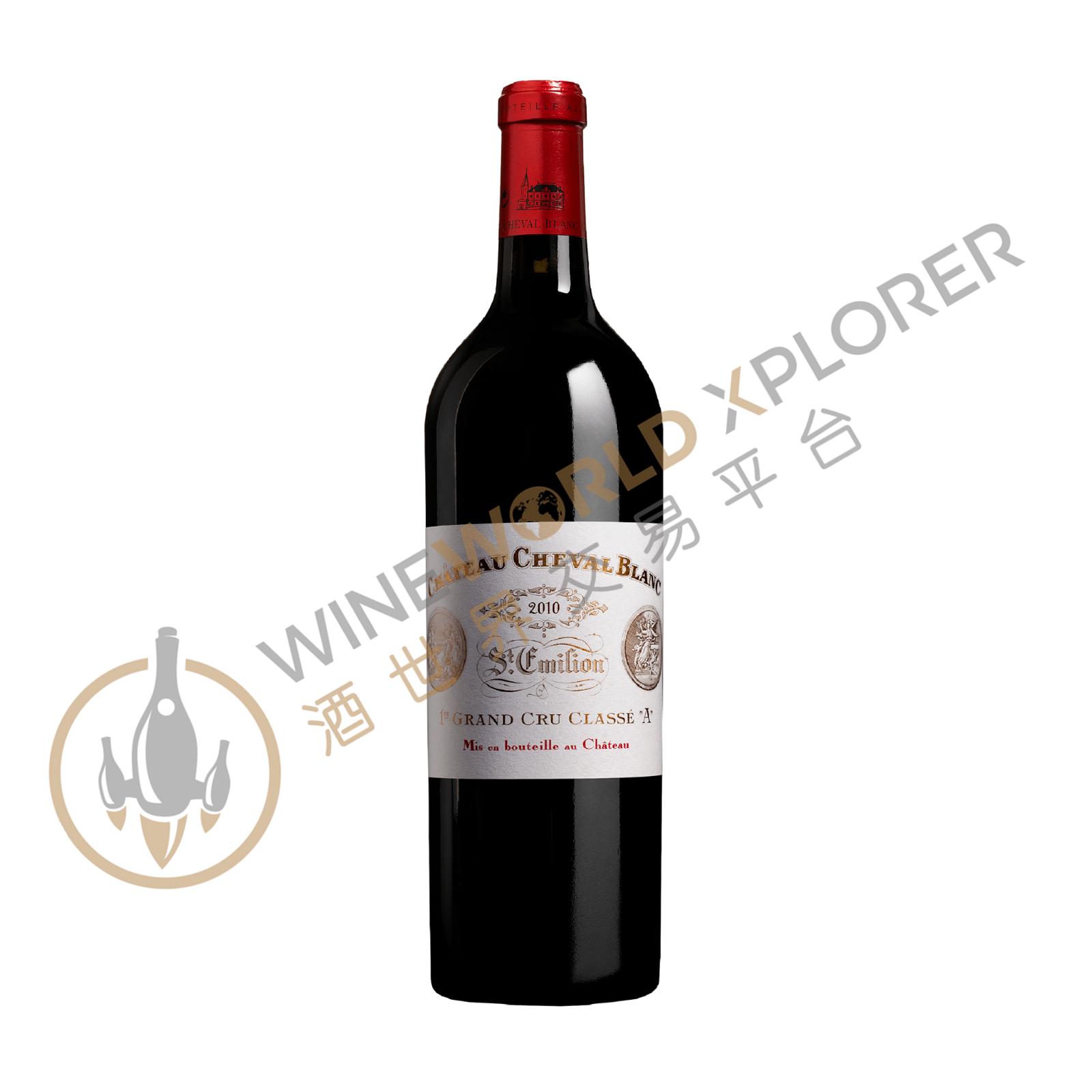
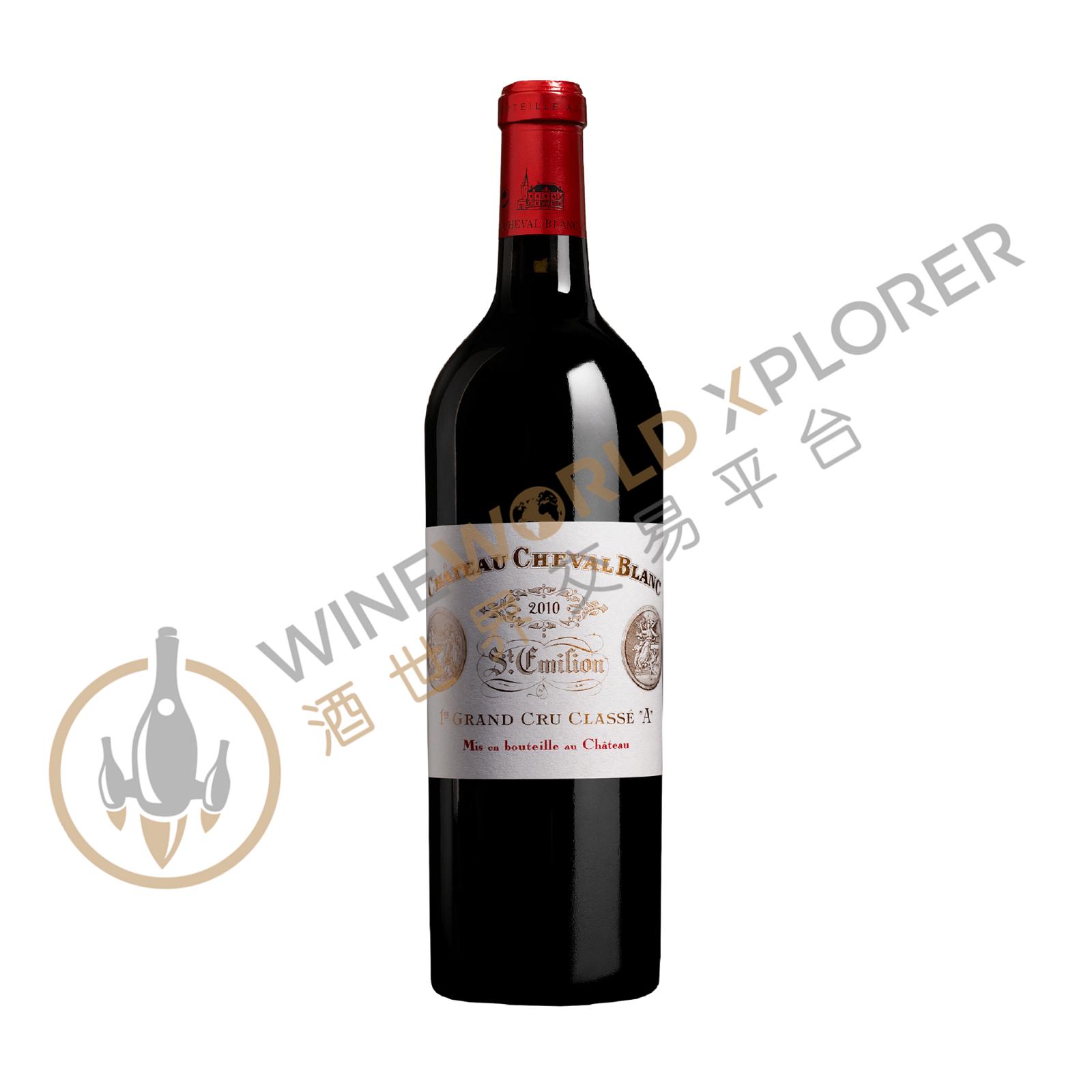
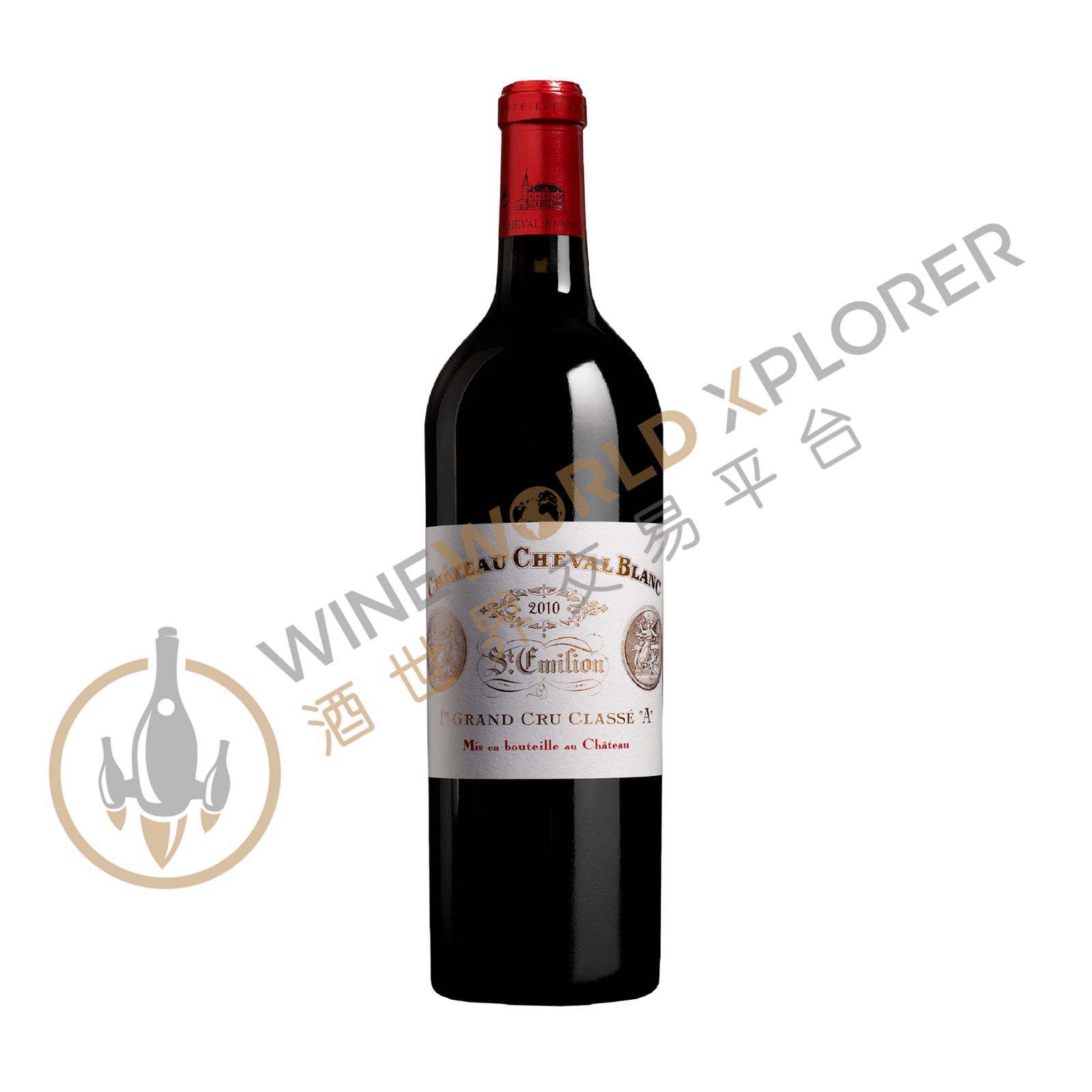
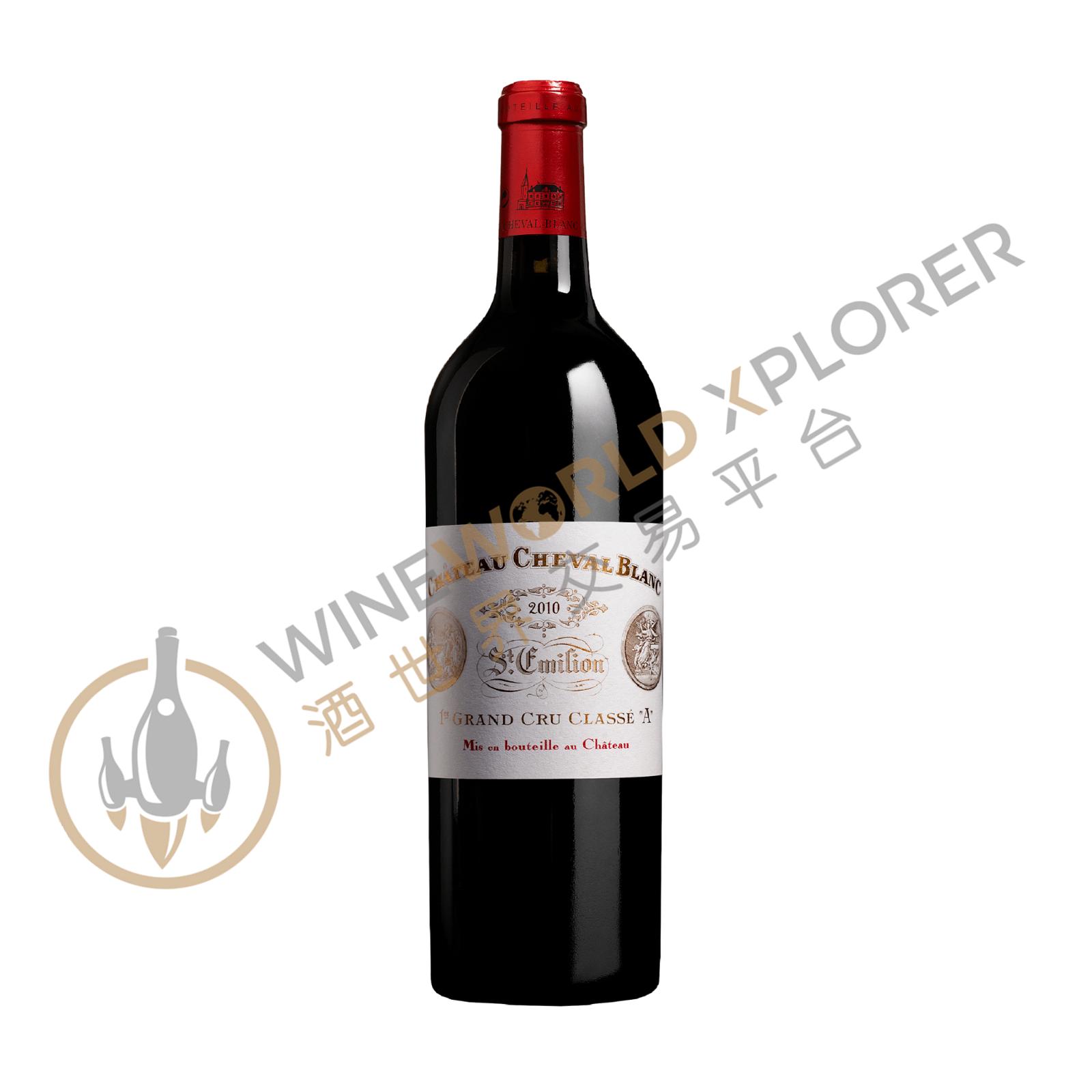
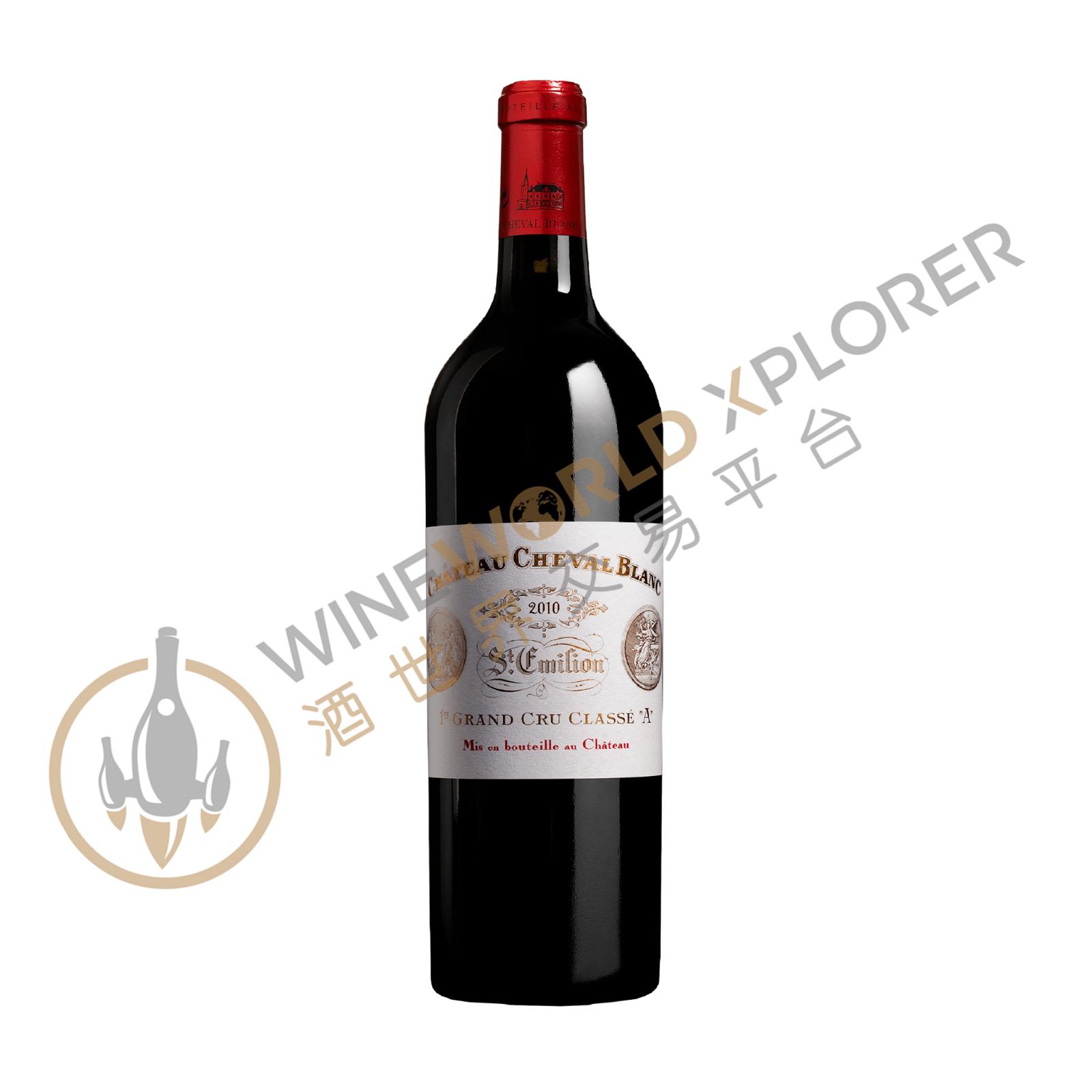
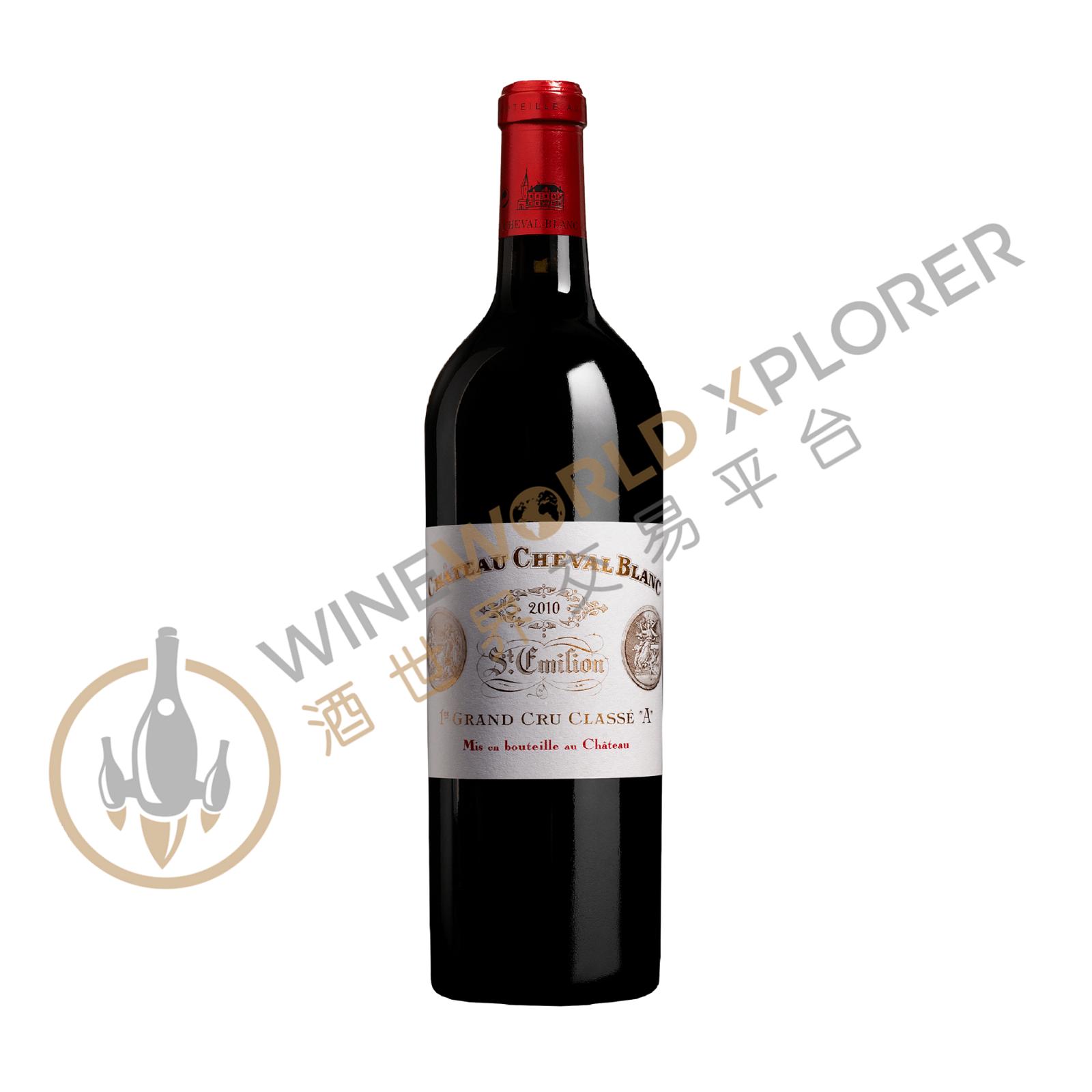
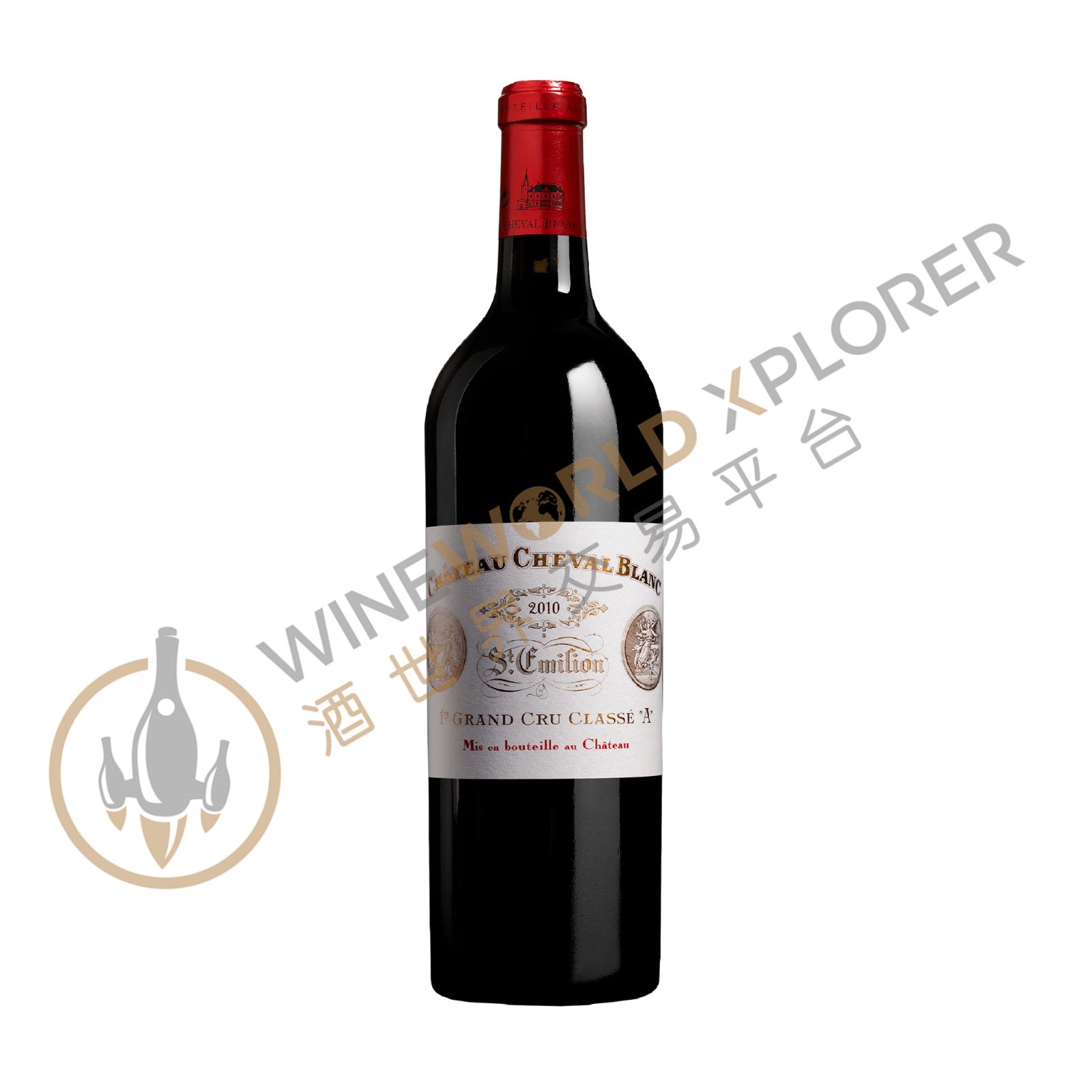
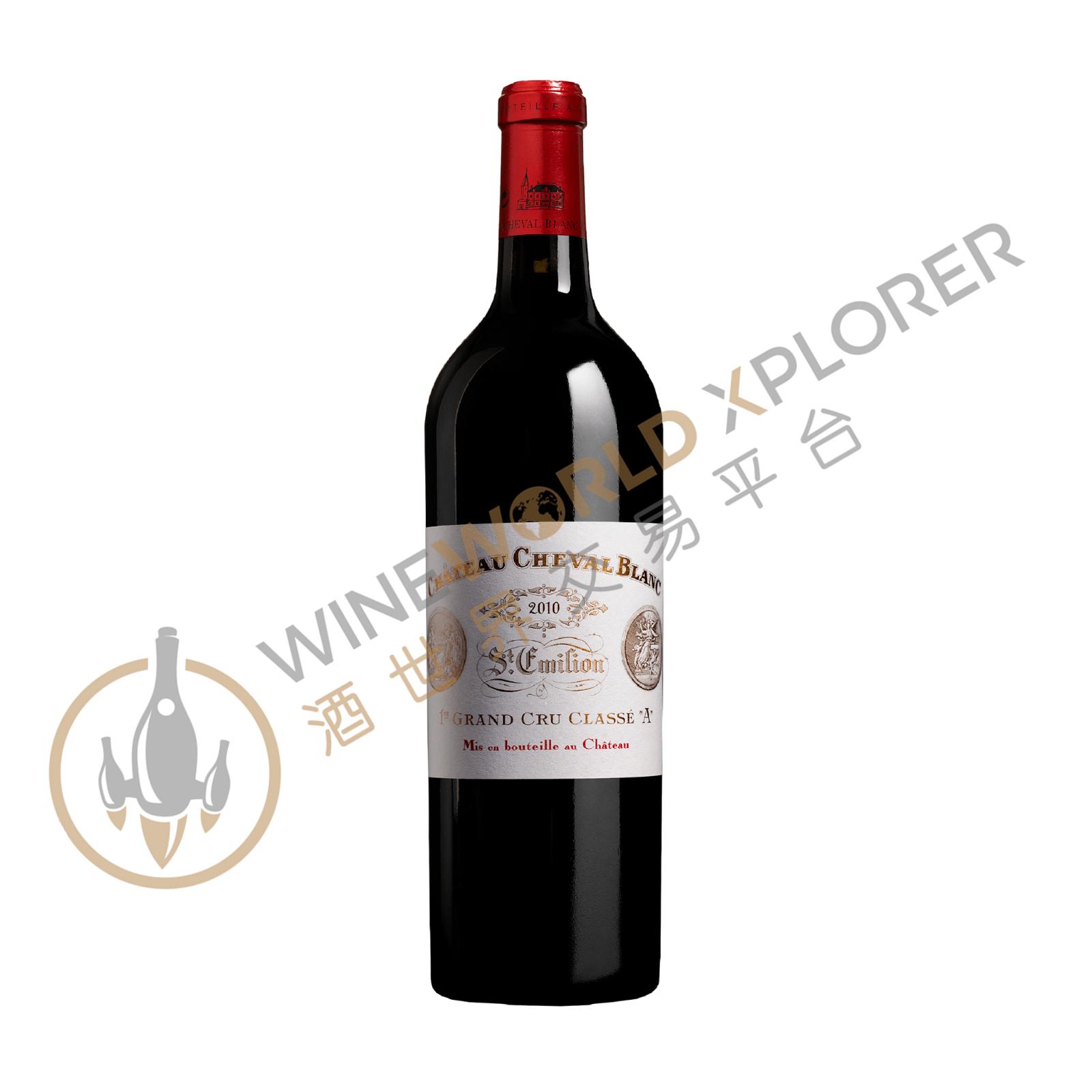
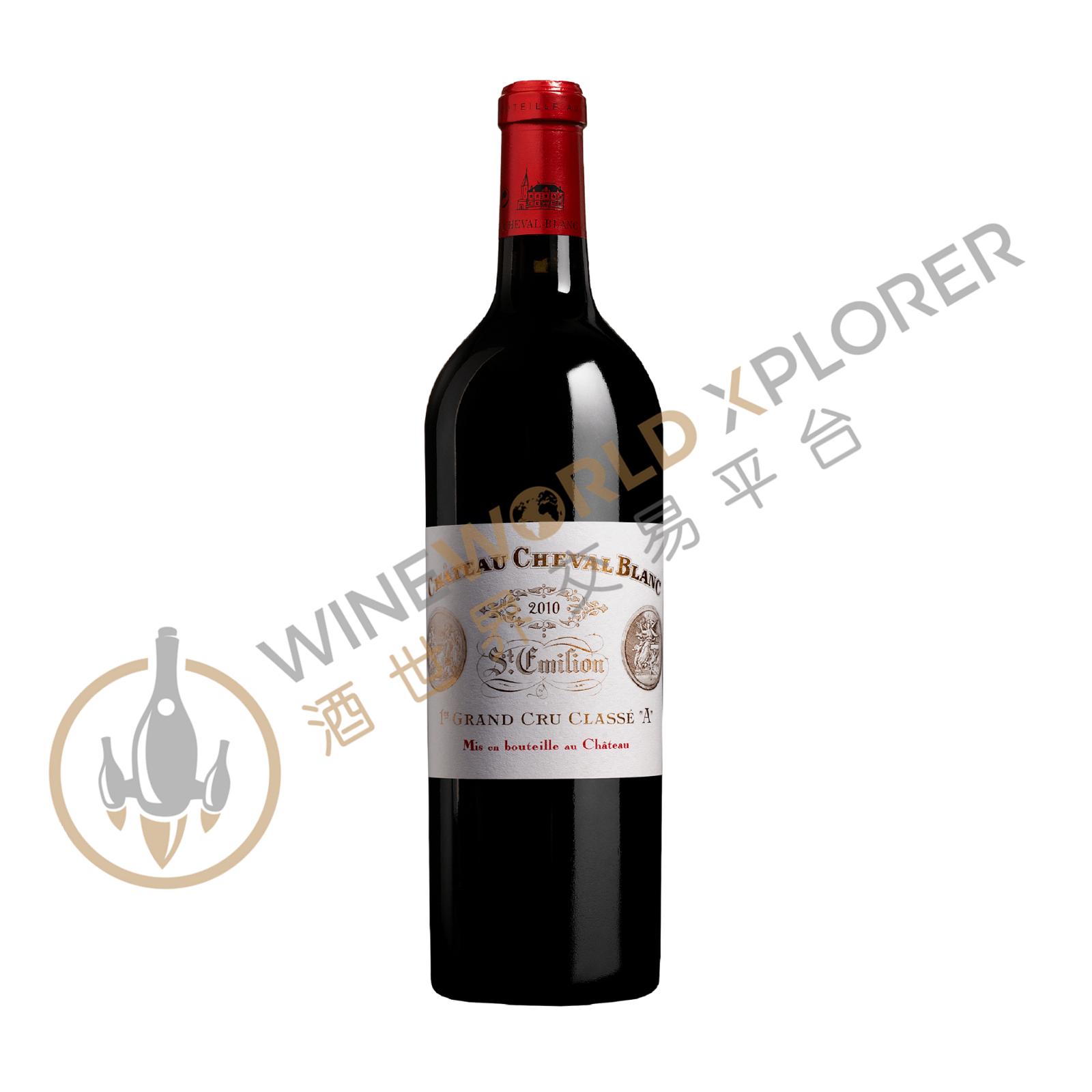
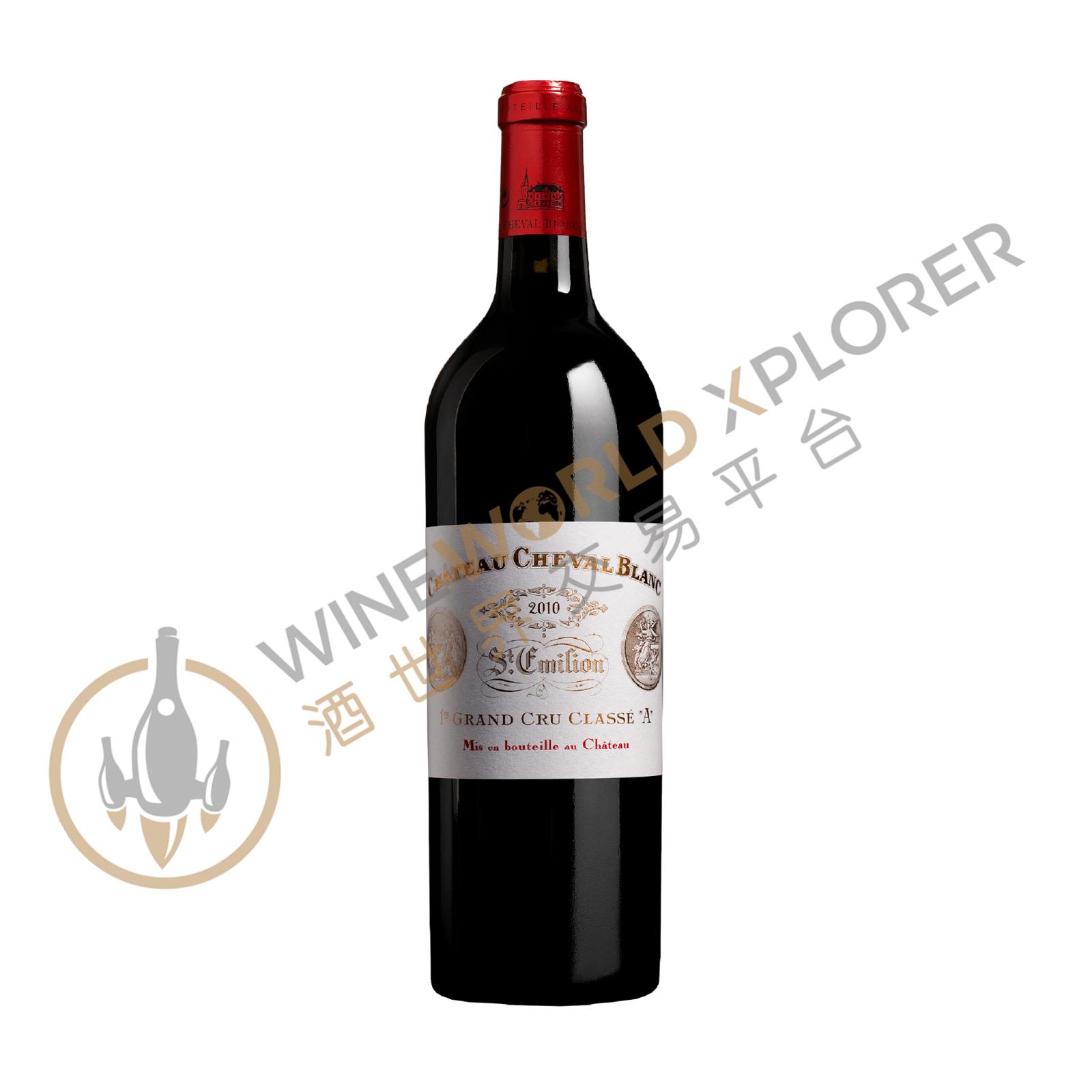
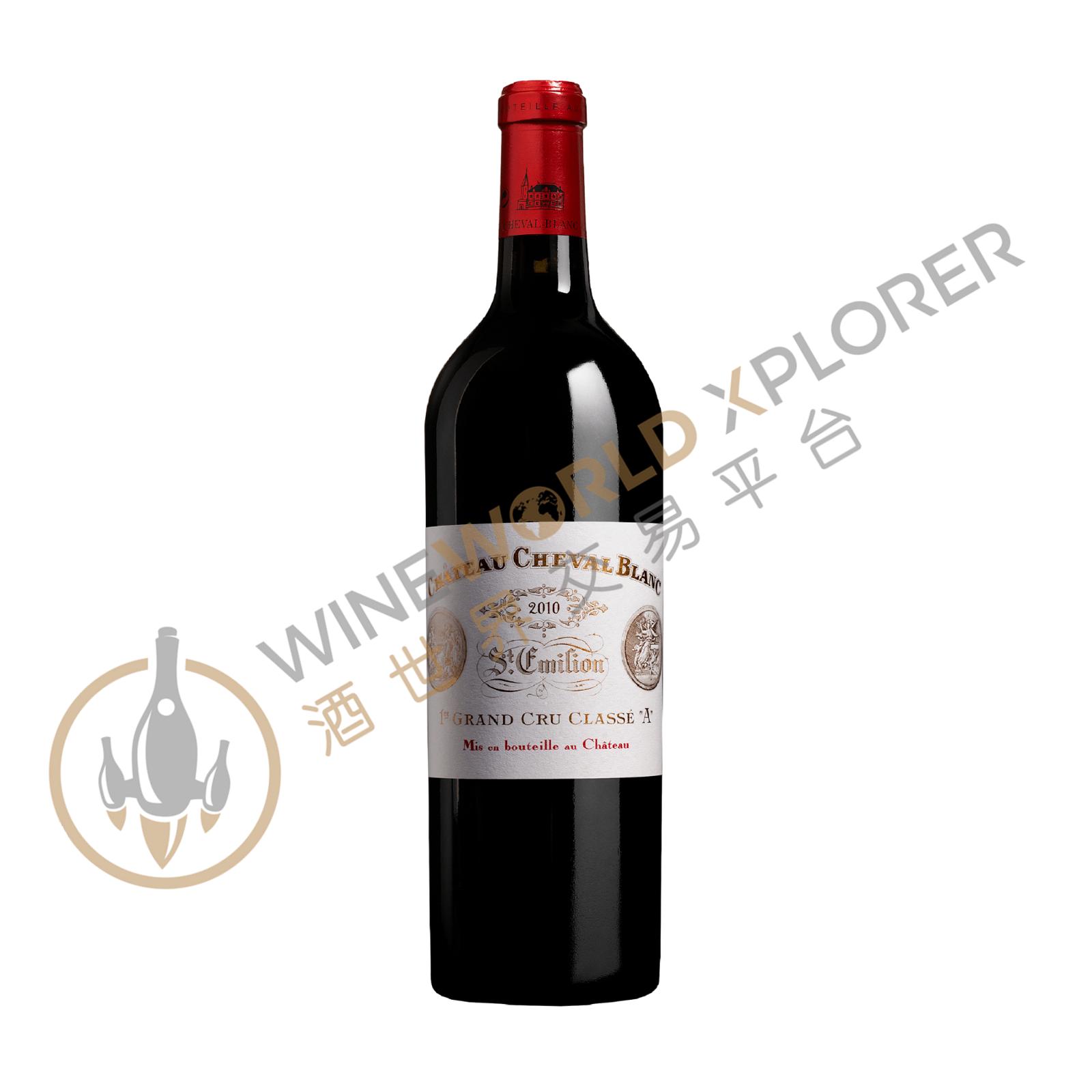
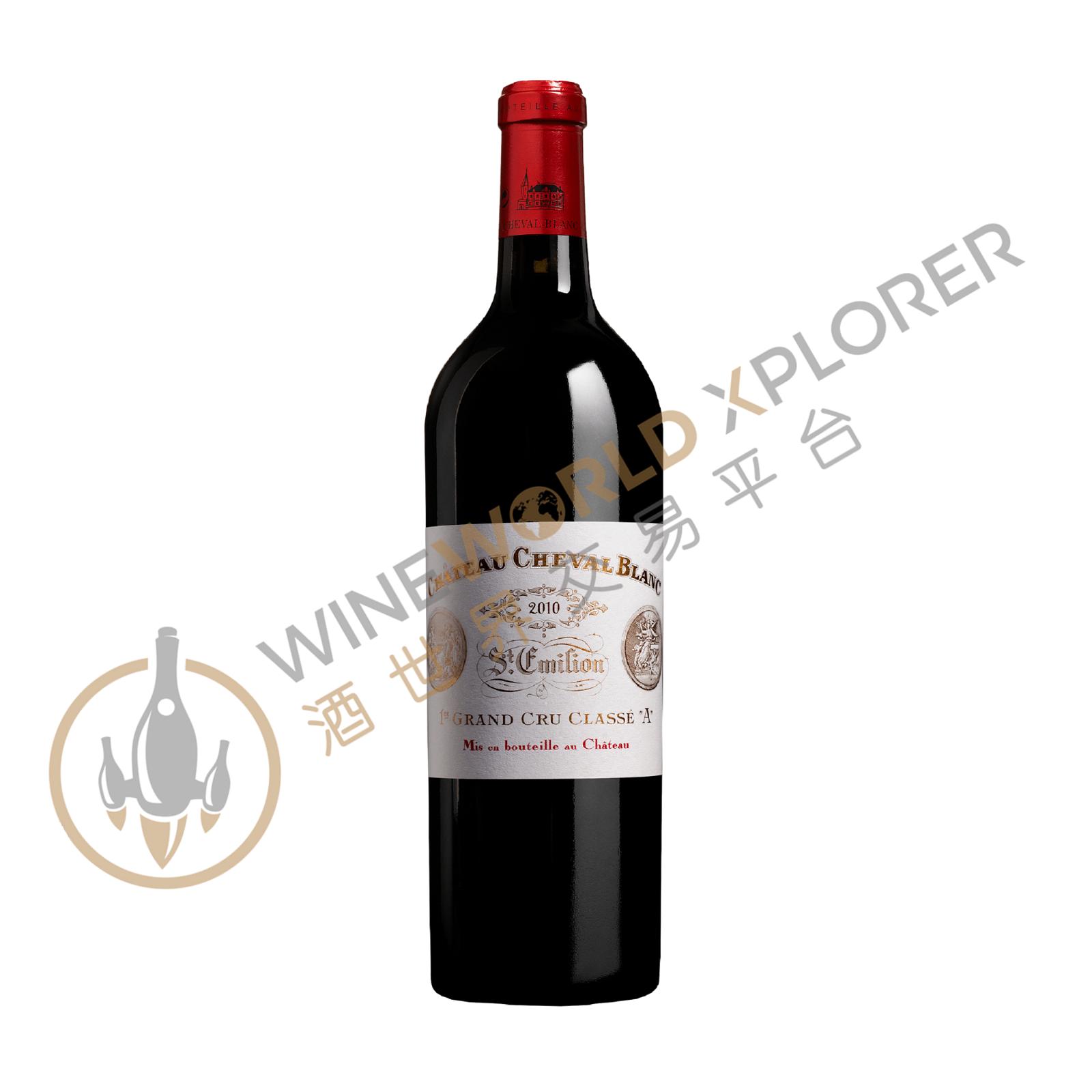
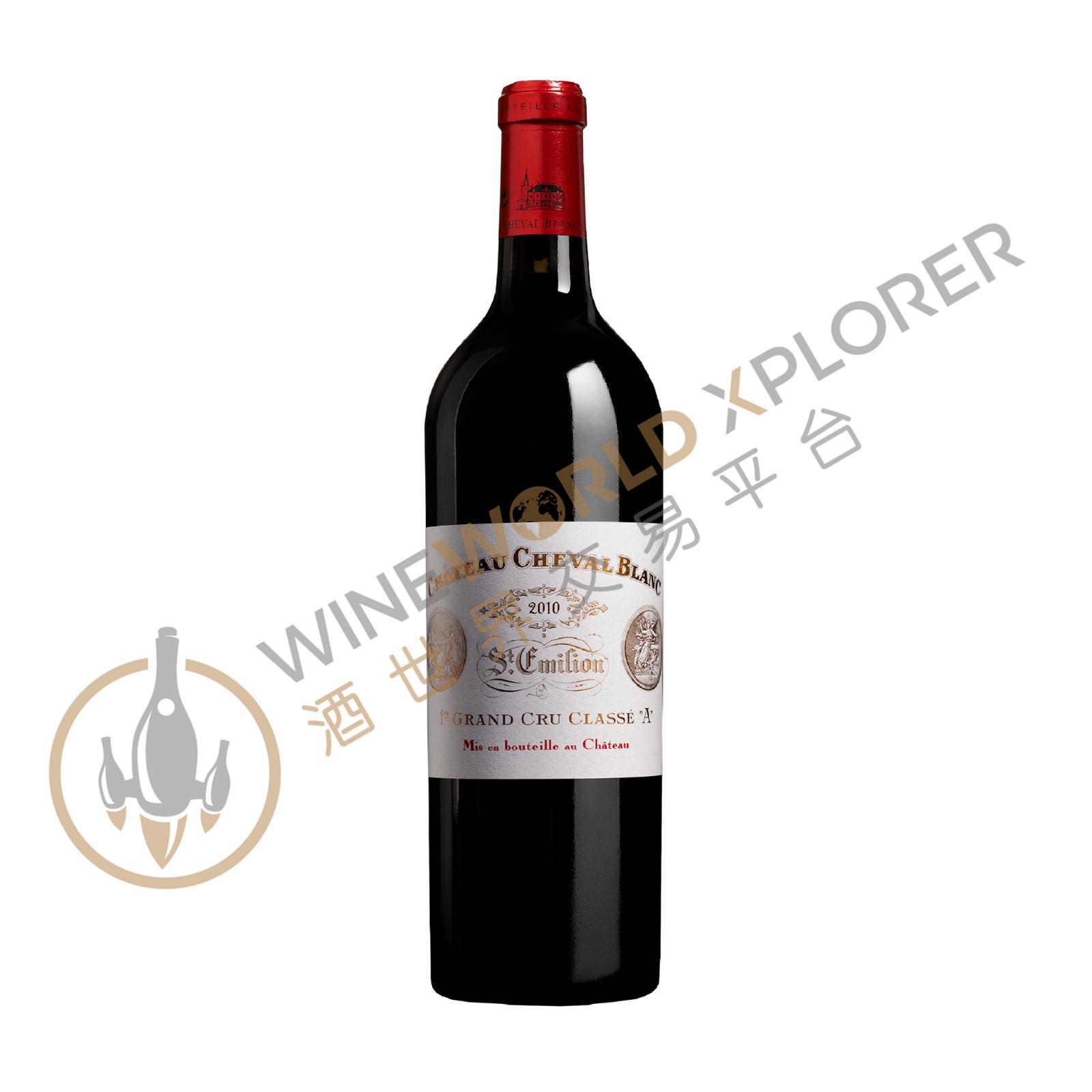
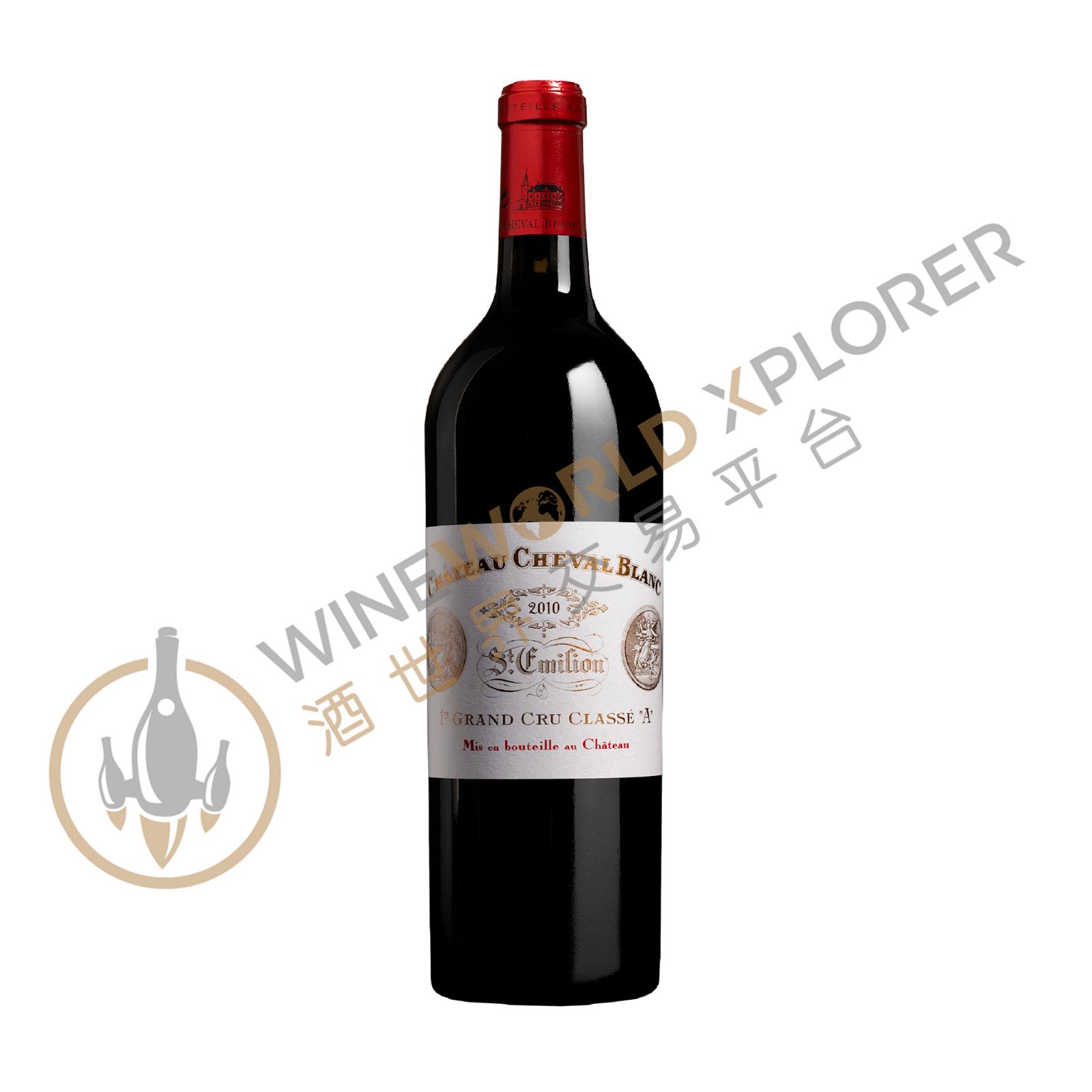
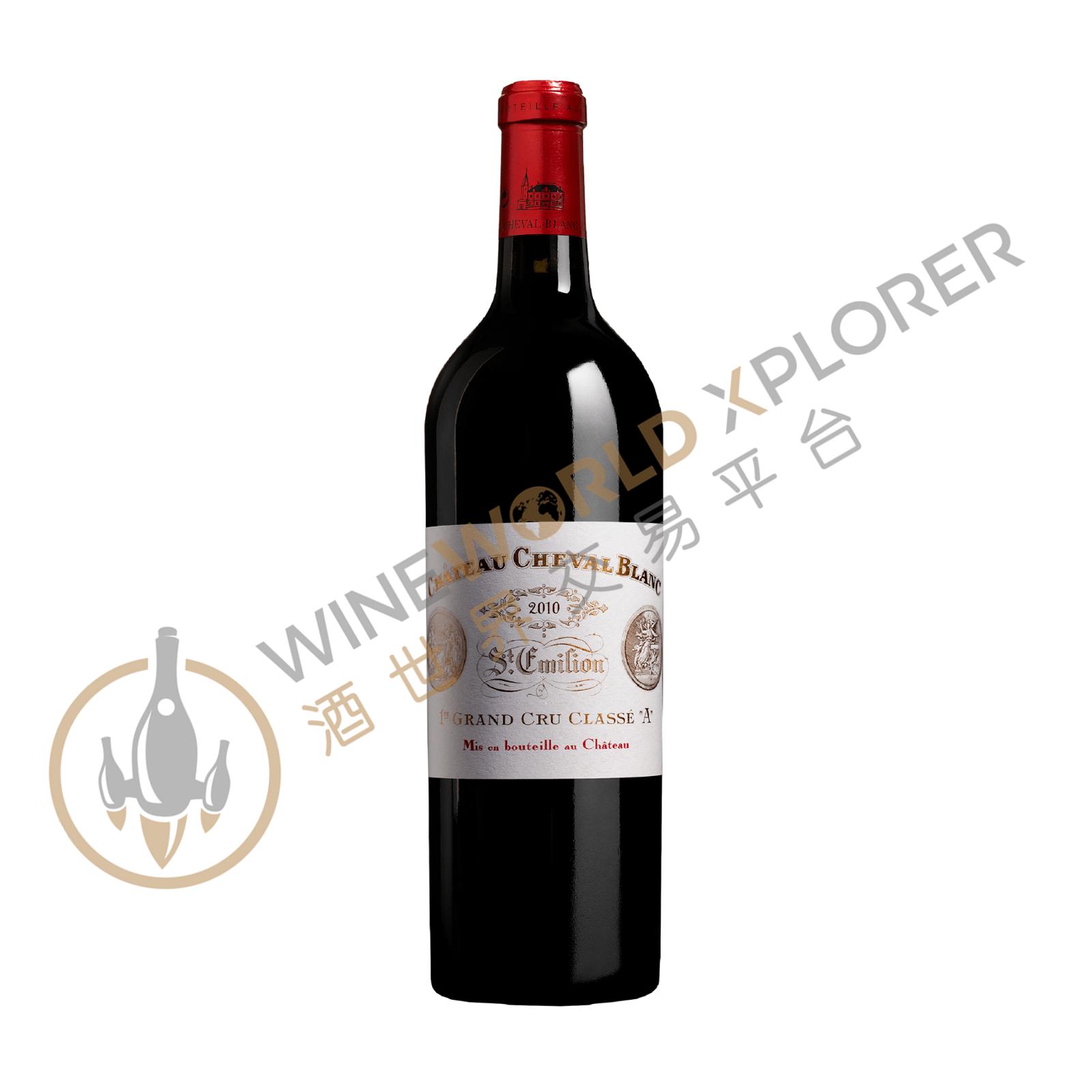
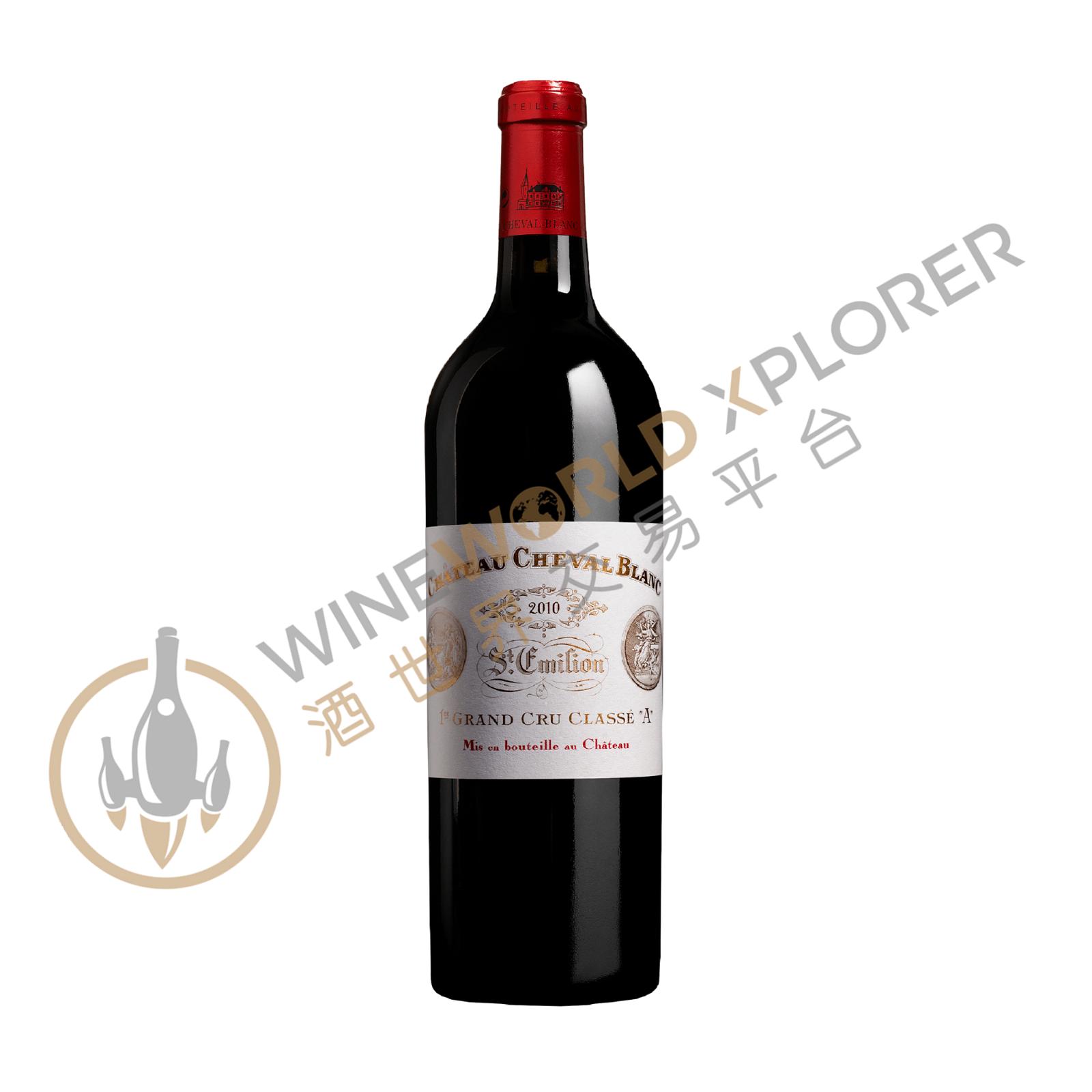
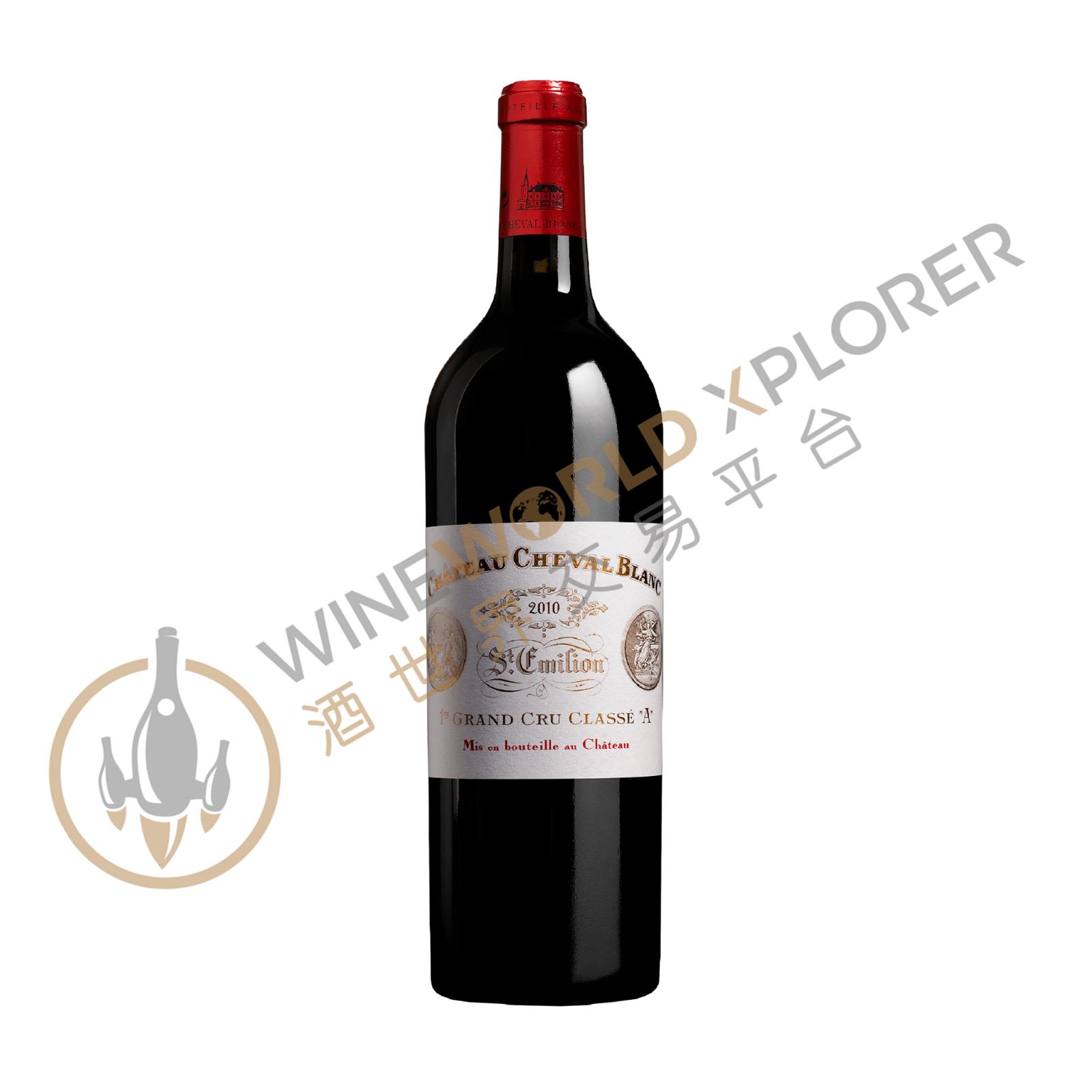
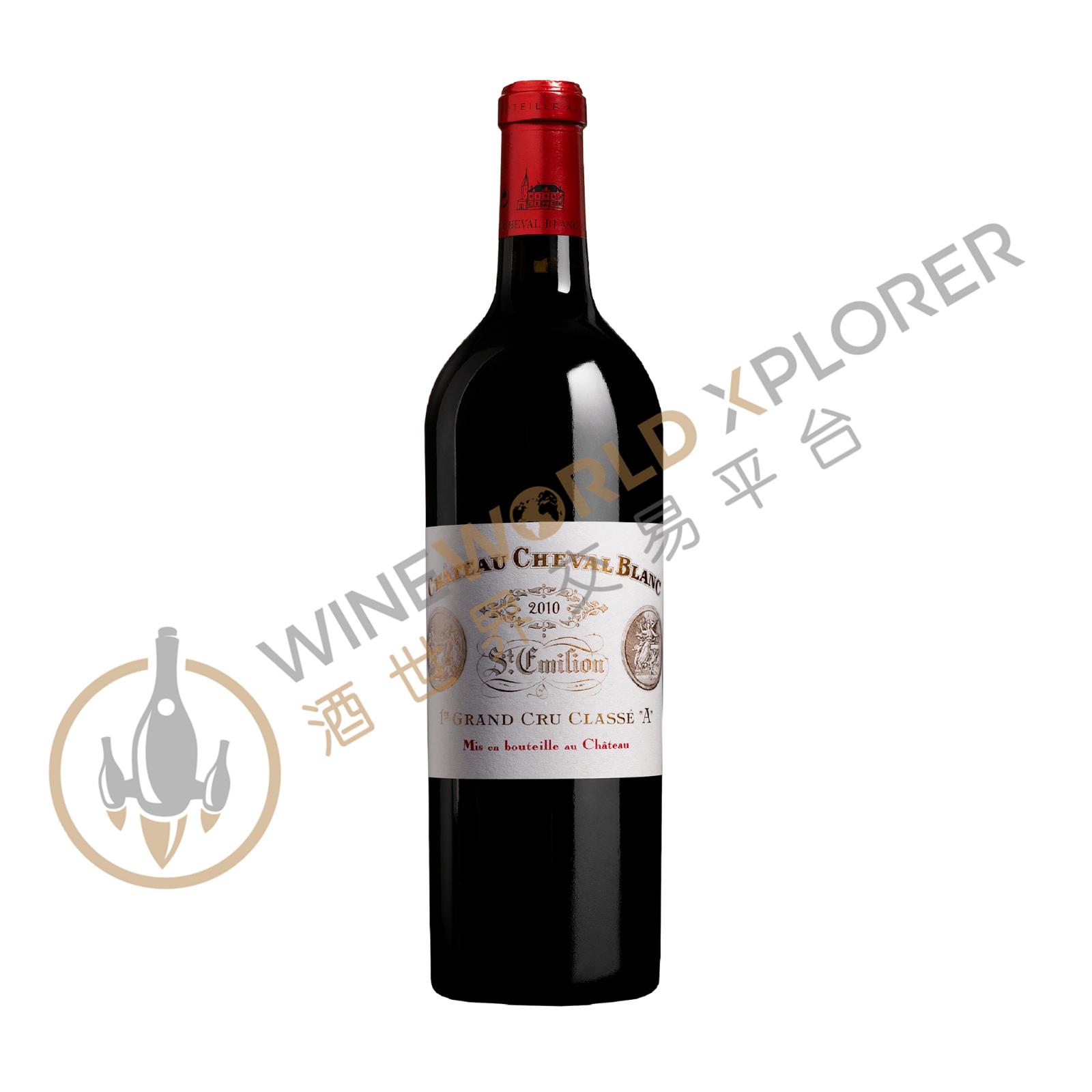
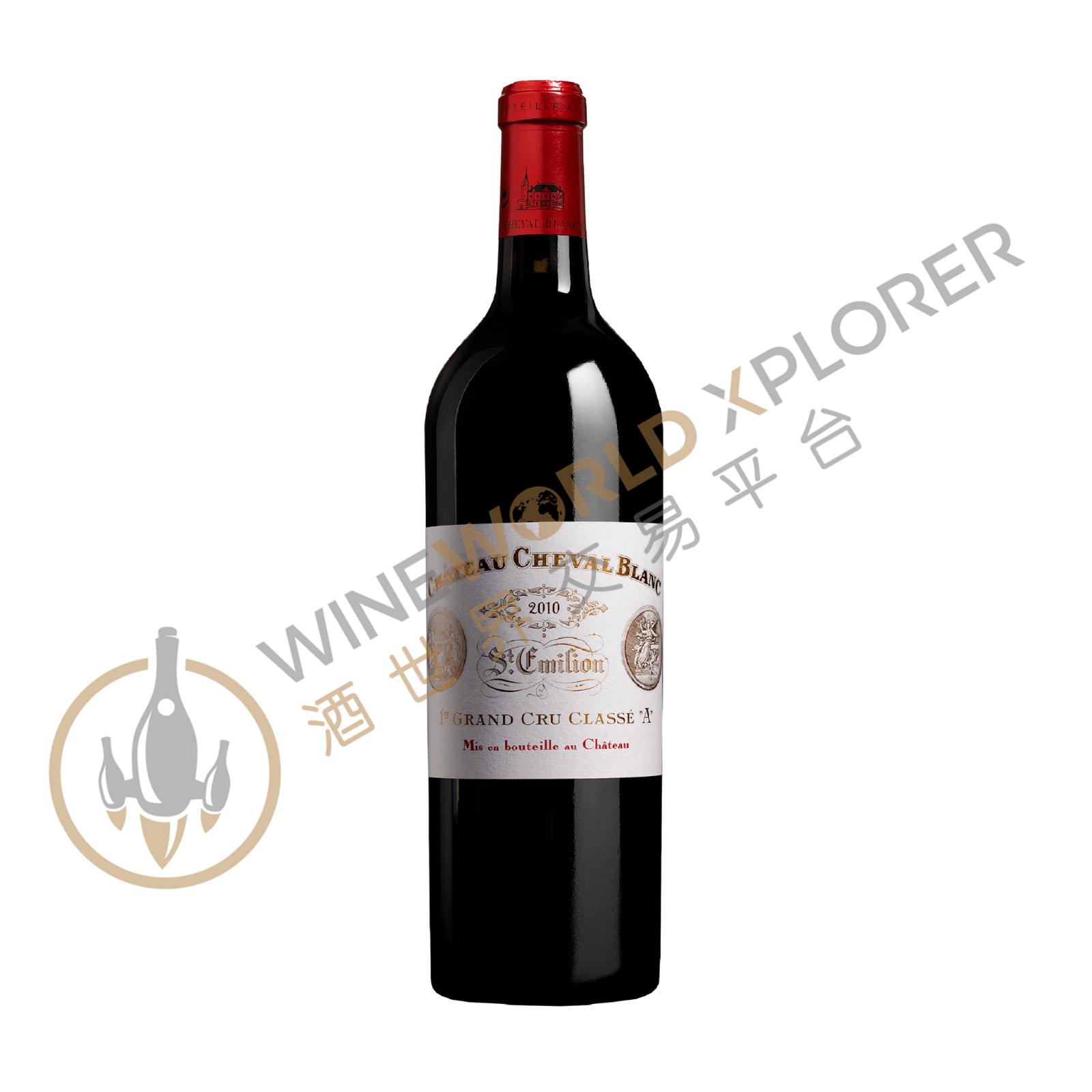
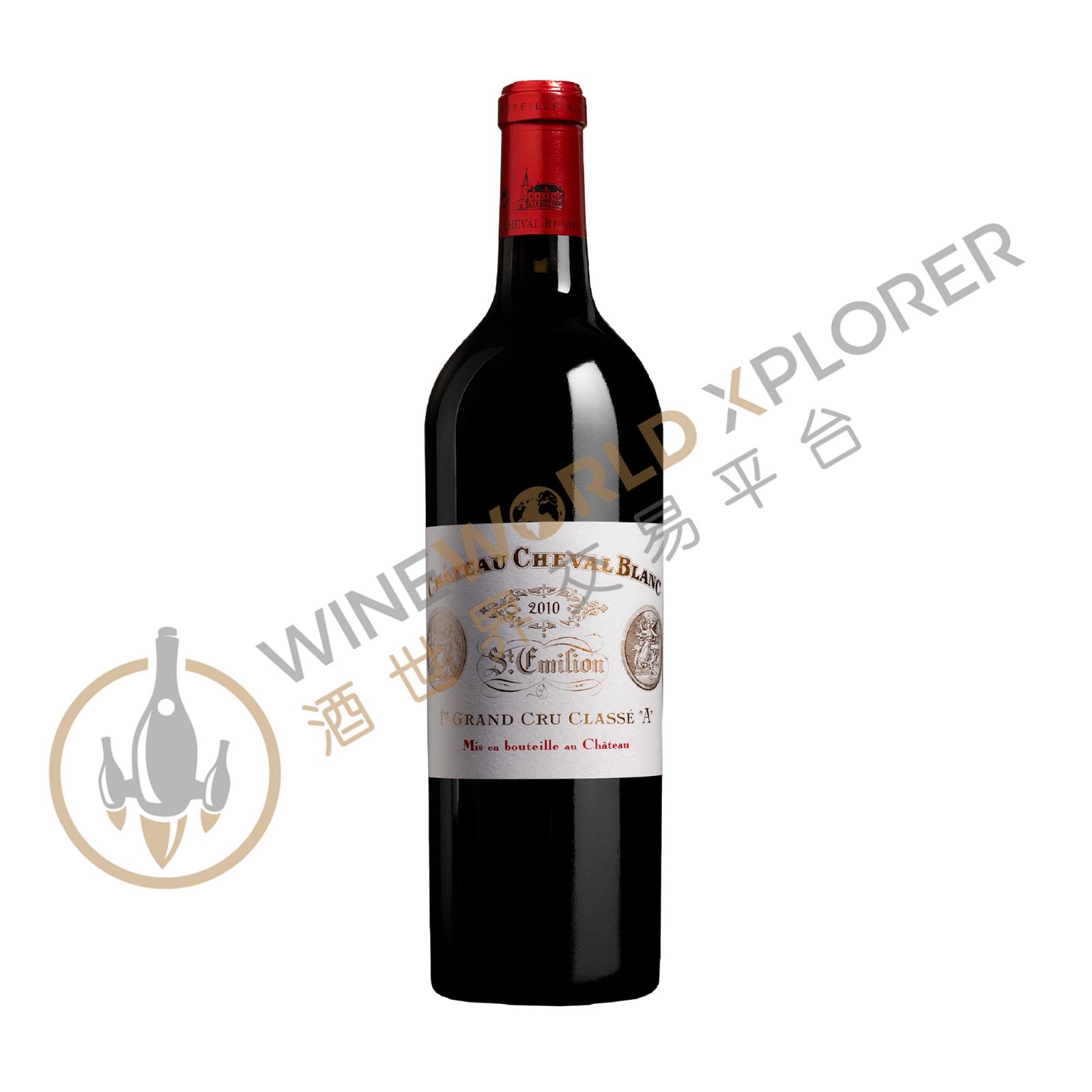
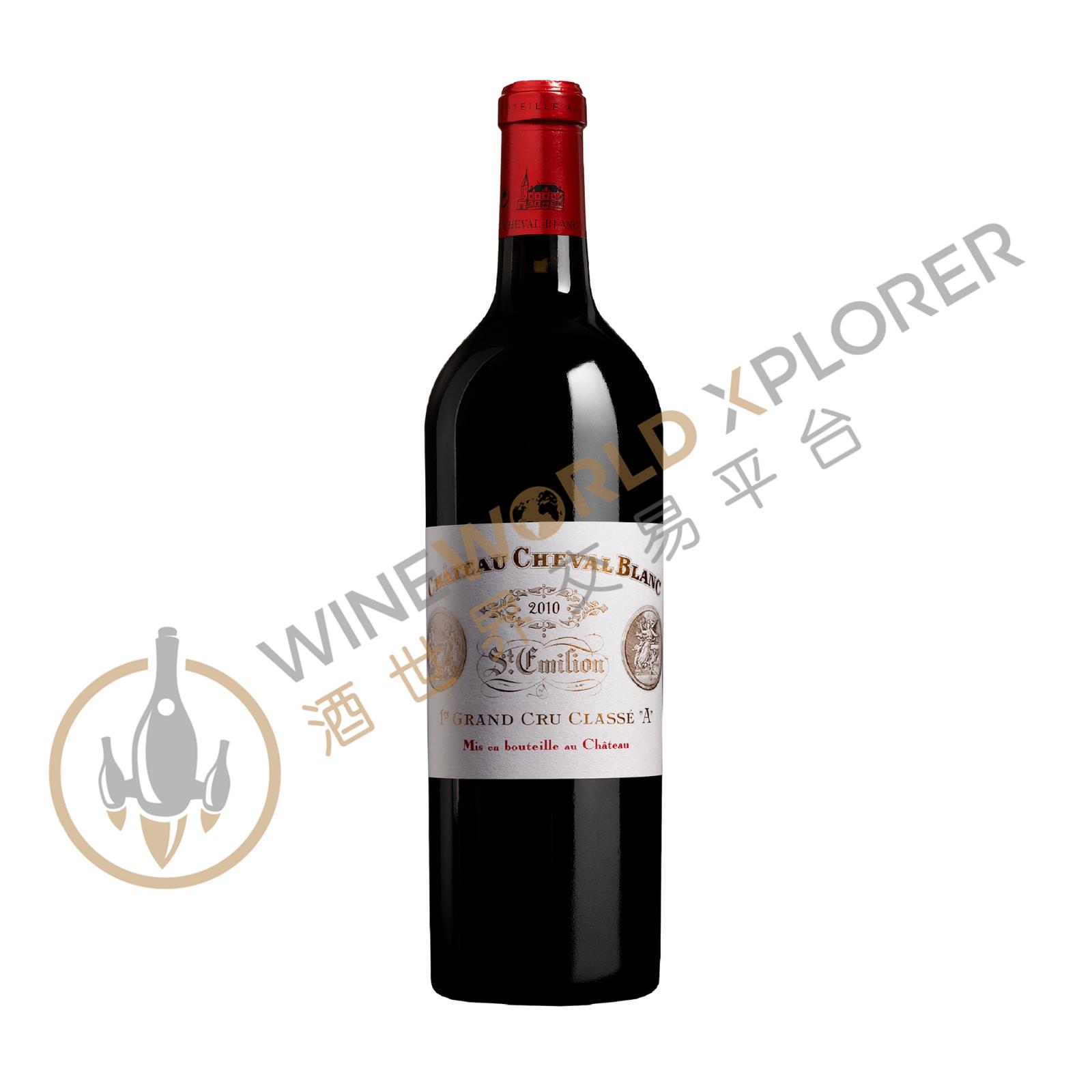
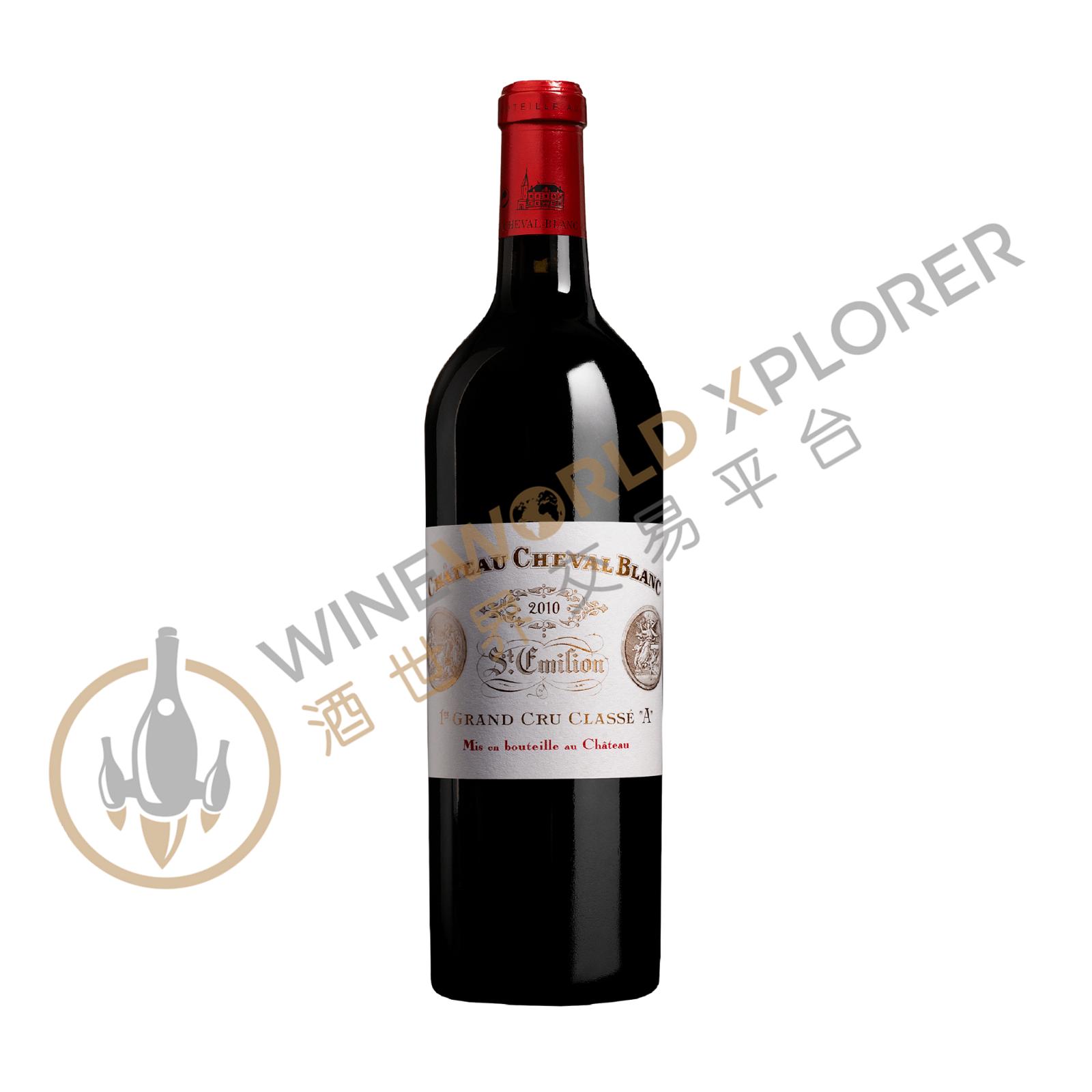
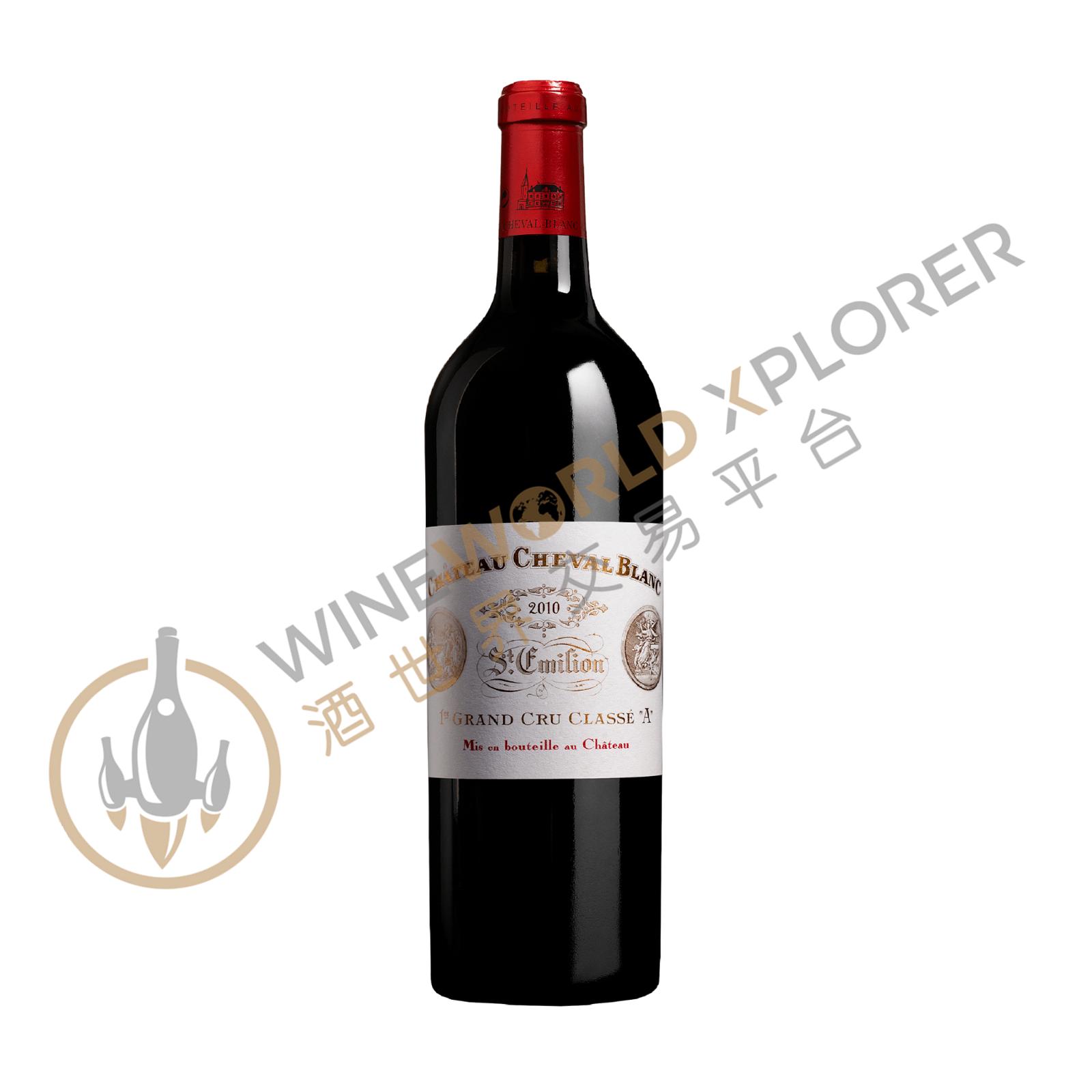
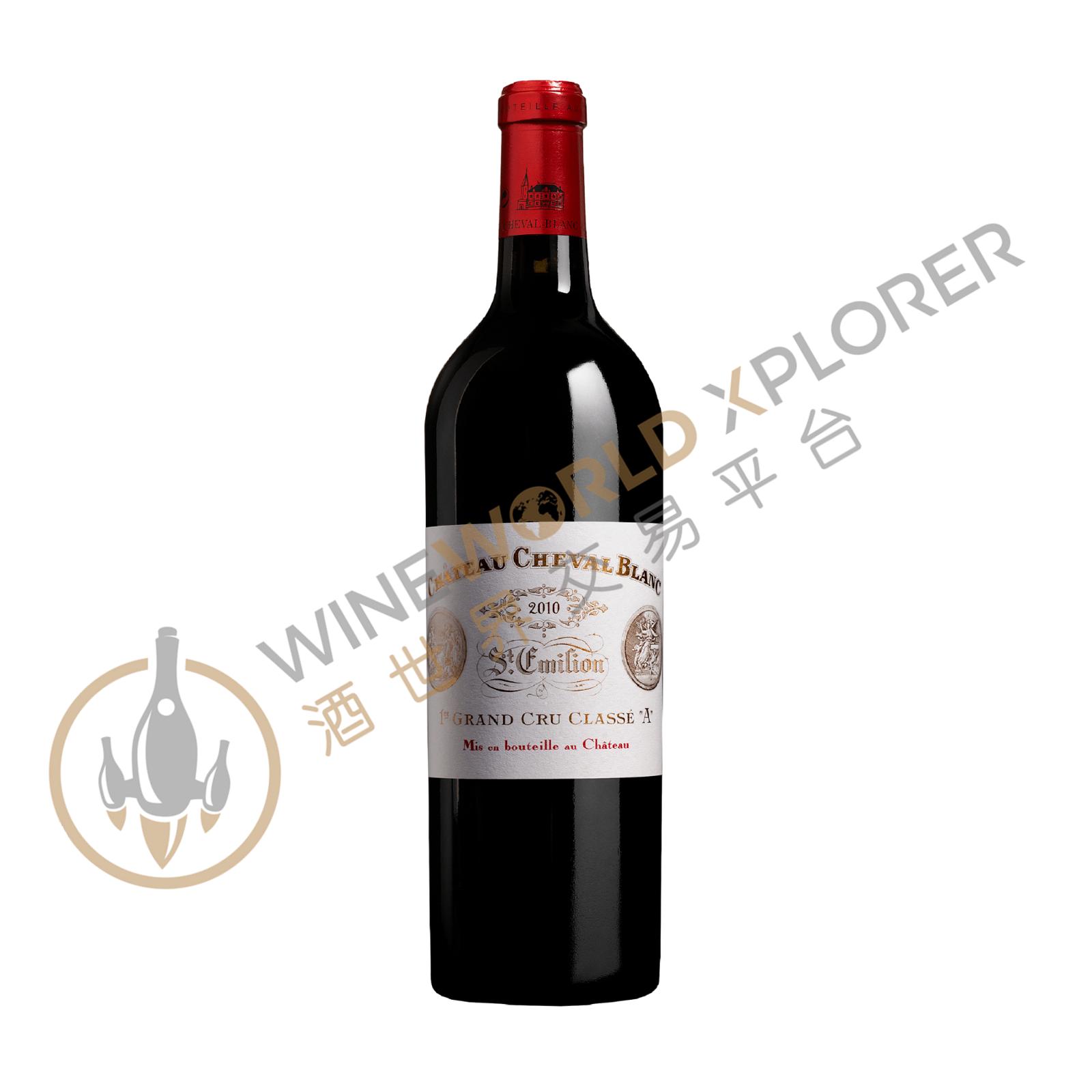
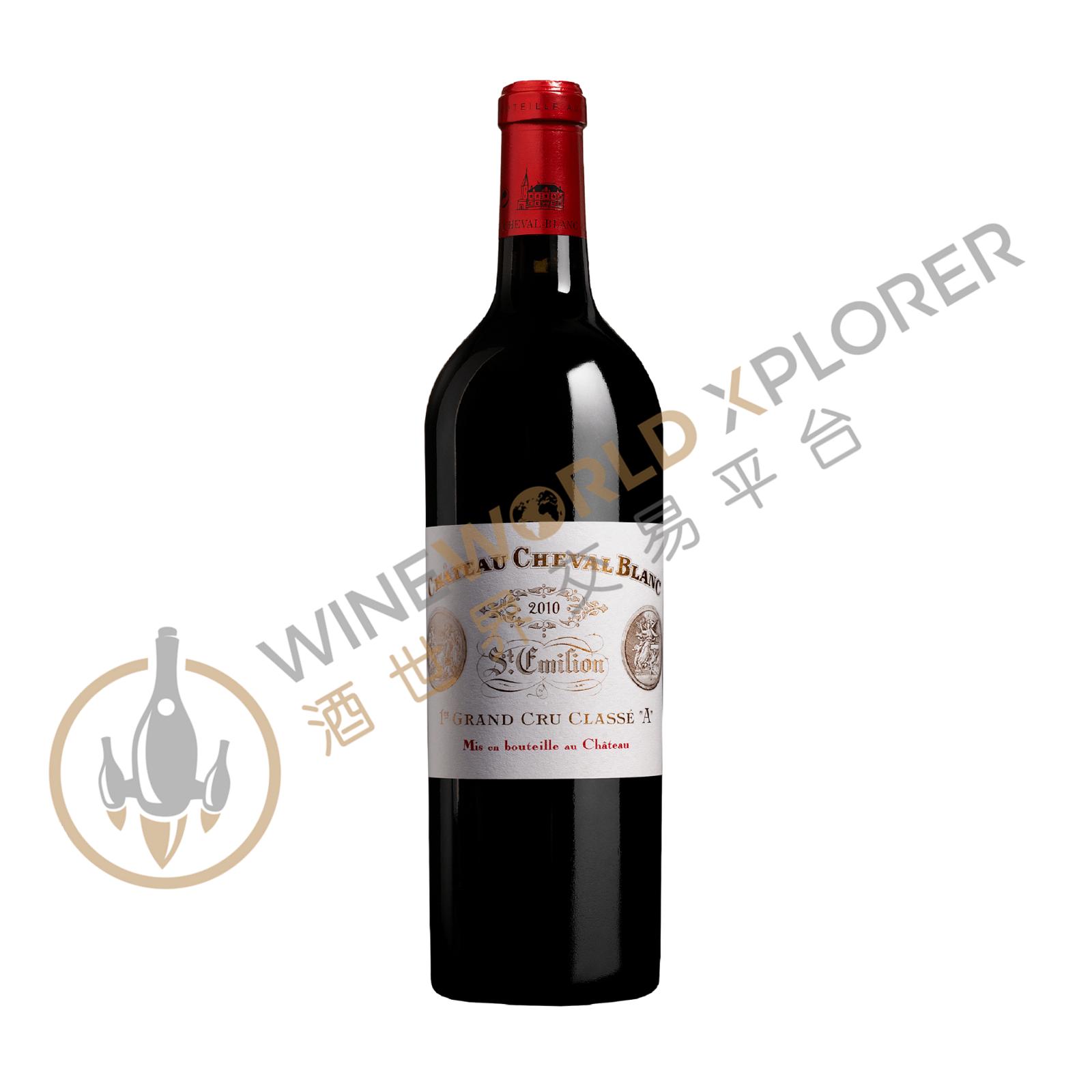
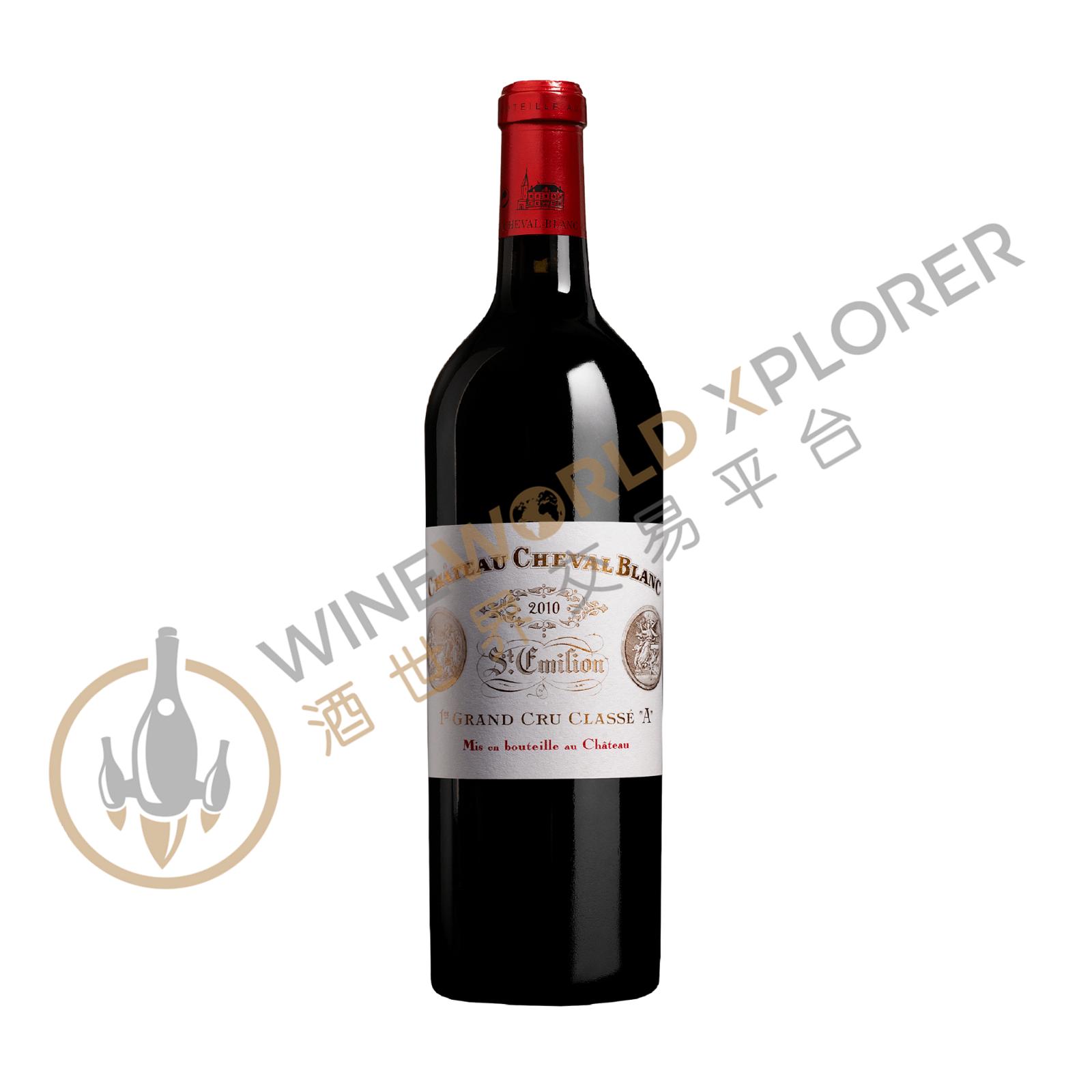
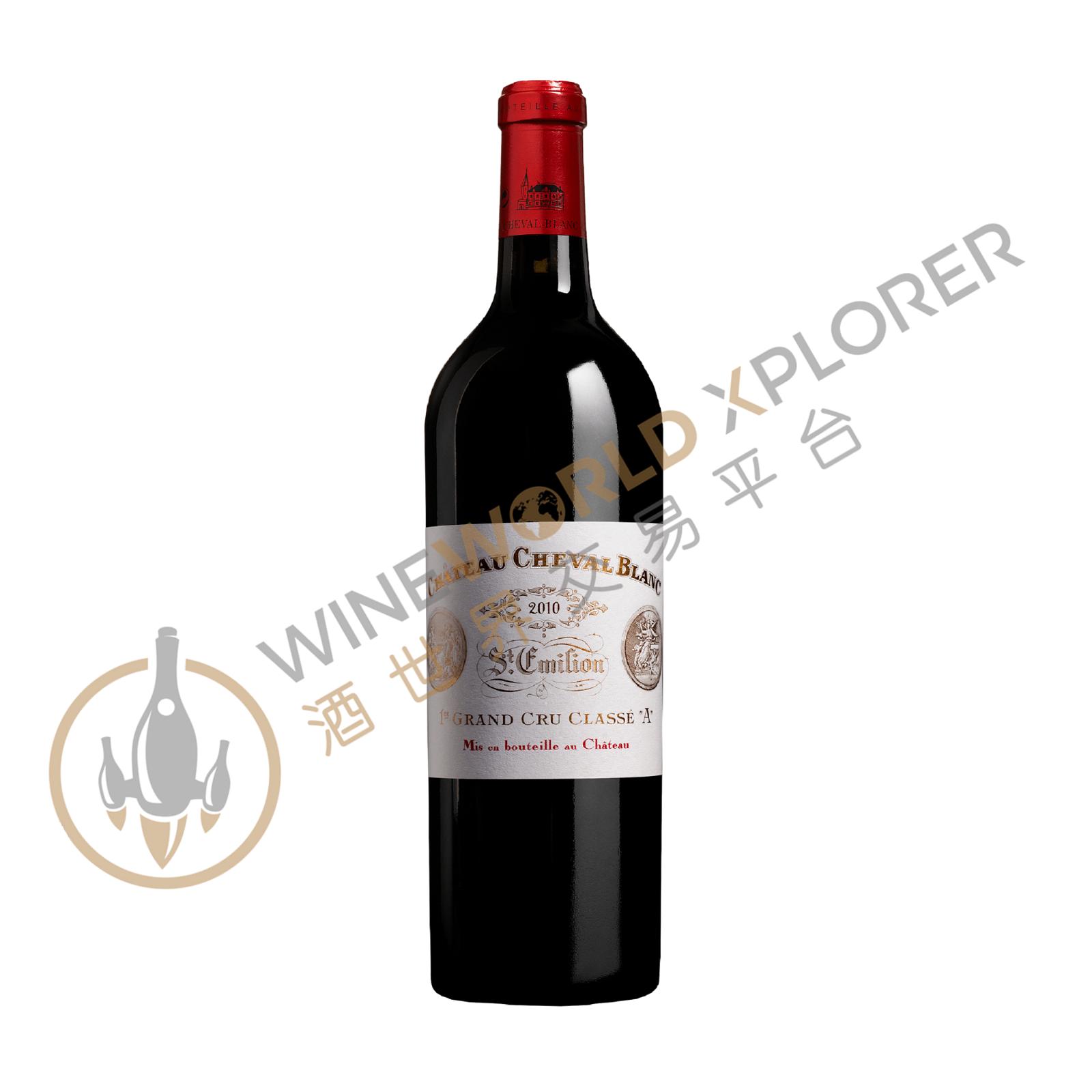
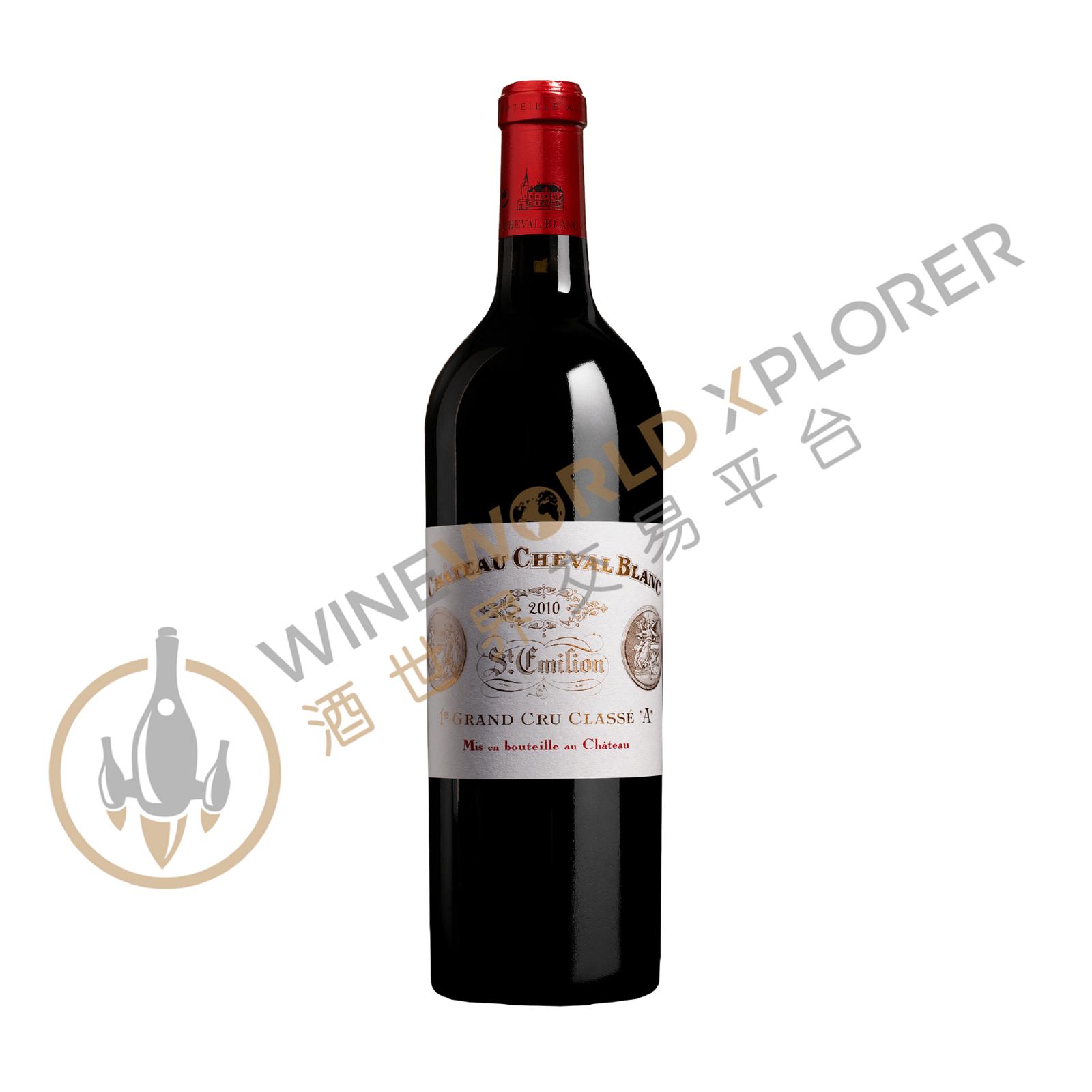
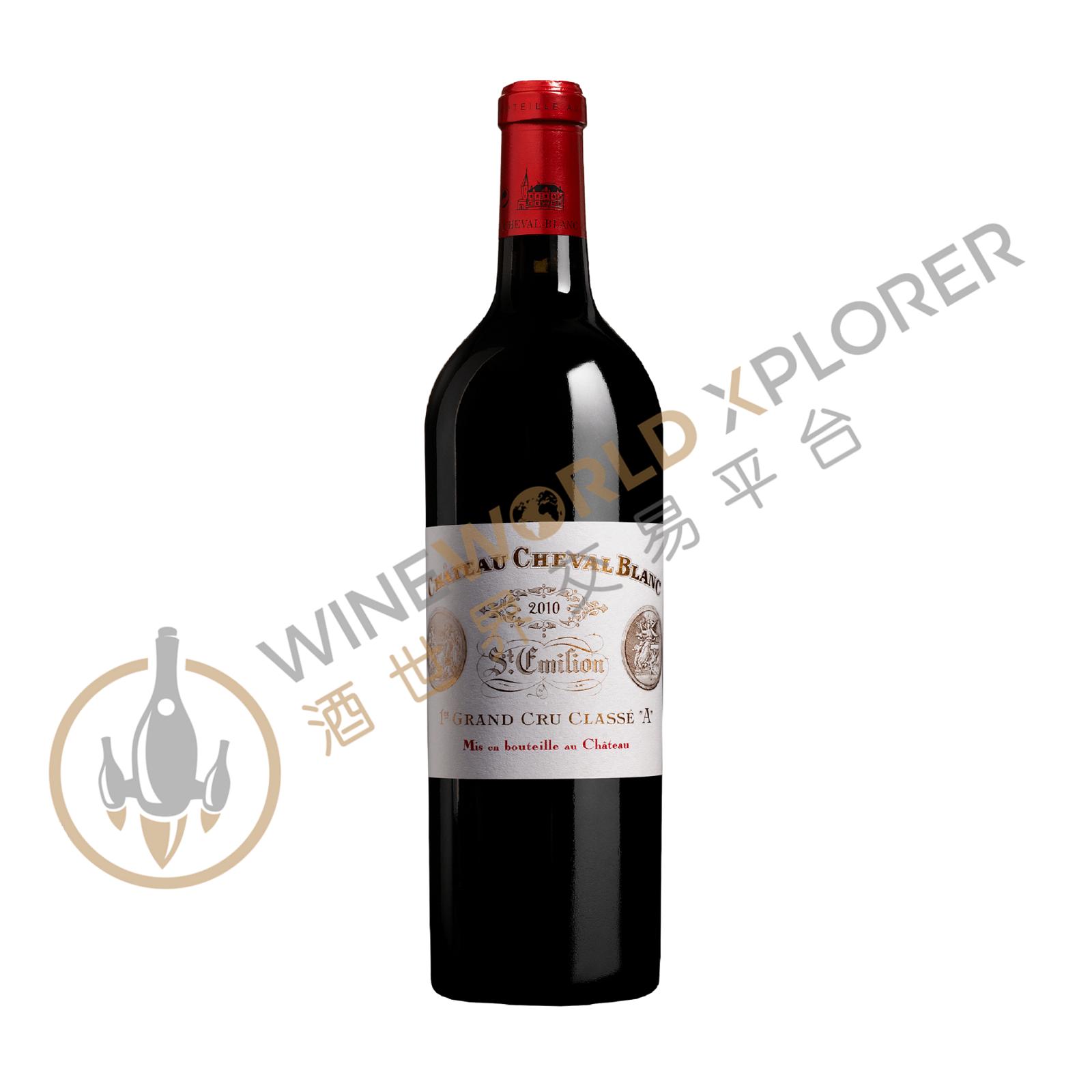
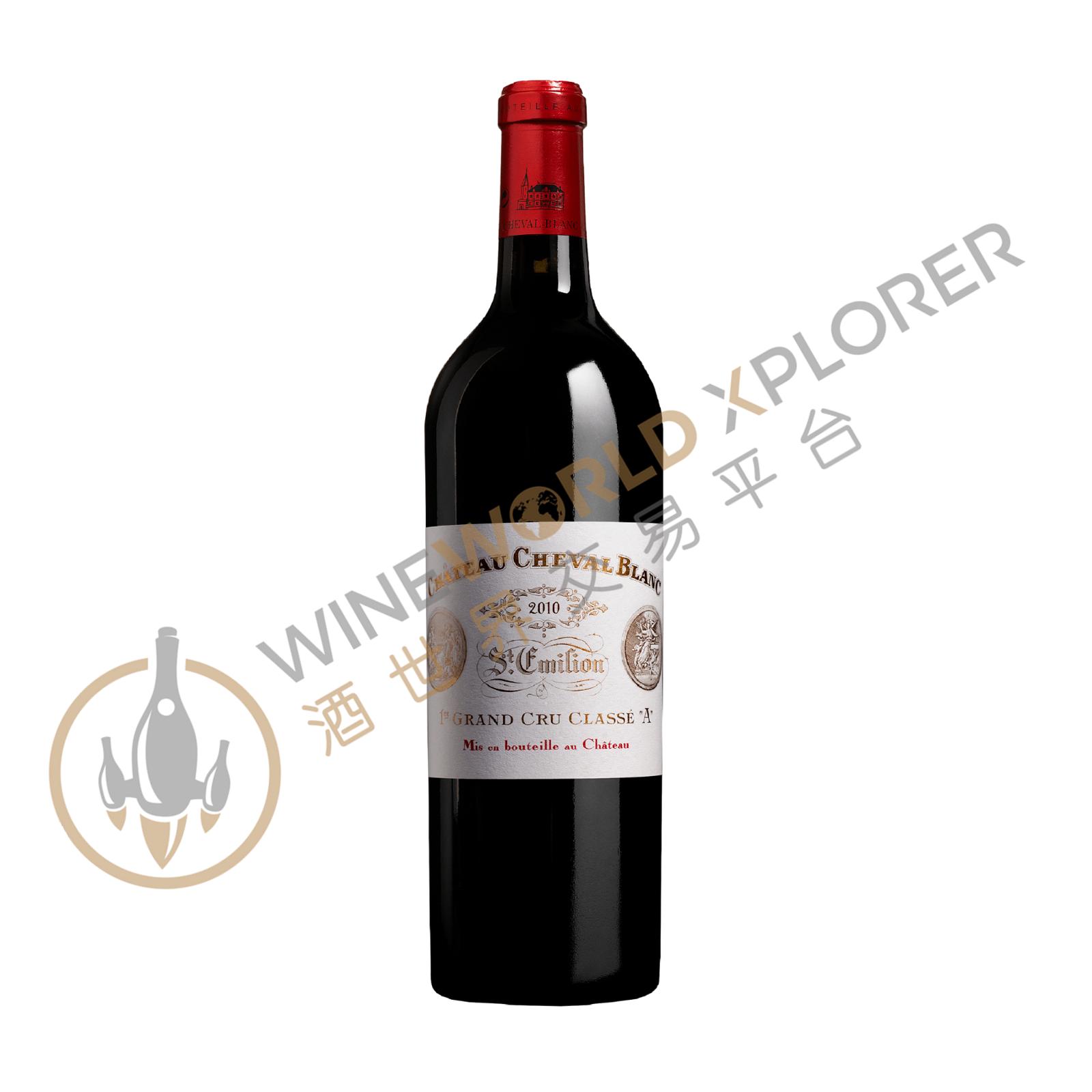
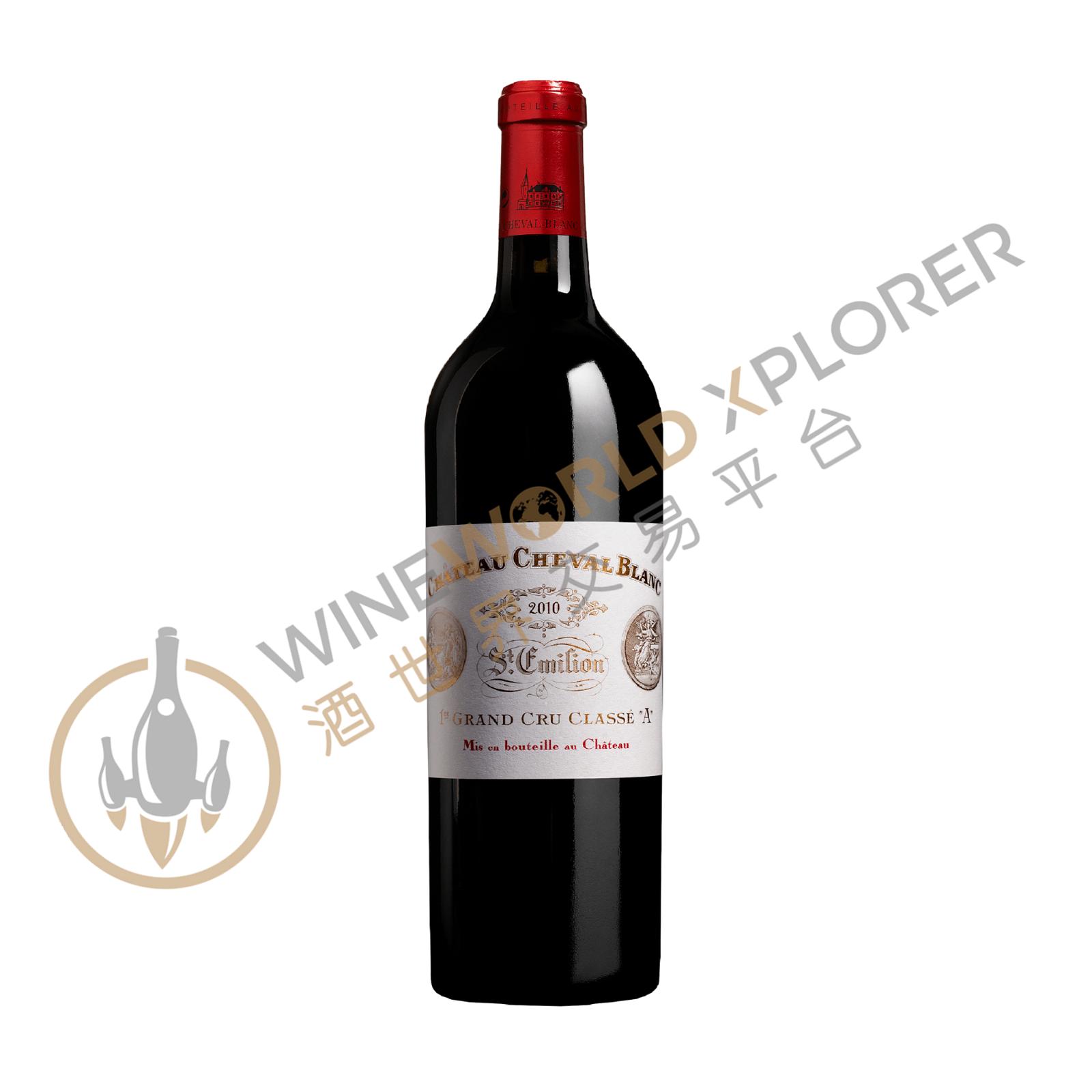
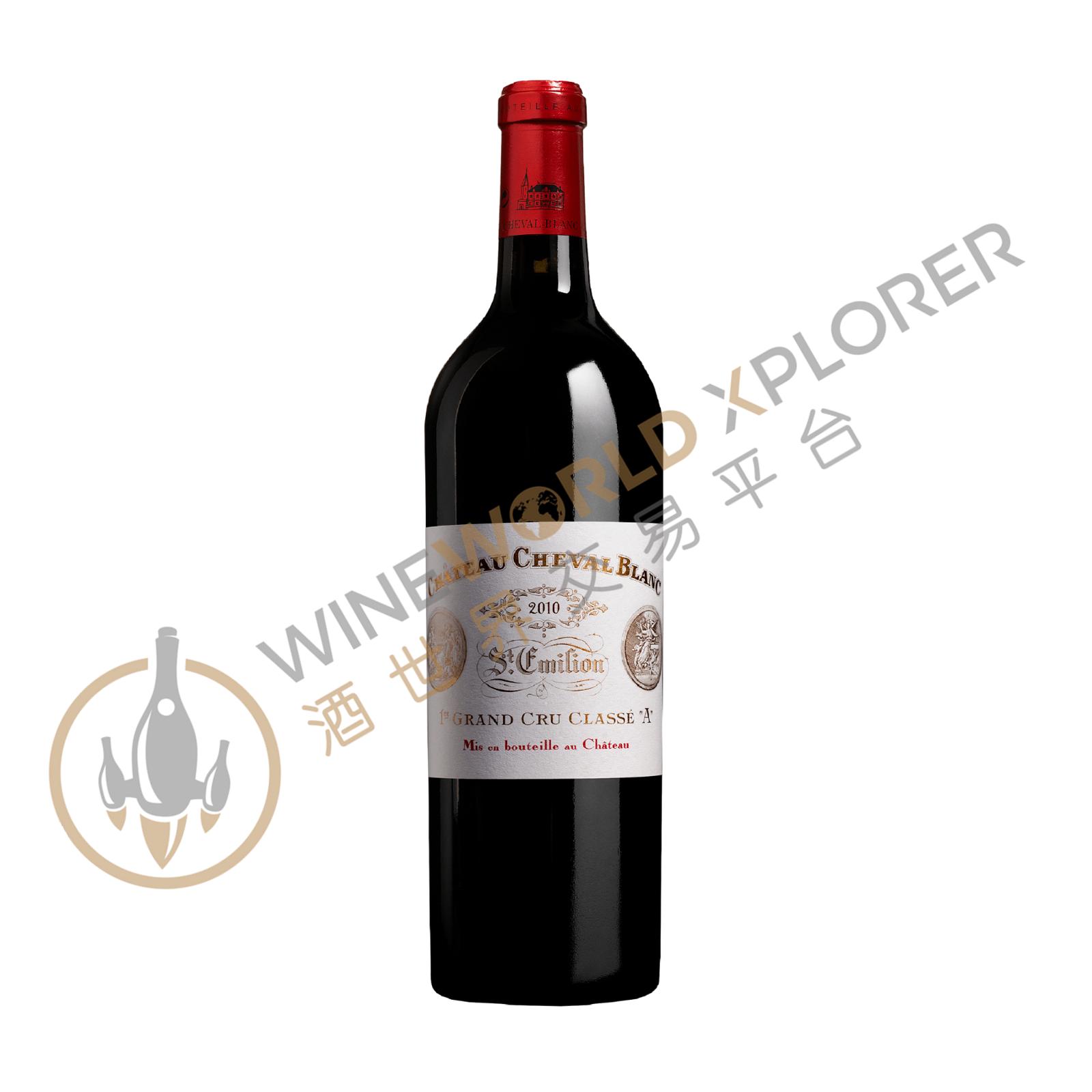
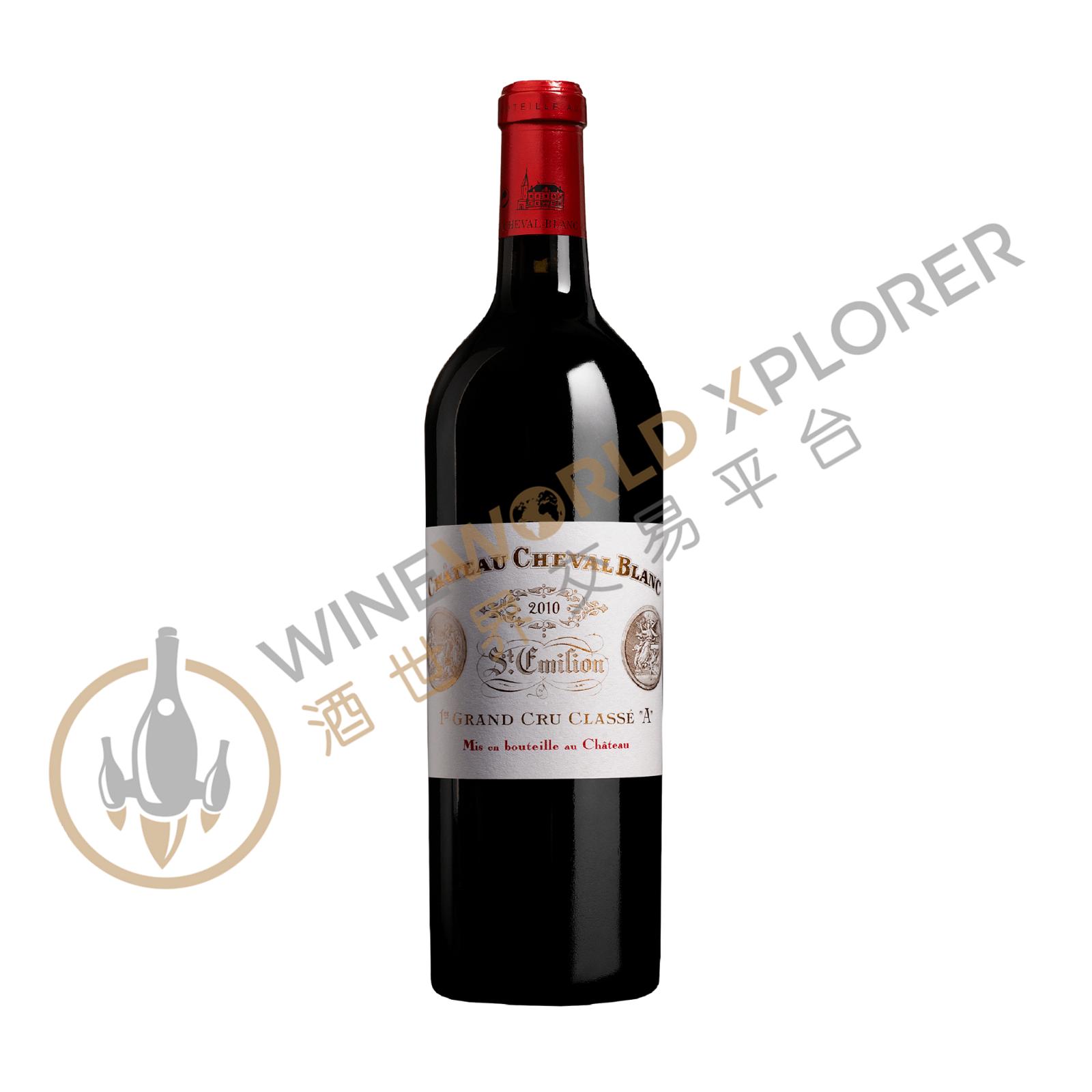
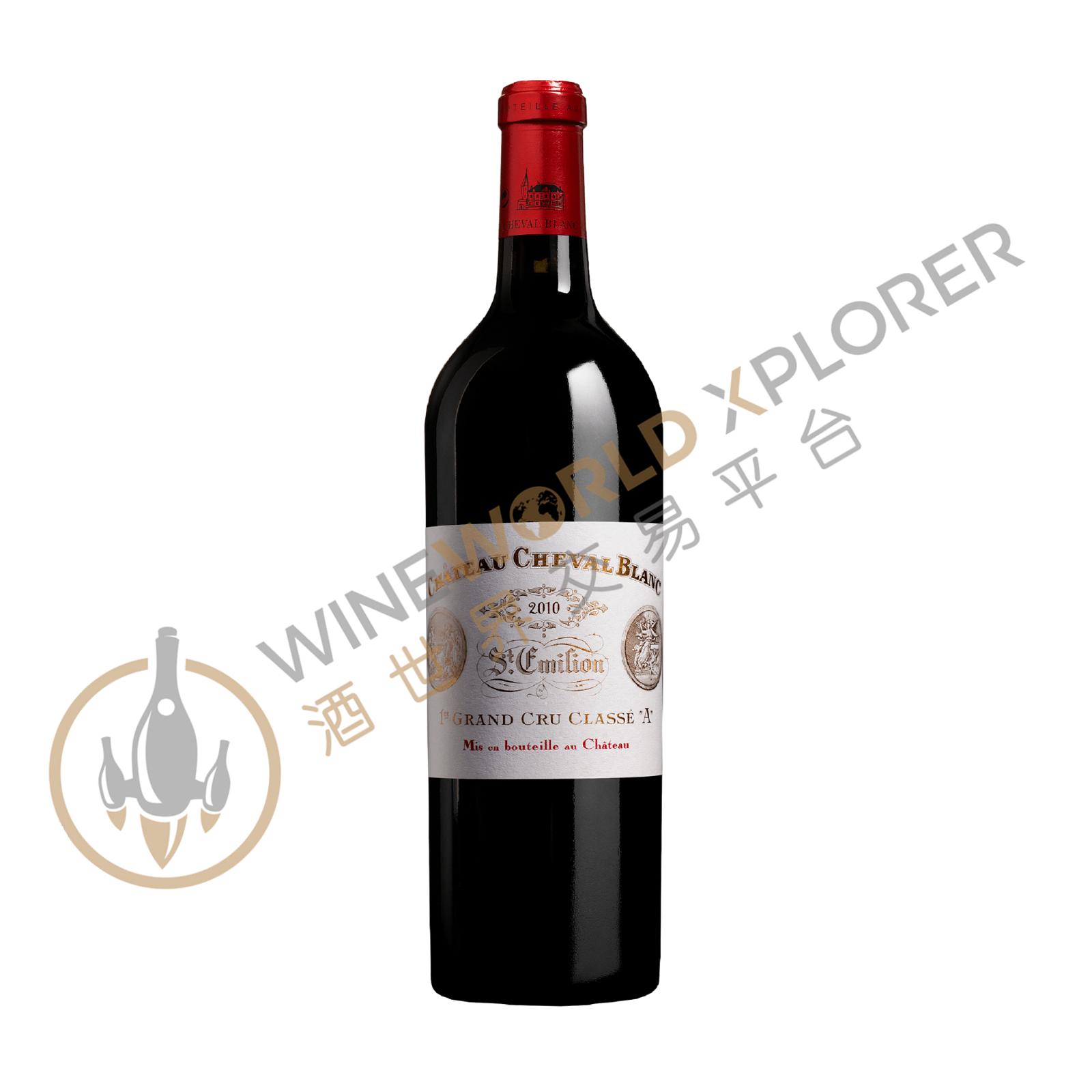
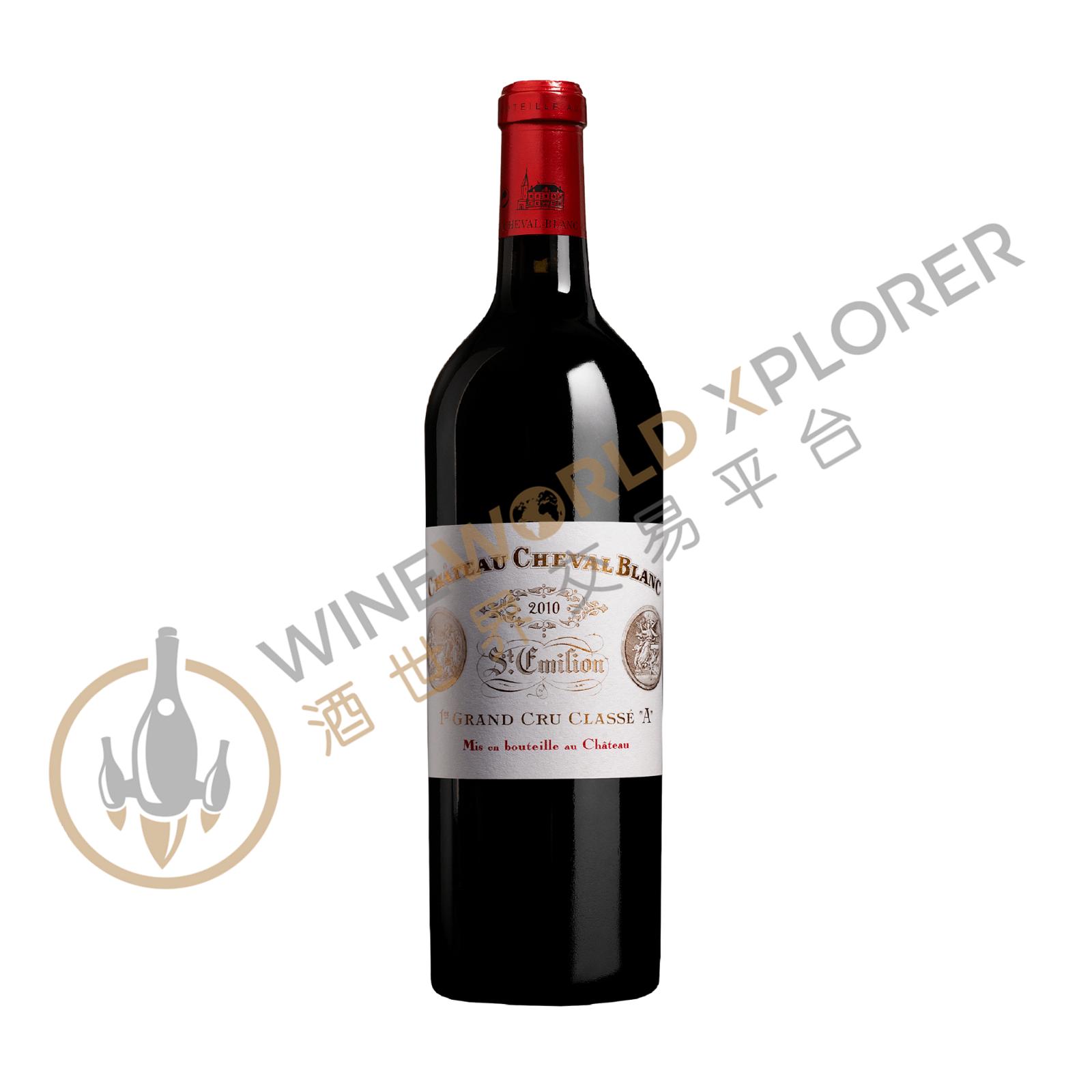
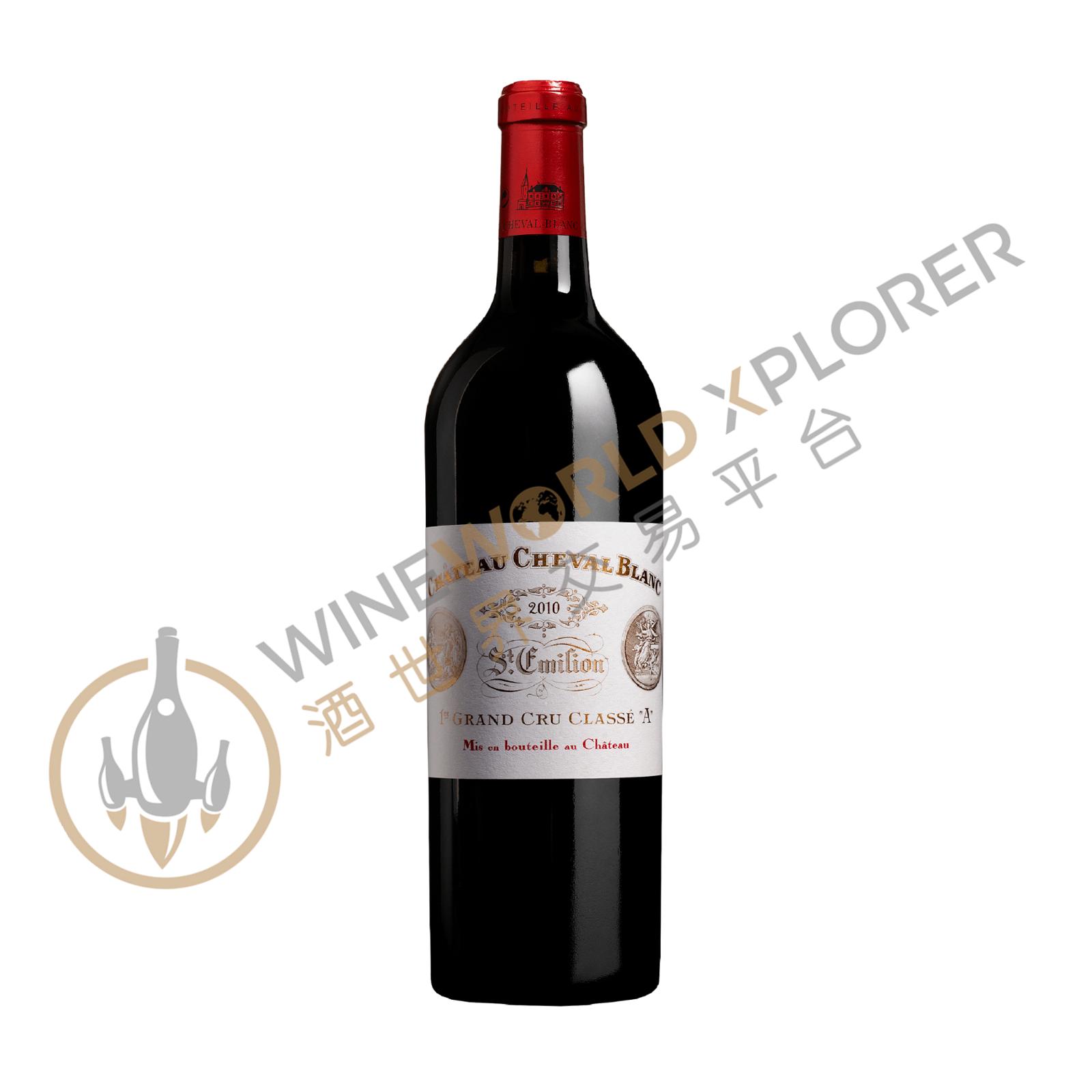
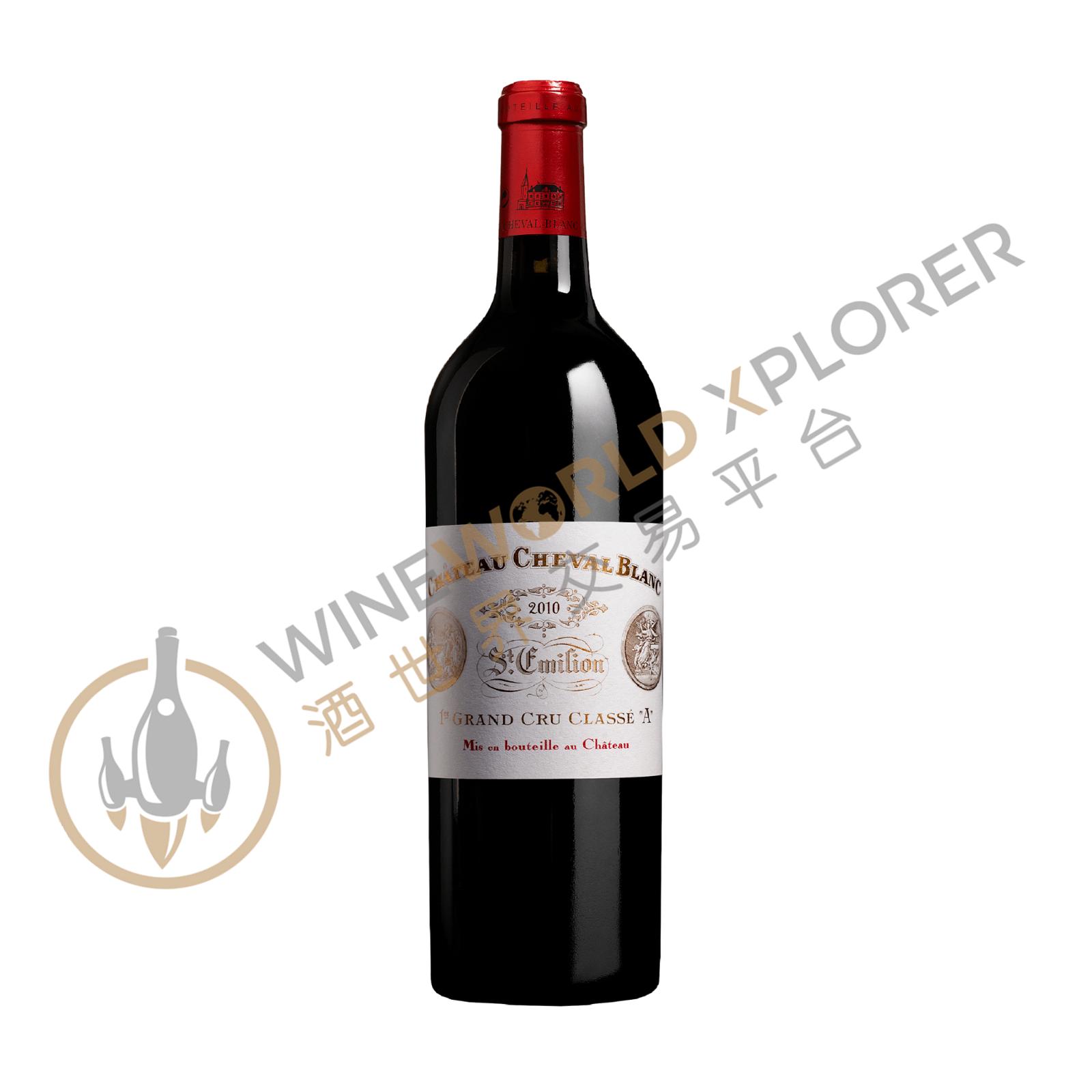
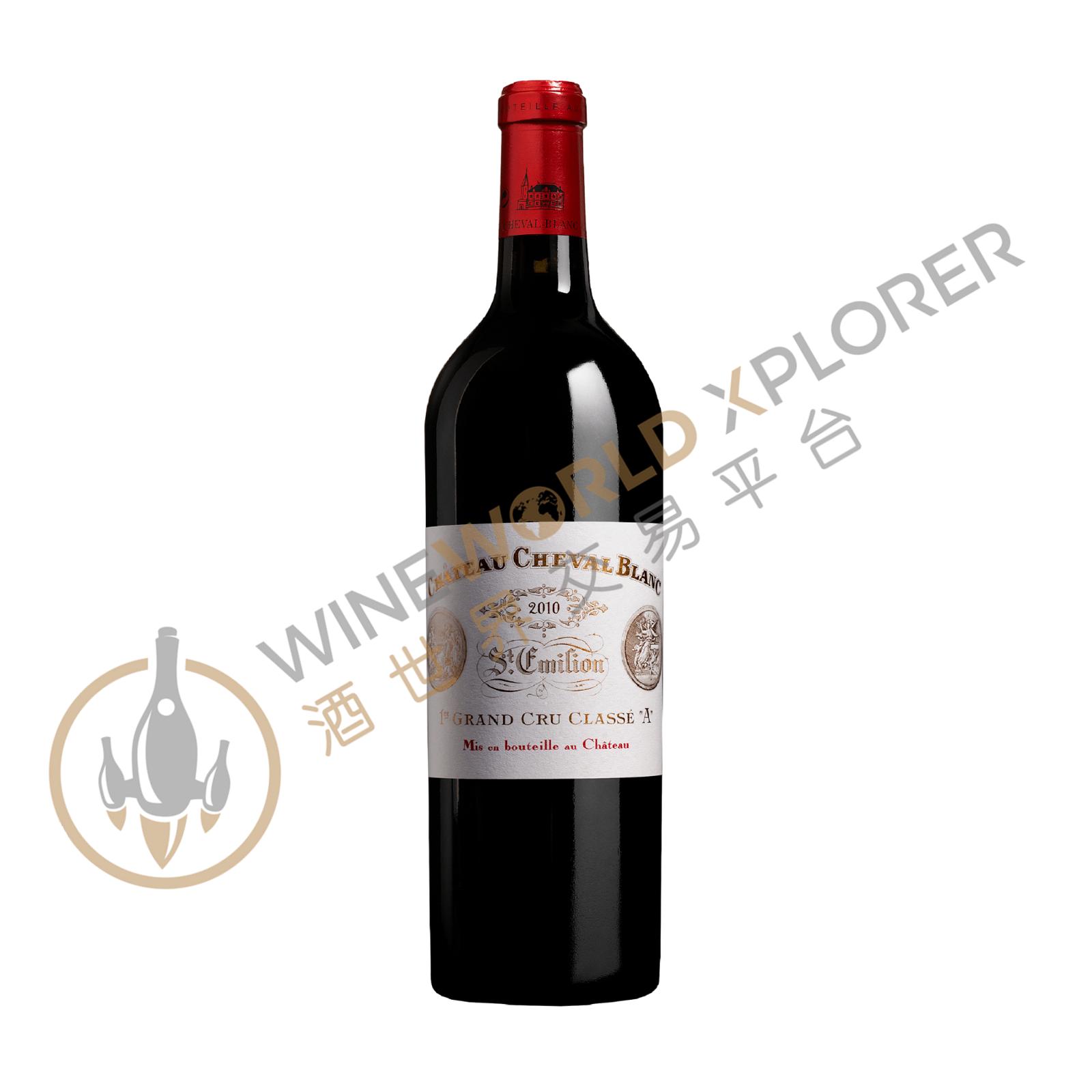
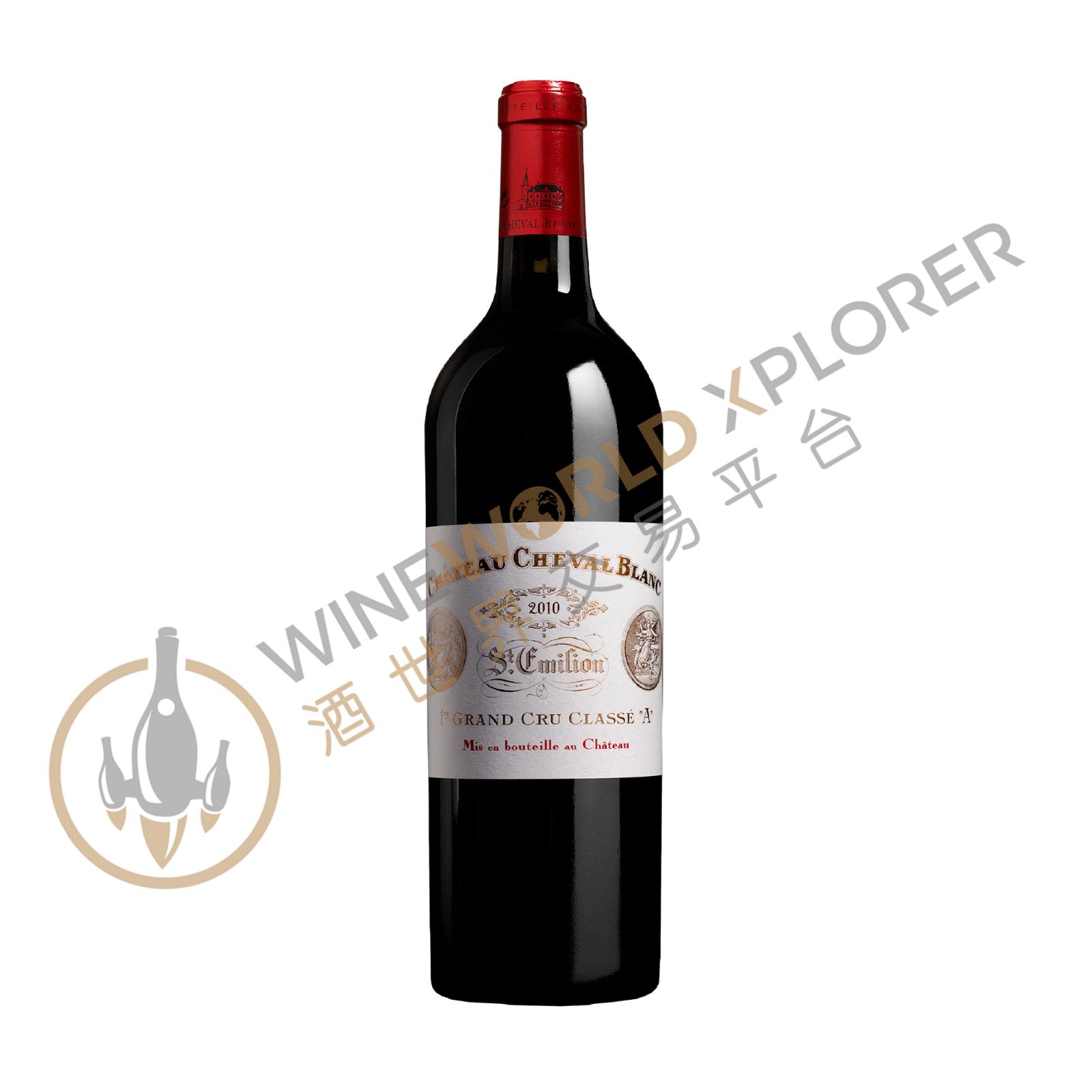
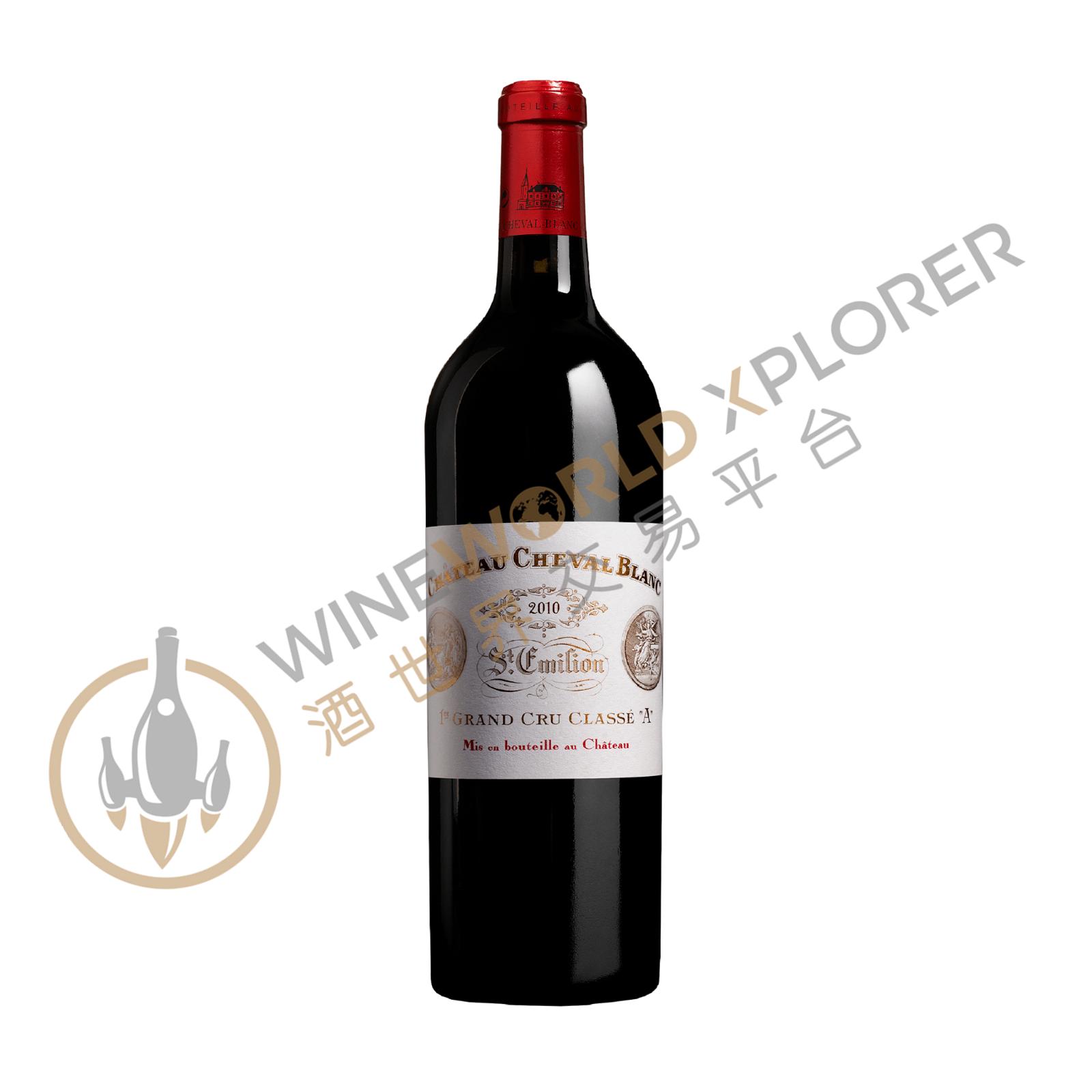
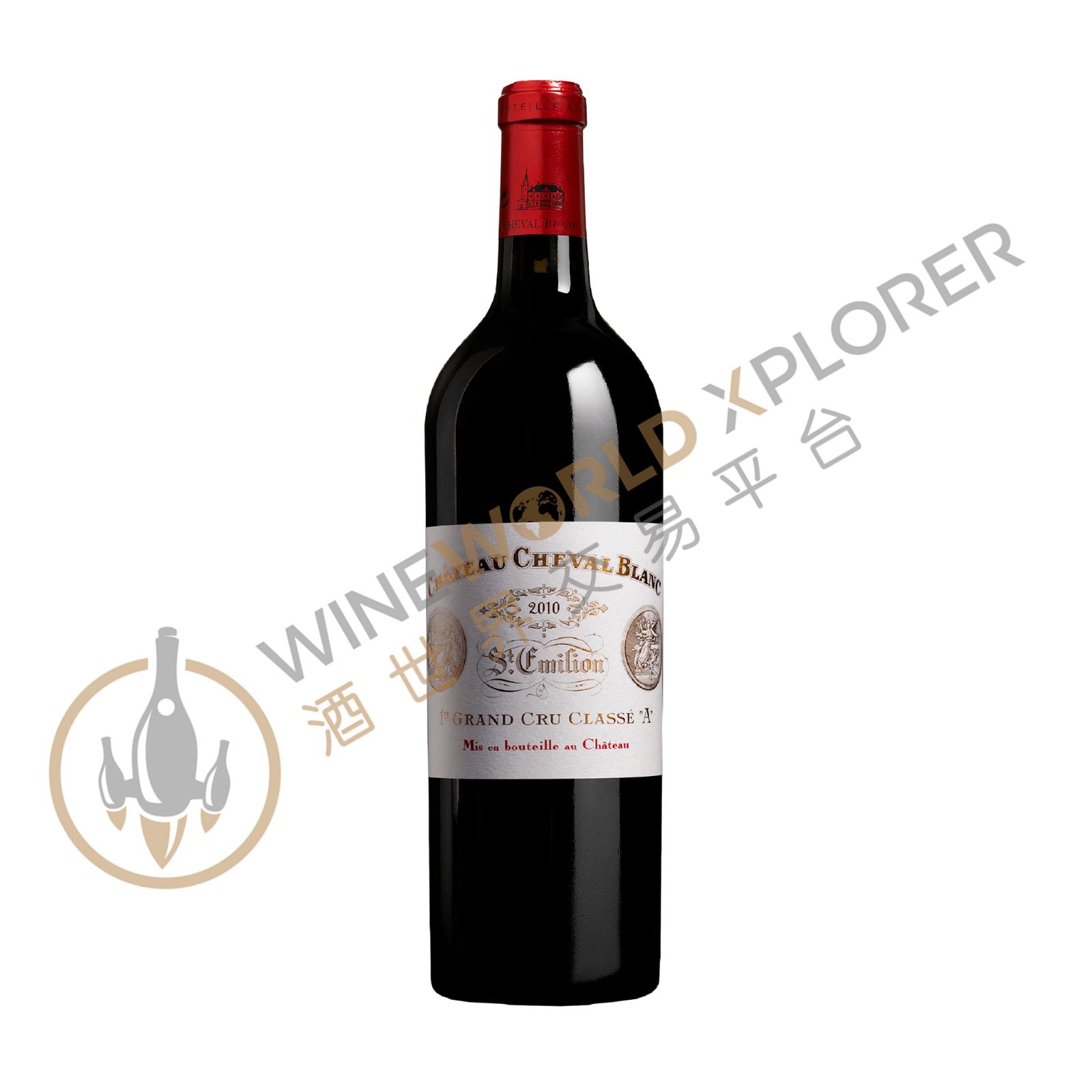
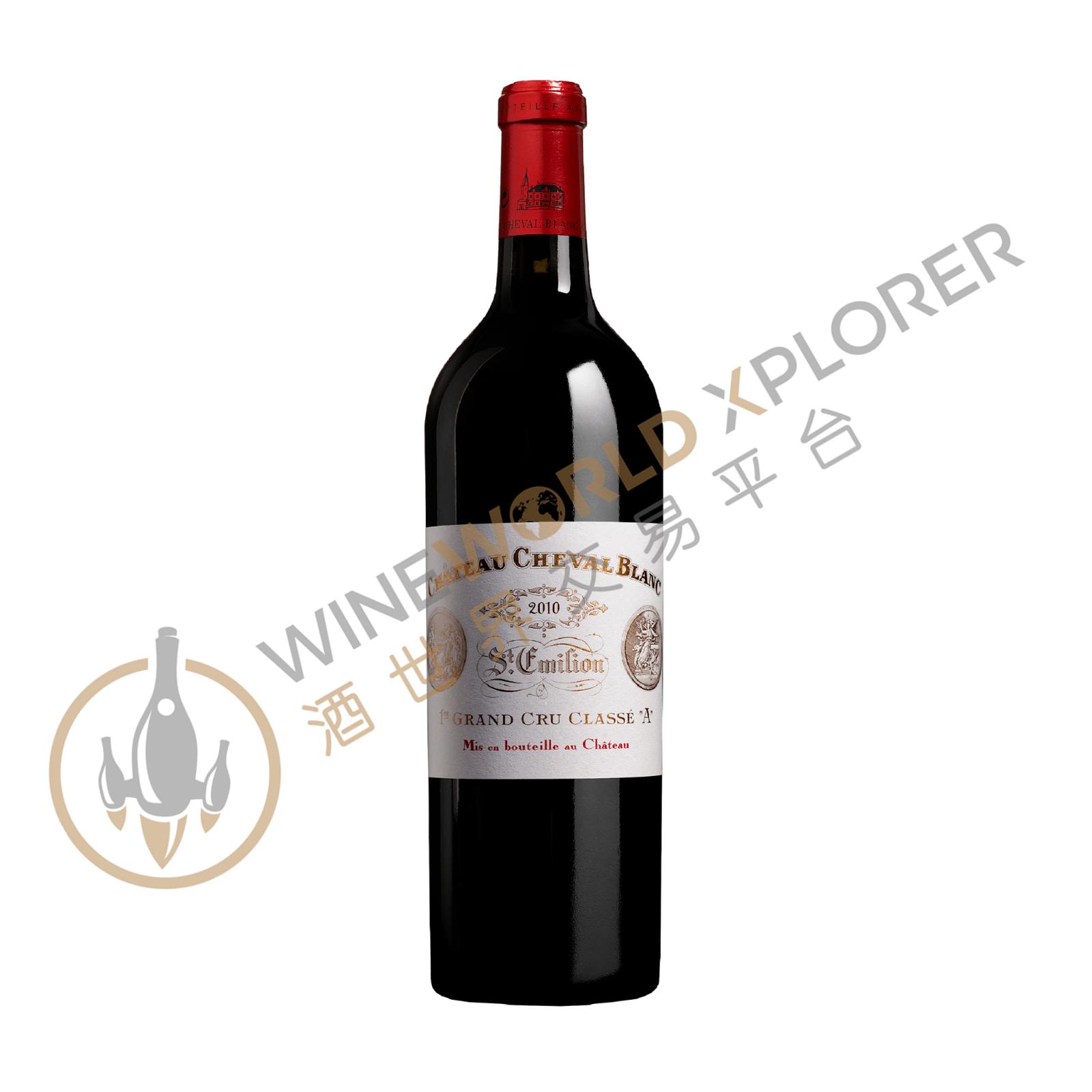
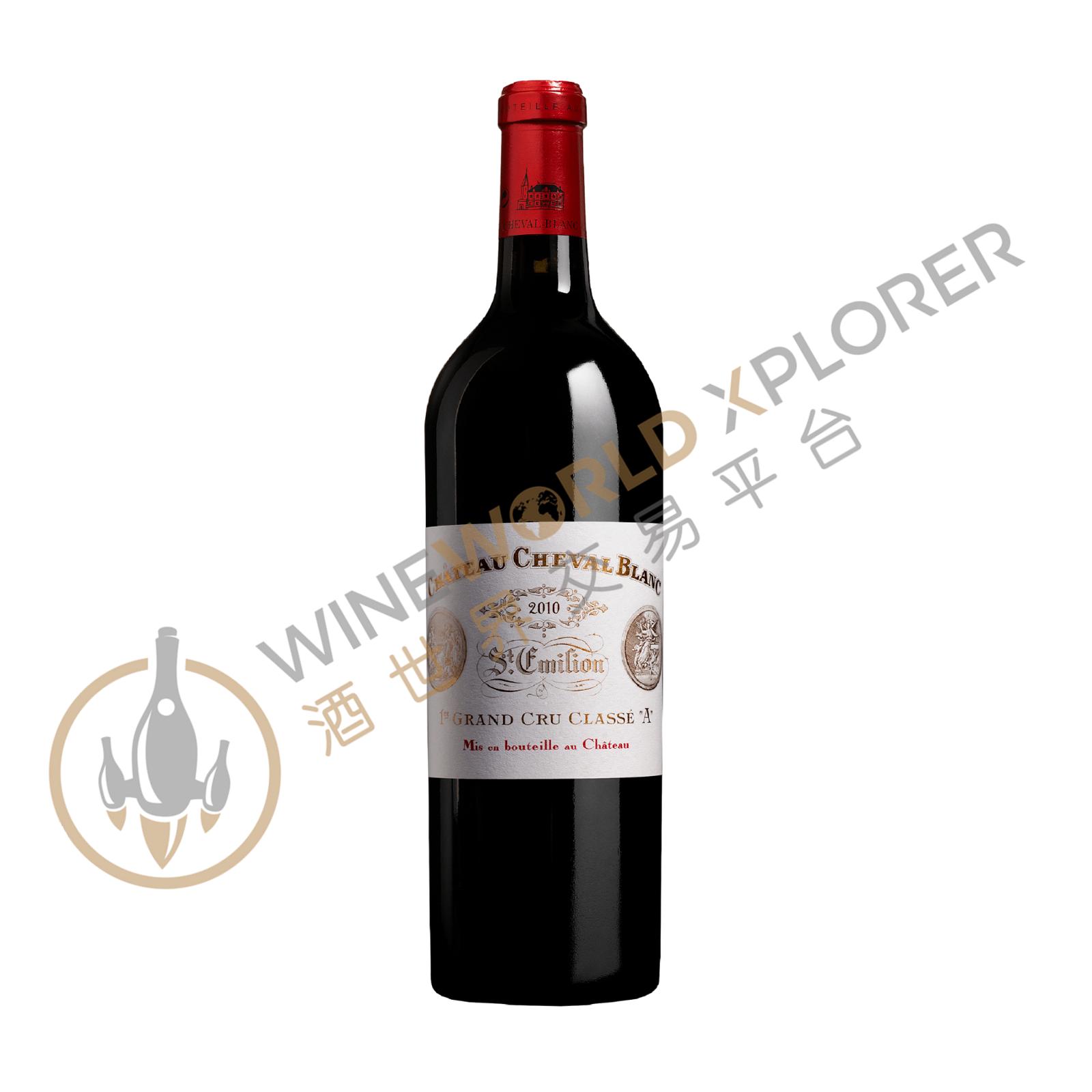
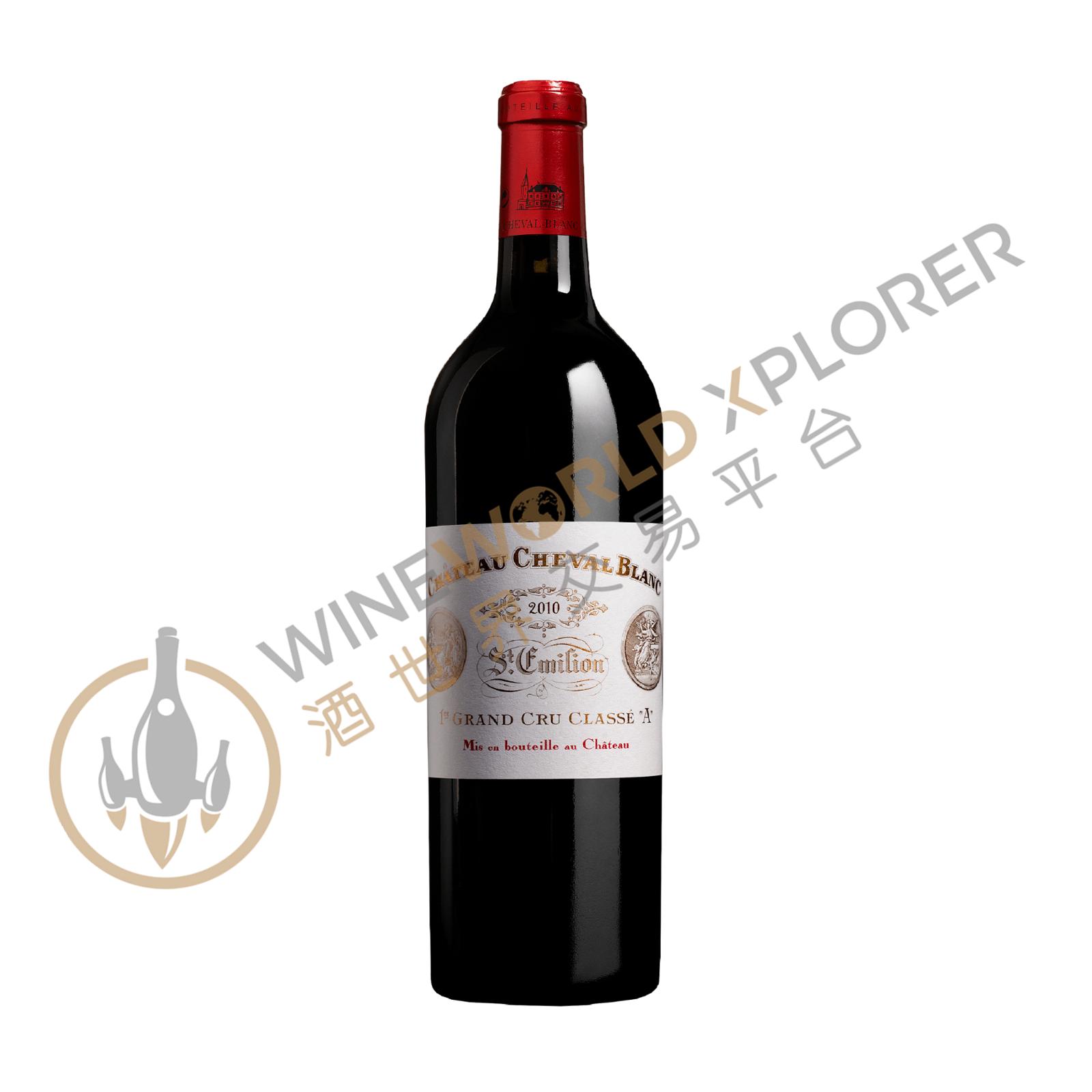
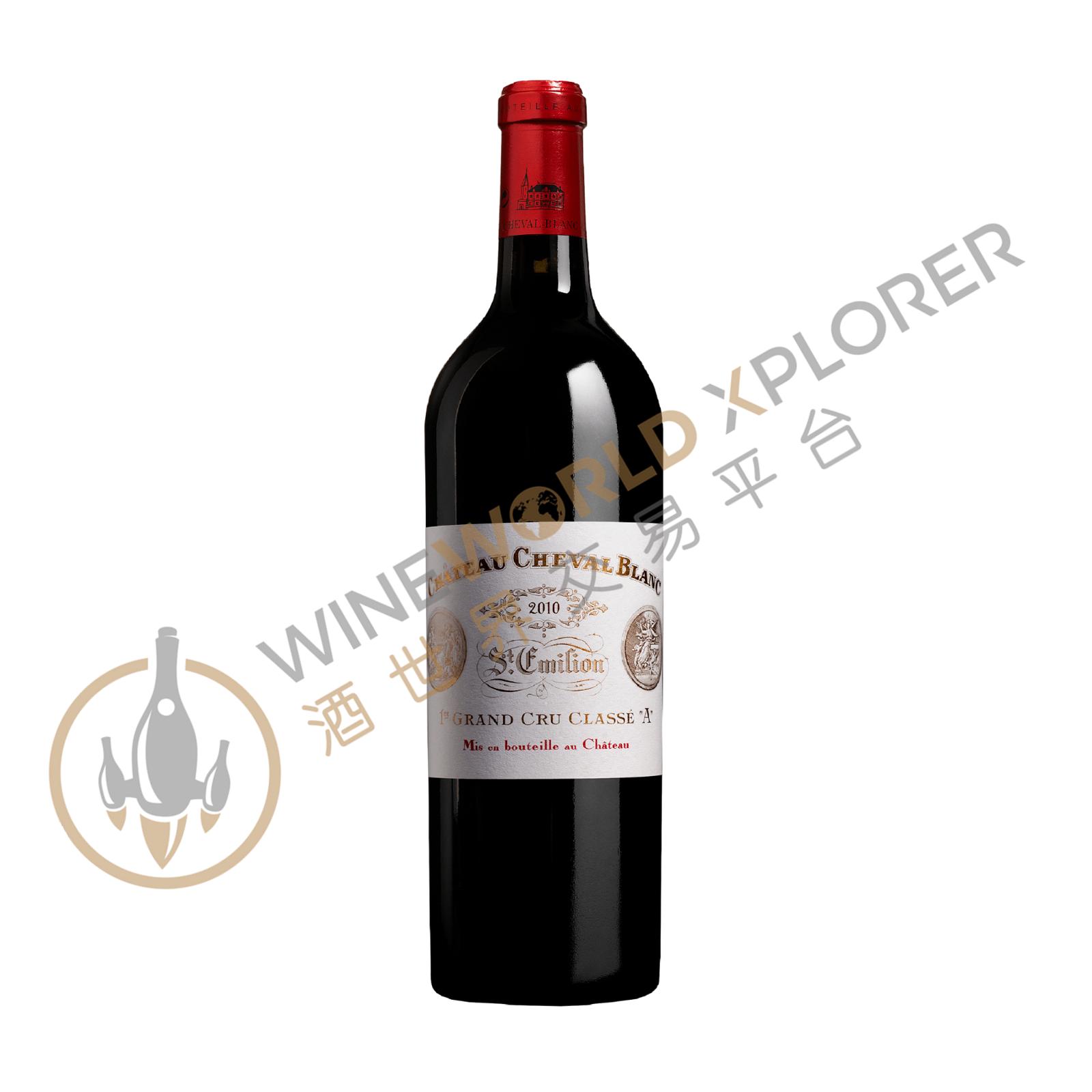
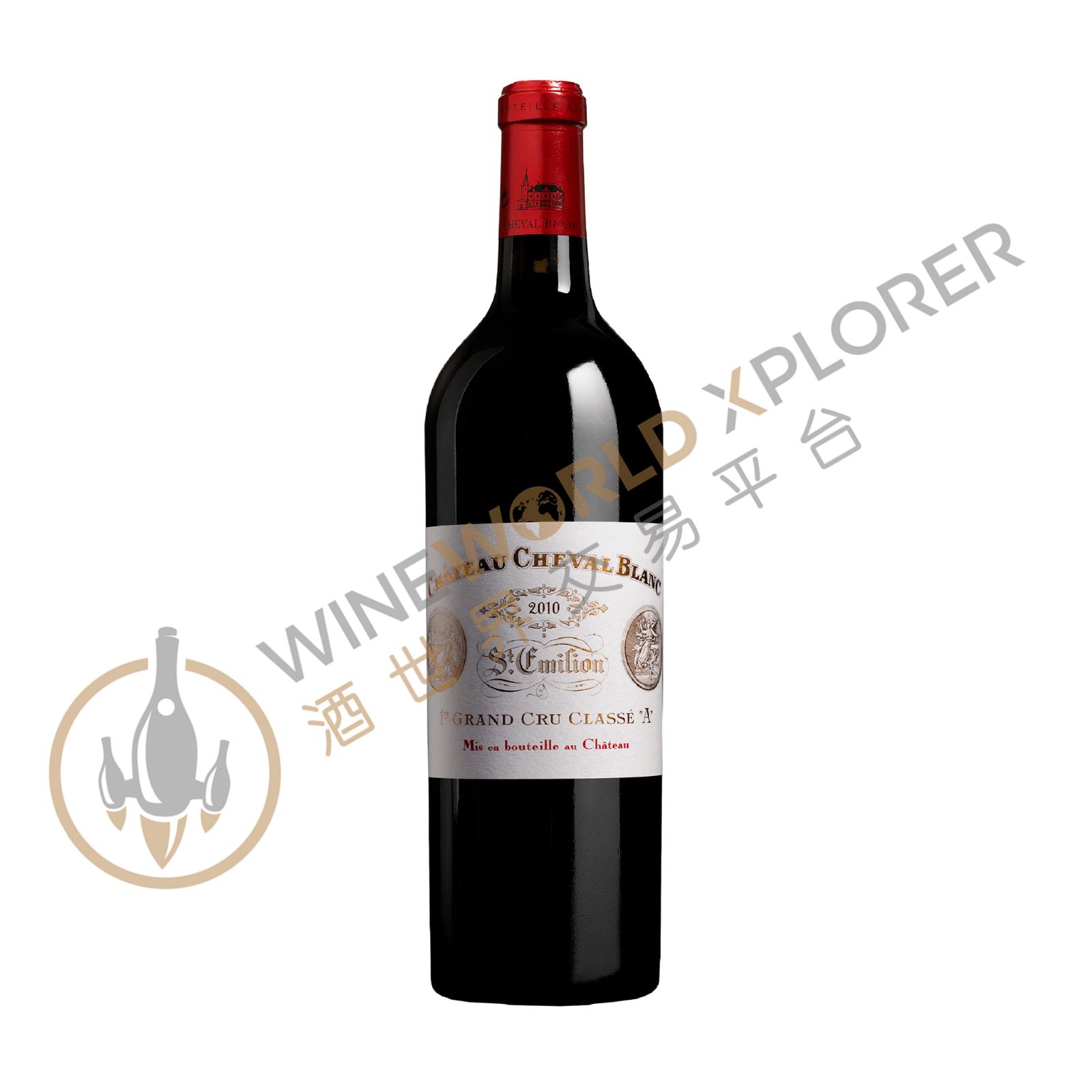
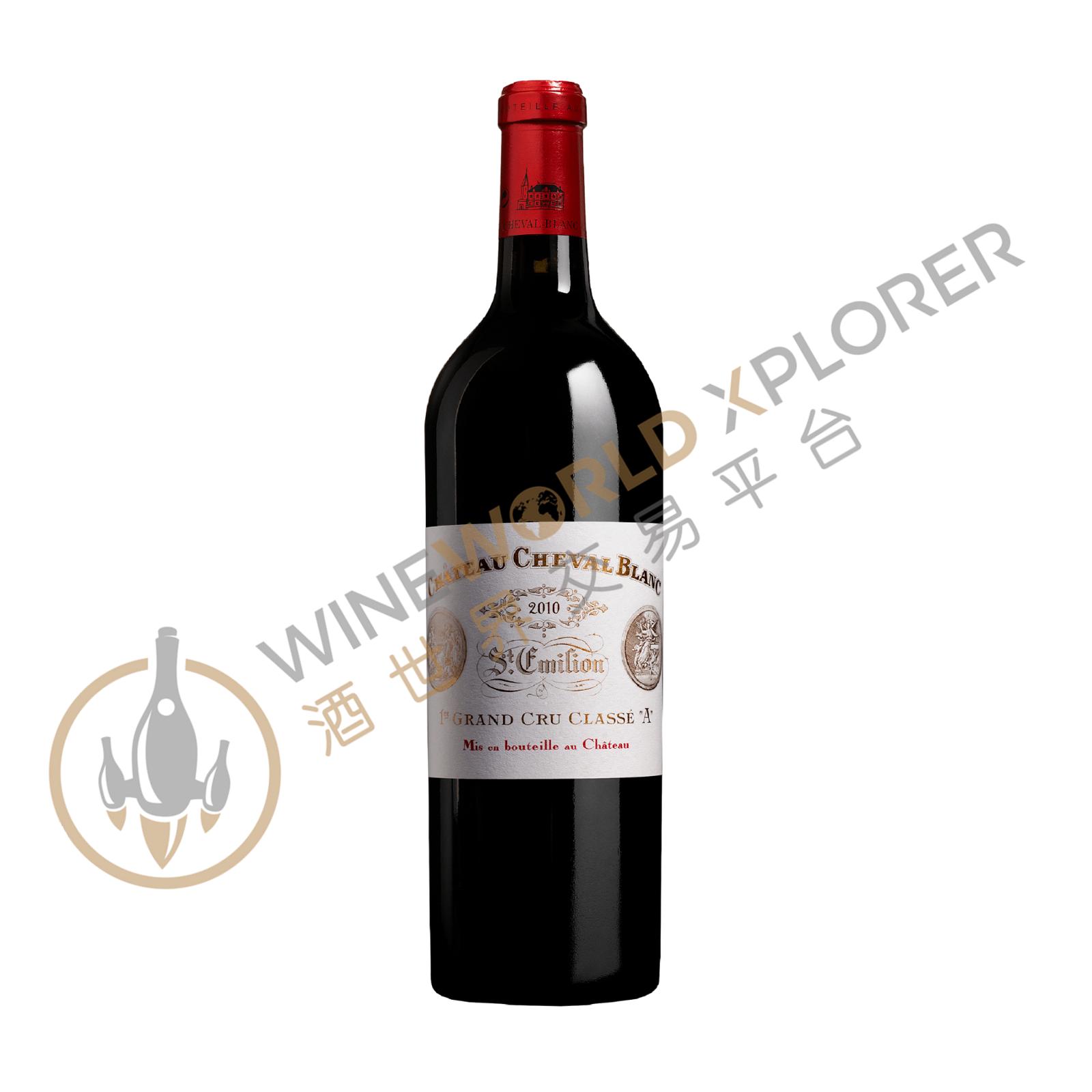
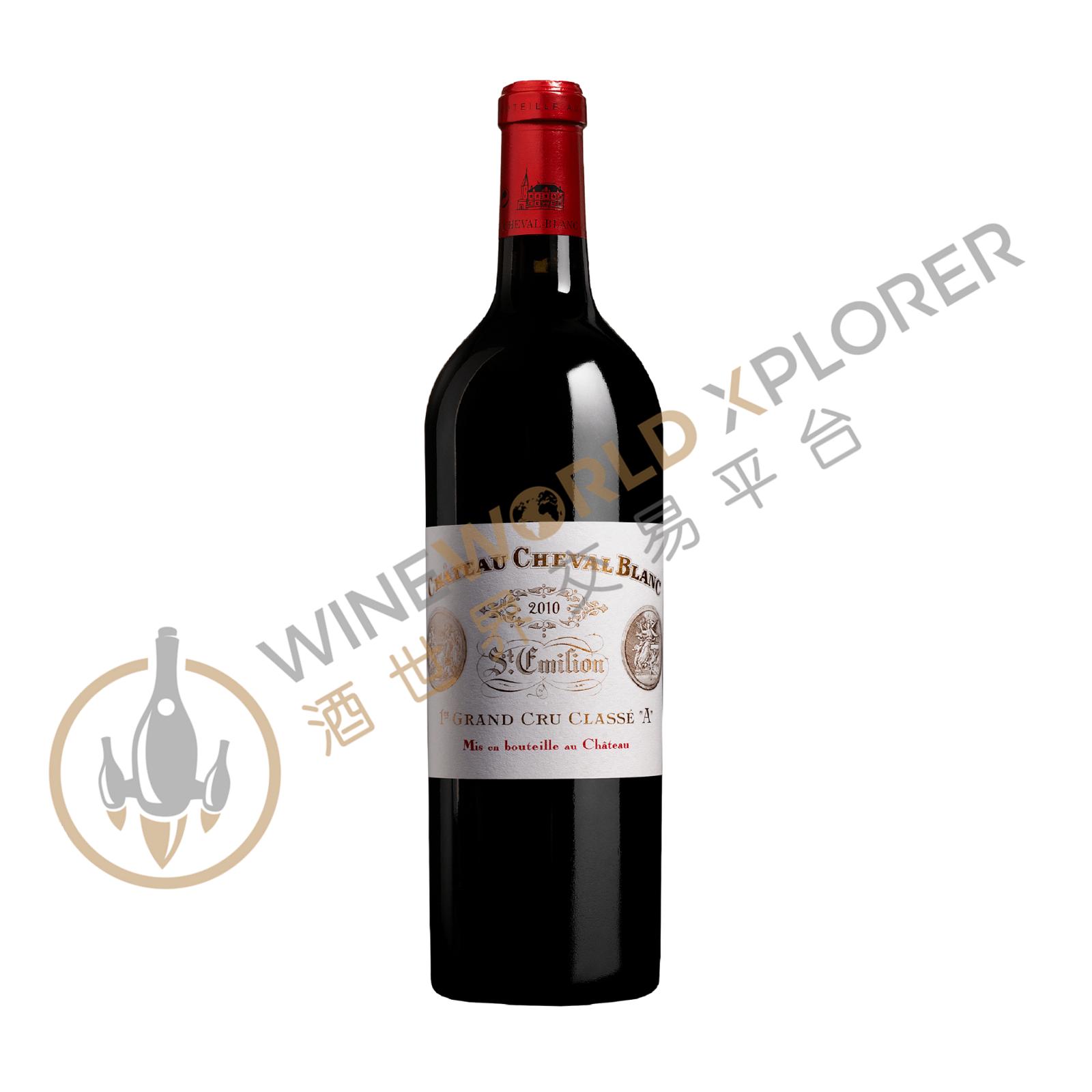
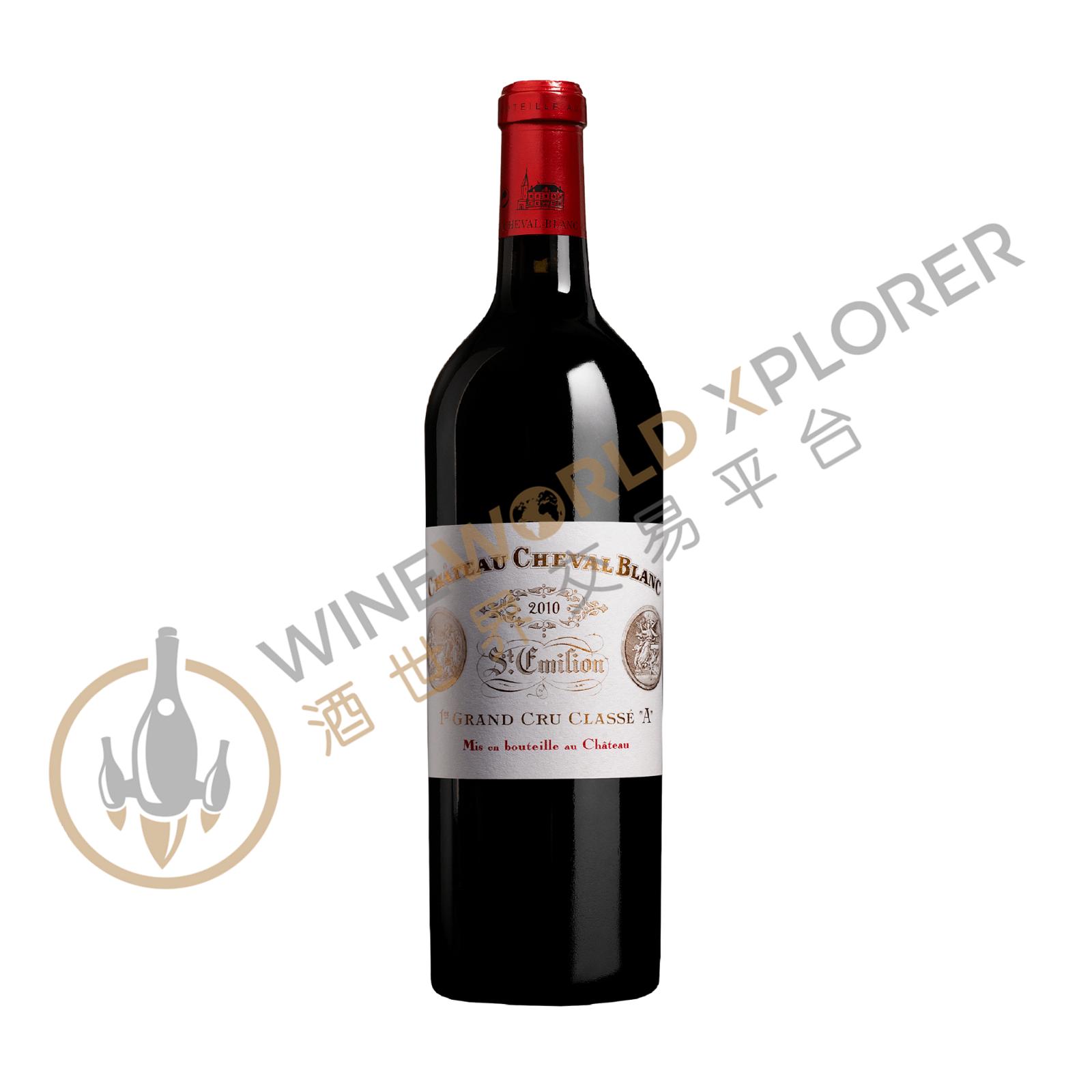
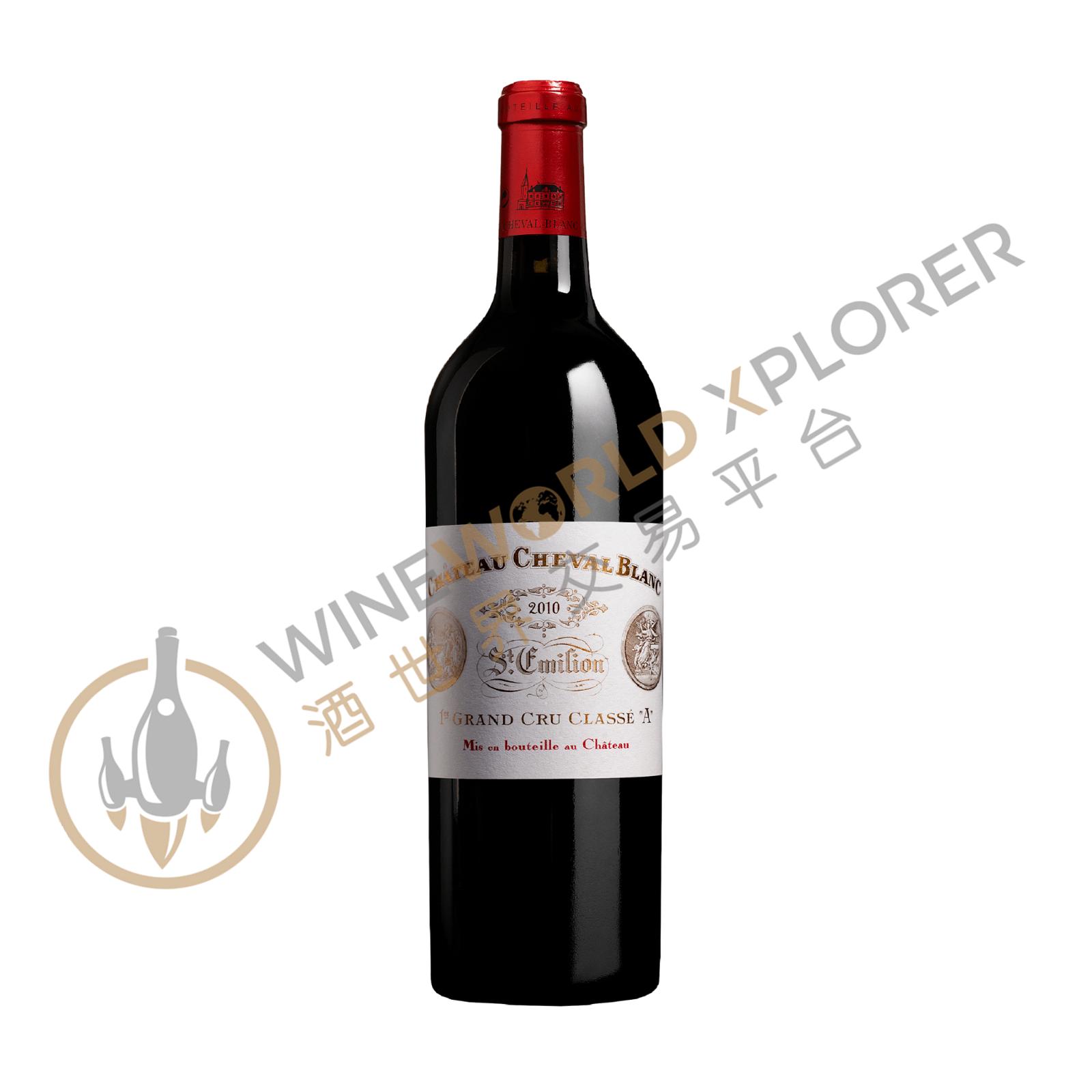
Château Cheval Blanc, a 1er Grand Cru Classé (A) is unquestionably the leading estate in St. Emilion. It is located in the north-west of the St. Emilion appellation, bordering Pomerol. Cheval Blanc obtained its first medal at the 1862 Universal Exhibition in London. In fact, a representation of this bronze medal is found on the château’s present-day label. Cheval Blanc won their first gold medal at the 1878 Universal Exhibition in Paris, and this new distinction also appeared on the label. In 1886, Cheval Blanc won a second gold medal at the Universal Exhibition in Antwerp. Reflecting this series of successes and a wine well on the way to achieving international recognition, a château was built on the estate.
Tasting notes

Reviewed by: Robert M. Parker, Jr.
Will the 1990 turn out to be a replay of Cheval Blanc's glorious 1983? It appears to be the most complete Cheval produced since their historic duo of 1982 and 1983. Richer and longer than the lightish 1988, and significantly deeper and more complete than the 1989, the 1990 exhibits deeper color than recent vintages of Cheval, as well as a profound menthol aroma intermingled with scents of truffles, mocha, toast, and sweet black fruits. This expansive, typical, exotic example of Cheval Blanc is captivating because of its opulence and rich, velvety finish. It already provides immense pleasure. An attention grabber! Anticipated maturity: Now-2010. Last tasted, 6/93.
Reviewed by: Neal Martin
This is undeniably a great Cheval Blanc, though whether it has the class and sophistication of the ’85 is another matter. As anticipated it has a rich, decadent nose with ripe blackberry, dates, mulberry and liquorice. A gregarious bouquet. The palate is full-bodied, showy and perhaps in the company of the ’85, “vulgar”. But it is still delightful with layers of ripe black fruits, grippy tannins, evolving a savoury touch with its sumptuous Pomerol-like finish. Exotic, fat, in-ya-face…a wine you want to fondle as much as drink. Tasted October 2007.
Reviewed by: Neal Martin
After entering what seemed like a slight dip, the 1990 Cheval Bland is rapidly assuming the mantle of that era's greatest wine from the hands of the 1982. Here it's just on fire, racing out of the blocks with its hedonistic bouquet of macerated dark cherries, sloes, game and iodine all beautifully defined and indeed, reminding me of the 1982 around the later nineties. The palate is velvet smooth, the acidity cutting through the swathe of lush black and red fruit, the merlot more expressive at this precise moment. Showy and yet refined, there is a completeness to this wine that is irresistible. Tasted February 2014.
Reviewed by: Robert M. Parker, Jr.
One of my favorite Cheval Blancs, it remains to be seen if the 1998, 2000, and 2008 will live up to this offering. It is the ripest wine of the aforementioned vintages, with a complex bouquet of tobacco leaf, Christmas fruitcake, sweet black fruits, bordering on fig and plum, but no hint of overripeness, and notions of new saddle leather, mint, and incense. The gorgeously expressive aromatics are followed by a full-bodied wine revealing abundant glycerin as well as elevated alcohol, but it is not hot, and nothing is out of place. Expansive, rich, and revealing the nuances and complexity that come from bottle age, it is at its peak of maturity where it should remain for another 10-15 years. Release price: ($3000.00/case)
Reviewed by: Robert M. Parker, Jr.
Will the 1990 turn out to be a replay of Cheval Blanc's glorious 1983? It appears to be the most complete Cheval produced since their historic duo of 1982 and 1983. Richer and longer in the mouth than the lightish 1988, and significantly deeper and more complete than the 1989, the 1990 exhibits deeper color than recent vintages of Cheval, as well as a profound menthol aroma intermingled with scents of truffles, mocha, toast, and sweet black fruits. This expansive, typical, exotic example of Cheval Blanc is captivating because of its opulence and rich, velvety finish. It already provides immense pleasure. An attention grabber! Anticipated maturity: Now-2010.
Reviewed by: Neal Martin
Tasted four times, last at the Cheval vertical in July 2005. This wine just never lets me down. Some mahogany shades on the rim. That wonderful, exuberant, high-toned, liquorice, pruney nose. Utterly decadent. The palate is similar rich, extrovert, animally with spicy black fruits. All that rich fruits belies that dense, firm structure underneath. A massive wine with a very long finish of sweet black, slightly raisiny fruit and fig. A gorgeous 1990 that I think will outlast many others in this vintage because of its structure. But I would not begrudge anyone drinking it now. Tasted July 2005.
Reviewed by: Robert M. Parker, Jr.
In contrast to the 1989, the 1990 is increasingly sumptuous with each additional tasting. The wine possesses all the hallmarks of a hot, ripe year - low acidity, super-ripe, nearly over-ripe fruit, an opulent, oily texture, great sweetness of fruit, and a long, voluptuously-textured finish. In the most recent tasting, I almost mistook it for Le Pin given its showboat-like nose of coconut, toasty new oak, and gobs of smoky, blackcurranty, and cherry fruit. The wine is full-bodied, rich, and concentrated, with layers of extract, and well-concealed tannin. I am increasingly convinced that this is the most profound Cheval Blanc since the legendary 1982. Because of its fleshy, low-acid character, the wine can be drunk, but it is still youthful, with a deeper purple color than the more mature-looking 1989. It should offer exotic opulence for at least another 15-20 years. A compelling Cheval Blanc!
Reviewed by: Robert M. Parker, Jr.
Tasted 7 Times Since Bottling With Consistent Notes Will the 1990 turn out to be a replay of Cheval Blanc's glorious 1983? It appears to be the most complete Cheval produced since their historic duo of 1982 and 1983. Richer and longer in the mouth than the light-ish 1988, and significantly deeper and more complete than the 1989, the 1990 exhibits deep color than recent vintages of Cheval, as well as a profound menthol aroma intermingled with scents of truffles, mocha, toast, and sweet black fruits. This expansive, typical, exotic example of Cheval Blanc is captivating because of its opulence and rich, velvety finish. It already provides immense pleasure. An attention grabber! Anticipated maturity: now-2010.
Reviewed by: Robert M. Parker, Jr.
This wine has overtaken its closest rival, the 1982. Dense ruby purple with only a bit of lightening at the edge, the explosive nose of black fruits and cassis intermixed with coffee, menthol, and leather is followed by an opulent, splendidly concentrated wine that is sheer nectar. With no hard edges, gorgeously integrated glycerin, tannin, acidity, and alcohol are all present in this seamless classic. The wine has been gorgeous since youth, but is now revealing more aromatic and flavor nuances into the game. This is spectacular stuff! Anticipated maturity: Now-2015. Last tasted, 12/02.
Reviewed by: Robert M. Parker, Jr.
Will this wine turn out to be a replay of Cheval Blanc's glorious 1983? It appears to be the most complete Cheval produced since their historic duo of 1982 and 1983. Richer and longer in the mouth than the lightish 1988, and significantly deeper and more complete than the 1989, the 1990 exhibits deeper color than recent Cheval Blancs, as well as a profound menthol aroma intermingled with scents of truffles and sweet black fruits. In the mouth, this expansive, typical, exotic example of Cheval Blanc is captivating because of its opulence and rich, velvety finish. Given the fact that Cheval Blanc has a tendency to put on weight and perform better after 3-5 years of bottle age, this is an impressive score! Anticipated maturity: 1995-2010.
Reviewed by: Ian d'Agata
(13.6% alcohol; 40 h/h): Bright red. Very complex, deep nose of blackcurrant, red cherry, coffee, tar, tobacco leaf and flowers. Then smooth, rich and dense, with a creamy texture and lively acidity nicely extending the flavors of dark berries, plum, mocha, soy sauce, leather and Oriental spices. A ripely tannic wine with a rich, exotic mouth feel, this comes across as a more opulent style of Cheval Blanc. Finishes extremely long and complex, with a smoky chocolatey nuance and a sweet coconut note. This outstanding and complex wine will have you going back to the glass again and again. A warm and dry year, the 1990 vintage was slightly hotter than 1989 (some cuvées of merlot clocked in at over 14% alcohol), with 11 days over 35°C between July and August. From July to September there was 27% more sunlight than average and it was very dry throughout. It was also a very precocious year, with flowering occurring around May 25, veraison (the color change of the berries) on August 12, and harvest between September 11 and 25. (Incidentally, the chateau does not have records of the final blends of their vintages prior to the early 1990s.
Reviewed by: Neal Martin
The 1990 Cheval Blanc is a vintage that once upon a time I drank regularly, although I had not seen it since March 2016. Poured against the 1990 Lafite-Rothschild, this is the clear winner. Still youthful in color with modest bricking. The bouquet explodes from the glass with kirsch, mulberry, antique furniture and black truffle scents. With aeration it becomes more savory, the Cabernet Franc wanting to see more of the olfactory action. The palate is medium-bodied and comes equipped with a stunning velvety texture. This Saint-Émilion feels spherical, conveying a sense of controlled decadence but avoiding any ostentation. This is as good a bottle as I have encountered over the years. Brilliant. Tasted at Noble Rot's “Xmas” dinner.
Reviewed by: Stephen Tanzer
Deep healthy red-ruby. Knockout nose combines nearly candied cherry and raspberry fruit, grilled nuts, coffee, tobacco, game, earth and mint. Great silky sweetness in the mouth, thanks to fabulously pure, ripe cabernet franc. Finishes with extraordinary sweetness and great persistence, with the ripe tannins currently buried under a wave of fruit. A fabulous vintage for this chateau. Drink now through 2025.
Reviewed by: Stephen Tanzer
Excellent deep color. Knockout aromas of smoke, toffee, raspberry and black cherry. Huge sweetness and extract on the palate, with opulent, mocha fruit. There's impressive structure beneath all the flesh. Finishes with substantial ripe tannins. A fabulous Cheval Blanc, the best since '82.
Reviewed by: Neal Martin
The 1990 Cheval Blanc is fast becoming my favorite modern-day vintage of this Saint Emilion estate and perhaps the 1990 is now exiting the slip-steam of the feted 1982. This is unequivocally a brilliant wine. The nose holds nothing back, a line of senses all doing the conga towards your olfactory senses: macerated dark cherries, exotic kirsch-like aromas, leather, mahogany bureau, touches of crème de cassis and herbs all vie for attention. The palate is full-bodied and cloaked in a silky, velvety texture that leaves you a little ga-ga. There is so much fruit ram-packed into the bravura of a finish. Moreover, there's just so much joie-de-vivre and decadence in this wine, but it never seems overpowering or ostentatious. This bottle came from perfect provenance, as it was served blind by winemaker Pierre Lurton at a private dinner hosted by a mutual friend in Bordeaux. Tasted March 2016.
About the Producer
Château Cheval Blanc is a highly lauded wine estate in the Saint-Émilion region of northeast Bordeaux. Classified with the top ranking of Premier Grand Cru Classé A, it is regarded by many as one of the greatest wines of the appellation – if not, the greatest. It is certainly the most famous Cabernet Franc-based wine in the world, albeit often alongside very similar levels of Merlot. Typically, the "grand vin" (the estate's eponymous wine) is lush and full bodied with great weight of fruit. It tends to require ten years of bottle age and the best vintages can last half a century or more. The second wine of the estate is Le Petit Cheval. The vineyard is located in the northwest of the region, bordering Pomerol (La Conseillante is a neighbor) and consists of 39 hectares (96 acres) divided into 45 plots. There is an unusually large amount of Cabernet Franc planted – about 49 percent – with 47 percent Merlot and four percent Cabernet Sauvignon. The unusual planting proportions reflect the terroir; most vineyards in the region are either clay or gravel-based over impermeable sedimentary rock, but Cheval Blanc is unique in having a patchwork of soils with the two types in roughly equal proportions. The clay soils provide base wines with velvety tannins, while those from gravel soils are more aromatic and elegant. Vines have been grown since the 14th Century at this spot but the vineyard as it is known today took shape in the 19th Century when the core plots were added to by purchases from the nearby Figeac estate. Subsequent replantings established the atypical half-Merlot, half-Cabernet Franc proportions. Cheval Blanc gained its first medal at the 1862 Universal Exhibition in London – the first of a series of successes building its reputation and achieving price levels comparable to the Médoc first growths, which paved the way for a château to be built on the estate. In the first classification of Saint-Émilion wines in 1955, Cheval Blanc was awarded the highest possible rating and remains a Premier Grand Cru Classé A. In 1998, after 166 years of continuous family ownership, Bernard Arnault, the head of luxury goods firm LVMH, and the late Baron Albert Frère (a Belgian billionaire investor) jointly purchased the estate. The spectacular new cellar opened in 2011, with 52 concrete vats (replacing stainless steel) of differing sizes corresponding to different vineyard plots. The grand vin spends 16 to 18 months in new oak barrels from a variety of cooperages.
1949(1)1953(1)1955(4)1958(1)1962(1)1966(1)1967(2)1970(2)1973(1)1974(2)1975(3)1976(1)1977(1)1978(1)1979(2)1980(1)1981(2)1982(5)1983(1)1984(1)1985(1)1986(5)1988(4)1989(4)
Package Size
1 x 75cl