Wine Advisor



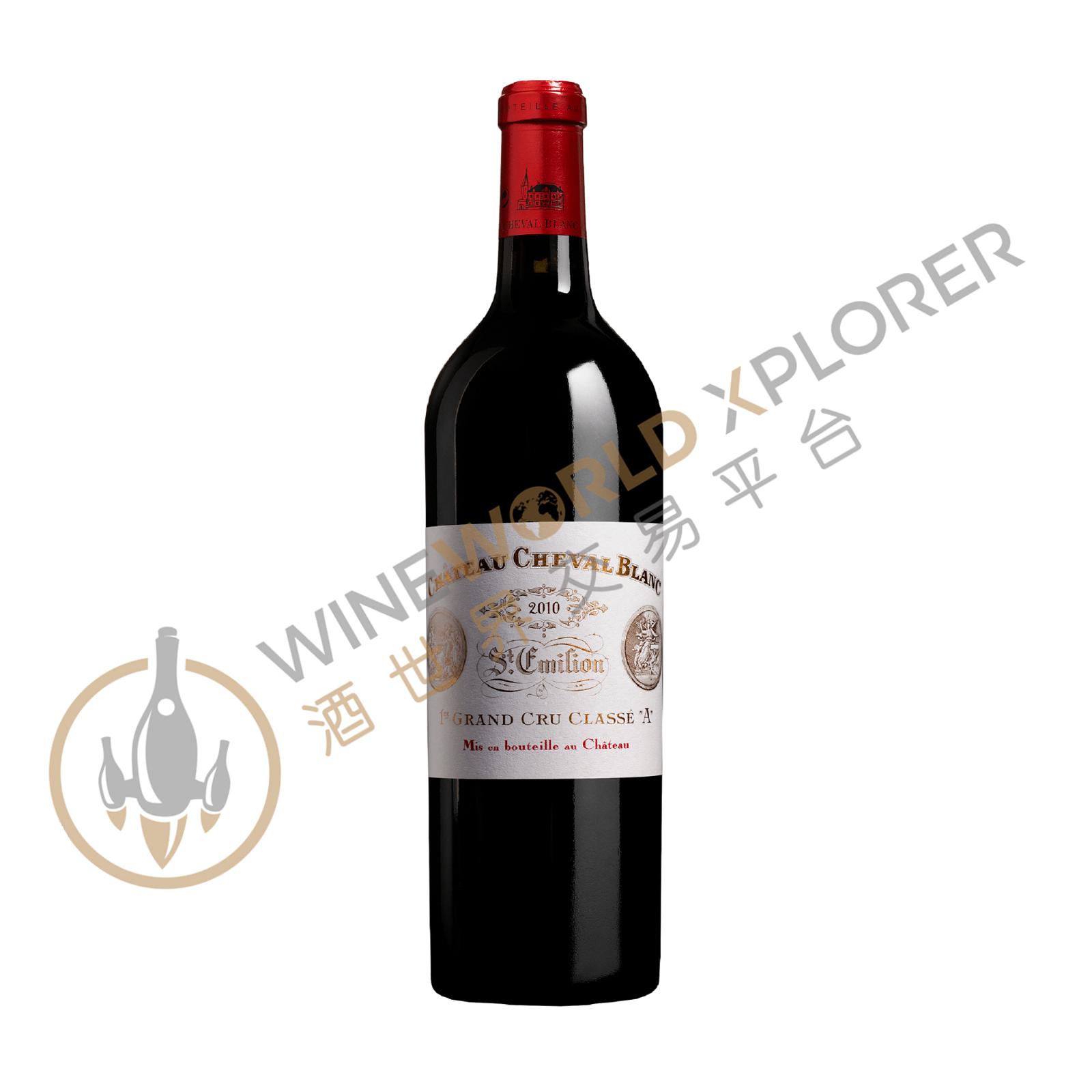
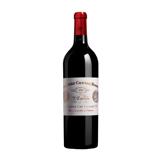
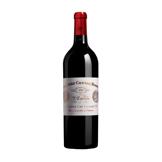
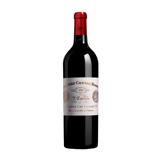
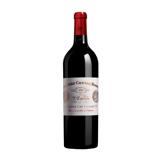
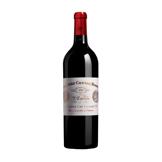
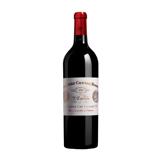
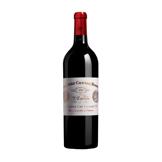
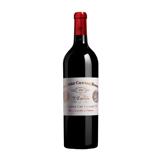
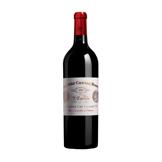
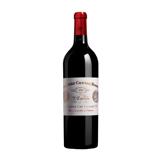
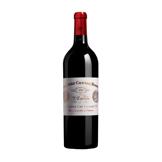
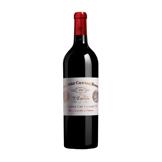
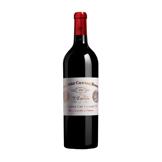
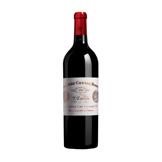
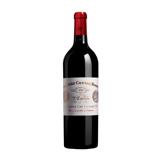
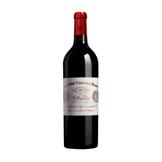
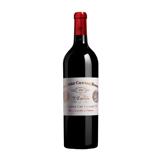
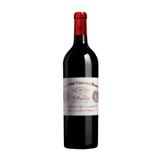
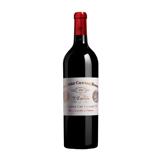
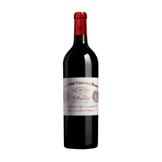
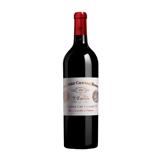
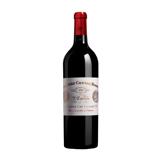
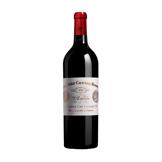
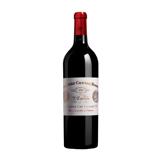
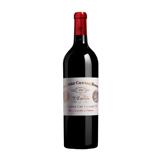
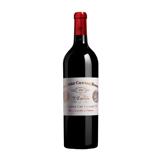
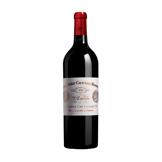
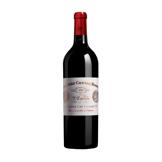
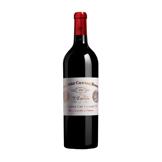
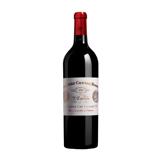
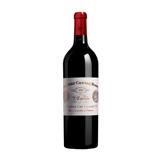
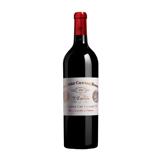
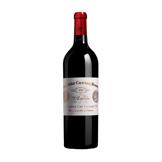
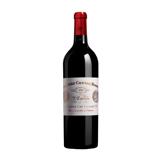
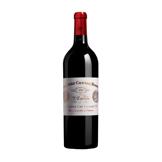
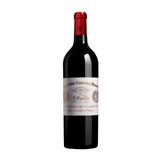
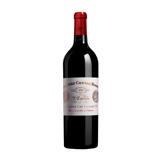
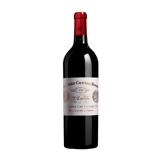
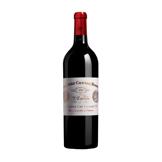
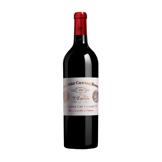
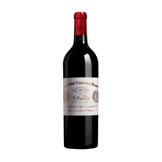
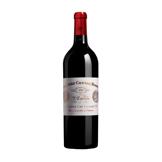
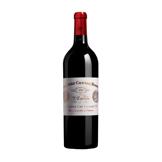
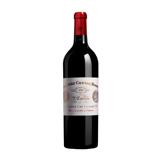
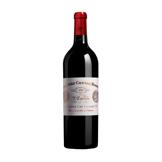
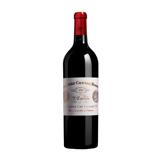
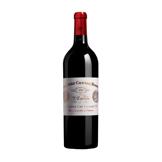
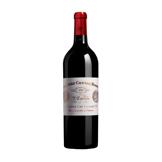
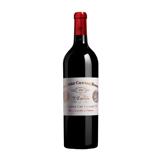
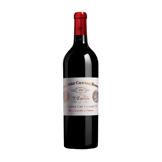
Cheval Blanc 1982
 View analysis


Description
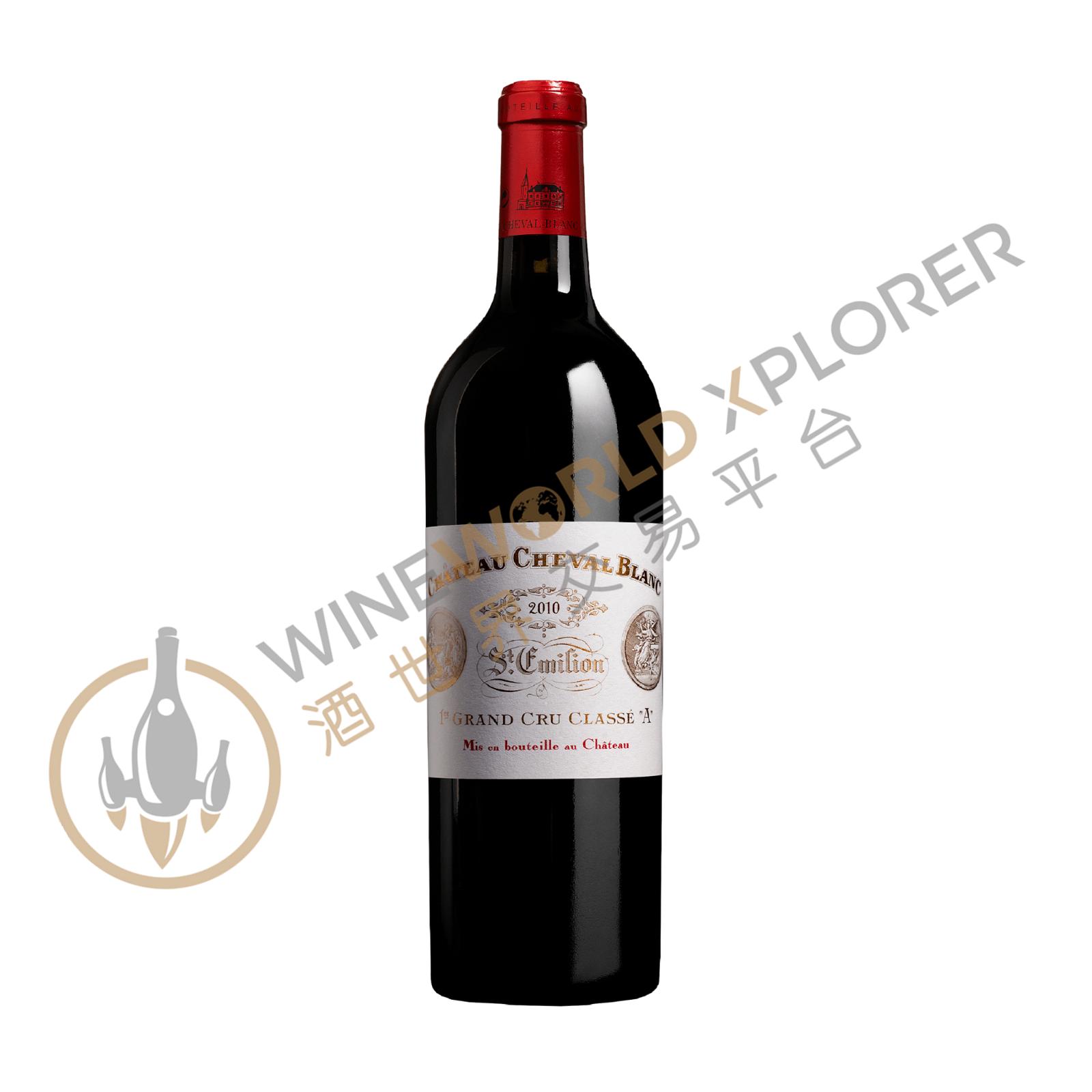
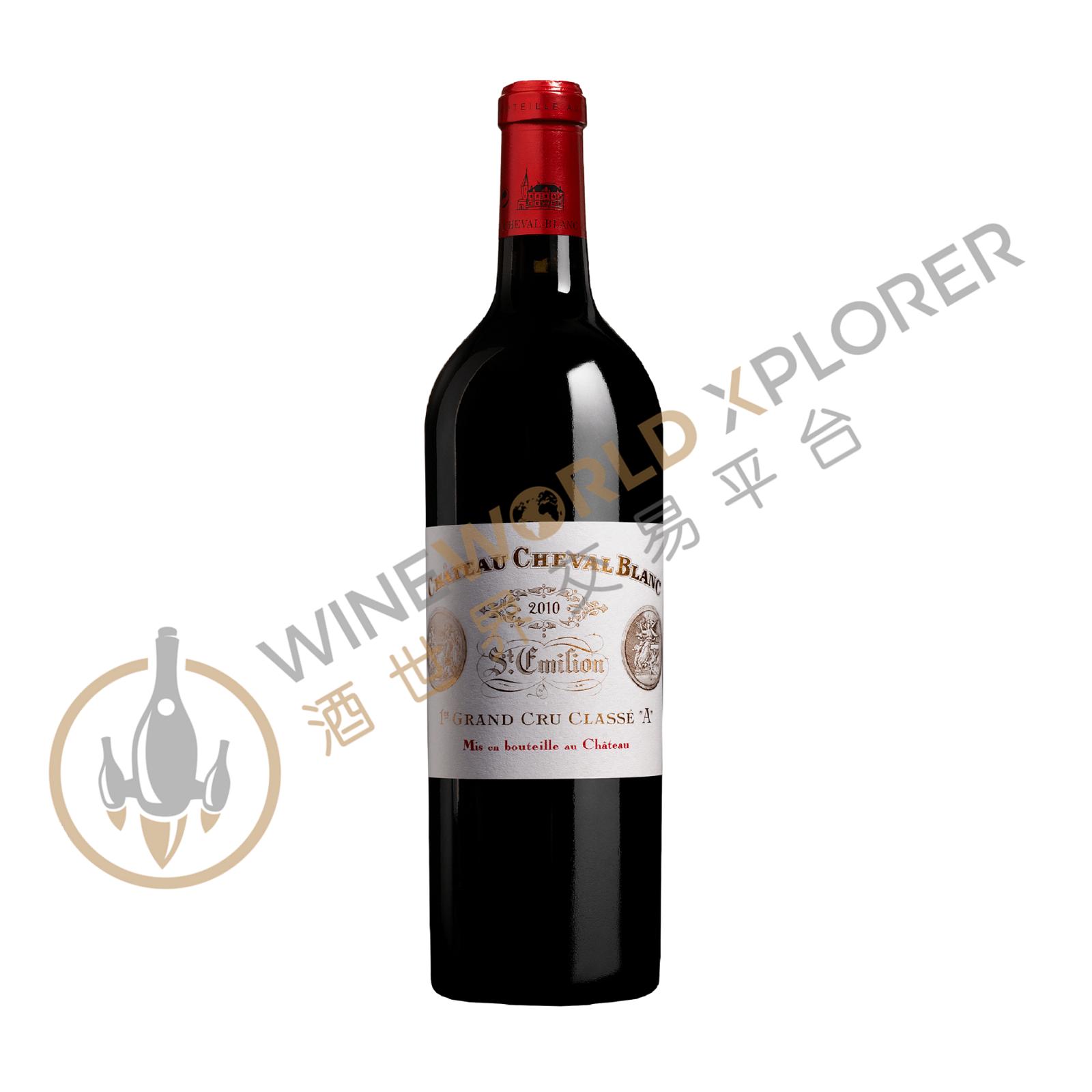
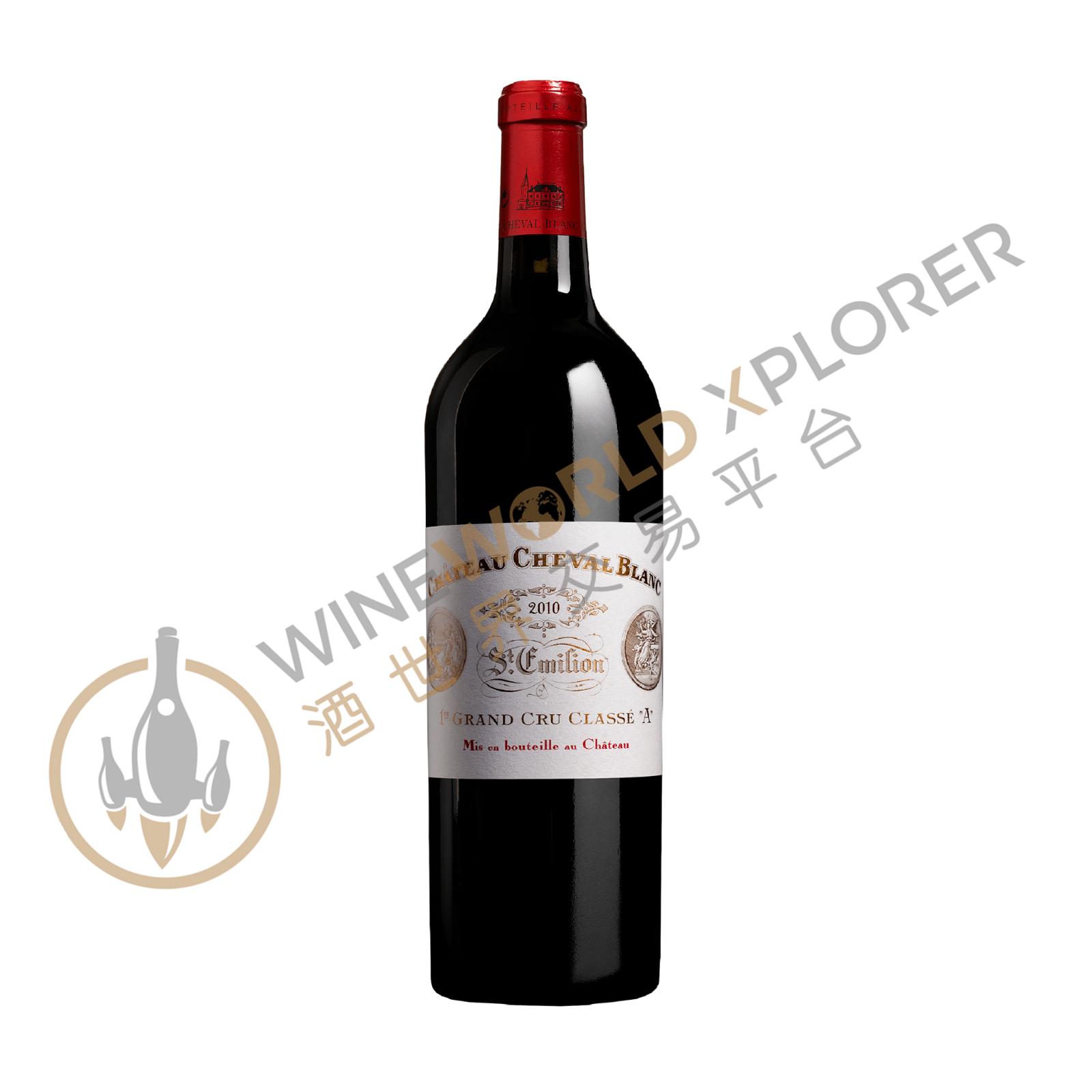
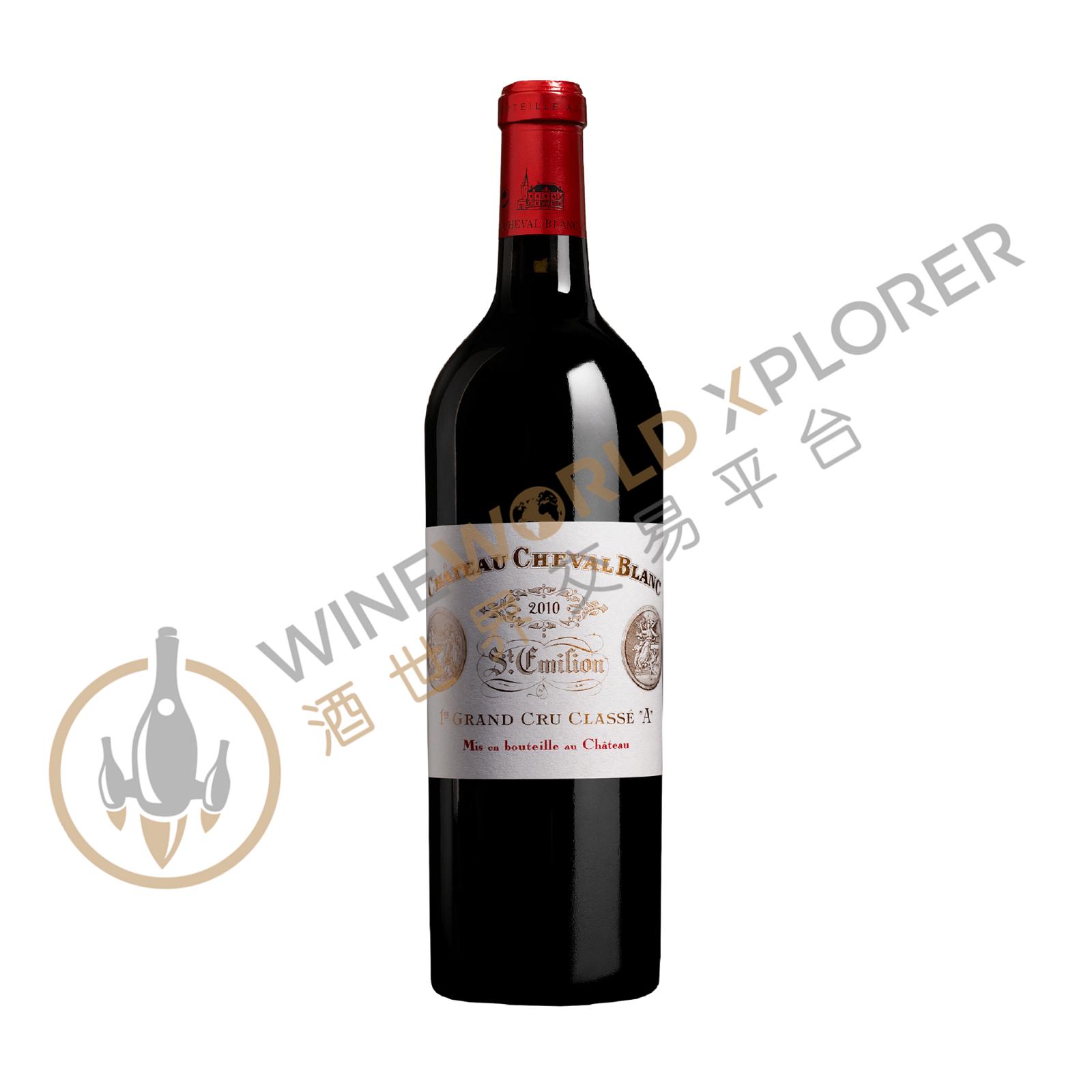
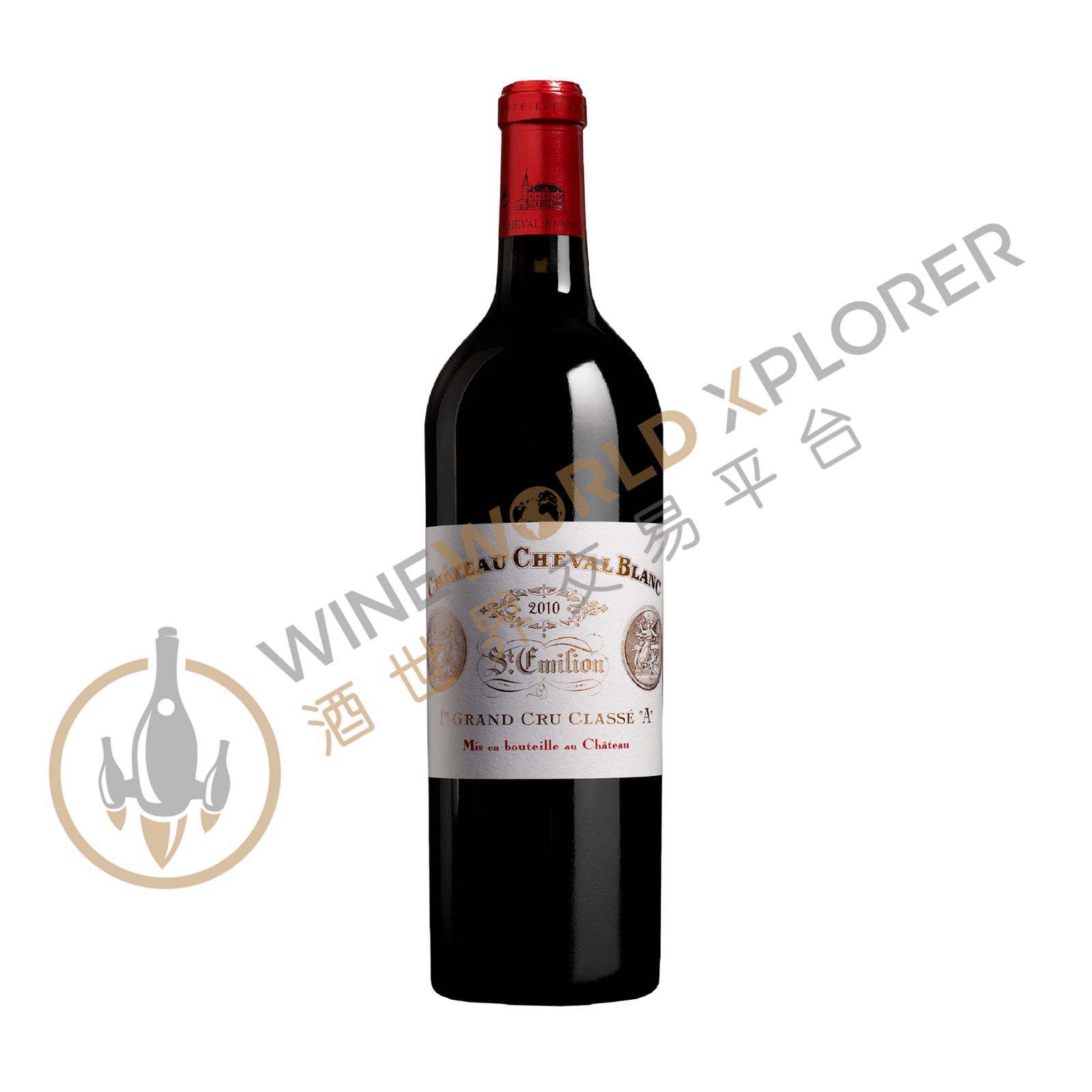
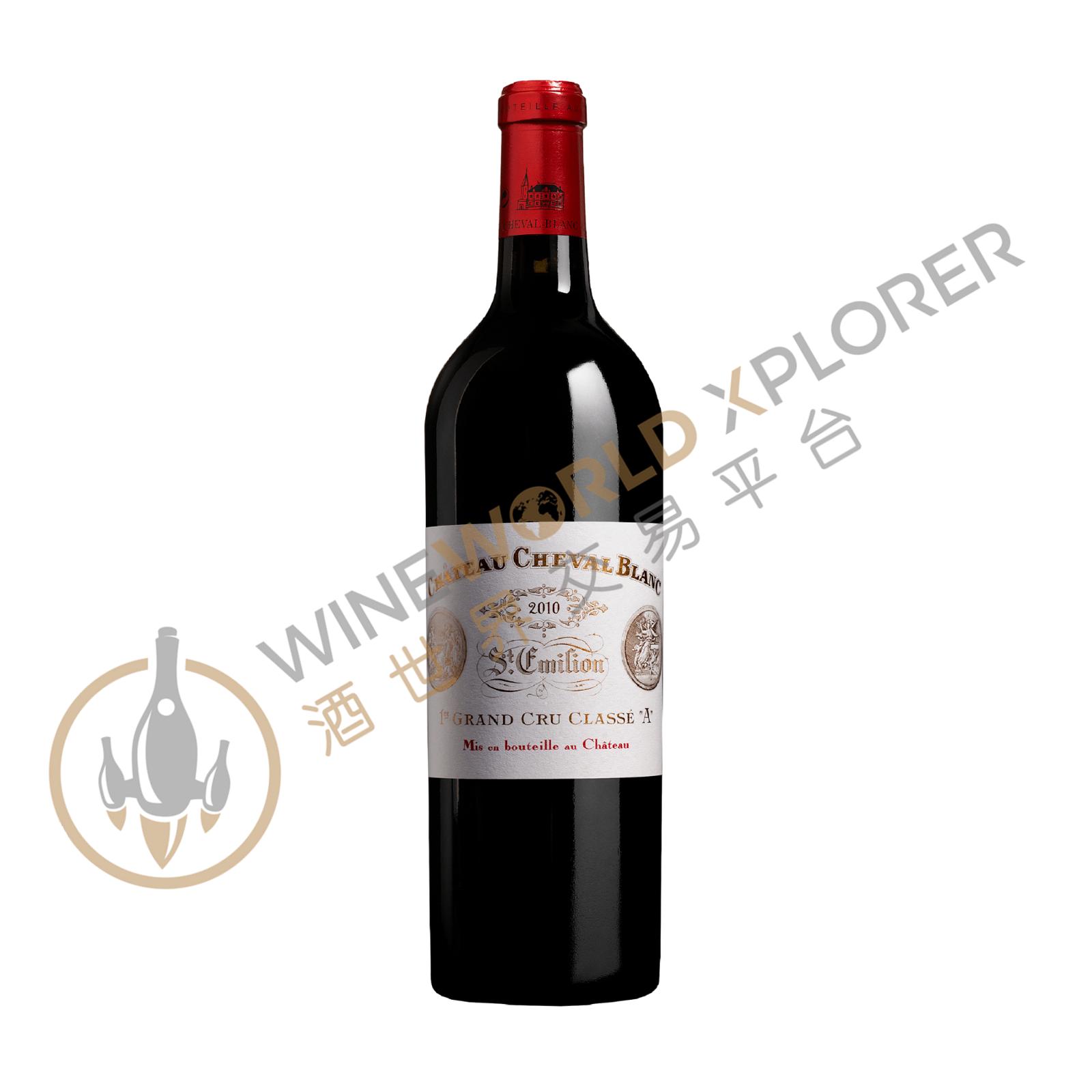
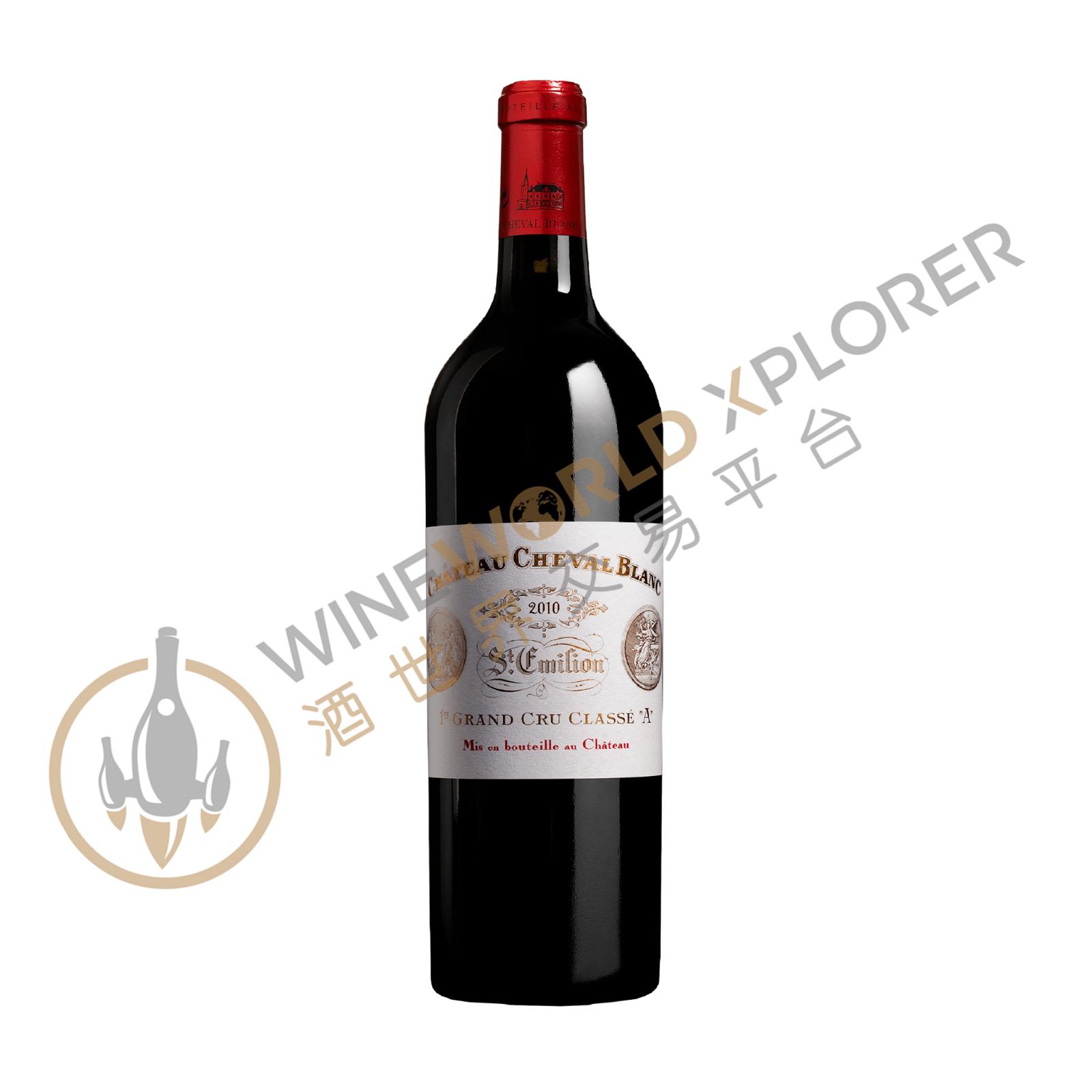
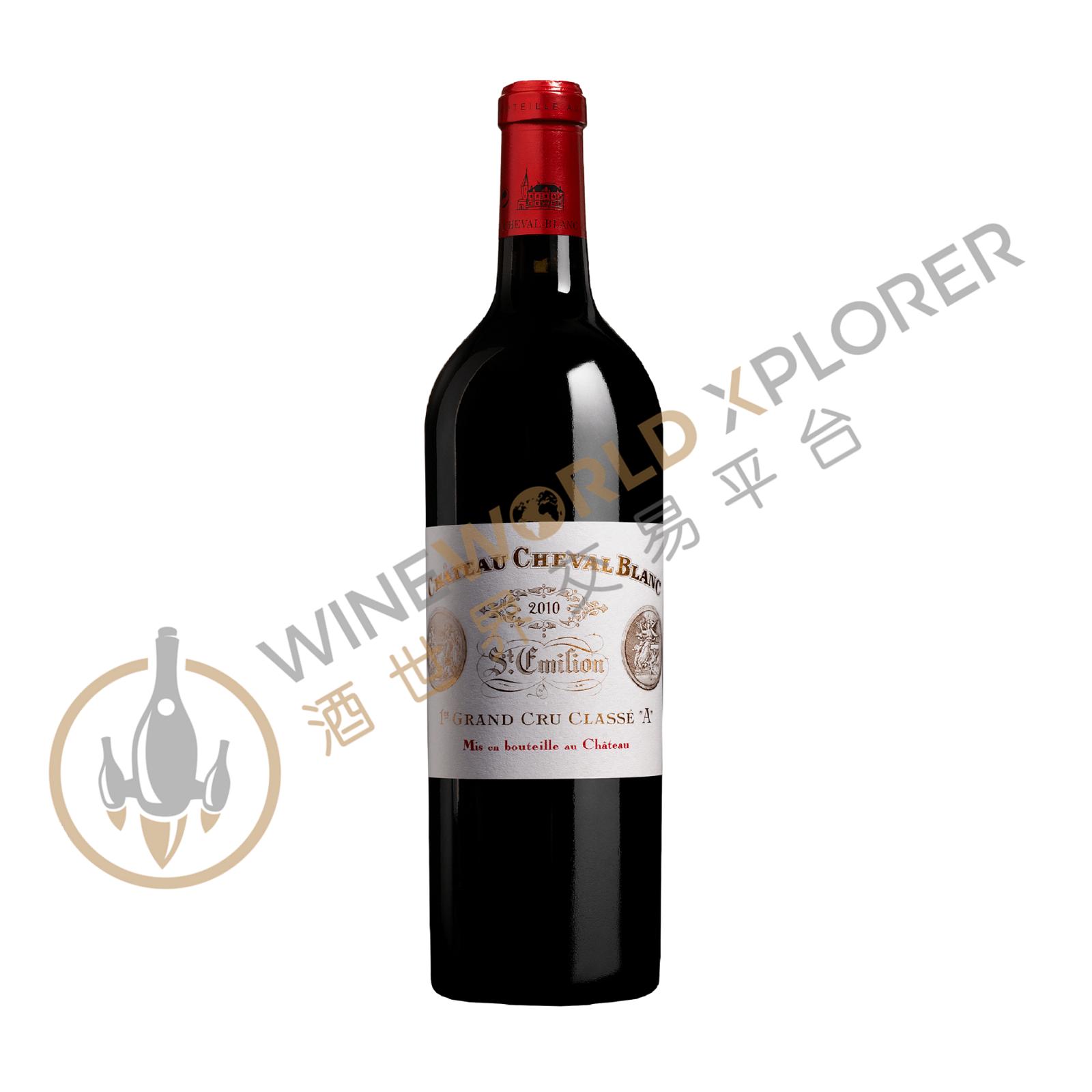
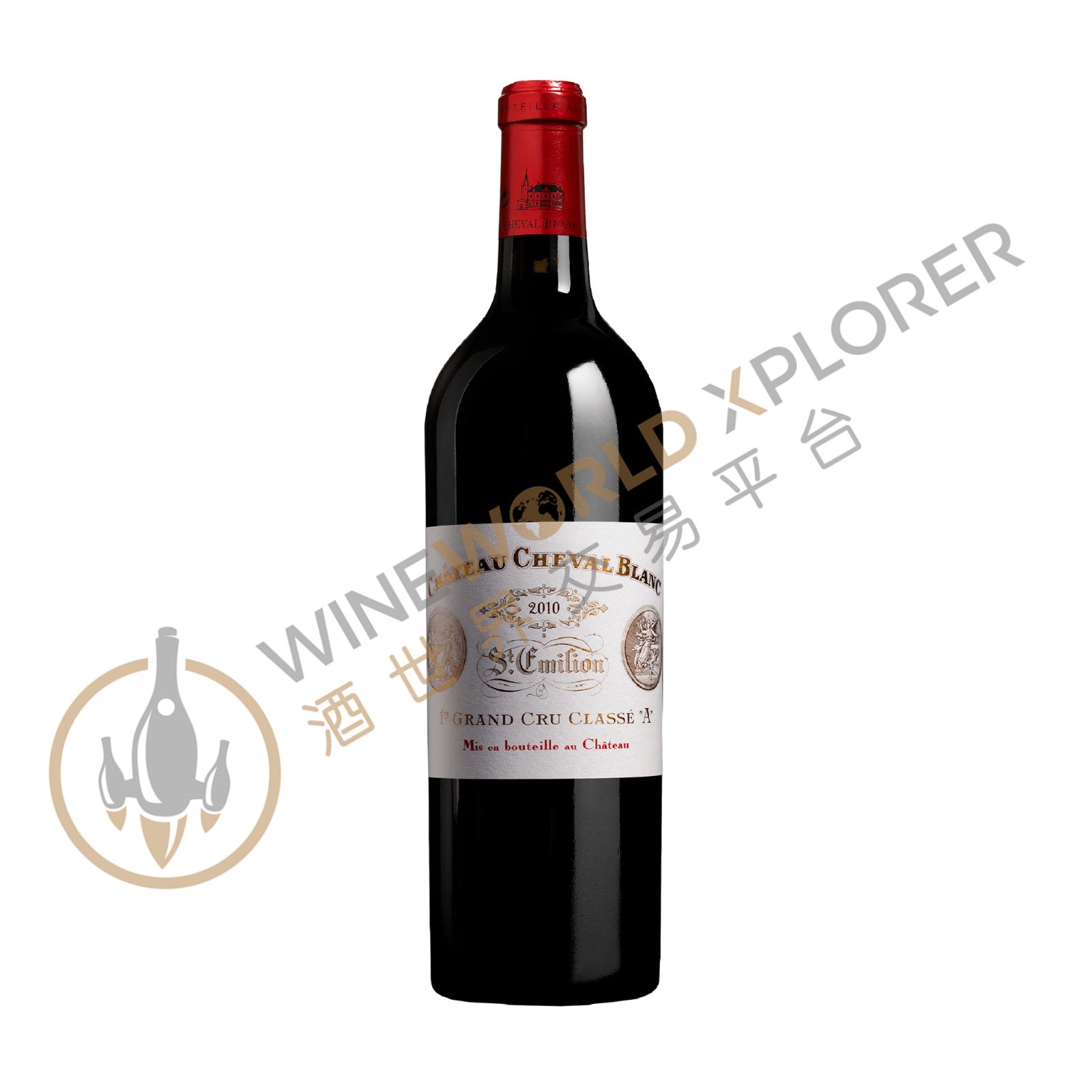
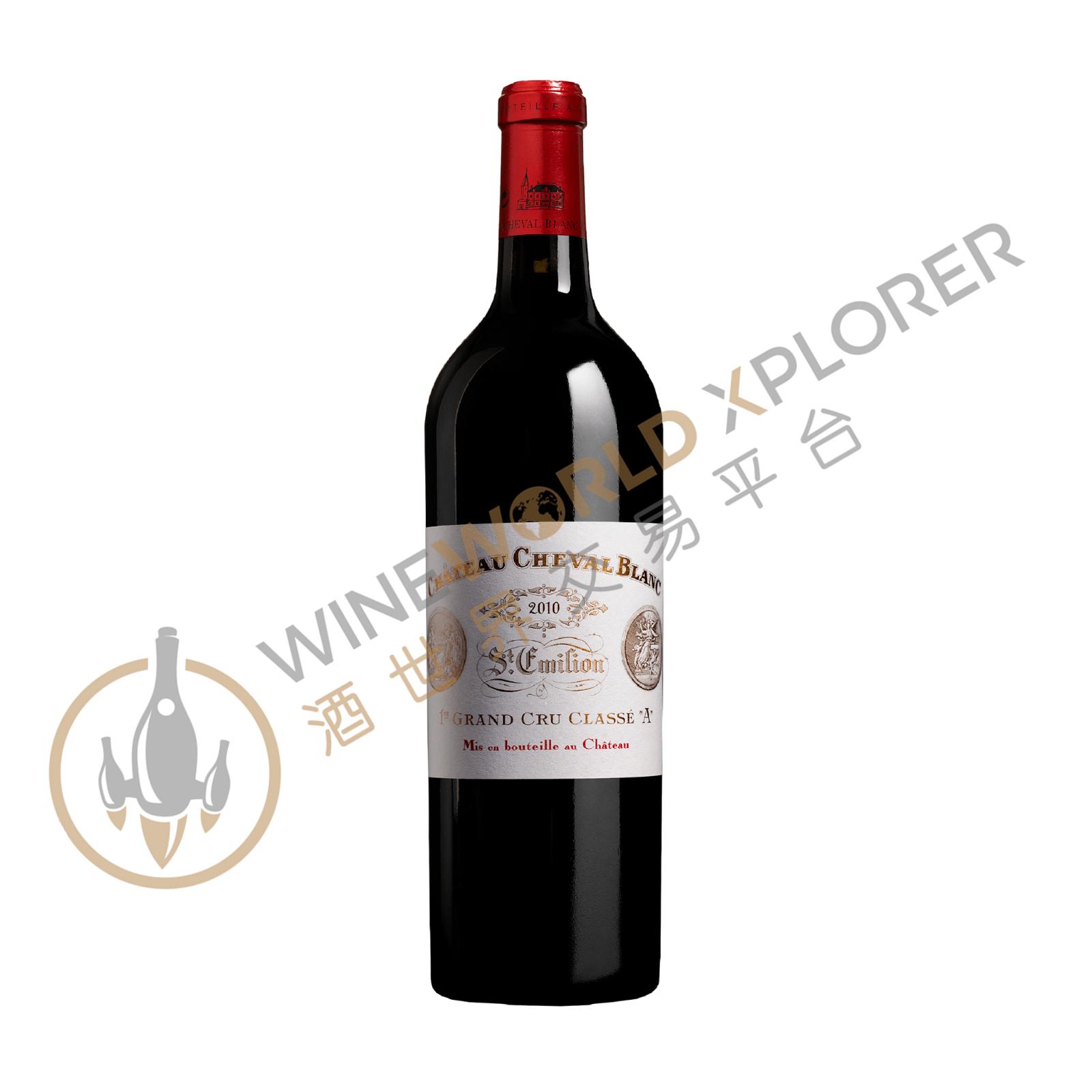
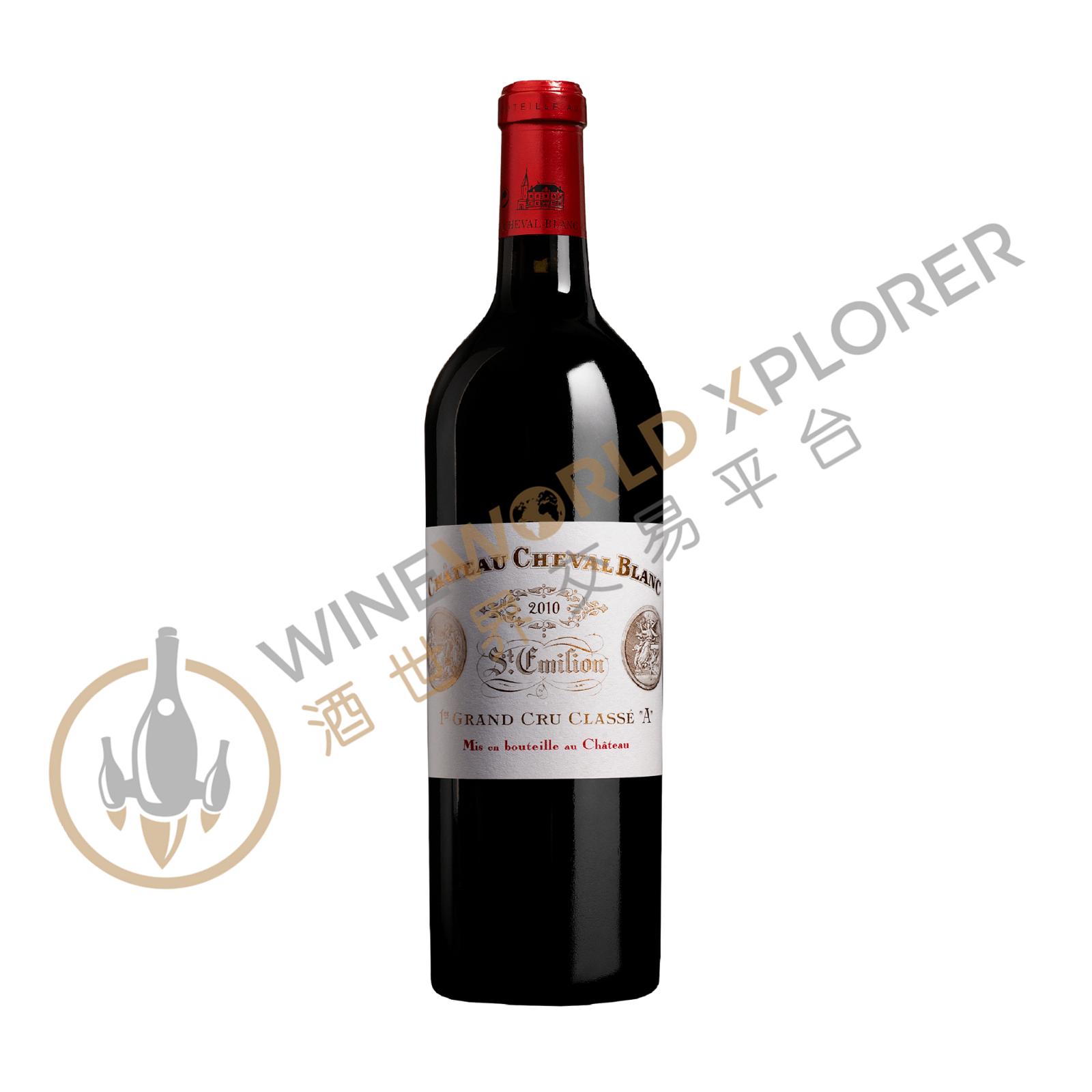
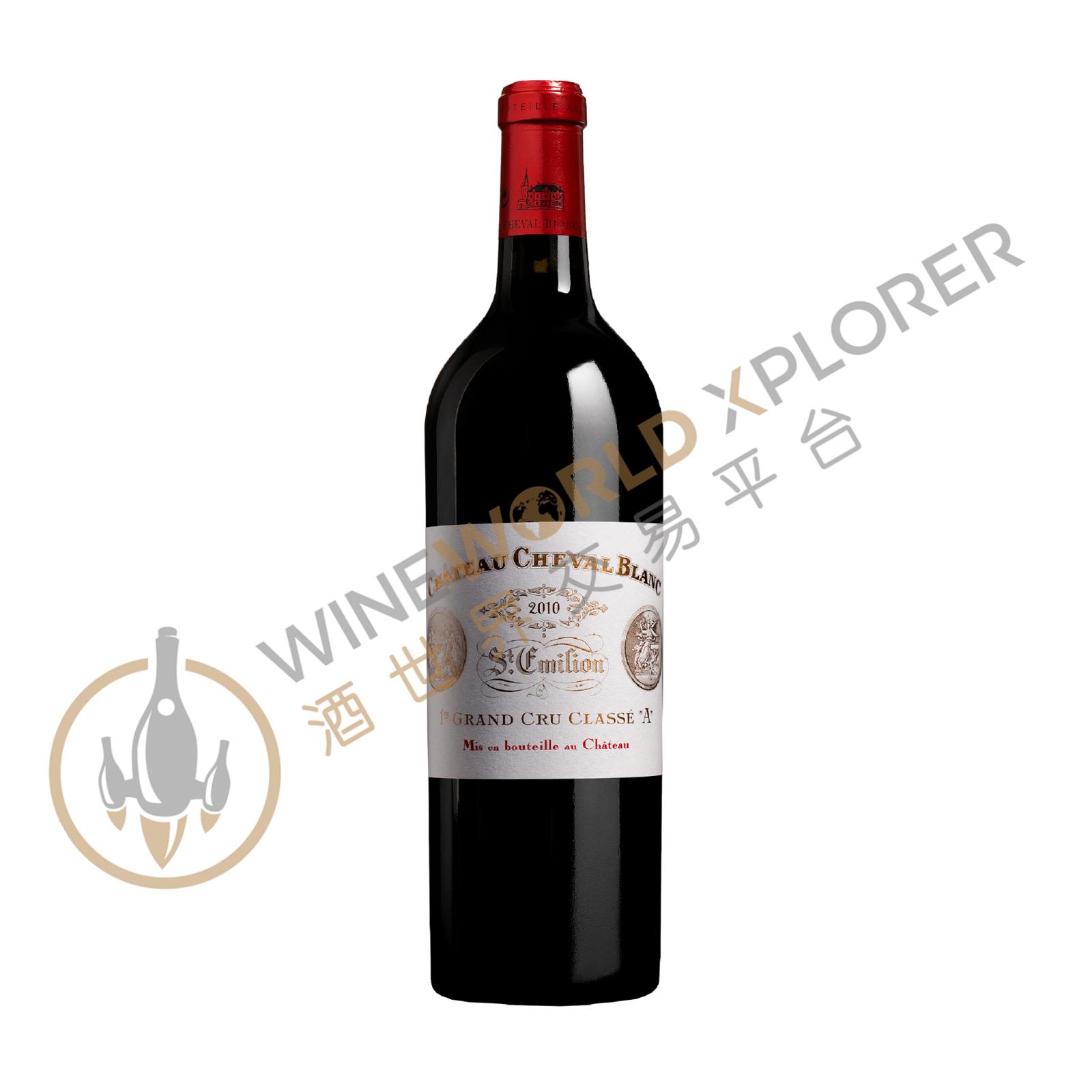
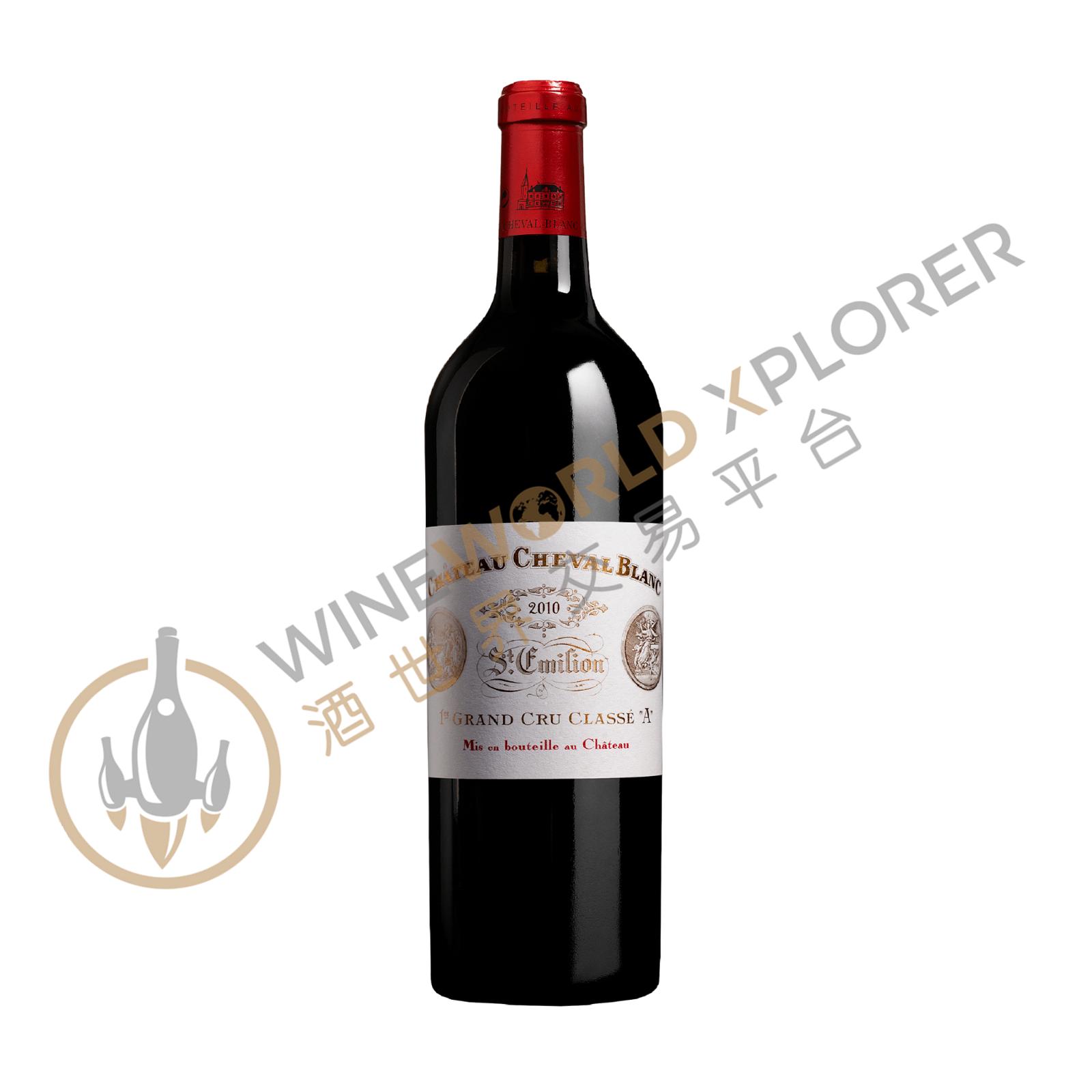
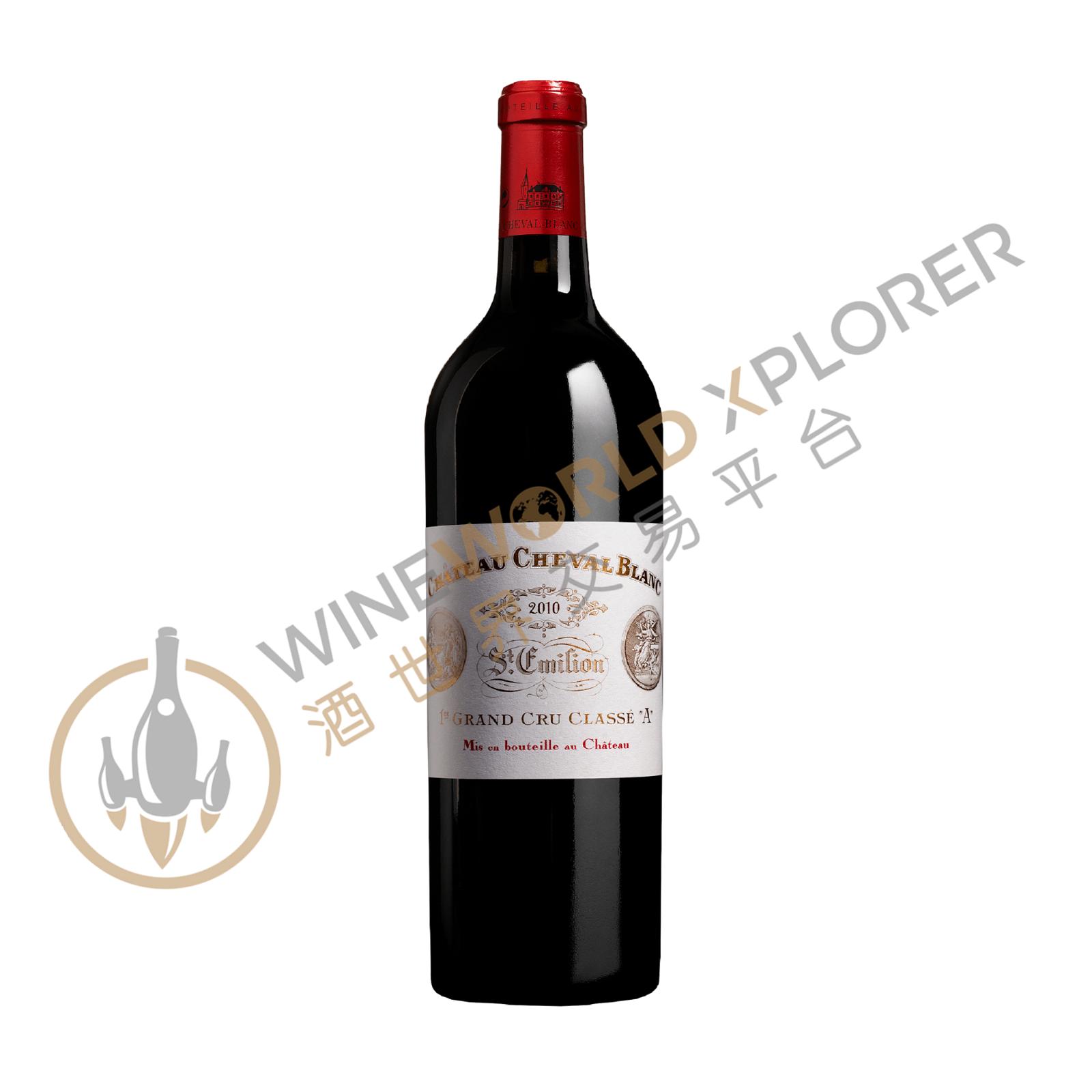
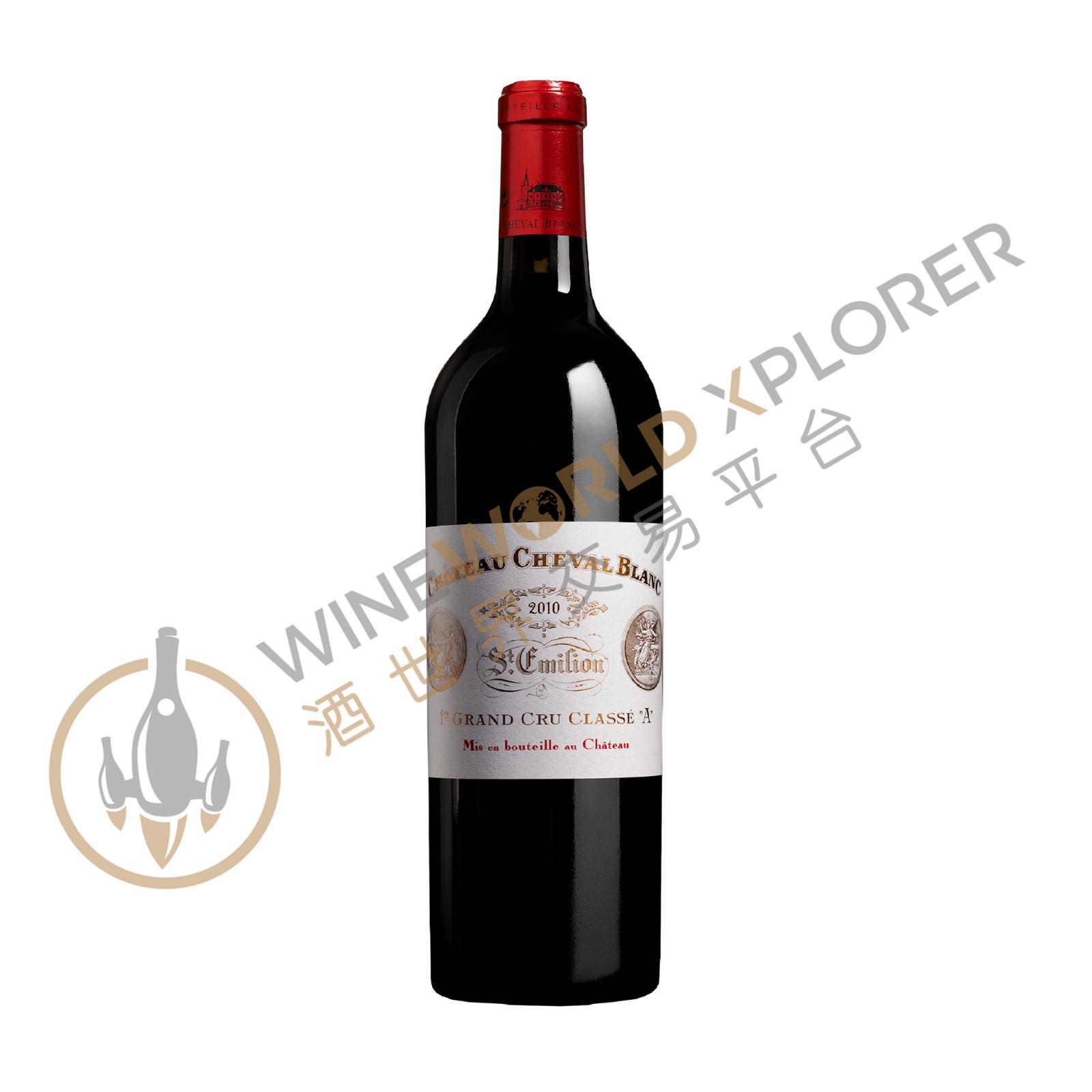
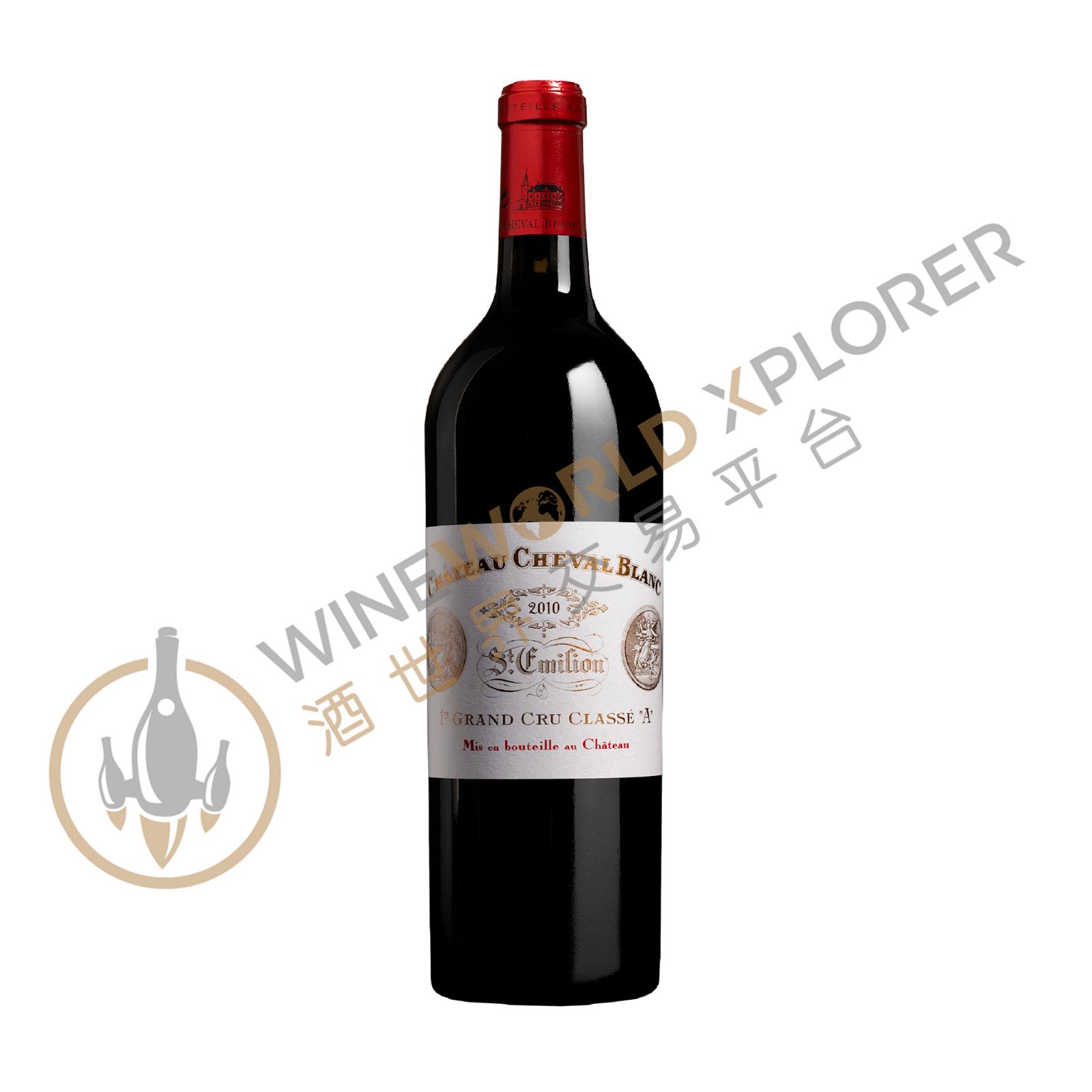
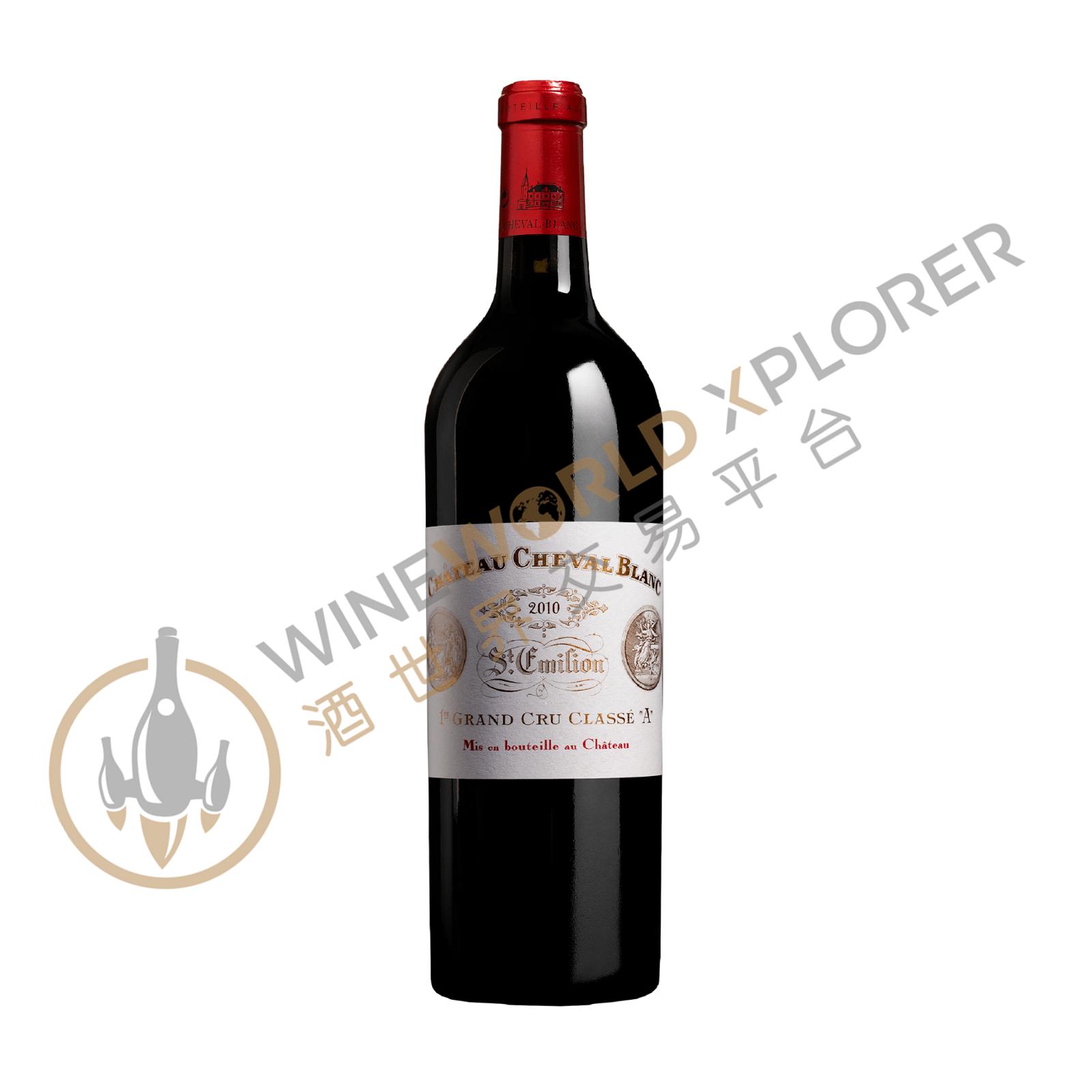
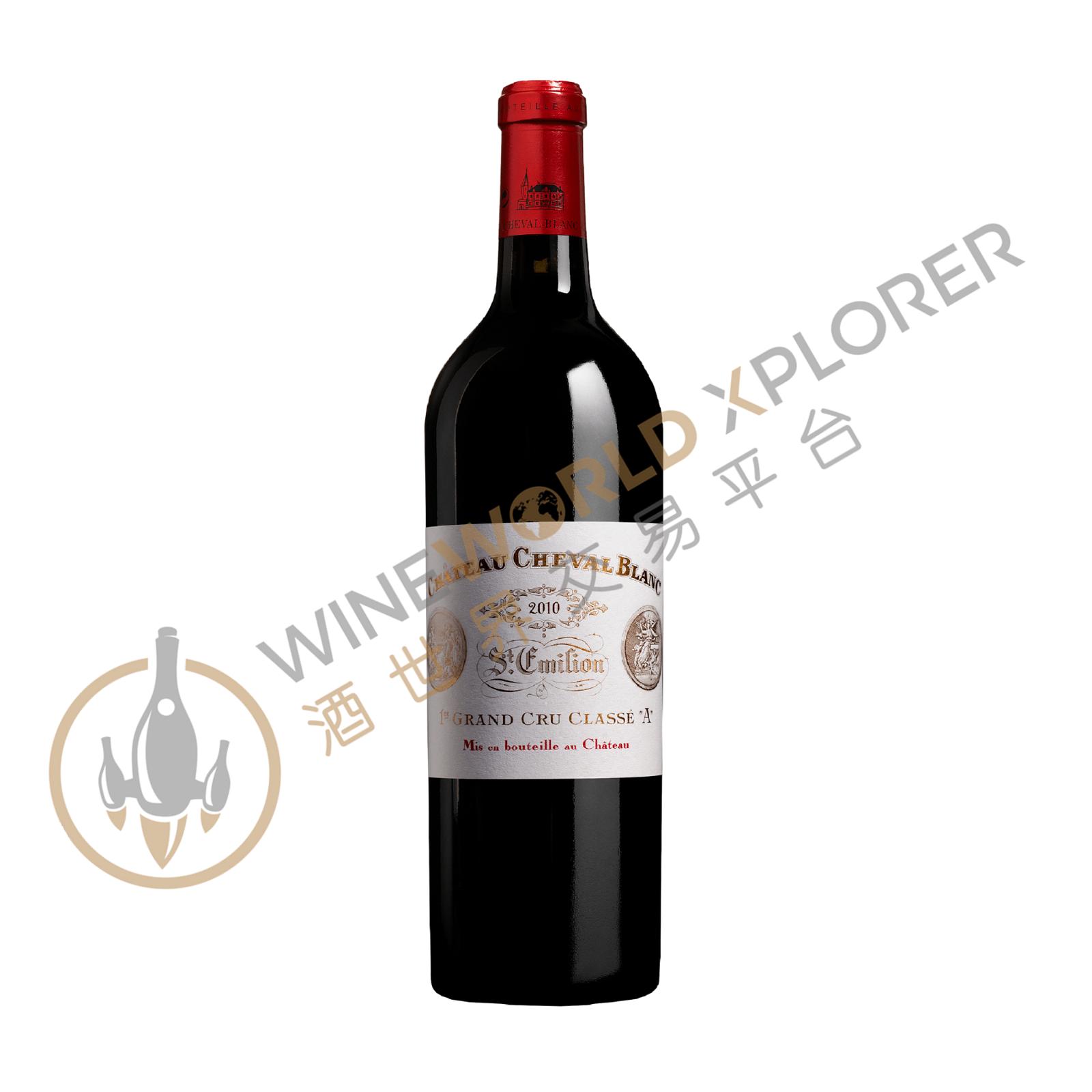
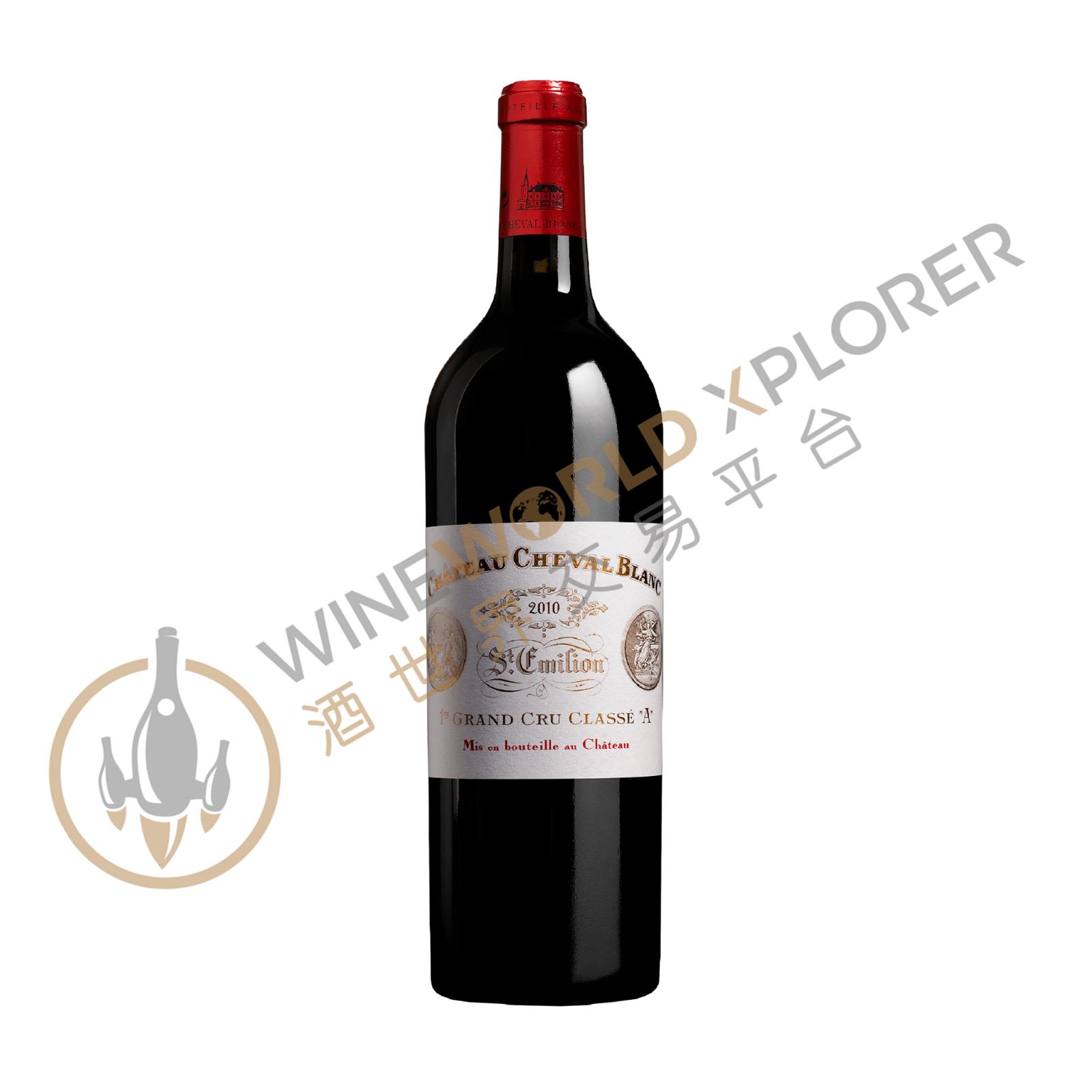
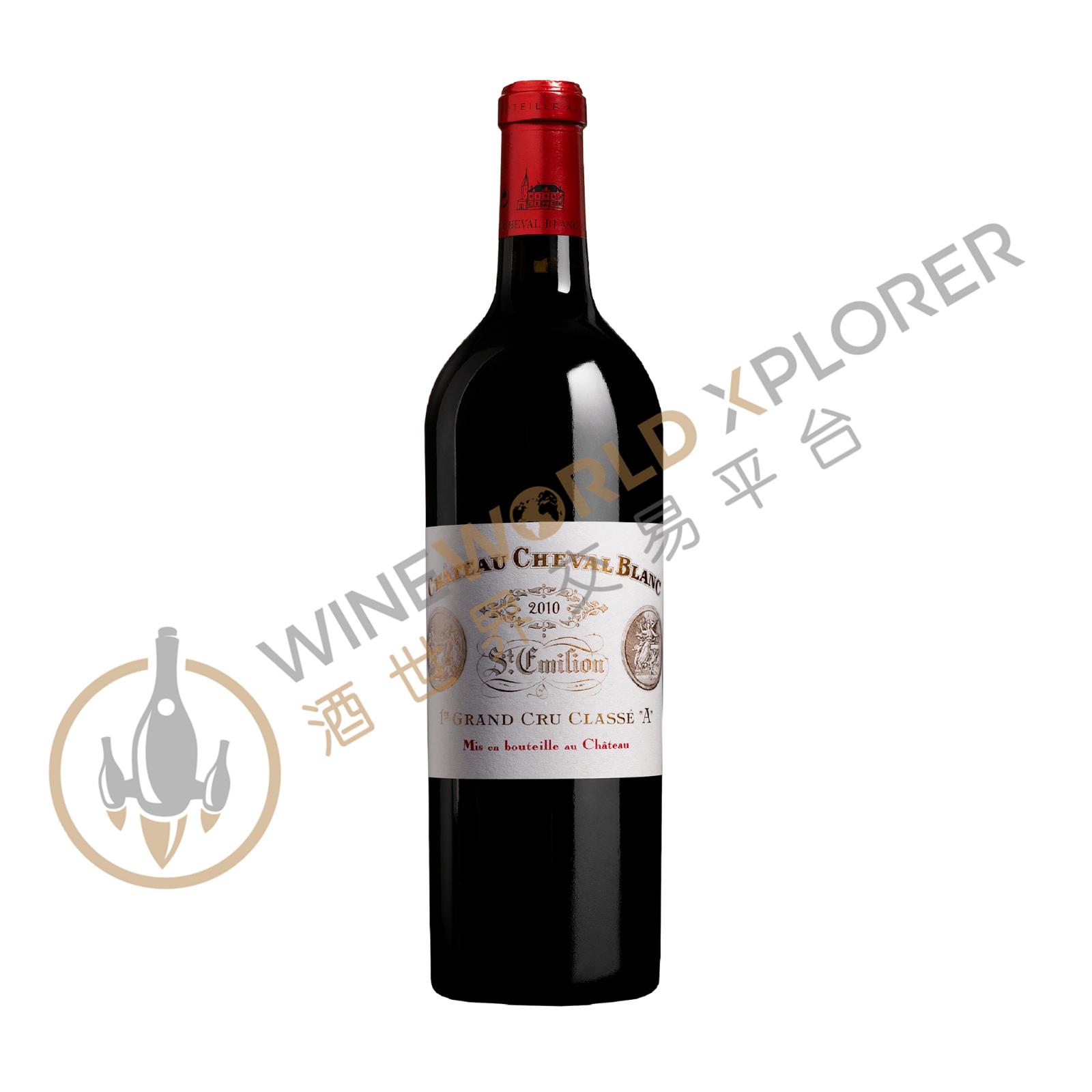
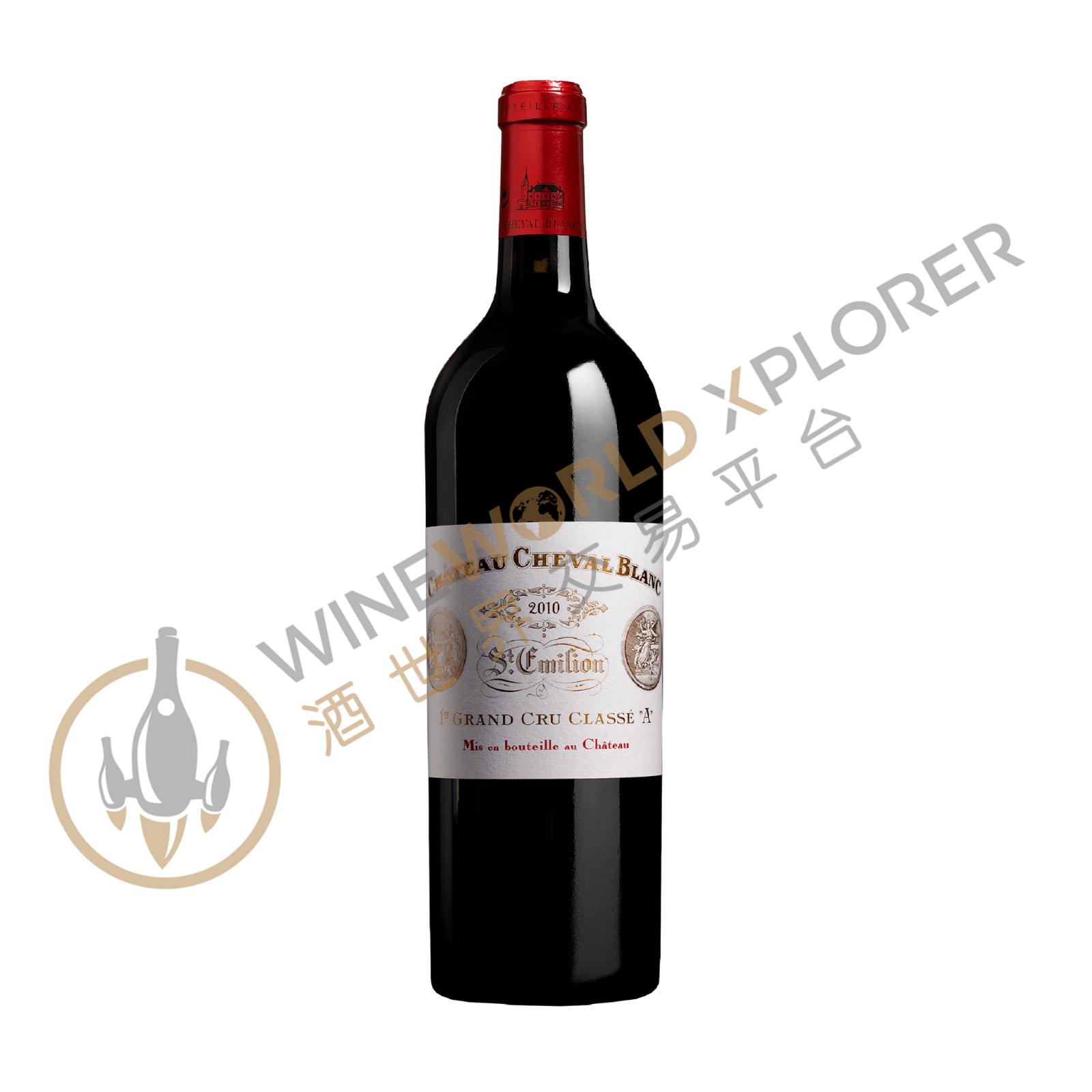
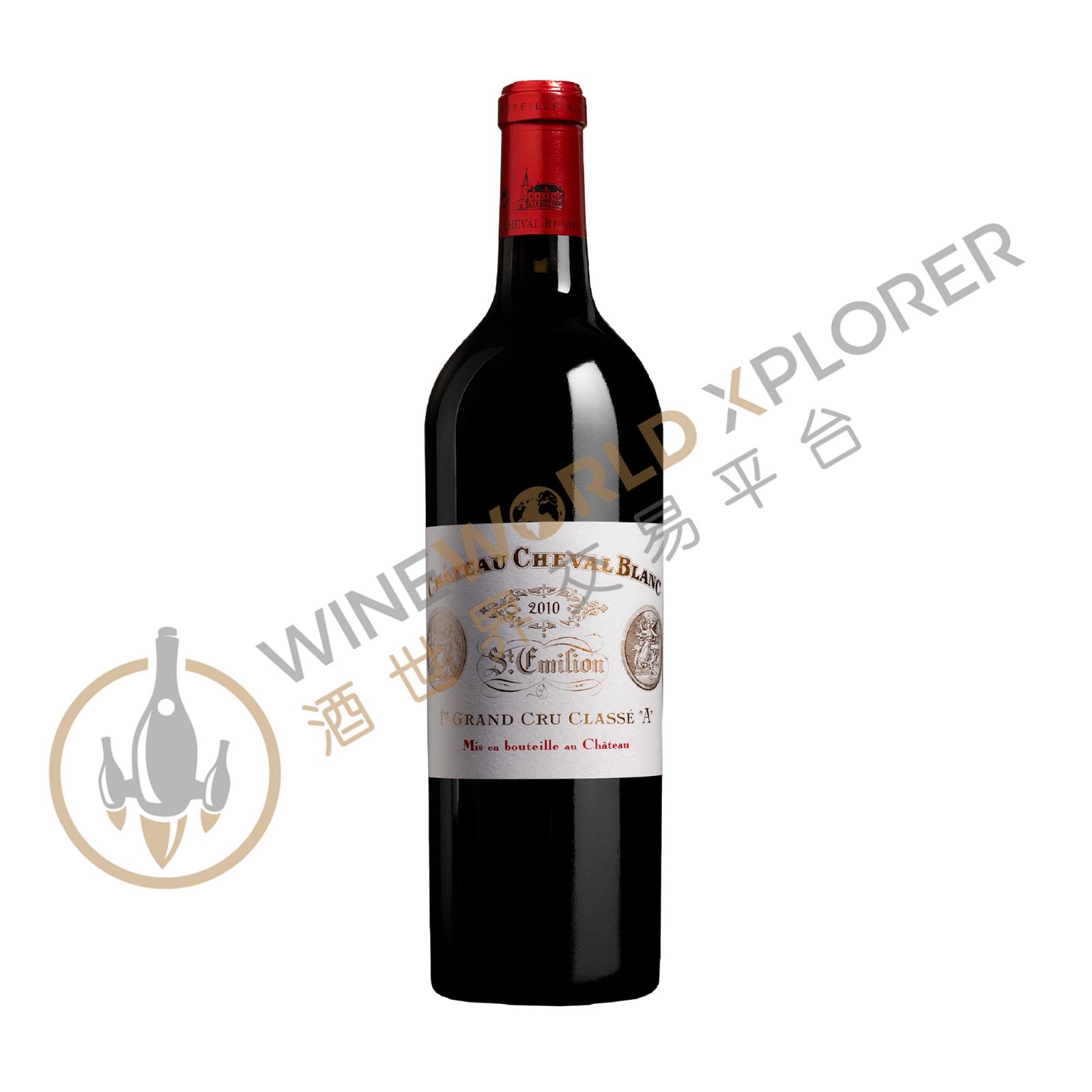
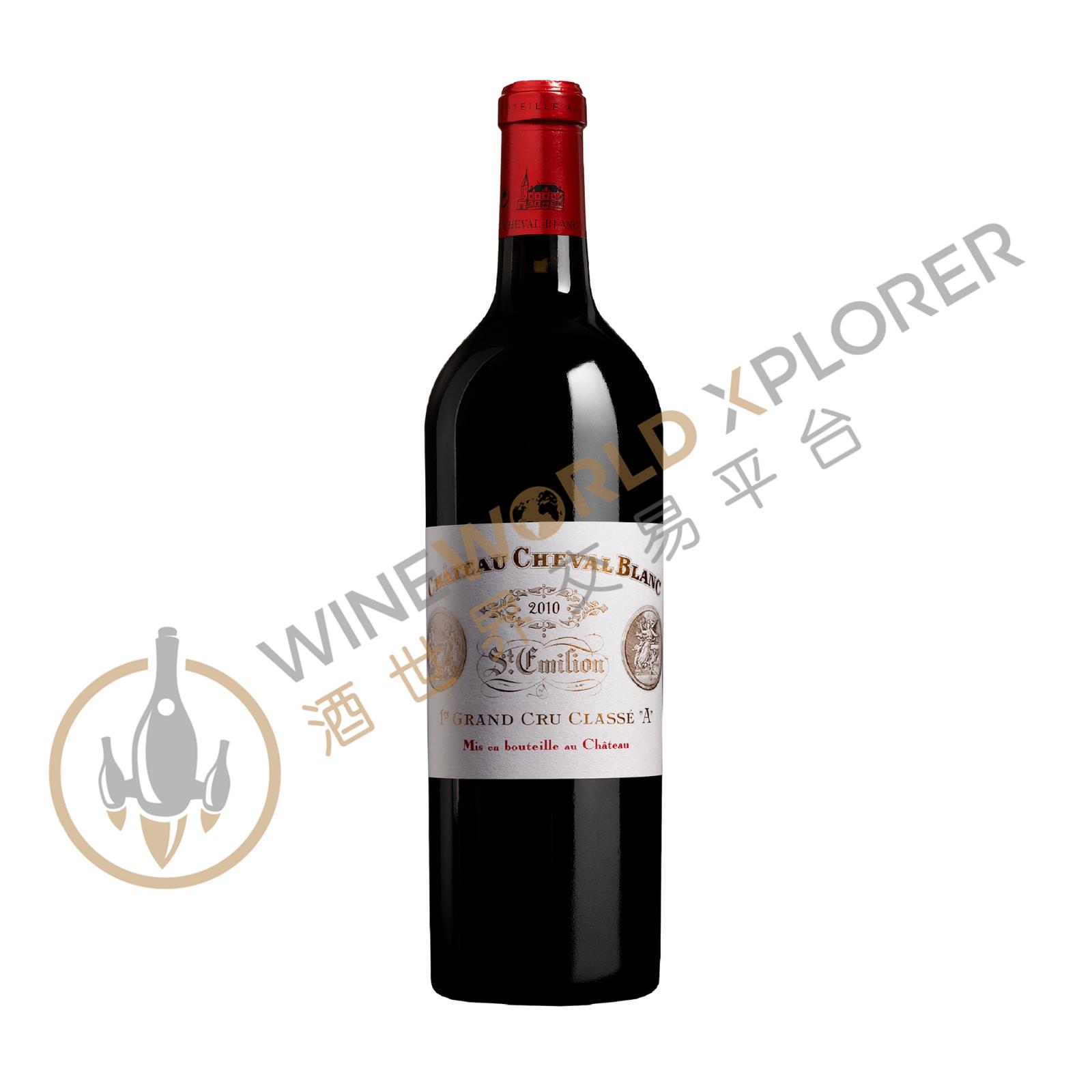
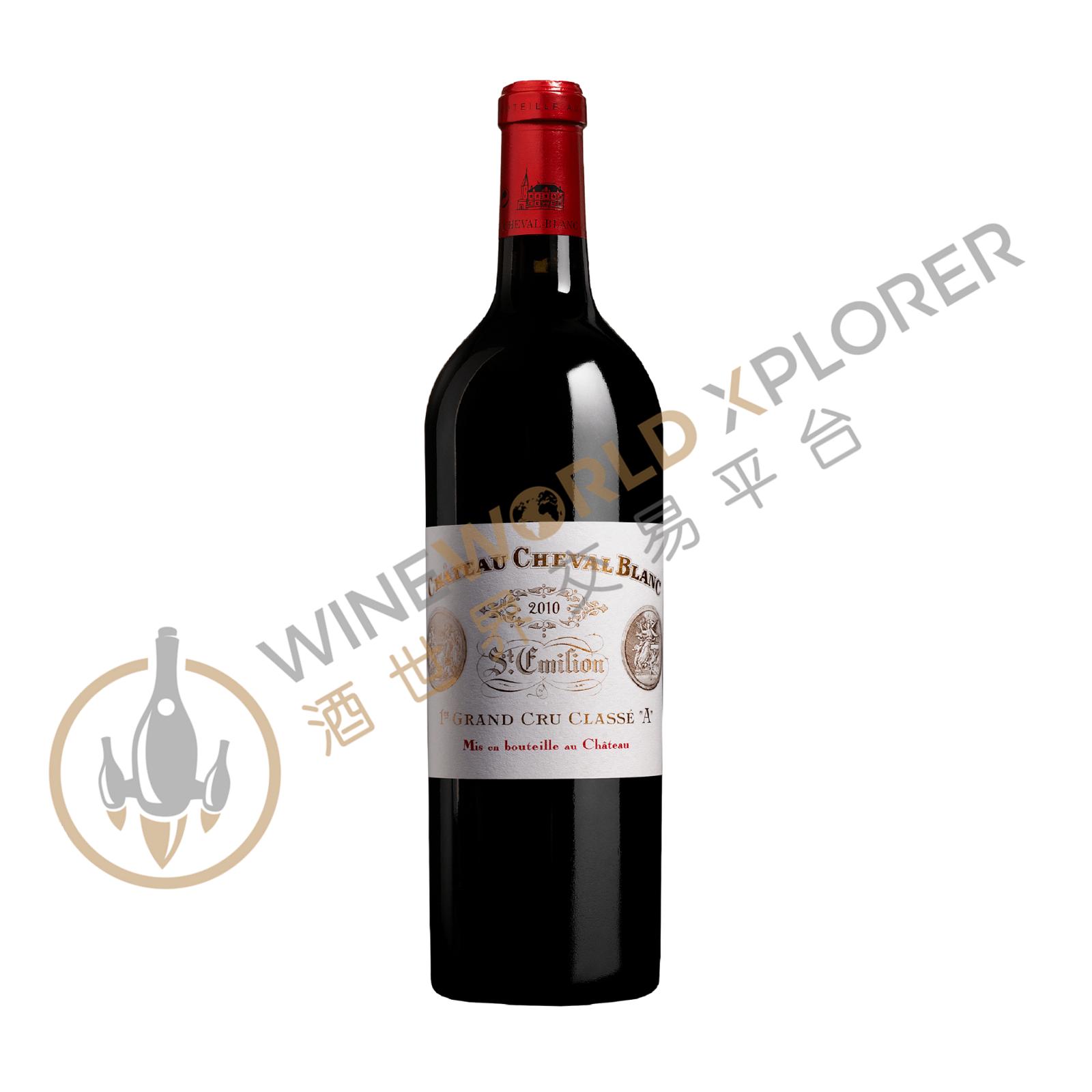
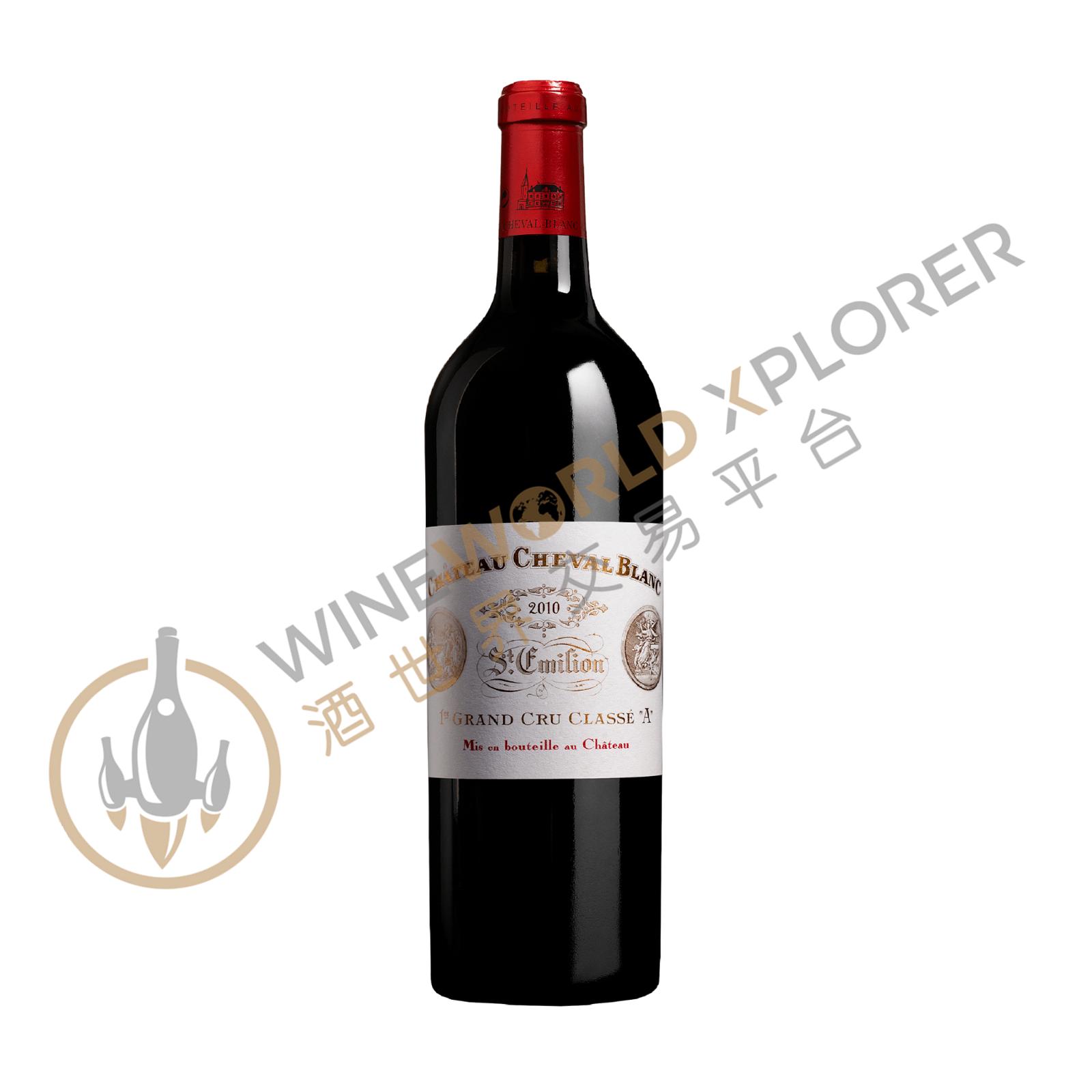
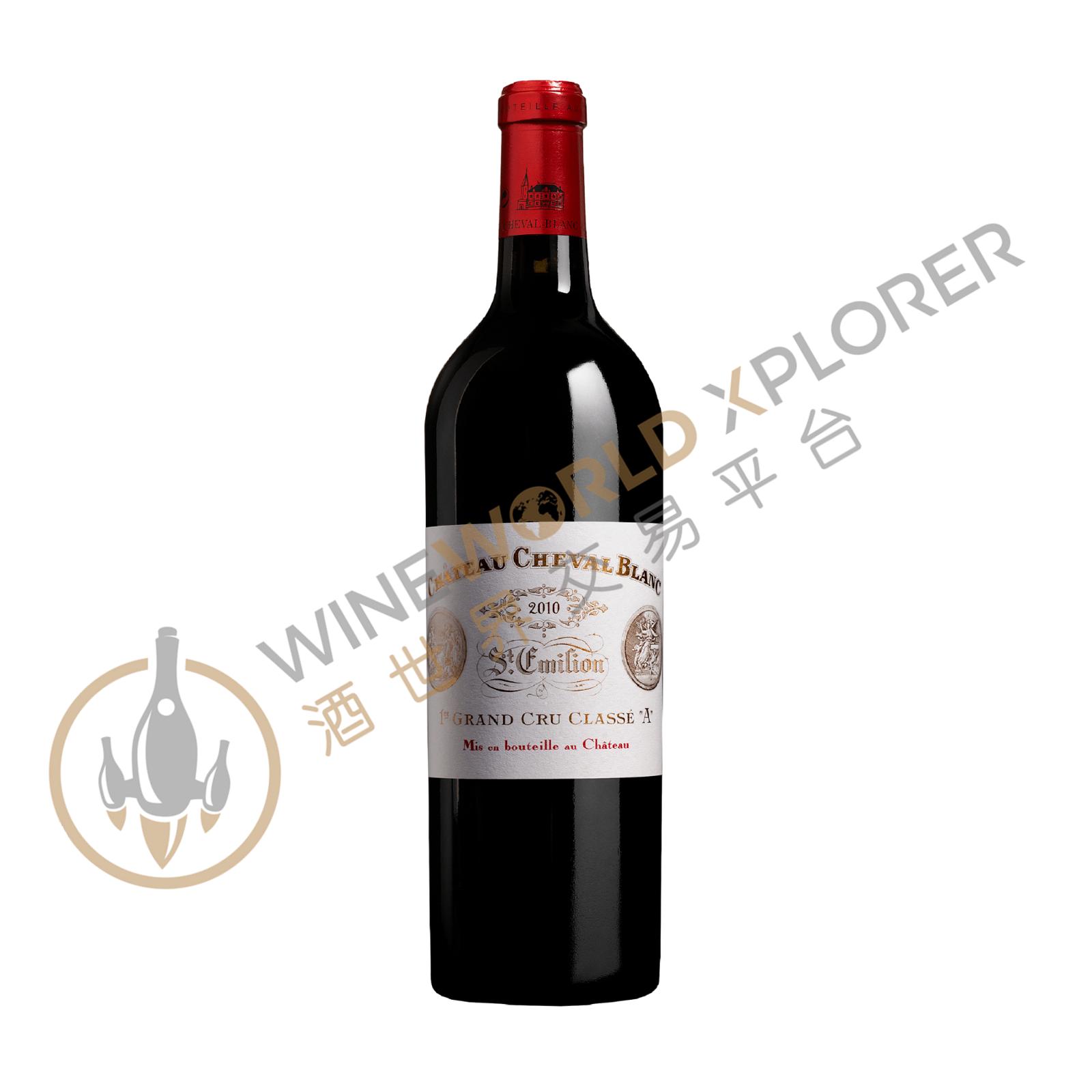
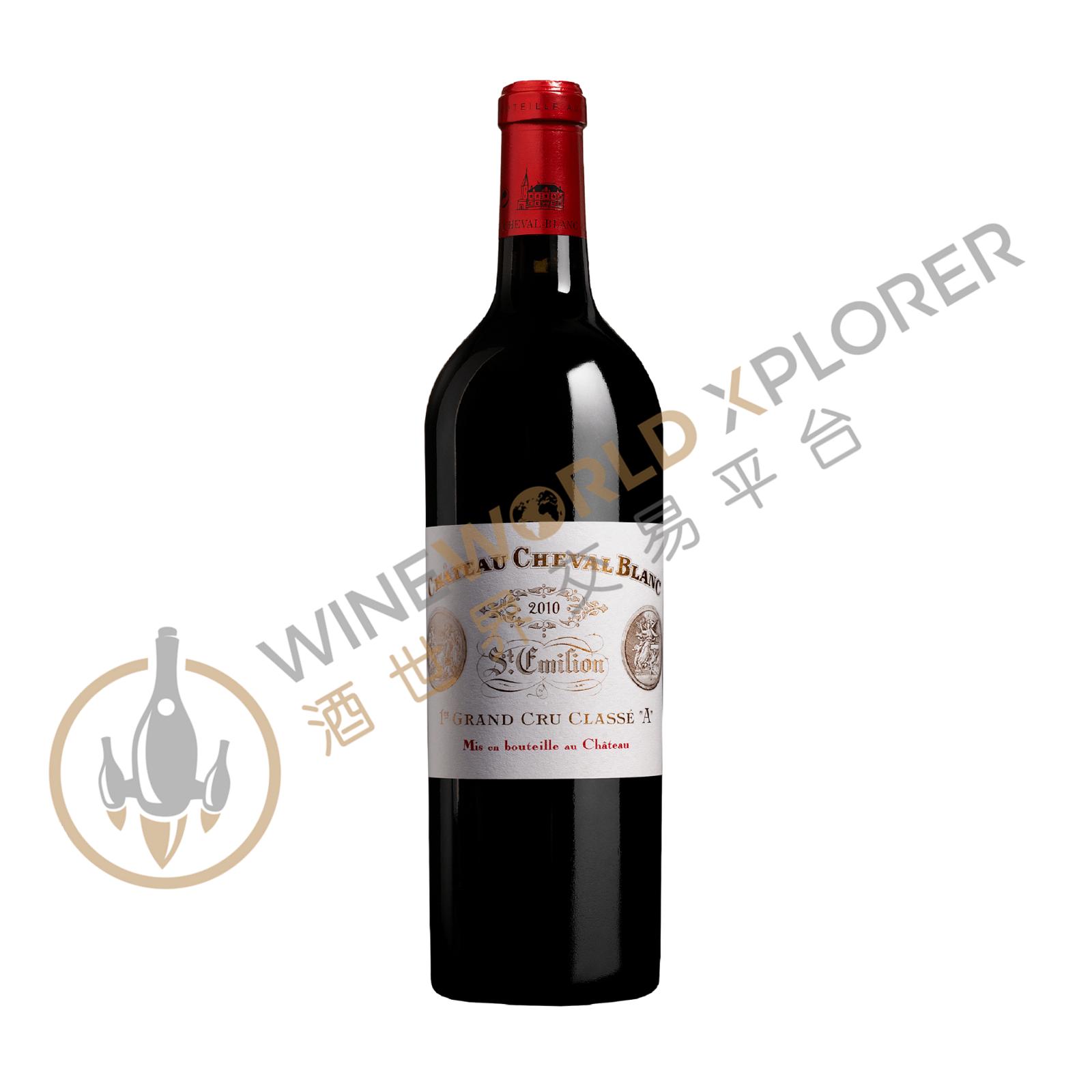
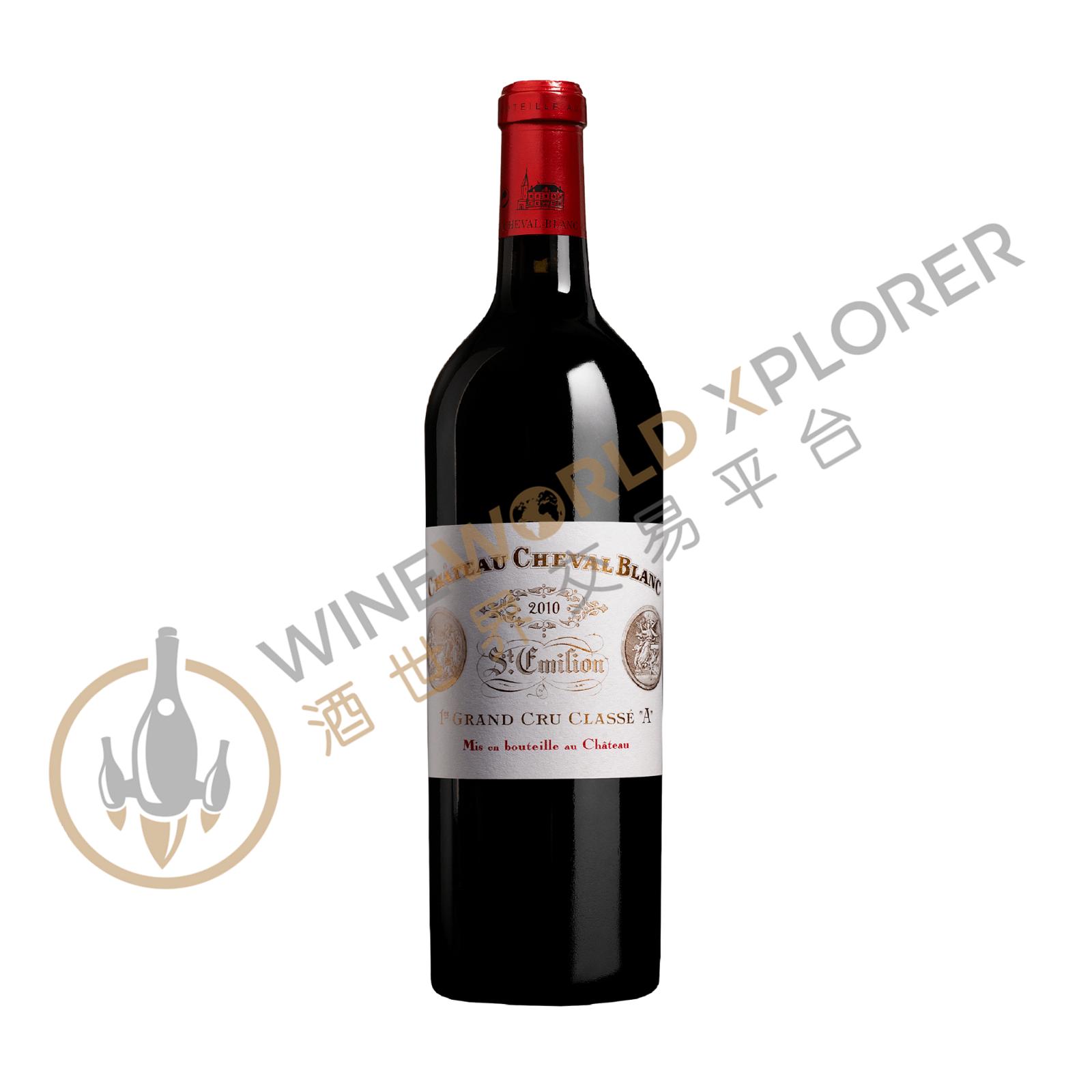
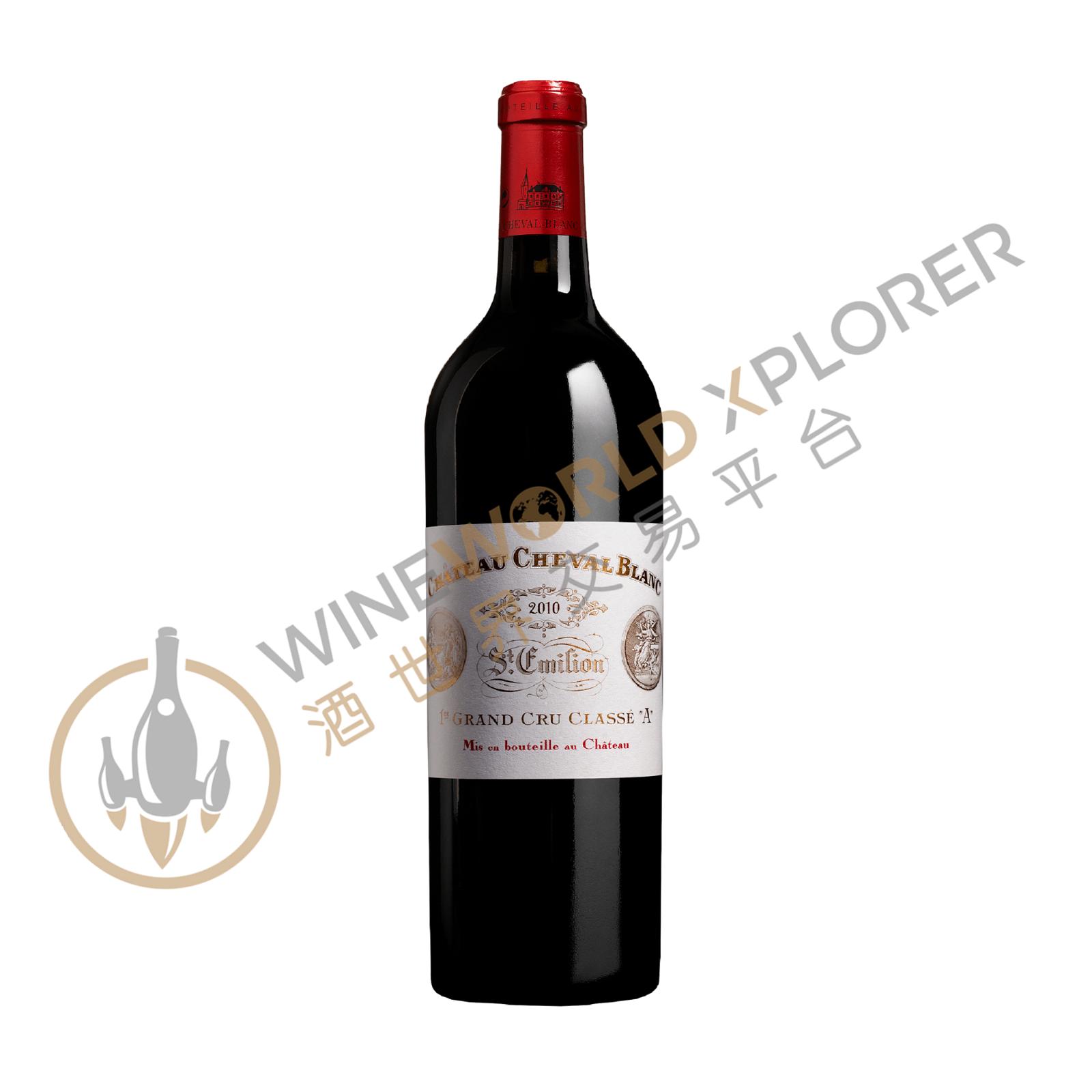
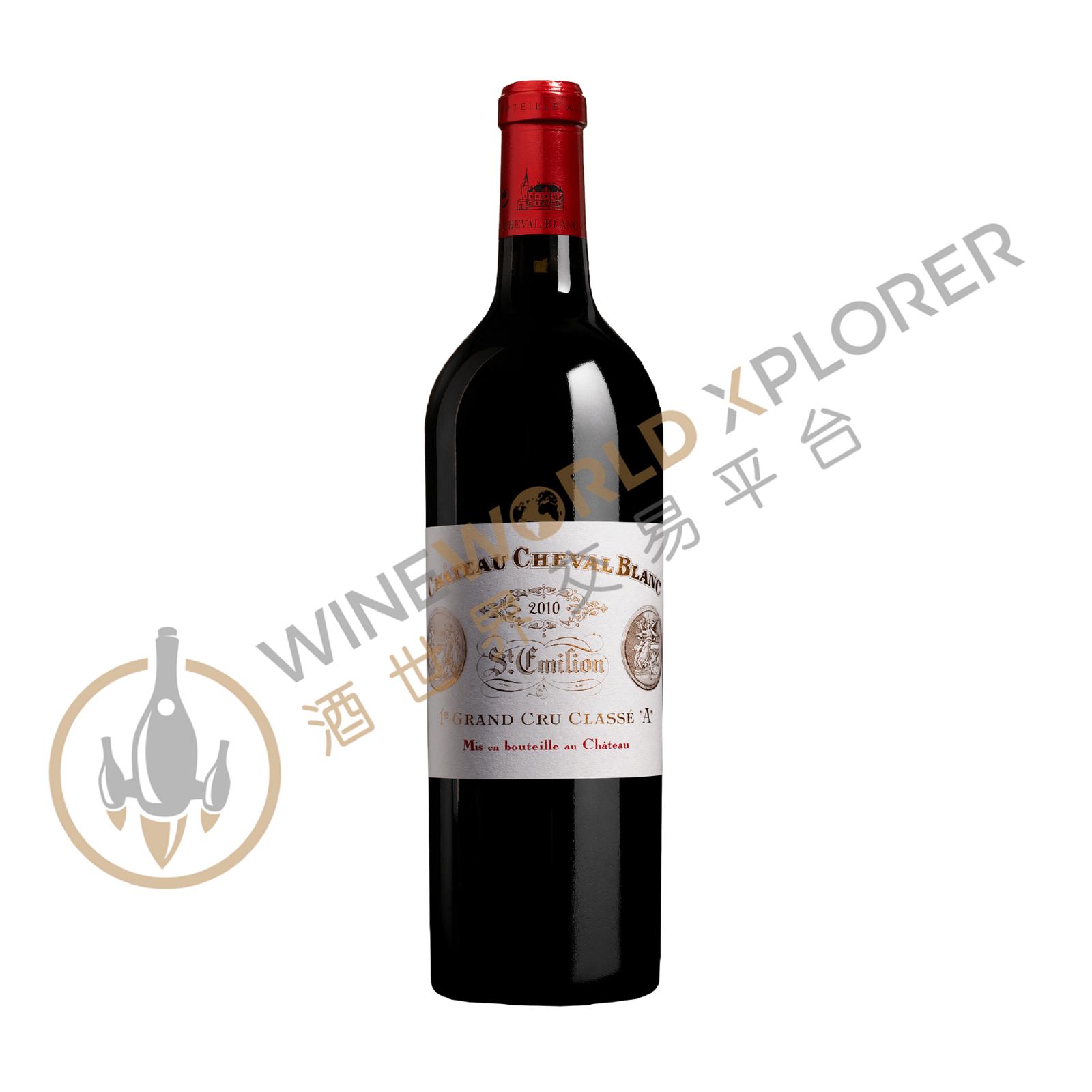
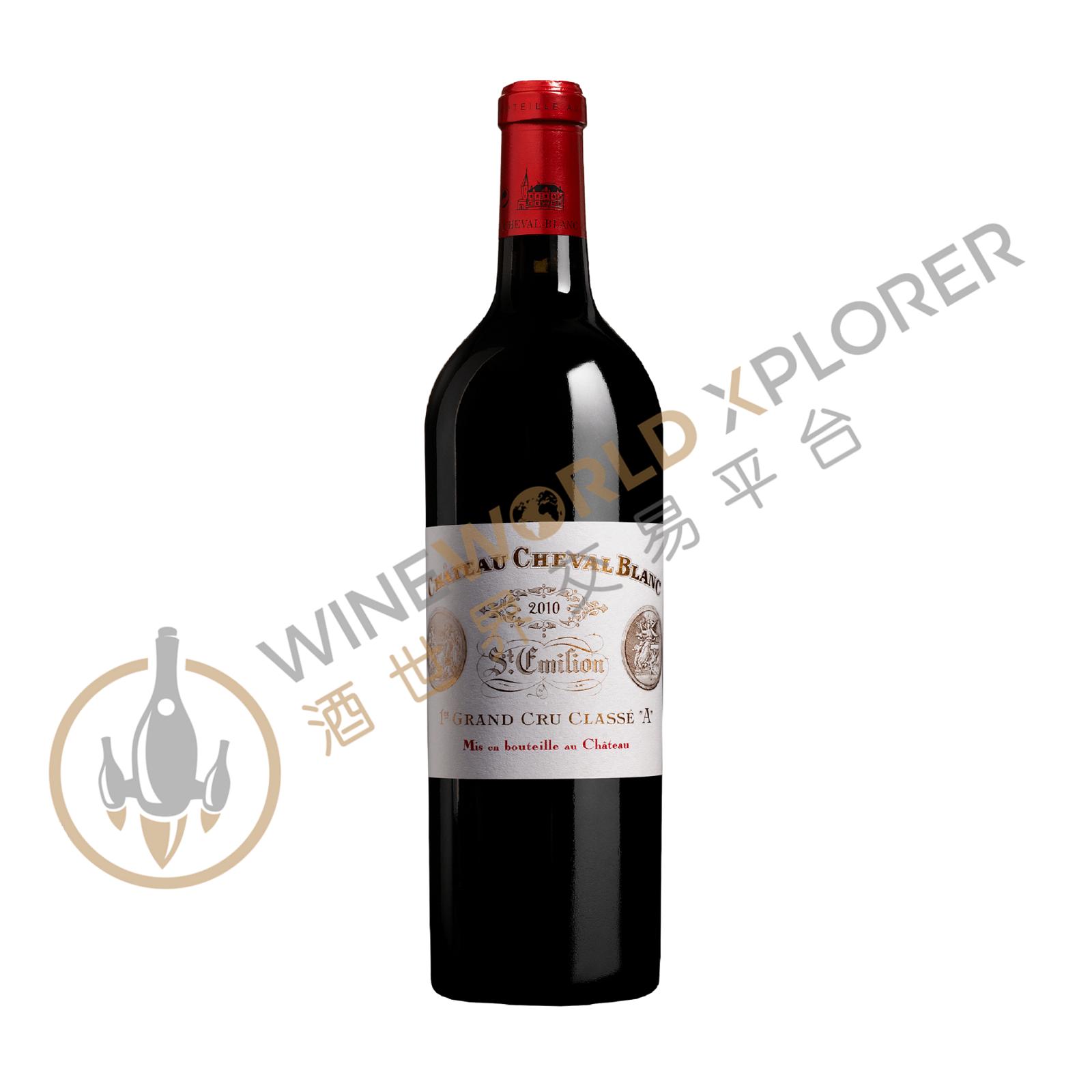
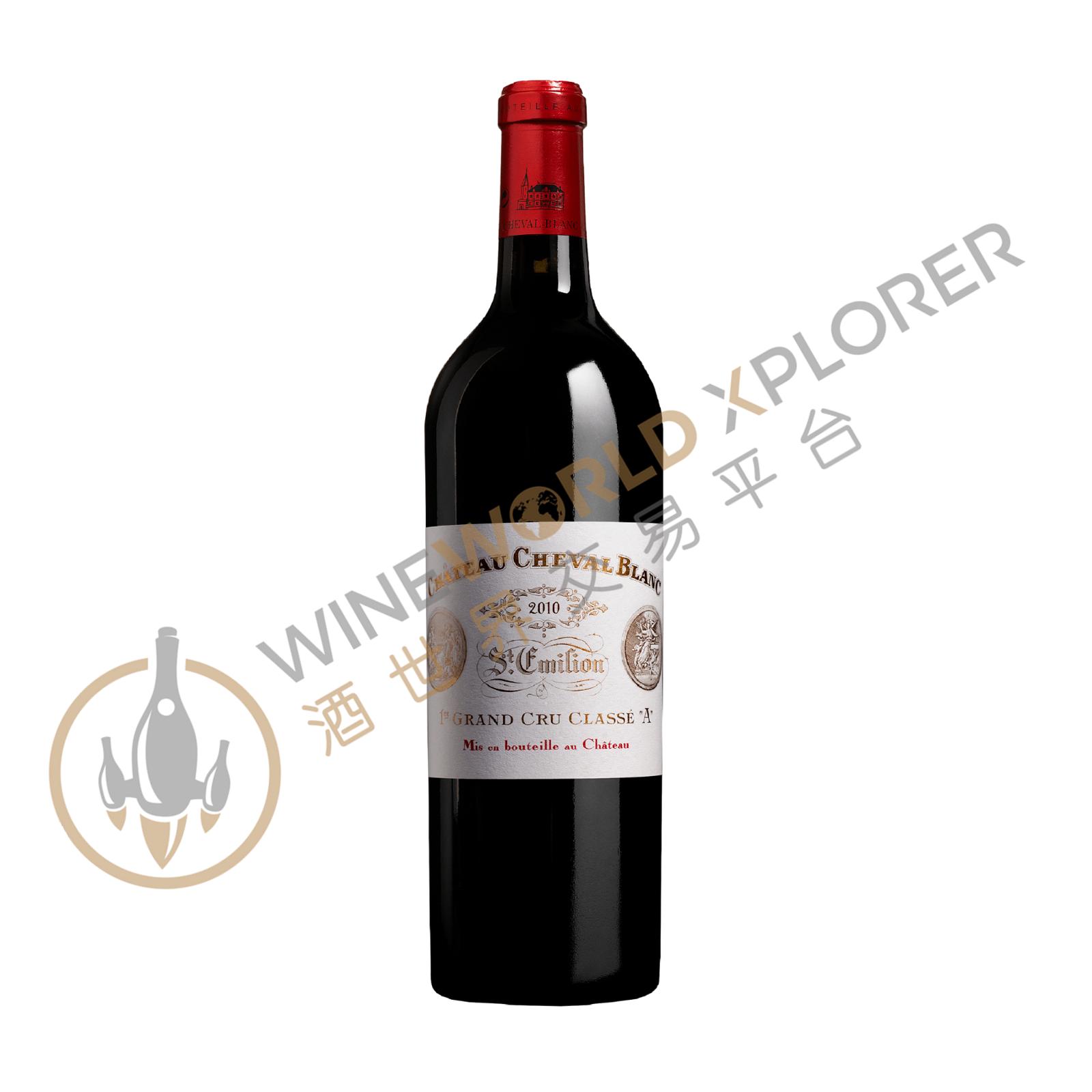
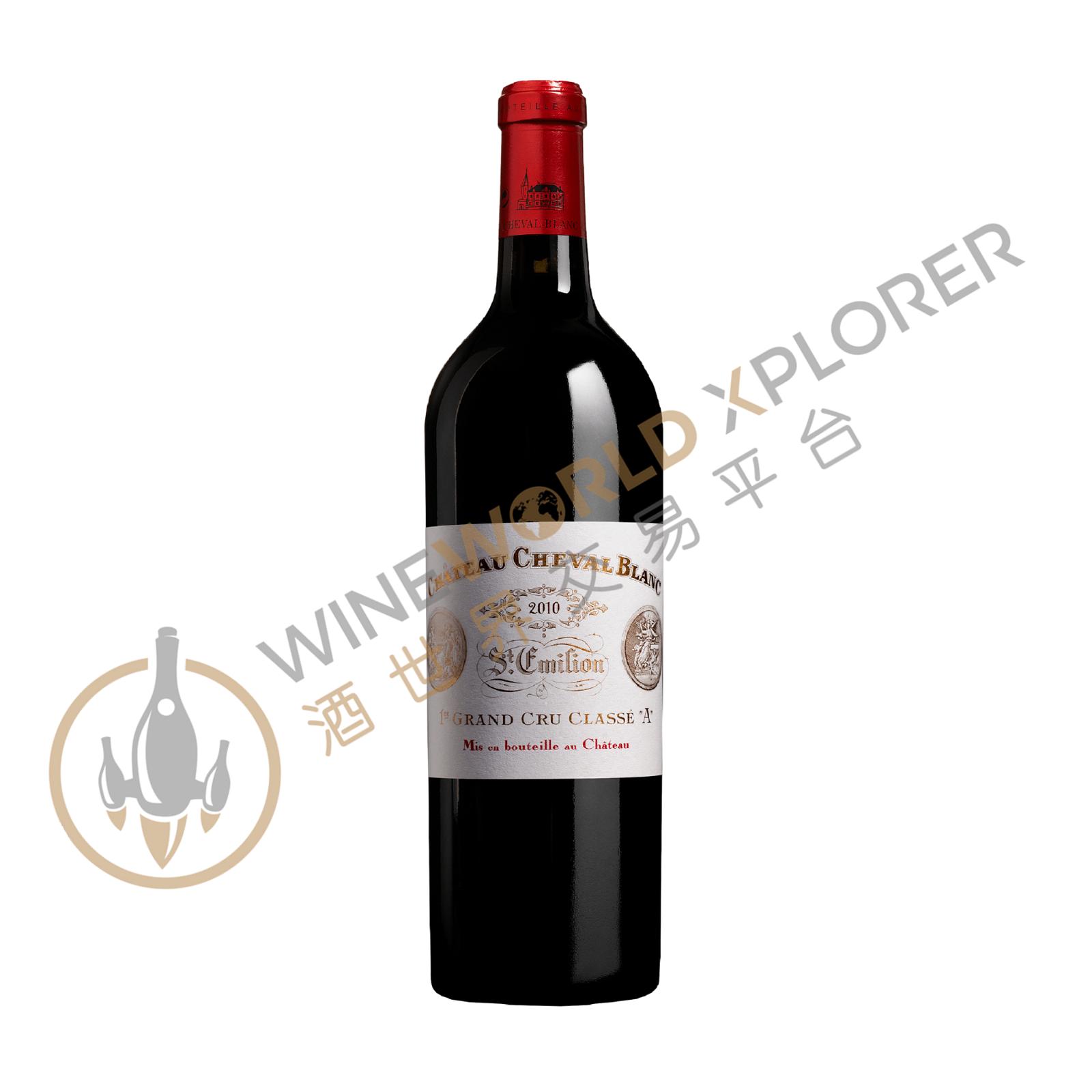
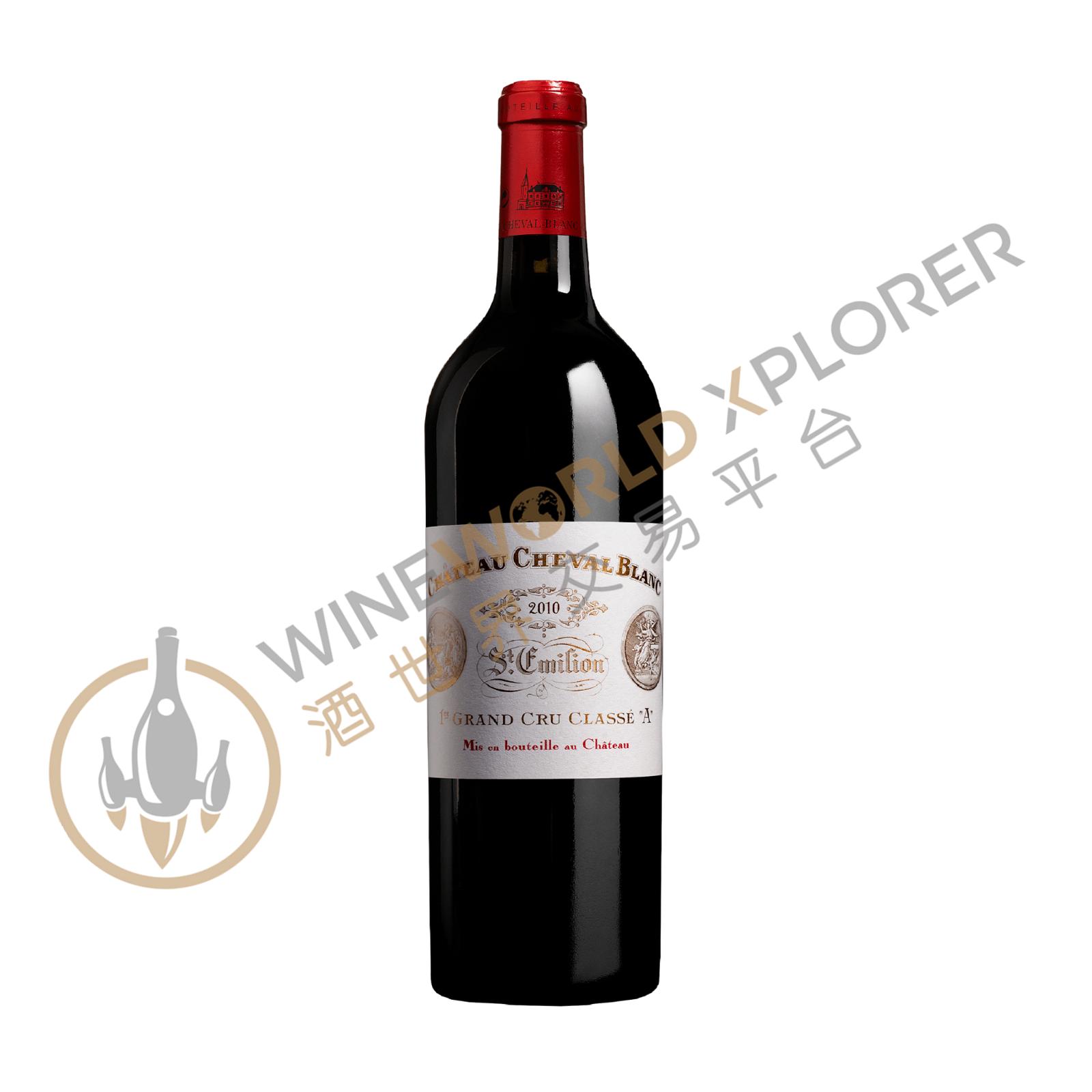
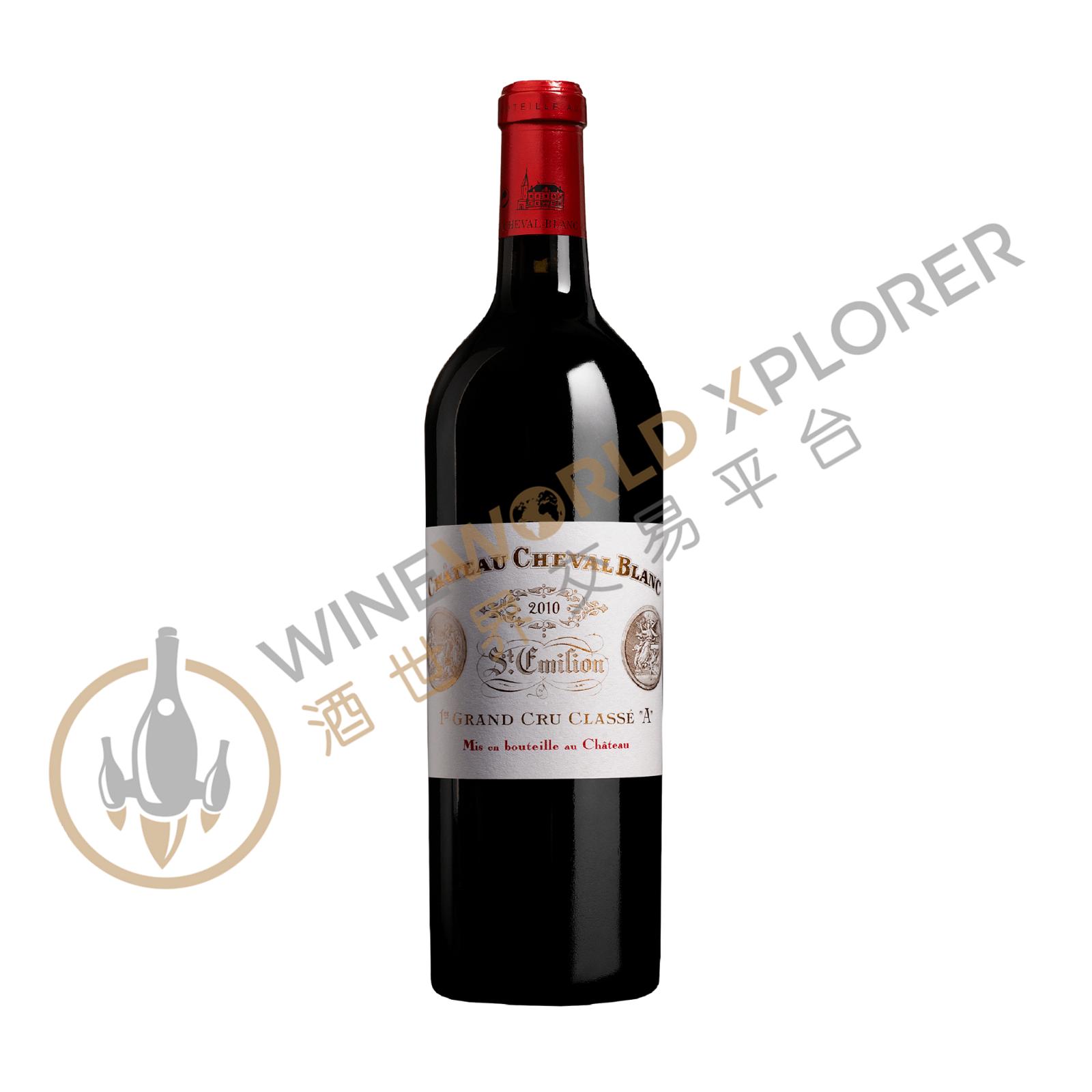
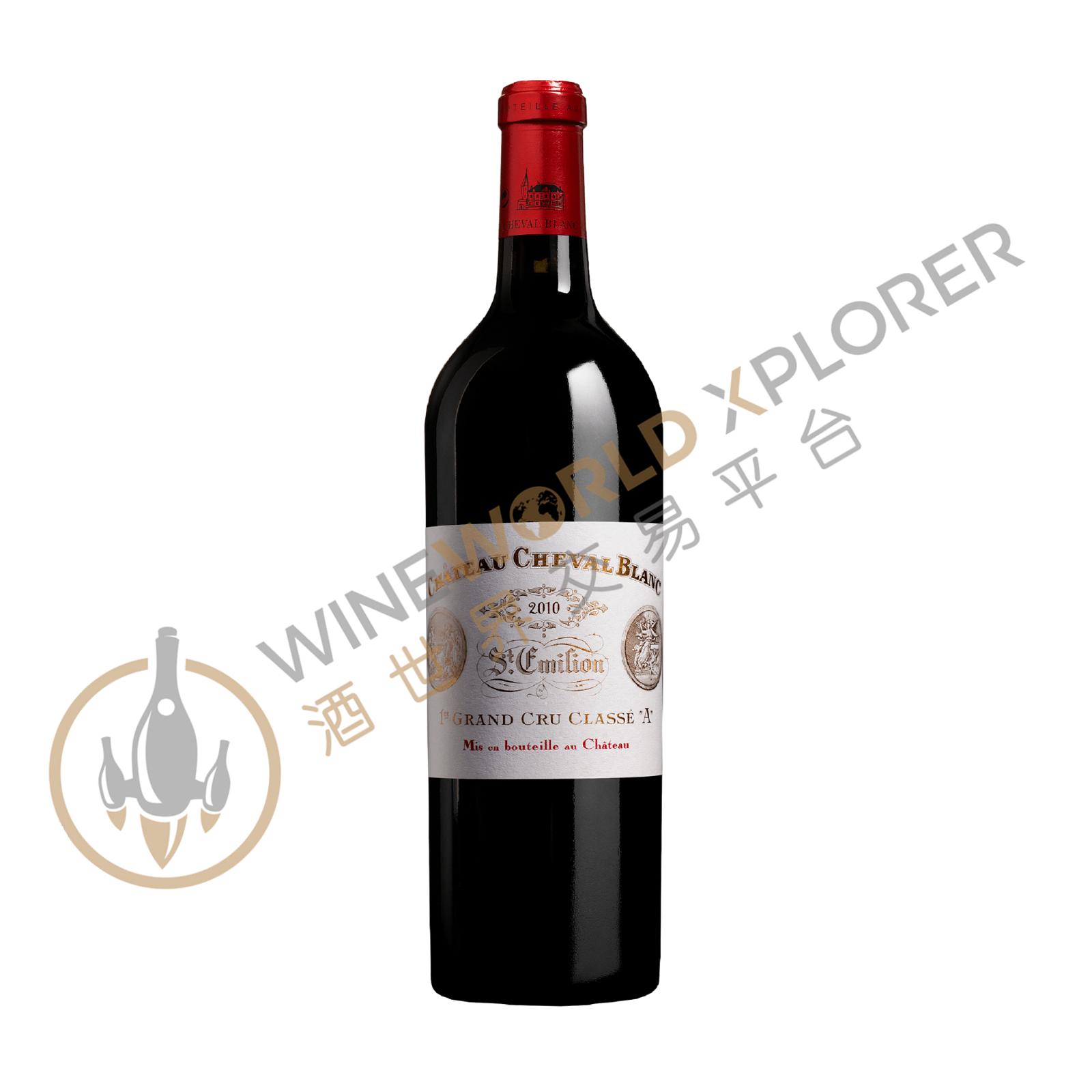
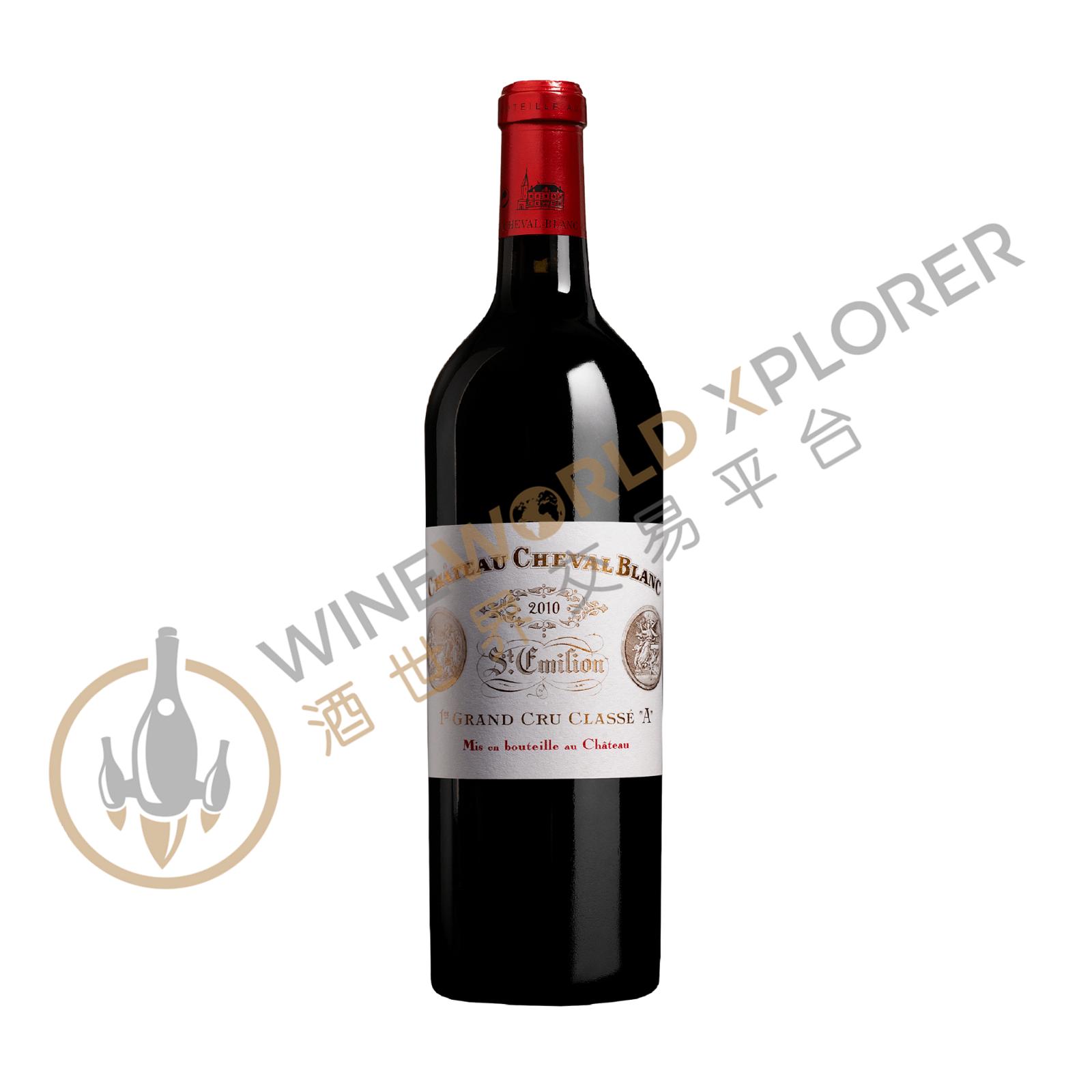
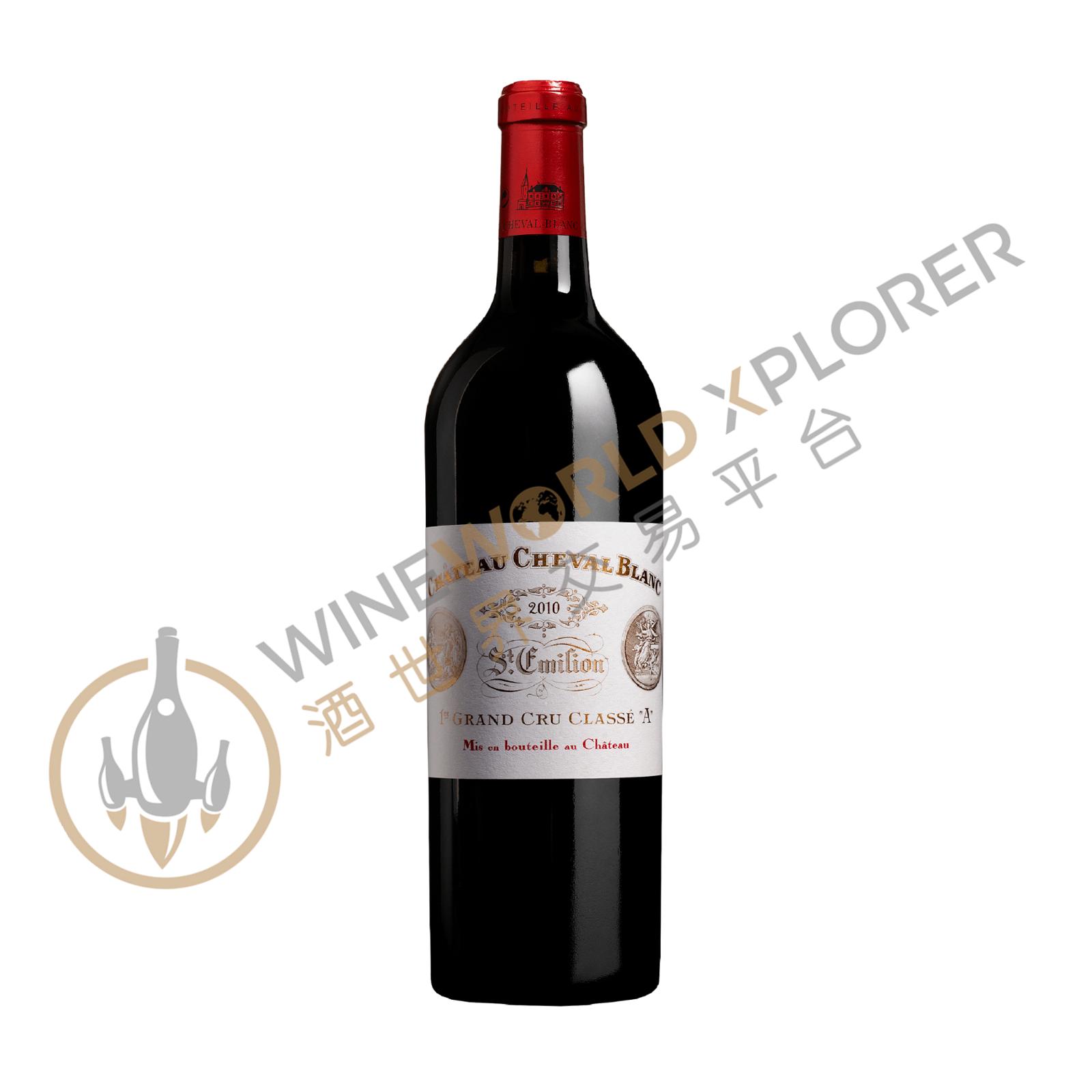
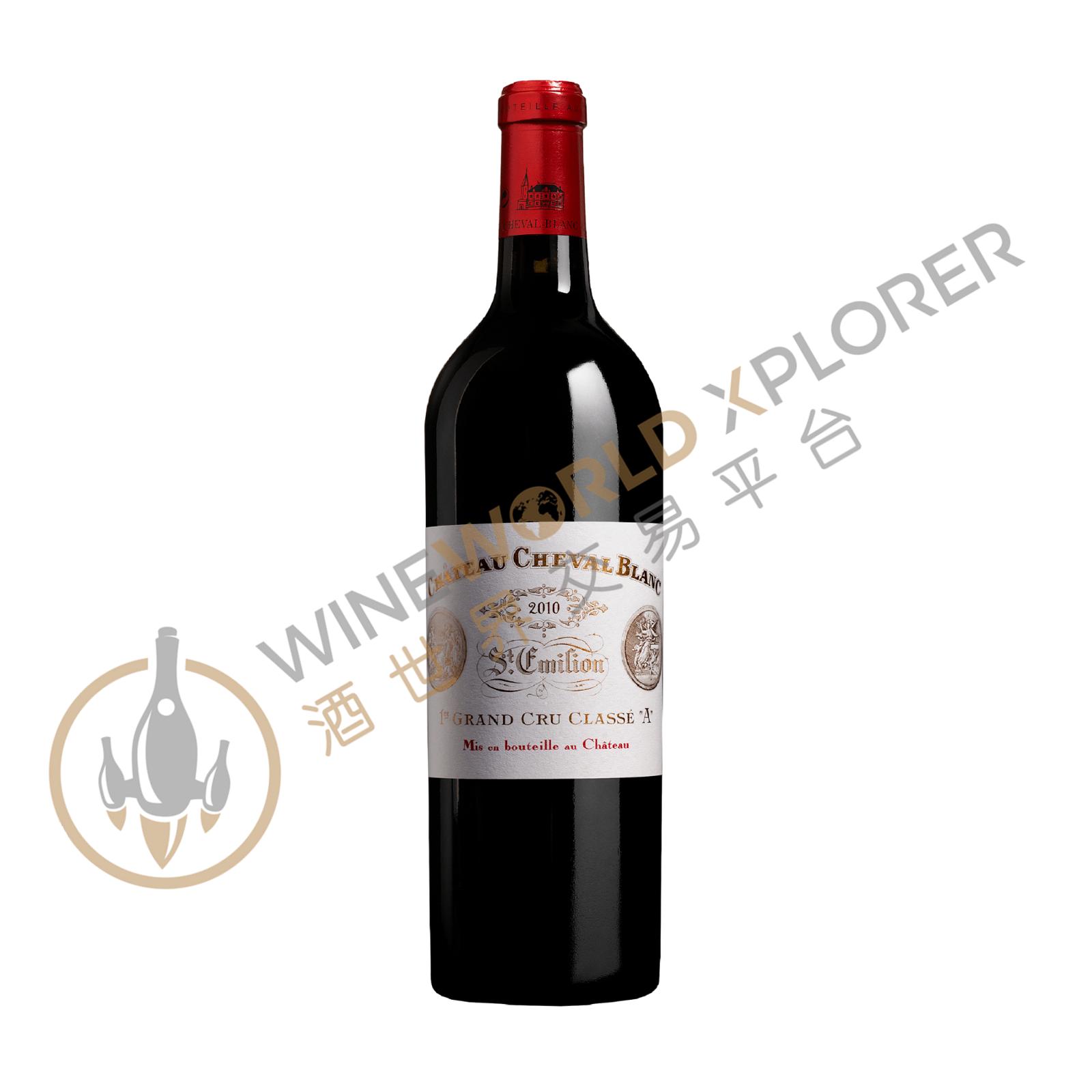
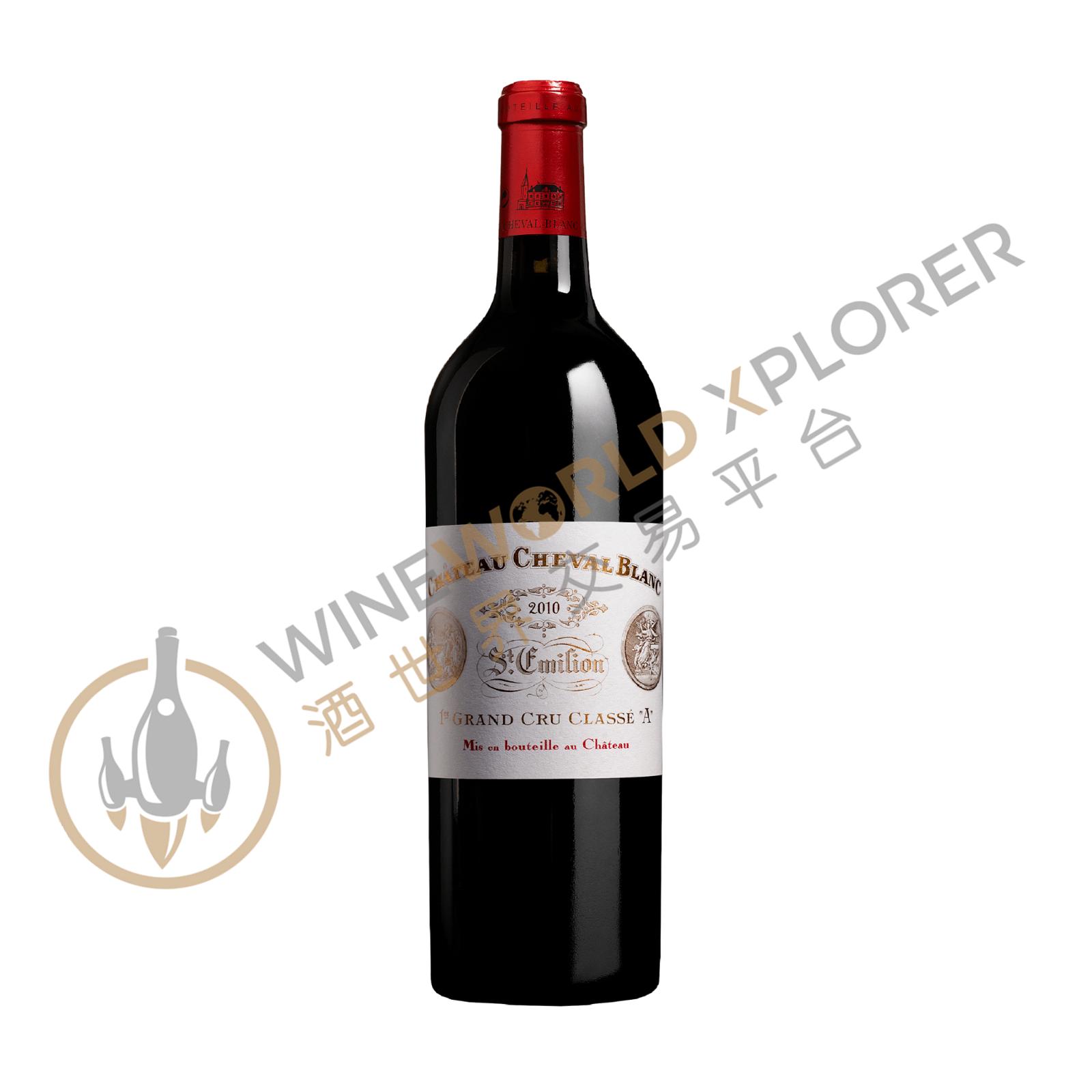
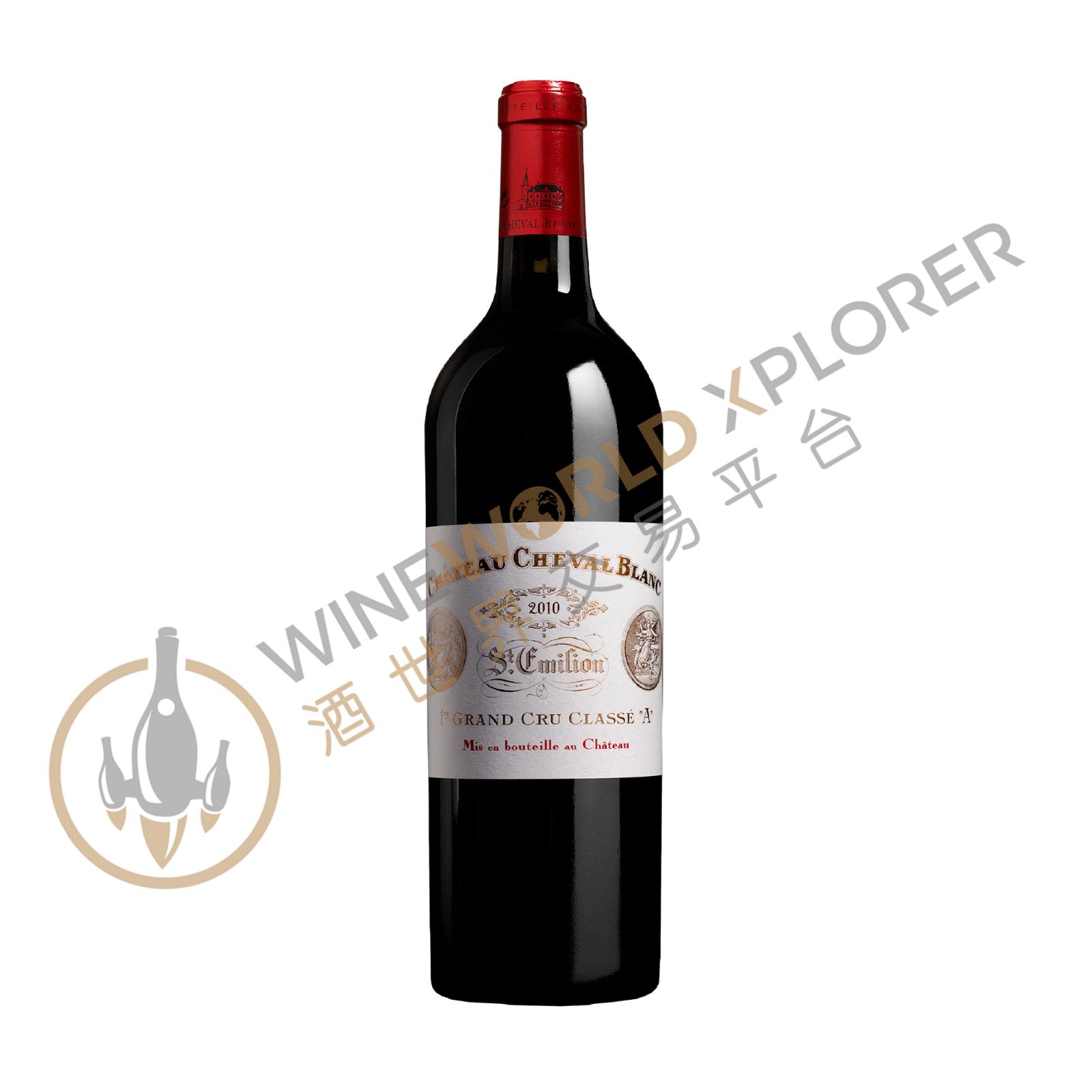
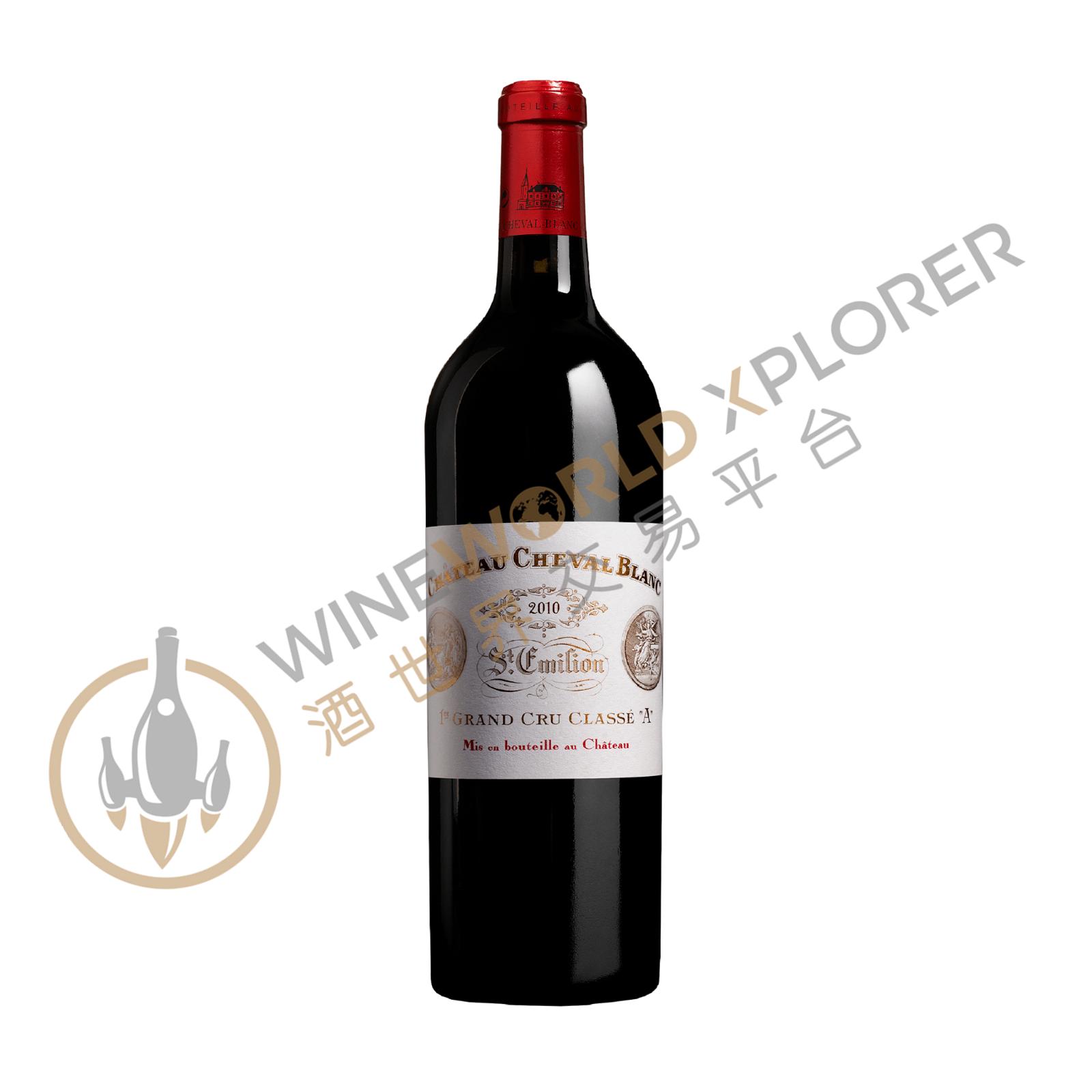
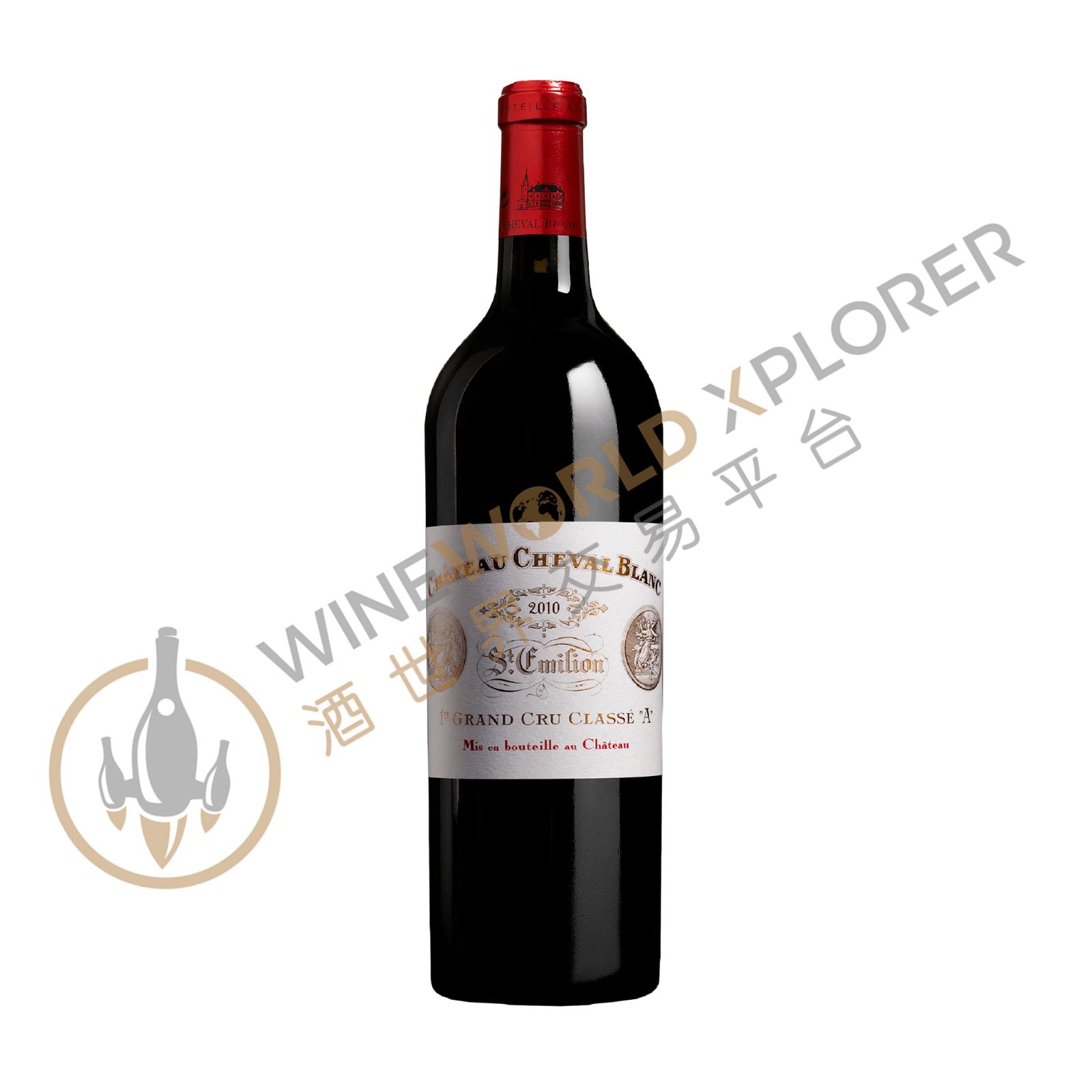
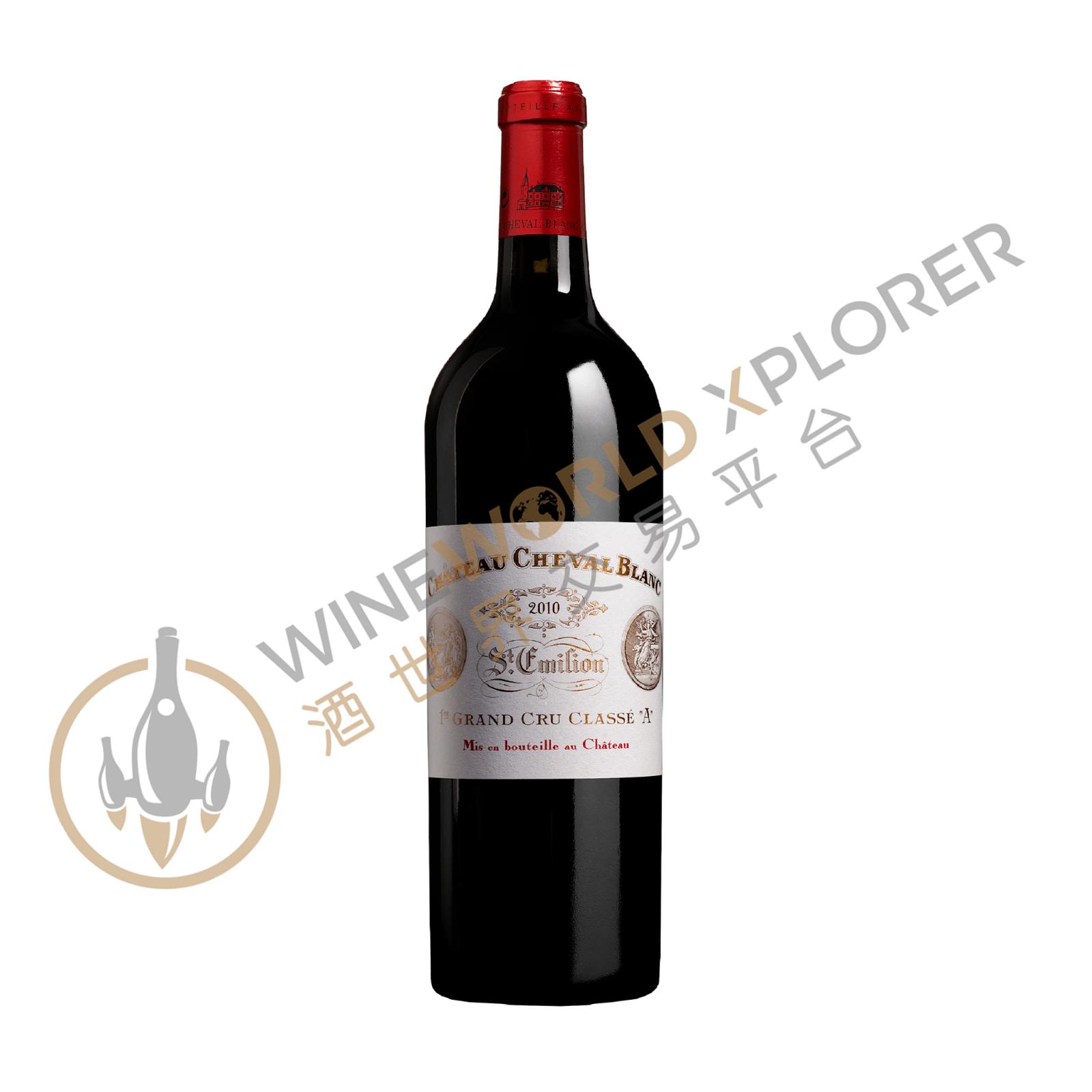
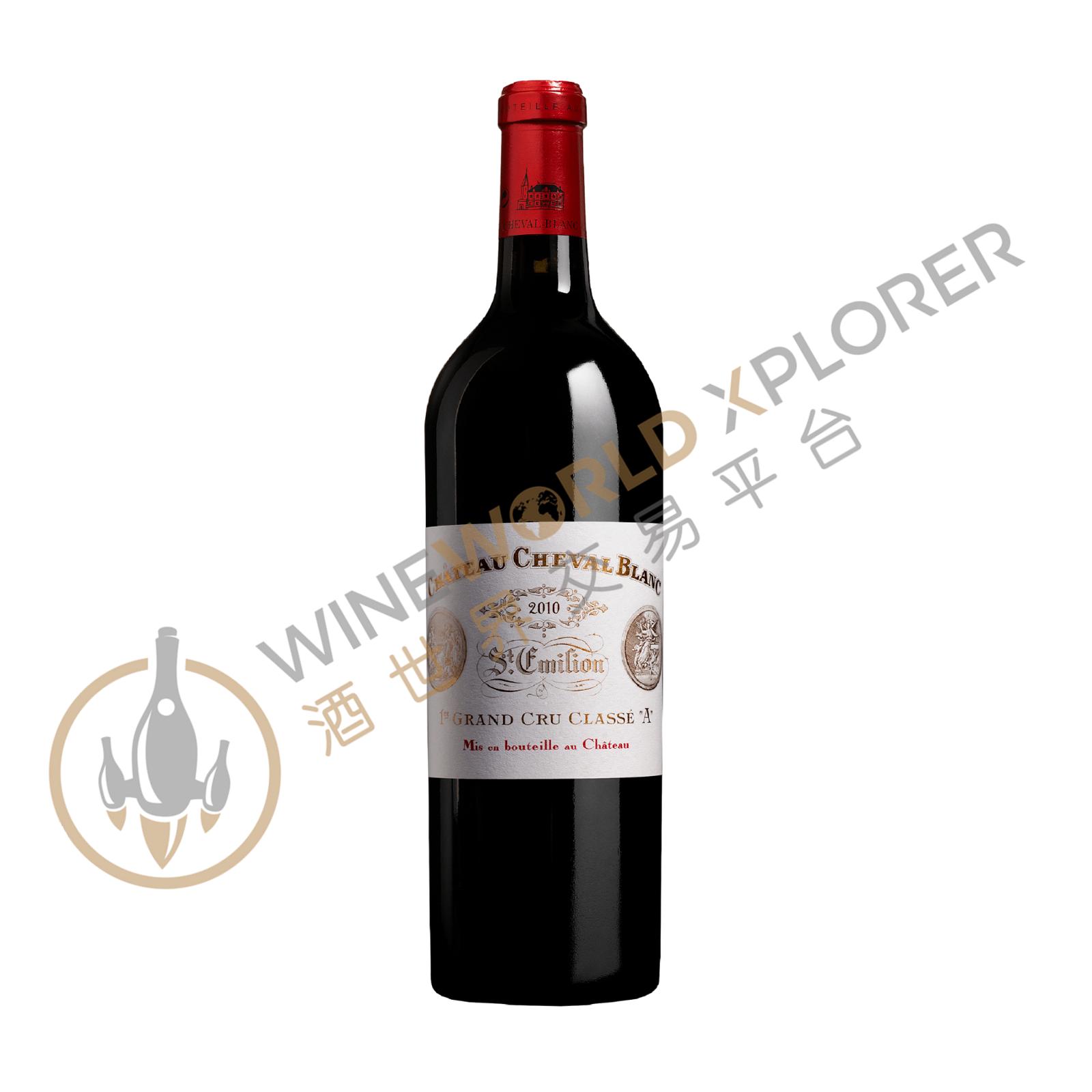
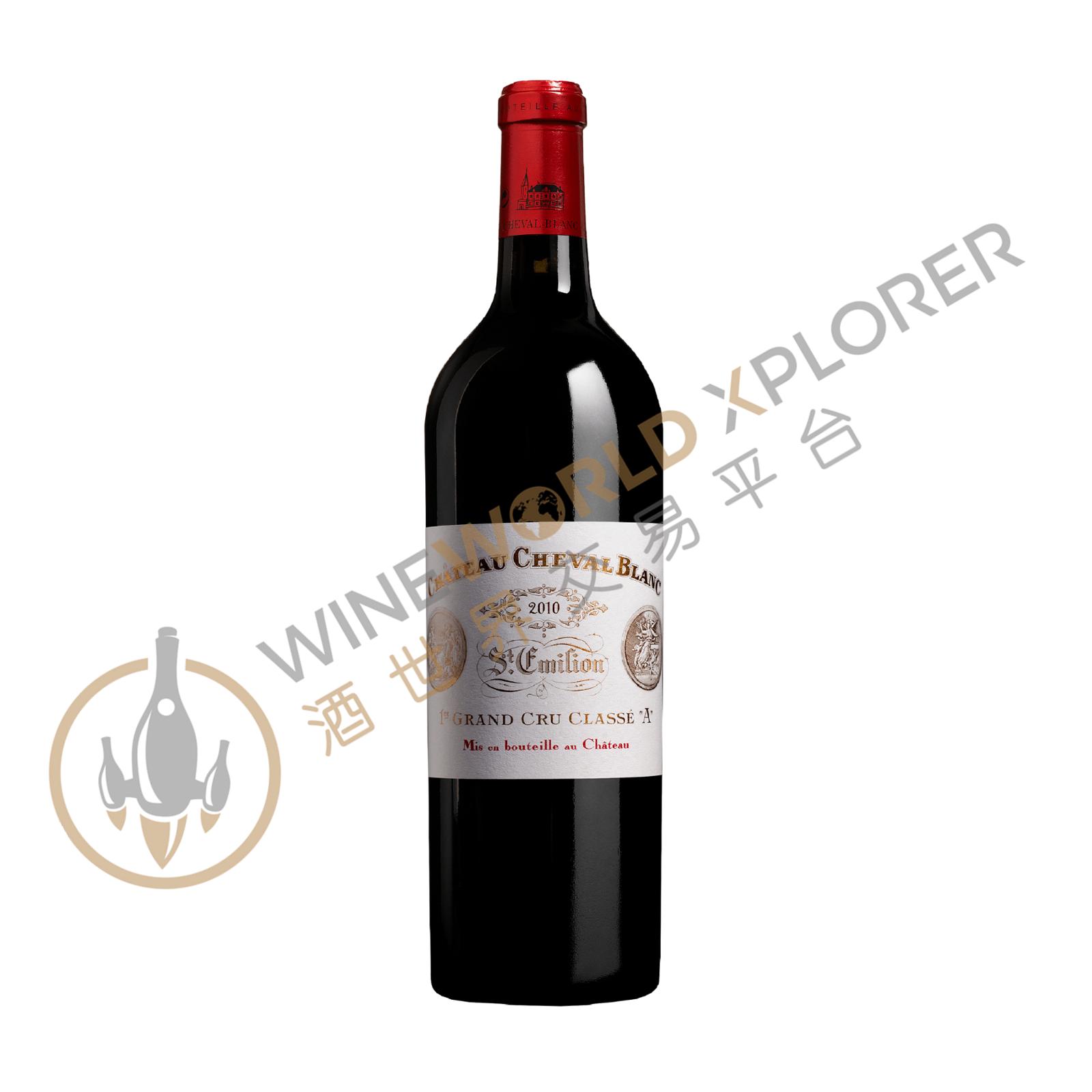
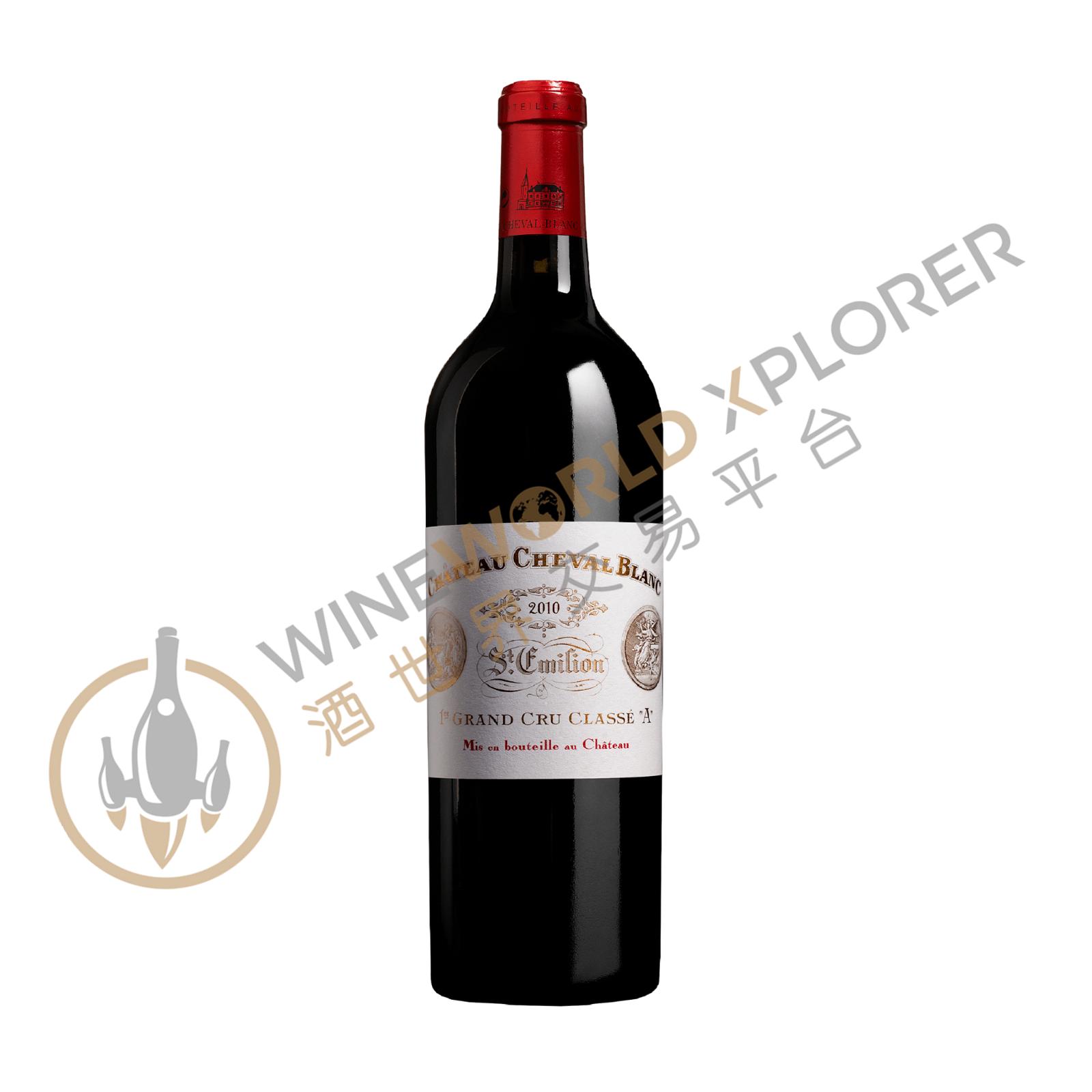
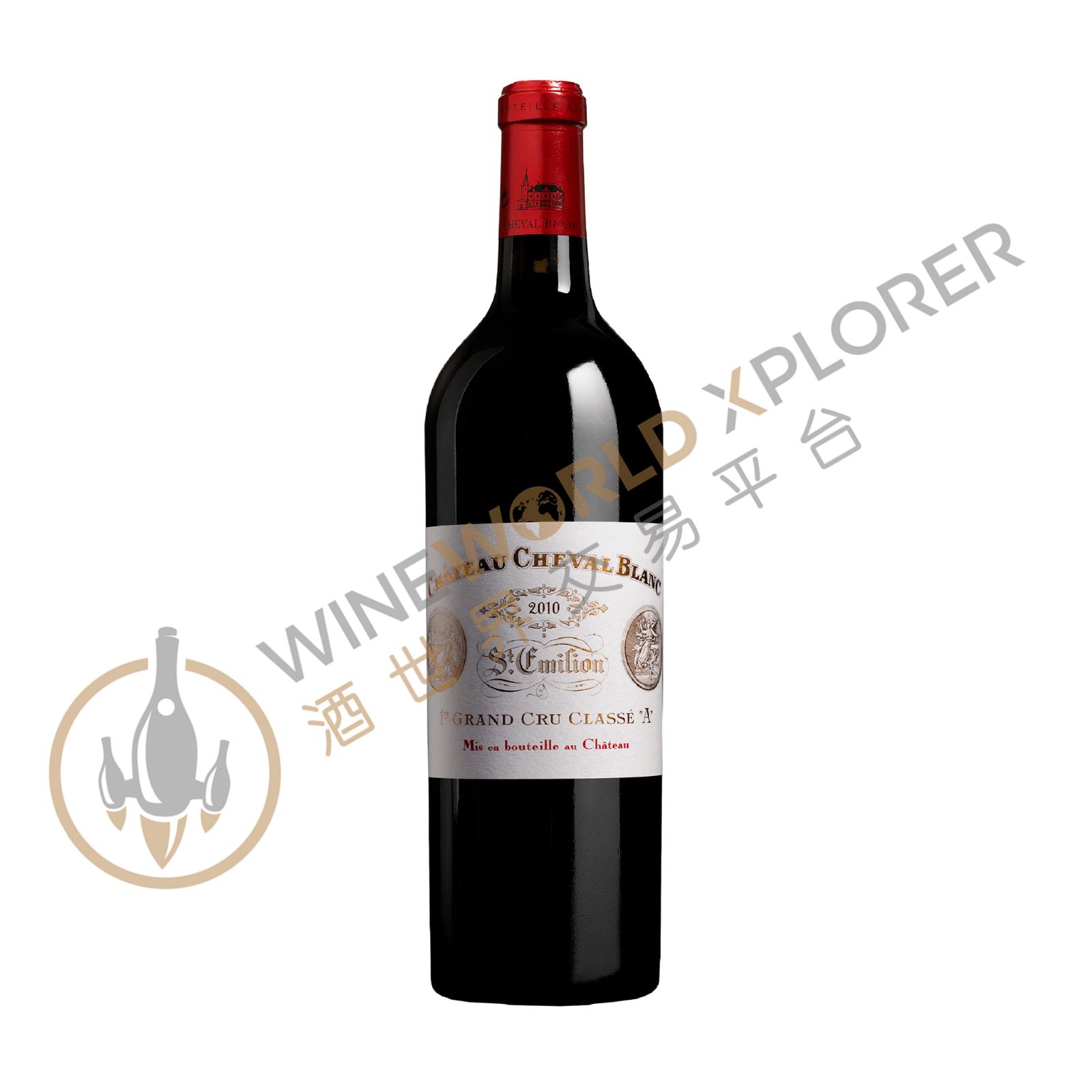
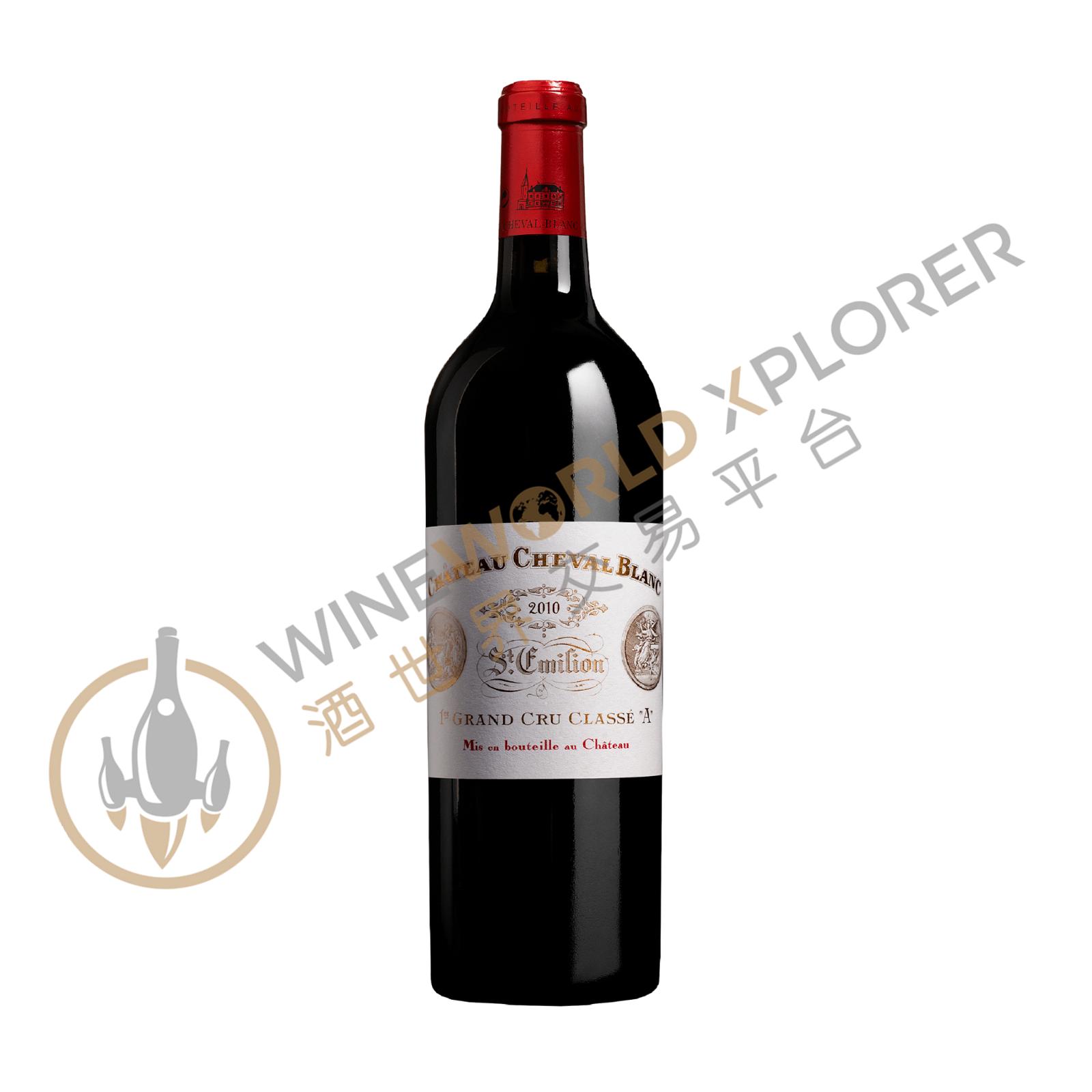
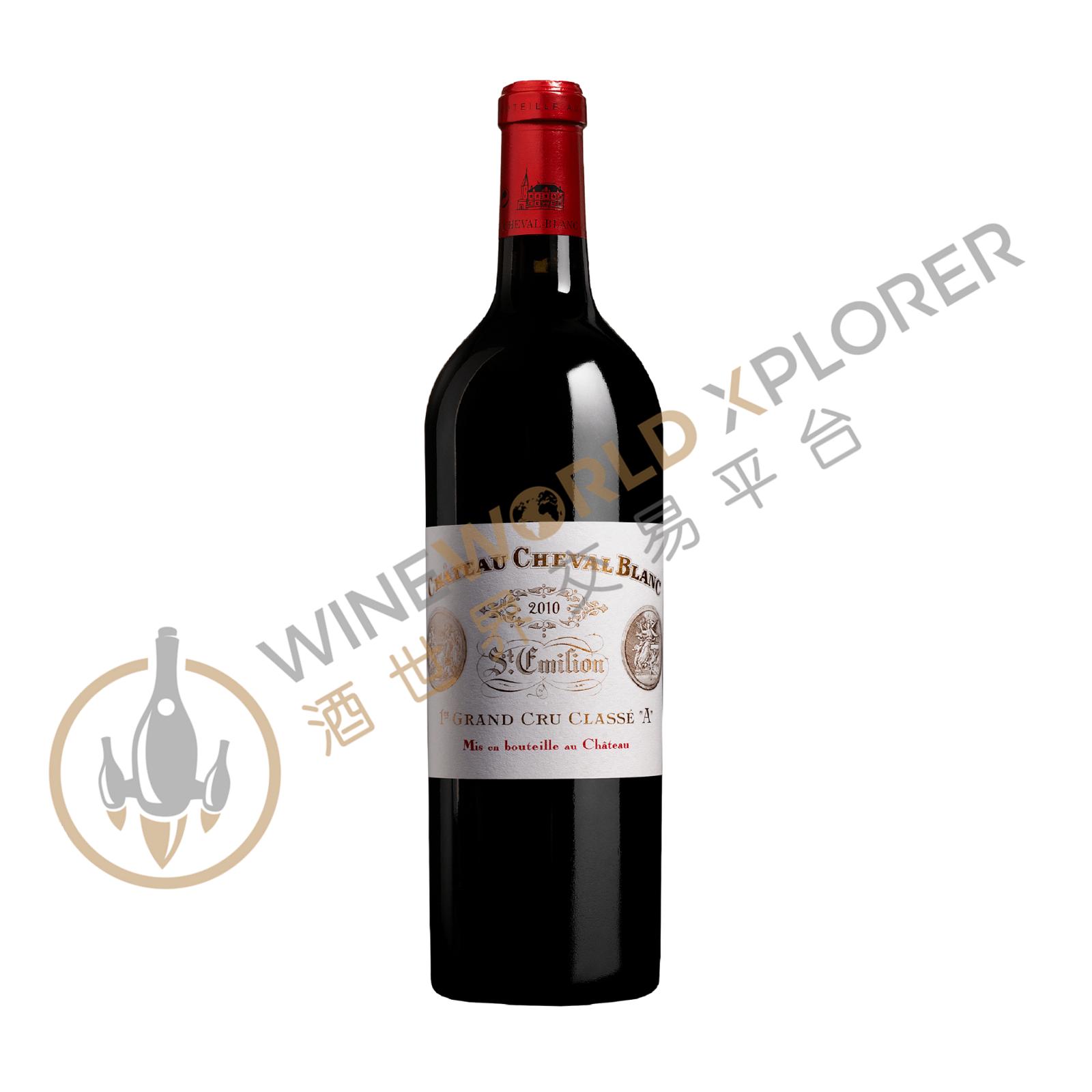
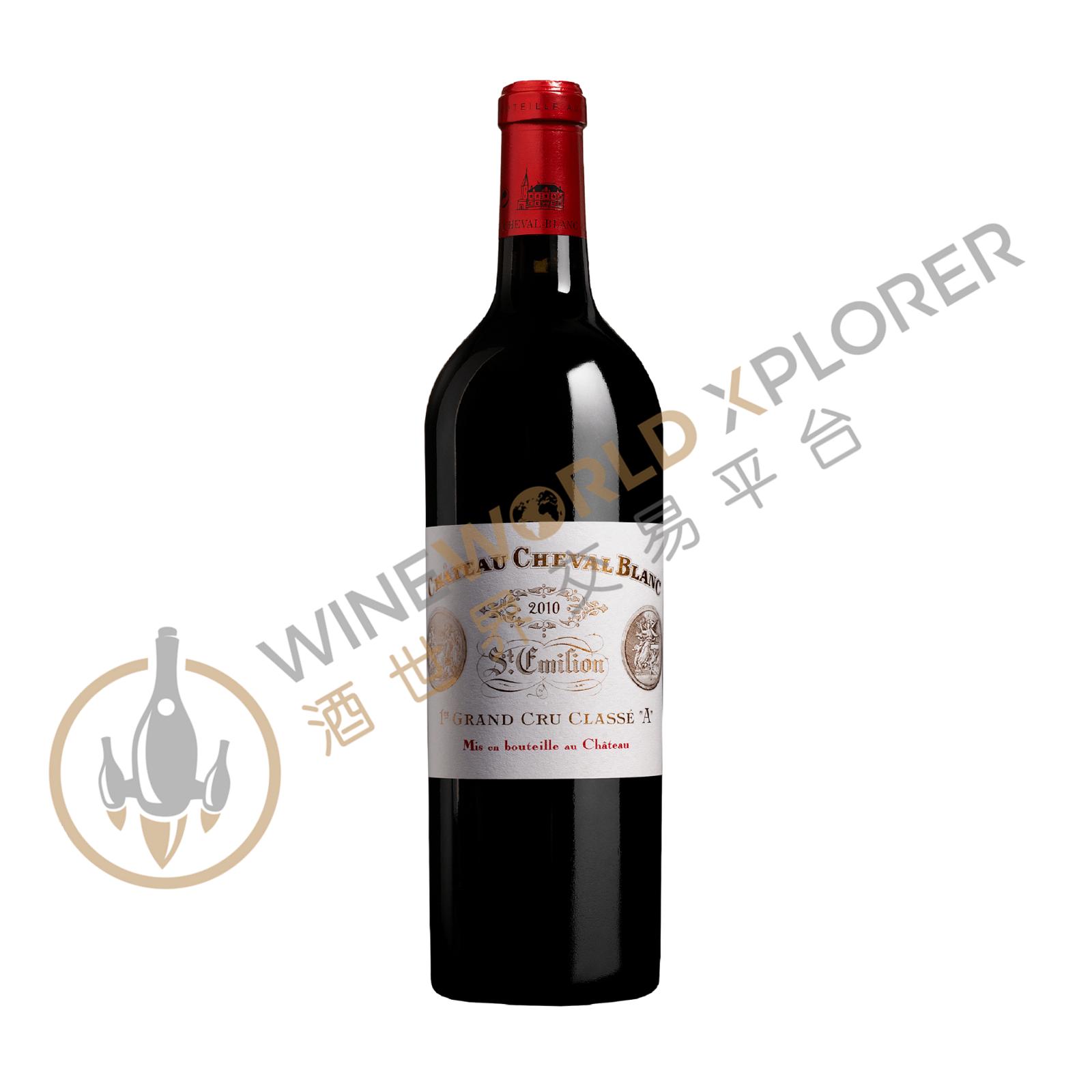
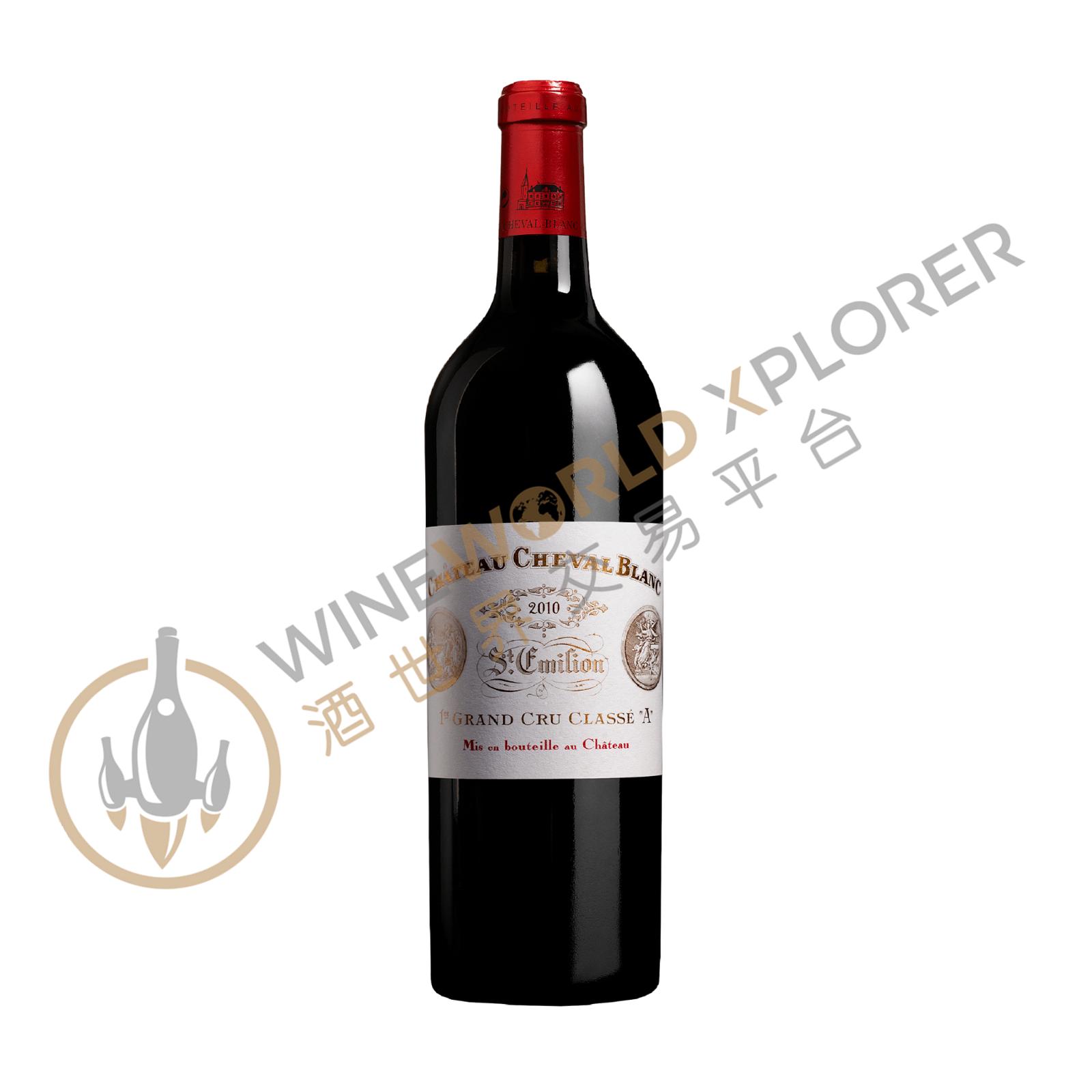
Château Cheval Blanc, a 1er Grand Cru Classé (A) is unquestionably the leading estate in St. Emilion. It is located in the north-west of the St. Emilion appellation, bordering Pomerol. Cheval Blanc obtained its first medal at the 1862 Universal Exhibition in London. In fact, a representation of this bronze medal is found on the château’s present-day label. Cheval Blanc won their first gold medal at the 1878 Universal Exhibition in Paris, and this new distinction also appeared on the label. In 1886, Cheval Blanc won a second gold medal at the Universal Exhibition in Antwerp. Reflecting this series of successes and a wine well on the way to achieving international recognition, a château was built on the estate.
Tasting notes

Reviewed by: Ian d'Agata
(12.8% alcohol; 54 h/h): Amber-tinged red; based on other bottles I have tried, the color of this particular bottle seems slightly more evolved than usual. Penetrating aromas of strawberry jam, raspberry, red cherry, orange peel, flowers and minerals. Enters bright, dense and linear, with very pure flavors of red cherry, citrus, minerals, marzipan and subtle herbs. Finishes very long and pure, with a strong peppery note, a lingering coffee nuance, and chewy, mounting tannins. Complex and multilayered, this is a very impressive wine, magically combining fleshy depth and pure aromas and flavors without being overripe or heavy. I was told in the past by a local wine lover and expert that the 1982 Cheval Blanc actually contains 5% malbec in the final blend, but nobody can confirm this at the estate. The season began warm and dry during April, then turned very hot in July and very dry between August 10 and September 20. It was then hot again in September, with the harvest taking place between September 20 and October 2. Mid-flowering occurred on June 5 and mid-veraison on August 9. A very famous, much sought-after wine, the 1982 Cheval has often been scored 100 points by other wine critics. I'm not sure this bottle was quite up to that lofty standard, but it is undoubtedly a great wine.
Reviewed by: Neal Martin
The 1982 Cheval Blanc is a vintage that I have not drunk for a number of years, so this was a pertinent reminder of its pulchritude. It has a flat-out gorgeous bouquet with ebullient red fruit, warm bricks (terracotta), hints of liquorice and strawberry jam. It's the kind of bouquet that you could bathe in. The palate has a ripe entry, voluptuous yet exquisitely balanced, the Cabernet components of this Cheval Blanc quite expressed and more pronounced than I recall. Yet it's toying with you as it segues into a more Burgundy-like final third. Mercurial, sensual and riveting. Tasted at the 1982 Dinner at Hatched.
Reviewed by: Stephen Tanzer
Saturated deep red, with a hint of development at the rim. Roasted nose dominated by toffee and tobacco. Wonderfully silky but without quite the exotic ripeness of the '90. Still, this offers uncanny retention of primary fruit. Expands inexorably on the finish and goes on and on. A wonderful bottle that still improving. (The bottle in the blind flight was slightly less impressive: Good full red, with a hint of amber at the rim. Slightly medicinal aromas of red fruits, cedar and tobacco leaf; comes across as distinctly cooler than the '90. Dense but penetrating and still a bit closed in on itself. Less sweet and generous today than the '90, less exotic. But finishes firm and long, with a hint of dryness. I rated this bottle 93(+?).) Drink now through 2020.
Reviewed by: Neal Martin
Tasted at Cheval Blanc dinner at The Ledbury. In recent years, this iconic wine has become inconsistent and vexing. Long gone are the days when it guaranteed an ethereal experience. It is very deep in colour. The nose is intense with an almost Napa-style richness that is less “natural” than when compared directly to the ’85 or even ’81 with notes of maraschino, sloe, a touch of spearmint and the Cabernet Franc lending a touch of cooked meat. The palate is full-bodied with chewy tannins, very dense with a touch of raisin, but it is lacking tension and freshness on the plush, almost sorbet-like finish. Not a bad wine by a long long way. But has it boarded a train chuggin’ away from greatness? Caveat emptor my friends. Tasted November 2010.
Reviewed by: Robert M. Parker, Jr.
For me, this remains the greatest Cheval Blanc produced after the 1949 and 1947. It is no longer as dramatic as it was during its first four years after bottling. Between 1985 and 1989, the 1982 Cheval Blanc and 1982 Pichon-Lalande were the favorites to win any blind tasting of this vintage. It has closed and is displaying considerable structure and potential for extended longevity. The dense, saturated, nearly opaque dark ruby/garnet color reveals no lightening at the edges. The wine has a thick, port-like viscosity to its texture. The nose is more subdued, yet still offers those fragrant aromas of vanillin and lavishly sweet berry fruit intermingled with aromas of roasted meats, soy, and herbs. For the first time, this wine's high level of tannin is noticeable. This full-bodied, super-rich, brilliantly rendered wine still has as its hallmark layer upon layer of creamy fruit that offers a compelling glassful of wine. It appears to be at least 3-5 years from blossoming once again, although I cannot argue with anyone consuming it now. If you did not catch it in its youthful glory between 1984 and 1989, I would advise sitting on it until the late nineties and enjoying it over the following twenty years. Last tasted, 6/93.
Reviewed by: Robert M. Parker, Jr.
Revealing considerable amber in its dark plum/garnet color, this intensely fragrant 1982 is somewhat of a paradox in that the front end suggests full maturity, but the mid-palate, finish, and overall texture denote a closed wine. A gorgeously sweet entry displays flavors of caramel, roasted coffee, jammy red and black fruits, coconut, and smoke. It is fat and full-bodied, with considerable tannin, structure, and muscle in the finish. Flamboyantly rich and precocious early in life, it is going through an awkward stage where the tannin is present, but it is also sexy, juicy, and formidably-structured. When the 1982 Cheval Blanc's component parts become totally in sync, it will be capable of meriting a three-digit rating. Anticipated maturity: now (?)-2015.
Reviewed by: Neal Martin
Has ever such a feted wine received such muted fanfare? Supposedly the highlight of a wonderful dinner, the ’82 barely received a mention by attendees more entranced by the ’85. Even Pierre Lurton seemed mystified! A deep garnet core with dark brick rim. It has an introverted nose of wild hedgerow, fresh tobacco and redcurrants. It is not dissimilar to the disappointing bottle shown a couple of years ago at a vertical. Similarly the palate is slightly disjointed, lacking weight in the mid-palate, the finish abrupt and ephemeral. Where is that brilliance? A perplexing “icon”. Tasted October 2007.
Reviewed by: Neal Martin
Here is another great bottle of Cheval Blanc to follow last year's one, although now the 1990 looks to be exiting its slipstream to become the Cheval de choix. The bouquet is vibrant and animated with scents of kirsch, macerated red cherries, a smear of boot polish and sloes. It is hedonistic yet controlled. The palate is medium-bodied with a slight viscosity on the entry, retaining the lavishness and opulence that distinguishes it from the rest. There is plenty of glycerin towards the finish and you can see it cruising along for the next decade or two without losing its glow. Tasted February 2014.
Reviewed by: Robert M. Parker, Jr.
During its first 10-12 years of life, this was a perfect wine, but it now seems to be in a stage where the fruit is still present, but the previous exuberance and intensity have faded slightly. There is plenty of amber at the edge, and this medium to full-bodied wine shows notes of menthol, cedar, spice box, plums, and black cherries. Owners of 750 ml bottles should plan on consuming it over the next 4-6 years. Magnums should be less evolved, and merit a score 4 to 6 points higher.Release price: ($300.00/case)
Reviewed by: Robert M. Parker, Jr.
This wine has proven to be one of Bordeaux's modern day legends. Absolutely spectacular for its first 7-8 years after bottling, the wine has gradually begun to reveal more delineation, structure, and tannin. In 1995, the wine appears even younger than it did 5-6 years ago! It exhibits a thick, opaque garnet color with light amber at the edge. The nose, which was ostentatious earlier in its life, still offers up significant amounts of roasted fruit, coffee, melted chocolate, and decadently rich, sweet black fruits. This is an exotic full-bodied, moderately tannic, massive example of Cheval Blanc noted for its sheer opulence and intensity. However, I find the wine more structured and delineated today than it was a half dozen years ago. It appears ready for a long evolution. I originally felt that the wine would be fully mature by 1993, but it now appears to require another 4-5 years to hit its plateau of maturity, where it should remain for 20+ years . The only question millionaire collectors should ask about the 1982, is whether the 1990 will rival it? Both are awesome wines! Tasted 23 times since bottling with consistent notes.
Reviewed by: Neal Martin
First tasted July 2000. Incredible opulent rich nose: chocolate, ultra-sweet black fruits. A deep multi-complex palate. Layers of herb infused, peppery rich fruits. Moderate tannins. Very saturated and long. Seemed to fall a little flat after some time in the glass (whilst the Margaux 1983 improved). Still an unarguably voluptuous though like Mouton, it is a little too ostentatious to warrant a perfect score. Tasted again at the Cheval vertical in July 2004. The nose is very reticent compared to the 1983. Very backward and subdued, lacking the vitality and flash of ripe red fruits as it did before, they eventually notes of loganberry, leather and redcurrants emerge. The palate is much softer than you would expect. Quite linear, with good acidity. But there is no lift, no joie-de-vivre. It does build more towards the finish, gaining depth. It does have elegance about it. However, when asked which wine the tasters would take to dinner that night, not a single person voted for the 1982. Tasted July 2005.
Reviewed by: Robert M. Parker, Jr.
Tasted 9 Times Since Bottling With Consistent Notes For me, the 1982 remains the greatest Cheval Blanc produced after the 1949 and 1947. It is no longer as dramatic as it was during its first four years after bottling. Between 1985 and 1989, the 1982 Cheval Blanc and 1982 Pichon-Lalande were the favorites to win any blind tasting of this vintage. It has closed and is displaying considerable structure and potential for extended longevity. The dense, saturated, nearly opaque dark ruby/garnet color reveals no lightening at the edges. The wine has a thick, port-like viscosity to its texture. The nose is more subdued, yet still offers those fragrant aromas of vanillin and lavishly sweet berry fruit intermingled with aromas of roasted meats, soy, and herbs. For the first time, this wine's high level of tannin is noticeable. This full-bodied, super-rich, brilliantly rendered wine still has as its hallmark layer upon layer of creamy fruit that offers a compelling glassful of wine. It appears to be at least 3-5 years from blossoming once again, although I cannot argue with anyone consuming it now. If you did not catch it in its youthful glory between 1984 and 1989, I would advise sitting on it until the late nineties and enjoying it over the following twenty years.
Reviewed by: William Kelley
The 1982 Cheval Blanc is a sumptuous, sensual wine, bursting with aromas of sweet raspberries, orange rind, dried flowers, cedar box, black truffles, vine smoke and menthol. Medium to full-bodied, ample and enveloping, it's supple and seamless, with a fleshy mid-palate, melting tannins and a long, expansive finish. As is often the case at this address, at age 40, it's the wine's Cabernet Franc component that really dominates its personality, meaning that it gratifies the intellect as completely as it does the senses. I've drunk the 1982 Cheval three times this year, and it has been remarkably consistently brilliant.
Reviewed by: Robert M. Parker, Jr.
This was consistently a perfect wine early in its life but seems to be going through a stage where the tannins are more present, and the extraordinarily exotic opulence the wine had young, while still present, is not as dominant a characteristic. Nevertheless, there is plenty to admire in this full-bodied, very lush Cheval Blanc that has reached full maturity. Sweet notes of red and black fruits intermixed with licorice, spice box, and incense jump from the glass. On the palate, the wine is full-bodied, layered, very rich, and seems to develop interesting nuances the more it sits in the glass, and then suddenly take a dive. A very fascinating Cheval Blanc, and certainly the greatest Cheval Blanc after the 1964 and before the 1990. Anticipated maturity: Now-2016. Last tasted, 1/03.
Reviewed by: Neal Martin
Tasted at the 1982 dinner at The Square, this bottle is far superior to the one tasted two years ago. It has a kaleidoscopic bouquet with dark plum, iodine, minerals and a touch of kirsch that develops with aeration, a perfect symmetry between Cabernet Franc and Merlot. The palate has sweet, sappy entry with crisp acidity and just a touch of volatility that soon dissipates with aeration. The Cabernet Franc begins to exert its influence with time and it has a svelte, very harmonious, youthful finish that one step further would be almost viscous in texture. Whilst I think there remains significant bottle variation, there is not doubt that this is the real deal. Tasted April 2012.
Reviewed by: Neal Martin
Tasted at Pebbles/Zachy’s 1982 dinner in Hong Kong. This is the second of two fabulous bottles of Cheval Blanc that I have tasted this year, after what was a period of inconsistency before. Here it replicates that sensual, voluptuous bouquet of red cherries, kirsch, strawberry and candied orange peel that is almost Pomerol-like in style (which should come as no surprise.) The palate is full-bodied and much more harmonious and youthful compared to Ausone. Slightly lower in acidity than its peers, there is incredible fruit intensity and concentration here and builds to a glorious finish that is almost like the Le Pin 1982. And what a privilege to taste both of those side-by-side! Stunning. Tasted November 1982.
About the Producer
Château Cheval Blanc is a highly lauded wine estate in the Saint-Émilion region of northeast Bordeaux. Classified with the top ranking of Premier Grand Cru Classé A, it is regarded by many as one of the greatest wines of the appellation – if not, the greatest. It is certainly the most famous Cabernet Franc-based wine in the world, albeit often alongside very similar levels of Merlot. Typically, the "grand vin" (the estate's eponymous wine) is lush and full bodied with great weight of fruit. It tends to require ten years of bottle age and the best vintages can last half a century or more. The second wine of the estate is Le Petit Cheval. The vineyard is located in the northwest of the region, bordering Pomerol (La Conseillante is a neighbor) and consists of 39 hectares (96 acres) divided into 45 plots. There is an unusually large amount of Cabernet Franc planted – about 49 percent – with 47 percent Merlot and four percent Cabernet Sauvignon. The unusual planting proportions reflect the terroir; most vineyards in the region are either clay or gravel-based over impermeable sedimentary rock, but Cheval Blanc is unique in having a patchwork of soils with the two types in roughly equal proportions. The clay soils provide base wines with velvety tannins, while those from gravel soils are more aromatic and elegant. Vines have been grown since the 14th Century at this spot but the vineyard as it is known today took shape in the 19th Century when the core plots were added to by purchases from the nearby Figeac estate. Subsequent replantings established the atypical half-Merlot, half-Cabernet Franc proportions. Cheval Blanc gained its first medal at the 1862 Universal Exhibition in London – the first of a series of successes building its reputation and achieving price levels comparable to the Médoc first growths, which paved the way for a château to be built on the estate. In the first classification of Saint-Émilion wines in 1955, Cheval Blanc was awarded the highest possible rating and remains a Premier Grand Cru Classé A. In 1998, after 166 years of continuous family ownership, Bernard Arnault, the head of luxury goods firm LVMH, and the late Baron Albert Frère (a Belgian billionaire investor) jointly purchased the estate. The spectacular new cellar opened in 2011, with 52 concrete vats (replacing stainless steel) of differing sizes corresponding to different vineyard plots. The grand vin spends 16 to 18 months in new oak barrels from a variety of cooperages.
1949(1)1953(1)1955(4)1958(1)1962(1)1966(1)1967(2)1970(2)1973(1)1974(2)1975(3)1976(1)1977(1)1978(1)1979(2)1980(1)1981(2)
Package Size
1 x 75cl