Wine Advisor



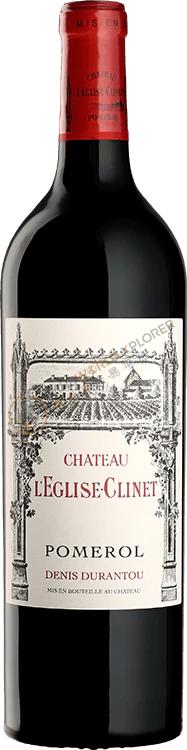
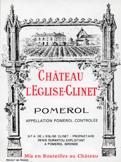
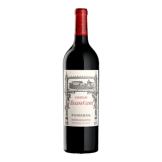
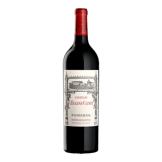
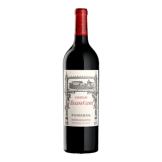
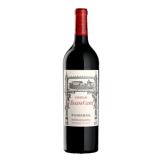
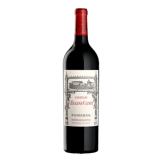
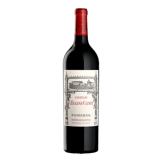
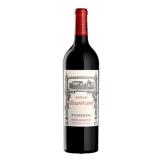
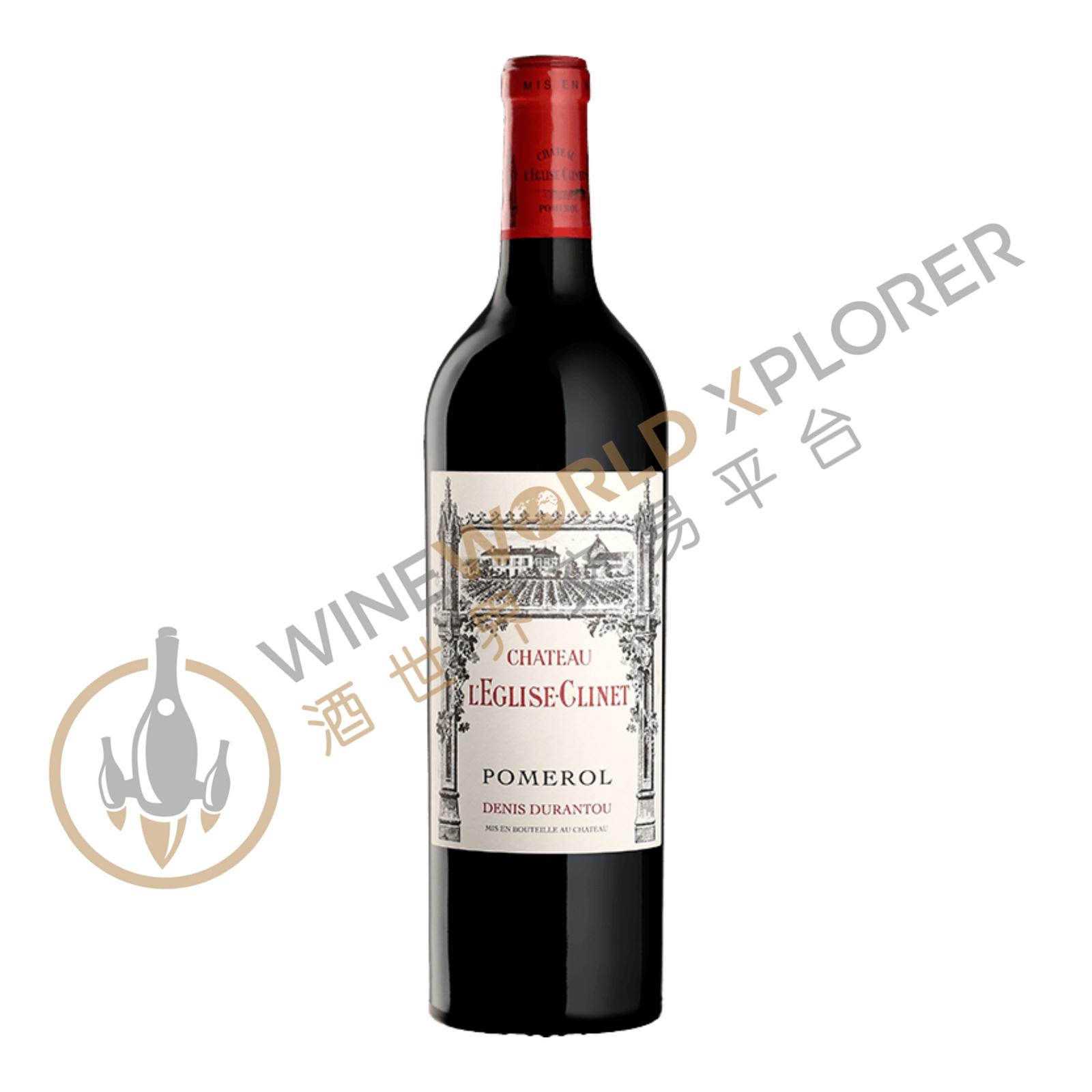
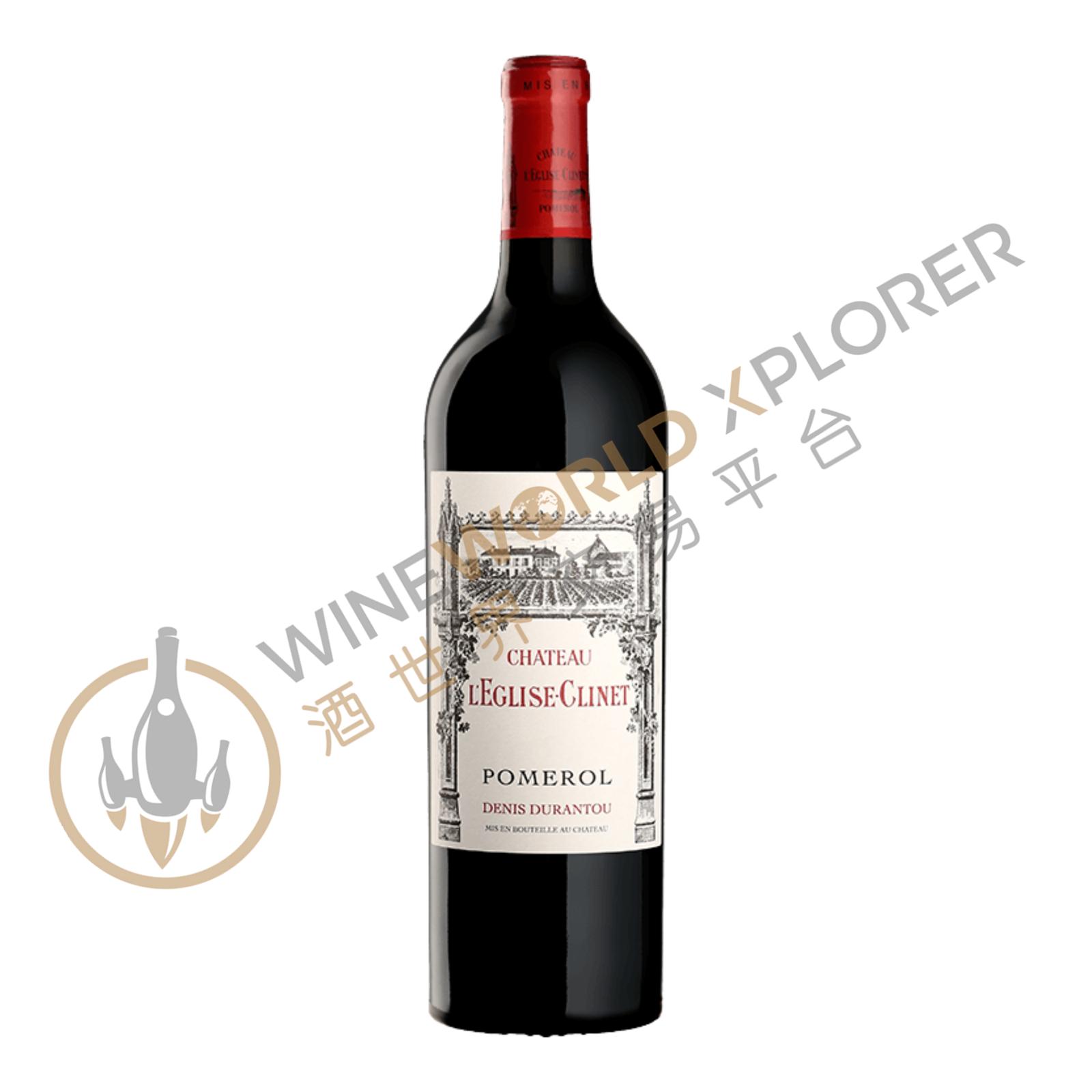
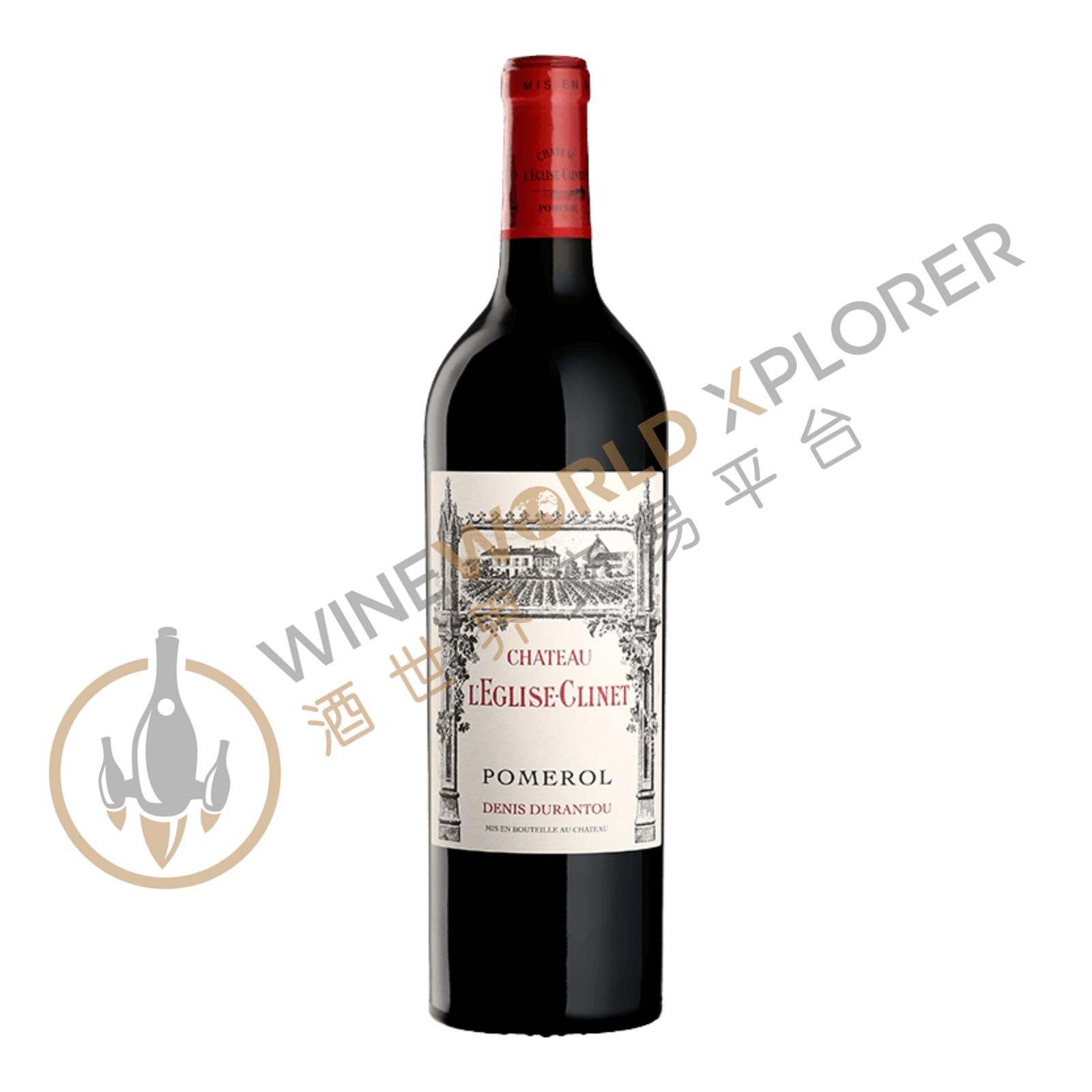
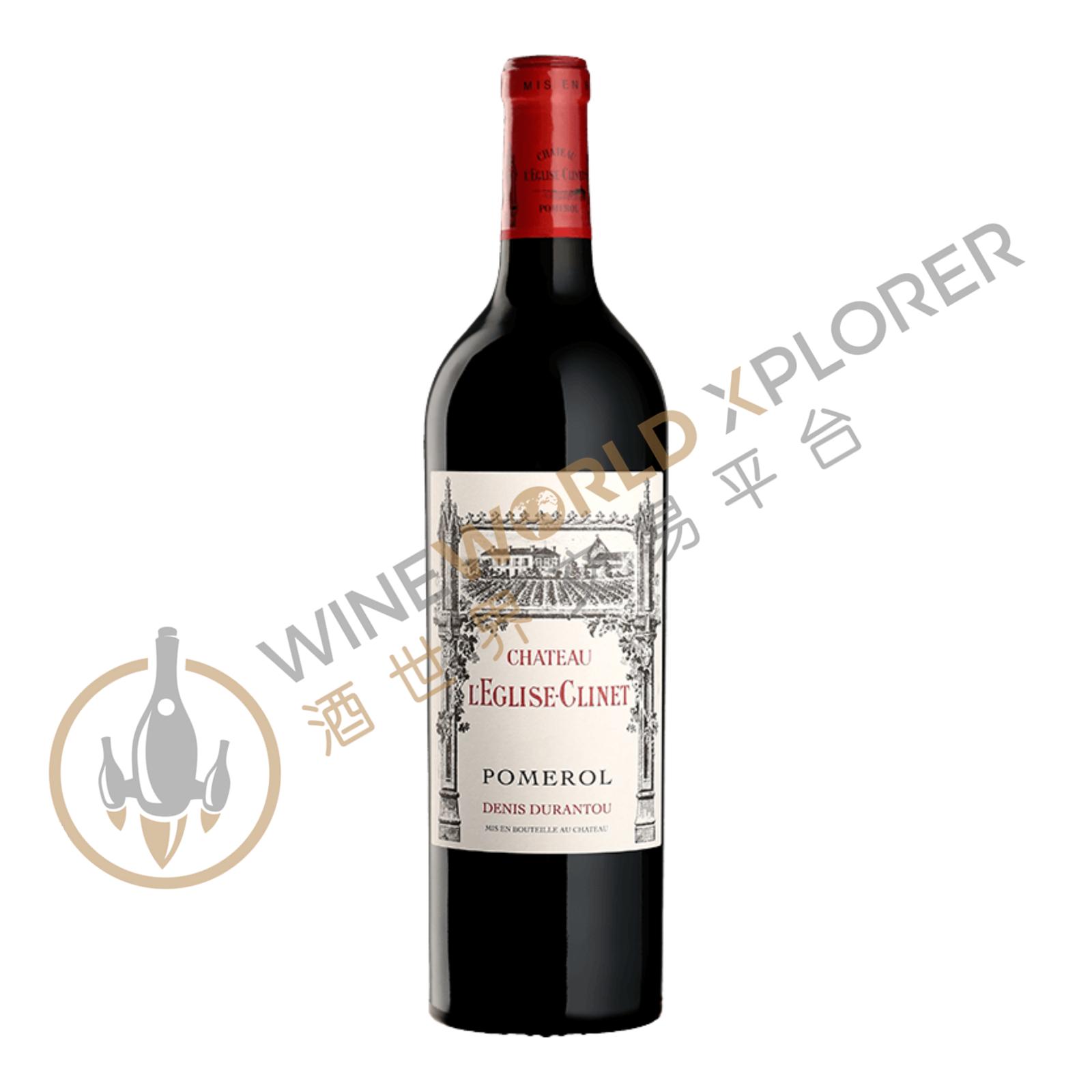
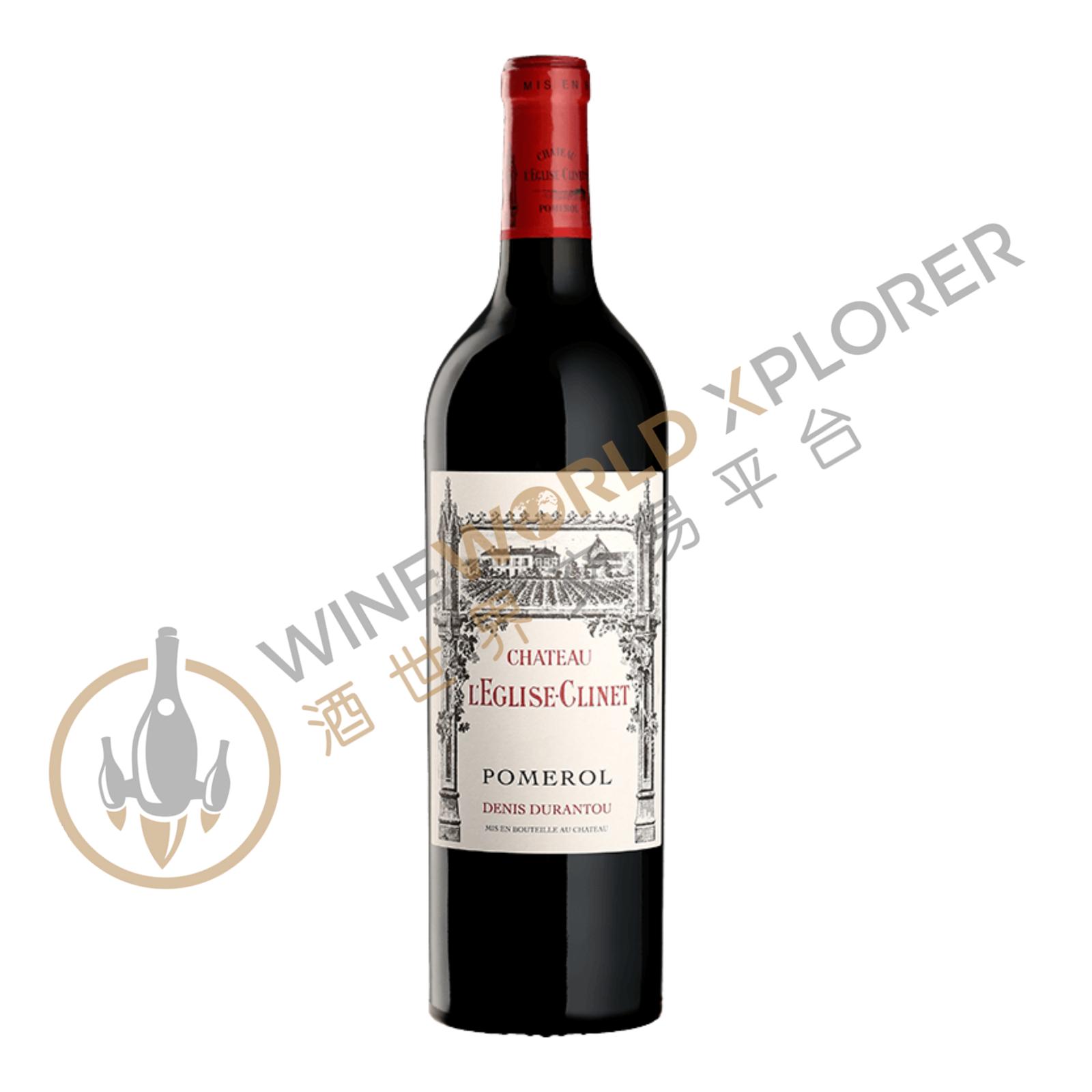
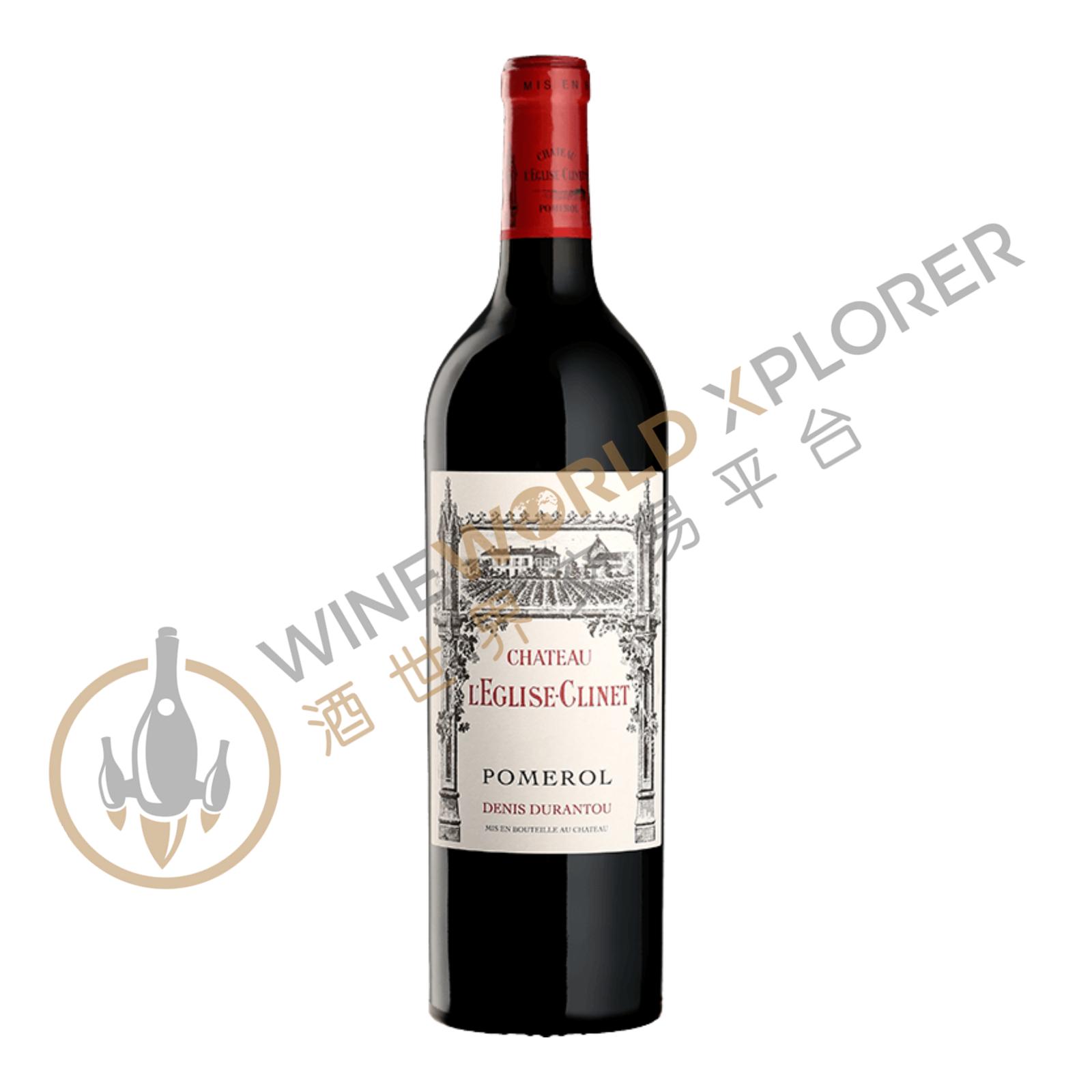
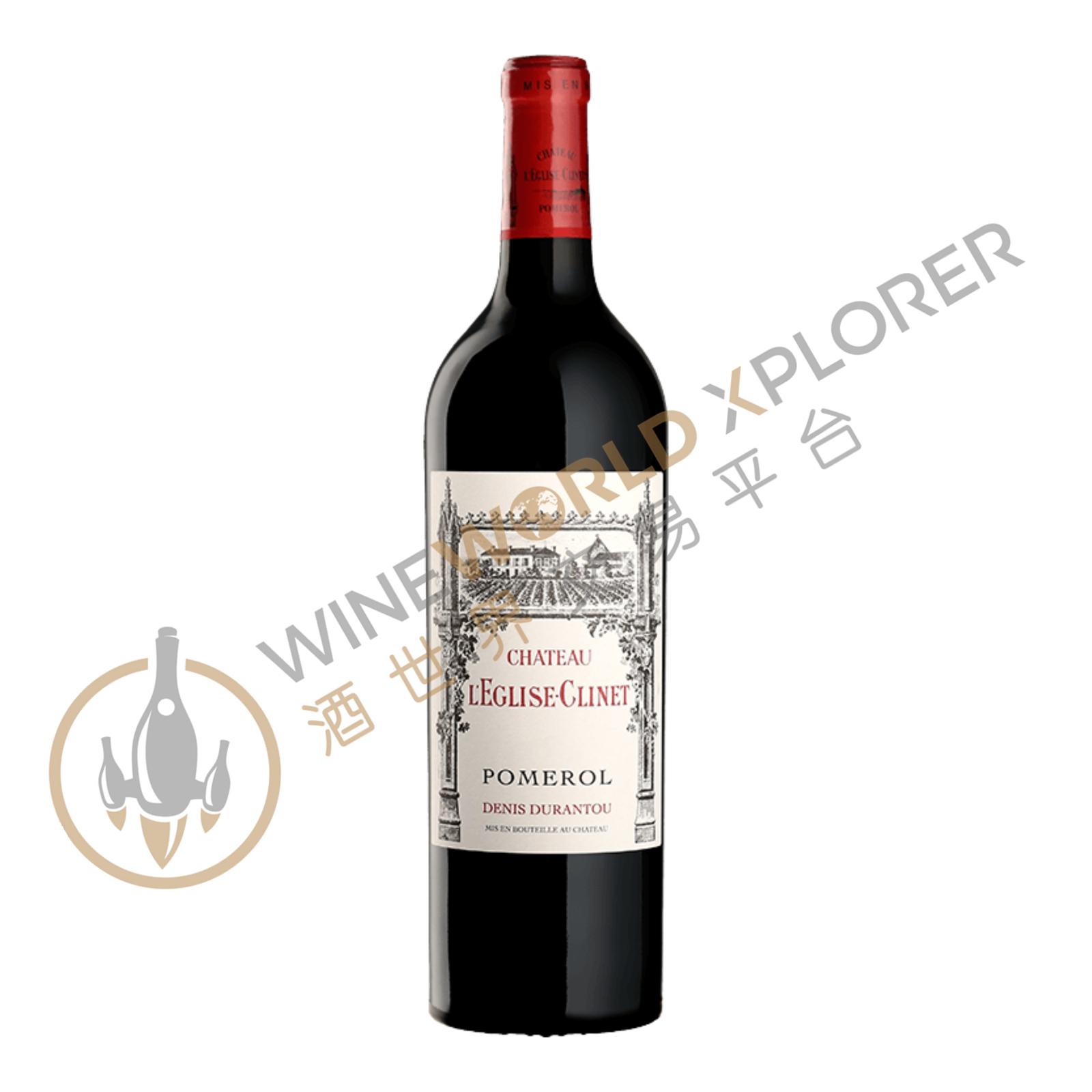
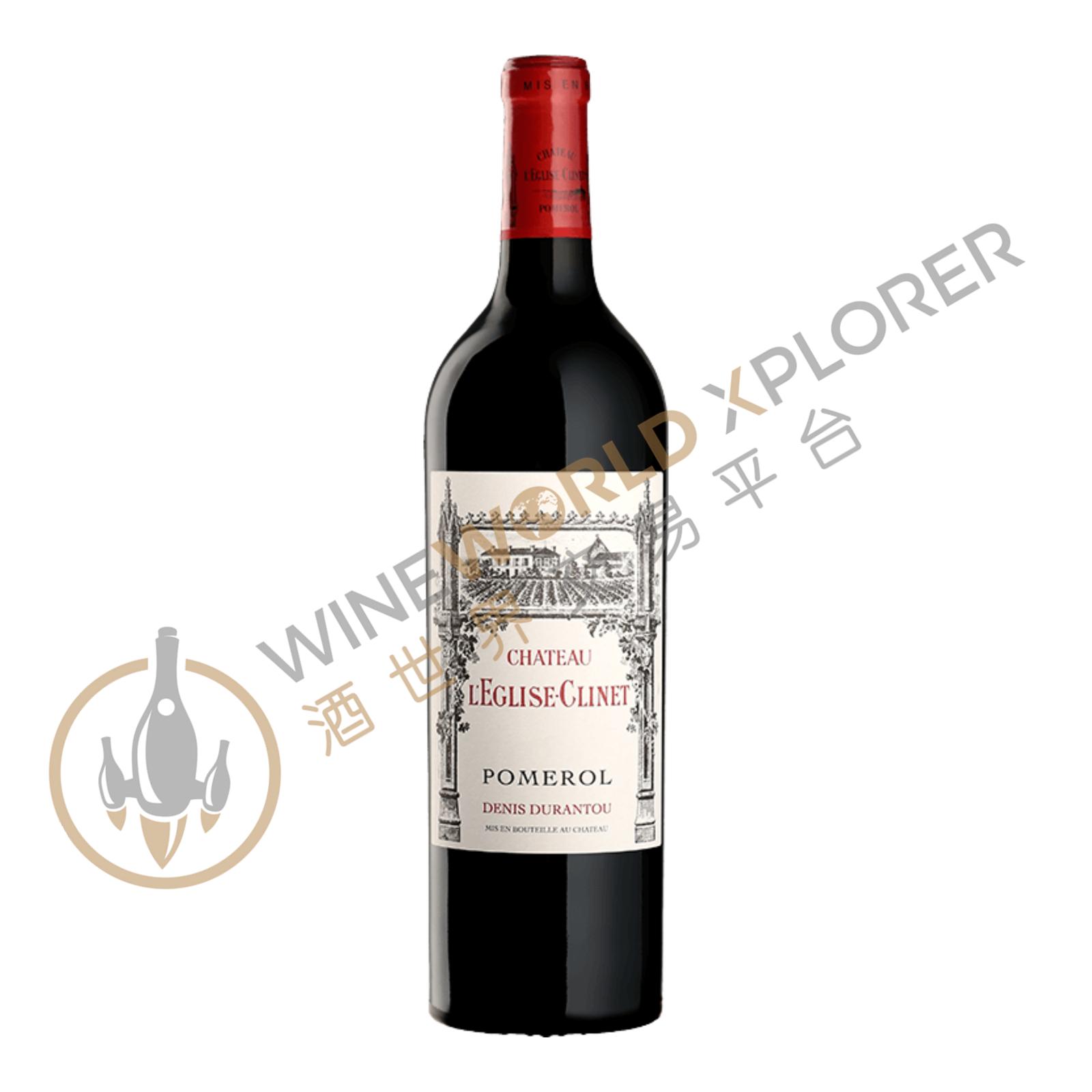
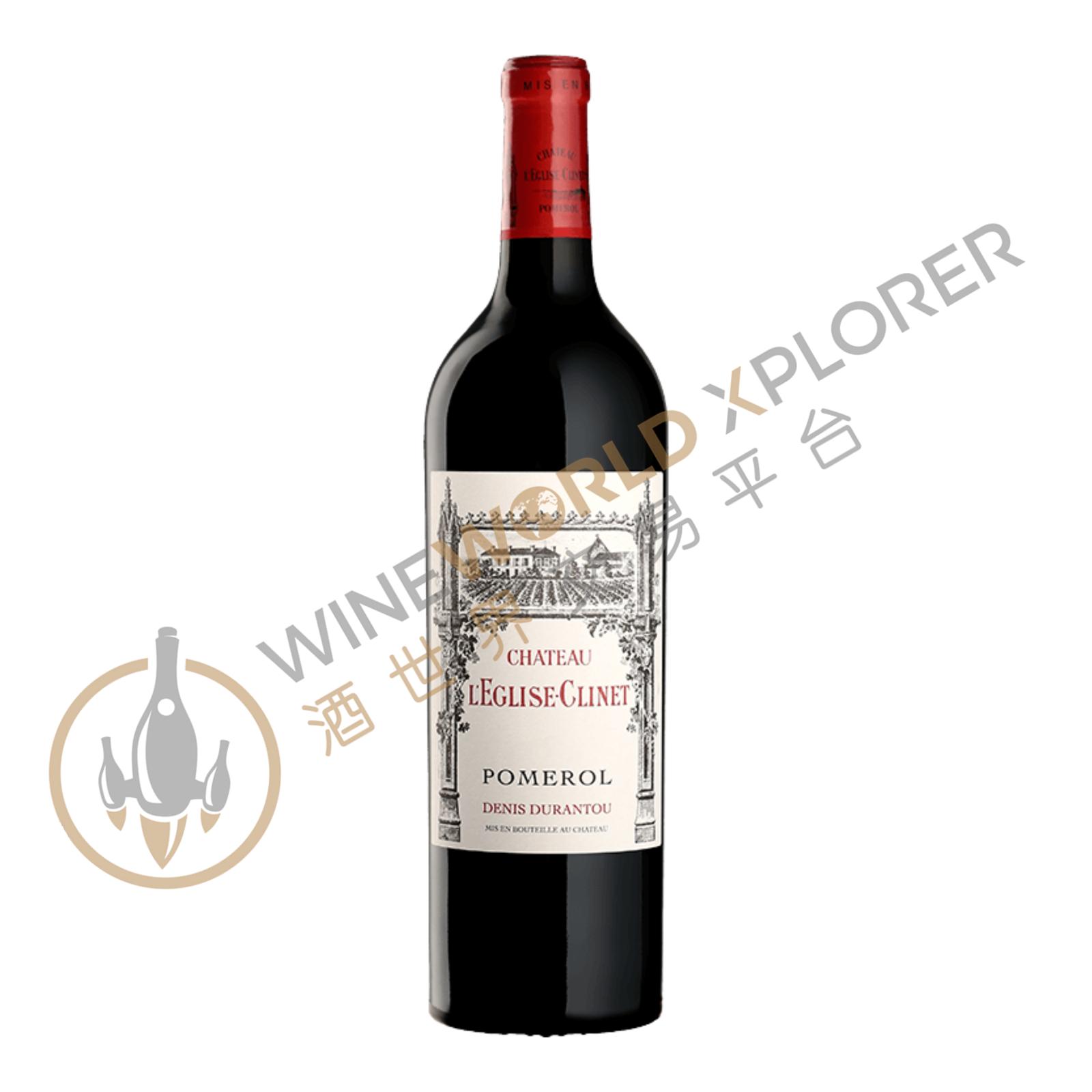
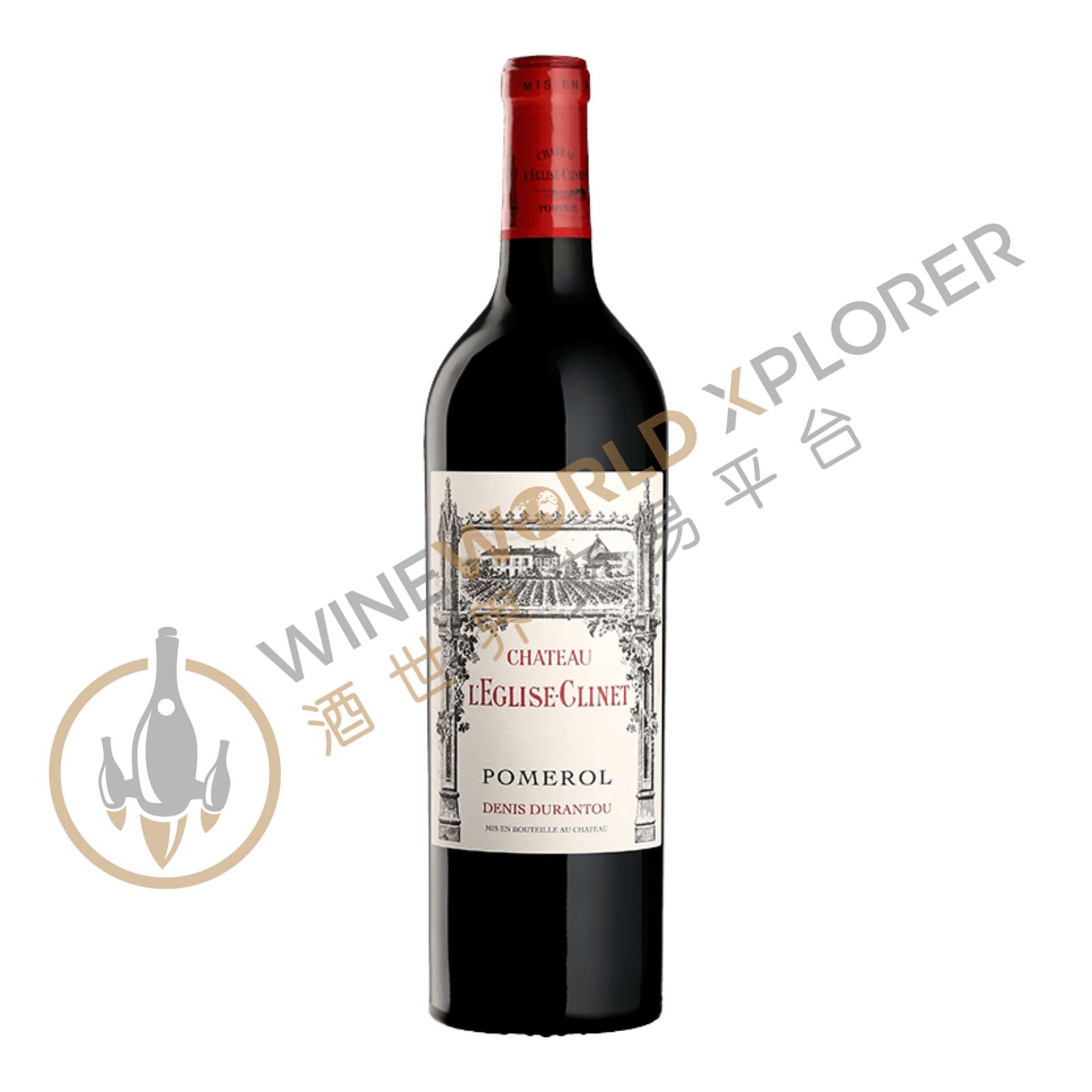
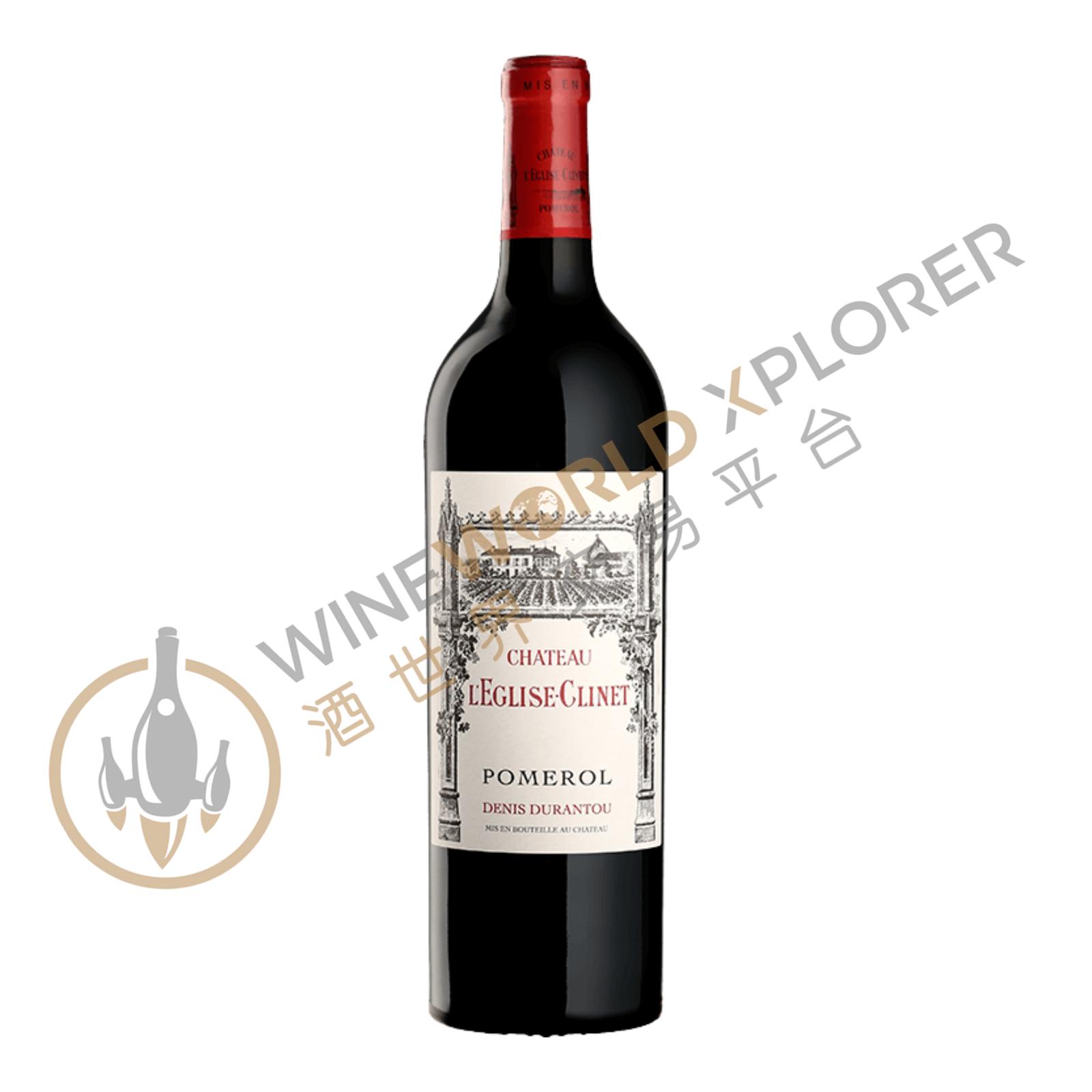
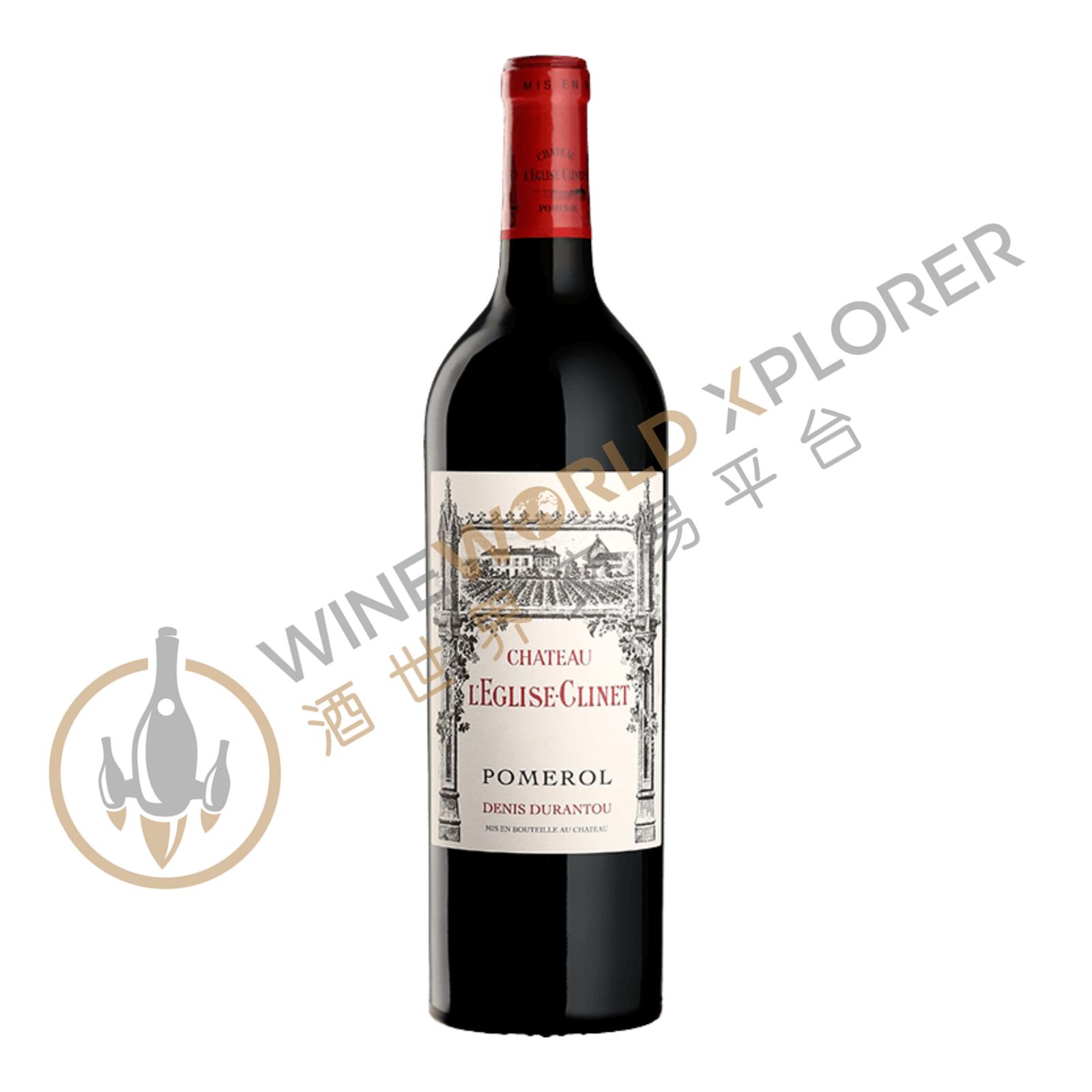
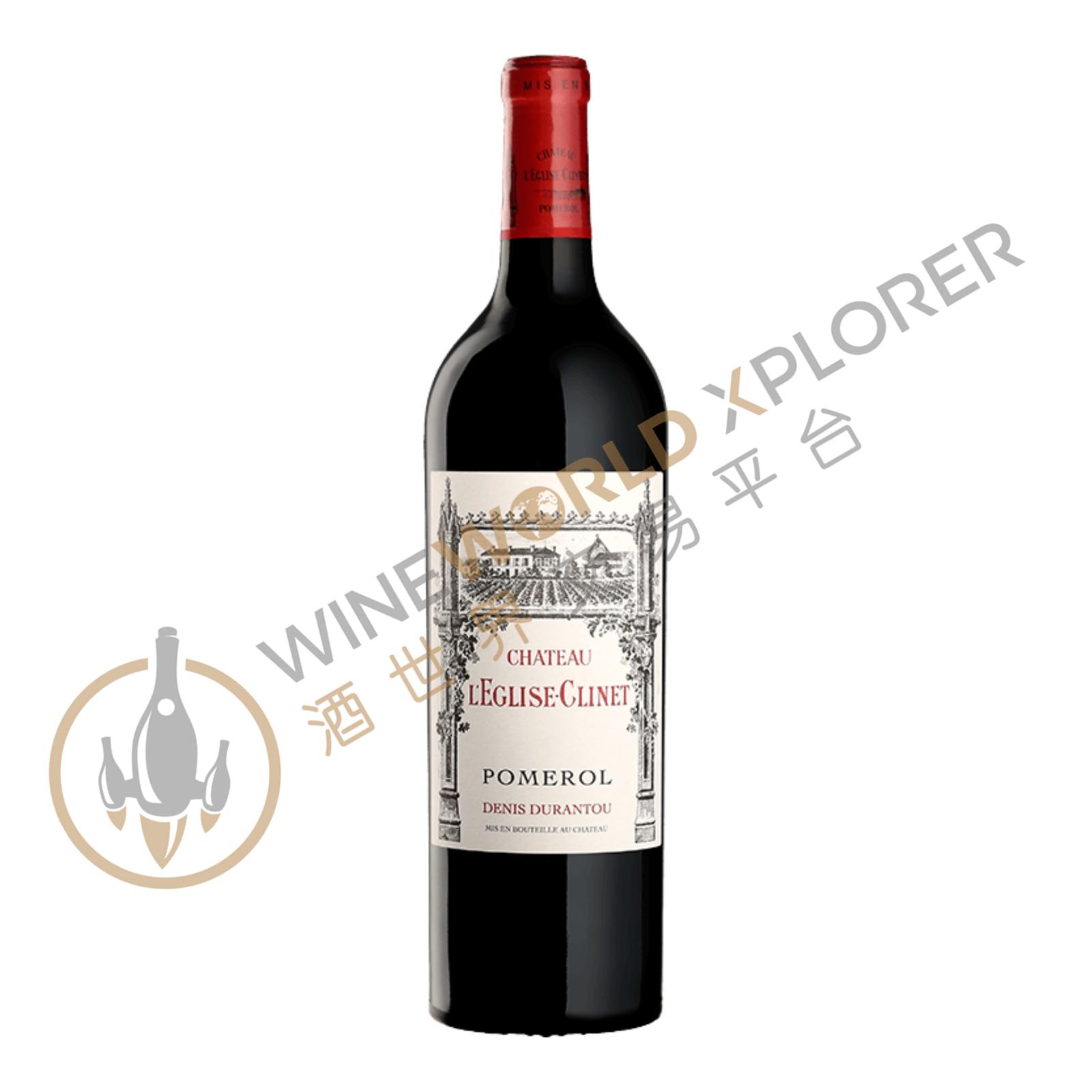
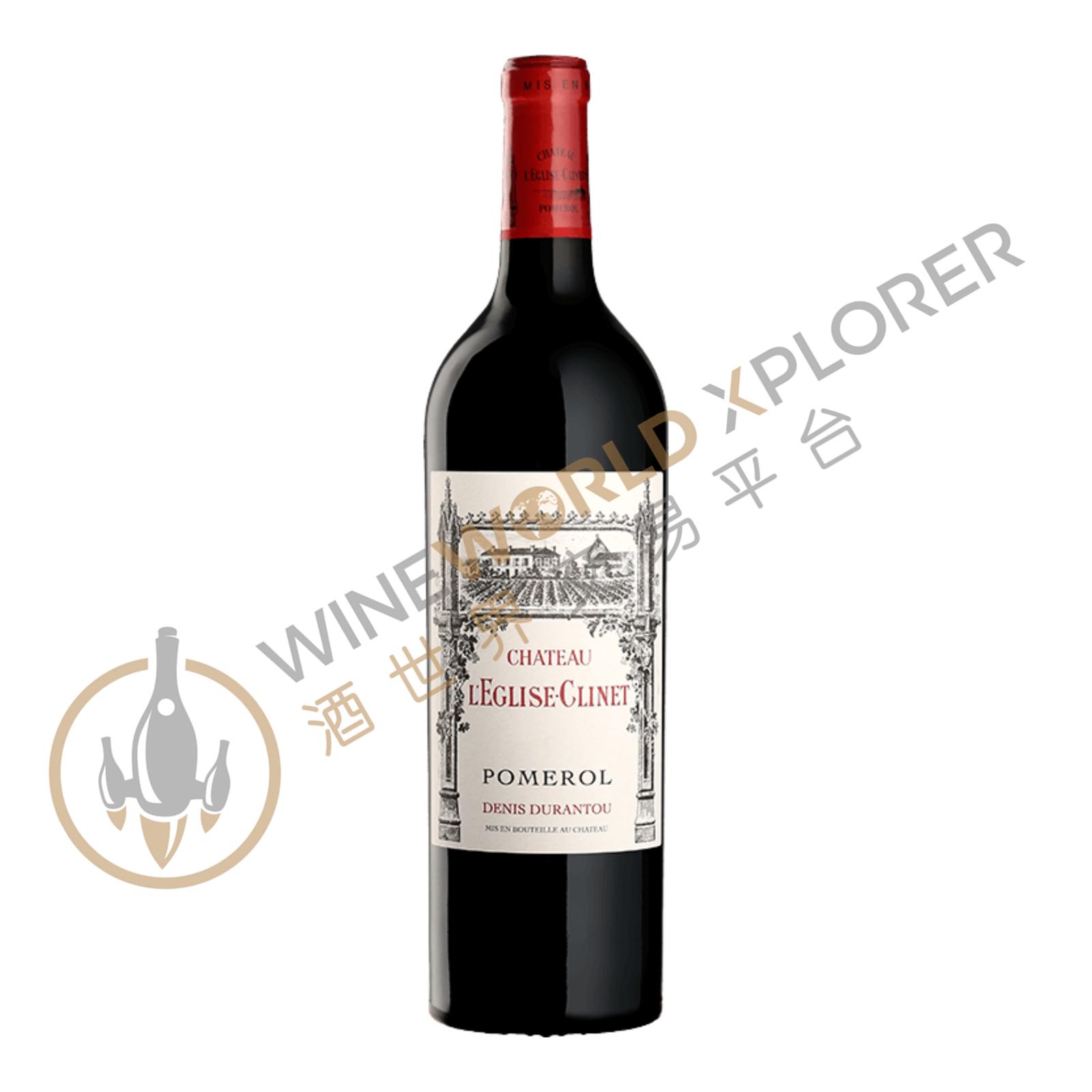
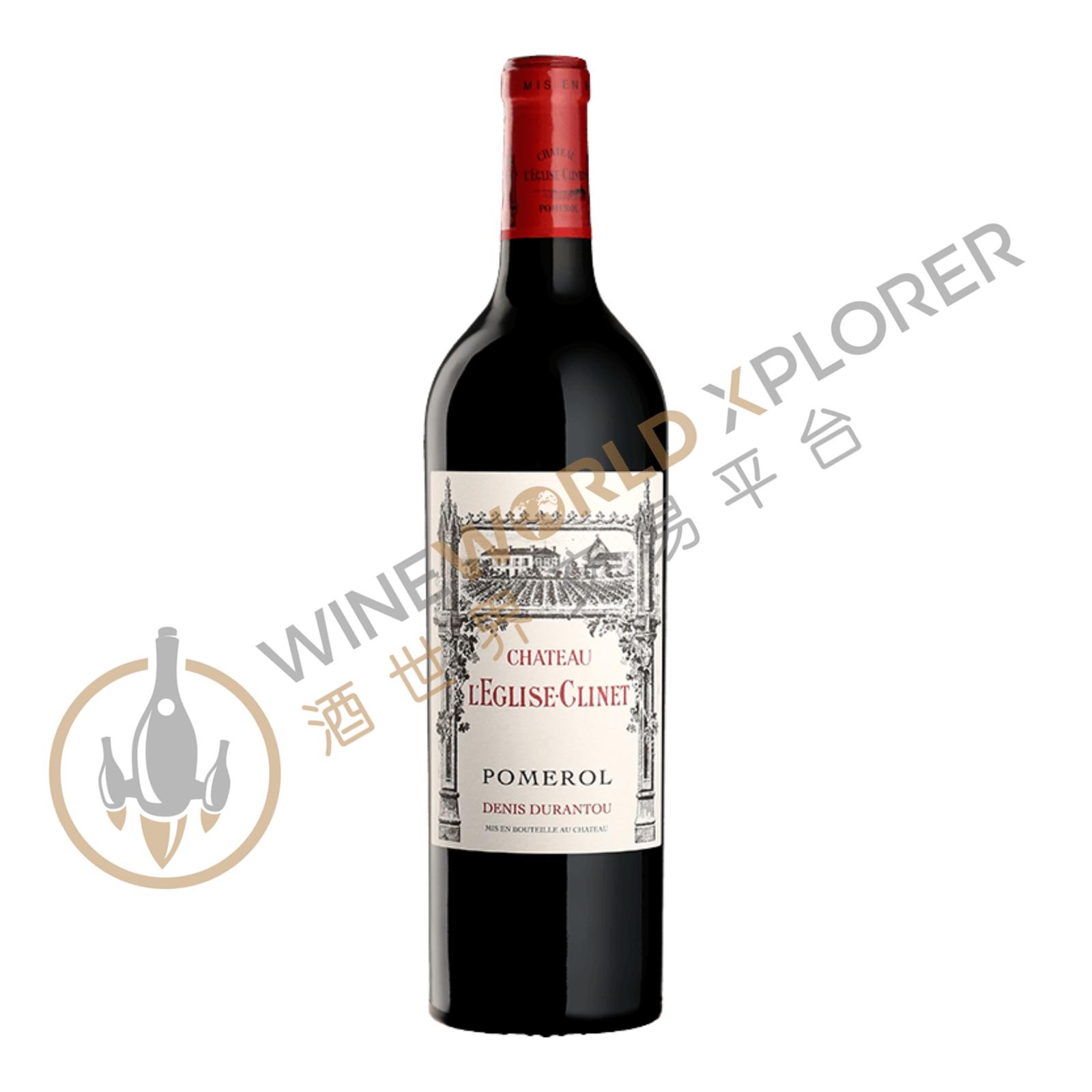
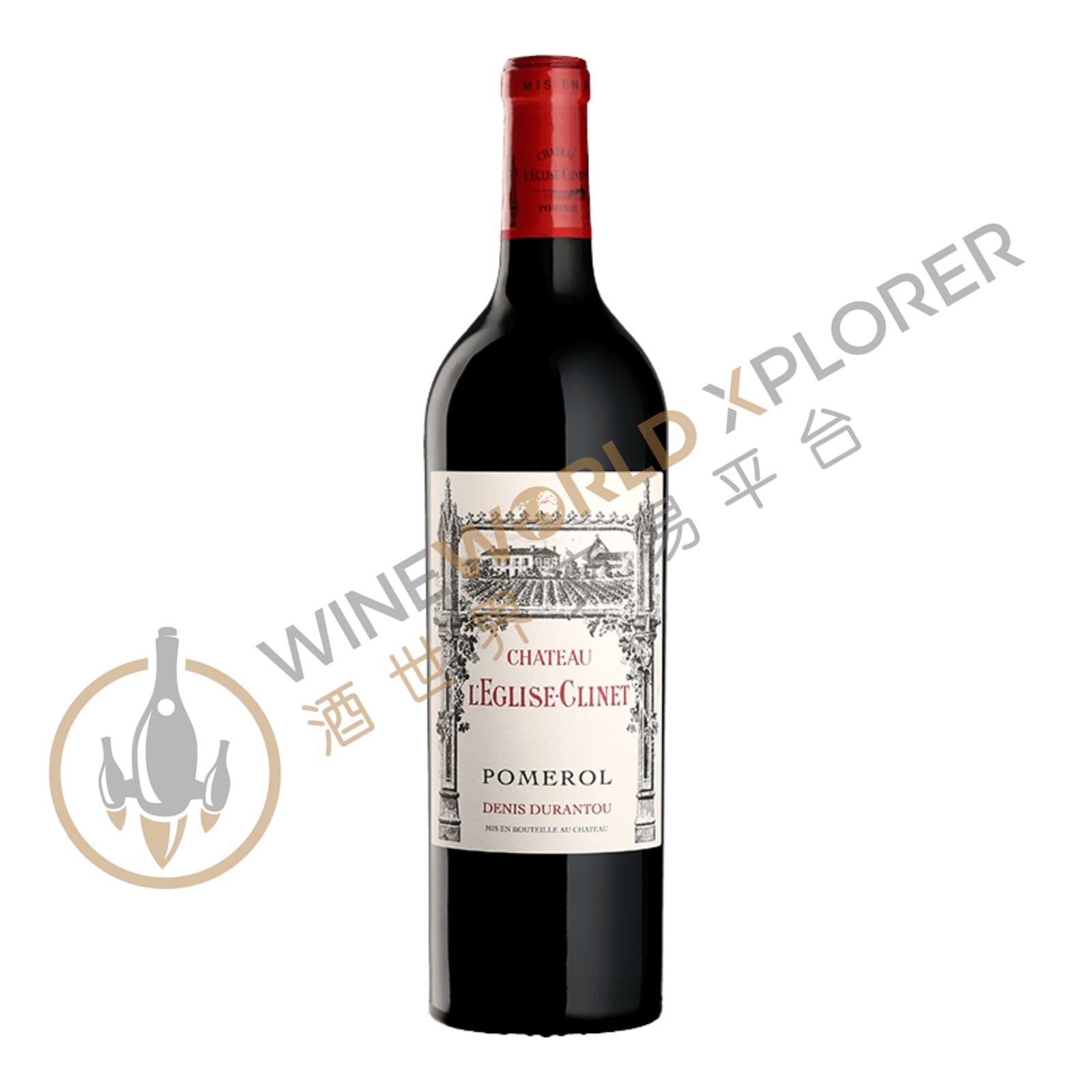
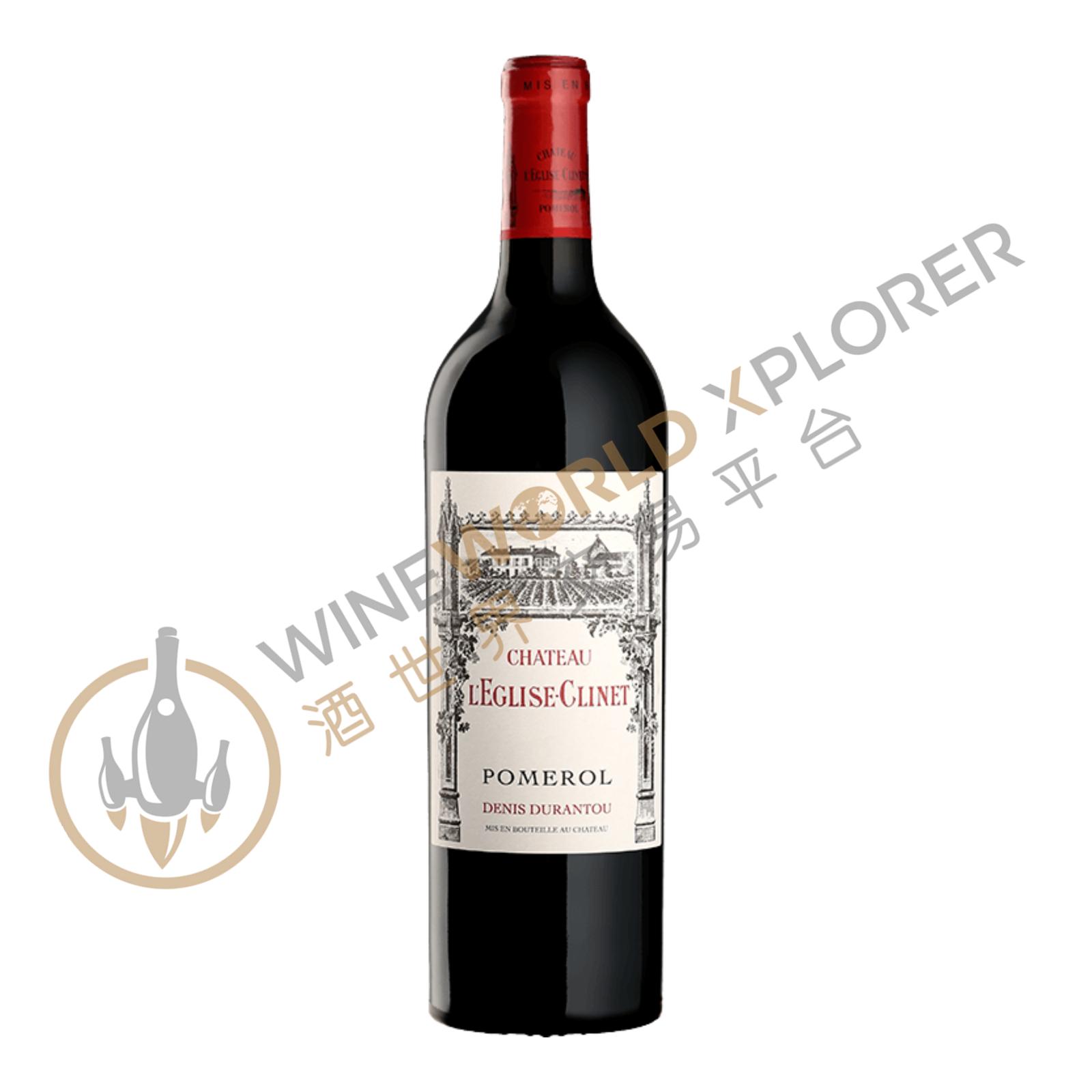
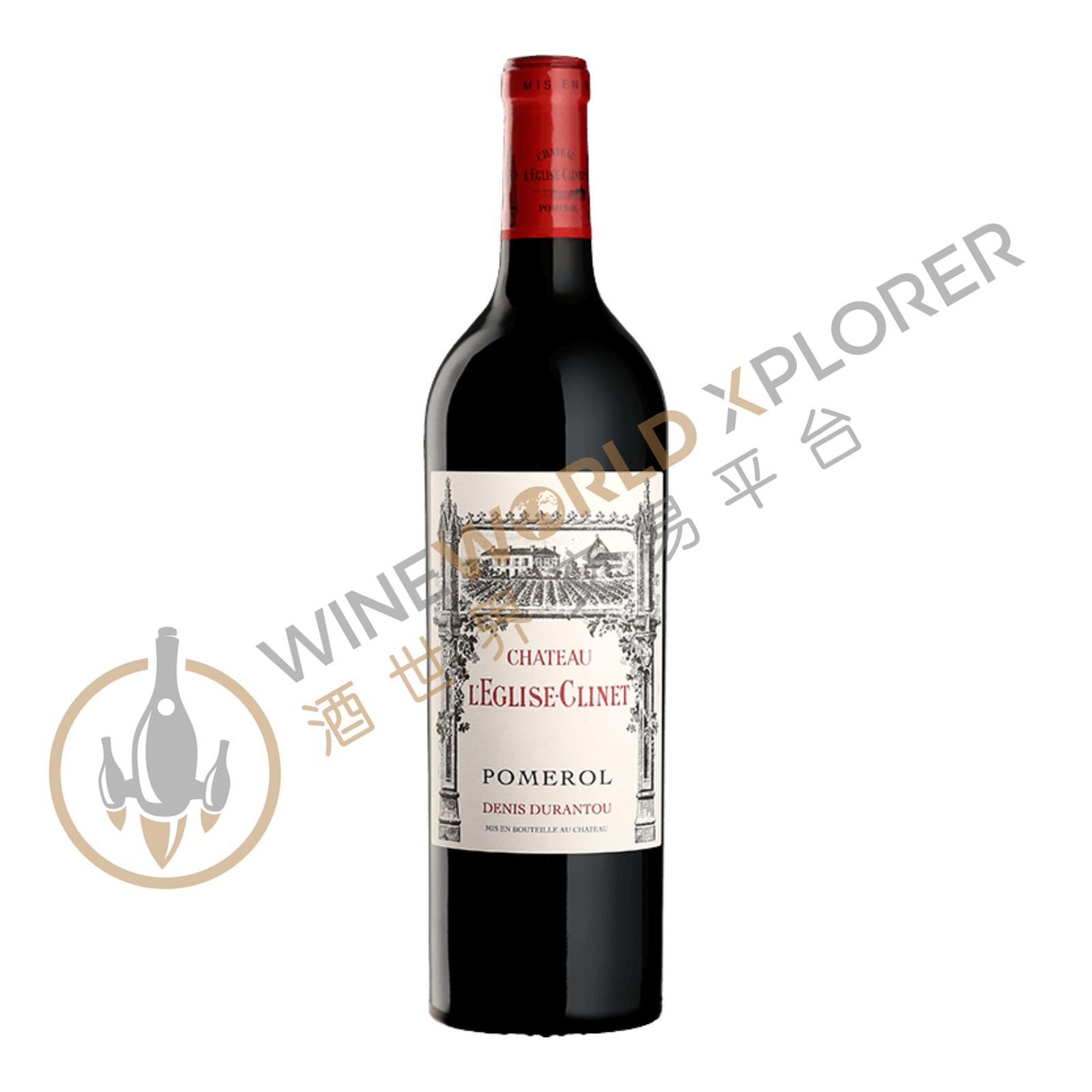
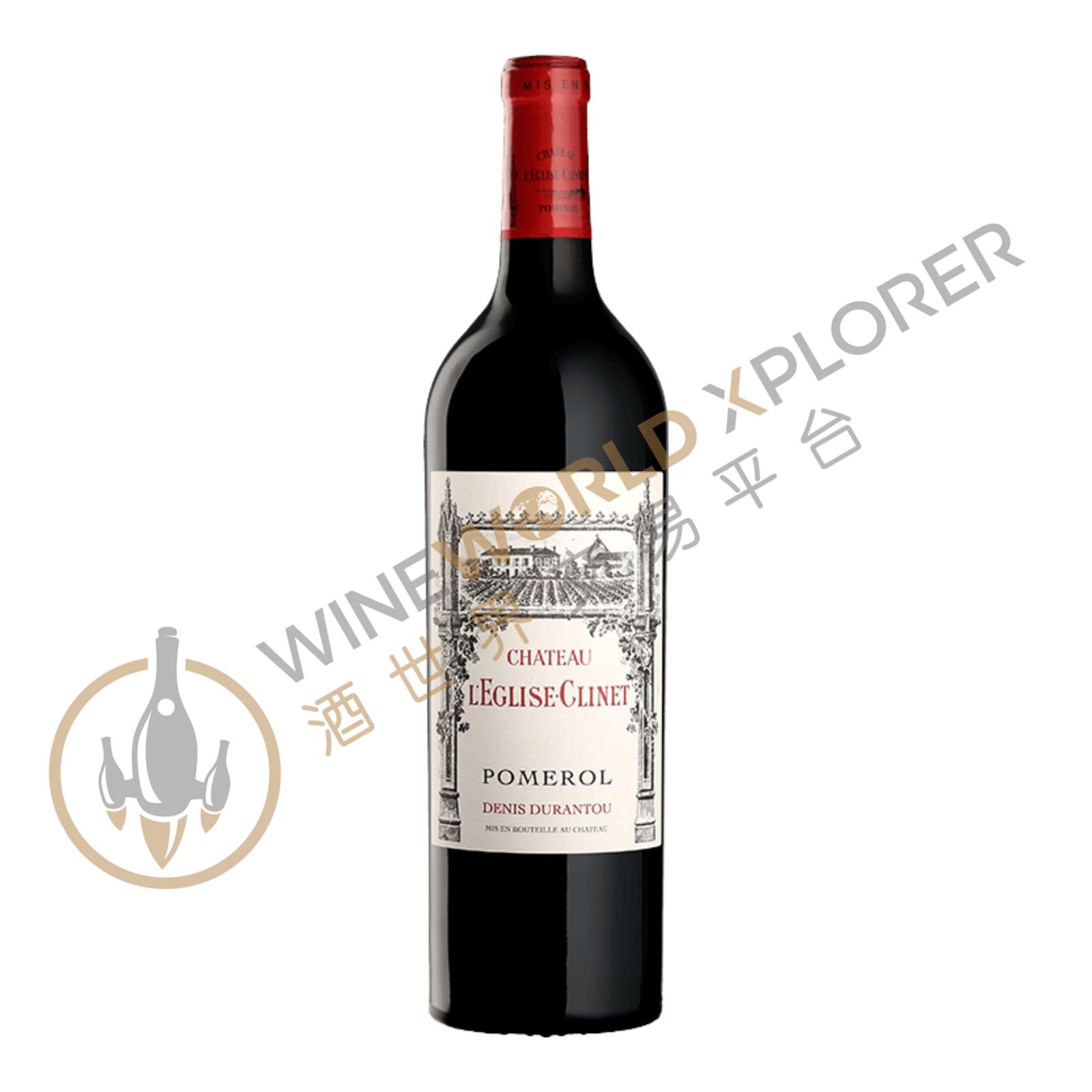
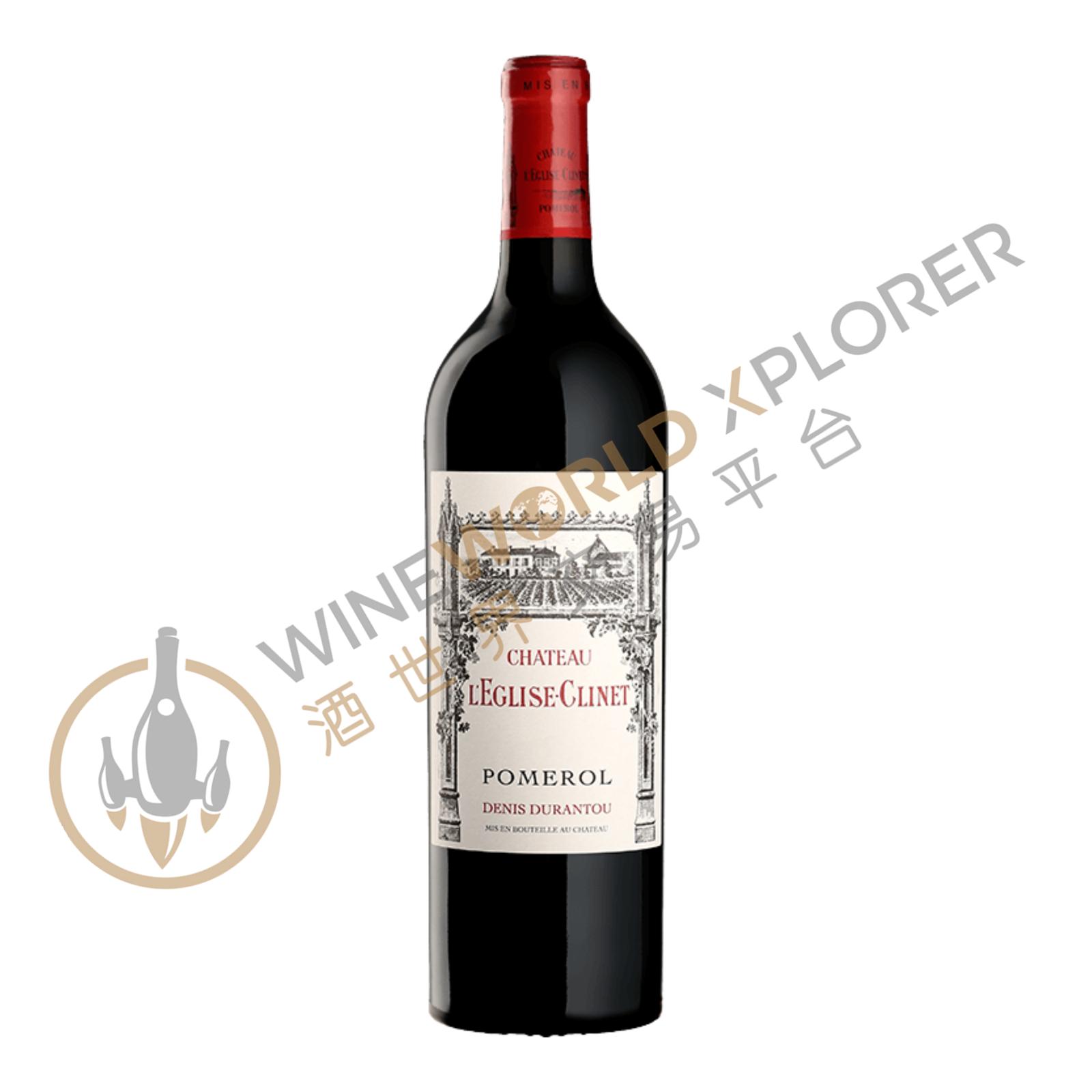
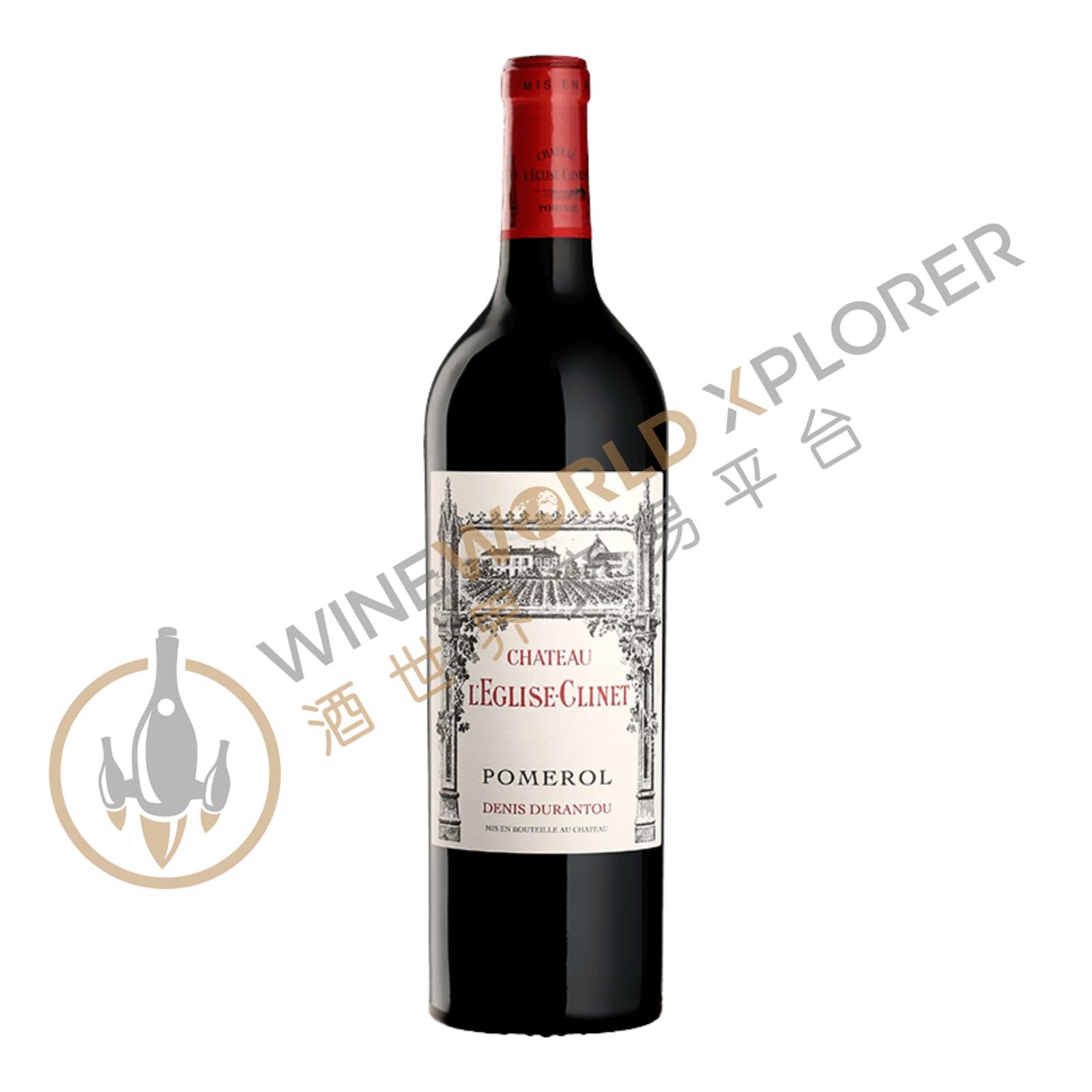
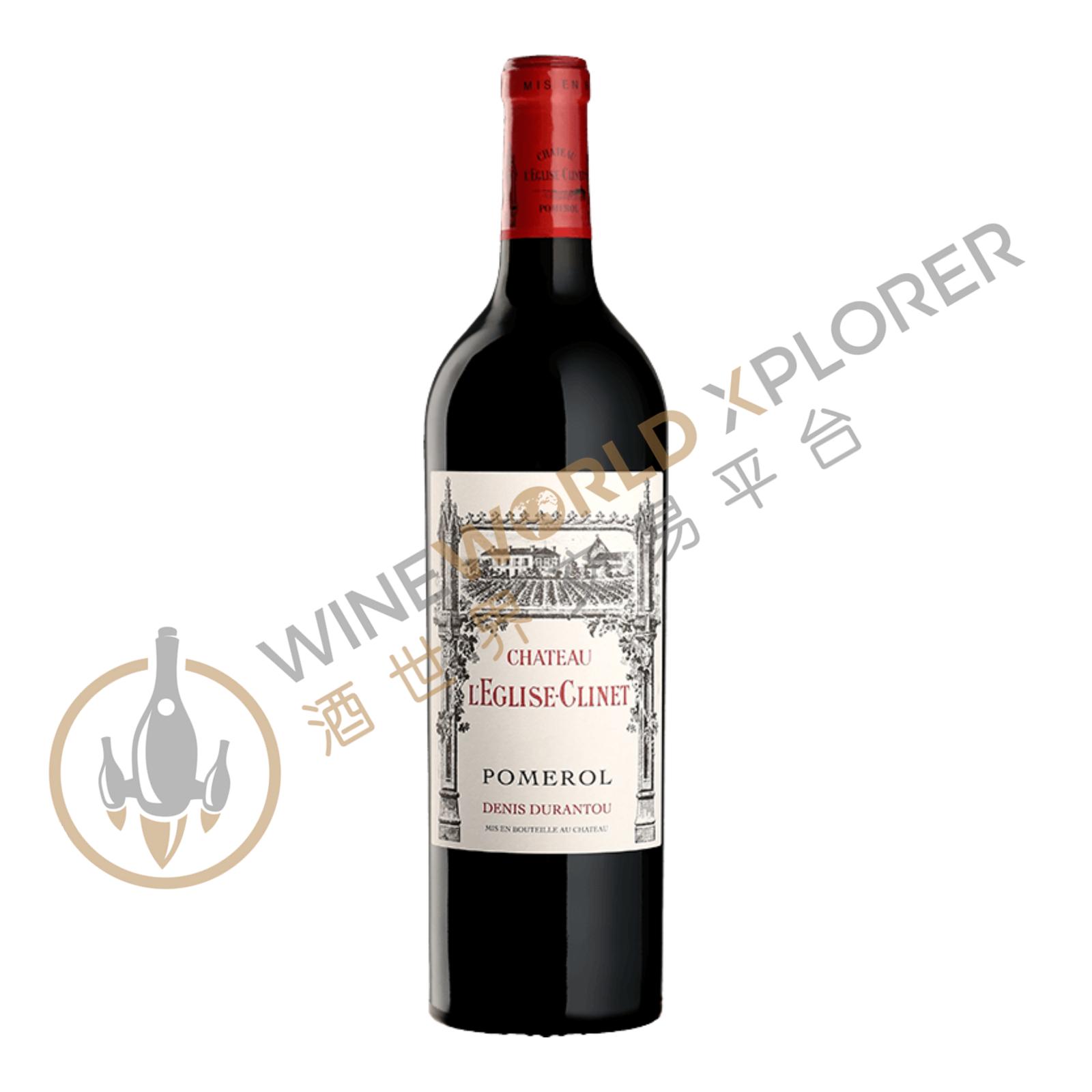
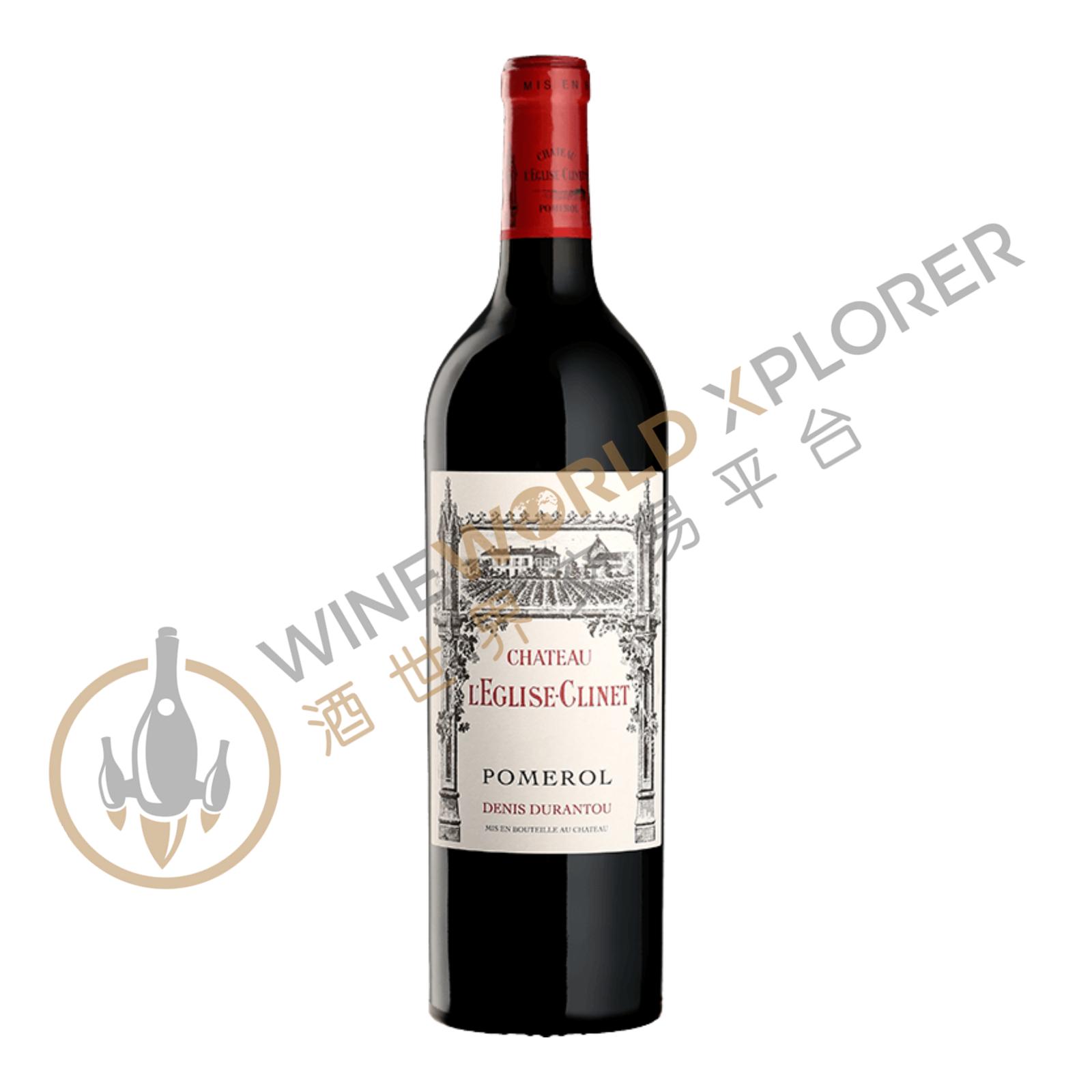
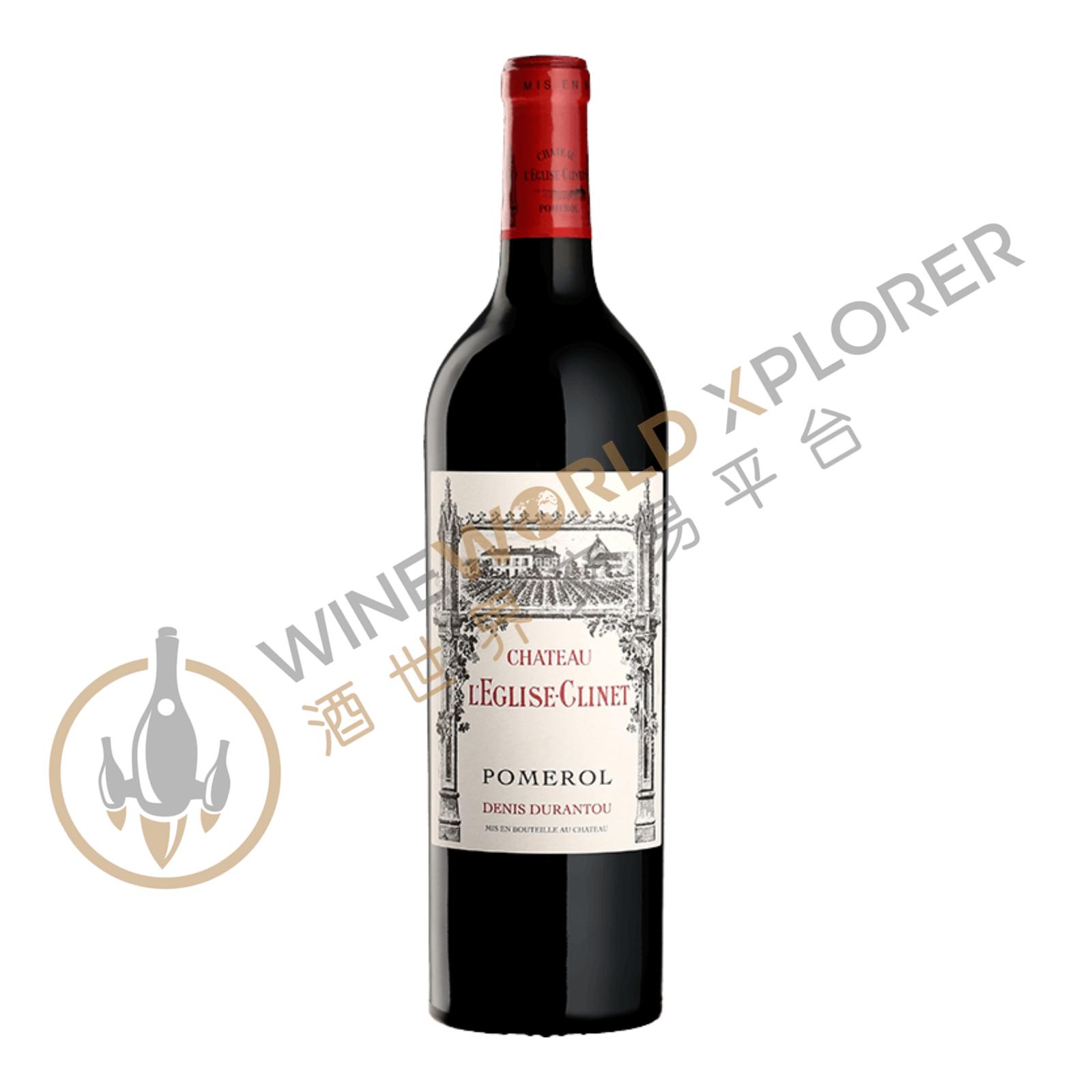
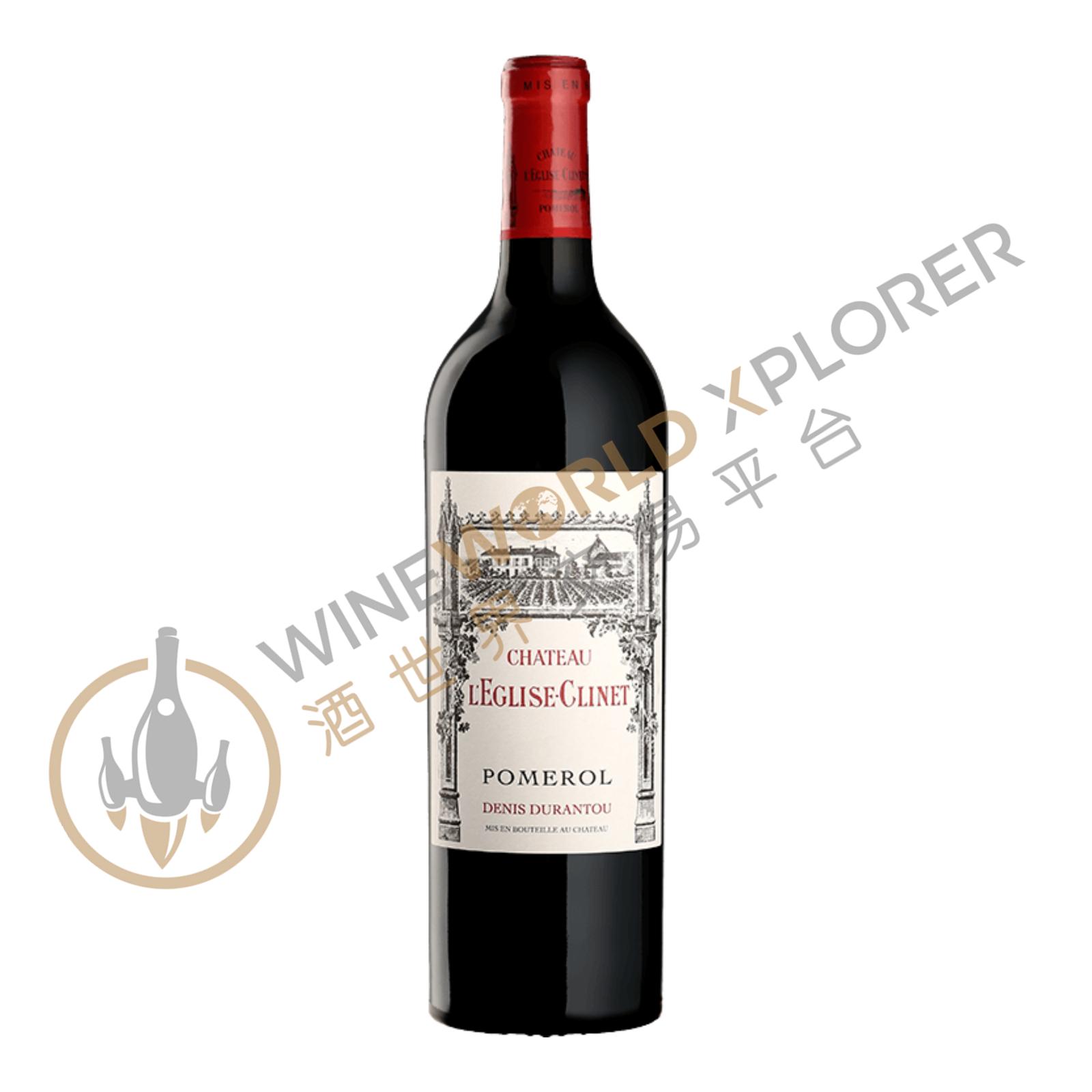
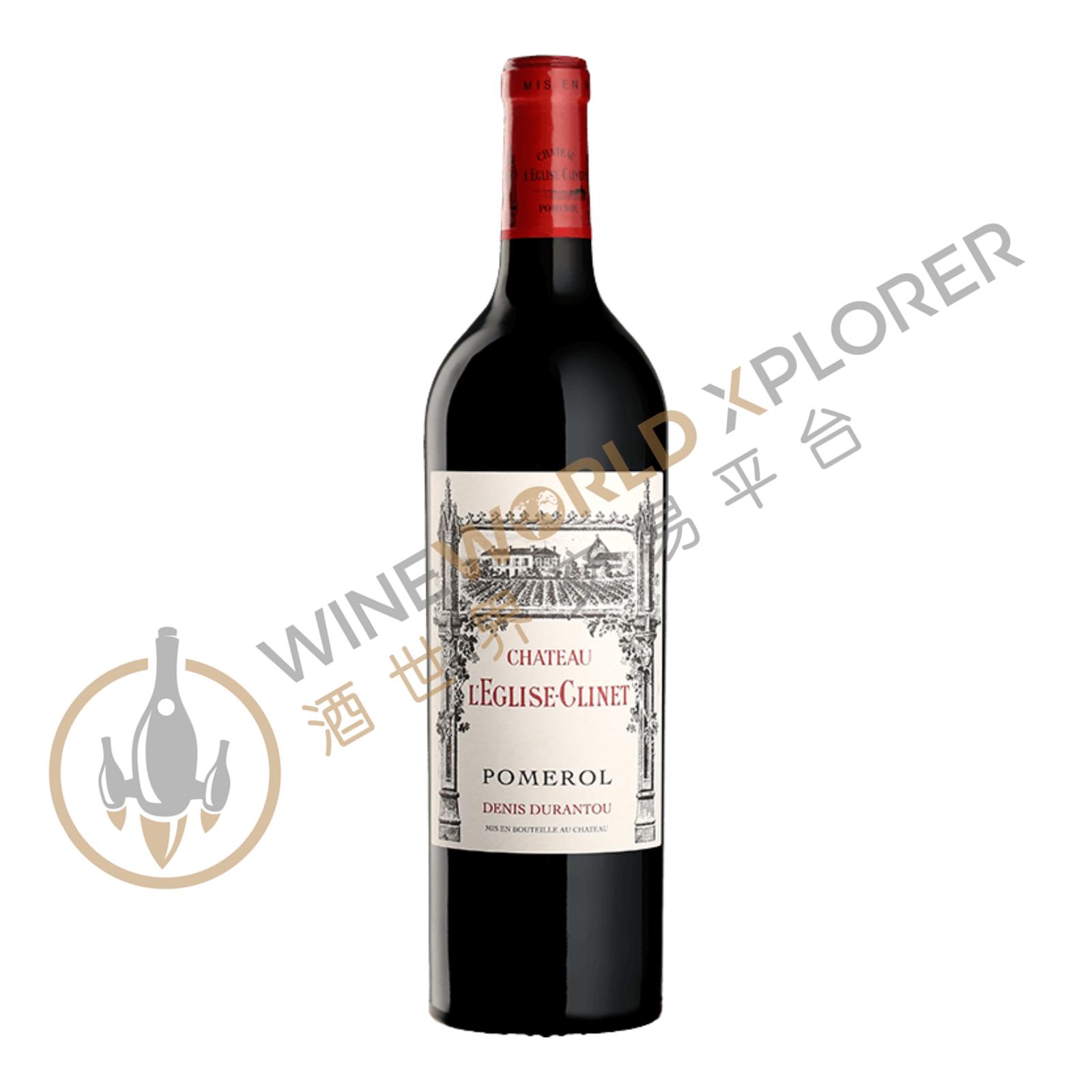
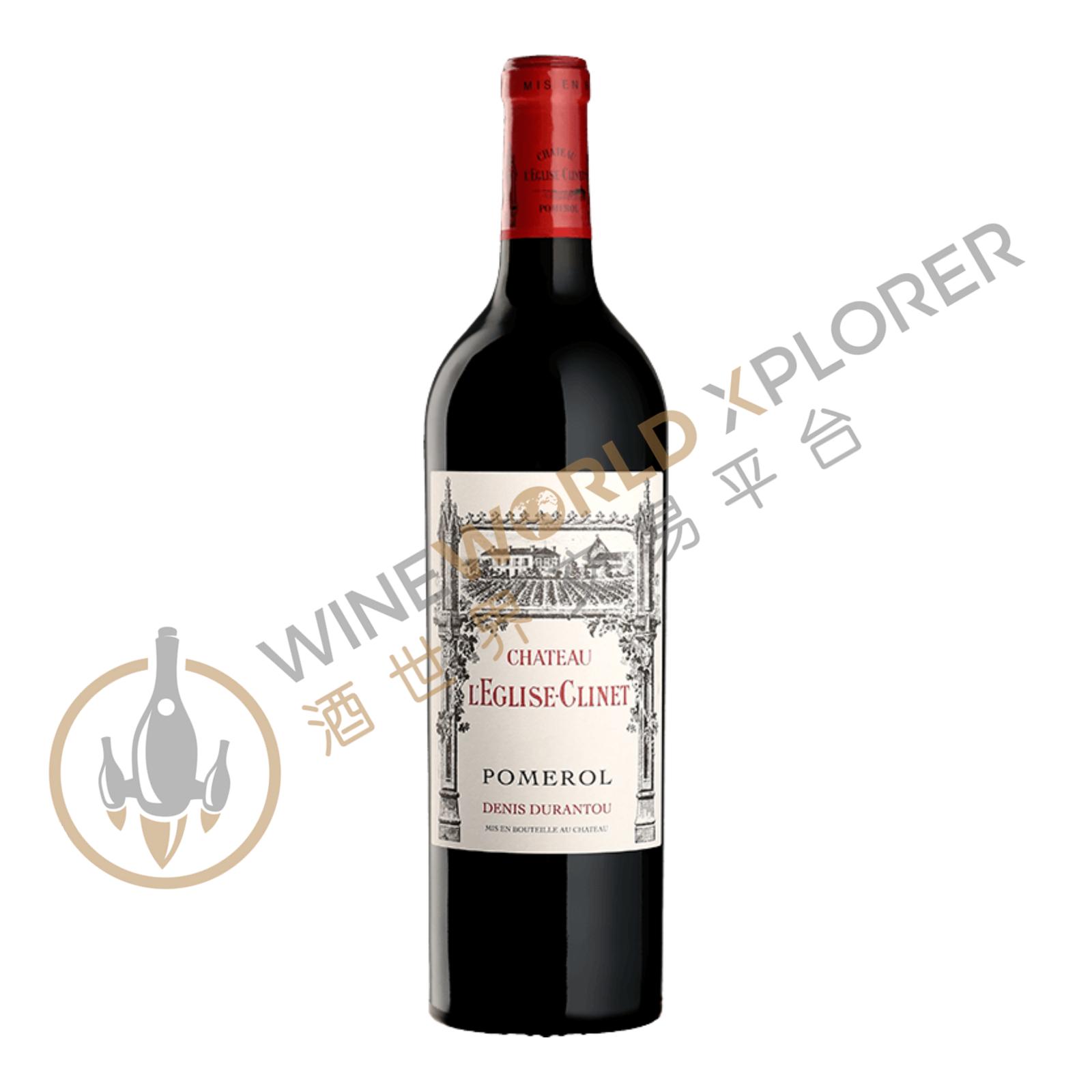
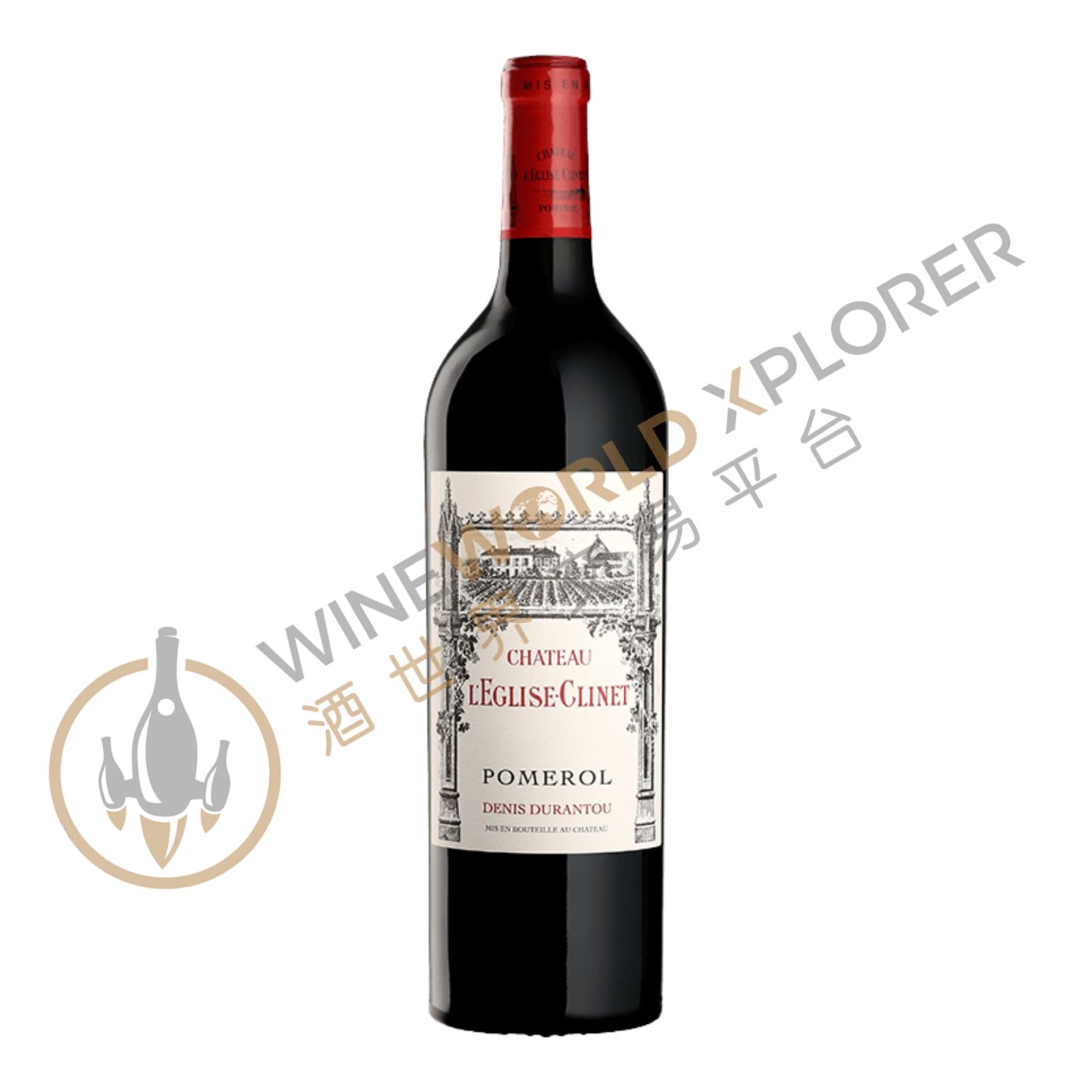
L'Eglise Clinet 2011
 View analysis


Description
Tasting notes

Reviewed by: Robert M. Parker, Jr.
With a dense ruby/purple color is followed by a pure nose of mulberries, cherry liqueur and spring flowers, but no hint of oak, this full-bodied, opulent, rich beauty exhibits impressive purity, texture, richness and length. Not as structured or tannic as Trotanoy, it moves more in the direction of the opulence and flashy, showy fruit of Hosanna and Petrus. It should drink well for 15-20 years.
Reviewed by: Neal Martin
Tasted at the property, Denis Durantou cannot really do wrong these days. The l’Eglise-Clinet 2011 was cropped between 12th and 15th September and the Cabernet Franc on 24th September, a blend of 90% Merlot and 10% Cabernet Franc being aged in 80% new oak. The nose is very elegant bouquet once left to unfurl over 10 minutes. It offers dark cherry fruits with touches of cassis and minerals: all very refined and poised. The palate is very well balanced with great precision on the entry. The Merlot is very expressive this year. The tannins are supremely fine and the finish linear and strict, offering traces of briary and minerals. There is a lovely femininity and sense of drinkability about this harmonious l’Eglise-Clinet that should be a worthy follow-up to the heavenly 2010. Tasted April 2012.
Reviewed by: Robert M. Parker, Jr.
Another brilliant wine from proprietor Denis Durantou, the powerhouse 2011 l’Eglise Clinet is one of the most densely packed and stacked wines of Pomerol. Inky ruby/purple-colored with a classic bouquet of black currants, black cherries, creme caramel and vanillin, it reveals great fruit on the attack and mid-palate, medium to full body, lavish extraction, no bitterness, sweet, well-integrated tannins, and enough acidity for vibrancy and definition. It should be drinkable in 3-5 years and last for two decades or more.
Reviewed by: Ian d'Agata
Good bright ruby. Knockout nose combines crushed raspberry, stone, iron, mint, violet and coffee. Very pure, precise and bright on the palate, with deep dark berry fruit flavors complicated by minerals, flowers and cocoa. The bright acidity extends the flavors nicely on the long finish. Cool and restrained Pomerol, with mounting tannins that call for patience.
Reviewed by: Ian d'Agata
(90% merlot and 10% cabernet franc; 80% new oak): Opaque purple-tinged ruby. Closed nose hints at fresh blueberry, violet, minerals and spicy cocoa. Juicy, bright and pure; less explosively perfumed and creamy than usual for this wine but more delicate and subtle than recent vintages. Finishes long and lively, with chewy yet polished peppery tannins and lingering notes of dark berries, minerals and flowers. A spicy character emerged as the wine opened in the glass. I imagine that this Pomerol will pick up flesh over the next few years, while remaining beautifully pure.
Reviewed by: Neal Martin
The 2011 l'Eglise-Clinet has a generous and high-toned bouquet with menthol-tinged red berry fruit, a hint of cough candy and black olive. This has good complexity and focus, manifesting more elegant and precision with aeration. The palate is medium-bodied with lithe tannins, touches of mocha and black pepper infusing the red berry fruit, very cohesive with admirable concentration on the finish. This is drinking superbly now. Gorgeous. Tasted blind at the annual 10-Year-On tasting.
Reviewed by: Neal Martin
The 2011 L’Eglise-Clinet was picked 12 to 15 September for the Merlot and 24 September for the Cabernet Franc. It has a harmonious bouquet that does not quite possess the vivacity and fruit intensity of the 2012. This is much more conservative in style but still very attractive with scents of mulberry, black truffle and light mushroom scents, perhaps ushering in secondary aromas quicker than the 2012. The palate is medium-bodied with fine grain tannin, crisp acidity, a little spicier than the succeeding vintage but with fine salinity towards the finish. Tasted at the l’Eglise-Clinet vertical at the château in April 2018.
About the Producer
Château l'Eglise-Clinet is located in the Pomerol appellation on the right bank of Bordeaux, France, and is one of the most famous wineries in the Pomerol region. Château Clinet Chapel has a long history, dating back to the late 19th century. The Rouchut family, who ran Chateau Clos l'Eglise at the time, and the Constant family, who ran Chateau Clinet, decided to make wine together. Until 1950, the Bordeaux wines produced by these two families were sold under the name Château Claregelis. It was only after 1950 that their wines were given their current name, Château Clignet. Later, the Durantou family acquired Château Clignet. However, the owner was not keen on wine at the time and left everything to Pierre Lasserre, the owner of another Pomerol estate. Pierre Lasserre only had to give him half of the estate's income each year. This partnership has continued for 40 years. Today, Denis Durantou, a descendant of the Durantou family, is in charge of the estate. At present, Château Clignet has 5.5 hectares of vineyards. The soils are mainly gravel and clay, some of which are rich in iron. The vineyards of Château Clignet were spared from the 1956 frosts and the vines are on average 45 years old. The vineyard is planted with 85% Merlot and 15% Cabernet Franc at a density of 6,500 vines per hectare. The vineyard is fertilised with an organic fertiliser mix every 5 years. The grapes are hand-picked when they are ripe at Château Clignet. After careful selection and crushing, the grapes are fermented in concrete and stainless steel containers for 15-21 days. After about October, the fermented wine is aged in new oak barrels for a period of 18 months. The main wine of Château Clinet is the Château l'Eglise-Clinet, Pomerol, France. The wines are concentrated and rich, full-bodied, with pure fruit and exotic spice notes, particularly fresh and wonderful, making them unique among Bordeaux wines. In recent years, as the price of the wine has soared, so has the quality. Today, it is in the top tier of Pomerol.
1961(1)1985(2)1989(1)1993(1)1994(1)1995(2)1997(2)1998(2)1999(1)2000(2)2001(2)2002(3)2003(1)2004(8)2005(5)2006(5)2007(5)2008(7)2009(7)2010(8)
Package Size
12 x 75cl