Wine Advisor



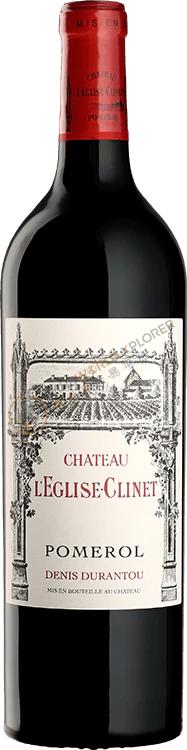
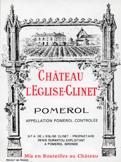
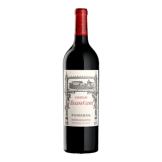
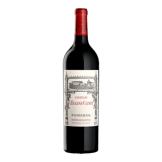
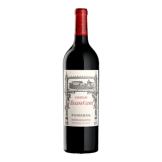
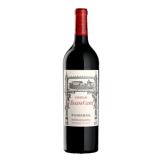
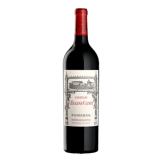
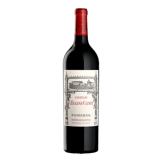
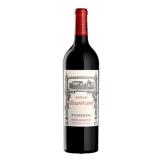
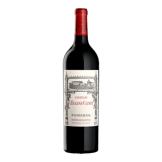
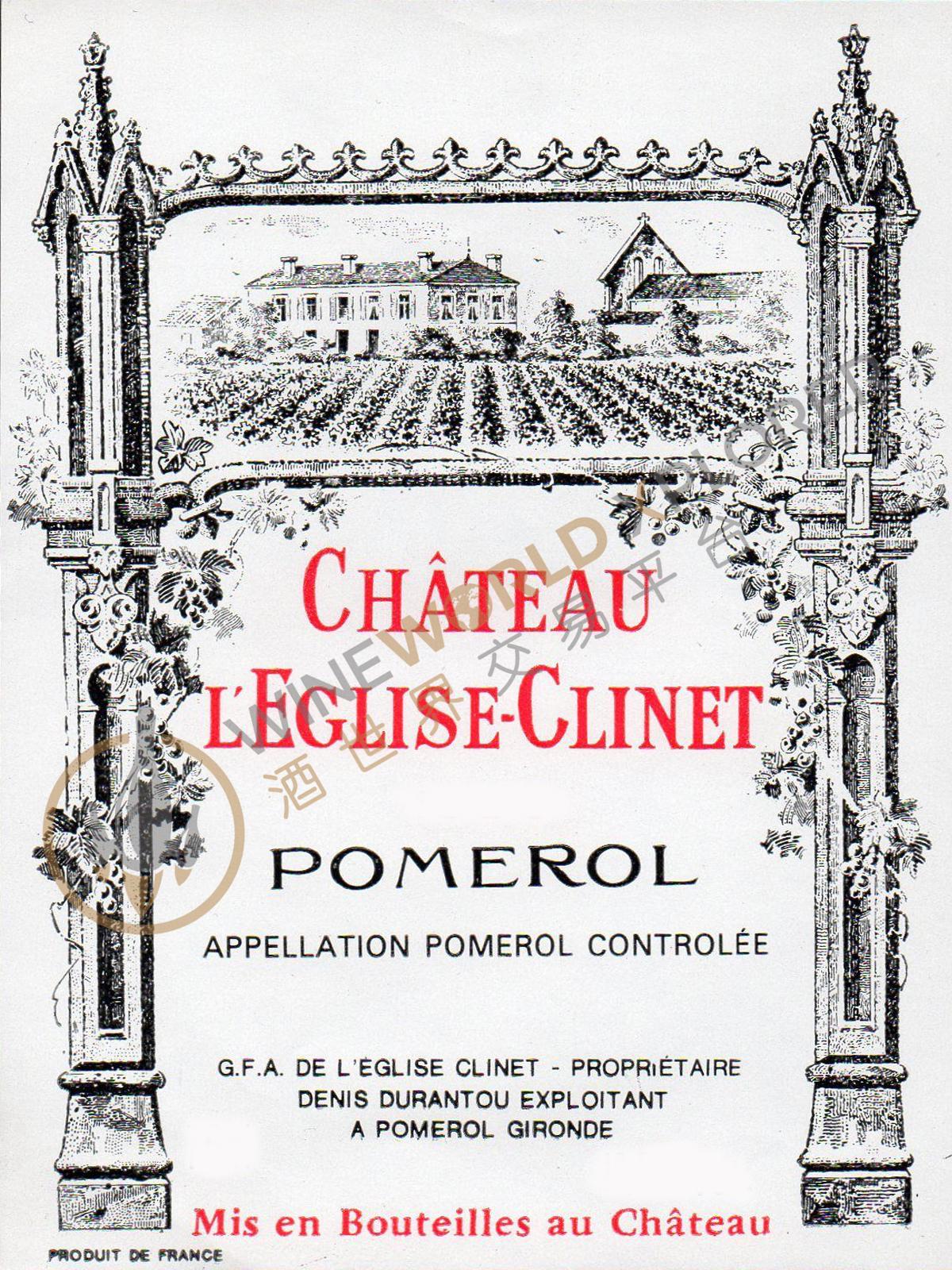
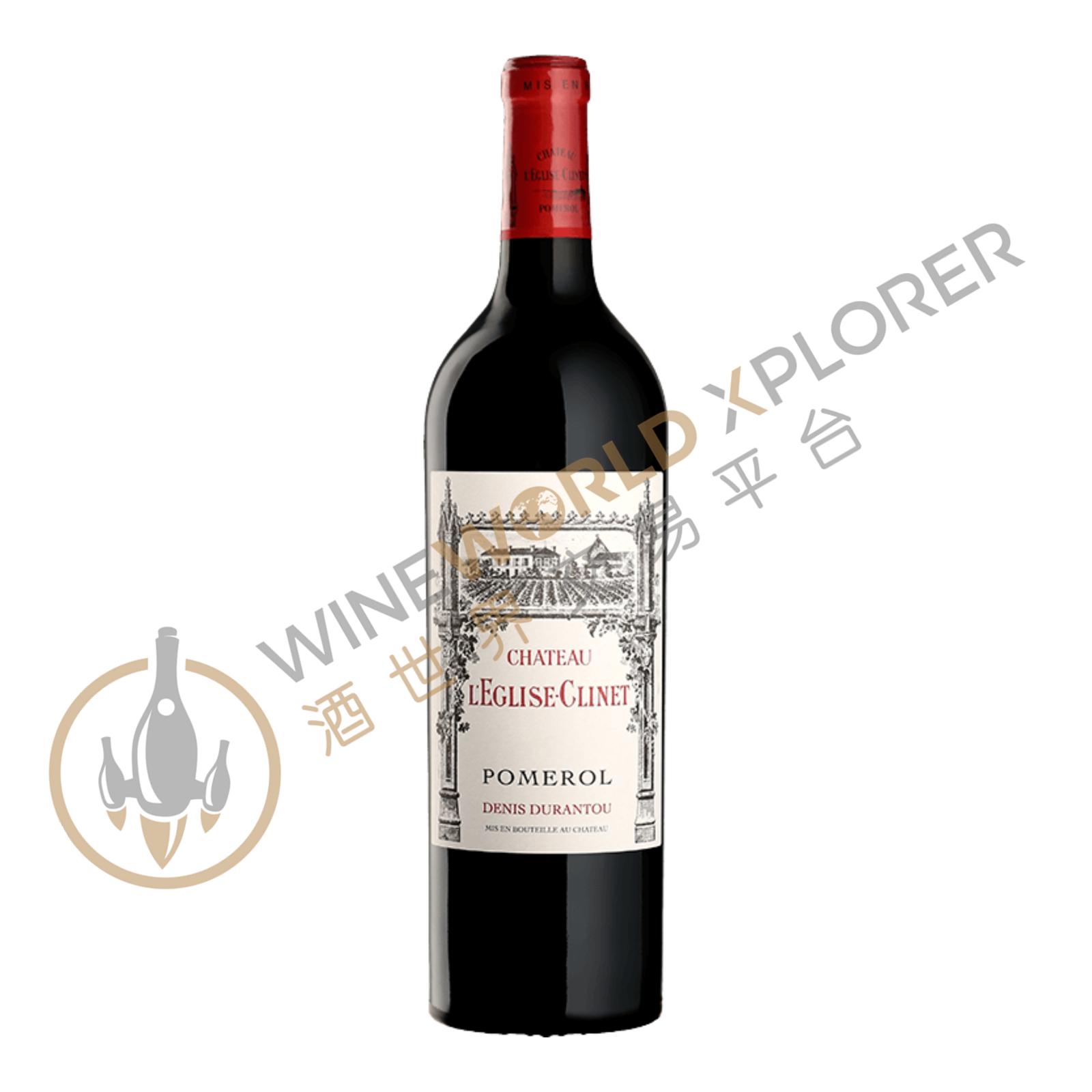
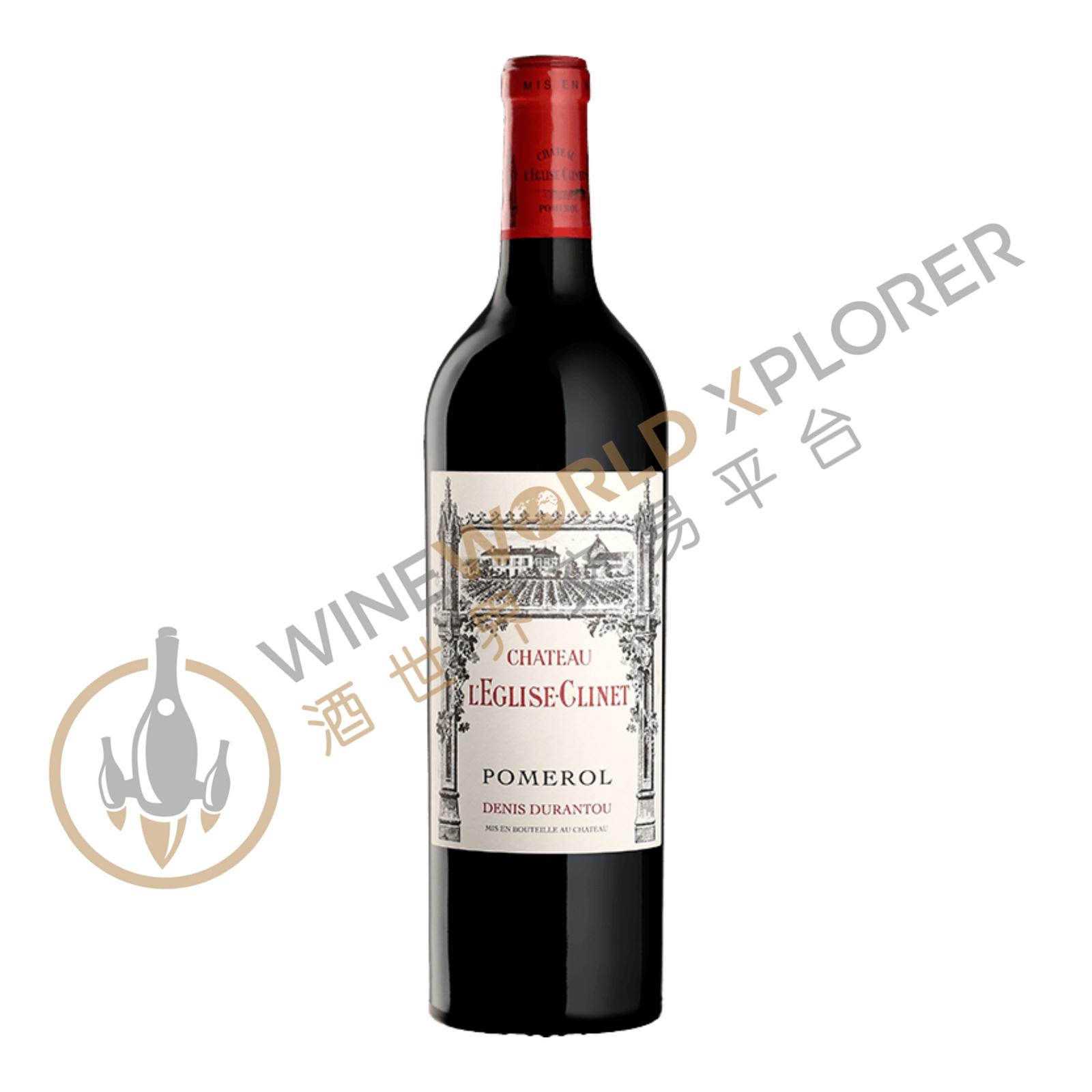
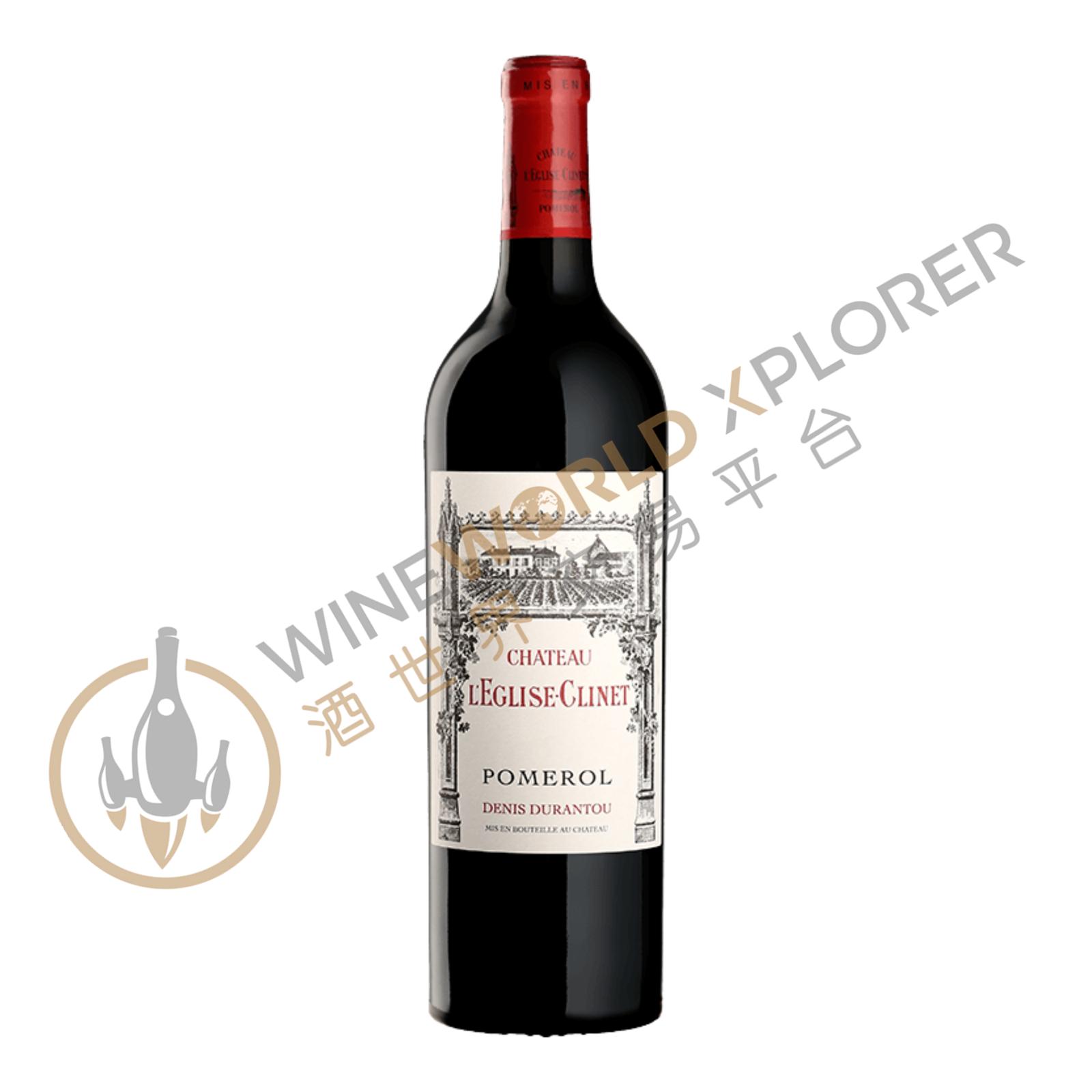
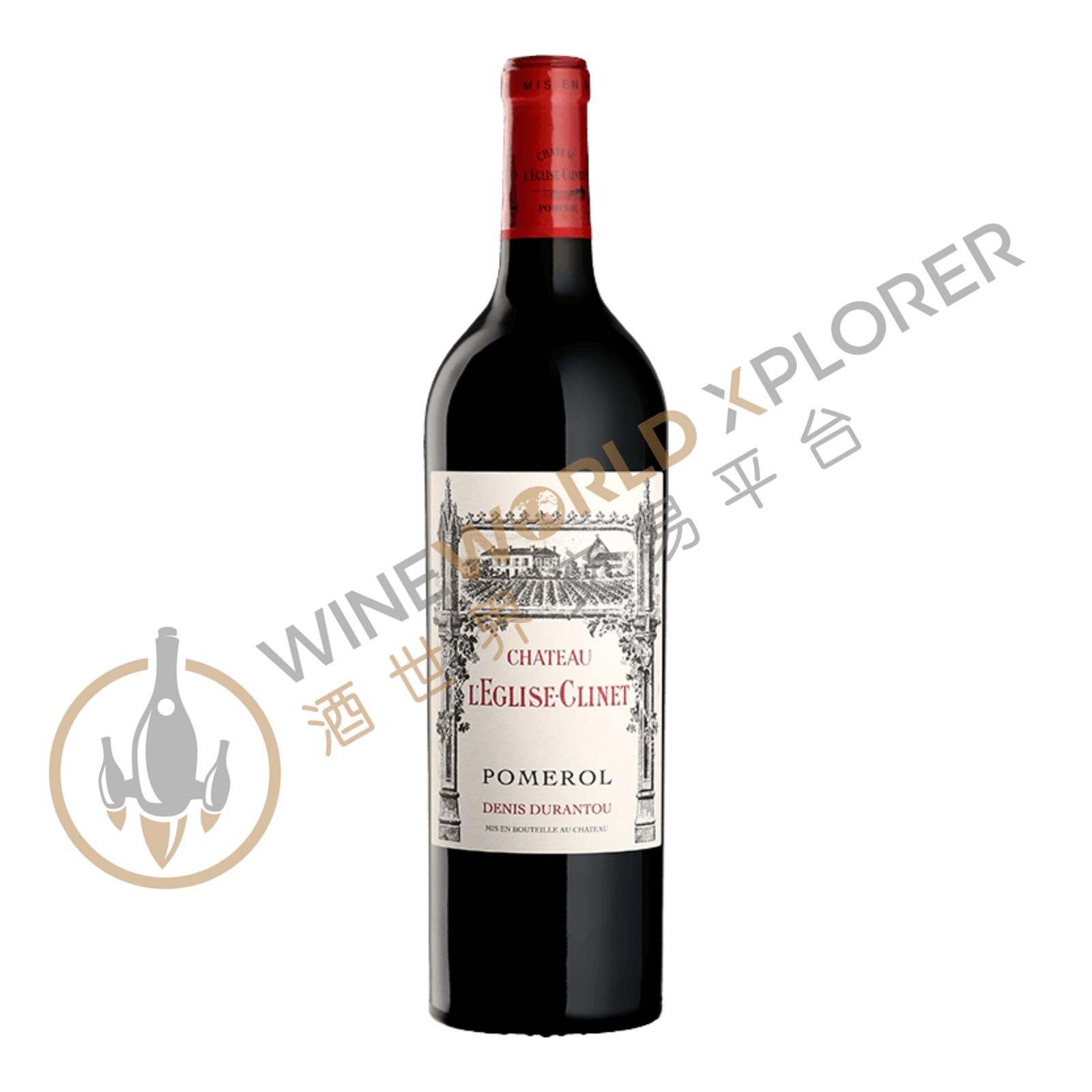
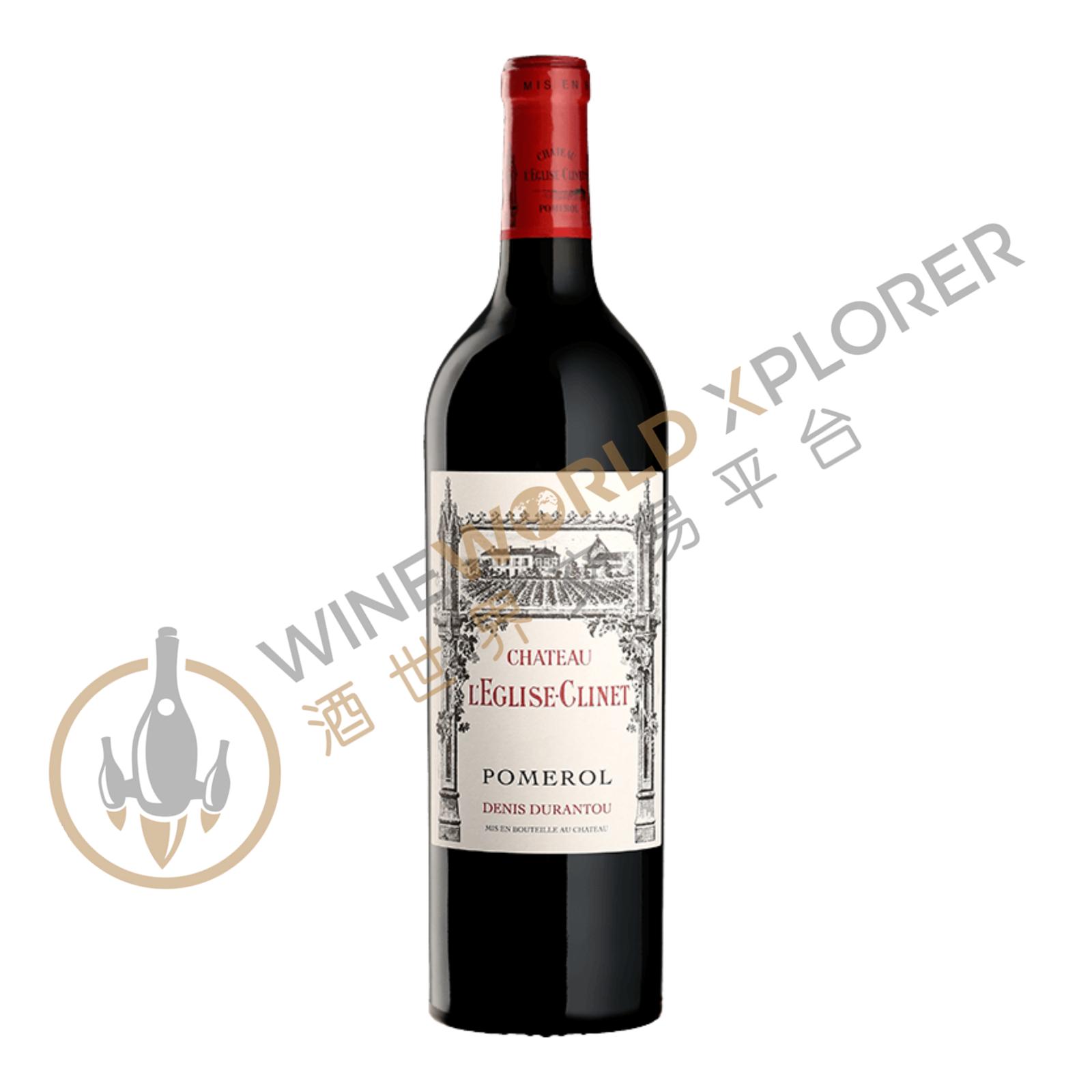
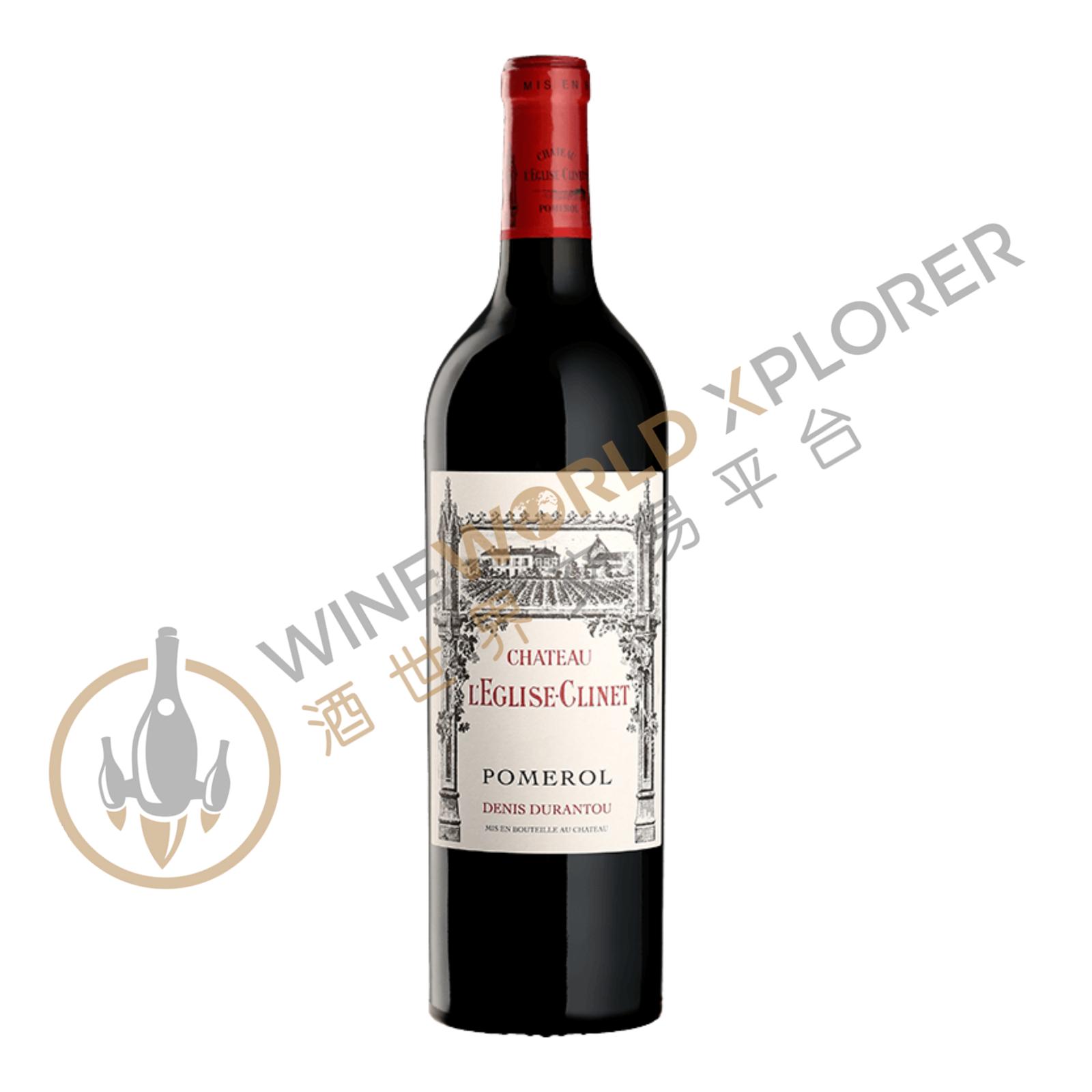
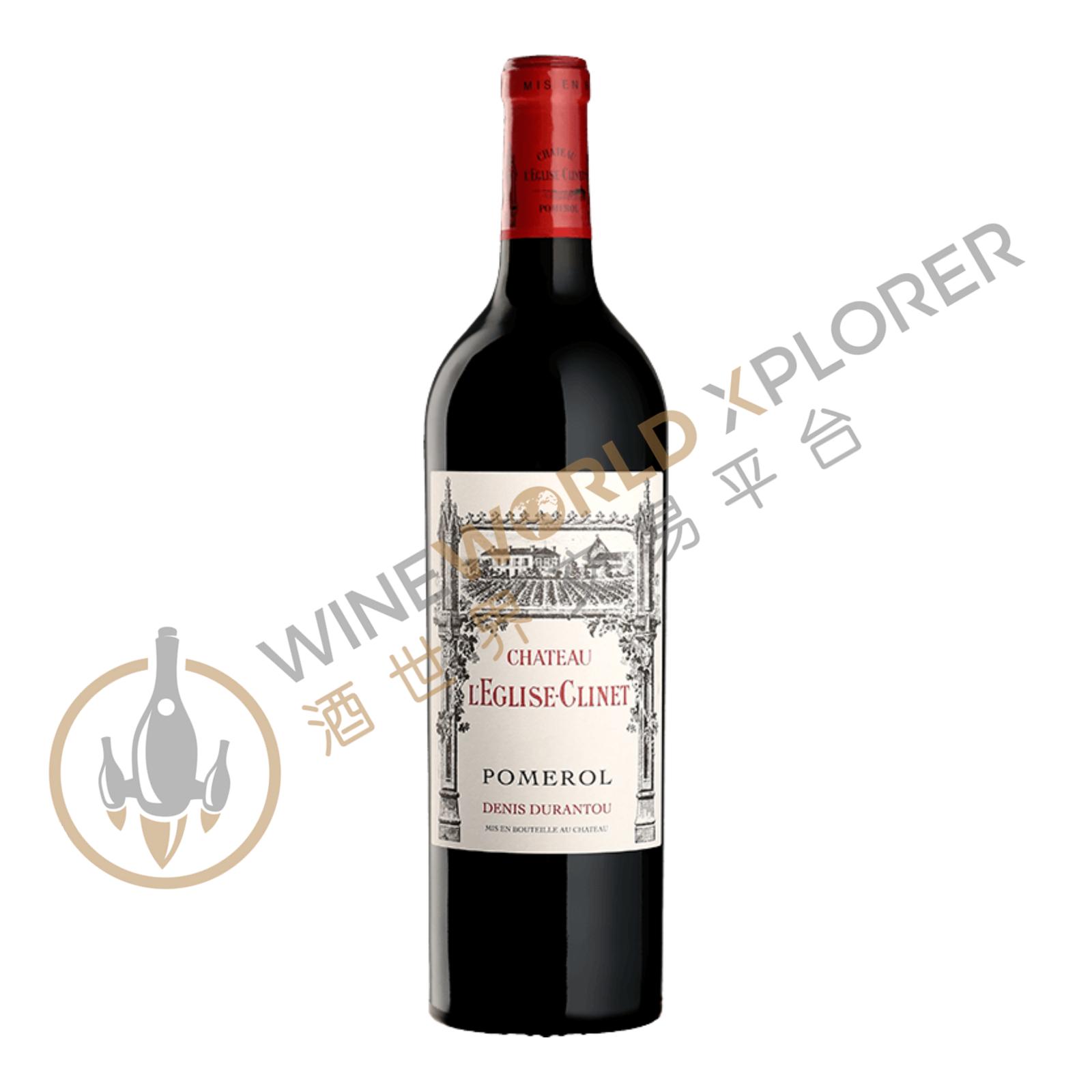
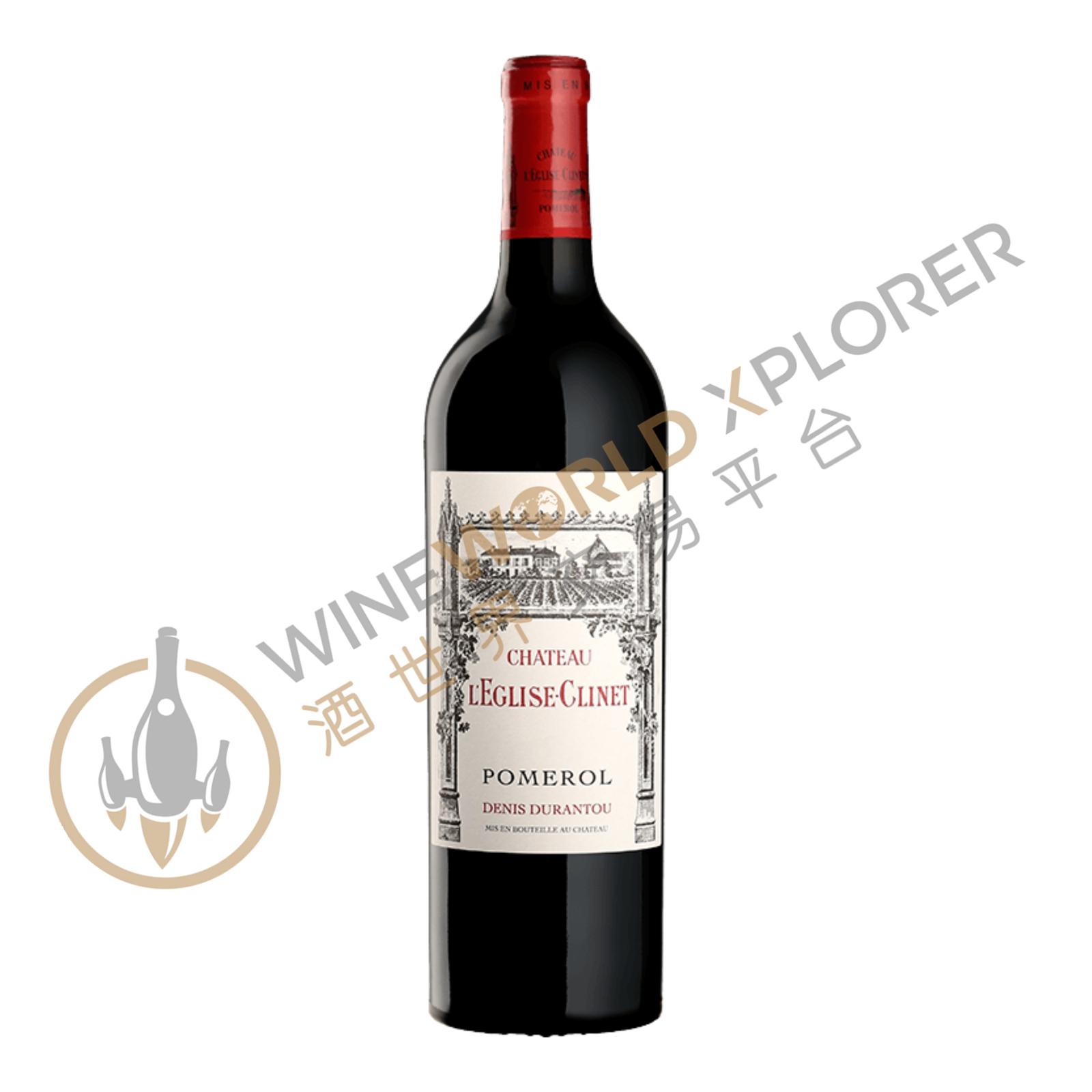
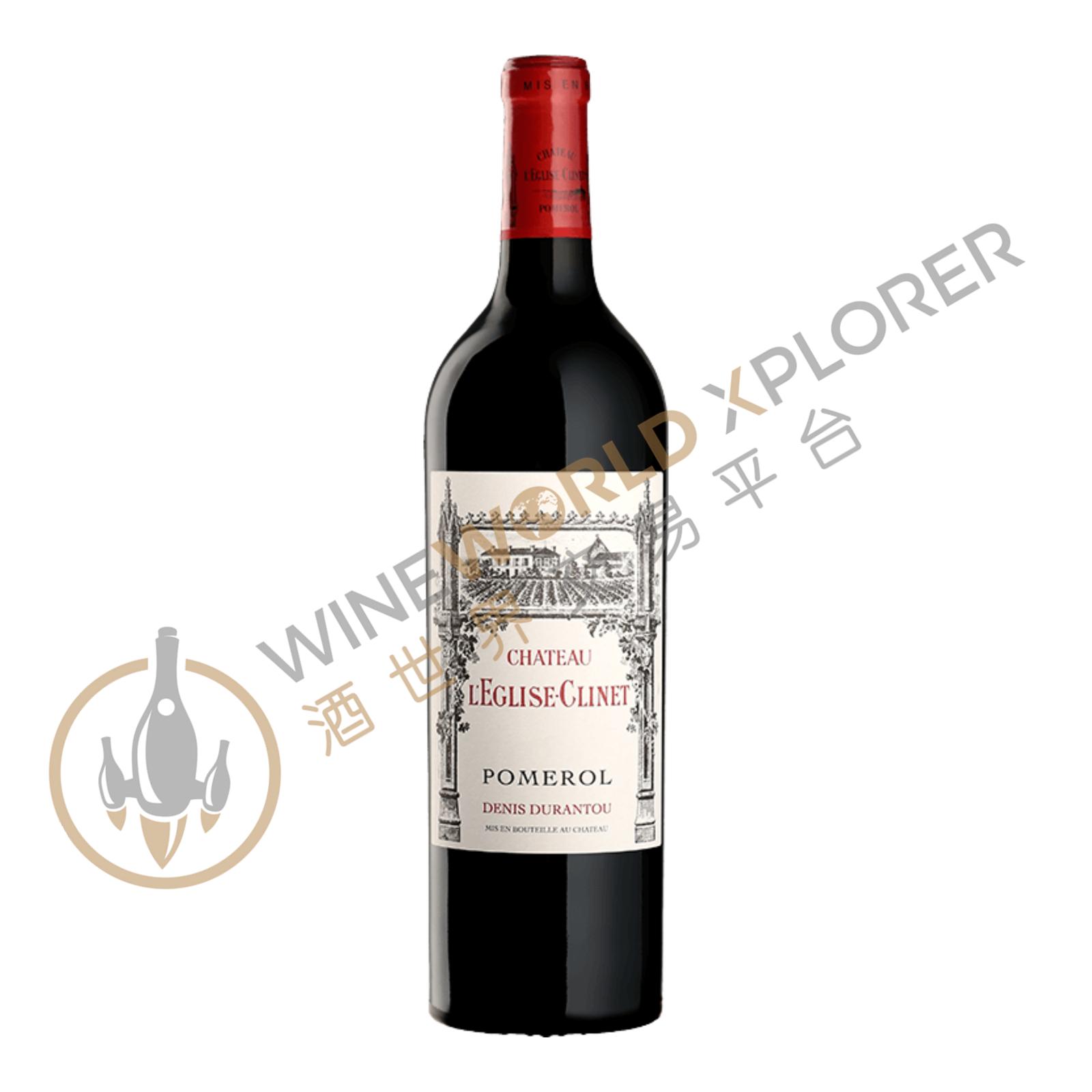
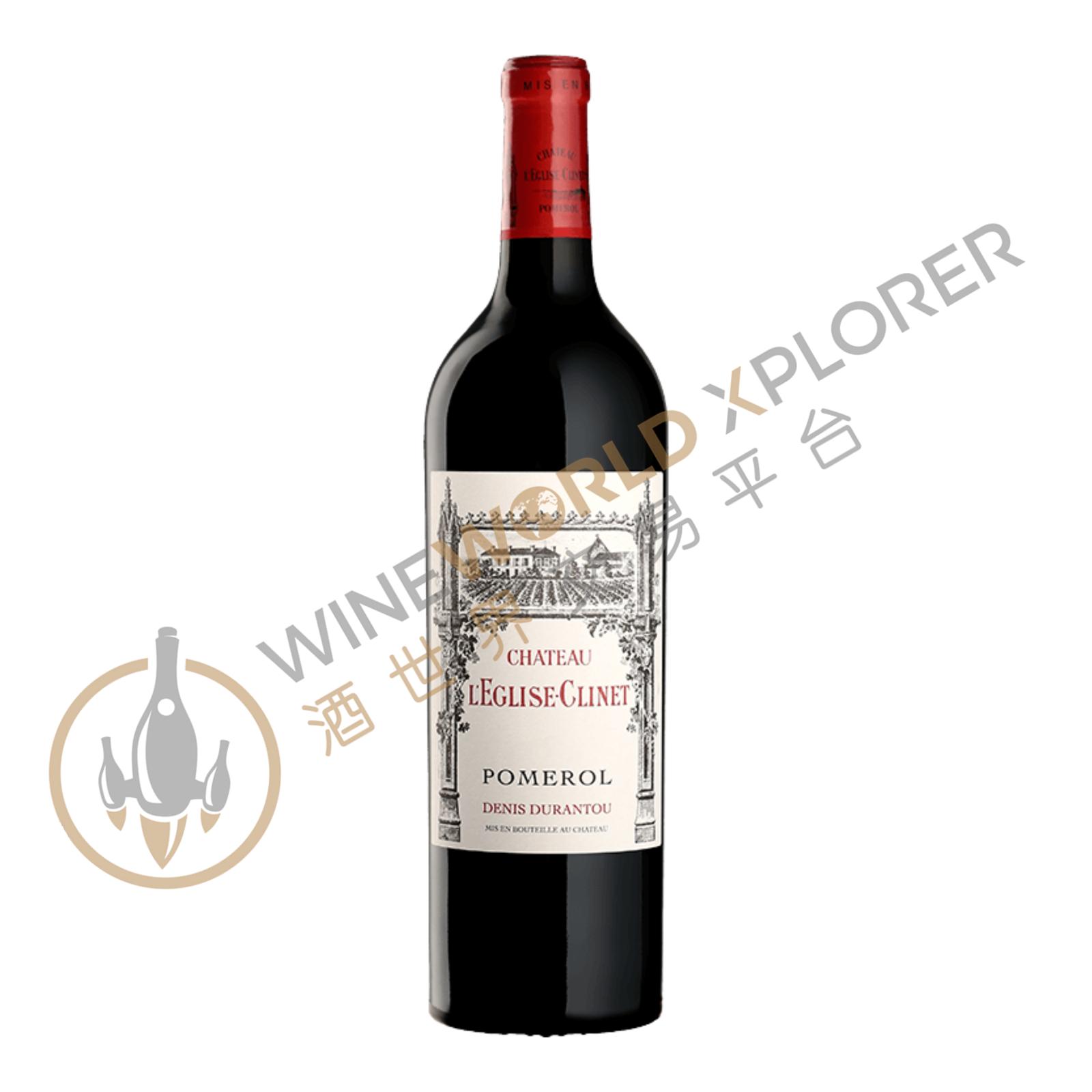
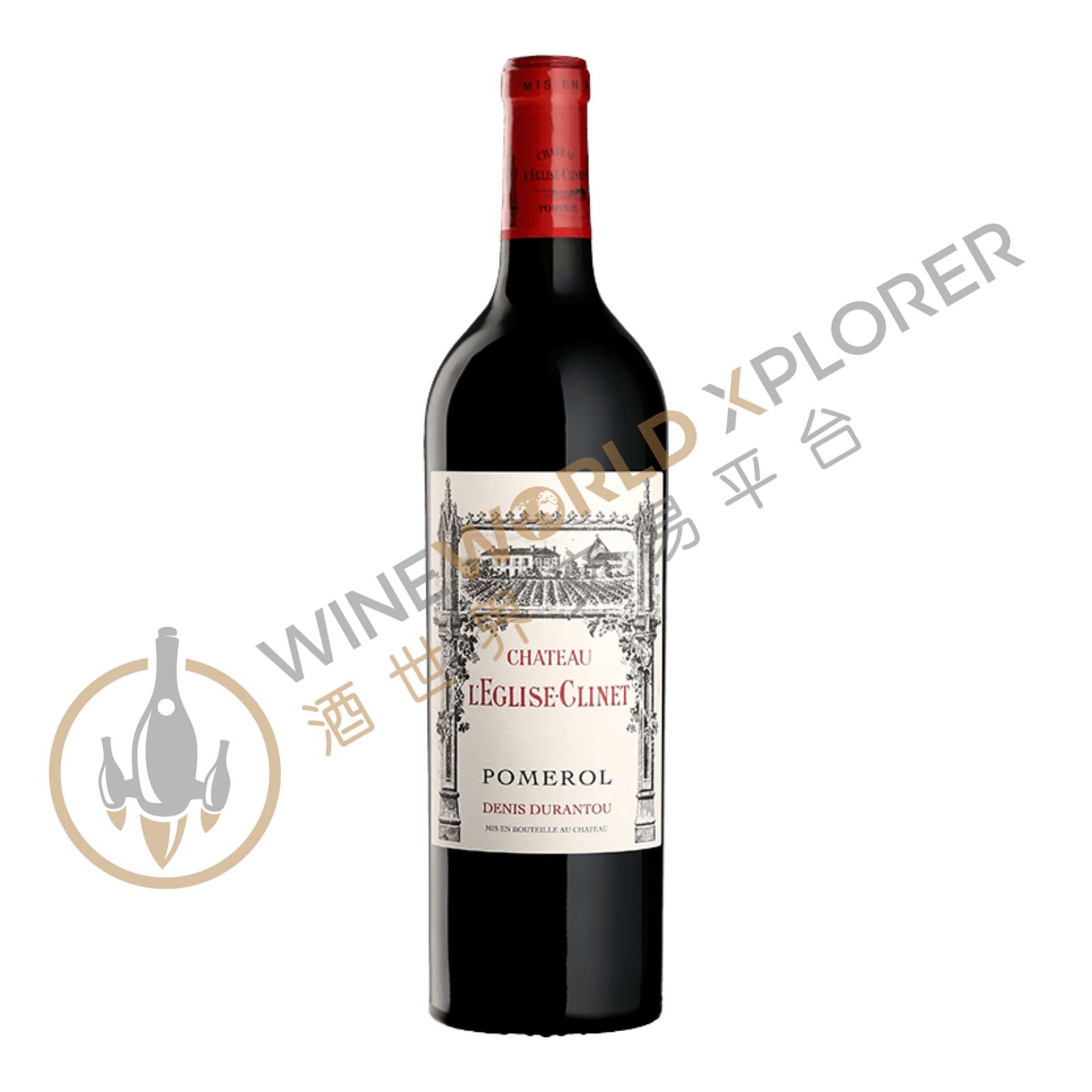
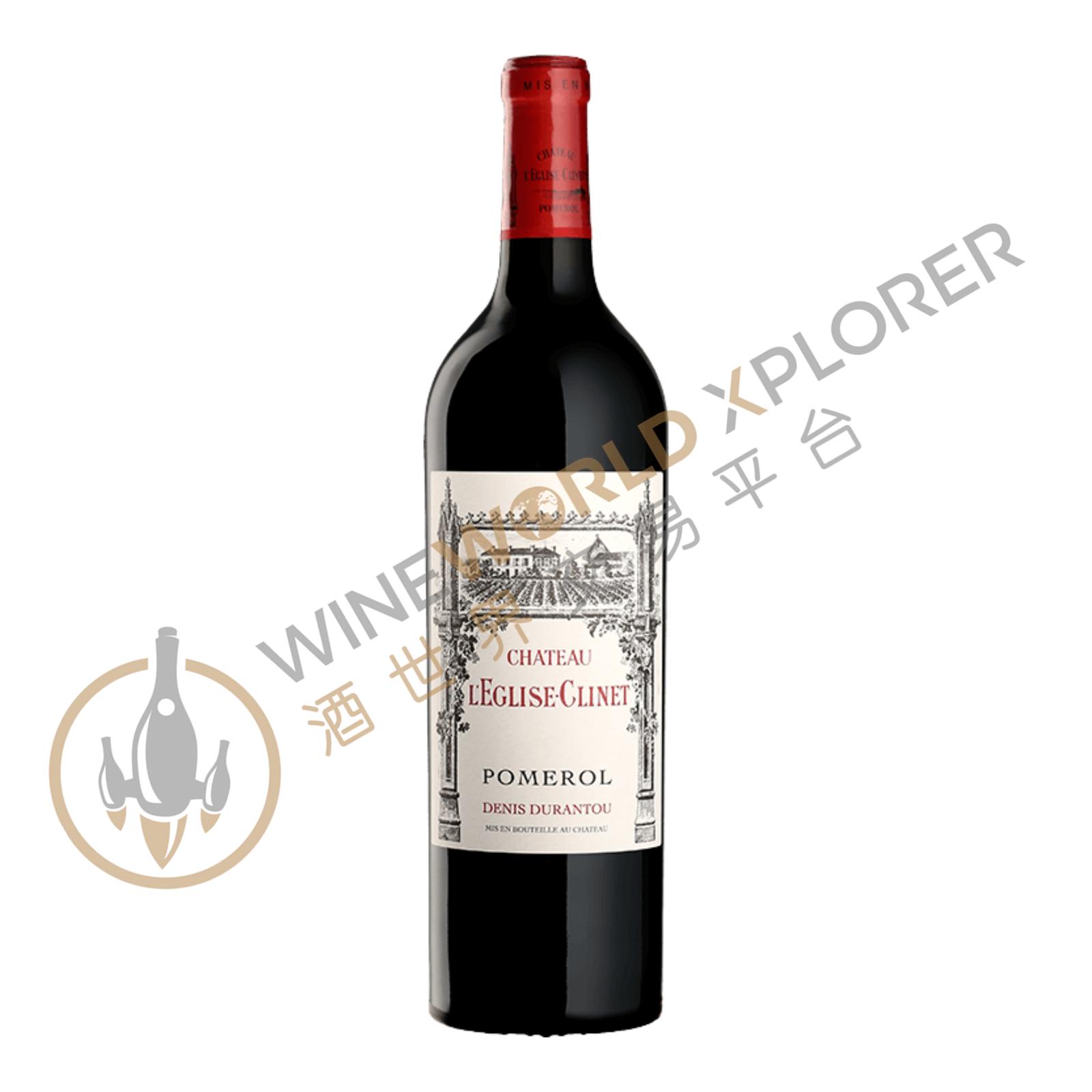
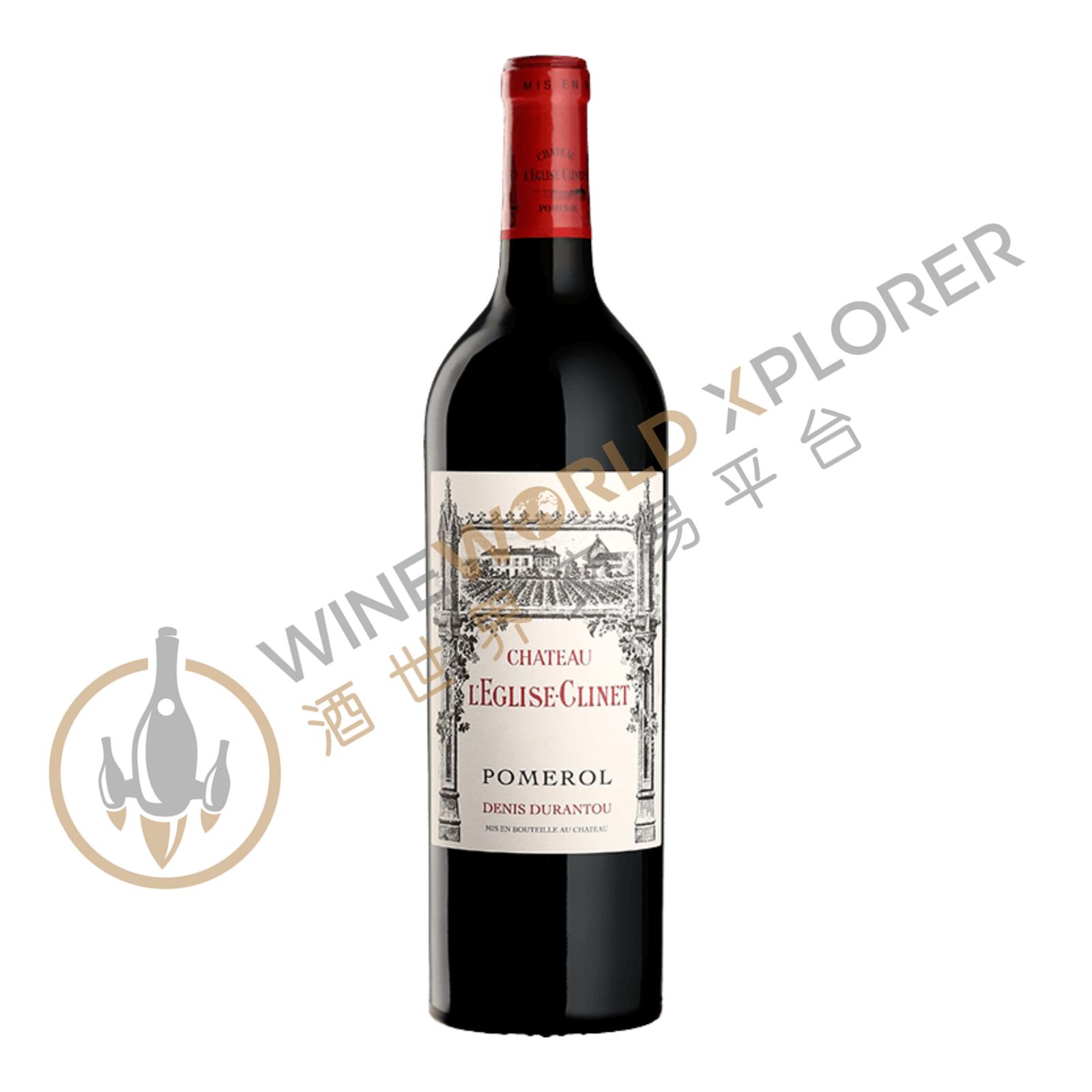
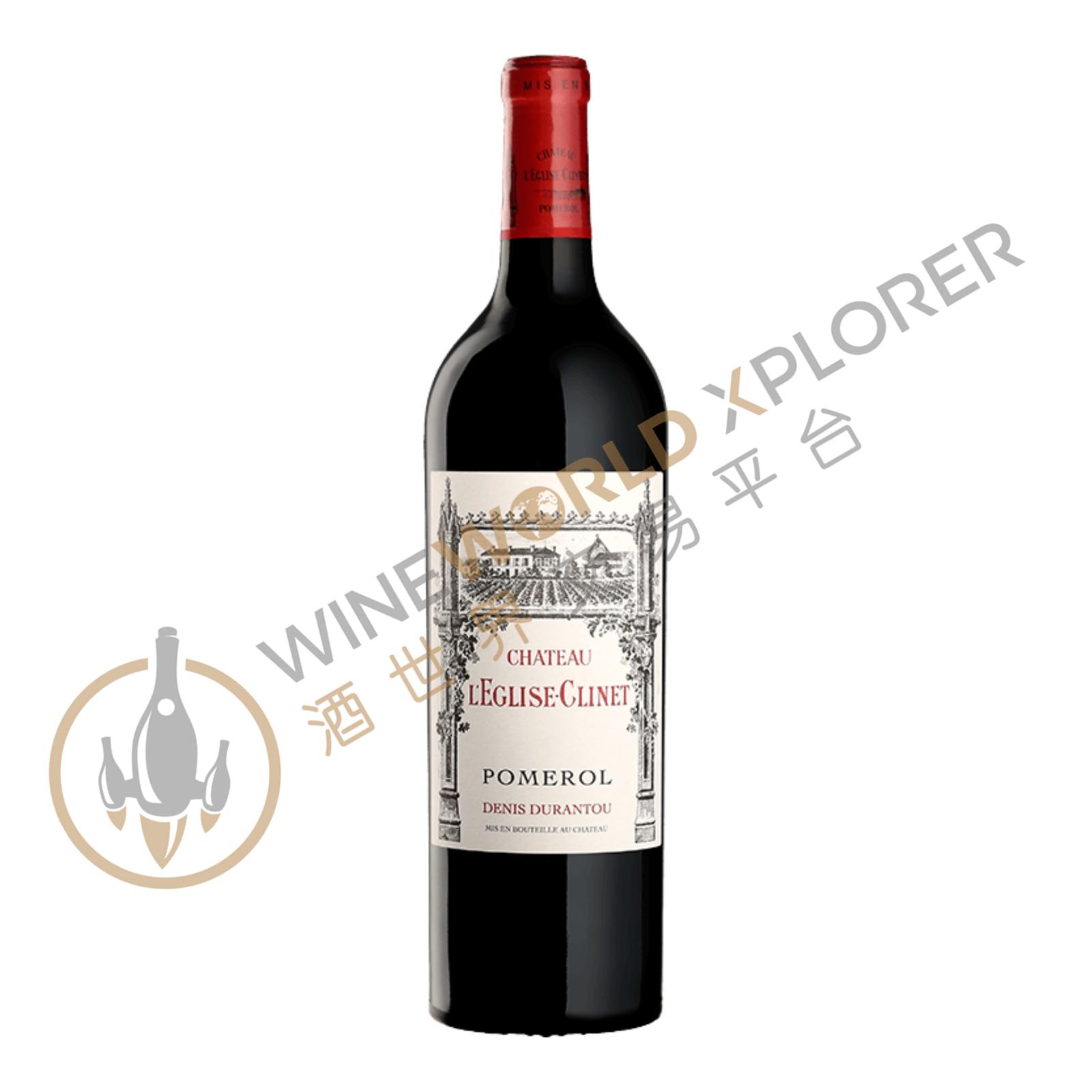
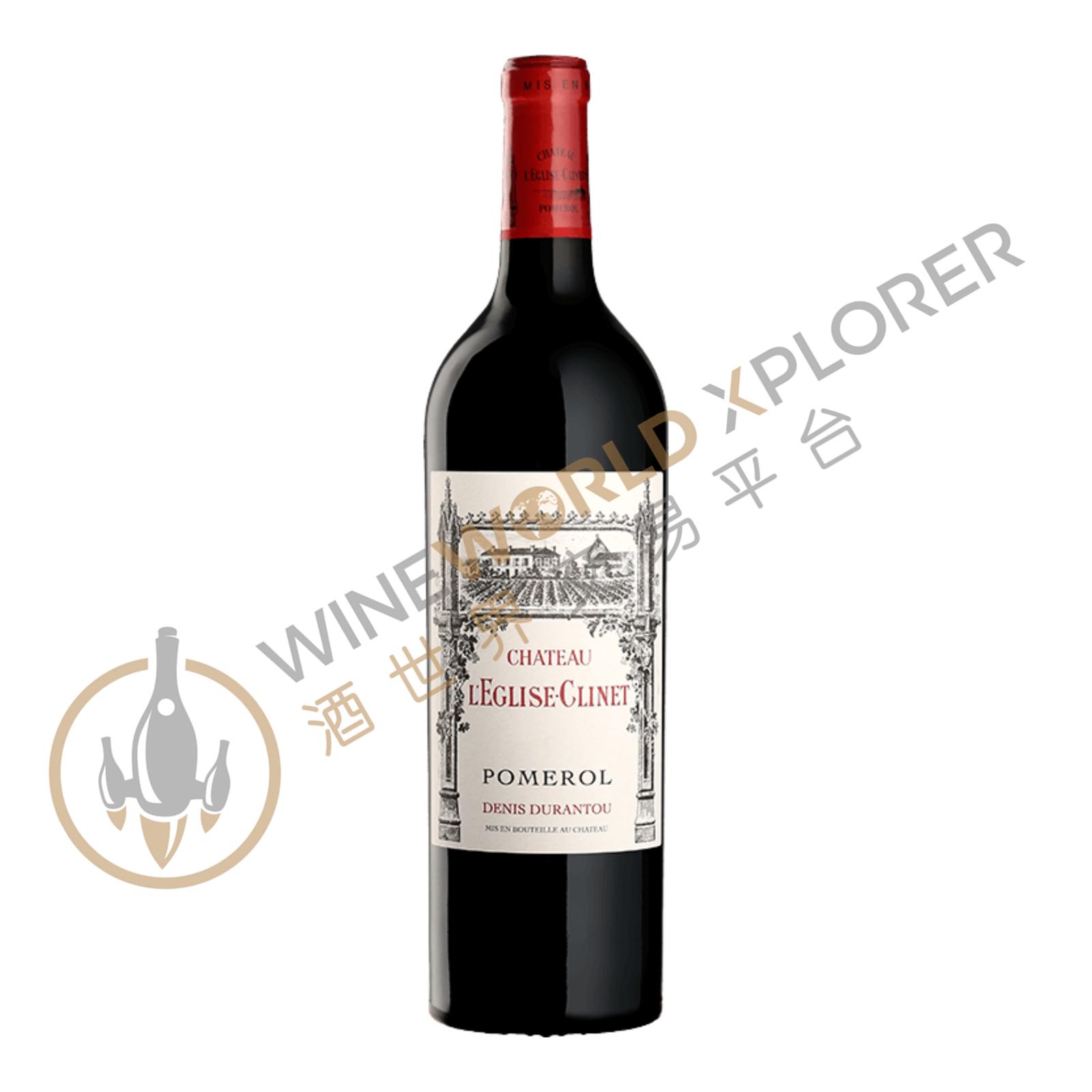
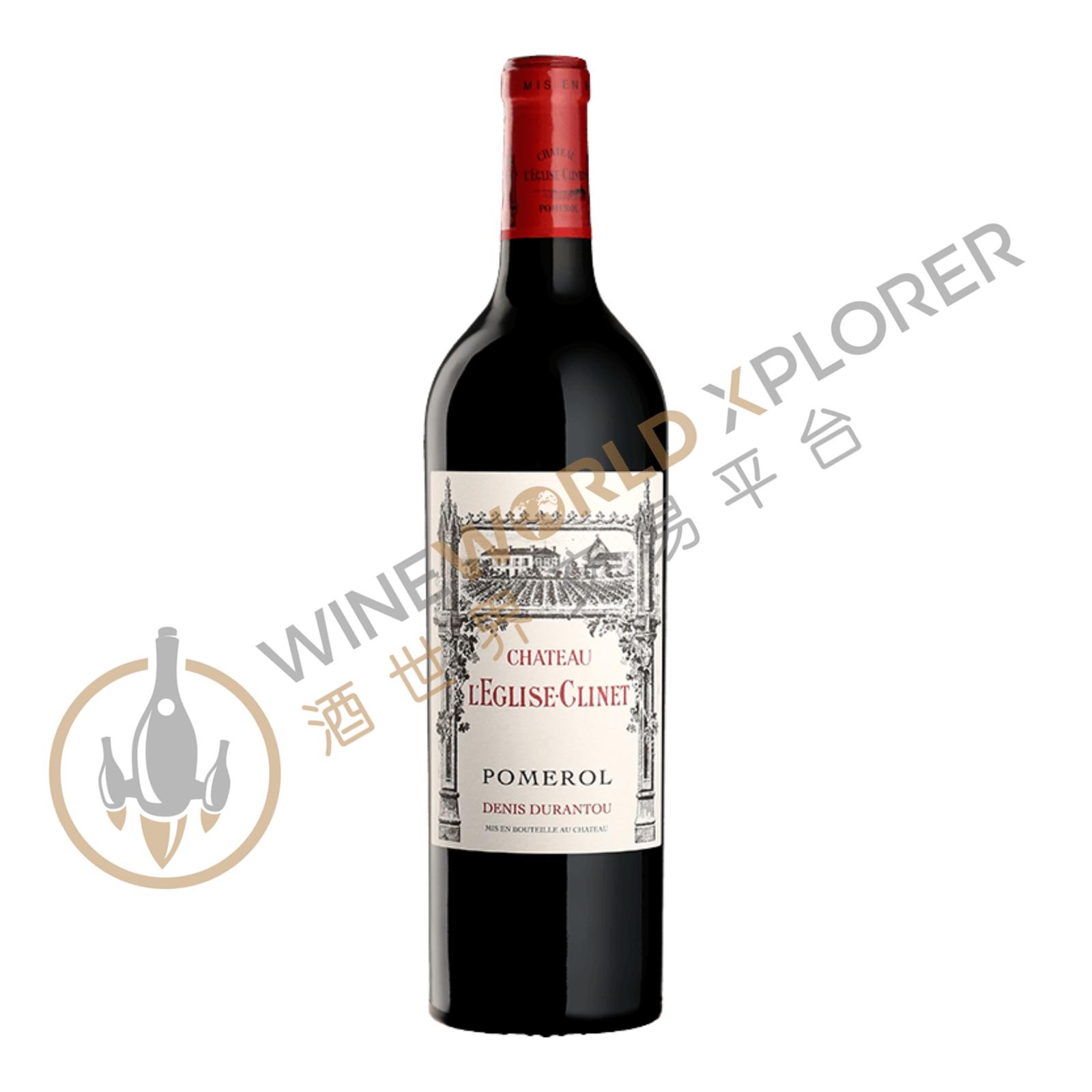
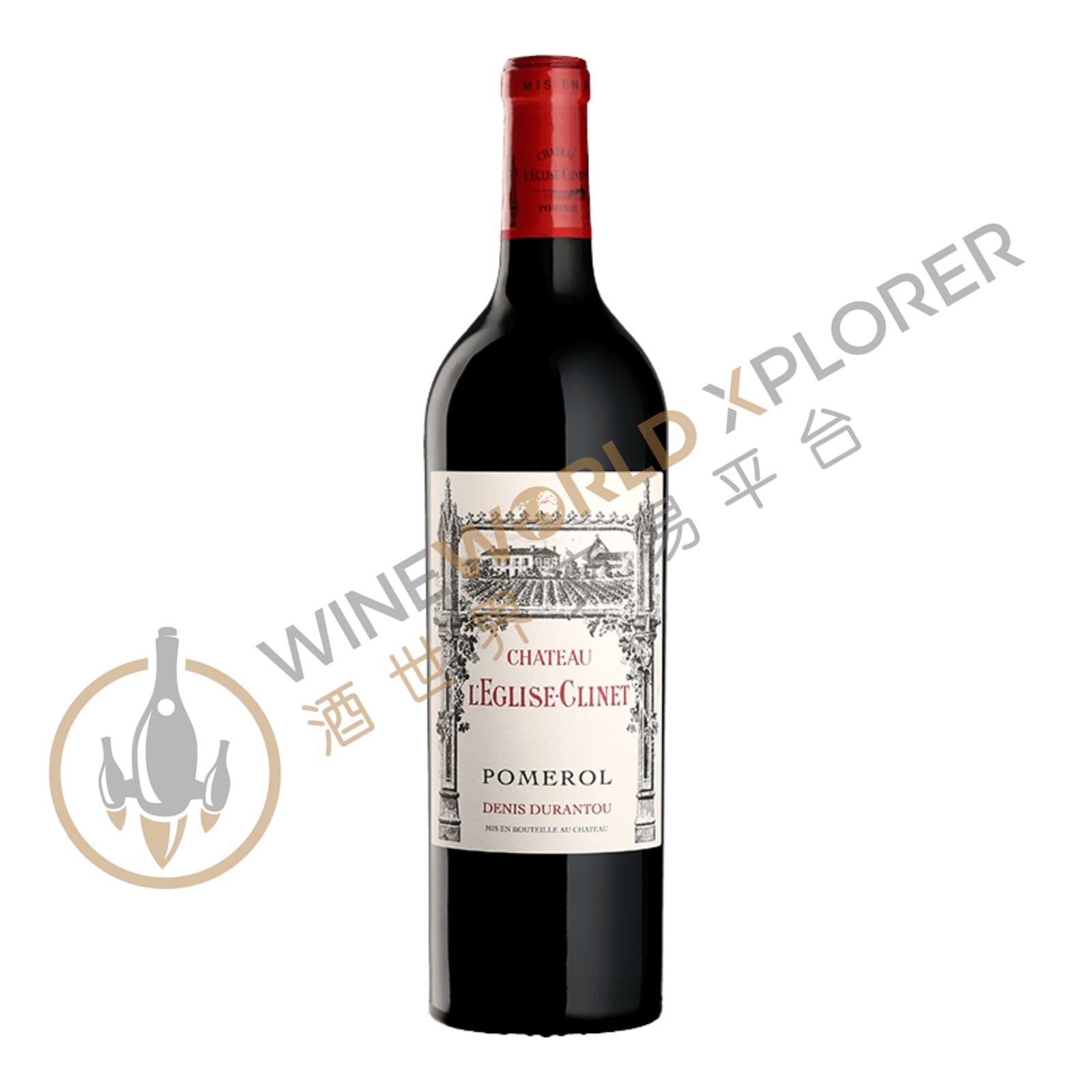
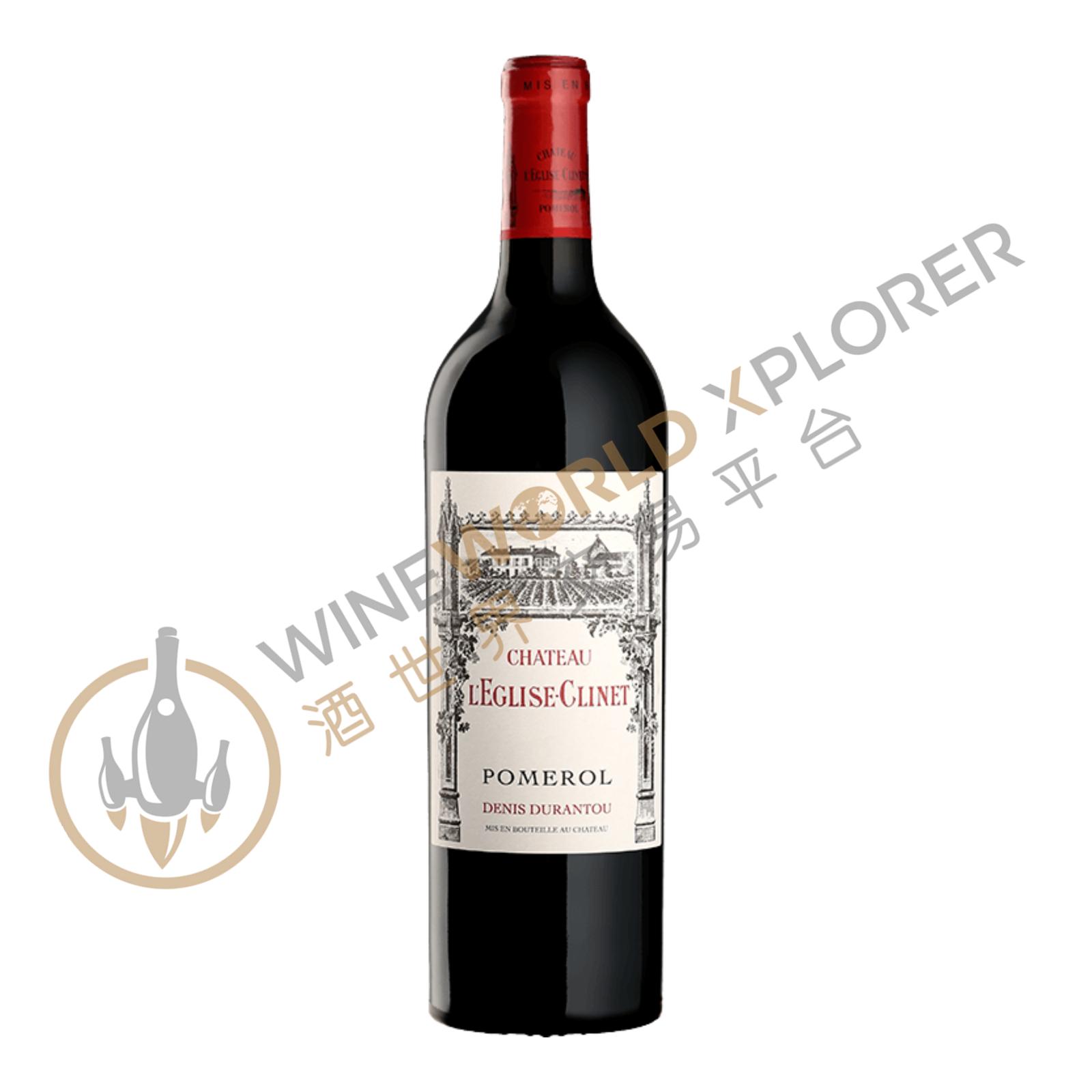
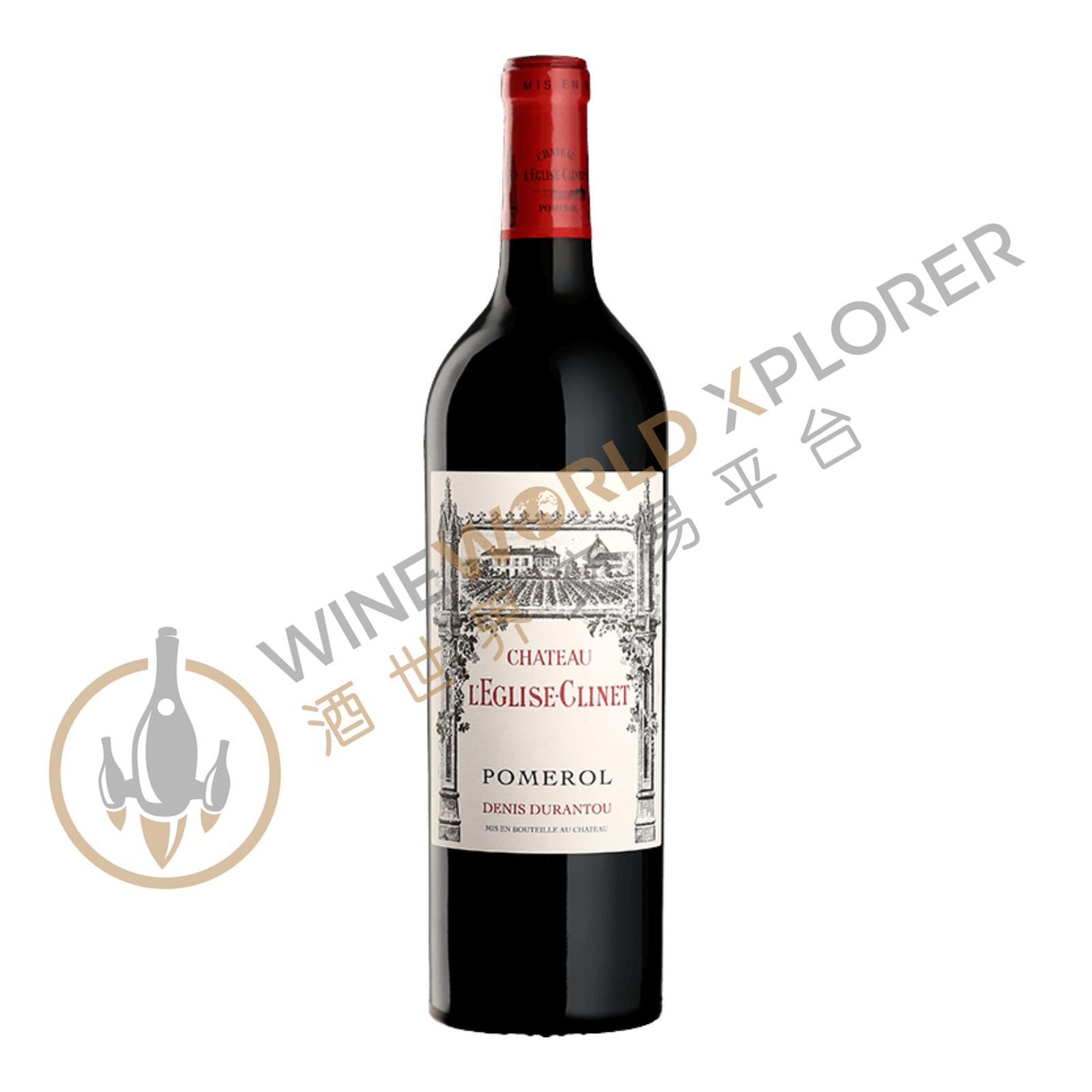
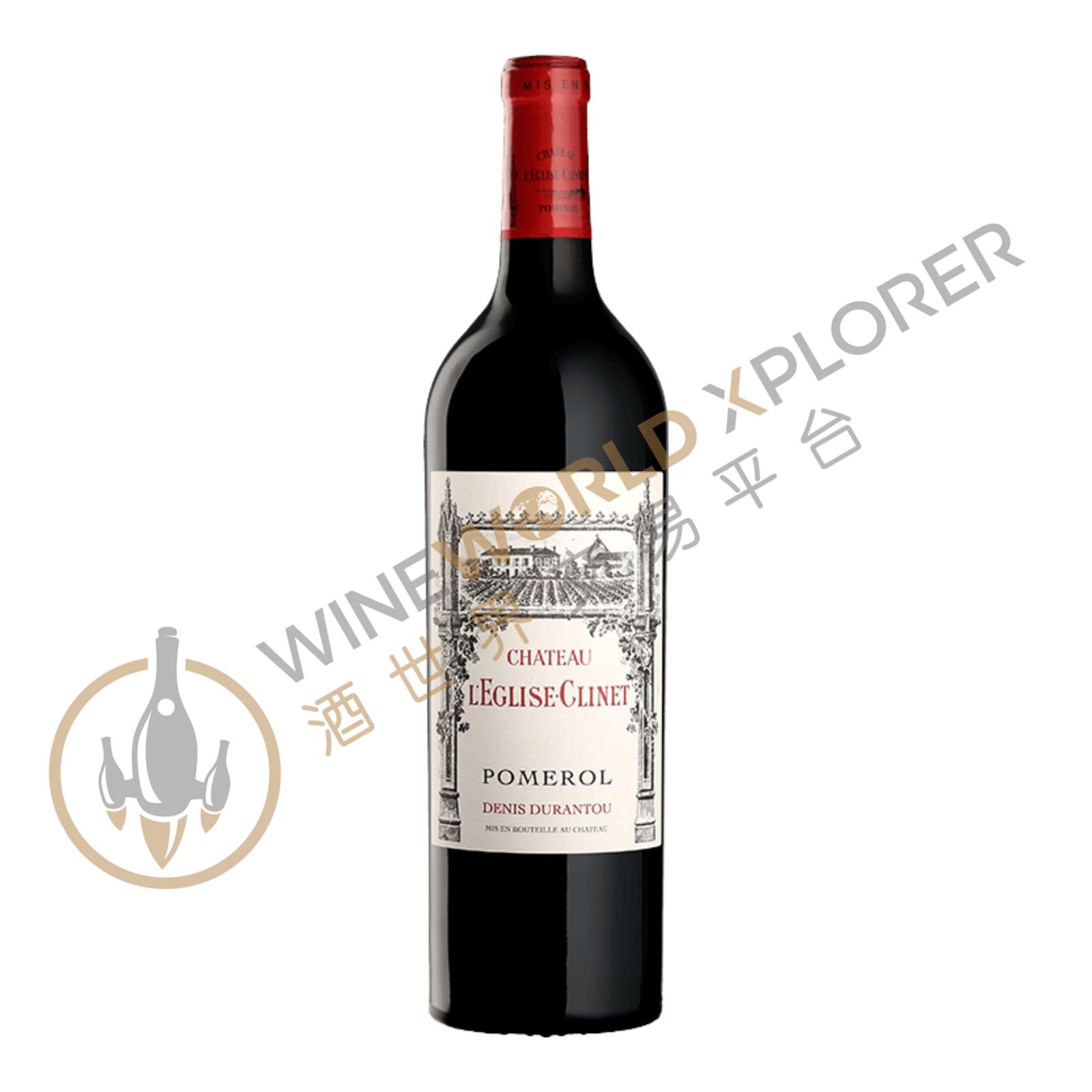
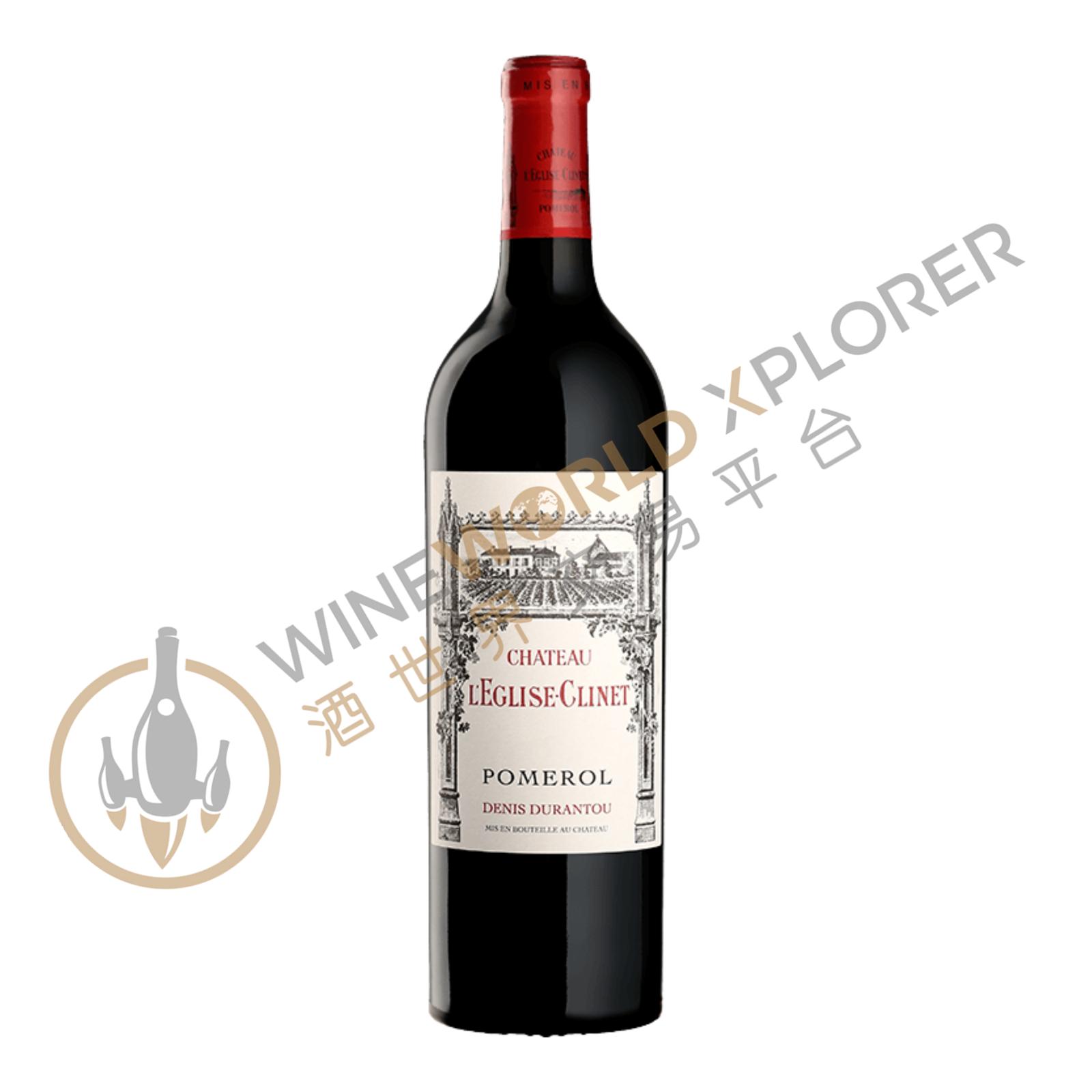
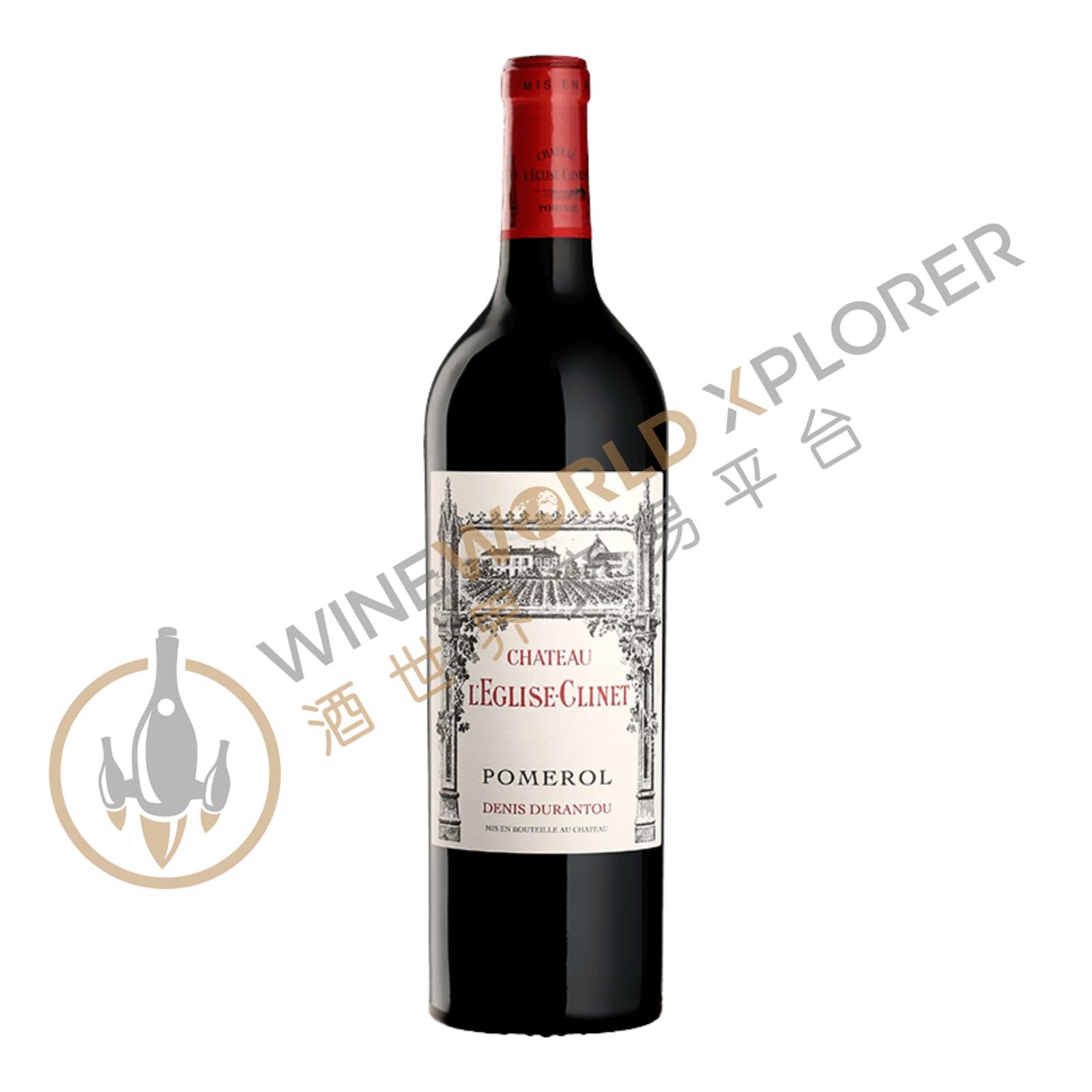
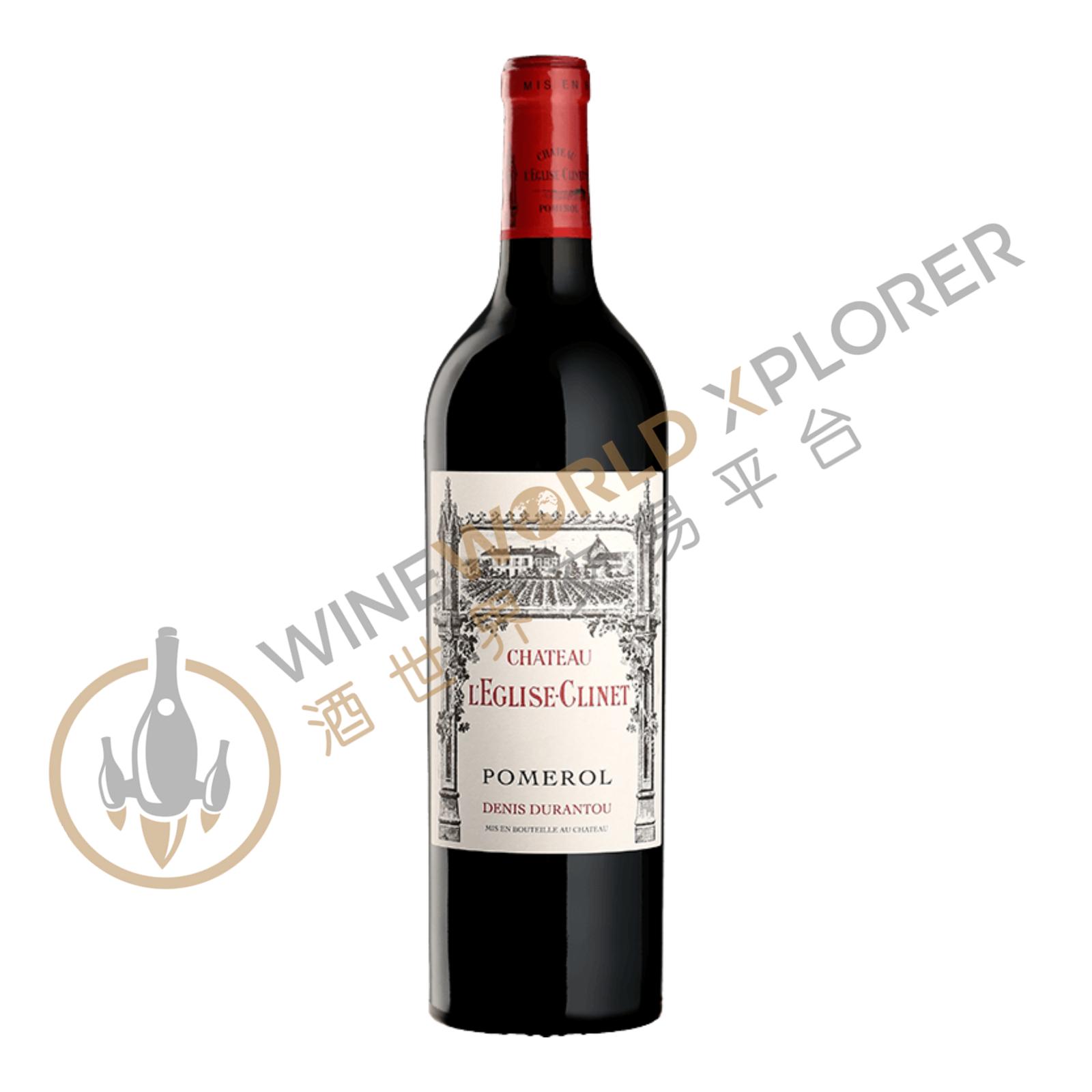
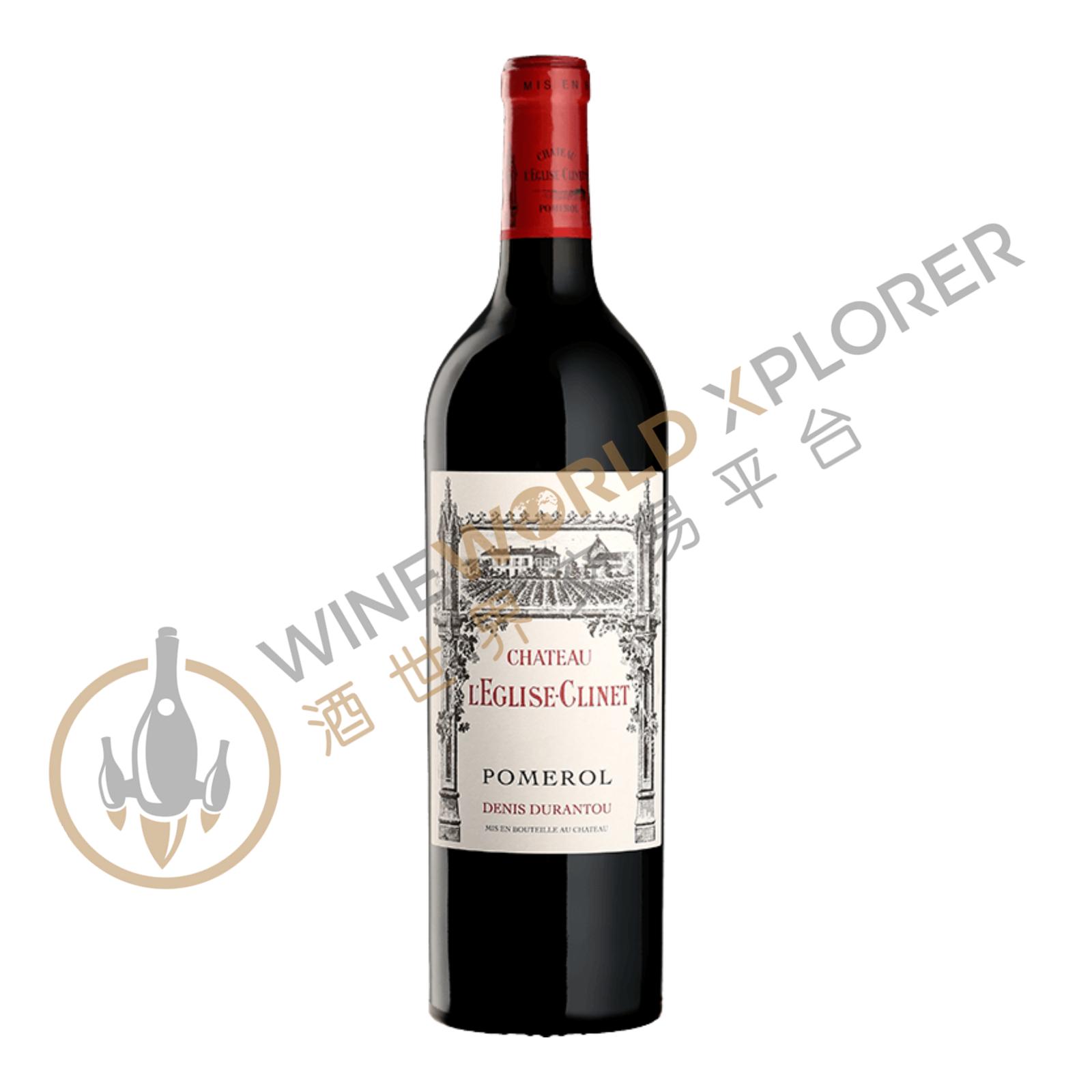
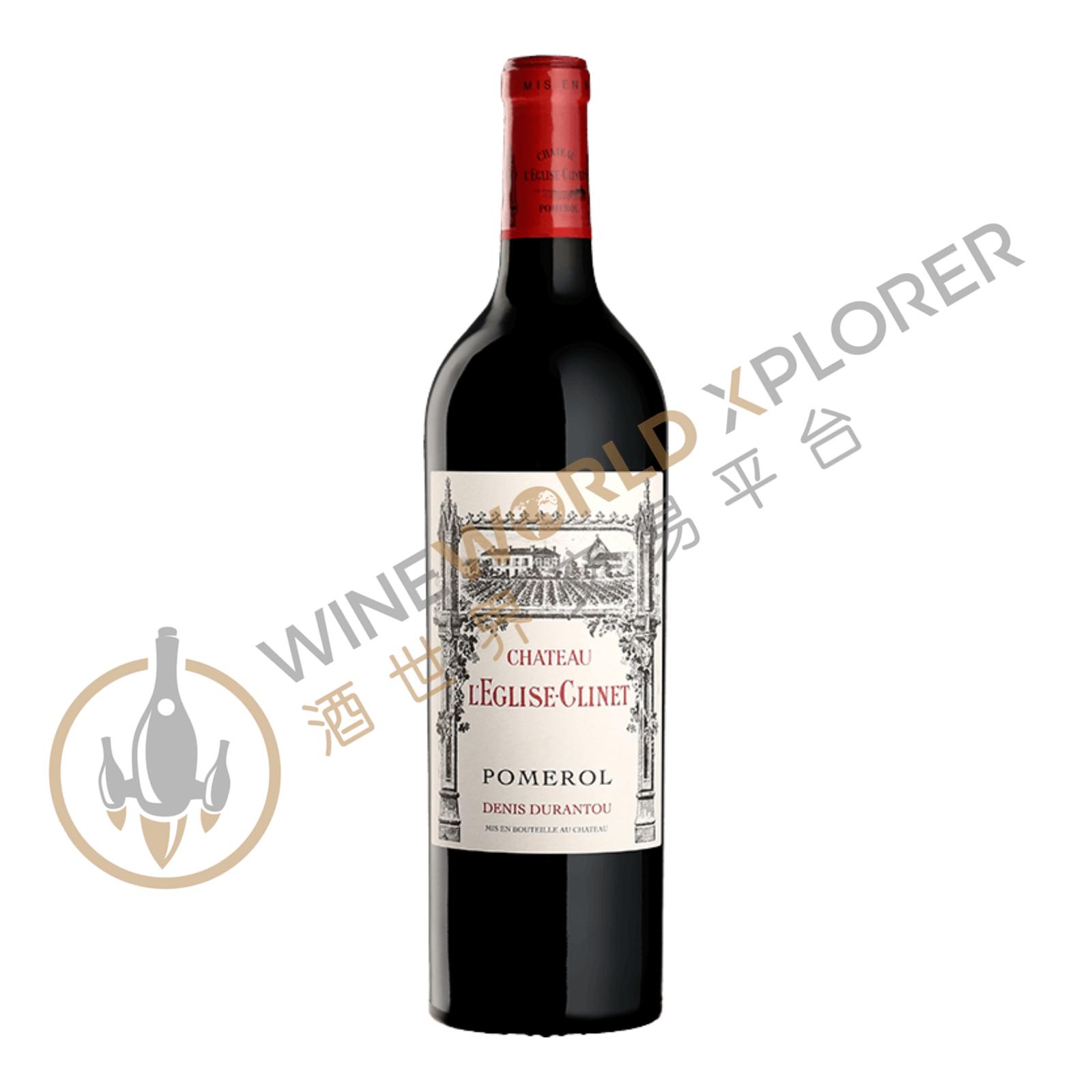
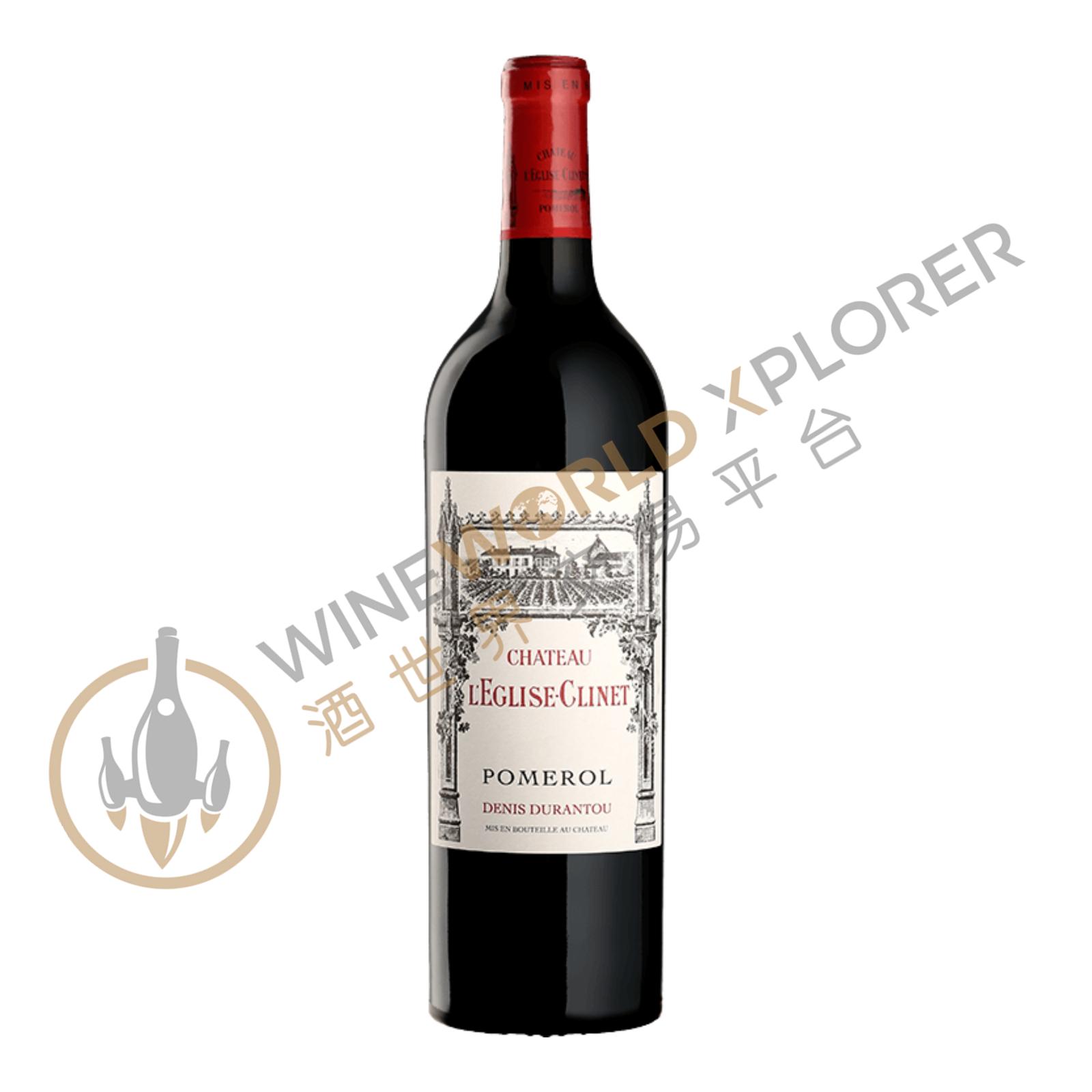
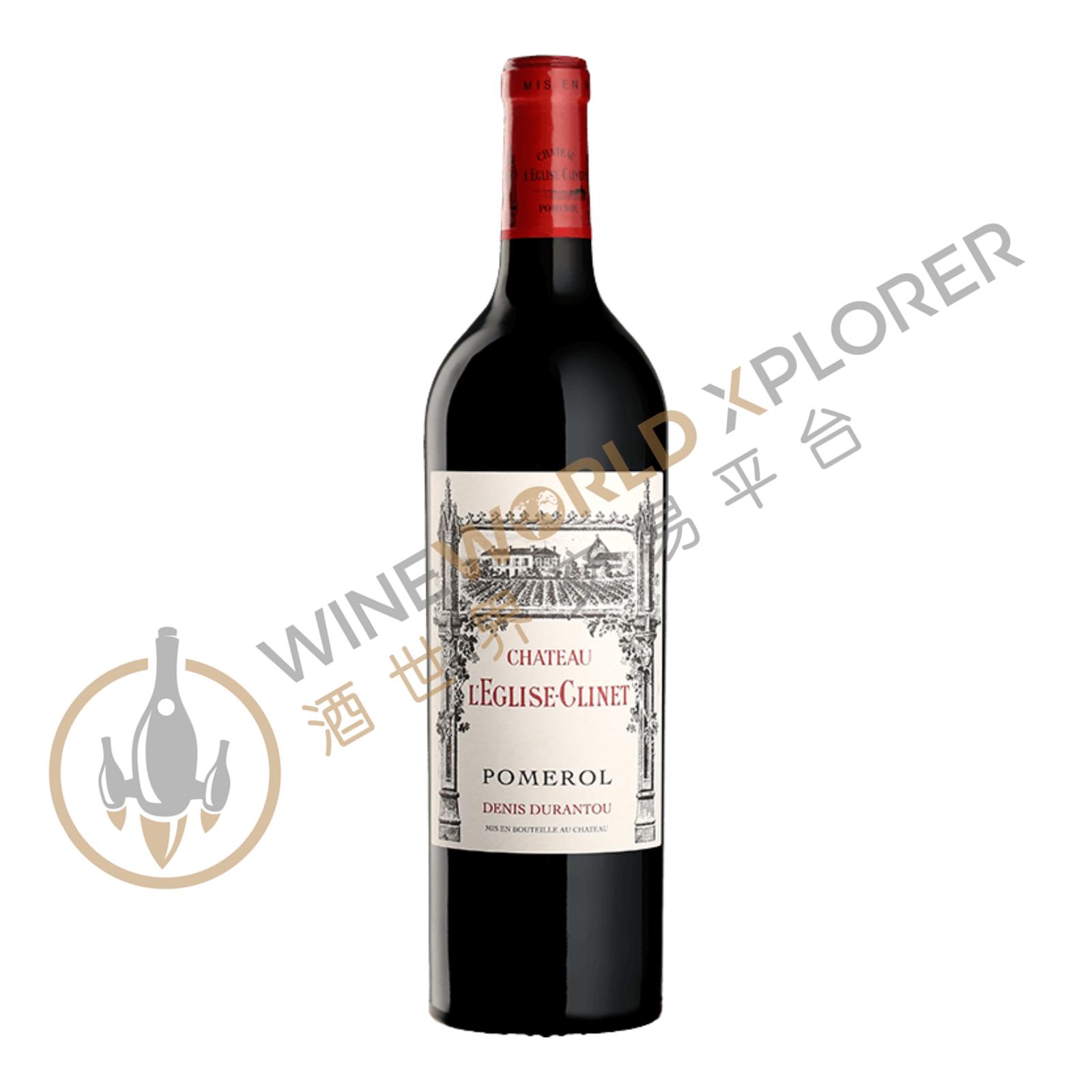
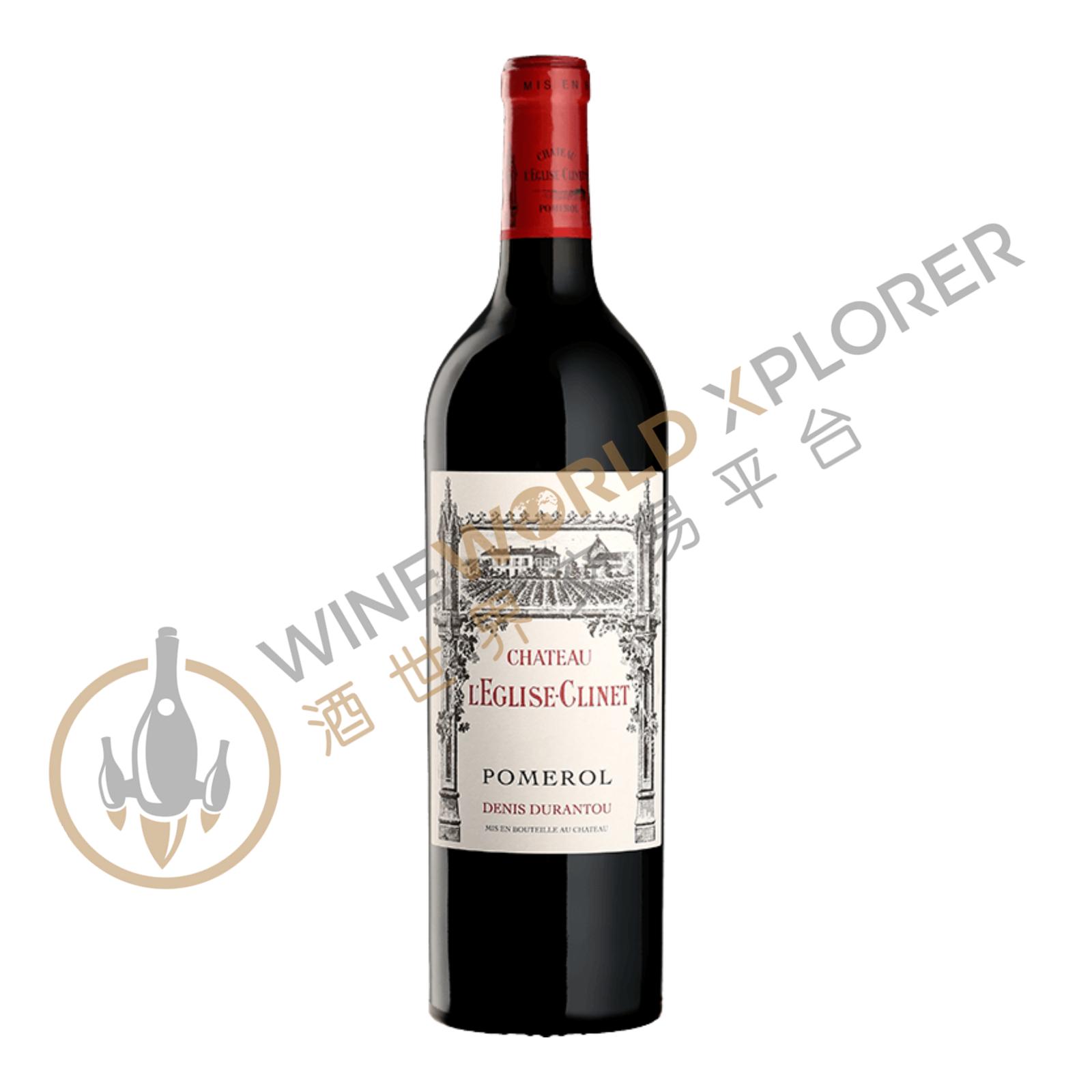
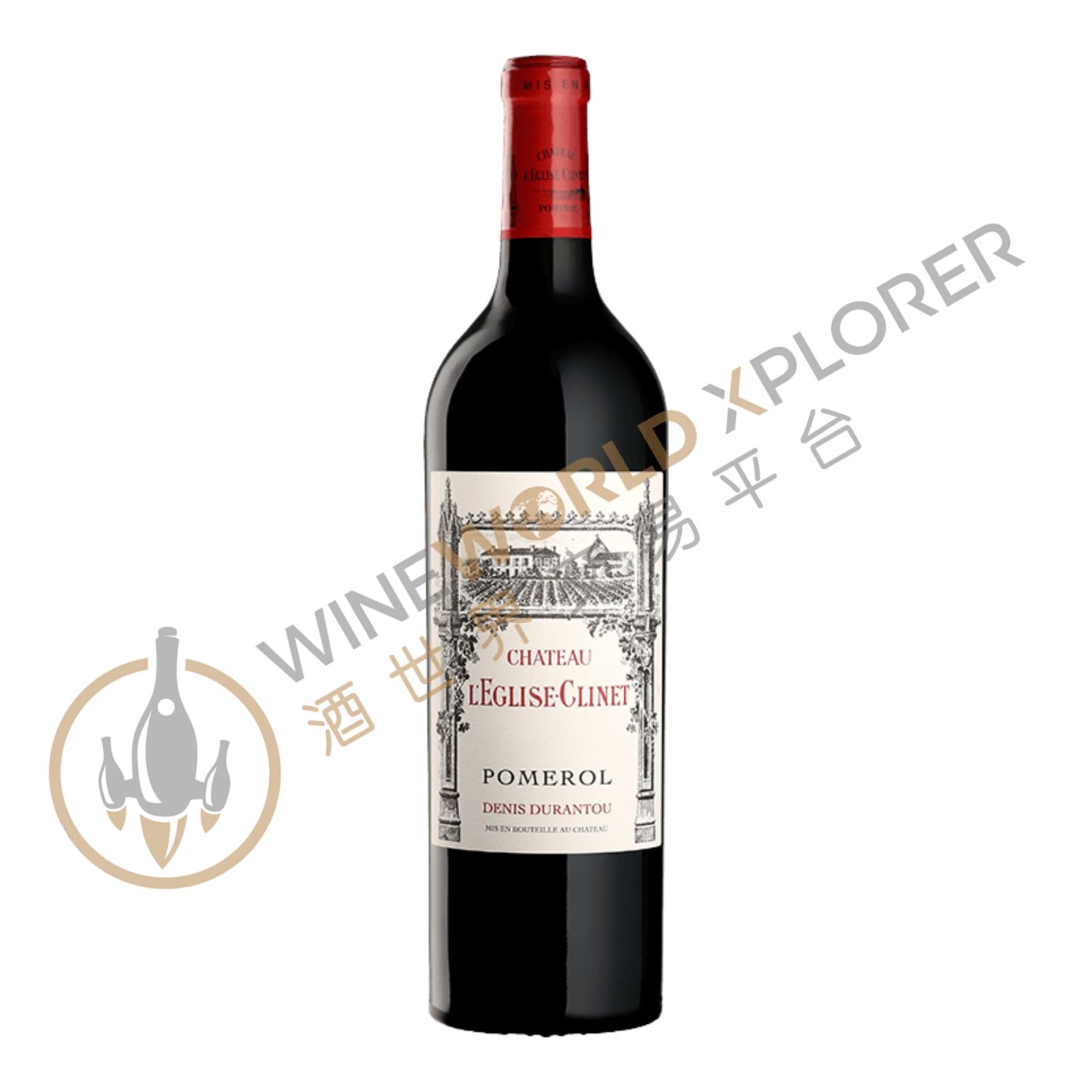
L'Eglise Clinet 1994
 View analysis


Description
Tasting notes

Reviewed by: Neal Martin
A bottle opened on Christmas Eve after Denis Durantou urged us to open it sooner rather than later! He need not have panicked. A deep garnet core with thin dark brick rim. A lovely, very earthy nose with touches of hot bricks, roasted meats and a touch of wild mint that becomes stronger with aeration. The palate is medium-bodied with good acidity, comparatively simple to other vintages and yet very well balanced, very natural. Smooth texture, soft landing on the Cabernet Franc dominated finish. Just a lovely Pomerol not to get all cerebral over, but just to sit back and enjoy. Drink now-2012. Tasted December 2007.
Reviewed by: Neal Martin
Tasted at 28-50 restaurant at the 1994 dinner. I have never been a huge fan of this vintage. It has a very foursquare, tertiary nose with very little fruit. The Cabernet Franc seems quite pronounced, offering potent green pepper aromas, but overall the aromatics lack vigour. The palate is medium-bodied and very conservative. Compared to the pedigree of the wines Denis makes today, it seems a little enervated and cuts away snootily on the finish. Drink now-2014. Tasted November 2011.
Reviewed by: Robert M. Parker, Jr.
This 1994 continues to demonstrate that it is a likely candidate to surpass the estate's beautiful 1990 as the finest wine produced at L'Eglise-Clinet since 1985. The opaque purple color is followed by impressively intense, jammy aromas of black fruits, truffles, underbrush, and subtle new oak. Sexy and rich, with low acidity, an opulent texture, and a stunning concentration of ripe fruit, all crammed into a well-built, multi-layered, fleshy wine, this brilliant effort should drink well when released, as well as over the next 15-18 years. All of the wines in this segment were tasted between March 19 and March 28 in Bordeaux. Most of the important wines from both the 1994 and 1995 vintages were tasted three separate times during my ten-day stay in Bordeaux.
Reviewed by: Robert M. Parker, Jr.
This is the finest L'Eglise-Clinet made since the estate's exceptional 1985. The wine possesses an impressive saturated purple color, super aromatics in the cassis-scented nose, wonderfully succulent, full-bodied, unctuously-textured, expansive, jammy flavors that coat the palate, and a full-bodied, terrific finish. As the wine sits in the glass some tannin emerges from behind the cascade of fruit. Look for this large-scaled, immensely impressive, beautifully balanced L'Eglise-Clinet to drink well in 3-5 years and last for 20 or more.
Reviewed by: Neal Martin
Tasted at the 28-50 Pomerol off-line dinner. This bottle is not as good as the one opened in 2007. Again it has that light, tertiary bouquet with touches of hot bricks and here, a slight algeous aromas mixed with dried herbs. There are traces of mint but not as noticeable as before. The palate is medium-bodied, tannic and drier than expected. Very masculine in tune with the vintage, the Cabernet Franc still dominant on the dry finish that fades quickly. I would pop the cork sooner rather than later. Drink now. Tasted November 2010.
Reviewed by: Robert M. Parker, Jr.
L'Eglise-Clinet is one of the best-situated vineyards in Pomerol, and proprietor/winemaker, Denis Durantou, is one of the most meticulous producers in Bordeaux. The vineyard is composed of tracts of very old vines (one planted in 1930). The wine, which is made from extremely small yields of two tons per acre, is normally a blend of 80% Merlot and 20% Cabernet Franc, all of it aged in 60% new oak casks. The 1994 exhibits a saturated dark ruby/purple color, as well as a tight but promising nose of ripe cherries, mulberries, and currants, along with a vague notion of black truffles. Medium to full-bodied, with pure fruit, a layered impression, and stubborn tannin in the muscular finish, this wine is not as charming as the more forward 1993. A larger-scaled, richer wine, the 1994 requires 5-6 years of cellaring. An impressive 1994. Anticipated maturity: 2002-2022.
About the Producer
Château l'Eglise-Clinet is located in the Pomerol appellation on the right bank of Bordeaux, France, and is one of the most famous wineries in the Pomerol region. Château Clinet Chapel has a long history, dating back to the late 19th century. The Rouchut family, who ran Chateau Clos l'Eglise at the time, and the Constant family, who ran Chateau Clinet, decided to make wine together. Until 1950, the Bordeaux wines produced by these two families were sold under the name Château Claregelis. It was only after 1950 that their wines were given their current name, Château Clignet. Later, the Durantou family acquired Château Clignet. However, the owner was not keen on wine at the time and left everything to Pierre Lasserre, the owner of another Pomerol estate. Pierre Lasserre only had to give him half of the estate's income each year. This partnership has continued for 40 years. Today, Denis Durantou, a descendant of the Durantou family, is in charge of the estate. At present, Château Clignet has 5.5 hectares of vineyards. The soils are mainly gravel and clay, some of which are rich in iron. The vineyards of Château Clignet were spared from the 1956 frosts and the vines are on average 45 years old. The vineyard is planted with 85% Merlot and 15% Cabernet Franc at a density of 6,500 vines per hectare. The vineyard is fertilised with an organic fertiliser mix every 5 years. The grapes are hand-picked when they are ripe at Château Clignet. After careful selection and crushing, the grapes are fermented in concrete and stainless steel containers for 15-21 days. After about October, the fermented wine is aged in new oak barrels for a period of 18 months. The main wine of Château Clinet is the Château l'Eglise-Clinet, Pomerol, France. The wines are concentrated and rich, full-bodied, with pure fruit and exotic spice notes, particularly fresh and wonderful, making them unique among Bordeaux wines. In recent years, as the price of the wine has soared, so has the quality. Today, it is in the top tier of Pomerol.
1961(1)1985(2)1989(1)1993(1)
Package Size