Wine Advisor



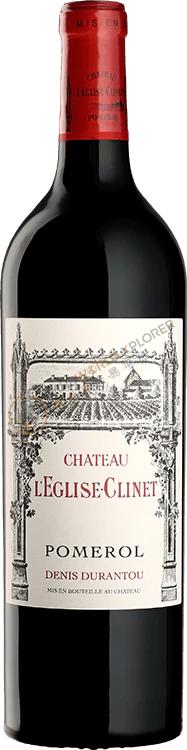
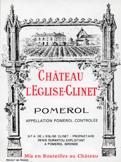
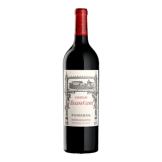
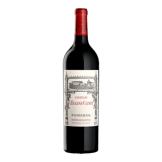
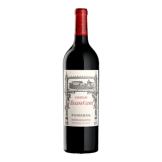
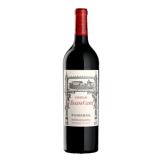
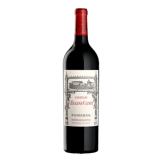
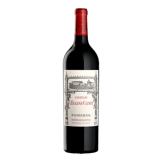
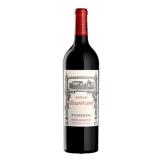
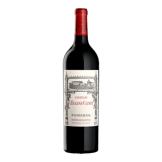
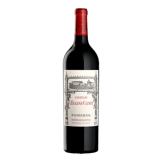
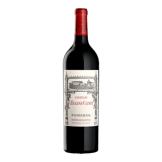
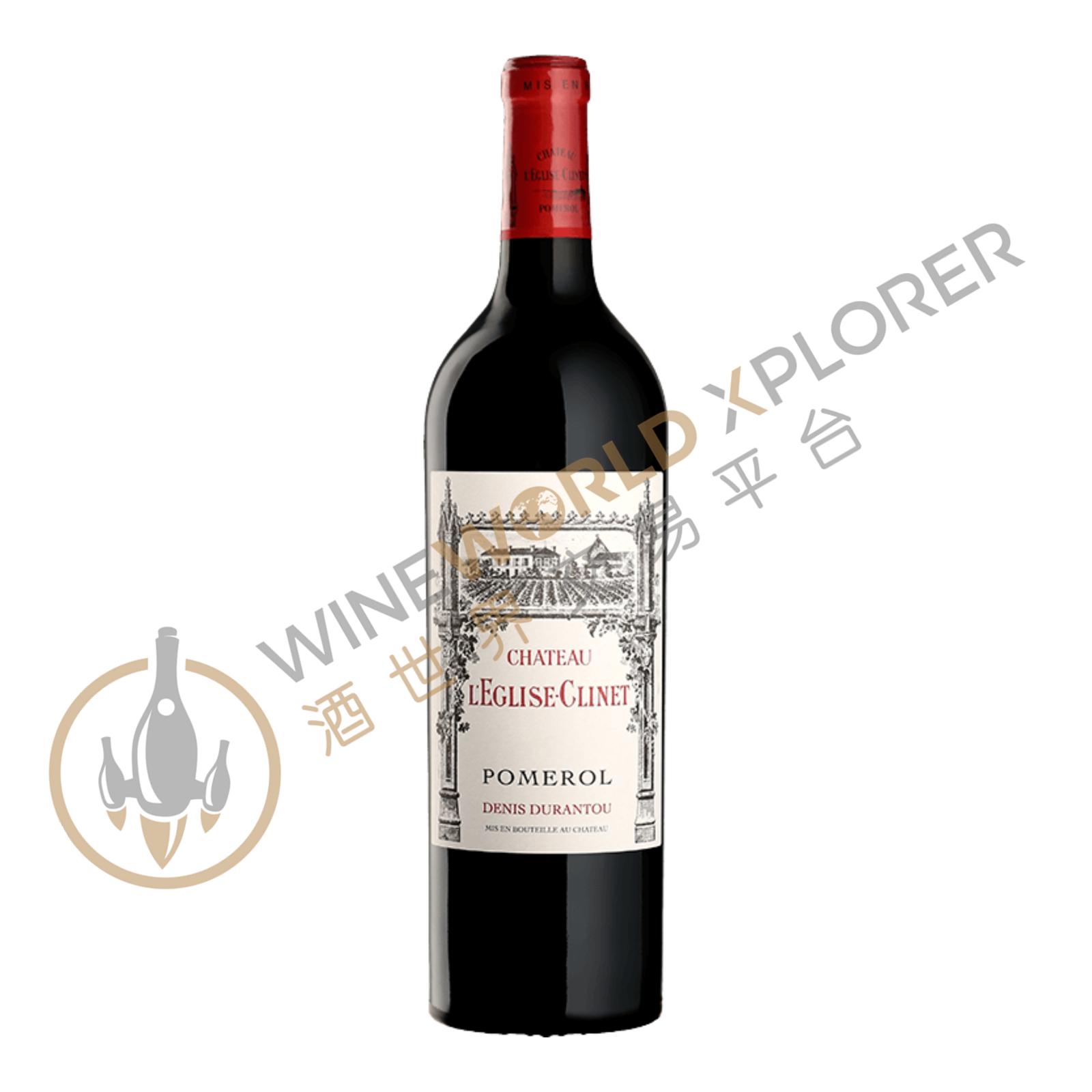
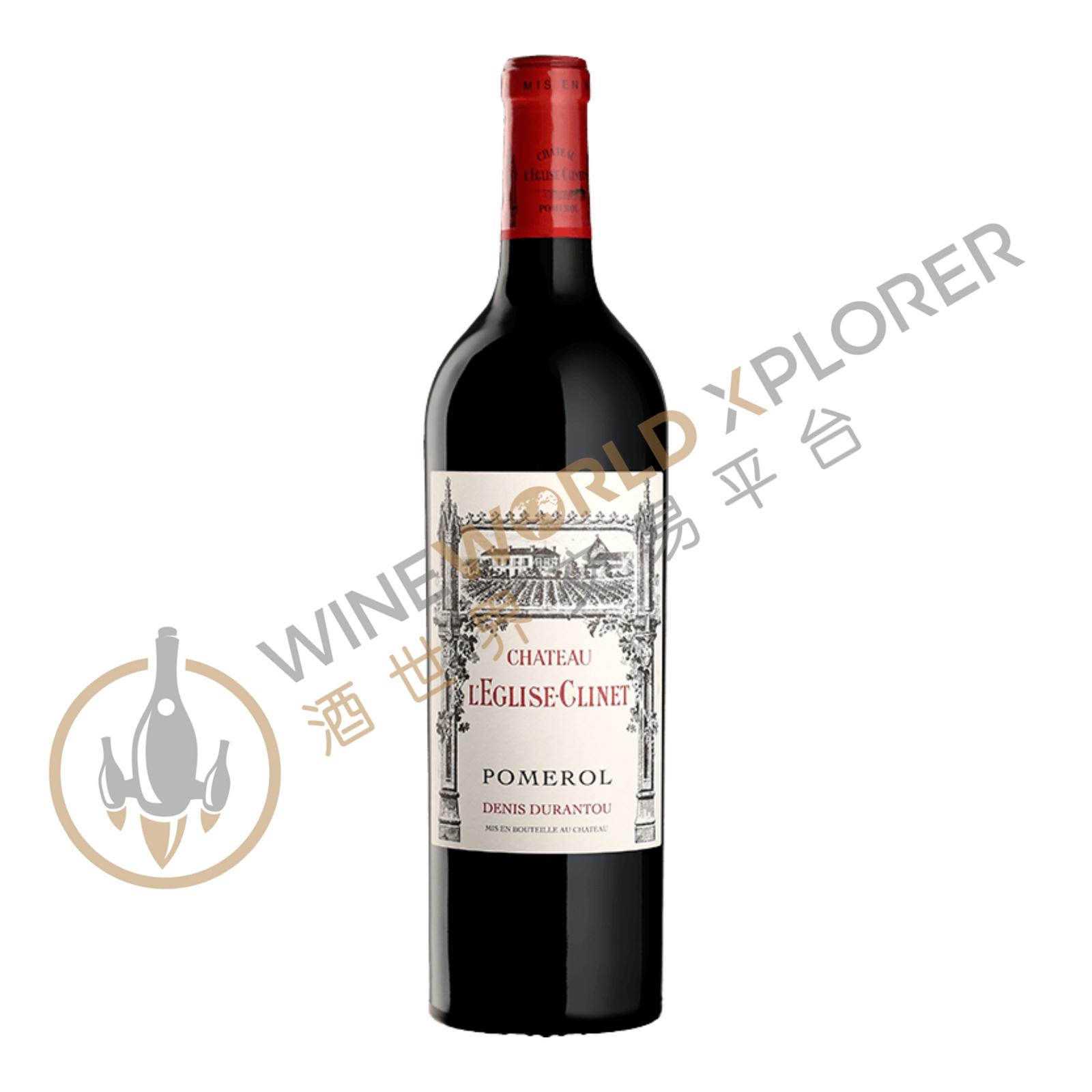
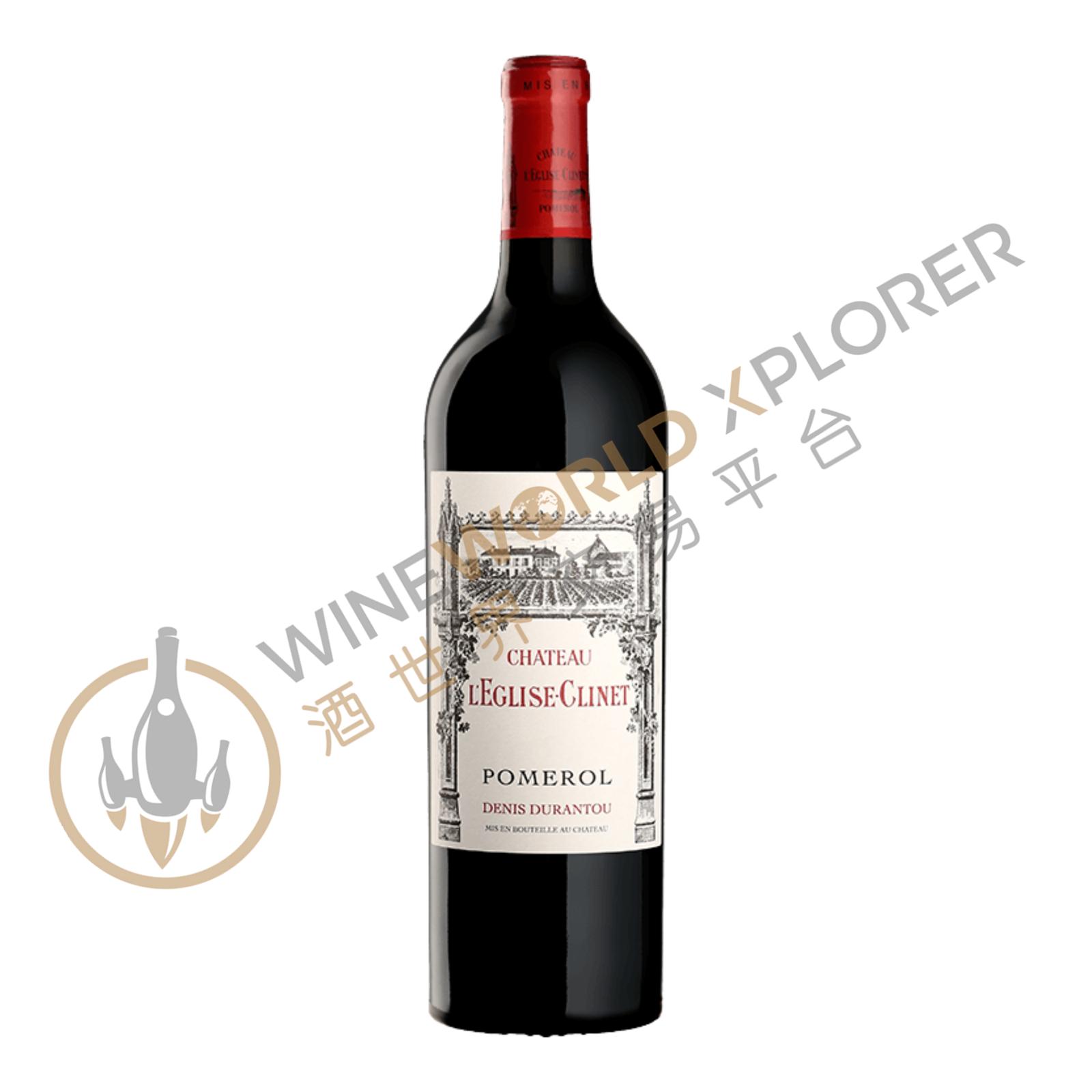
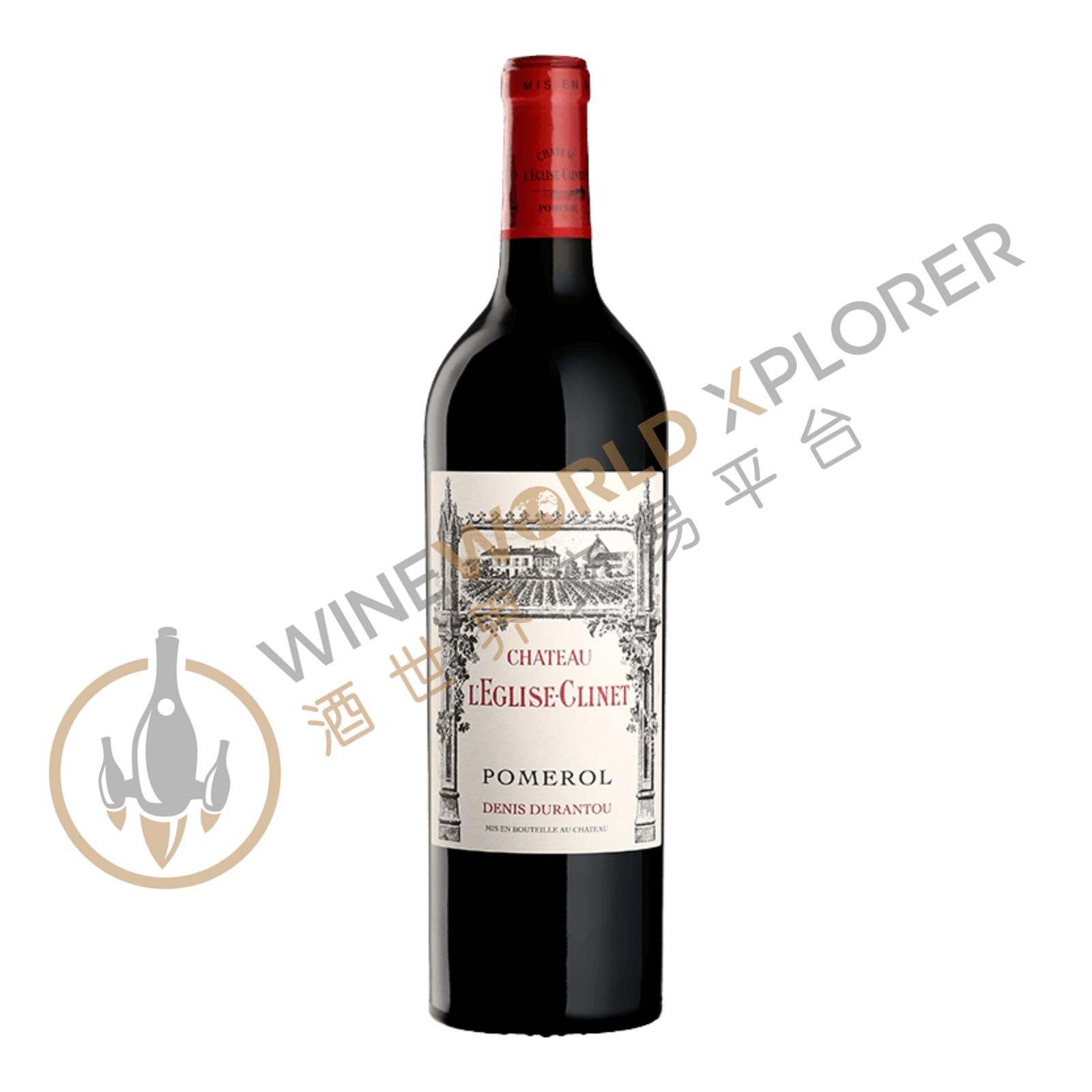
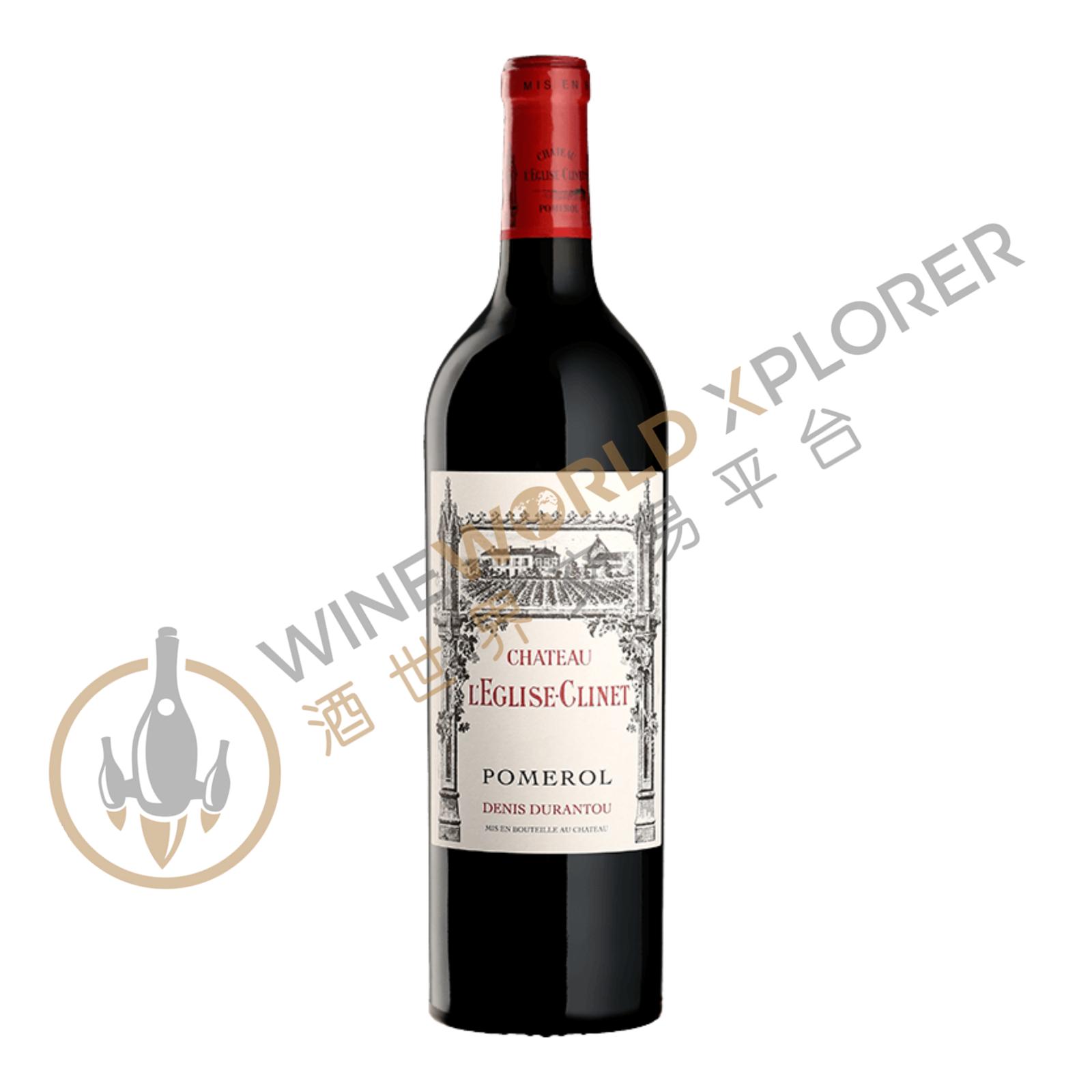
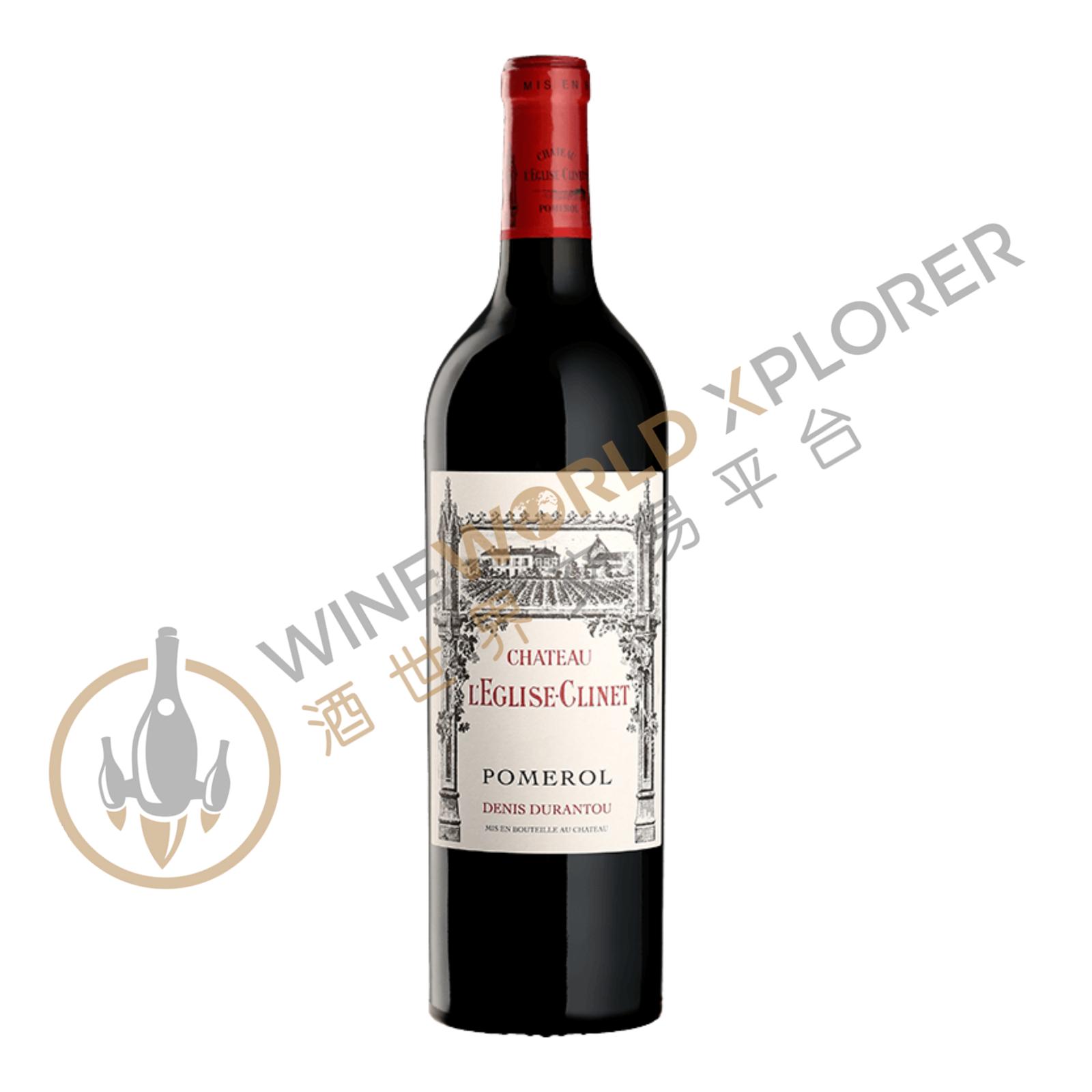
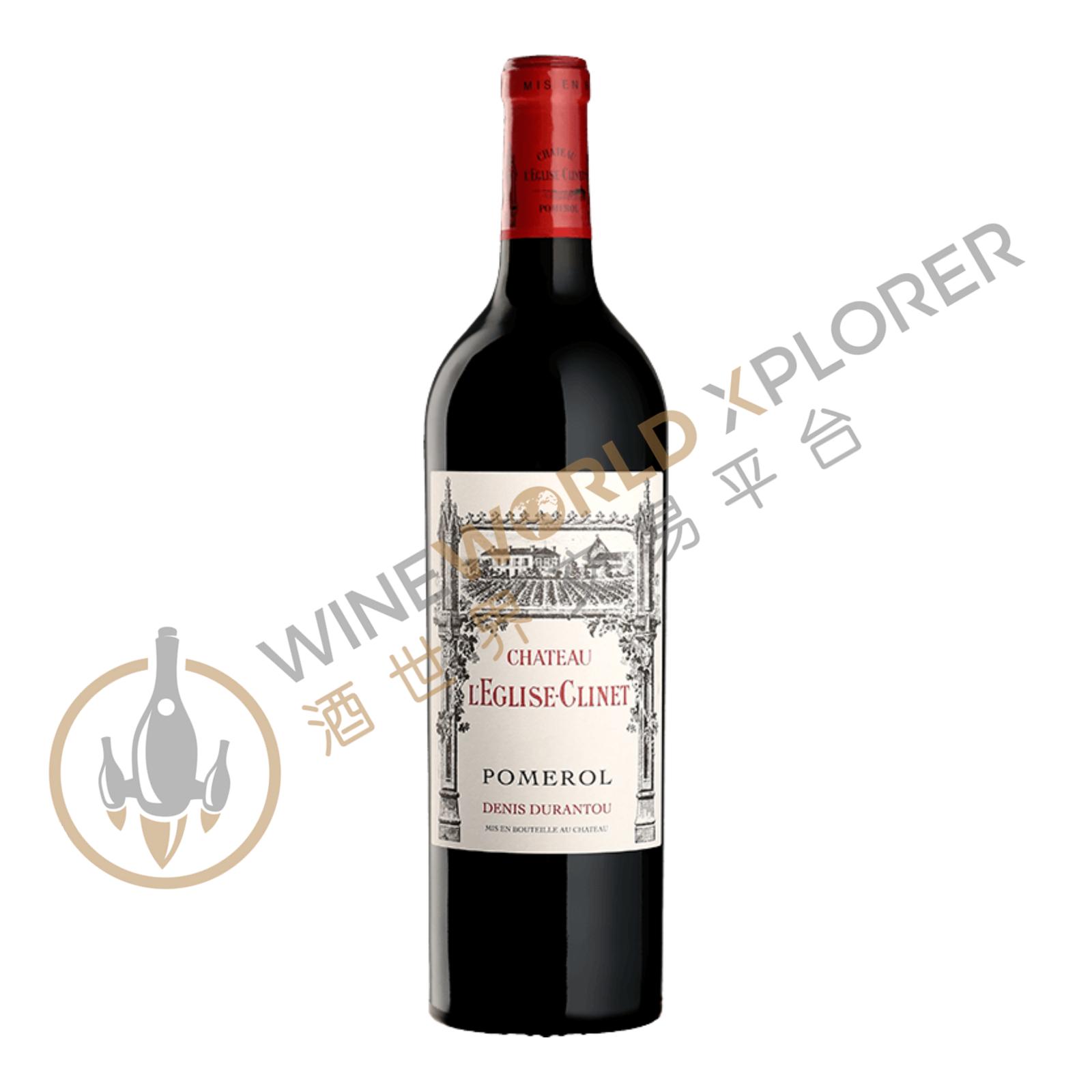
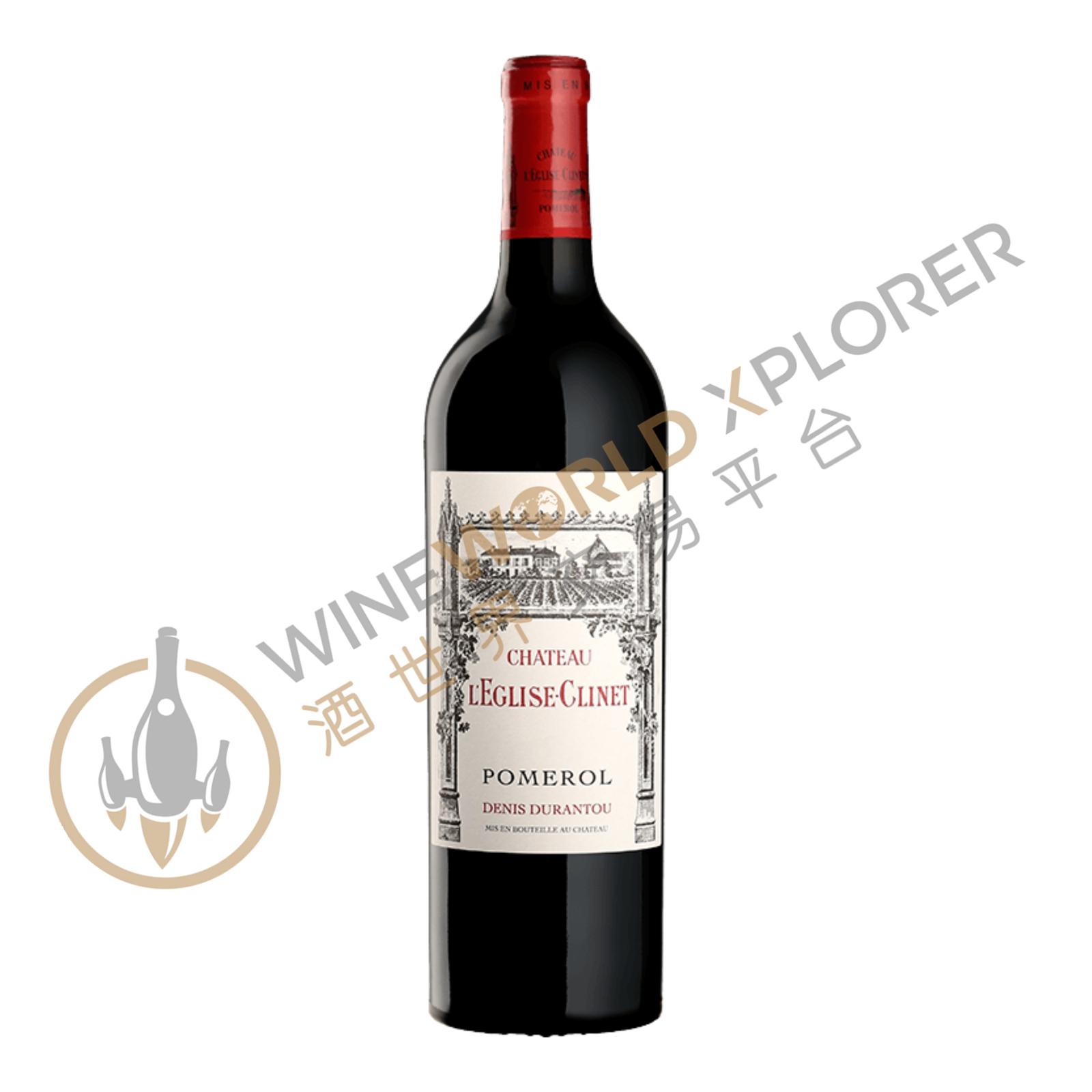
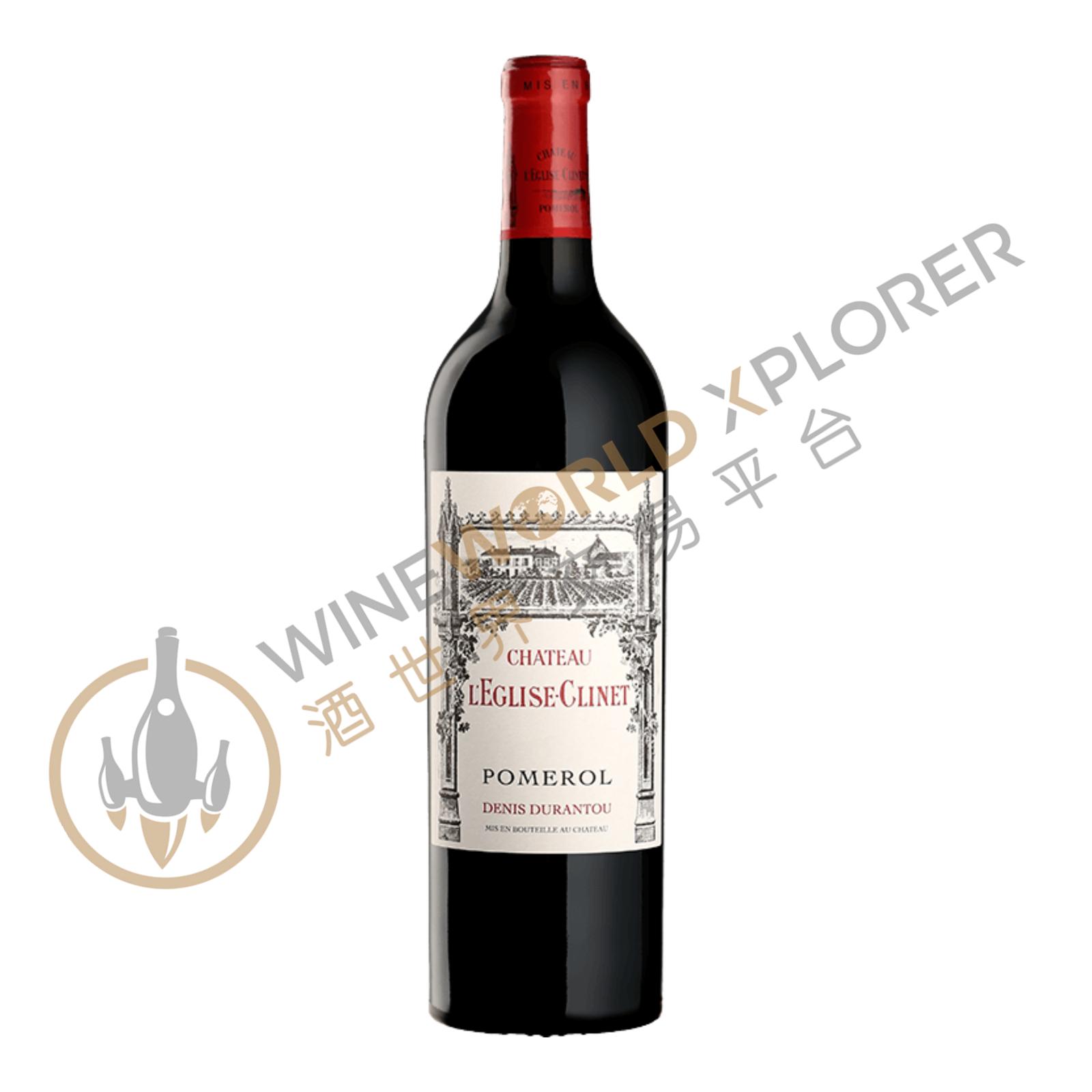
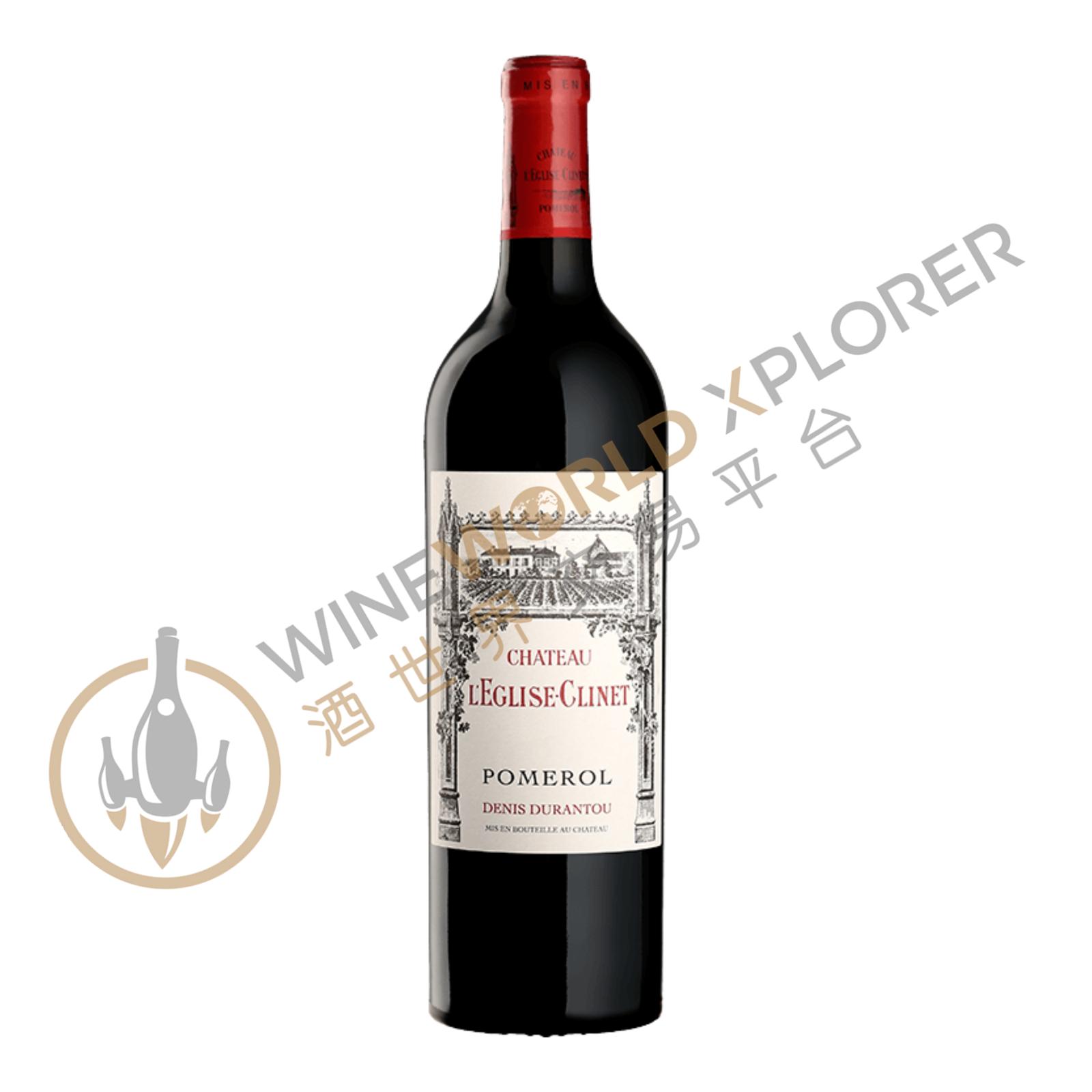
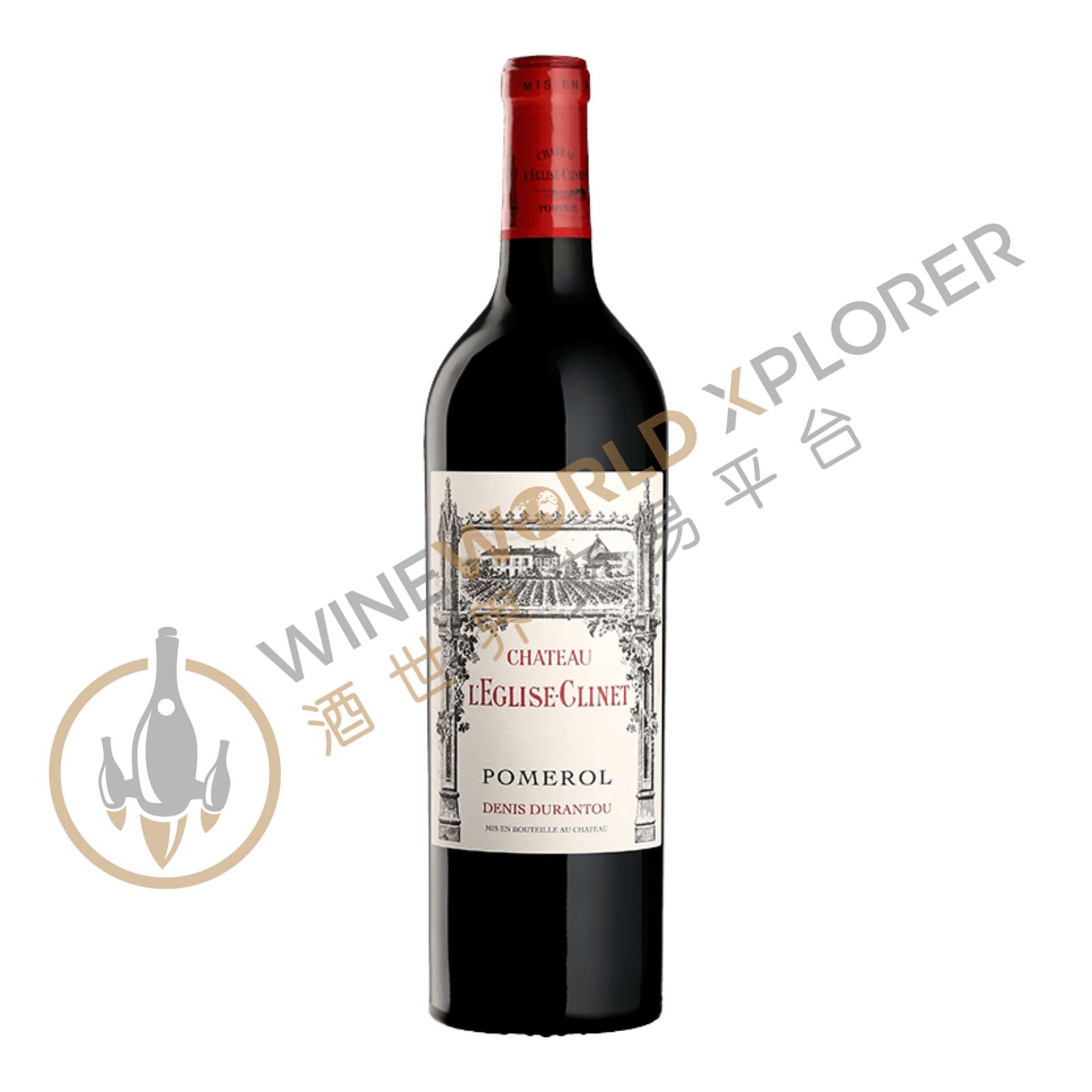
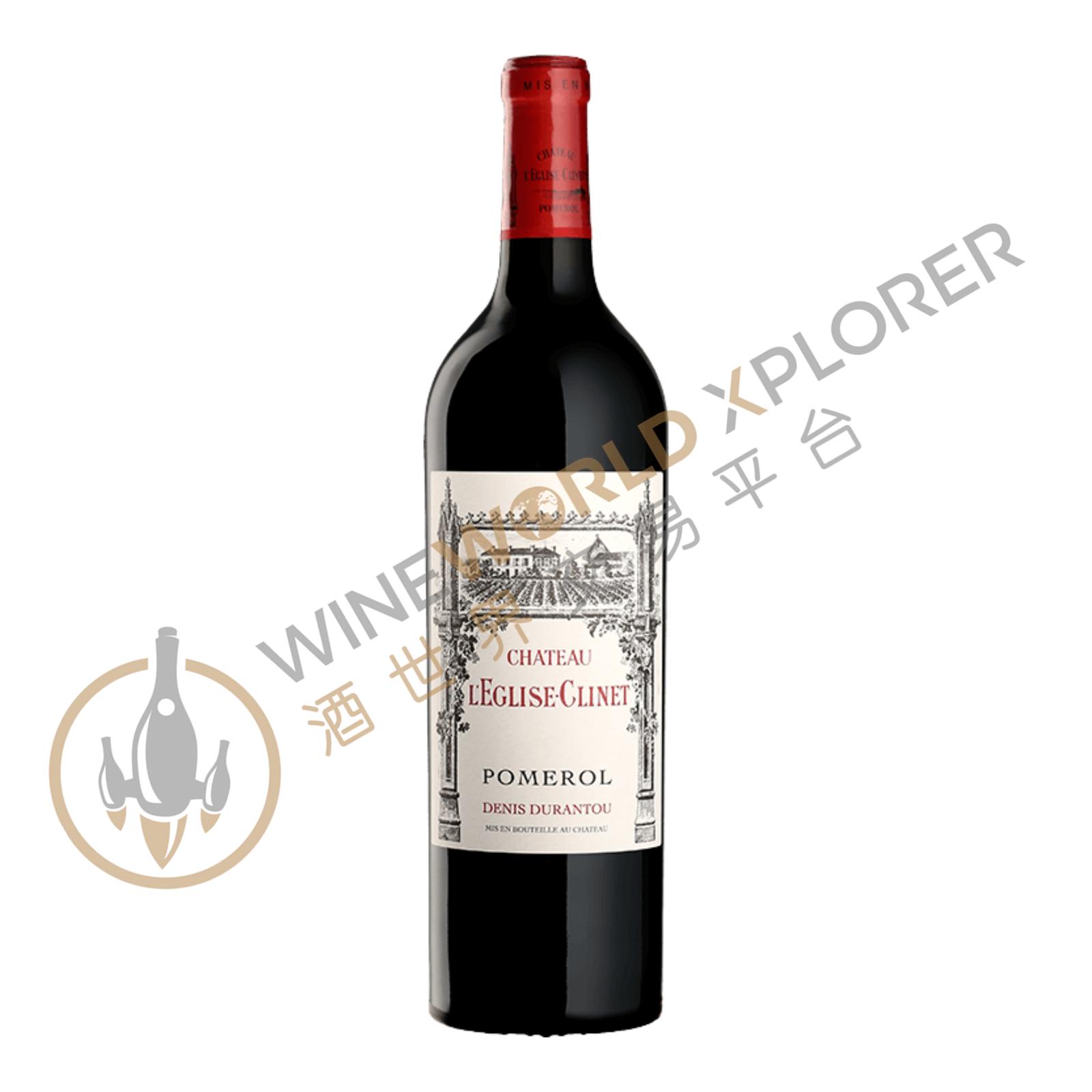
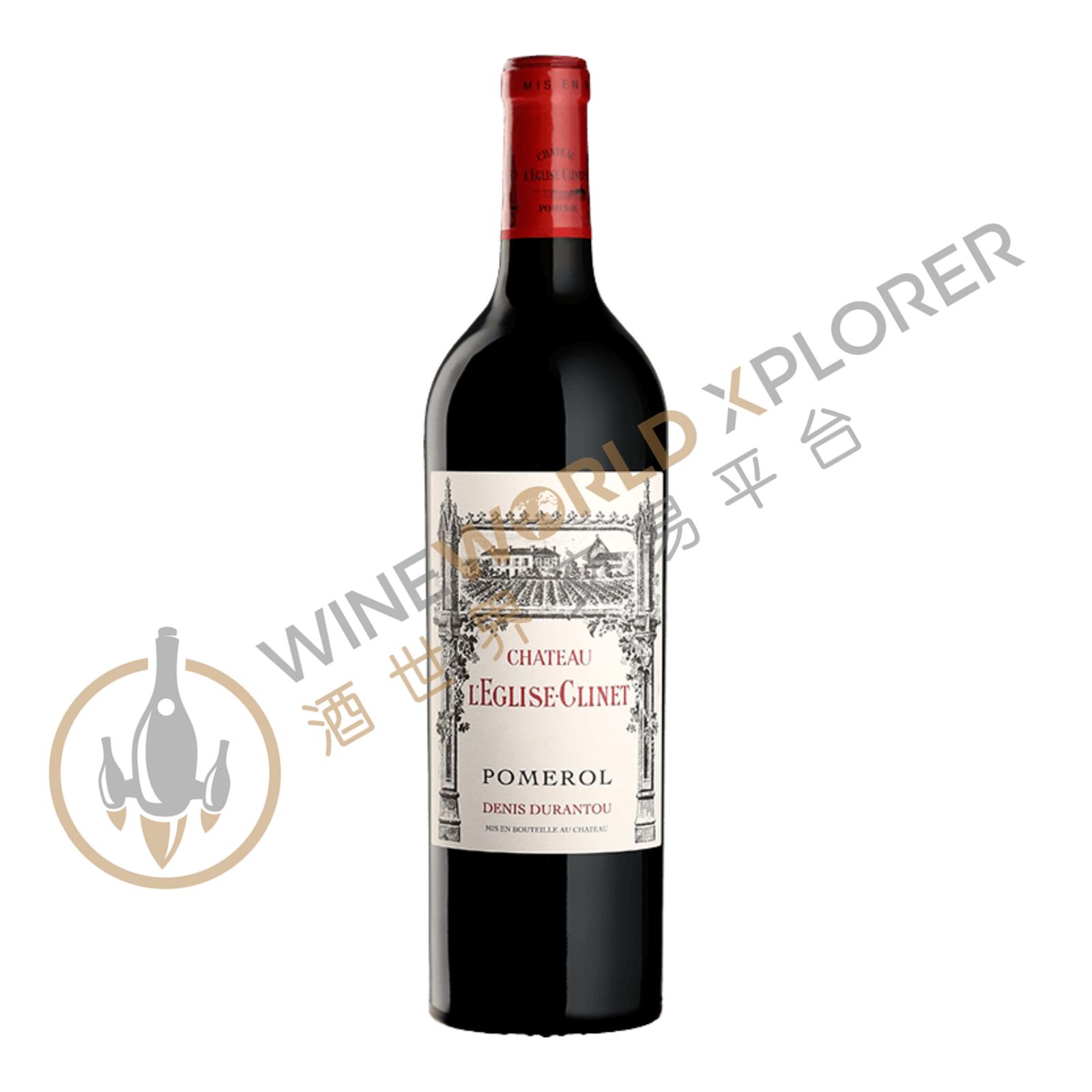
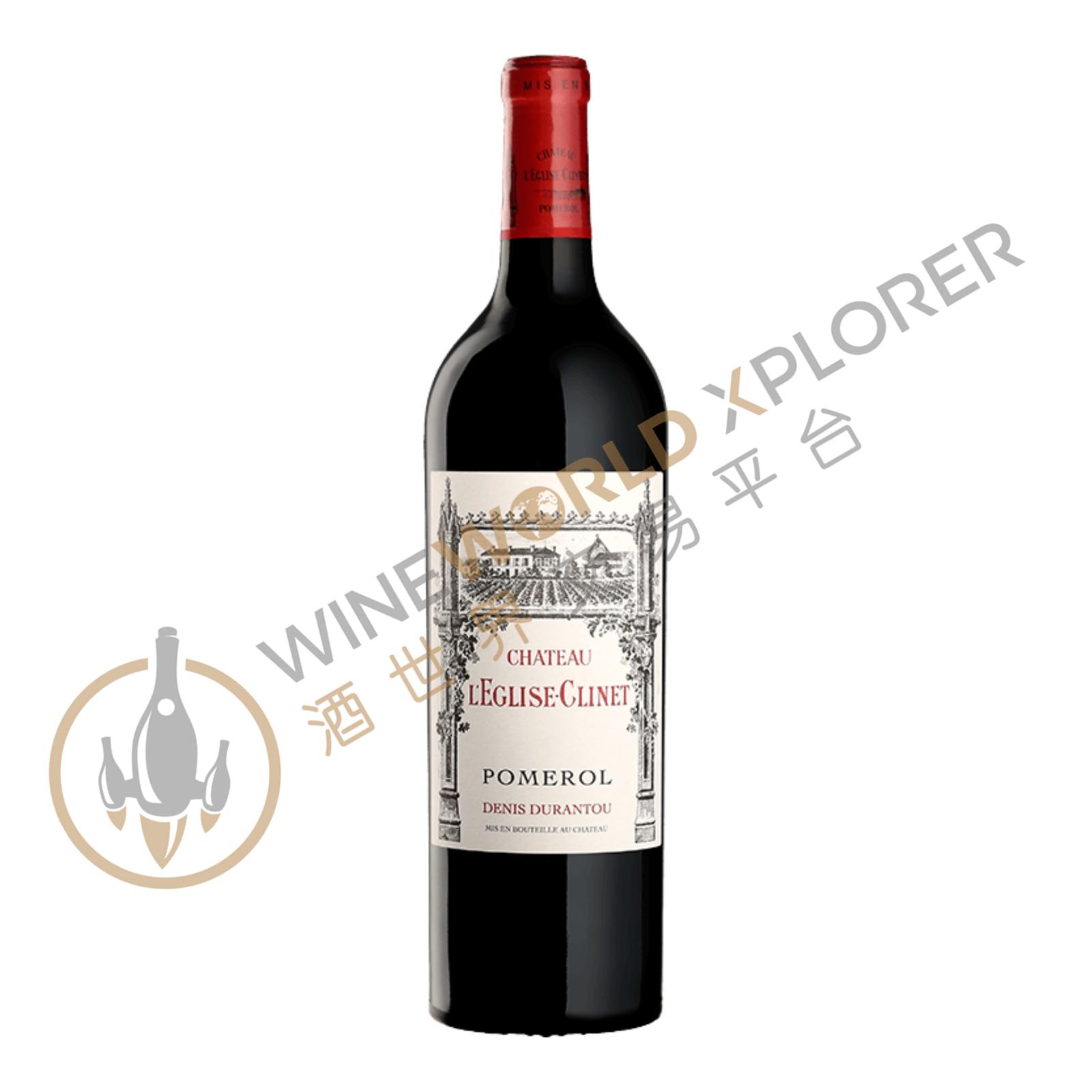
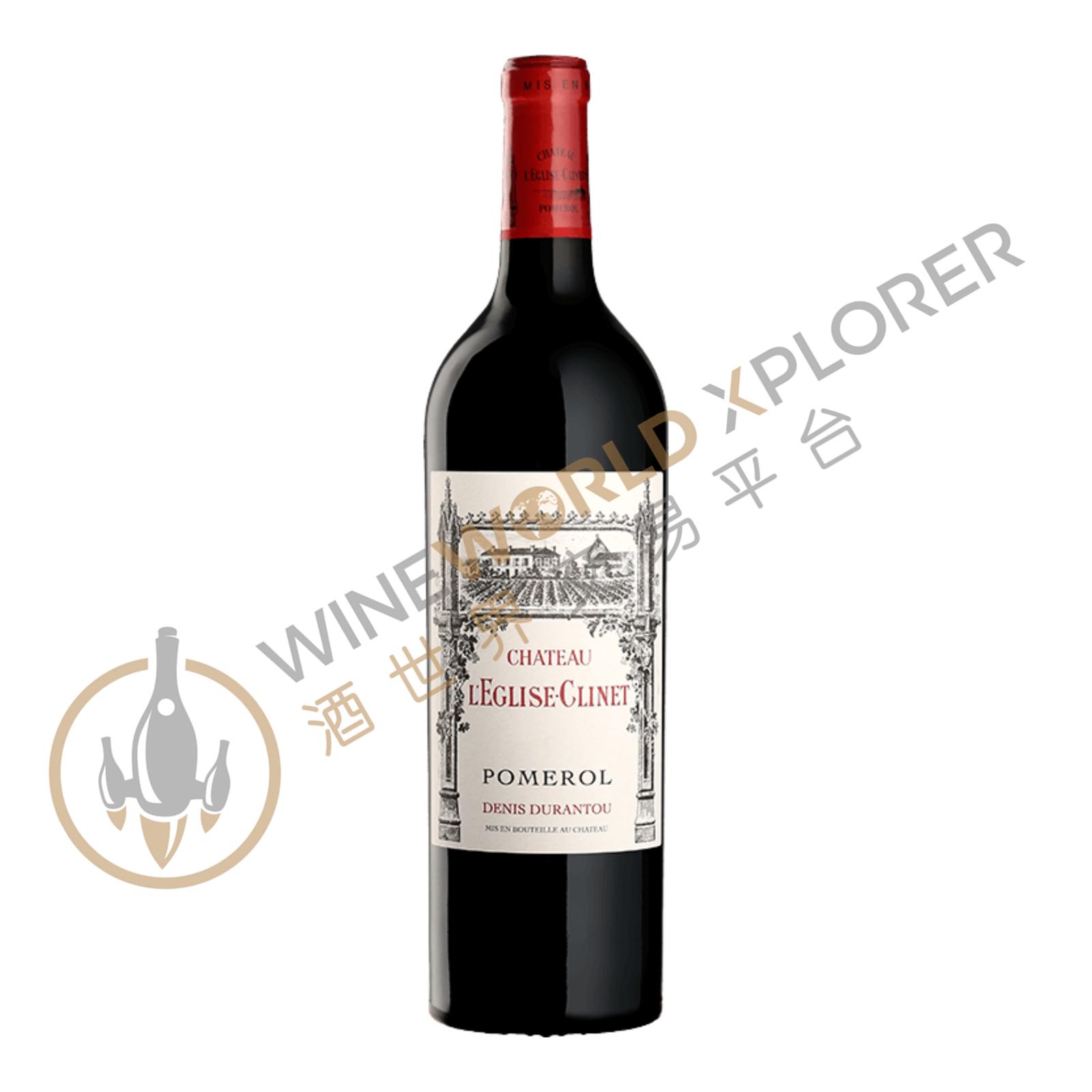
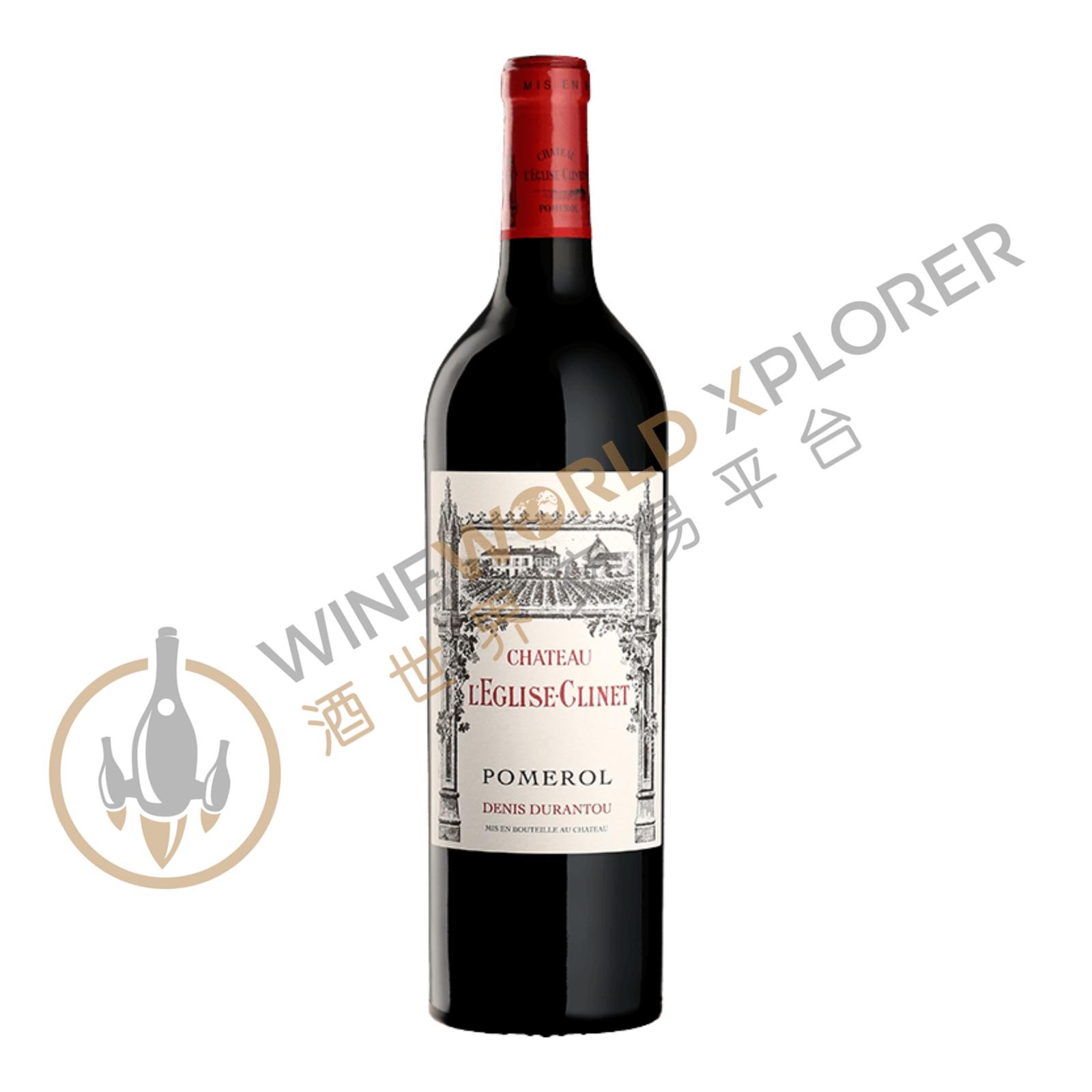
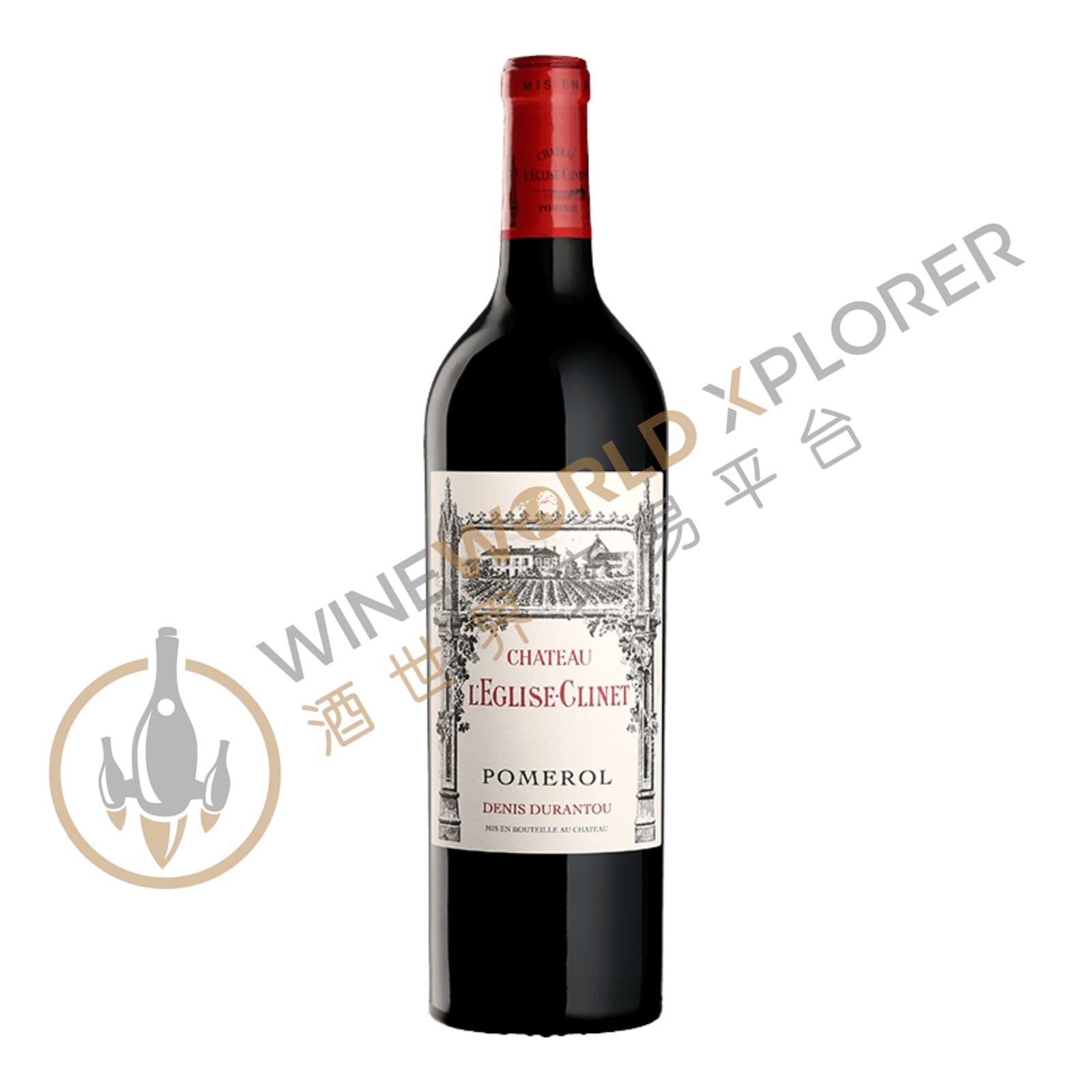
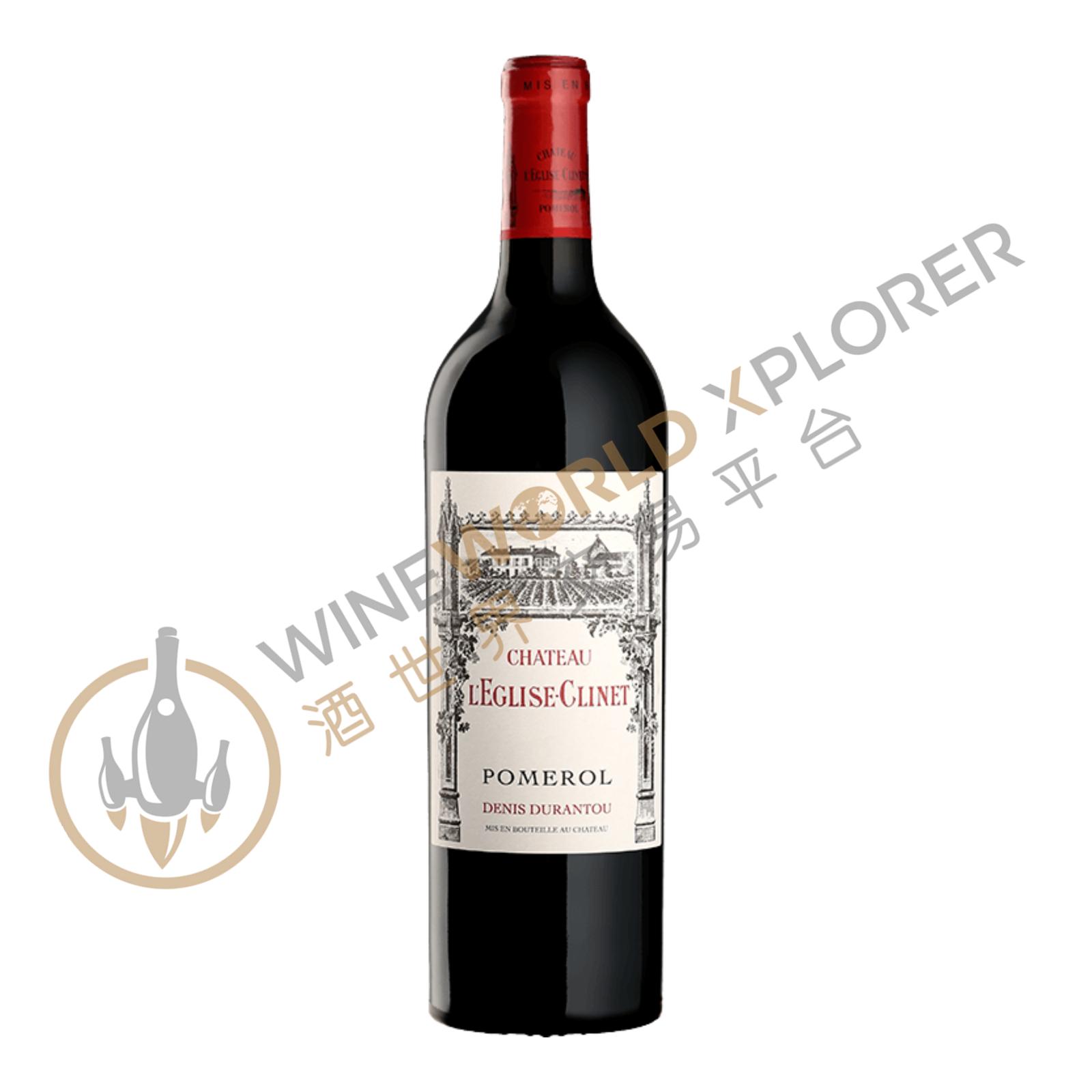
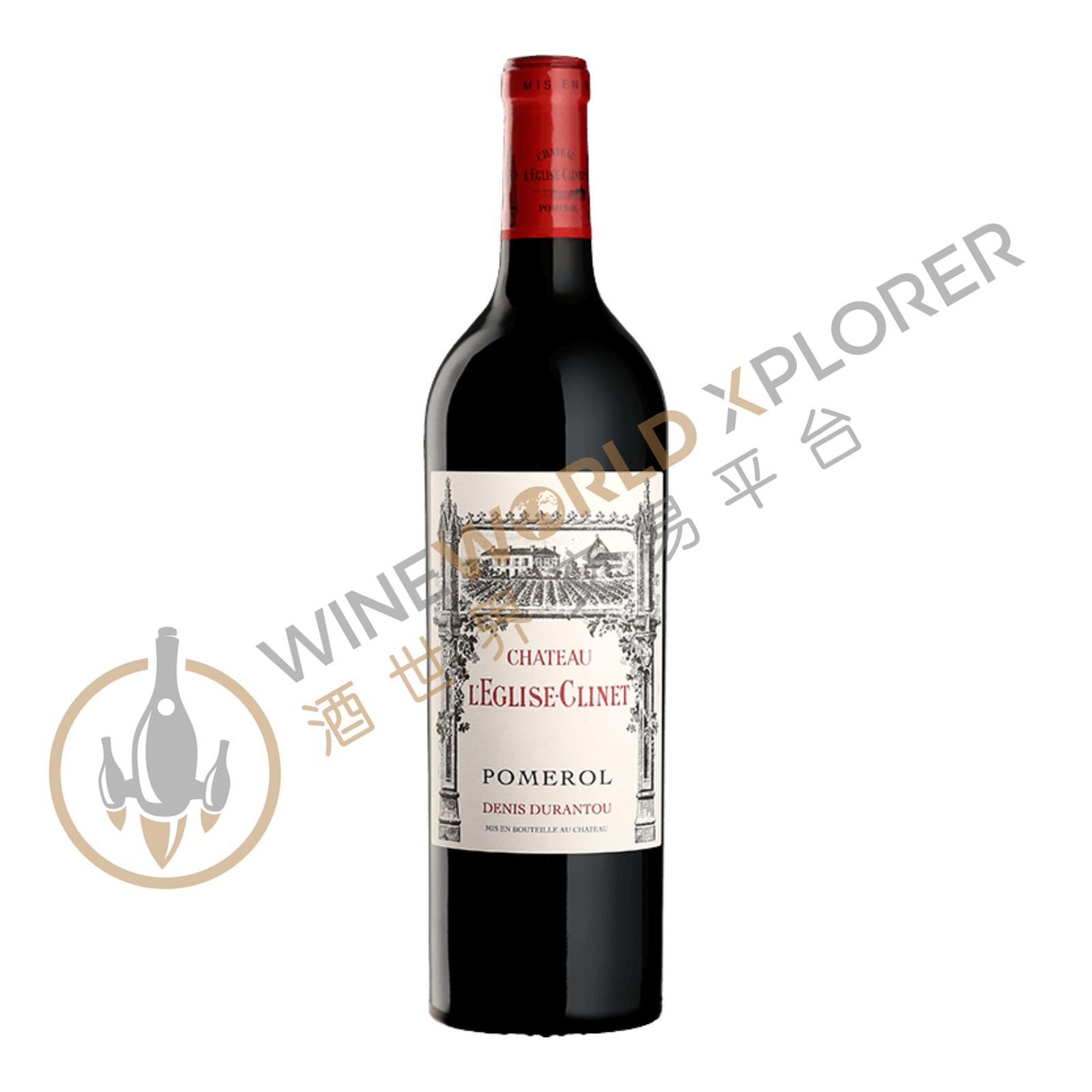
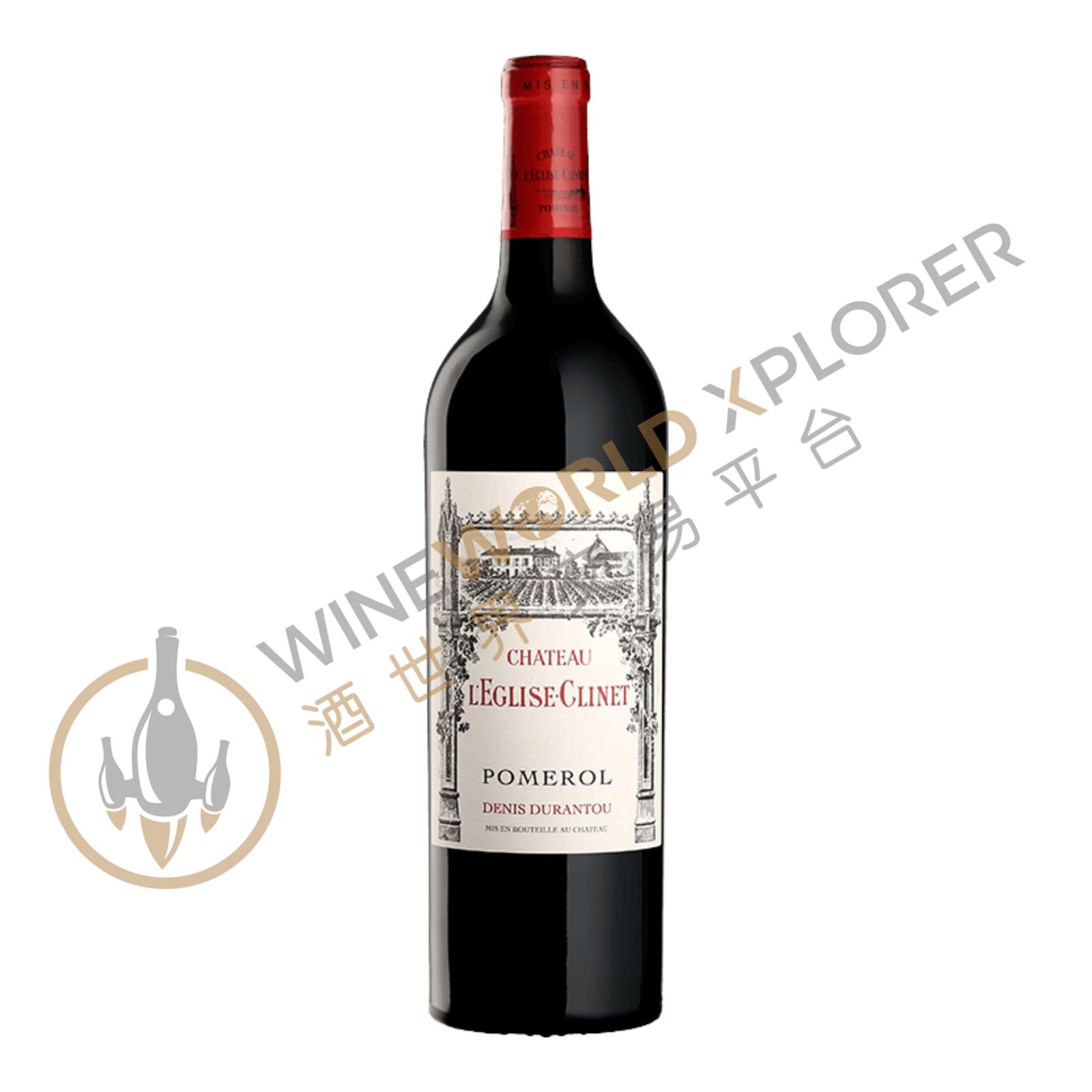
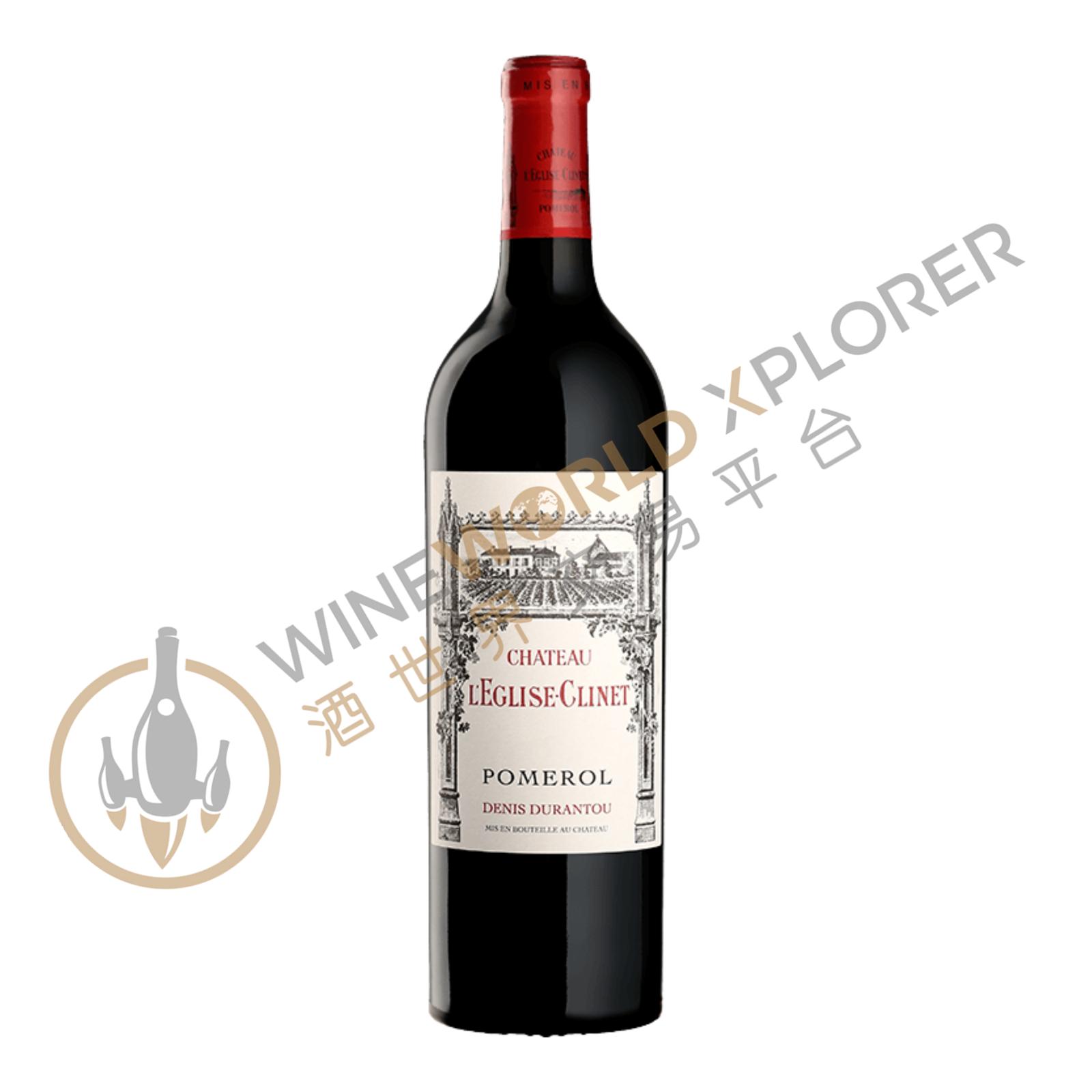
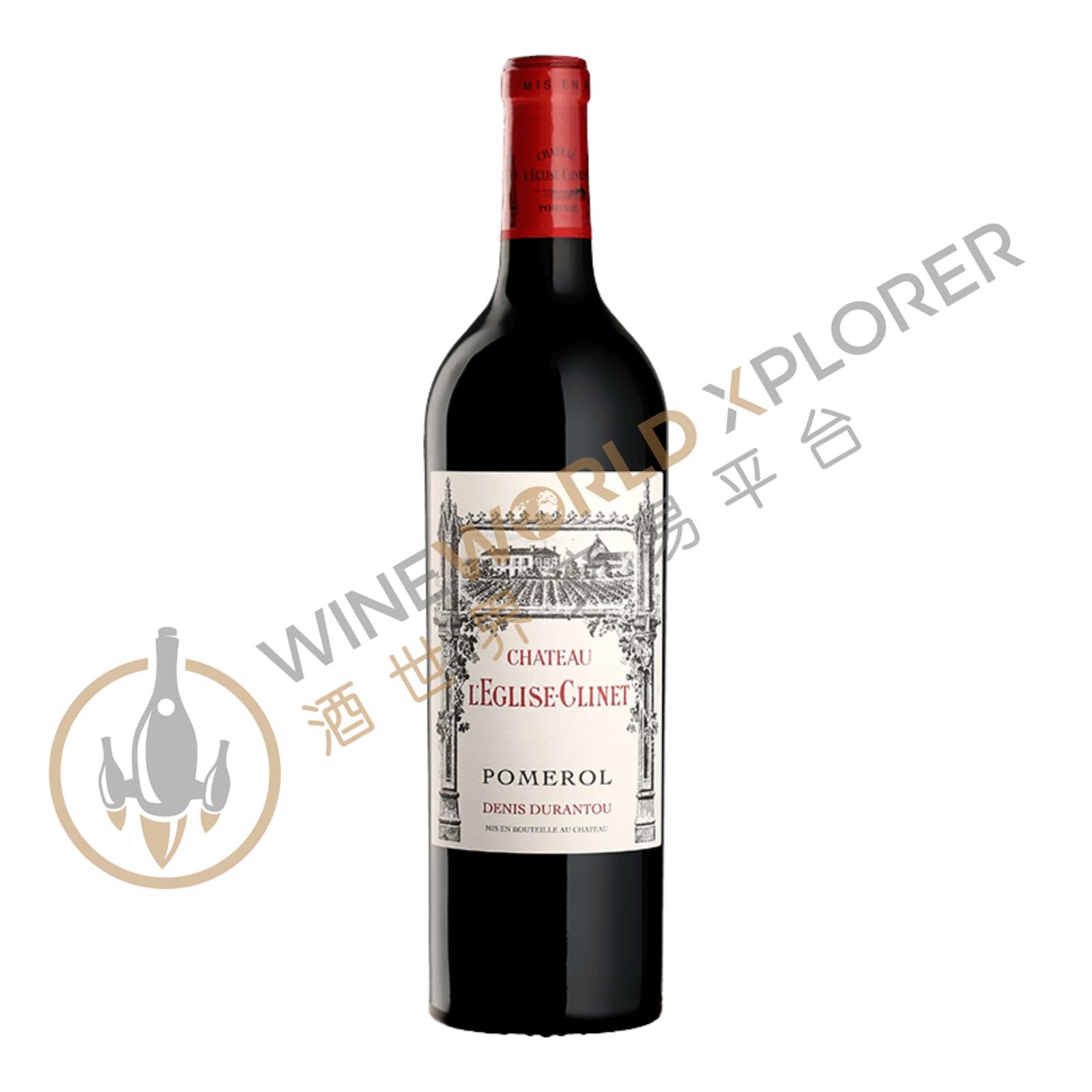
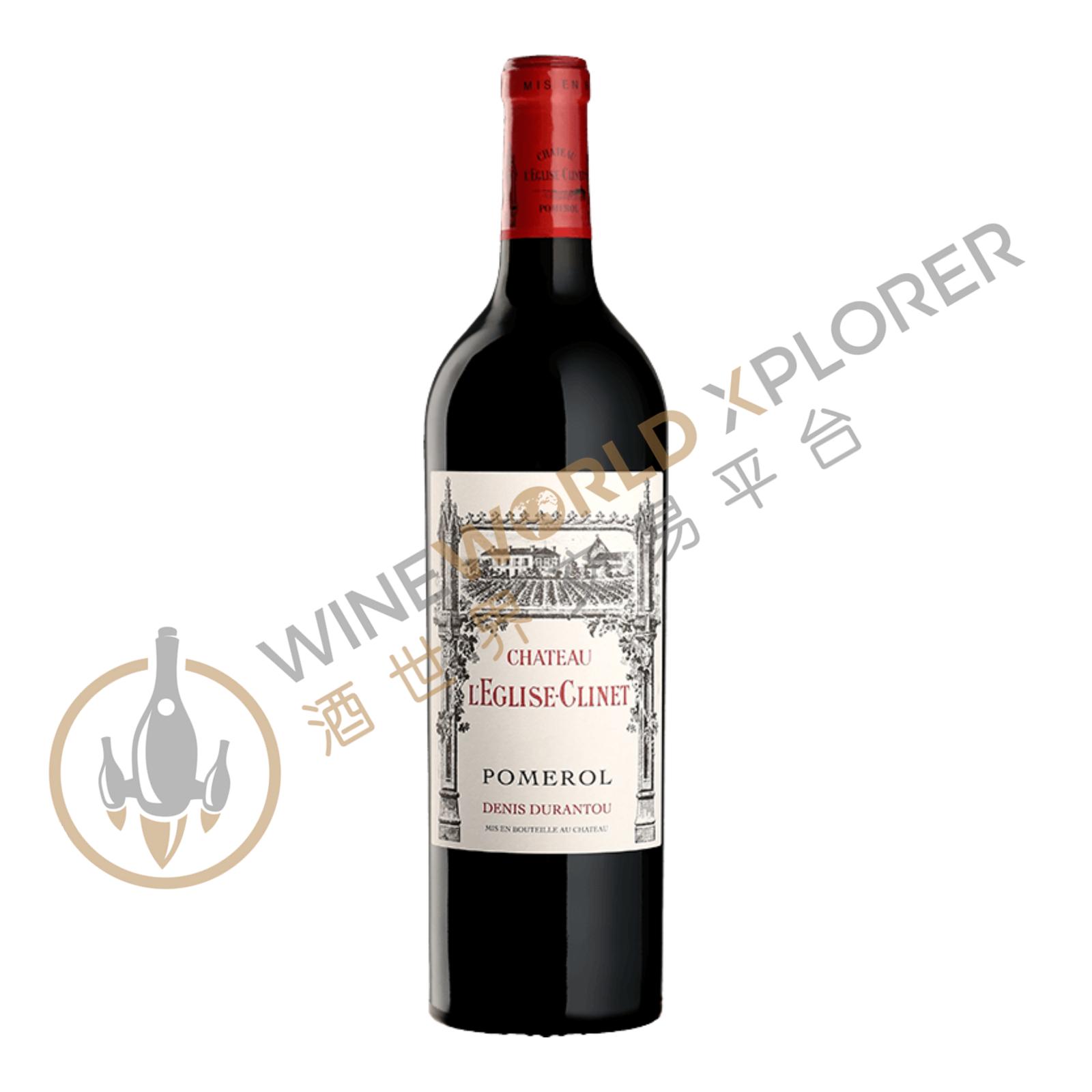
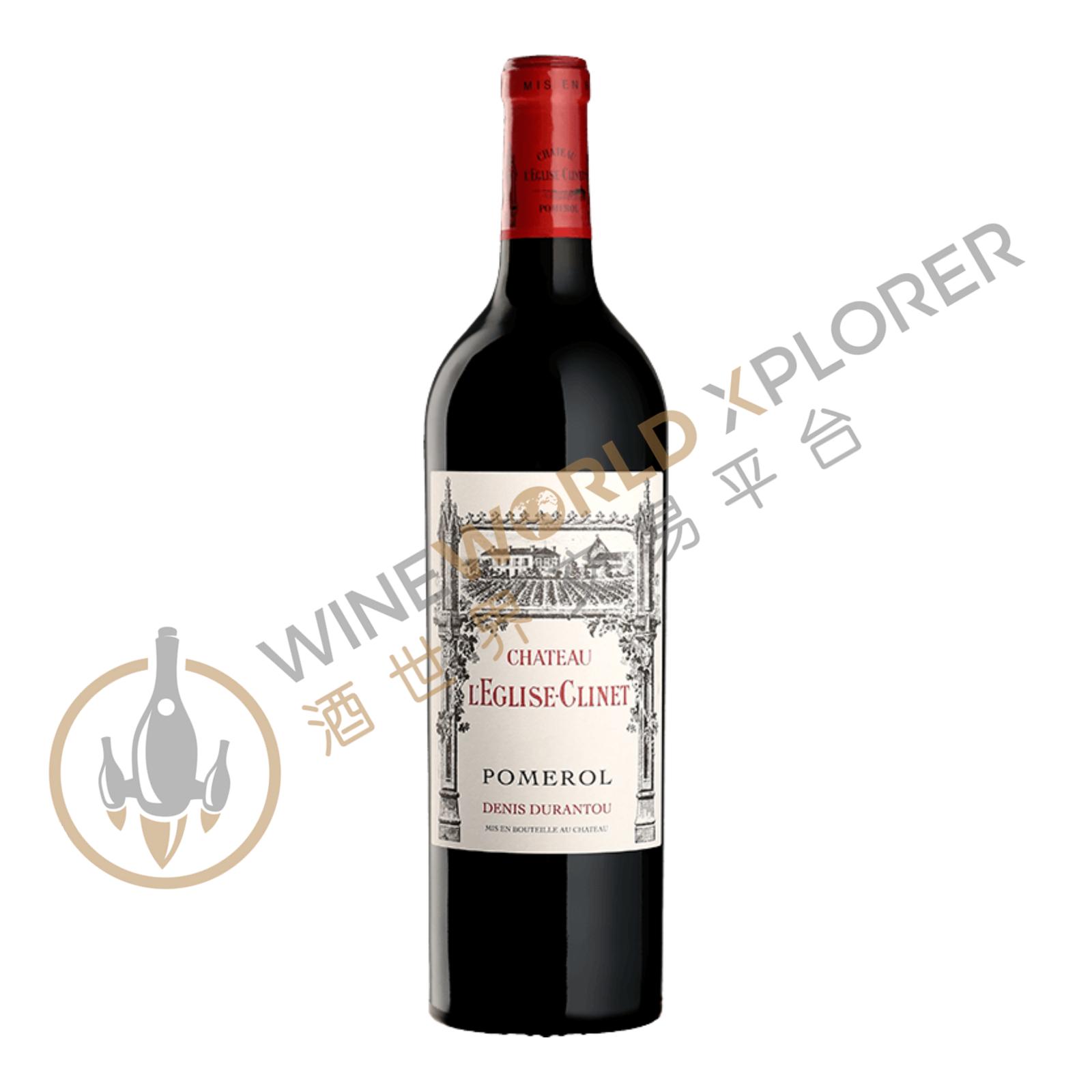
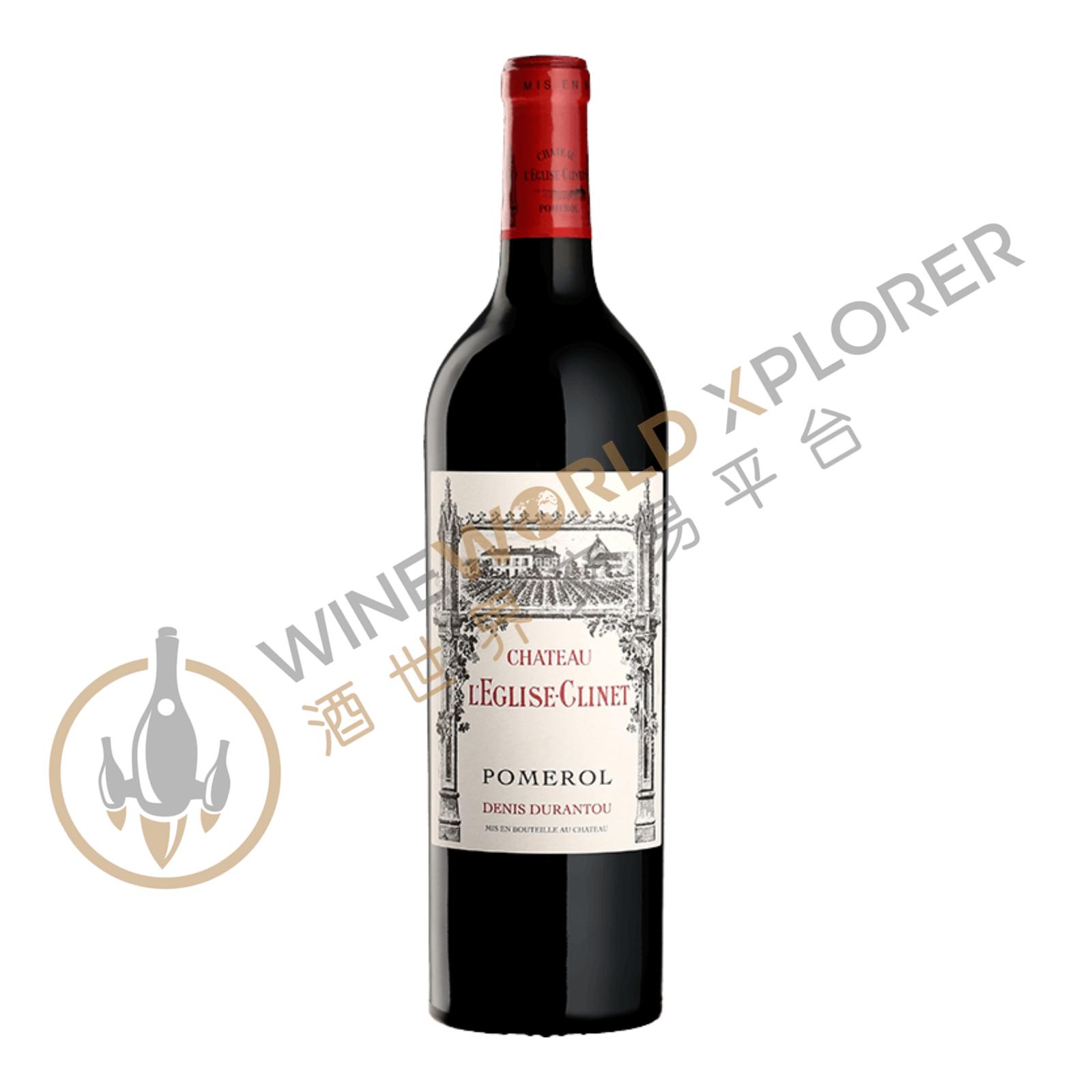
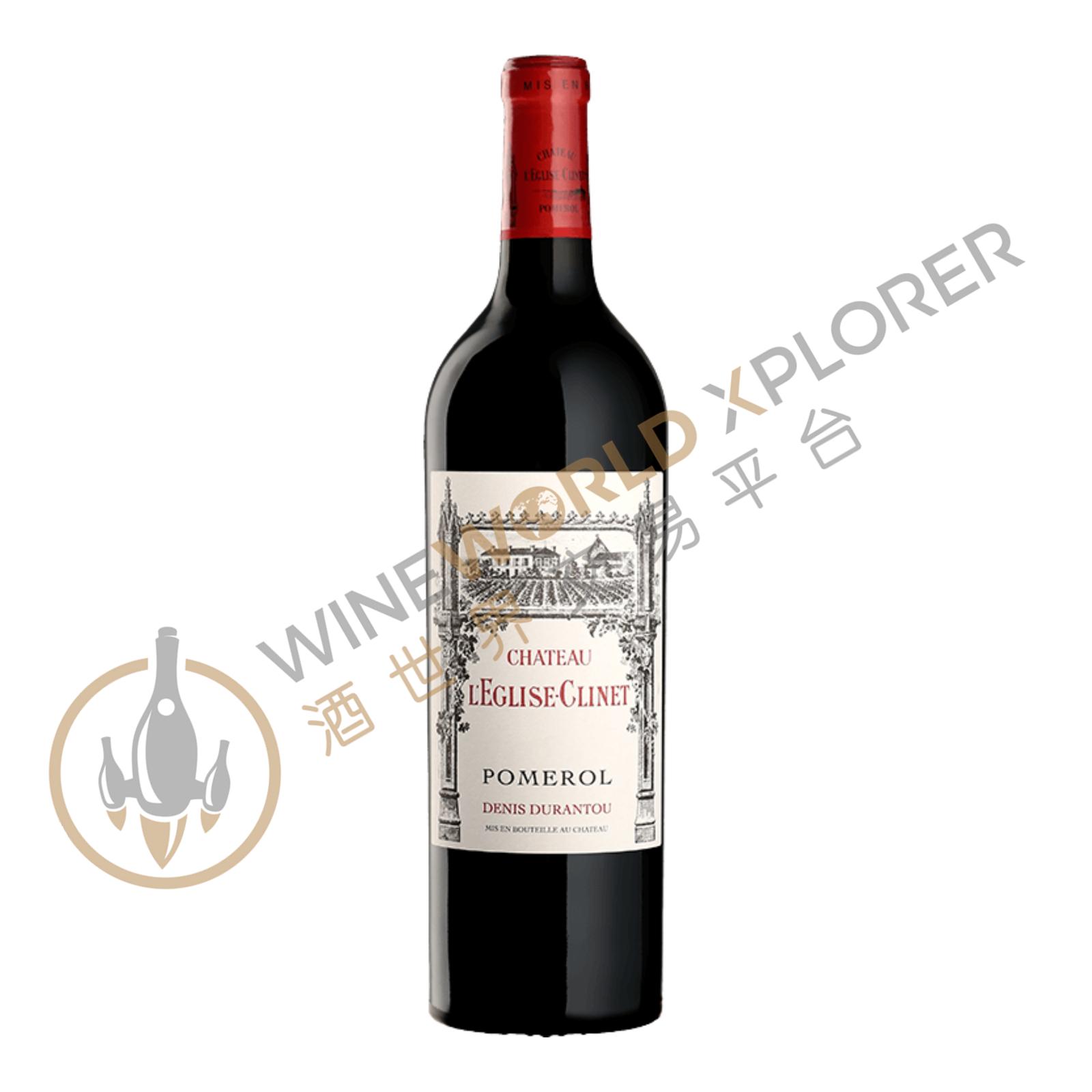
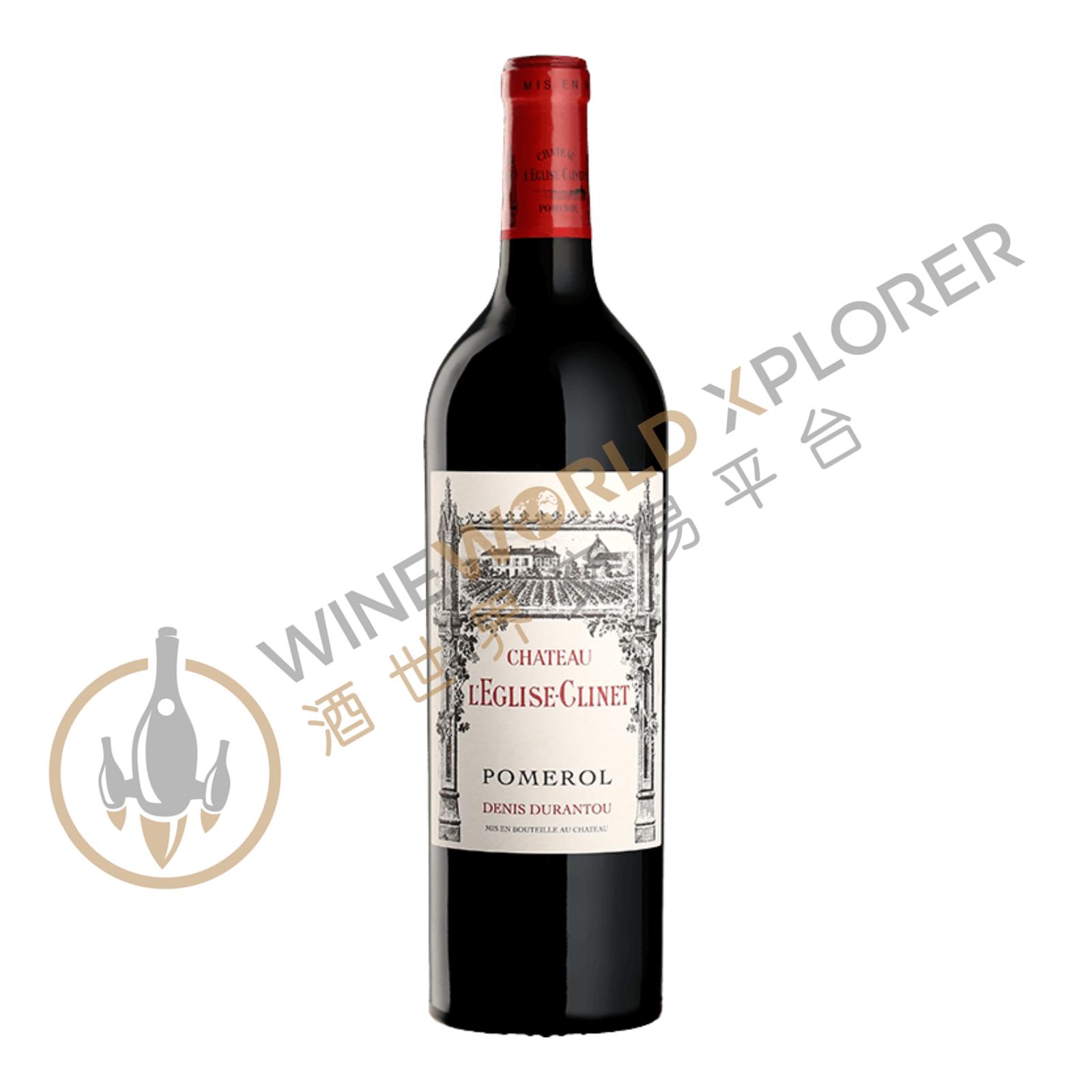
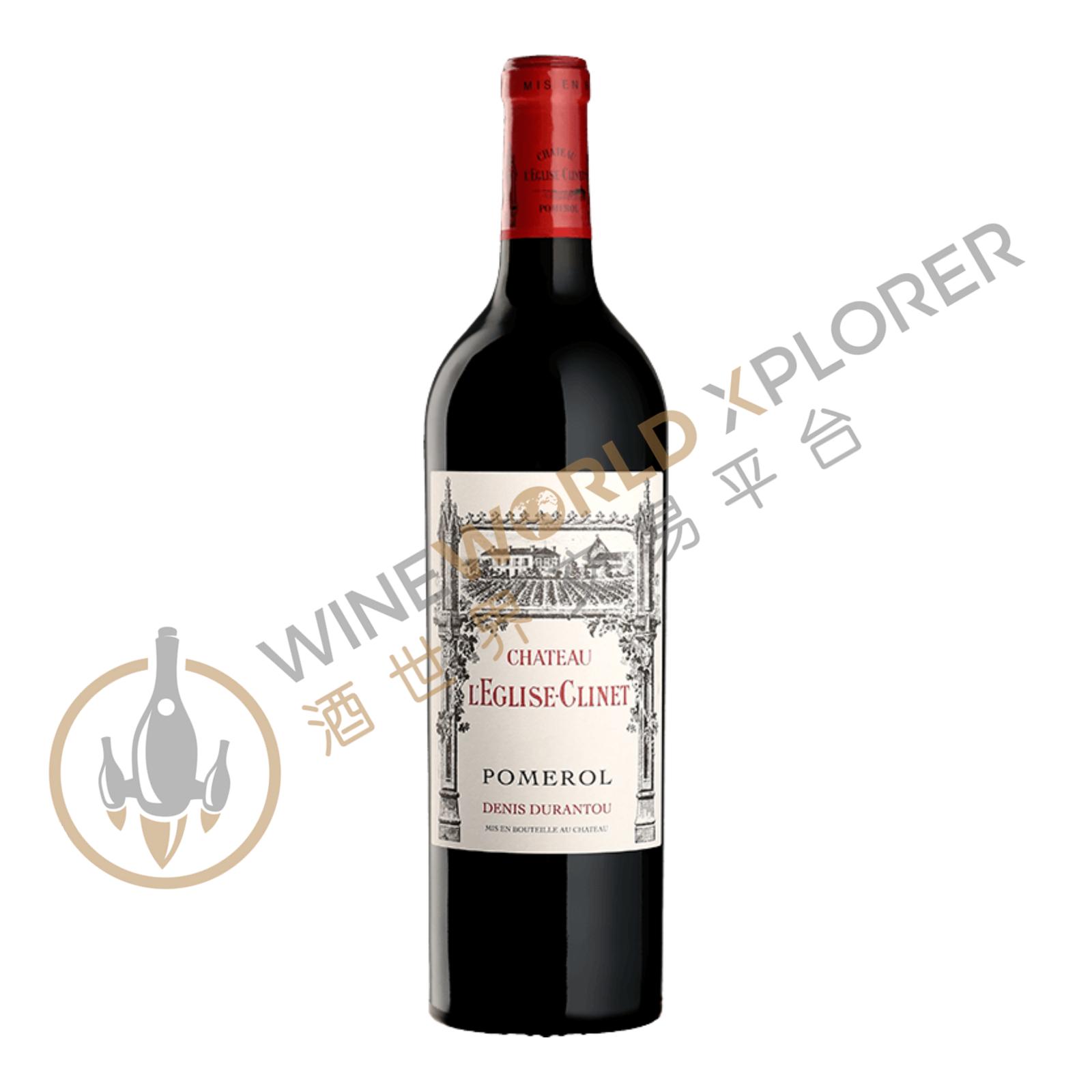
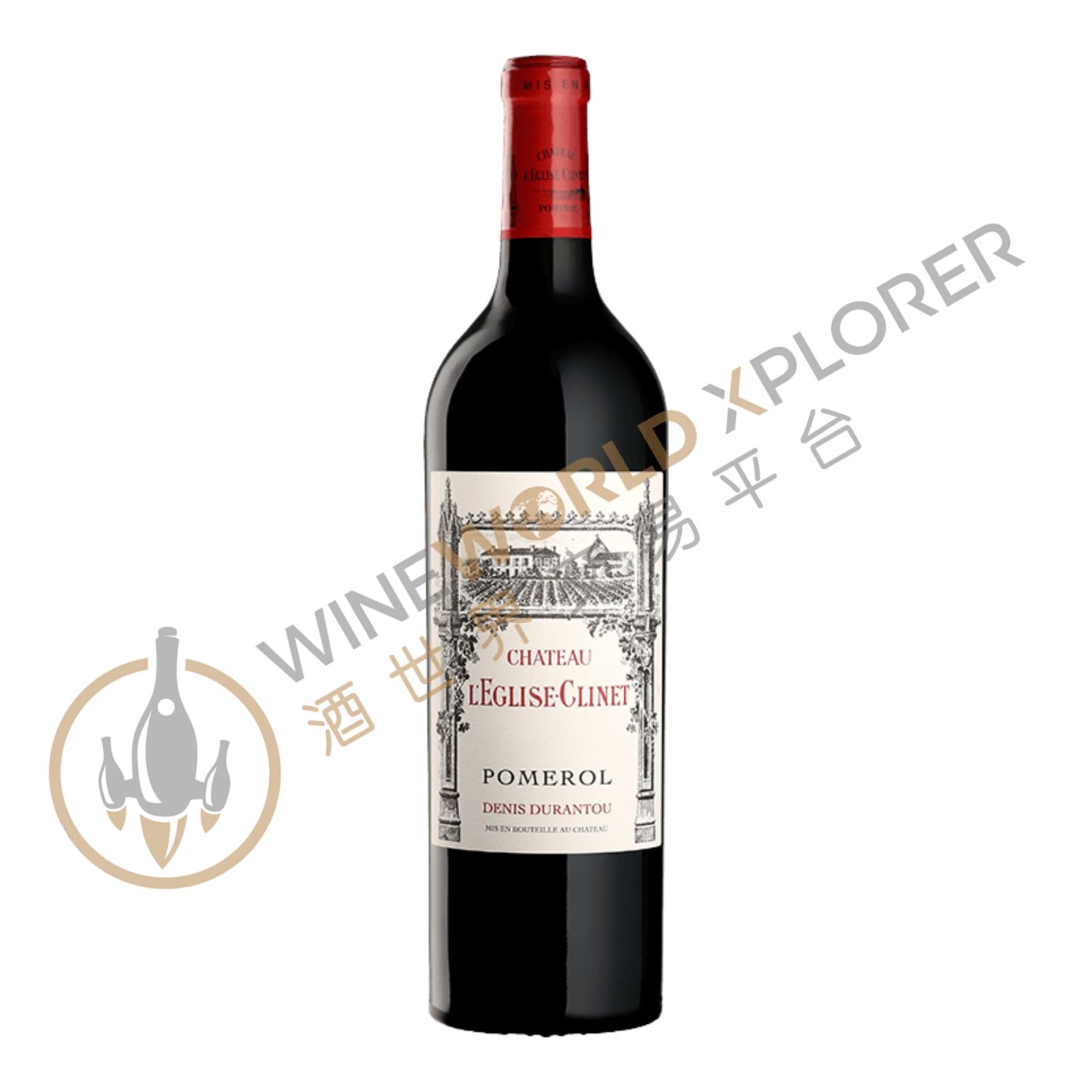
L'Eglise Clinet 1961
 View analysis


Description
Tasting notes

Reviewed by: Neal Martin
Tasted single blind at FINE magazine’s vertical in Dusseldorf. The ’61 is fresh and vibrant, not complex but well defined with lively dark cherries, peppermint and a touch of crushed violets. It is quite “Pauillac” in style. The palate is medium-bodied with good acidity, fine tannins and a crisp, edgy sweet citrus-fresh finish. Not a wine of great volume or immense complexity, but everything is present and correct, showing no signs of reaching the end of its drinking plateau. Tasted February 2011.
Reviewed by: Neal Martin
Wow, this has quite a striking nose, with an almost Pauillac quality to it. Fresh with blackberry aromas, tobacco and a touch of orange zest. The palate is nice and fresh, a bit conservative and not complex but with reasonable weight. Linear on the finish, with a hint of dark chocolate. Very fine '61, redolent of Nenin '61 in many ways. Drink now. Tasted May 2005.
Reviewed by: Robert M. Parker, Jr.
Another great showing for this under-rated estate, the 1961 L'Eglise-Clinet displayed a saturated, opaque garnet color with some amber/rust at the edge. A huge nose of soy sauce, grilled meats, mocha, chocolate, and jammy cherry fruit is followed by a full-bodied wine with excellent richness, length, and balance. Drink this fully mature, velvety-textured wine over the next decade. The notes for this wine are taken from the description of Series II - Flight D of the 1995 tasting conducted in Munich by Helga and Hardy Rodenstock. Many years after the tasting from which this note derives allegations were made concerning the authenticity of old and rare bottles of wine sold by Hardy Rodenstock to collectors around the world. The matter has been the subject of numerous articles, litigation and at least one book. Mr. Parker believes that the wines served to him at this tasting were authentic so this note and the others from that specific tasting continue to be posted on eRobertParker.com.
About the Producer
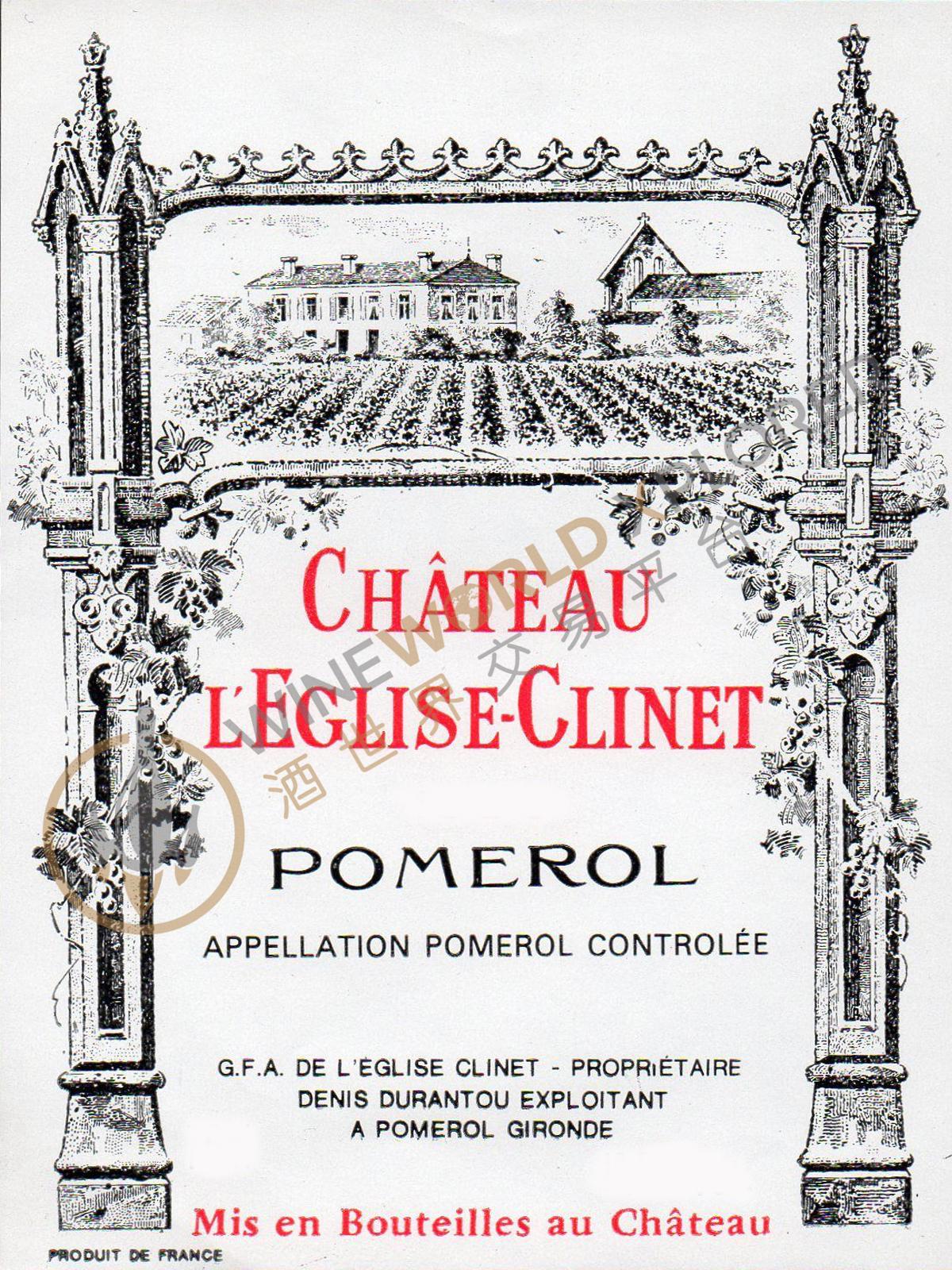
Château l'Eglise-Clinet is located in the Pomerol appellation on the right bank of Bordeaux, France, and is one of the most famous wineries in the Pomerol region. Château Clinet Chapel has a long history, dating back to the late 19th century. The Rouchut family, who ran Chateau Clos l'Eglise at the time, and the Constant family, who ran Chateau Clinet, decided to make wine together. Until 1950, the Bordeaux wines produced by these two families were sold under the name Château Claregelis. It was only after 1950 that their wines were given their current name, Château Clignet. Later, the Durantou family acquired Château Clignet. However, the owner was not keen on wine at the time and left everything to Pierre Lasserre, the owner of another Pomerol estate. Pierre Lasserre only had to give him half of the estate's income each year. This partnership has continued for 40 years. Today, Denis Durantou, a descendant of the Durantou family, is in charge of the estate. At present, Château Clignet has 5.5 hectares of vineyards. The soils are mainly gravel and clay, some of which are rich in iron. The vineyards of Château Clignet were spared from the 1956 frosts and the vines are on average 45 years old. The vineyard is planted with 85% Merlot and 15% Cabernet Franc at a density of 6,500 vines per hectare. The vineyard is fertilised with an organic fertiliser mix every 5 years. The grapes are hand-picked when they are ripe at Château Clignet. After careful selection and crushing, the grapes are fermented in concrete and stainless steel containers for 15-21 days. After about October, the fermented wine is aged in new oak barrels for a period of 18 months. The main wine of Château Clinet is the Château l'Eglise-Clinet, Pomerol, France. The wines are concentrated and rich, full-bodied, with pure fruit and exotic spice notes, particularly fresh and wonderful, making them unique among Bordeaux wines. In recent years, as the price of the wine has soared, so has the quality. Today, it is in the top tier of Pomerol.
Package Size