Wine Advisor



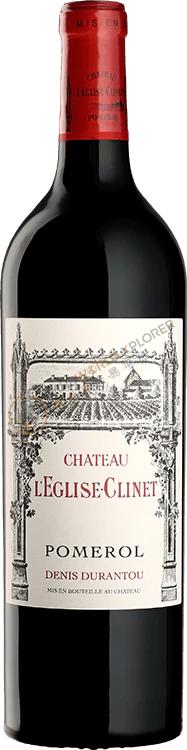
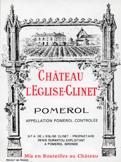
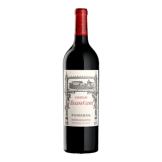
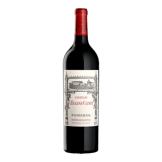
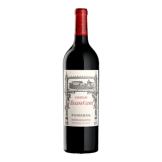
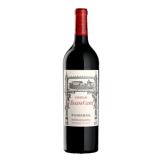
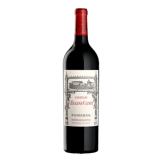
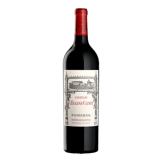
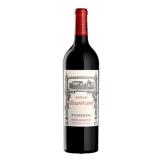
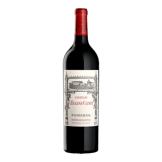
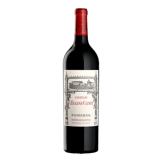
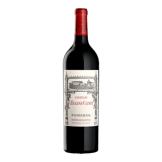
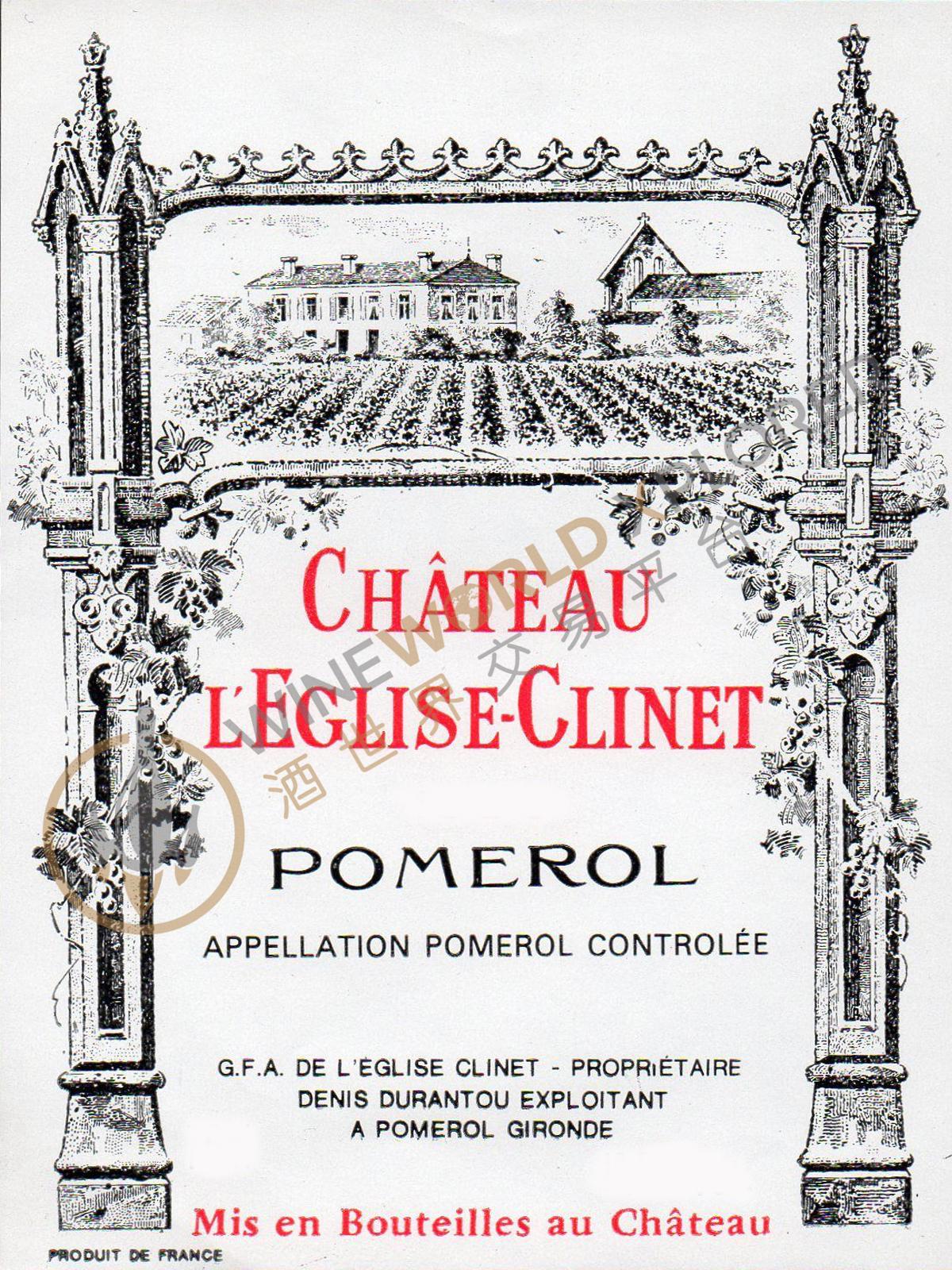
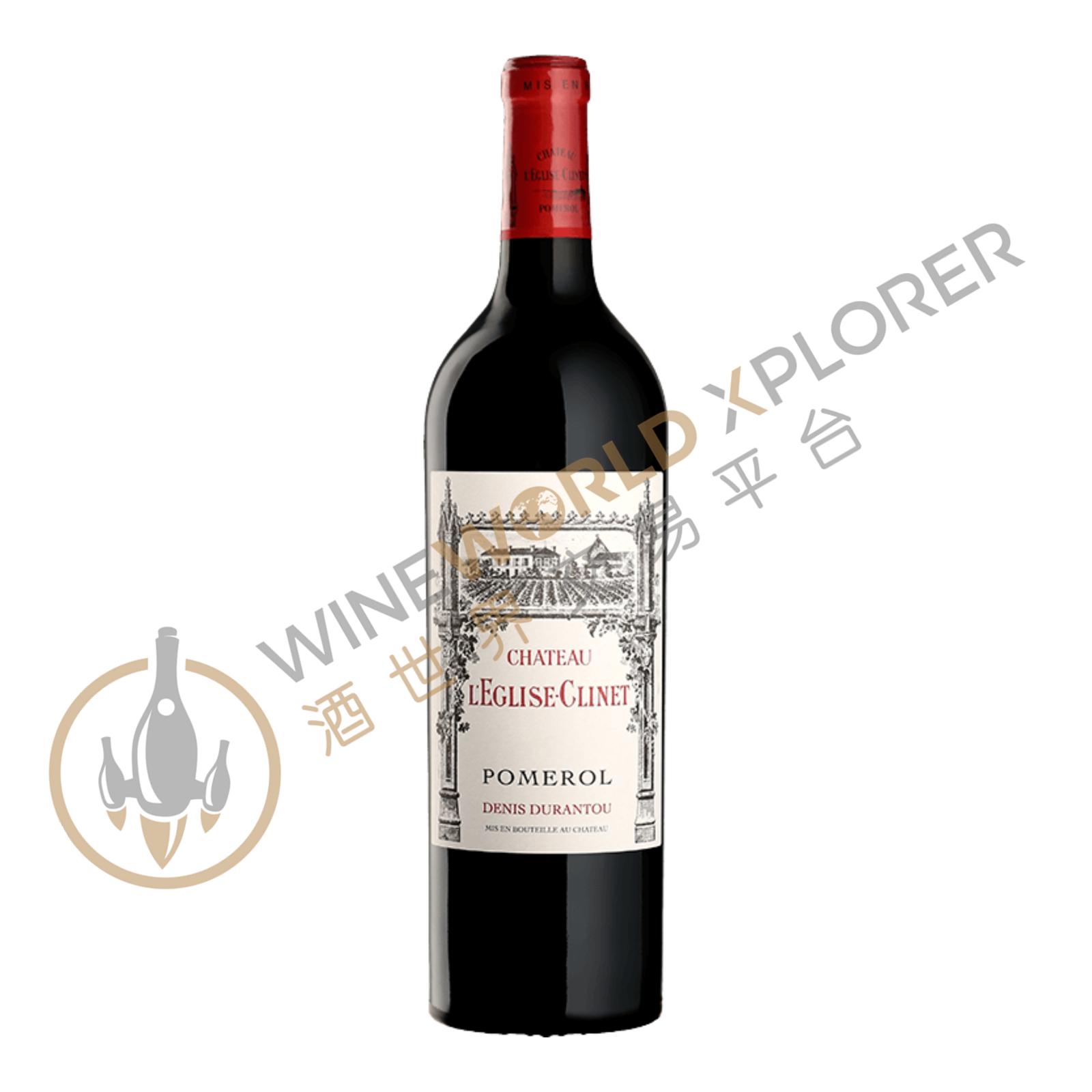
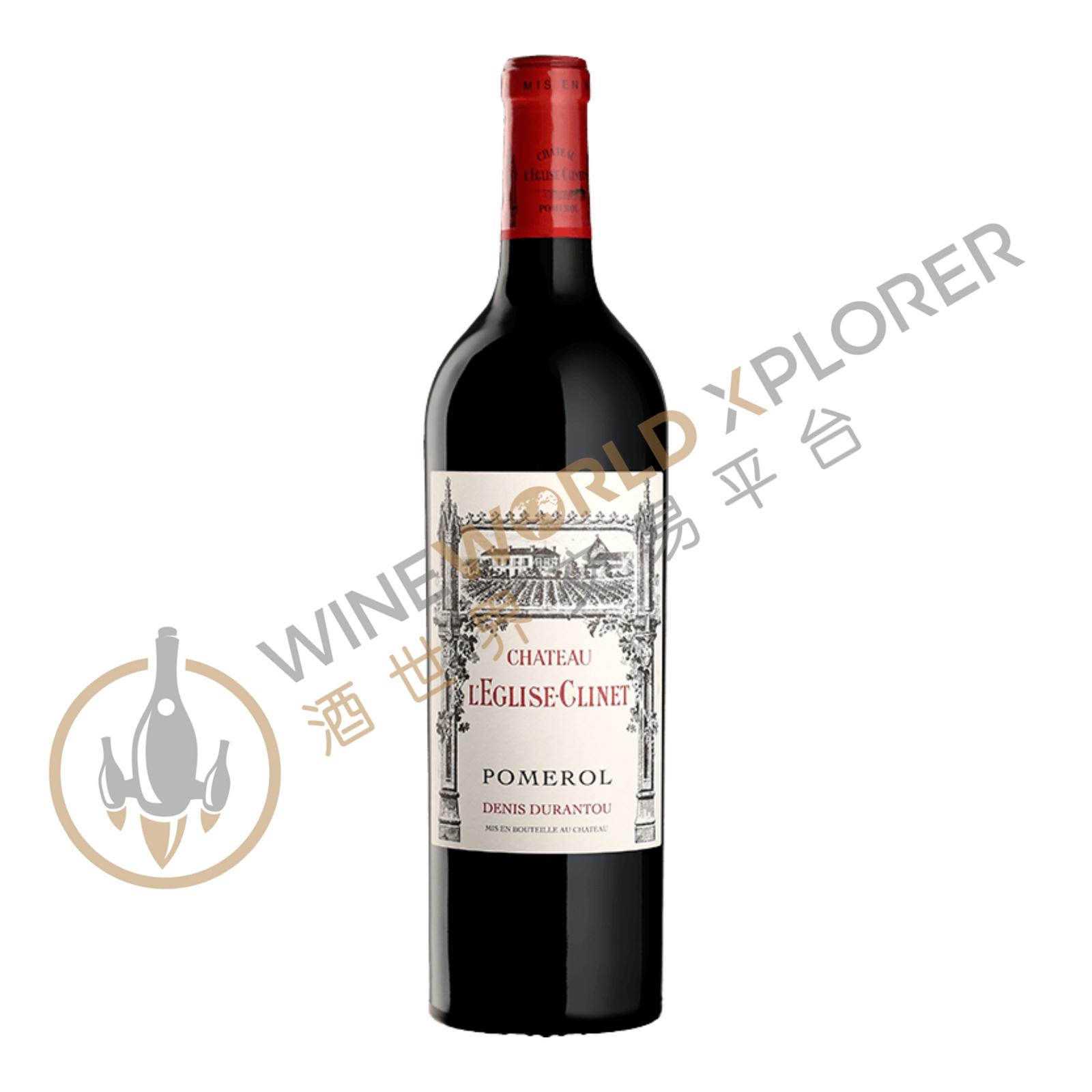
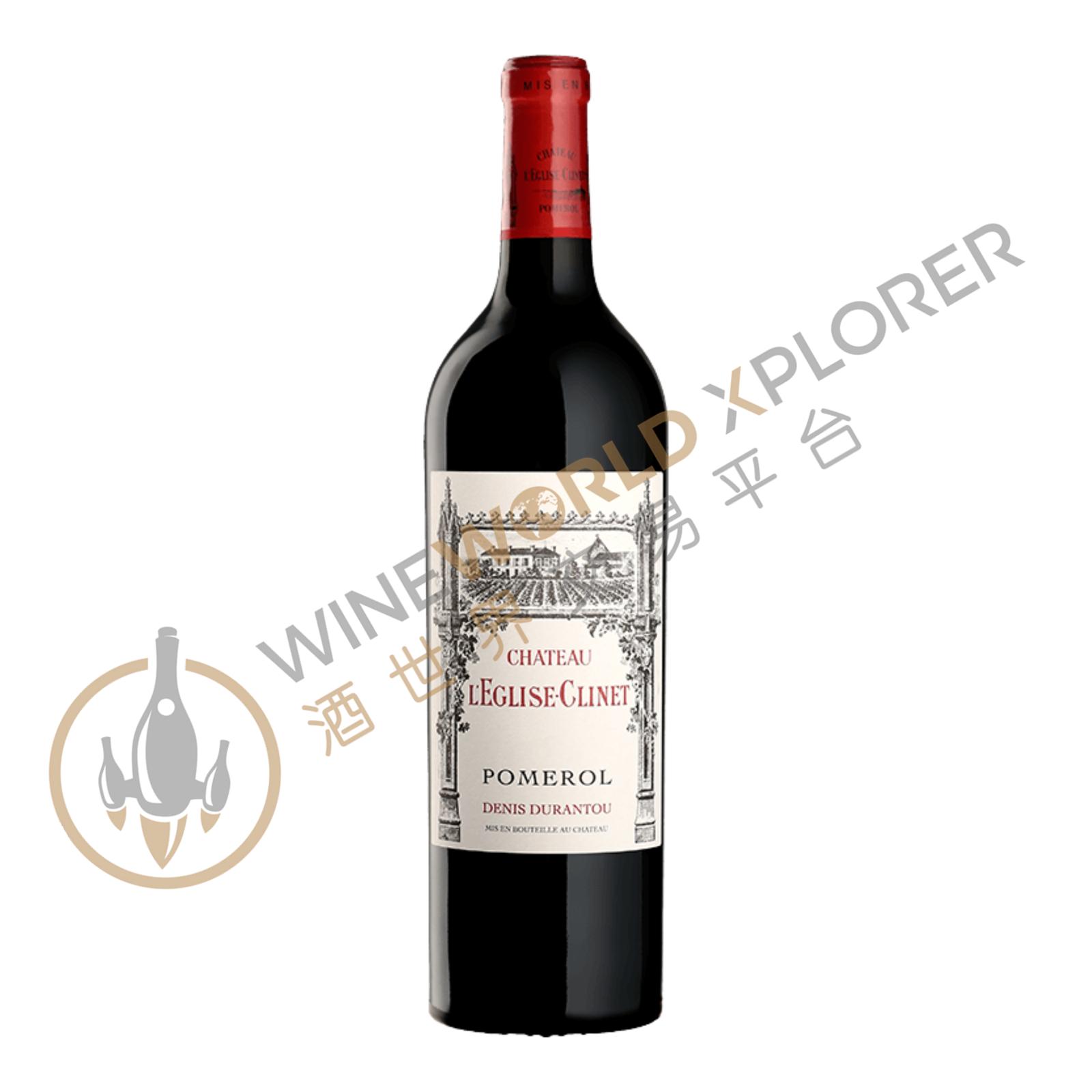
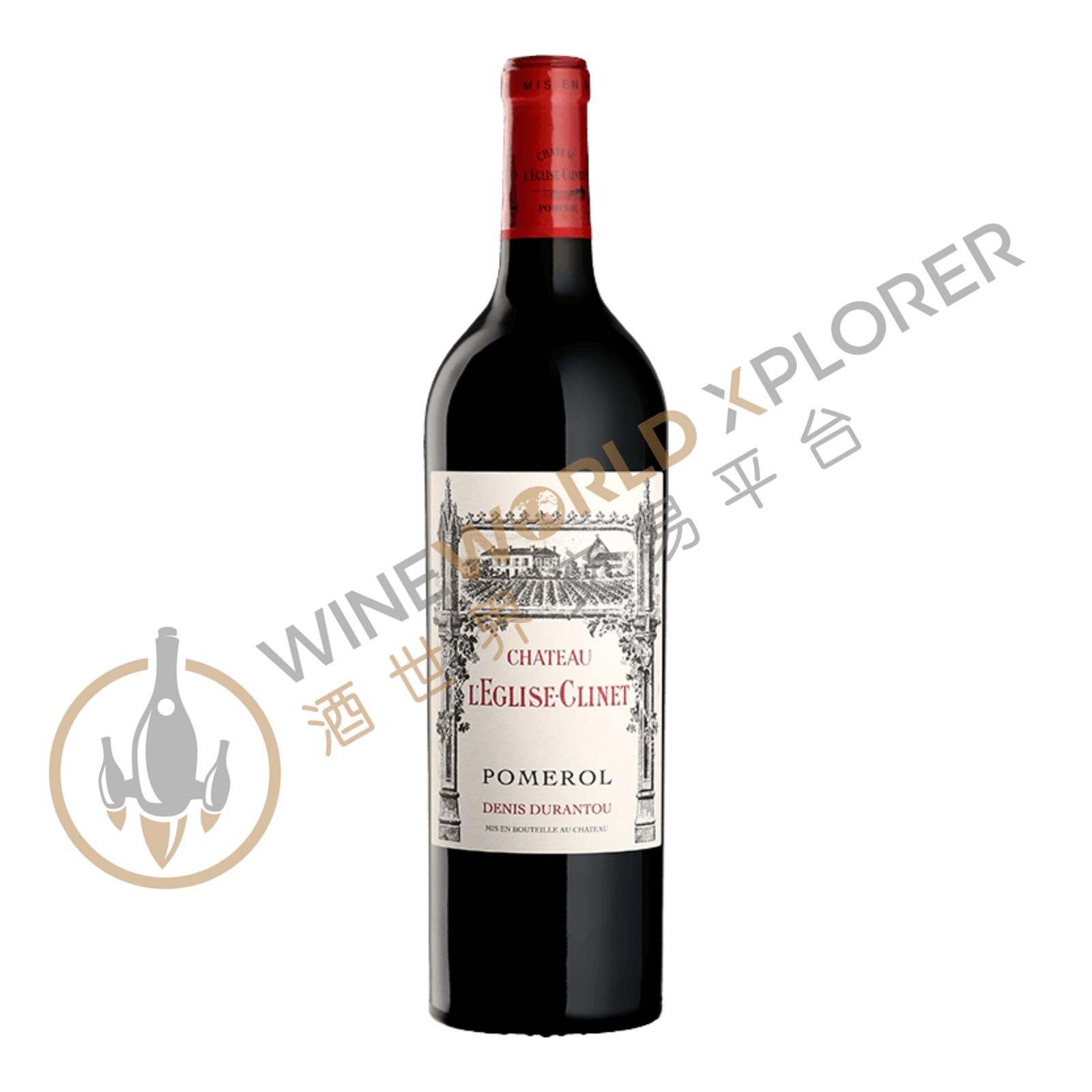
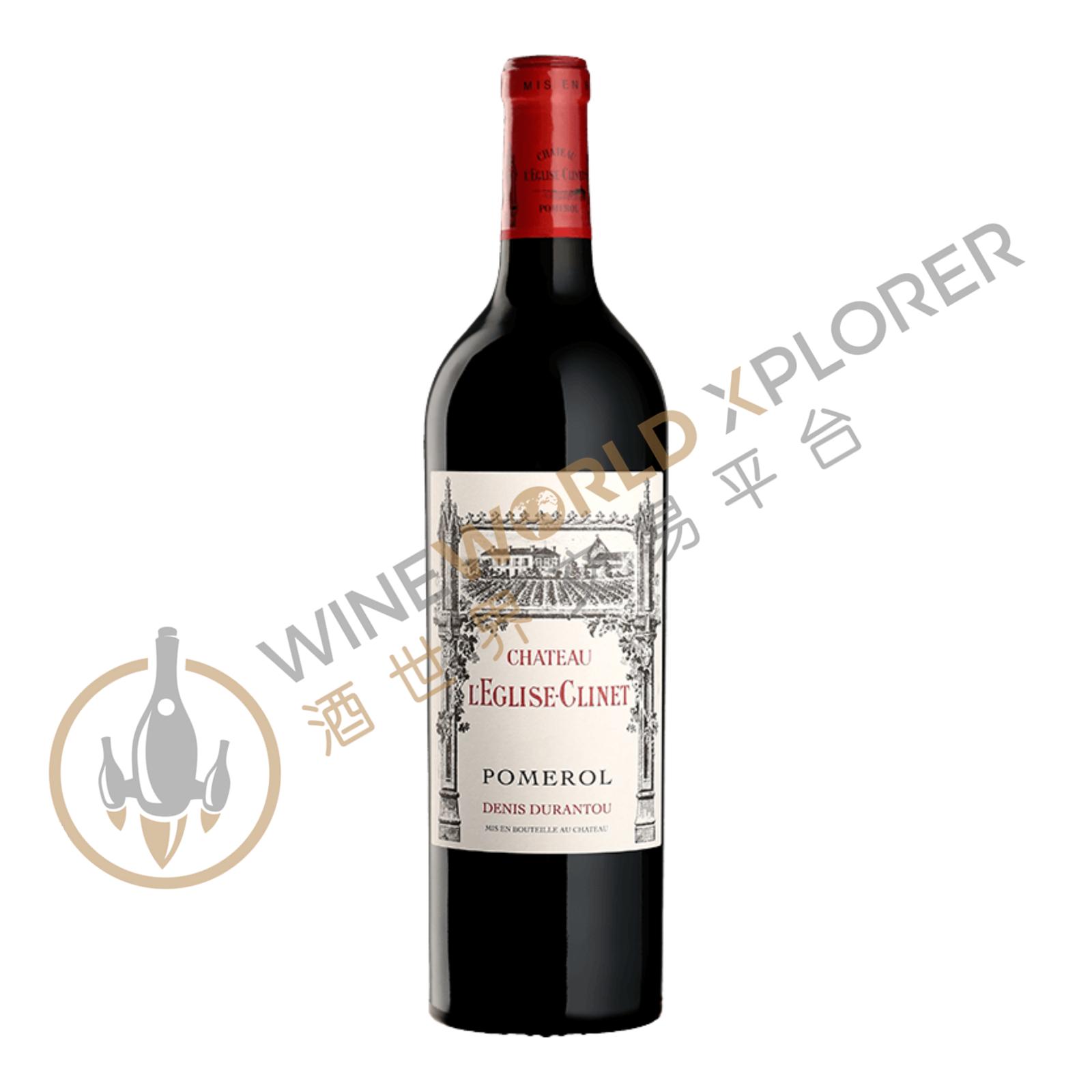
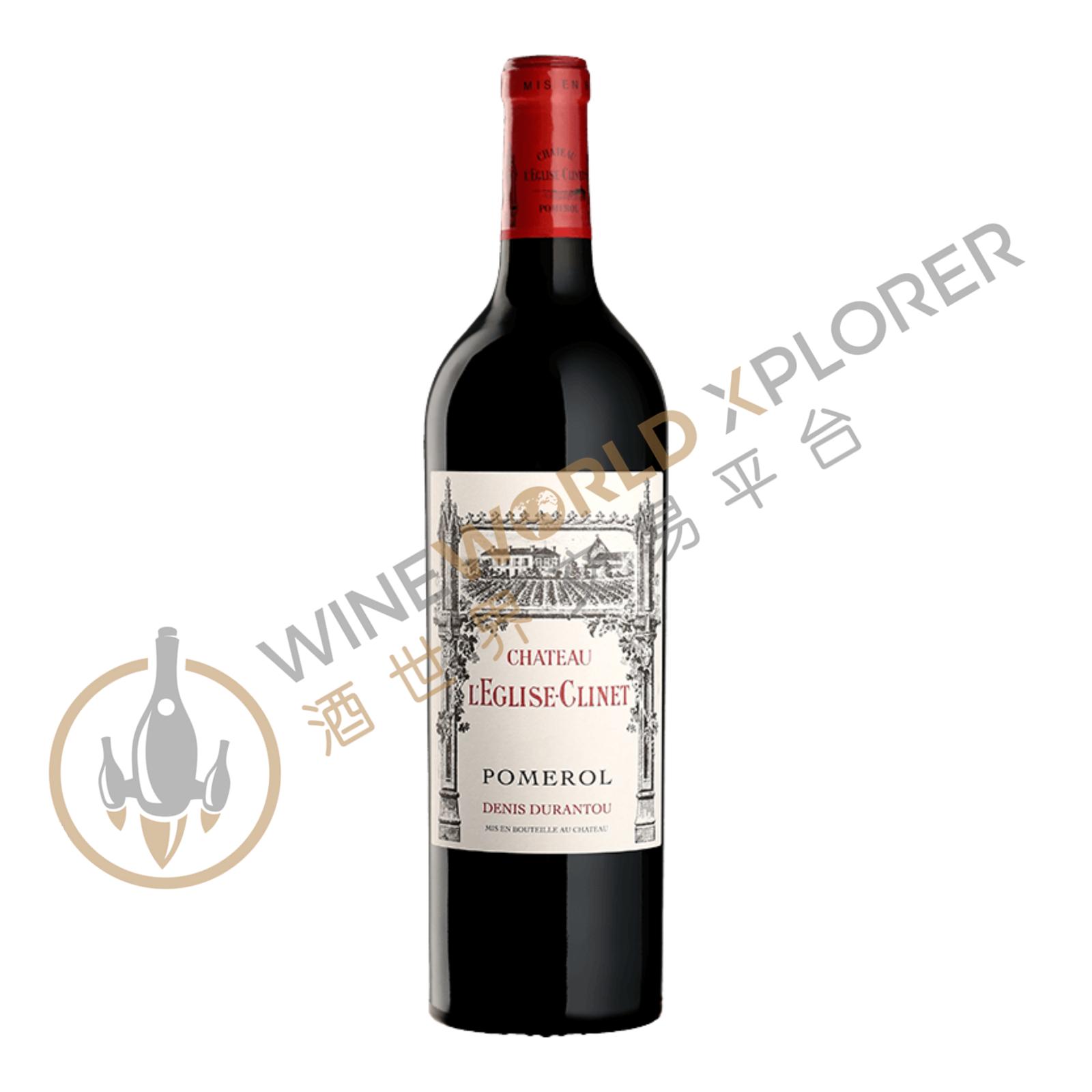
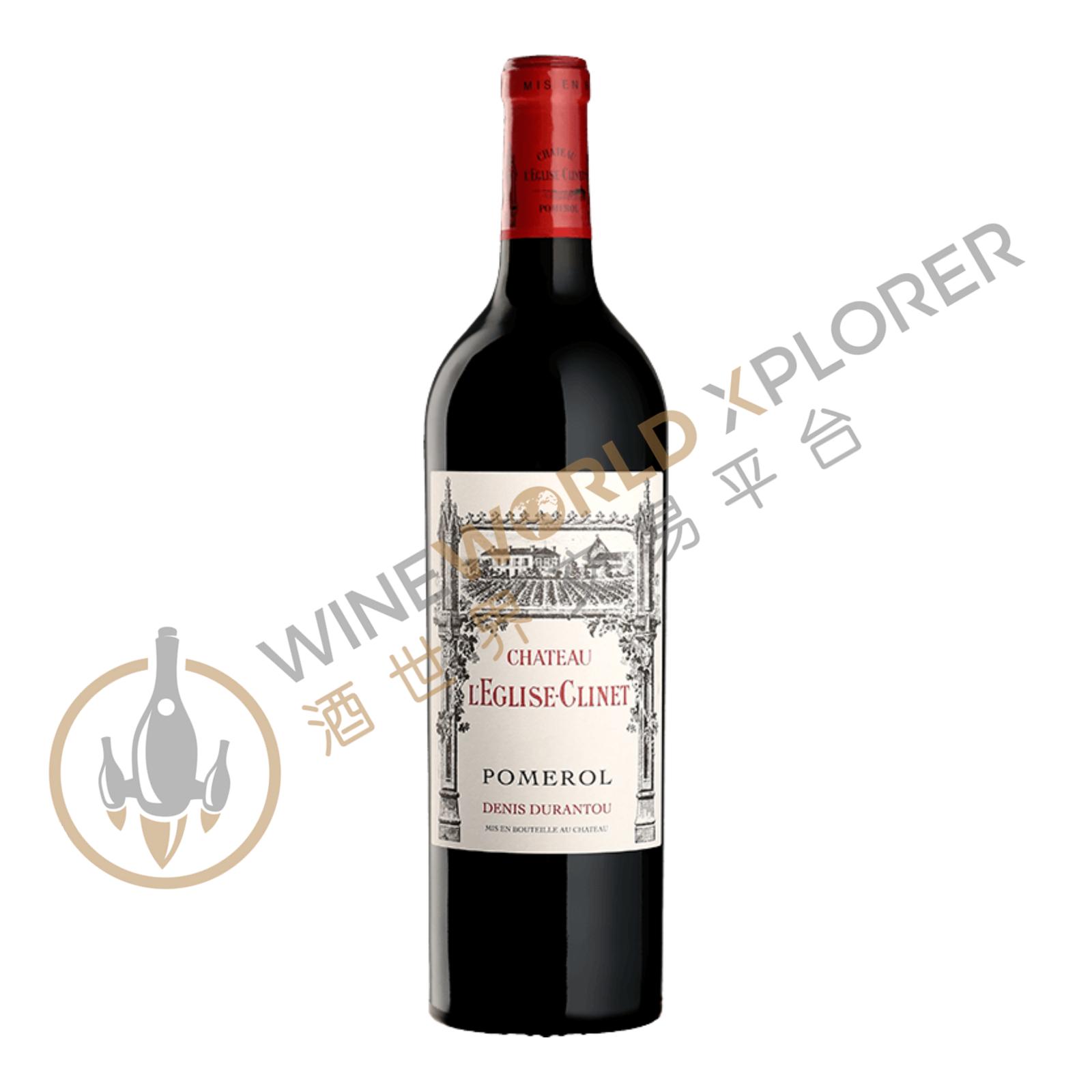
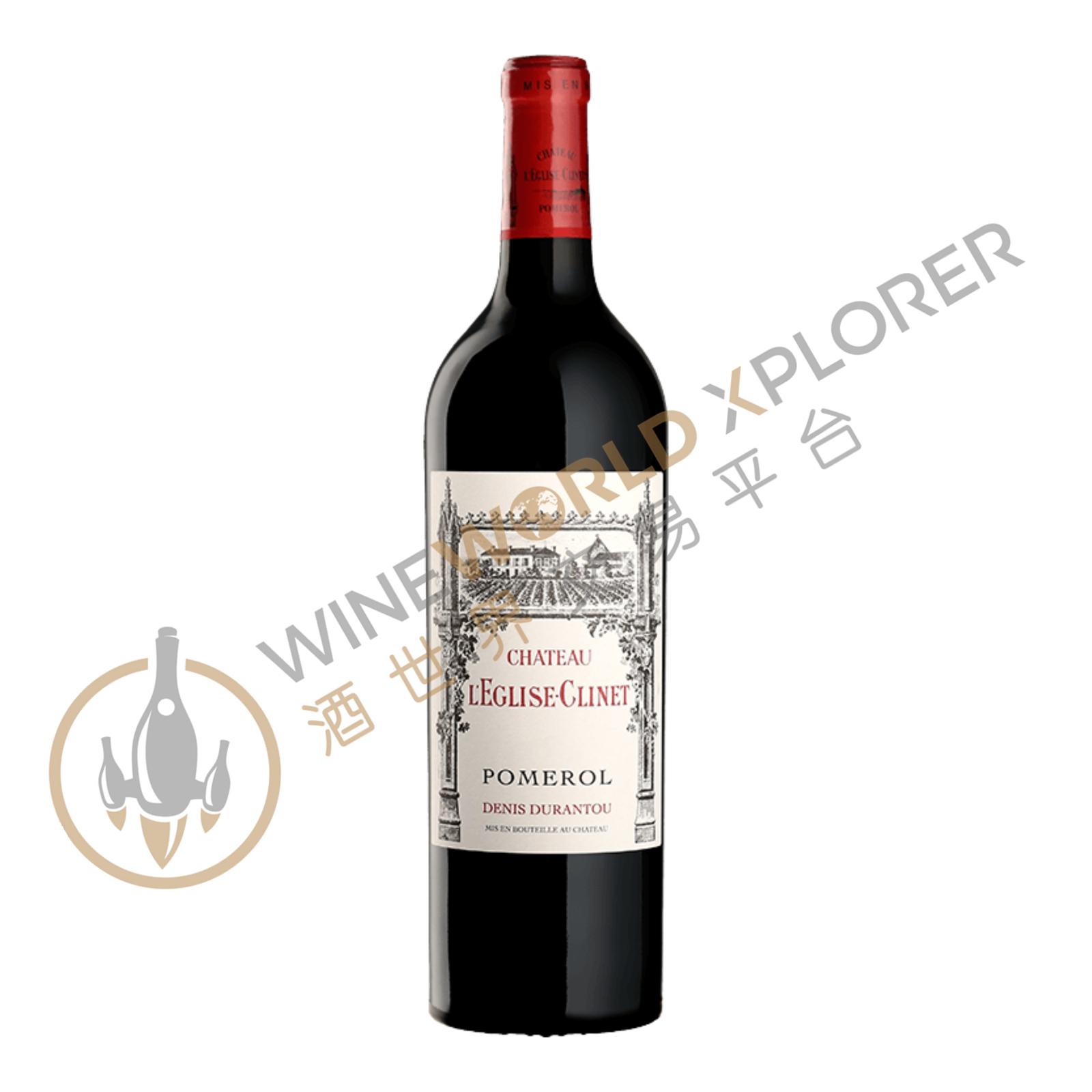
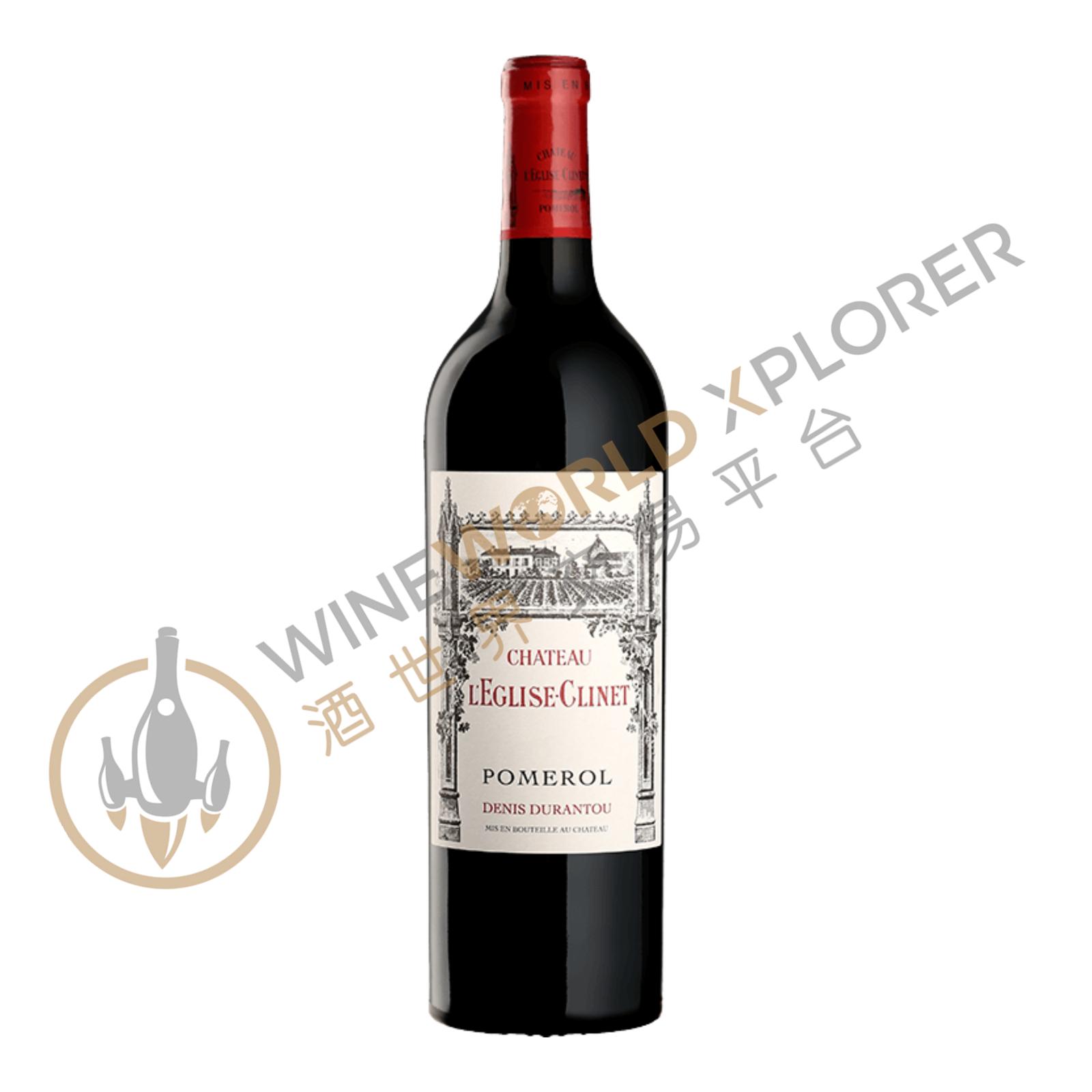
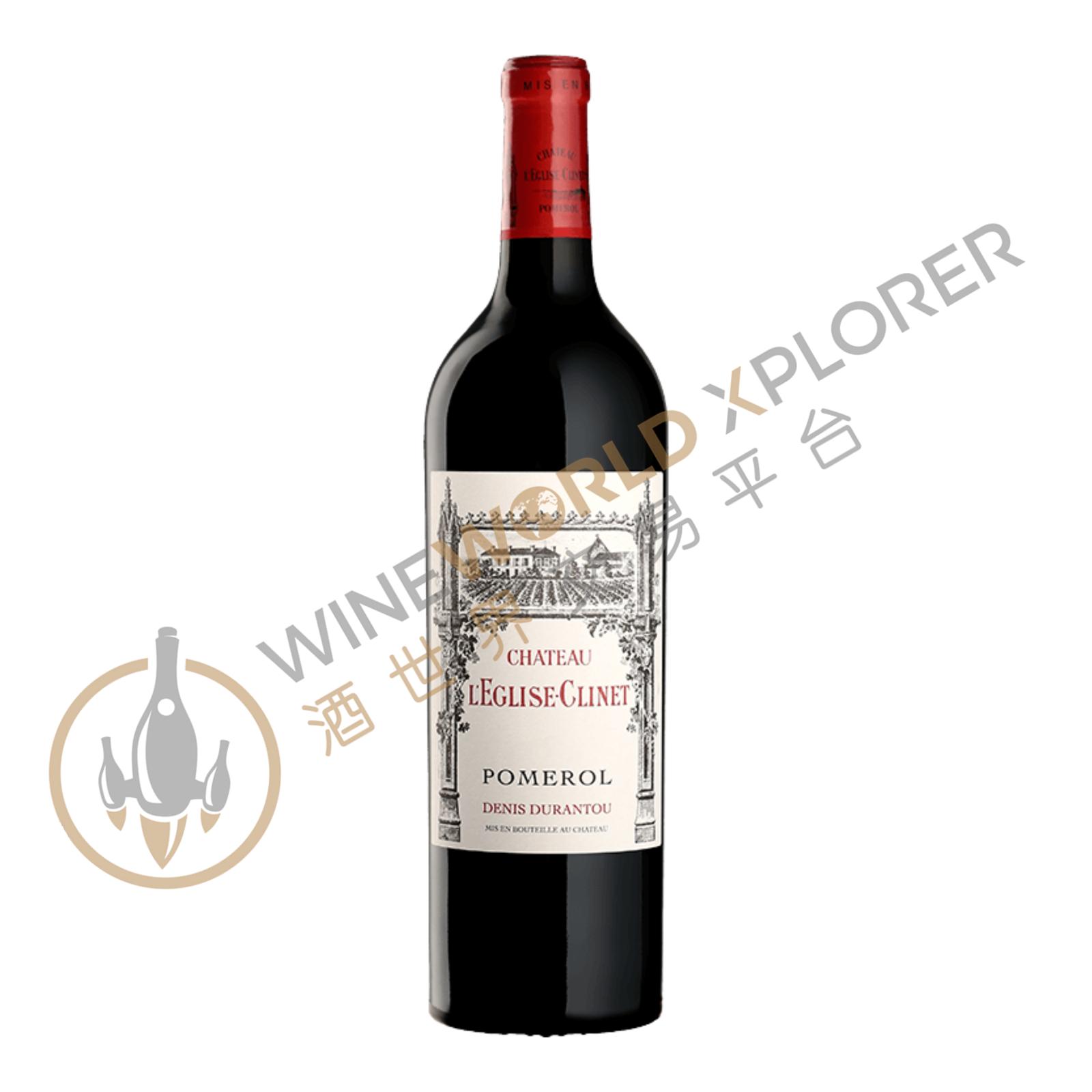
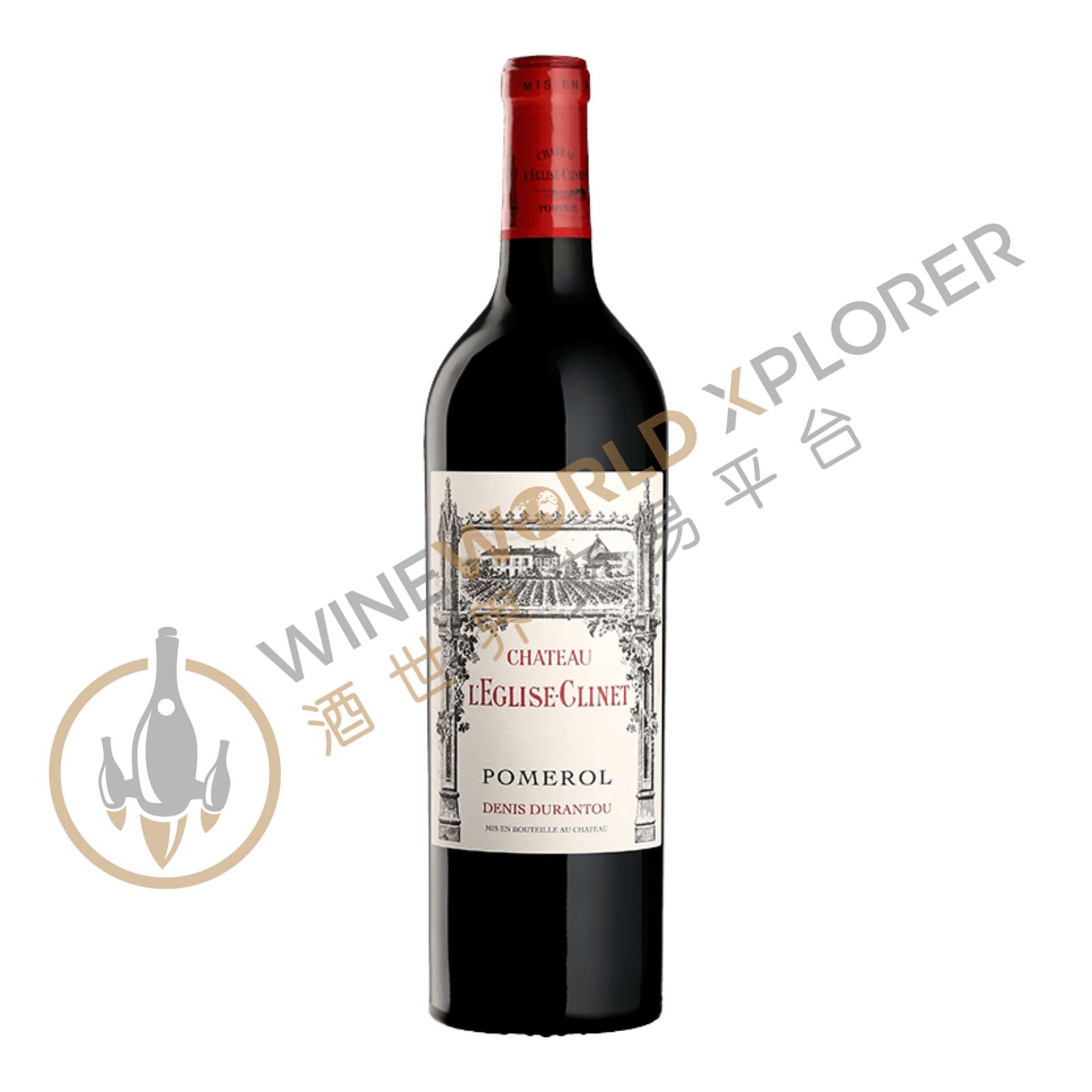
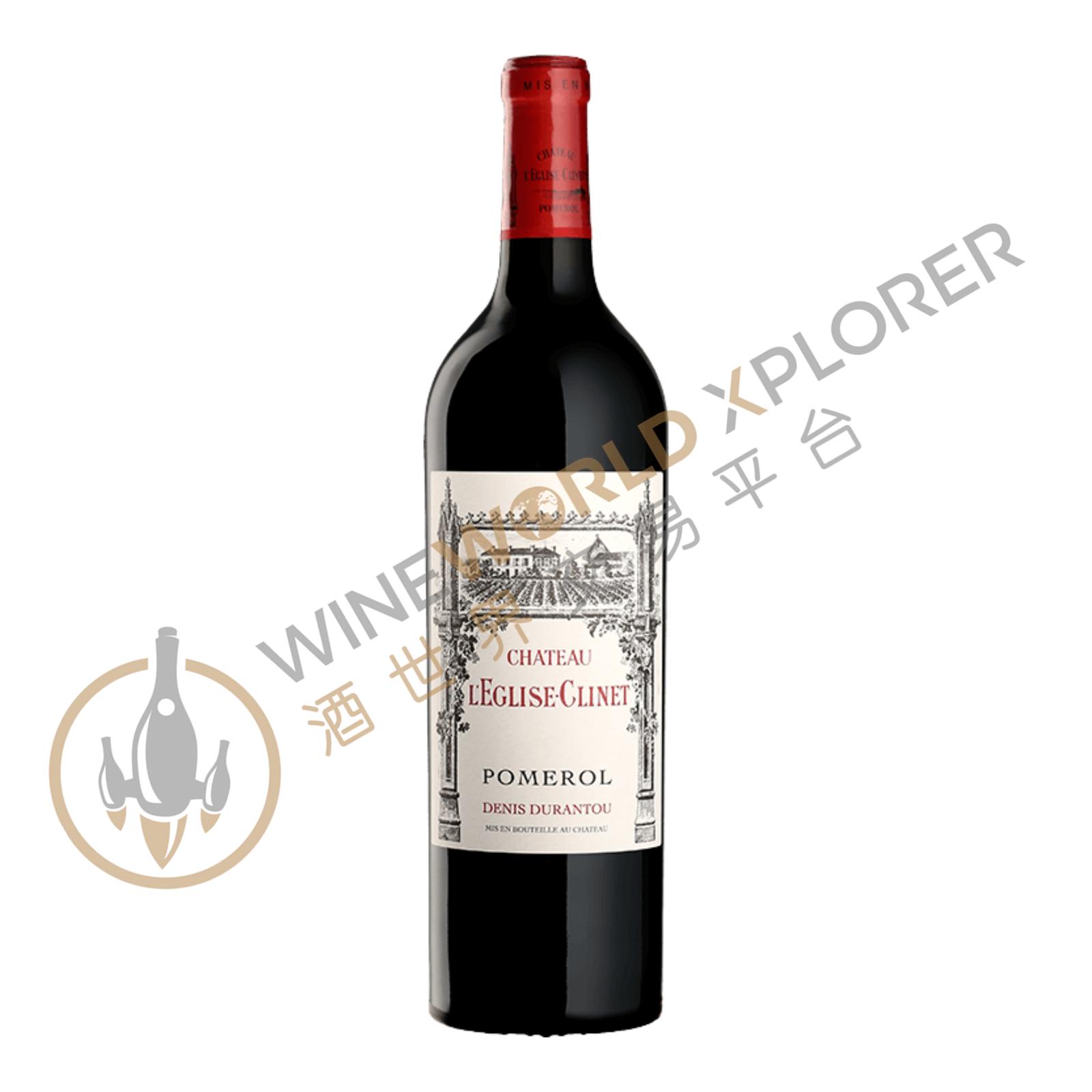
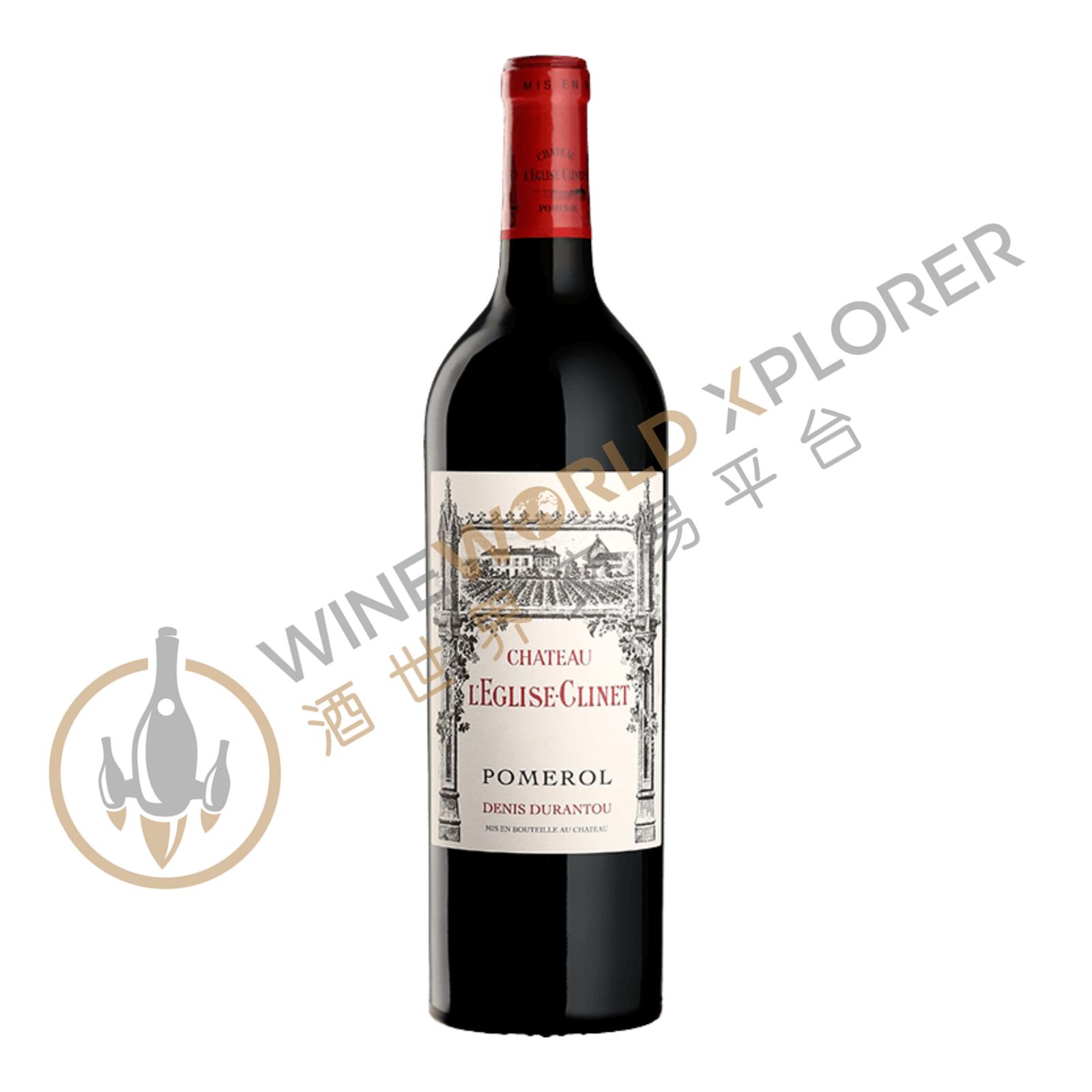
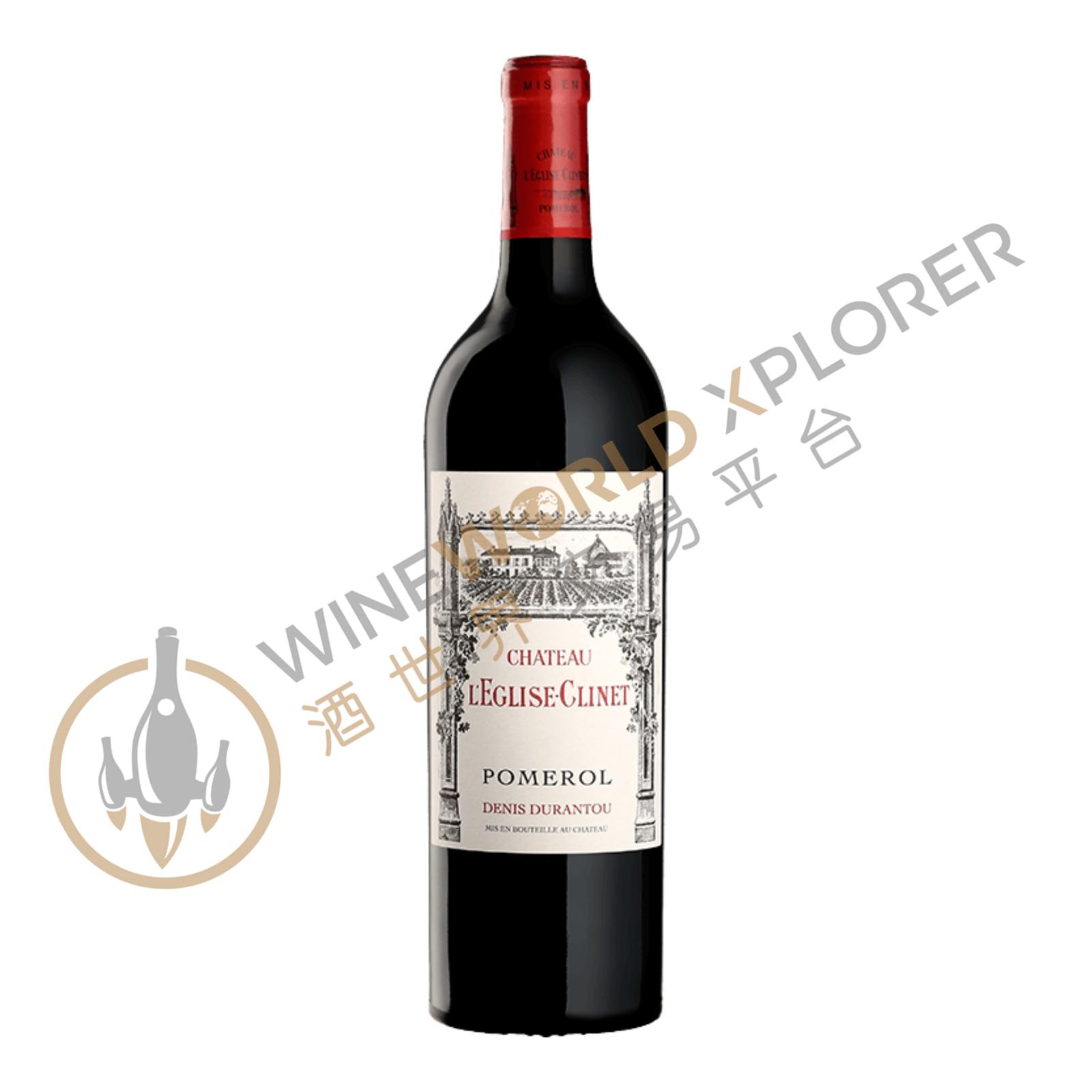
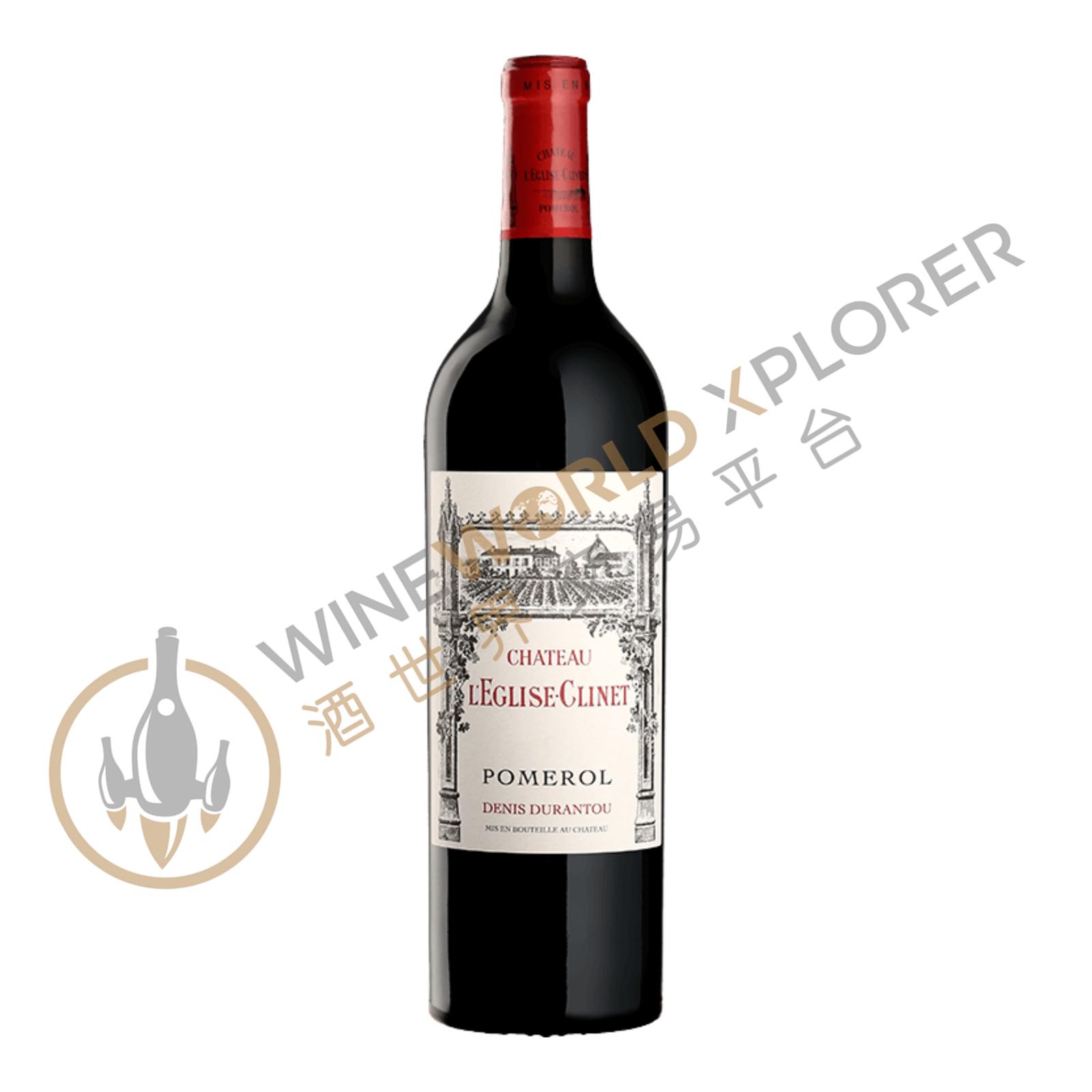
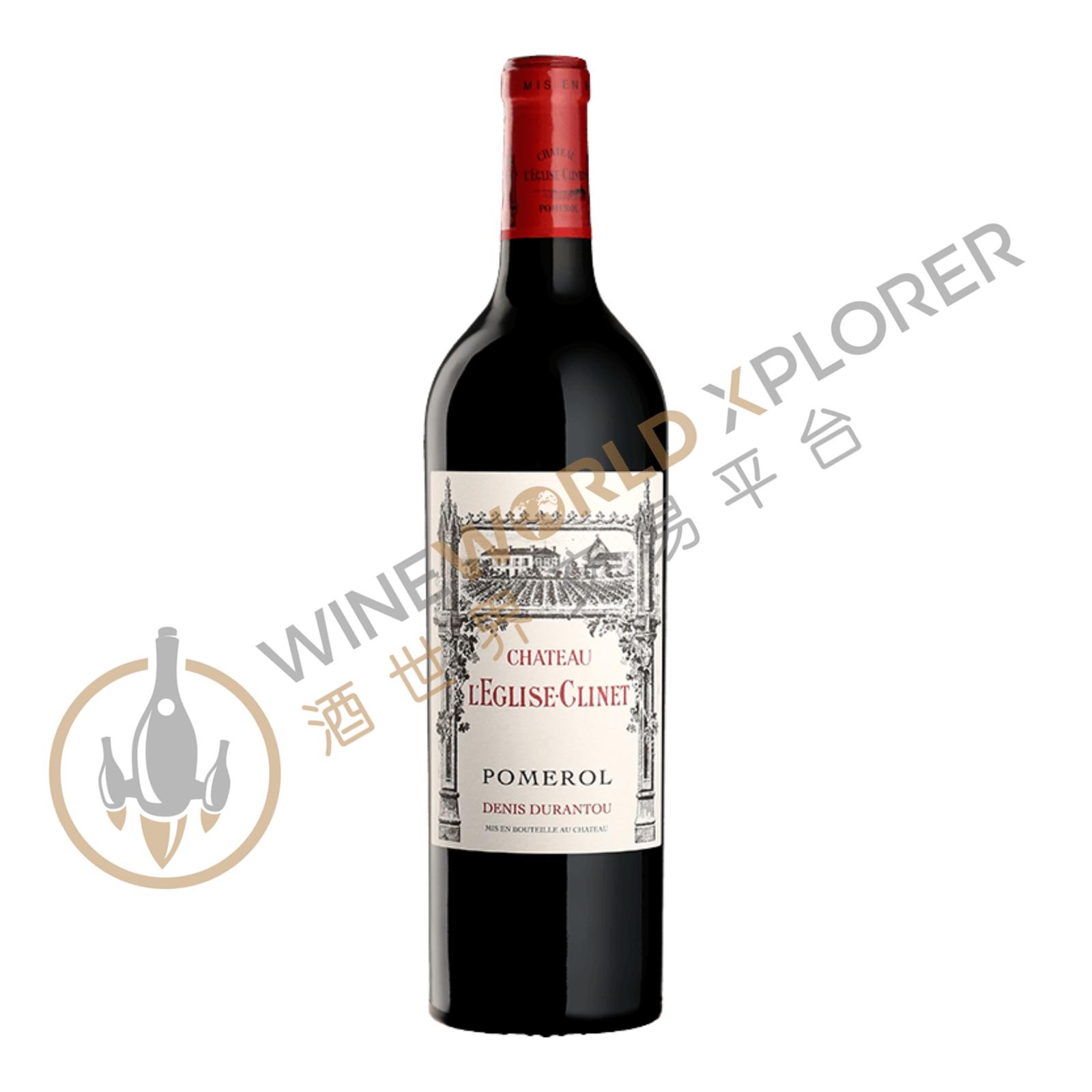
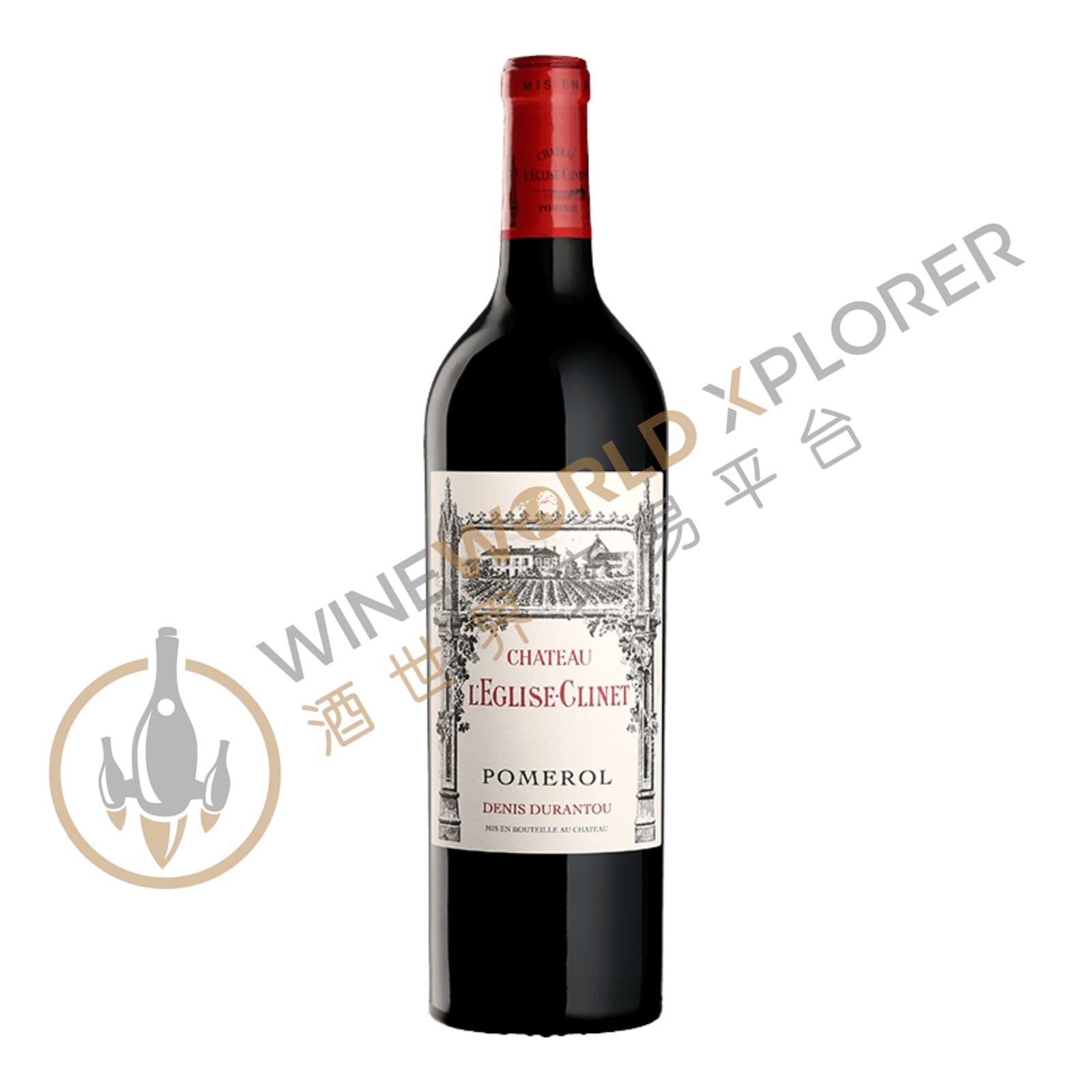
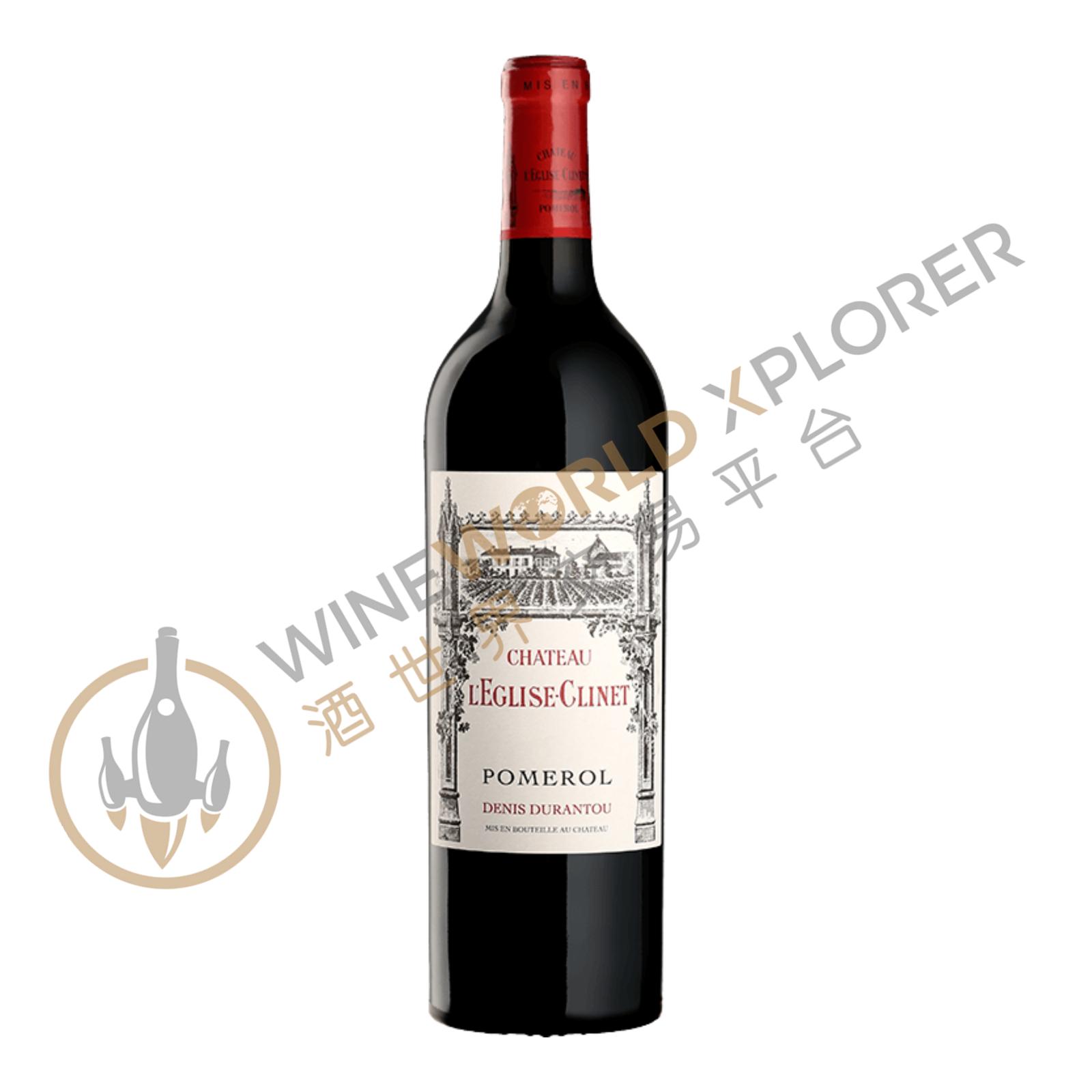
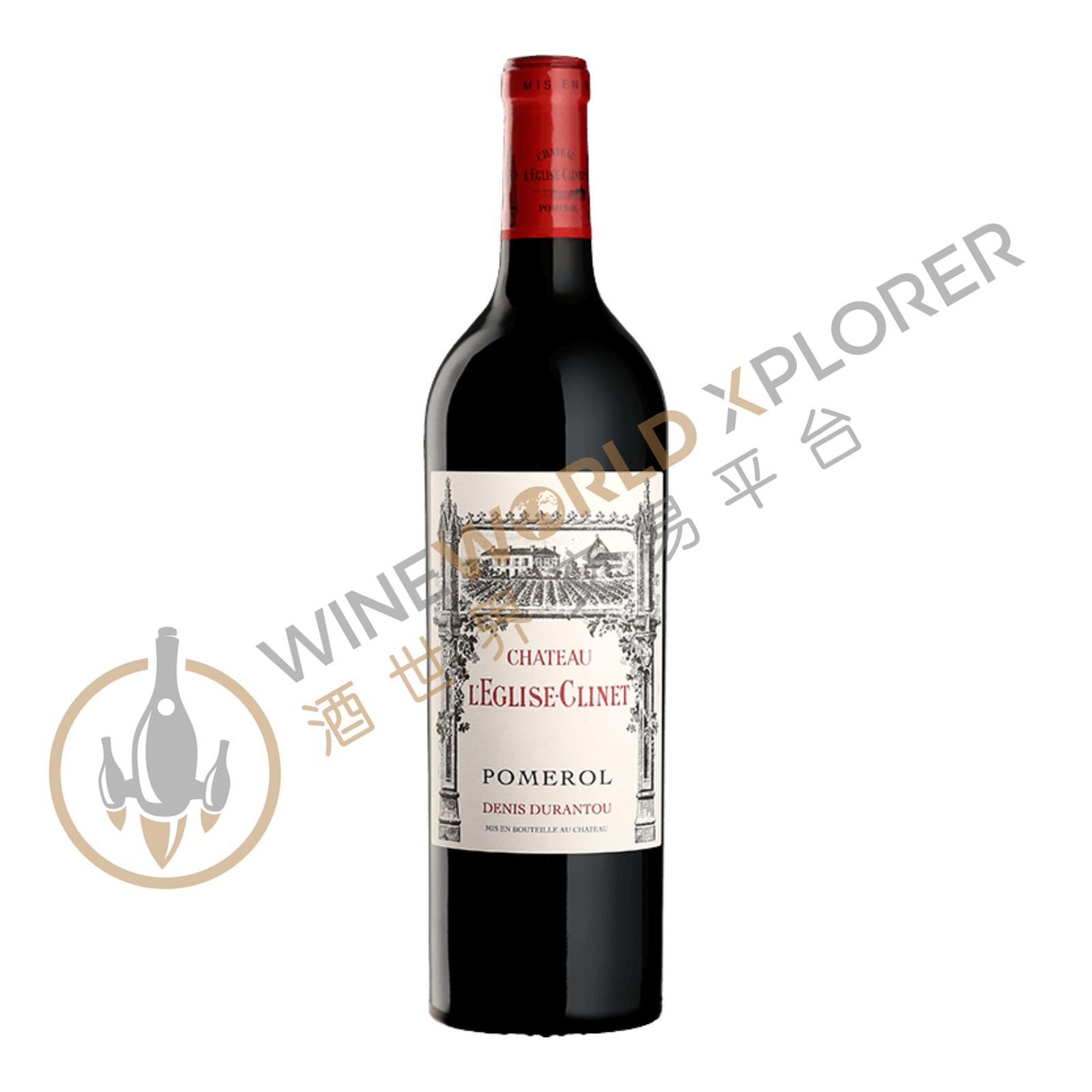
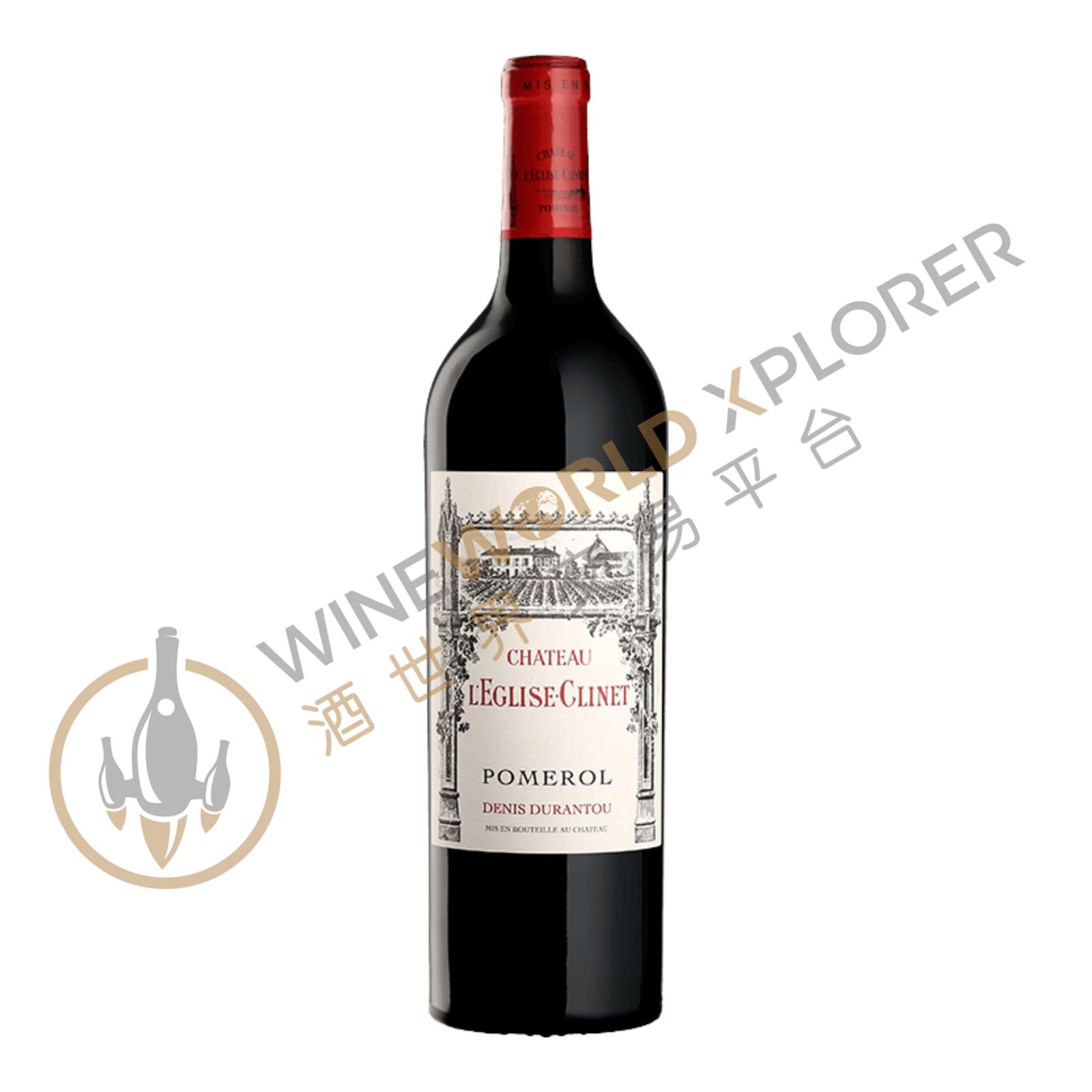
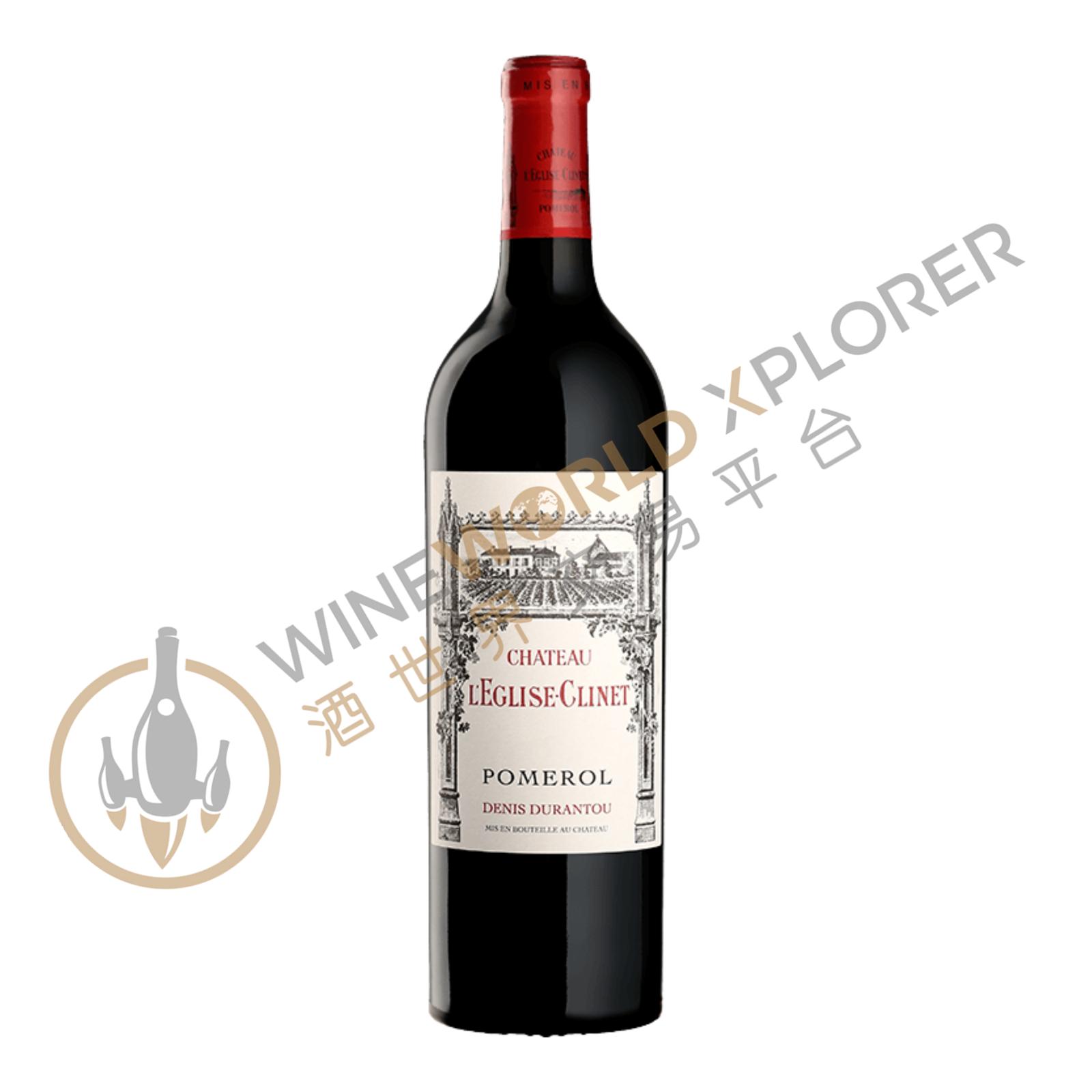
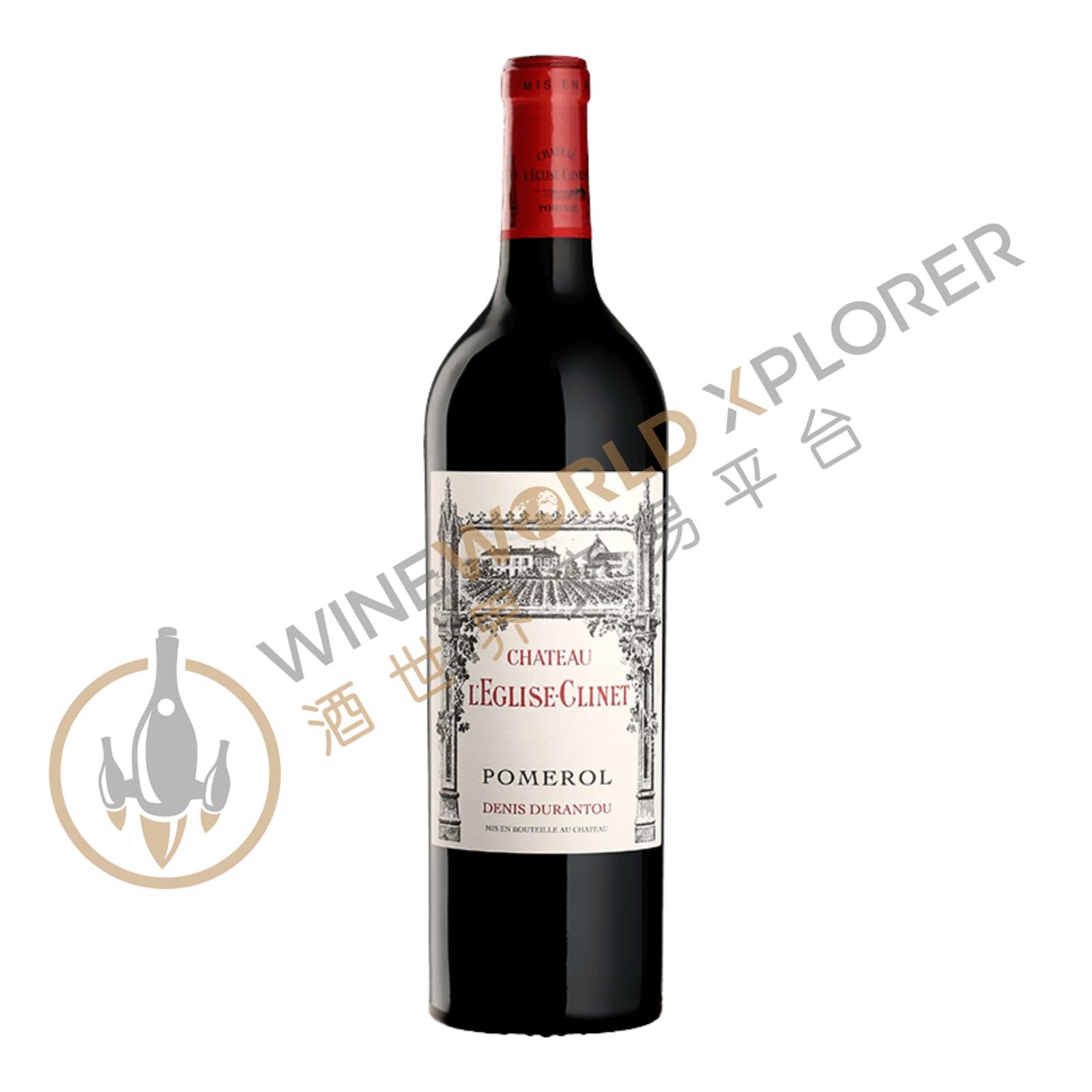
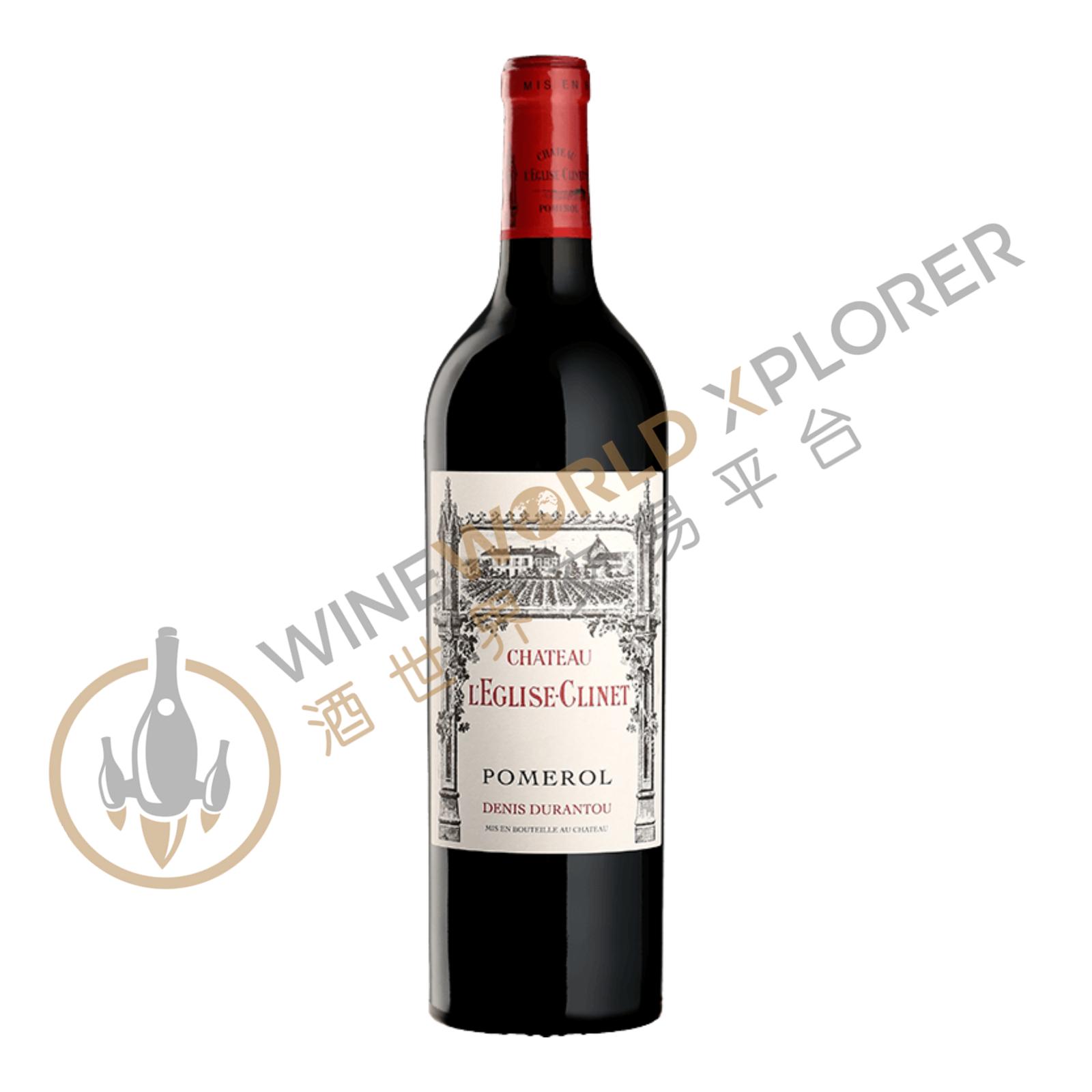
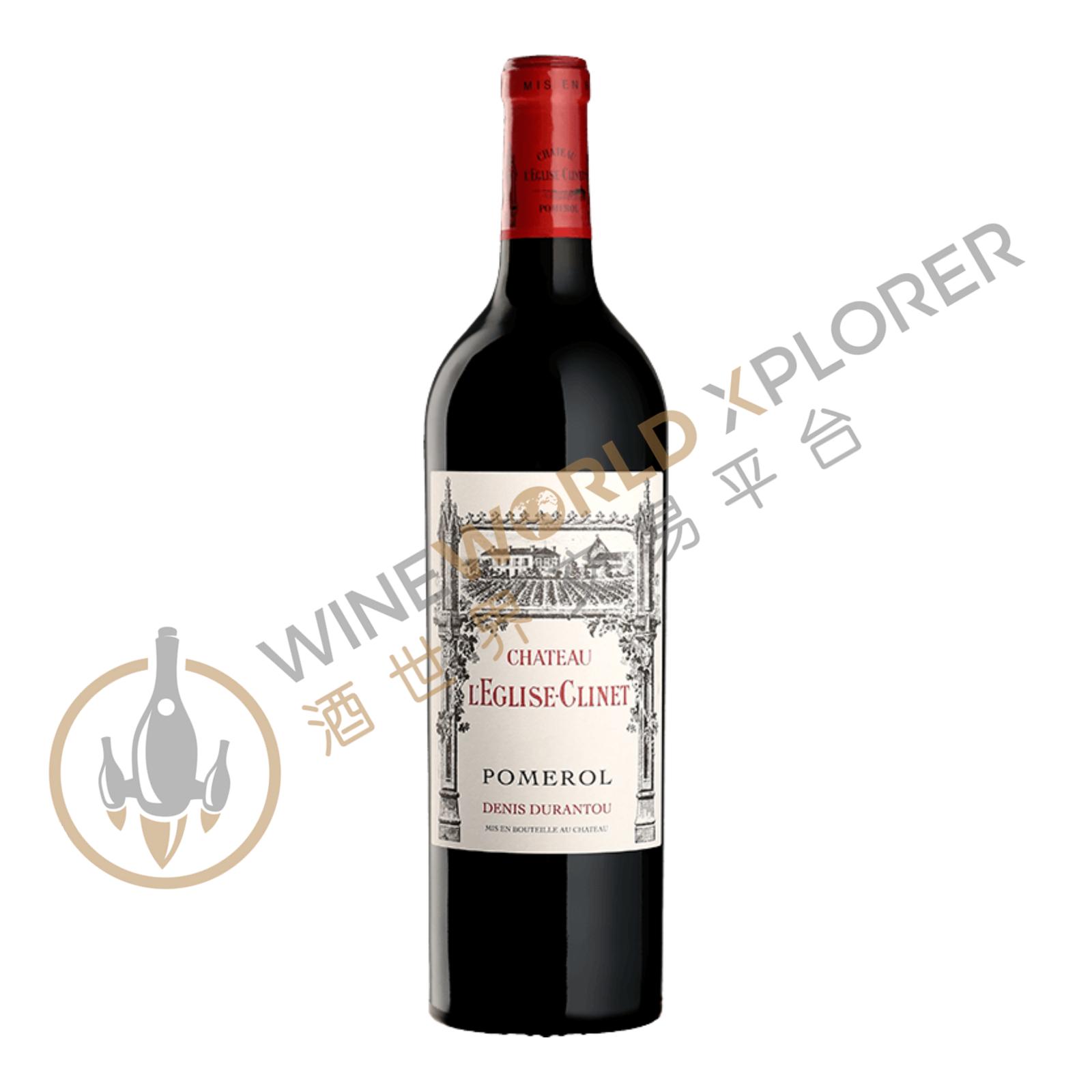
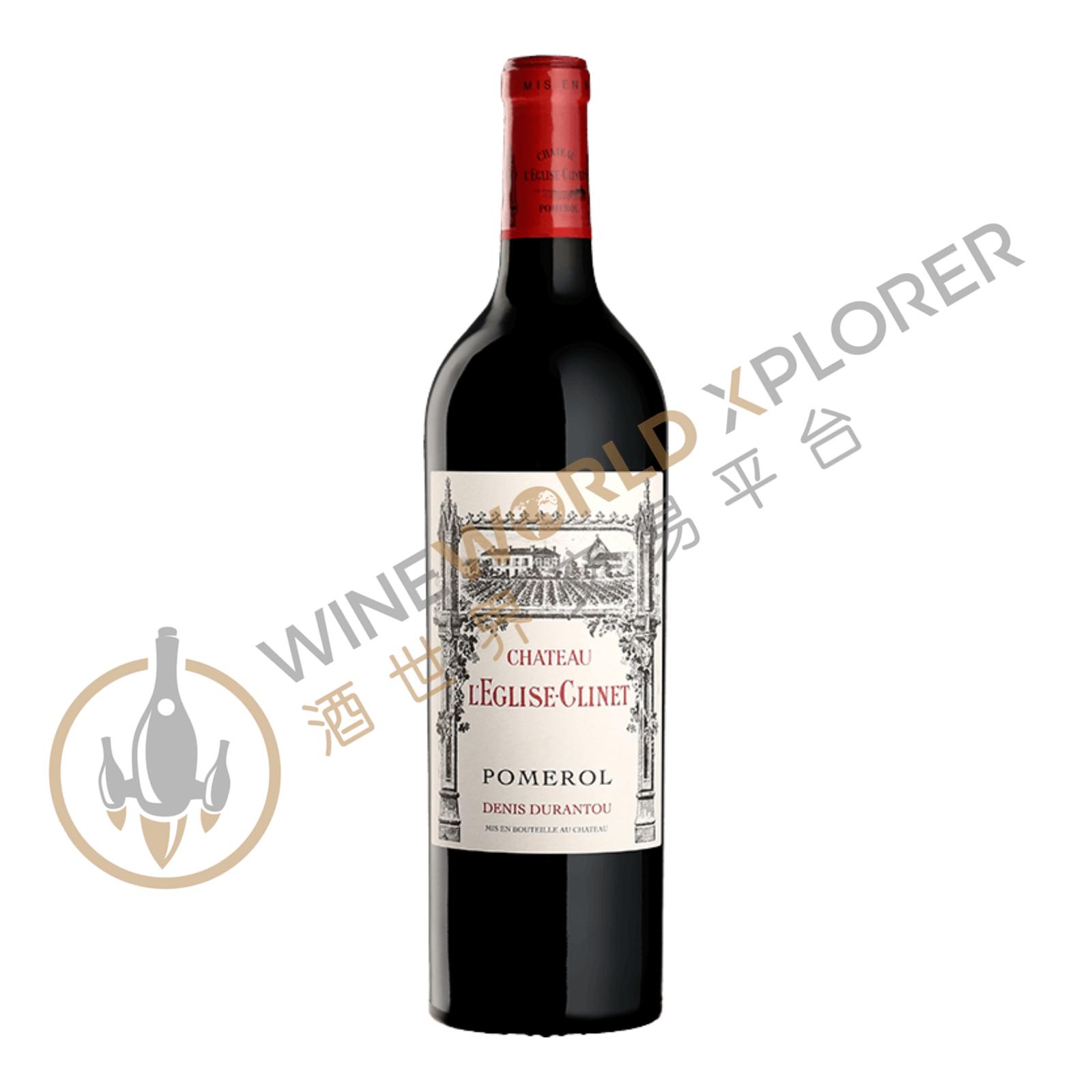
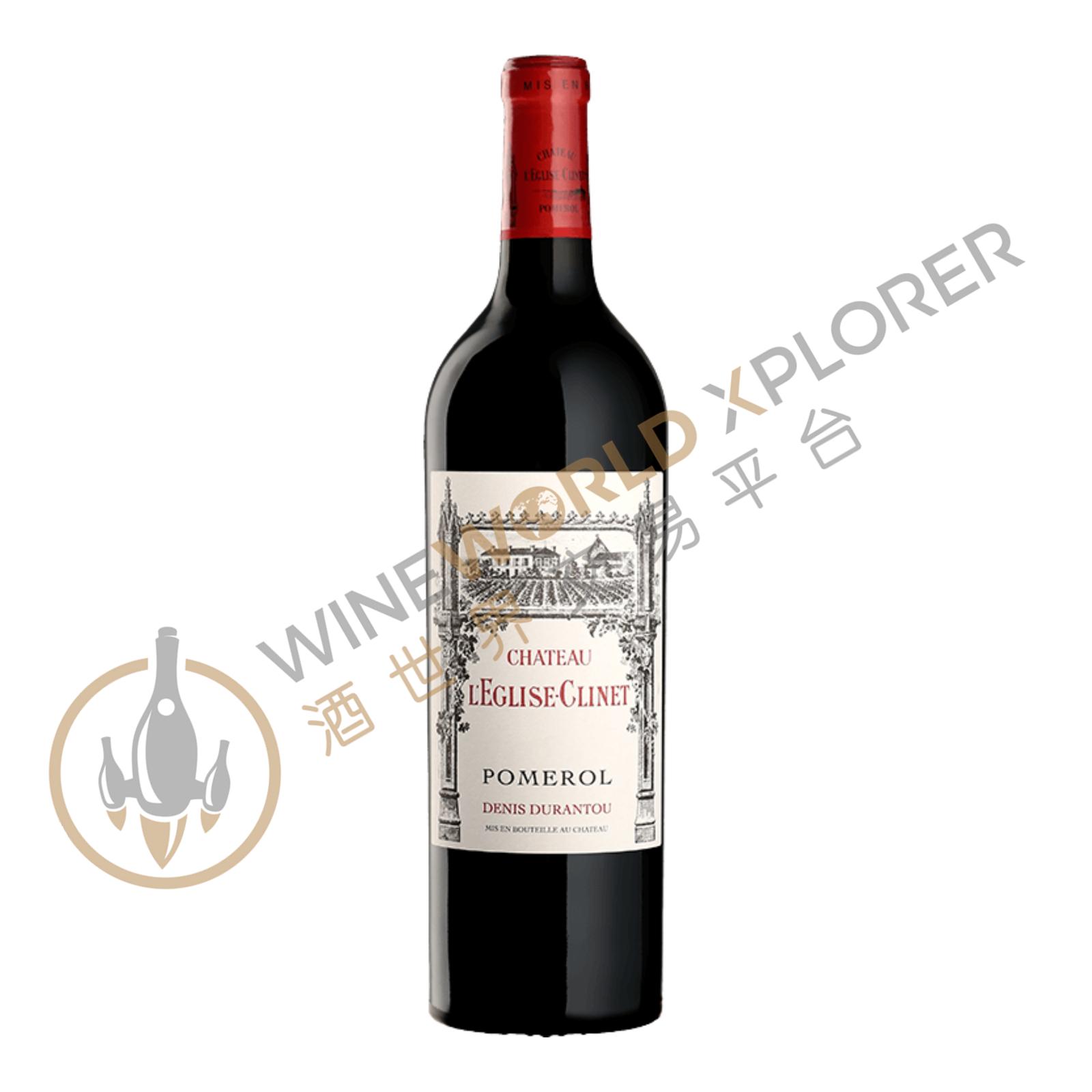
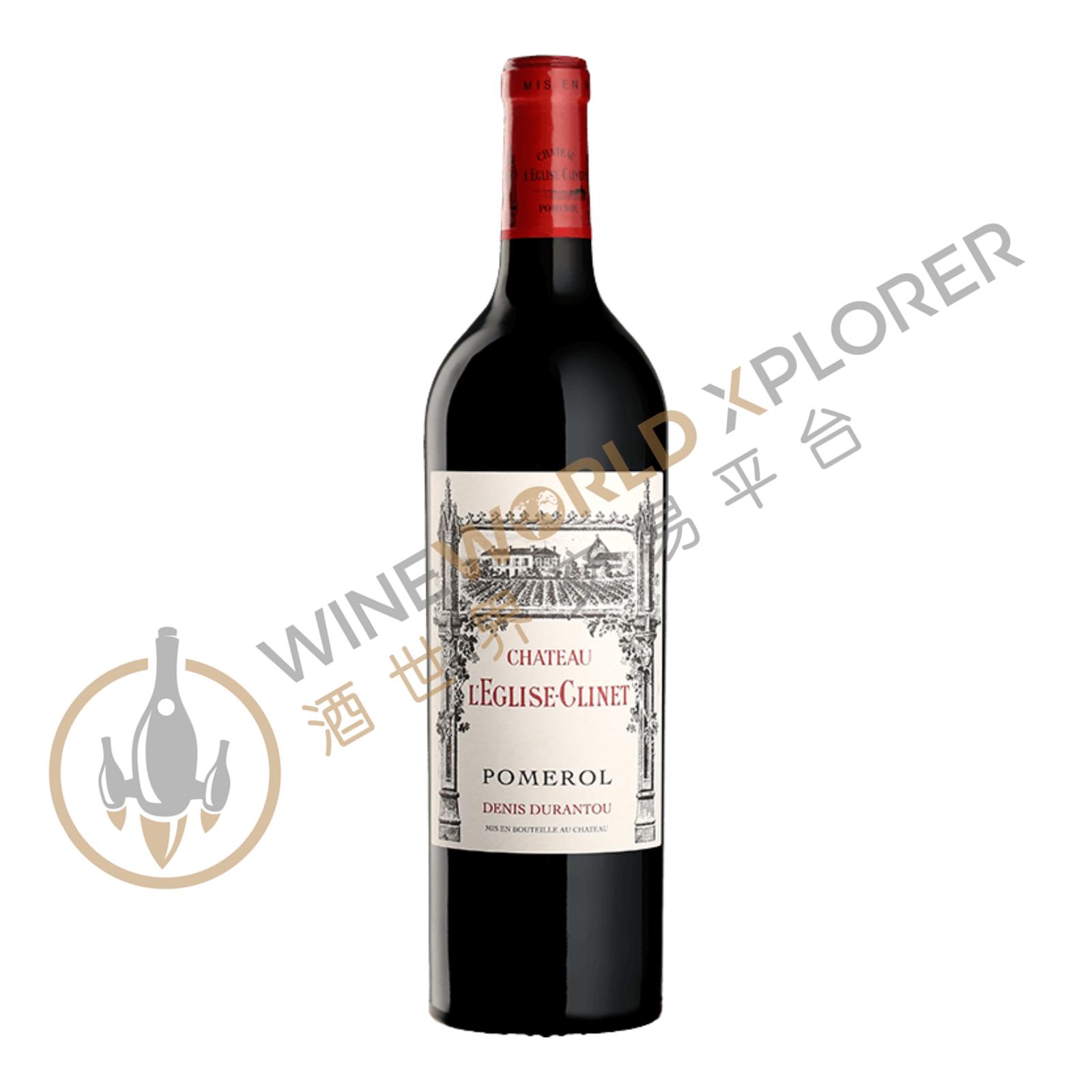
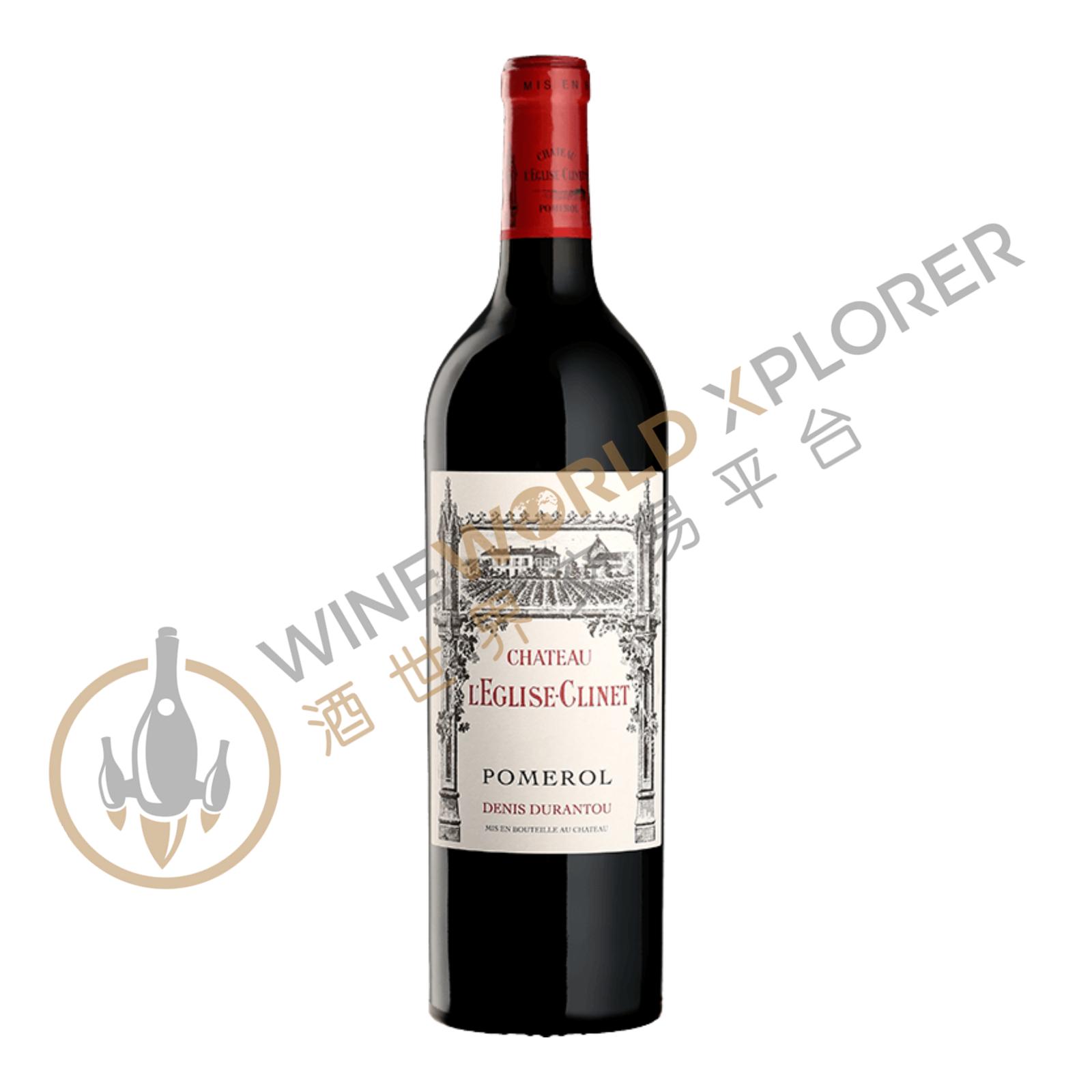
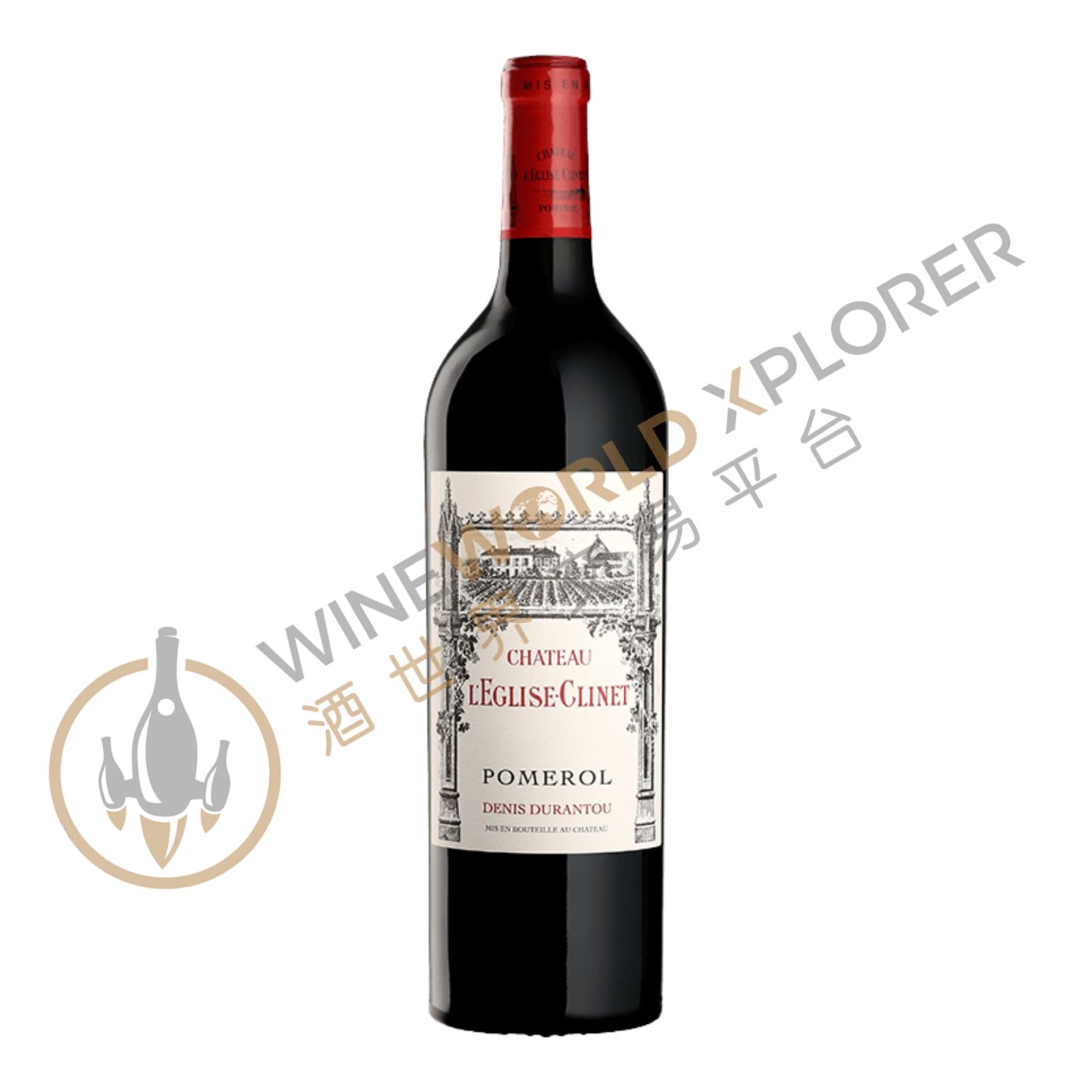
L'Eglise Clinet 1993
 View analysis


Description
Tasting notes

Reviewed by: Robert M. Parker, Jr.
A textbook wine from this consistently fine, under-rated producer, the dark ruby/purple-colored 1993 L'Eglise-Clinet displays a nose of admirably extracted, black-cherry and raspberry fruit wrapped with smoky oak scents. The wine exhibits admirable intensity, low acidity, and moderate tannin, resulting in a generous, well-delineated, structured feel. It will be approachable young and last for 10-12 years. It is an excellent effort from proprietor Denis Durantou.
Reviewed by: Robert M. Parker, Jr.
L'Eglise-Clinet is one of the best-situated vineyards in Pomerol, and proprietor/winemaker, Denis Durantou, is one of the most meticulous producers in Bordeaux. The vineyard is composed of tracts of very old vines (one planted in 1930). The wine, which is made from extremely small yields of two tons per acre, is normally a blend of 80% Merlot and 20% Cabernet Franc, all of it aged in 60% new oak casks. This wine may merit a higher rating. I am not a fan of red wines with green overtones, so perhaps the spicy, green peppery bouquet held my score down. Nevertheless, this deep ruby/purple-colored wine possesses an undeniably grilled meat, smoky, peppery, sweet, fruity nose that is evolved and intense. The wine hits the palate with a nice display of sweet, ripe, soft fruit, and low acidity. It is medium-bodied, with the kirsch liqueur, black-raspberry fruitiness that is a hallmark of this estate. The 1993 should be at its peak after 2-3 years of cellaring; it will last for 12-14 years. I would opt for drinking it on the young side, as the fruit may fade before the tannin.
About the Producer
Château l'Eglise-Clinet is located in the Pomerol appellation on the right bank of Bordeaux, France, and is one of the most famous wineries in the Pomerol region. Château Clinet Chapel has a long history, dating back to the late 19th century. The Rouchut family, who ran Chateau Clos l'Eglise at the time, and the Constant family, who ran Chateau Clinet, decided to make wine together. Until 1950, the Bordeaux wines produced by these two families were sold under the name Château Claregelis. It was only after 1950 that their wines were given their current name, Château Clignet. Later, the Durantou family acquired Château Clignet. However, the owner was not keen on wine at the time and left everything to Pierre Lasserre, the owner of another Pomerol estate. Pierre Lasserre only had to give him half of the estate's income each year. This partnership has continued for 40 years. Today, Denis Durantou, a descendant of the Durantou family, is in charge of the estate. At present, Château Clignet has 5.5 hectares of vineyards. The soils are mainly gravel and clay, some of which are rich in iron. The vineyards of Château Clignet were spared from the 1956 frosts and the vines are on average 45 years old. The vineyard is planted with 85% Merlot and 15% Cabernet Franc at a density of 6,500 vines per hectare. The vineyard is fertilised with an organic fertiliser mix every 5 years. The grapes are hand-picked when they are ripe at Château Clignet. After careful selection and crushing, the grapes are fermented in concrete and stainless steel containers for 15-21 days. After about October, the fermented wine is aged in new oak barrels for a period of 18 months. The main wine of Château Clinet is the Château l'Eglise-Clinet, Pomerol, France. The wines are concentrated and rich, full-bodied, with pure fruit and exotic spice notes, particularly fresh and wonderful, making them unique among Bordeaux wines. In recent years, as the price of the wine has soared, so has the quality. Today, it is in the top tier of Pomerol.
1961(1)1985(2)1989(1)
Package Size