Wine Advisor



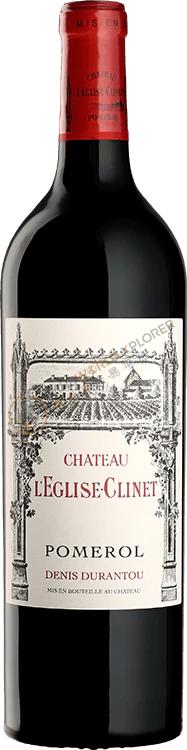
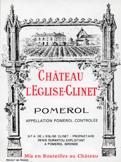
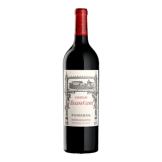
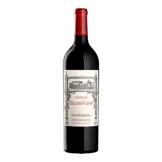
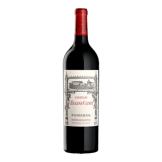
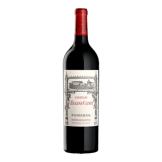
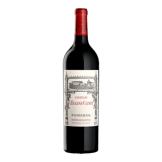
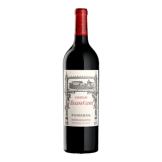
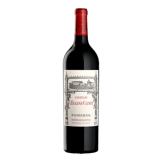
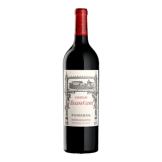
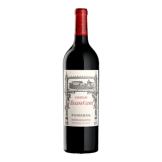
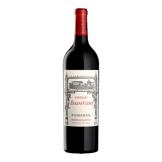
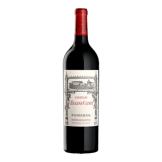
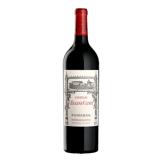
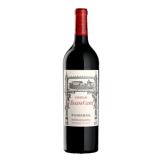
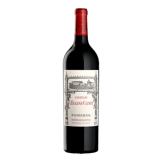
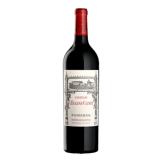
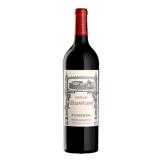
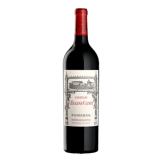
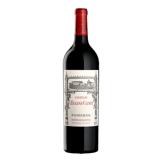
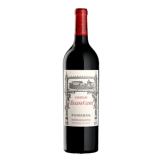
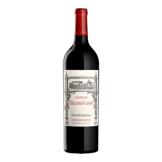
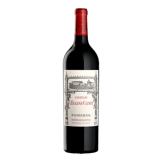
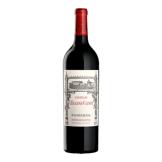
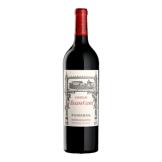
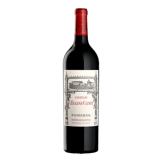
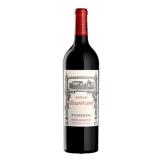
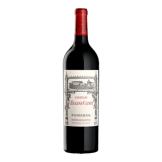
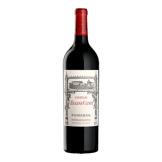
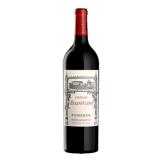
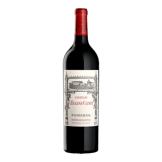
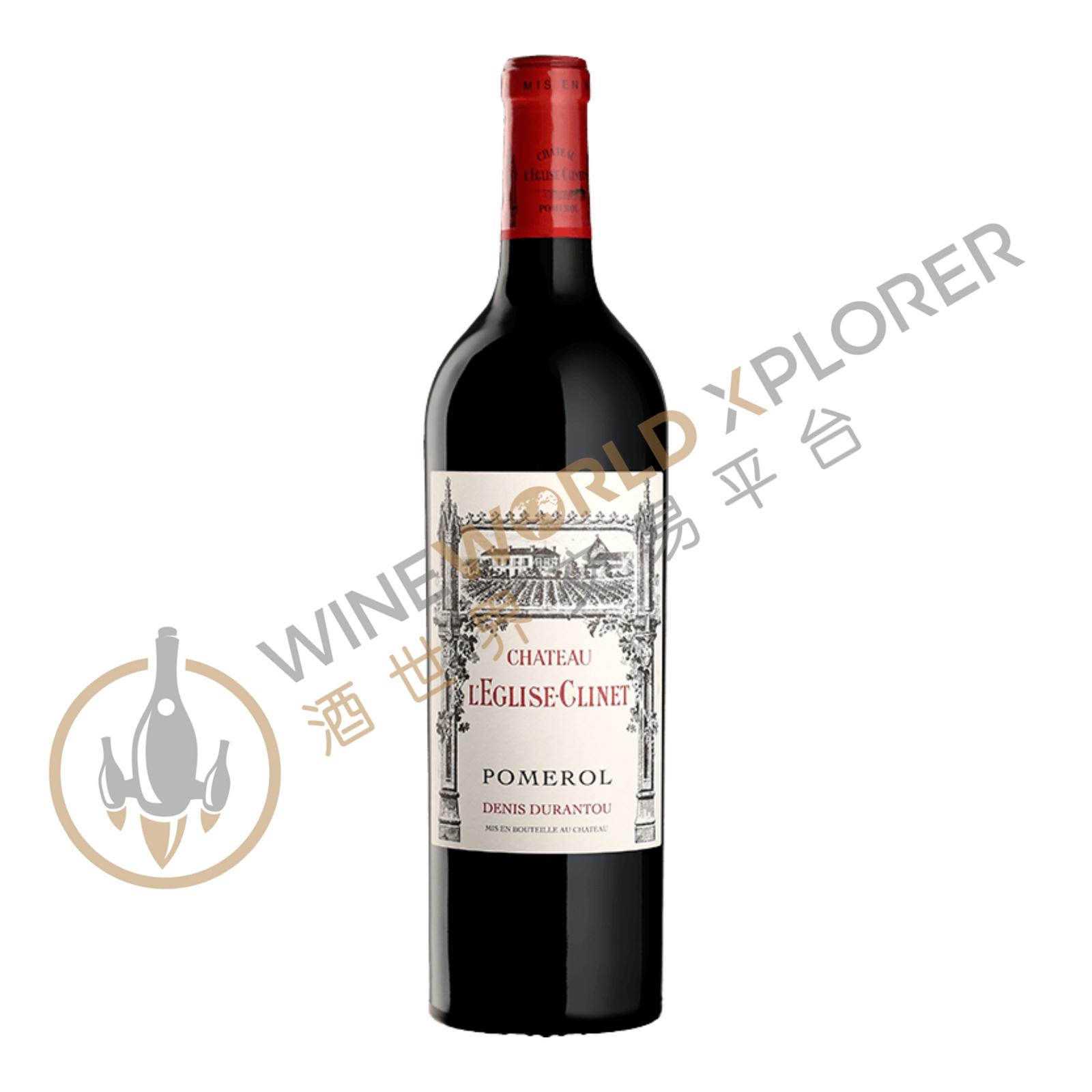
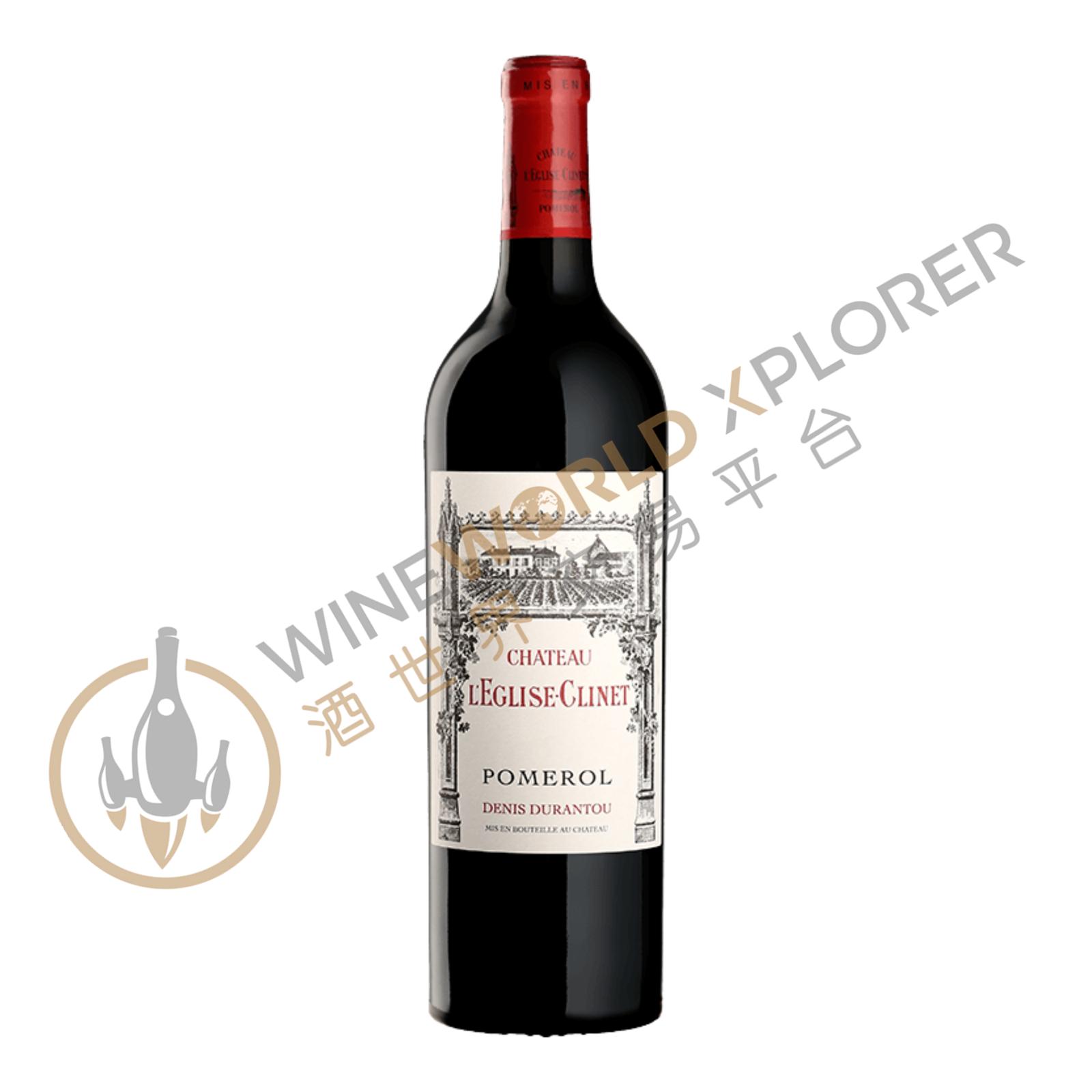
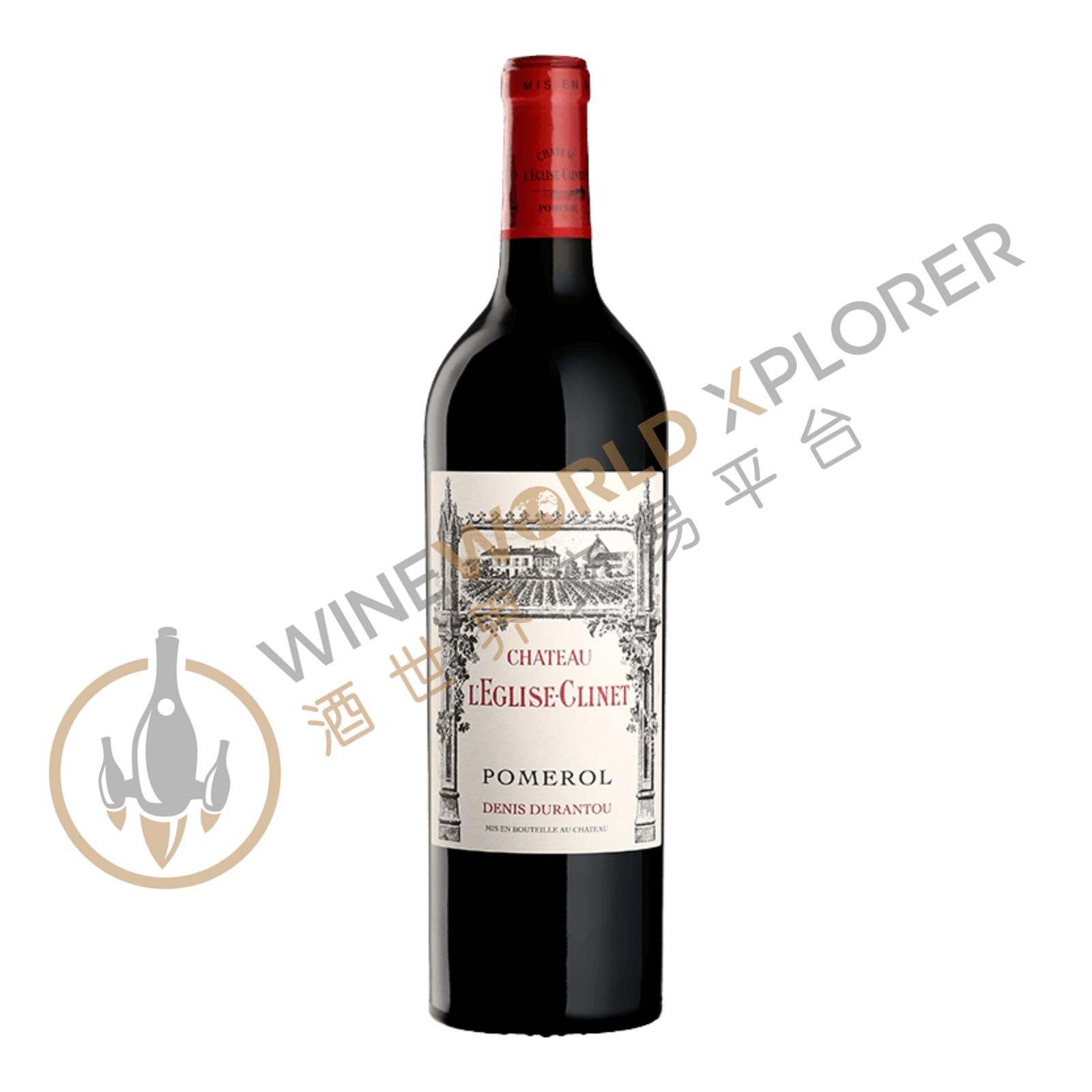
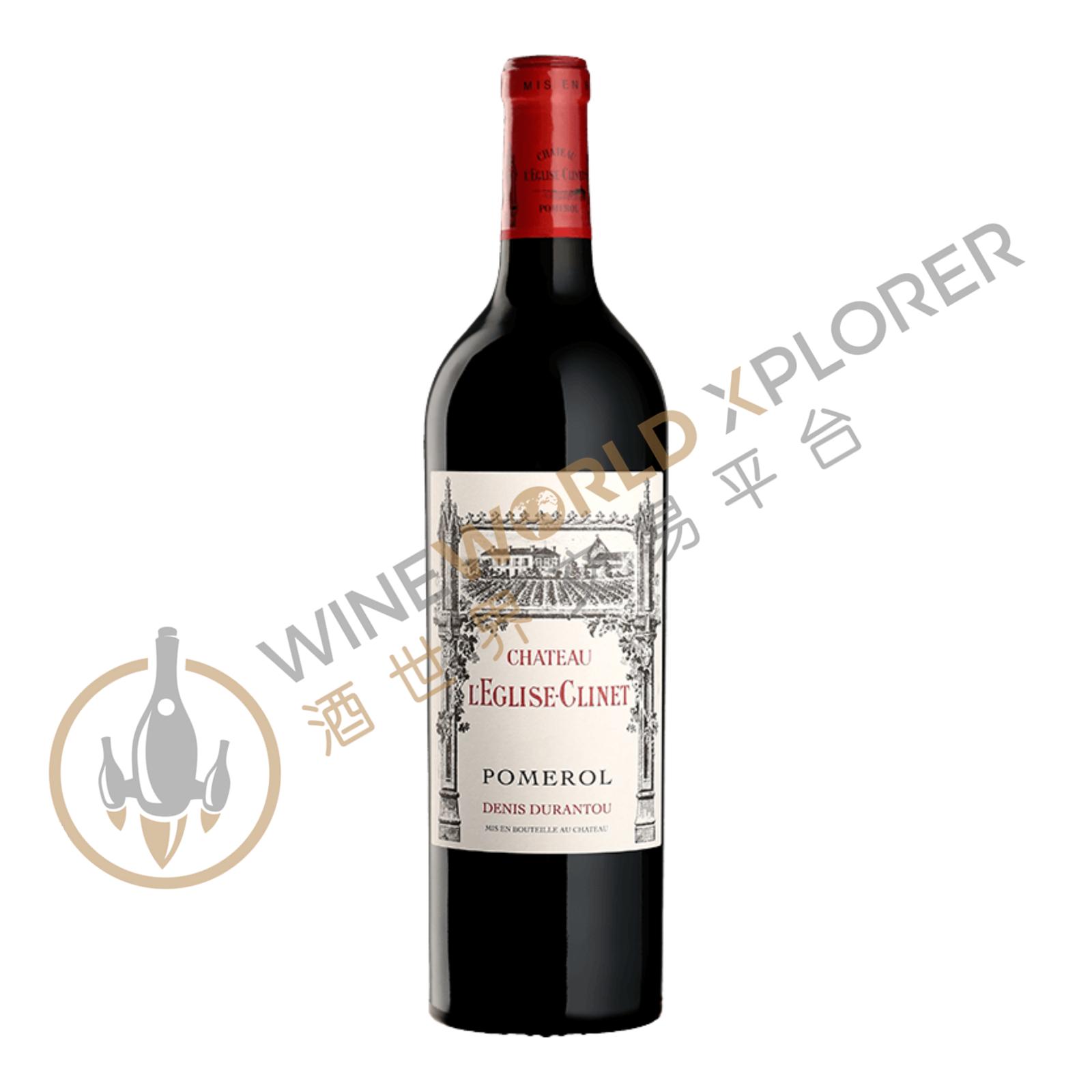
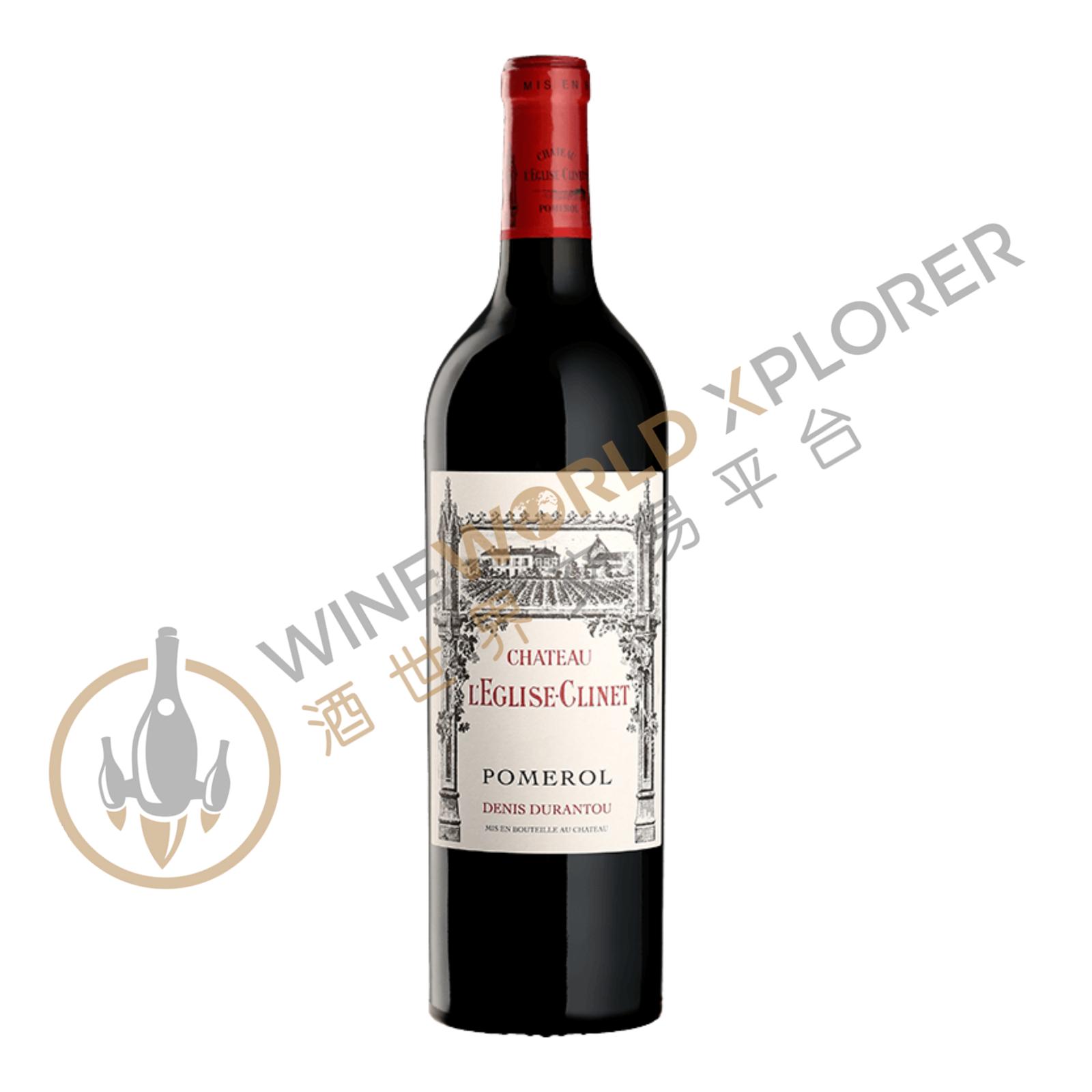
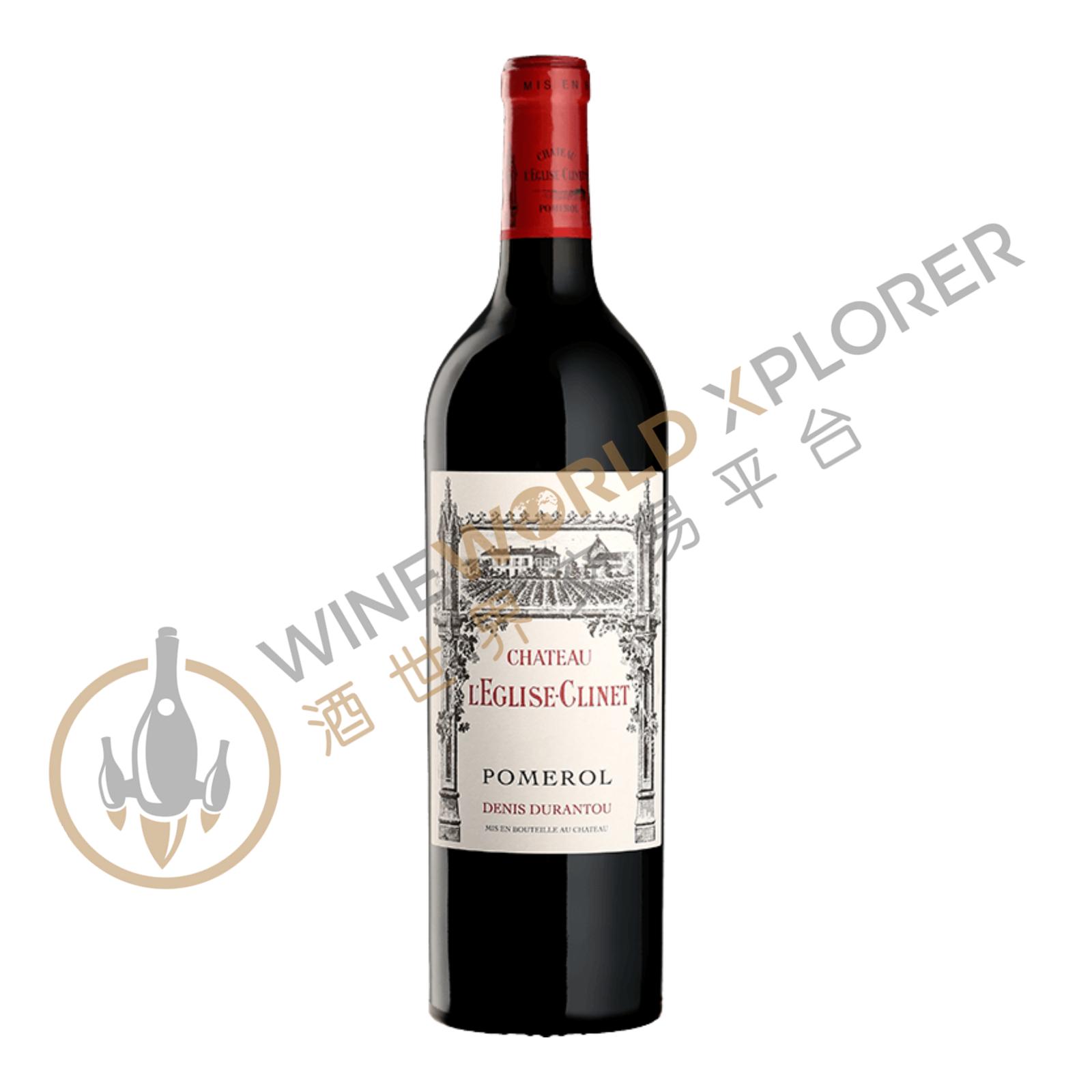
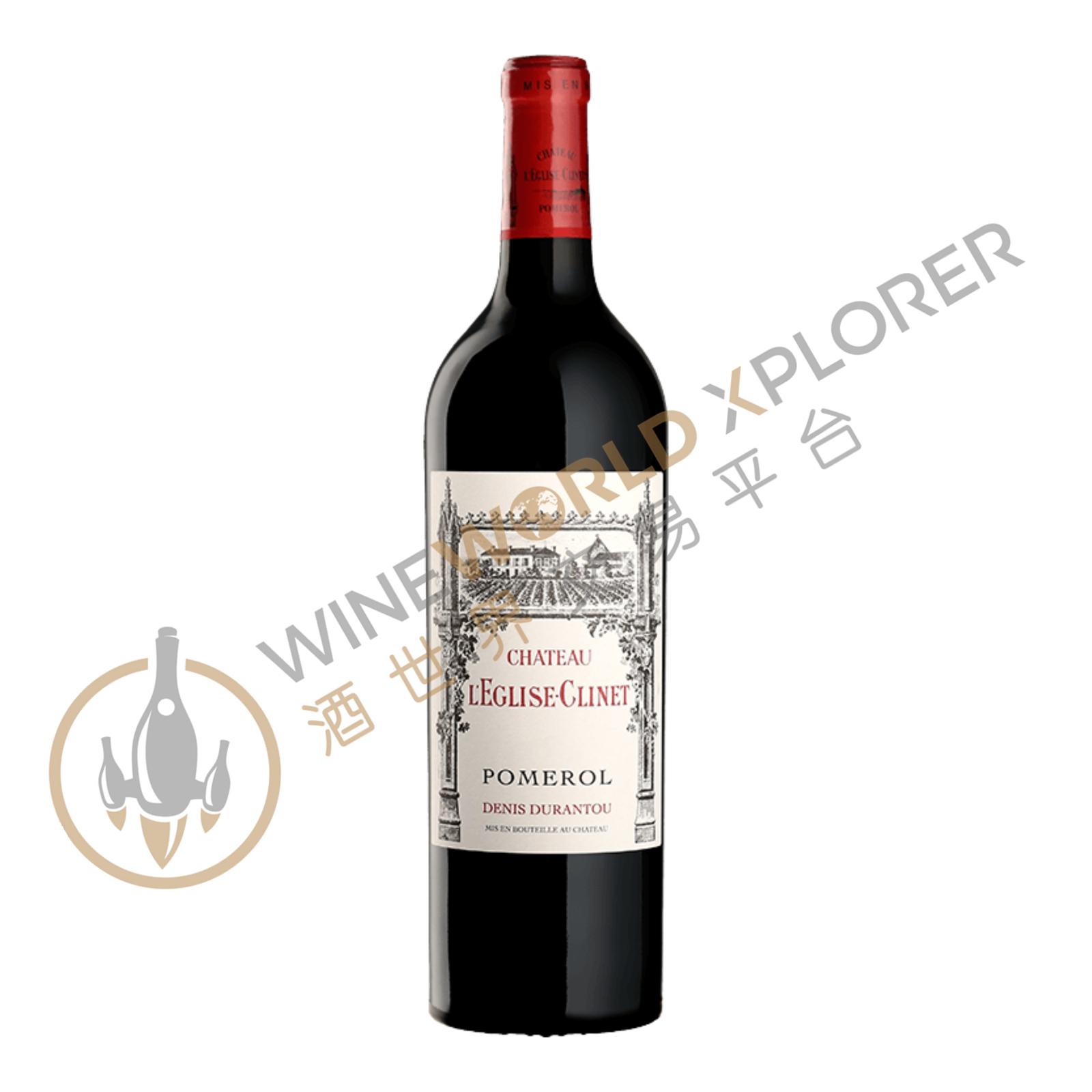
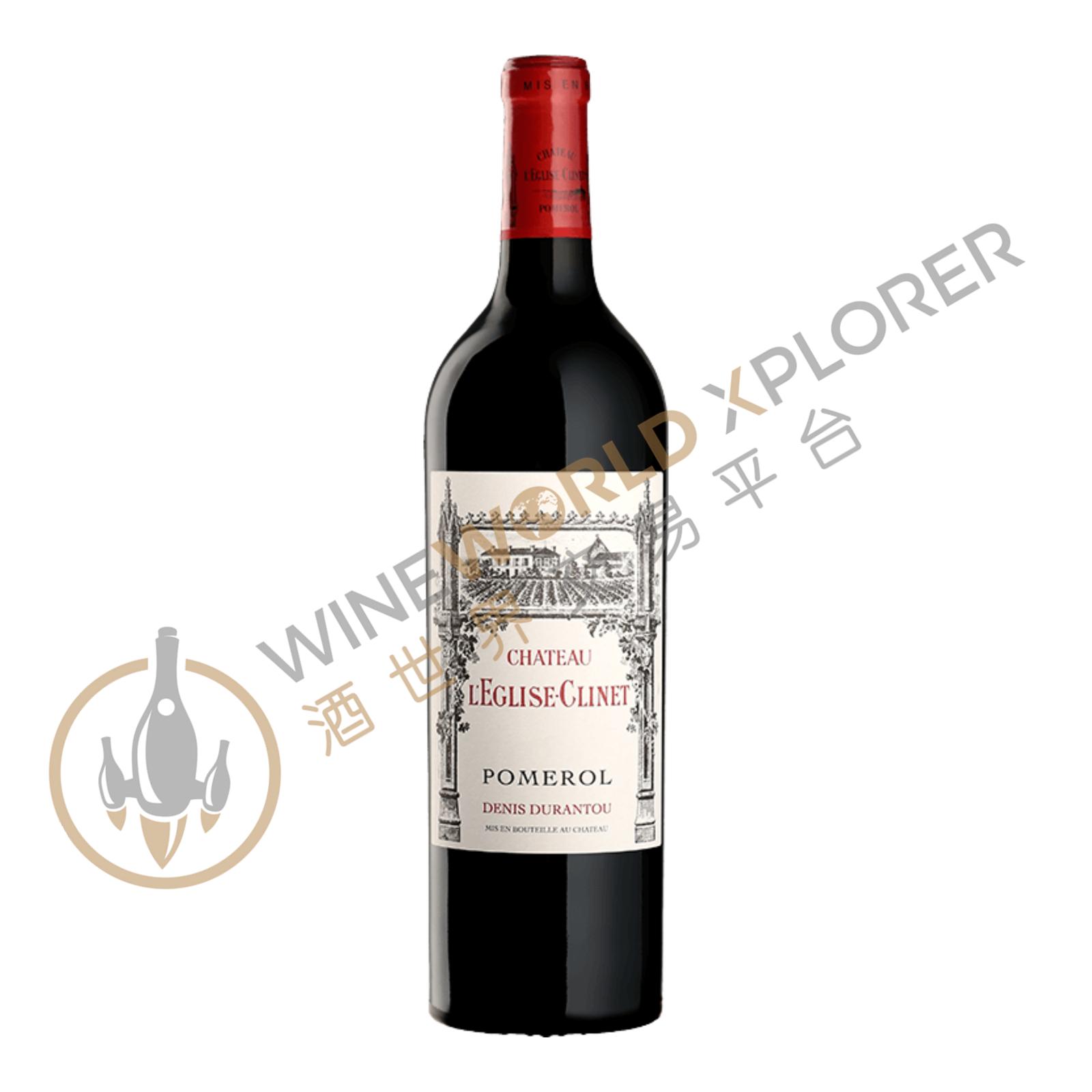
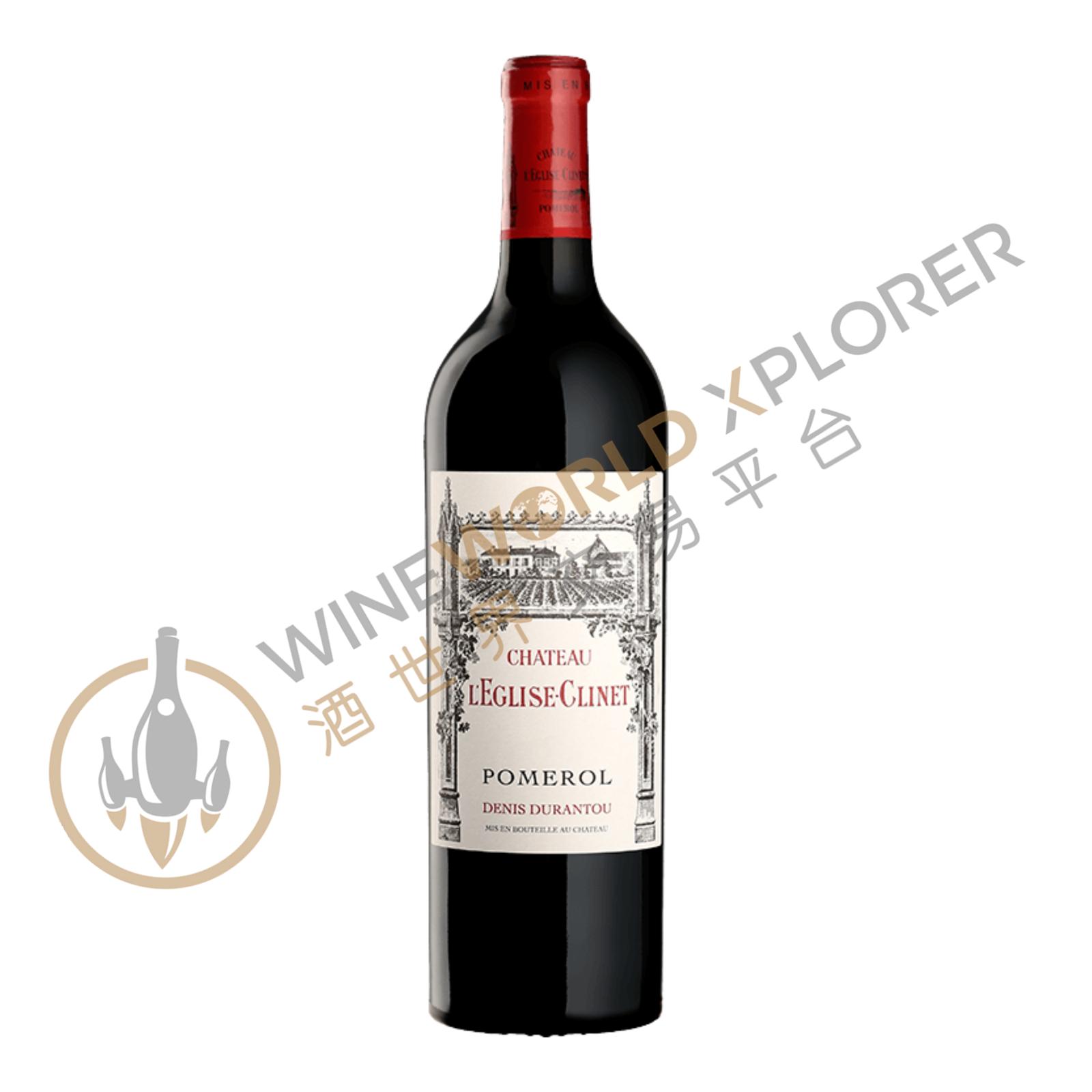
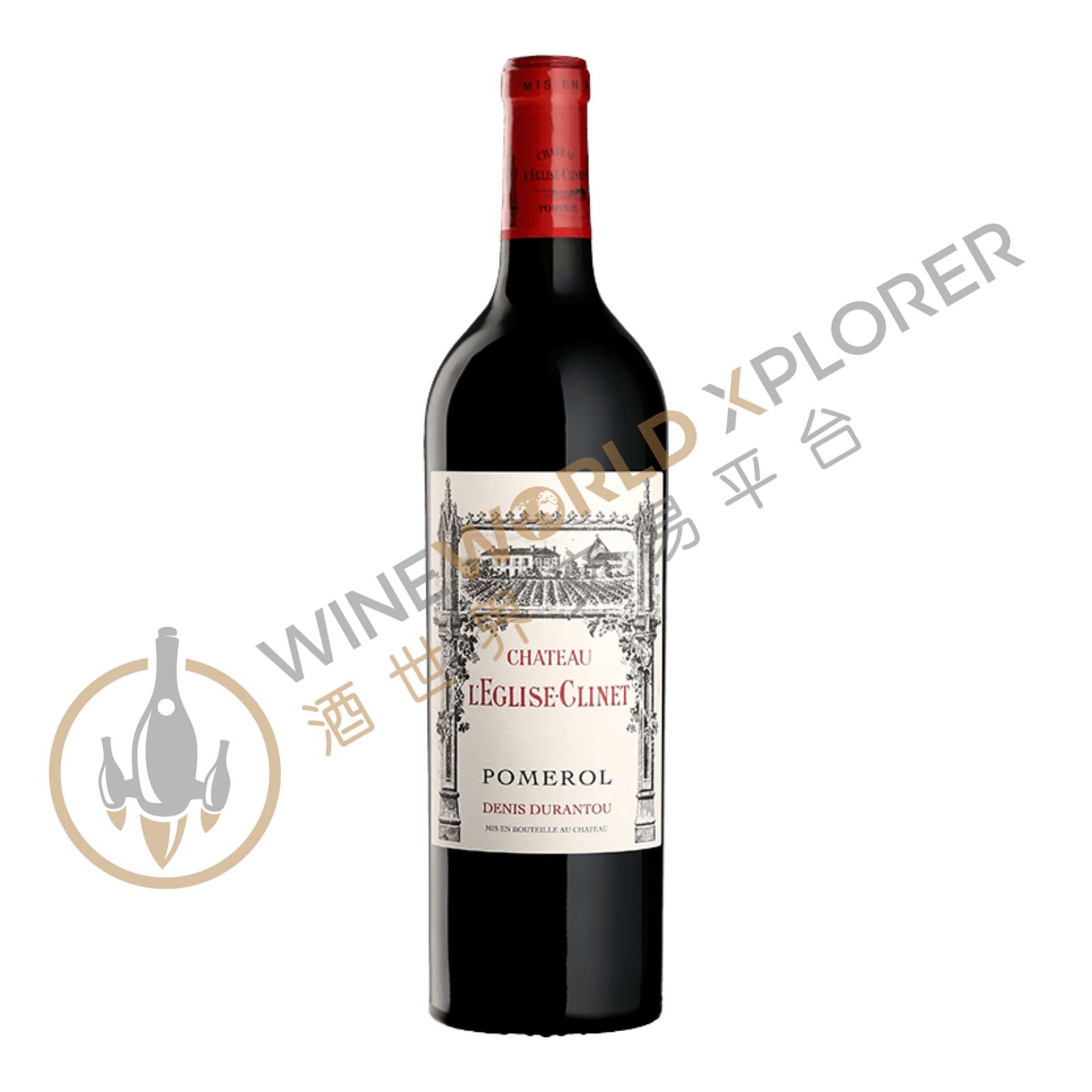
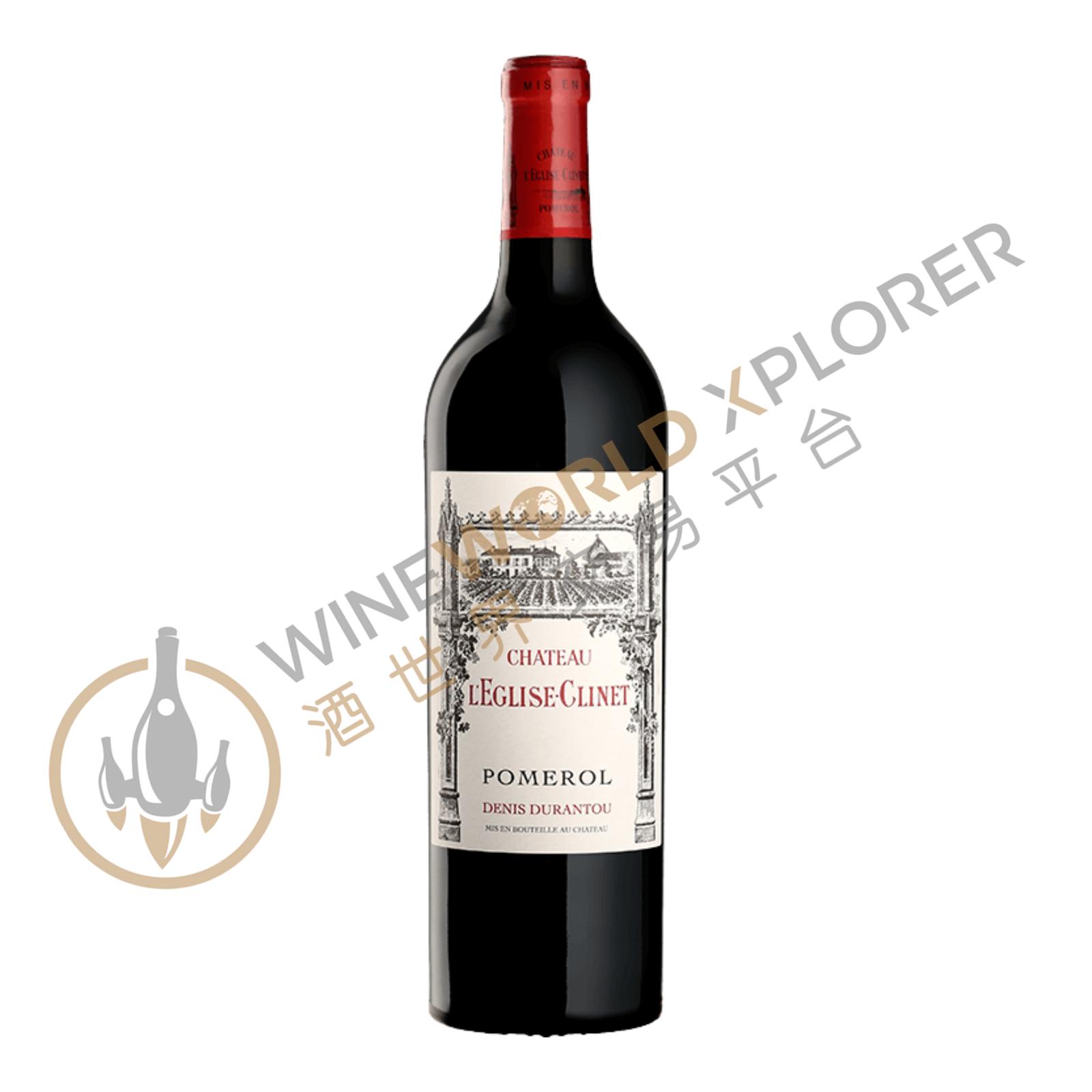
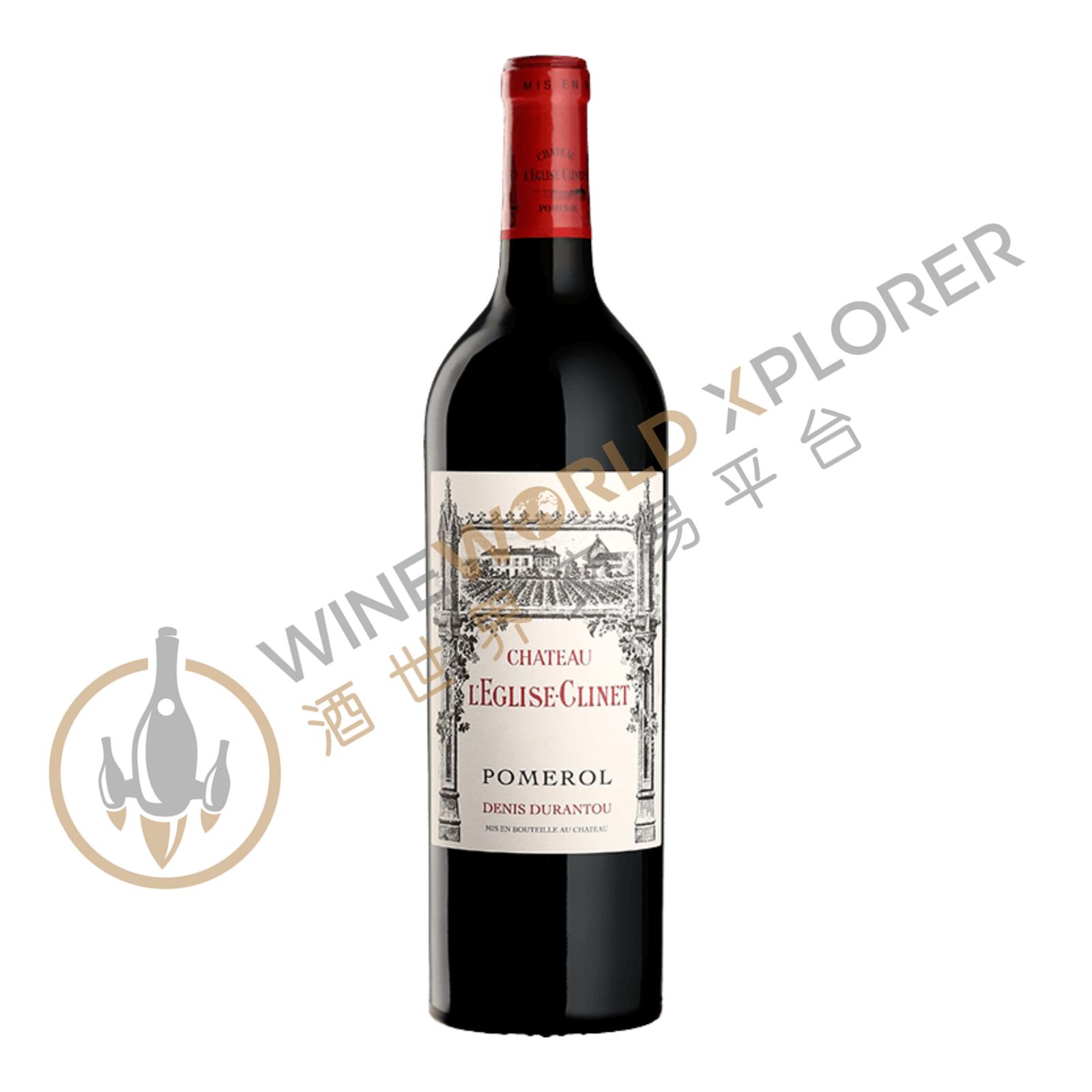
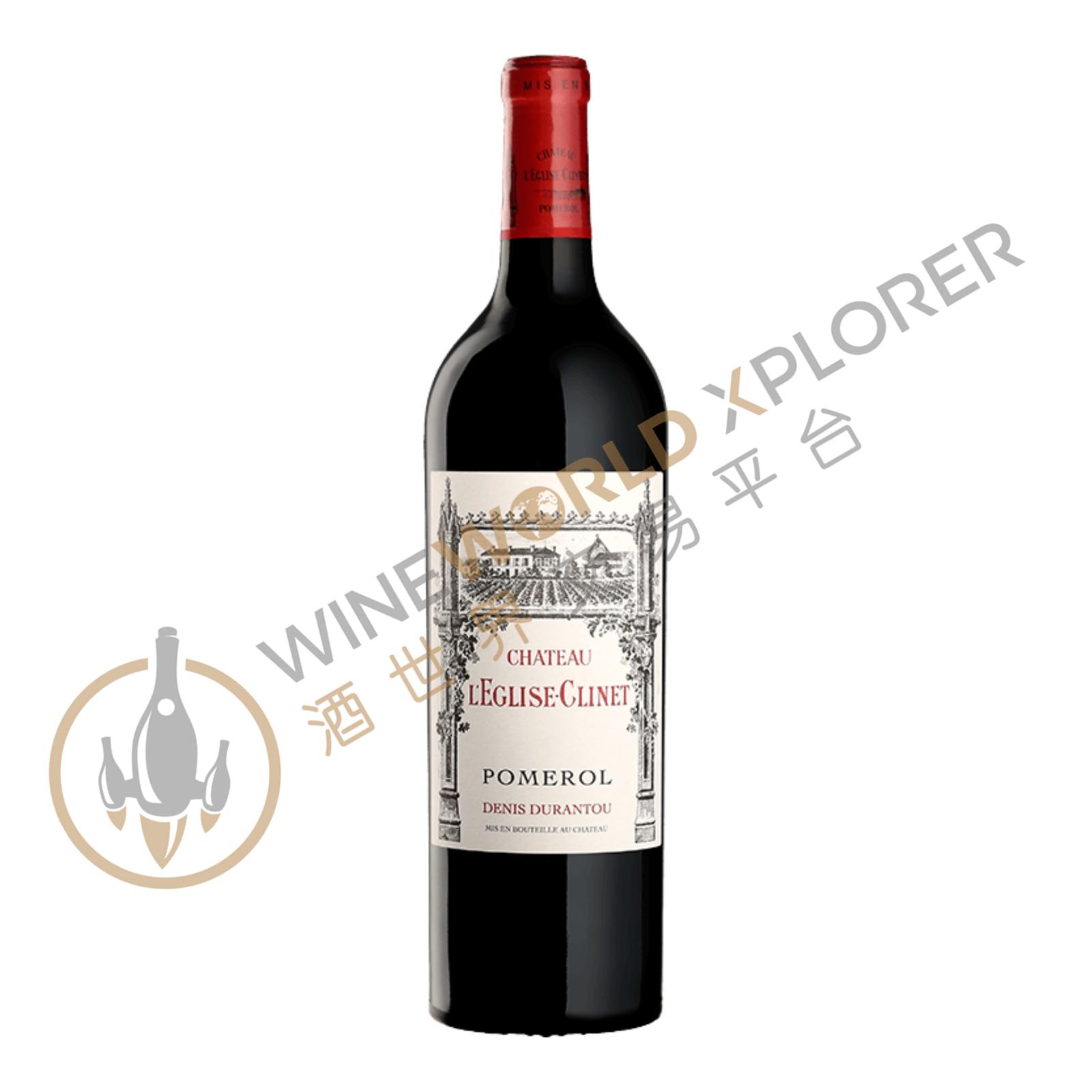
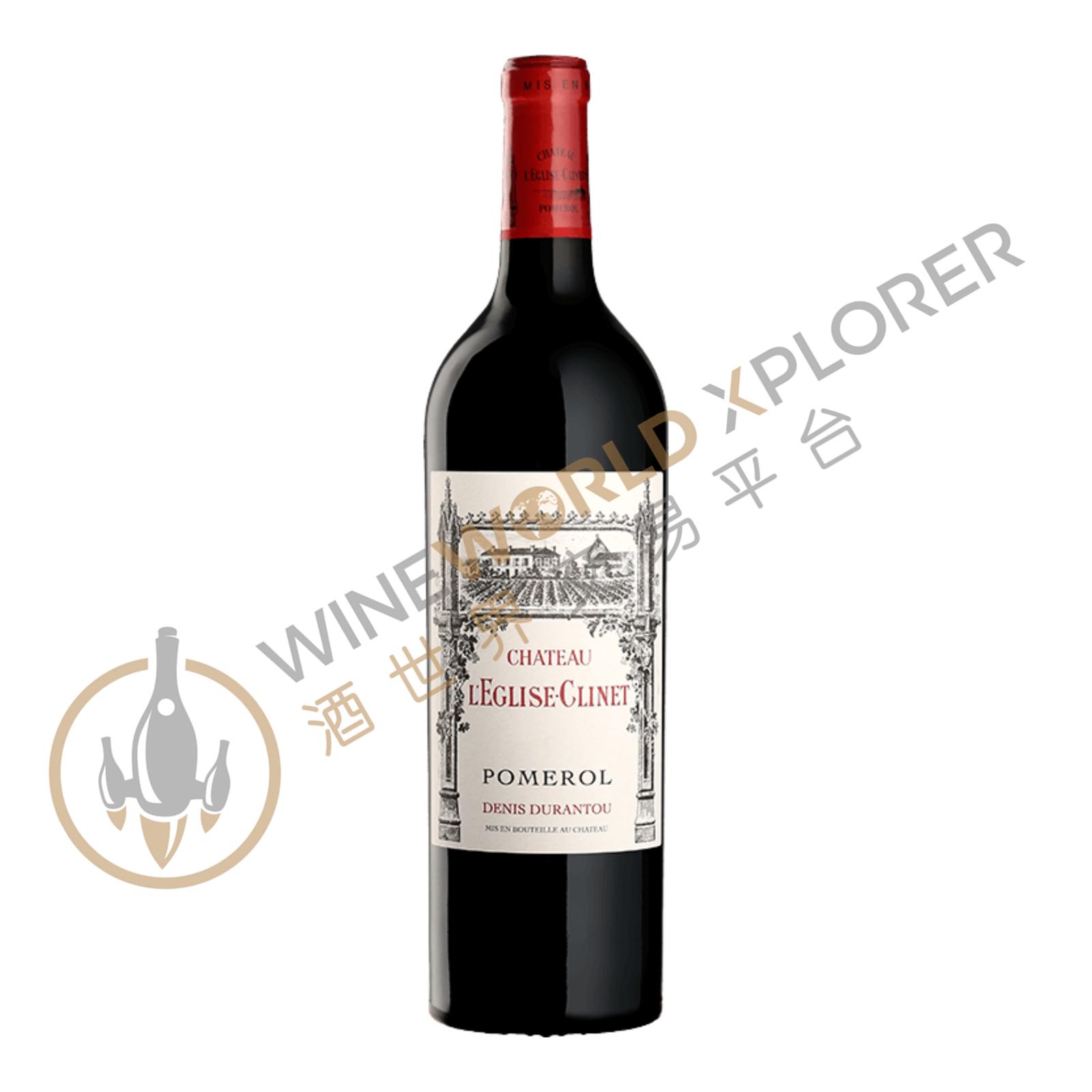
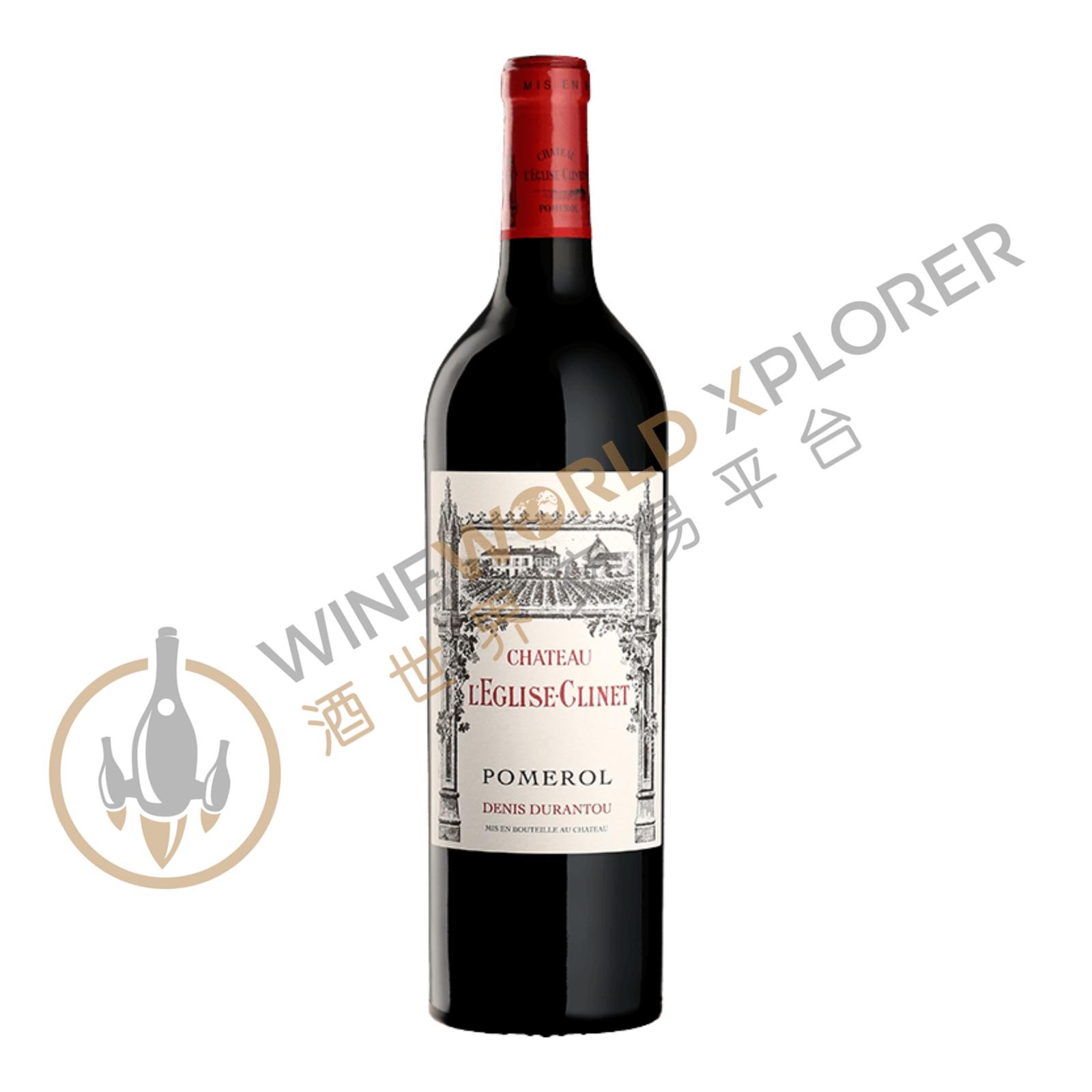
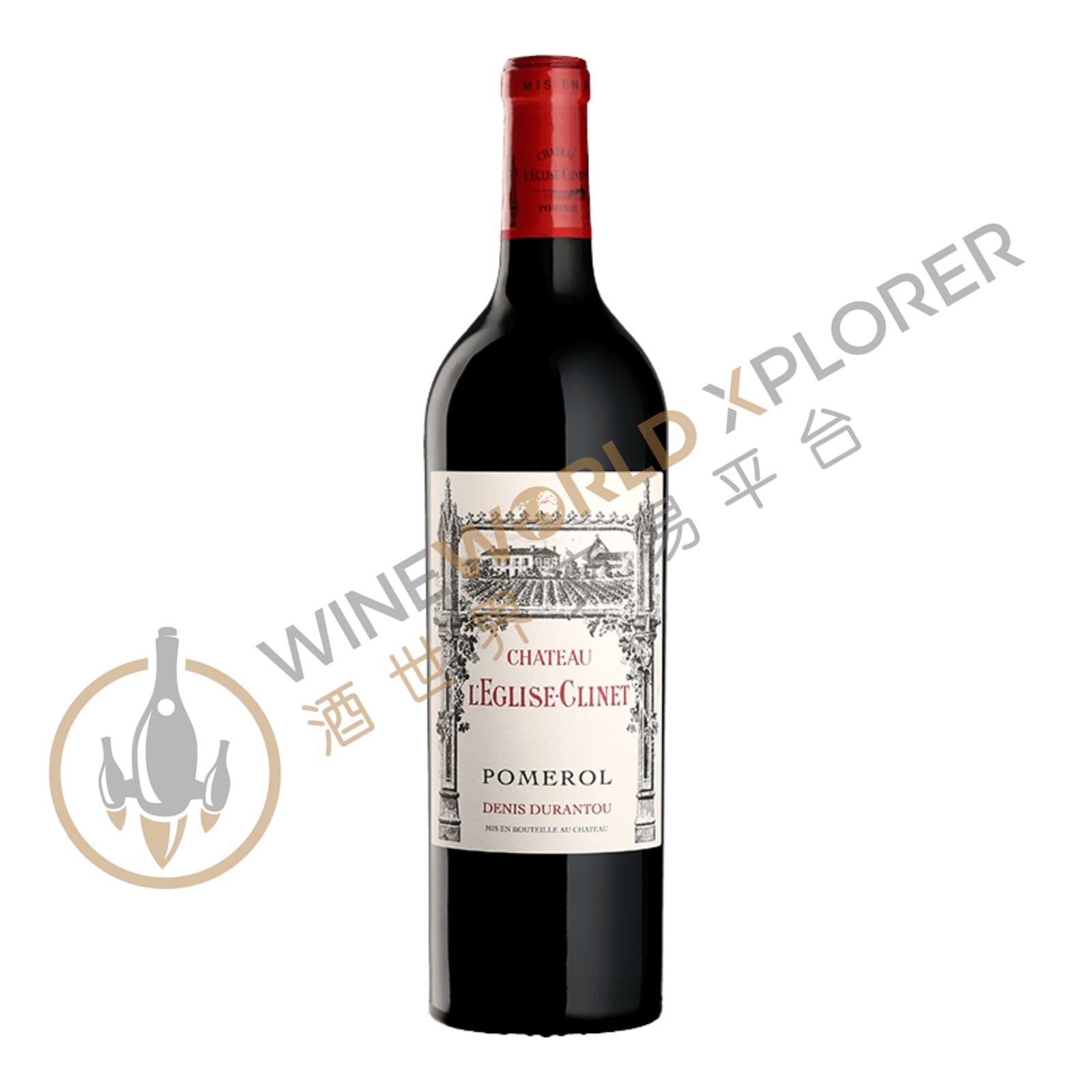
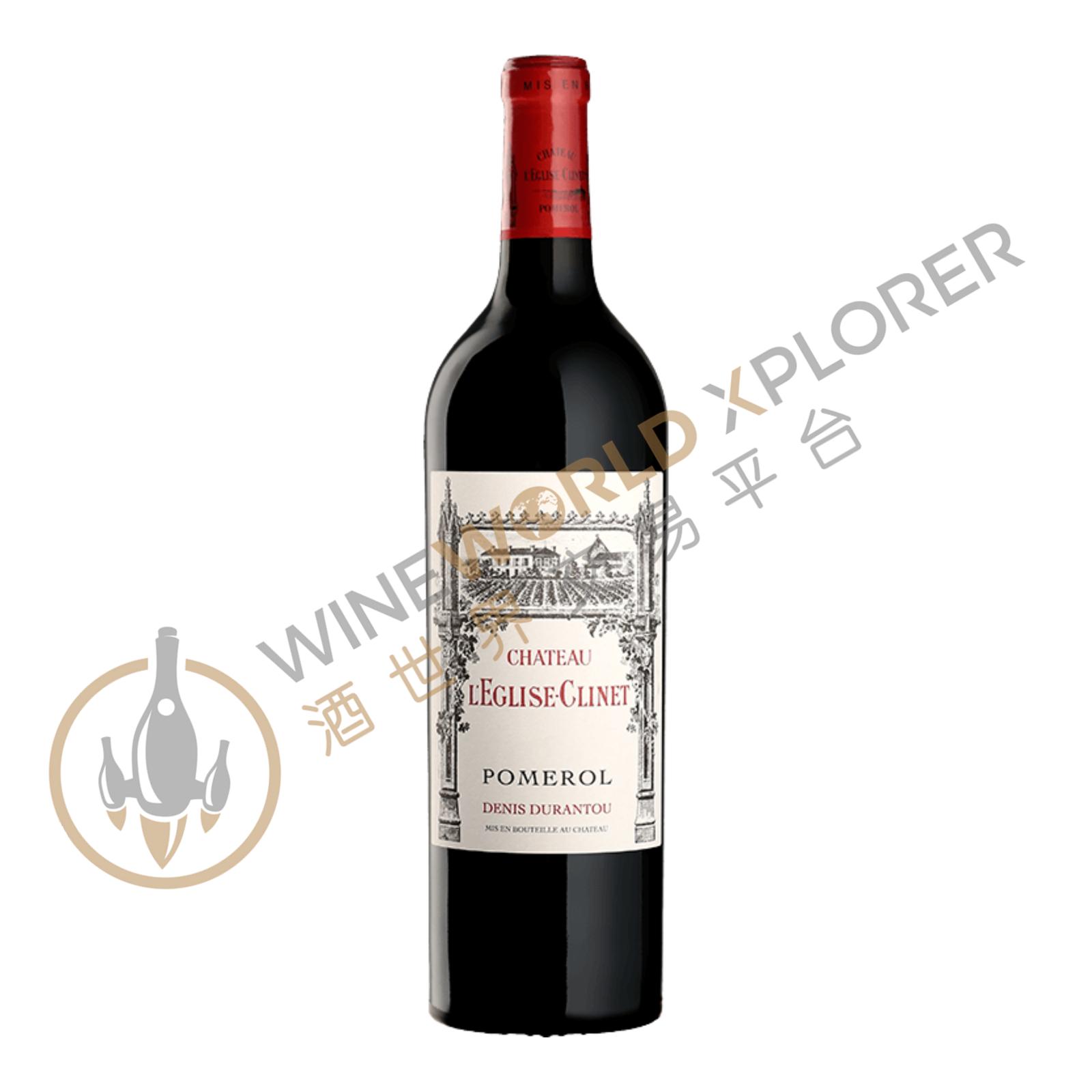
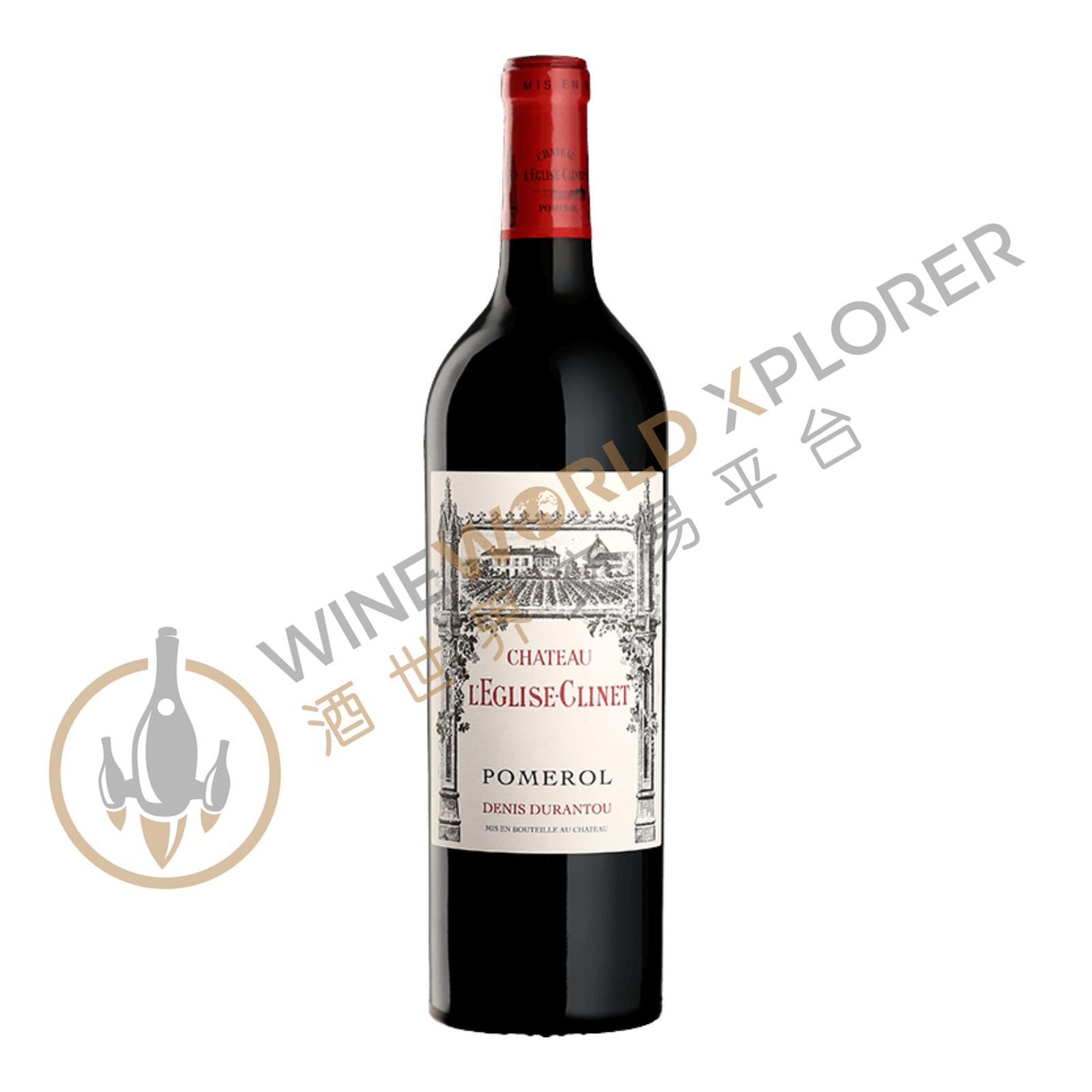
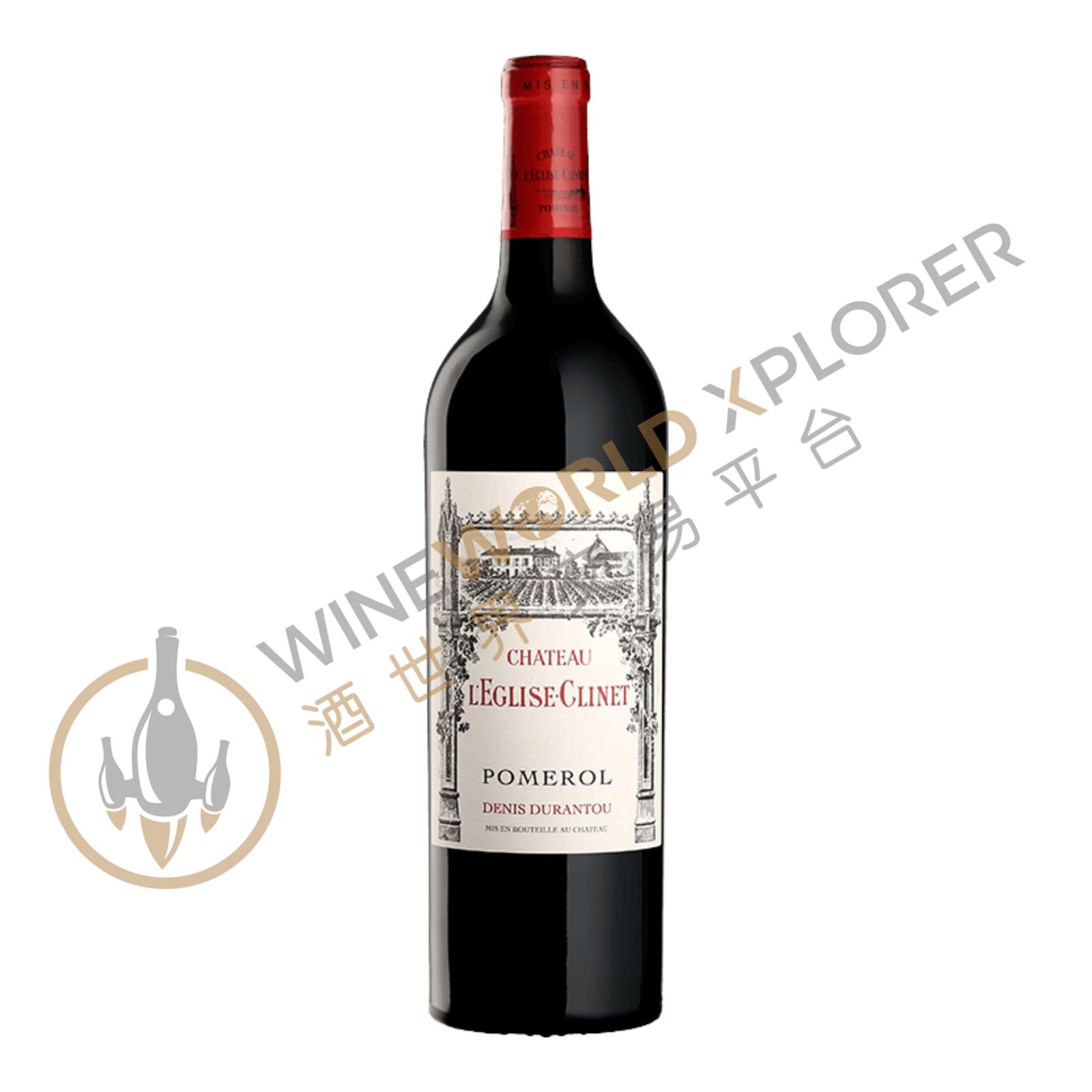
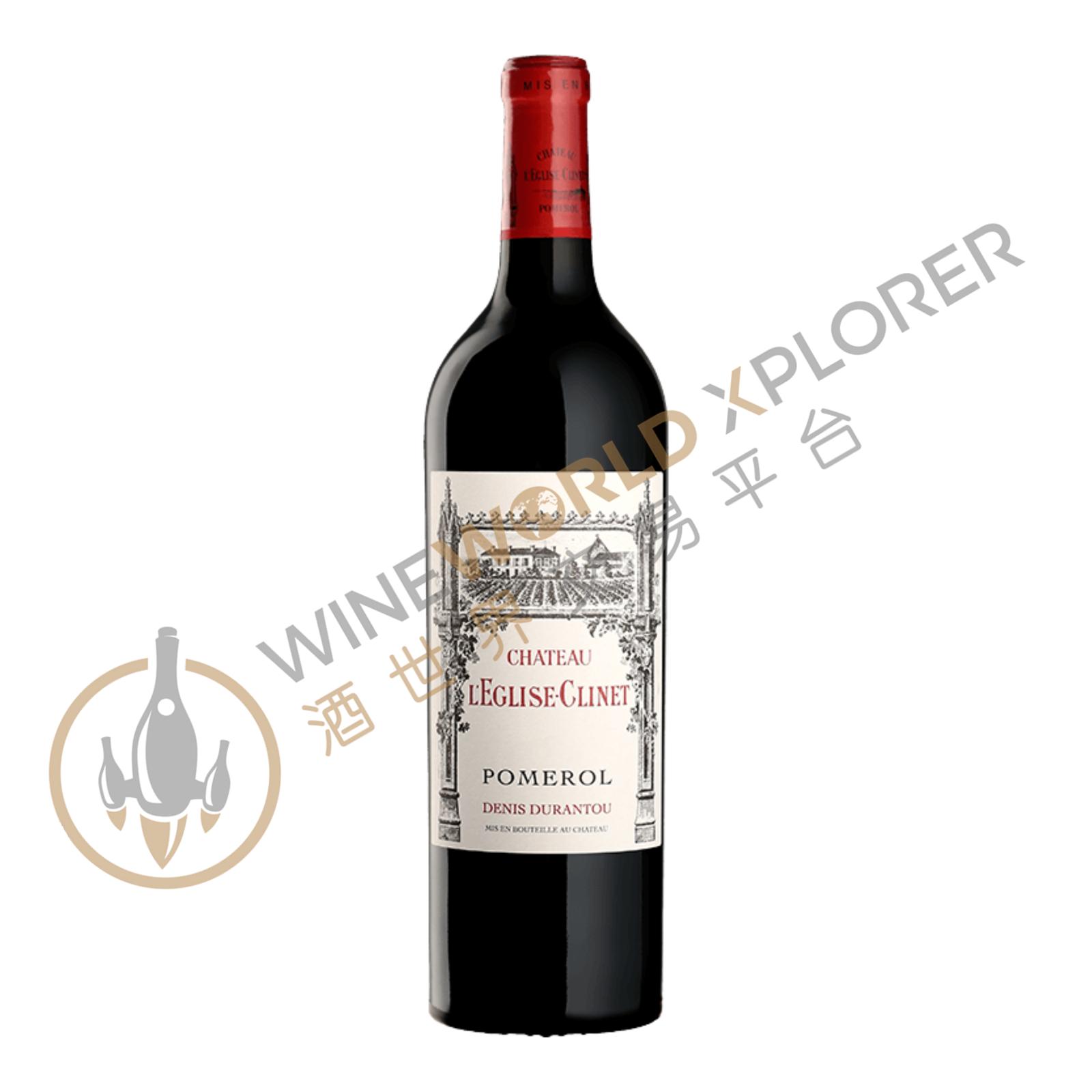
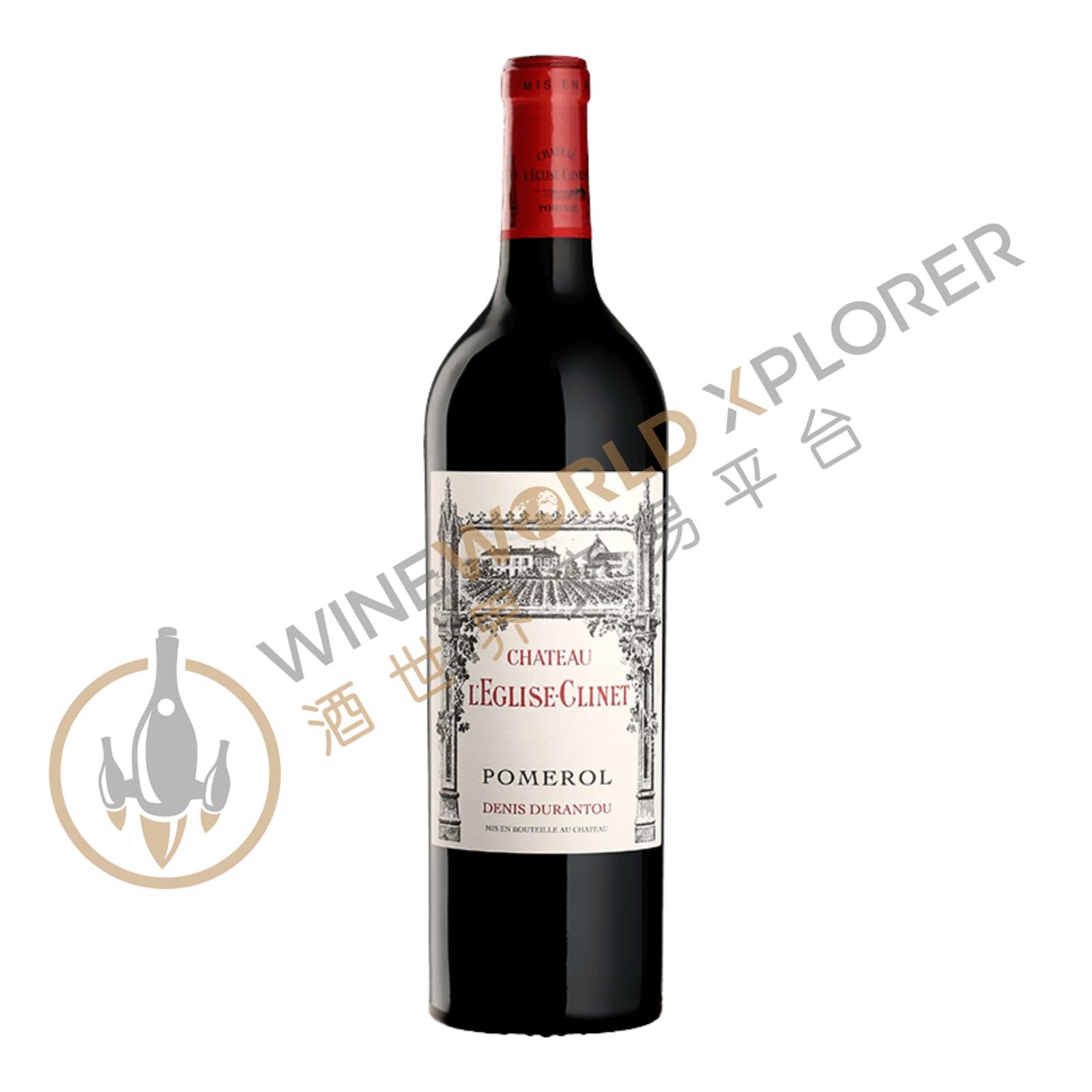
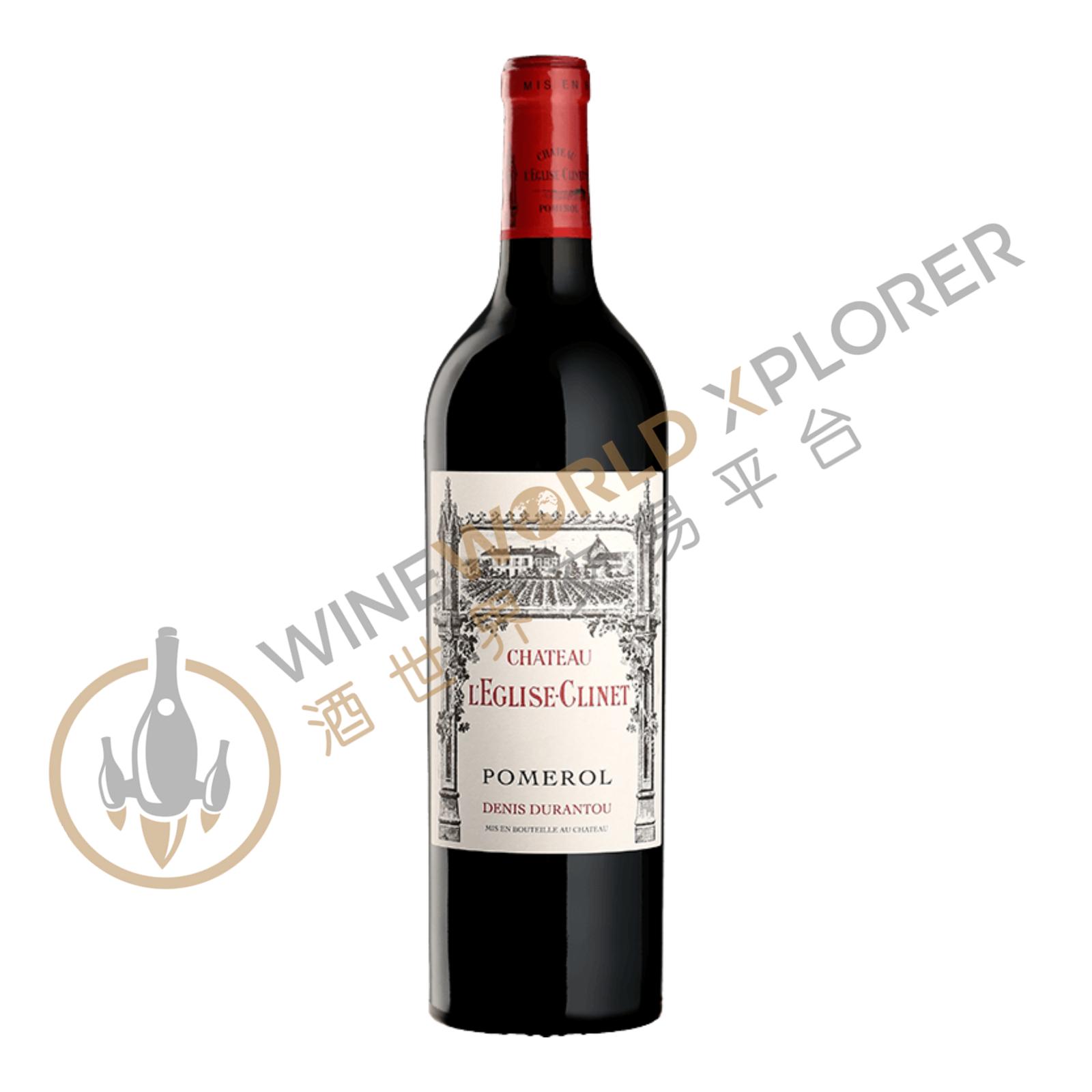
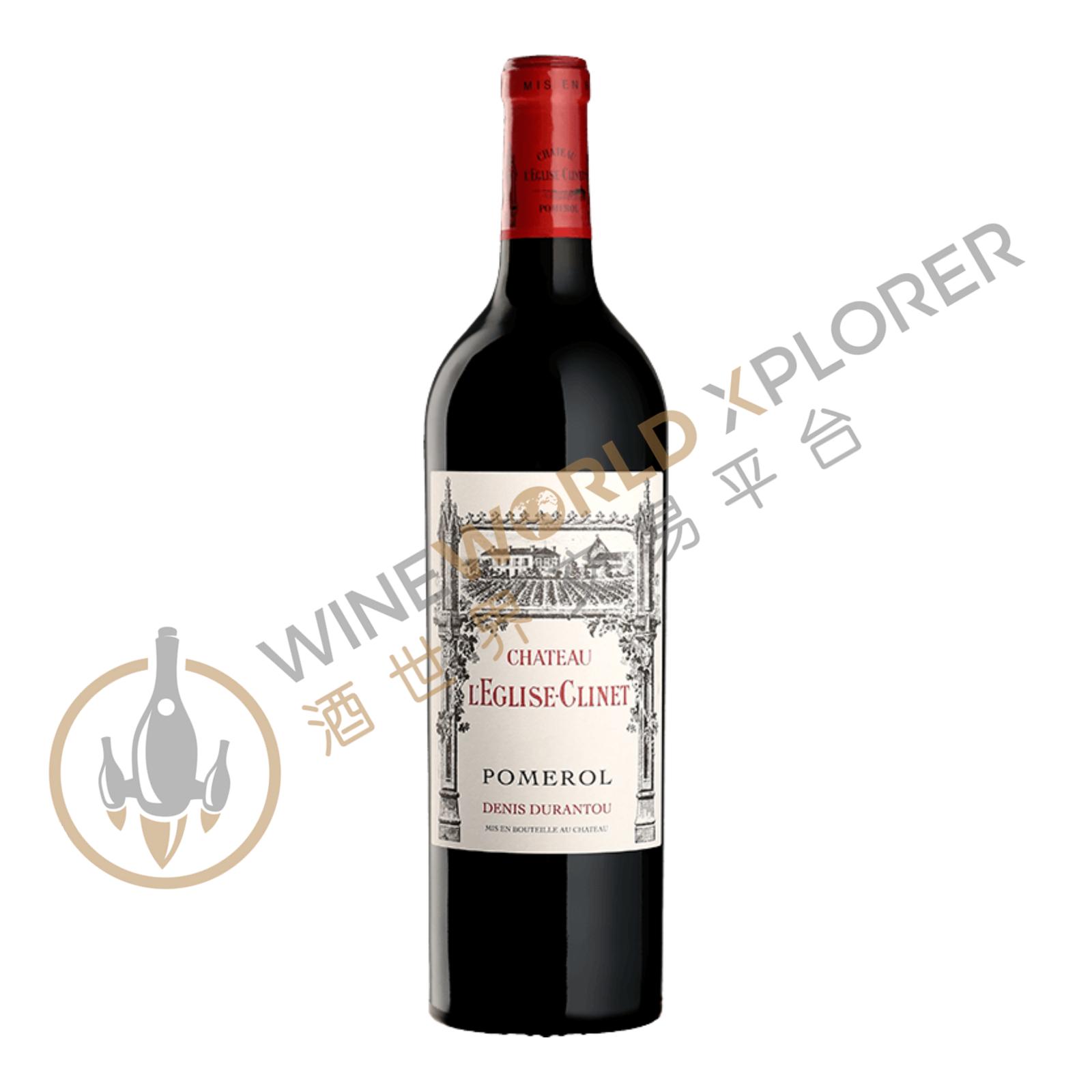
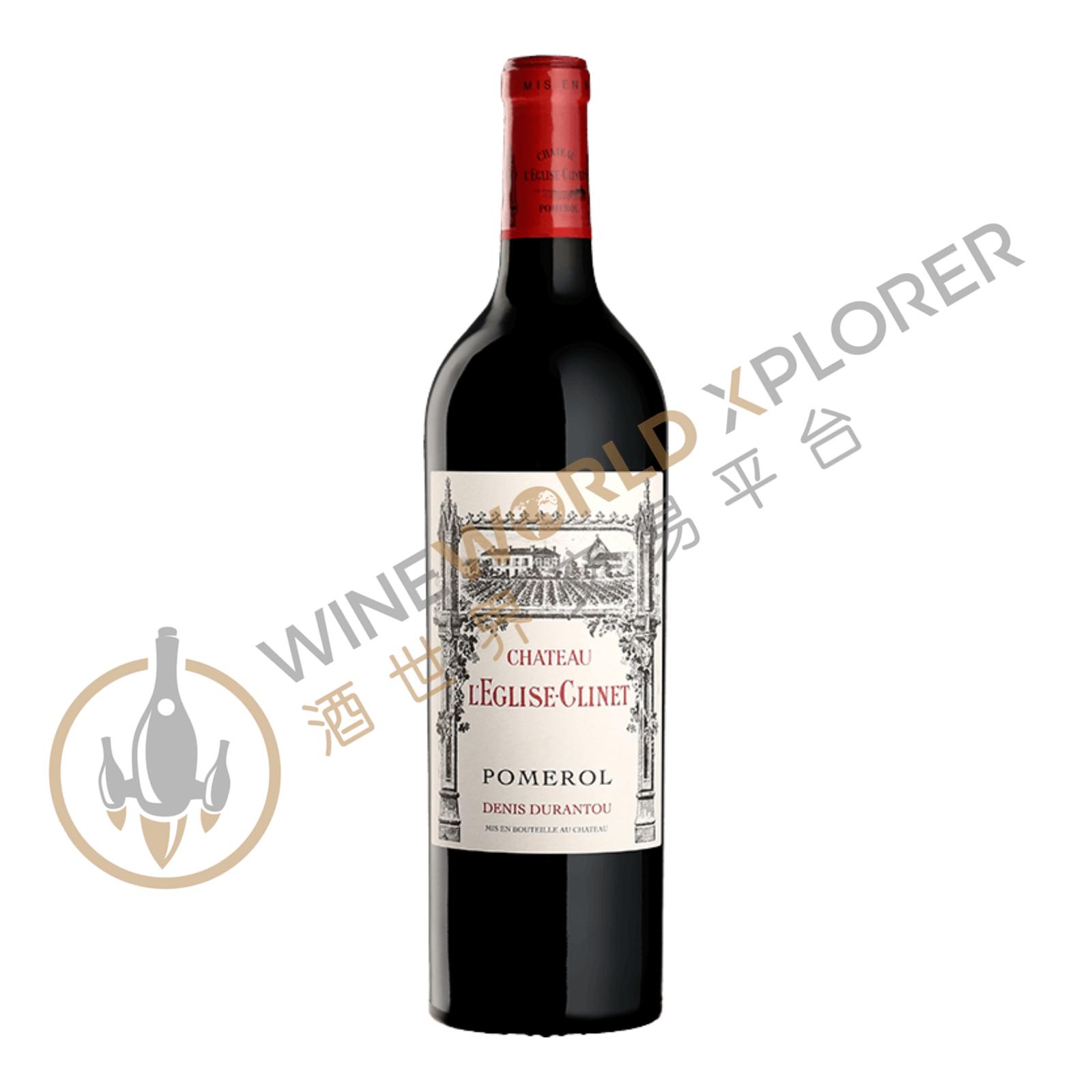
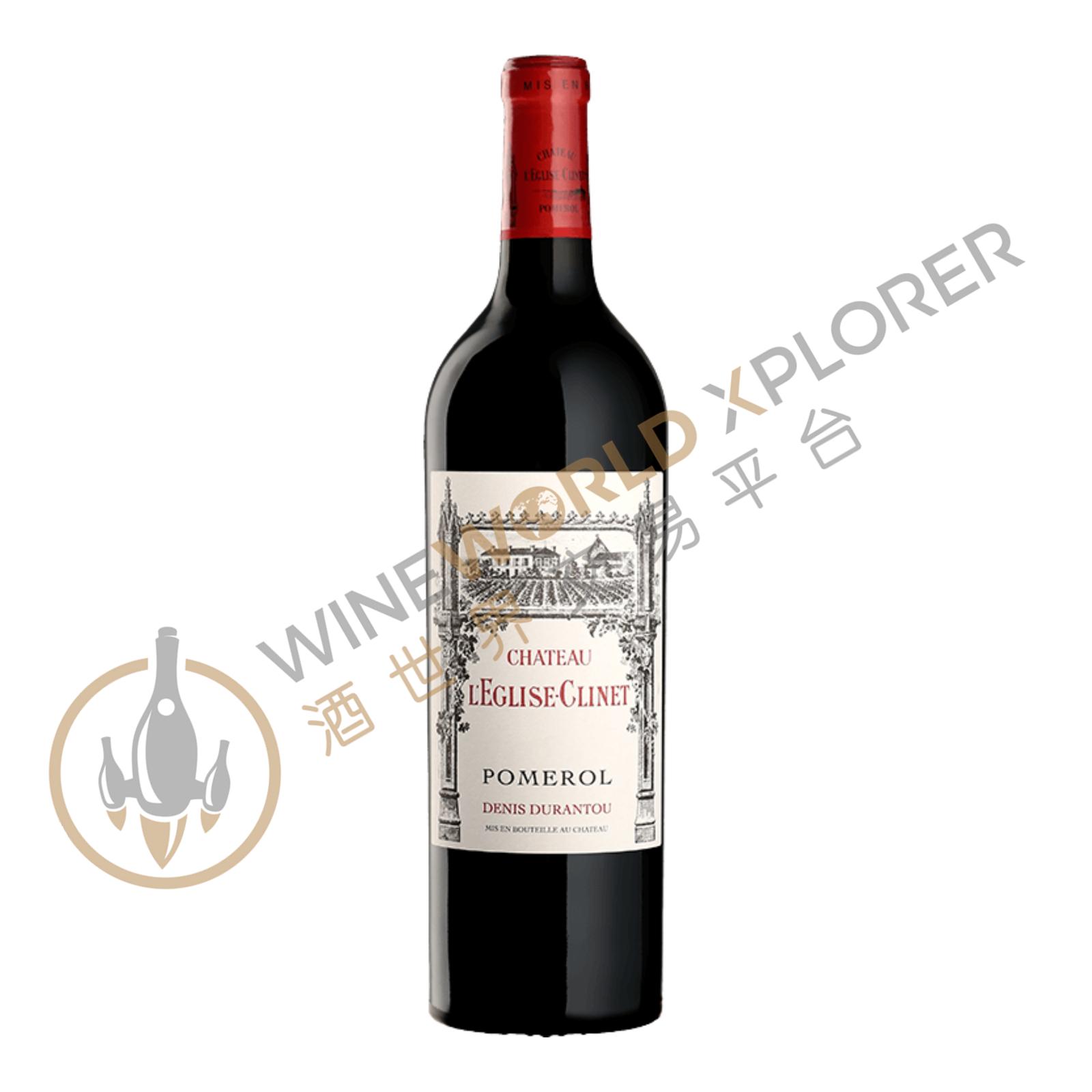
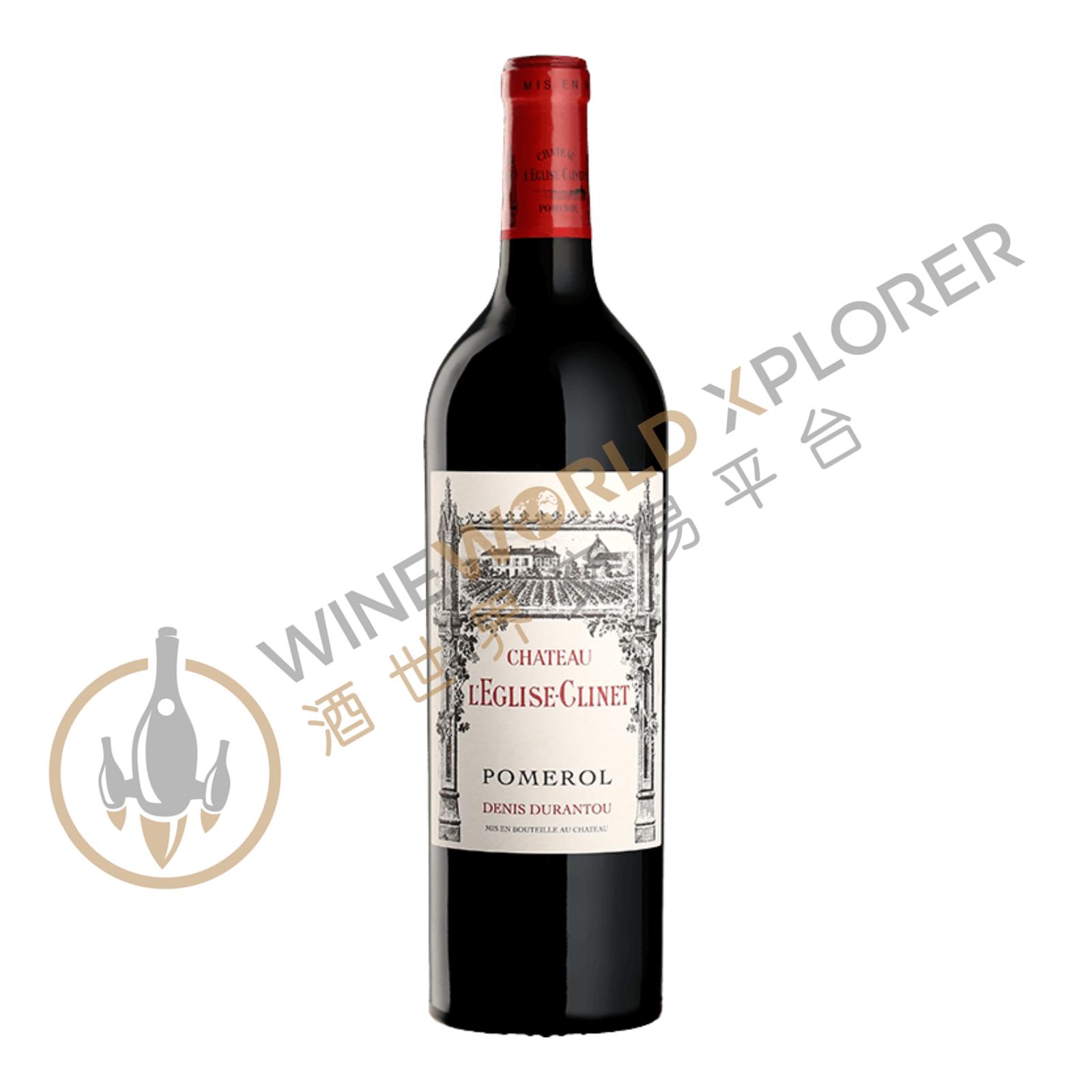
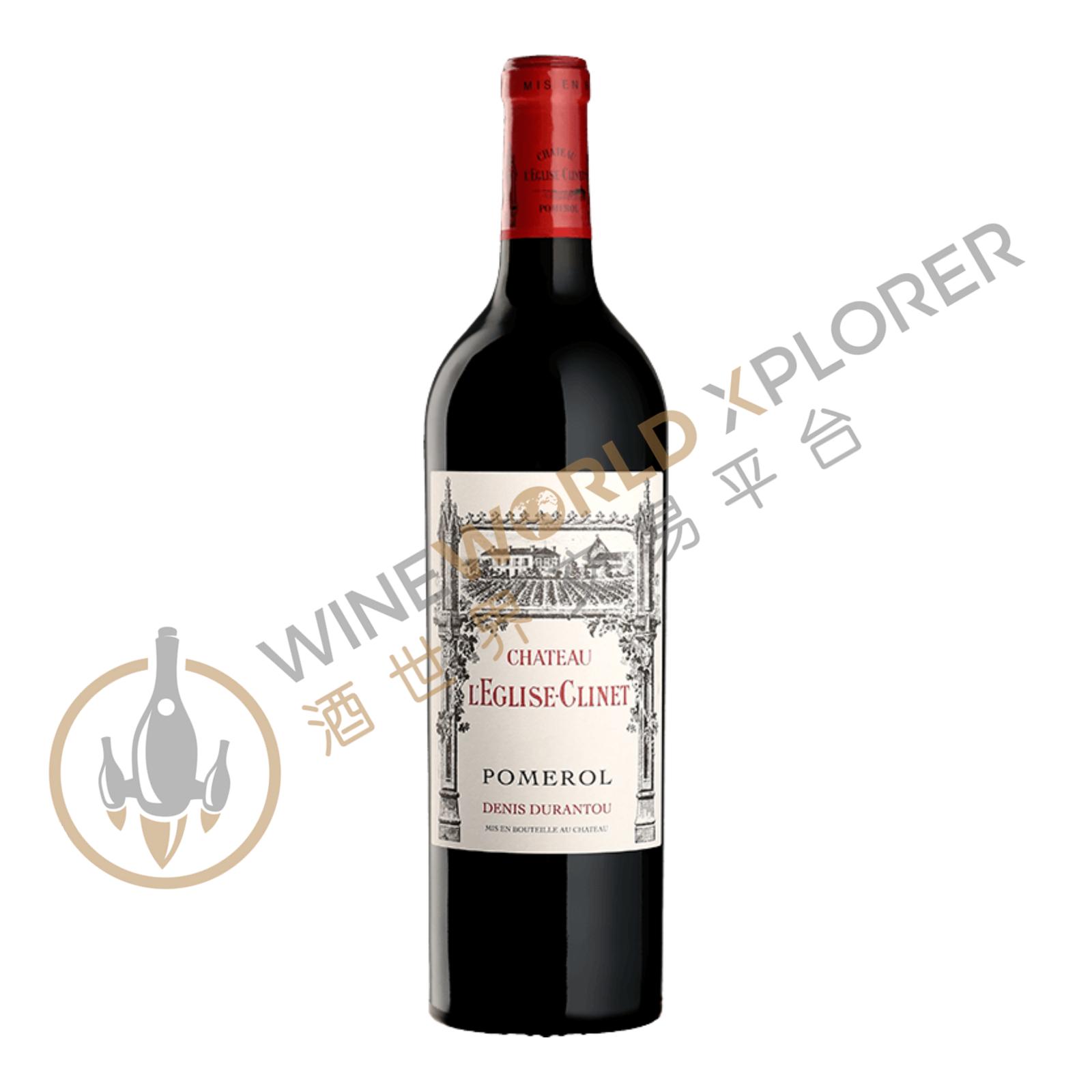
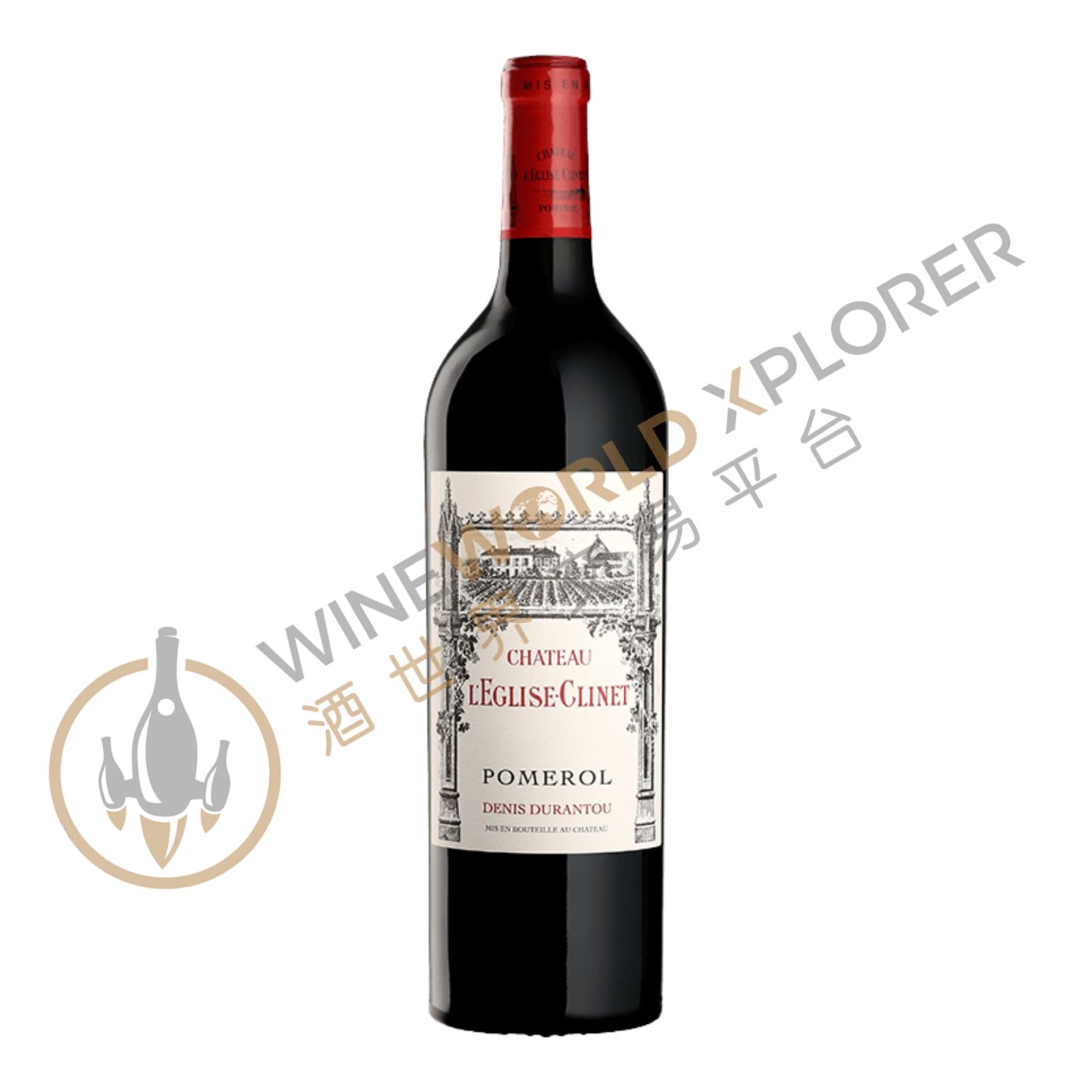
L'Eglise Clinet 2003
 View analysis


Description
Tasting notes

Reviewed by: Neal Martin
Tasted single blind at FINE magazine’s vertical in Dusseldorf. This has a precocious bouquet with blackberry, cassis, and blueberry, very opulent but still very well defined. There is a confidence, a sense of brio on this nose. The palate is very well defined on the entry with a touch of mint and vanilla pod interlacing the very pure dark berry fruits. There is still a touch of new oak to be subsumed, but this has succinct balance and purity. Top drawer: this is just superb for the vintage. Tasted February 2011.
Reviewed by: Neal Martin
A very deep garnet core with dark ruby rim. This has a very intense nose with macerated black cherries, briary, iodine, black plum and orange peel. It is certainly more opulent than the 2000 or 2001, with a certain Tuscan exuberance. The palate is very well balanced with firm, ripe tannins but not over-ripe or baked like other Pomerols. Good acidity here, a touch of bacon fat inflecting the rip blackberry, raspberry and truffle. Lovely silky texture here, great focus towards the finish, this is an excellent Pomerol, probably one of the few that manages to overcome the challenges of the hot summer. Very refined. Drink 2012-2025. Tasted May 2009.
Reviewed by: Neal Martin
The first really great Pomerol. A fine nose of blackberry, wild mint and a touch of oyster shell. Fresh and lifted with a clarity that previous Pomerol 2003’s could dream of. Firm tannins on the full-bodied palate with superb fruit concentration and delineation. Quite masculine, this feels as if it has entered a broody stage but there is real class here. Drinking 2010-2020. Tasted January 2007.
Reviewed by: Neal Martin
A deep opaque ruby colour. The palate is very rich, opulent with pure baked cherries and cassis. The palate reminds me of the 1998 but with a little less breed. A well-knit, harmonious core: blackberry, redcurrants. The acidity cuts through the solid mass of fruit leaving it tasting fresh and vigorous. Unlike other Pomerols, there is a good weight of fruit on the mid-palate. Very suave and sexy. Fine length. Undoubtedly a cut above the rest. Tasted March 2004.
Reviewed by: Robert M. Parker, Jr.
Tasted on three separate occasions, l’Eglise-Clinet’s 2003 was disappointing at each tasting. It reveals an impressive deep ruby/purple-tinged color, but hard, astringent, tough-textured flavors that display a lack of flesh, charm, and depth. There is a big hole in the middle of this effort, and I am not sure it is going to fill in. Obviously, this sector of Pomerol was badly impacted by the summer’s extreme heat and drought, which ended too late to help many of these estates. This is a very traditional vinification, and I do not want to sound too severe, but this is one of the more disappointing efforts from the talented Denis Durantou over the last two decades. I hope I am wrong on this one.
Reviewed by: Robert M. Parker, Jr.
One of Pomerol’s topnotch estates, l’Eglise Clinet is run with impeccable attention to detail, both in the vineyard and cellar, by proprietor Denis Durantou. It is typically a blend of 90% Merlot and 10% Cabernet Franc from a 40-year-old vineyard on the Pomerol plateau. During the torrid heat and drought of 2003, much of Pomerol was scorched, and producers whose vineyards were planted in gravel/sandy soils were forced to harvest prematurely. L’Eglise-Clinet, which had the earliest harvest in its history, has produced a light, but elegant, charming 2003 displaying plenty of sweet cherry fruit, and hints of raspberries, licorice, and new oak. While it possesses little depth, it is a medium-bodied, charmingly superficial effort to drink over the next 7-10 years.
Reviewed by: Robert M. Parker, Jr.
Although performing better than it did last year, when it was decidedly light and lacking depth, the 2003 still displays severe tannin (clearly a problem) as well as a disjointed austerity. The color is a healthy deep ruby/purple, and the nose offers sweet black raspberry and cassis fruit, but the tannin is extremely astringent and the finish is short ... not good signs for the future evolution of one of my favorite Pomerols. This may turn out to be an above average quality wine, or, it may dry out quickly. Judgment reserved.
Reviewed by: Neal Martin
The Château l'Eglise-Clinet 2003 was served ex-château from bottle and magnum. Alongside the 2003 Château Lafleur, it represents one of the best Pomerol wines of the vintage. Why? Because as Denis himself explained, the vineyard naturally produced low pH that counterbalanced the summer heat. It was actually the bottle that has the best bouquet, lively and vibrant for the vintage, extremely well defined and youthful after 12 years. Macerated dark cherries, red plum and incense all soar from the glass. The palate is medium-bodied with fine tannin, slightly savory red berry fruit that is very spicy, white pepper and cumin. There is fine delineation on the finish and great length. It does not quite deliver the brilliant showing of previous bottles, but it deserves a round of applause. This is one of the few recent wines from the estate that I would prefer to drink in its youth. Tasted March 2015.
Reviewed by: Neal Martin
The 2003 l’Eglise-Clinet is one of the standout Pomerols from what was a very challenging growing season for the appellation. Perversely, when juxtaposing bottle and magnum on one occasion, I preferred the former. It offers luscious black cherries, red plum and pot-pourri on the nose that disguises the heat of that summer. The palate is medium-bodied with a fine line of acidity, lightly spiced with traits of cumin that I discerned previously, leading to a rather decadent but irresistible finish. Superb.
Reviewed by: Stephen Tanzer
Good red-ruby. Extravagant aromas of minerals, lead pencil, chocolate liqueur and roasted grain, with fruit in the background. Then supersweet and fat in the mouth, with flavors of plum, redcurrant, licorice and chocolate. Finishes with strong fruit but also plenty of chocolatey tannins that come across as a bit brutal today. This wine was racked a total of just three times, and needs at least a couple years of patience.
Reviewed by: Stephen Tanzer
(tasted from cuve Ruby-red. Exuberant aromas of blackberry, violet, licorice and dark chocolate. Dense and concentrated, with surprisingly firm acidity giving the flavors a distinct coolness in the context of the vintage. Fresh, focused Pomerol, but currently hiding its texture. Finishes with solid structure and excellent persistence. This wine may well surprise with its longevity. Durantou notes that the pH of 3.65 is lower than that of the 2004.
Reviewed by: Stephen Tanzer
Full ruby. Vibrant aromas of blueberry, blackberry, bitter chocolate and black licorice, with hints of flowers and juniper berry. Juicy, tightly wound and rather powerful, with spicy flavors of small wild berries, violet and bitter chocolate. No shortage of acidity here. Aromatic in the mouth but uncharacteristically firm and crunchy for this wine in its youth. Finishes firmly tannic and gripping. This one will be very interesting to follow.
About the Producer
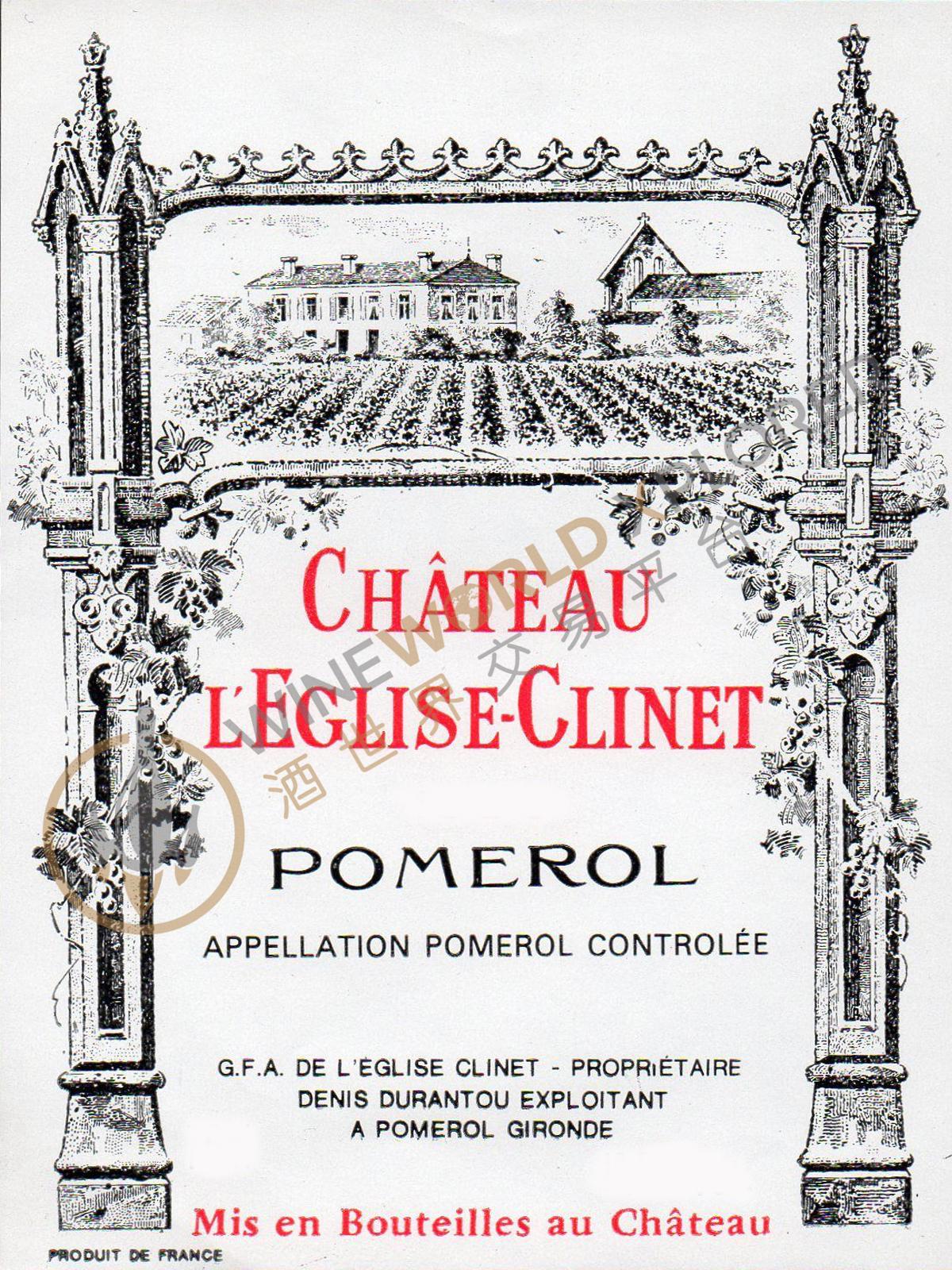
Château l'Eglise-Clinet is located in the Pomerol appellation on the right bank of Bordeaux, France, and is one of the most famous wineries in the Pomerol region. Château Clinet Chapel has a long history, dating back to the late 19th century. The Rouchut family, who ran Chateau Clos l'Eglise at the time, and the Constant family, who ran Chateau Clinet, decided to make wine together. Until 1950, the Bordeaux wines produced by these two families were sold under the name Château Claregelis. It was only after 1950 that their wines were given their current name, Château Clignet. Later, the Durantou family acquired Château Clignet. However, the owner was not keen on wine at the time and left everything to Pierre Lasserre, the owner of another Pomerol estate. Pierre Lasserre only had to give him half of the estate's income each year. This partnership has continued for 40 years. Today, Denis Durantou, a descendant of the Durantou family, is in charge of the estate. At present, Château Clignet has 5.5 hectares of vineyards. The soils are mainly gravel and clay, some of which are rich in iron. The vineyards of Château Clignet were spared from the 1956 frosts and the vines are on average 45 years old. The vineyard is planted with 85% Merlot and 15% Cabernet Franc at a density of 6,500 vines per hectare. The vineyard is fertilised with an organic fertiliser mix every 5 years. The grapes are hand-picked when they are ripe at Château Clignet. After careful selection and crushing, the grapes are fermented in concrete and stainless steel containers for 15-21 days. After about October, the fermented wine is aged in new oak barrels for a period of 18 months. The main wine of Château Clinet is the Château l'Eglise-Clinet, Pomerol, France. The wines are concentrated and rich, full-bodied, with pure fruit and exotic spice notes, particularly fresh and wonderful, making them unique among Bordeaux wines. In recent years, as the price of the wine has soared, so has the quality. Today, it is in the top tier of Pomerol.
1961(1)1985(2)1989(1)1993(1)1994(1)1995(2)1997(2)1998(2)1999(1)2000(2)2001(2)2002(3)
Package Size