Wine Advisor



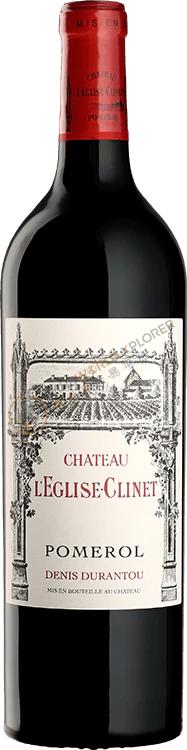
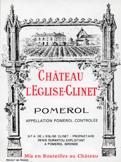
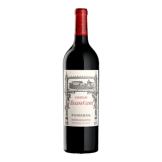
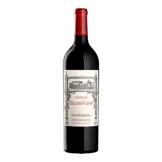
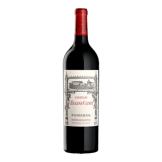
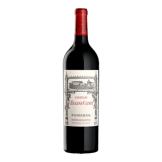
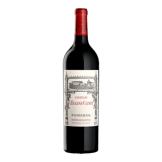
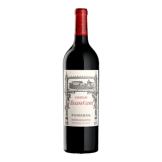
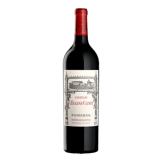
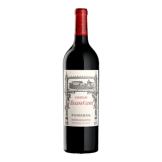
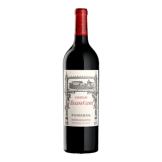
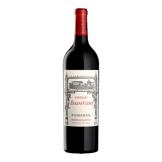
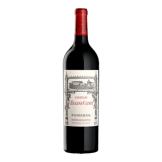
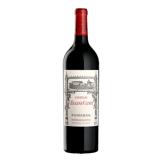
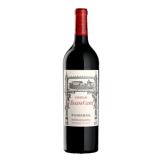
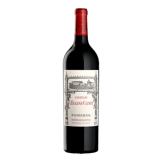
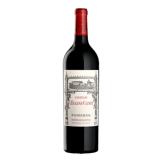
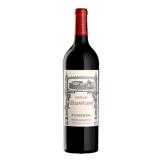
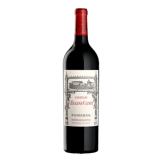
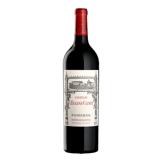
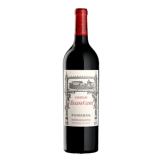
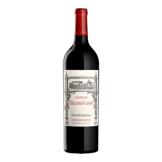
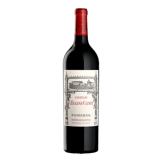
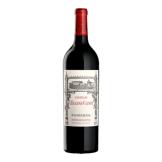
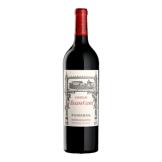
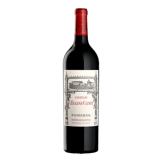
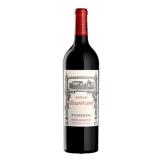
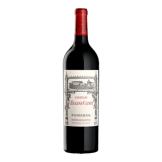
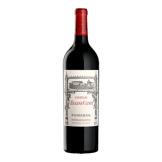
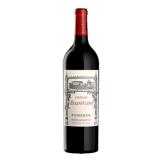
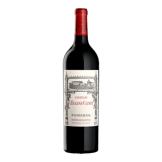
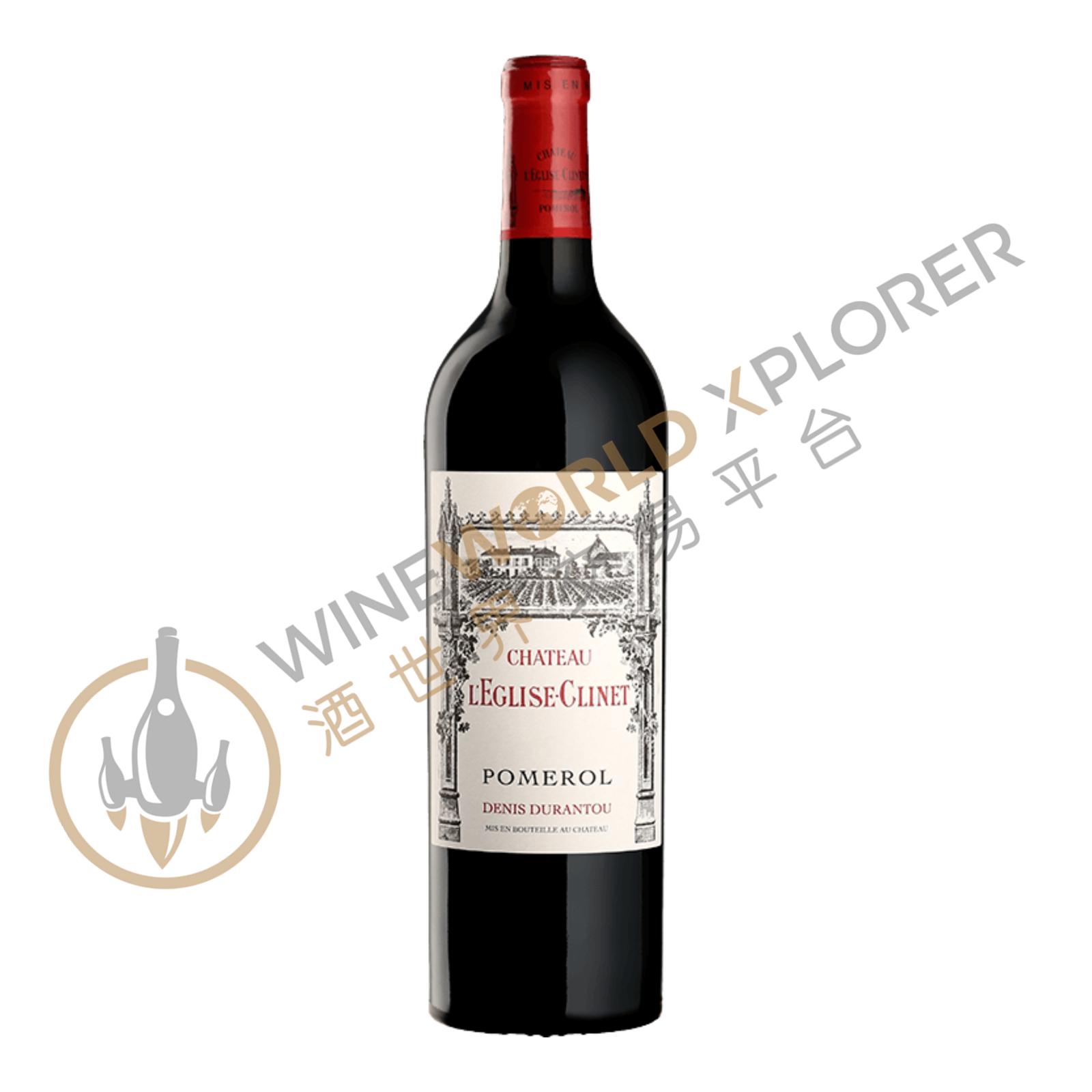
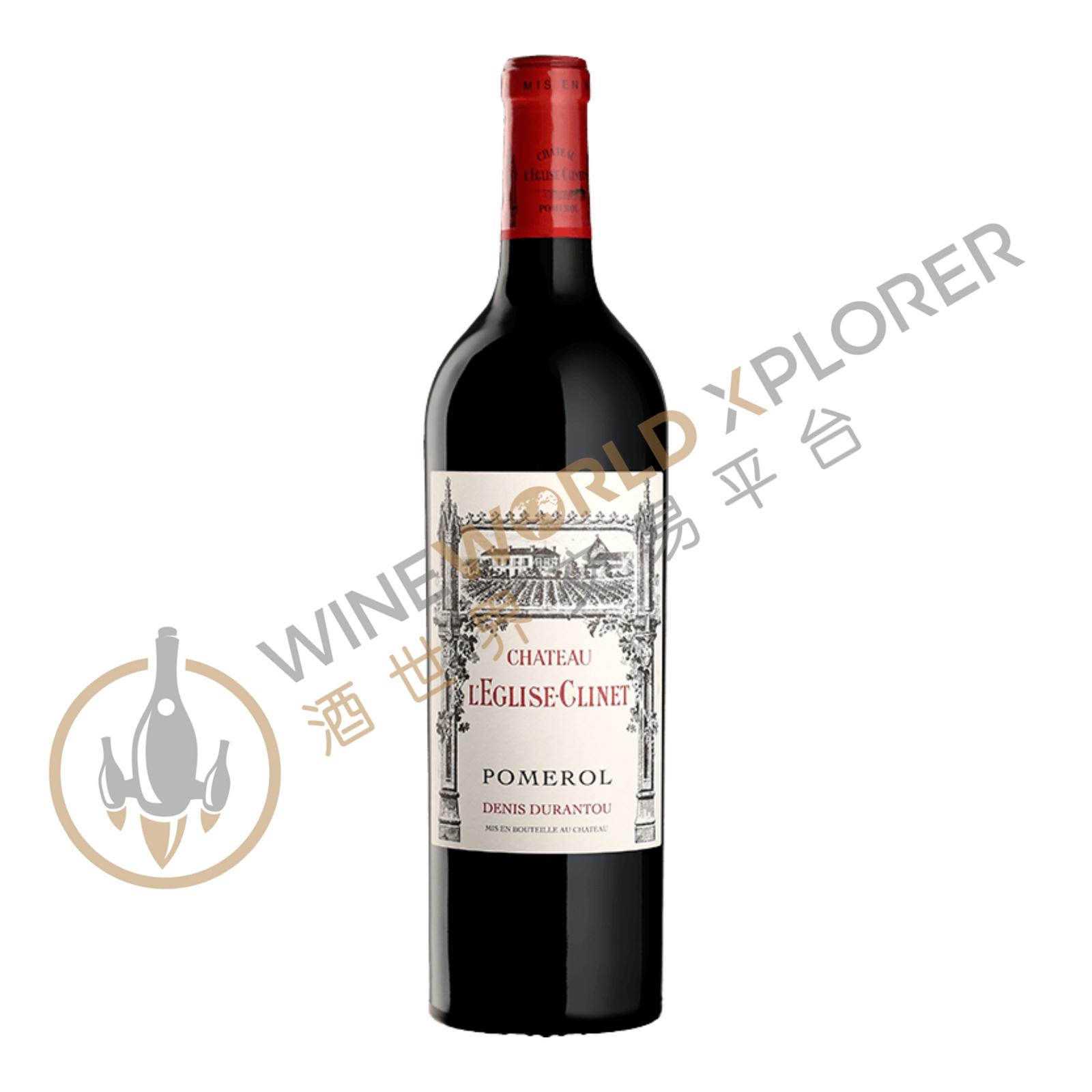
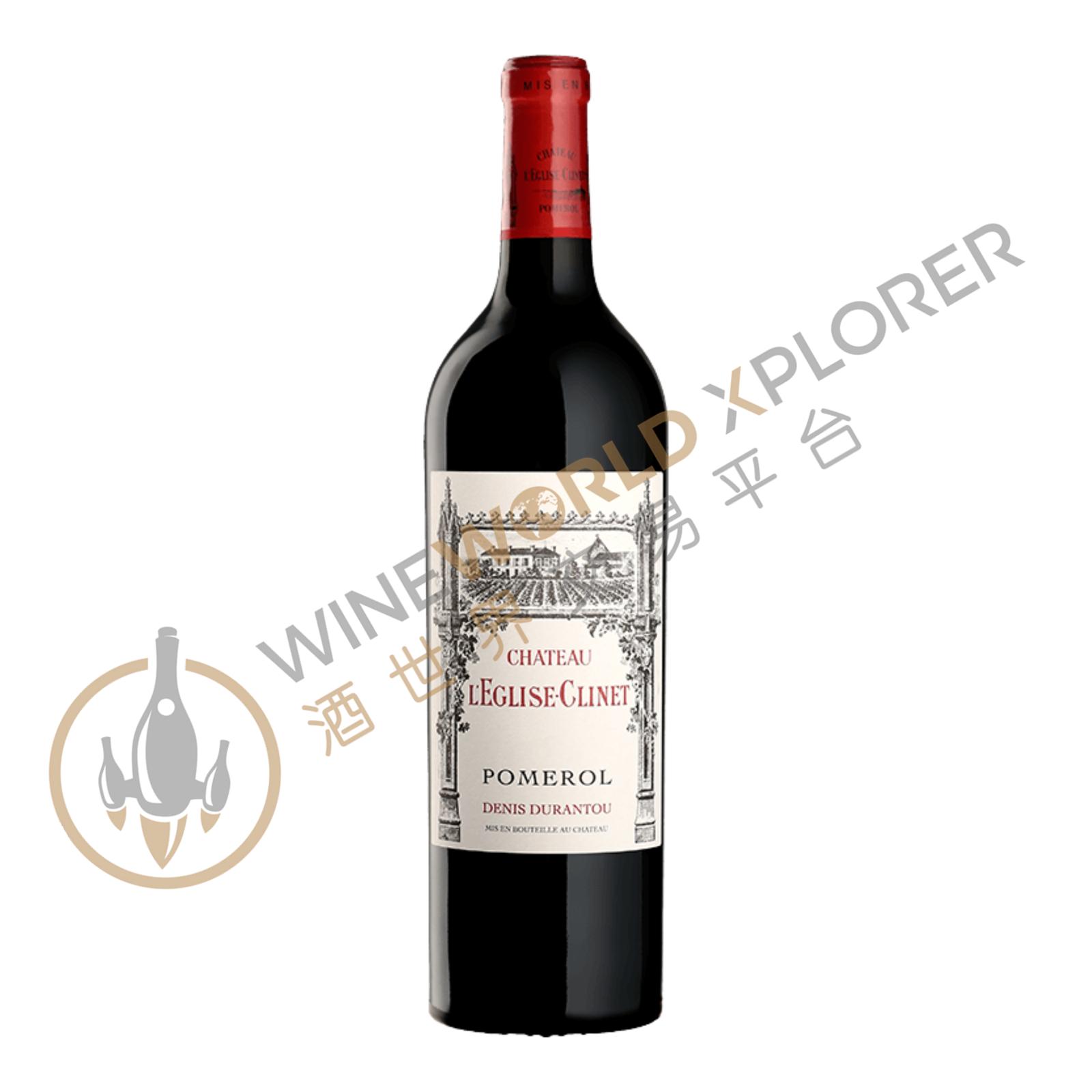
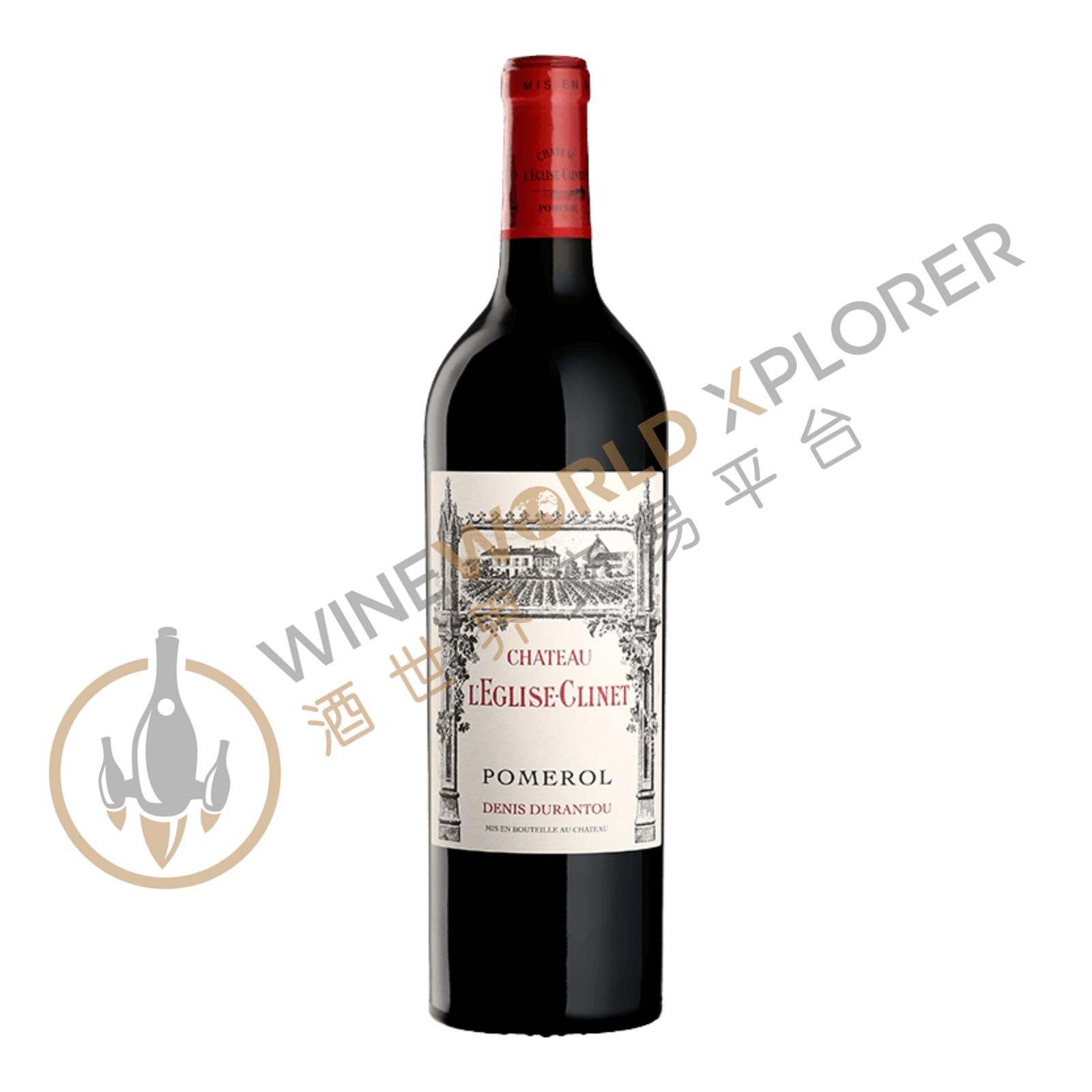
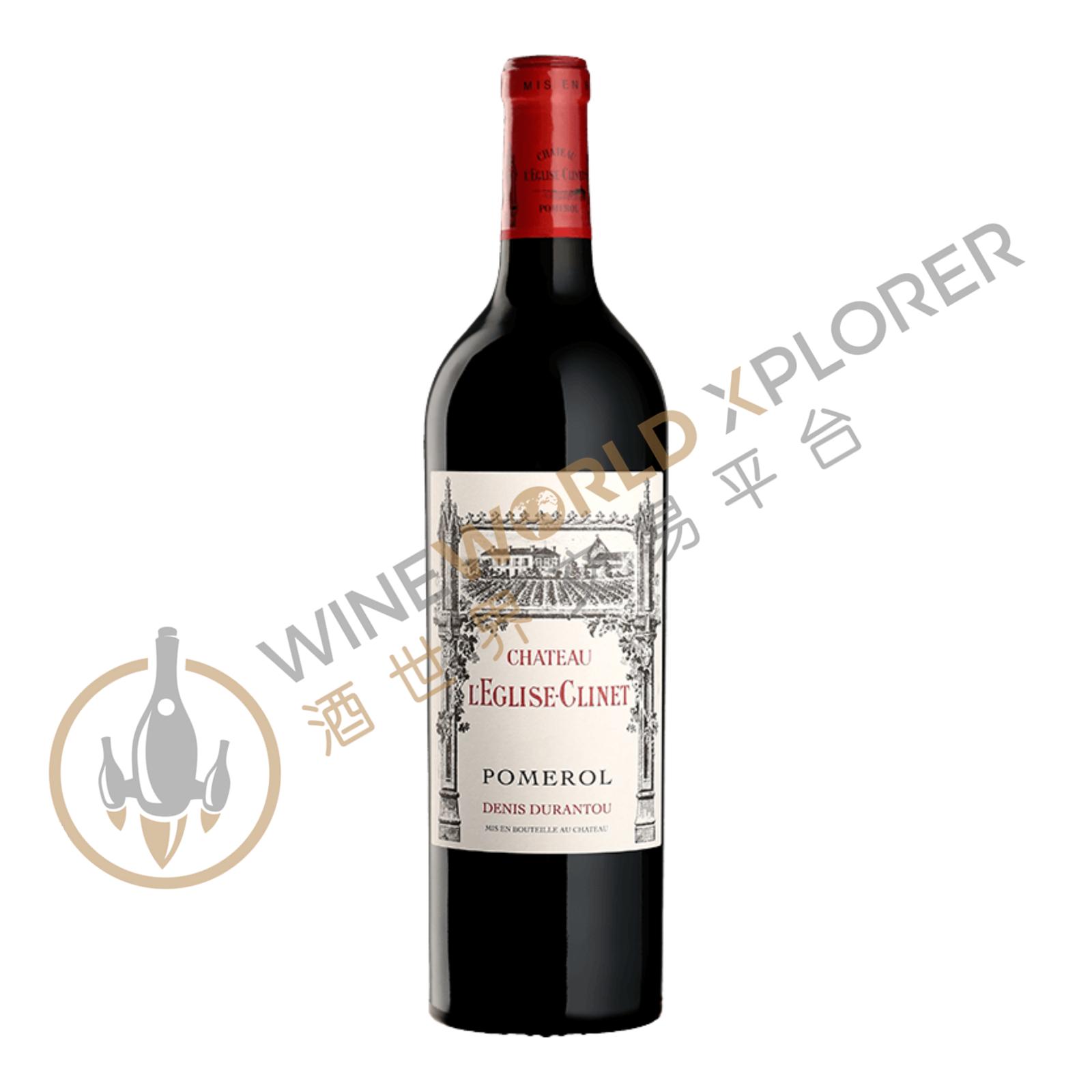
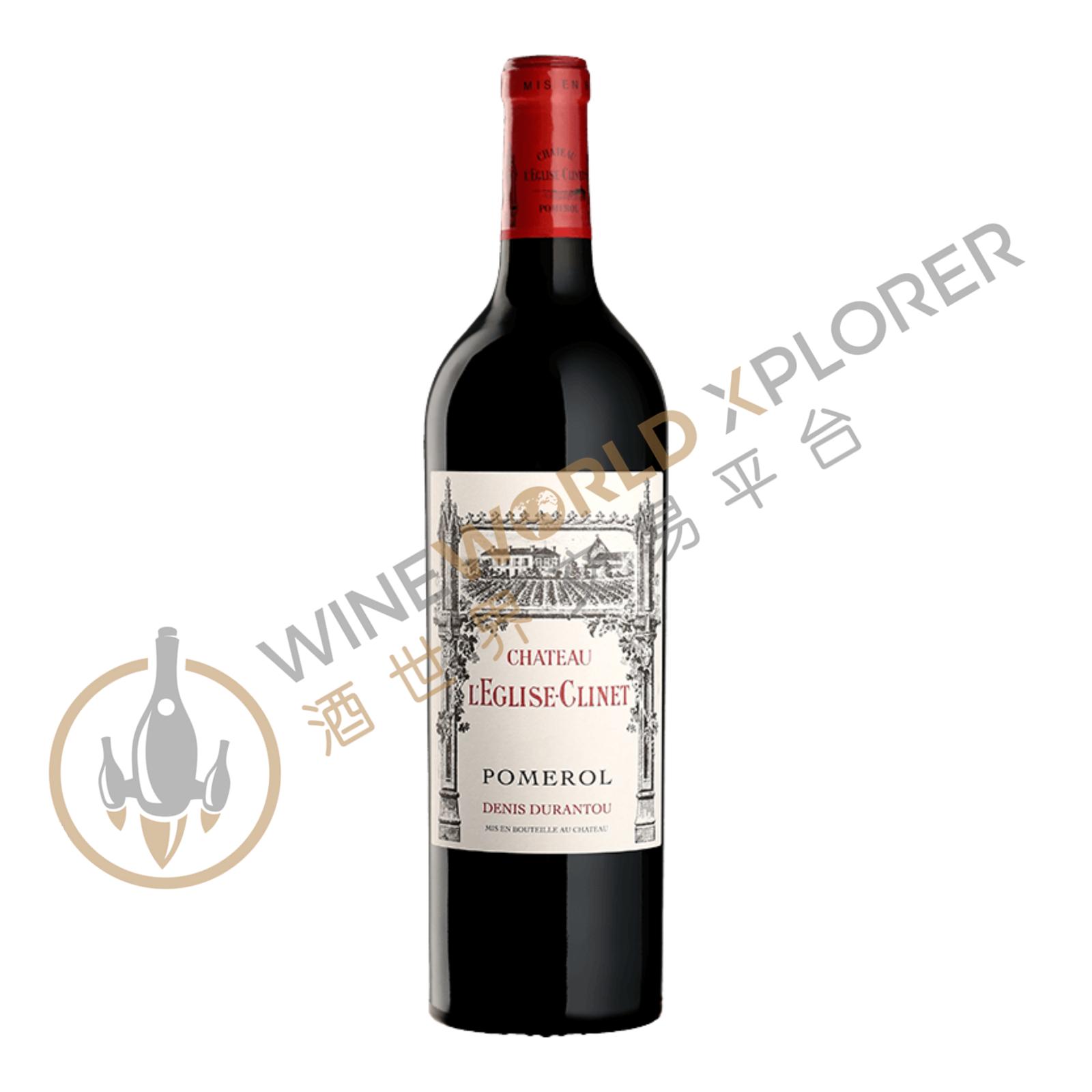
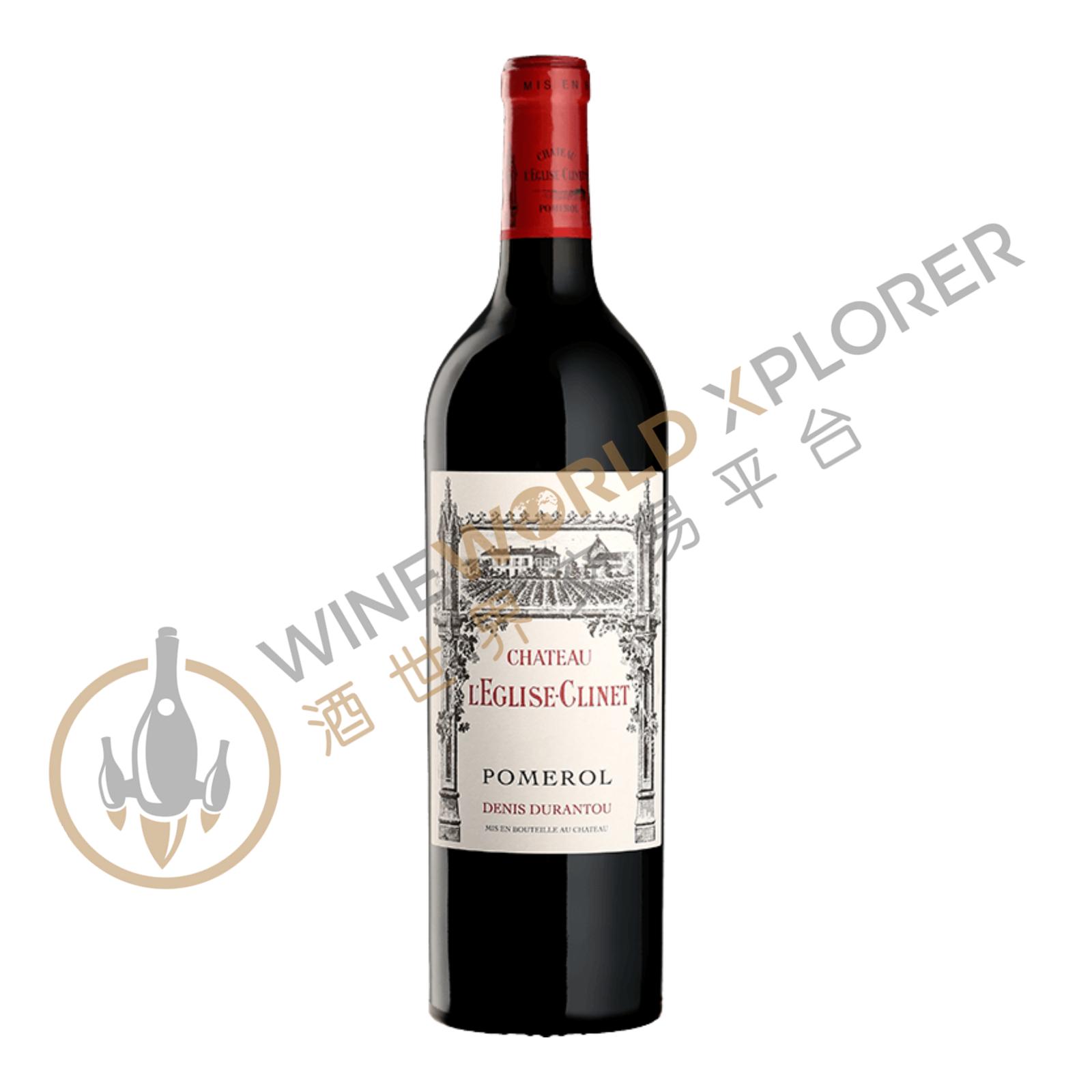
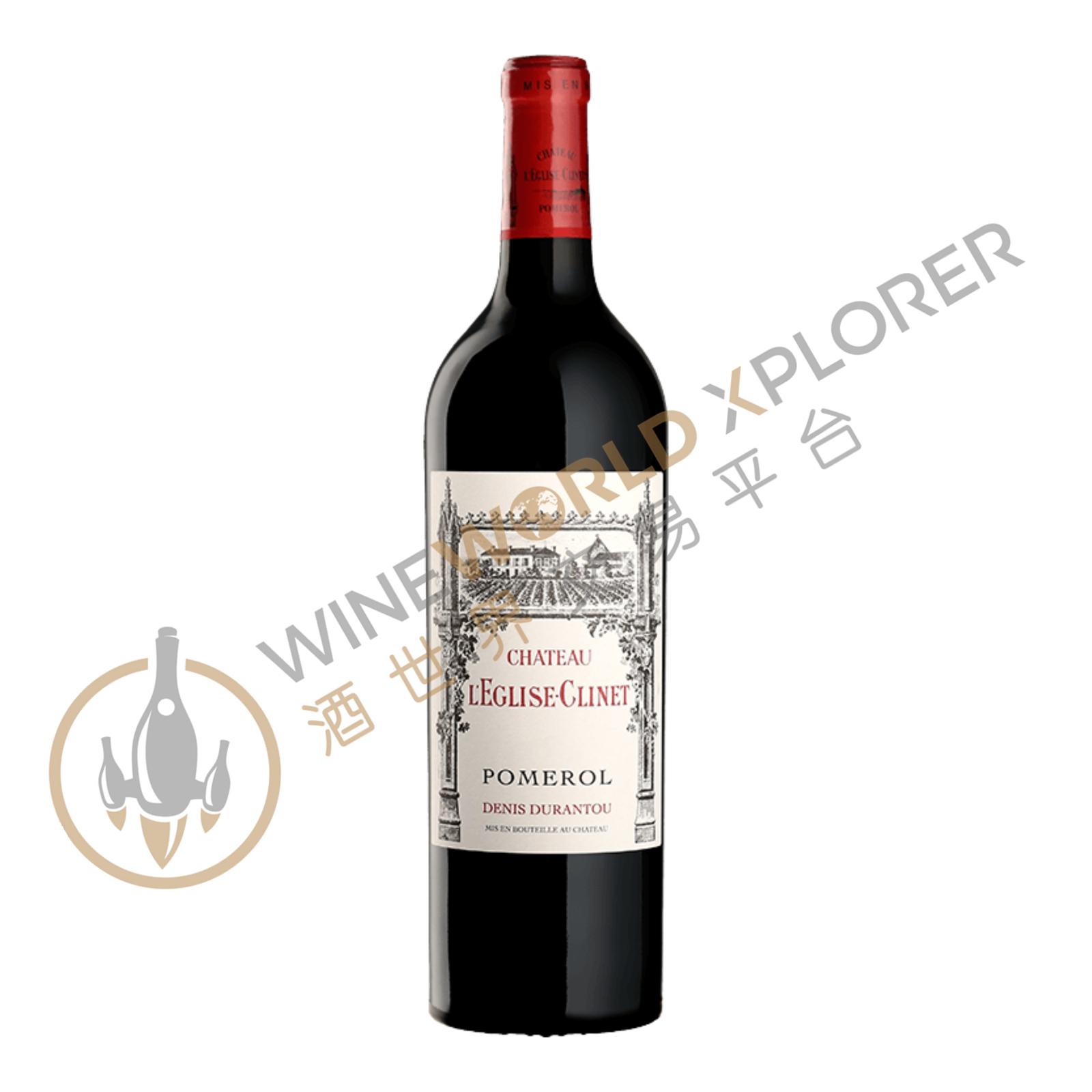
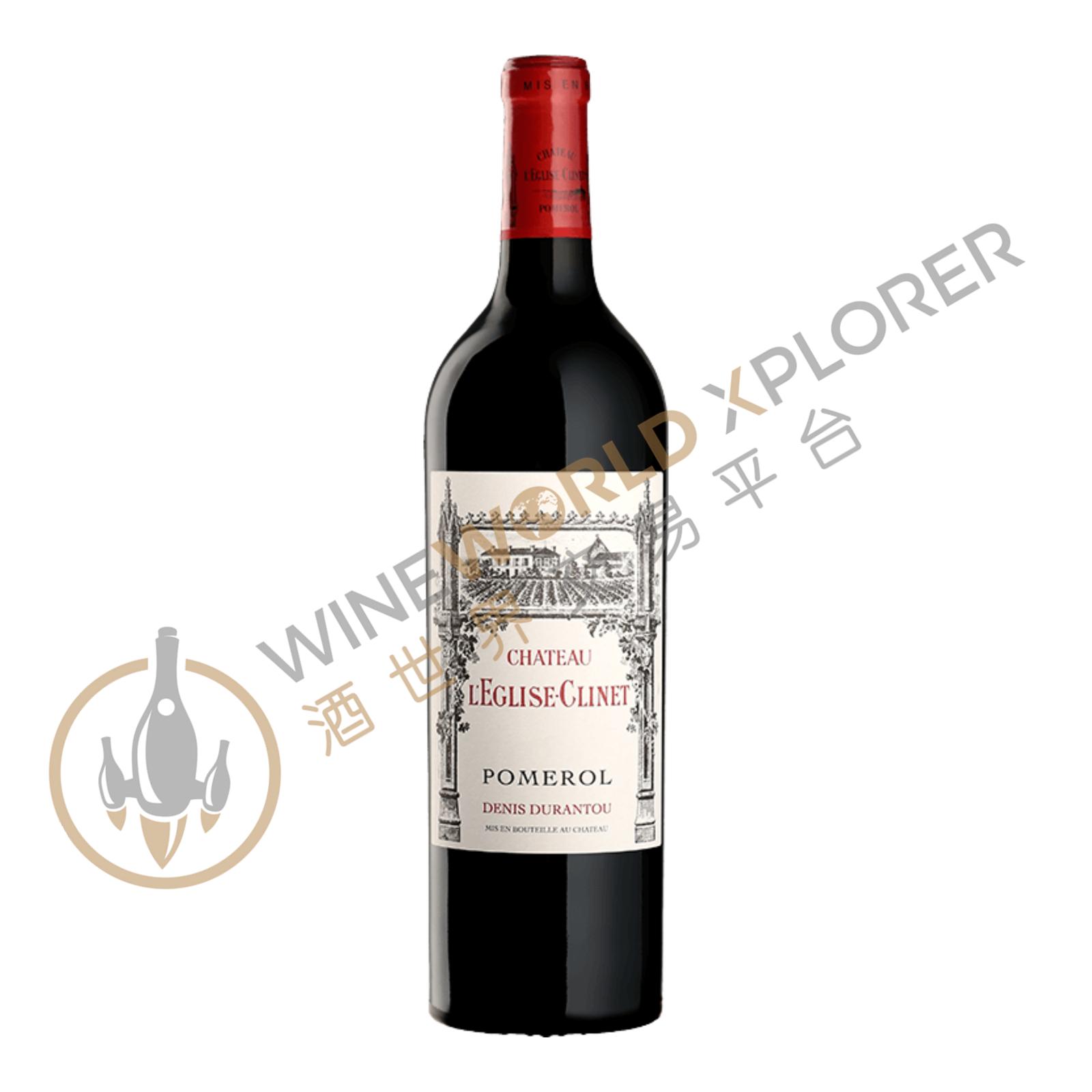
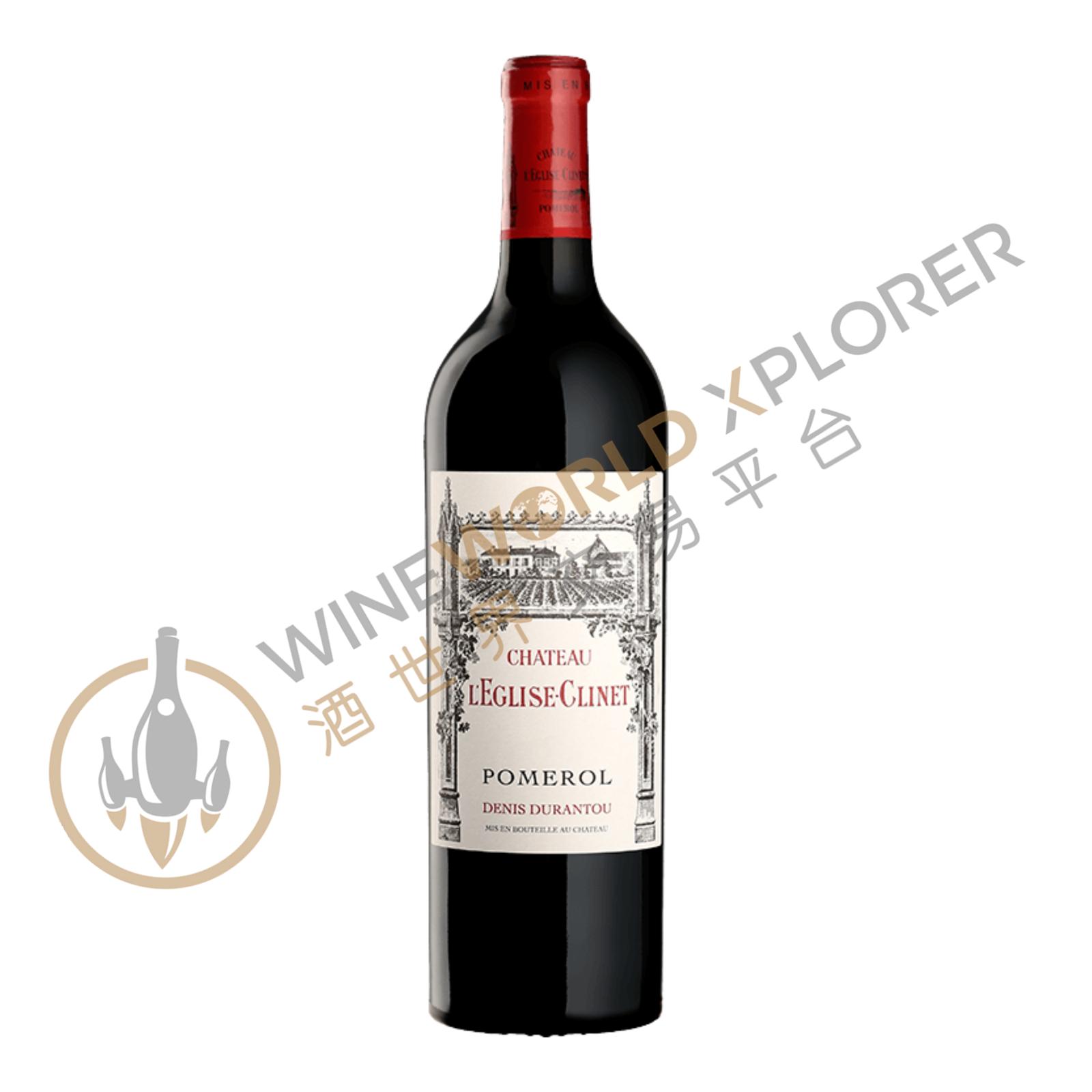
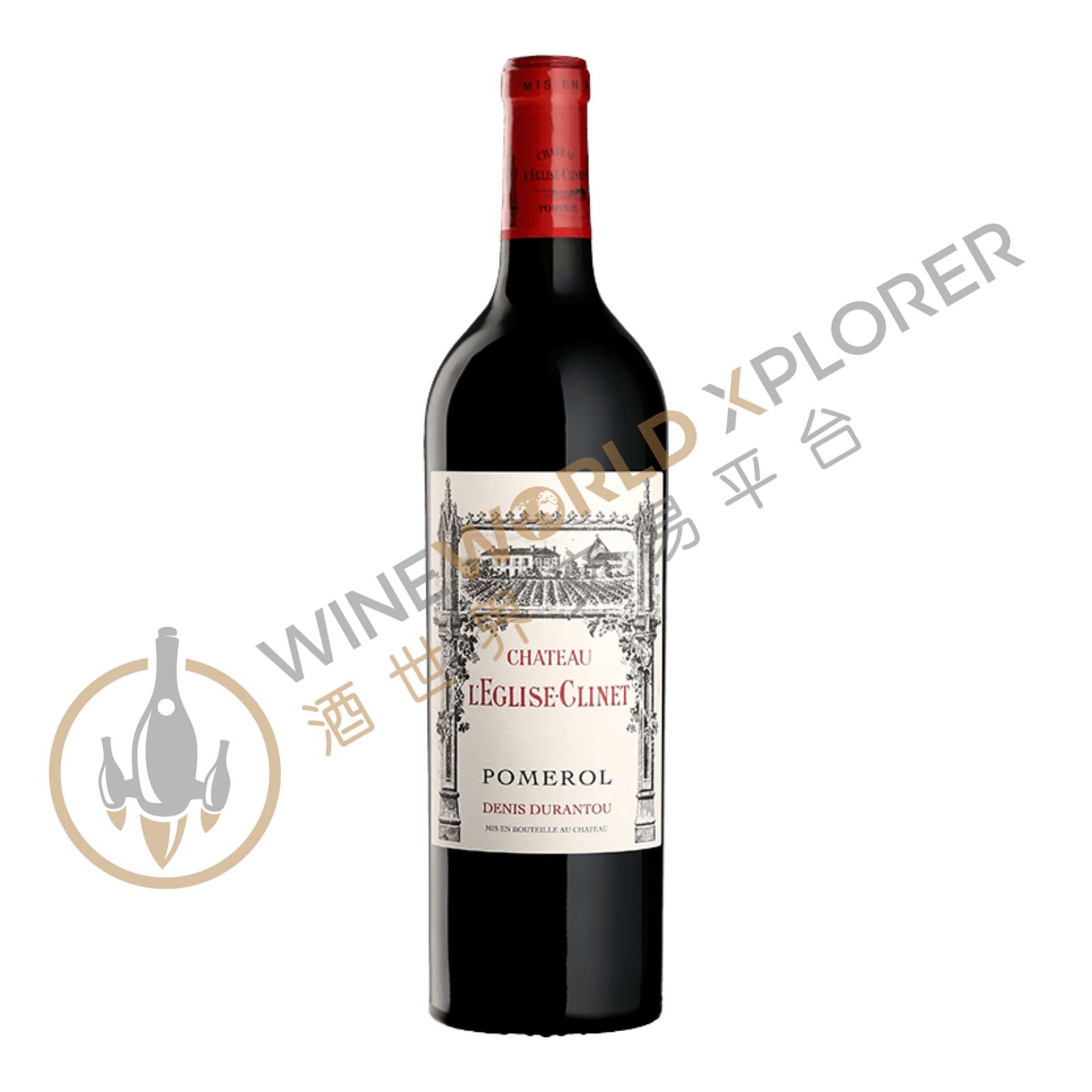
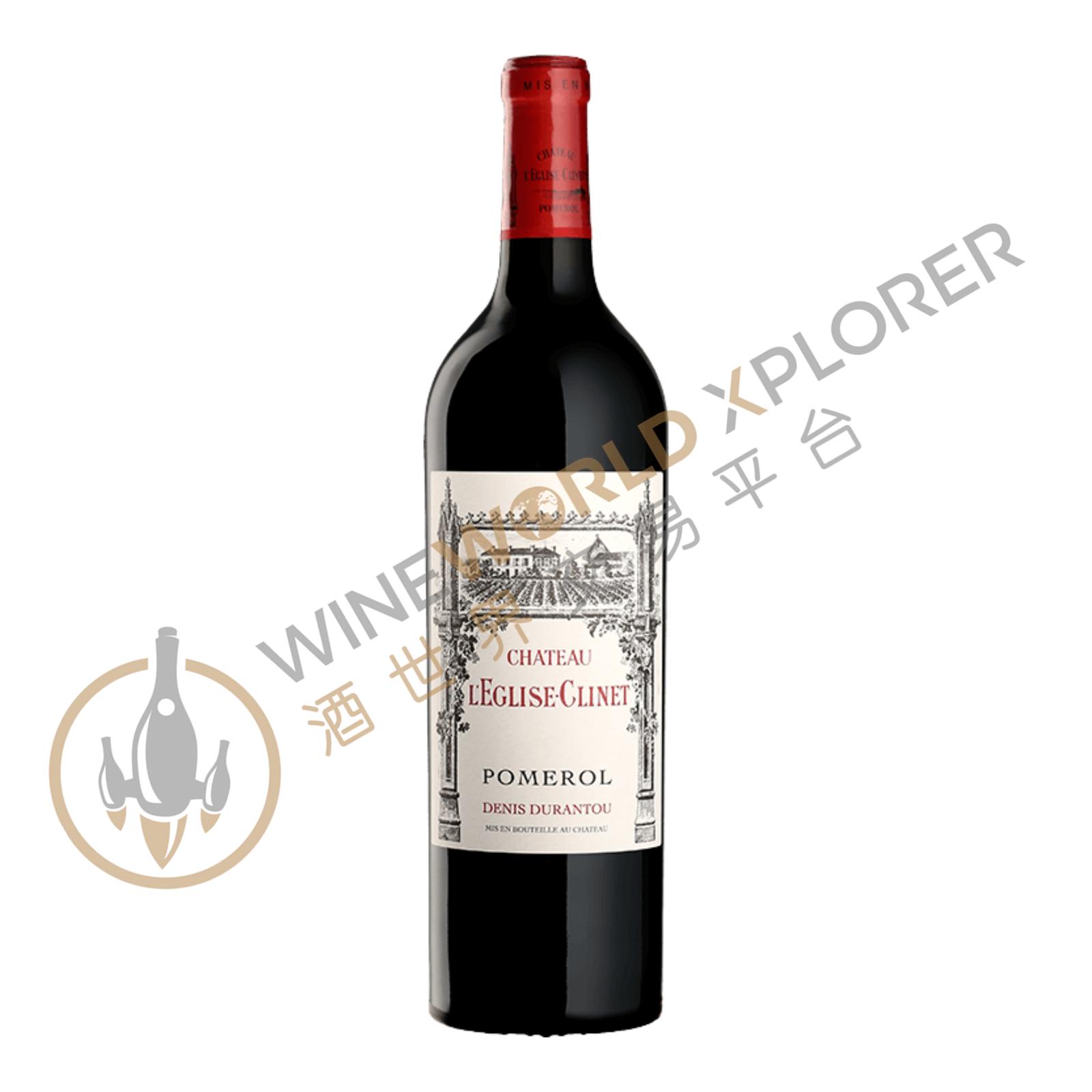
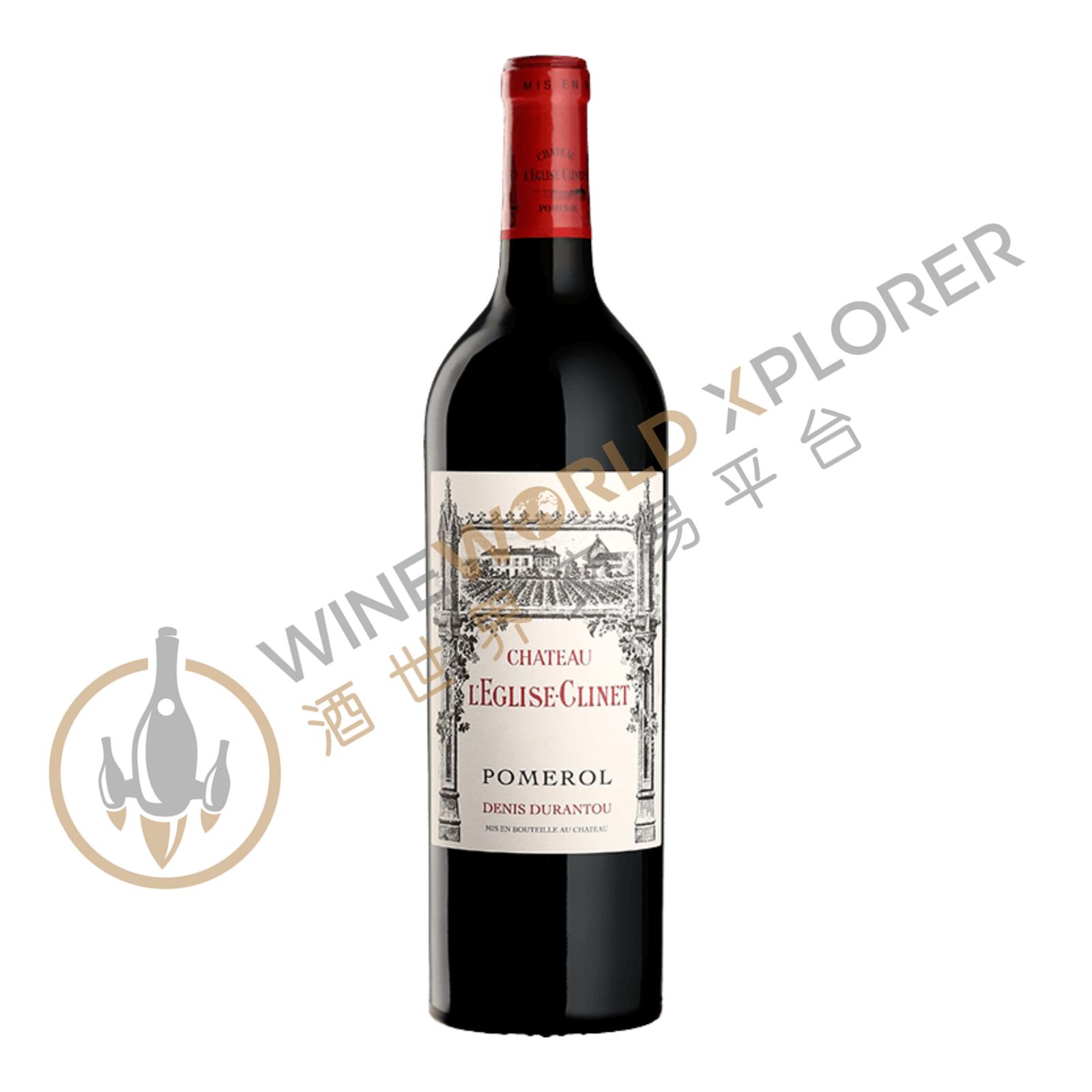
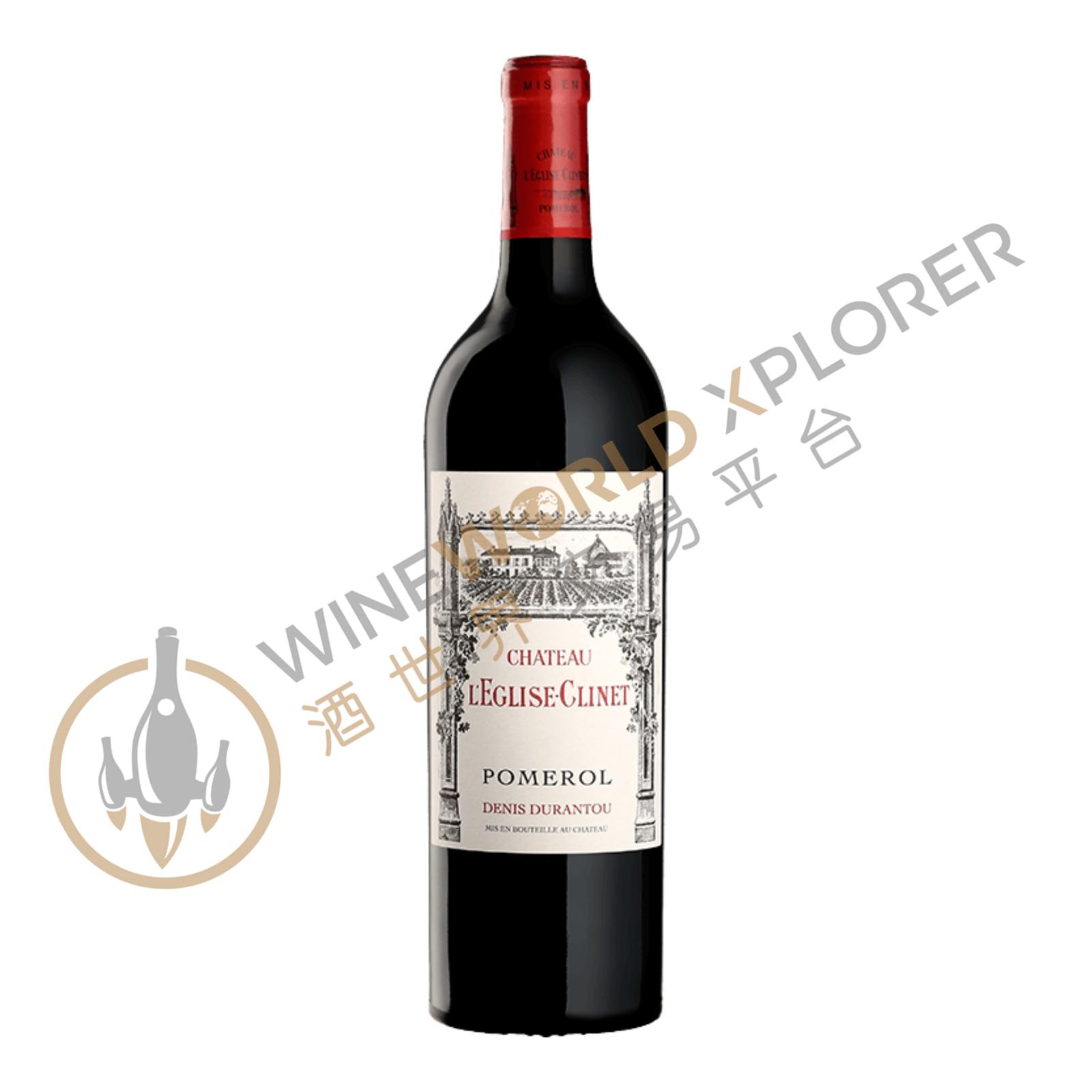
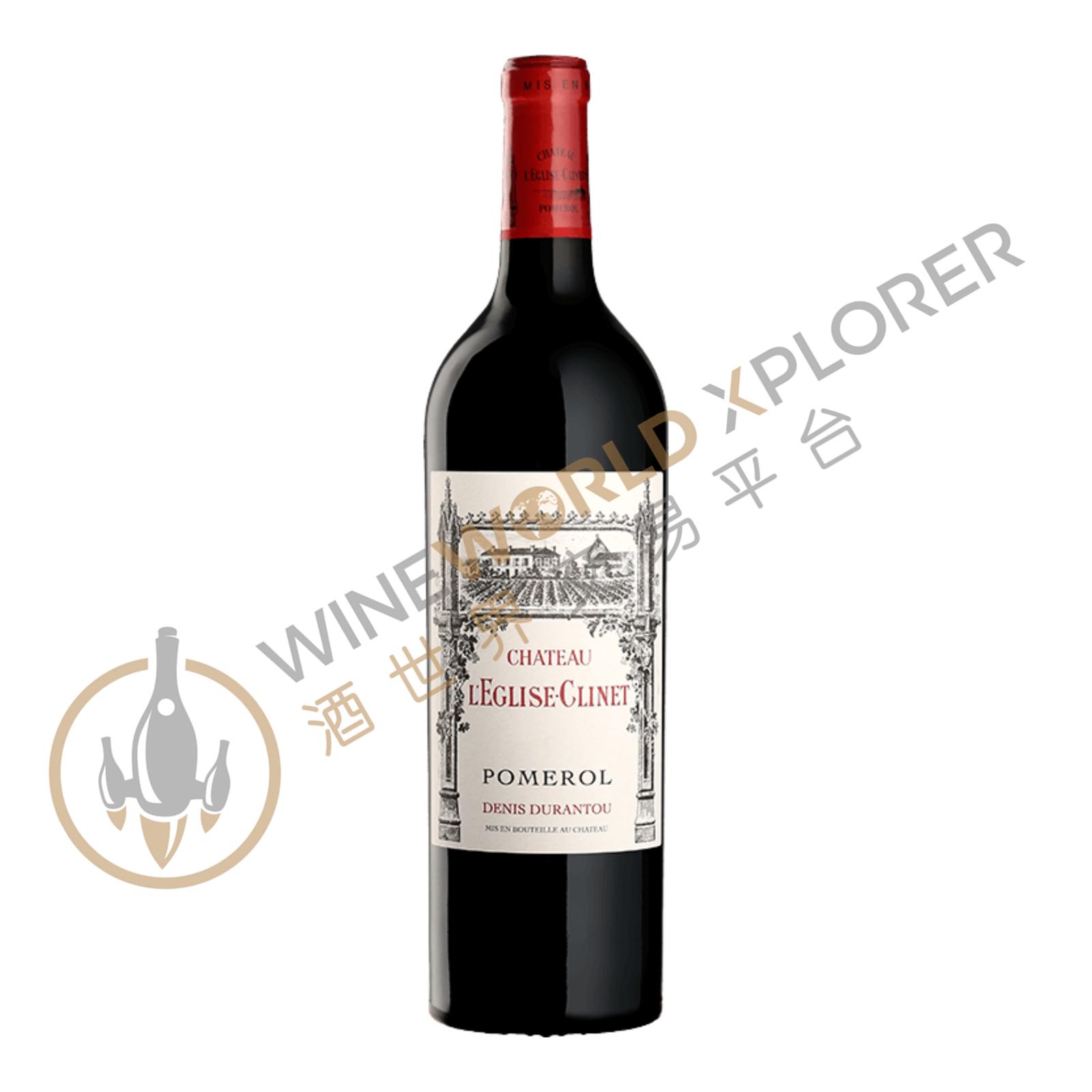
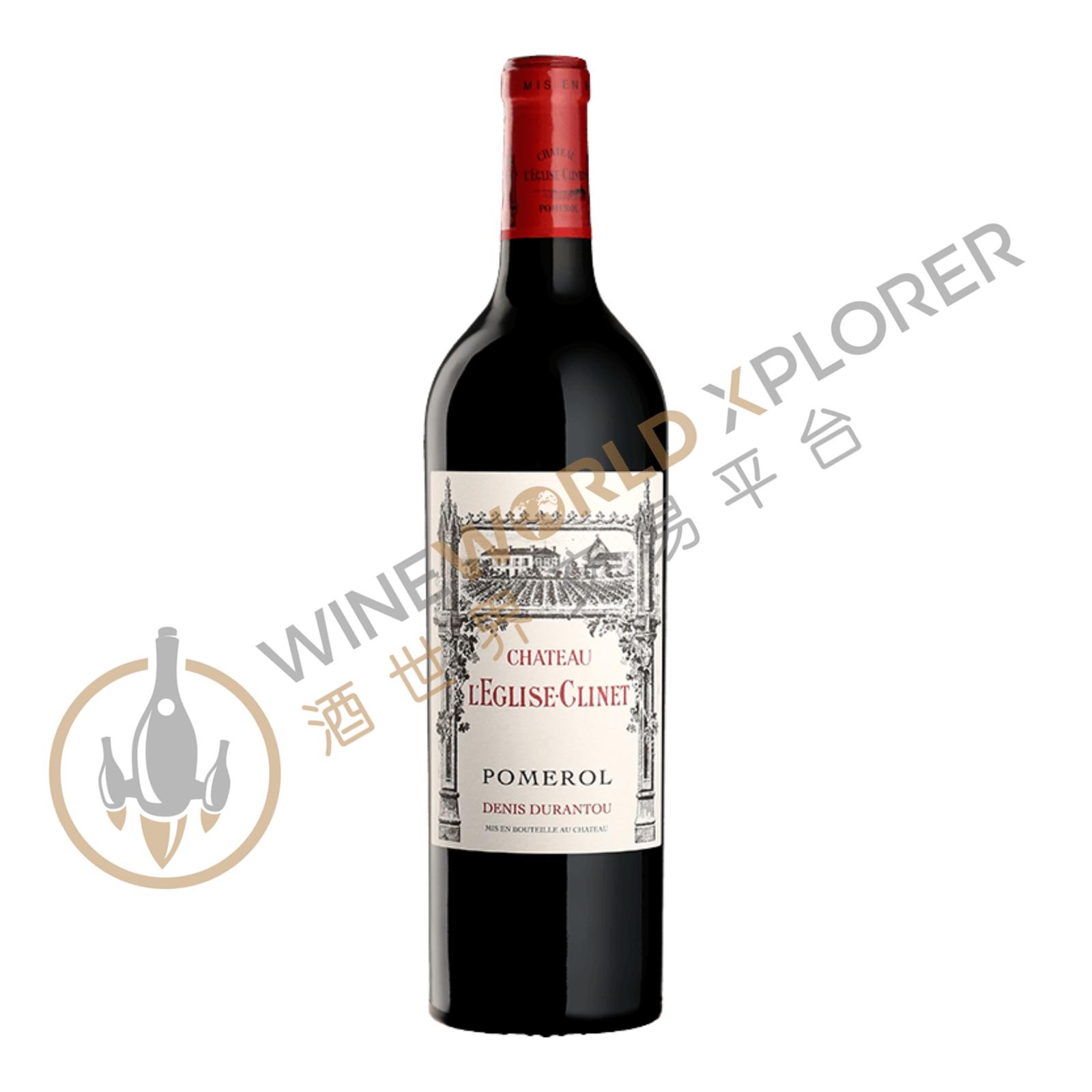
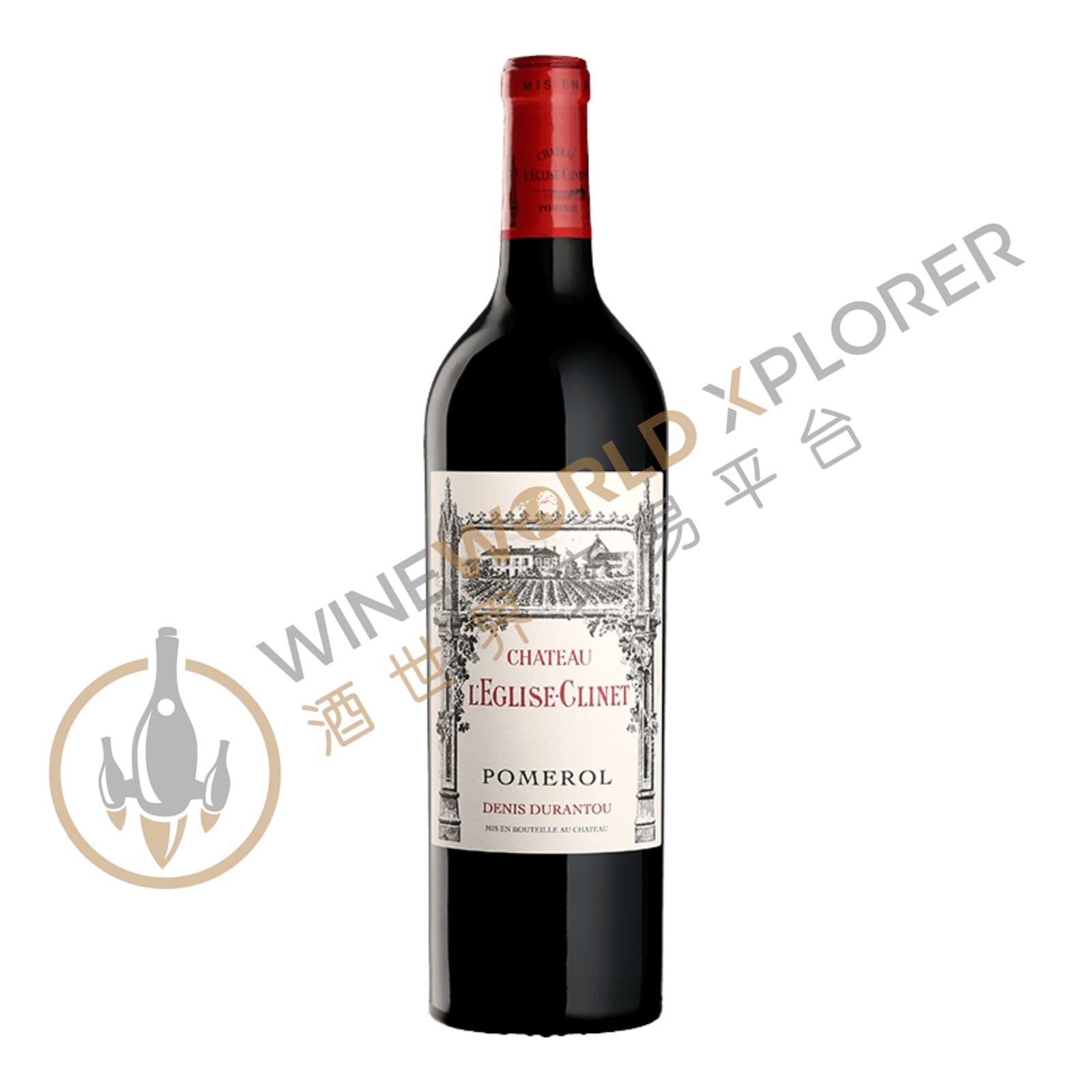
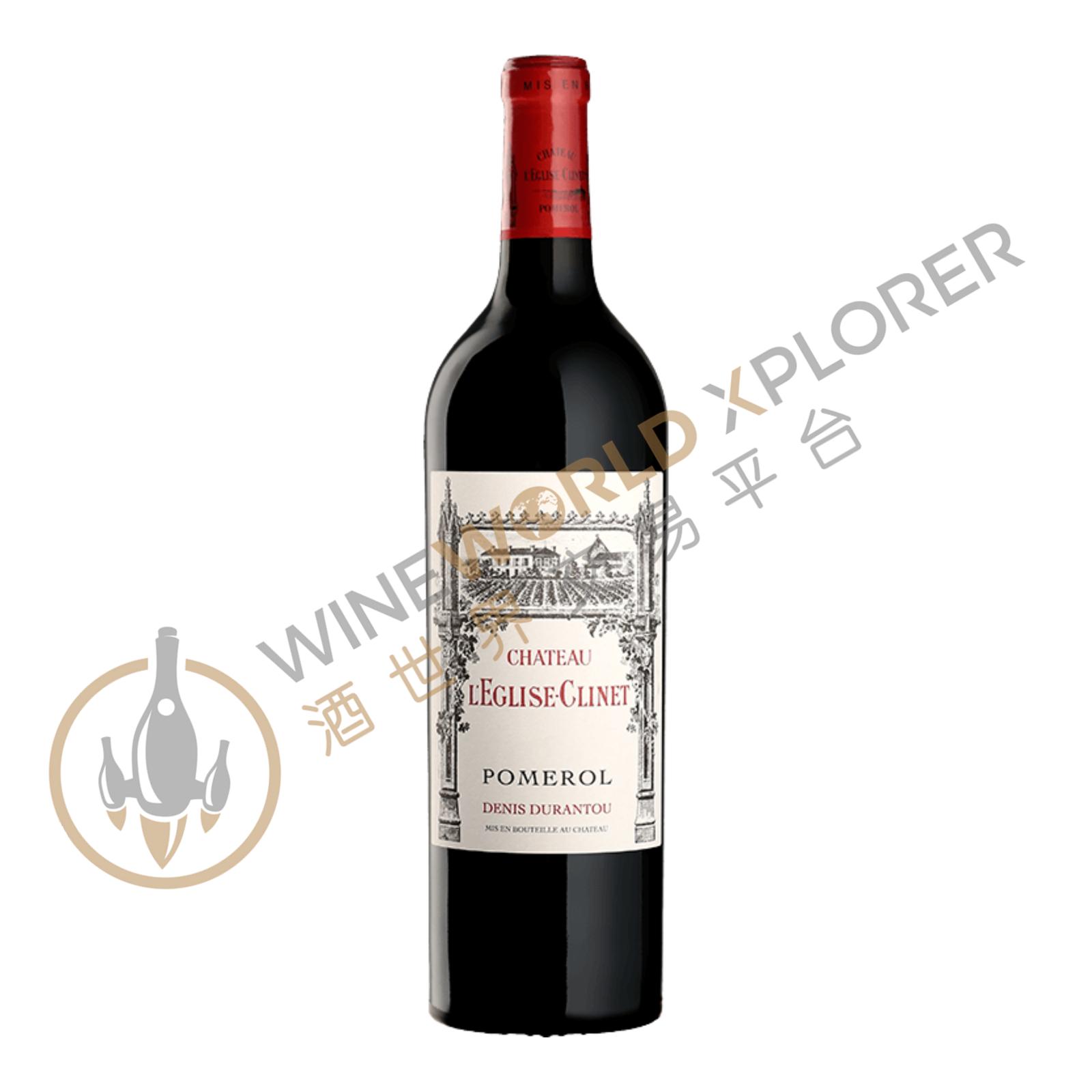
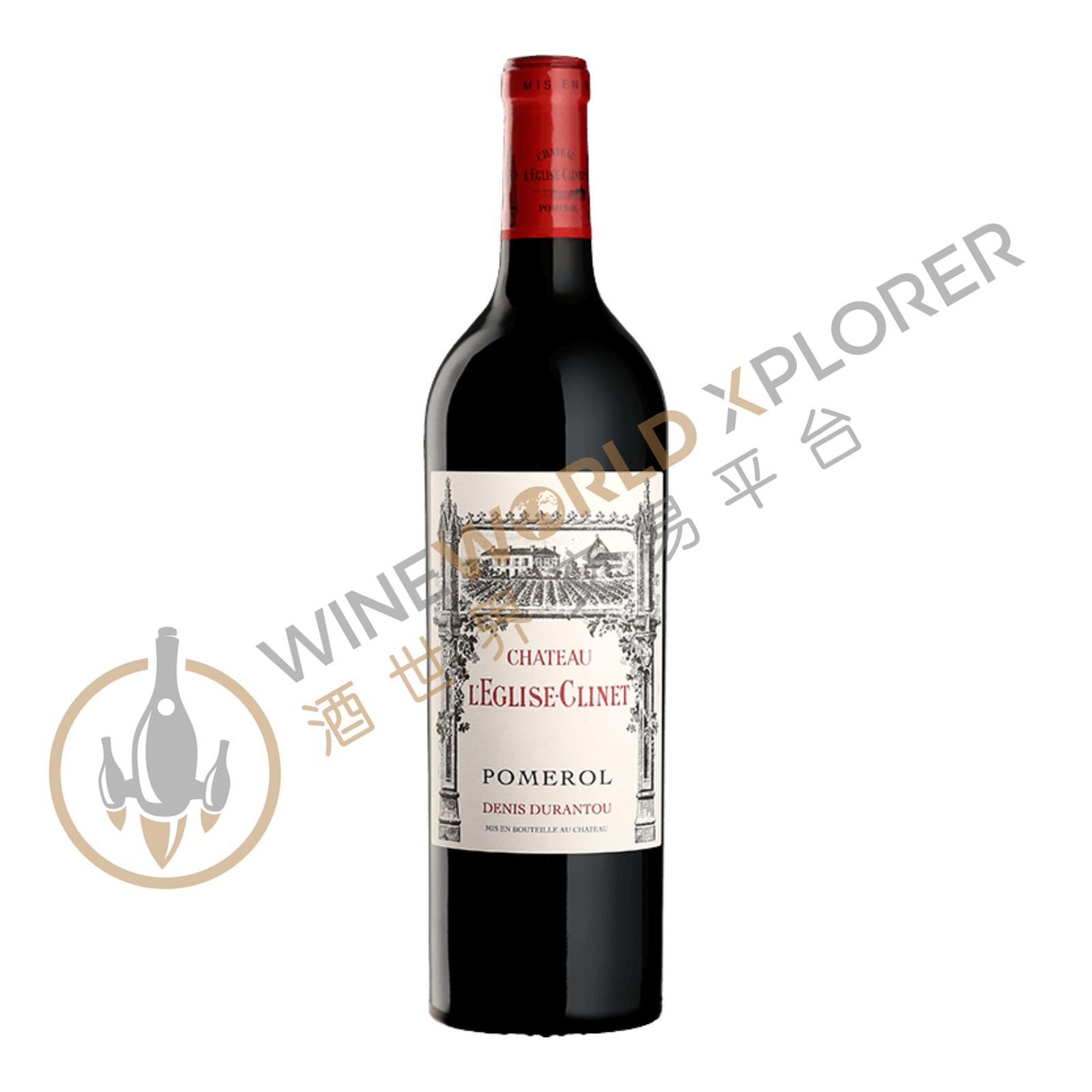
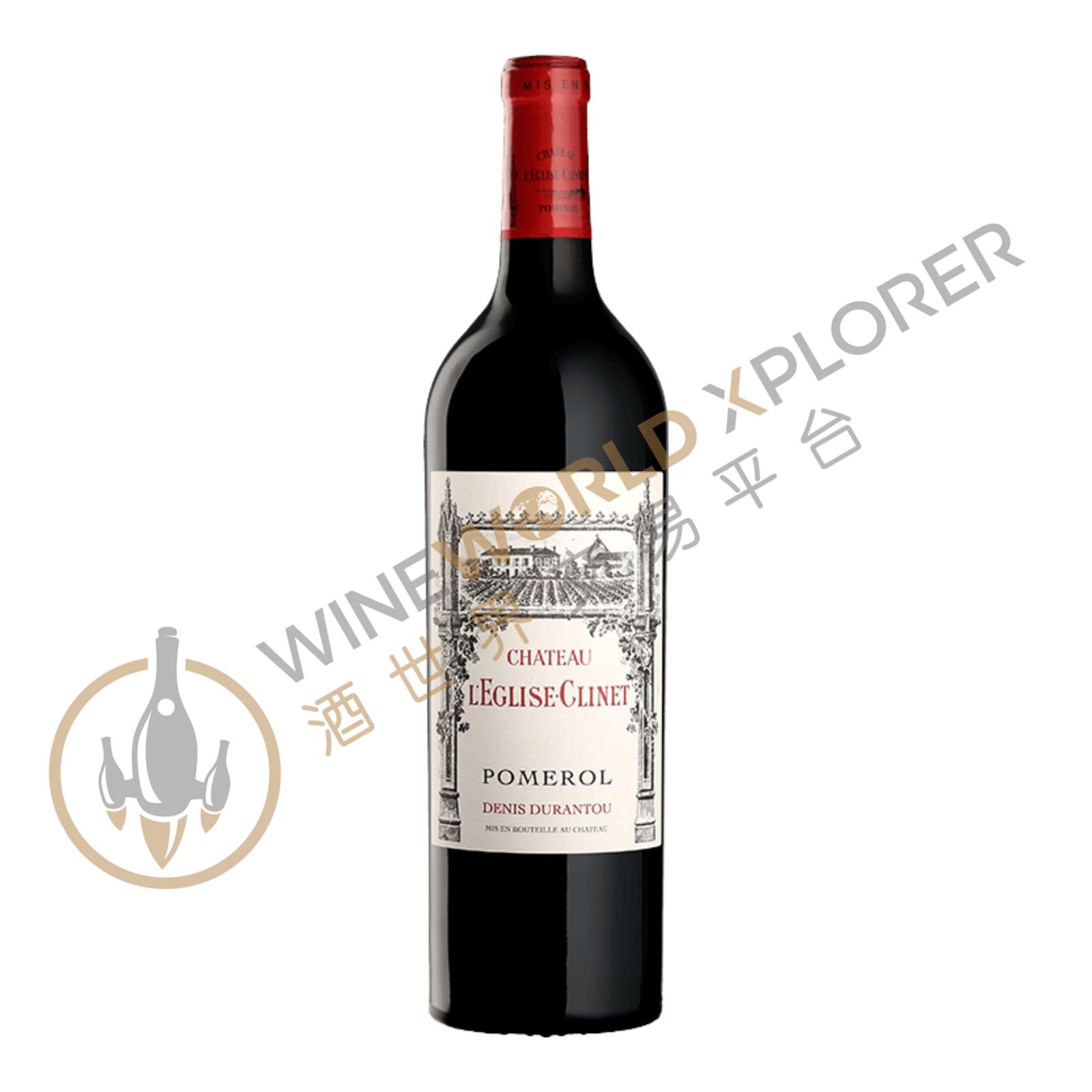
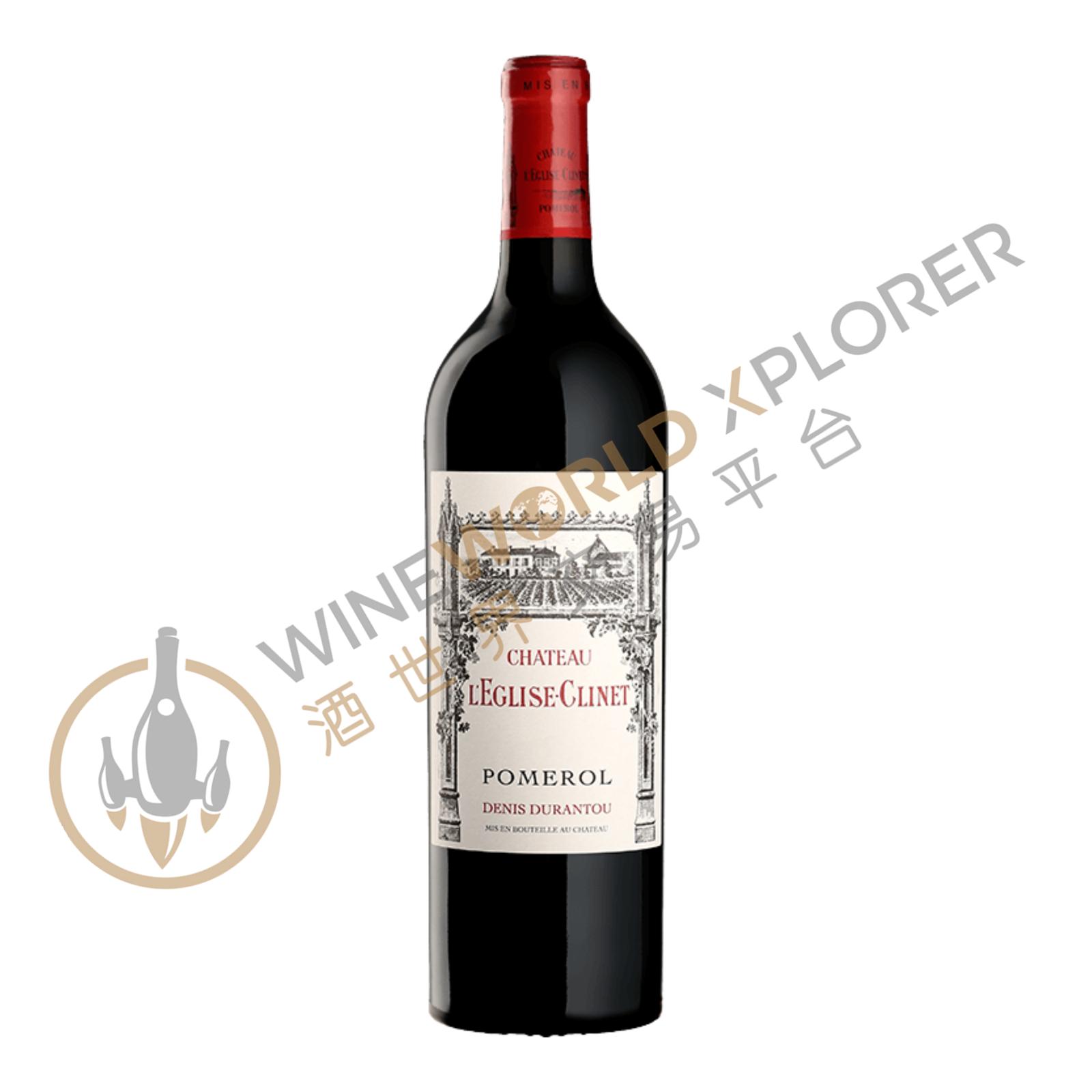
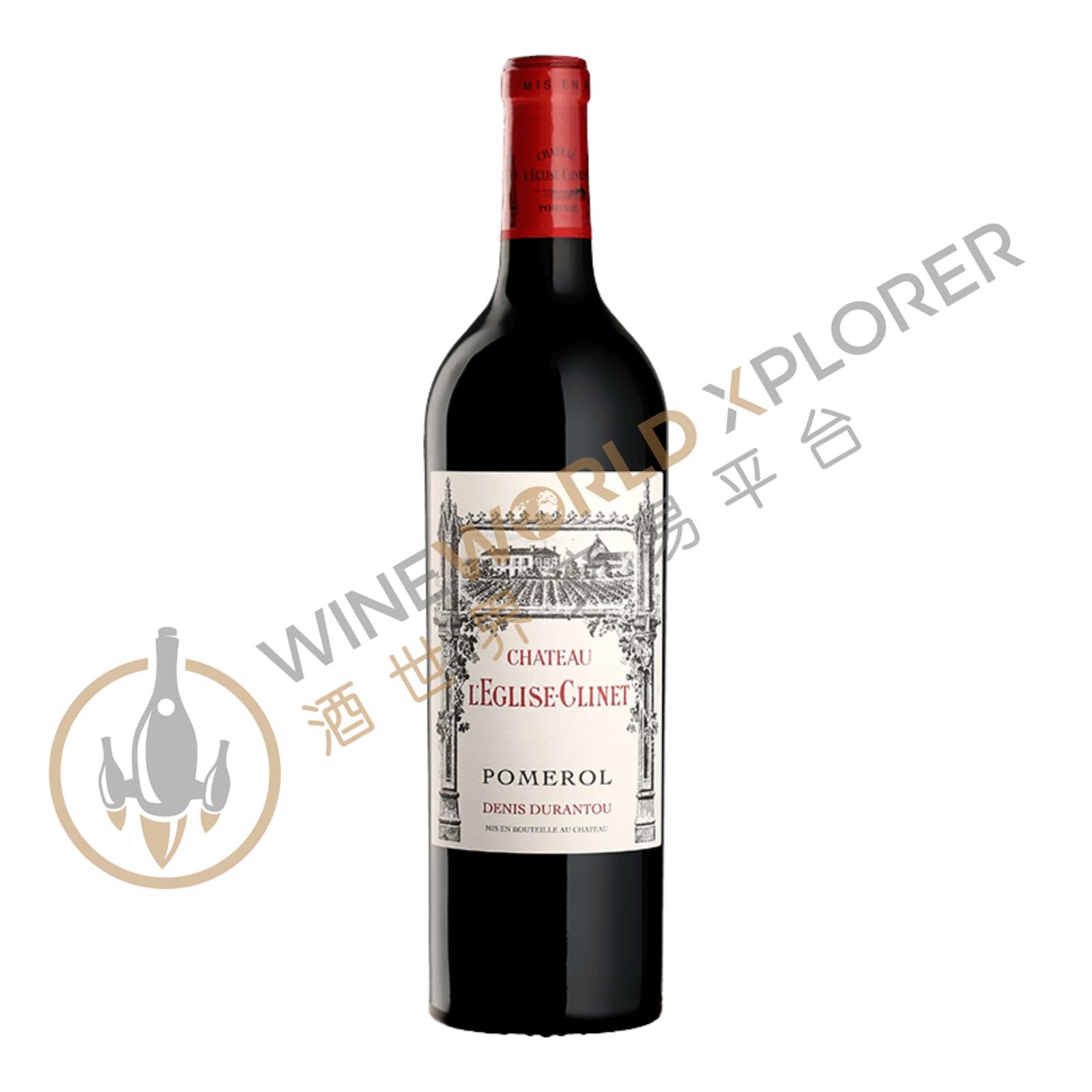
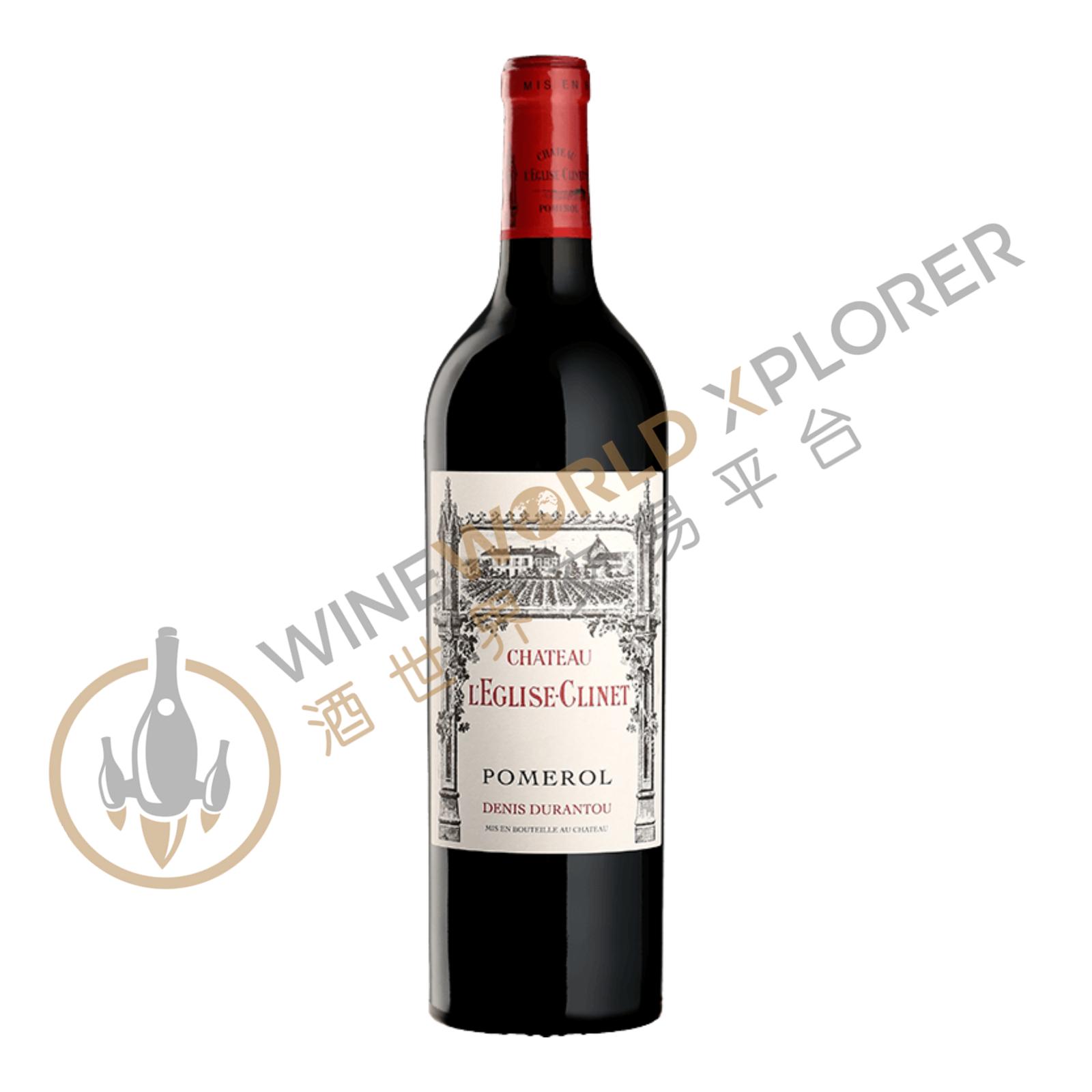
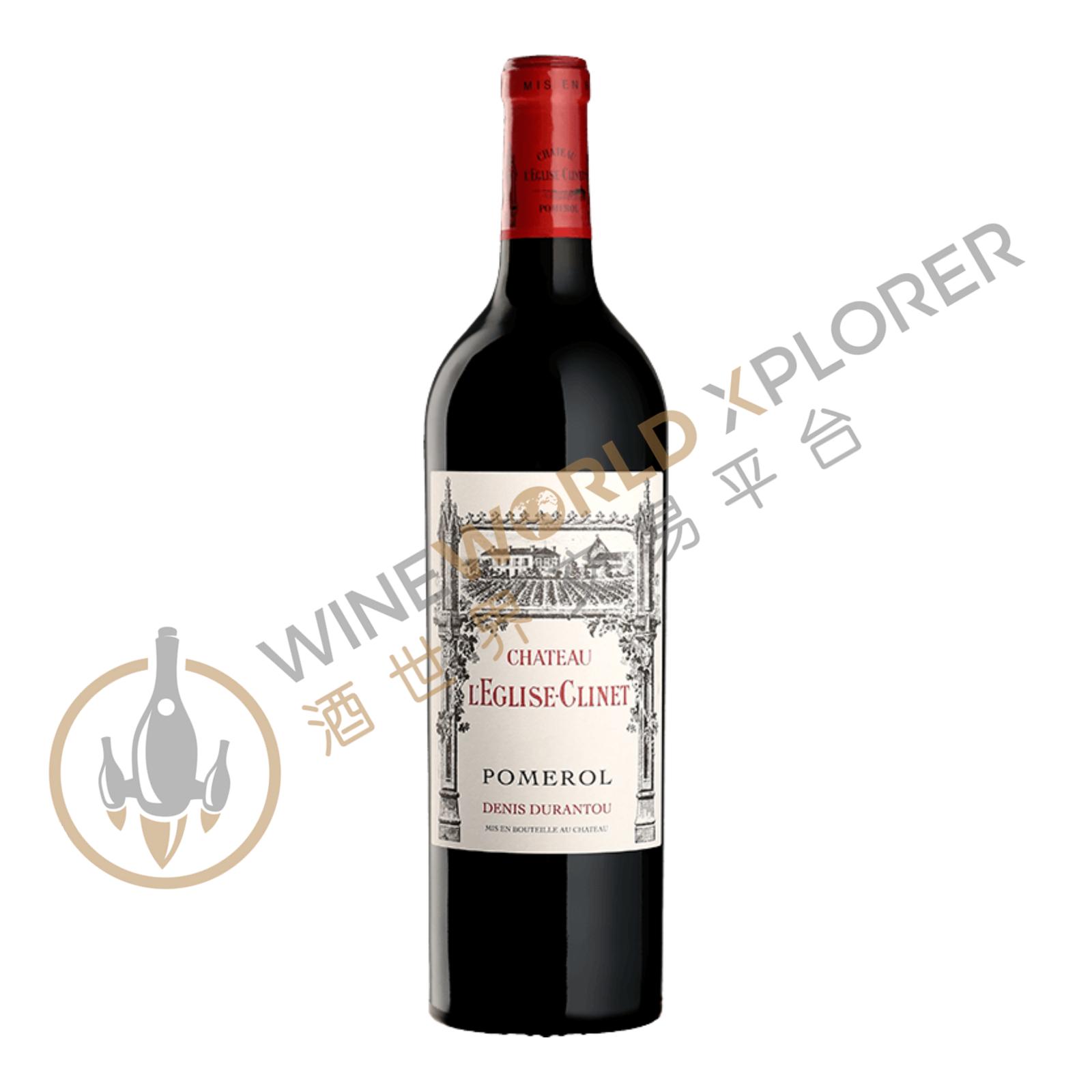
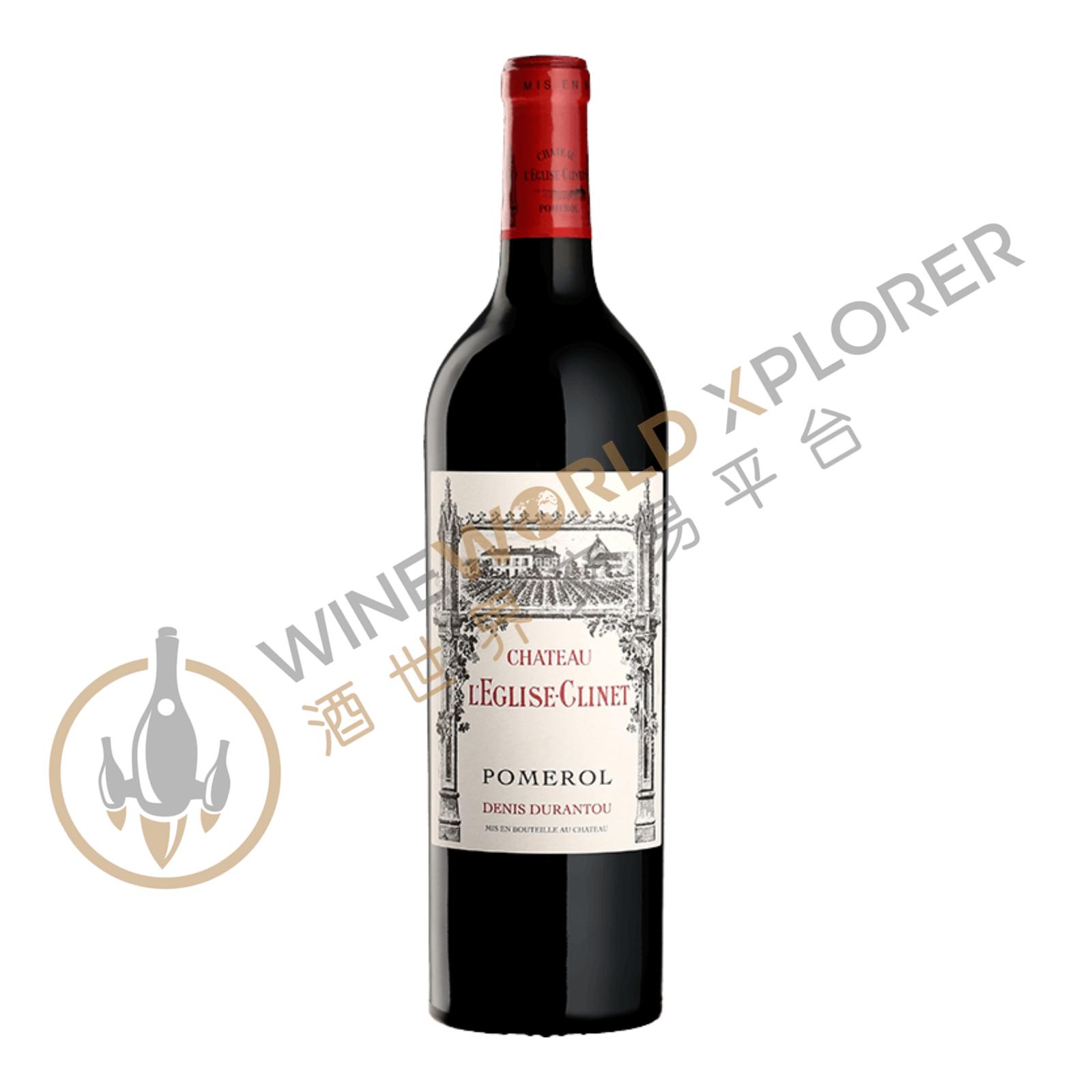
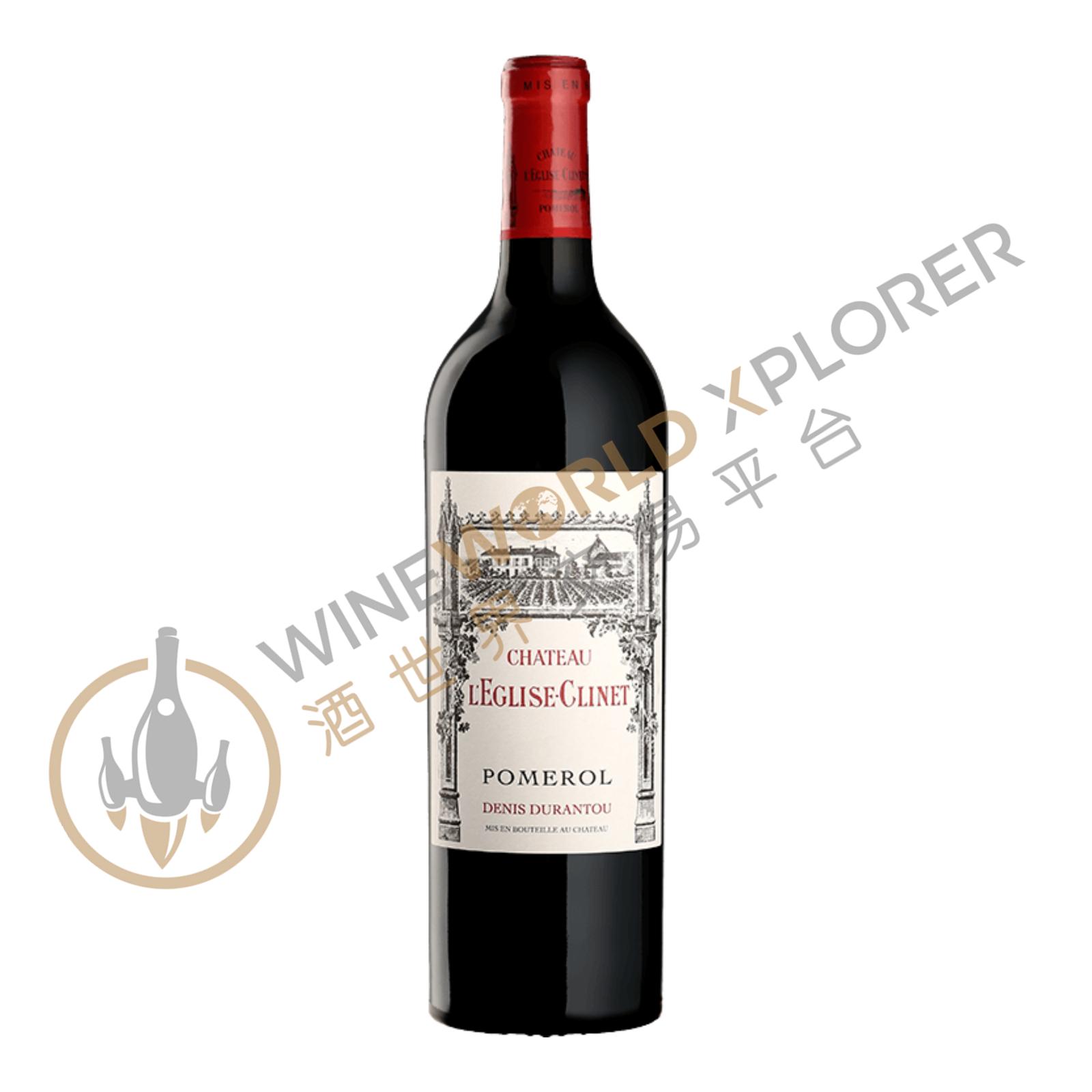
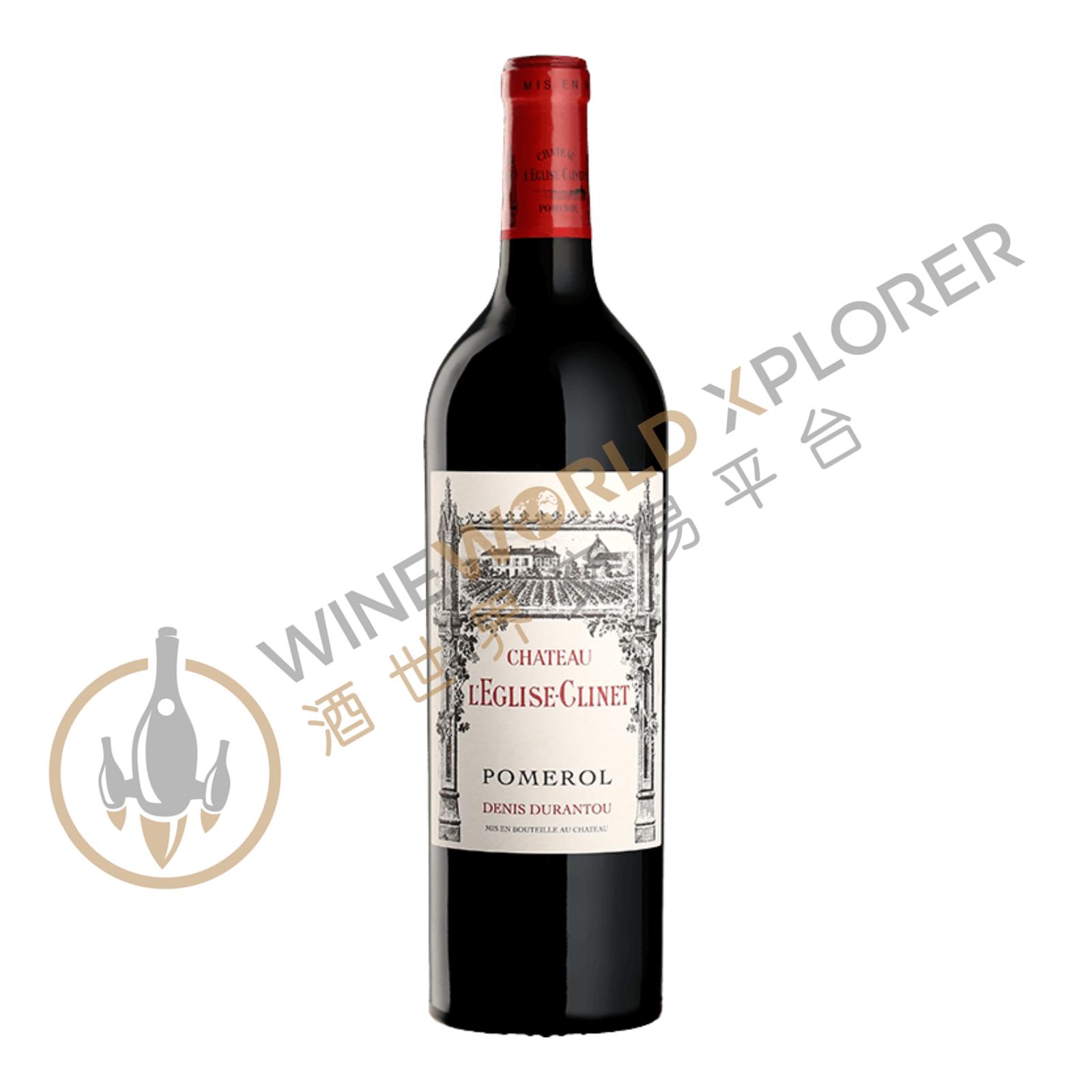
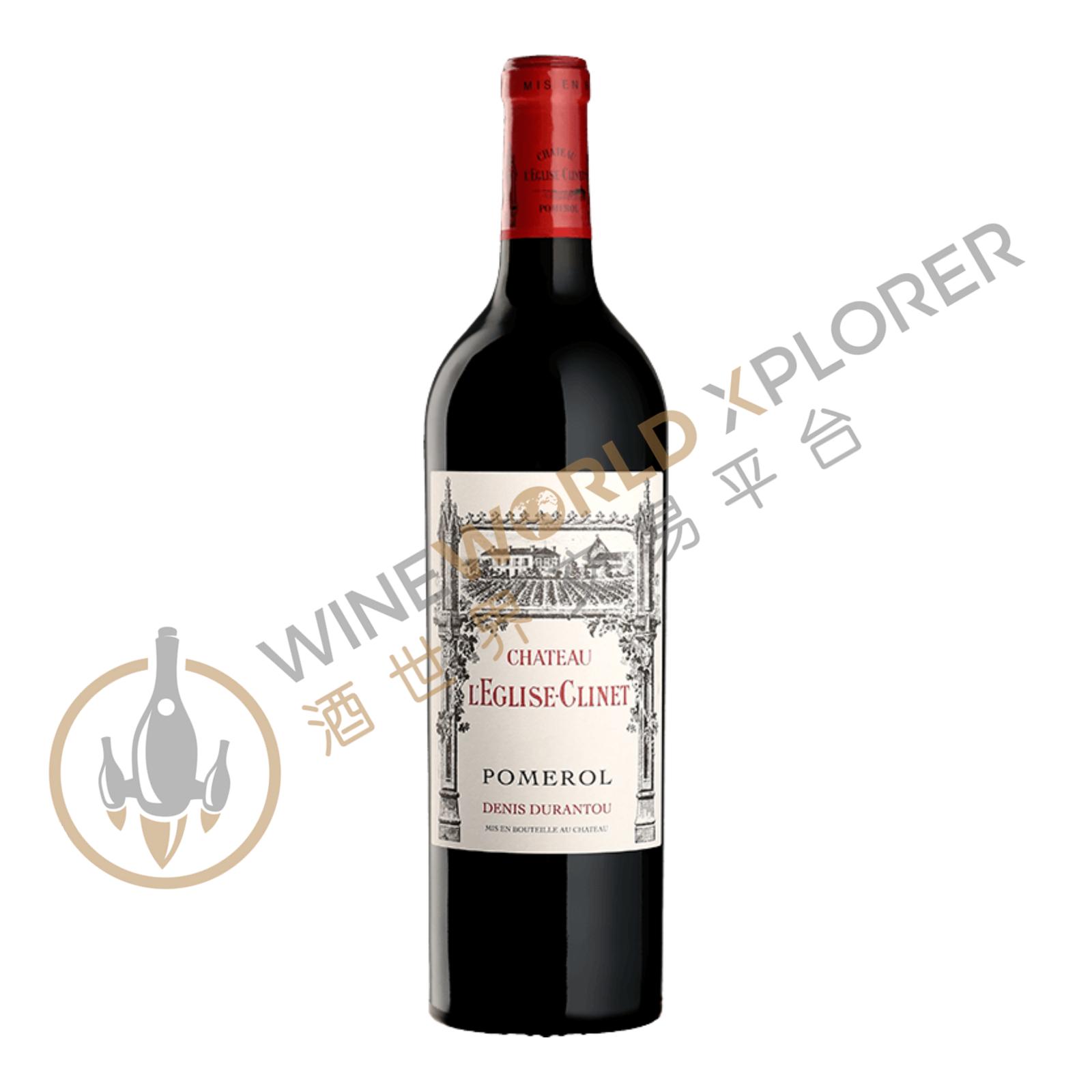
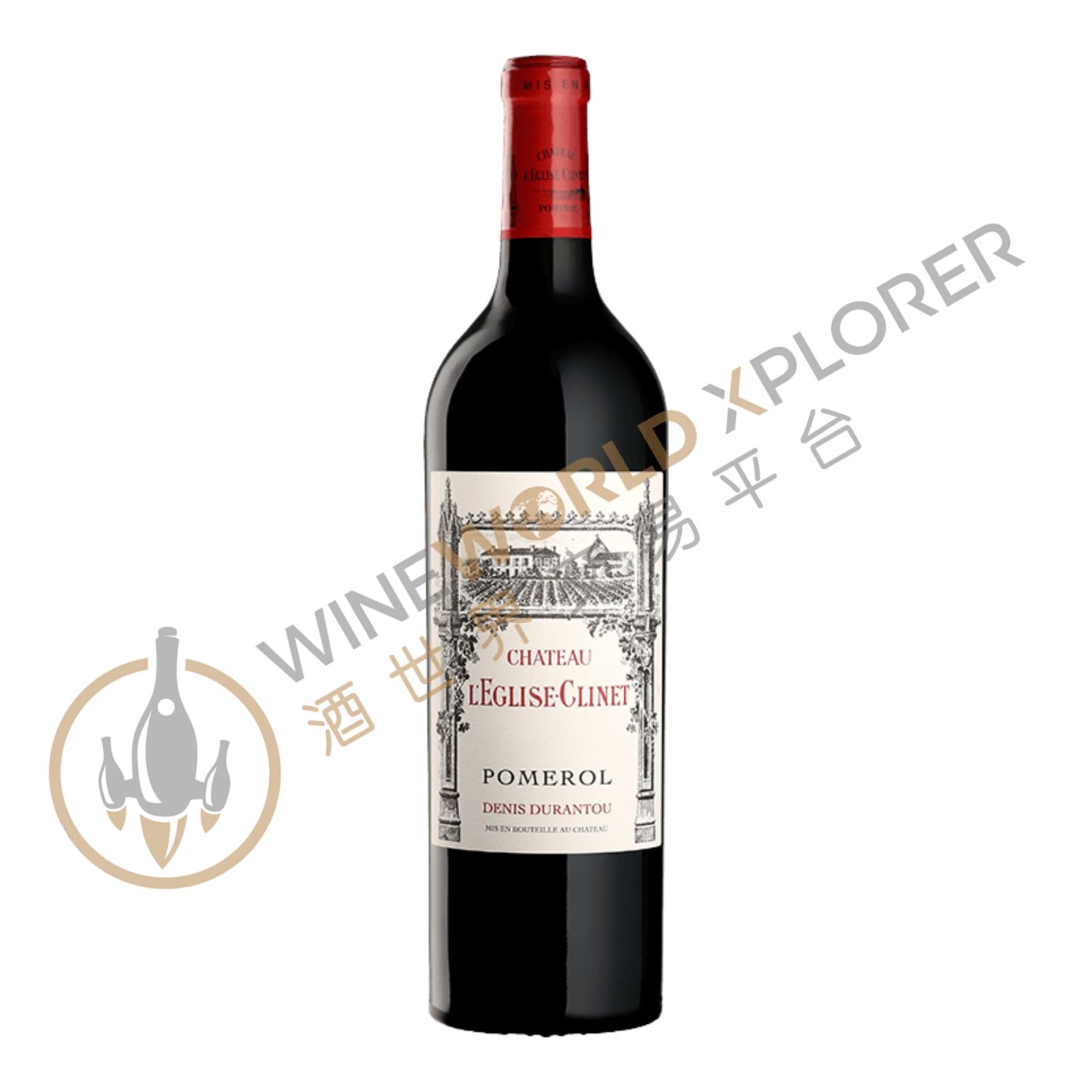
L'Eglise Clinet 1985
 View analysis


Description
Tasting notes

Reviewed by: Neal Martin
I have always held the view that this wine has one of the most striking aromatic profiles of the 1980s: mulberry, hung game, farmyard and wet clay. A bucolic Pomerol, yet one that is utterly entrancing. The palate is medium-bodied, fleshy and savoury, the Cabernet Franc component firmly at the wheel, the finish juicy and succulent and veering more towards the purity and fleshiness of the Merlot, as if the two grapes are not quite singing the same tune after 25-years. This is a multi-faceted Pomerol, one that is not fault free, but wears its heart on its sleeve. Drink now-2020. Tasted January 2010.
Reviewed by: Neal Martin
Raised in 25% new oak, the first that Denis was able to use, this remains the L’Eglise-Clinet that marks the start of modern era. It has that enthralling, almost bucolic, earthy, farmyard nose with touches of mocha and scorched leather. Some might find it too rustic but I still love it and with time in glass it develops a wonderful dark chocolate aroma. Great definition. The palate is medium-bodied, well balanced with firm tannins. Savoury right from the entry with touches of chestnut and cooked meats, a hint of white pepper on the mid-palate with an irony finish. Great length and very cohesive towards the finish. Superb. Tasted May 2009.
Reviewed by: Neal Martin
Tasted single blind at FINE magazine’s vertical in Dusseldorf. This has a very lifted, minty bouquet with floral notes: crushed violet and rose petals. There is a hint of ox blood in the background, becoming more “farmyardy” with time. The palate has good weight, decayed fleshy red fruit, spice, cedar and tobacco, harmonious but still rustic on the tannic finish. With time it really just “melts” in the glass – so elegant on the finish, so refined with that meatiness less pronounced than I expected. Tasted February 2011.
Reviewed by: Neal Martin
A very odd element to this bottle, the nose strangely “lactic” instead of the usual rustic, bretty but captivating aromatics usually encountered. Ditto the palate is enjoyable, but rather cloying and lacking some vigour. Strange and not one I would ascribe a score to. Tasted June 2007.
Reviewed by: Neal Martin
My first L'Eglise-Clinet in February 1999. Dark brickish/purple. Amazing nose of farmyard and horse manure. A dense biscuit/mocha palate. This is very complex, intense and multi-layered with a rustic feel. Long minerally finish. A decadent wine a utterly beguiling. Drink over next 10 years. Then in June 2005. Just that unmistakable, stunning barnyardy nose mixed with notes of pencil-lead and black truffle. Very concentrated on the palate, more tannic than I recall with good acidity. A touch of cheese towards the finish. Such a multi-dimensional wine, raucous and untamed. Superb. Drinking now but should last another 10 years.
Reviewed by: Neal Martin
Tasted at Benoit restaurant in New York. The 1985 l’Eglise-Clinet is just one of those Pomerol wines that I have a strong sentimental attachment to. In all the years that I have been tasting this wine, it has never failed to offer that distinctive animally, almost barnyard-like bouquet that is so utterly charming, like seeing an old friend after a long time. The palate is medium-bodied with fully degraded tannins. There are plenty of cedar and tobacco notes similar to previous bottles, the finish perhaps just a little drier than I remember. Just go out and enjoy this bucolic Pomerol that is still going strong after nearly three decades. Tasted April 2013.
Reviewed by: Robert M. Parker, Jr.
In a vintage that has turned out fewer superb wines than originally predicted, L'Eglise-Clinet may turn out to be one of the two longest-lived wines of Pomerol (the other being L'Evangile). This wine is far more concentrated than some of the appellation's super stars (Trotanoy and Petrus for example), and has retained a dense, opaque ruby/purple color, as well as an unevolved but promising nose of kirsch, black raspberries, minerals, and truffles. Rich and medium to full-bodied, with magnificent purity and a nicely layered feel on the palate, this youthful, intensely rich L'Eglise-Clinet is evolving at a glacial pace. Anticipated maturity: 2001-2020. Last tasted 9/97
Reviewed by: Robert M. Parker, Jr.
A superstar of the vintage, the last time I tasted this was next to a rather pathetic performance of a very herbal, green, emaciated Petrus (one of the great deceptions of the vintage). This wine still has a very saturated opaque ruby/purple color that is far less evolved than almost any other 1985. The wine has sweet cranberry, black cherry, and blackberry fruit notes intermixed with mineral, cold steel, and a hint of cedar. Rich, full-bodied, with fabulous purity, a very well-delineated feel in the mouth, enormous richness, and a long finish that goes on for nearly 45 seconds, the wine seems to grow incrementally in the glass with increasing amounts of air, and is certainly a 1985 that has evolved at a snail’s pace compared to most wines of this vintage. Anticipated maturity: Now-2023. Last tasted, 5/02.
About the Producer
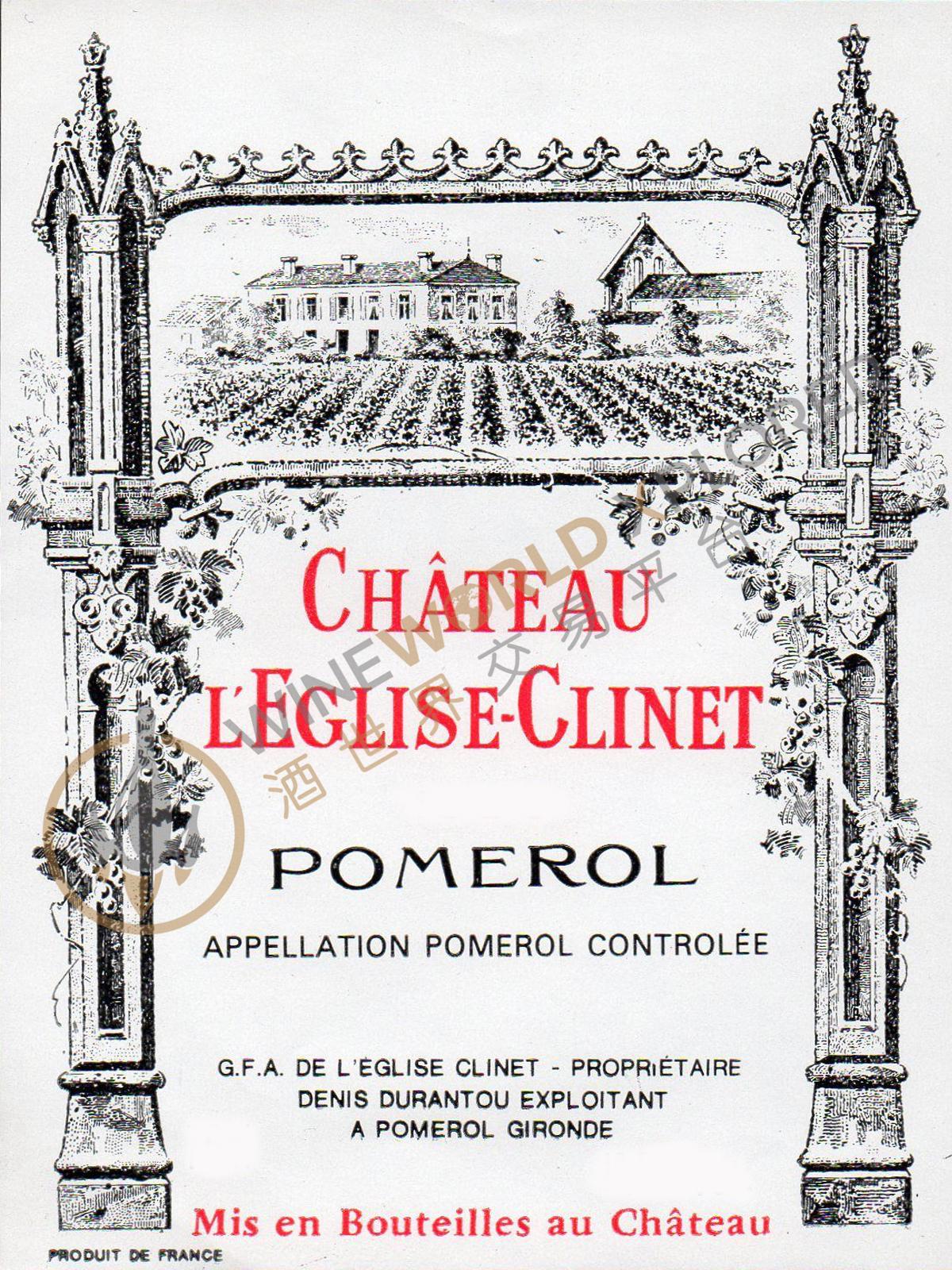
Château l'Eglise-Clinet is located in the Pomerol appellation on the right bank of Bordeaux, France, and is one of the most famous wineries in the Pomerol region. Château Clinet Chapel has a long history, dating back to the late 19th century. The Rouchut family, who ran Chateau Clos l'Eglise at the time, and the Constant family, who ran Chateau Clinet, decided to make wine together. Until 1950, the Bordeaux wines produced by these two families were sold under the name Château Claregelis. It was only after 1950 that their wines were given their current name, Château Clignet. Later, the Durantou family acquired Château Clignet. However, the owner was not keen on wine at the time and left everything to Pierre Lasserre, the owner of another Pomerol estate. Pierre Lasserre only had to give him half of the estate's income each year. This partnership has continued for 40 years. Today, Denis Durantou, a descendant of the Durantou family, is in charge of the estate. At present, Château Clignet has 5.5 hectares of vineyards. The soils are mainly gravel and clay, some of which are rich in iron. The vineyards of Château Clignet were spared from the 1956 frosts and the vines are on average 45 years old. The vineyard is planted with 85% Merlot and 15% Cabernet Franc at a density of 6,500 vines per hectare. The vineyard is fertilised with an organic fertiliser mix every 5 years. The grapes are hand-picked when they are ripe at Château Clignet. After careful selection and crushing, the grapes are fermented in concrete and stainless steel containers for 15-21 days. After about October, the fermented wine is aged in new oak barrels for a period of 18 months. The main wine of Château Clinet is the Château l'Eglise-Clinet, Pomerol, France. The wines are concentrated and rich, full-bodied, with pure fruit and exotic spice notes, particularly fresh and wonderful, making them unique among Bordeaux wines. In recent years, as the price of the wine has soared, so has the quality. Today, it is in the top tier of Pomerol.
1961(1)
Package Size