Wine Advisor



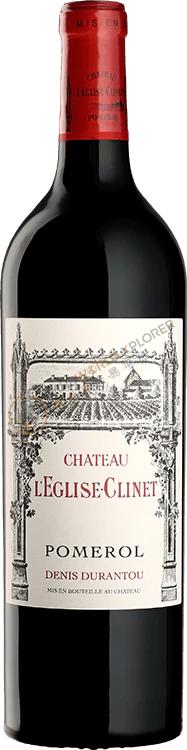
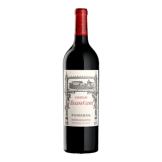
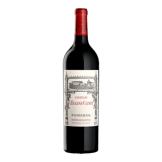
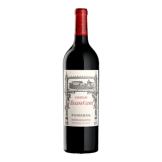
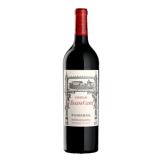
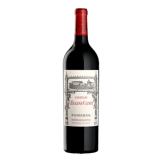
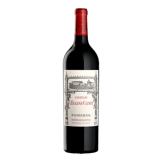
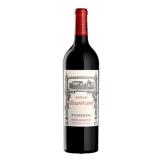
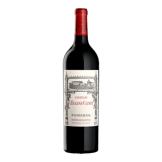
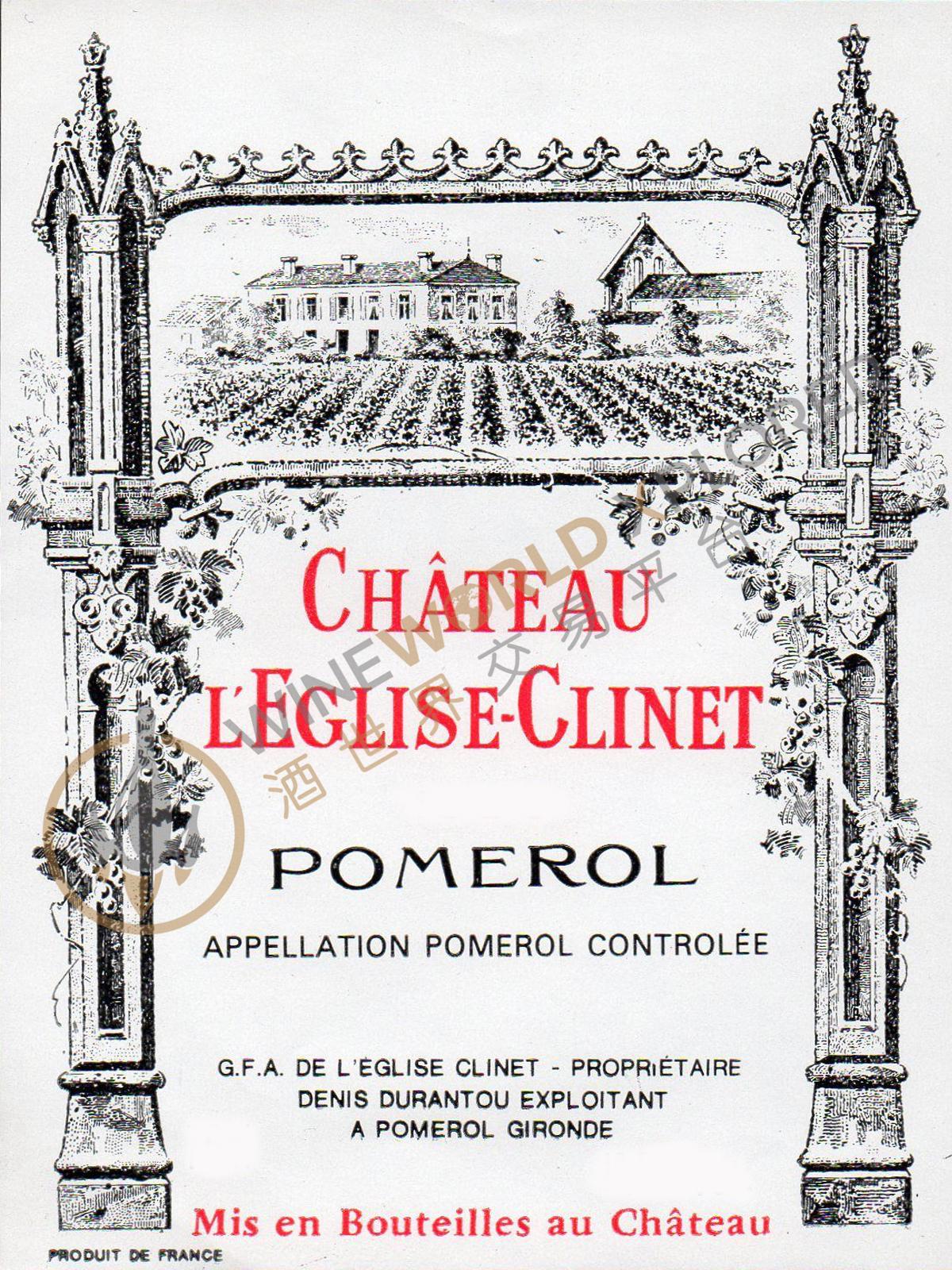
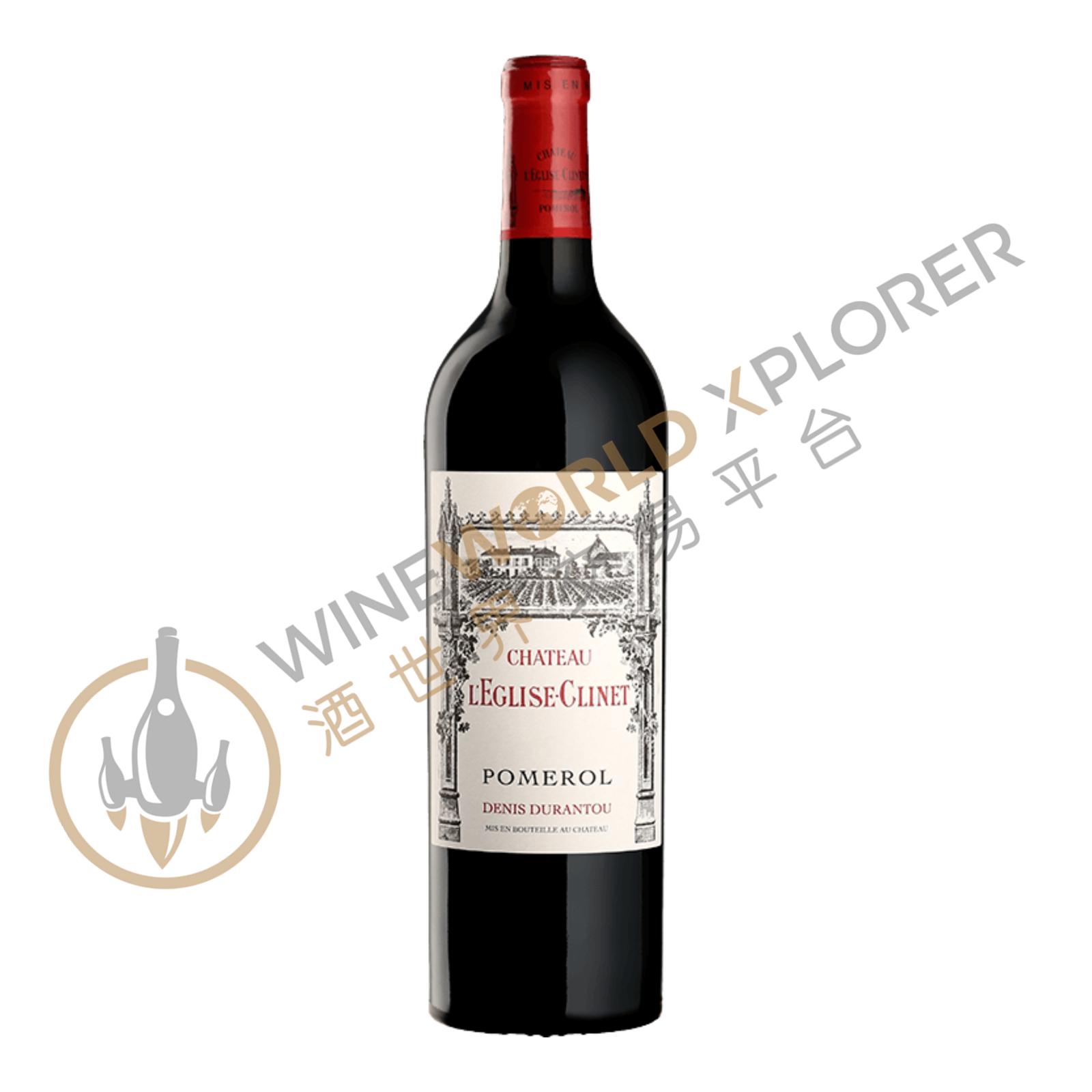
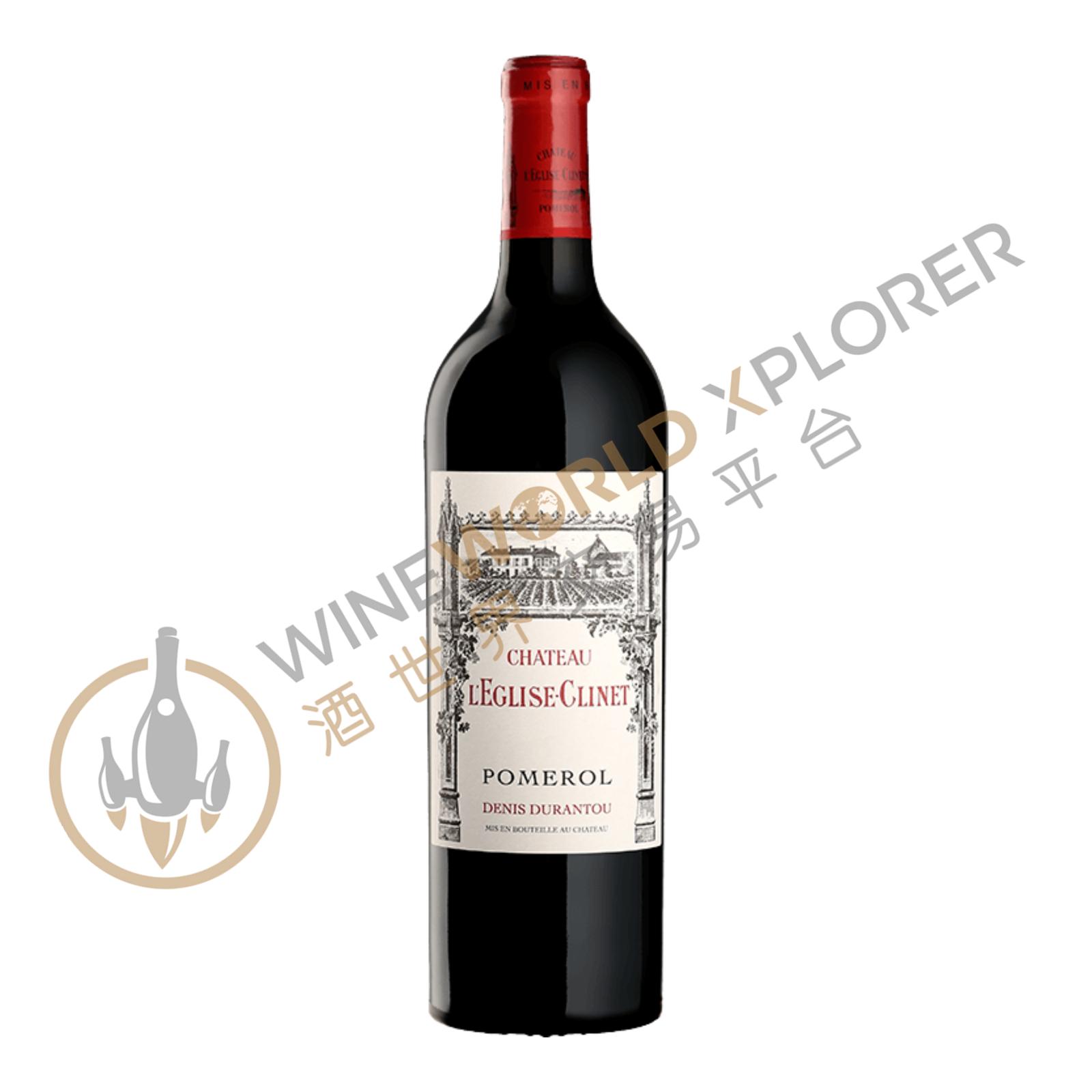
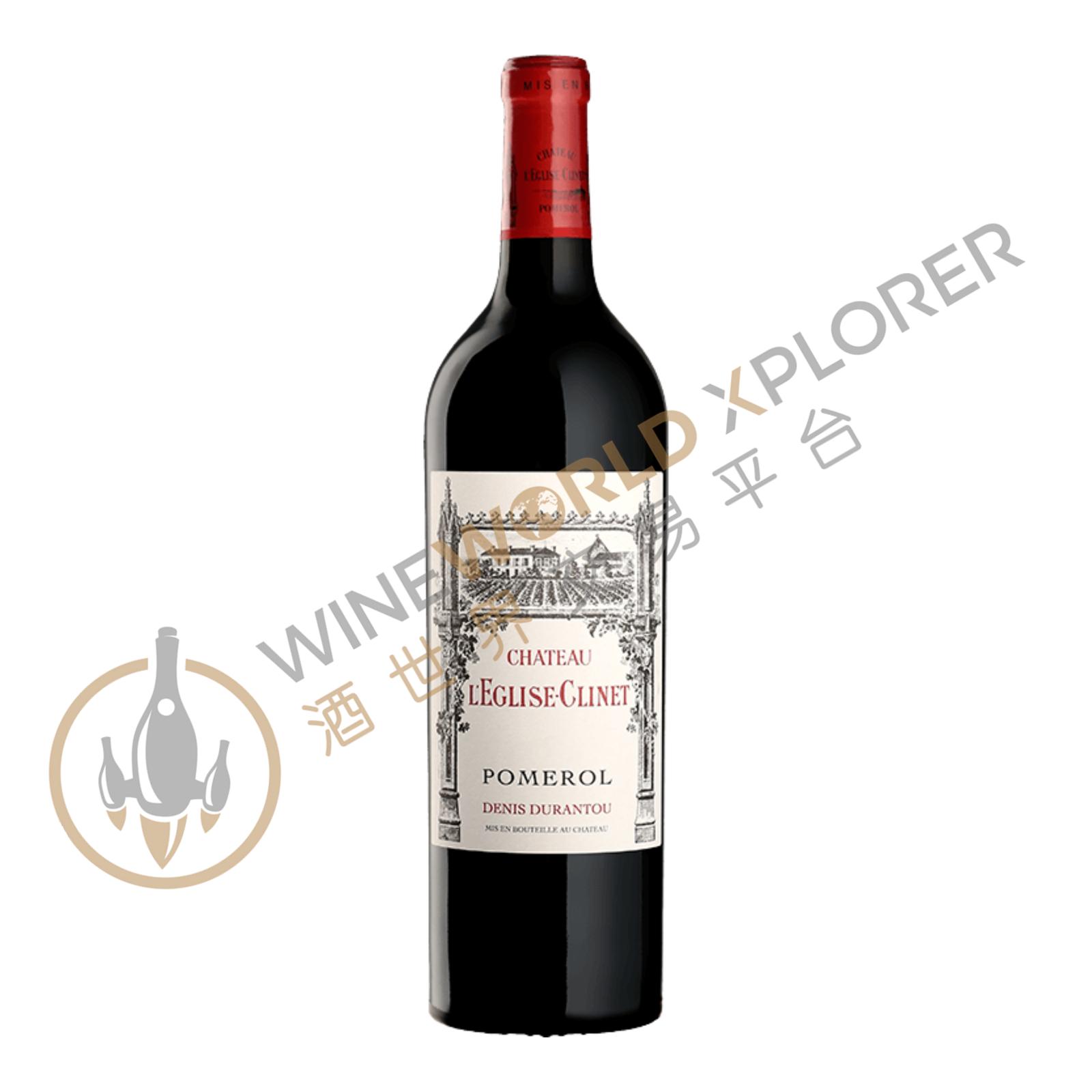
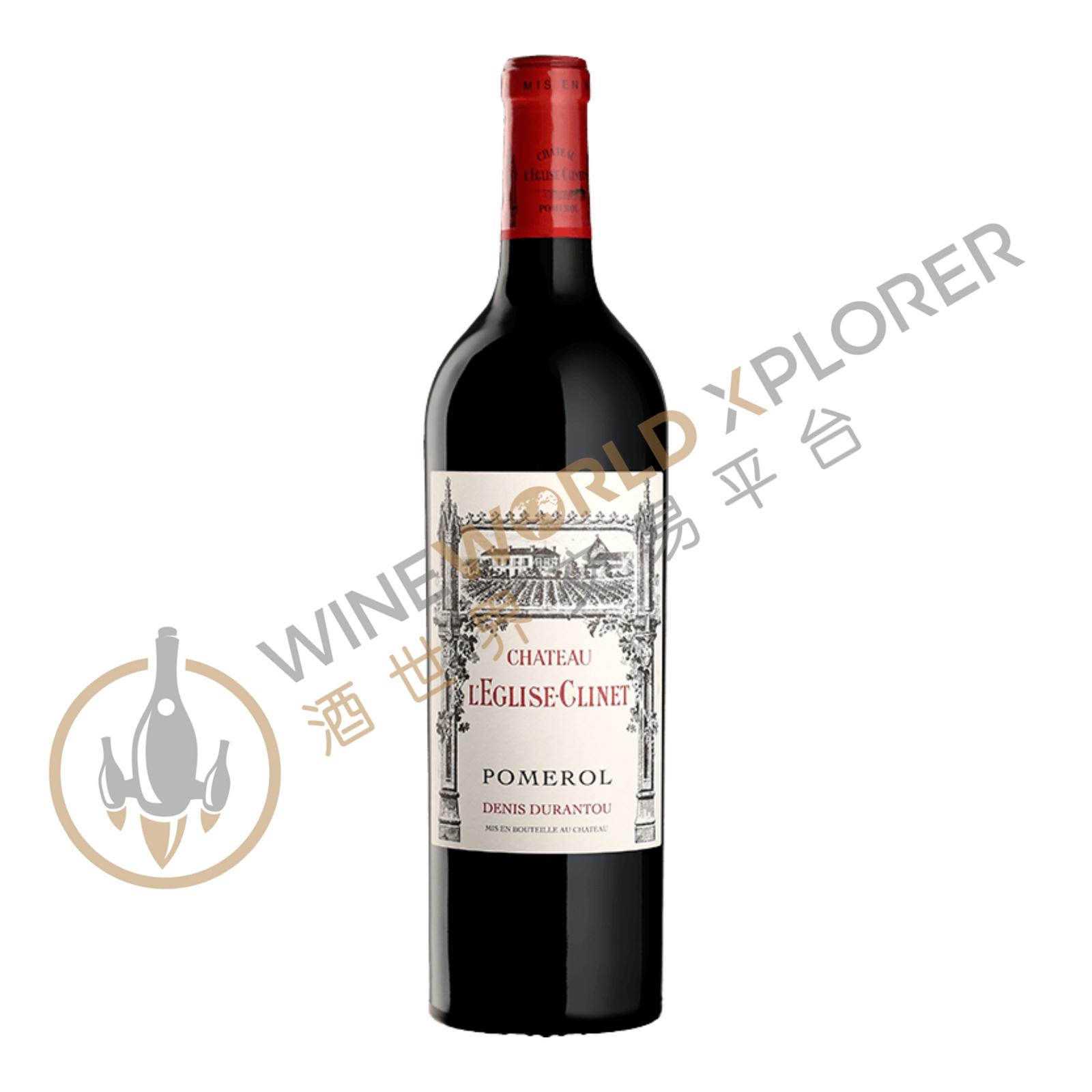
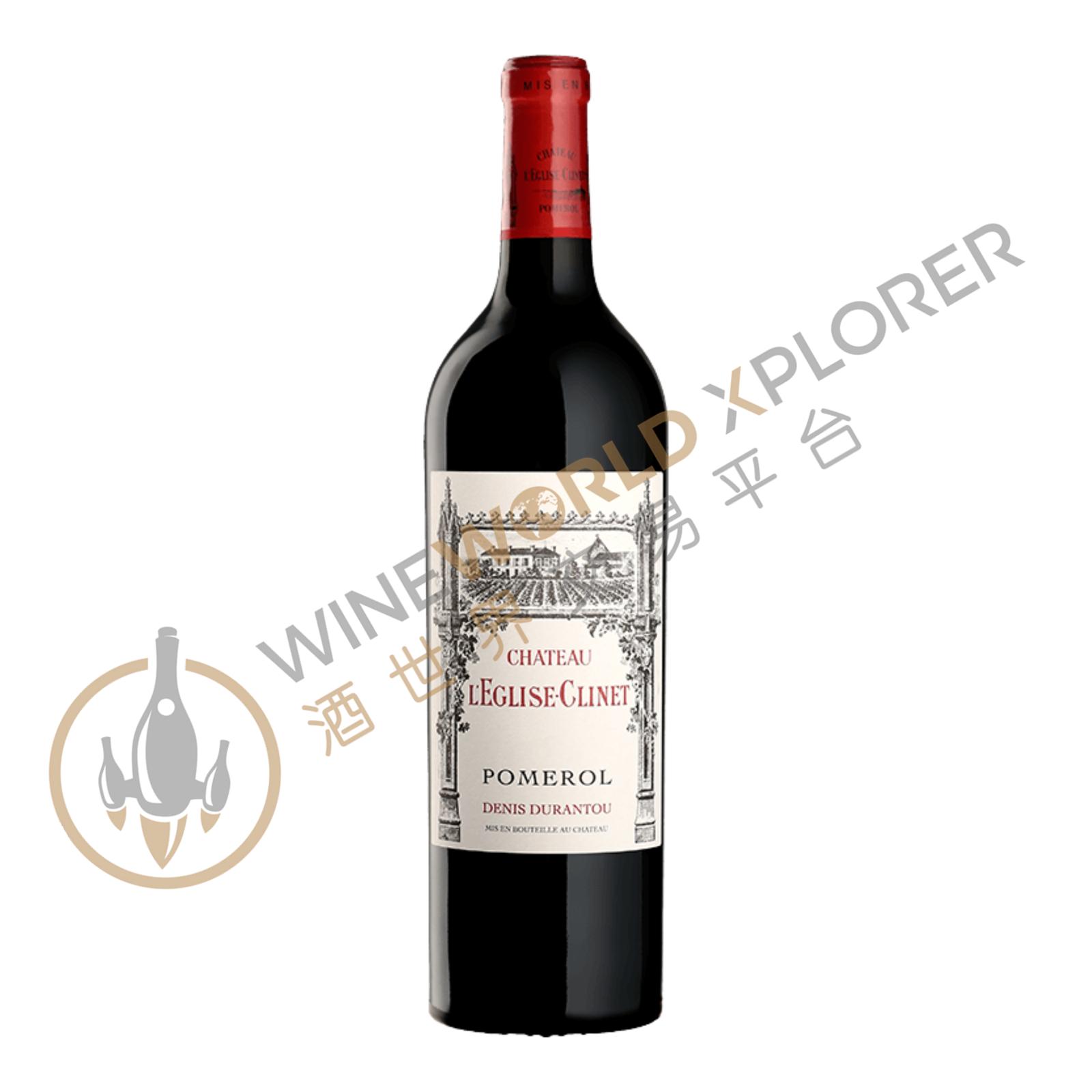
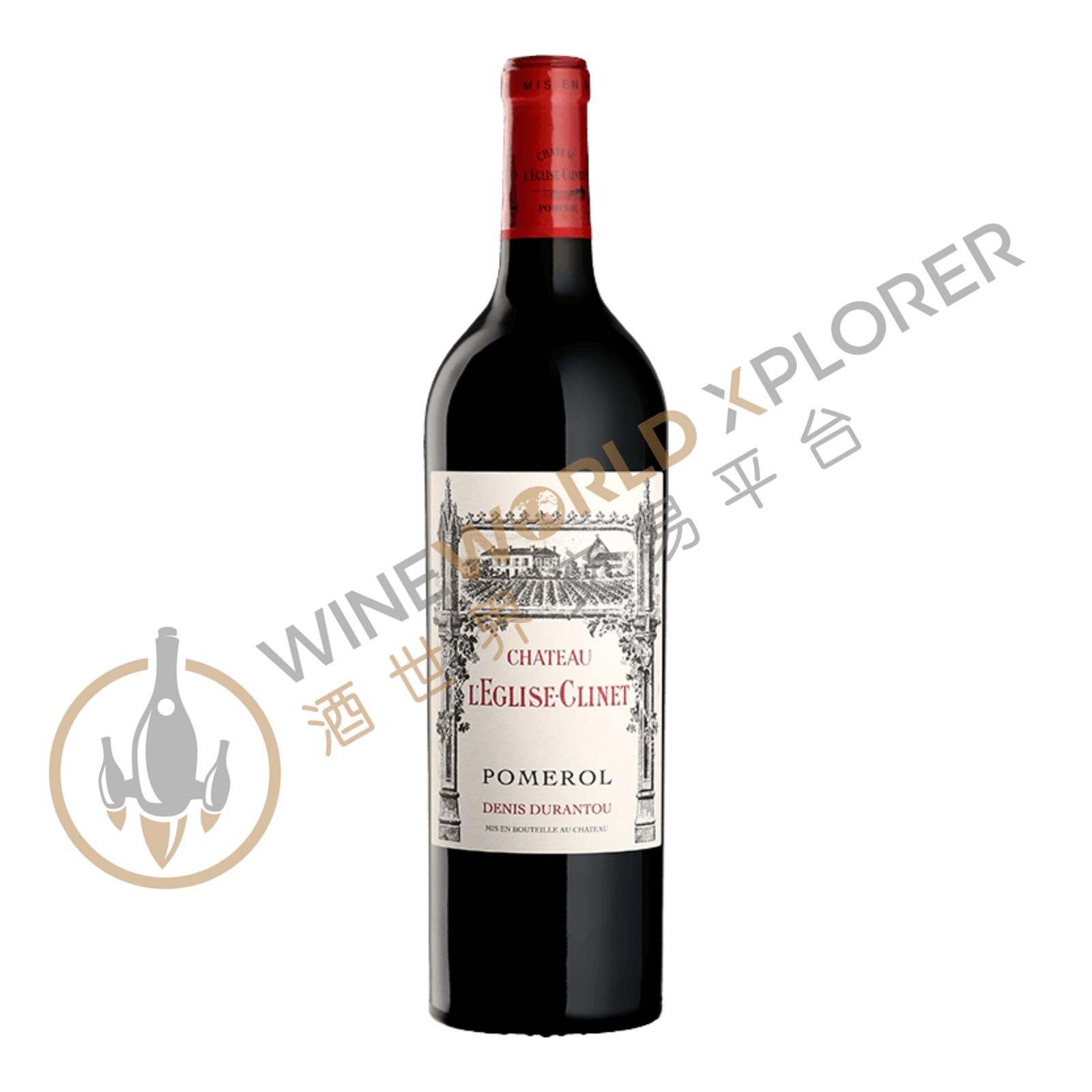
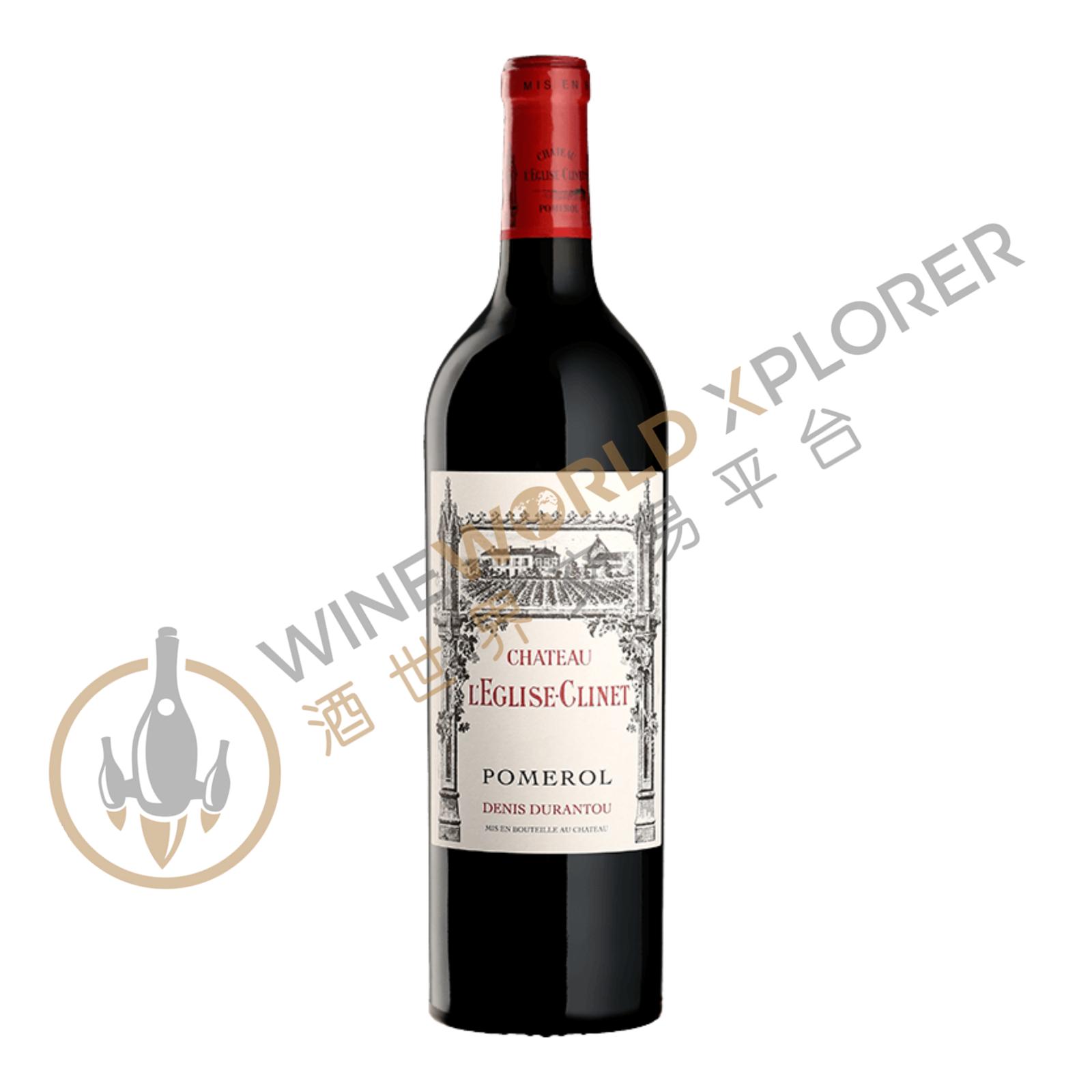
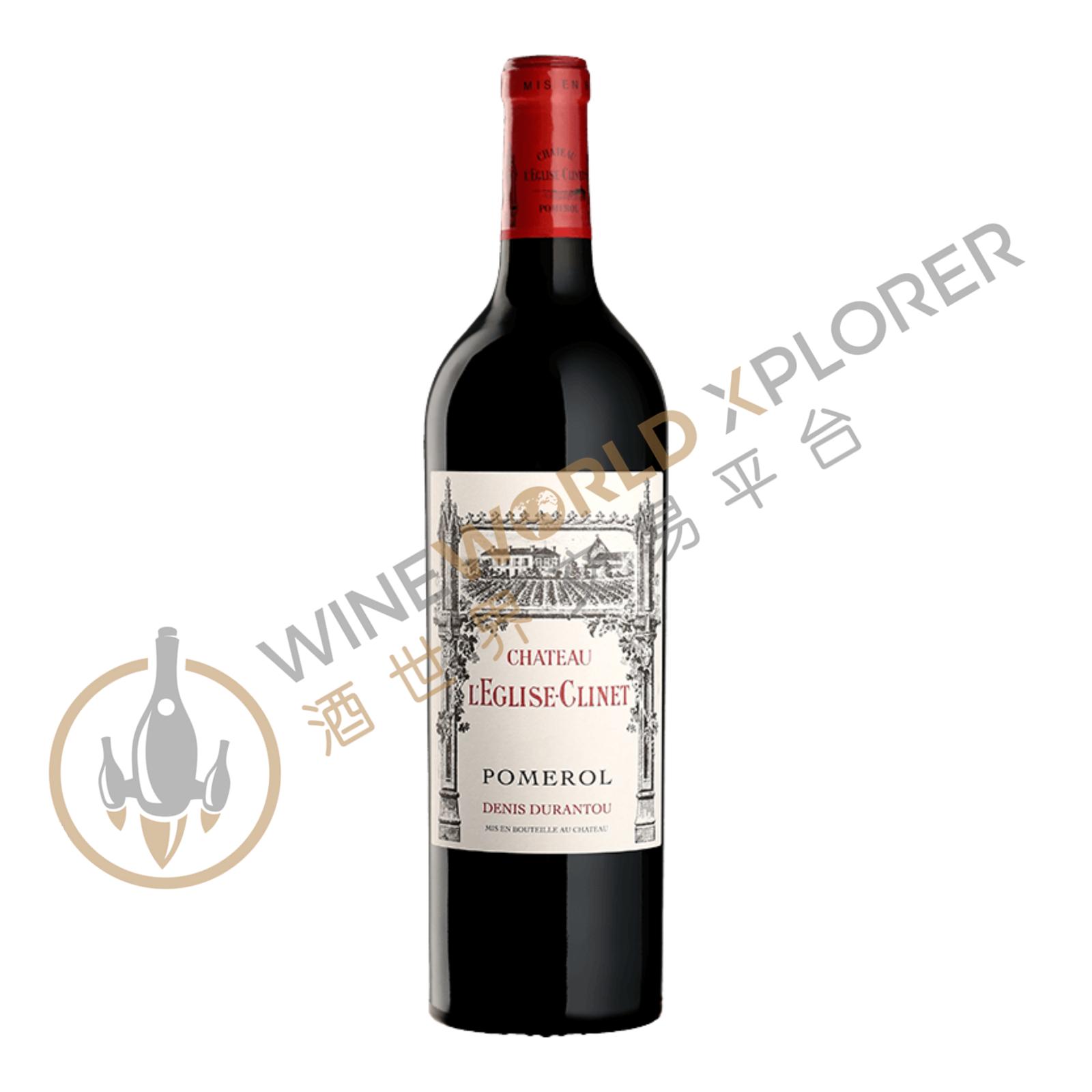
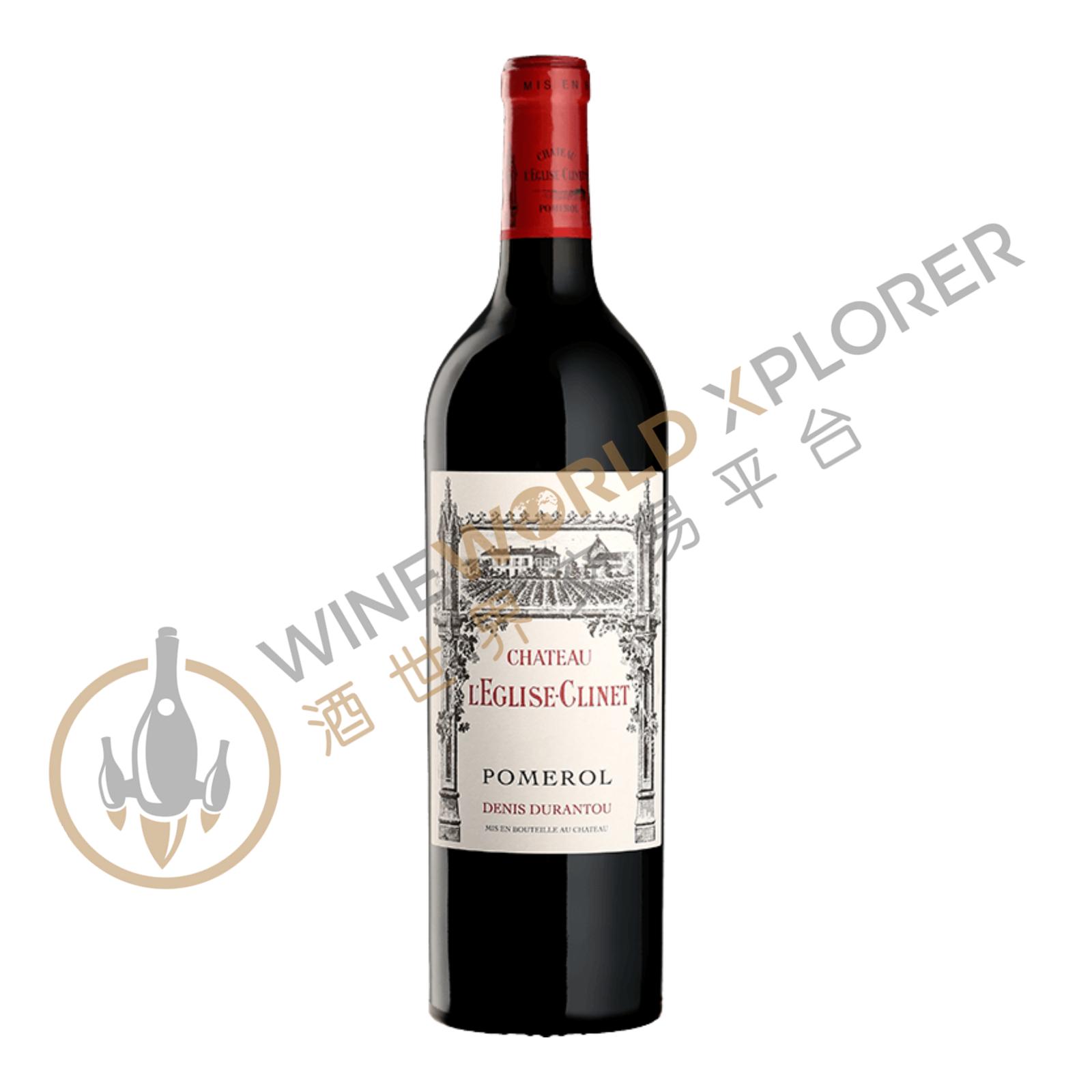
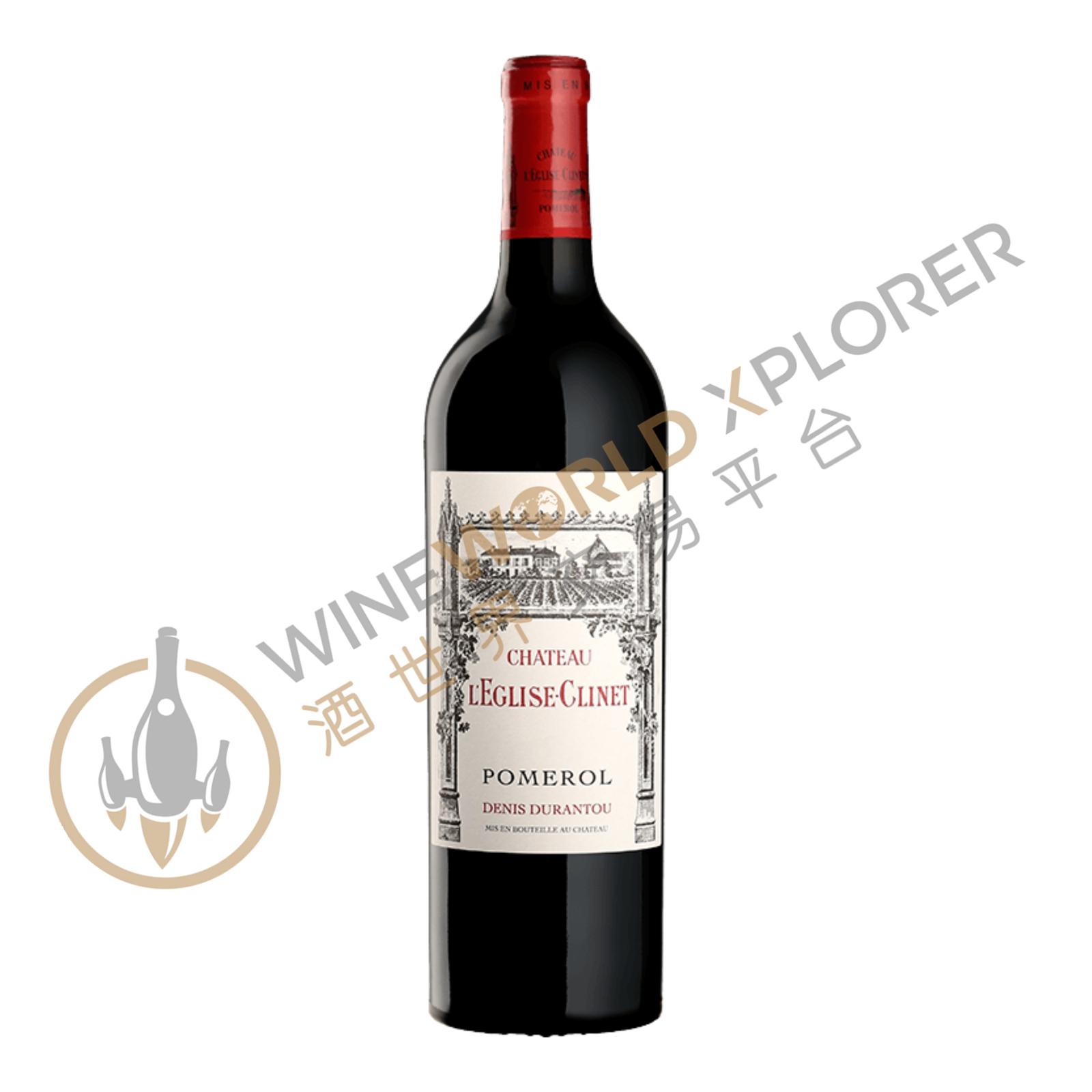
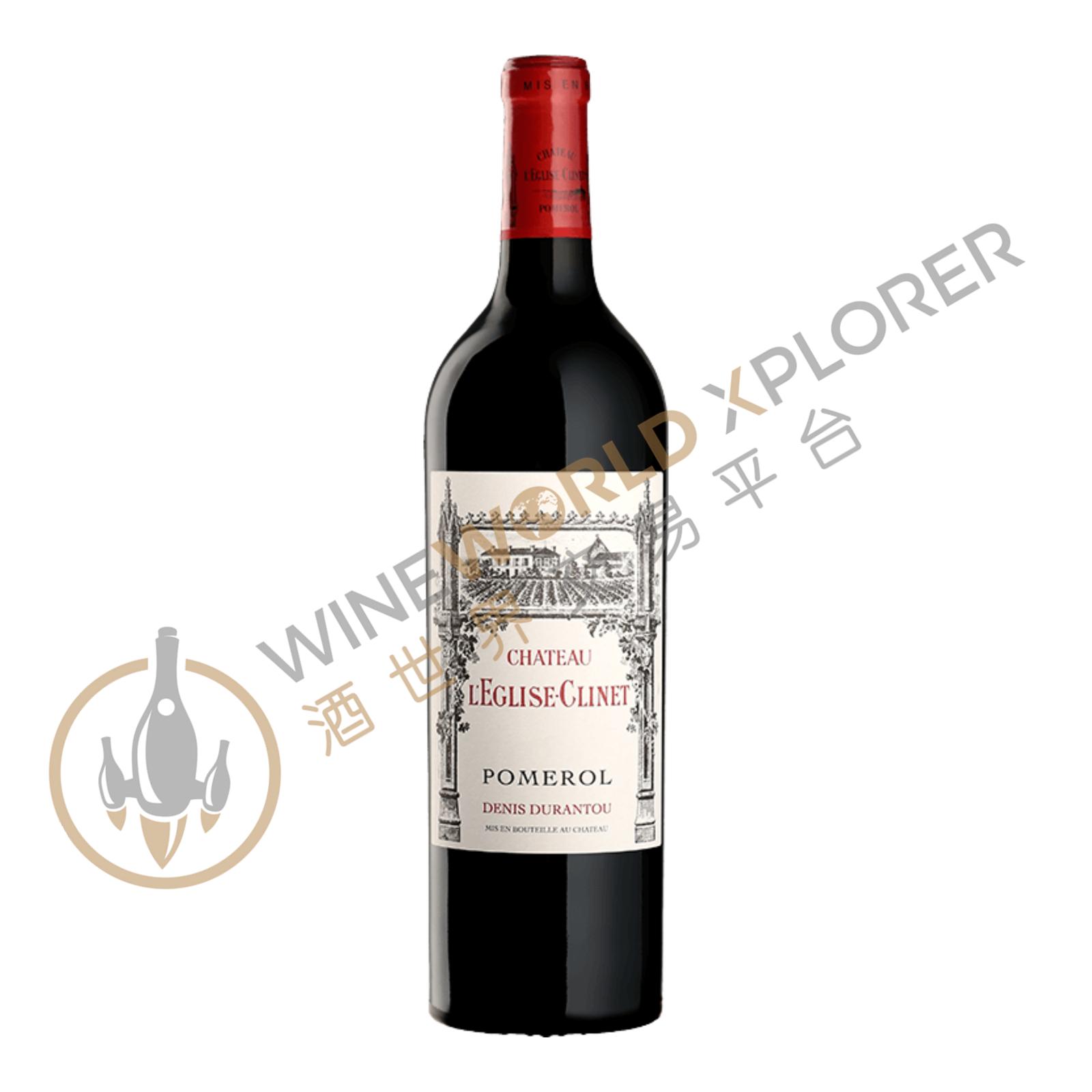
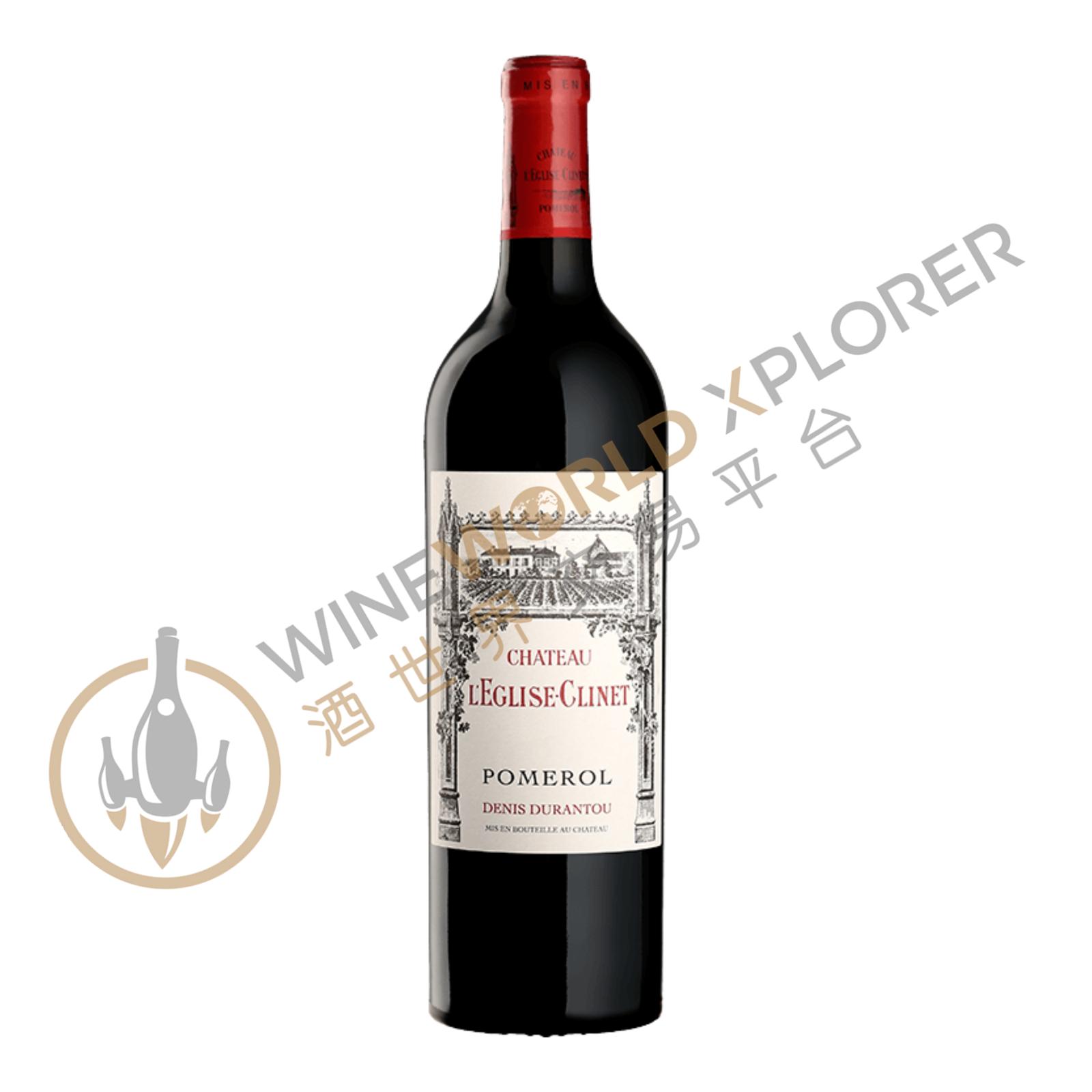
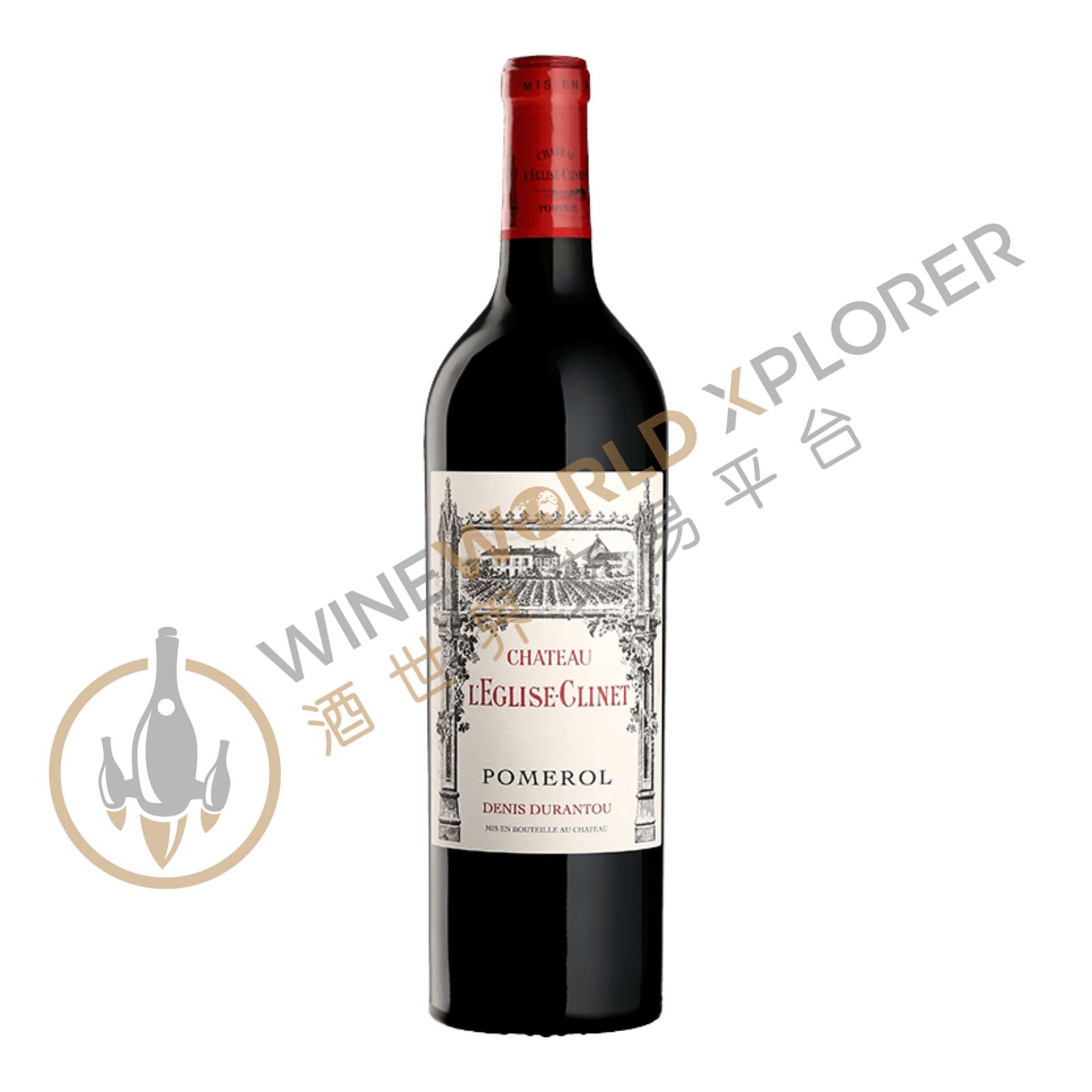
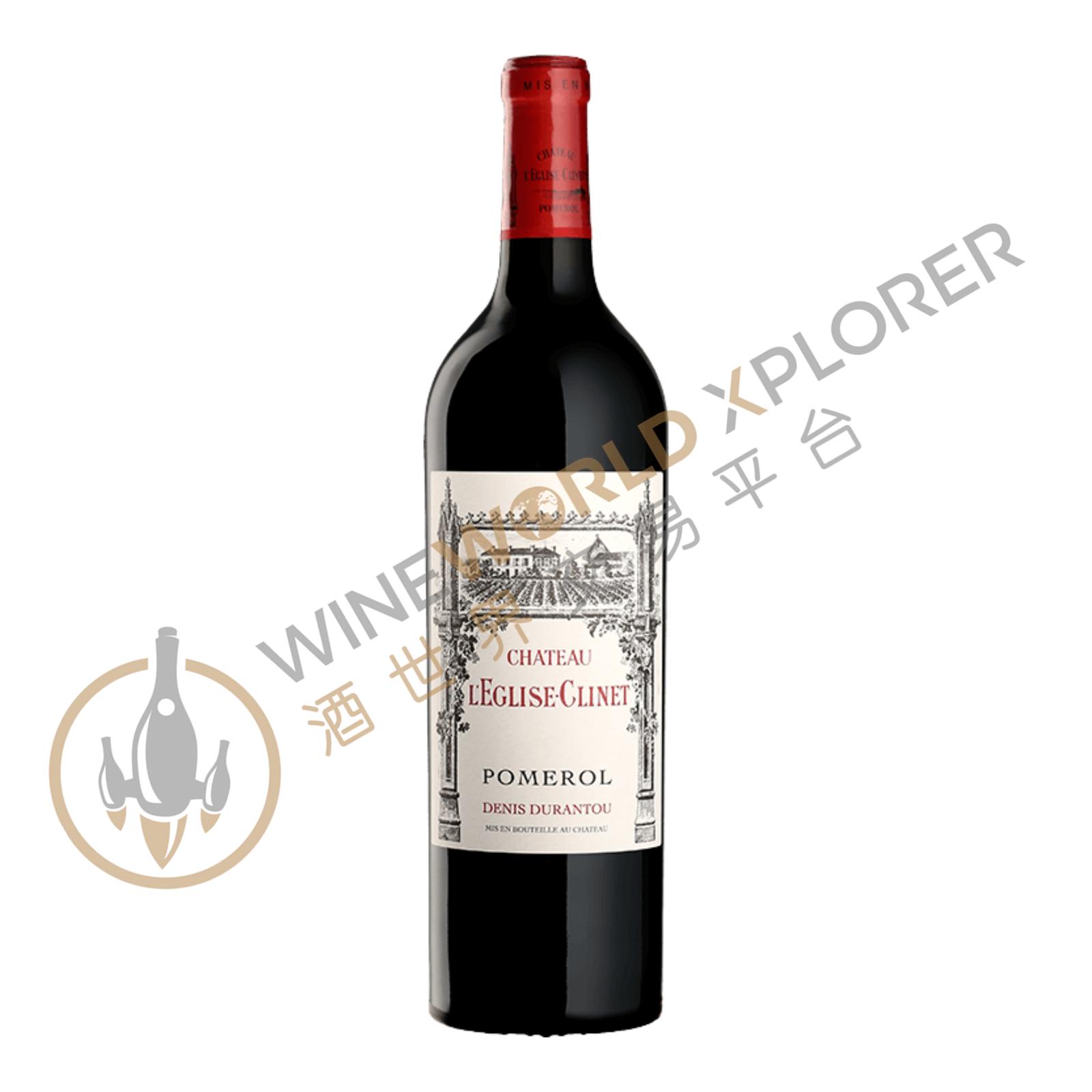
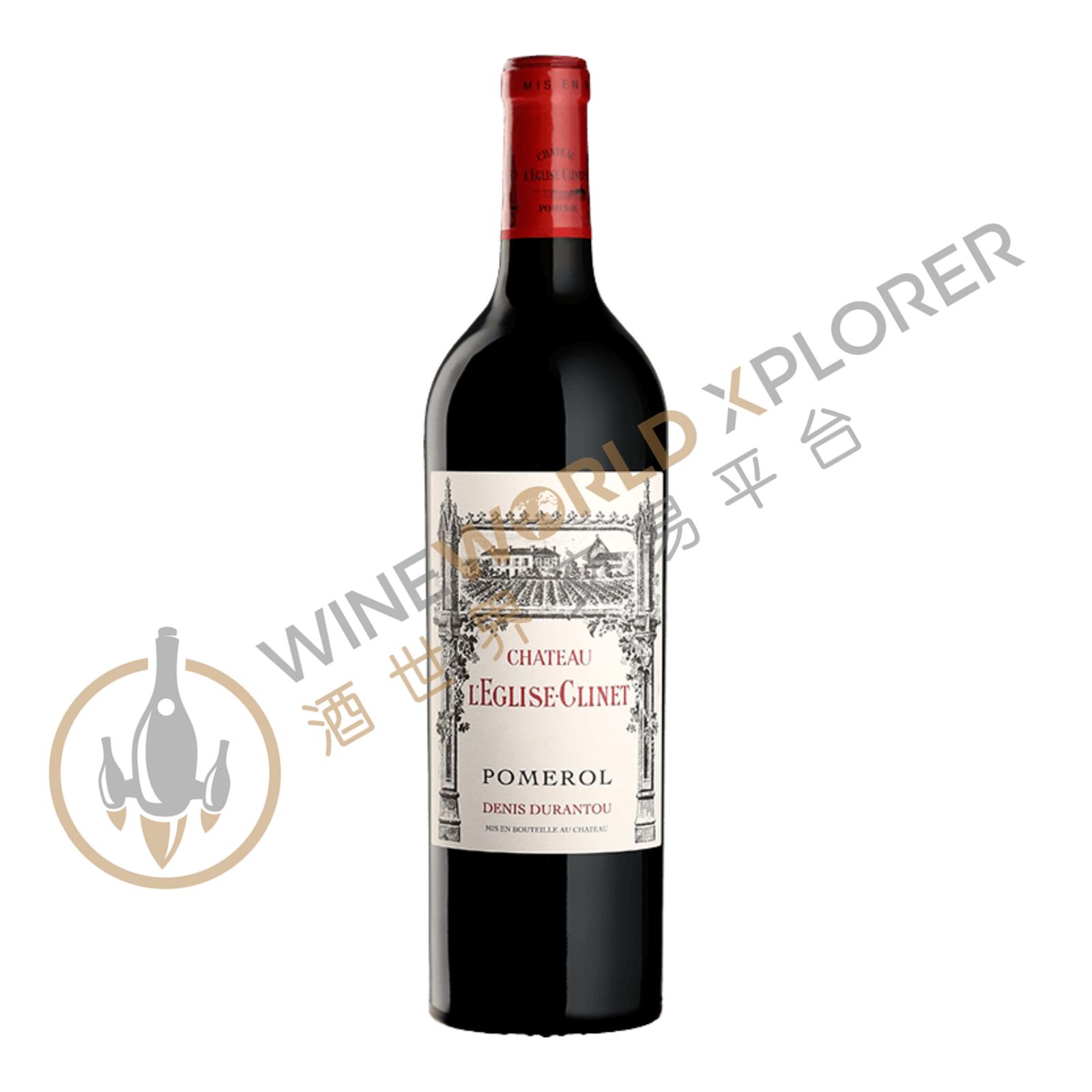
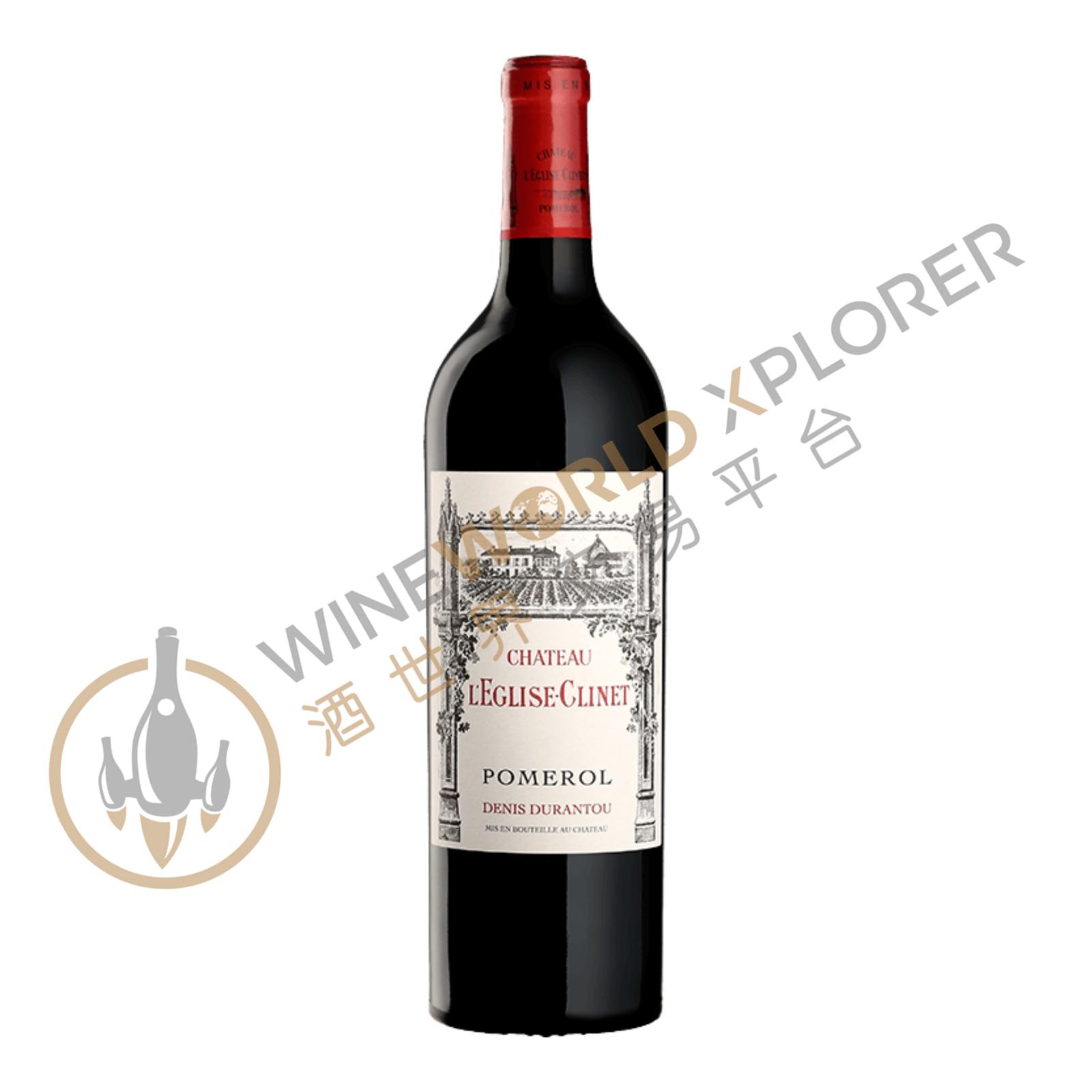
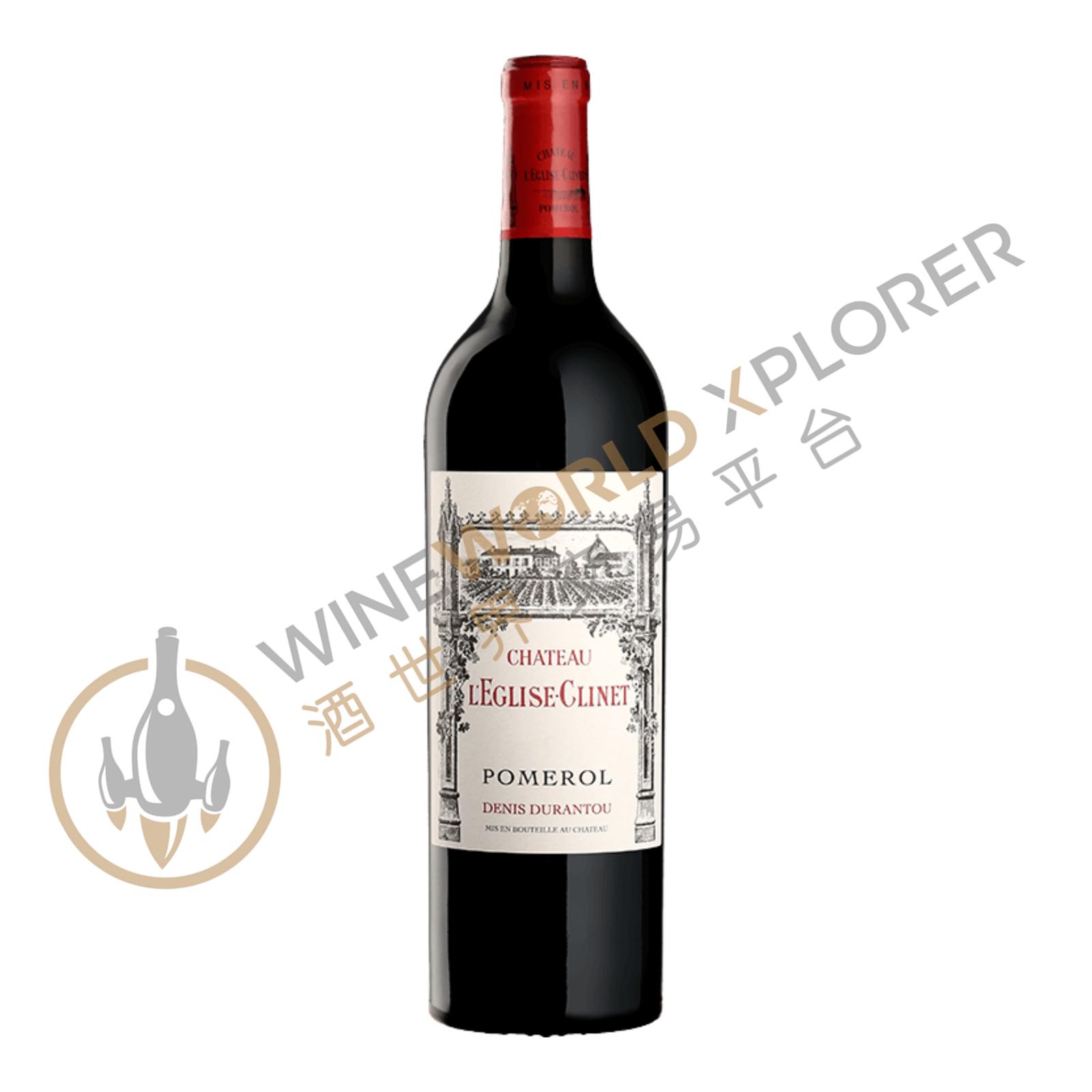
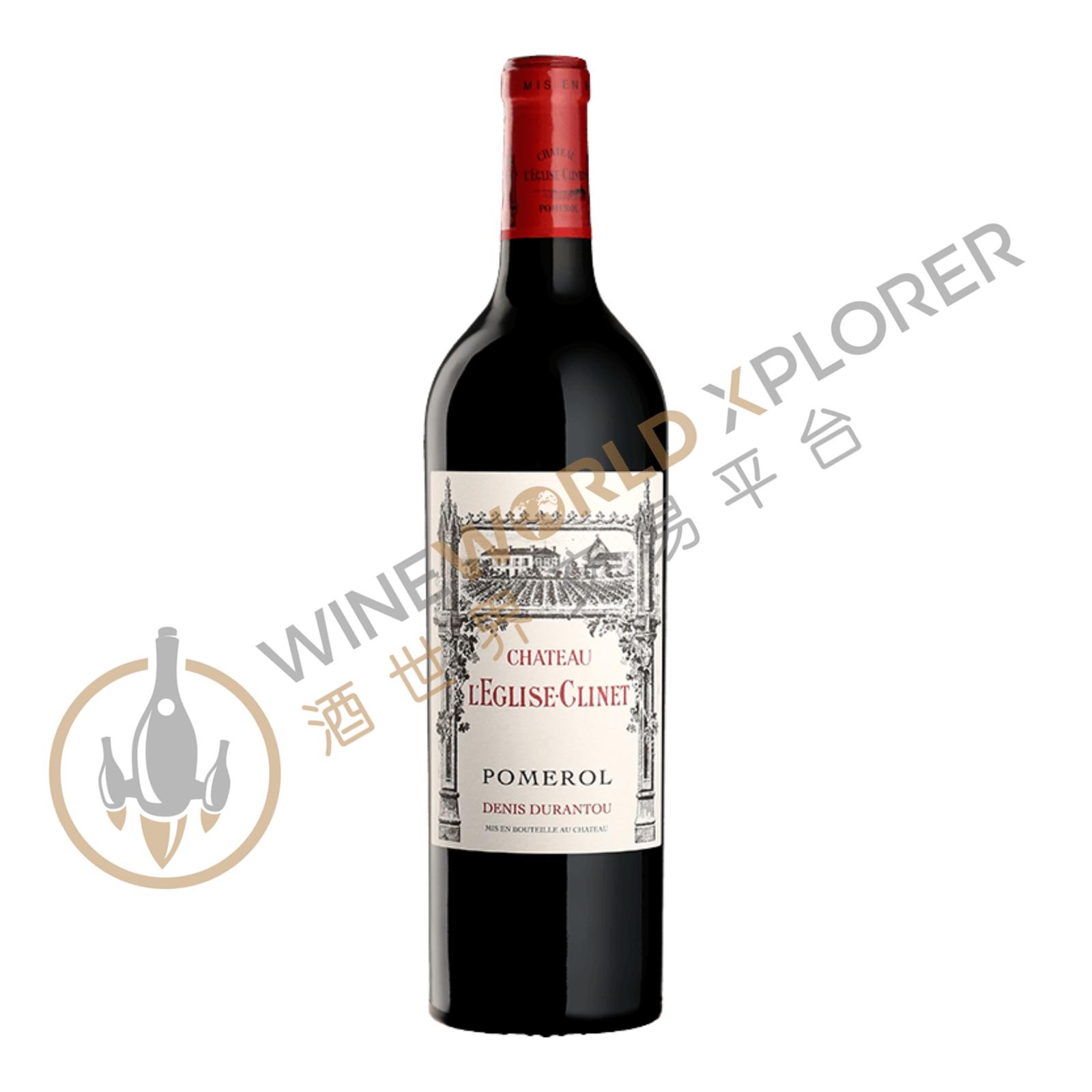
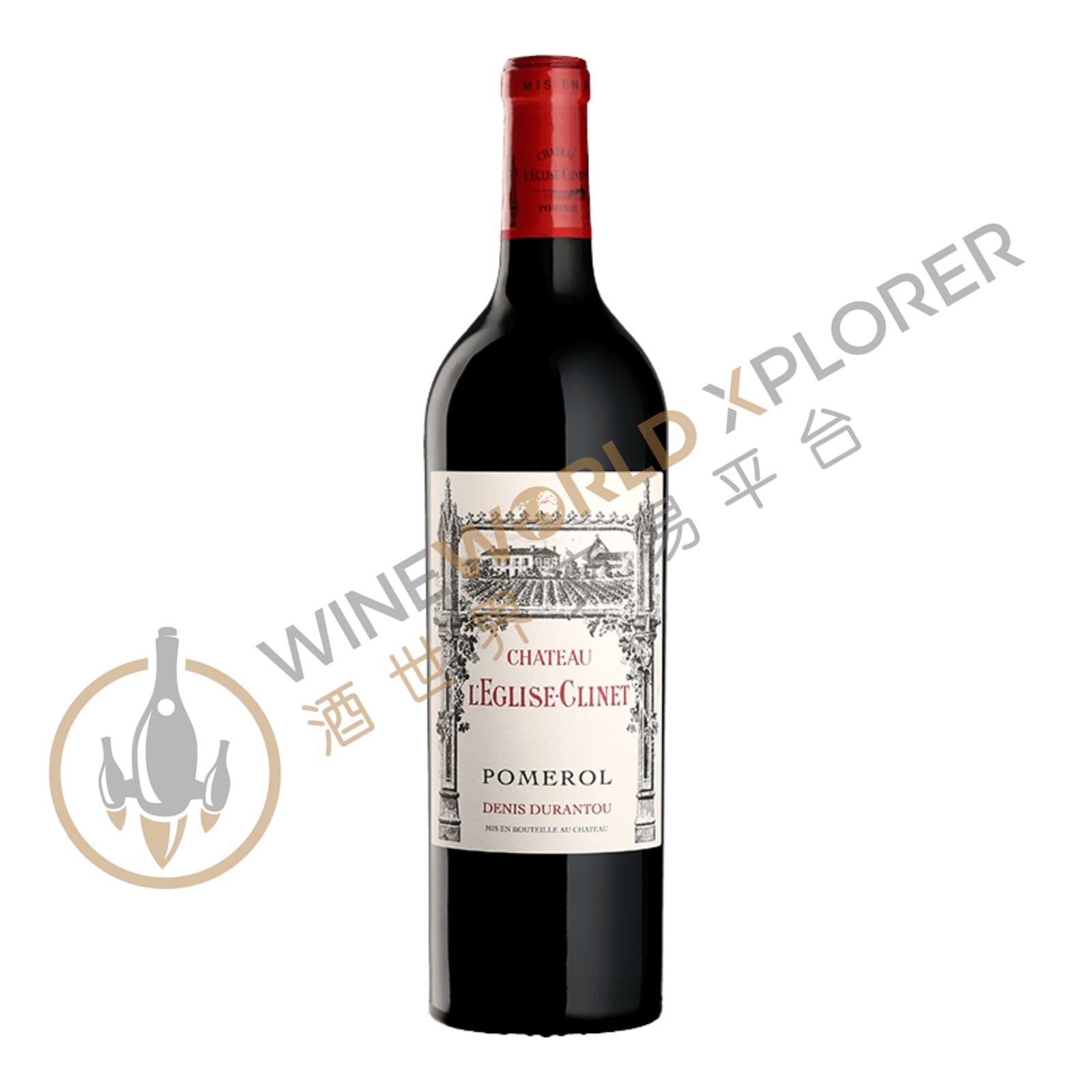
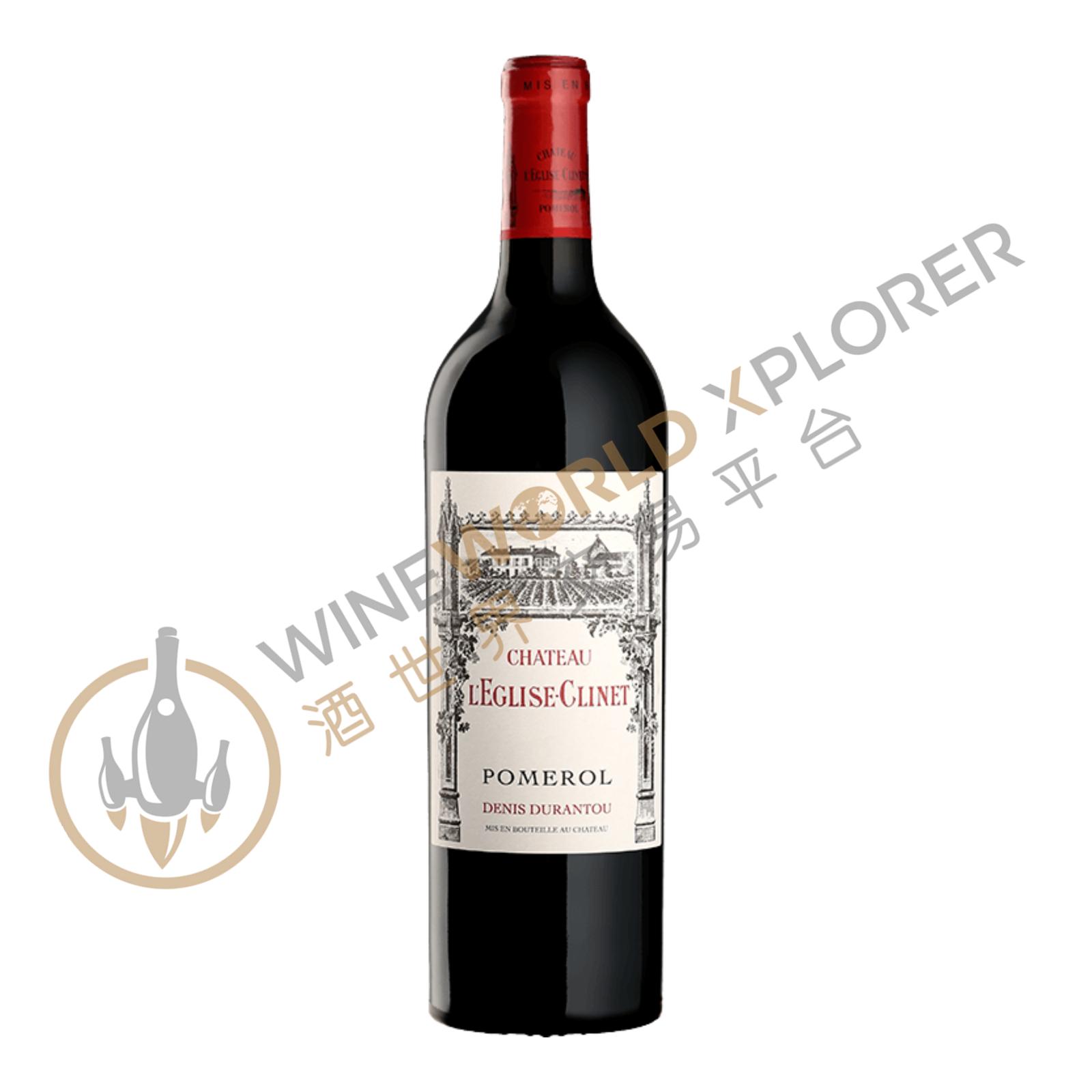
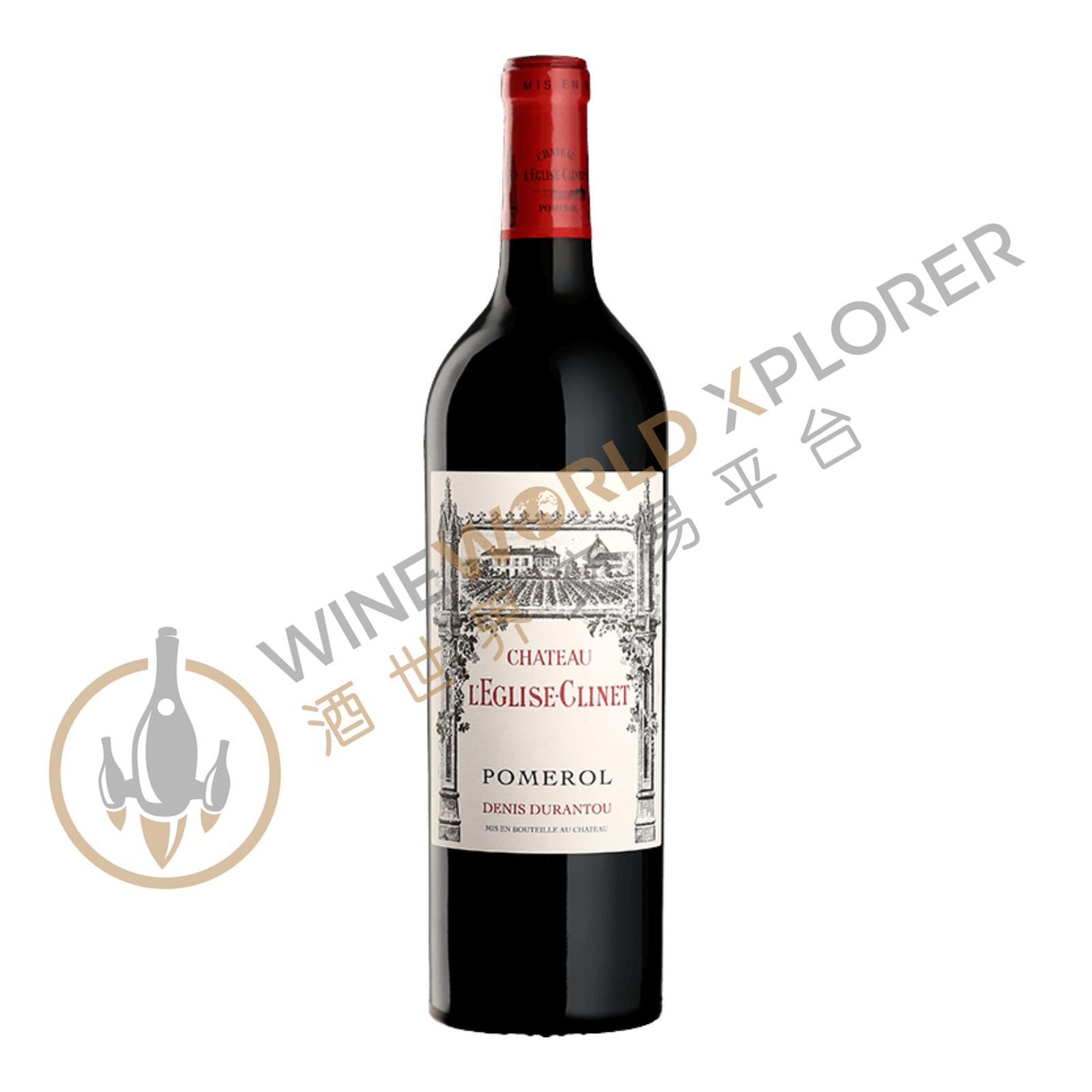
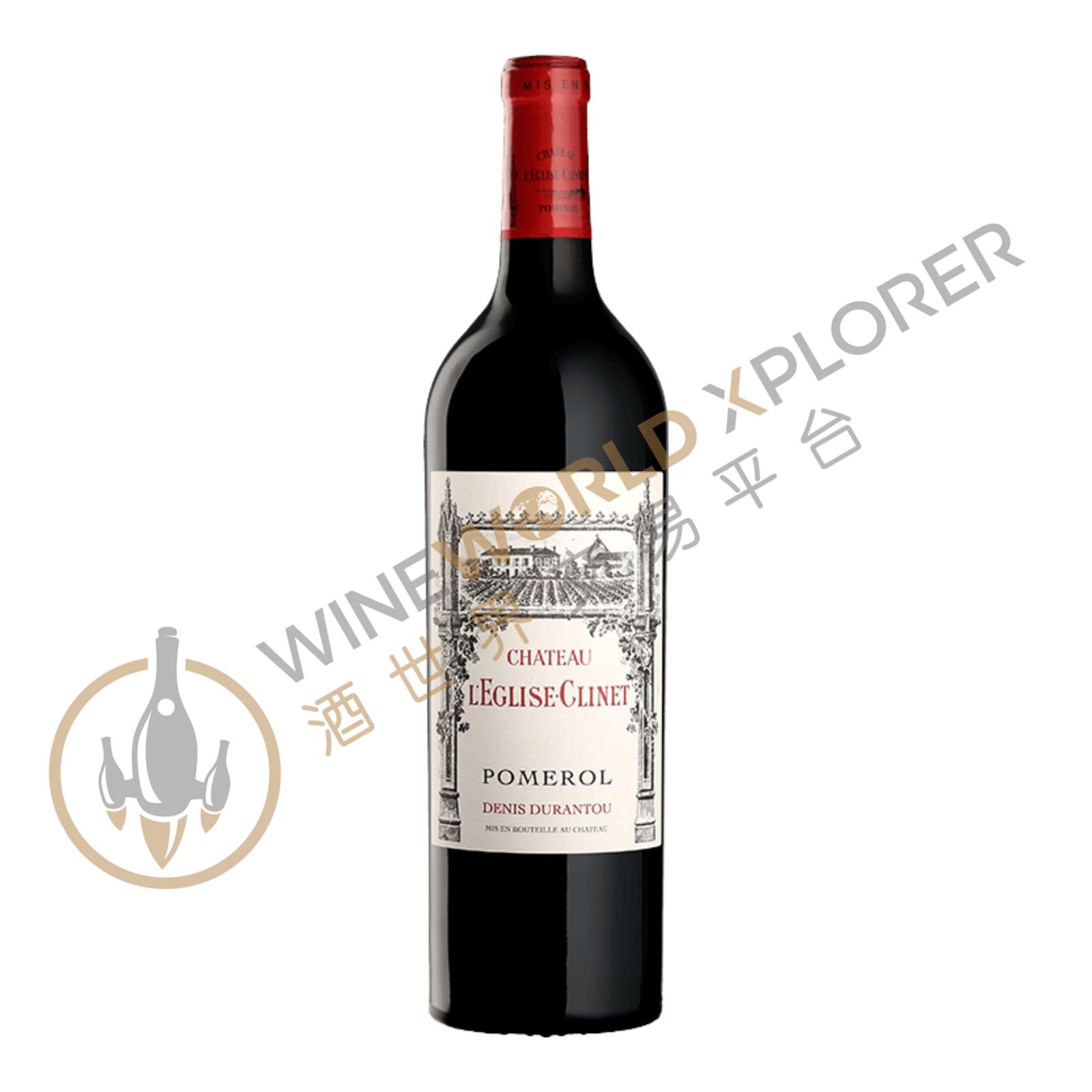
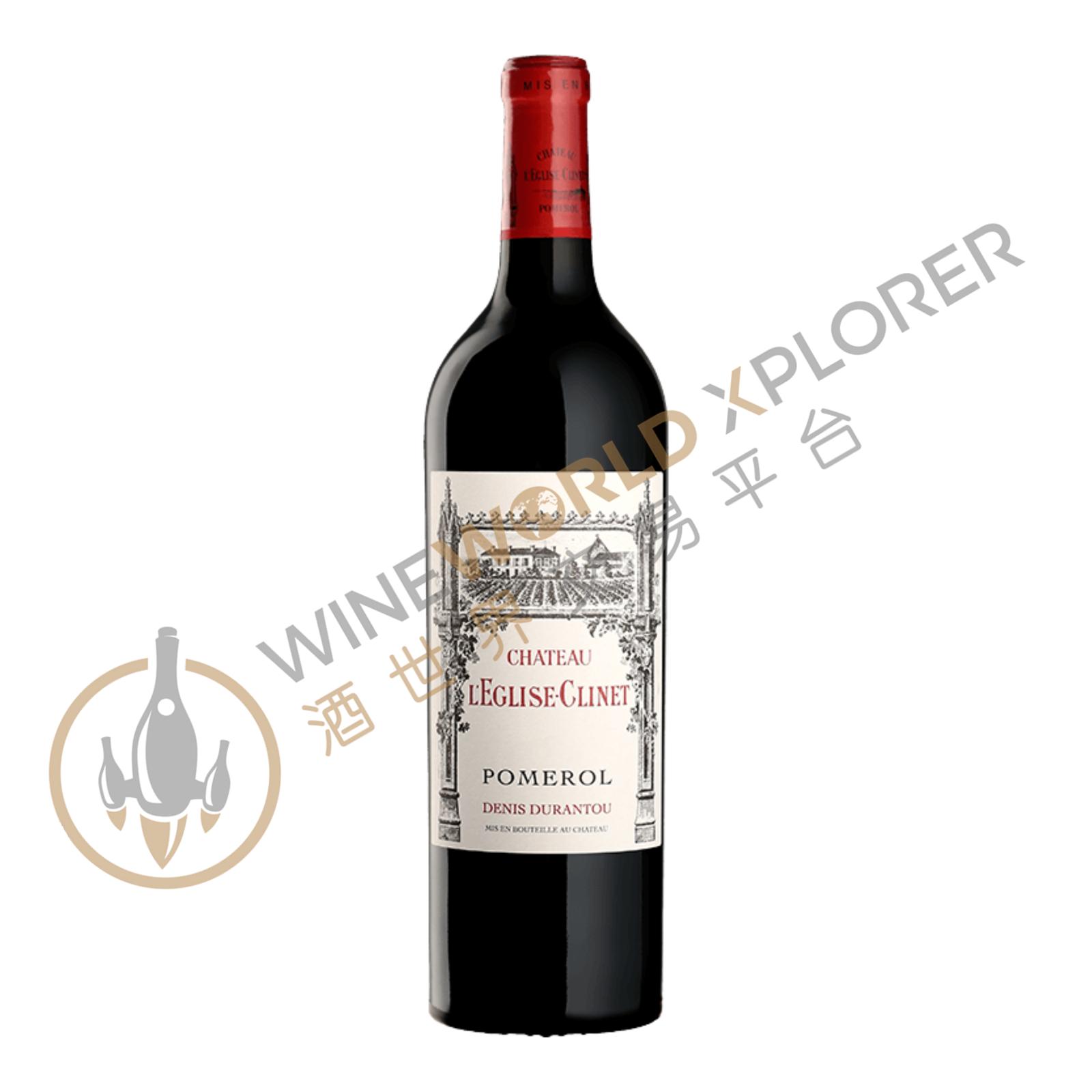
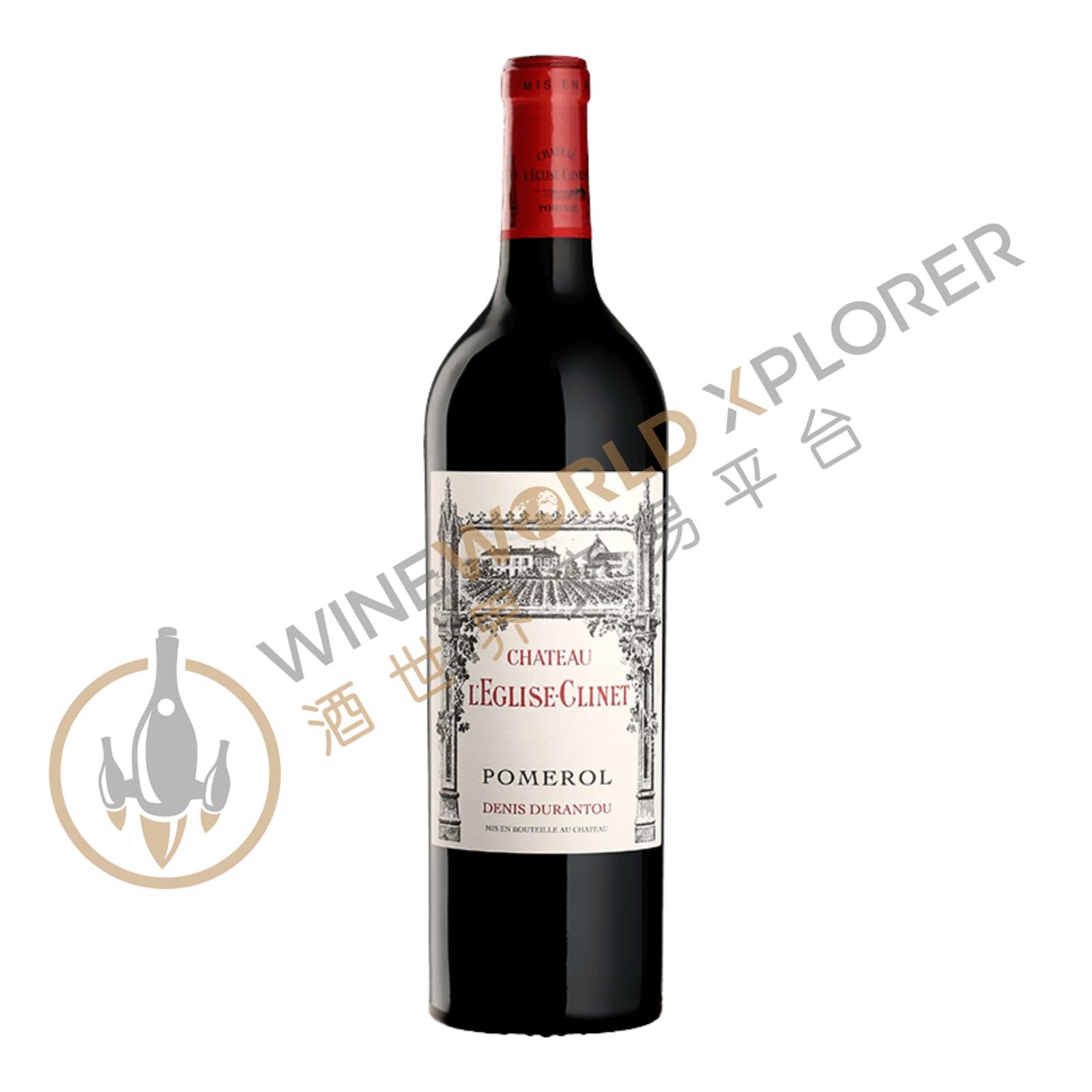
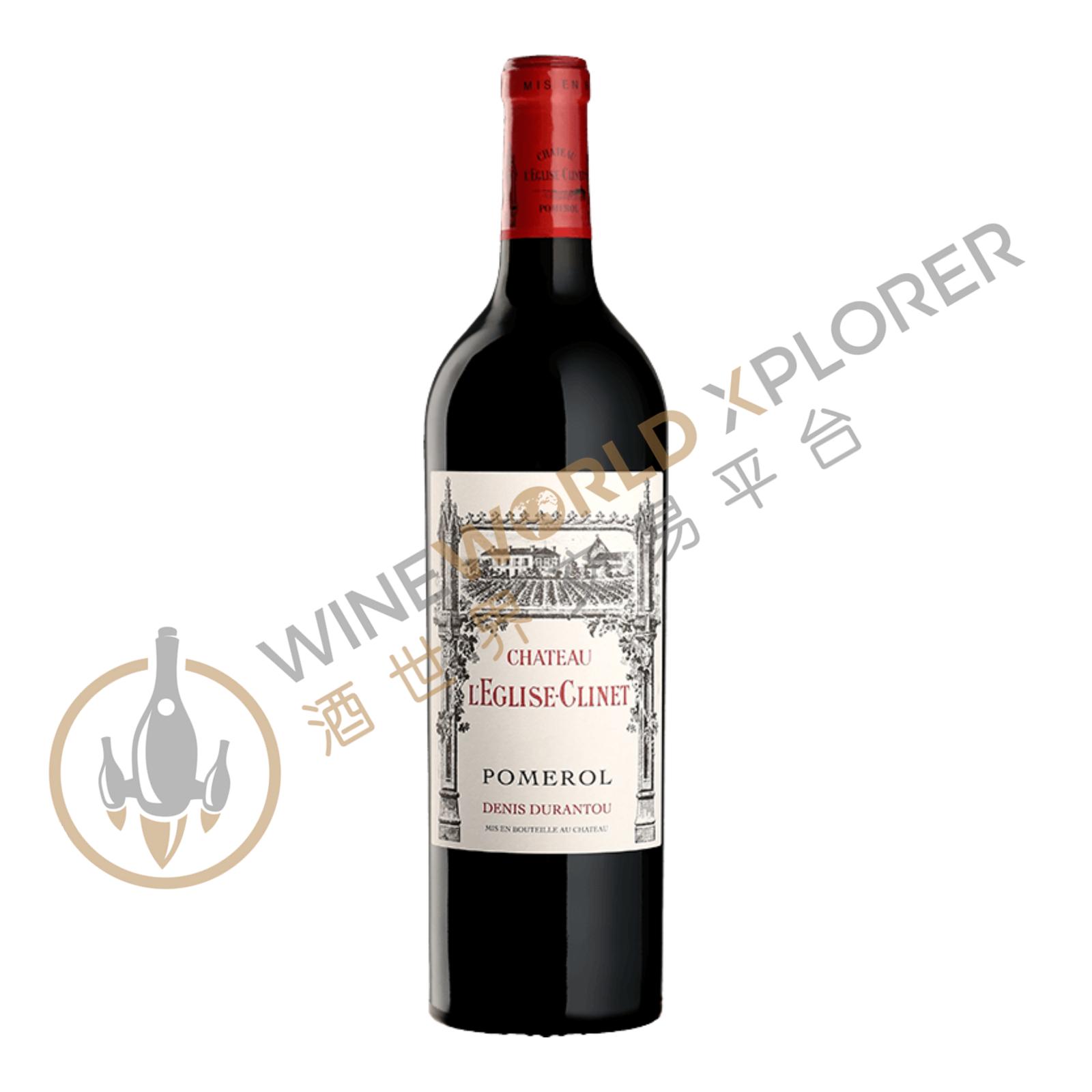
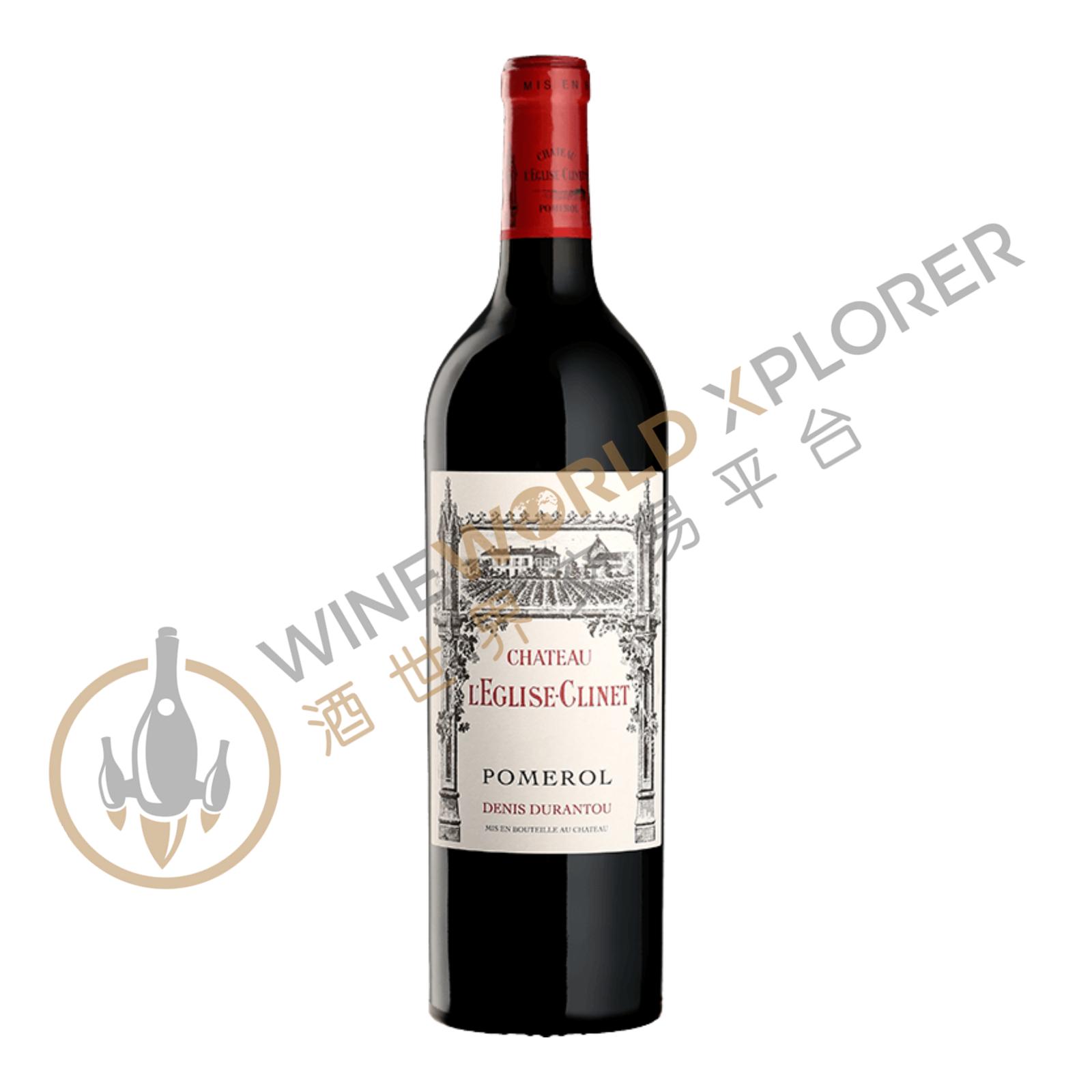
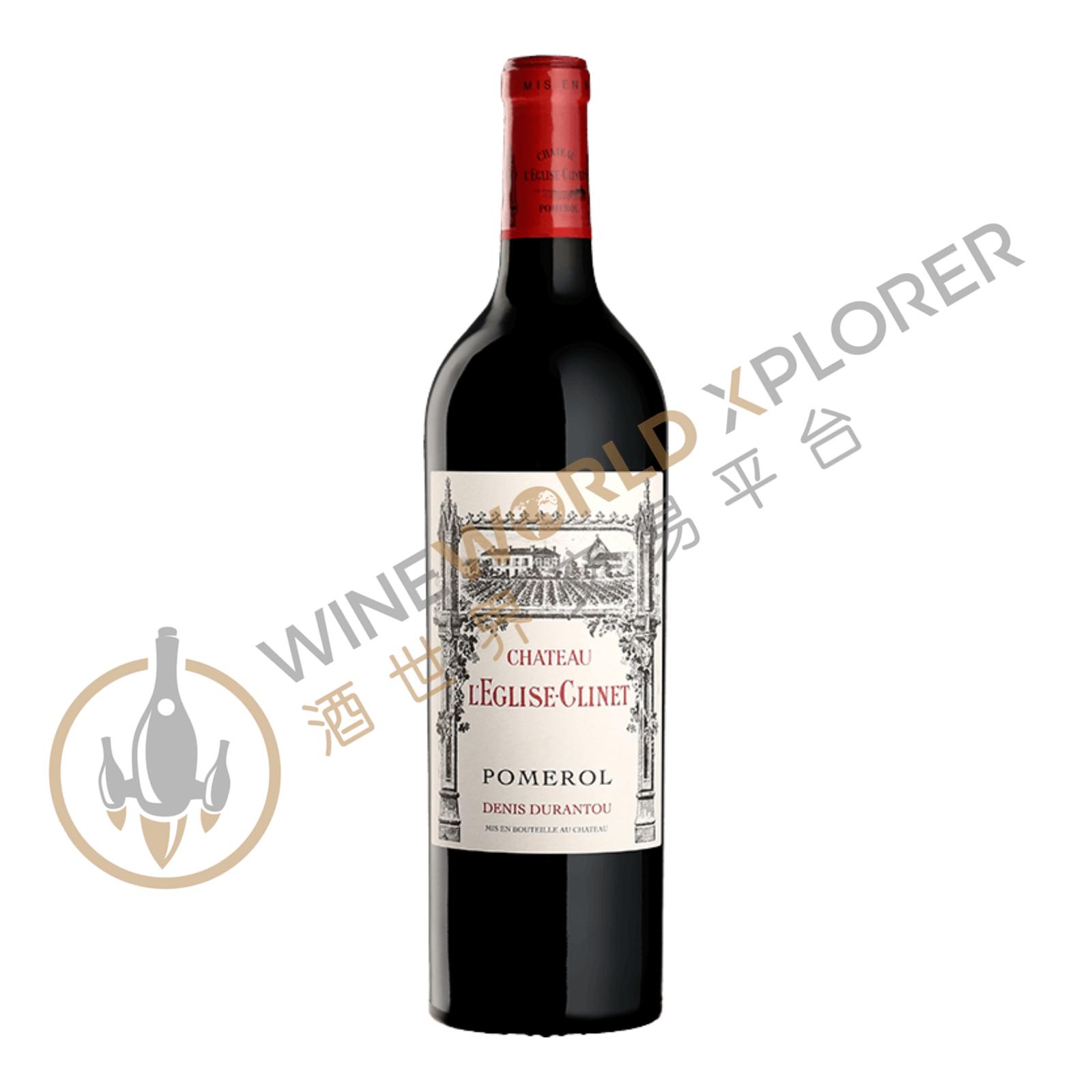
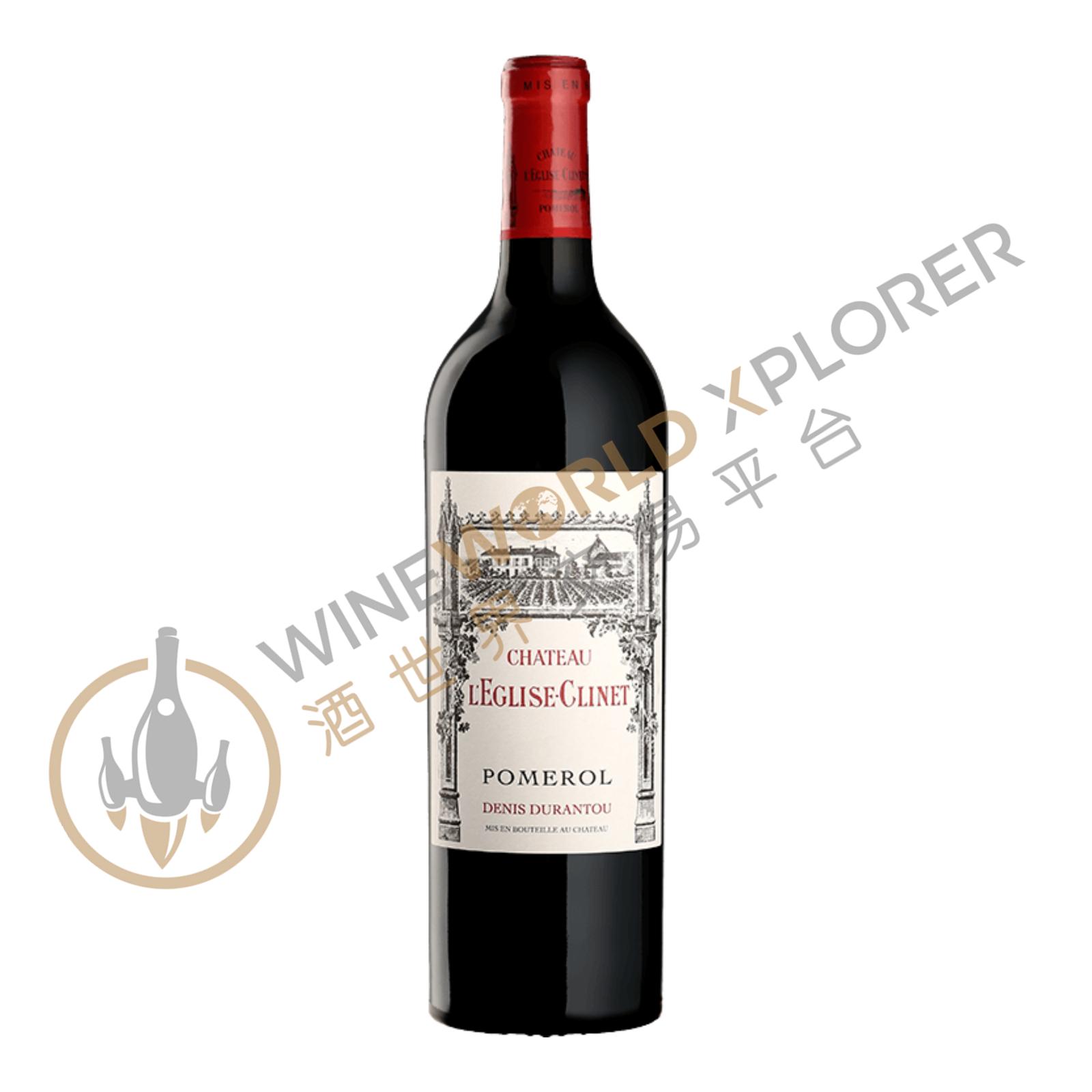
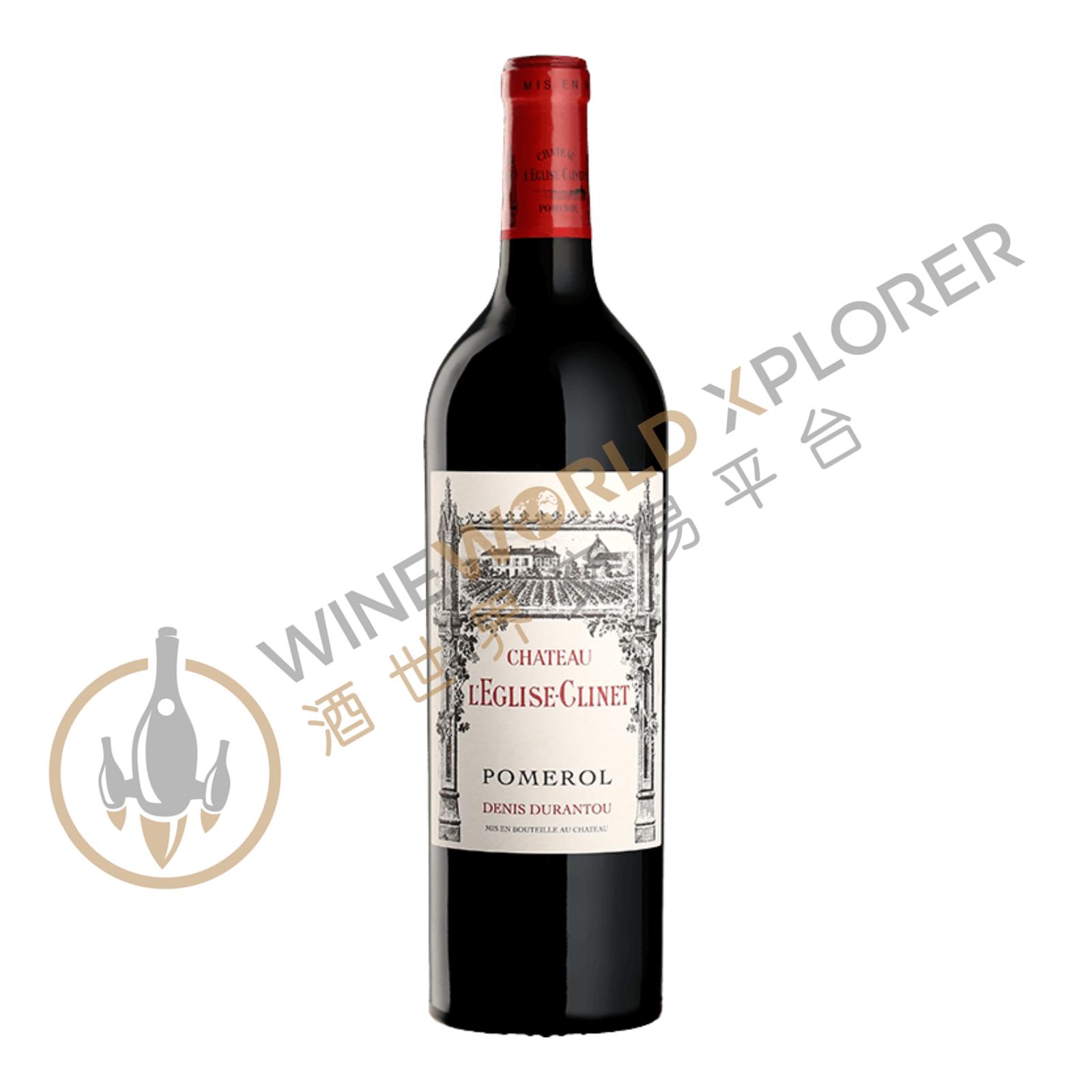
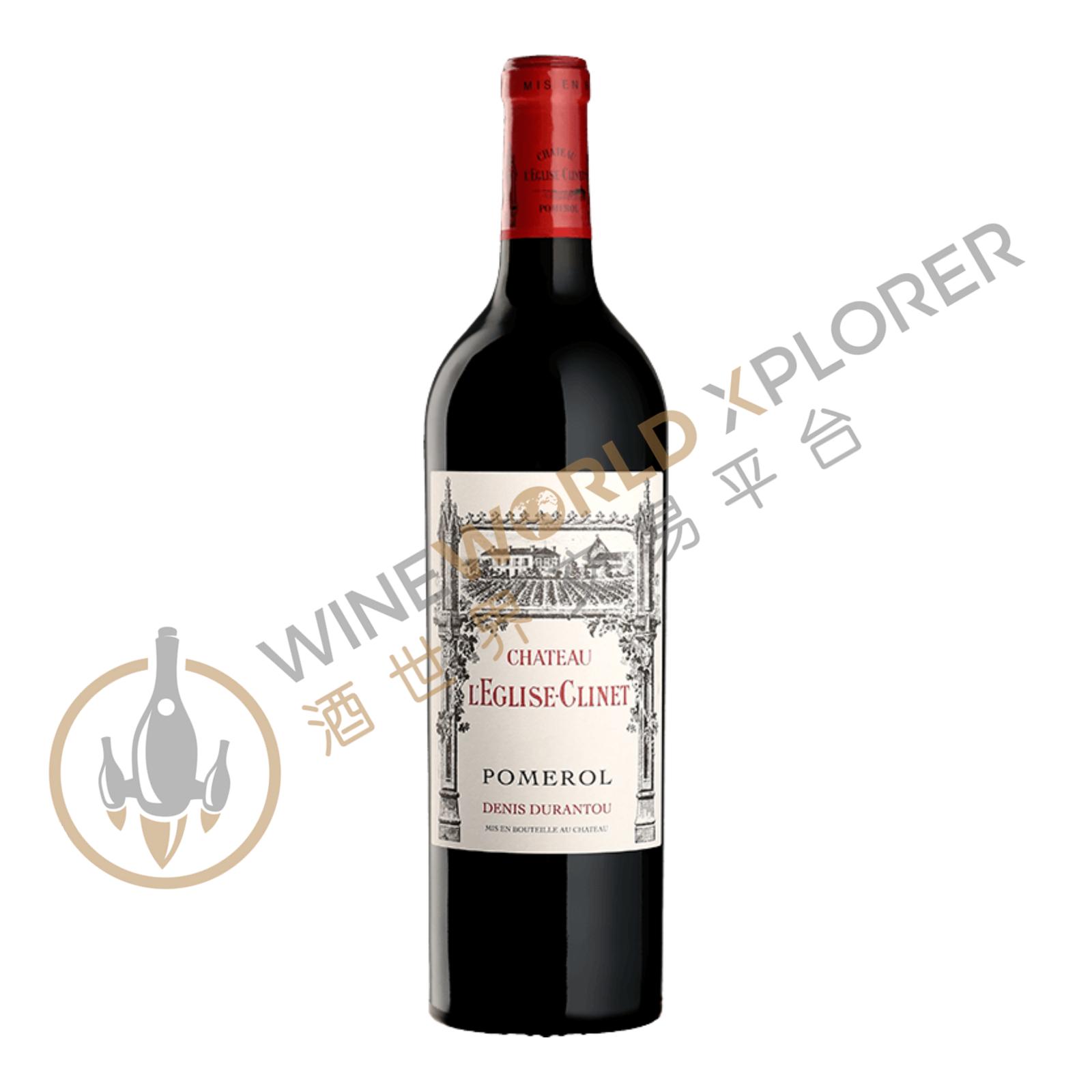
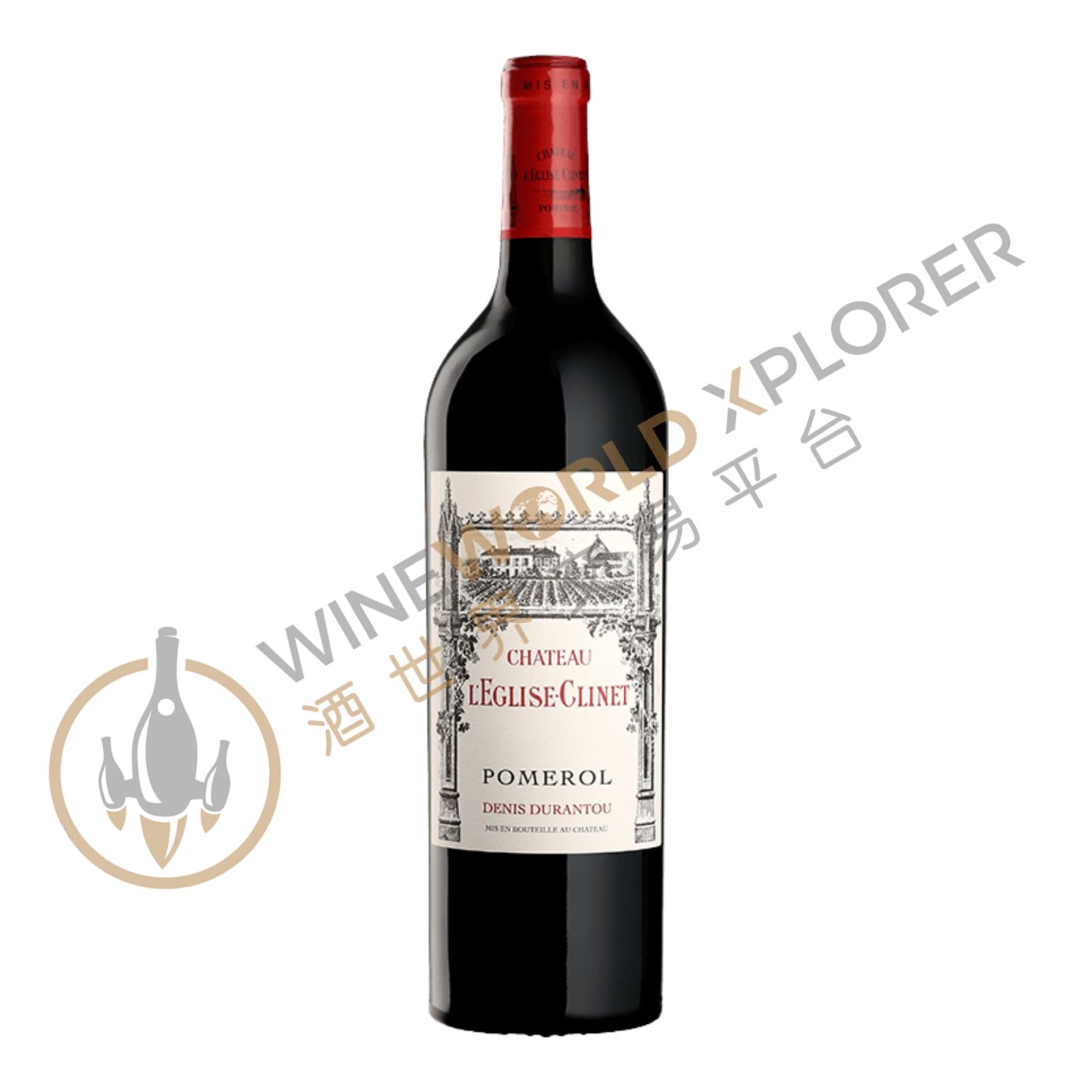
L'Eglise Clinet 2004
 View analysis


Description
Tasting notes

Reviewed by: Neal Martin
Tasted single blind at FINE magazine’s vertical in Dusseldorf. This has a very ripe bouquet with macerated dark cherries, blackcurrant jam, boysenberry and a touch of graphite. Much more masculine and perhaps slightly broody compared to the first, but it opens nicely in the glass. The palate is full-bodied with very intense dark cherry, cassis and blueberry fruit interlaced with citrus lemon. Very well balanced, very fine mineralite showing through on the finish but so backward at the moment. I love the tension here though. Tasted February 2011.
Reviewed by: Neal Martin
Chateau l'Eglise-Clinet (barrel sample April 6th, 2005) The nose is more backward than the barrel sample from 6 days ago. Blackcurrant, redcurrants. Quite masculine, classic Pomerol. Firm finish. Very harmonious and balanced. Long burnt toast finish. Very refined. (Barrel sample March 31st, 2005) This has a more open nose - there is a lovely scent of oyster shells and wet sand. Very well defined, awesome fruit concentration. There is an ebullience about this wine, a joie-de-vivre. Superb definition and harmony. Lovely.
Reviewed by: Robert M. Parker, Jr.
The dense purple-hued 2004 L’Eglise Clinet exhibits classic truffle-infused black raspberry and cherry fruit, a hint of vanilla, a sweet, expansive attack and mid-palate, and a long, opulent, full-bodied, moderately tannic finish. This beauty should be long-lived. Anticipated maturity: 2010-2025.
Reviewed by: Neal Martin
The Château l'Eglise-Clinet 2004 was served from magnum ex-cellar. It has a very fragrant bouquet with wonderful purity and delineation: dark cherries, blueberry, a touch of orange sorbet and violets. There is real sophistication here, especially in context of the vintage, one of the few 2004s that possesses a bouquet that locks you in. The palate is medium-bodied with very fine tannin, superb acidity, perhaps "classic" in style for want of a better expression, but very long with that spicy kick of black pepper and tobacco on the finish. This is just beginning to drink now, though personally I would afford it another two or three years, just to make sure. Tasted March 2015.
Reviewed by: Robert M. Parker, Jr.
A significant improvement over the somewhat stark 2003, Denis Durantou has fashioned a pure, deep ruby/purple-colored 2004 offering up notes of black cherry and cassis liqueur interwoven with a hint of licorice. The wood component discretely seasons this beautifully pure, medium to full-bodied Pomerol. With superb stuffing, nobleness, and pedigree, this wine will require patience. Anticipated maturity: 2012-2022.
Reviewed by: Robert M. Parker, Jr.
A brilliant effort from proprietor Denis Durantou, this classic Pomerol reveals a dark purple color as well as sweet aromas of raspberries, black cherries, cassis, and hints of caramel and vanilla. It is made in a layered, medium to full-bodied style with moderately high tannin, and superb concentration, structure, and depth. Anticipated maturity: 2011-2025.
Reviewed by: Neal Martin
The 2004 Château L'Eglise-Clinet needed 30-40 minutes to open in the glass before offering blackberry, briary, leather and black truffle scents that are very harmonious and actually build momentum in the glass. The palate is medium-bodied with grainy tannin, a little powdery in texture with black pepper and clove infused on what feels like a structured, masculine finish that is so typical of this vintage. However, it is well balanced and quite long in the mouth, certainly a commendable wine of the vintage, a L'Eglise-Clinet that should age well for another 10-15 years. This is a classic Pomerol and a classic L'Eglise-Clinet from Denis Durantou. Tasted February 2016.
Reviewed by: Neal Martin
The 2004 l’Eglise-Clinet is an outstanding wine for the vintage, where notes both from bottles and magnum have been uniformly impressive. It has a fragrant bouquet with copious red cherry, crushed strawberry, orange sorbet and violet aromas that you would think come from a warmer growing season. The palate is beautifully balanced with fine-grain tannin, a fine bead of acidity, resolutely classic in style with a persistent tobacco-laced finish. It is a quintessential l’Eglise-Clinet that can be broached now, but will also age. Tasted at a private dinner in London.
Reviewed by: Stephen Tanzer
Moderately saturated red-ruby. Aromas of dark cherry, plum, coffee, spices and underbrush. Supple, sweet and easygoing, with a deep spiciness and good definition to its slightly medicinal black fruit flavors. Can't match the 2005 for sweetness or complexity but this has subtle depth and plenty of underlying structure. I pray for a cold summer every year for merlot, especially August, notes Denis Durantou, who likes to make Pomerol with a reasonably low pH (the '06 is currently 3.7 and the '05 3.68). As they say, August makes the must. Twenty years ago we hoped for a hot August, but now we want cool weather to slow down the ripening process.
Reviewed by: Stephen Tanzer
Good ruby-red. Black raspberry and griotte cherry aromas complicated by sexy chocolate and espresso. Sweet, high-toned and captivating, with lovely ripe acidity giving shape and lift to the black raspberry, plum and chocolate flavors. Impressively rich and complex for the vintage. Has the stuffing to support its substantial tannins. Very sexy, classic Pomerol that should offer early drinkability but evolve in bottle for a decade or two.
Reviewed by: Stephen Tanzer
(13.5% alcohol, with a pH of 3.7) Good full ruby. Blackberry, black raspberry, beefsteak tomato, minerals, espresso and a whiff of meat on the nose. Lush, broad and creamy in the mouth but with a violet quality adding lift to the dark fruit and bitter chocolate flavors. Dense, horizontal wine with very attractive fruit. The indice de polyphenols totaux is a rather high 78, but the tannins are quite creamy.
About the Producer
Château l'Eglise-Clinet is located in the Pomerol appellation on the right bank of Bordeaux, France, and is one of the most famous wineries in the Pomerol region. Château Clinet Chapel has a long history, dating back to the late 19th century. The Rouchut family, who ran Chateau Clos l'Eglise at the time, and the Constant family, who ran Chateau Clinet, decided to make wine together. Until 1950, the Bordeaux wines produced by these two families were sold under the name Château Claregelis. It was only after 1950 that their wines were given their current name, Château Clignet. Later, the Durantou family acquired Château Clignet. However, the owner was not keen on wine at the time and left everything to Pierre Lasserre, the owner of another Pomerol estate. Pierre Lasserre only had to give him half of the estate's income each year. This partnership has continued for 40 years. Today, Denis Durantou, a descendant of the Durantou family, is in charge of the estate. At present, Château Clignet has 5.5 hectares of vineyards. The soils are mainly gravel and clay, some of which are rich in iron. The vineyards of Château Clignet were spared from the 1956 frosts and the vines are on average 45 years old. The vineyard is planted with 85% Merlot and 15% Cabernet Franc at a density of 6,500 vines per hectare. The vineyard is fertilised with an organic fertiliser mix every 5 years. The grapes are hand-picked when they are ripe at Château Clignet. After careful selection and crushing, the grapes are fermented in concrete and stainless steel containers for 15-21 days. After about October, the fermented wine is aged in new oak barrels for a period of 18 months. The main wine of Château Clinet is the Château l'Eglise-Clinet, Pomerol, France. The wines are concentrated and rich, full-bodied, with pure fruit and exotic spice notes, particularly fresh and wonderful, making them unique among Bordeaux wines. In recent years, as the price of the wine has soared, so has the quality. Today, it is in the top tier of Pomerol.
1961(1)1985(2)1989(1)1993(1)1994(1)1995(2)1997(2)1998(2)1999(1)2000(2)2001(2)2002(3)2003(1)
Package Size
12 x 75cl