Wine Advisor



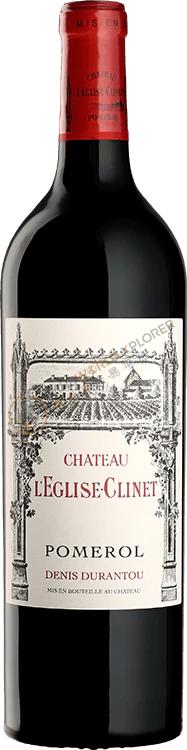
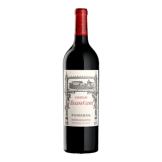
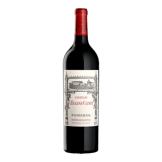
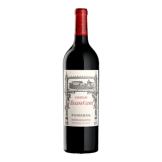
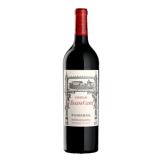
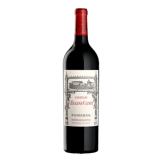
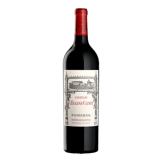
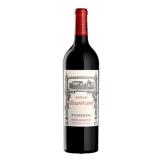
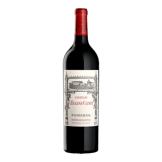
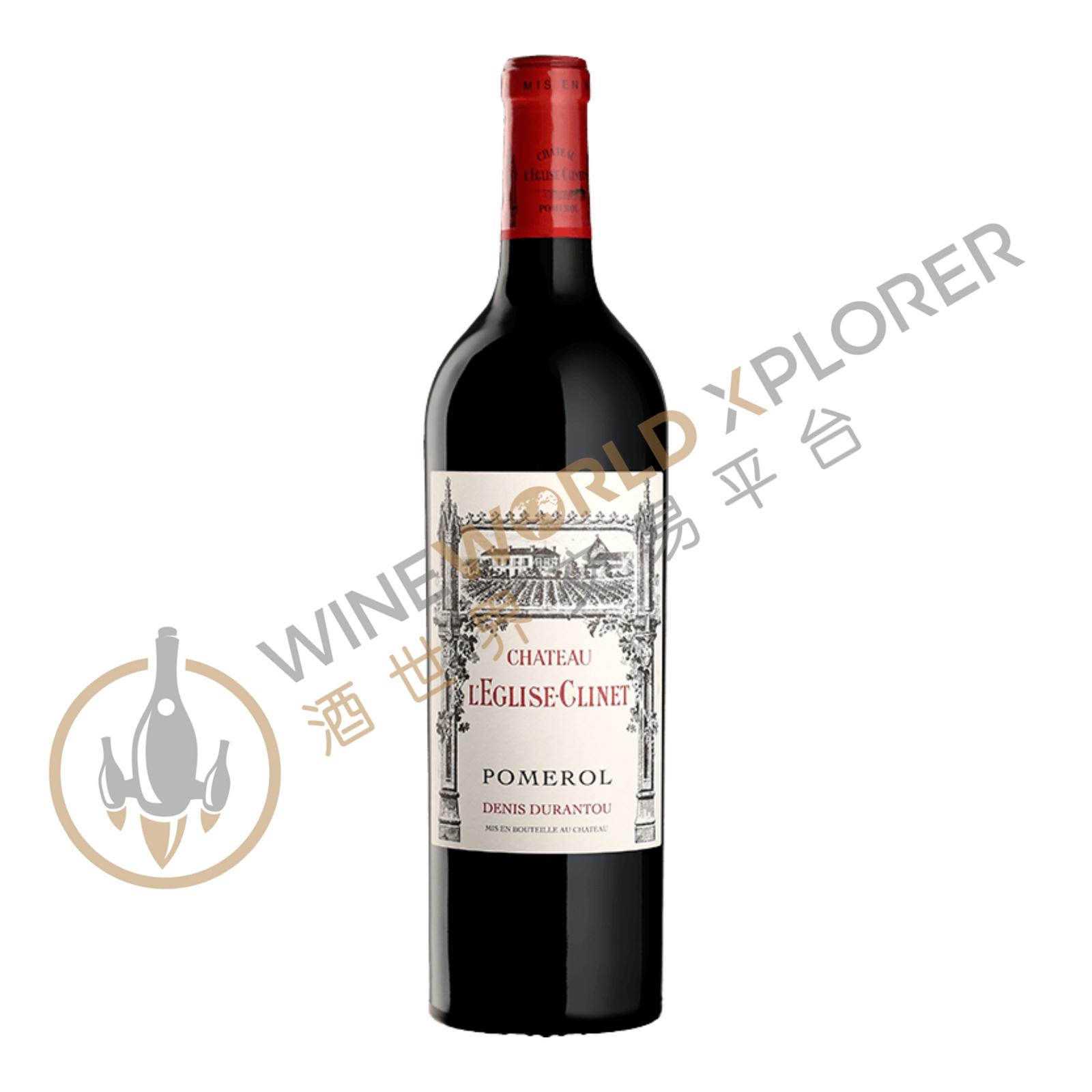
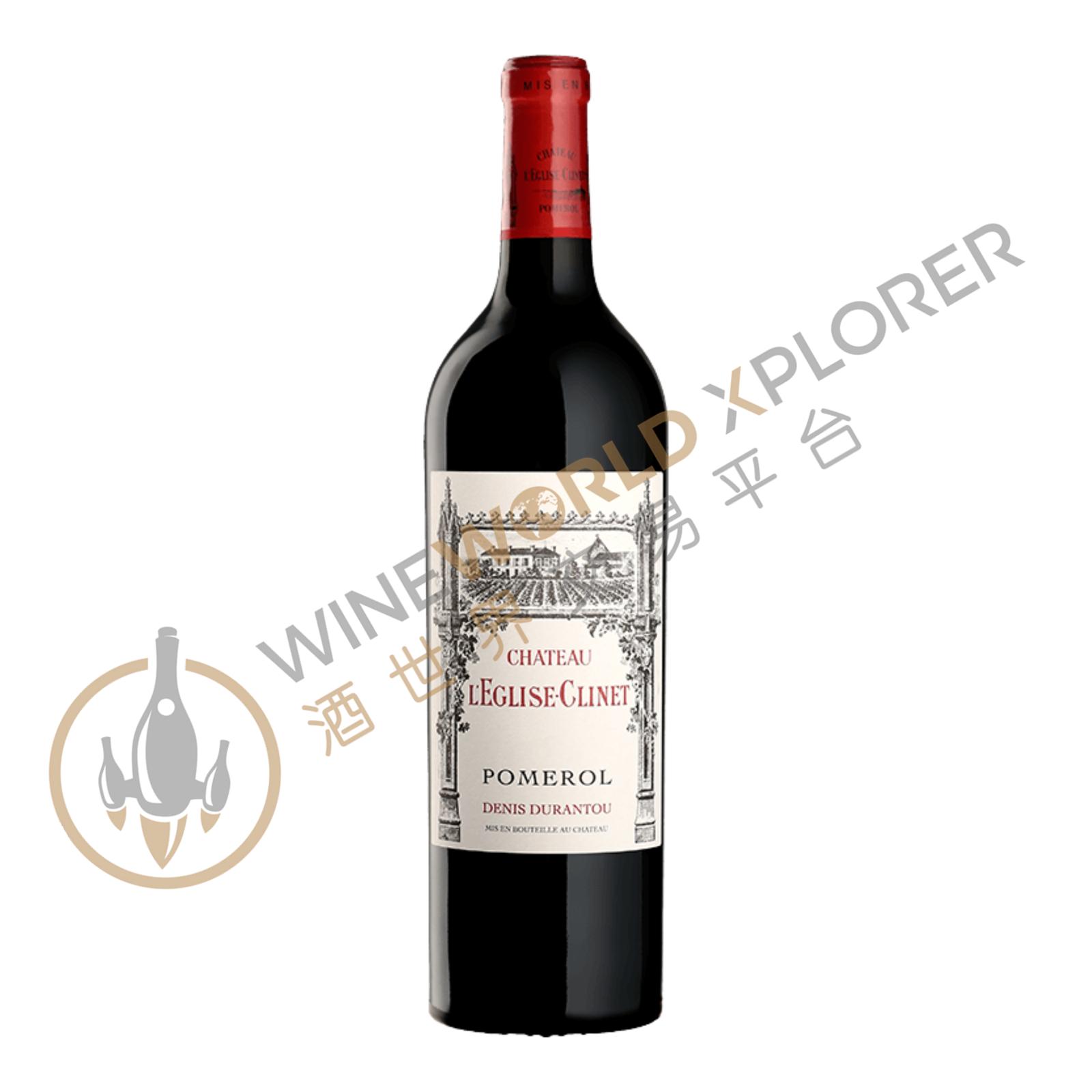
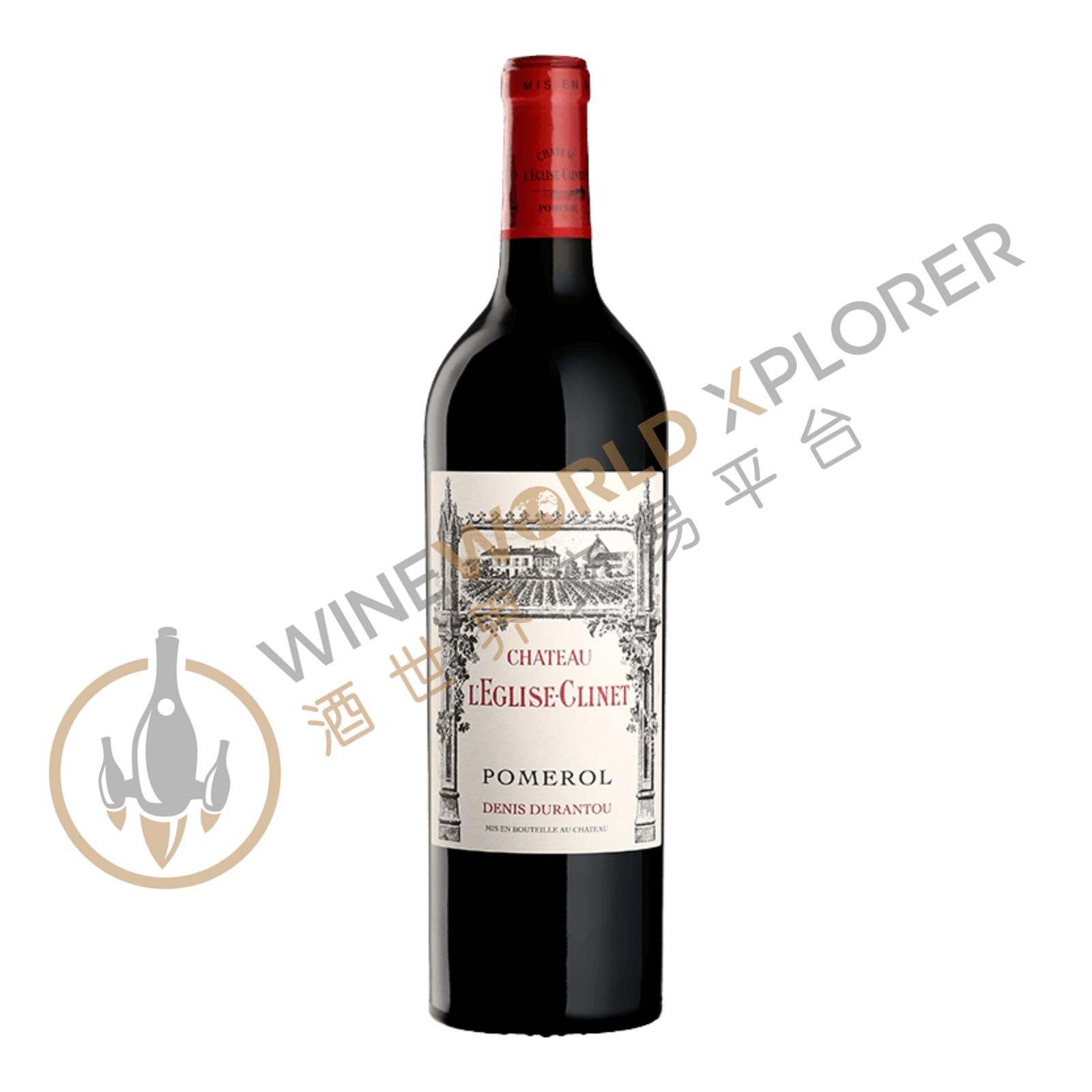
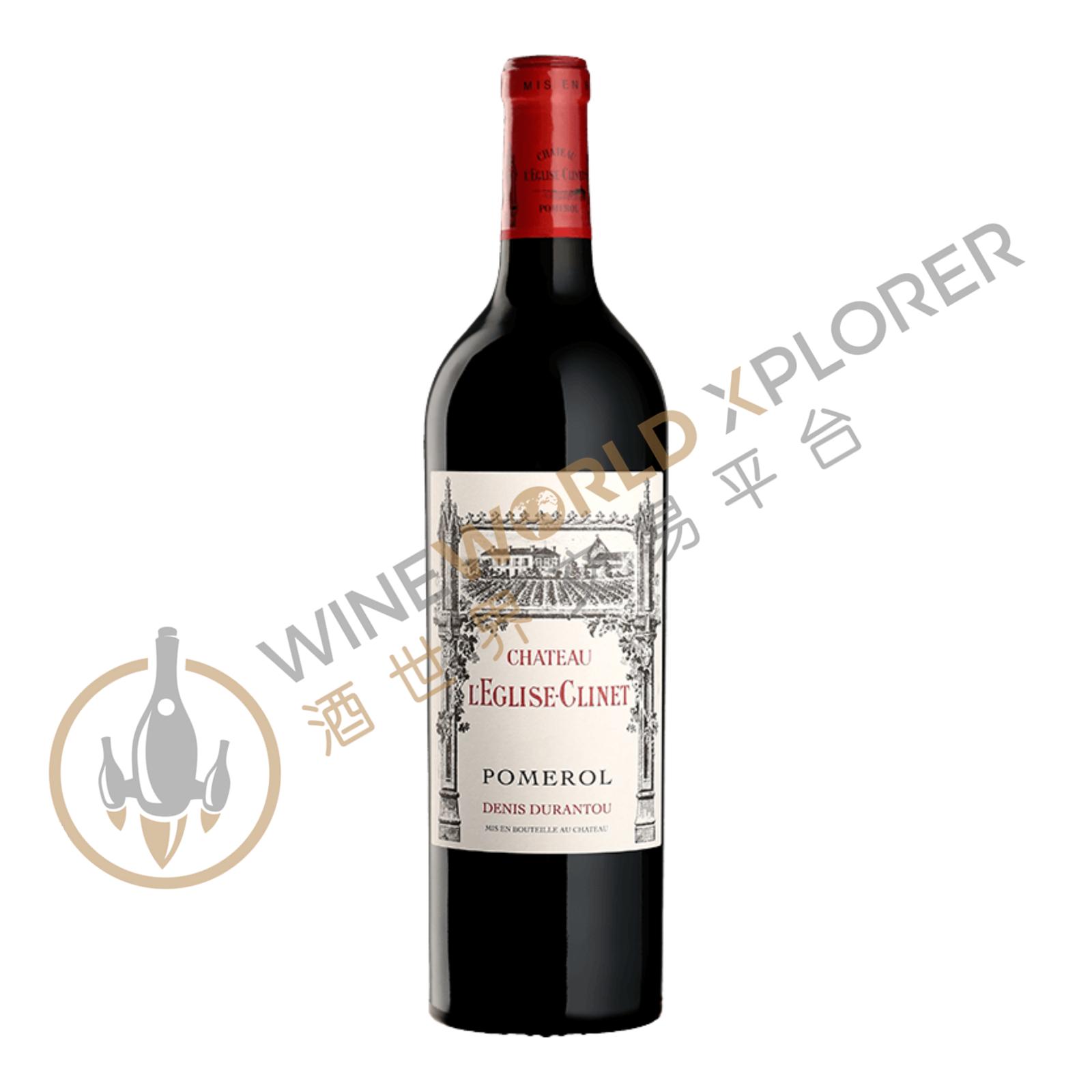
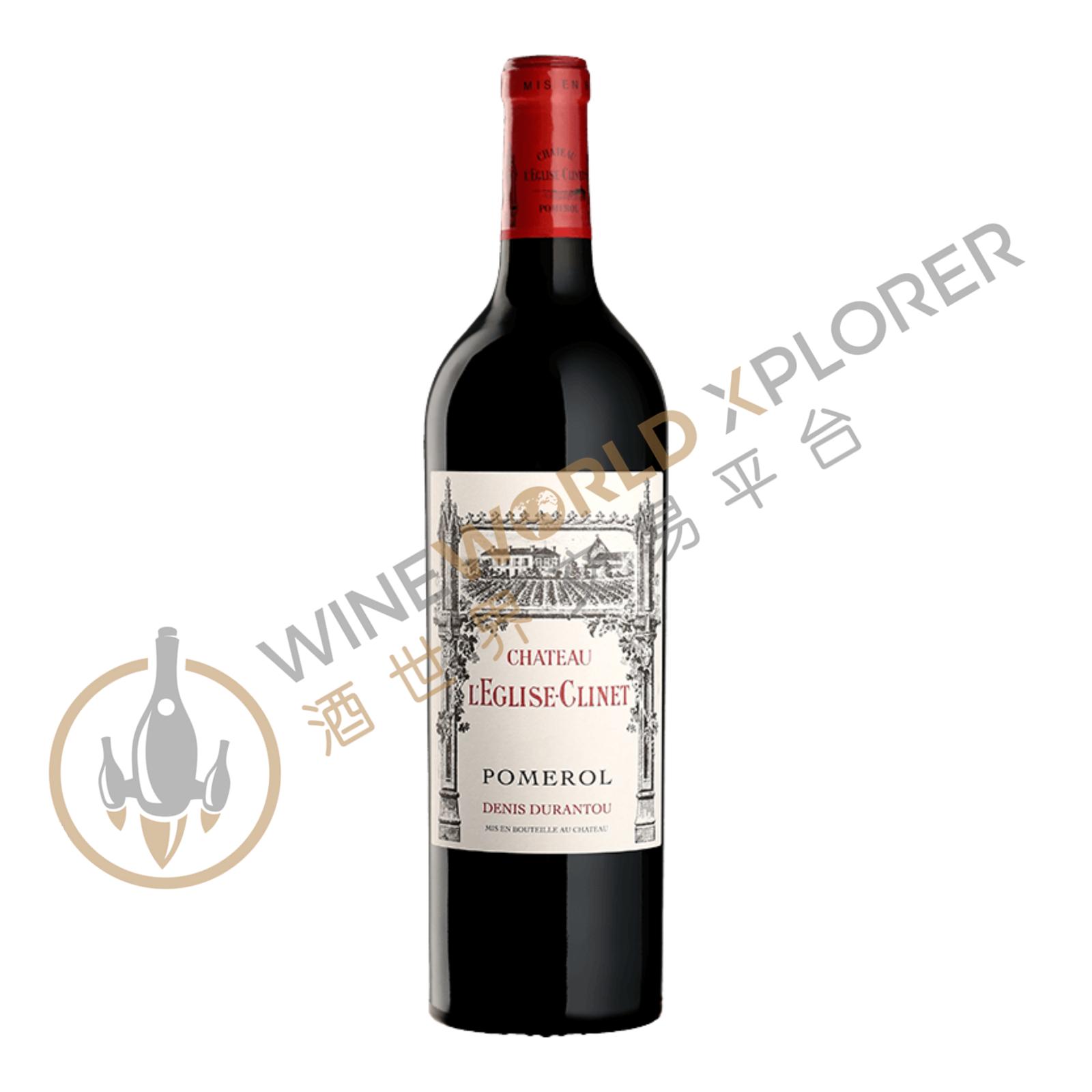
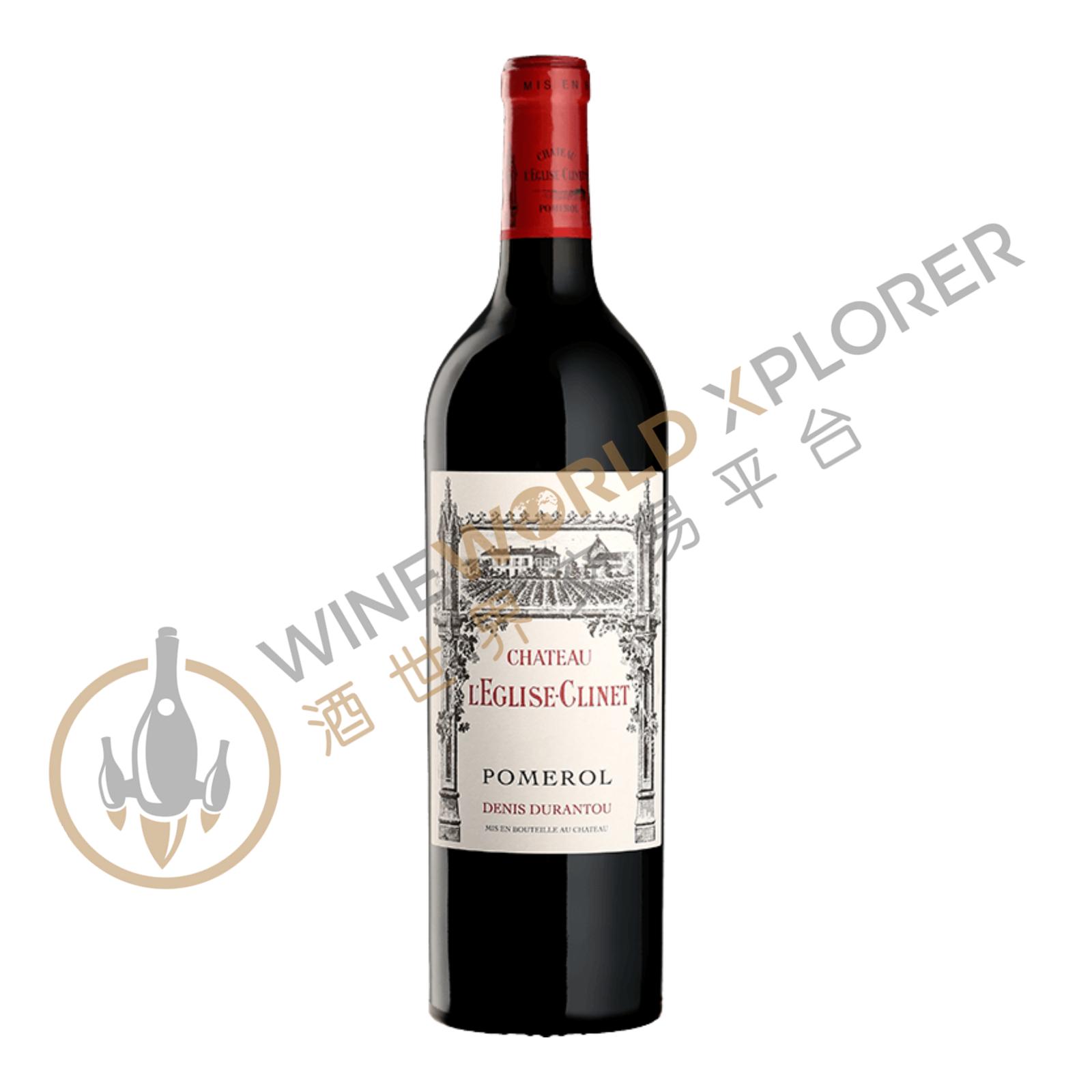
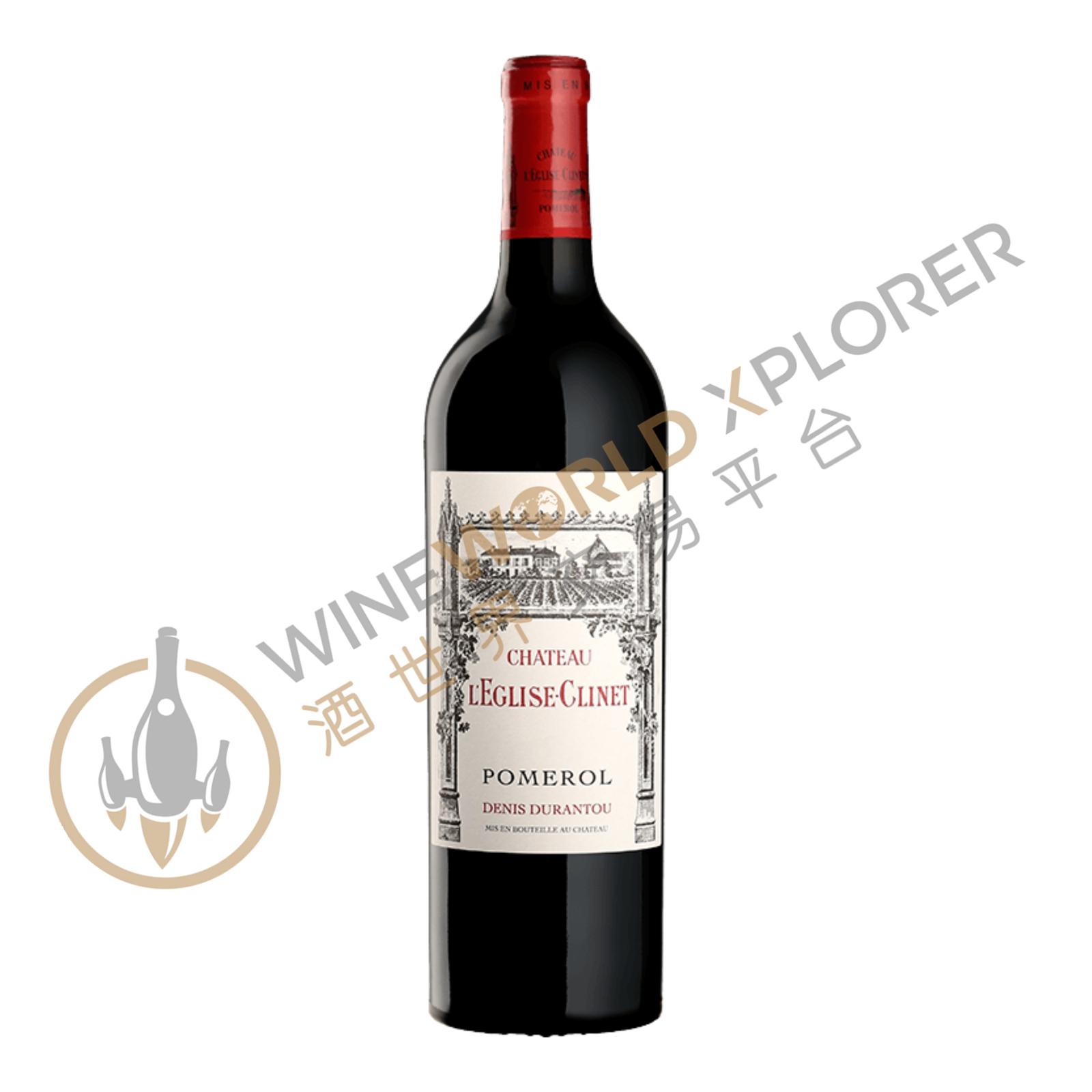
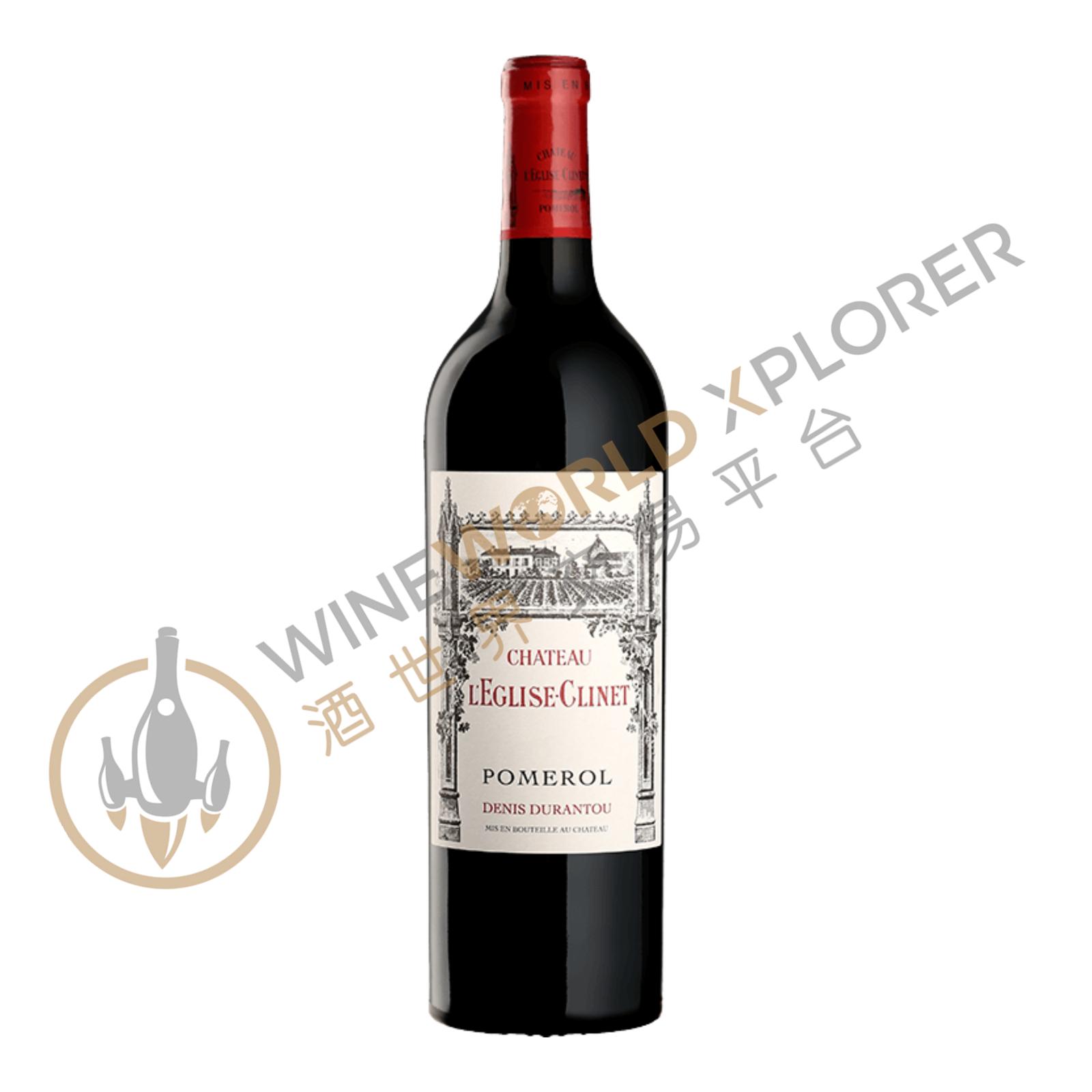
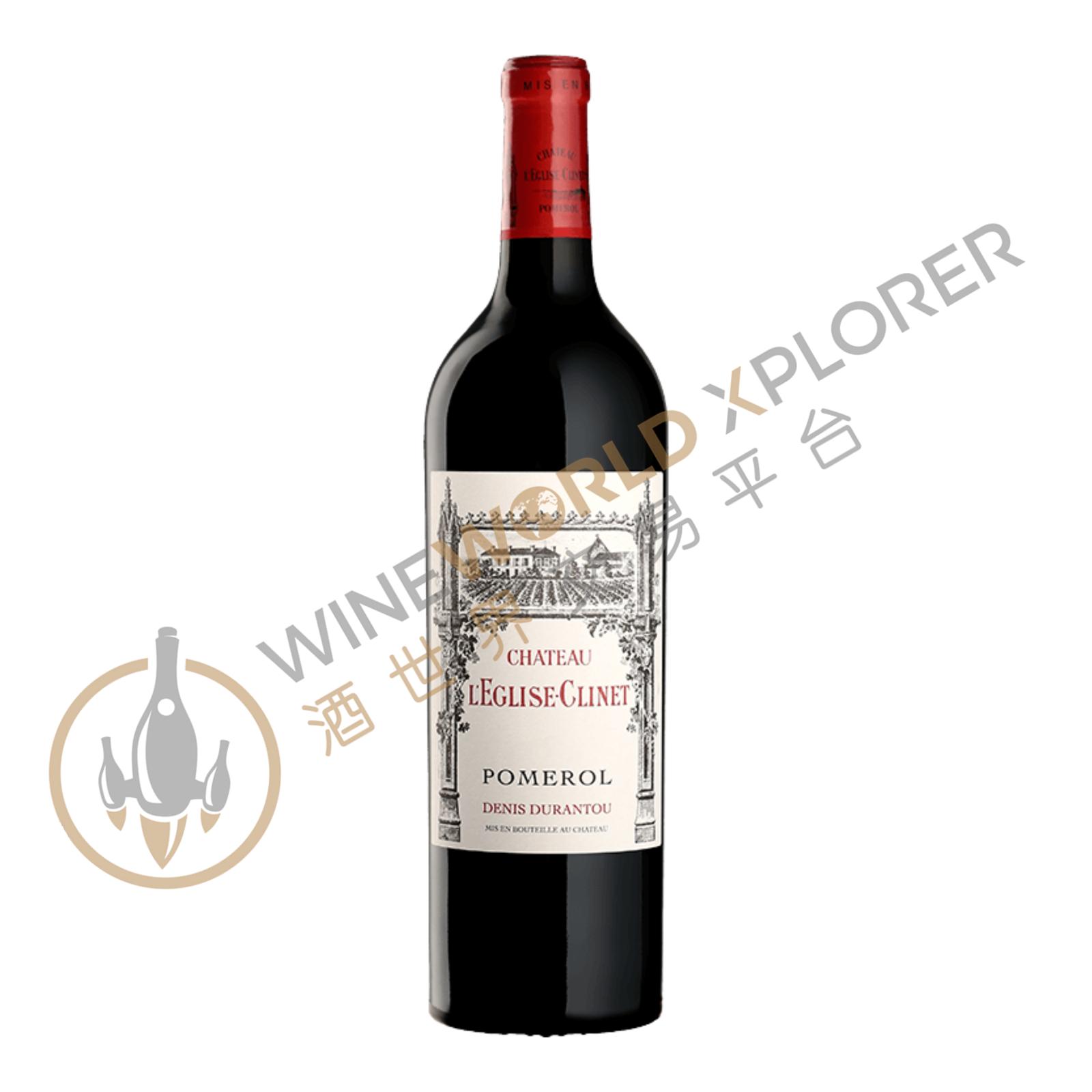
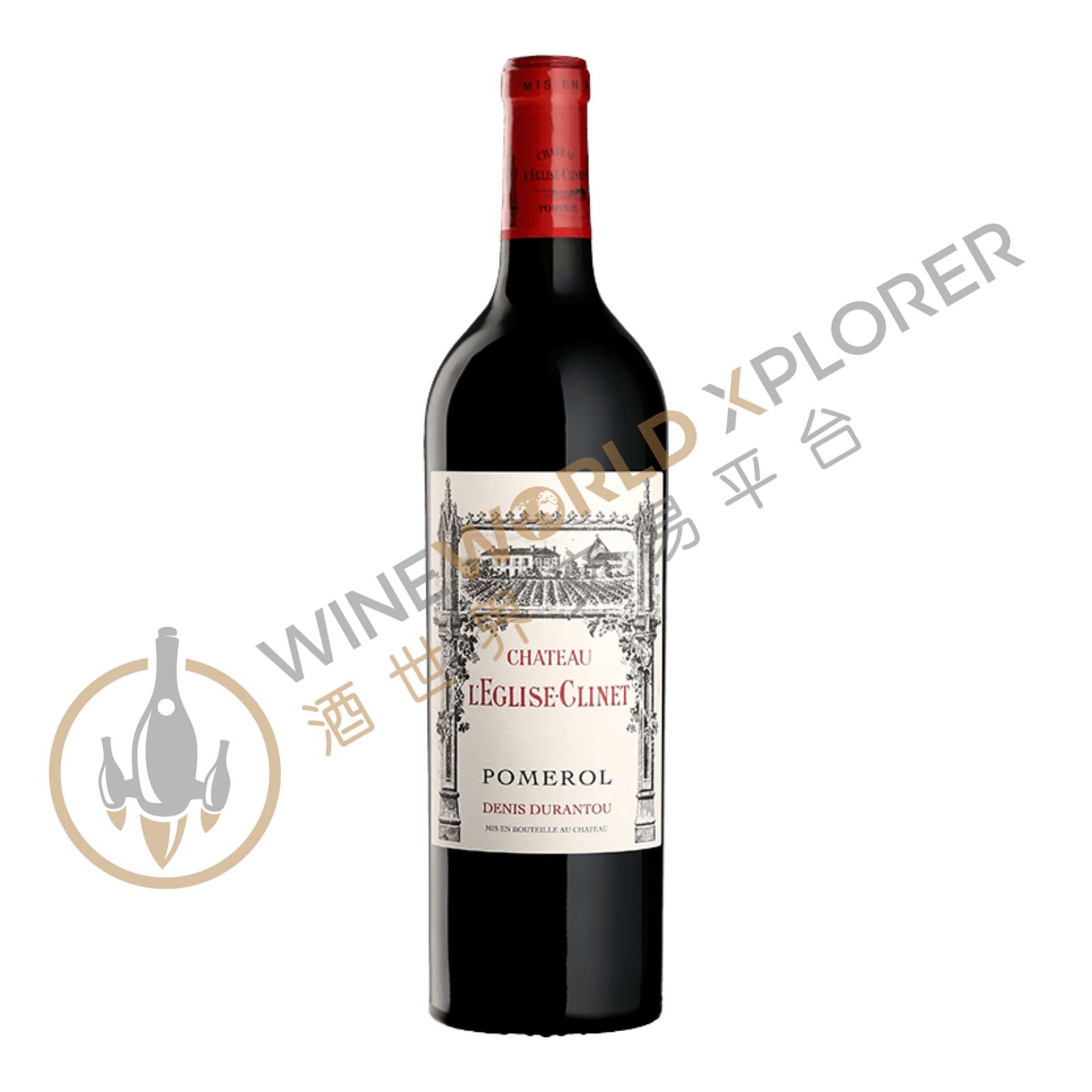
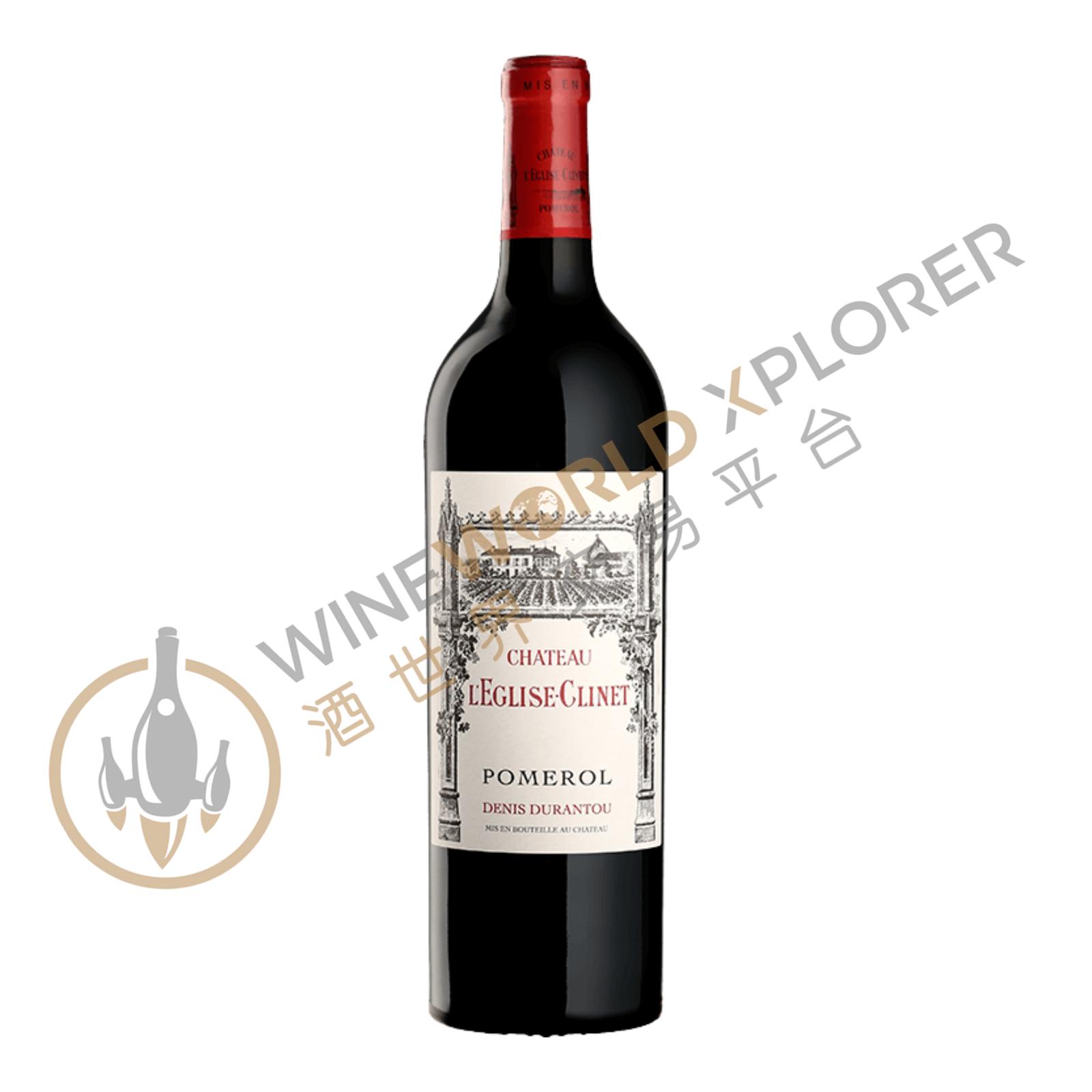
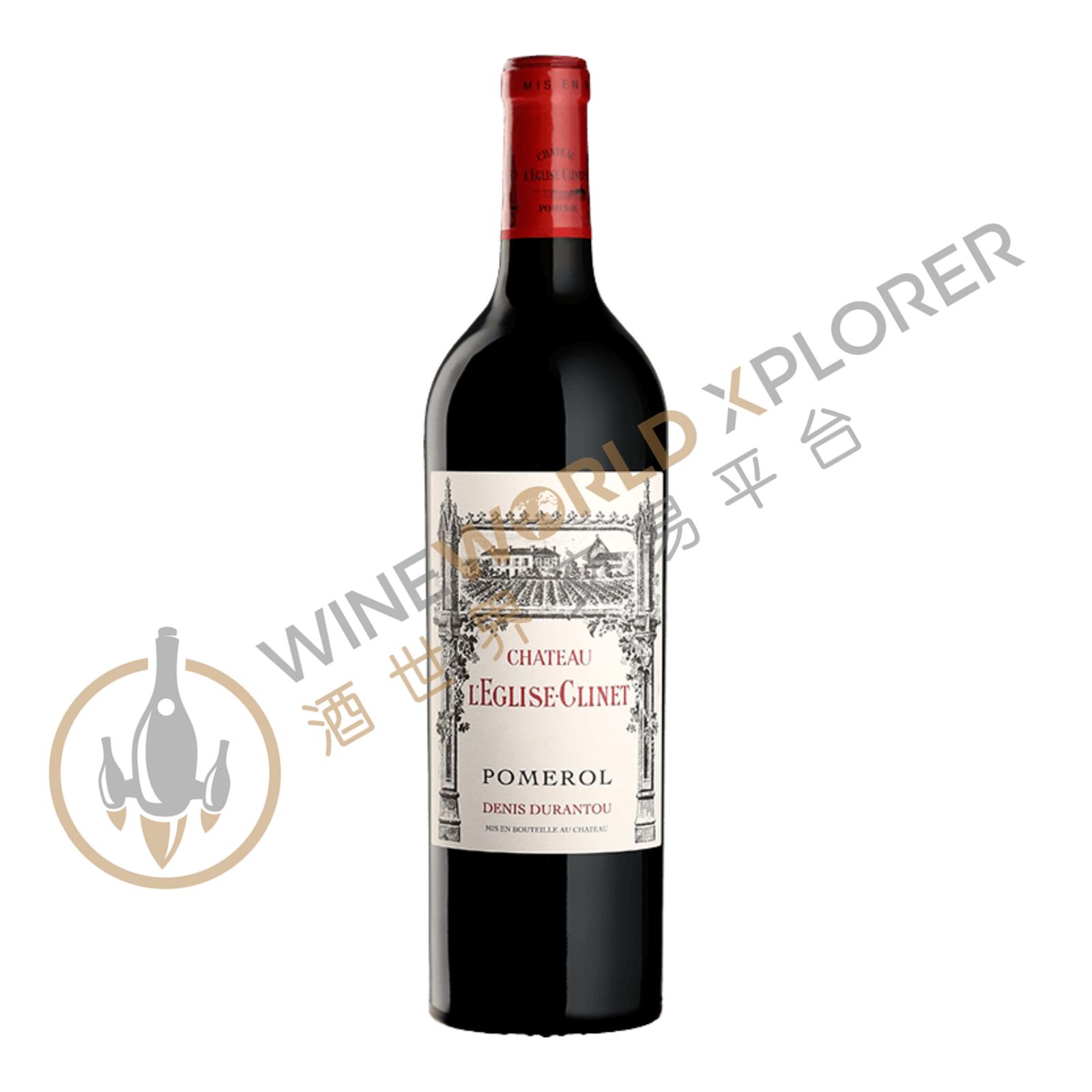
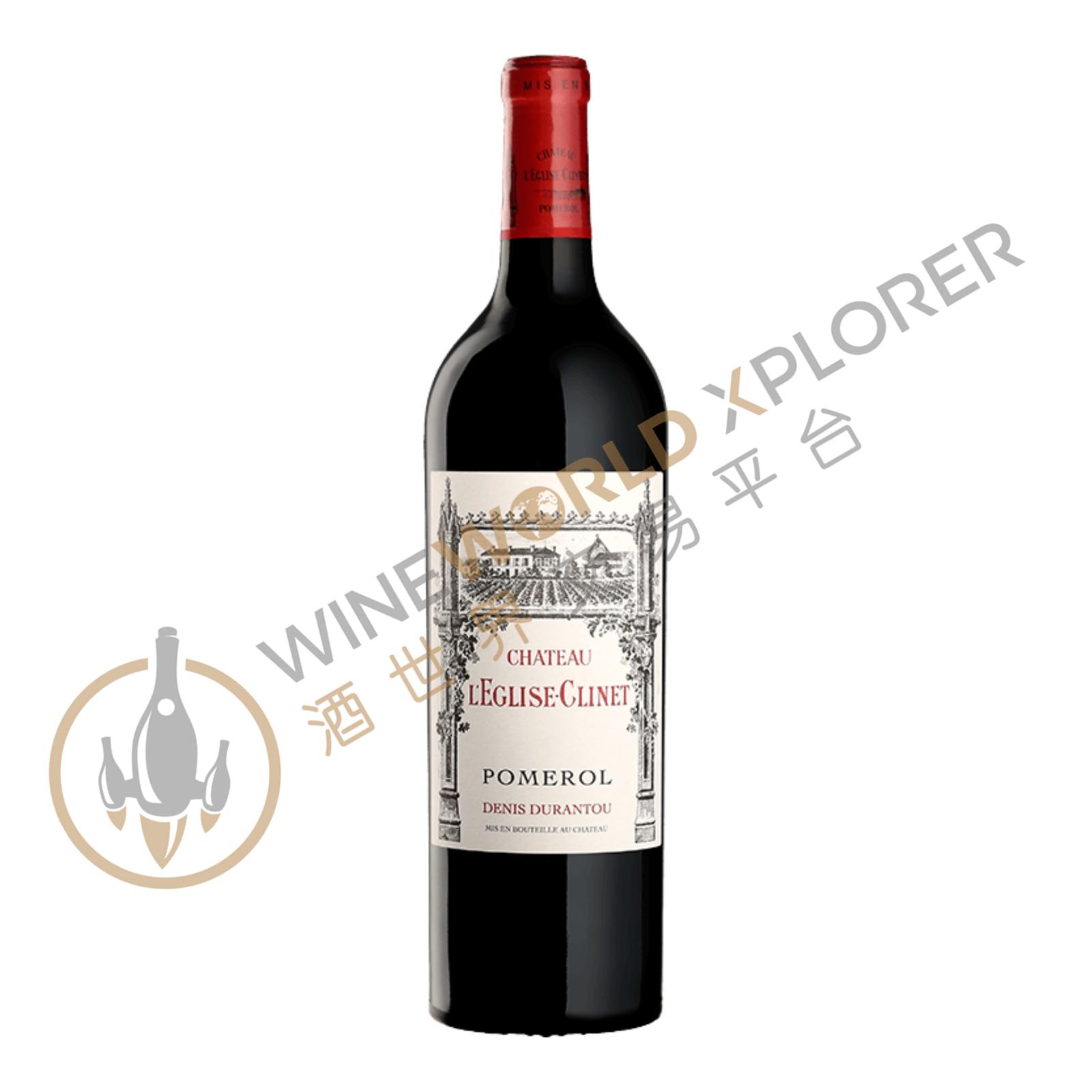
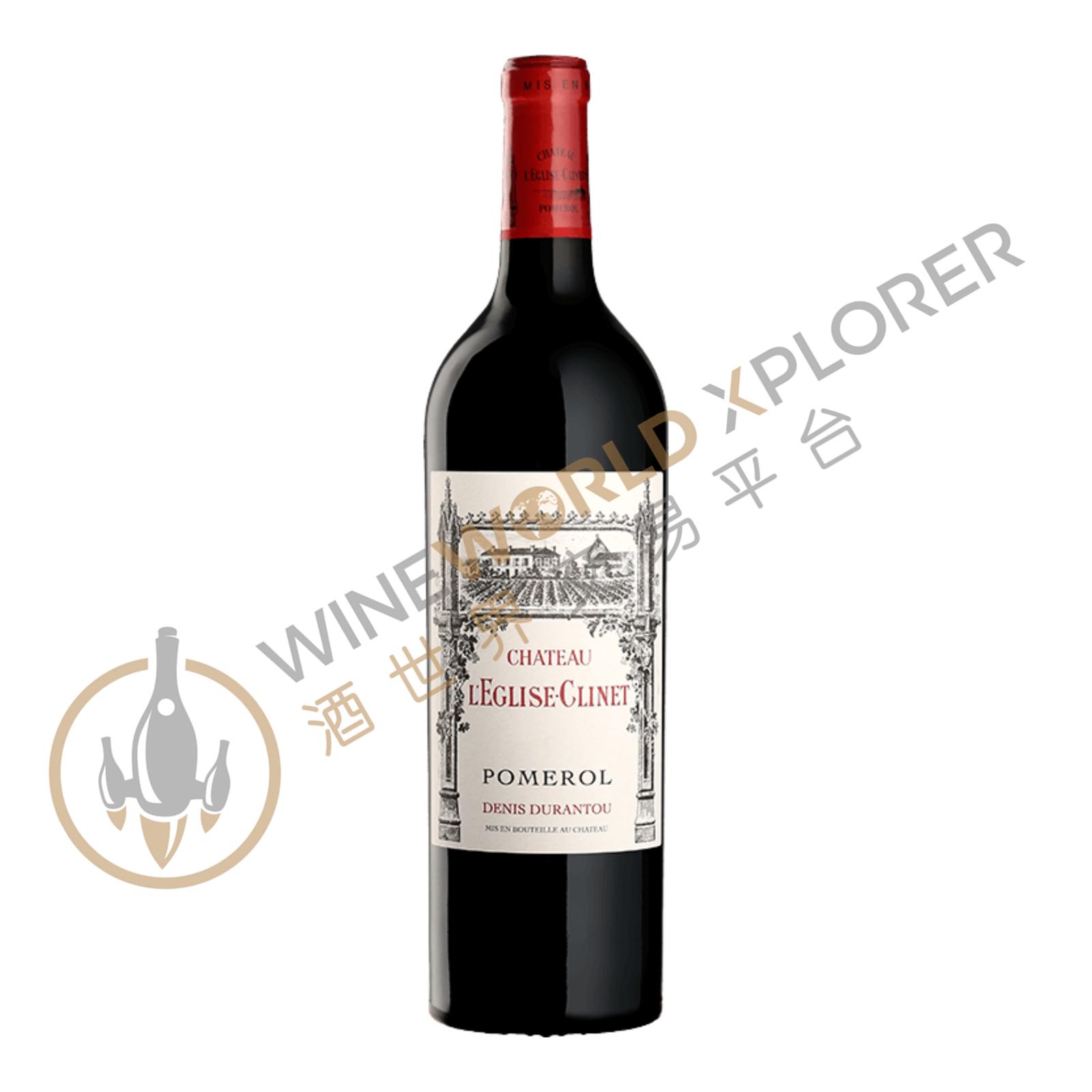
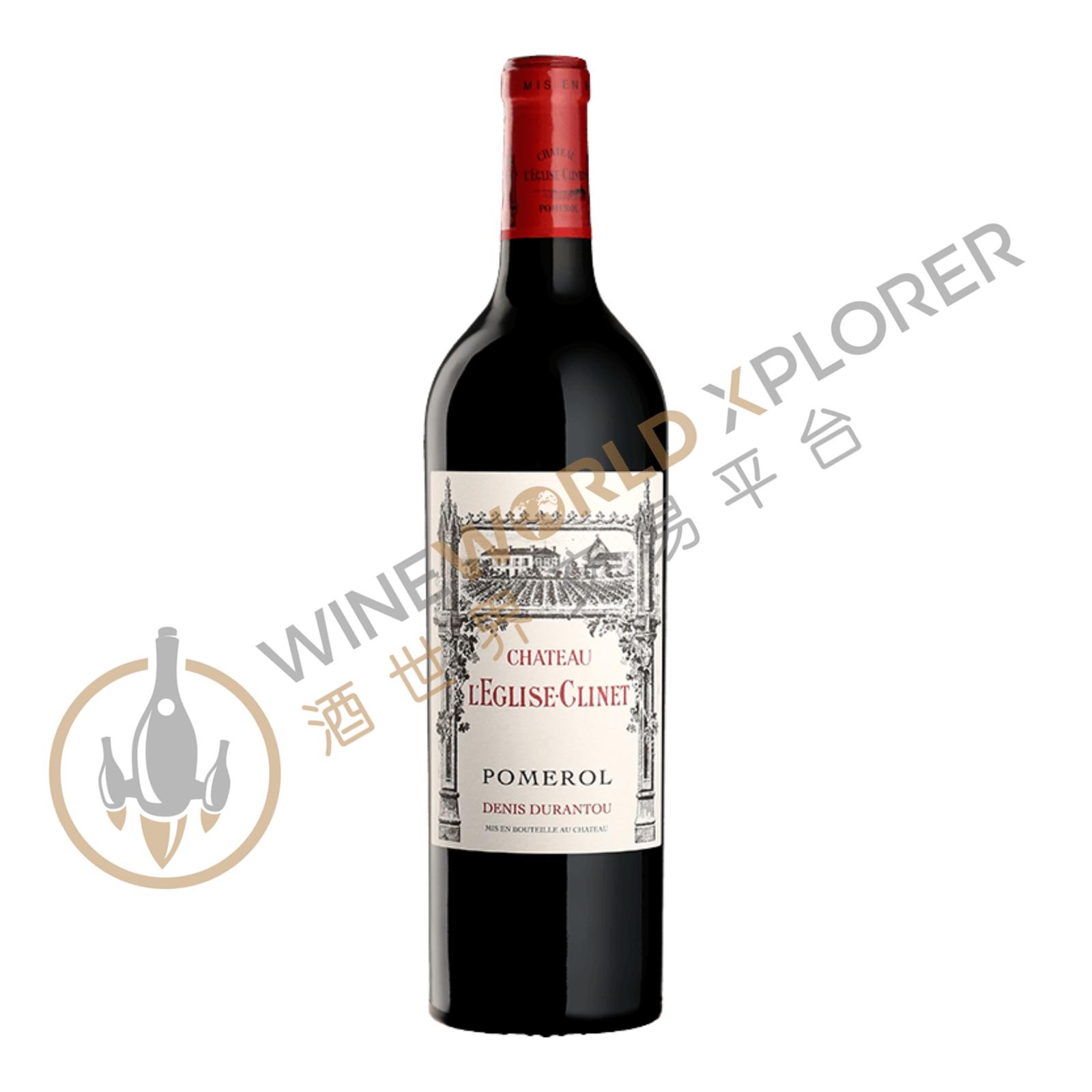
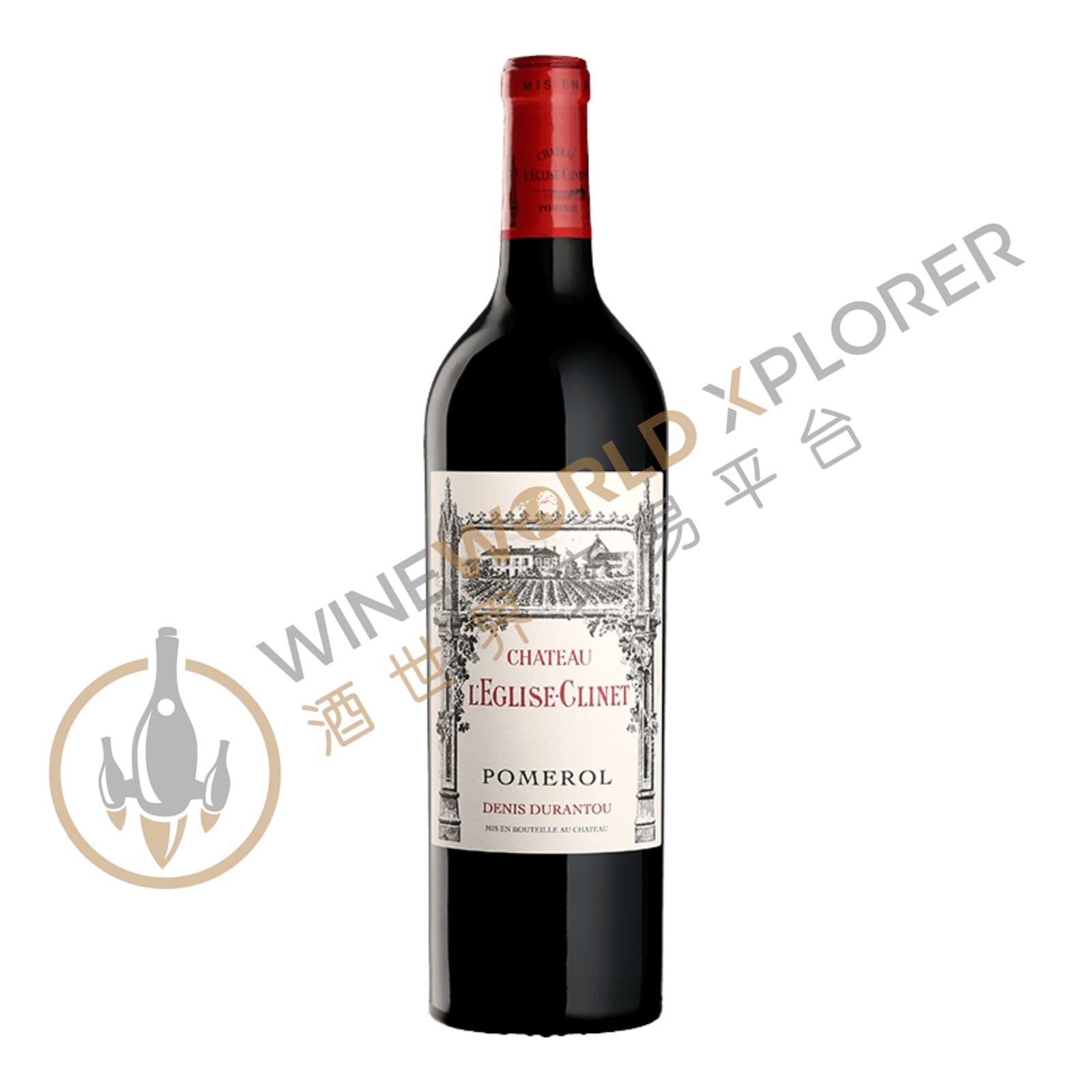
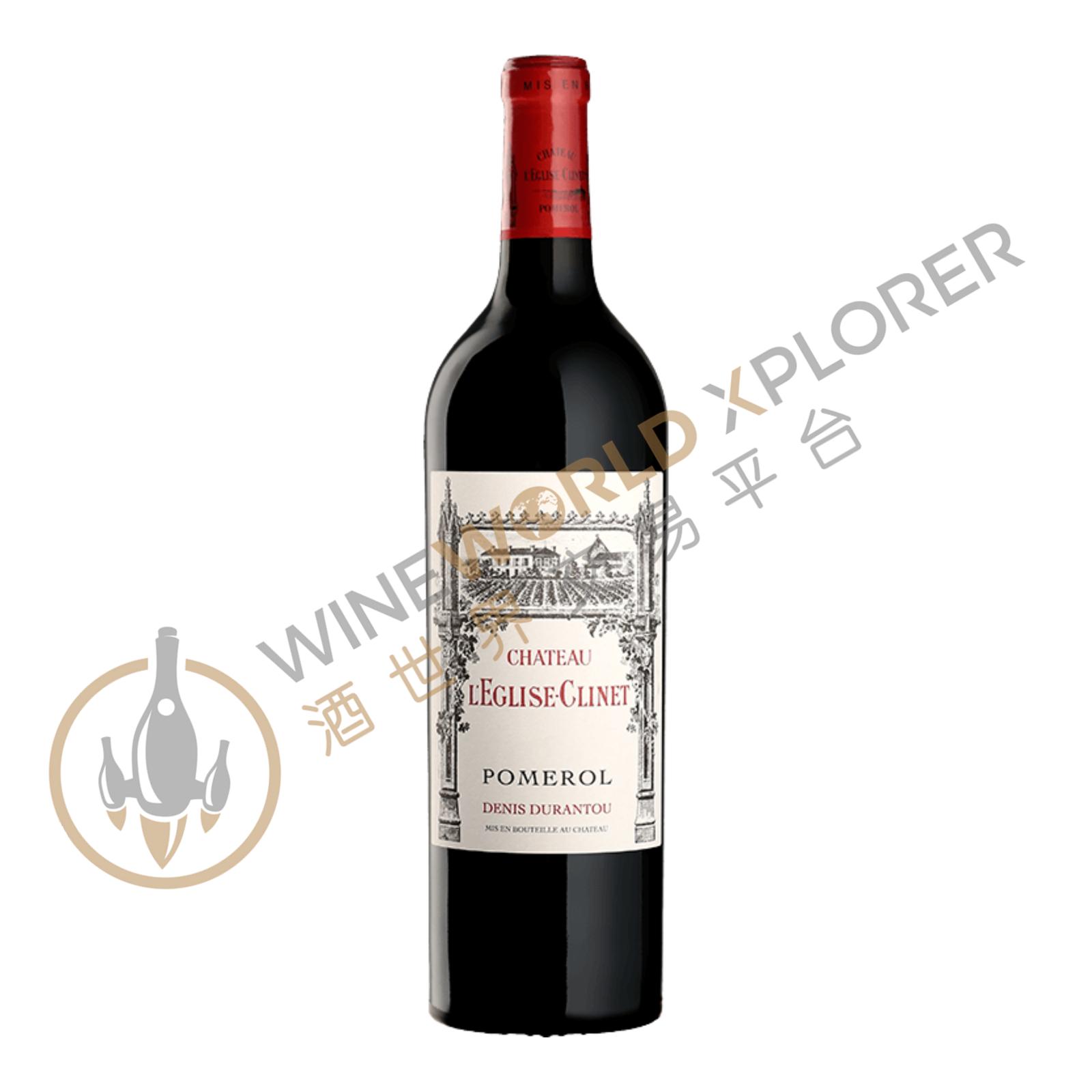
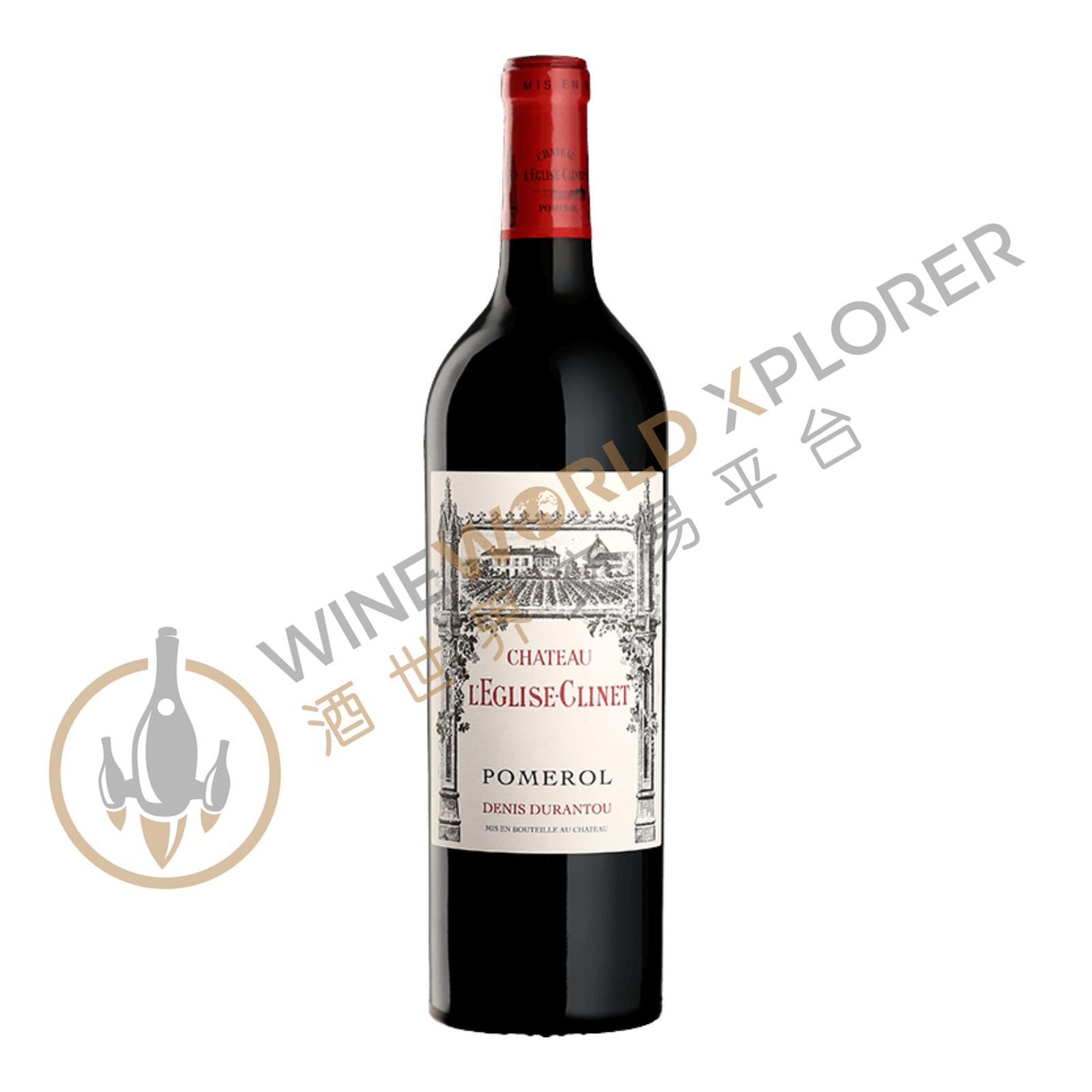
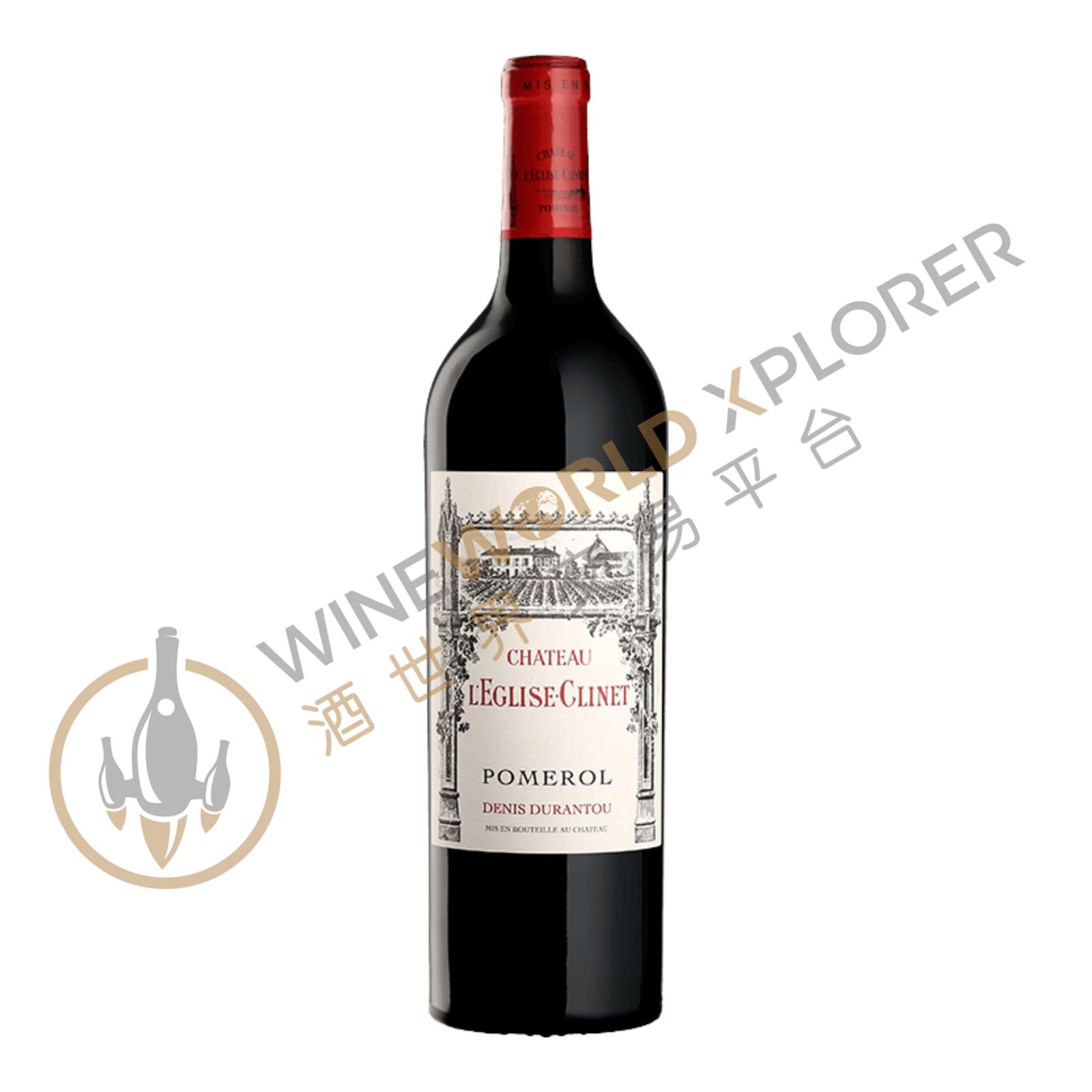
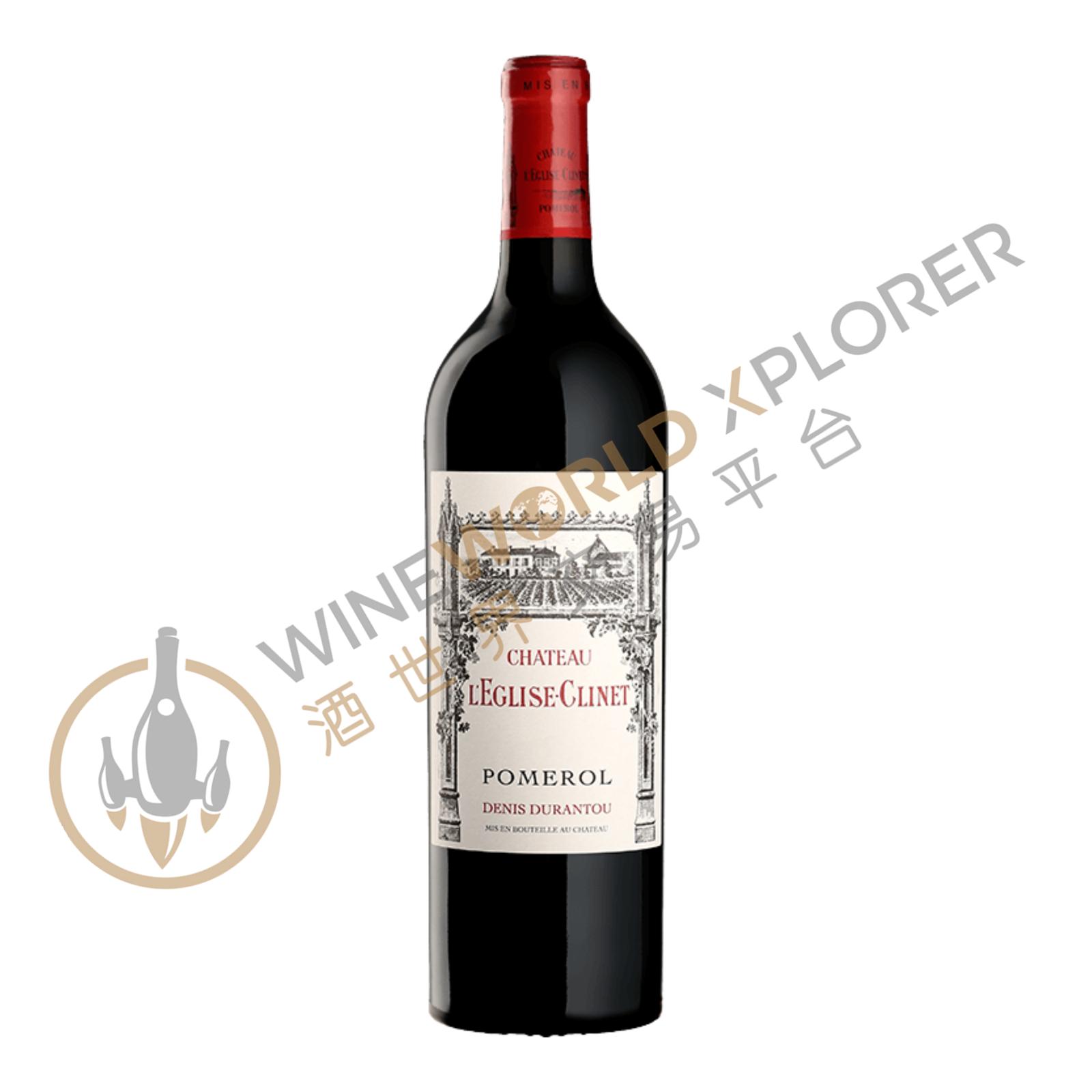
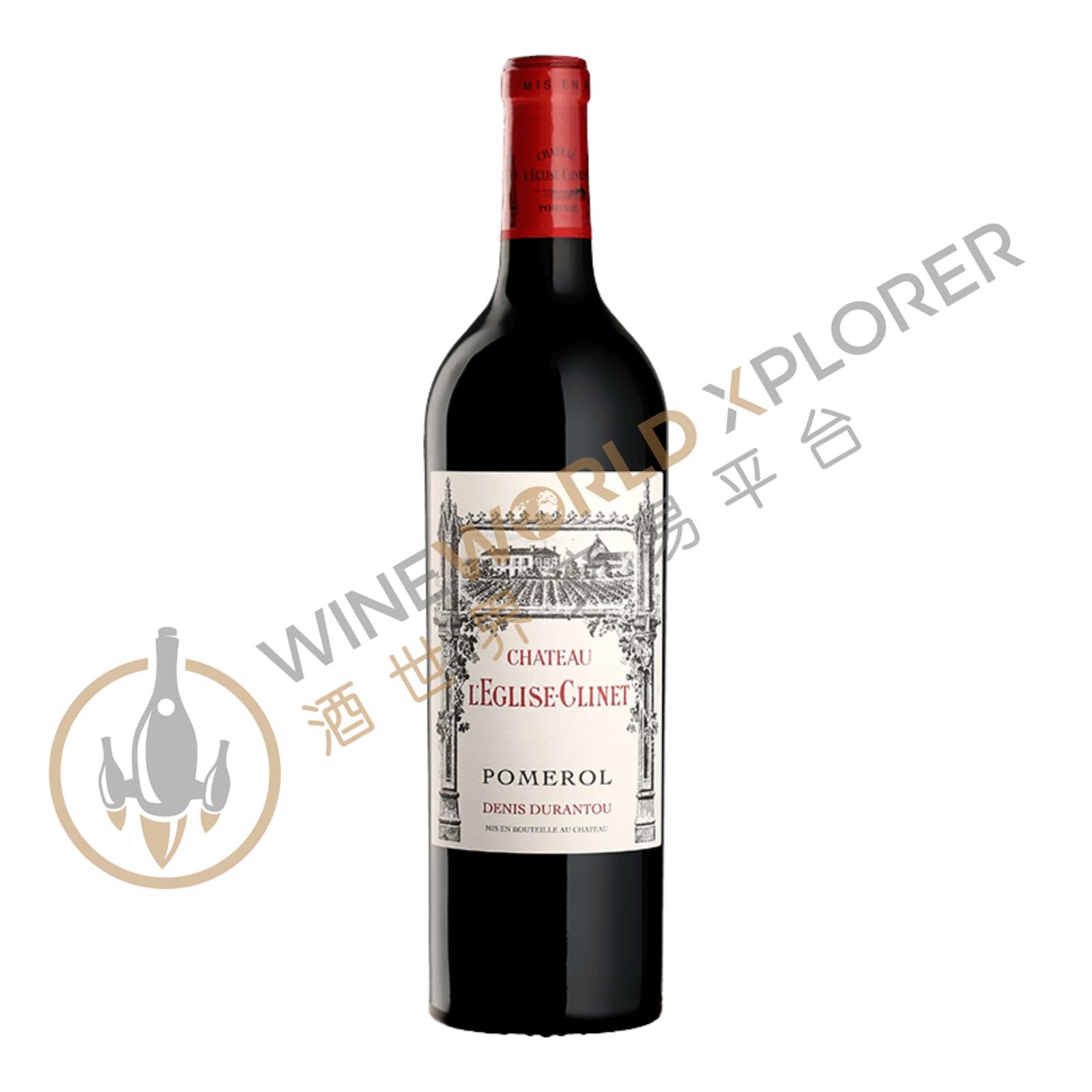
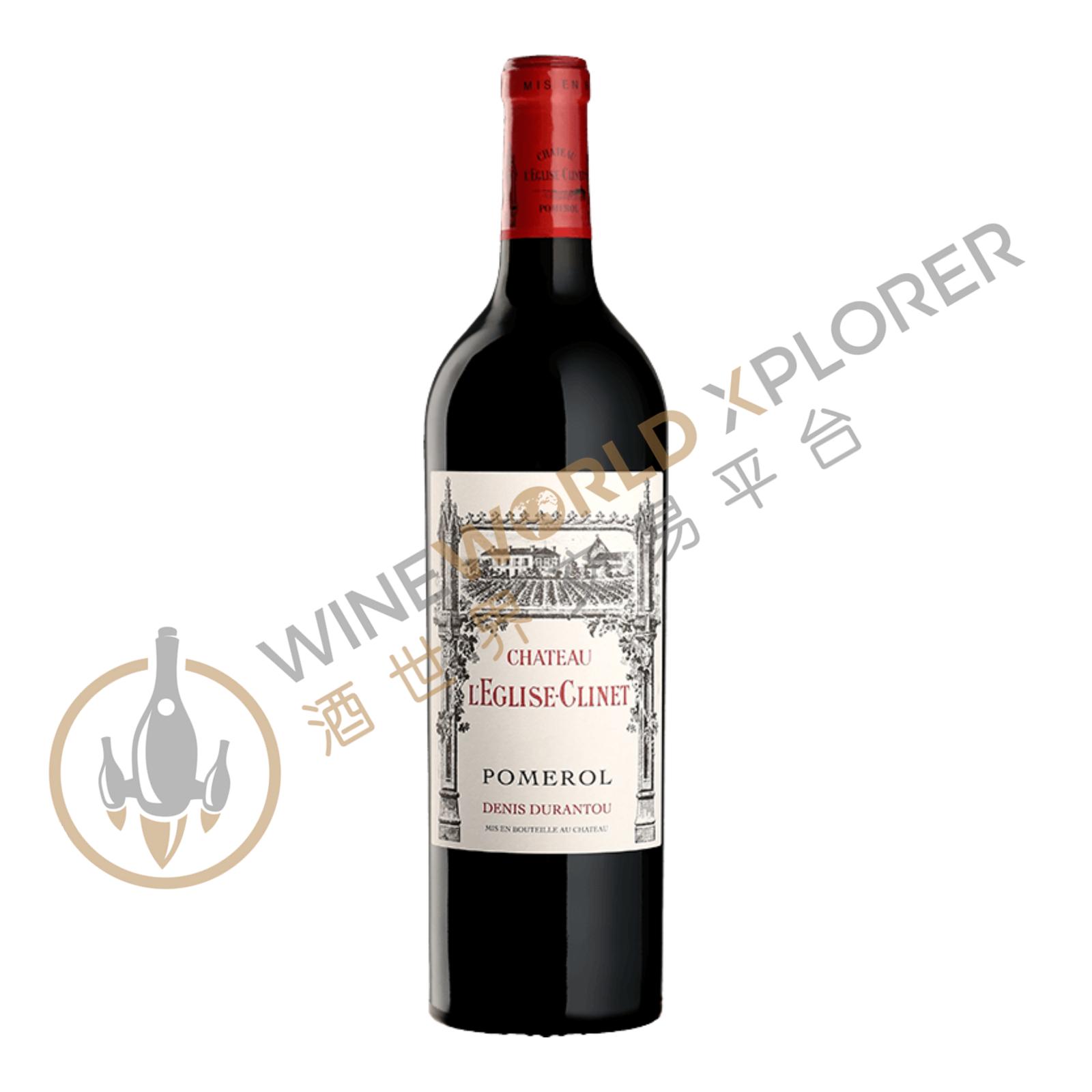
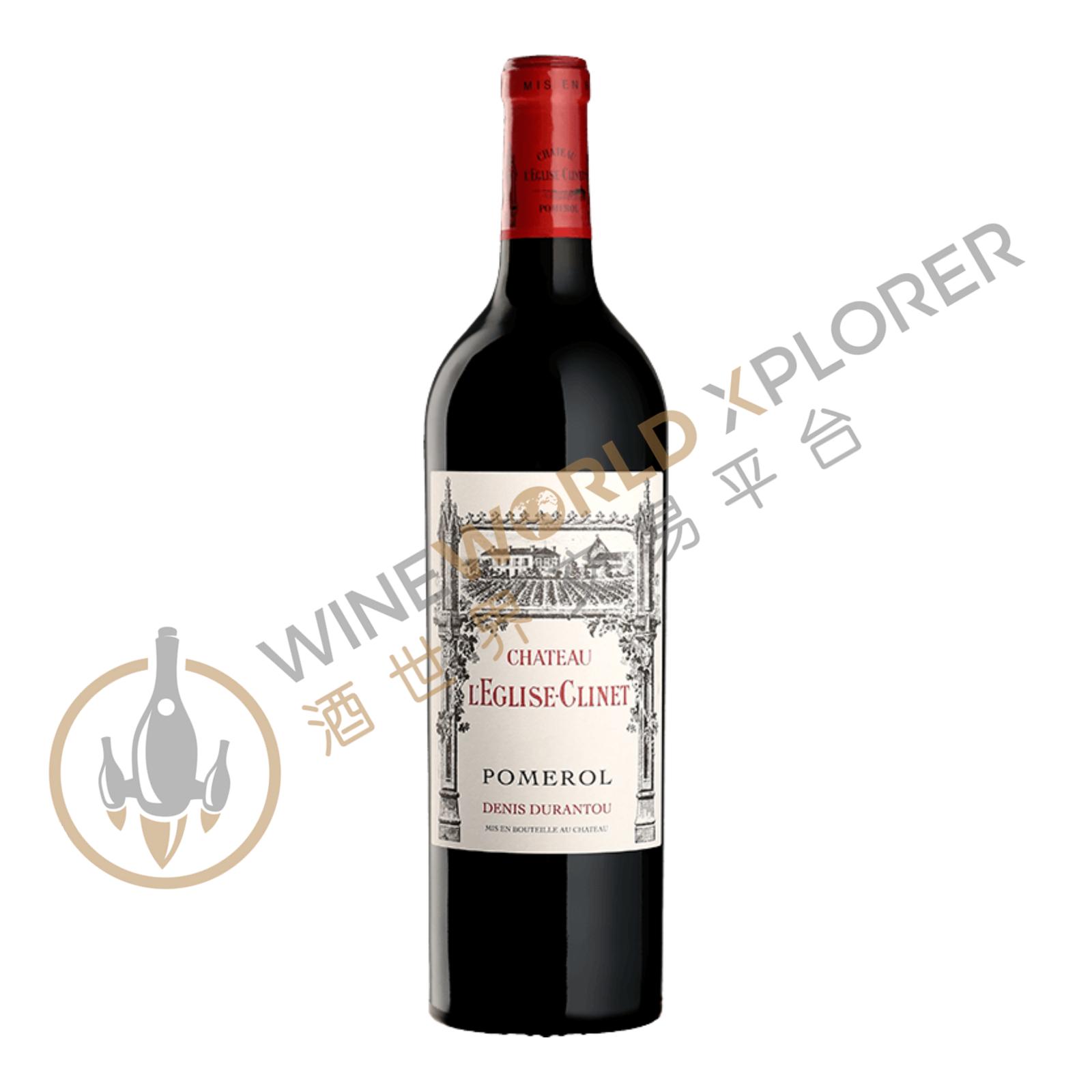
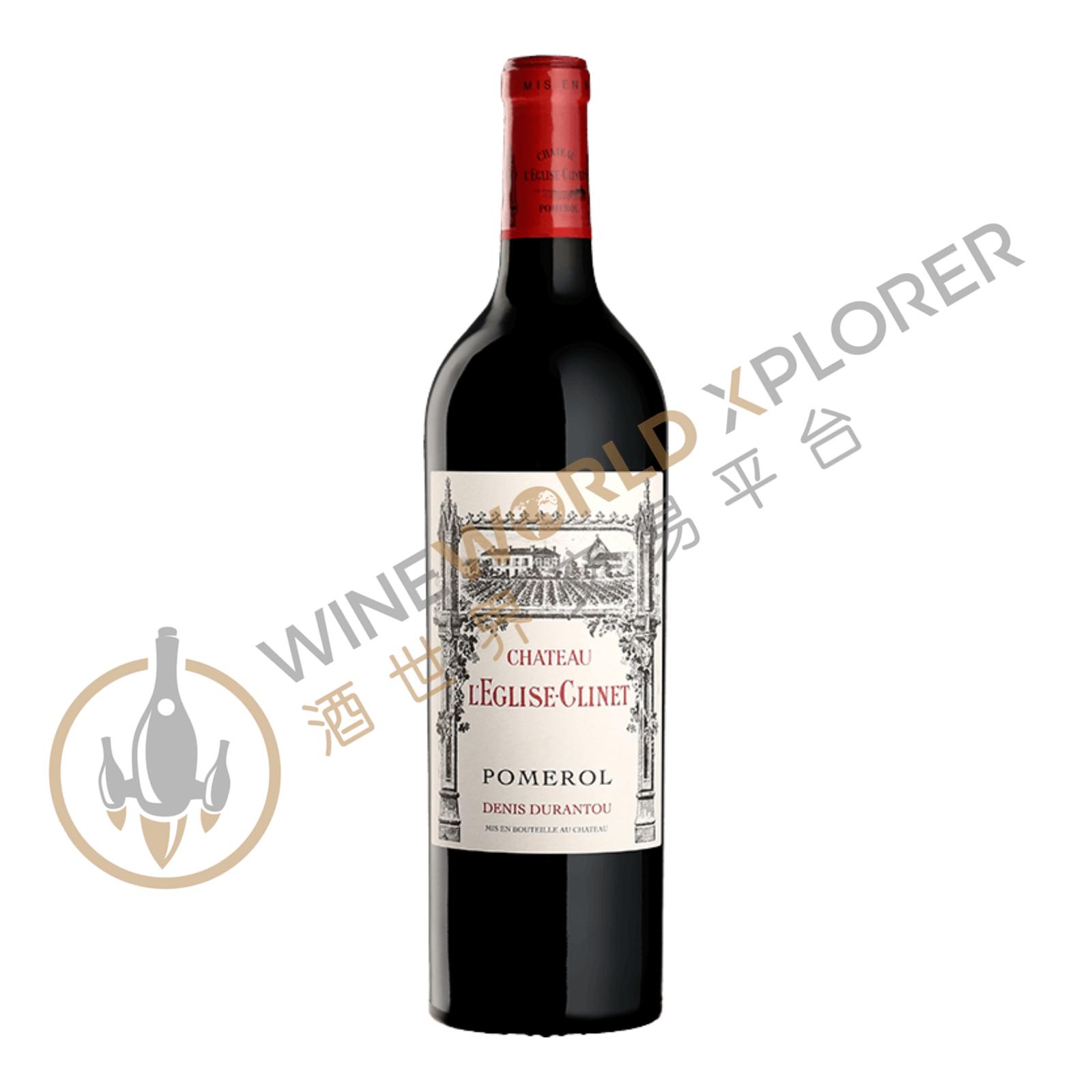
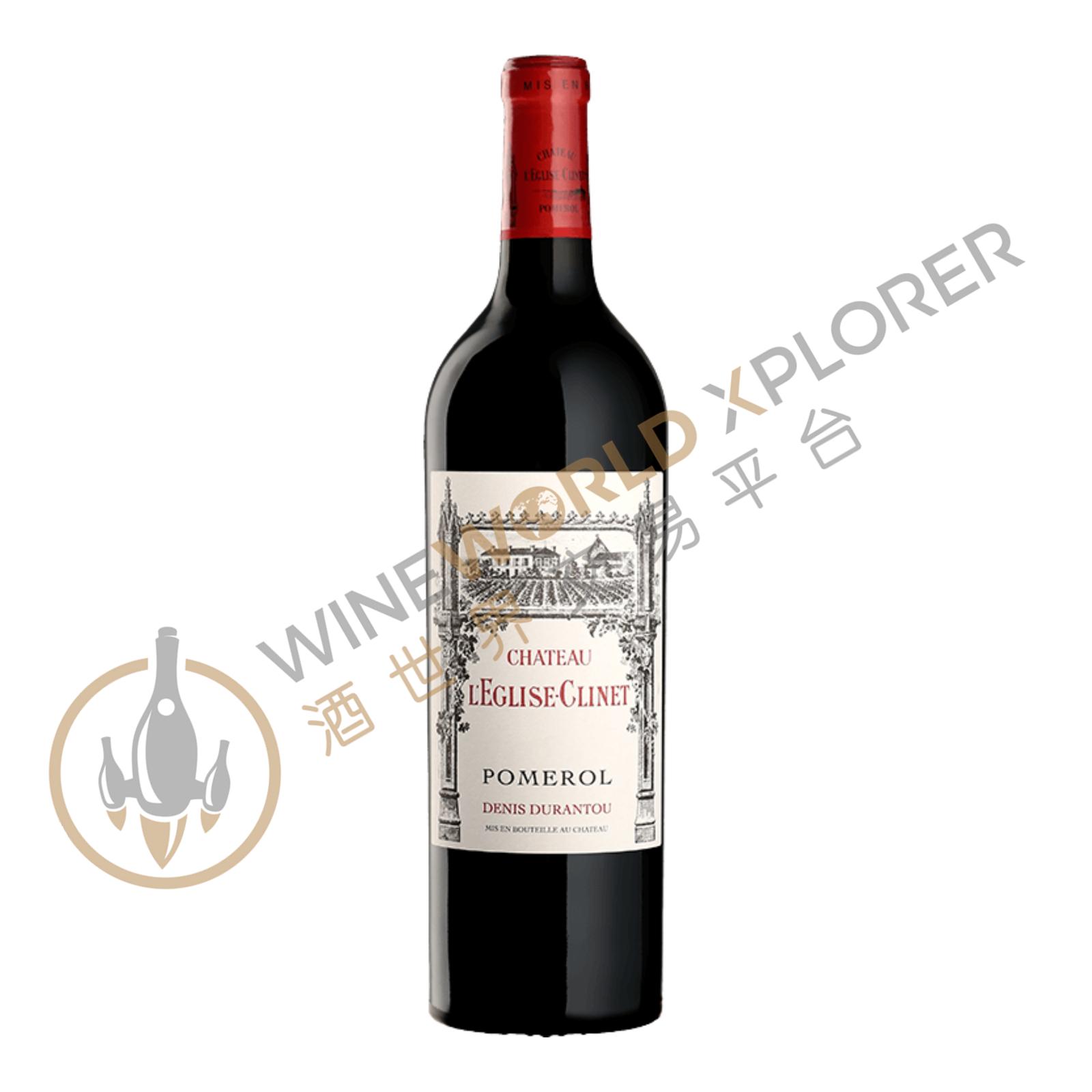
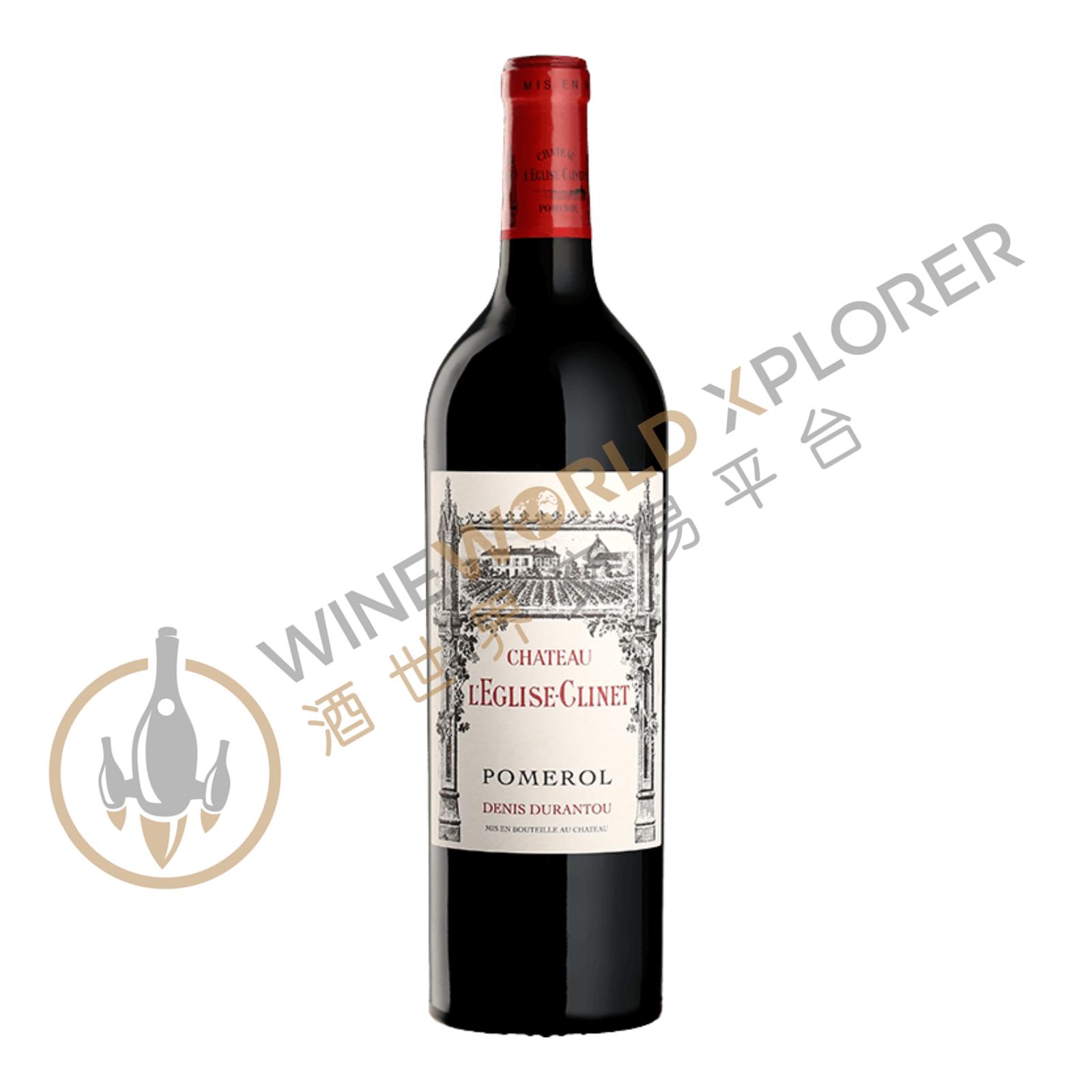
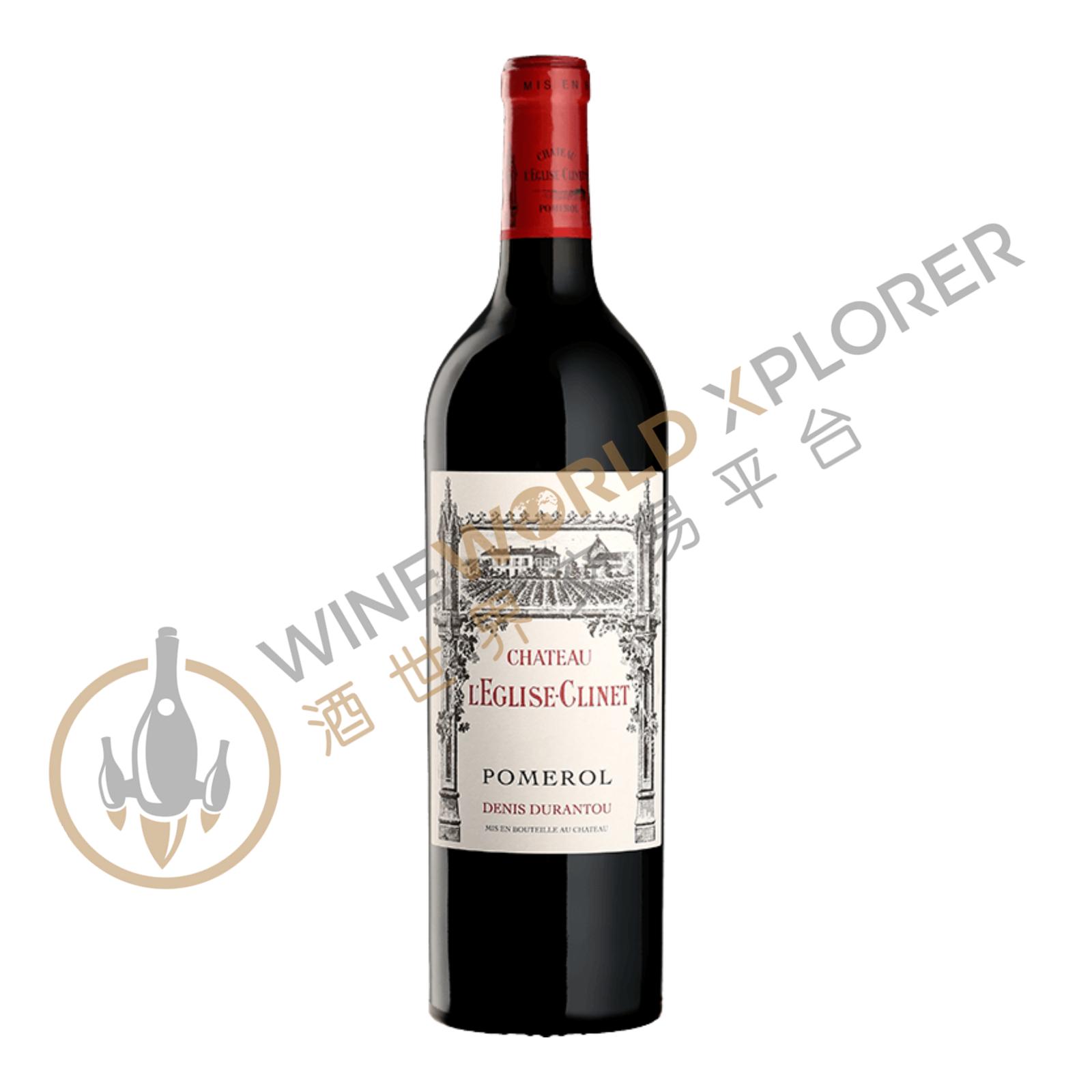
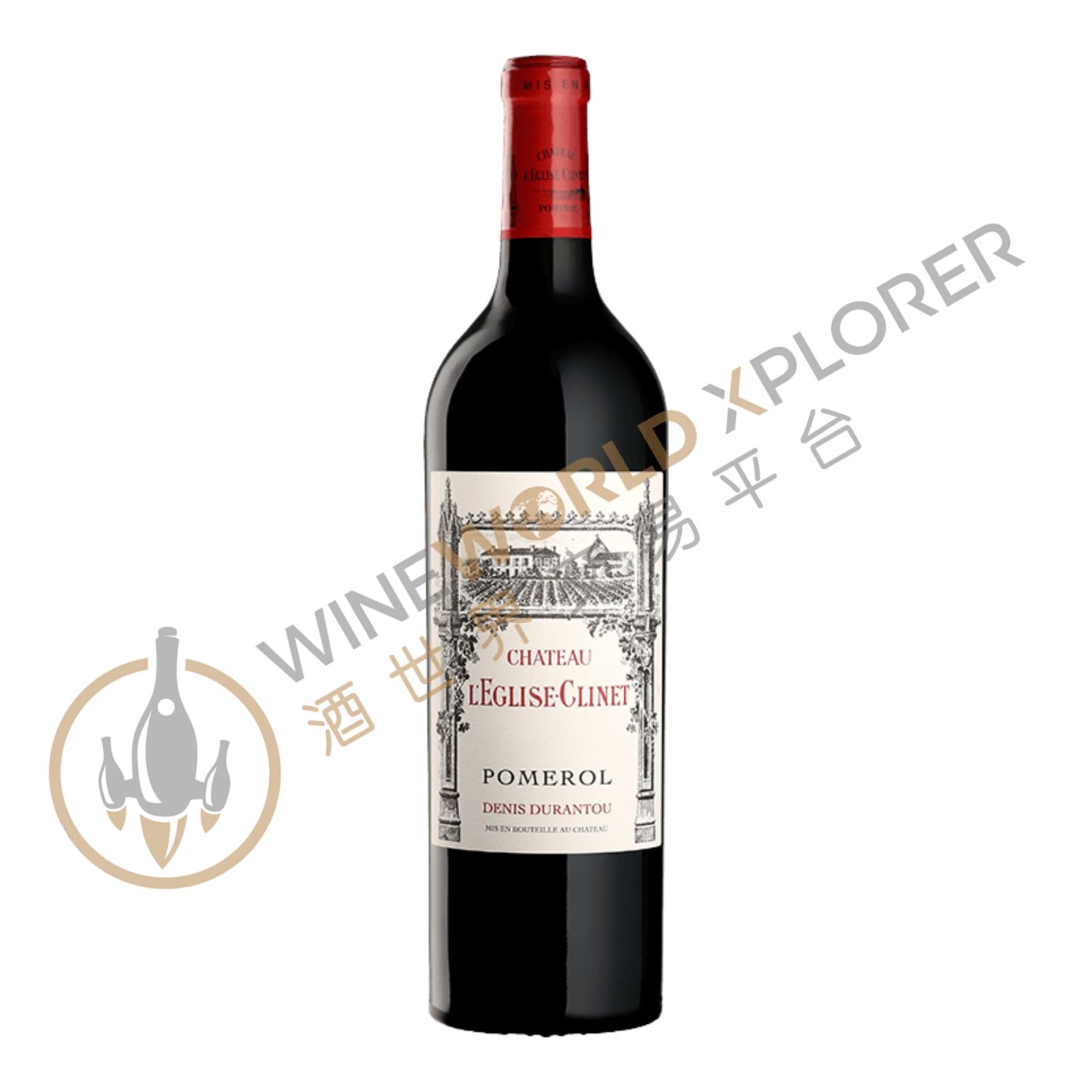
L'Eglise Clinet 2000
 View analysis


Description
Tasting notes

Reviewed by: Neal Martin
Tasted blind at Bordeaux Index’s 2000 tasting in London. This has an extravagant nose, lots of toasty new oak but it has melded well with the opulent red-berried fruit, with scents of spice, cloves, redcurrant, a touch of kirsch and vanilla pod. The palate is medium-bodied with firm tannins, very good weight, some lovely ripe Cabernet Franc lending this Pomerol a stern backbone. This is adorned with a sensuous texture: grippy and demanding attention. This is a powerful and burly wine with subtle hints of black pepper and cigar box on the long, long aftertaste. Wow, this has outstanding persistency. Excellent. Drink 2015-2040. Tasted March 2010.
Reviewed by: Robert M. Parker, Jr.
The saturated ruby/purple color offers up pure fruit notes of mulberries, figs, and cassis intermixed with hints of licorice and toasty oak. Revealing great palate presence, tremendous texture, sweet tannin, relatively low acidity, and a finish that exceeds 60 seconds, I assume this wine will close down, not to reopen for nearly a decade. This is a profound example from a proprietor who has never subscribed to the new, progressive/razzle-dazzle techniques being employed by some of the cutting edge producers. Here it is low yields, ripe fruit, and non-interventionalistic winemaking at its purest. Truly spectacular, this could be another of the great classics proprietor Durantou has produced over recent years. For now, it is hard to believe it could rival or eclipse the fabulous 1998 or, for that matter, the 1995, but the 2000 has gone from strength to strength in its evolution. From bottle, it is dazzling. Anticipated maturity: 2010-2035+.
Reviewed by: Neal Martin
Tasted single blind at FINE magazine’s vertical in Dusseldorf. This is relatively broody compared to other vintages: dark fruits, blackberry, a touch of potter’s wheel and cedar. Well defined although not a powerful nose. The palate is medium-bodied with slightly hard tannins, good weight though, real backbone here with a hint of vanilla pod towards the powerful minerally, briary finish. Exquisite poise, ambitious yet remaining composed, but ferociously backward at the moment. Tasted February 2011.
Reviewed by: Neal Martin
This millennial L’Eglise-Clinet has a show-stopping nose in terms of its purity and definition. Blackberry, raspberry, a touch of bay leaf developing, hints of dark plum and honey. Wonderful bouquet. The palate is full-bodied with firm tannins, amazing depth and vibrancy, juxtaposed against the ’98, this could actually turn out to be the better wine. Grippy tannins, lovely focus with savoury flavours beginning to show towards the finish. Again, that note of bay leaf, mulberry, game and spice. Superb length. Awesome. Drink 2015-2030+ Tasted May 2009.
Reviewed by: Robert M. Parker, Jr.
Evolving beautifully, the 2000 has put on considerable weight, but has not yet shed its ferocious tannin. It possesses an opaque black/purple color, monster length and size, as well as hard tannin. Full-bodied and super-concentrated, with pure black raspberry and currant fruit mixed with licorice, new wood, and truffle characteristics, this Goliath will require considerable patience. Anticipated maturity: 2012-2050+.
Reviewed by: Neal Martin
An irresistible plump, plummy nose, which is "softer" than L'Evangile but more intense. Multi- layered with lots of vanillary oak. The palate is very complex with superb acidity. Well-knit tannins, a firm structure with boatloads of sweet black minerally fruit. Very concentrated and tannic on the finish. One of the best ever though not quite as profound as the 1998. Then in June 2005. A brilliant 2000. Just a gorgeous, understated nose that yells "terroir". Very minerally with a touch of black espresso. Broody, but with great definition. A very dense palate with great acidity. An adorable grainy texture. Tannic, masculine. Moderate acidity. This will need at least two decades to come round.
Reviewed by: Robert M. Parker, Jr.
A stunning wine with extraordinary concentration, but still somewhat backward, this 2000 needs much more time than I projected seven years ago. It boasts an inky/dark purple color along with an intense nose of kirsch, blackberries, licorice, caramel, and flowers. Full-bodied with abundant tannin as well as a multidimensional, thick texture, this unevolved Pomerol has not changed much since its 2003 release. Gorgeous purity and a natural mouthfeel make for a dazzling wine that will benefit from another 5-10 years of cellaring, and last for three decades thereafter. It is a legendary effort!
Reviewed by: Robert M. Parker, Jr.
The meticulous proprietor, Denis Durantou, has fashioned a deep ruby/purple-colored Pomerol with pure black raspberry and cherry aromas and flavors, medium to full body, sweet but noticeable tannin, and good acidity. It is impeccably made, well-balanced, and impressive. Anticipated maturity: 2007-2022.
Reviewed by: Neal Martin
The Château l'Eglise-Clinet 2000 was the only vintage that Denis Durantou did not fine before bottling. It is blessed with a brilliant nose that possesses the intensity of the 1998, but I find this more focused and delineated. It has a level of purity that one can only describe as profound, scents of black cherry, cassis, cedar and black truffle unfolding with each passing moment in the glass. The palate has exquisite balance with salinity that gets the saliva flowing. There is a seam of spiciness, black pepper and rosemary that coat the mouth, but the overall style at the moment is linear and focused. The precision on the finish is enthralling, completing a fabulous l'Eglise-Clinet that rivets your feet to the spot (and maybe your palate, too?). Tasted March 2015.
Reviewed by: Neal Martin
The 2000 l’Eglise-Clinet was picked from 18 September and matured in 80% new oak. This has a magnificent bouquet with black fruit infused with bay leaf, smoke, freshly rolled tobacco and a touch of spice. The palate is medium-bodied with fine tannin, quite firm in the mouth with blackberry, clove, allspice and white pepper. This has always been a very complex millennial Pomerol with a very grippy, quite masculine finish and therefore decanting is advised. Denis Durantou informed that this was the only vintage neither fined nor filtered. Tasted at the l’Eglise-Clinet vertical at the château in April 2018.
Reviewed by: Stephen Tanzer
Full ruby-red. Sweet, superripe aromas of dark fruits, game, chocolate and beefsteak tomato. Offers a near-exotic sweetness in the mouth, which is accentuated by mocha and woodsmoke notes, yet manages to maintain its balance thanks to a healthy pH of 3.7 and huge but thoroughly ripe tannins (the IPT was 86!). This has the creamy intensity brought by small berries. Since 1997, Durantou has been using only natural manure as fertilizer, and the result has been somewhat lower pH levels, which have given his wine more energy.
Reviewed by: Stephen Tanzer
Full medium ruby. Explosive aromas of roasted black fruits, coffee and minerals. Sweet, fat and powerful, with an almost confectionery quality. Still a bit youthfully grapey despite its great ripeness. Almost too rich (the alcohol is 14%), but this will be a popular style. Finishes long and strong, with considerable oak tannins.
Reviewed by: Stephen Tanzer
Deep, bright ruby. Aromas of bitter cherry, licorice, bitter chocolate, violet, orange zest and prune. Very ripe and rather muscular, with concentrated, slightly exotic flavors of dark chocolate, violet and licorice. Finishes with excellent thrust and length, and substantial tannins.
About the Producer
Château l'Eglise-Clinet is located in the Pomerol appellation on the right bank of Bordeaux, France, and is one of the most famous wineries in the Pomerol region. Château Clinet Chapel has a long history, dating back to the late 19th century. The Rouchut family, who ran Chateau Clos l'Eglise at the time, and the Constant family, who ran Chateau Clinet, decided to make wine together. Until 1950, the Bordeaux wines produced by these two families were sold under the name Château Claregelis. It was only after 1950 that their wines were given their current name, Château Clignet. Later, the Durantou family acquired Château Clignet. However, the owner was not keen on wine at the time and left everything to Pierre Lasserre, the owner of another Pomerol estate. Pierre Lasserre only had to give him half of the estate's income each year. This partnership has continued for 40 years. Today, Denis Durantou, a descendant of the Durantou family, is in charge of the estate. At present, Château Clignet has 5.5 hectares of vineyards. The soils are mainly gravel and clay, some of which are rich in iron. The vineyards of Château Clignet were spared from the 1956 frosts and the vines are on average 45 years old. The vineyard is planted with 85% Merlot and 15% Cabernet Franc at a density of 6,500 vines per hectare. The vineyard is fertilised with an organic fertiliser mix every 5 years. The grapes are hand-picked when they are ripe at Château Clignet. After careful selection and crushing, the grapes are fermented in concrete and stainless steel containers for 15-21 days. After about October, the fermented wine is aged in new oak barrels for a period of 18 months. The main wine of Château Clinet is the Château l'Eglise-Clinet, Pomerol, France. The wines are concentrated and rich, full-bodied, with pure fruit and exotic spice notes, particularly fresh and wonderful, making them unique among Bordeaux wines. In recent years, as the price of the wine has soared, so has the quality. Today, it is in the top tier of Pomerol.
1961(1)1985(2)1989(1)1993(1)1994(1)1995(2)1997(2)1998(2)1999(1)
Package Size
12 x 75cl