Wine Advisor



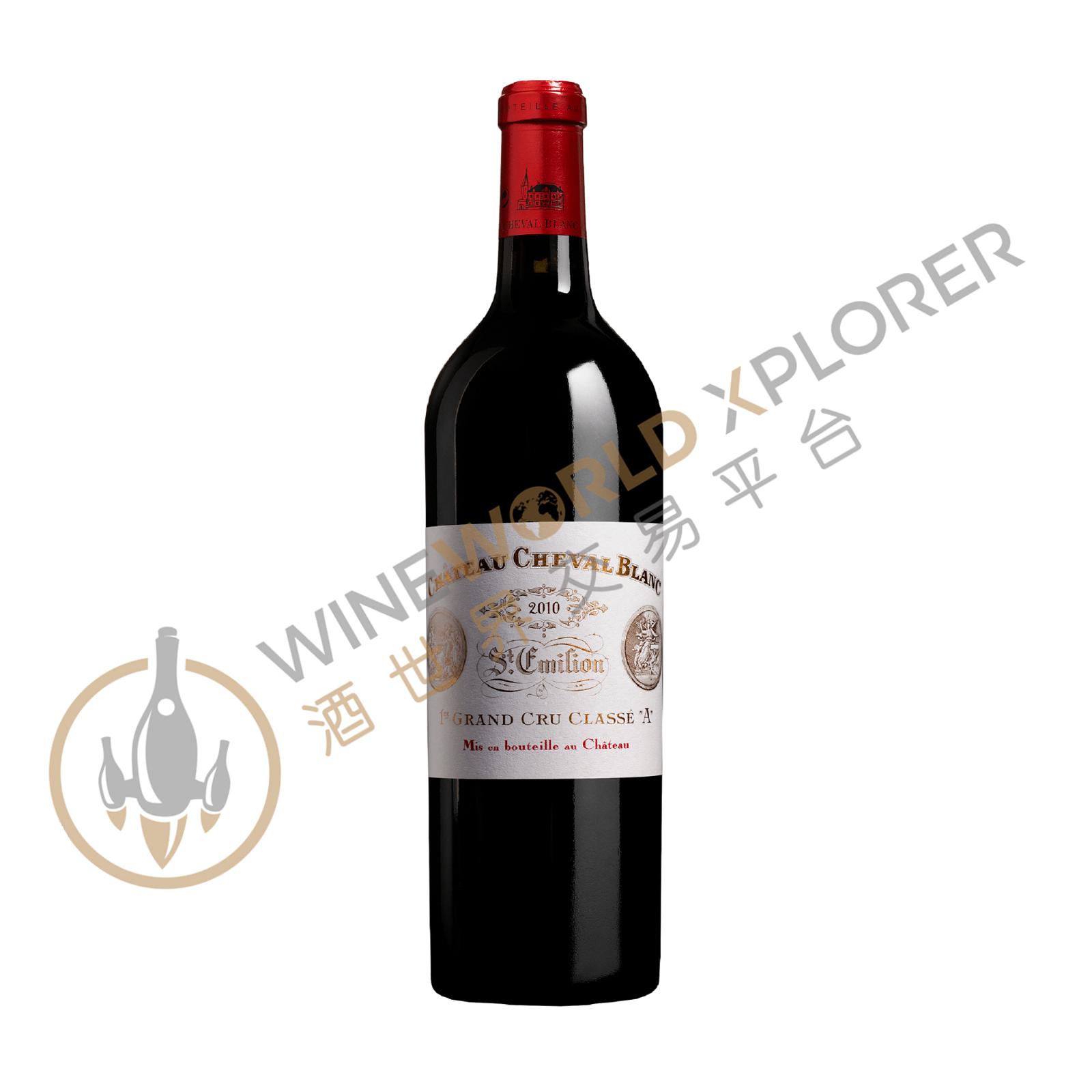
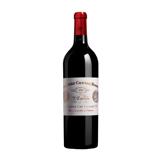
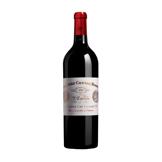
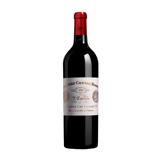
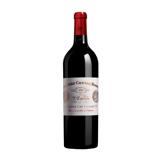
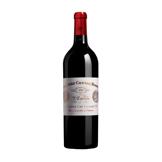
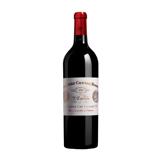
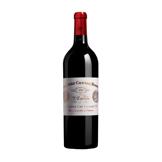
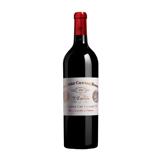
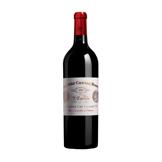
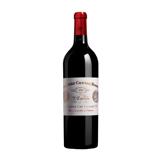
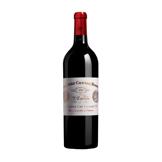
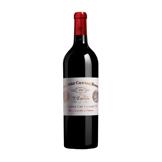
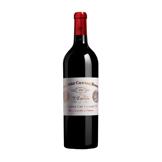
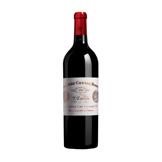
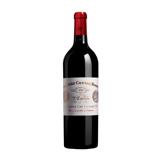
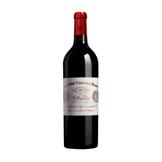
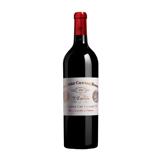
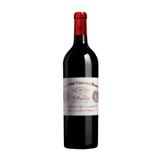
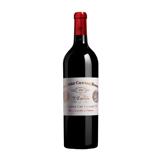
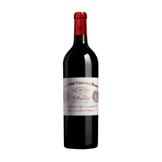
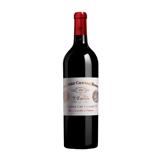
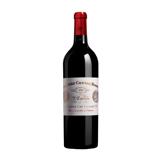
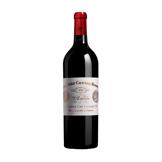
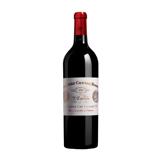
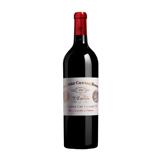
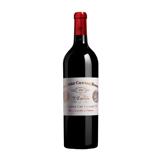
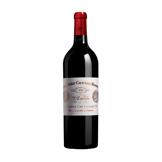
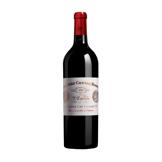
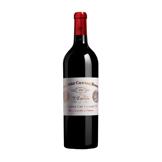
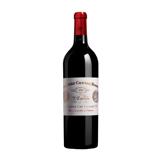
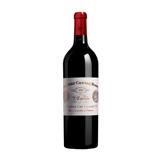
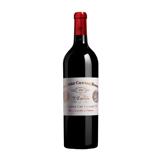
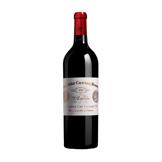
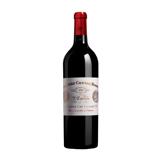
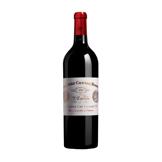
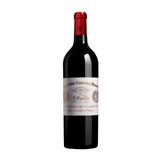
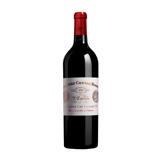
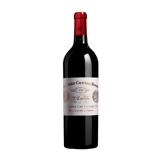
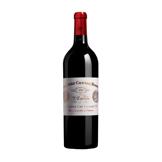
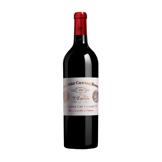
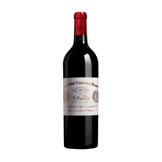
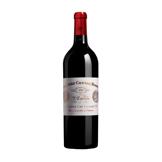
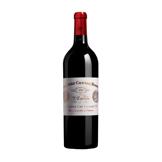
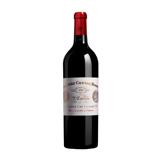
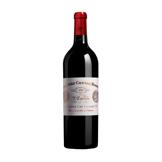
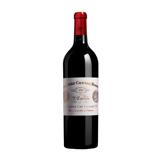
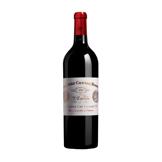
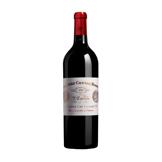
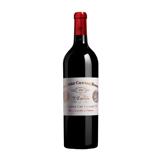
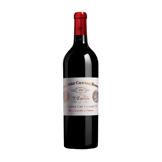
Cheval Blanc 2019
 View analysis


Description
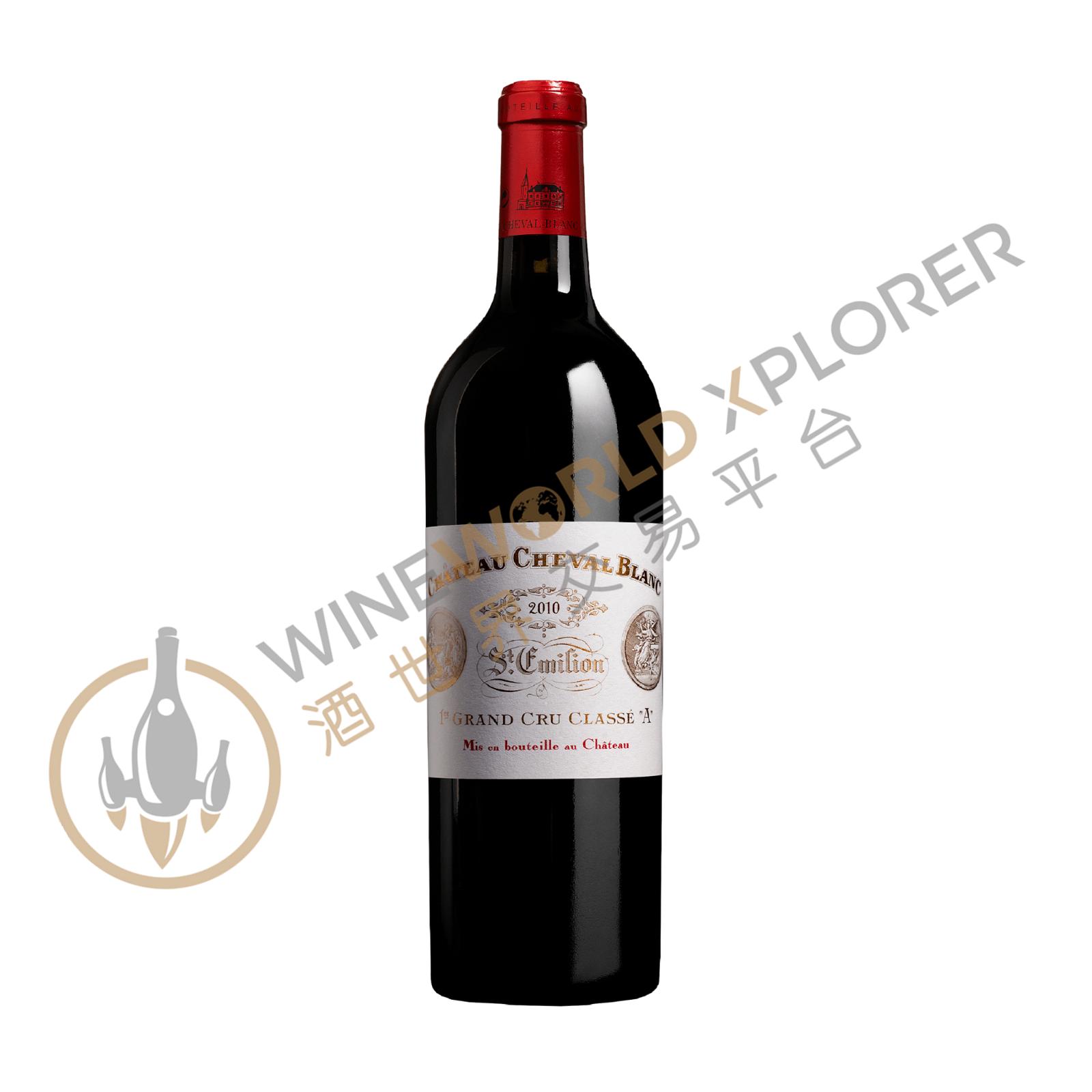
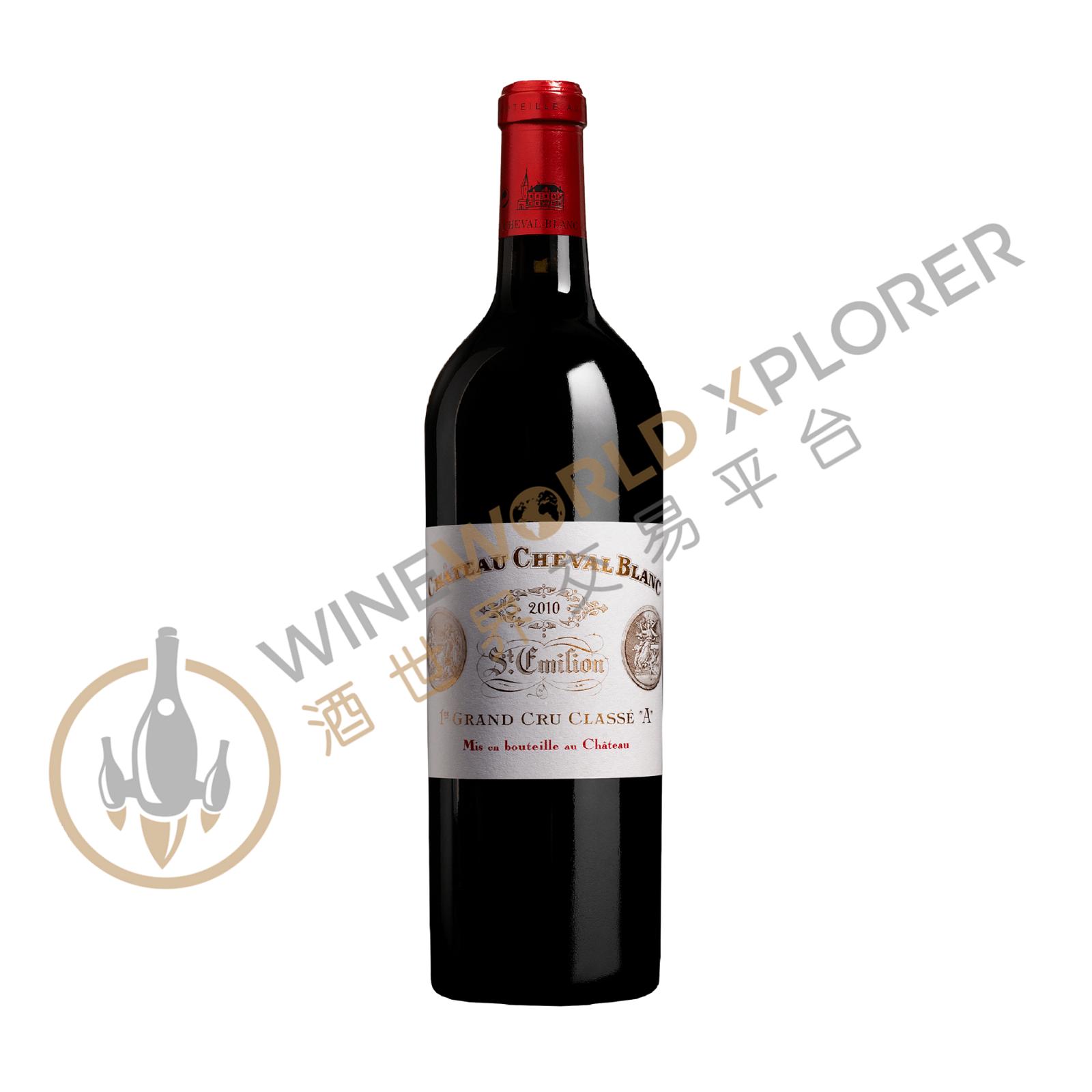
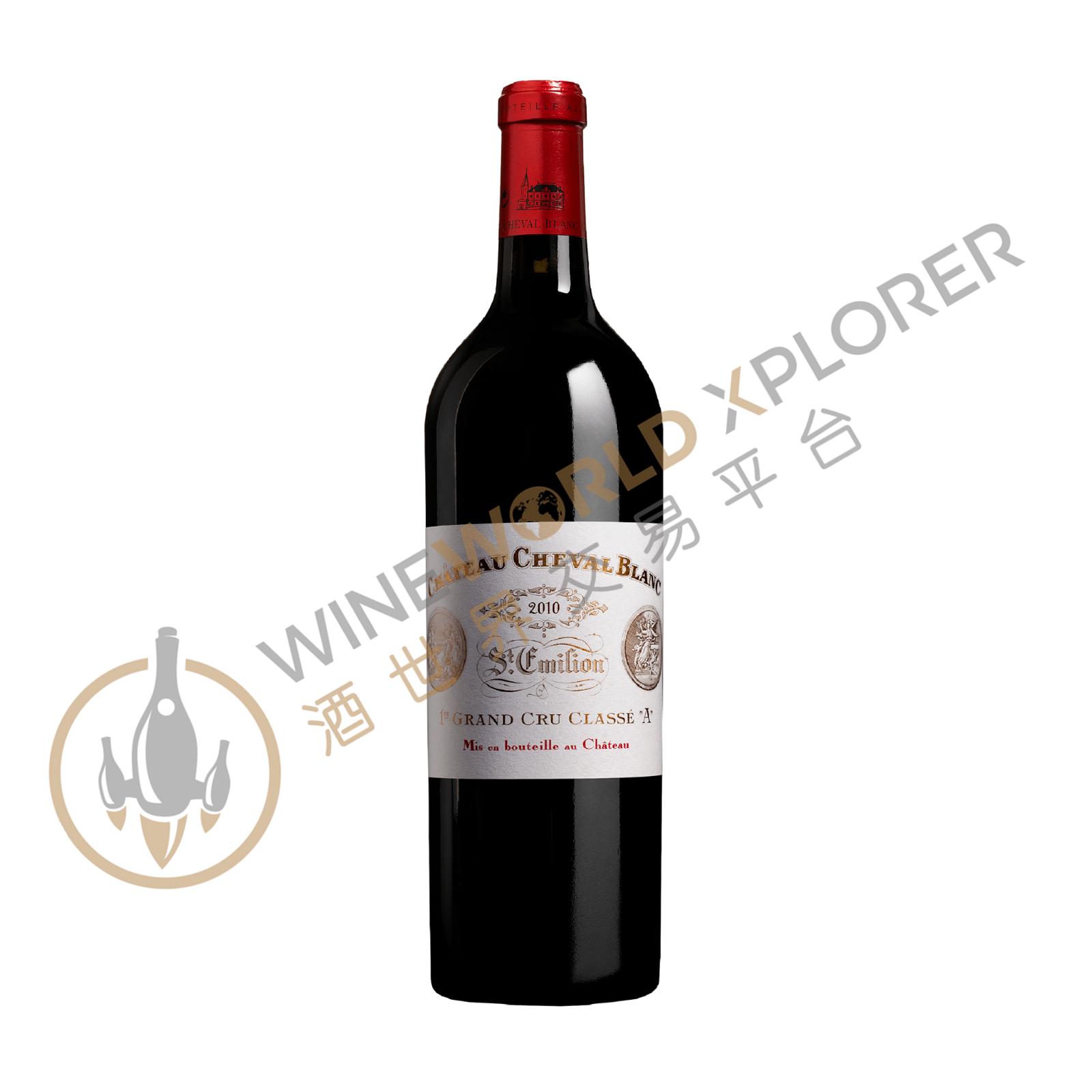
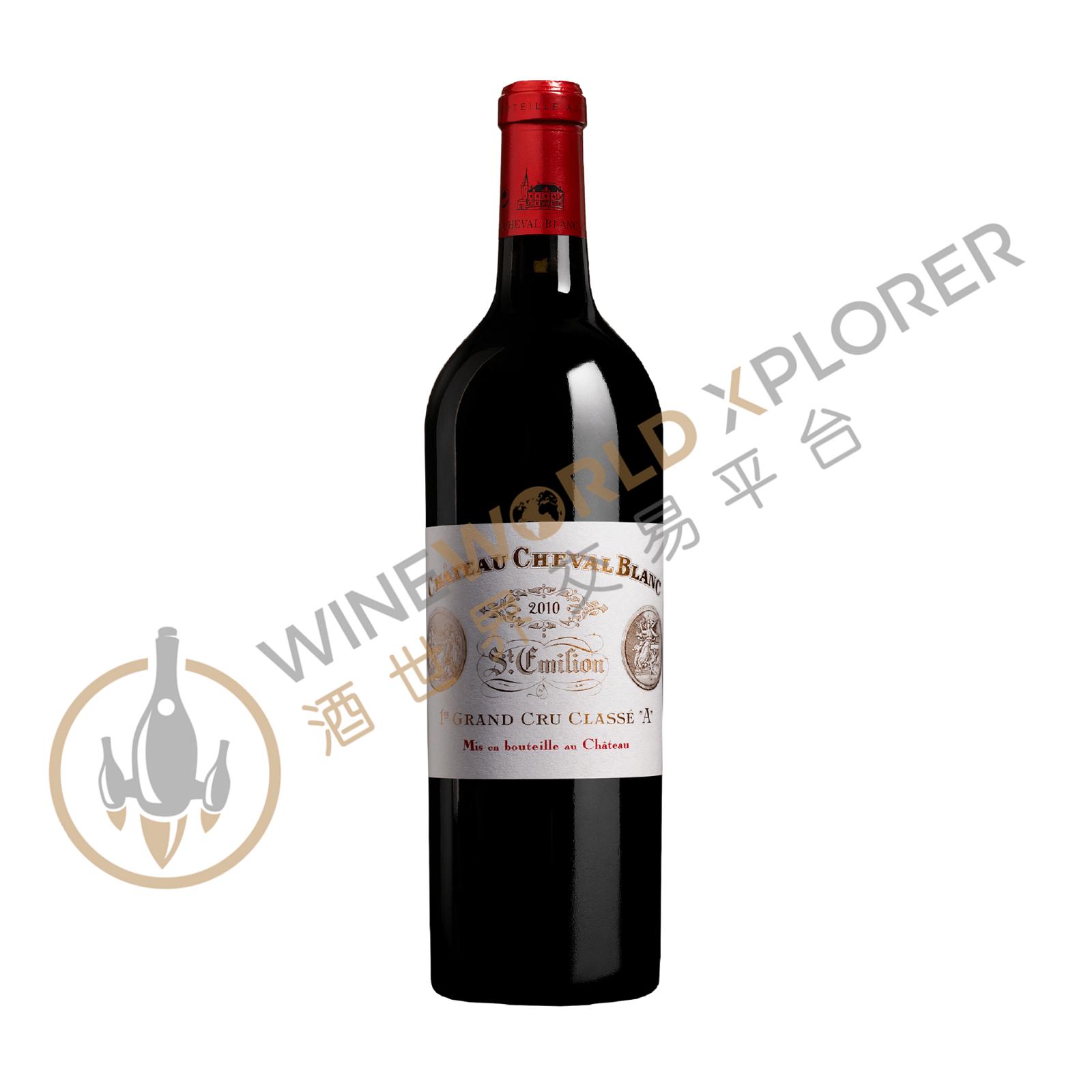
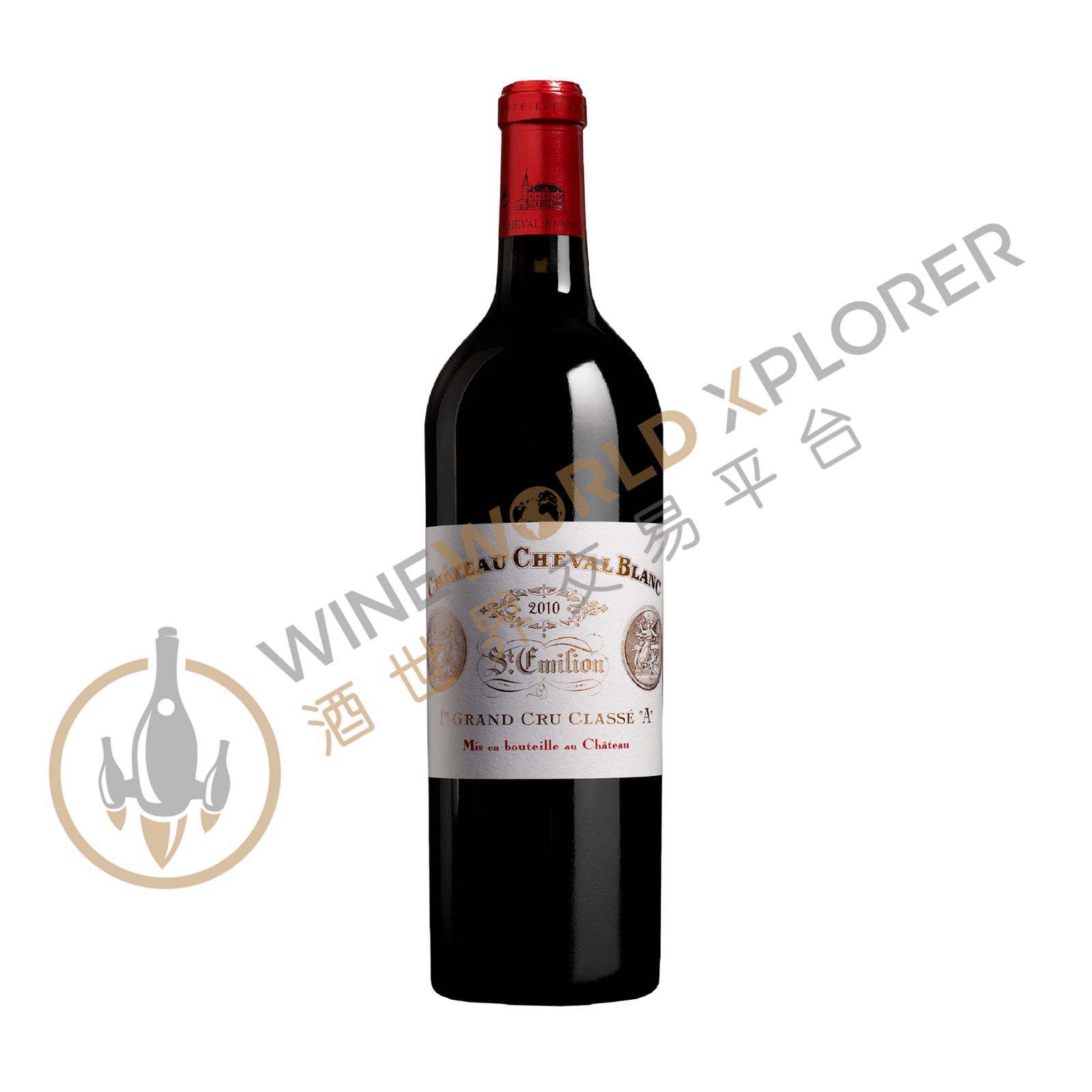
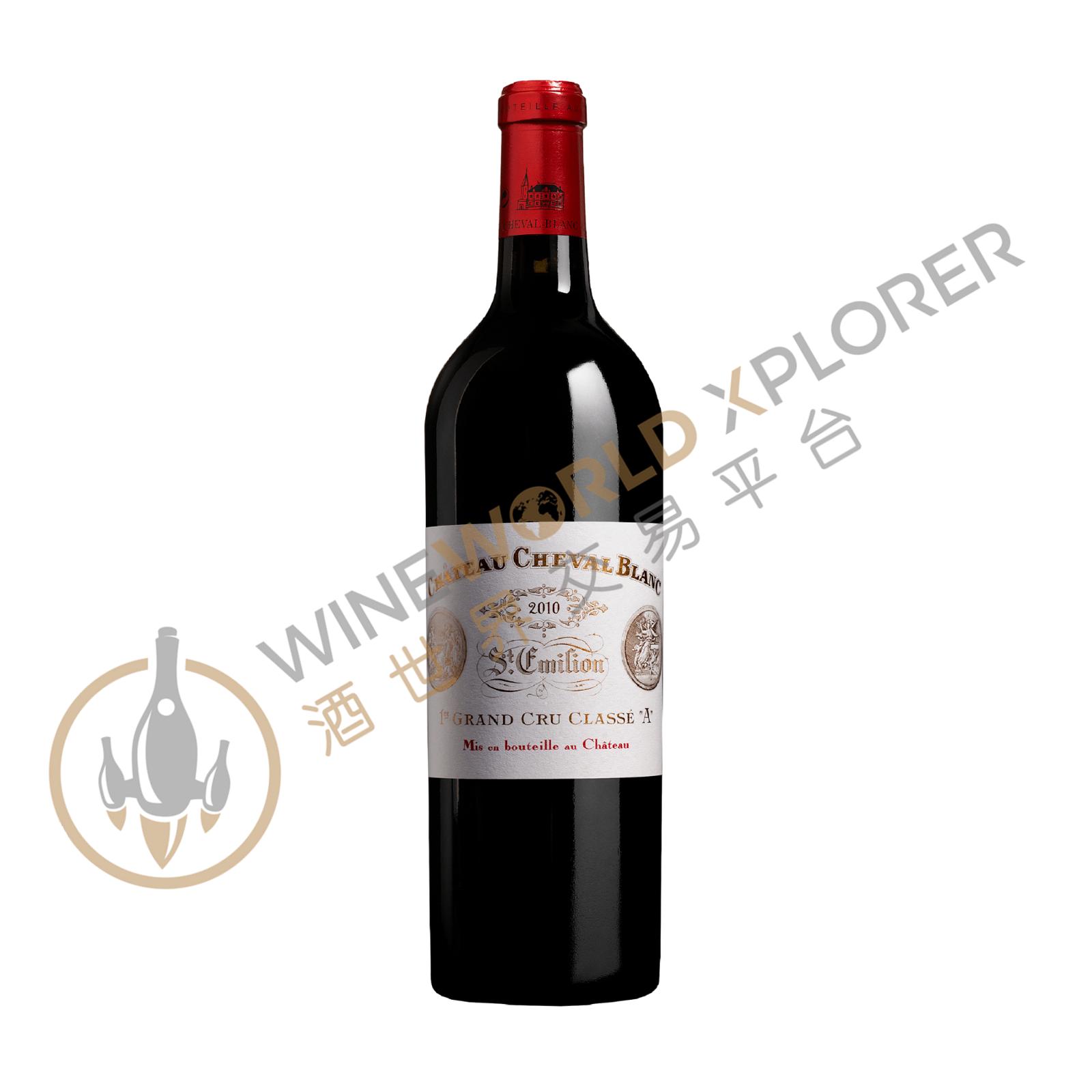
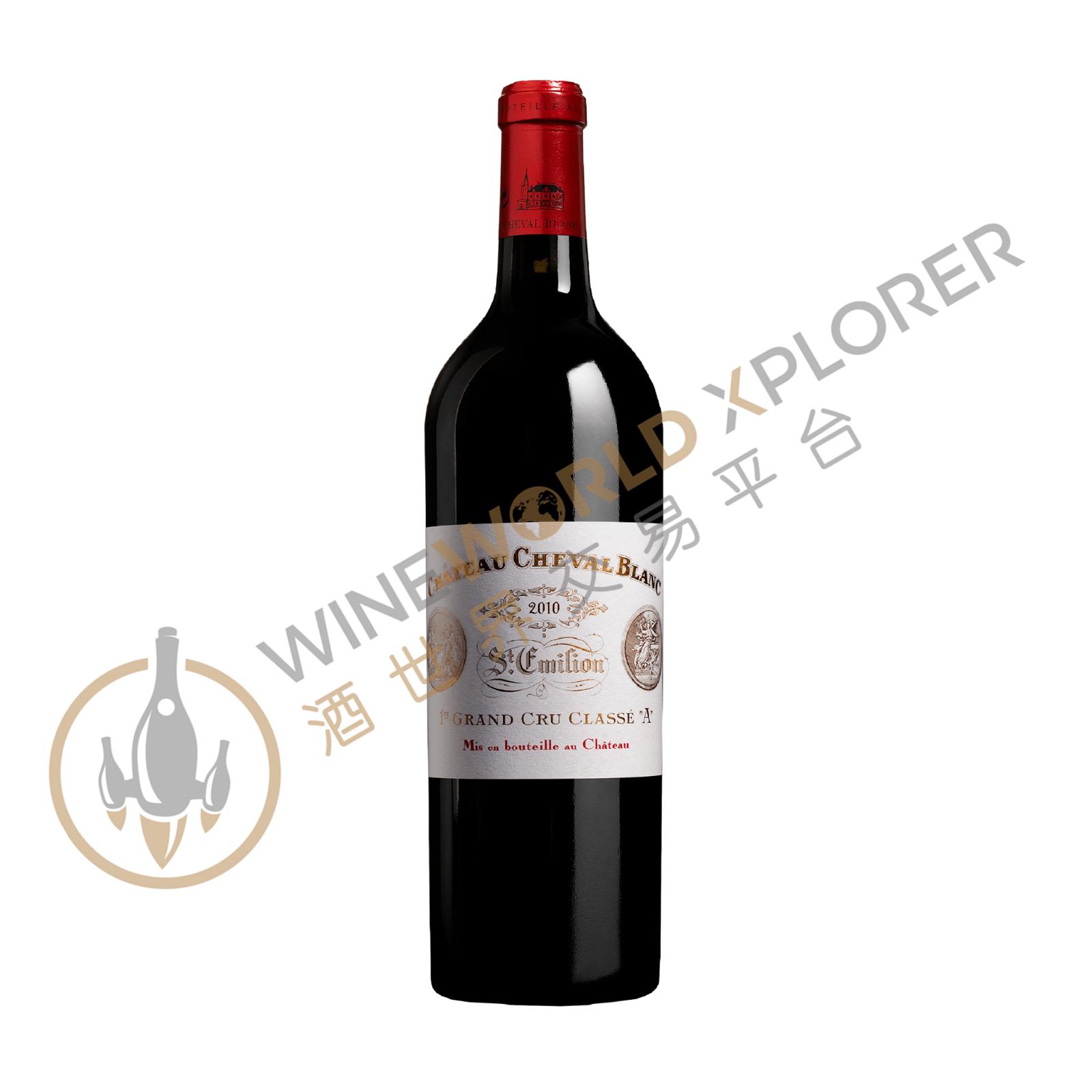
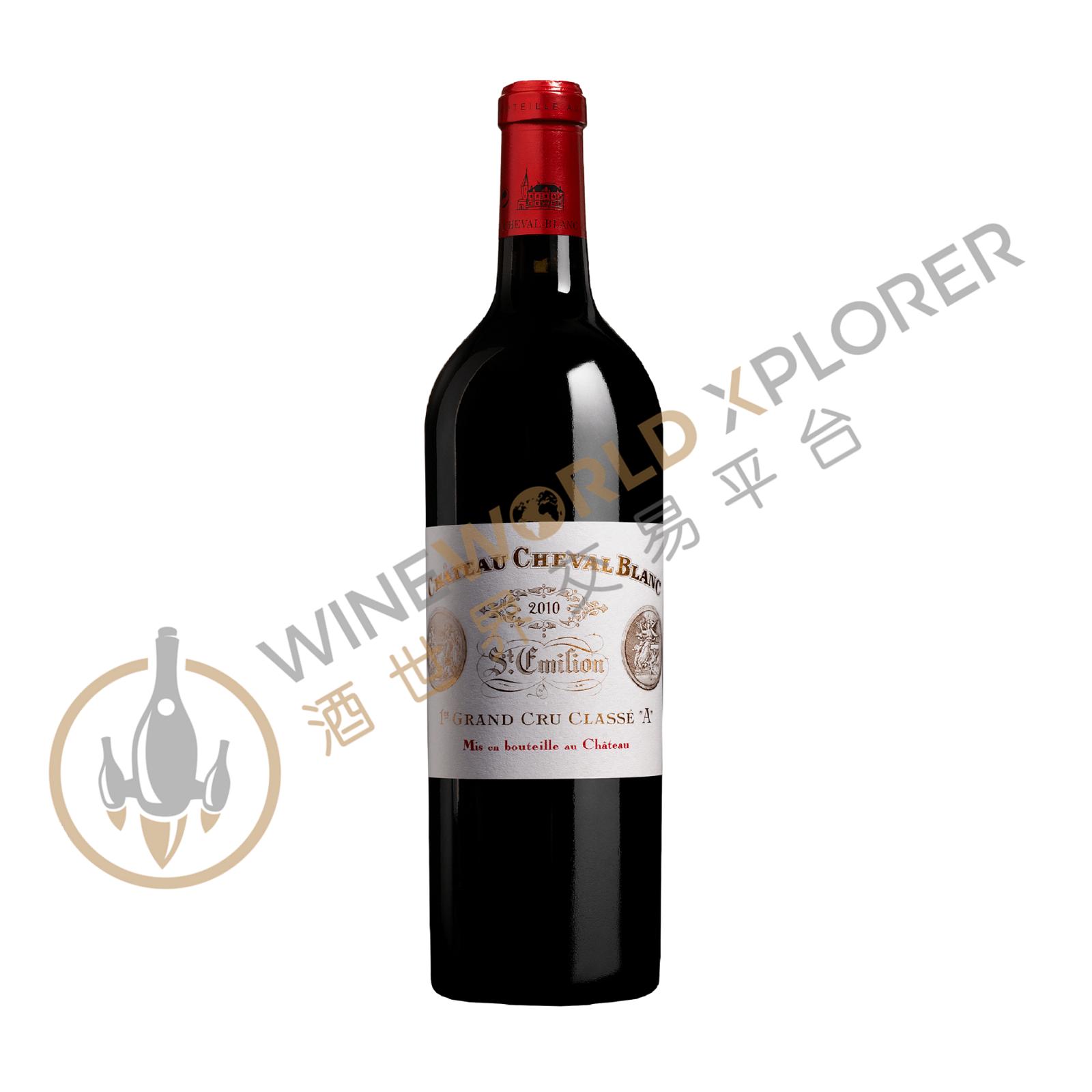
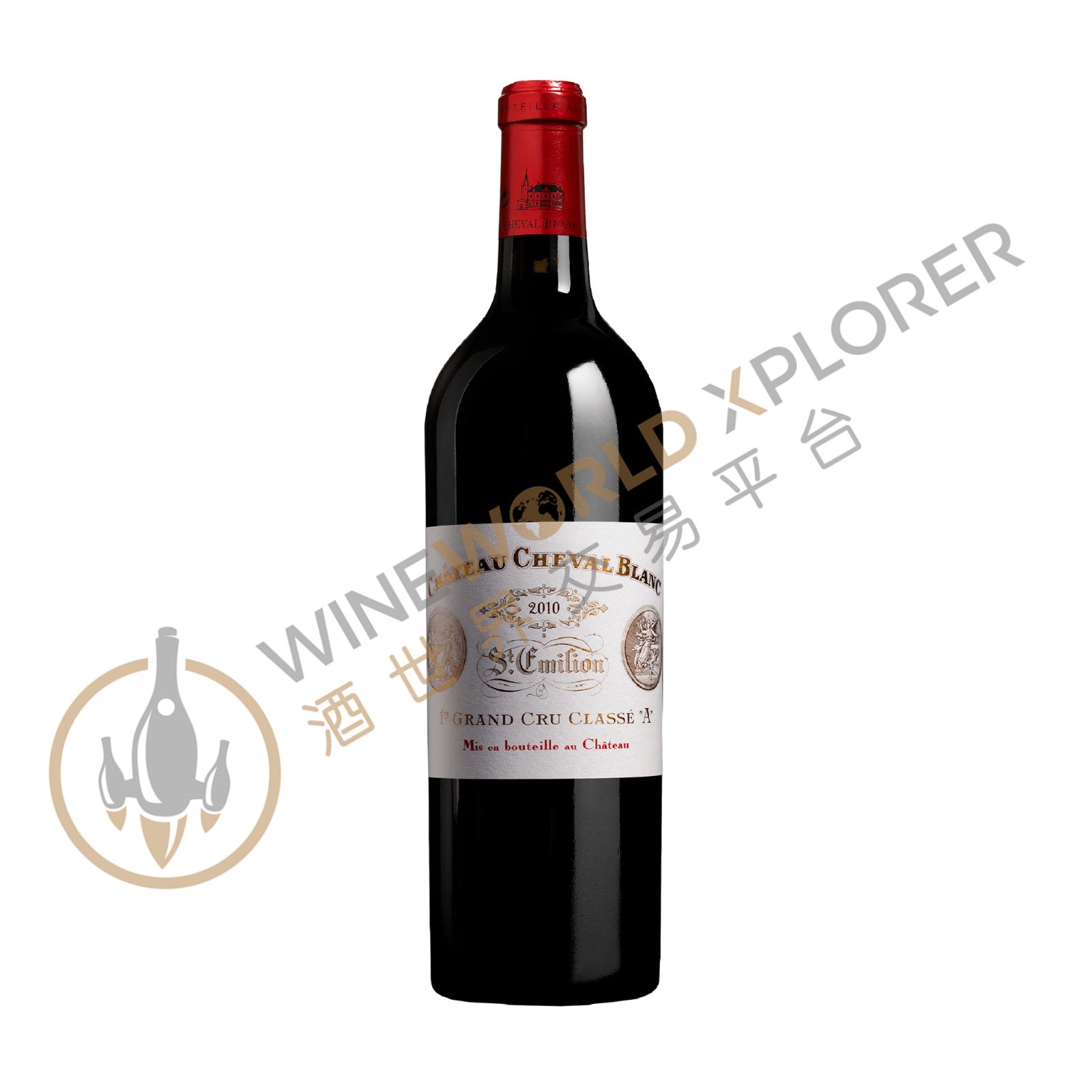
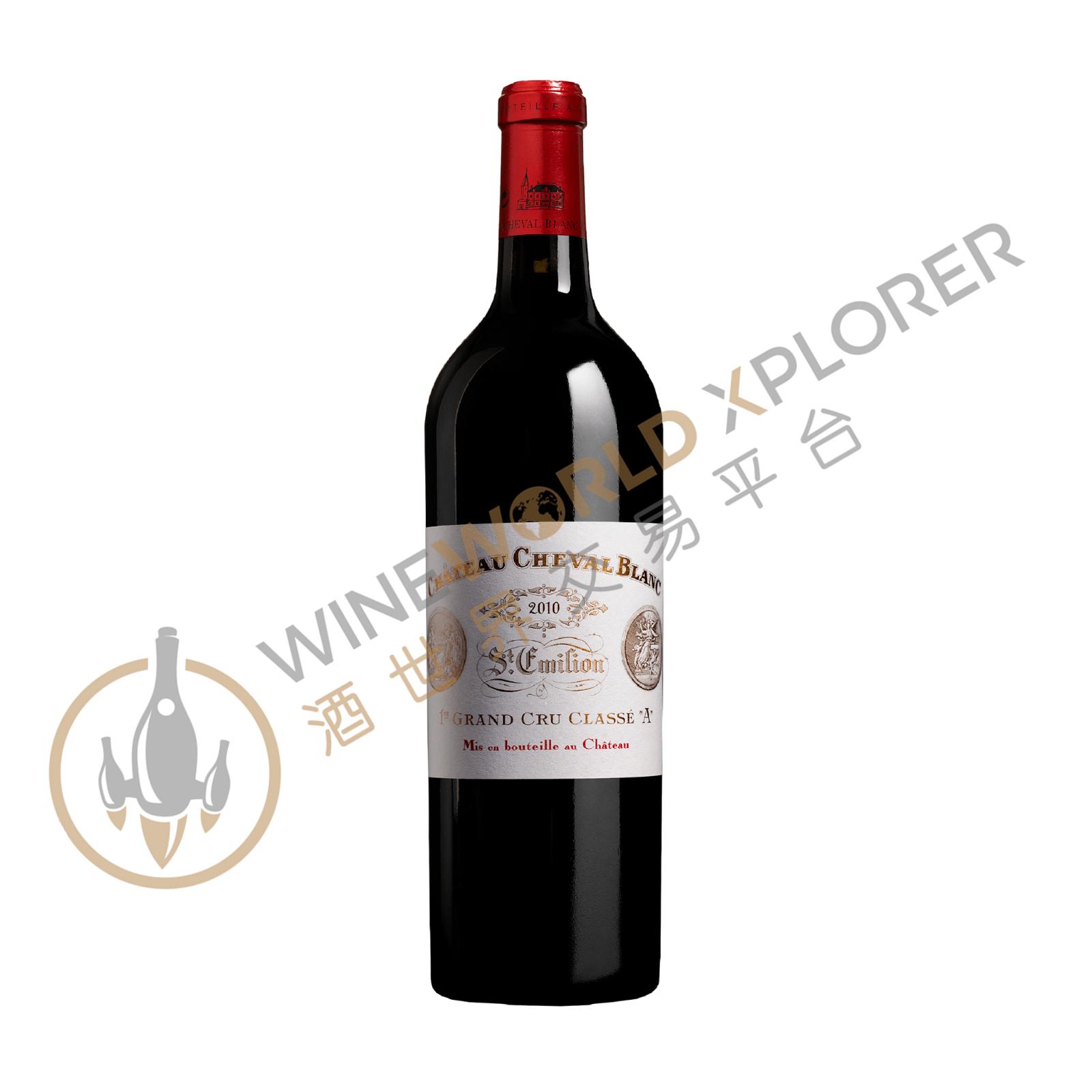
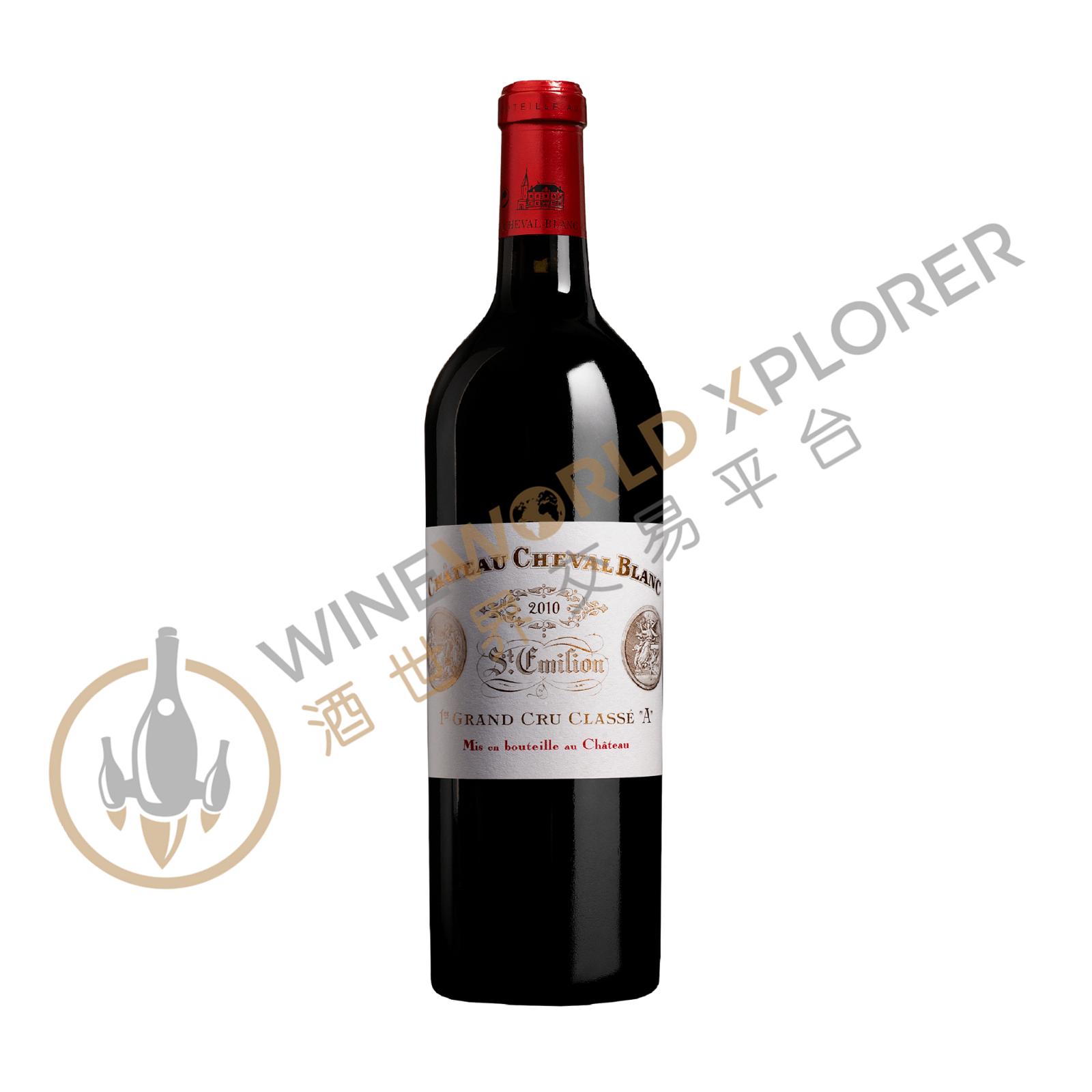
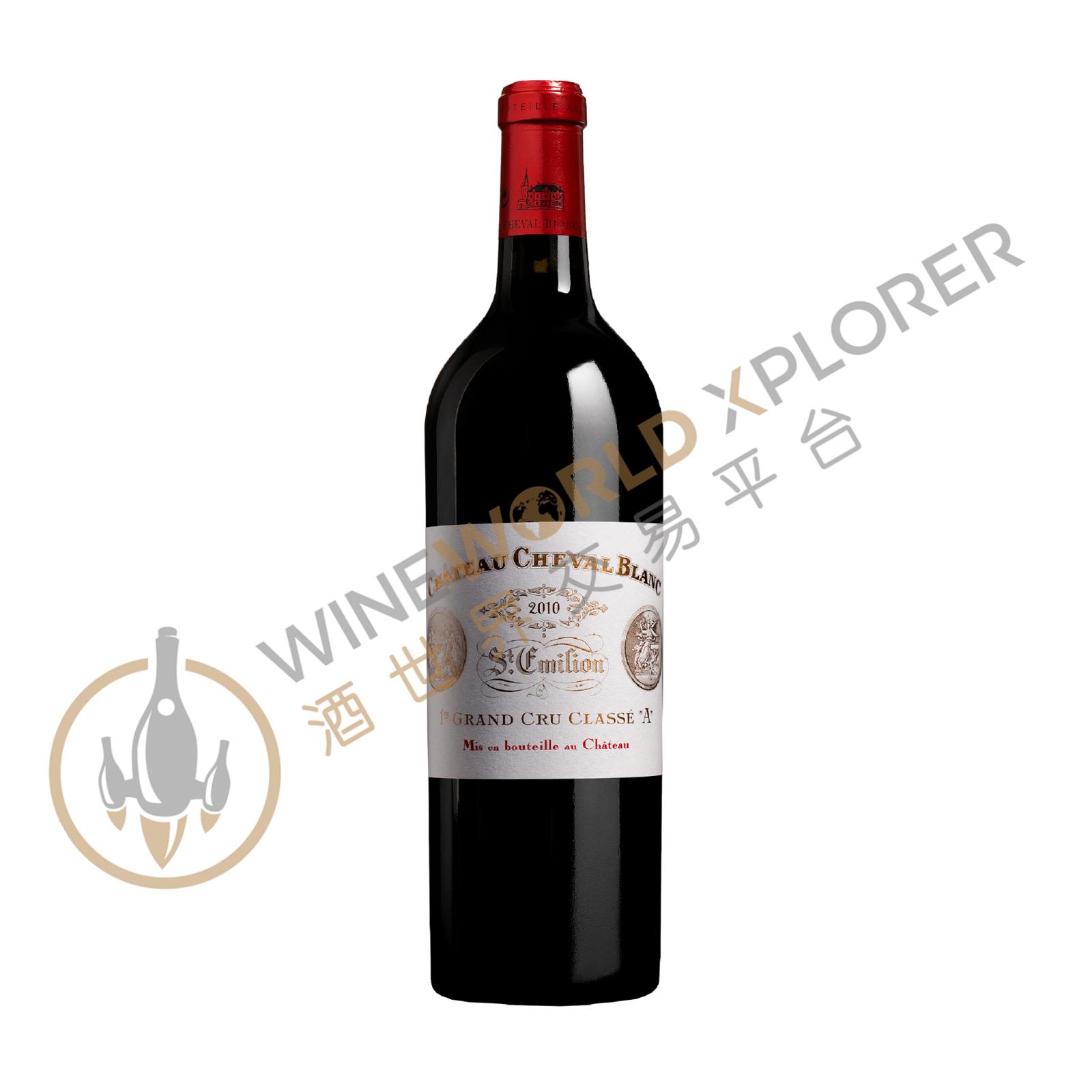
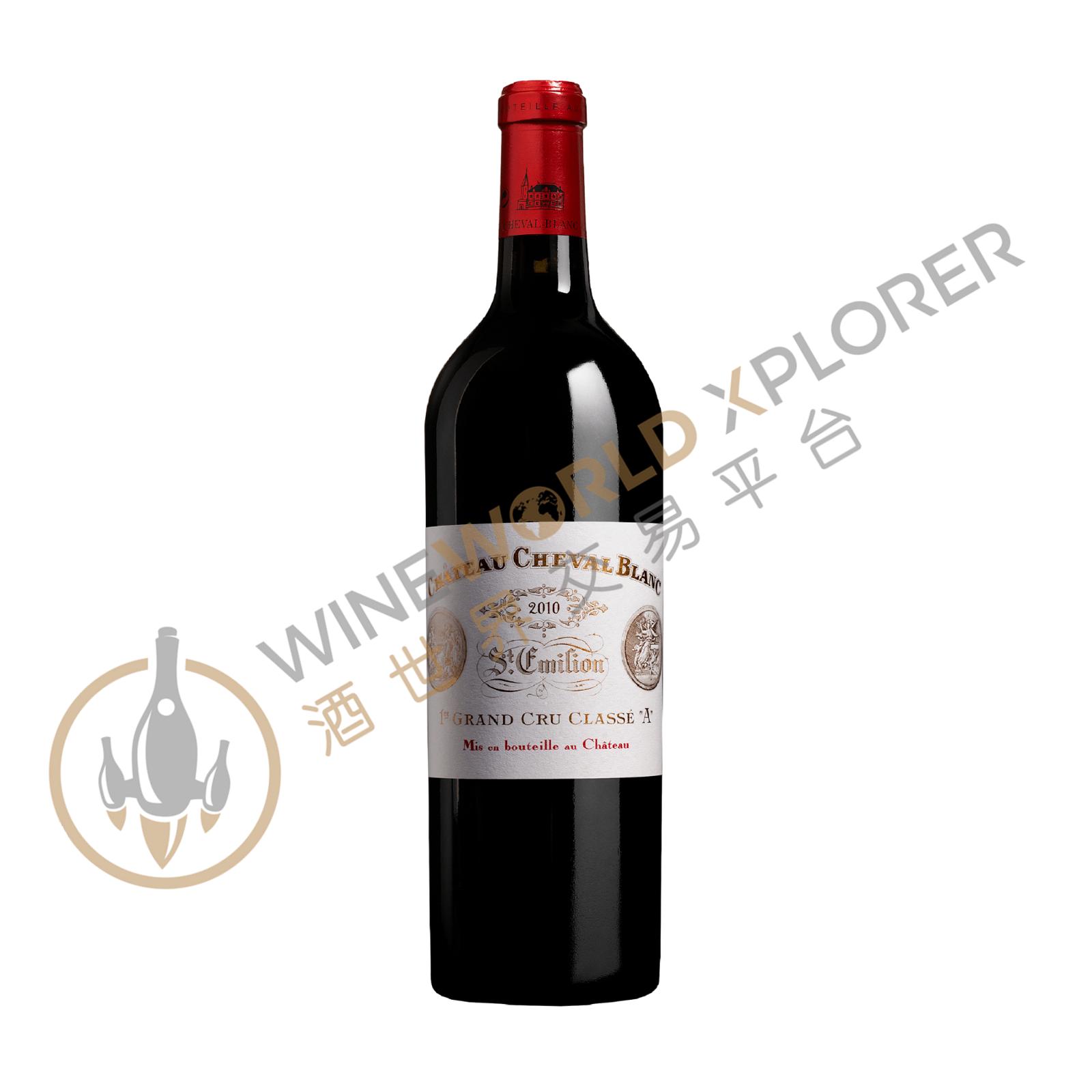
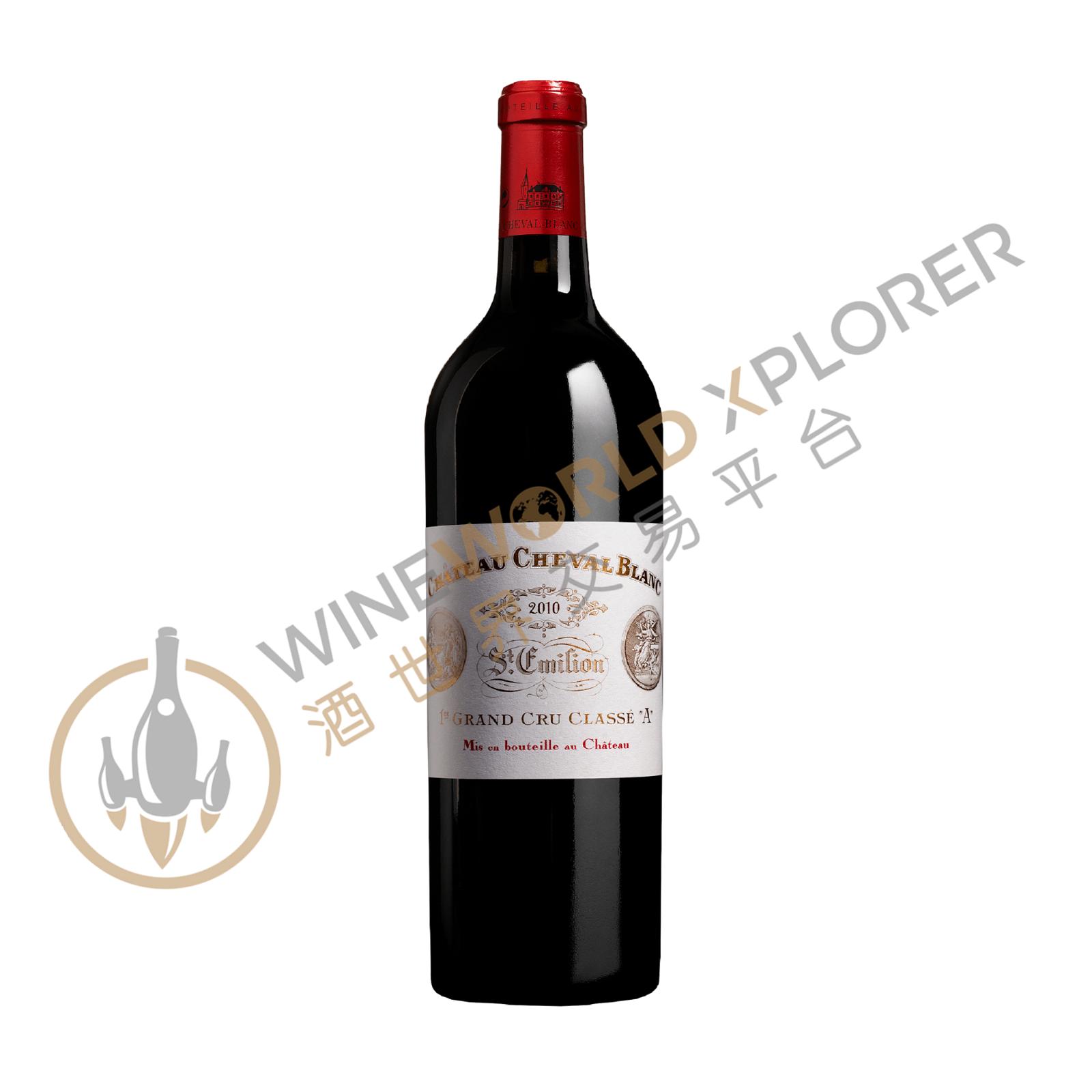
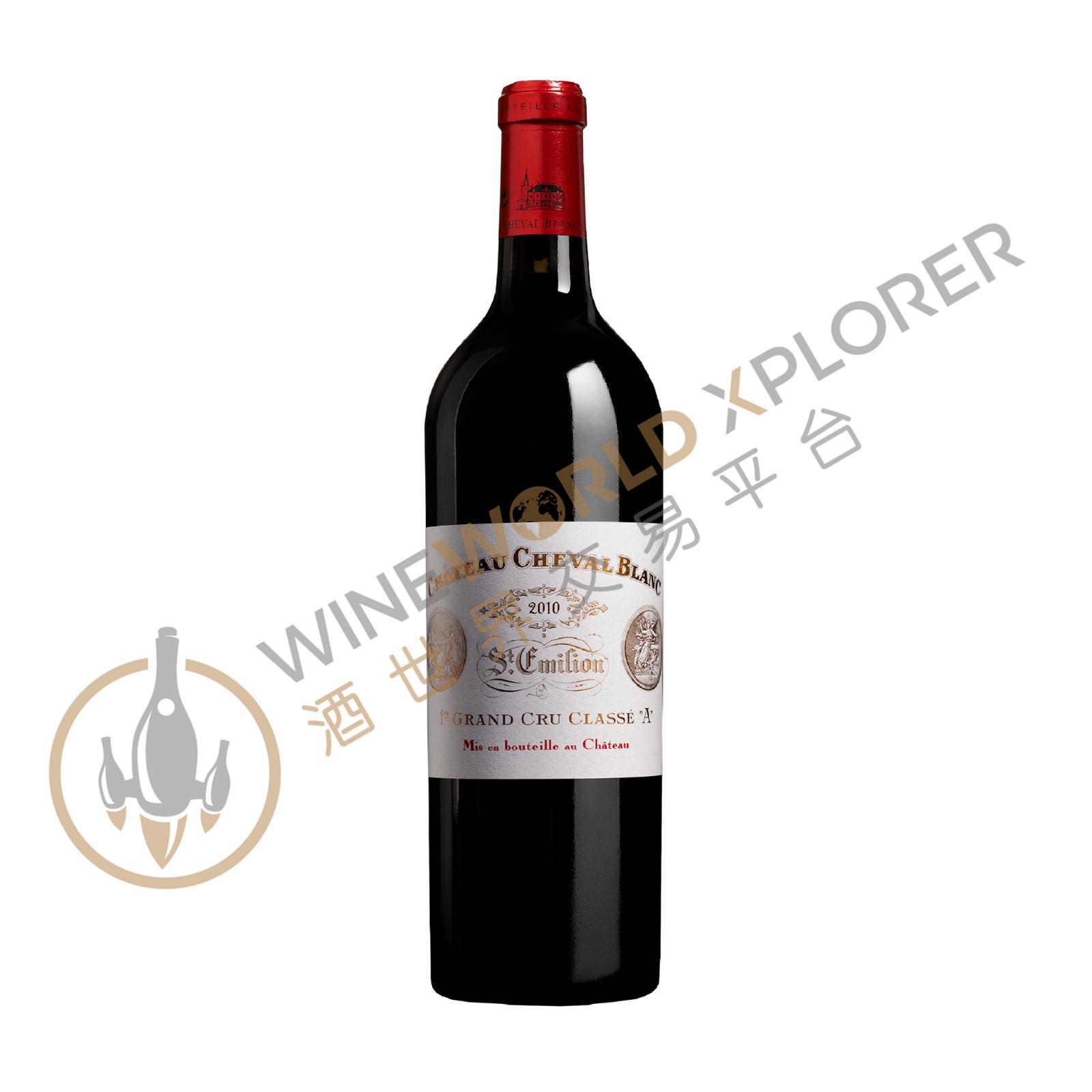
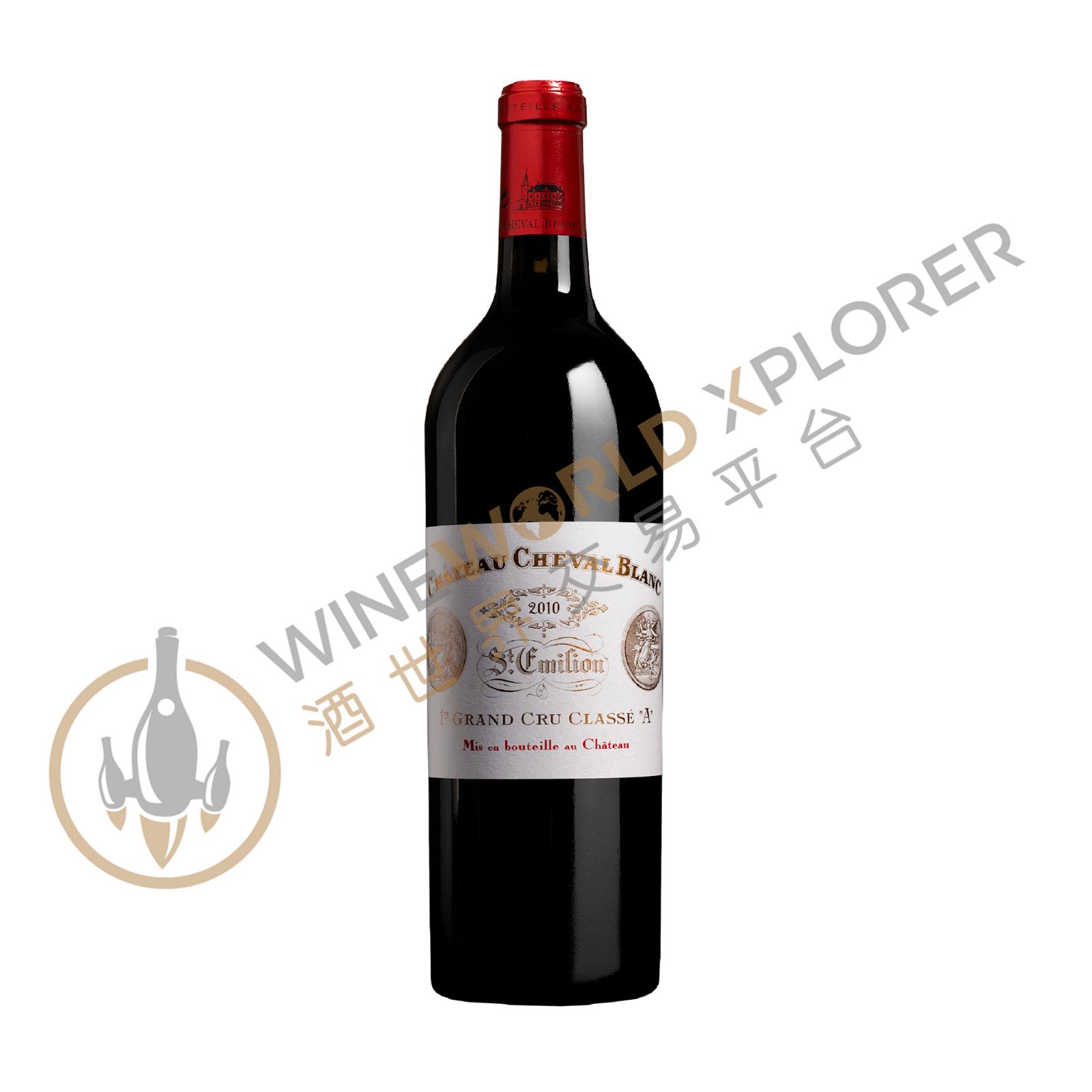
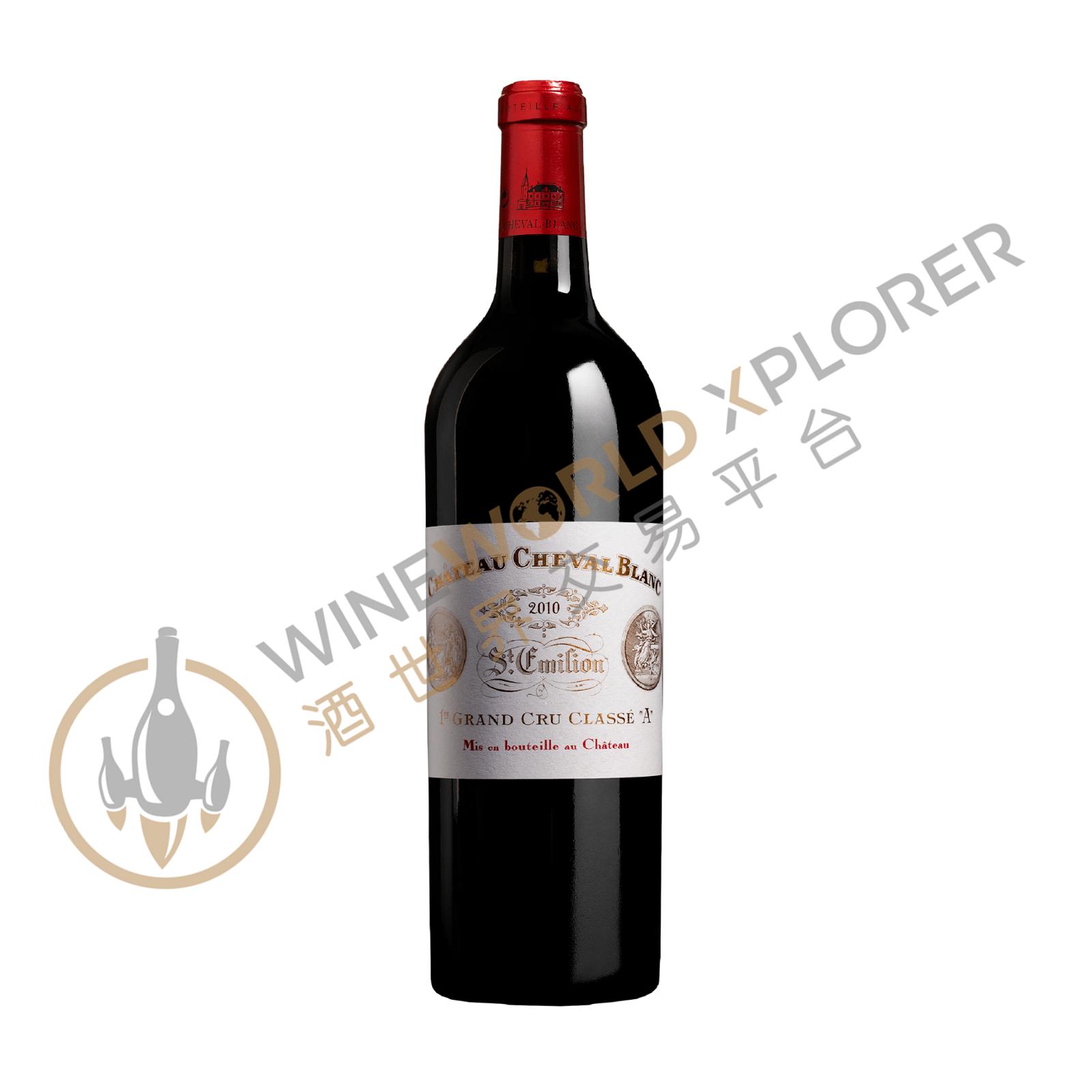
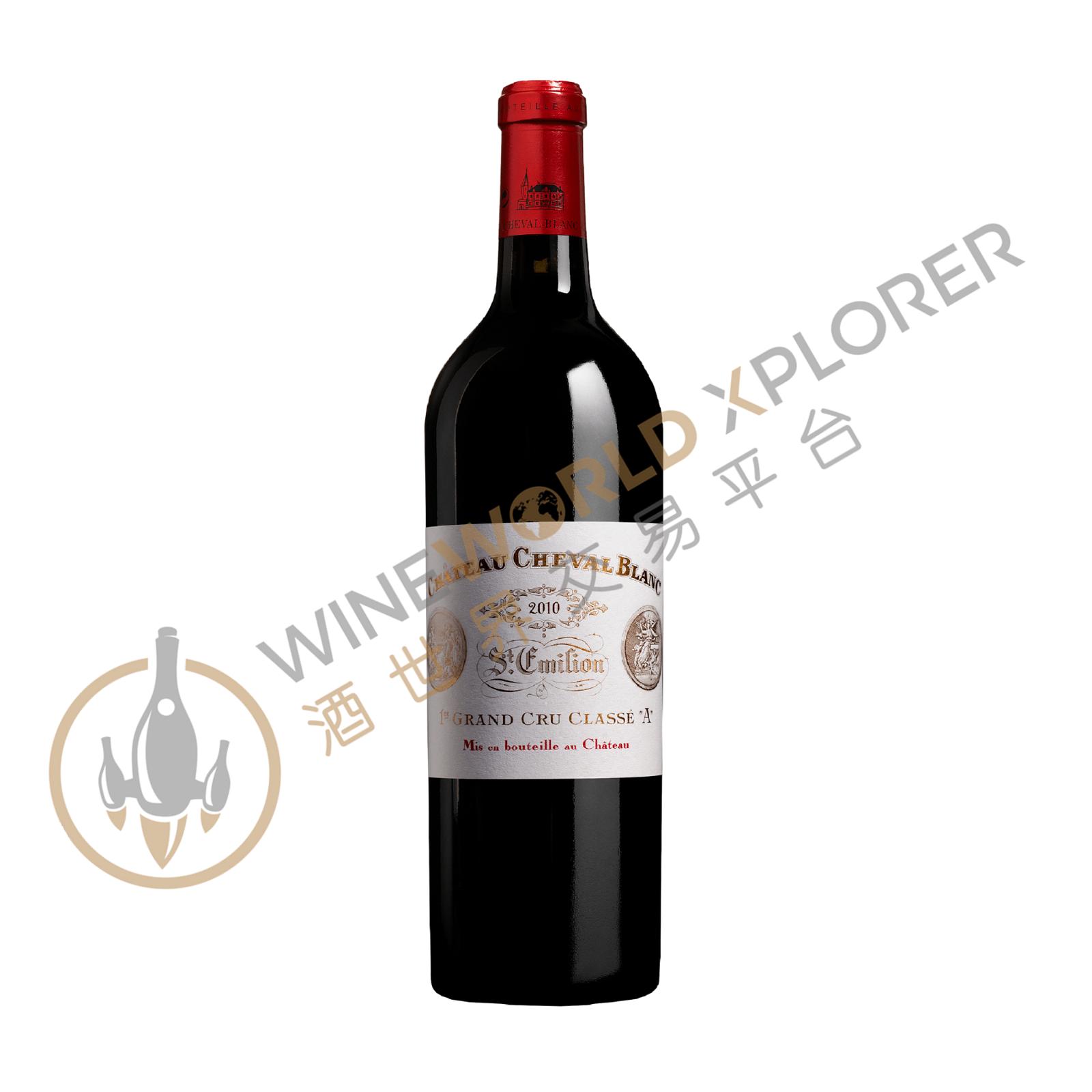
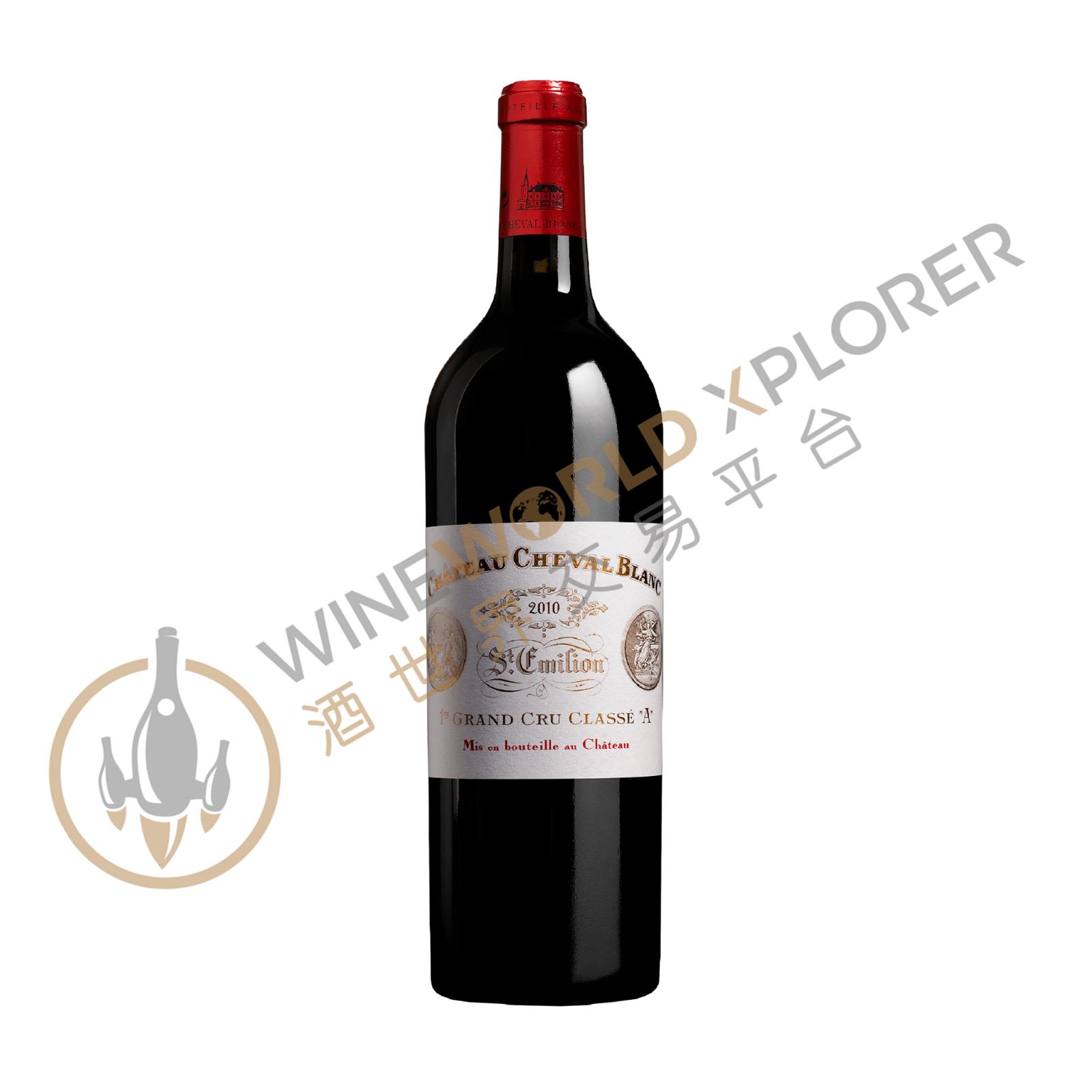
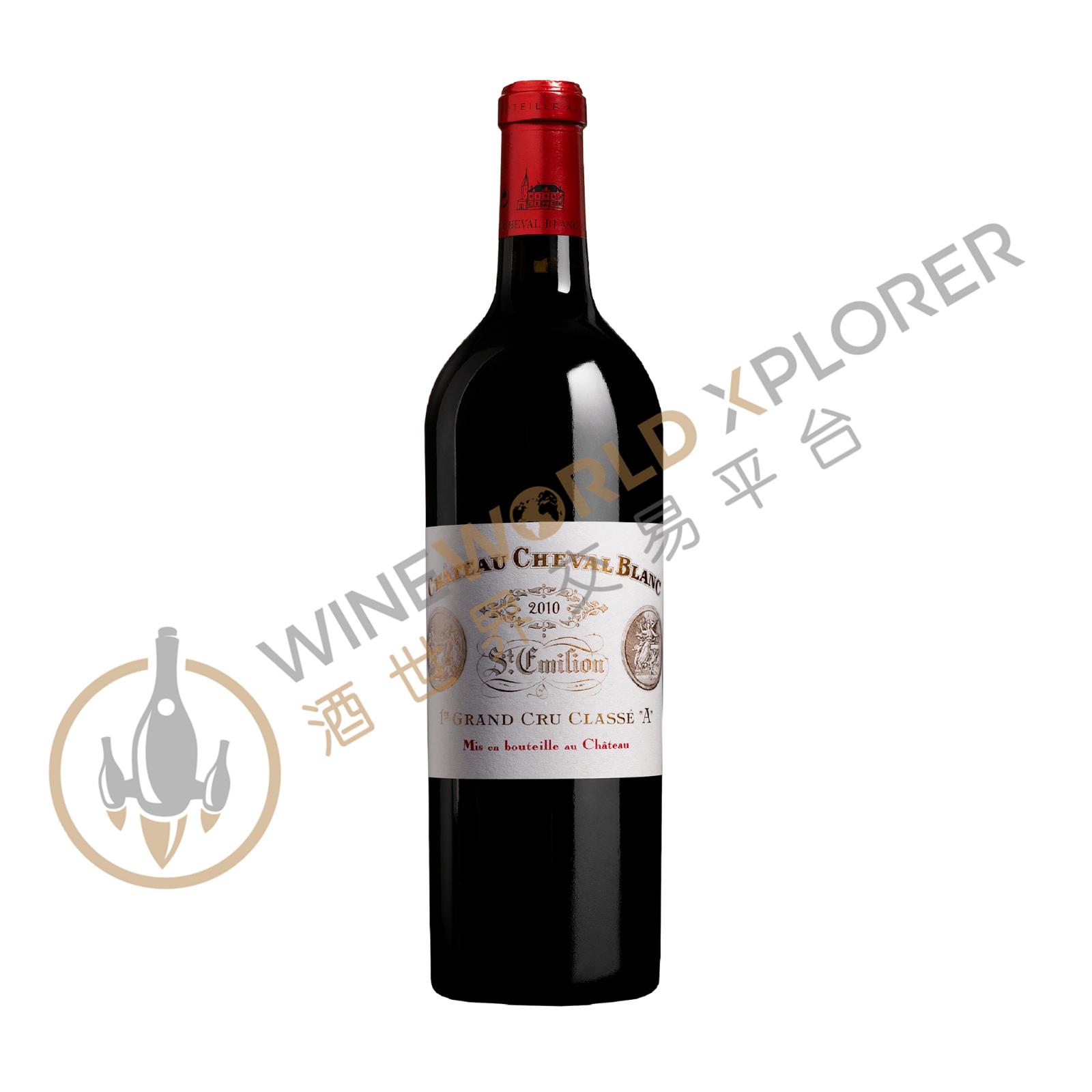
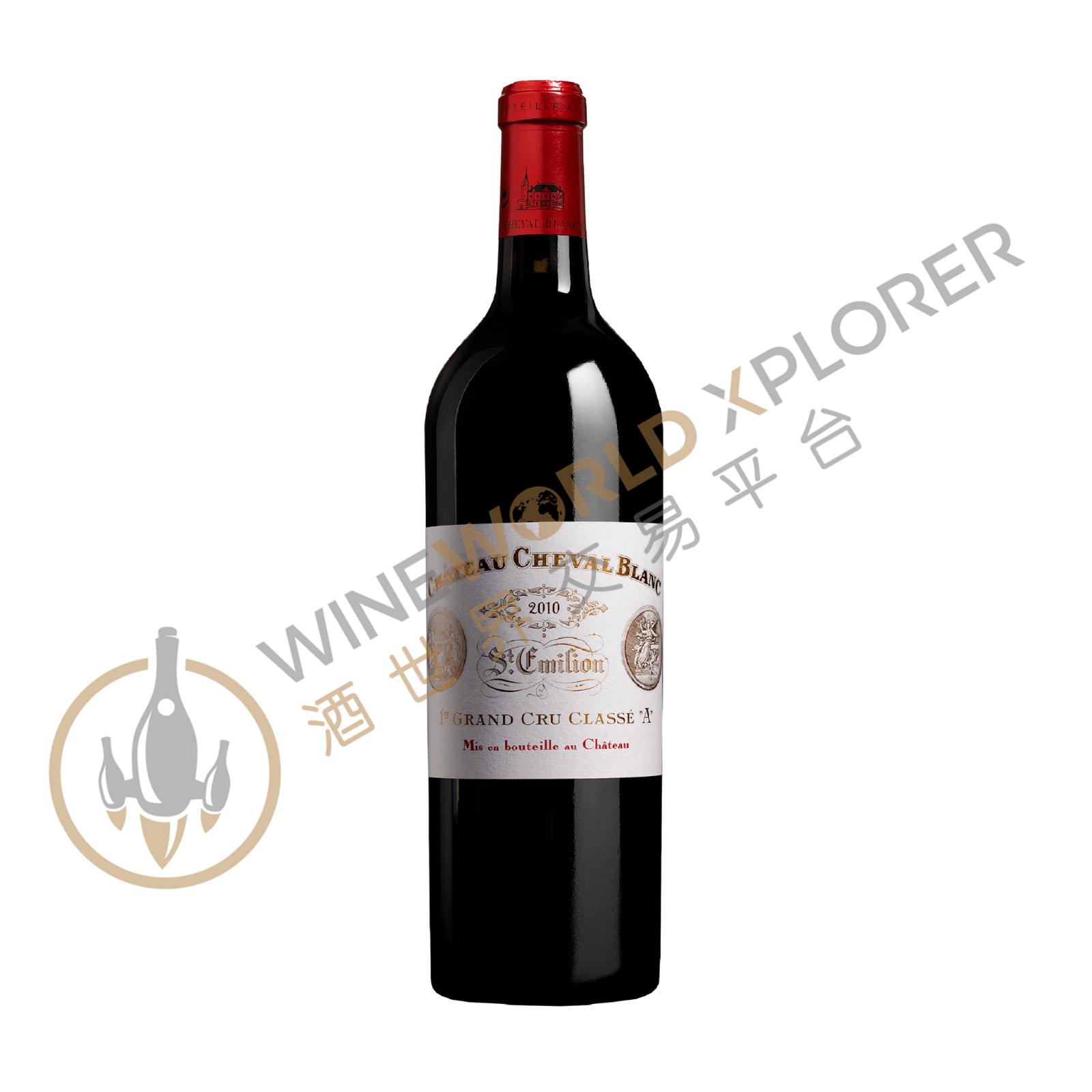
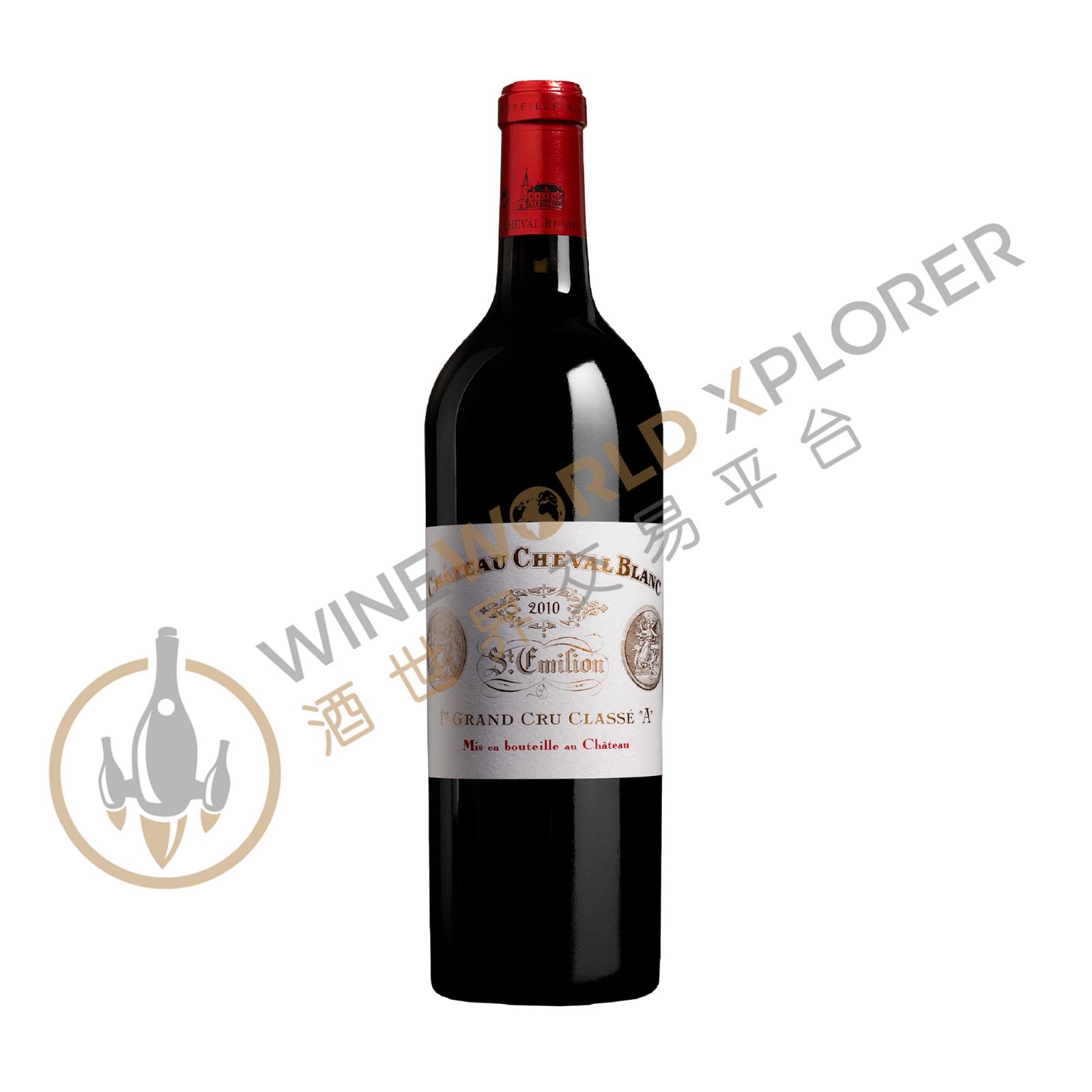
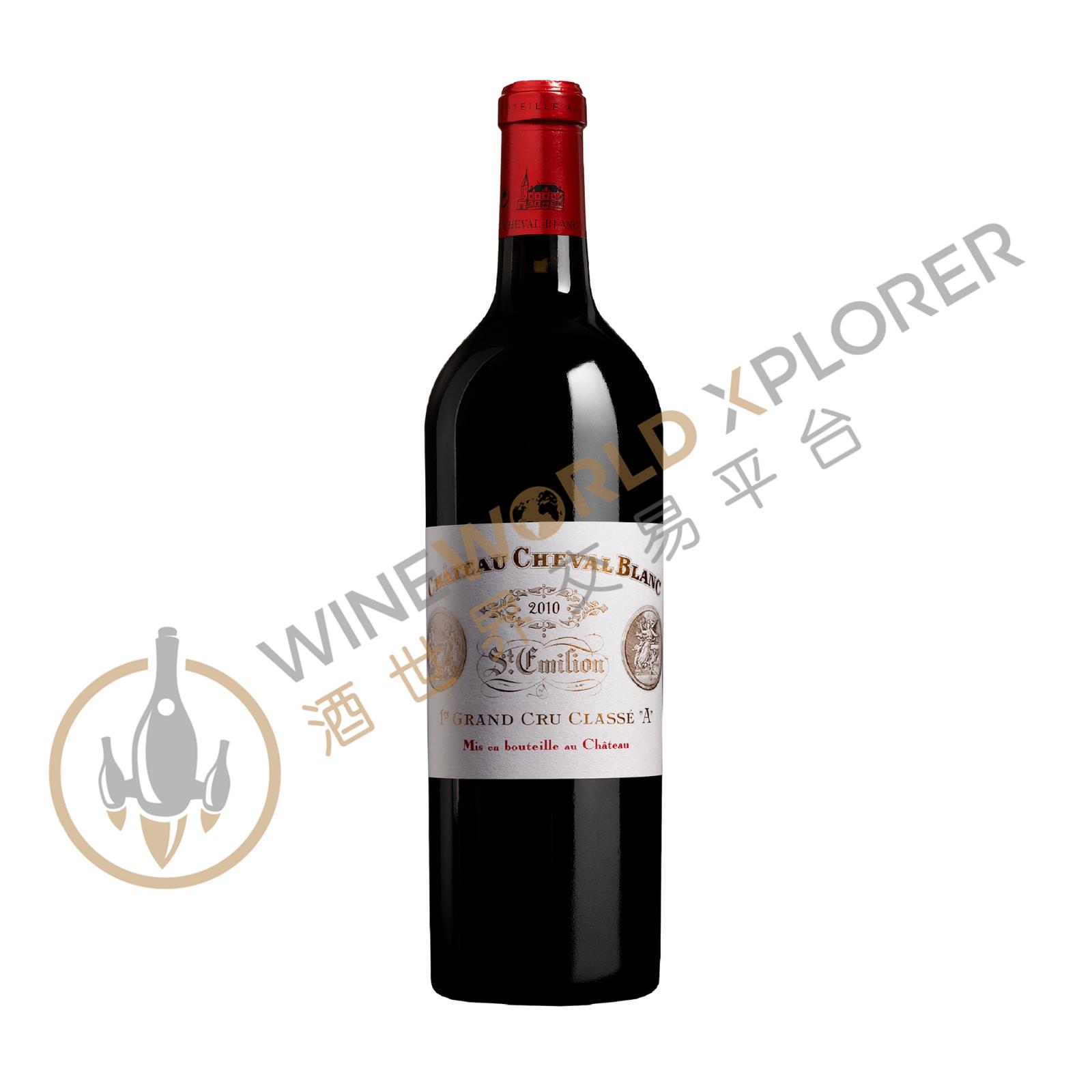
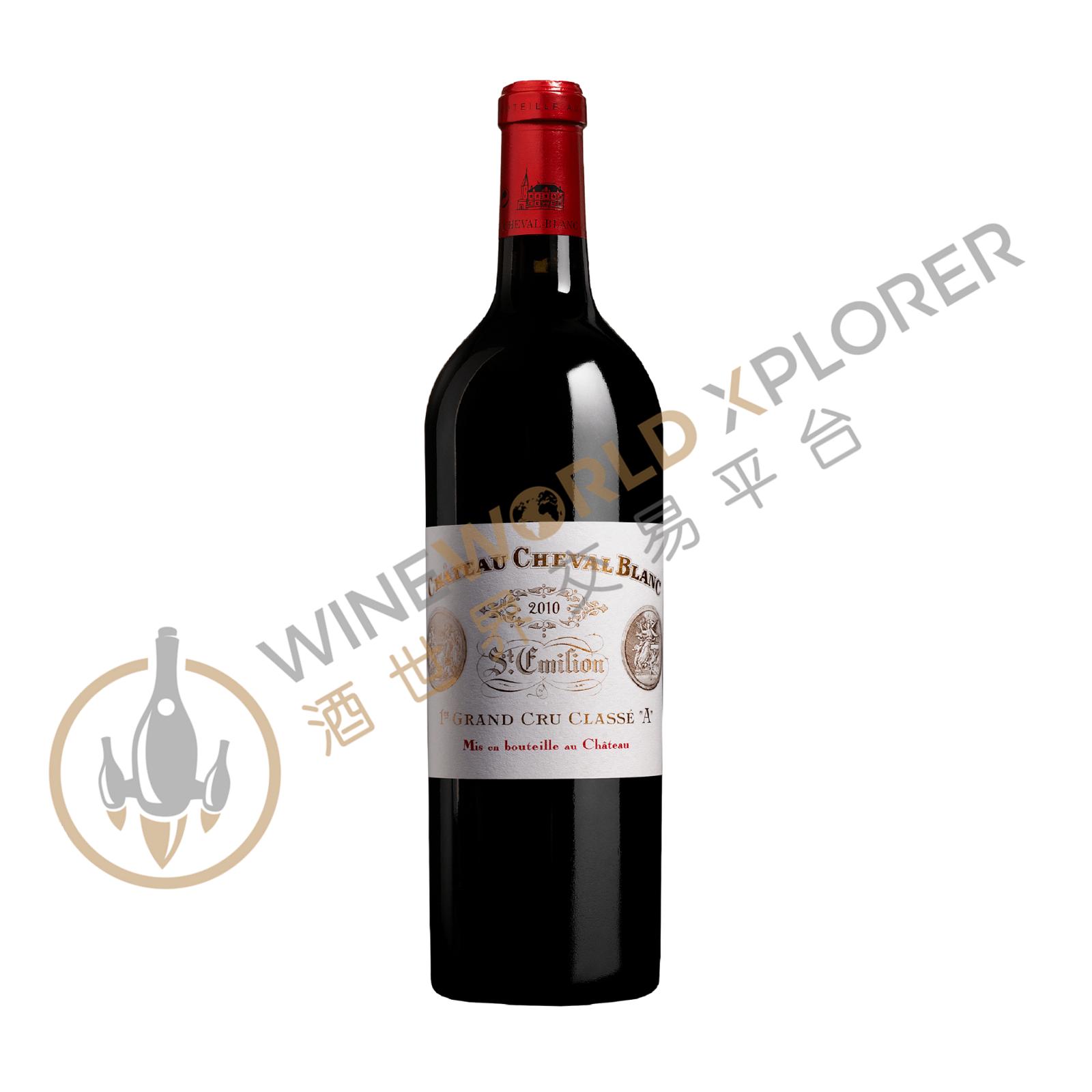
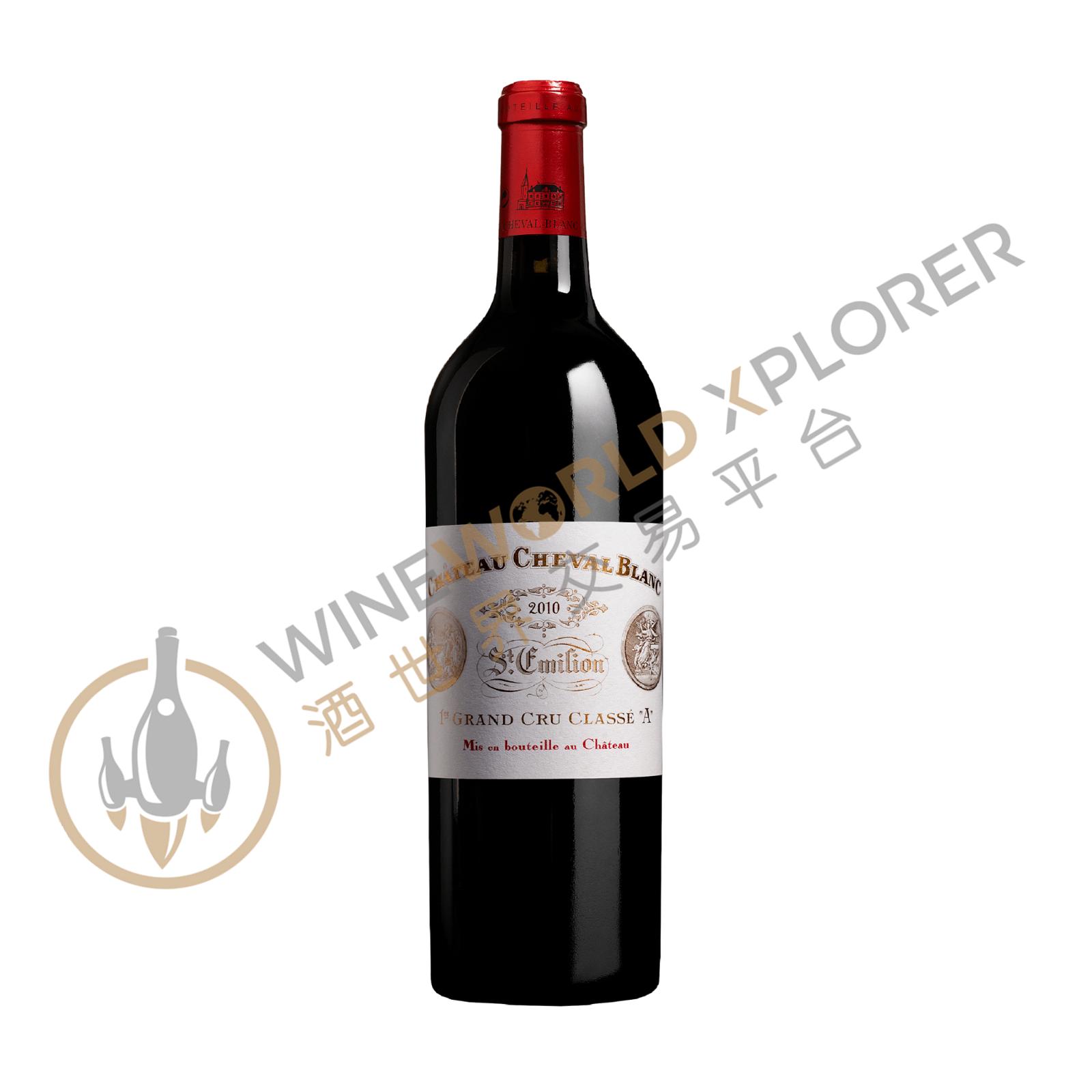
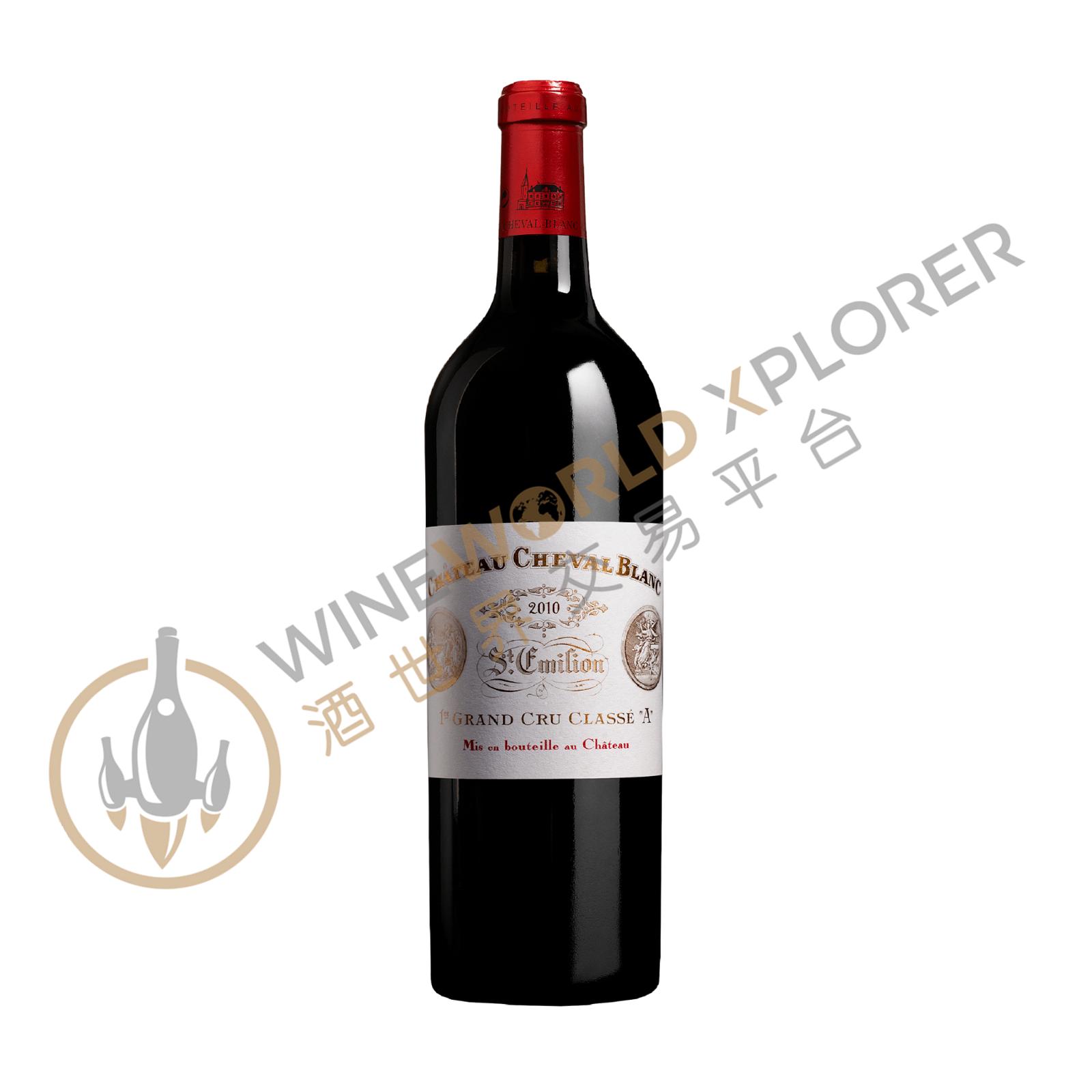
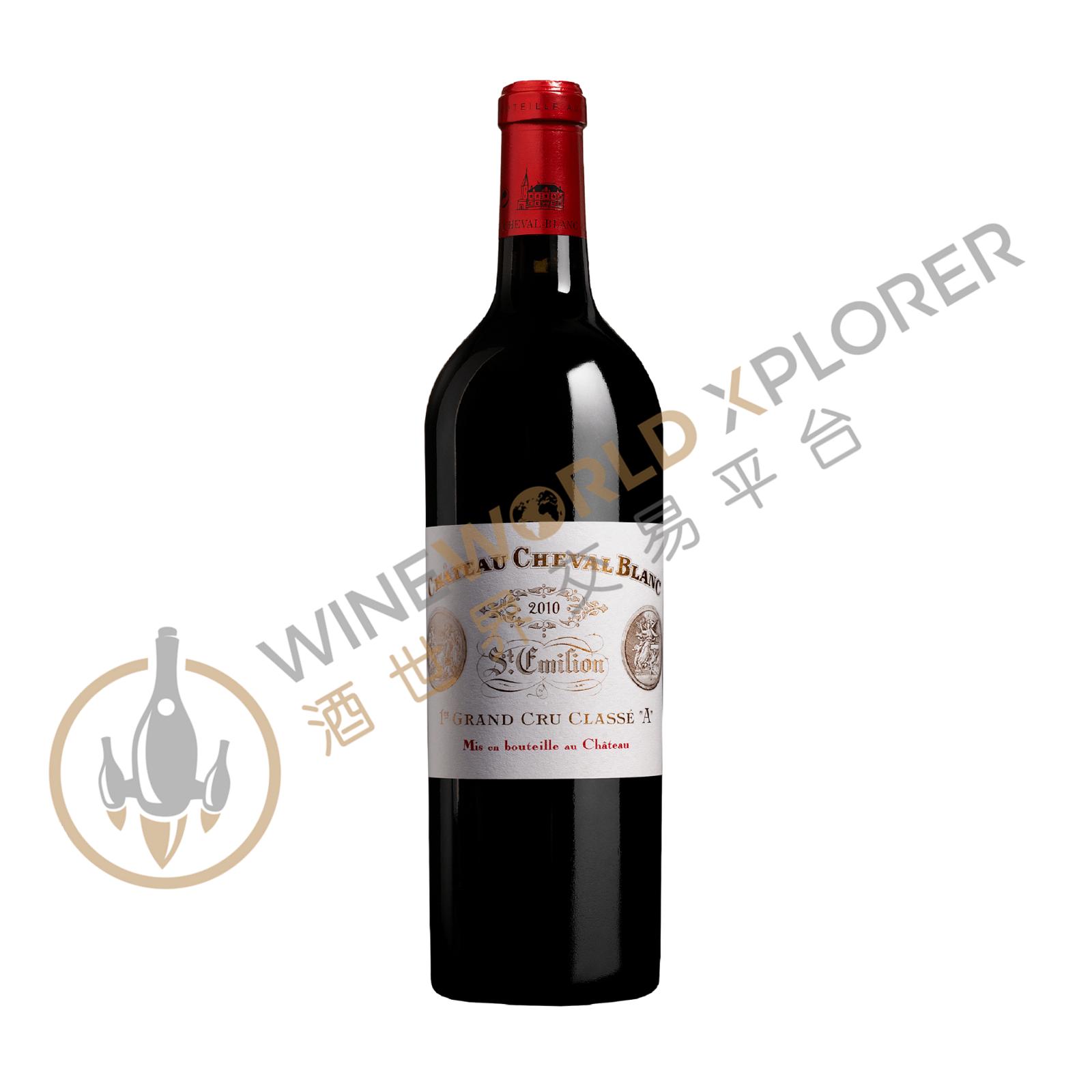
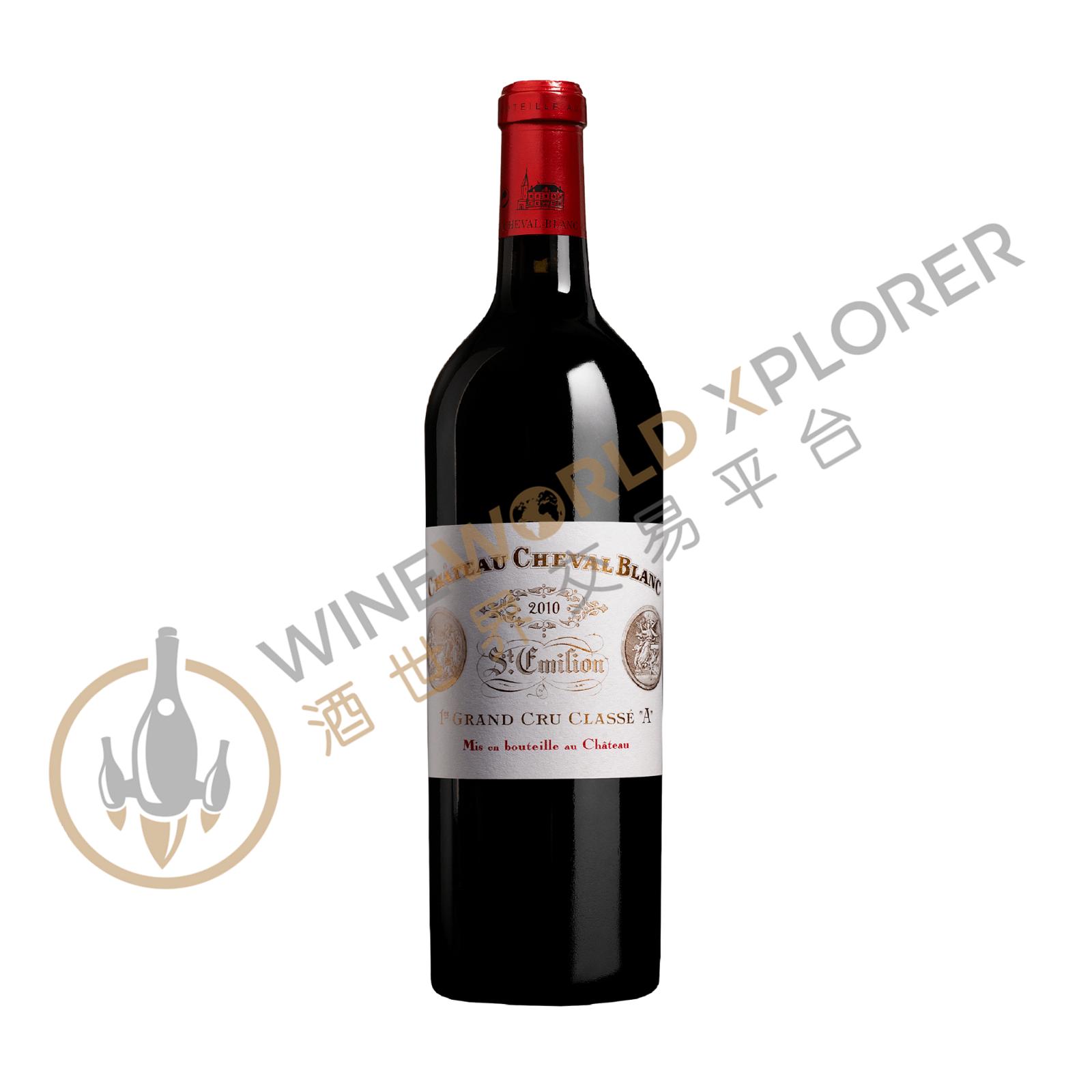
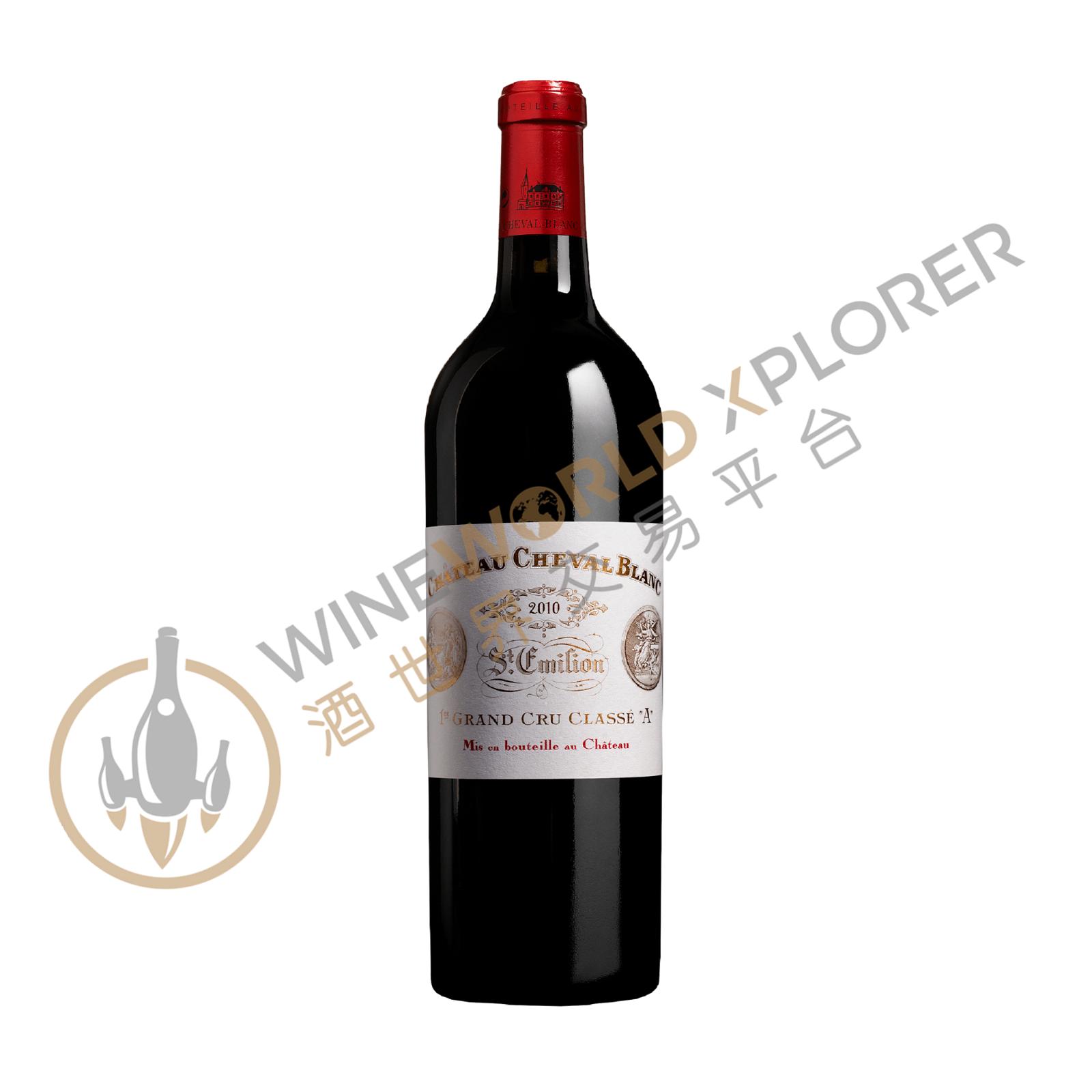
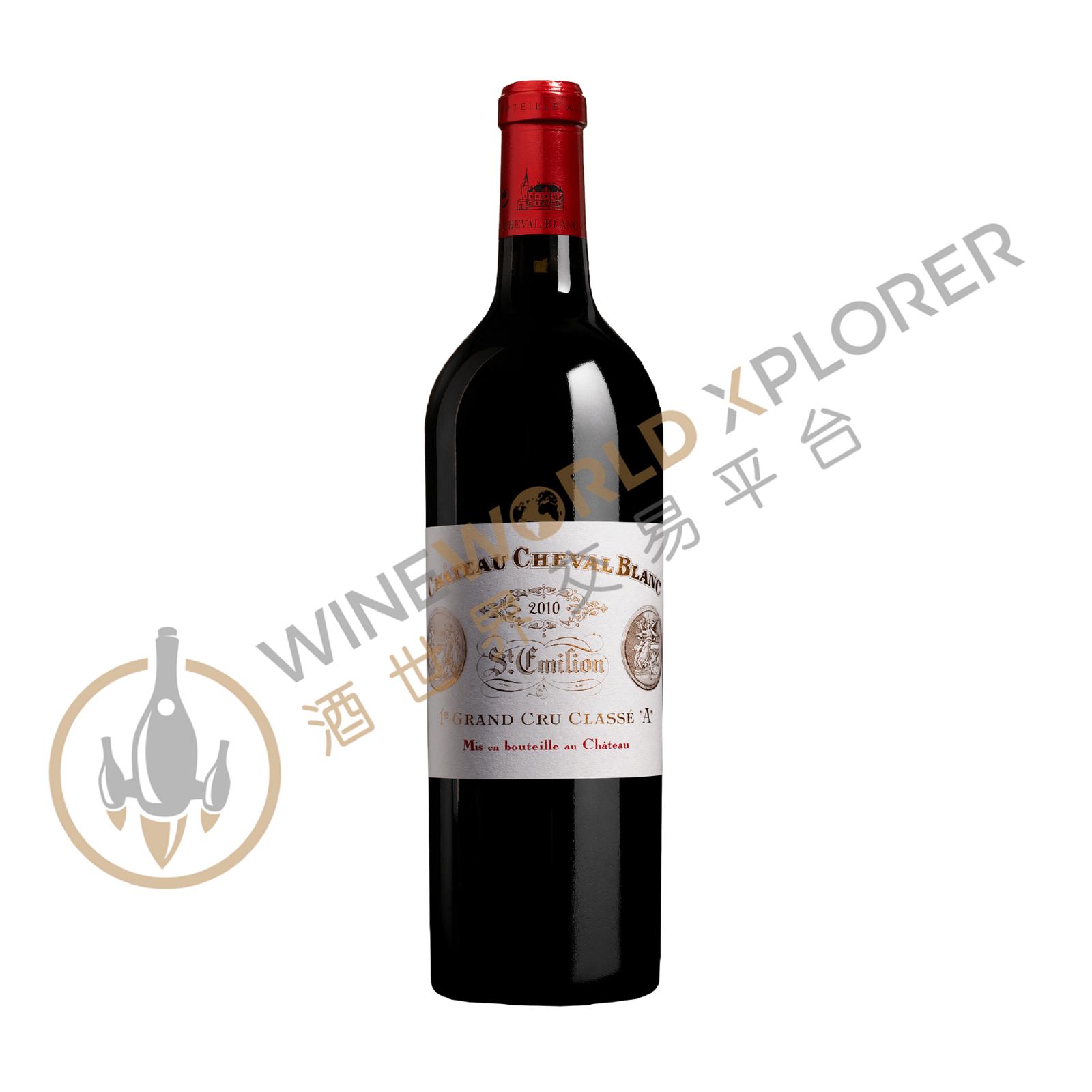
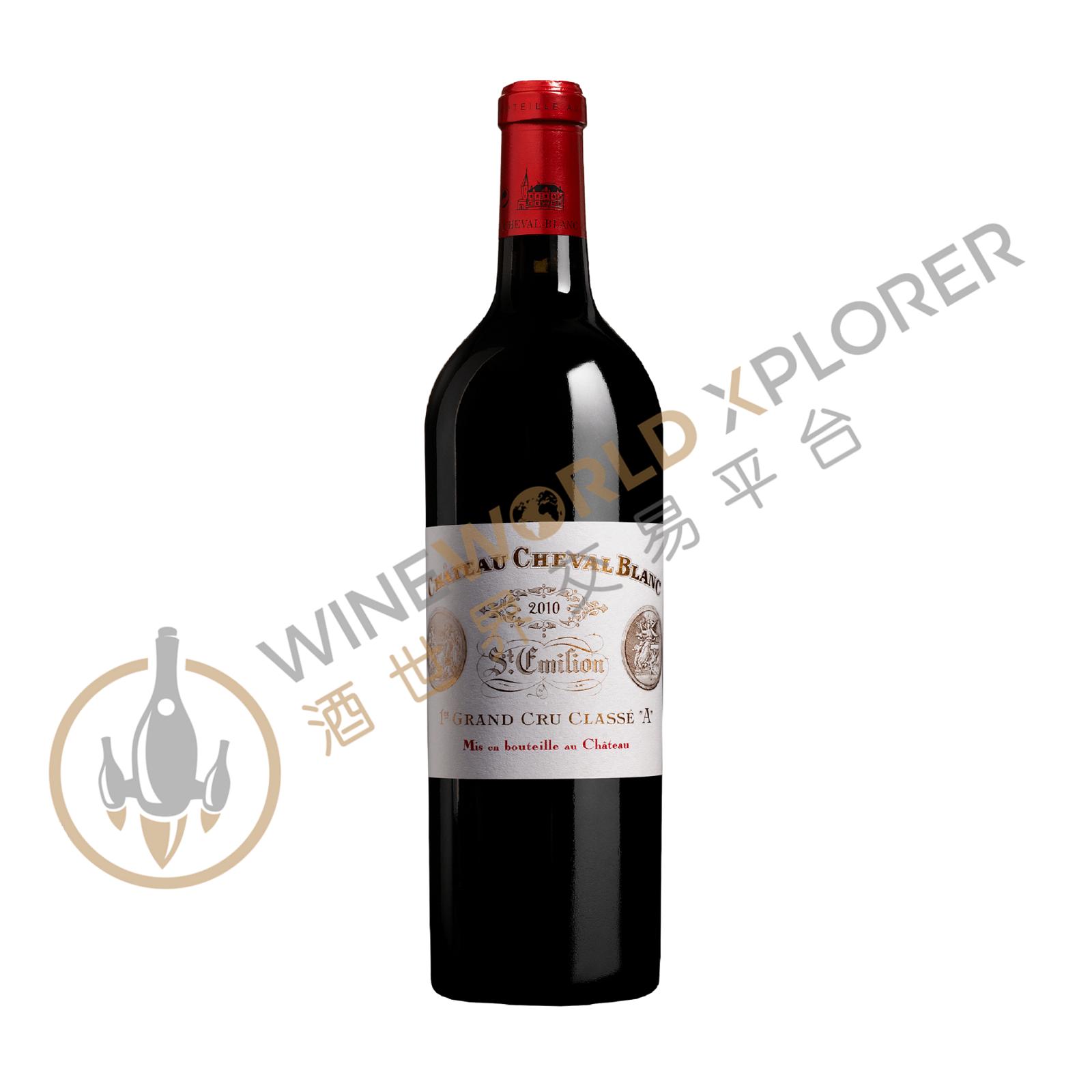
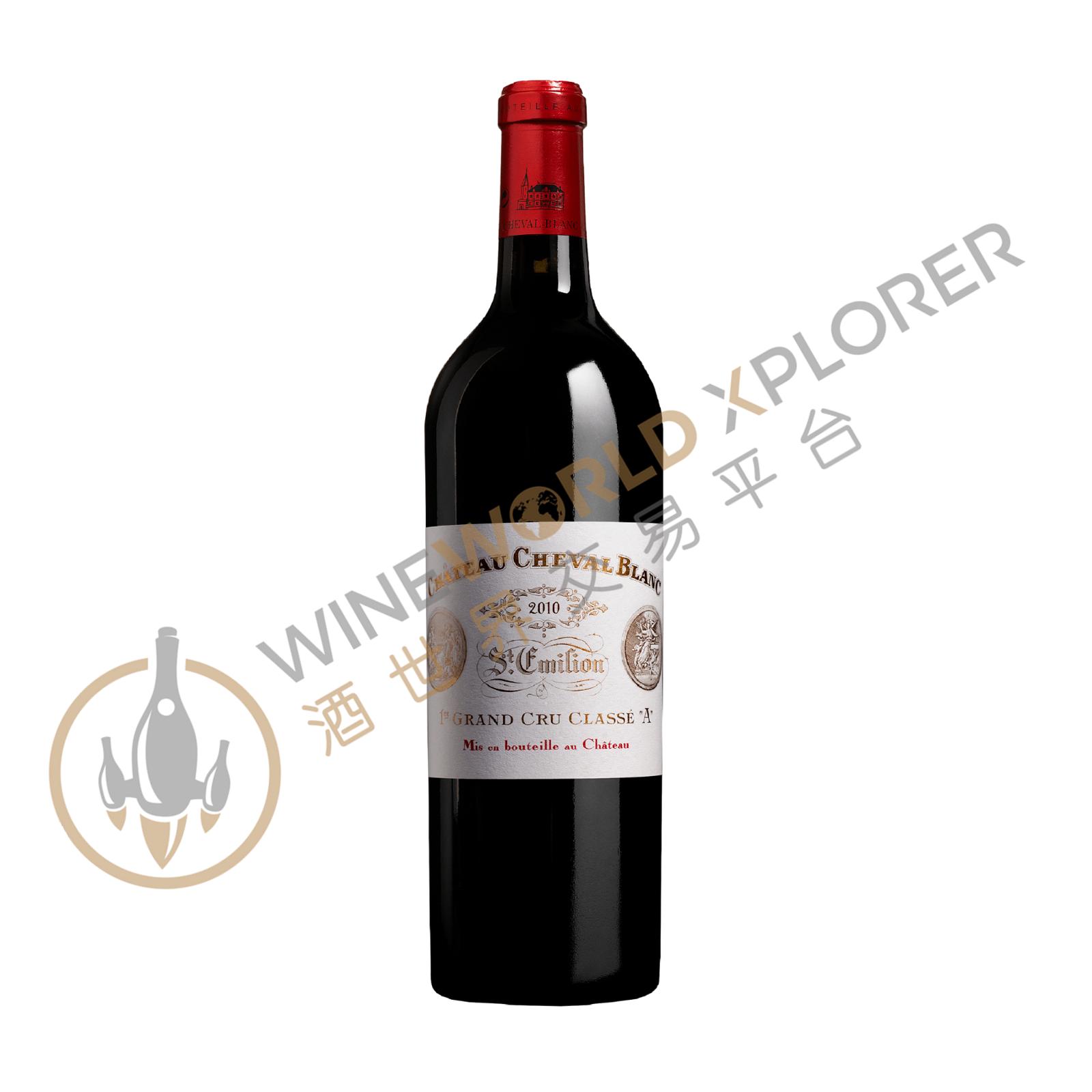
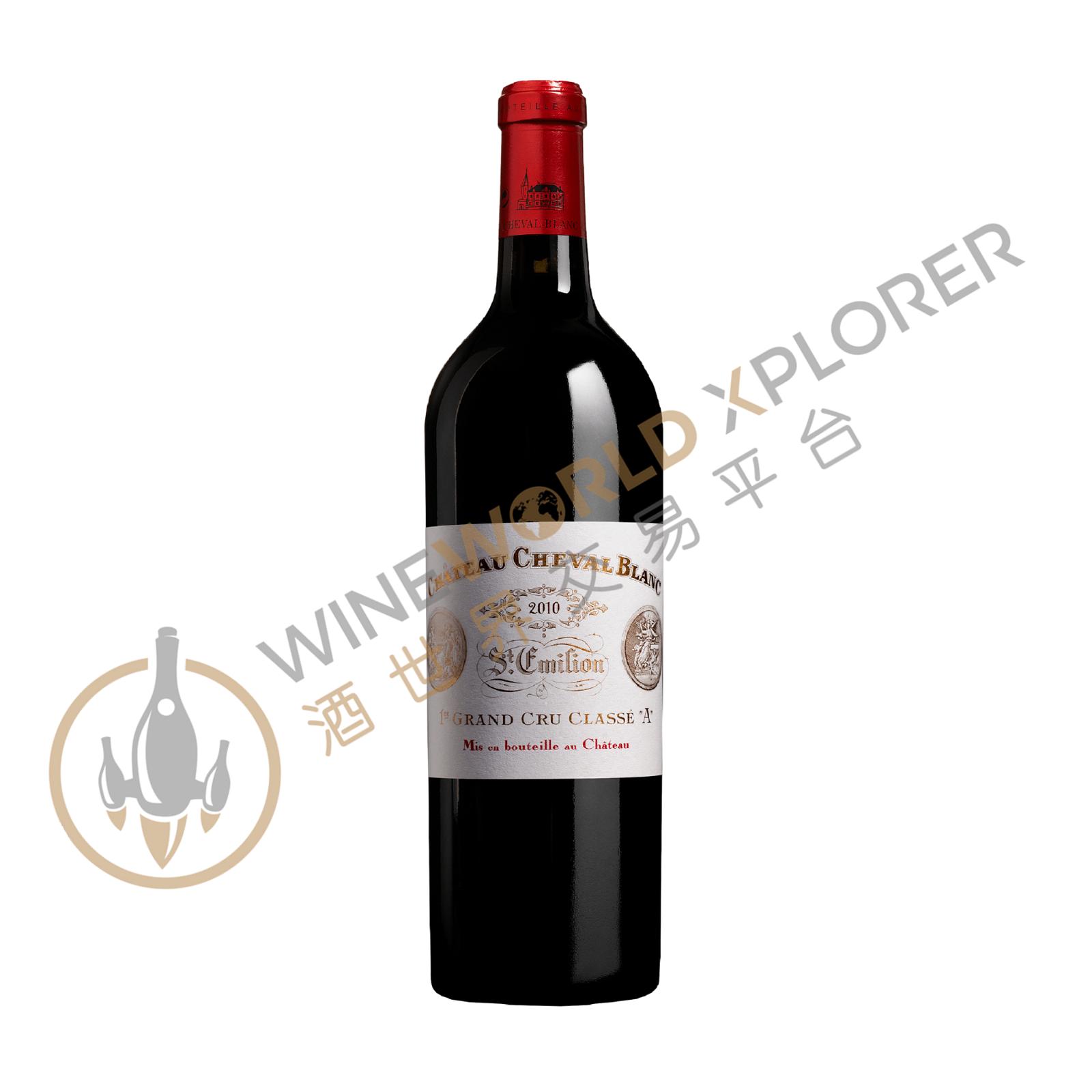
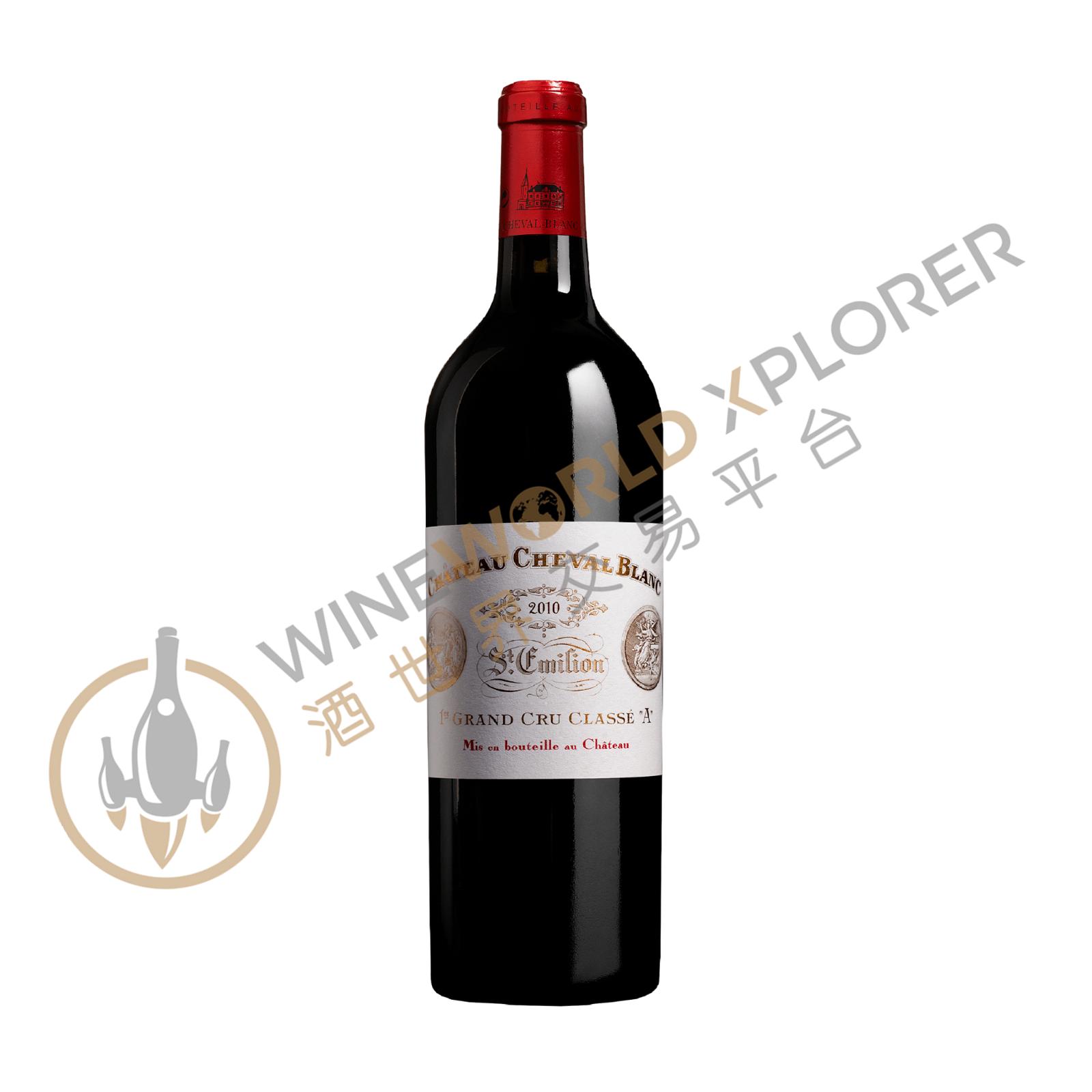
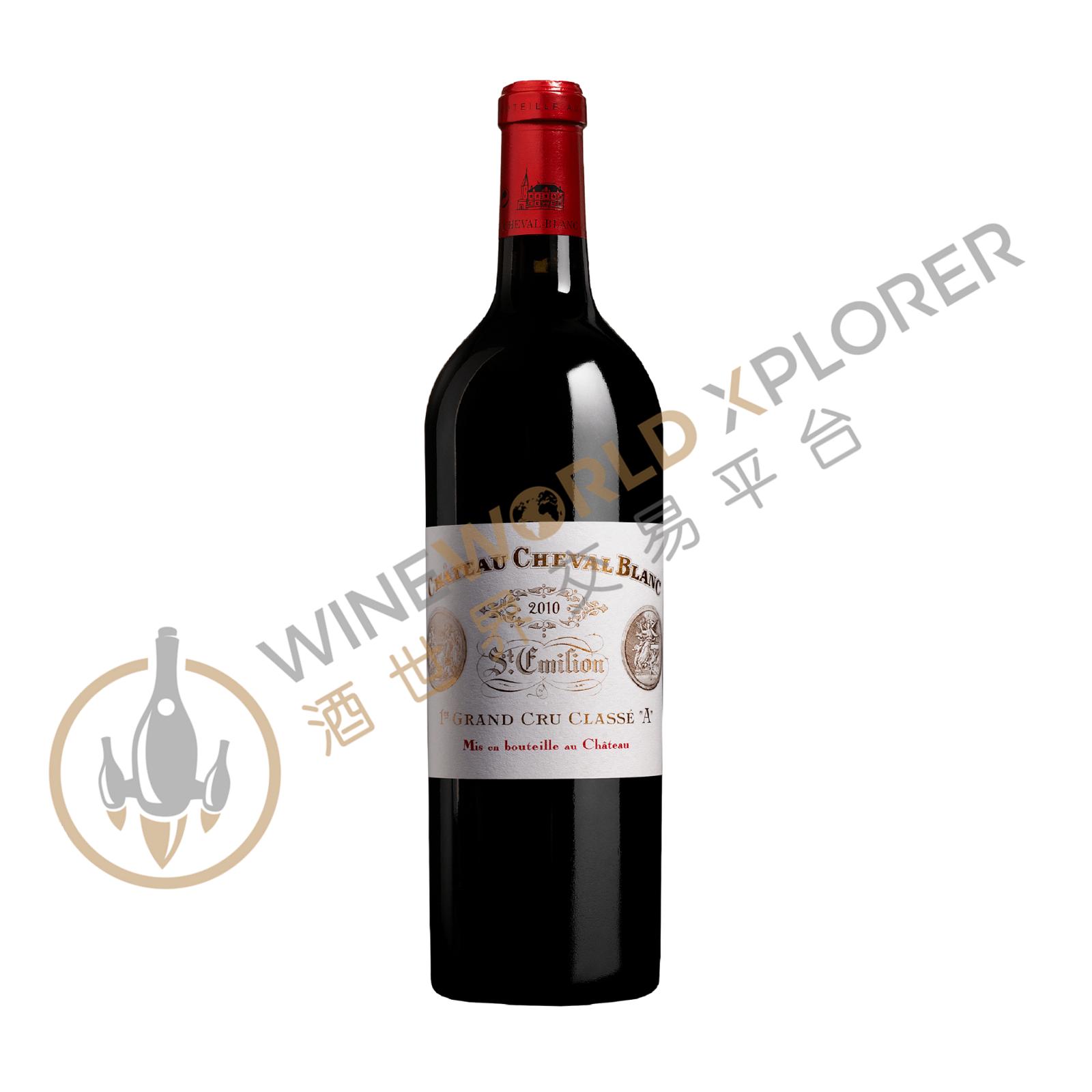
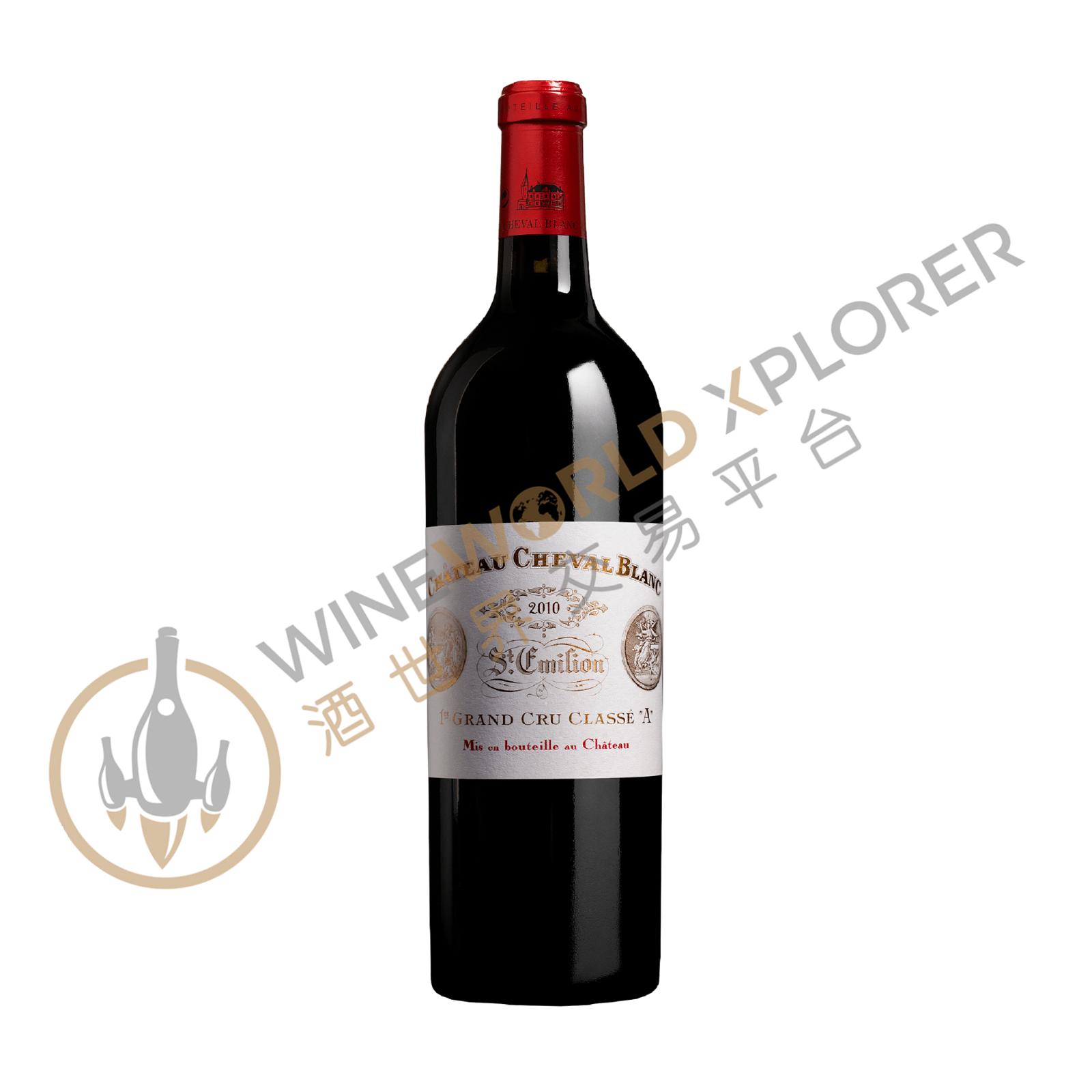
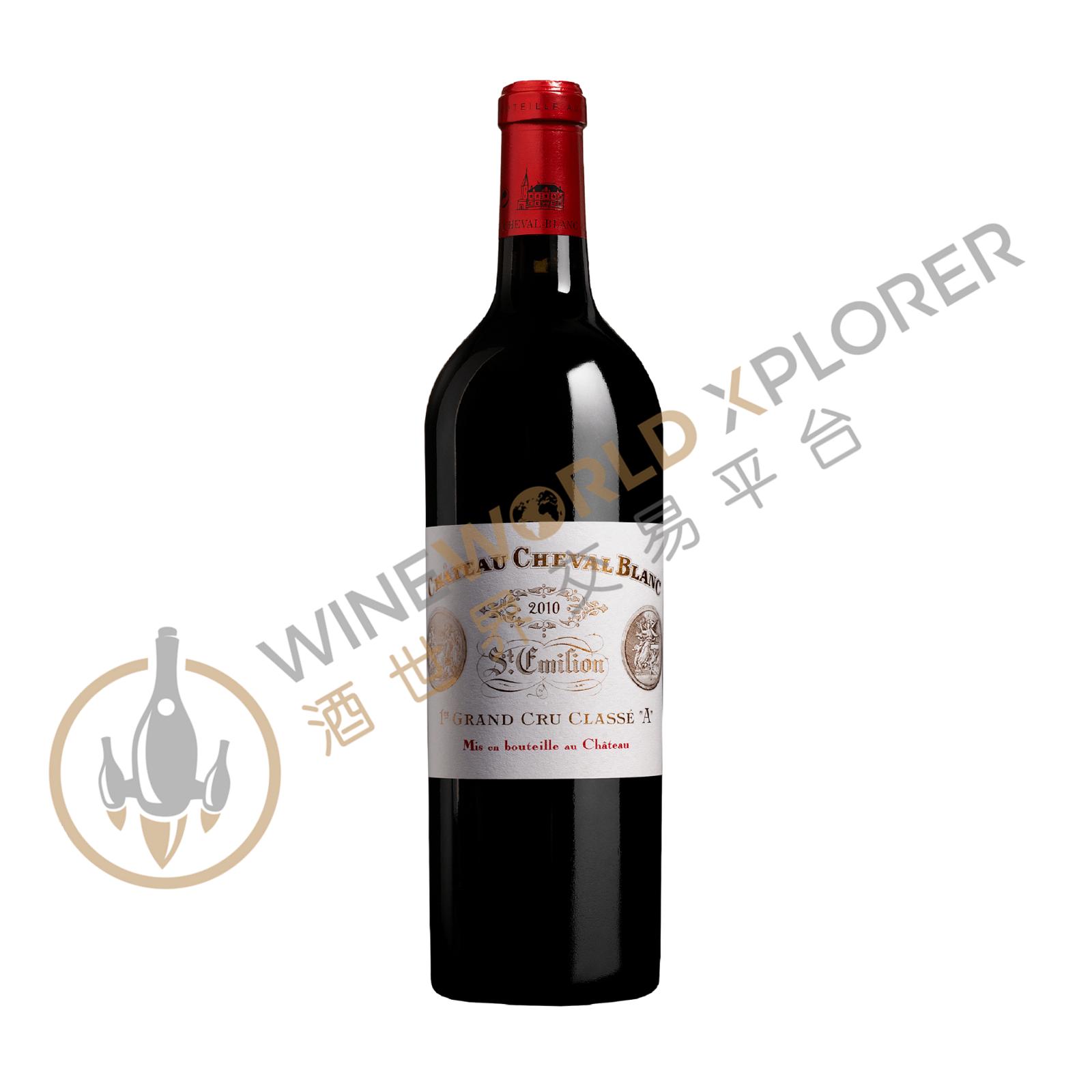
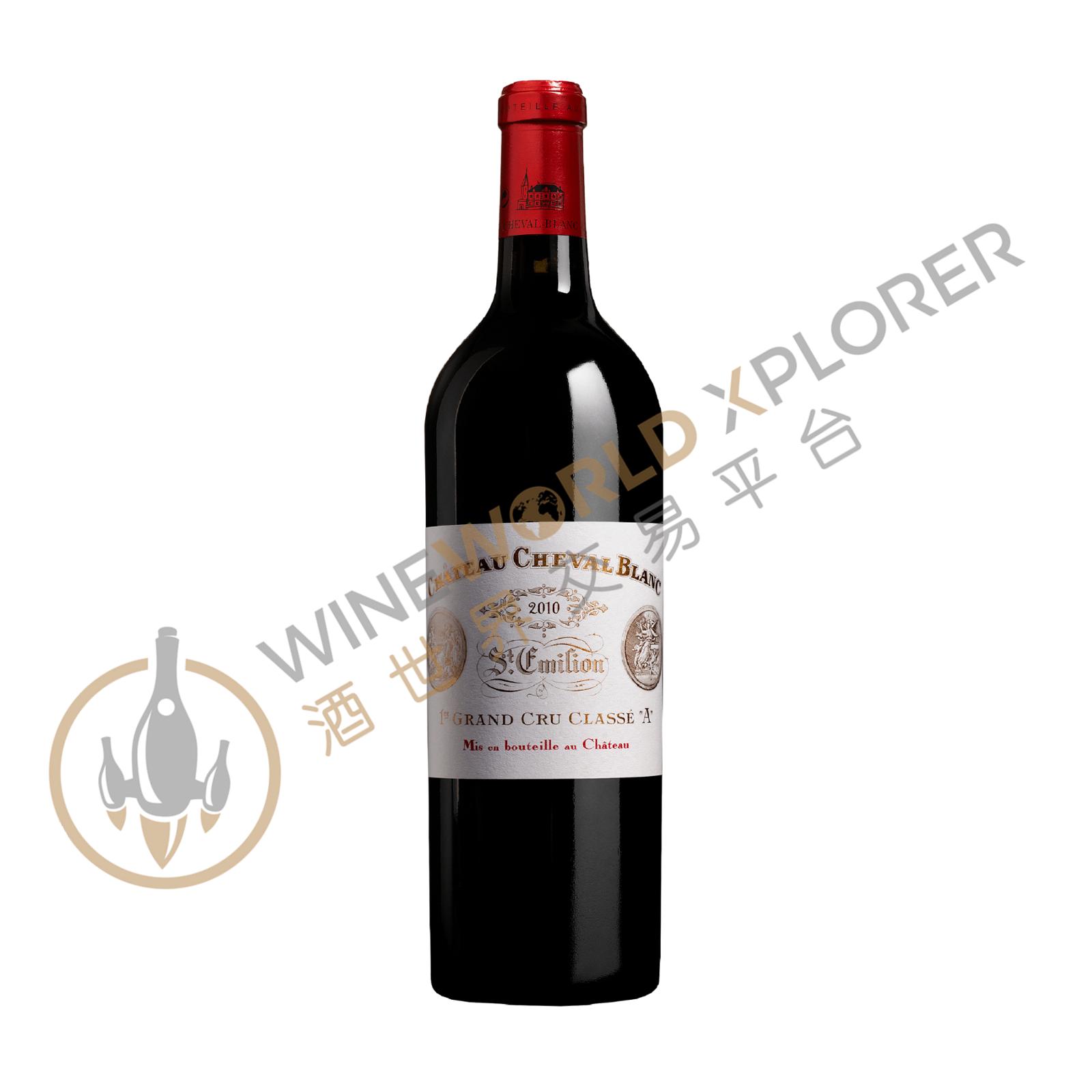
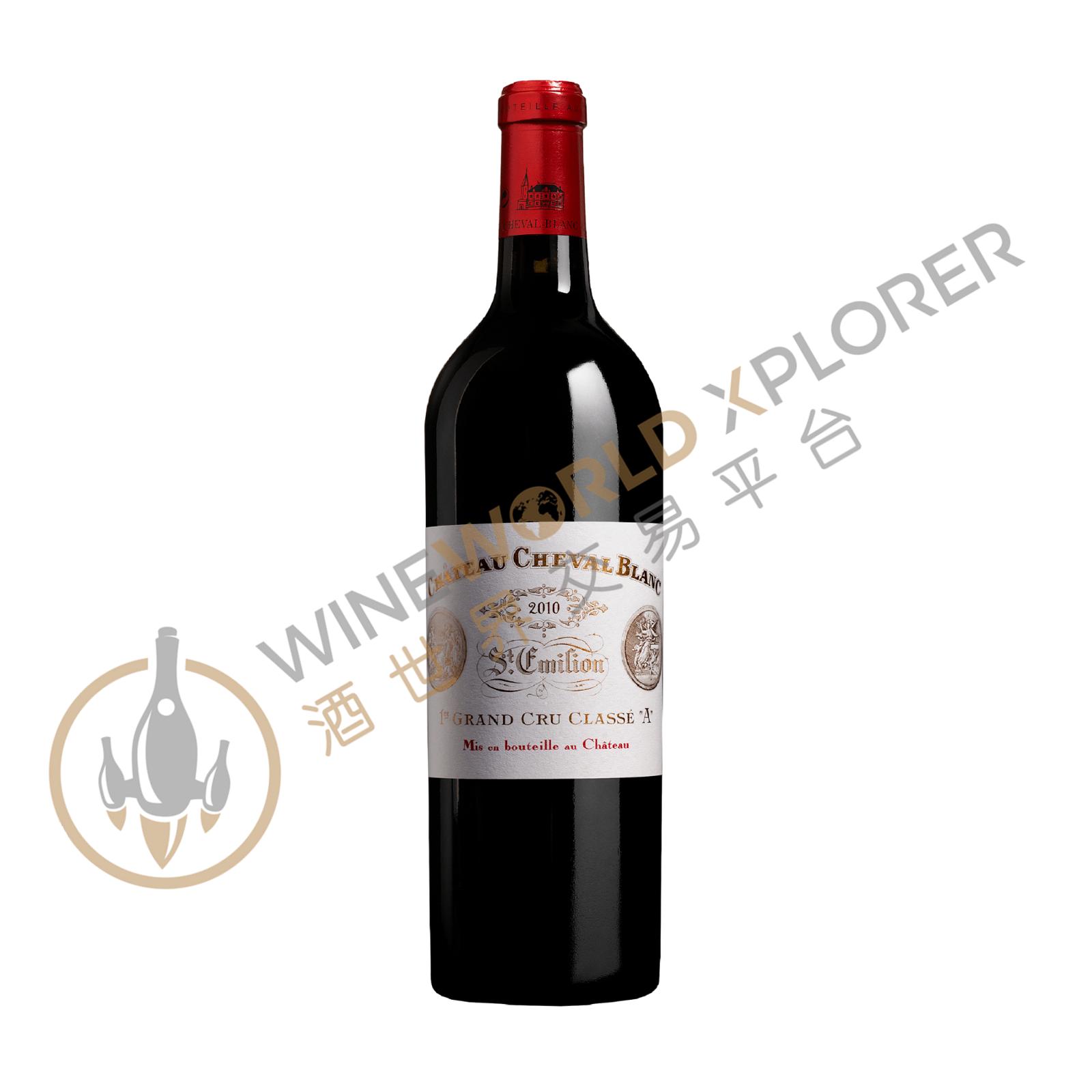
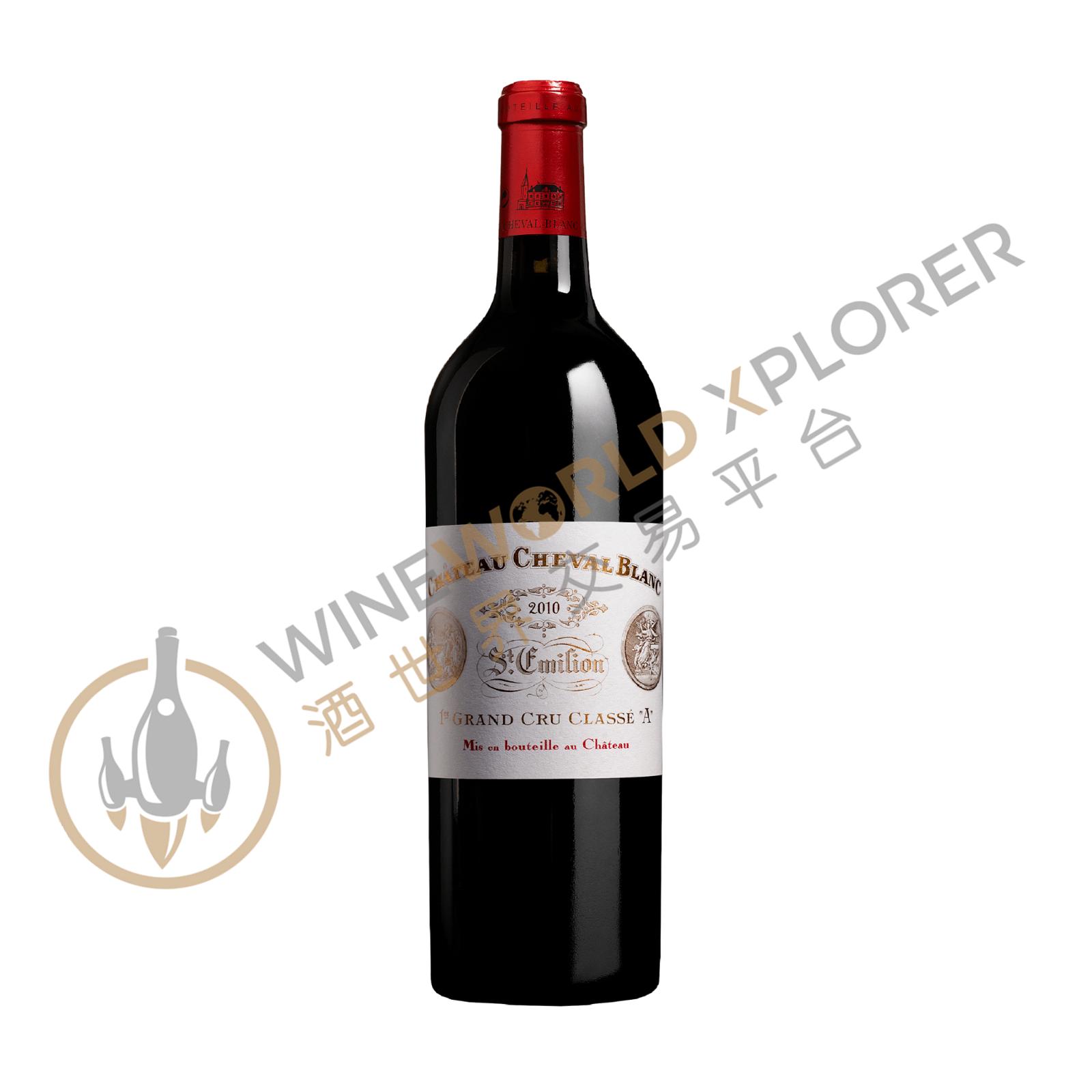
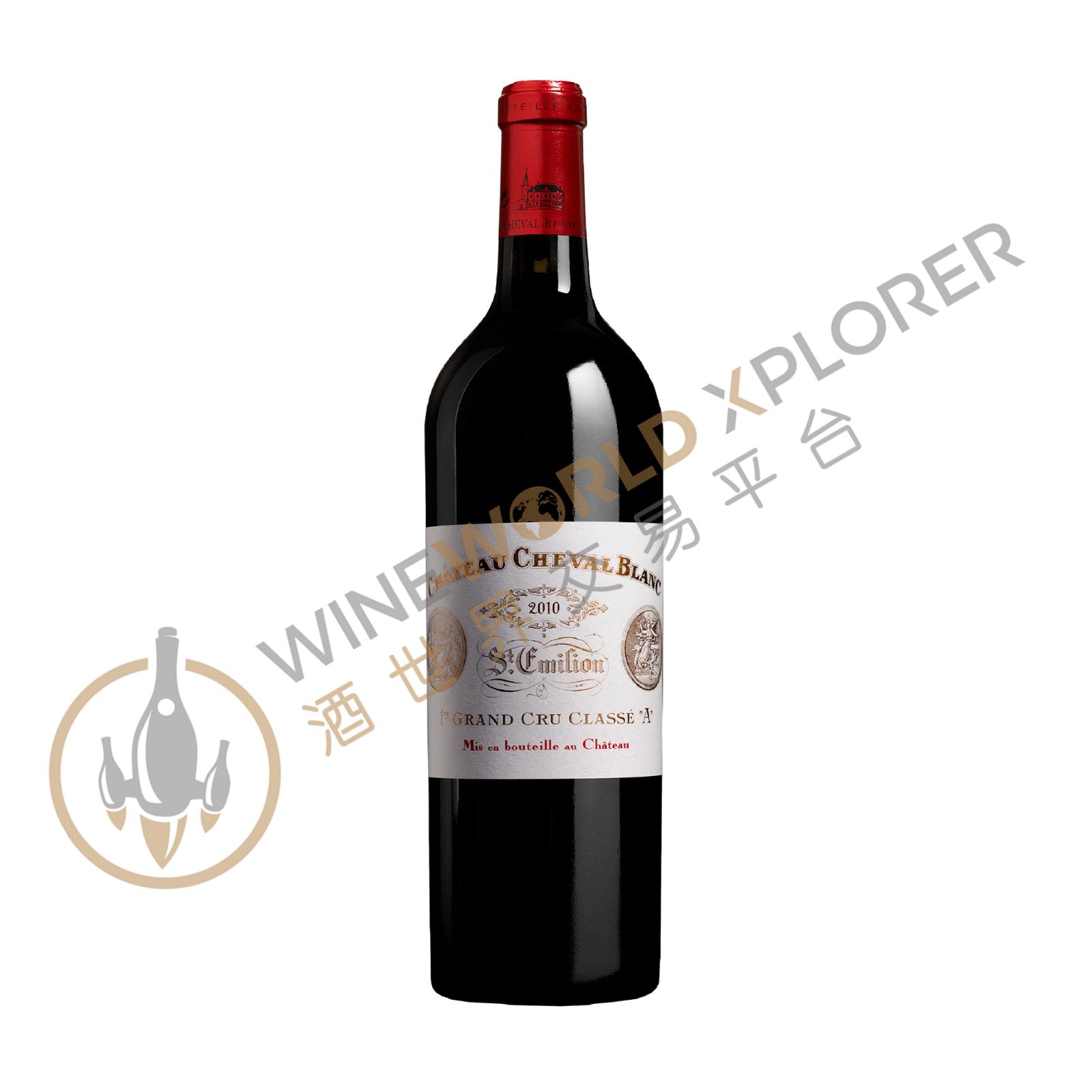
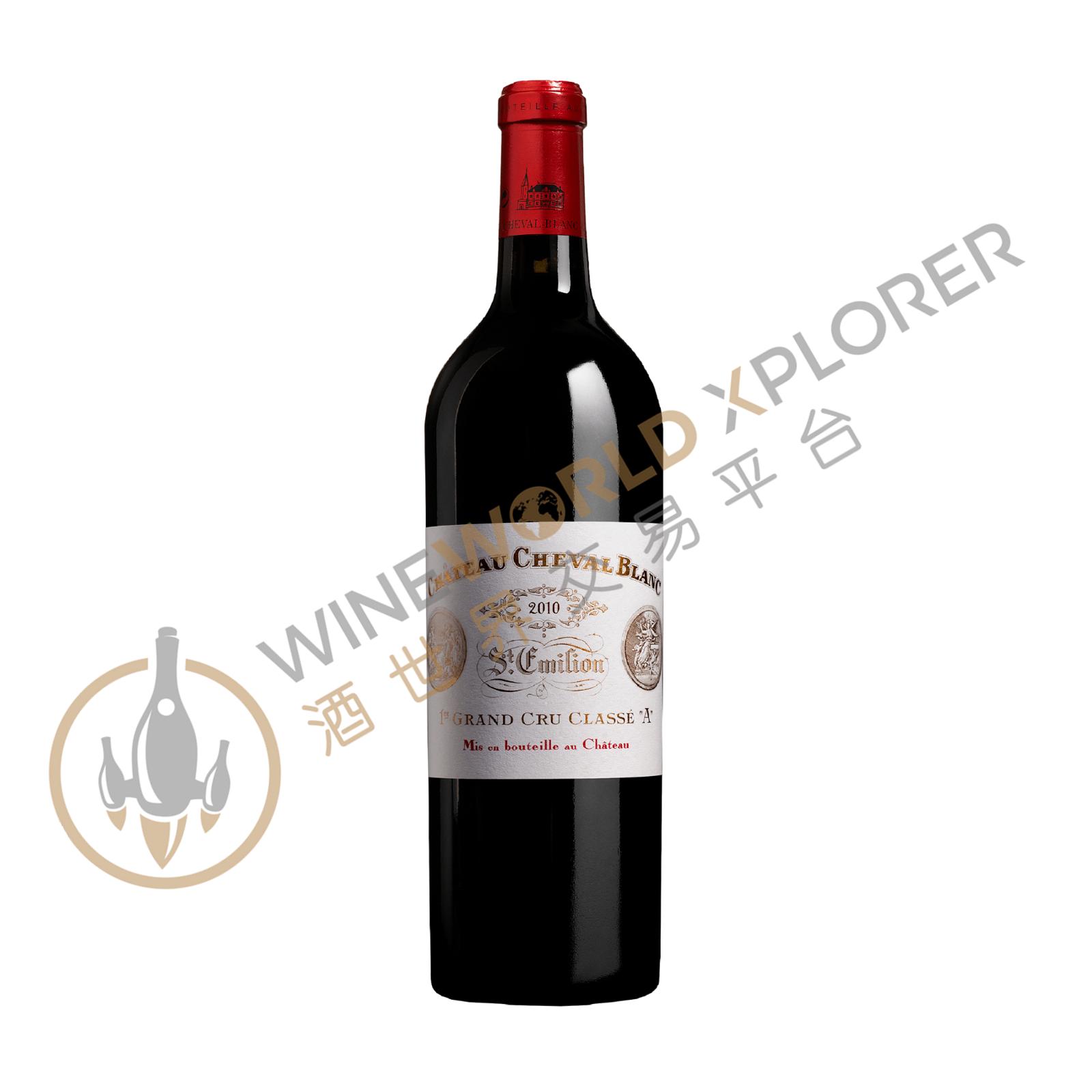
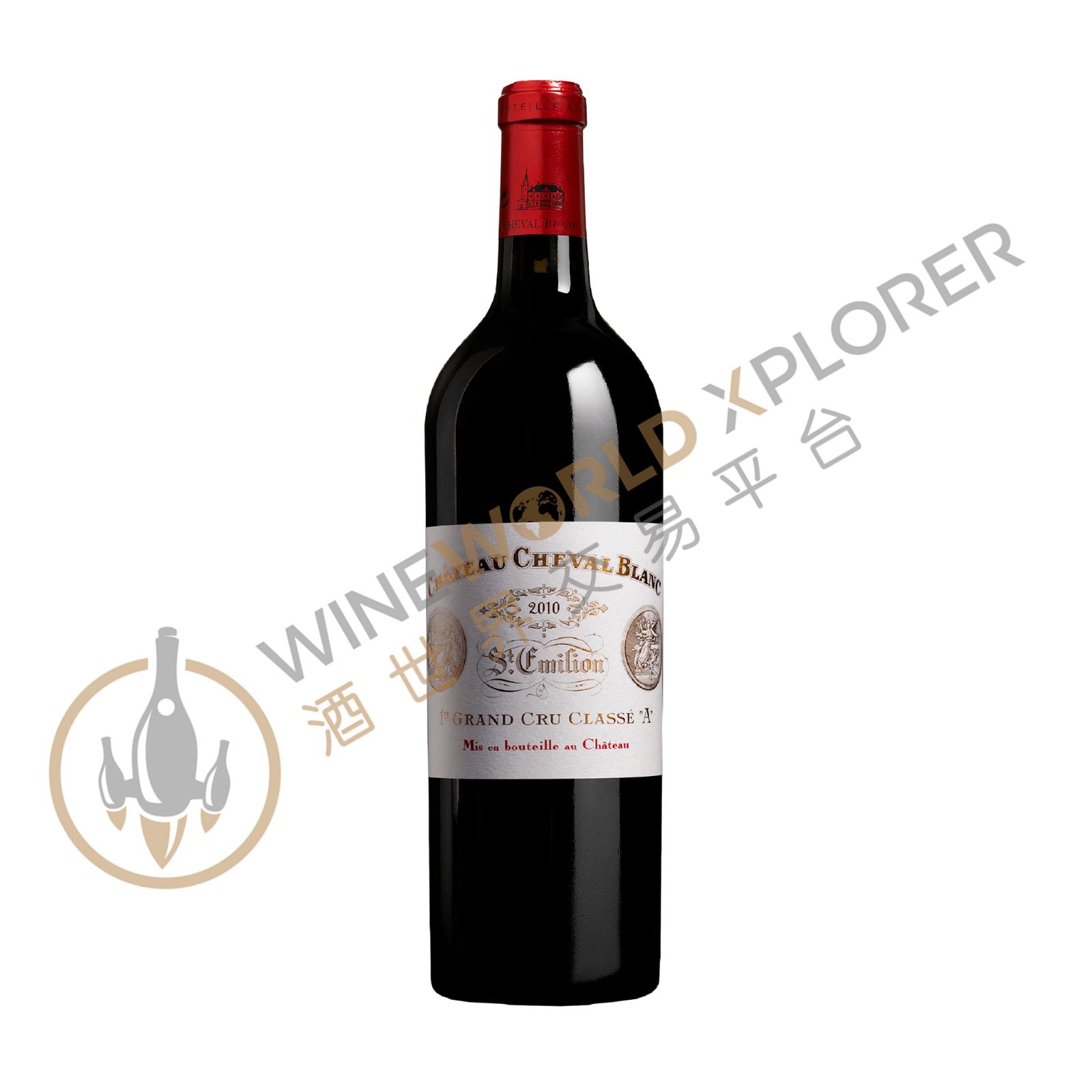
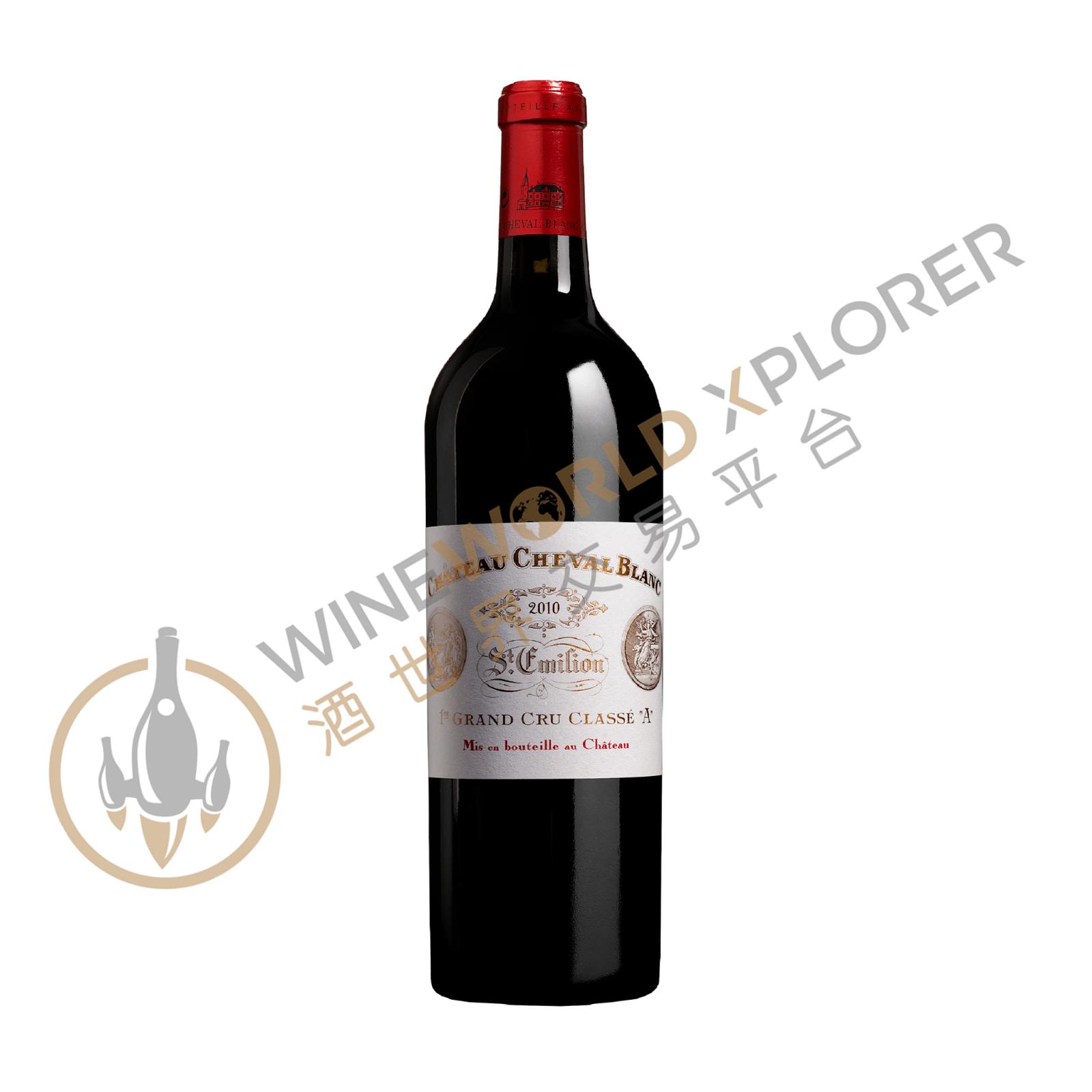
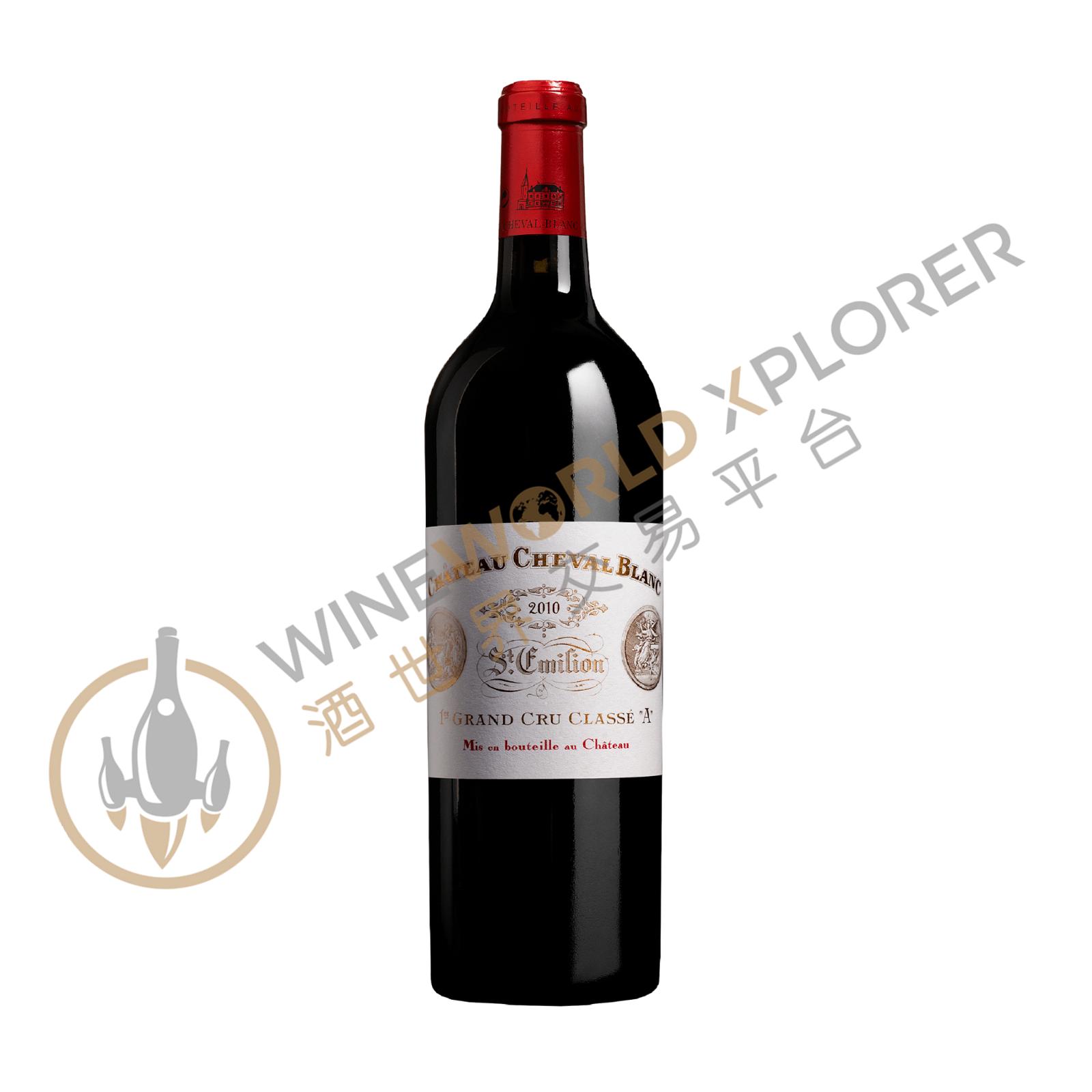
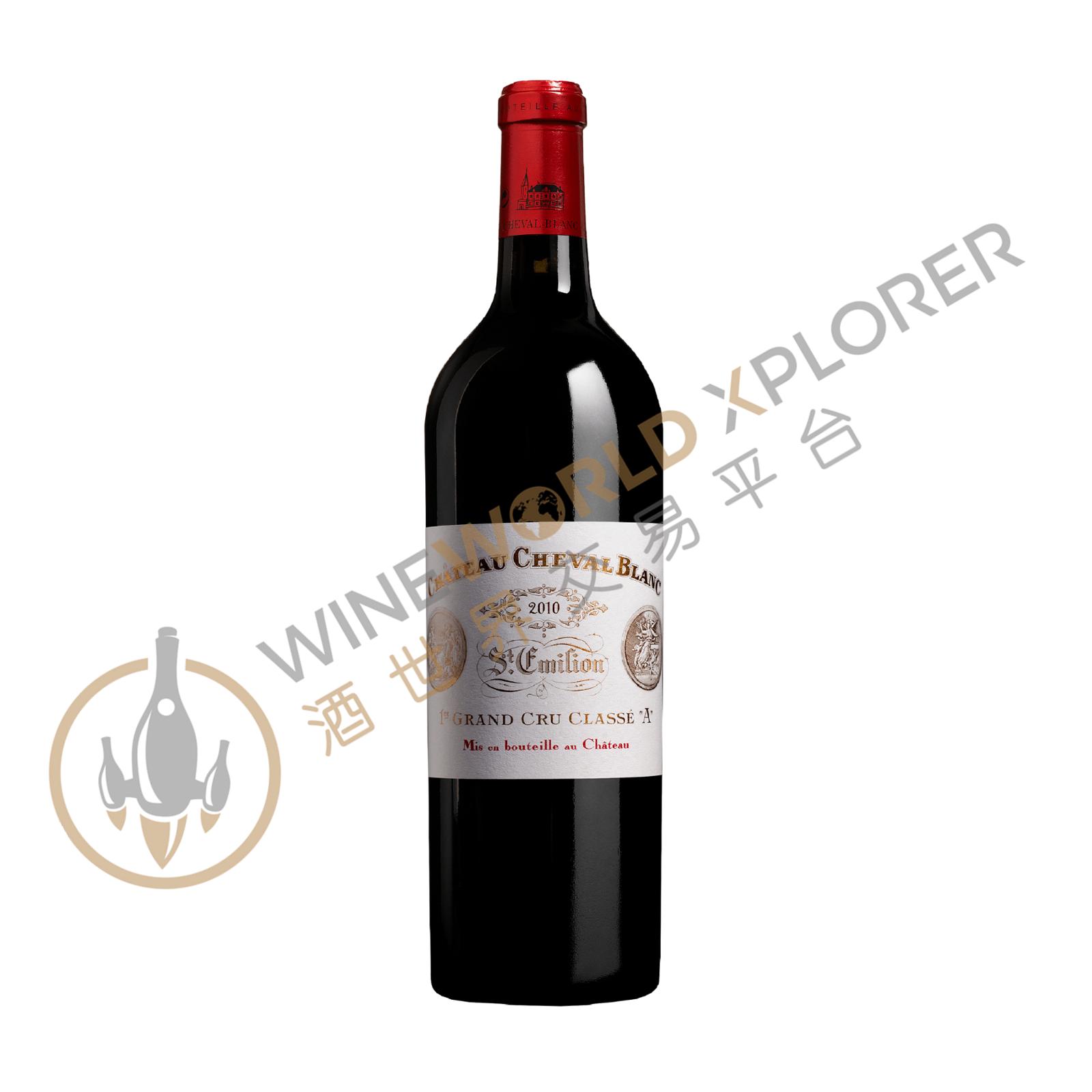
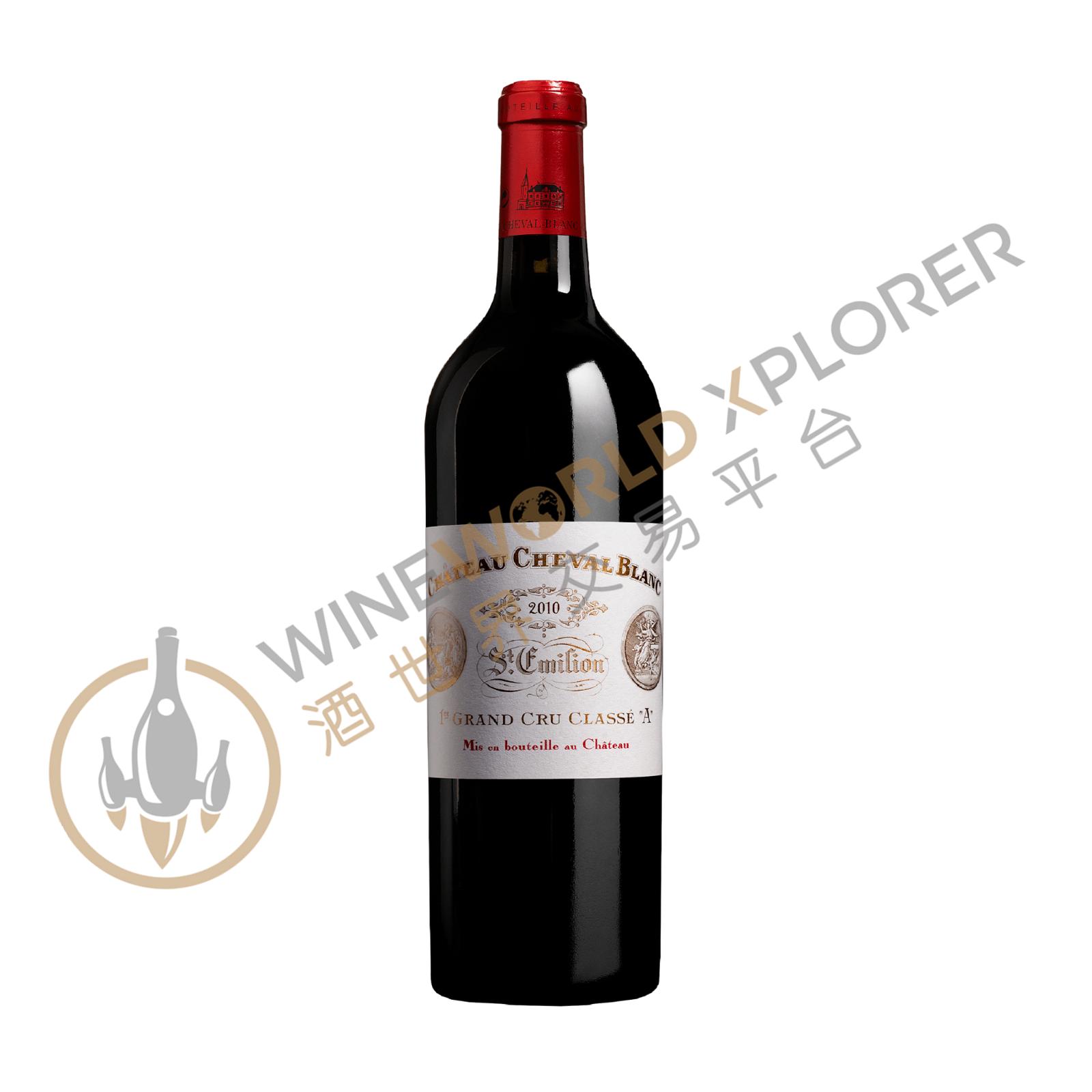
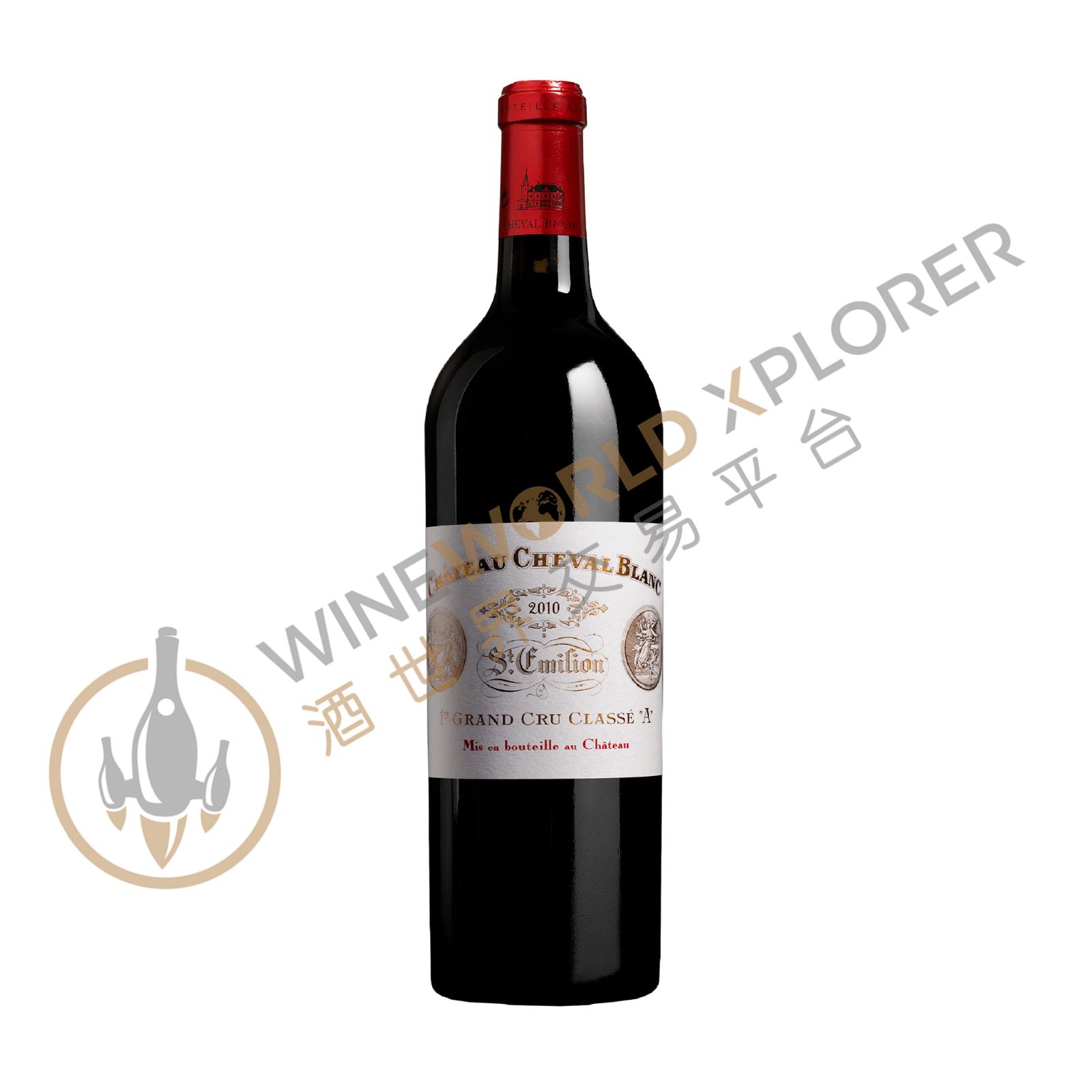
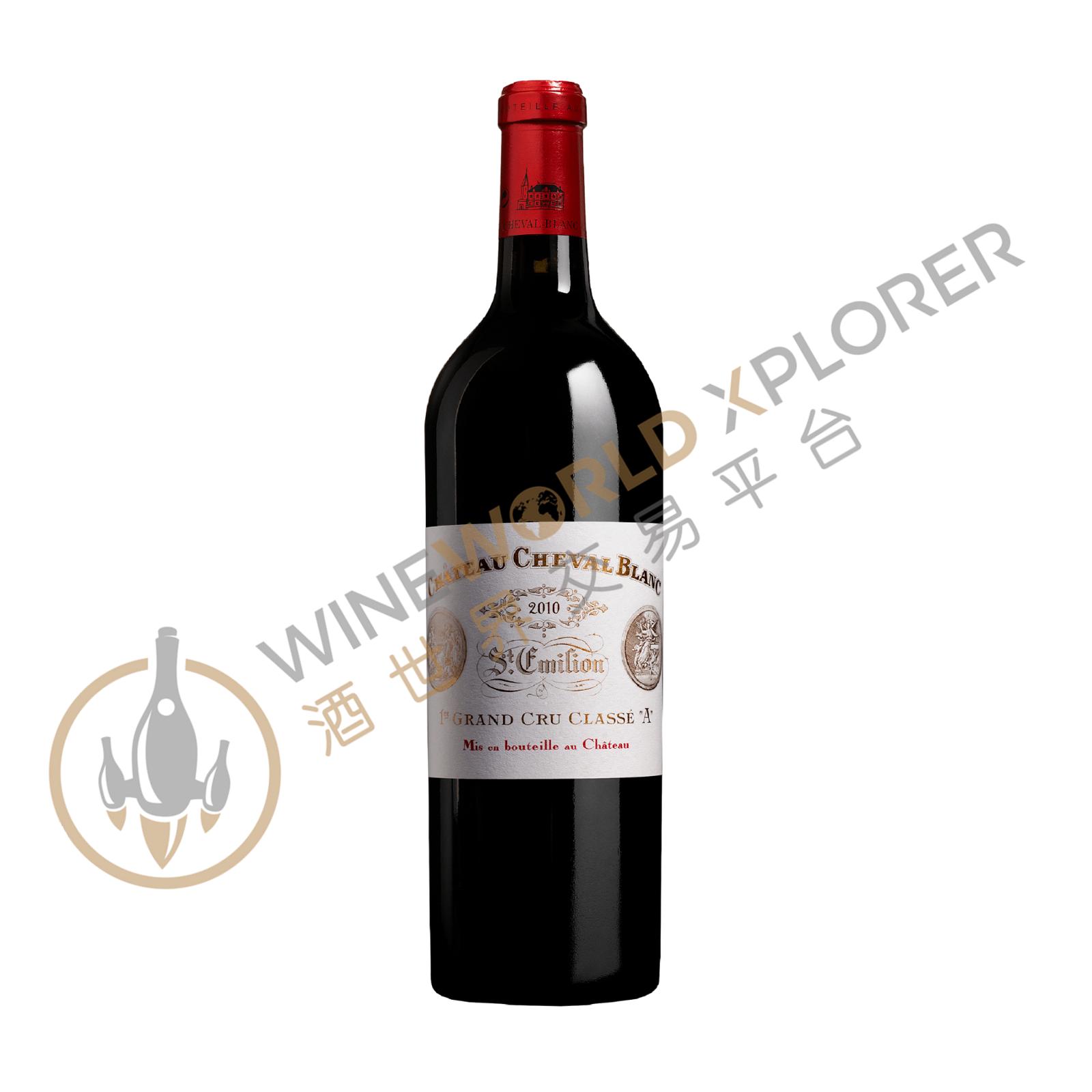
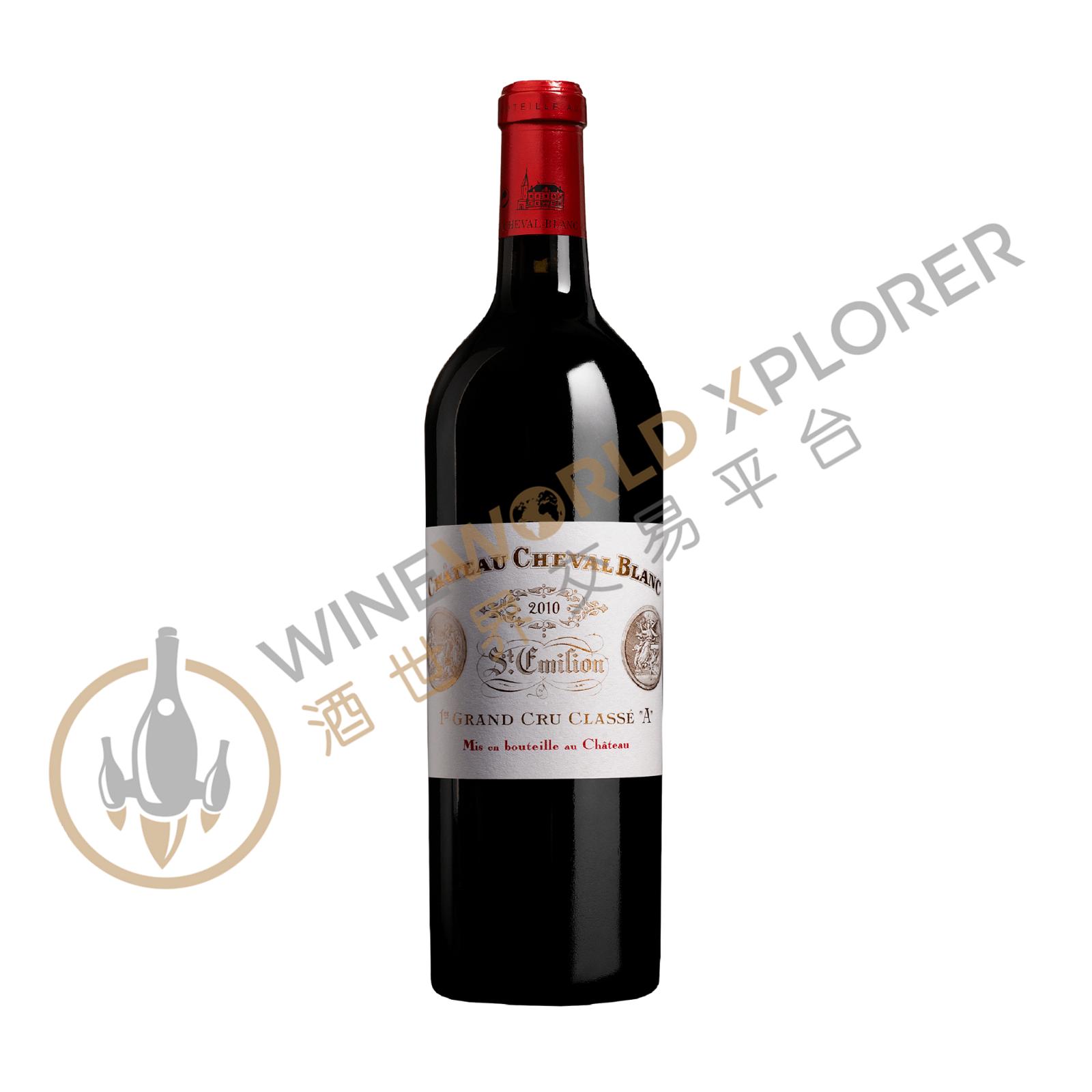
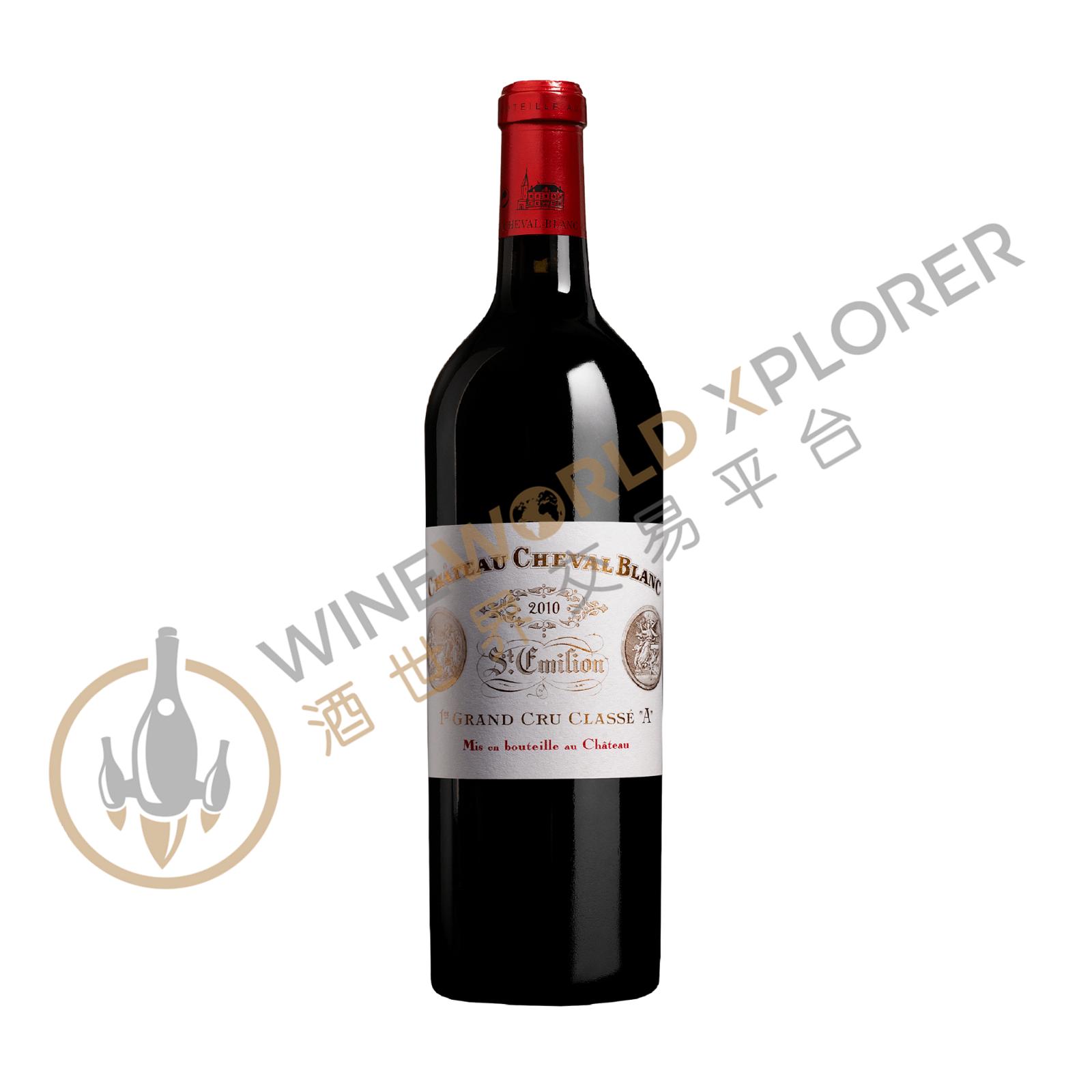
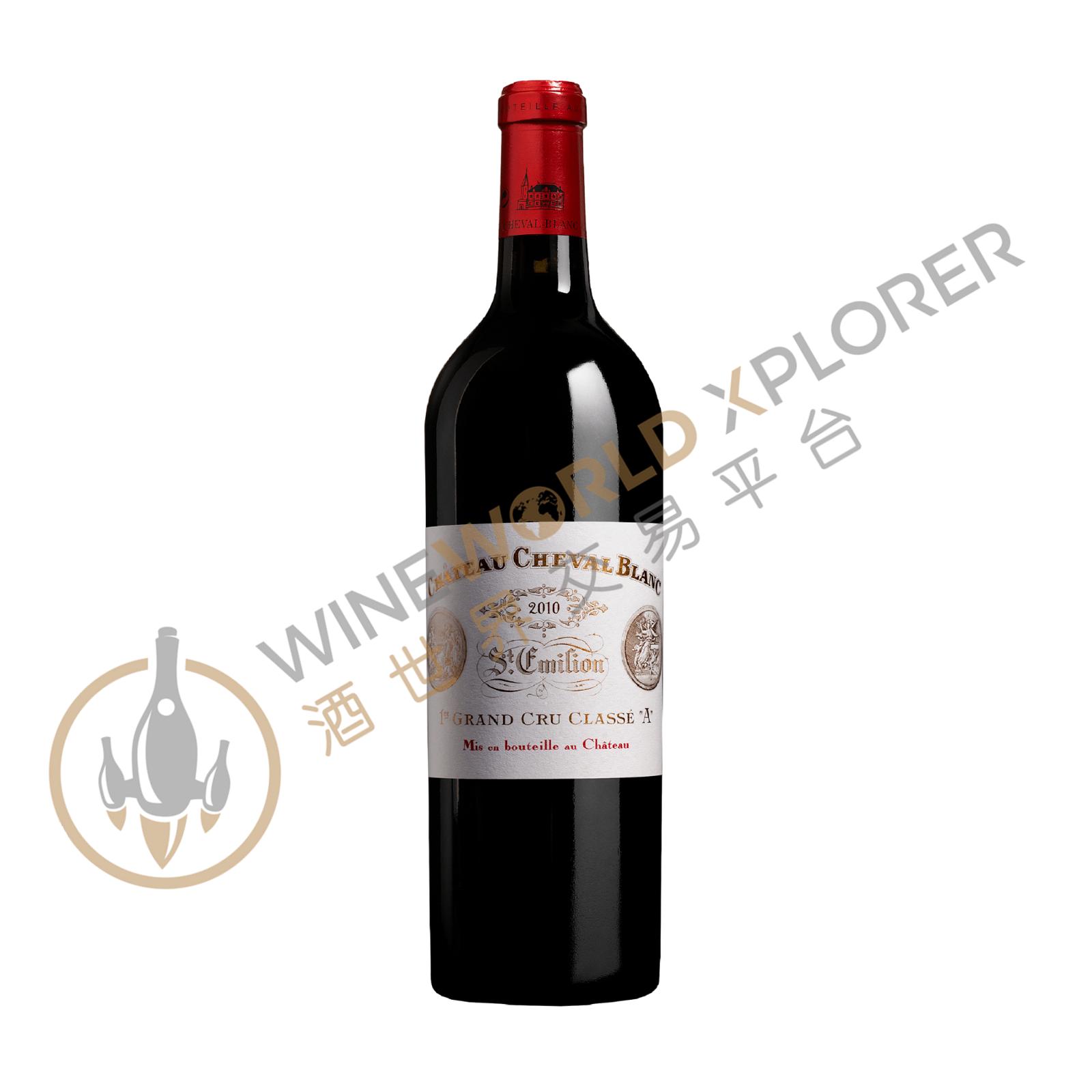
Château Cheval Blanc, a 1er Grand Cru Classé (A) is unquestionably the leading estate in St. Emilion. It is located in the north-west of the St. Emilion appellation, bordering Pomerol. Cheval Blanc obtained its first medal at the 1862 Universal Exhibition in London. In fact, a representation of this bronze medal is found on the château’s present-day label. Cheval Blanc won their first gold medal at the 1878 Universal Exhibition in Paris, and this new distinction also appeared on the label. In 1886, Cheval Blanc won a second gold medal at the Universal Exhibition in Antwerp. Reflecting this series of successes and a wine well on the way to achieving international recognition, a château was built on the estate.
Tasting notes

Reviewed by: William Kelley
One of the unequivocally great wines of the vintage is the 2019 Cheval Blanc, a stunning young Saint-Émilion that wafts from the glass with aromas of wild berries and plums mingled with notions of lilac, pipe tobacco, violets, raw cocoa, licorice, crushed mint and burning embers. Full-bodied, layered and enveloping, it's deep and intense, with beautifully rich, powdery tannins and vibrant flavors. Concluding with a long, saline finish, this rivals the 2016 as the finest Cheval Blanc of the decade, and in many respects it might be thought of as the latter vintage's sun-kissed cousin. Bravo to Pierre-Olivier Clouet and his team!
Reviewed by: Antonio Galloni
The 2019 Cheval Blanc is a stunning, riveting wine. There is simply nothing like a great Cheval in all of Bordeaux. Soaring aromatics are immediately alluring. Bright red-toned fruit, blood orange, cinnamon, espresso and dried herbs build in a Cheval that possesses tremendous layers and exceptional balance. Clean, mineral notes lend tension and drive. The 2019 is a bit strict today and not ready to show all its cards, but it is very clearly a special, special wine in the making. In 2019, the Grand Vin represents 82.5% of the estate's production, a very high amount by any measure. I wouldn't dream of touching a bottle anytime soon. The 2019 is an eternal Cheval Blanc.
Reviewed by: Neal Martin
The 2019 Cheval Blanc is much more understated on the nose compared to its peers. Cedar and graphite merge with black fruit, but it is missing a bit of vigor at present. The palate is medium-bodied with fine tannins, quite structured though a little more austere and drier. Grouchy, which makes me think of Lafleur when it's young. Very impressive length though. A deceptive wine. Tasted blind at the Southwold annual tasting.
Reviewed by: Neal Martin
The 2019 Cheval Blanc was picked from September 10 until October 4 at 41hL/ha. Pierre-Olivier Clouet said that it was important not to have too low a yield in order to maintain balance. This has an almost introspective nose at first, showing blackberry and touches of cassis, cedar and tobacco, plus a hint of wild mint in the background. The palate is medium-bodied with a fresh opening, and much livelier than the nose at the moment thanks to the superb tension, the Cabernets lending density in tandem with elegance. Quintessentially Cheval Blanc, but there is little doubt in my mind that it will take longer to come around than the 2018. Have a cellar handy, because this is a mighty Cheval Blanc from Pierre Lurton and his able team.
About the Producer
Château Cheval Blanc is a highly lauded wine estate in the Saint-Émilion region of northeast Bordeaux. Classified with the top ranking of Premier Grand Cru Classé A, it is regarded by many as one of the greatest wines of the appellation – if not, the greatest. It is certainly the most famous Cabernet Franc-based wine in the world, albeit often alongside very similar levels of Merlot. Typically, the "grand vin" (the estate's eponymous wine) is lush and full bodied with great weight of fruit. It tends to require ten years of bottle age and the best vintages can last half a century or more. The second wine of the estate is Le Petit Cheval. The vineyard is located in the northwest of the region, bordering Pomerol (La Conseillante is a neighbor) and consists of 39 hectares (96 acres) divided into 45 plots. There is an unusually large amount of Cabernet Franc planted – about 49 percent – with 47 percent Merlot and four percent Cabernet Sauvignon. The unusual planting proportions reflect the terroir; most vineyards in the region are either clay or gravel-based over impermeable sedimentary rock, but Cheval Blanc is unique in having a patchwork of soils with the two types in roughly equal proportions. The clay soils provide base wines with velvety tannins, while those from gravel soils are more aromatic and elegant. Vines have been grown since the 14th Century at this spot but the vineyard as it is known today took shape in the 19th Century when the core plots were added to by purchases from the nearby Figeac estate. Subsequent replantings established the atypical half-Merlot, half-Cabernet Franc proportions. Cheval Blanc gained its first medal at the 1862 Universal Exhibition in London – the first of a series of successes building its reputation and achieving price levels comparable to the Médoc first growths, which paved the way for a château to be built on the estate. In the first classification of Saint-Émilion wines in 1955, Cheval Blanc was awarded the highest possible rating and remains a Premier Grand Cru Classé A. In 1998, after 166 years of continuous family ownership, Bernard Arnault, the head of luxury goods firm LVMH, and the late Baron Albert Frère (a Belgian billionaire investor) jointly purchased the estate. The spectacular new cellar opened in 2011, with 52 concrete vats (replacing stainless steel) of differing sizes corresponding to different vineyard plots. The grand vin spends 16 to 18 months in new oak barrels from a variety of cooperages.
1953(1)1954(2)1962(1)1967(1)1973(1)1974(2)1975(1)1976(1)1977(2)1978(1)1980(1)1981(1)1982(2)1983(1)1984(1)1985(1)1988(2)1989(4)1990(7)1992(2)1993(3)1994(2)1995(6)1996(9)1997(2)1998(8)1999(3)2000(15)2001(7)2004(11)2005(17)2006(8)2007(11)2008(11)2009(8)2010(9)2011(10)2012(12)2013(8)2014(15)2015(20)2016(18)2017(8)2018(14)
Package Size