Wine Advisor



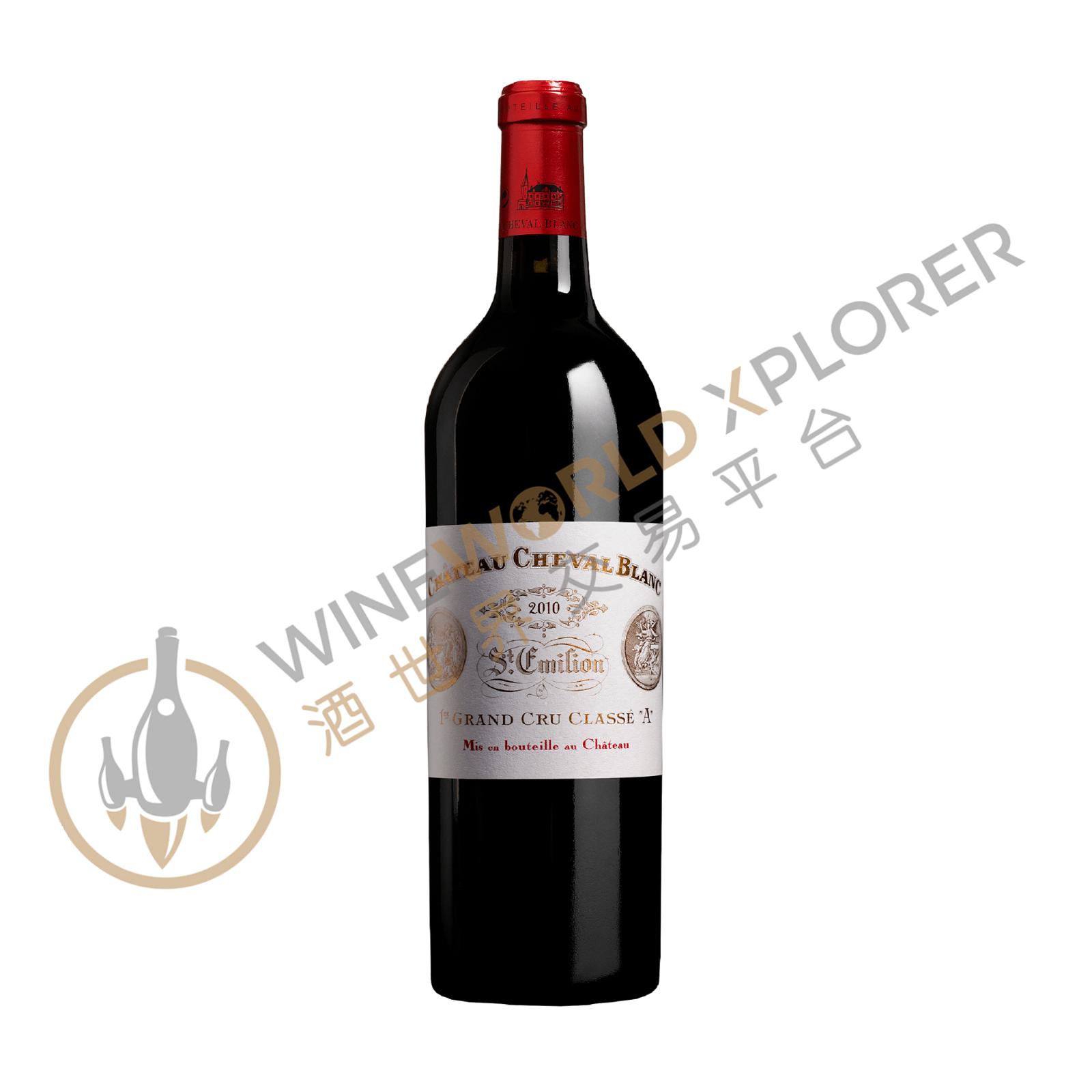
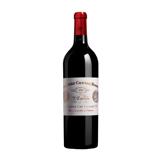
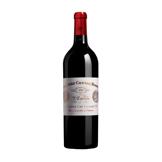
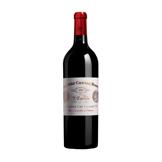
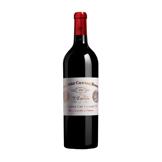
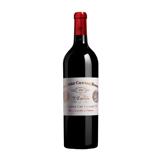
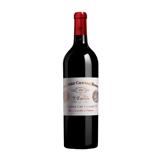
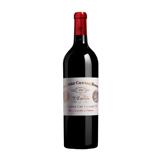
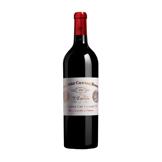
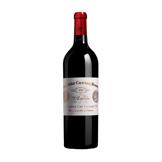
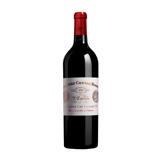
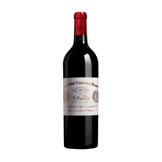
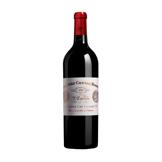
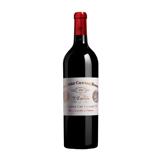
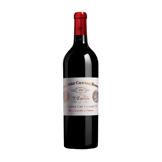
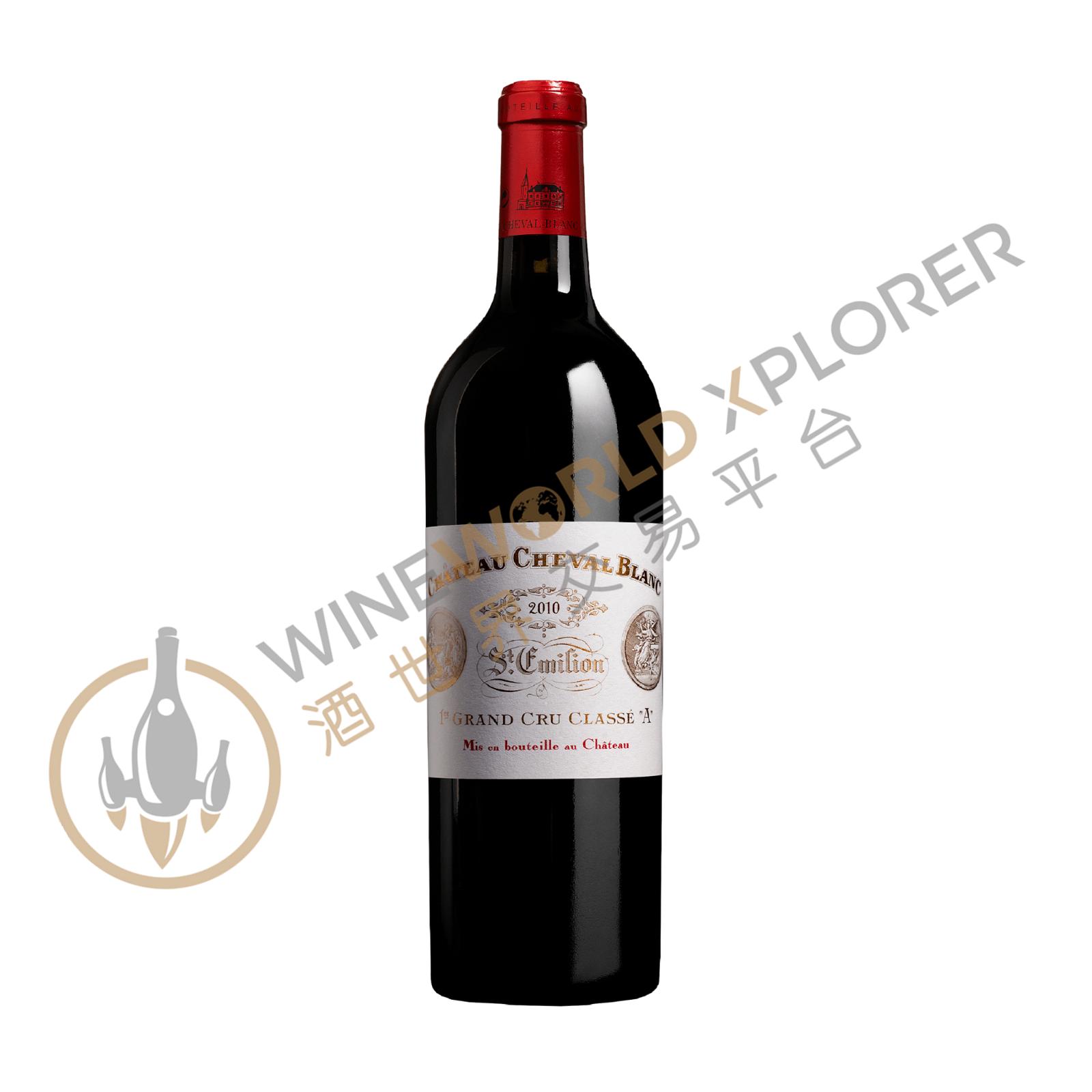
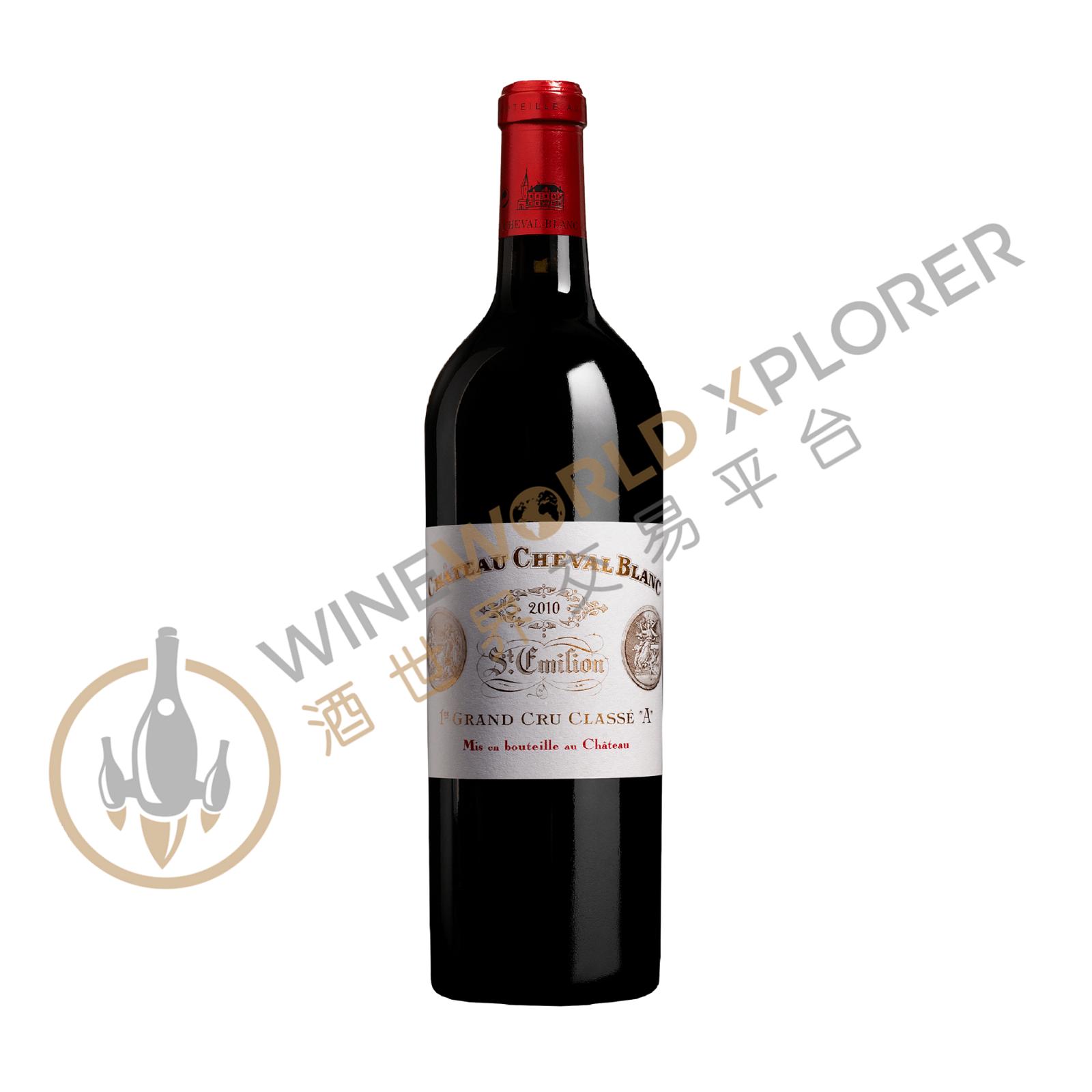
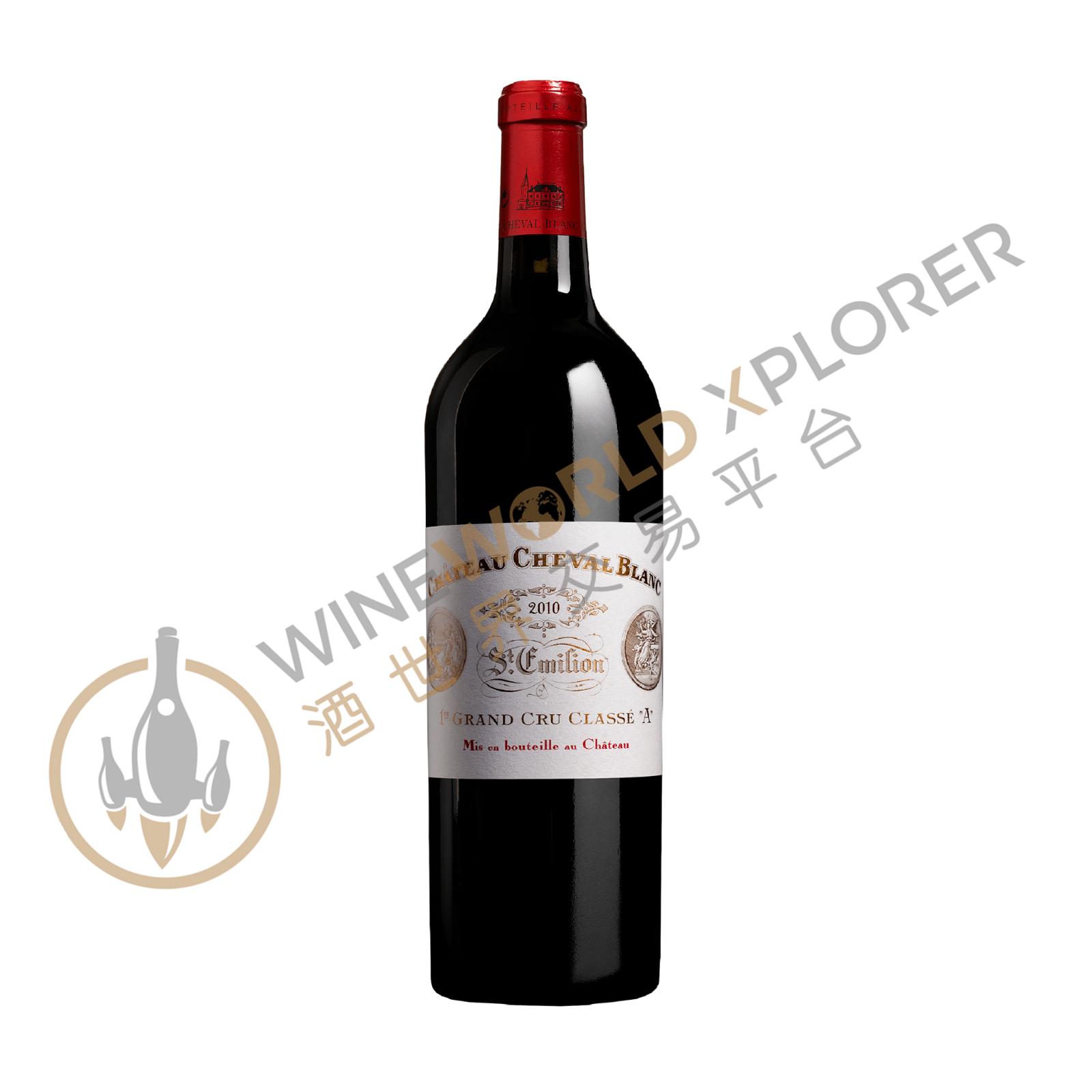
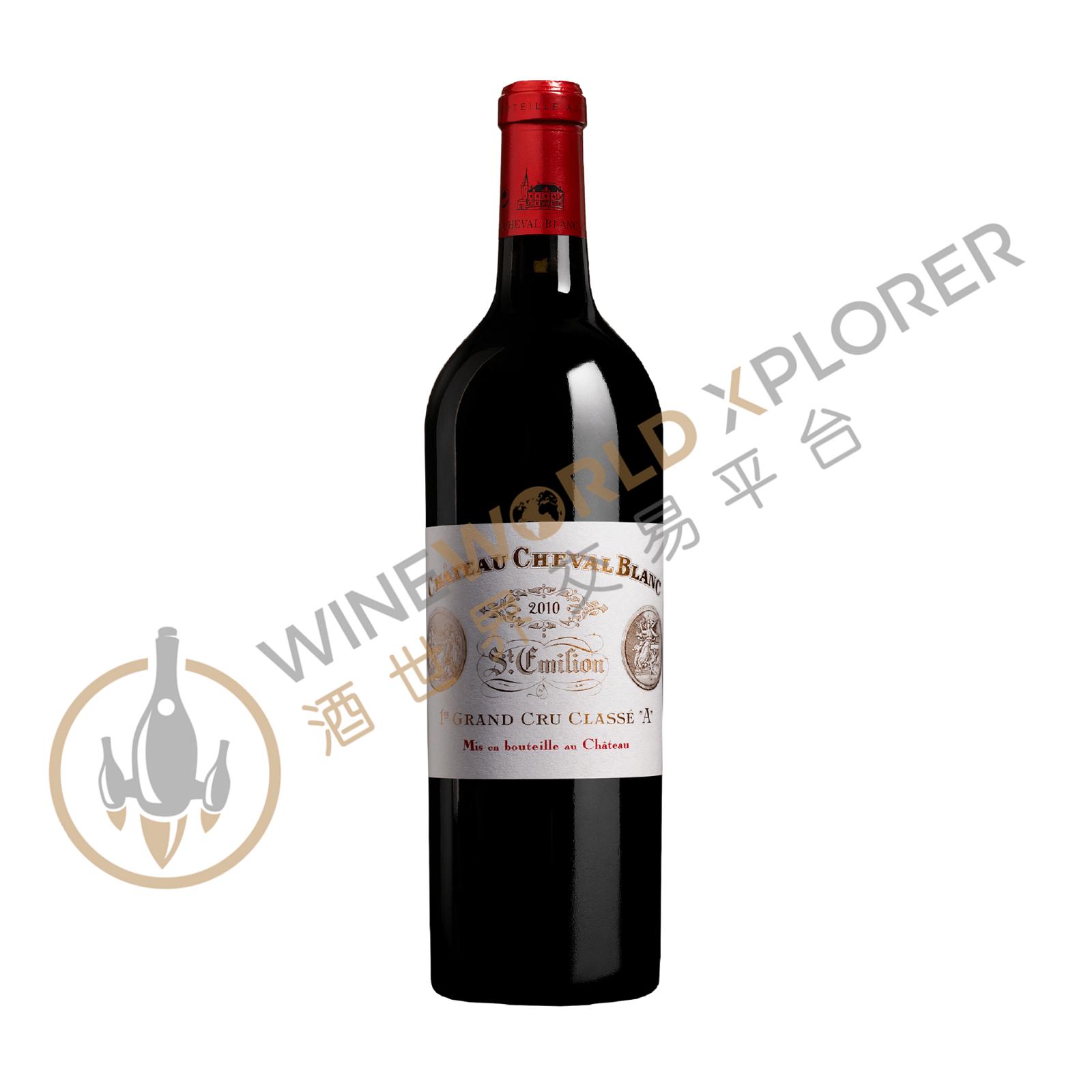
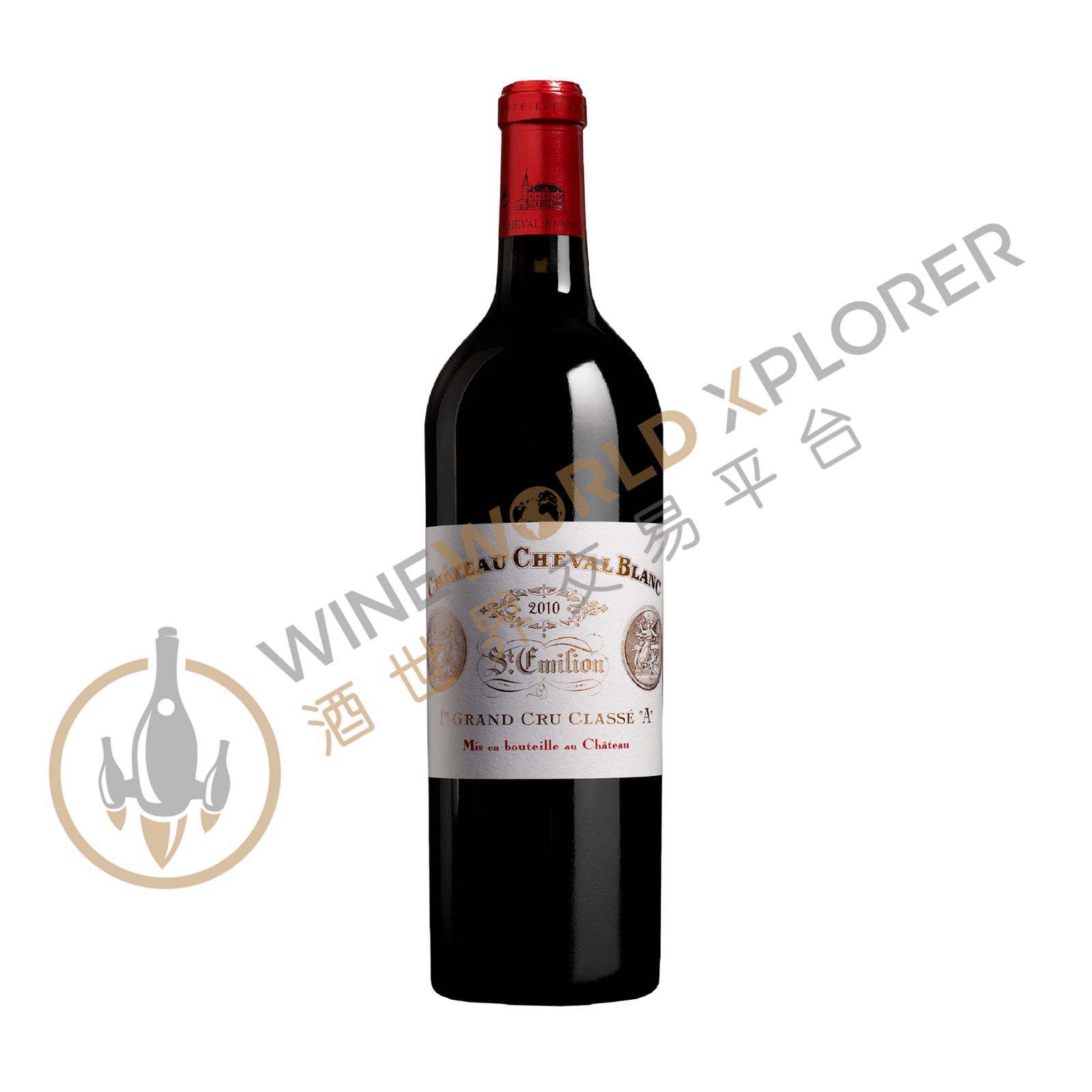
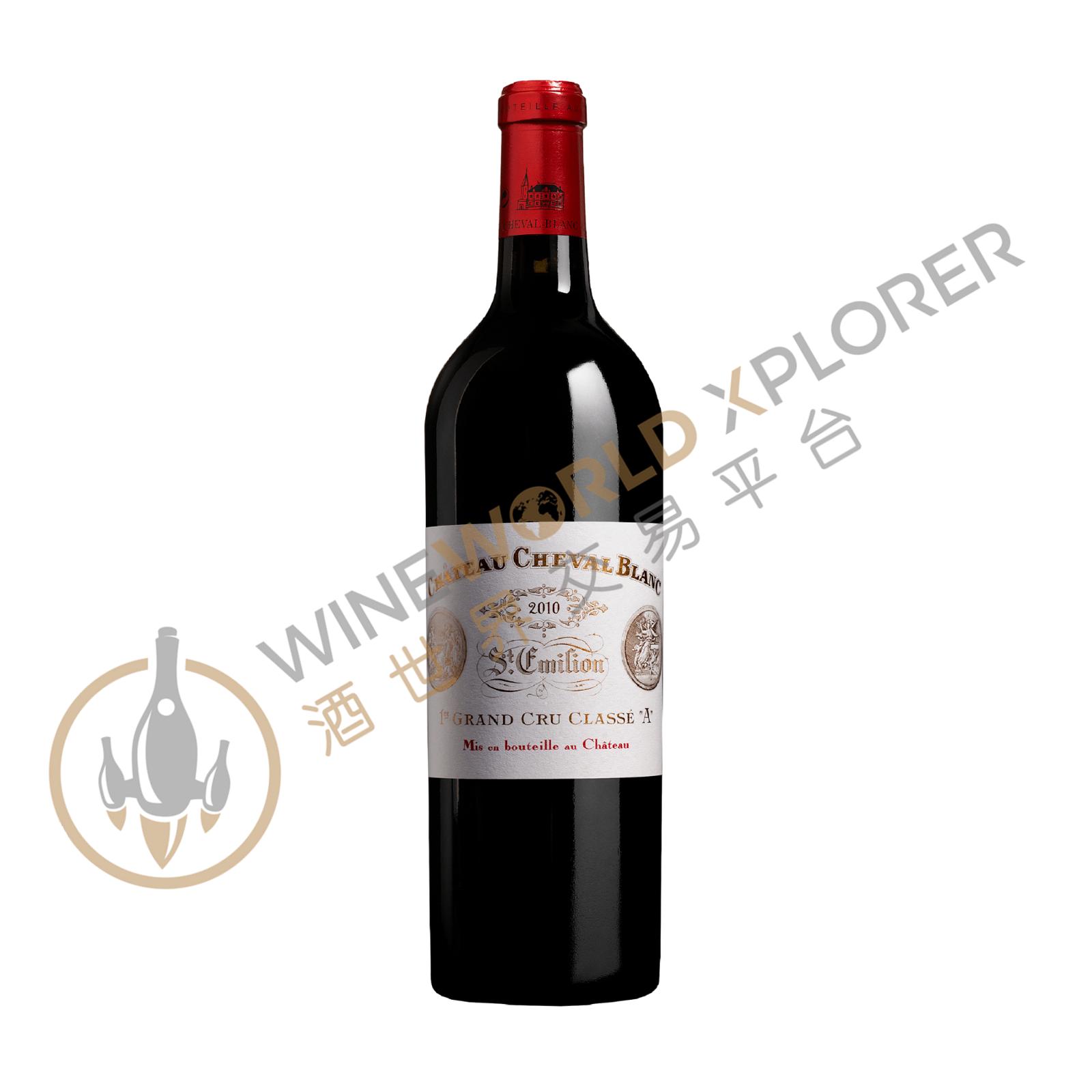
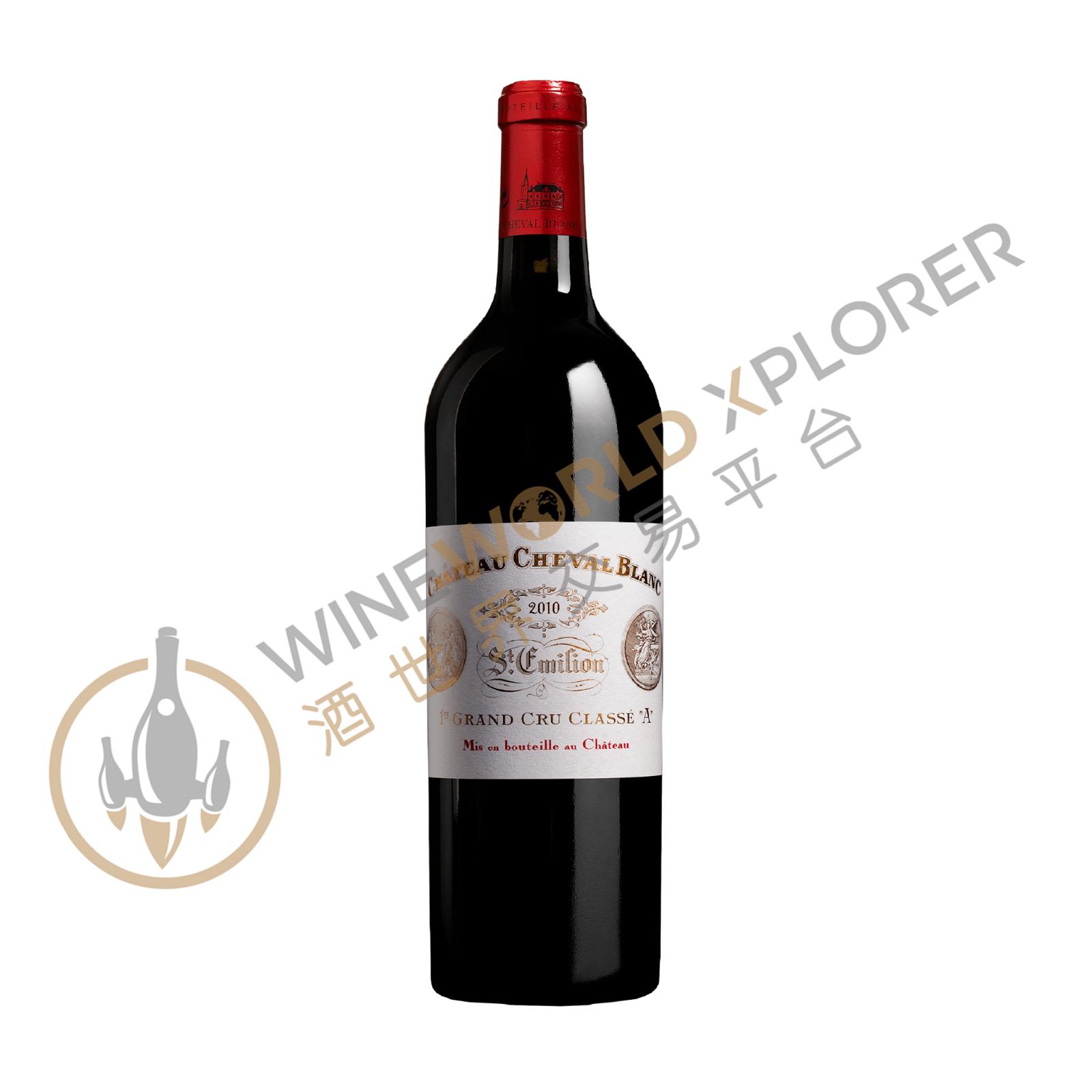
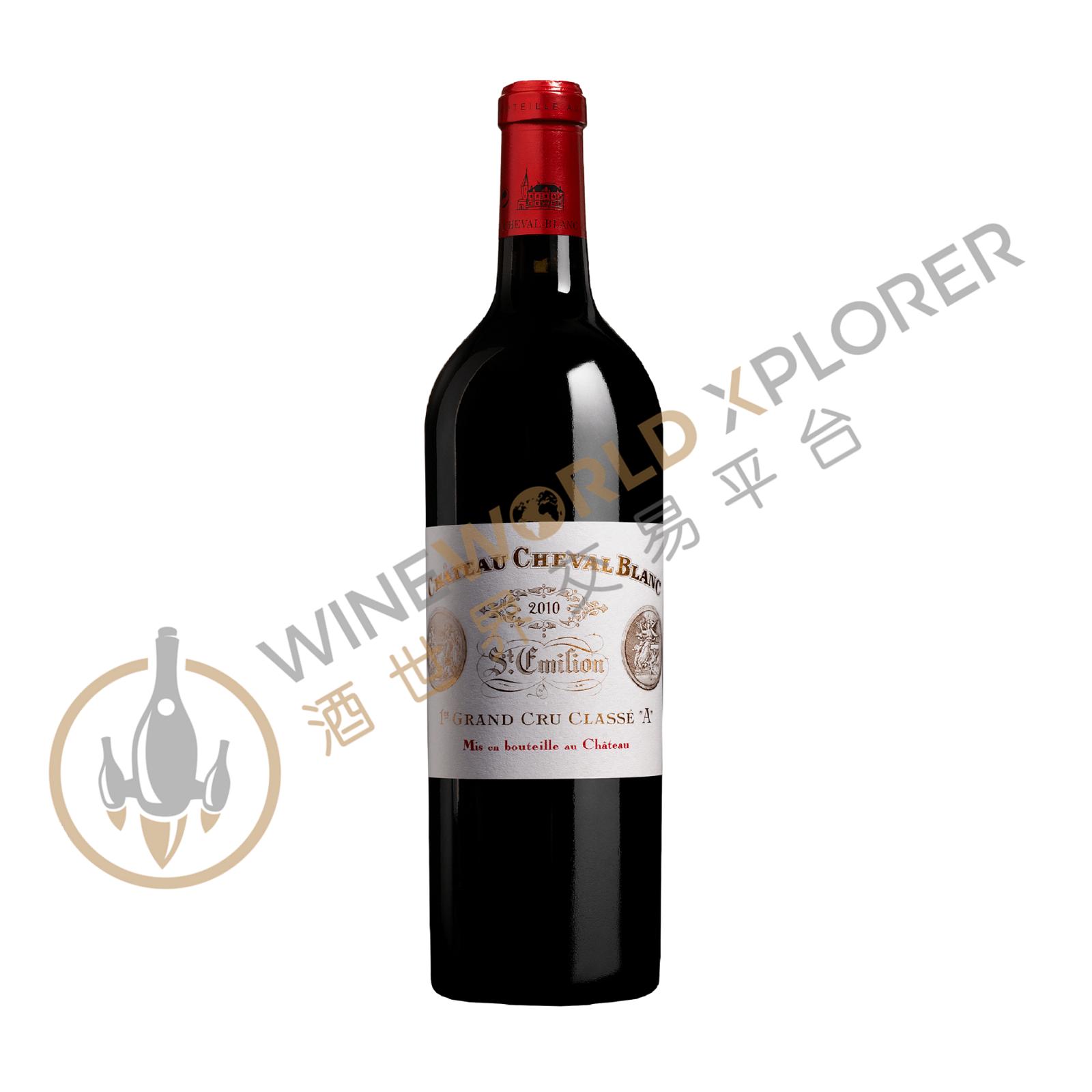
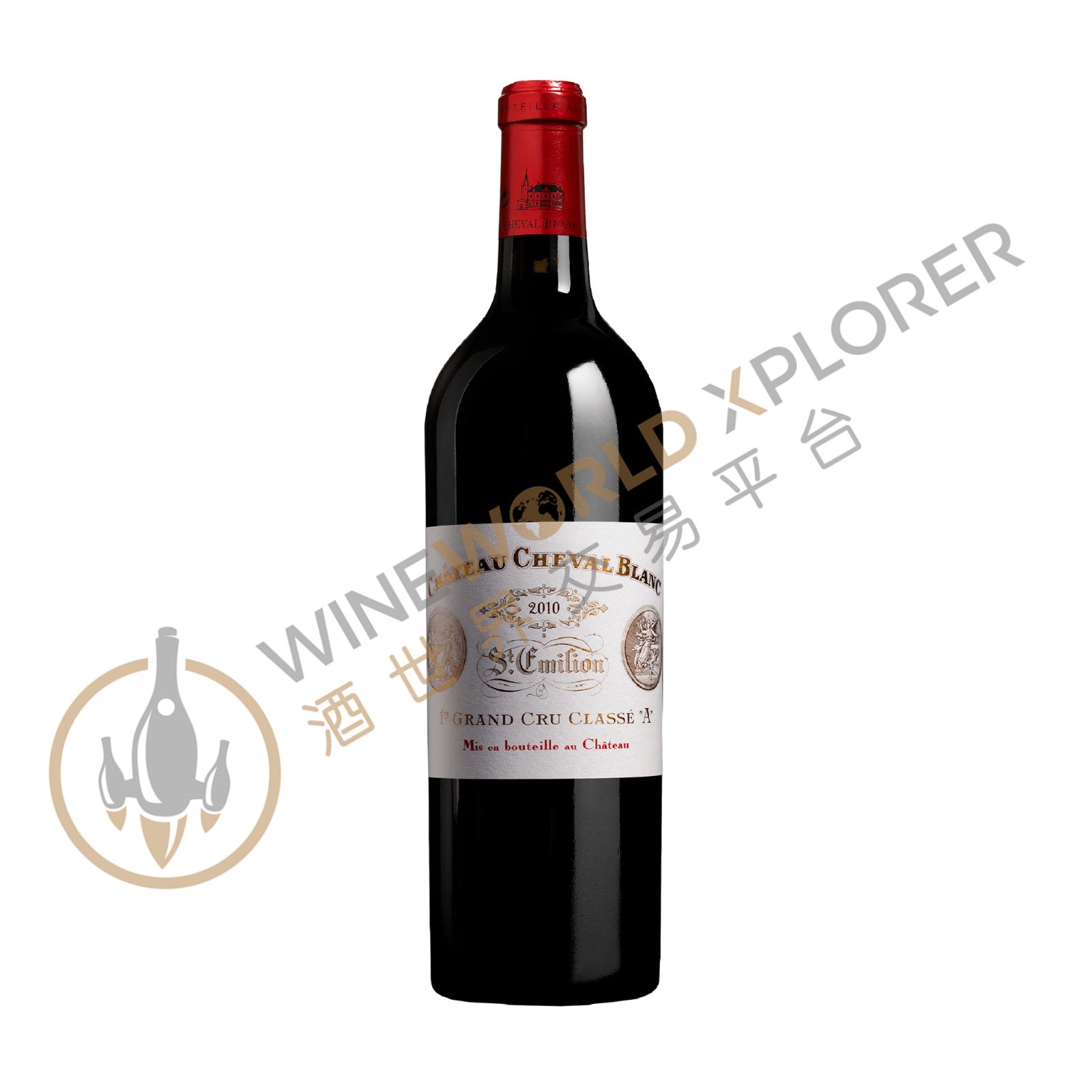
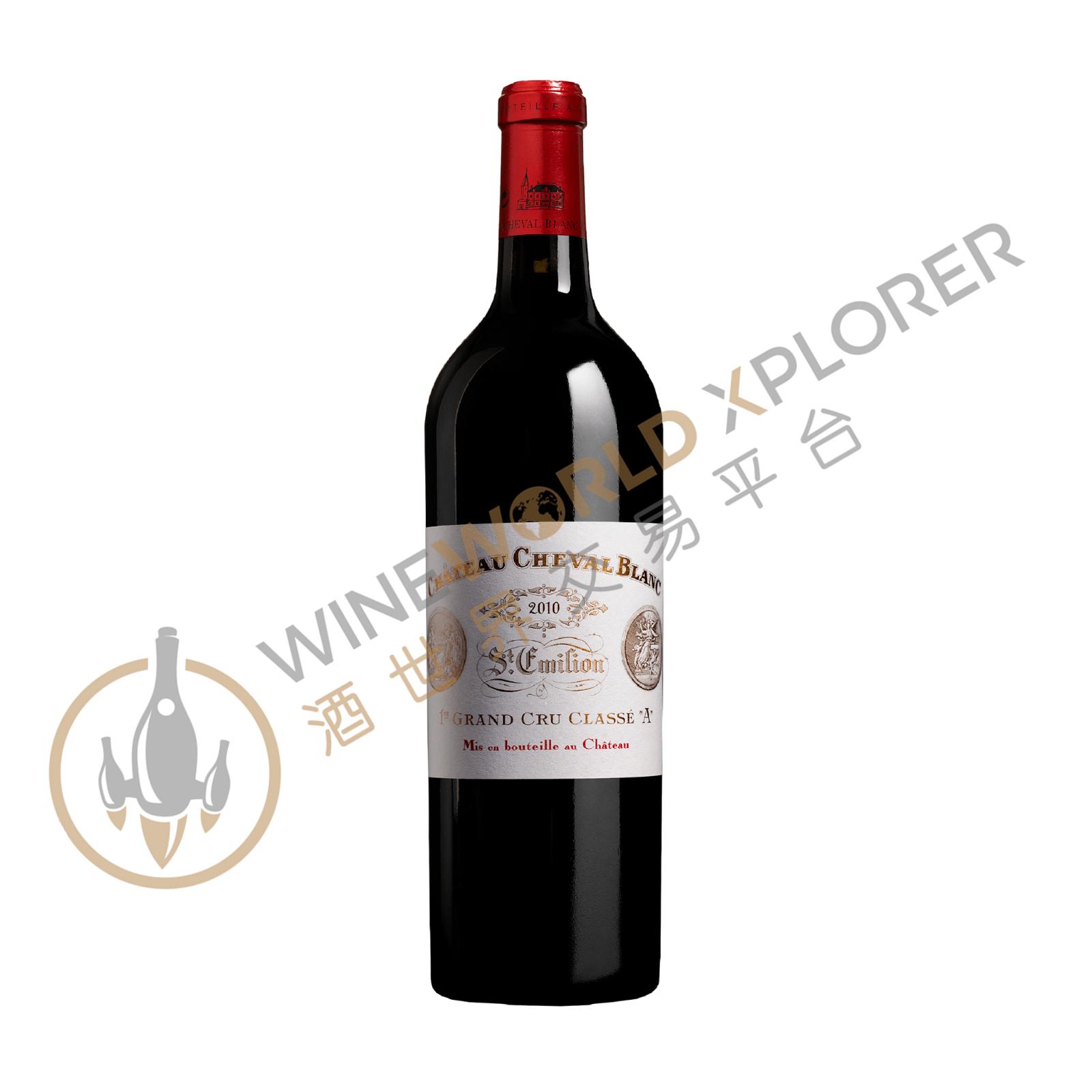
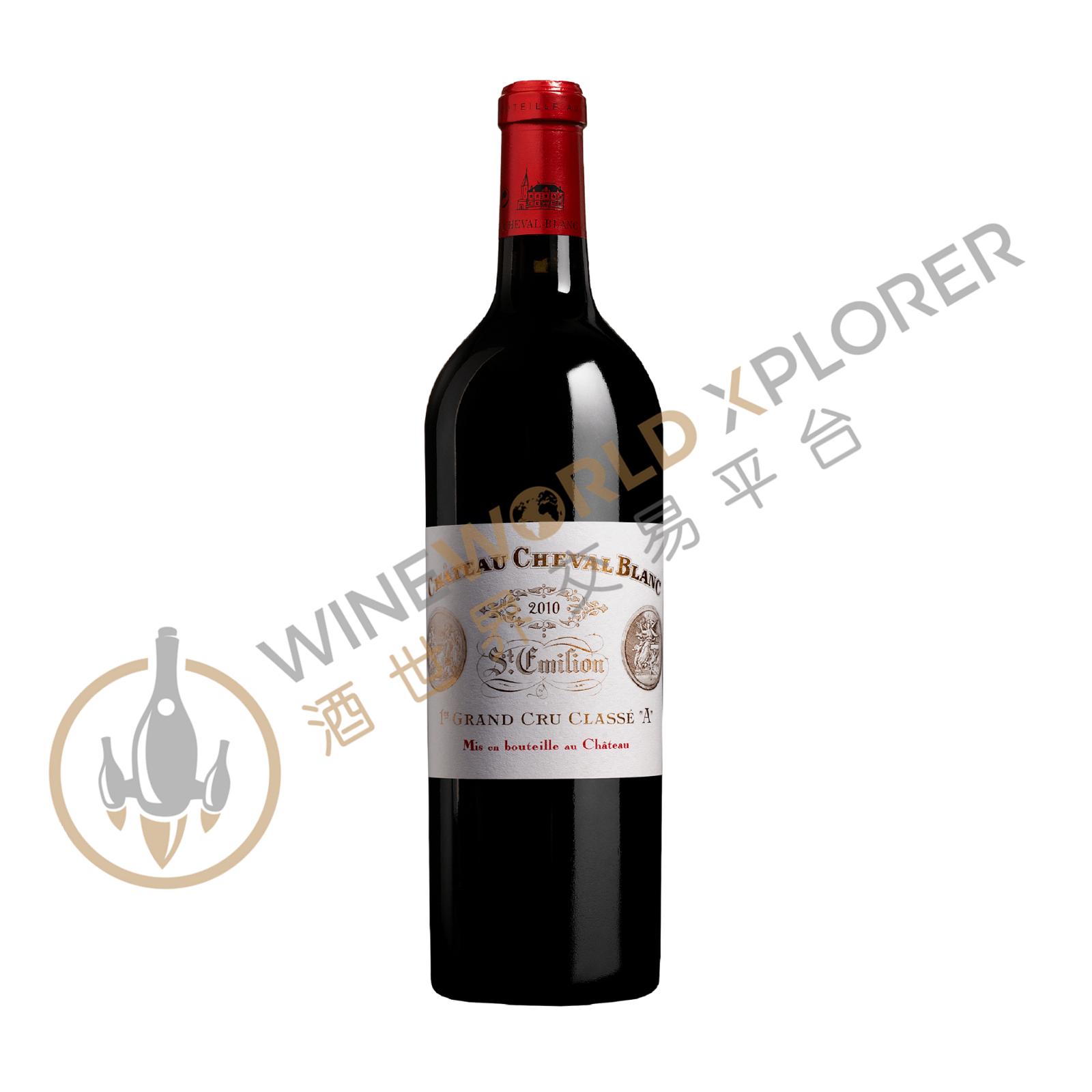
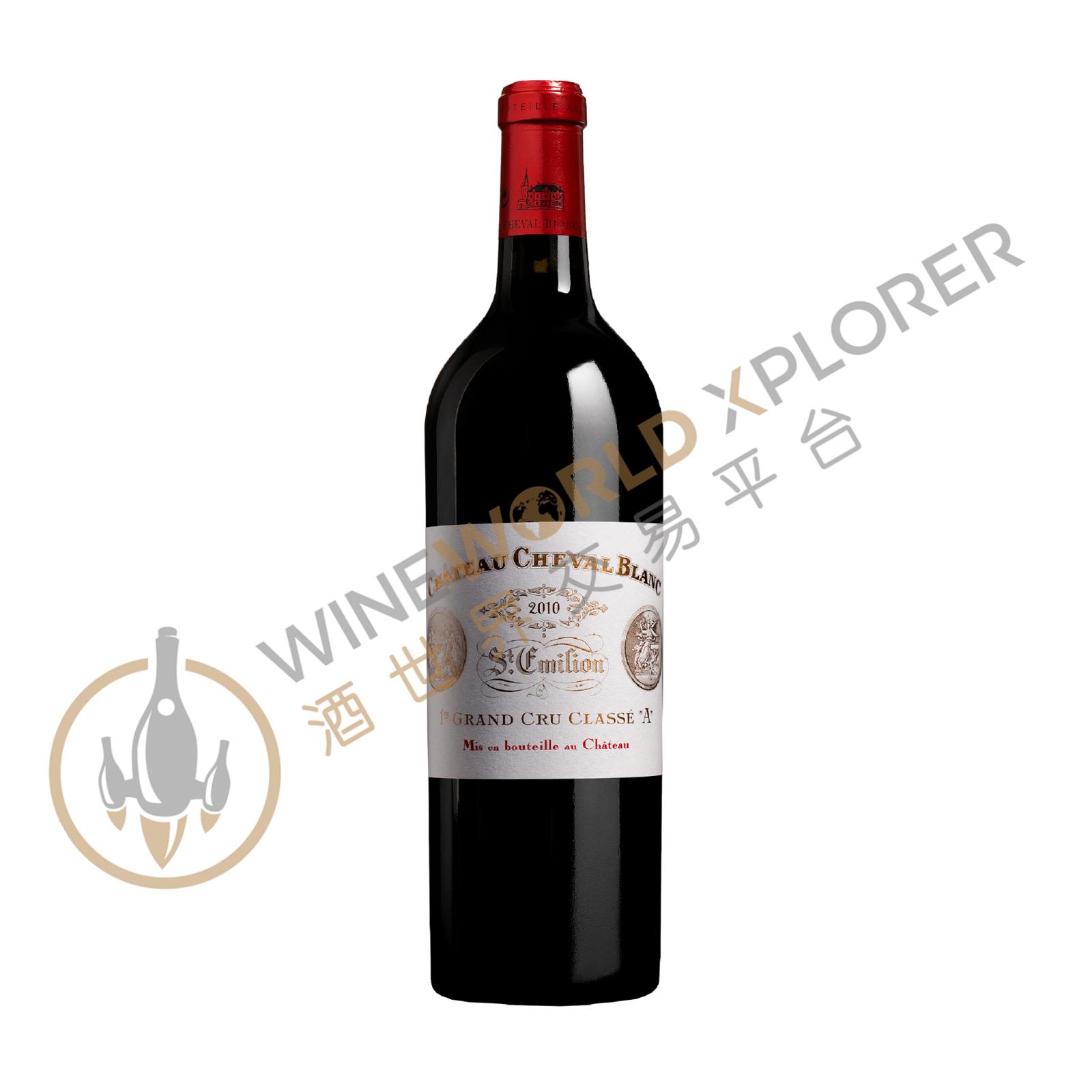
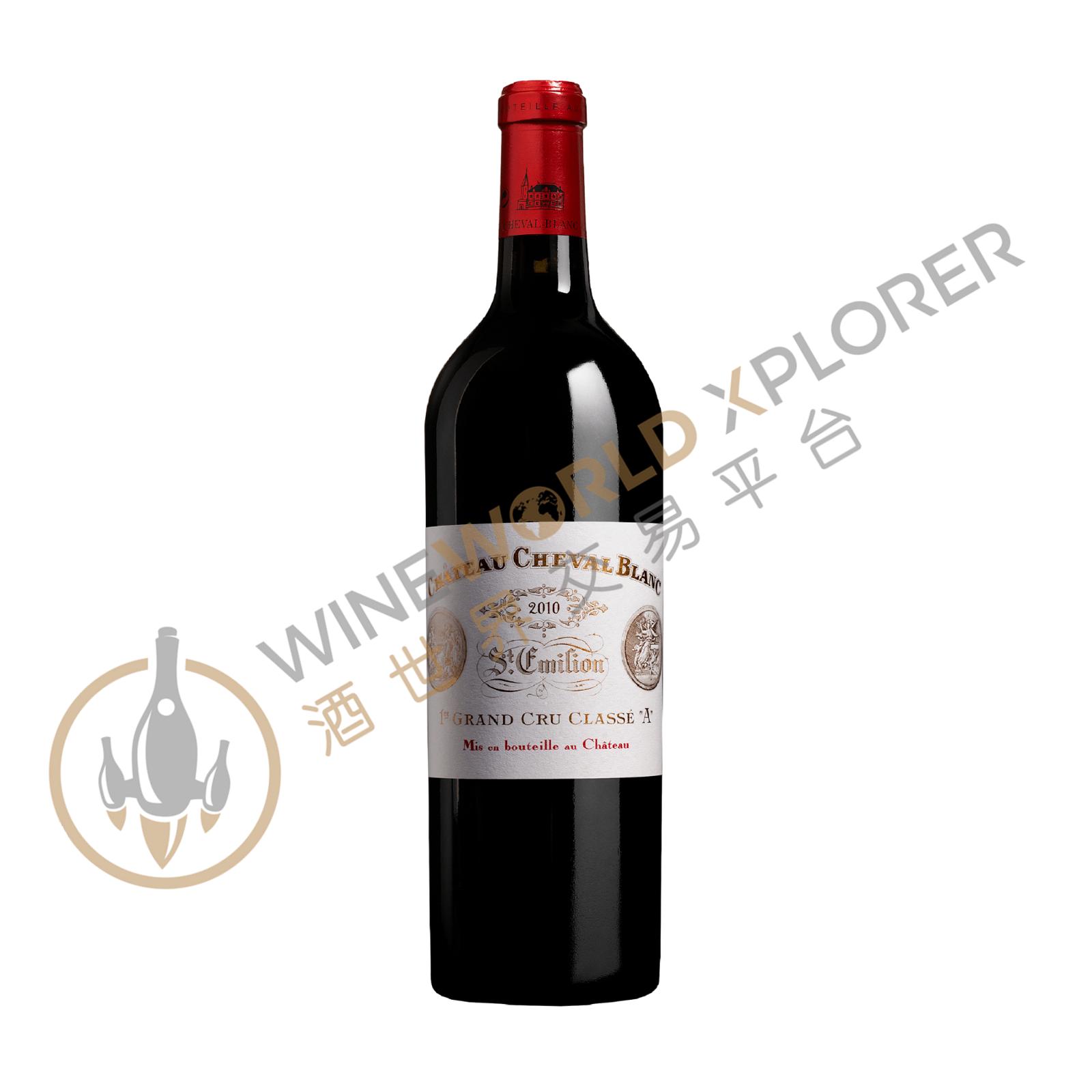
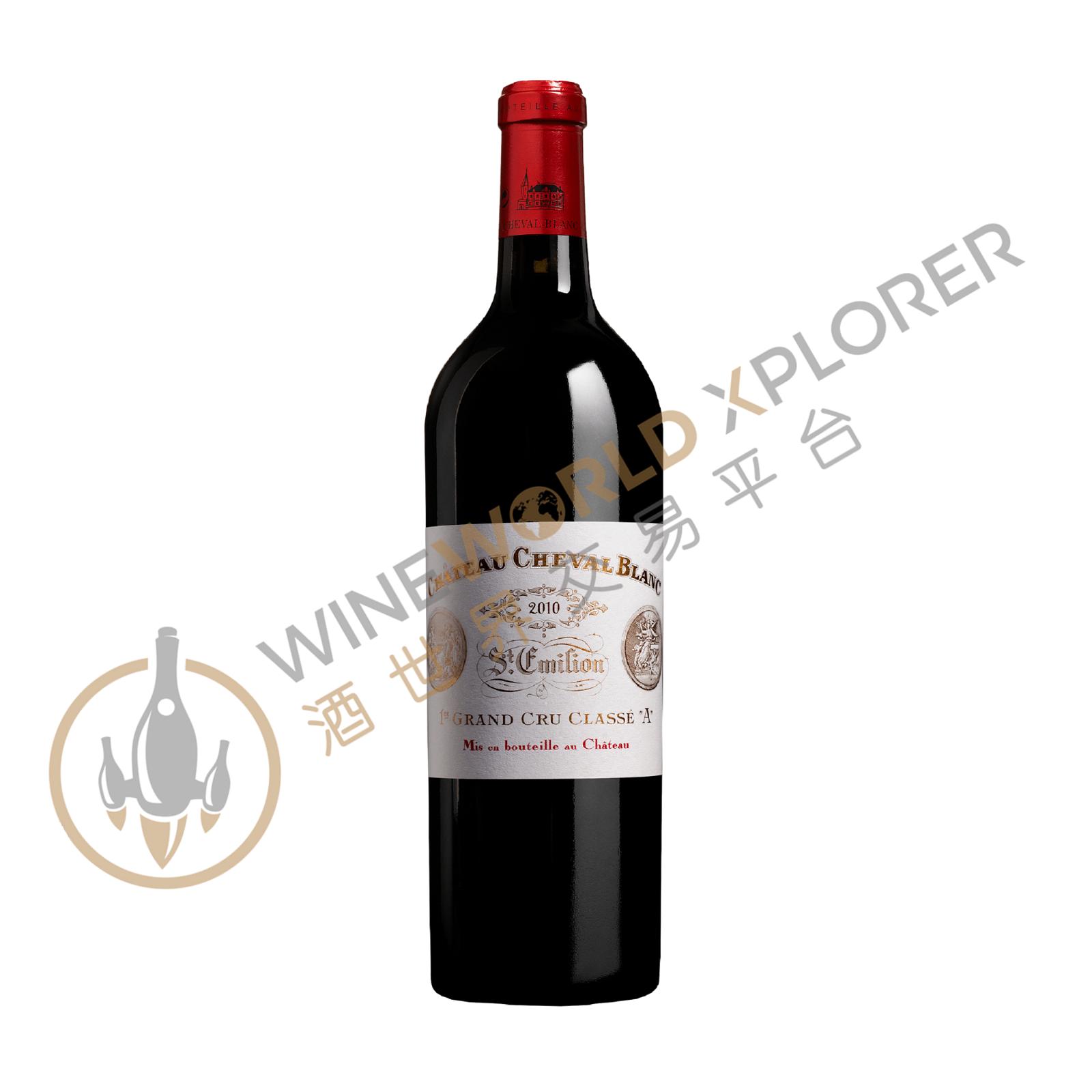
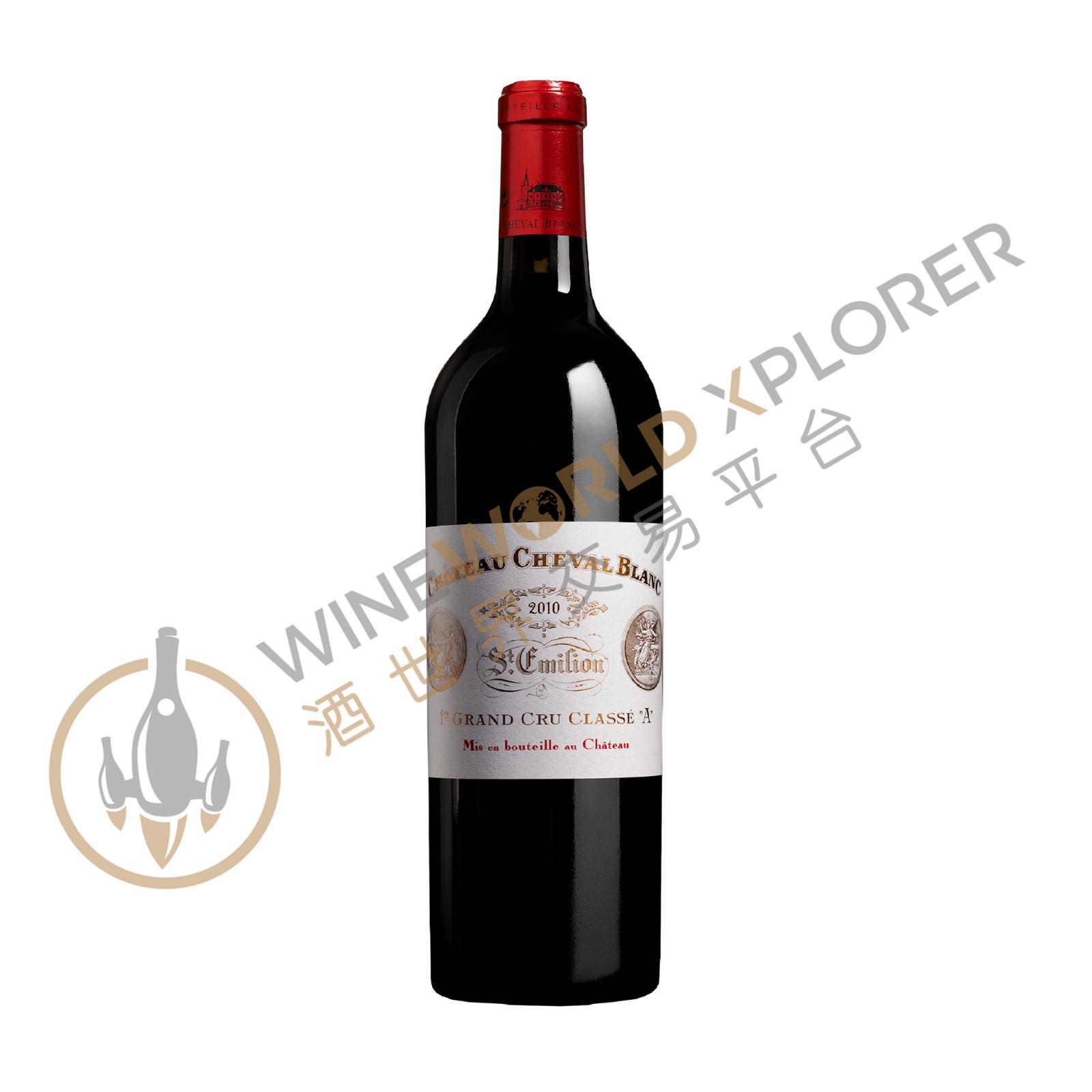
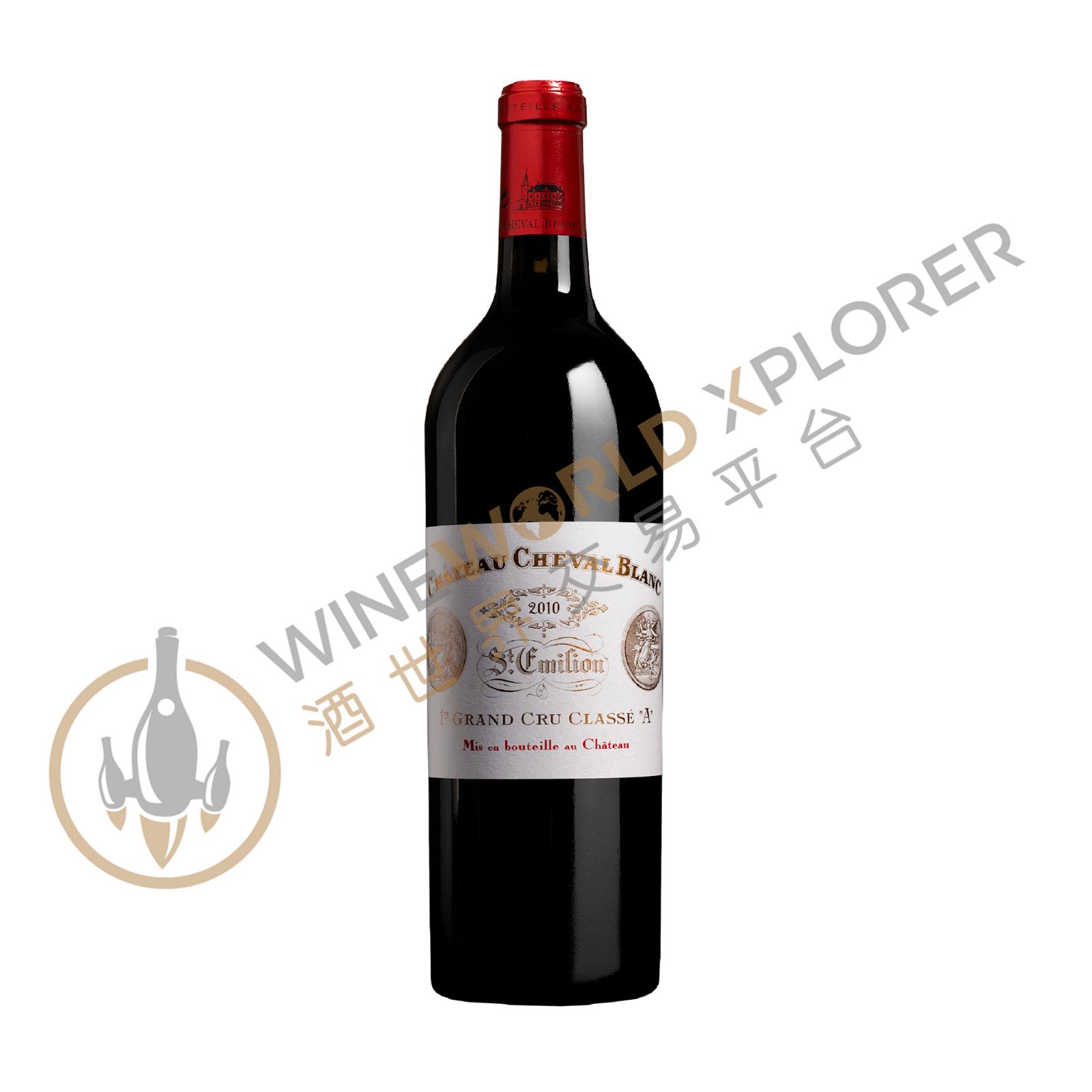
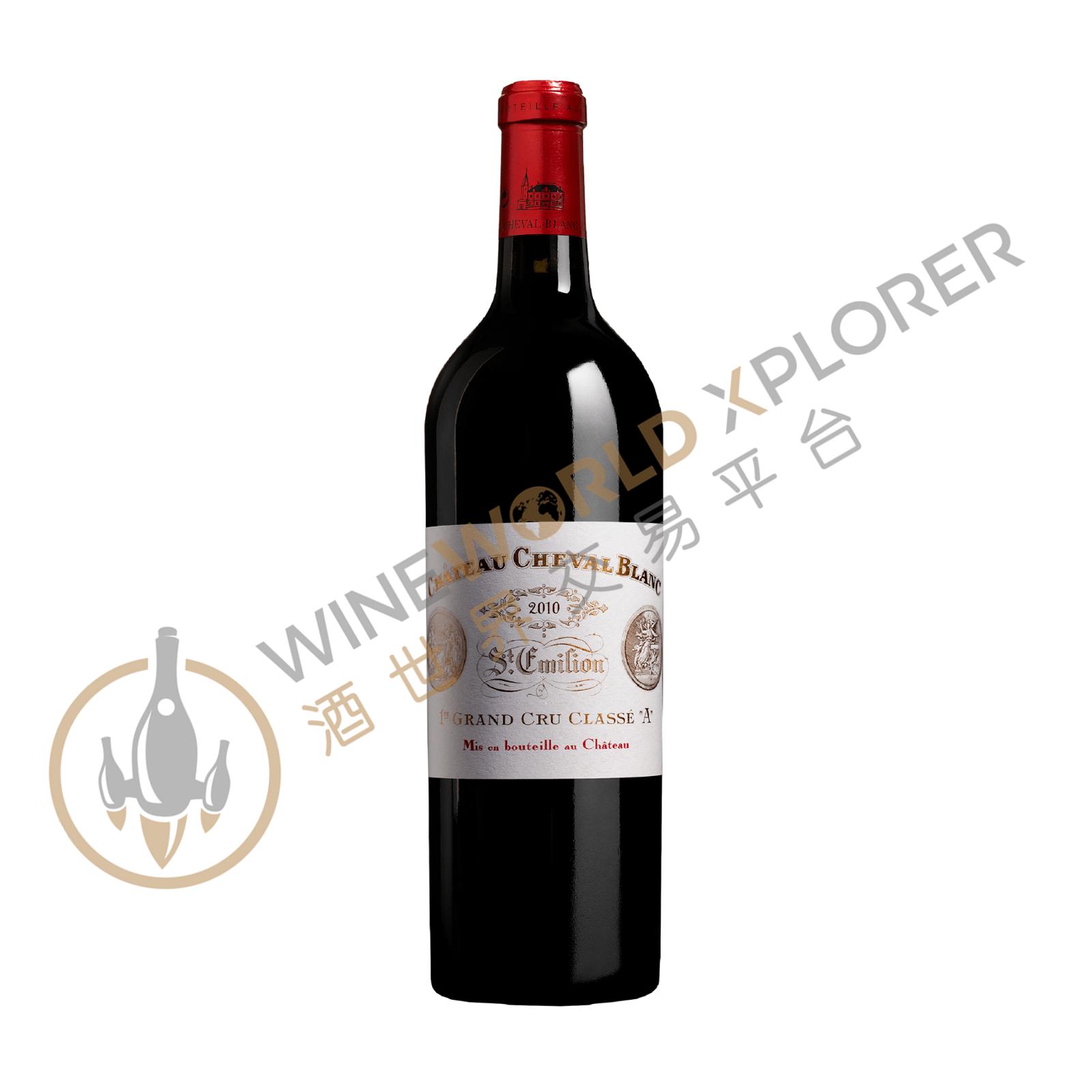
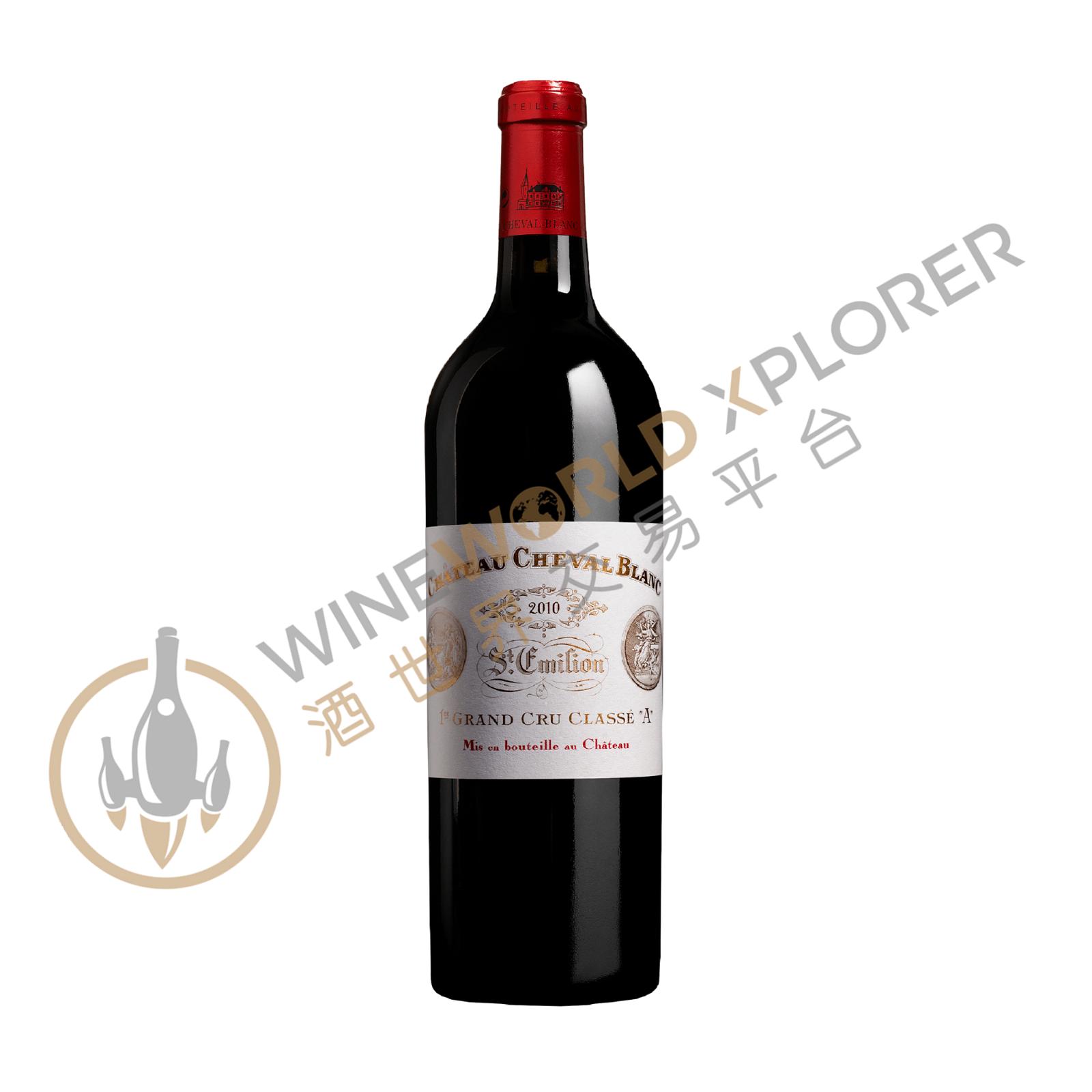
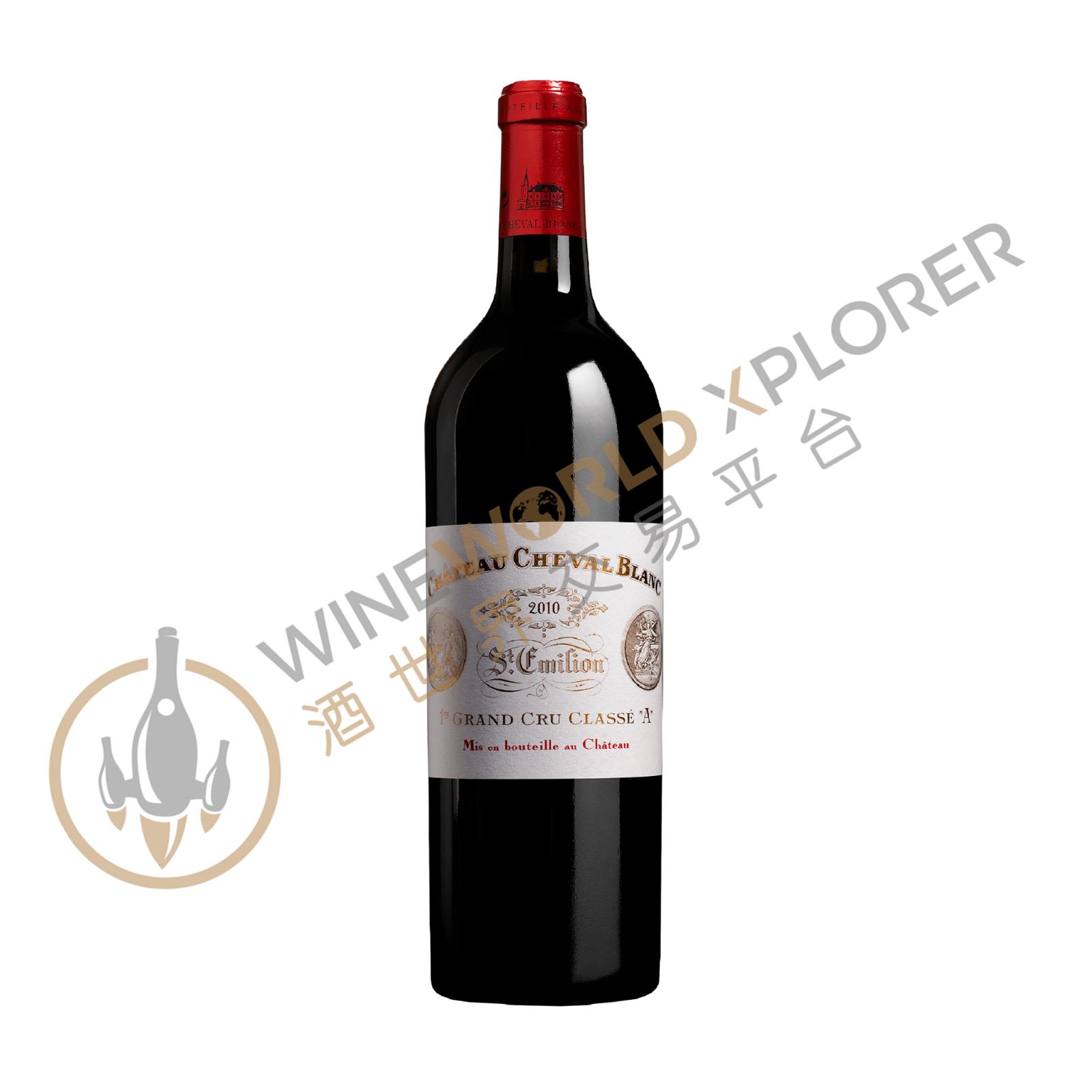
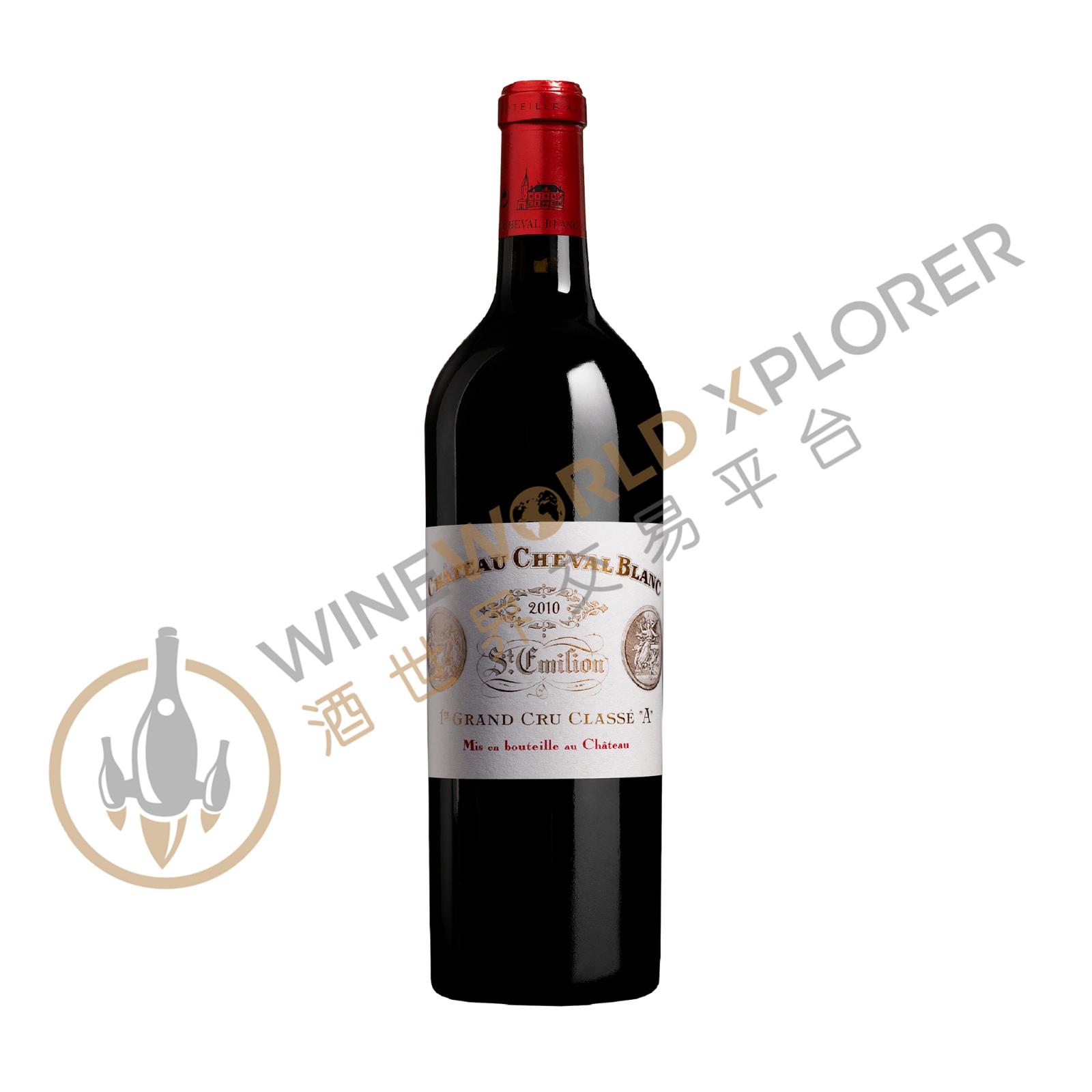
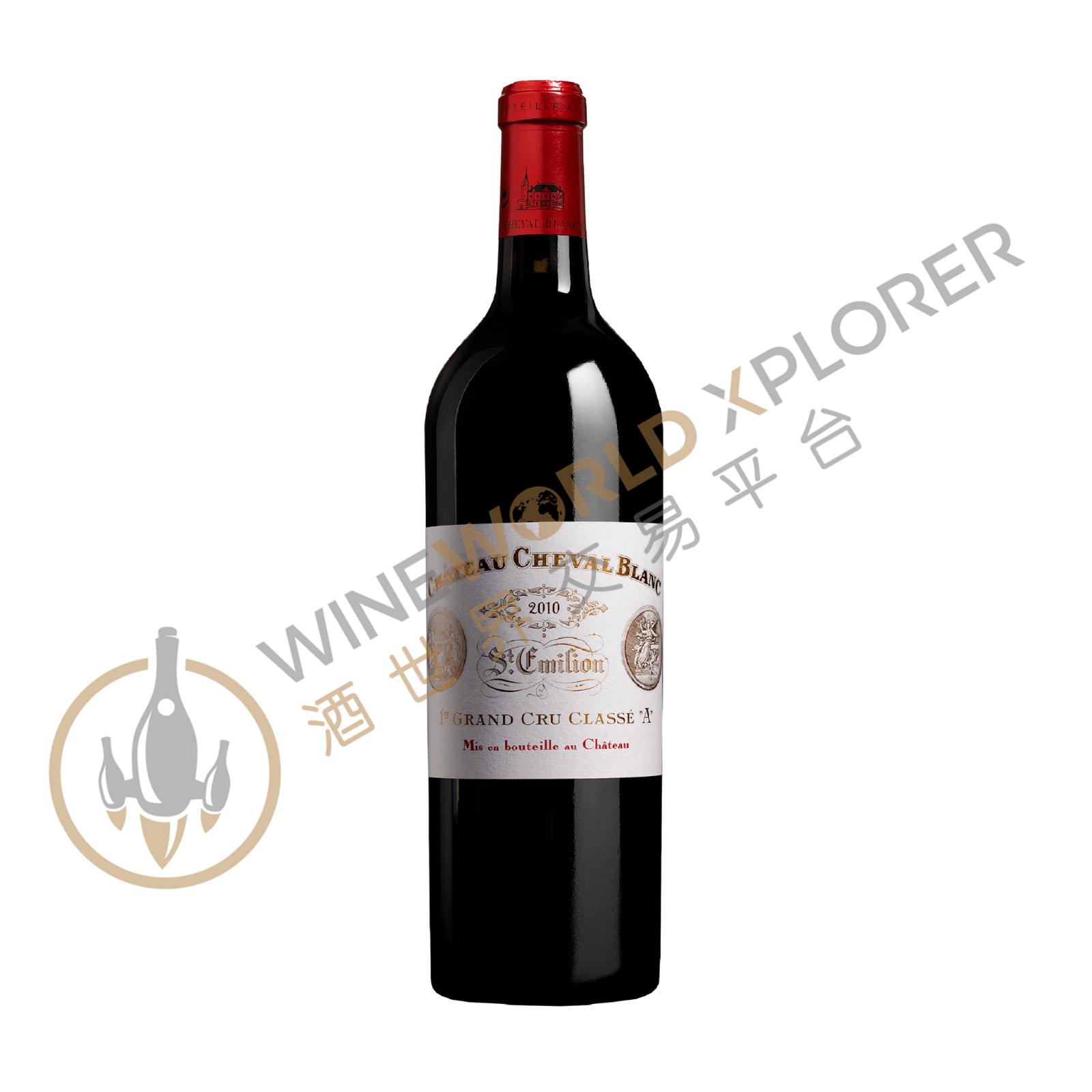
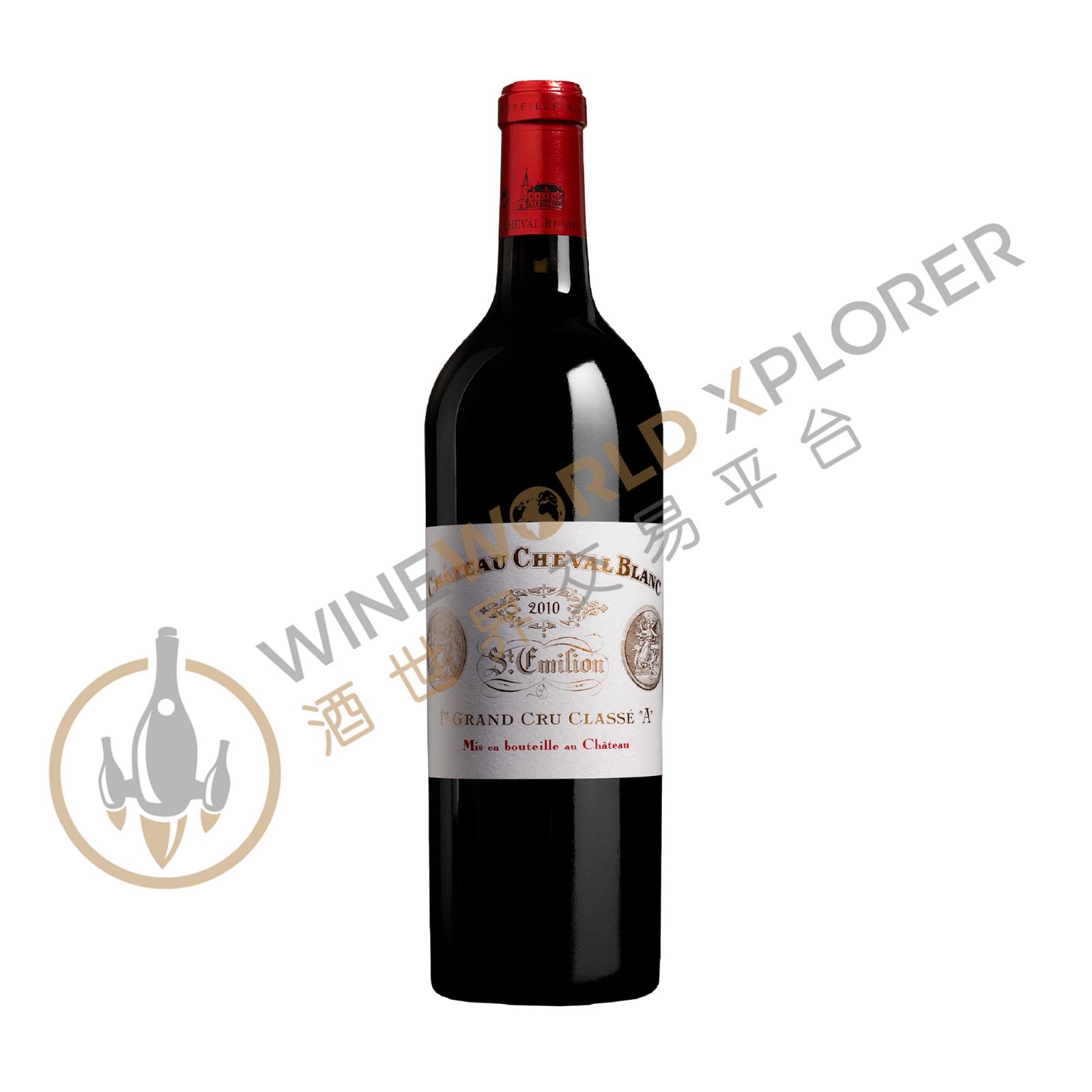
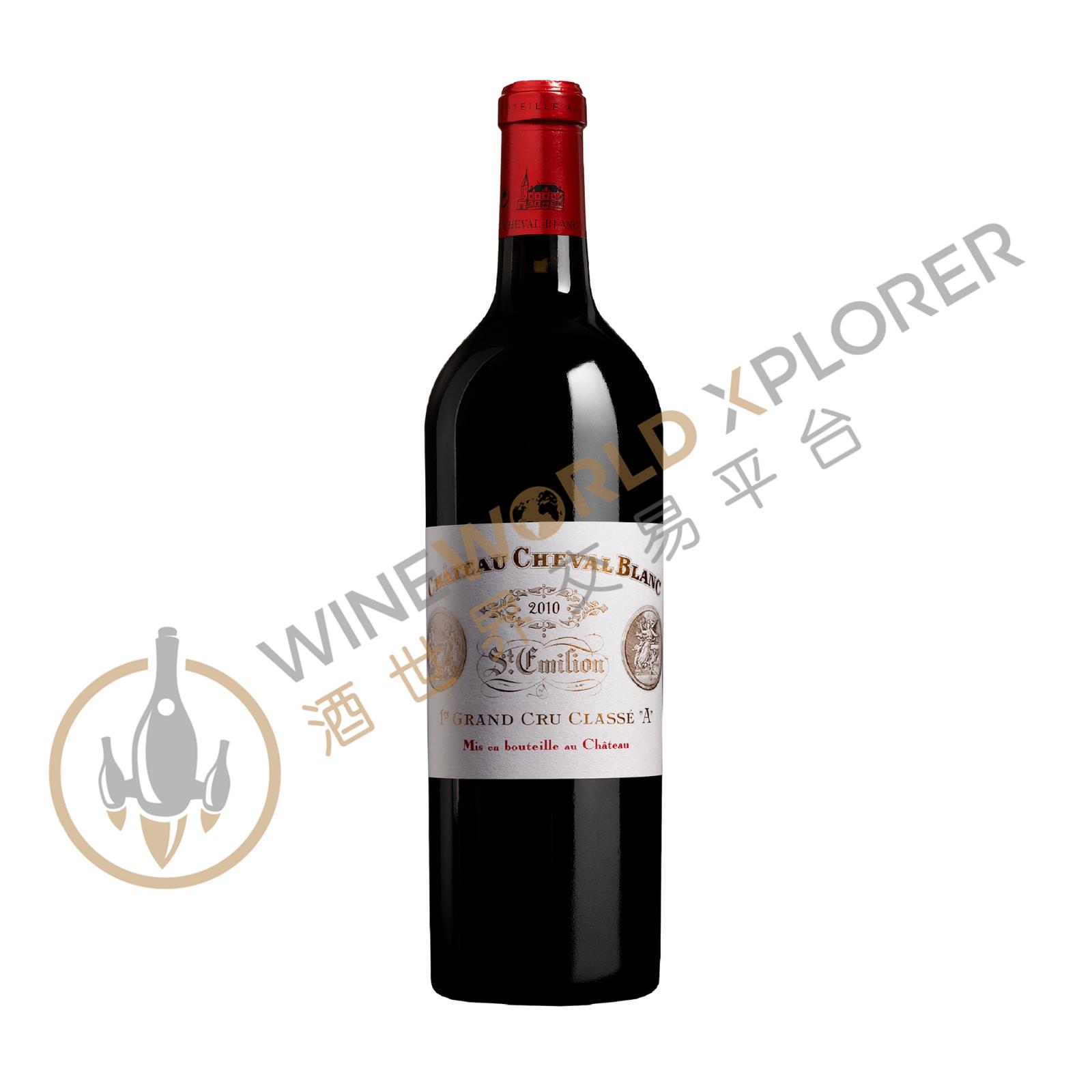
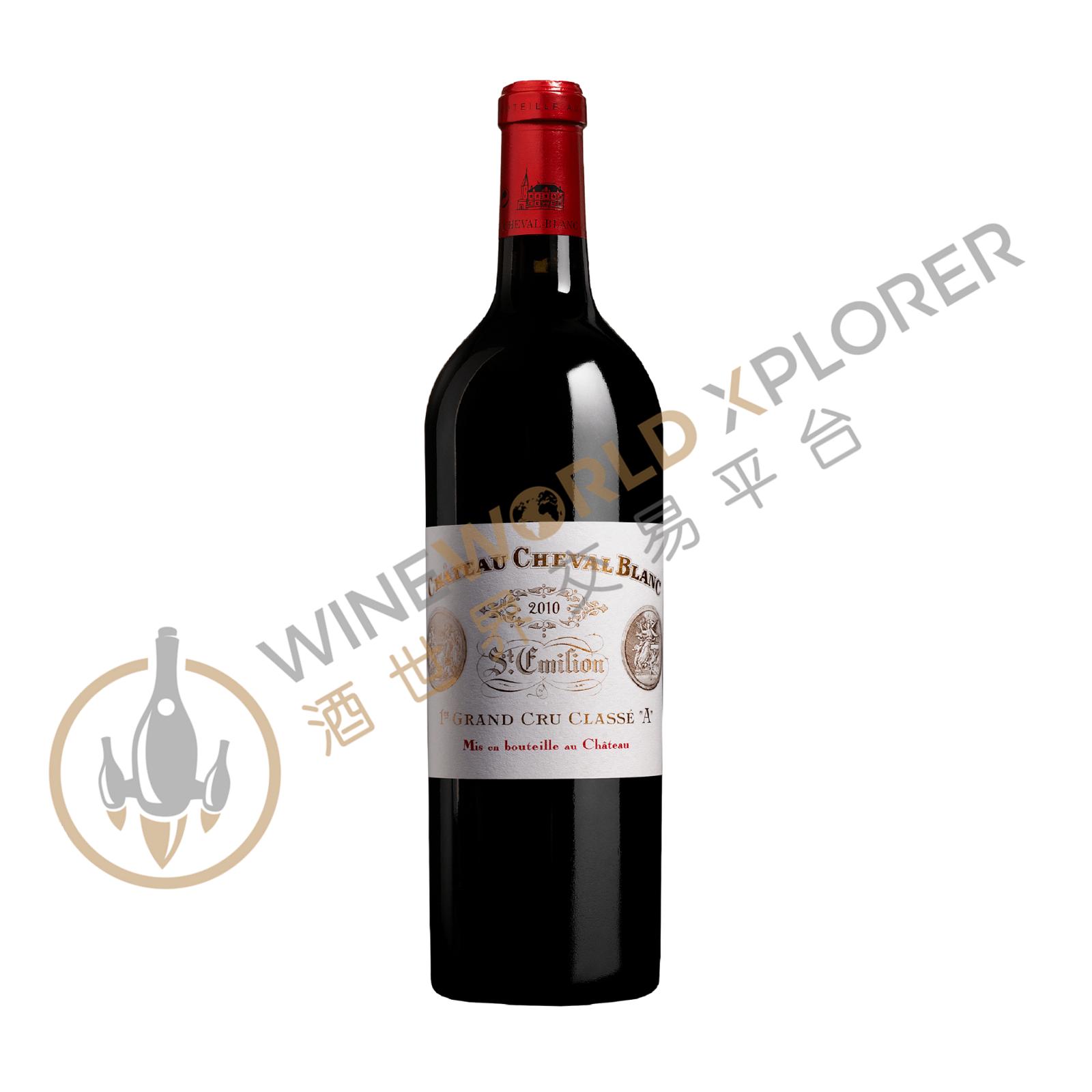
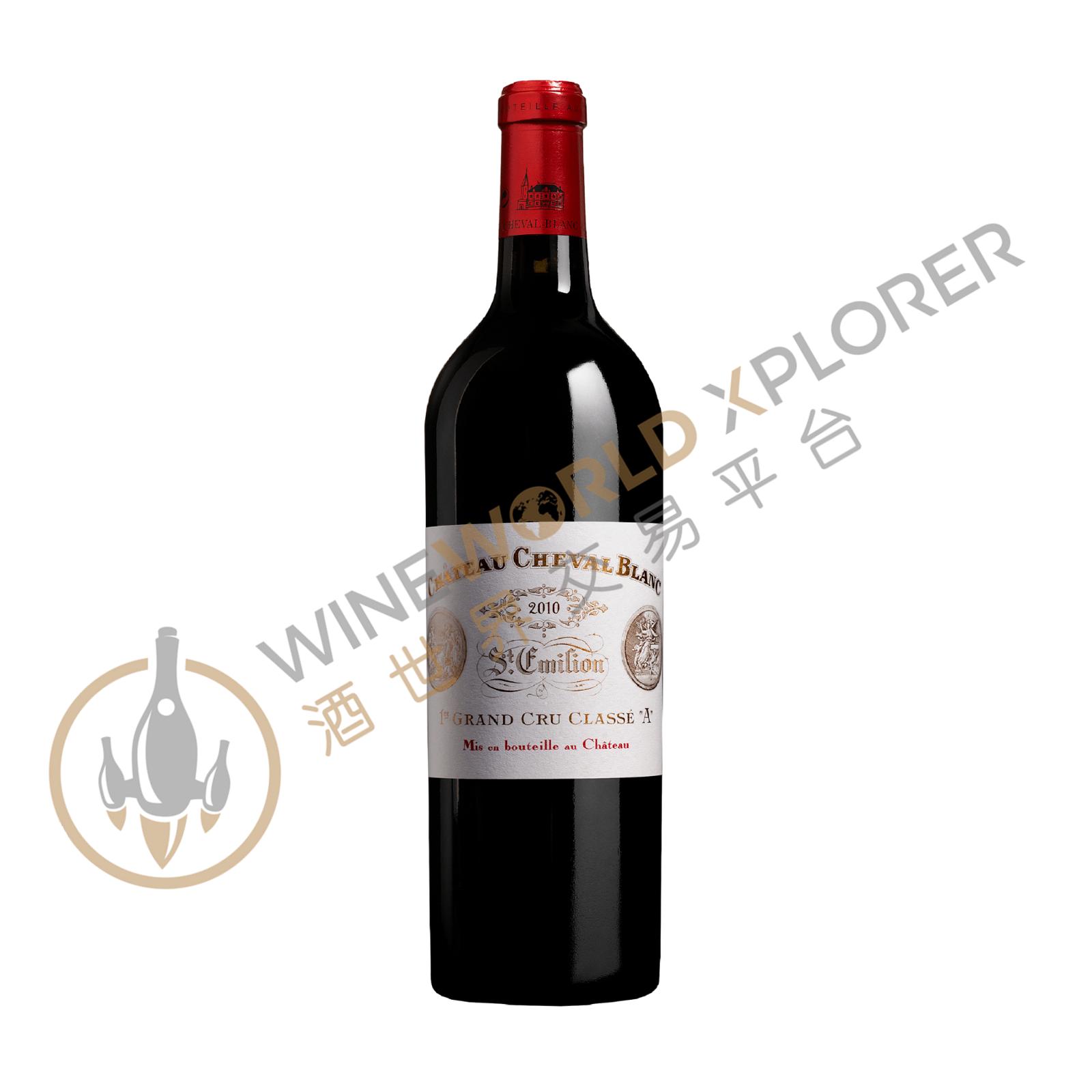
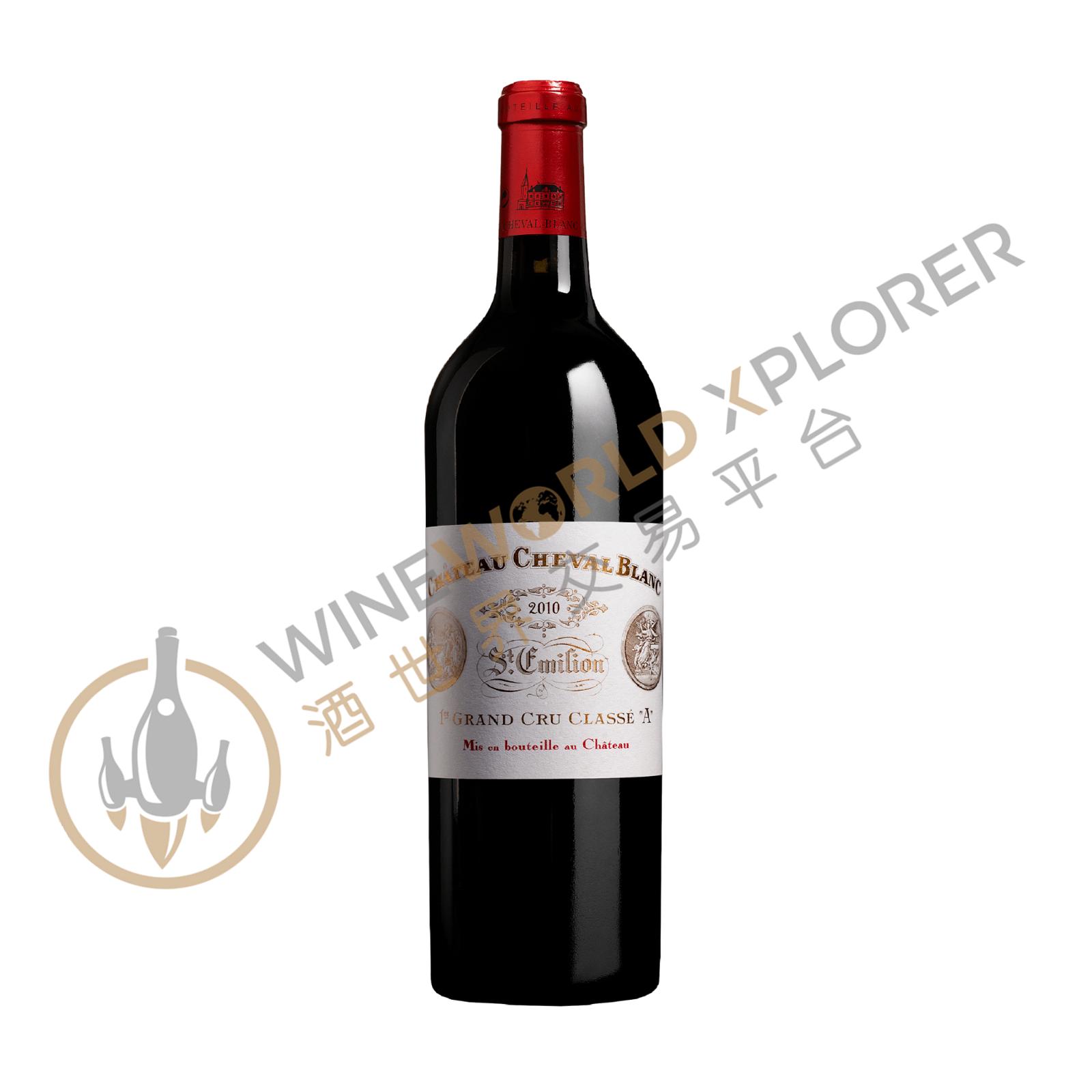
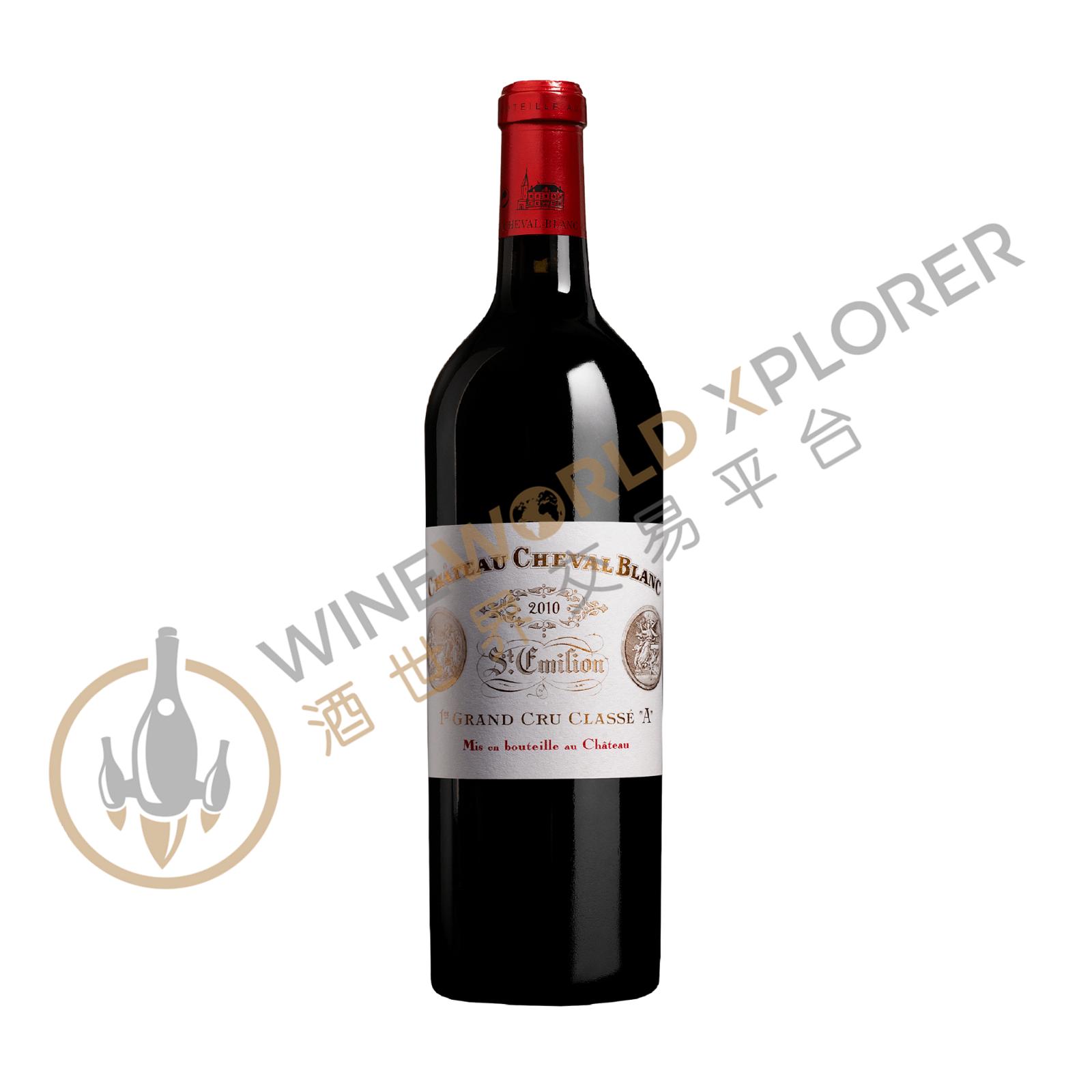
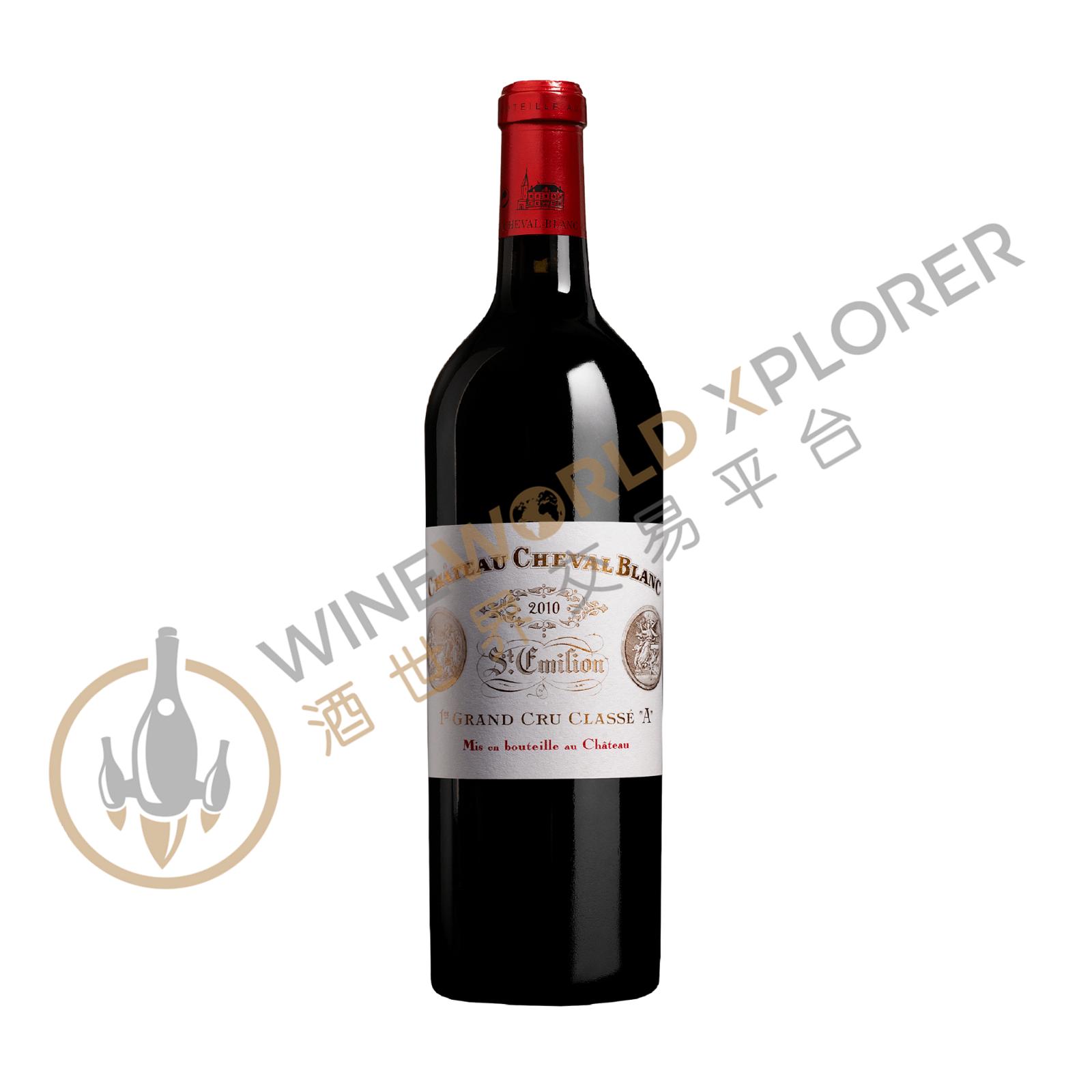
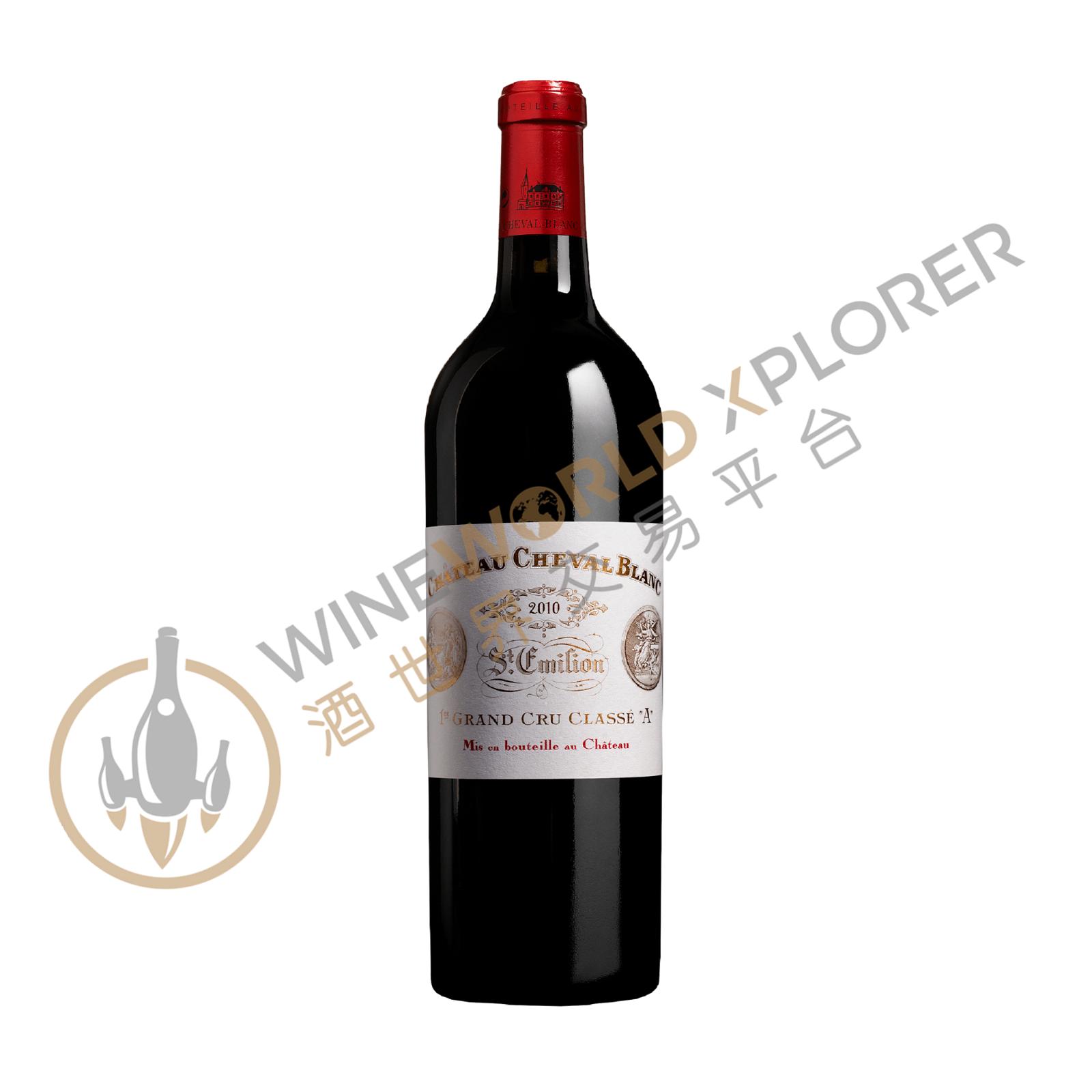
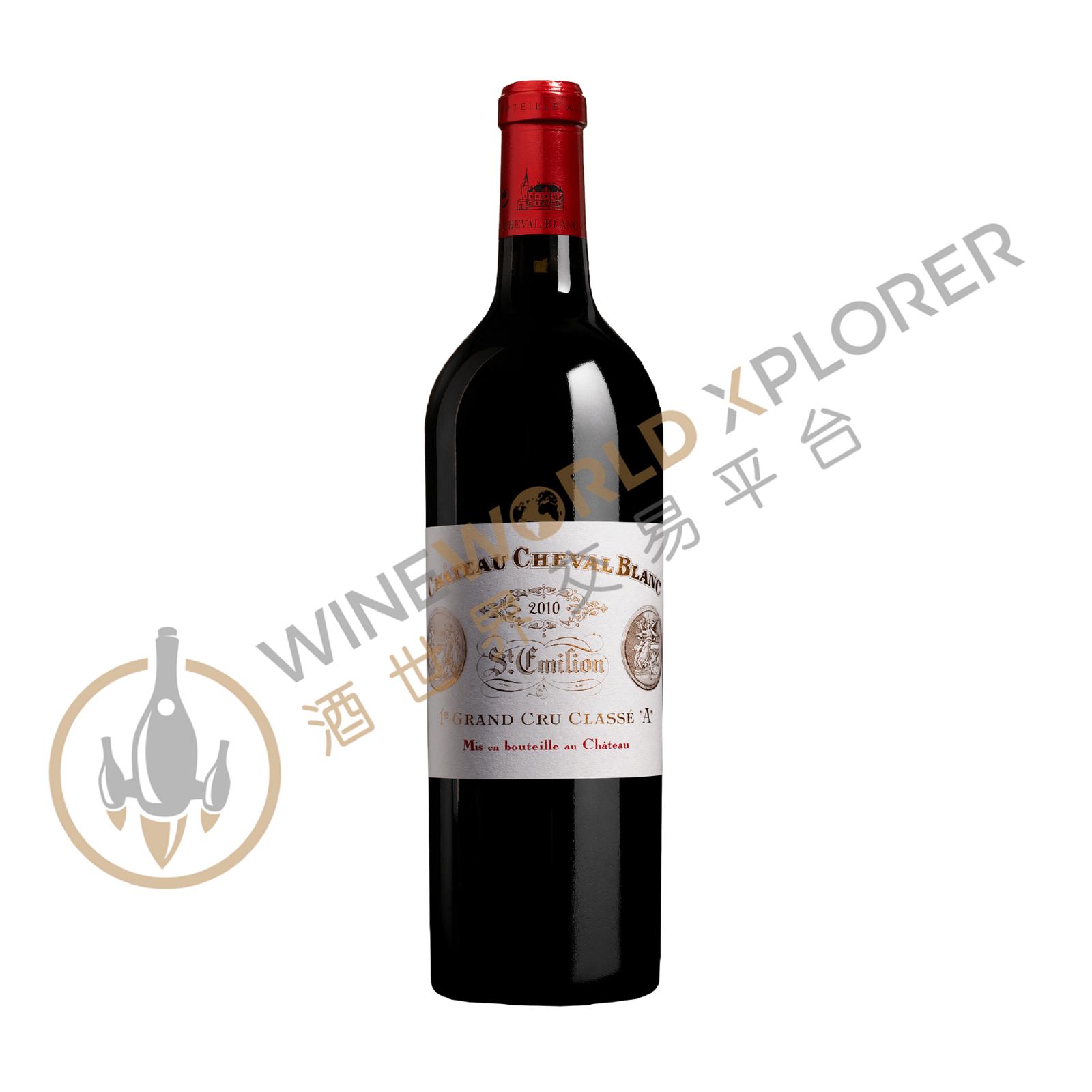
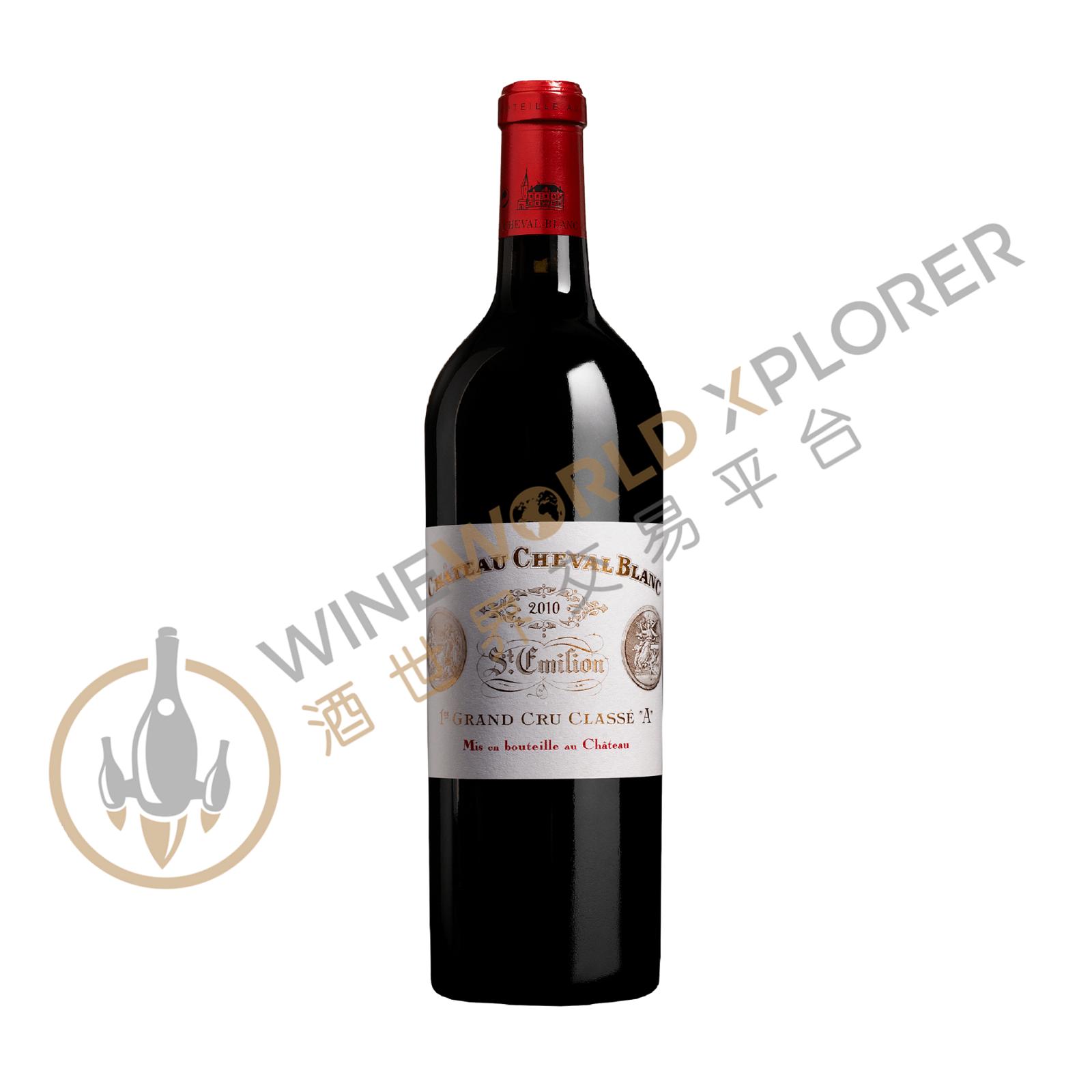
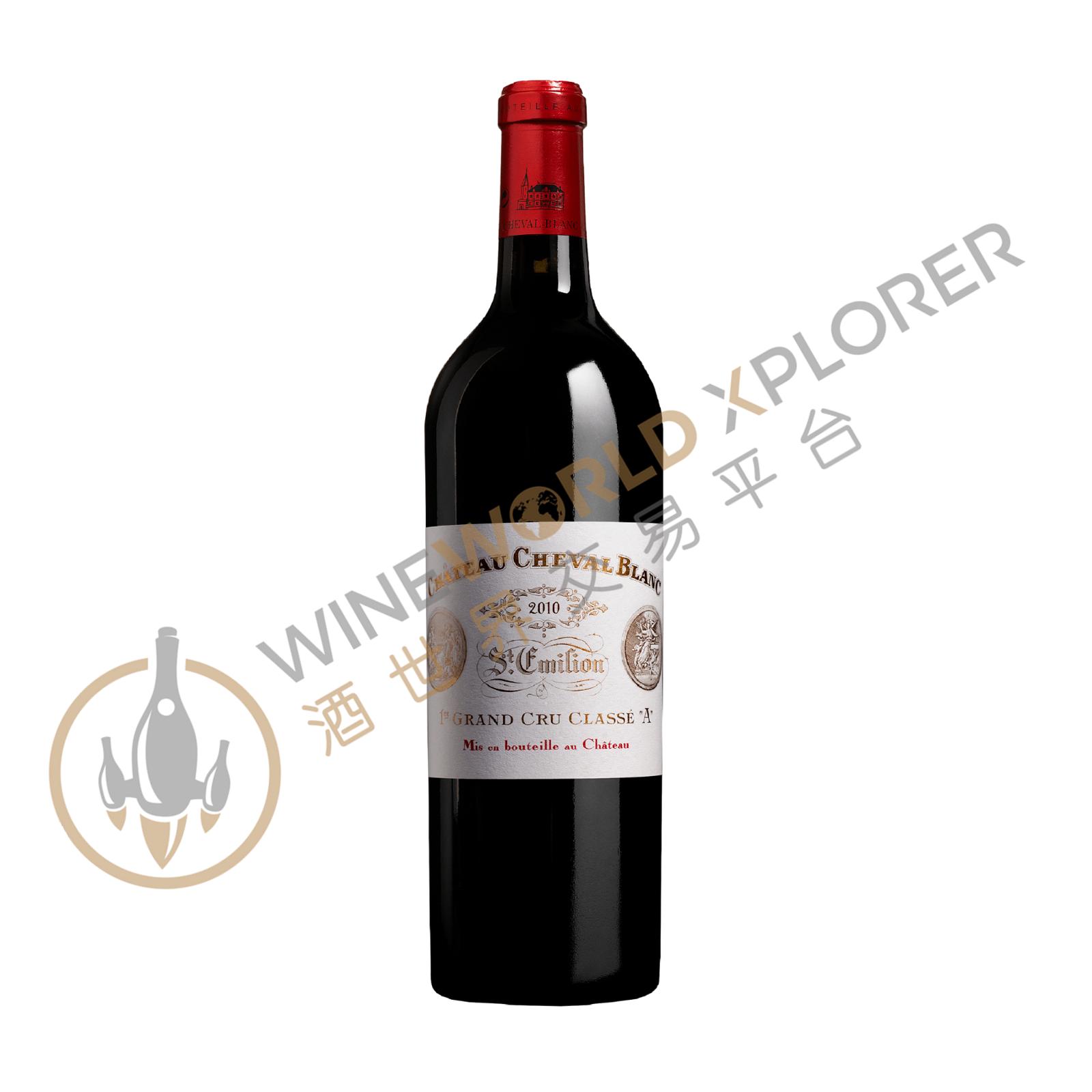
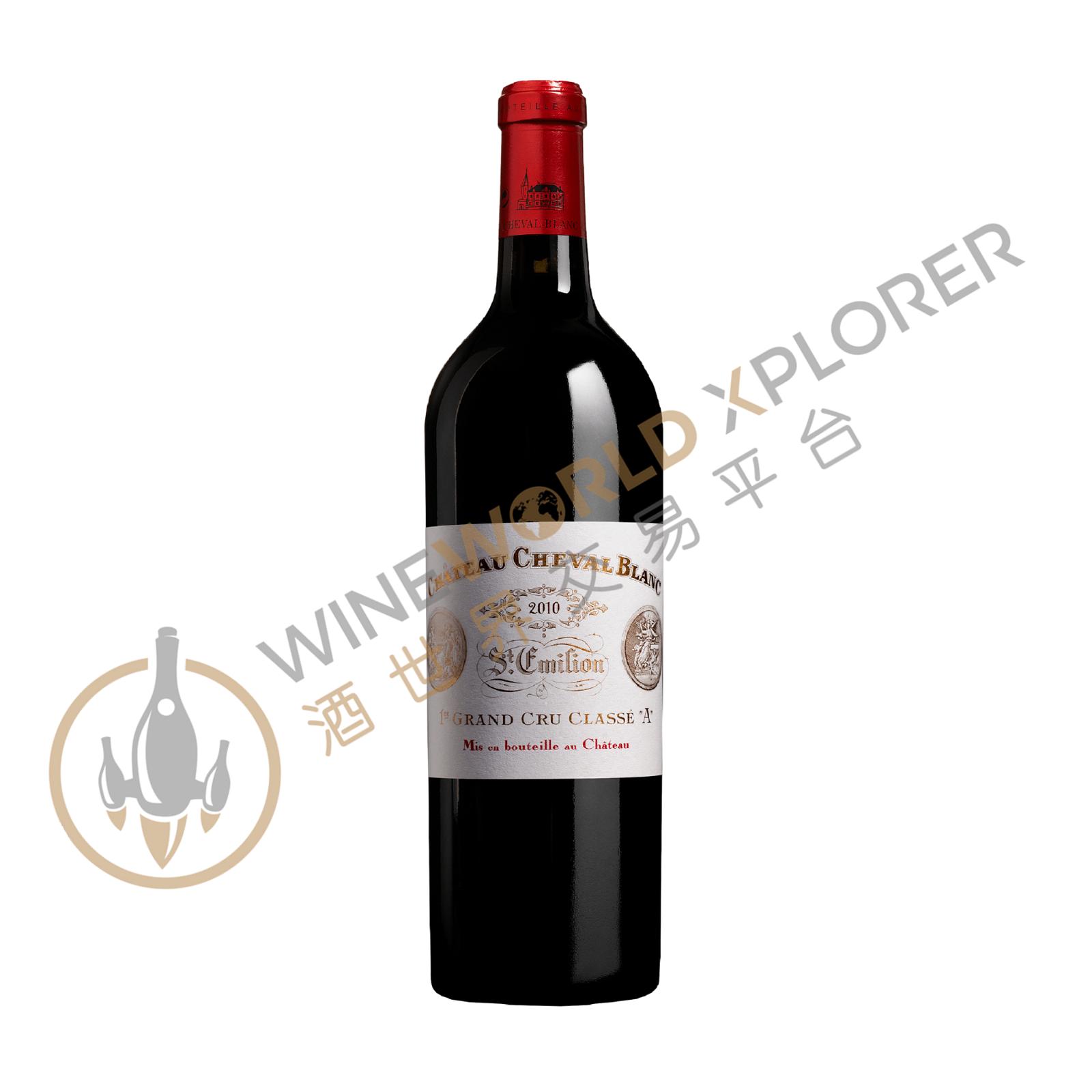
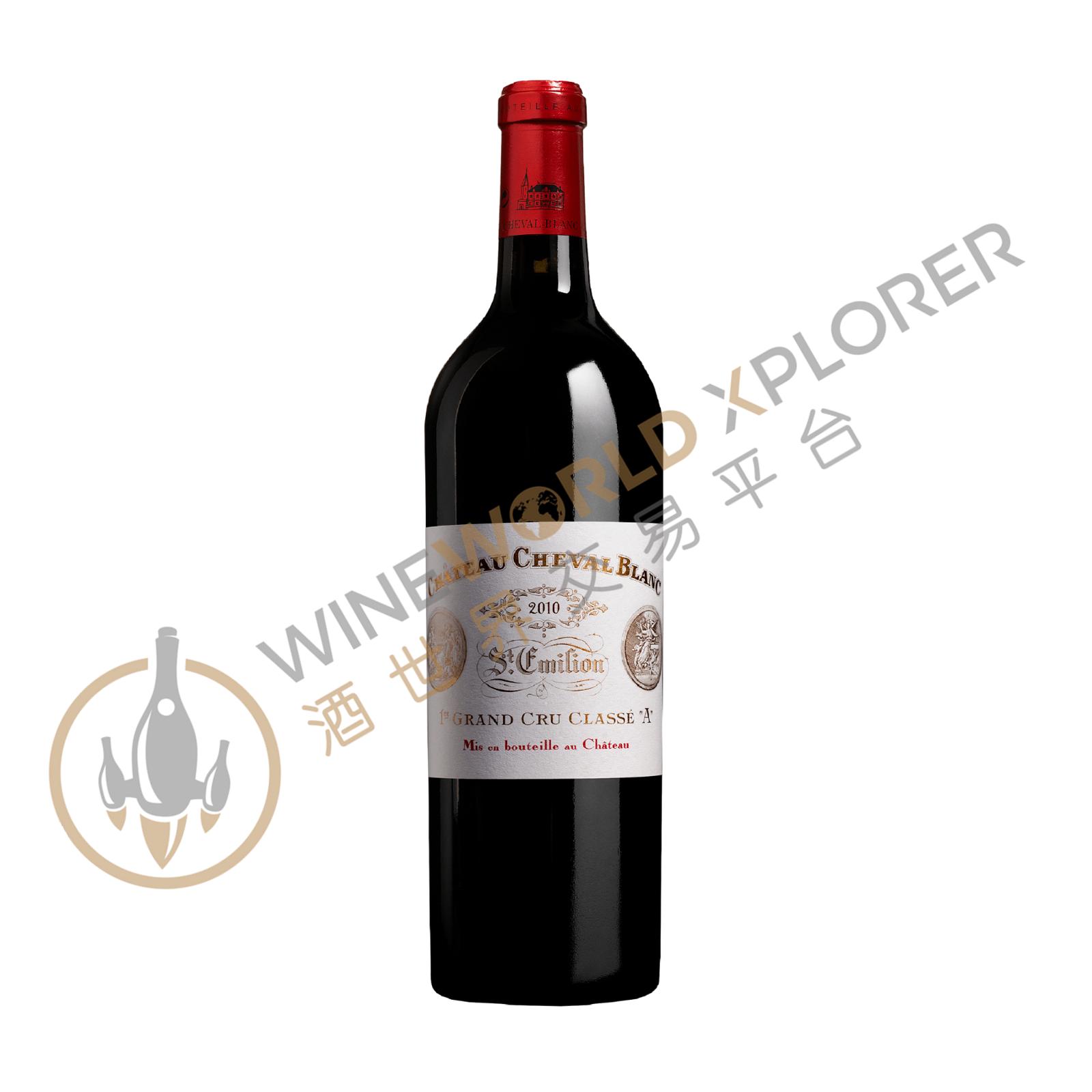
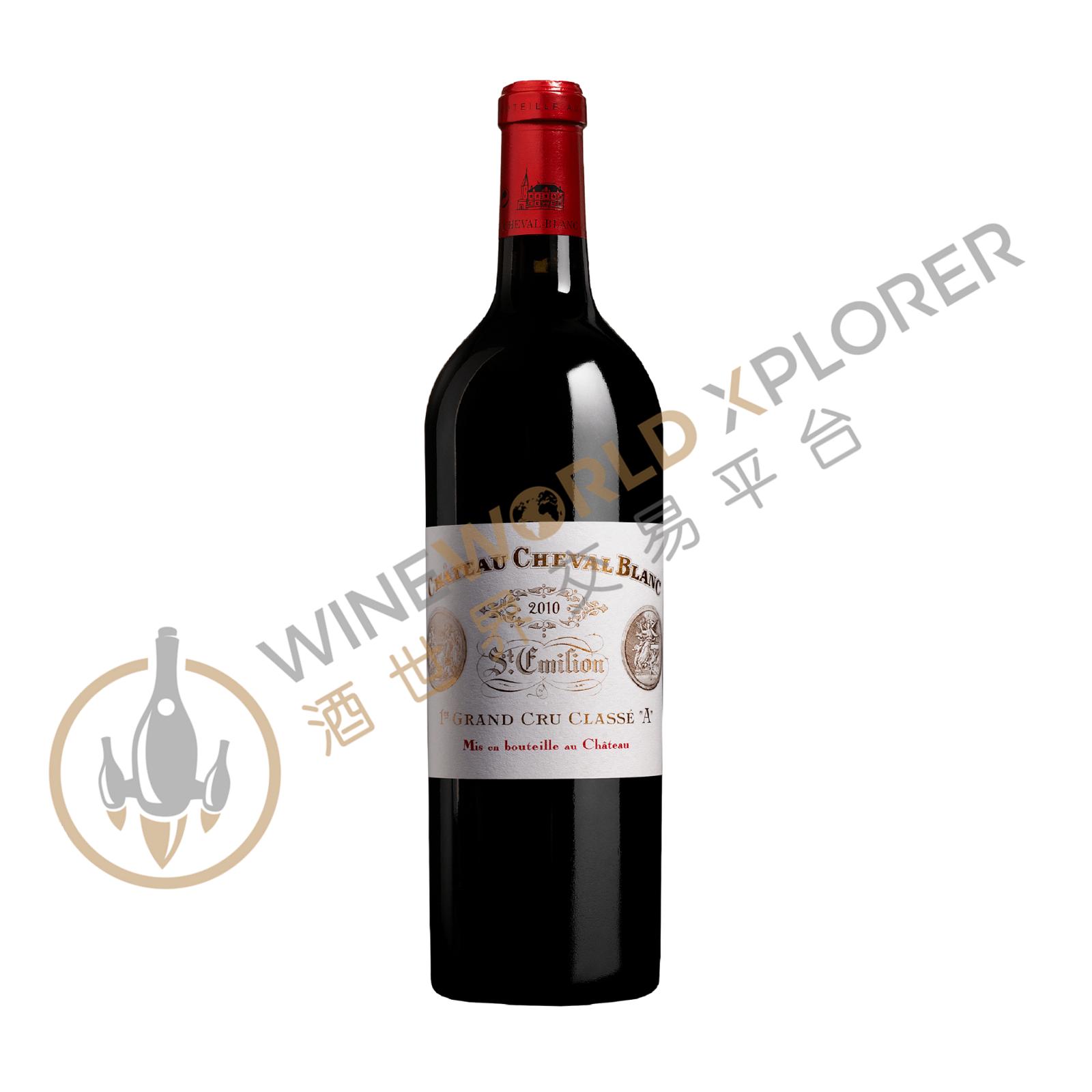
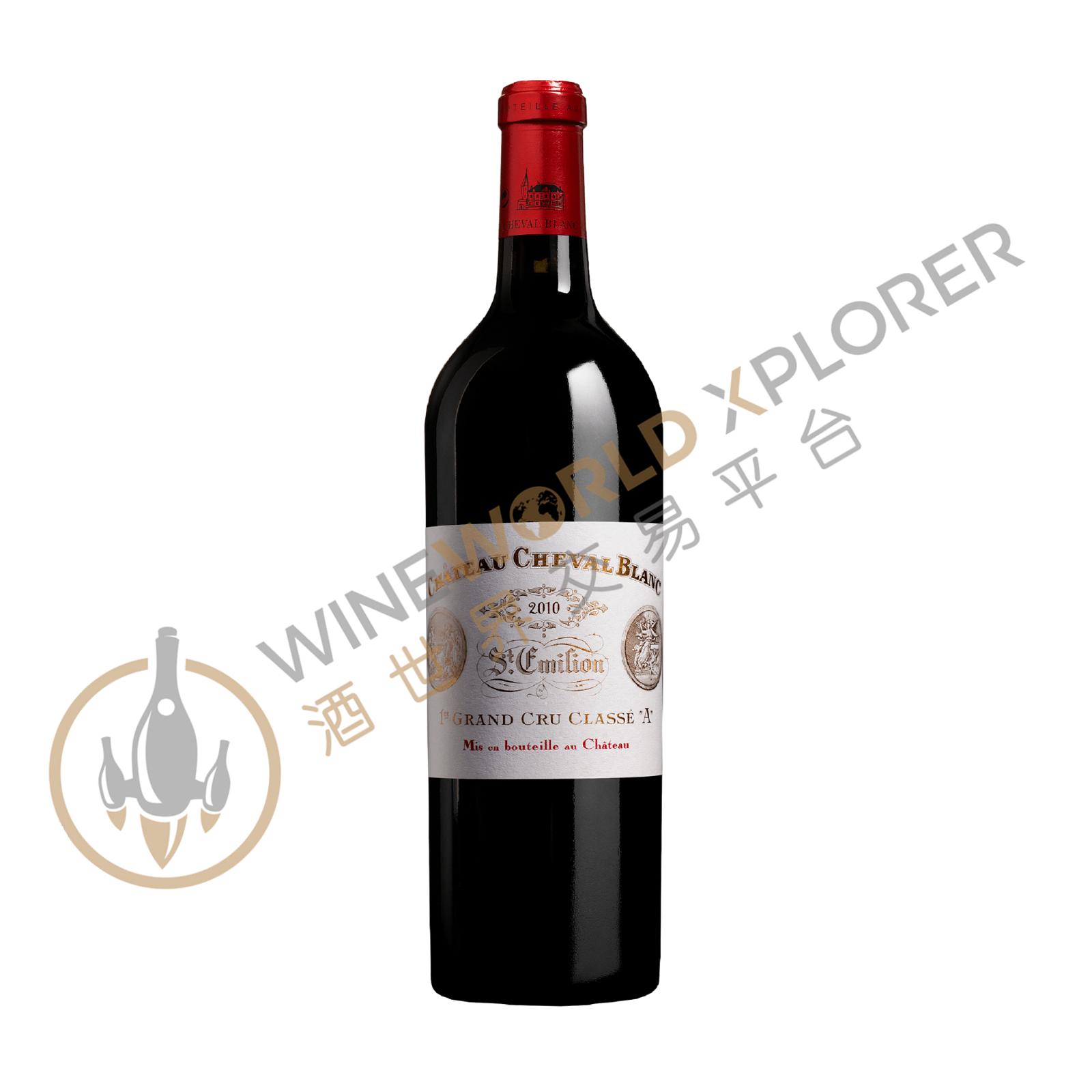
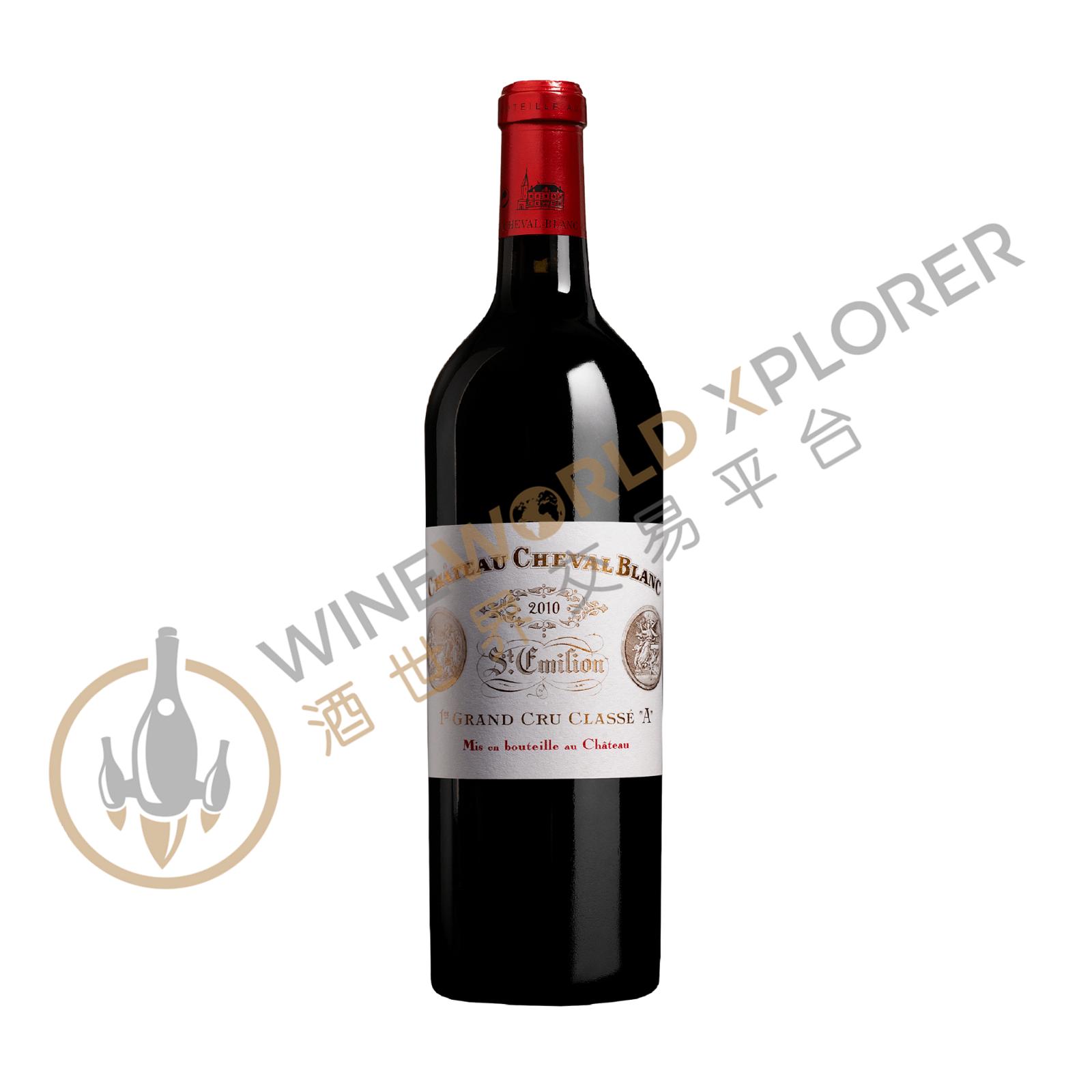
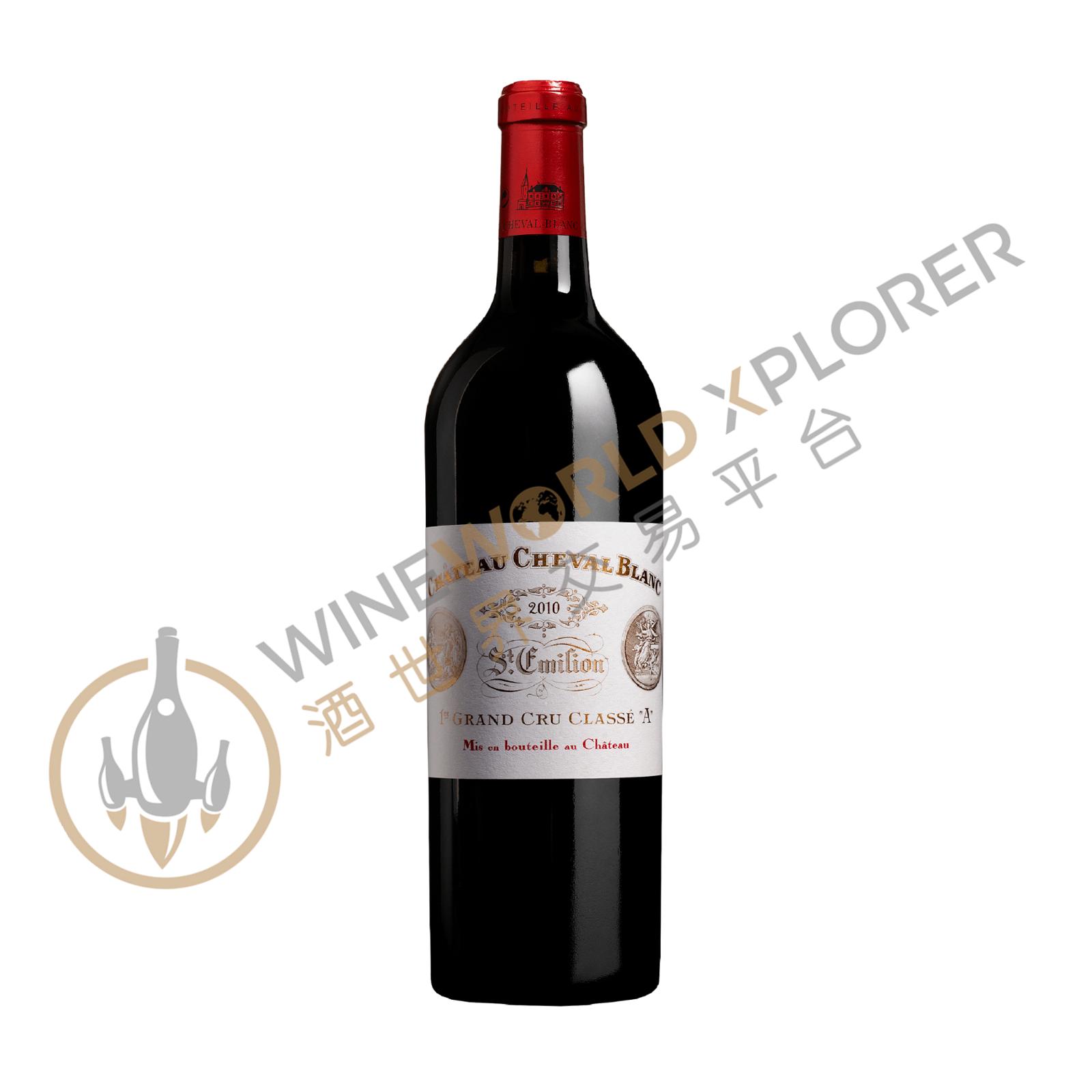
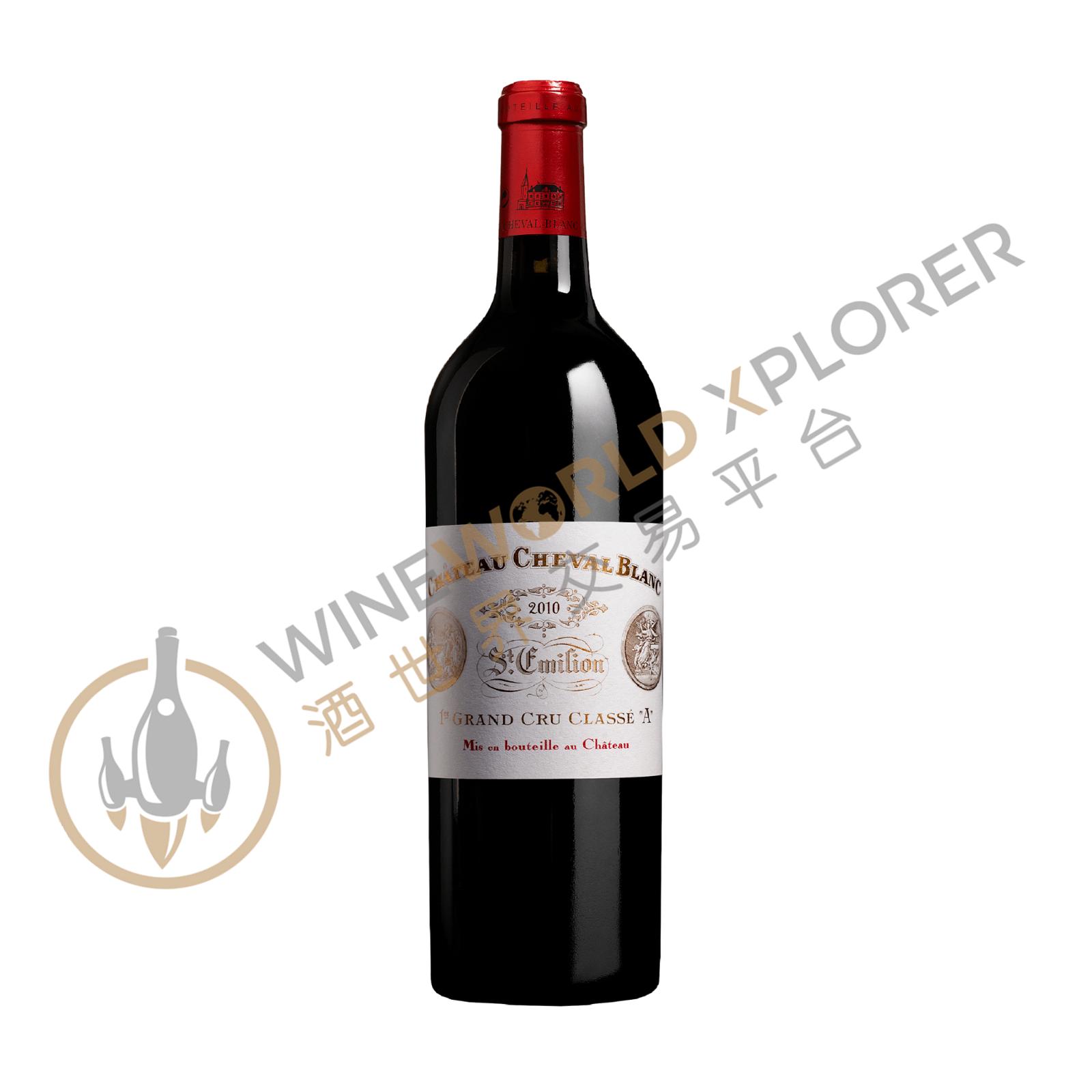
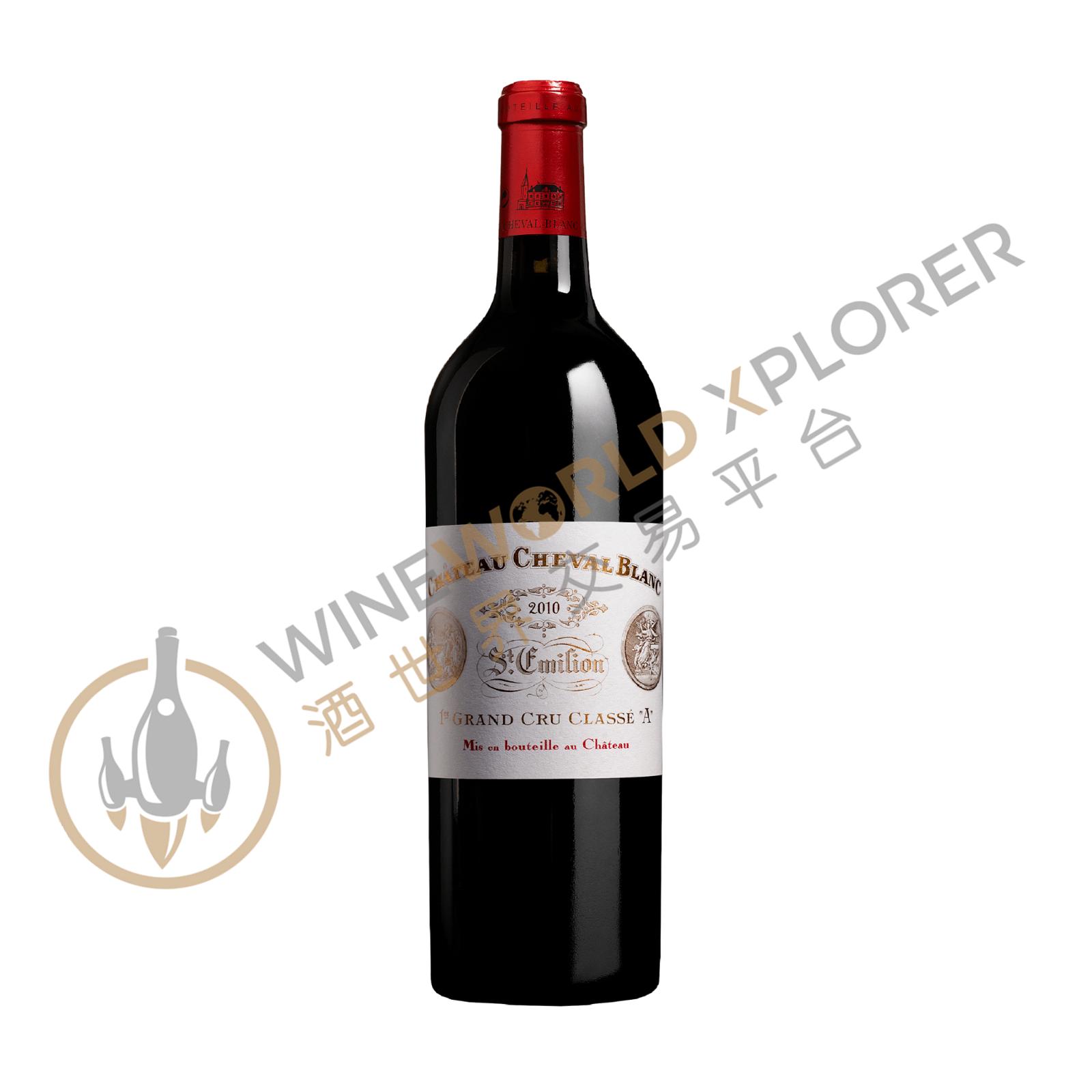
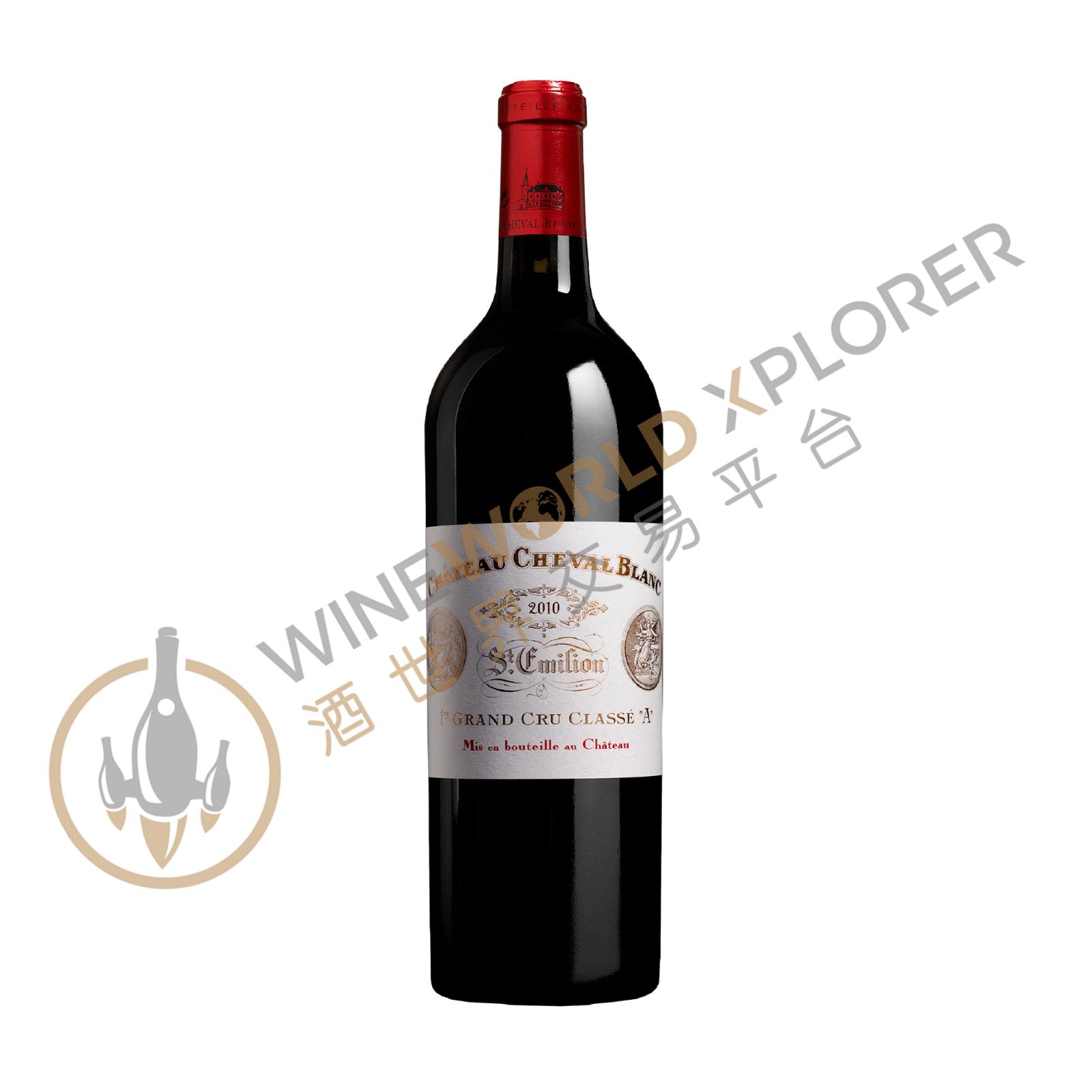
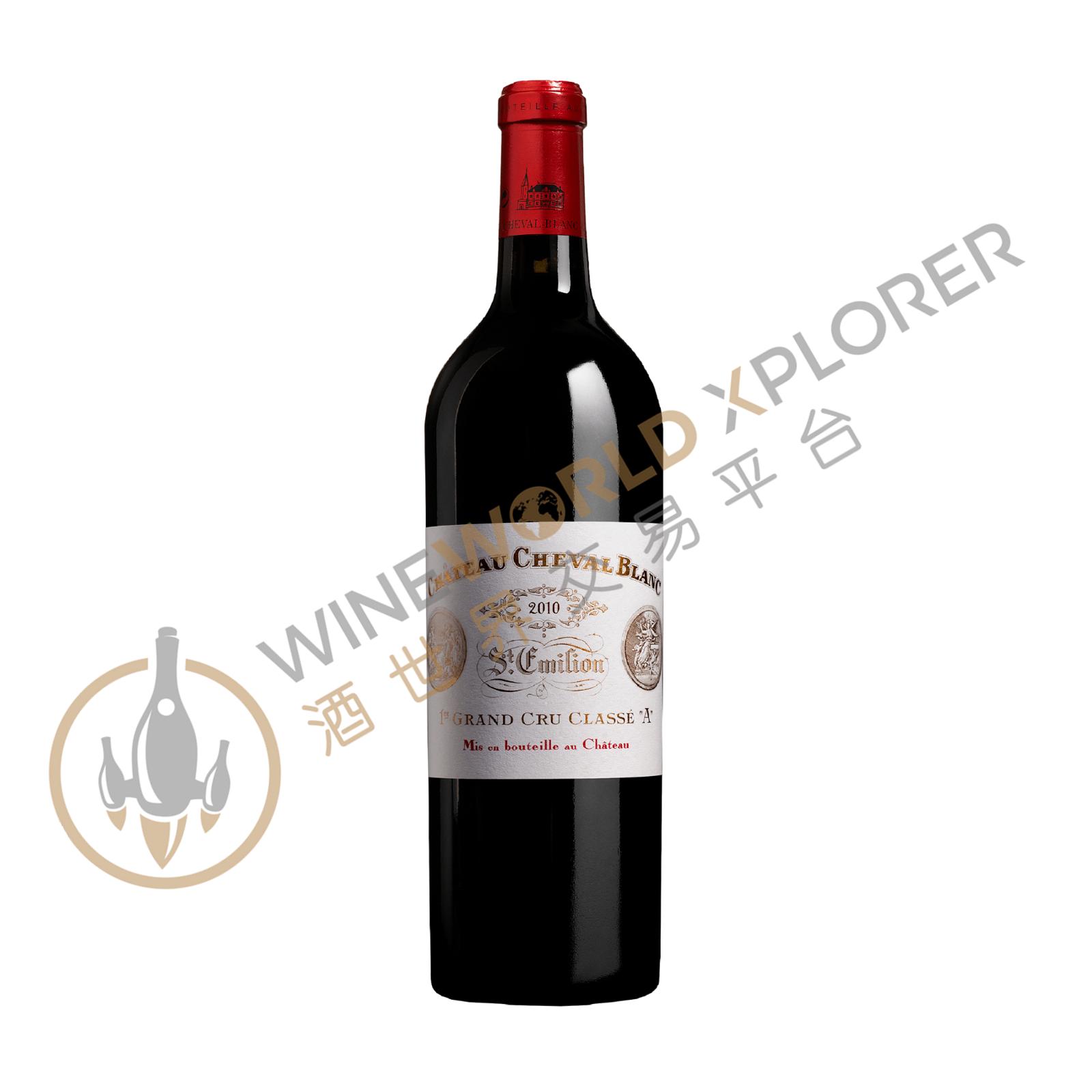
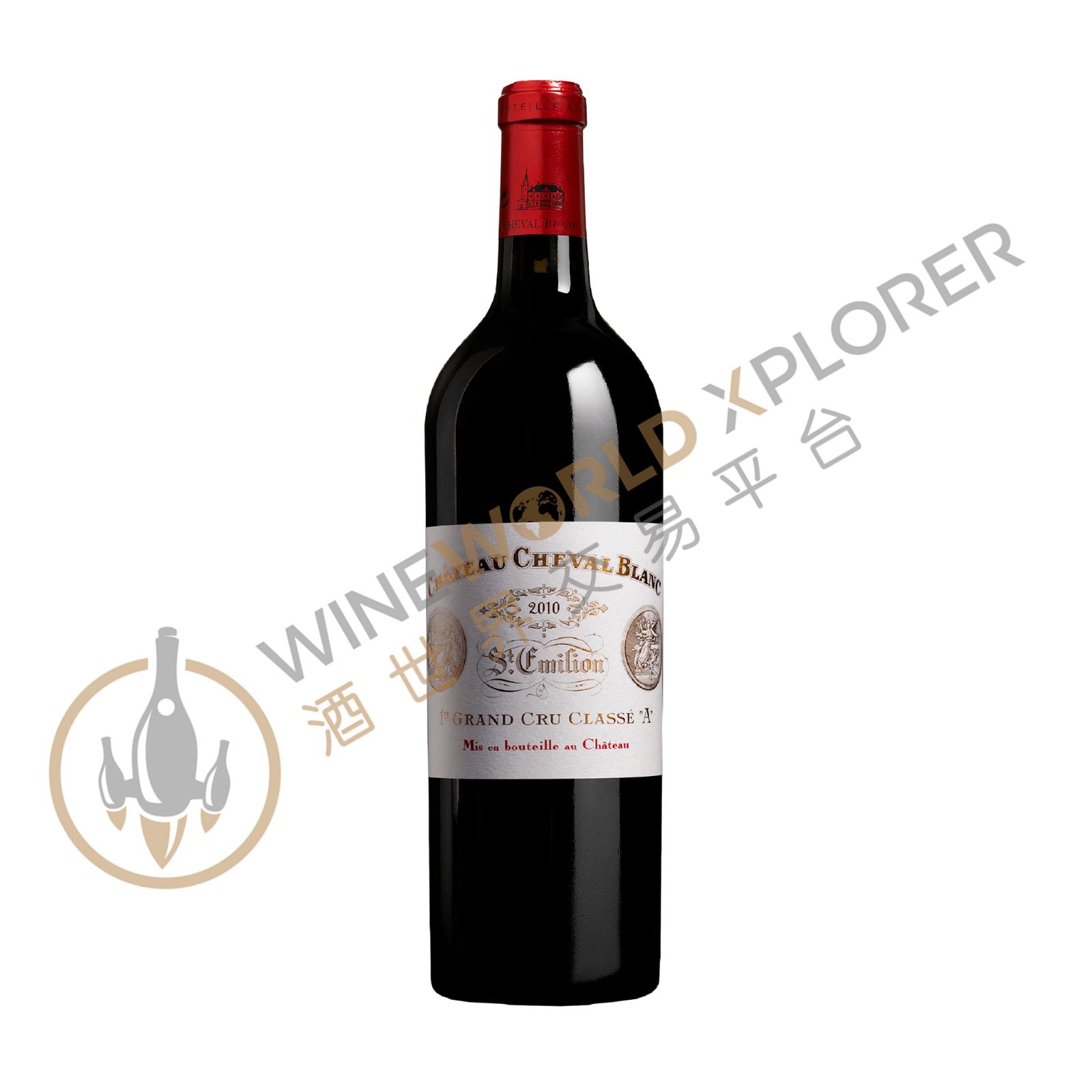
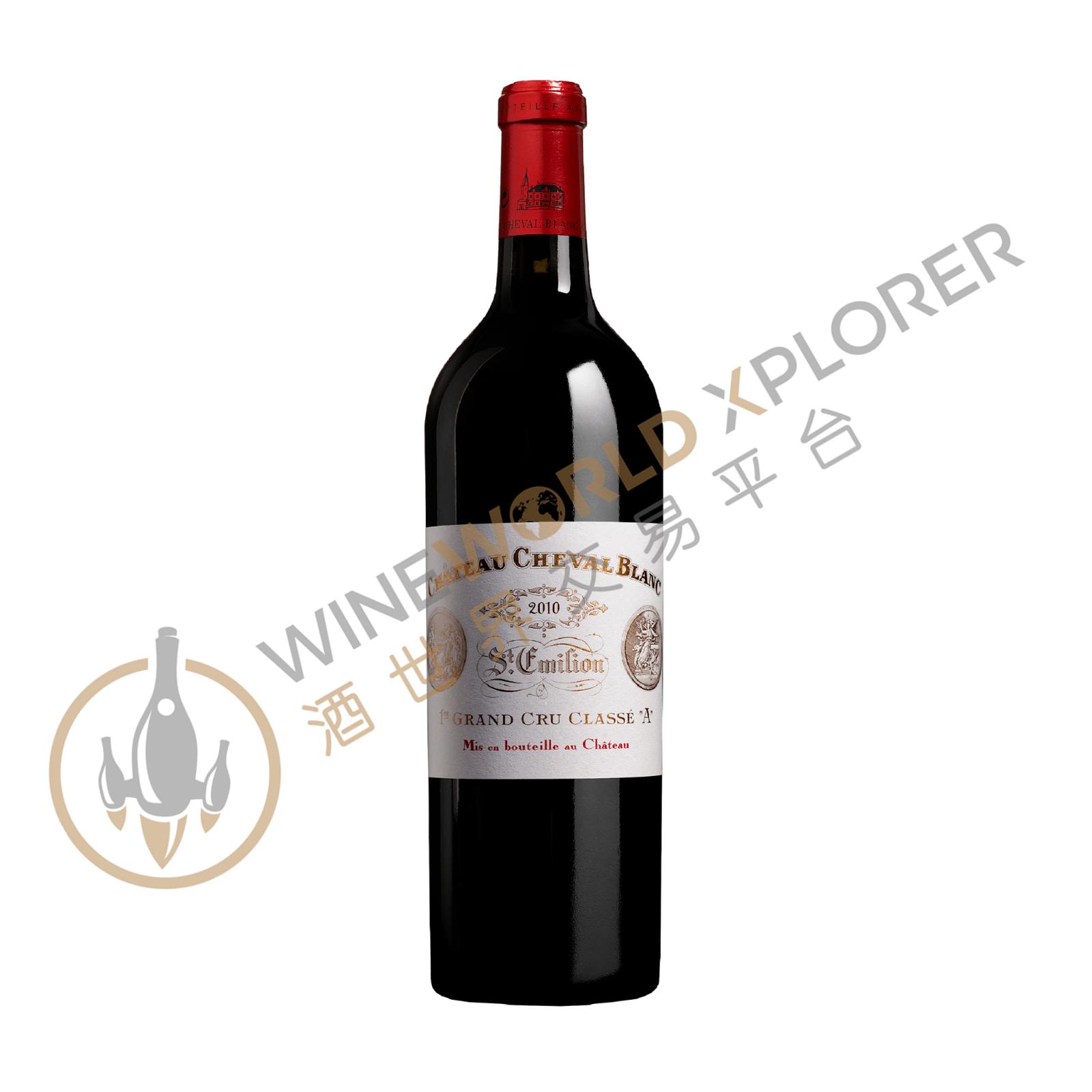
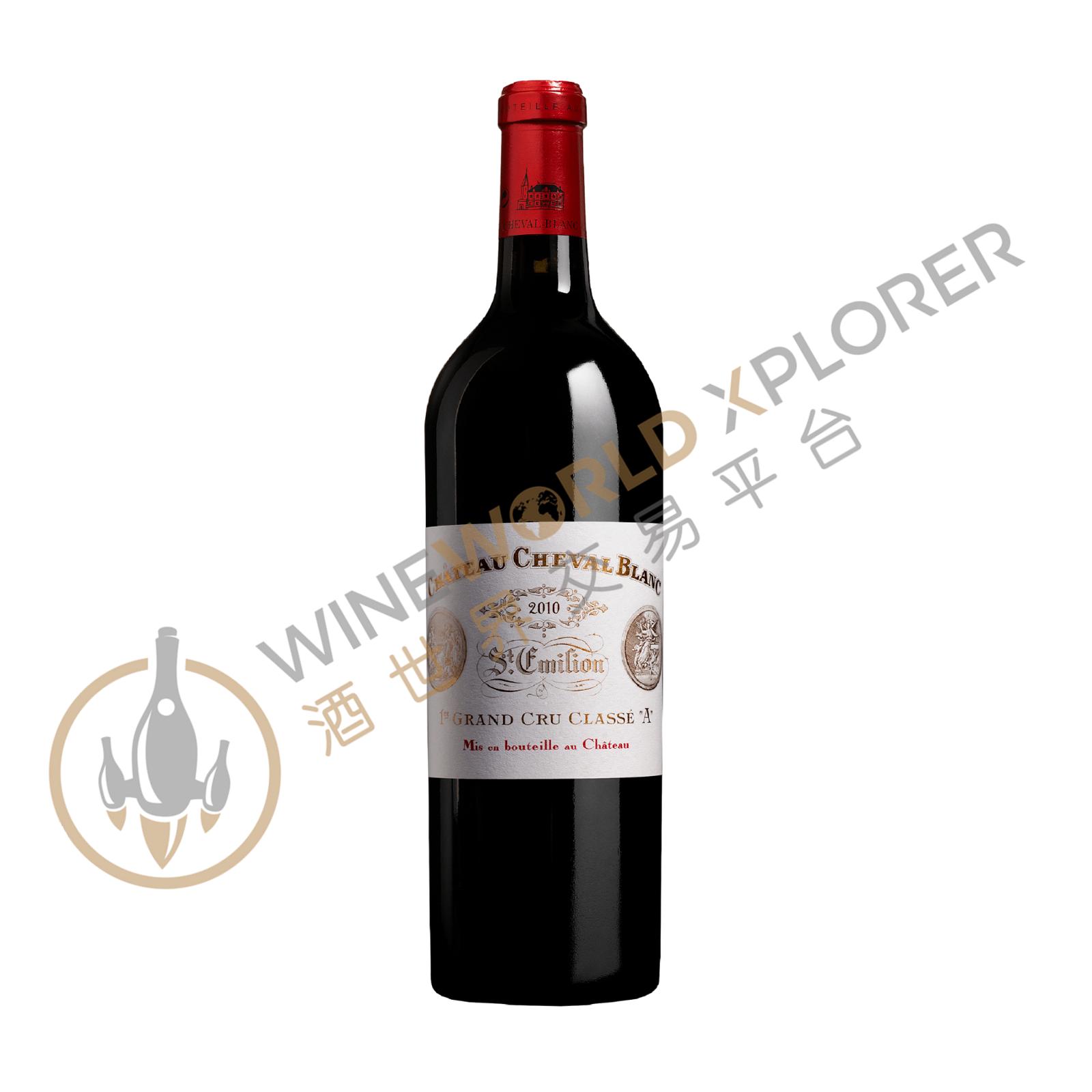
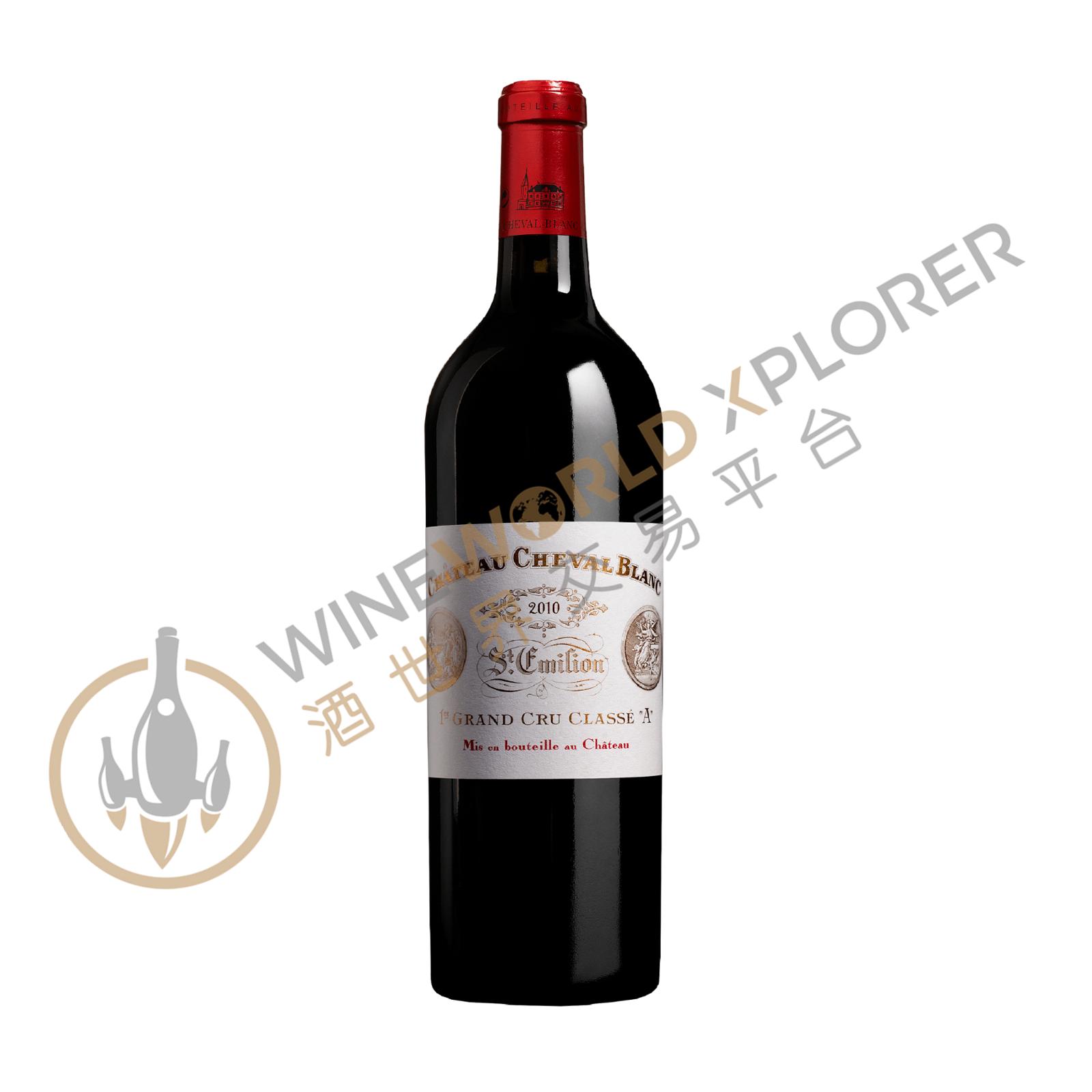
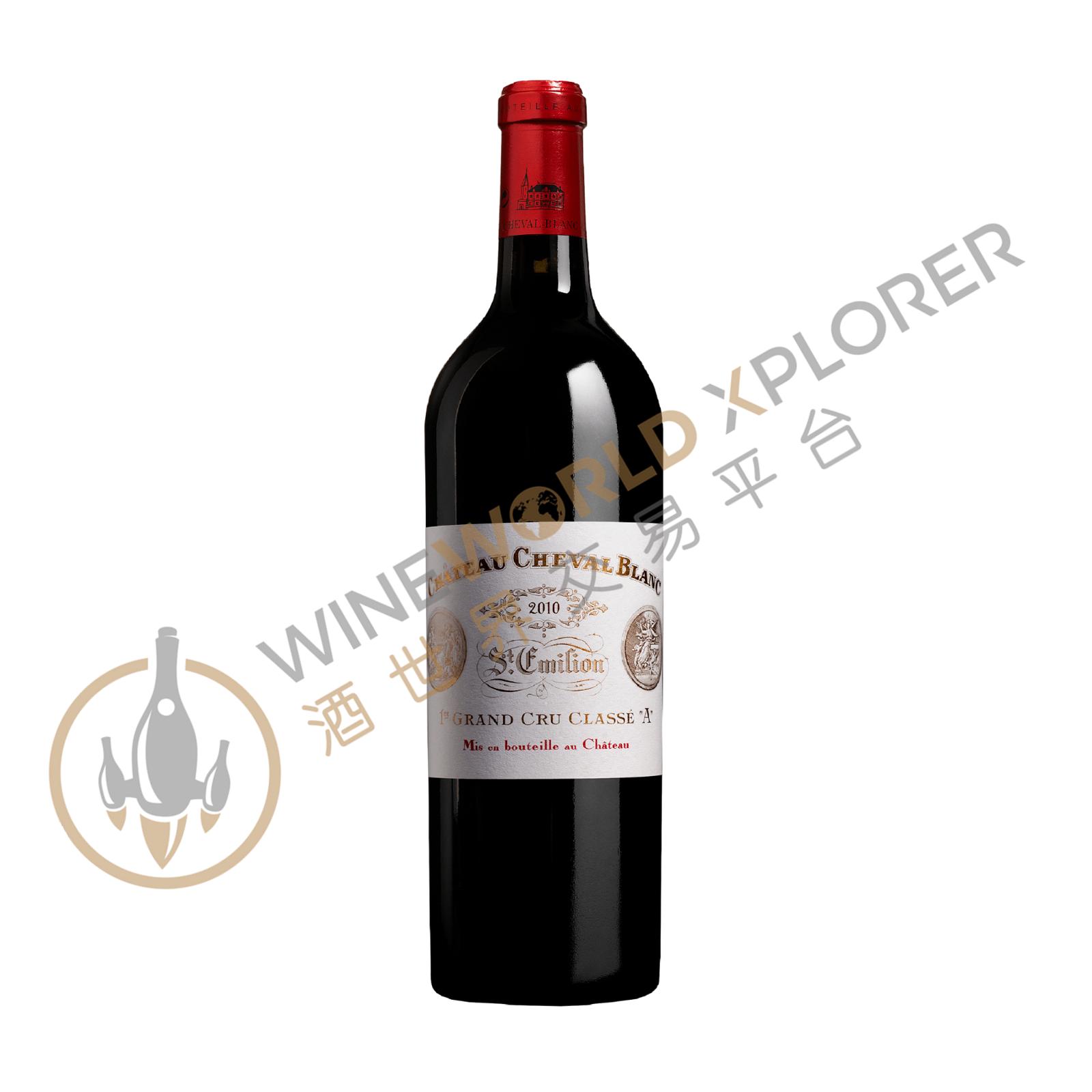
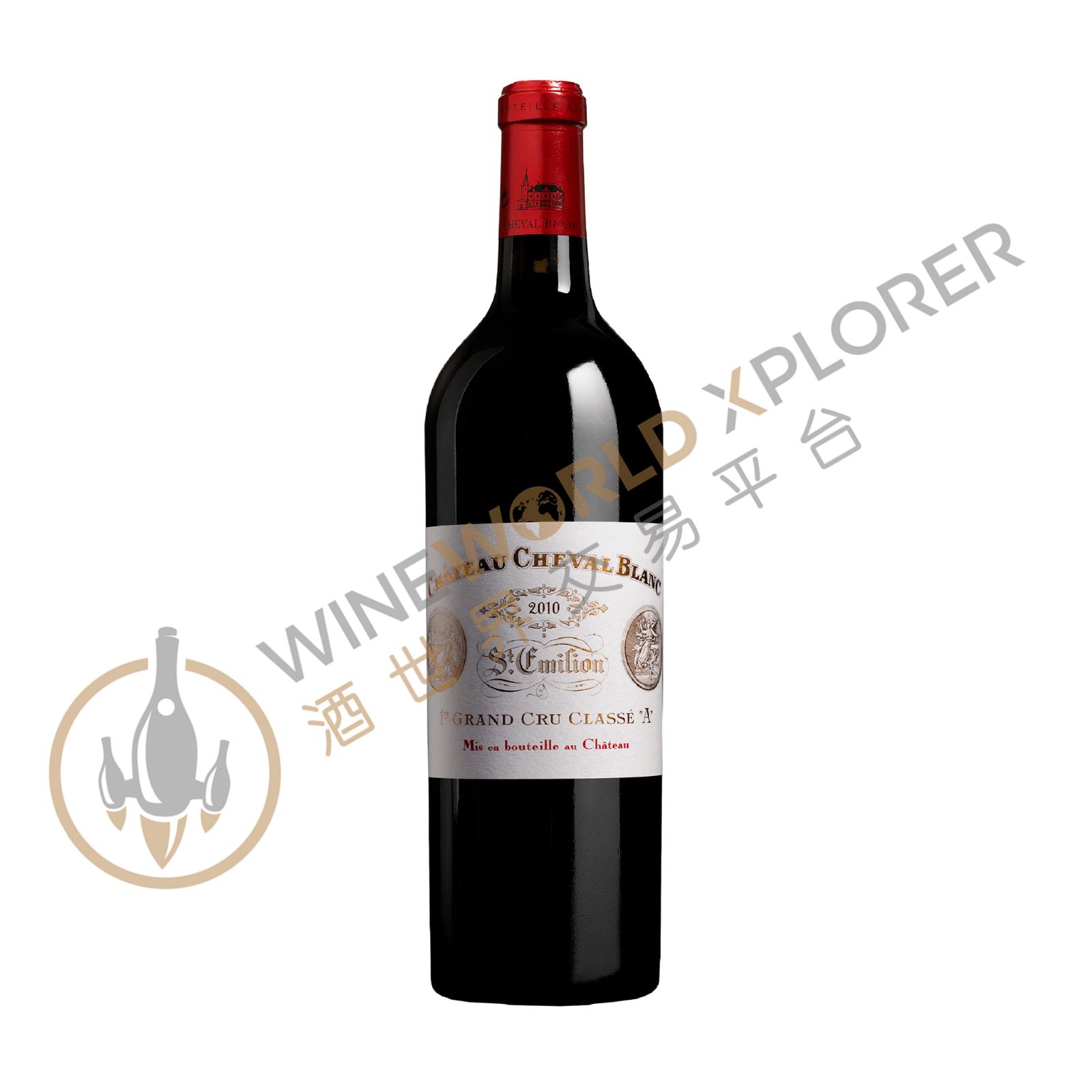
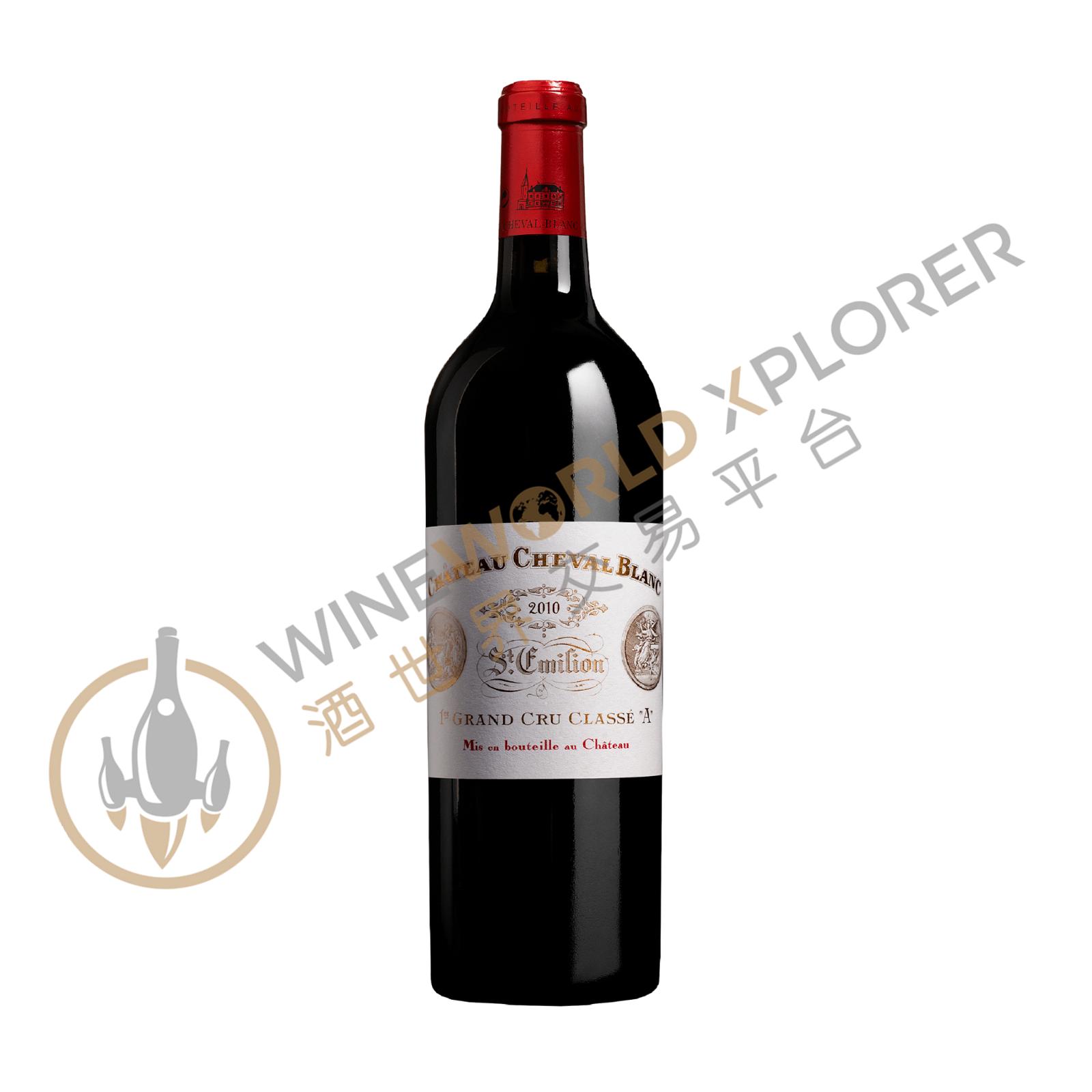
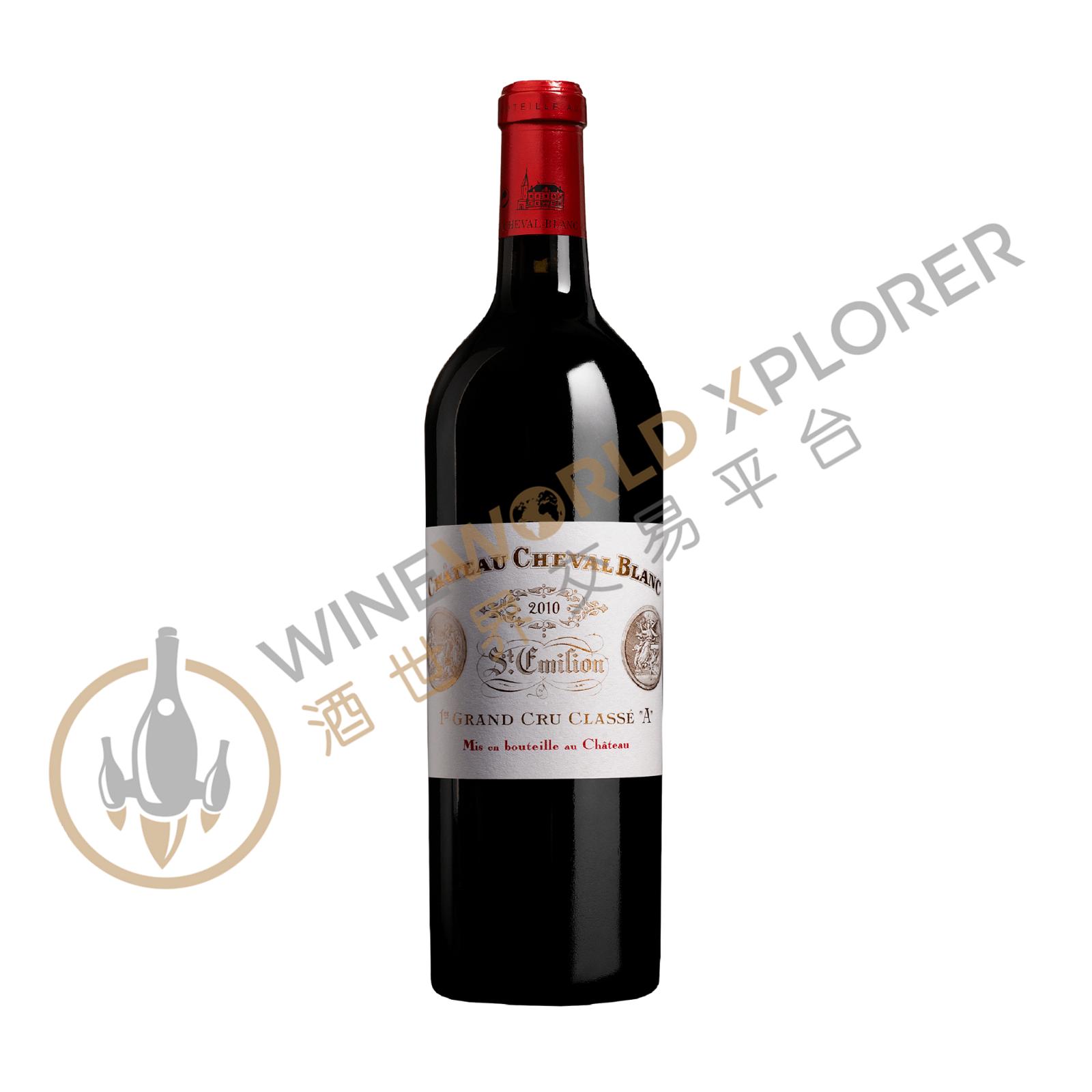
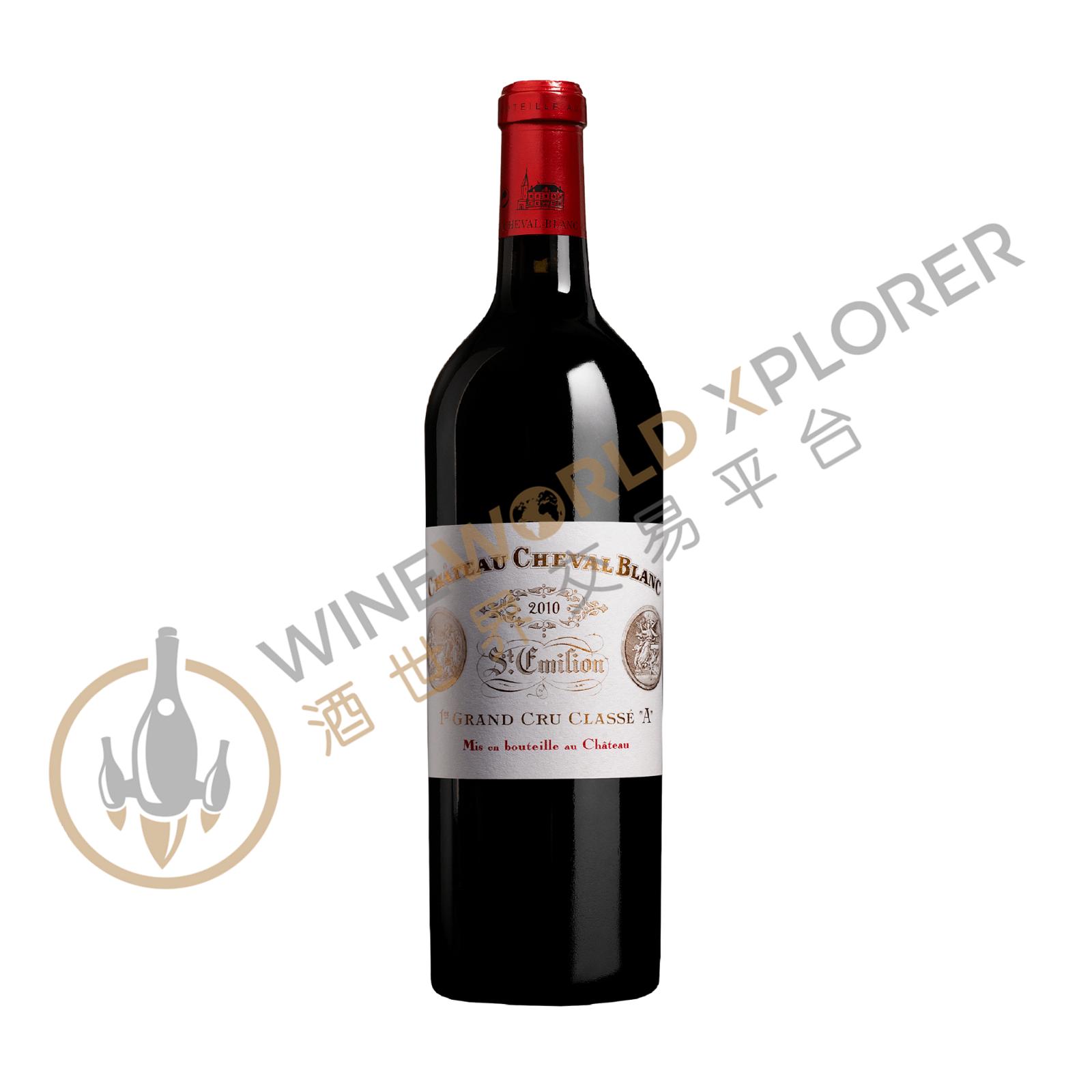
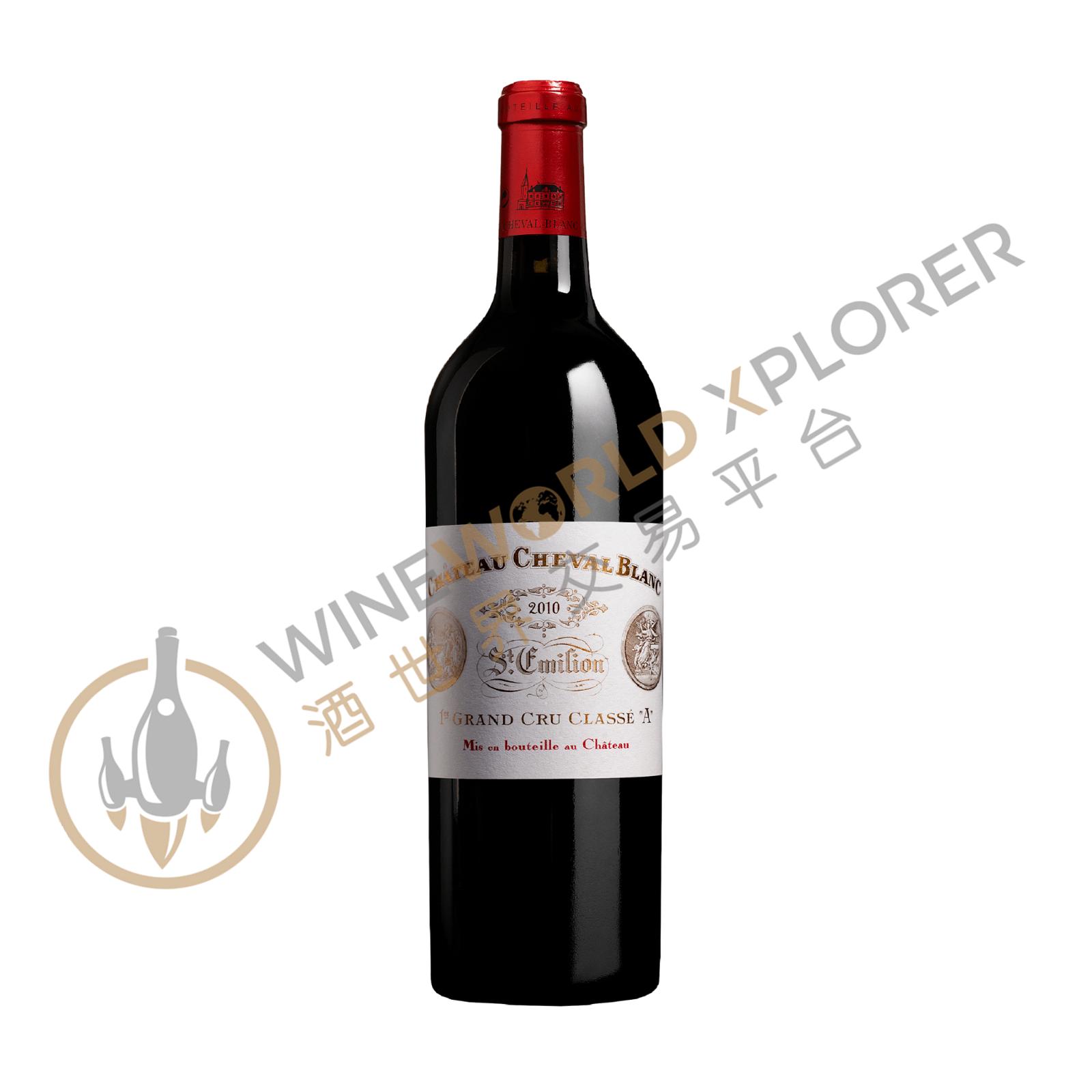
Cheval Blanc 2011
 View analysis


Description
Château Cheval Blanc, a 1er Grand Cru Classé (A) is unquestionably the leading estate in St. Emilion. It is located in the north-west of the St. Emilion appellation, bordering Pomerol. Cheval Blanc obtained its first medal at the 1862 Universal Exhibition in London. In fact, a representation of this bronze medal is found on the château’s present-day label. Cheval Blanc won their first gold medal at the 1878 Universal Exhibition in Paris, and this new distinction also appeared on the label. In 1886, Cheval Blanc won a second gold medal at the Universal Exhibition in Antwerp. Reflecting this series of successes and a wine well on the way to achieving international recognition, a château was built on the estate.
Tasting notes

Reviewed by: Robert M. Parker, Jr.
The 2011 Cheval Blanc is one of the more plump, opulent and sexy Cheval Blancs made over recent vintages, and its forwardness, lusciousness and complexity seemingly suggest this wine is on a fast evolutionary track. The wine exhibits a dense ruby/purple/plum color, a medium to full-bodied opulence, a sumptuous mid-palate (atypical for the vintage), and a lush, heady finish. It is a super, complex, evolved Cheval Blanc that can be drunk now or cellared for 15+ years. Bravo!
Reviewed by: Neal Martin
The Cheval Blanc is a blend of 52% Cabernet Franc and 48% Merlot picked from 6th September finishing on 2nd October. The bouquet is reticent at first and so I allow the sample to warm a little in the glass over five minutes. It unfurls nicely to offer a classic Cheval Blanc nose with the Cabernet Franc exhibiting those floral aromas, more dried rose petal than say violets. It is a slightly aloof nose, not one that comes running to you like the 2009 or 2010. The palate is medium-bodied with fine, slightly chalky tannins. It is well balanced with a fine tannic backbone, imbued with a sense of symmetry that Cheval Blanc has been honing in recent vintages. It displays fine minerality, remaining strict and linear towards the finish, although this may flesh out a little during maturation. A comparatively foursquare Cheval Blanc, one that will repay considerable ageing. Tasted April 2012.
Reviewed by: Lisa Perrotti-Brown
Medium to deep garnet in color, the 2011 Cheval Blanc features a nose of warm mulberries, preserved plums and figs with suggestions of dried herbs, dusty soil and underbrush plus a touch of Sichuan pepper. Medium to full-bodied, taut and muscular in the mouth, it has a solid frame of chewy tannins supporting the restrained fruit and a long earth and Provence herbs-layered finish.
Reviewed by: Robert M. Parker, Jr.
Somewhat reminiscent of their brilliant 1998, the 2011 Cheval Blanc has turned out to be a top-notch success. Its deep garnet/plum/purple color is followed by hints of blueberry confiture intermixed with raspberries, mocha, damp forest and a hint of mint. Exhibiting a velvety, opulent texture along with considerable class and flesh as well as sweet tannin, this flavorful, forward 2011 should drink beautifully for two decades or more. The harvest at this estate lasted from September 6 through October 1 (for the Cabernet Franc).
Reviewed by: William Kelley
An underrated vintage, the 2011 Cheval Blanc is evolving brilliantly. Wafting from the glass with aromas of smoky cassis, blackberries, loamy soil, tobacco leaf, bitter chocolate, mint and violets, it's full-bodied, velvety and multidimensional, with a layered core of fruit, rich and powdery structuring tannin and a long, resonant finish. While the 2009 and 2010 are more powerful and unctuous, readers who prize Cheval Blanc for its extraordinary complexity and unique perfume might well prefer the 2011, as it is a wine that could come from nowhere else.
Reviewed by: Ian d'Agata
Bright red-ruby. Ripe, scented aromas of raspberry, strawberry, violet, licorice, cedar and wild herbs on the knockout nose. Wonderfully sappy and juicy but not thick, with intense, very pure red berry, white pepper, floral and cedar flavors showing terrific thrust and lift. Finishes dense and long, with repeating floral, white pepper and red berry nuances. Boasts a serious spine for cellaring, and the youthfully chewy tannins will need time. An essence of cabernet franc: when Cheval Blanc aces this variety, it's one of the most unique--and greatest--wines in the world. There just aren't too many wines anywhere (Lafleur excepted, perhaps) that can express the variety like Cheval does. Apparently the cabernet franc percentage was increased to 57%, up from the 52% I had been told was in the blend at the Primeurs.
Reviewed by: Ian d'Agata
(a blend of 52% cabernet franc and 49% merlot): Bright ruby. Highly perfumed, knockout nose of strawberry, white pepper and flowers. Bright and fresh in the mouth yet delineated and firmly structured, with a seamless quality to its red berry, floral and mineral flavors. This oozes class and grace, finishing long and suave, with very smooth tannins. Though this 2011 is less structured and powerful than the 2010 version, when Cheval Blanc gets the cabernet franc as it did in 2011, it's simply one of the world's greatest wines. But chief viticulturalist and winemaker Kees Van Leeuwen told me that 2011 wasn't a walk in the park: among the estate's many parcels, some had grilled berries and there was huge disparity in the ripening curve between parcels (some were extremely early and others late), leading to a harvest that lasted 23 days, the longest here in memory (normally it lasts 14 to 18 days).
Reviewed by: Neal Martin
The 2011 Cheval Blanc has an elegant, quite refined bouquet with brambly red fruit, scorched earth, terracotta and sage, very complex and harmonious. Could this be Figeac? [Post-script. No, but not far off!] The palate is medium-bodied with rounded tannins, quite plush and sensual, rich for this vintage with plenty of concentrated, quite sweet and spicy, hoisin-tinged fruit on the precise finish. This is a very fine Saint-Émilion. Tasted blind at the annual 10-Year-On tasting.
Reviewed by: Neal Martin
The 2011 Cheval Blanc has a classic nose with blackberry, briary, cedar and pine aromas. The Cabernet Sauvignon makes its mark. The palate is medium-bodied with supple tannins, still a little chalky as I remember, hints of blue fruit emerging with time. I admire the symmetry and poise of this Cheval Blanc and despite some broodiness on the finish, this is turning into a very promising wine from an oft-overlooked vintage. Tasted from an ex-château bottle at Berry, Brothers & Rudd.
About the Producer
Château Cheval Blanc is a highly lauded wine estate in the Saint-Émilion region of northeast Bordeaux. Classified with the top ranking of Premier Grand Cru Classé A, it is regarded by many as one of the greatest wines of the appellation – if not, the greatest. It is certainly the most famous Cabernet Franc-based wine in the world, albeit often alongside very similar levels of Merlot. Typically, the "grand vin" (the estate's eponymous wine) is lush and full bodied with great weight of fruit. It tends to require ten years of bottle age and the best vintages can last half a century or more. The second wine of the estate is Le Petit Cheval. The vineyard is located in the northwest of the region, bordering Pomerol (La Conseillante is a neighbor) and consists of 39 hectares (96 acres) divided into 45 plots. There is an unusually large amount of Cabernet Franc planted – about 49 percent – with 47 percent Merlot and four percent Cabernet Sauvignon. The unusual planting proportions reflect the terroir; most vineyards in the region are either clay or gravel-based over impermeable sedimentary rock, but Cheval Blanc is unique in having a patchwork of soils with the two types in roughly equal proportions. The clay soils provide base wines with velvety tannins, while those from gravel soils are more aromatic and elegant. Vines have been grown since the 14th Century at this spot but the vineyard as it is known today took shape in the 19th Century when the core plots were added to by purchases from the nearby Figeac estate. Subsequent replantings established the atypical half-Merlot, half-Cabernet Franc proportions. Cheval Blanc gained its first medal at the 1862 Universal Exhibition in London – the first of a series of successes building its reputation and achieving price levels comparable to the Médoc first growths, which paved the way for a château to be built on the estate. In the first classification of Saint-Émilion wines in 1955, Cheval Blanc was awarded the highest possible rating and remains a Premier Grand Cru Classé A. In 1998, after 166 years of continuous family ownership, Bernard Arnault, the head of luxury goods firm LVMH, and the late Baron Albert Frère (a Belgian billionaire investor) jointly purchased the estate. The spectacular new cellar opened in 2011, with 52 concrete vats (replacing stainless steel) of differing sizes corresponding to different vineyard plots. The grand vin spends 16 to 18 months in new oak barrels from a variety of cooperages.
1953(1)1954(2)1962(1)1967(1)1973(1)1974(2)1975(1)1976(1)1977(2)1978(1)1980(1)1981(1)1982(2)1983(1)1984(1)1985(1)1988(2)1989(4)1990(7)1992(2)1993(3)1994(2)1995(6)1996(9)1997(2)1998(8)1999(3)2000(15)2001(7)2004(11)2005(17)2006(8)2007(11)2008(11)2009(8)2010(9)
Package Size