Wine Advisor



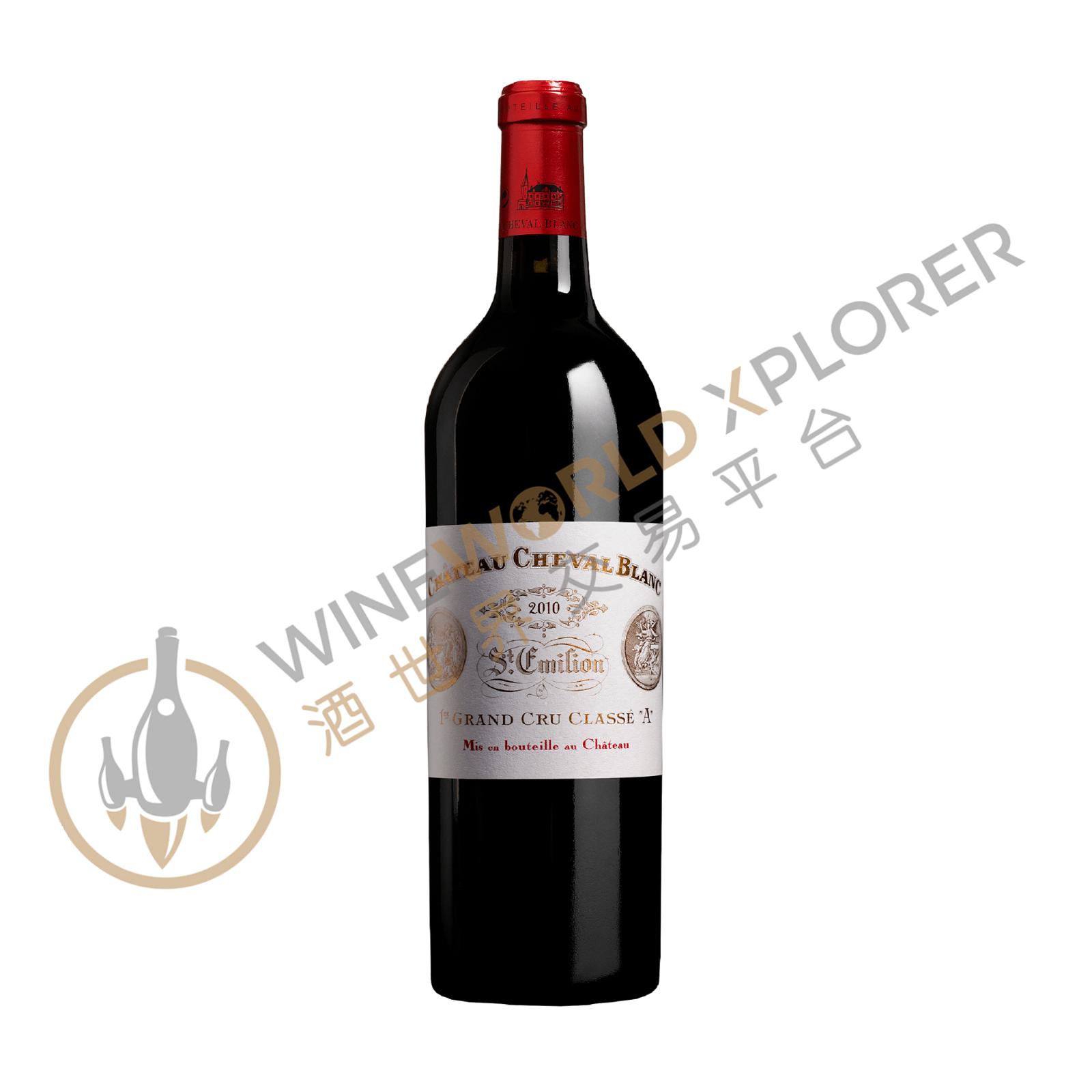
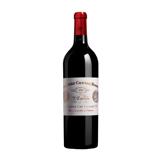
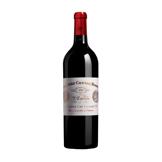
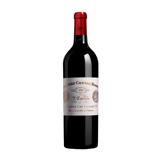
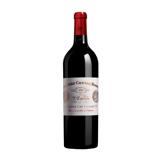
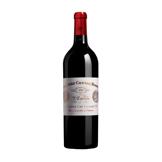
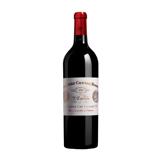
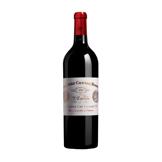
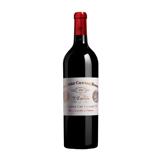
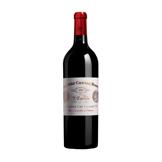
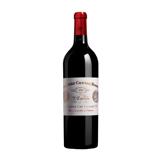
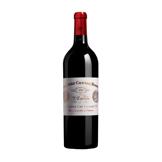
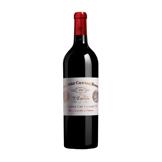
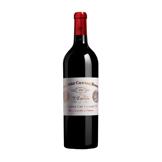
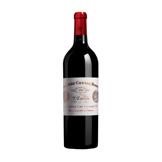
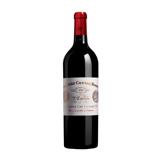
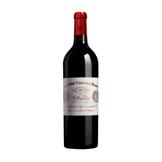
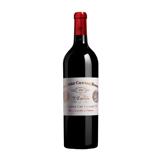
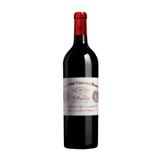
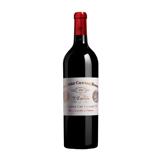
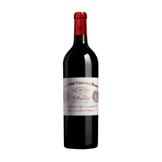
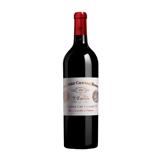
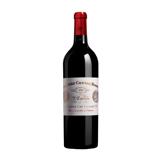
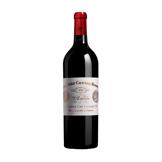
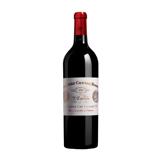
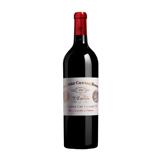
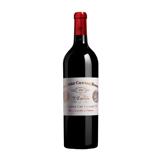
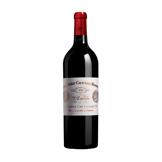
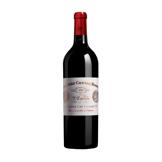
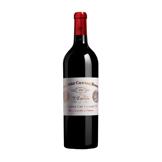
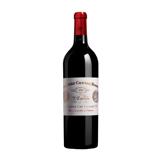
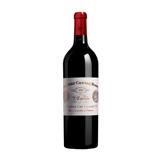
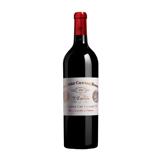
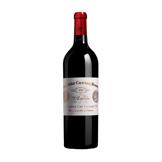
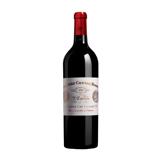
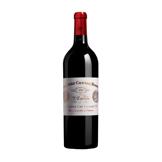
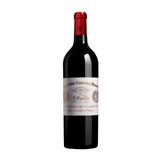
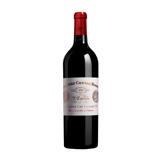
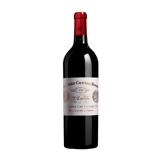
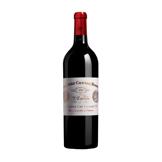
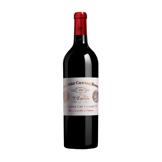
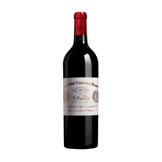
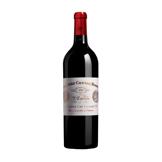
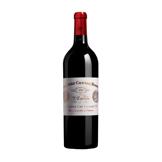
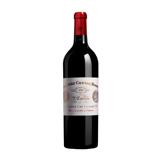
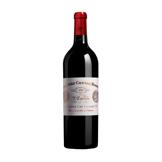
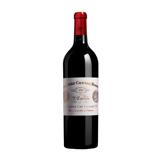
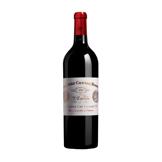
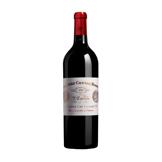
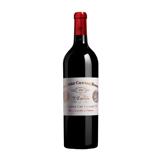
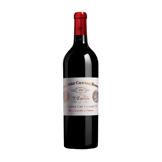
Cheval Blanc 1993
 View analysis


Description
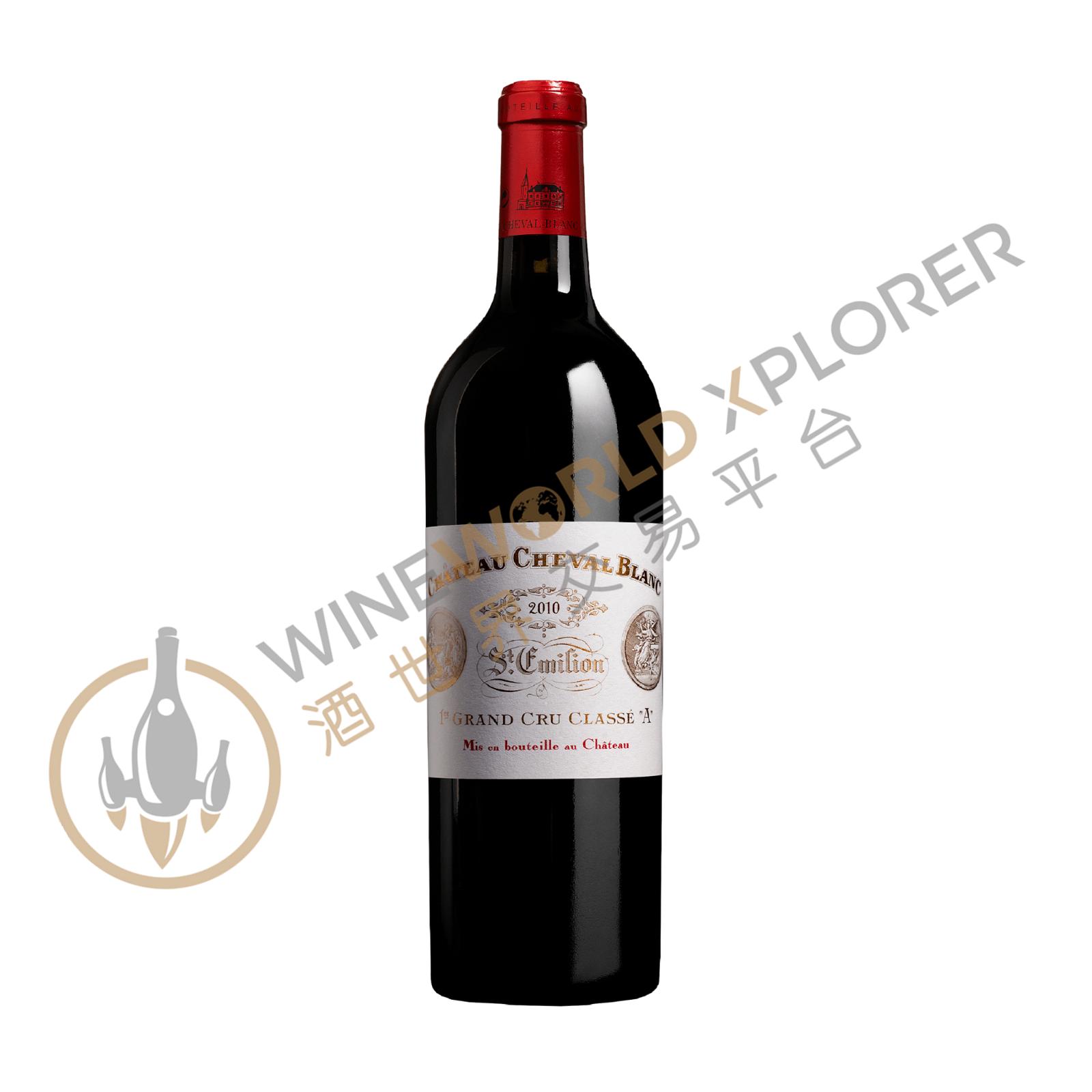
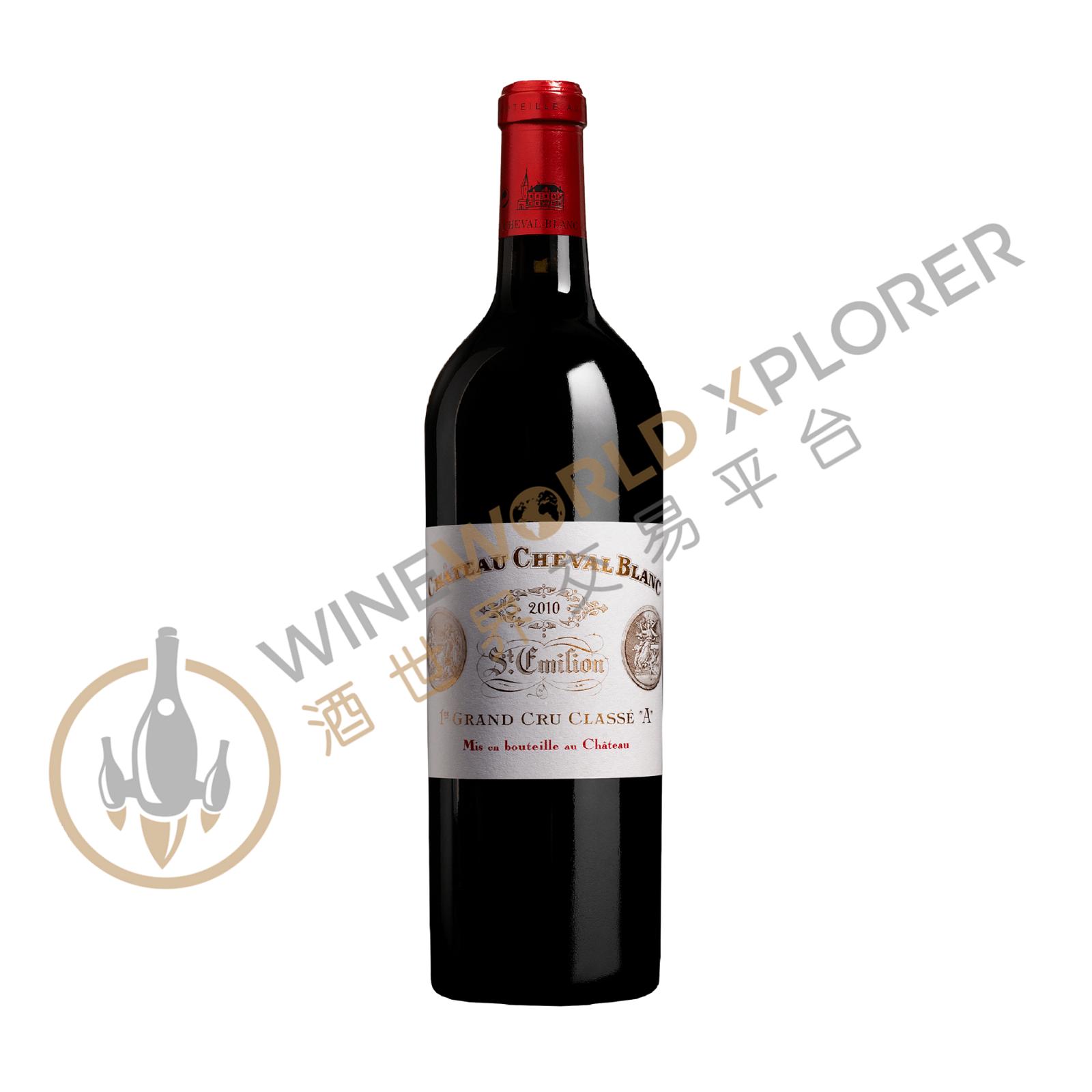
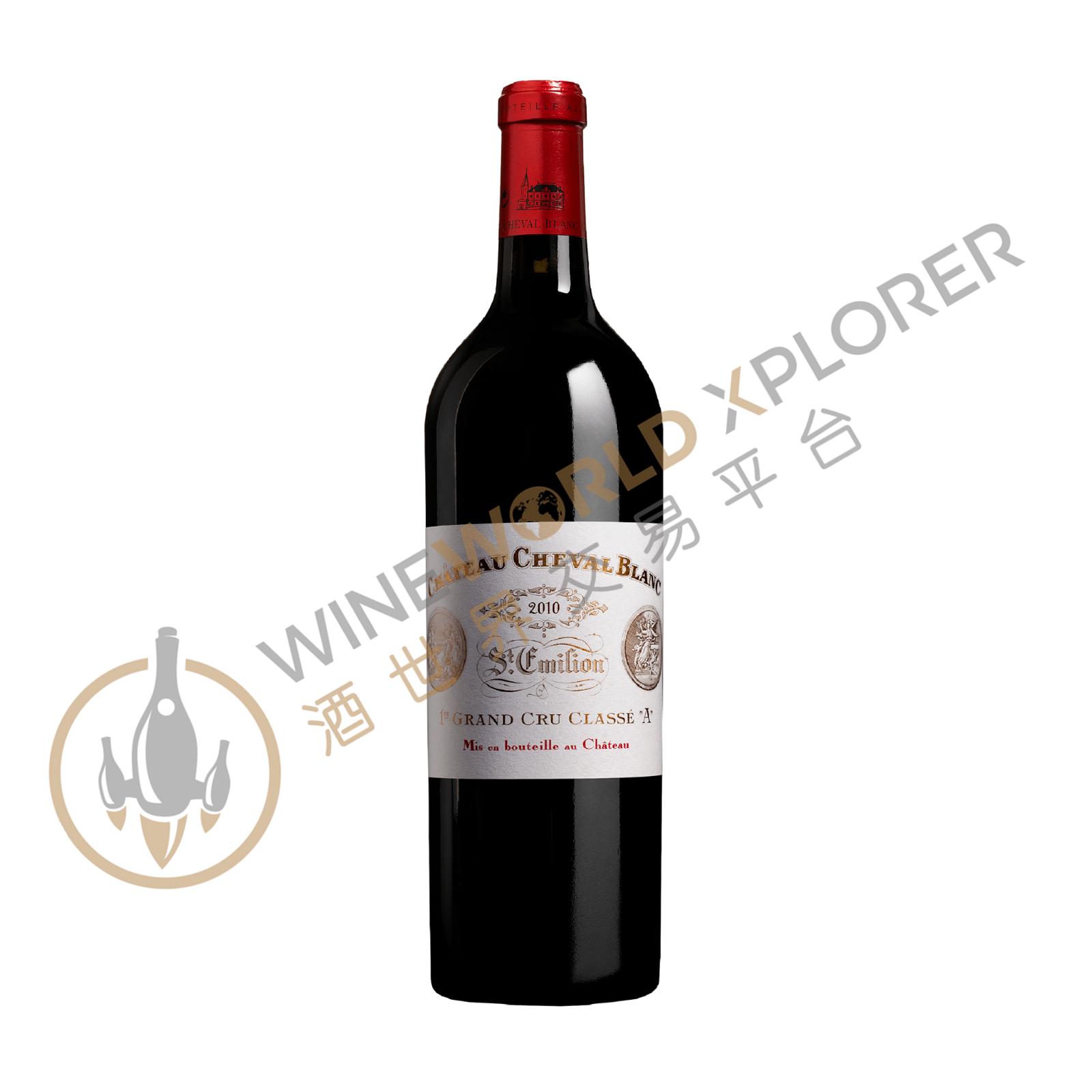
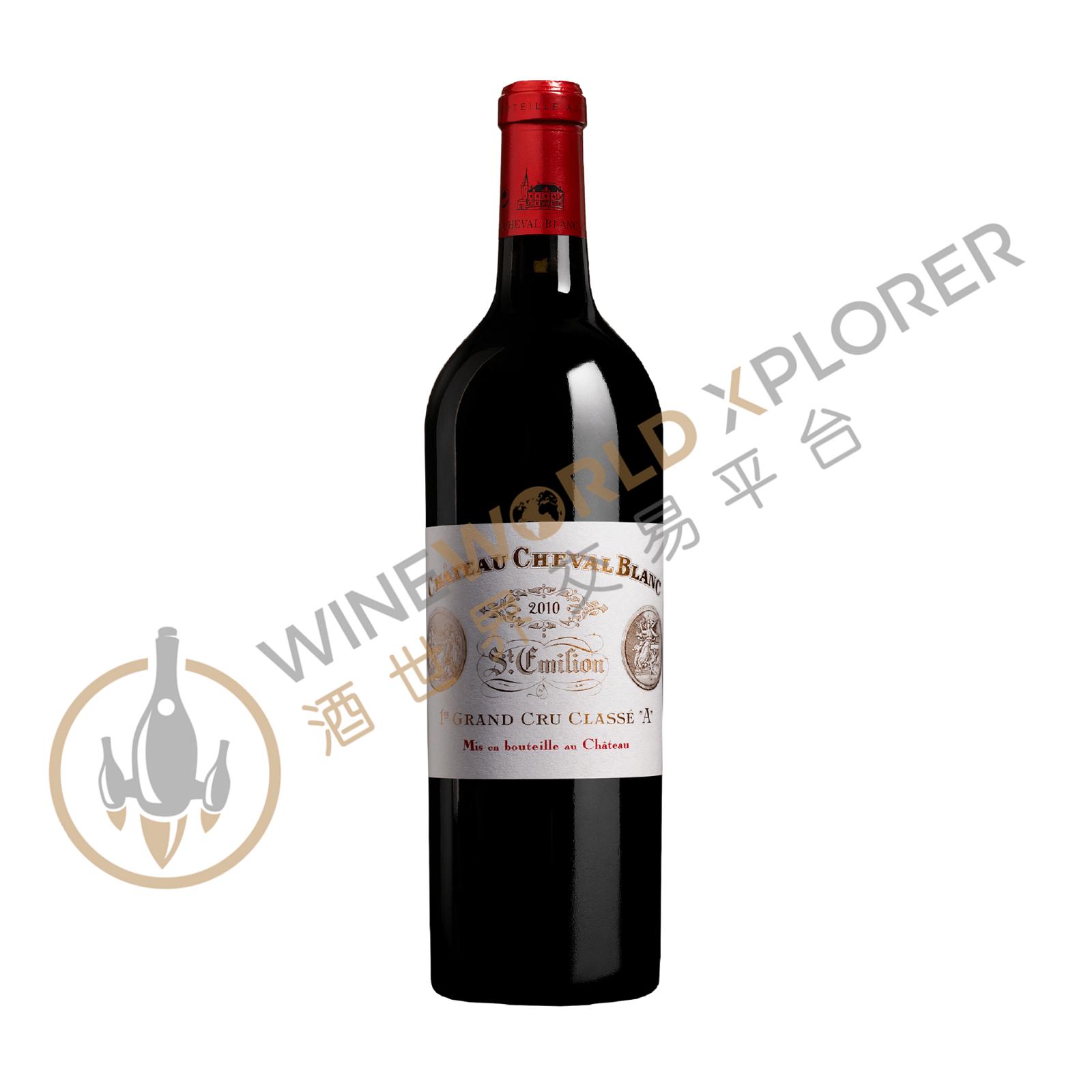
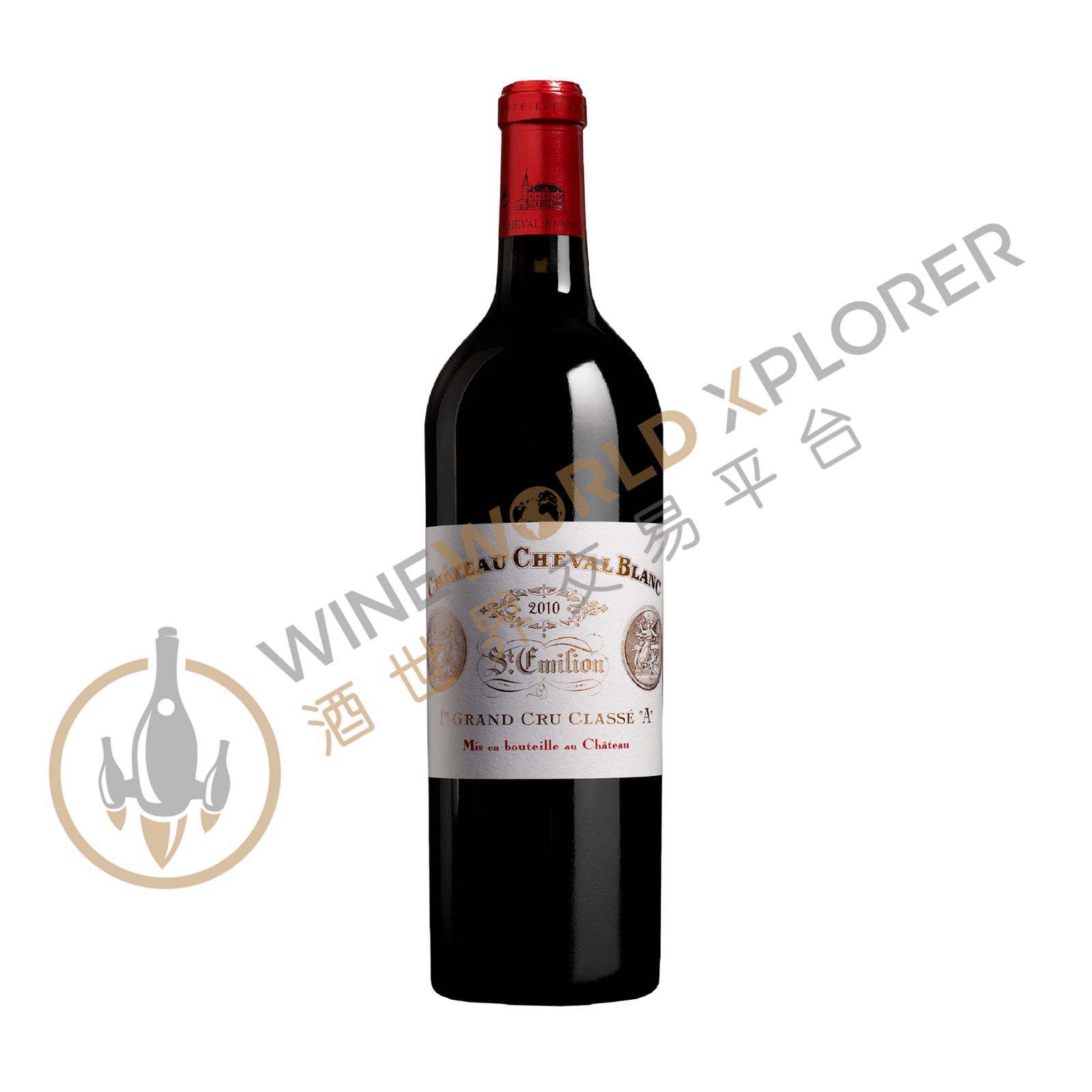
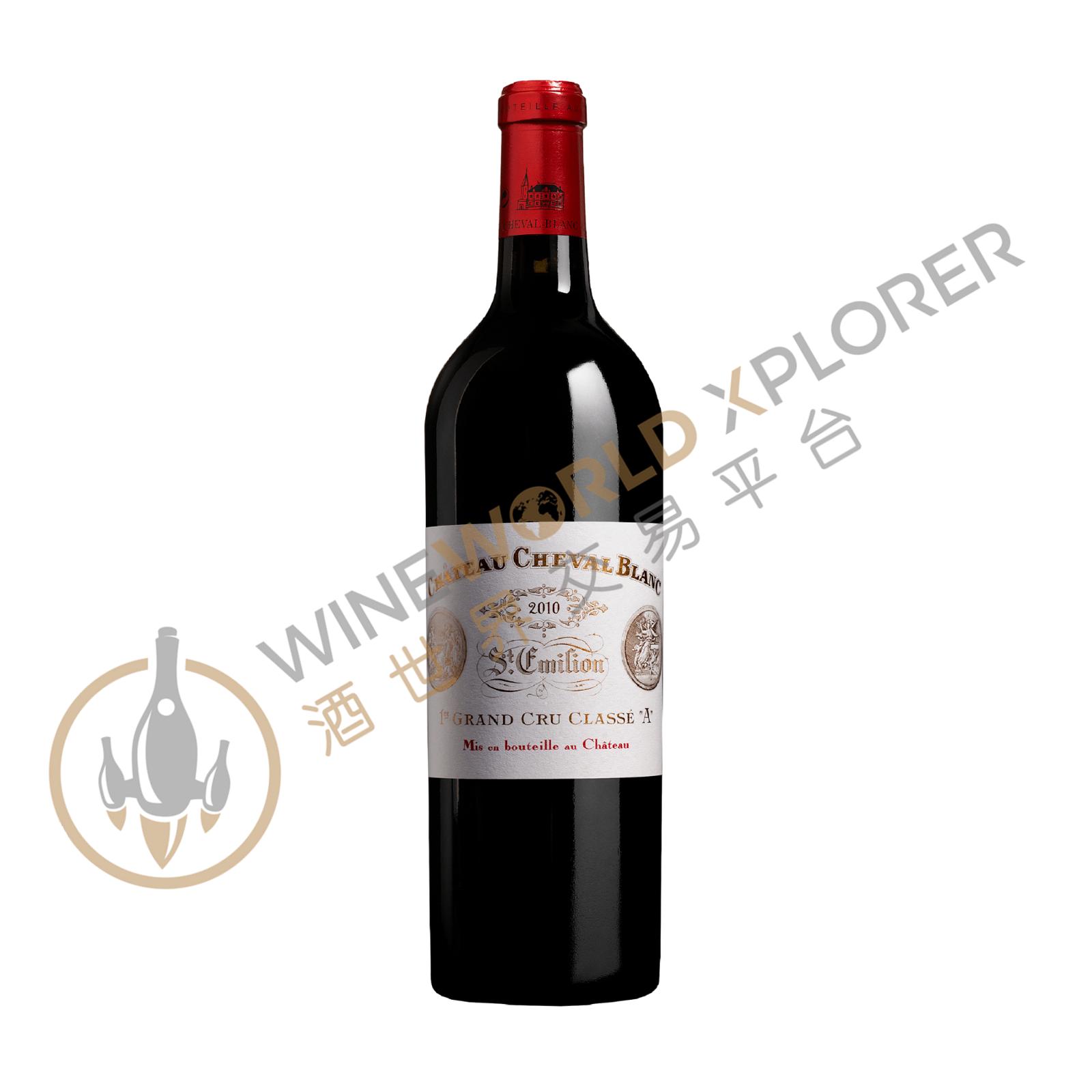
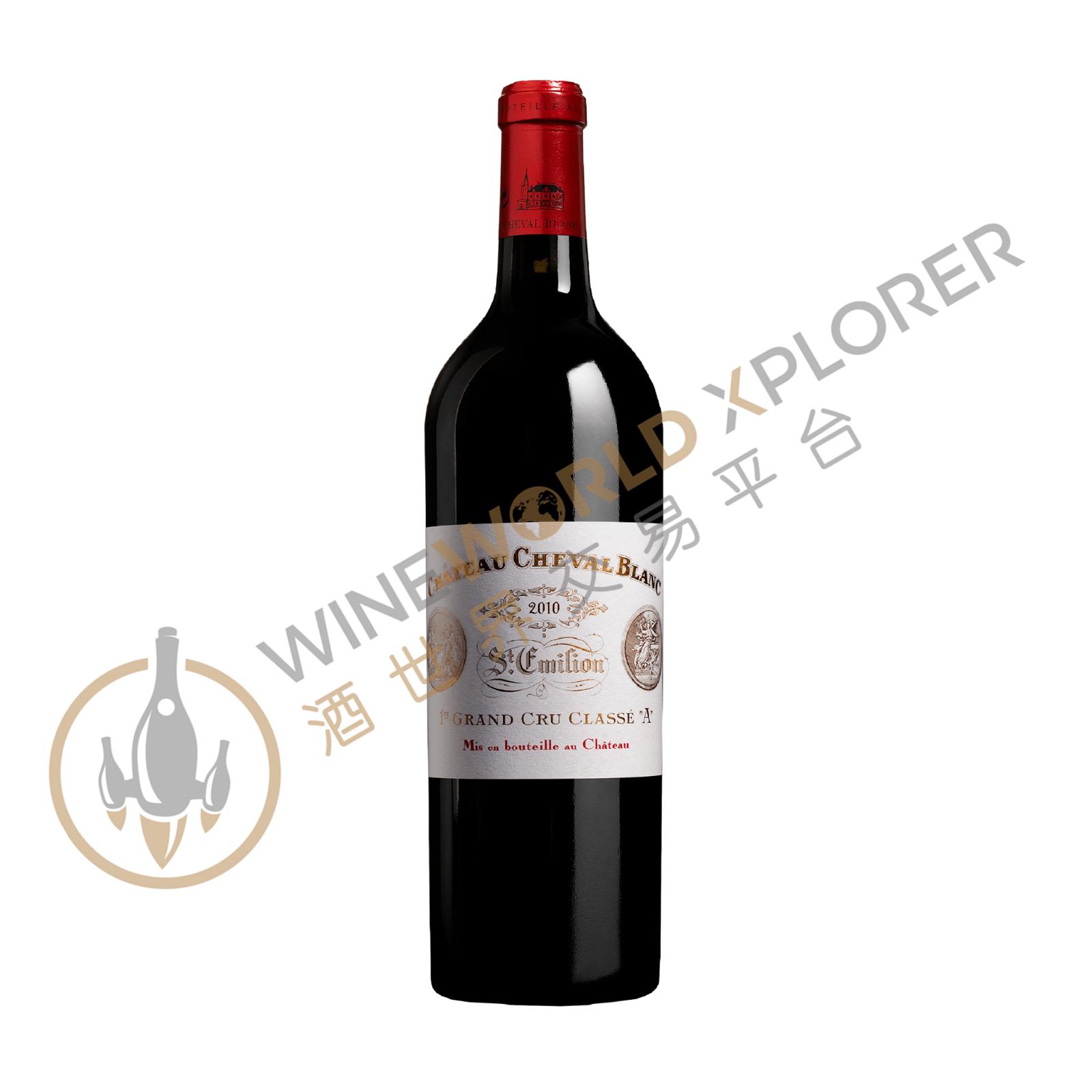
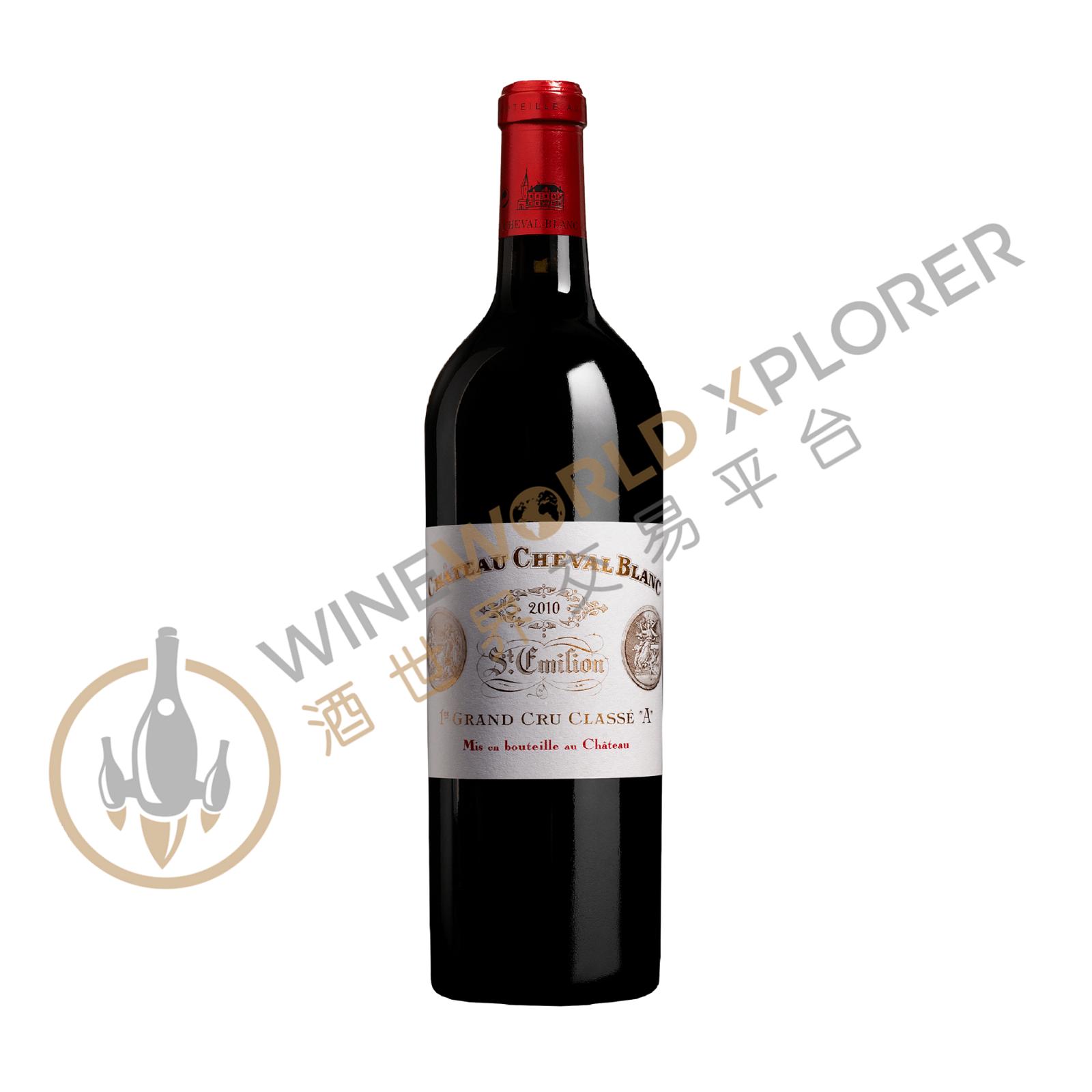
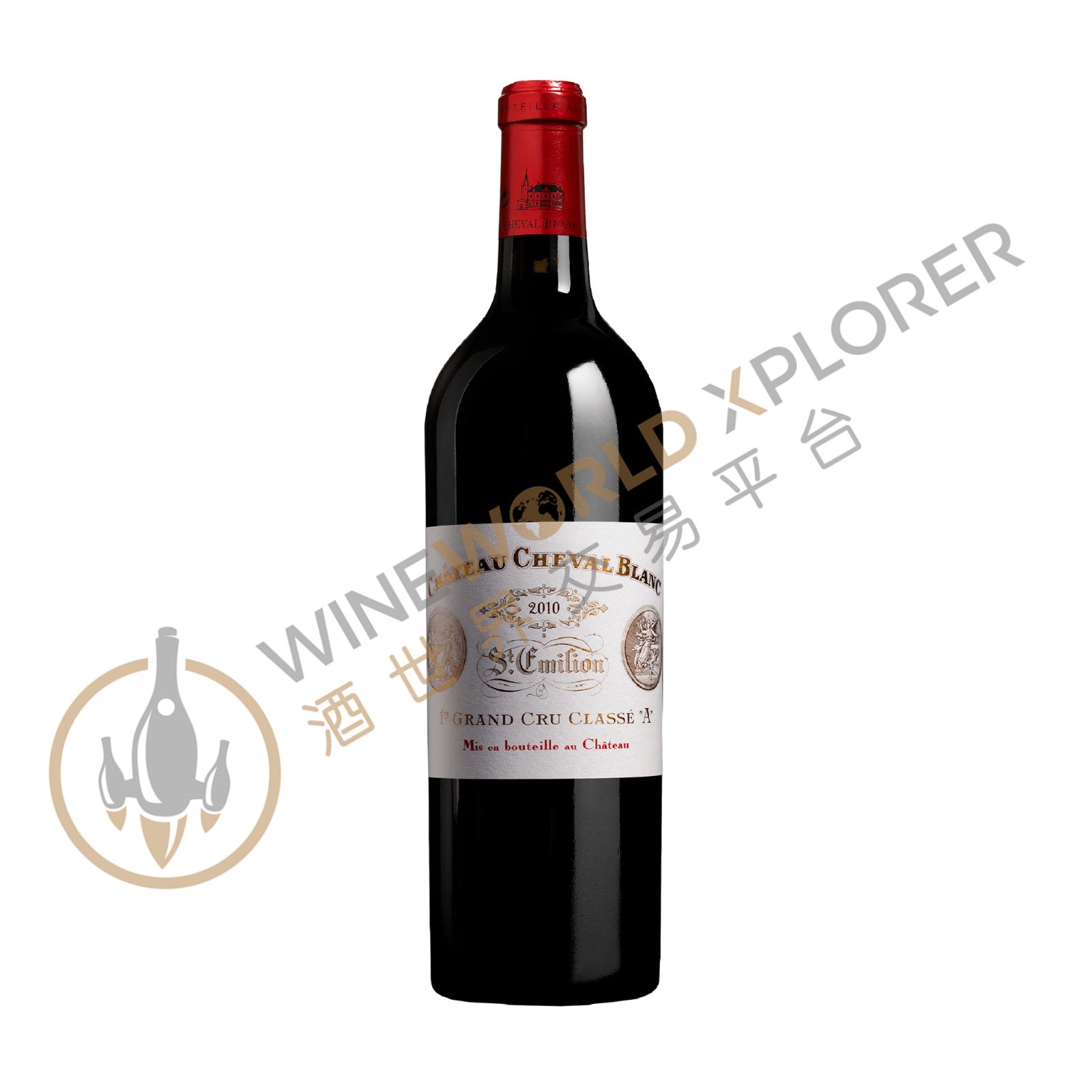
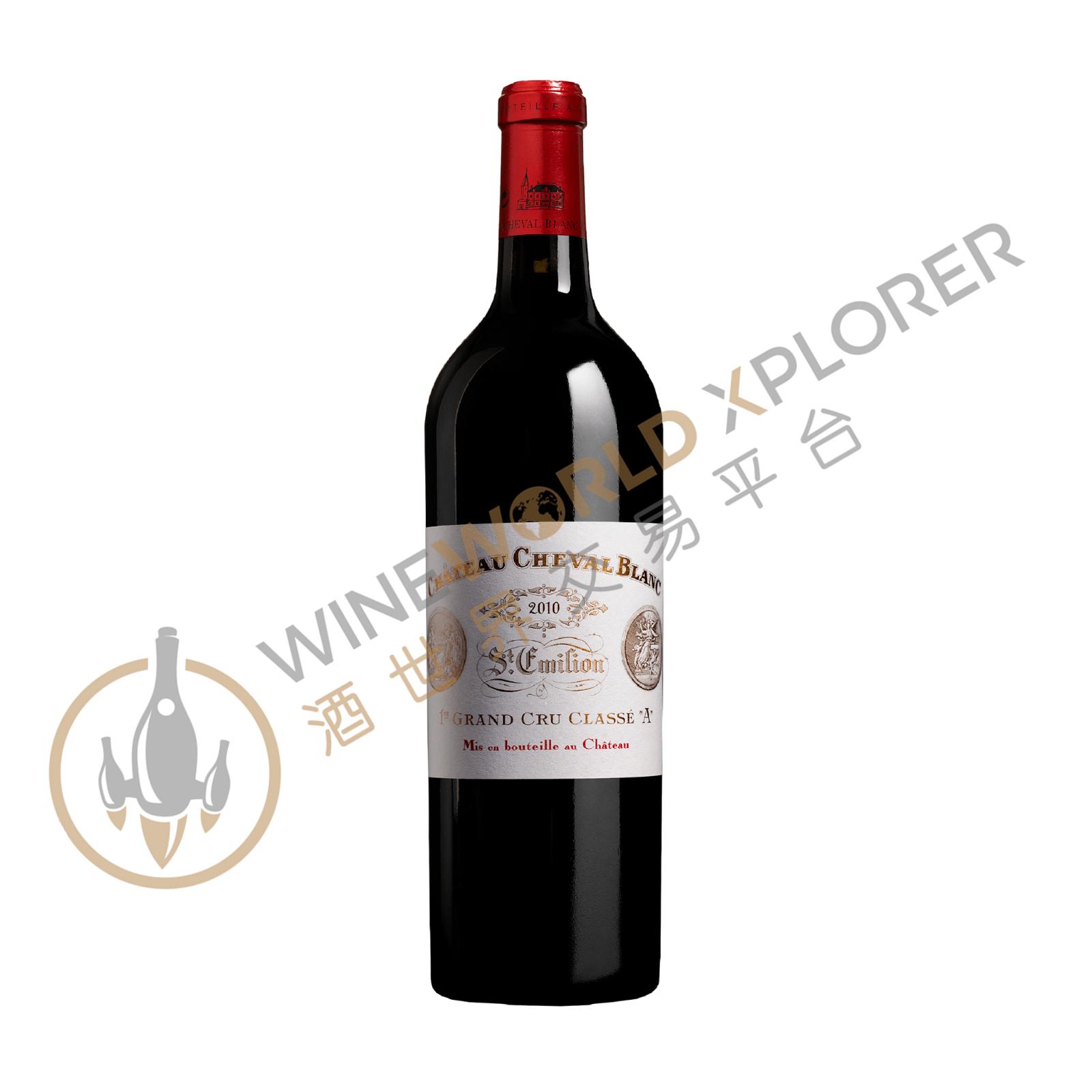
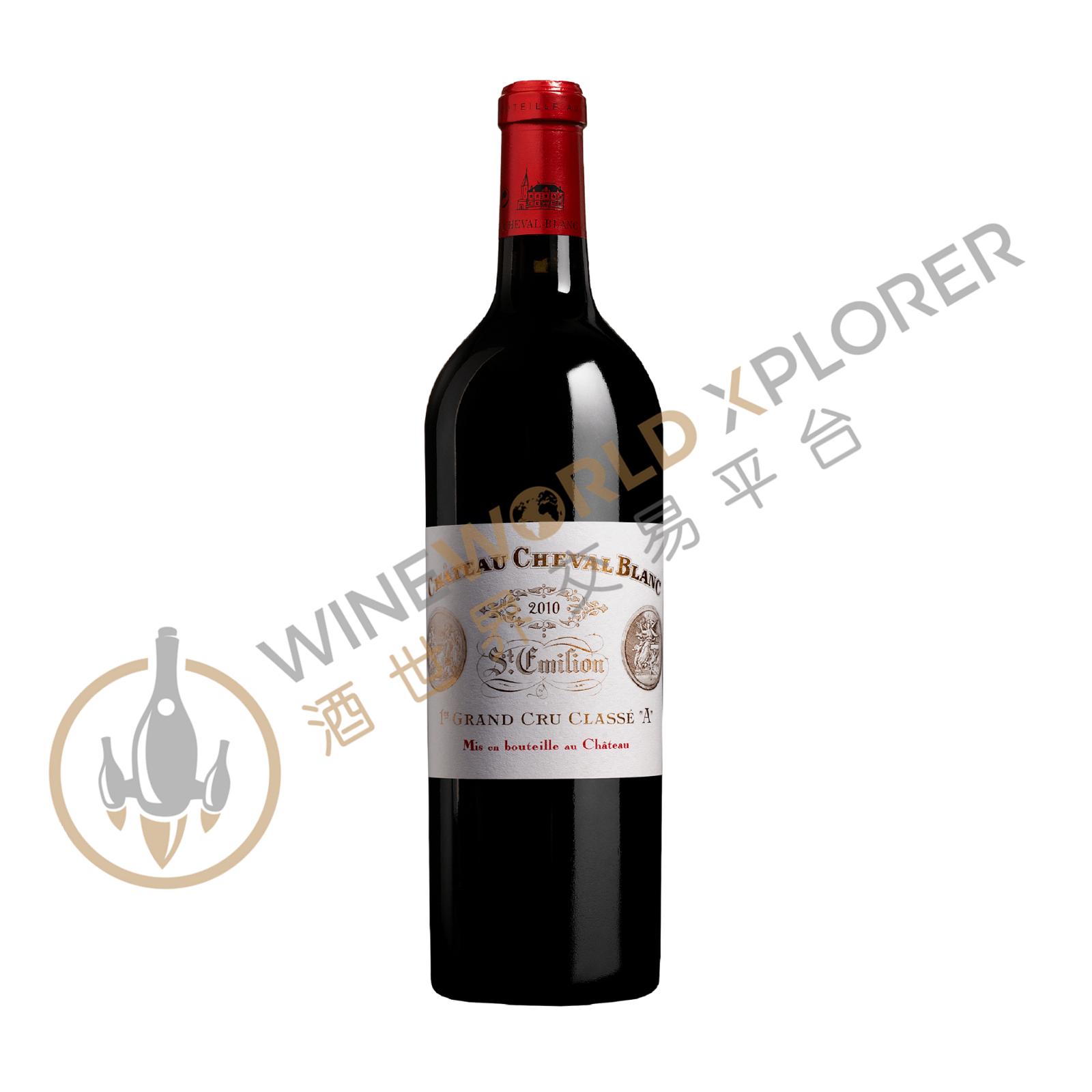
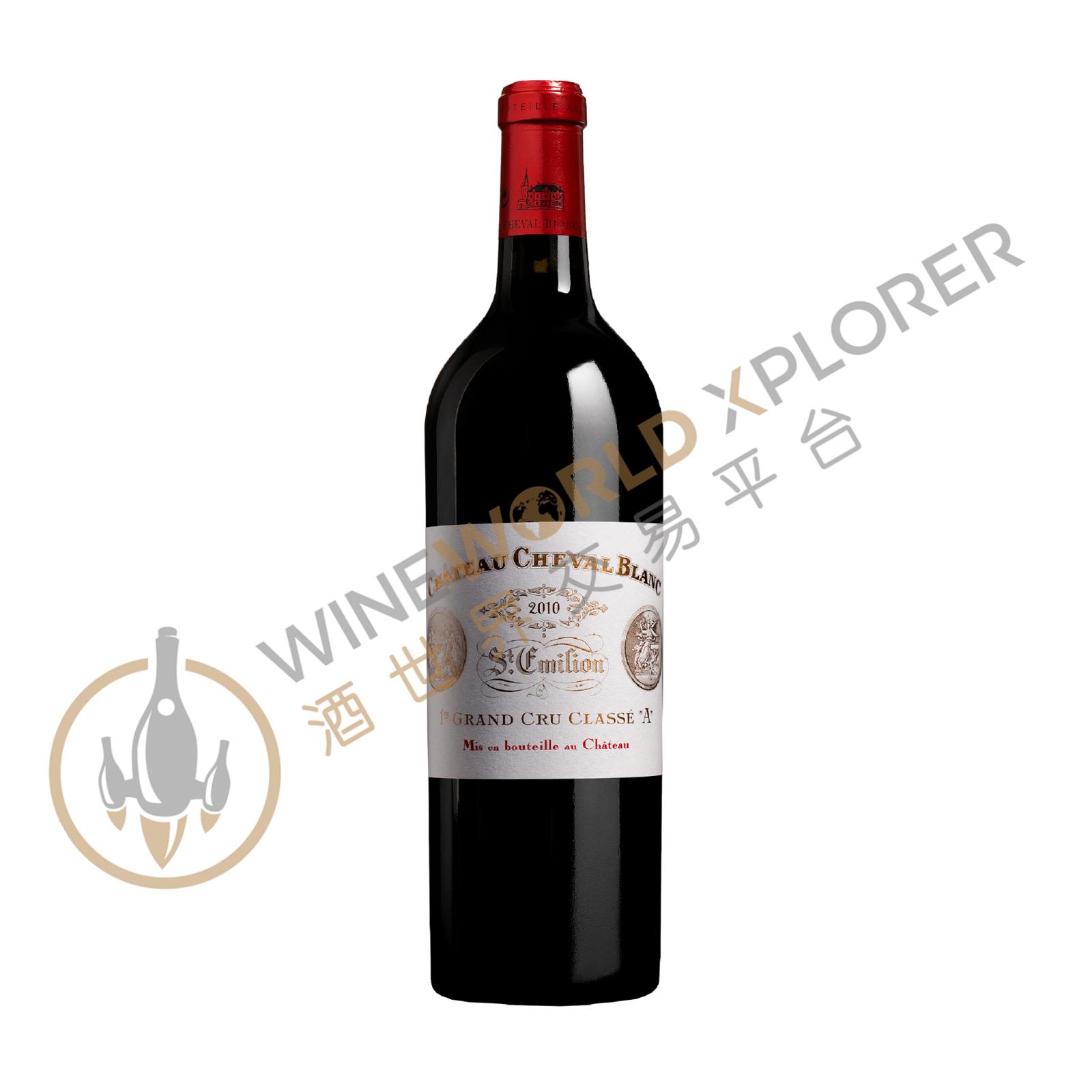
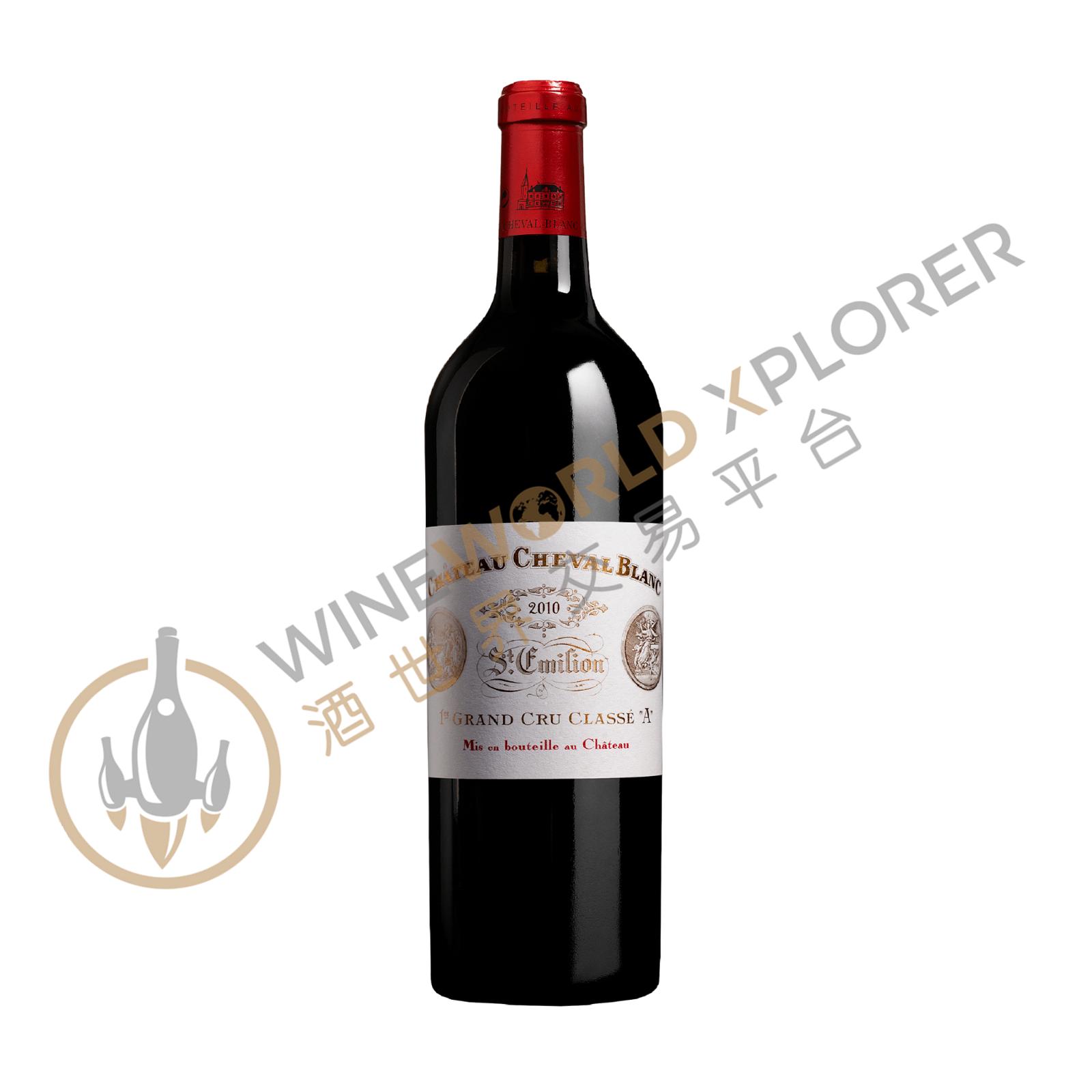
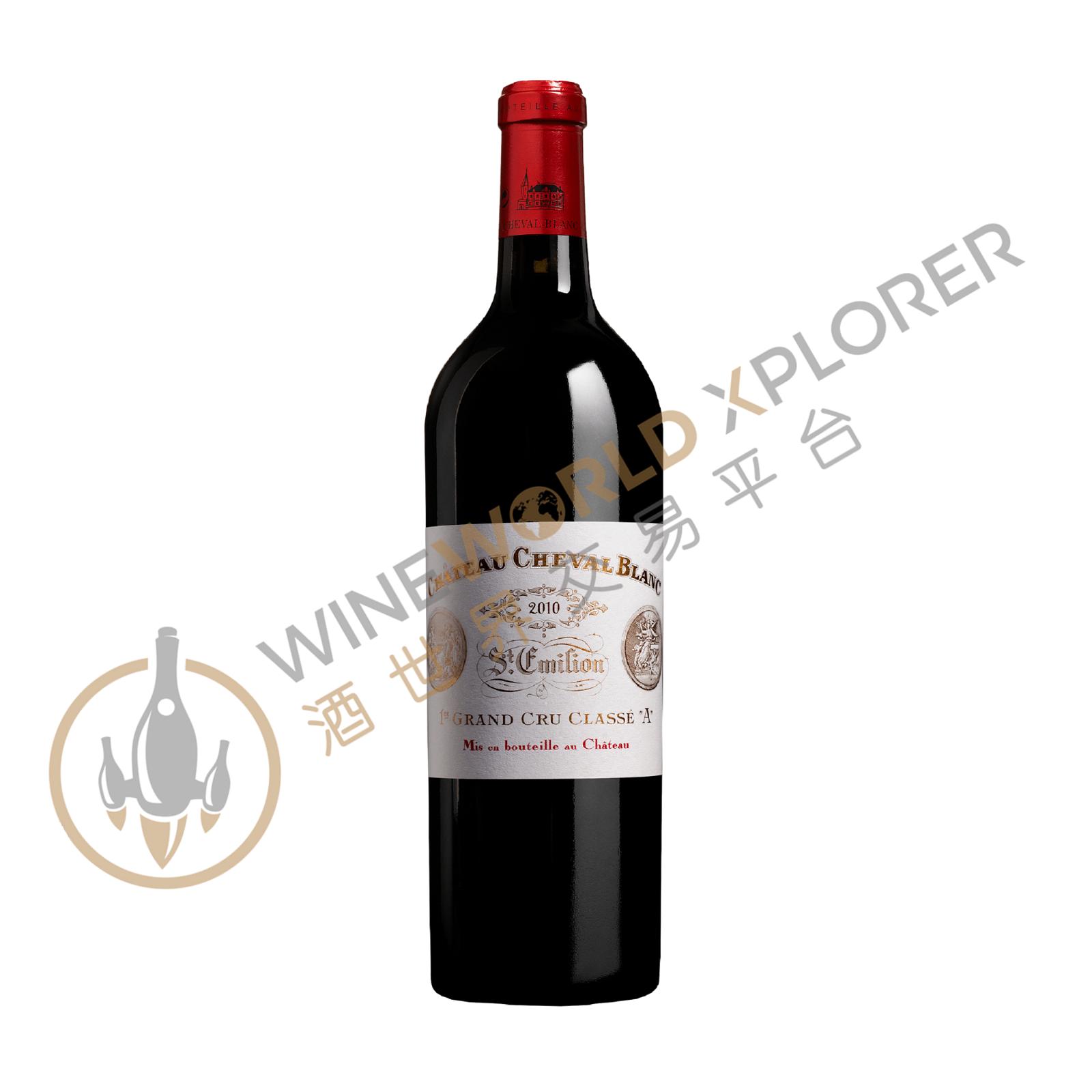
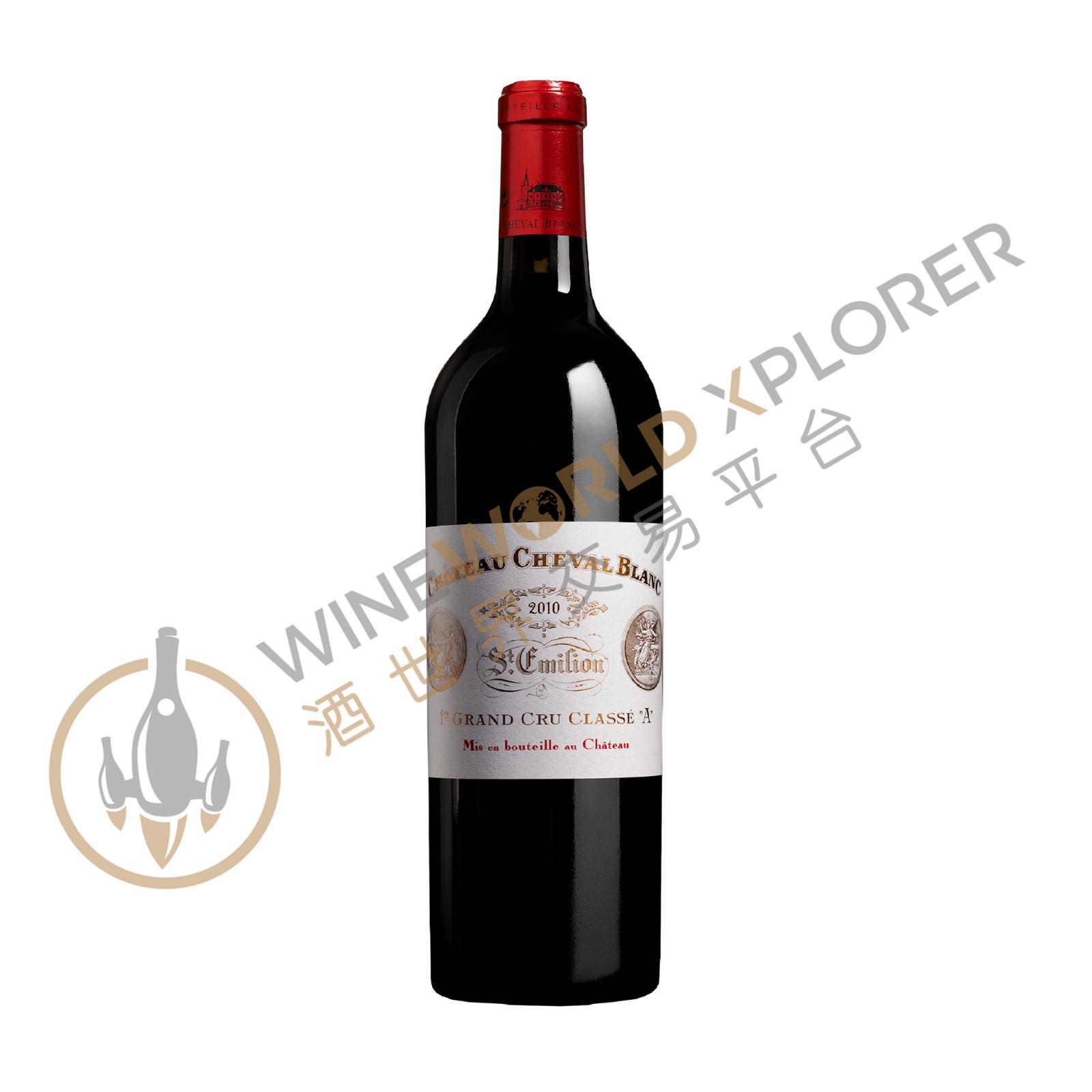
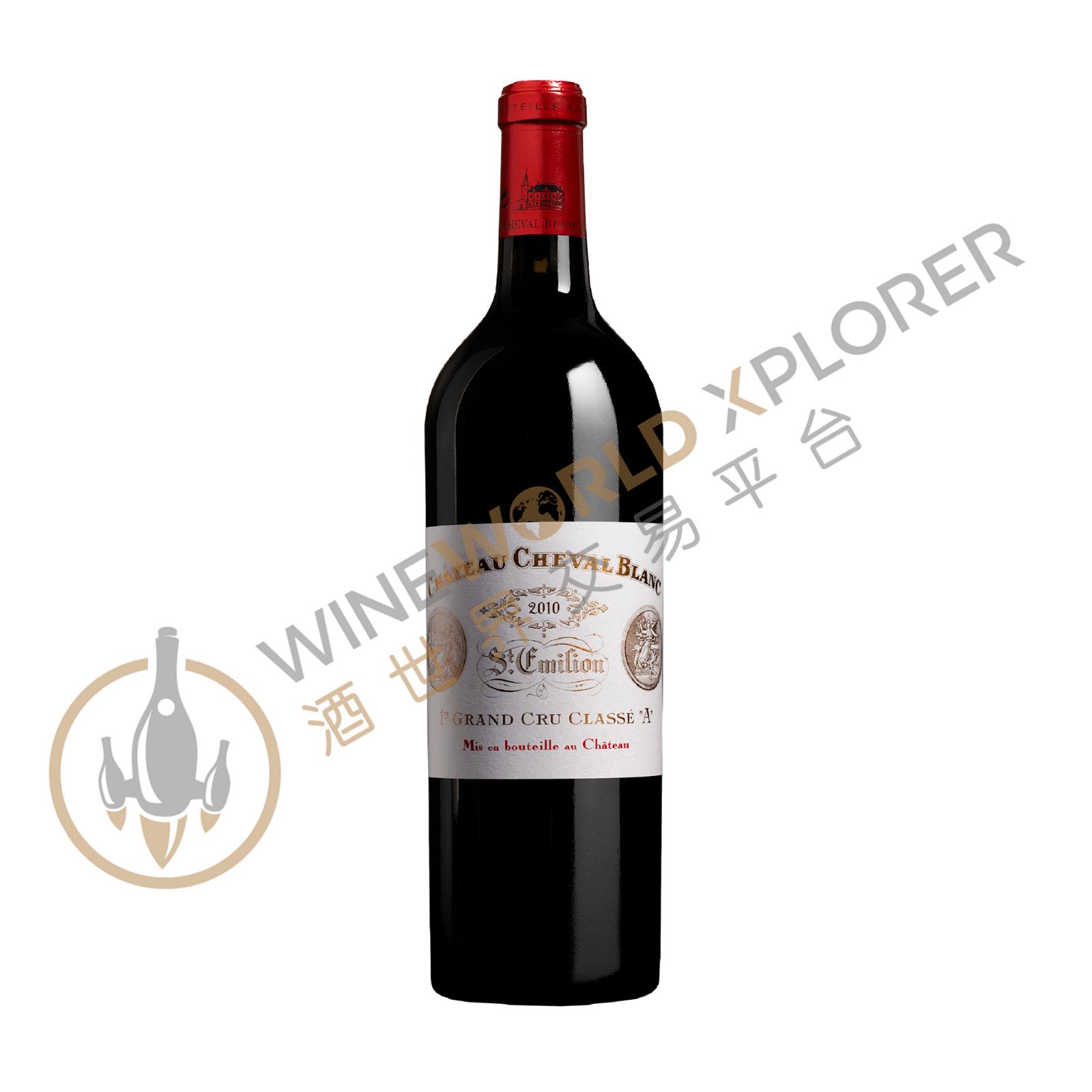
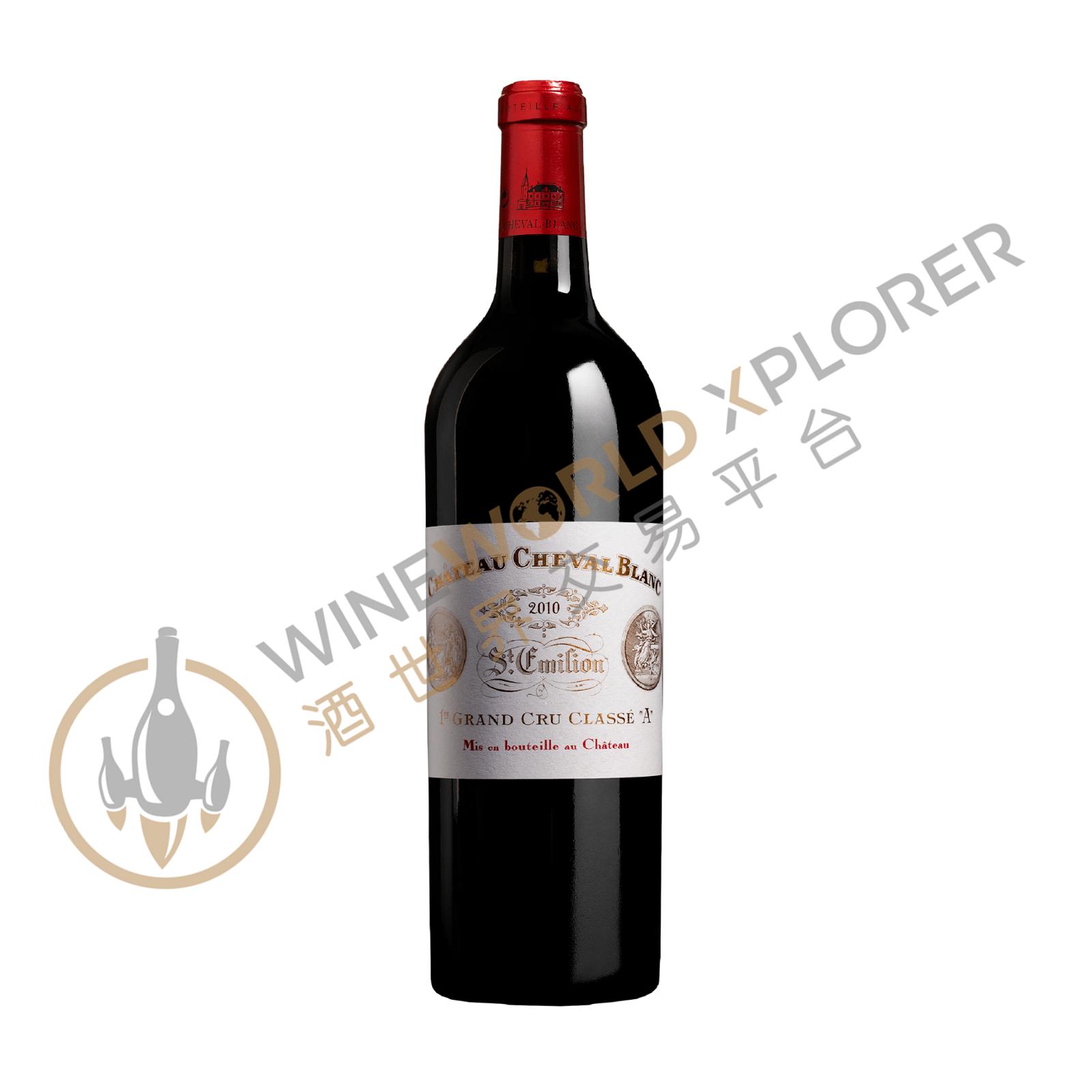
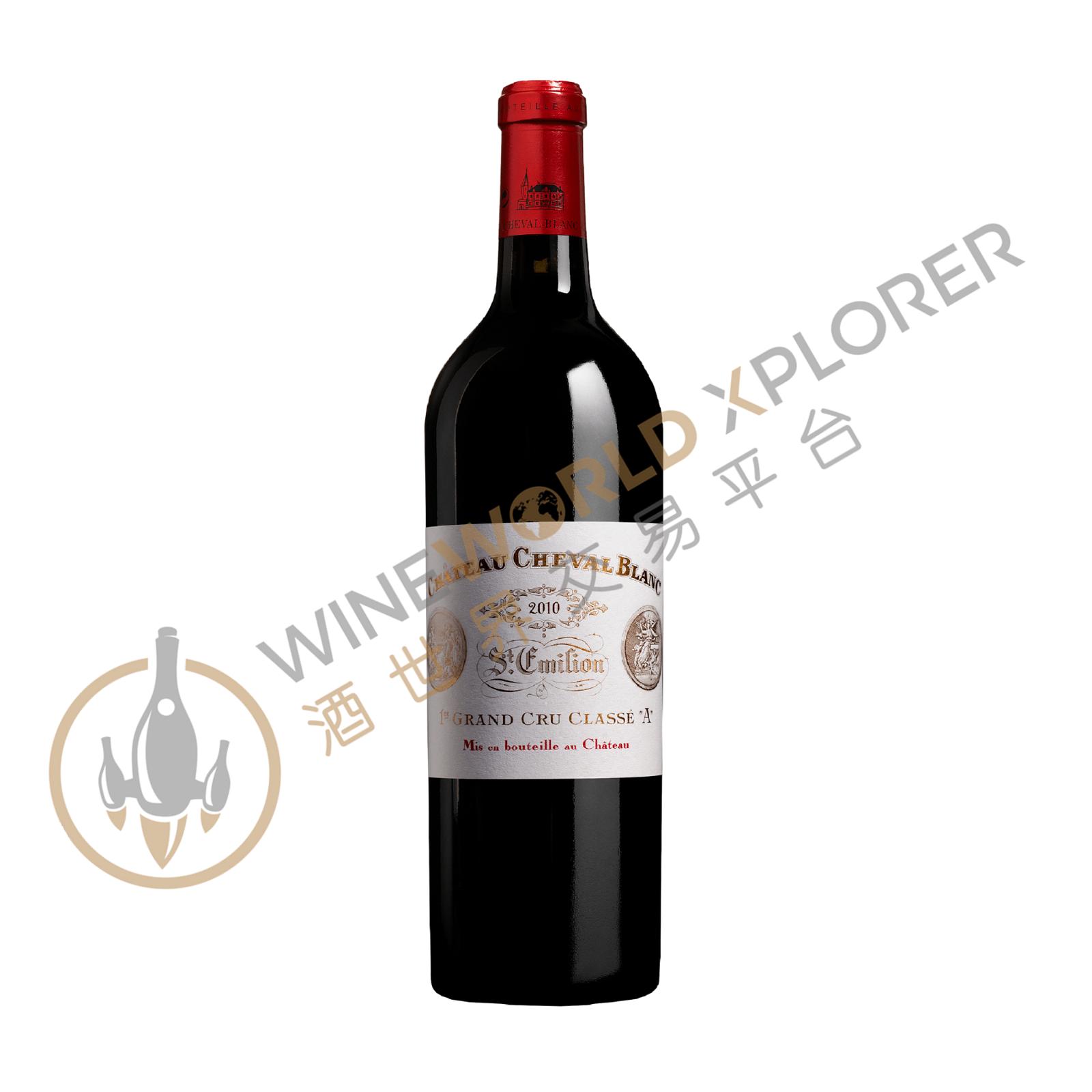
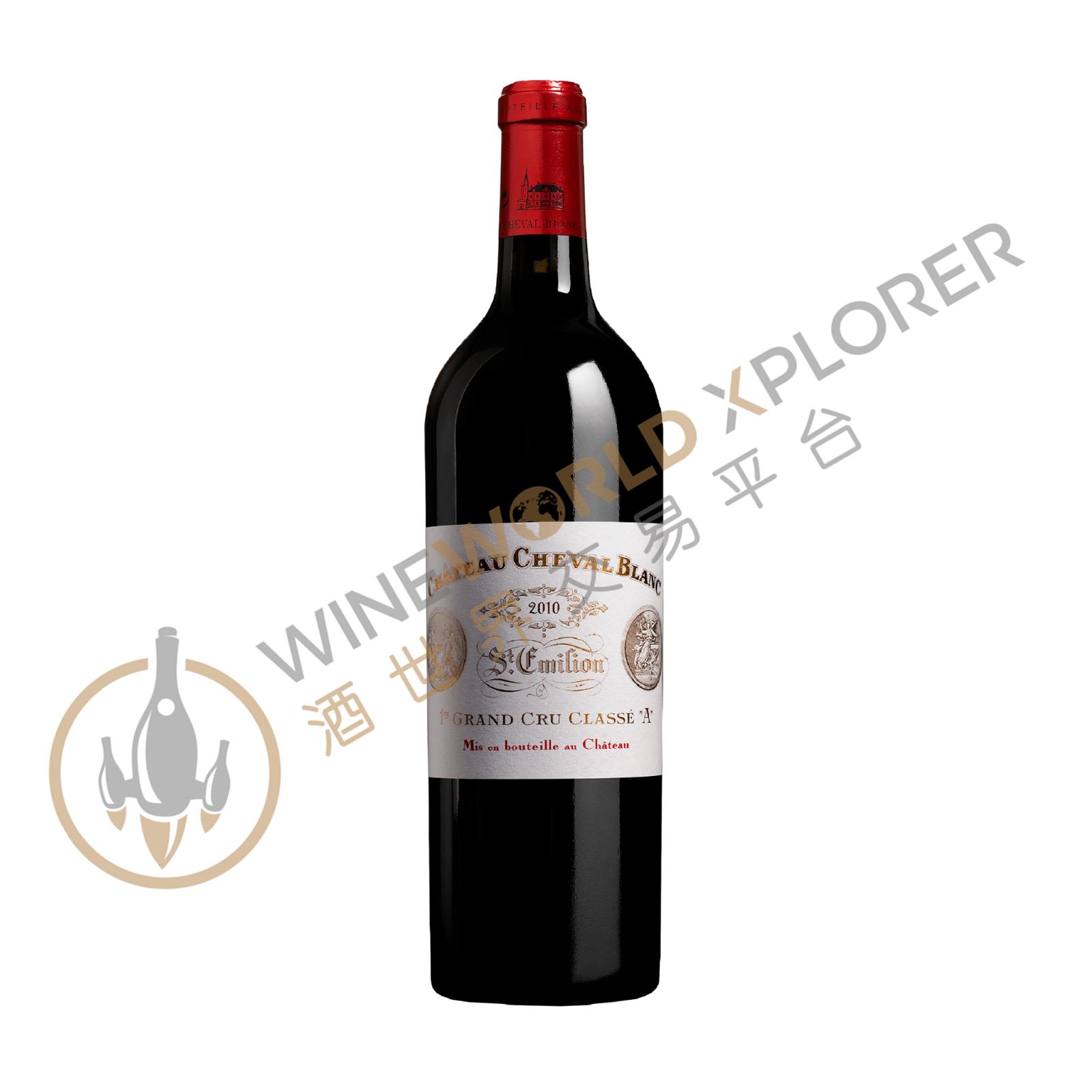
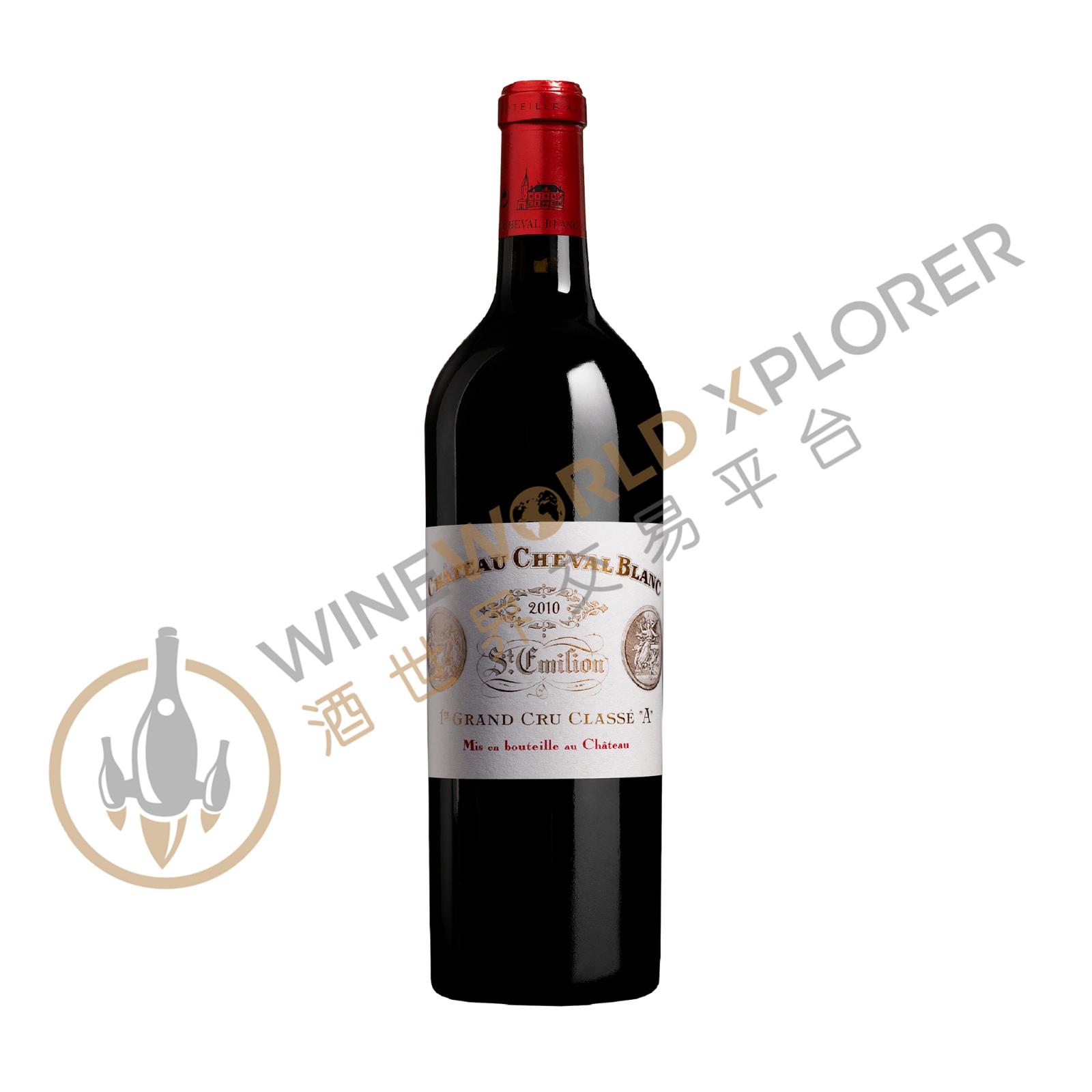
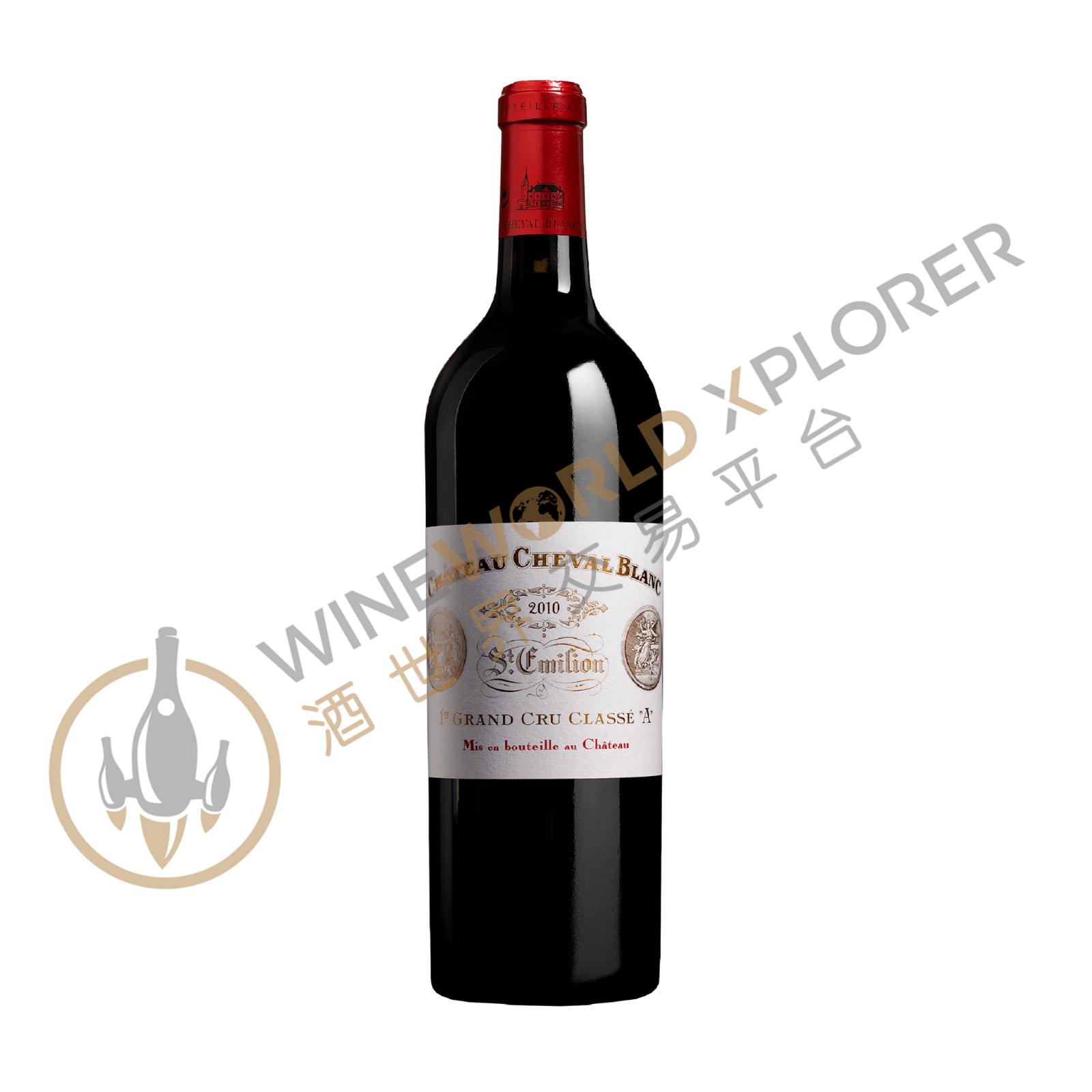
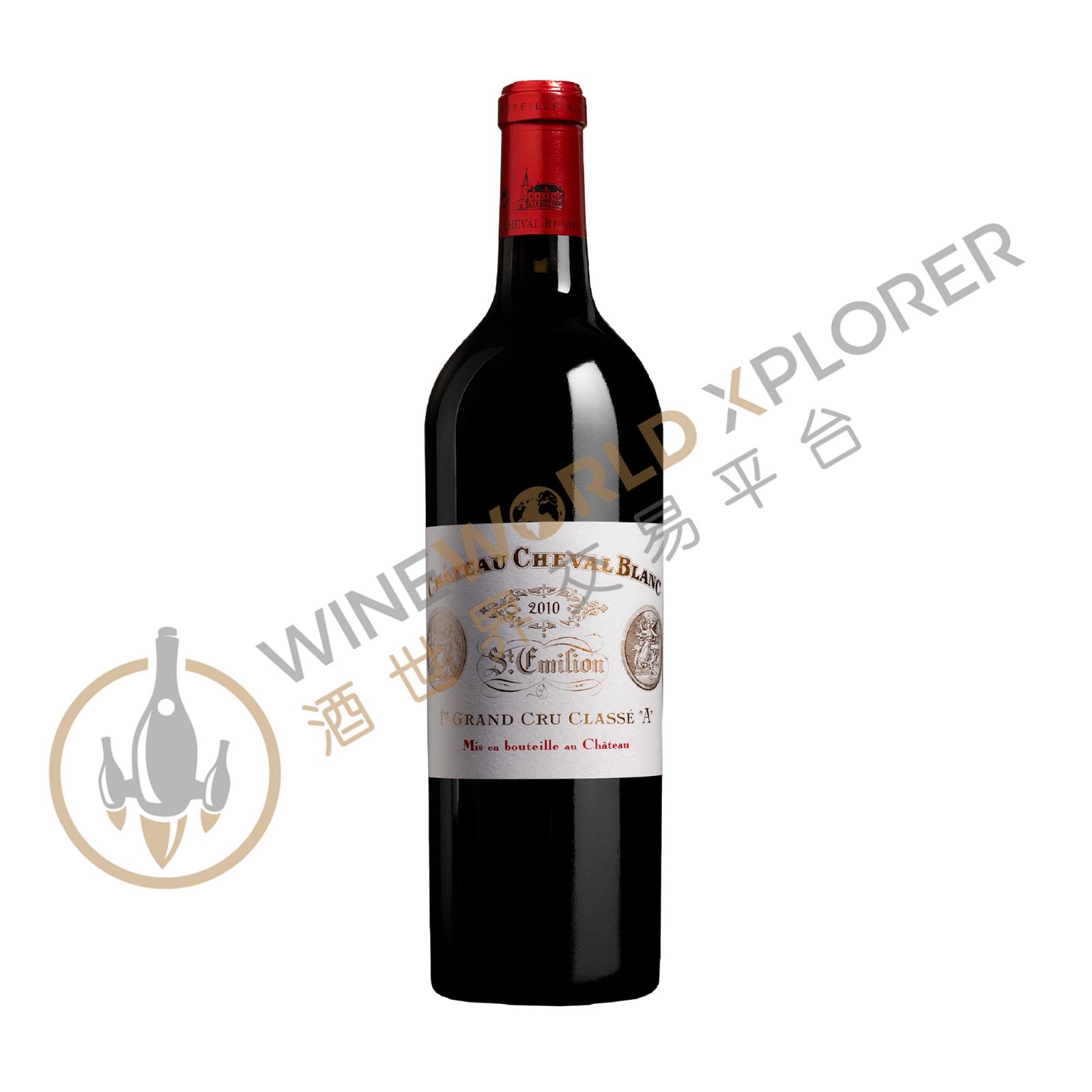
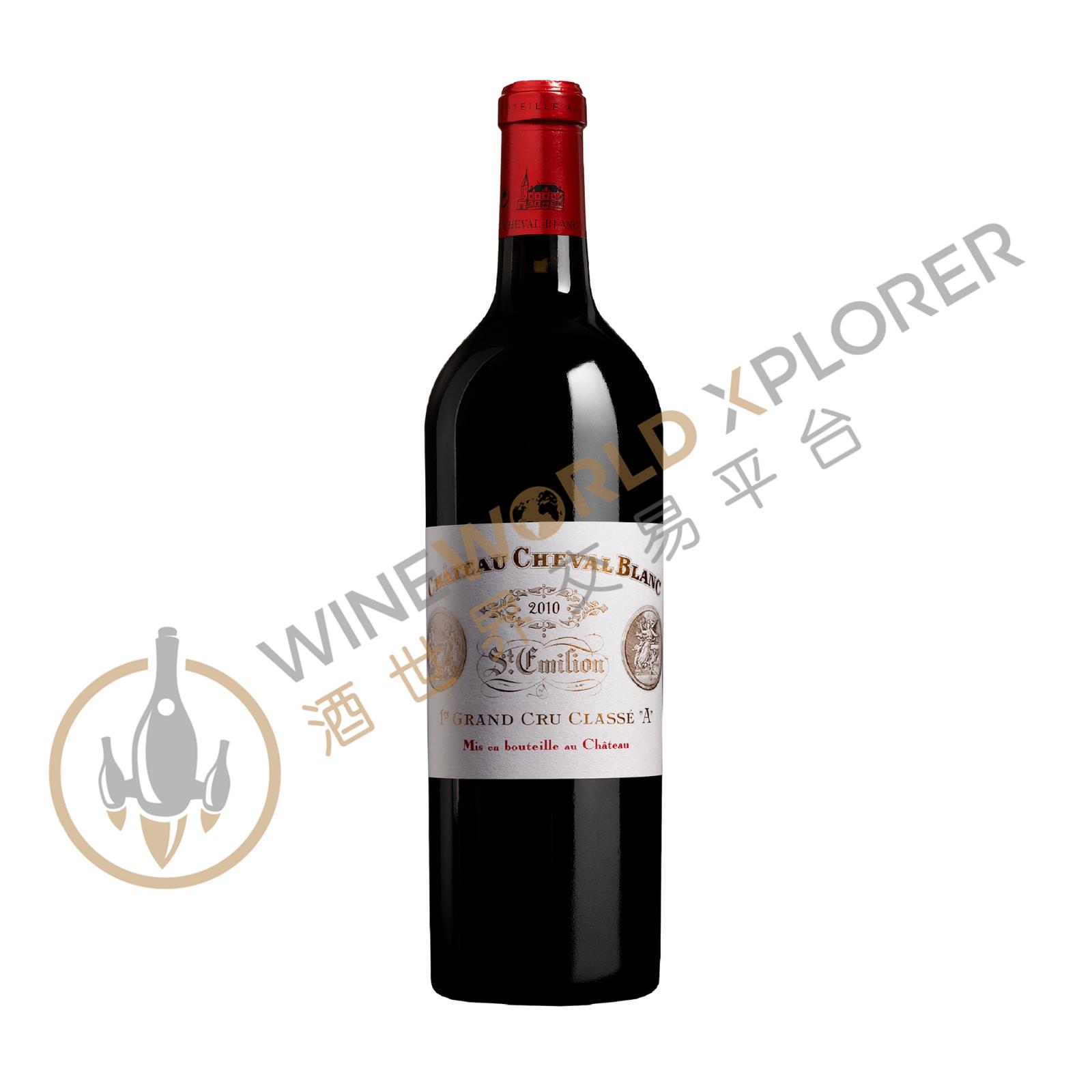
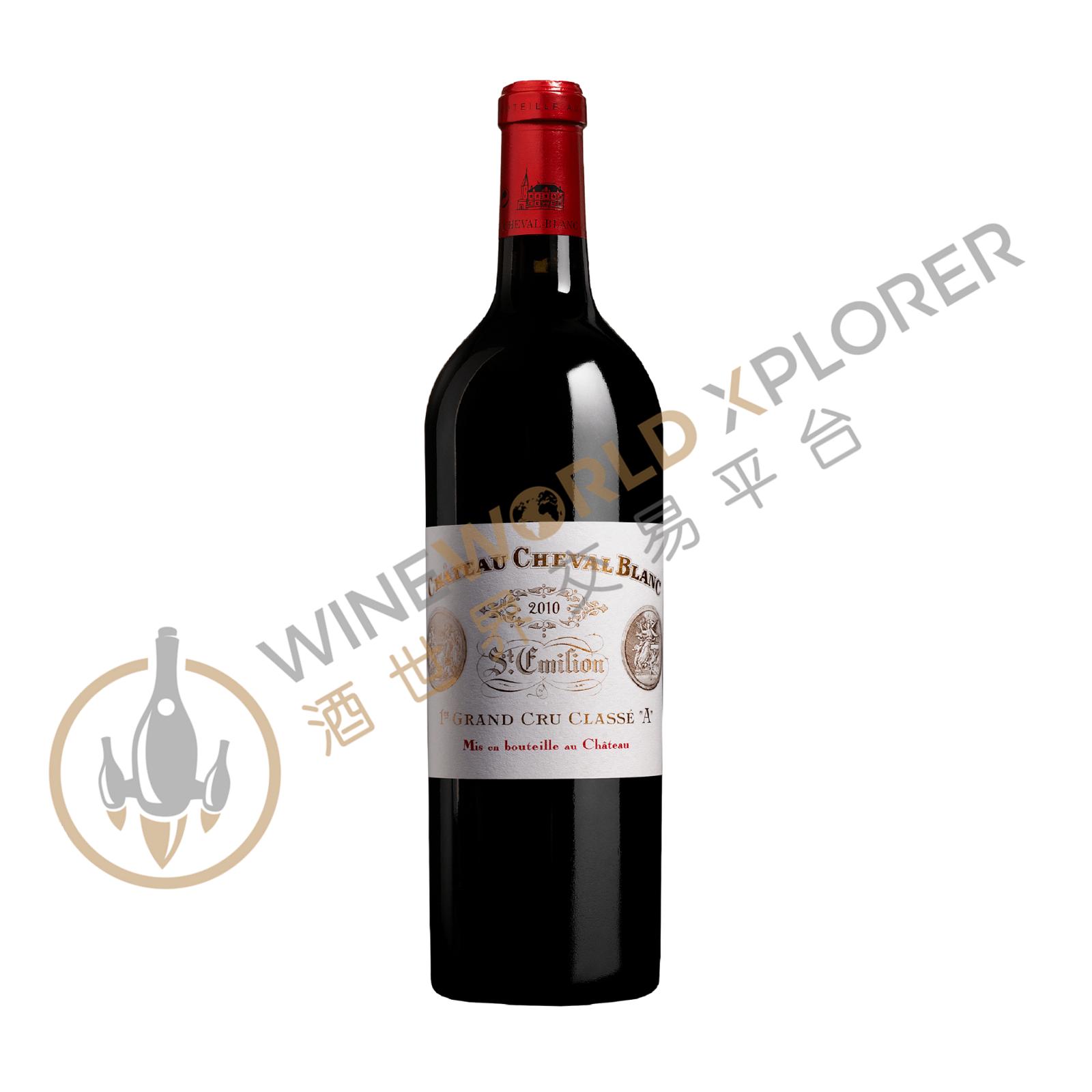
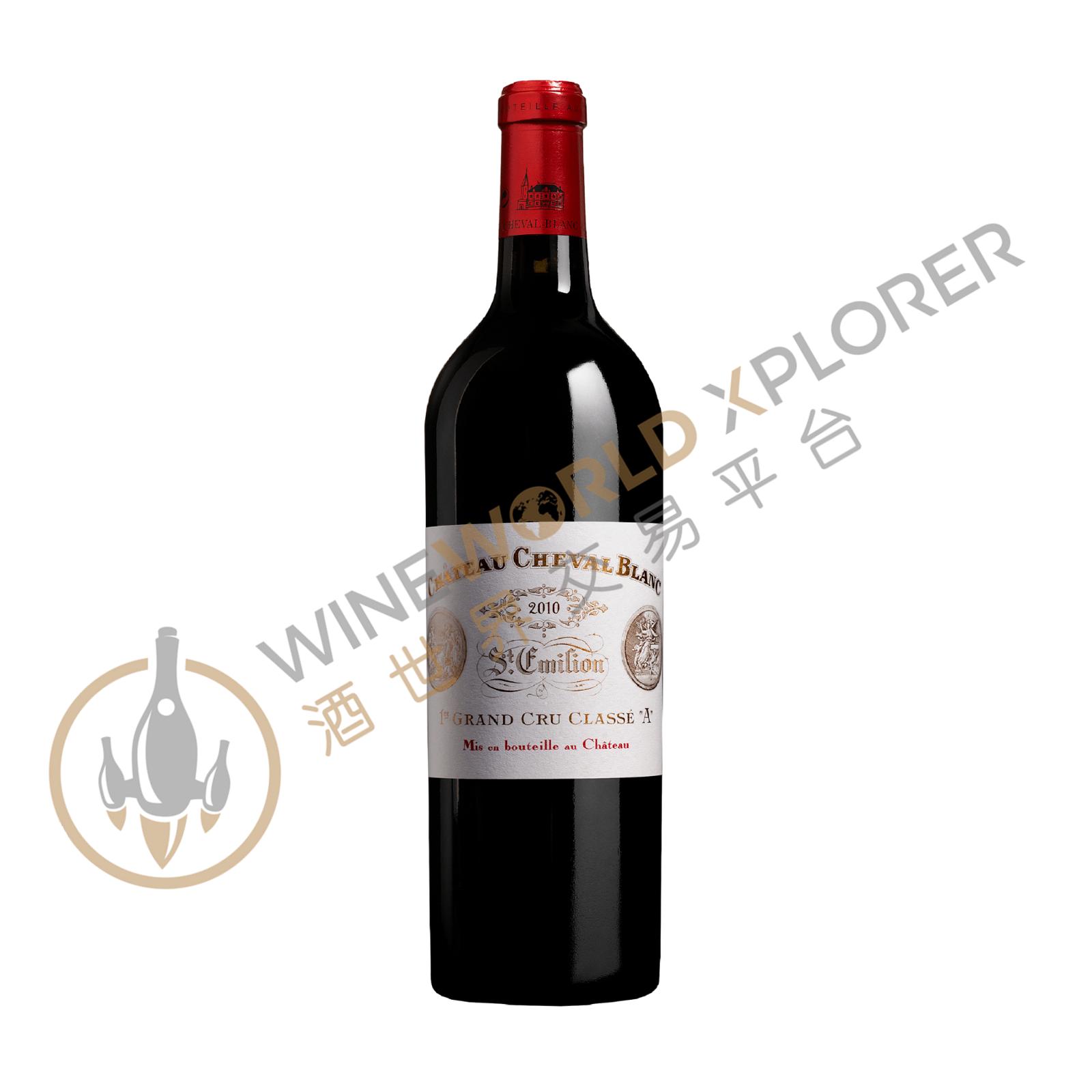
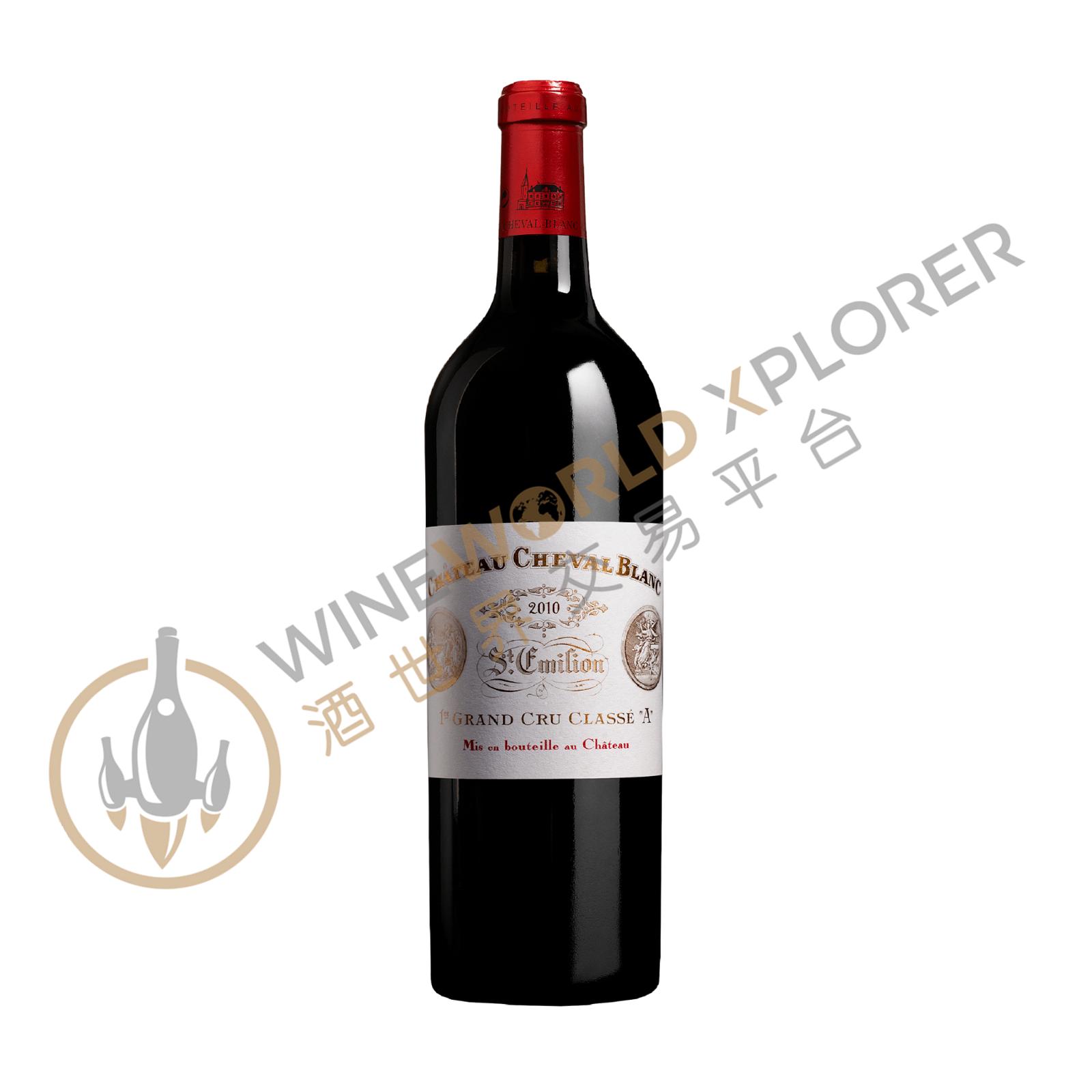
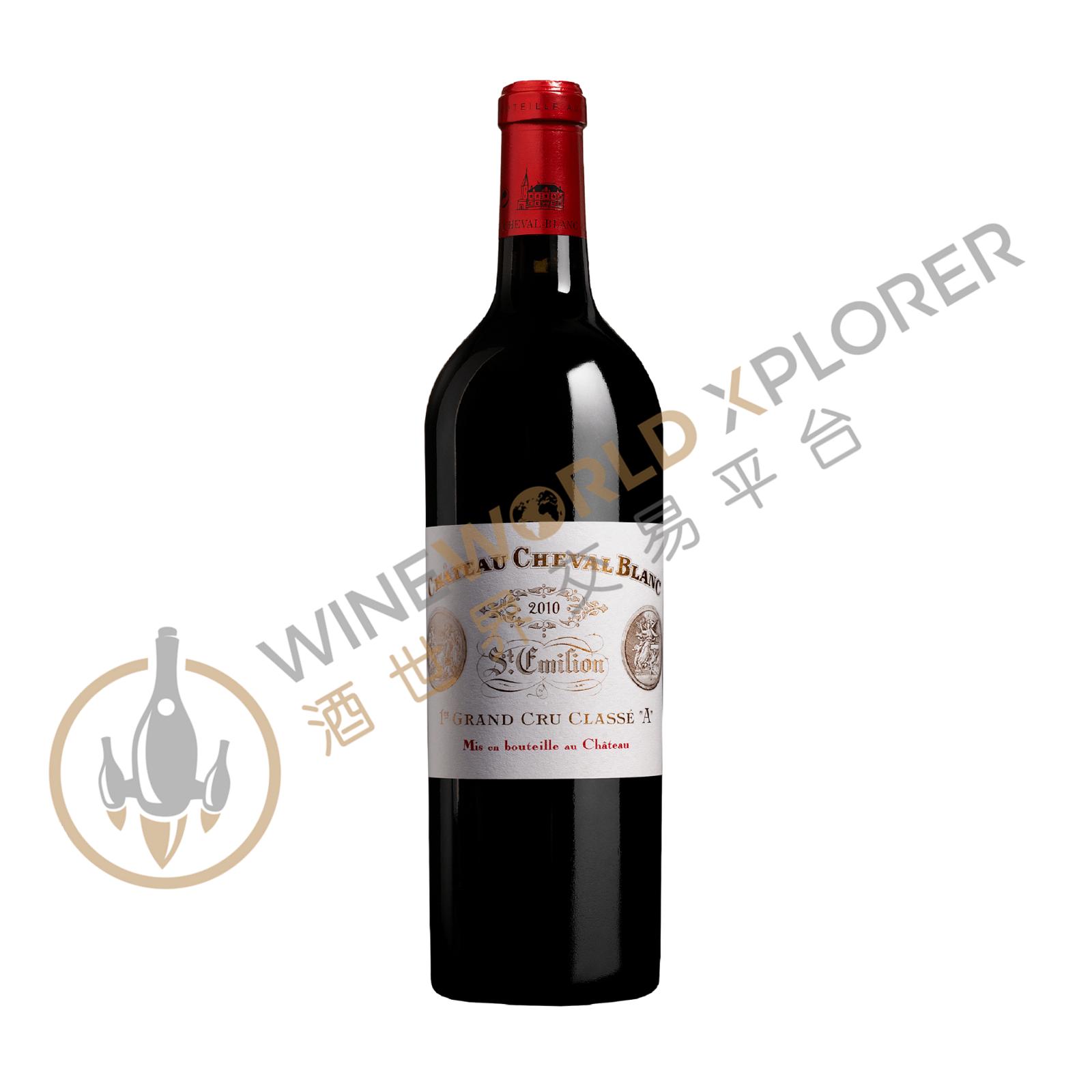
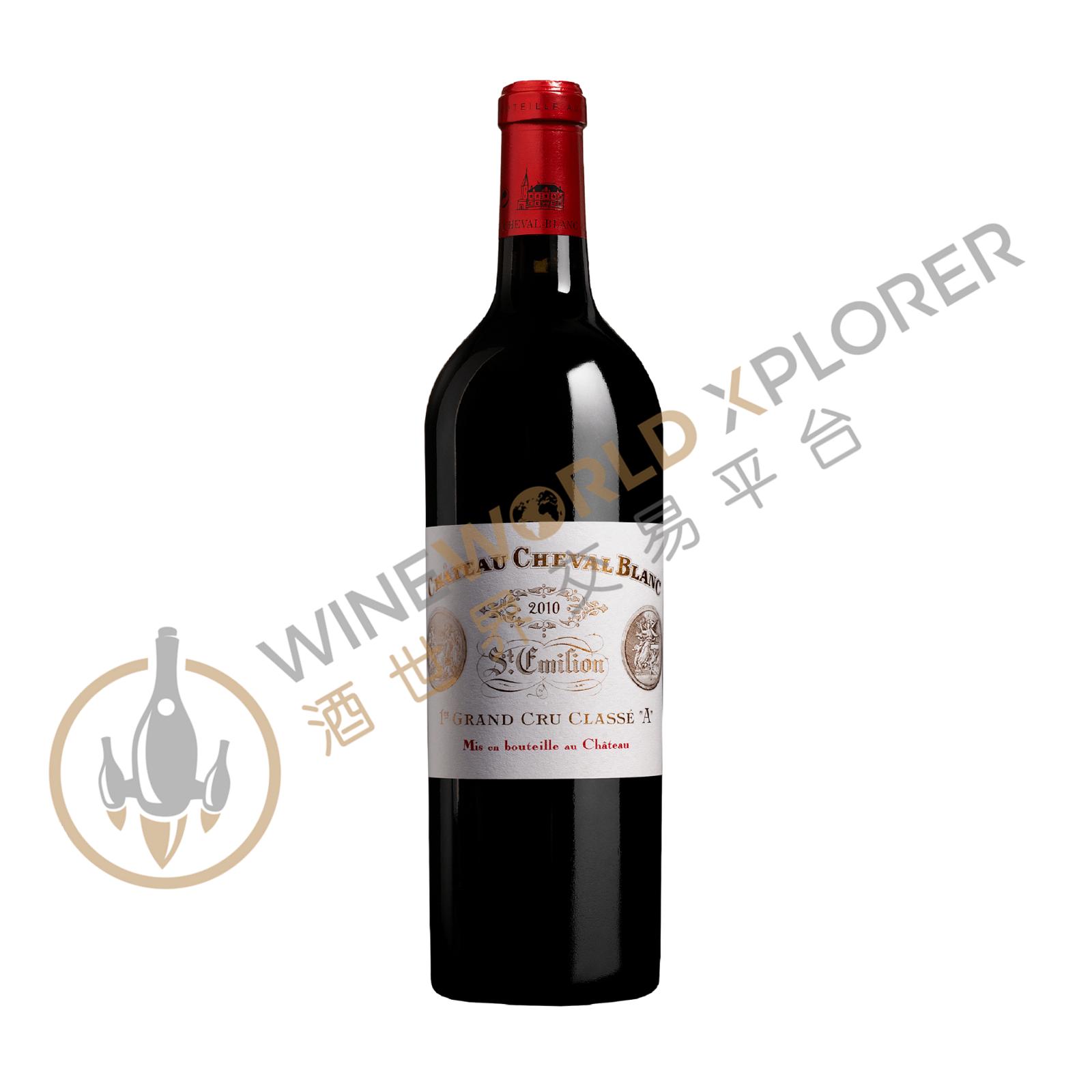
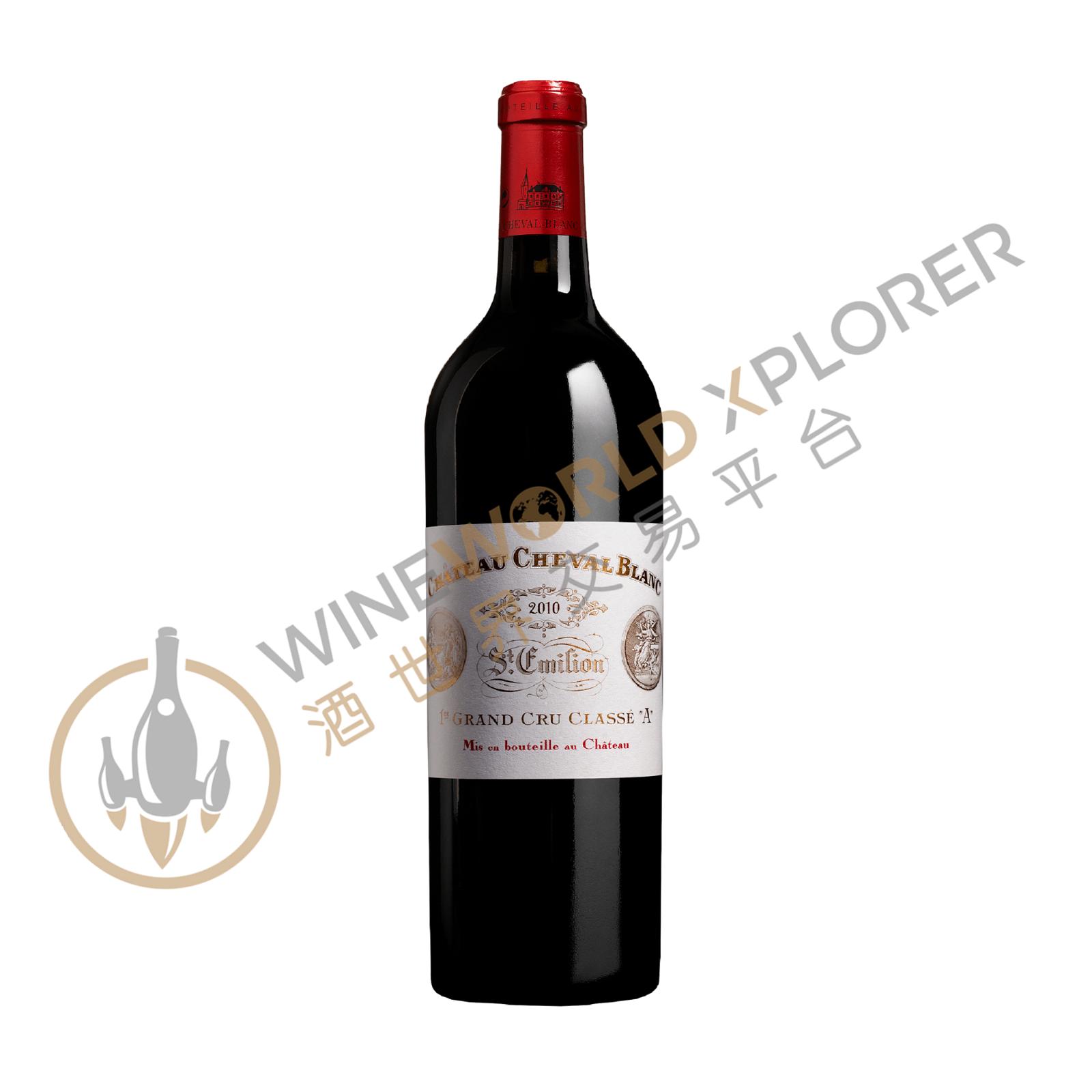
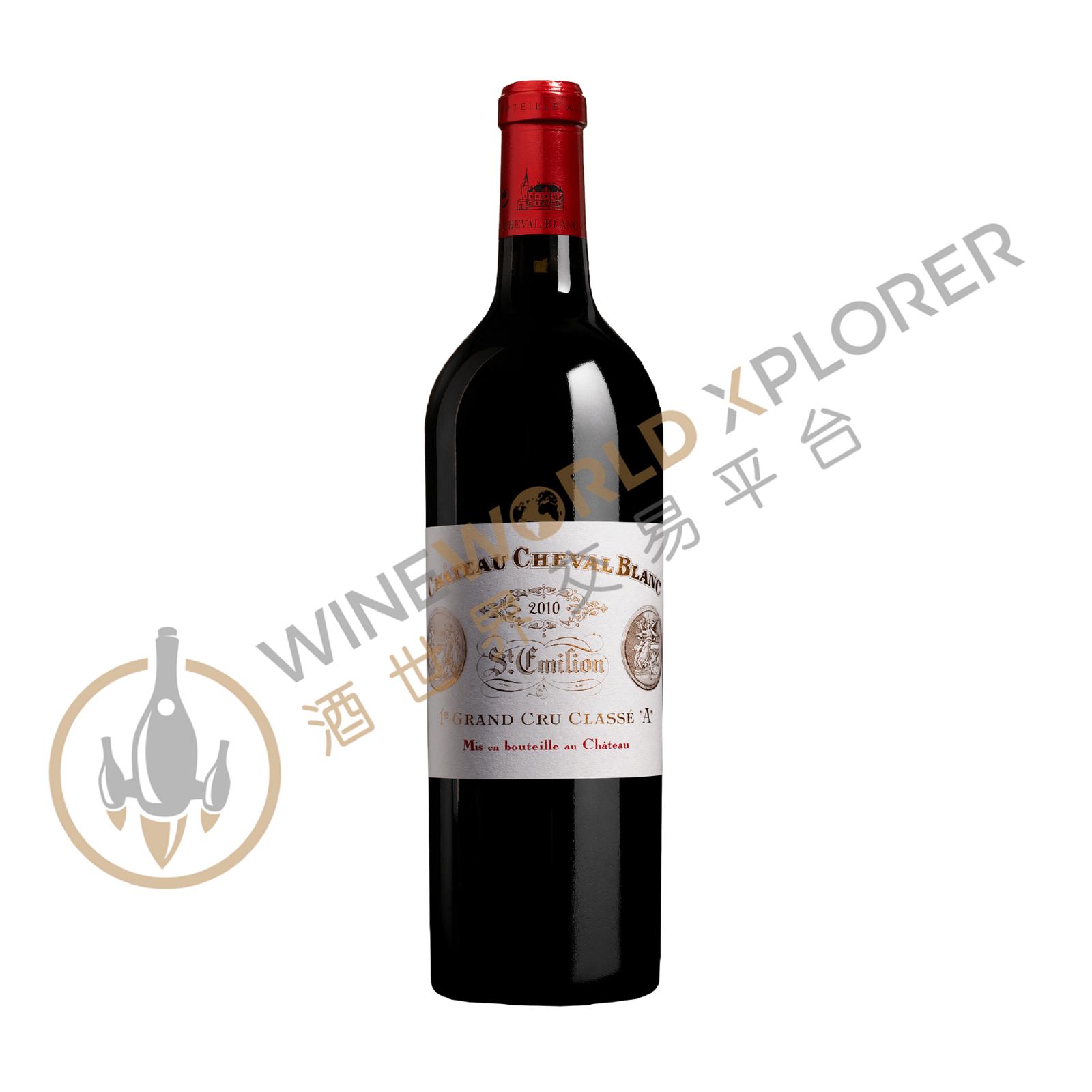
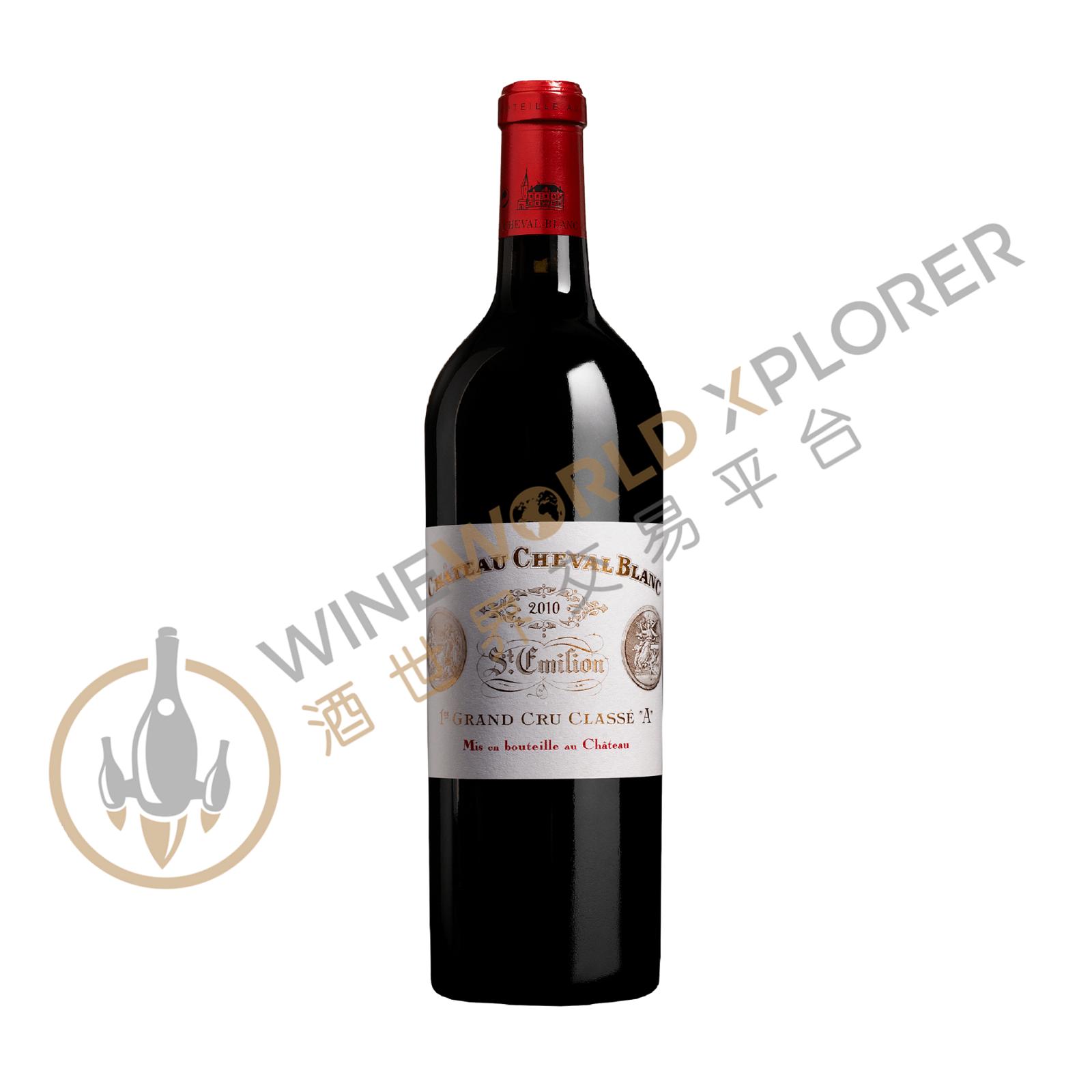
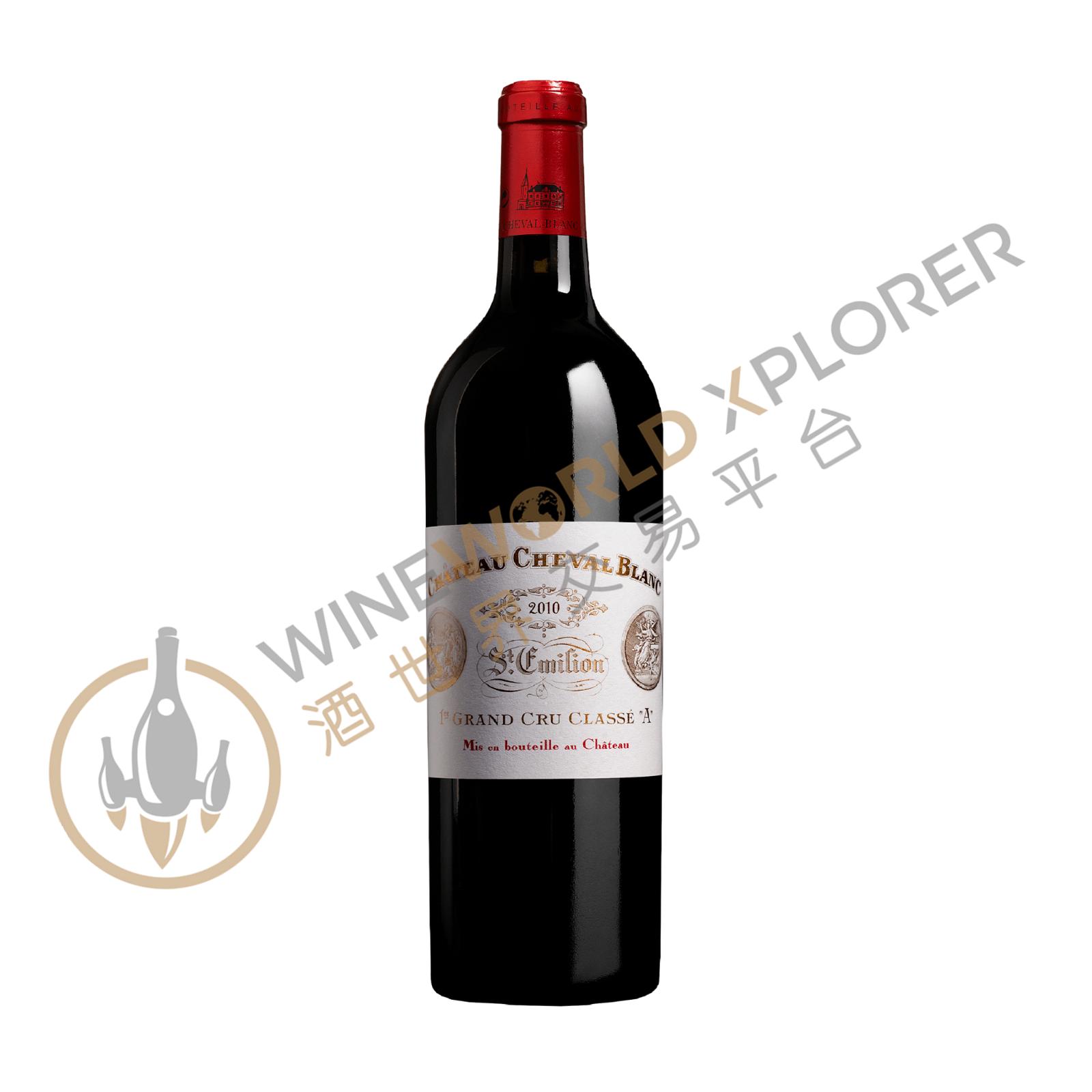
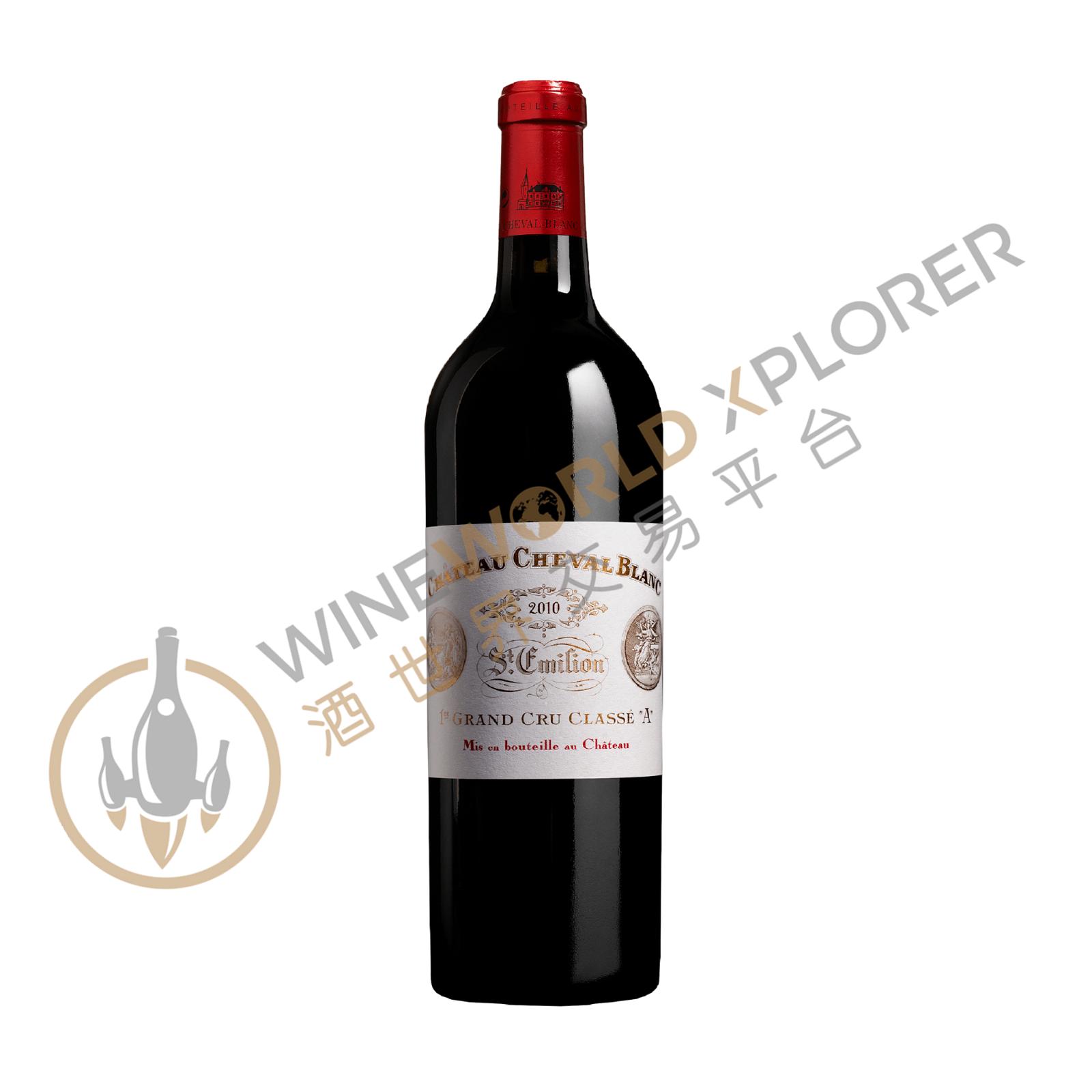
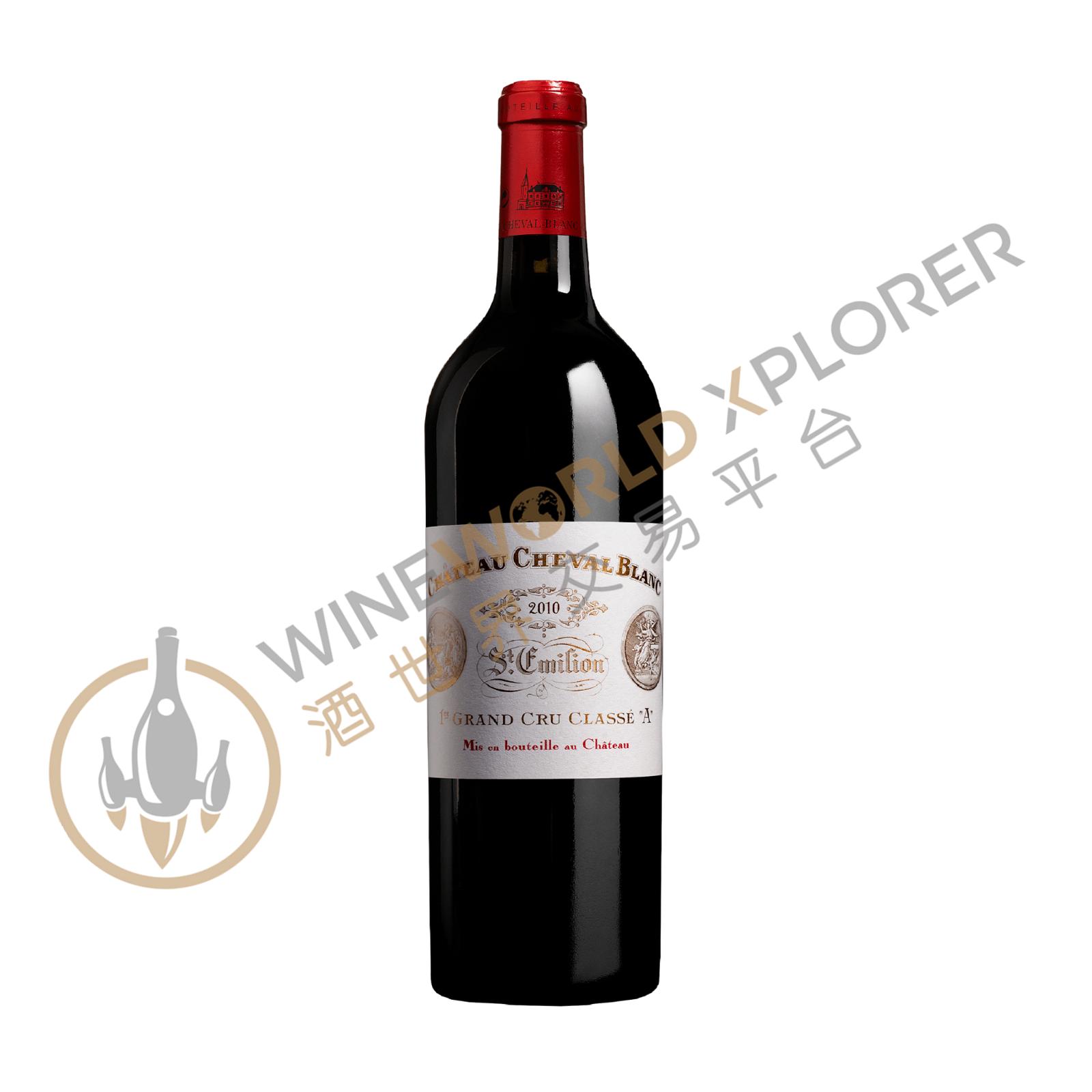
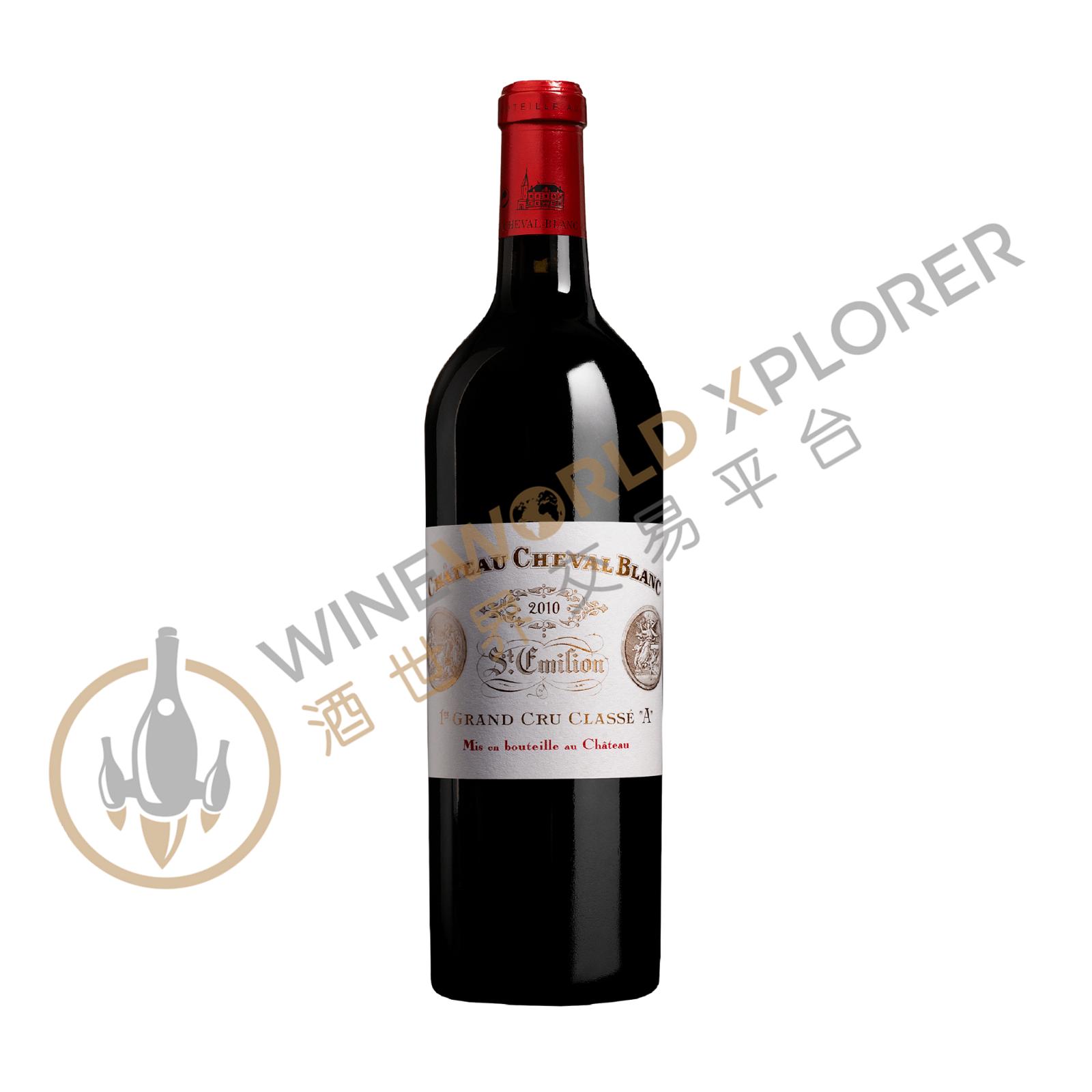
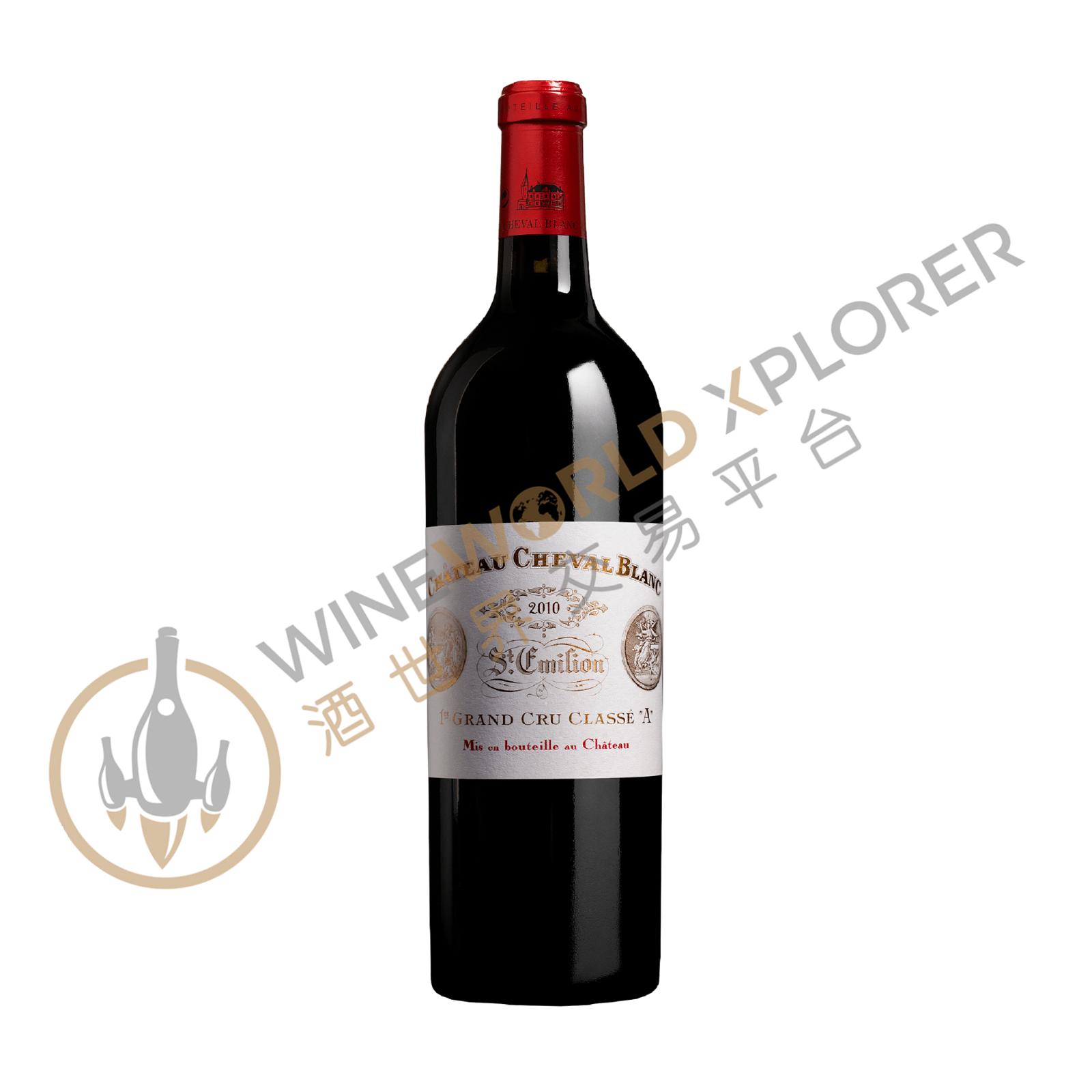
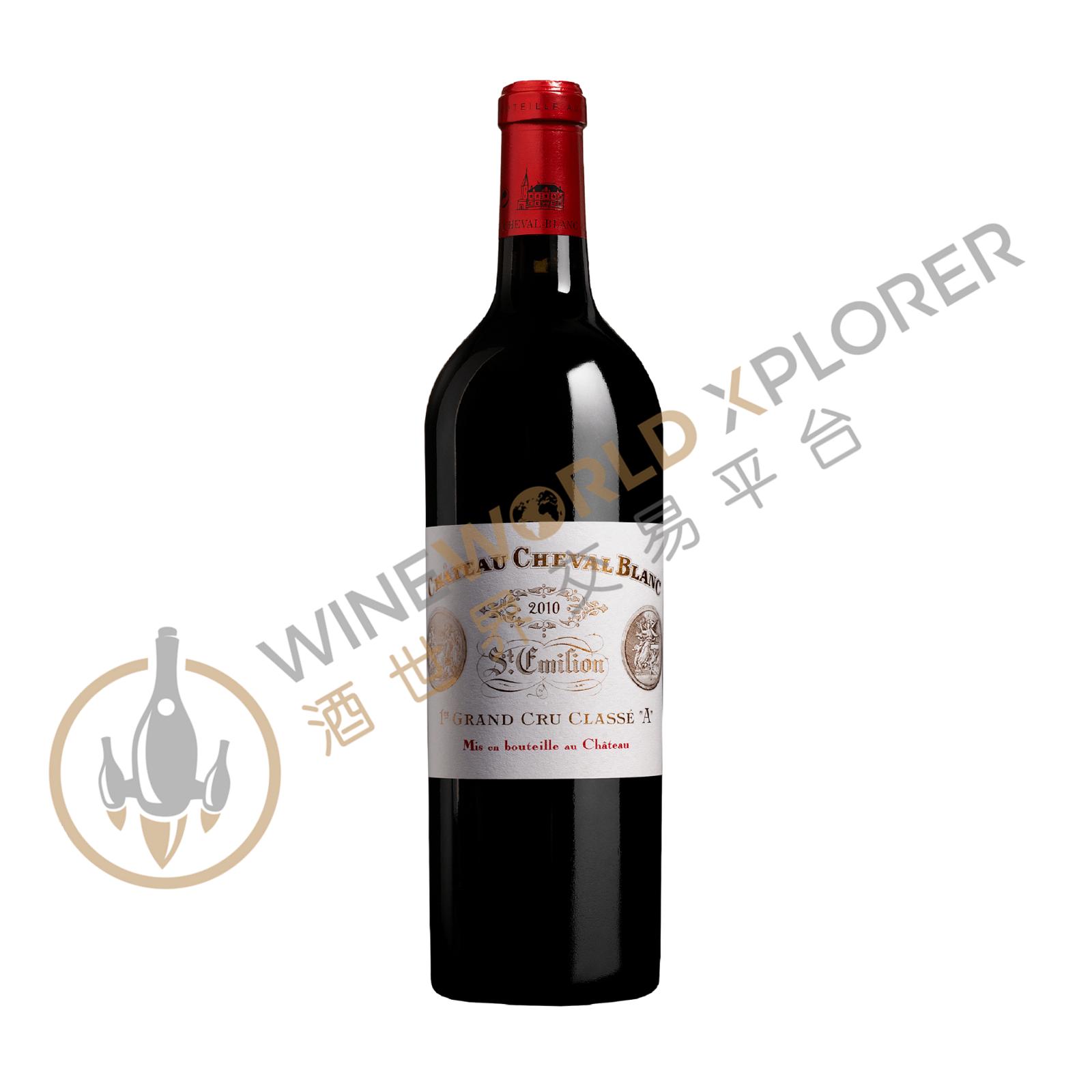
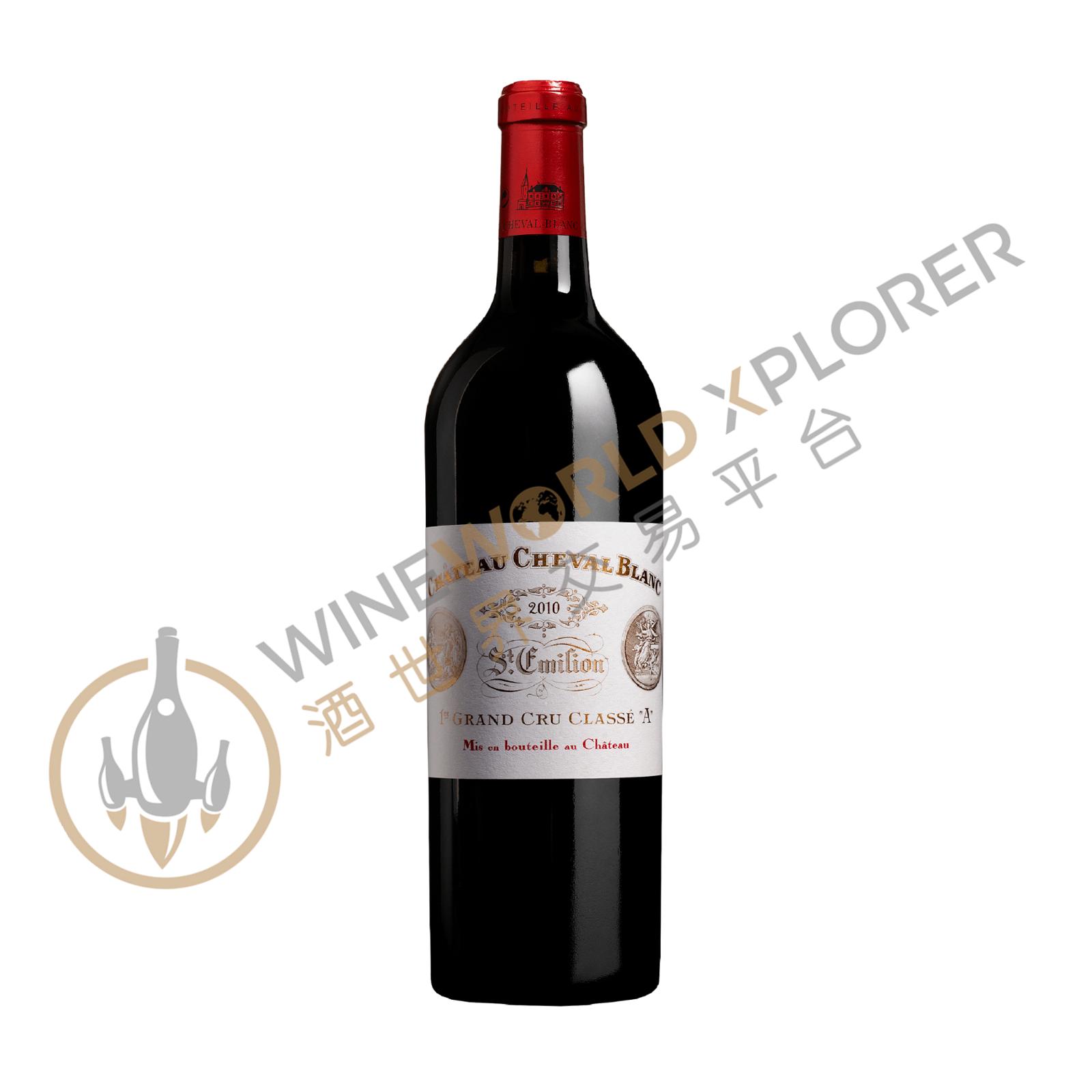
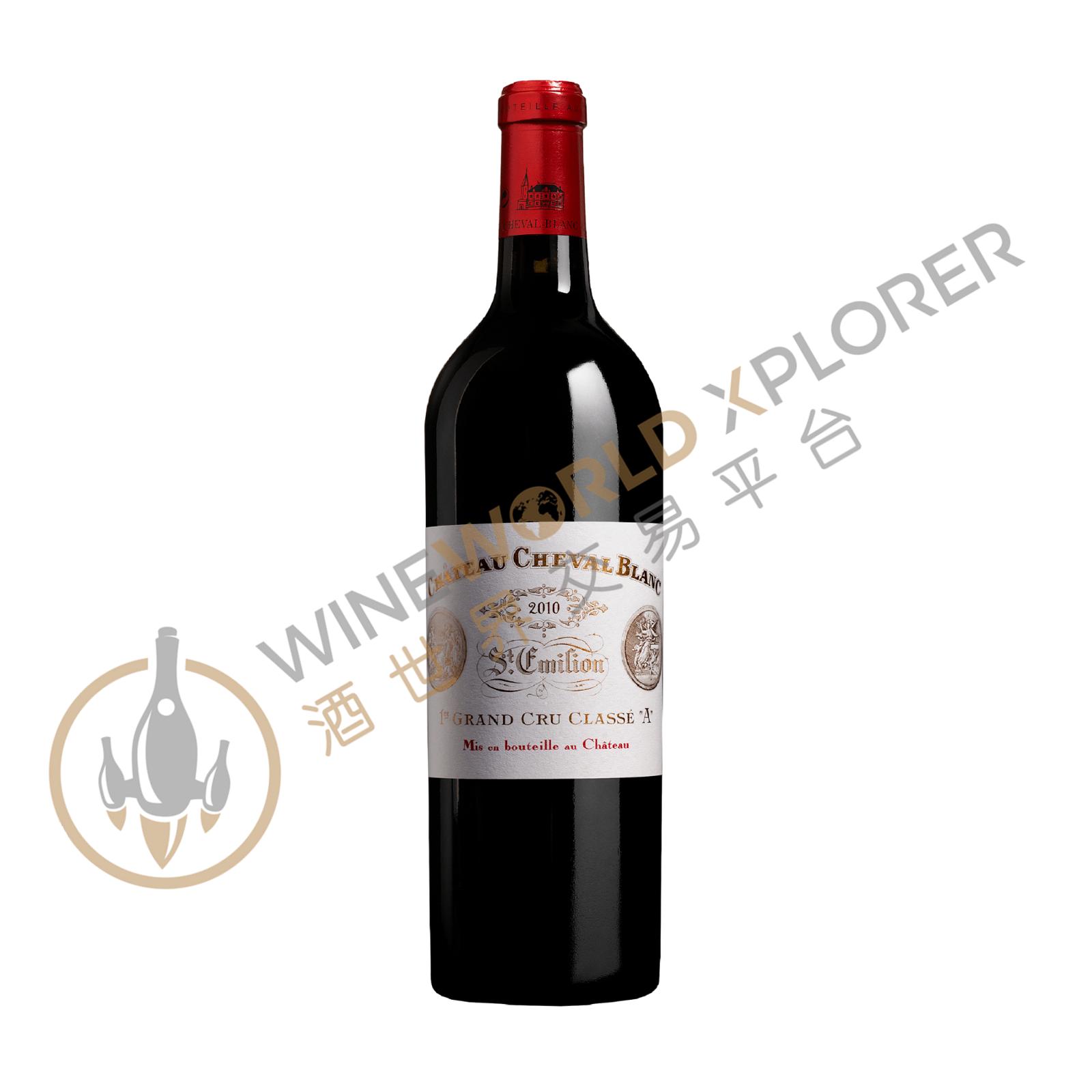
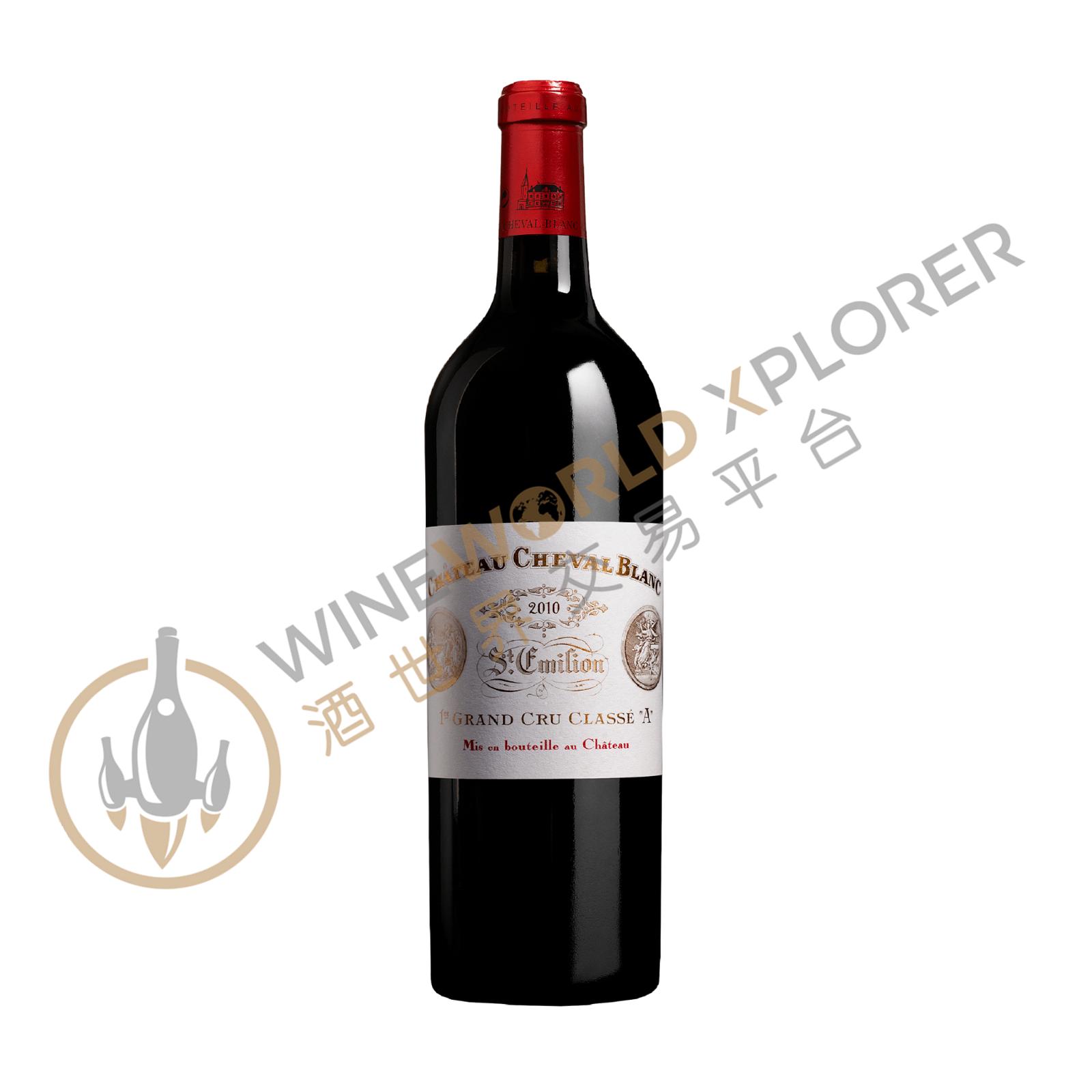
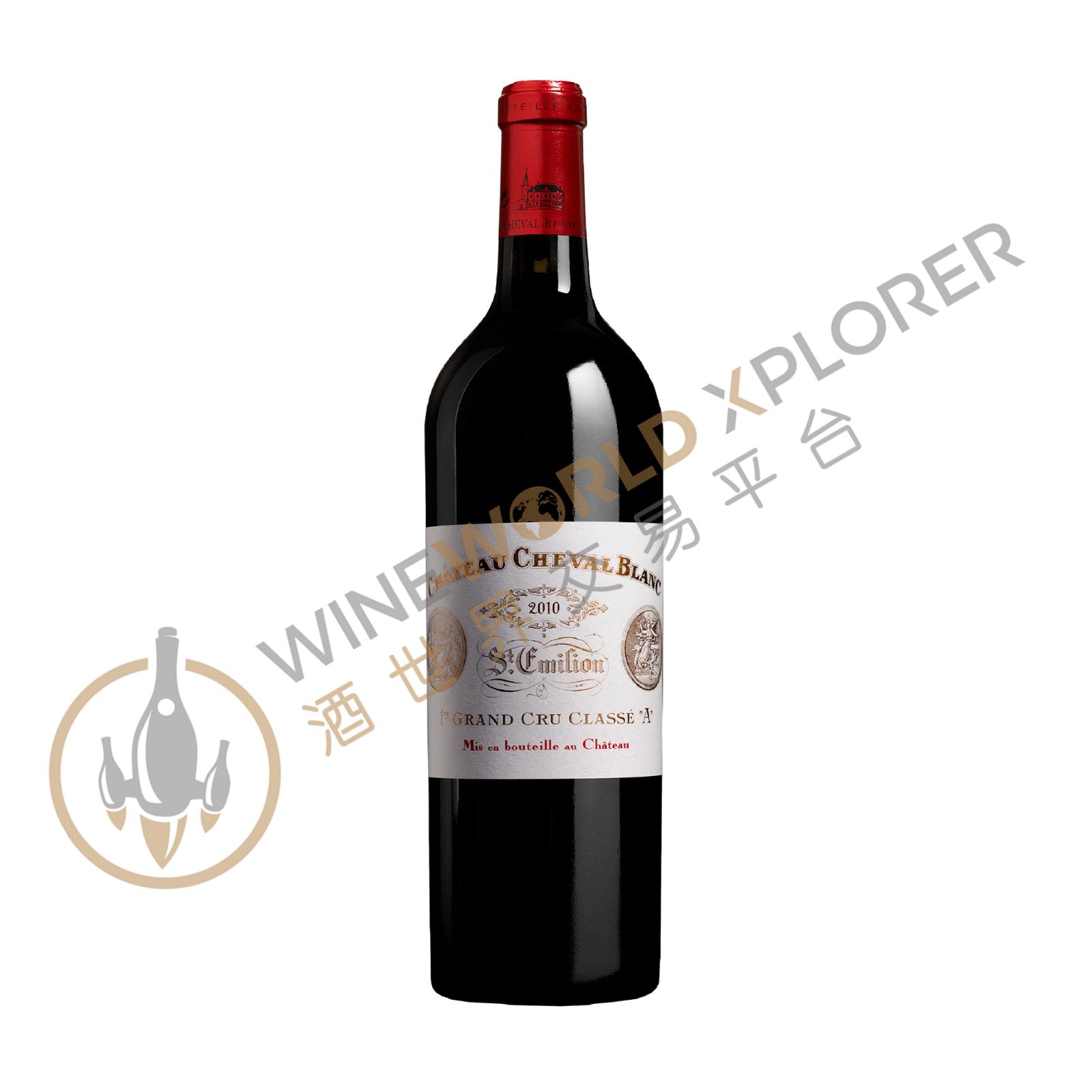
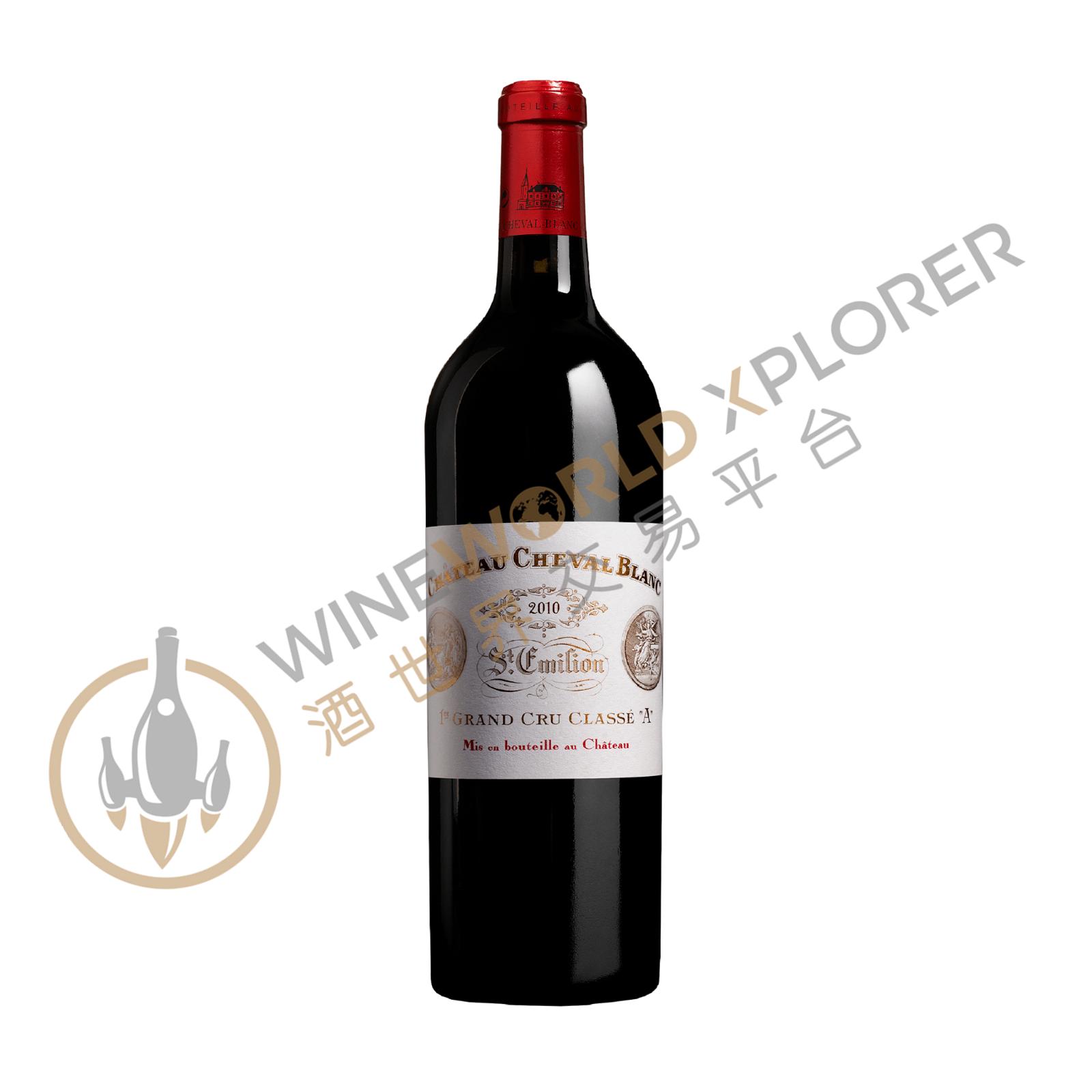
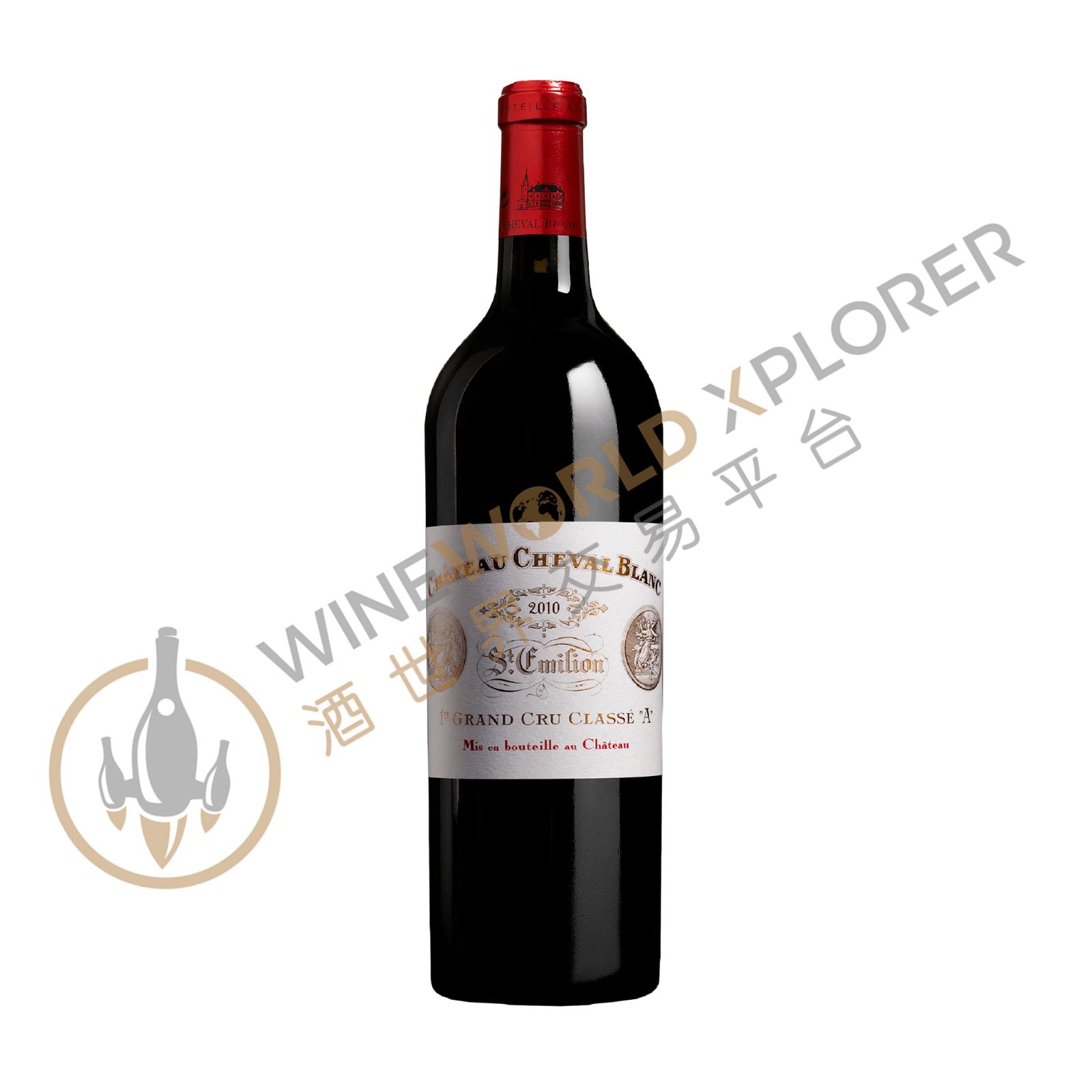
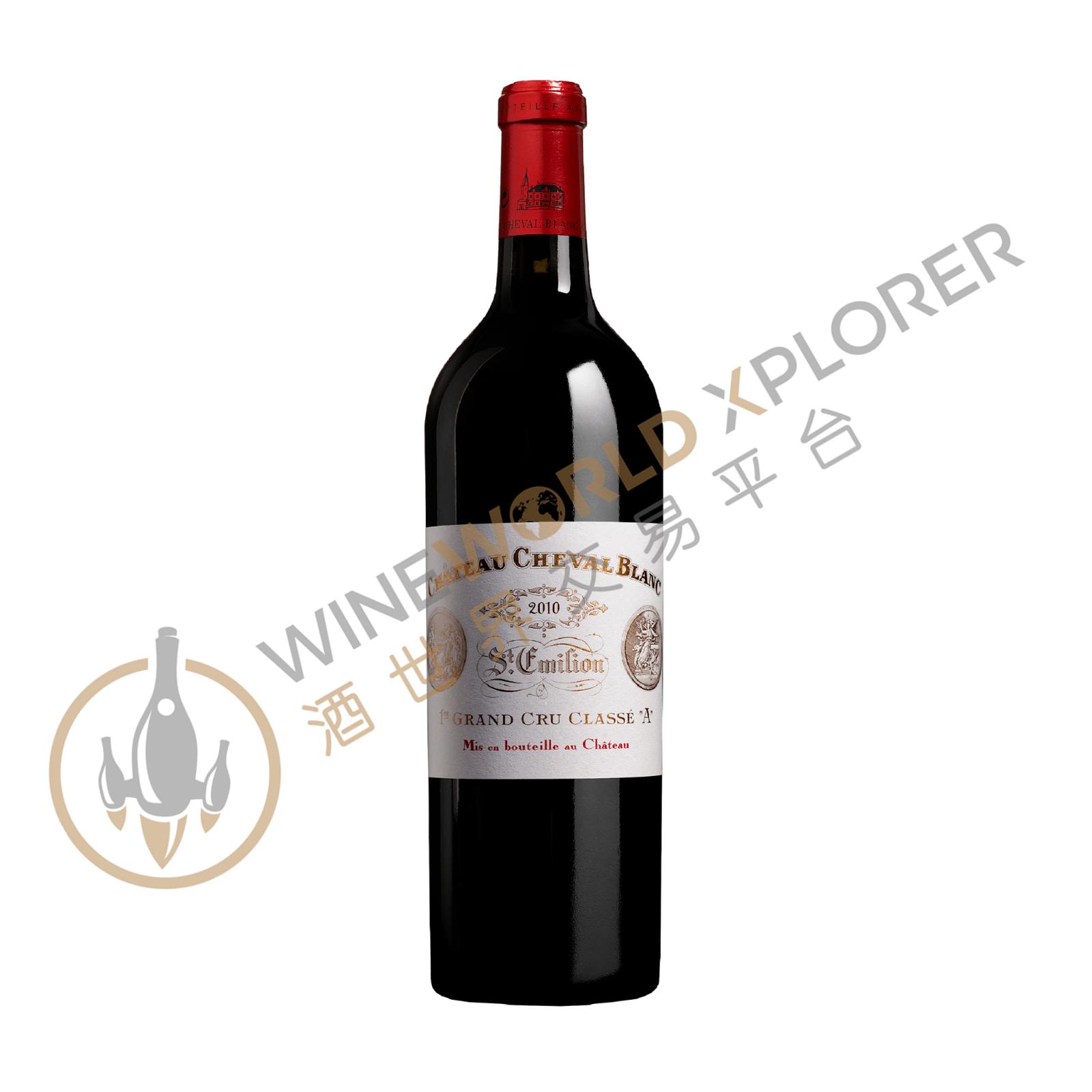
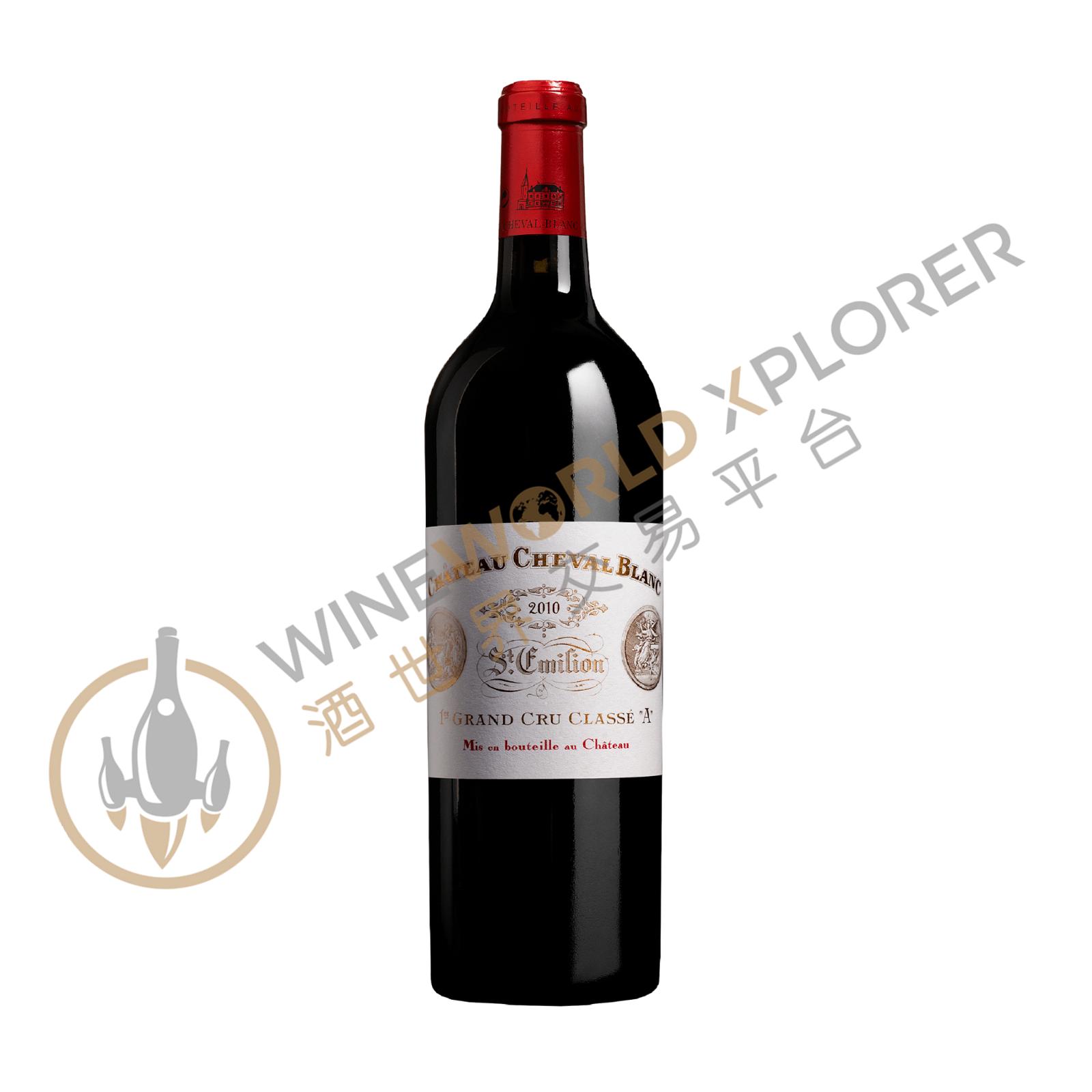
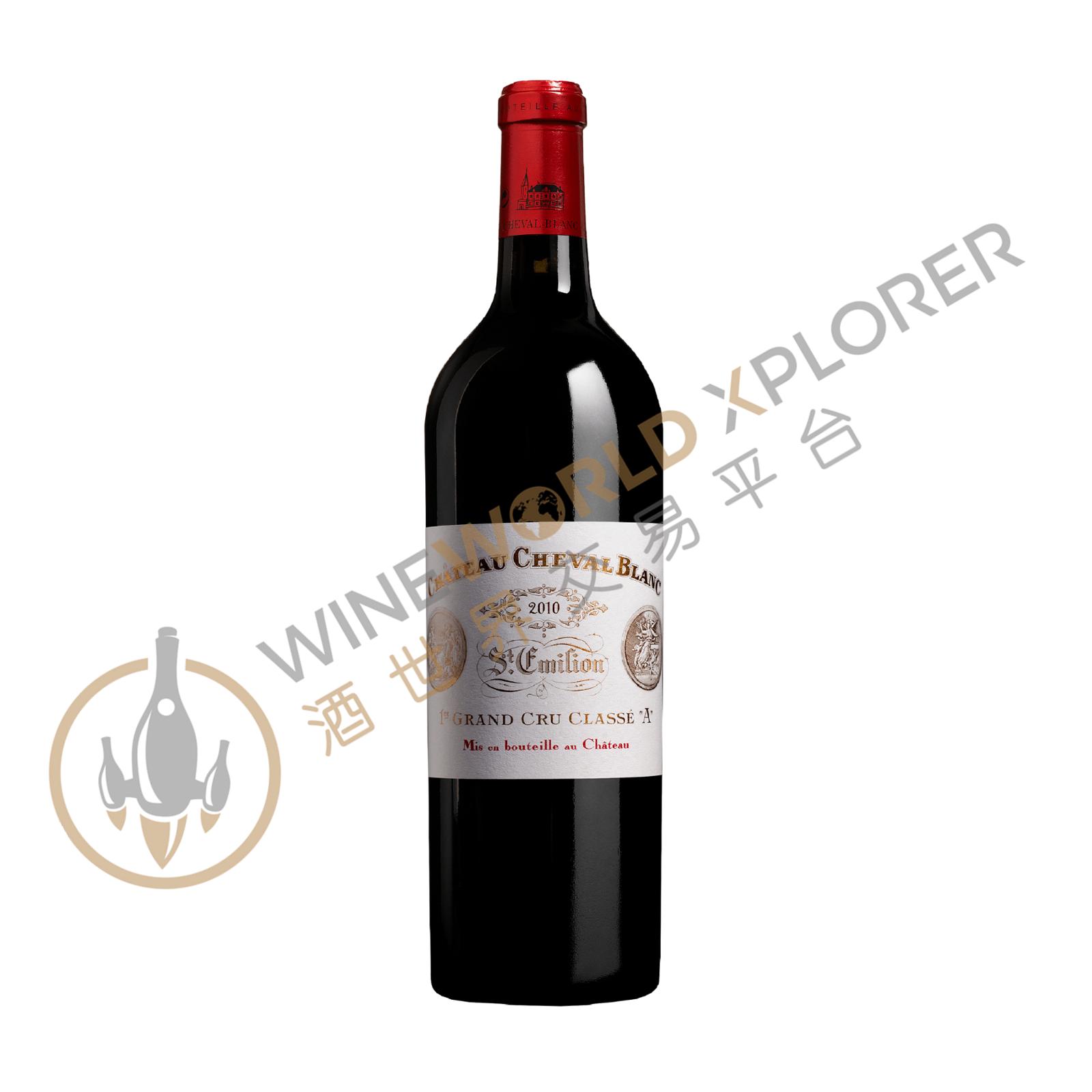
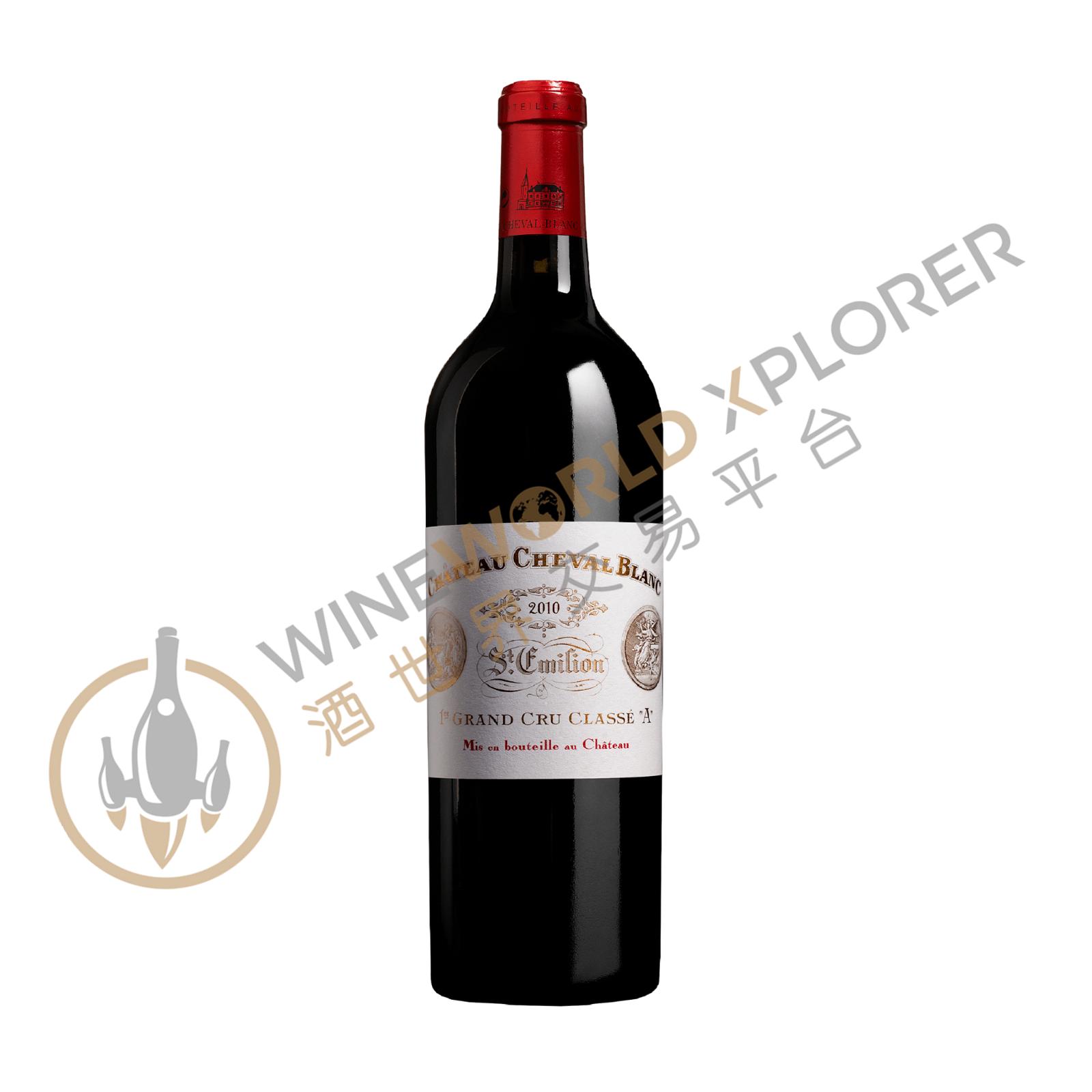
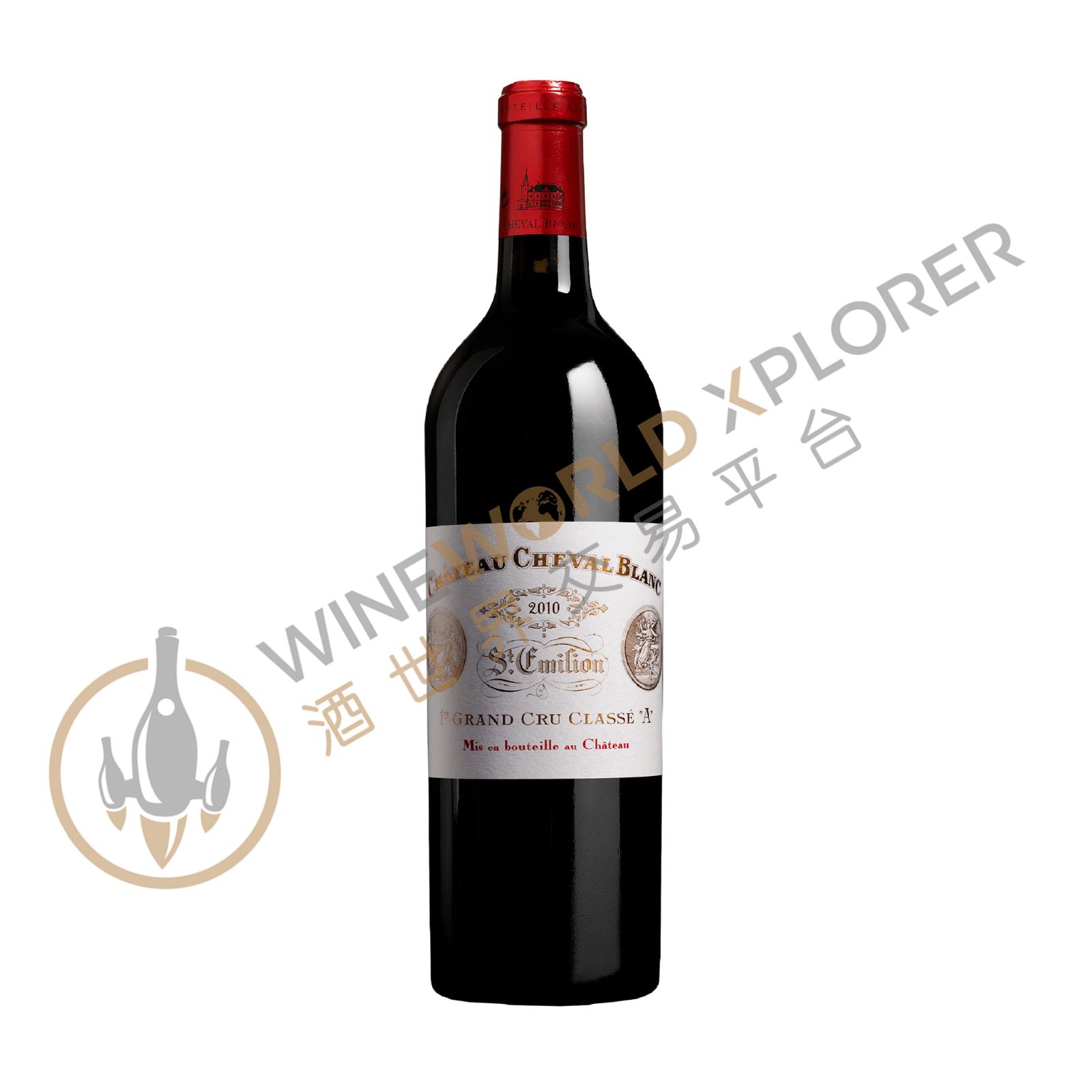
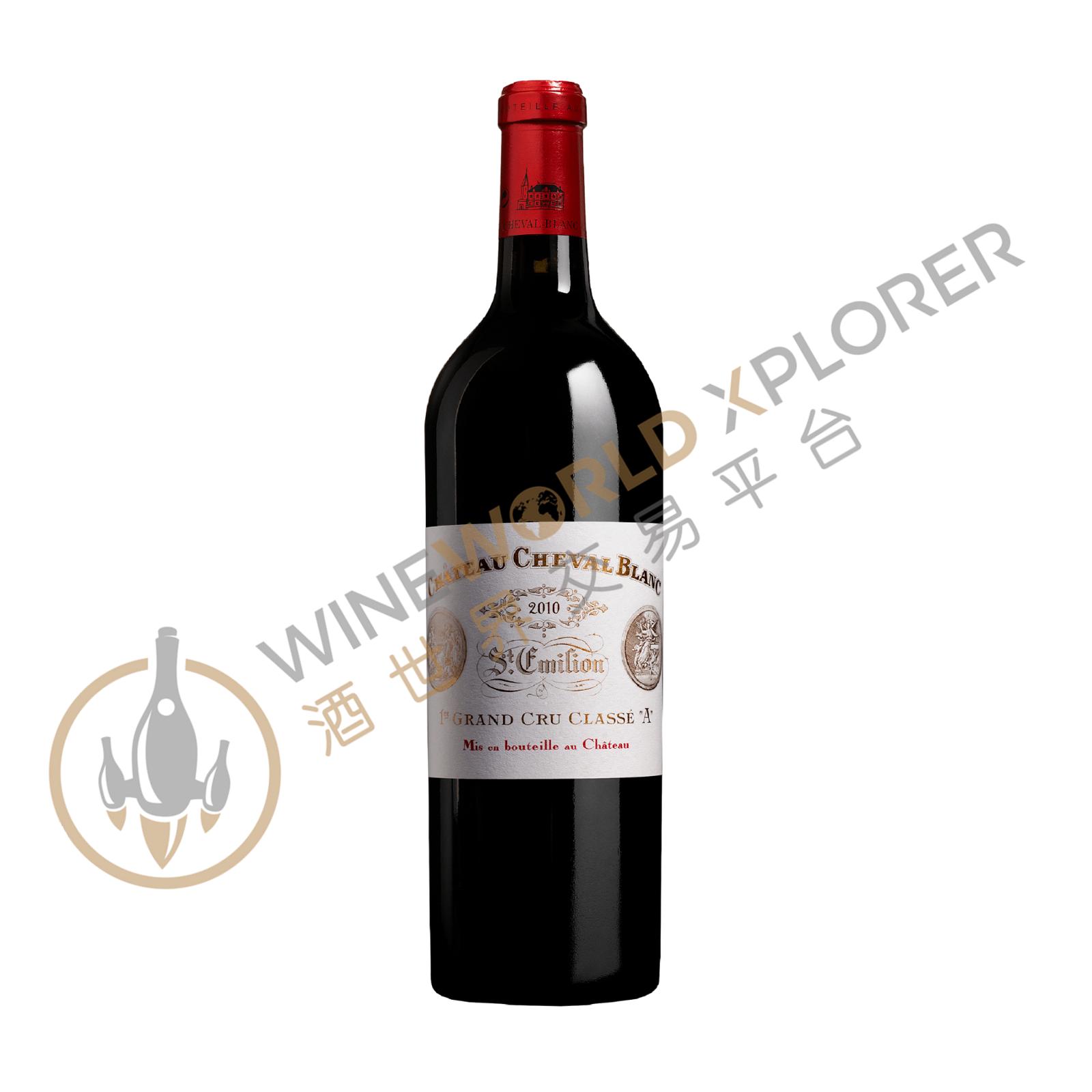
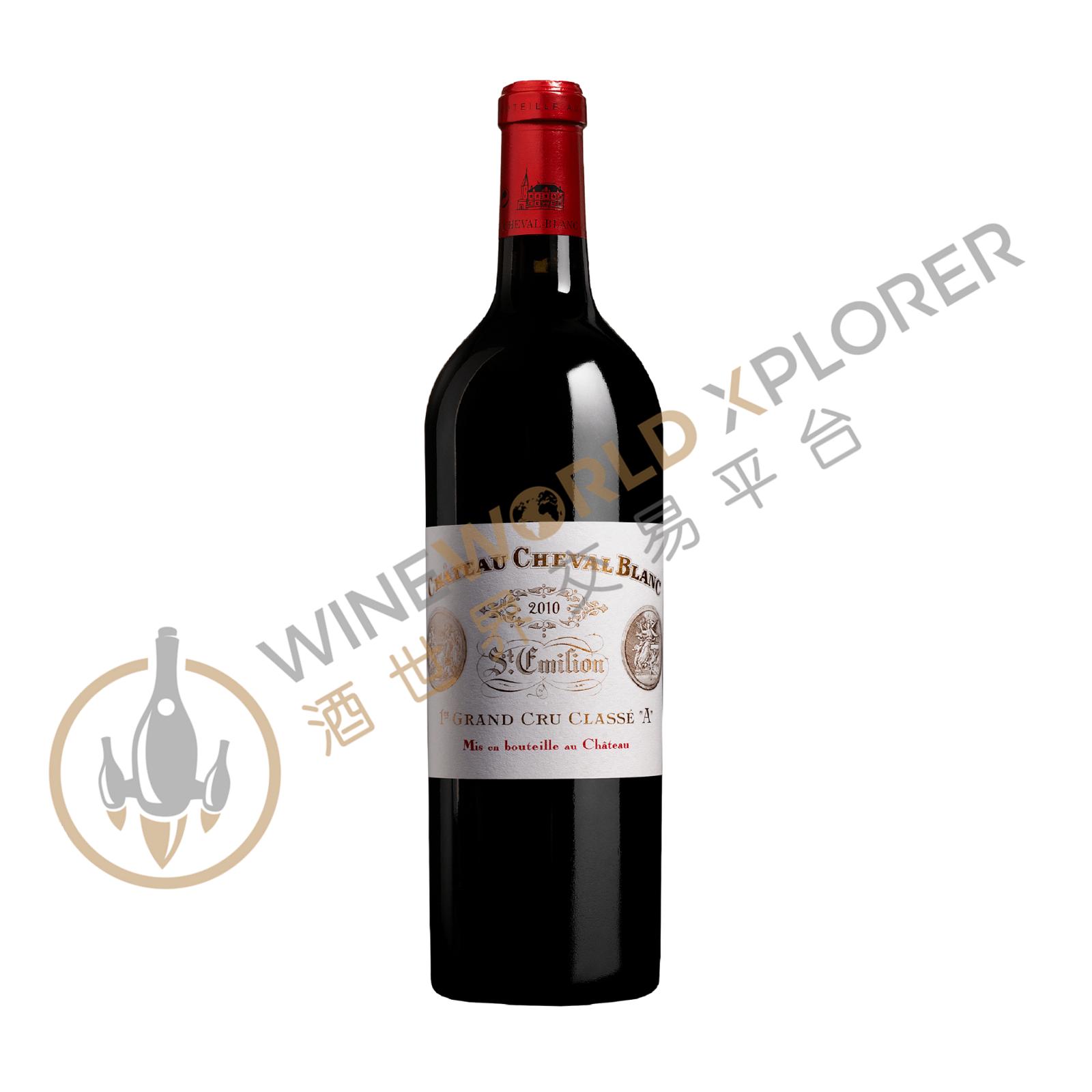
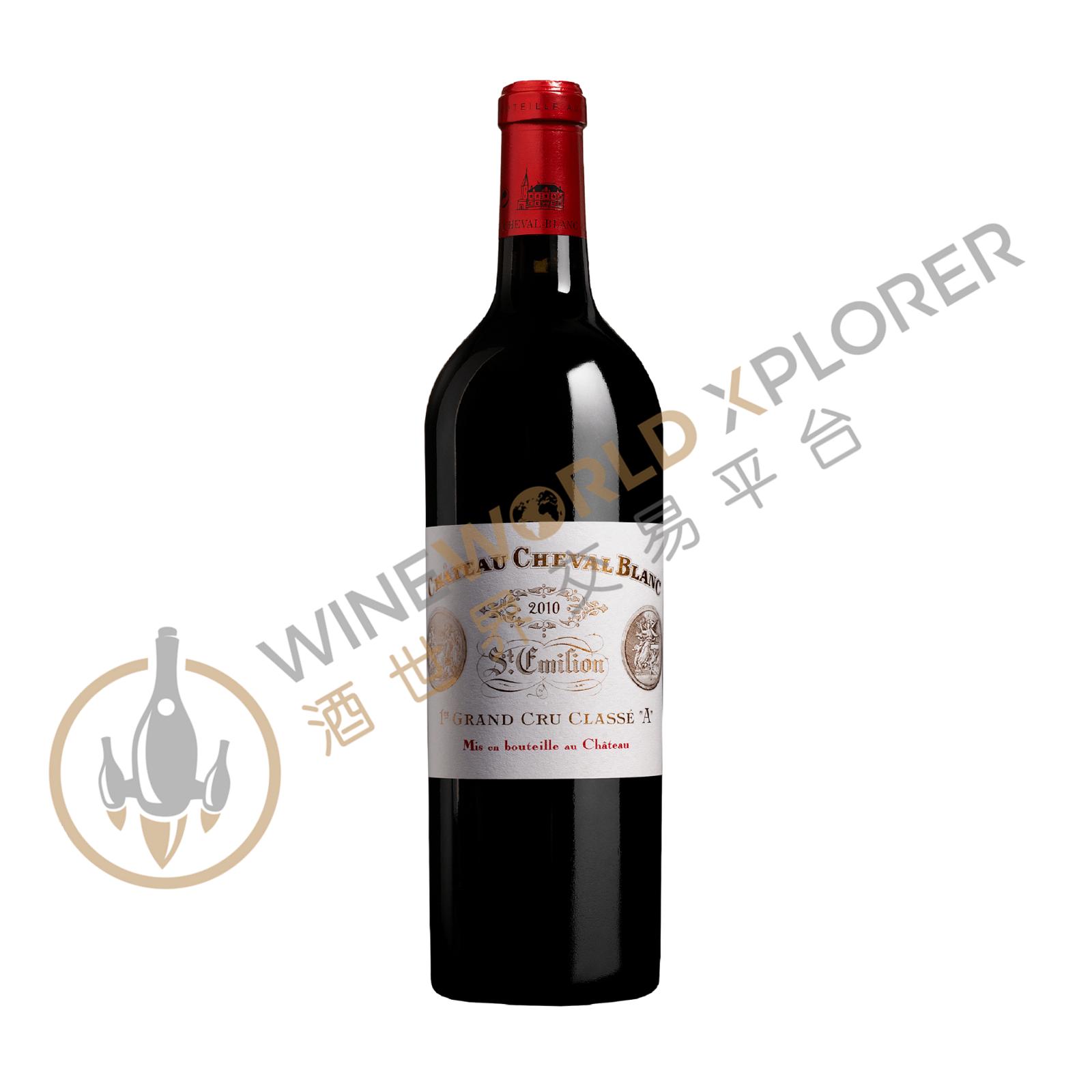
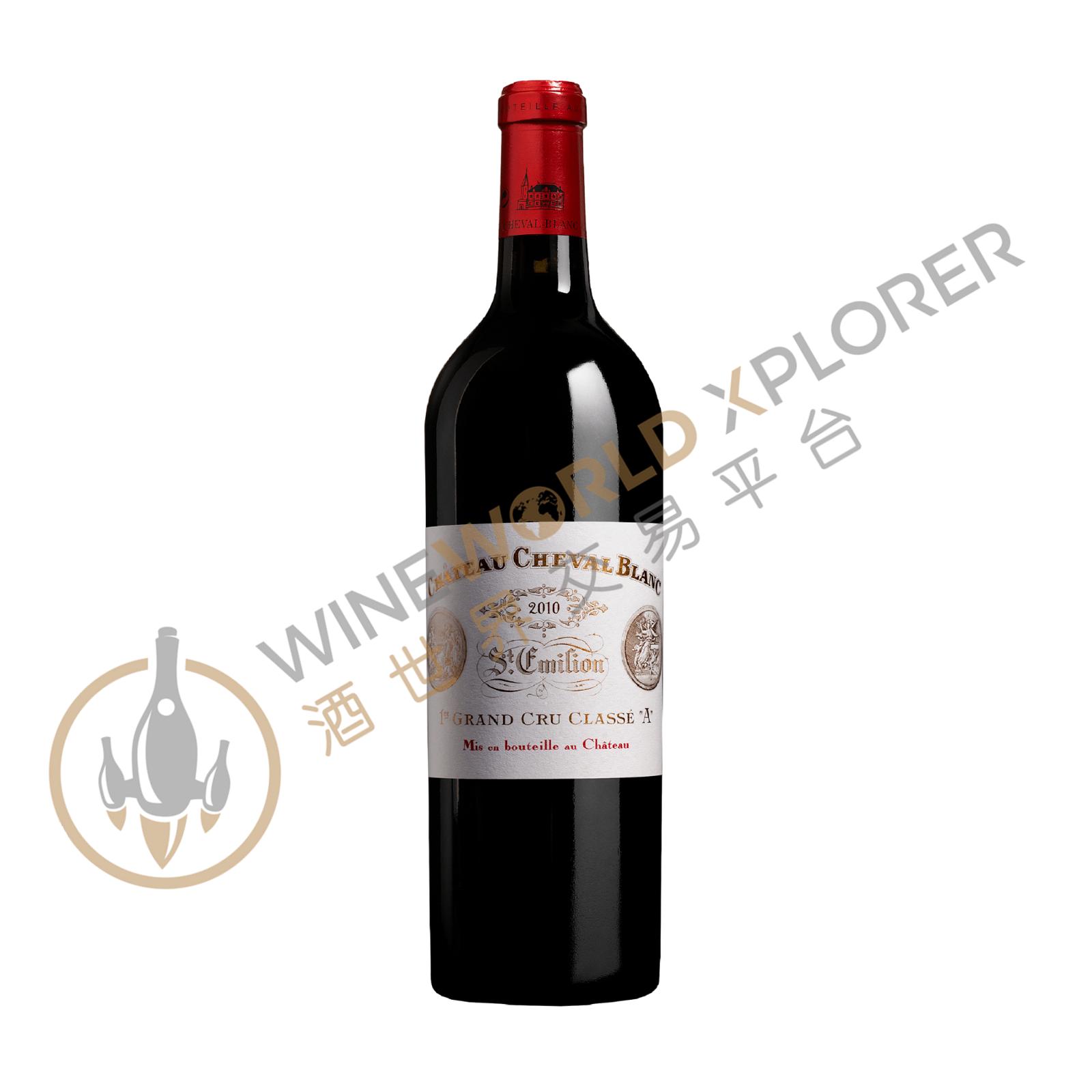
Château Cheval Blanc, a 1er Grand Cru Classé (A) is unquestionably the leading estate in St. Emilion. It is located in the north-west of the St. Emilion appellation, bordering Pomerol. Cheval Blanc obtained its first medal at the 1862 Universal Exhibition in London. In fact, a representation of this bronze medal is found on the château’s present-day label. Cheval Blanc won their first gold medal at the 1878 Universal Exhibition in Paris, and this new distinction also appeared on the label. In 1886, Cheval Blanc won a second gold medal at the Universal Exhibition in Antwerp. Reflecting this series of successes and a wine well on the way to achieving international recognition, a château was built on the estate.
Tasting notes

Reviewed by: Neal Martin
Tasted at the chateau. A moderate garnet core. An attractive nose, still a little closed, quite herbal with a touch of menthol in the background. The palate has a very soft entry, spiky acidity and is still a bit austere. Tobacco and pencil-lead notes with a pruney finish. The Cabernet Franc is driving this wine though there is a Merlot, sour cherry note on the aftertaste. I prefer this to the 1994 although it is not a great Cheval Blanc. Drink now and over 5 years. July 2005.
Reviewed by: Robert M. Parker, Jr.
Medium dark ruby-colored, with sweet scents of cassis, mulberries, menthol, and smoky new oak, this medium-bodied wine reveals fine concentration, as well as elevated tannin in the finish. The tannin gives the wine a dry, angular, compact personality. It will be interesting to see how this wine behaves after bottling. Will fining bring everything into balance, at the same time cutting the intrusive tannin level?
Reviewed by: Neal Martin
Tasted at the infamous “Dodgy Bottle Offline”. The Cabernet Franc dominates the nose on the ’93 Cheval: cedar, sandalwood, cooked meats, smoke with just a hint of wild mint. The palate is well balanced, again, the Cabernet Franc “over-seasoning” this masculine Cheval Blanc, leading to a leafy, savoury finish that would benefit from a little more depth. This is a very agreeable Cheval but it is maturing quicker than I expected. Drink now-2013. Tasted July 2009.
Reviewed by: Robert M. Parker, Jr.
Dark ruby with a purple hue, this appealing style of Cheval Blanc offers the tell-tale nose of sweet black fruits, coconut, vanilla, and a touch of menthol. The wine is medium-bodied, elegant, purely made, and while it lacks volume and richness in the mouth, it is soft, delicious, and typical of this property's wines. This tasty, charming 1993 should drink well for 7-8 years.
Reviewed by: Ian d'Agata
Good full ruby-red. Knockout, complex nose offers vibrant aromas of raspberry, sour red cherry, strawberry, licorice and violet, complicated by white pepper and rose. Then moderately dense and fresh in the mouth, with delicately spicy notes of redcurrant, strawberry, licorice, coffee and minerals. This rather elegantly styled wine finishes bright and fresh, with firm, highly polished tannins. This midweight Cheval Blanc lacks the density and concentration of the better vintages, but it has an amazingly pure nose of cabernet franc (I'd score this 95 or more for its aromas) that is a joy to inhale. For those with deep pockets, it's also a fantastic food wine, and a simply amazing buy, since it will cost much less than many other more sought-after Cheval Blanc vintages.
About the Producer
Château Cheval Blanc is a highly lauded wine estate in the Saint-Émilion region of northeast Bordeaux. Classified with the top ranking of Premier Grand Cru Classé A, it is regarded by many as one of the greatest wines of the appellation – if not, the greatest. It is certainly the most famous Cabernet Franc-based wine in the world, albeit often alongside very similar levels of Merlot. Typically, the "grand vin" (the estate's eponymous wine) is lush and full bodied with great weight of fruit. It tends to require ten years of bottle age and the best vintages can last half a century or more. The second wine of the estate is Le Petit Cheval. The vineyard is located in the northwest of the region, bordering Pomerol (La Conseillante is a neighbor) and consists of 39 hectares (96 acres) divided into 45 plots. There is an unusually large amount of Cabernet Franc planted – about 49 percent – with 47 percent Merlot and four percent Cabernet Sauvignon. The unusual planting proportions reflect the terroir; most vineyards in the region are either clay or gravel-based over impermeable sedimentary rock, but Cheval Blanc is unique in having a patchwork of soils with the two types in roughly equal proportions. The clay soils provide base wines with velvety tannins, while those from gravel soils are more aromatic and elegant. Vines have been grown since the 14th Century at this spot but the vineyard as it is known today took shape in the 19th Century when the core plots were added to by purchases from the nearby Figeac estate. Subsequent replantings established the atypical half-Merlot, half-Cabernet Franc proportions. Cheval Blanc gained its first medal at the 1862 Universal Exhibition in London – the first of a series of successes building its reputation and achieving price levels comparable to the Médoc first growths, which paved the way for a château to be built on the estate. In the first classification of Saint-Émilion wines in 1955, Cheval Blanc was awarded the highest possible rating and remains a Premier Grand Cru Classé A. In 1998, after 166 years of continuous family ownership, Bernard Arnault, the head of luxury goods firm LVMH, and the late Baron Albert Frère (a Belgian billionaire investor) jointly purchased the estate. The spectacular new cellar opened in 2011, with 52 concrete vats (replacing stainless steel) of differing sizes corresponding to different vineyard plots. The grand vin spends 16 to 18 months in new oak barrels from a variety of cooperages.
1953(1)1954(2)1962(1)1967(1)1973(1)1974(2)1975(1)1976(1)1977(2)1978(1)1980(1)1981(1)1982(2)1983(1)1984(1)1985(1)1988(2)1989(4)1990(7)1992(2)
Package Size