Wine Advisor



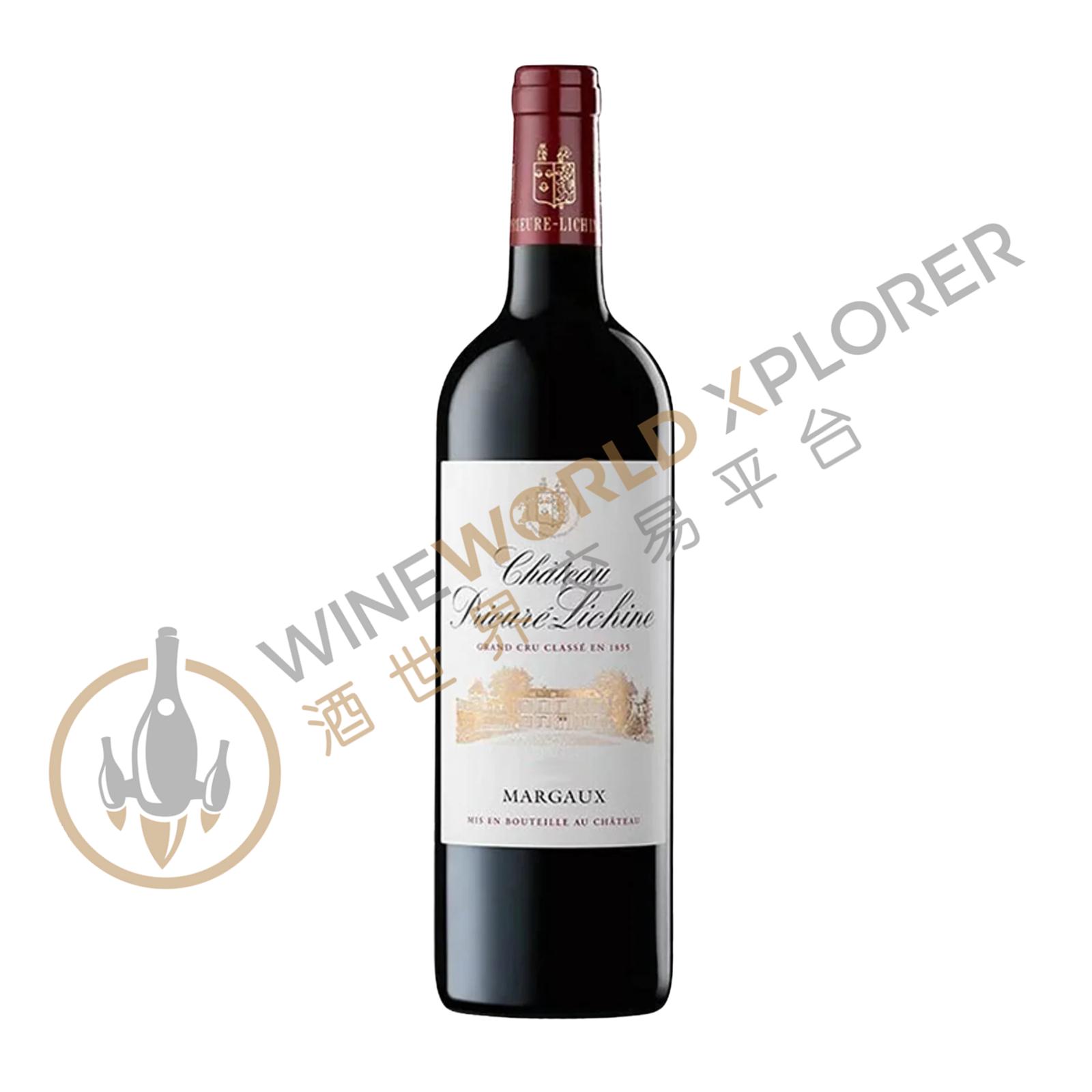
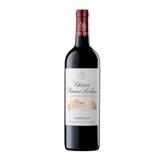
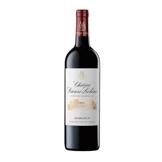
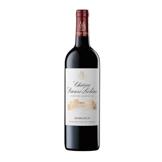
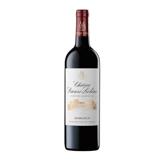
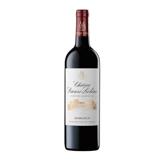
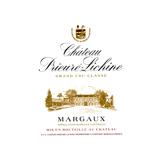
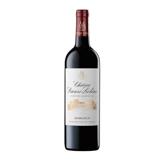
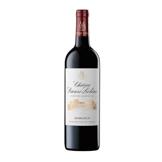
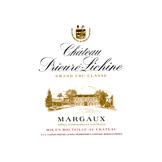
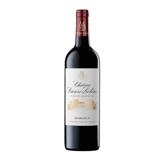
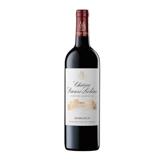
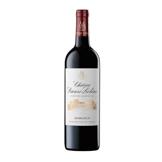
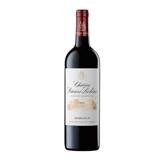
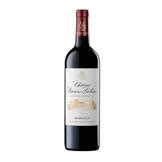
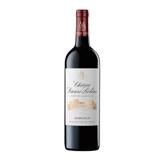
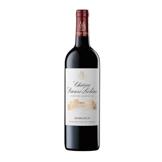
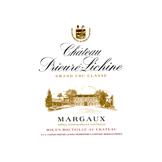
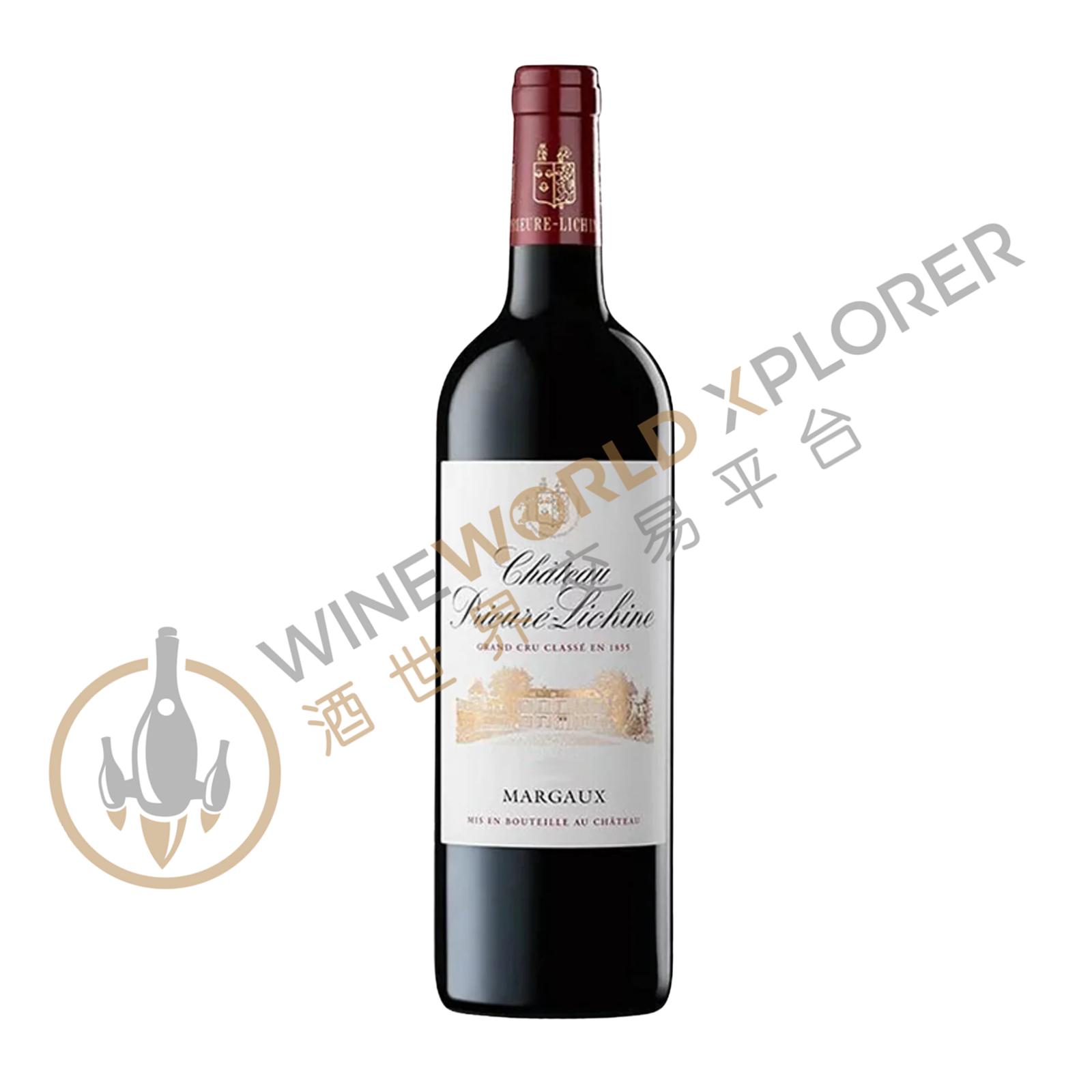
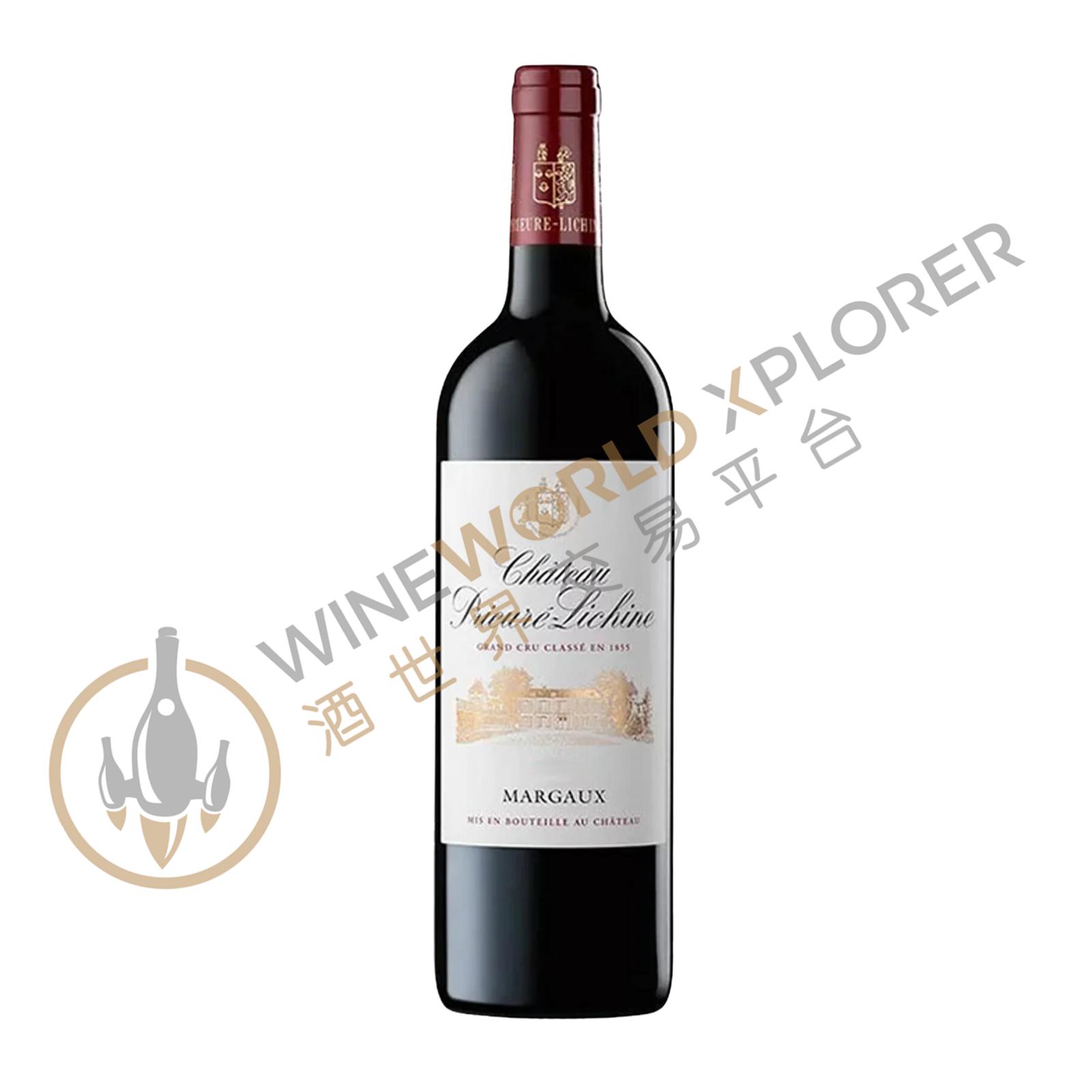
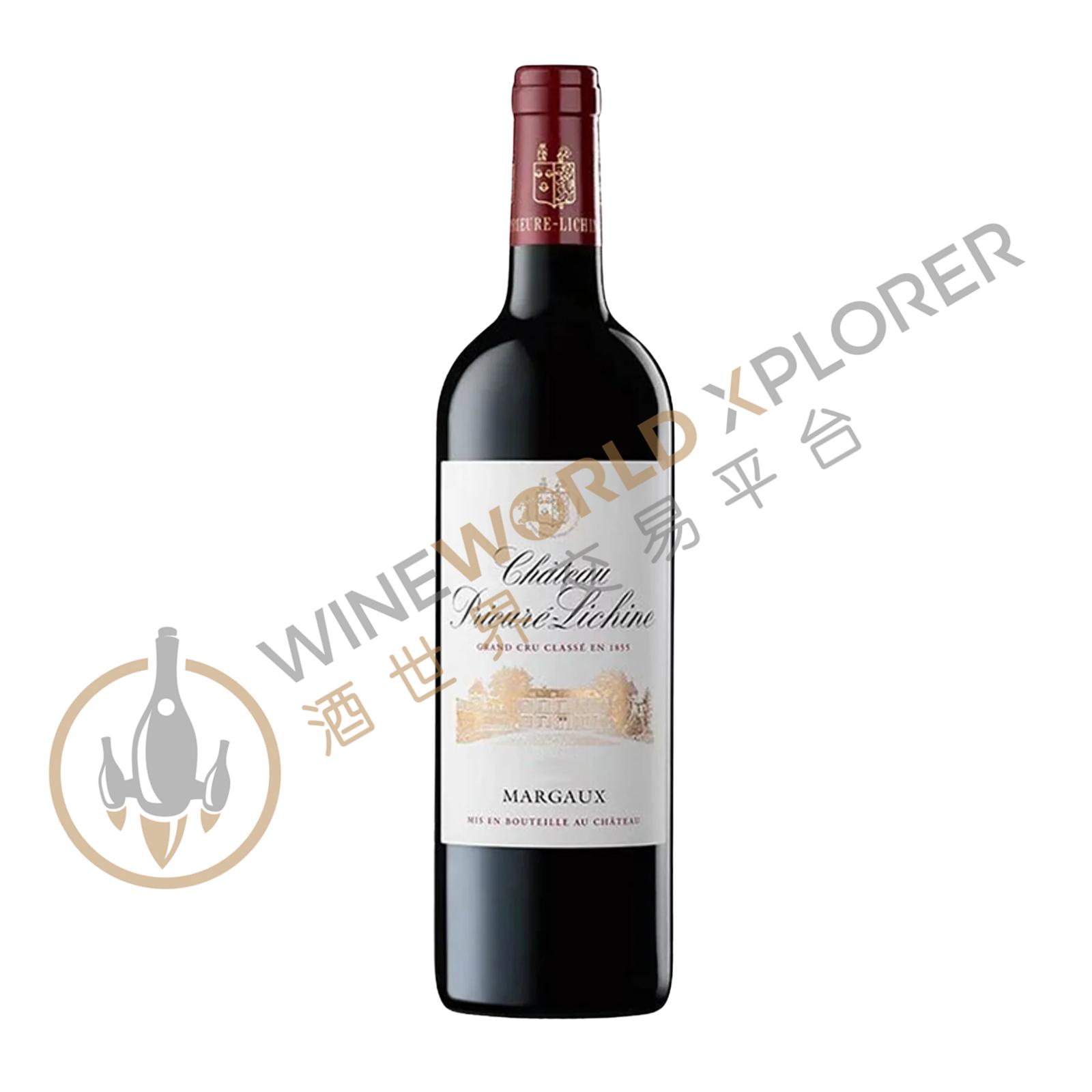
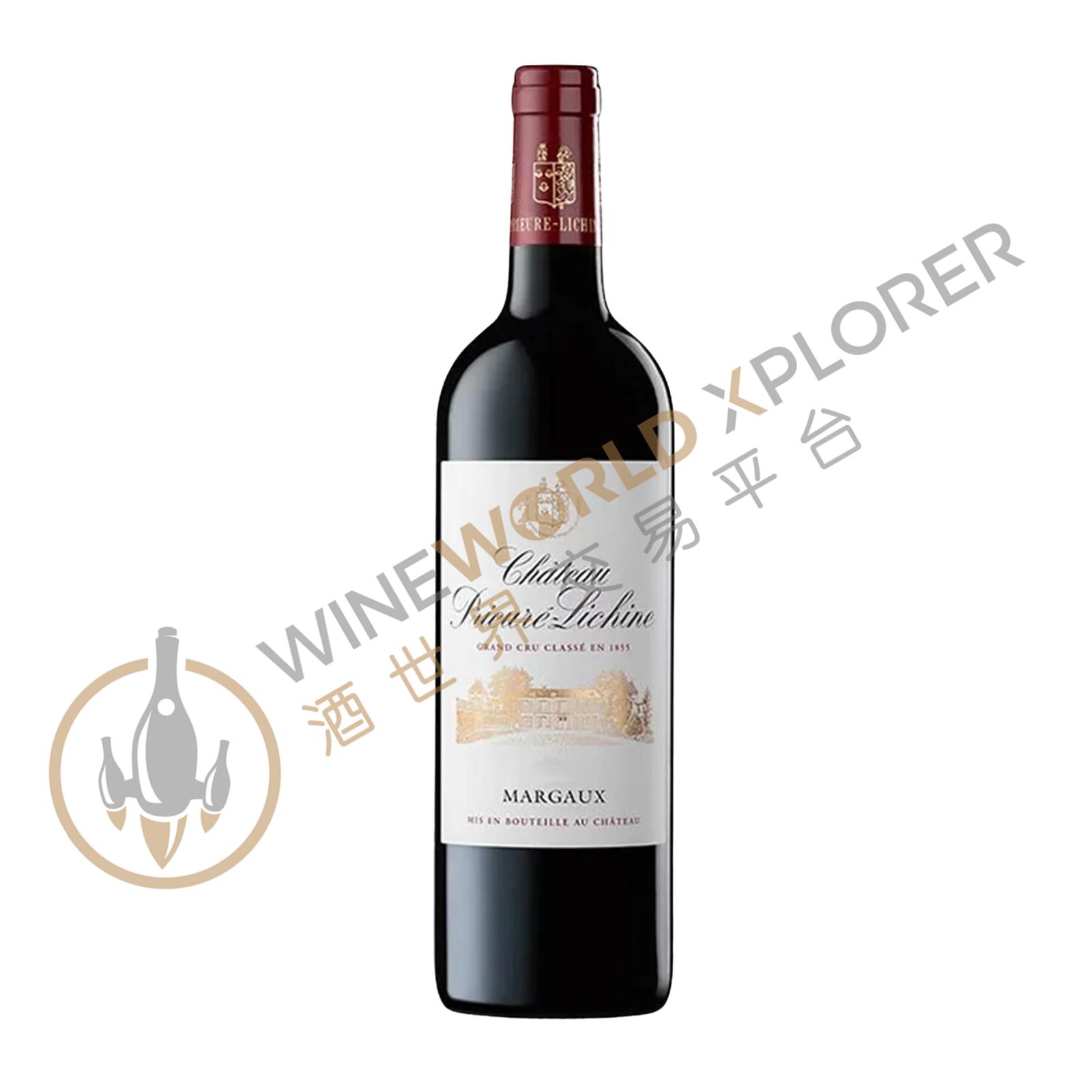
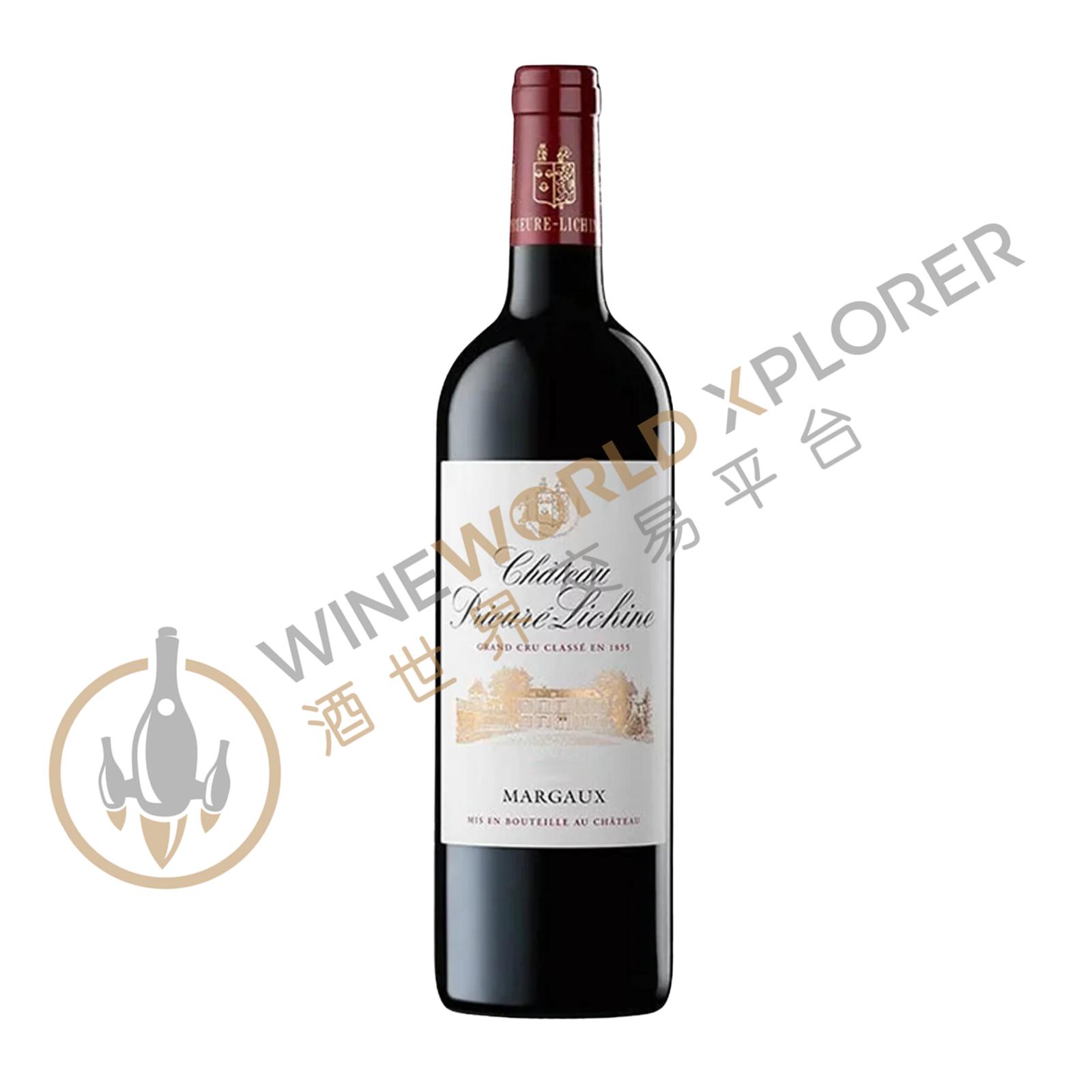
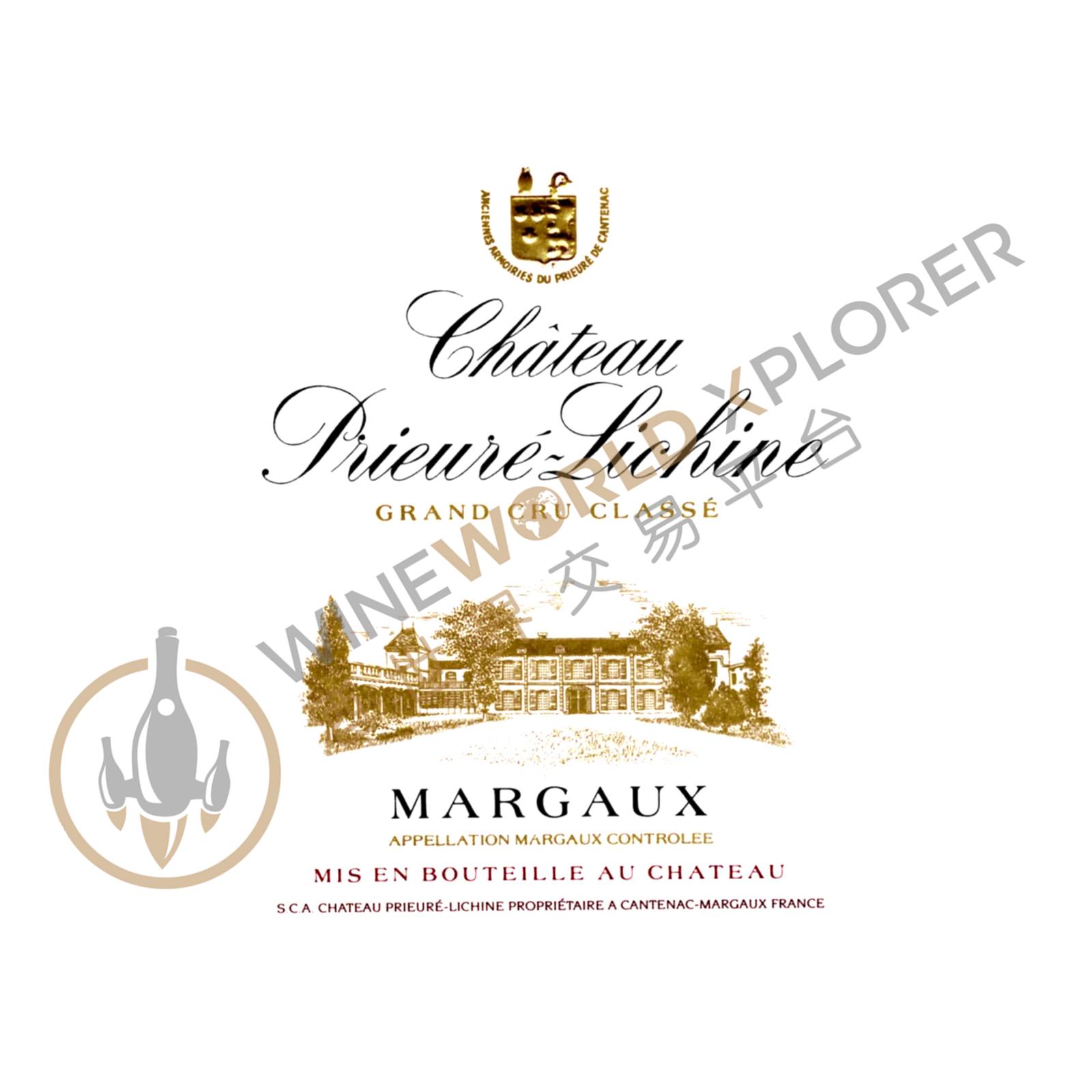
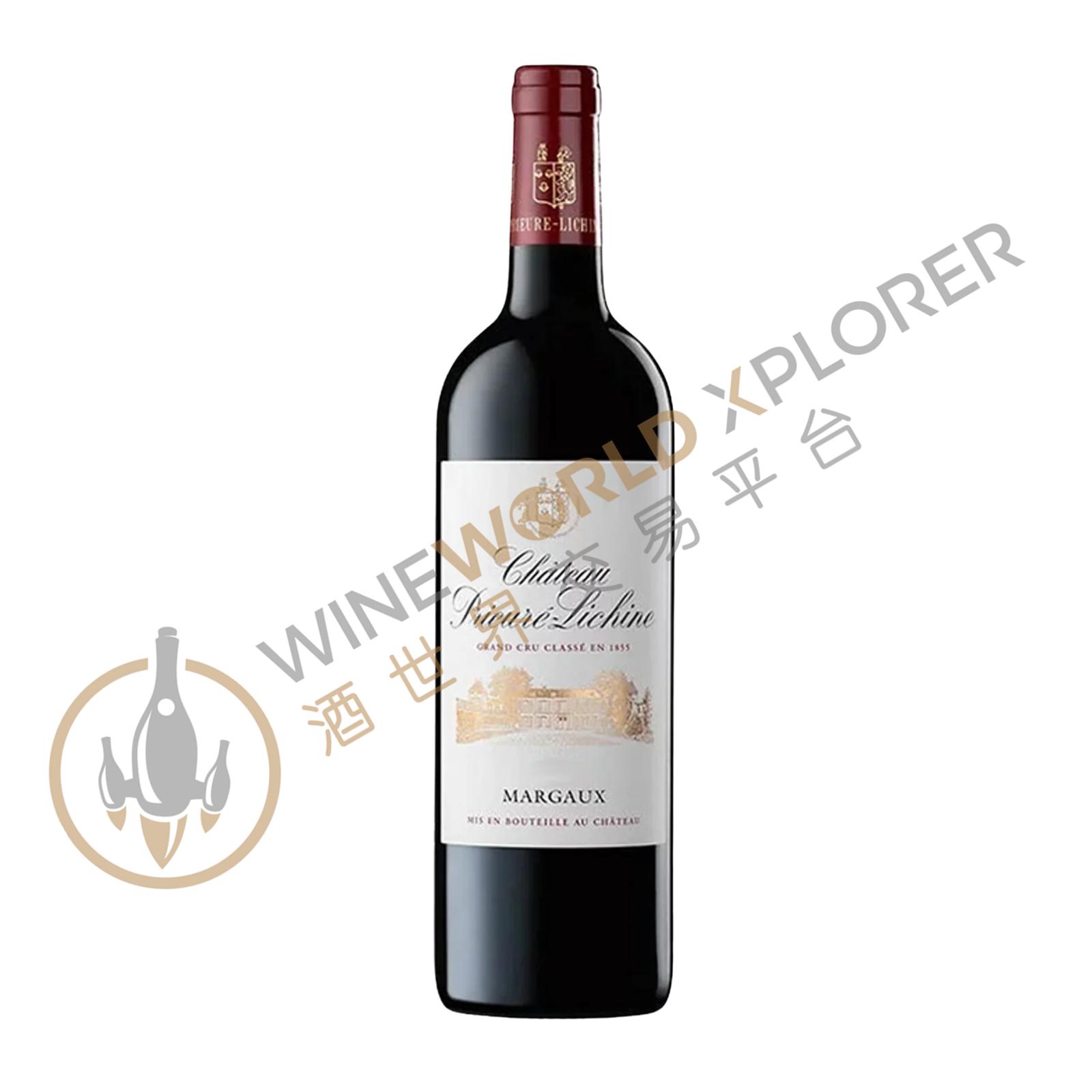
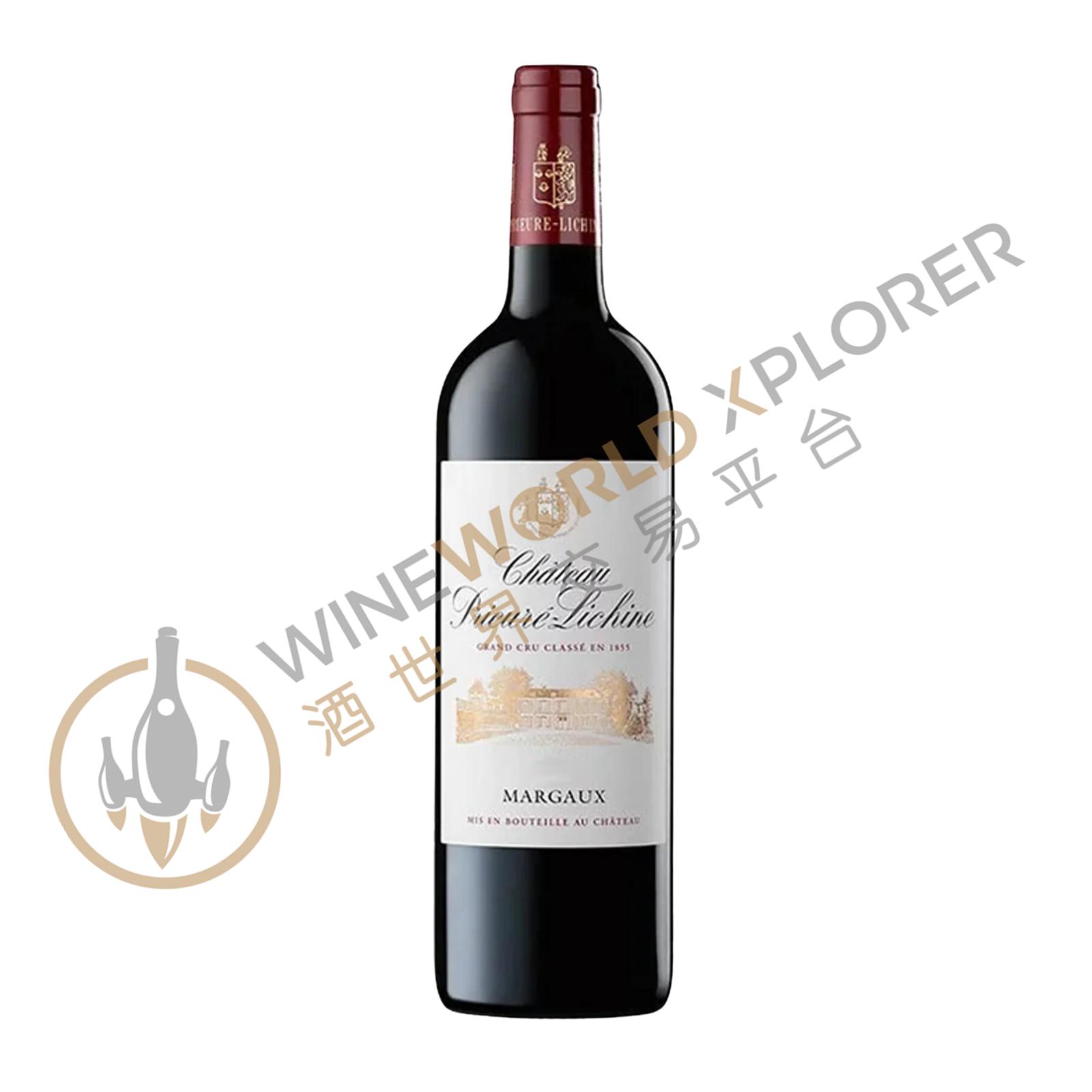
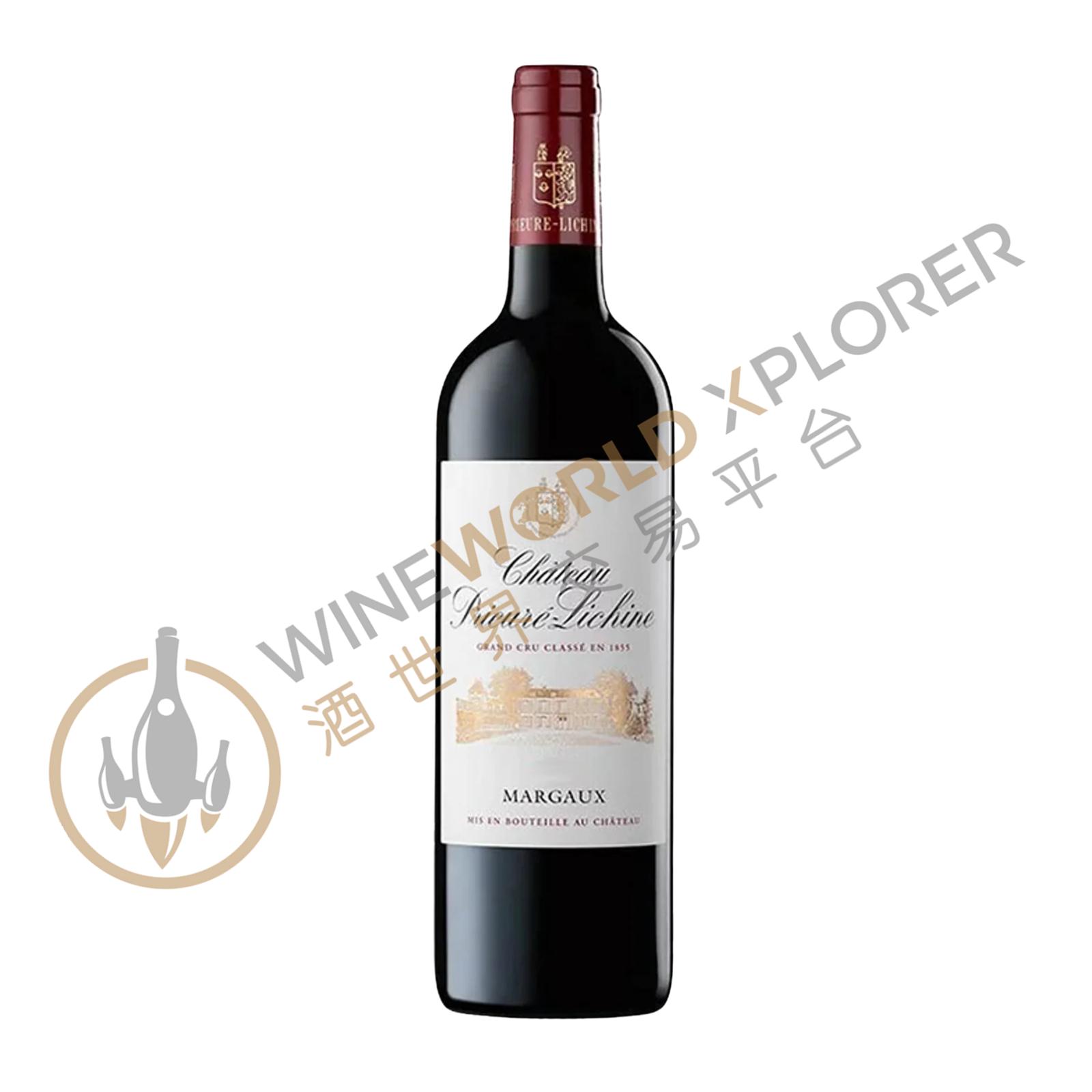
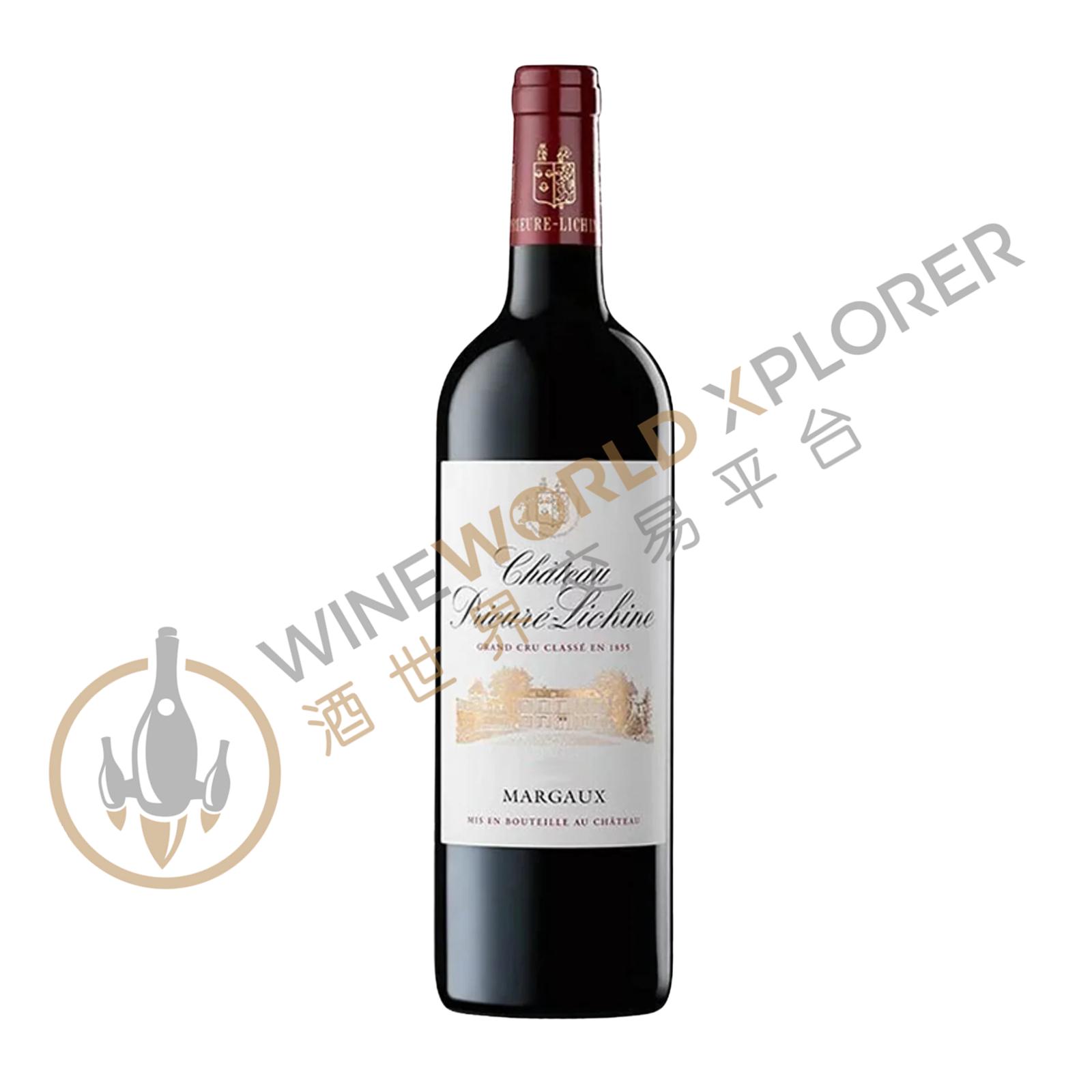
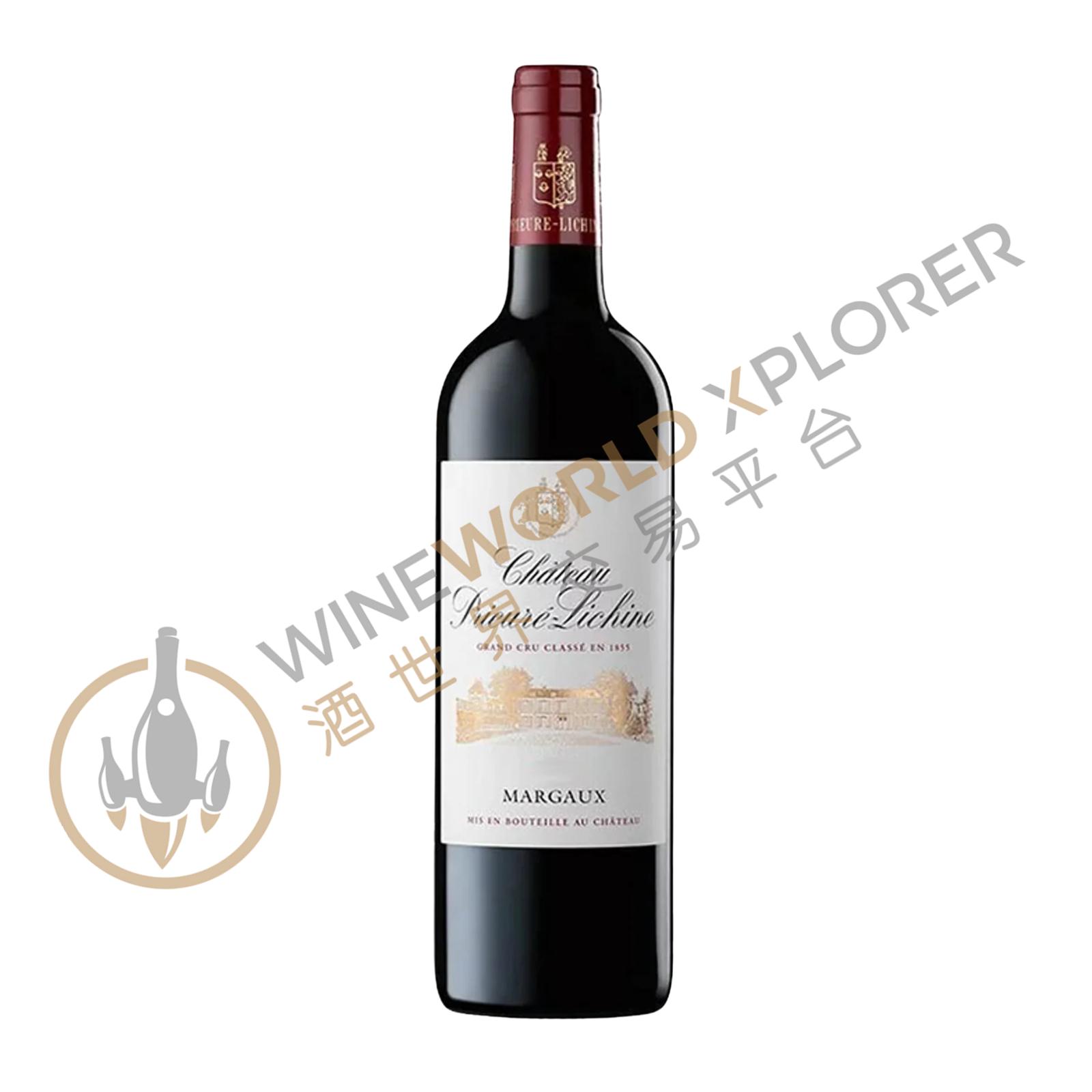
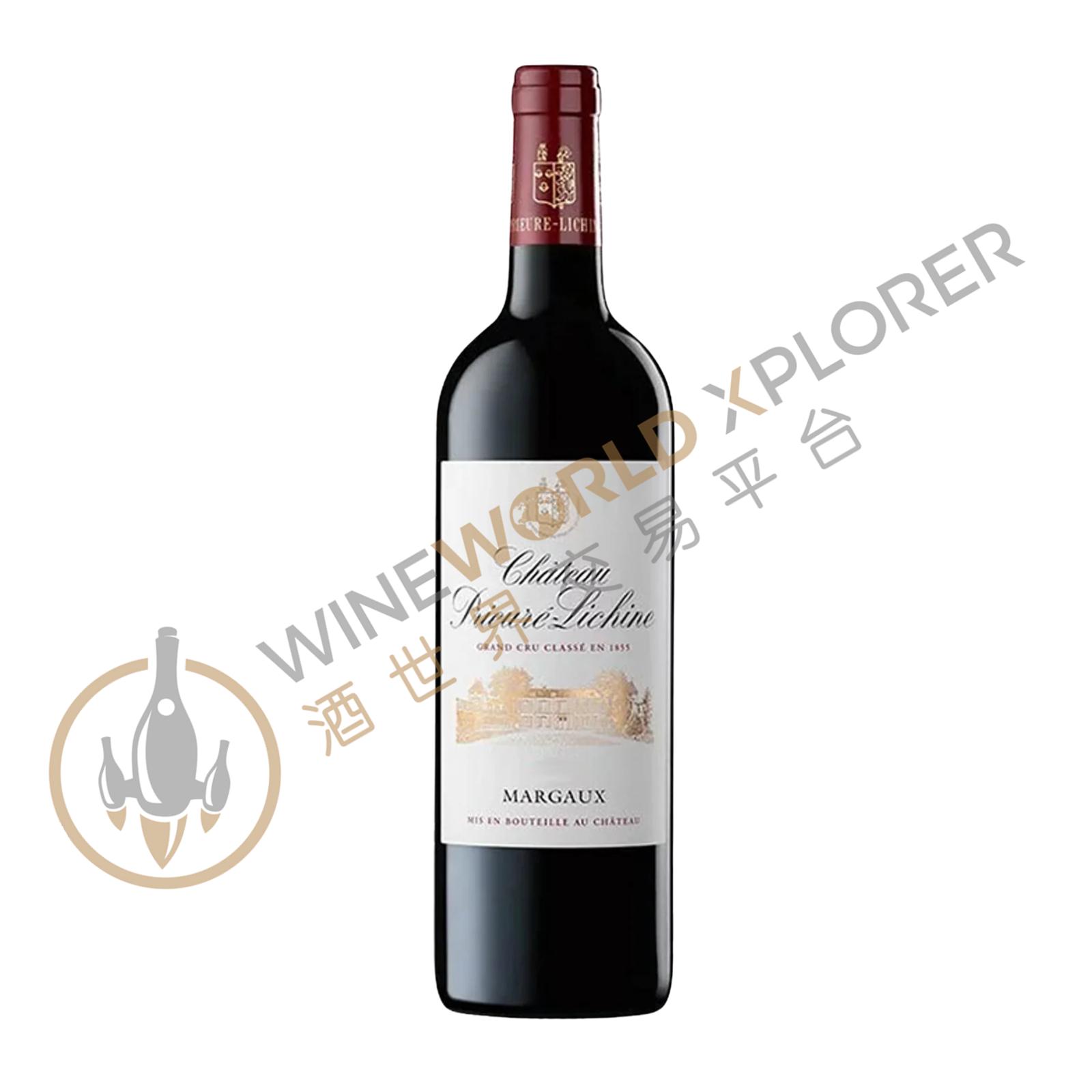
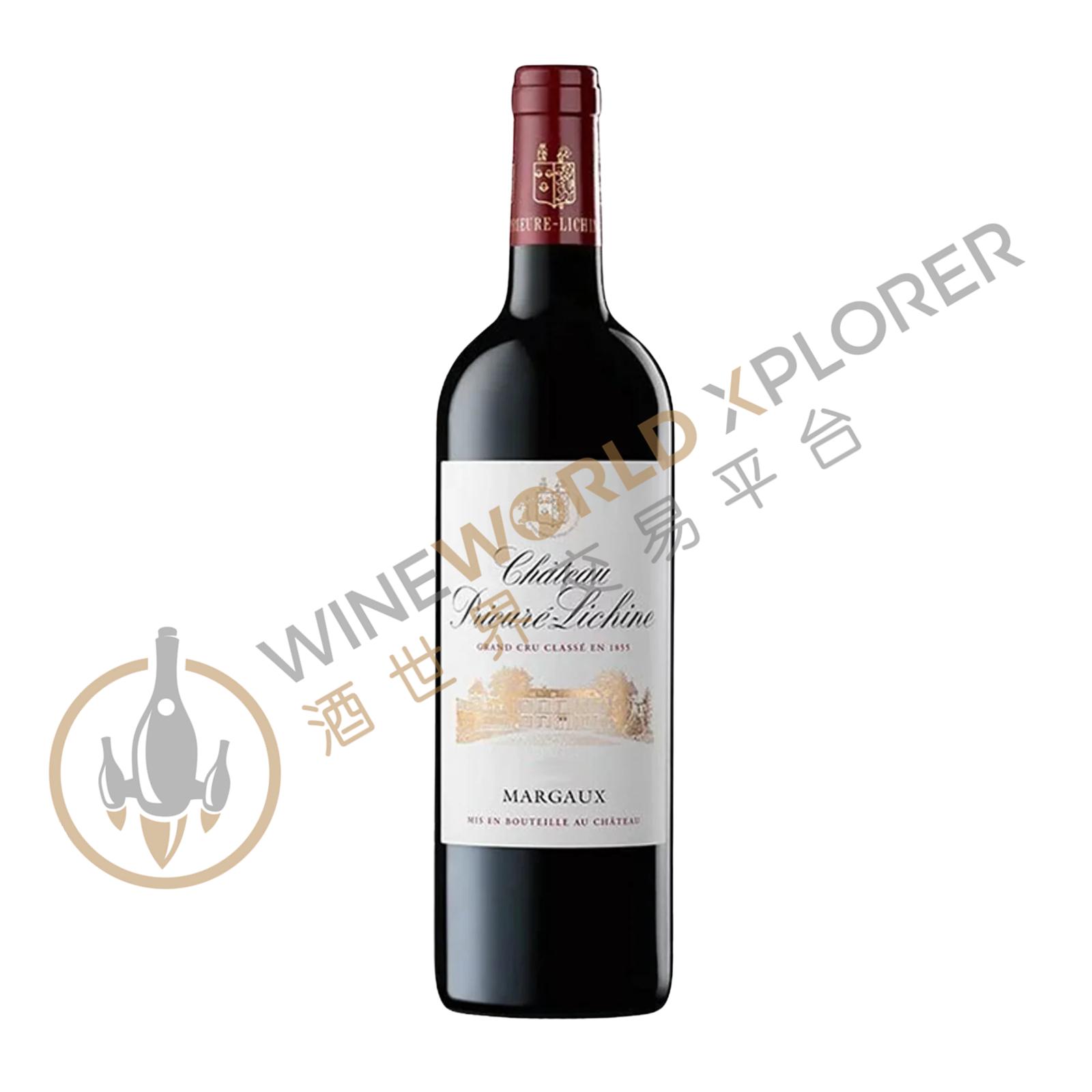
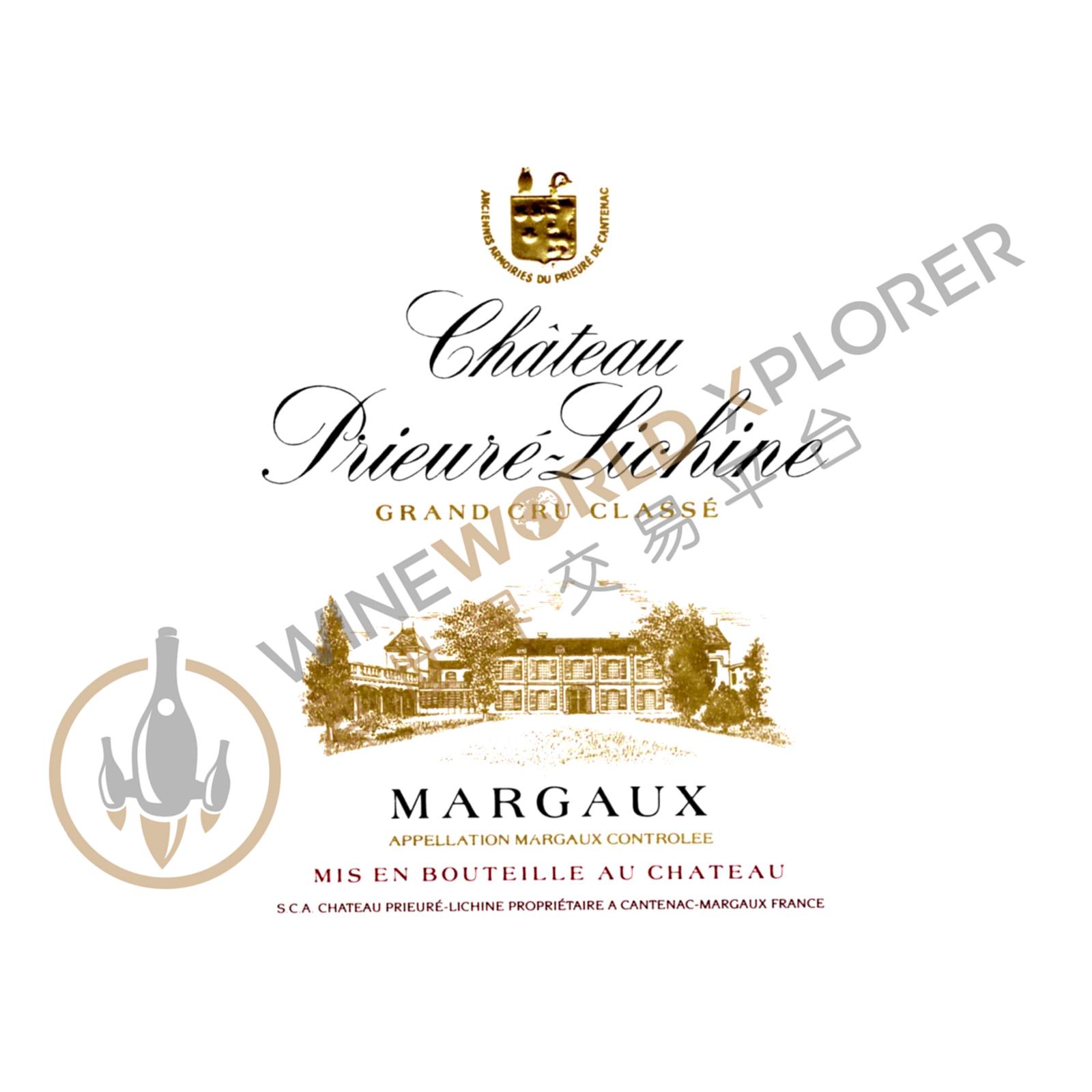
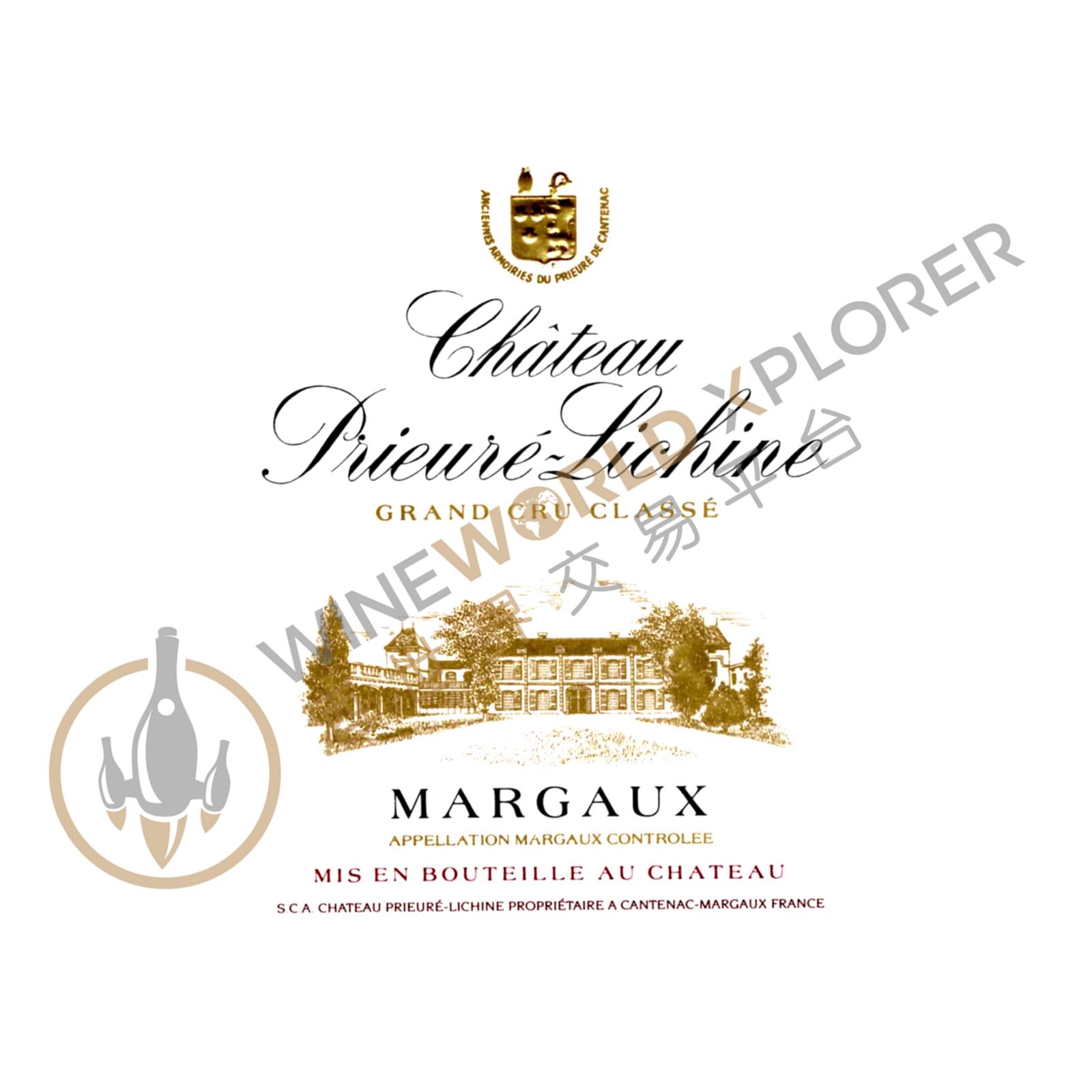
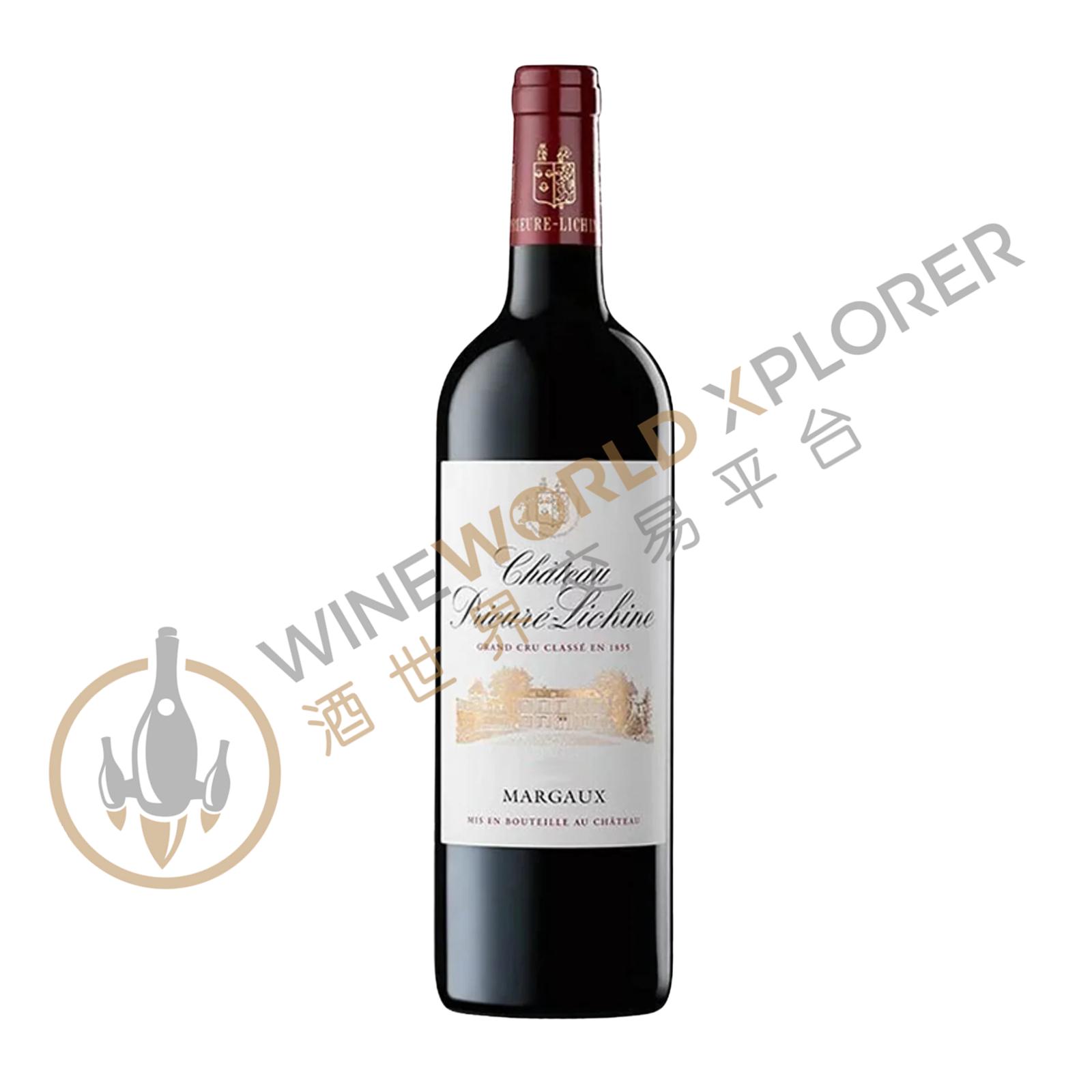
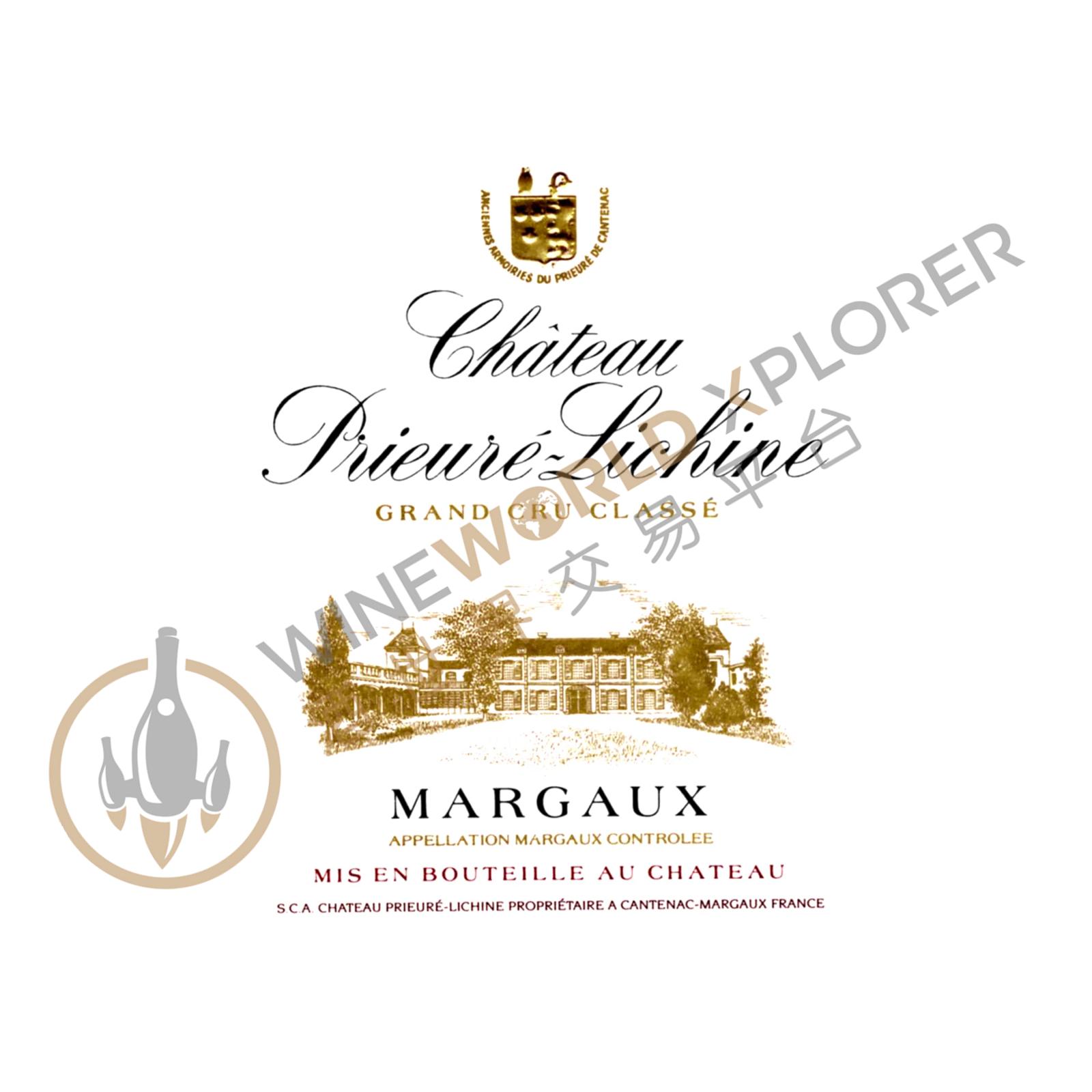
Prieure Lichine 2017
 View analysis


Description
Tasting notes

Reviewed by: Lisa Perrotti-Brown
Medium to deep garnet-purple color, the 2017 Prieure-Lichine is composed of 63% Cabernet Sauvignon, 32% Merlot and 5% Petit Verdot, aged for 18 months in French oak barrels, 50% new. It rocks up with expressive blackcurrant cordial, stewed plums and boysenberries scents plus suggestions of unsmoked cigars, cedar chest and cardamom. Medium-bodied, the palate has a solid frame of chewy tannins and bold freshness supporting the muscular black fruits, finishing on a stewed tea note.
Reviewed by: Lisa Perrotti-Brown
Deep garnet-purple colored, the 2017 Prieure-Lichine is scented of crushed blackberries, black cherries and roses with touches of cloves, cinnamon and dusty earth. The palate is medium-bodied with plenty of flesh, textured by plush tannins and just enough freshness, finishing long.
Reviewed by: Antonio Galloni
The 2017 Prieuré-Lichine is powerful and dense, with quite a bit more structure and tannic heft than it showed en primeur. That is not necessarily a bad thing, but there is no question the 2017 has developed into a pretty potent Margaux. The signature red fruit and floral notes are there, but readers will have to be patient waiting for them to fully emerge. En primeur, Prieuré-Lichine was charming, but from bottle it is far less forthcoming. This deep, robust Margaux appears to have a bright future in the cellar. Tasted two times.
Reviewed by: Antonio Galloni
The 2017 Prieuré-Lichine is another in a series of utterly gorgeous wines that have emerged from this château in recent years. The construction of a new cellar a few years ago seems to have made a huge difference in the precision of the wine. Soft, supple and gracious, with gentle contours and silky tannins, the 2017 is pure class. Succulent red berry, plum, rose petal and mint infuse this gracious Margaux. The blend is 63% Cabernet Sauvignon, 32% Merlot and 5% Petit Verdot. The increase in Cabernet Sauvignon is a reflection of a desire to gradually build the wine on a core of Cabernet rather than a response solely to the conditions of the year. Stéphane Derenoncourt and his team continue to do a brilliant work at Prieuré-Lichine. Tasted two times.
Reviewed by: Neal Martin
The 2017 Prieuré-Lichine was corked when I tasted it. I will revisit it at a later date.
Reviewed by: Neal Martin
The 2017 Prieuré-Lichine has a light, slightly earthy bouquet that is endowed with less fruit than some of its peers. There is just a touch of greenness here, though not to a degree that bothers me. The palate is medium-bodied with fine definition, a crisp line of acidity and a pretty, quite harmonious finish. It actually finishes with more panache than I expected though it does require more length.
Reviewed by: Neal Martin
The 2017 Prieuré-Lichine was corked when I tasted it. I will revisit it at a later date.
About the Producer
Château Prieuré-Lichine is an estate in the Margaux appellation of Bordeaux, ranked as a Fourth Growth in the official Bordeaux Classification of 1855. It is regarded as one of Margaux's most consistent producers and is known for its elegance and suppleness, derived in part from the relatively high proportion of Merlot in the blend. The estate is located in Cantenac (on an official, administrative, level Cantenac is now combined with Margaux), near to the châteaux of Kirwan and Boyd-Cantenac. There are 70 hectares (173 acres) of vineyards in numerous parcels within the Margaux appellation, of which around 40 hectares (100 acres) contribute to the grand vin. Vineyard plantings are 50 percent Cabernet Sauvignon, 45 percent Merlot, and 5 percent Petit Verdot. The second wine, launched in 1972 as Château de Clairefont, is now sold as Confidences de Prieuré-Lichine and is made from younger vines. Le Clocher du Prieuré is a Merlot-based Haut-Médoc from vineyards adjacent to those supplying the grand vin. The portfolio is completed by Le Blanc du Château Prieuré-Lichine, a Sauvignon Blanc – Semillon blend from a 1.5 hectare (3.7 acre) plot in Arsac, to the south of Margaux. Red wines are fermented in a mix of stainless steel and concrete vats of differing sizes, with long, gentle extraction. Malolactic fermentation takes place in barrel, and the wine is then aged for 16 months in barriques, 60 percent of which are new. The second wine sees 14 months in second- and third-fill barrels. The estate was founded as the Prieuré (Priory) de Cantenac in the 10th Century, and for many years was a stopping point for pilgrims on the pilgrimage to Santiago de Compostela. While vines were certainly planted from the 12th Century, the conversion of the property to a full-scale wine estate took place in the 1700s. Its current name refers to noted winemaker Alexis Lichine, who owned the estate from 1951 until his death in 1989. The estate was acquired by the Ballande group (which includes the Ballande & Méneret négociant firm) in 1999.
1959(1)1979(1)1984(1)1986(1)1991(1)1995(1)1997(1)2000(2)2003(3)2004(1)2005(3)2006(1)2007(1)2009(8)2010(1)2015(3)2016(1)
Package Size
12 x 75cl