Wine Advisor



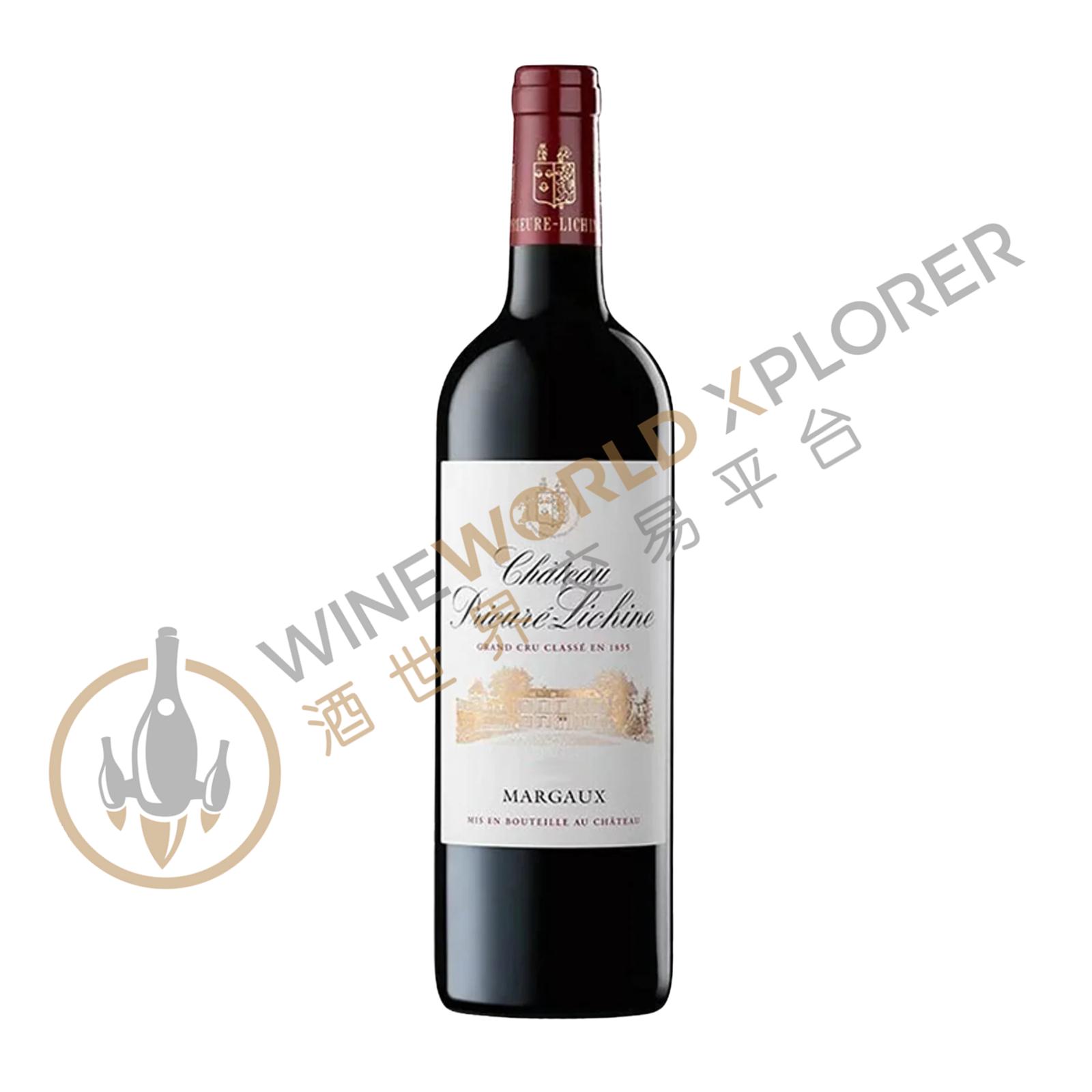
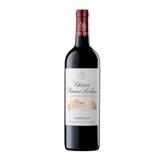
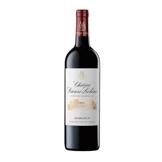
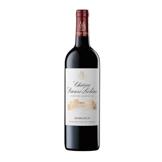
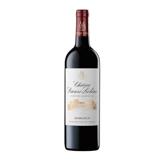
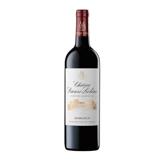
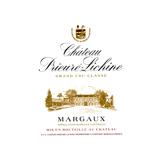
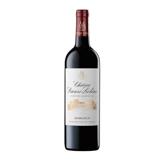
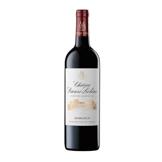
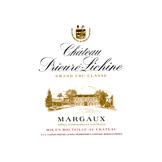
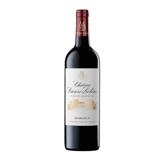
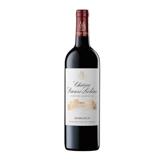
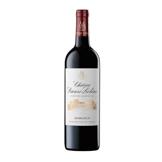
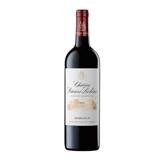
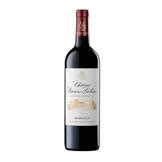
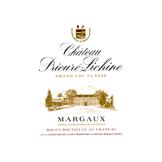
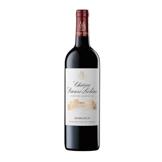
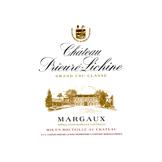
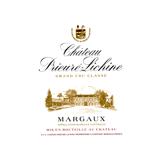
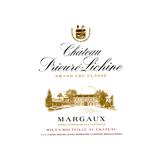
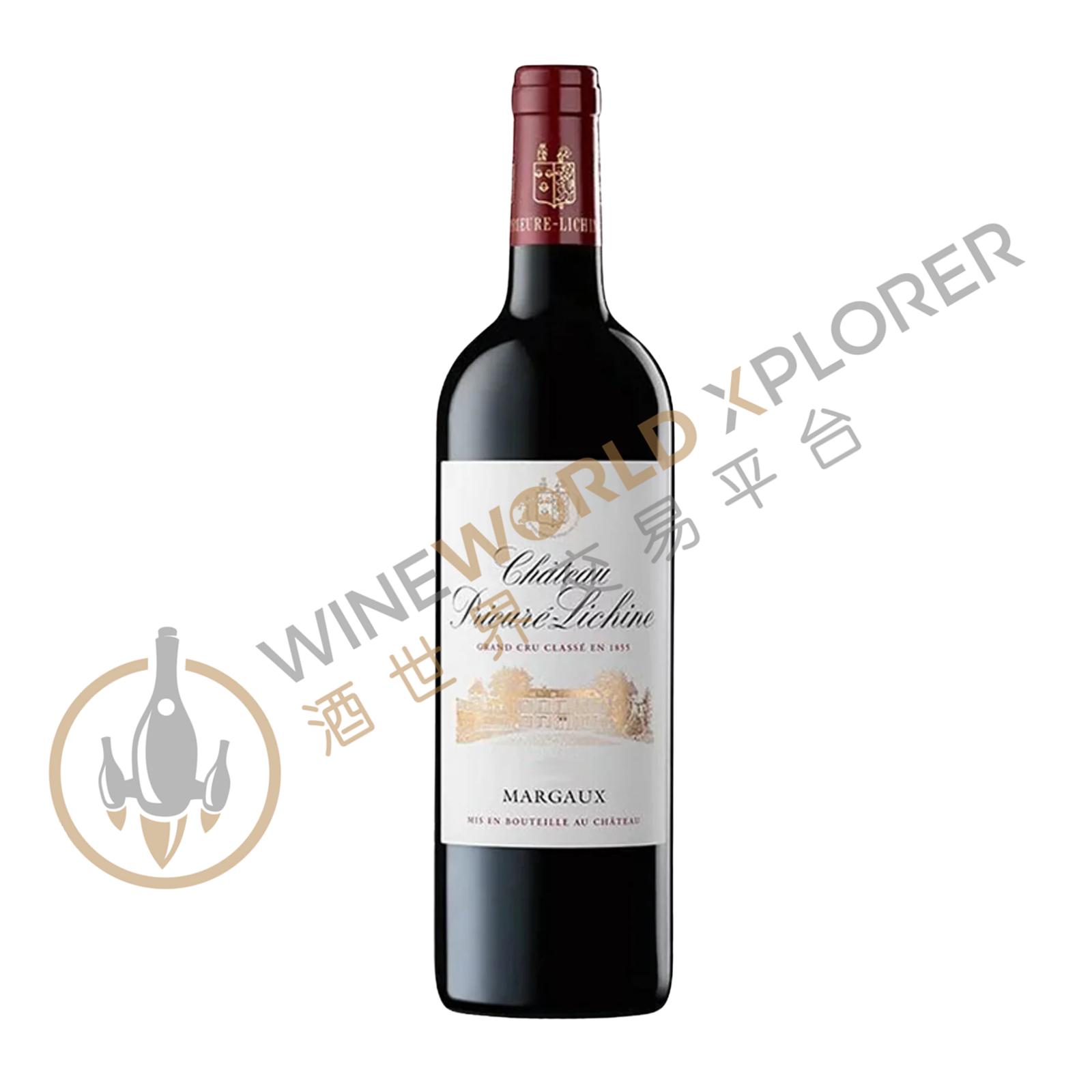
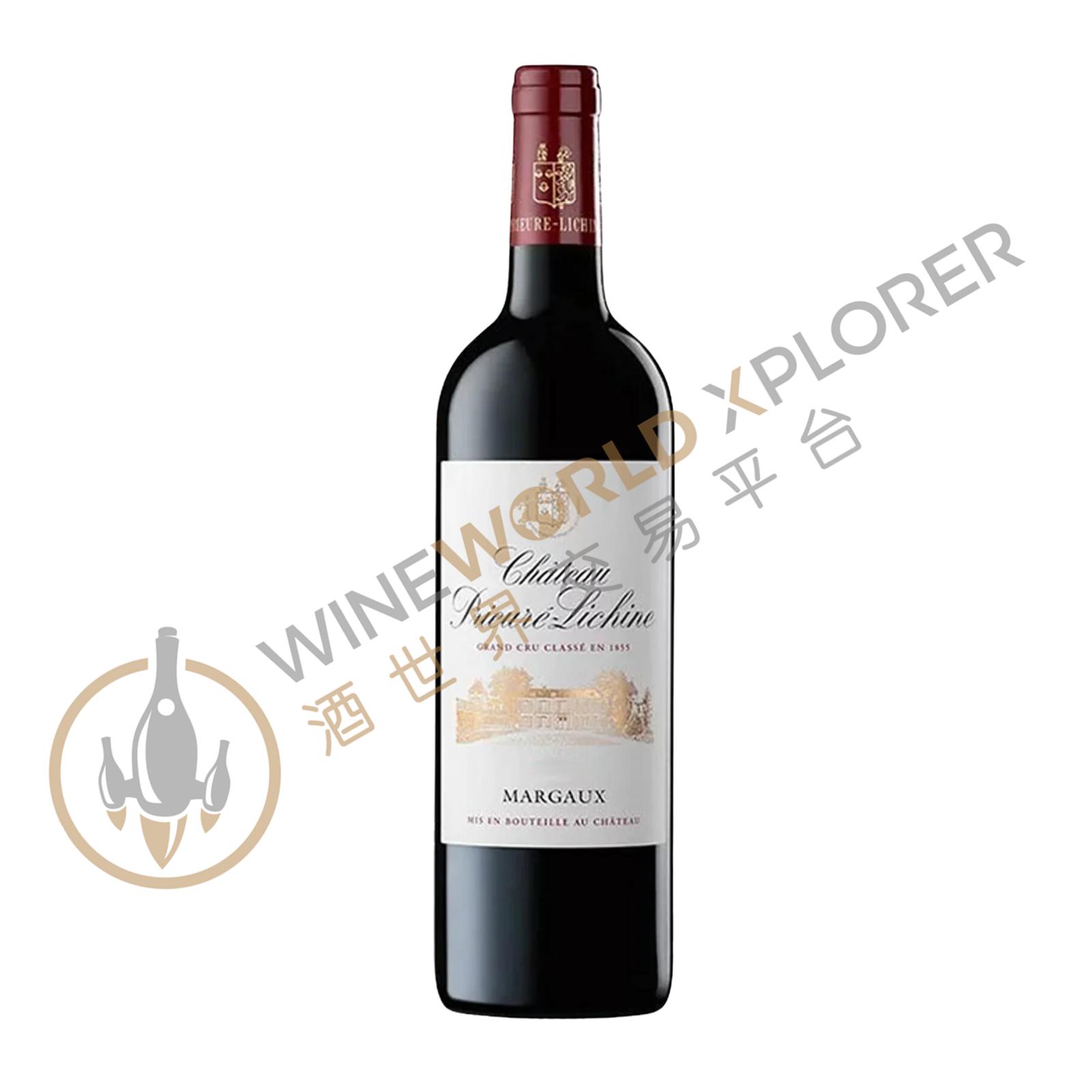
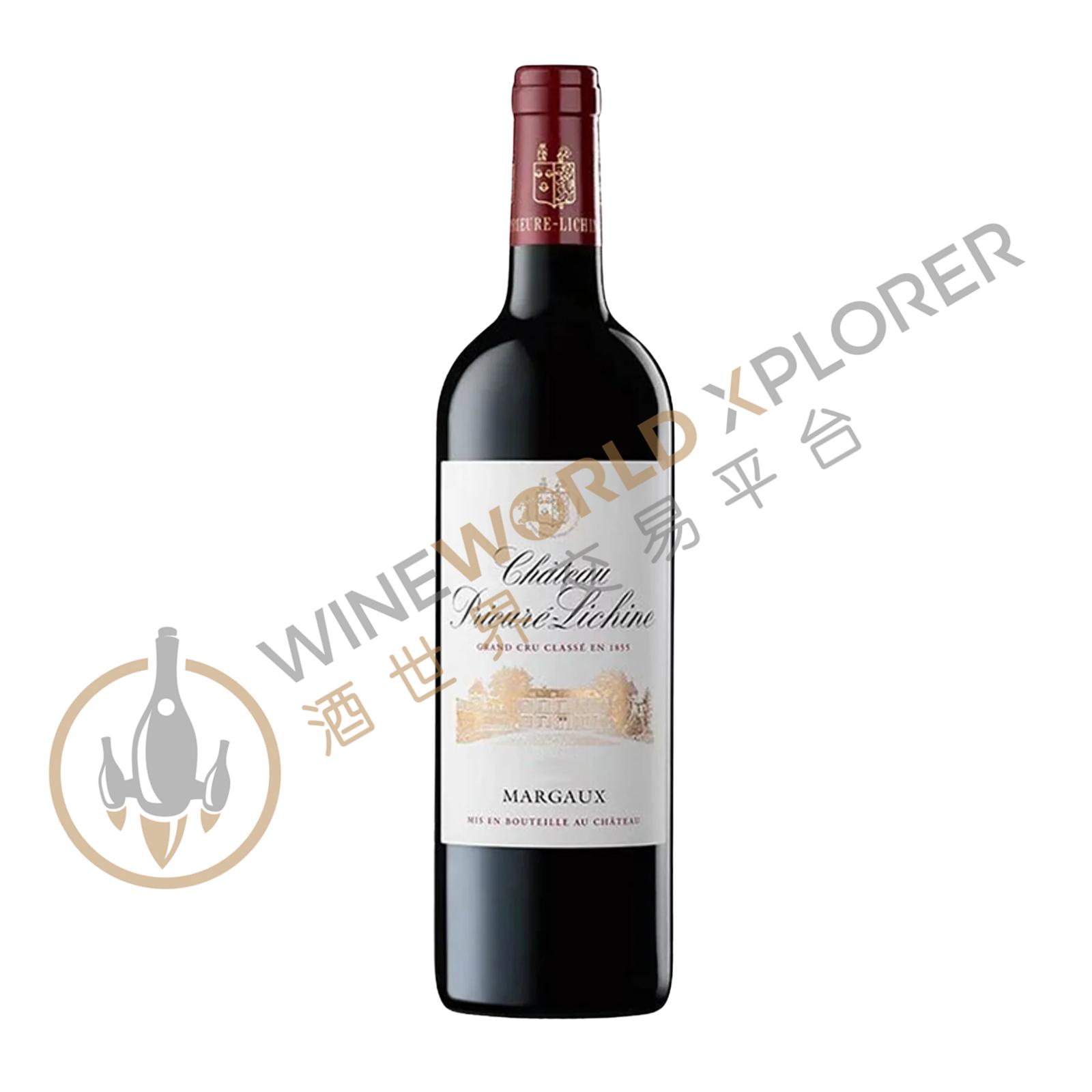
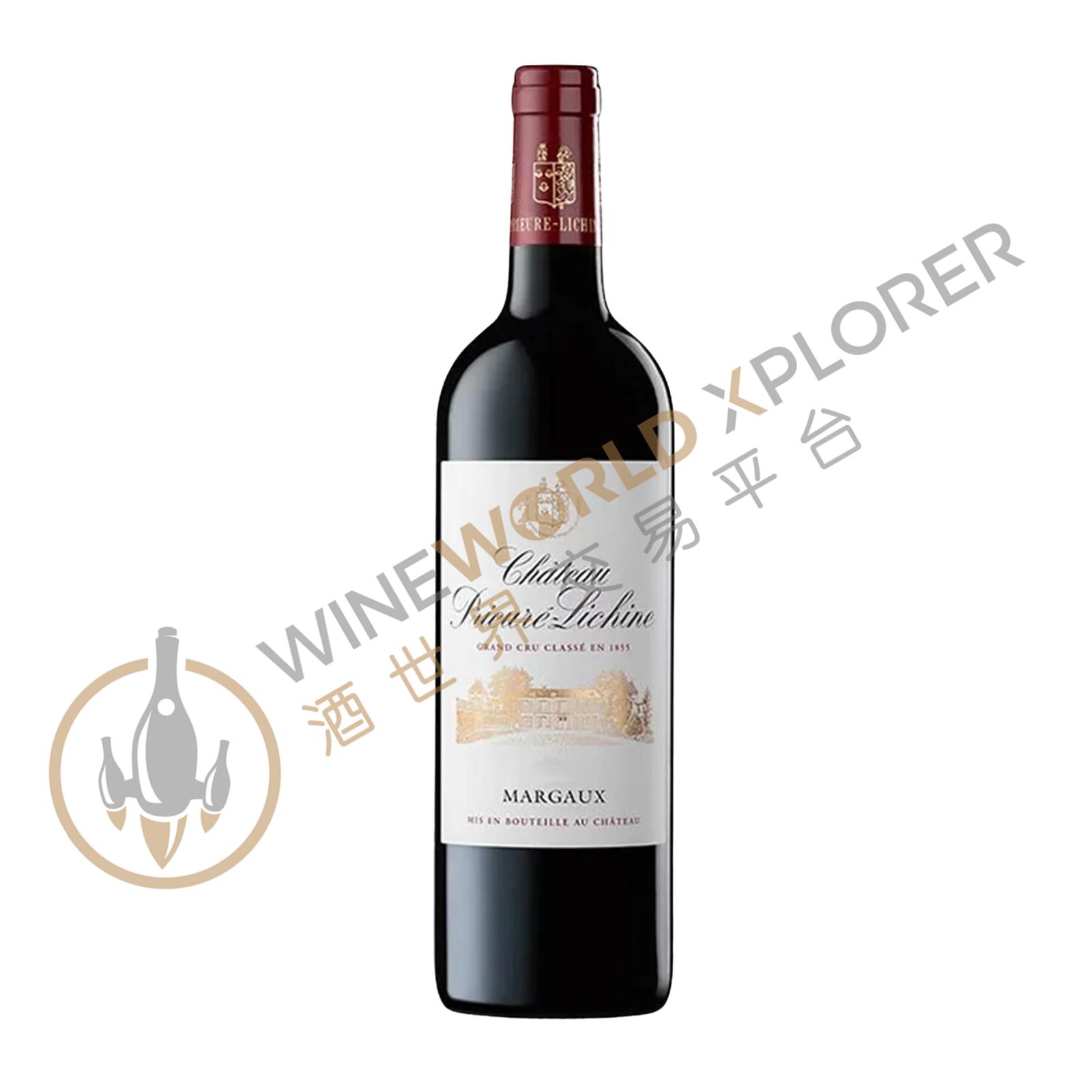
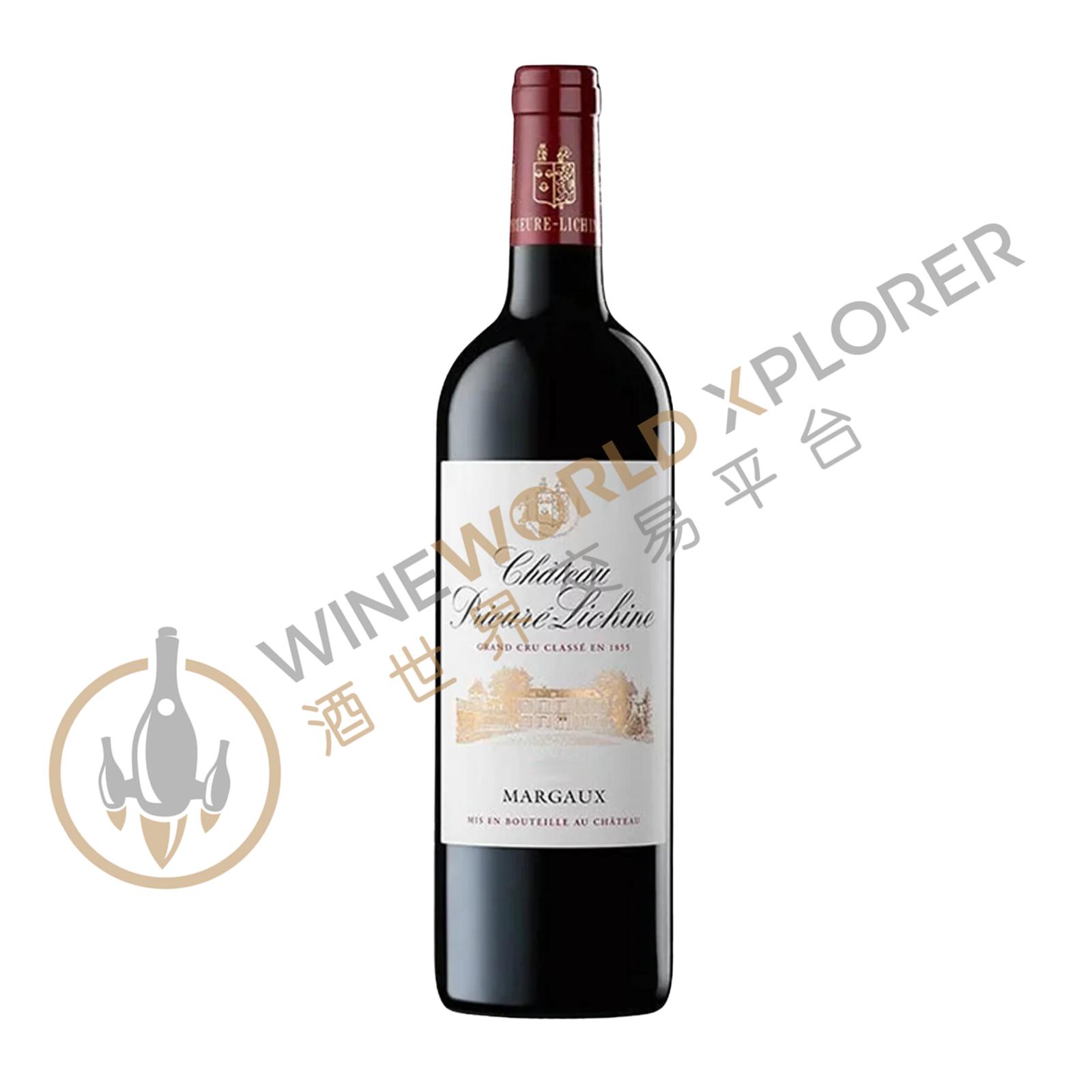
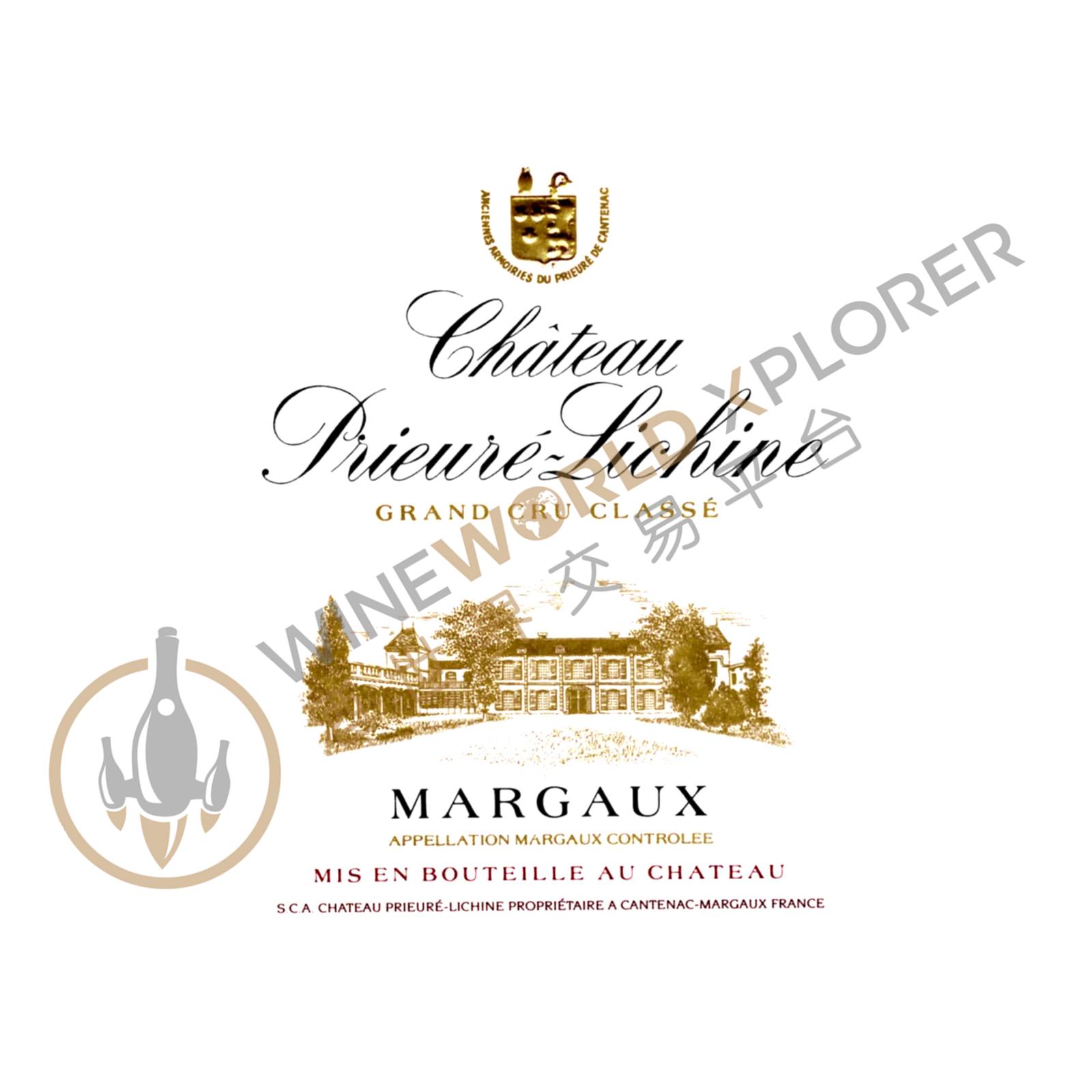
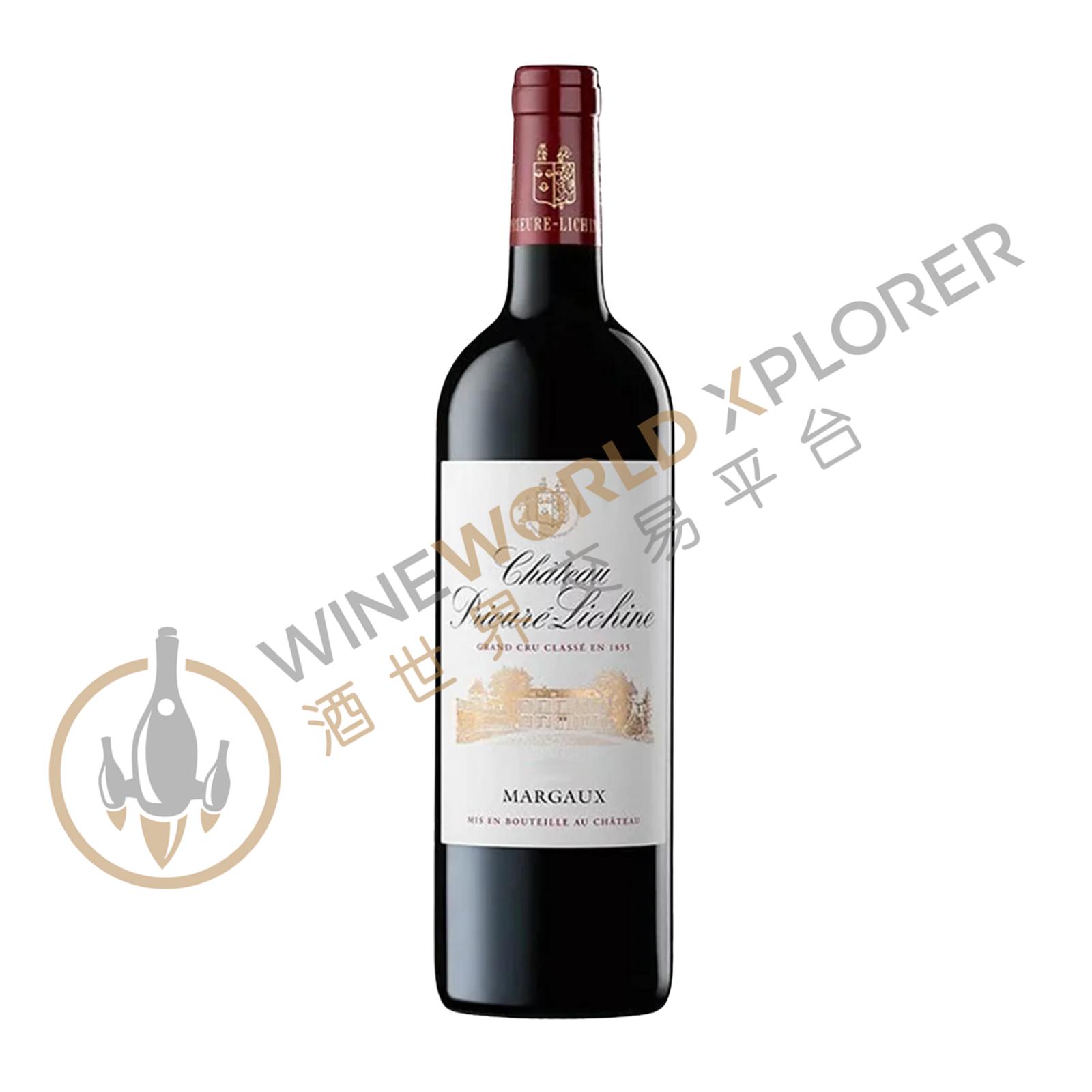
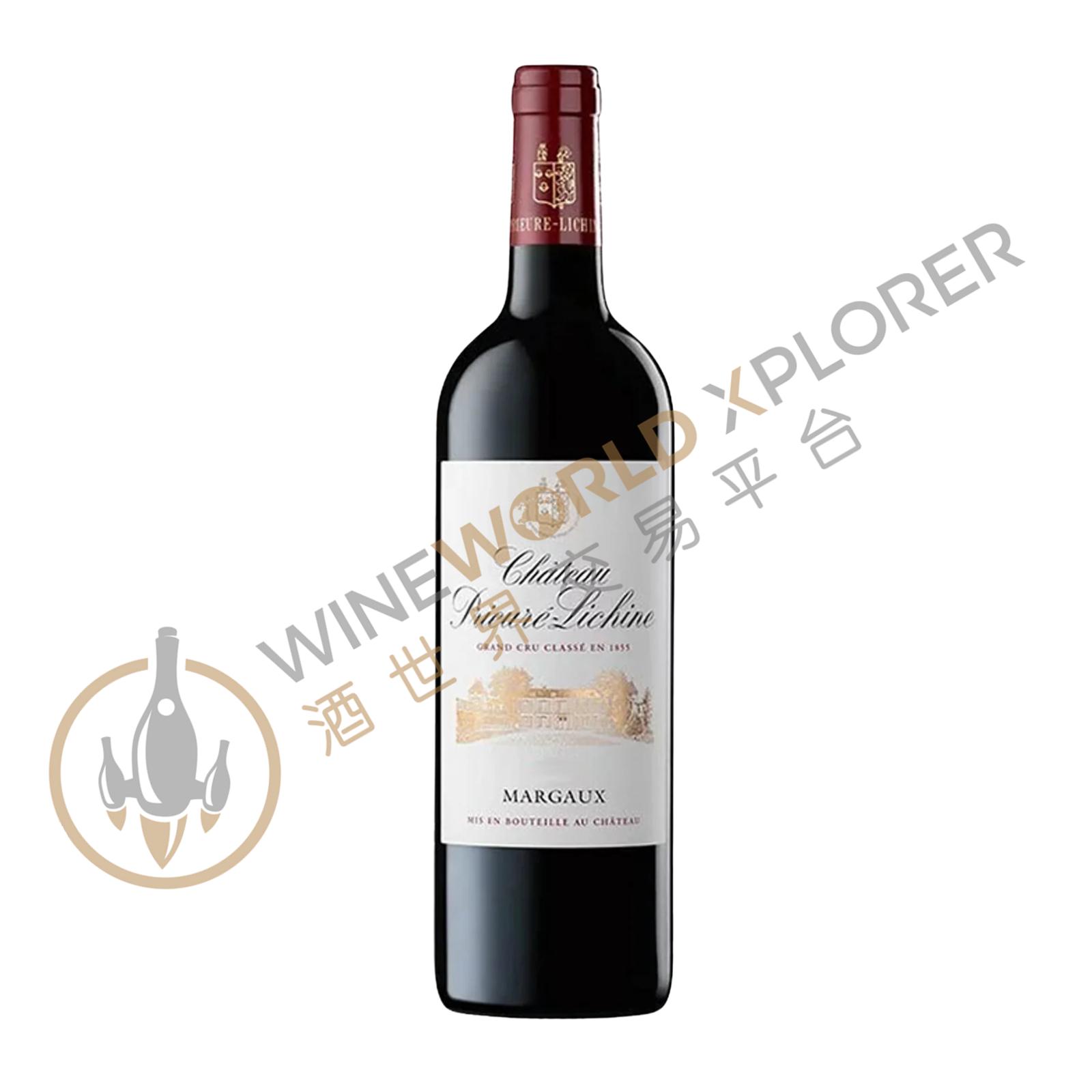
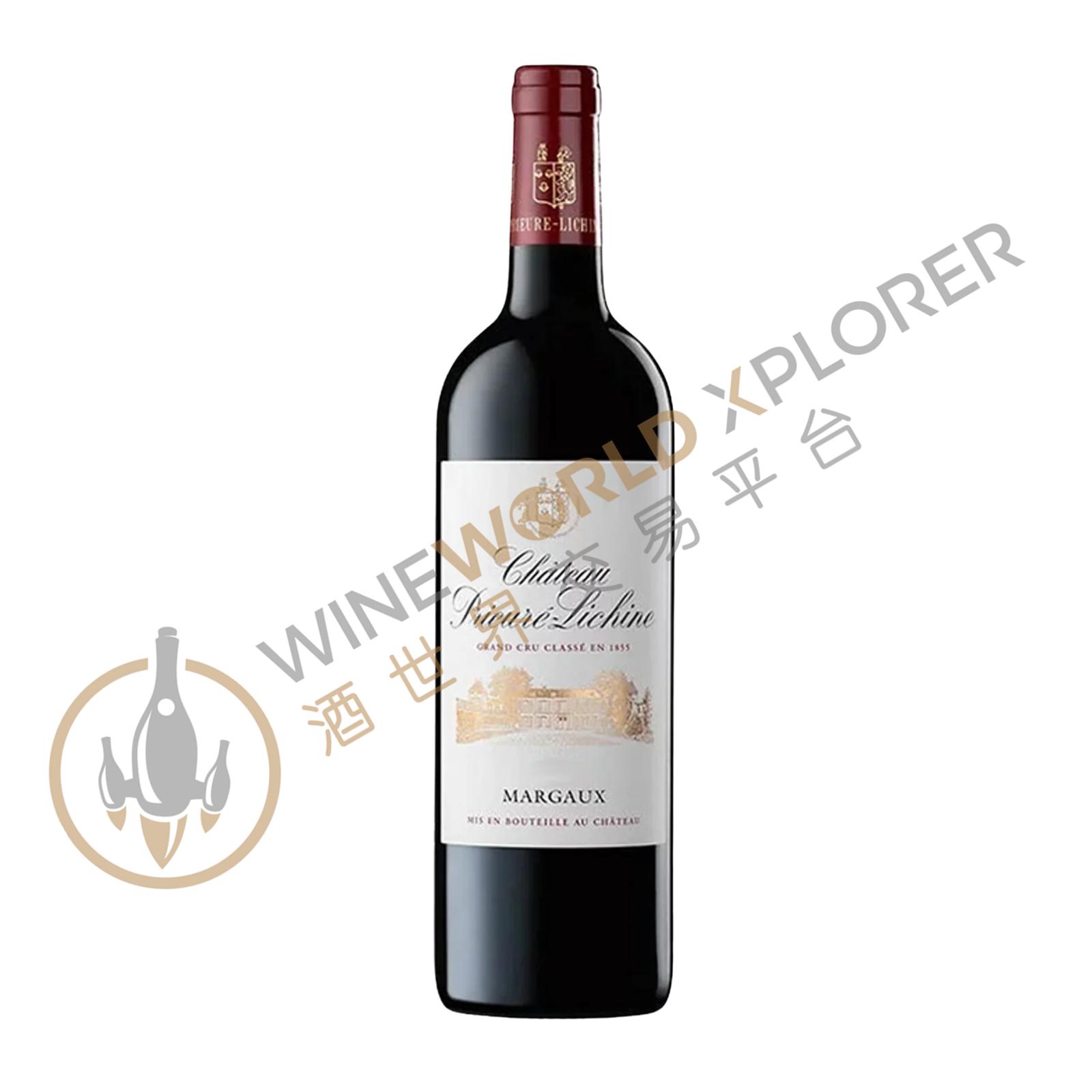
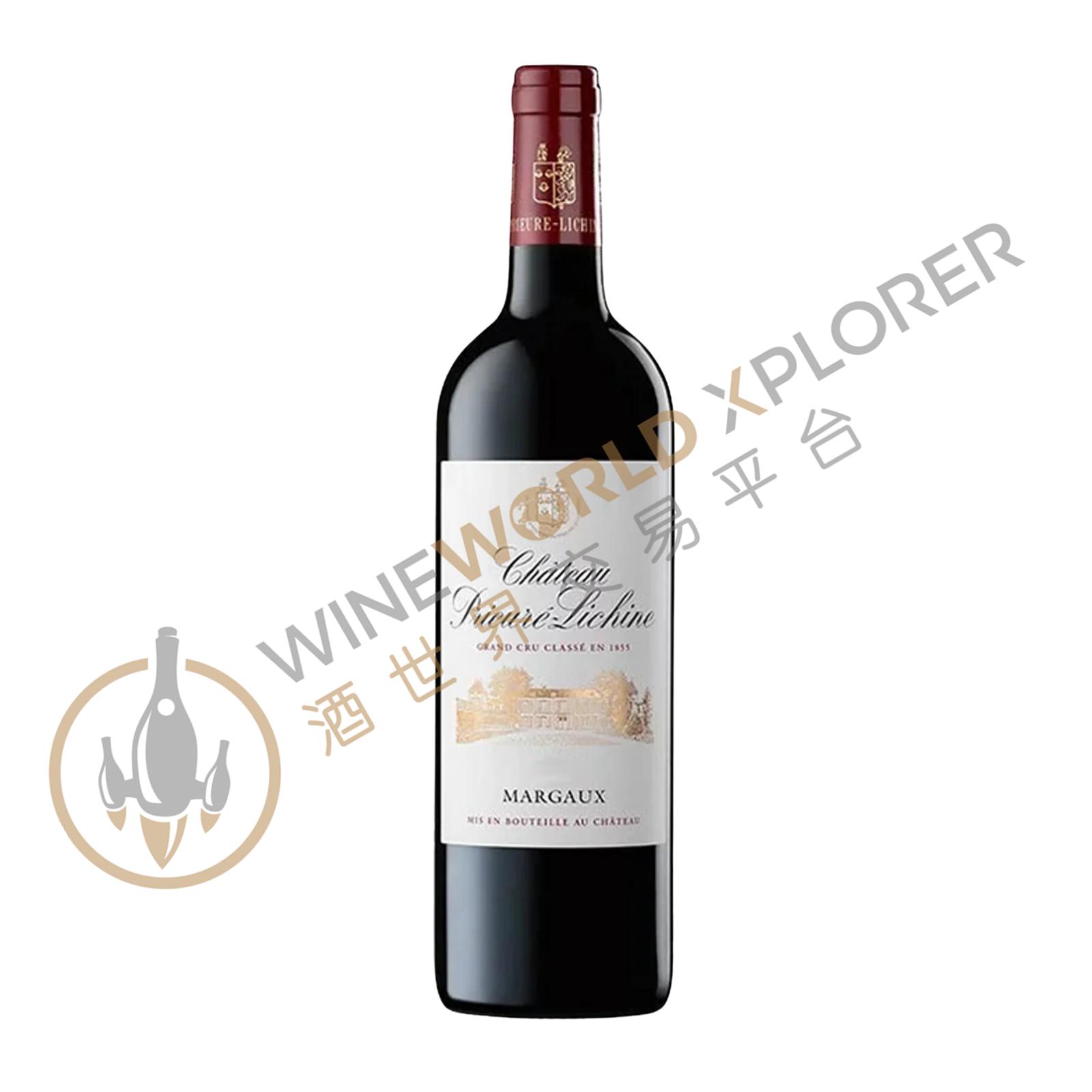
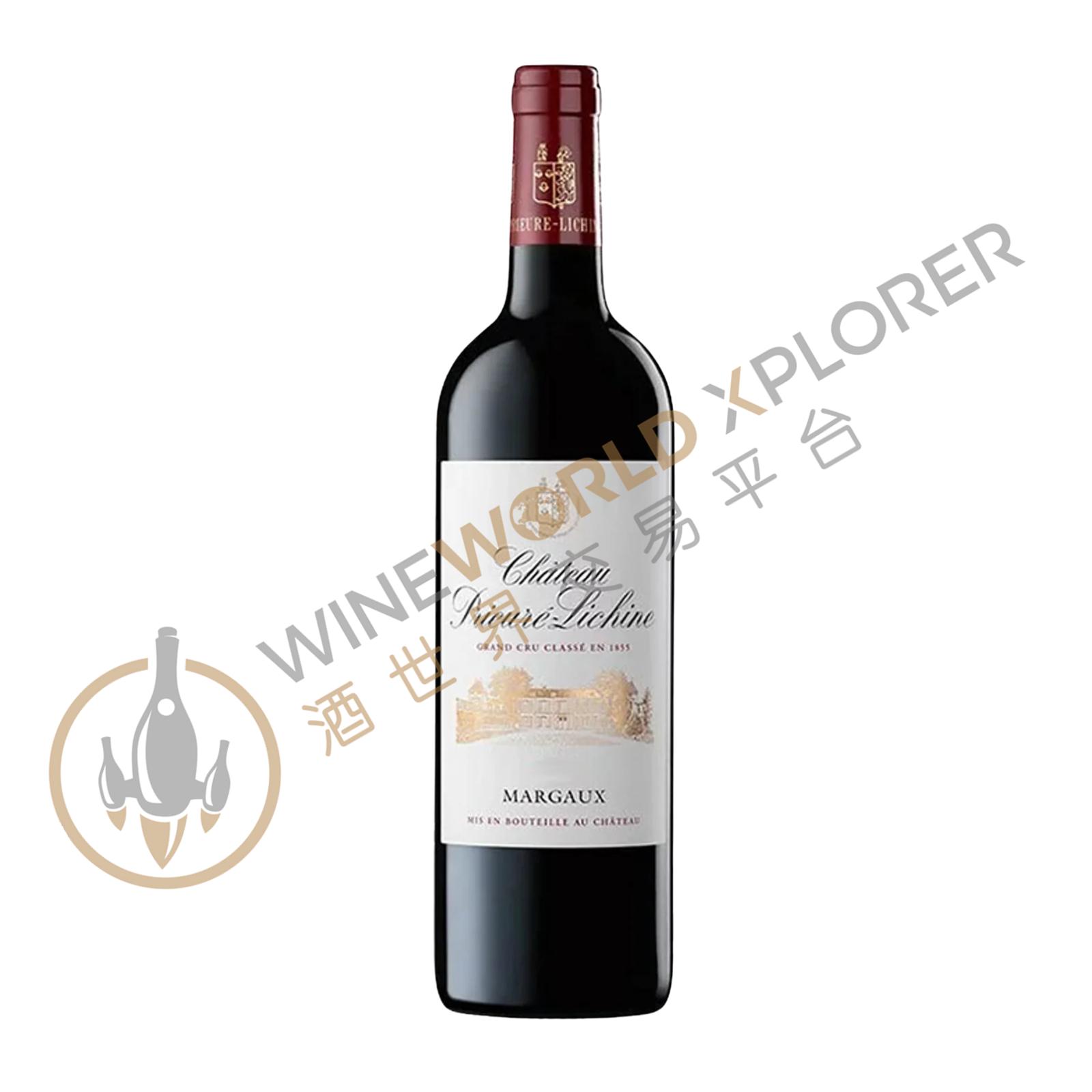
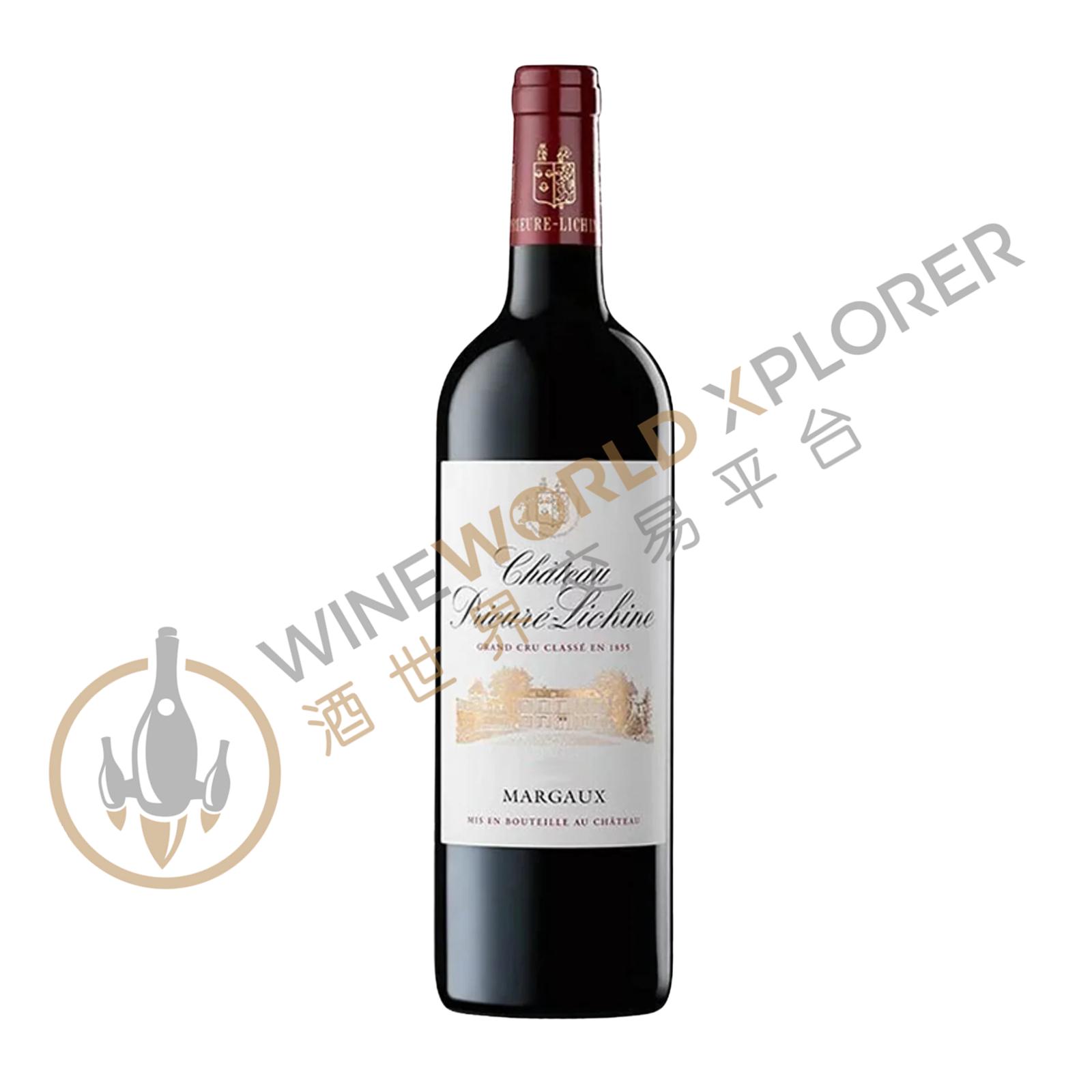
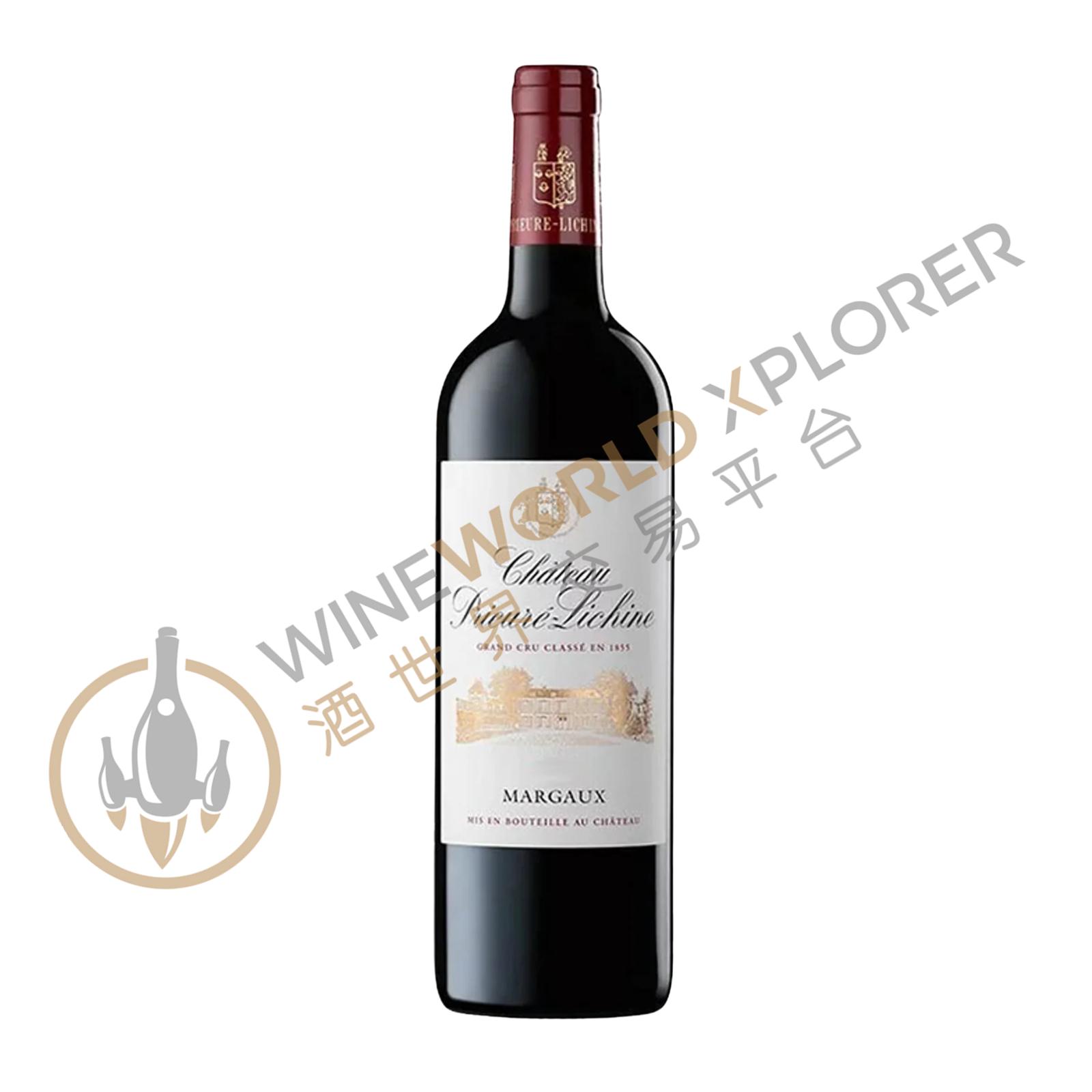
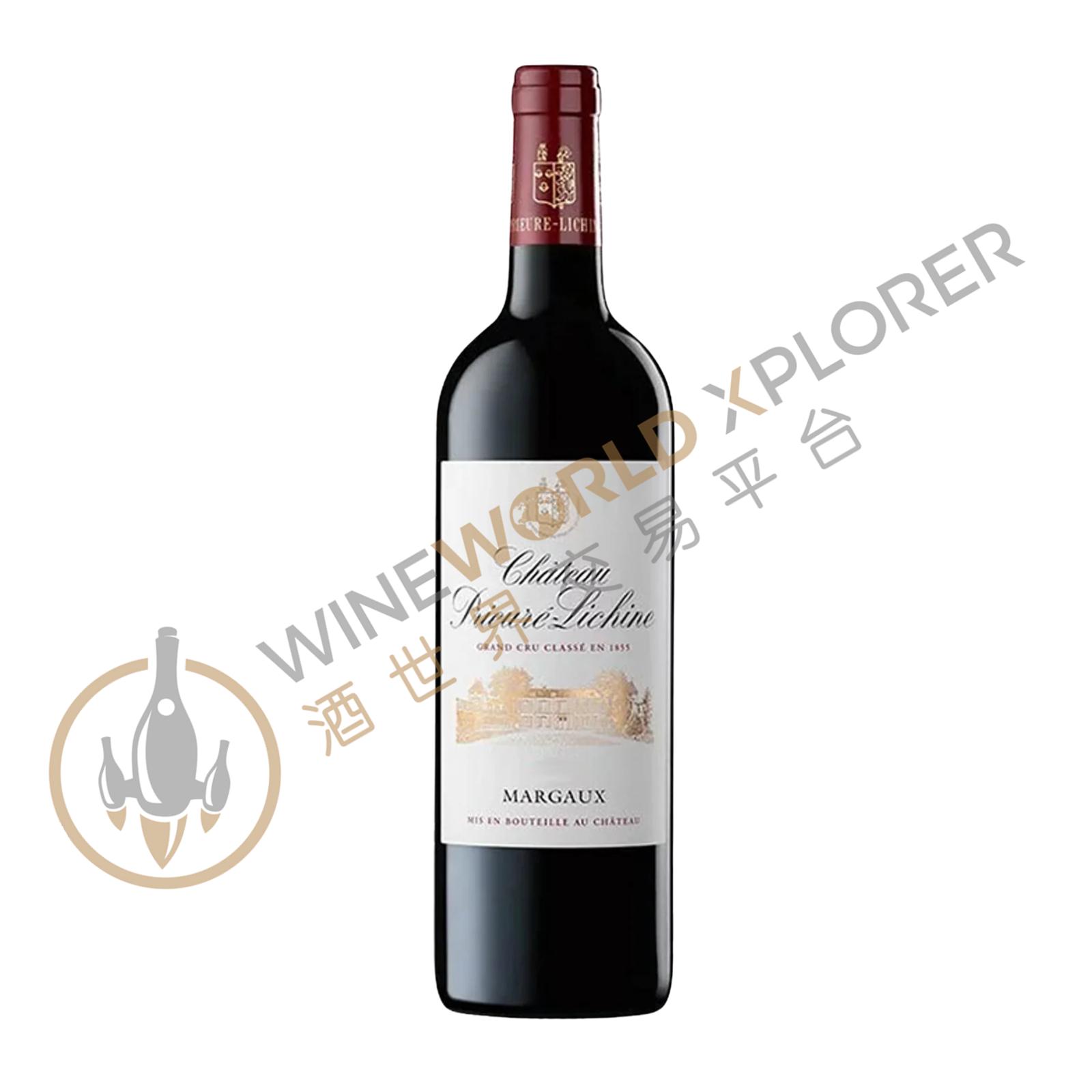
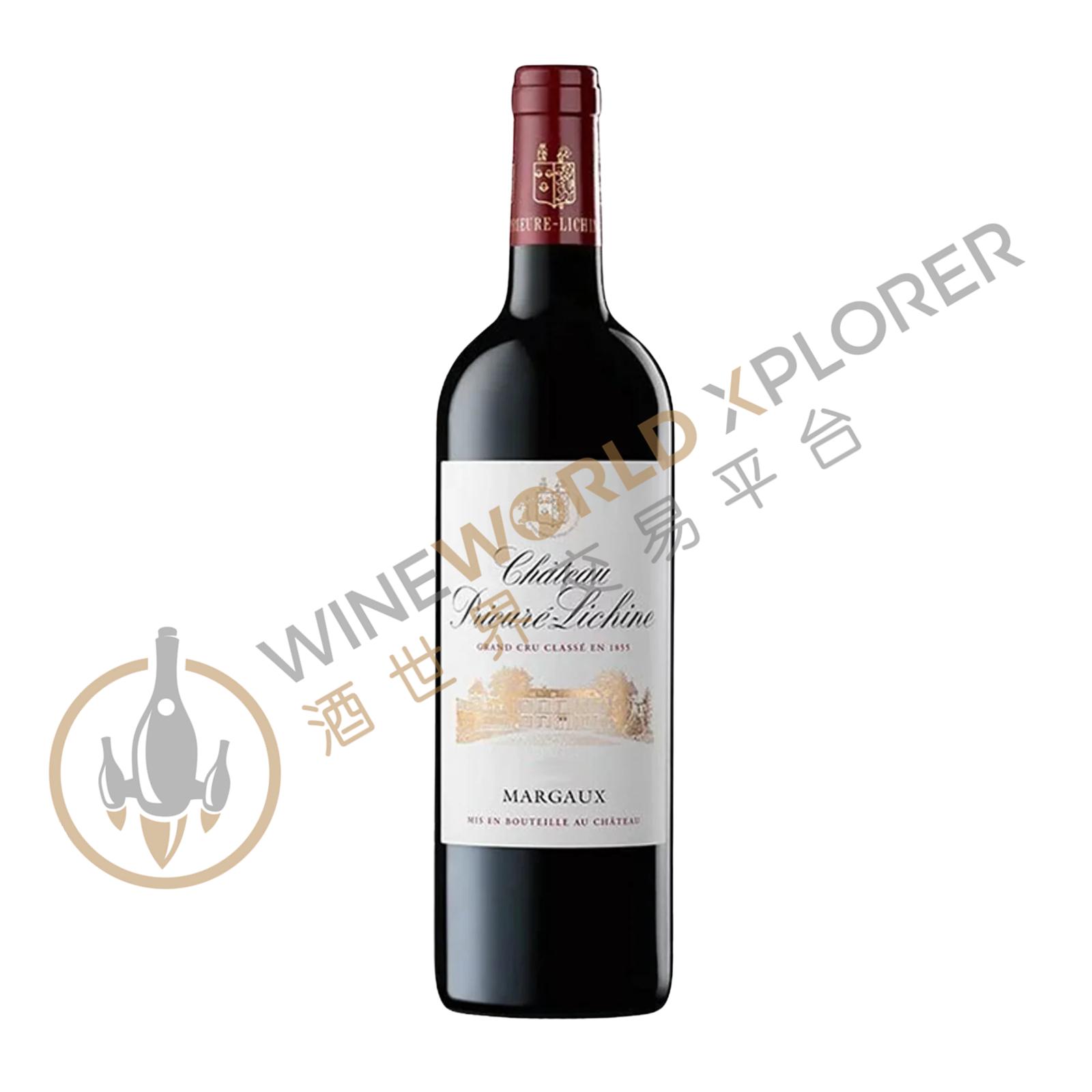
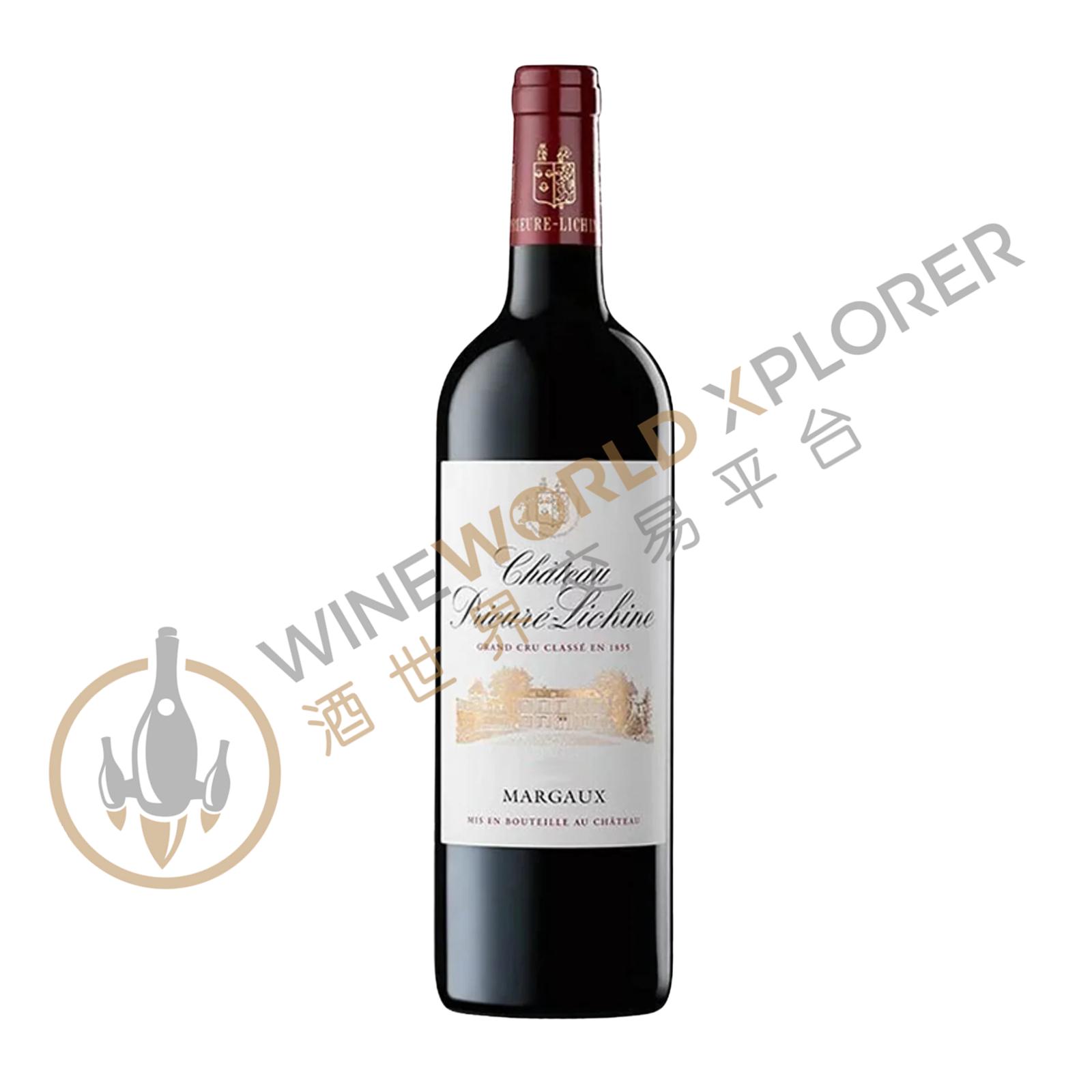
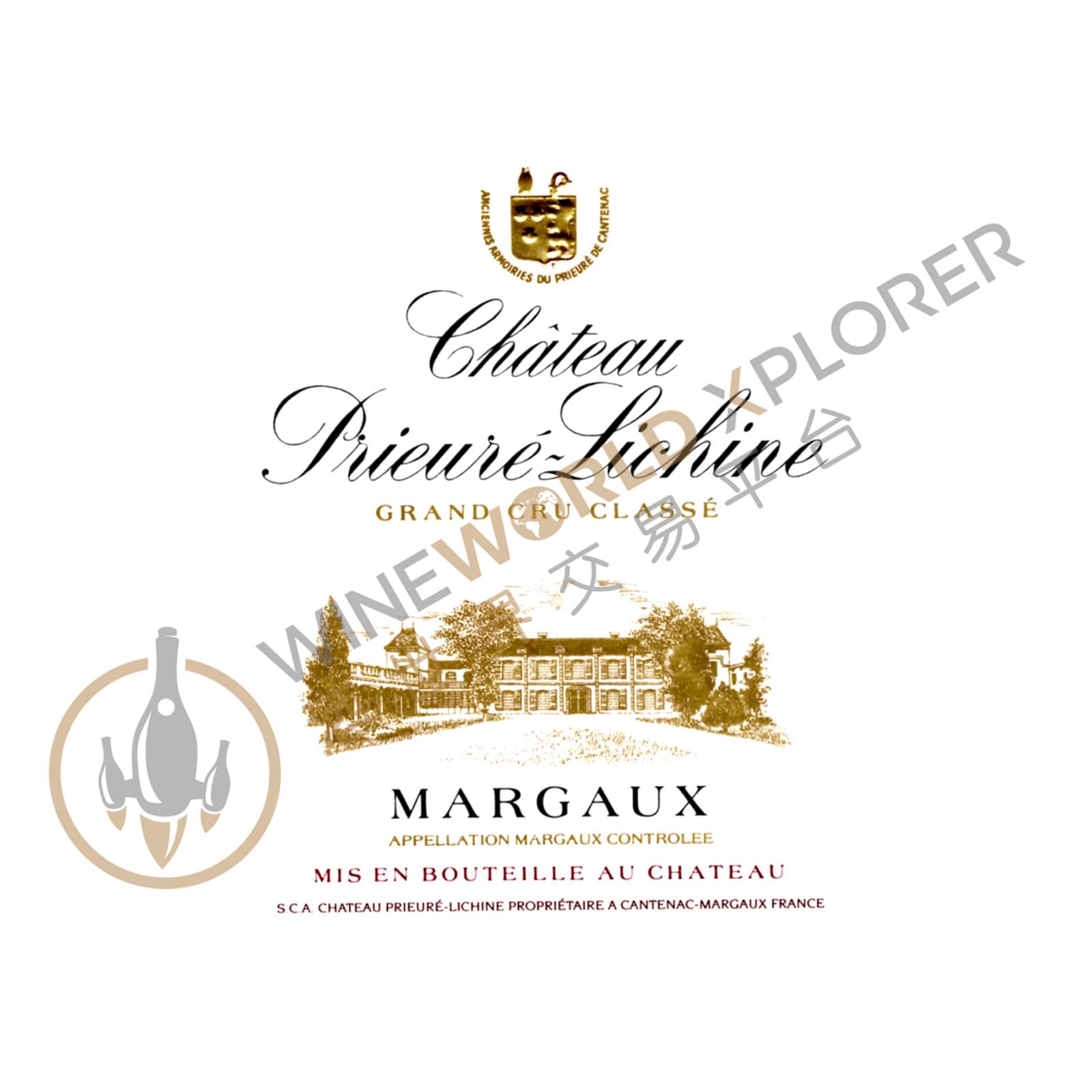
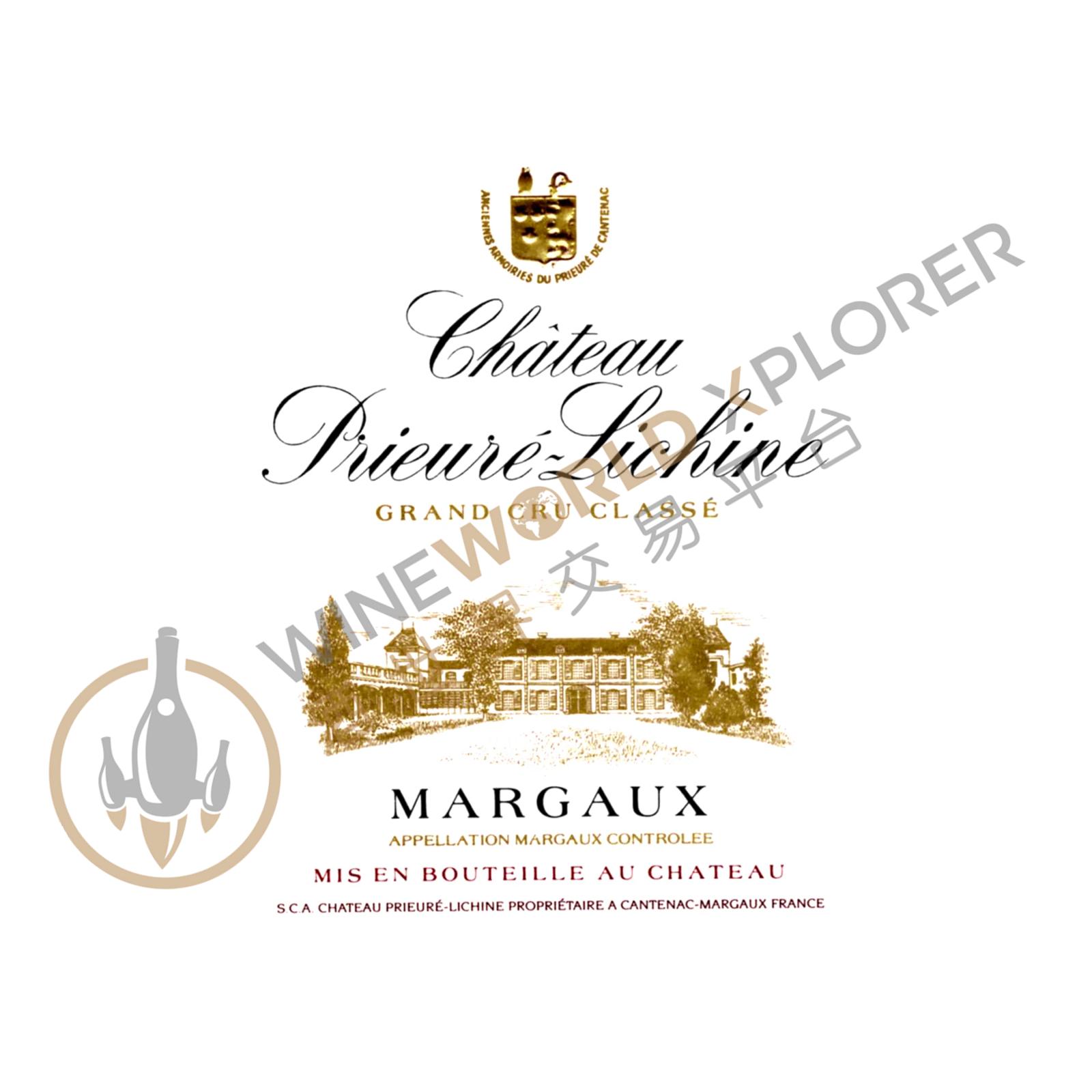
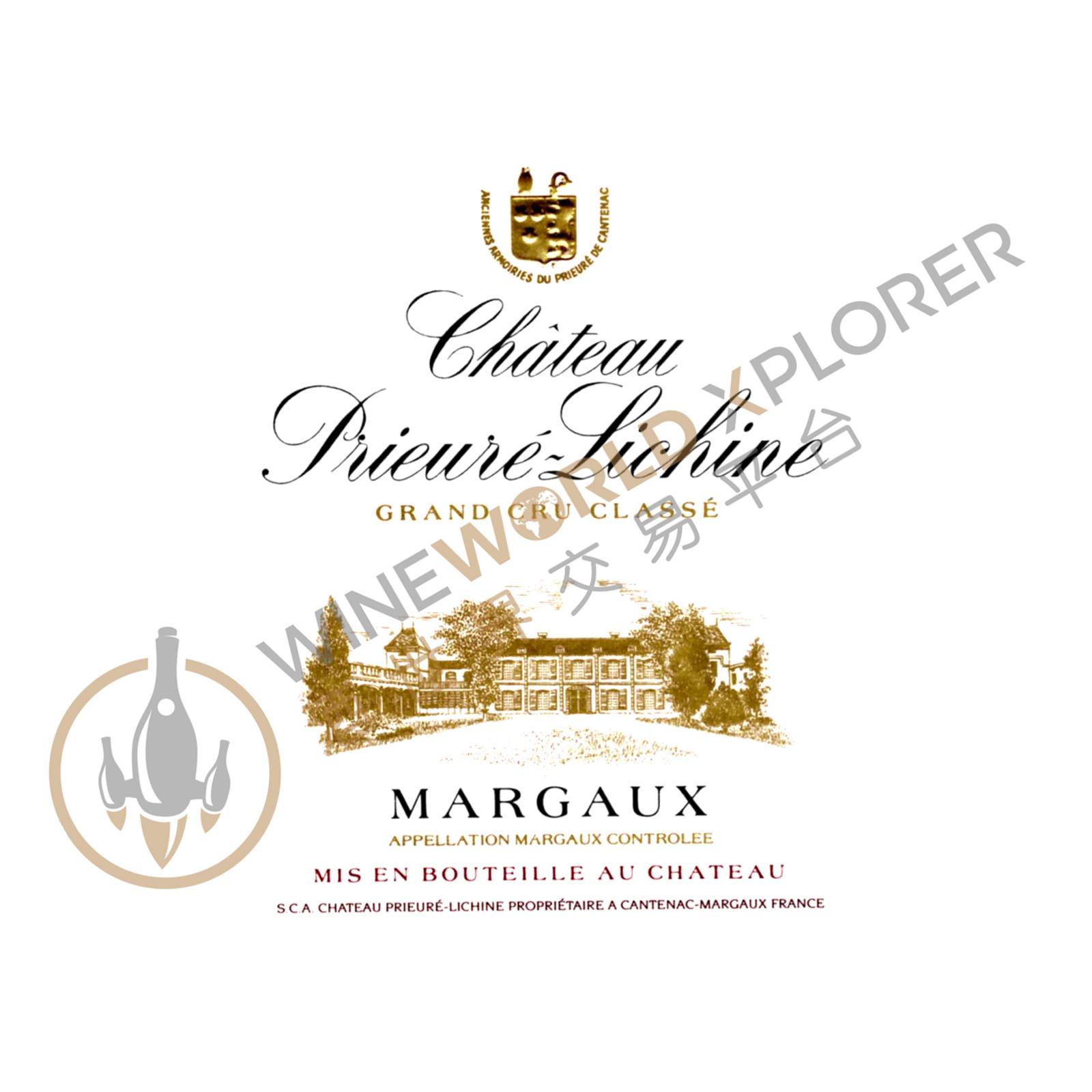
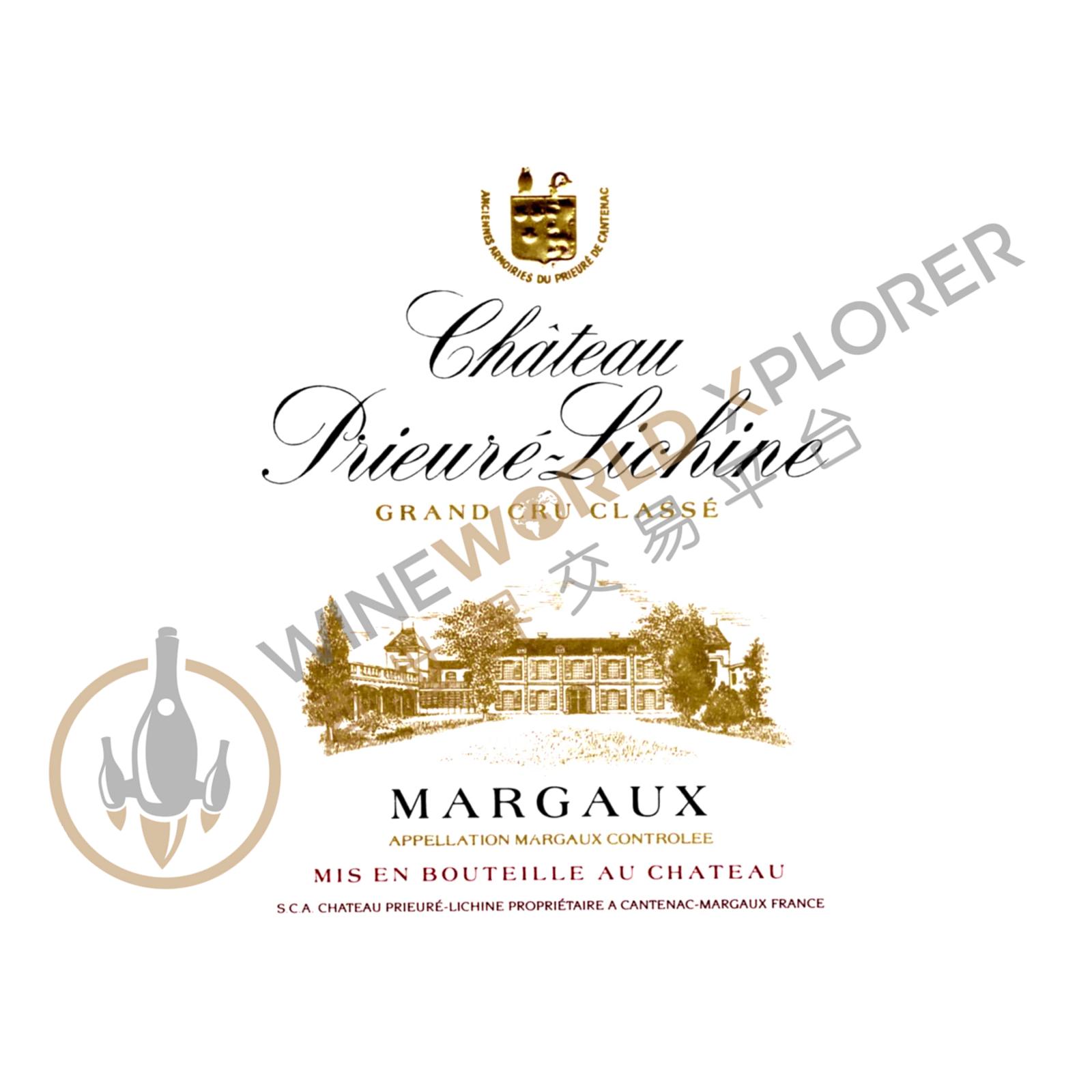
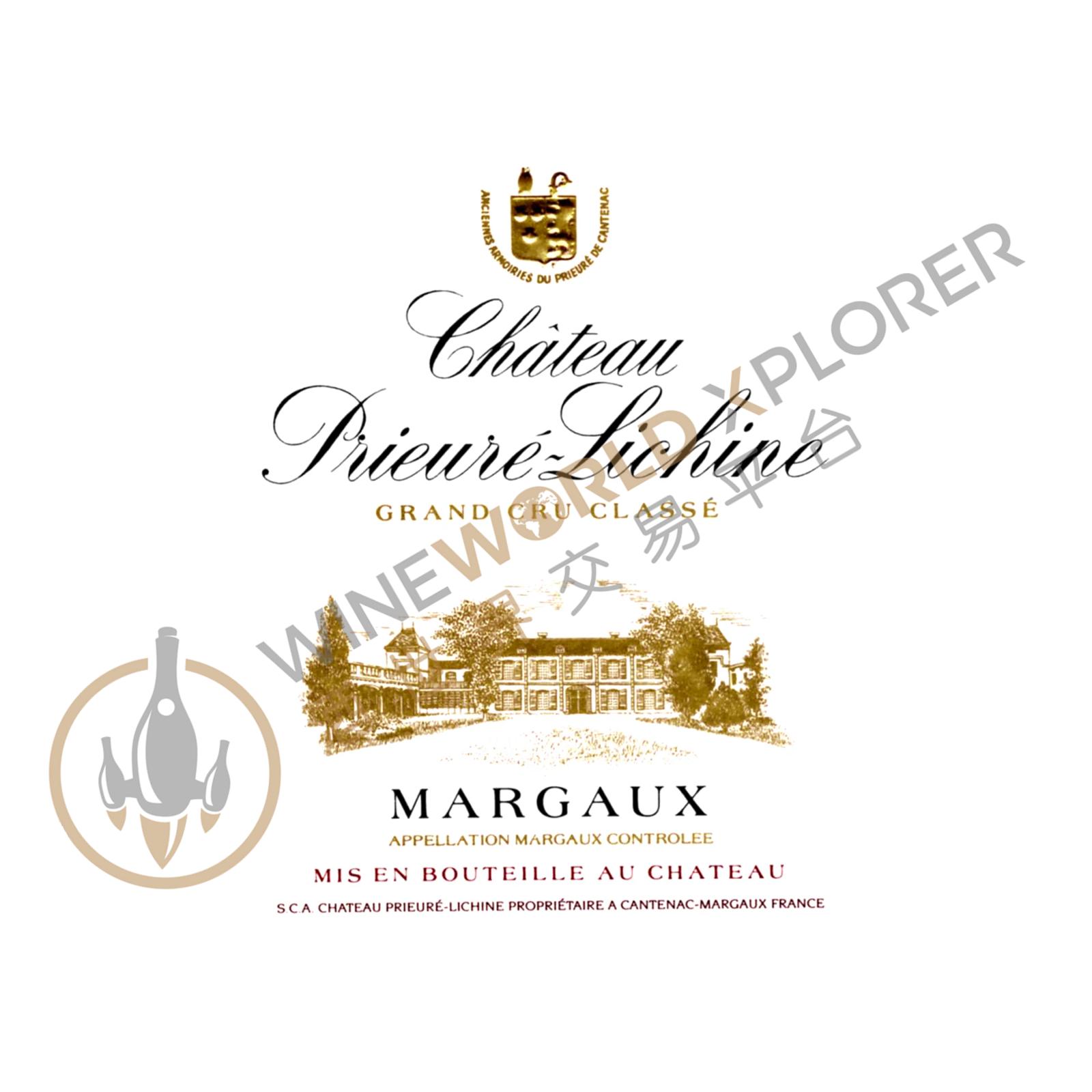
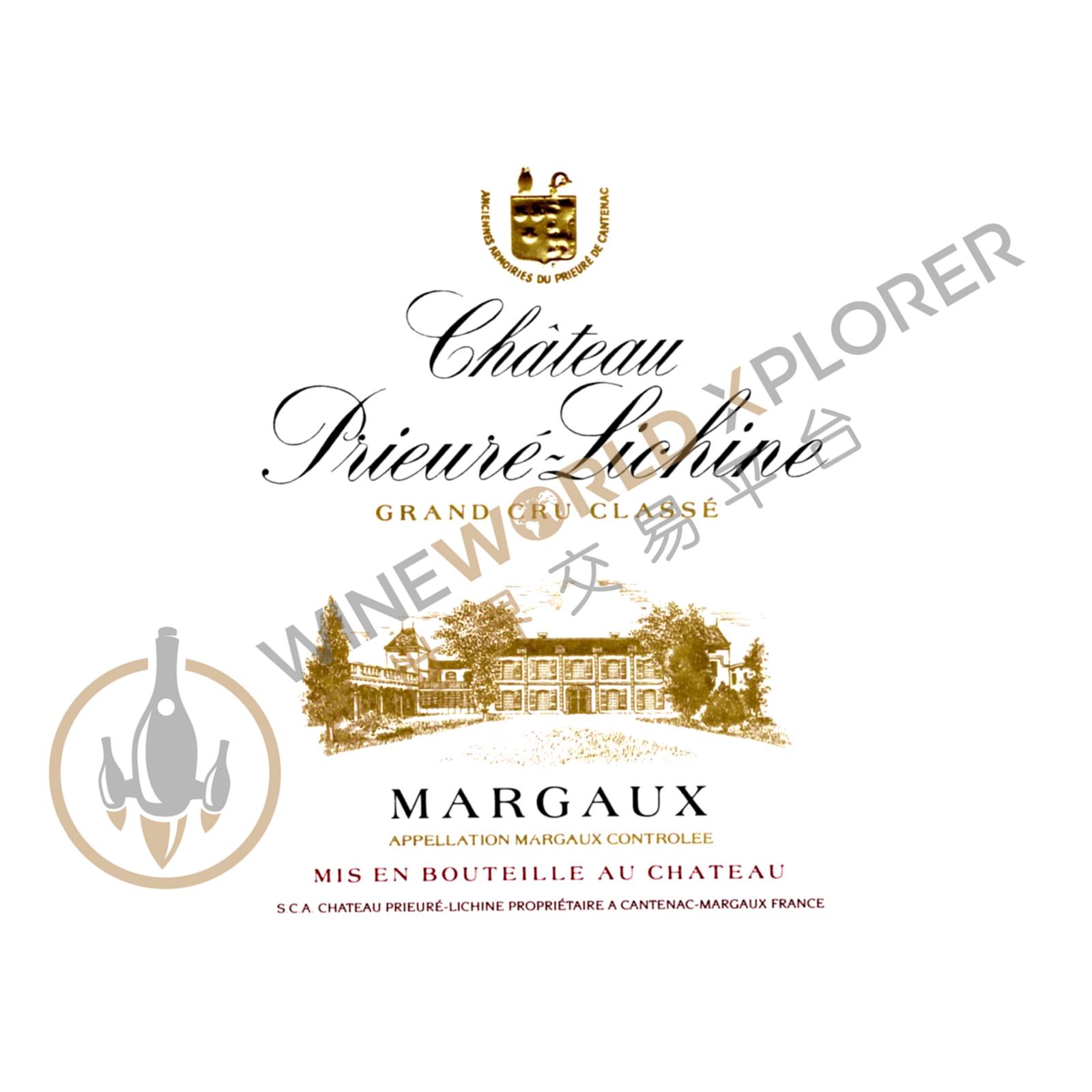
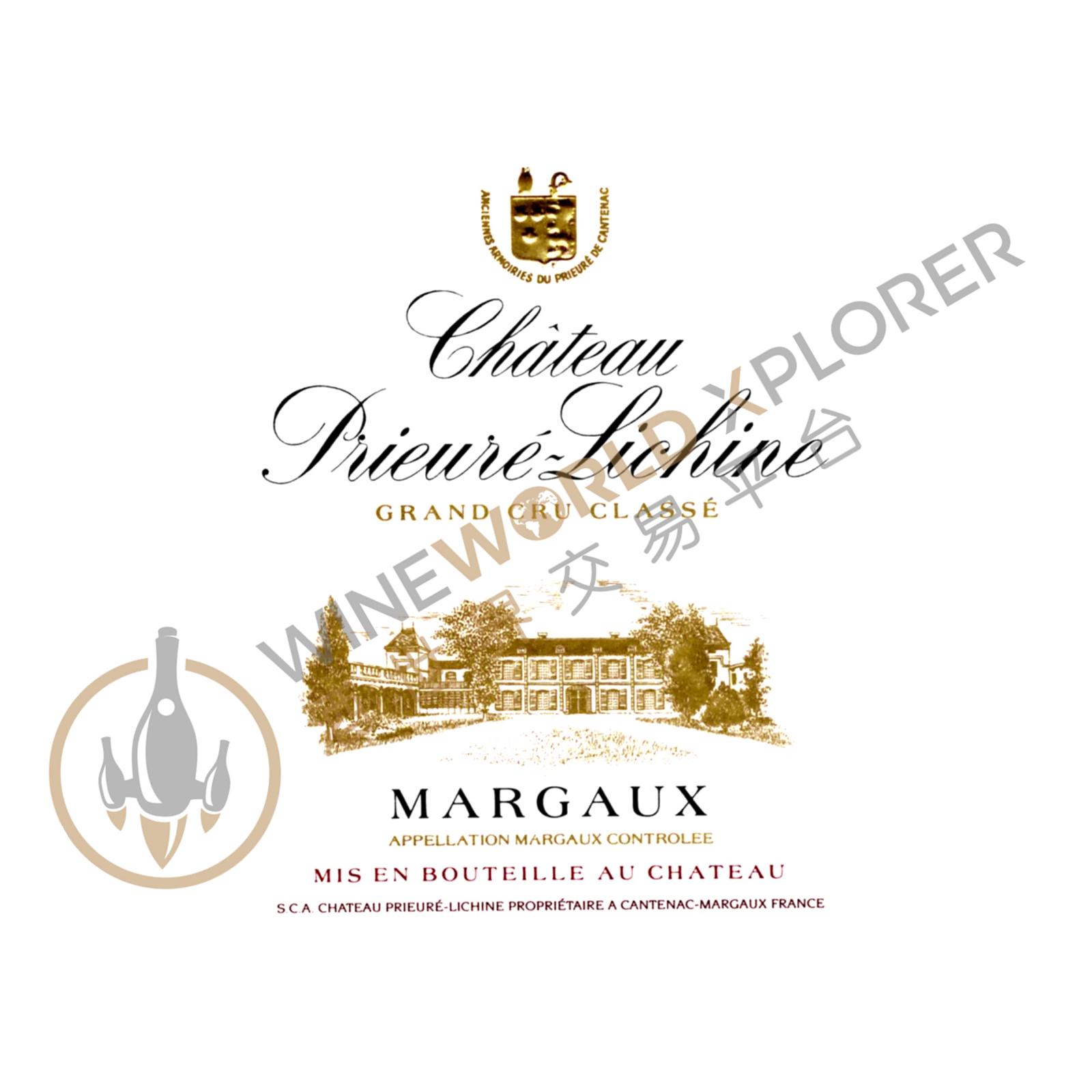
Prieure Lichine 2018
 View analysis


Description
Tasting notes

Reviewed by: Lisa Perrotti-Brown
The medium to deep garnet-purple colored 2018 Prieure-Lichine sings of black raspberries, kirsch and fresh red and black currants, followed by hints of powdered cinnamon, lilacs and bouquet garni. The medium-bodied palate is delicately played with bags of freshness and a soft texture framing the red berry and spicy layers, finishing with an herbal lift.
Reviewed by: Lisa Perrotti-Brown
The deep garnet-purple colored 2018 Prieure-Lichine slips sensuously out of the glass with gorgeous raspberry coulis, chocolate-covered cherries and warm cassis scents with hints of candied violets, licorice, camphor and wilted roses. The full-bodied, richly fruited palate is beautifully perfumed with loads of floral accents and has a firm frame of ripe, grainy tannins, finishing long with some mineral notions coming through. Very pretty.
Reviewed by: Antonio Galloni
The 2018 Prieuré-Lichine is a gorgeous, elegant wine. Strong Cabernet aromatics give the 2018 striking savory notes to play off the natural radiance of the year. Plush and sensual, with no hard edges and terrific balance, the 2018 hits all the right notes. Dried herbs, rose petal, cedar, tobacco and mint linger on the finely cut, persistent finish. This is an especially understated wine for the year.
Reviewed by: Antonio Galloni
The 2018 Prieuré-Lichine is gorgeous. Bright and racy in the glass, the 2018 impresses with its magnificent purity of fruit. In 2018, Prieuré-Lichine has terrific energy and cut. It is perhaps a bit less creamy than the 2016, but also impeccable in its balance. Part of that is driven by the higher percentage of Cabernet Sauvignon in the blend in 2018. Rose petal, lavender, mint and spice add nuance to a core of red/purplish fruit. Tasted two times.
Reviewed by: Neal Martin
The 2018 Prieuré-Lichine has kept its understated and elegant bouquet, presenting those same blackberry and cedar notes, perhaps with more red fruit emerging with aeration (cranberry and raspberry preserve). The palate is medium-bodied with fine tannins (finer than I noticed out of barrel) and plenty of freshness on the finish. This has indeed tempered its excesses and should evolve into a fine Margaux.
Reviewed by: Neal Martin
The 2018 Prieuré-Lichine has an understated but elegant bouquet of blackberry, briar and light cedar aromas that give way to more floral scents with aeration. The palate is fuller and more voluminous, with thick tannins coating the mouth. This Margaux is almost heady in style, leading to a velvety, voluptuous finish. There is something a little garish about this Prieuré-Lichine at this stage, but if it can temper its excesses before bottling, it may turn out quite delicious.
About the Producer
Château Prieuré-Lichine is an estate in the Margaux appellation of Bordeaux, ranked as a Fourth Growth in the official Bordeaux Classification of 1855. It is regarded as one of Margaux's most consistent producers and is known for its elegance and suppleness, derived in part from the relatively high proportion of Merlot in the blend. The estate is located in Cantenac (on an official, administrative, level Cantenac is now combined with Margaux), near to the châteaux of Kirwan and Boyd-Cantenac. There are 70 hectares (173 acres) of vineyards in numerous parcels within the Margaux appellation, of which around 40 hectares (100 acres) contribute to the grand vin. Vineyard plantings are 50 percent Cabernet Sauvignon, 45 percent Merlot, and 5 percent Petit Verdot. The second wine, launched in 1972 as Château de Clairefont, is now sold as Confidences de Prieuré-Lichine and is made from younger vines. Le Clocher du Prieuré is a Merlot-based Haut-Médoc from vineyards adjacent to those supplying the grand vin. The portfolio is completed by Le Blanc du Château Prieuré-Lichine, a Sauvignon Blanc – Semillon blend from a 1.5 hectare (3.7 acre) plot in Arsac, to the south of Margaux. Red wines are fermented in a mix of stainless steel and concrete vats of differing sizes, with long, gentle extraction. Malolactic fermentation takes place in barrel, and the wine is then aged for 16 months in barriques, 60 percent of which are new. The second wine sees 14 months in second- and third-fill barrels. The estate was founded as the Prieuré (Priory) de Cantenac in the 10th Century, and for many years was a stopping point for pilgrims on the pilgrimage to Santiago de Compostela. While vines were certainly planted from the 12th Century, the conversion of the property to a full-scale wine estate took place in the 1700s. Its current name refers to noted winemaker Alexis Lichine, who owned the estate from 1951 until his death in 1989. The estate was acquired by the Ballande group (which includes the Ballande & Méneret négociant firm) in 1999.
1959(1)1979(1)1984(1)1986(1)1991(1)1995(1)1997(1)2000(2)2003(3)2004(1)2005(3)2006(1)2007(1)2009(8)2010(1)2015(3)2016(1)2017(3)
Package Size