Wine Advisor



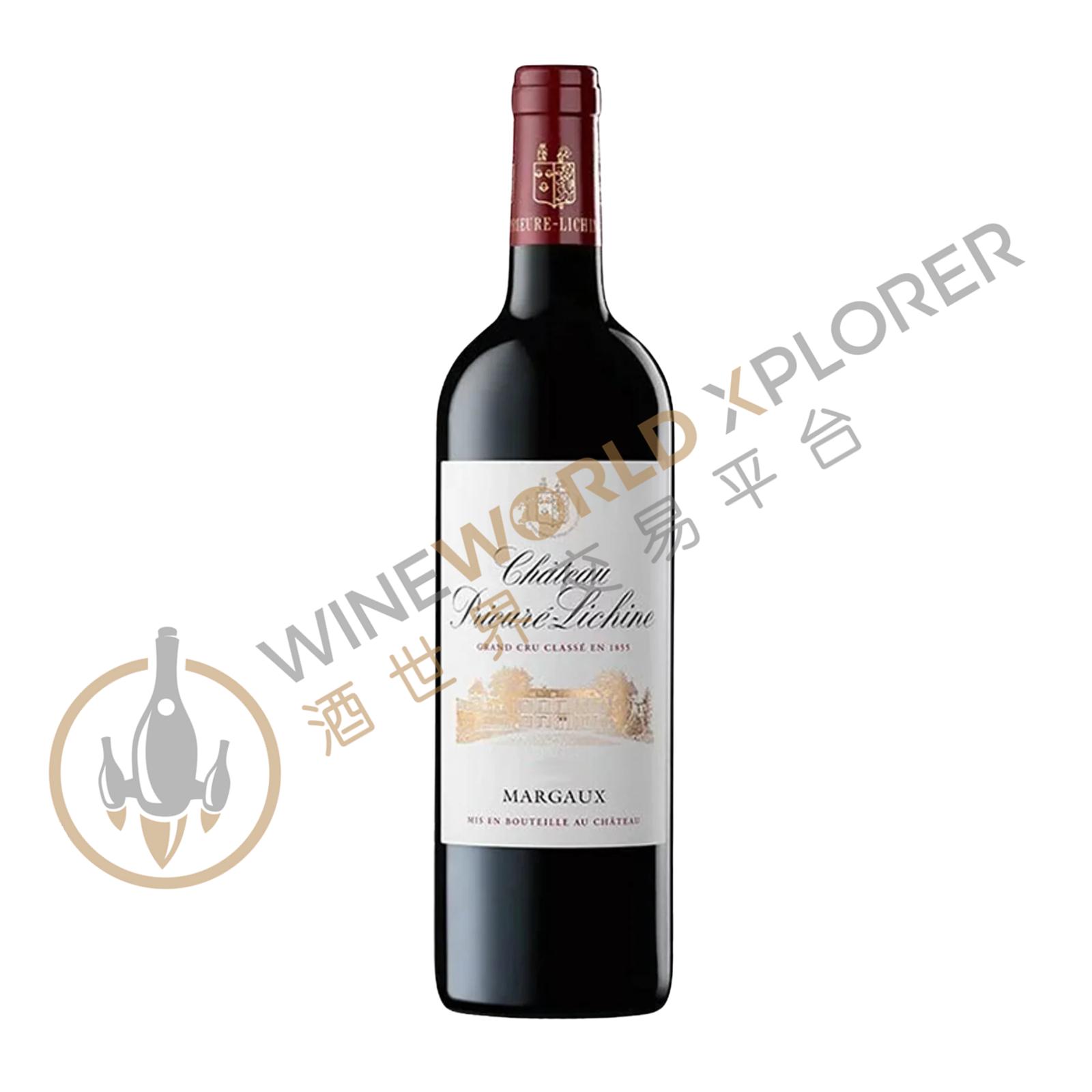
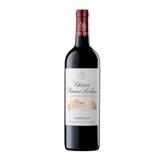
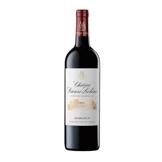
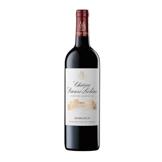
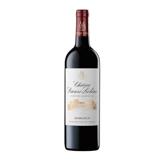
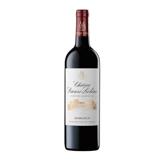
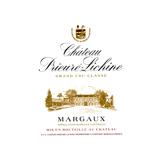
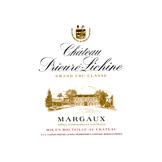
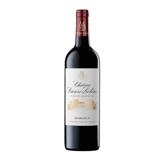
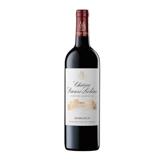
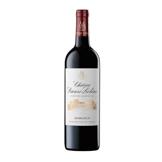
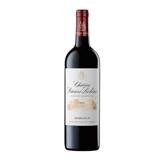
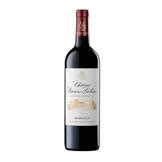
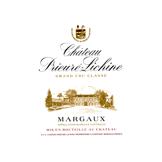
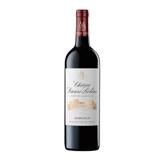
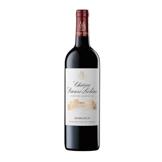
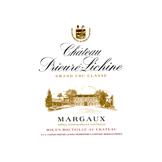
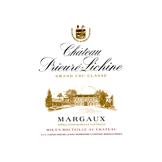
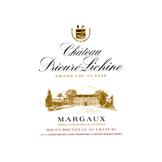
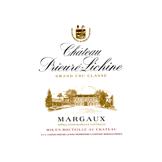
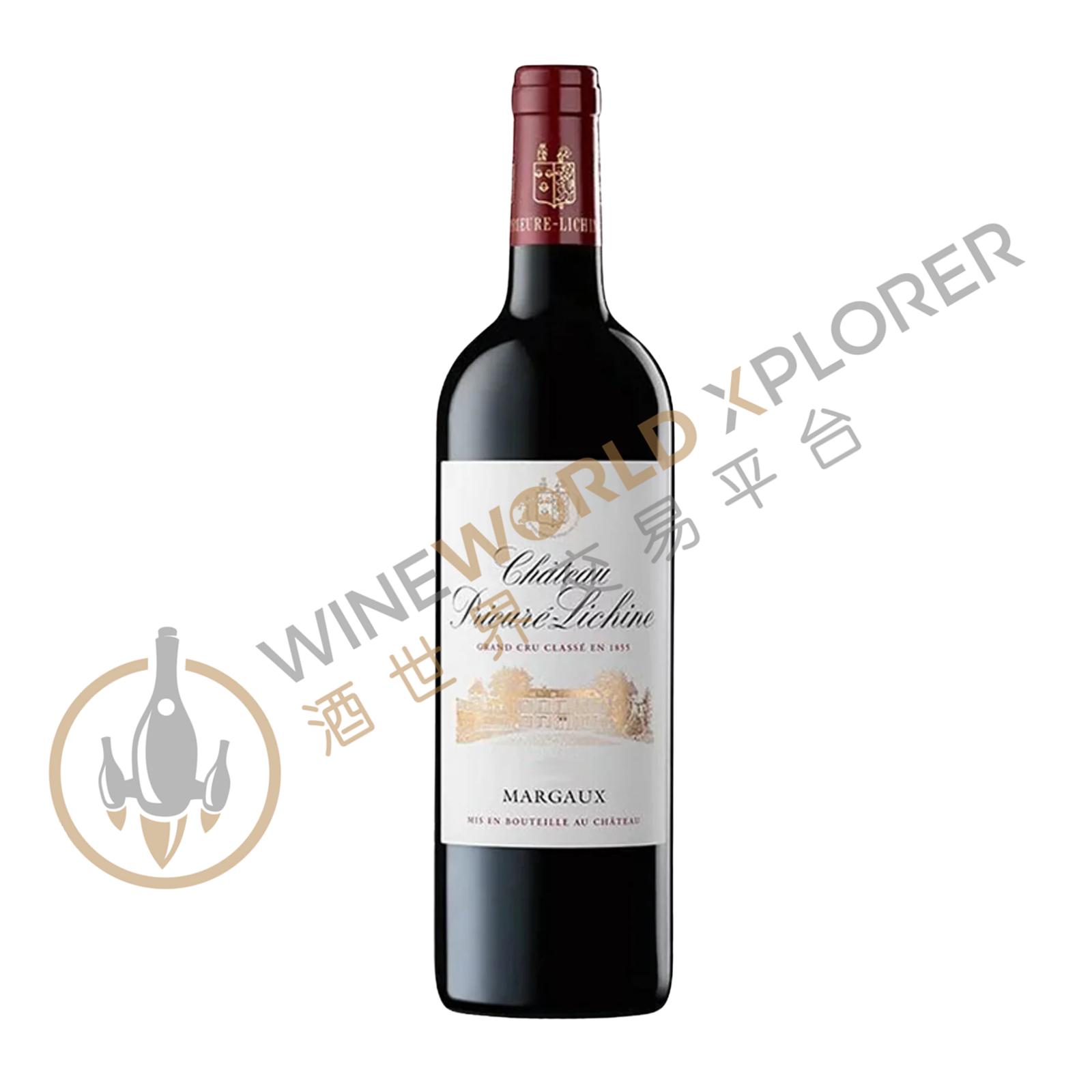
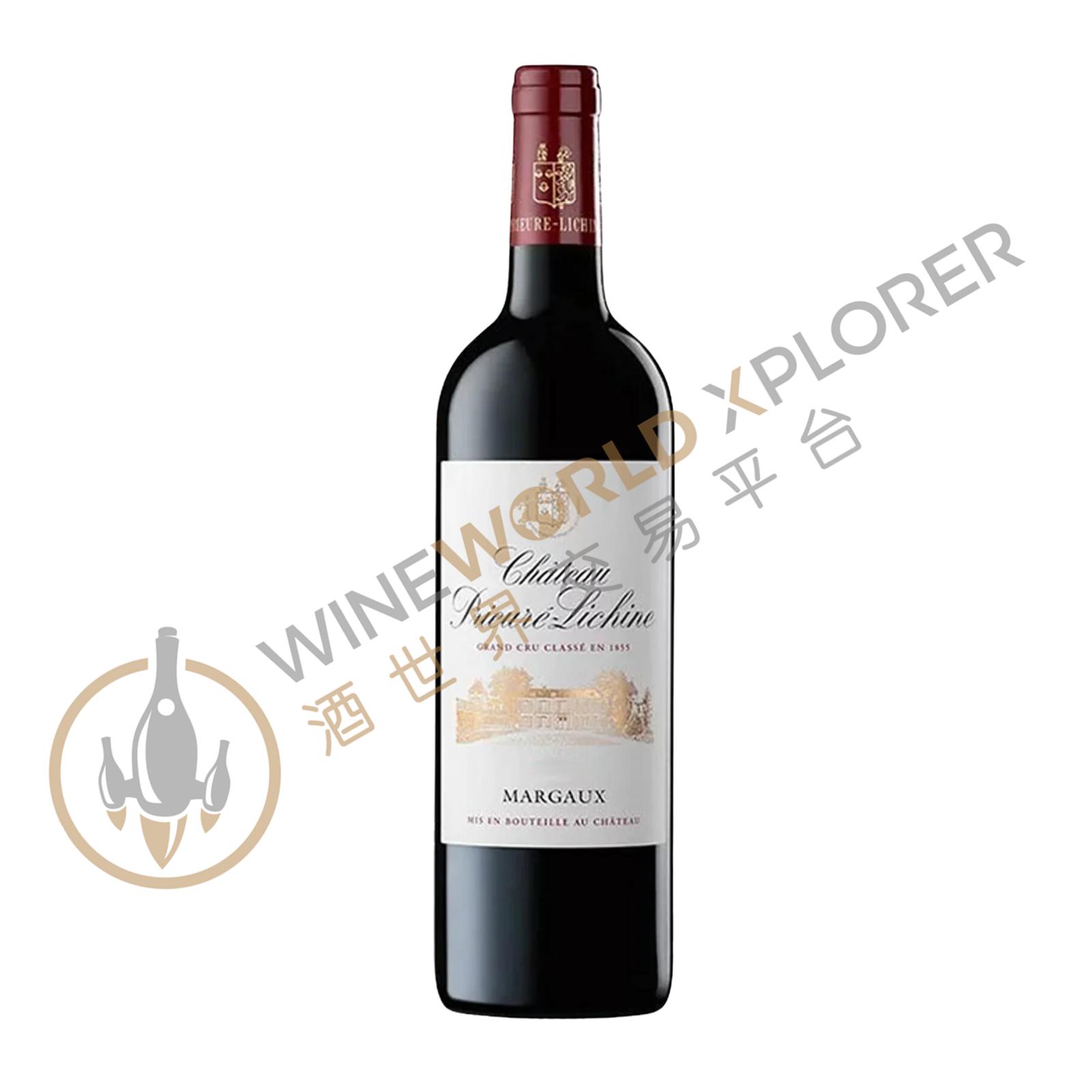
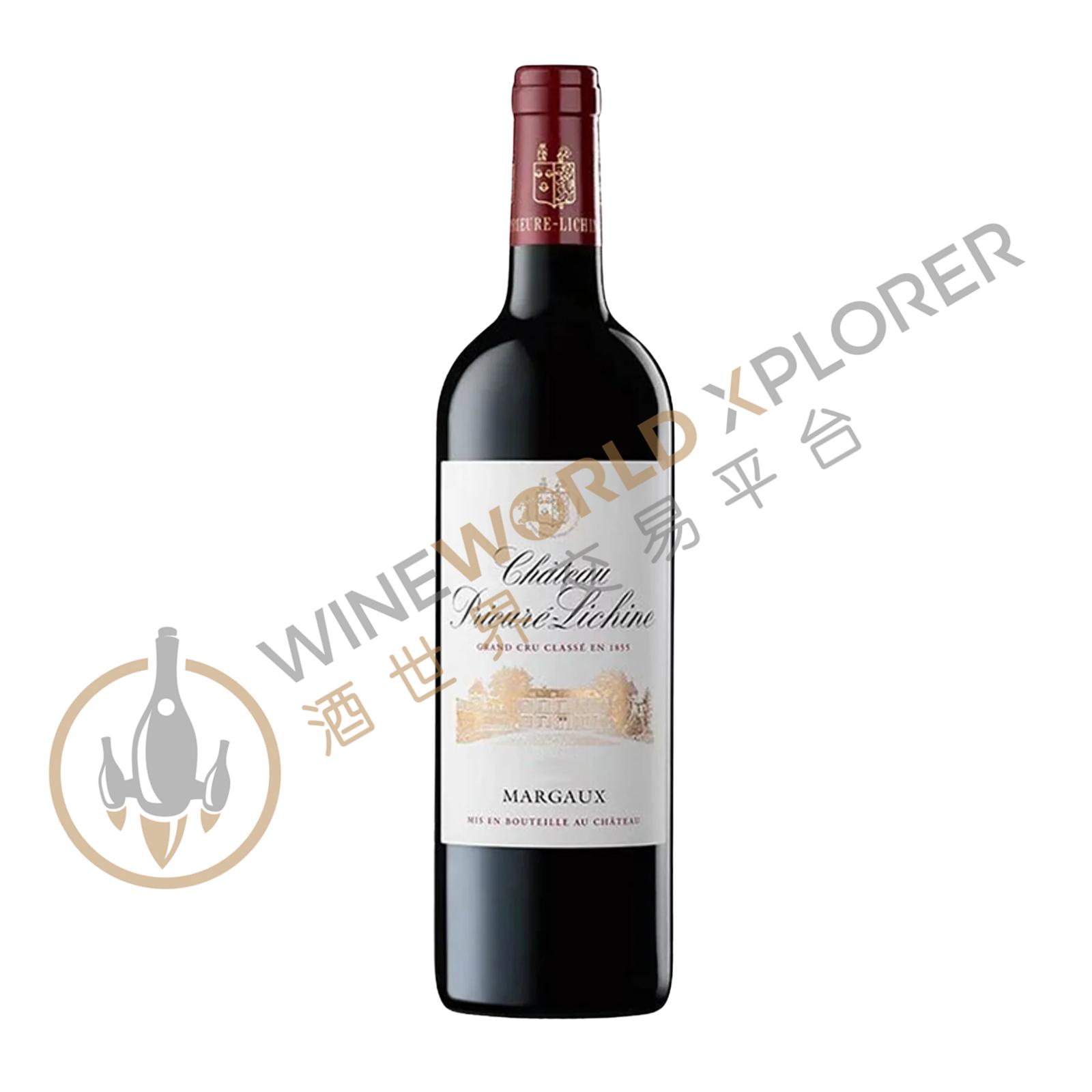
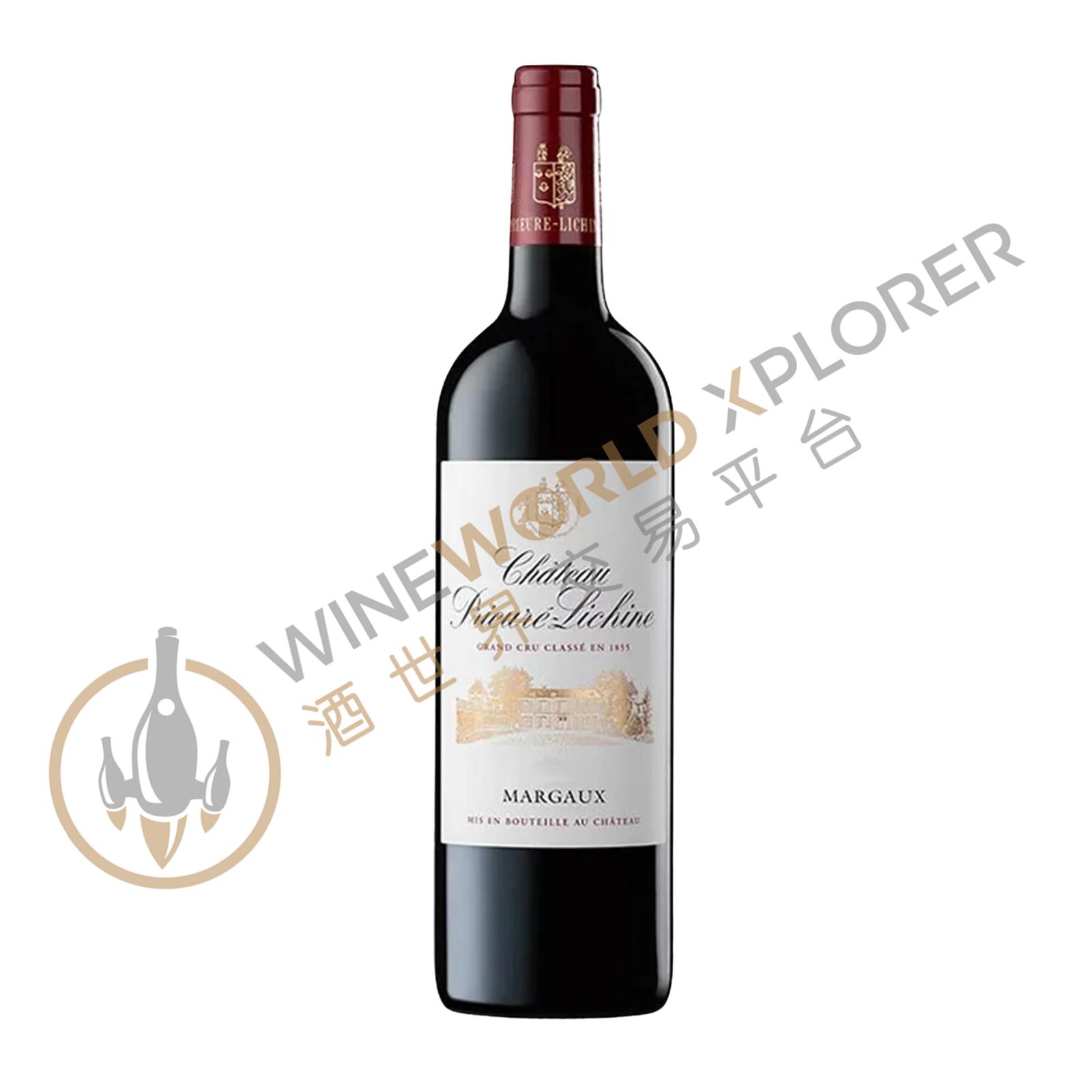
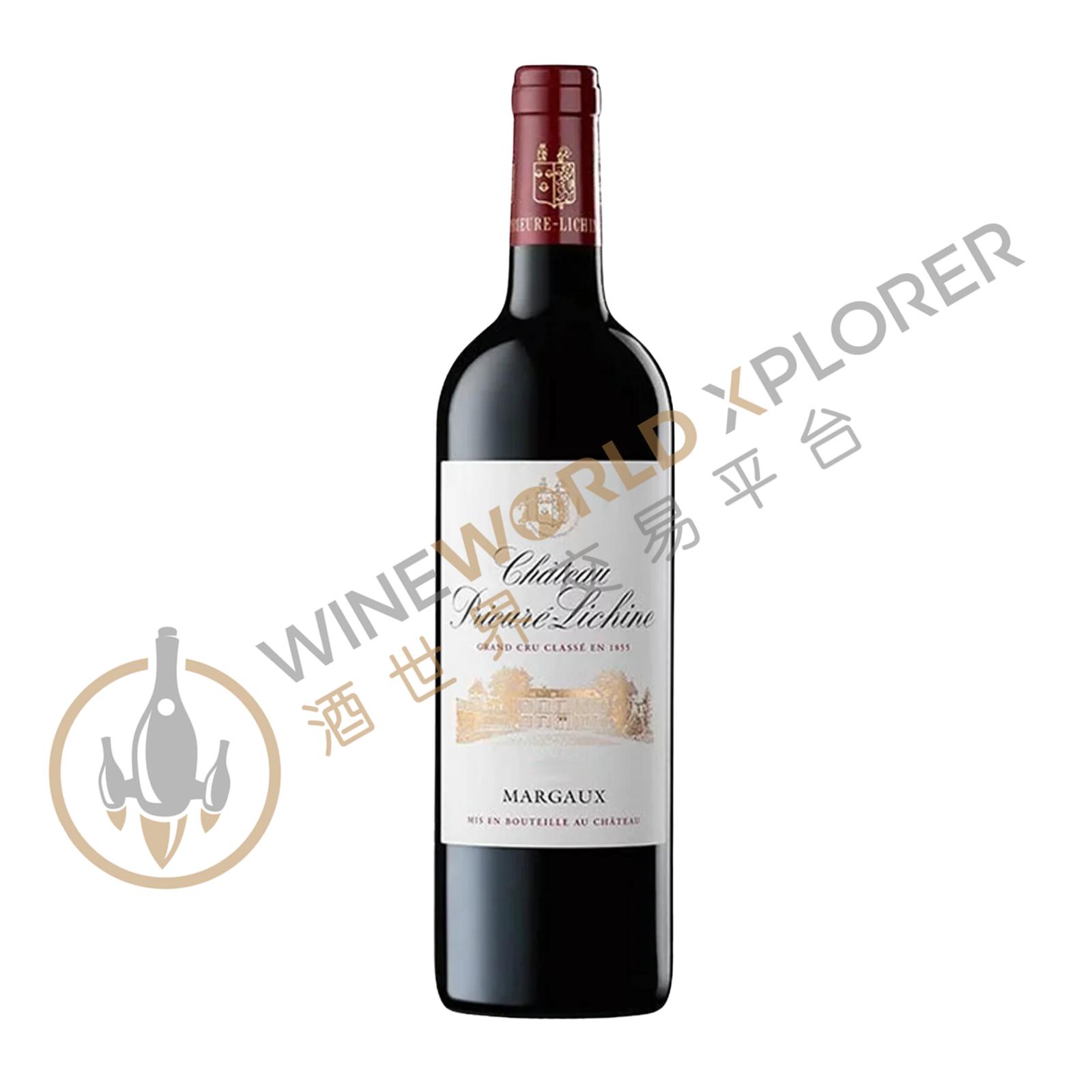
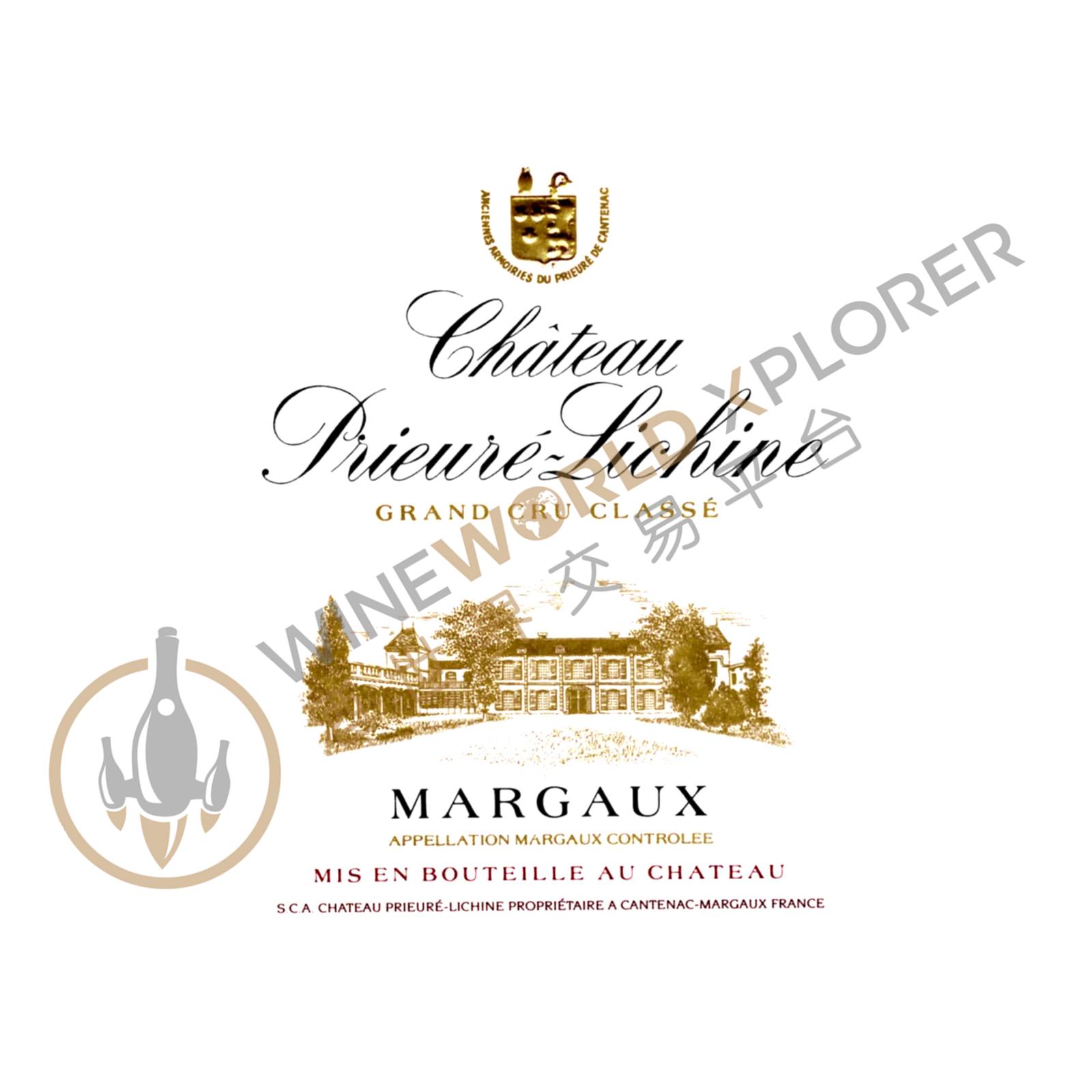
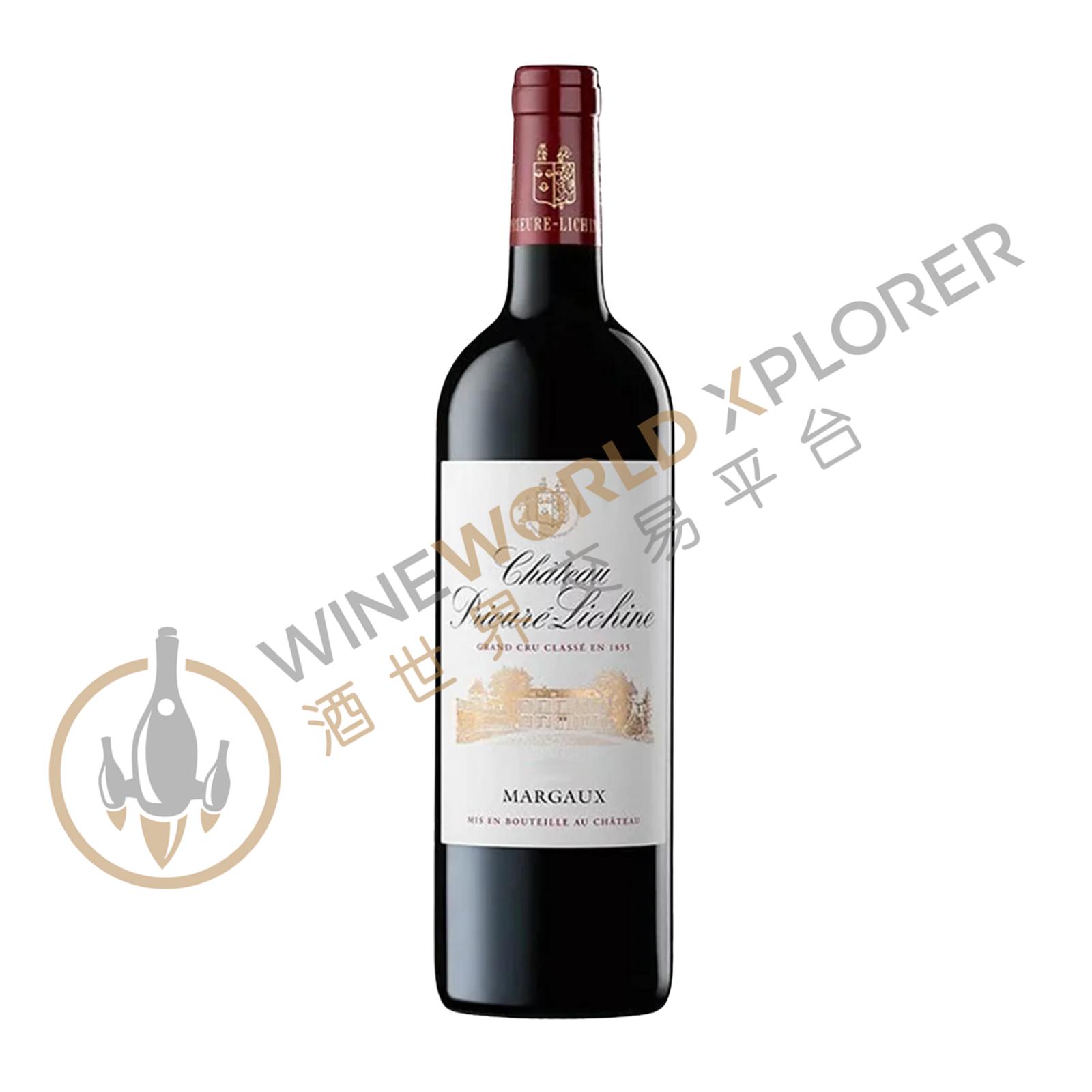
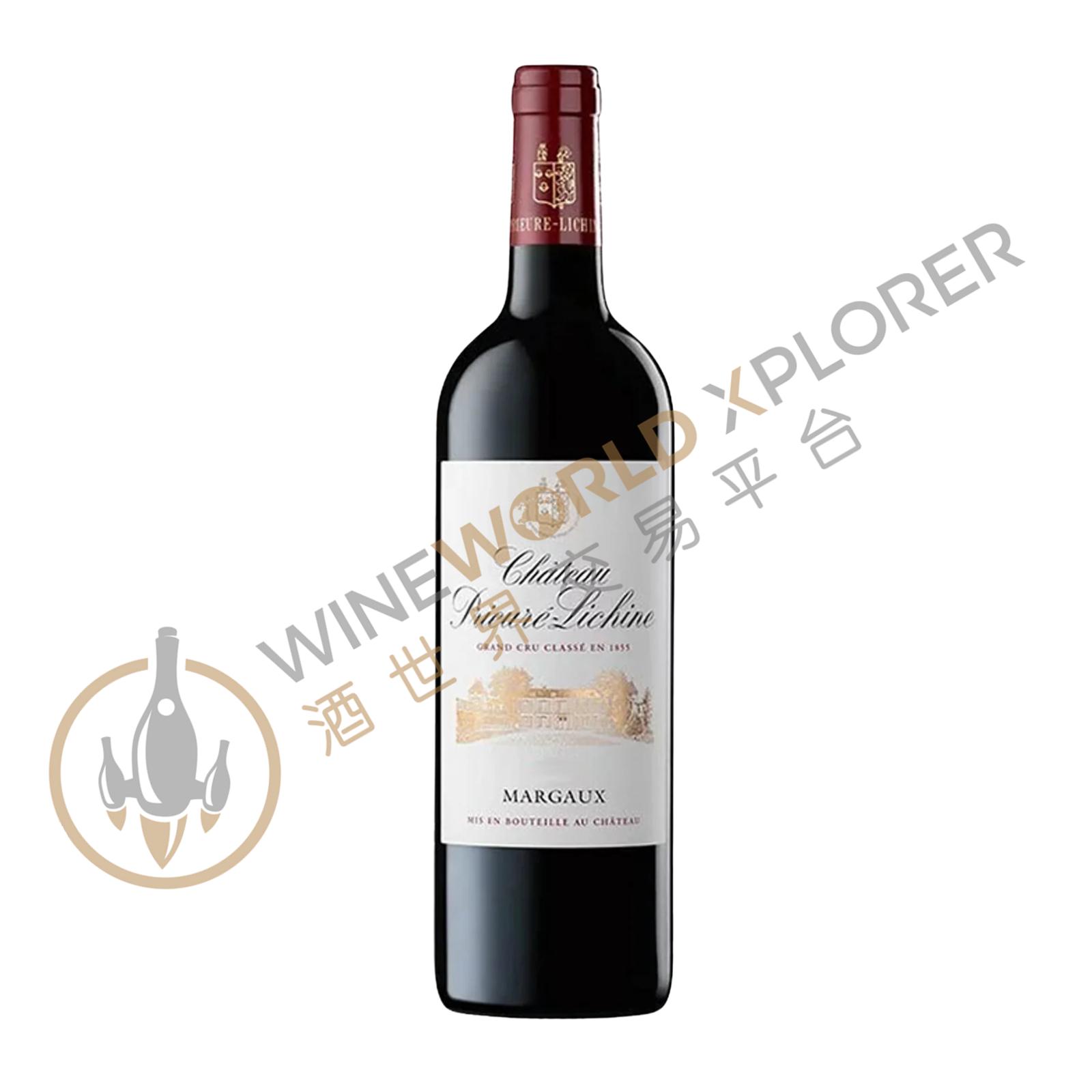
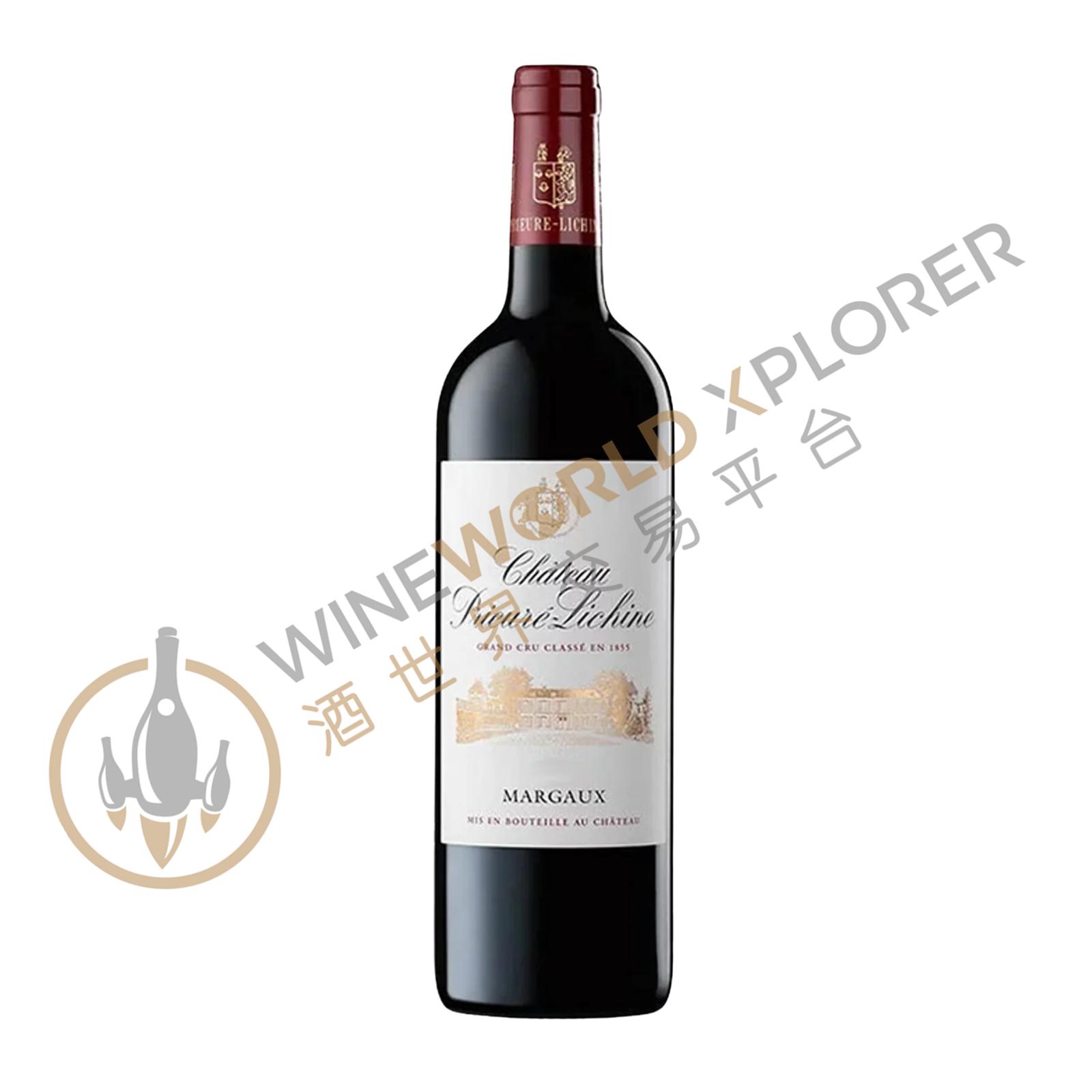
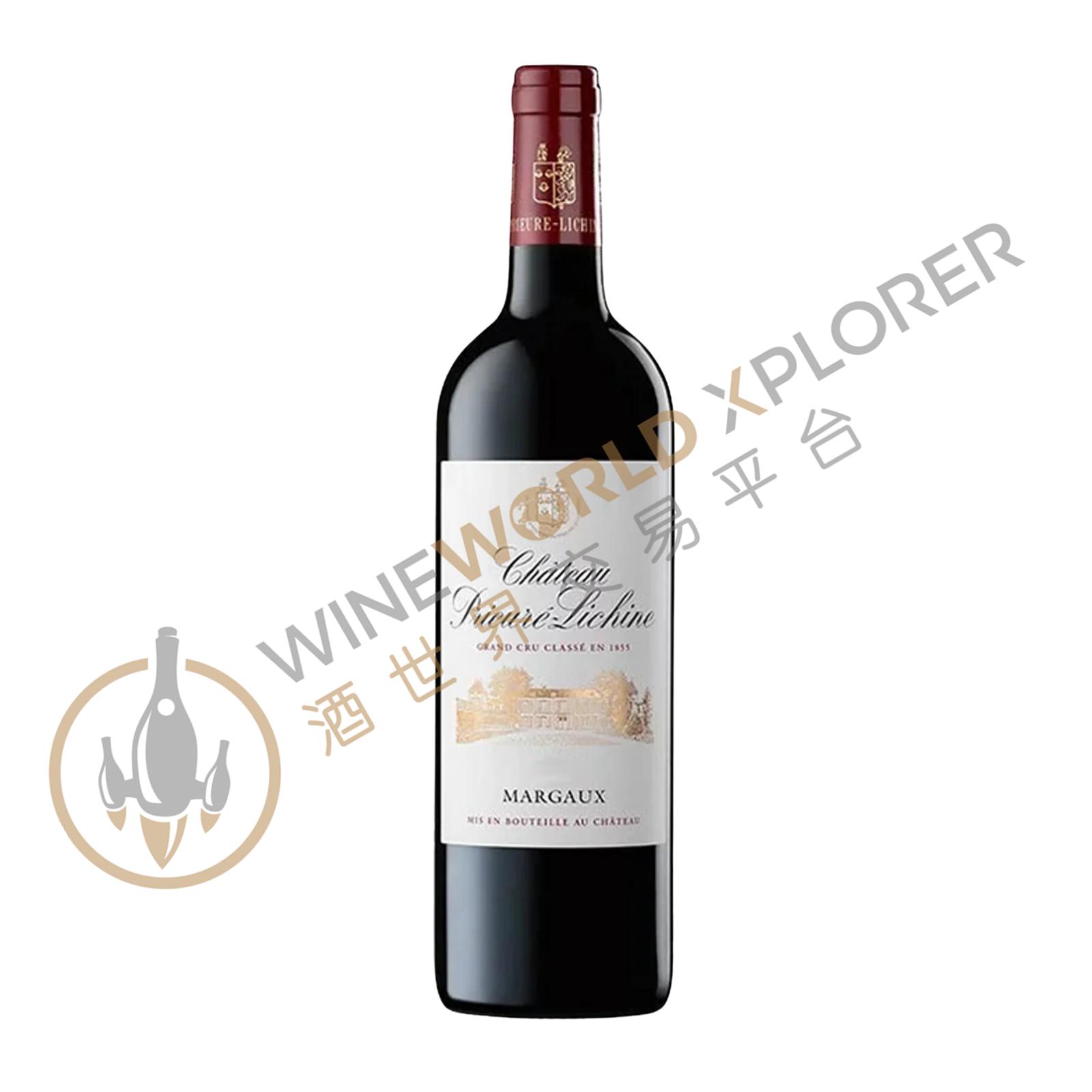
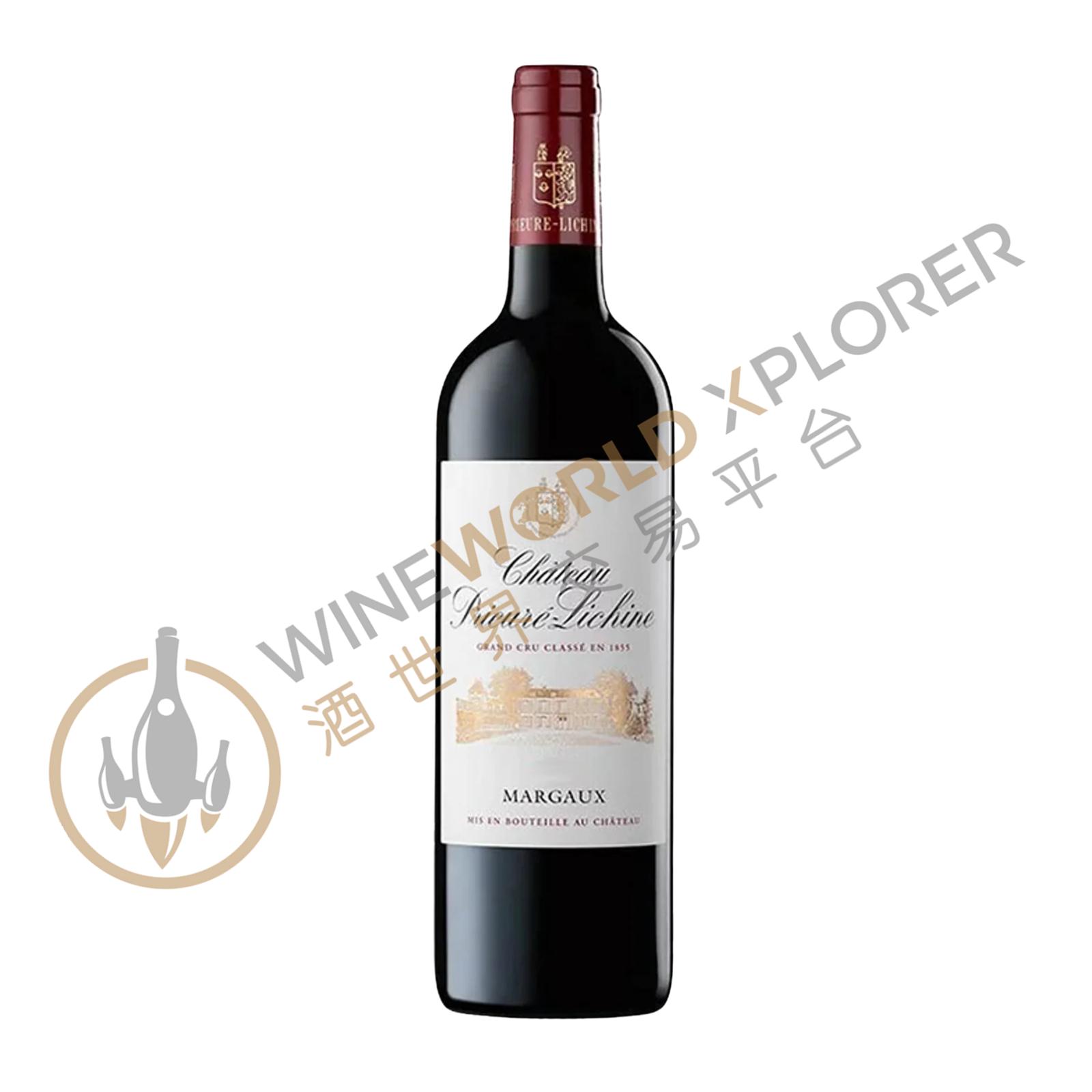
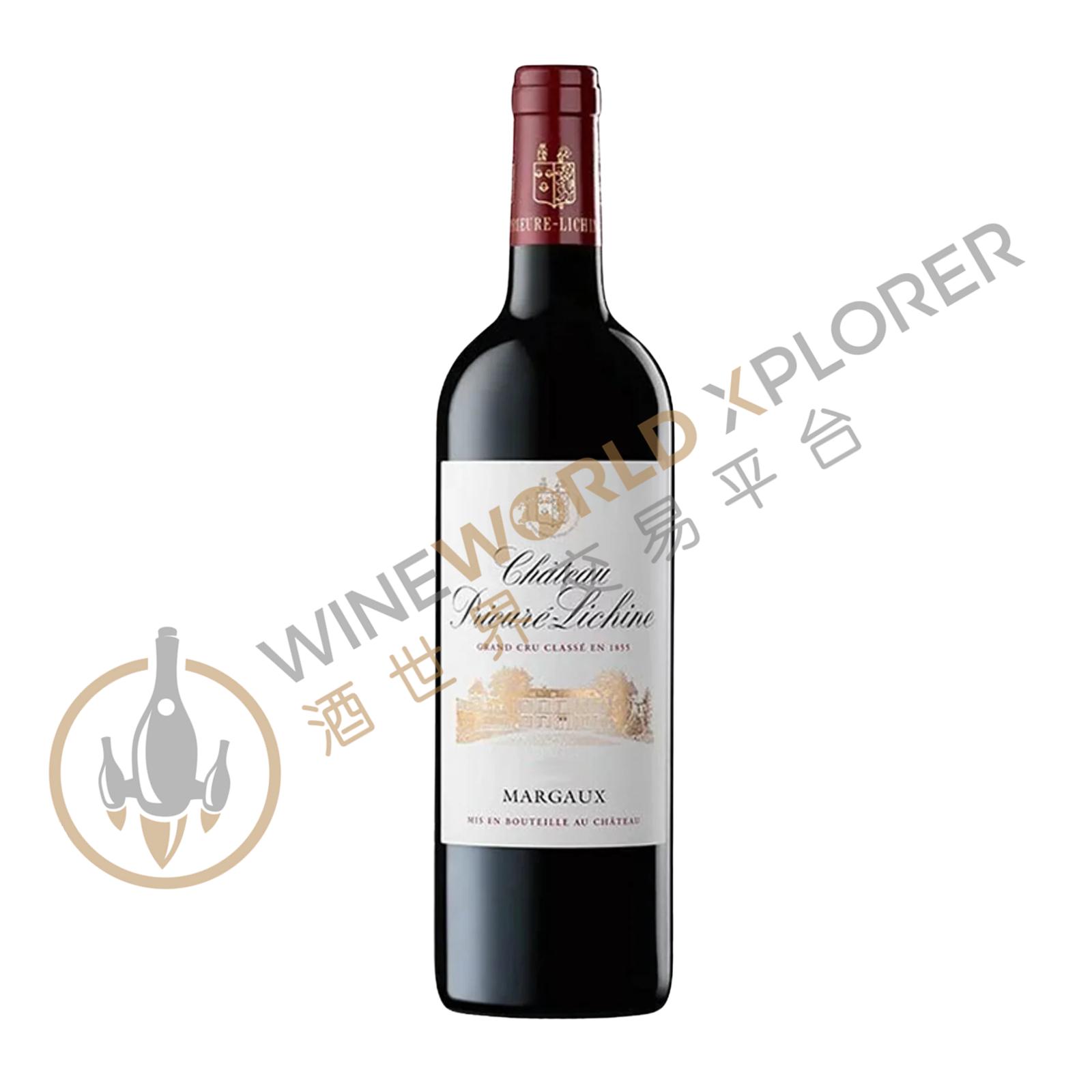
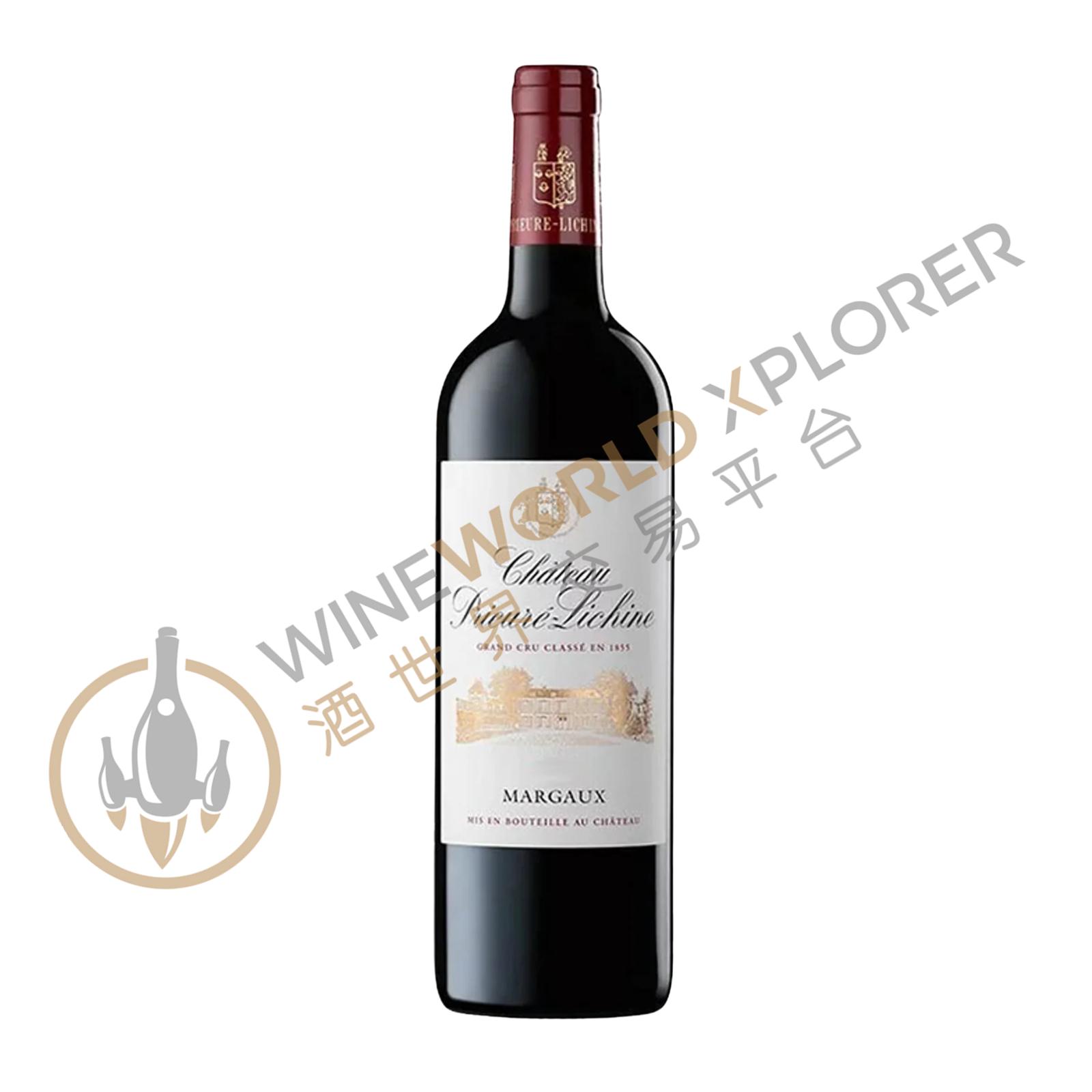
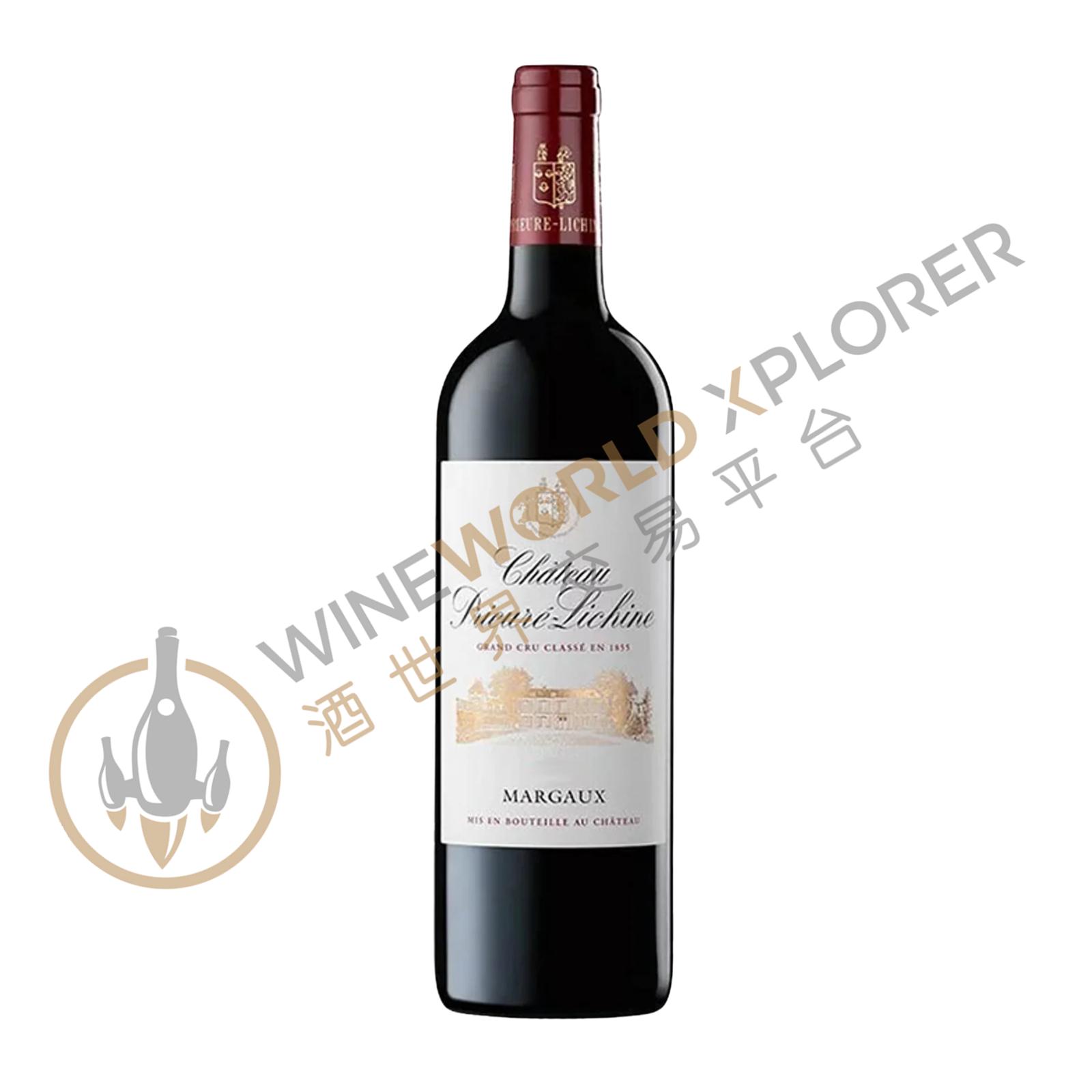
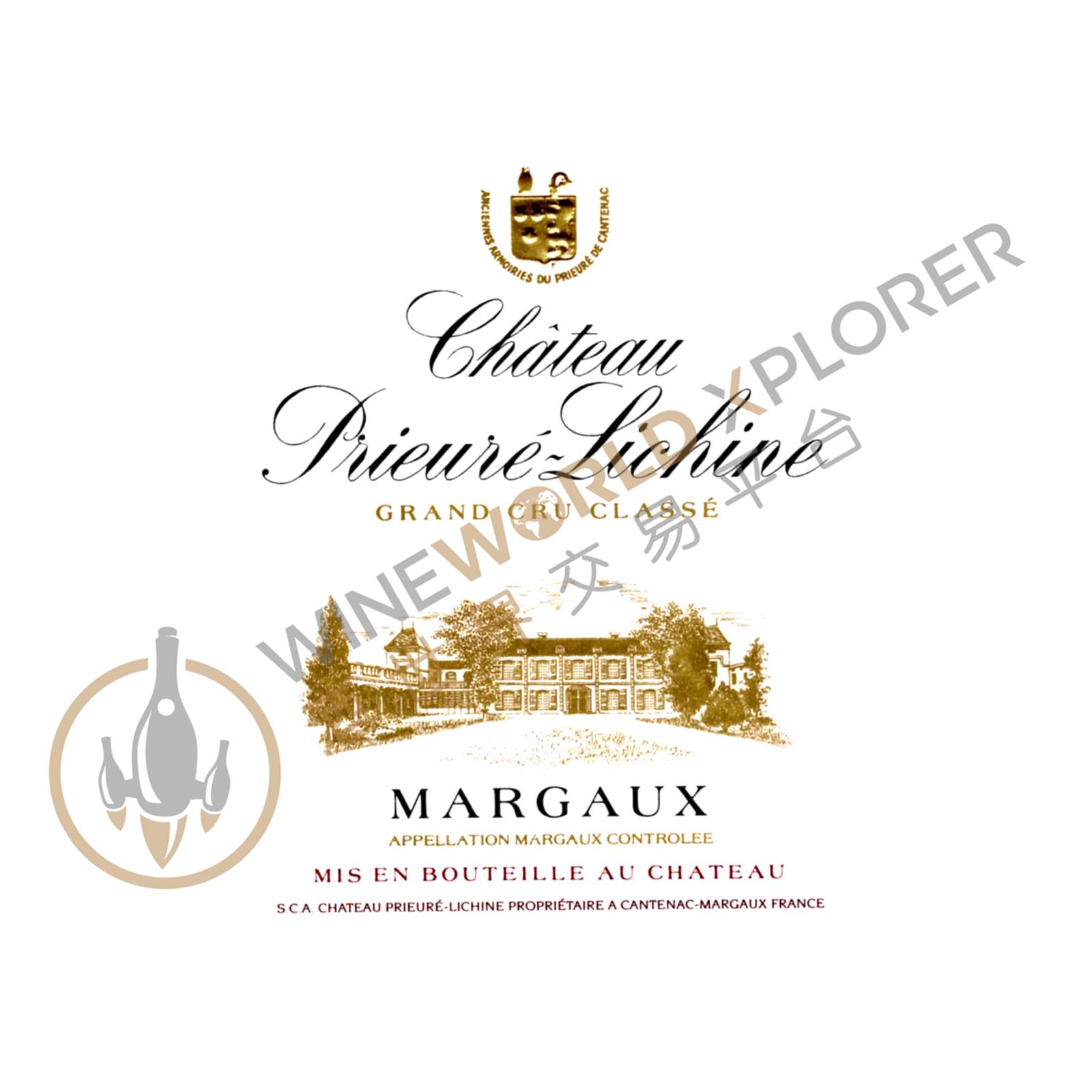
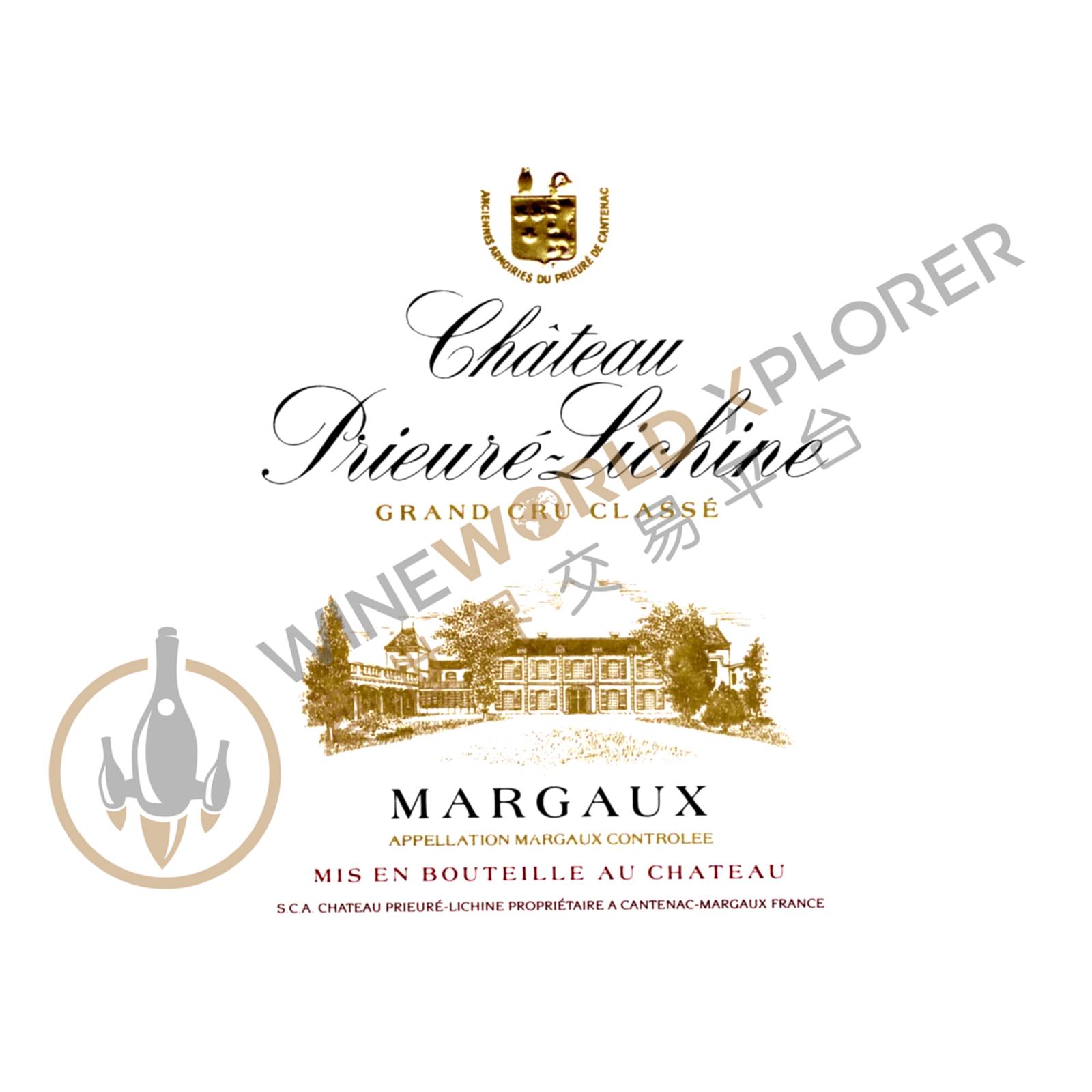
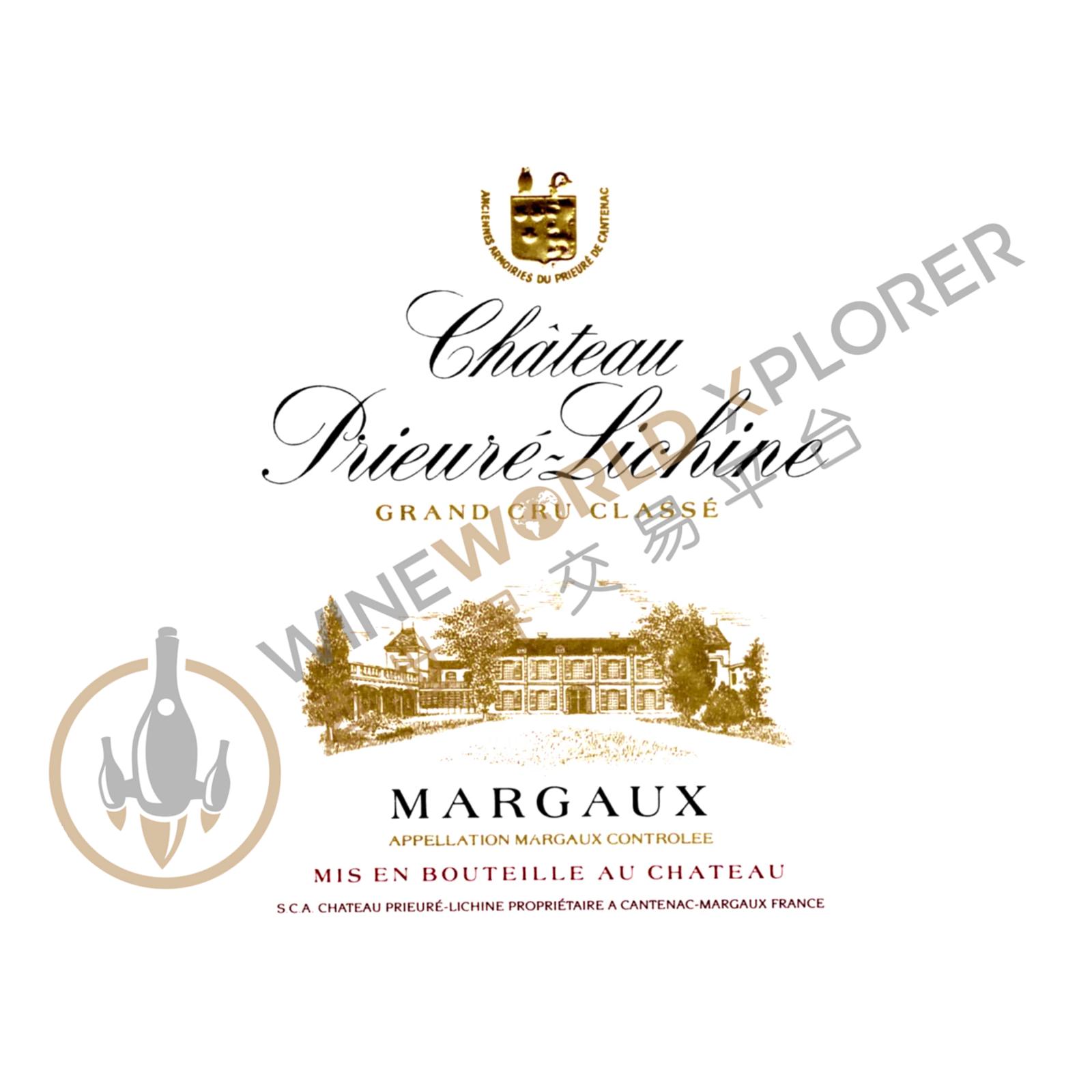
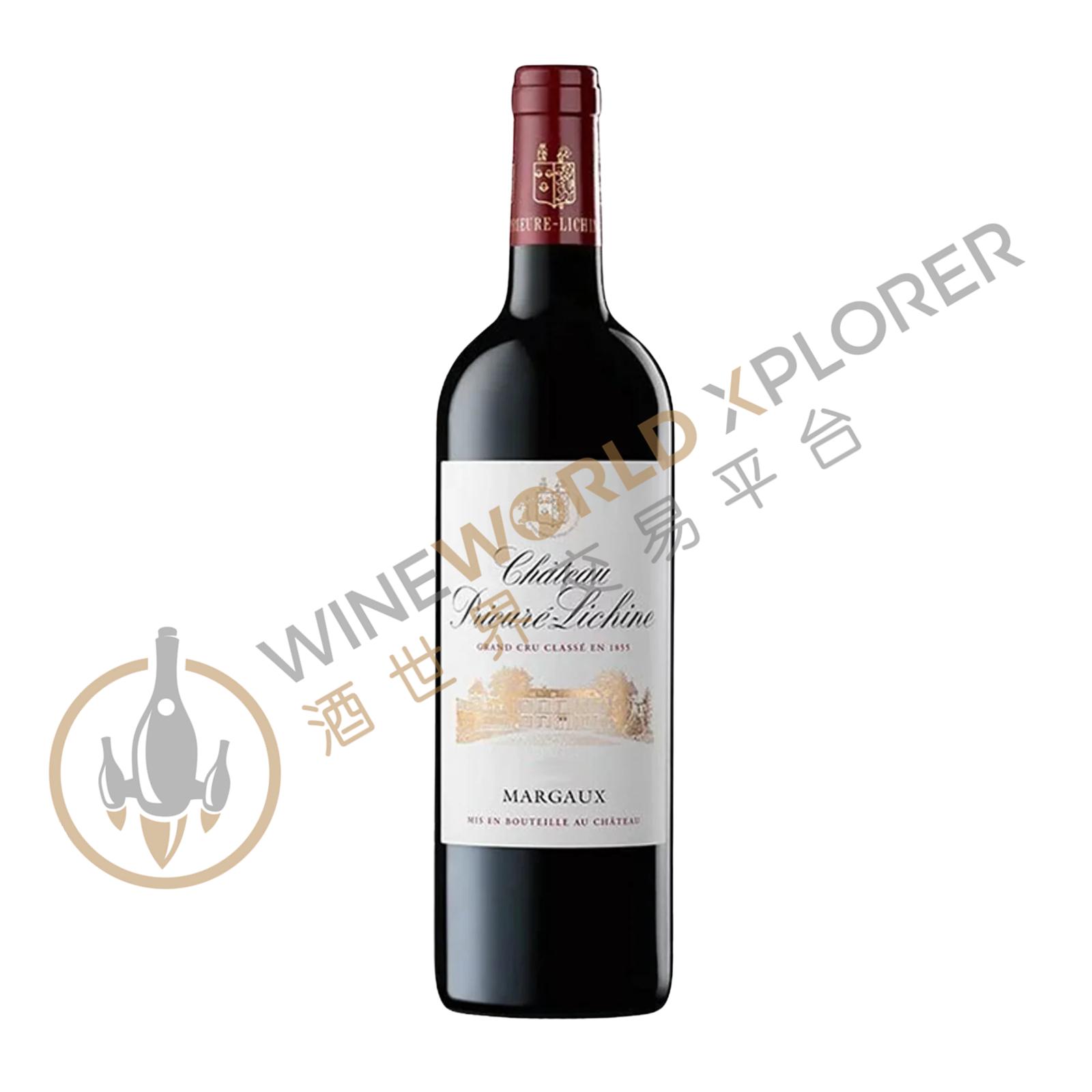
Prieure Lichine 1995
 View analysis


Description
Tasting notes

Reviewed by: Robert M. Parker, Jr.
I expected this wine to turn out better than it has. Hard tannin in the finish, and a slight hollowness in the mid-palate kept my score down. The wine reveals a dark ruby color, light to medium body, good aromatics (earth, underbrush, sweet cherries, and vanillin), and pleasing ripe fruit on the attack. The severe finish is dry and austere. Anticipated maturity: 2000-2008.
Reviewed by: Robert M. Parker, Jr.
Neither of the two bottled vintages reviewed below appears to have retained much of the charm, elegance, and fruit it displayed from cask. The 1995 appears to be dropping its baby fat at an accelerated pace, although the wine has the potential to be very good. It reveals a dark ruby color, medium body, and attractive, sweet blackcurrant fruit that is nicely oaked, and well-balanced by moderate tannin. However, if the 1995 behaves as the 1993 and 1994 have, look for this wine to drop in score. For now, it appears to be a wine to drink between 2000-2008.
Reviewed by: Robert M. Parker, Jr.
The 1995 reveals a dark ruby color, a smoky, spicy, ripe curranty nose with herb notes in the background, low acidity, an attractive, fleshy, fat attack, medium body, excellent ripeness, and sweet fruit and glycerin in the nicely-textured finish. Let's hope the 1995 does not drop as much fruit and character as the 1994 did over the last year. For now, the 1995 appears to be a wine to drink early in life, but if it retains the above mentioned characteristics, it should last for 10-12+ years. All of the wines in this segment were tasted between March 19 and March 28 in Bordeaux. Most of the important wines from both the 1994 and 1995 vintages were tasted three separate times during my ten-day stay in Bordeaux.
Reviewed by: Robert M. Parker, Jr.
An underwhelming effort for sure, this medium-bodied wine exhibits a moderately garnet color and a sweet nose of dusty red fruits intermixed with some balsam wood, Provencal herbs, and damp earth, perhaps even mushrooms. The wine is pleasing on the attack, but then becomes increasingly compressed and attenuated. Anticipated maturity: Now-2006. Last tasted, 3/01.
About the Producer
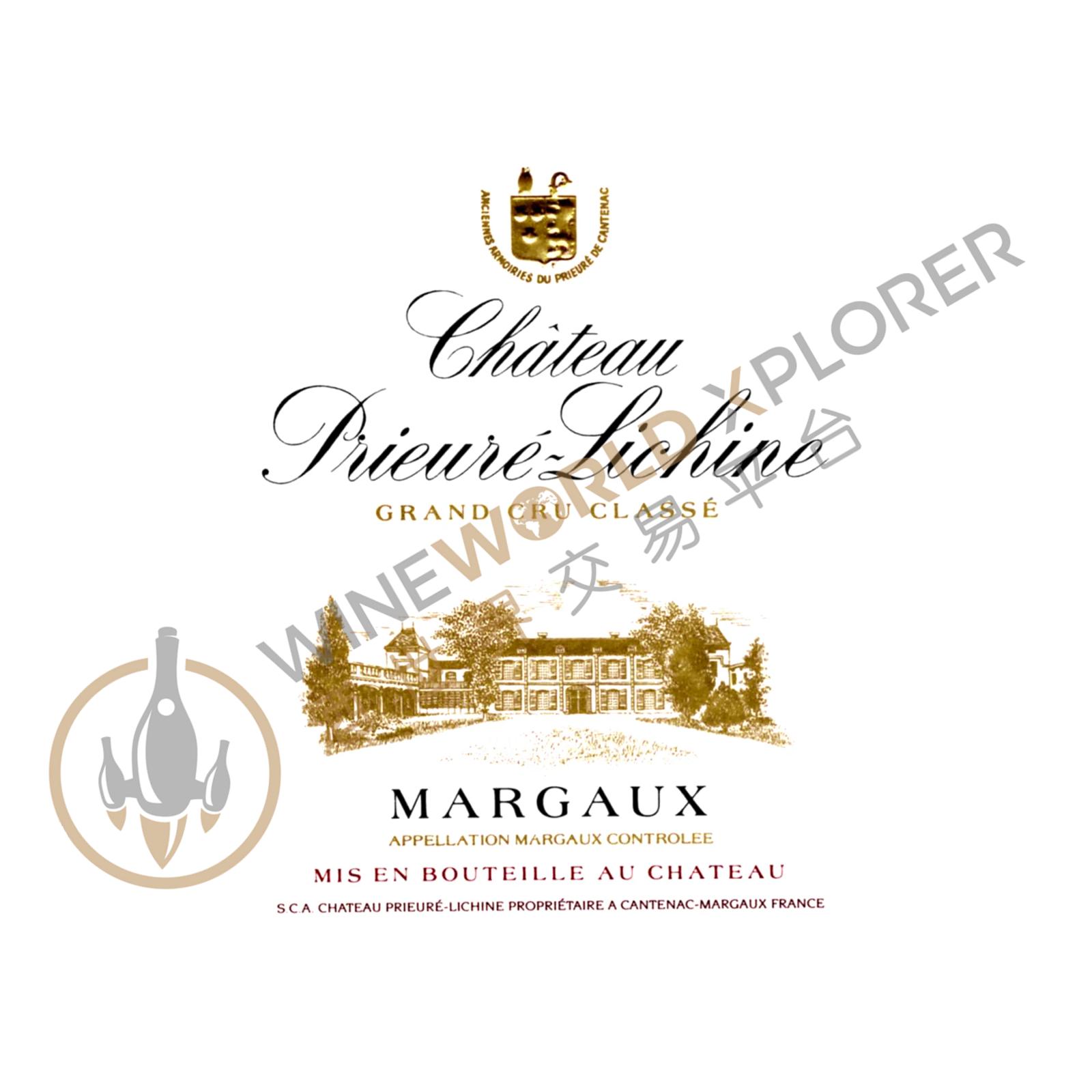
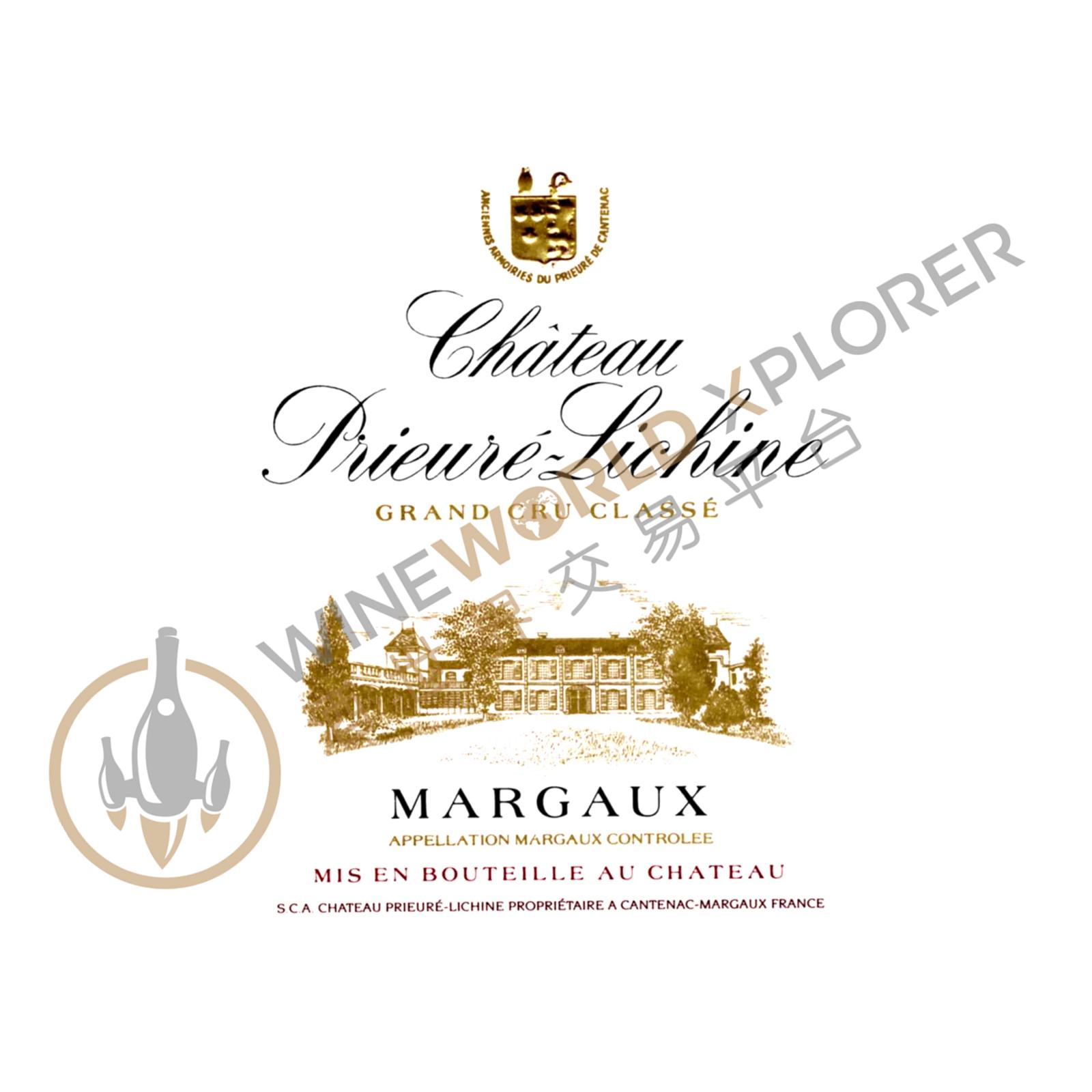
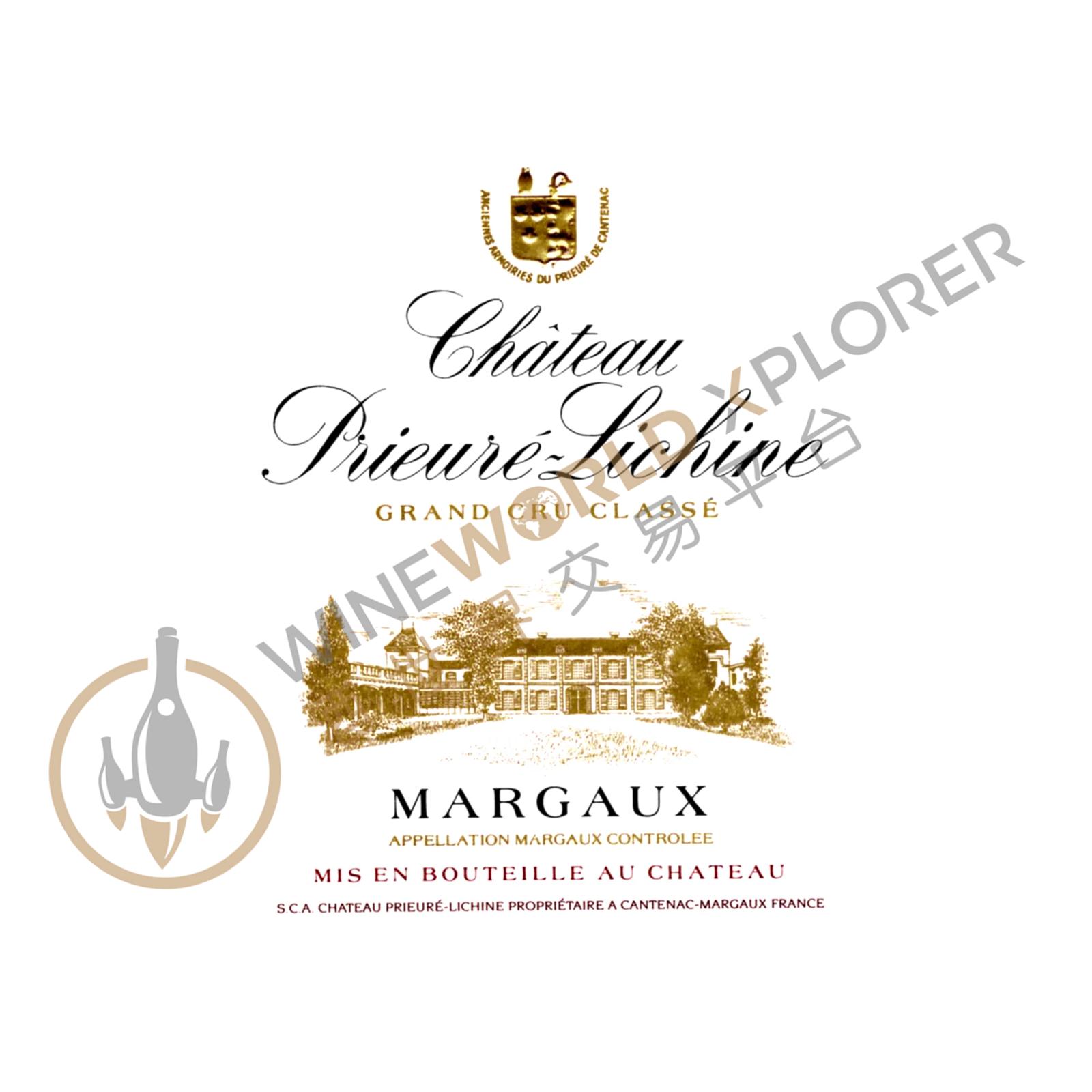
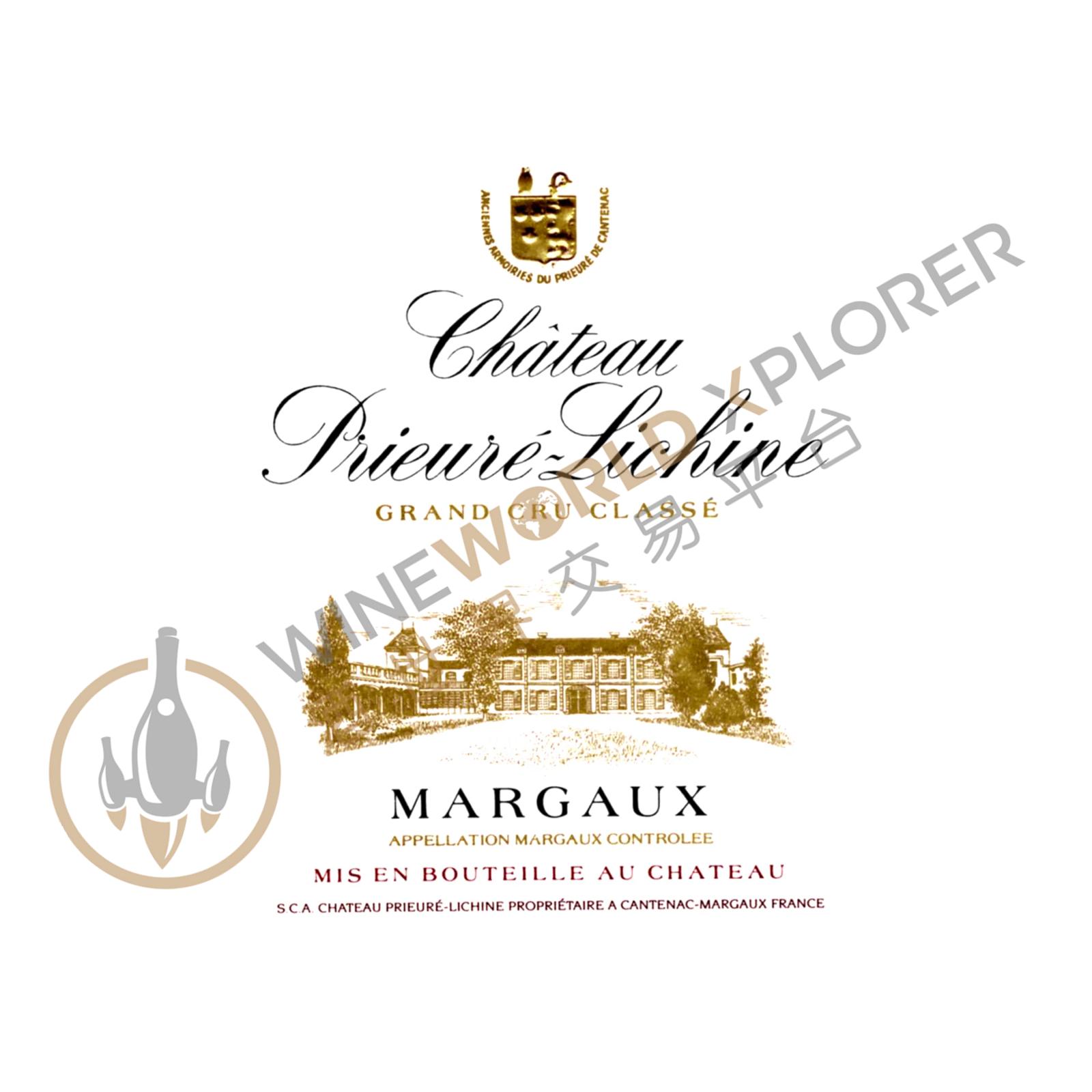
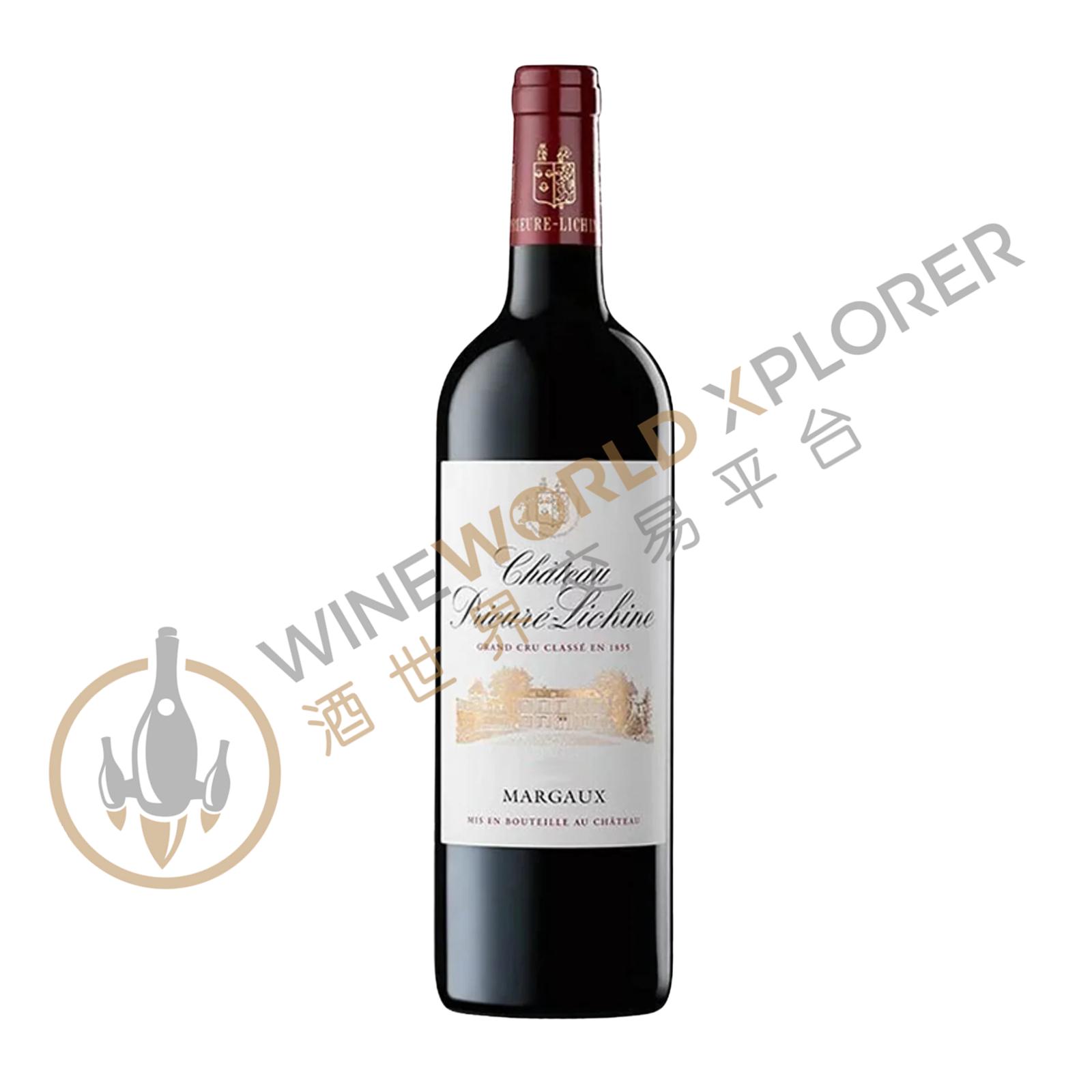
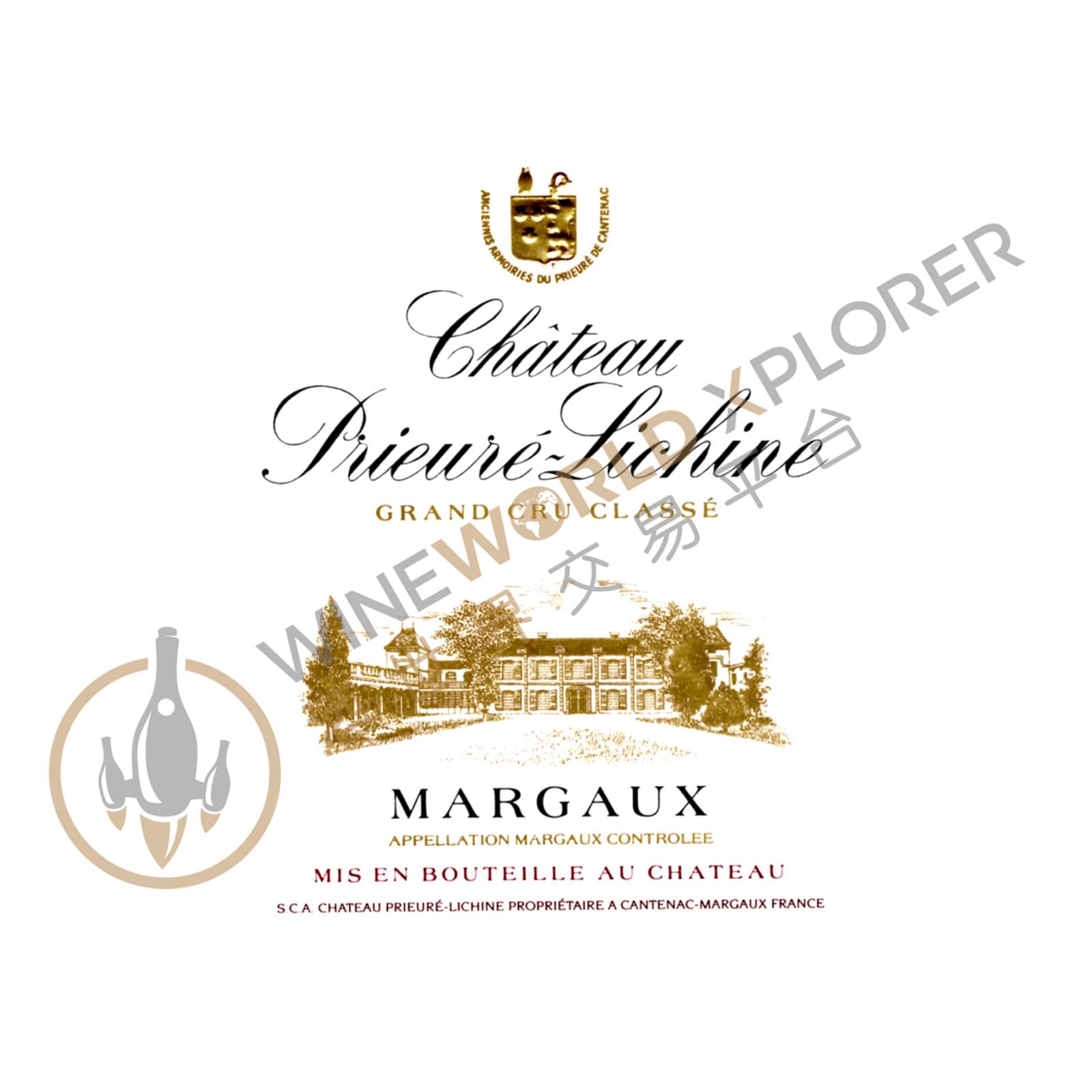
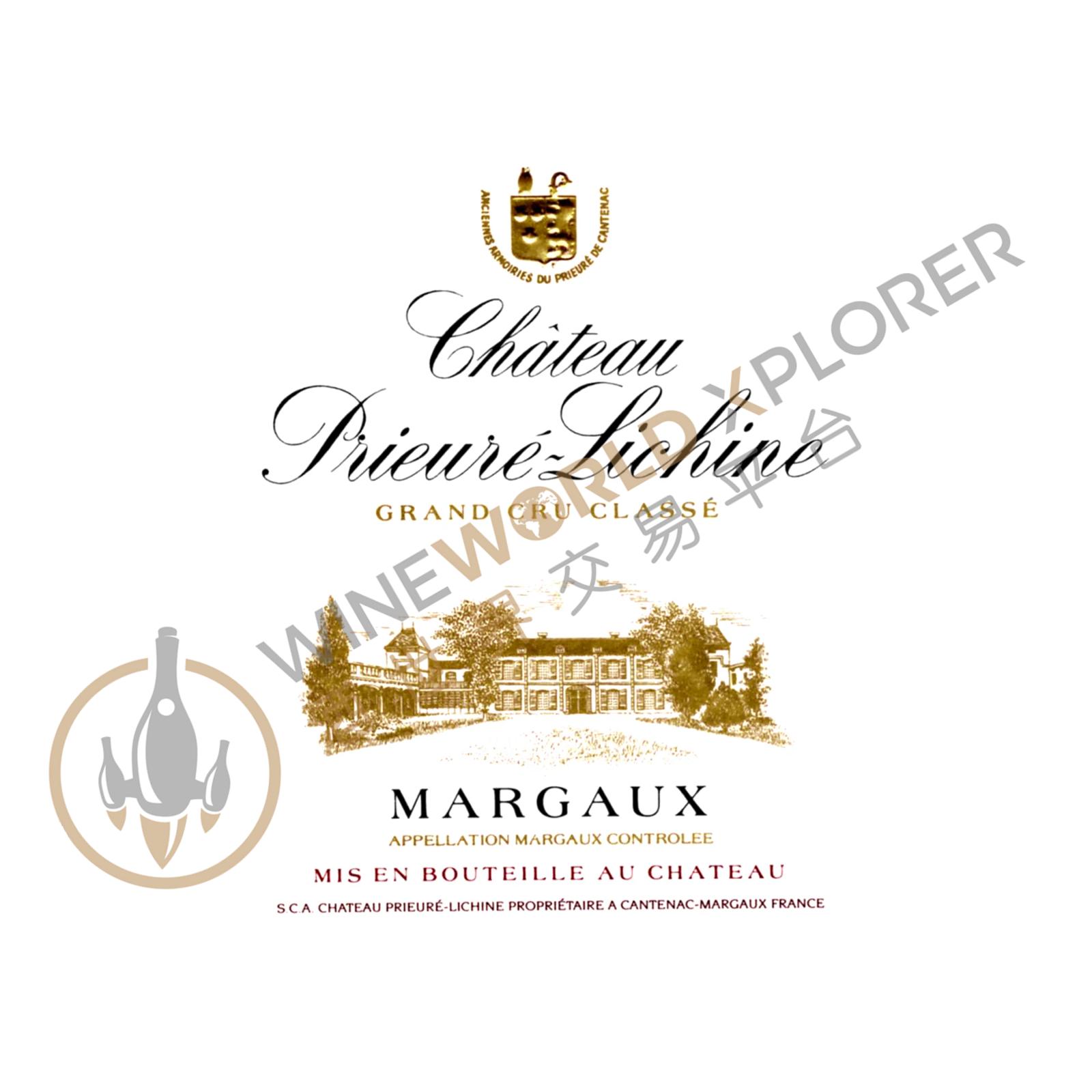
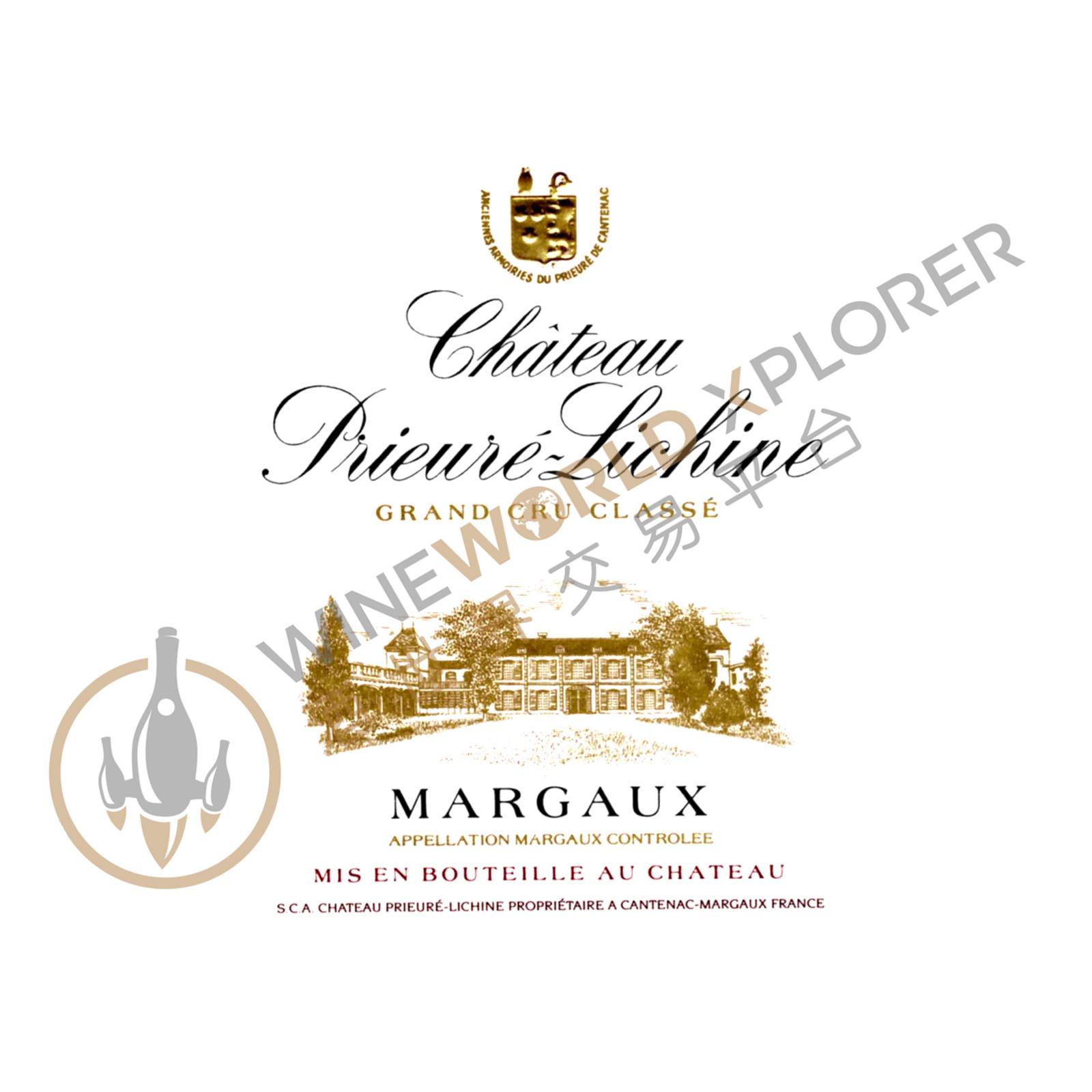
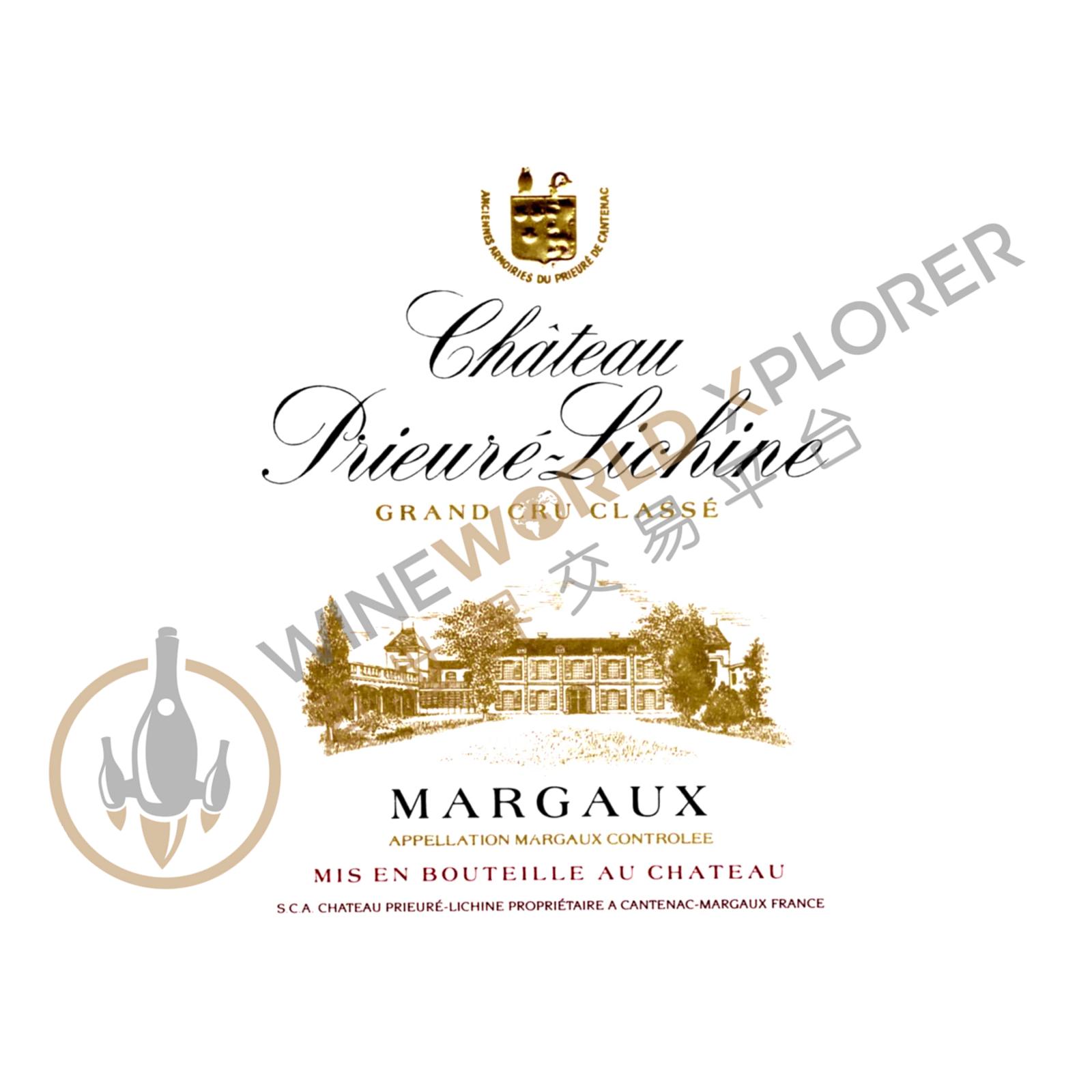
Château Prieuré-Lichine is an estate in the Margaux appellation of Bordeaux, ranked as a Fourth Growth in the official Bordeaux Classification of 1855. It is regarded as one of Margaux's most consistent producers and is known for its elegance and suppleness, derived in part from the relatively high proportion of Merlot in the blend. The estate is located in Cantenac (on an official, administrative, level Cantenac is now combined with Margaux), near to the châteaux of Kirwan and Boyd-Cantenac. There are 70 hectares (173 acres) of vineyards in numerous parcels within the Margaux appellation, of which around 40 hectares (100 acres) contribute to the grand vin. Vineyard plantings are 50 percent Cabernet Sauvignon, 45 percent Merlot, and 5 percent Petit Verdot. The second wine, launched in 1972 as Château de Clairefont, is now sold as Confidences de Prieuré-Lichine and is made from younger vines. Le Clocher du Prieuré is a Merlot-based Haut-Médoc from vineyards adjacent to those supplying the grand vin. The portfolio is completed by Le Blanc du Château Prieuré-Lichine, a Sauvignon Blanc – Semillon blend from a 1.5 hectare (3.7 acre) plot in Arsac, to the south of Margaux. Red wines are fermented in a mix of stainless steel and concrete vats of differing sizes, with long, gentle extraction. Malolactic fermentation takes place in barrel, and the wine is then aged for 16 months in barriques, 60 percent of which are new. The second wine sees 14 months in second- and third-fill barrels. The estate was founded as the Prieuré (Priory) de Cantenac in the 10th Century, and for many years was a stopping point for pilgrims on the pilgrimage to Santiago de Compostela. While vines were certainly planted from the 12th Century, the conversion of the property to a full-scale wine estate took place in the 1700s. Its current name refers to noted winemaker Alexis Lichine, who owned the estate from 1951 until his death in 1989. The estate was acquired by the Ballande group (which includes the Ballande & Méneret négociant firm) in 1999.
1959(1)1979(1)1984(1)1986(1)1991(1)
Package Size