Wine Advisor



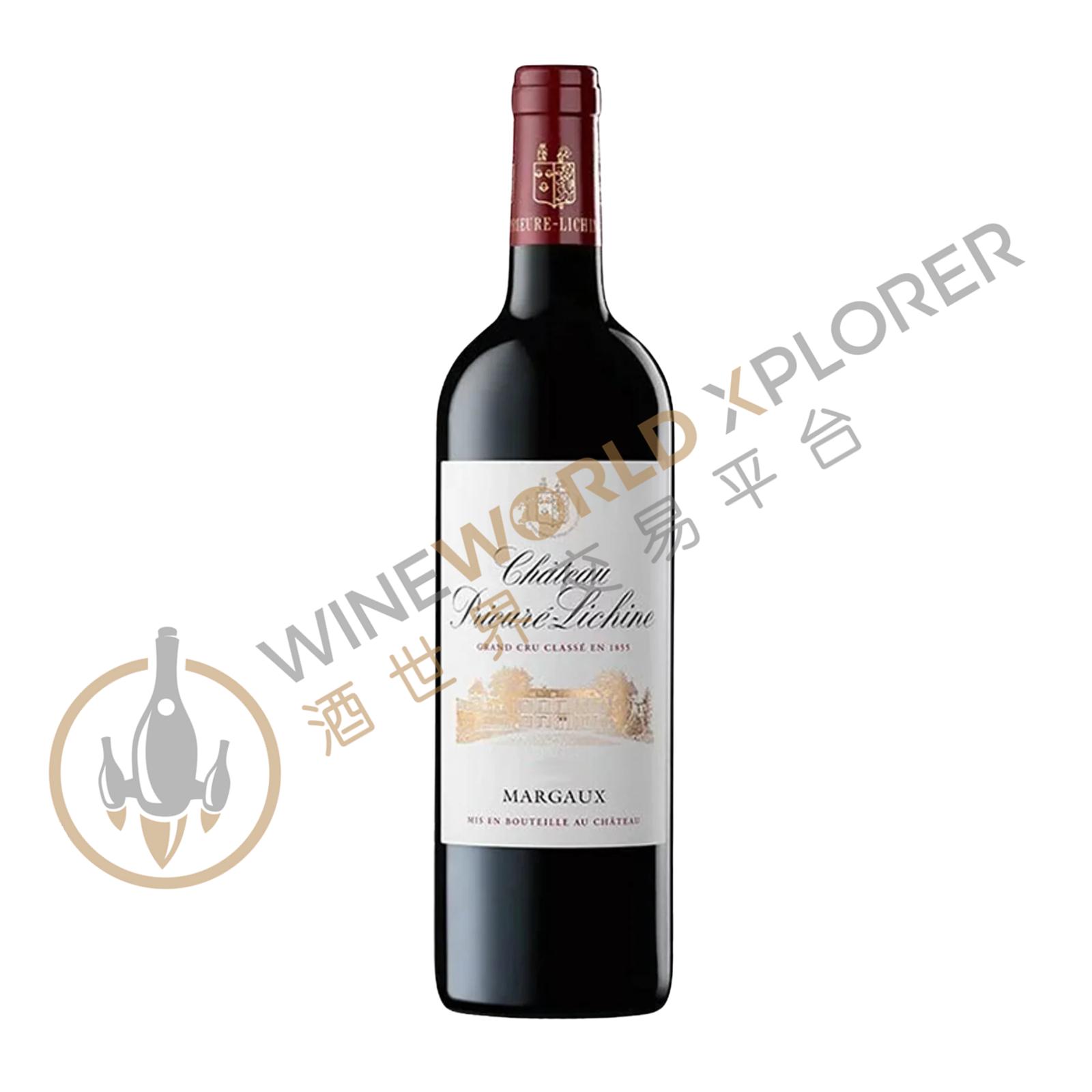
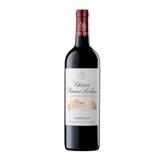
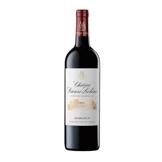
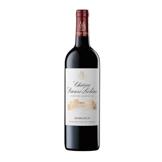
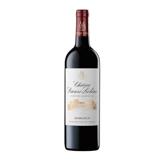
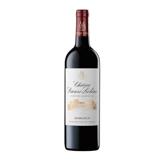
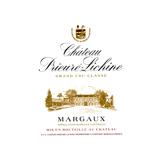
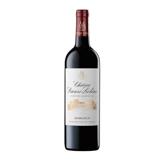
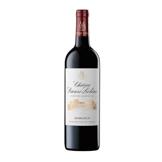
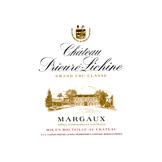
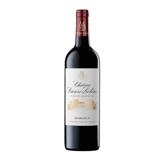
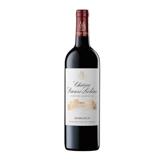
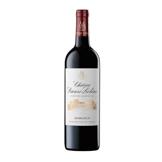
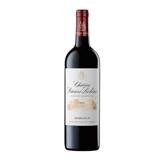
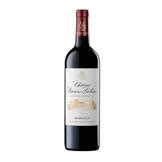
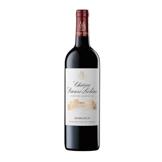
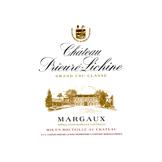
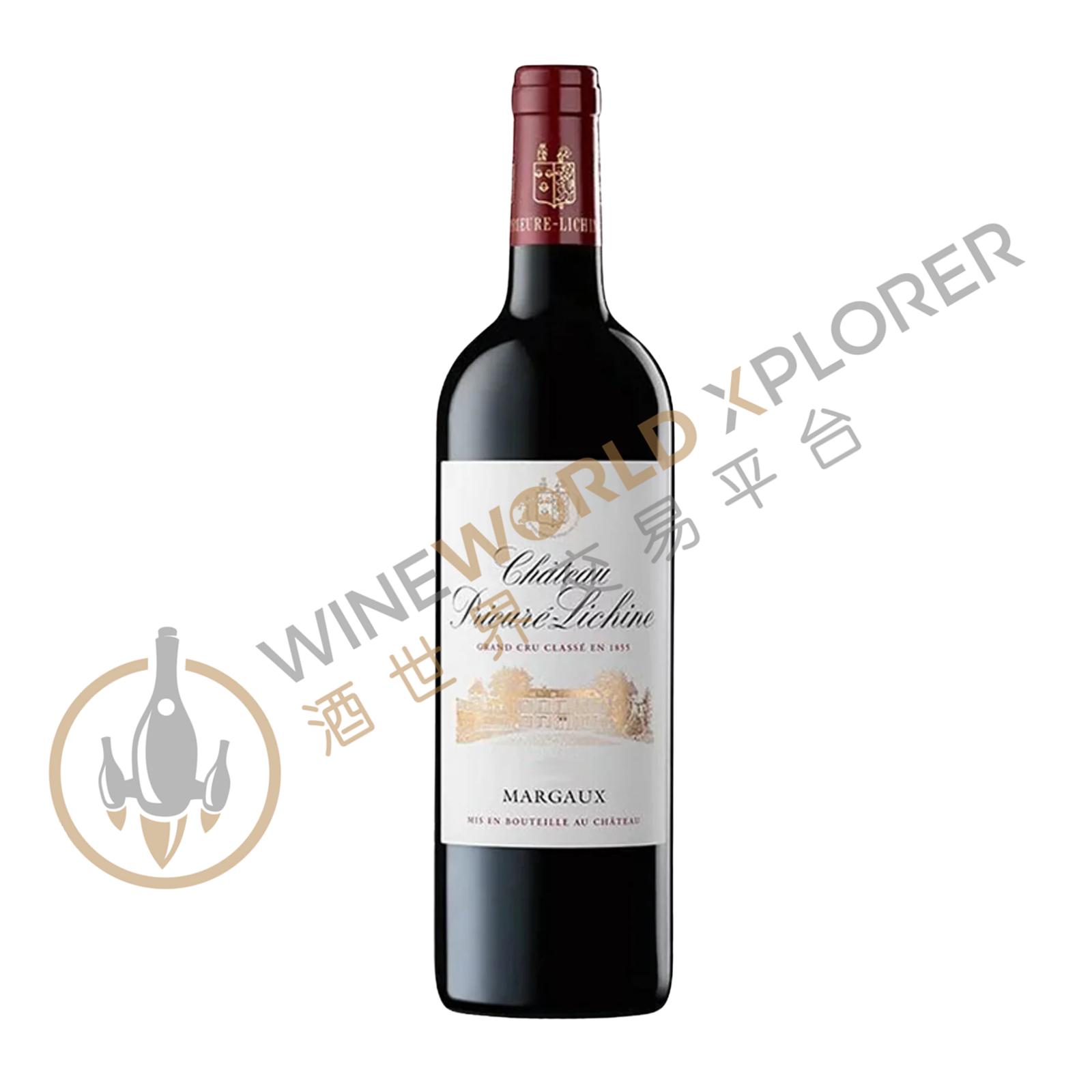
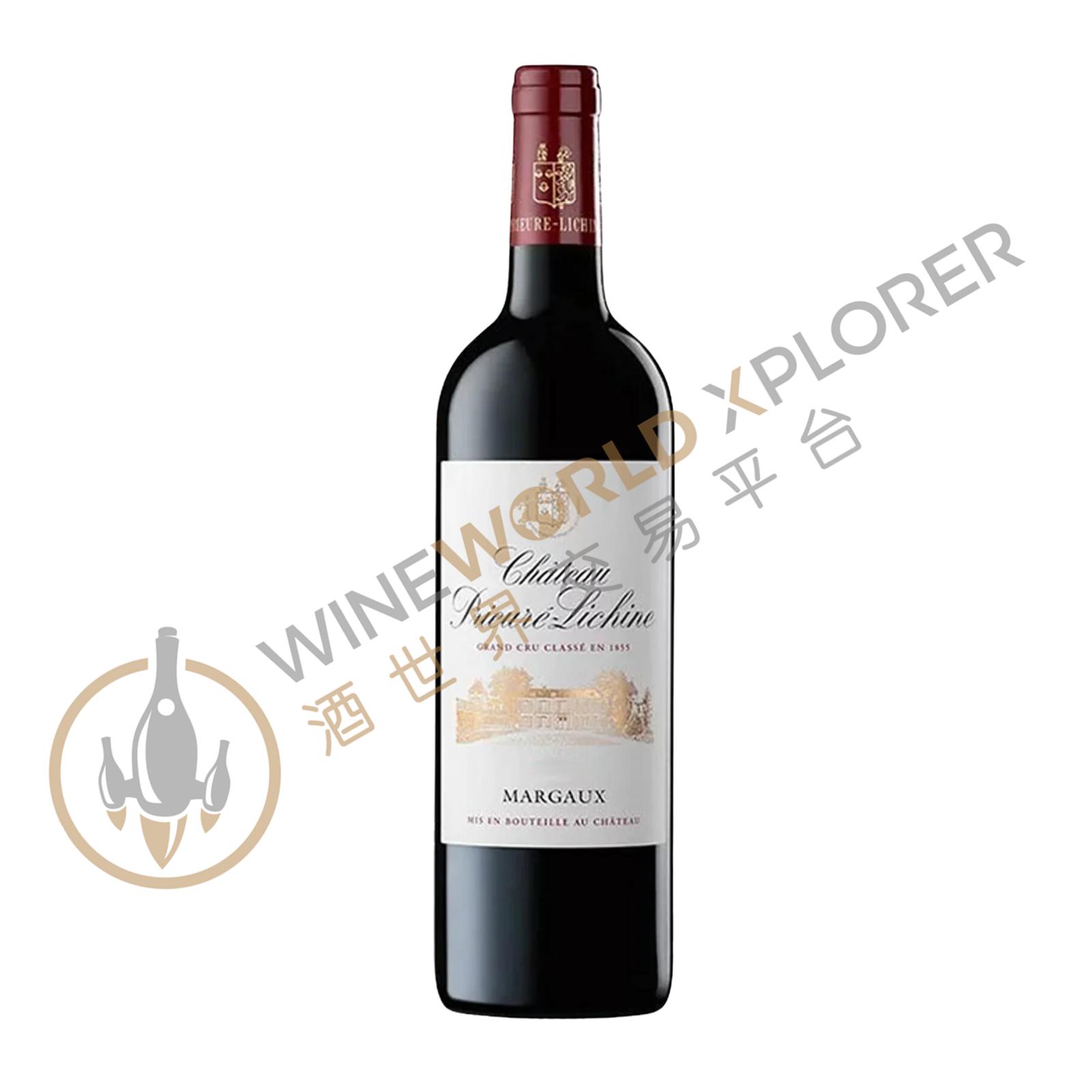
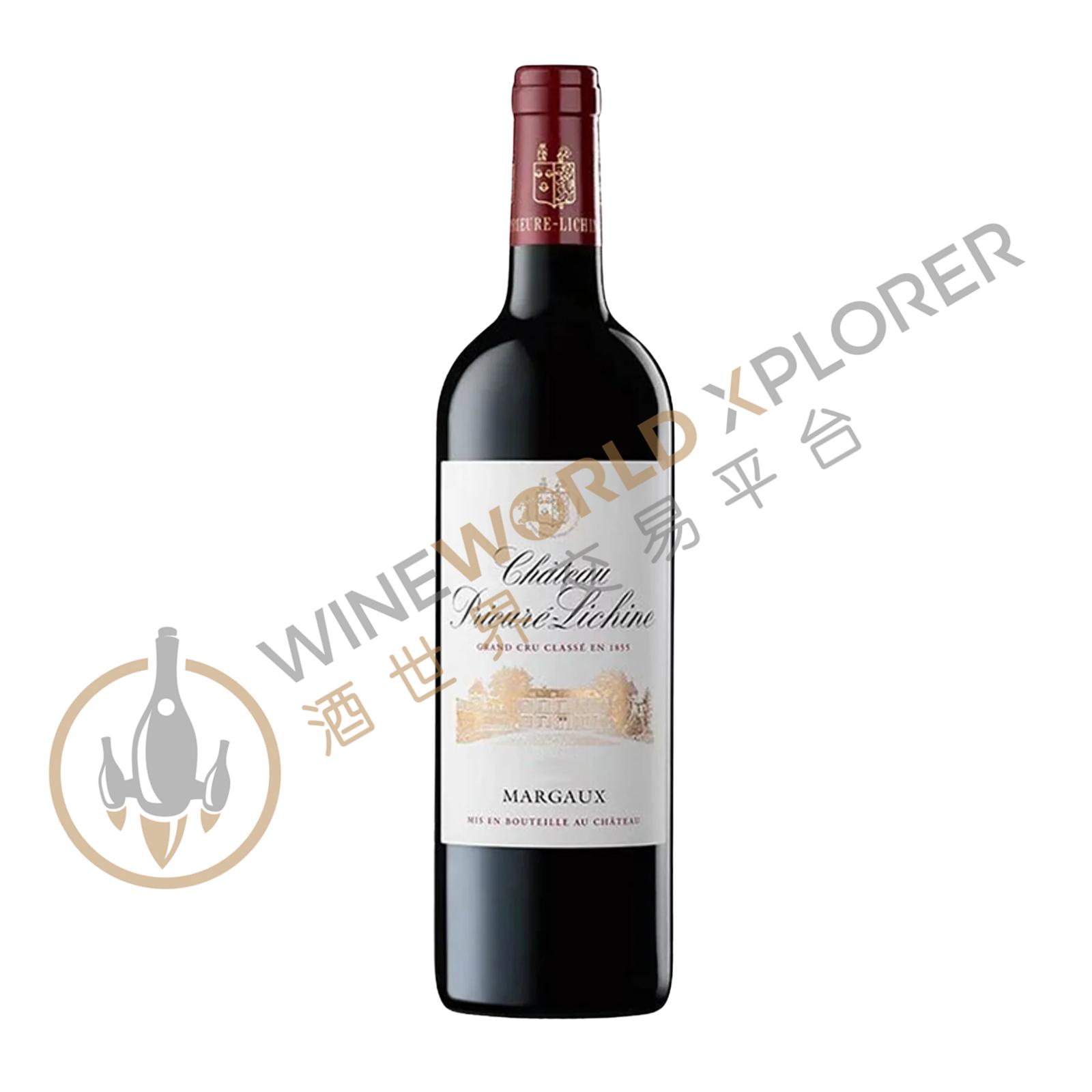
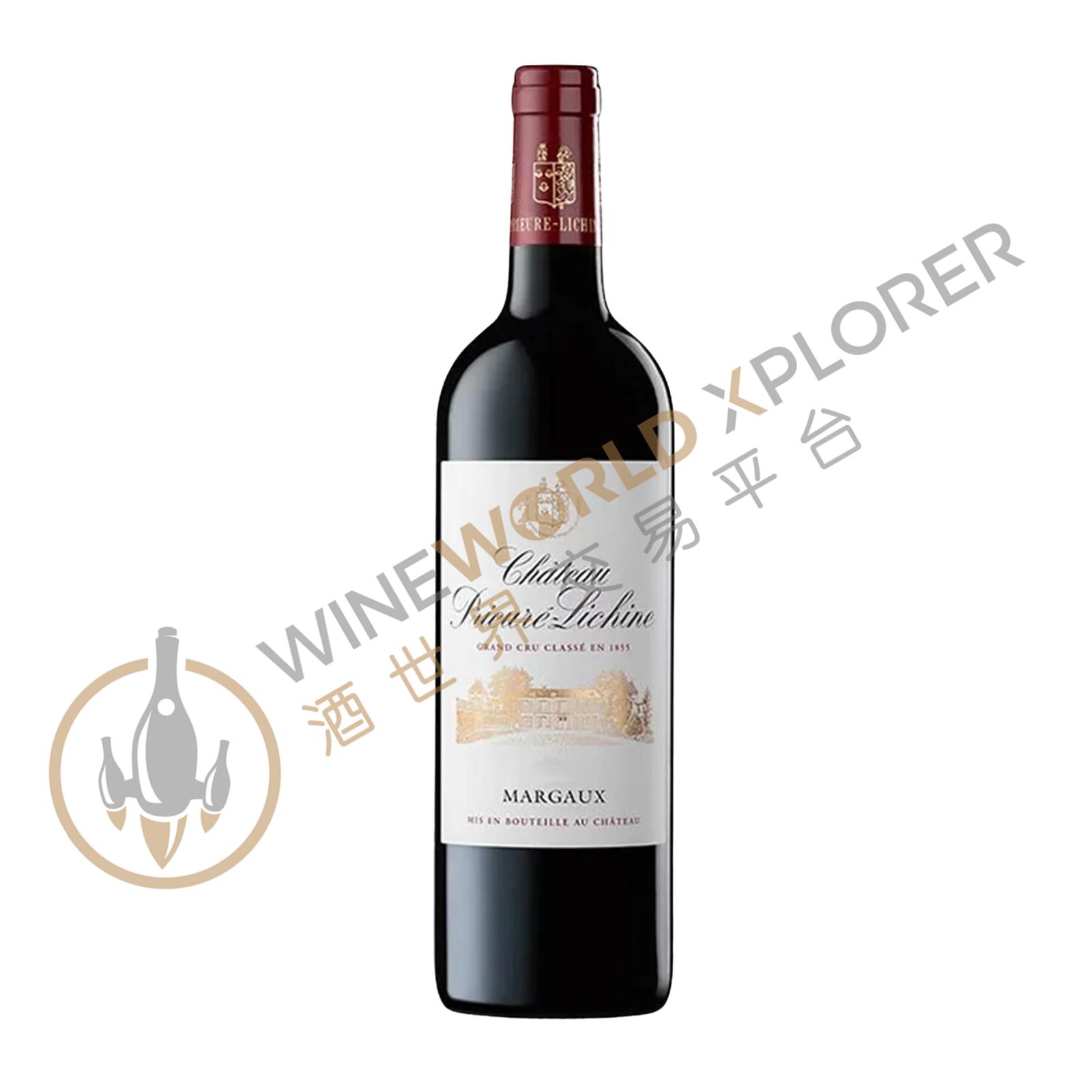
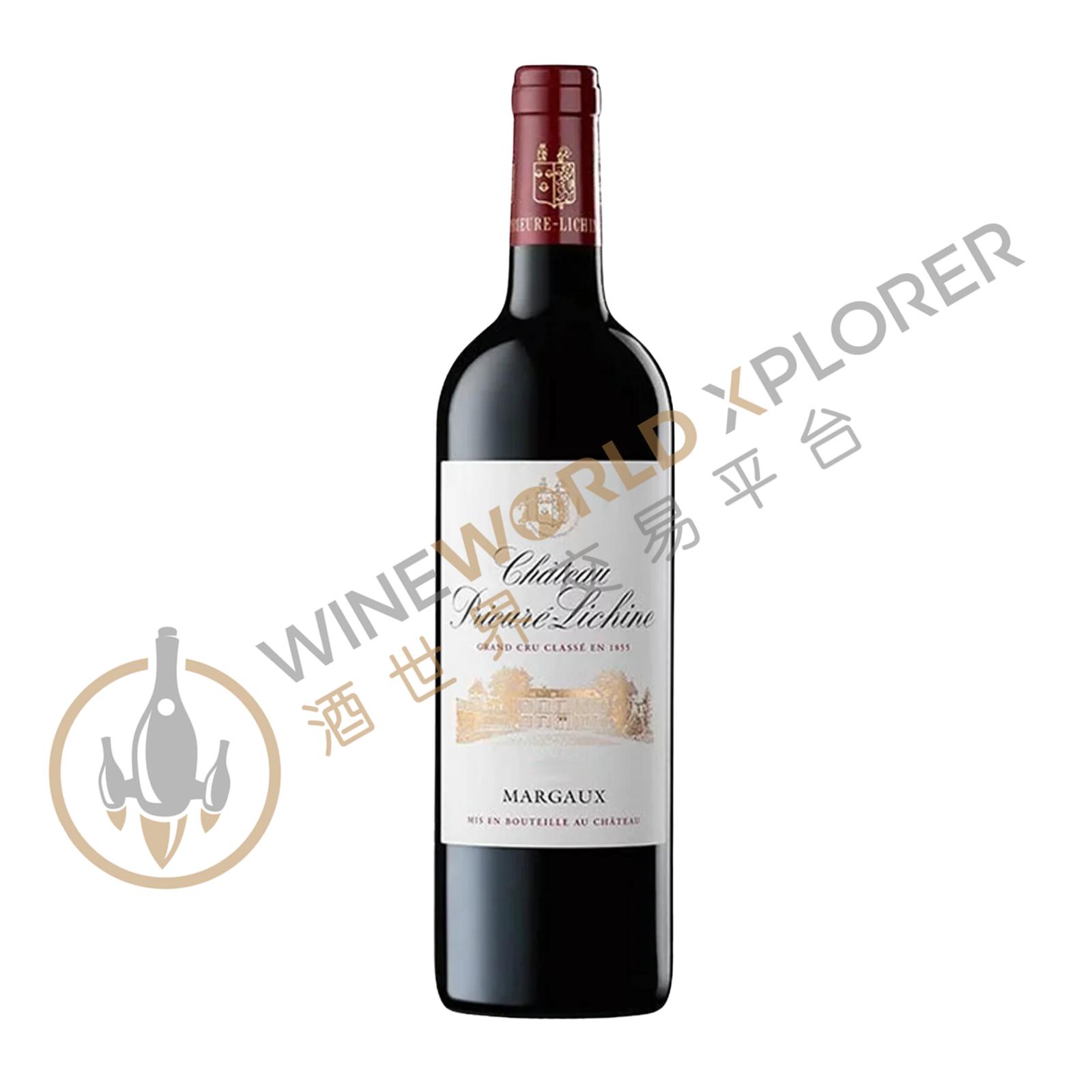
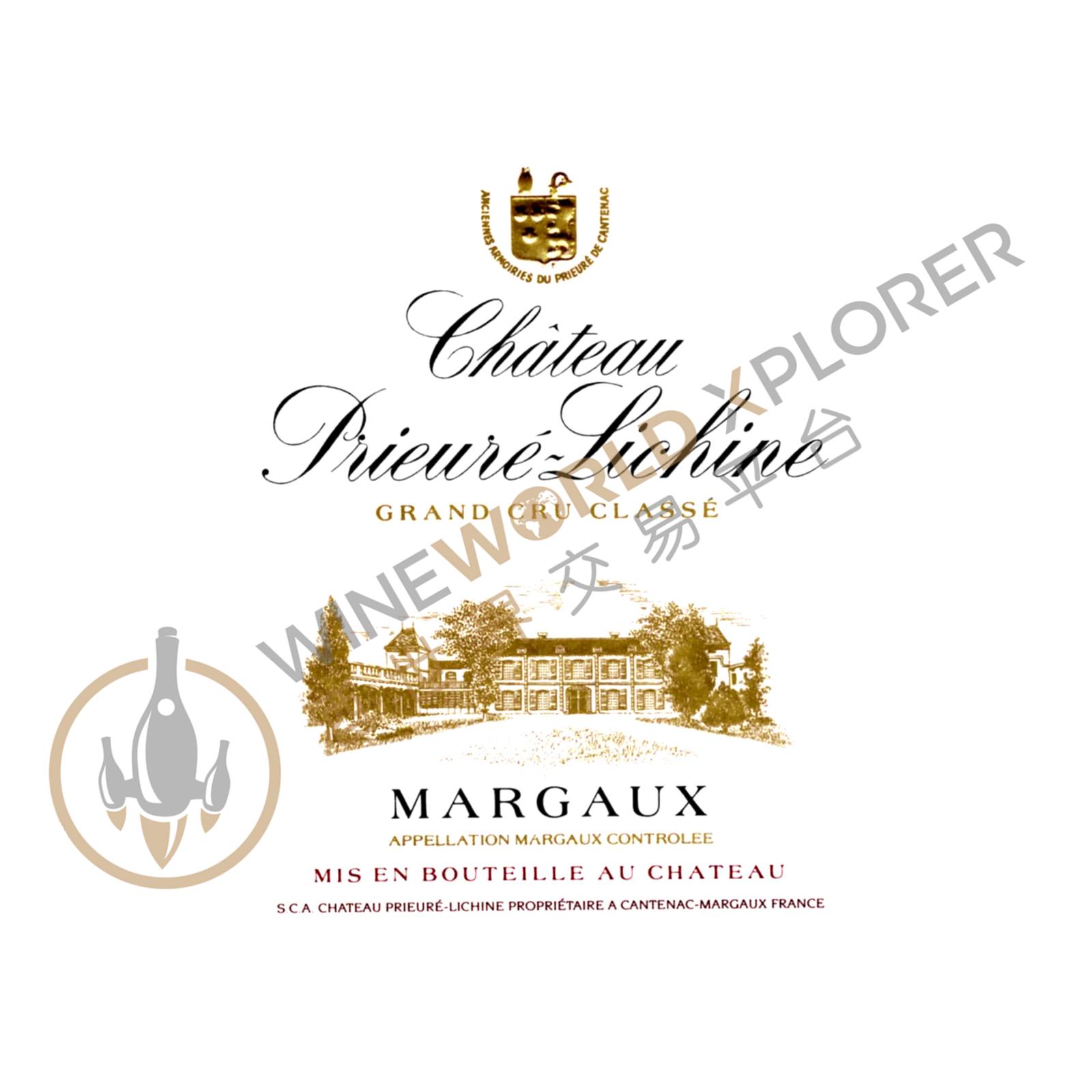
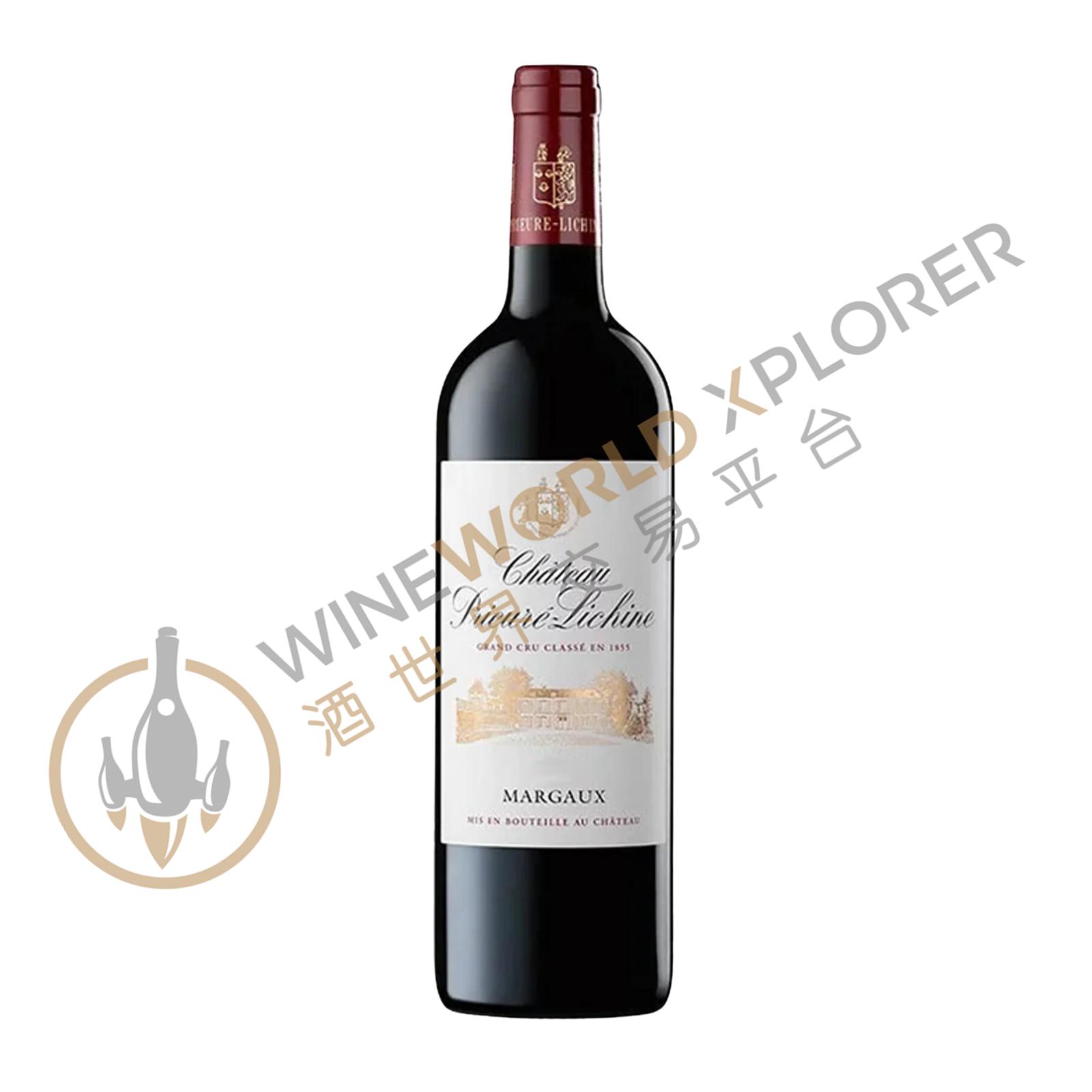
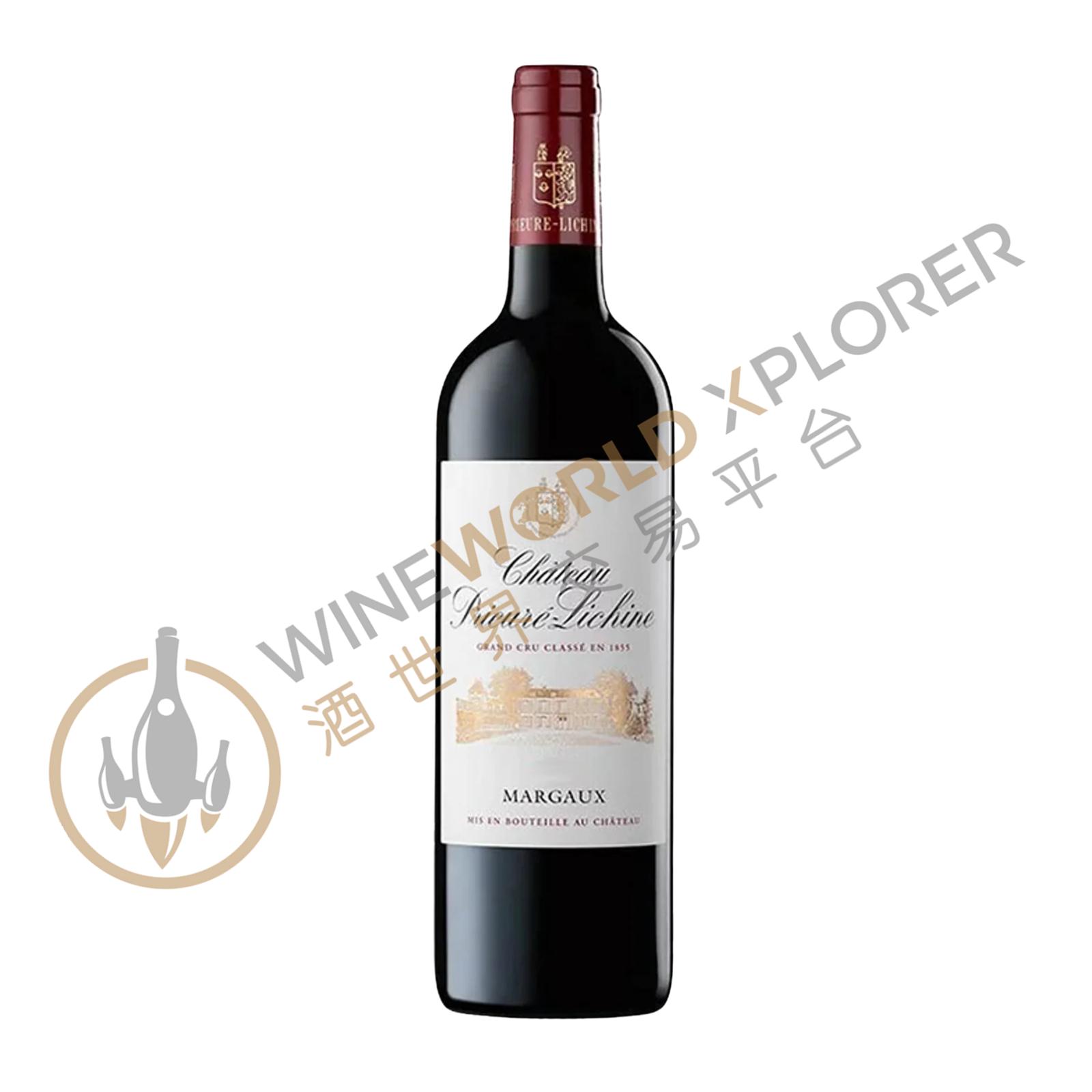
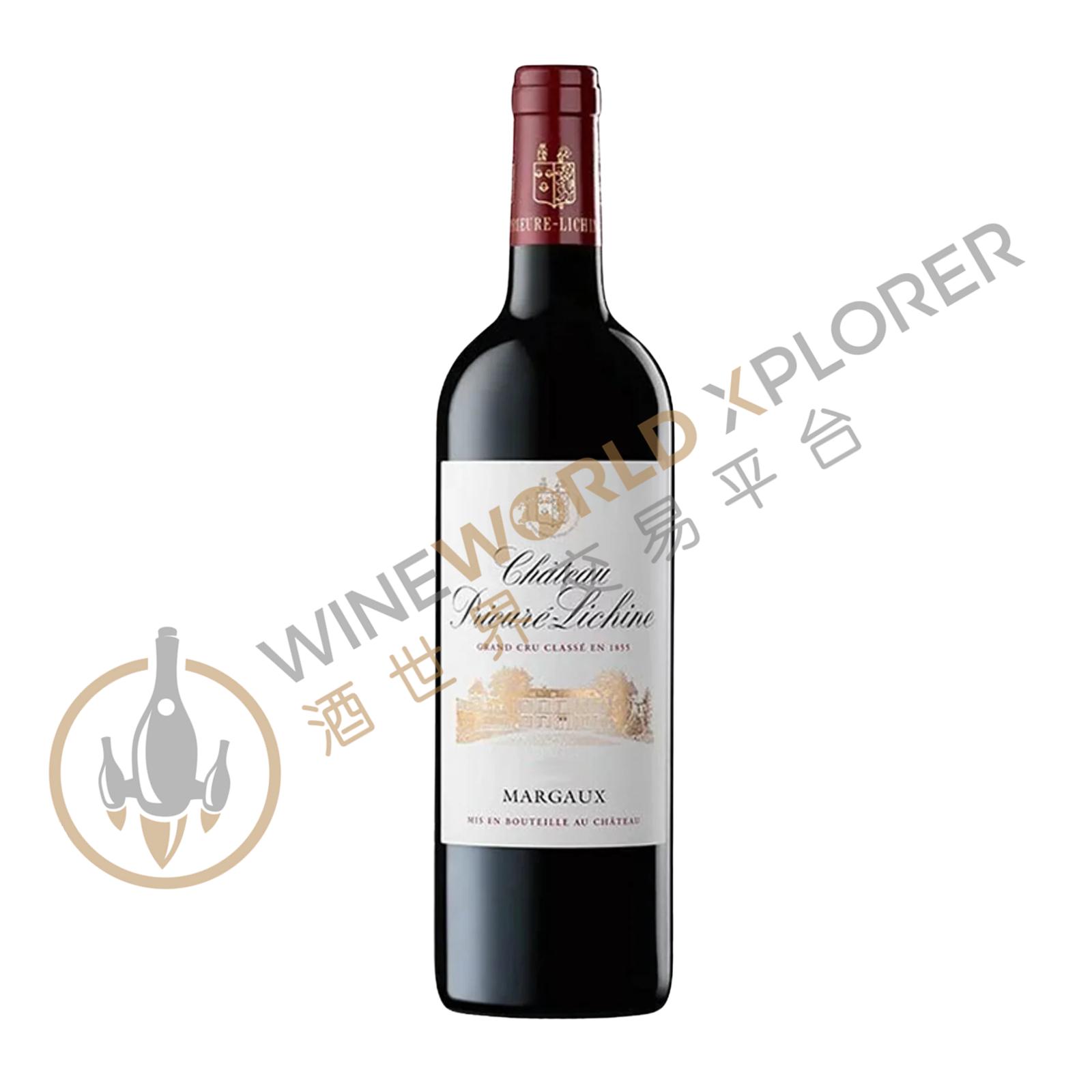
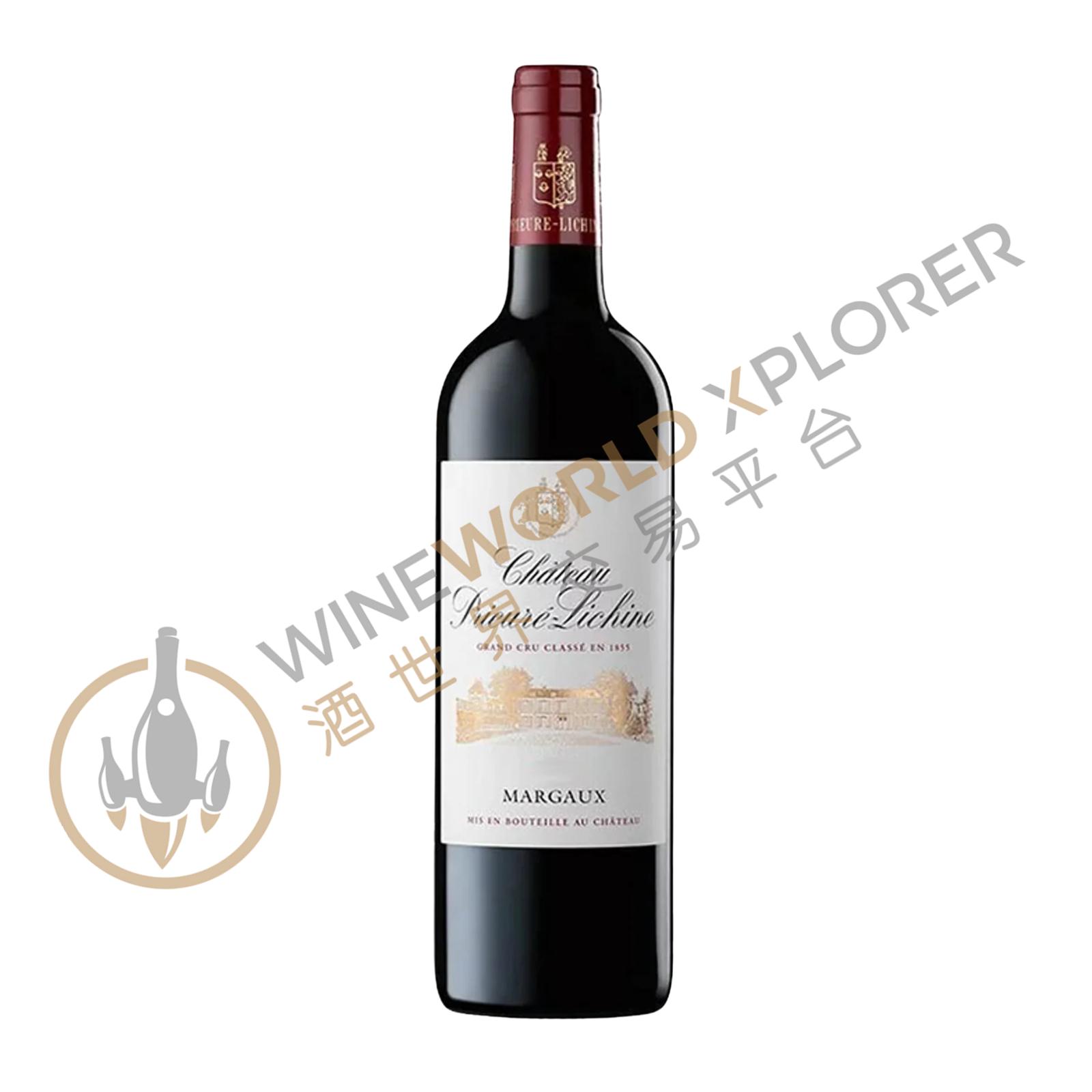
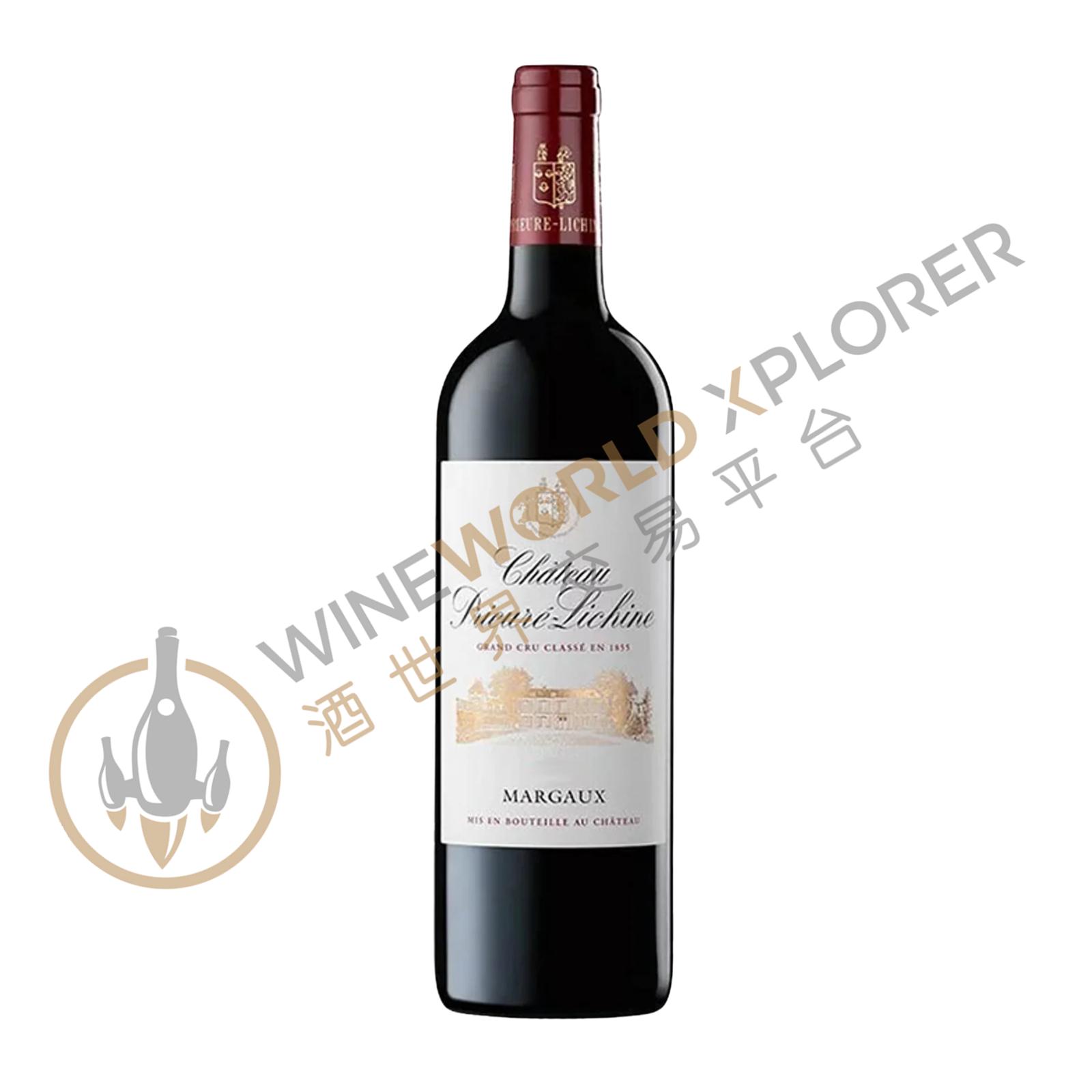
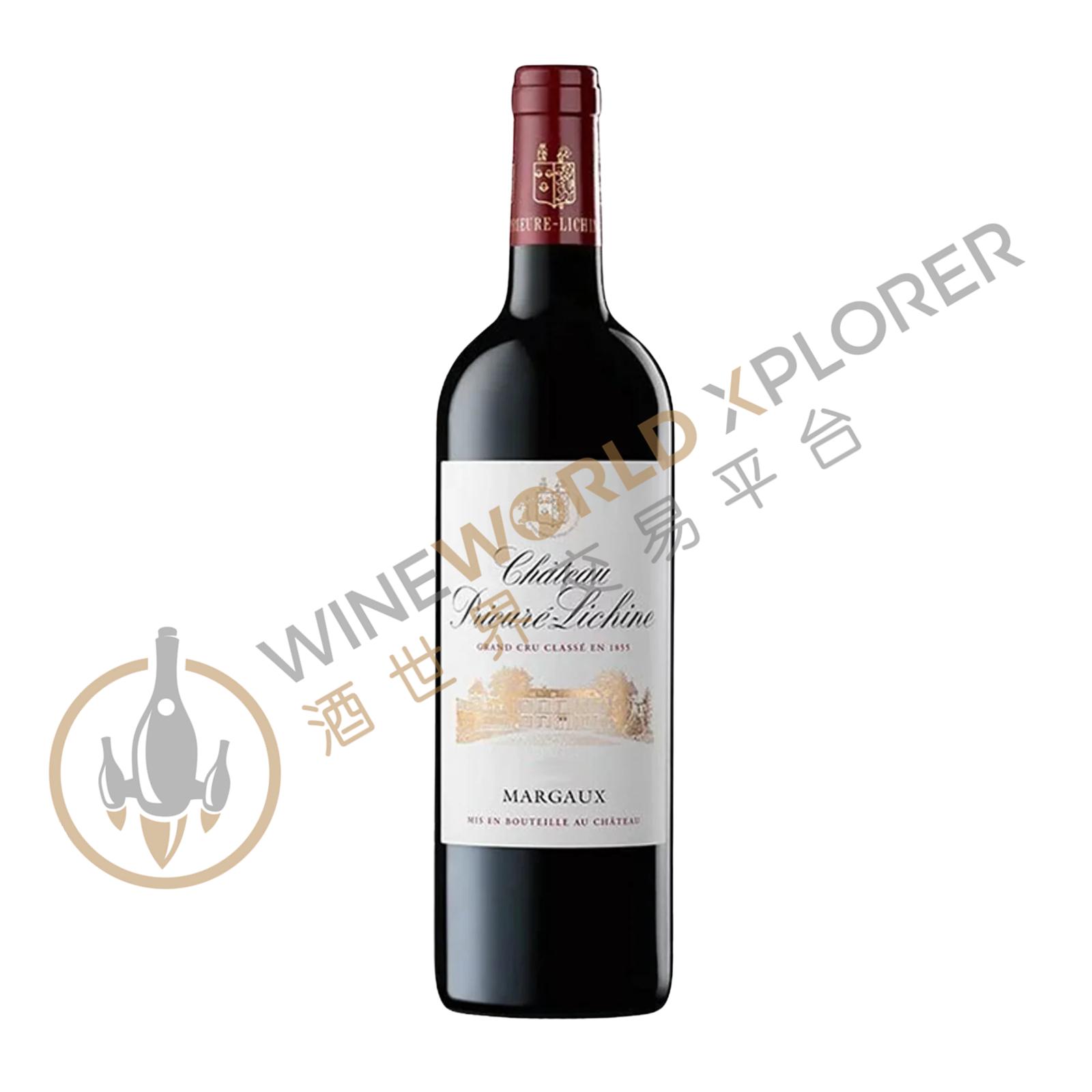
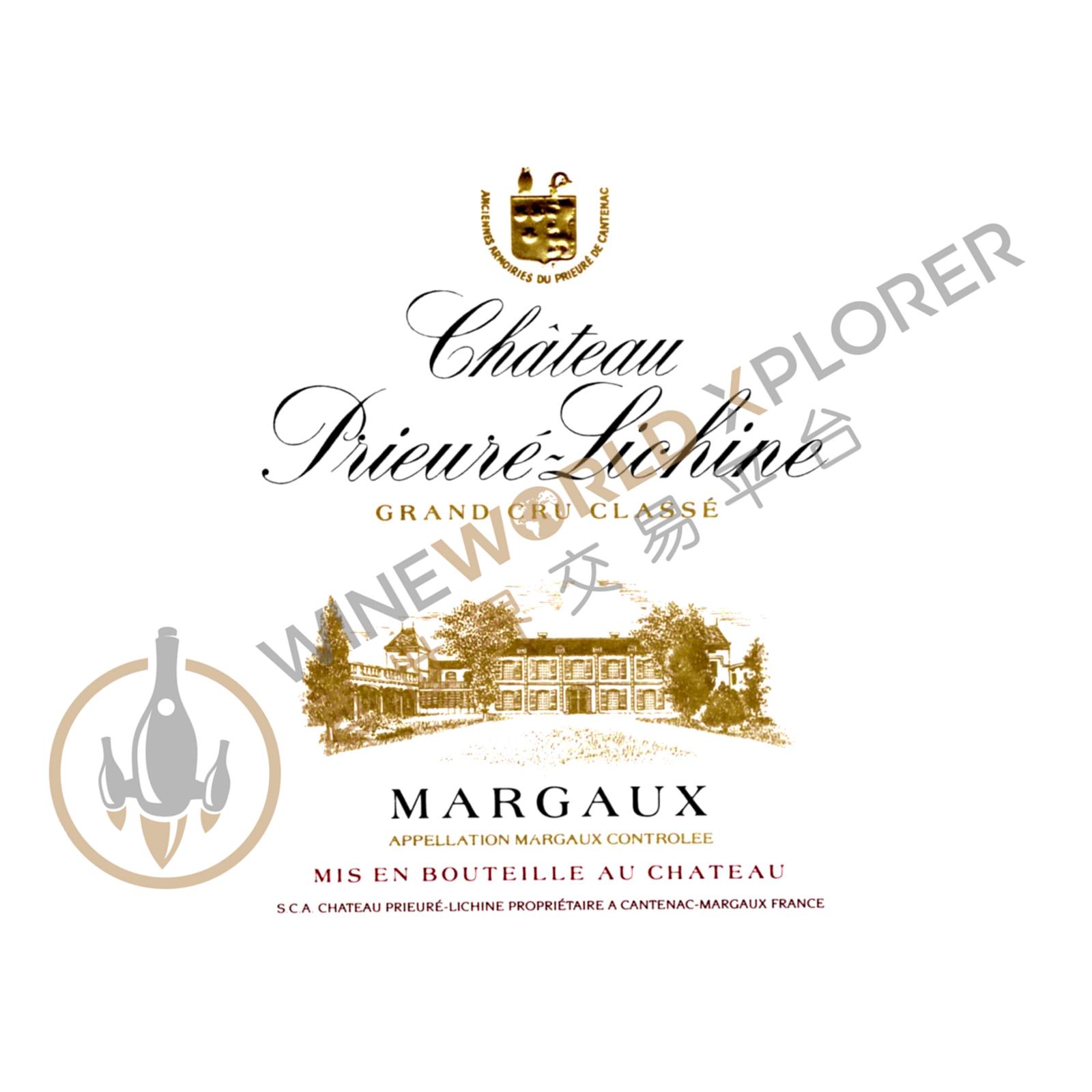
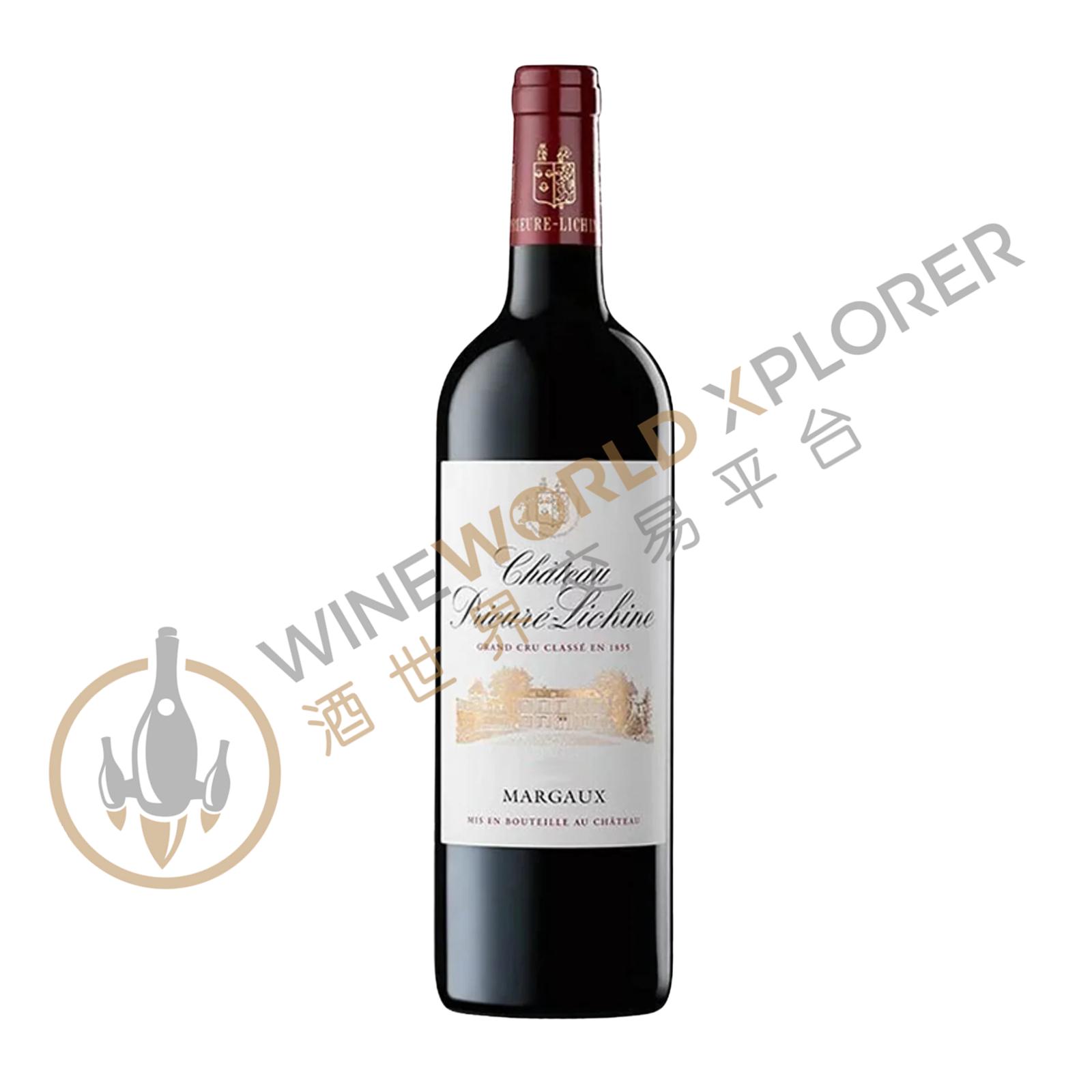
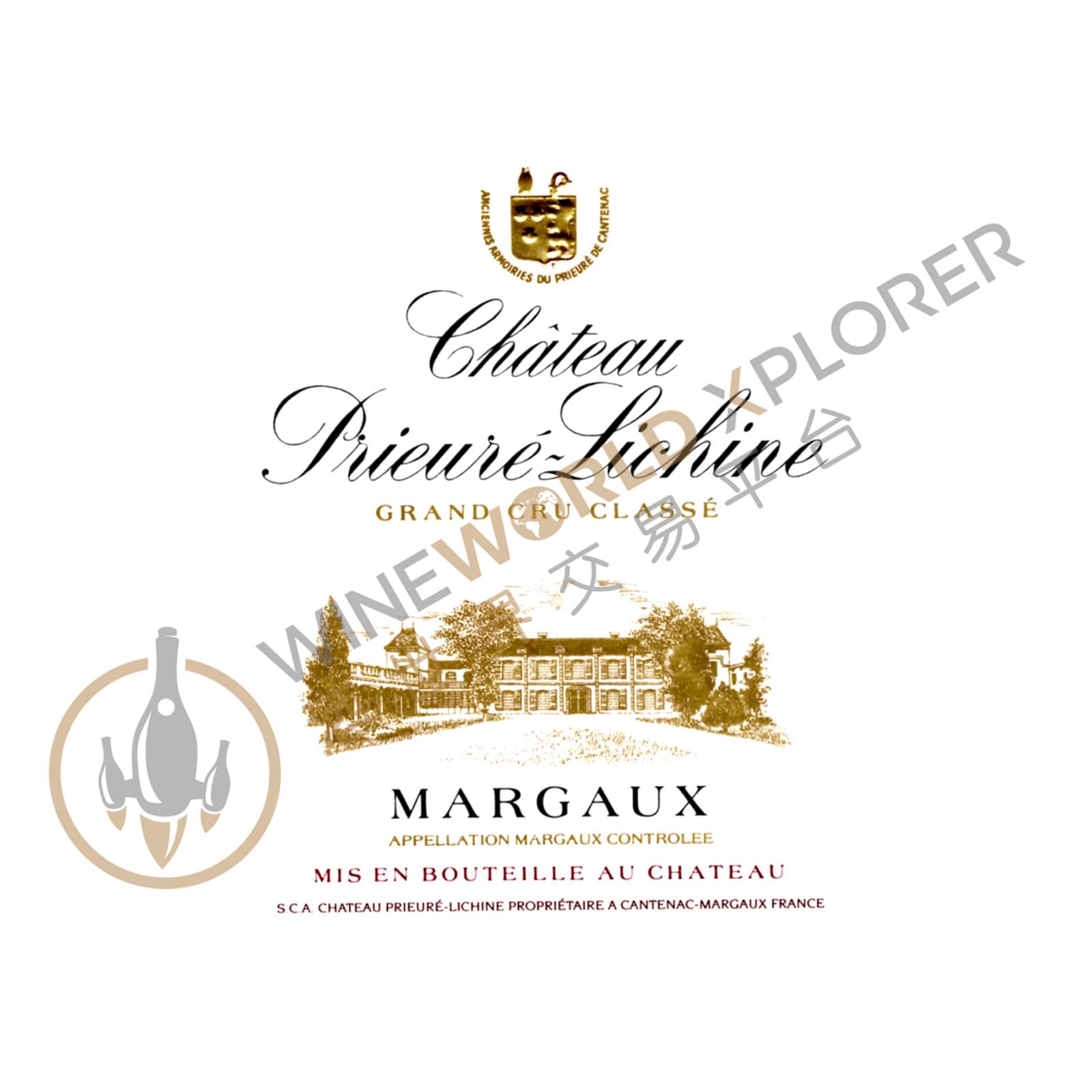
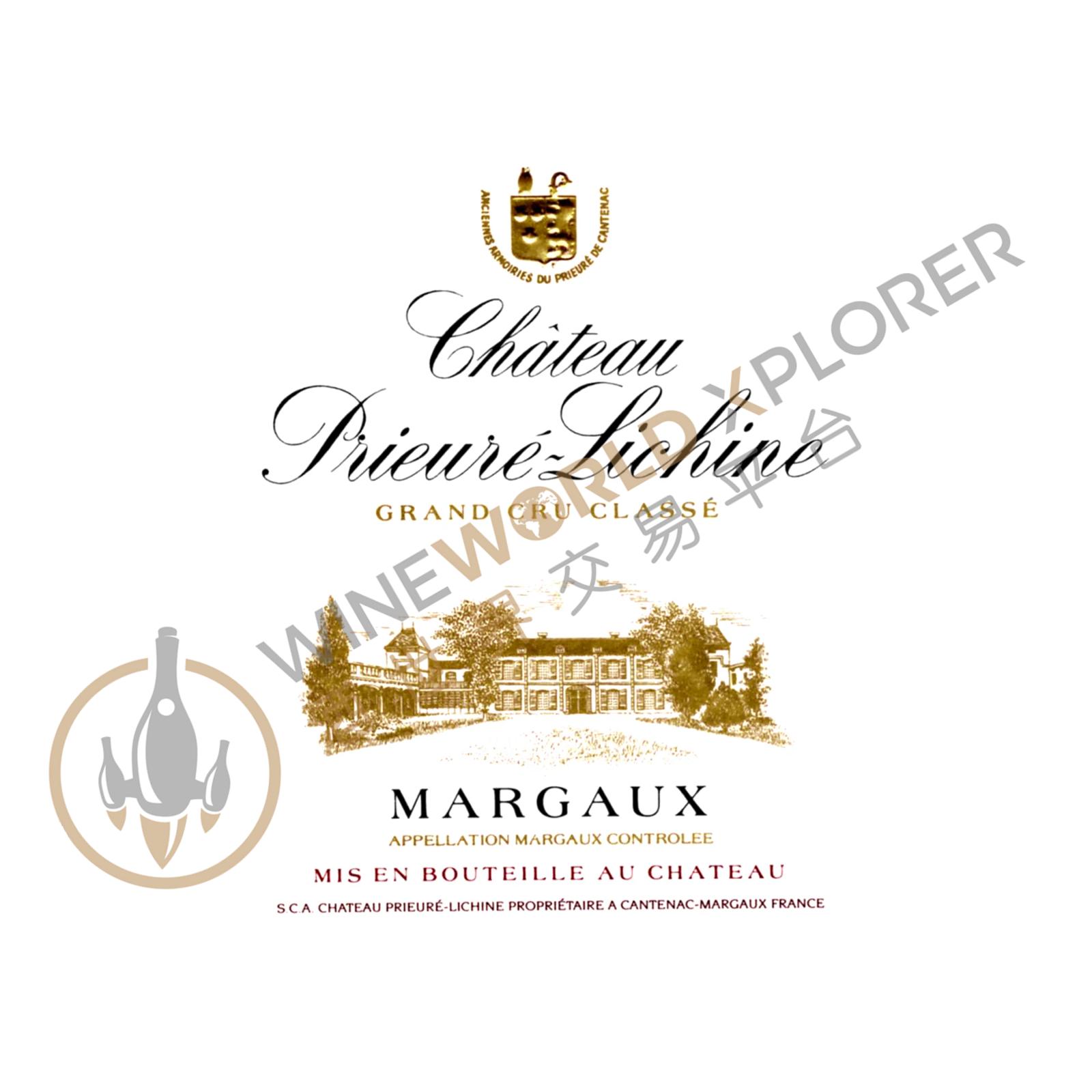
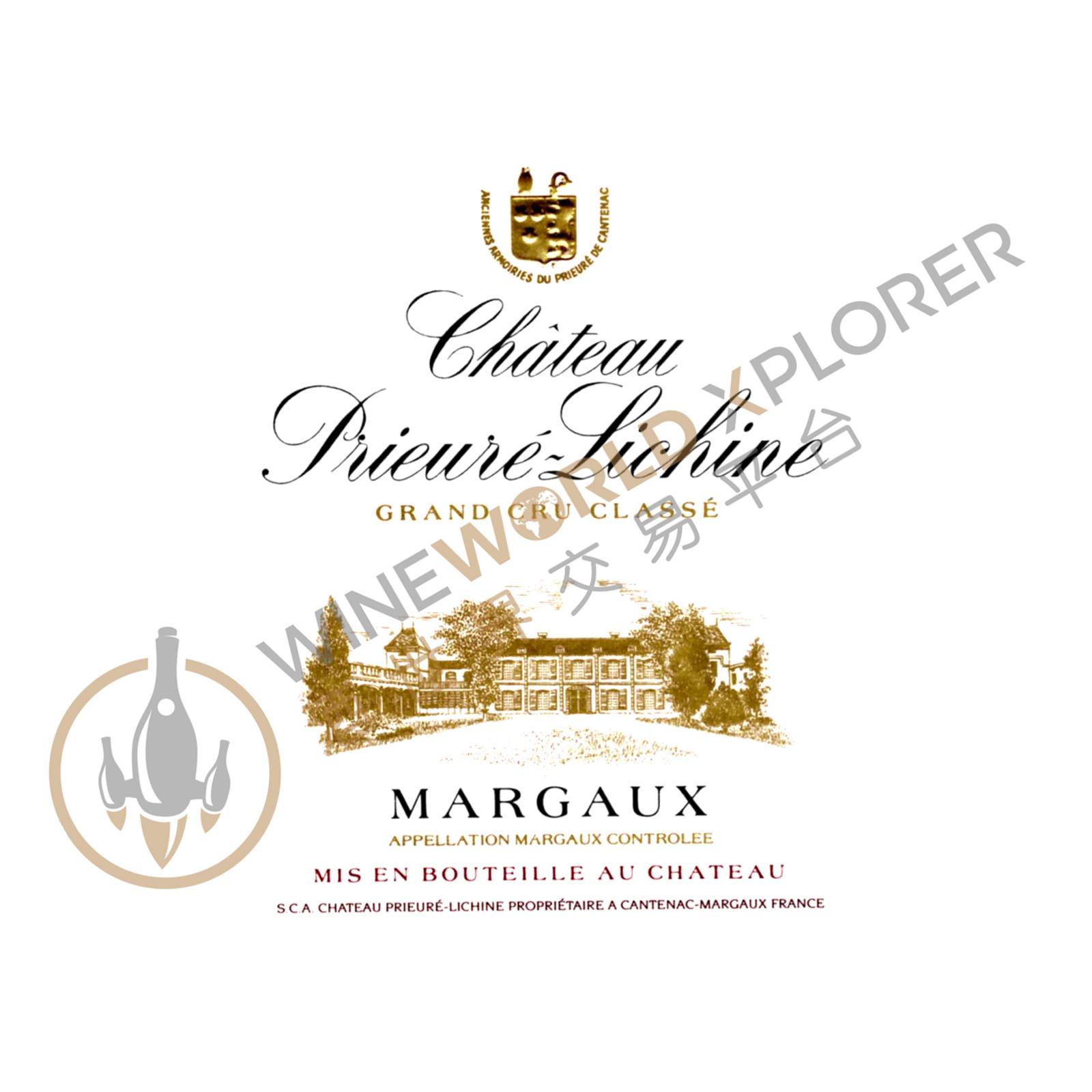
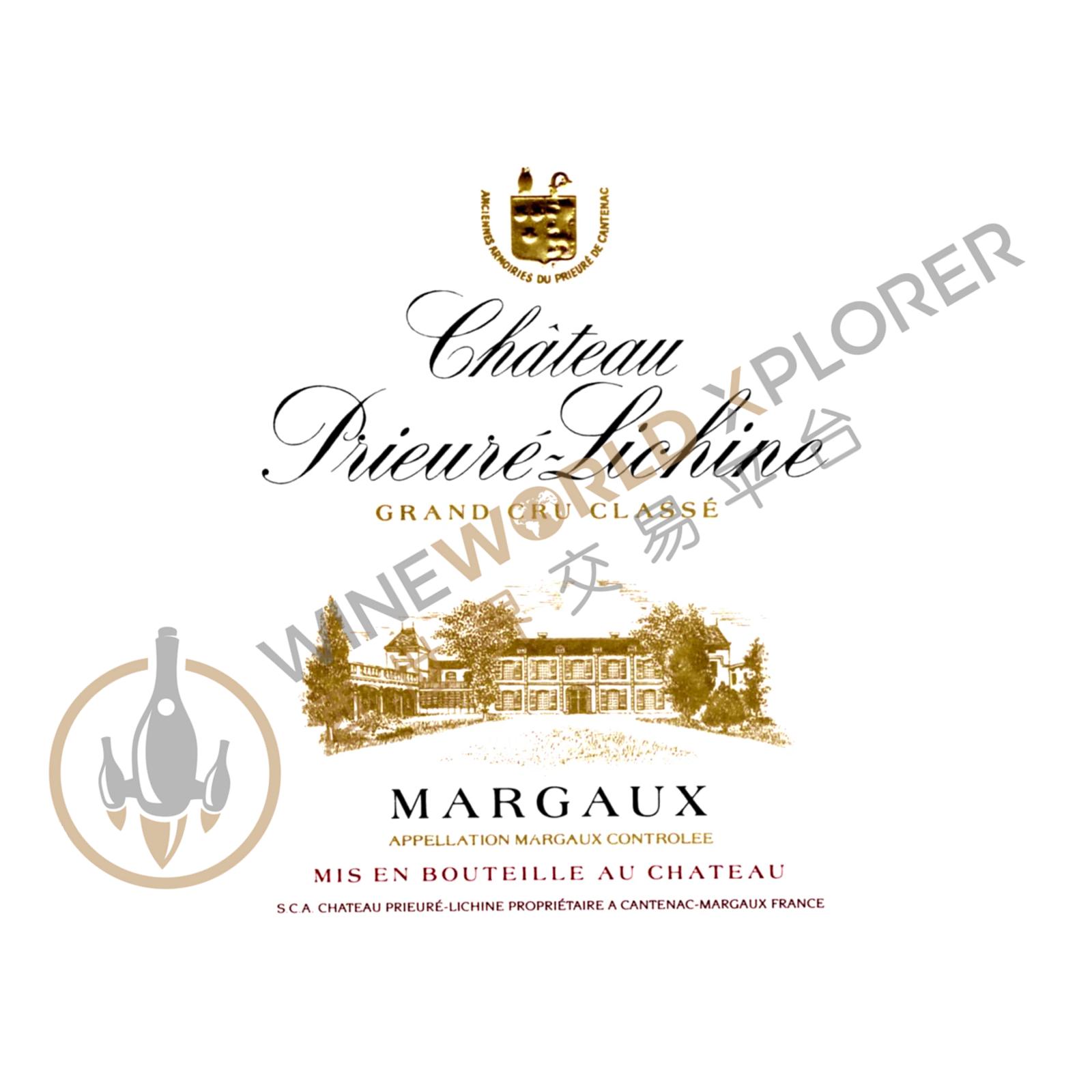
Prieure Lichine 2004
 View analysis


Description
Tasting notes

Reviewed by: Neal Martin
I found this Prieure-Lichine to be lacking when tasted out of barrel and it is no different in bottle. The nose is rather dour and very earthy, lacking the fruit intensity to back it up. The palate is very austere with a green streak marring the overall effect. Rather ordinary. Drink now-2012. Tasted November 2008.
Reviewed by: Neal Martin
A lean, quite earthy nose with dry tannins on the palate. Masculine, but fresh with a green stalky finish. Very classic in style, but I think barrel-ageing could really lift this wine. Fine. Tasted April 2005.
Reviewed by: Robert M. Parker, Jr.
An outstanding effort from Stephane Derenoncourt, Prieure-Lichine’s 2004, which appears to be even better than the 2003, exhibits a dark ruby/purple color in addition to a gorgeous bouquet of flowers, black fruits, spicy oak, and damp earth. Medium-bodied with superb concentration, wonderful elegance, and a layered, intense persistence on the palate, it should be drinkable in 2-3 years, and last for 16 or more.
Reviewed by: Robert M. Parker, Jr.
A sleeper of the vintage, the deep ruby/purple-tinged 2004 Prieure-Lichine is all about finesse and flavor intensity. Not a blockbuster, but rather a wine of sensual appeal, it offers superb aromatics of cherry liqueur, underbrush, cedar, and spring flowers. Silky and soft, with medium body, beautiful fruit, and a depth that builds incrementally, this consumer-friendly Margaux can be enjoyed over the next 12-15 years. This defines charm.
About the Producer
Château Prieuré-Lichine is an estate in the Margaux appellation of Bordeaux, ranked as a Fourth Growth in the official Bordeaux Classification of 1855. It is regarded as one of Margaux's most consistent producers and is known for its elegance and suppleness, derived in part from the relatively high proportion of Merlot in the blend. The estate is located in Cantenac (on an official, administrative, level Cantenac is now combined with Margaux), near to the châteaux of Kirwan and Boyd-Cantenac. There are 70 hectares (173 acres) of vineyards in numerous parcels within the Margaux appellation, of which around 40 hectares (100 acres) contribute to the grand vin. Vineyard plantings are 50 percent Cabernet Sauvignon, 45 percent Merlot, and 5 percent Petit Verdot. The second wine, launched in 1972 as Château de Clairefont, is now sold as Confidences de Prieuré-Lichine and is made from younger vines. Le Clocher du Prieuré is a Merlot-based Haut-Médoc from vineyards adjacent to those supplying the grand vin. The portfolio is completed by Le Blanc du Château Prieuré-Lichine, a Sauvignon Blanc – Semillon blend from a 1.5 hectare (3.7 acre) plot in Arsac, to the south of Margaux. Red wines are fermented in a mix of stainless steel and concrete vats of differing sizes, with long, gentle extraction. Malolactic fermentation takes place in barrel, and the wine is then aged for 16 months in barriques, 60 percent of which are new. The second wine sees 14 months in second- and third-fill barrels. The estate was founded as the Prieuré (Priory) de Cantenac in the 10th Century, and for many years was a stopping point for pilgrims on the pilgrimage to Santiago de Compostela. While vines were certainly planted from the 12th Century, the conversion of the property to a full-scale wine estate took place in the 1700s. Its current name refers to noted winemaker Alexis Lichine, who owned the estate from 1951 until his death in 1989. The estate was acquired by the Ballande group (which includes the Ballande & Méneret négociant firm) in 1999.
1959(1)1979(1)1984(1)1986(1)1991(1)1995(1)1997(1)2000(2)2003(3)
Package Size