Wine Advisor



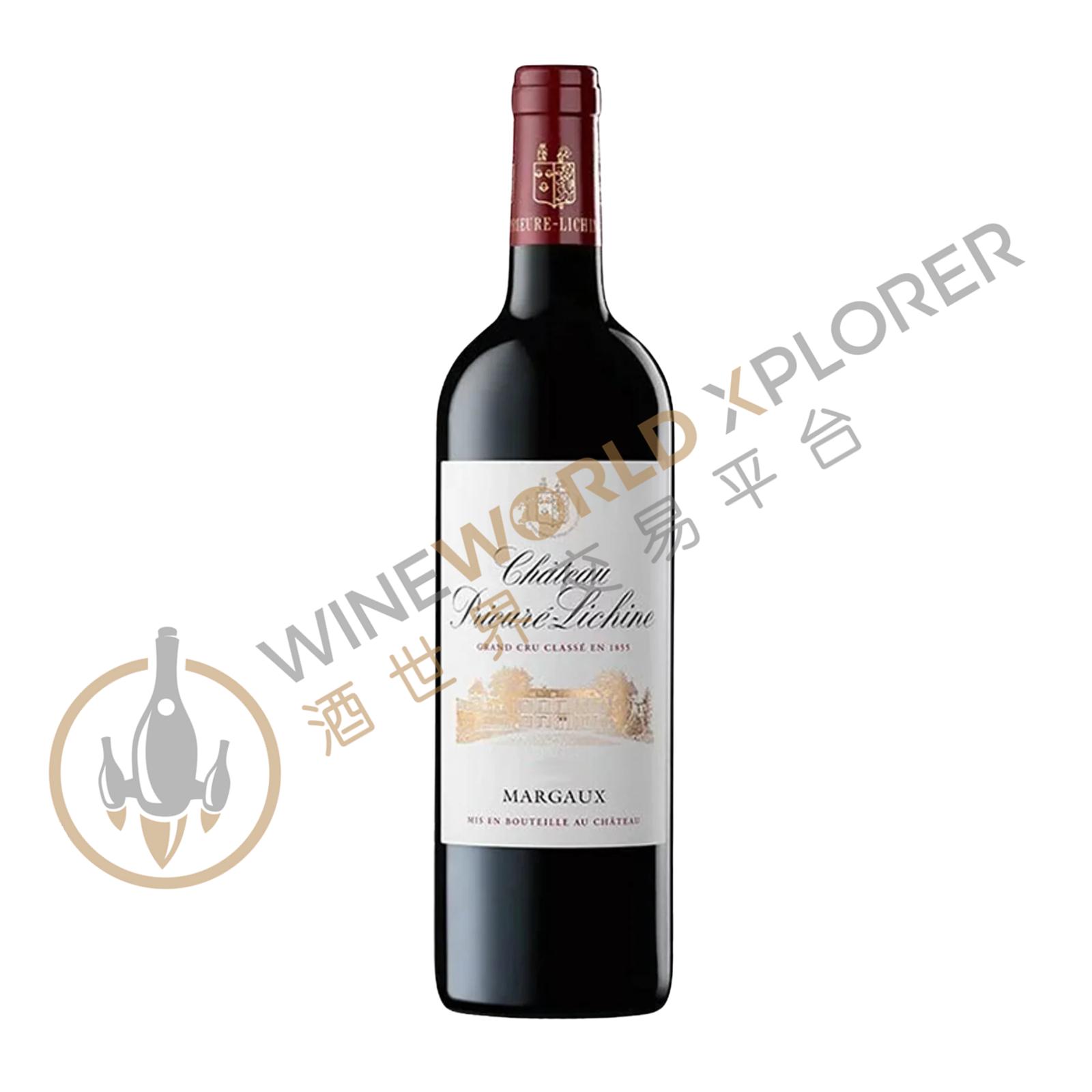
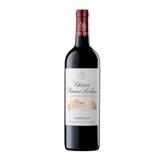
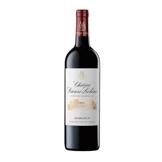
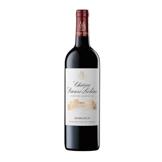
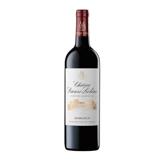
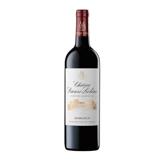
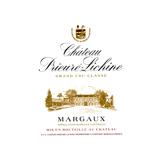
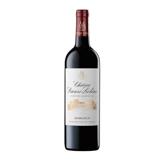
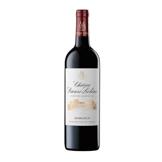
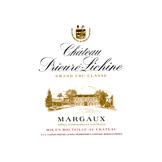
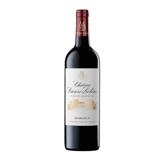
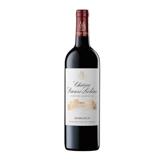
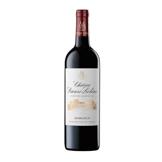
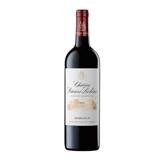
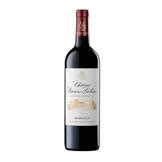
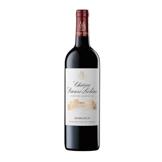
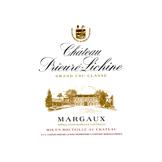
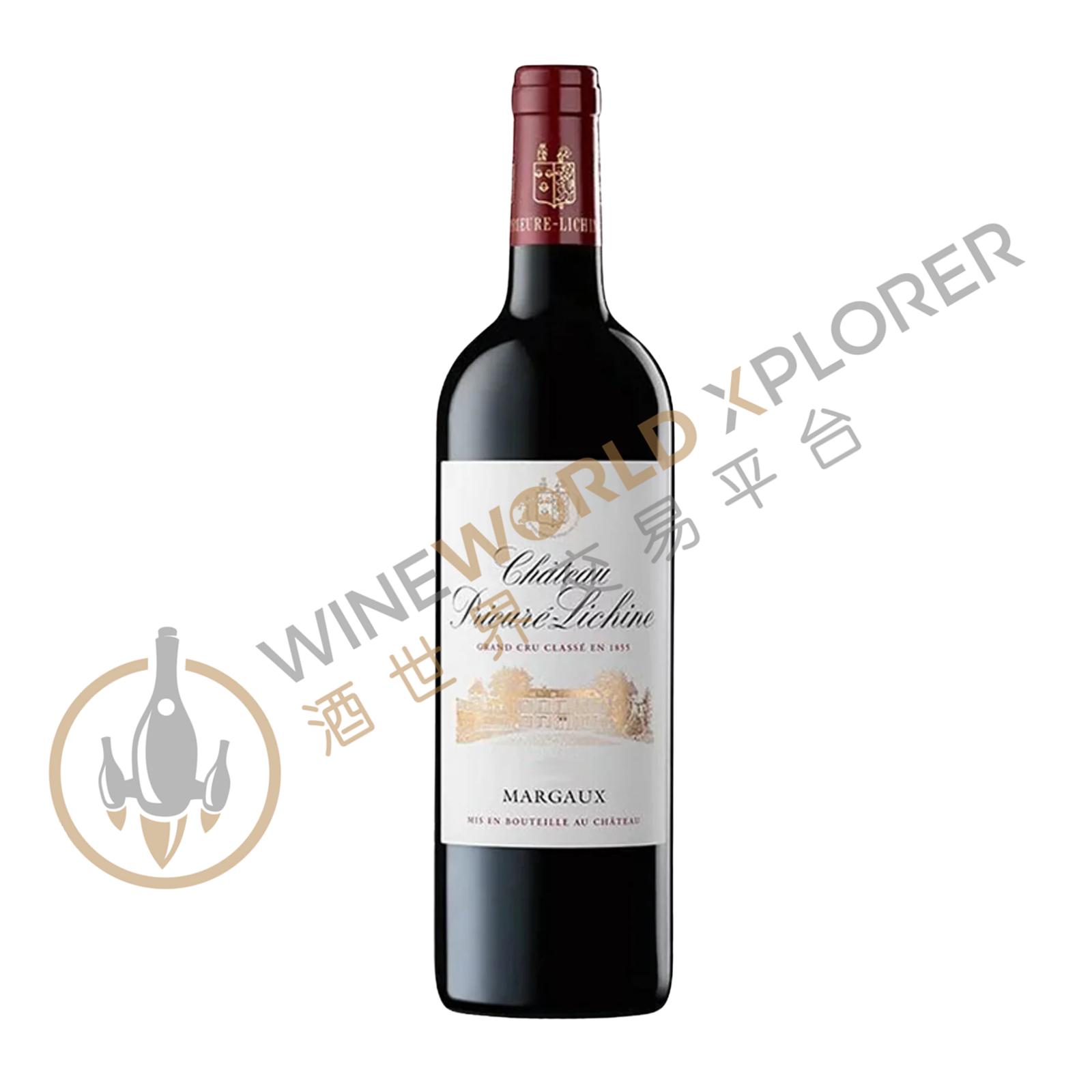
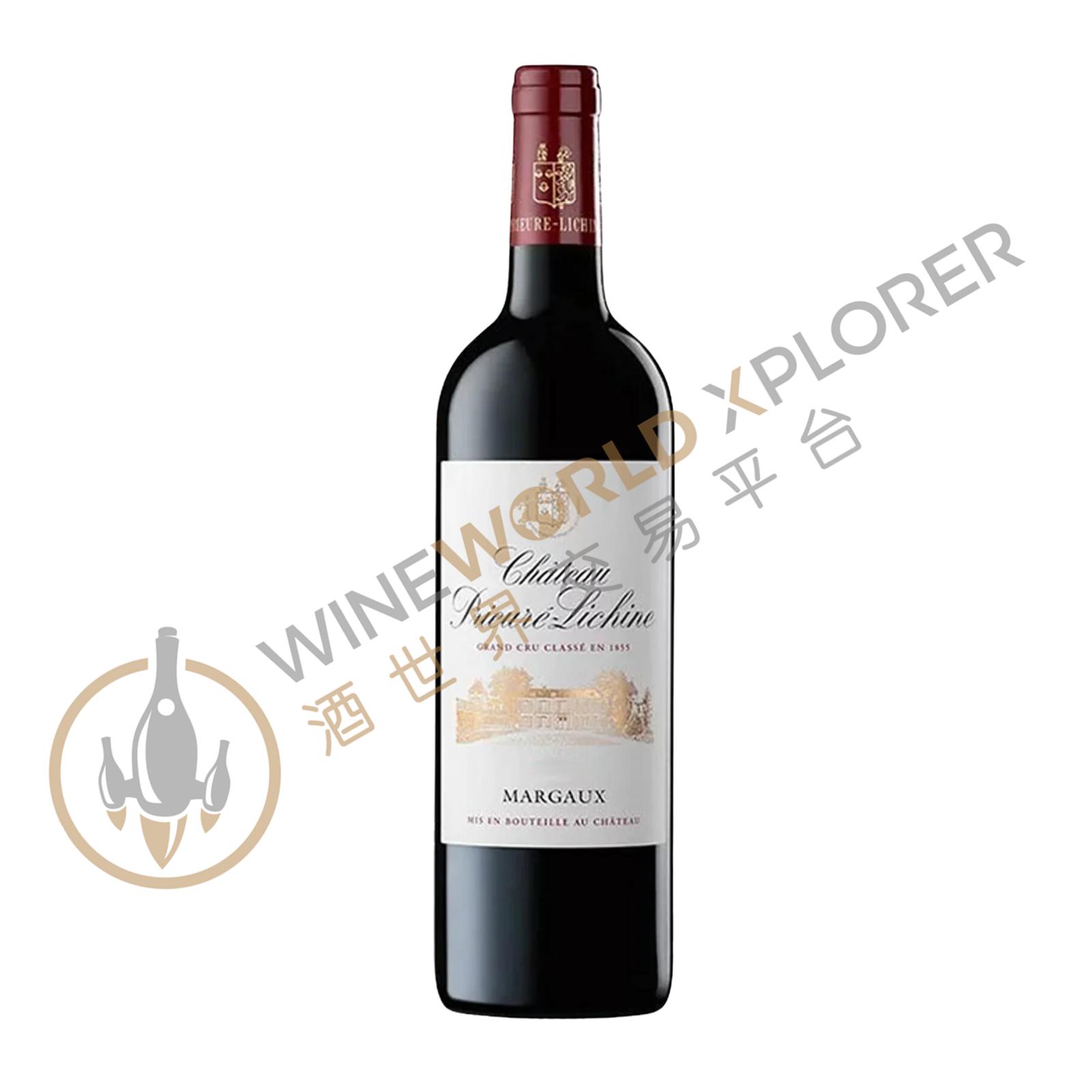
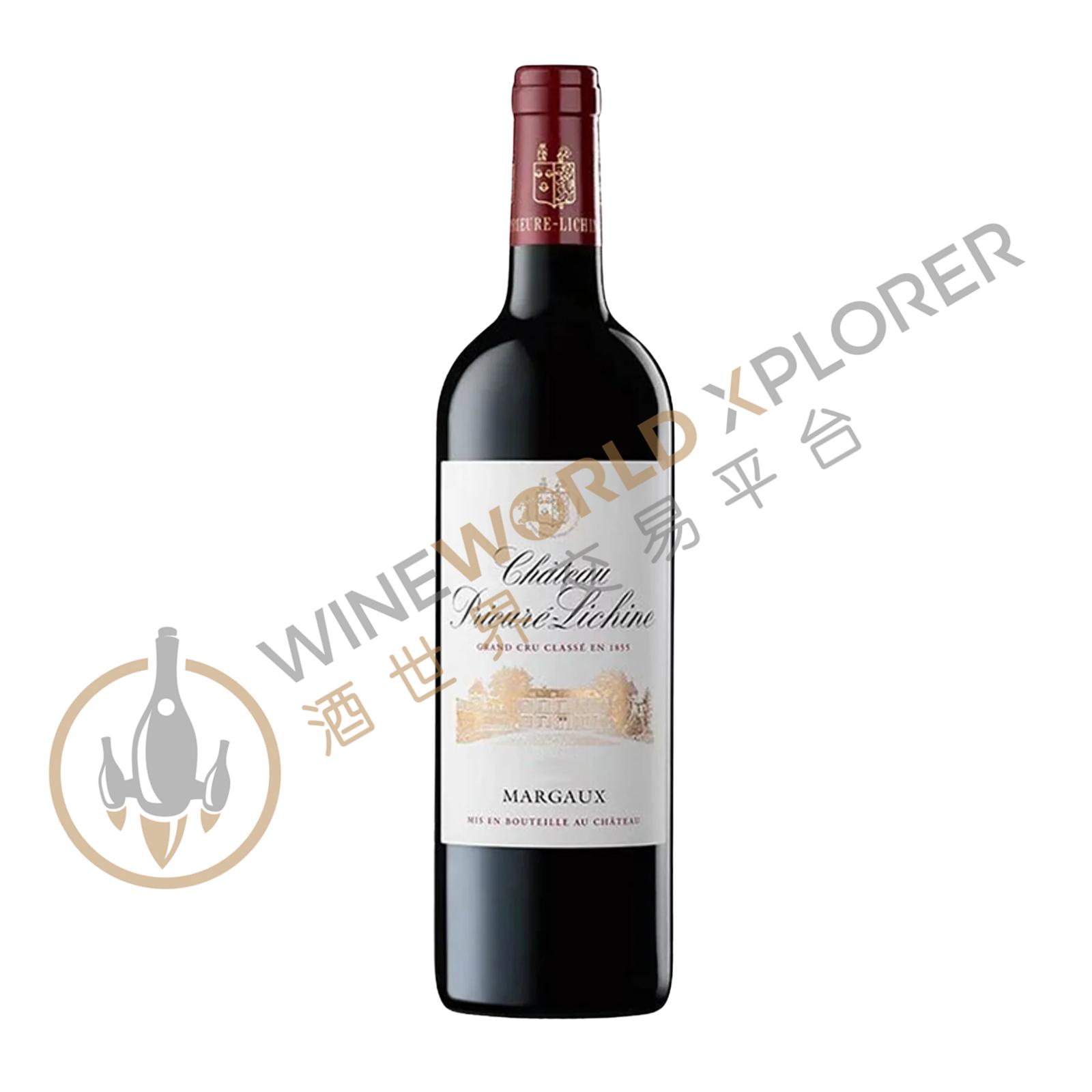
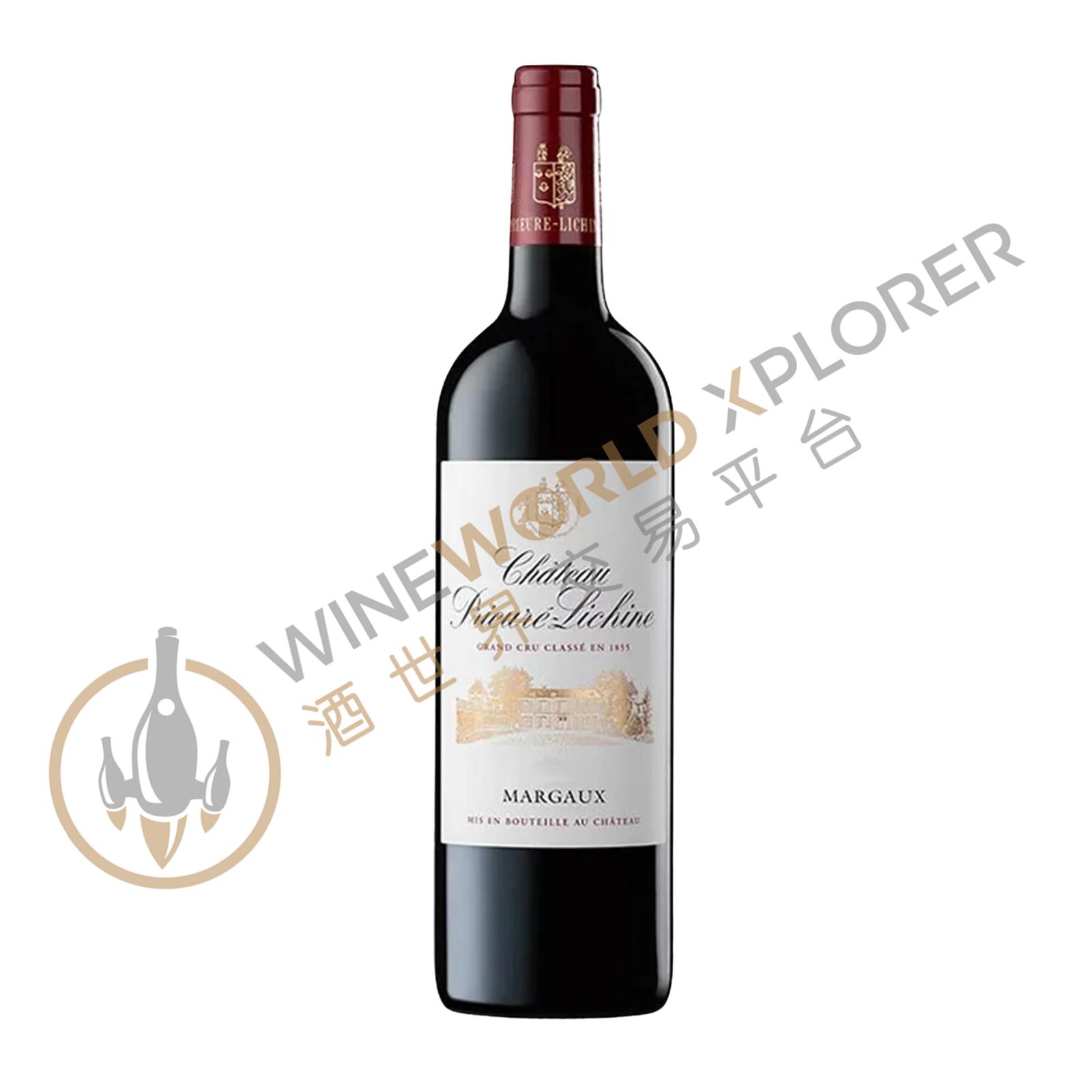
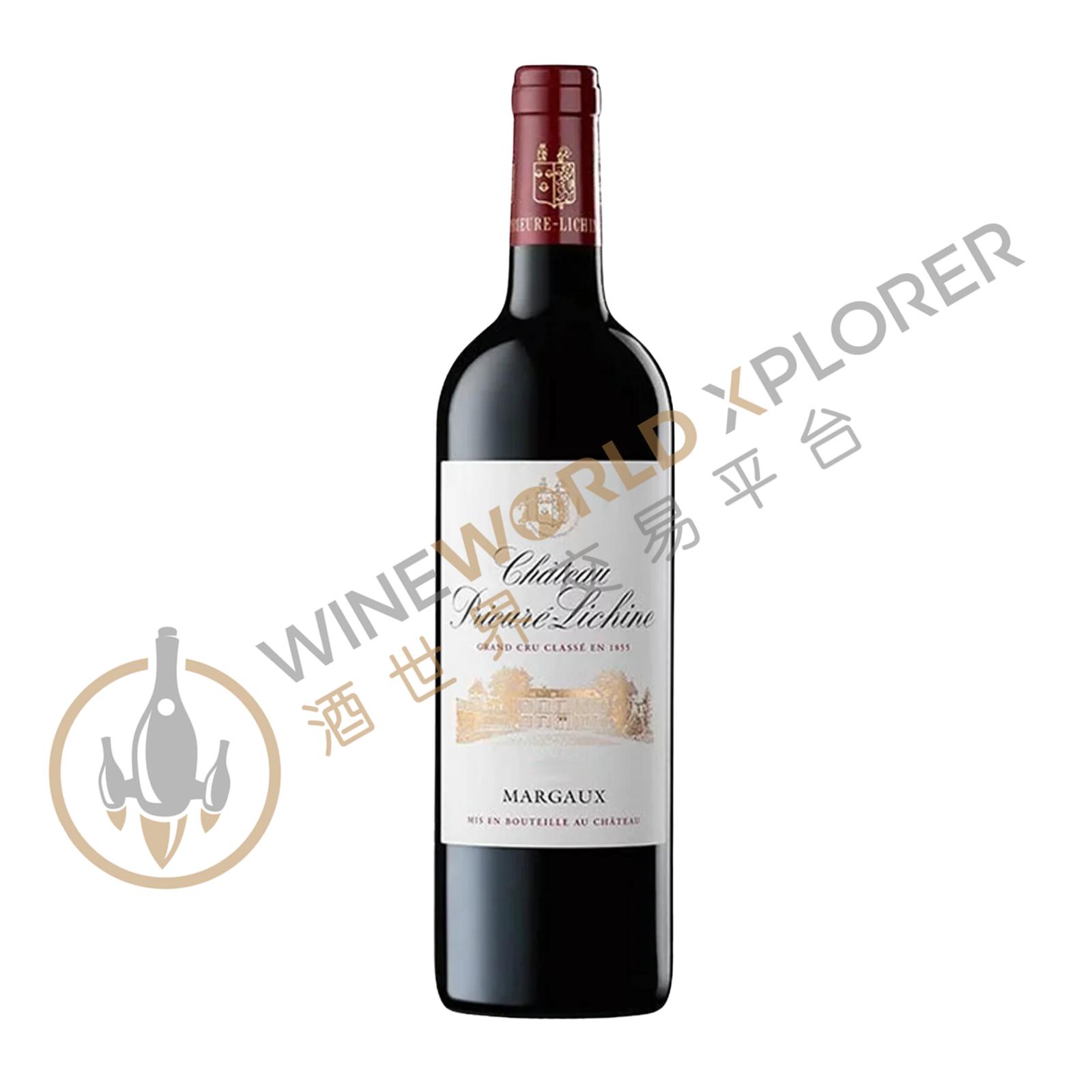
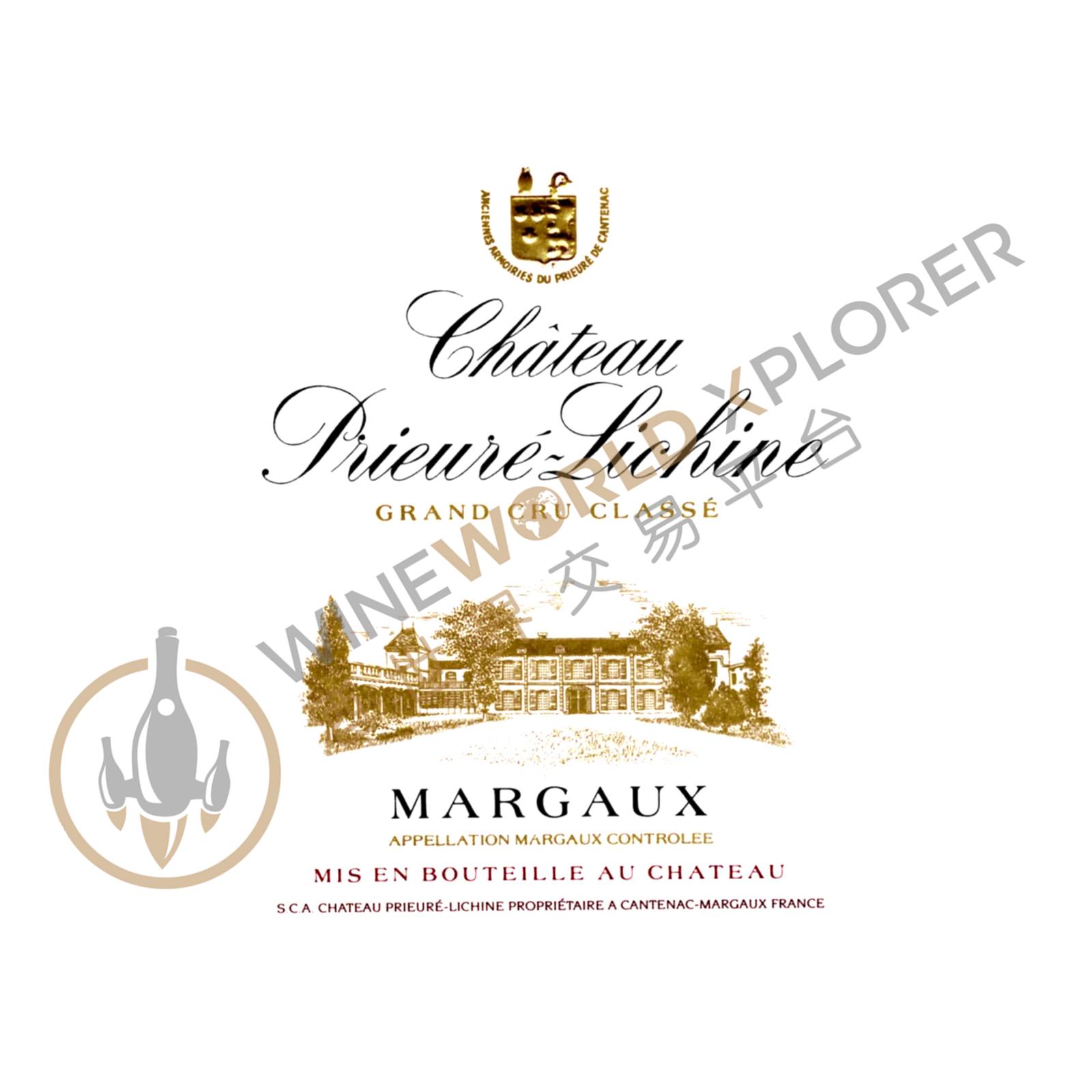
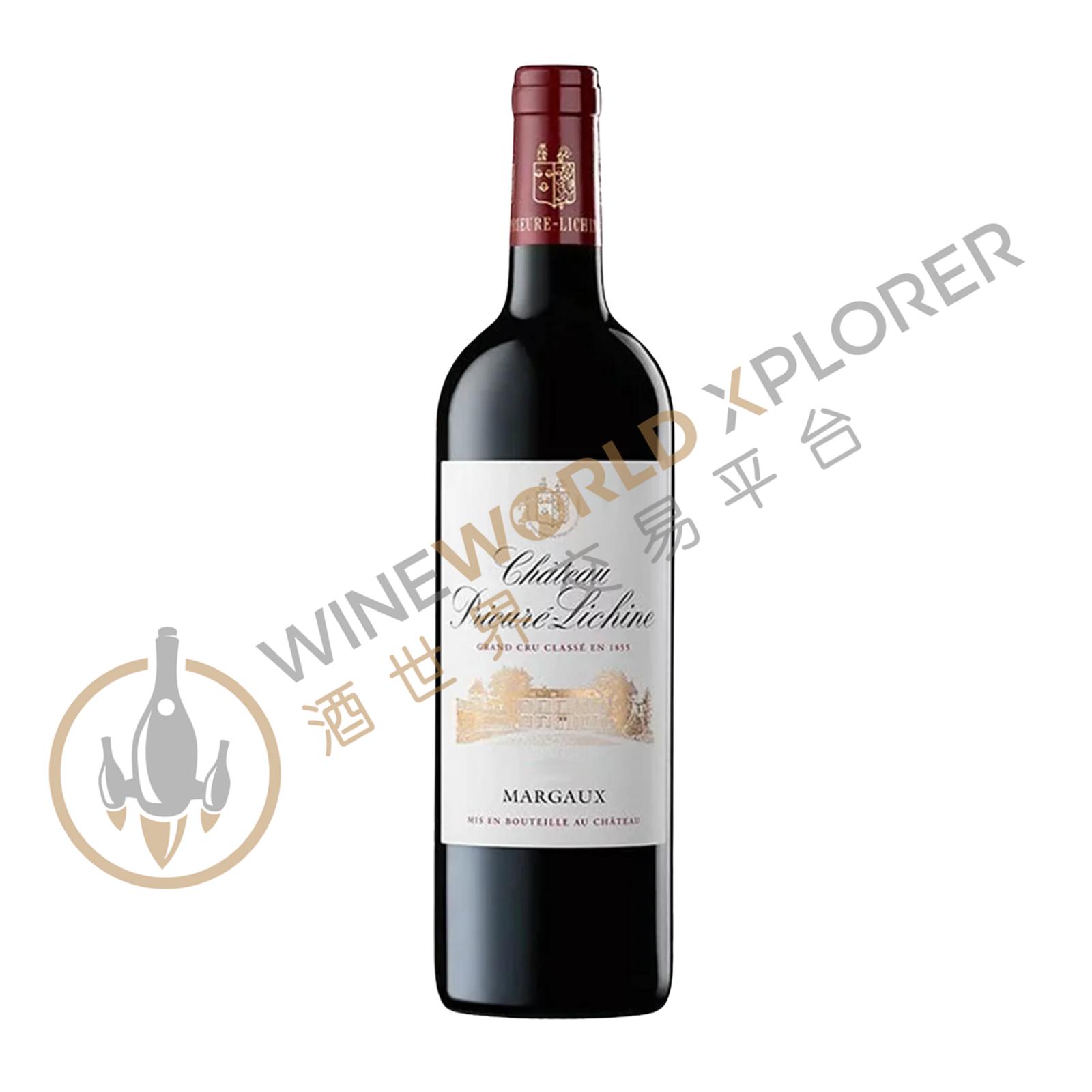
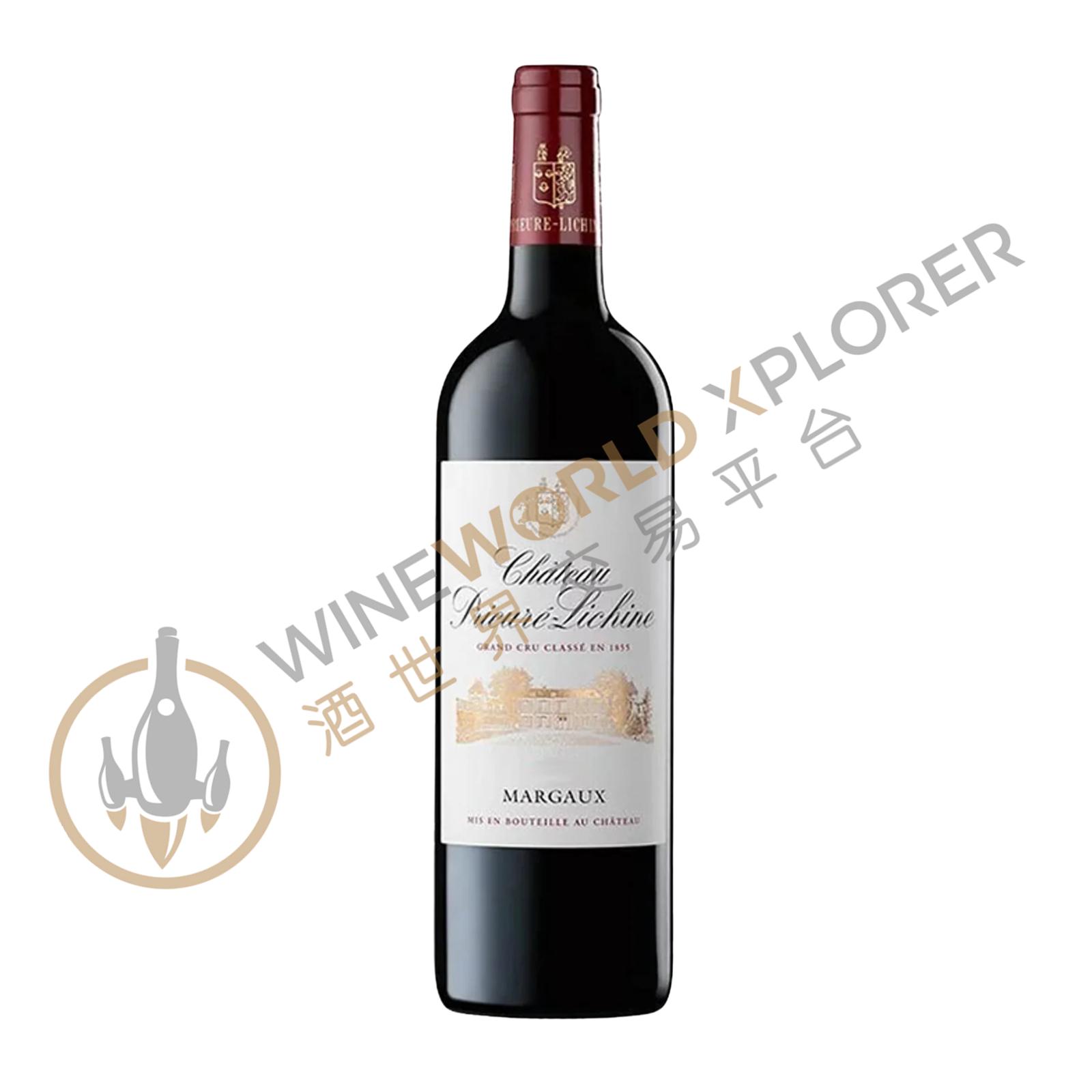
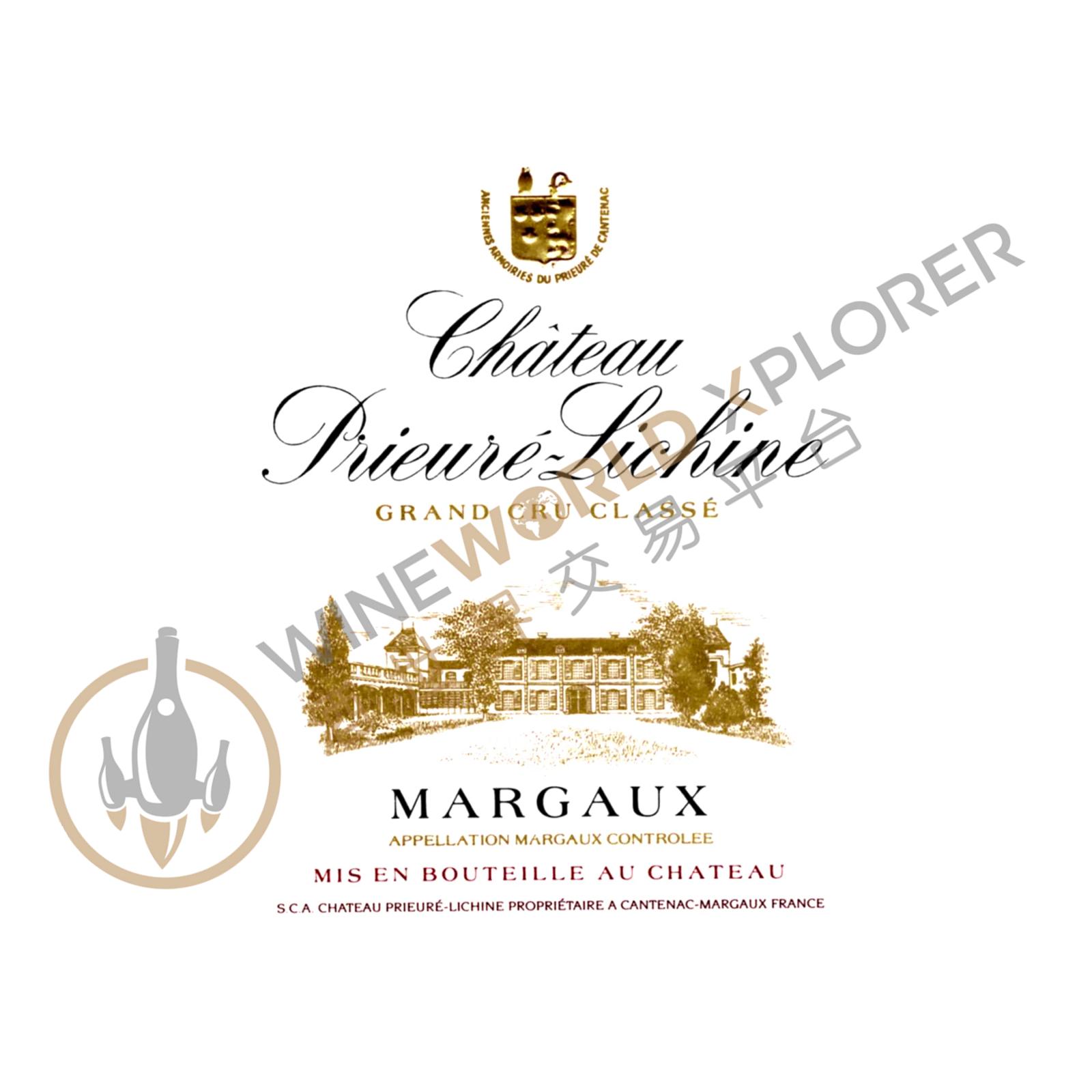
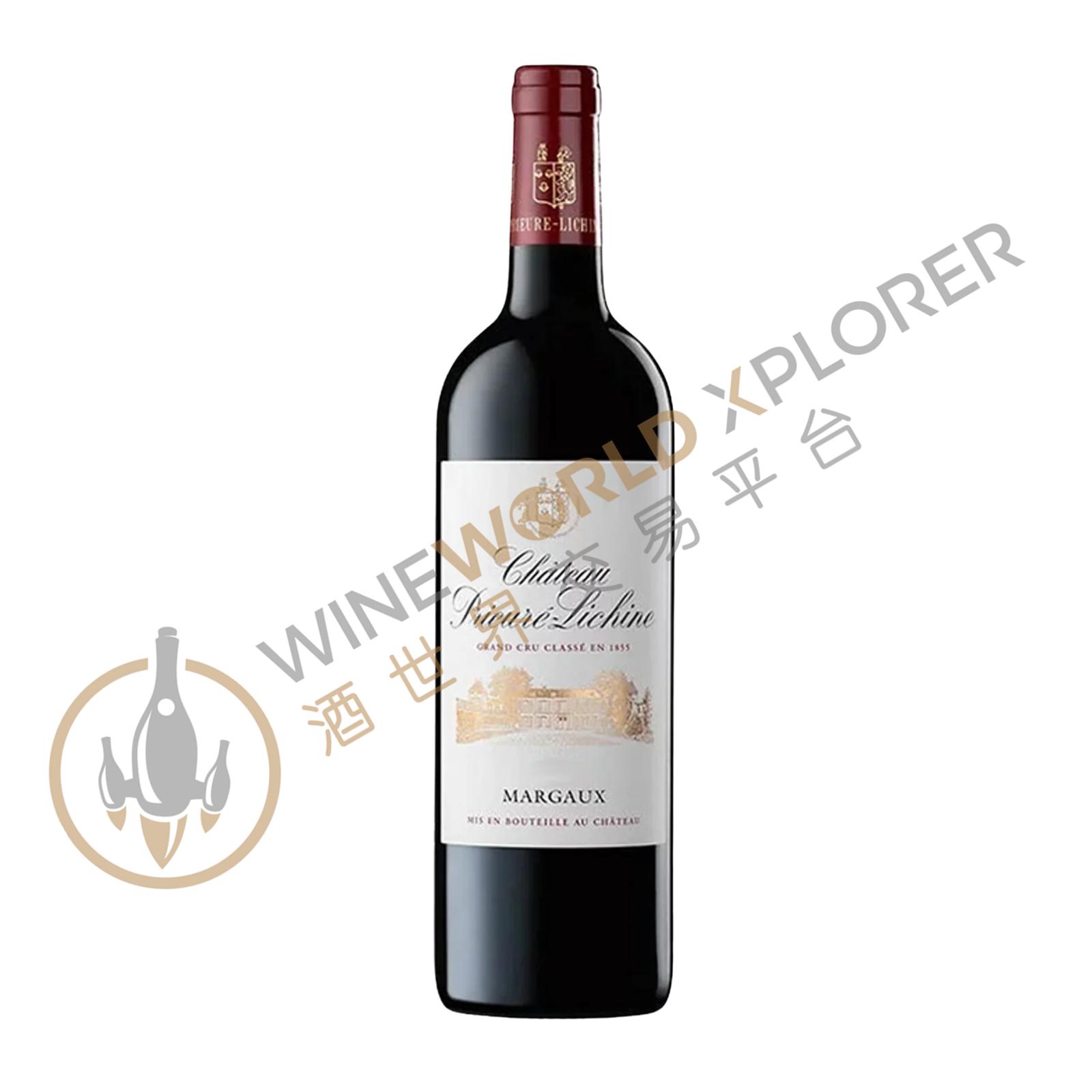
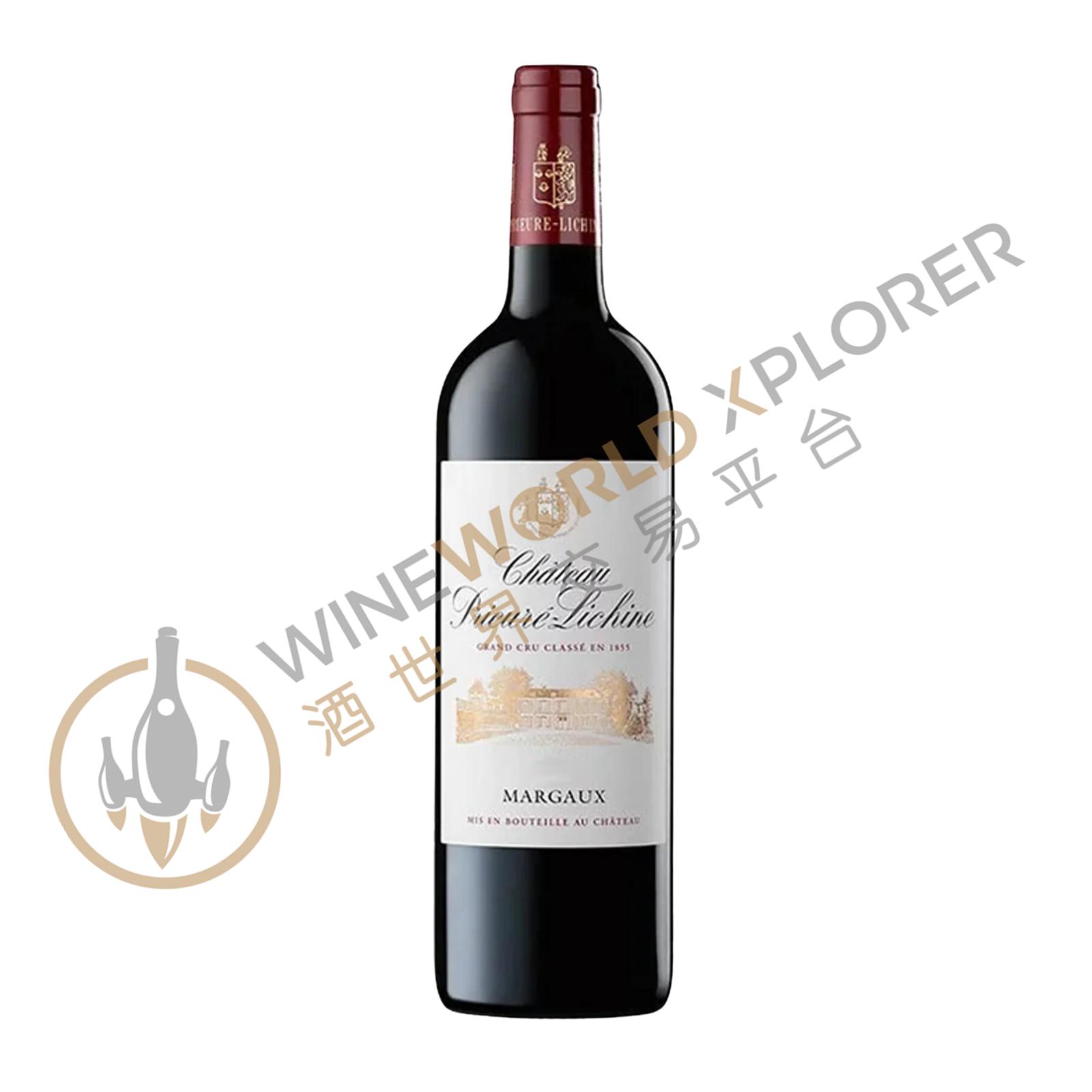
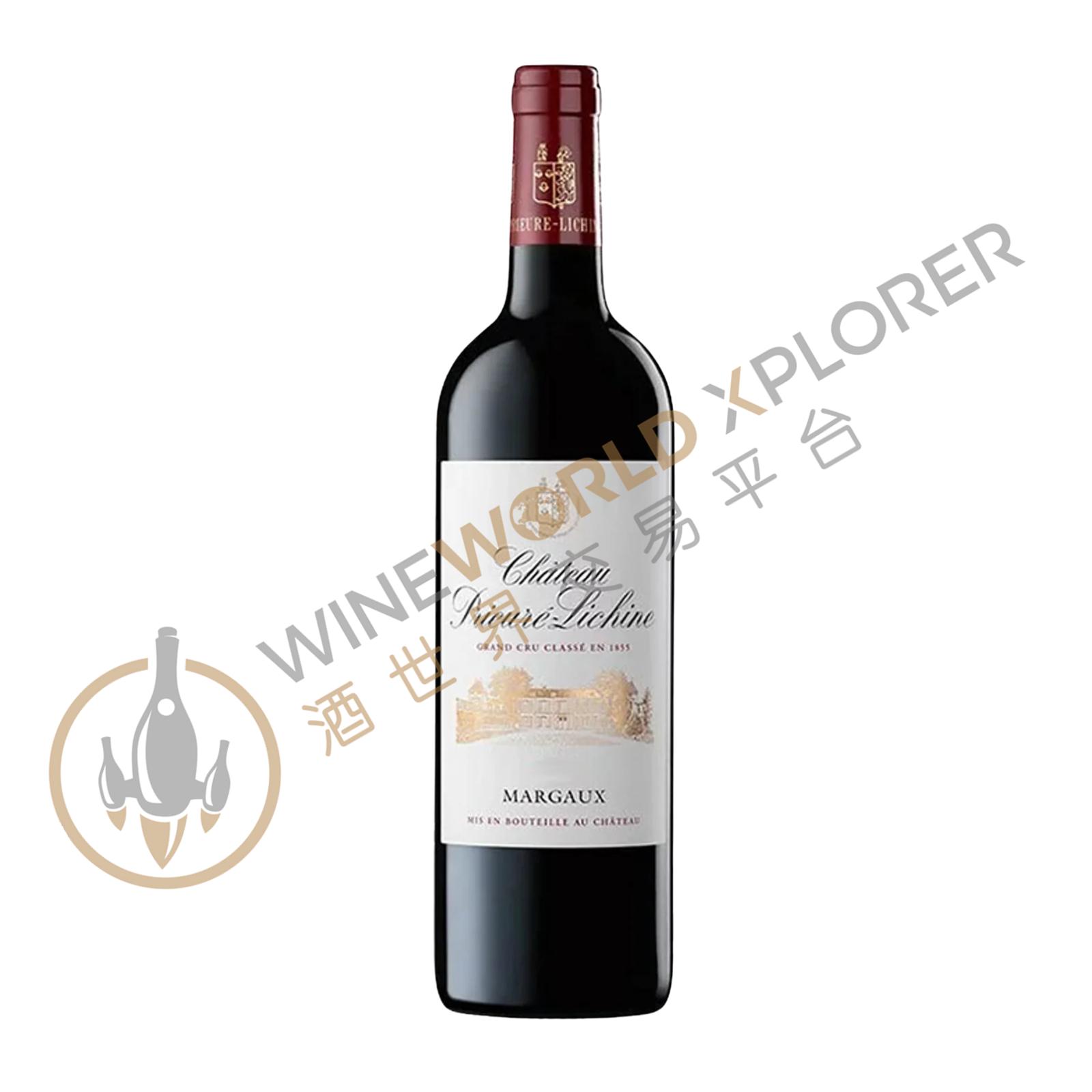
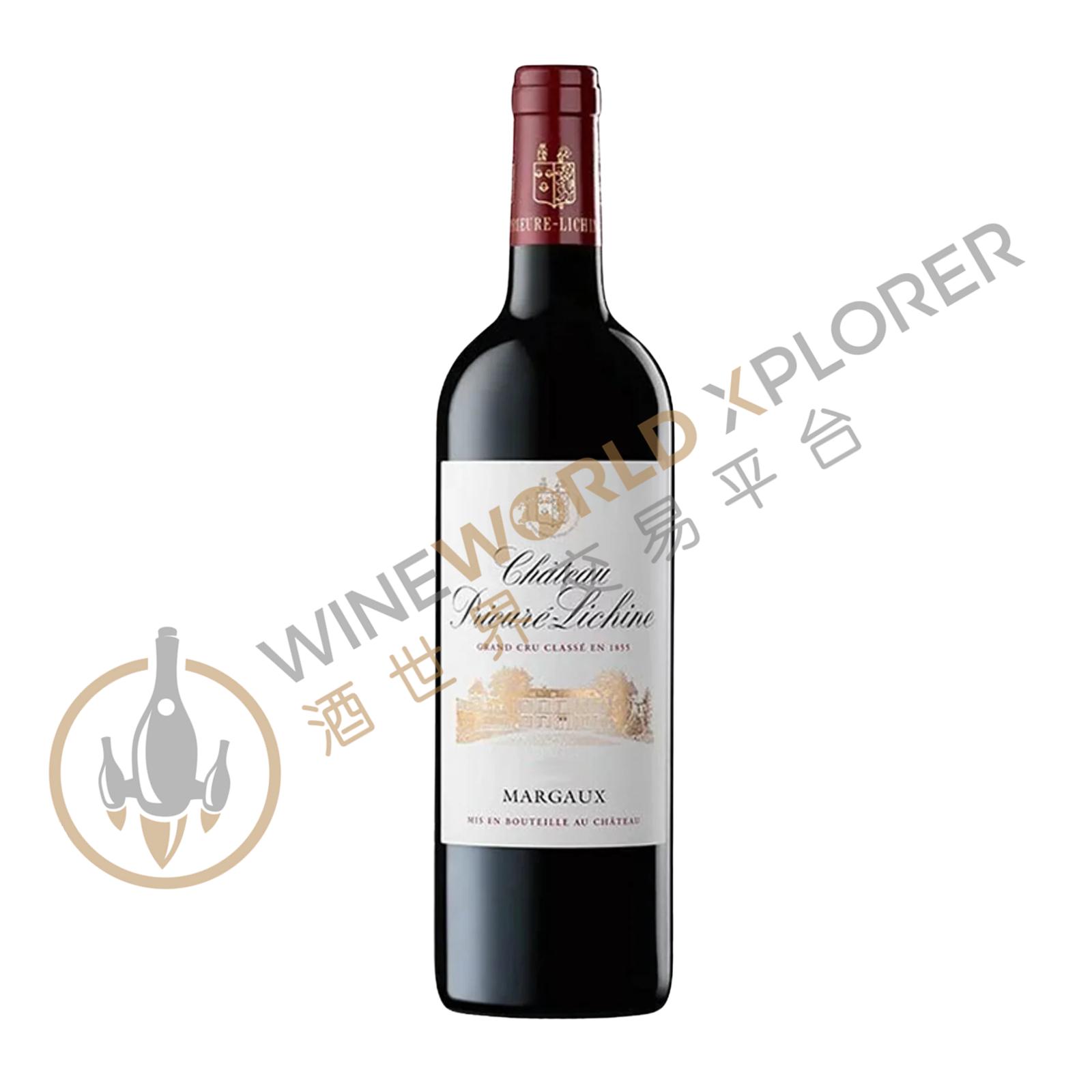
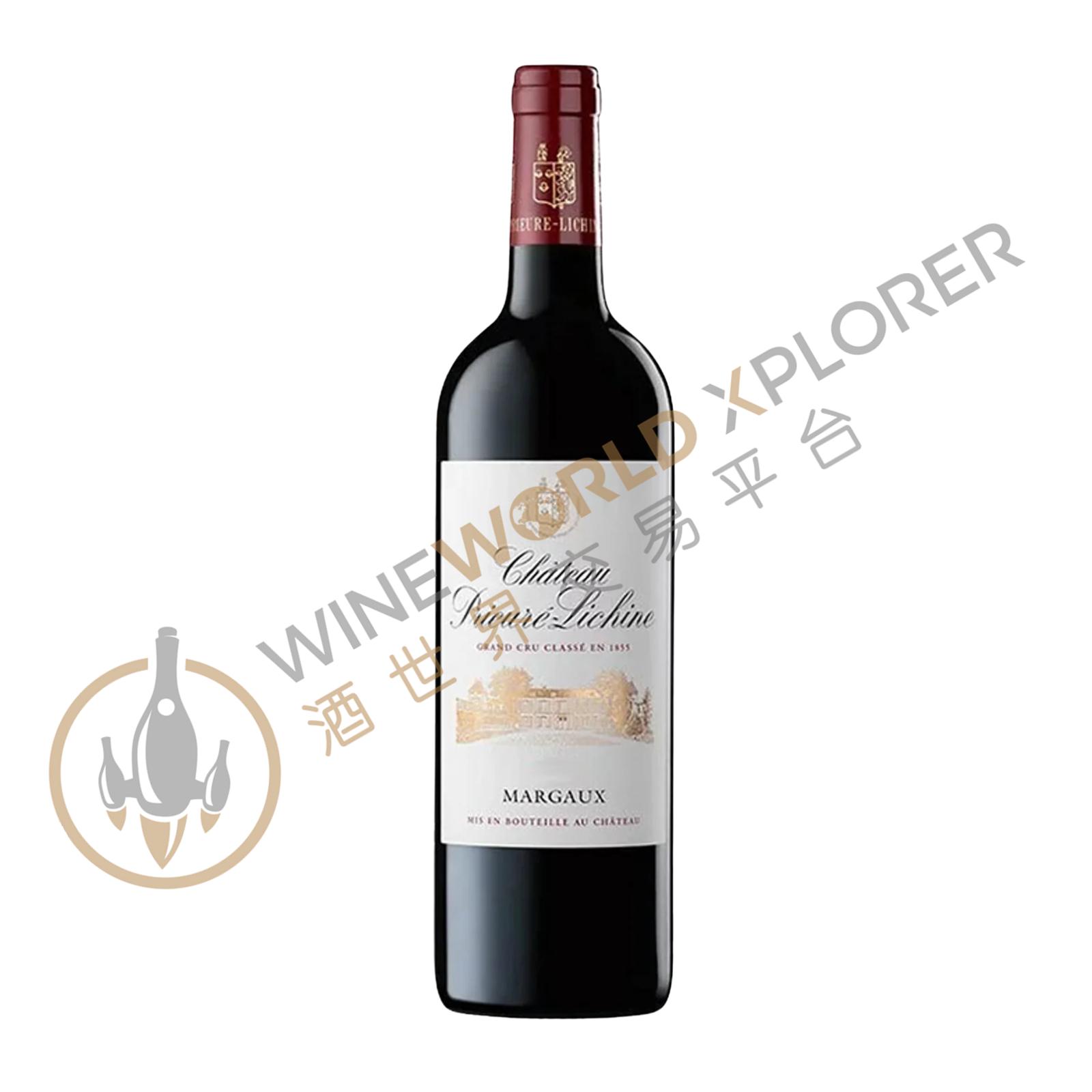
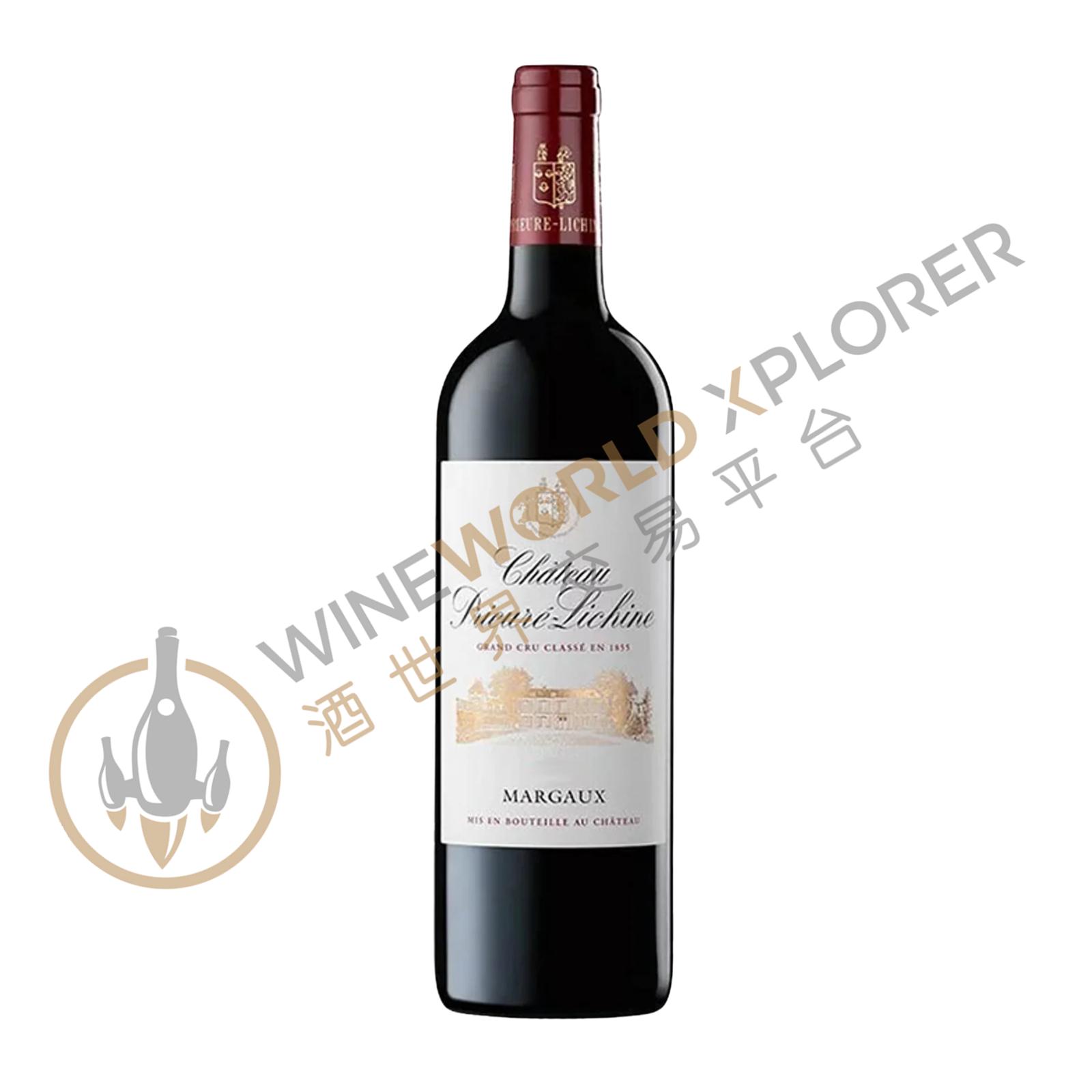
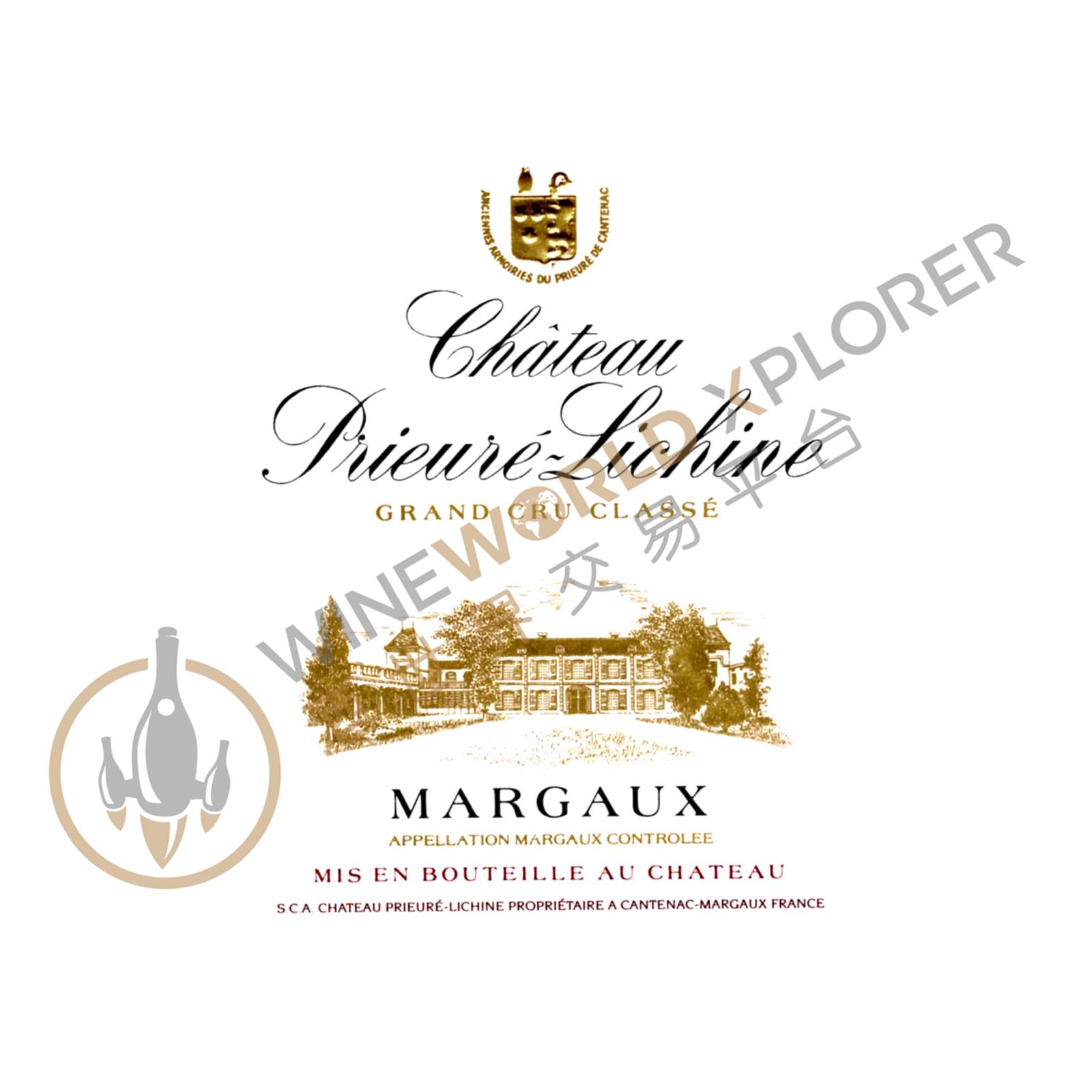
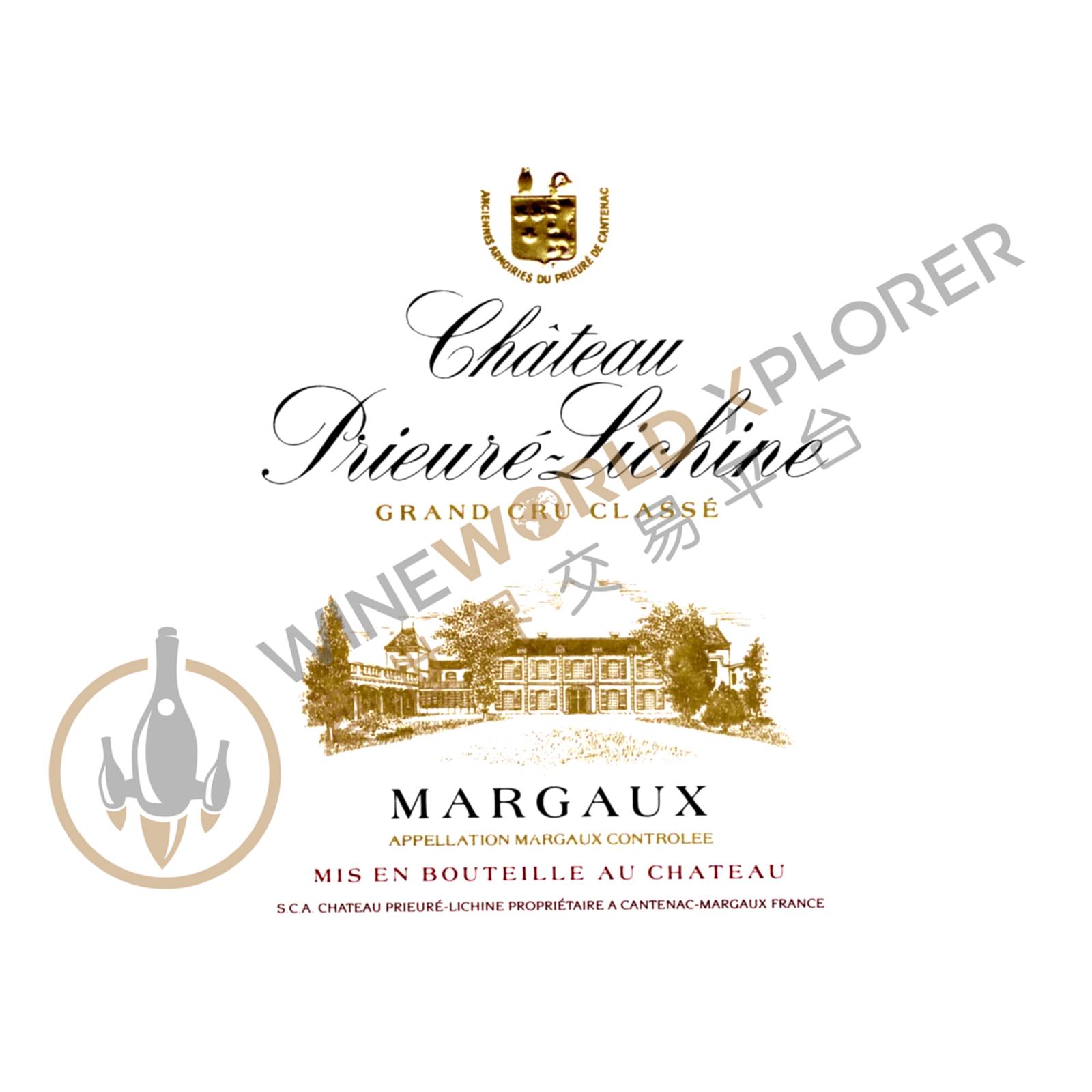
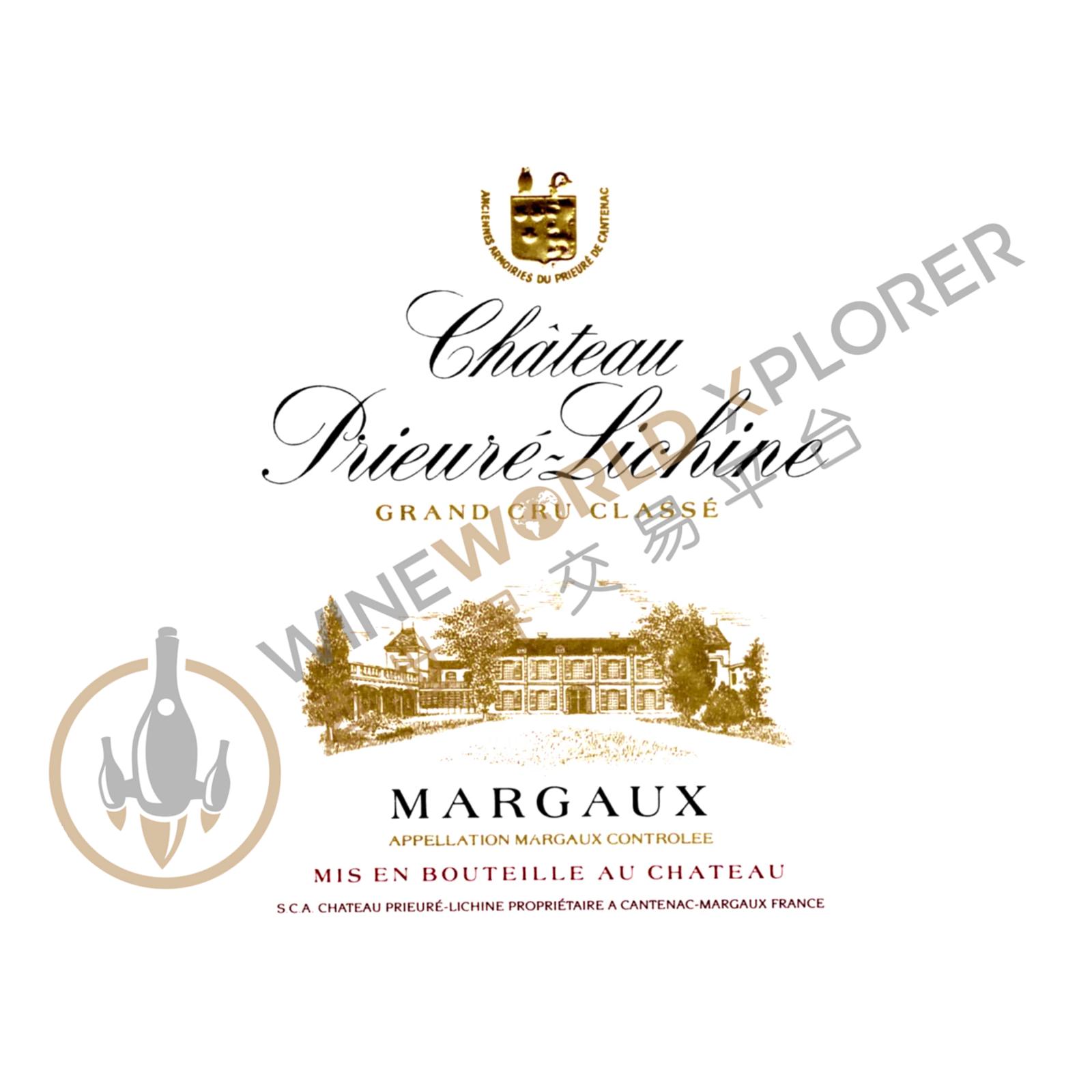
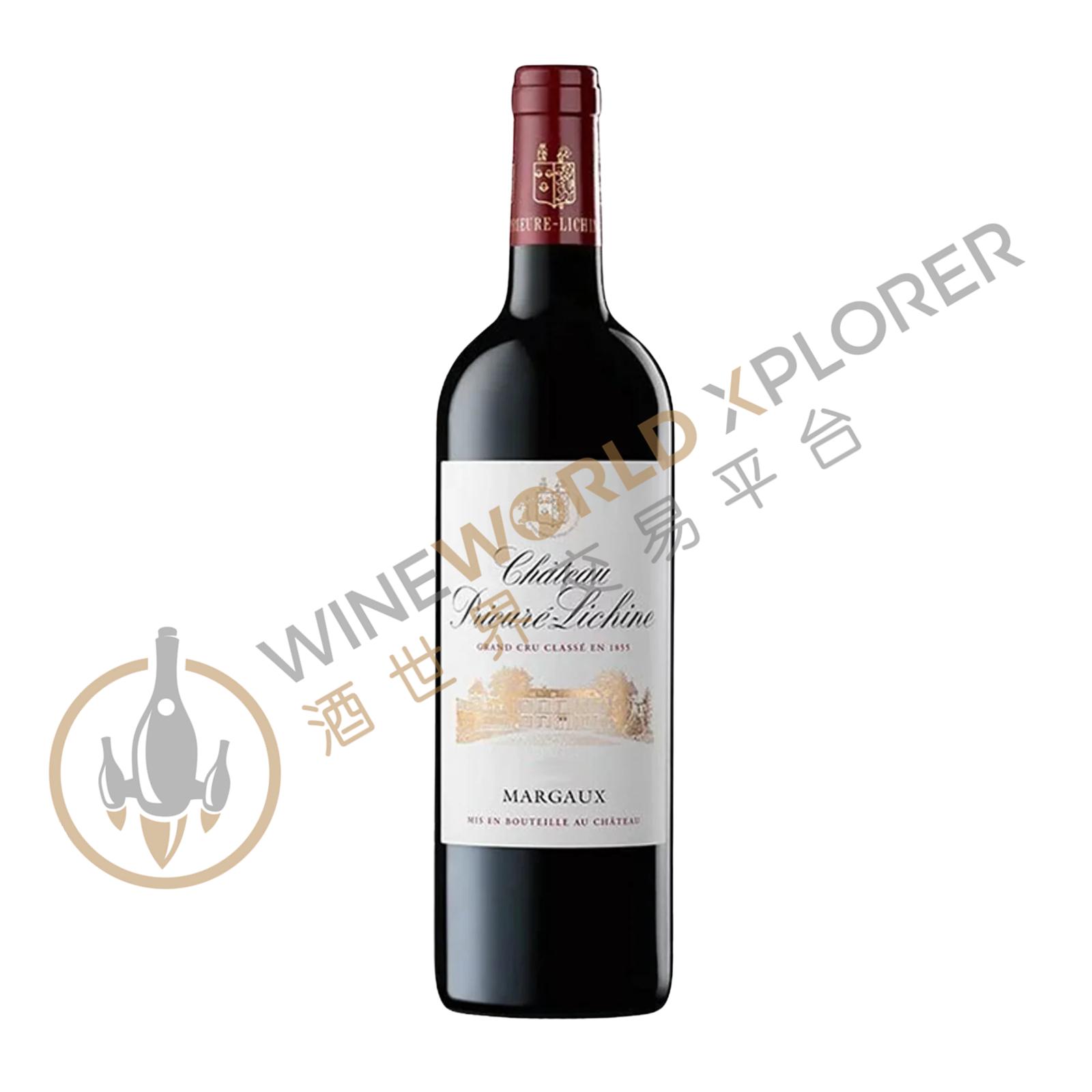
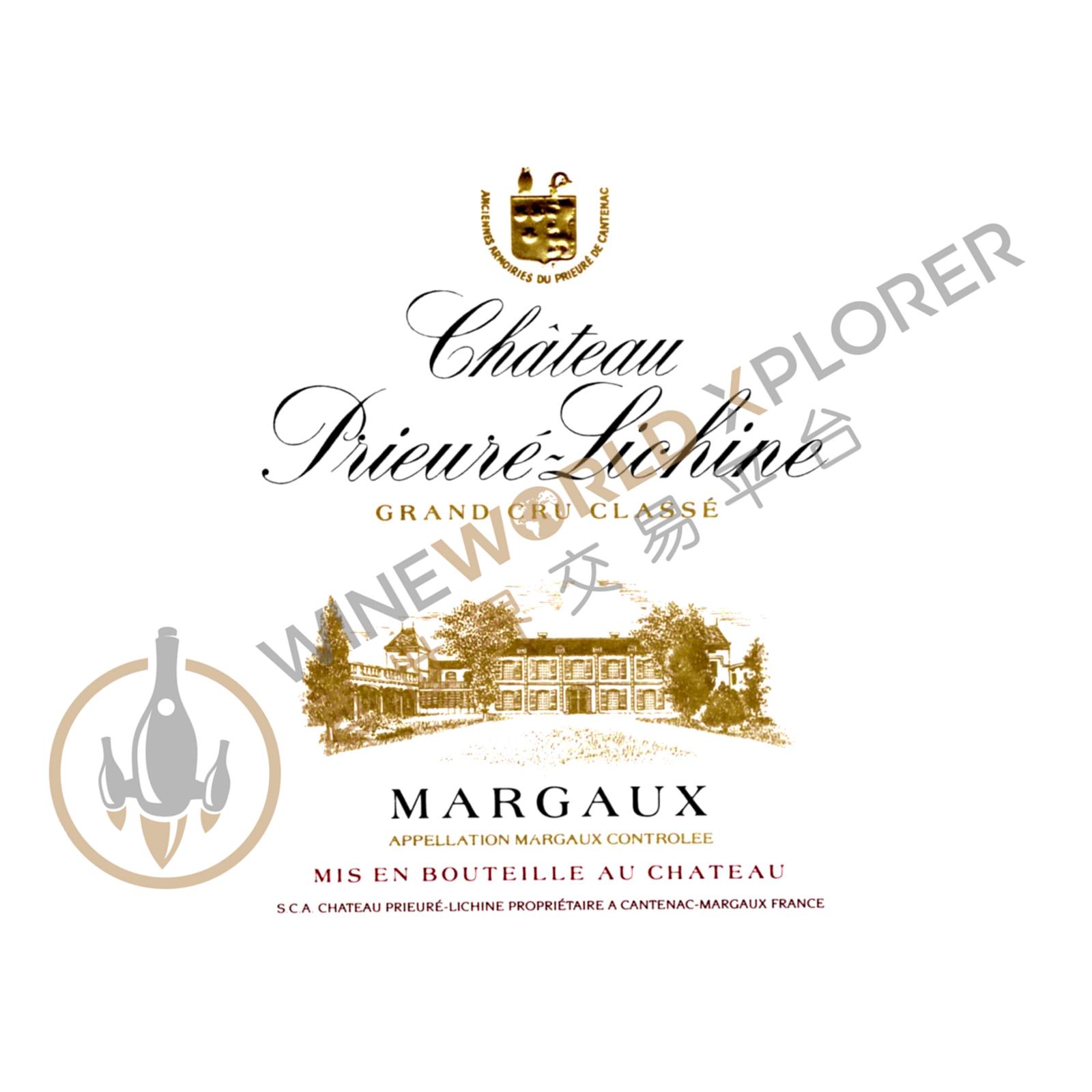
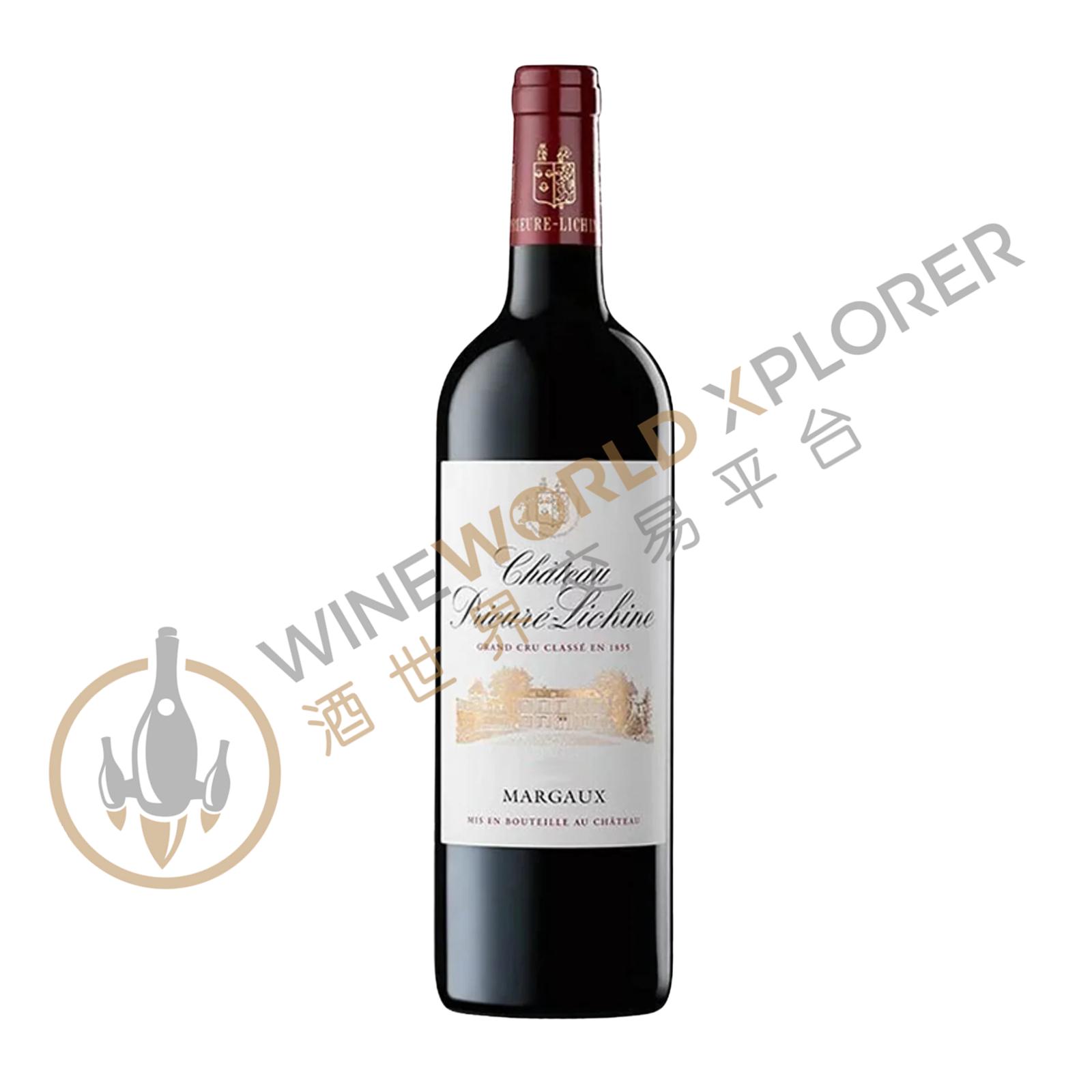
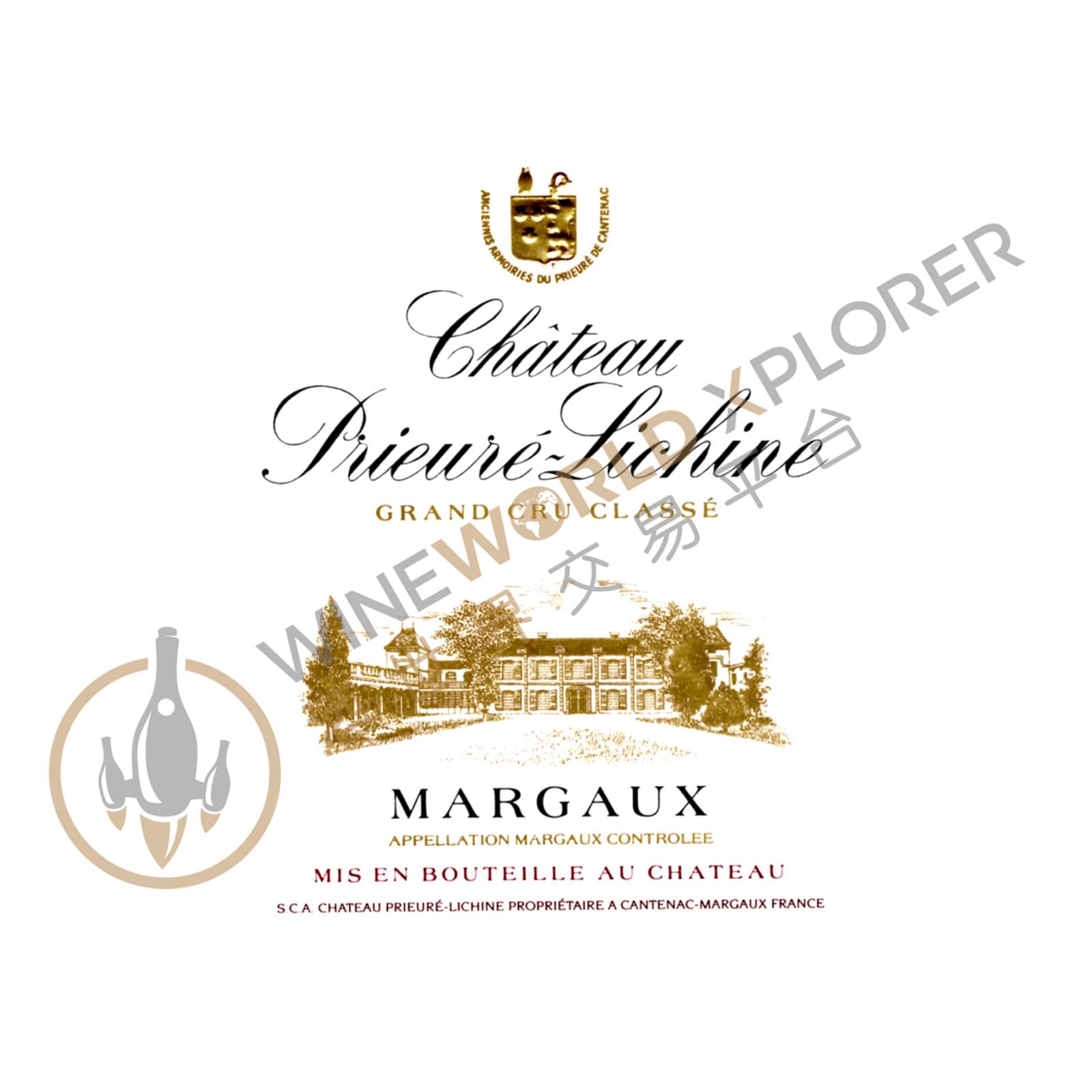
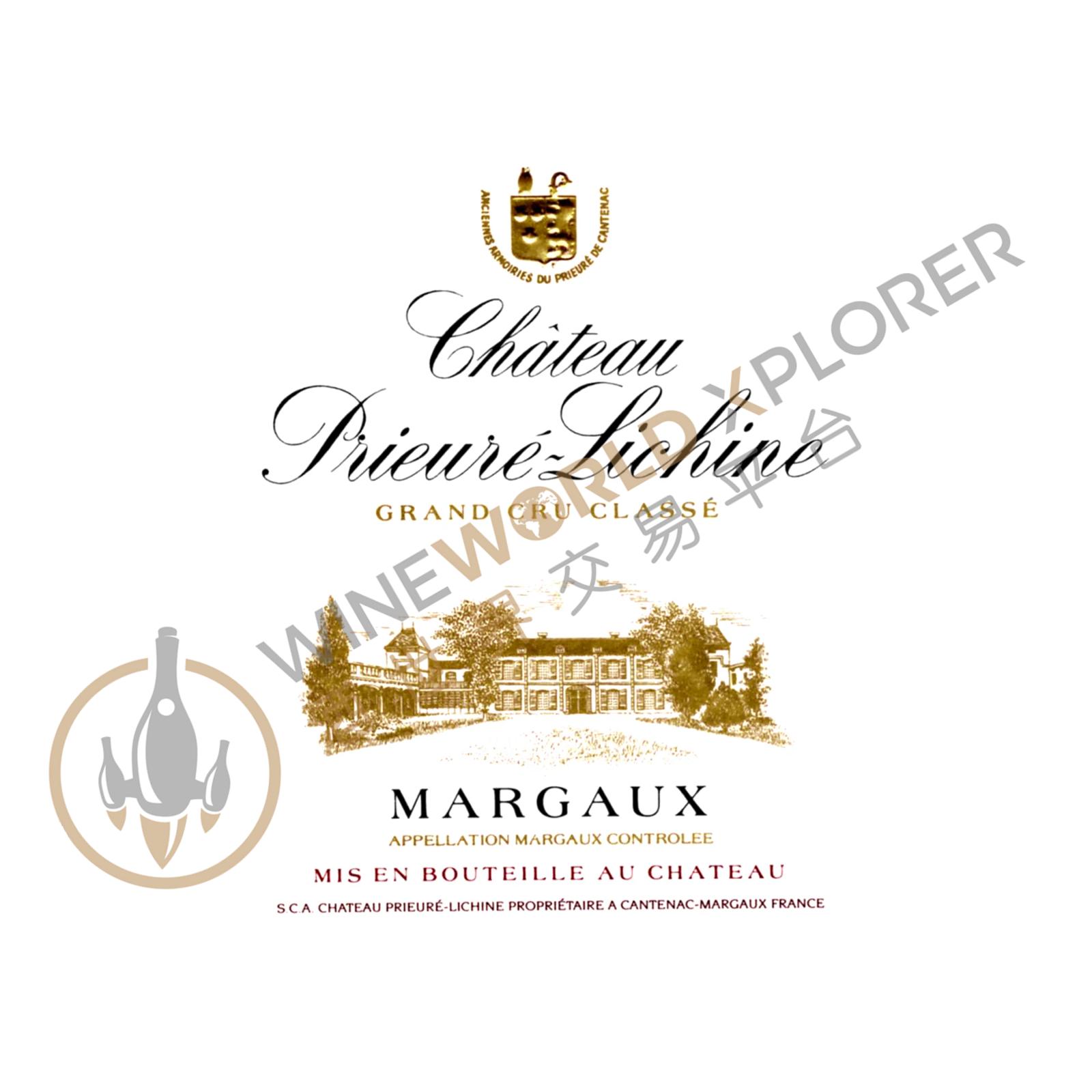
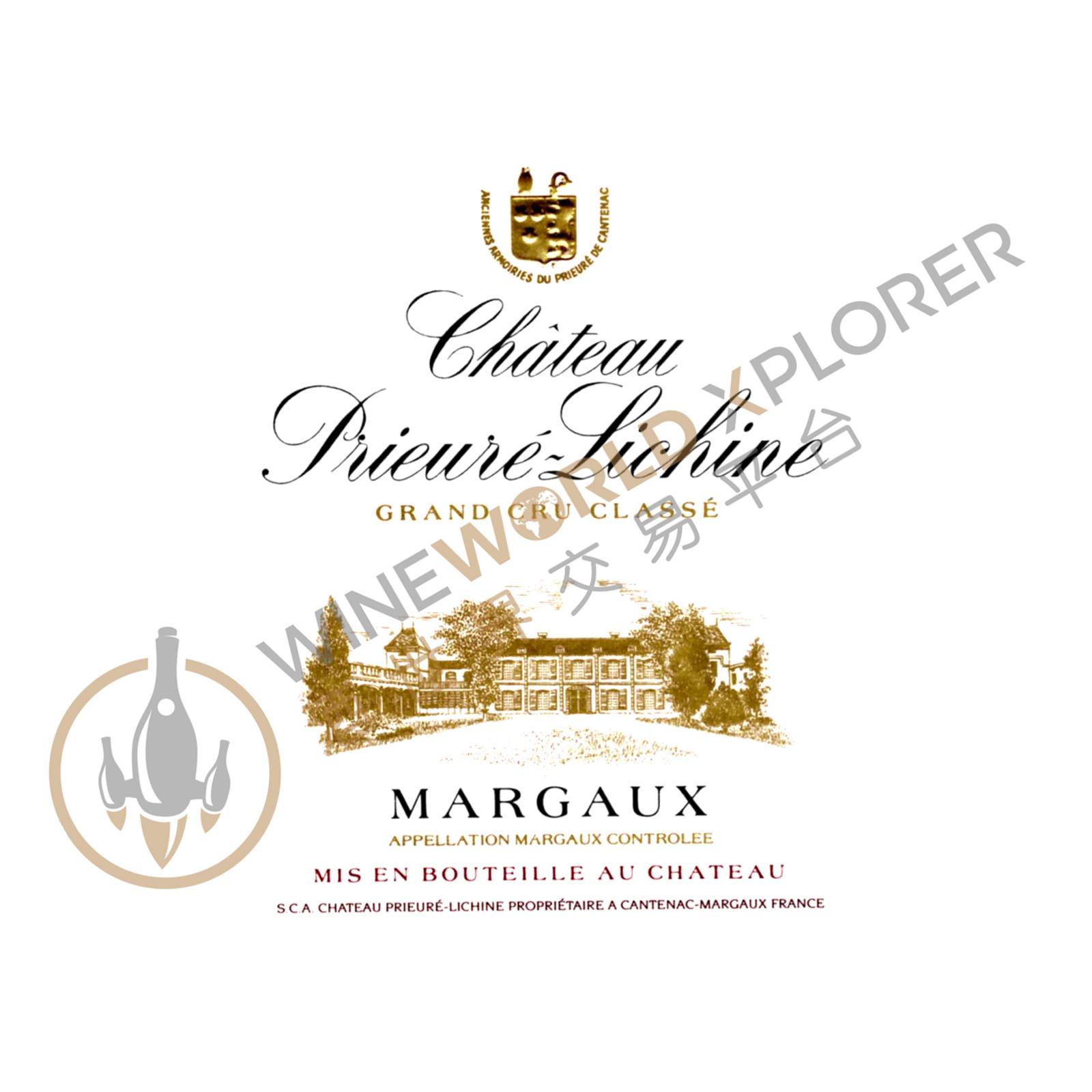
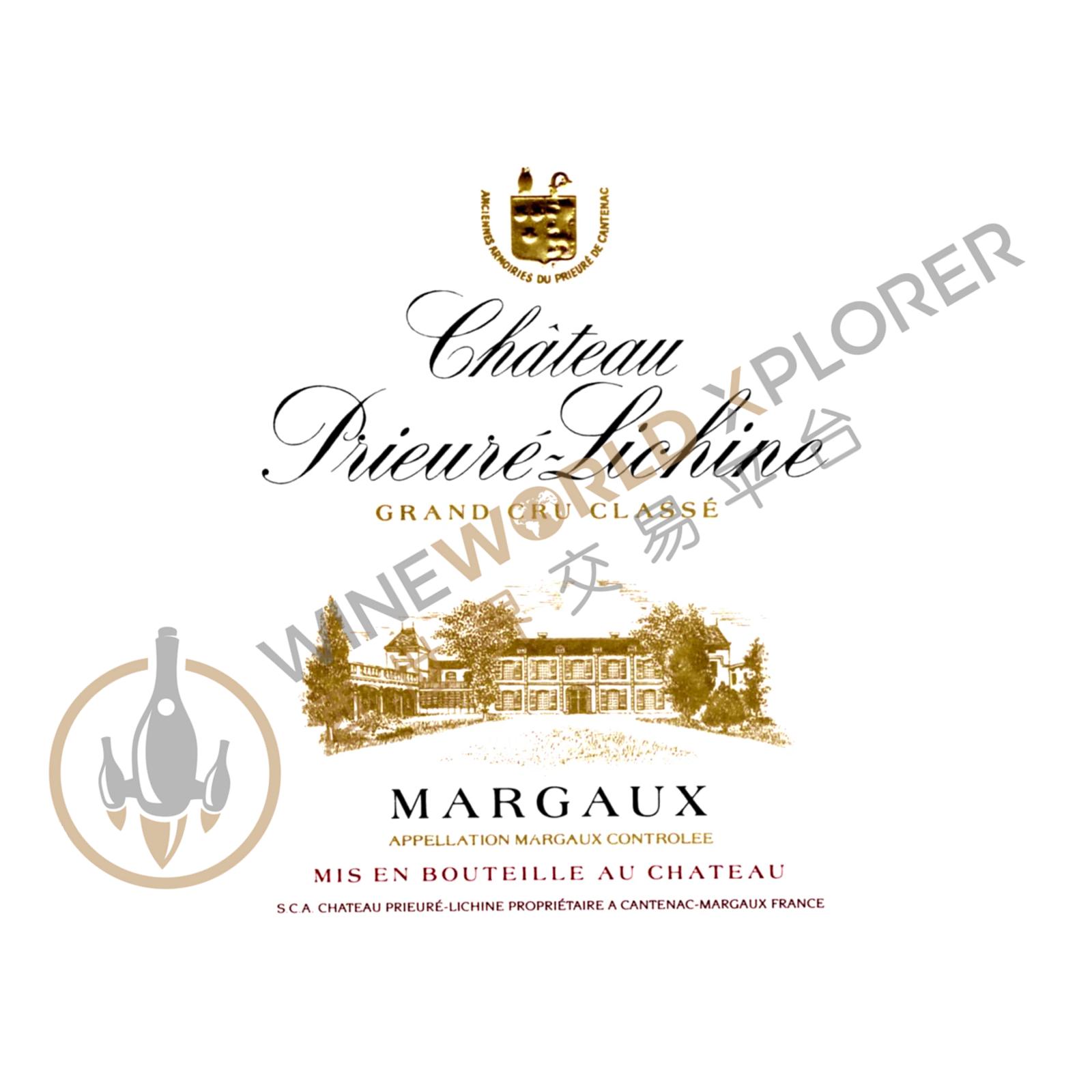
Prieure Lichine 2010
 View analysis


Description
Tasting notes

Reviewed by: Neal Martin
Tasted blind at the Southwold Bordeaux 2010 tasting. The Prieure-Lichine has a classy bouquet with blackberry, mulberry and tobacco - quite Saint Julien in style with good definition. The palate is medium-bodied with a light supple entry: tart cherry fruit, bitter lemon and a very structured finish that is needs a couple more years to fully integrate. Tasted January 2014.
Reviewed by: Robert M. Parker, Jr.
The strongest Prieure Lichine produced in many years, along with consultant Stephane Derenoncourt, the proprietors have fashioned a wine with true opulence as well as wonderful projected aromatics of blue, red and black fruits, licorice, flowers and subtle oak. Silky tannins, a sexy, generous, opulent attack, mid-palate and finish, no hard edges and well-integrated acidity, tannin and alcohol (14.5%) are all found in this impressive Margaux. Give it 2-5 years of cellaring and drink it over the following 25. It is potentially one of the longest lived wines made at Prieure Lichine since some of their classic efforts from the sixties.
Reviewed by: Neal Martin
A blend of 65% Cabernet Sauvignon, 30% Merlot and 5% Petit Verdot, raised in 50% new oak, the Prieure-Lichine has intense blackberry, burnt toast and sous-bois on the nose, tobacco developing with time. The palate is better than the nose suggests with fine edgy tannins, a little hardness that will soften during elevage, cedar-infused, broody black fruit towards the tannic finish. Very masculine like many Margaux wine, but very well made. Tasted April 2011.
Reviewed by: Neal Martin
Tasted at the UGC tasting in London. The Prieure-Lichine has a taut nose, nicely composed with blackberry, wild hedgerow and attractive granite scents. The palate is medium-bodied, a little angular on the entry with a keen thread of acidity, although there is plenty of attractive chewy blackberry, cassis and balsamic notes towards the grippy finish. It will need three or four years to gain harmony. Tasted November 2012.
Reviewed by: Robert M. Parker, Jr.
Dense purple, with loads of blueberry and blackberry fruit as well as hints of smoke and subtle charred wood, this wine is expansive, round, generous, lush and multi-dimensional. This beauty can be drunk now or cellared for 15-20 years. A beautiful example of wine from this estate, which is using well-known consultant Stephane Derenoncourt, finished 2010 at 14.5% natural alcohol, and seems to be one of the sexier, more developed and evolved styles of the vintage.
Reviewed by: Lisa Perrotti-Brown
Deep garnet colored, the 2010 Prieure-Lichine opens with notes of sweaty leather, tobacco and underbrush over a core of warm red and black currants and baked plums plus a waft of bay leaves. Medium to full-bodied, the palate is refreshing and chewy with plenty of earthy/savory layers and an herbal finish.
Reviewed by: Ian d'Agata
(65% cabernet sauvignon, 30% merlot and 5% petit verdot) Inky-purple. F lamboyant, opulent aromas of ripe black cherry, cocoa and cinnamon. Sweet and full on entry, offering flavors similar to the aromas, then high acids and mounting tannins kick in. Finishes moderately long, with a trace of heat.
Reviewed by: Stephen Tanzer
Bright ruby-red. Aromas of blackberry, spices and licorice. Pure and nicely delineated, with excellent intensity to its flavors of black fruits and candied rose. Nicely sweet in the mouth but also firmly structured and youthful, with the structure to support mid-term aging.
Reviewed by: James Suckling
Aromas of blueberries and blackberries with hints of sliced mushroom. Full and round with chewy tannins. Give this four or five years to soften. Tight and structured. Better in 2017.
About the Producer
Château Prieuré-Lichine is an estate in the Margaux appellation of Bordeaux, ranked as a Fourth Growth in the official Bordeaux Classification of 1855. It is regarded as one of Margaux's most consistent producers and is known for its elegance and suppleness, derived in part from the relatively high proportion of Merlot in the blend. The estate is located in Cantenac (on an official, administrative, level Cantenac is now combined with Margaux), near to the châteaux of Kirwan and Boyd-Cantenac. There are 70 hectares (173 acres) of vineyards in numerous parcels within the Margaux appellation, of which around 40 hectares (100 acres) contribute to the grand vin. Vineyard plantings are 50 percent Cabernet Sauvignon, 45 percent Merlot, and 5 percent Petit Verdot. The second wine, launched in 1972 as Château de Clairefont, is now sold as Confidences de Prieuré-Lichine and is made from younger vines. Le Clocher du Prieuré is a Merlot-based Haut-Médoc from vineyards adjacent to those supplying the grand vin. The portfolio is completed by Le Blanc du Château Prieuré-Lichine, a Sauvignon Blanc – Semillon blend from a 1.5 hectare (3.7 acre) plot in Arsac, to the south of Margaux. Red wines are fermented in a mix of stainless steel and concrete vats of differing sizes, with long, gentle extraction. Malolactic fermentation takes place in barrel, and the wine is then aged for 16 months in barriques, 60 percent of which are new. The second wine sees 14 months in second- and third-fill barrels. The estate was founded as the Prieuré (Priory) de Cantenac in the 10th Century, and for many years was a stopping point for pilgrims on the pilgrimage to Santiago de Compostela. While vines were certainly planted from the 12th Century, the conversion of the property to a full-scale wine estate took place in the 1700s. Its current name refers to noted winemaker Alexis Lichine, who owned the estate from 1951 until his death in 1989. The estate was acquired by the Ballande group (which includes the Ballande & Méneret négociant firm) in 1999.
1959(1)1979(1)1984(1)1986(1)1991(1)1995(1)1997(1)2000(2)2003(3)2004(1)2005(3)2006(1)2007(1)2009(8)
Package Size