Wine Advisor



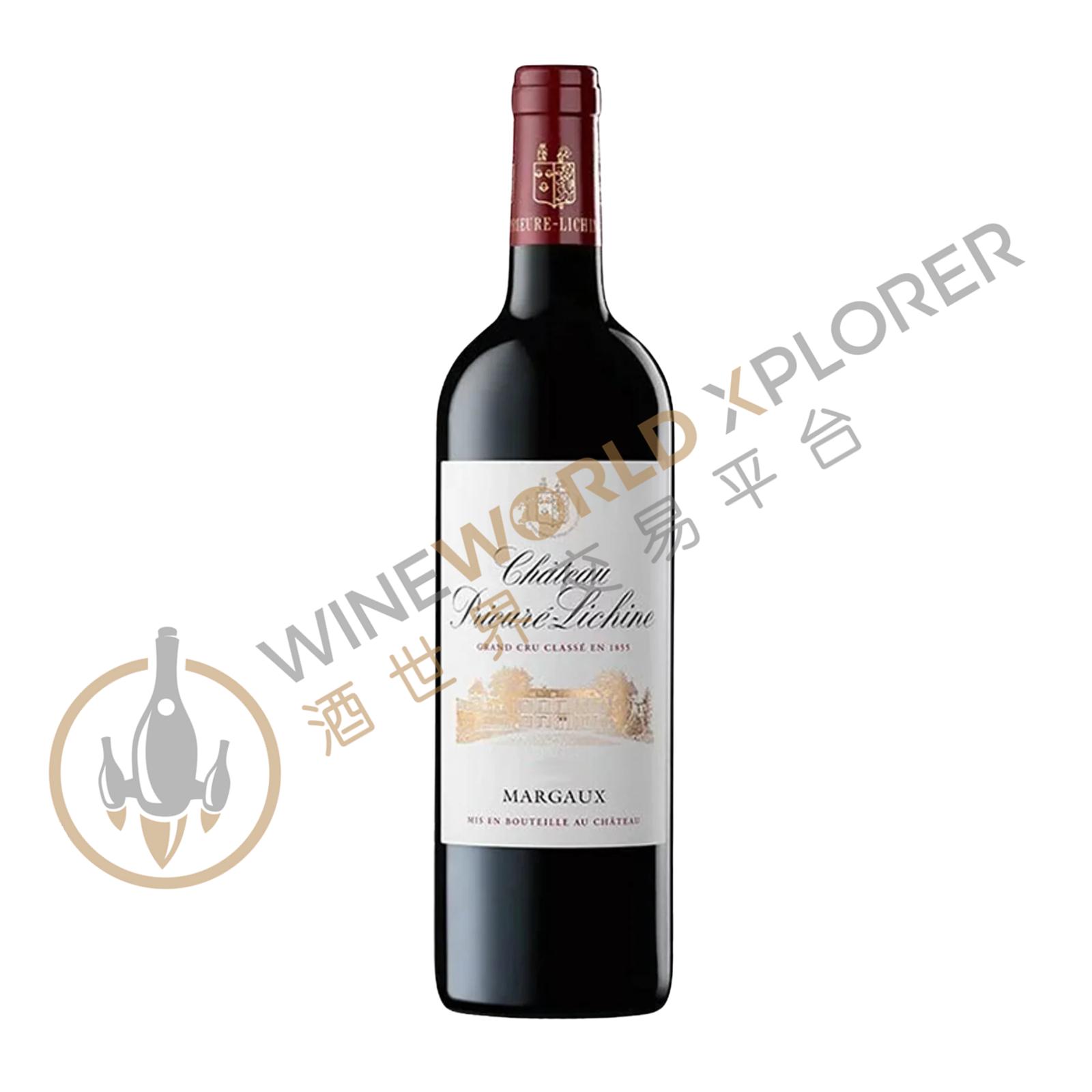
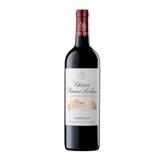
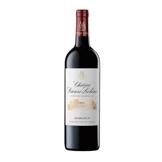
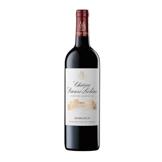
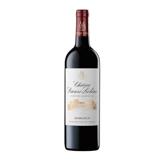
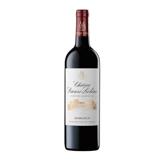
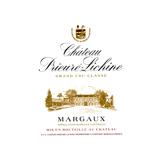
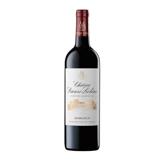
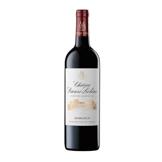
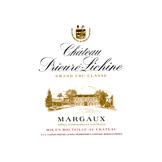
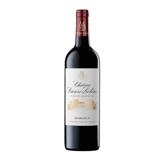
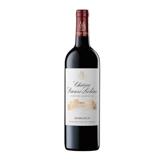
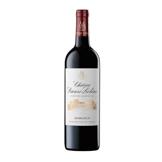
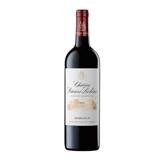
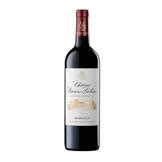
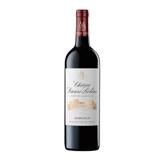
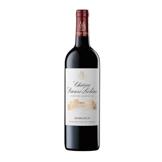
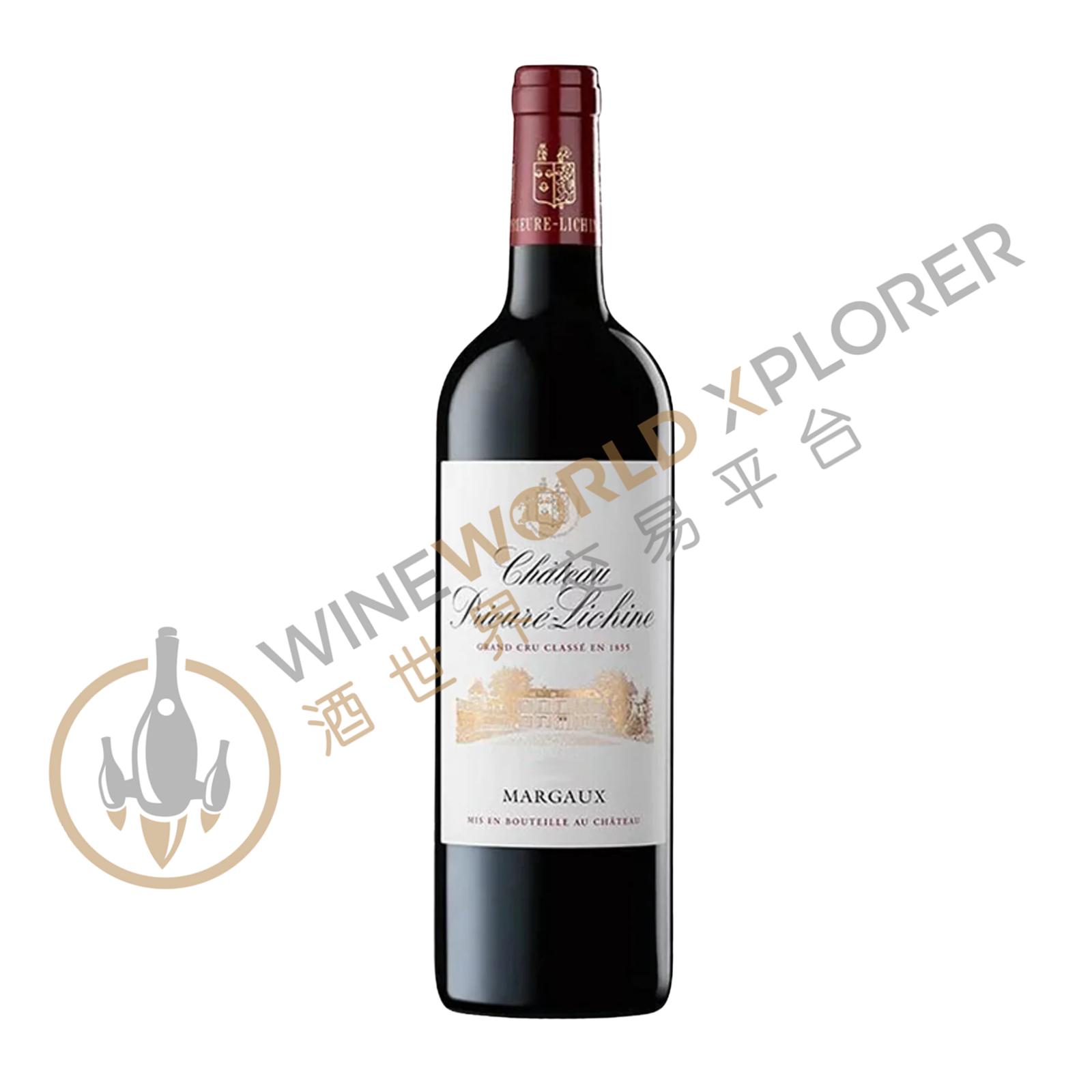
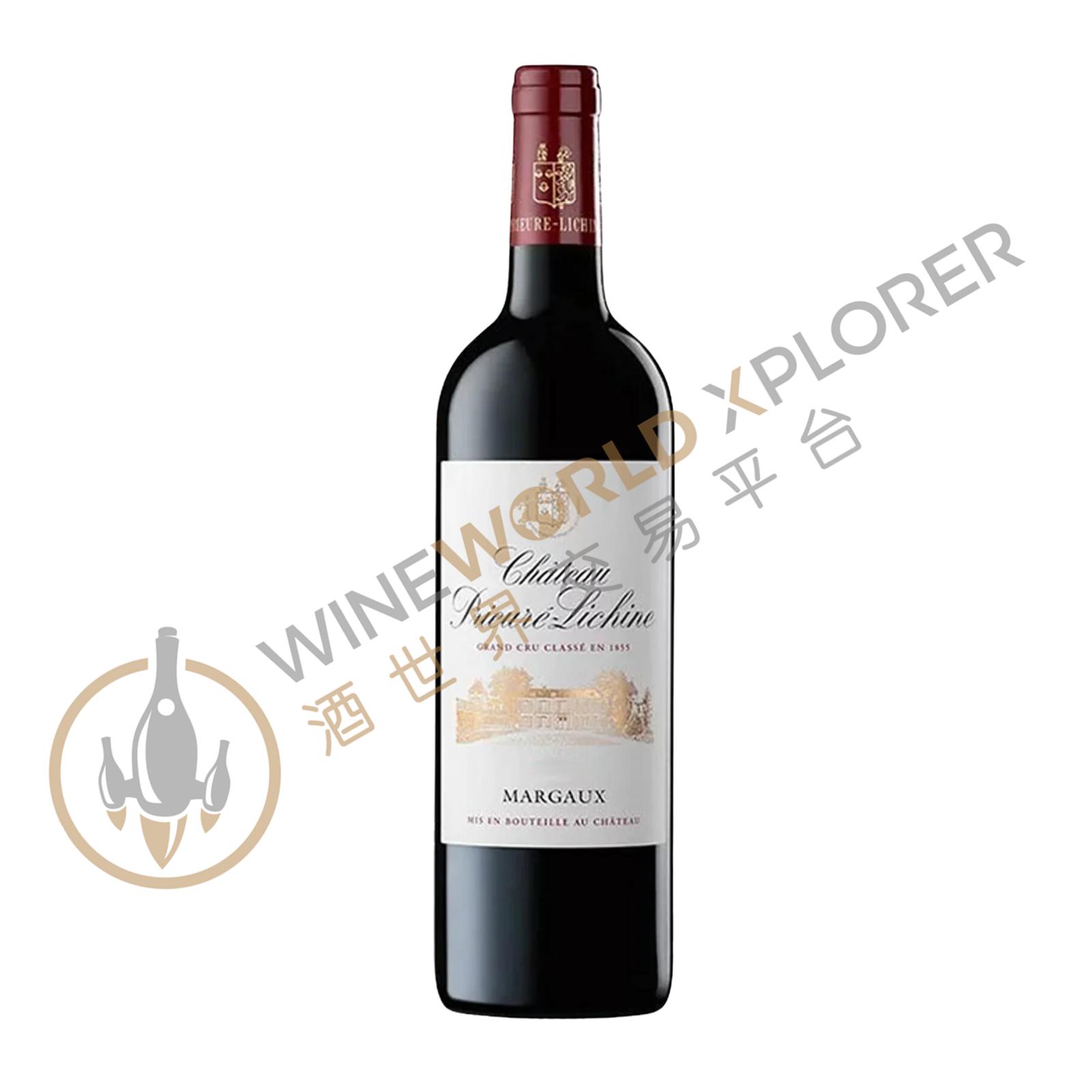
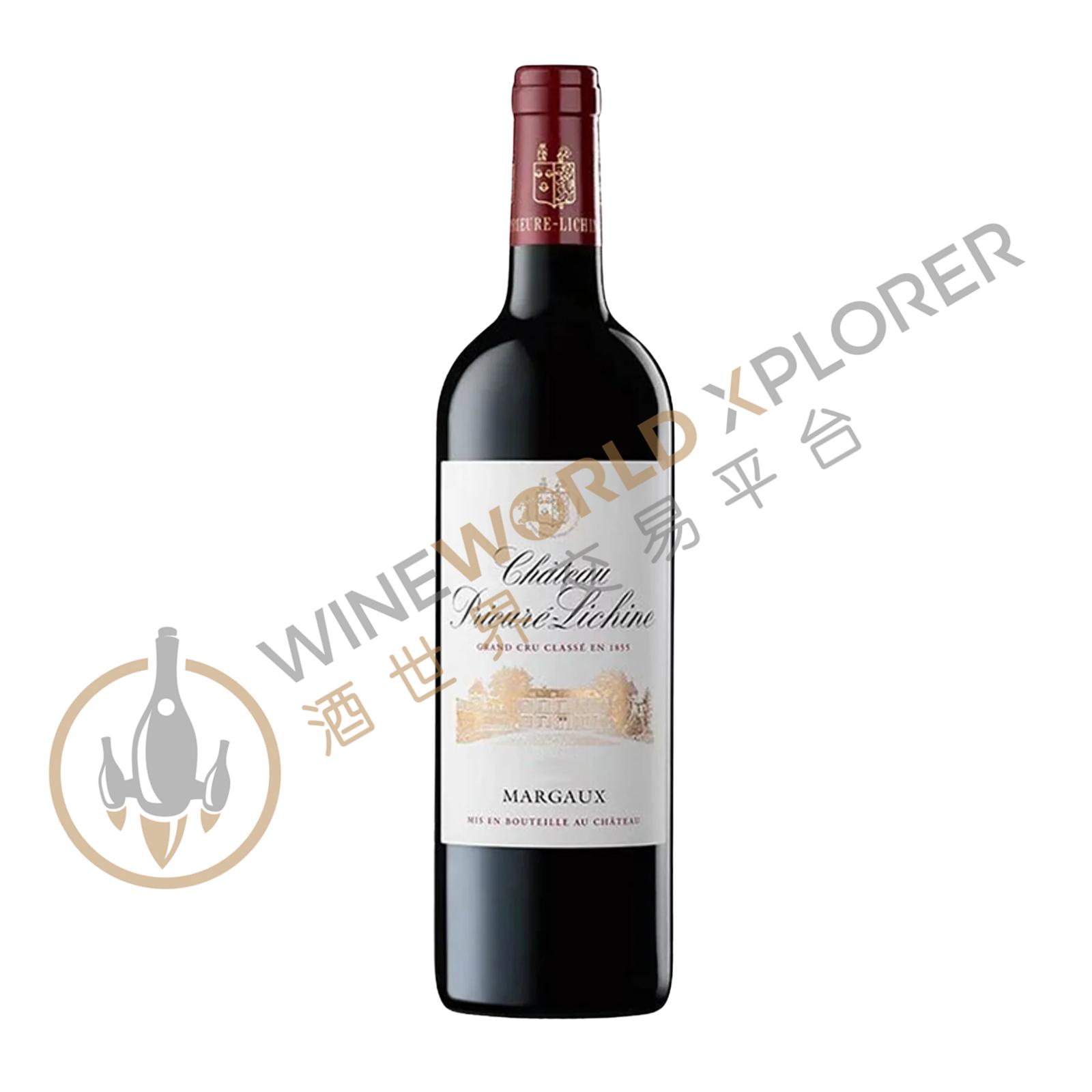
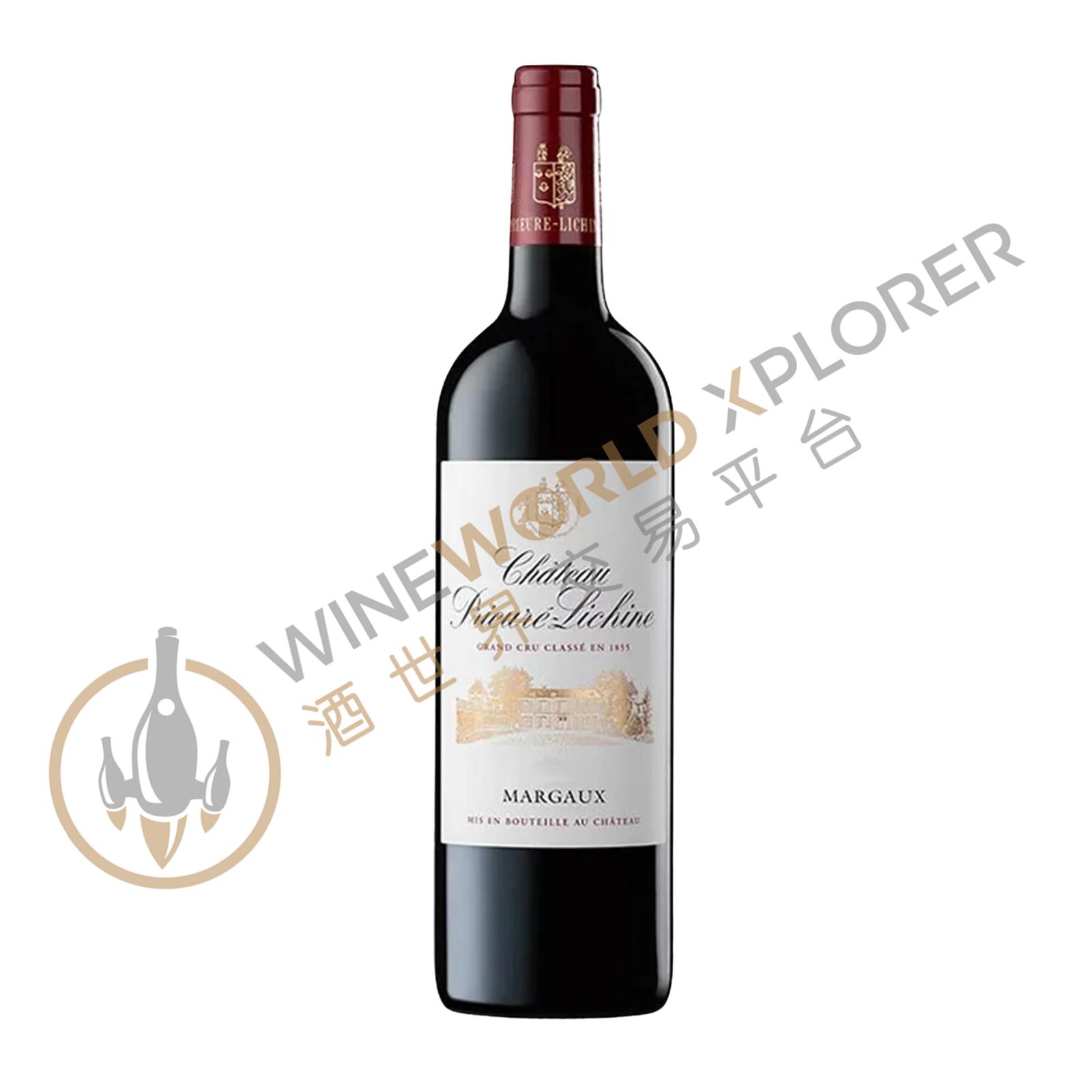
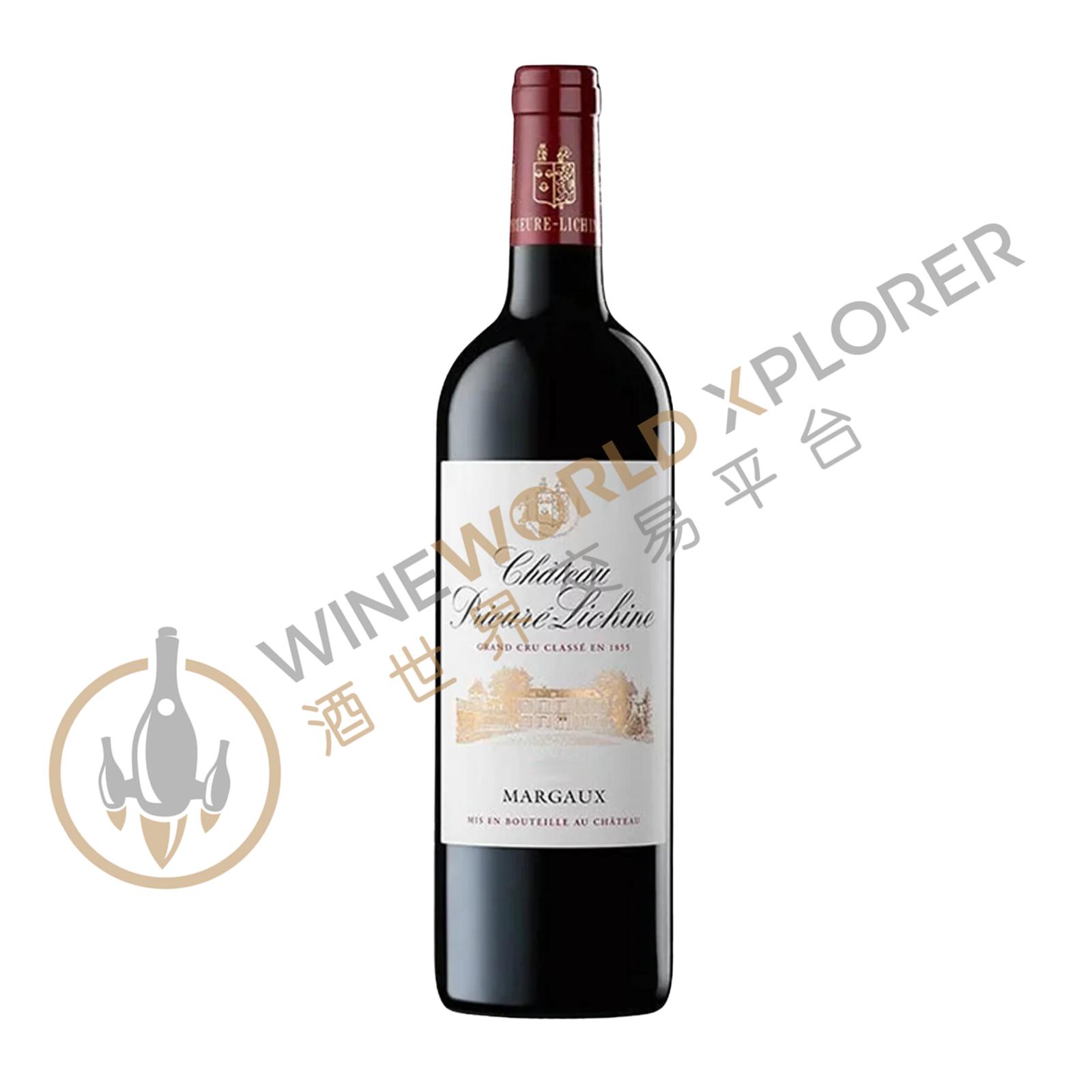
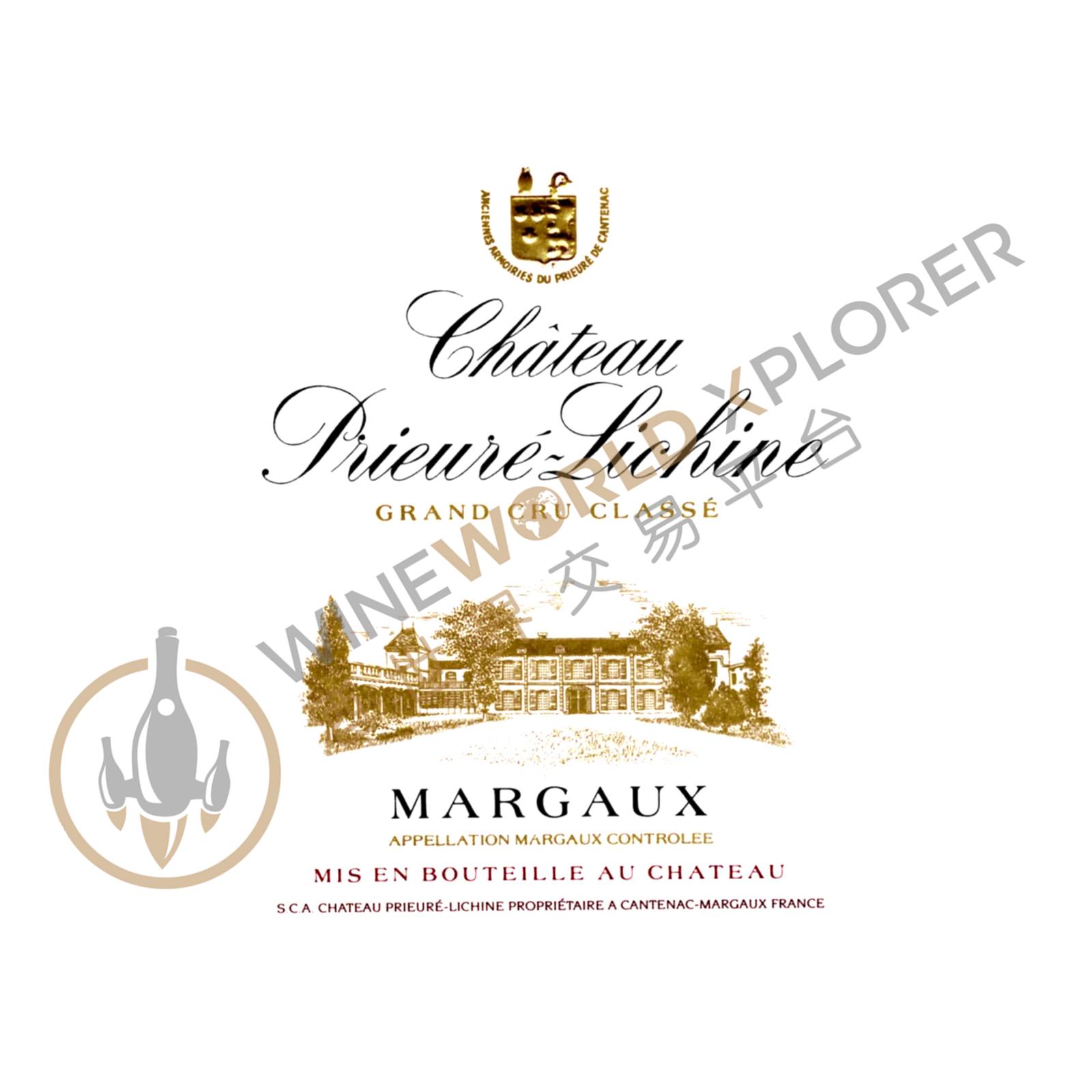
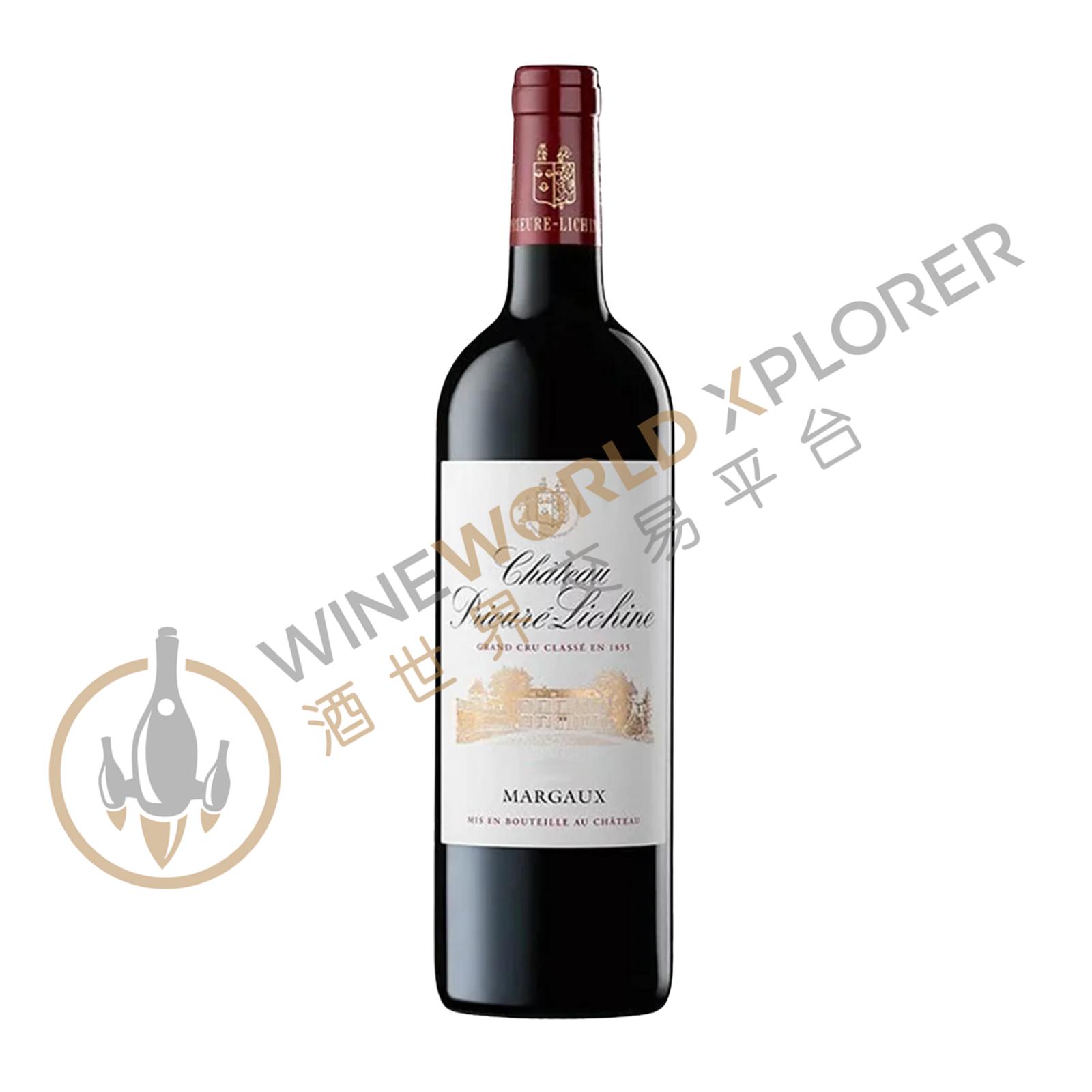
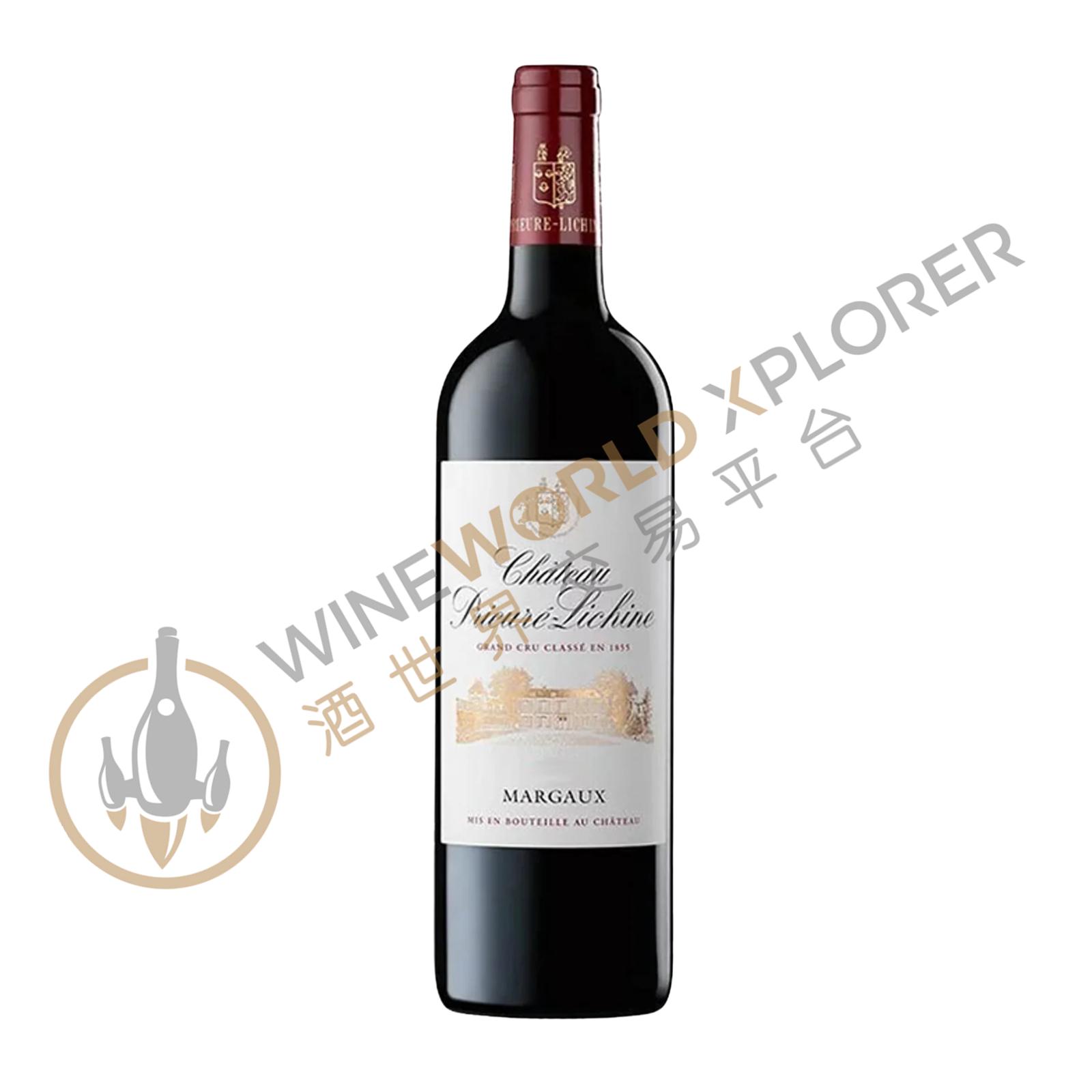
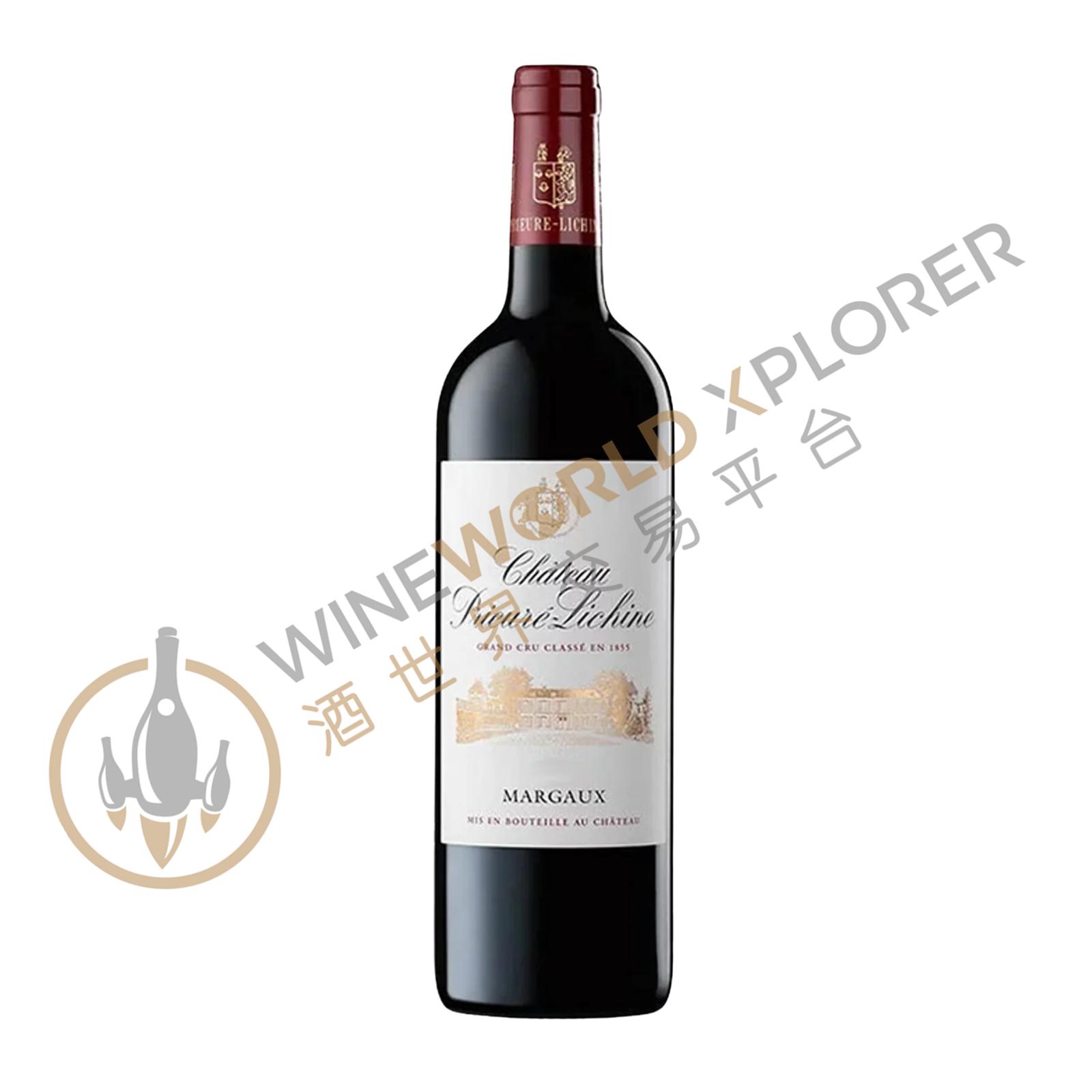
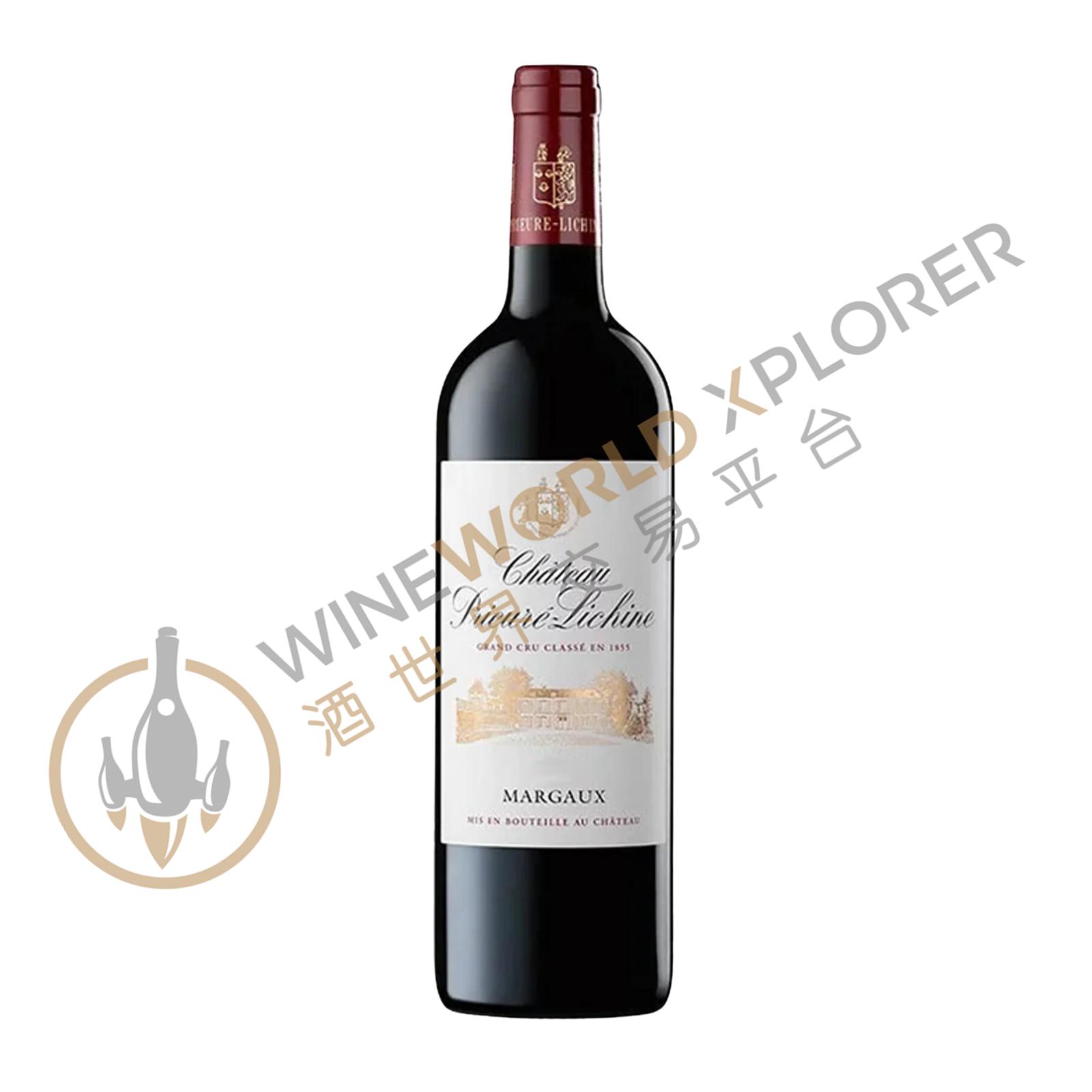
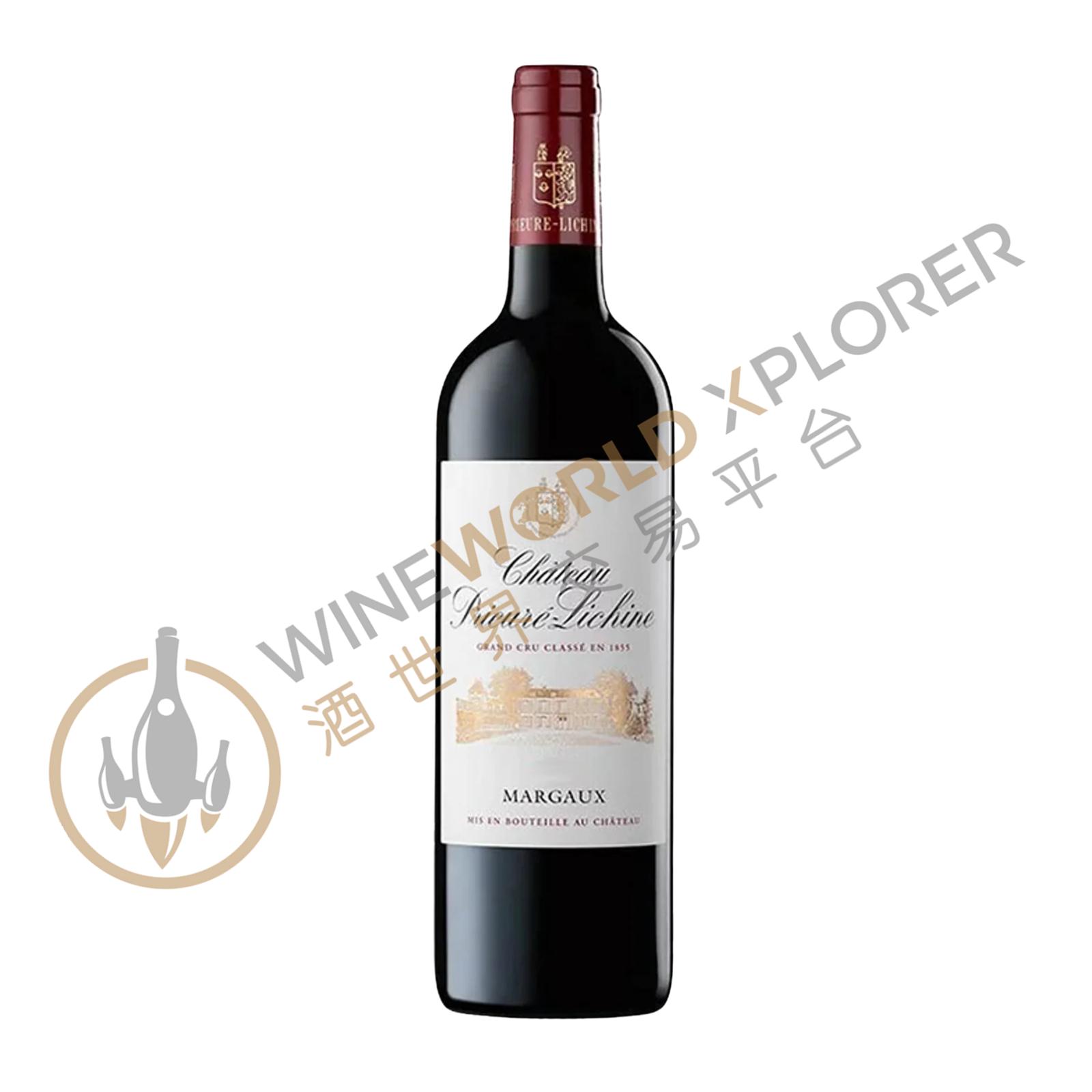
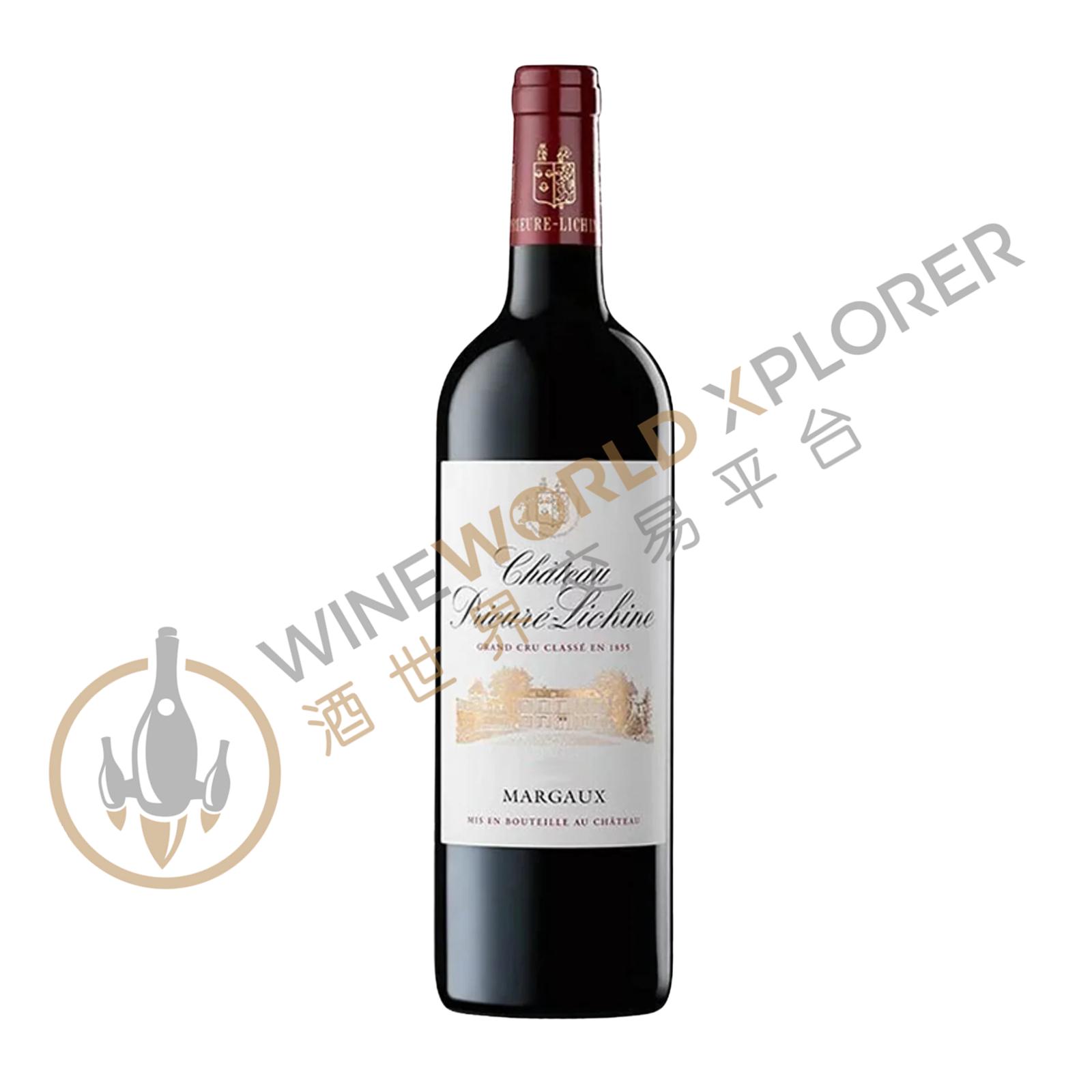
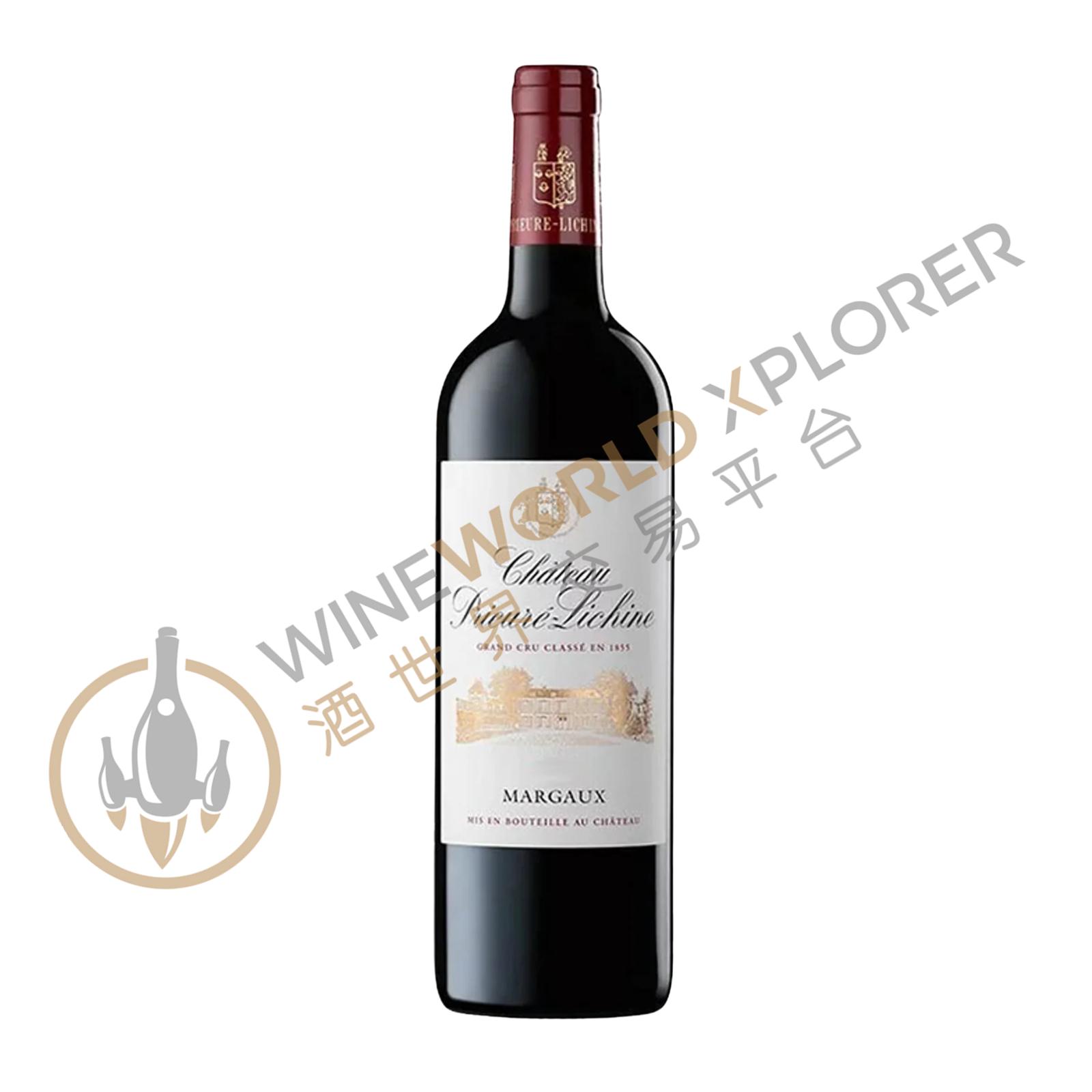
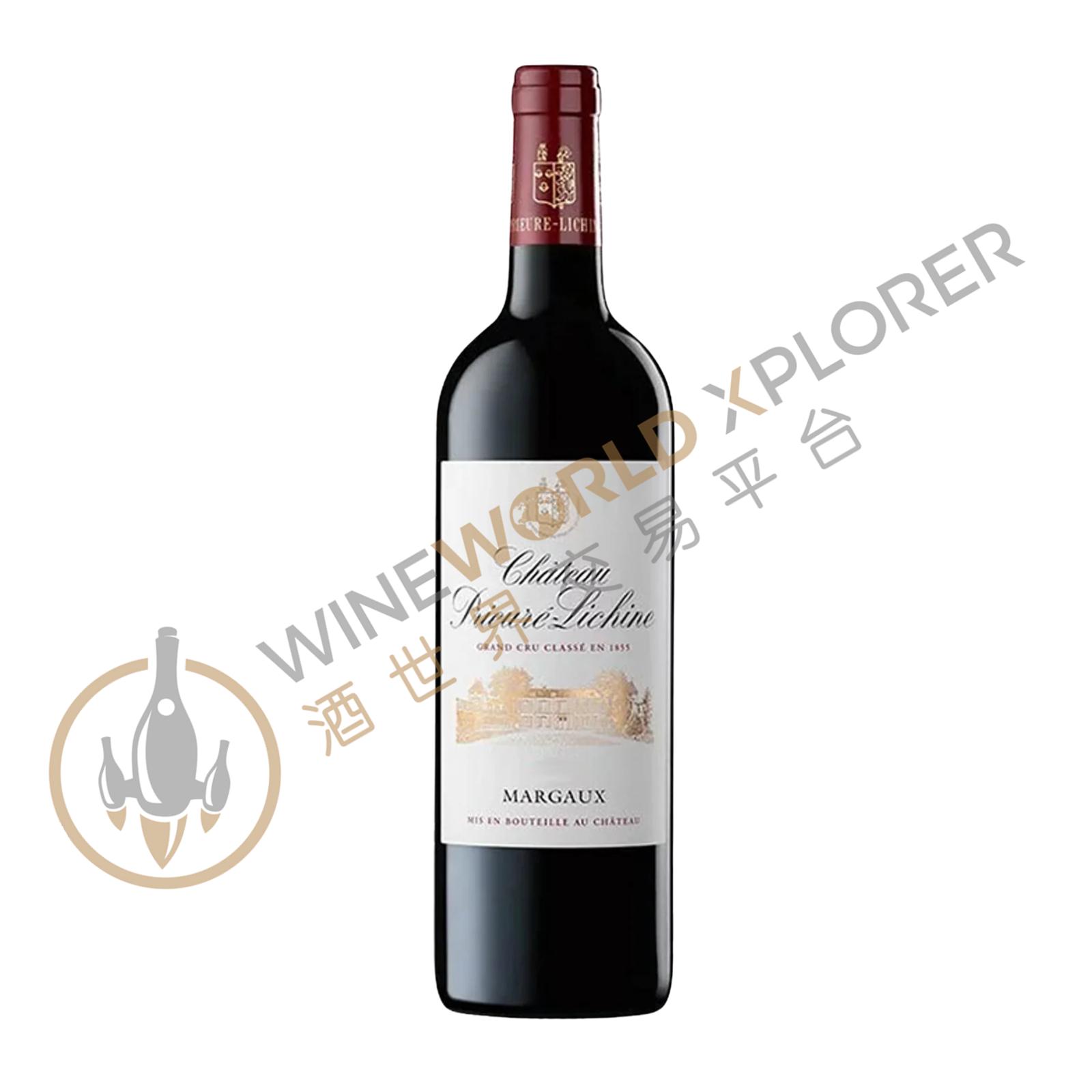
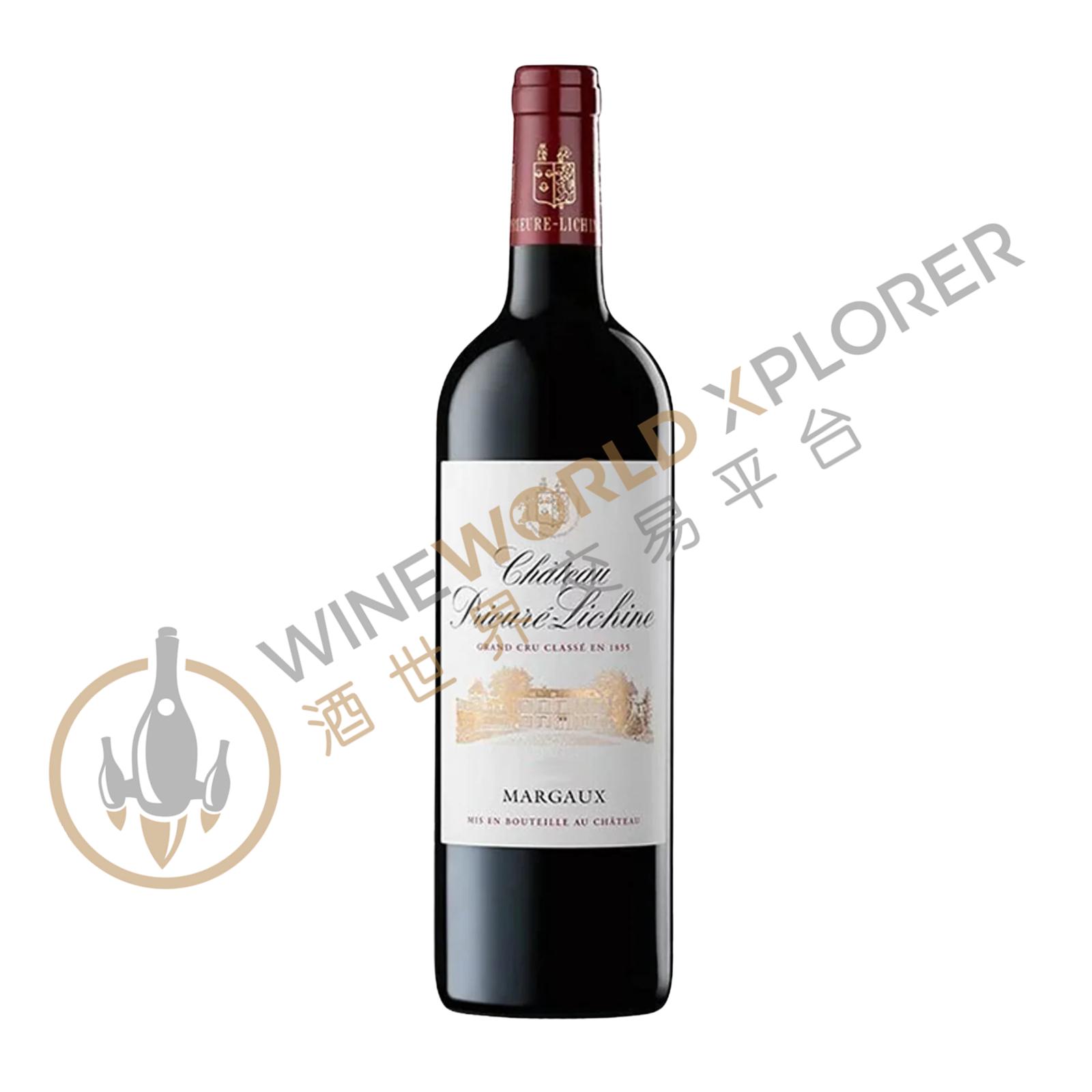
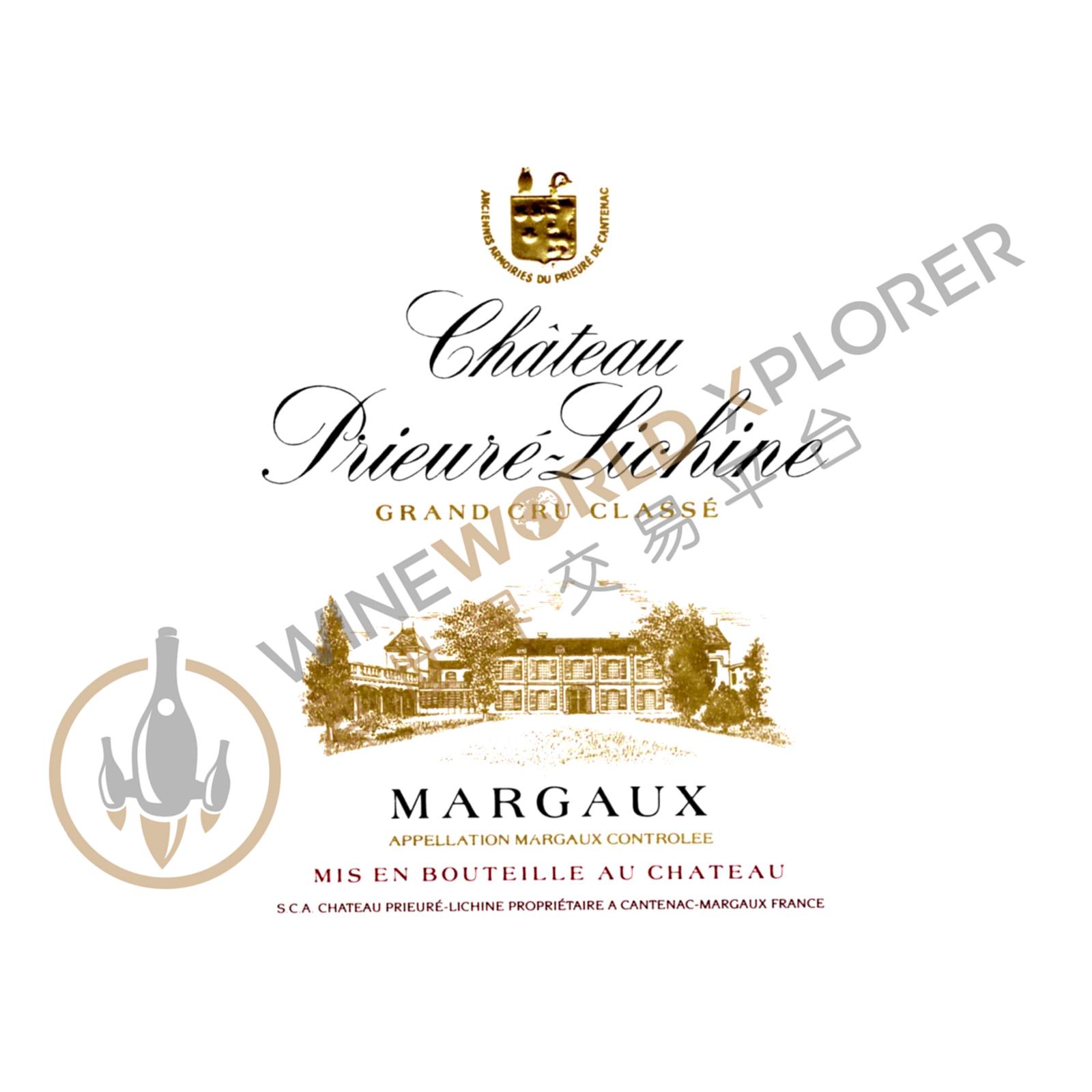
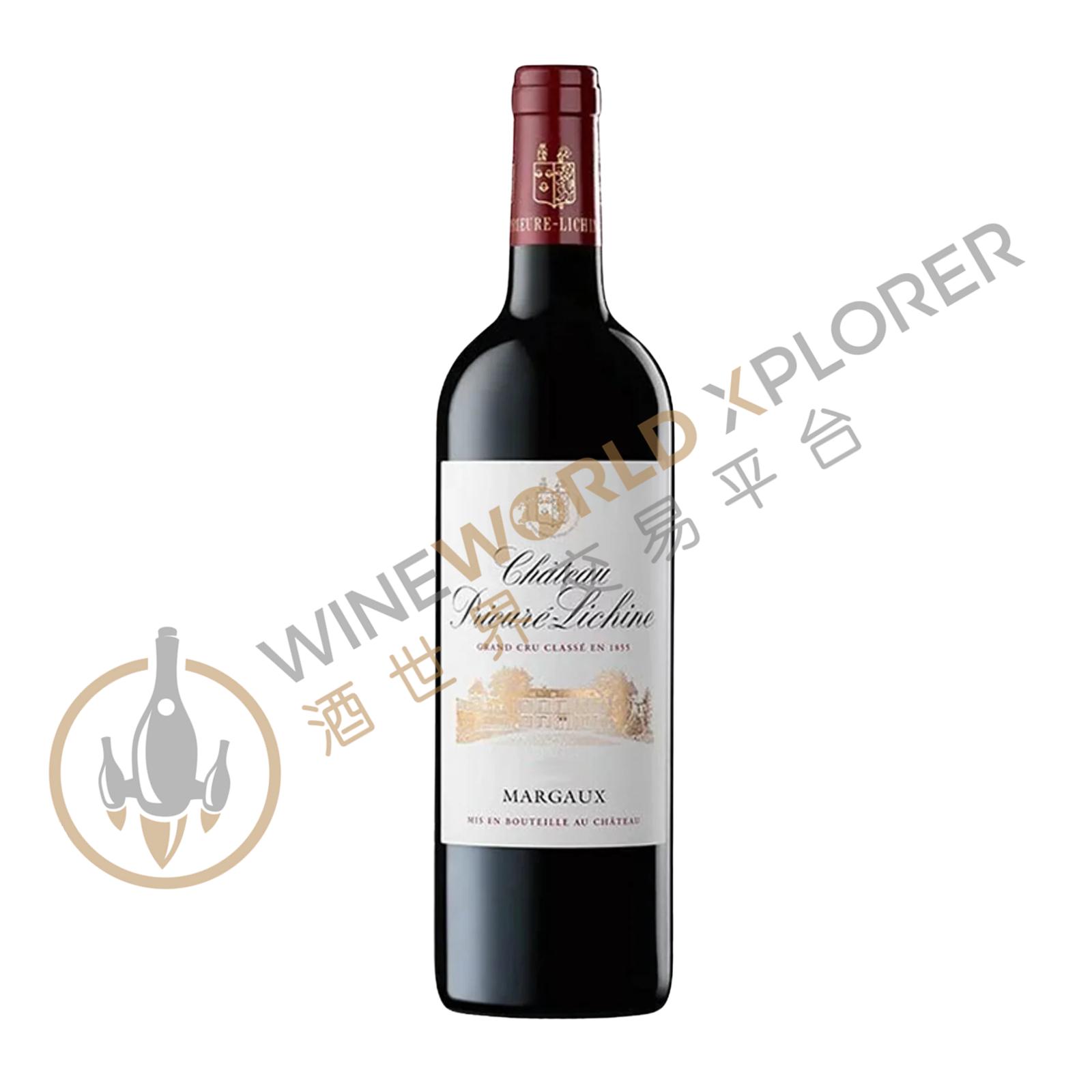
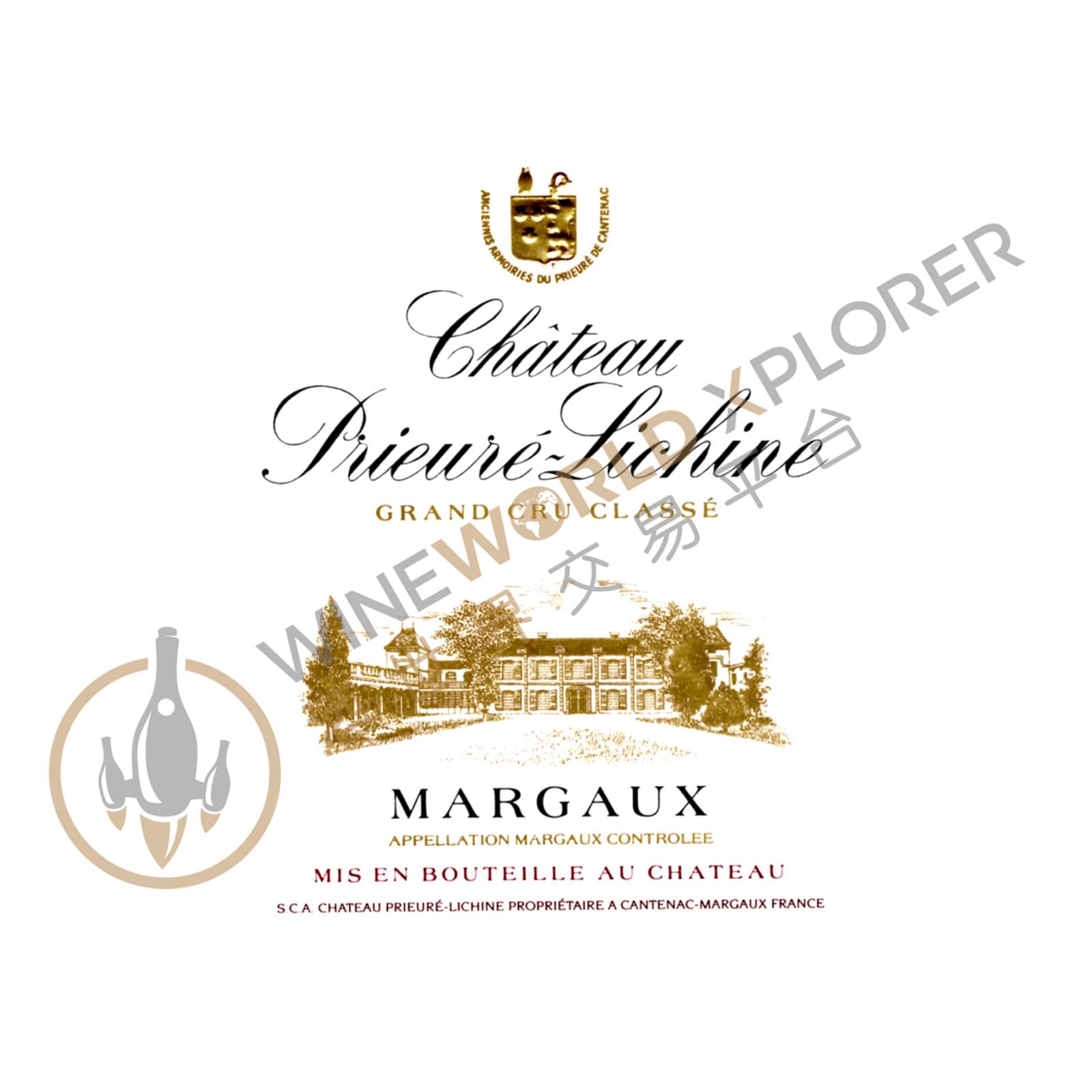
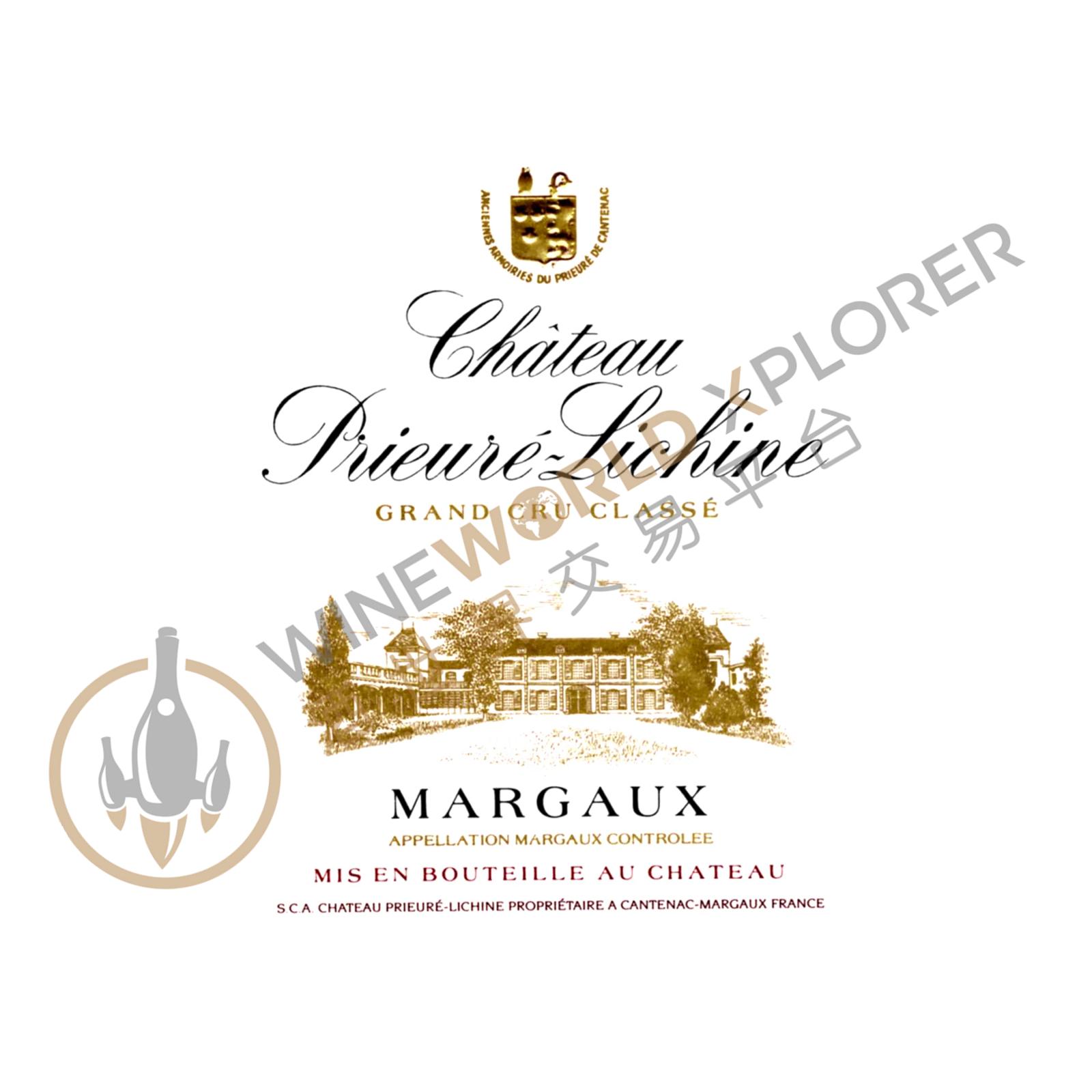
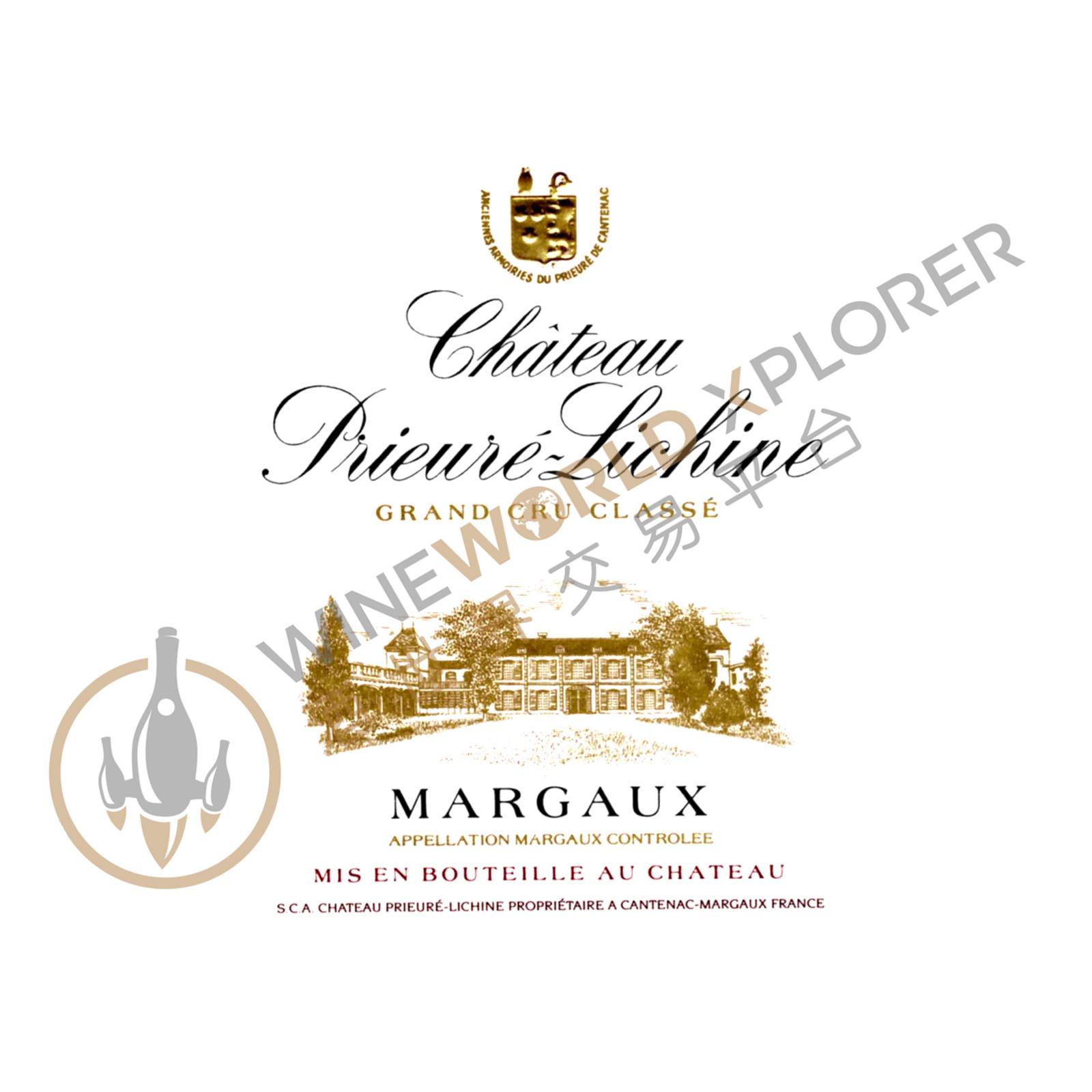
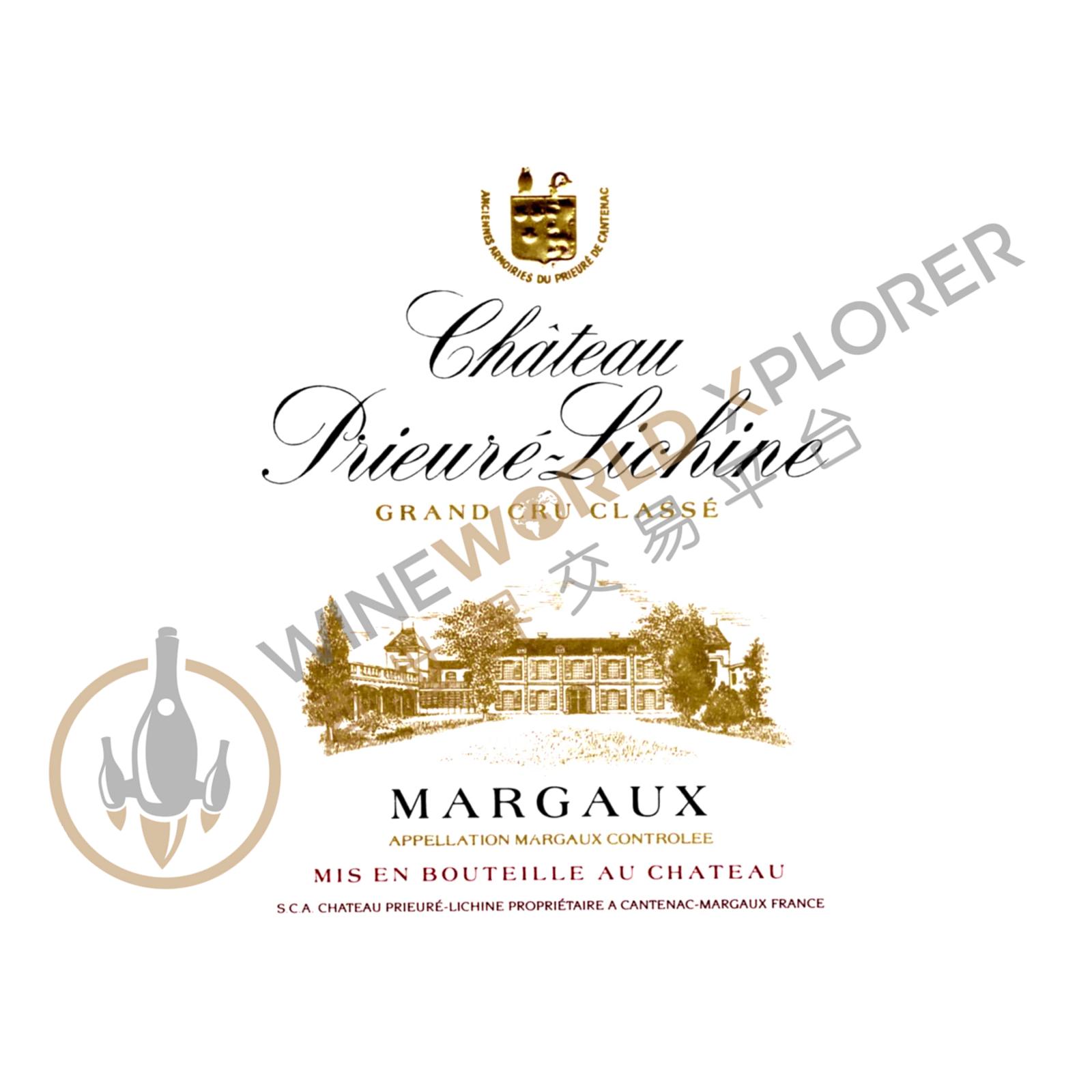
Prieure Lichine 2003
 View analysis


Description
Tasting notes

Reviewed by: Neal Martin
An impressive wine from this estate whose star is certainly in the ascendant. A muted black fruity nose with well-integrated but not dominating new oak. The palate exhibits good concentration with an attractive purity and restraint. The acidity gives this wine a lot of freshness and vitality. Superb wine. Then at the UGC after bottling in October 2005. The nose is superior to other Margaux wines tasted today, marked by a distinctive "coolness" and refinement. Aromas of wood, cedar and black fruits with very fine definition. The palate has good concentration and weight, with fine acidity. Leafy black fruits with a touch of liquorice on the finish. Very fine wine, certainly one of the best Margaux 2003.
Reviewed by: Robert M. Parker, Jr.
Now that Stephane Derenoncourt has joined this estate’s winemaking team, the easy-going style of Prieure-Lichine has been bulked up slightly, but the complexity of the aromatics continues to expand, and the result in 2003 is a sexy, seductive, soft wine with low acidity, ripe berry and cherry fruit, medium body, excellent purity, and an alluring texture. Drink it over the next 10-12 years.
Reviewed by: Neal Martin
Tasted blind at Farr Vintner’s Left Bank tasting. This has a muffled, tertiary/tobacco-scented nose that lacks some joie-de-vivre. The palate is medium-bodied with a pleasant, rounded entry, notes of wild strawberry, tobacco and raspberry leading to a cohesive, is slightly strained finish. It improves in the glass, the bouquet awakening with reluctance. Natural and well-crafted but not long-term. Tasted October 2010.
Reviewed by: Robert M. Parker, Jr.
This is a soft, easygoing, up-front effort with medium to full body, sweet, herb-tinged black cherry and currant fruit, light tannin, and a pleasant, savory mouthfeel with lushness and plenty of ripe fruit. Drink it over the next 7-8 years. There have been significant changes made at this well-known estate that now boasts Stephane Derenoncourt as its consultant. The wine remains primarily a blend of nearly equal parts Cabernet Sauvignon and Merlot, with a tiny dosage of Petit Verdot and even less Cabernet Franc. Yields have been cut significantly to under 35 hectoliters per hectare, and of course much more work is now being done in the vineyard than ever before.
Reviewed by: Robert M. Parker, Jr.
Prieure-Lichine has turned things around over recent vintages and is now producing its finest wines since the late 1960s and early 1970s when the late Alexis Lichine was in control. The respected winemaking consultant, Stephane Derenoncourt, is partly responsible for the return to high quality at this estate. Already drinking well, the dark ruby/plum/purple-tinged 2003 reveals an evolved, fragrant perfume of melted licorice, spice box, cedar, black cherries, and currants. With marvelous fruit, medium to full body, low acidity, and abundant glycerin, this seductive, lush claret is hard to resist. Enjoy it over the next 12-14 years.
About the Producer
Château Prieuré-Lichine is an estate in the Margaux appellation of Bordeaux, ranked as a Fourth Growth in the official Bordeaux Classification of 1855. It is regarded as one of Margaux's most consistent producers and is known for its elegance and suppleness, derived in part from the relatively high proportion of Merlot in the blend. The estate is located in Cantenac (on an official, administrative, level Cantenac is now combined with Margaux), near to the châteaux of Kirwan and Boyd-Cantenac. There are 70 hectares (173 acres) of vineyards in numerous parcels within the Margaux appellation, of which around 40 hectares (100 acres) contribute to the grand vin. Vineyard plantings are 50 percent Cabernet Sauvignon, 45 percent Merlot, and 5 percent Petit Verdot. The second wine, launched in 1972 as Château de Clairefont, is now sold as Confidences de Prieuré-Lichine and is made from younger vines. Le Clocher du Prieuré is a Merlot-based Haut-Médoc from vineyards adjacent to those supplying the grand vin. The portfolio is completed by Le Blanc du Château Prieuré-Lichine, a Sauvignon Blanc – Semillon blend from a 1.5 hectare (3.7 acre) plot in Arsac, to the south of Margaux. Red wines are fermented in a mix of stainless steel and concrete vats of differing sizes, with long, gentle extraction. Malolactic fermentation takes place in barrel, and the wine is then aged for 16 months in barriques, 60 percent of which are new. The second wine sees 14 months in second- and third-fill barrels. The estate was founded as the Prieuré (Priory) de Cantenac in the 10th Century, and for many years was a stopping point for pilgrims on the pilgrimage to Santiago de Compostela. While vines were certainly planted from the 12th Century, the conversion of the property to a full-scale wine estate took place in the 1700s. Its current name refers to noted winemaker Alexis Lichine, who owned the estate from 1951 until his death in 1989. The estate was acquired by the Ballande group (which includes the Ballande & Méneret négociant firm) in 1999.
1959(1)1979(1)1984(1)1986(1)1991(1)1995(1)1997(1)2000(2)
Package Size