Wine Advisor



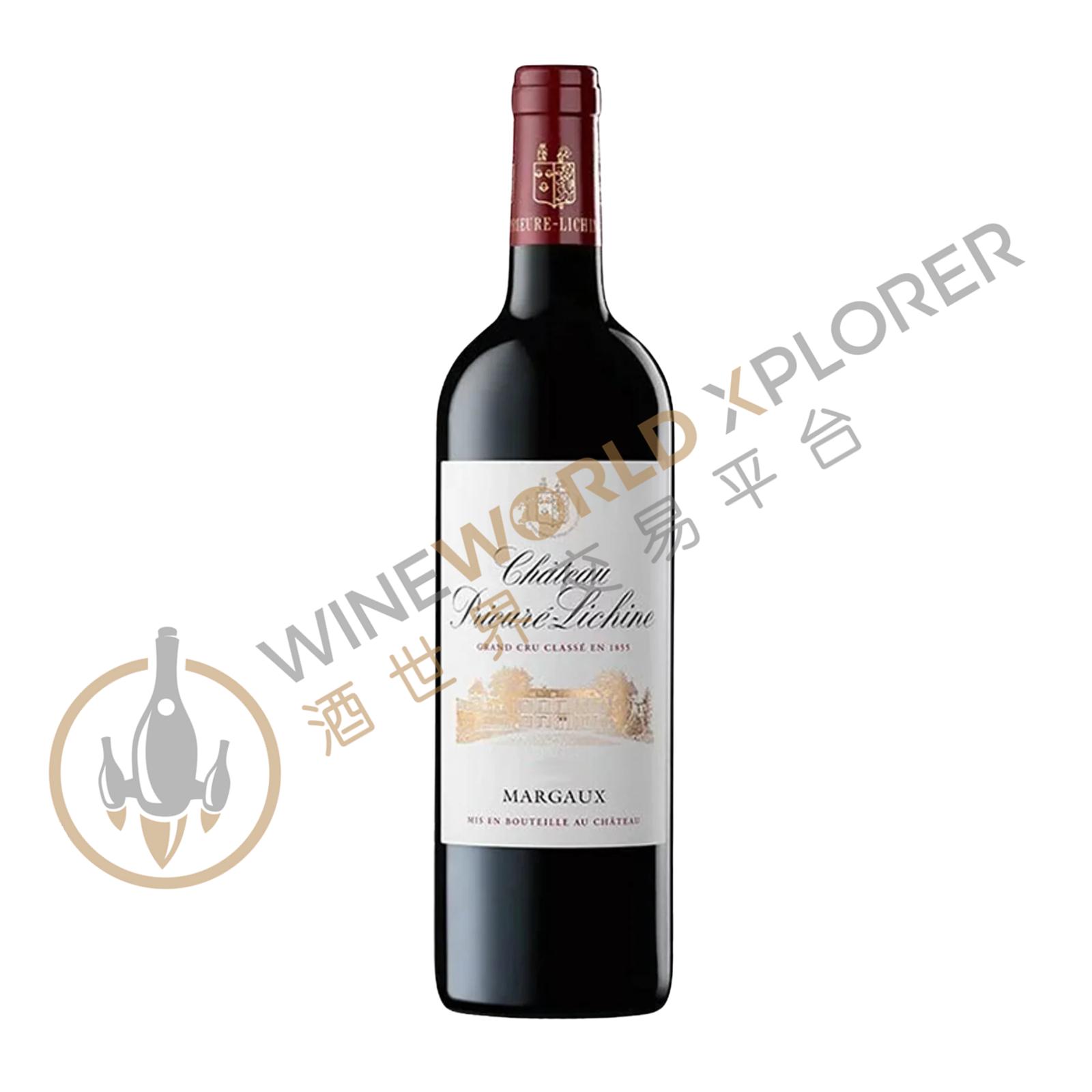
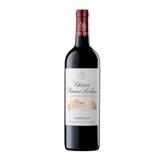
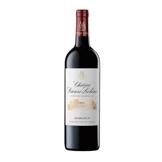
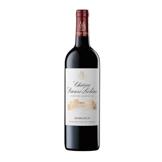
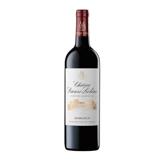
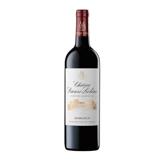
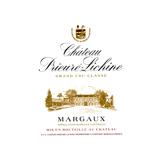
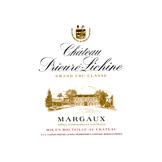
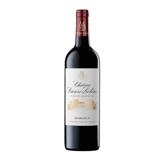
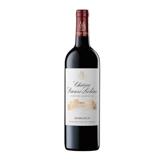
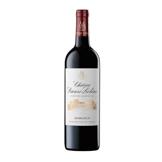
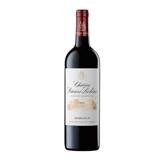
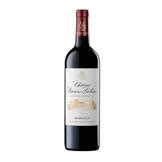
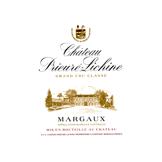
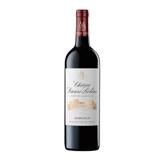
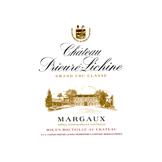
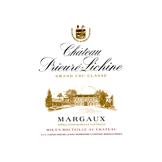
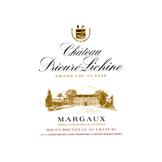
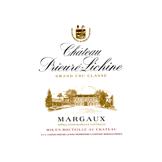
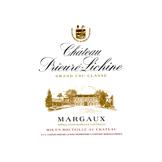
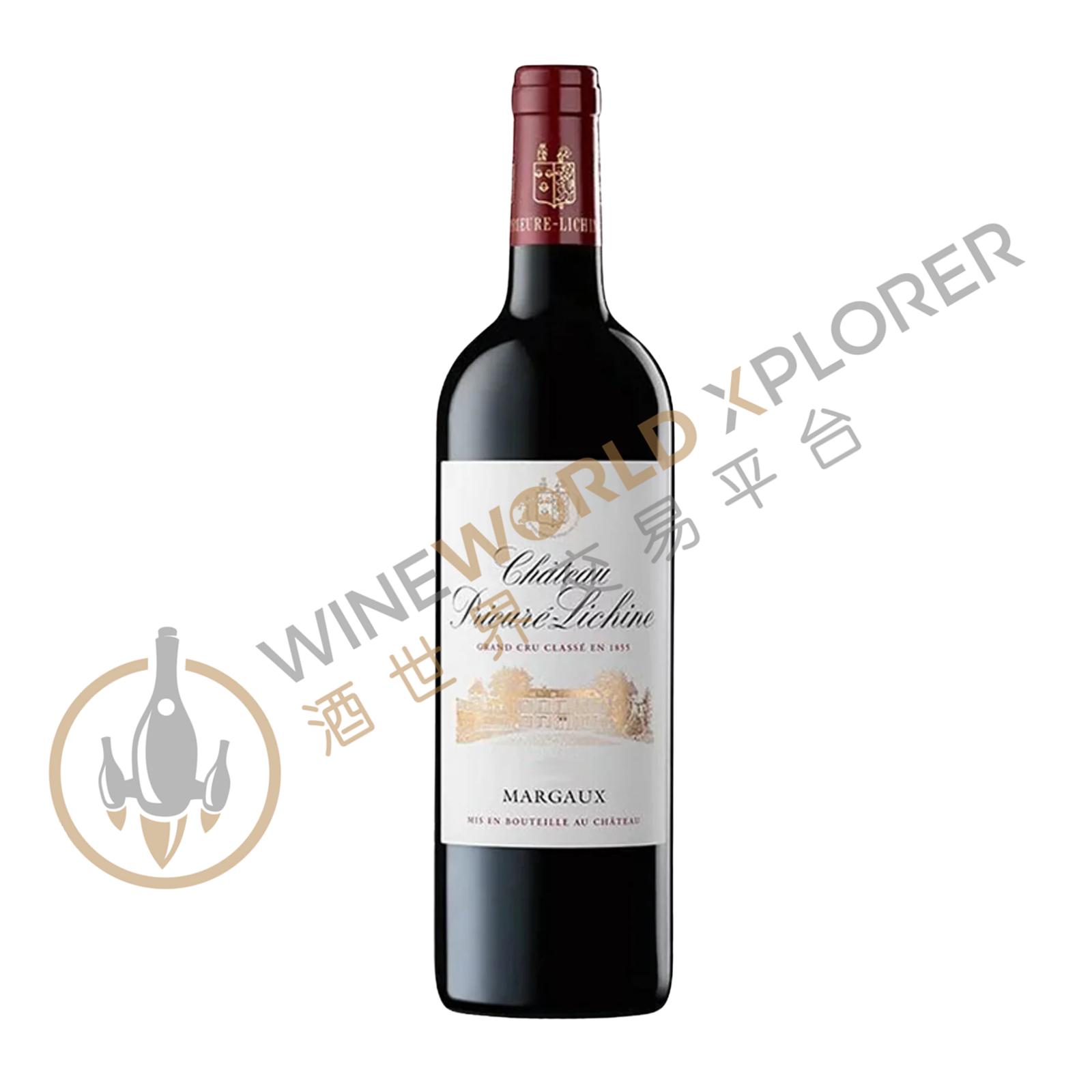
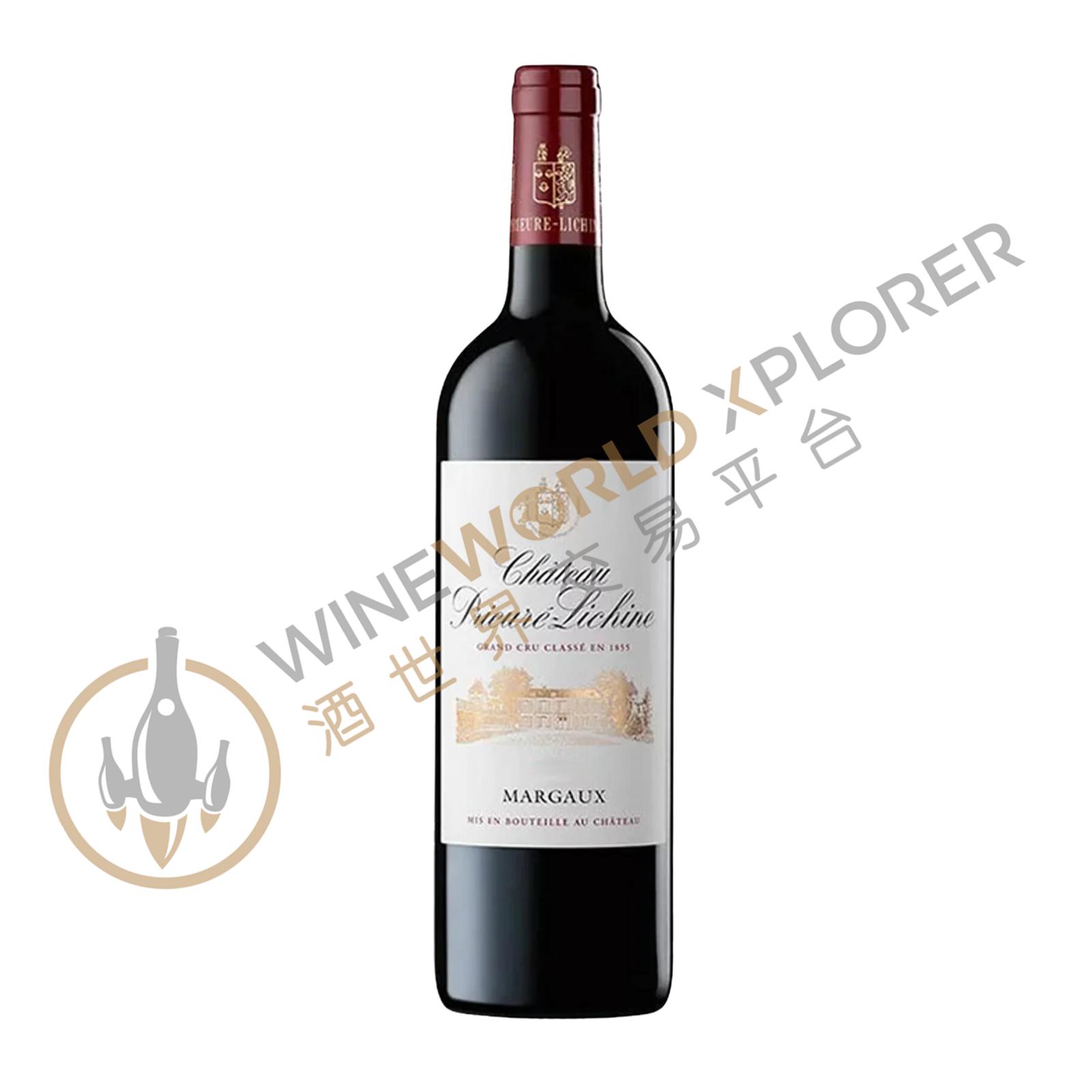
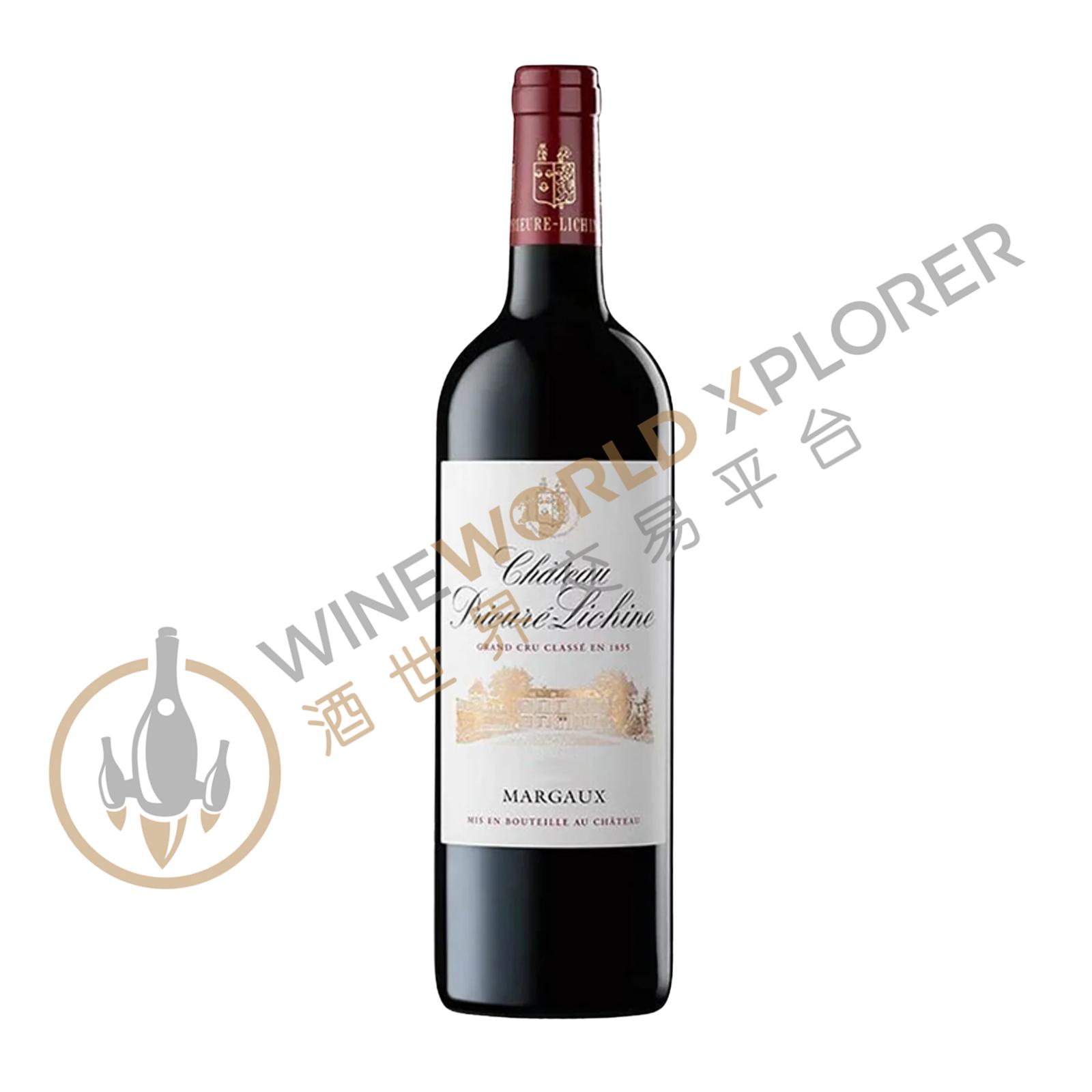
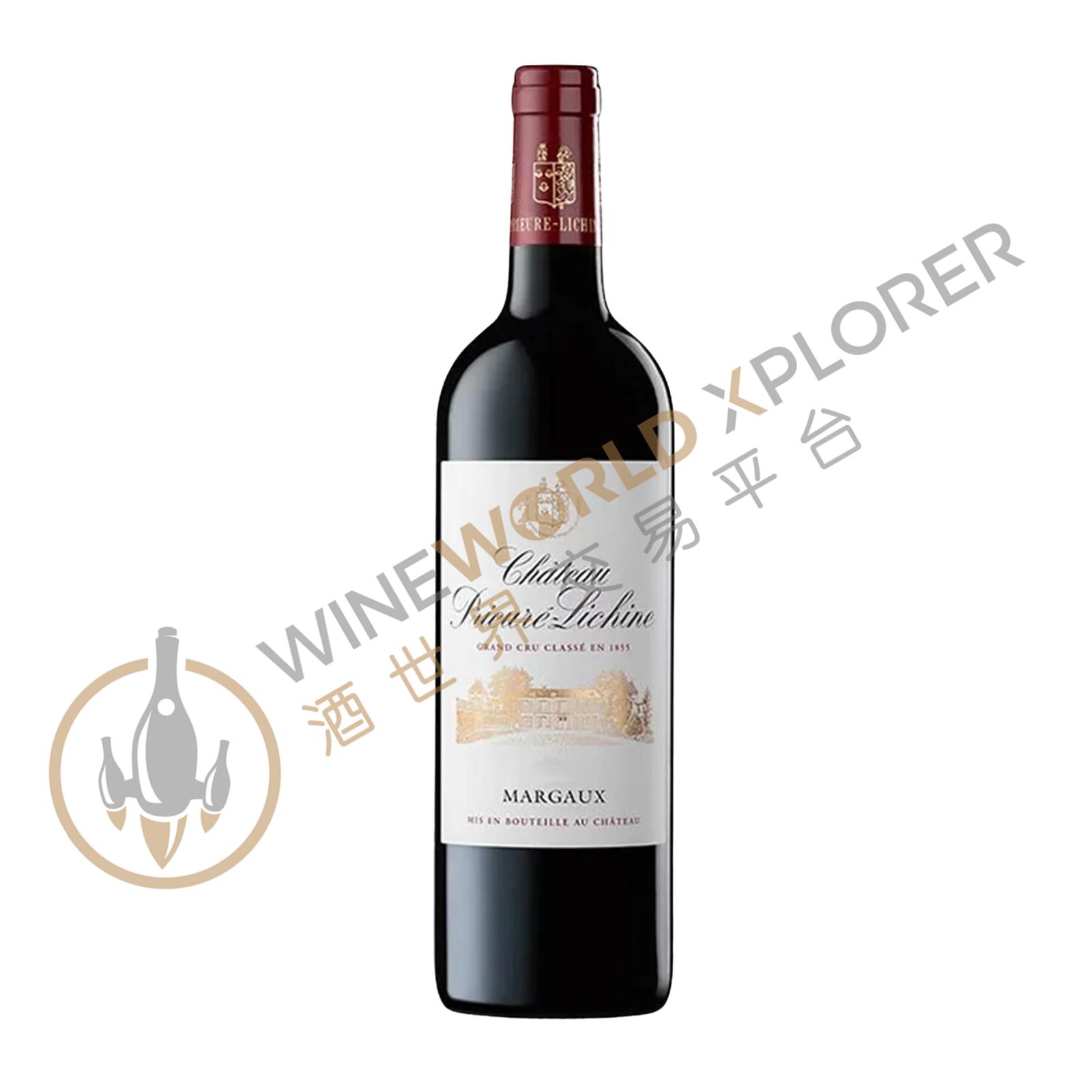
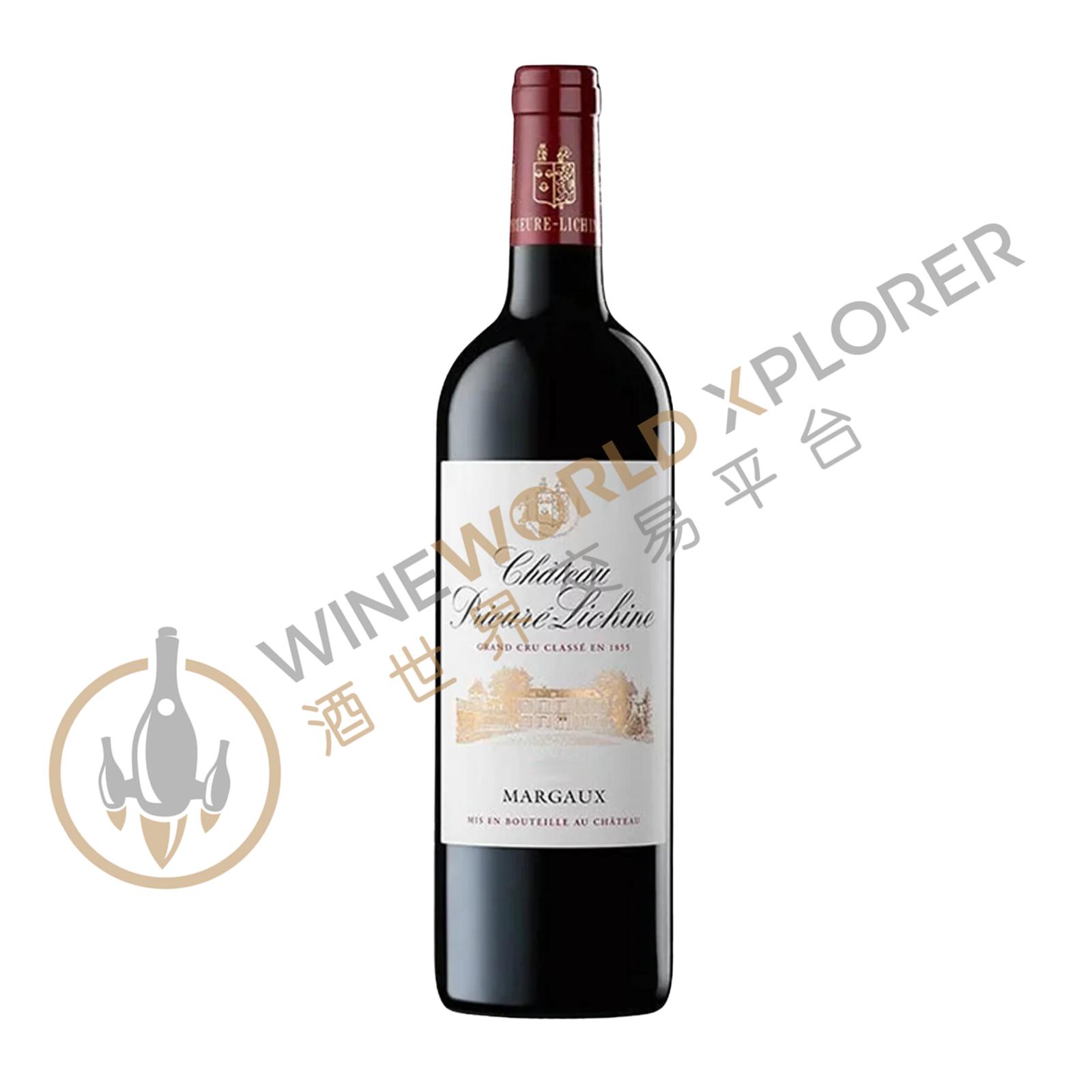
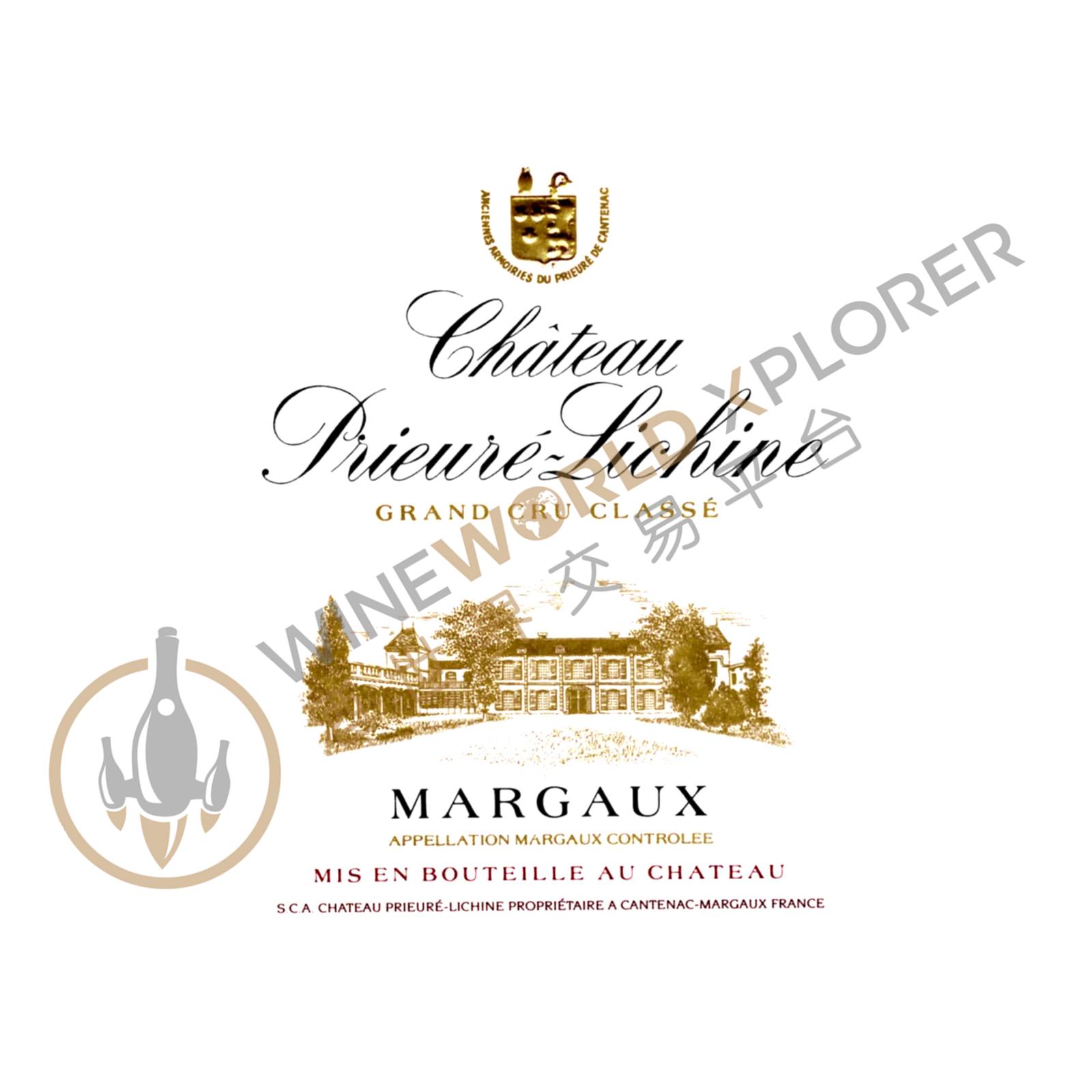
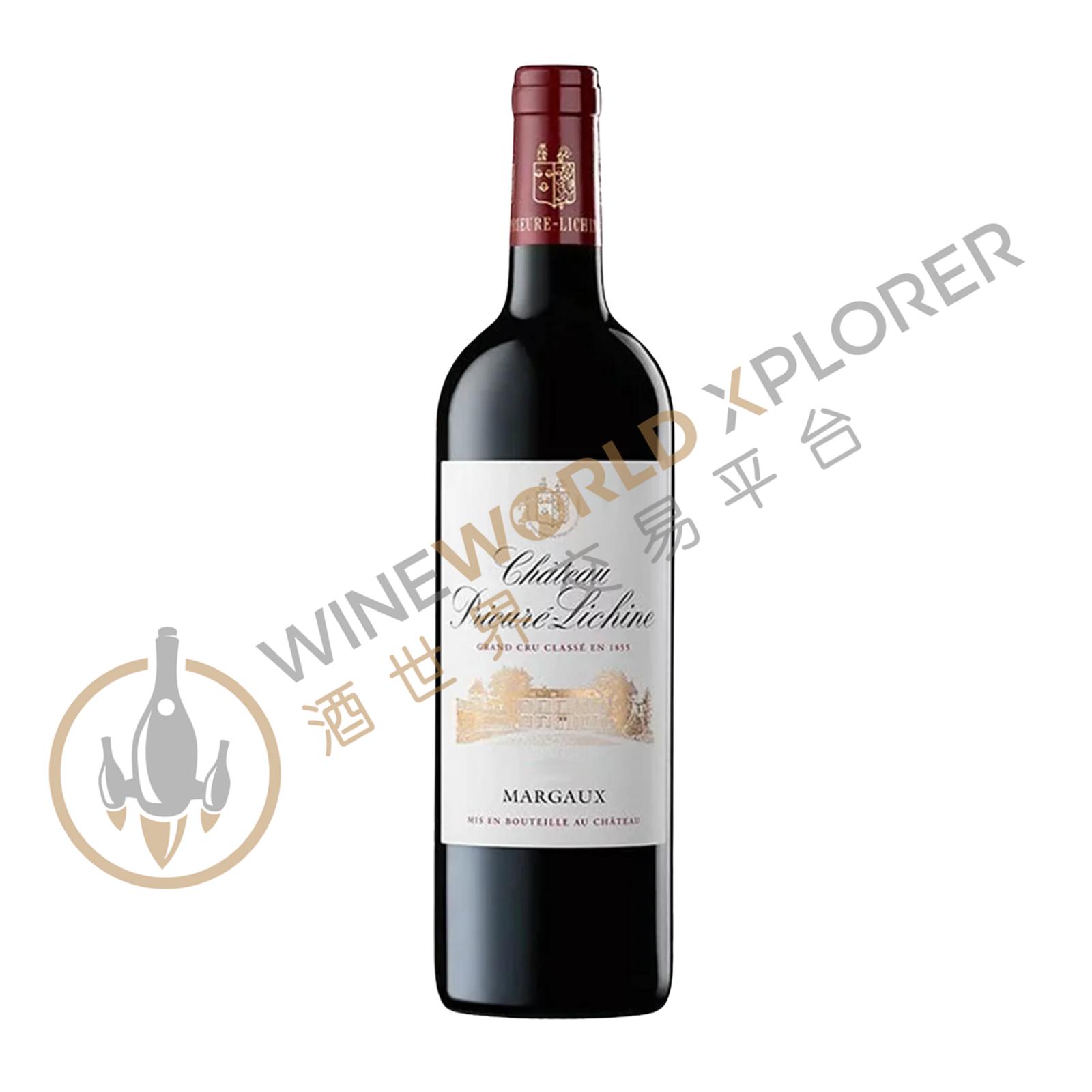
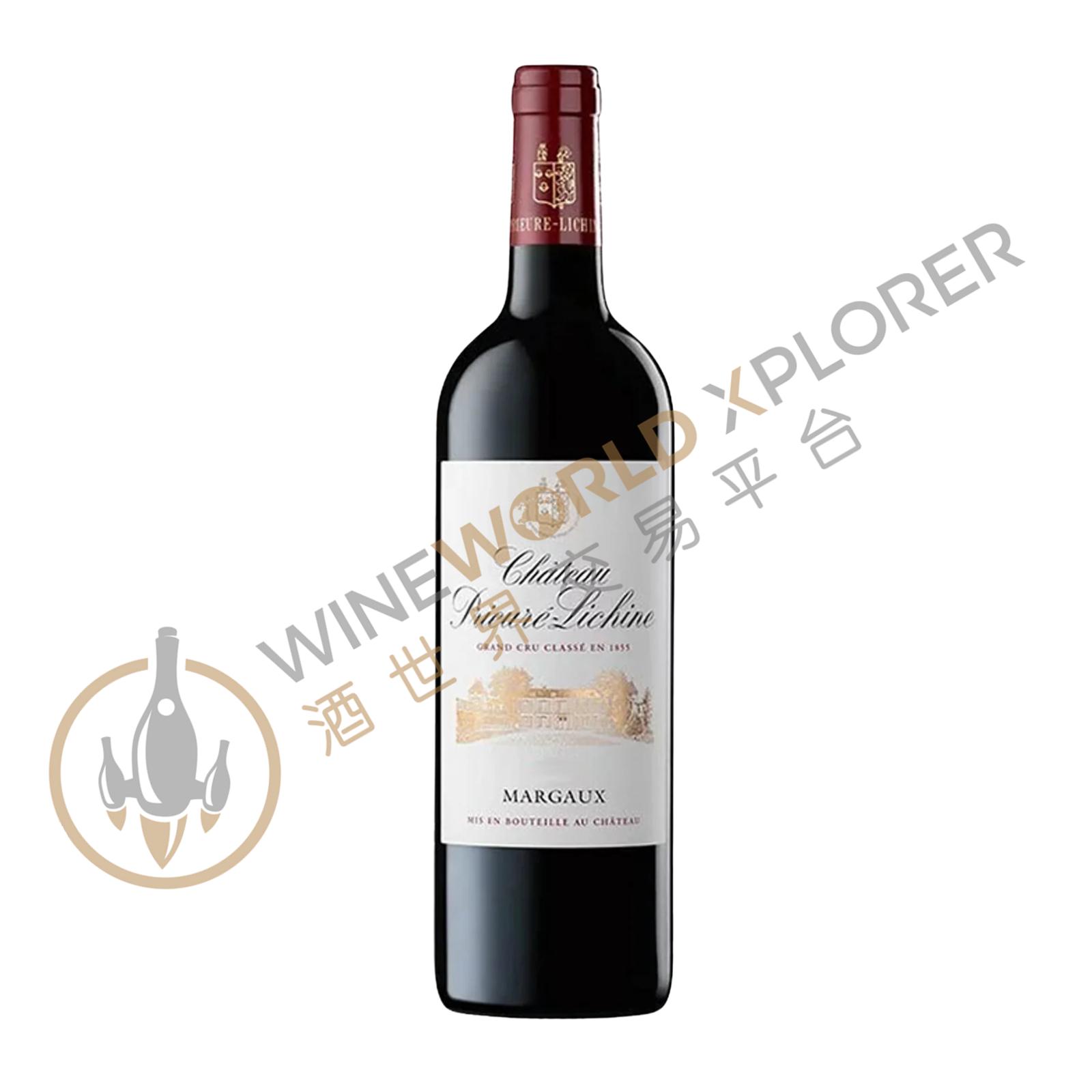
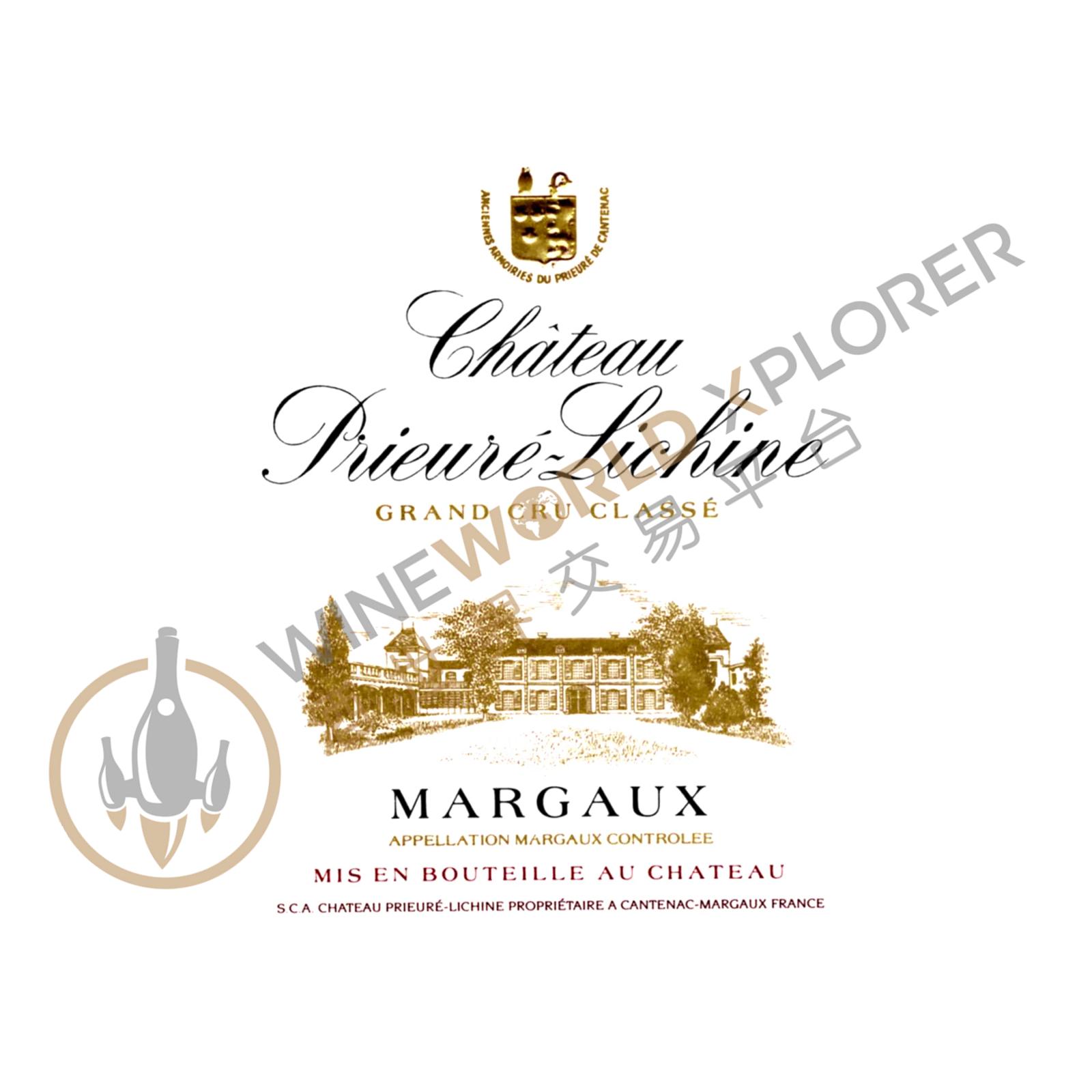
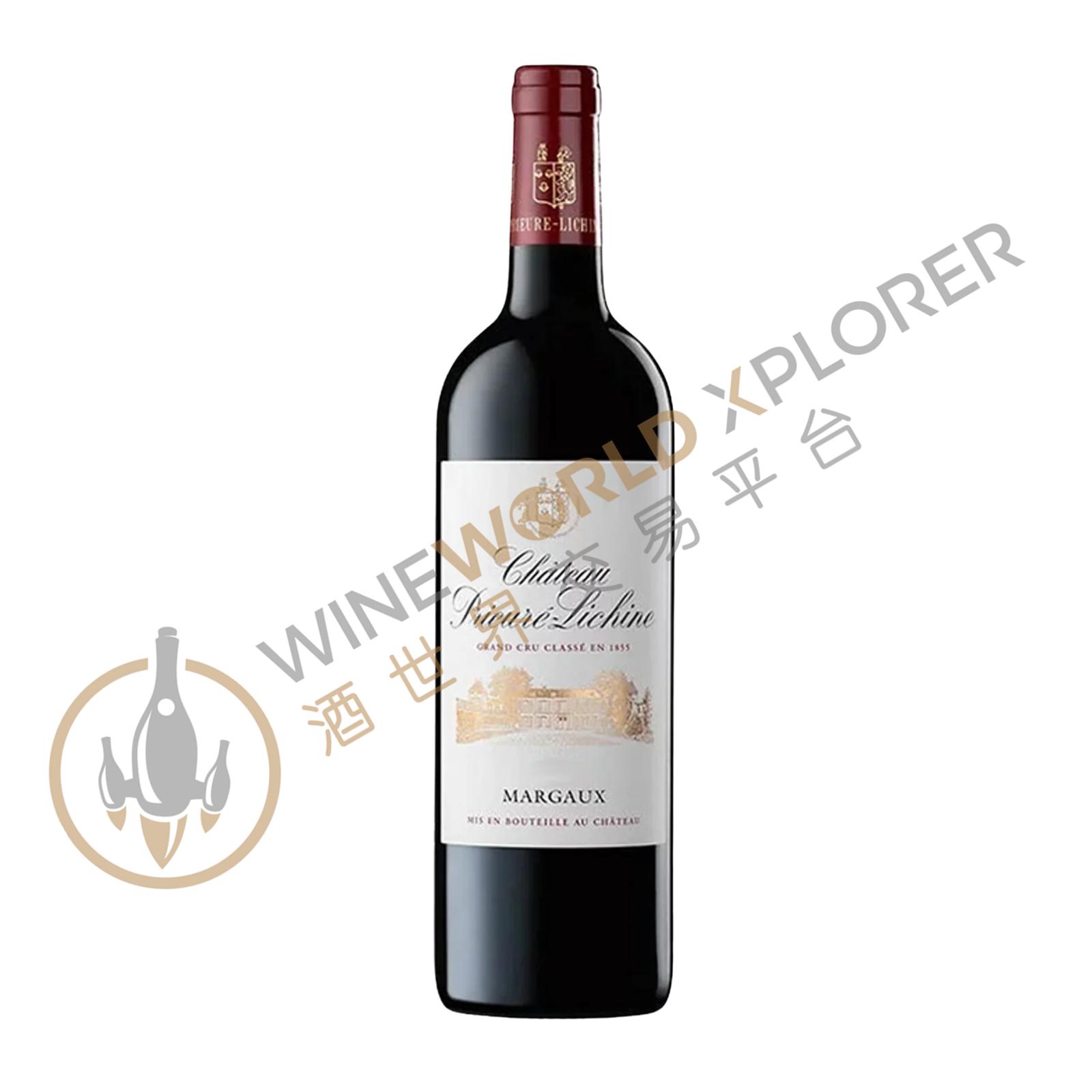
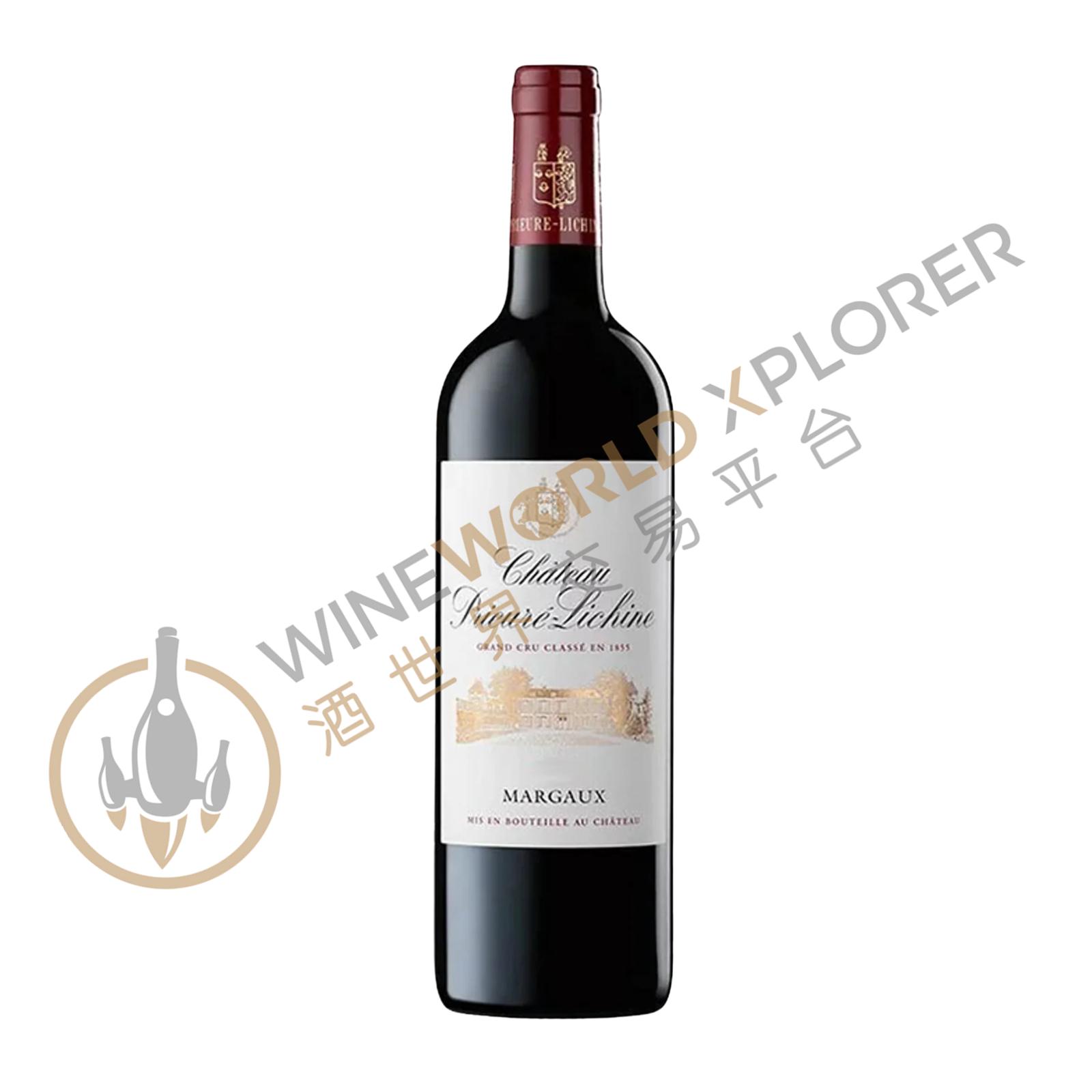
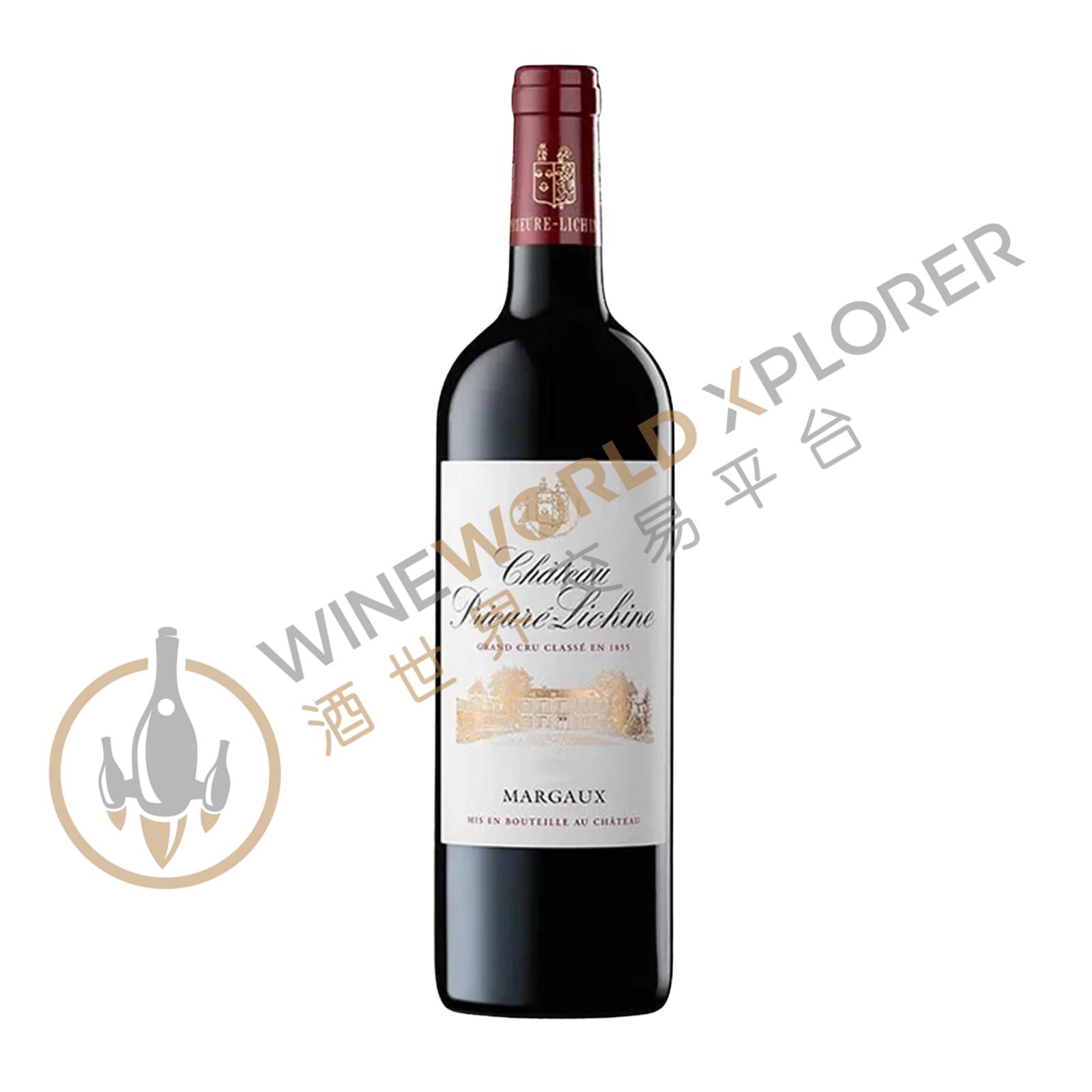
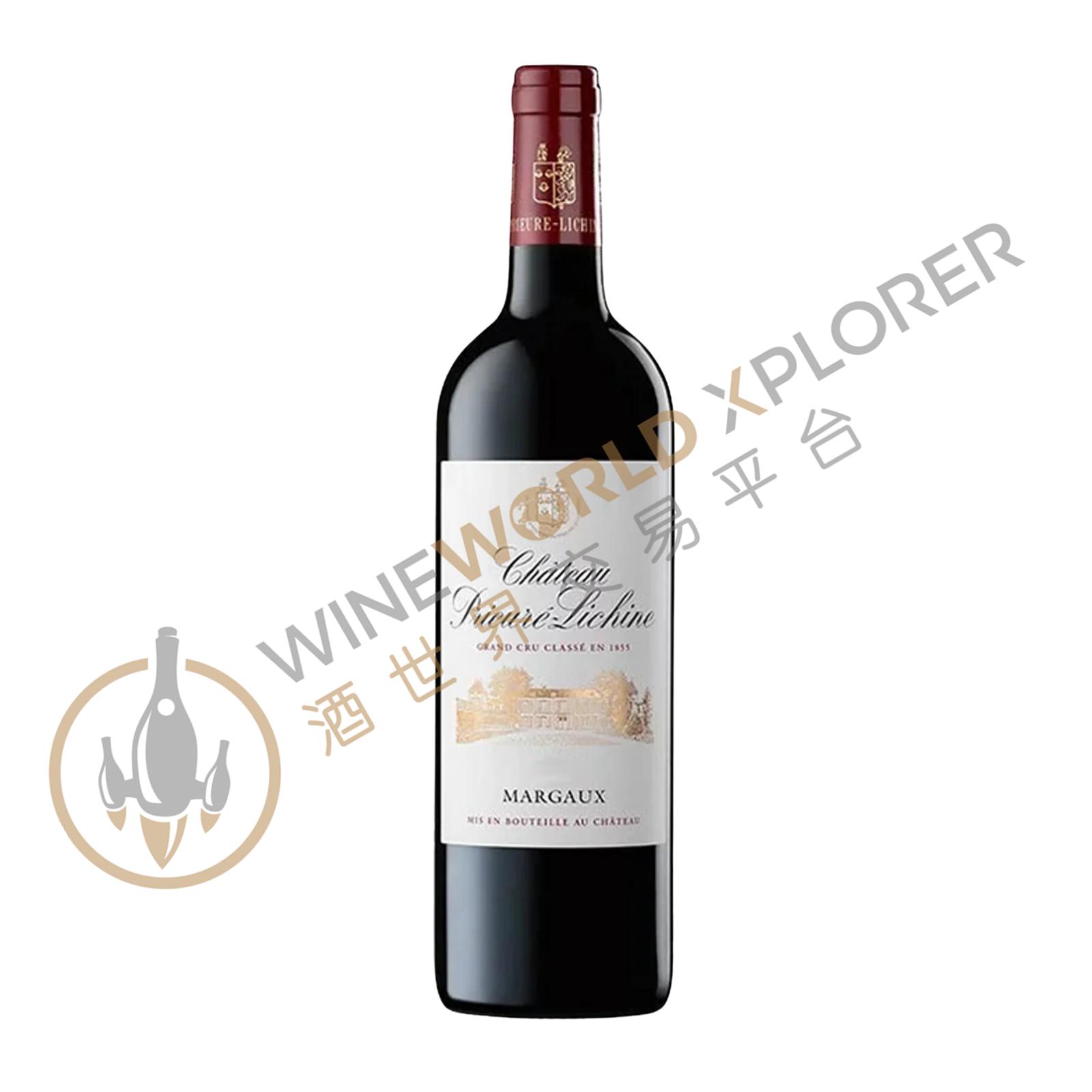
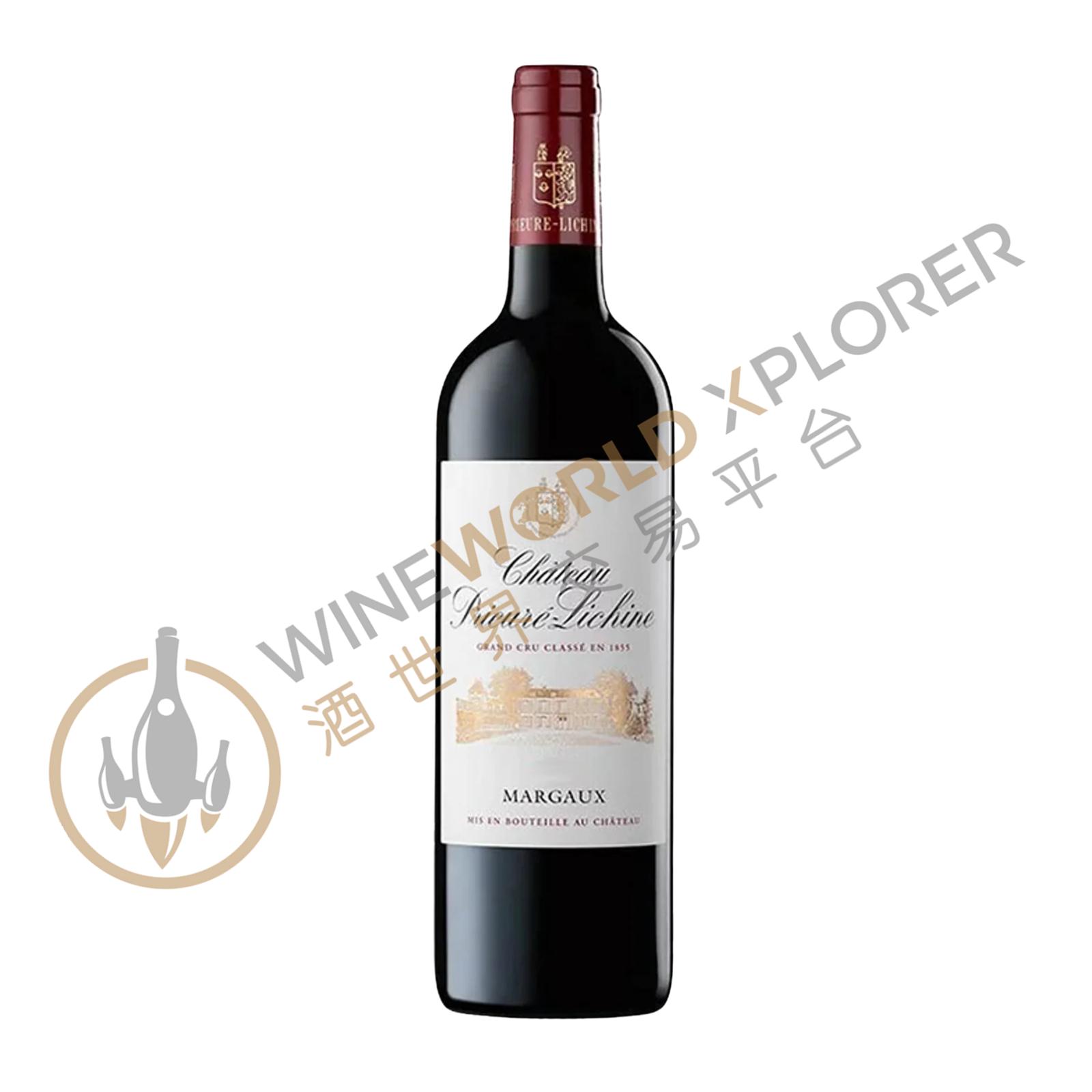
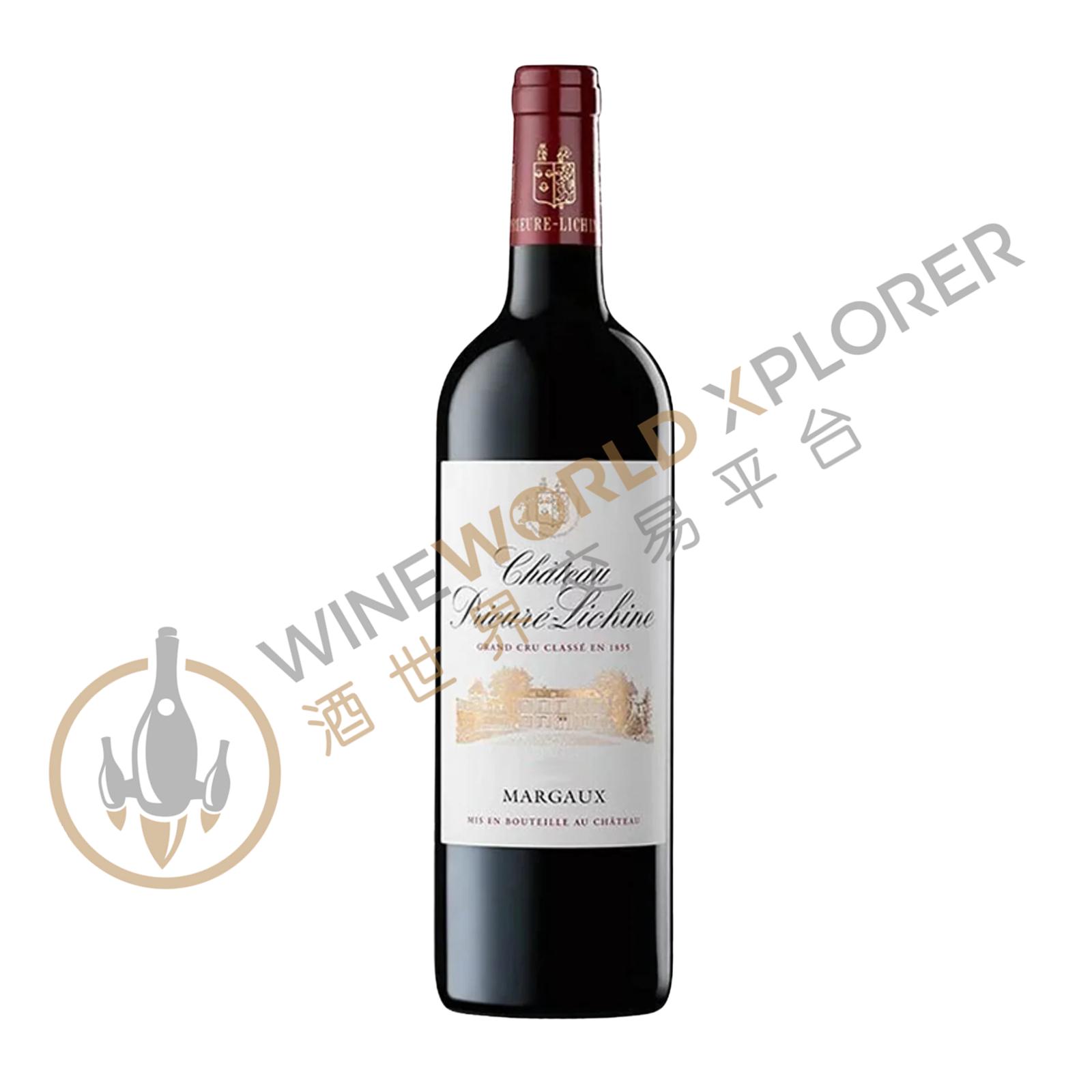
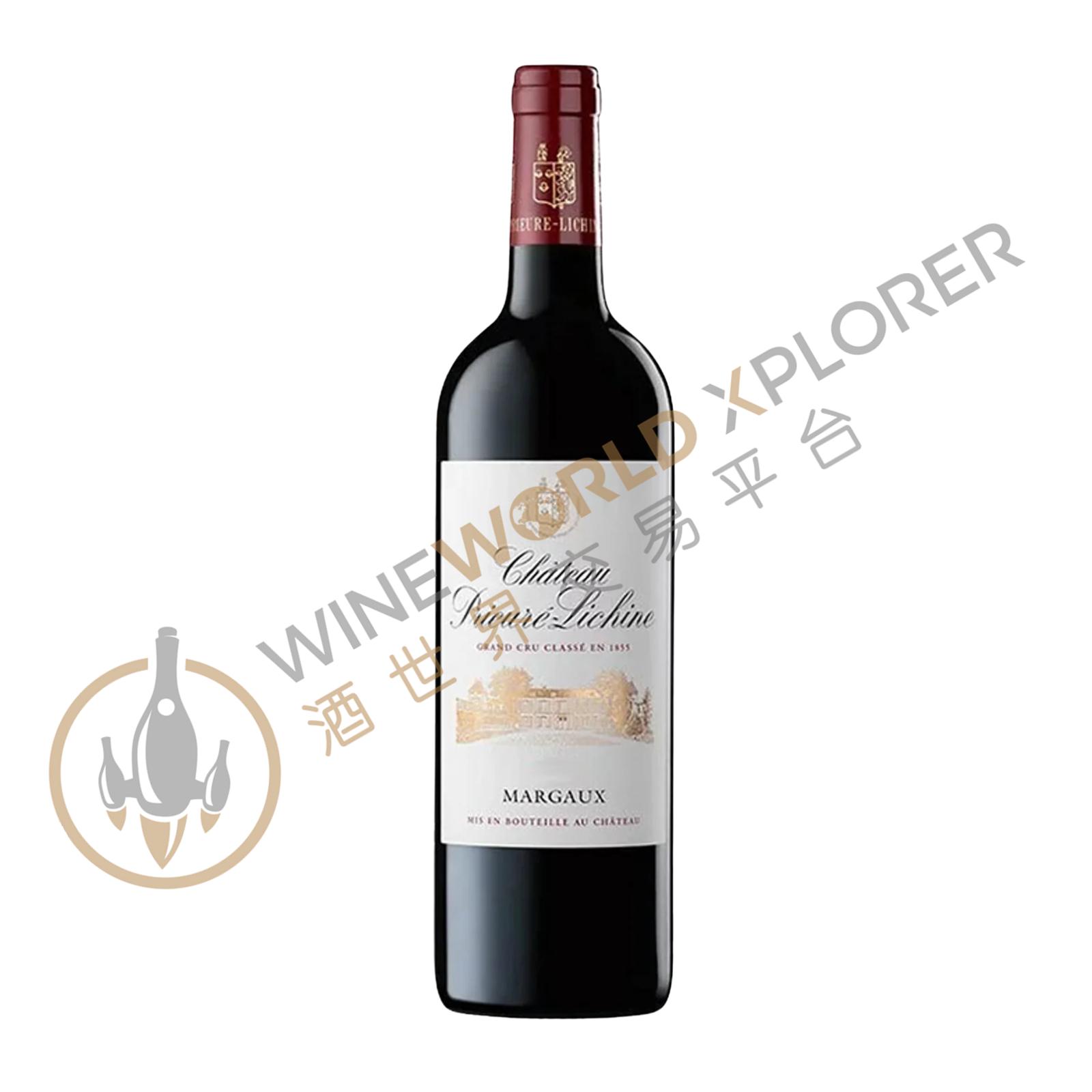
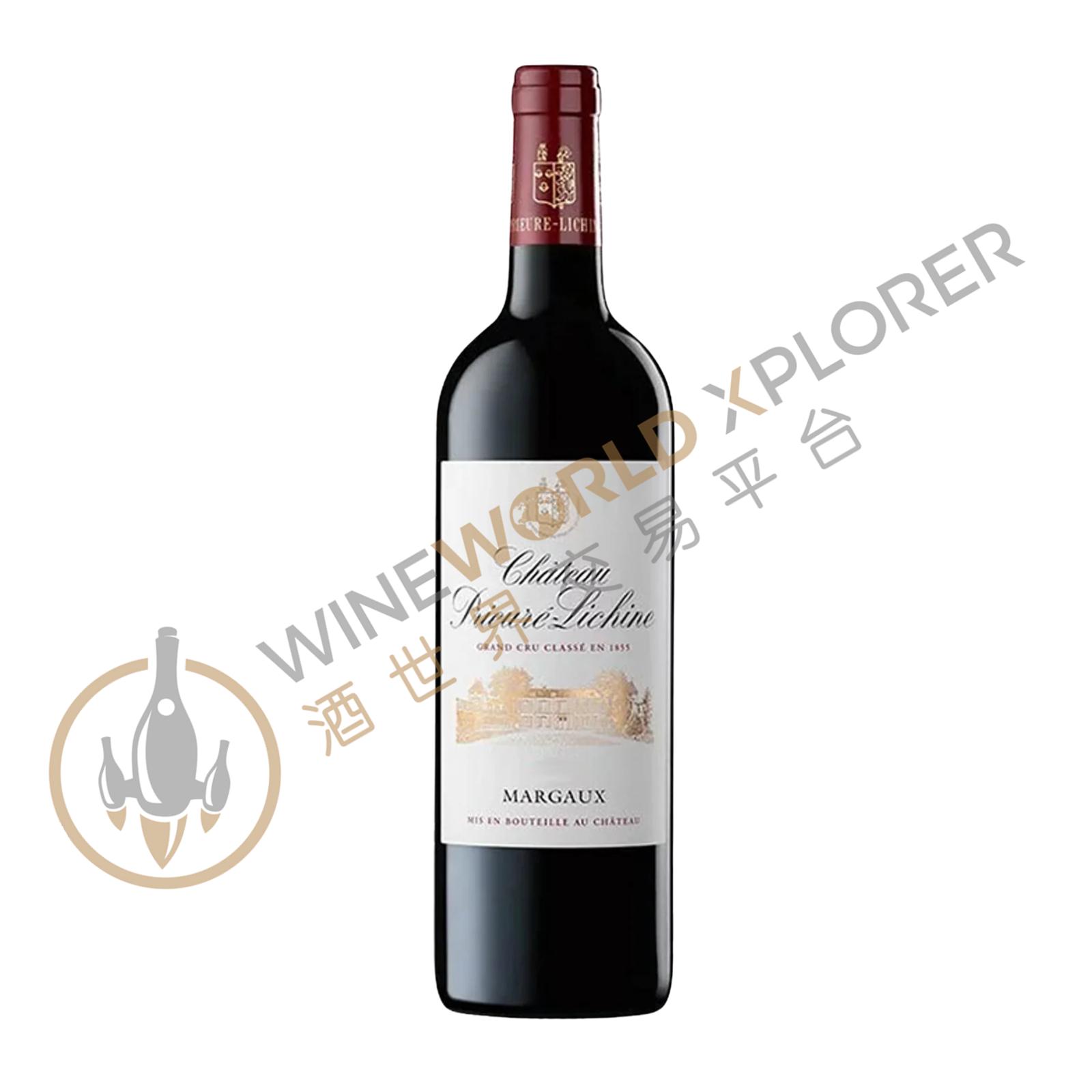
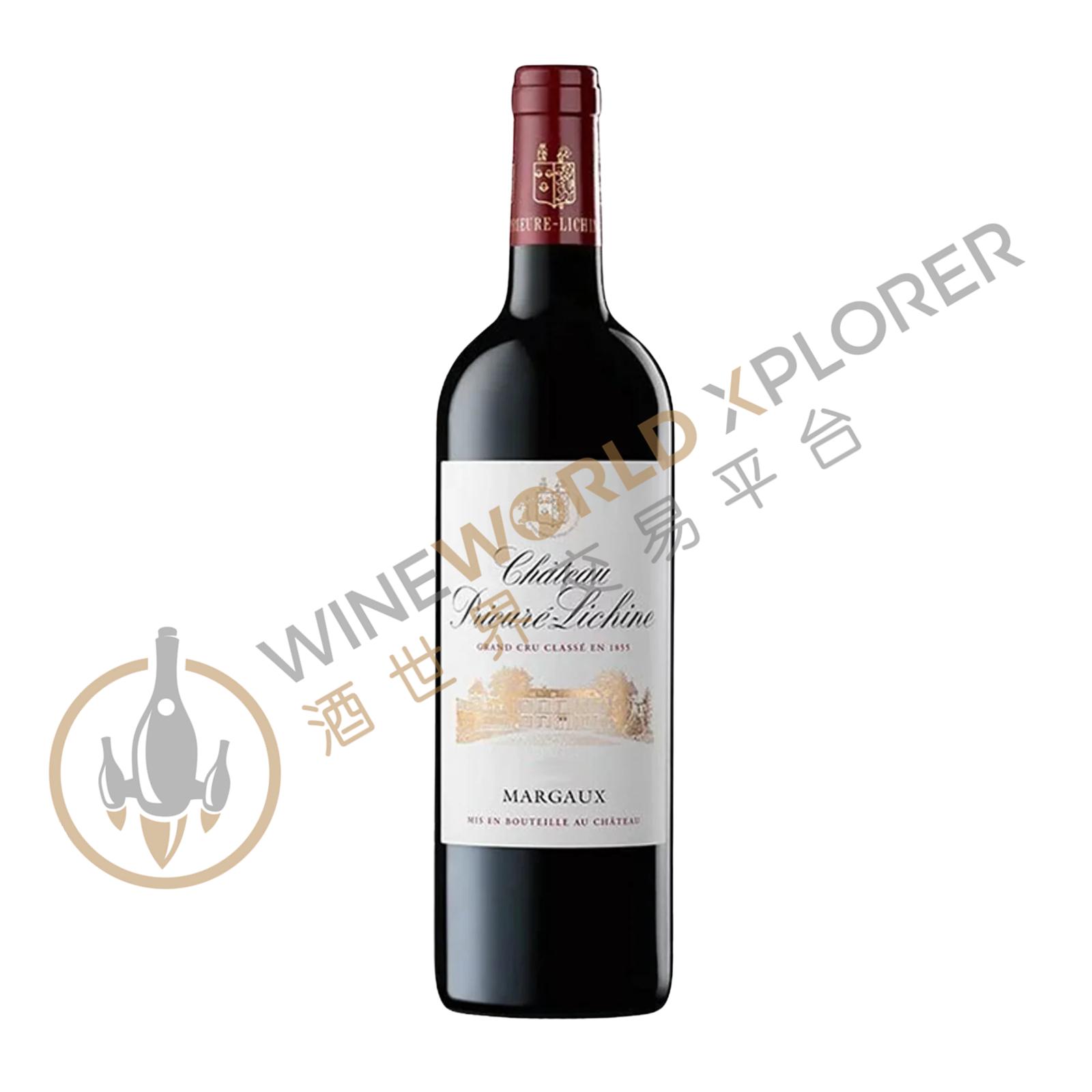
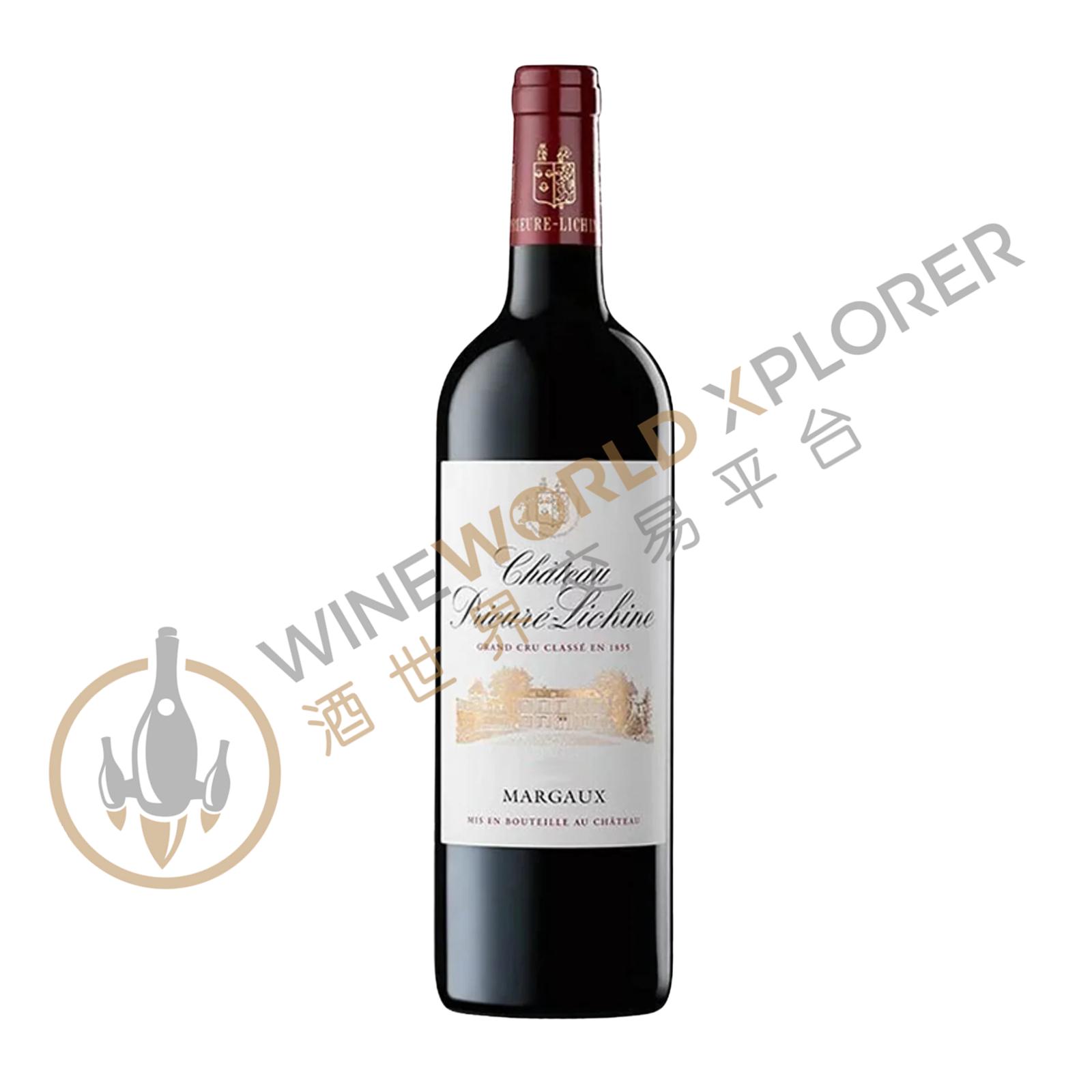
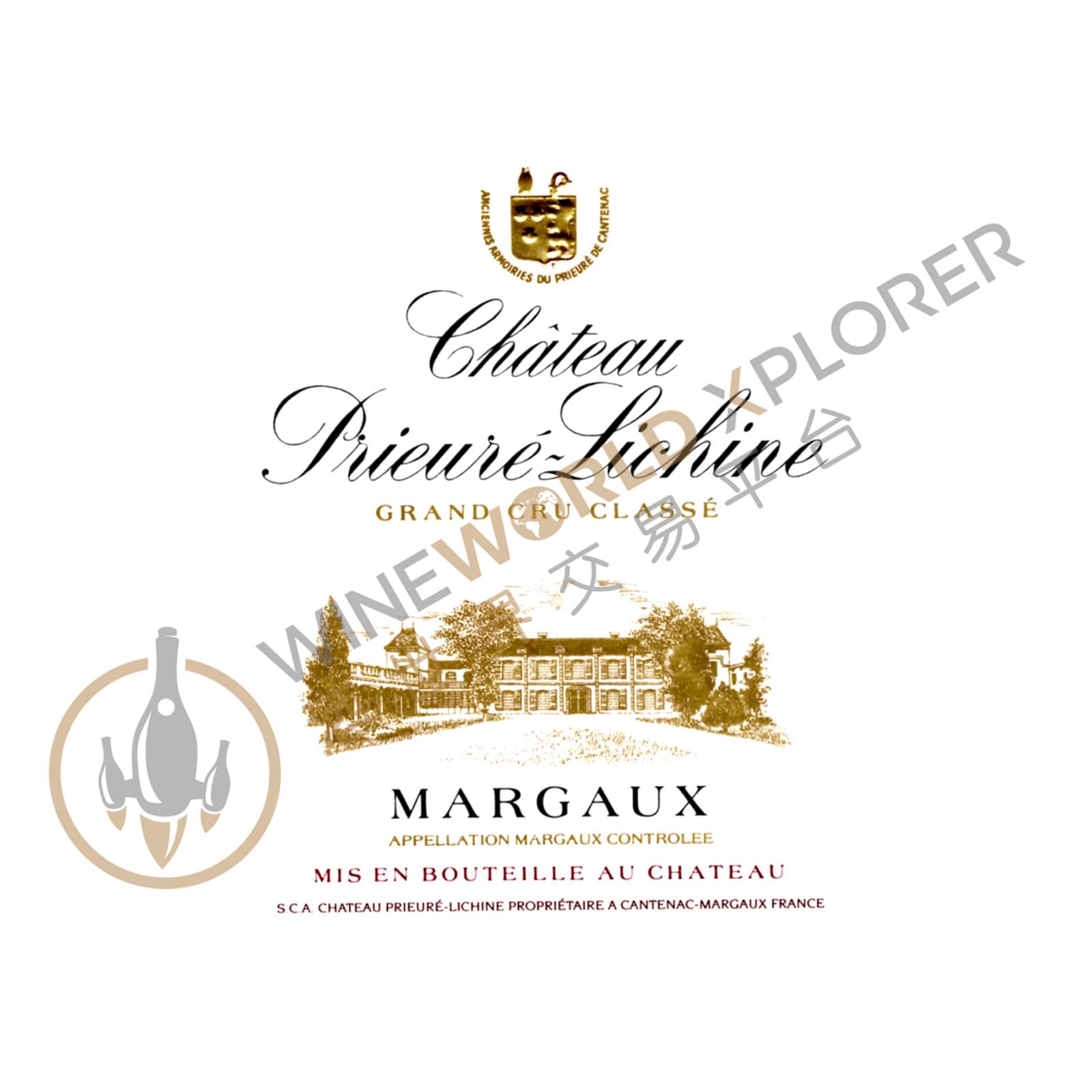
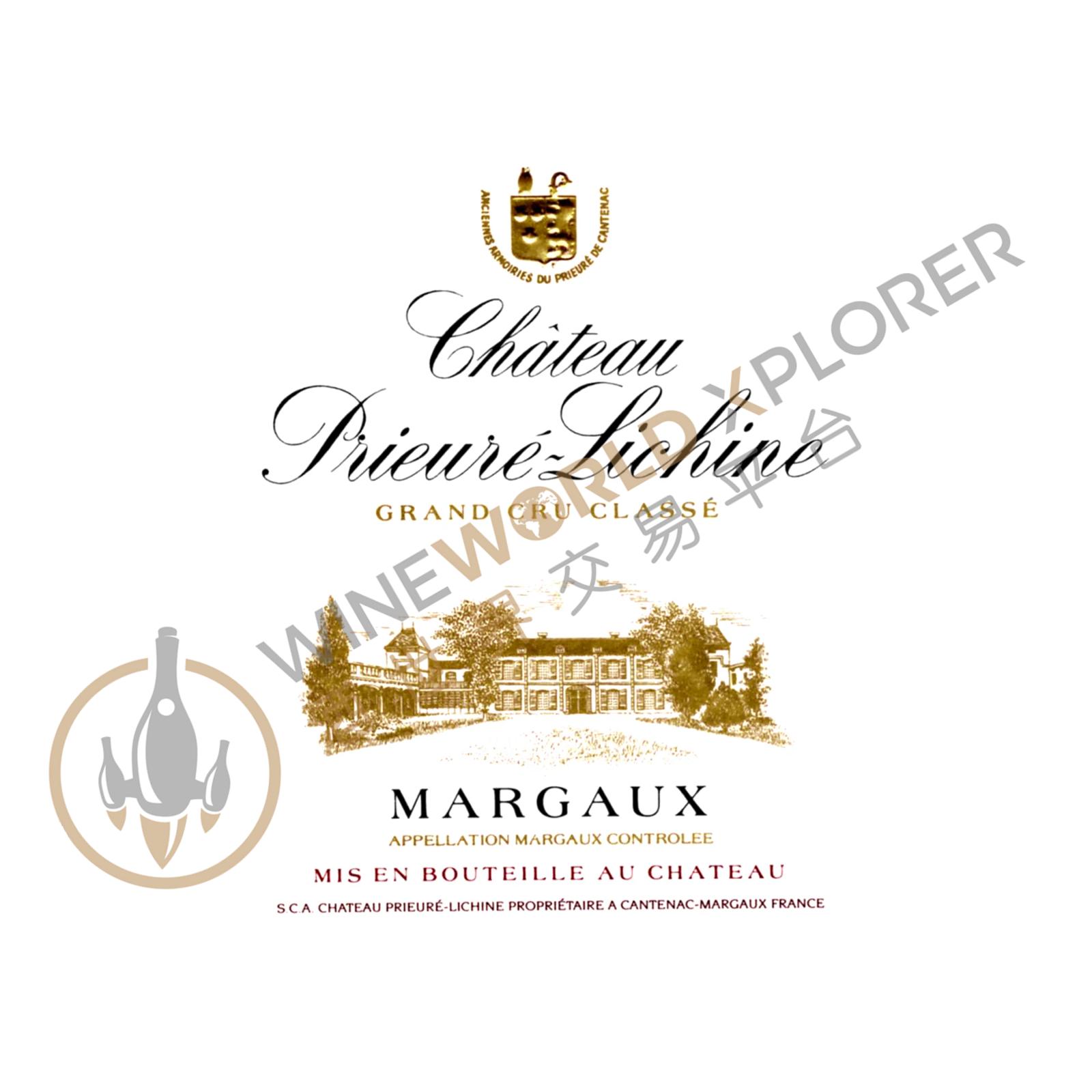
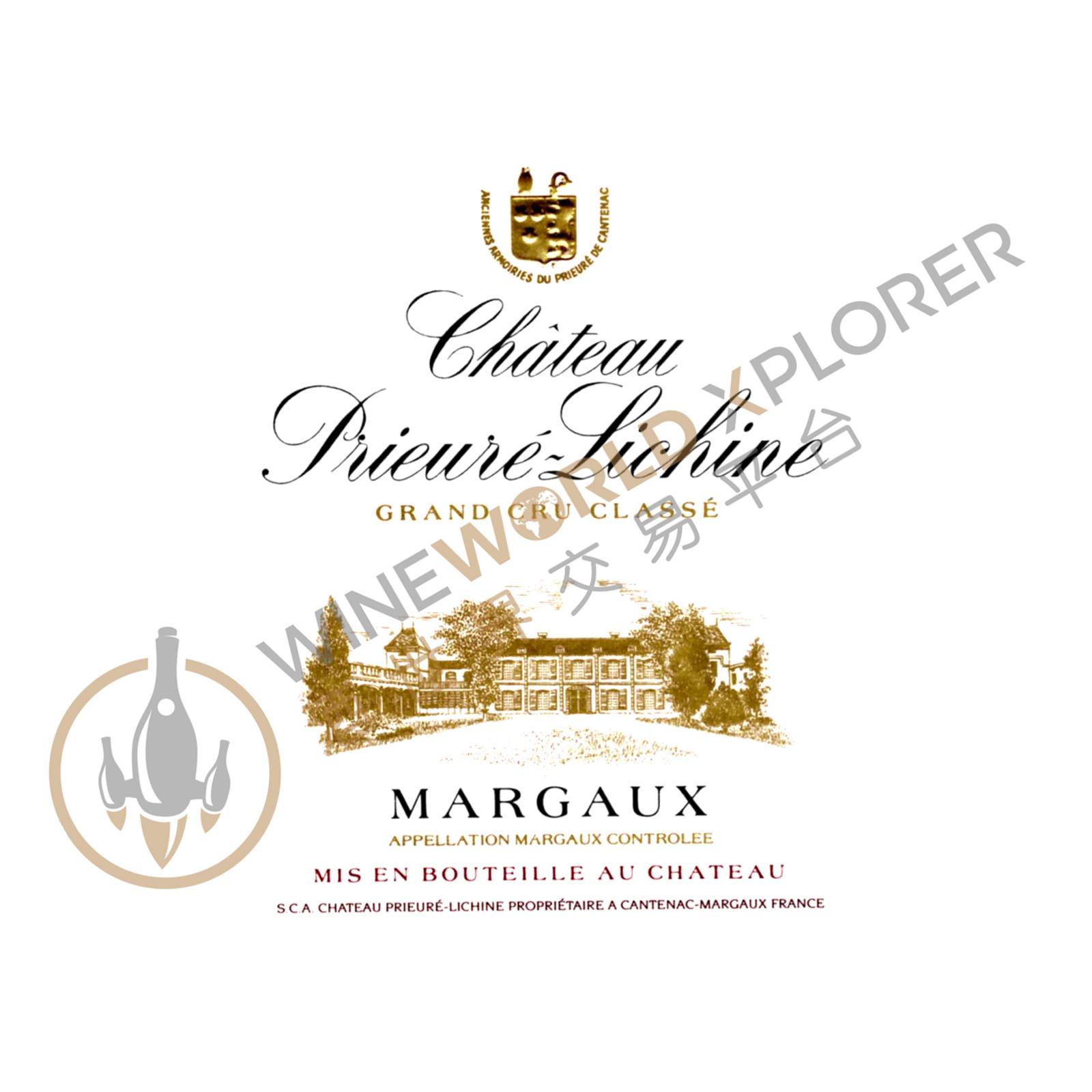
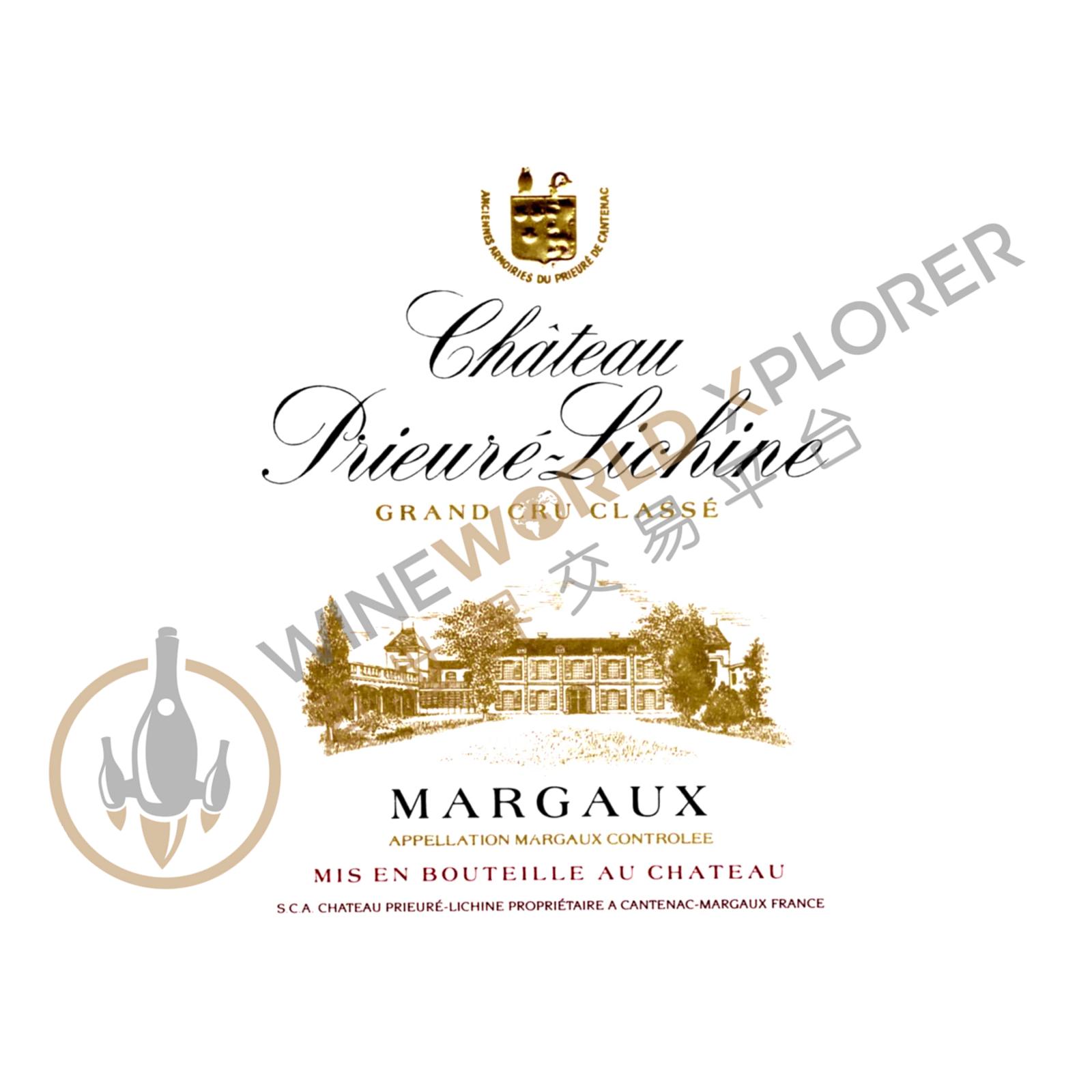
Prieure Lichine 2007
 View analysis


Description
Tasting notes

Reviewed by: Neal Martin
Tasted blind at the 2007 Bordeaux horizontal in Southwold. This bottle is not quite as good as others that I have encountered. Here it comes across as rather disjointed on the nose with notes of baked cherries, a touch of Xmas cake and a touch of undergrowth. The palate is hard on the entry, dry tannins and cumbersome oak lending to an austere finish. Tasted January 2011.
Reviewed by: Neal Martin
Tasted at the UGC in London. This is very dry and austere on the nose with touches of tobacco and underbrush. But It does gain a little clarity and vigour with aeration. The palate is medium-bodied with firm tannins, a little dryness off-stage, stout tannins leading to a masculine finish. Quintessential Claret: if you like 'traditional' Bordeaux you might like this. Drink now-2017. Tasted November 2009.
Reviewed by: Neal Martin
A blend of 65% Cabernet Sauvignon, 30% Merlot and 5% Petit Verdot. This has a sweet nose, perhaps a little chaptalized? Tobacco and cedar notes coming through. The palate is just showing a little too much oak at the moment, but there is decent fruit concentration, no signs of greenness with a tannic finish. Not bad. Tasted April 2008.
Reviewed by: Robert M. Parker, Jr.
An attractive effort, this 2007 offers notes of black raspberries, black cherries, incense, licorice, and roasted herbs, a dark purple color, sweet, medium-bodied flavors, lots of spice, and velvety tannin. Drink it over the next decade.
Reviewed by: Neal Martin
Tasted blind at Farr Vintners 2007 Bordeaux tasting. There is always one wine that comes out of nowhere and makes a mockery of previous judgement. I give you 2007 Prieure-Lichine! It has an elegant bouquet with briary, tobacco and autumn leaves, decent vigor and definition with fine lift. The palate is medium-bodied with fine tannin, harmonious and focused with a caressing blackberry, cedar and pencil lead finish that leaves you wanting another sip. I will endeavor to re-taste this to verify just how good it is. Tasted March 2015.
Reviewed by: Robert M. Parker, Jr.
Rated - No tasting note given.
Reviewed by: James Suckling
Attractive aromas of mushrooms, forest fruits and sweet tobacco follow through to a medium body, fine tannins and a fresh finish. A little lean now. Needs drinking.
About the Producer
Château Prieuré-Lichine is an estate in the Margaux appellation of Bordeaux, ranked as a Fourth Growth in the official Bordeaux Classification of 1855. It is regarded as one of Margaux's most consistent producers and is known for its elegance and suppleness, derived in part from the relatively high proportion of Merlot in the blend. The estate is located in Cantenac (on an official, administrative, level Cantenac is now combined with Margaux), near to the châteaux of Kirwan and Boyd-Cantenac. There are 70 hectares (173 acres) of vineyards in numerous parcels within the Margaux appellation, of which around 40 hectares (100 acres) contribute to the grand vin. Vineyard plantings are 50 percent Cabernet Sauvignon, 45 percent Merlot, and 5 percent Petit Verdot. The second wine, launched in 1972 as Château de Clairefont, is now sold as Confidences de Prieuré-Lichine and is made from younger vines. Le Clocher du Prieuré is a Merlot-based Haut-Médoc from vineyards adjacent to those supplying the grand vin. The portfolio is completed by Le Blanc du Château Prieuré-Lichine, a Sauvignon Blanc – Semillon blend from a 1.5 hectare (3.7 acre) plot in Arsac, to the south of Margaux. Red wines are fermented in a mix of stainless steel and concrete vats of differing sizes, with long, gentle extraction. Malolactic fermentation takes place in barrel, and the wine is then aged for 16 months in barriques, 60 percent of which are new. The second wine sees 14 months in second- and third-fill barrels. The estate was founded as the Prieuré (Priory) de Cantenac in the 10th Century, and for many years was a stopping point for pilgrims on the pilgrimage to Santiago de Compostela. While vines were certainly planted from the 12th Century, the conversion of the property to a full-scale wine estate took place in the 1700s. Its current name refers to noted winemaker Alexis Lichine, who owned the estate from 1951 until his death in 1989. The estate was acquired by the Ballande group (which includes the Ballande & Méneret négociant firm) in 1999.
1959(1)1979(1)1984(1)1986(1)1991(1)1995(1)1997(1)2000(2)2003(3)2004(1)2005(3)2006(1)
Package Size