Wine Advisor



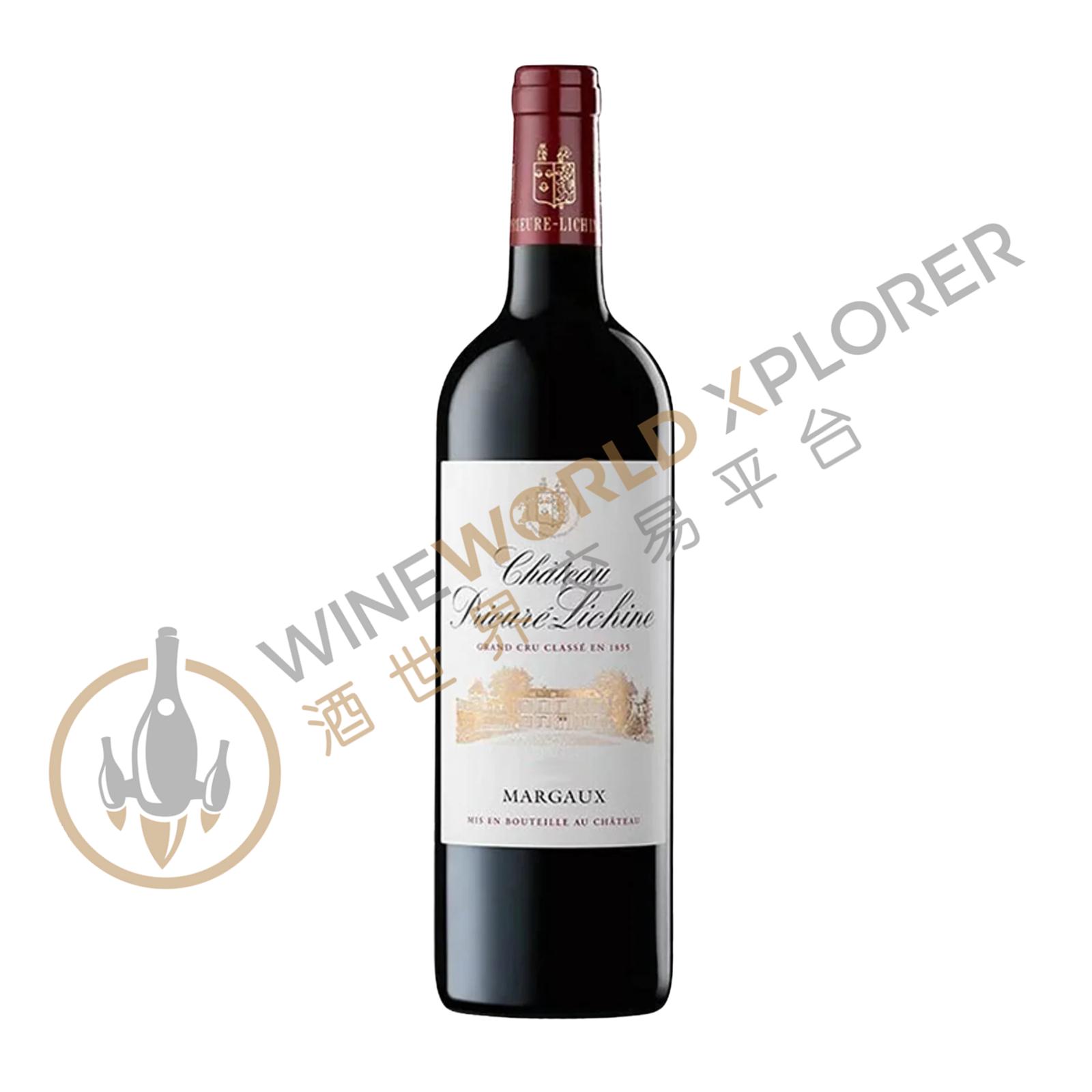
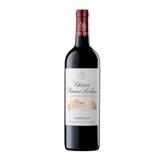
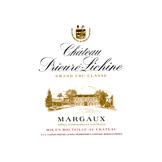
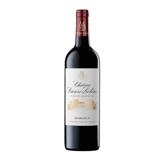
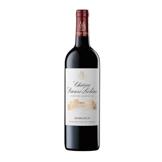
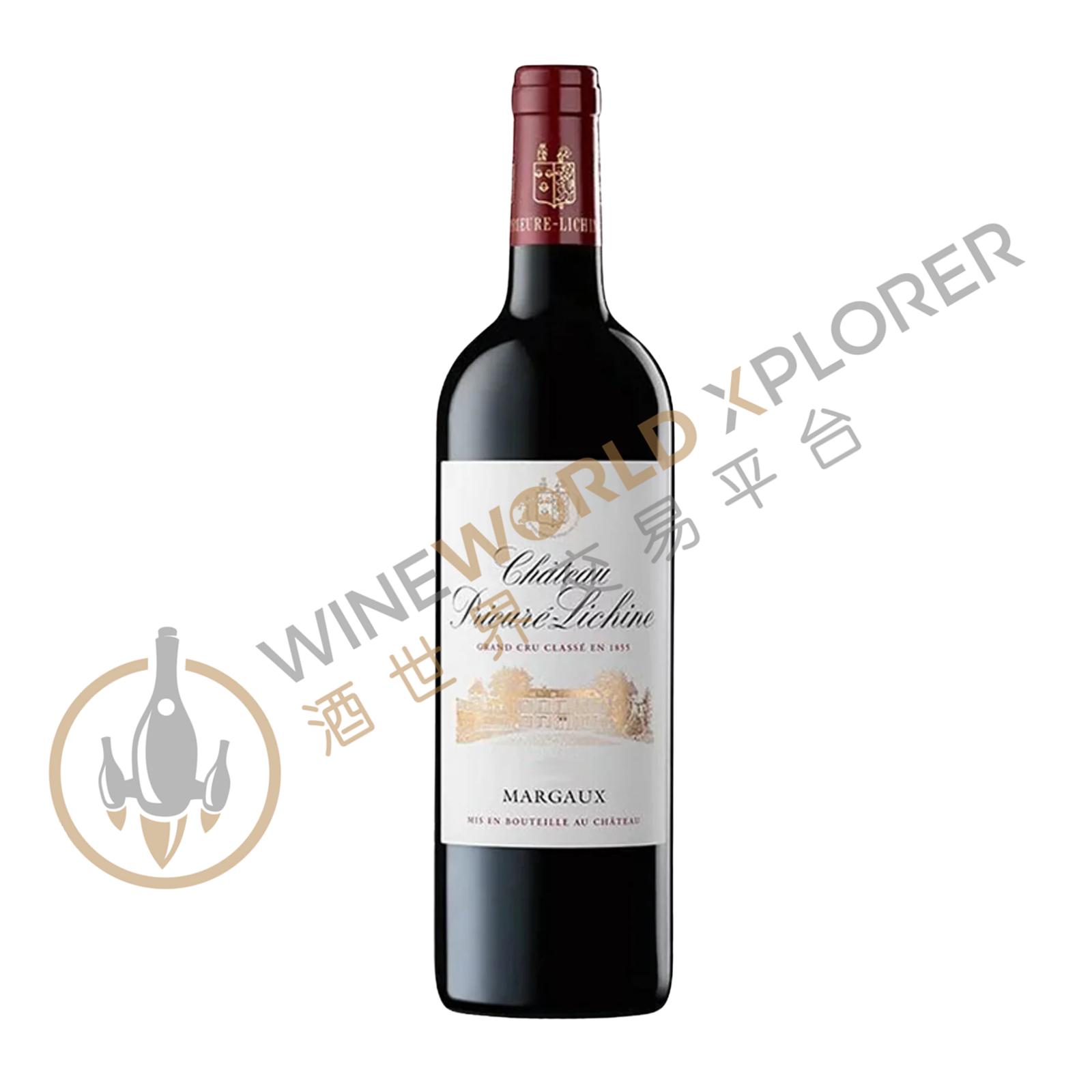
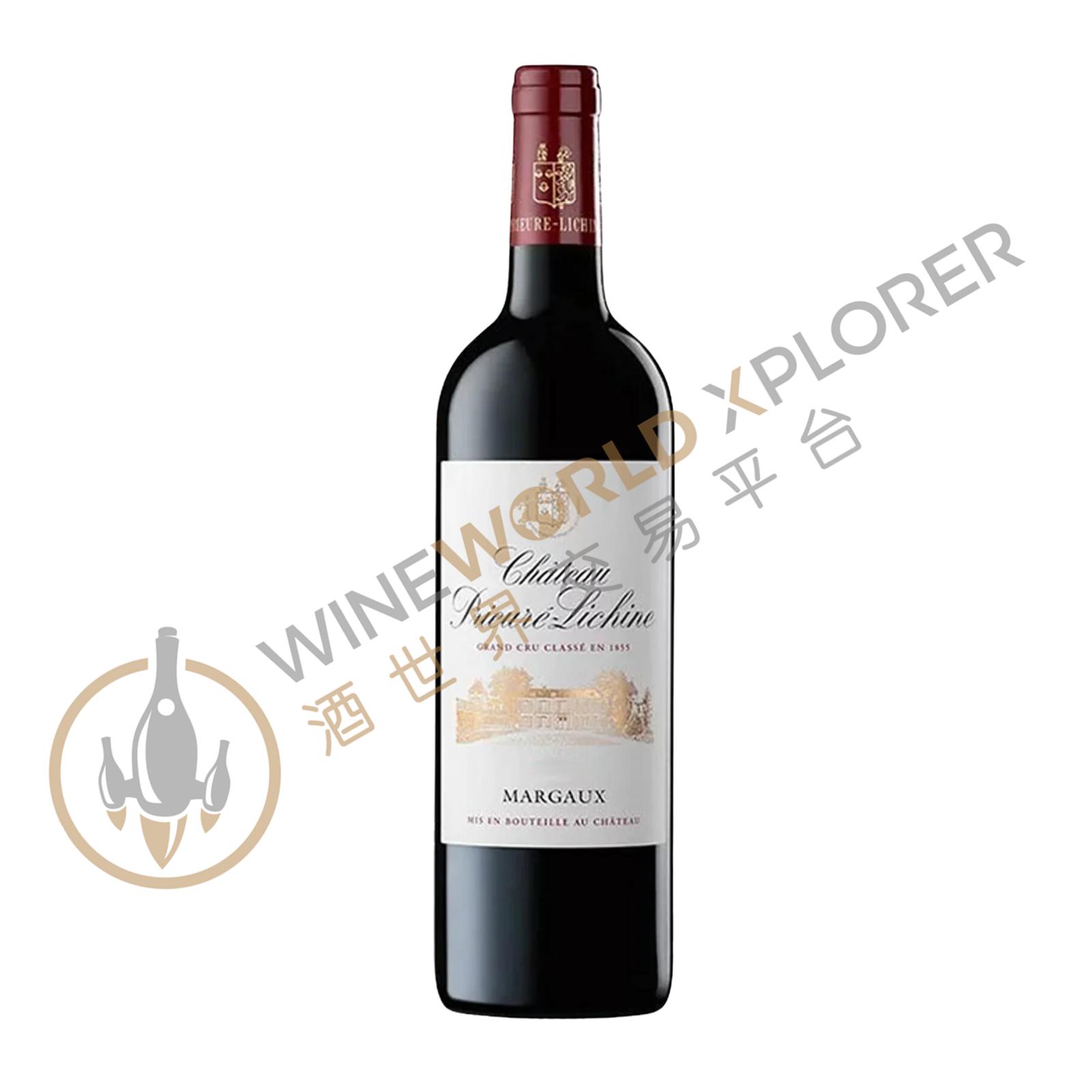
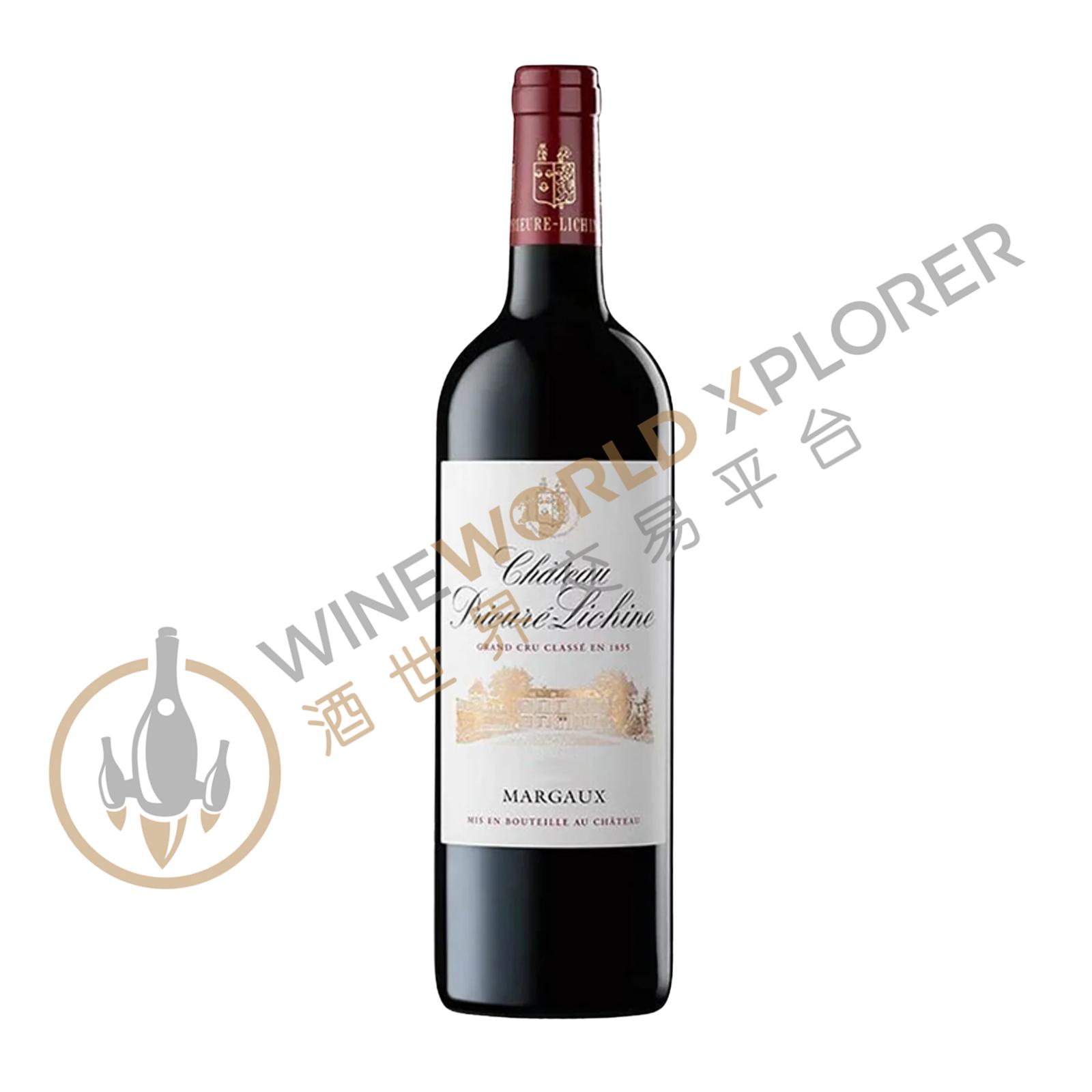
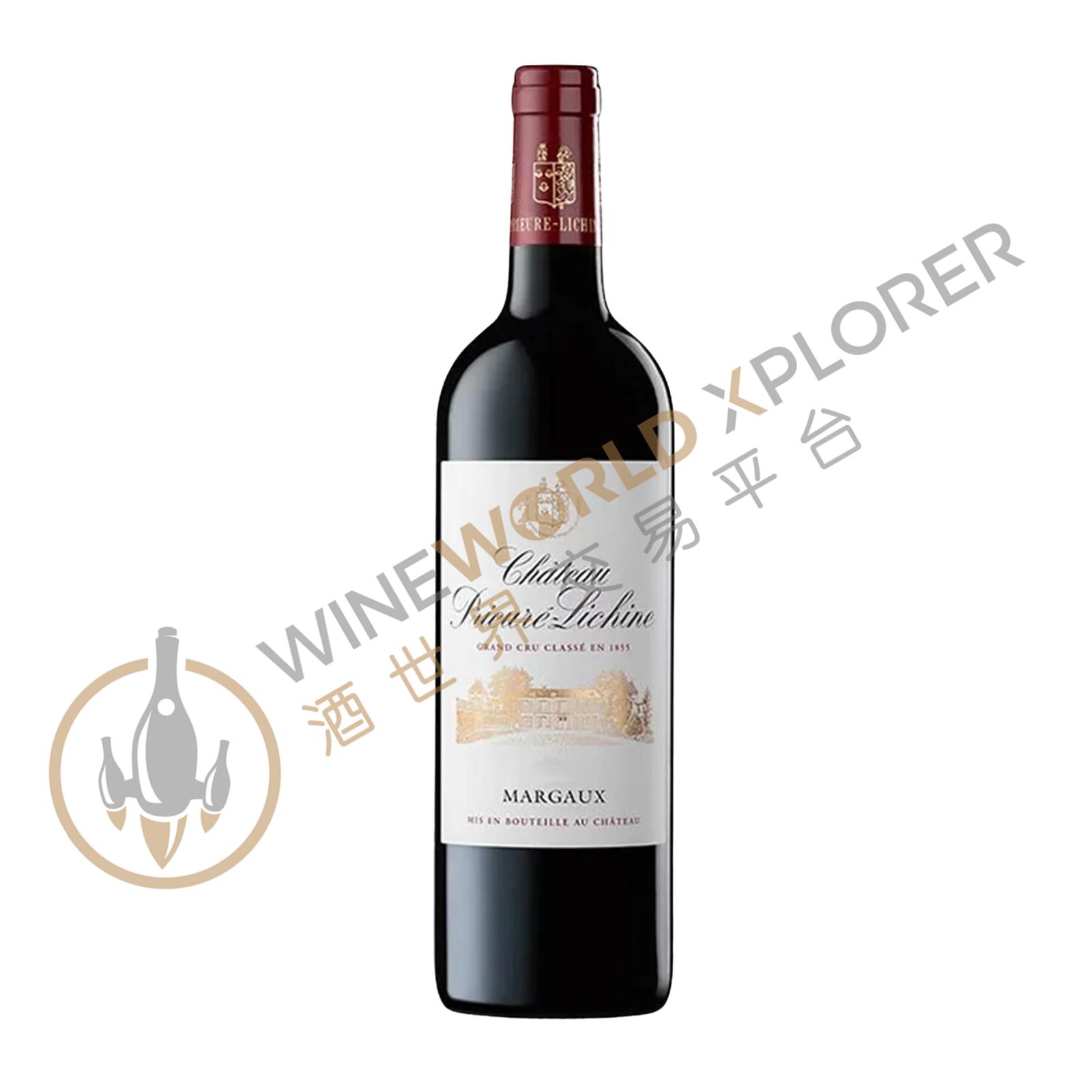
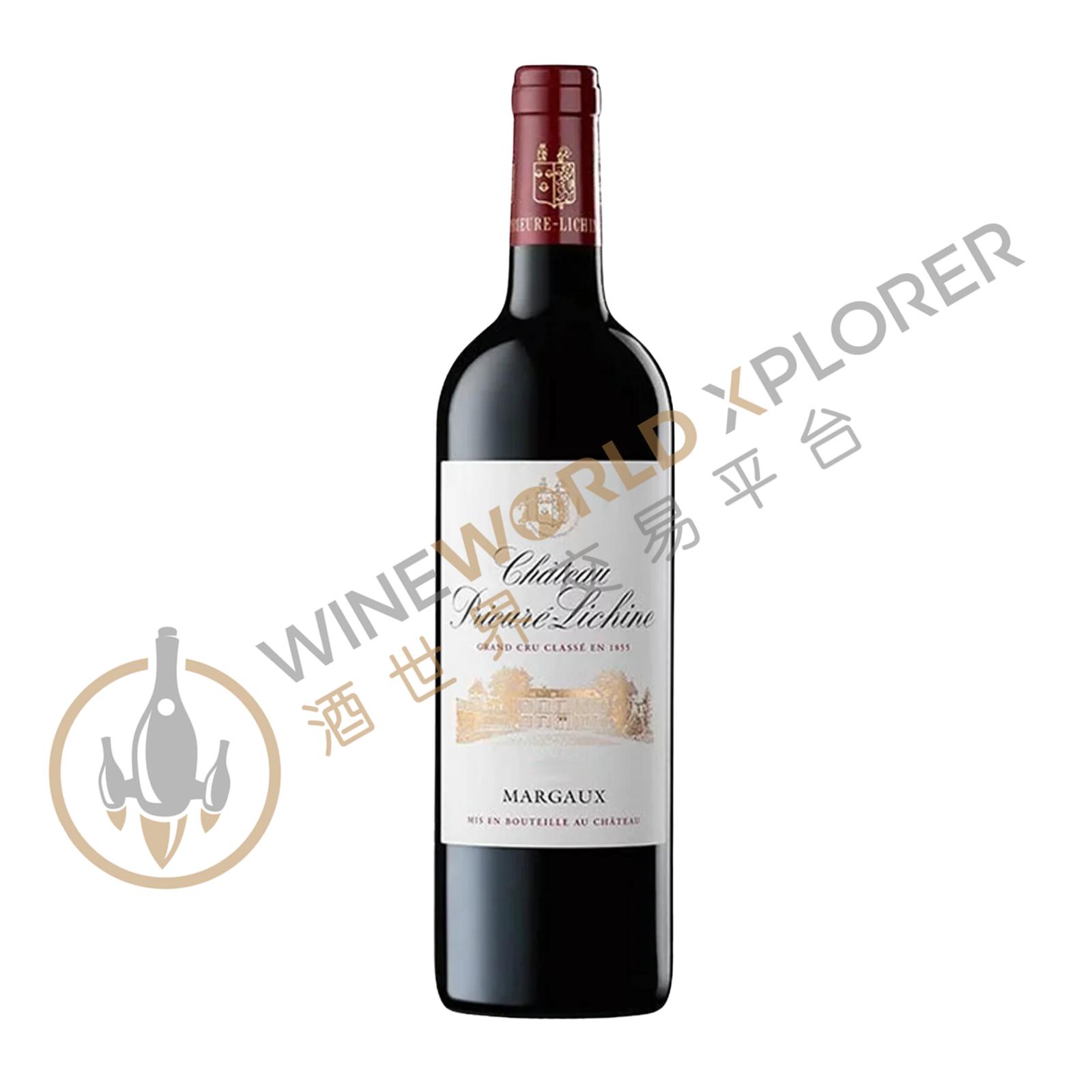
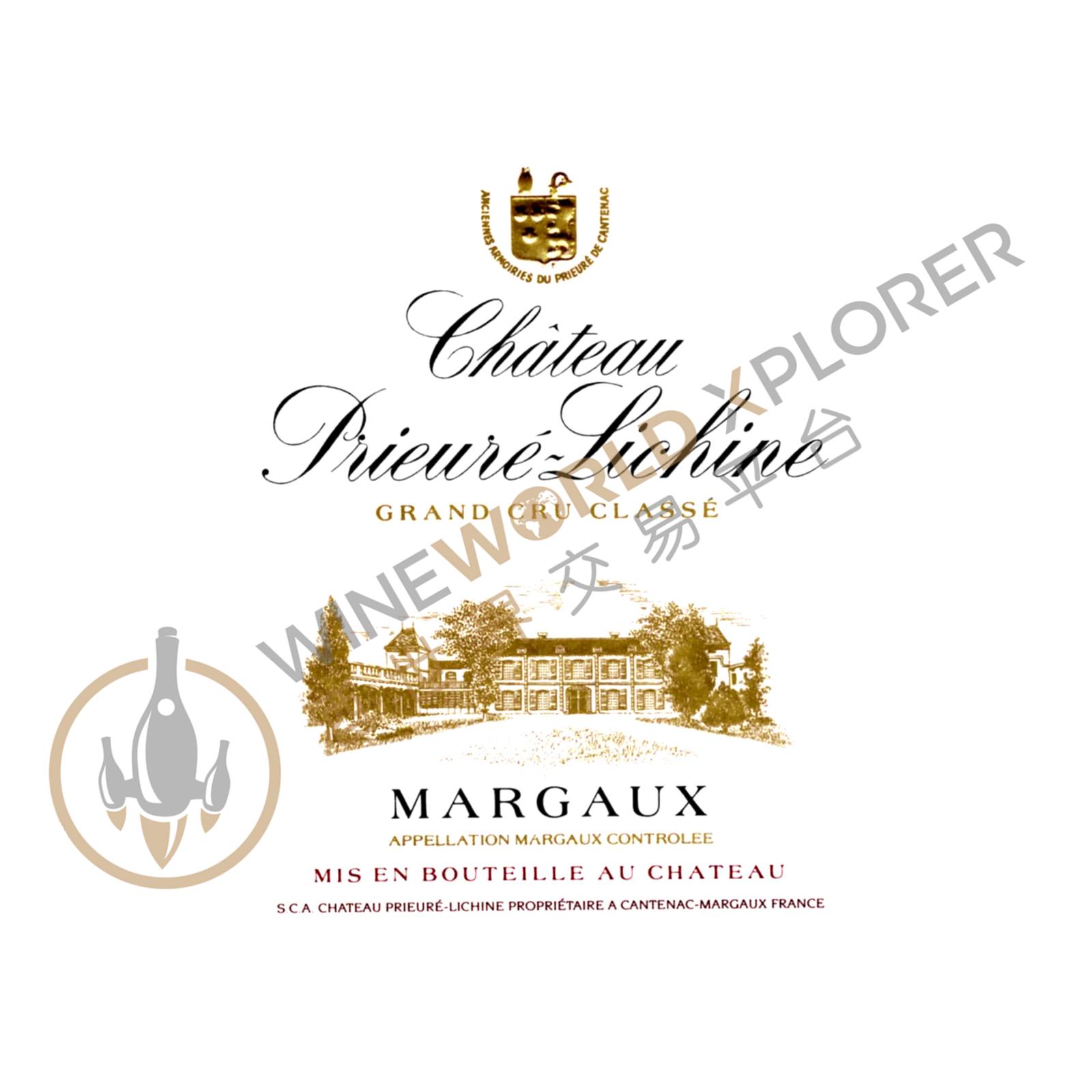
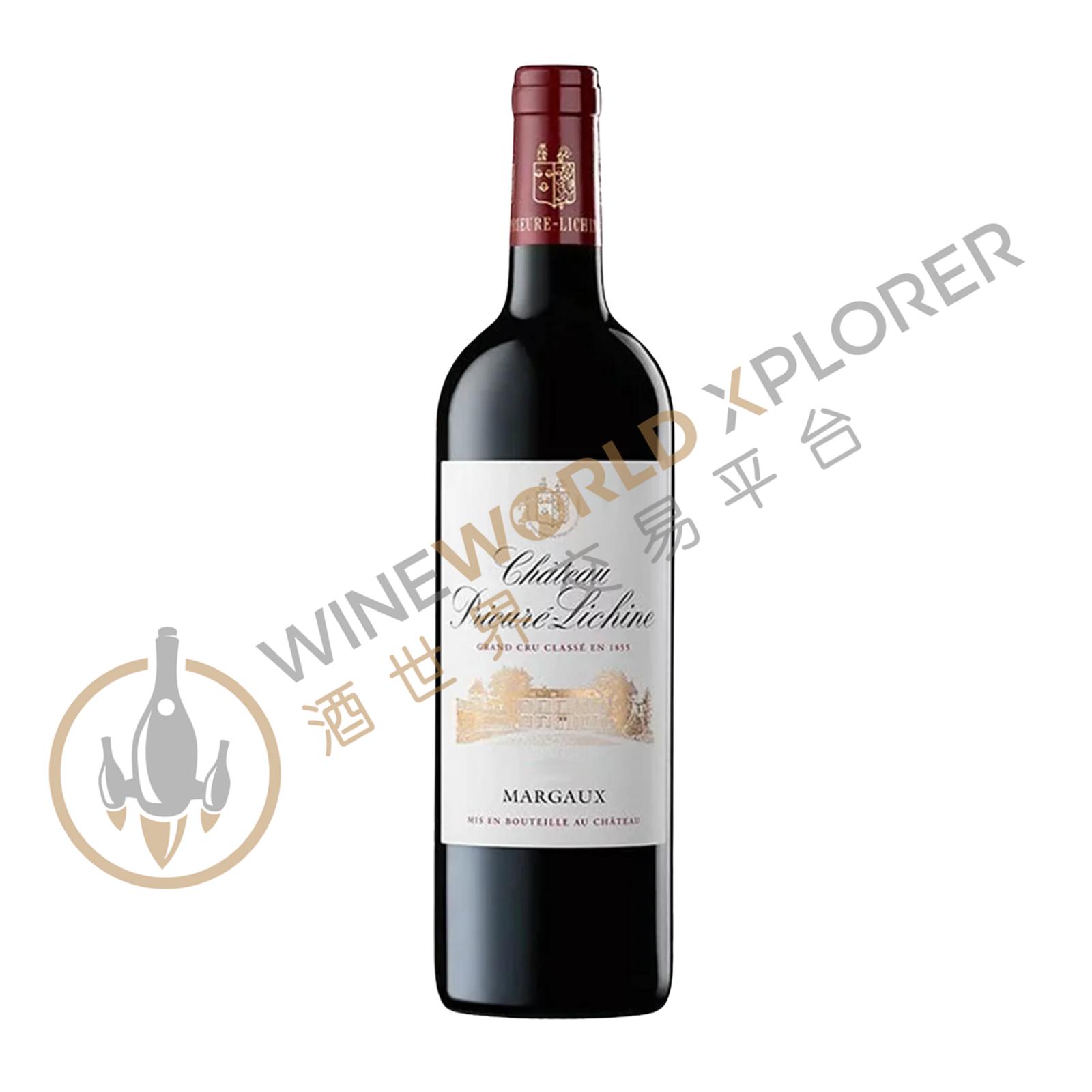
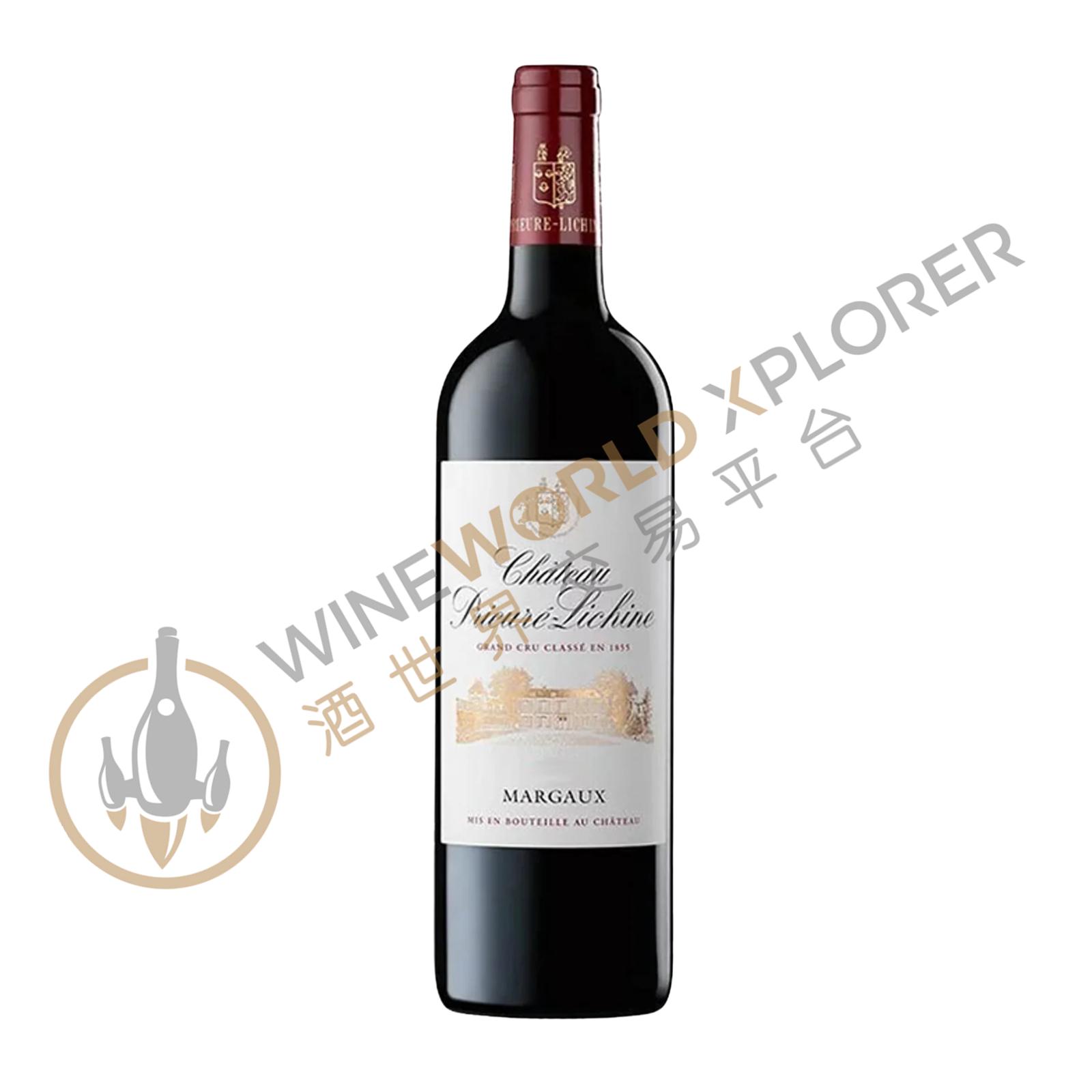
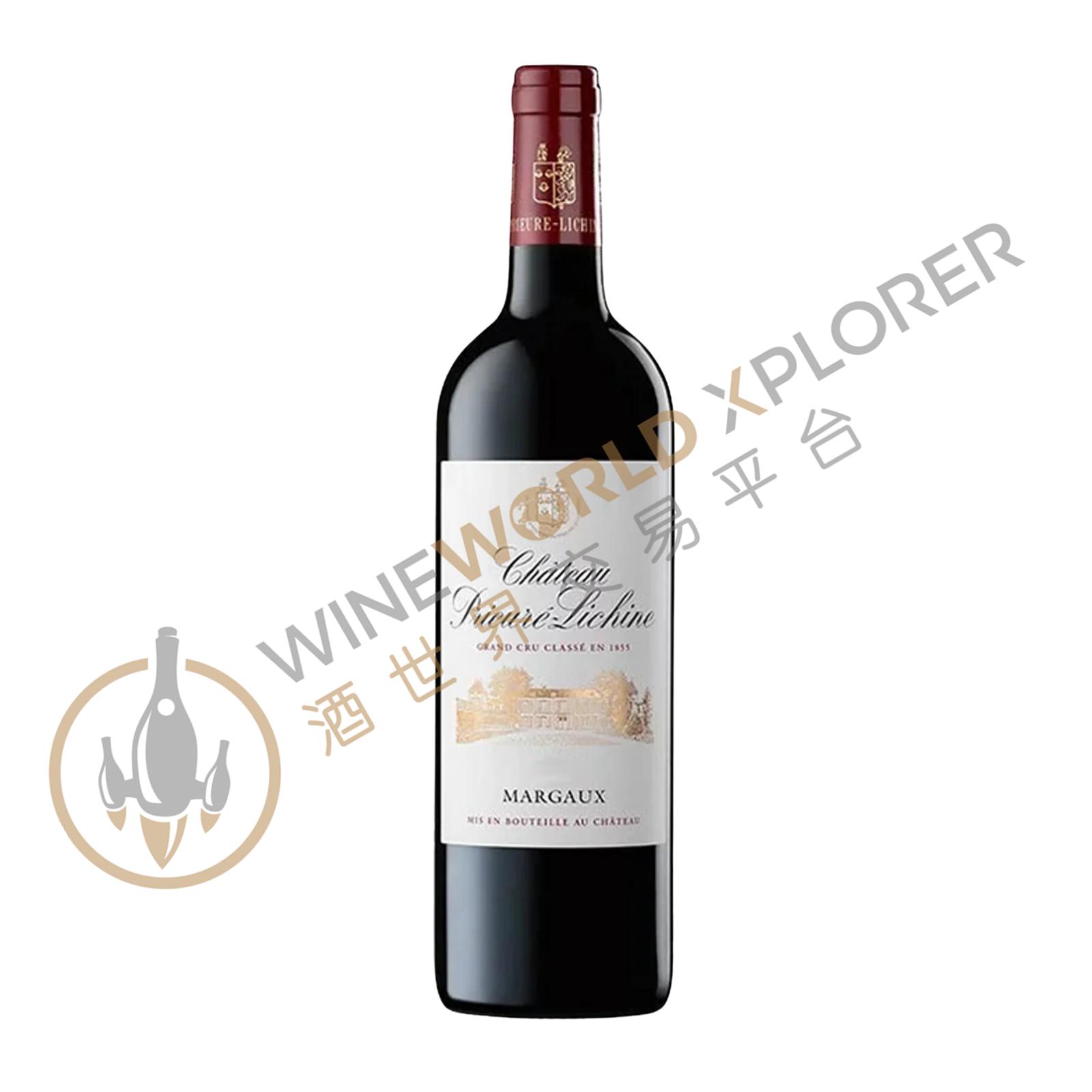
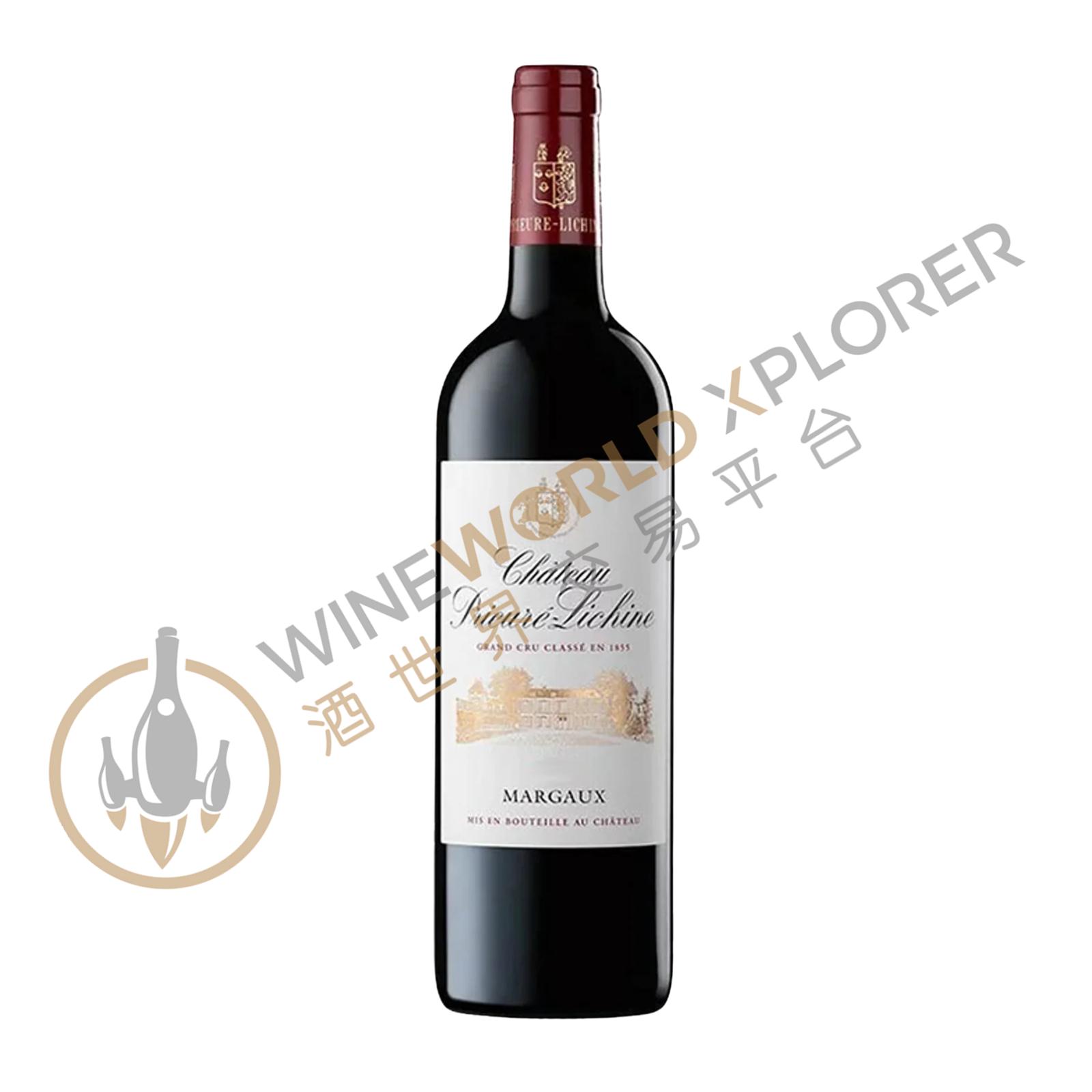
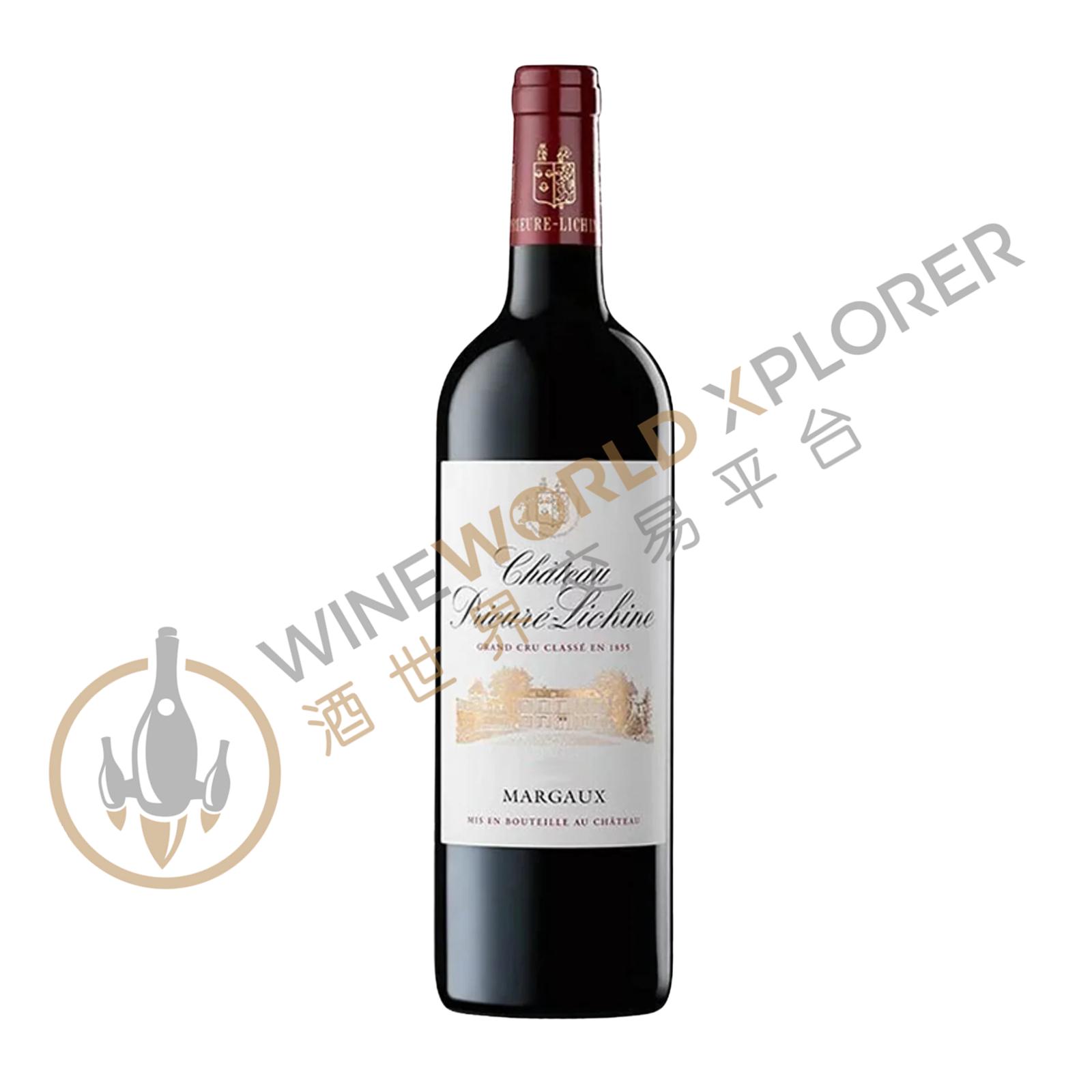
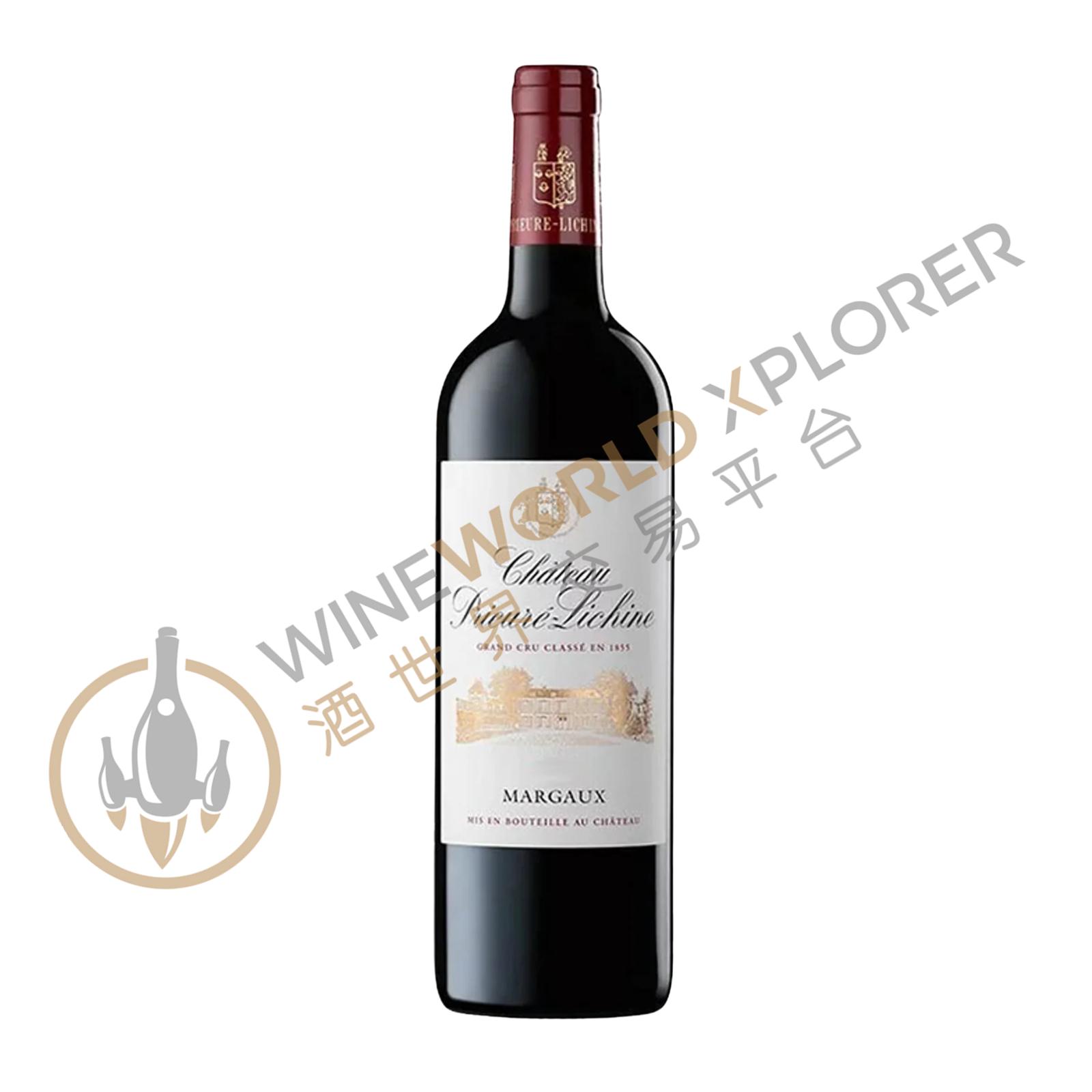
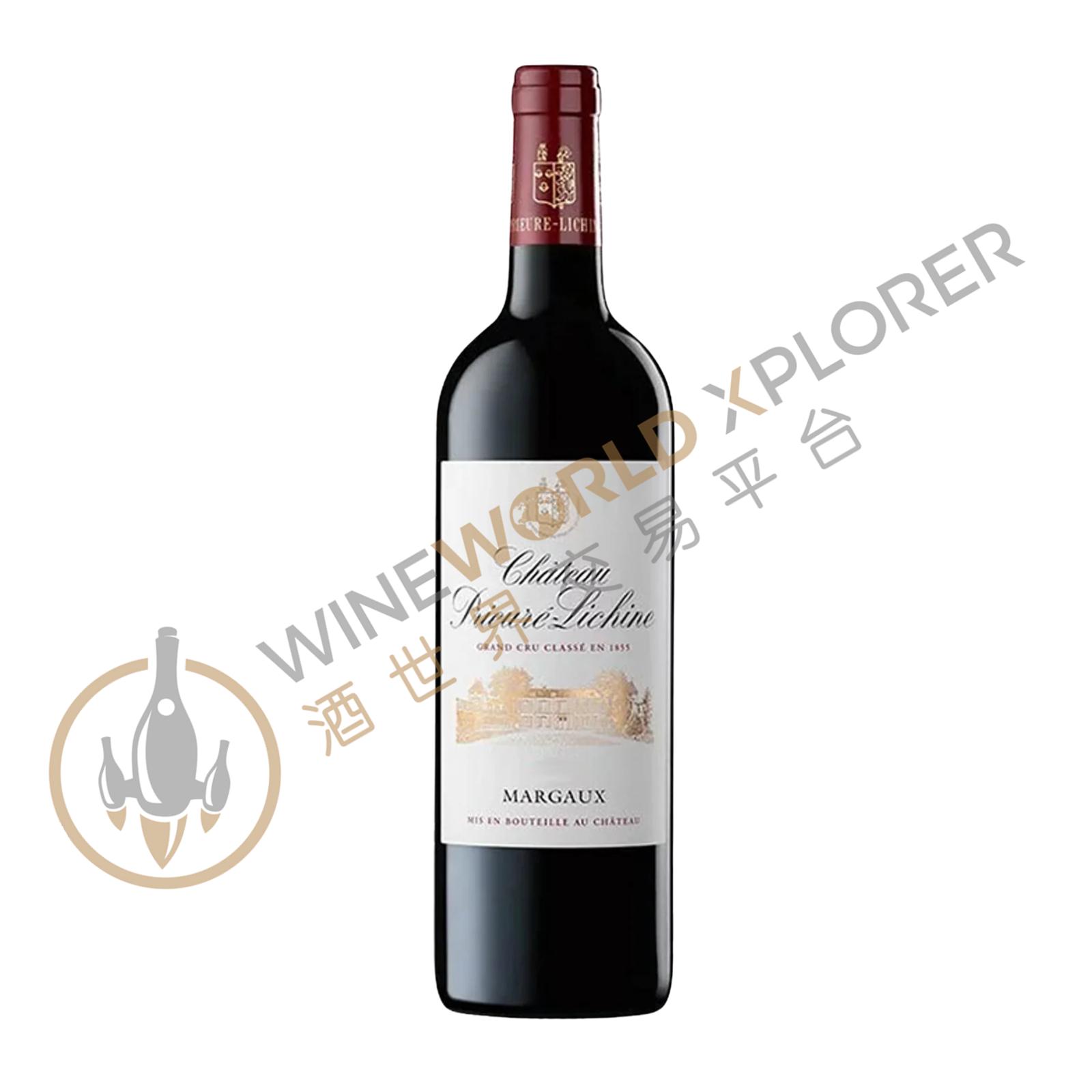
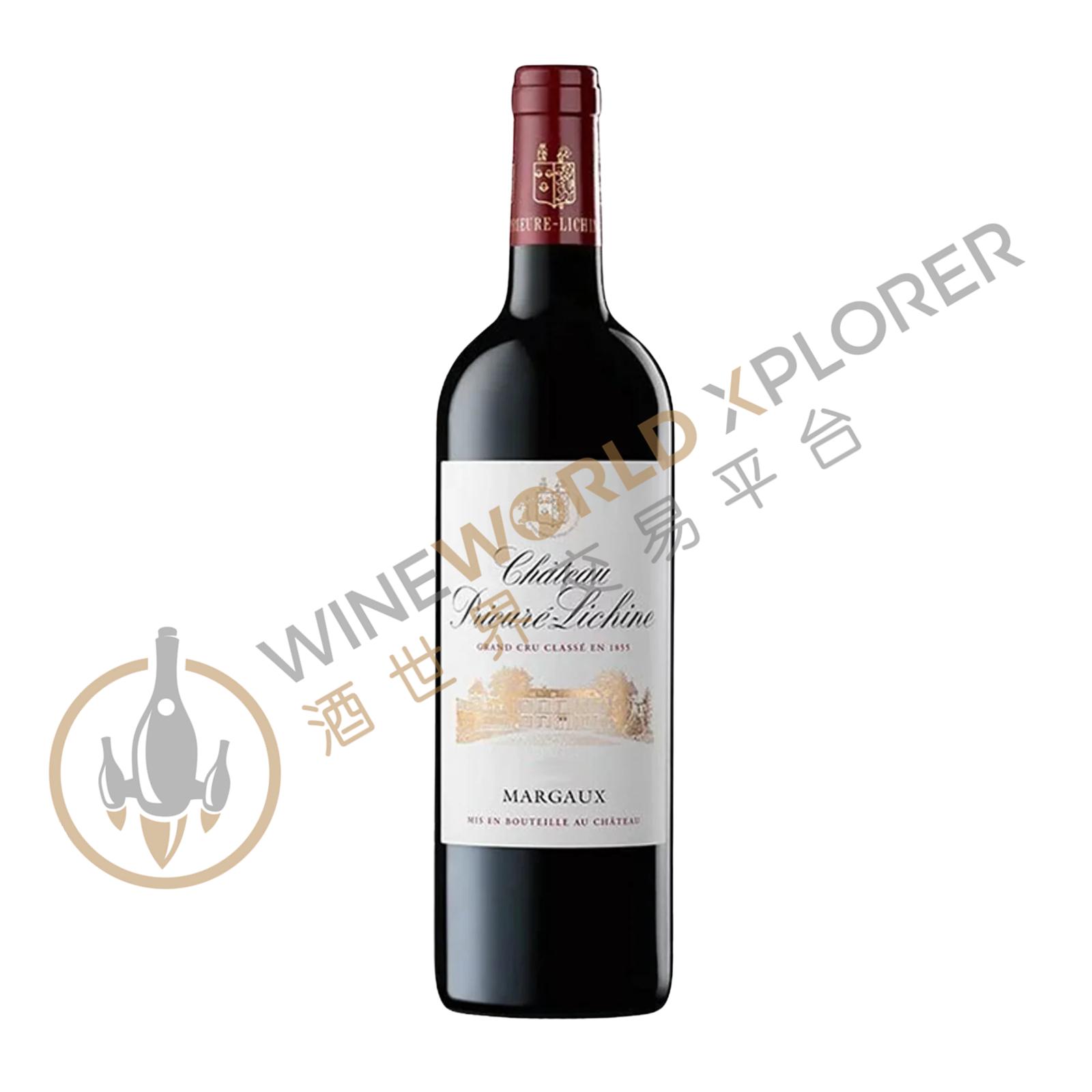
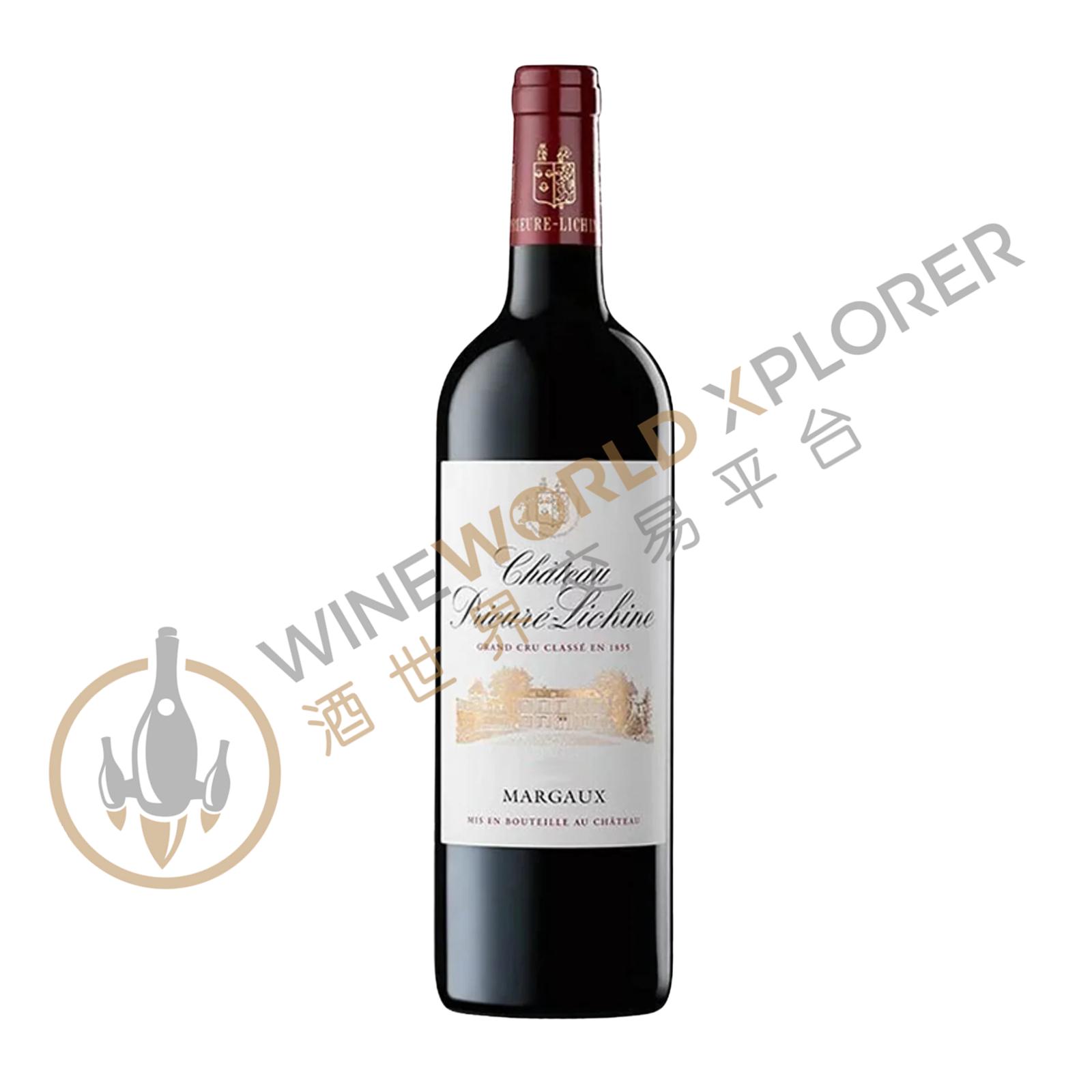
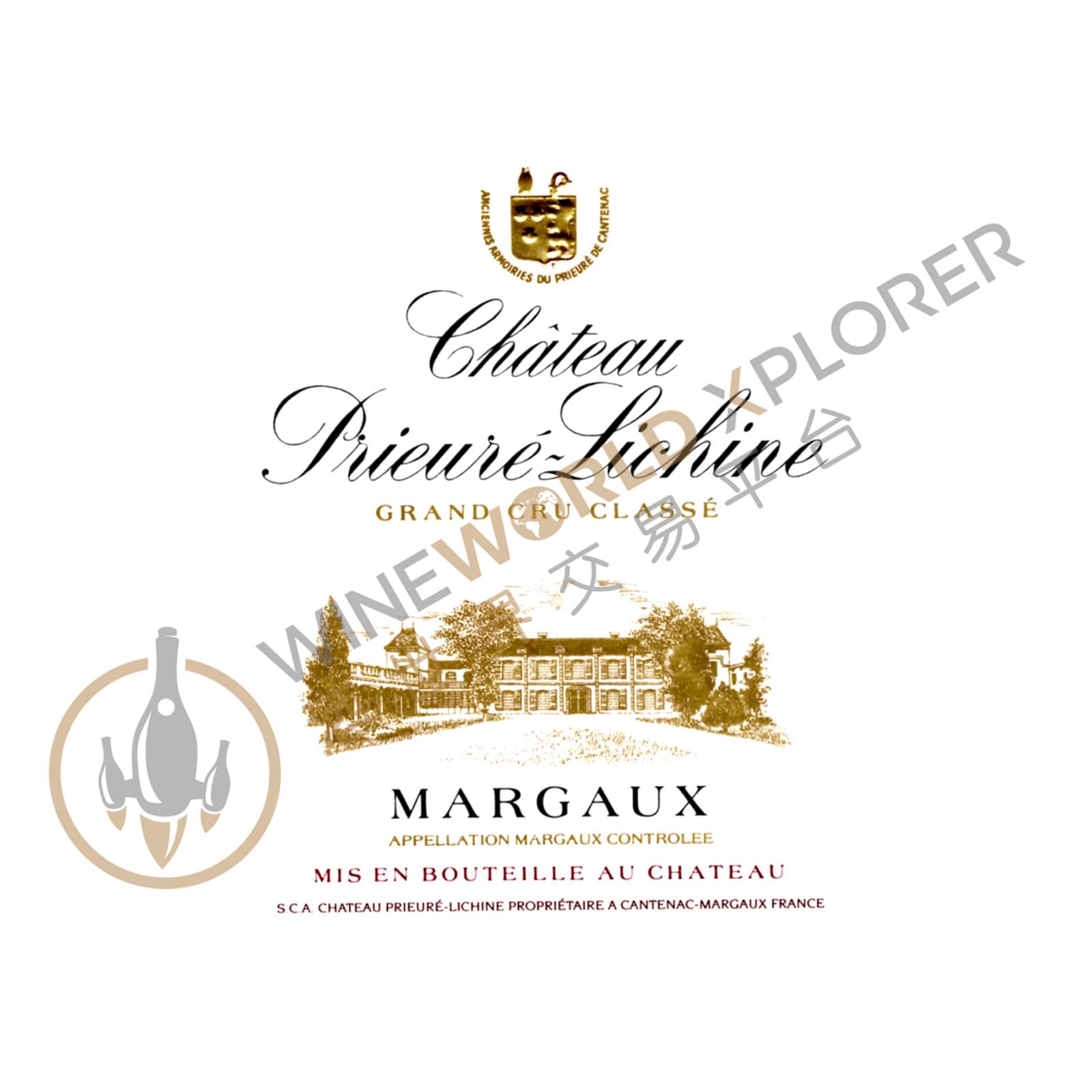
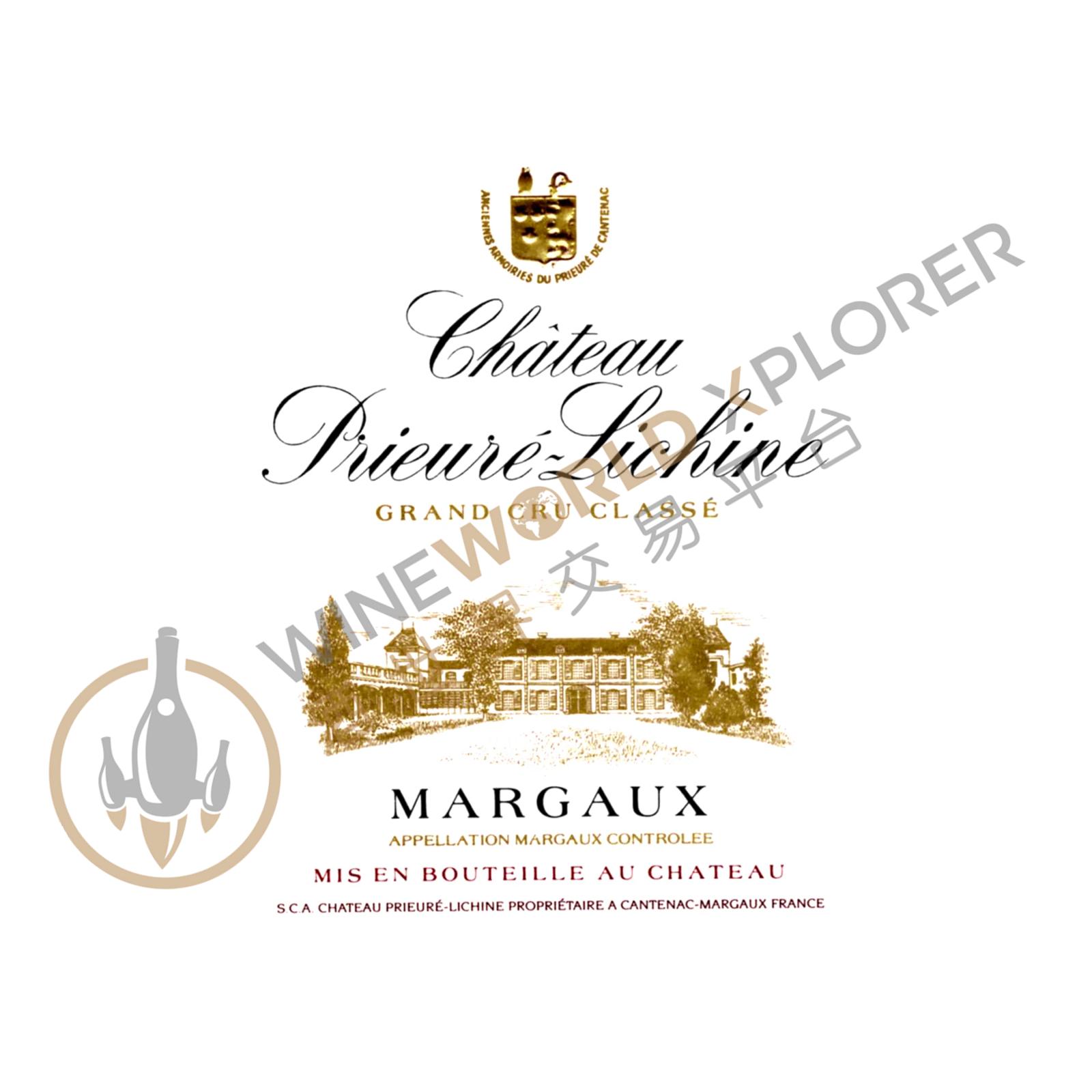
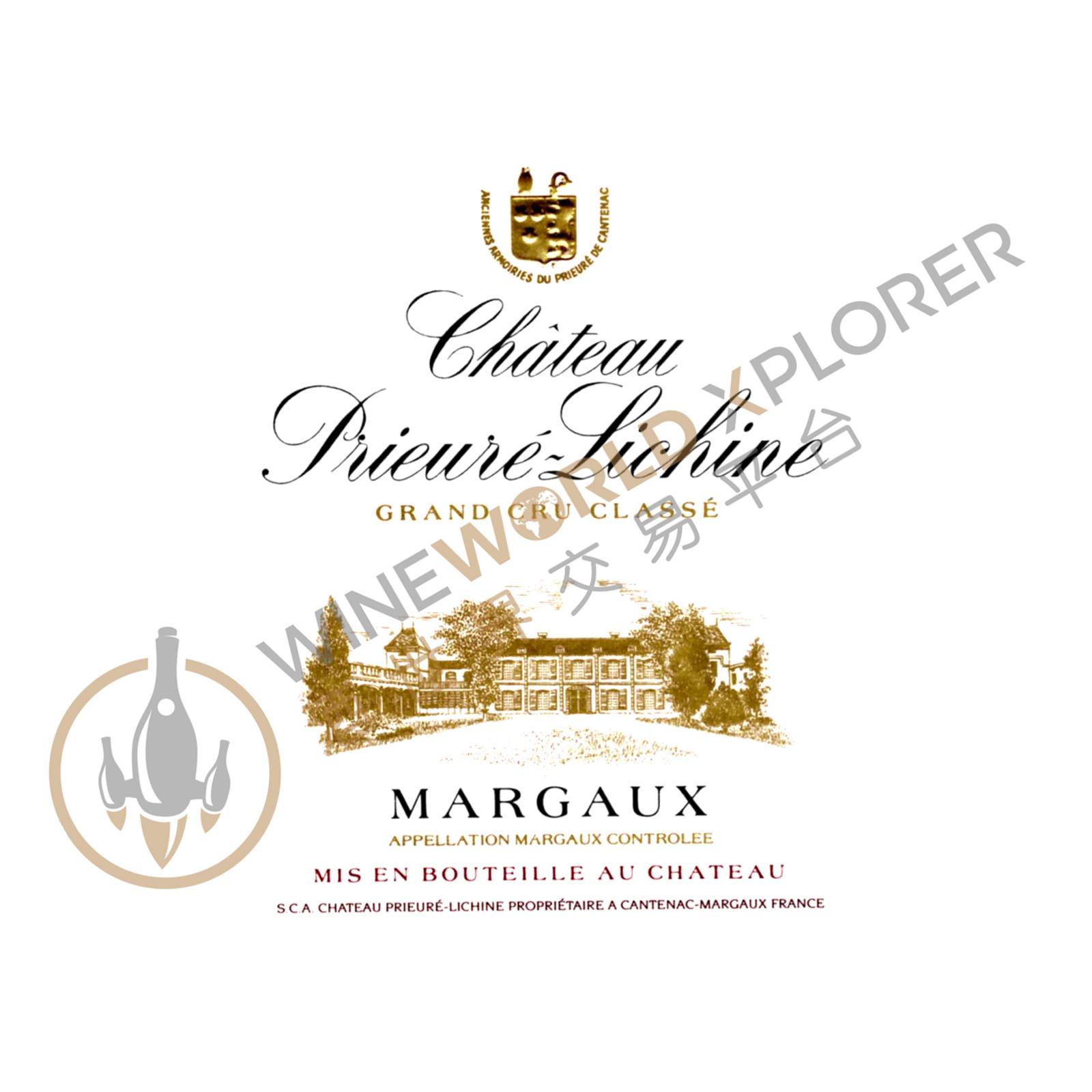
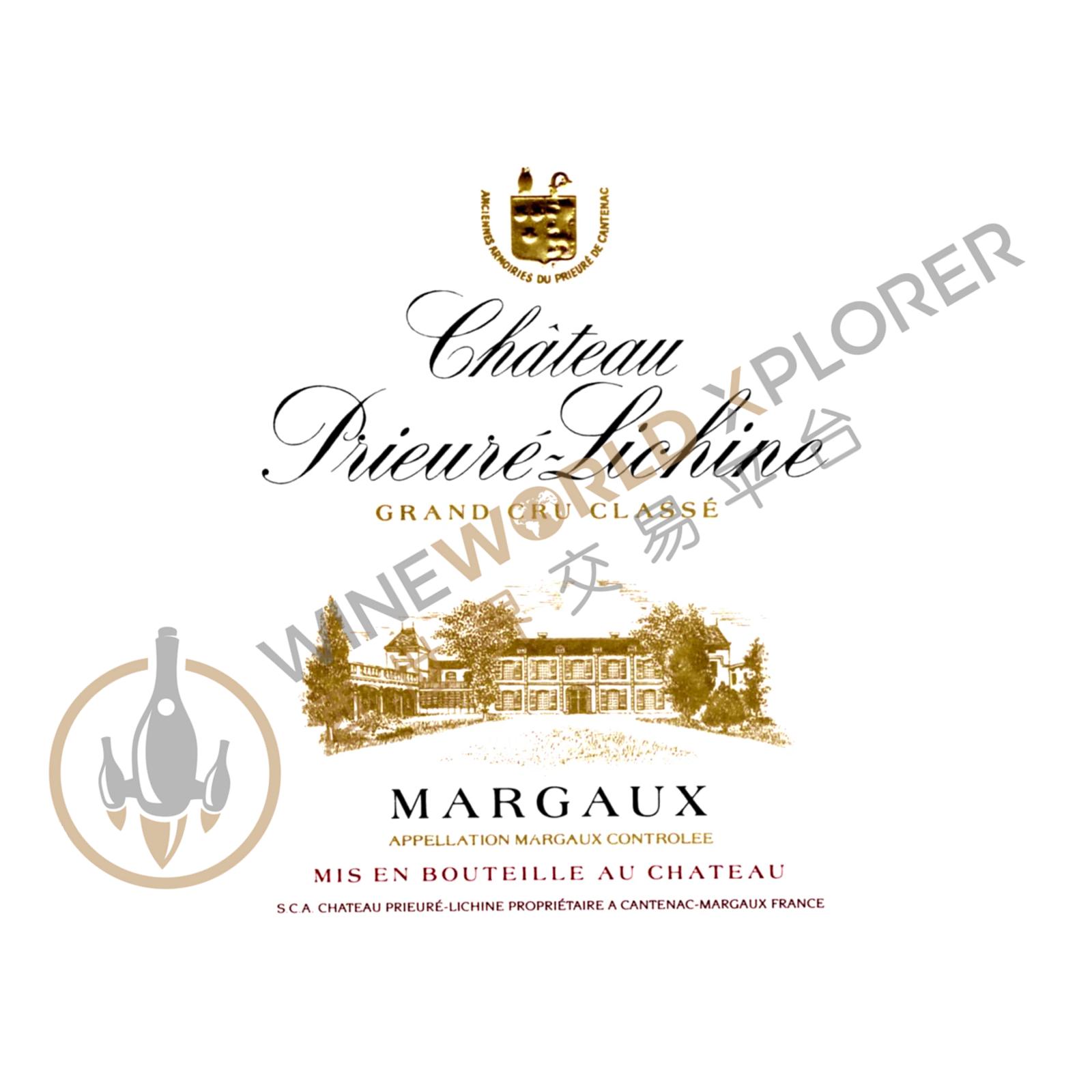
Prieure Lichine 2009
 View analysis


Description
Tasting notes

Reviewed by: Robert M. Parker, Jr.
The soft, sexy 2009 exhibits a dense plum/purple color along with a big, sweet bouquet of raspberries, black cherries, black currants, smoke and forest floor. Opulent and round with an attractive viscosity as well as outstanding purity, depth and length, it should drink well for two decades. While not one of the longest lived wines of the vintage, it is among the most precocious, flattering and charming at present. Prieure-Lichine’s beautiful, seductive 2009 is one of the finest efforts yet made at this property that was rejuvenated under the late Alexis Lichine. Quality began improving dramatically about fifteen years ago and with the hiring of wine consultant Stephane Derenoncourt things have improved even further.
Reviewed by: Neal Martin
Tasted at a negociant and UGC. Tight on the nose at first: earthy black fruits: a touch of briary, fruitcake, cedar and damp moss. Good delineation and quite “classic” in style. The palate is medium-bodied with good concentration, the tannins just a little coarse at the moment but that will calm down through its elevage. Good delineation, quite foursquare and not charming at the moment, but will offer its delights after 4-5 years of bottling. Tasted March 2010.
Reviewed by: Robert M. Parker, Jr.
Beautiful floral-infused black fruits jump from the glass of this opaque ruby/purple-colored wine. Possibly richer, denser, and even more complete than the brilliant 2005 (although it is still too early to say that definitively), this is certainly a more opulent, succulent style of wine than even the 2005, which had surprising flesh for a wine from that vintage. The Right Bank consultant Stephane Derenoncourt has performed some magic here, as recent vintages attest, and the wines are often fairly priced as well. This full-bodied Prieure-Lichine should drink well for 20-25 years. (Tasted two times.)
Reviewed by: Neal Martin
Tasted at the Union de Grand Cru in London. The Prieure-Lichine is fresh and lively on the nose, leaping from the glass with vibrant blackberry and wild hedgerow, hints of crushed stone and sous-bois underneath. The palate is medium-bodied with a slight salty tang on the entry, fine tannins with a composed, rounded, generous finish that lacquers the mouth with peppery black fruits and a touch of tobacco. Very fine. Tasted October 2011.
Reviewed by: Neal Martin
Served blind at the Southwold 2009 tasting. The Prieure-Lichine '09 has a fragrant bouquet of wild cherry, cedar and dried flowers that shows good vigour and delineation. The palate is medium-bodied with slightly chewy tannins. It is masculine, a little dry in the mouth, with a foursquare and slightly dour, tobacco-tinged finish. Tasted January 2013.
Reviewed by: Neal Martin
The 2009 Prieuré-Lichine was one of the pleasant surprises of this blind tasting, a Margaux that has improved in recent years. It has a superb, very Pauillac bouquet with graphite infused black fruit that is very well defined and neatly integrated with the new oak. The palate is medium-bodied with fine grain tannin, very well balanced with quite saline and very persistent finish. Superb. Tasted blind at Farr Vintners’ 2009 Bordeaux tasting.
Reviewed by: James Suckling
Blueberries, minerals, flowers and sandalwood on the nose. Full body, with chewy tannins and fresh fruit and citrus aftertaste. Beautiful polish to the wine. Best in 2018.
About the Producer
Château Prieuré-Lichine is an estate in the Margaux appellation of Bordeaux, ranked as a Fourth Growth in the official Bordeaux Classification of 1855. It is regarded as one of Margaux's most consistent producers and is known for its elegance and suppleness, derived in part from the relatively high proportion of Merlot in the blend. The estate is located in Cantenac (on an official, administrative, level Cantenac is now combined with Margaux), near to the châteaux of Kirwan and Boyd-Cantenac. There are 70 hectares (173 acres) of vineyards in numerous parcels within the Margaux appellation, of which around 40 hectares (100 acres) contribute to the grand vin. Vineyard plantings are 50 percent Cabernet Sauvignon, 45 percent Merlot, and 5 percent Petit Verdot. The second wine, launched in 1972 as Château de Clairefont, is now sold as Confidences de Prieuré-Lichine and is made from younger vines. Le Clocher du Prieuré is a Merlot-based Haut-Médoc from vineyards adjacent to those supplying the grand vin. The portfolio is completed by Le Blanc du Château Prieuré-Lichine, a Sauvignon Blanc – Semillon blend from a 1.5 hectare (3.7 acre) plot in Arsac, to the south of Margaux. Red wines are fermented in a mix of stainless steel and concrete vats of differing sizes, with long, gentle extraction. Malolactic fermentation takes place in barrel, and the wine is then aged for 16 months in barriques, 60 percent of which are new. The second wine sees 14 months in second- and third-fill barrels. The estate was founded as the Prieuré (Priory) de Cantenac in the 10th Century, and for many years was a stopping point for pilgrims on the pilgrimage to Santiago de Compostela. While vines were certainly planted from the 12th Century, the conversion of the property to a full-scale wine estate took place in the 1700s. Its current name refers to noted winemaker Alexis Lichine, who owned the estate from 1951 until his death in 1989. The estate was acquired by the Ballande group (which includes the Ballande & Méneret négociant firm) in 1999.
1959(1)1979(1)1984(1)1986(1)1991(1)1995(1)1997(1)2000(2)2003(3)2004(1)2005(3)2006(1)2007(1)
Package Size