Wine Advisor



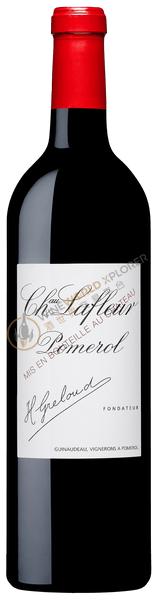
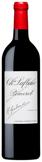
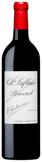
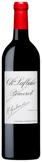
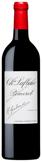
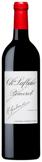
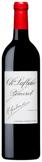
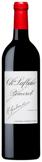
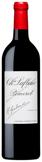
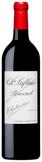
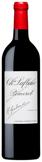
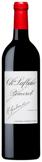
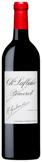
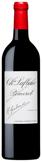
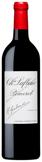
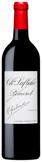
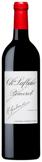
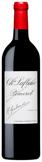
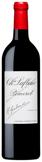
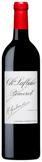
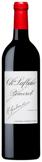
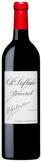
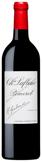
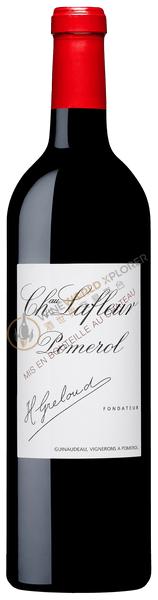
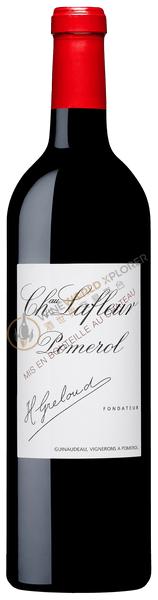
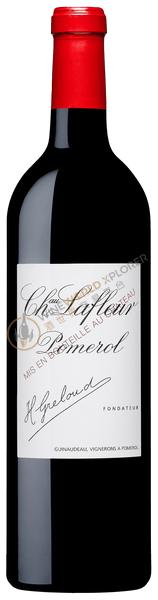
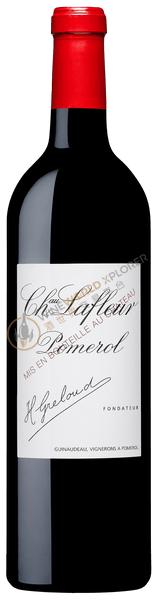
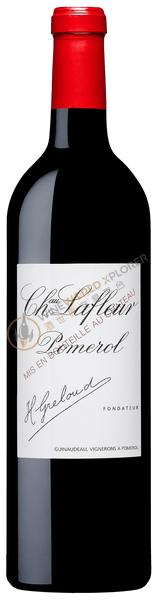
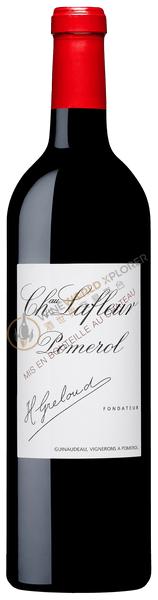
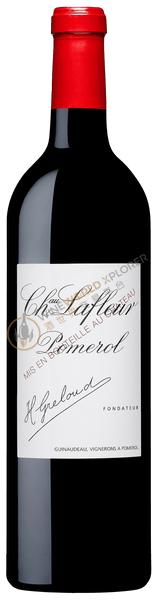
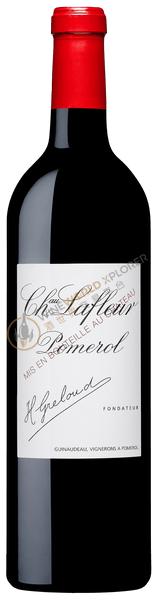
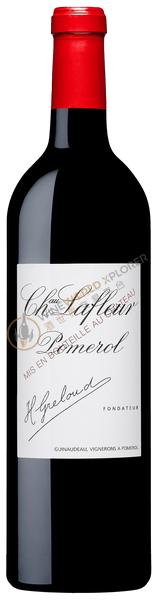
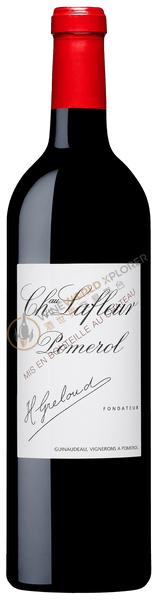
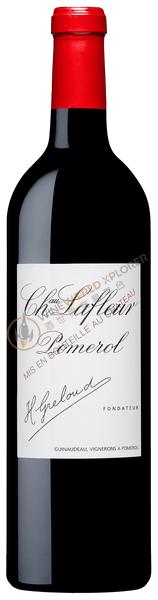
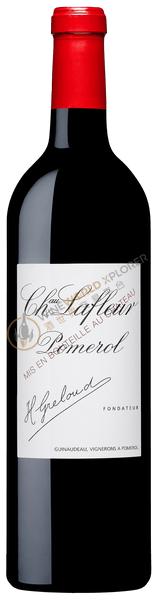
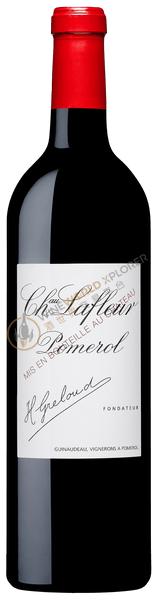
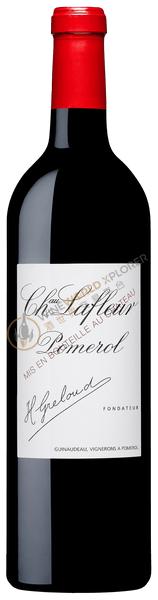
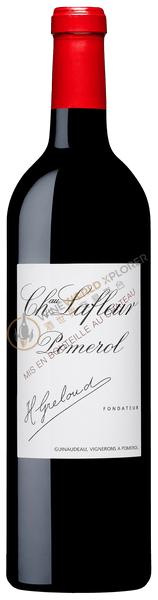
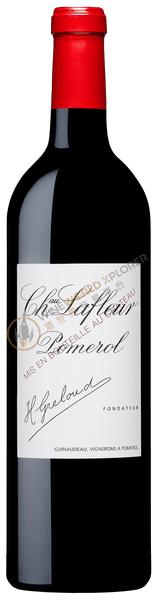
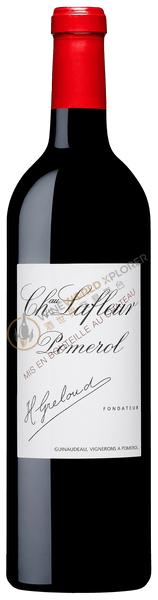
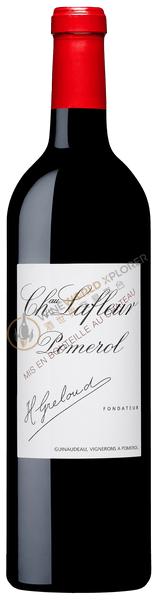
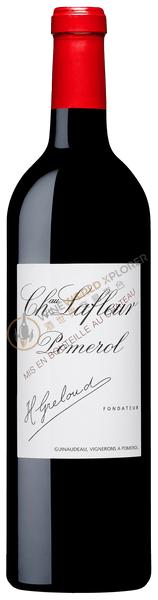
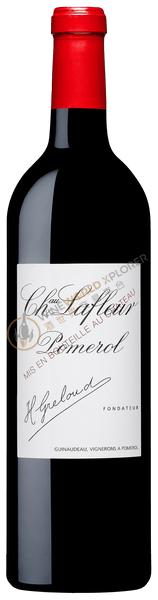
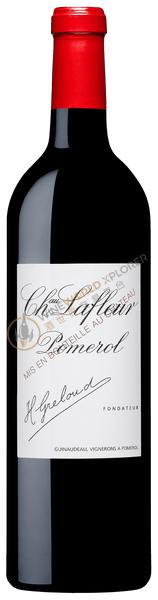
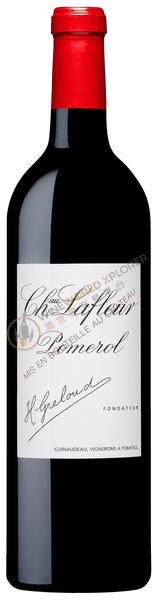
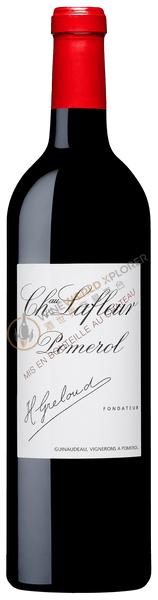
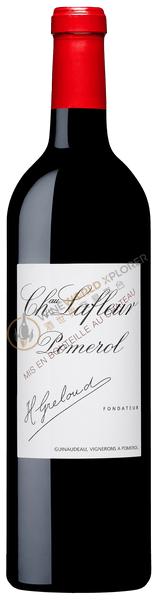
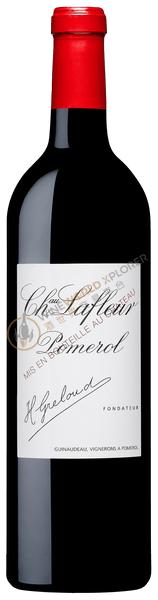
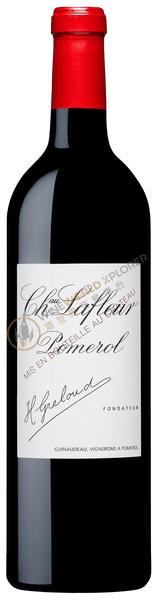
Lafleur 2020
 View analysis


Description
Château Lafleur is a tiny 4.5-hectare Pomerol property located opposite Pétrus and producing wines of comparable quality. Lafleur is owned and run by Sylvie and Jacques Guinadeau. Its vineyards are situated on the gravel-rich Pomerol plateau and adjoin those of La Fleur-Pétrus. The soils here are particularly deep and are enriched by deposits of potassium and iron. Only natural fertilisers are used and yields are painfully low, even by Pomerol standards. By the 1980s, Chateau Lafleur was on its way to becoming one of the world’s most in-demand wines selling for more than the First Growths. In 1975, Robert Parker made his first visit to the estate and since then never stopped writing about the wine. His comments on Chateau Lafleur excited consumers all over the world, and thus became one of those Pomerol wines that tied to the success and continuous praise heaped on the wine by Robert Parker.
Tasting notes

Reviewed by: William Kelley
One of the wines of the vintage, but likely to prove slower evolving and more introverted than its 2019 counterpart, the 2020 Lafleur unwinds in the glass with aromas of cherries, raspberries, kirsch, black truffle, orange zest and vine smoke. Full-bodied, layered and multidimensional, it's deep and concentrated, with a tightly wound core of fruit framed by rich, powdery tannins, concluding with a long, saline finish. This is another magical bottle from an estate that just seems to do everything right.
Reviewed by: Antonio Galloni
The 2020 Lafleur takes all the elements of this site and dials them up. All of the natural richness and textural intensity of the year comes through in a decidedly flamboyant, opulent Lafleur. It's an immediate Lafleur, that much is obvious. I imagine the classic Lafleur bouquet will develop in bottle, as aeration starts to release some of the classic Bouchet (Cabernet Franc) notes that are such signatures. Today, the sumptuousness of Merlot really drives the wines' balance, with the Bouchet felt mostly in the structural profile. I can't wait to see how this ages.
Reviewed by: Neal Martin
The 2020 Lafleur is raised in 30% new oak, the rest, for the first time, used at Grand Village for 8 months to reduce the oak influence and season the barrel. (In fact, Jacques Guinaudeau did this in the past). It was bottled in April 2022 after two months settling in large stainless-steel. It has a showstopping nose with stunning delineation and terroir expression. There is a strong mineralité that floods through on the nose, something almost…igneous about the aromas, struck flint and that basalt element that I observed out of barrel. It's a very striking, uncompromising bouquet that expands with aeration. The palate is medium-bodied with fine yet sturdy tannins, intense black fruit intermixed with dark chocolate that ebbs with aeration, revealing more floral aromas after 20 minutes. There is a sense of symmetry on the finish and an extraordinary long aftertaste, while all the time, retaining freshness and vitality. Just wonderful.
Reviewed by: Neal Martin
The 2020 Lafleur is a blend of 46% Cabernet Franc and 54% Merlot picked September 4–18. Like the Les Pensées, it is initially backward and requires 4–6 minutes’ coaxing. Then it reveals intense black fruit, iris, incense and basalt, very focused and quite serious, somehow restless at being rudely awakened during its élevage. The palate is medium-bodied with fine-boned tannins and superb delineation, weighty in the mouth but paradoxically weightless on the finish. There is superb attack, incredible length and a persistent saline finish. The Cabernet Franc, or Bouchet to give it its proper name in Pomerol, is in full flight in this Lafleur, although it is not as immediate as the 2020 Petrus. But it is certainly one of the appellation's most intellectual offerings and will be fascinating to watch as it ages.
About the Producer
In 2002, the Gwinoders completely acquired Lafleur, becoming the sole owner of Lafleur, and have been operating it ever since. Huabao now has 4.5 hectares of vineyards. The soil types in the garden are diverse, including gravel, clay and gravel. Generally speaking, these soils are relatively poor and very suitable for grape planting. Among the grape varieties planted in the vineyard, Merlot (Merlot) and Cabernet Franc (Cabernet Franc) are equally divided, each accounting for 50%, the planting density is 6,000-7,500 plants/ha, and the average tree age is 30 years.
1975(1)1976(1)1982(1)1985(1)1988(1)1989(1)1990(2)1993(1)1994(2)1995(3)1996(4)1997(3)1998(6)1999(7)2000(6)2001(6)2002(3)2003(6)2004(9)2005(7)2006(5)2007(6)2008(9)2009(5)2010(2)2011(6)2012(7)2013(8)2014(6)2015(1)2016(6)2017(7)2018(12)2019(8)
Package Size