Wine Advisor



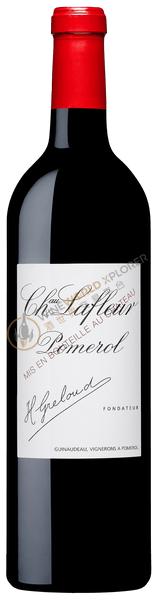
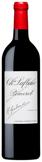
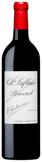
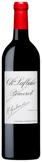
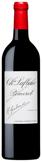
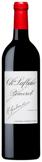
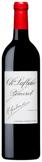
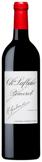
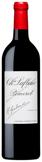
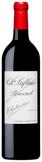
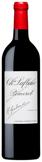
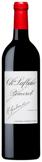
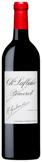
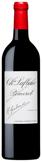
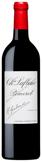
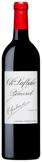
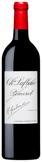
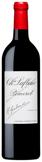
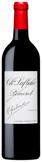
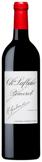
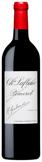
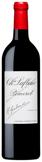
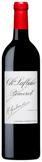
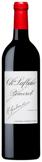
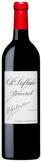
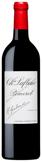
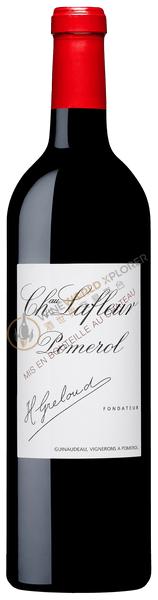
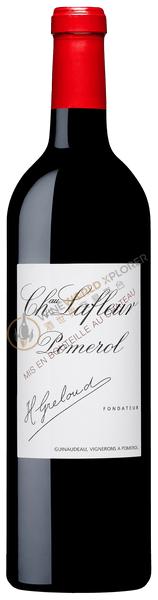
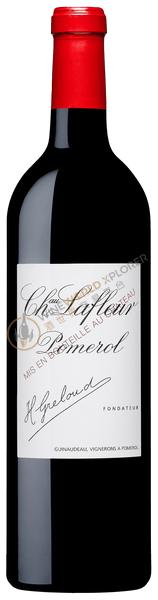
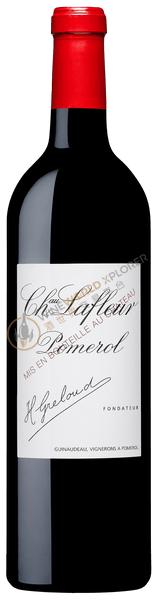
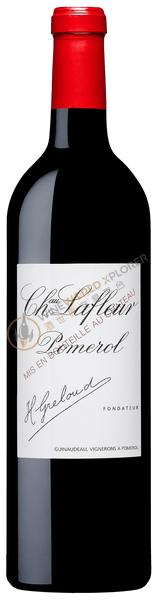
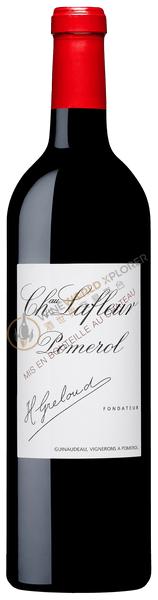
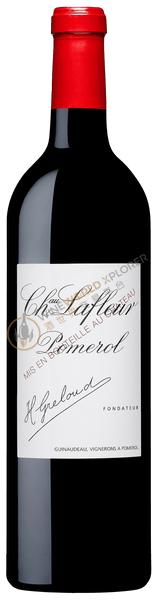
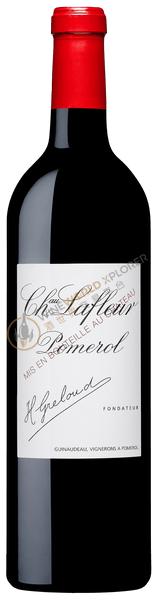
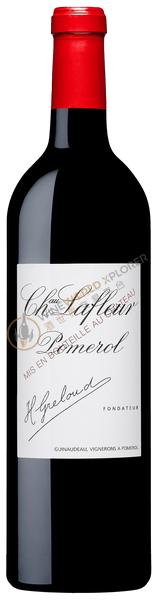
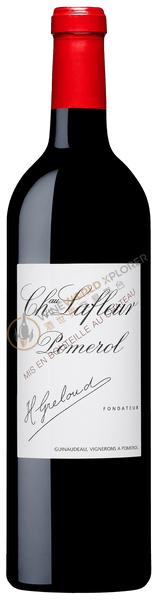
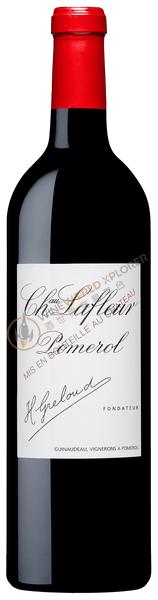
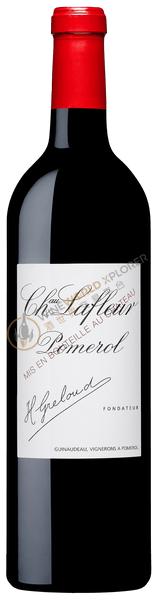
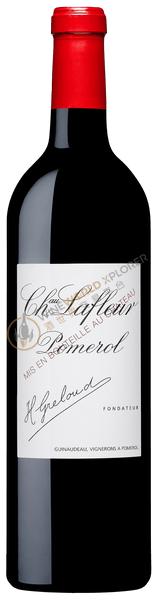
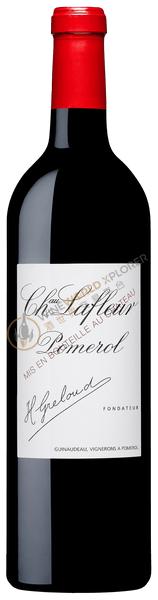
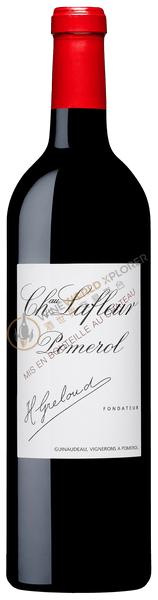
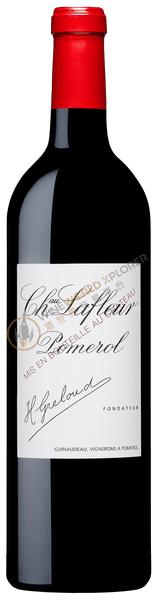
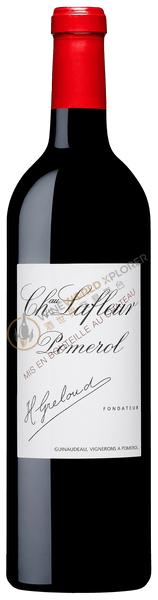
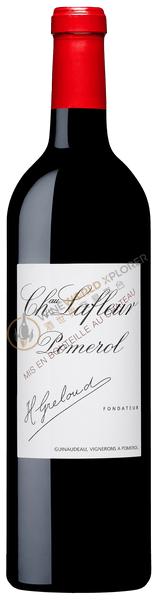
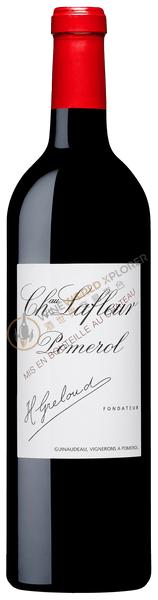
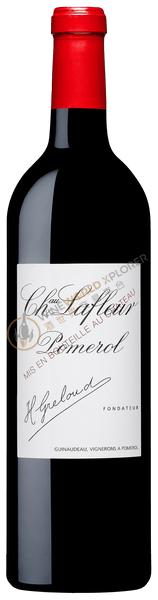
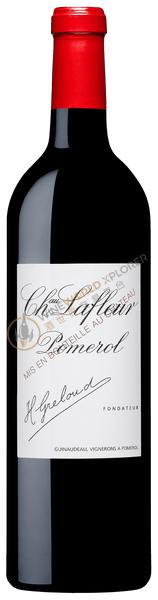
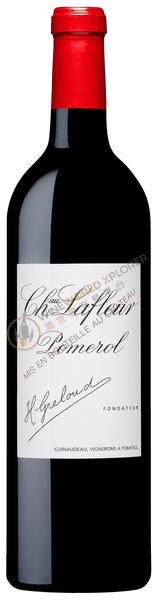
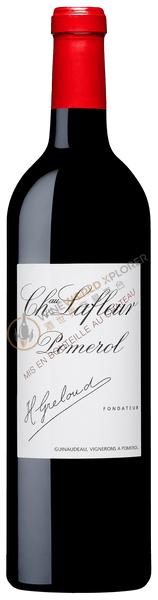
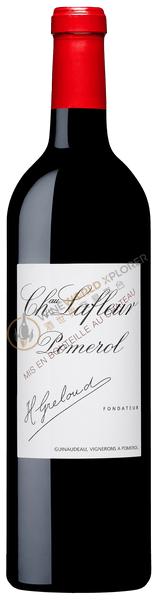
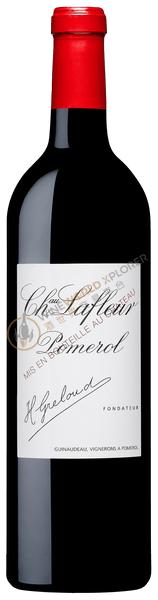
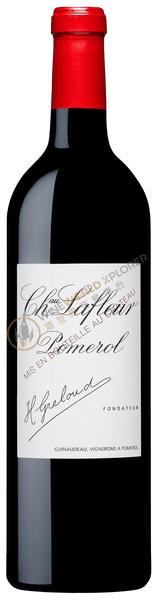
Lafleur 1989
 View analysis


Description
Château Lafleur is a tiny 4.5-hectare Pomerol property located opposite Pétrus and producing wines of comparable quality. Lafleur is owned and run by Sylvie and Jacques Guinadeau. Its vineyards are situated on the gravel-rich Pomerol plateau and adjoin those of La Fleur-Pétrus. The soils here are particularly deep and are enriched by deposits of potassium and iron. Only natural fertilisers are used and yields are painfully low, even by Pomerol standards. By the 1980s, Chateau Lafleur was on its way to becoming one of the world’s most in-demand wines selling for more than the First Growths. In 1975, Robert Parker made his first visit to the estate and since then never stopped writing about the wine. His comments on Chateau Lafleur excited consumers all over the world, and thus became one of those Pomerol wines that tied to the success and continuous praise heaped on the wine by Robert Parker.
Tasting notes

Reviewed by: Robert M. Parker, Jr.
The 1989 is marginally superior to the 1988, but compared to the big, exotic, dense, kinky style that Lafleur exhibited in vintages such as 1975 and 1979, the 1989 is more refined. It is dark ruby/purple in color, concentrated, with layers of unctuous black-cherry fruit, full body, a thick, textural feel, super length, and a great deal of tannin and alcohol in the finish. Closed and tannic, this large-scaled wine needs time in the cellar. Anticipated maturity: 2000-2030. Last tasted, 6/93.
Reviewed by: Neal Martin
As deep in colour as the Petrus 1989 and the nose far more fresh and vigorous than before, the Cabernet Franc component endowing the bouquet with a slightly earthy, black truffle scent augmenting the smoky black fruits. The palate displays superb structure and initially satisfies more than Petrus, though after thirty minutes I felt both wines were on par. It is surfeit with blackberry, plum, earth, sandalwood and dried blood flavours with the tannins just beginning to soften on the finish. An outstanding Lafleur that appears to be just coming into its own. Drink now-2040 Tasted March 2008.
Reviewed by: Robert M. Parker, Jr.
The super 1989 is more refined than the exotic, dense, kinky style that is often exhibited in other vintages. Dark ruby/purple in color, super concentrated, and closed, it has a great deal of tannin and alcohol in the finish. This is a wine to be drinking between the turn of the century and the first two and a half decades of the next millennium. Anticipated maturity: 2000-2030.
Reviewed by: Neal Martin
Served after the ’88 Lafleur by Jacques at Grand Village, this remains a glorious ’89. Having tasted a pristine bottle earlier this year in London, it is interesting to compare the difference, this bottle in Bordeaux much more backward and taking time to develop in the glass. Still those telltale aromas of smoke and black truffle on the nose, the palate tightly coiled, wonderful balance with earthy black fruits and dried blood towards the finish. This bottle has a little more cedar towards the finish than the one in London. It remains an astoundingly good Pomerol that will last aeons. Drink now-2040 Tasted September 2008.
Reviewed by: Neal Martin
Deep ruby/garnet core with distinct tawny rim. A flamboyant nose of roasted meats, barnyard (a touch of brett here) and figs. Outrageous, but utterly enjoyable: very Pomerol 89. The palate is very concentrated with black savory fruits and a pronounced note of mocha. It lacks refinement. A decadent wine, brash, full-bodied with a great length with a "hot" finish. I was surprised how open and expressive this wine was. I could easily drink this now but will keep for 10 years+. September 2004.
Reviewed by: Robert M. Parker, Jr.
Unfortunately, I have not seen as much of the 1989 Lafleur as I would have liked. In this particular tasting, the wine had closed down, and seemed somewhat muted and subdued when compared to my earlier notes. It is an enormous, full-bodied, tannic, powerful style of wine, with a dark purple color, an earthy, truffle, plum, licorice, and mineral-scented nose, full body, huge fruit and extract, and mouth-searing tannin in the finish. I would not open a bottle for 5-10 years. Anticipated maturity: 2005-2035.
Reviewed by: Robert M. Parker, Jr.
The 1989 is superior to the 1988, but compared to the big, exotic, dense, kinky style that Lafleur has exhibited in vintages such as 1975, 1979, 1982, and 1983, this is a more refined, more gentlemanly-like wine. Dark ruby/purple in color, super concentrated, and very closed, it has a great deal of tannin and alcohol in the finish. This is a wine to be drinking between the turn of the century and the first two and a half decades of the next millenium. Anticipated maturity: 2000-2030. Tasted four times. Consistent notes. Lafleur is one of the greatest wines of Bordeaux, as anyone who has followed the quality of this property over the last several decades can attest, and one of the most difficult to find. The problem is that there are only 1000 cases to go around the world, a big chunk of which was purchased by the Belgians who have long known about its extraordinary quality (often rivaling, sometimes even surpassing Petrus).
Reviewed by: Robert M. Parker, Jr.
Tasted 3 Times Since Bottling With Consistent Notes The 1989 Lafleur is super, but the exotic, dense, kinky style that Lafleur usually exhibits is more refined. Dark ruby/purple in color, super concentrated, and closed, it has a great deal of tannin and alcohol in the finish. This is a wine to be drinking between the turn of the century and the first two and a half decades of the next millennium. Anticipated maturity: 2000-2030.
Reviewed by: Neal Martin
Tasted at the Dynasty restaurant in Hong Kong. The 1989 remains a titan of a Lafleur that needs about a millennia of decanting! That was impossible for this bottle so I allowed the wine to open in my glass. It possesses an indomitable bouquet that unfolds: black truffle, damp moss, blackberry, chlorophyll and then black pepper. Very complex but it just takes ages for the bouquet to awake. The palate is muscular and tannic with arching tannins made of iron girders, tantalizing hints of bay leaf and Japanese green tea towards the finish. This Pomerol is like getting lost in a large maze. Astonishing wine, but I would leave it another 10 years. Tasted November 2011.
Reviewed by: Neal Martin
Tasted from an ex-chateau bottle at the Lafleur vertical dinner at Attersee in Austria. The Lafleur 1989 still has a very deep colour. Comparing it directly against the 1988, the aromatics are immediately much more complex, initially broody and biding its time and then unfurling to reveal sous-bois, cepes, sandalwood, black truffles and beef stock. The palate is tannic and assertive having lost none of its intensity over the passing years. There is just enormous weight and dimension, a juggernaut of a Pomerol. This bottle shows hints of dried blood, green tea and dried blood. It fans out wonderfully on the finish – a multidimensional wine that always leaves you lost for words. It is the kind of wine you fear would stalk you down a dark alley at night. Tasted June 2012.
Reviewed by: Robert M. Parker, Jr.
The 1989 Lafleur, tasted side by side with the 1990 on two occasions in 2002, plays it closer to the vest. The wine needs far more coaxing to produce the licorice, black cherry liqueur, earth, and truffle notes from the nose. In the mouth, the wine is full-bodied, tannic, backward, and very tightly knit, with mouth-searing levels of tannin and extremely high extract. The tannins are firmer, the fruit seemingly less sweet, but still extremely ripe, and the evolutionary process is far slower in the 1989 than the 1990. Anticipated maturity: 2012-2045. Last tasted, 8/02.
About the Producer
In 2002, the Gwinoders completely acquired Lafleur, becoming the sole owner of Lafleur, and have been operating it ever since. Huabao now has 4.5 hectares of vineyards. The soil types in the garden are diverse, including gravel, clay and gravel. Generally speaking, these soils are relatively poor and very suitable for grape planting. Among the grape varieties planted in the vineyard, Merlot (Merlot) and Cabernet Franc (Cabernet Franc) are equally divided, each accounting for 50%, the planting density is 6,000-7,500 plants/ha, and the average tree age is 30 years.
1975(1)1976(1)1982(1)1985(1)1988(1)
Package Size