Wine Advisor



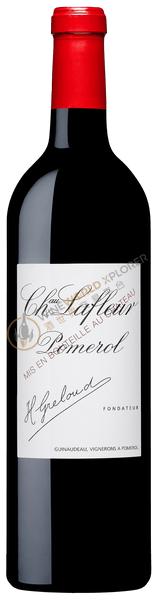
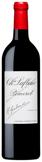
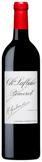
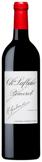
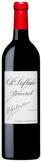
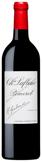
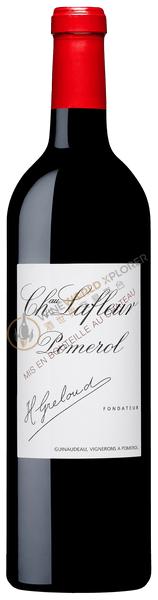
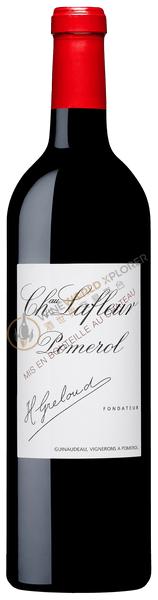
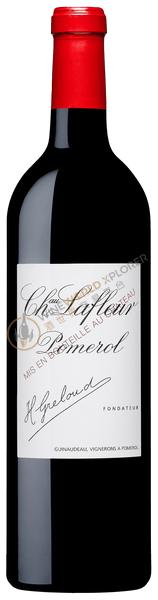
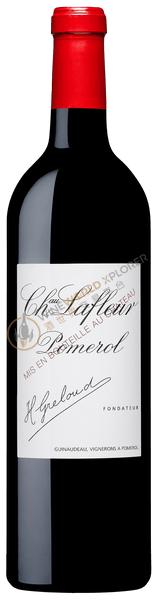
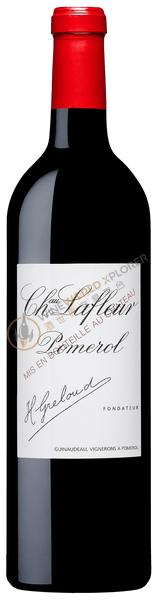
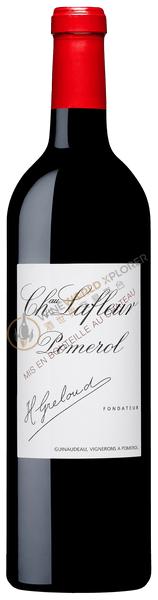
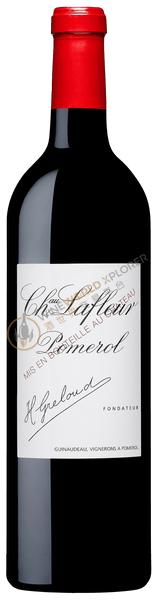
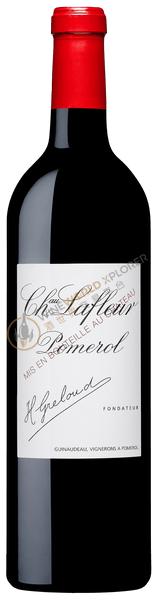
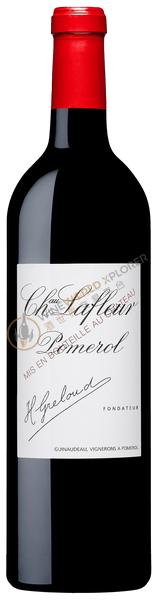
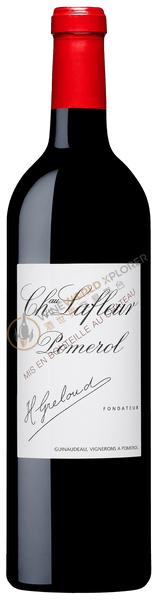
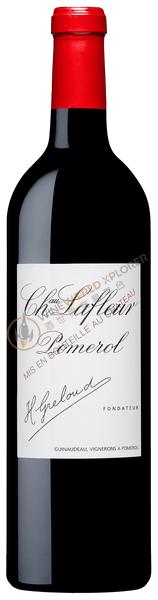
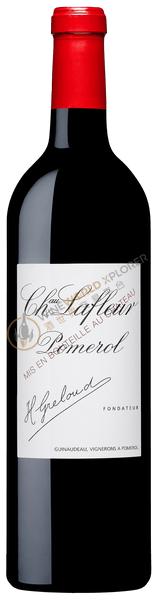
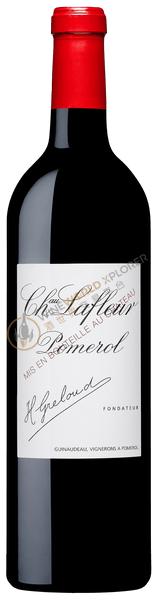
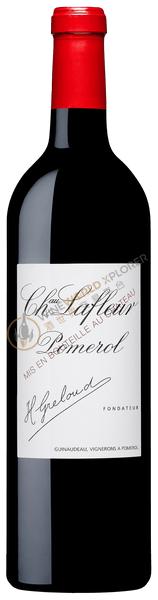
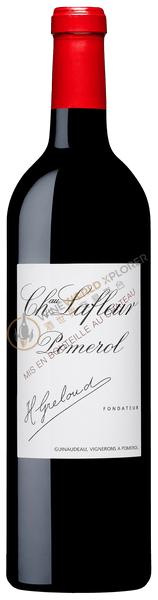
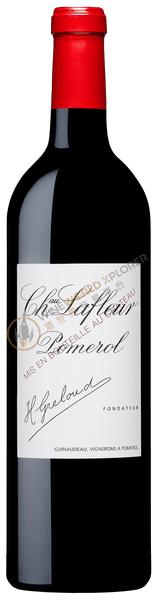
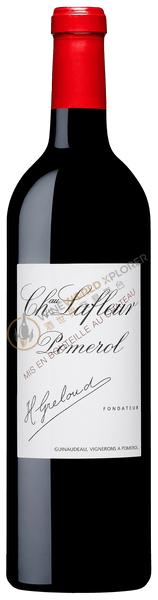
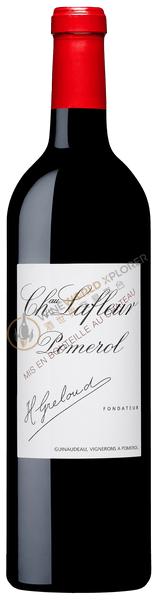
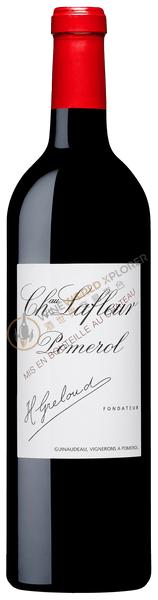
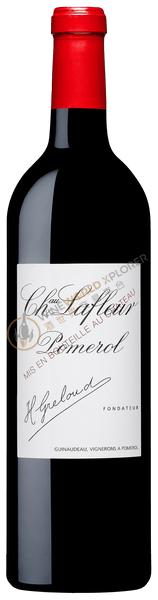
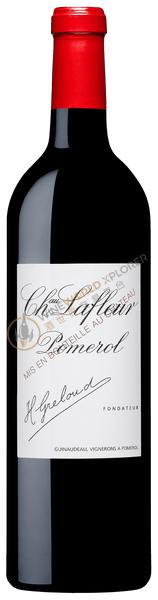
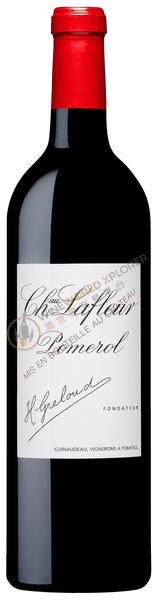
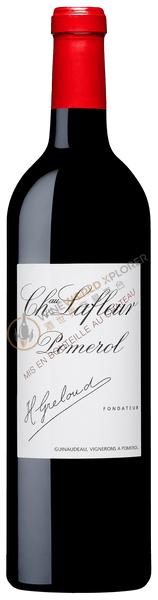
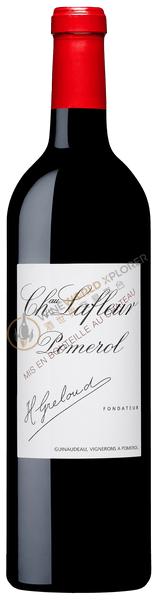
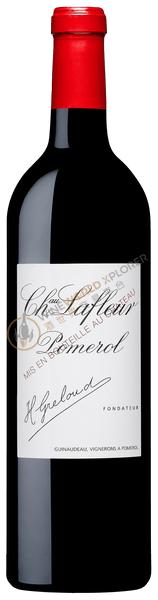
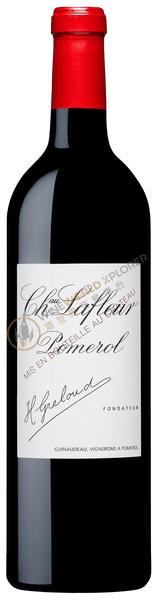
Lafleur 2009
 View analysis


Description
Château Lafleur is a tiny 4.5-hectare Pomerol property located opposite Pétrus and producing wines of comparable quality. Lafleur is owned and run by Sylvie and Jacques Guinadeau. Its vineyards are situated on the gravel-rich Pomerol plateau and adjoin those of La Fleur-Pétrus. The soils here are particularly deep and are enriched by deposits of potassium and iron. Only natural fertilisers are used and yields are painfully low, even by Pomerol standards. By the 1980s, Chateau Lafleur was on its way to becoming one of the world’s most in-demand wines selling for more than the First Growths. In 1975, Robert Parker made his first visit to the estate and since then never stopped writing about the wine. His comments on Chateau Lafleur excited consumers all over the world, and thus became one of those Pomerol wines that tied to the success and continuous praise heaped on the wine by Robert Parker.
Tasting notes

Reviewed by: Robert M. Parker, Jr.
An absolutely prodigious blend of 55% Cabernet Franc and 45% Merlot, the 2009 Lafleur displays the tell-tale characteristics of this great estate. Kirsch liqueur, licorice and floral notes are intermixed with raspberry in a very full-bodied, super-intense, opulent and multi-dimensional style. Extraordinarily dense and pure, but not heavy by any means, the intensity, texture, and richness of the 2009 Lafleur are reminiscent of the perfect 1982. Anticipated maturity: 2018-2040.
Reviewed by: Neal Martin
A blend of 47% Merlot and 53% Cabernet Franc, the Merlot cropped the 16th, 17th and 23rd September and the Cabernet Franc on 28th September and 1st October, representing around 50% of production in 2009. A lucid purple hue, the Lafleur ’09 has a cerebral bouquet much like the 2008, but with perhaps a little more purity and femininity. Blackberry, a touch of small black cherry, some notes of violets coming through with aeration. The palate is full-bodied with firm, more masculine tannins than implied by the aromatics; deep broody dark fruits, blackberry, tar, graphite, more linear on the tightly wound finish where the minerality is really evident. More cohesive at this stage than any vintage I have tasted since the 2005, long and persistent towards the finish. Undoubtedly one of the wines of the vintage. Thrilling. Tasted April 2010.
Reviewed by: Robert M. Parker, Jr.
The 2009 Lafleur’s harvest began on September 16 and finished on September 28. Interestingly, the Guinaudau family said this vintage reminds them of the 1989. At nearly 14% alcohol, the 2009 is a potent effort revealing some characteristics of the 1982, but there is more structure in the 2009. The pH is only 3.6, which is a lot lower than the 1982, and the final blend was 53% Cabernet Franc and 47% Merlot. The wine exhibits a deep ruby/purple color, beautiful purity, sweet mulberry, boysenberry, kirsch, licorice, and stony notes, full body, an unctuous texture, a fresh, lively personality, and tannins that are more noticeable than in some of its neighbors. The oak component is completely concealed by the wine’s extravagant richness and intensity. The structure suggests it will require a decade of cellaring, and it should last 40-50 years. (Tasted once.)
Reviewed by: Neal Martin
Tasted at Grand Village, the Lafleur 2009 is a blend of 53% Cabernet Franc and 47% Merlot. The nose is a little bashful at first and certainly not as expressive as the Pensees, but give it time and it unravels to reveal notes of blackberry leaf, black olive, charcoal and cold limestone. Wonderful definition...but very broody. The palate is medium-bodied with a very firm backbone. There is a great arching structure to the 2009, a chassis that is built out of girders, but don’t let that fool you into thinking that it is devoid of precision and poise. It is a beautiful, gleaming black shire horse of a Pomerol...which probably sums it up better than anything else that I can think of. Tasted November 2011.
Reviewed by: Neal Martin
Tasted at John Armit’s Lafleur seminar in London, the 2009 is similar to the bottle tasted the previous November. The nose is a little more decadent than back then, with precocious black fruit, a sense of voluptuousness that presently overrides the mineral element. The palate is full-bodied with intense black fruits and enormous structure to support its weight. I think my analogy to a shire horse still stands.
Reviewed by: Neal Martin
Tasted from an ex-chateau bottle at the Lafleur vertical dinner at Attersee in Austria. On this occasion it is difficult to separate the 2005 and 2009 Lafleur, although to reiterate my comments last year, they are very different and paradigms of the vintage. The bouquet has a ravishing, floral bouquet of violets and rose petals that explode from the glass. The palate is voluptuous, spherical and extraordinarily pure. It is far more generous and giving than the 2005 with raspberry and wild strawberry on the crescendo of a finish. The texture is to die for – pure satin. This wonderful should be cellared for at least a decade, although I suspect it will be approachable before the 2010. Tasted June 2012.
Reviewed by: Neal Martin
Served blind at the Southwold 2009 tasting. I suspected this was Lafleur merely because it was so damn broody under blind conditions. The 2009 is far more conservative on the nose than its peers: tightly coiled, earthy black fruits, mint, rose petals and Asian spices beginning to emerge. The palate is medium-bodied with crisp, taut tannins. There is great focus and tension here, but it is surly and backward with a penetrating, graphite-tinged finish. Could the 2009 finally be closing down like the 2005? It will last decades, not years. Tasted January 2013.
Reviewed by: Ian d'Agata
(53% cabernet franc and 47% merlot) Medium-deep ruby. The complex, captivating nose shows a prominent cabernet franc presence, with enticing aromas of strawberry, violet, cocoa, minerals and white pepper. Enters broad, luscious and fresh, displaying well-delineated flavors of sweet redcurrant and strawberry complemented by a note of spicy red cherry reduction sauce and more white pepper. Boasts an amazingly rich and tactile mouth feel and comes across as far smoother than the estate's second wine Pensees de Lafleur, which showed quite a bit of tannins for its fruit. Finishes with palate-staining persistence and great purity and precision. One of the masterpieces of the vintage. I also tasted in this cellar in December, and the uncanny quality of the cabernet franc was already apparent.
Reviewed by: Neal Martin
The 2009 Lafleur is intense on the nose with darker fruit than the 2009 Ausone: freshly tilled earth, touches of pressed rose petals and a subtle ferrous scent, involving and quite mercurial. The palate is medium-bodied with succulent ripe tannin, velvety smooth and a cashmere texture. A mixture of blue and black fruit laced with spice leads to a very composed but powerful finish that lingers for 60+ seconds. This is only just beginning to show what it can do. Tasted blind at Farr Vintners’ 2009 Bordeaux tasting.
Reviewed by: Stephen Tanzer
Bright full ruby. Drop-dead gorgeous nose combines superripe strawberry, raspberry jam, black cherry syrup, brown spices, Oriental herbs and exotic oak. Extremely densely packed and energetic but already offering a satin-like texture and great early appeal owing to its sexy sweetness of superripe fruit. There's an almost pinot-like silkiness of texture to its red fruit and exotic spice flavors. The finish is very graceful yet lush, offering uncommon depth, complexity and charm. As amazing as the 2009 and 2010 Petrus are, I think these two vintages from Lafleur are the best pair of clarets made by anyone in 2009 and 2010. Simply put, this is yet another truly unforgettable wine.
About the Producer
In 2002, the Gwinoders completely acquired Lafleur, becoming the sole owner of Lafleur, and have been operating it ever since. Huabao now has 4.5 hectares of vineyards. The soil types in the garden are diverse, including gravel, clay and gravel. Generally speaking, these soils are relatively poor and very suitable for grape planting. Among the grape varieties planted in the vineyard, Merlot (Merlot) and Cabernet Franc (Cabernet Franc) are equally divided, each accounting for 50%, the planting density is 6,000-7,500 plants/ha, and the average tree age is 30 years.
1975(1)1976(1)1982(1)1985(1)1988(1)1989(1)1990(2)1993(1)1994(2)1995(3)1996(4)1997(3)1998(6)1999(7)2000(6)2001(6)2002(3)2003(6)2004(9)2005(7)2006(5)2007(6)2008(9)
Package Size