Wine Advisor



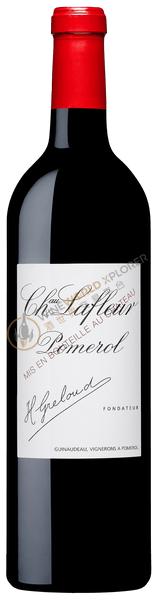
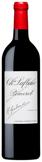
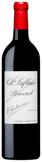
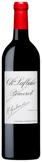
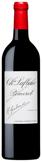
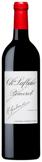
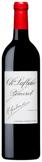
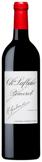
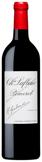
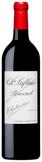
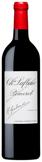
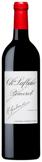
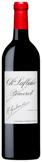
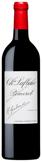
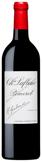
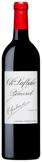
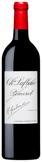
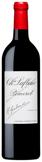
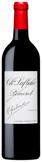
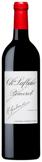
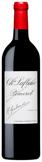
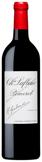
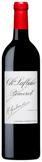
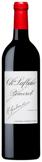
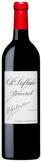
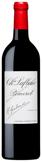
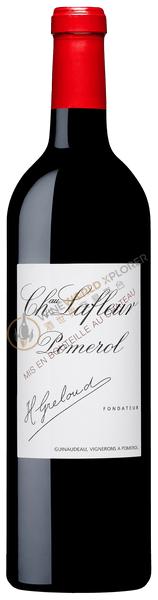
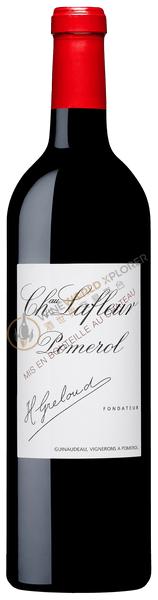
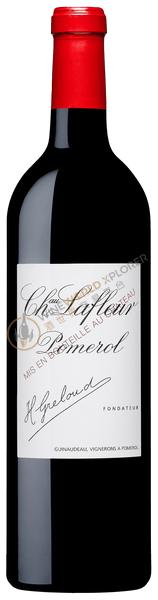
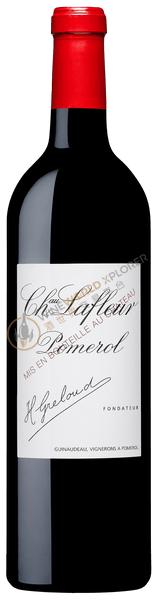
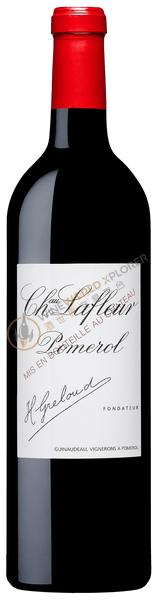
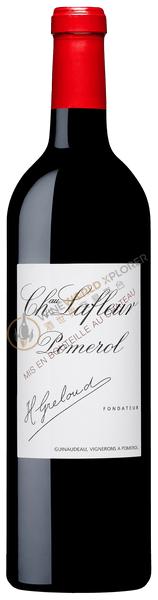
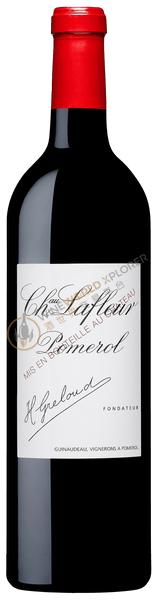
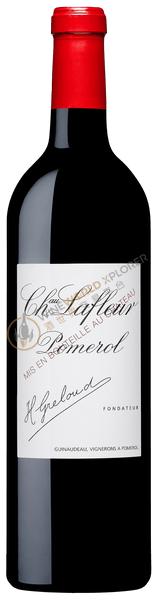
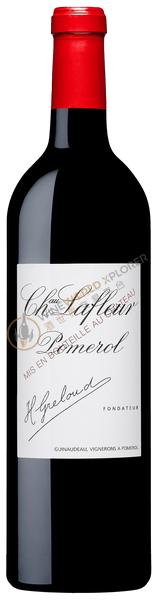
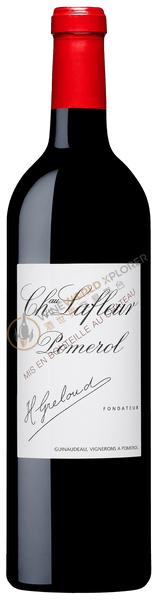
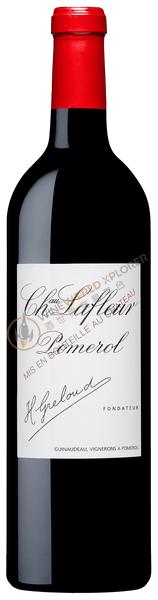
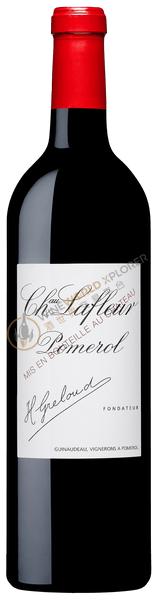
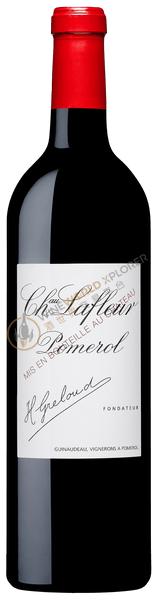
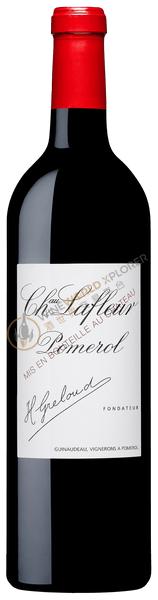
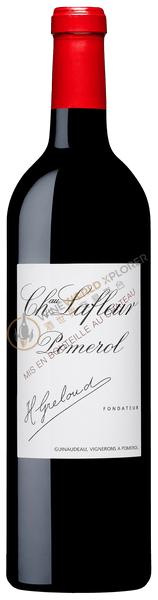
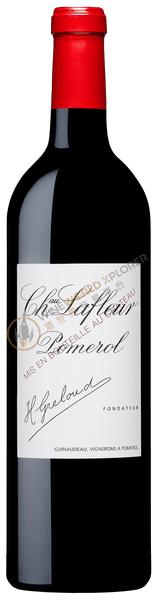
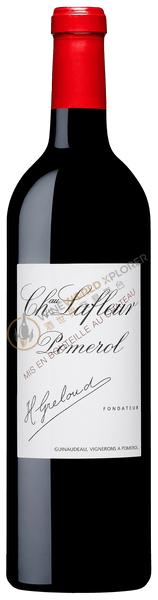
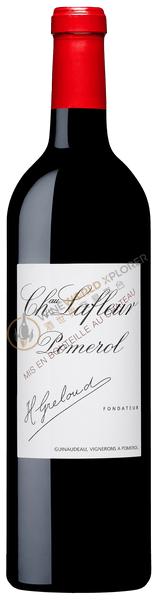
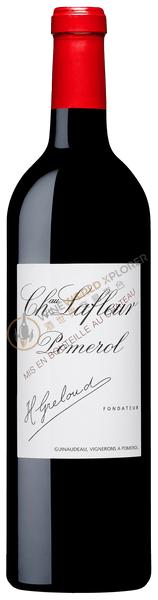
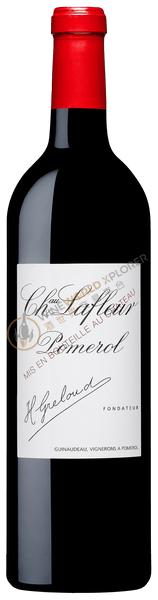
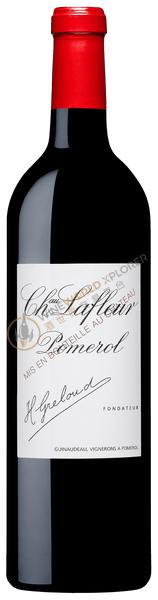
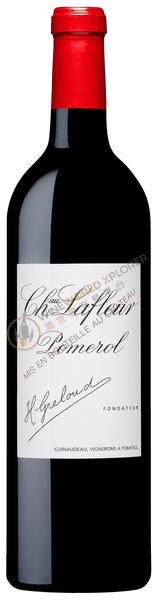
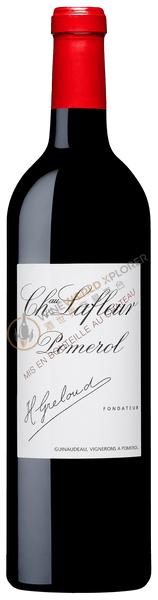
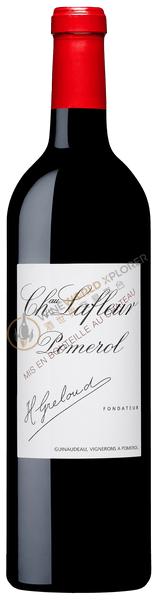
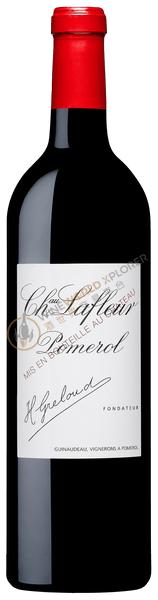
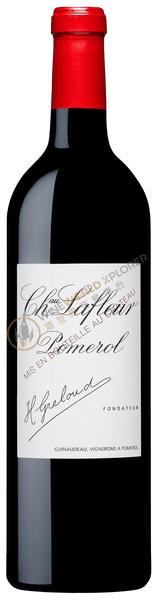
Lafleur 1975
 View analysis


Description
Château Lafleur is a tiny 4.5-hectare Pomerol property located opposite Pétrus and producing wines of comparable quality. Lafleur is owned and run by Sylvie and Jacques Guinadeau. Its vineyards are situated on the gravel-rich Pomerol plateau and adjoin those of La Fleur-Pétrus. The soils here are particularly deep and are enriched by deposits of potassium and iron. Only natural fertilisers are used and yields are painfully low, even by Pomerol standards. By the 1980s, Chateau Lafleur was on its way to becoming one of the world’s most in-demand wines selling for more than the First Growths. In 1975, Robert Parker made his first visit to the estate and since then never stopped writing about the wine. His comments on Chateau Lafleur excited consumers all over the world, and thus became one of those Pomerol wines that tied to the success and continuous praise heaped on the wine by Robert Parker.
Tasting notes

Reviewed by: Robert M. Parker, Jr.
True to form in this tasting, the 1975 Lafleur is even younger, denser, more powerful, and, yes, more concentrated than the 1975 Petrus. Lafleur possesses a mind-boggling inner-core of highly-extracted fruit, something that was not achieved in such great Lafleurs as 1982, 1985, 1988, 1989, and 1990. Still extremely tannic, with an opaque purple/black/garnet color, the wine exhibits a huge nose of jammy black fruits, earth, minerals, and spice. Massively proportioned, with a boat-load of tannin to shed, this is a wine for the 21st century. This monumental wine may behave like some of the great 1928s. If you own large stocks of the 1975 Lafleur, open a bottle and decant it for about 4-6 hours before drinking. However, if you only have a few bottles in your cellar, I recommend holding them until at least the turn of the century. This is another 50-75 year wine from an irregular, perplexing, yet sometimes exhilarating vintage. The notes for this wine are taken from the description of Series I of the 1995 tasting conducted in Munich by Helga and Hardy Rodenstock. Many years after the tasting from which this note derives allegations were made concerning the authenticity of old and rare bottles of wine sold by Hardy Rodenstock to collectors around the world. The matter has been the subject of numerous articles, litigation and at least one book. Mr. Parker believes that the wines served to him at this tasting were authentic so this note and the others from that specific tasting continue to be posted on eRobertParker.com.
Reviewed by: Robert M. Parker, Jr.
(Magnum) Last Tasted 6/92 This wine needs another 10-15 years of cellaring, but it is one of the most impressive Pomerols I have ever tasted. The exotic nose of minerals, raisiny-like, plummy/cherry fruit, and truffles is compelling. An astonishingly rich wine, it is unctuous and super-concentrated, as well as crammed with high levels of hard tannins. A legitimate question regarding many 1975s is whether or not the fruit will fade before the tannins melt away. In the top examples where there is the extraction of fruit necessary to balance out the hardness, the wines will prove uncommonly long-lived, in the mold of such vintages as 1945 and 1928. This will be one of the monuments of the 20th century.
Reviewed by: Neal Martin
Quite an amazing wine. Very deep, almost opaque hue - much deeper than the 1978 and 1979. The nose is very rich with dark chocolate, espresso with a touch of cepes mushroom. It is so decadent I might have mistaken it for a mature New World wine. But the palate is definitely Bordeaux, definitely Pomerol. Very tannic with black truffle, cigar box with a savory dimension. Again there is that gingerbread note seen on the 1985. Full-bodied - a gargantuan wine from another era. Very fresh and focused on the finish. This is the best Lafleur of the 1970's for me, better than the 1979. Fabulous. Drink over 10-20 years. September 2004.
Reviewed by: Robert M. Parker, Jr.
Tasted 13 Times With Consistently Improving And Remarkable Notes The 1975 Lafleur is a monster wine. While it is fashionable to criticize the 1975 vintage, it is a spectacular year for many Pomerols. There are some terrific successes that may prove to be the modern day equivalents of the 1928 vintage (i.e., La Mission-Haut-Brion, Leoville Las-Cases, Leoville-Barton, Petrus, L'Evangile, Le Gay, Trotanoy, and Latour). The 1975 Lafleur needs, and I underscore the word needs, another 20 years of cellaring. It reveals a dark purple/garnet color, with no amber at the edge. The nose reluctantly offers up aromas of minerals, flowers, licorice, coffee, and cassis. There is awesome concentration, as well as a frightfully high tannin level. I have enjoyed it when it has been decanted for 2-3 hours before serving. The wine exhibits sweet fruit, and it has the potential to achieve perfection around 2010. This should prove to be the most enormous, concentrated, and backward wine of the 1975 vintage, with perhaps 70-100 years of longevity. It is a monumental effort.
Reviewed by: Robert M. Parker, Jr.
(Magnum) I had the 1975 Lafleur on three separate occasions in 1993 and it is a monster wine. While it is now fashionable to criticize the 1975 vintage, it is a spectacular year for many Pomerols. There are some terrific successes that may prove to be the modern day equivalents of the 1928 vintage (i.e., La Mission-Haut-Brion, Leoville Las-Cases, Leoville-Barton, Petrus, L'Evangile, Le Gay, Trotanoy, and Latour). The 1975 Lafleur needs, and I underscore the word needs, another 20 years of cellaring. It reveals a dark purple/garnet color, with no amber at the edge. The nose reluctantly offers up aromas of minerals, flowers, licorice, coffee, and cassis. There is awesome concentration, as well as a frightfully high tannin level. I have enjoyed it when it has been decanted for 2-3 hours before serving. This magnum, which was the most astringent and toughest of the three bottlings, on its own merited a 96-97+ rating. The two regular bottlings, which exhibited more sweet fruit, had the potential to achieve perfection around 2010. This should prove to be the most enormous, concentrated, and backward wine of the 1975 vintage, with perhaps 70-100 years of longevity. It is a monumental effort.
Reviewed by: Robert M. Parker, Jr.
At one time a perfect wine, my three-digit score has dropped simply because I am not sure the huge tannins this wine possesses will ever fully melt away. Nevertheless, it is still one of the greatest wines I have ever tasted for its tremendous singularity and intensity. The color is still a murky plum/purple that shows a bit of amber at the edge. The nose is strikingly intense, with an almost liquid minerality intermixed with fig, truffle, spice, plum, and black cherry as well as blueberry. In the mouth the wine is massive, with searing levels of tannins, but monumental levels of extract and concentration. I would not be surprised if some of the great 1928s or 1945s tasted like this in their first 20 years of life. This wine is still very backward, yet with decanting of 6-10 hours (the normal operative procedure when opening this wine), the wine is prodigious. A 50 to 75-year wine? Anticipated maturity: 2005-2050. Last tasted, 8/02.
About the Producer
In 2002, the Gwinoders completely acquired Lafleur, becoming the sole owner of Lafleur, and have been operating it ever since. Huabao now has 4.5 hectares of vineyards. The soil types in the garden are diverse, including gravel, clay and gravel. Generally speaking, these soils are relatively poor and very suitable for grape planting. Among the grape varieties planted in the vineyard, Merlot (Merlot) and Cabernet Franc (Cabernet Franc) are equally divided, each accounting for 50%, the planting density is 6,000-7,500 plants/ha, and the average tree age is 30 years.
Package Size