Wine Advisor



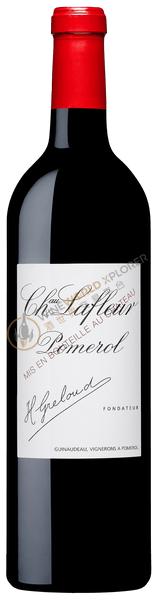
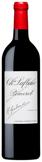
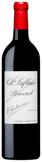
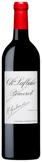
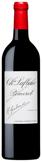
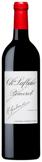
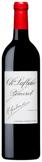
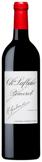
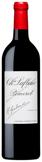
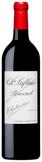
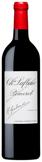
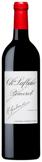
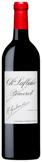
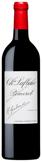
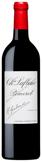
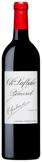
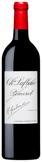
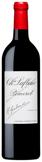
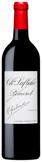
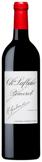
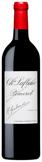
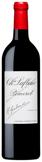
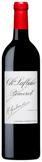
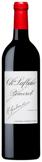
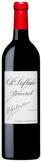
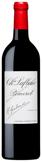
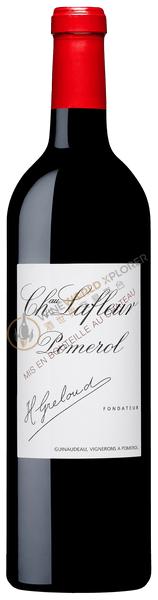
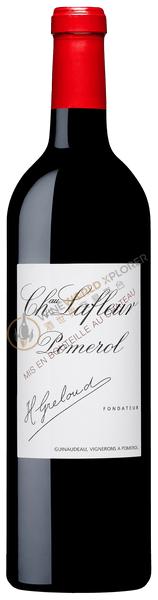
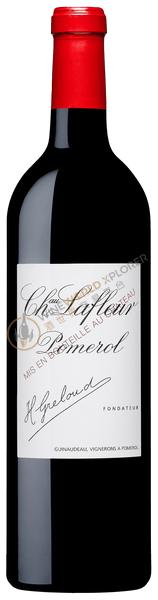
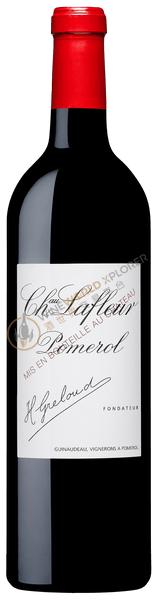
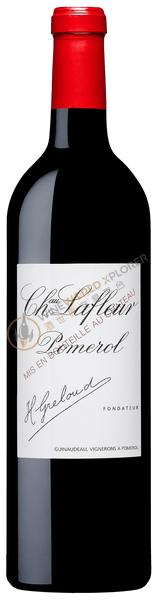
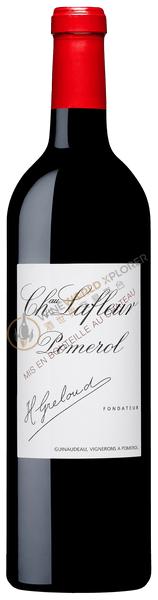
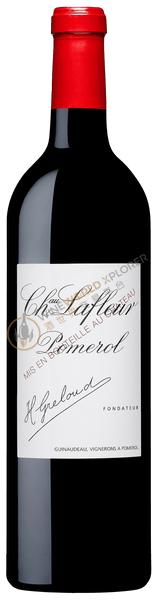
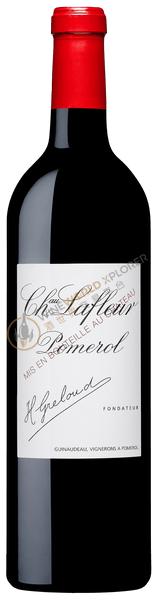
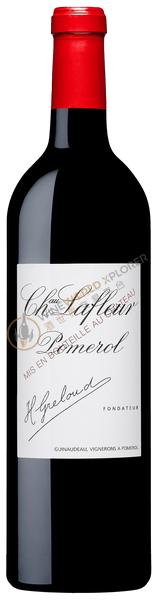
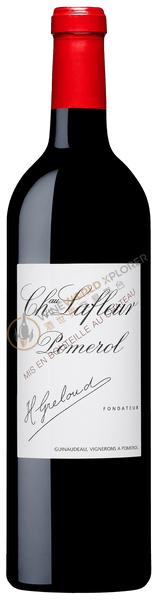
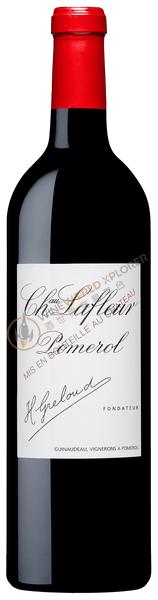
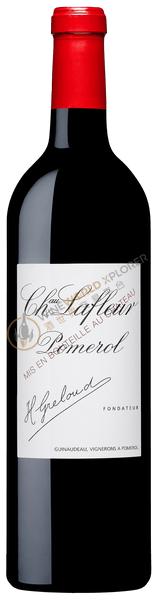
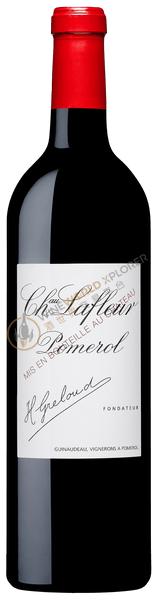
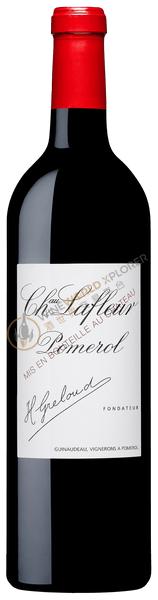
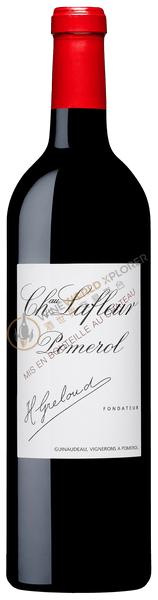
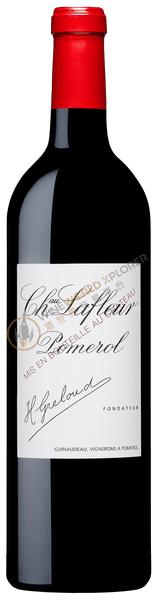
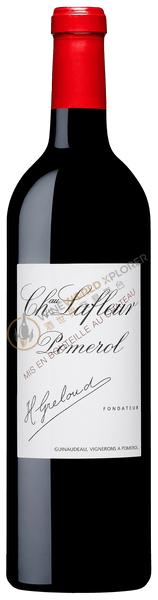
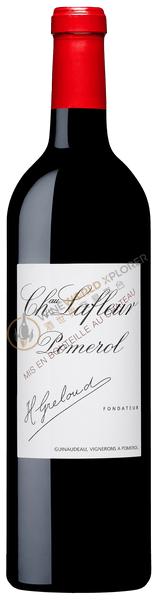
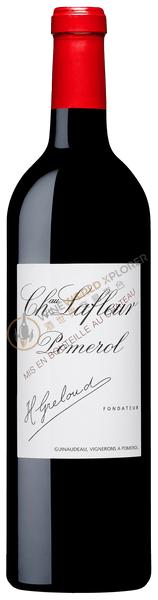
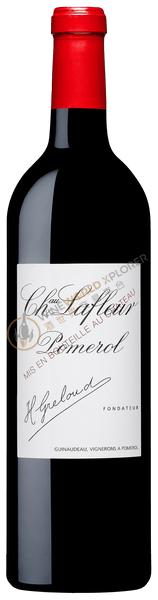
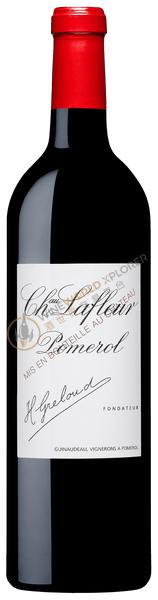
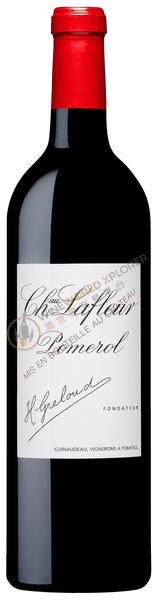
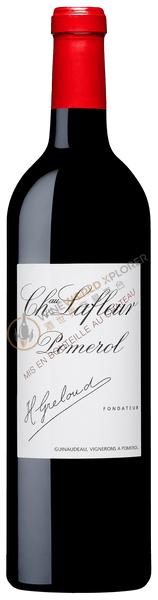
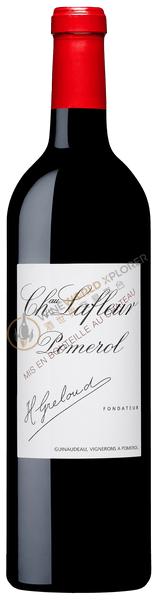
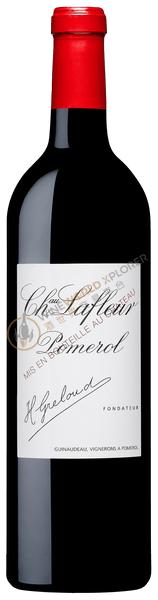
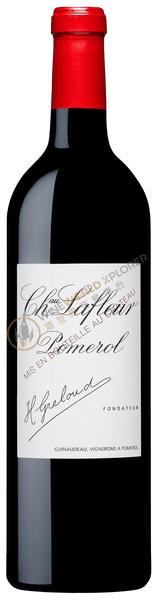
Lafleur 1985
 View analysis


Description
Château Lafleur is a tiny 4.5-hectare Pomerol property located opposite Pétrus and producing wines of comparable quality. Lafleur is owned and run by Sylvie and Jacques Guinadeau. Its vineyards are situated on the gravel-rich Pomerol plateau and adjoin those of La Fleur-Pétrus. The soils here are particularly deep and are enriched by deposits of potassium and iron. Only natural fertilisers are used and yields are painfully low, even by Pomerol standards. By the 1980s, Chateau Lafleur was on its way to becoming one of the world’s most in-demand wines selling for more than the First Growths. In 1975, Robert Parker made his first visit to the estate and since then never stopped writing about the wine. His comments on Chateau Lafleur excited consumers all over the world, and thus became one of those Pomerol wines that tied to the success and continuous praise heaped on the wine by Robert Parker.
Tasting notes

Reviewed by: Robert M. Parker, Jr.
I believe the 1985 Lafleur is a far bigger wine than the 1985 Petrus. It possesses a tight but promising bouquet of ripe plums, black-cherries, minerals, tea, and spices. Deep ruby/purple, with an exceptional richness and depth of fruit, full body, and a powerful, long, tannic finish, this wine is completely closed, even monolithic and muted. It is evolving much more slowly than I predicted. Anticipated maturity: 2000-2020. Last tasted, 6/93.
Reviewed by: Neal Martin
First tasted in December 2003: deep garnet core with little aging on the rim. The nose is very rich: sultanas, baked black cherries and a note of sur-maturite. Very perfumed and sexy. The palate has silky smooth tannins, very fleshy, opulent and voluptuous. Certainly more depth and harmony than Petrus. Quite high-toned with wild-strawberries and dates. Perhaps a little too ostentatious than I would have liked, but still utterly irresistible. This wine has all the curves in the right places. Decadent. Drinking now but will last for years. Tasted again at the Lafleur vertical September 2004.. Very similar to before, perhaps this time not allowed to unfurl its full glory. A divine nose of black cherry, savory fruits with a touch of gingerbread and mint leaf. The palate just has a gorgeous, satin texture, seamless tannins: sensuous and sexy. More depth on the palate that the 1983. Very elegant. I would drink this now rather than wait.
Reviewed by: Robert M. Parker, Jr.
A Possible Legend Candidate
Reviewed by: Robert M. Parker, Jr.
The 1985 Lafleur is a much larger-scaled wine than the 1985 Petrus. It possesses a very special bouquet suggesting ripe plums, minerals, violets, and an intensity that comes only from old vines. Deep ruby/purple, with an exceptional richness and depth of fruit, full body, and a powerful, long finish, this wine ranks with the mammoth-sized vintages of Lafleur--1989, 1988, 1986, 1982, 1979, 1975, and 1964. Anticipated maturity: Now-2015. Last tasted, 1/91.
Reviewed by: Neal Martin
Tasted from an ex-chateau bottle at the Lafleur vertical dinner at Attersee in Austria. This is one of my favourite vintages of Chateau Lafleur that marked Jacques Guinaudeau’s debut. This particular sample was not quite in the league of previous bottles…but it is certainly no slouch. Here, it displays a wondrous bouquet of raspberry and mulberry fruit with strong black truffle aromas sprinkled generously atop. The palate is medium-bodied with very fine tannins – quite meaty in style thanks to the Cabernet Franc. There is a sublime sense of symmetry here with a touch of brine towards the finish that does not quite possess the lustre that is showed several years ago when this may have been at its peak. Still, it is a fabulous Pomerol. Tasted June 2012.
Reviewed by: Neal Martin
Poured from magnum, this is the finest example of the Lafleur ’85 that I have encountered since my first bottle a decade ago. It is an incredibly deep colour. The nose is capricious and unbelievably complex with undergrowth, animal fur, black truffle, black olive compote and sage. It is truly a nose you just want to sit and inhale all evening. The palate is beautifully balanced with perfectly judged acidity and a profound weightless intensity that is utterly compelling. It has the structure to suggest that it will age for many years yet and that cheeky brine note on the aftertaste is a joy to behold. Tasted November 2012.
Reviewed by: Neal Martin
Tasted at John Armit’s Lafleur dinner. The 1985 has a sensational Lafleur that is utterly captivating. The heavenly bouquet has breathtaking definition: mulberry, raspberry, a touch of charcoal and graphite. It just soars from the glass, opening up with every minute, though not as voluptuous as previous bottles. The palate is youthful, backward but exquisitely balanced with a lattice of filigree tannins. The ’85 is opulent rather than decadent with ebullient, succulent red-berried fruit tinctured with espresso on the sumptuous finish that lasts an eternity. Awesome! Drink 2013-2030. Tasted April 2010.
Reviewed by: Robert M. Parker, Jr.
This is one of the greatest wines of the vintage, possibly the slowest-to-mature wine of the vintage, and potentially its longest lived. Tasted next to Petrus twice in 2002, the 1985 Lafleur seemed like it came from a different vintage. It was not herbal like the Petrus, far denser, the color more saturated than the Petrus, and more body, volume, and intensity than the Petrus. In fact, the Petrus looked like an emaciated, herbaceous, thin cousin to Lafleur. This wine is very special, with notes of figs, plums, minerals, violets, black raspberries, and licorice. Still a dense saturated ruby/purple with full body, great purity, and fabulous fruit, this is an immense vintage for Lafleur, and certainly ranks one of the great wines this small micro-estate has ever produced. Anticipated maturity: 2008-2030. Last tasted, 8/02.
About the Producer
In 2002, the Gwinoders completely acquired Lafleur, becoming the sole owner of Lafleur, and have been operating it ever since. Huabao now has 4.5 hectares of vineyards. The soil types in the garden are diverse, including gravel, clay and gravel. Generally speaking, these soils are relatively poor and very suitable for grape planting. Among the grape varieties planted in the vineyard, Merlot (Merlot) and Cabernet Franc (Cabernet Franc) are equally divided, each accounting for 50%, the planting density is 6,000-7,500 plants/ha, and the average tree age is 30 years.
1975(1)1976(1)1982(1)
Package Size