Wine Advisor



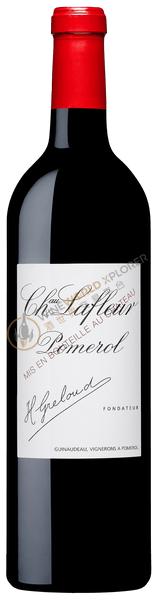
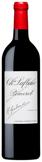
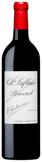
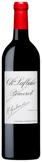
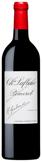
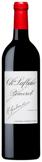
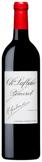
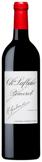
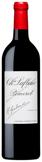
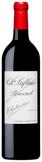
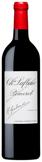
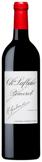
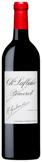
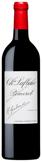
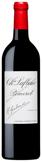
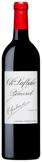
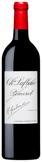
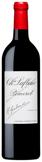
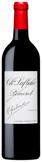
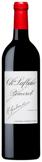
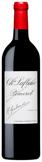
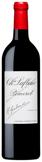
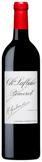
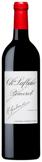
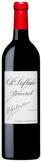
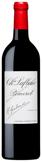
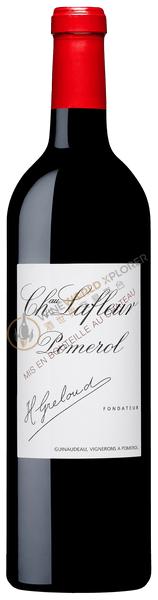
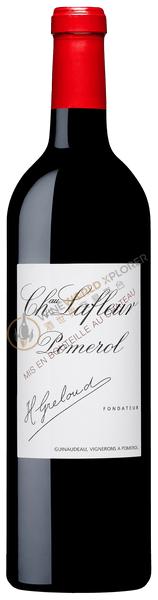
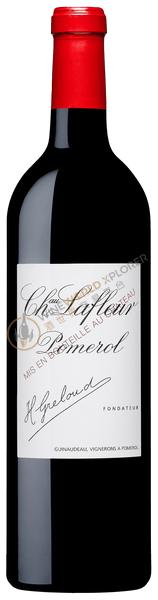
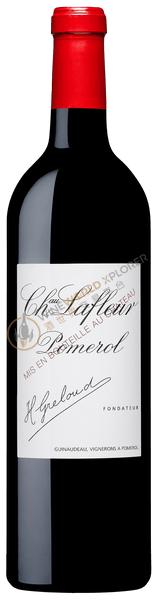
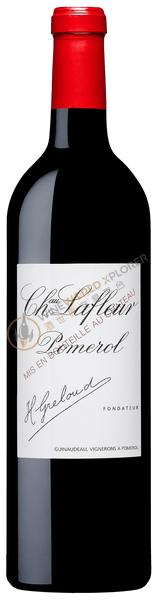
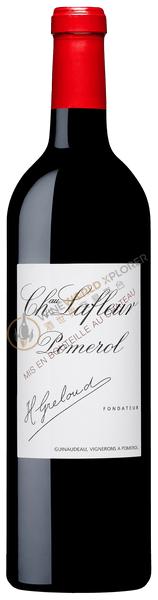
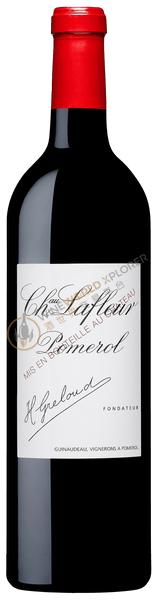
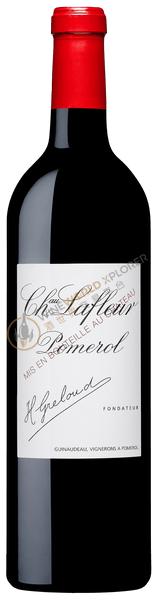
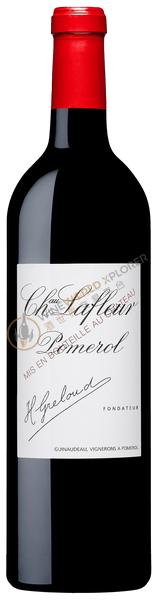
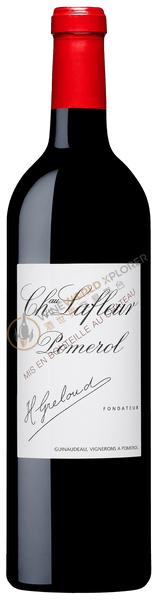
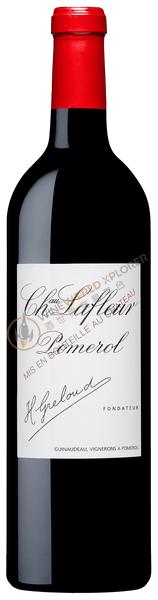
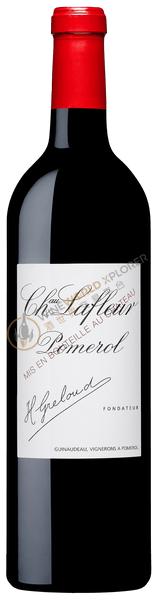
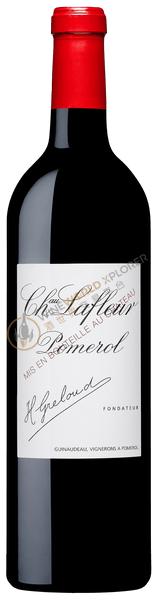
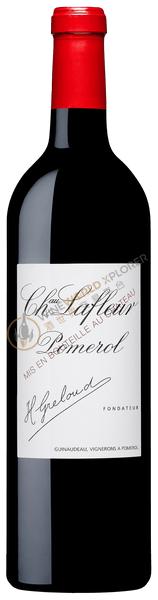
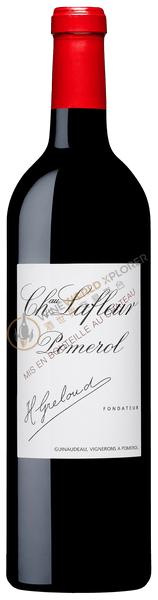
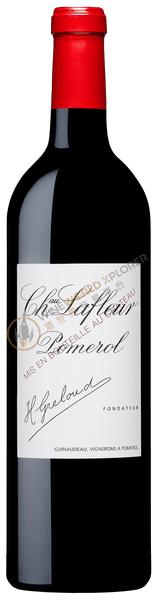
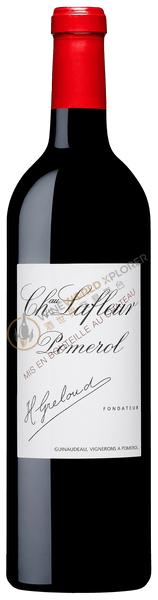
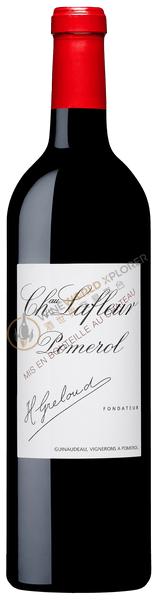
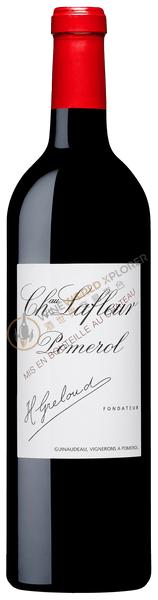
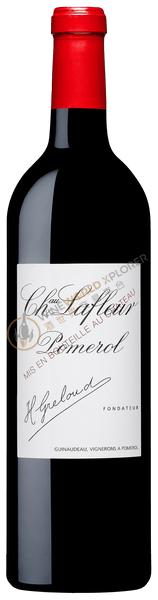
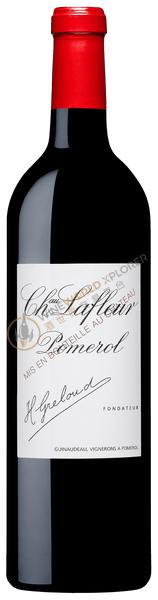
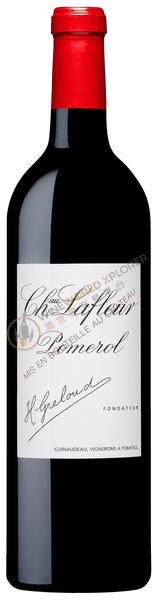
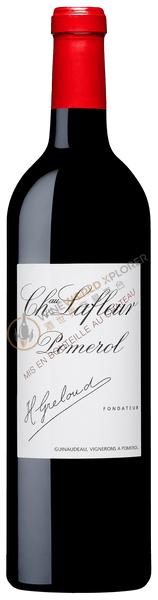
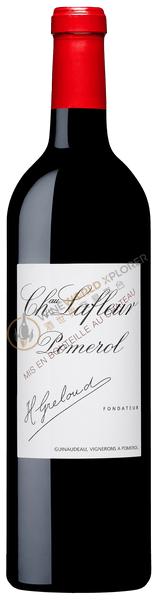
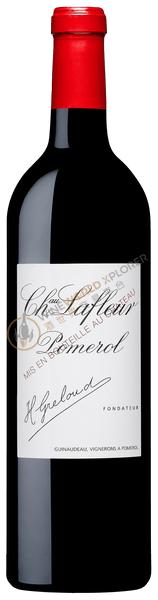
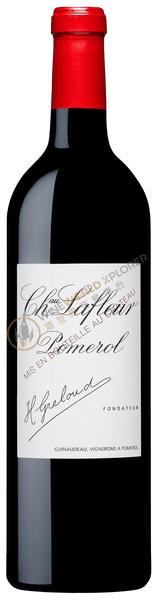
Lafleur 1998
 View analysis


Description
Château Lafleur is a tiny 4.5-hectare Pomerol property located opposite Pétrus and producing wines of comparable quality. Lafleur is owned and run by Sylvie and Jacques Guinadeau. Its vineyards are situated on the gravel-rich Pomerol plateau and adjoin those of La Fleur-Pétrus. The soils here are particularly deep and are enriched by deposits of potassium and iron. Only natural fertilisers are used and yields are painfully low, even by Pomerol standards. By the 1980s, Chateau Lafleur was on its way to becoming one of the world’s most in-demand wines selling for more than the First Growths. In 1975, Robert Parker made his first visit to the estate and since then never stopped writing about the wine. His comments on Chateau Lafleur excited consumers all over the world, and thus became one of those Pomerol wines that tied to the success and continuous praise heaped on the wine by Robert Parker.
Tasting notes

Reviewed by: Robert M. Parker, Jr.
Given how profound some of the 1998 Pomerols are, and my adoration of this estate's wines, I had expected to be astonished by the 1998 Lafleur. Perhaps it was the fact that I tasted it sandwiched between Trotanoy and Petrus, although I am usually able to compartmentalize and forget about what's on either side of a particular wine. In any event, this appears to be an outstanding effort, but less massive and more civilized than I would have expected given the vintage character of many Pomerols. The wine exhibits a saturated purple color, and a sweet nose of kirsch and spice. In the mouth, it is medium-bodied, tannic, and concentrated, with a restrained, surprisingly elegant personality. It is impressively pure, with outstanding length, but I cannot see it turning out to be profound. Anticipated maturity: 2008-2025.
Reviewed by: Robert M. Parker, Jr.
A blockbuster, massive 1998 Lafleur (built along the lines of the 1998 Petrus or Trotanoy) was expected, but this is an elegant, ruby/purple-colored effort with a sweet mineral, earth, spice, and kirsch liqueur-scented nose. It possesses excellent purity, fine overall equilibrium, medium body, and noticeable tannin in the finish. Black raspberry characteristics emerge with airing, but the wine seems polite and restrained ... at least at this stage. Anticipated maturity: 2006-2020.
Reviewed by: Neal Martin
Very deep garnet/purple core. A lovely, precocious nose of blueberry, blackcurrant and well integrated new oak. A masculine palate, tannic, great definition and invigorating acidity. The mid-palate is very harmonious with pure black fruits, a touch of tobacco and something sweet (dates?) It just lacks a little depth and persistency on the finish, not as complete as Petrus. But still a superb 1998 to drink in 10 to 15 years. Tasted September 2004.
Reviewed by: Neal Martin
Tasted from an ex-chateau bottle at the Lafleur vertical dinner at Attersee in Austria. I cannot believe how long it is since I last encountered this 1998 Lafleur! I am not quite as enthused as when I first tasted it back in 2004. Deep in colour, one notices a very rich, opulent bouquet that has a lactic tincture. This subsides in the glass to reveal touches of creme de cassis, blueberry and hints of dark chocolate. The palate is full-bodied, rich and powerful, although analyzing the wine against the 2001, one notices less tension and delineation, more glycerine on the 1998. It is a “sexy” Lafleur, but I am not quite sure if that fits comfortably with its signature style. I am sure others might like it more than myself and I would be able to understand why, even if I would not agree. Tasted June 2012.
Reviewed by: Robert M. Parker, Jr.
If the fruit holds, and this wine does not dry out, it will merit an outstanding score. However, readers need to be cautioned that this is an austere, frightfully tannic Lafleur that is somewhat atypical for this property. The wine is loaded as well as concentrated (dusty black cherry fruit dominates), but from both barrel and bottle it has consistently revealed a hard, astringent edge. It comes across more like a Medoc than a right bank offering. If the fruit holds up, it could turn out spectacular, but the ragged tannin and leathery, dusty components are worrisome. Anticipated maturity: 2010-2035?
Reviewed by: Robert M. Parker, Jr.
This wine was incredibly tannic and backward from cask, but out of bottle it has shrugged off the excess tannin and seems to be developing far better than I thought it would. The color is dense/ruby purple, and the wine shows notes of sweet kirsch and blackberry liqueur, with a liquid minerality and a hint of violets. The wine is full-bodied, quite tannic, very dense and backward, but gorgeously concentrated, pure, and intense. This looks to be a classic Lafleur meant for significant long-term aging. Anticipated maturity: 2015-2040+. Last tasted, 11/02.
About the Producer
In 2002, the Gwinoders completely acquired Lafleur, becoming the sole owner of Lafleur, and have been operating it ever since. Huabao now has 4.5 hectares of vineyards. The soil types in the garden are diverse, including gravel, clay and gravel. Generally speaking, these soils are relatively poor and very suitable for grape planting. Among the grape varieties planted in the vineyard, Merlot (Merlot) and Cabernet Franc (Cabernet Franc) are equally divided, each accounting for 50%, the planting density is 6,000-7,500 plants/ha, and the average tree age is 30 years.
1975(1)1976(1)1982(1)1985(1)1988(1)1989(1)1990(2)1993(1)1994(2)1995(3)1996(4)1997(3)
Package Size