Wine Advisor



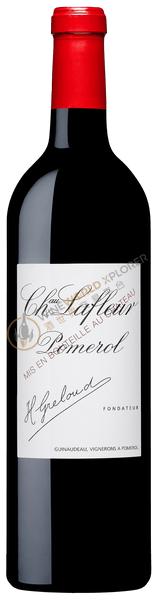
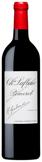
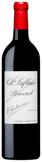
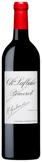
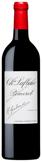
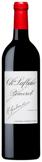
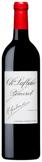
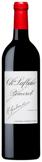
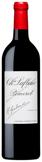
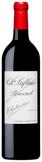
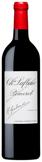
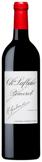
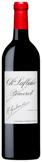
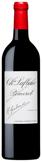
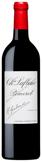
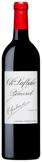
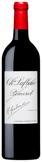
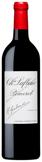
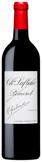
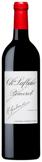
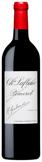
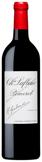
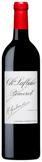
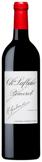
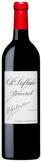
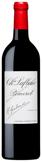
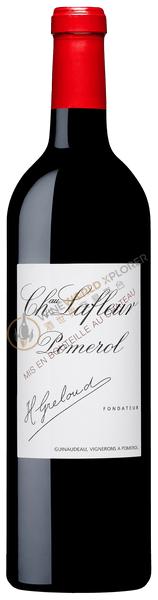
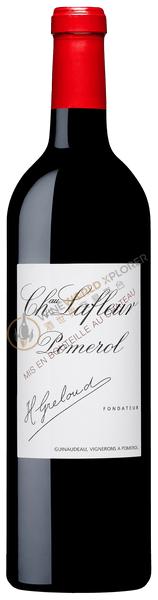
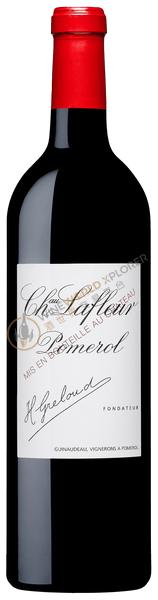
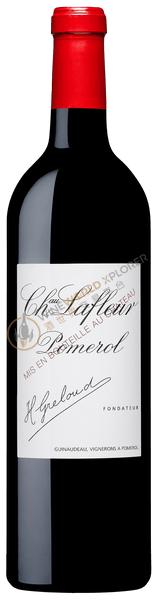
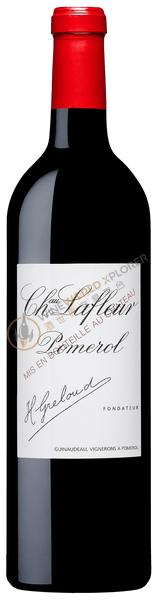
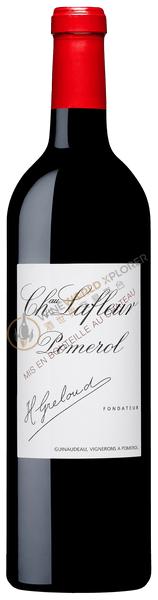
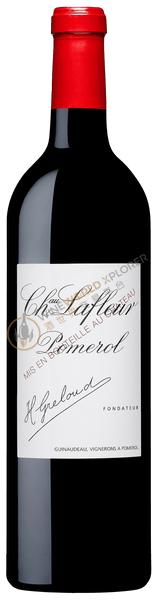
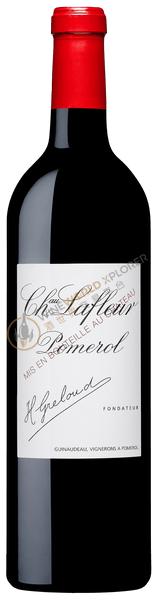
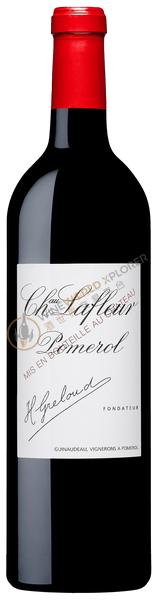
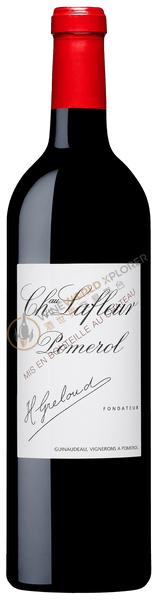
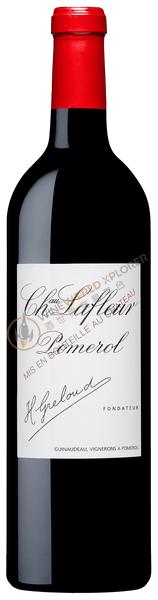
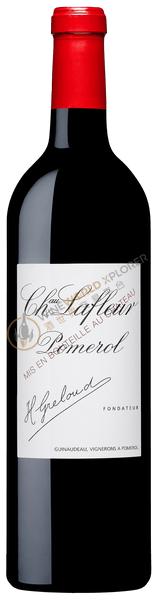
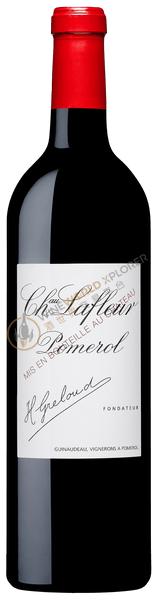
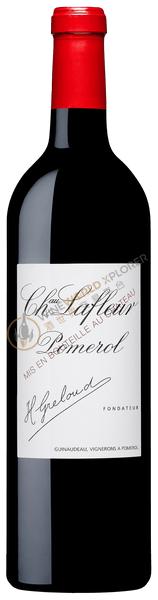
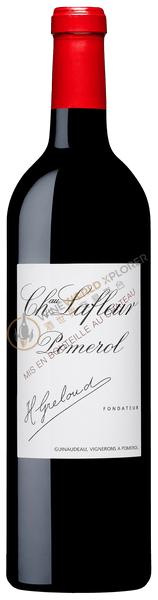
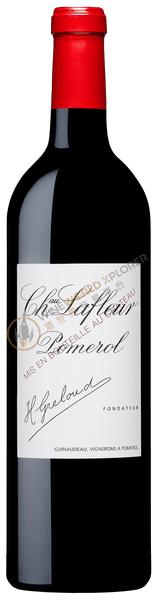
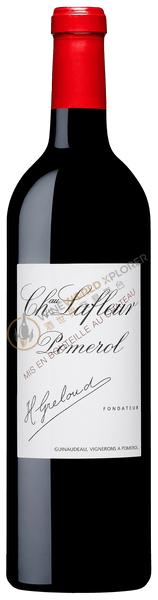
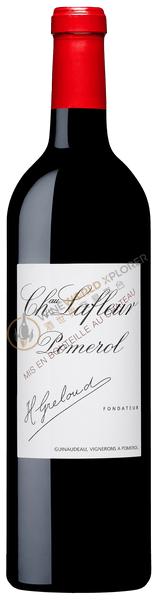
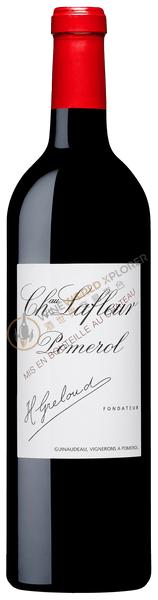
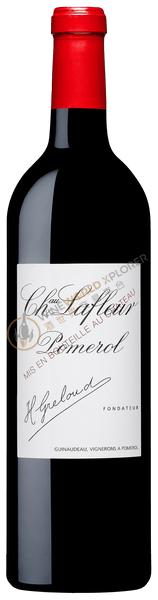
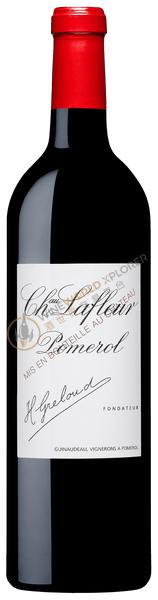
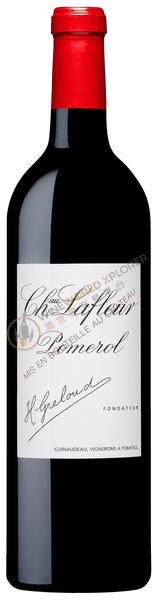
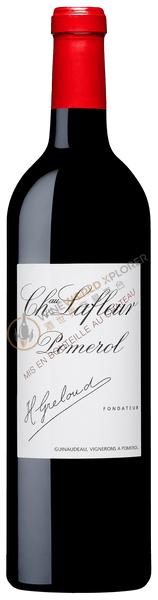
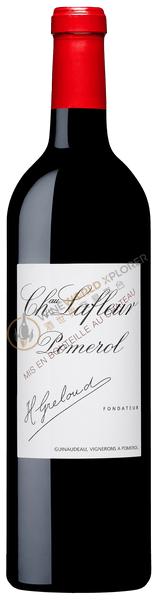
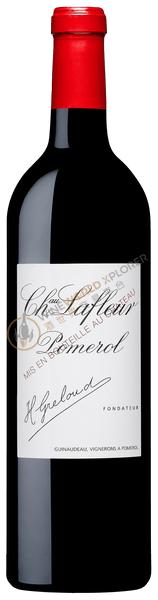
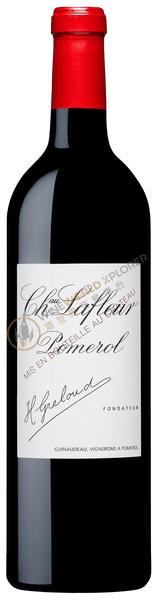
Lafleur 1996
 View analysis


Description
Château Lafleur is a tiny 4.5-hectare Pomerol property located opposite Pétrus and producing wines of comparable quality. Lafleur is owned and run by Sylvie and Jacques Guinadeau. Its vineyards are situated on the gravel-rich Pomerol plateau and adjoin those of La Fleur-Pétrus. The soils here are particularly deep and are enriched by deposits of potassium and iron. Only natural fertilisers are used and yields are painfully low, even by Pomerol standards. By the 1980s, Chateau Lafleur was on its way to becoming one of the world’s most in-demand wines selling for more than the First Growths. In 1975, Robert Parker made his first visit to the estate and since then never stopped writing about the wine. His comments on Chateau Lafleur excited consumers all over the world, and thus became one of those Pomerol wines that tied to the success and continuous praise heaped on the wine by Robert Parker.
Tasting notes

Reviewed by: Robert M. Parker, Jr.
In spite of being made primarily from Cabernet Franc, with little Merlot in the blend, this wine appears to be shaping into form, although it will undoubtedly require 15-20 years of cellaring. However, if you are looking for a wine to purchase for your children or grandchildren, read on. The color is a dense purple, and the wine is austere yet classic. The aromatics consist of cherry and black raspberry fruit intermixed with kirsch, minerals, and truffles. The wine is full-bodied, ferociously tannic, and superbly concentrated, but the searing tannin is likely to scare off all but the most adventurous tasters. This Lafleur will probably age for 50-60 years. The question is ... when will it ever be drinkable? My best guess is between 2020-2045.
Reviewed by: Robert M. Parker, Jr.
Lafleur's 1996 is a highly-extracted, high acid, opaque purple-colored wine that has totally closed, and difficult to assess. The fruit is admirably pure, but the high level of astringent, hard tannin may be excessive for the wine's size. This is a masculine, excessively muscular, structured Lafleur that should develop at a tortoise's pace - say 20-30 years! It may represent a modern-day version of Lafleur's 1952, which just became drinkable in the last 7-8 years. Interestingly, the selection at Lafleur was brutal, with the final blend resulting in a wine that is nearly 100% Cabernet Franc - the first time this has ever occurred. The Merlot was considered too diluted to be utilized. Anticipated maturity: 2010-2030.
Reviewed by: Neal Martin
Tasted from an ex-chateau bottle at the Lafleur vertical dinner at Attersee in Austria, this is my first encounter with the 1996 and I was hoping that it was better than the disappointing Petrus 1996. It is better that its neighbour, although the challenging growing season seems to inhibit its ambitions. The nose is driven by the expressive Merlot component of the blend with lifted red fruit of raspberry, cranberry, black truffles and later accompanied by a hint of mocha. The aromatics seem to gain intensity in the glass. The palate is medium-bodied with firm tannins and impressive fruit concentration. Powerful and burly, it does not possess the finesse or delineation of the 1995, but the sinewy finish is attractive. This is a Lafeur whose ambitions were stunted by the growing season. Tasted June 2012.
Reviewed by: Robert M. Parker, Jr.
As I suspected, the 1996 Lafleur is a painfully backward, austere wine that represents a modern day clone of this estate's 1966. It possesses a backward, tannic, Medoc-like character, with none of Pomerol's hallmark generosity. The wine exhibits a saturated dark purple color, as well as a distinctive mineral, black raspberry, and berry-scented nose with the steely, mineral Lafleur character well-displayed. Powerful, long, and rich, but excruciatingly tannic, this wine may or may not resolve all of its tannin. In short, it is an impressively constituted wine that is no sure thing. Anticipated maturity: 2012-2025.
Reviewed by: Neal Martin
The 1996 Lafleur is not a vintage that I have seen much, although the bottom line is that in this tricky Right Bank season it is better than the disappointing Petrus. Raspberry, black truffle and leather on the rather lean nose, the palate stocky and burly if missing the refinement and precision of a great vintage. There is a sense of attractiveness to this Lafleur, but it does lack that crucial ingredient – charm.
About the Producer
In 2002, the Gwinoders completely acquired Lafleur, becoming the sole owner of Lafleur, and have been operating it ever since. Huabao now has 4.5 hectares of vineyards. The soil types in the garden are diverse, including gravel, clay and gravel. Generally speaking, these soils are relatively poor and very suitable for grape planting. Among the grape varieties planted in the vineyard, Merlot (Merlot) and Cabernet Franc (Cabernet Franc) are equally divided, each accounting for 50%, the planting density is 6,000-7,500 plants/ha, and the average tree age is 30 years.
1975(1)1976(1)1982(1)1985(1)1988(1)1989(1)1990(2)1993(1)1994(2)1995(3)
Package Size