Wine Advisor



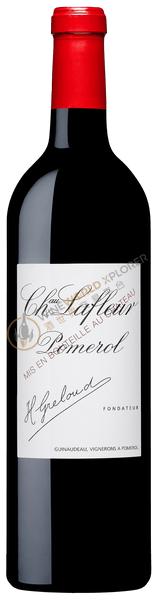
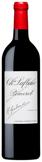
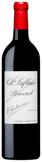
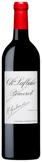
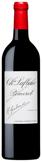
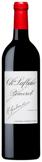
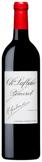
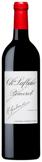
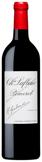
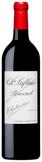
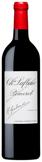
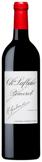
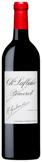
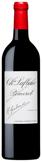
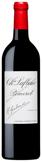
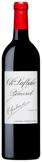
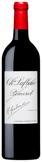
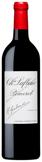
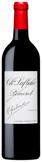
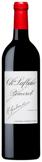
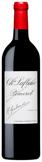
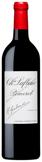
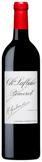
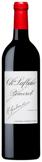
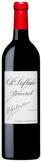
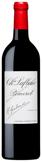
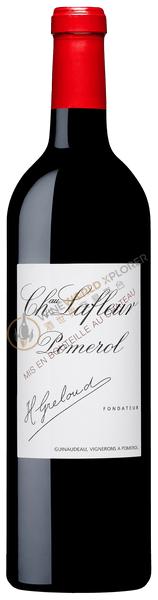
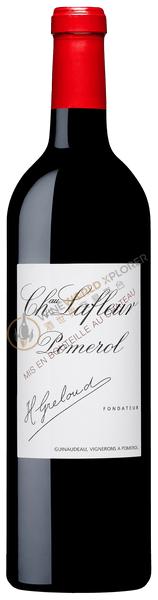
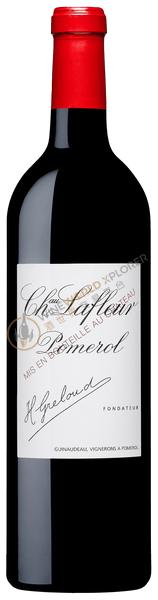
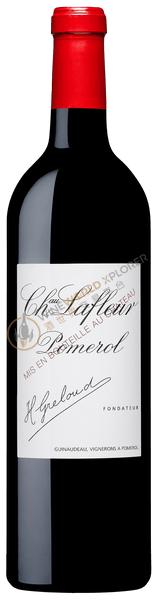
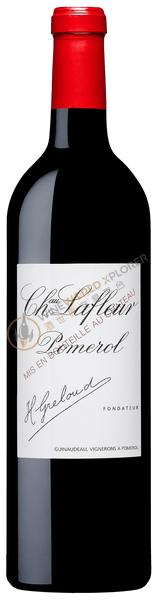
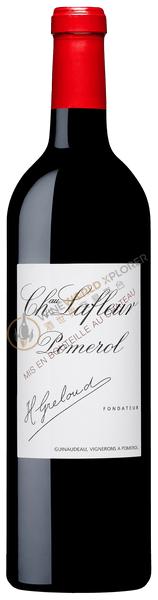
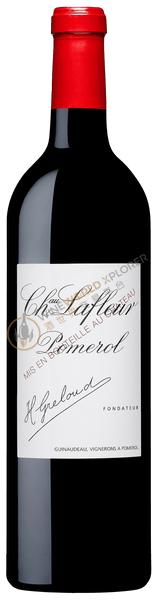
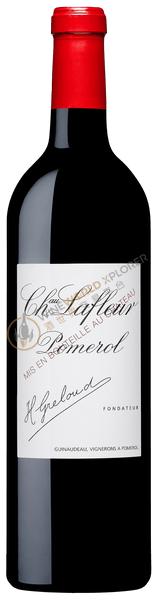
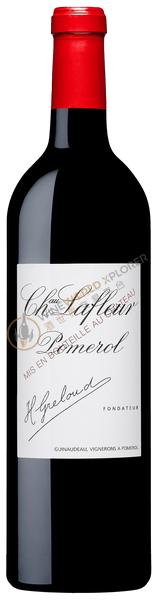
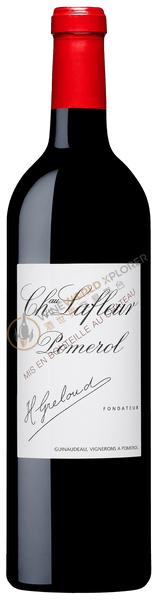
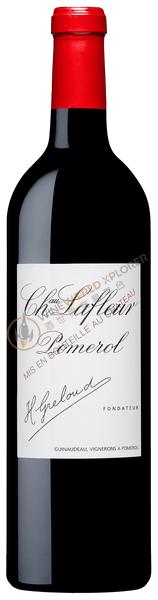
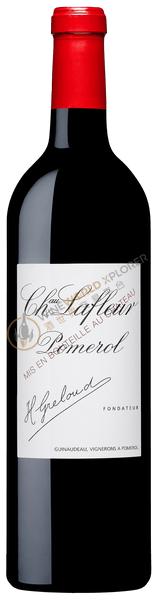
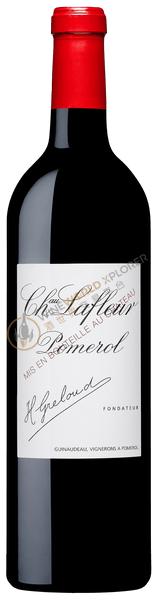
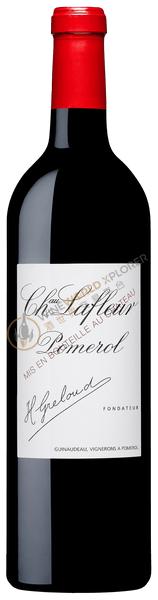
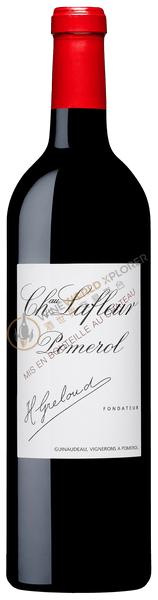
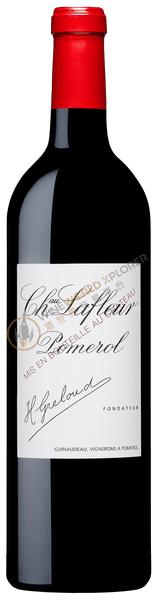
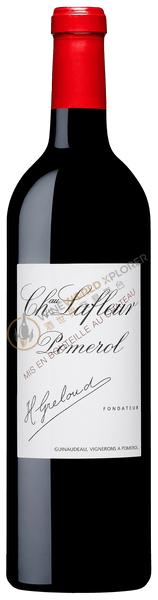
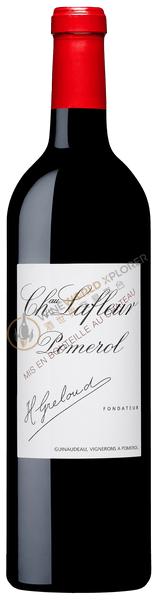
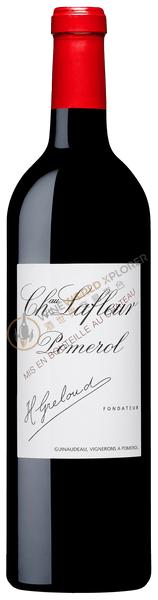
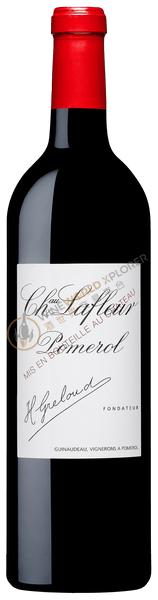
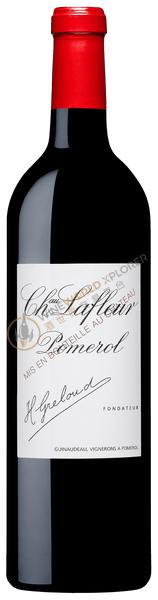
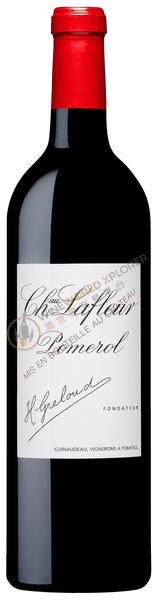
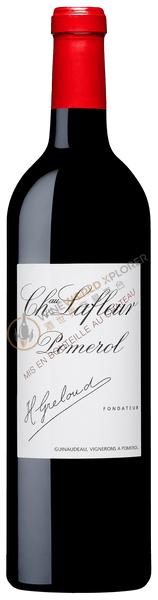
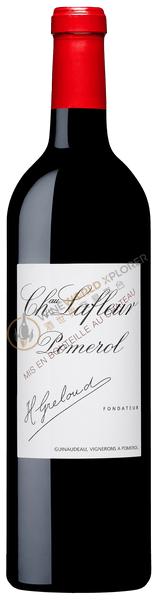
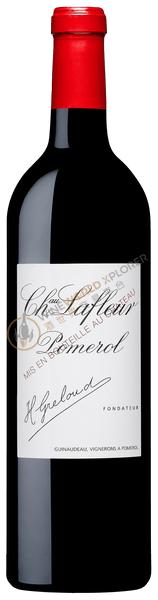
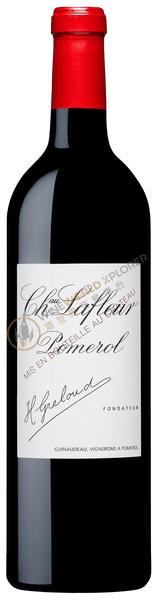
Lafleur 2010
 View analysis


Description
Château Lafleur is a tiny 4.5-hectare Pomerol property located opposite Pétrus and producing wines of comparable quality. Lafleur is owned and run by Sylvie and Jacques Guinadeau. Its vineyards are situated on the gravel-rich Pomerol plateau and adjoin those of La Fleur-Pétrus. The soils here are particularly deep and are enriched by deposits of potassium and iron. Only natural fertilisers are used and yields are painfully low, even by Pomerol standards. By the 1980s, Chateau Lafleur was on its way to becoming one of the world’s most in-demand wines selling for more than the First Growths. In 1975, Robert Parker made his first visit to the estate and since then never stopped writing about the wine. His comments on Chateau Lafleur excited consumers all over the world, and thus became one of those Pomerol wines that tied to the success and continuous praise heaped on the wine by Robert Parker.
Tasting notes

Reviewed by: Neal Martin
The Lafleur 2010 is more backward and laconic on the nose than the Petrus '10 tasted blind alongside, with broody earthy black fruit, hints of cedar and dried herbs. It is not as generous or as seductive as its peers, but it is very complex. The palate is medium-bodied with firm tannins, a huge structure and a dense finish laced with white pepper. Backward and broody, dry on the finish with a long savoury tail, this is a quintessential Lafleur that does not quite match the 2009, although it is not far off. Tasted January 2014.
Reviewed by: Robert M. Parker, Jr.
This tiny estate, run by the Guinaudeau family, has produced a 2010 Lafleur with the highest percentage of Cabernet Franc that they believe the estate has ever used (62% Cabernet Franc and the rest Merlot). An intense wine with sweet tannin, a dark ruby purple color, and pure black raspberry and cherry fruit, as well as hints of crushed rock and underlying subtle floral notes, the oak (which is never more than one-third) is completely concealed by the wine's intensity. In spite of its power, great texture, and richness, the overall impression is one of elegance and freshness. The tannins seems sweet, but I suspect this wine will shut down and not be drinkable for at least 7-8 years but keep for 30-40.
Reviewed by: Neal Martin
A blend of 62% Cabernet Franc and 38% Merlot cropped on 2nd and 3rd October and 22nd, 23rd and 28th September. The pH is 15% lower than in 2009 and the regular water and no excesses in temperature. Higher hydric stress that stopped the ripening and lowered the final alcohol levels (around 14%.) The nose is quite muted at first with earthy, mulberry notes at first, a touch of crushed flowers and espresso. Very fine definition. The palate is medium-bodied with very fine chalky tannins, a great sense of tension here, the acidity lending tension and poise, crushed stone towards the finish with a touch of nascent hardness that should dissipate by the time of bottling. Long in the mouth, a little masculine as usual…but a “true” Lafleur. Tasted April 2011.
Reviewed by: Neal Martin
Bottled the previous May, the Lafleur 2010 has a classic, tertiary nose that unfurls slowly in the glass. It is surprisingly understated and is perhaps a little subdued after bottling, but it gradually reveals blackberry, briary, wild hedgerow and smoke. The palate is medium-bodied with a firm backbone. It is very fresh and similar to Petrus it displays the “mannerisms” of a Left Bank Pauillac. The tannins are strict and linear, the fruit dark and broody at the moment. There is a citric thread that runs from start to finish, whilst the finish is foursquare and slightly aloof. This is a serious, long-term Lafleur, but not as approachable as the 2009. Every bottle should come with free 14th century Scottish castle cellar and a 20-year padlock. Tasted November 2012.
Reviewed by: Robert M. Parker, Jr.
As for the Lafleur itself, their 2010 is another fabulous wine from this extraordinary terroir. Composed of 62% Cabernet Franc and the rest Merlot (identical to what I saw early on), this wine is tightly knit and built for the long haul. Neither is it as exuberant nor as opulent as the 2009 was showing at a similar stage of its life. In stylistic terms, it is more along the lines of a more modern-day 2000 . Deep ruby/purple, with sweet black raspberry and black cherry fruit as well as hints of forest floor, licorice and crushed rock, this wine has superb texture and a full-bodied mouthfeel – then the tannins kick in. This is a powerful, backward wine, and despite its elegance and precision, it needs at least a decade of cellaring. It is slightly more reserved and tannic than I remember it from barrel, but it is locked and loaded with potential. Forget it for a decade a drink it over the following 30-40 years.
Reviewed by: Neal Martin
Tasted blind as a vintage comparison at the Valandraud vertical, the 2010 Lafleur put in an absolutely no holds barred astonishing performance. Lafleur is wont to improve in bottle and this is certainly the case apropos the 2010. It has a boisterous ripe blackberry, cranberry, sous-bois and graphite-scented bouquet that is an absolute beauty. Power mixed with quite brilliant precision, you almost want to laugh at its sheer audacity. The palate is medium-bodied with very fine tannin; there is immense depth and wonderful cohesion. Mineral-drenched black fruit, a slightly chalky texture and outstanding energy and tension on the finish - this is a magnificent Pomerol from the Guinaudeau family. Tasted December 2016.
Reviewed by: Lisa Perrotti-Brown
Made of 62% Cabernet Franc and 38% Merlot, the deep garnet colored 2010 Lafleur features cedar chest and kirsch notes to begin, unfurling to offer baked plums, boysenberries, sandalwood and licorice scents plus a waft of pencil lead. Full-bodied, the palate is very taut and muscular, with slowly maturing red and black fruits and a solid frame of firm, ripe, grainy tannins, finishing long and mineral laced.
About the Producer
In 2002, the Gwinoders completely acquired Lafleur, becoming the sole owner of Lafleur, and have been operating it ever since. Huabao now has 4.5 hectares of vineyards. The soil types in the garden are diverse, including gravel, clay and gravel. Generally speaking, these soils are relatively poor and very suitable for grape planting. Among the grape varieties planted in the vineyard, Merlot (Merlot) and Cabernet Franc (Cabernet Franc) are equally divided, each accounting for 50%, the planting density is 6,000-7,500 plants/ha, and the average tree age is 30 years.
1975(1)1976(1)1982(1)1985(1)1988(1)1989(1)1990(2)1993(1)1994(2)1995(3)1996(4)1997(3)1998(6)1999(7)2000(6)2001(6)2002(3)2003(6)2004(9)2005(7)2006(5)2007(6)2008(9)2009(5)
Package Size
3 x 75cl