Wine Advisor



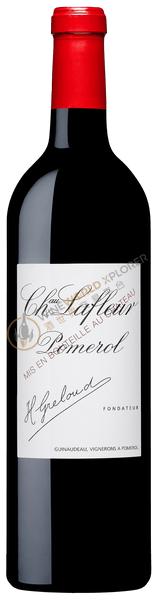
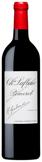
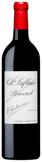
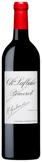
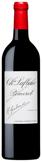
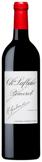
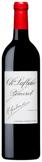
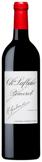
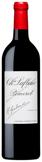
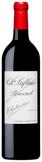
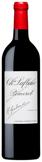
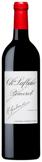
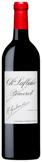
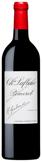
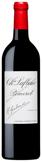
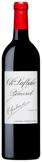
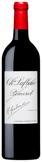
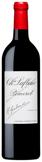
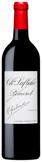
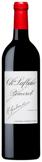
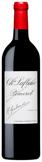
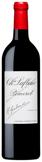
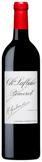
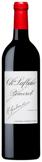
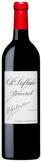
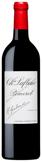
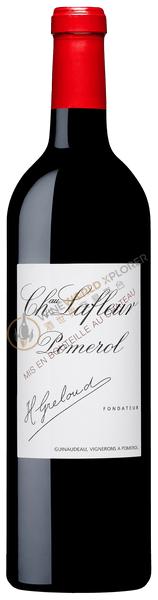
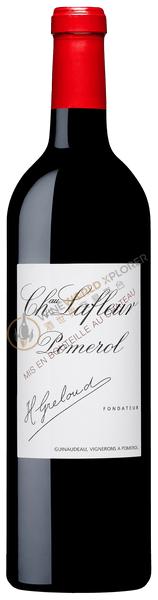
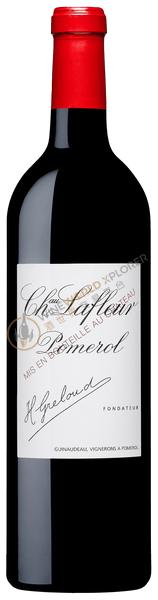
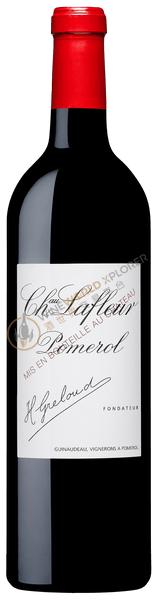
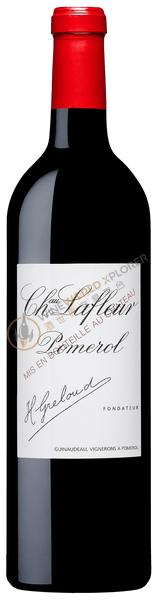
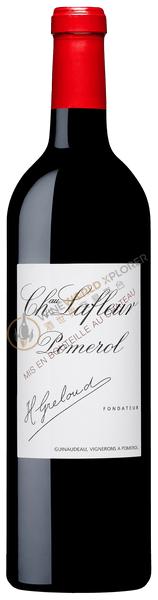
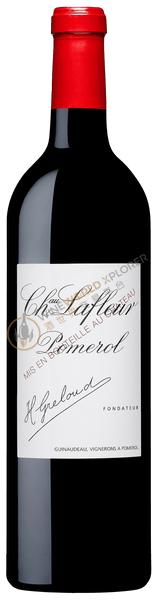
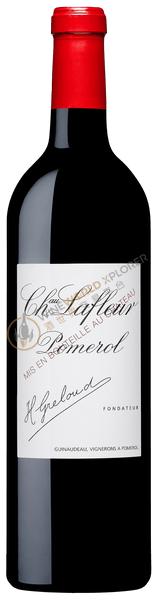
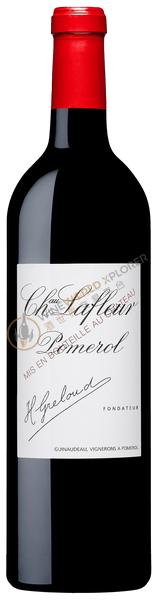
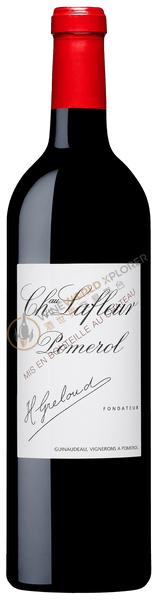
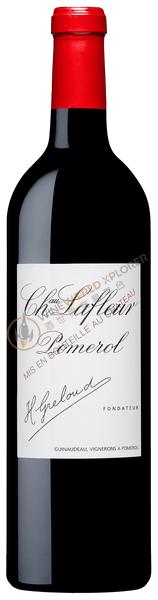
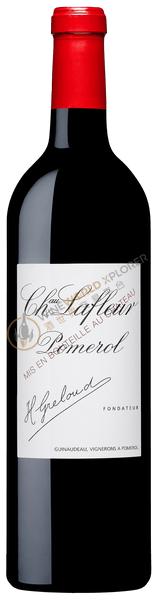
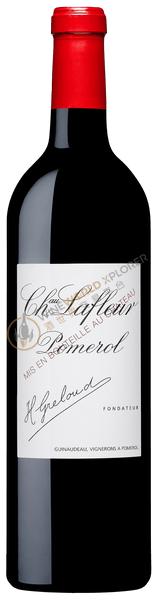
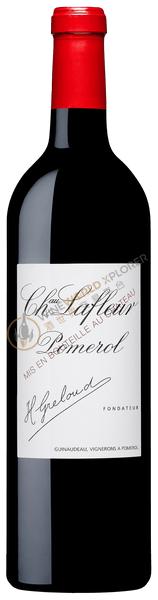
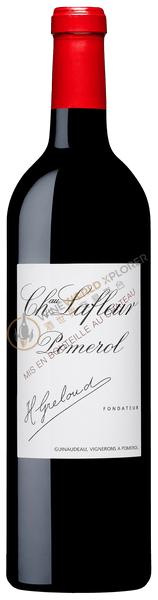
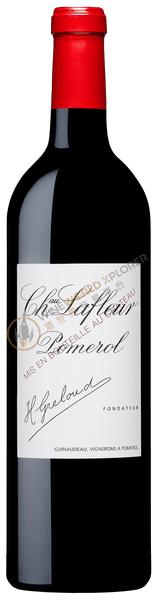
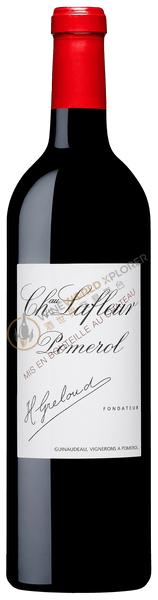
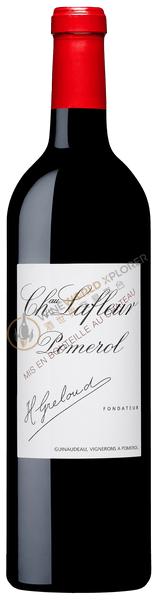
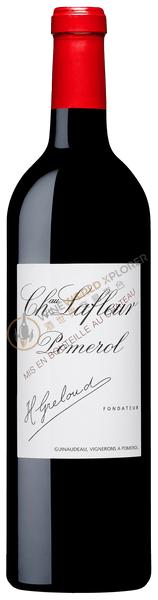
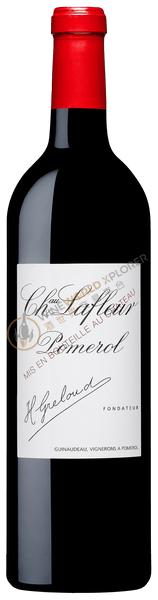
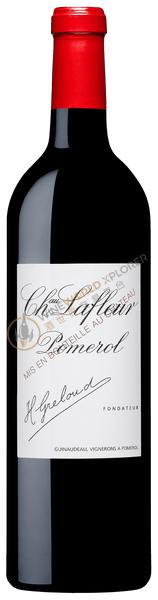
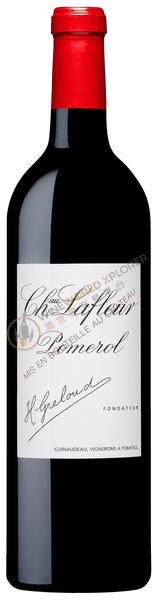
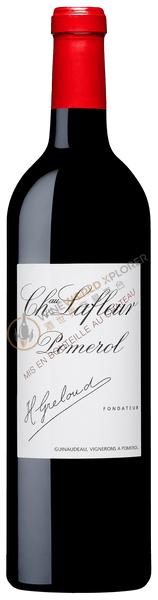
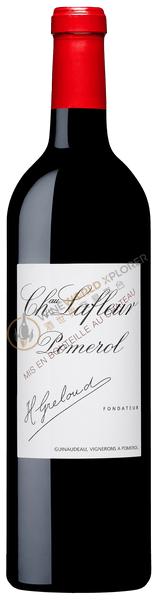
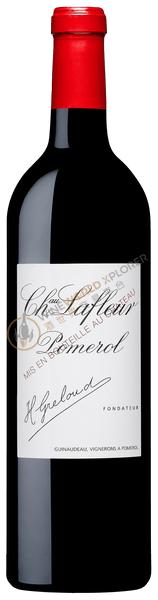
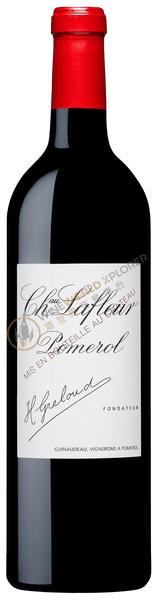
Lafleur 2006
 View analysis


Description
Château Lafleur is a tiny 4.5-hectare Pomerol property located opposite Pétrus and producing wines of comparable quality. Lafleur is owned and run by Sylvie and Jacques Guinadeau. Its vineyards are situated on the gravel-rich Pomerol plateau and adjoin those of La Fleur-Pétrus. The soils here are particularly deep and are enriched by deposits of potassium and iron. Only natural fertilisers are used and yields are painfully low, even by Pomerol standards. By the 1980s, Chateau Lafleur was on its way to becoming one of the world’s most in-demand wines selling for more than the First Growths. In 1975, Robert Parker made his first visit to the estate and since then never stopped writing about the wine. His comments on Chateau Lafleur excited consumers all over the world, and thus became one of those Pomerol wines that tied to the success and continuous praise heaped on the wine by Robert Parker.
Tasting notes

Reviewed by: Robert M. Parker, Jr.
A terrific example of Lafleur, the 2006 (61% Merlot and 39% Cabernet Franc) may be as good as their brilliant 2005. From yields of 28-32 hectoliters per hectare and a strict selection, proprietor Jacques Guinadeau used most of the young vine production in Lafleur’s second wine, Les Pensees, so there are only 1,000 or so cases of 2006 Lafleur. A noteworthy success, it boasts a deep ruby/purple color as well as a sumptuous bouquet of black cherries, kirsch liqueur, licorice, and minerals, sweet tannin, and a medium to full-bodied style. It is reminiscent of a richer, more bulked up, concentrated version of the 1999 or 1995. The 2006 will require a decade of cellaring, and should keep for four decades or more.
Reviewed by: Neal Martin
Tasted blind at Southwold ’06 Bordeaux tasting. This exceeded my expectations: a Lafleur that was so difficult to pin down in barrel finally coming into its own. A lovely, reserved, smoky, gamey, tobacco tinged nose with great definition: almost northern Pauillac in style. Slightly herbaceous, but that merely complements the aromatic profile. Very fresh and rounded on the entry, firm tannins, great structure with white pepper-laced black fruits. Good acidity, great depth here with an enormously long, mouth-coating finish. The aftertaste seems to last forever. Immense. Tasted January 2010.
Reviewed by: Neal Martin
Bottled at the end of June, a blend of 61% Merlot and 39% Cabernet Franc. The nose is closed at first, but coyly reveals some lovely floral aromas, violets and rose petals, the Merlot dominant now although I am sure the Cabernet Franc will make its presence known down the line. There is a faint salty tang beginning to come through. Like the palate, the Cabernet Franc is playing second fiddle to the Merlot at this stage, but then the structure has that assertiveness, that green bell pepper quality that comes through more on the finish. Very harmonious, superb acidity with a dry grippy finish. Superb. Drink 2020-2050. Tasted September 2008.
Reviewed by: Neal Martin
Compared to the previous two Lafleur’s, this is a difficult wine to get to grips with. A dense, masculine nose with blackberry, hedgerow and a touch of cooked meats. The palate is bashful at first, reluctantly revealing a sinewy, masculine structure with tobacco, spice, a touch of ginger. Very tight and backward, very unresolved especially compared to the likes of VCC sampled afterwards. Slightly disjointed on the finish, although there are the elements here to make a superlative wine. Unlike the 2004 and 2005, this is just too early to judge and so a more realistic assessment should be make next year. It is a cliche, but wait and see. Tasted April 2007.
Reviewed by: Robert M. Parker, Jr.
The 2006 Lafleur, which I had not tasted from bottle prior to this visit, merits 95 points. One of the vintate’s most brilliant wines, this blend of 61% Merlot and 39% Cabernet Franc is neither as dense nor complete as the 2008, but it is structured, closed, and austere (as are many 2006s at present). It reveals a plum/purple color along with a beautifully sweet nose of black and red fruits intermixed with incense as well as a steely/iron-like smell. More open on the palate than the 2008, with more obvious spice and earthy undertones, this powerful Lafleur should be drinkable in 5-7 years, and will last for three decades. The tiny Lafleur vineyard, which was harvested between October 8-14, produced a wine with an atypically high percentage of Cabernet Franc. Proprietor Guinadeau stated that the Cabernet Franc was among the finest he had ever harvested.
Reviewed by: Robert M. Parker, Jr.
A terrific example of Lafleur, the 2006 ,61% Merlot and 39% Cabernet Franc, is almost as good as their brilliant 2005. From yields of 28-32 hectoliters per hectare and a strict selection, proprietor Jacques Guinadeau used most of the young vine production in Lafleur’s second wine, Les Pensees, so there are only 1,000 or so cases of 2006 Lafleur. A noteworthy success, it boasts a deep ruby/purple color as well as a sumptuous bouquet of black cherries, kirsch liqueur, licorice, and minerals, sweet tannin, and a medium to full-bodied style. It is reminiscent of a richer, more bulked up, concentrated version of the 1999 or 1995. The 2006 will require a decade of cellaring, and should keep for four decades or more.
Reviewed by: Neal Martin
Tasted at the château and then blind at Farr Vintners' tasting, the 2006 Lafleur is a vintage that I have not tasted for a few years. It has a well-defined bouquet with kirsch, strawberry, touches of melted tar and that hint of cooked meat that I picked up on out of barrel. The palate is medium-bodied with slightly coarse tannin on the entry, tarry black fruit, cohesive in the mouth with a touch of black pepper that leads to a conservative finish, which feels just a little austere at the moment. It is an impressive Lafleur from Jacques Guinaudeau, even if I would not place it within the top tier of vintages that he has overseen with his son Baptiste in recent years. Tasted April 2016.
Reviewed by: Stephen Tanzer
Good full, deep red. Brooding aromas of black cherry, cherry pit and licorice, plus a note that reminded me of a liqueur of flowers. Sweet, chewy and very ripe, but with restraint and focus to the youthful, mineral-driven flavors of dark fruits, licorice and pepper. This shows the cooler, medicinal cast of a classic young Lafleur and although almost surprisingly silky now, this really calls for extended cellaring.
Reviewed by: Stephen Tanzer
Good red-ruby. Pungent aromas of kirsch, violet, black olive, menthol and mint. Rich, sweet and suave, with a slightly medicinal cast to the seriously concentrated dark fruit flavors. This vibrant wine coats the entire mouth and builds impressively on the back half, where the big, broad tannins are nicely buffered by fruit. A splendid showing today.
Reviewed by: Stephen Tanzer
(61% merlot and 39% cabernet franc) Bright red-ruby. Highly aromatic nose combines kirsch, licorice, fresh herbs and tobacco leaf, with Lafleur's trademark inky quality. Sweet, supple and rich, and already showing considerable aromatic complexity, with lovely sweetness to the blackberry and pepper flavors. This has a lovely pliant texture for the vintage and finishes with fine, ripe tannins. Guinaudeau told me he used no concentration techniques and no saignee: I don't look for concentration in the winery, he explained. I want simply to make a wine that reflects what was on the vines. The cabernet franc yield, added Guinaudeau, was just 28 hectoliters per hectare.
About the Producer
In 2002, the Gwinoders completely acquired Lafleur, becoming the sole owner of Lafleur, and have been operating it ever since. Huabao now has 4.5 hectares of vineyards. The soil types in the garden are diverse, including gravel, clay and gravel. Generally speaking, these soils are relatively poor and very suitable for grape planting. Among the grape varieties planted in the vineyard, Merlot (Merlot) and Cabernet Franc (Cabernet Franc) are equally divided, each accounting for 50%, the planting density is 6,000-7,500 plants/ha, and the average tree age is 30 years.
1975(1)1976(1)1982(1)1985(1)1988(1)1989(1)1990(2)1993(1)1994(2)1995(3)1996(4)1997(3)1998(6)1999(7)2000(6)2001(6)2002(3)2003(6)2004(9)2005(7)
Package Size
1 x 3L3 x 75cl