Wine Advisor



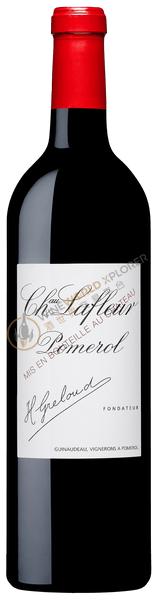
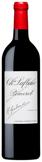
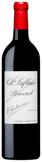
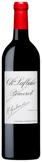
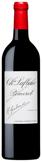
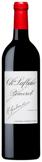
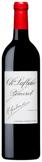
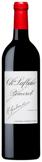
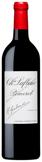
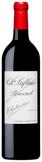
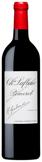
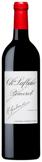
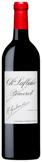
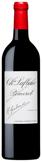
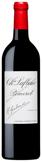
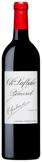
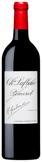
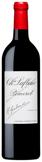
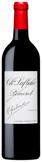
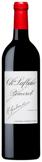
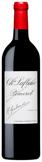
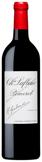
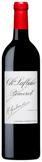
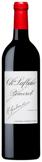
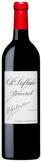
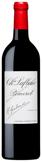
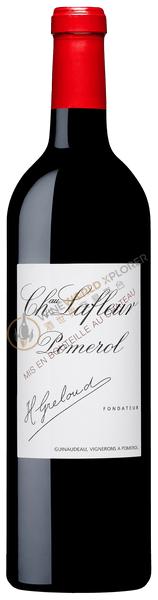
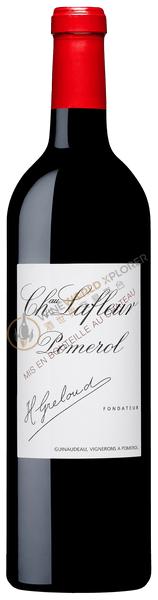
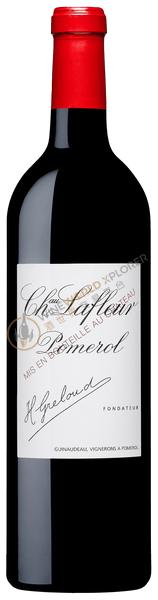
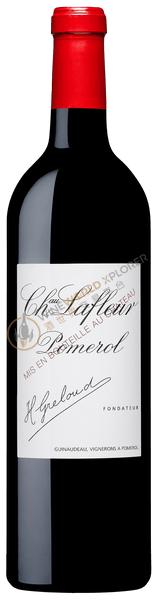
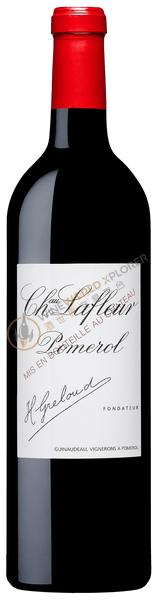
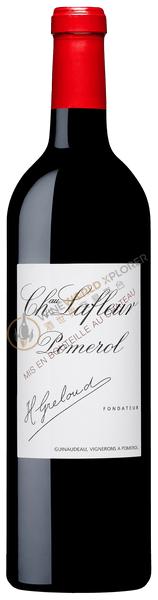
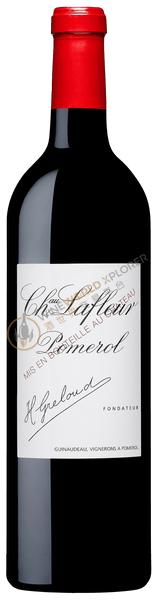
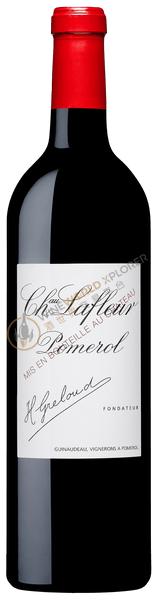
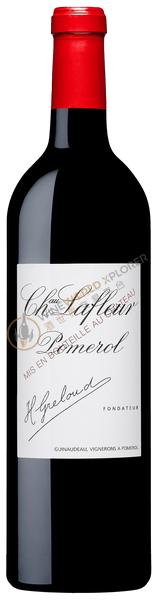
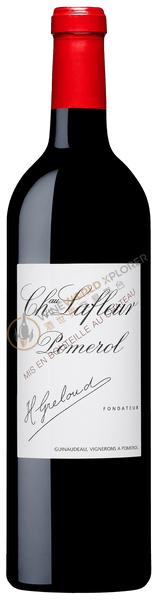
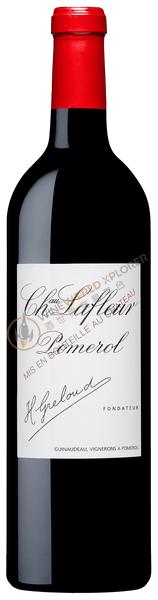
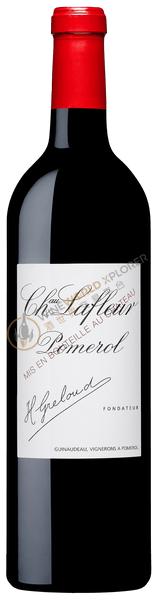
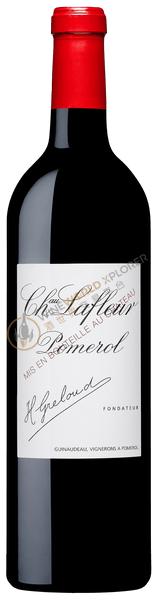
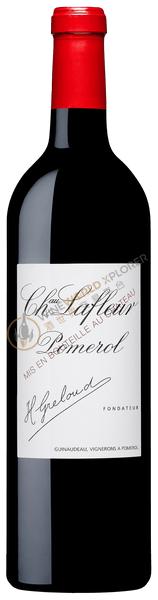
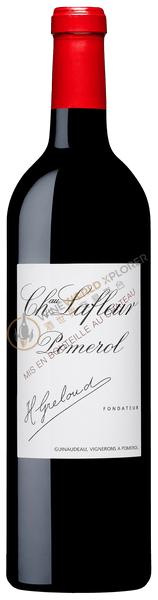
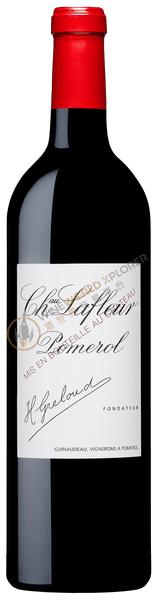
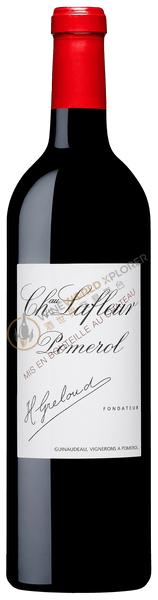
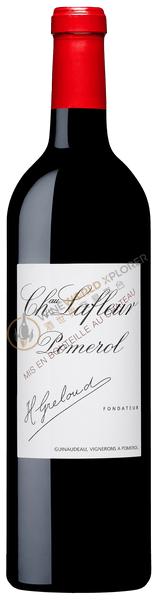
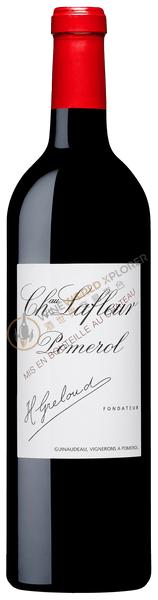
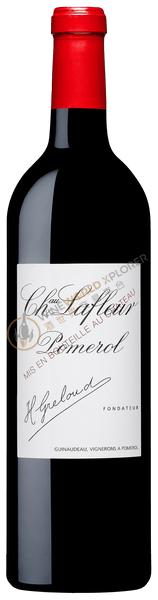
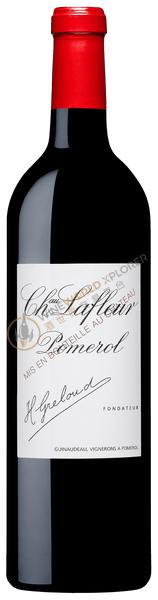
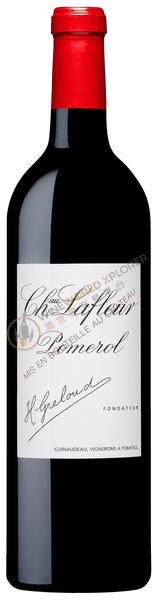
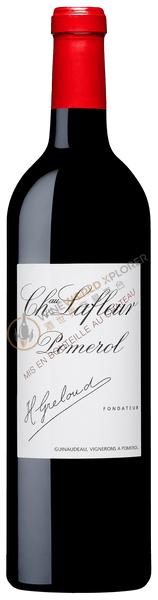
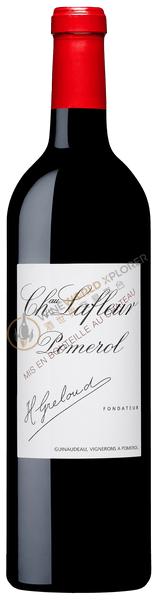
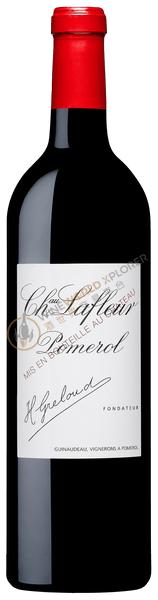
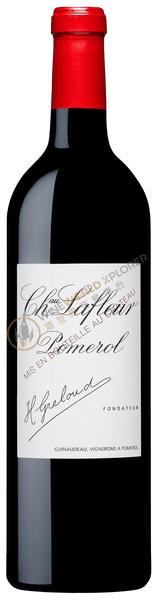
Lafleur 2005
 View analysis


Description
Château Lafleur is a tiny 4.5-hectare Pomerol property located opposite Pétrus and producing wines of comparable quality. Lafleur is owned and run by Sylvie and Jacques Guinadeau. Its vineyards are situated on the gravel-rich Pomerol plateau and adjoin those of La Fleur-Pétrus. The soils here are particularly deep and are enriched by deposits of potassium and iron. Only natural fertilisers are used and yields are painfully low, even by Pomerol standards. By the 1980s, Chateau Lafleur was on its way to becoming one of the world’s most in-demand wines selling for more than the First Growths. In 1975, Robert Parker made his first visit to the estate and since then never stopped writing about the wine. His comments on Chateau Lafleur excited consumers all over the world, and thus became one of those Pomerol wines that tied to the success and continuous praise heaped on the wine by Robert Parker.
Tasting notes

Reviewed by: Robert M. Parker, Jr.
This amazing wine puts on a display of fireworks in terms of its aromatics, with a stunning nose of blue and black fruits, forest floor, flowers and earth. Dense purple, full-bodied, rich, moderately tannic and super-concentrated, this is a profound Pomerol that still needs another decade of cellaring. This is possibly the greatest Lafleur of the modern era, rivaling the 1982 and 2000. Forget it for another 5-10 years and drink it over the following quarter-century.
Reviewed by: Neal Martin
Tasted from a half- bottle at The Arches, the Lafleur 2005 is still at a very primal stage, but the nose is just gorgeous with tertiary black fruits, a touch of sage and crushed stone intermingling with a smidge of green pepper. The palate is defined by its filigree tannins and harmony; the Cabernet Franc component becoming more pronounced with continued aeration. There is outstanding fruit intensity but so tightly coiled as expected. Everything is in place for an exceptional Lafleur, but you need to wait a couple of decades. Tasted August 2011.
Reviewed by: Robert M. Parker, Jr.
A dense ruby/purple color precedes a still monolithic, closed wine with huge tannins as well as massive extract and richness. At this tasting, the 2005 Lafleur was not singing at the profound level I had expected. The classic licorice, kirsch, and truffle notes are evident, and the wine is full-bodied and powerful, but also broodingly backward and nearly inaccessible. It should turn out to be a treasure after 10-15 years of cellaring, and it will keep for 4-5 decades.
Reviewed by: Neal Martin
This is very closed on the nose, rather broody although you can tell the intensity of the fruit underneath. I have to say though, that I prefer the definition on the 2004. Very smooth on the entry with saturated tannins, the Cabernet Franc lending an edgy quality with tobacco, espresso, blackberry. It really coats the mouth and builds to a tremendous climax of layered toasty black fruits, tar and a touch of liquorice. Magnificent. Drink 2020-2050+. Tasted September 2008.
Reviewed by: Neal Martin
A blend of 39% Cabernet Franc and 61% Merlot. The nose is very closed at the moment and takes some coaxing from the glass. Blackberry leaf and slight savouriness from the Cabernet Franc. The palate is very broody but very powerful. Fine tannins, incredibly freshness and vigor, yet perhaps one of the most unresolved Pomerols of the day. Very tannic on the finish, but there is more than enough fruit to support his long-term Lafleur. Needs another year to show its character. Tasted April 2006.
Reviewed by: Robert M. Parker, Jr.
An extraordinarily powerful concoction of 67% Merlot and 33% Cabernet Franc boasting nearly 14% alcohol, this inky/ruby/purple-colored 2005 offers up scents of graphite, kirsch liqueur, melted licorice, smoke, and a hint of truffles. With abundant concentration, tannin, extract, and alcohol, this stunning yet massively constituted as well as multilayered Pomerol will need 7-10 years to become drinkable. Anticipated maturity: 2013-2040.
Reviewed by: Neal Martin
Tasted at John Armit’s Lafleur seminar in London, the 2005 is a legendary wine in the making. It has a boisterous, ebullient, ravishing bouquet of succulent black, truffle infused fruit with hints of crushed stone, the bell pepper element less evident on this occasion. The palate is medium-bodied and tightly wound, perhaps less expressive than other bottles that I have encountered. You could argue that it has an almost understated entry, but then you realize that there is a core of extraordinarily concentrated dark black fruit that is waiting for you. It has wonderful minerality towards the finish and extremely fine focus and persistency. At the moment, a Lafleur of dimension and ambition rather than pleasure, which will come. Drink 2018-2035+.
Reviewed by: Robert M. Parker, Jr.
The 2005 Lafleur is tight and austere at present, but unquestionably enormously endowed. It displays a dense ruby/purple hue as well as a beautiful bouquet that only emerges with coaxing. Aeration is essential in order to release the subtle, restrained scents of licorice, kirsch liqueur, black truffles, and flowers. In the mouth, there is compelling richness, depth, and intensity, but the wine’s power, full body, forbiddingly backward style, and high tannins suggest significant cellaring will be required. Anticipated maturity: 2020-2050.
Reviewed by: Neal Martin
Tasted single blind at Southwold. Tasted blind, this was rather unfair to Lafleur that needs time to open up. Here it has a remarkably deep garnet core, the nose broody and unwilling to participate in this blind charade! Good definition but surly, yet there is obviously superb ripeness with Xmas cake and a touch of fig. The palate is very well structured, very powerful with vibrant Cabernet Franc, touches of tobacco and underbrush towards the finish. Real depth, here, nice savoury edge, great length. Tannic finish. Drink 2020-2050+ Tasted January 2009.
Reviewed by: Antonio Galloni
The 2005 Lafleur is quite a bit less showy than most Pomerols in this vintage. I suspect the high percentage of Cabernet Franc may have something to do with it. Aromatically intense, but also austere, the 2005 feels like it needs more time. The bouquet is captivating, but huge tannins make Lafleur much less accessible today than most of its peers. Time brings out gorgeous hints of blood orange, mint, cinnamon, cedar and sweet pipe tobacco, but those are mere illusions, as the 2005 remains quite tannic. It will be interesting to see what time brings. Both bottles I tasted showed consistently.
Reviewed by: Neal Martin
The 2005 Lafleur does not quite match up to previous examples and certainly juxtaposed against the 2000 Lafleur, I have a preference for the millennial. Still, I am quibbling. It has a tightly-wound bouquet at first with blackberry, wild strawberry, black truffle and minerals that only reluctantly unfolds over the course of two or three hours. I cannot recall the nose on the 2005 being so obdurate! The palate is medium-bodied, the tannins not quite as fine as the 2000, and grainy in texture. The Cabernet Franc is more expressive towards the finish, imparting notes of dried blood and cured meat. This remains a great Pomerol although I do not find it ageing with the same level of grace as the 2000. Tasted at the Christies’ Lafleur masterclass in London.
Reviewed by: Neal Martin
Tasted at the Pomerol Comparative Exploration tasting in London, the 2005 Lafleur is cut from the same cloth as say, the 1982 or 1998, insofar that it is evolving at a pace that makes a glacier look expedient. It continues to sport a tight, masculine and quite tertiary bouquet, that Cabernet Franc in the driving seat, deigning you with hints of black truffle after 20 minutes in the glass. The palate is beautifully defined with intense black fruit, a gigantic, arching backbone that frames this Lafleur built for long-term ageing. There is wonderful focus and persistence in situ, yet the unrelenting grip is a sign that you should really not broach this wine for another decade. Sorry folks...you'll have to be patient.
Reviewed by: Stephen Tanzer
($1; 895) Saturated, bright ruby-red. Brooding, liqueur-like aromas of blackberry, cassis, smoked meat, licorice and menthol. Compellingly dense, sweet and concentrated, with silky fruit that saturates the entire palate without any excess weight. A very backward, firmly structured wine that offers an uncanny combination of early sweetness and firm but harmonious acidity. The wine's dark fruit and licorice flavors spread out impressively on the back end, which features huge but smooth tannins and terrific length and verve. Wow! This will be long-lived.
Reviewed by: Stephen Tanzer
Bright ruby-red. Brooding, inky, liqueur-like aromas of black cherry, dark raspberry, licorice and menthol. Large-scaled, broad and classically dry, if a bit reserved today, with superb dimension. Offers a captivating flavor of mocha. A great expression of ripe merlot with the spine of cabernet franc. Very lush, big Pomerol that really resounds on the back half. Finishes with huge but broad and supple tannins and superb length. This had just been fined and Guinaudeau was reluctant to show it as he felt it was in a tough stage to taste. But its very high quality was clear to see.
Reviewed by: Stephen Tanzer
Deep medium ruby. Slightly reduced aromas of kirsch, raspberry and licorice, with a medicinal austerity from the sizable cabernet franc component. Large-scaled, powerful and thick in the mouth, but with the deceptively cool mineral and menthol elements characteristic of this wine in its youth. Best today on the slow-building, very long finish, which features a boatload of ripe tannins that are supported by the wine's sheer strength of material. A potentially great vintage for this chateau, but plan on laying this one down for a good decade. It should last in bottle for 30 years or more.
About the Producer
In 2002, the Gwinoders completely acquired Lafleur, becoming the sole owner of Lafleur, and have been operating it ever since. Huabao now has 4.5 hectares of vineyards. The soil types in the garden are diverse, including gravel, clay and gravel. Generally speaking, these soils are relatively poor and very suitable for grape planting. Among the grape varieties planted in the vineyard, Merlot (Merlot) and Cabernet Franc (Cabernet Franc) are equally divided, each accounting for 50%, the planting density is 6,000-7,500 plants/ha, and the average tree age is 30 years.
1975(1)1976(1)1982(1)1985(1)1988(1)1989(1)1990(2)1993(1)1994(2)1995(3)1996(4)1997(3)1998(6)1999(7)2000(6)2001(6)2002(3)2003(6)2004(9)
Package Size
1 x 1.5L