Wine Advisor



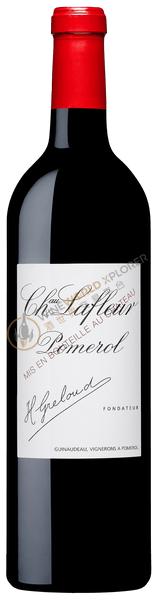
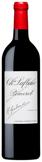
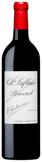
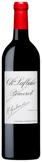
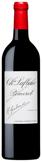
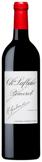
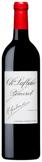
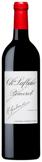
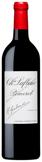
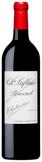
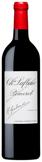
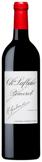
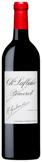
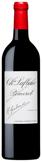
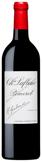
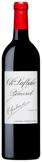
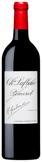
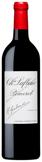
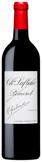
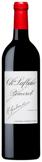
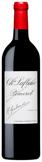
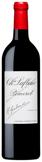
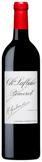
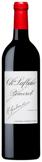
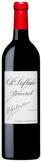
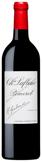
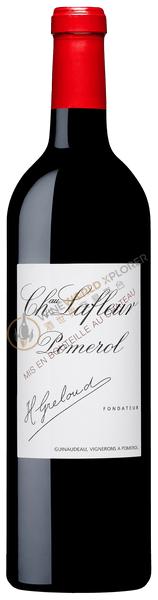
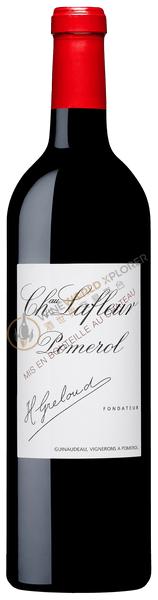
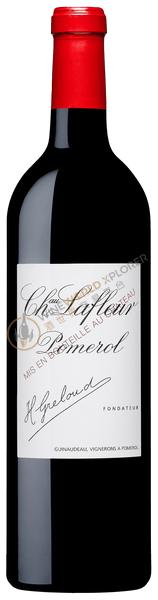
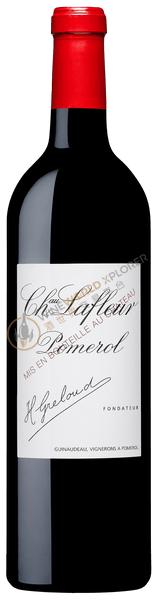
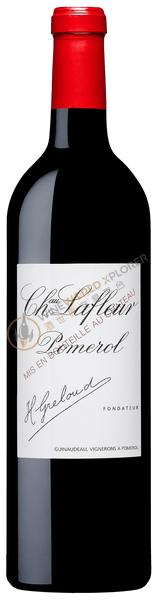
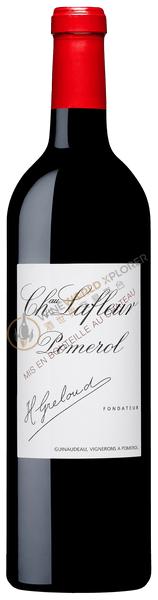
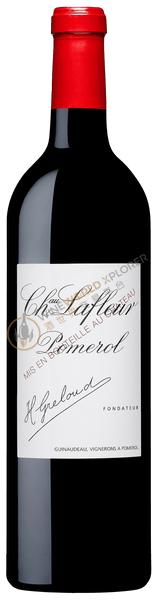
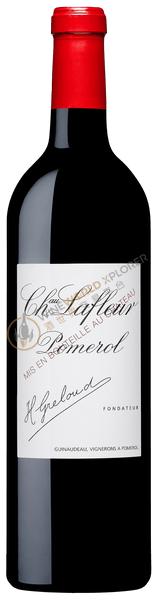
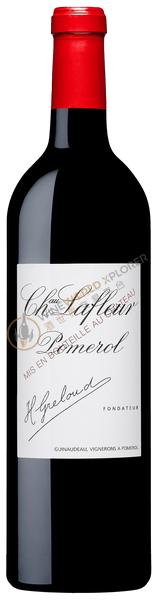
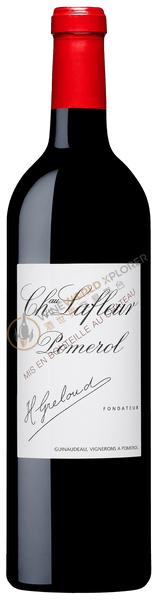
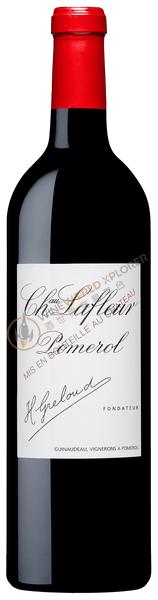
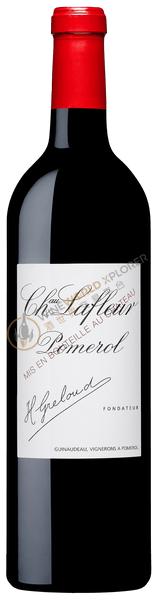
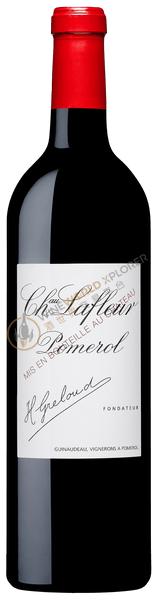
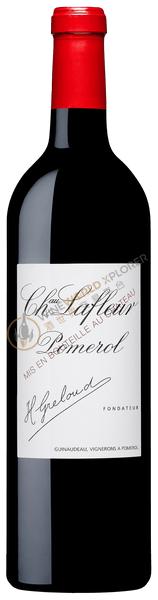
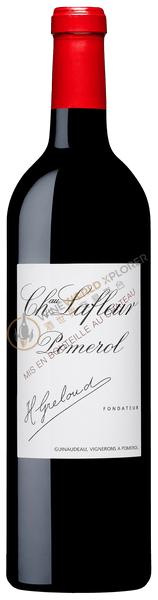
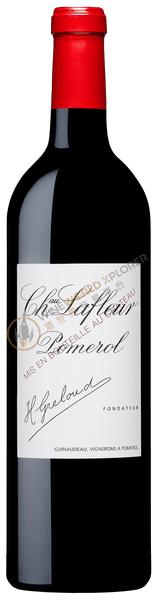
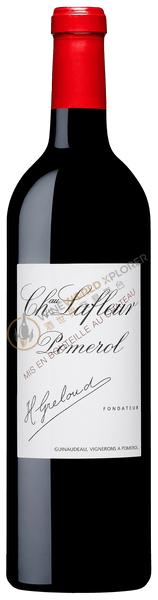
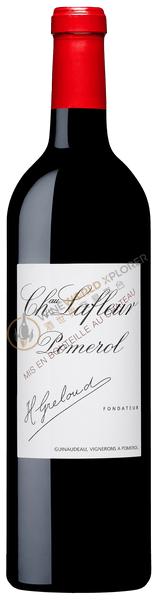
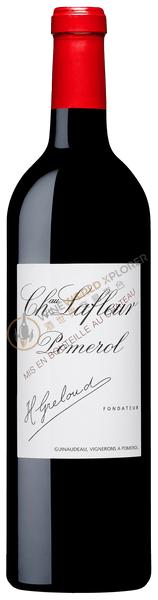
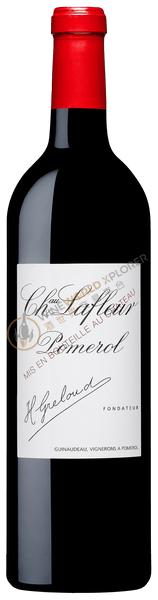
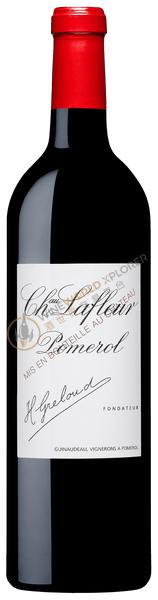
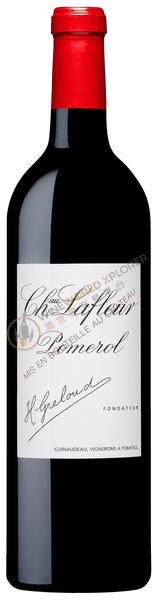
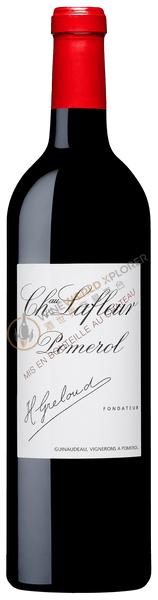
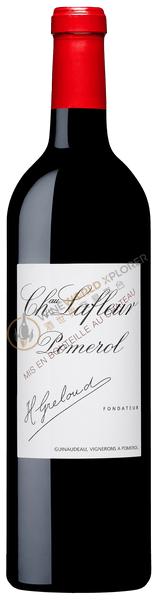
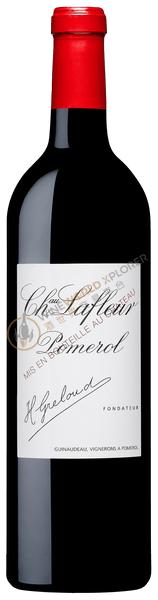
Lafleur 2003
 View analysis


Description
Château Lafleur is a tiny 4.5-hectare Pomerol property located opposite Pétrus and producing wines of comparable quality. Lafleur is owned and run by Sylvie and Jacques Guinadeau. Its vineyards are situated on the gravel-rich Pomerol plateau and adjoin those of La Fleur-Pétrus. The soils here are particularly deep and are enriched by deposits of potassium and iron. Only natural fertilisers are used and yields are painfully low, even by Pomerol standards. By the 1980s, Chateau Lafleur was on its way to becoming one of the world’s most in-demand wines selling for more than the First Growths. In 1975, Robert Parker made his first visit to the estate and since then never stopped writing about the wine. His comments on Chateau Lafleur excited consumers all over the world, and thus became one of those Pomerol wines that tied to the success and continuous praise heaped on the wine by Robert Parker.
Tasting notes

Reviewed by: Neal Martin
The 2003 is still a little unresolved on the nose, perhaps missing the clarity and joie-de-vivre of the 2004. There is a slight “stemmy” character inflecting the nose with raspberry and a touch of cranberry fruit. But the palate is very impressive considering the difficulties that Pomerol faced in this vintage with fine, grainy tannins, touches of cigar box, savoury fruit, a little sandalwood and spice. Very harmonious and a soft, sensuous off-dry, tobacco finish. It needs time, so perhaps that nose will sort itself out. Drink 2018-2030+. Tasted September 2008.
Reviewed by: Neal Martin
A precocious fruit-driven nose of pure blackcurrant and redcurrants. Very primal but there is superb definition. The palate is ripe, lush and inviting with blackberry, cassis and raspberry flavours. Very harmonious, though it lacks the acidity of the 2002. A wine that is inviting and irresistible, though I believe the 2002 will be longer lasting. I look forward to finding out. Tasted April 2005.
Reviewed by: Robert M. Parker, Jr.
At Lafleur, the Merlot was harvested on September 1 and 2, and the Cabernet Franc on September 12 and 13. Surprisingly high alcohol as well as low acidity are found in this terrific Lafleur. It has had its press wine added, and the result is a dense ruby/purple-colored effort revealing aromas of flowers, blueberries, raspberries, mulberries, and cherries. Extraordinary elegance as well as intensity, and a low acid, high pH style with considerable power suggest it will be drinkable at an earlier age than most of its predecessors. I suspect the alcohol level is between 13 - 13.5%, and the pH is somewhere in 3.8 - 4.0 range. Anticipated maturity: 2008-2020+
Reviewed by: Neal Martin
Tasted from an ex-chateau bottle at the Lafleur vertical dinner at Attersee in Austria. An equal blend of Merlot and Cabernet Franc, the 2003 Lafleur has a rounded, voluptuous bouquet with scents of strawberry, raspberry, redcurrant and a touch of vanilla. The palate is medium-bodied and very sensual in texture. There is good structure here, a relatively “fat” Lafleur with very expressive Merlot. Fleshy in texture, this is still quite youthful, although it does not possess the extra dimension of a great Lafleur due to the growing season. Still, this remains one of the few successes of Pomerol in 2003. Tasted June 2012.
Reviewed by: Robert M. Parker, Jr.
I was surprised by how much new oak this wine exhibited when I tasted it in January as that component is rarely noticeable in Lafleur (approximately 50% new oak is utilized). Full-bodied, deep, and chewy, with notes of raspberries, cherries, licorice, and kirsch liqueur, it is full-bodied, opulent, low in acidity, but more disjointed than it was nine months earlier, which is somewhat perplexing. Nevertheless, I couldn’t help but admire the 2003's concentration, purity, and intensity. Anticipated maturity: 2009-2020+.
Reviewed by: Neal Martin
Tasted at Bordeaux Index’s “10-Year On” tasting in London. The Lafleur 2003 shows its class on the nose with better definition than its Pomerol neighbours: lovely gamey notes coming through with bacon fat and roasted chestnuts that at least give it a sense of personality. The palate is medium-bodied with fine tannins and perhaps this is evolving into a more feminine Lafleur than expected – certainly approachable with fine cohesion. The difference here is that Jacques Guinaudeau’s wine shrugs off the merciless heat of the vintage, is not oppressed by it. It is not a top tier Lafleur and is outclassed by Petrus, but it remains an enjoyable Pomerol. Tasted March 2013.
Reviewed by: Robert M. Parker, Jr.
The exotic, nearly over the top 2003 exhibits a southern Rhone-like characteristic of kirsch liqueur intermixed with raspberries and flowers. Sweet fruit, high levels of glycerin (the alcohol is less than 13.5%), and high but silky tannins have resulted in a broad, expansive, terrific example of Lafleur that should be at its finest between 2008-2025. Along with Petrus, this stunning, full-bodied 2003 is a candidate for the top wine of Pomerol.
Reviewed by: Neal Martin
The 2003 Lafleur now sports a slightly muted, rather one-dimensional bouquet, that on this occasion is shown up by the superior and more vigorous 2001 Lafleur. Dark berry fruit, hints of cola intermingle with sandalwood and sage on the nose. The palate is full-bodied for this Pomerol with supple tannin, quite grippy in the mouth with a peppery, voluminous finish. I just feel there is a very slight vegetal element on the aftertaste that is possibly due to the short hang time. It is very creditable for the vintage but the bottom line is: it is not a great Lafleur, but a good Pomerol in context. Tasted at the Christies’ Lafleur masterclass in London.
Reviewed by: Stephen Tanzer
Full ruby-red color. Ripe, smoky aromas of raspberry, plum, milk chocolate and spices; almost confectionery. Plump, round and impressively full, with slightly medicinal flavors. Tasted after the Trotanoy, this came off as less harmonious and vibrant, but fatter and fuller in the middle palate. Finishes with substantial ripe tannins and very good chocolatey persistence. Some early tasters have rated this wine more highly but today I find myself wanting a bit more energy in the mouth.
About the Producer
In 2002, the Gwinoders completely acquired Lafleur, becoming the sole owner of Lafleur, and have been operating it ever since. Huabao now has 4.5 hectares of vineyards. The soil types in the garden are diverse, including gravel, clay and gravel. Generally speaking, these soils are relatively poor and very suitable for grape planting. Among the grape varieties planted in the vineyard, Merlot (Merlot) and Cabernet Franc (Cabernet Franc) are equally divided, each accounting for 50%, the planting density is 6,000-7,500 plants/ha, and the average tree age is 30 years.
1975(1)1976(1)1982(1)1985(1)1988(1)1989(1)1990(2)1993(1)1994(2)1995(3)1996(4)1997(3)1998(6)1999(7)2000(6)2001(6)2002(3)
Package Size