Wine Advisor



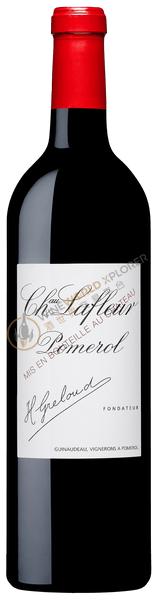
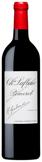
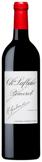
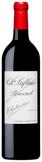
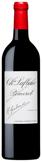
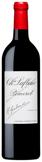
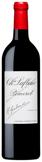
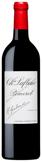
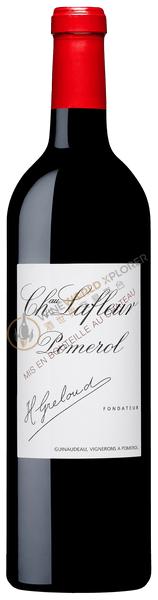
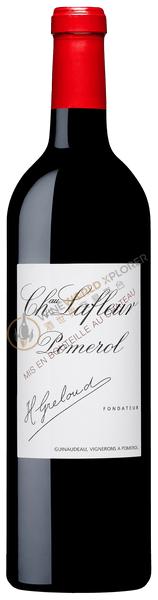
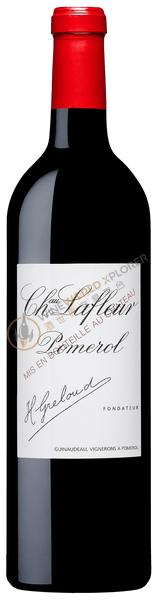
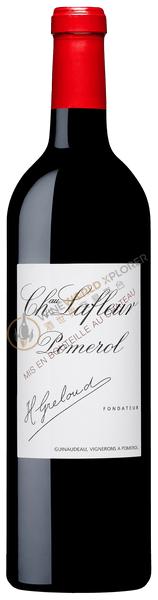
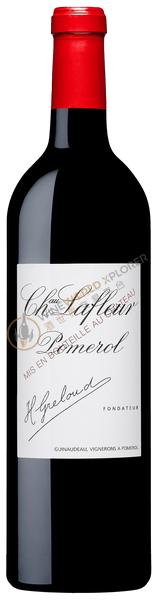
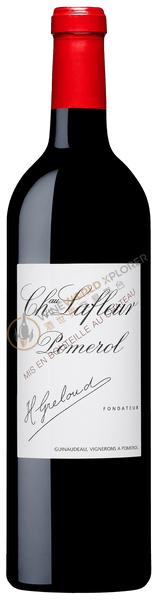
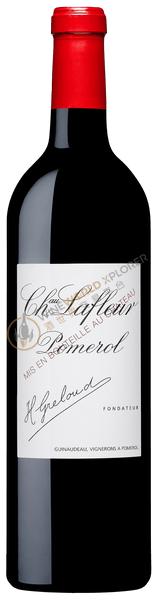
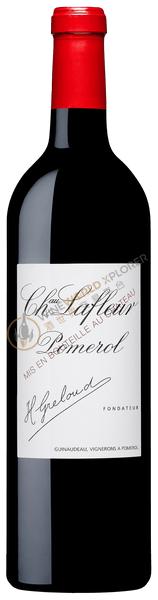
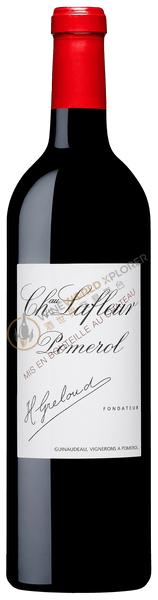
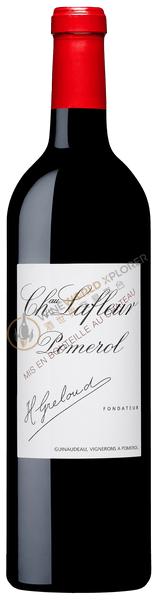
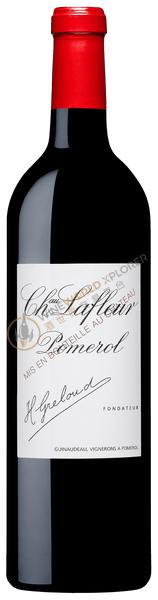
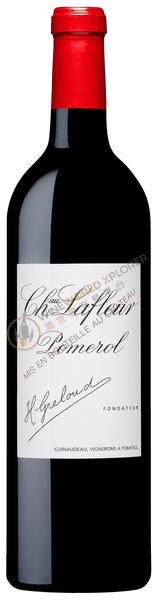
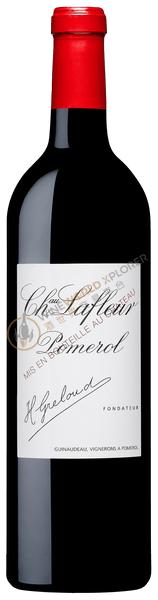
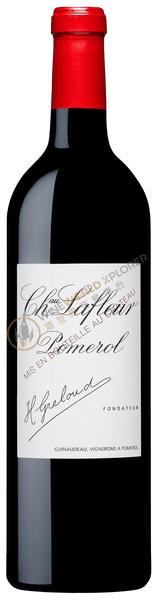
Lafleur 1999
 View analysis


Description
Château Lafleur is a tiny 4.5-hectare Pomerol property located opposite Pétrus and producing wines of comparable quality. Lafleur is owned and run by Sylvie and Jacques Guinadeau. Its vineyards are situated on the gravel-rich Pomerol plateau and adjoin those of La Fleur-Pétrus. The soils here are particularly deep and are enriched by deposits of potassium and iron. Only natural fertilisers are used and yields are painfully low, even by Pomerol standards. By the 1980s, Chateau Lafleur was on its way to becoming one of the world’s most in-demand wines selling for more than the First Growths. In 1975, Robert Parker made his first visit to the estate and since then never stopped writing about the wine. His comments on Chateau Lafleur excited consumers all over the world, and thus became one of those Pomerol wines that tied to the success and continuous praise heaped on the wine by Robert Parker.
Tasting notes

Reviewed by: Robert M. Parker, Jr.
Just when I thought Lafleur might be abandoning its high octane, backstrapping, full throttle style of winemaking, the 1999 was conceived. This precocious terroir, which had very low yields, was partially harvested on September 11, one of the earliest right bank properties to harvest (forgetting the hail-damaged St.-Emilion vineyards that were forced to pick after September 5). A blockbuster effort, the 1999 may be the most powerful wine produced at this estate in more than a decade. Atypical for the vintage, it boasts a dense purple color as well as an explosive nose of spring flowers, minerals, black raspberries, cassis, and kirsch. Enormous in the mouth, ferociously tannic, full-bodied, and powerful, it is hard to believe that such a prodigious wine could have been produced in this vintage. Black fruits (particularly raspberries) continue in the wine's flavors. The finish is whoppingly long, but oh, so tannic. This is not for those seeking immediate gratification, as it will require significant cellaring (an aberration for a 1999 Bordeaux). Anticipated maturity: 2010-2035.
Reviewed by: Neal Martin
Tasted from an ex-chateau bottle at the Lafleur vertical dinner at Attersee in Austria. The 1999 is an overlooked vintage for Lafleur and is a strong challenger for the wine of the vintage. The Cabernet Franc component is still expressive on the nose with brambly red fruit, scorched earth, sandalwood and hints of dark chocolate. It is very well defined and potent in the context of the vintage. The palate is extremely well balanced with a supple entry and an insistent grip. There retains elements of clove and chestnut, but the finish is still quite precocious, if missing the complexity of a truly great Lafleur. Nevertheless, this is a superb wine and a great success for “Jacky G”. Tasted June 2012.
Reviewed by: Robert M. Parker, Jr.
The 1999 appears to be a sure bet. Readers may recall that Lafleur was one of the few Bordeaux vineyards to harvest before the heavy rains. The result is a dense purple-colored wine with terrific cherry cough syrup, licorice, truffle, and mineral aromas. Although tannic, it is full-bodied, dense, opulent, super-concentrated, and extremely long and well-balanced. It may turn out to be the finest Pomerol of the vintage. Anticipated maturity: 2007-2025.
Reviewed by: Neal Martin
Tasted at the 1999 horizontal at Bordeaux Index. The Cabernet Franc is what immediately hits you on the nose, savoury, animally with touches of Valrona chocolate. Real character here – something that many 1999s lack. The palate is medium-bodied, quite supple on the entry, very smooth almost silky tannins. Blackberry, leather, chestnut, a touch of allspice. Lovely, elegant finish although it does not have the backbone to last as long as other Lafleurs. Very fine. Drink now-2025. Tasted June 2009.
Reviewed by: Neal Martin
This 1999 Pomerol seems to be entering a real sweet spot. Here it offers a sublime cocktail of aromas – blackberry, briary, hedgerow and minerals, though it does not have the vigour of a top vintage. The palate is beautifully balanced with fine tannins and it is certainly more approachable than other vintages. I love the symmetry here, the nonchalance and grace. One of the best wines of the vintage. Tasted November 2012.
Reviewed by: Robert M. Parker, Jr.
This wine is a brilliant success, it is one of the stars of the vintage. Lafleur's 1999 is atypically powerful and concentrated, with an inky, saturated purple color followed by a sensational nose of black cherry jam intermixed with liquid minerals, raspberries, and licorice. It is super concentrated, extraordinarily pure, with moderately high tannin. This dense, powerful, impressively endowed wine should turn out to be a classic for Lafleur. Anticipated maturity: 2008-2025.
Reviewed by: Neal Martin
The 1999 Lafleur flies under the radar between the feted 1998 and 2000 vintages. However, it should not be under-estimated. It has a lucid deep color. The bouquet is not dissimilar to the previous bottle tasted in 2012, blessed with pure blackberry and briary scents, hints of gravel that render it not a million miles away from a Left Bank. The palate is very well balanced and seems silkier than ever. Whilst it does not possess the mineral core of the 1998, it has a disarmingly pure and graceful finish. Whilst not a Lafleur of immense length or grandeur it is approachable and beautifully crafted. Tasted at the “International Wine & Business” Lafleur dinner at Ten Trinity, London.
Reviewed by: Stephen Tanzer
Red-ruby. Exotic, liqueur-like aromas of cherry, raspberry and five-spice powder. Offers terrific size and volume on entry, then a major wave of lush, fat fruit. Impressively ripe and mouthfilling for the vintage. Finishes very long and ripe, with big, palate-dusting tannins. One of the richest wines of the vintage.
Reviewed by: Stephen Tanzer
Good ruby-red. Liqueur-like aromas of red cherry, roasted plum, minerals, roasted nuts and smoked meat; perhaps the most obviously ripe nose among the Moueix '99s. Full, dense and sweet; expansive fruit and mineral flavors coat the mouth. Here the tannins are broad and ripe but quite substantial, spreading out nicely to coat the palate.
About the Producer
In 2002, the Gwinoders completely acquired Lafleur, becoming the sole owner of Lafleur, and have been operating it ever since. Huabao now has 4.5 hectares of vineyards. The soil types in the garden are diverse, including gravel, clay and gravel. Generally speaking, these soils are relatively poor and very suitable for grape planting. Among the grape varieties planted in the vineyard, Merlot (Merlot) and Cabernet Franc (Cabernet Franc) are equally divided, each accounting for 50%, the planting density is 6,000-7,500 plants/ha, and the average tree age is 30 years.
1975(1)1976(1)1982(1)1985(1)1988(1)1989(1)1990(2)1993(1)1994(2)1995(3)1996(4)1997(3)1998(6)
Package Size