Wine Advisor



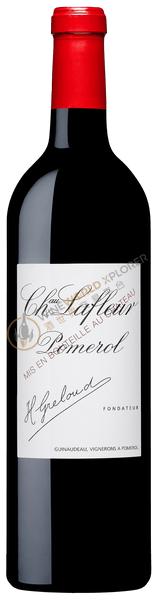
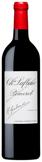
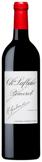
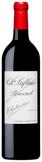
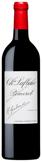
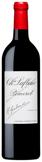
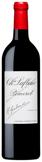
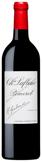
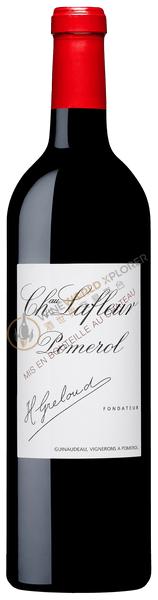
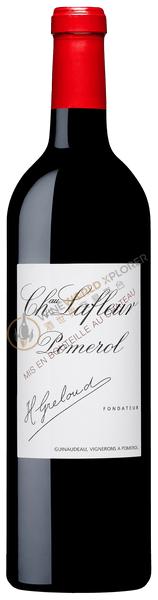
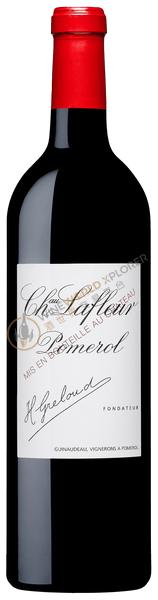
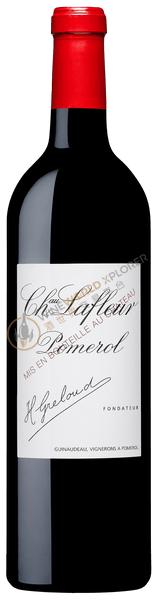
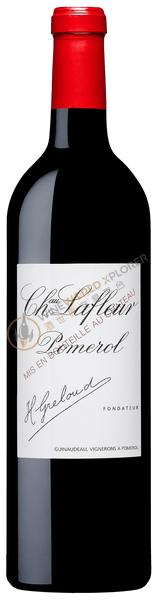
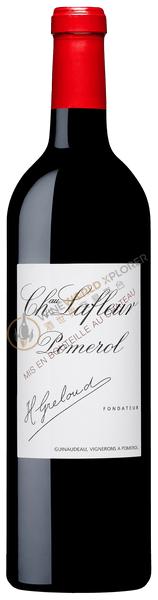
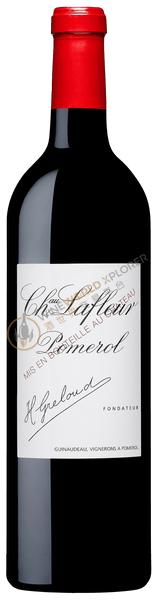
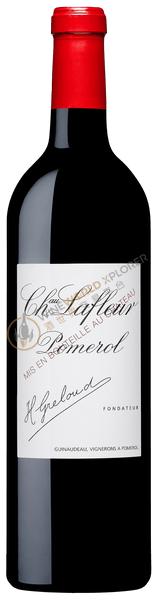
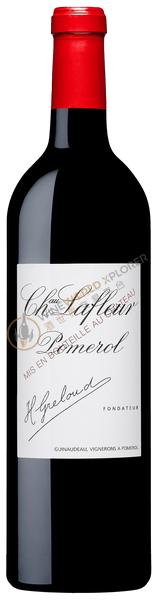
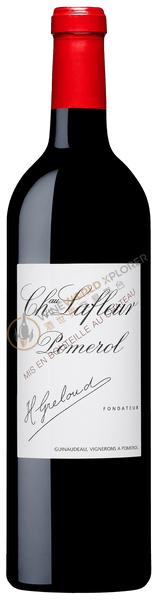
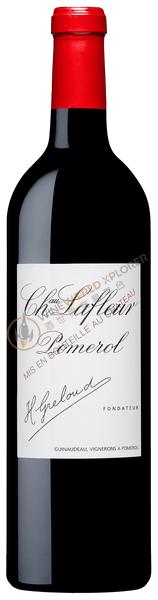
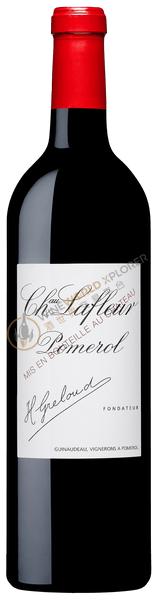
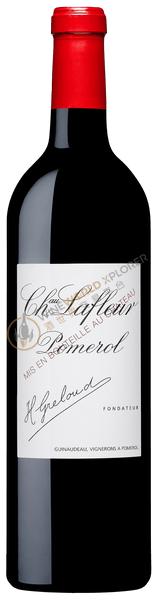
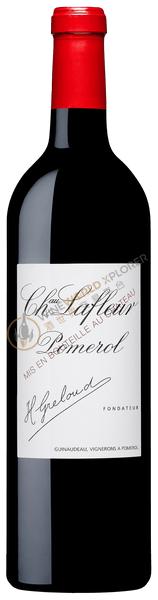
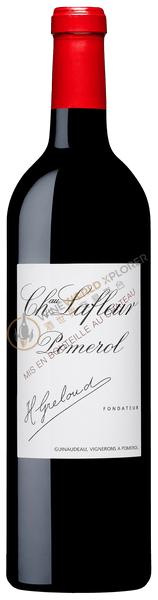
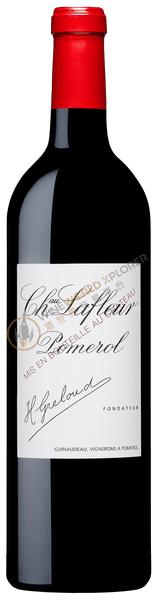
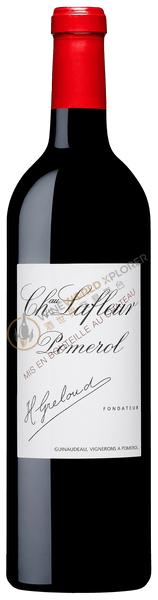
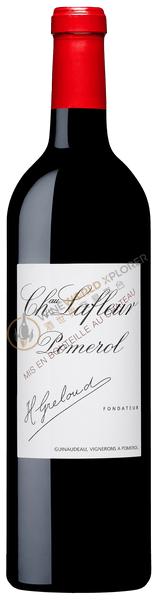
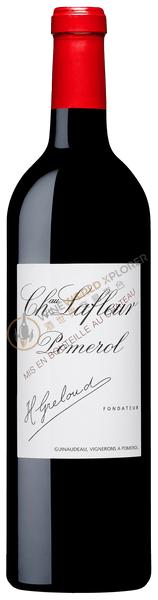
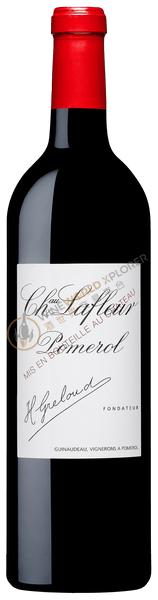
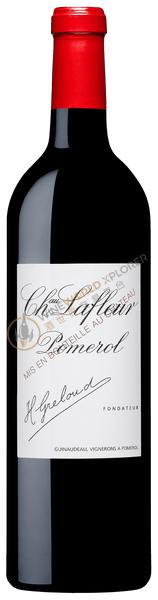
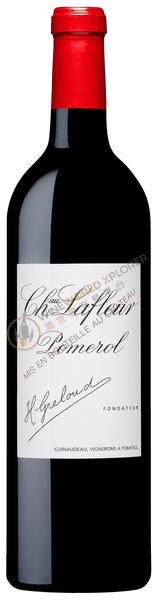
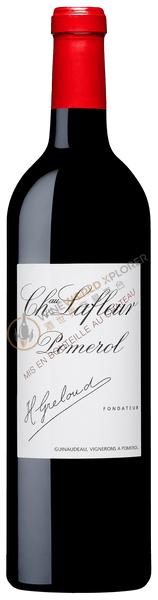
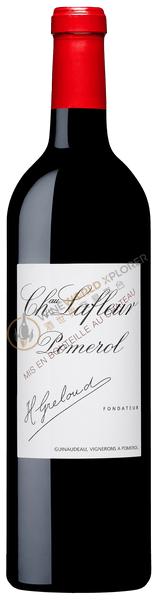
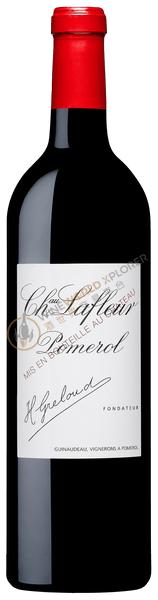
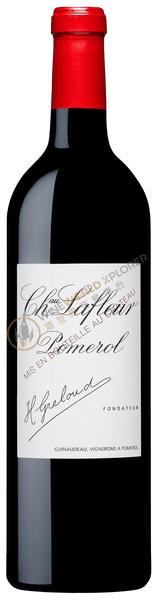
Lafleur 1997
 View analysis


Description
Château Lafleur is a tiny 4.5-hectare Pomerol property located opposite Pétrus and producing wines of comparable quality. Lafleur is owned and run by Sylvie and Jacques Guinadeau. Its vineyards are situated on the gravel-rich Pomerol plateau and adjoin those of La Fleur-Pétrus. The soils here are particularly deep and are enriched by deposits of potassium and iron. Only natural fertilisers are used and yields are painfully low, even by Pomerol standards. By the 1980s, Chateau Lafleur was on its way to becoming one of the world’s most in-demand wines selling for more than the First Growths. In 1975, Robert Parker made his first visit to the estate and since then never stopped writing about the wine. His comments on Chateau Lafleur excited consumers all over the world, and thus became one of those Pomerol wines that tied to the success and continuous praise heaped on the wine by Robert Parker.
Tasting notes

Reviewed by: Robert M. Parker, Jr.
Lafleur's 1997 is easy to assess. The color is dark ruby with purple nuances. Medium-bodied, with striking kirsch liqueur and black raspberry scents, moderate tannin, excellent purity and ripeness, it displays sweetness and glycerin. It should be ready to drink early, and I expect it to be one of the longer-lived wines from the 1997 vintage. Anticipated maturity: 2004-2018.
Reviewed by: Robert M. Parker, Jr.
I liked the 1997 Lafleur more than the 1996. It is one of those rare Lafleurs that lucky purchasers will be able to drink at a young age. An impressively saturated dense ruby/purple color is followed by the classic Lafleur aromas - jammy black raspberries, kirsch liqueur, prunes, and minerals. Forward, full-bodied, and sexy, with an unctuous texture, and gobs of sweet tannin, this is a luxurious, evolved Lafleur that will provide gorgeous drinking in 2-3 years, and last for two decades. The only other vintage of Lafleur that tasted this evolved and satiny at such a youthful age was the 1983.
Reviewed by: Neal Martin
Tasted at the Dynasty restaurant in Hong Kong. This is one of the few modern-day vintages that I have never tasted…until now of course. It has an open, earthy nose with cracked black pepper, a little brine and autumn leaves. To be honest, it does not have the complexity of a great Lafleur. The palate is nicely balanced with a grainy, rather hard texture that leads to a rather austere finish that is a little raw. I would not leave this a long time, but it is respectable for the vintage. Tasted November 2011.
Reviewed by: Neal Martin
Tasted from an ex-chateau bottle at the Lafleur vertical dinner at Attersee in Austria. This bottle is similar to the one that I tasted a few months ago in Hong Kong. Compared to coeval vintages, the bouquet is lighter but still well defined and earthy, with those traits of autumn leaves and a touch of brine. The palate is medium-bodied and of moderate complexity. The acidity is crisp and combines well with the black fruit, although it is still a little hard and certainly foursquare on the finish. This is a serviceable Lafleur, but is most definitely “second-tier” within the canon of great wines from this estate. Tasted June 2012.
Reviewed by: Robert M. Parker, Jr.
The dark ruby-colored 1997 is impossibly tannic, with a tough texture and lean constitution. Paradoxically, the wine has weight, ripeness, and richness, but its dry, astringent finish is reminiscent of a 1998 Medoc. This wine's development is questionable, and I have serious reservations about its ratio of tannin to fruit. It may turn out to be excellent, but patience will be required. Anticipated maturity: 2006-2015.
About the Producer
In 2002, the Gwinoders completely acquired Lafleur, becoming the sole owner of Lafleur, and have been operating it ever since. Huabao now has 4.5 hectares of vineyards. The soil types in the garden are diverse, including gravel, clay and gravel. Generally speaking, these soils are relatively poor and very suitable for grape planting. Among the grape varieties planted in the vineyard, Merlot (Merlot) and Cabernet Franc (Cabernet Franc) are equally divided, each accounting for 50%, the planting density is 6,000-7,500 plants/ha, and the average tree age is 30 years.
1975(1)1976(1)1982(1)1985(1)1988(1)1989(1)1990(2)1993(1)1994(2)1995(3)1996(4)
Package Size
3 x 75cl