Wine Advisor



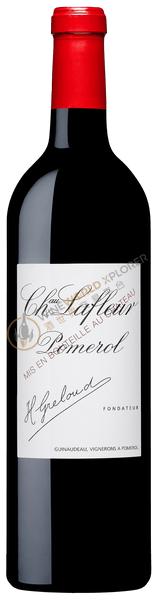
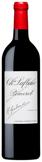
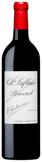
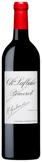
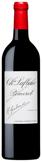
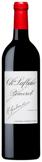
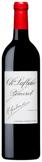
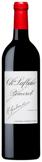
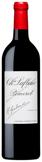
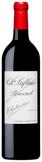
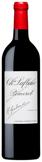
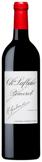
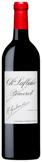
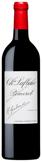
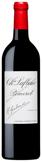
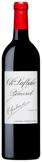
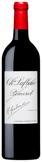
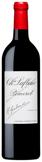
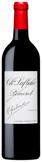
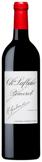
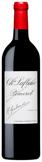
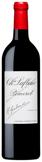
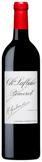
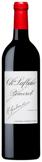
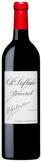
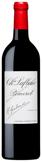
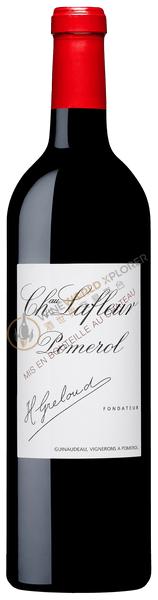
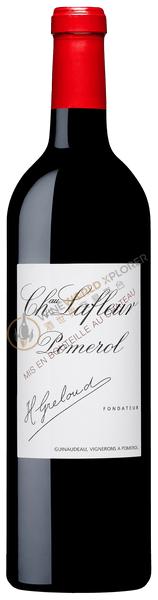
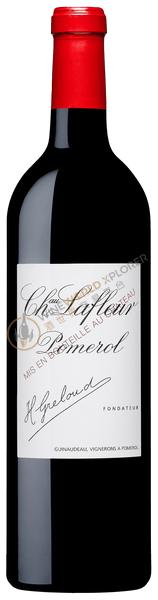
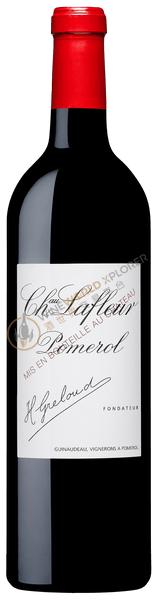
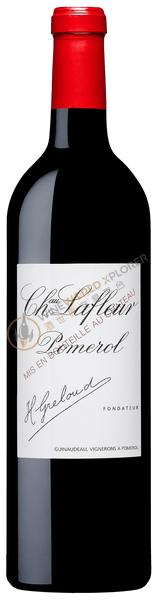
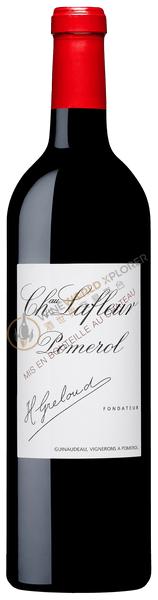
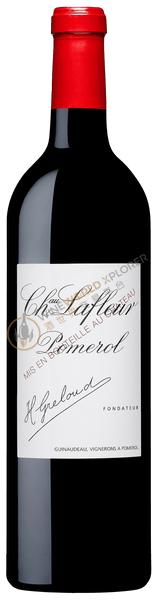
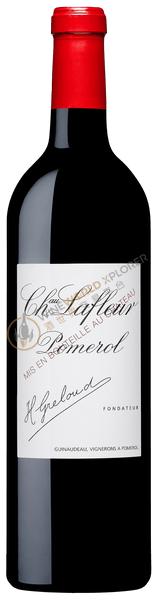
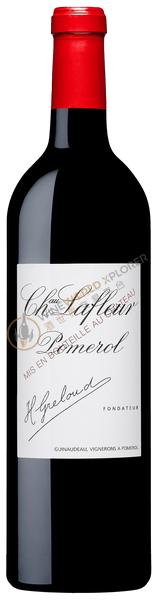
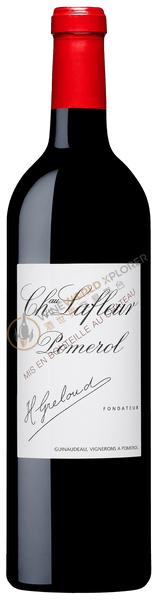
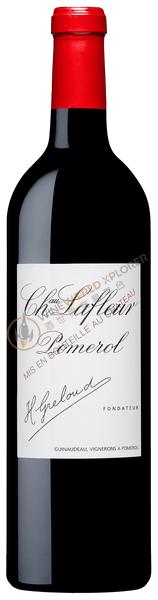
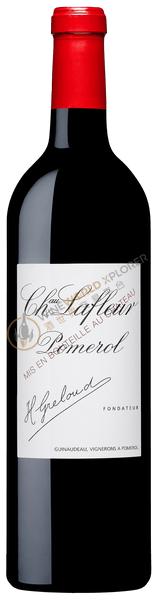
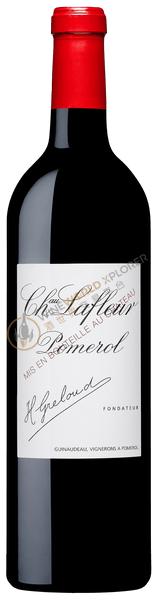
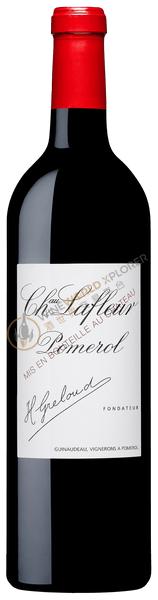
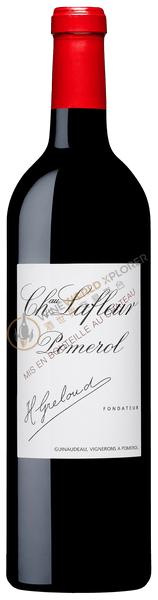
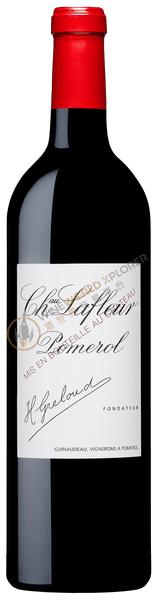
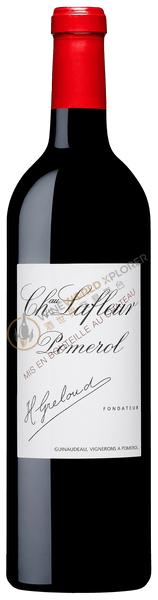
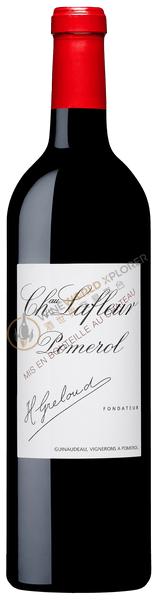
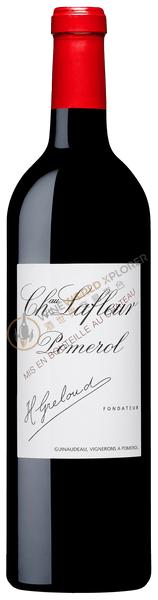
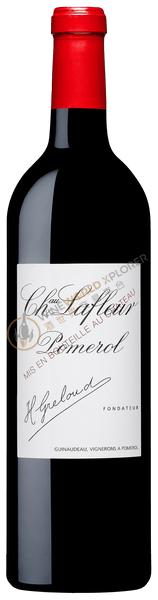
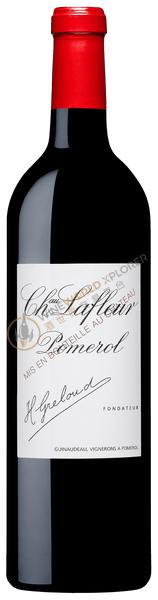
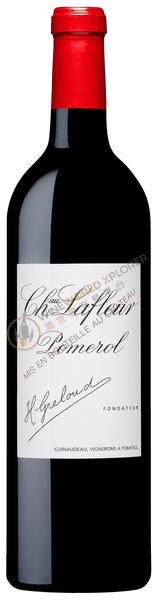
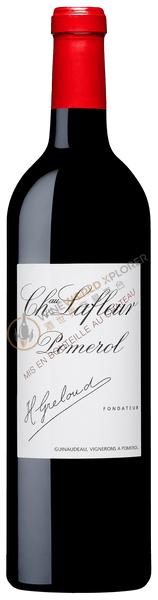
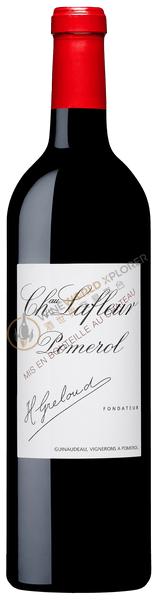
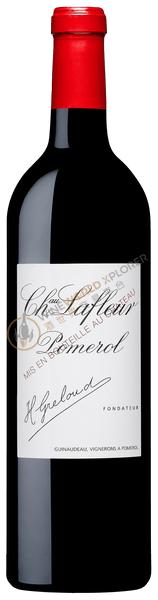
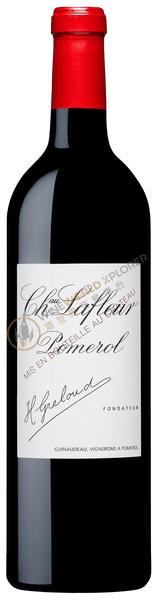
Lafleur 1990
 View analysis


Description
Château Lafleur is a tiny 4.5-hectare Pomerol property located opposite Pétrus and producing wines of comparable quality. Lafleur is owned and run by Sylvie and Jacques Guinadeau. Its vineyards are situated on the gravel-rich Pomerol plateau and adjoin those of La Fleur-Pétrus. The soils here are particularly deep and are enriched by deposits of potassium and iron. Only natural fertilisers are used and yields are painfully low, even by Pomerol standards. By the 1980s, Chateau Lafleur was on its way to becoming one of the world’s most in-demand wines selling for more than the First Growths. In 1975, Robert Parker made his first visit to the estate and since then never stopped writing about the wine. His comments on Chateau Lafleur excited consumers all over the world, and thus became one of those Pomerol wines that tied to the success and continuous praise heaped on the wine by Robert Parker.
Tasting notes

Reviewed by: Robert M. Parker, Jr.
The thick purple color of the 1990 is accompanied by a bouquet that offers up aromas of minerals, licorice, flowers, over-ripe black and red fruits (especially cherries), and prunes. The wine possesses gobs of tannin and glycerin, as well as fabulous concentration and richness. More viscous and weighty than the phenomenal 1989, the 1990 appears destined for three decades of life. Of the many great wines made at this estate, the 1990 has the potential to rival the 1979, 1975, 1950, 1947, and 1945. Anticipated maturity: 2000-2020. Last tasted, 6/93.
Reviewed by: Neal Martin
The nose is backward, similar to the ’82 in some ways and demands 20 minutes for its reveille in glass. It is worth waiting for: blackberries, wild hedgerow, a faint hint of brine and old roses with stupendous delineation, the palate is atypical for a 1990 in that it is still relatively austere, muscular, more stoic than the 1989. It has unerring harmony with a very dense, grippy finish and although it is not as expressive as the Lafleur 1989 at the moment, this will be wonderful wine to behold in another ten years. Drink now-2040+ Tasted March 2008.
Reviewed by: Robert M. Parker, Jr.
This wine goes from strength to strength, and is developing even better than I initially expected. More backward than most of the big, Cabernet Sauvignon-based 1990 Medocs, it is full-bodied and viscous, but not as thick or oily as the 1982 can be. The 1990's fresh, pure black raspberry, incense, and minerality characteristics result in a young, legendary wine. Still deep ruby/purple to the rim as well as extraordinarily intense, it is 4-10 years away from full maturity, and should evolve for another 30+ years. It is an amazing achievement! Release price: ($1800.00/case)
Reviewed by: Robert M. Parker, Jr.
The thick purple color of the 1990 is accompanied by a bouquet that offers up aromas of minerals, licorice, flowers, over-ripe black and red fruits (especially cherries), and prunes. The wine possesses gobs of tannin and glycerin, as well as super concentration and richness. More viscous and weighty than the phenomenal 1989, the 1990 appears destined for three decades of life. Of the many great wines made at this estate, the 1990 has the potential to rival the 1979, 1975, 1950, and 1947. Anticipated maturity: 2000-2020.
Reviewed by: Robert M. Parker, Jr.
The 1990 Lafleur is equally powerful, muscular, and super-concentrated, but the tannin is riper as well as better-integrated, resulting in a phenomenally extracted wine revealing the 1990 vintage's overripeness. There are copious amounts of sweet black-cherry fruit. One taster remarked, "why does this wine taste so much like Rayas (the renowned Grenache-based Chateauneuf du Pape)?" There is an unreal reality to such a comment, largely because both producers tend to pick their fruit at an overripe stage, producing an exotic, compelling wine. Despite its size, the 1990 Lafleur is more developed than the 1989, but it will easily be as long-lived given its massive weight, viscous texture, and profound mouthfeel and finish. It needs 5-10 more years of cellaring and will last for four decades. Both of these vintages rival the great Lafleurs of 1982, 1979, 1975, 1950, 1947, and 1945.
Reviewed by: Robert M. Parker, Jr.
Tasted 4 Times Since Bottling With Consistent Notes The thick purple color of the 1990 Lafleur is accompanied by a bouquet that offers up aromas of minerals, licorice, flowers, over-ripe black and red fruits (especially cherries), and prunes. The wine possesses gobs of tannin and glycerin, as well as super concentration and richness. More viscous and weighty than the phenomenal 1989, the 1990 appears destined for three decades of life. Of the many great wines made at this estate, the 1990 has the potential to rival the 1979, 1975, 1950, and 1947. Anticipated maturity: 2000-2020.
Reviewed by: Robert M. Parker, Jr.
Still developing but becoming more formed, this wine shows fabulous extract, a dense purple color, and a sweet nose of kirsch liqueur that is almost similar to the famed Chateau Rayas of Chateauneuf du Pape. This wine is full-bodied, somewhat exotic, but still very youthful and not yet in its adolescence. The viscous texture, profound richness in the mouth, and extraordinary purity all suggest a potential legend in the making. The wine still needs considerable cellaring. Anticipated maturity: 2008-2040. Last tasted, 8/02.
Reviewed by: Robert M. Parker, Jr.
Another magnificent wine has emerged from this impeccably run property. The nearly black color is accompanied by a bouquet that offers up aromas of minerals, licorice, flowers, over-ripe black fruits, and prunes. In the mouth, there are gobs of tannin and glycerin, as well as super concentration and richness. Marginally less weighty than the phenomenal 1989, the 1990 appears destined for three decades of life. This compelling Pomerol, which is a dead-ringer for the exotic, and may I say, kinky 1983, should be cellared for at least a decade. Anticipated maturity: 2000-2020.
Reviewed by: Neal Martin
Tasted from an ex-chateau bottle at the Lafleur vertical dinner at Attersee in Austria. I have only tasted this 1990 once before. Almost as deep in colour as the 1989, there is perhaps a touch more limpidity to this example. The nose is inhibited at first with reluctant scents of blackberry, wild mint and cedar wood – less marine-influenced then the previous bottle and yet it retains otherworldly delineation and intensity, offering scents of black truffle emerge with time. The palate is full-bodied, smooth and sensual and though it is not quite as complex or as intriguing as the 1989, there is an overwhelming sense of harmony and completeness. It is still astonishingly primal given its age, especially compared to other Pomerol 1990s and there is a sensational Tuscan-like richness and “audacity” on the grippy finish. What a fabulous wine. Tasted June 2012.
About the Producer
In 2002, the Gwinoders completely acquired Lafleur, becoming the sole owner of Lafleur, and have been operating it ever since. Huabao now has 4.5 hectares of vineyards. The soil types in the garden are diverse, including gravel, clay and gravel. Generally speaking, these soils are relatively poor and very suitable for grape planting. Among the grape varieties planted in the vineyard, Merlot (Merlot) and Cabernet Franc (Cabernet Franc) are equally divided, each accounting for 50%, the planting density is 6,000-7,500 plants/ha, and the average tree age is 30 years.
1975(1)1976(1)1982(1)1985(1)1988(1)1989(1)
Package Size
12 x 75cl