Wine Advisor



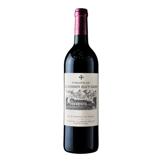
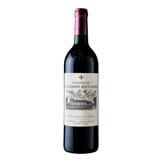
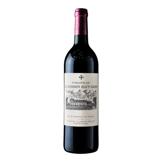
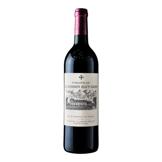
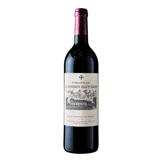
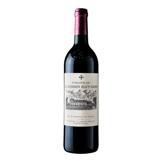
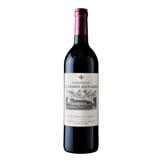
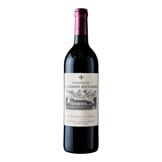
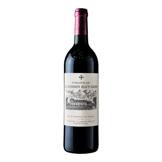
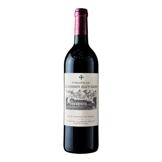
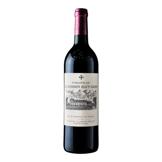
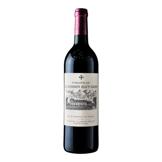
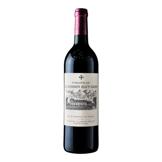
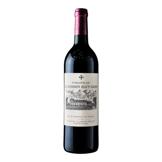
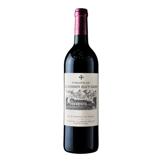
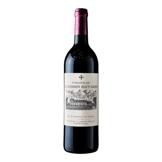
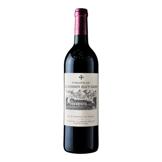
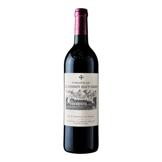
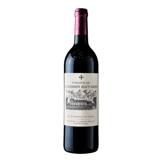
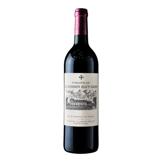
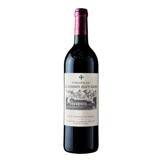
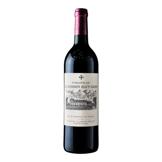
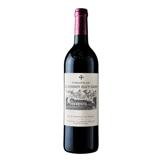
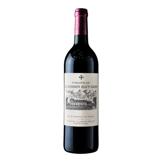
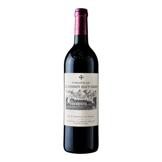
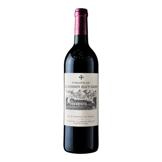
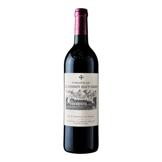
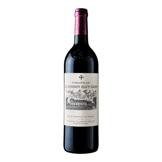
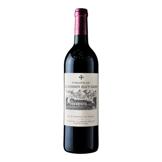
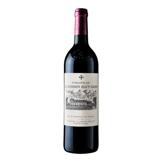
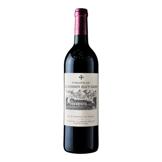
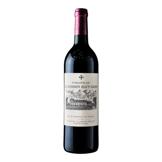
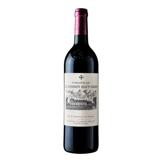
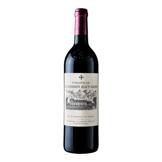
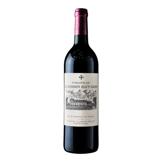
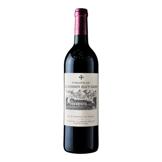
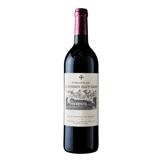
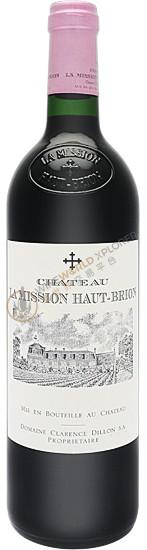
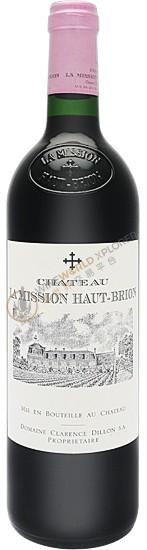
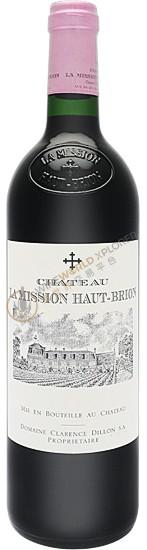
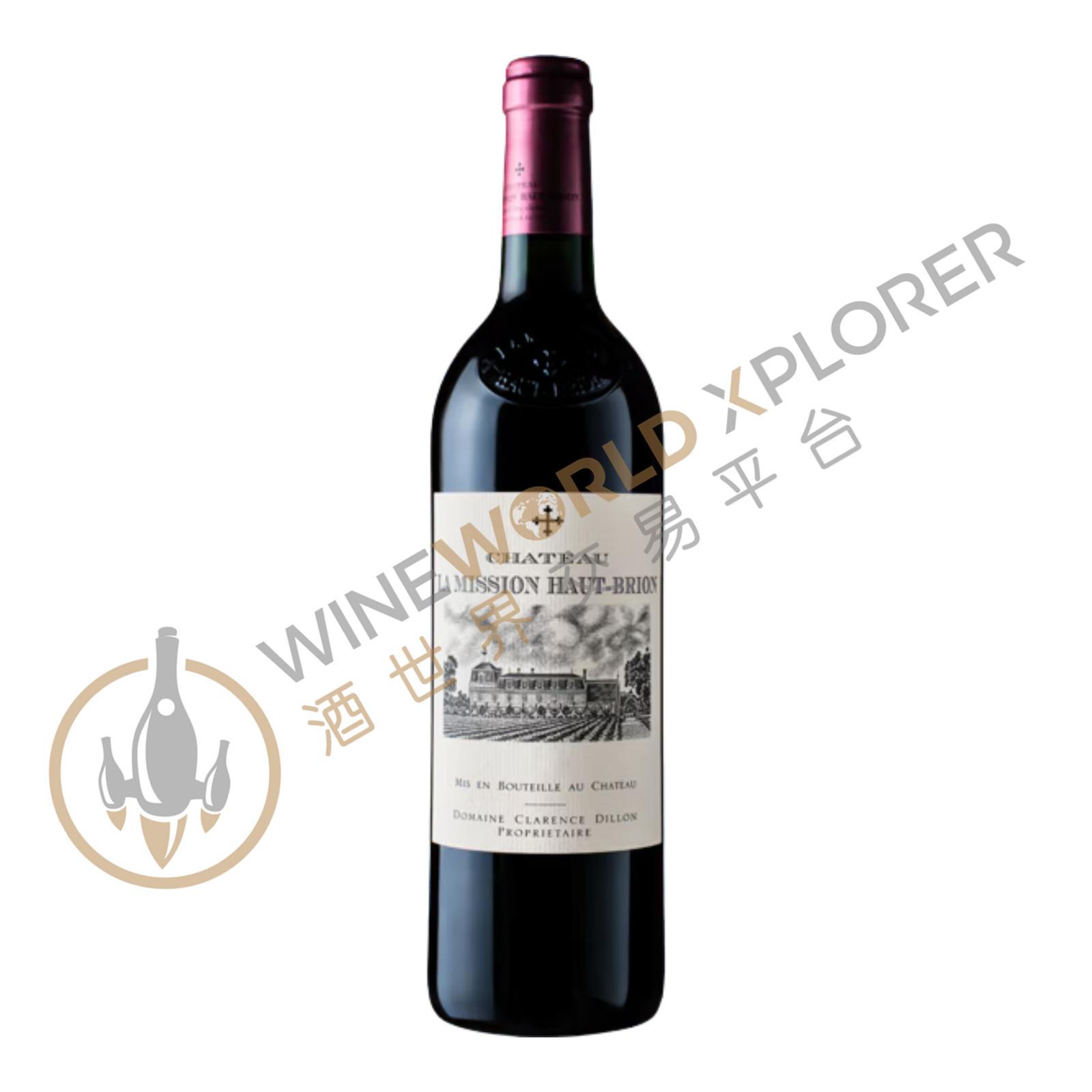
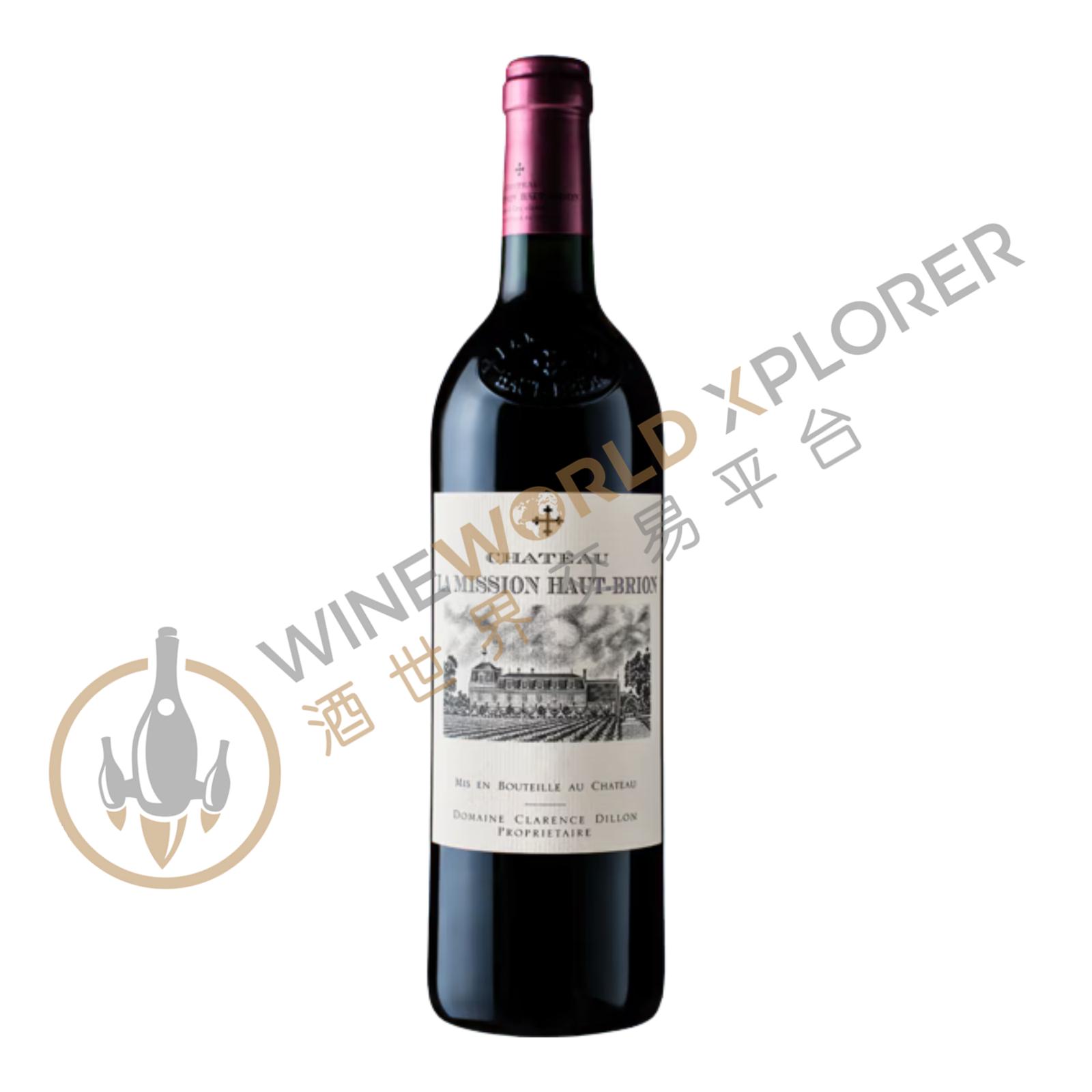
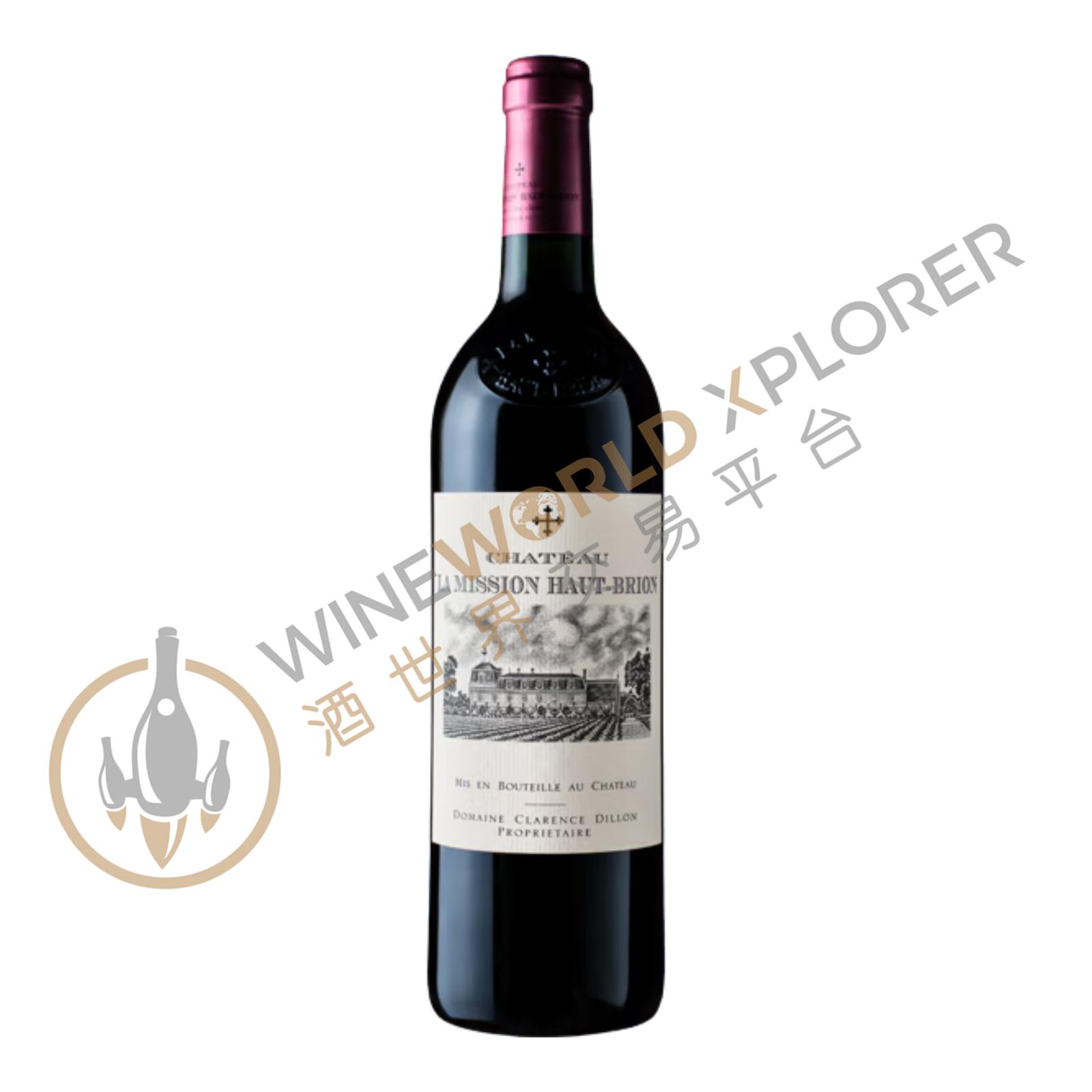
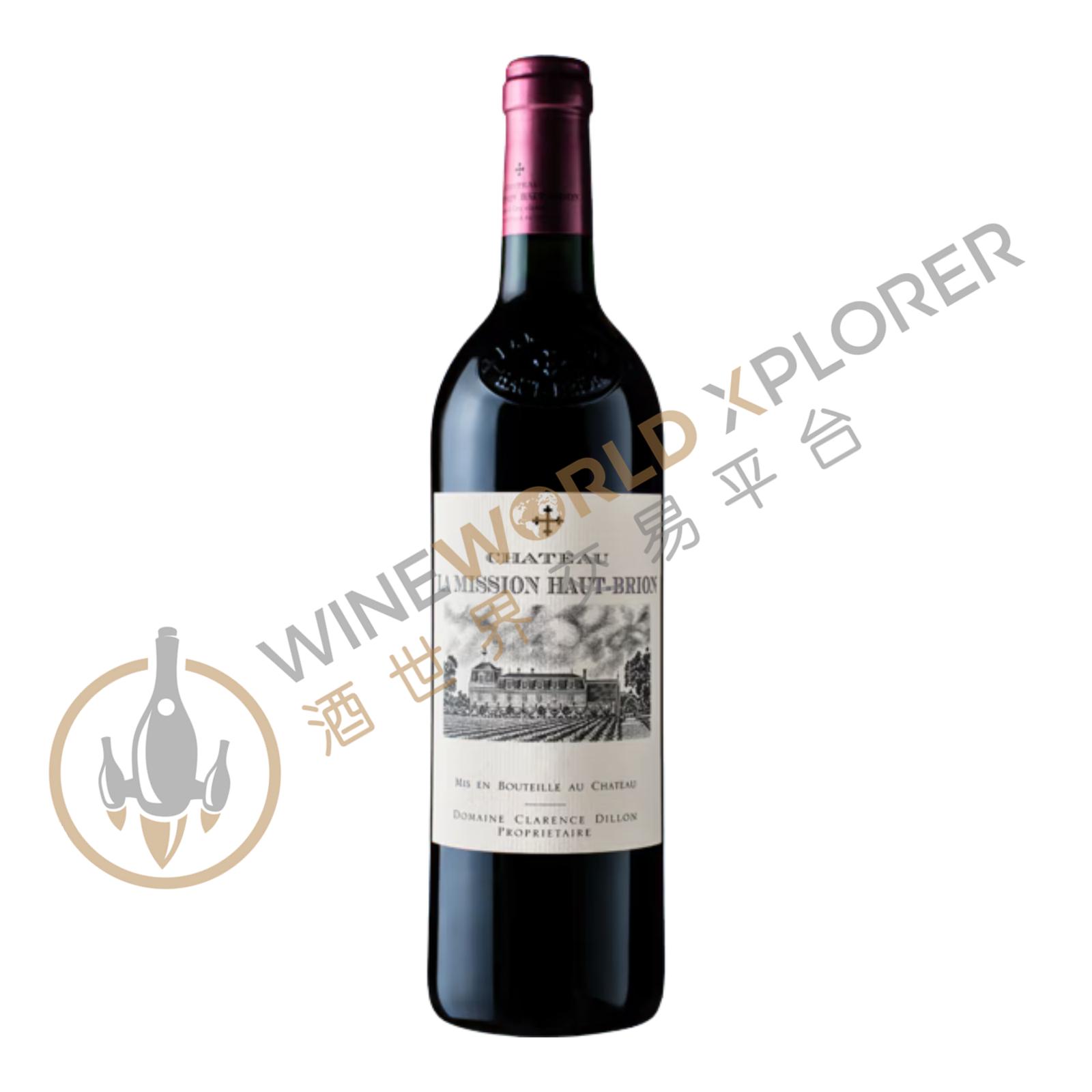
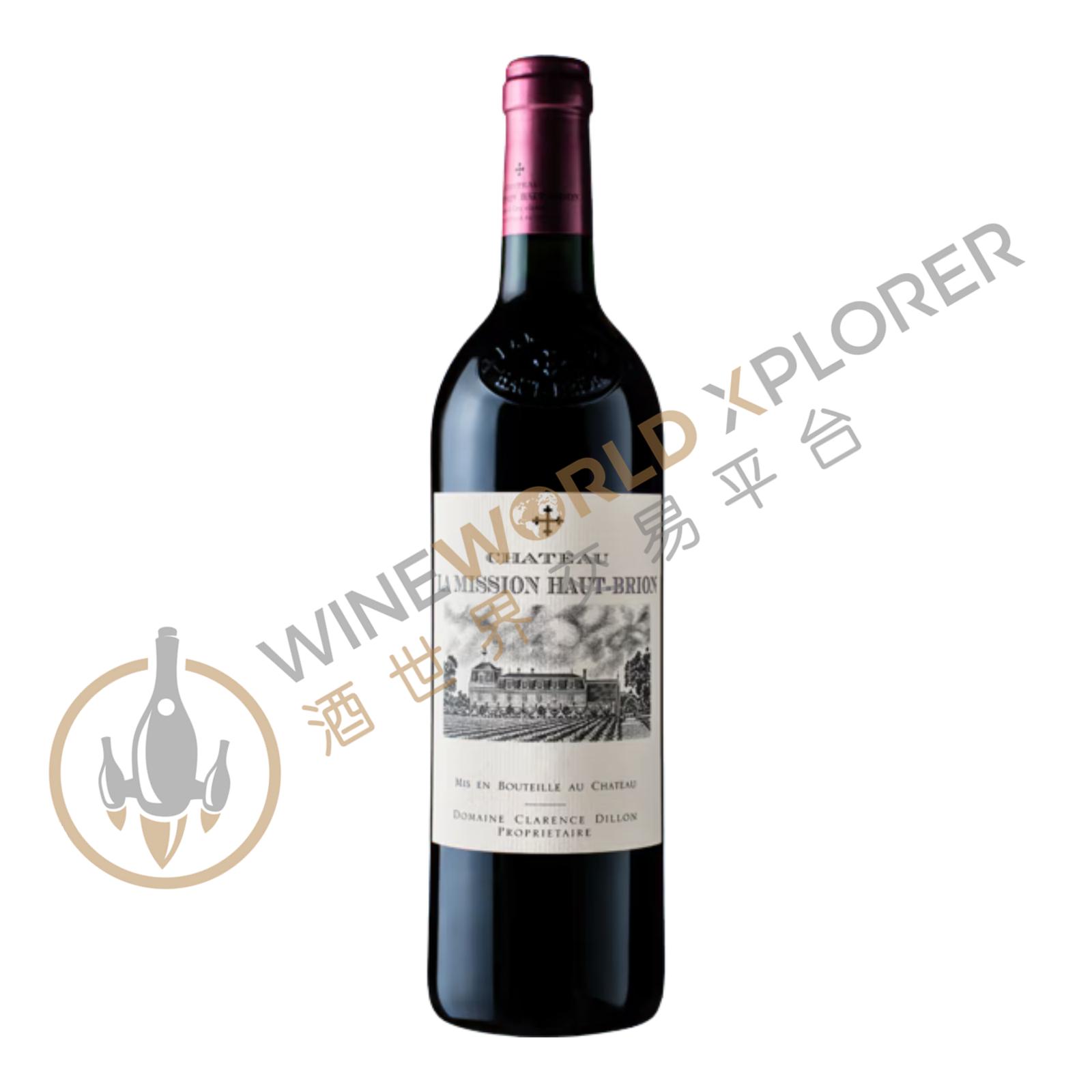
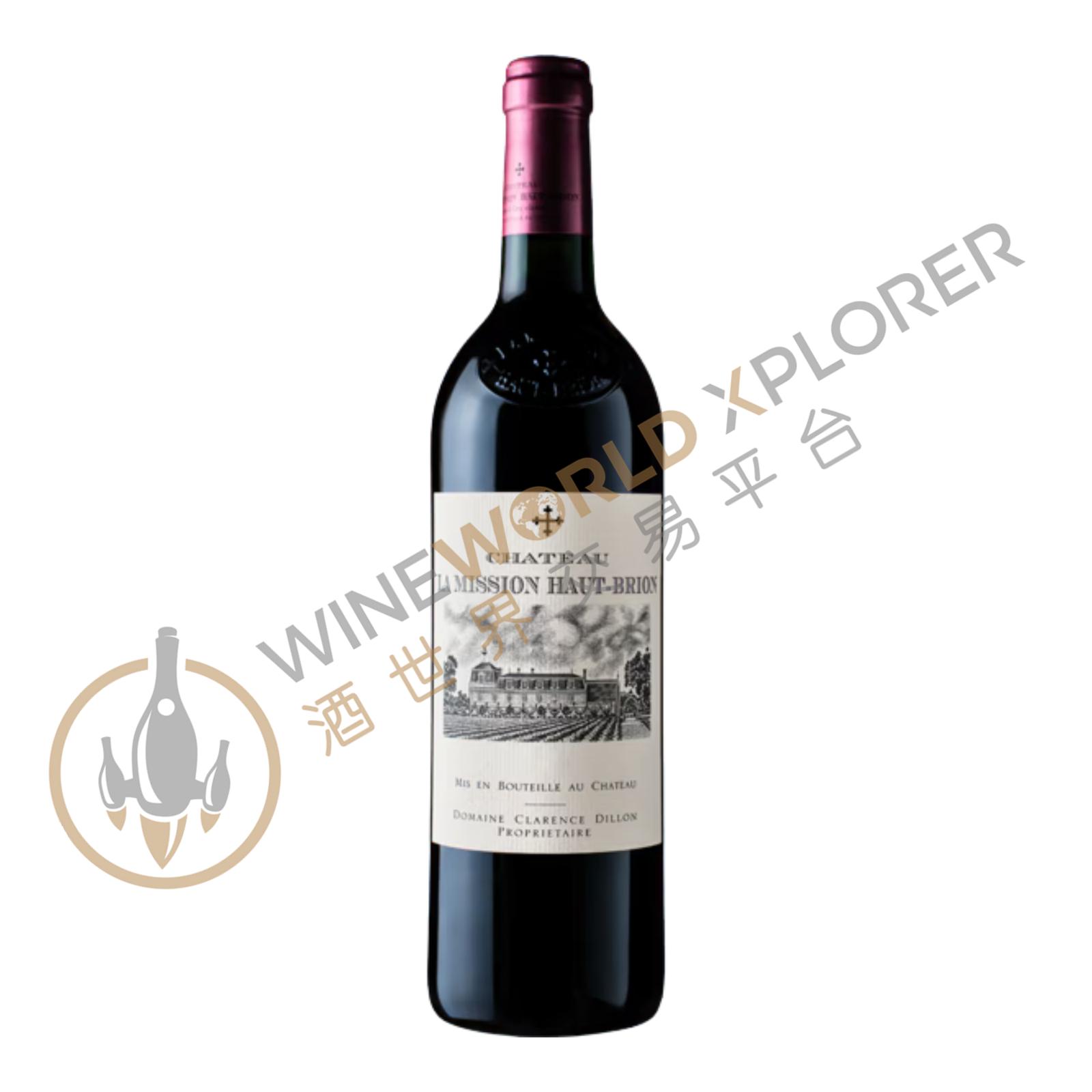
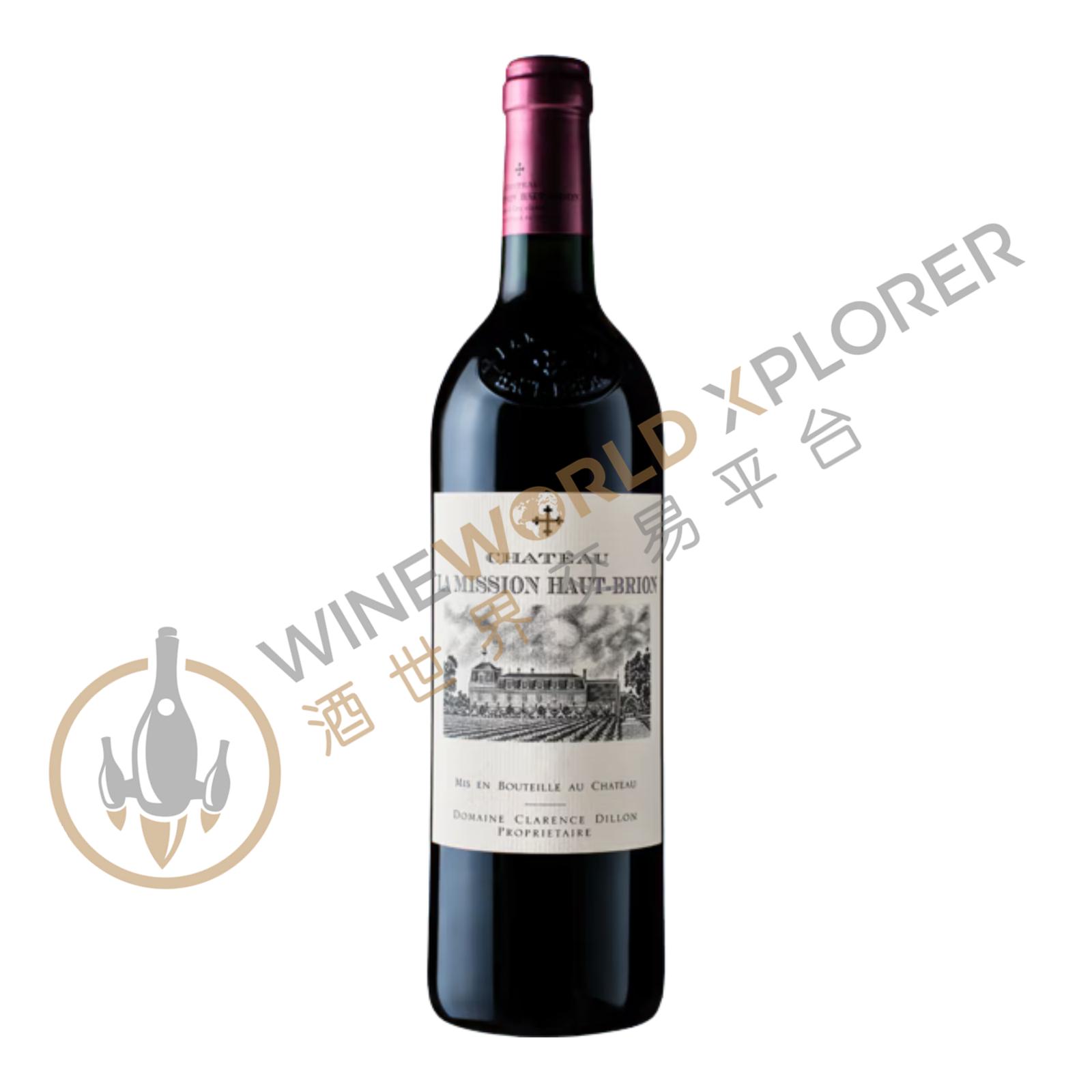
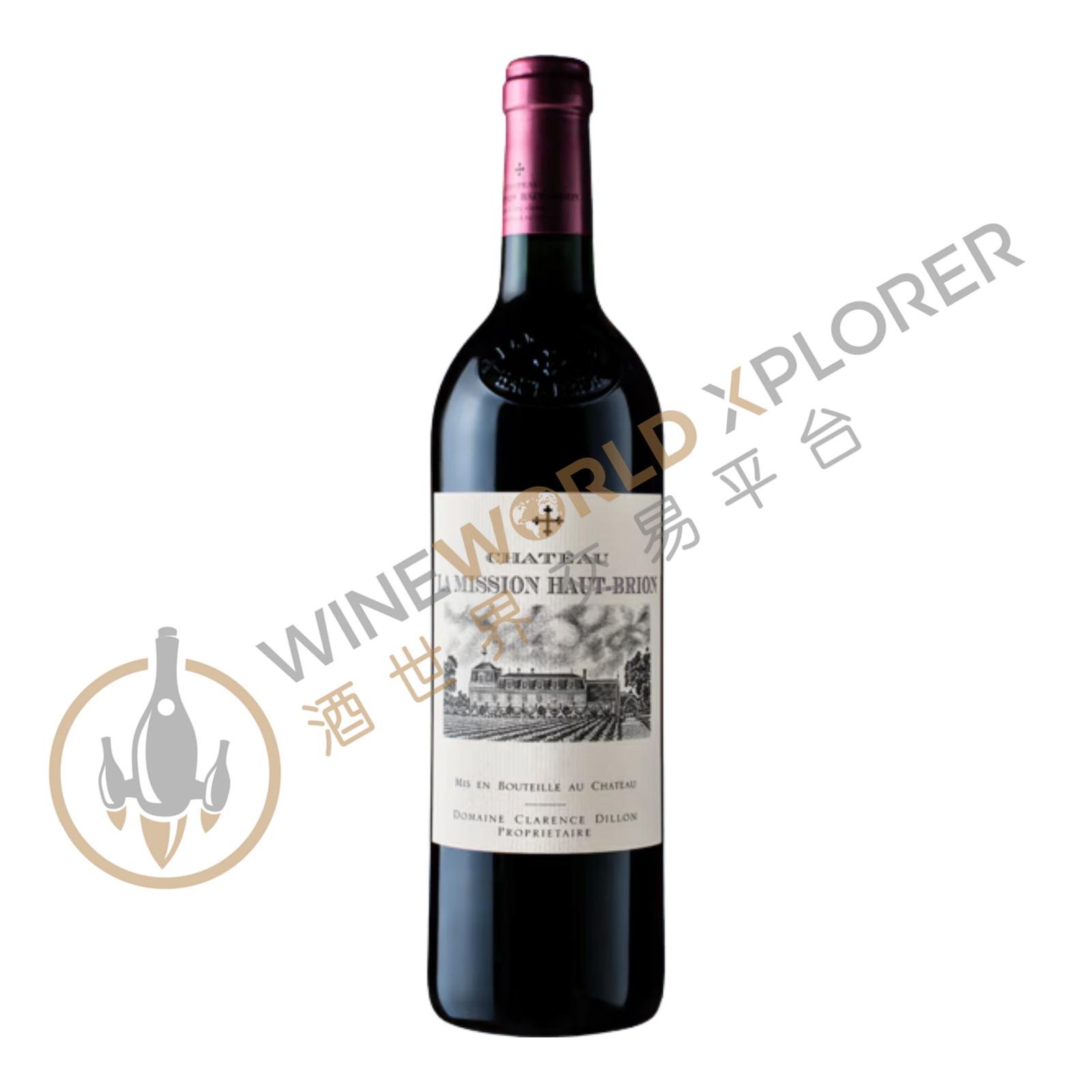
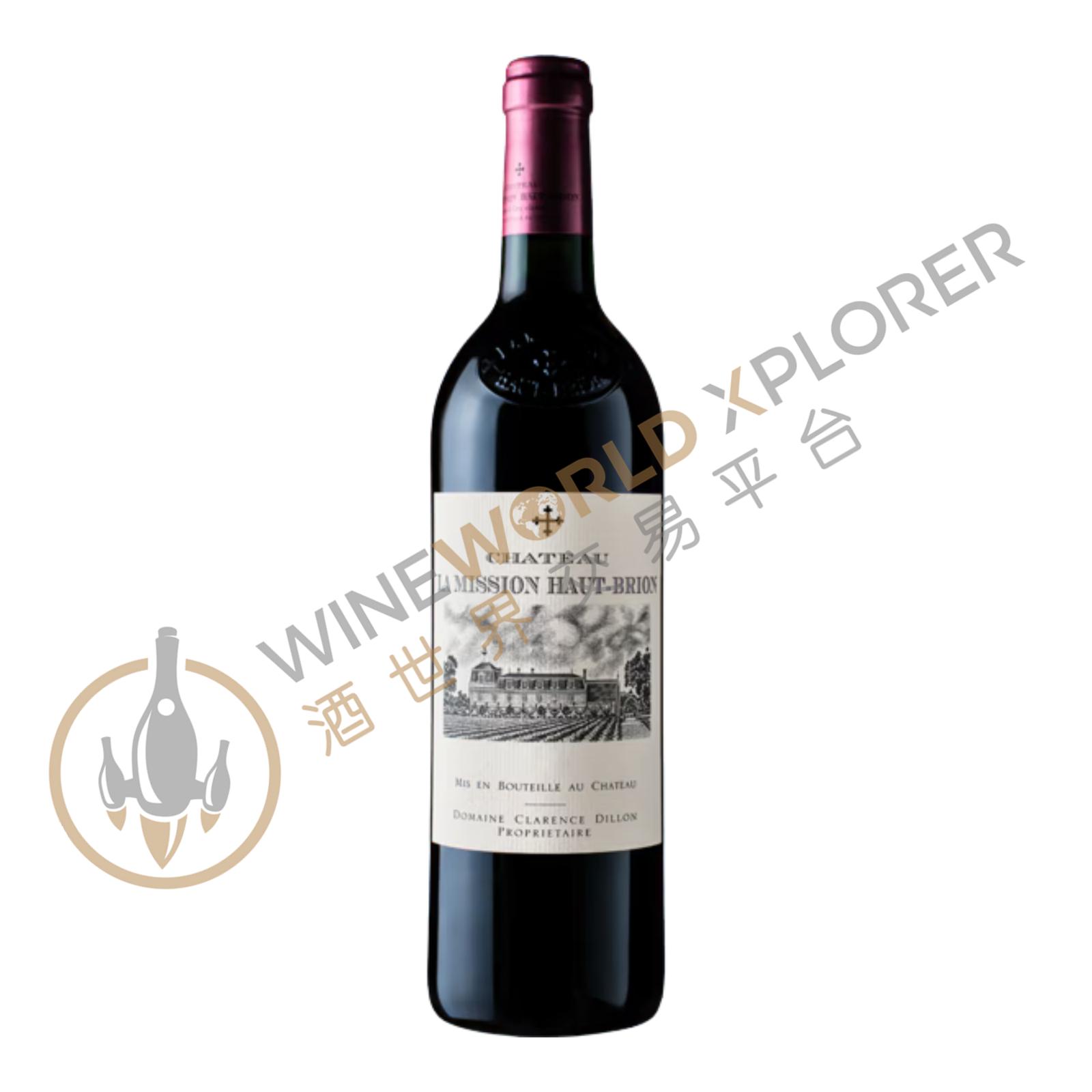
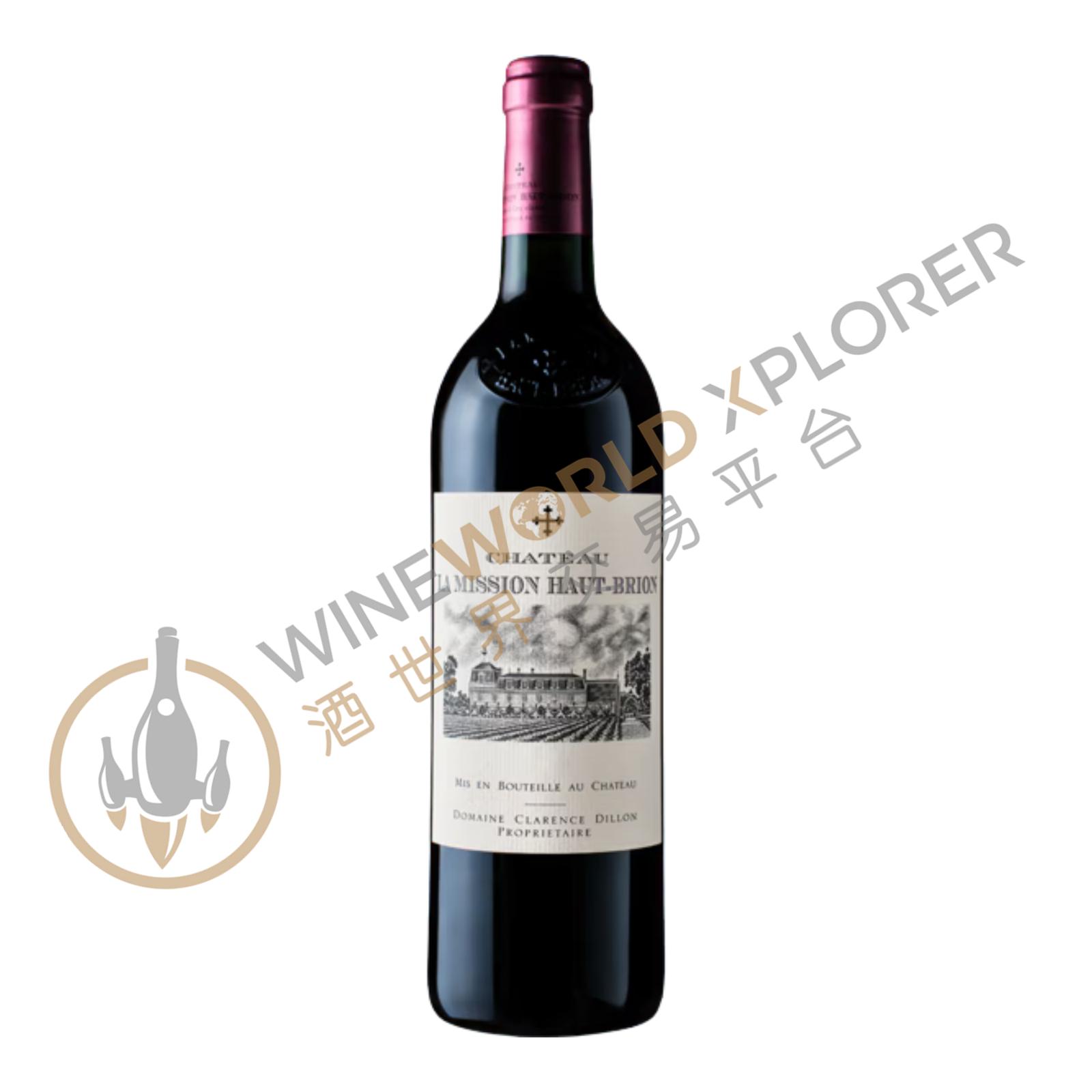
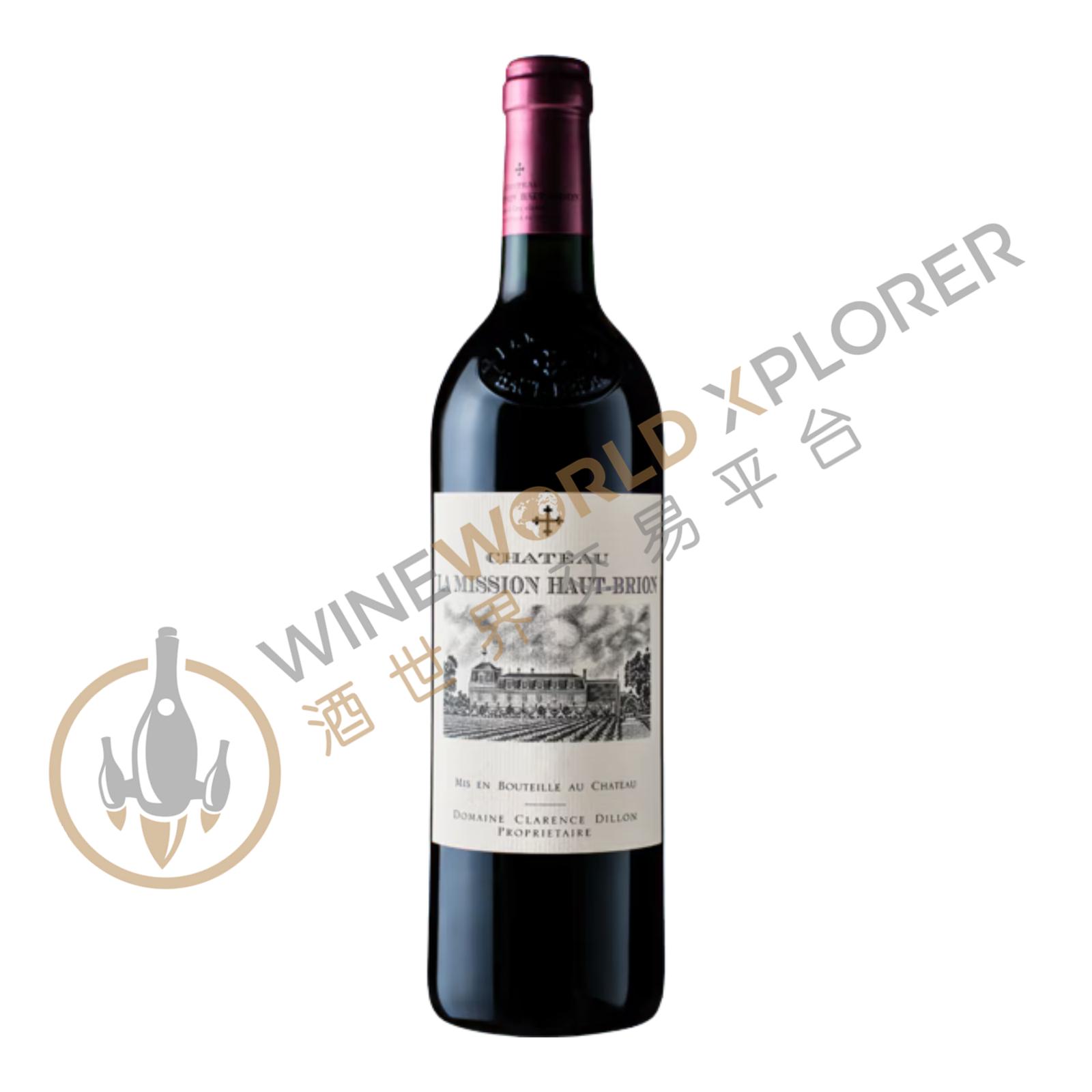
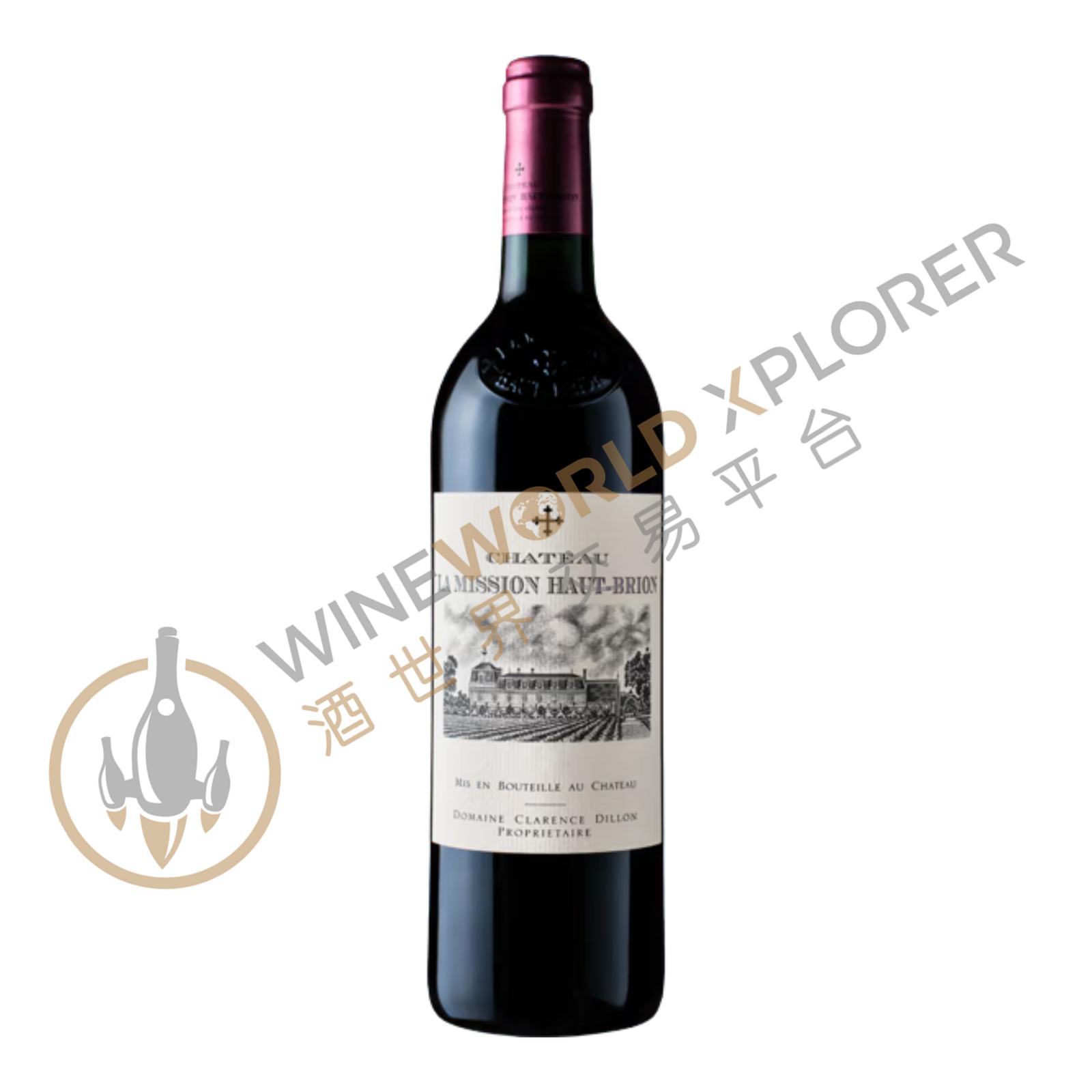
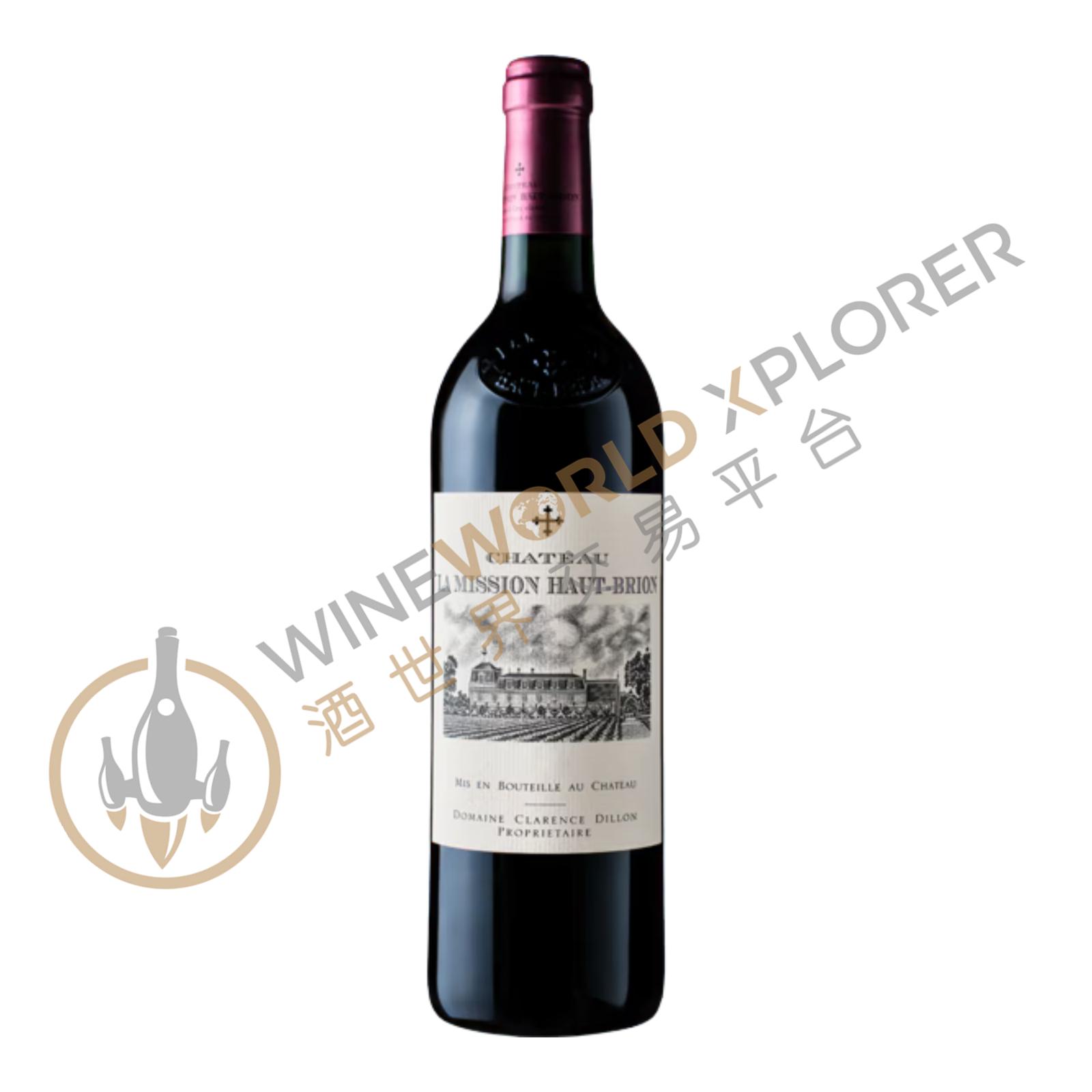
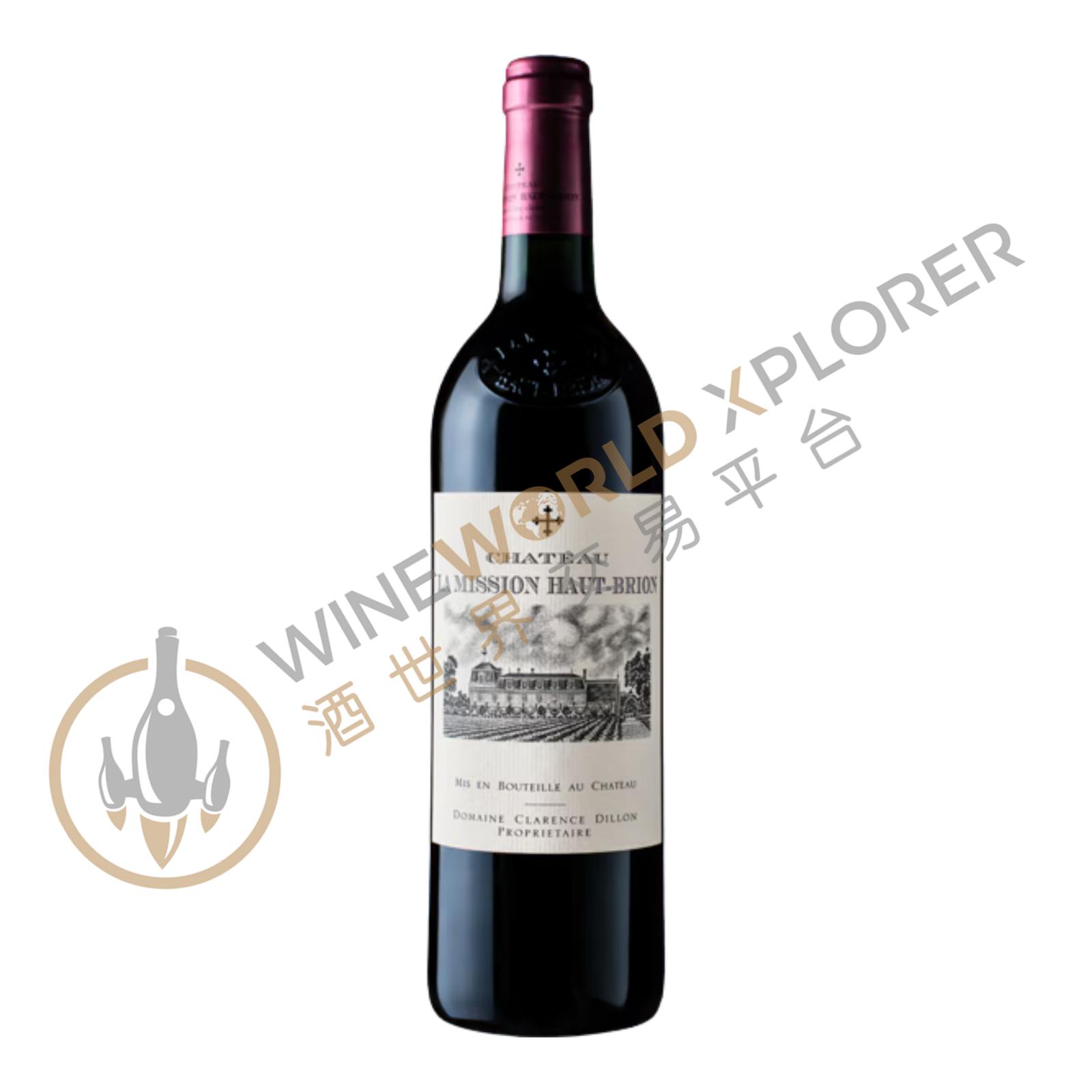
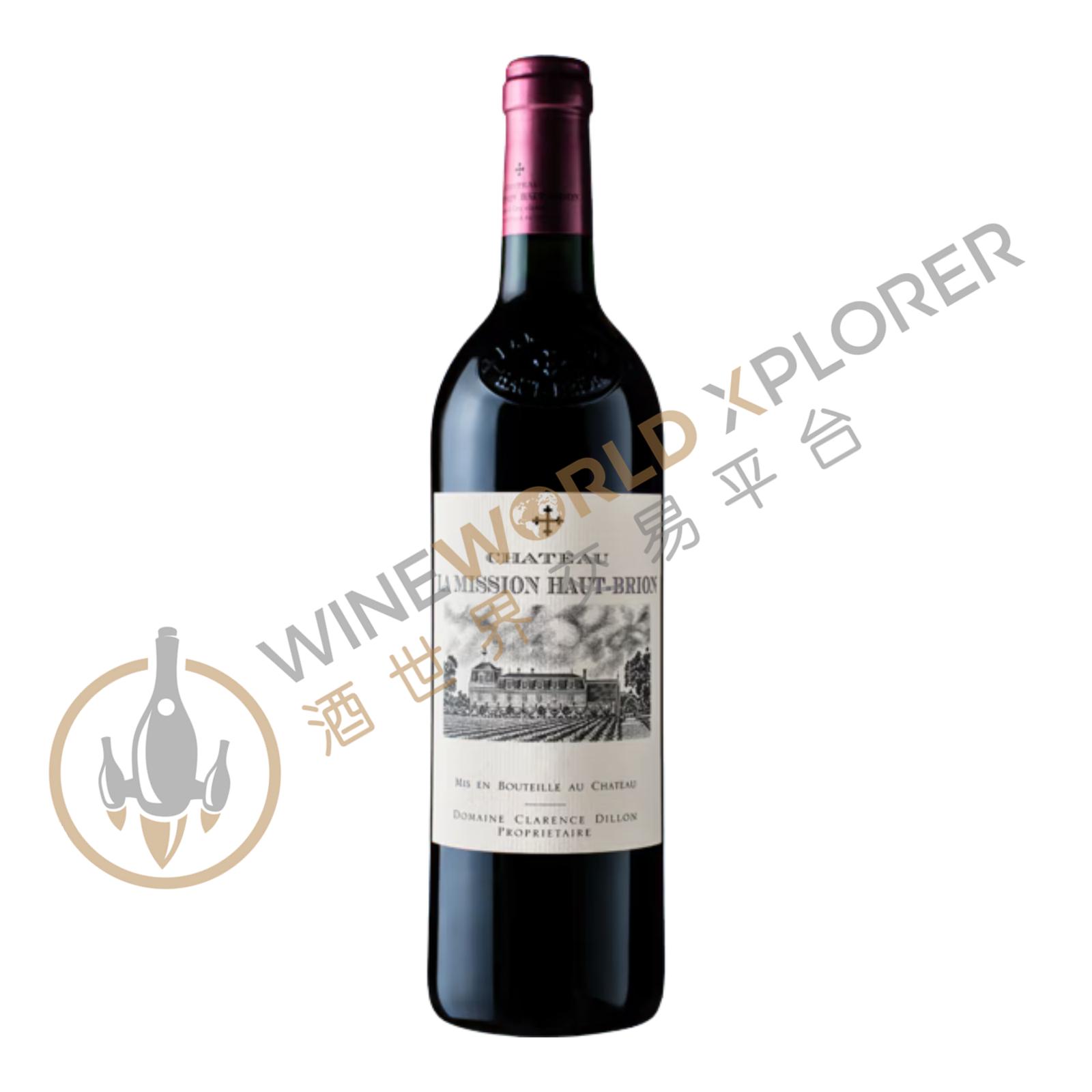
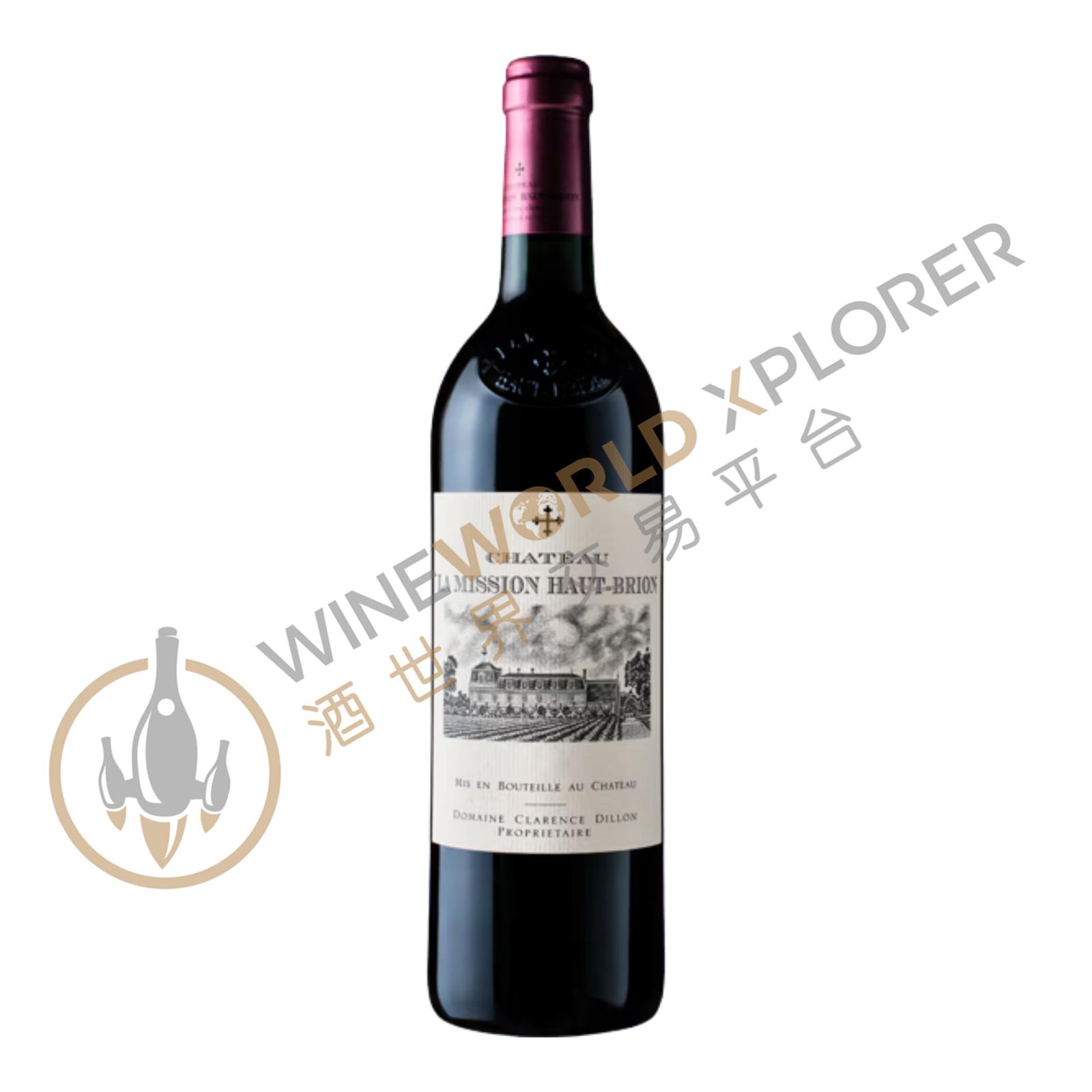
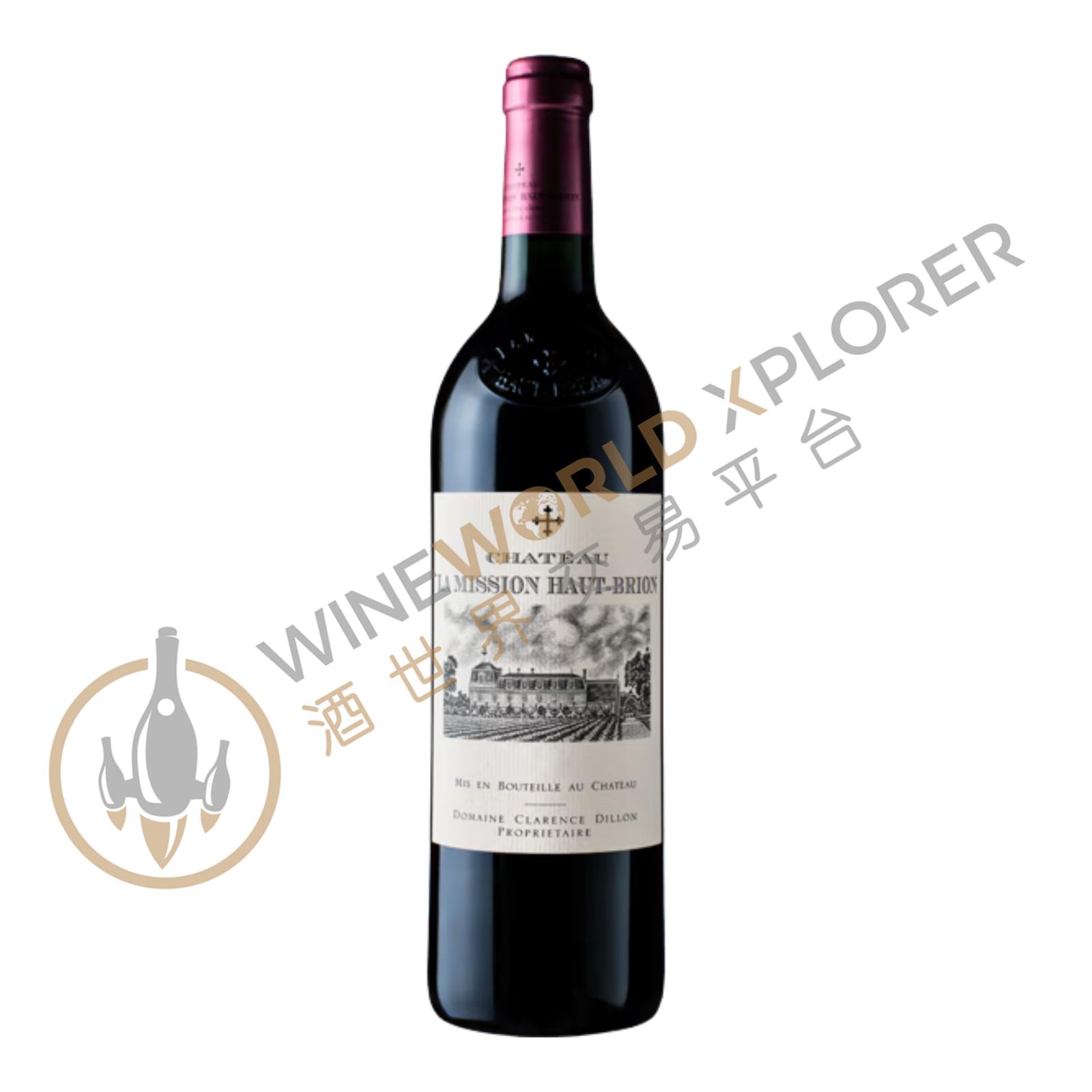
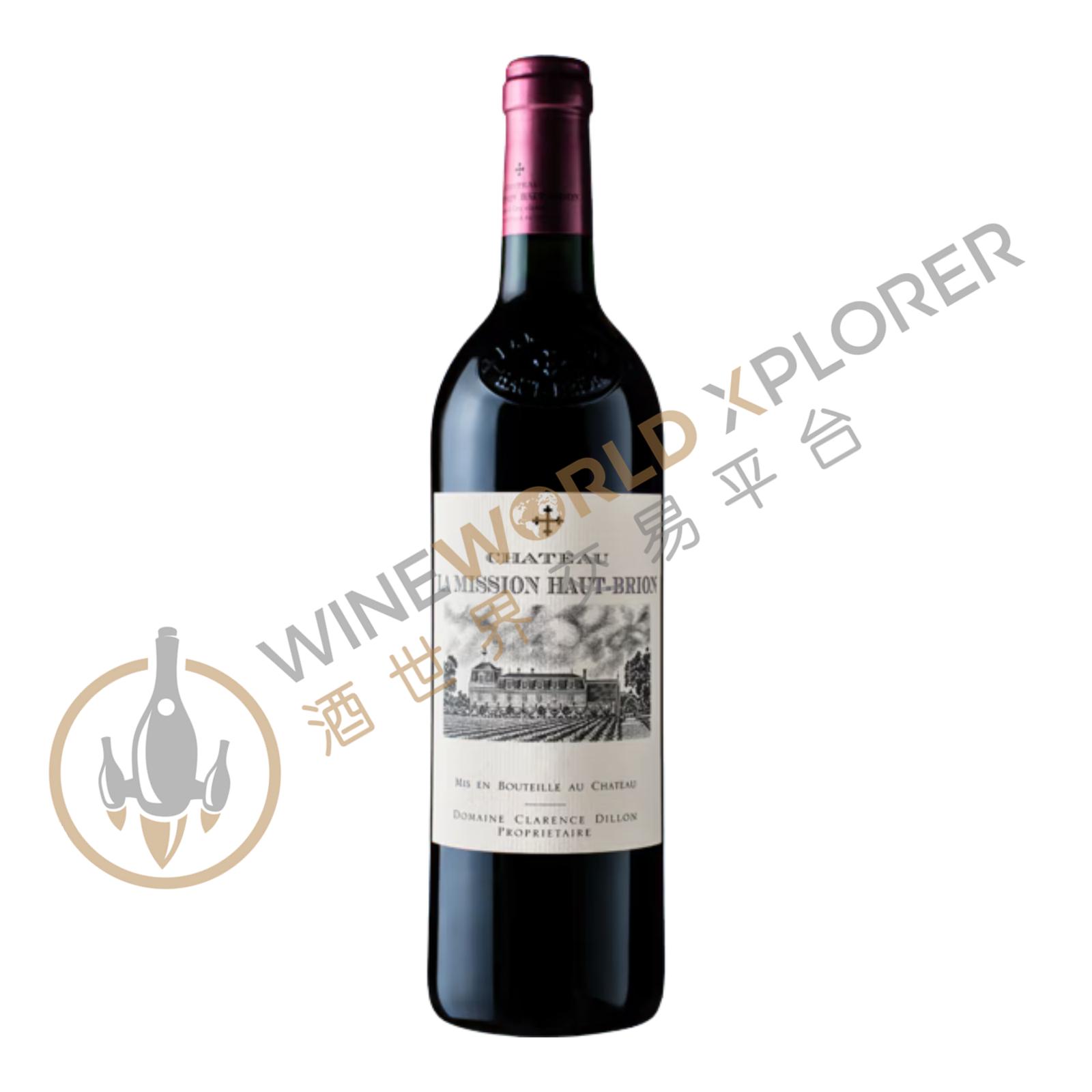
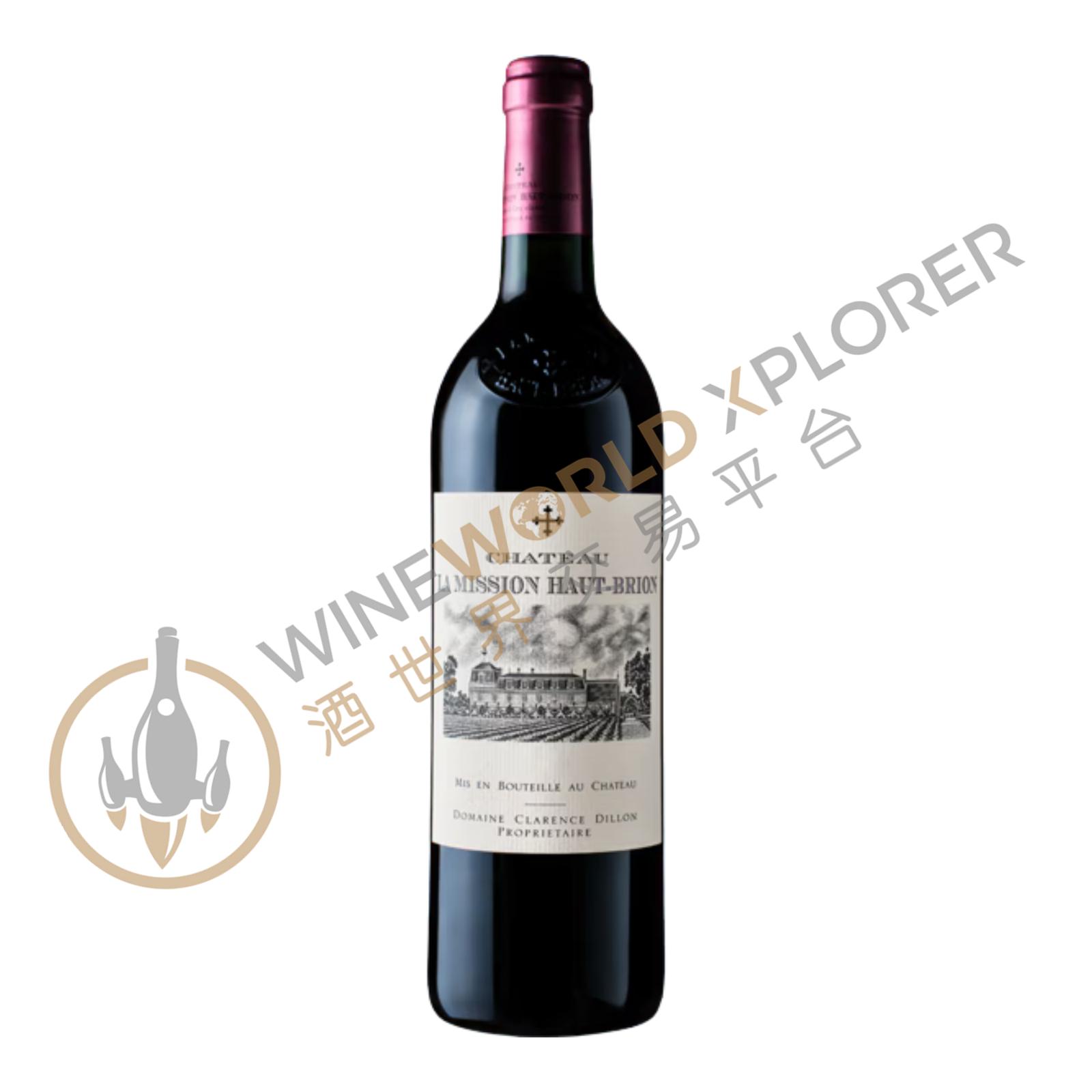
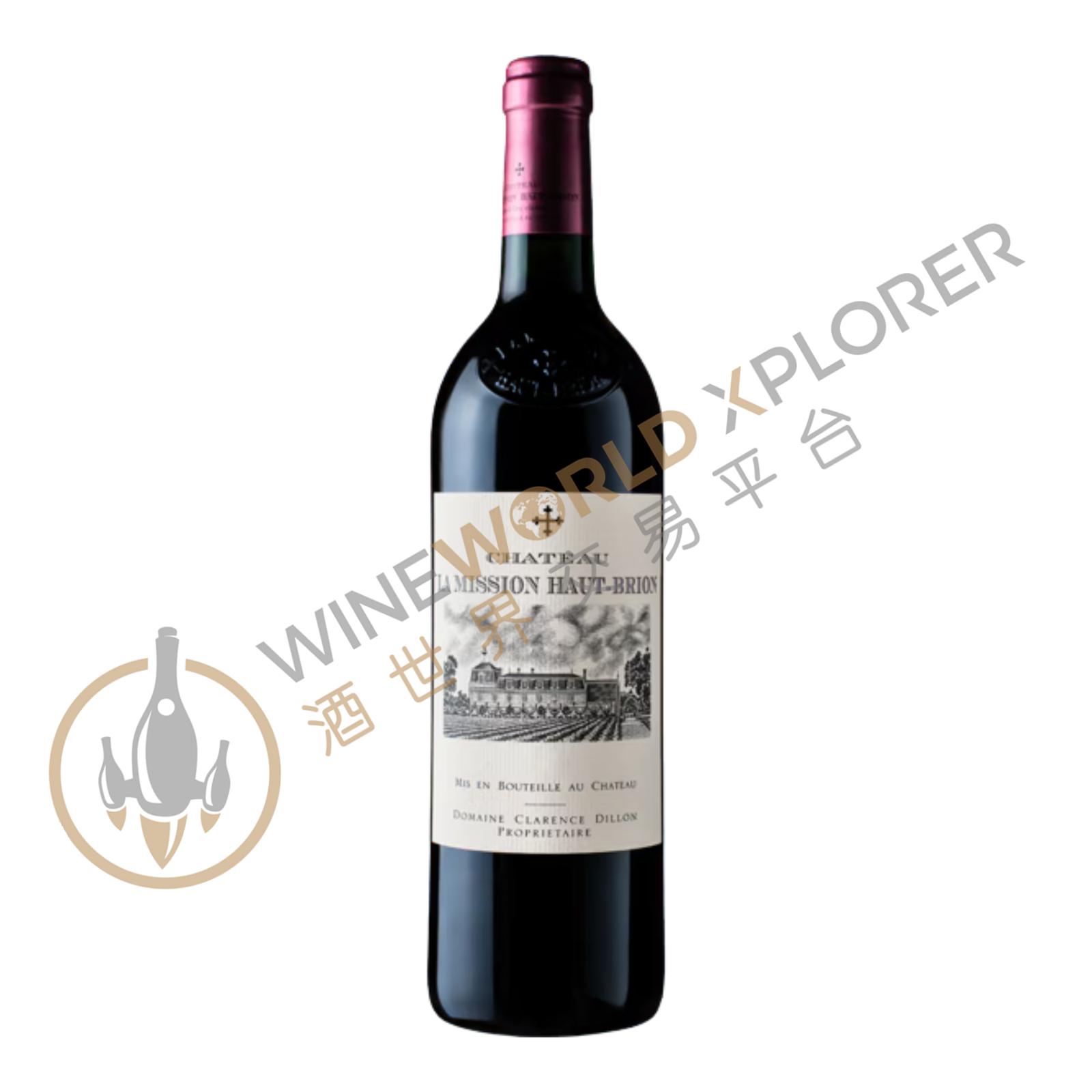
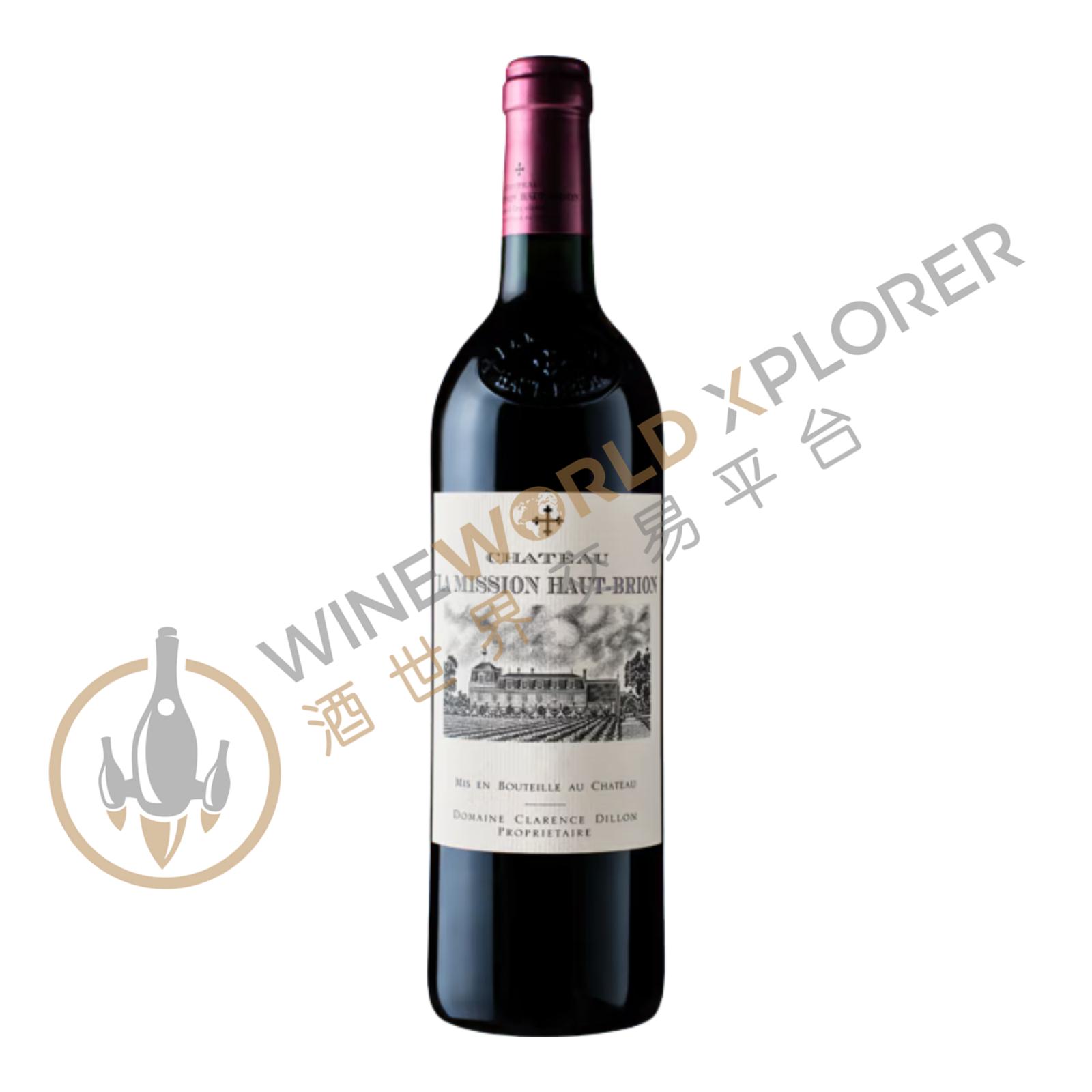
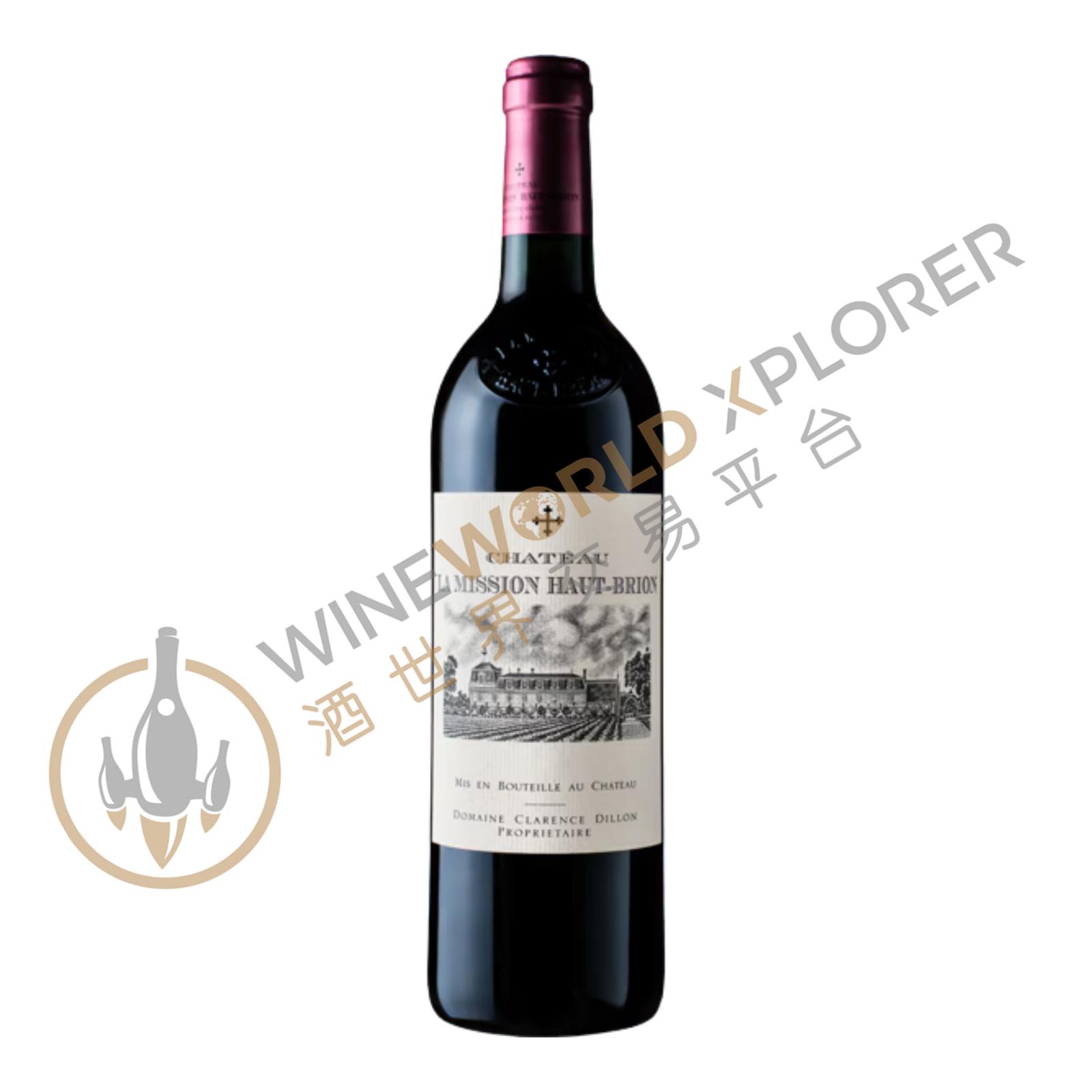
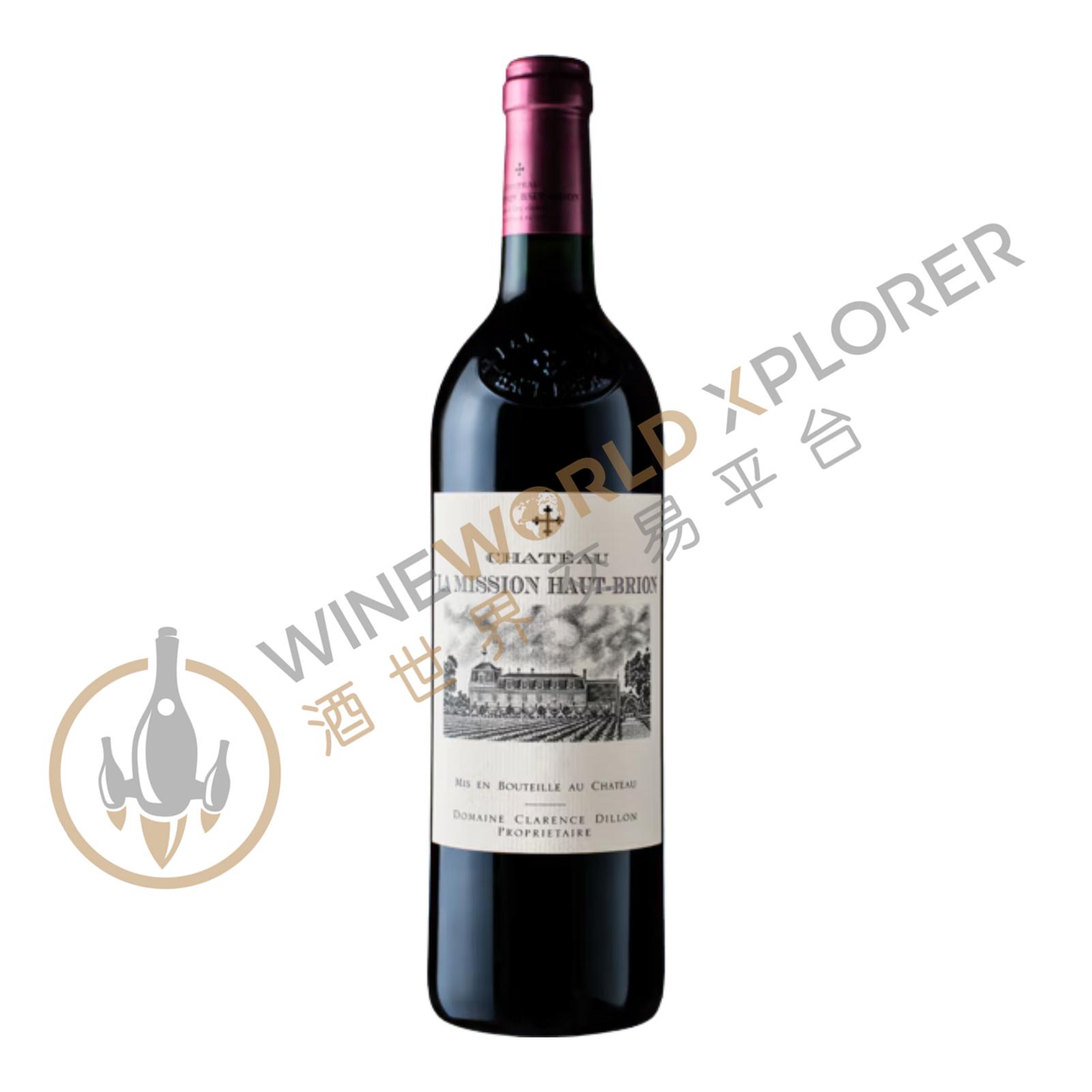
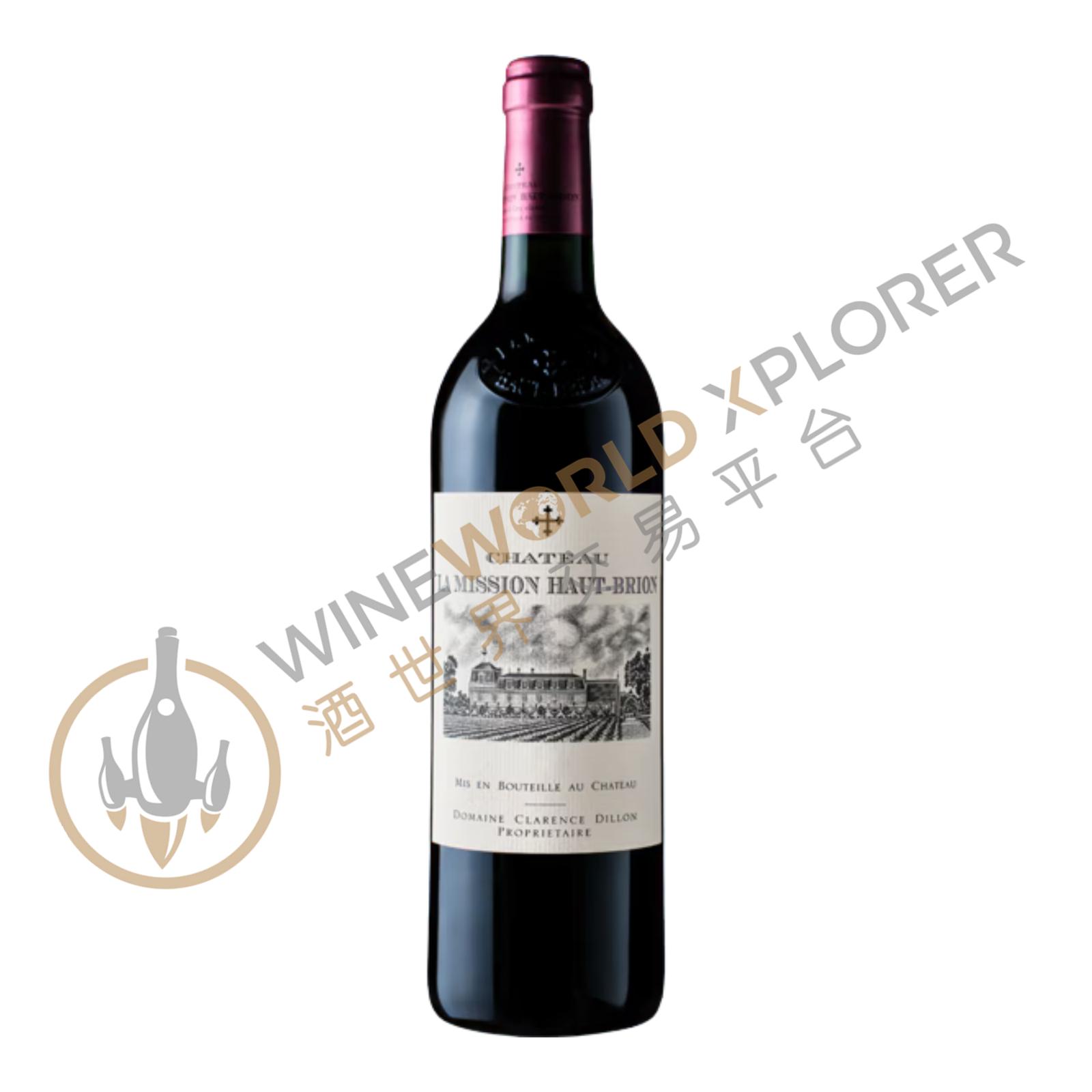
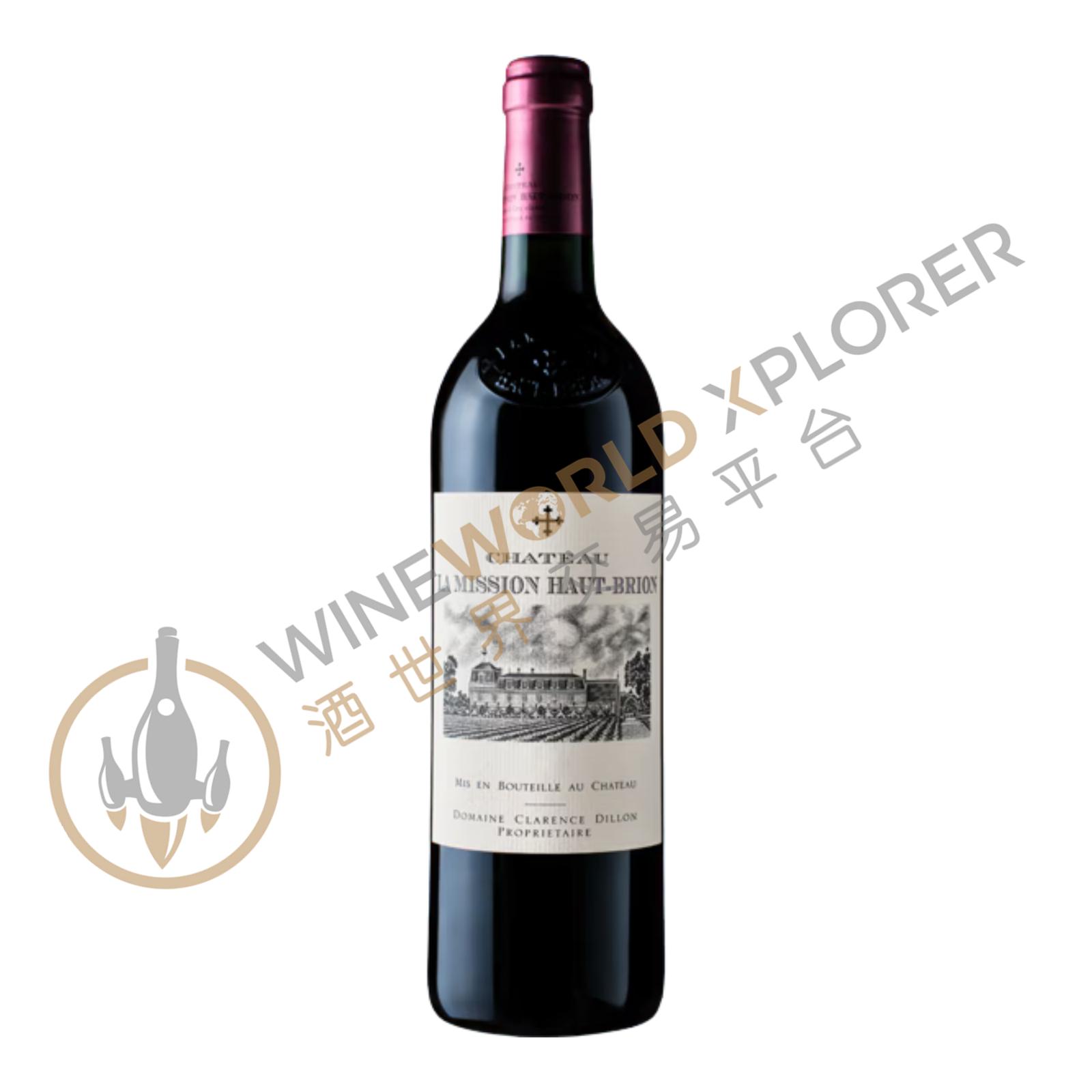
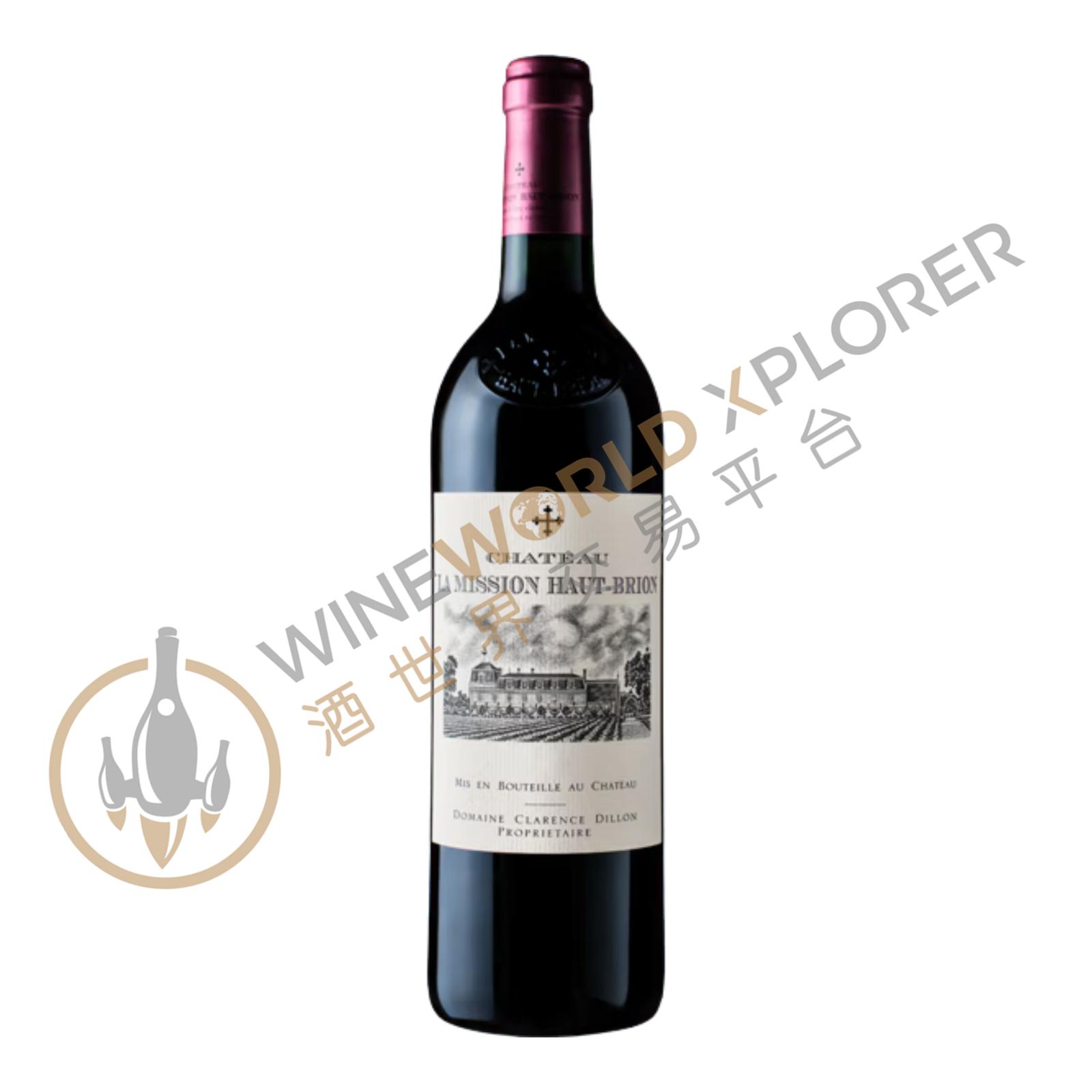
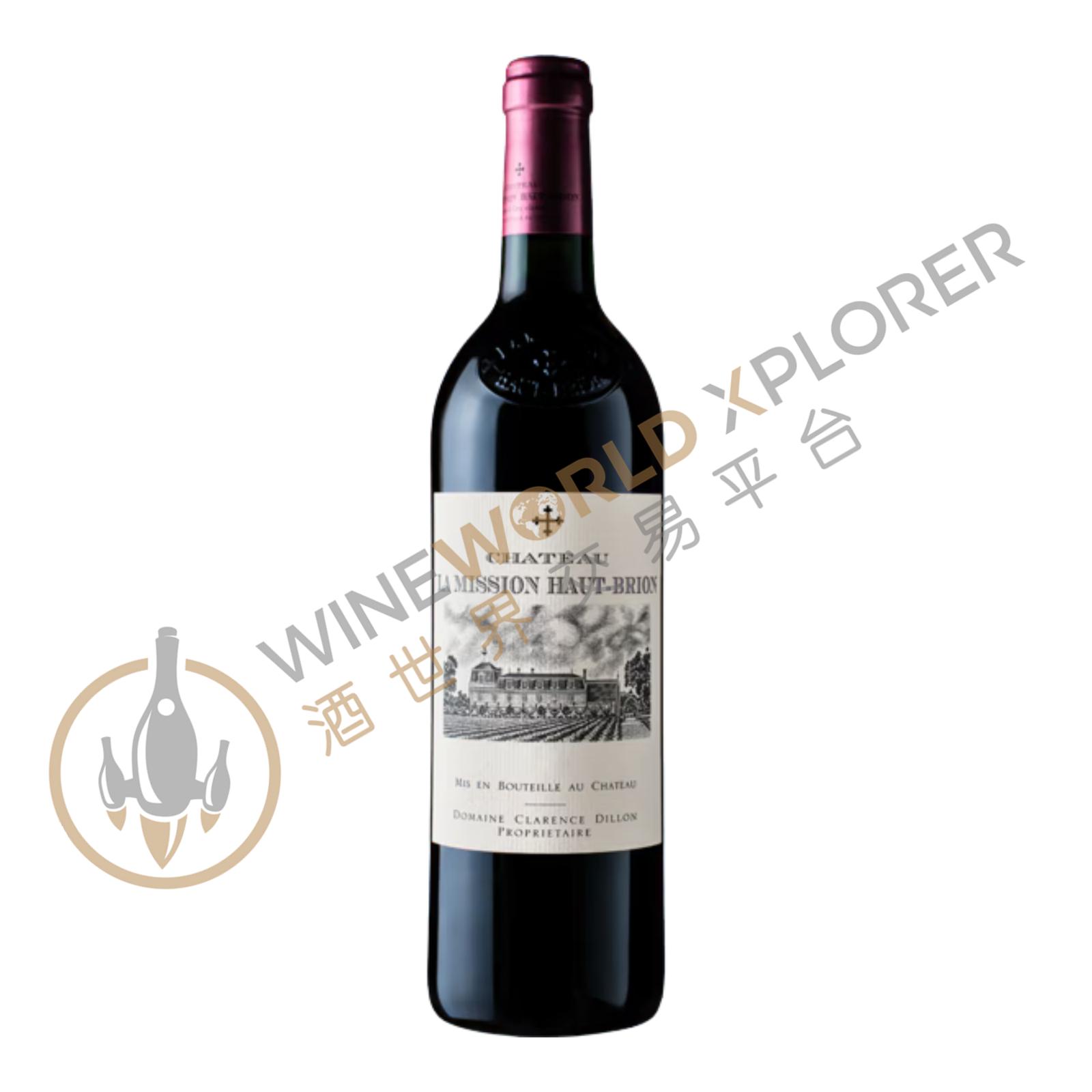
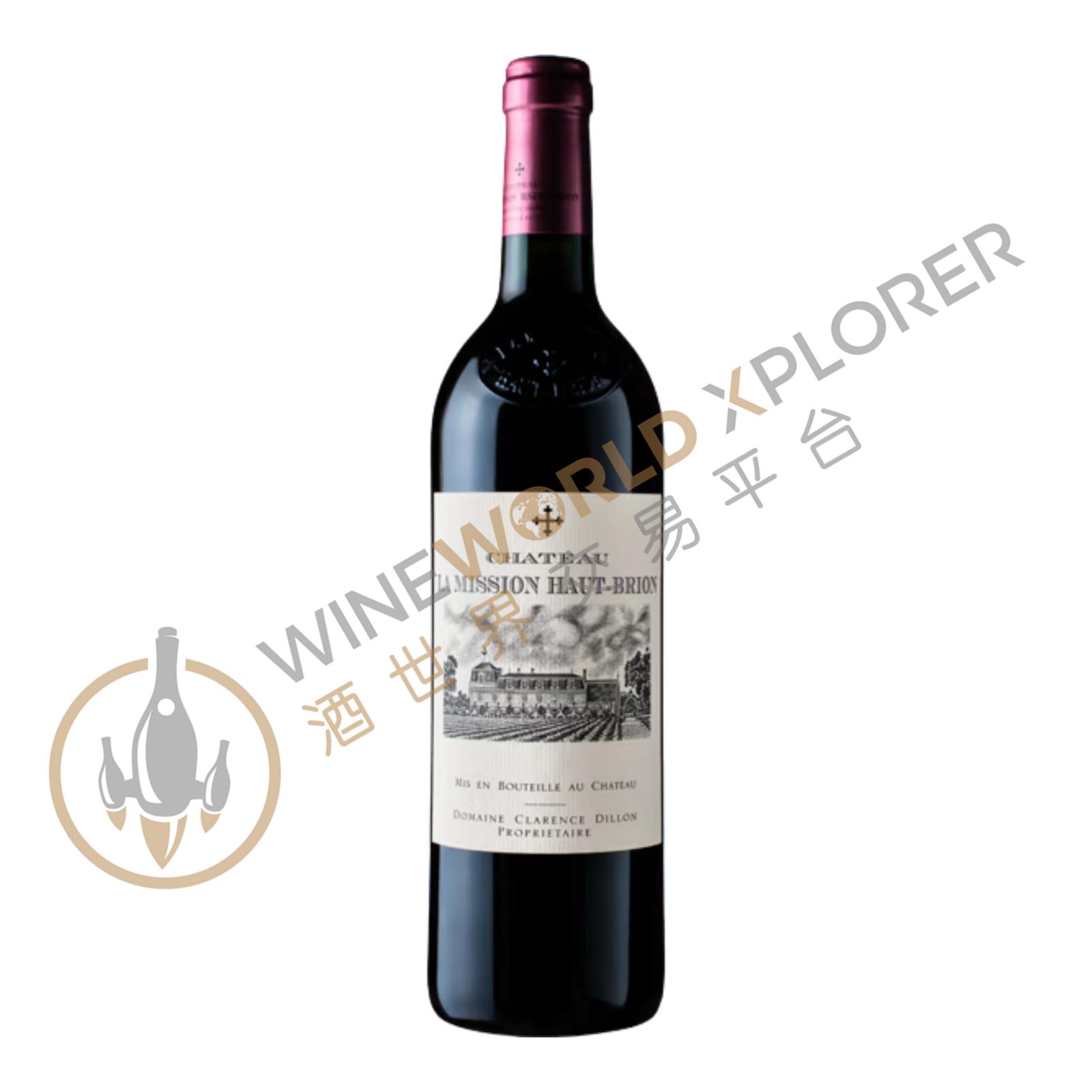
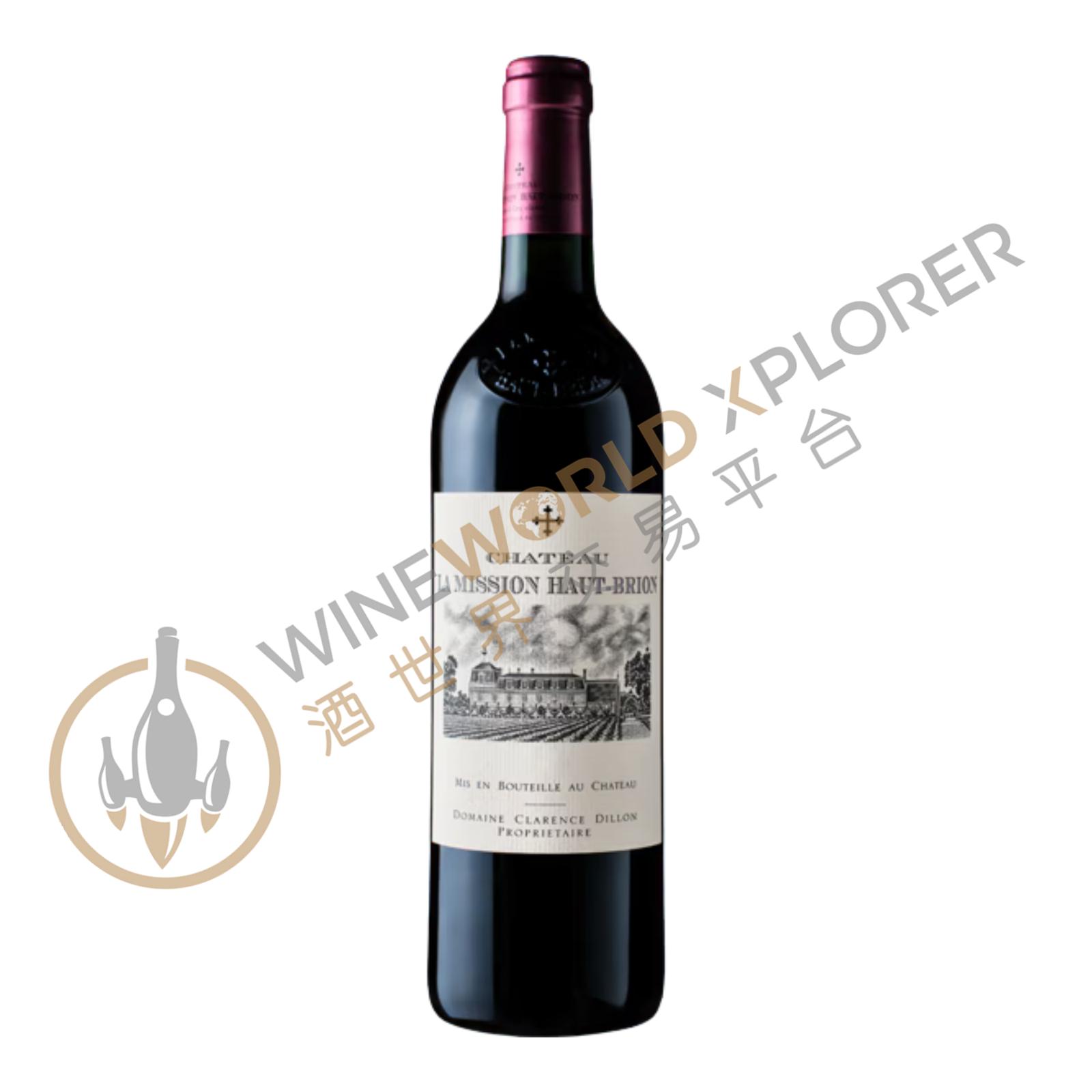
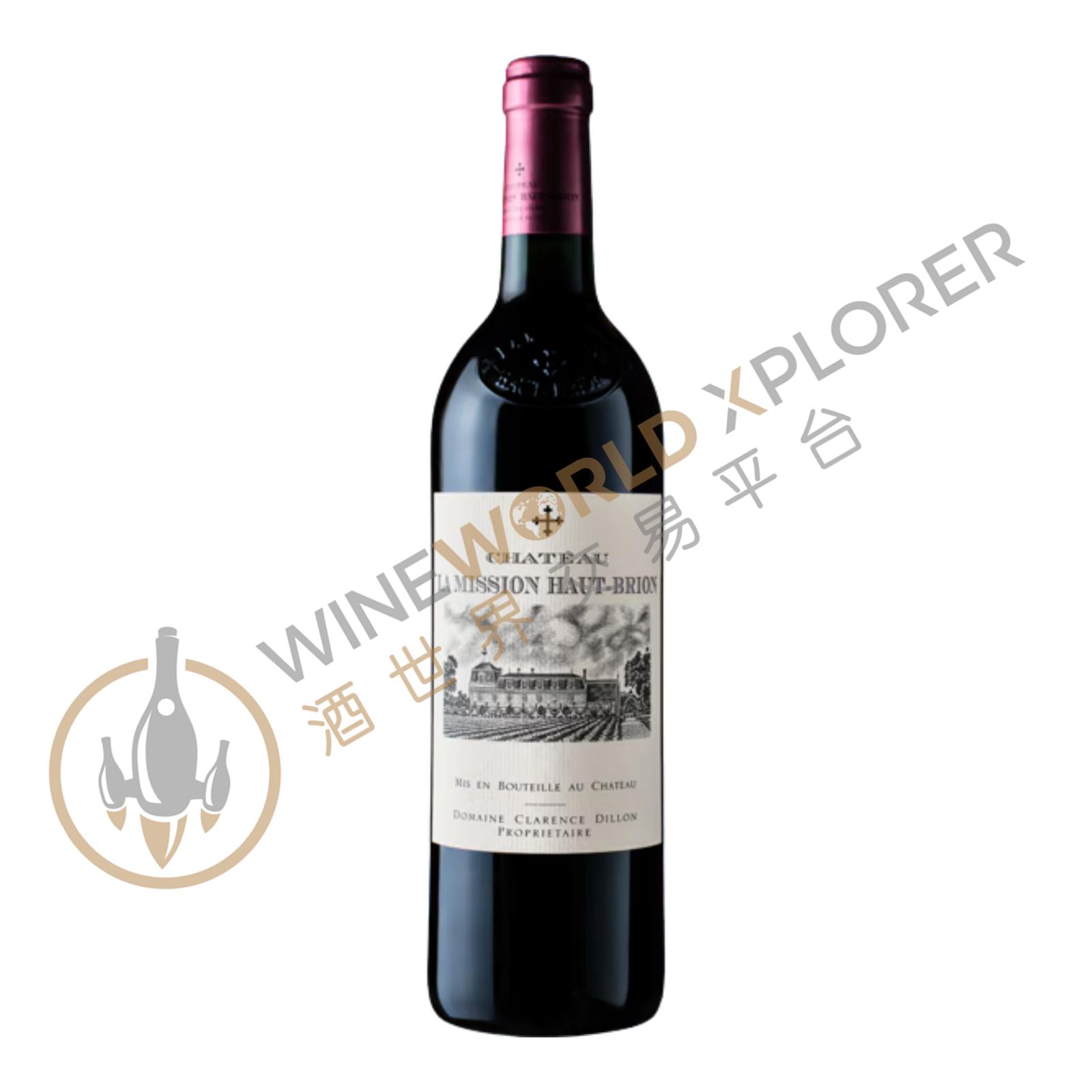
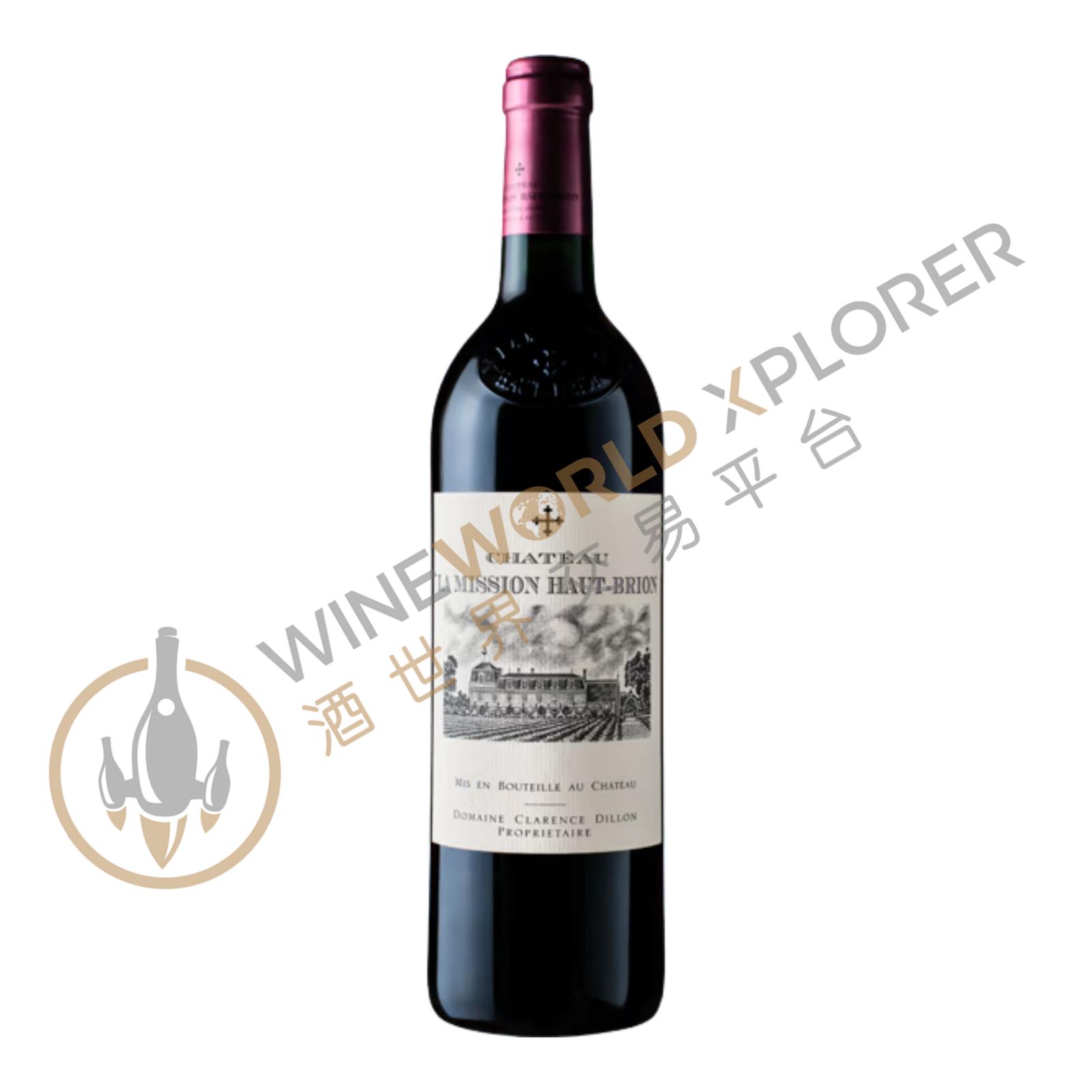
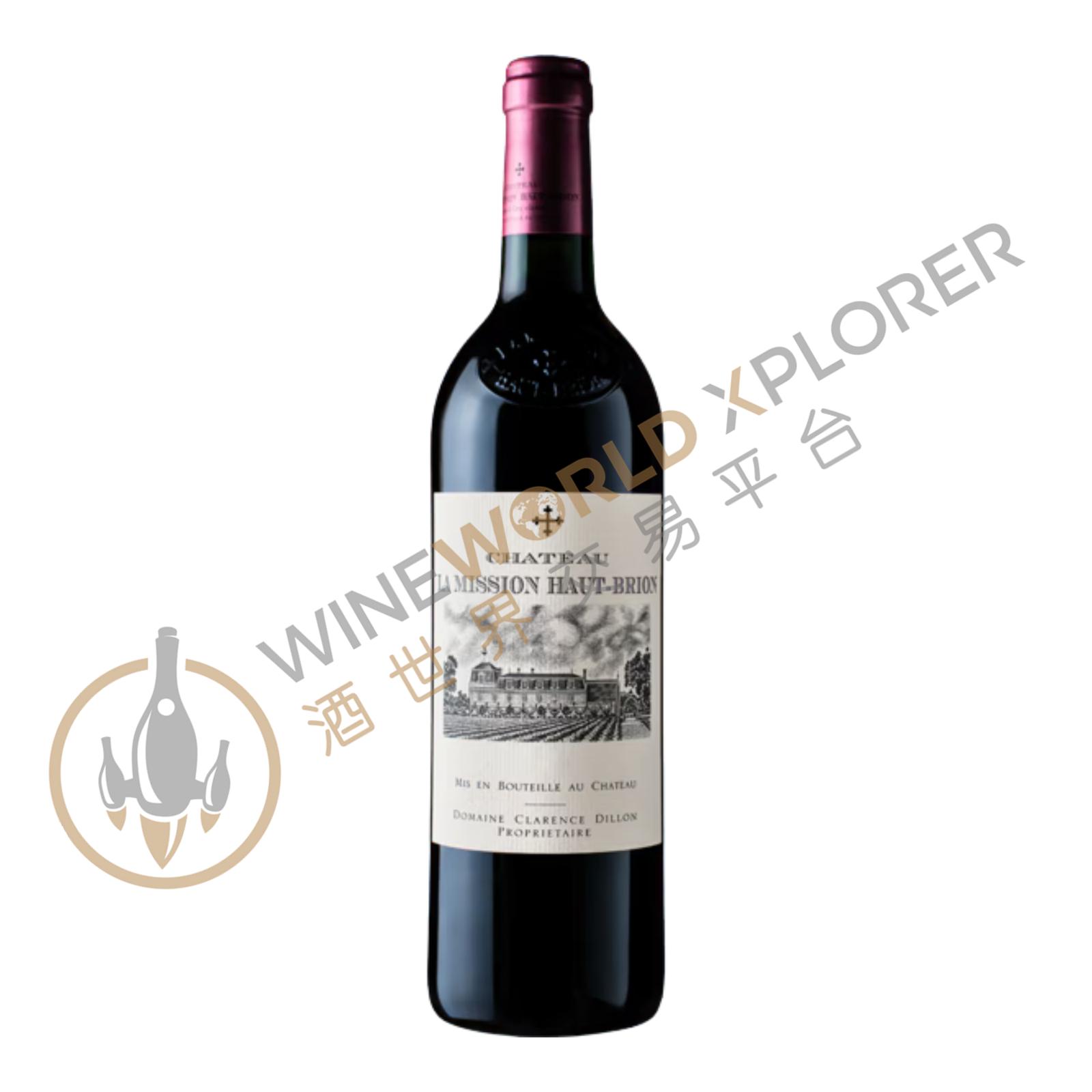
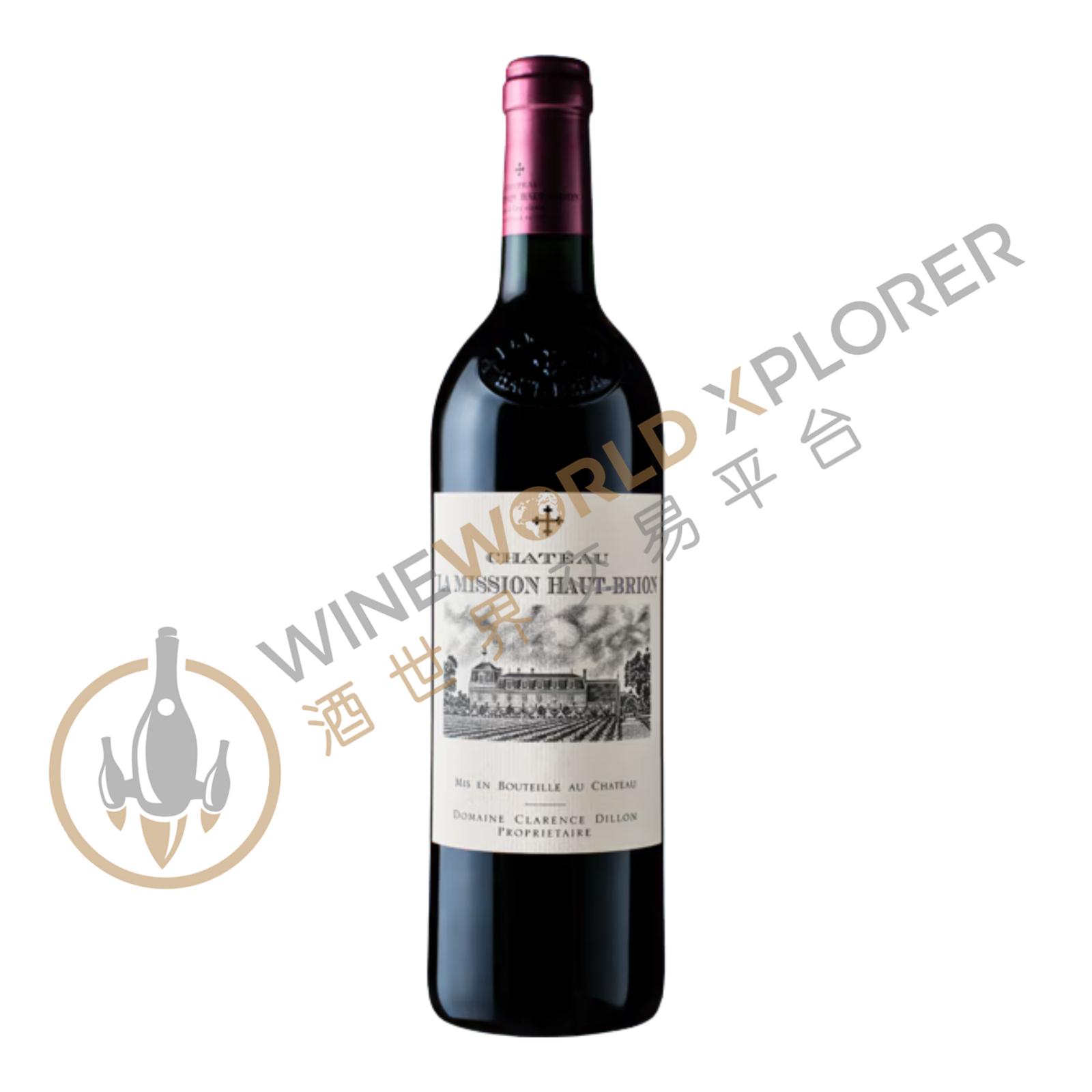
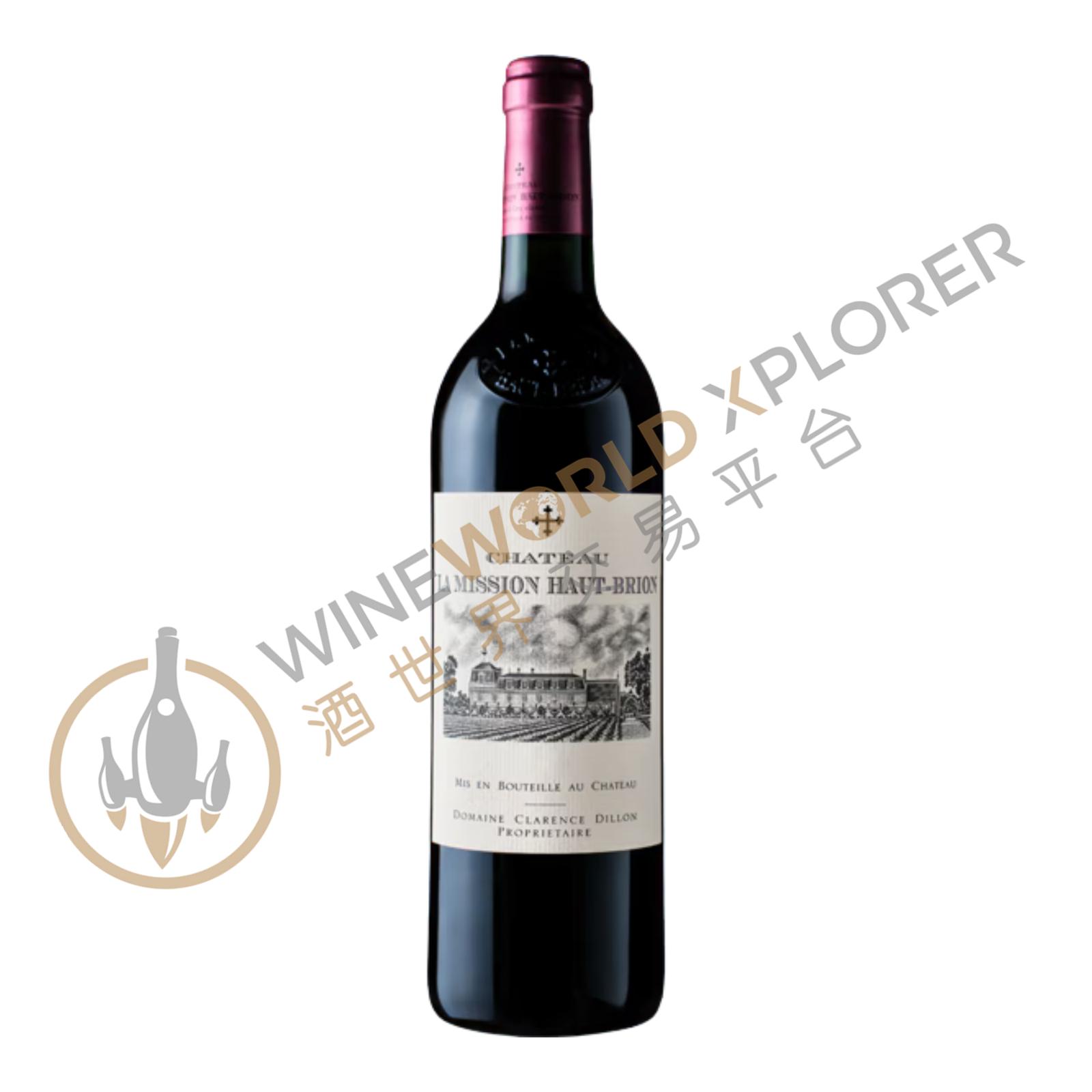
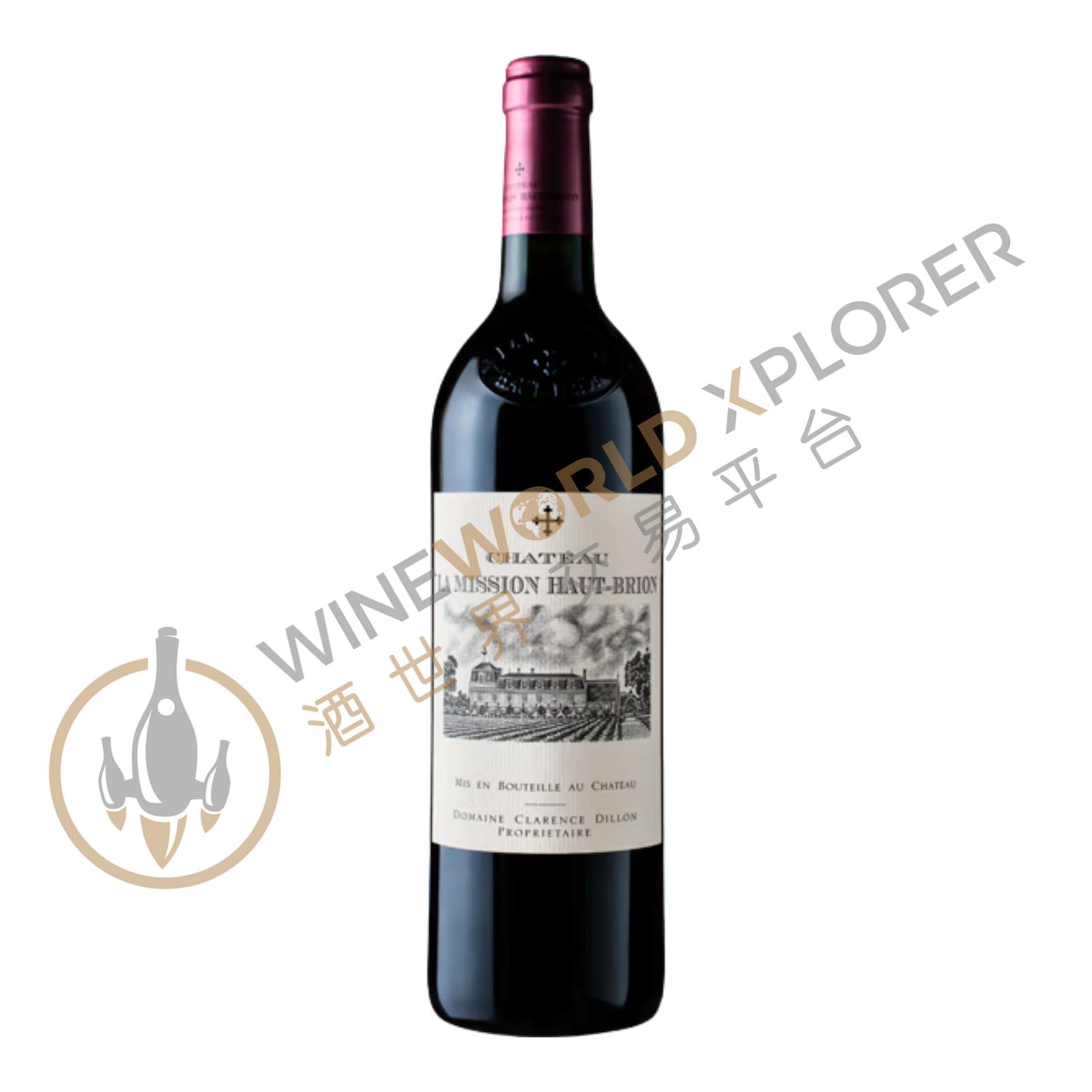
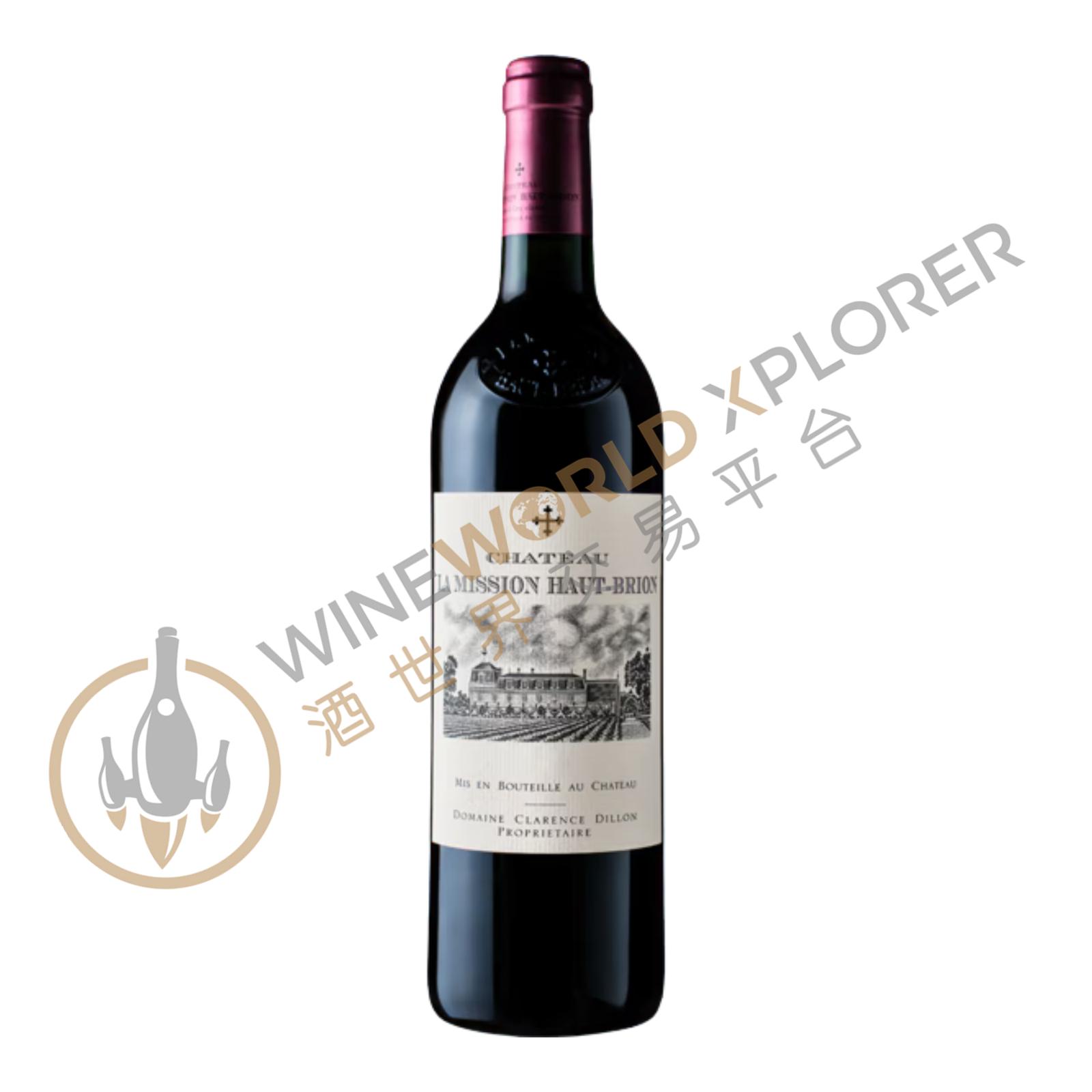
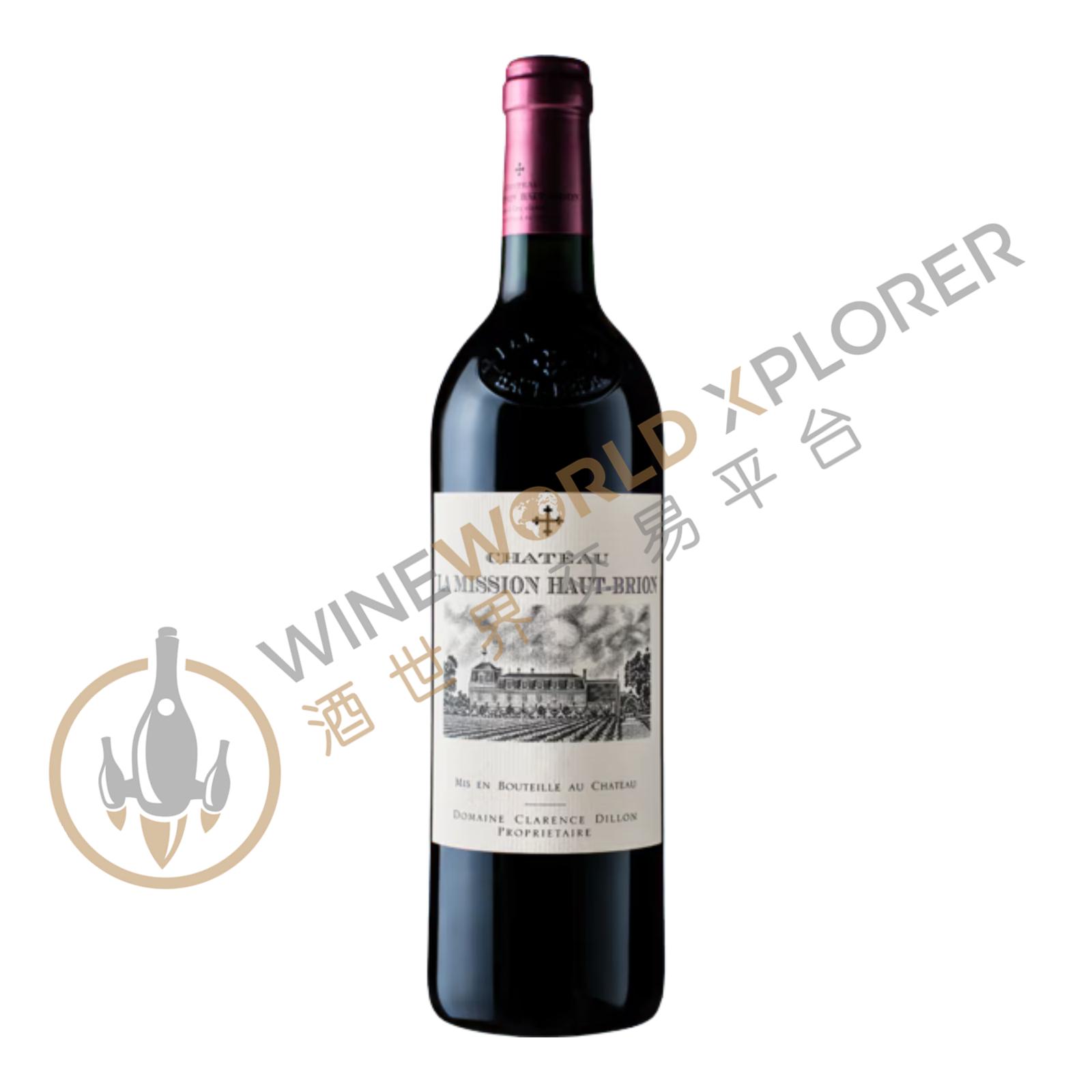
La Mission Haut Brion 2002
 View analysis


Description
Tasting notes

Reviewed by: Neal Martin
A deep garnet core, perhaps a little more opaque than the ’03. Autumn leaves, fresh tobacco, a touch of mint but all quite compact at the moment. Coming back five minutes later there is a nice liquorices scent evolving. The palate is medium-bodied, lacking the natural ambiance of other vintages but still with good fruit intensity, though not the precision of the 2001 nor the persistency on the leafy finish. A foursquare Mission. I prefer the ‘99. Drink 2010-2018. Tasted May 2008.
Reviewed by: Robert M. Parker, Jr.
Extensive amounts of dry tannin in the finish may prove to be a liability after bottling. Nevertheless, this 2002 possesses plenty of power, a dense ruby/purple color, and a sweet nose of hot rocks intermixed with black currants, plums, cherries, and spice box. Medium-bodied and tannic, it cuts a large swath across the palate. The tannin will need to be monitored. If it becomes better integrated, this wine will be outstanding as well as long-lived. At this stage, it is similar in structure to the 1996 and 1988. Anticipated maturity: 2008-2020.
Reviewed by: Neal Martin
Moderate garnet core. Very muted nose: scents of dark chocolate and earth. The palate is austere but quite elegant. Well-integrated, good balance, smooth but this lacks complexity and depth. A crisp leafy finish. An average wine for La Mission. (cepage: 52% Merlot & 48% Cabernet Sauvignon) Tasted April 2003.
Reviewed by: Neal Martin
Tasted blind at Farr’s 2002 Bordeaux tasting. This has a reserved tertiary nose, lots of autumnal scents: bonfires, brown leaves, sous-bois. The palate is medium-bodied, tannic and forthright on the entry, notes of blackberry, raspberry, sandalwood and a touch of spice, leading to a vibrant but foursquare finish that would benefit from a little more length and conviction. Tasted October 2009.
Reviewed by: Robert M. Parker, Jr.
This angularly-styled La Mission possesses hard tannin that may or may not dissipate over time. It exhibits a dark ruby color in addition to a sweet perfume of dusty, loamy soil notes interwoven with notions of white flowers, blueberries, black currants, and hints of toasty oak in the background. Medium-bodied and austere, it requires 2-4 years of bottle age, and should keep for 12-15.
Reviewed by: Robert M. Parker, Jr.
One of the better successes of this overlooked and misunderstood vintage is the 2002 La Mission Haut-Brion, a wine that's really beginning to drink well. Offering up a deep bouquet of cassis, burning embers and cigar ash, it's medium to full-bodied, with a sweet core of fruit and a rich chassis of tannin. Served blind, after a decant of a couple of hours to flesh out, it tends to pass for a more reputed vintage; it's only held back by a slight lack of mid-palate density to balance its structure and the fact that it tastes about a decade older than a top vintage for this address such as 1998.
Reviewed by: Neal Martin
The 2002 La Mission Haut-Brion has never endeared itself to this writer. It has a conservative, earthy bouquet displaying touches of autumn bonfire and sous-bois; there is a gap where the fruit should be. The palate is medium-bodied with a dry entry, then starts to improve, tobacco and tea leaves infusing the slightly rustic black fruit on the somewhat austere finish. It's not a terrible wine at all, but it pales against other vintages.
Reviewed by: Stephen Tanzer
Bright ruby-red. Sexy aromas of black raspberry, smoked meat and warm stones. Dry, classic and deep, but quite closed today, even a bit youthfully austere. Finishes very long, with substantial dusty tannins and brisk acids. Much more backward today than the Haut-Brion, despite possessing a lower indice de polyphenols totaux (65, compared to 70). But both of these wines really call for at least six or seven years of cellaring.
Reviewed by: Stephen Tanzer
Good bright ruby-red. Pungent, musky aromas of raspberry, menthol, minerals and exotic Indian spices. Vibrant and powerful on the palate, with a strong minerality and a tight core of fruit. Light on its feet, thanks to vibrant acidity. Very tightly wound today but very long on the back end, with horizontal tannins saturating the palate. This is developing impressively and should be long-lived.
Reviewed by: Stephen Tanzer
(a blend of 52% merlot and 48% cabernet sauvignon) Good medium ruby. Reticent but lively aromas of black raspberry, cassis, tobacco leaf and minerals. Sweet and bright but youthfully closed, owing to its strong mineral component and firm spine of acidity. This has lovely depth of flavor but is rather sullen today. Finishes with broad, palate-dusting tannins and notes of berries and minerals.
About the Producer
25 hectares of red grape varieties, including Merlot, Cabernet Sauvignon and Cabernet Franc, are planted in the traditional vineyard of the winery; the Werner family's vineyard also has 4 hectares of white grape varieties, including Semillon, Sauvignon Blanc, used for Chateau La Mission Haut-Brion Blanc at different times during the Werner family's reign And the production of the original Chateau Laville Haut-Brion Blanc (Chateau Laville Haut-Brion Blanc). The Werner family's original Chateau La Tour Haut-Brion ceased production after 2005, and the 5 hectares of vineyards it owns are mainly used for the blending of the second red wine of Chateau Meixun. In terms of wine production, the winery will set up screening stations on trucks in the vineyard to screen the manually picked grapes for the first time. Fermentation is then carried out in a stainless steel wine tank equipped with a computer-controlled system that monitors the homogenization and temperature of the wine after measuring the temperature of the pressed grape juice and residue. Clarified with fresh egg whites before bottling, but not filtered.
1982(2)1985(2)1986(2)1987(1)1989(6)1990(4)1991(1)1992(1)1994(2)1995(5)1996(4)1998(11)1999(5)2000(14)2001(12)
Package Size