Wine Advisor



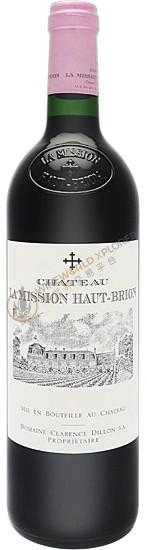
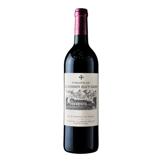
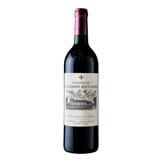
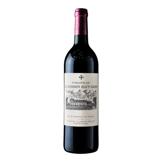
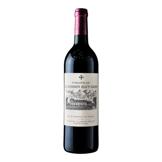
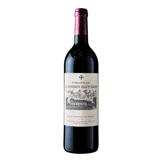
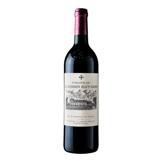
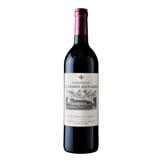
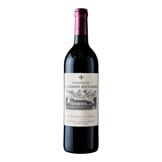
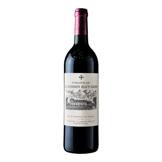
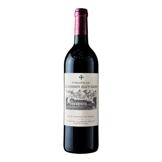
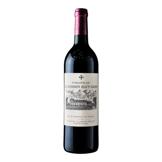
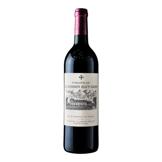
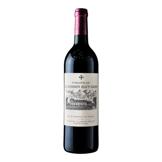
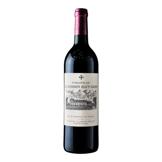
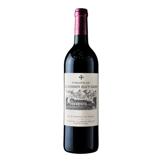
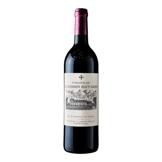
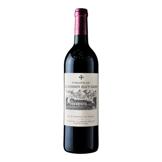
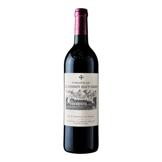
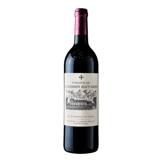
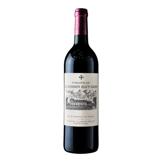
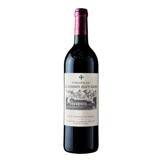
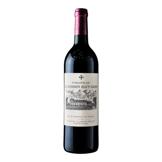
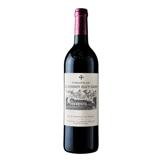
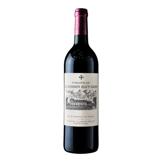
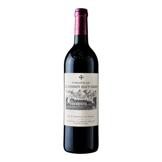
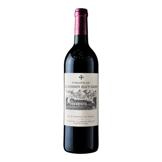
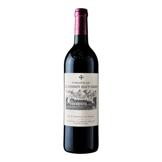
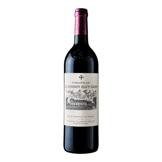
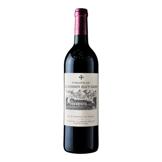
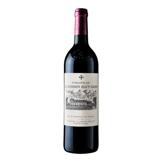
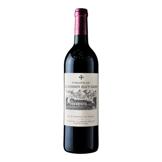
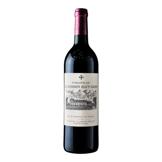
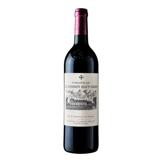
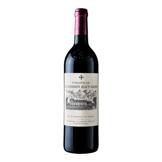
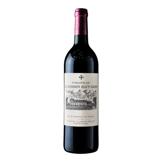
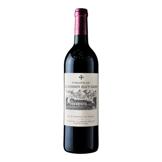
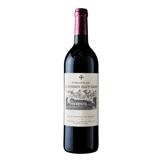
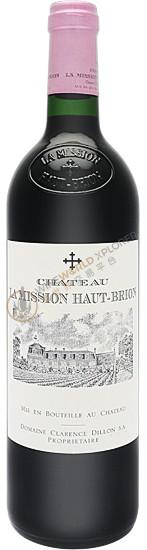
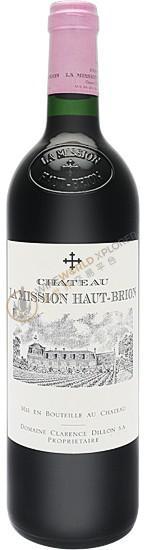
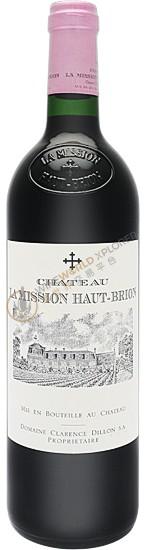
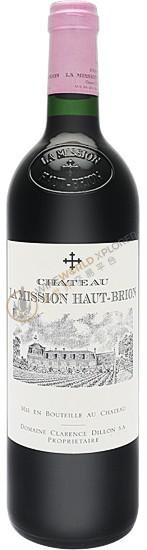
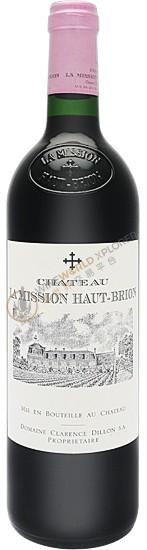
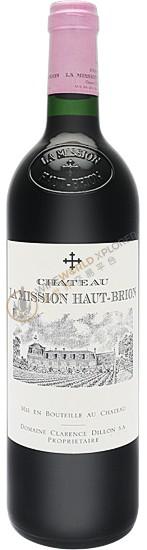
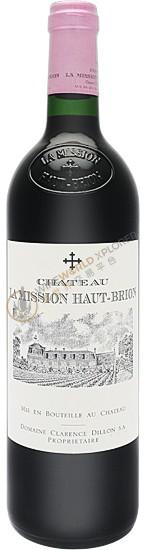
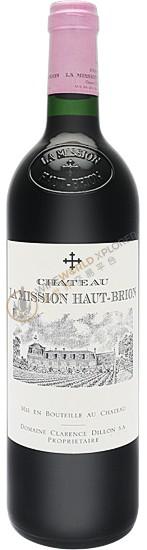
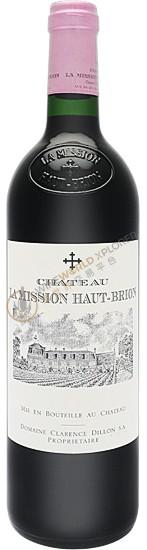
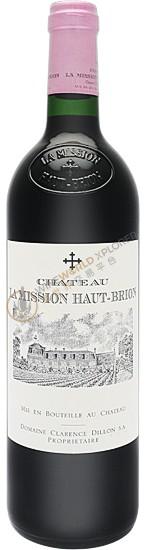
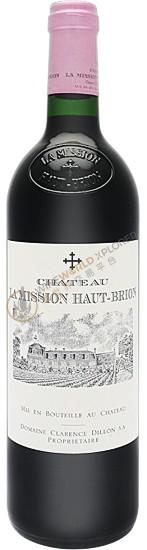
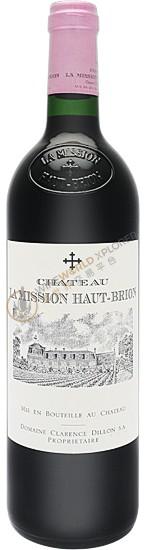
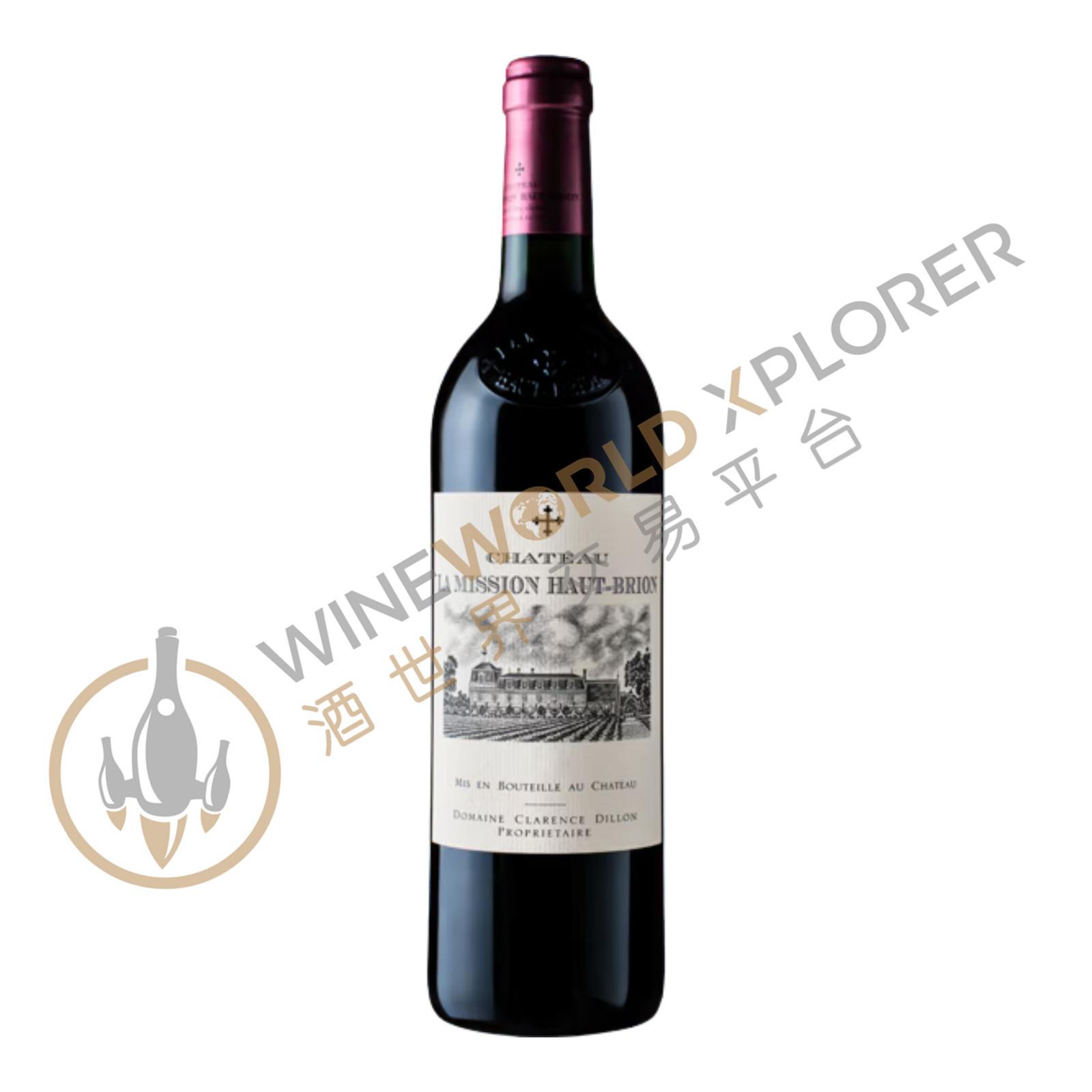
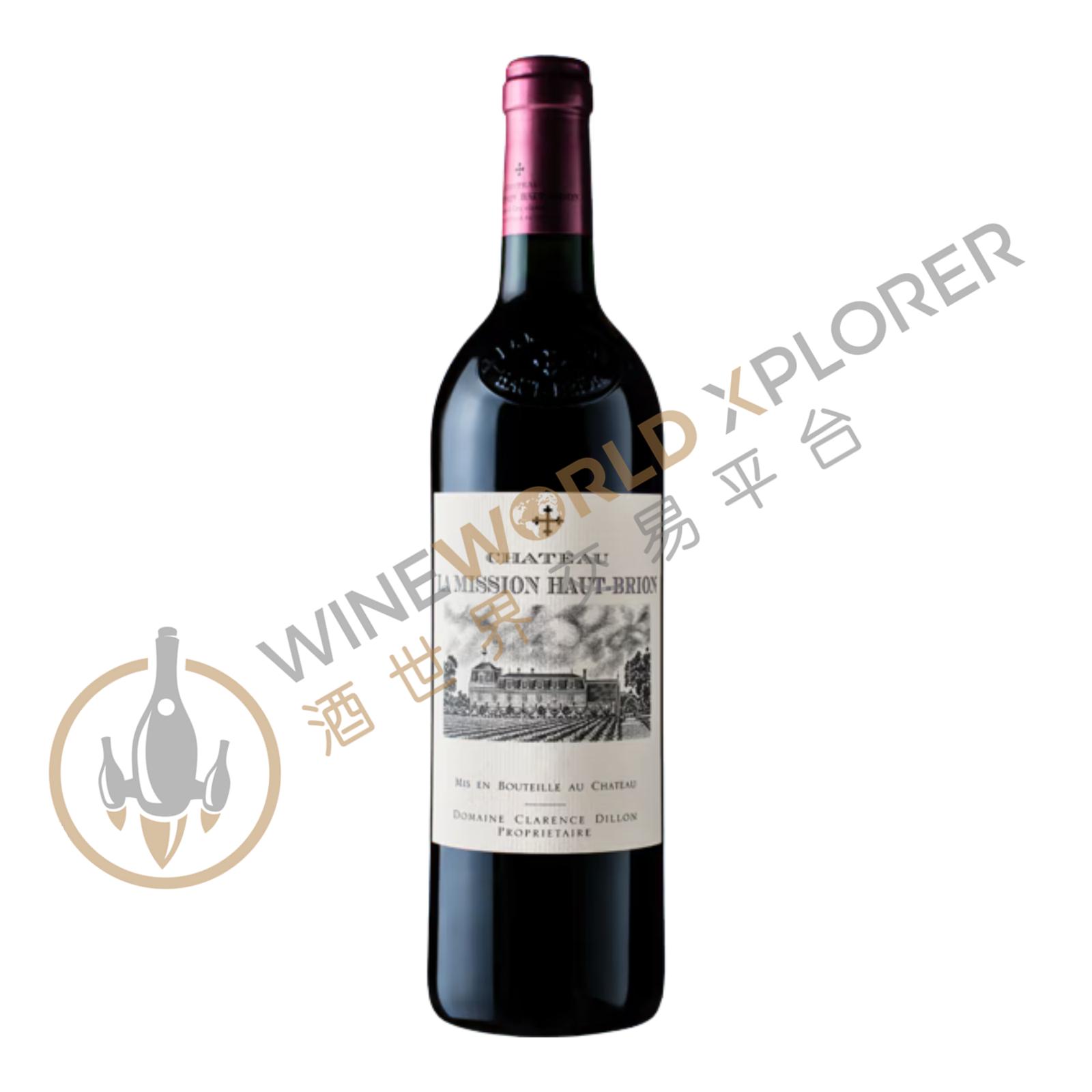
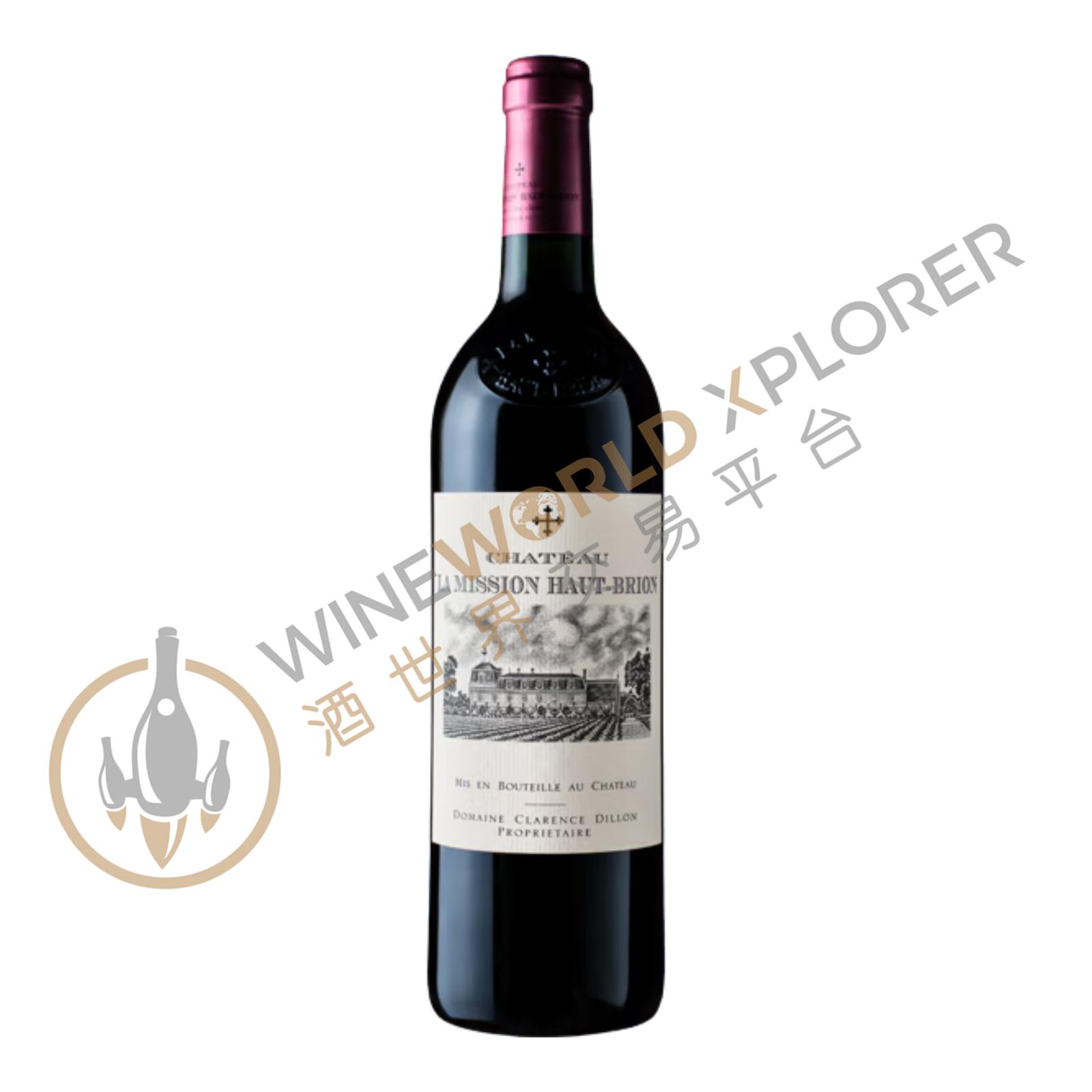
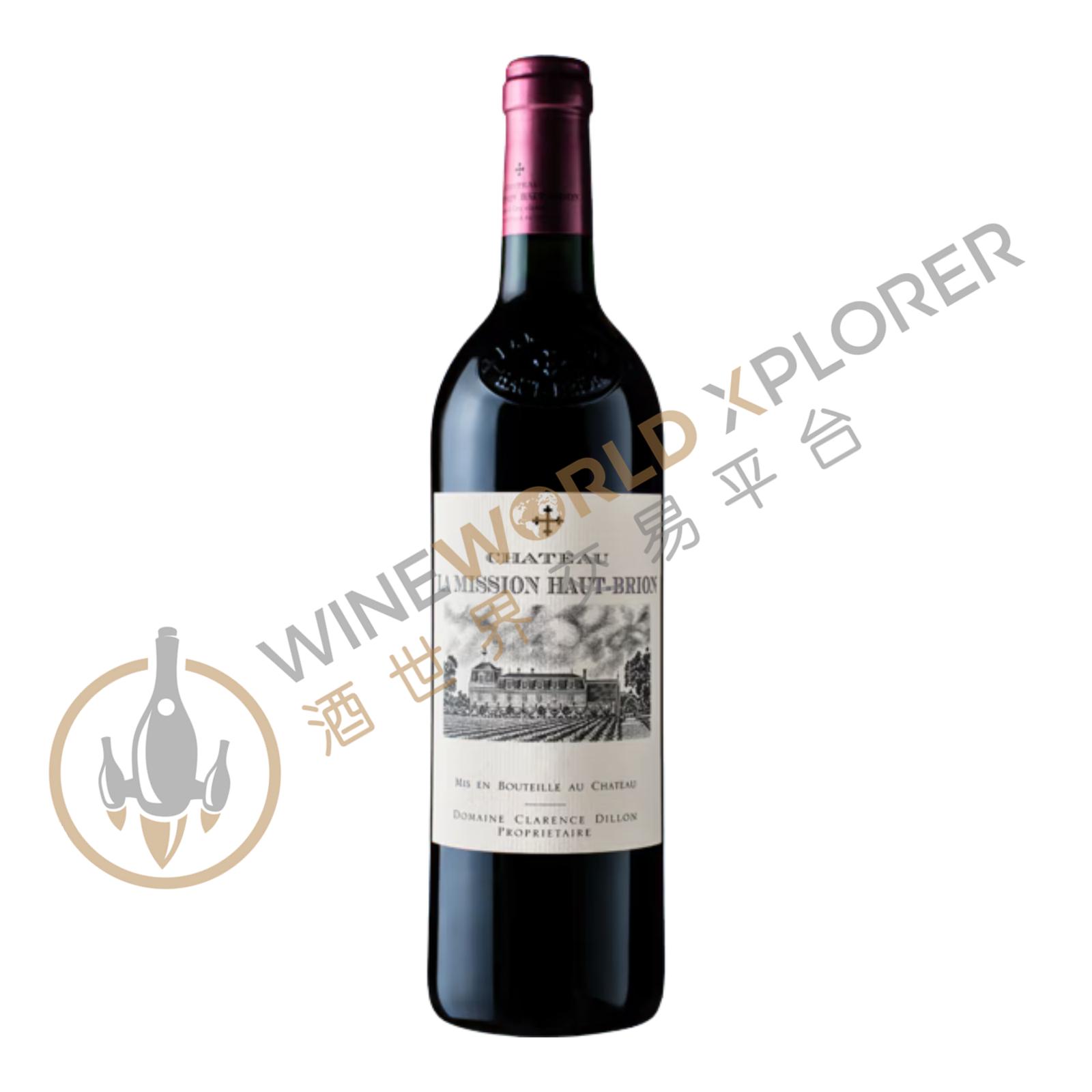
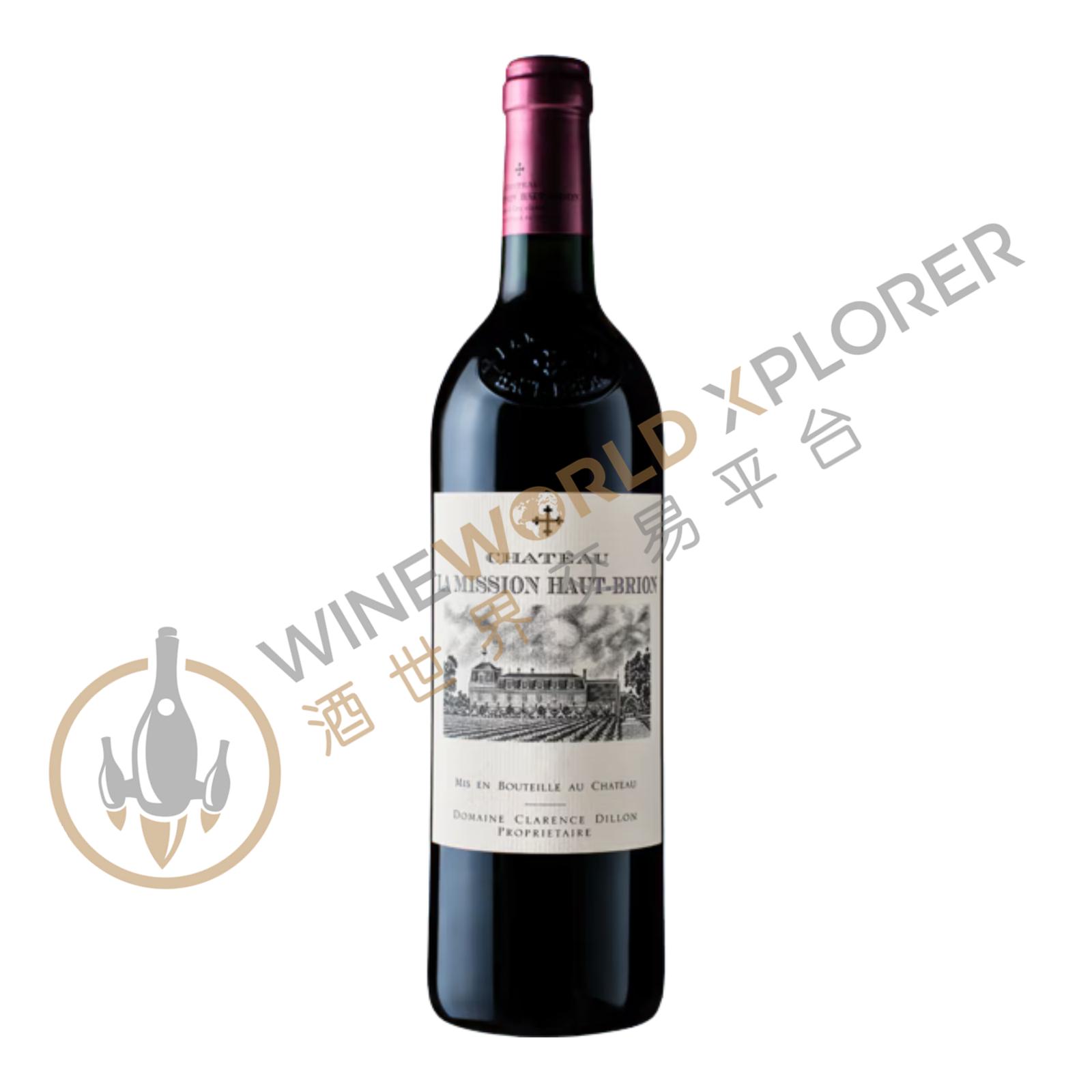
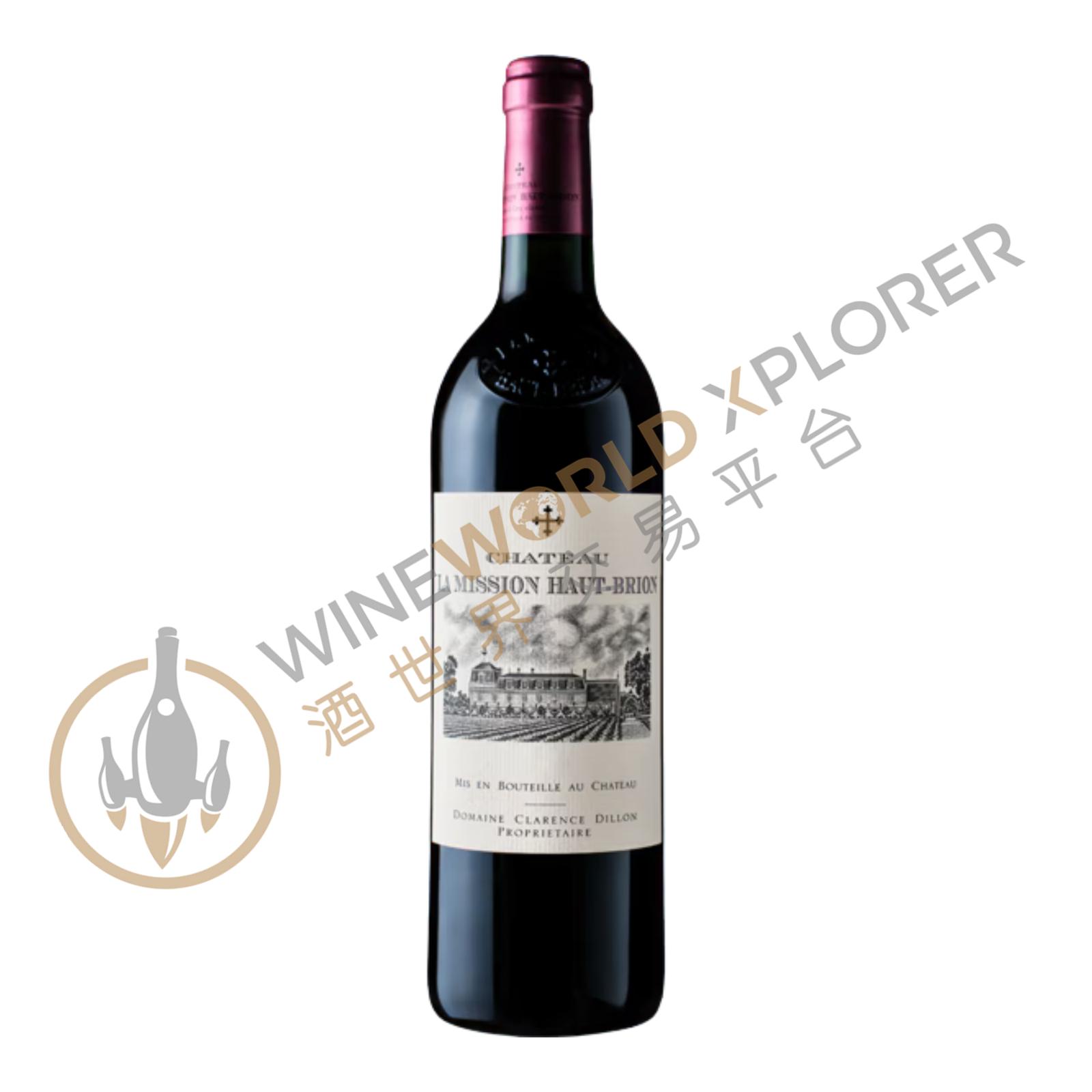
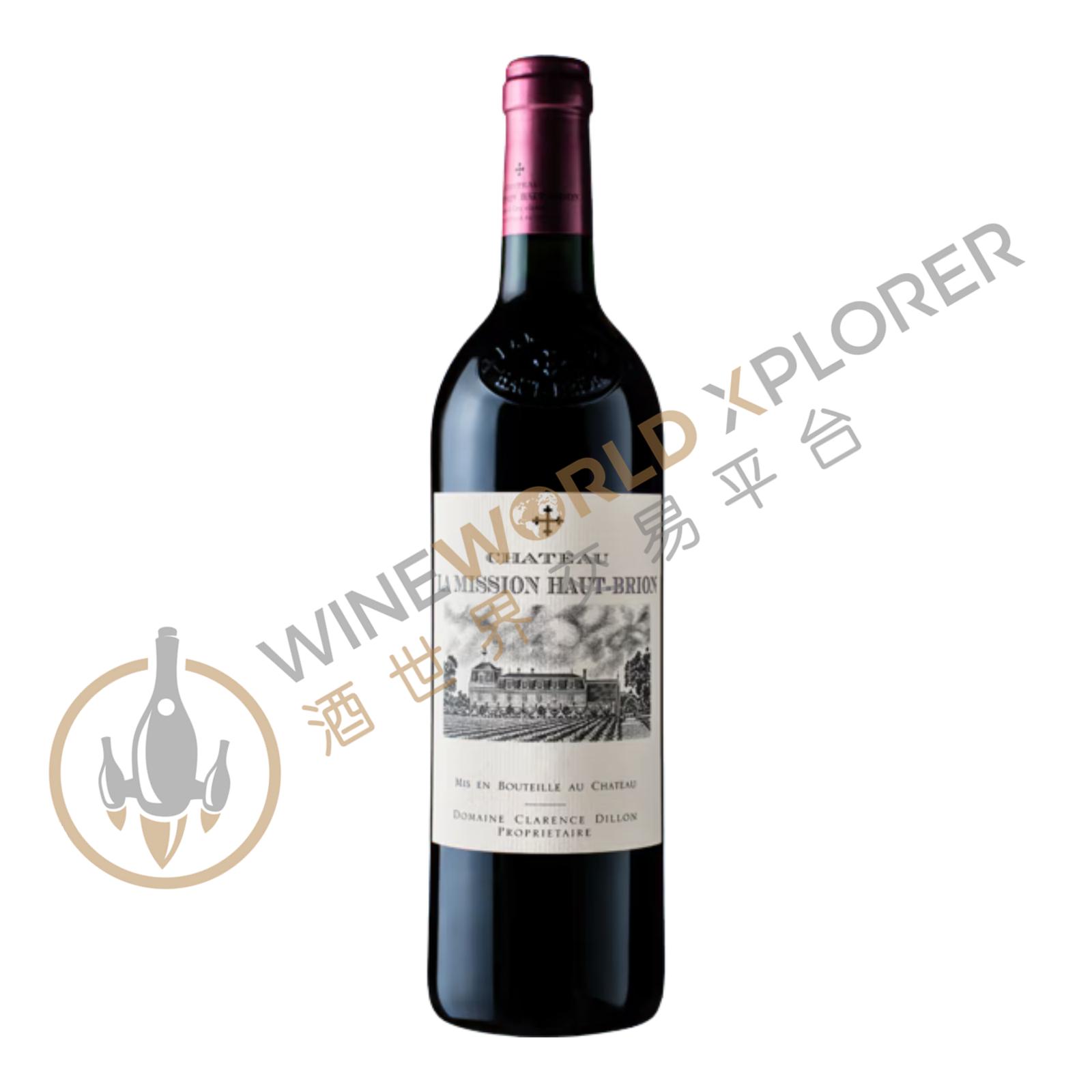
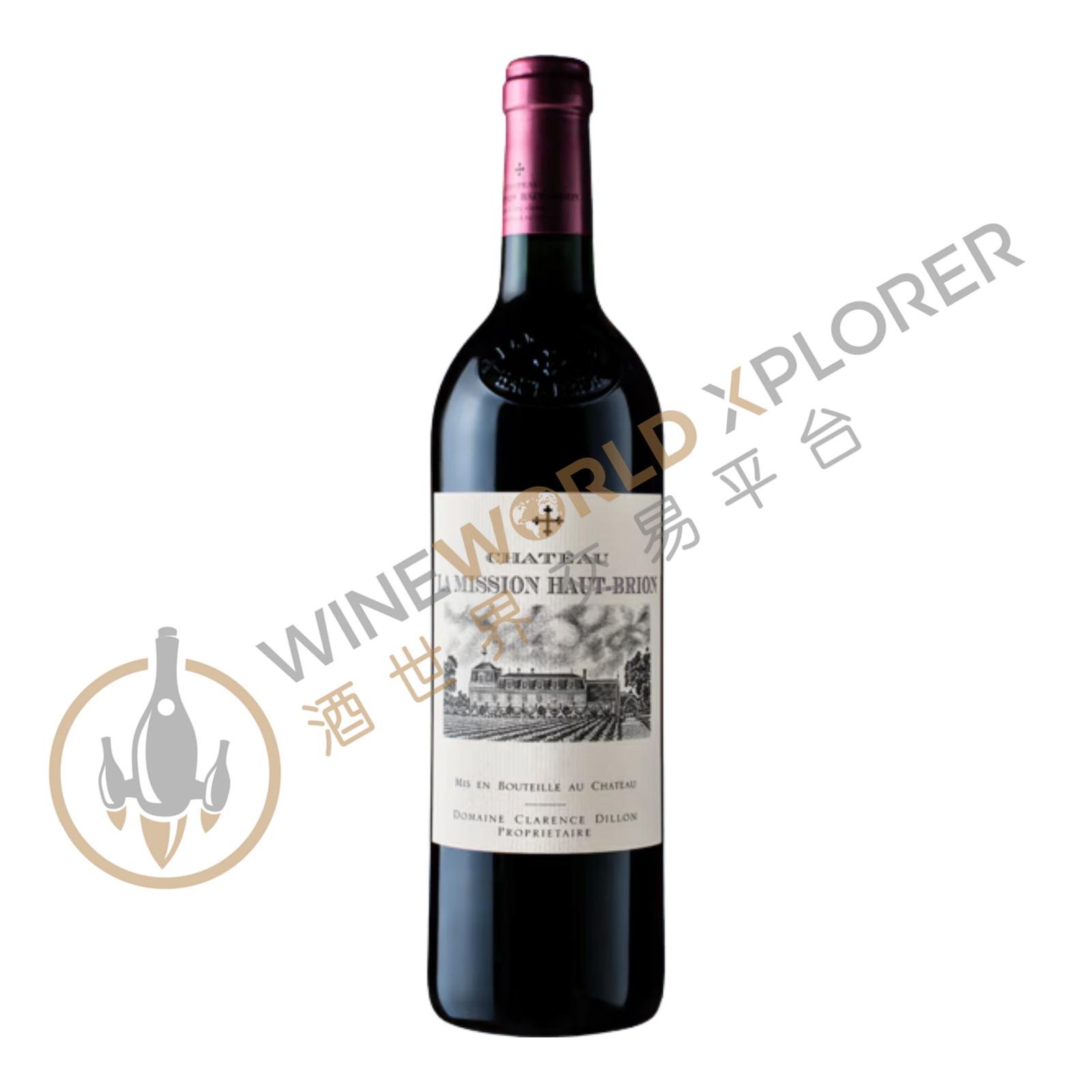
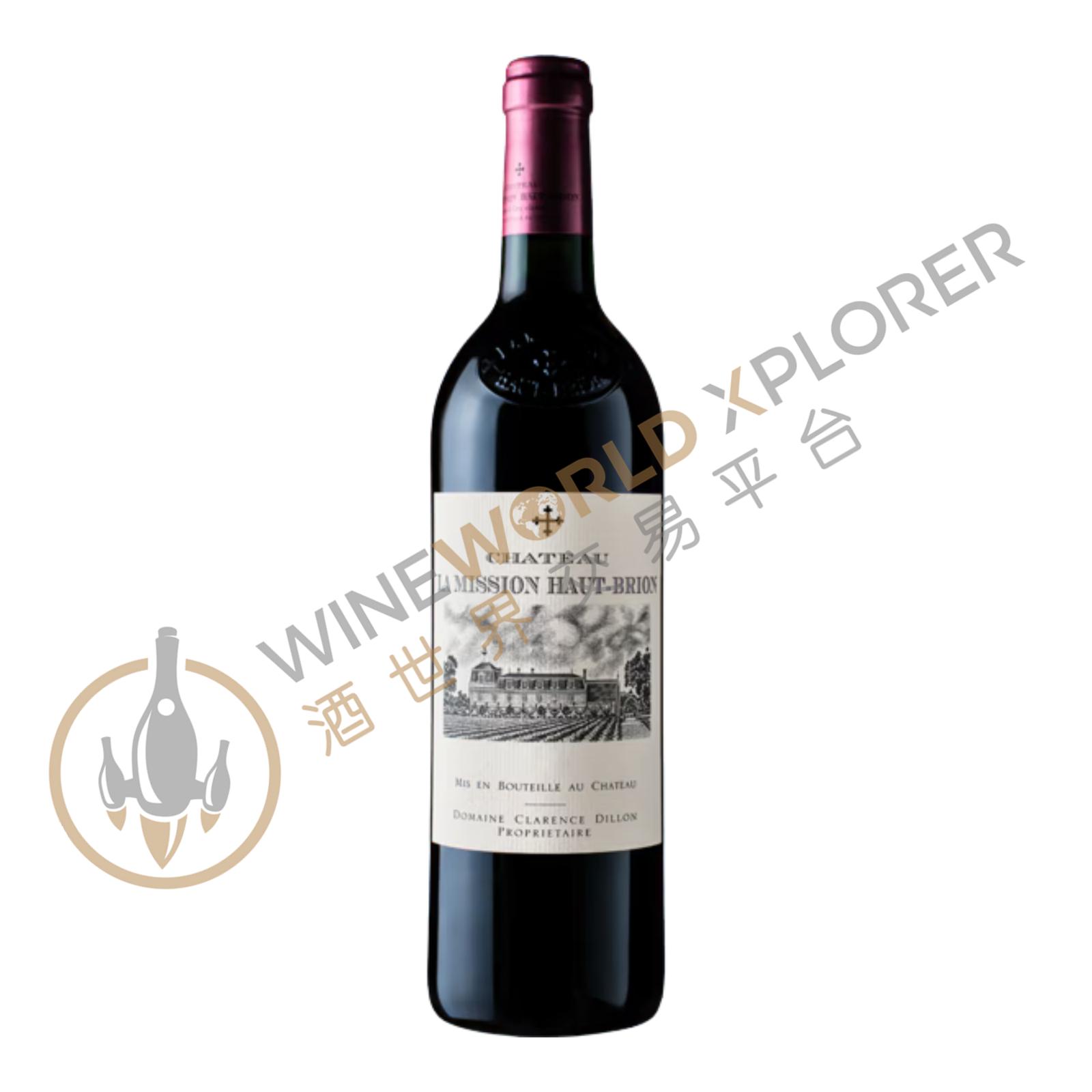
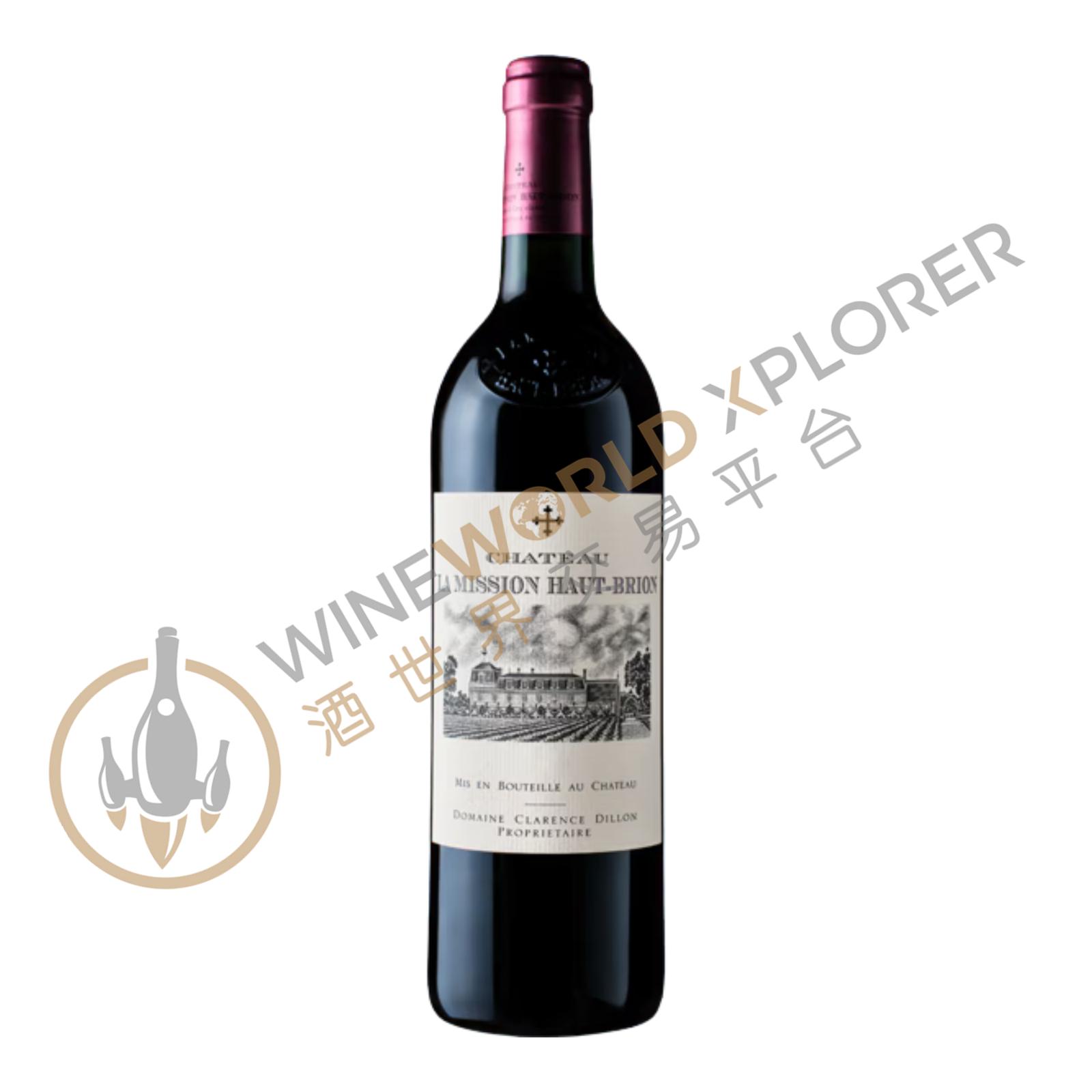
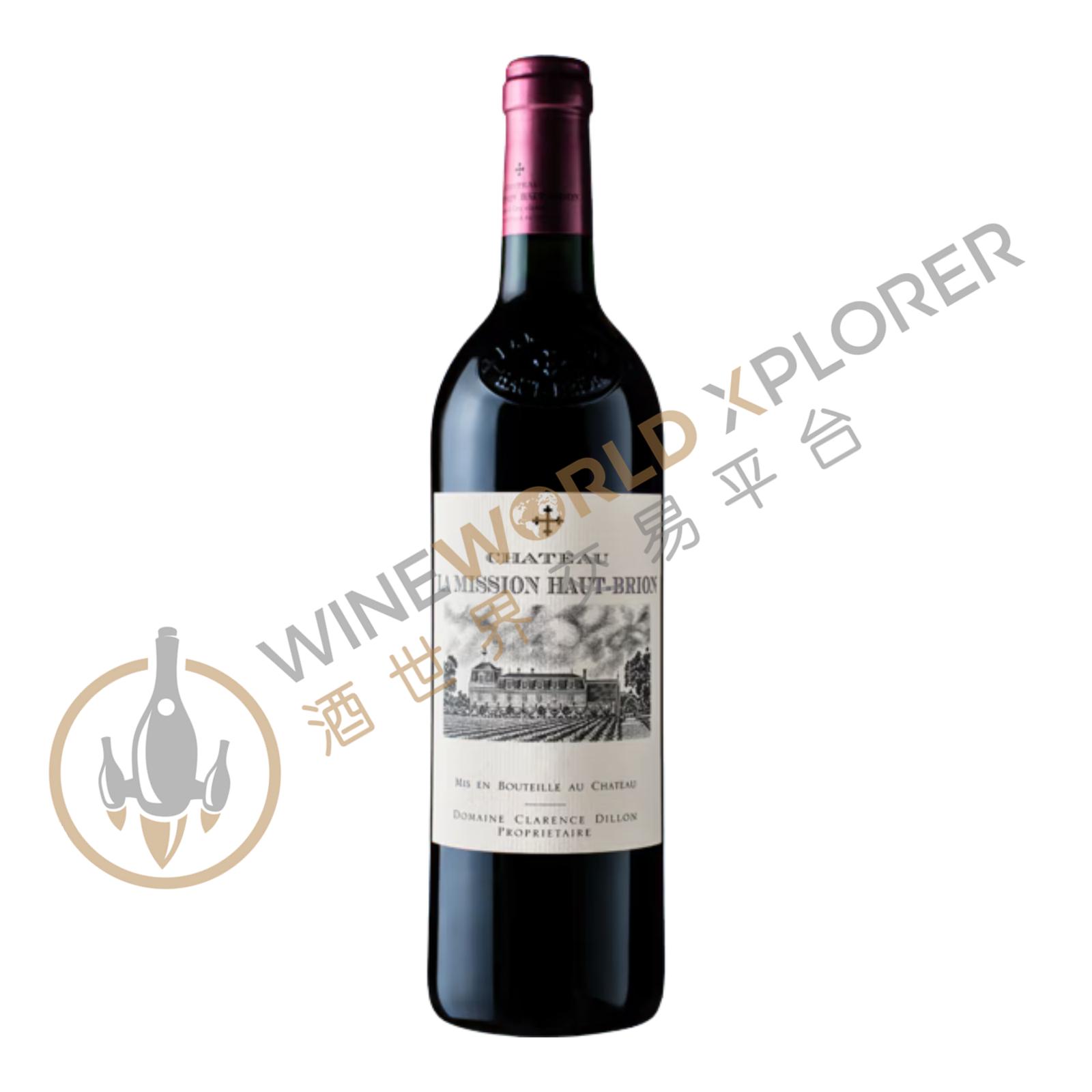
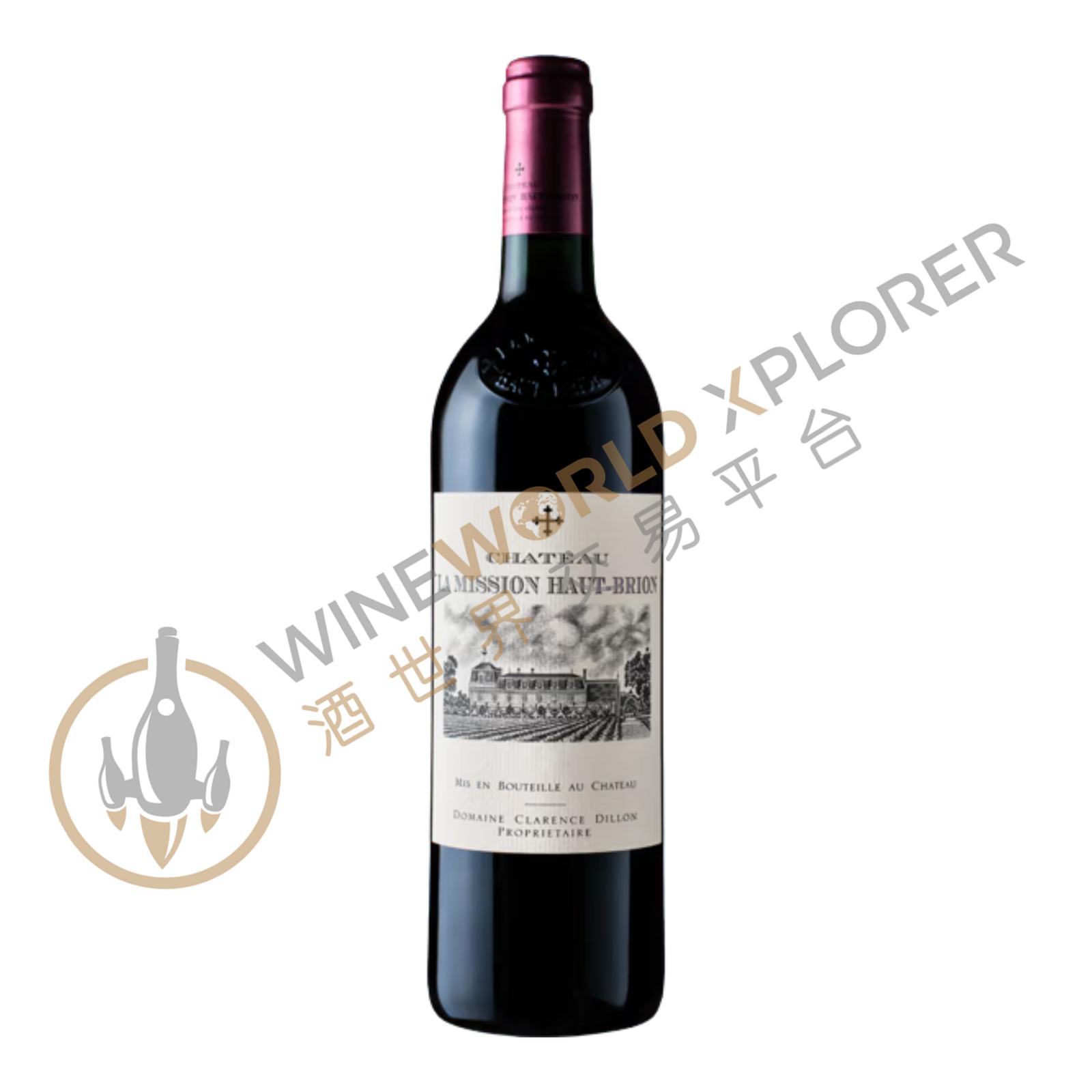
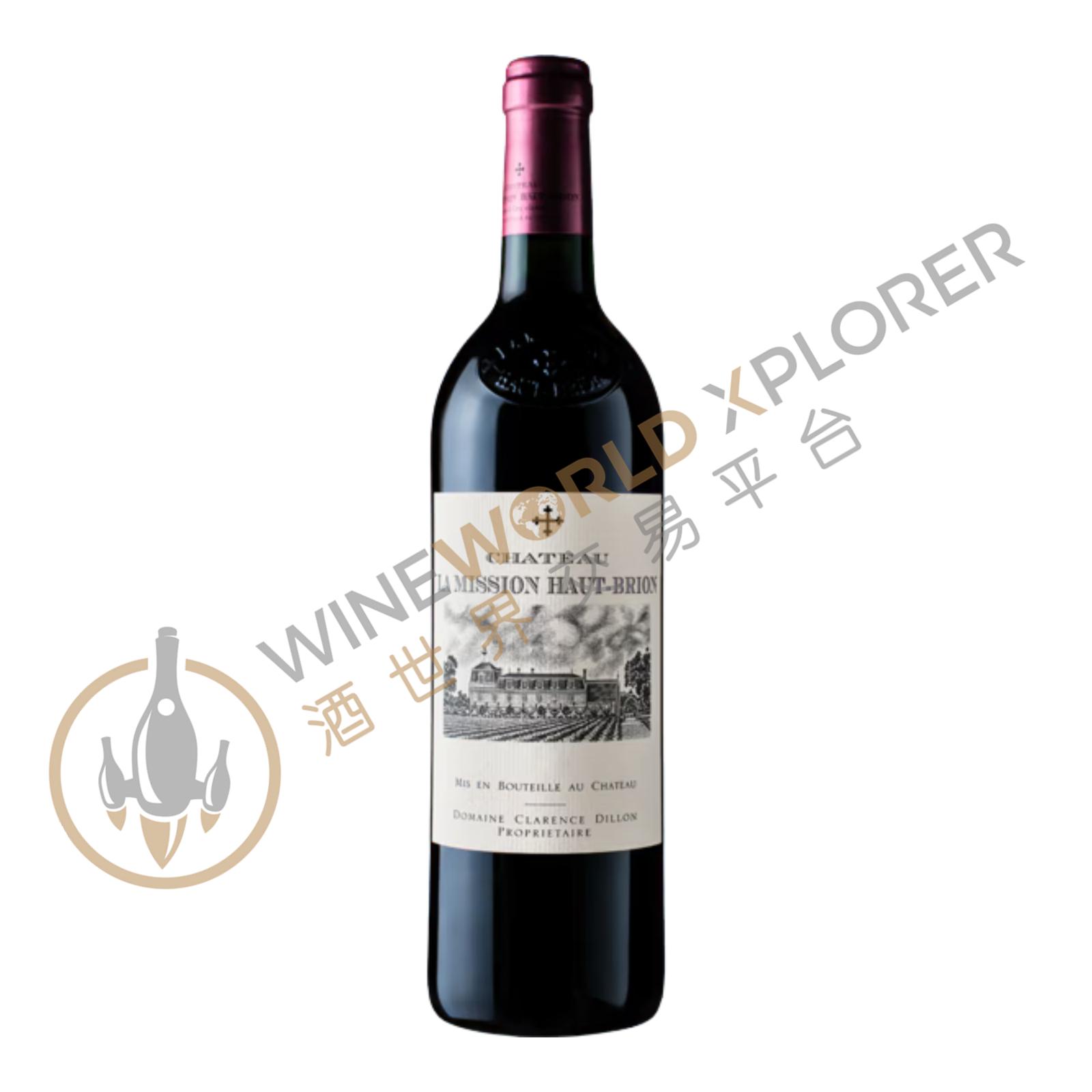
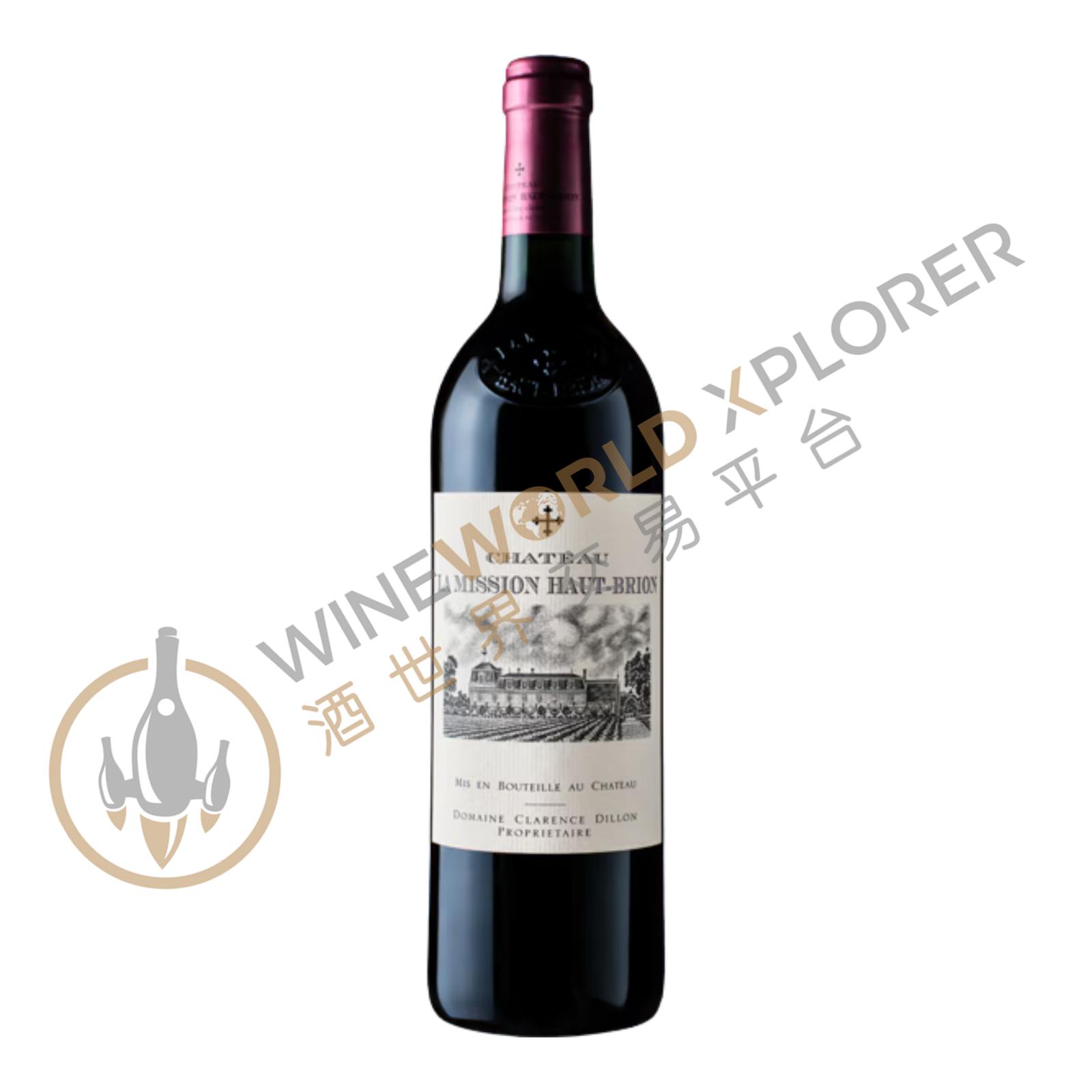
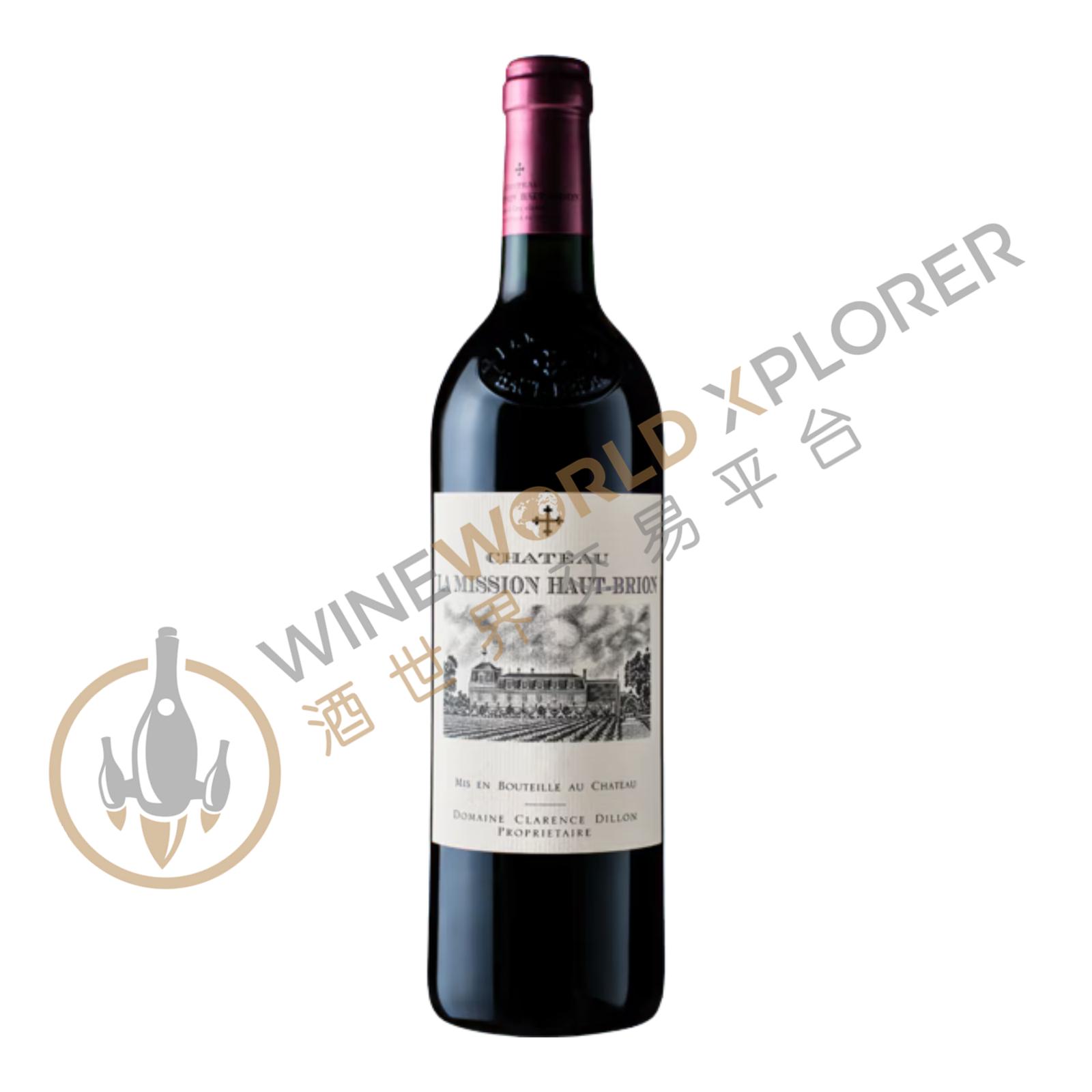
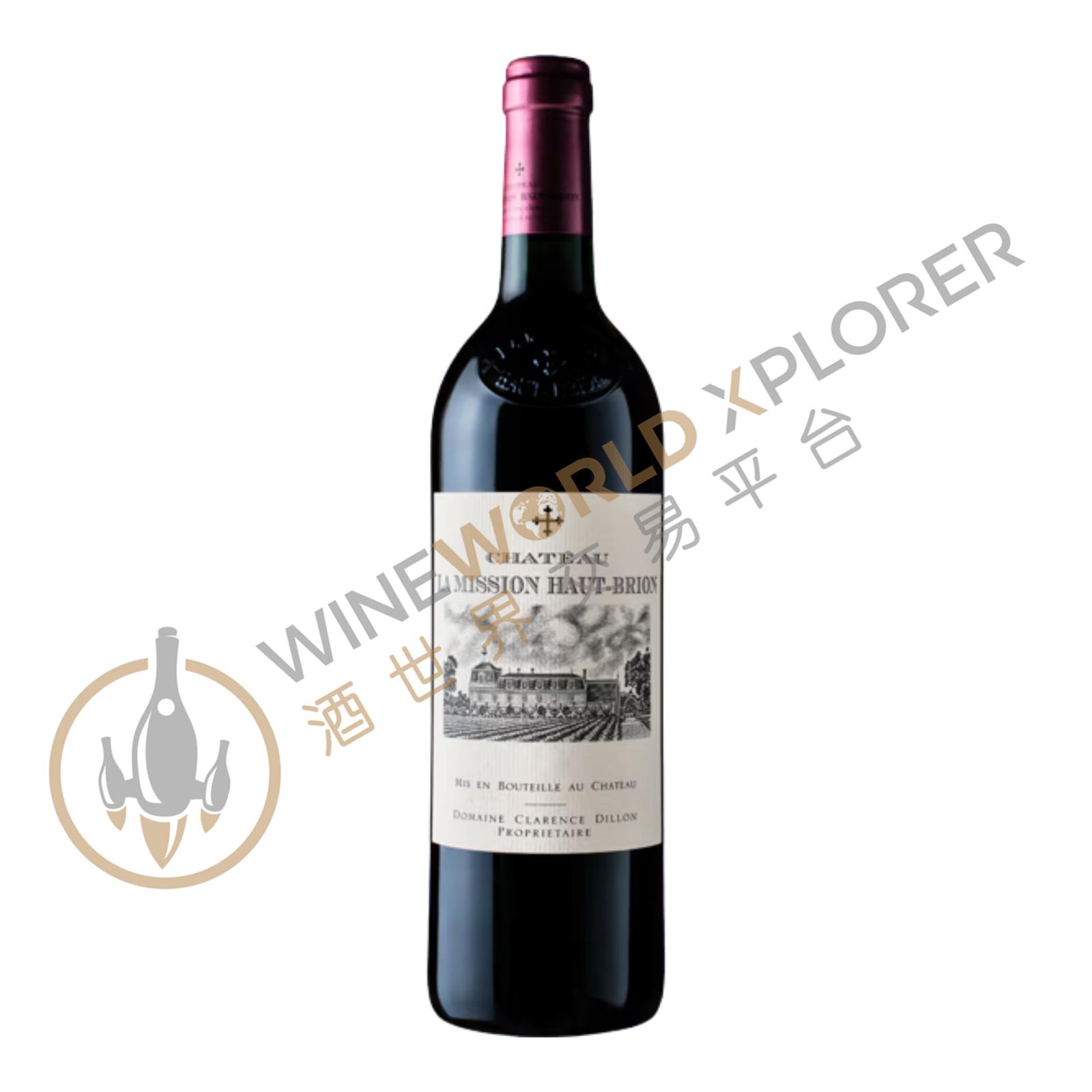
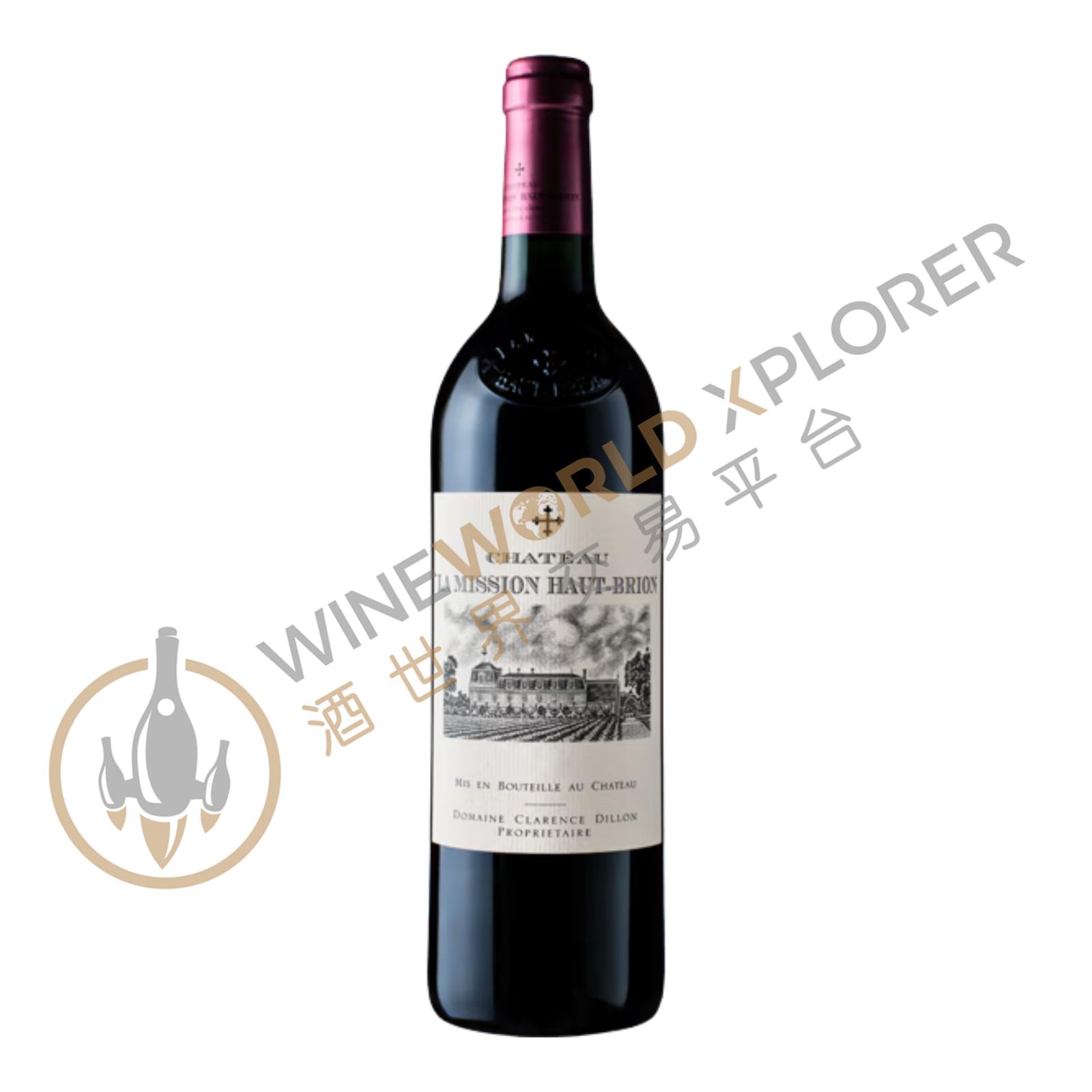
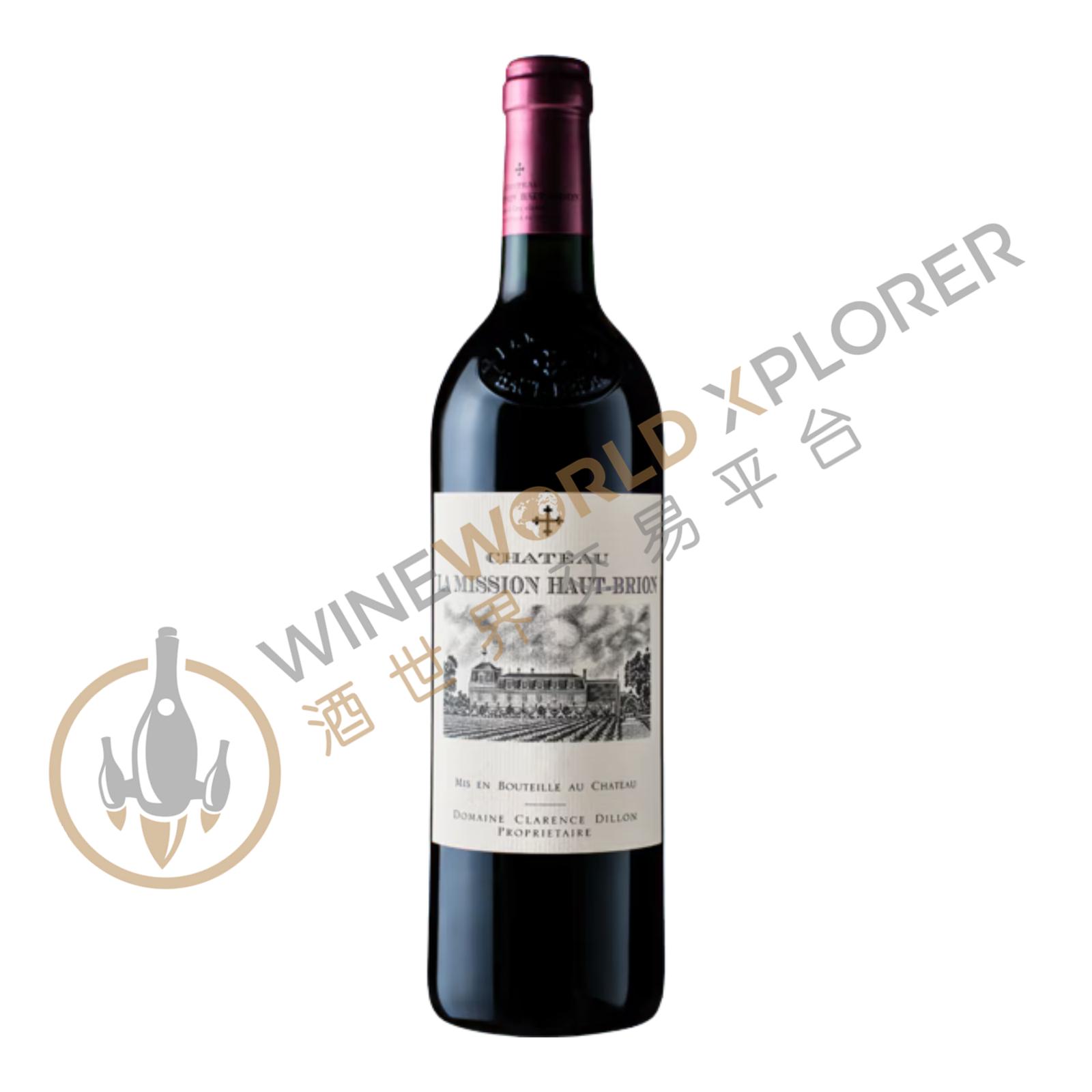
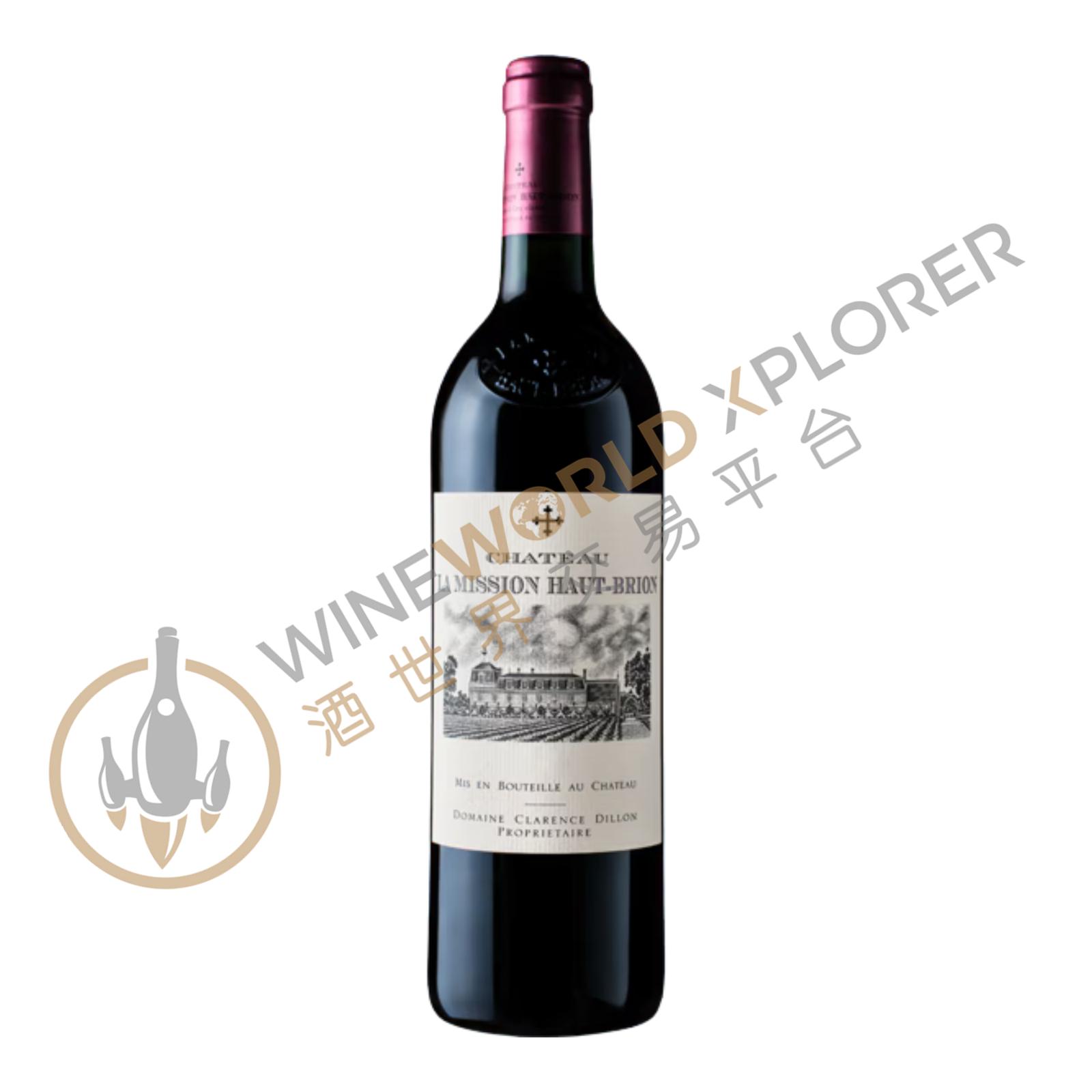
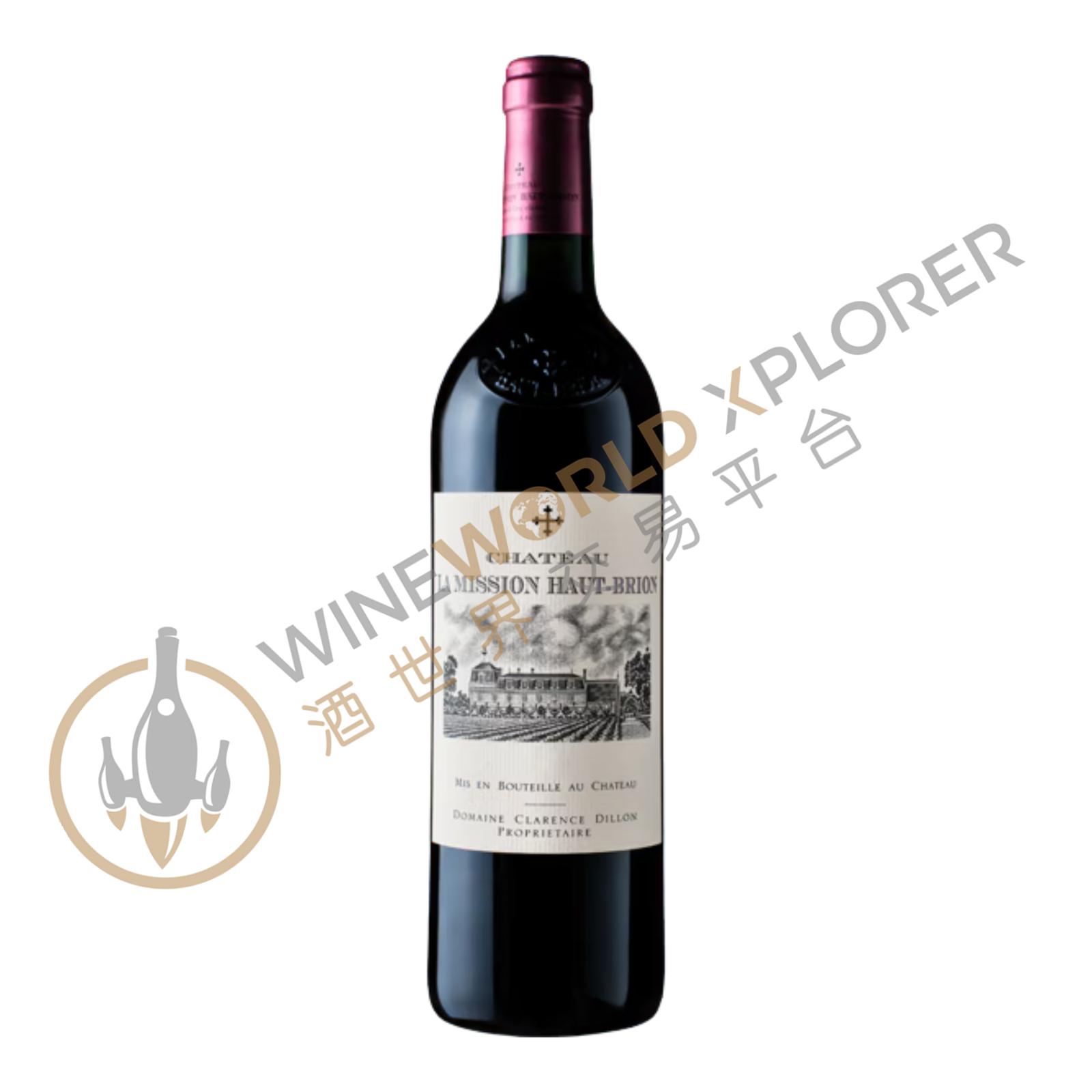
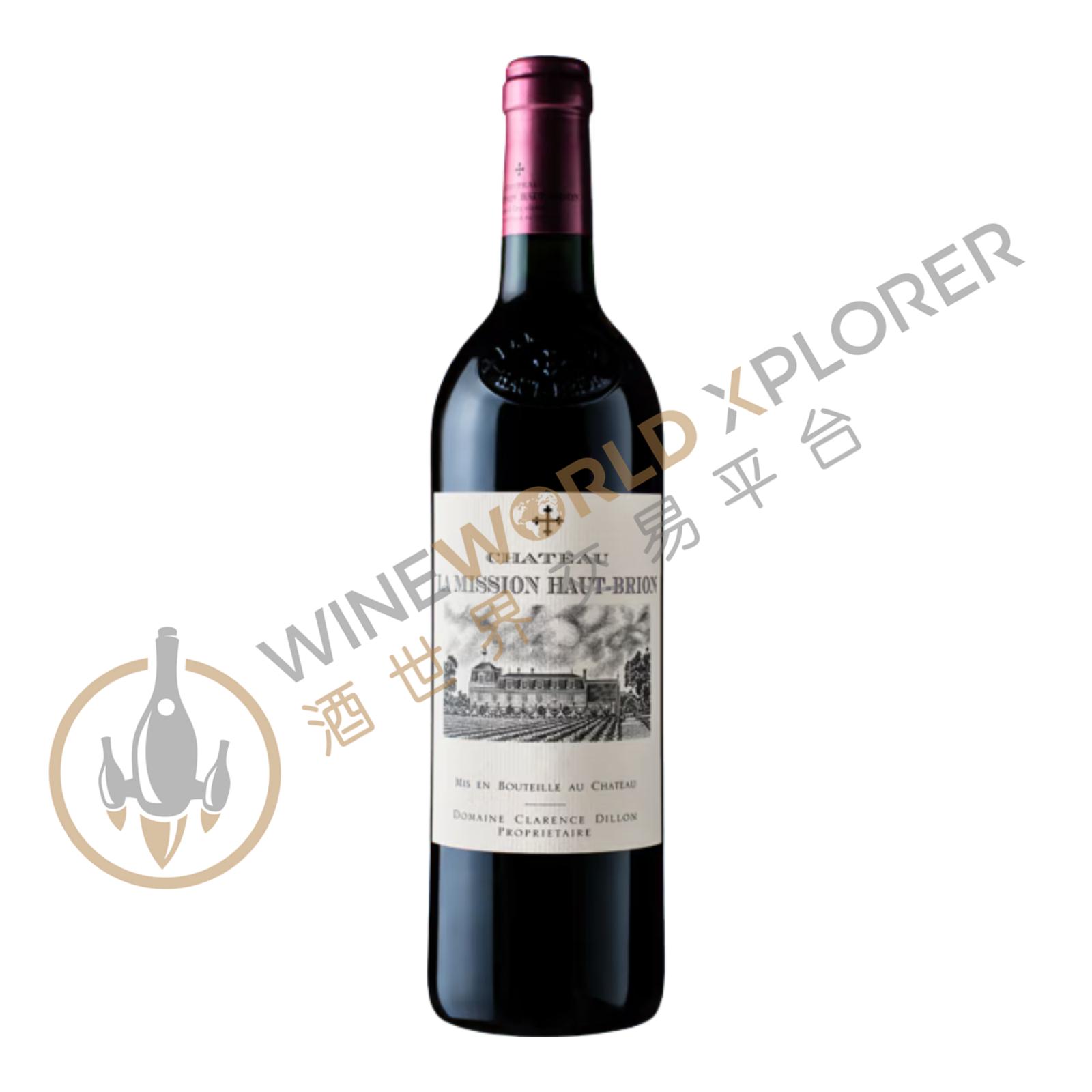
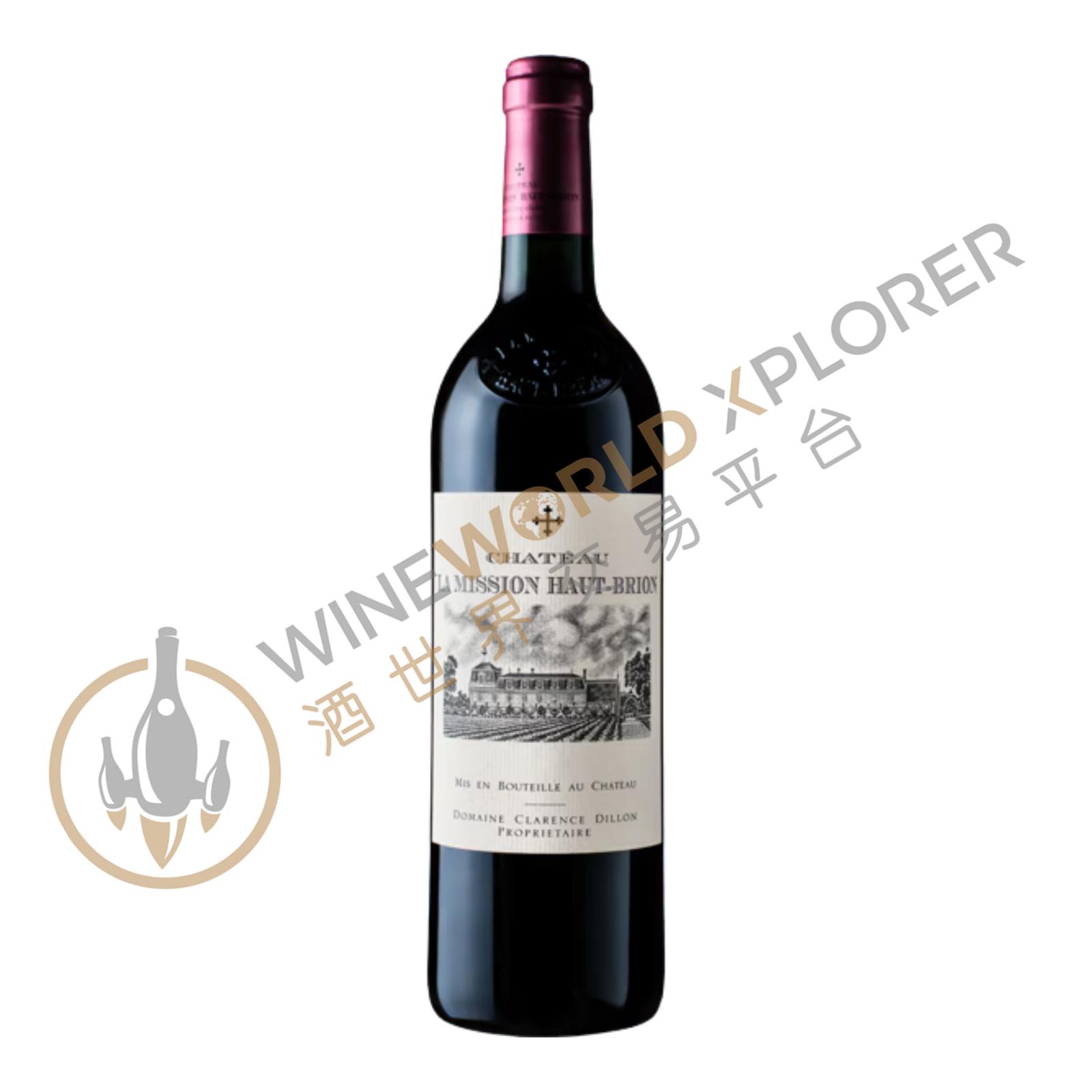
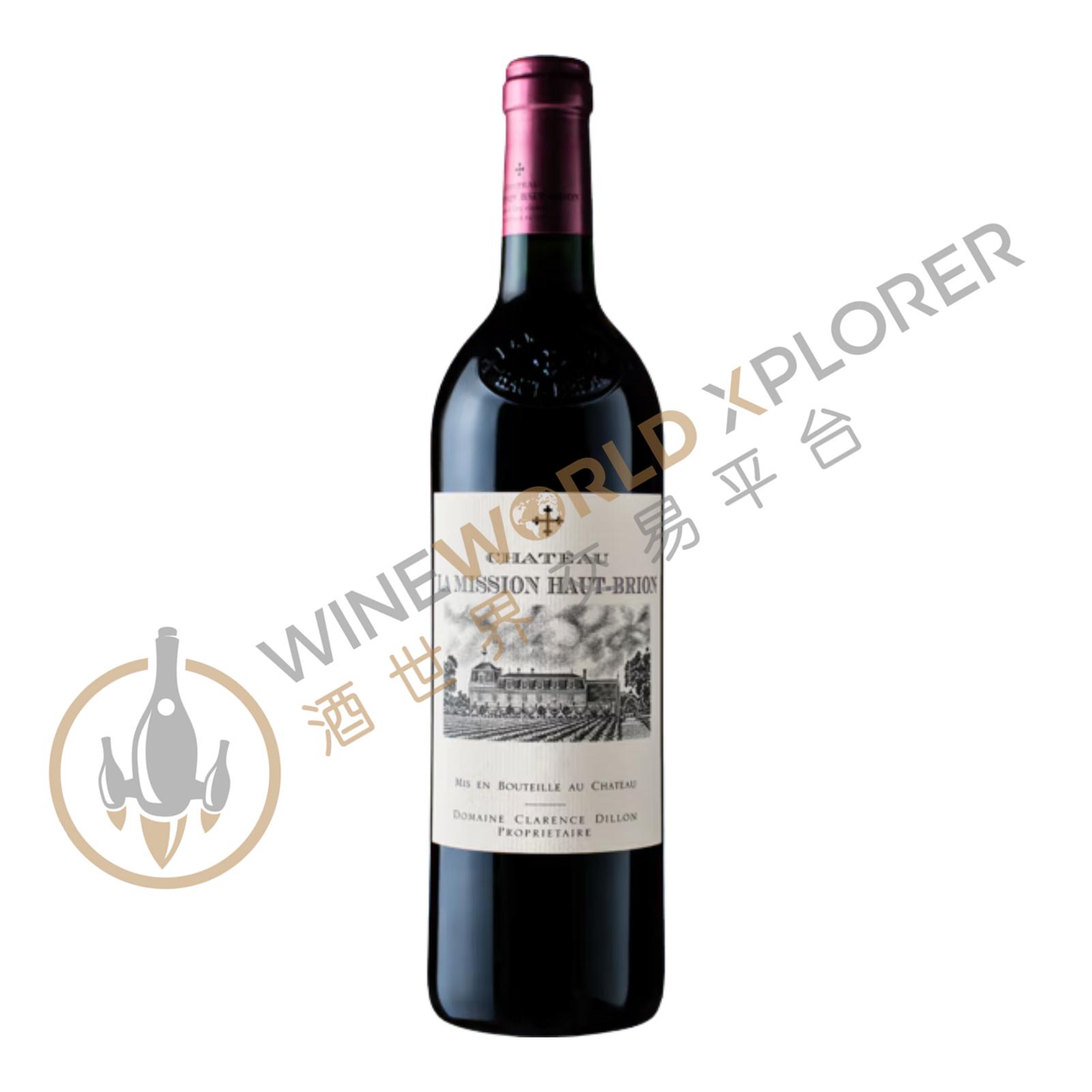
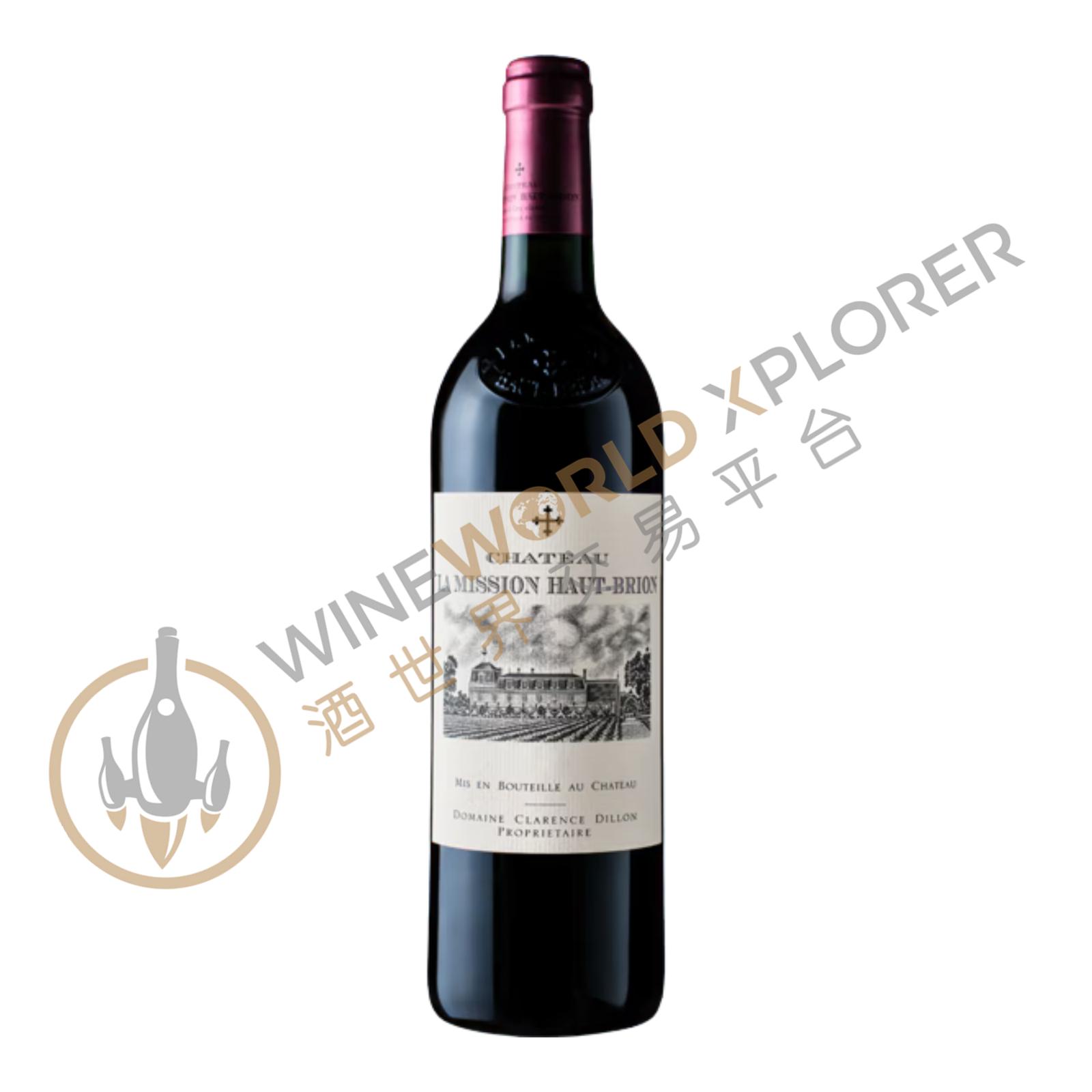
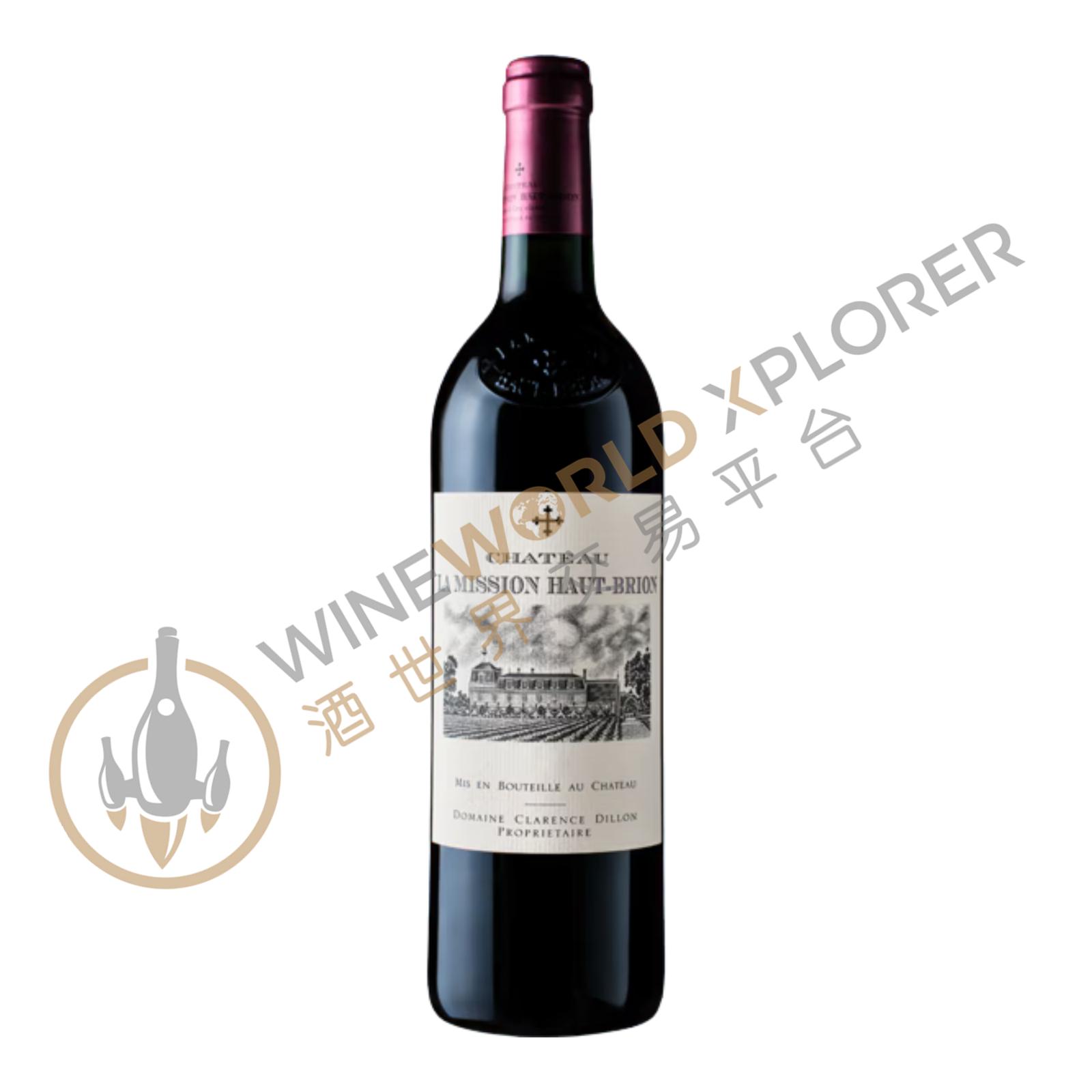
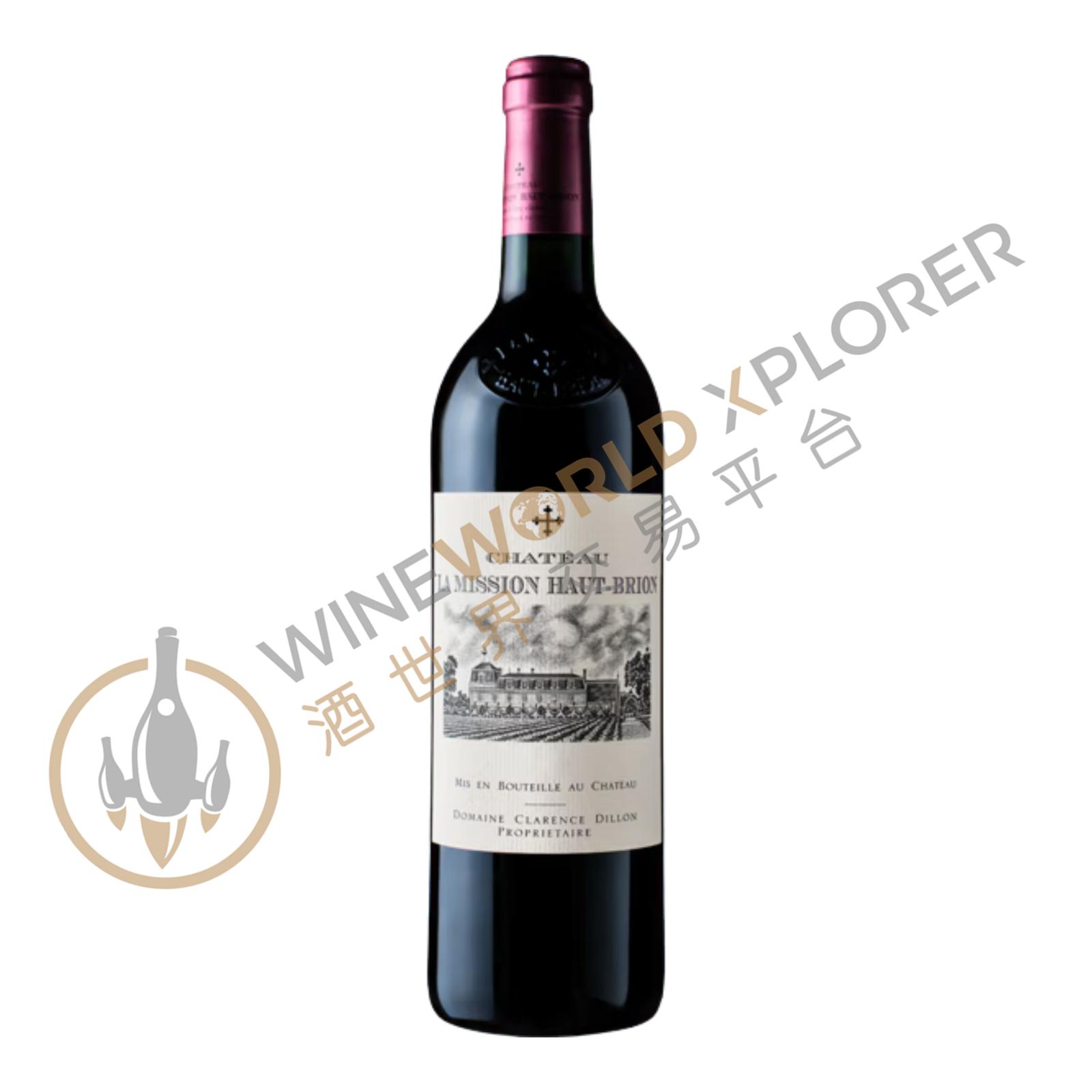
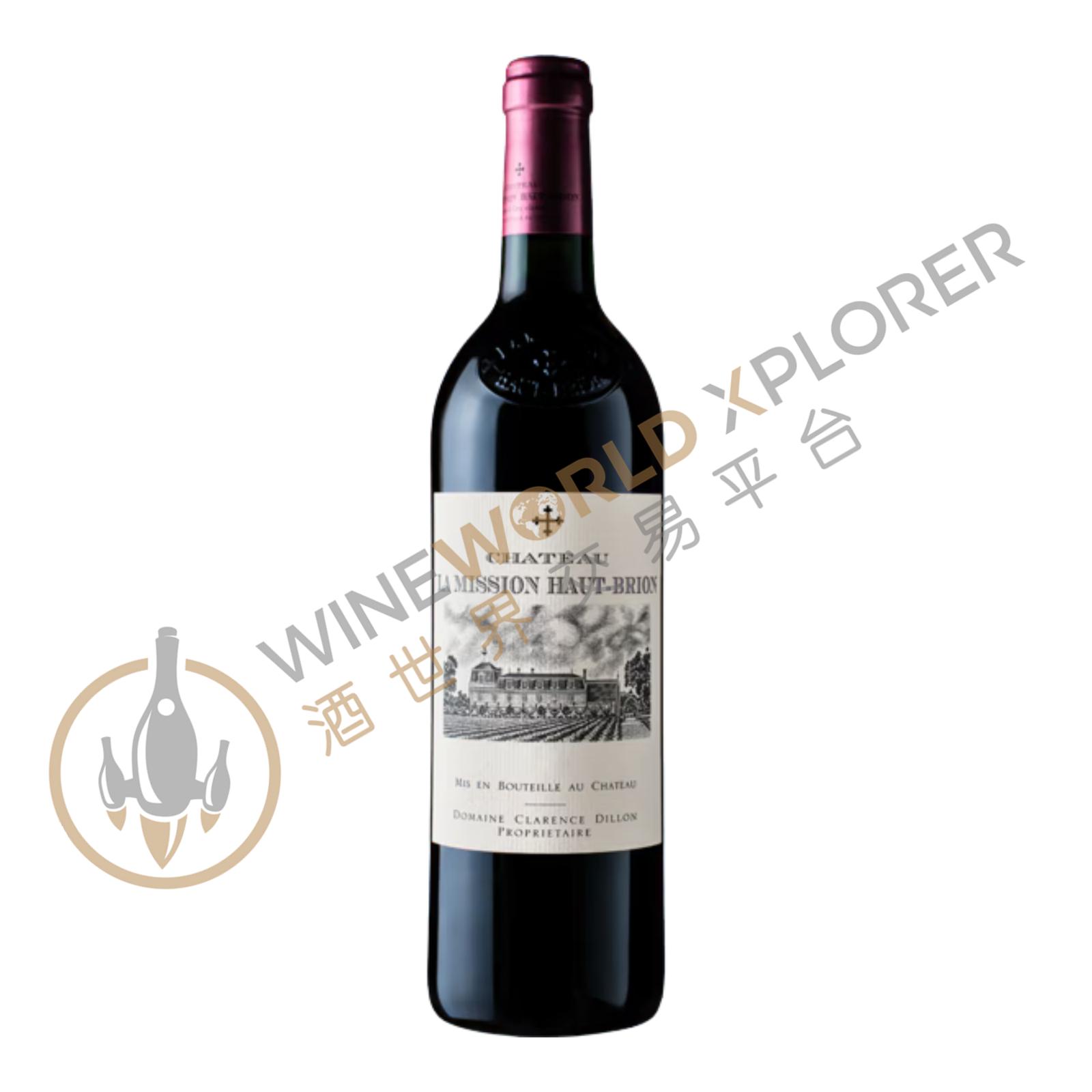
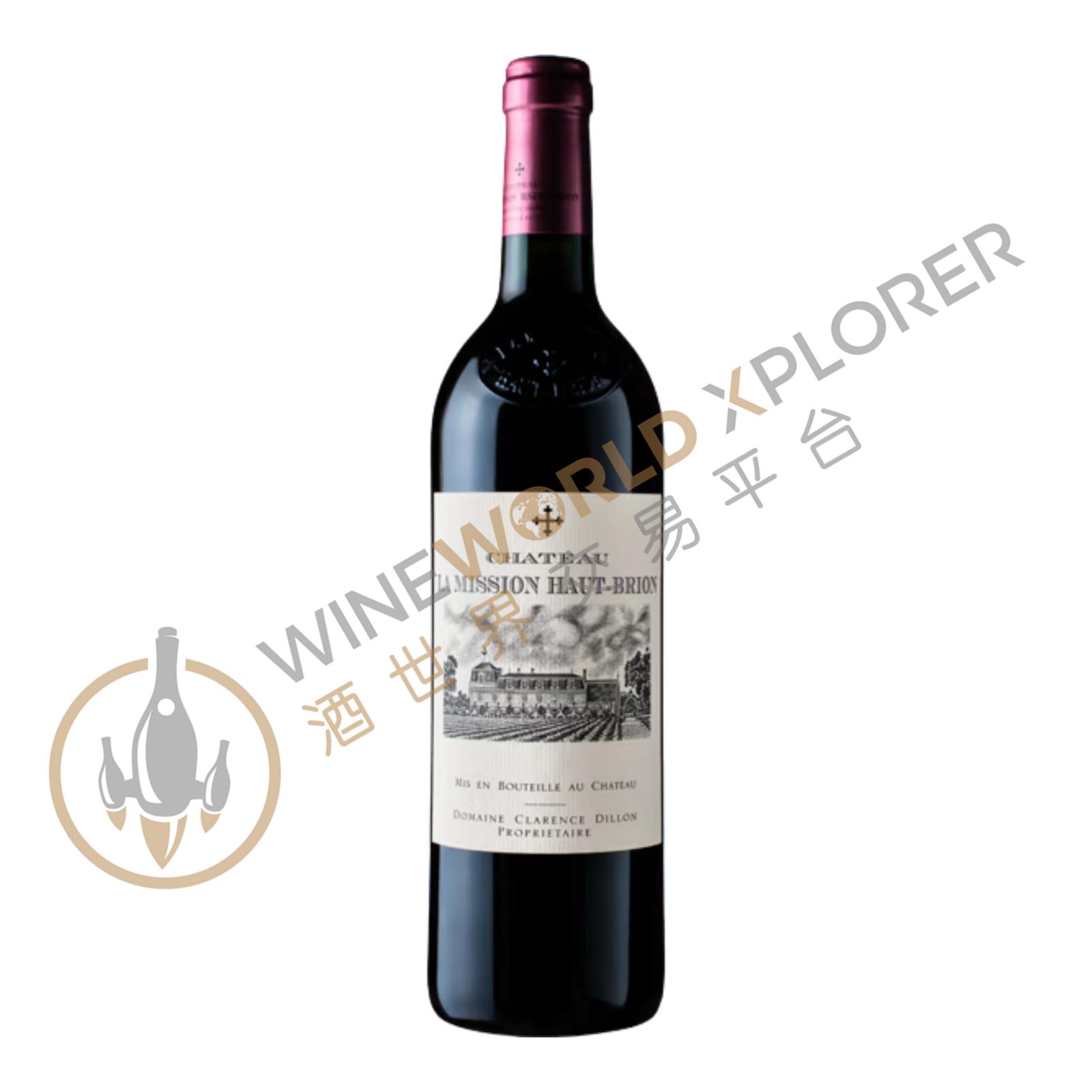
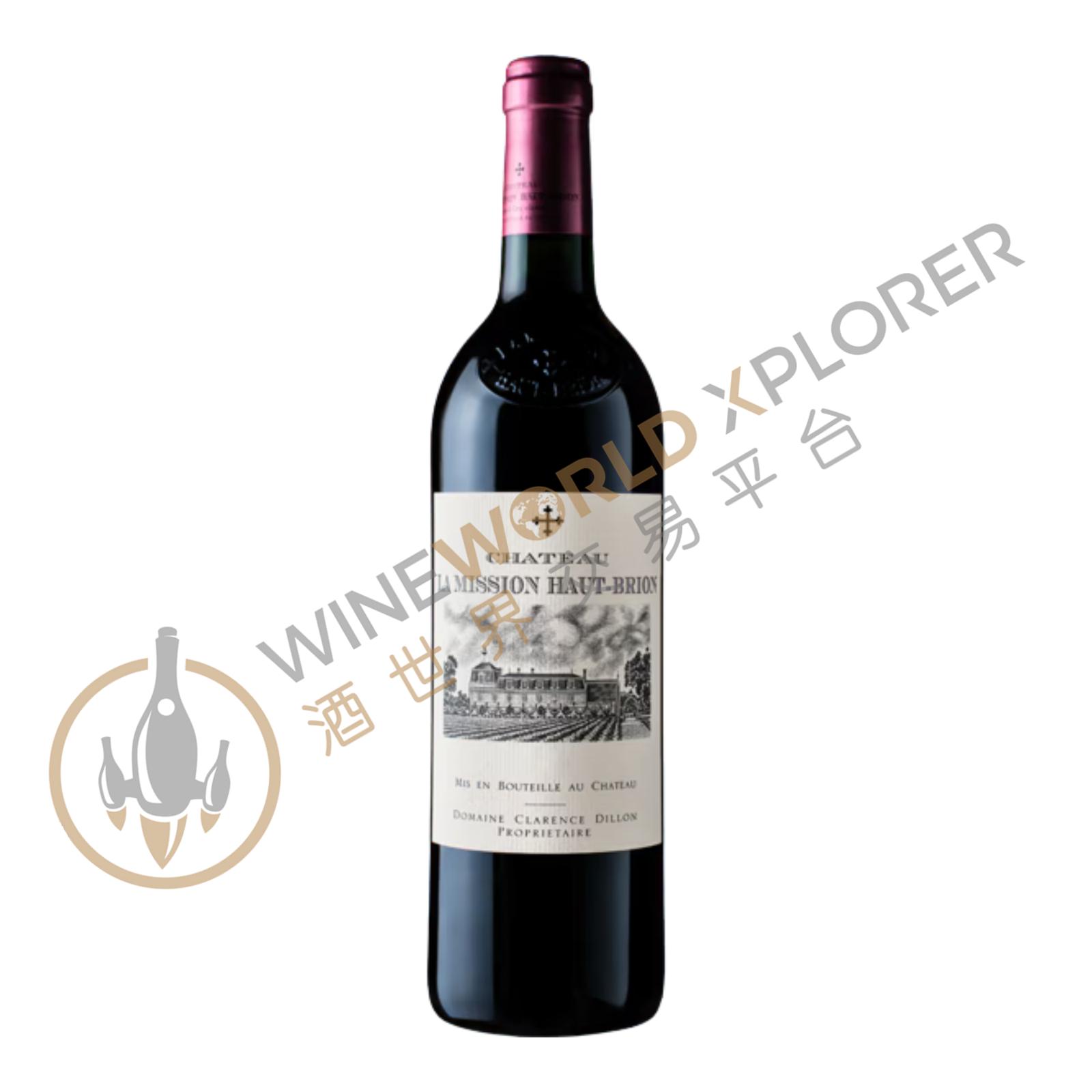
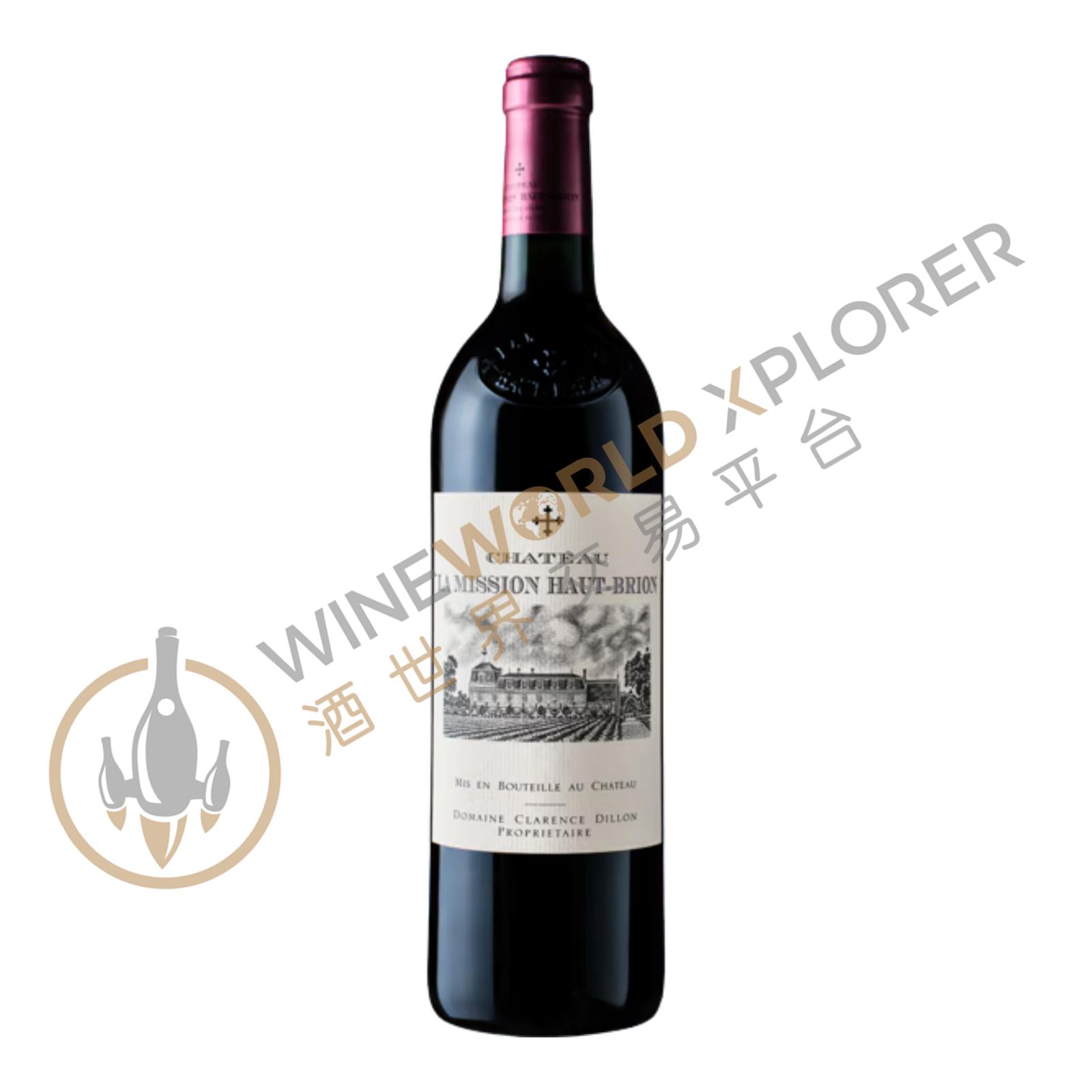
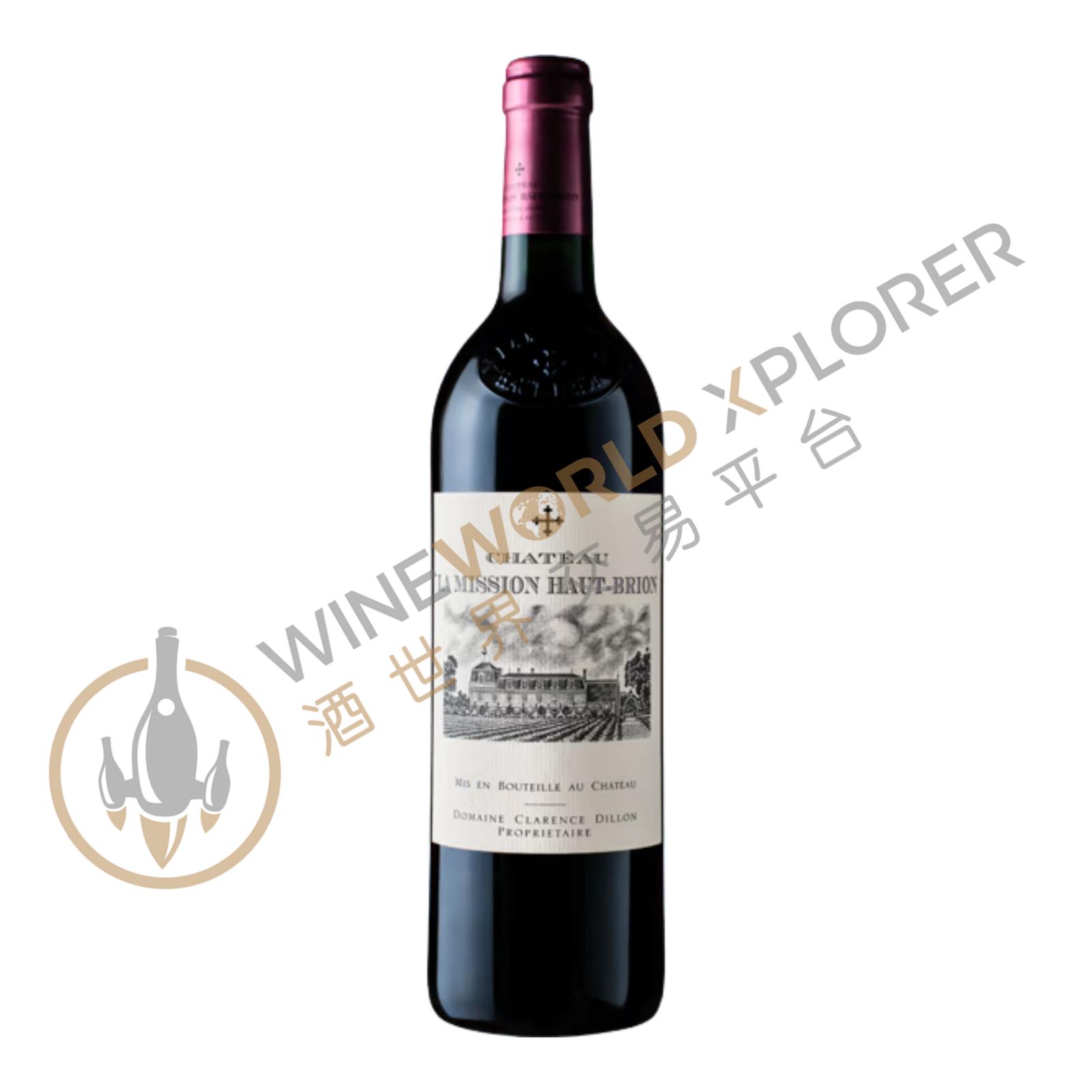
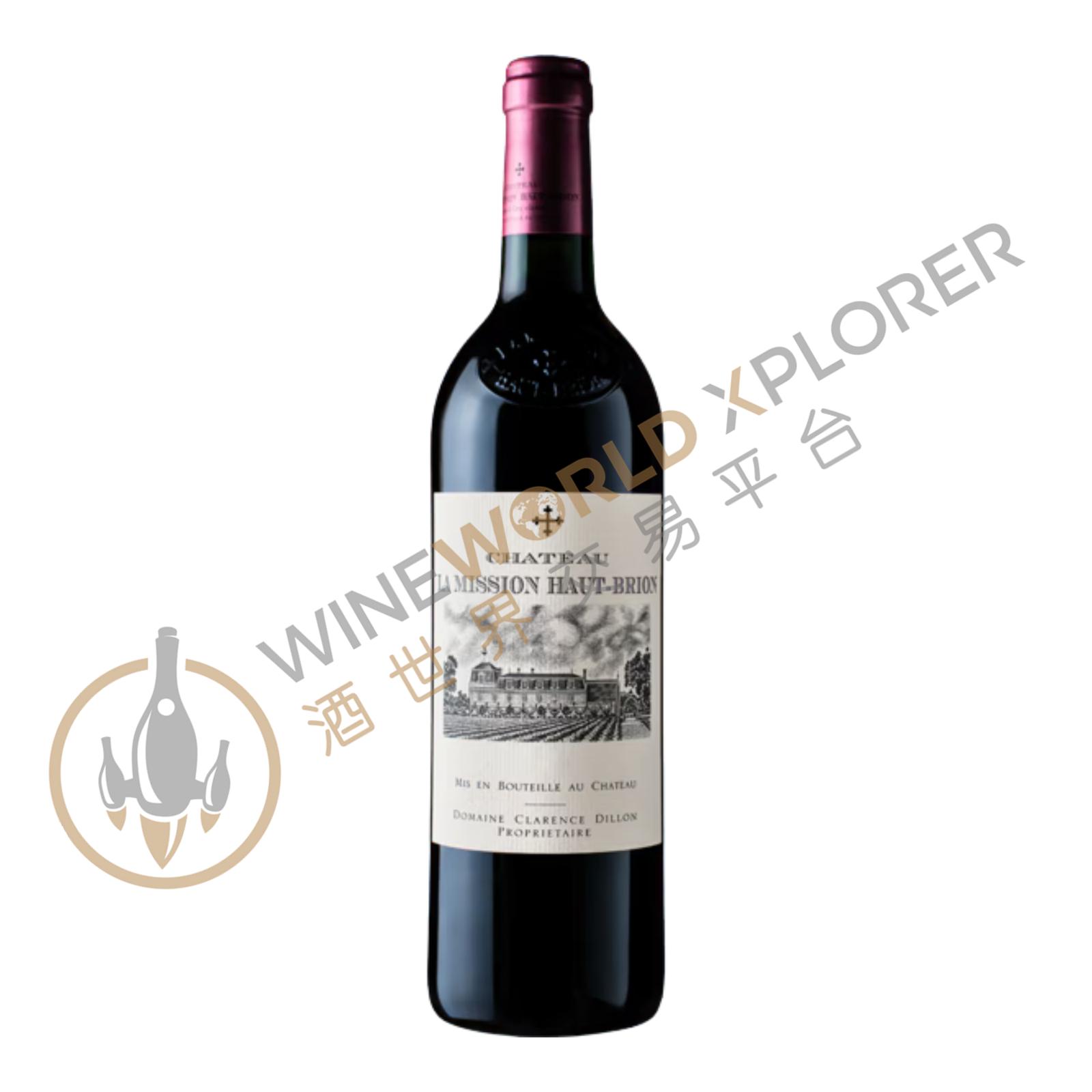
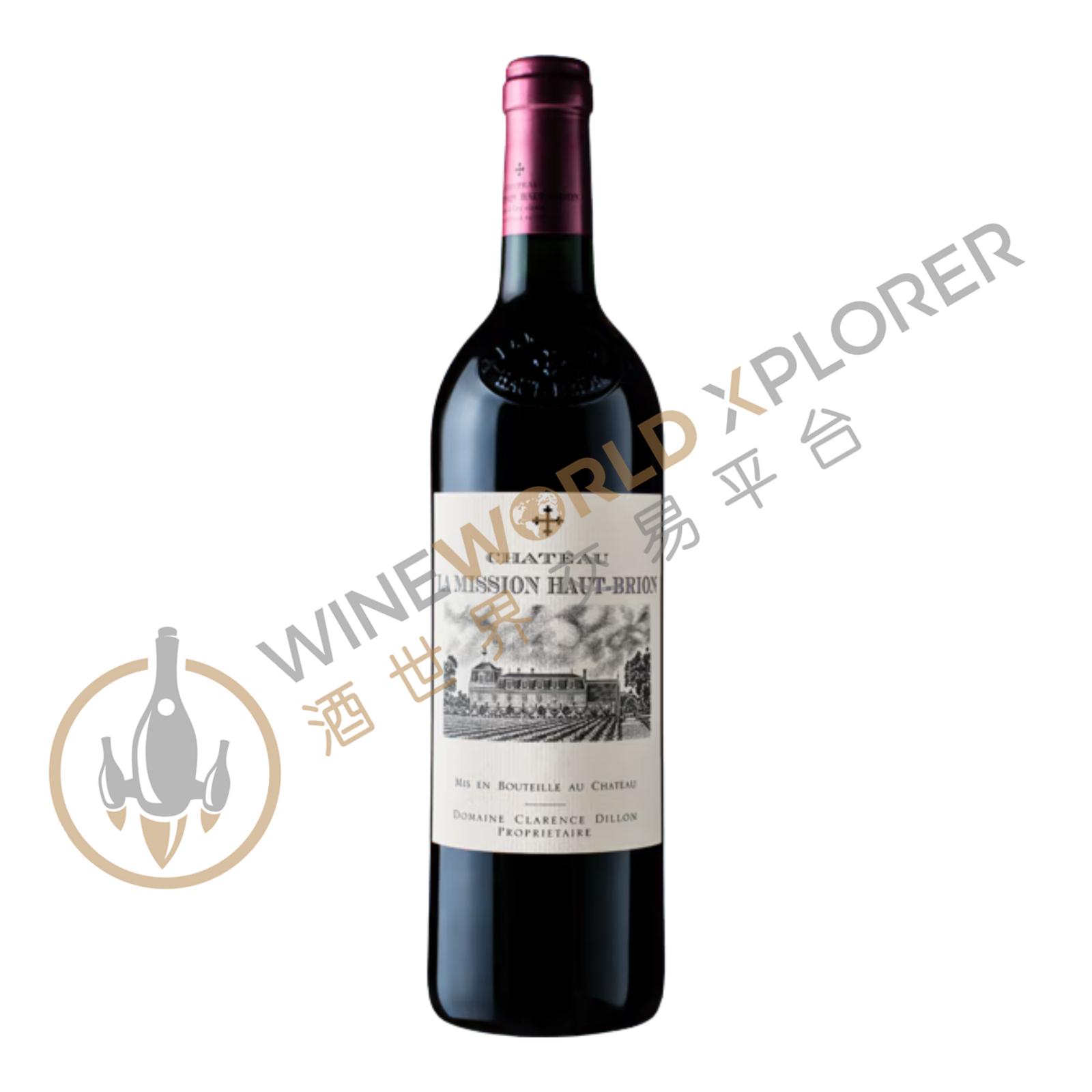
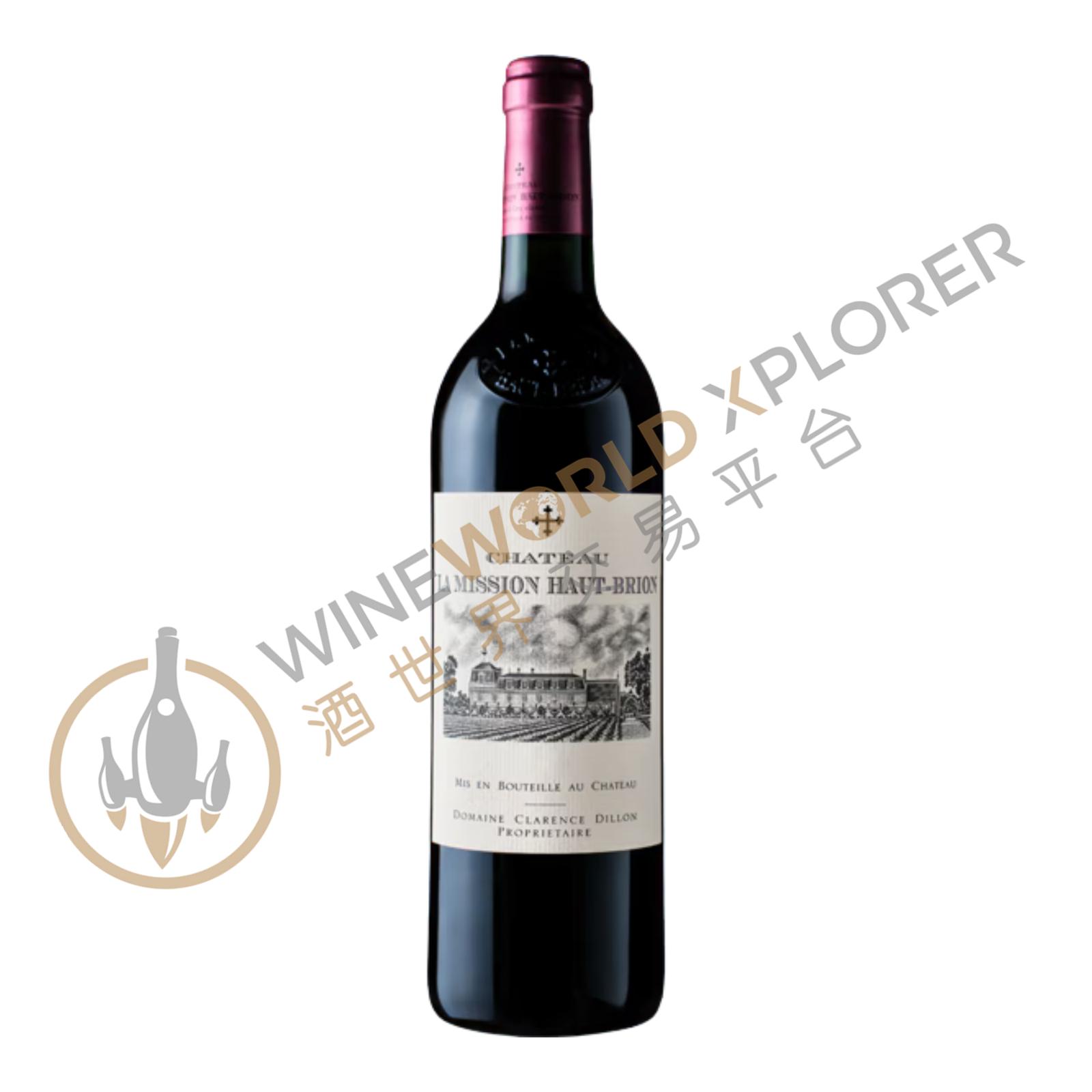
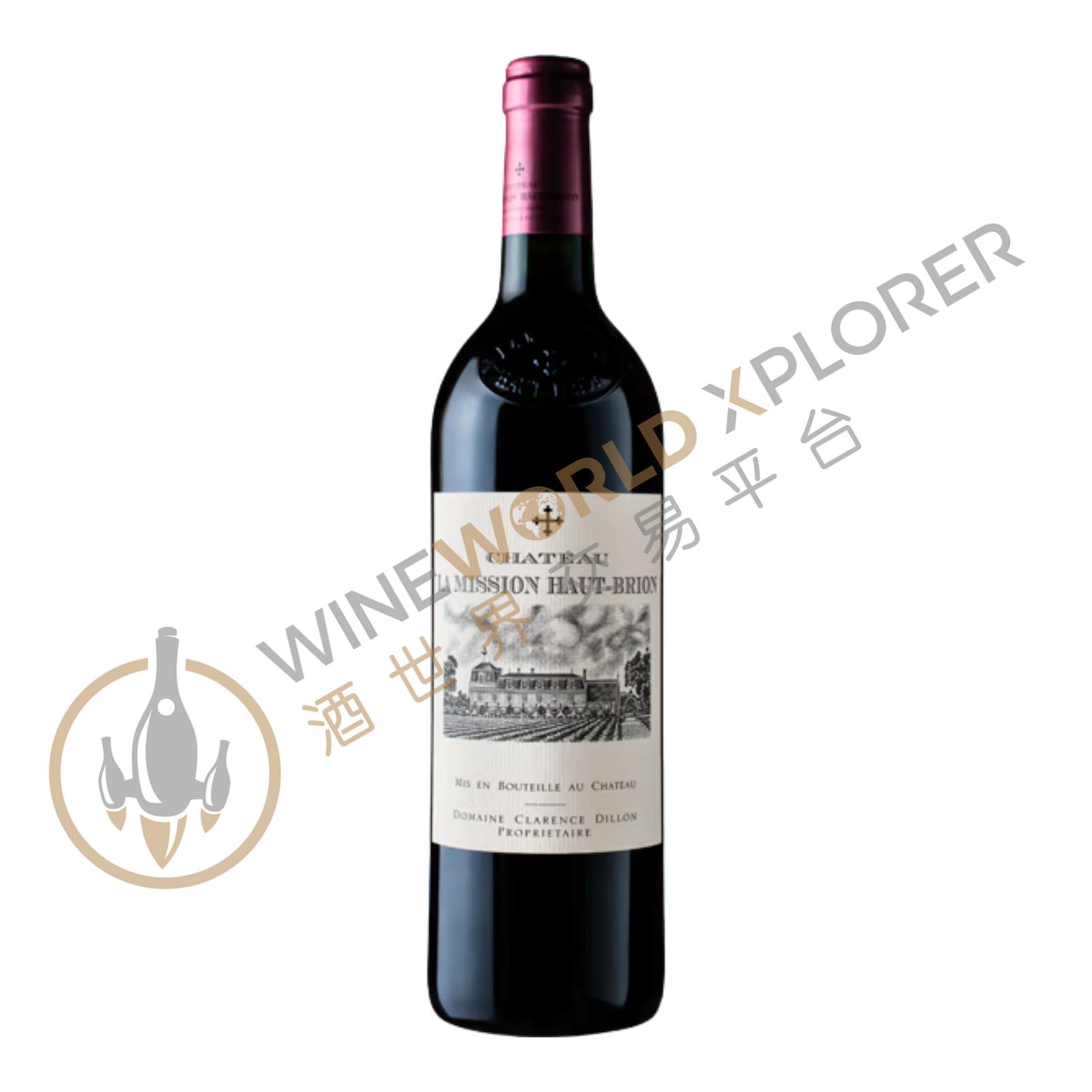
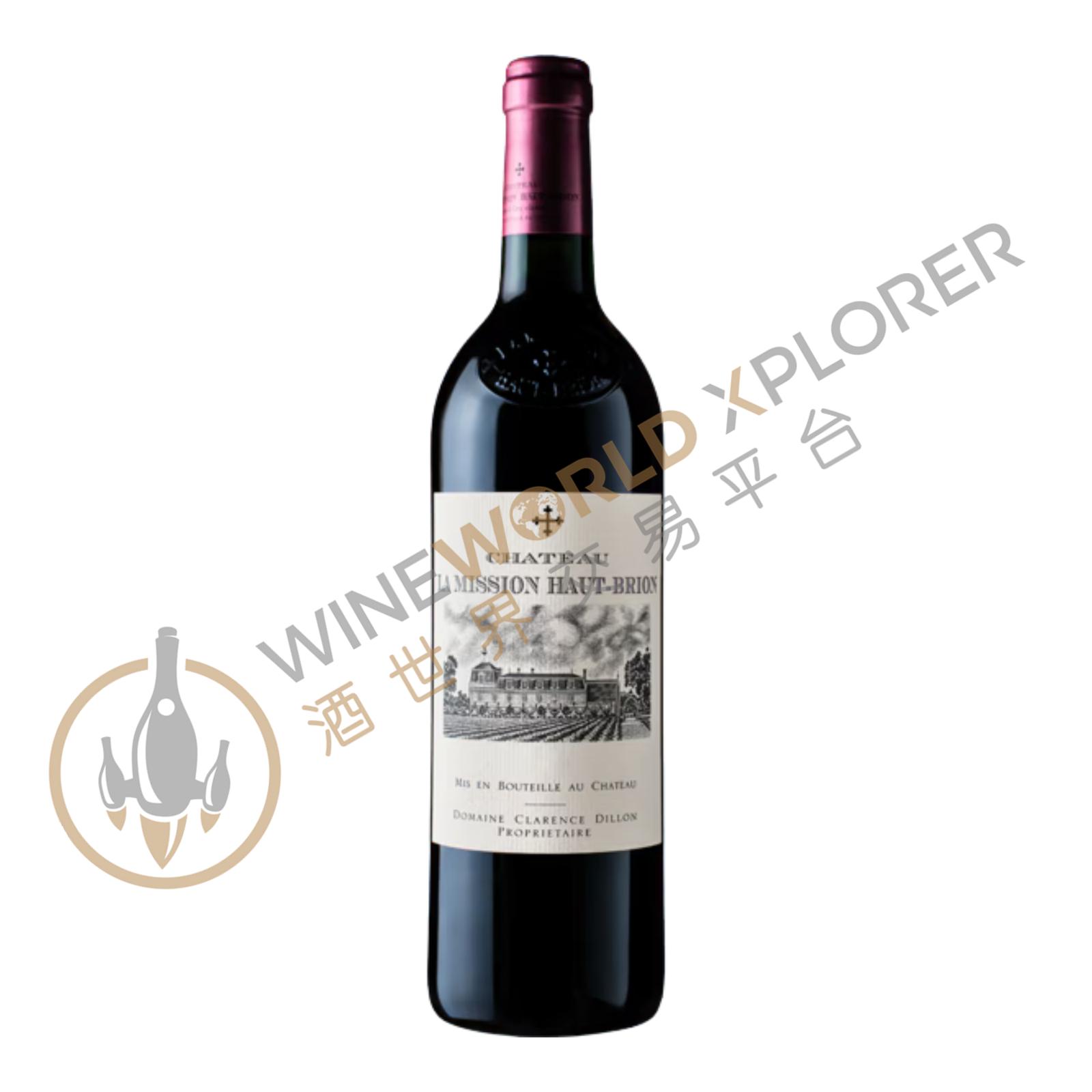
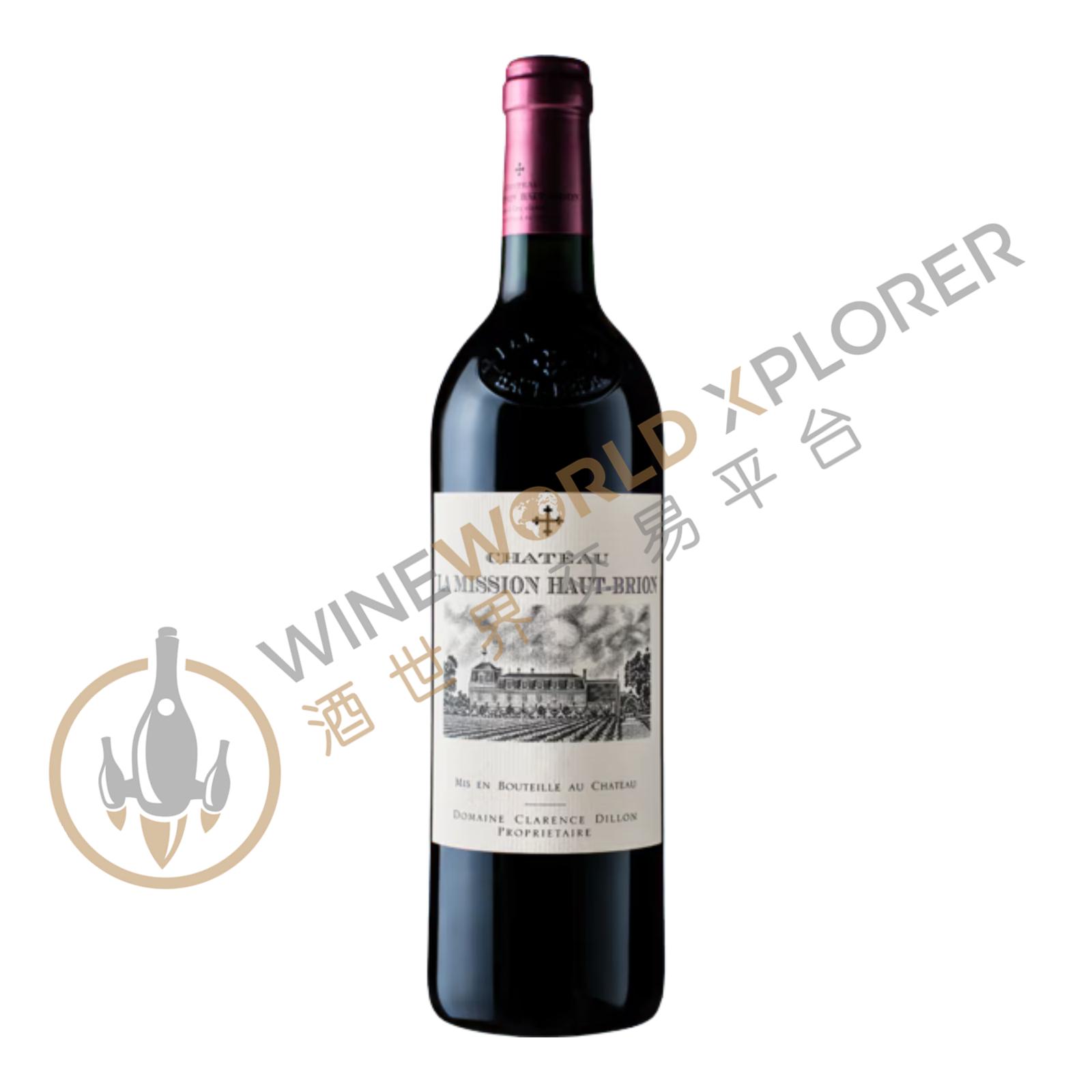
La Mission Haut Brion 1999
 View analysis


Description
Tasting notes

Reviewed by: Neal Martin
A deep garnet colour with just a little maturation on the rim. The nose is a little one-dimensional compared to the ’02, but with time develops an attractive spicy dimension with a dash of white pepper. The palate is impressive with pure black fruits, a touch of spice and black pepper, good tension and very good focus and delineation on the finish. I certainly prefer this to the 2002 with nice tang of bitter red-berried fruit on the after-taste. Every time I encounter this wine it get better! Drink 2012-2030. Tasted May 2008.
Reviewed by: Robert M. Parker, Jr.
A blend of 50% Merlot, 30% Cabernet Sauvignon, and 20% Cabernet Franc, this is a multi-textured, thick, juicy, dense purple-colored 1999 with generous amounts of La Mission's chocolatey, scorched earth, black fruit character. Medium to full-bodied, with low acidity, this sexy, opulent, stunning effort will drink well for 14-15 years.
Reviewed by: Neal Martin
Tasted three times. Showing massive grip and exotic out of barrel, then more elegant in November 2003 when it was masculine and chewy. Then in November 2004. I have to say that juxtaposed against other Graves, La Mission was no leaps and bounds greater than less illustrious names. Still, it is an excellent wine. A ripe nose, quite feminine, of blackberry, mocha and smoke. Quite alluring. The palate is medium-bodied: sweet, very pure with layers of black cherry and vanillary oak. Good acidity. Chewy tannins. It has closed down since its "exotic" en primeur showing. Flattering but not profound like Haut-Brion (though that can change, especially with La Mission.) Maybe time will countenance this wine. Drink from 2010 to 2020.
Reviewed by: Robert M. Parker, Jr.
Made in a lighter style, the fully mature 1999 reveals notes of beef blood, roasted herbs, black truffles, damp earth and black currants intermixed with hints of espresso and spice box. This medium-bodied, velvety textured, lush La Mission should hold nicely for a decade in a cold cellar.
Reviewed by: Robert M. Parker, Jr.
Elegant, smoky, black currant and blueberry-like aromas reveal complexity, finesse, and purity. On the palate, the wine is harmonious, medium-bodied, concentrated, and stylish. Anticipated maturity: 2003-2020.
Reviewed by: Neal Martin
Tasted at the 1999 horizontal at Bordeaux Index. This bottle is showing less bravura than the one at the La Mission vertical last May. It has a relative, light leafy bouquet with dried herbs, a touch of singed leather, some mint developing with aeration that I hitherto have not noticed. The palate is medium-bodied, grainy entry, nice purity on the entry, firm tannins – good backbone here with a touch of savoury fruit towards the finish that has been shaved of the persistency it exhibited before. Foursquare but very well defined. Excellent. Drink now-2025. Tasted June 2009.
Reviewed by: Robert M. Parker, Jr.
The medium to full-bodied 1999 La Mission Haut Brion is beautifully complex, with notes of cherry liqueur, plums, cigar smoke, fresh tobacco, and scorched earth. This deep, elegant, yet precise wine is cut from the same mold as the 1962, 1971, 1983, and 1985. Though not a heavyweight, it is gorgeously complex, supple, and both hedonistic and intellectual. Anticipated maturity: 2003-2018.
About the Producer
25 hectares of red grape varieties, including Merlot, Cabernet Sauvignon and Cabernet Franc, are planted in the traditional vineyard of the winery; the Werner family's vineyard also has 4 hectares of white grape varieties, including Semillon, Sauvignon Blanc, used for Chateau La Mission Haut-Brion Blanc at different times during the Werner family's reign And the production of the original Chateau Laville Haut-Brion Blanc (Chateau Laville Haut-Brion Blanc). The Werner family's original Chateau La Tour Haut-Brion ceased production after 2005, and the 5 hectares of vineyards it owns are mainly used for the blending of the second red wine of Chateau Meixun. In terms of wine production, the winery will set up screening stations on trucks in the vineyard to screen the manually picked grapes for the first time. Fermentation is then carried out in a stainless steel wine tank equipped with a computer-controlled system that monitors the homogenization and temperature of the wine after measuring the temperature of the pressed grape juice and residue. Clarified with fresh egg whites before bottling, but not filtered.
1982(2)1985(2)1986(2)1987(1)1989(6)1990(4)1991(1)1992(1)1994(2)1995(5)1996(4)1998(11)
Package Size