Wine Advisor



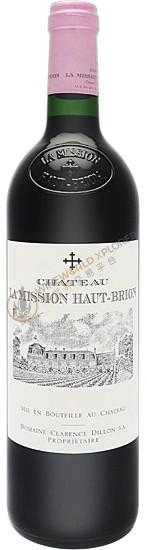
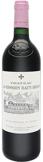
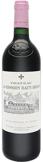
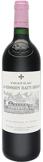
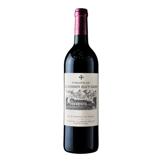
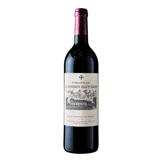
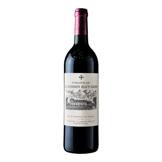
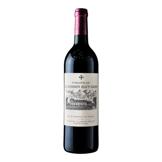
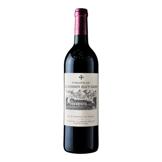
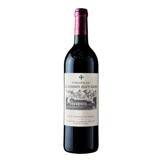
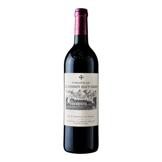
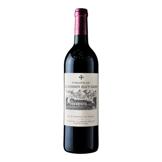
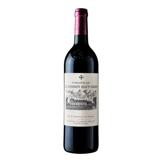
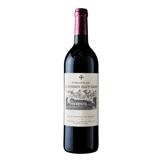
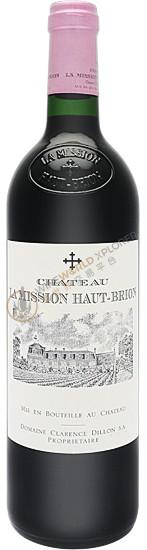
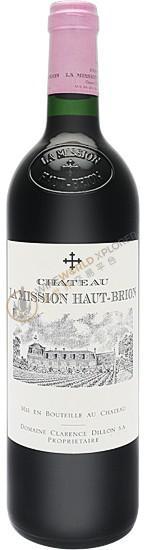
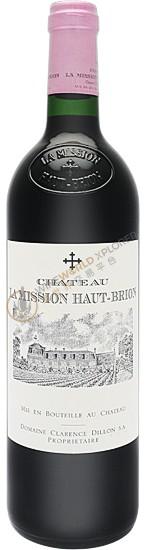
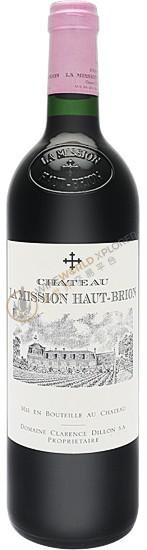
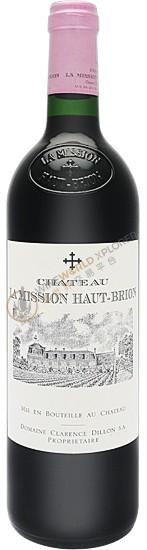
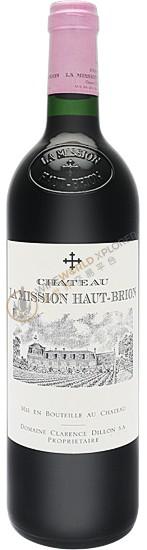
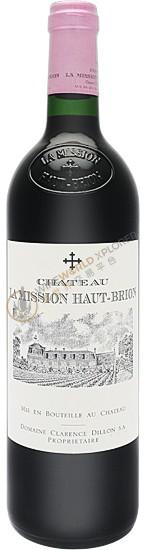
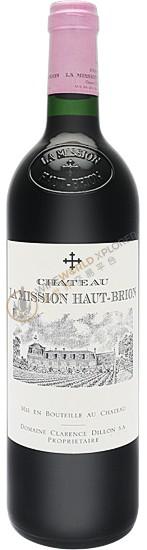
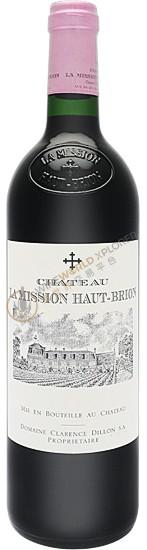
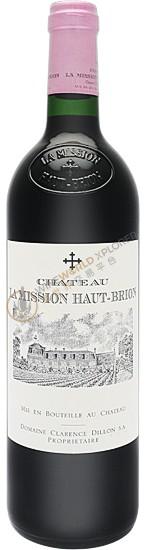
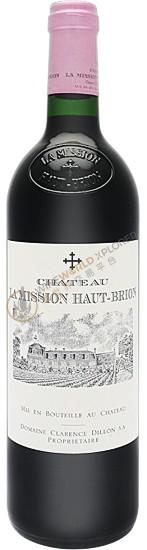
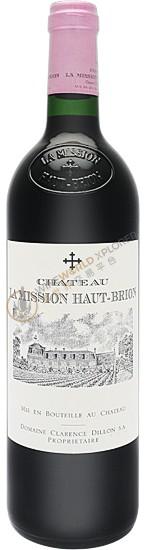
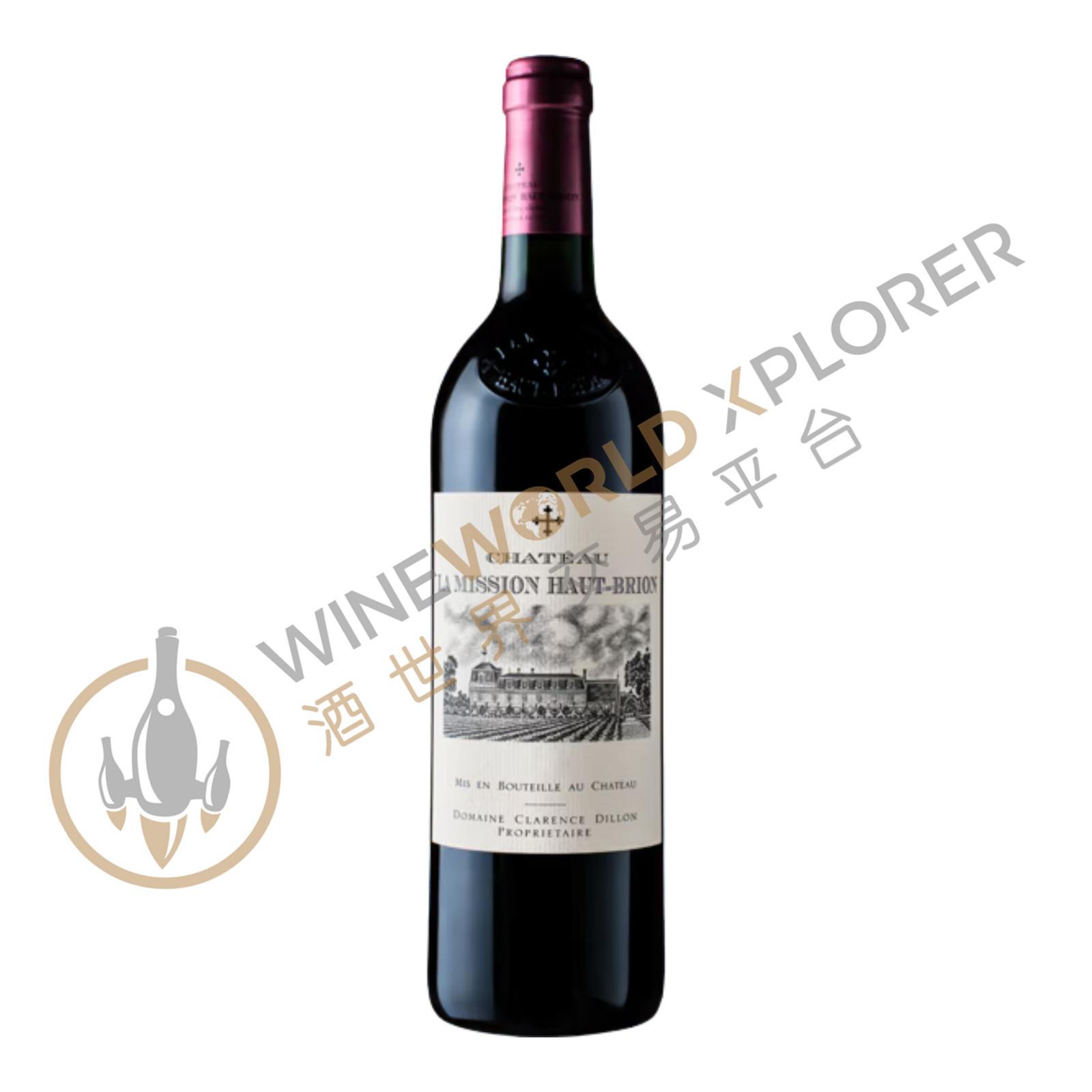
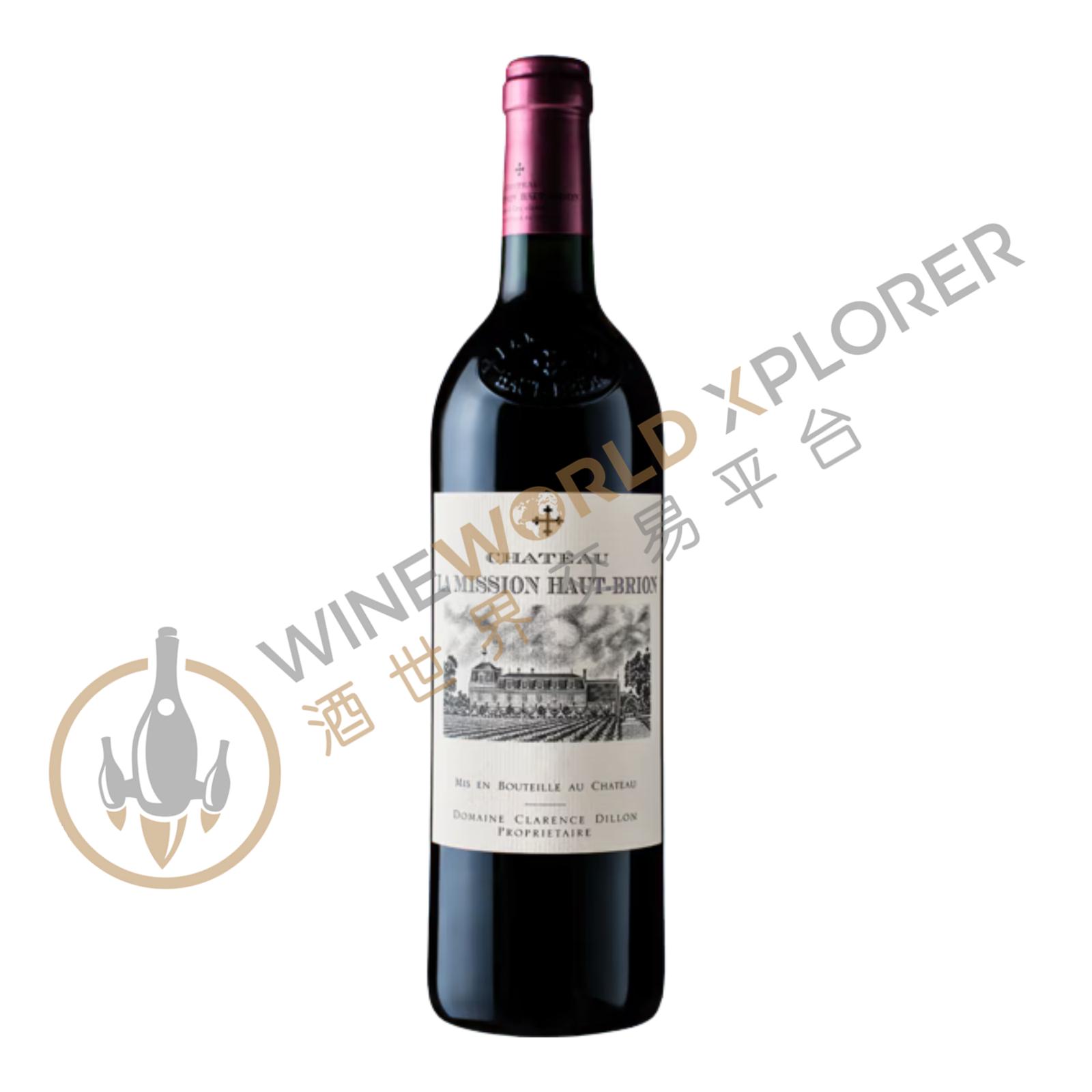
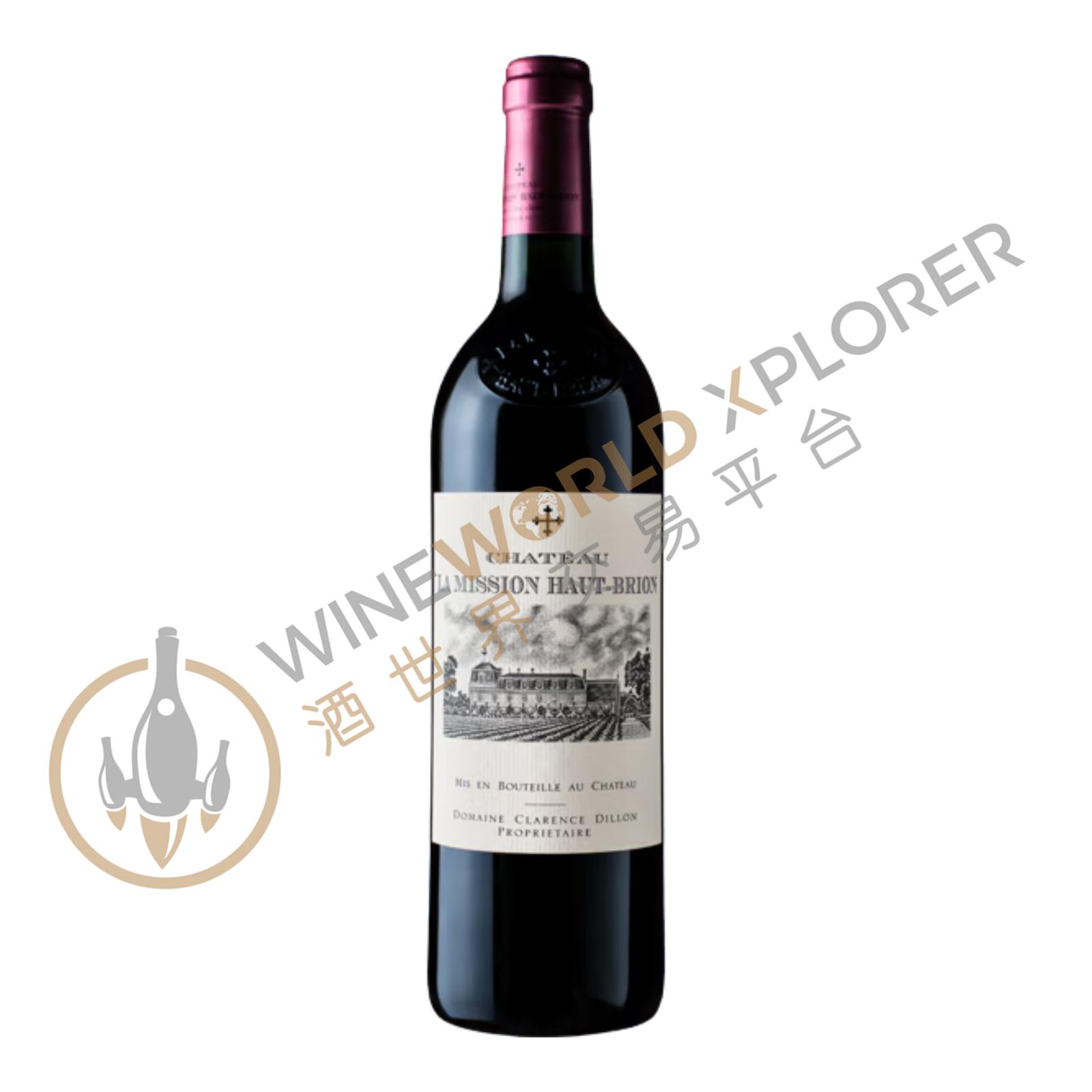
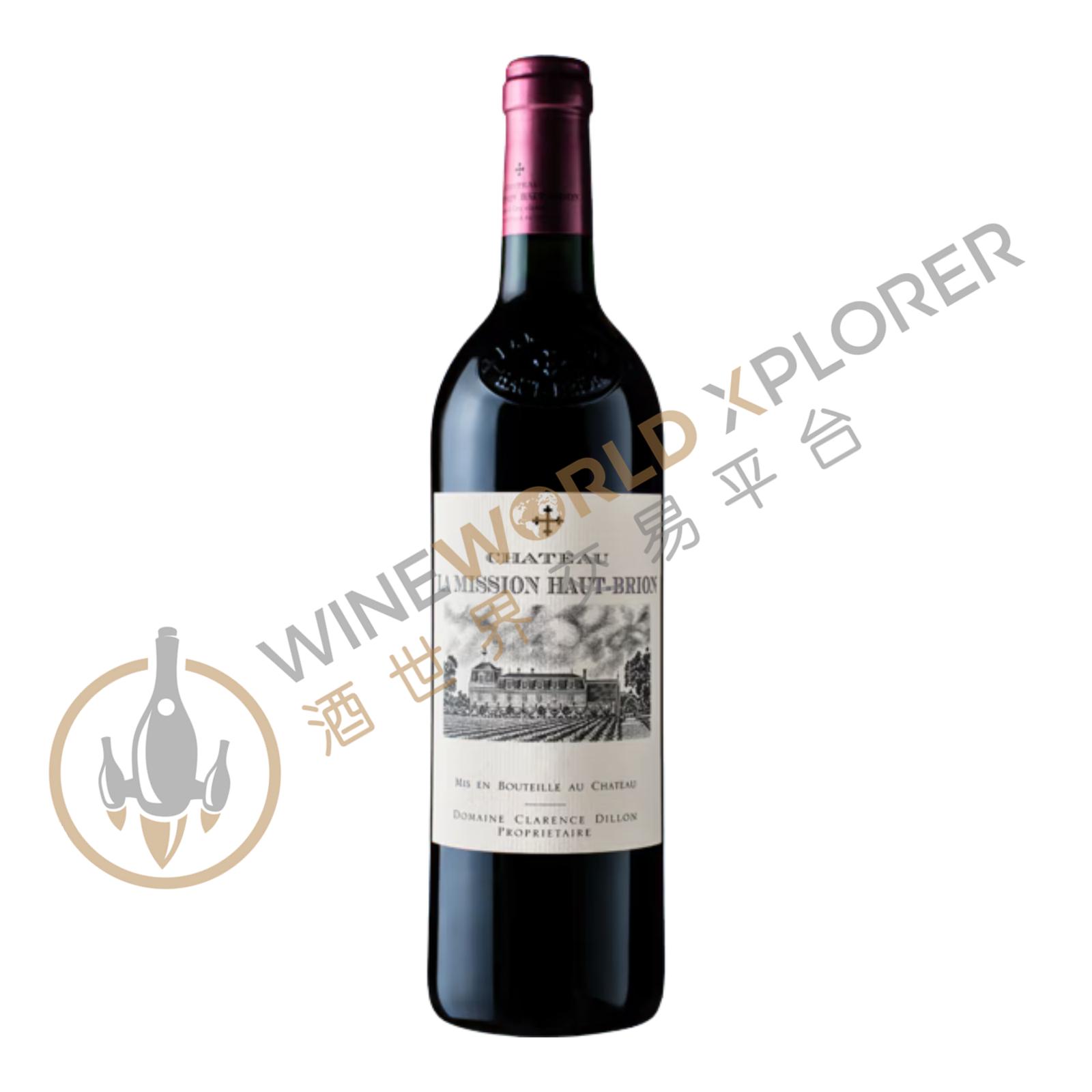
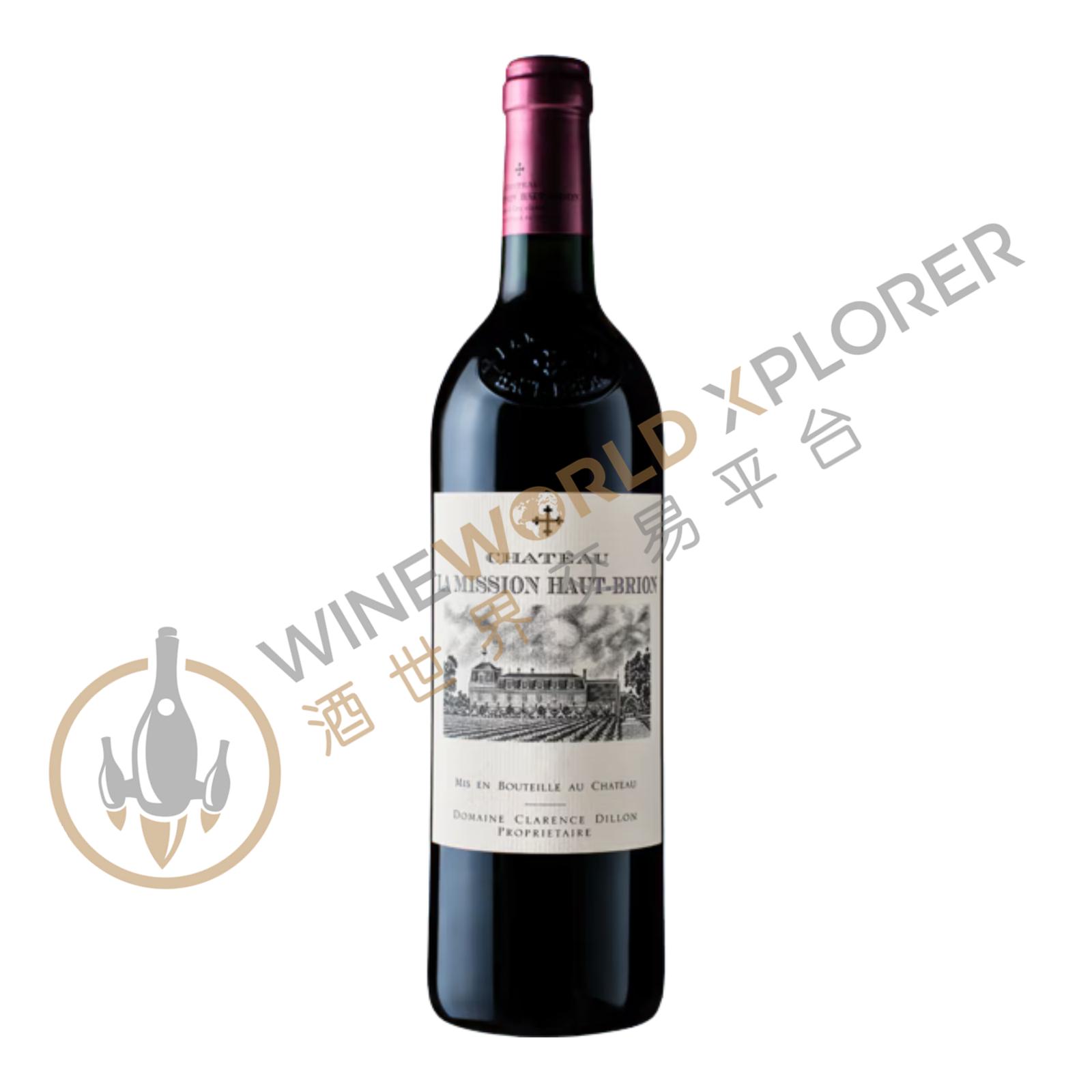
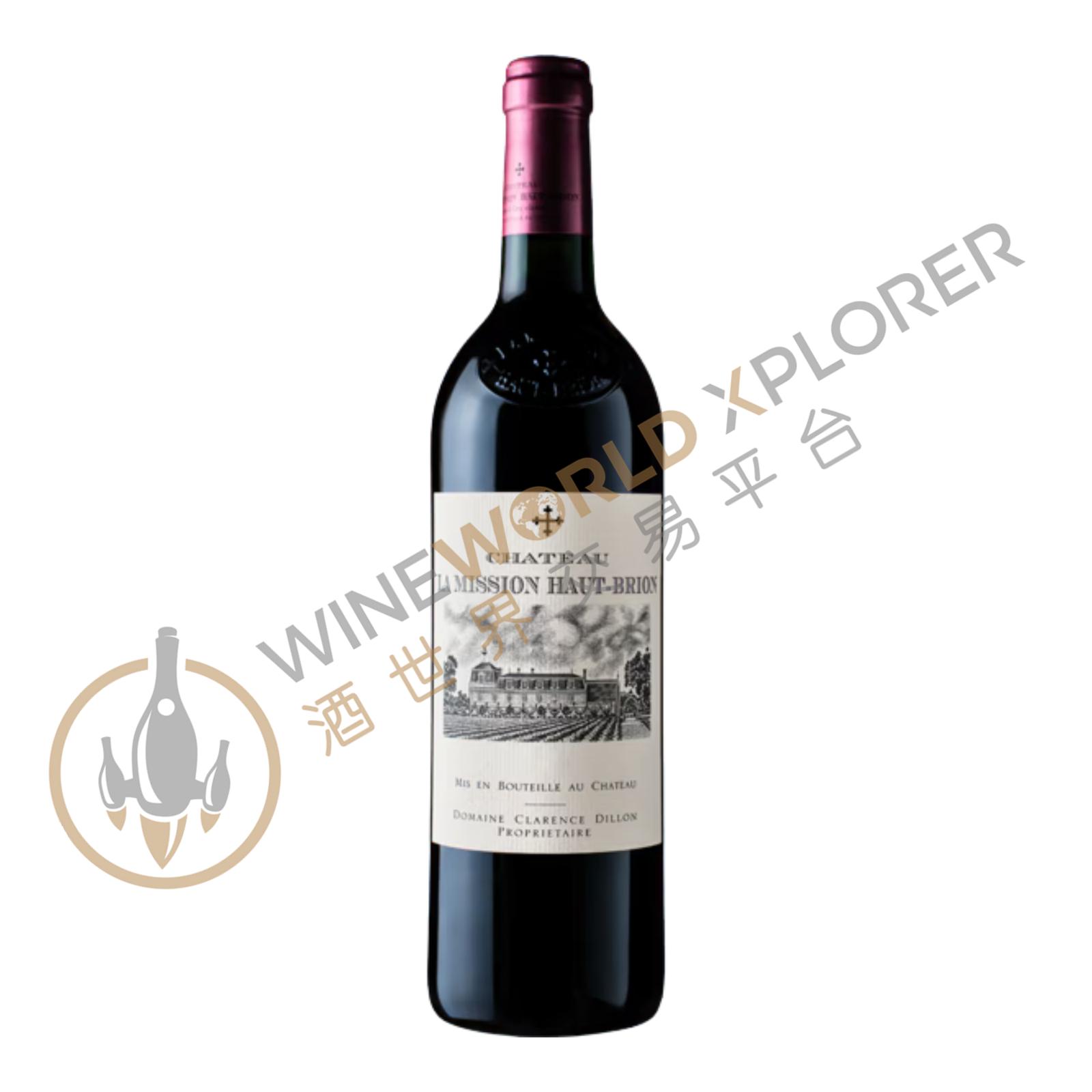
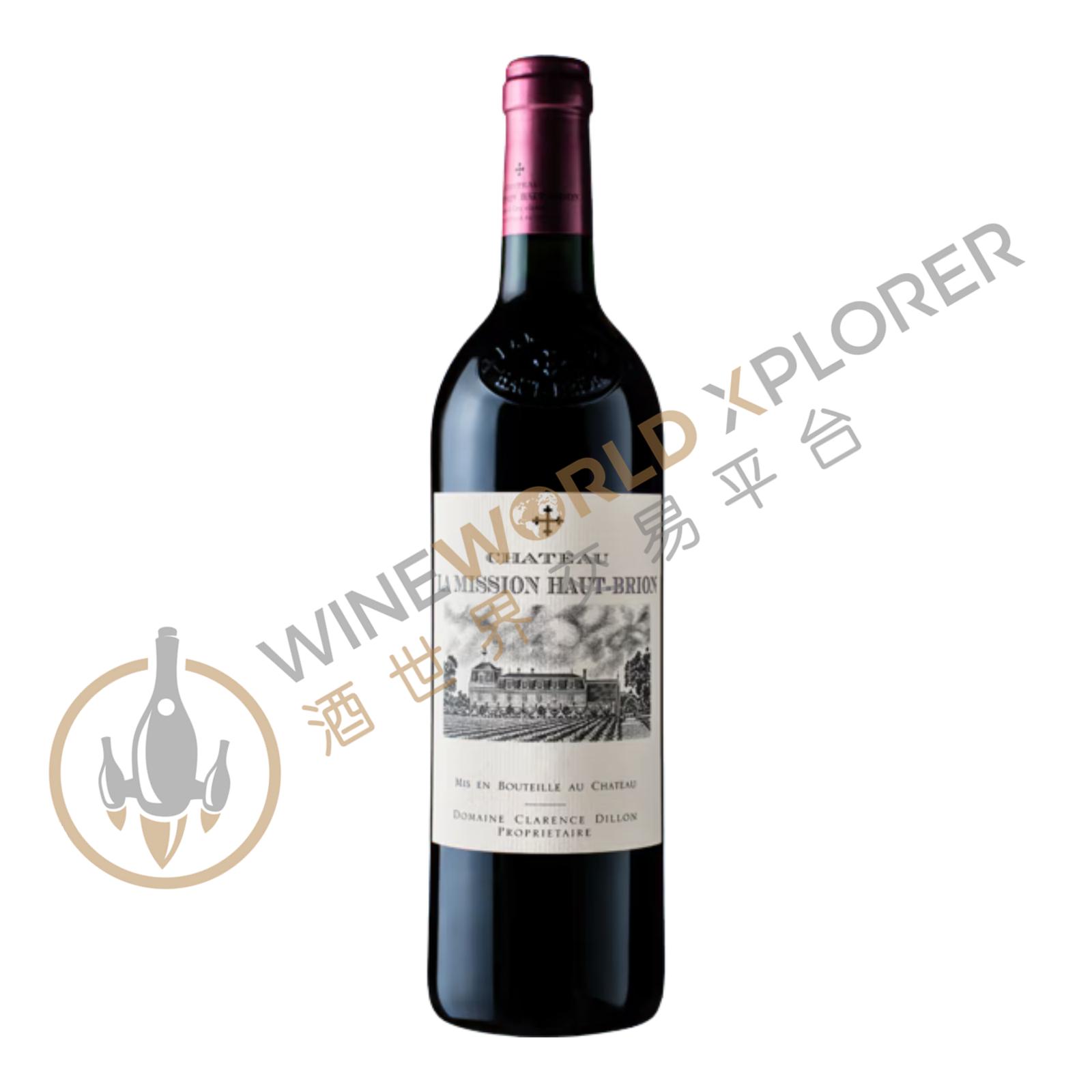
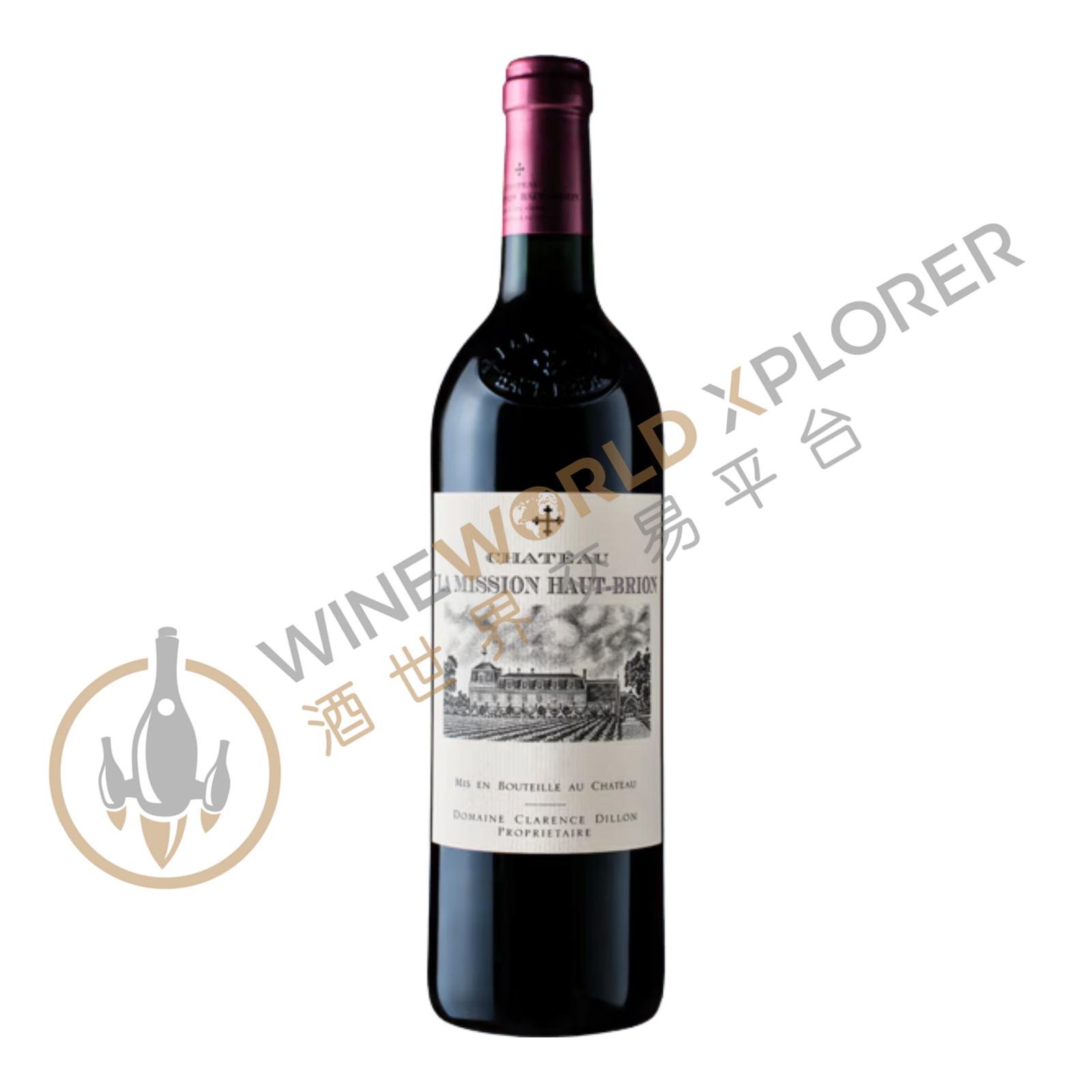
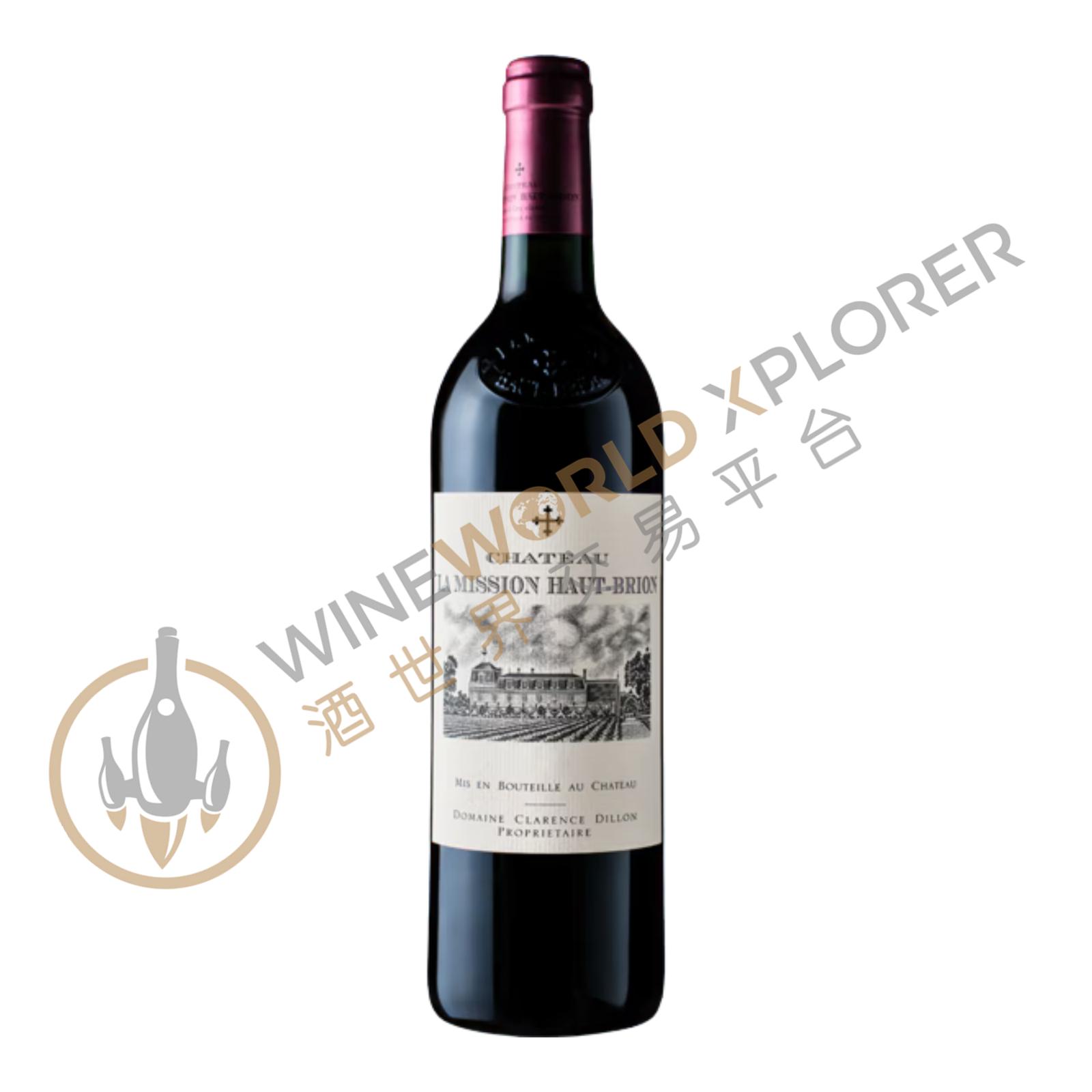
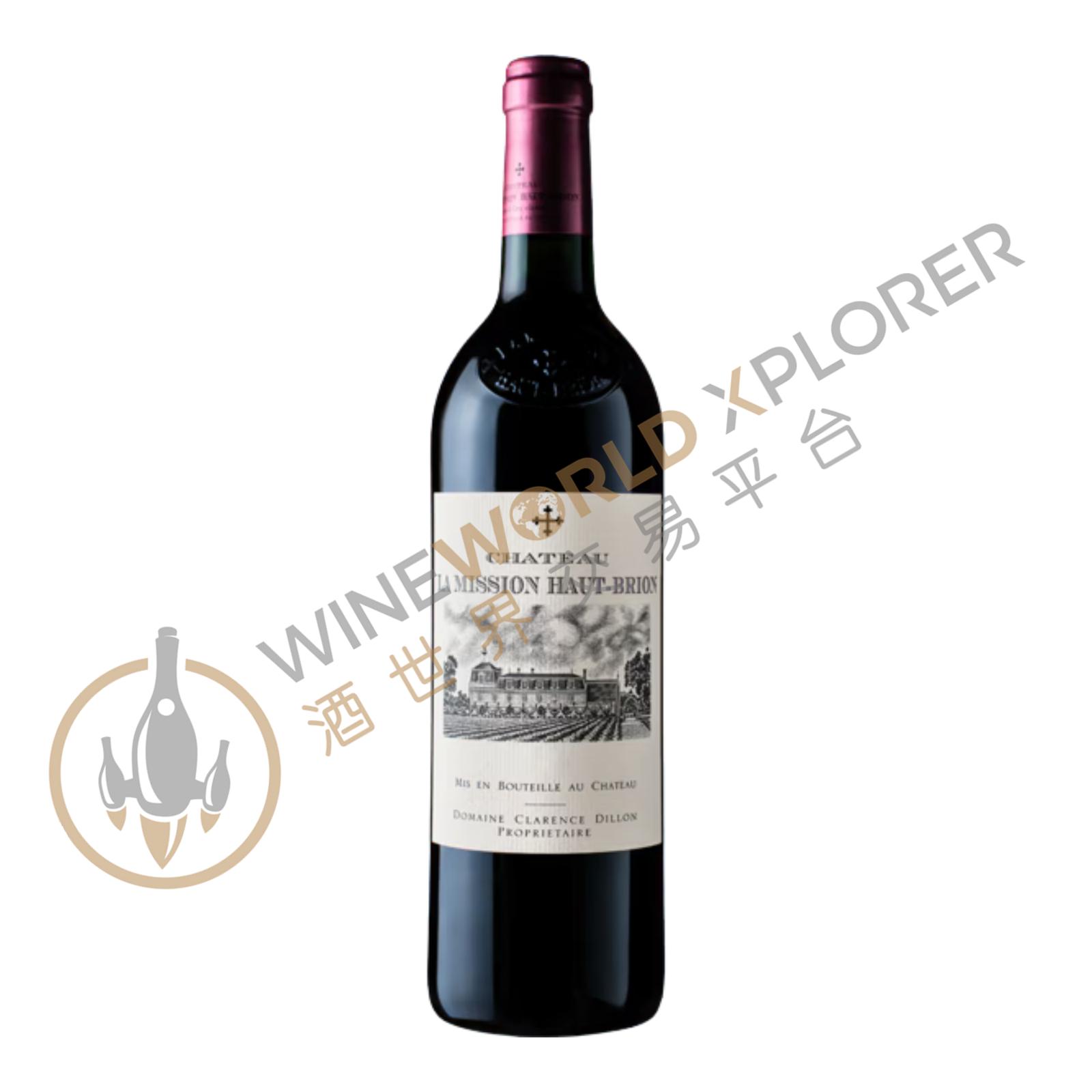
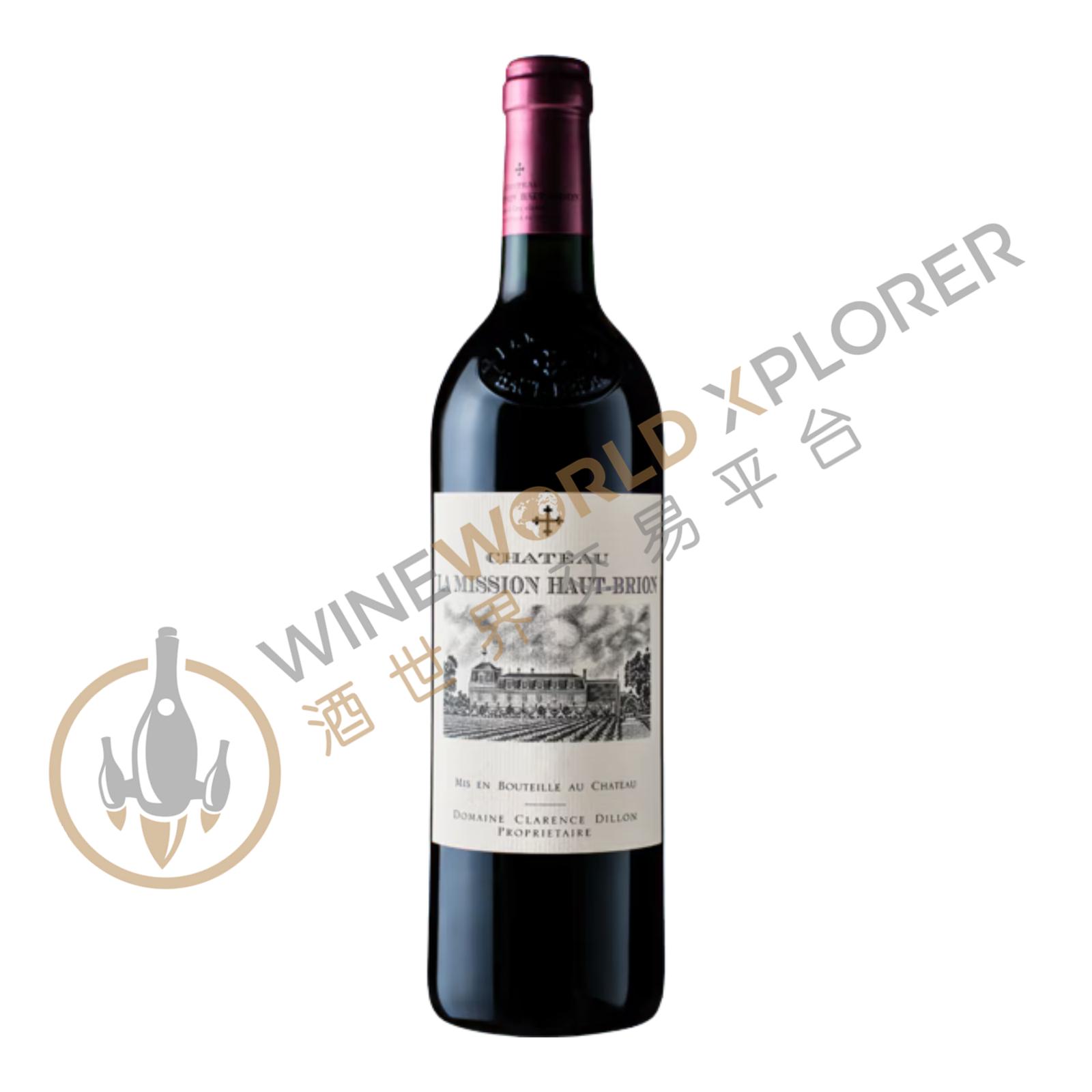
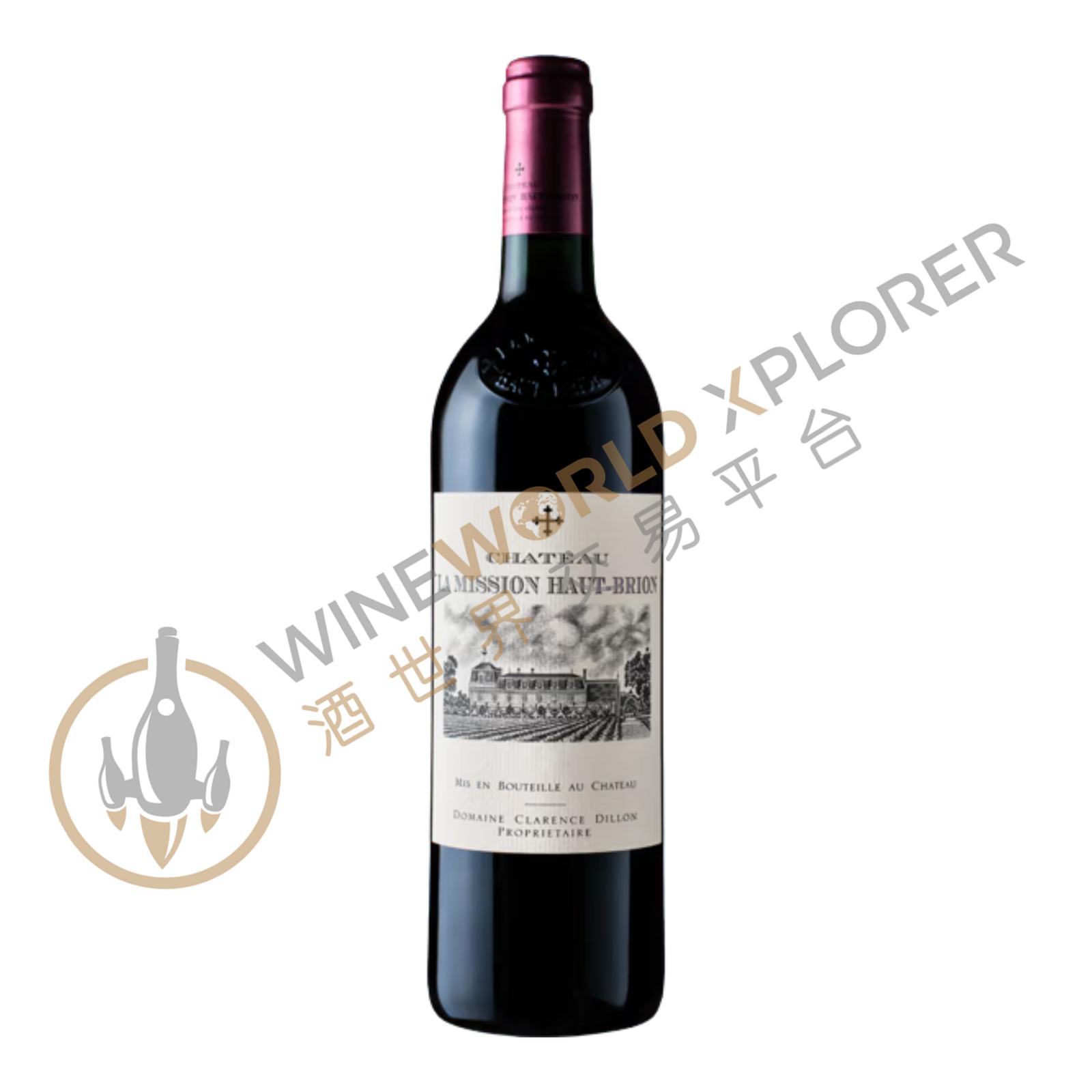
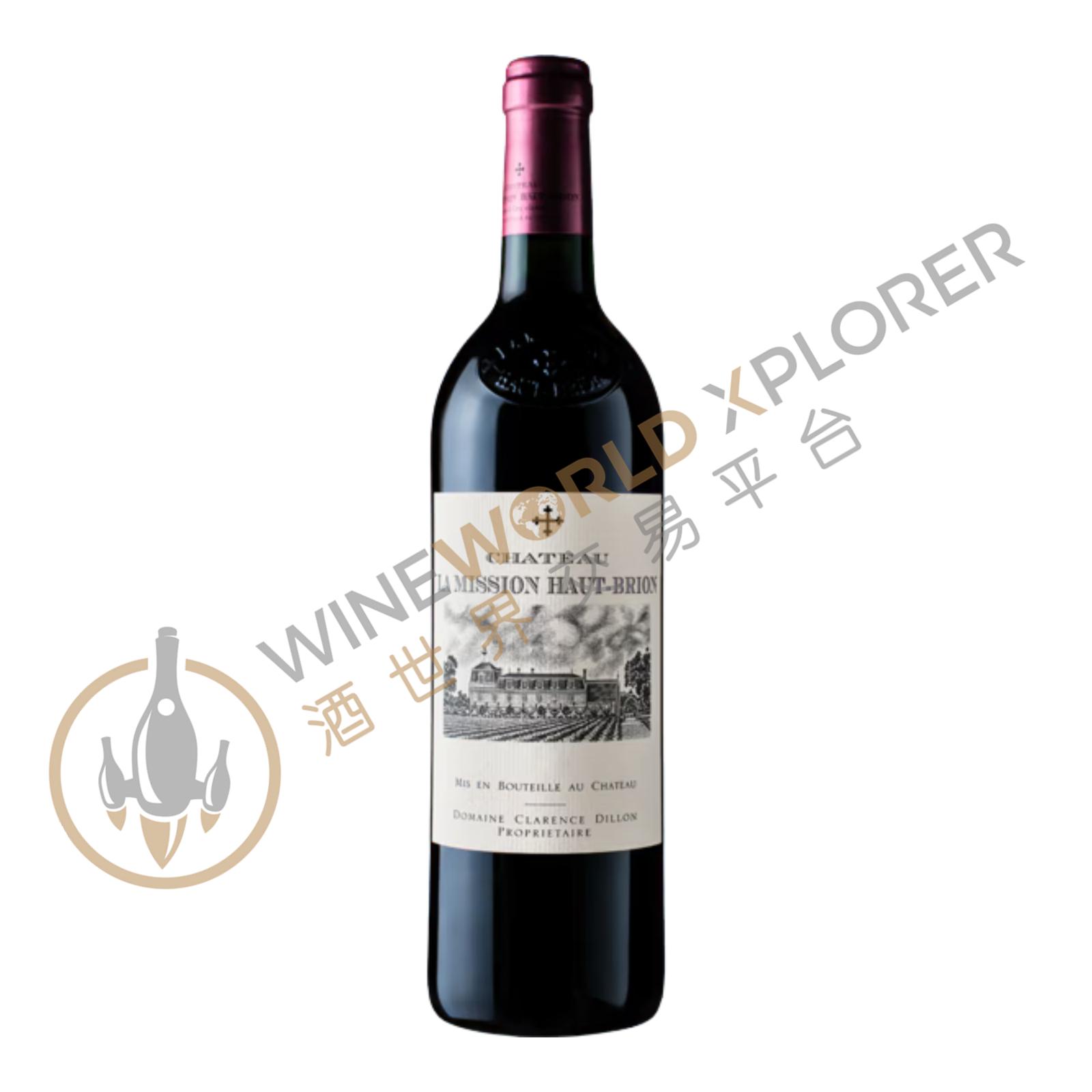
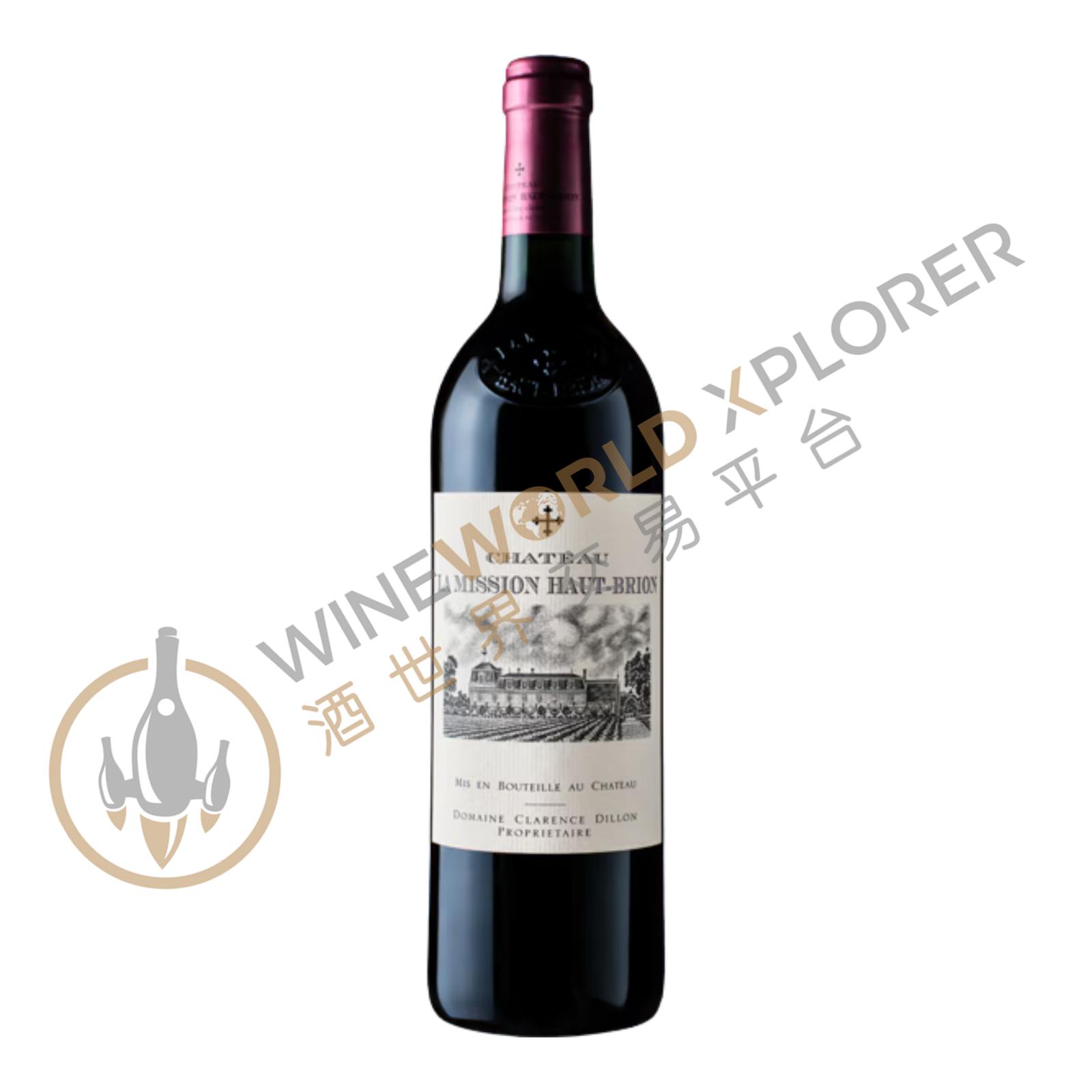
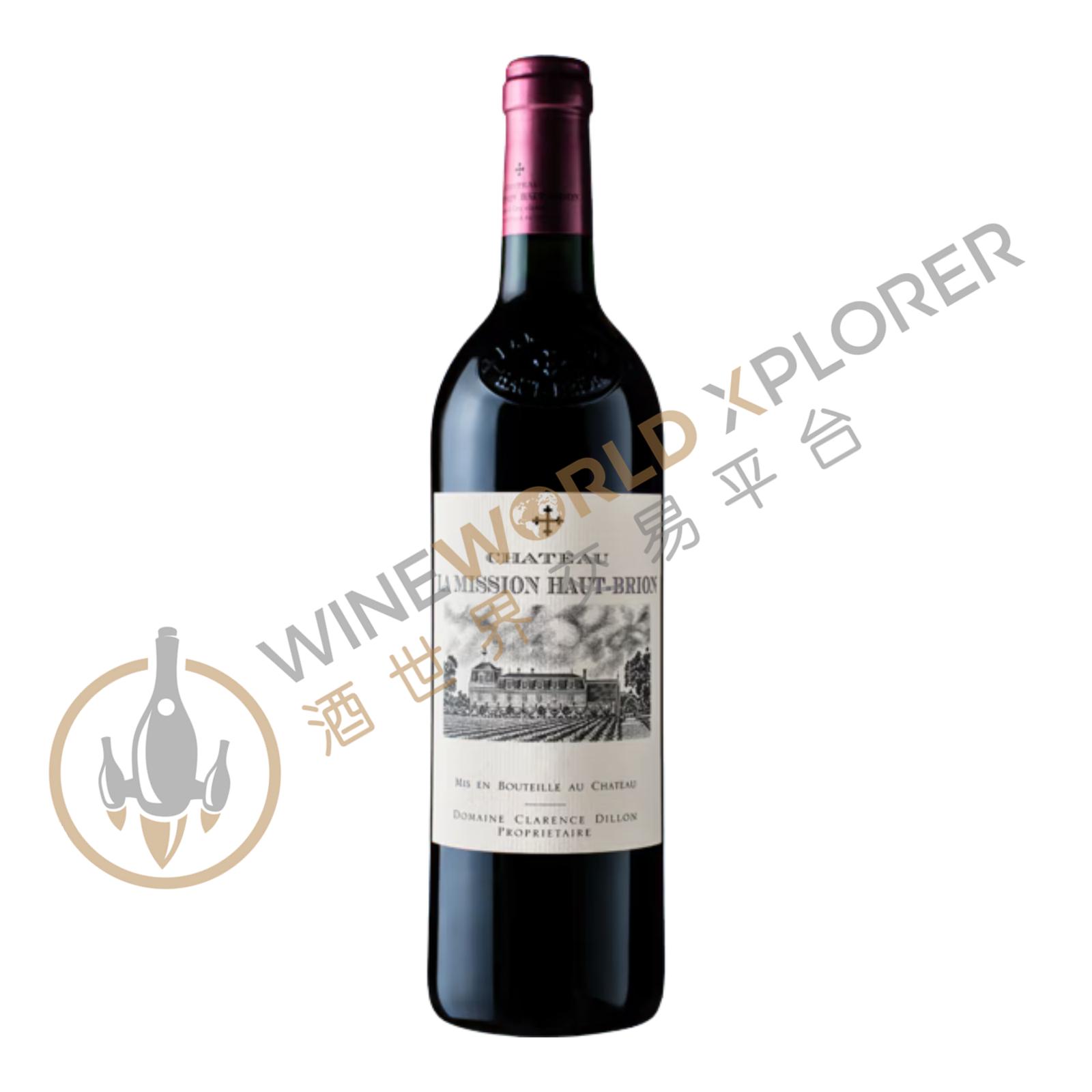
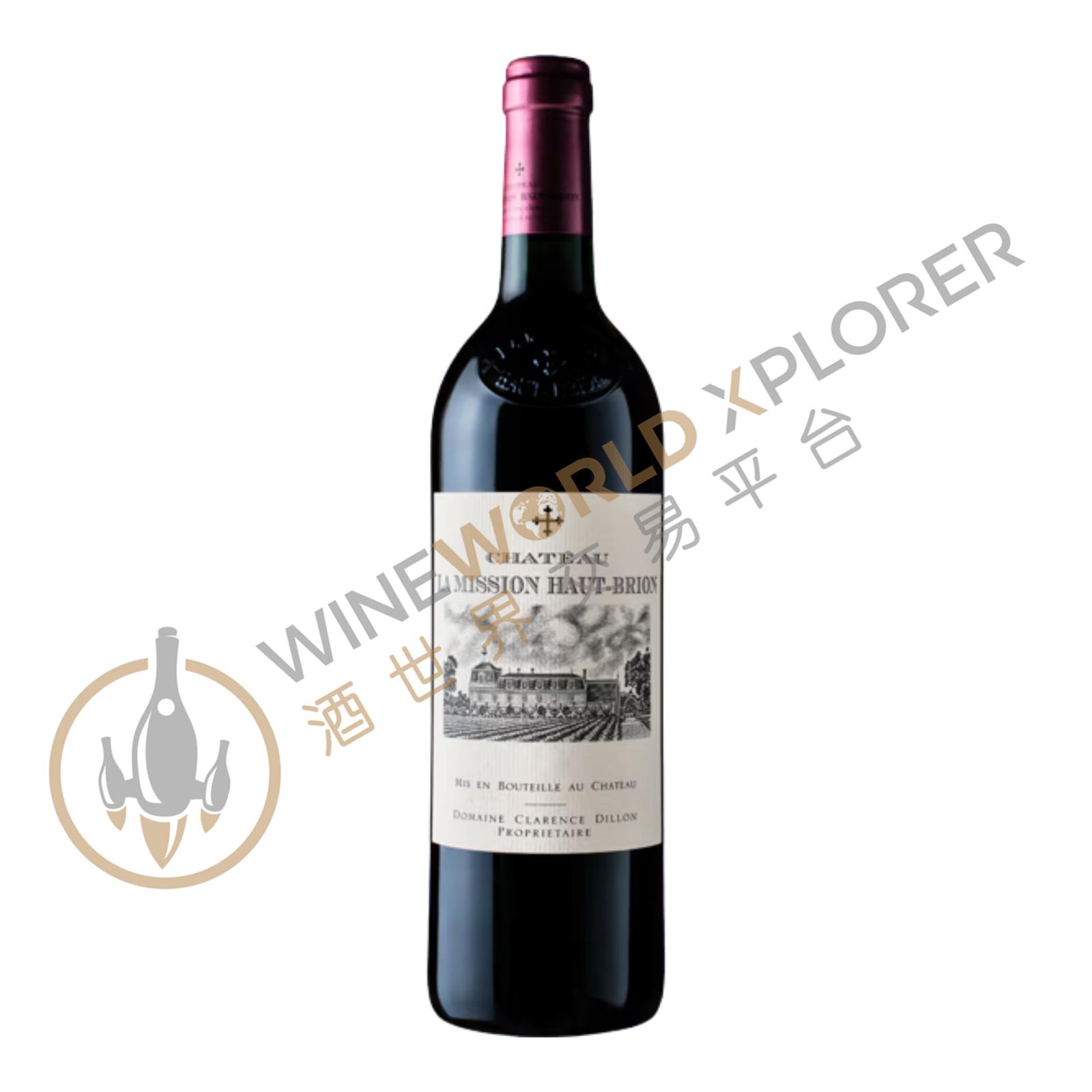
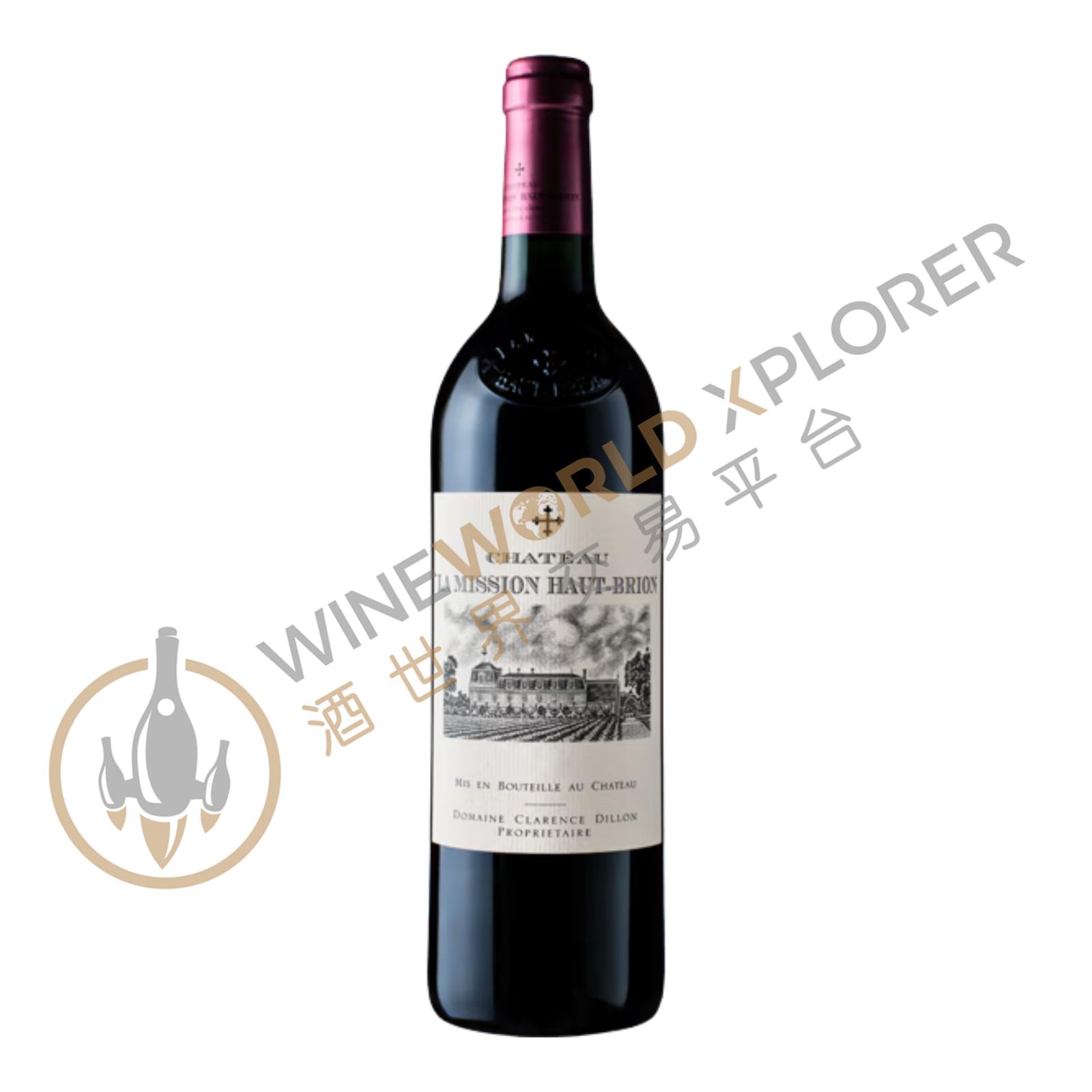
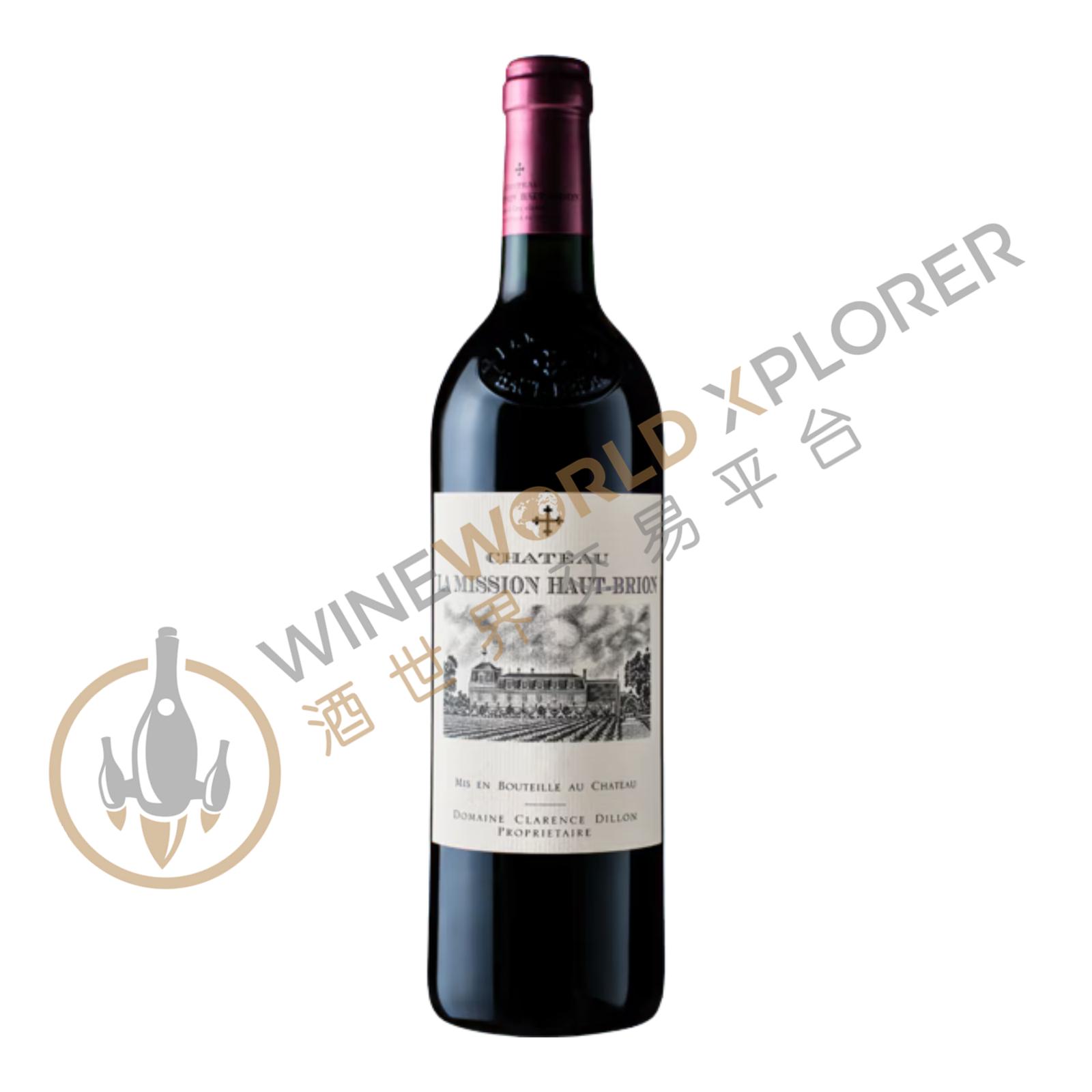
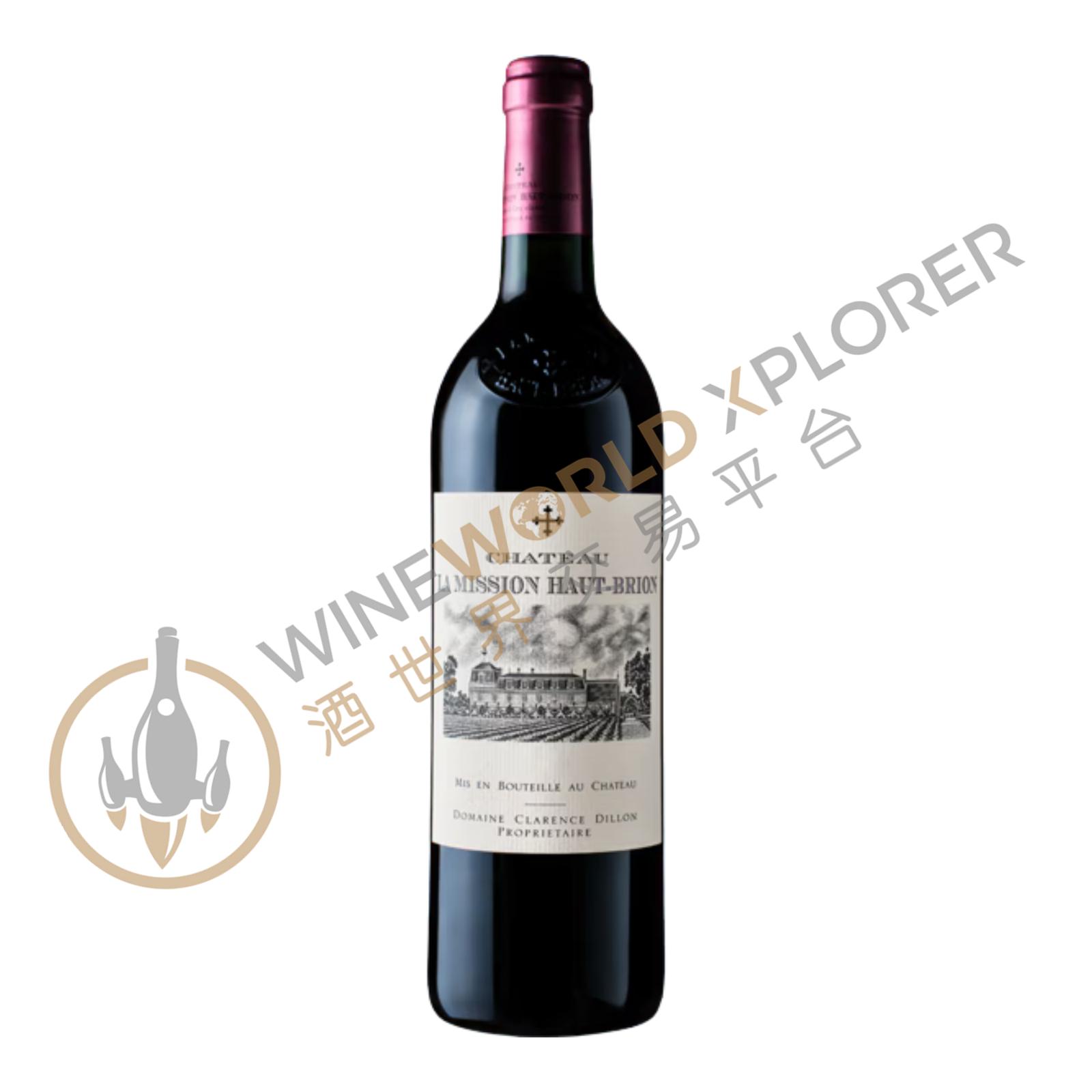
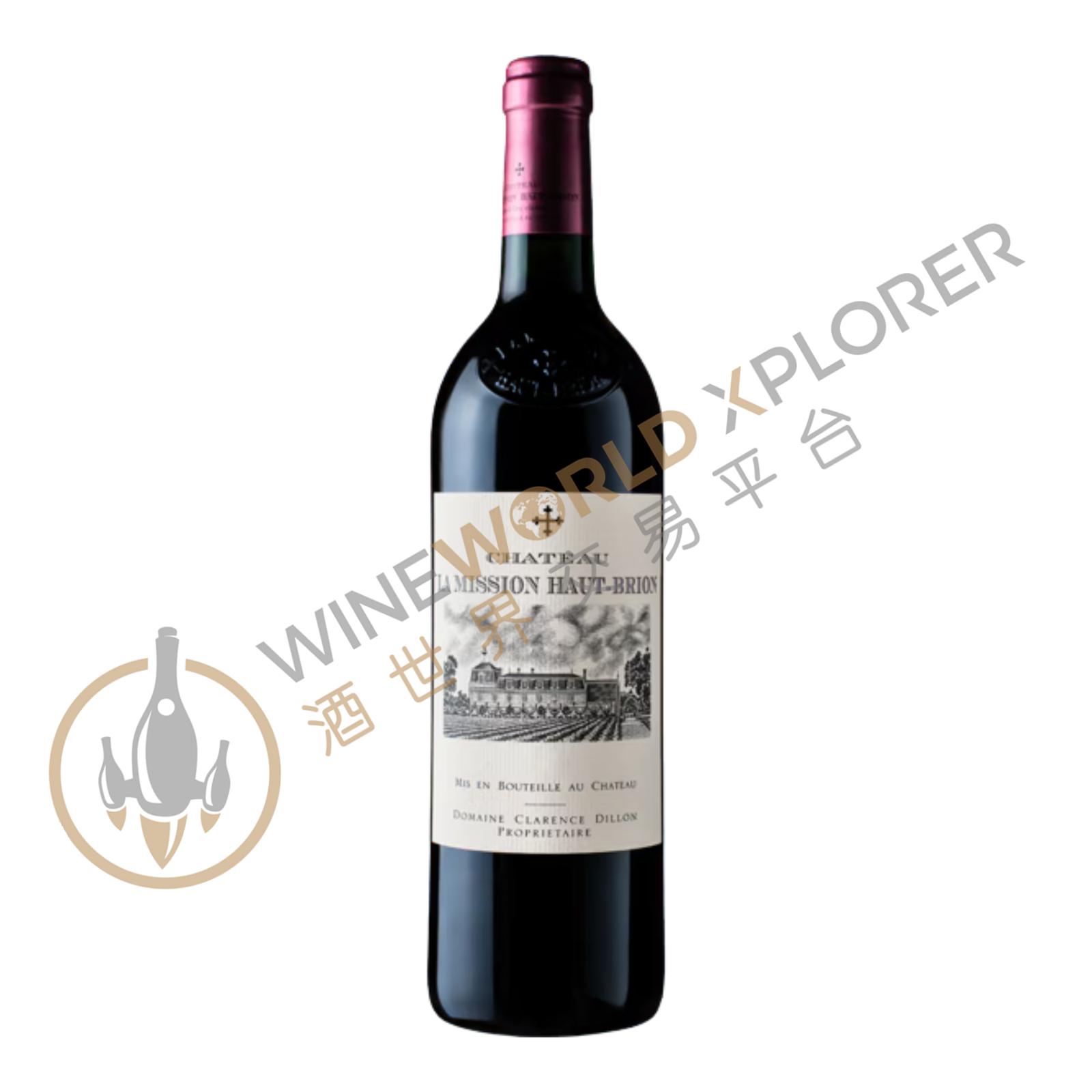
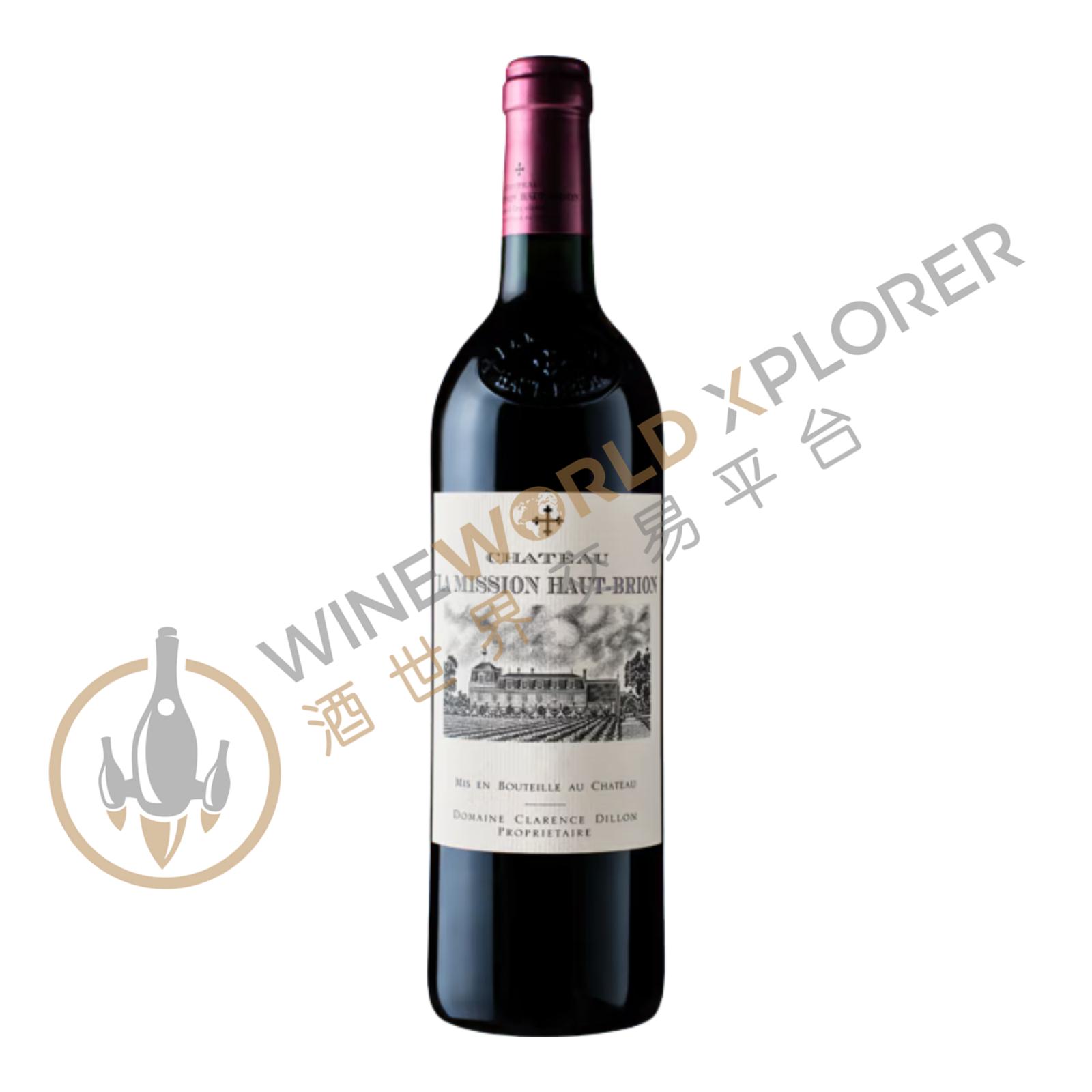
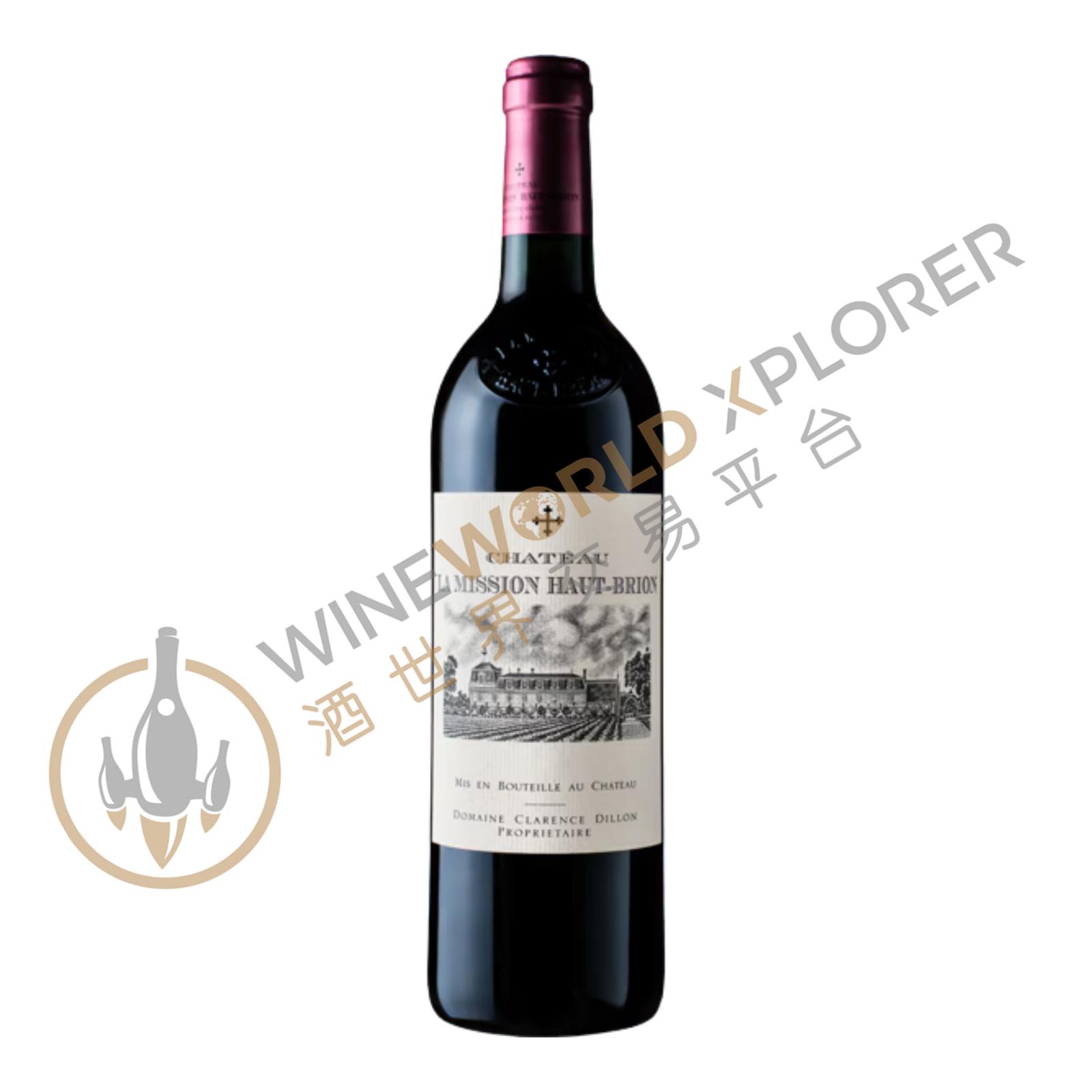
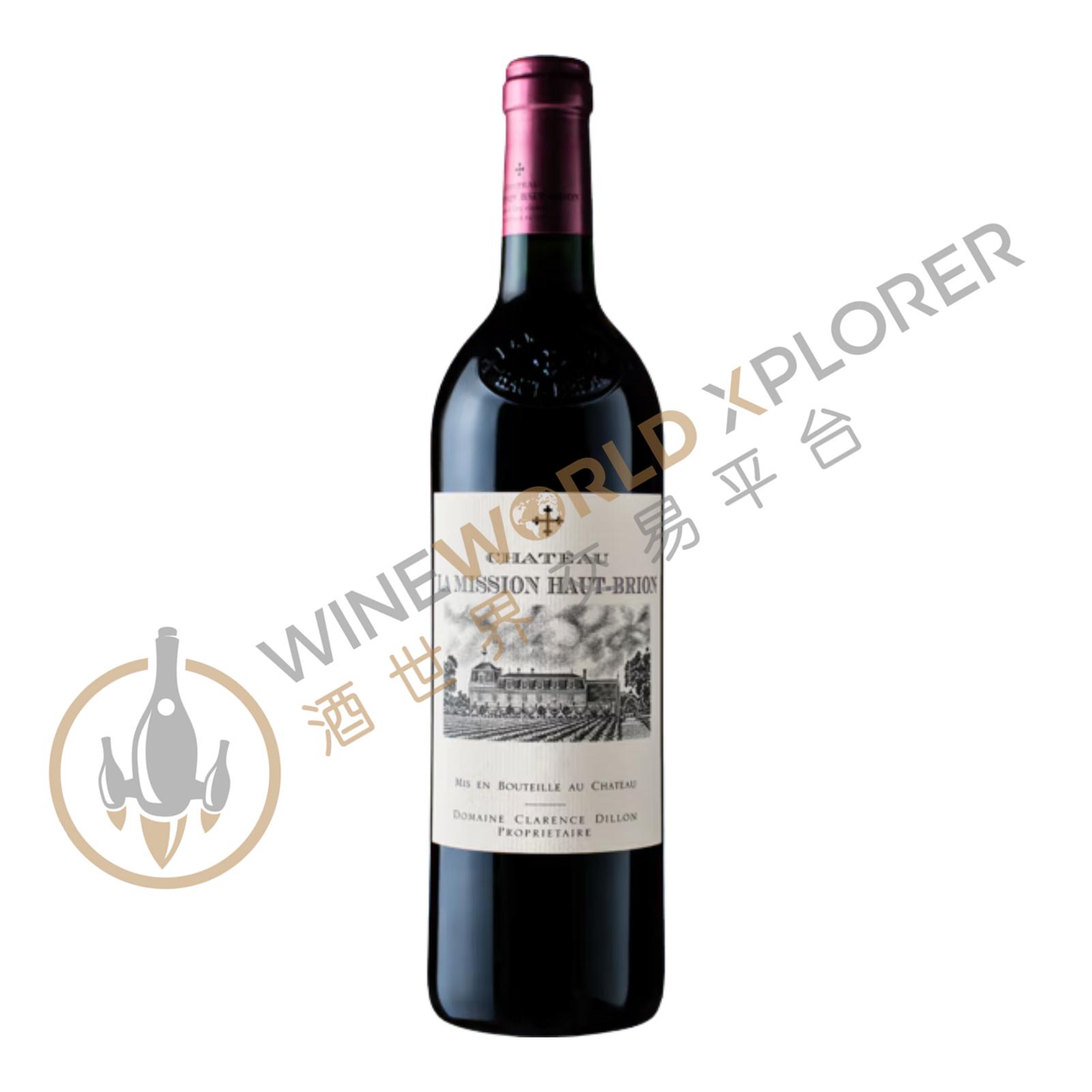
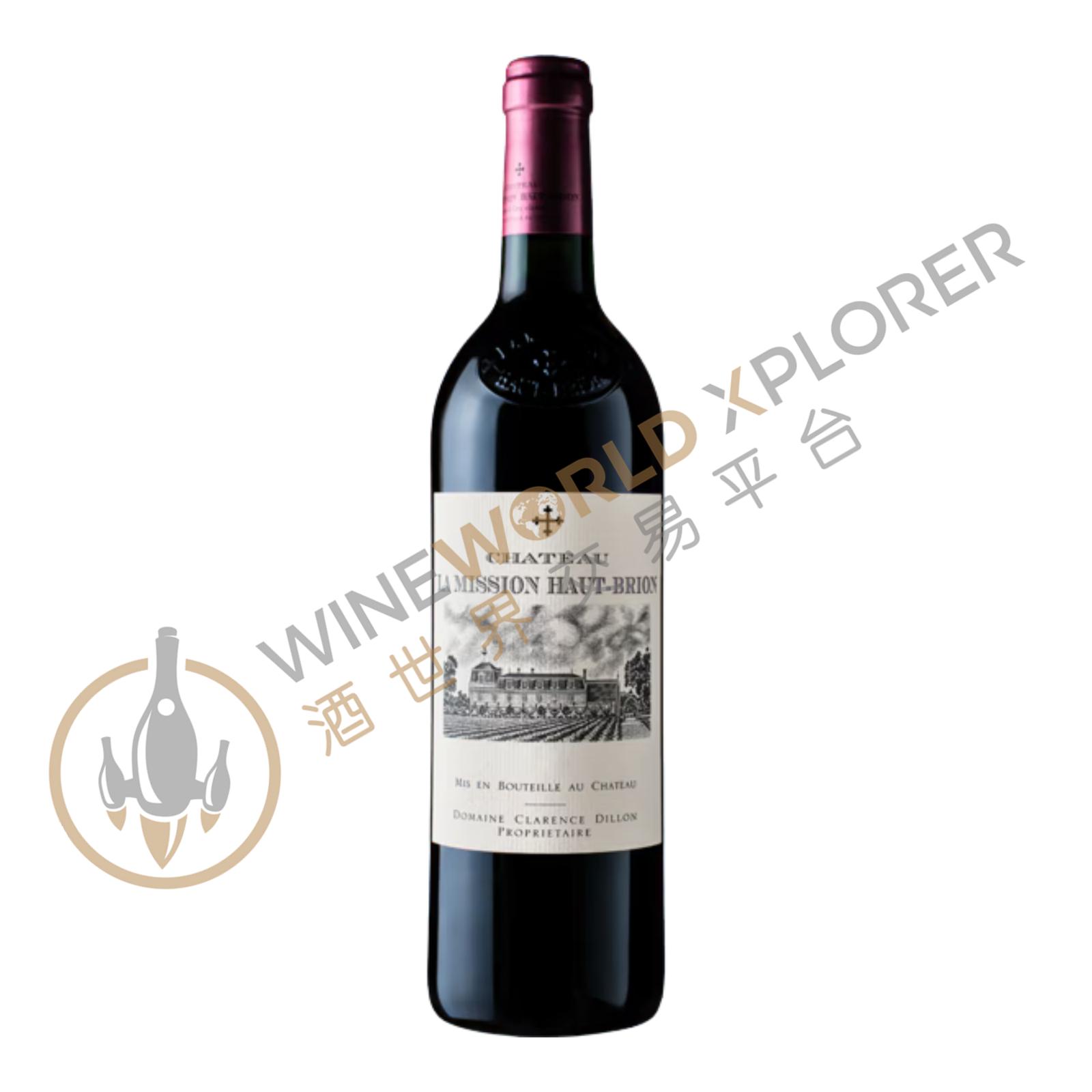
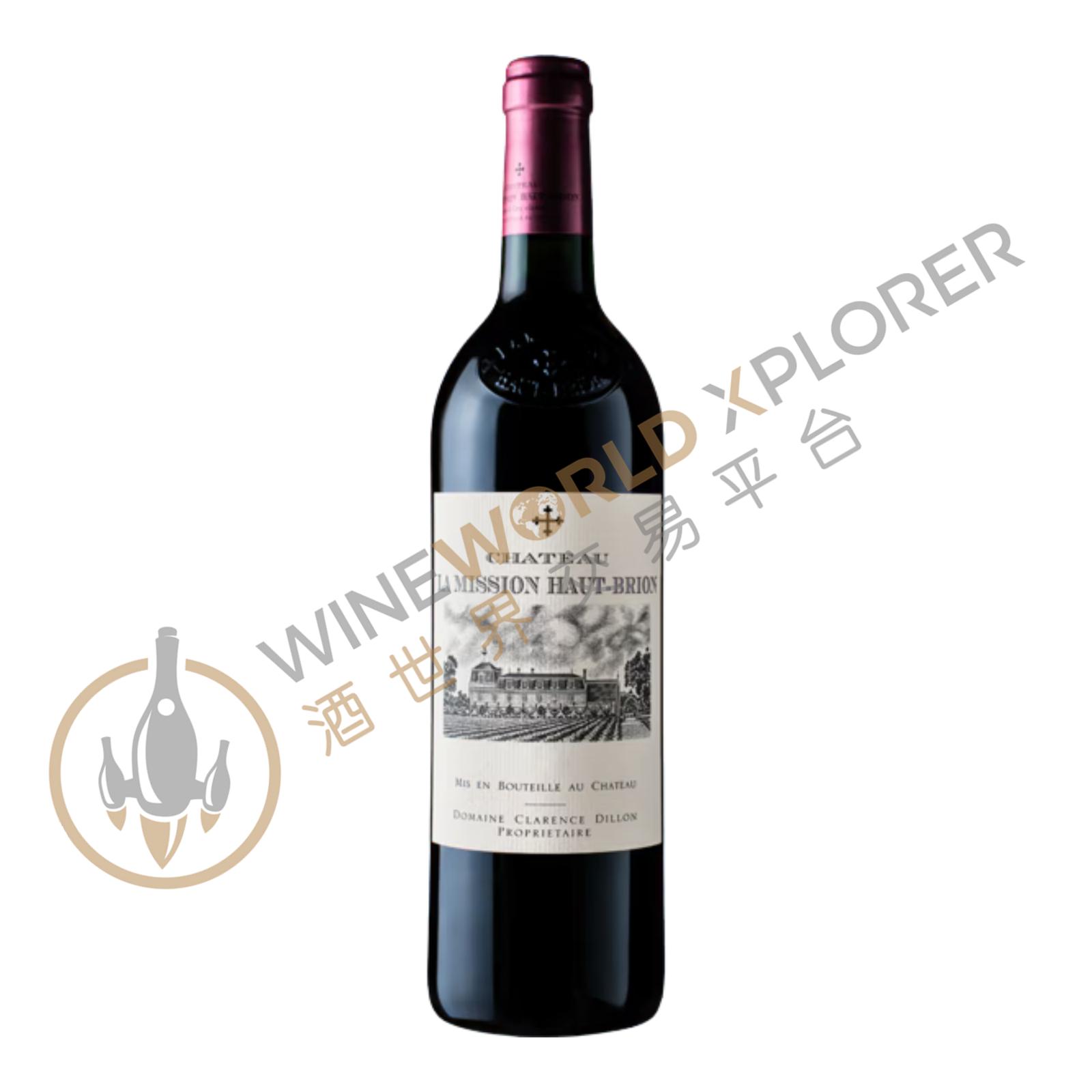
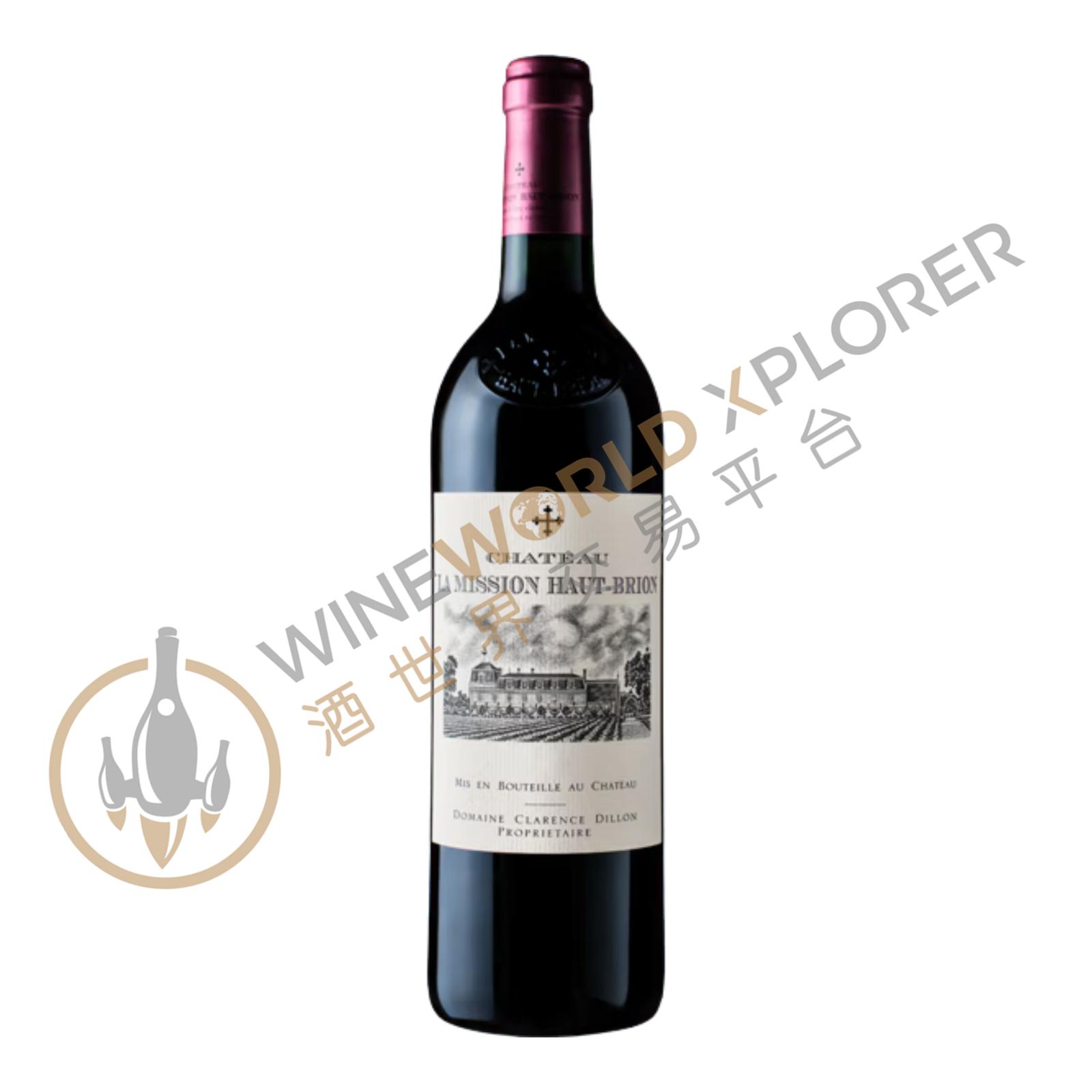
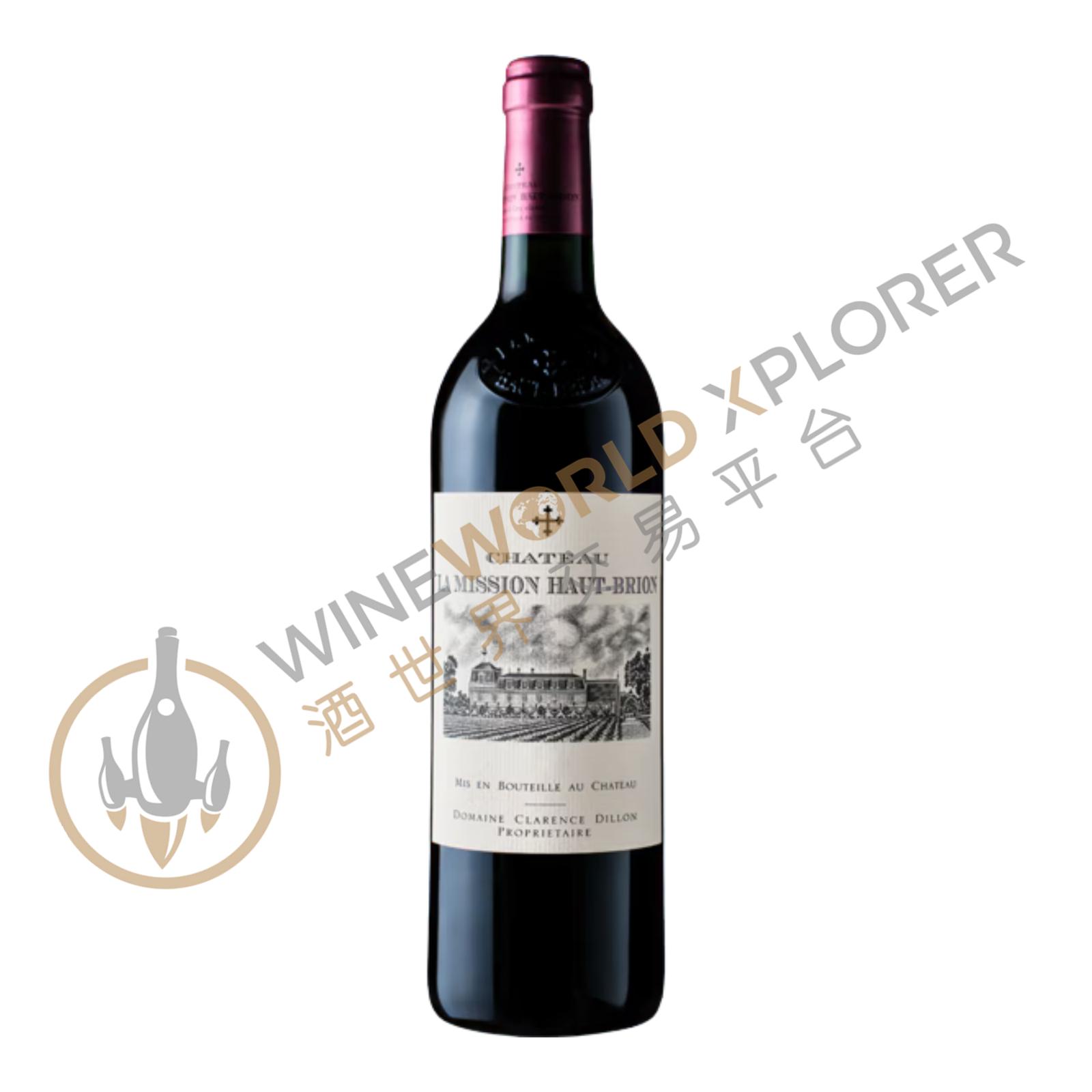
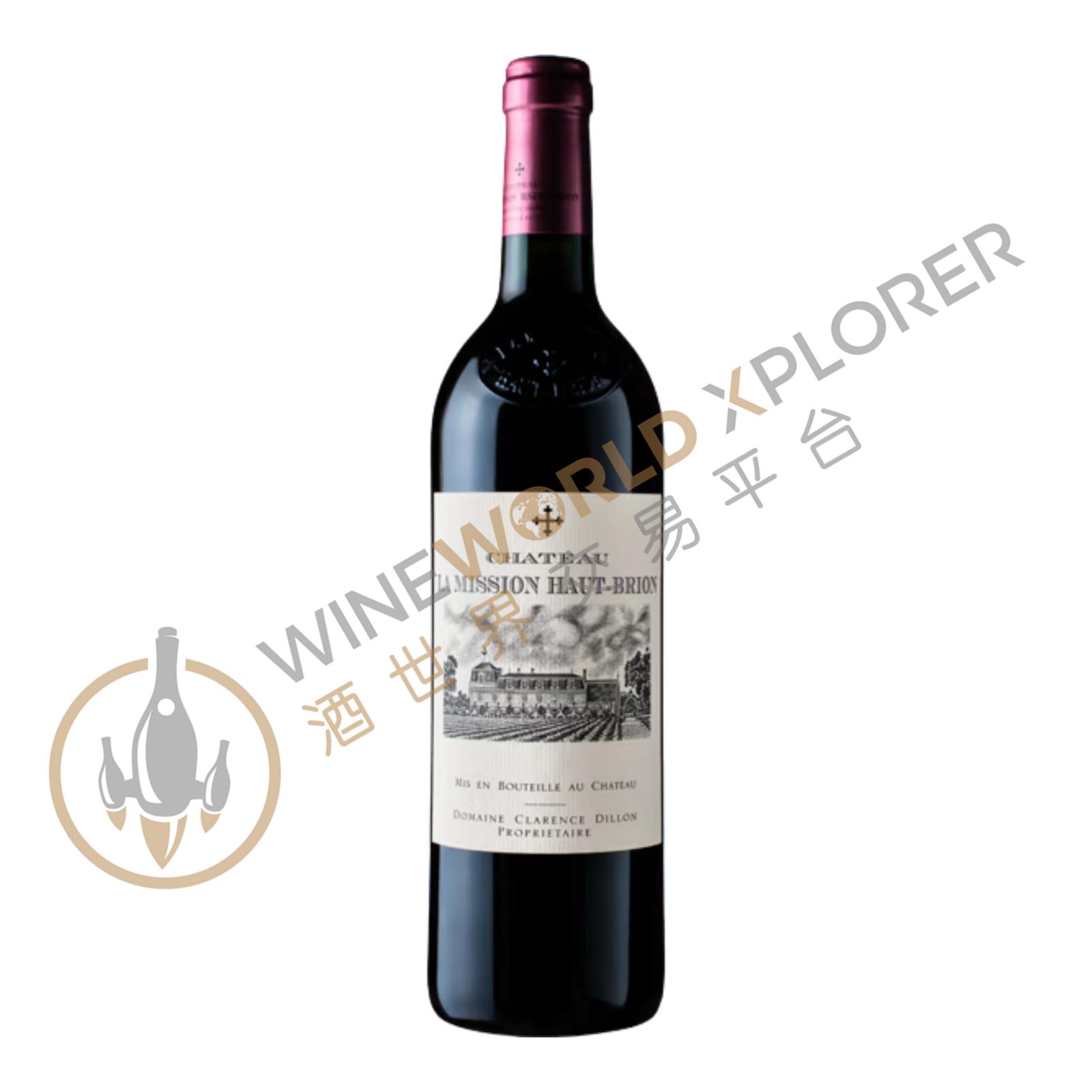
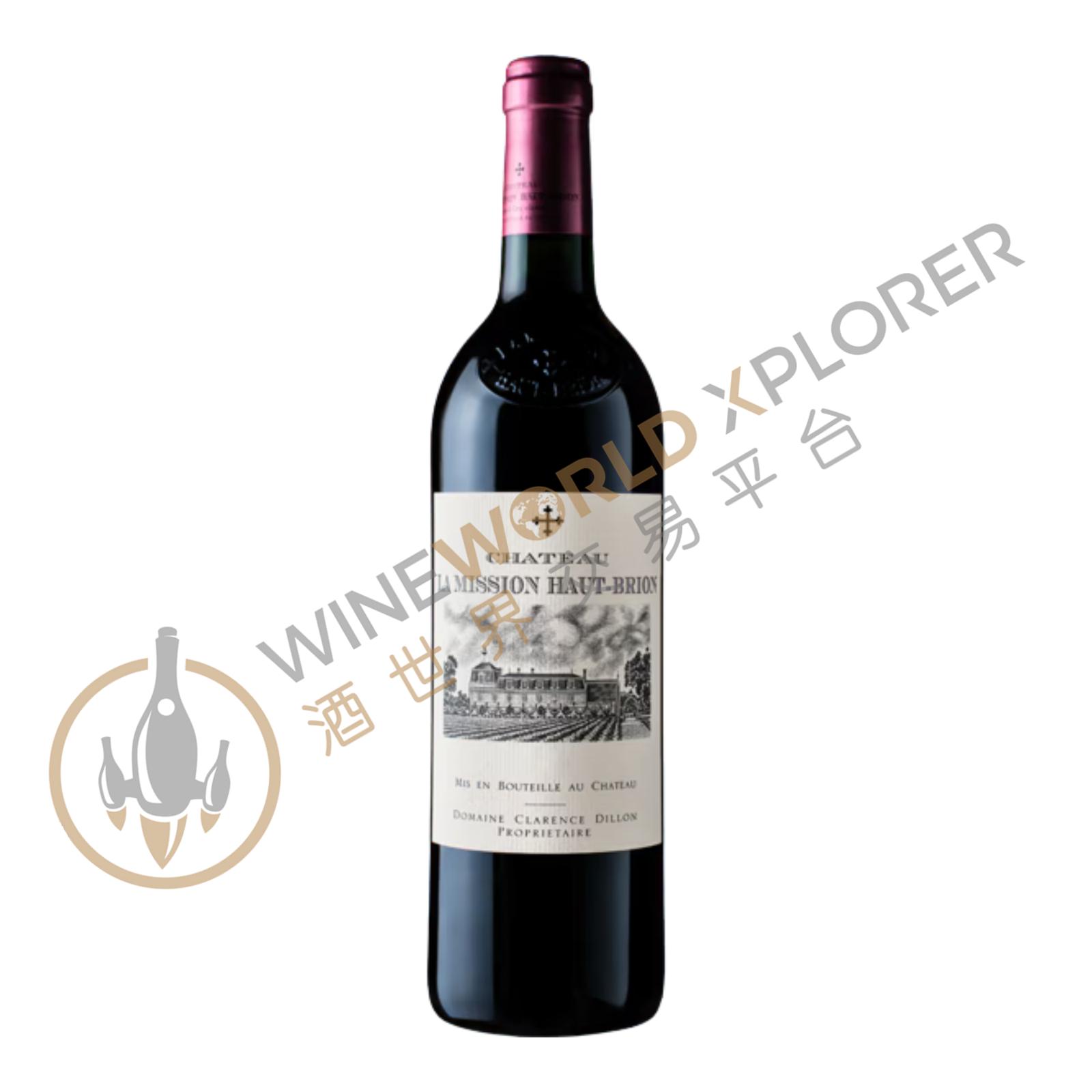
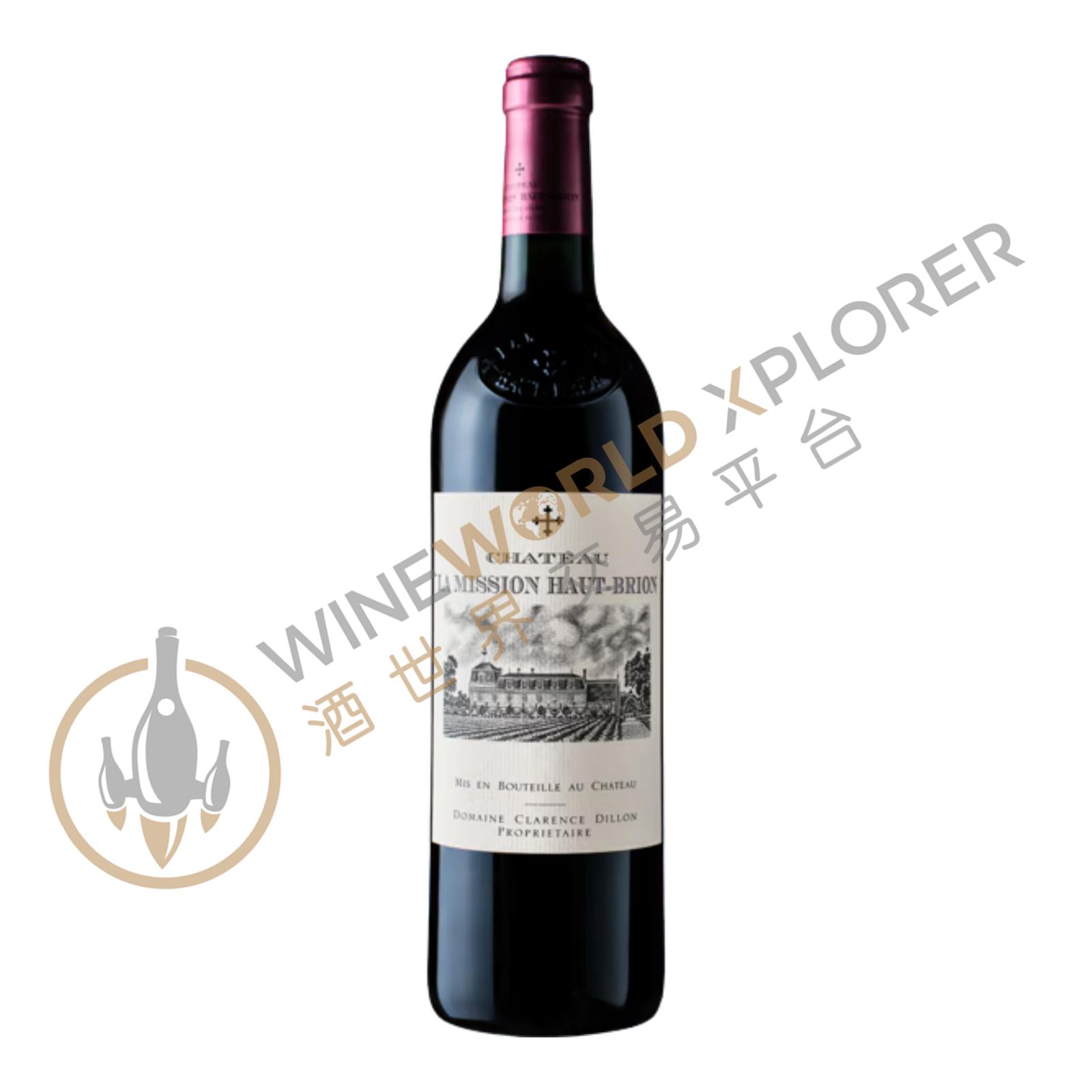
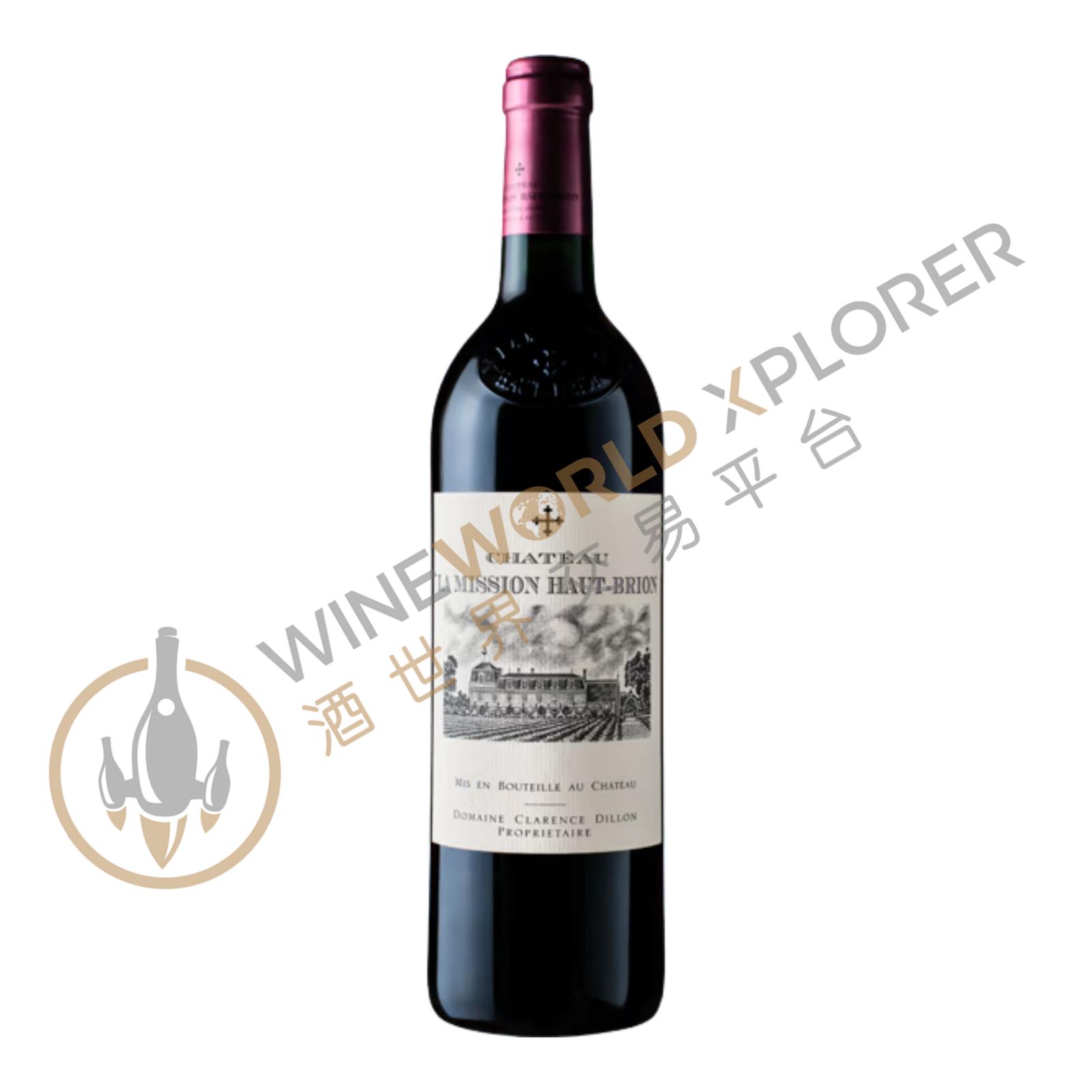
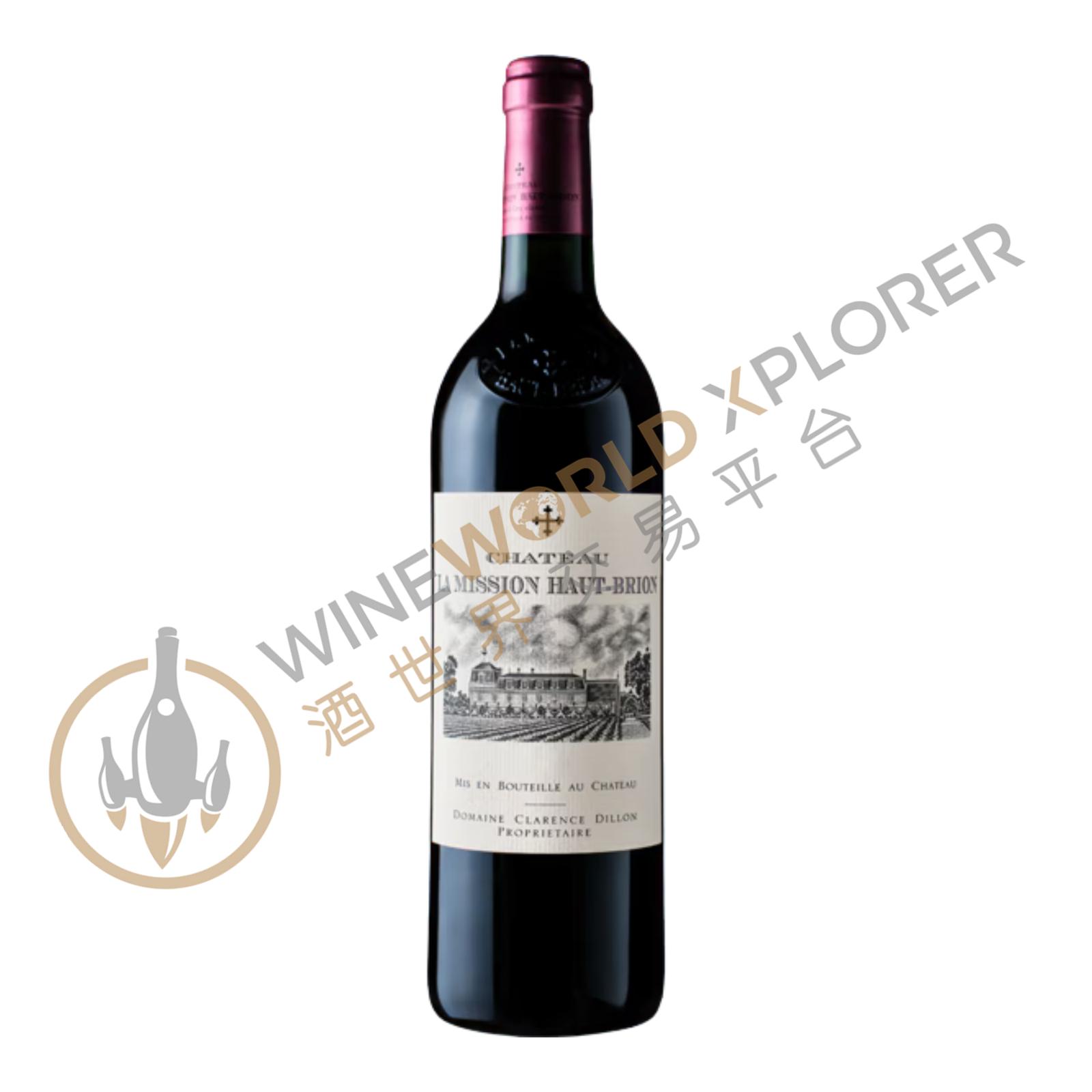
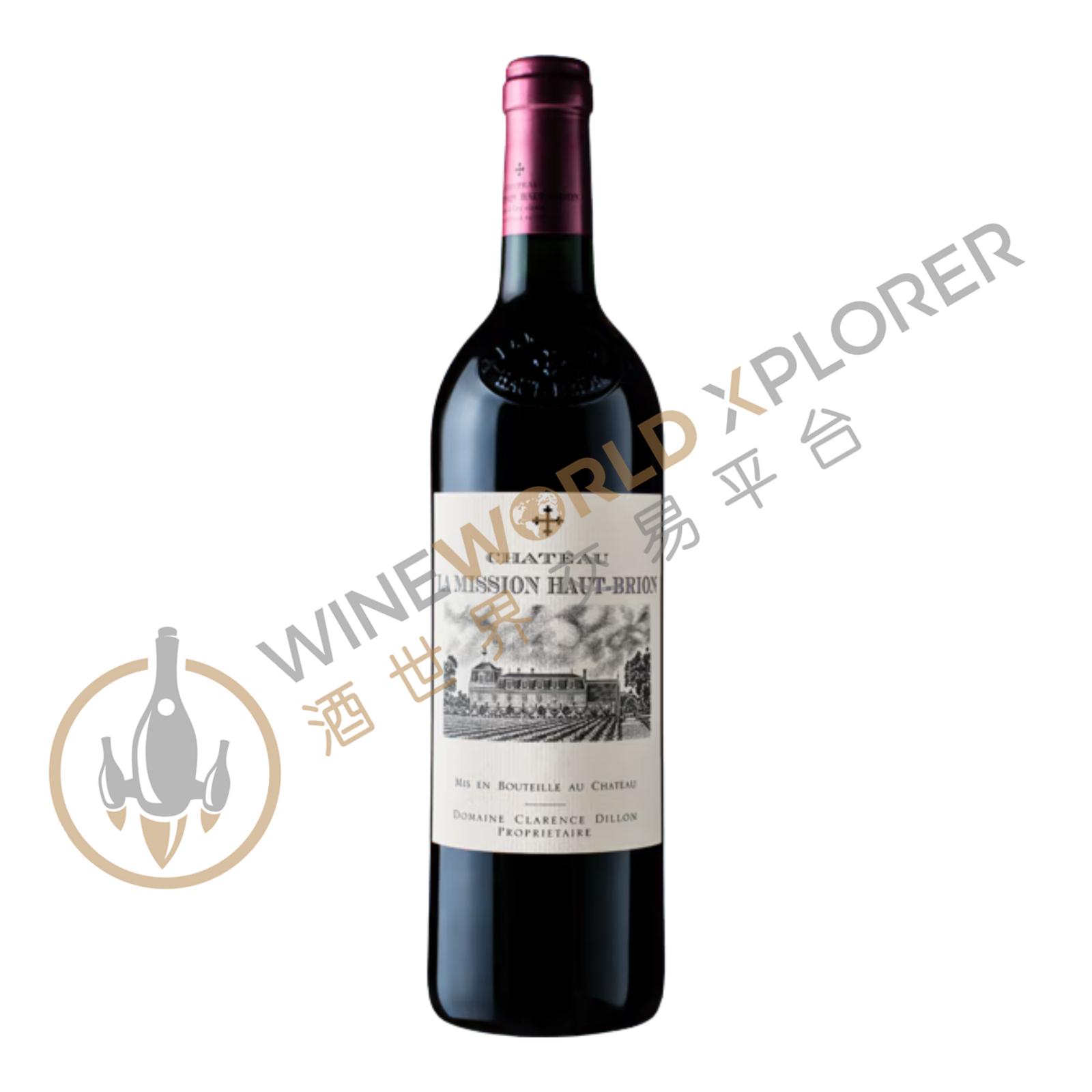
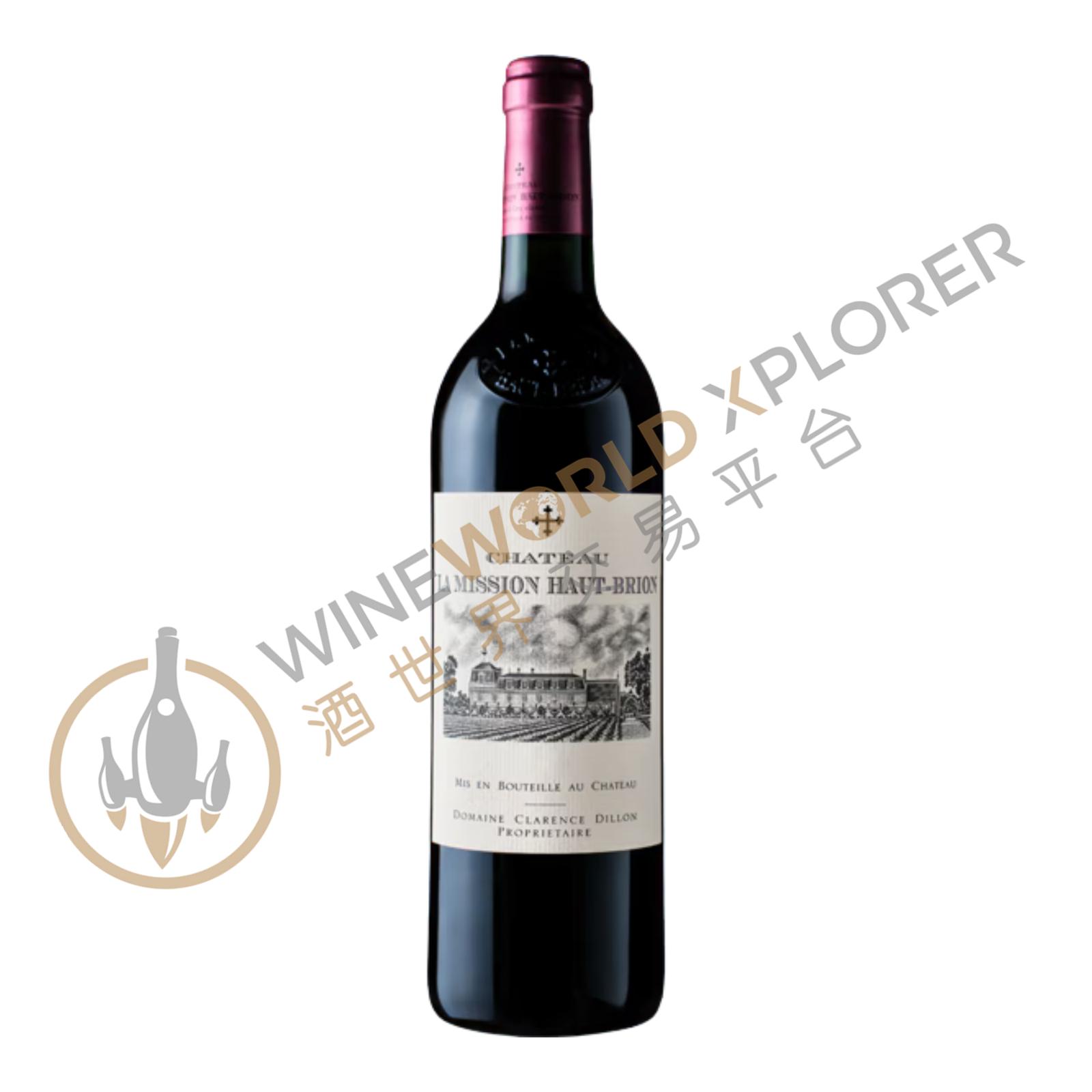
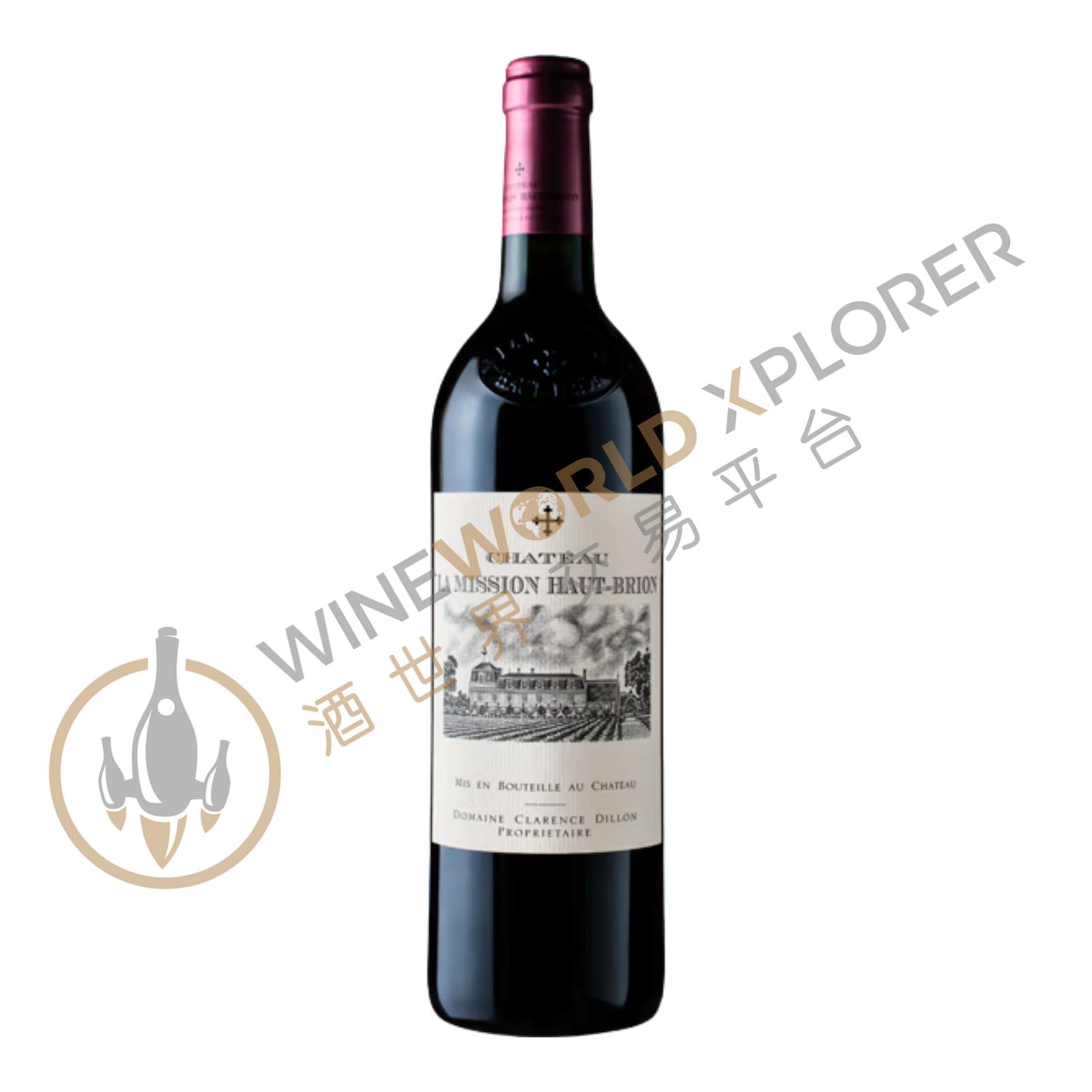
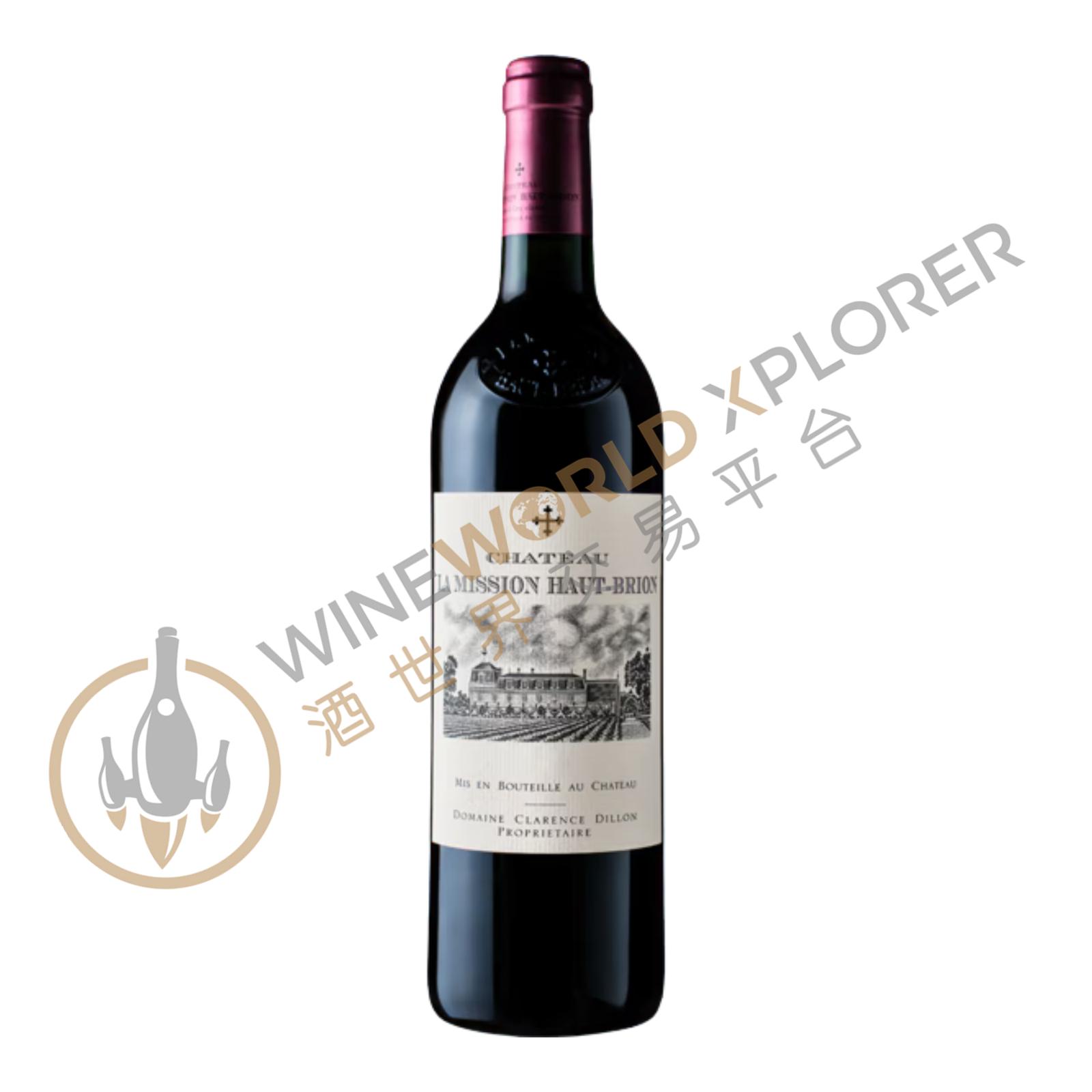
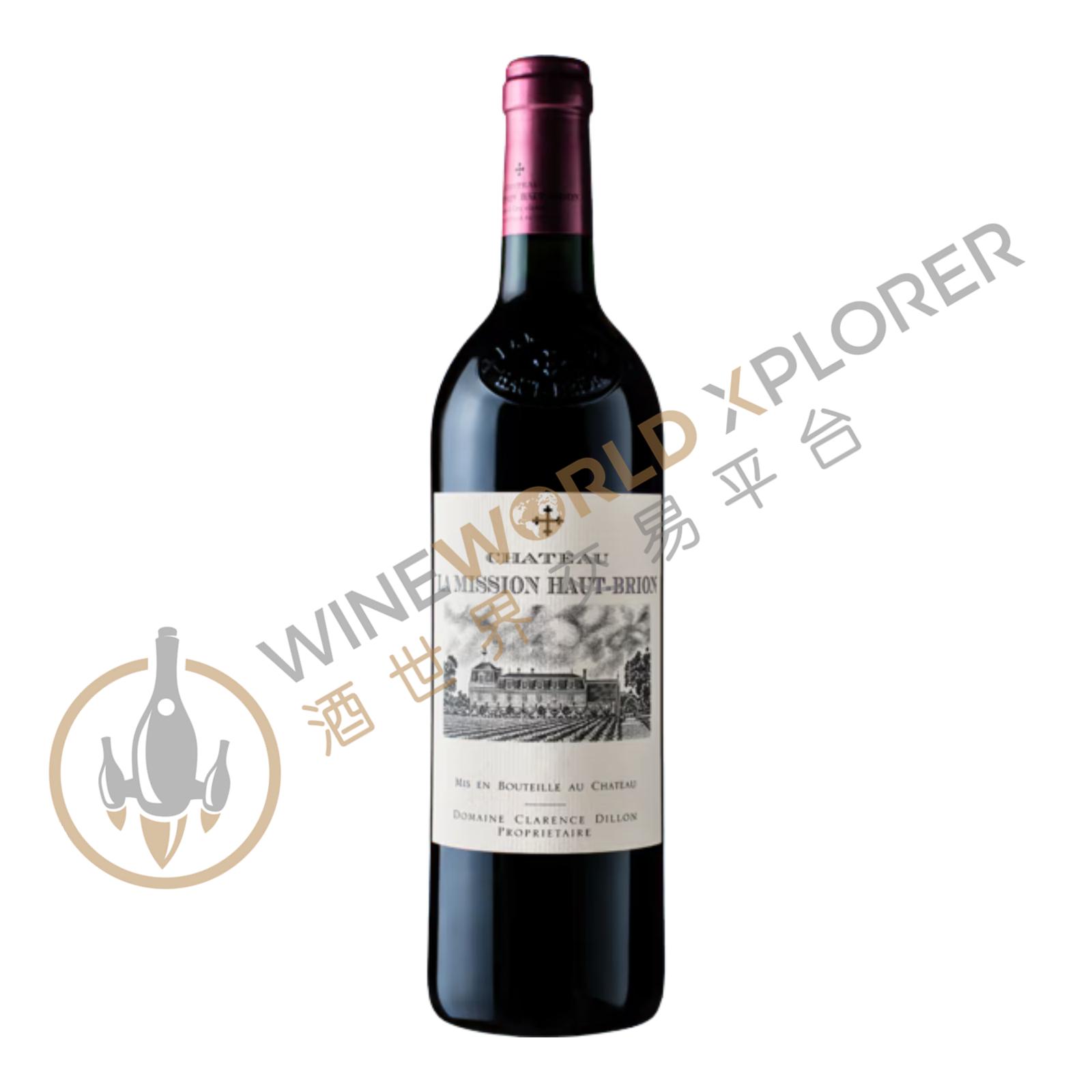
La Mission Haut Brion 1996
 View analysis


Description
Tasting notes

Reviewed by: Neal Martin
The first bottle is corked. The second displays a very fine, cedar and tobacco infused nose: quintessentially ’96 claret. Does not quite have the precision of the ’05 or ’00 but more vigour than the ’95. The palate is medium- to full-bodied, becoming quite sinewy in the glass, assertive and “big-boned” but always keeping one eye on elegance and natural harmony. Just builds beautifully on the palate with a superb persistency on the leafy, slightly peppery finish. Lovely wine but could do with a couple more years in bottle. A completely different animal to the bottle I met a couple of years ago, this 1996 has just take ages to settle. Drink 2012-2040. Tasted May 2008.
Reviewed by: Robert M. Parker, Jr.
The 1996 La Mission-Haut-Brion was closed and backward when I tasted it in January. The wine was bottled in summer, 1998, and should have had sufficient time to overcome any suppression from going from wood to glass. It possesses considerable potential, and I would not be surprised to see it merit an outstanding score after 2-4 years of cellaring. The color is a healthy plum/purple, and the wine exhibits some of the black fruit, smoky mineral character of La Mission, but it is medium-bodied and moderately high in tannin, with notes of cedar. The finish was totally closed, with the tannin in danger of dominating the wine's fruit. This muscular, structured La Mission will take longer to come around than I originally predicted. Anticipated maturity: 2007-2020.
Reviewed by: Neal Martin
Tasted at the château, the 1996 La Mission Haut Brion does not quite deliver the sense of "confidence" on the nose exuded by the likes of say, Château Margaux or Château Lafite-Rothschild. There is quite a marked Asian influence here and at 20 years old there is that conspicuous soy-like accent that permeates the red and black fruit -- red plums and a touch of orange blossom. There is something sedate about the aromatics, perhaps reclining too much in its comfy armchair. The palate is slightly better than the aromatics with fine tannin, though there is still some hardness here, a little static. This is a resolutely foursquare and conservative La Mission Haut-Brion that certainly lacks the depth and density of the best 1986s, partly because there is more Merlot in the blend (61% with 39% Cabernet Sauvignon). There is something ... anachronistic about this La Mission, a vintage I feel that is surpassed by many others conjured by either Jean-Bernard or Jean-Philippe Delmas. File alongside the 1996 Cheval Blanc as "could have done better." Tasted July 2016.
Reviewed by: Neal Martin
First tasting in September 2005 when I felt it was "brusque and unsettled" and I expressed a preference for the Mission 1995. Then tasted blind at Farr's 1996 horizontal. At last, a decent nose. Smoke cedar and black olives, Fresh with good definition. Full-bodied, good acidity, black cherry, plum and raisin. Quite modern, but well-balanced with good persistency on the finish. Still a little backward but better than the previous three Pessac wines served here. Tasted September 2006.
Reviewed by: Robert M. Parker, Jr.
La Mission's 1996 is a true vin de garde, displaying a dense, opaque ruby/purple color, and a tight but powerful personality, with reluctant aromatics. This rich wine cuts a deep, medium to full-bodied impression on the palate, and appears to need 7-8 years of cellaring. It is atypically backward for La Mission-Haut-Brion, but the wine possesses exceptional depth, and the smoky, mineral, dried herb, rich, chocolatey, berry fruit that characterizes this brawny, muscular wine. Anticipated maturity: 2004-2025.
Reviewed by: Robert M. Parker, Jr.
At present, I would rate the 1995 La Mission slightly ahead of the 1996, only because the 1995 possesses a forward, sweet, complex, more evolved nose. It find it impossible to resist the 1995's density and richness. Nevertheless, the 1996 is an outstanding wine. The color is a dark ruby/purple, and the nose offers up roasted herbs, sweet blueberry jam, and cassis scents intermingled with earth and truffle-like aromas. Round, rich, and sweet, with medium to full body, outstanding depth, but not the weight, glycerin, and overall opulence of the 1995, the 1996 should hit its peak in 7-8 years, and last for 25. Shrewd buyers should make an effort to purchase he second wine of La Mission-Haut-Brion, La Chapelle. The 1995 La Chapelle (15,000 bottles) was just about to be bottled when I visited the estate in March. It appears to be a 90-point effort. Sweet, sumptuous, and fat, with low acidity, it is bursting with a tobacco-tinged black fruit character that is impossible to resist. It is a wine to drink over the next 5-7 years while waiting for its bigger brother, La Mission-Haut-Brion, to develop.
Reviewed by: Robert M. Parker, Jr.
Fully mature, with a big, fragrant bouquet of damp earth, weedy underbrush, asphalt, Asian soy, and ripe plums and cherries, this medium-bodied 1996 appears to be on a fast evolutionary track. It reveals plenty of delicious fruit, soft tannins and enough acidity to provide definition. I was surprised by how open-knit and mature this wine has become. Anticipated maturity: now-2020.
Reviewed by: Robert M. Parker, Jr.
A backward, somewhat austere, muscular style of La Mission Haut-Brion, the color is still a dense, opaque ruby/purple and the aromatics shut down but promising, offering up black fruit, a hint of chocolate, and some sweet oak. The wine is a brawny, muscular, full-bodied La Mission that is going to take some time to reach its apogee. I am not sure it will not always be a somewhat austere wine compared to the top vintages for La Mission. Anticipated maturity: 2008-2025. Last tasted, 9/02.
Reviewed by: Robert M. Parker, Jr.
The 1996 is an outstanding wine. The color is a dark ruby/purple, and the nose offers up roasted herbs, sweet blueberry jam, and cassis scents intermingled with earth and truffle-like aromas. It is round, rich, and sweet, with medium to full body, outstanding depth, but not the weight, glycerin, and overall opulence of the 1995. It should hit its peak in 7-8 years, and last for 25. Last tasted 11/97
Reviewed by: Neal Martin
The 1996 La Mission Haut-Brion is an improvement on the previous vintage, though it remains a couple of steps behind the high point of the decade, which came two years later. This is quintessential 1996 Pessac, featuring scents of warm gravel and scorched earth on a nose that might be classic to some, but a bit dour to others with a penchant for more hedonistic wines. It’s a structured 1996, drier and more austere than the 1998, but there is good grip and delineation, if maybe just a little leafiness toward the finish. Over the years I have found a bit of bottle variation, and this example falls between the best and worst. Overall, I expected more given the vintage. Give this a couple of hours’ decanting. Tasted at the Vinous 1996 horizontal at Berry Brothers & Rudd.
Reviewed by: Stephen Tanzer
Full ruby-red. Very reticent aromas of plum, black cherry, leather, dark chocolate and flowers; faint suggestion of surmaturite. Fat with sweet fruit; lush and voluminous for the vintage. Finishes with big but very even tannins that spread out on the palate.
Reviewed by: Stephen Tanzer
Very good medium-dark red. Aromatic nose combines black cherry, leather, minerals and smoke. Sweet, penetrating, and intensely flavored; fresh and delineated. Finishes very long, with smooth, sweet tannins. This is fairly dense and backward, but avoids the hardness shown by so many '96s.
About the Producer
25 hectares of red grape varieties, including Merlot, Cabernet Sauvignon and Cabernet Franc, are planted in the traditional vineyard of the winery; the Werner family's vineyard also has 4 hectares of white grape varieties, including Semillon, Sauvignon Blanc, used for Chateau La Mission Haut-Brion Blanc at different times during the Werner family's reign And the production of the original Chateau Laville Haut-Brion Blanc (Chateau Laville Haut-Brion Blanc). The Werner family's original Chateau La Tour Haut-Brion ceased production after 2005, and the 5 hectares of vineyards it owns are mainly used for the blending of the second red wine of Chateau Meixun. In terms of wine production, the winery will set up screening stations on trucks in the vineyard to screen the manually picked grapes for the first time. Fermentation is then carried out in a stainless steel wine tank equipped with a computer-controlled system that monitors the homogenization and temperature of the wine after measuring the temperature of the pressed grape juice and residue. Clarified with fresh egg whites before bottling, but not filtered.
1982(2)1985(2)1986(2)1987(1)1989(6)1990(4)1991(1)1992(1)1994(2)1995(5)
Package Size