Wine Advisor



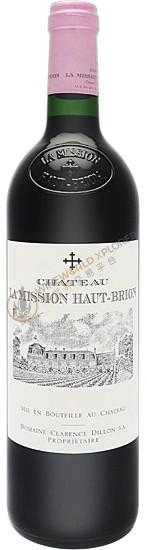
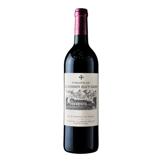
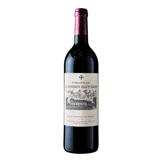
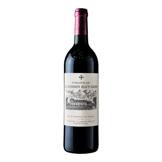
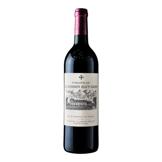
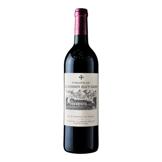
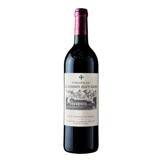
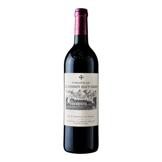
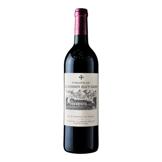
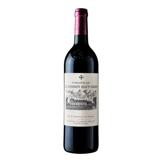
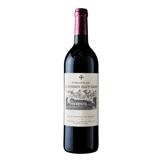
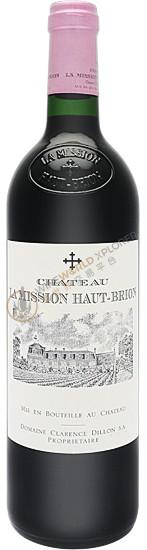
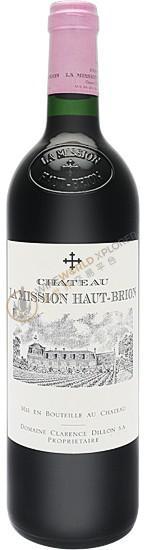
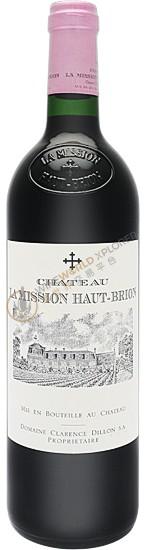
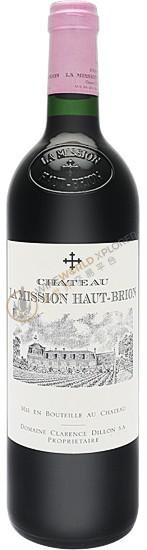
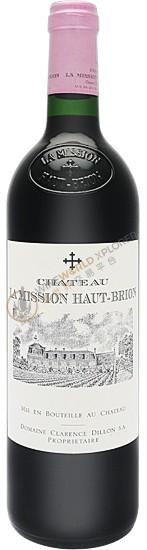
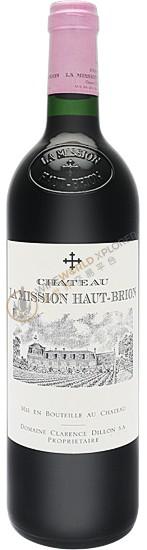
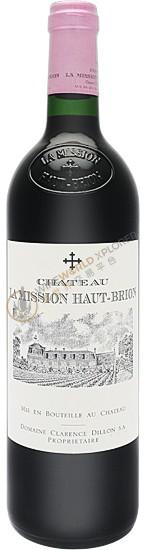
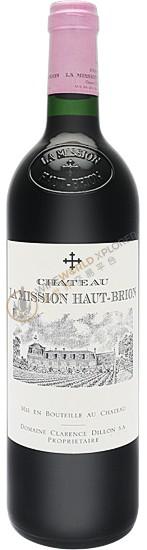
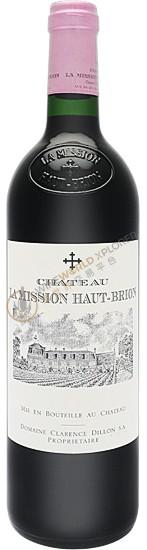
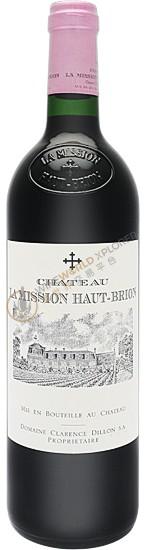
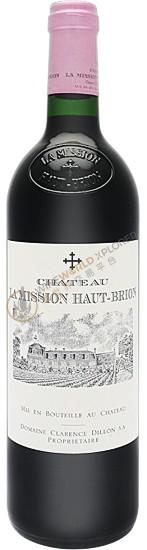
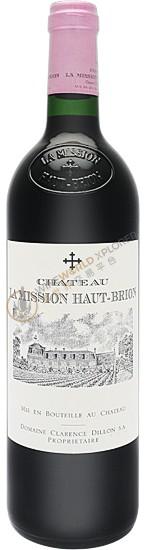
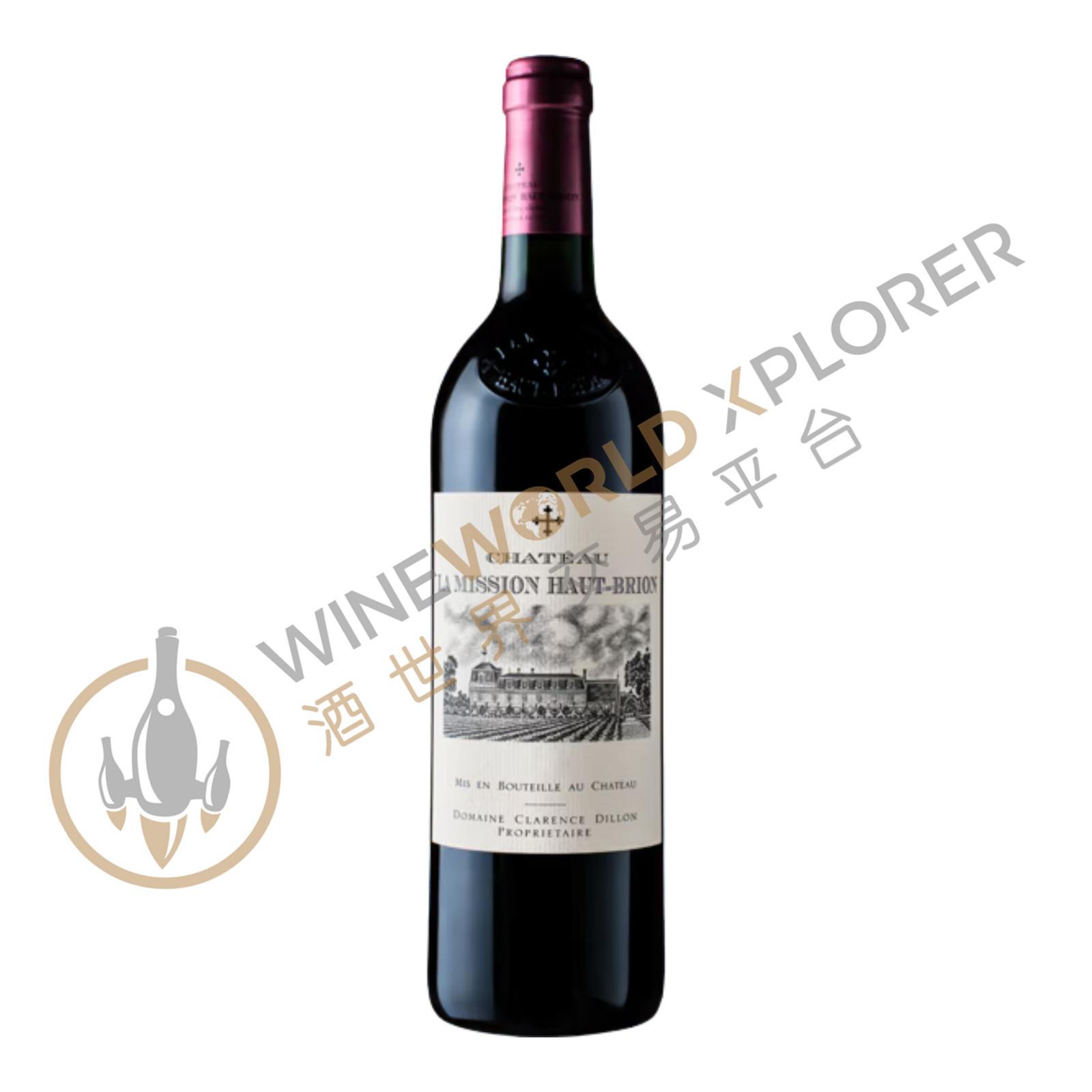
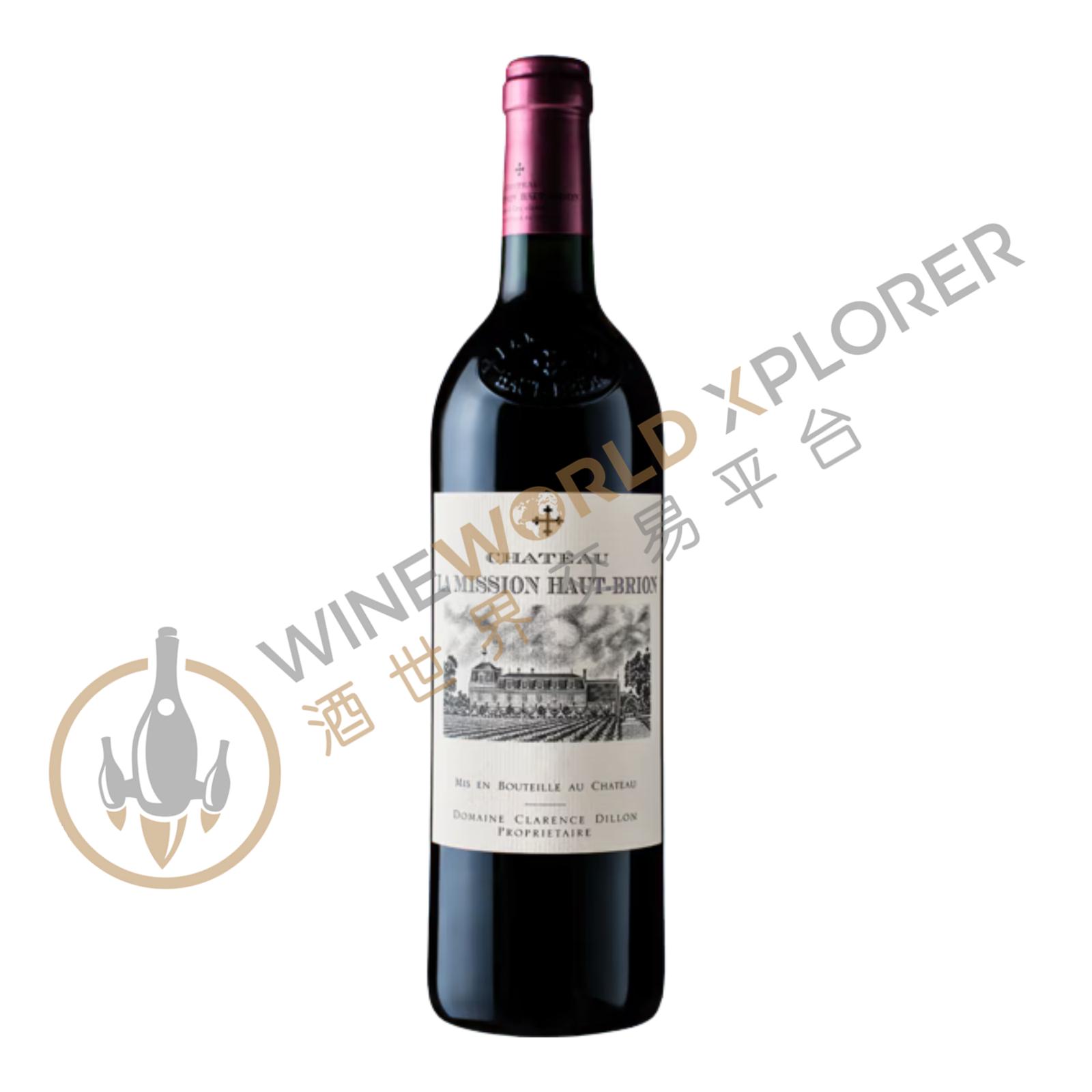
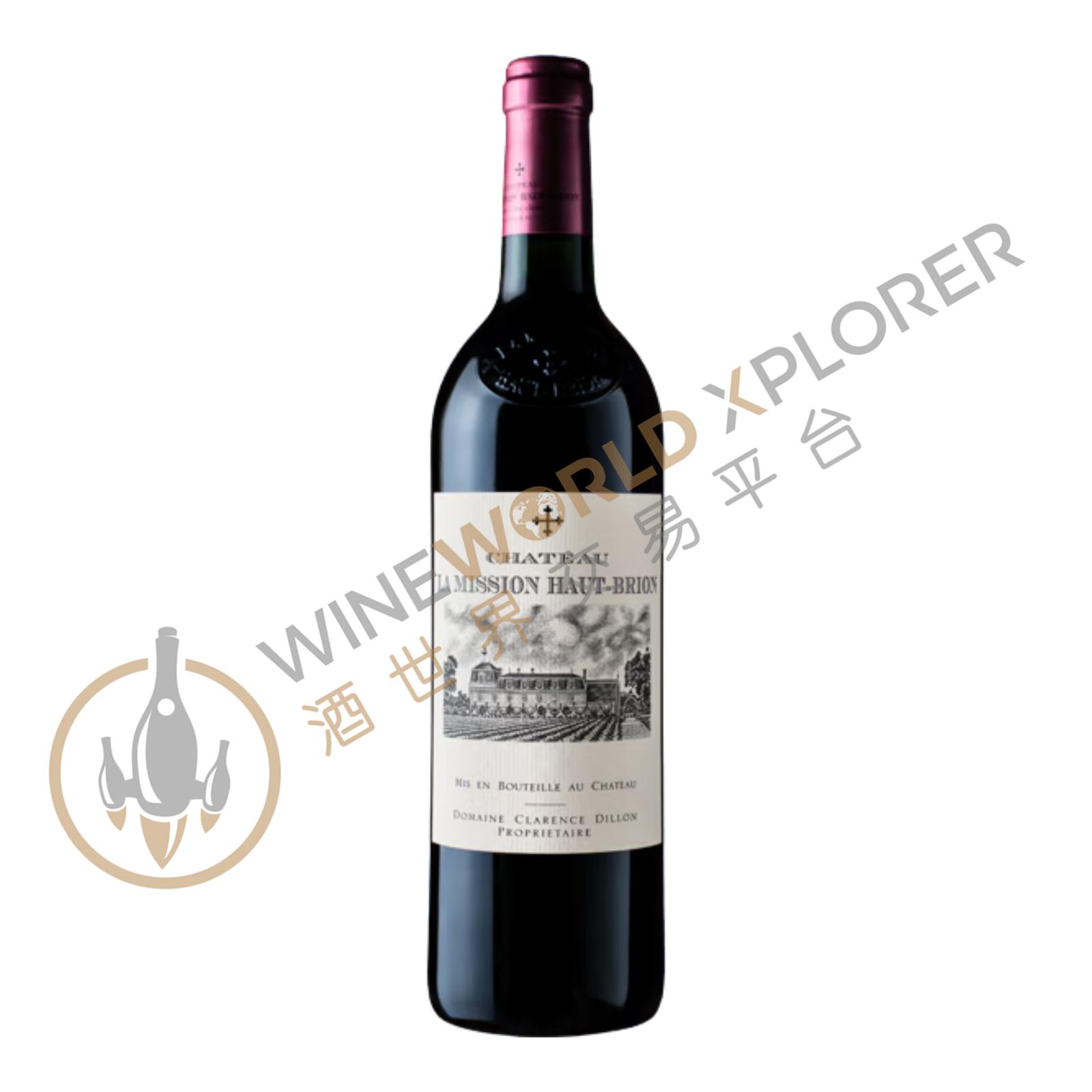
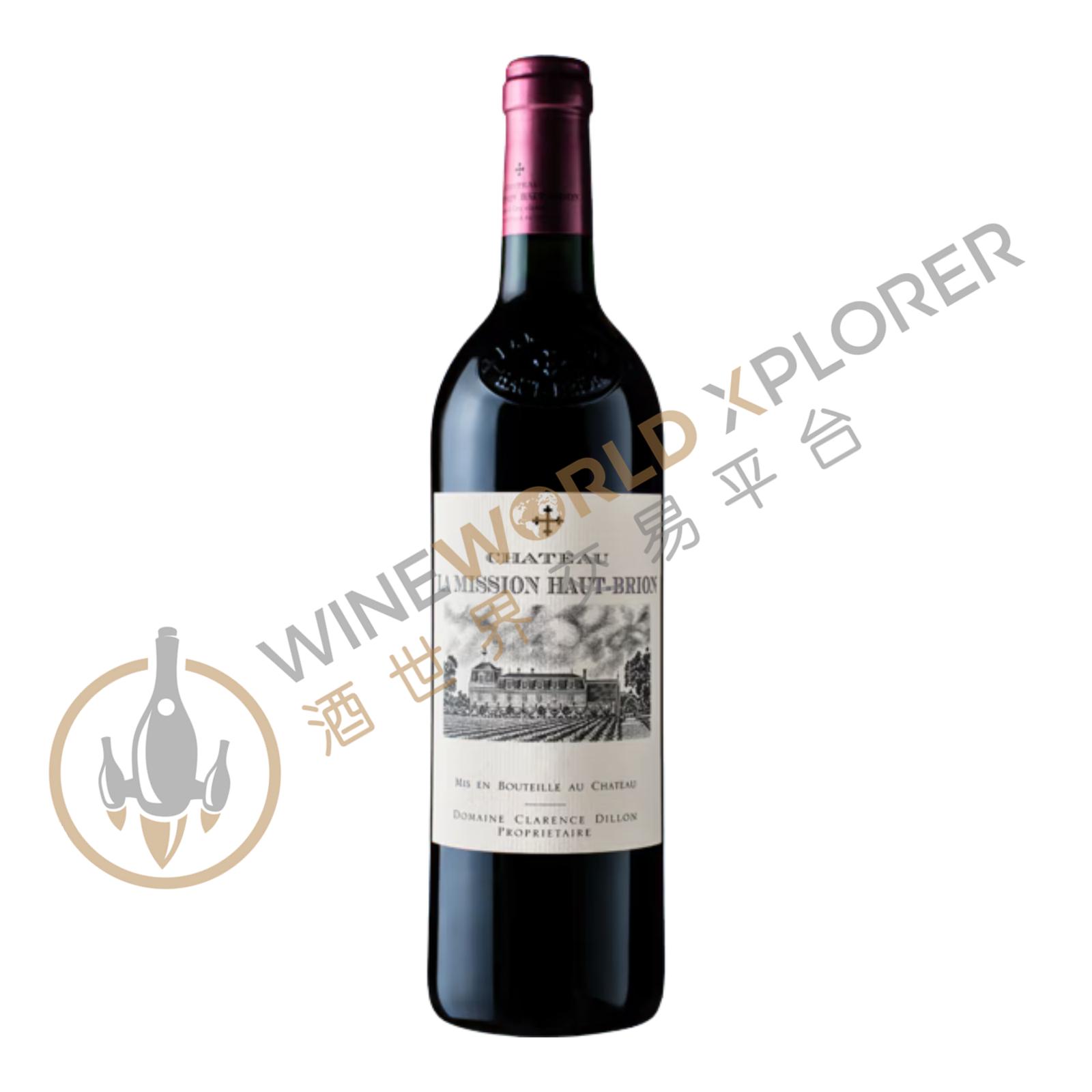
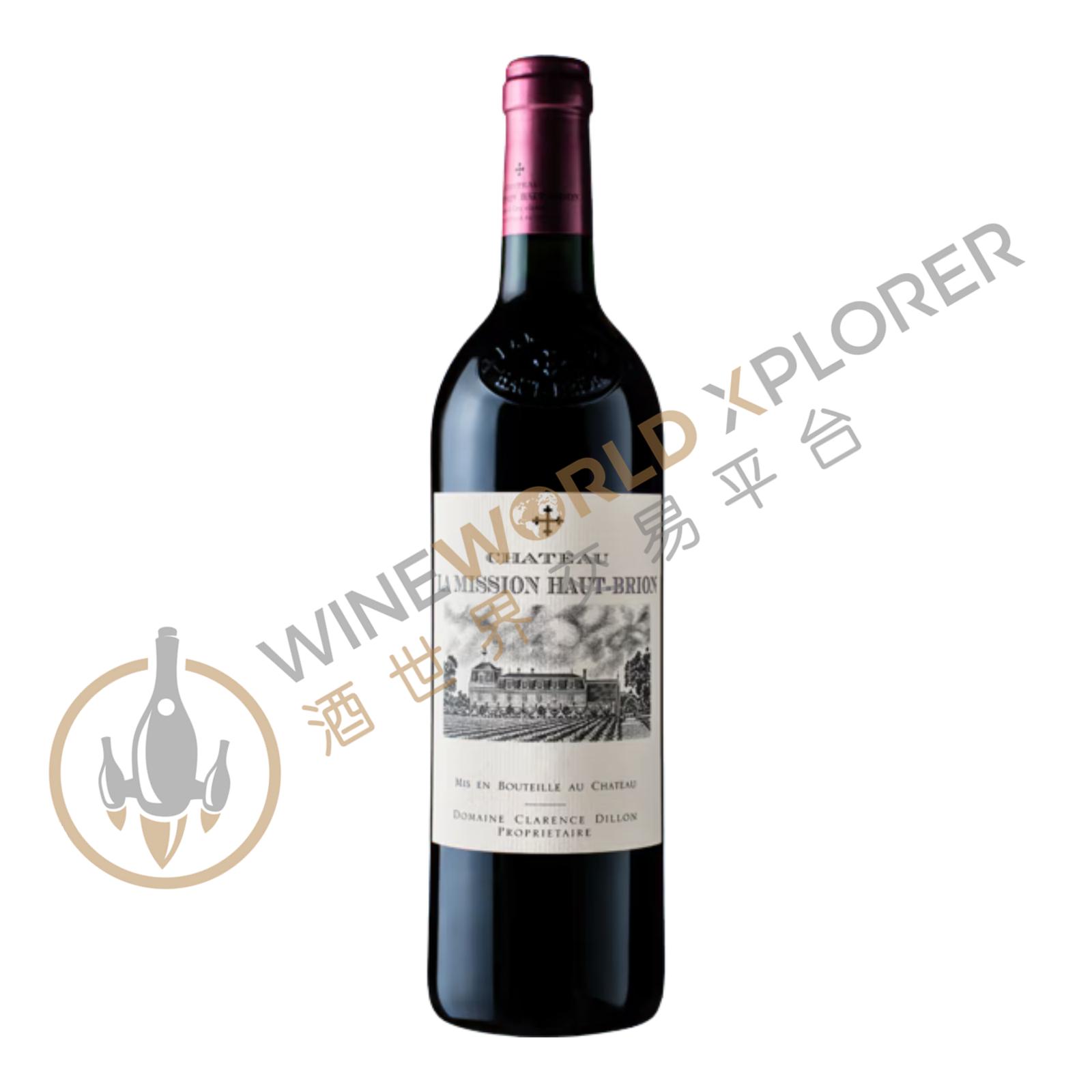
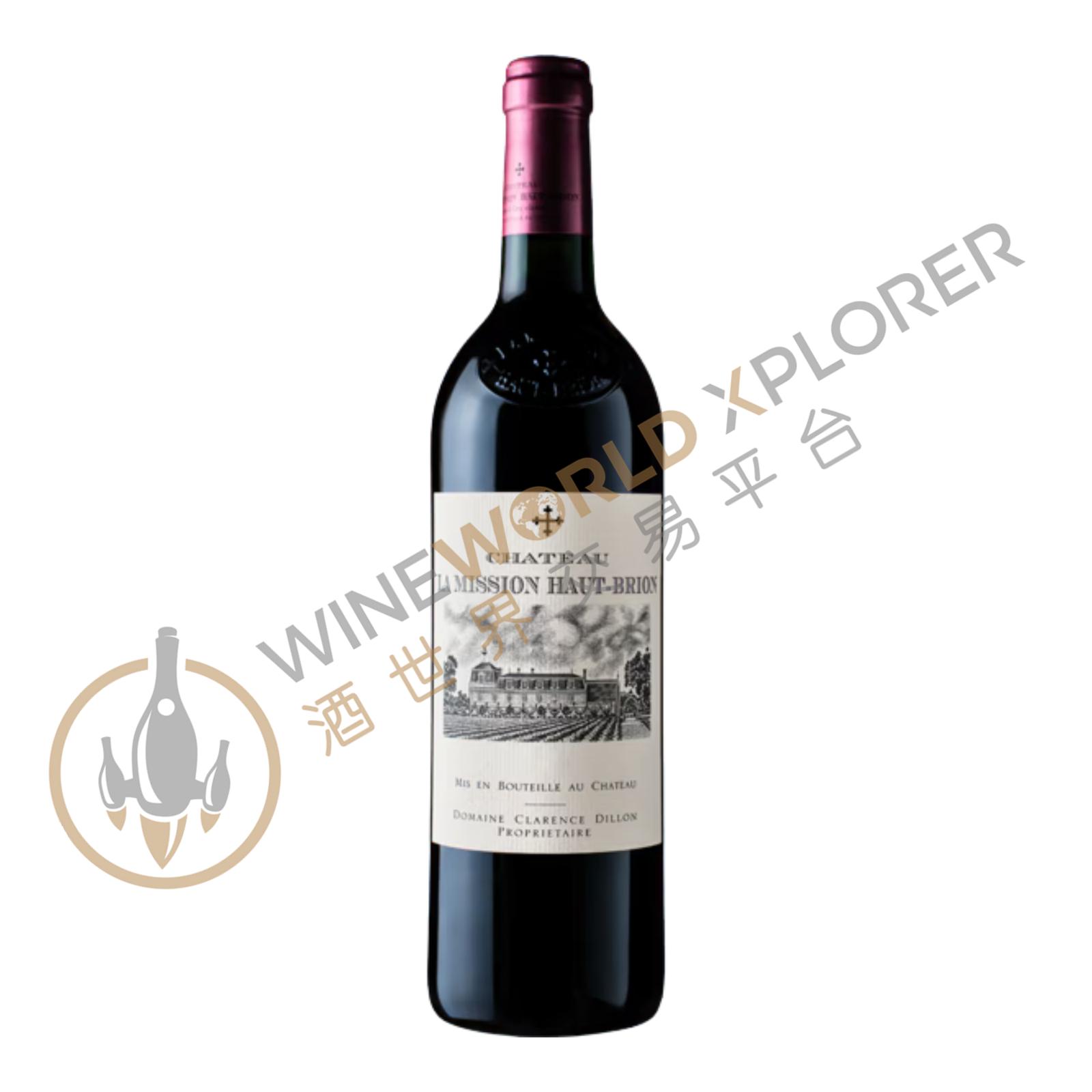
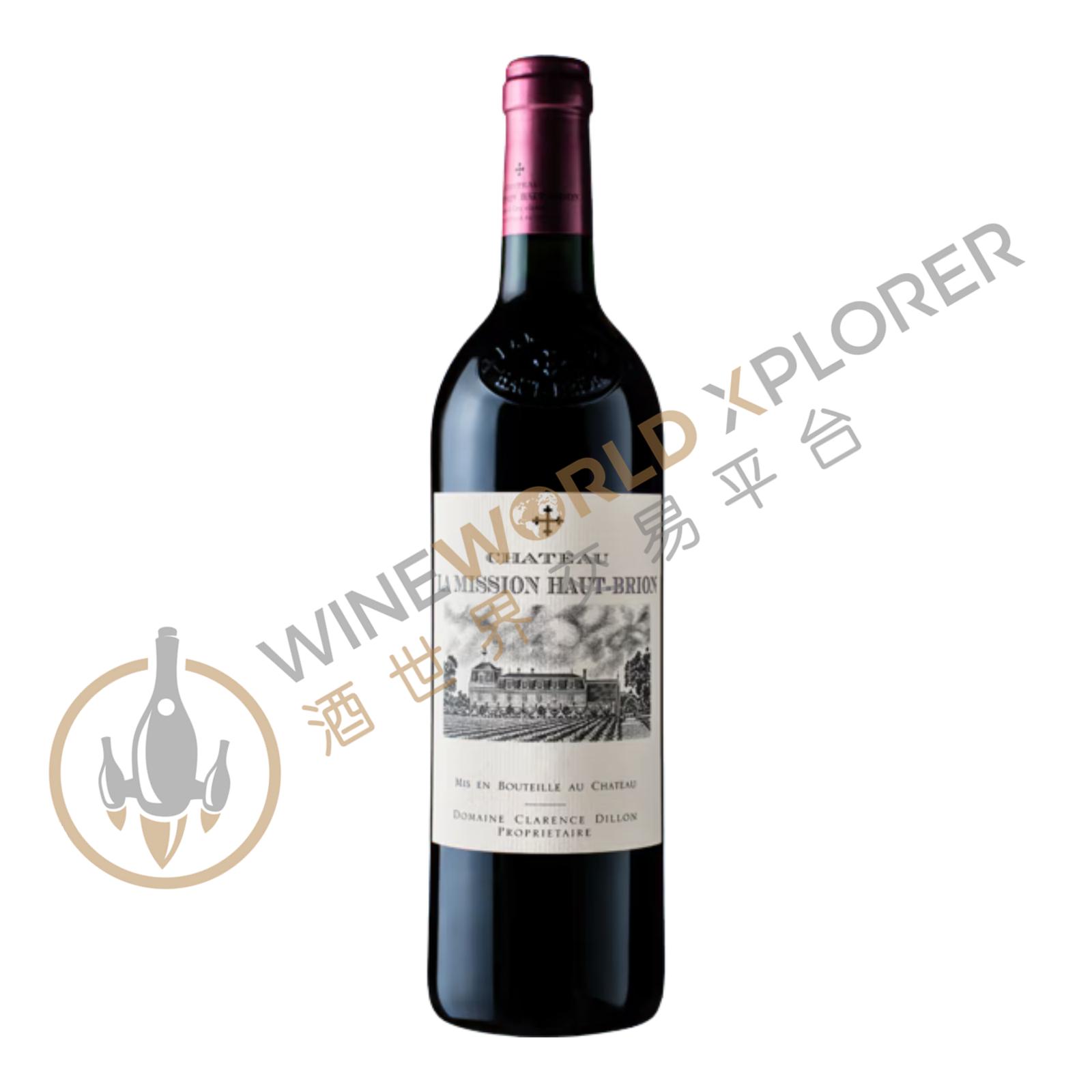
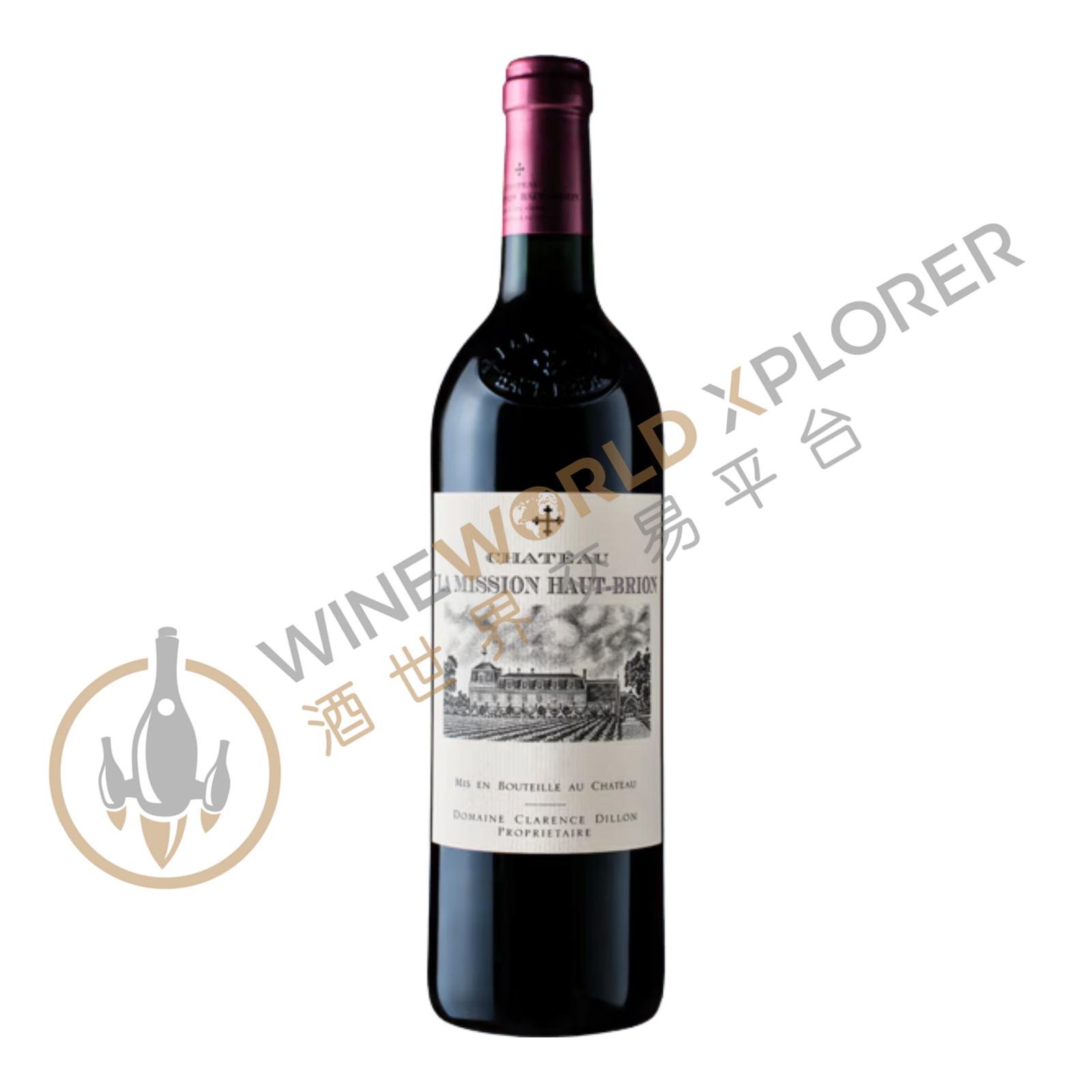
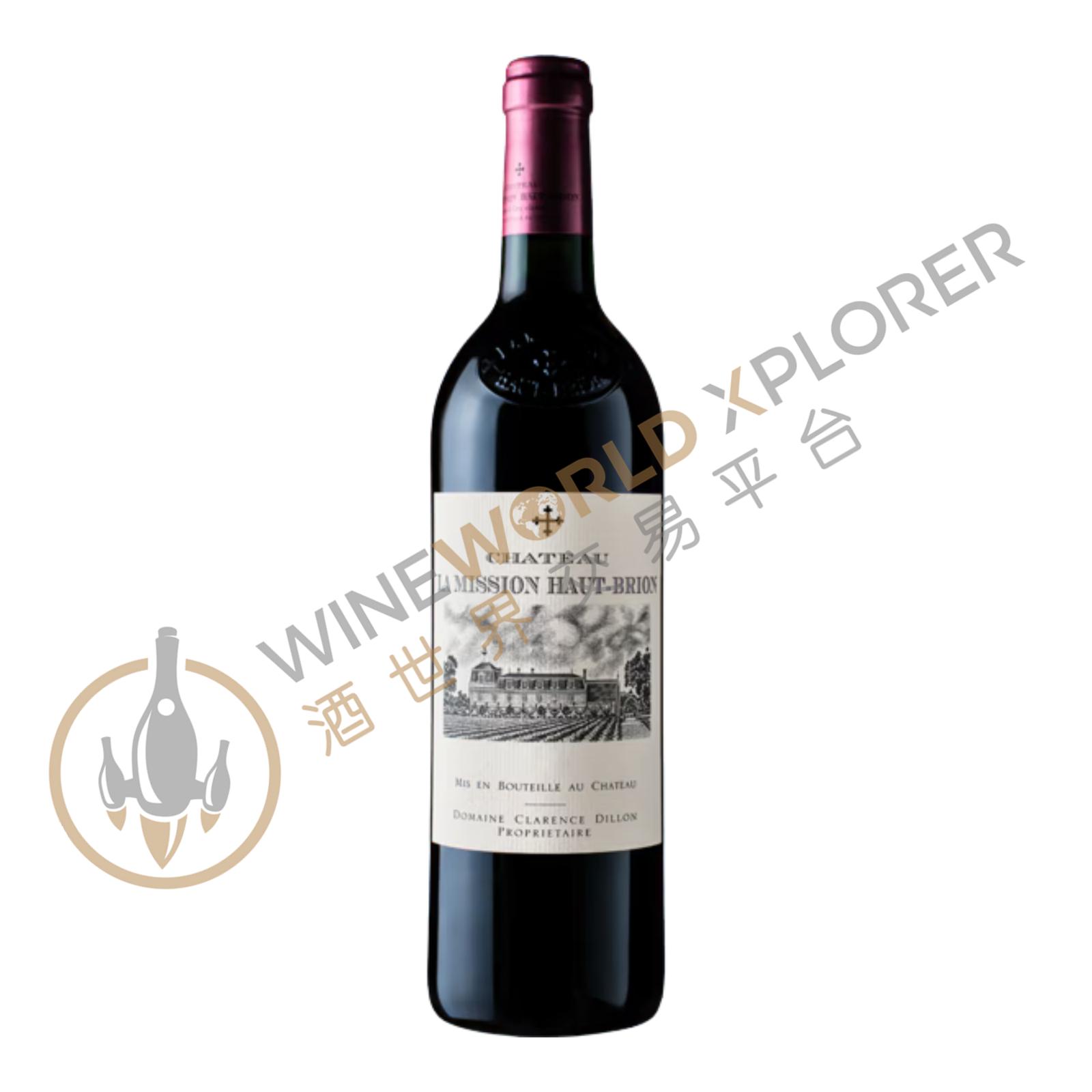
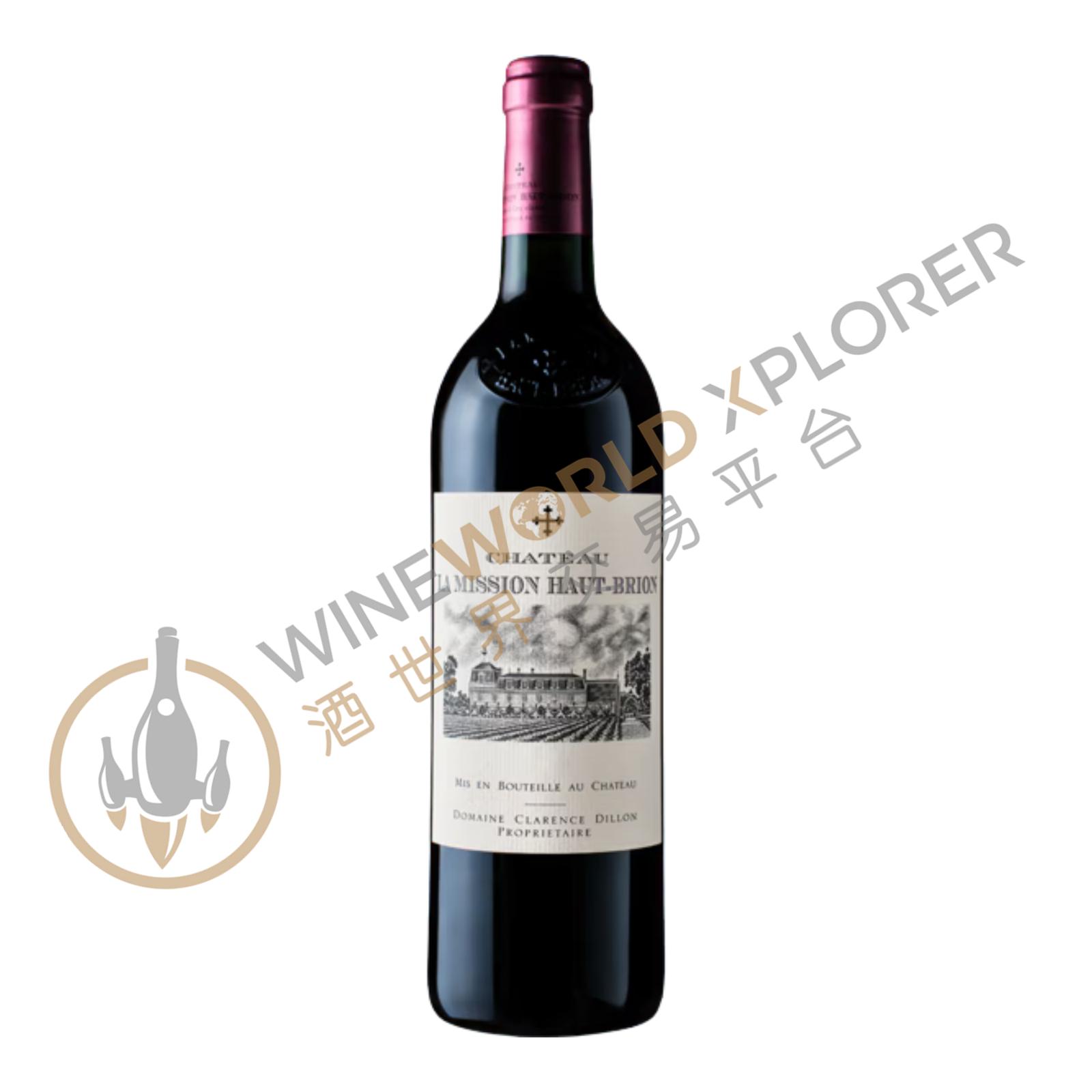
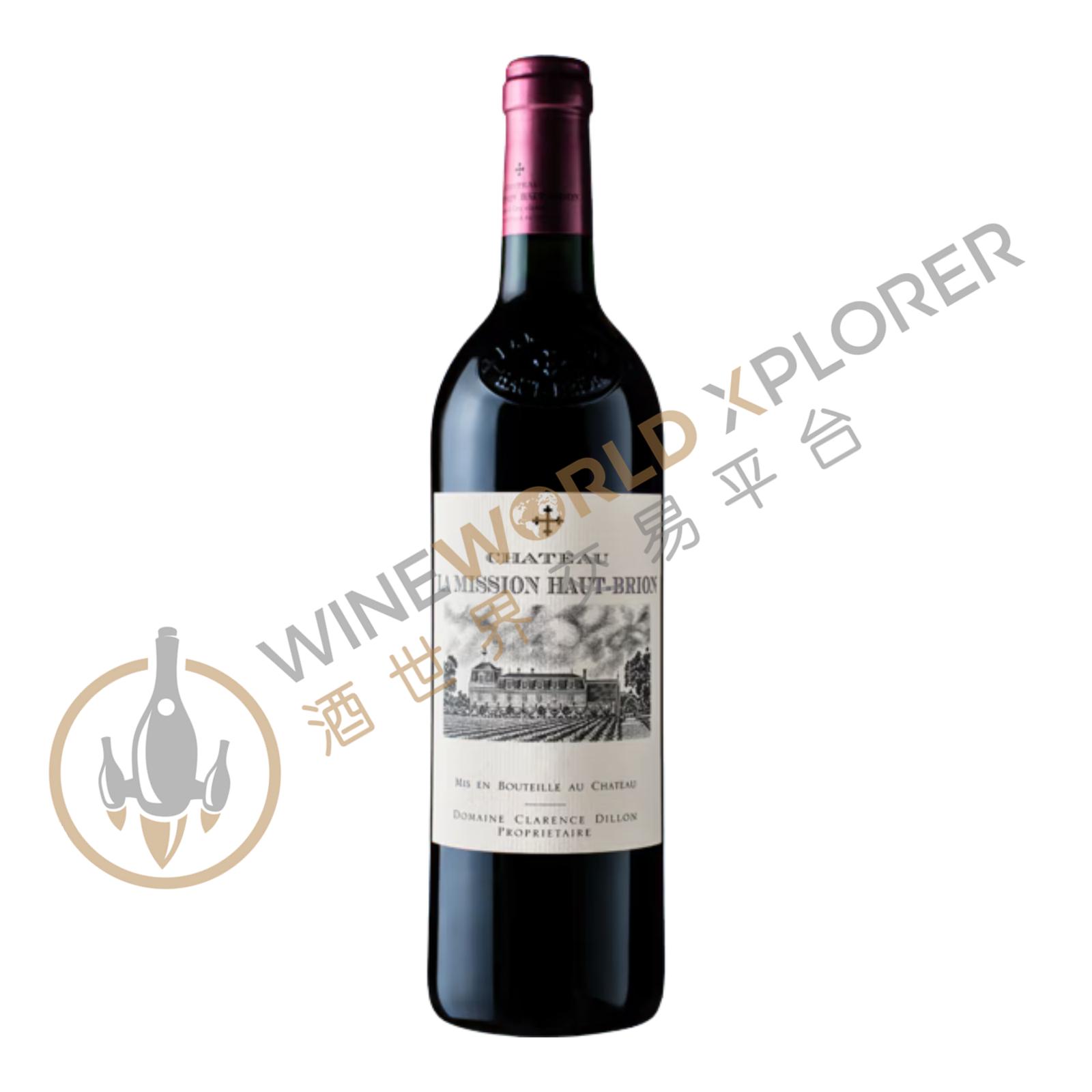
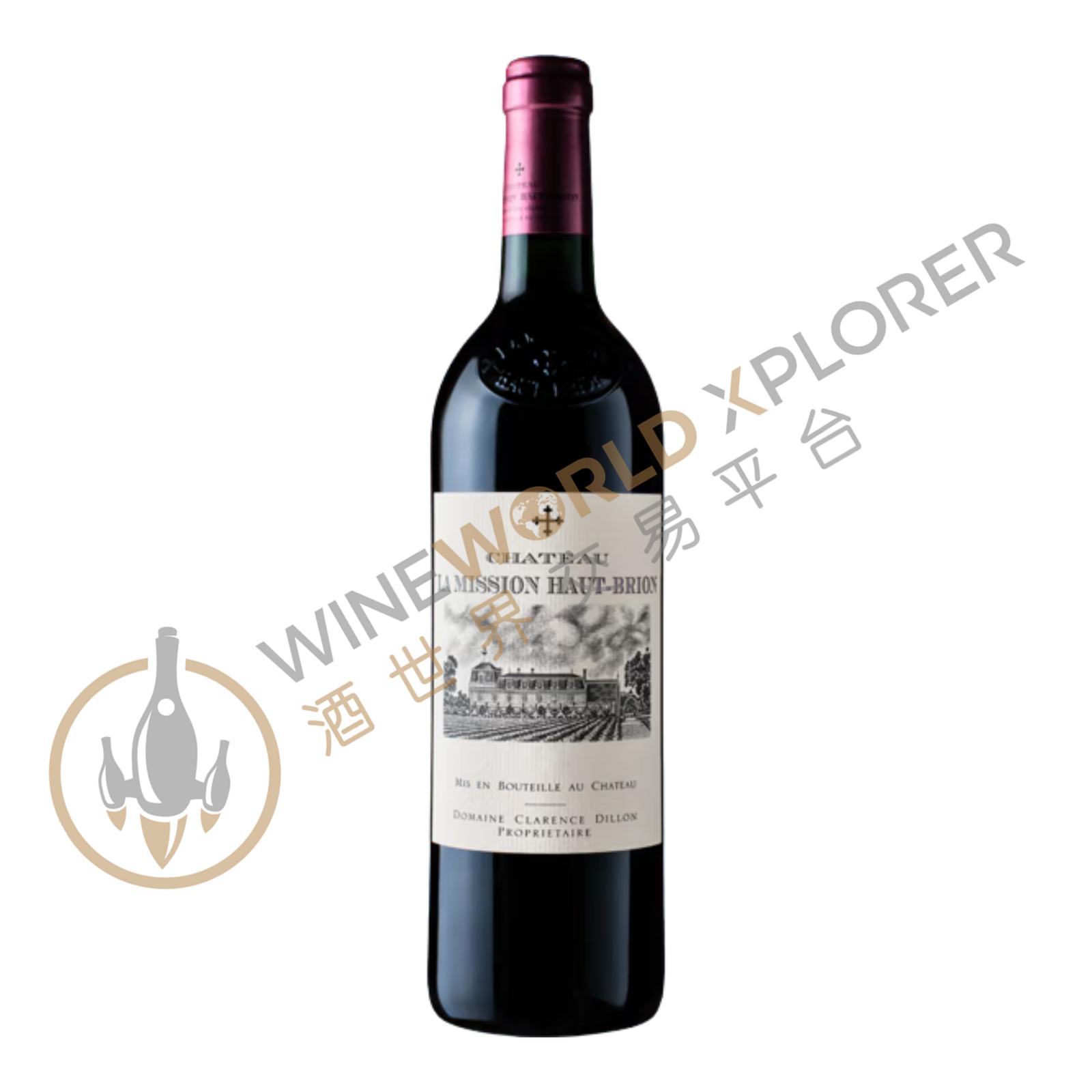
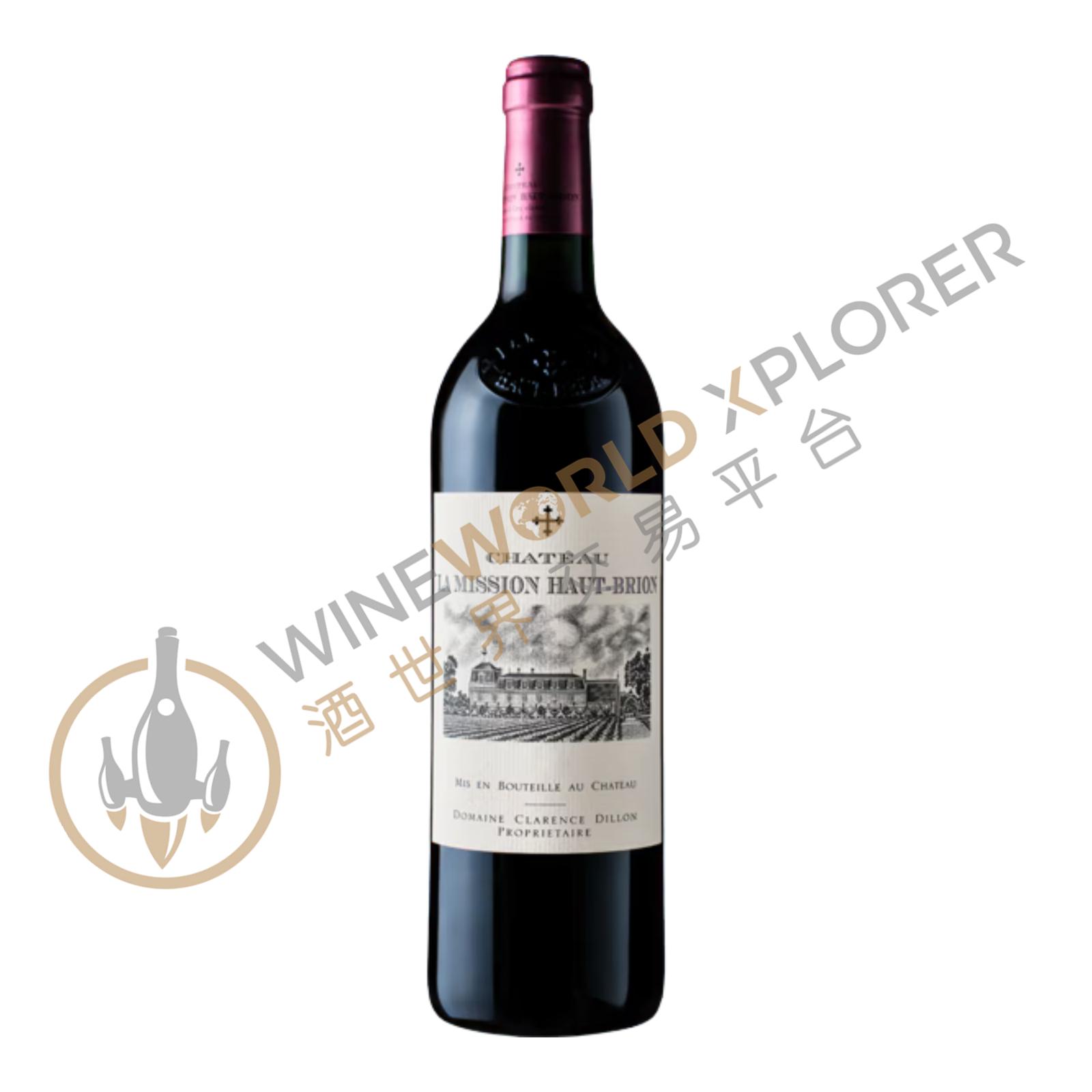
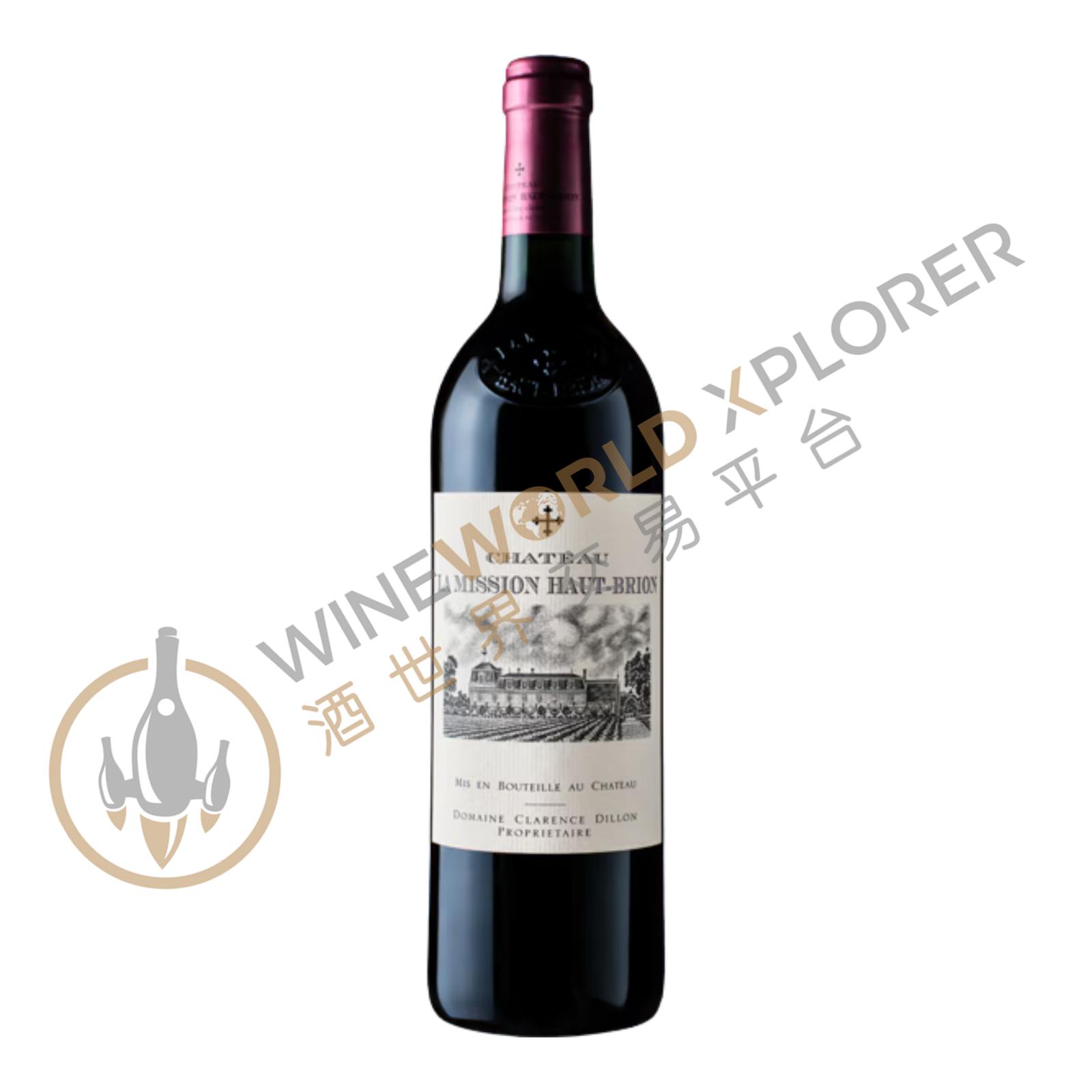
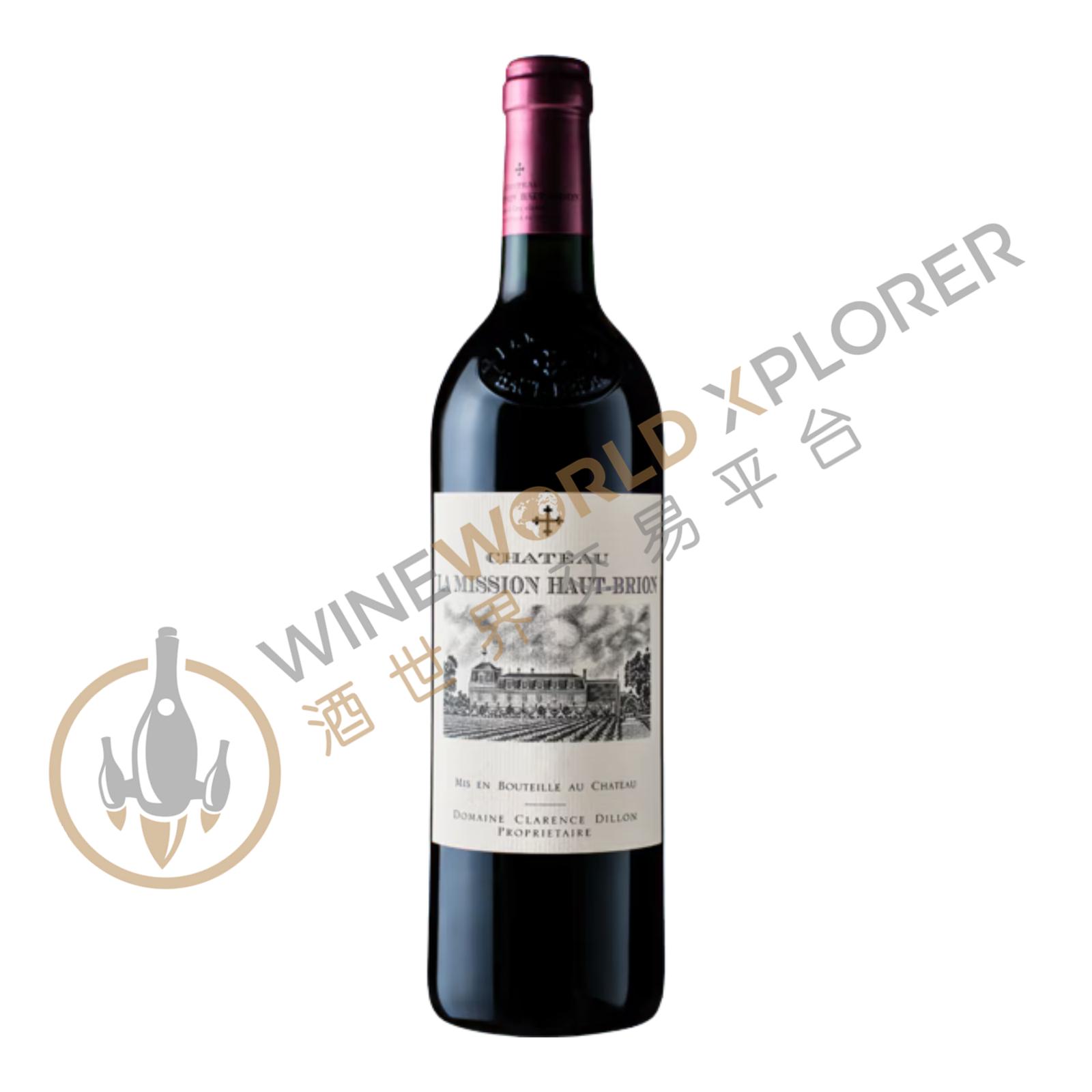
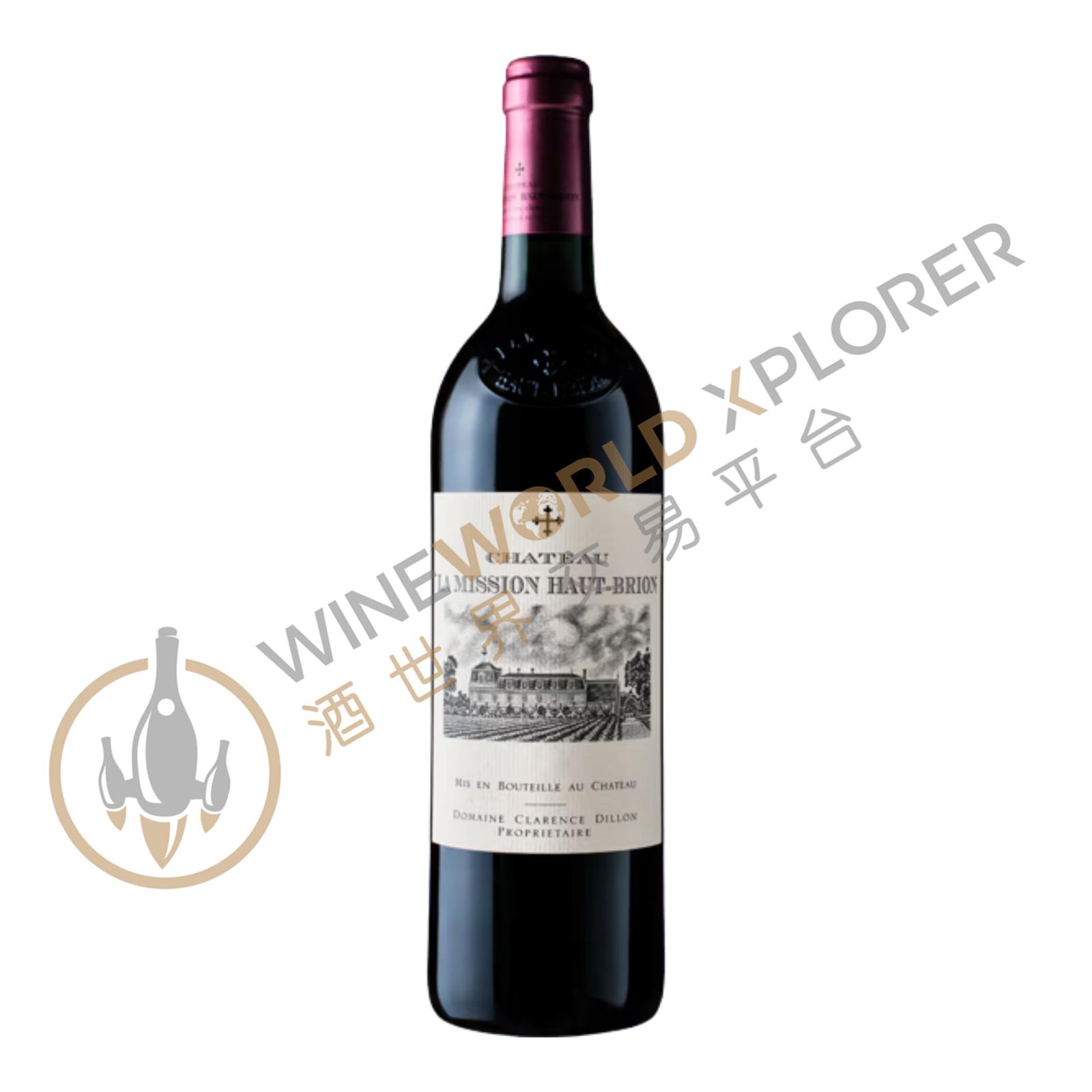
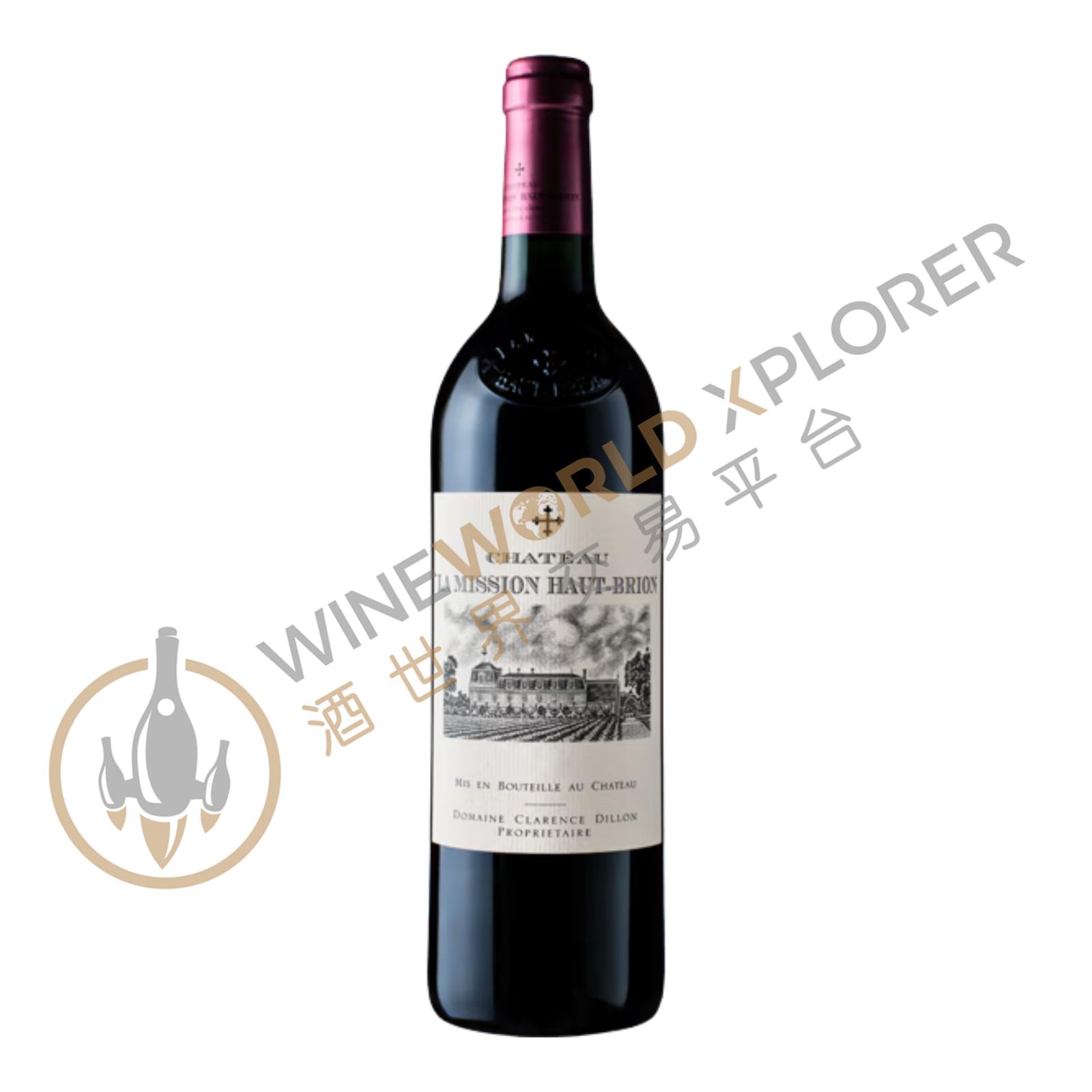
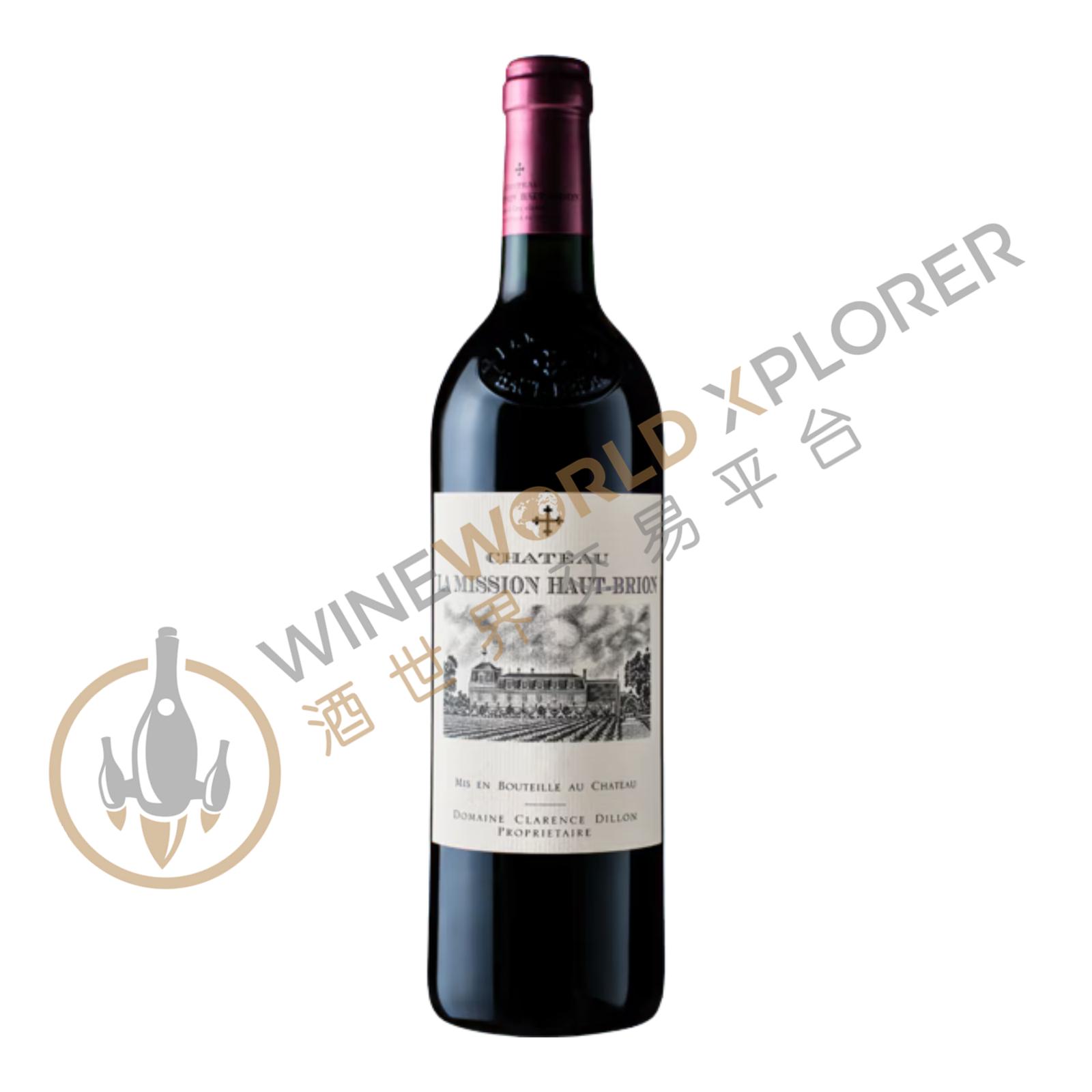
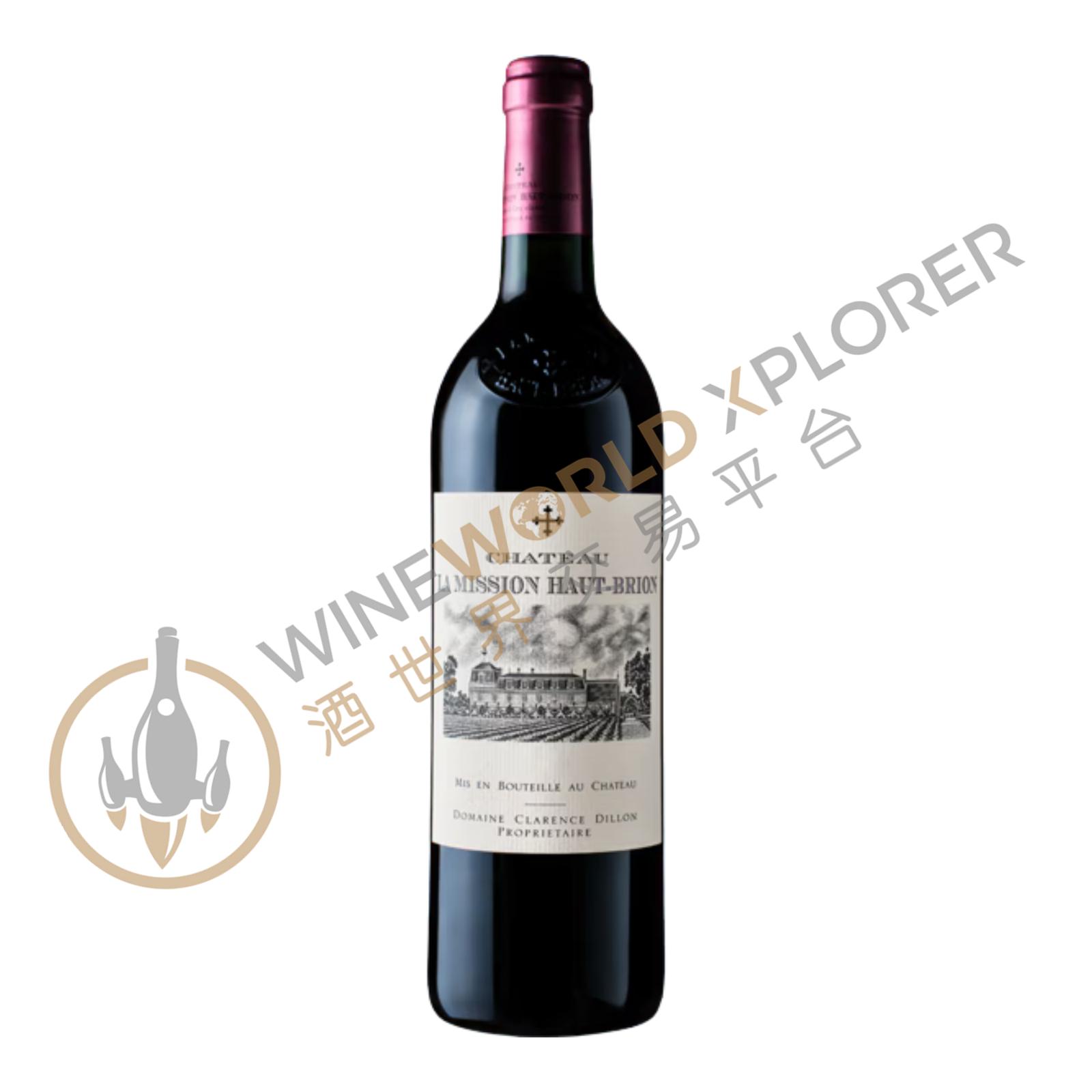
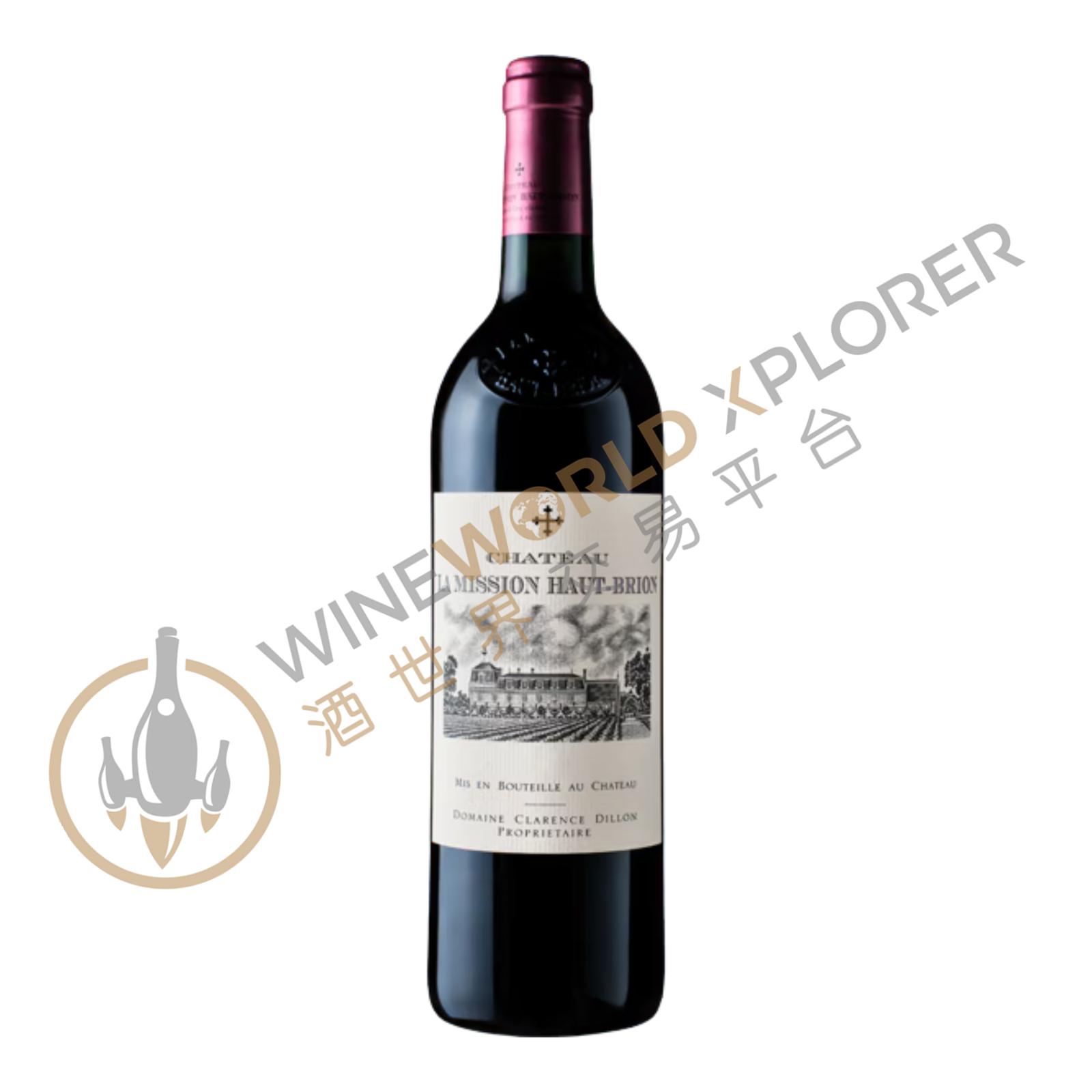
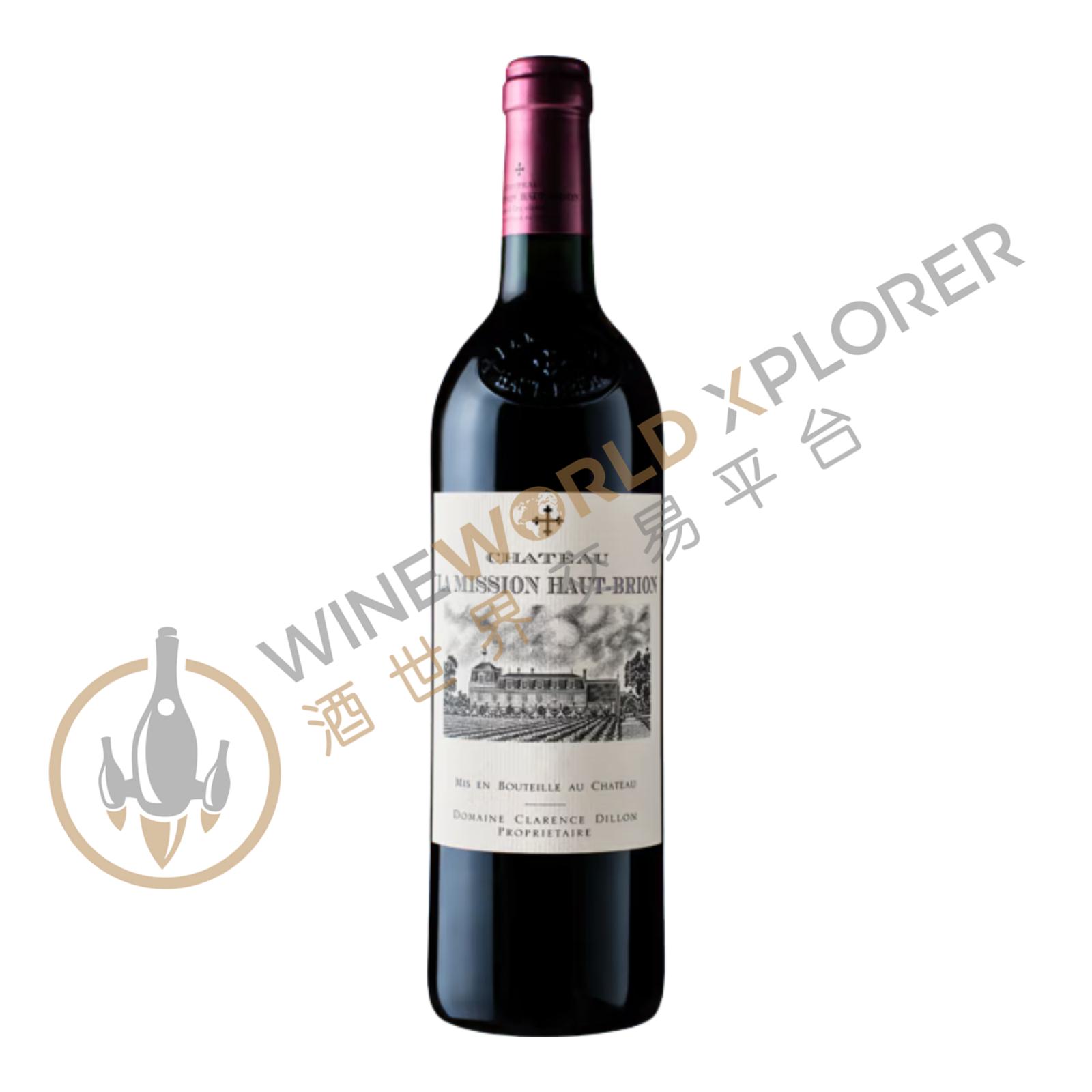
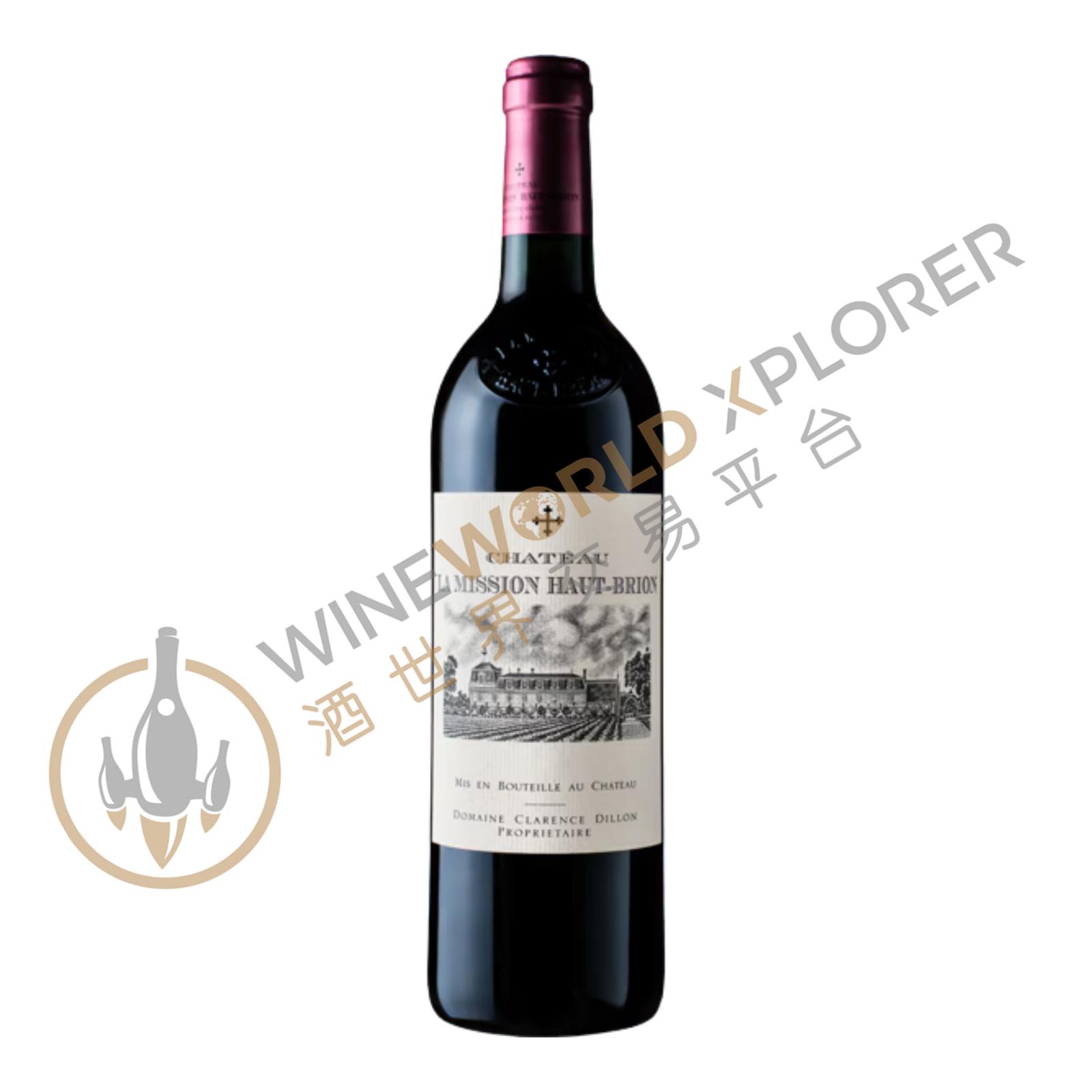
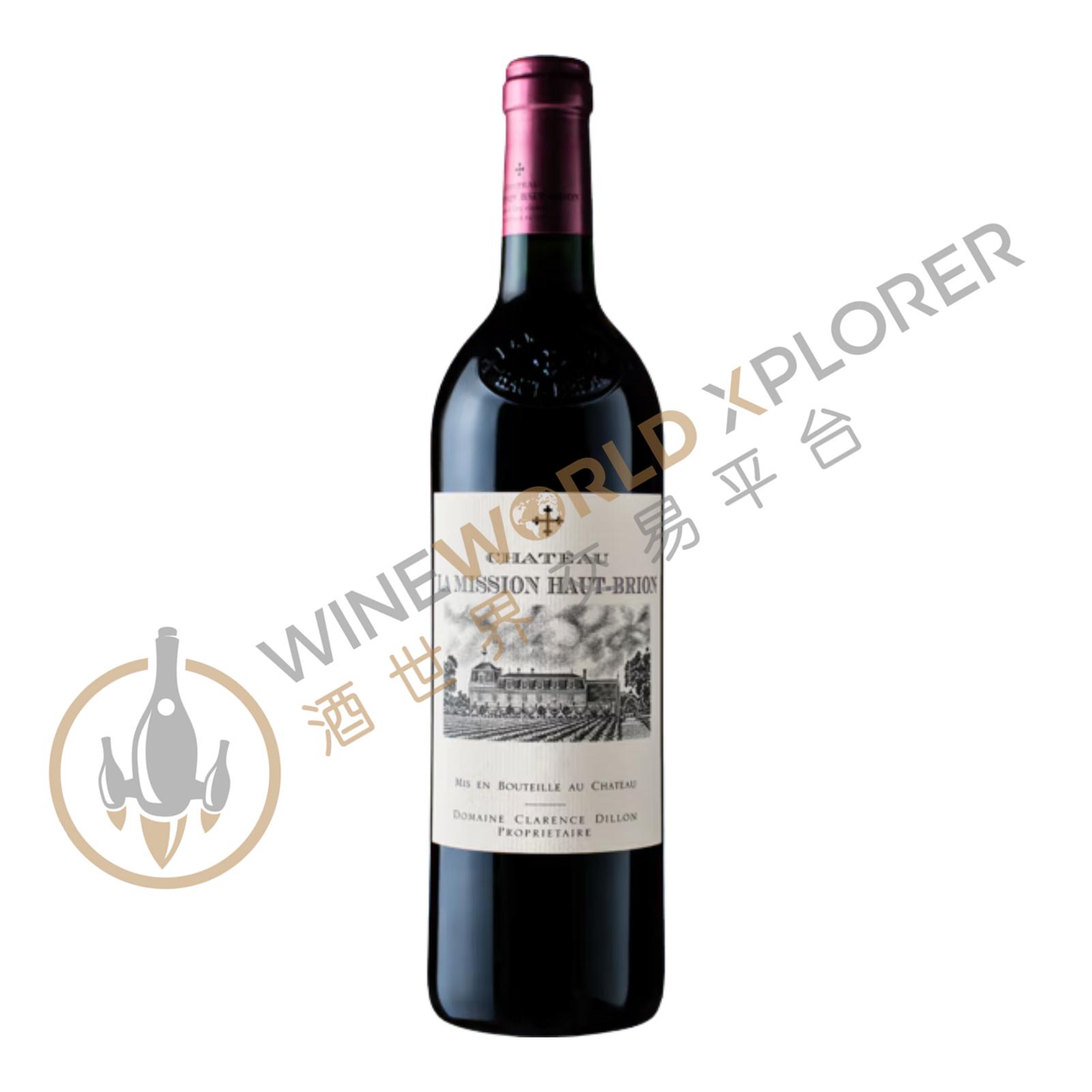
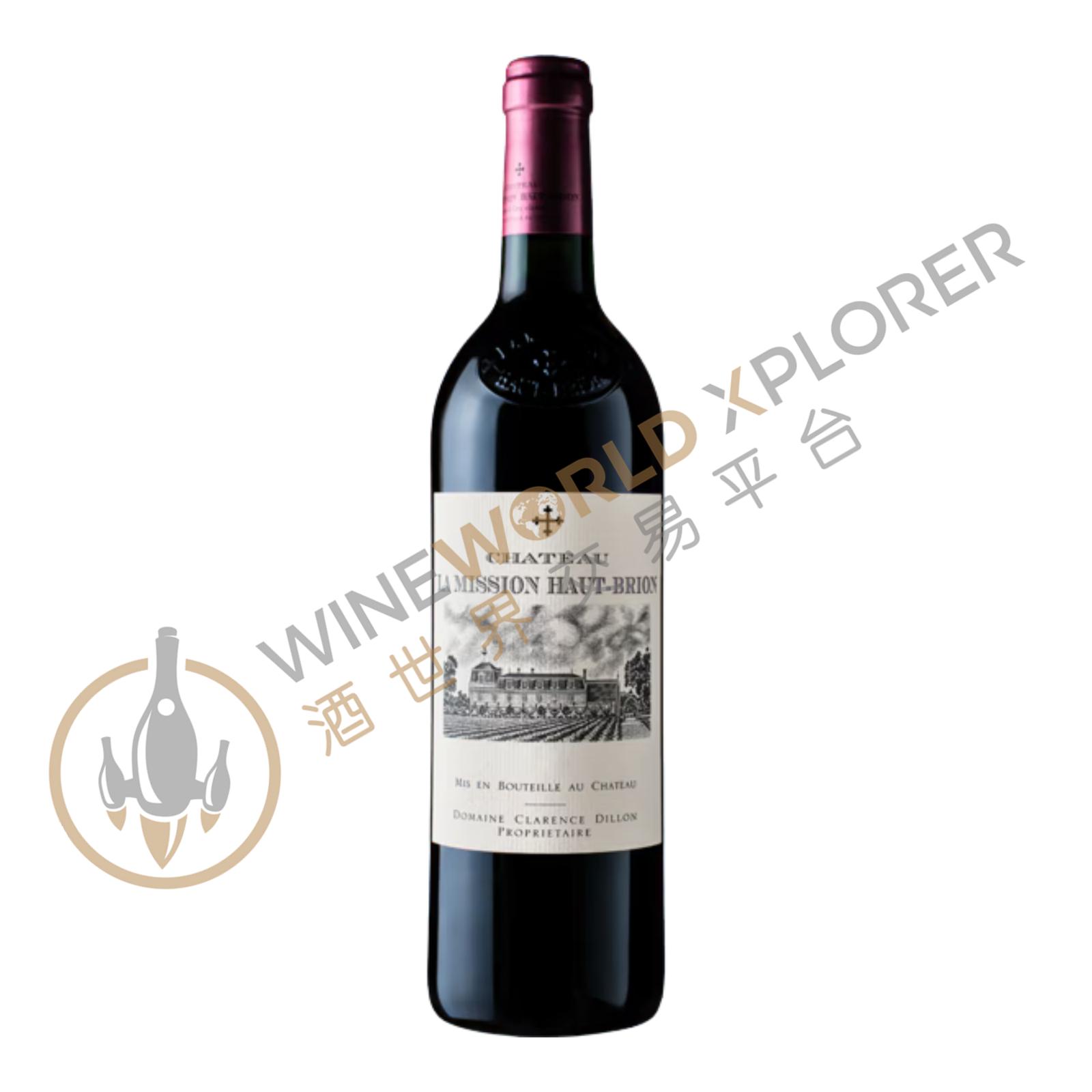
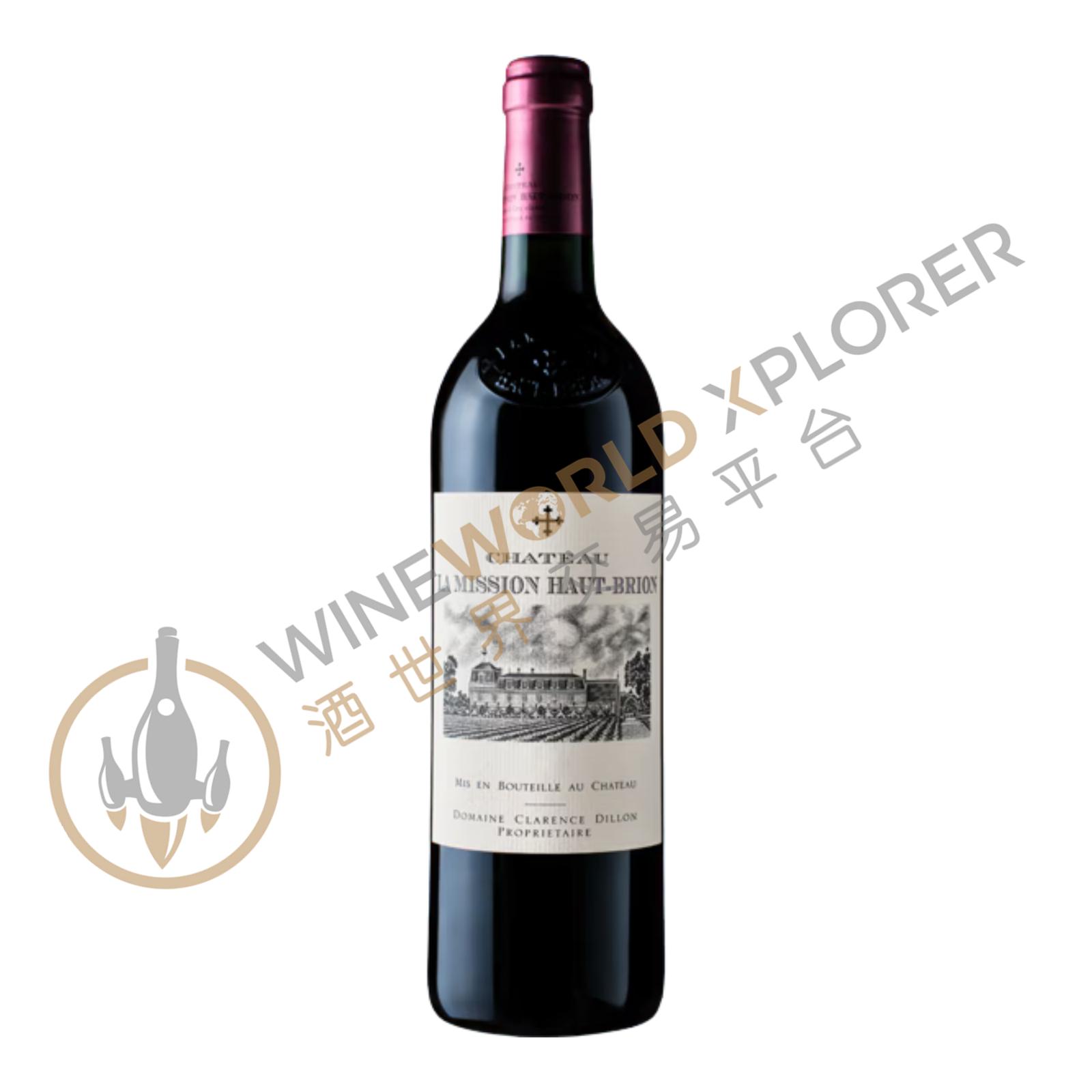
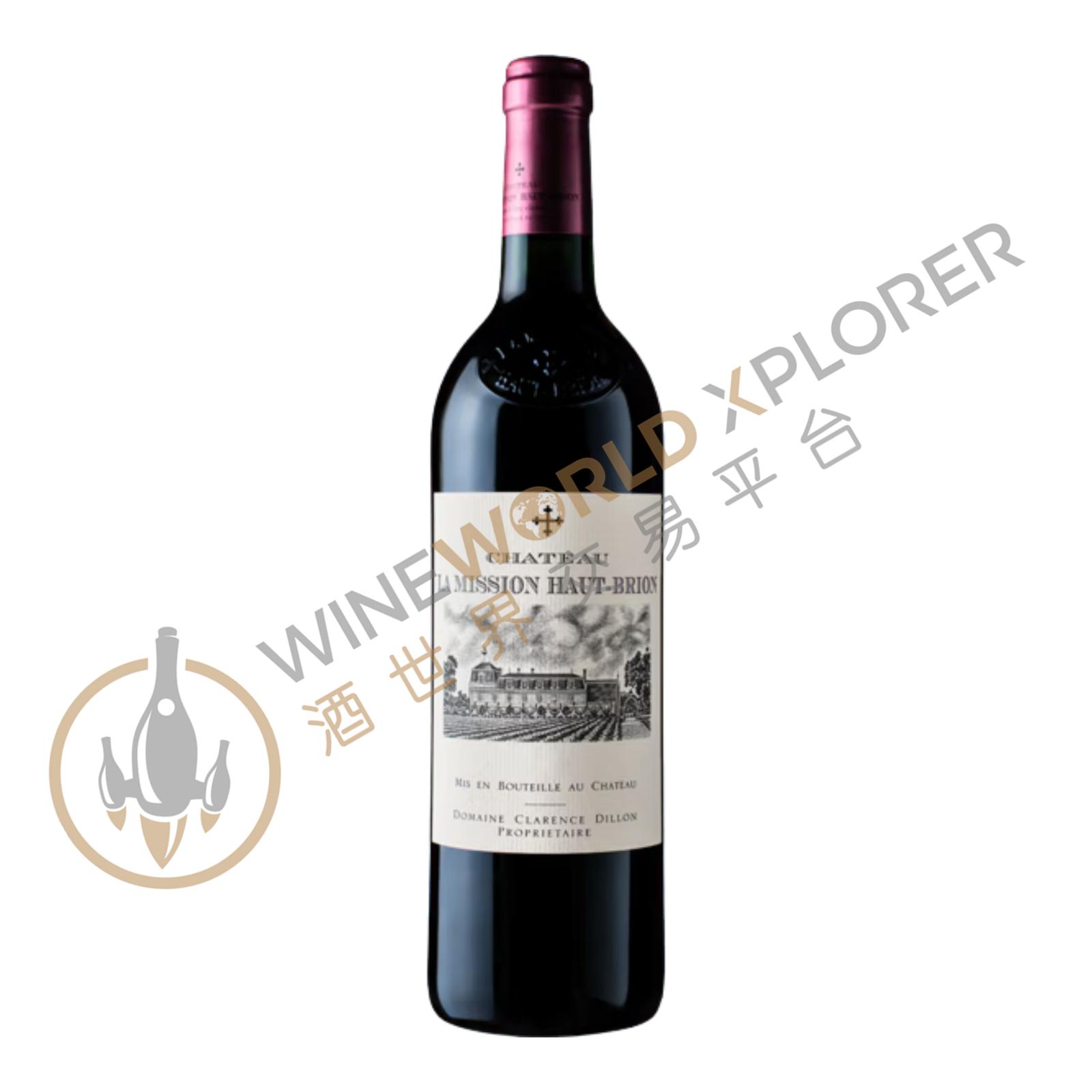
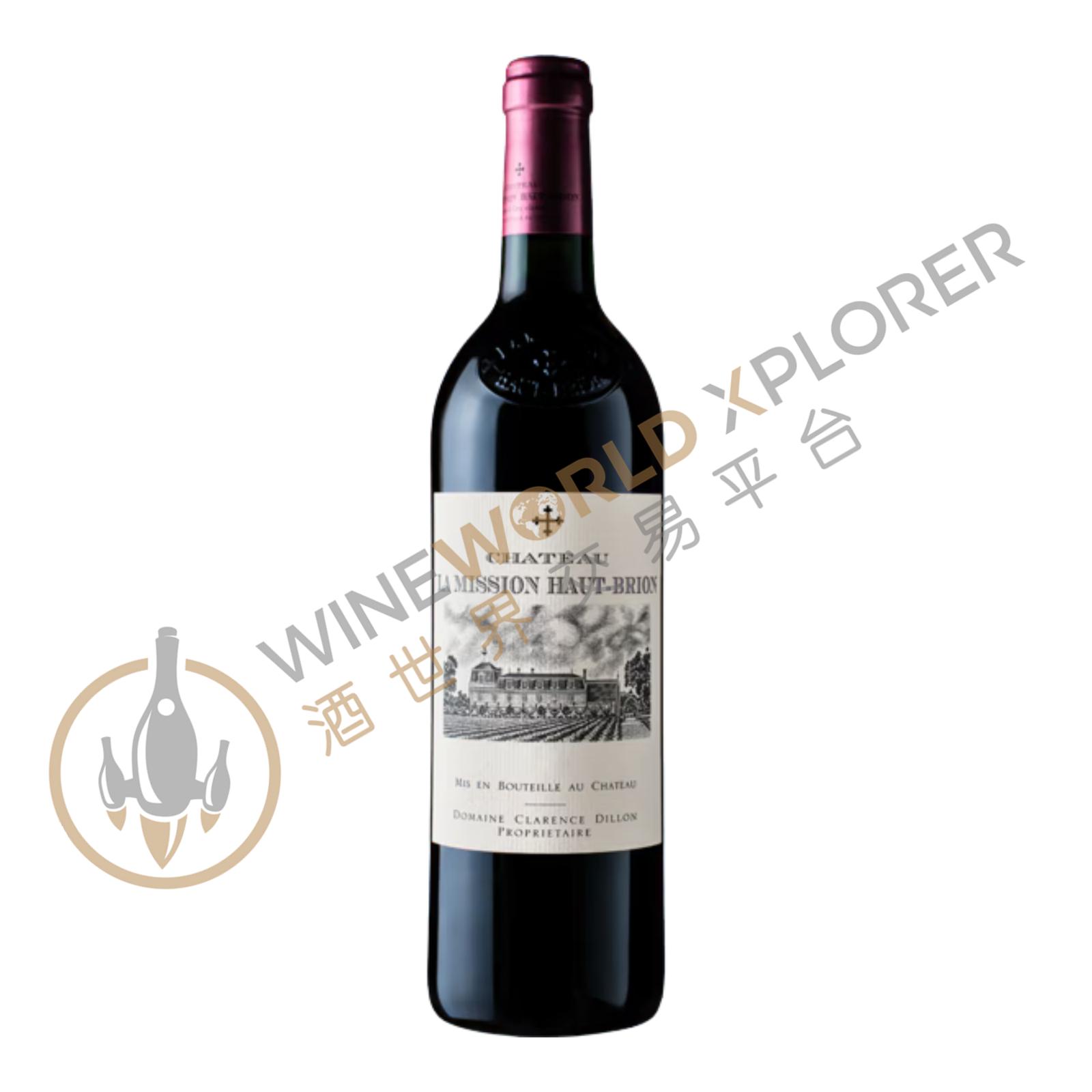
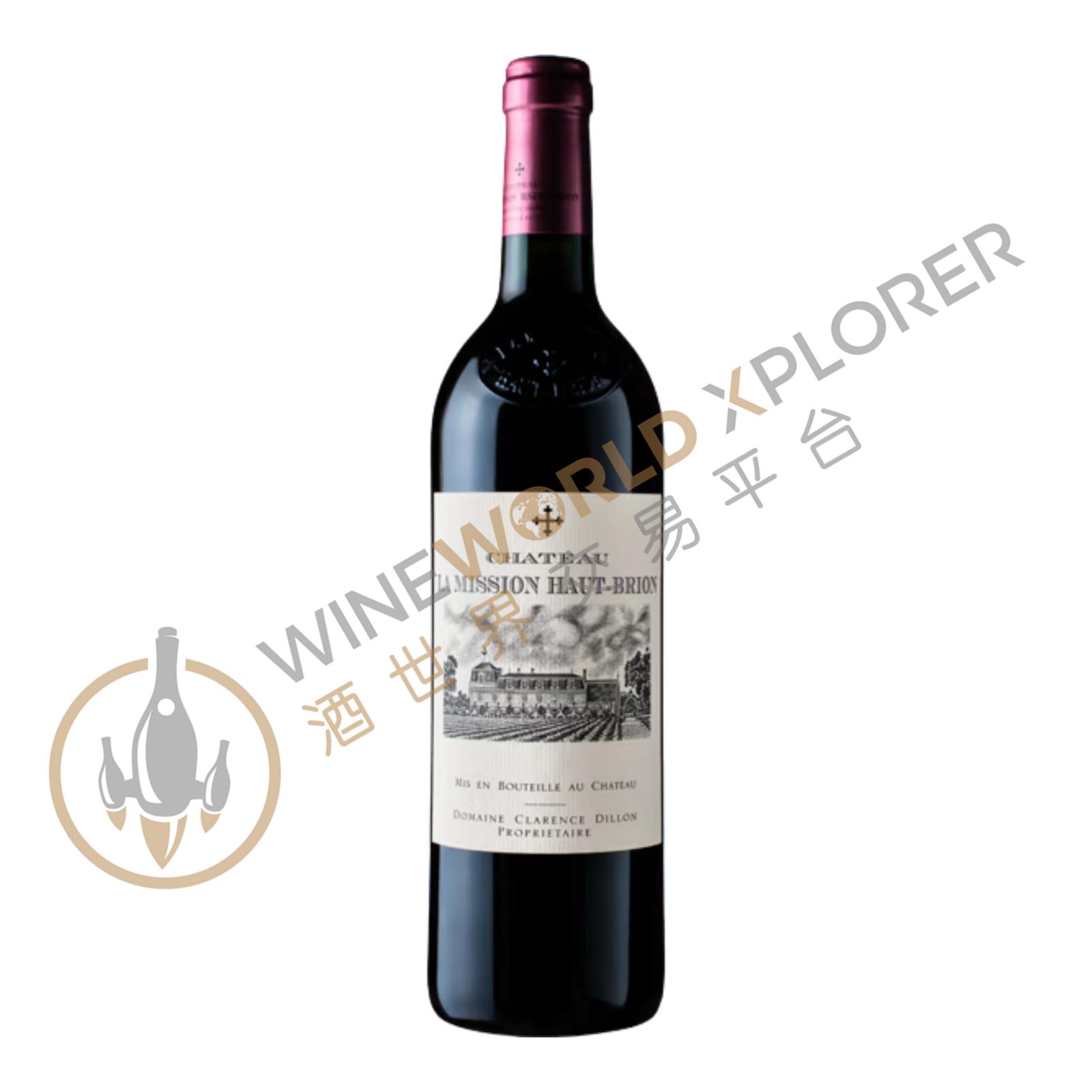
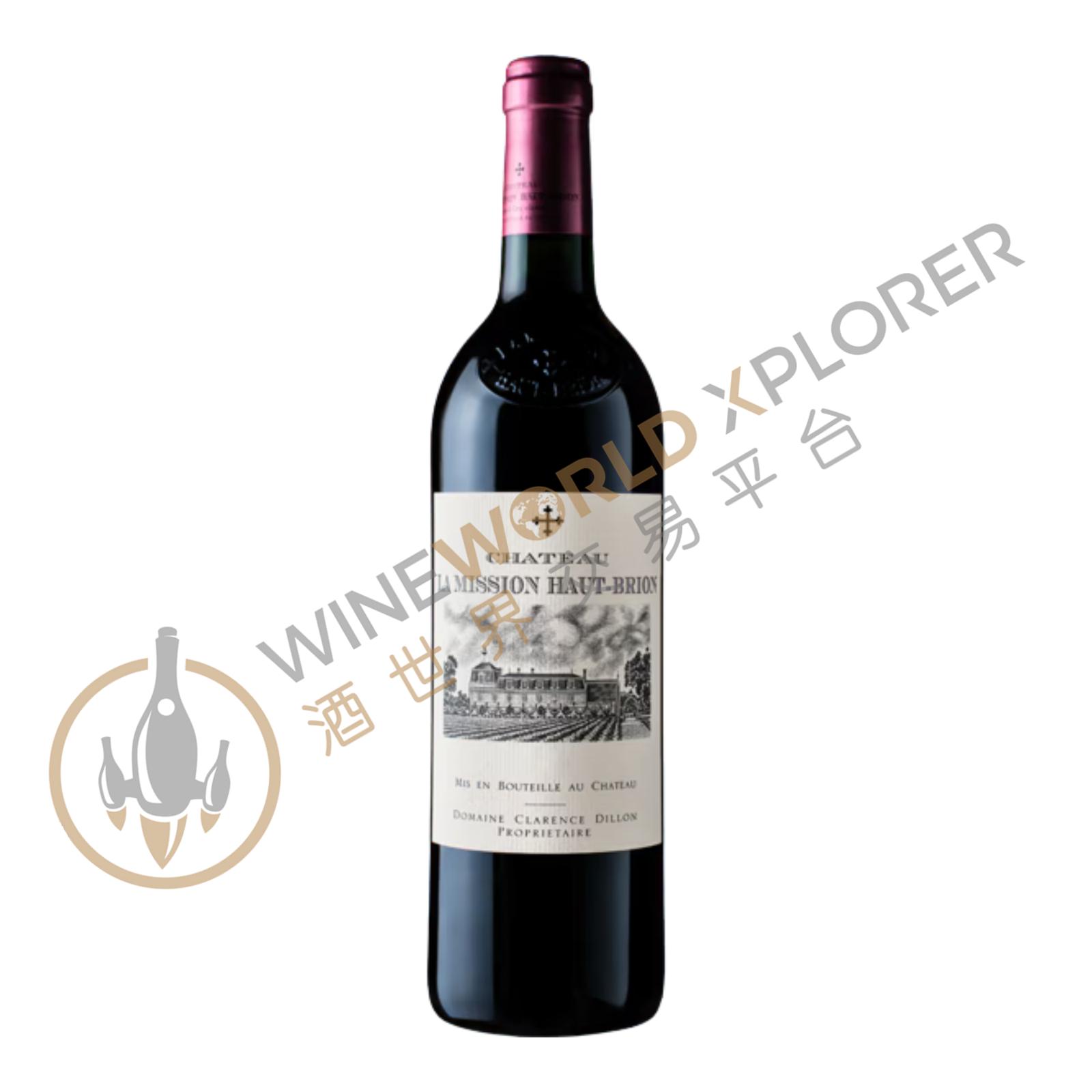
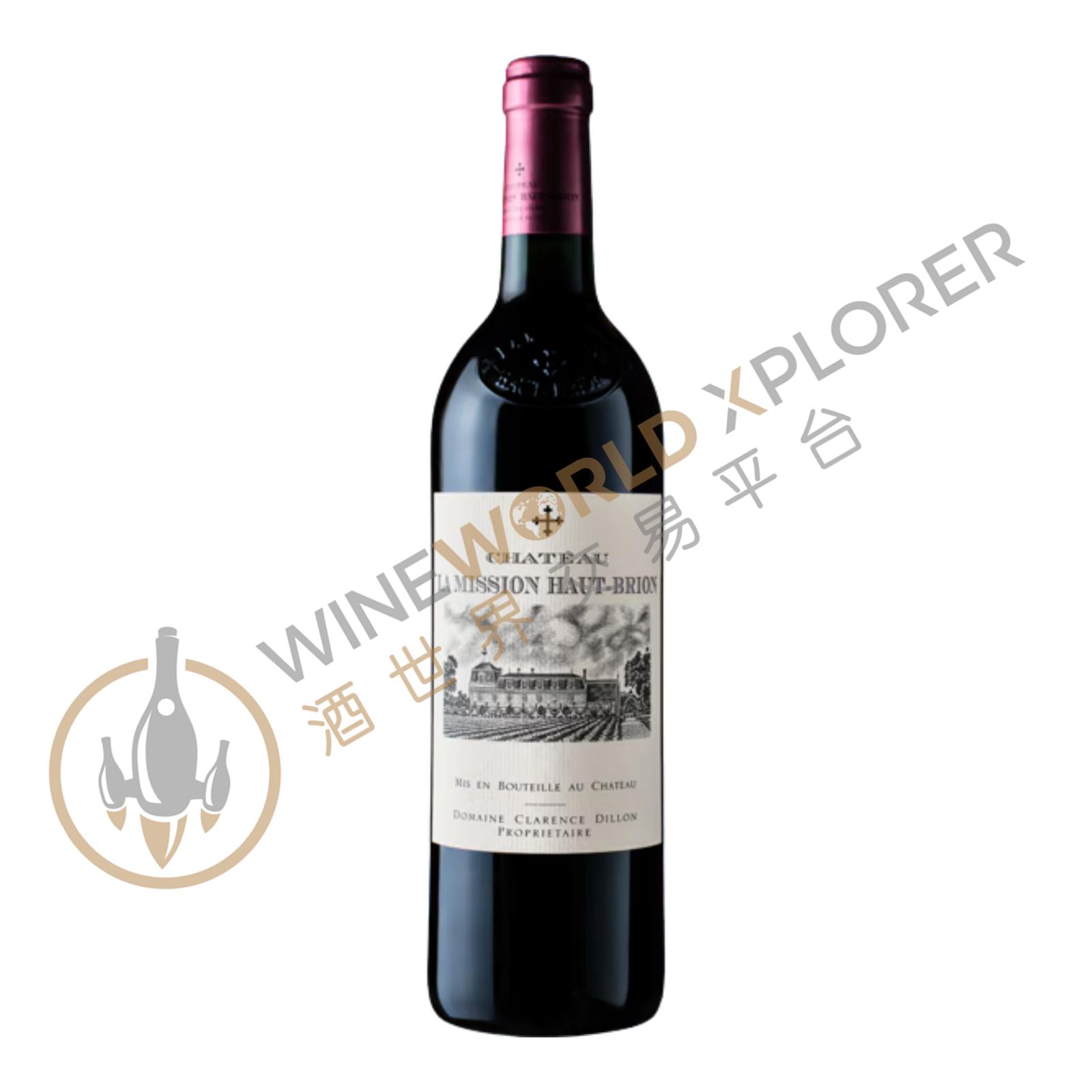
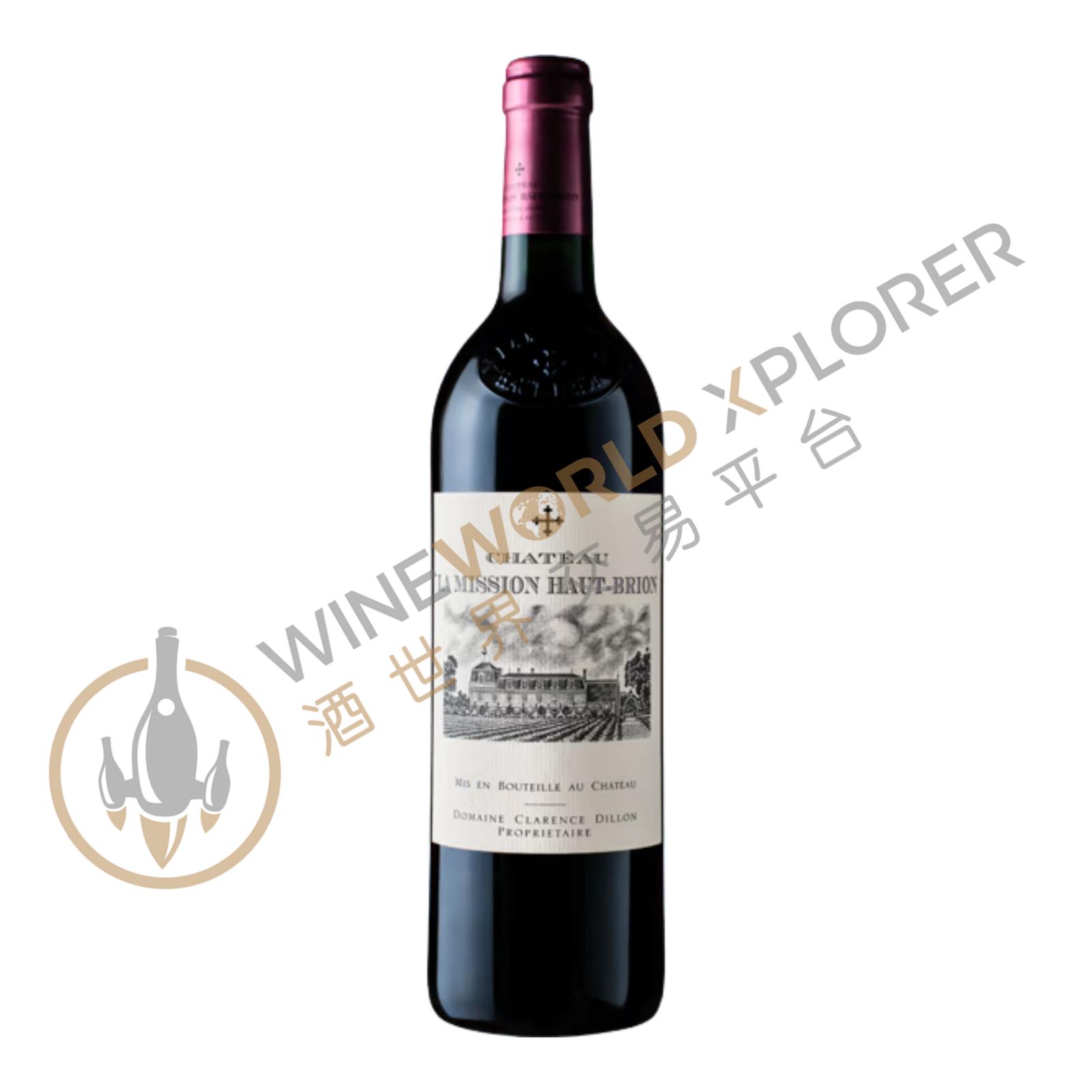
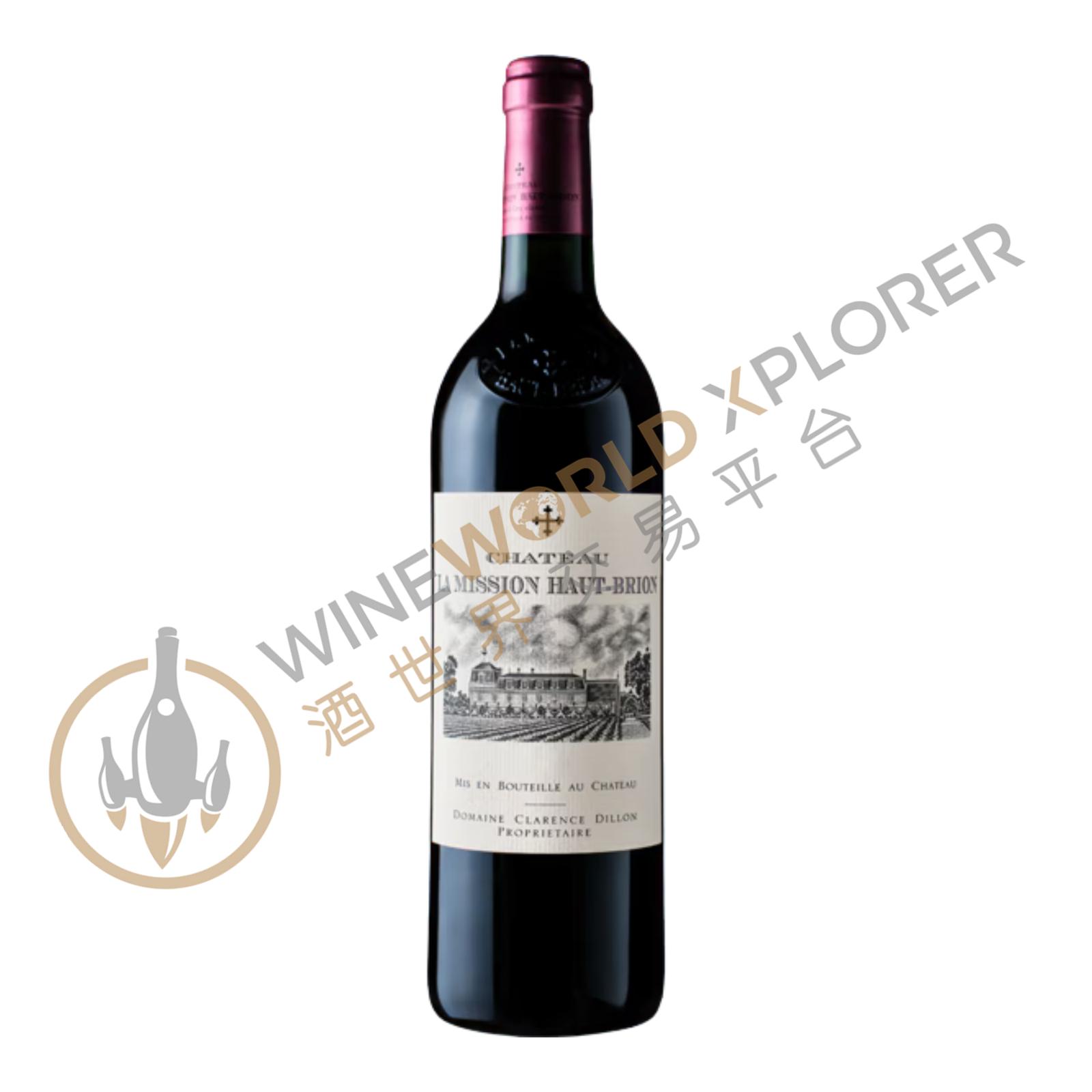
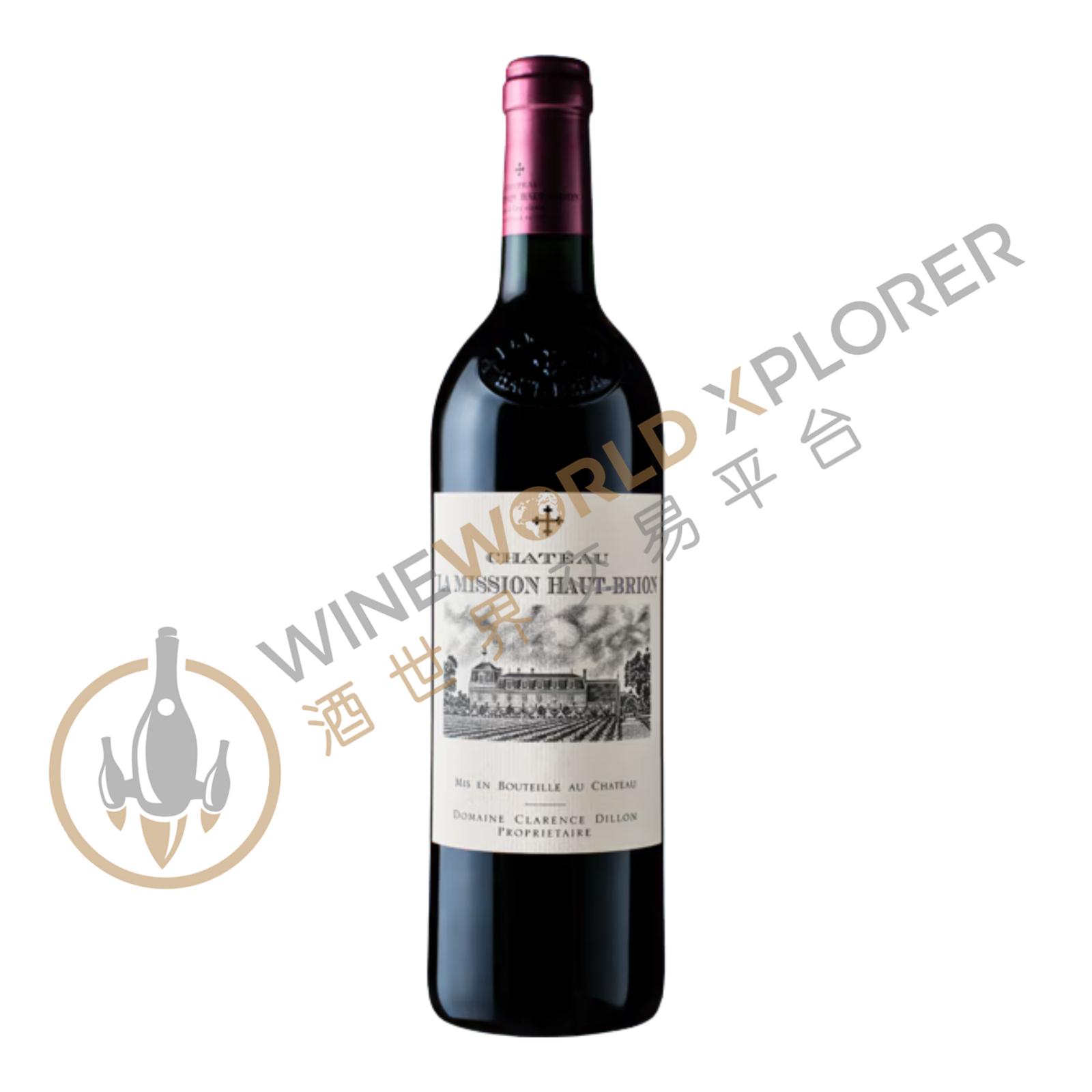
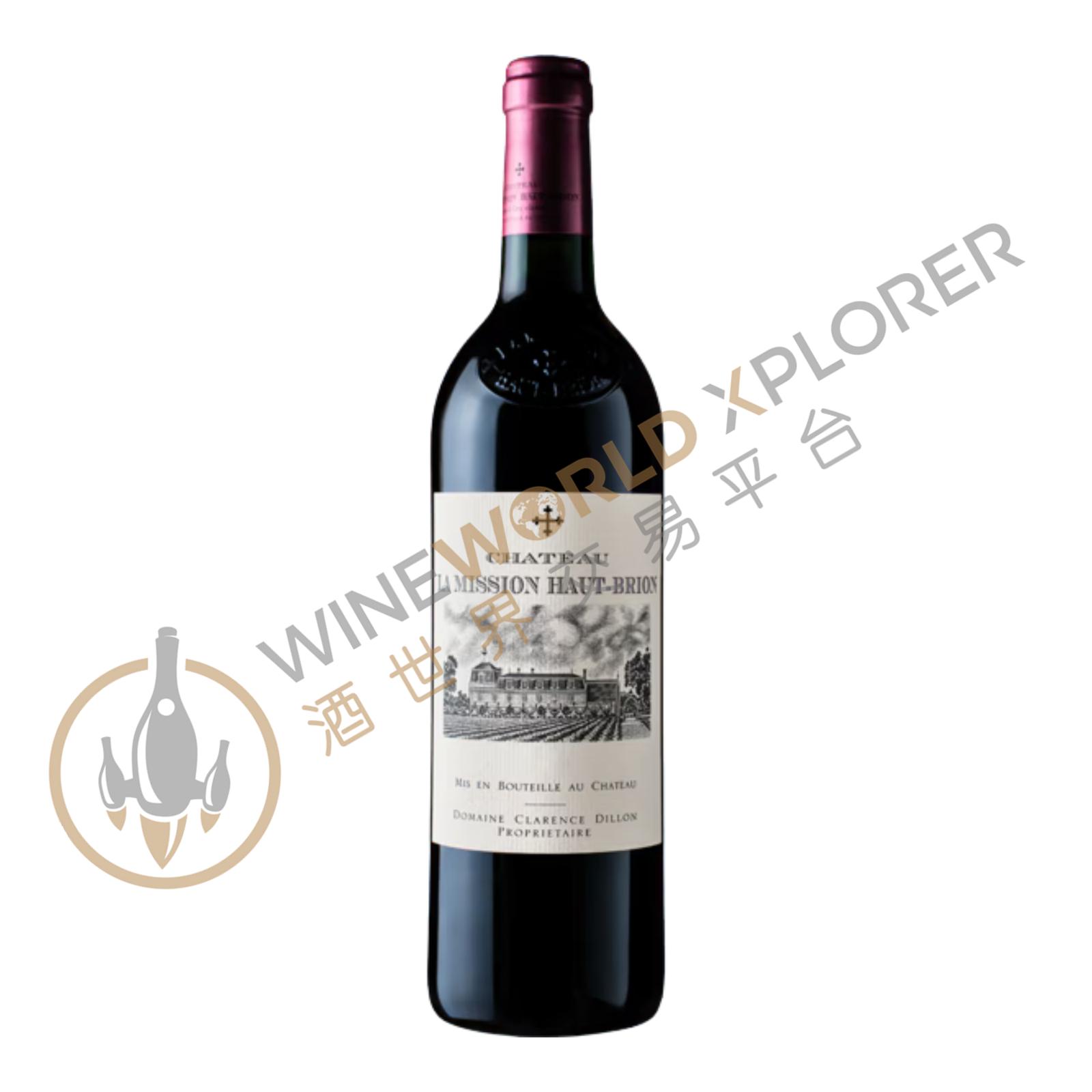
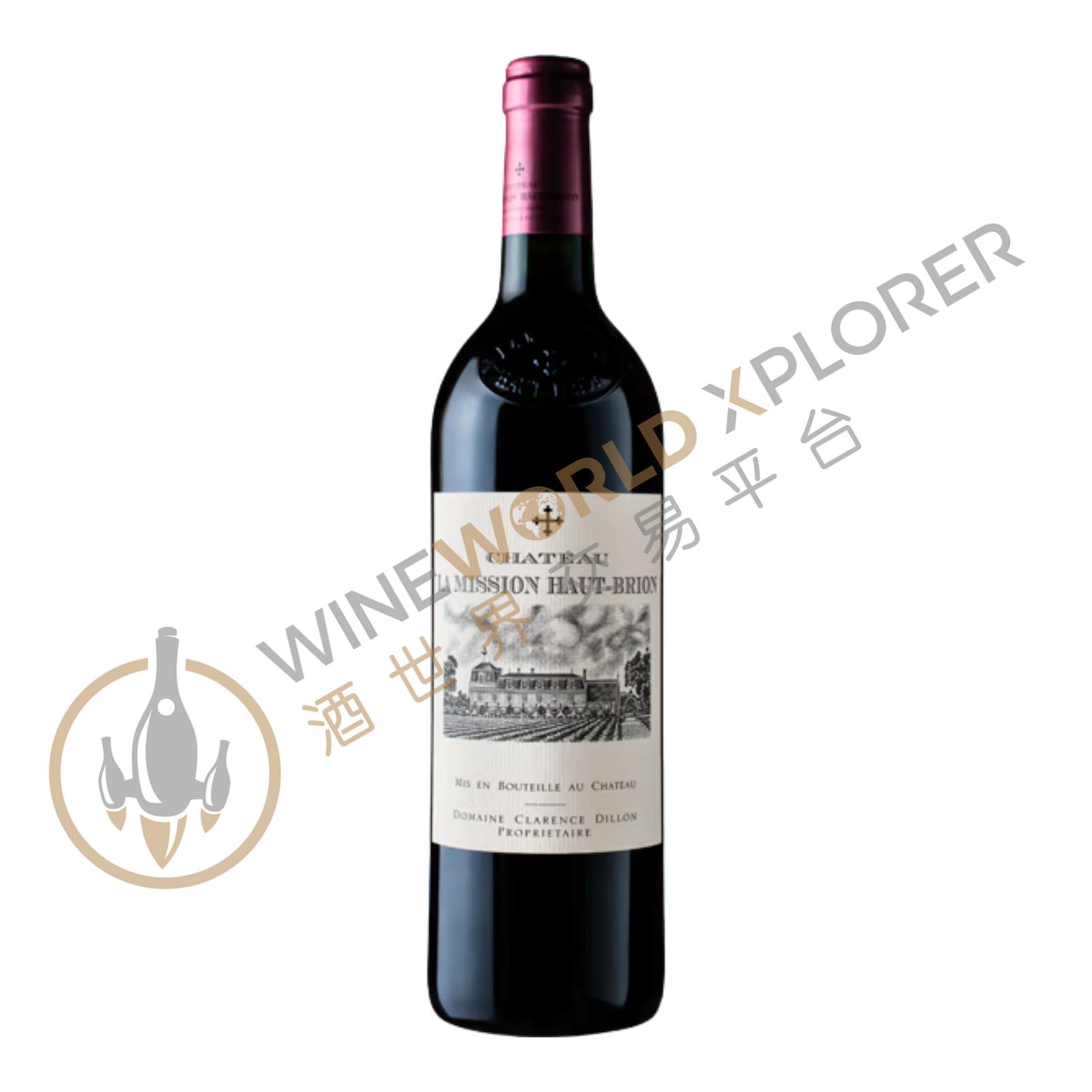
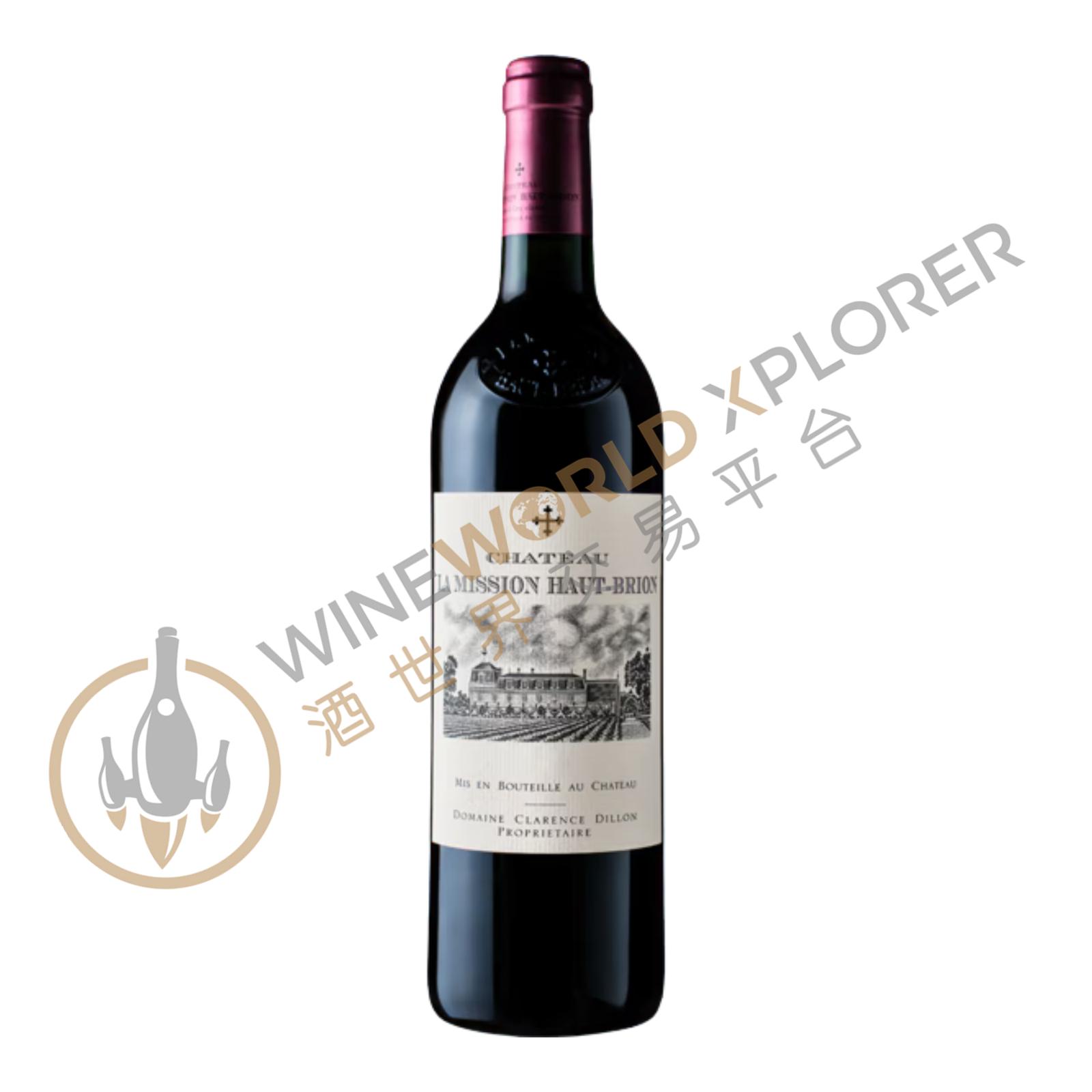
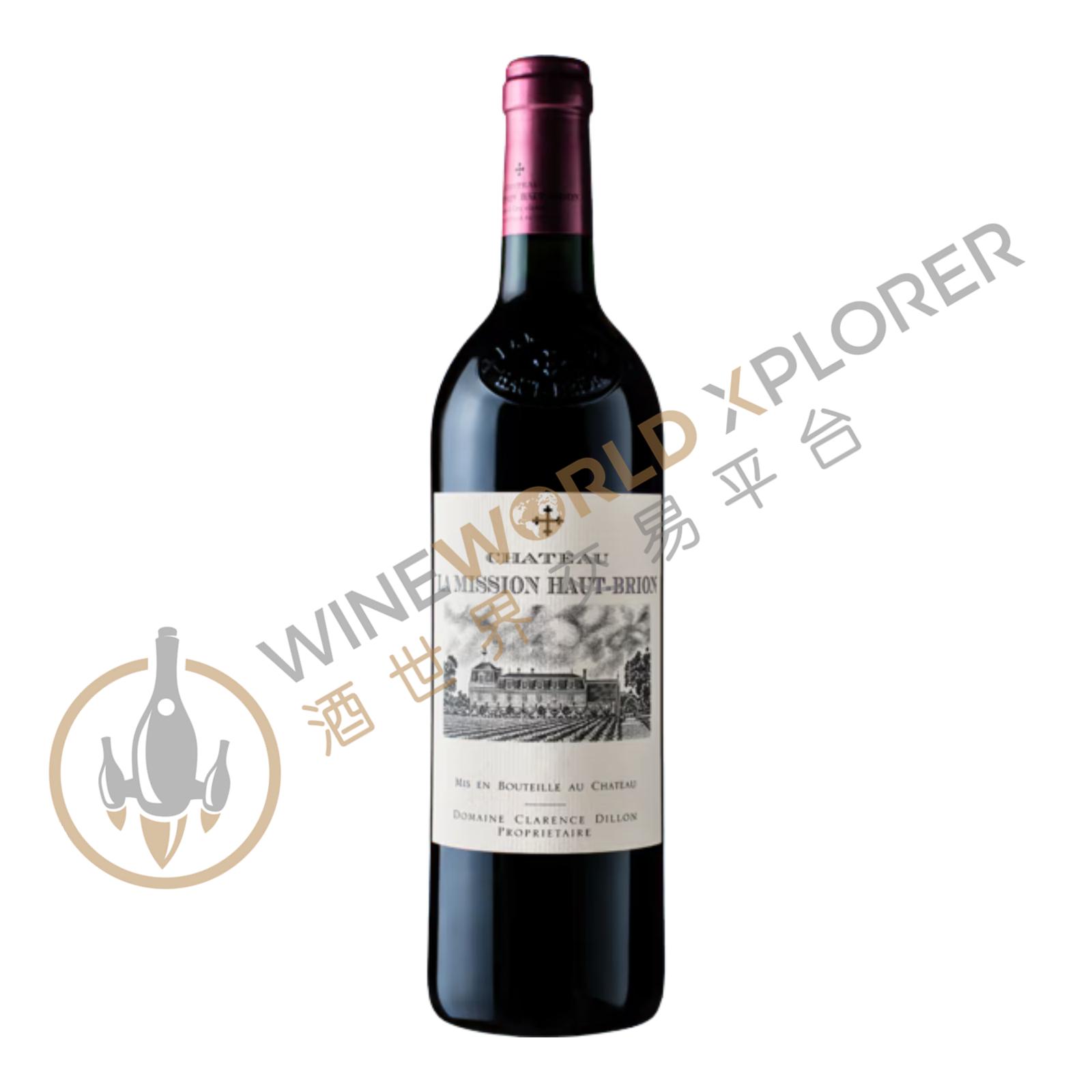
La Mission Haut Brion 1991
 View analysis


Description
Tasting notes

Reviewed by: Neal Martin
Mature in colour with its tawny rim. This has a slightly muffled, leafy, sous-bois nose with just a hint of wild mint. The palate is medium-bodied, soft in texture, leafy, a decayed elegance. Simple finish. Medium-length. Good for the vintage and has certainly held up well. Drink now-2015. Tasted May 2008.
Reviewed by: Robert M. Parker, Jr.
La Mission enjoyed considerable success in the 1991 vintage. This deep ruby-colored wine boasts a fragrant, smoky, mineral, and berry-scented nose. Suave, elegant, and rich, with noticeable fatness to its harmonious flavors, good balance, and a long, medium-bodied finish, the wine exhibits fine ripeness, and a tasty, aromatic personality. This precocious La Mission should drink well for the next 6-10 years.
Reviewed by: Neal Martin
Impressive wine for 1991. Dark ruby. Blackcurrant minerally nose. Soft black fruits, delicate tannins and a surprising sappy. Medium bodied. Fine. Tasted July 1999.
Reviewed by: Neal Martin
Tasted at the evening dinner in Southwold. The La Mission ’91 has always been a respectable wine for this off-vintage. Here it repeats its performance in 2008 with a rustic, tertiary, sous-bois scented bouquet. The palate is well balanced, quite elegant but simple with leafy dark berry fruits and a touch of black tea and bay leaf towards the foursquare finish. It continues to offer delight…if your expectations are not high. Tasted January 2012.
About the Producer
25 hectares of red grape varieties, including Merlot, Cabernet Sauvignon and Cabernet Franc, are planted in the traditional vineyard of the winery; the Werner family's vineyard also has 4 hectares of white grape varieties, including Semillon, Sauvignon Blanc, used for Chateau La Mission Haut-Brion Blanc at different times during the Werner family's reign And the production of the original Chateau Laville Haut-Brion Blanc (Chateau Laville Haut-Brion Blanc). The Werner family's original Chateau La Tour Haut-Brion ceased production after 2005, and the 5 hectares of vineyards it owns are mainly used for the blending of the second red wine of Chateau Meixun. In terms of wine production, the winery will set up screening stations on trucks in the vineyard to screen the manually picked grapes for the first time. Fermentation is then carried out in a stainless steel wine tank equipped with a computer-controlled system that monitors the homogenization and temperature of the wine after measuring the temperature of the pressed grape juice and residue. Clarified with fresh egg whites before bottling, but not filtered.
1982(2)1985(2)1986(2)1987(1)1989(6)1990(4)
Package Size