Wine Advisor



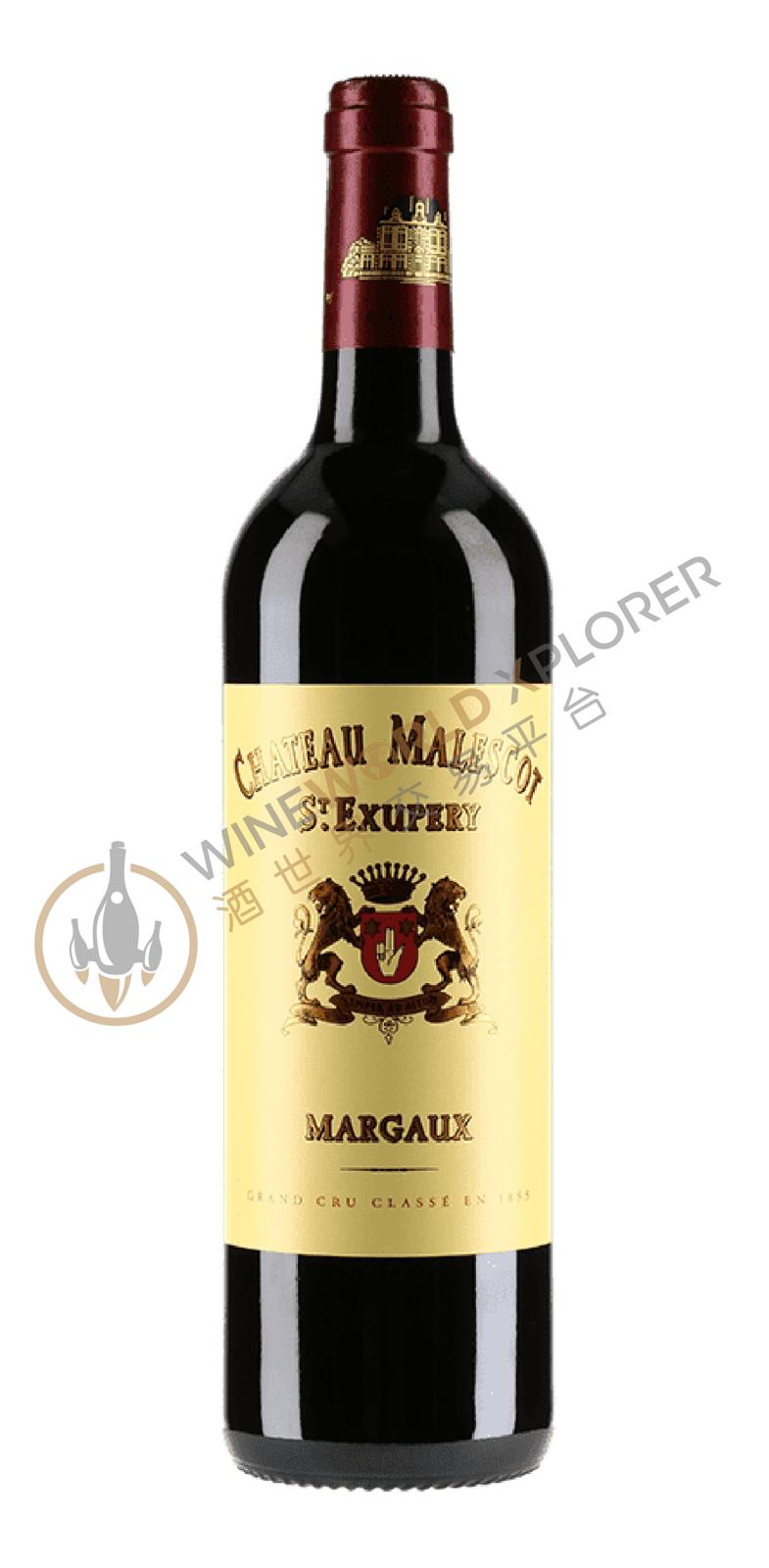
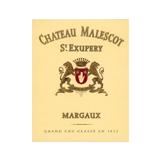
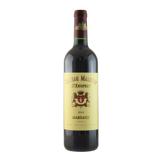
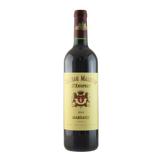
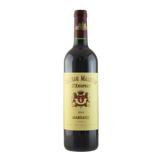
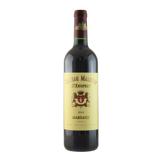
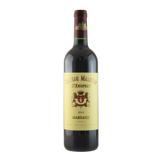
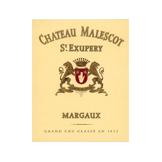
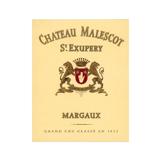
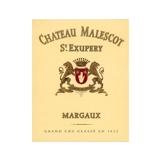
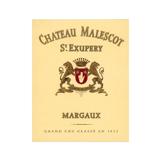
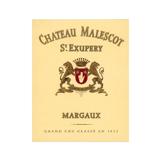
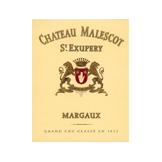
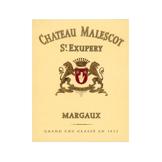
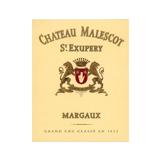
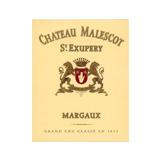
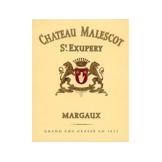
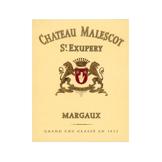
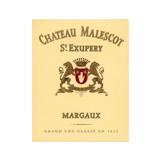
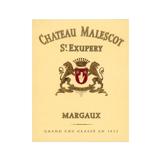
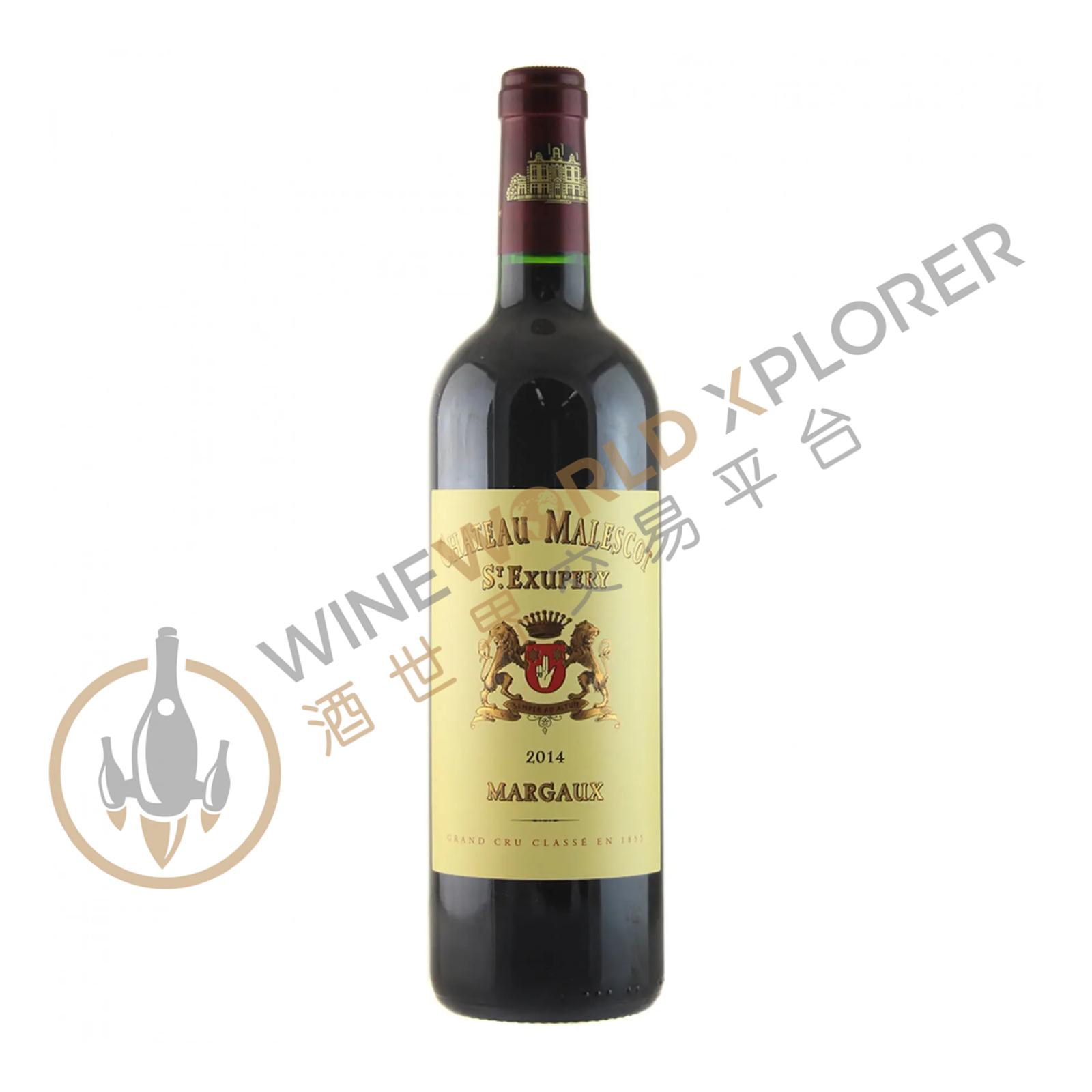
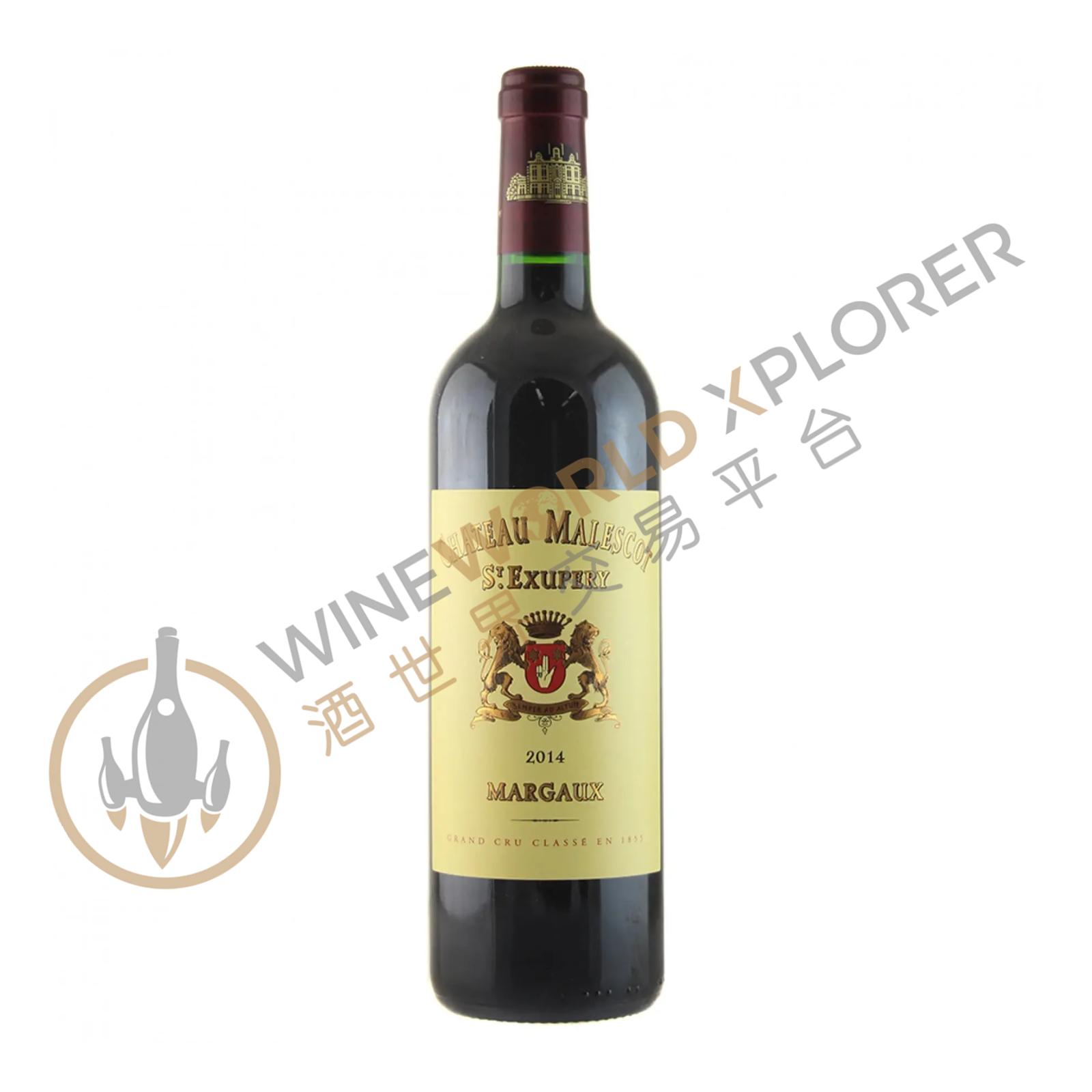
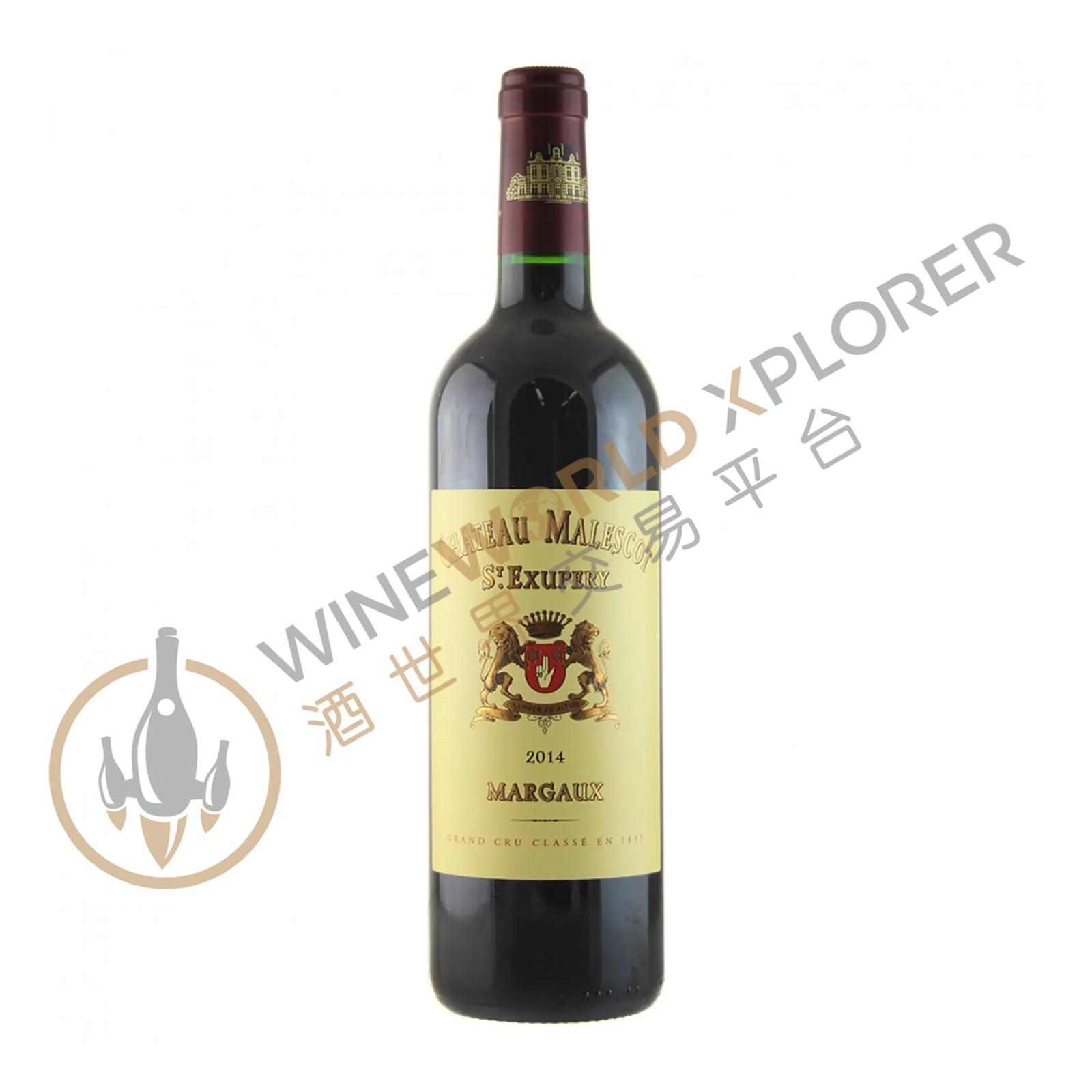
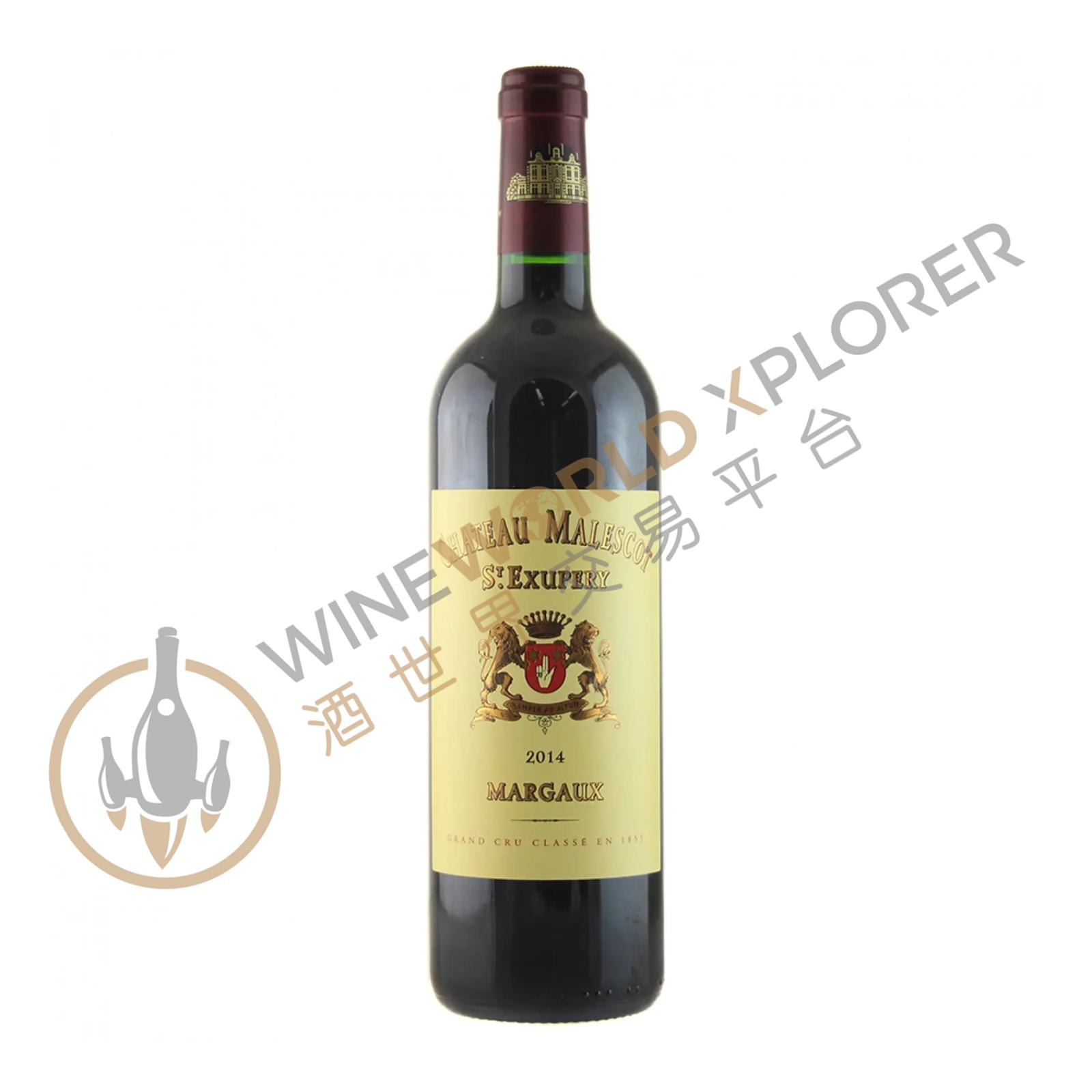
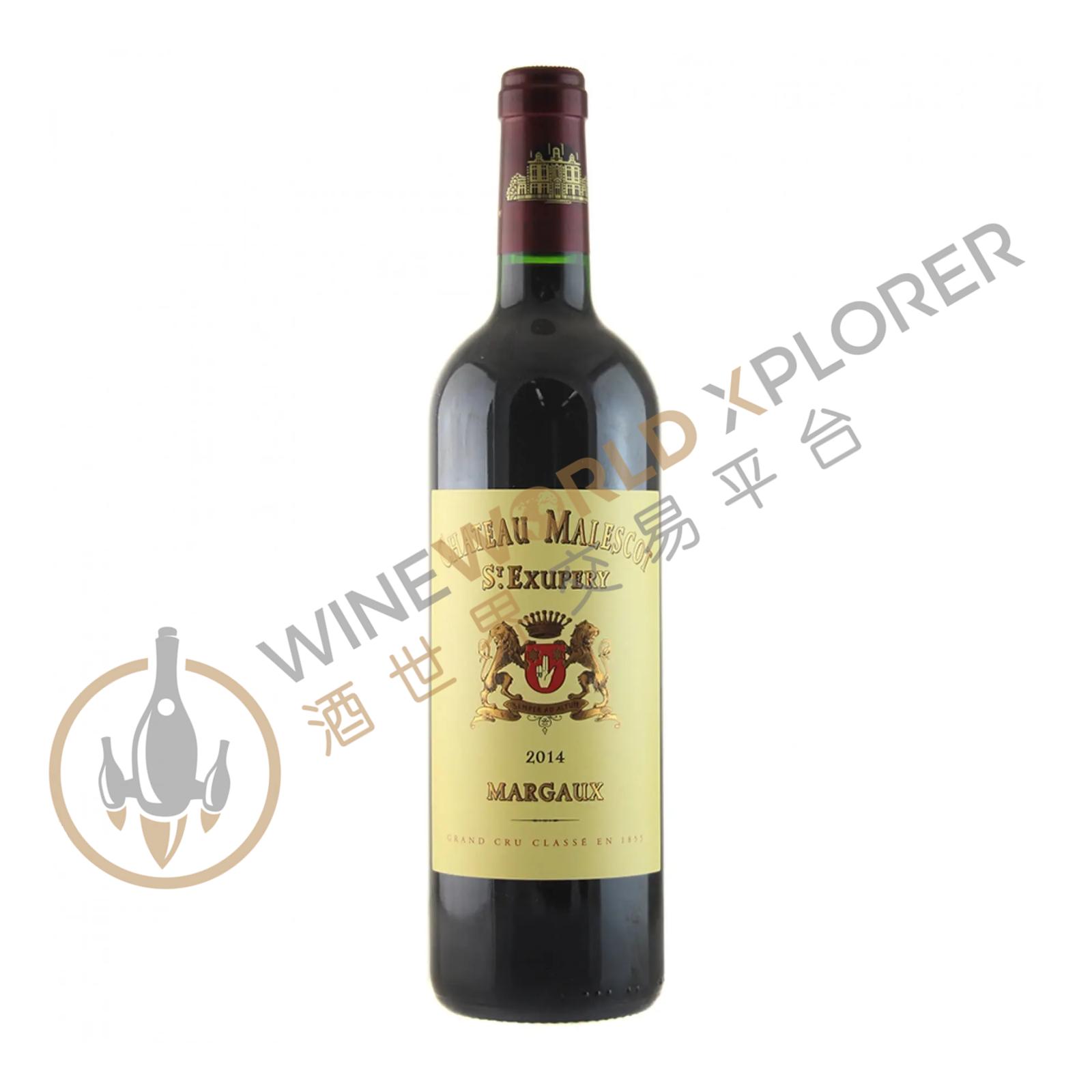
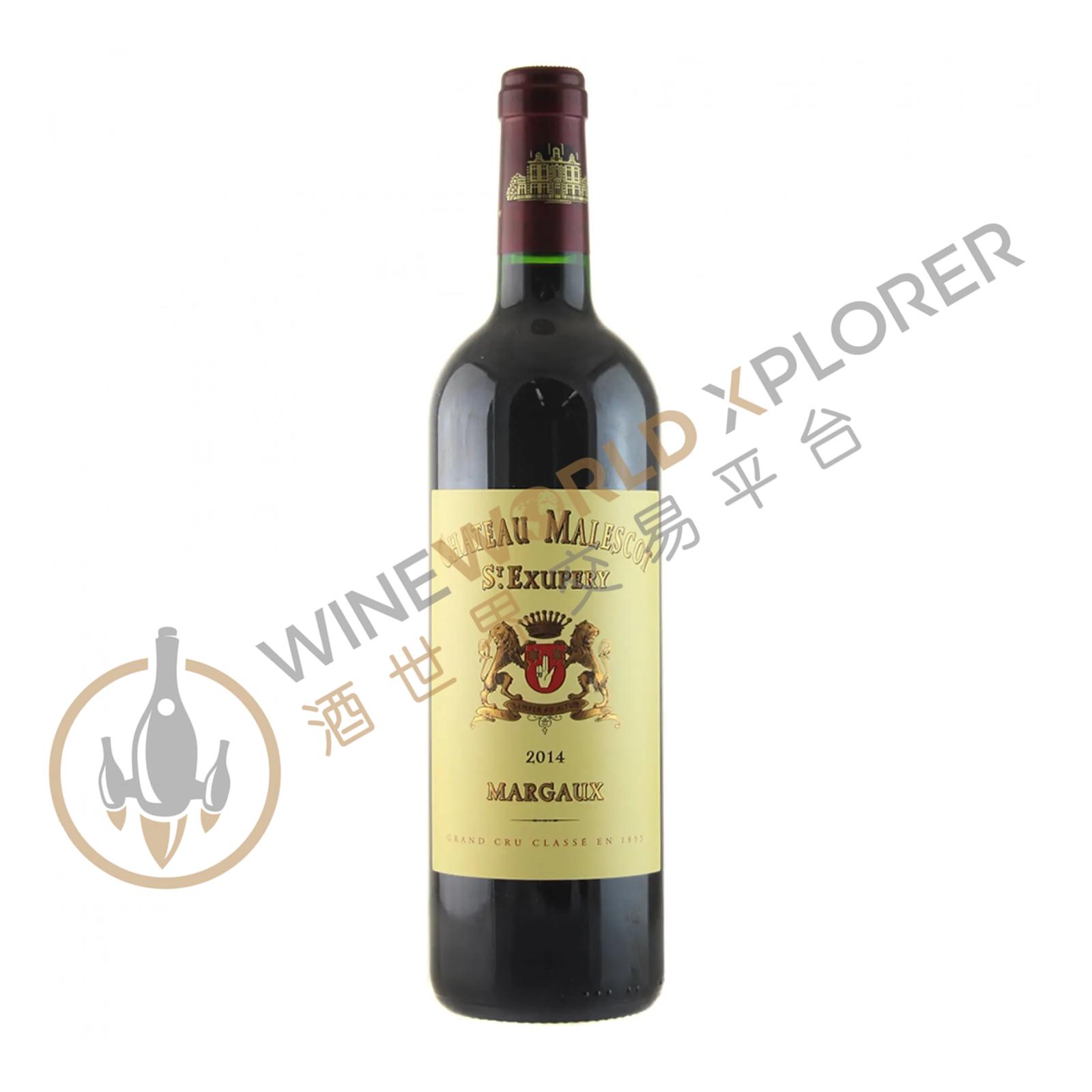
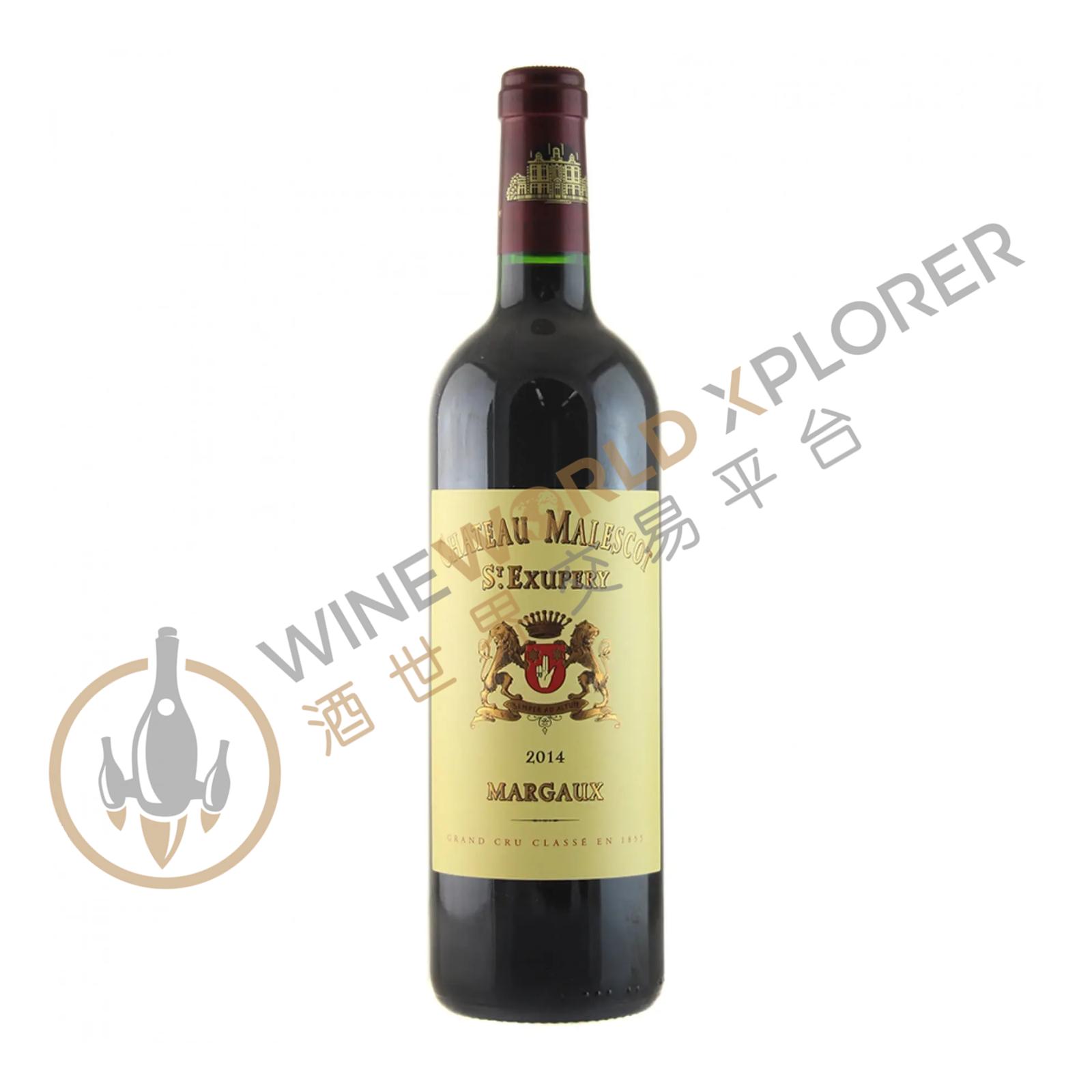
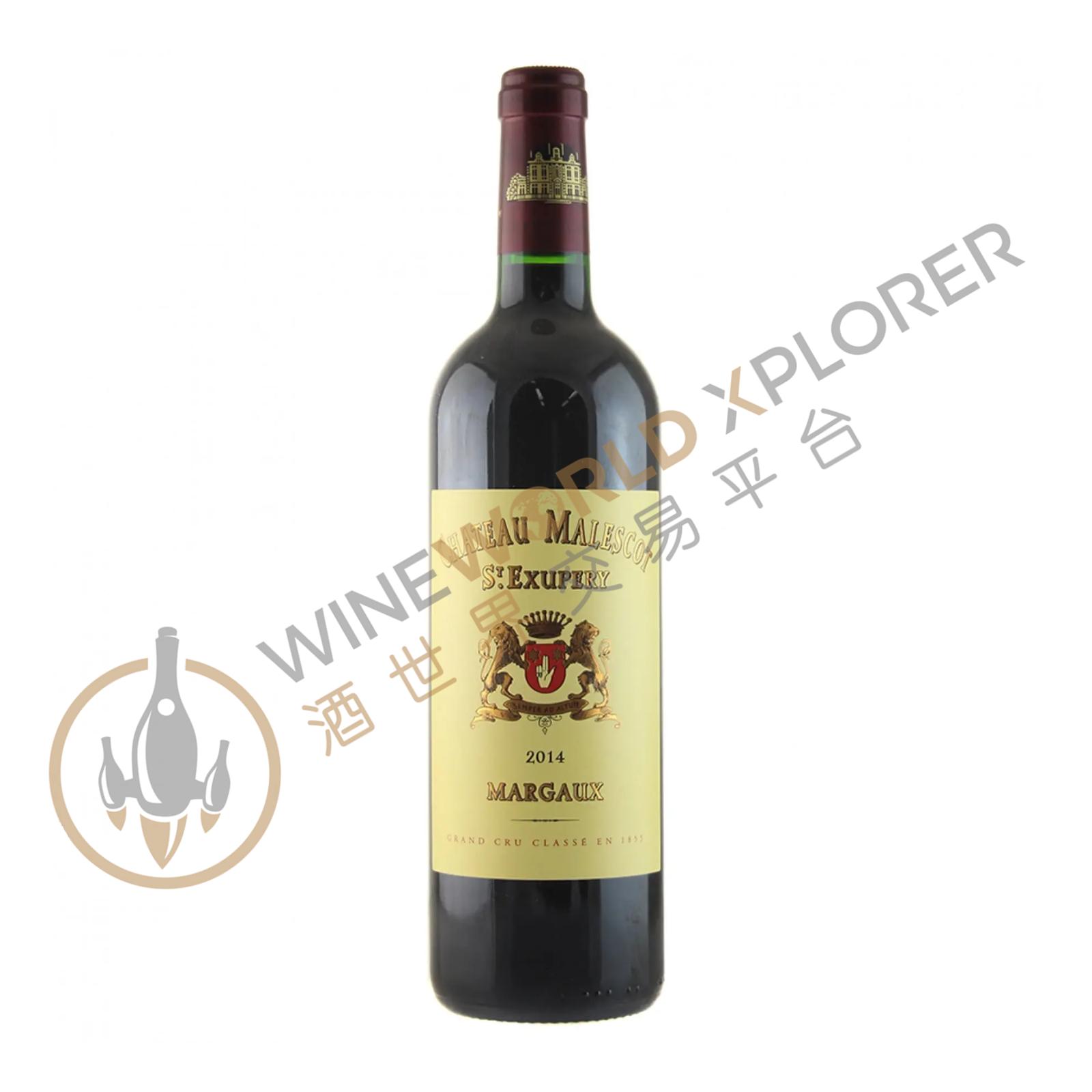
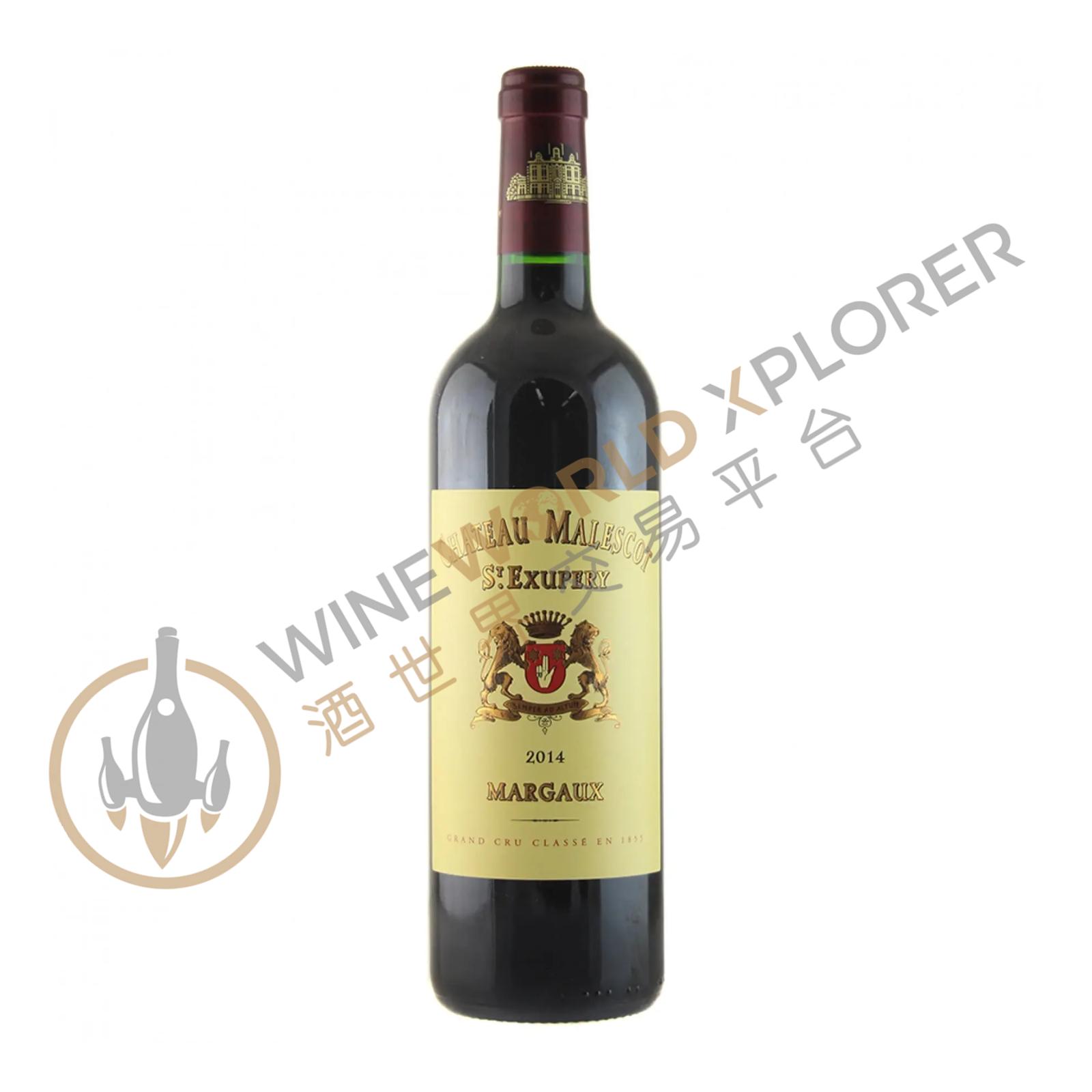
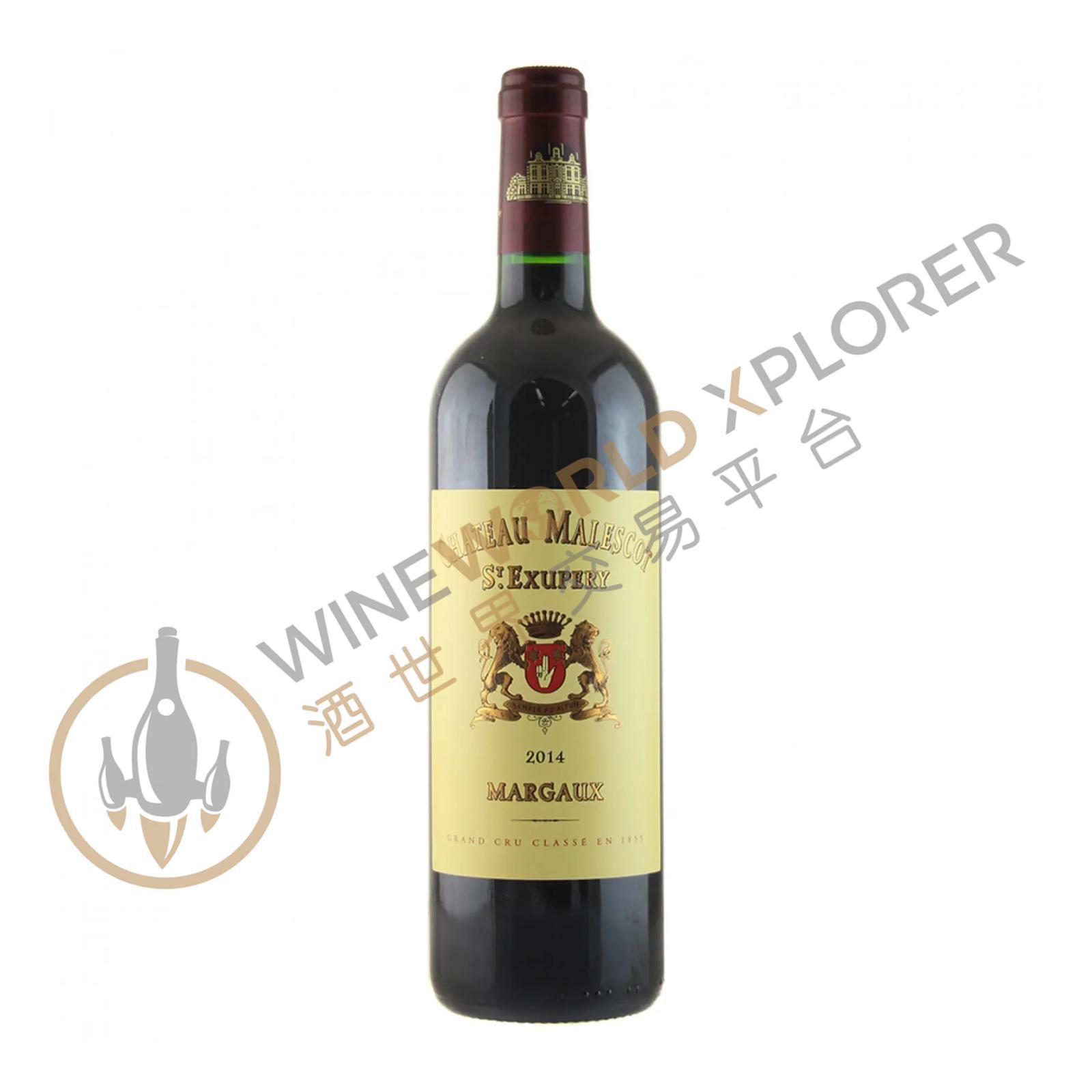
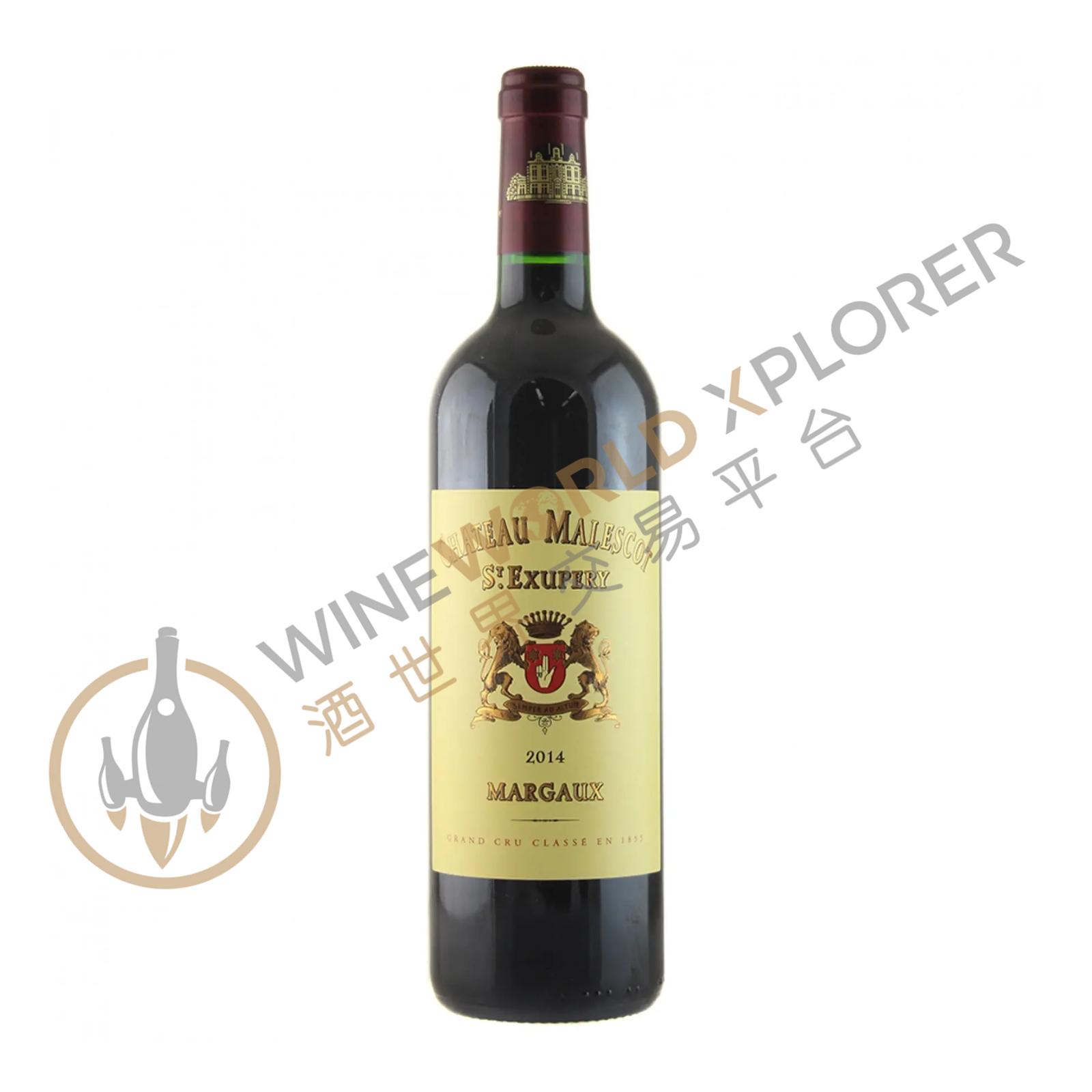
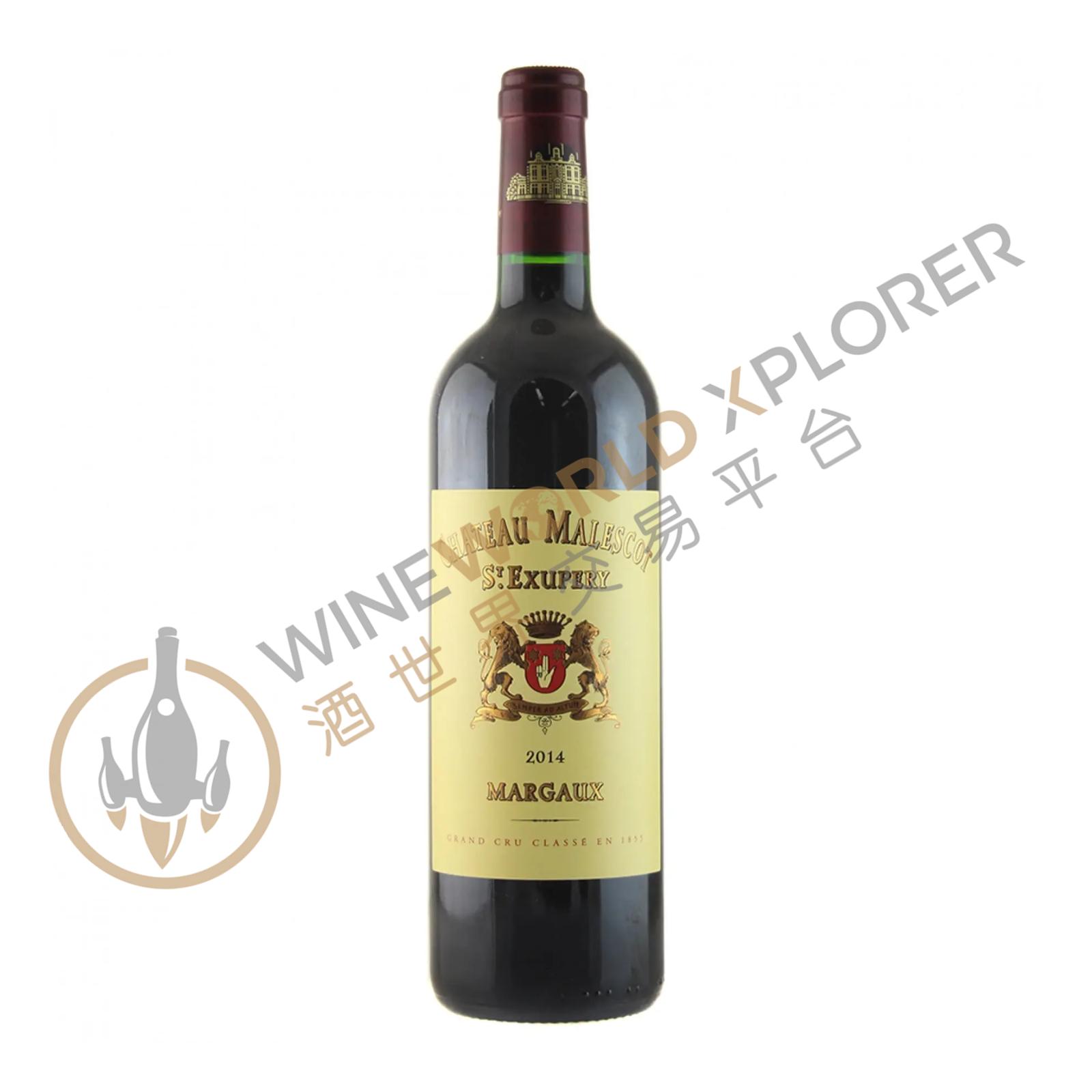
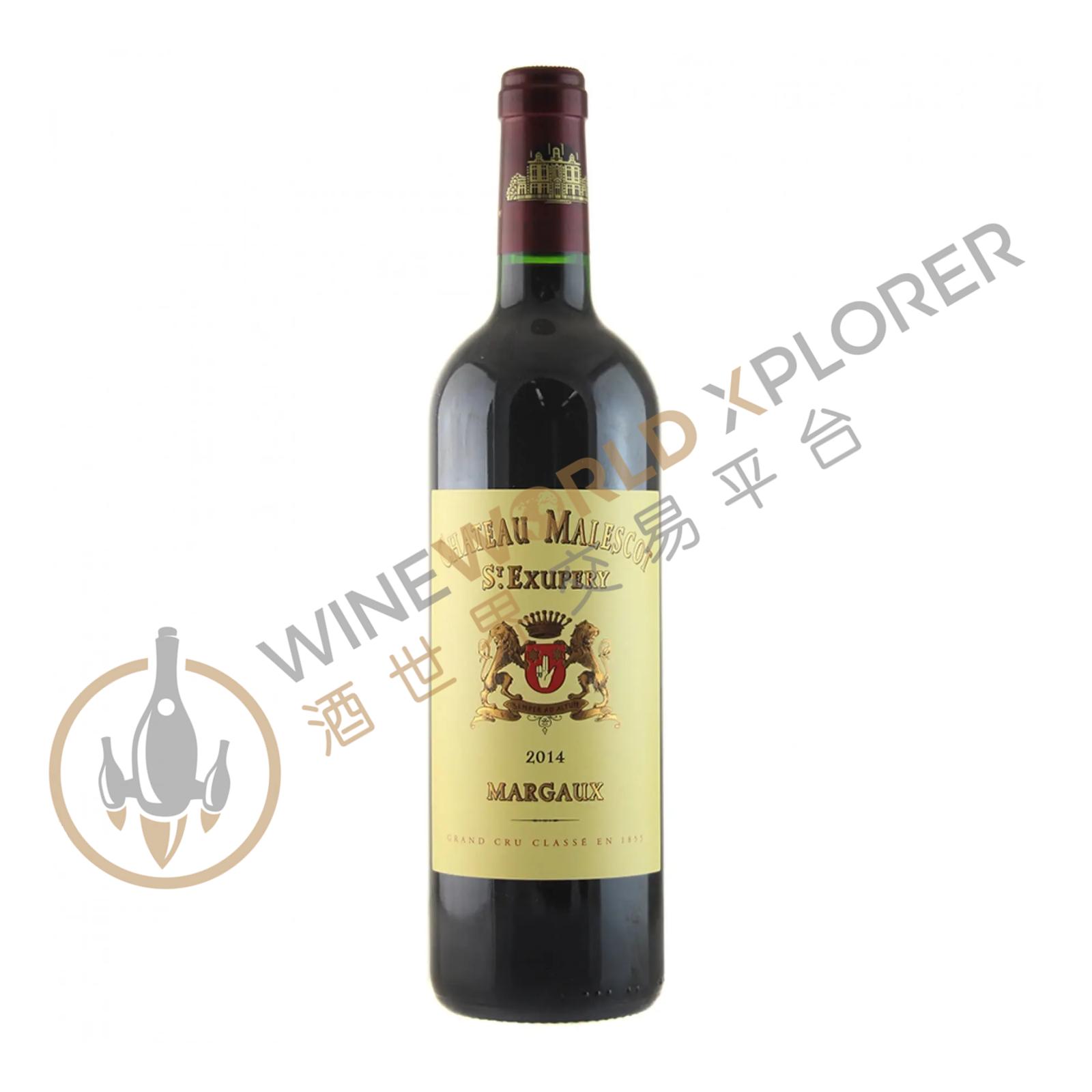
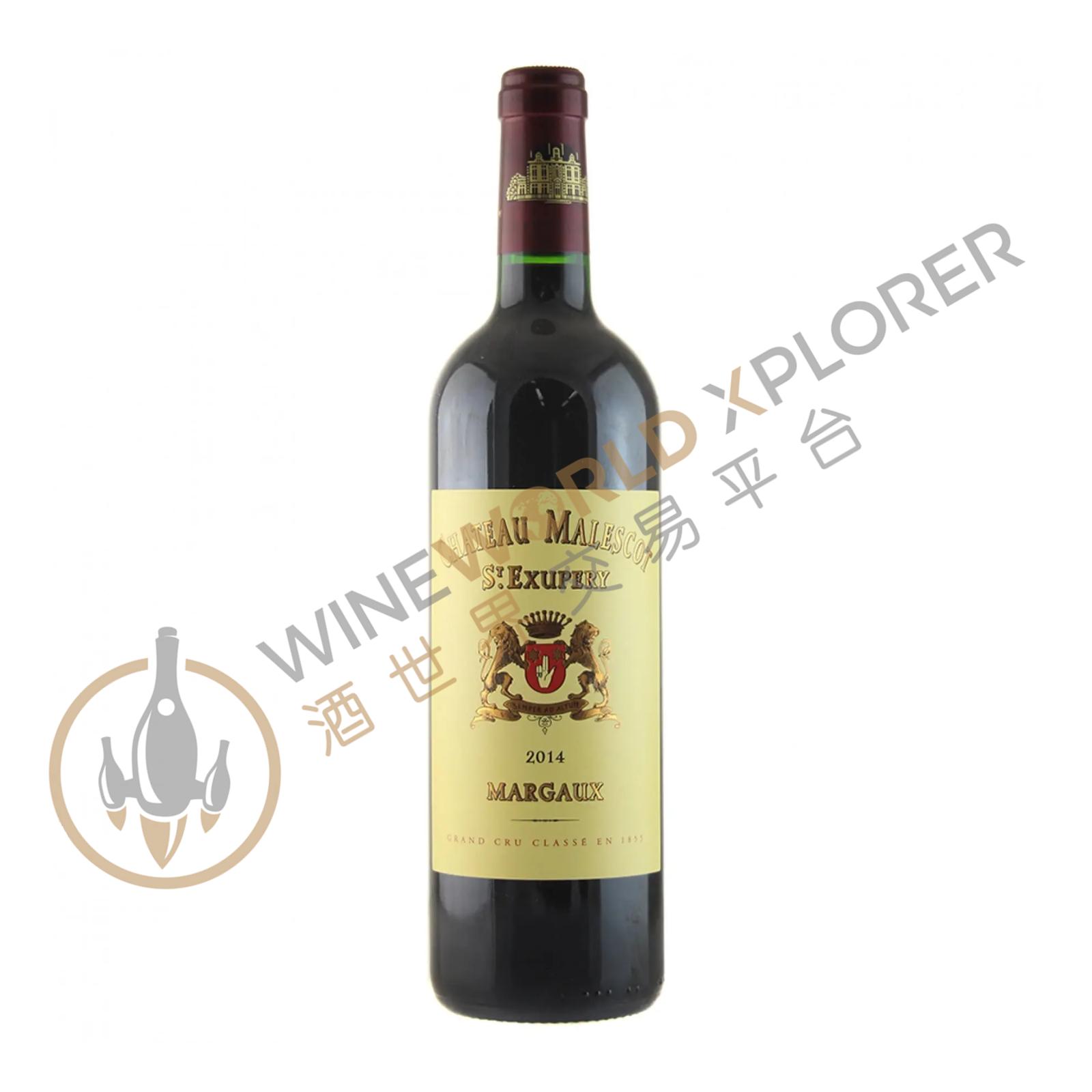
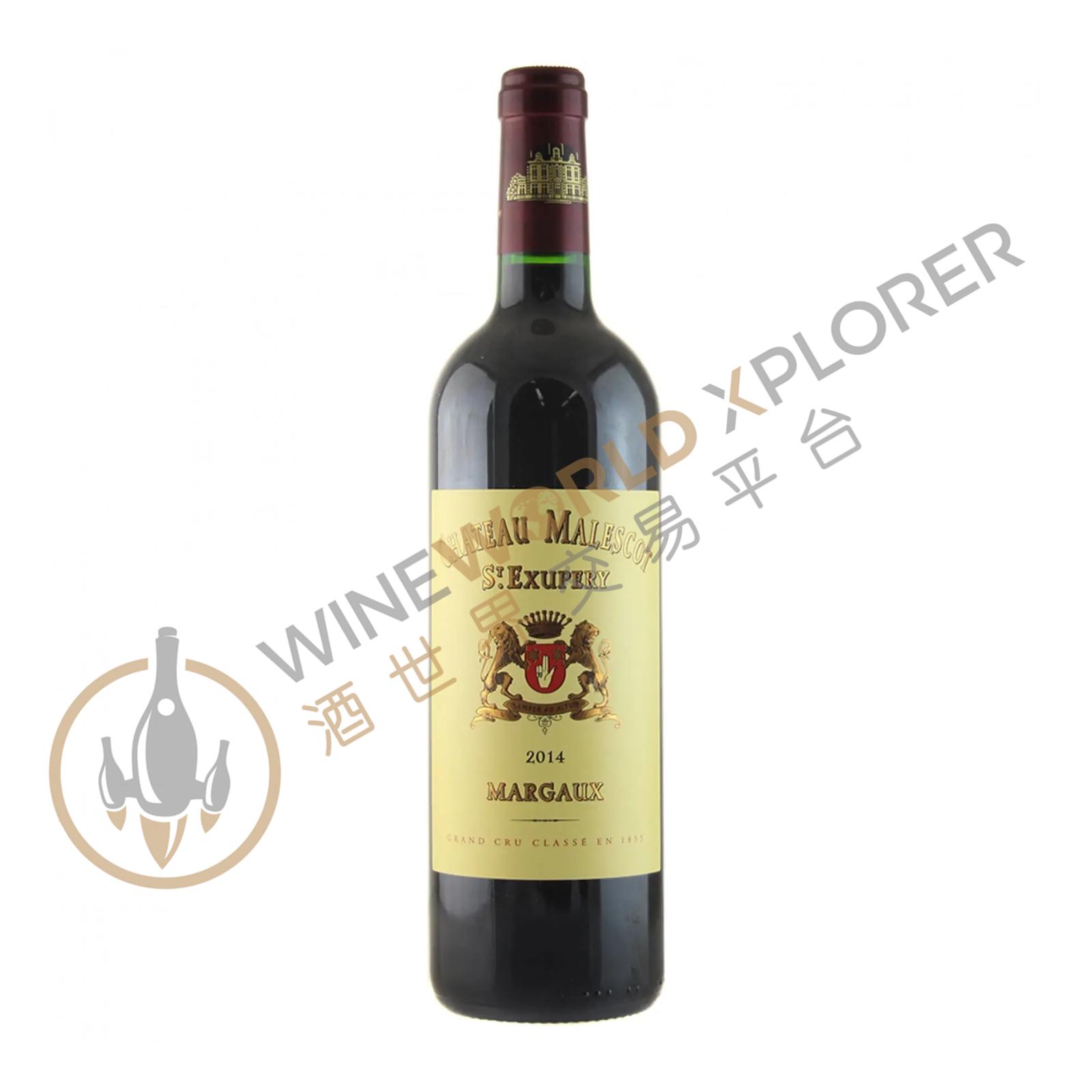
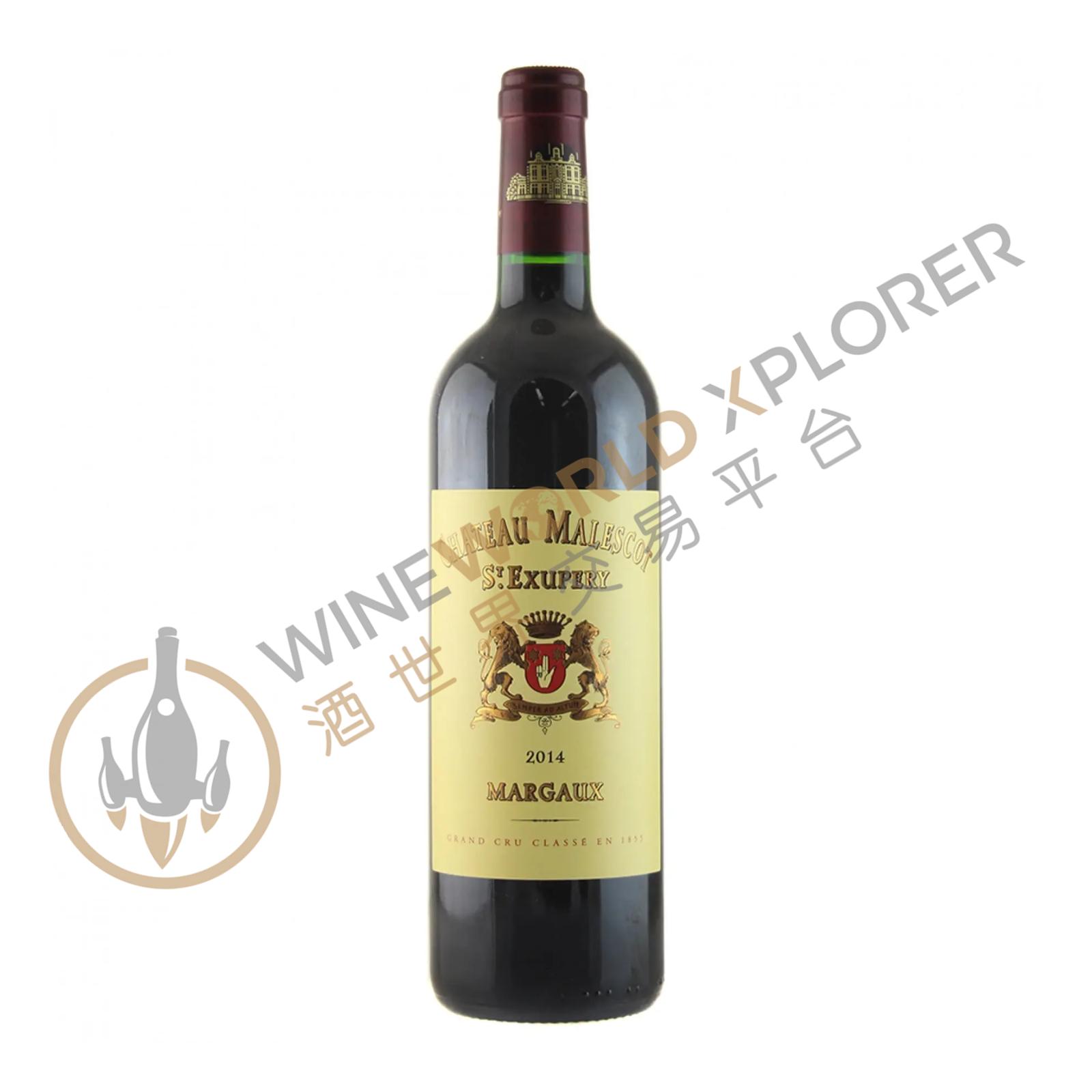
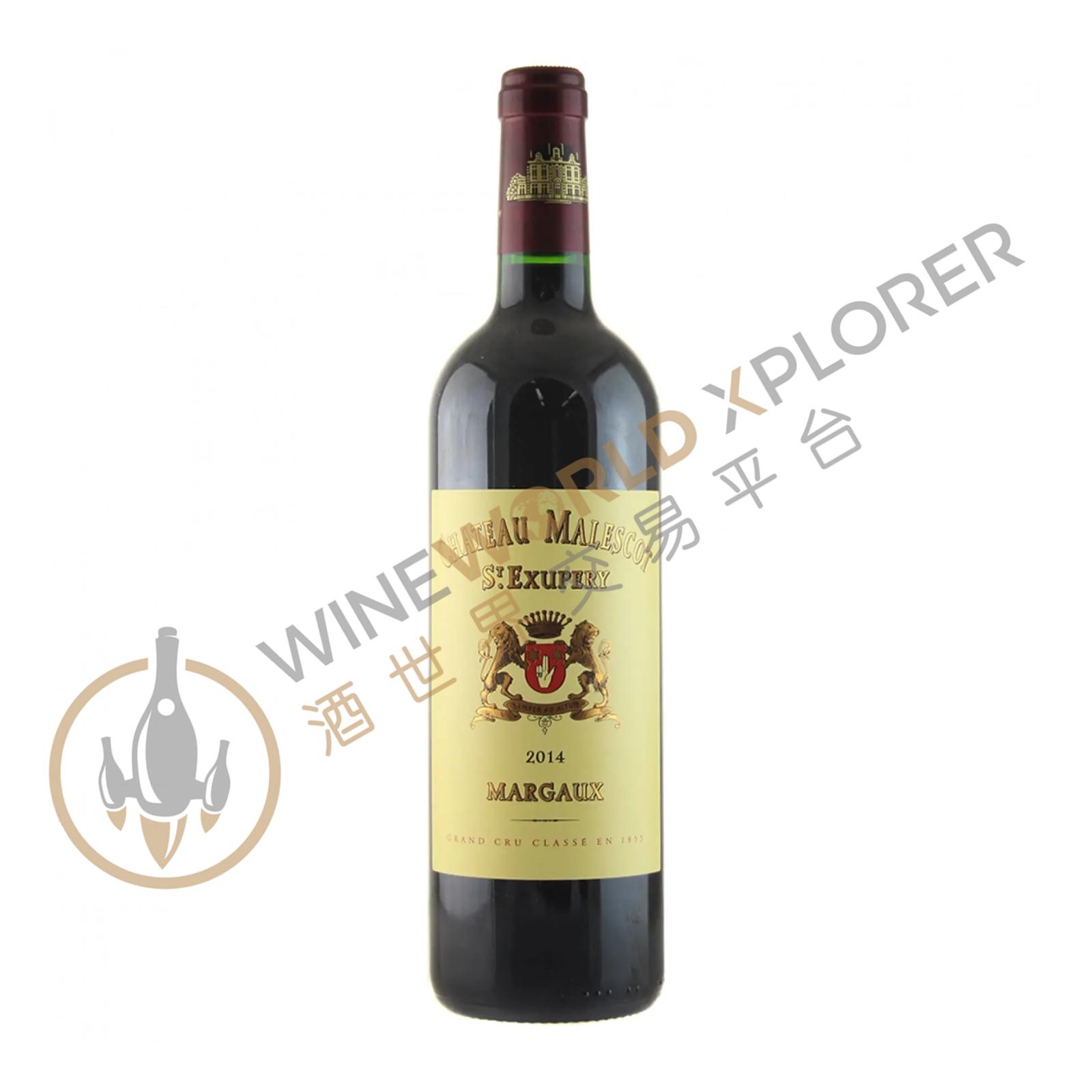
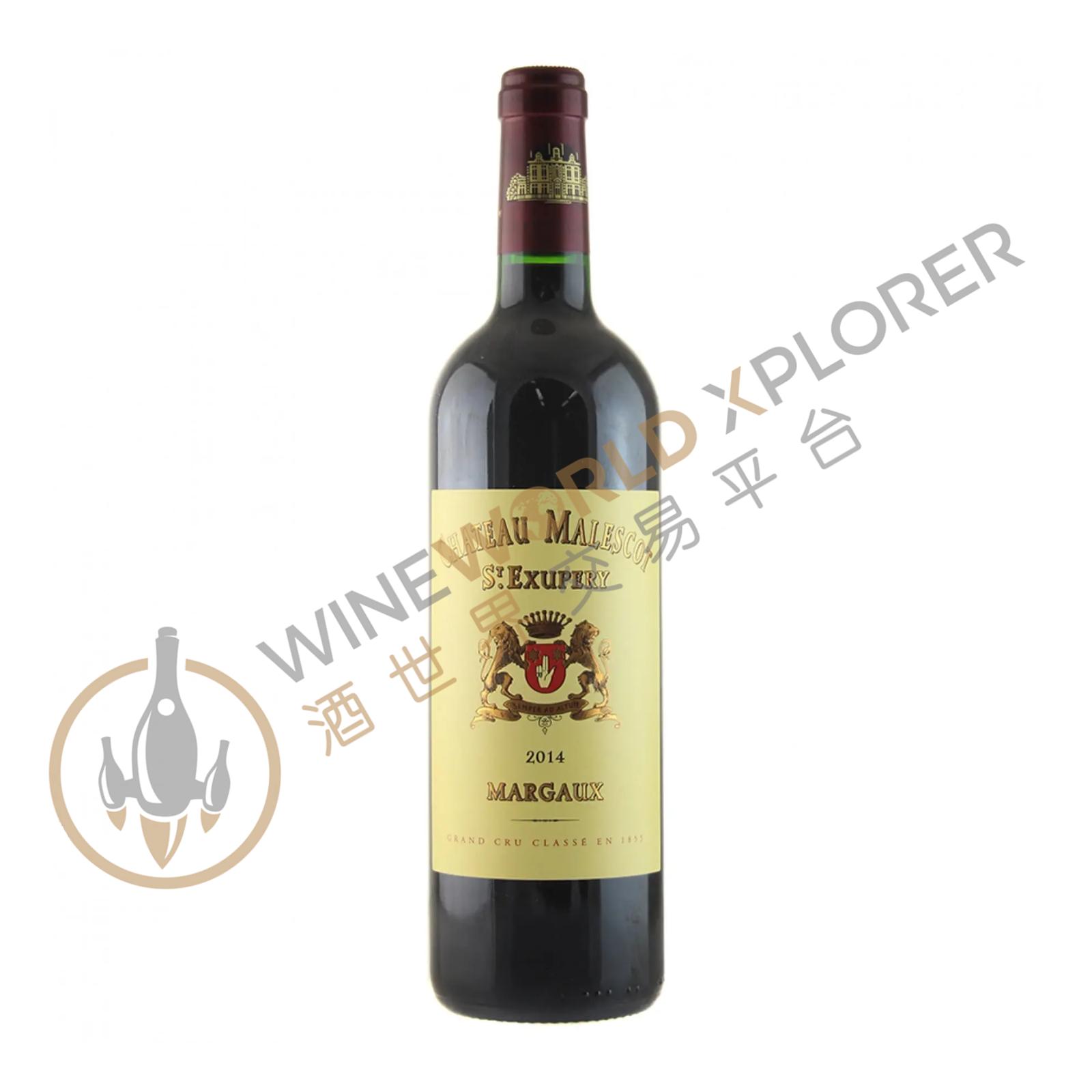
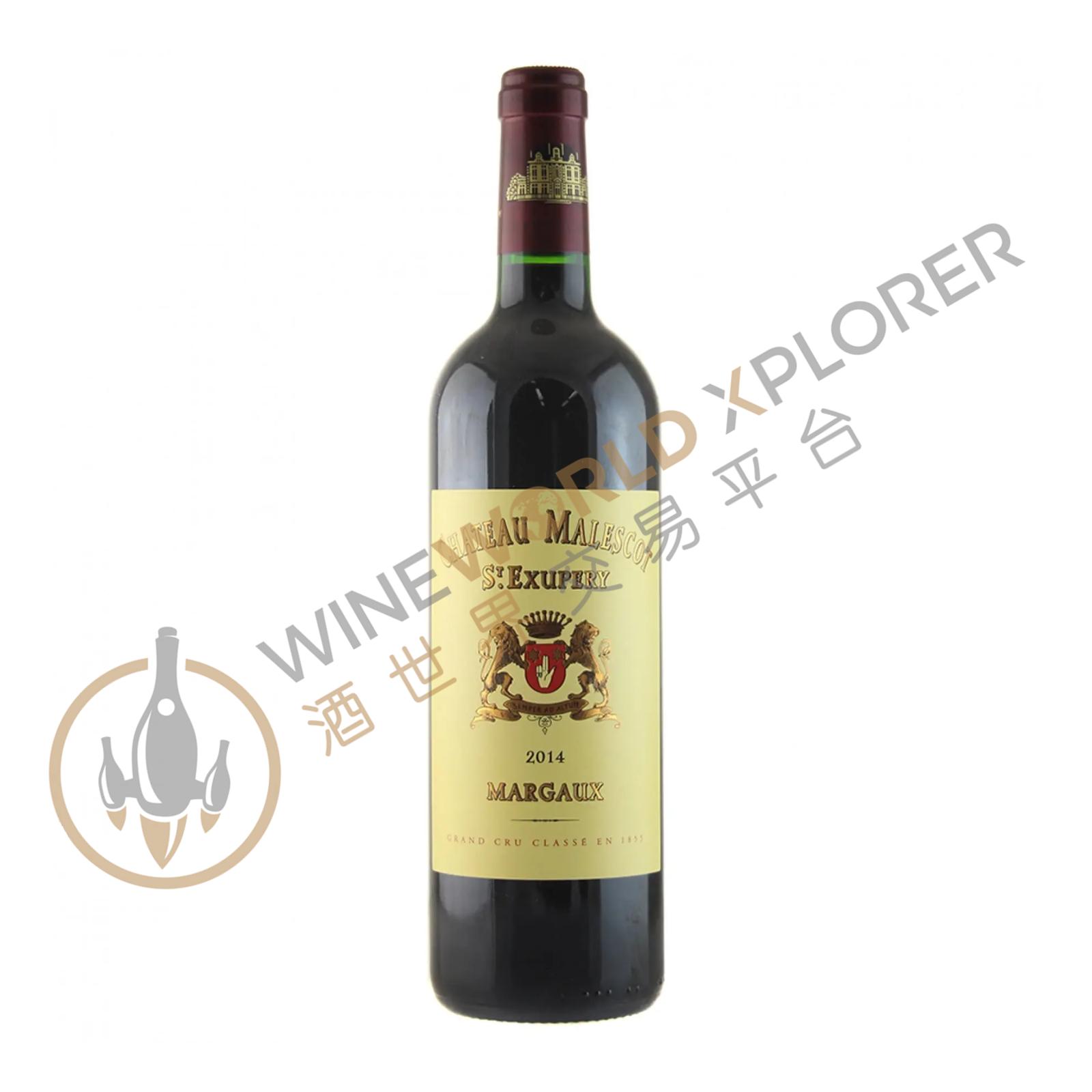
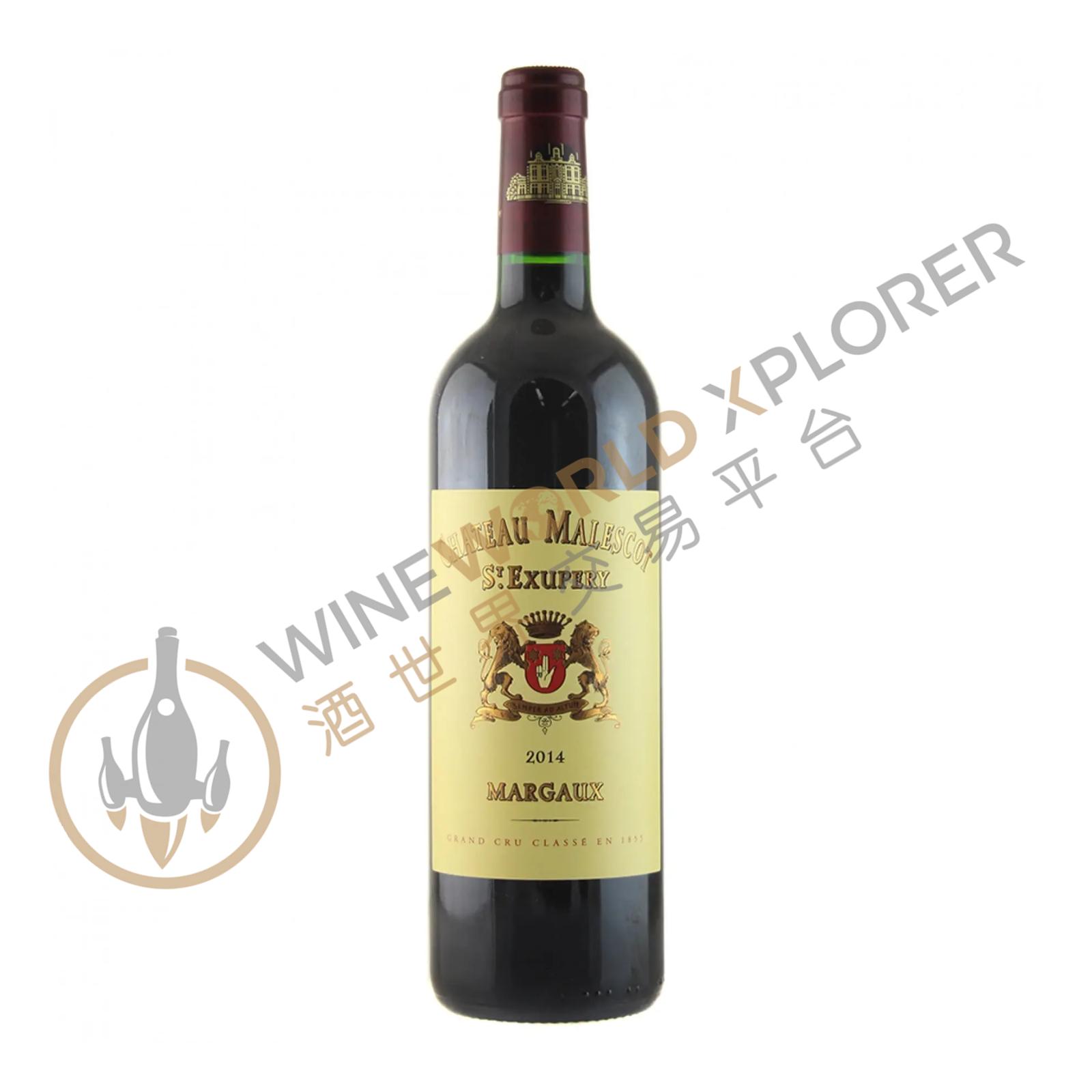
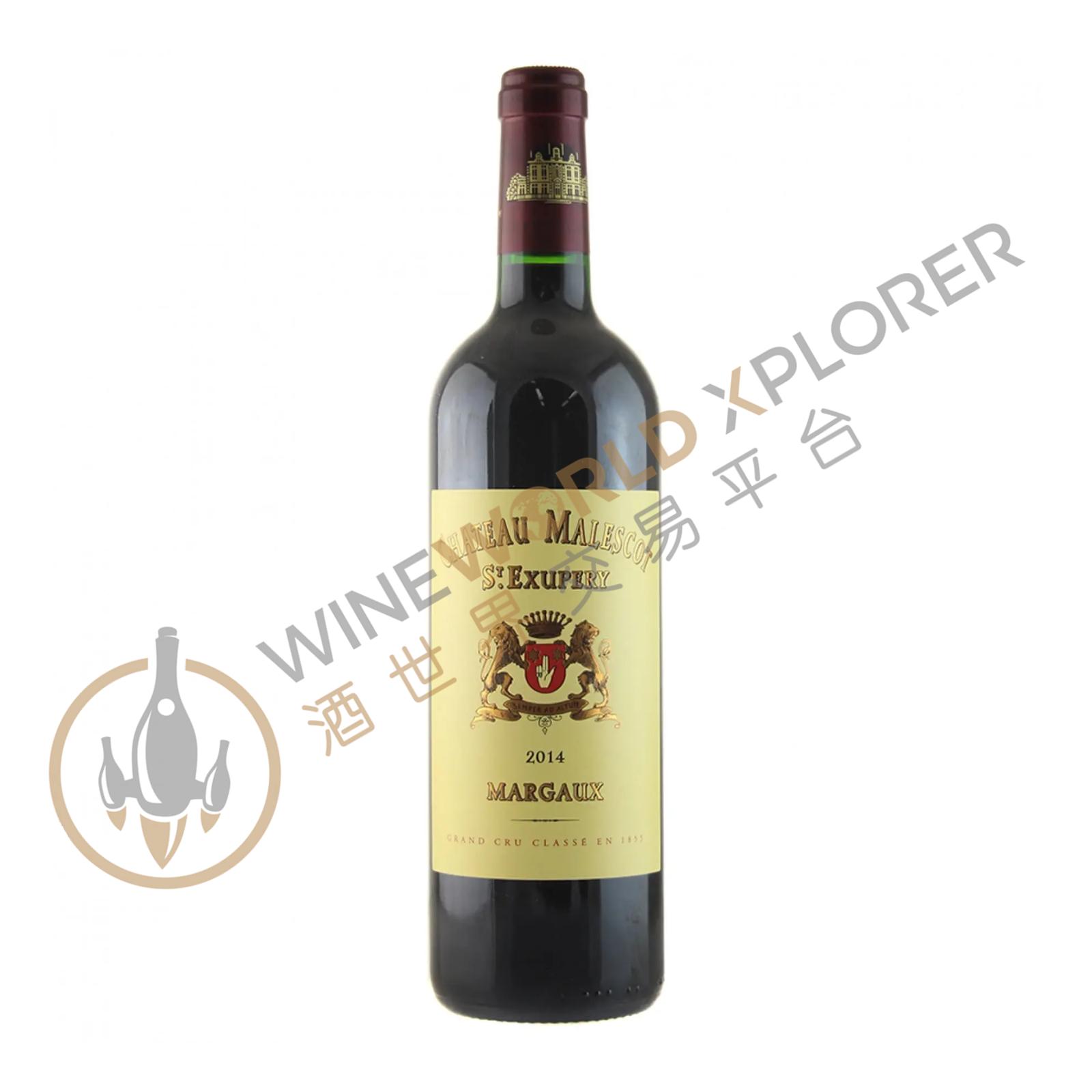
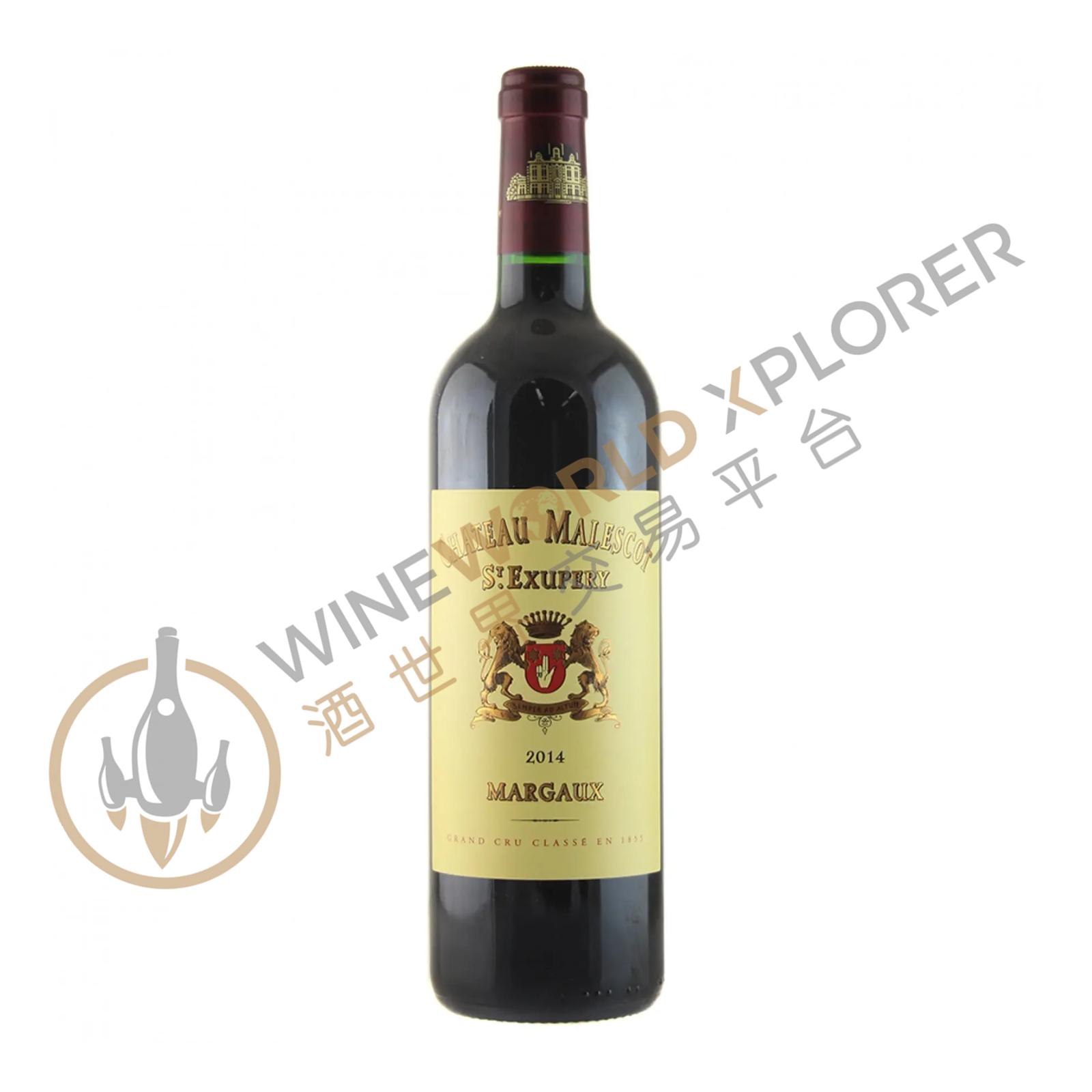
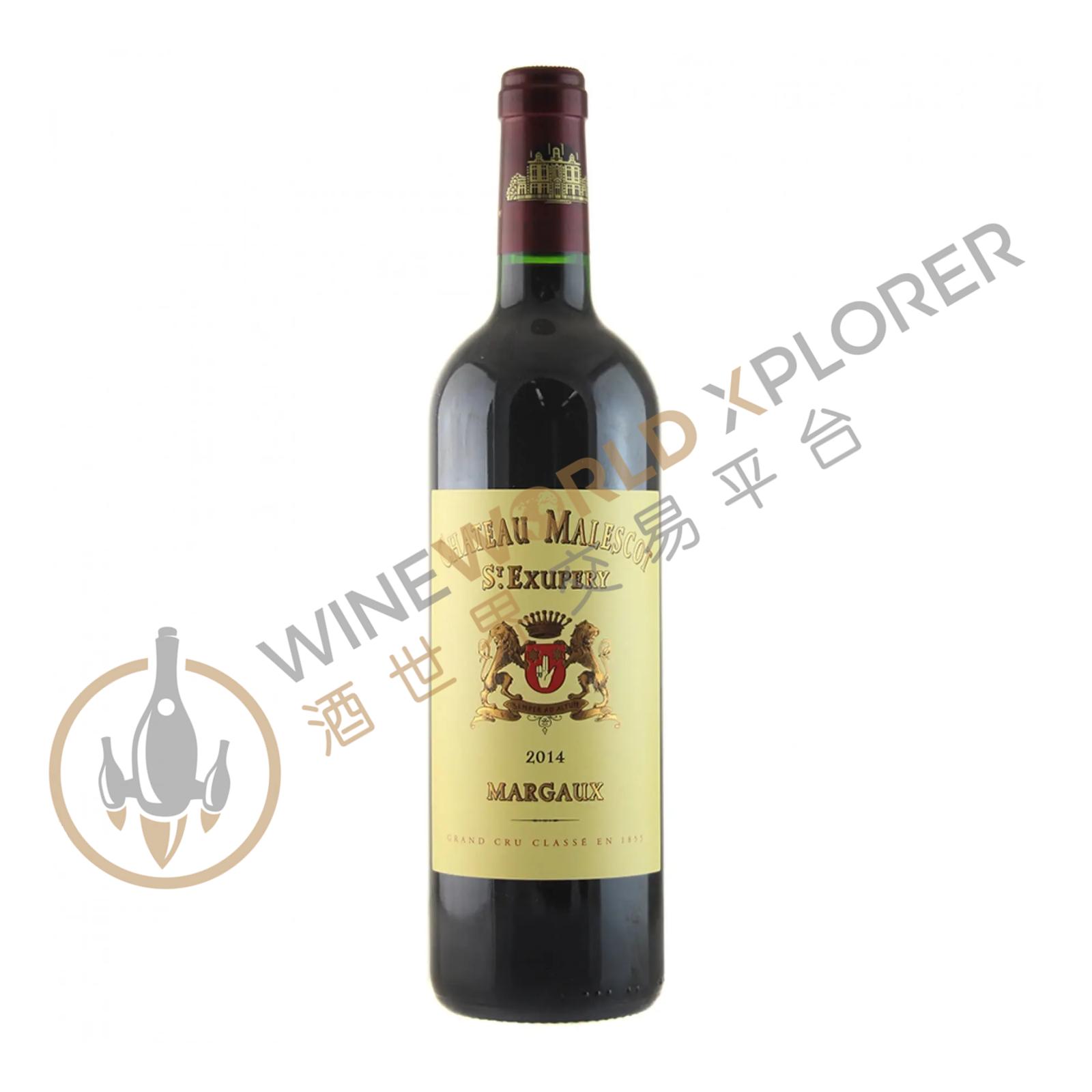
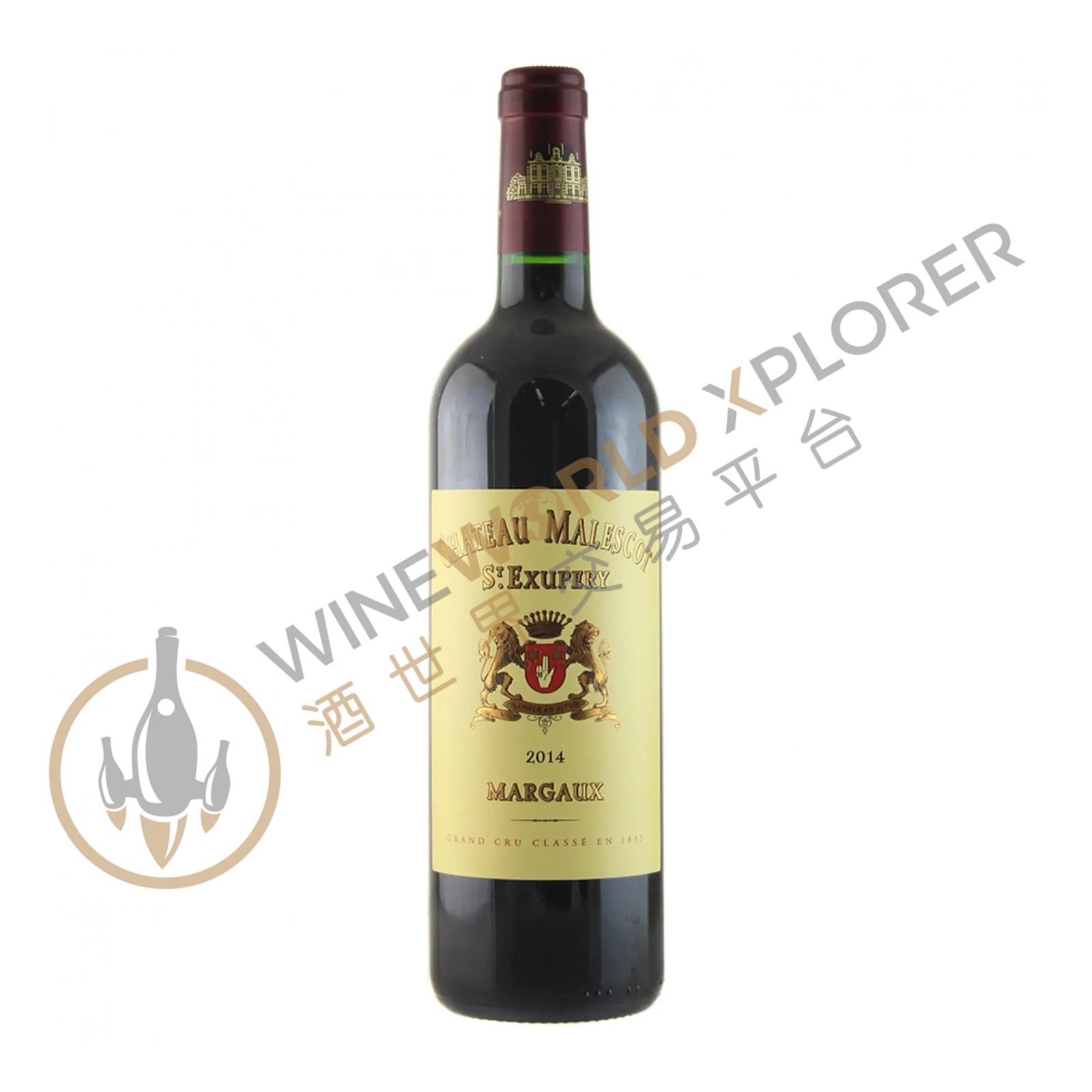
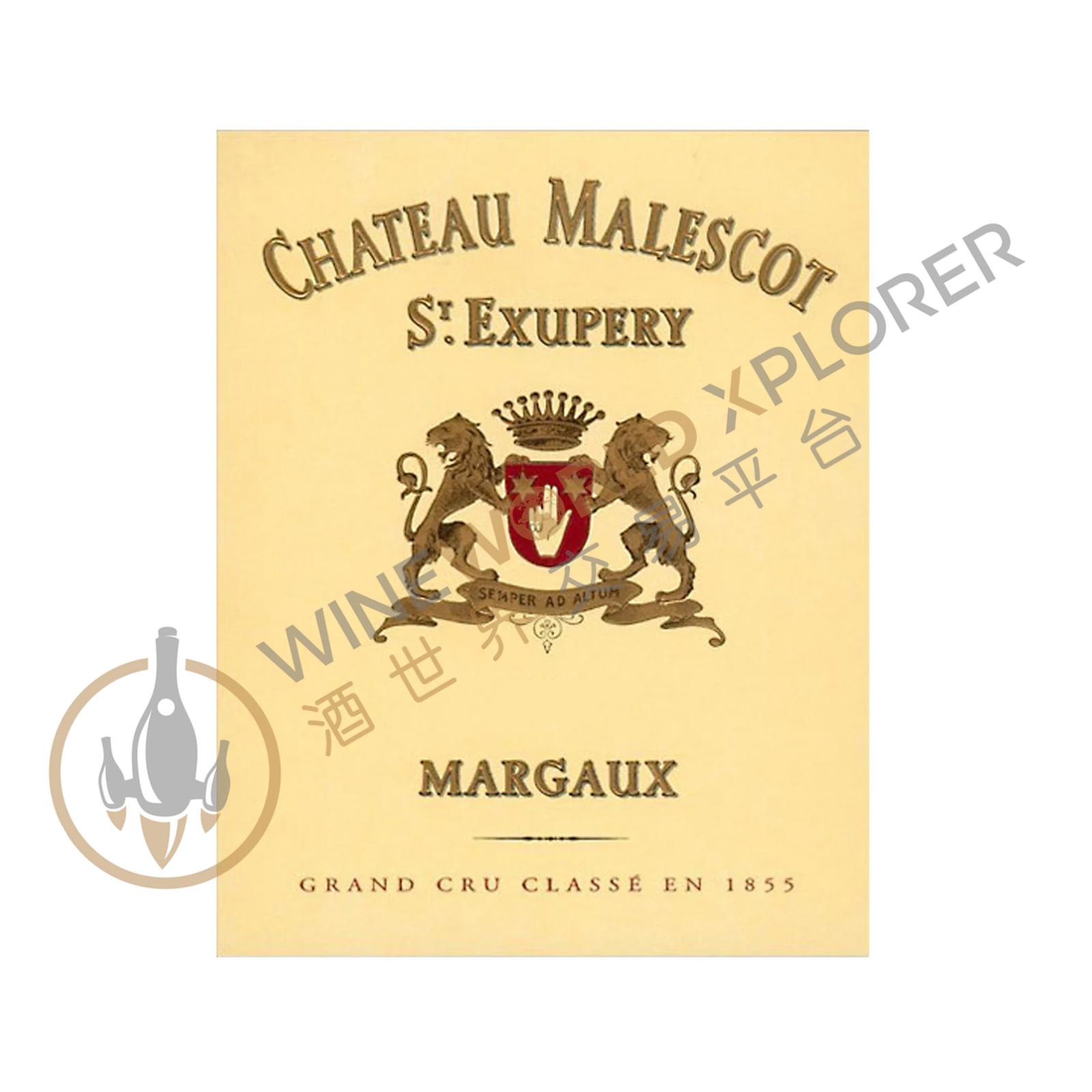
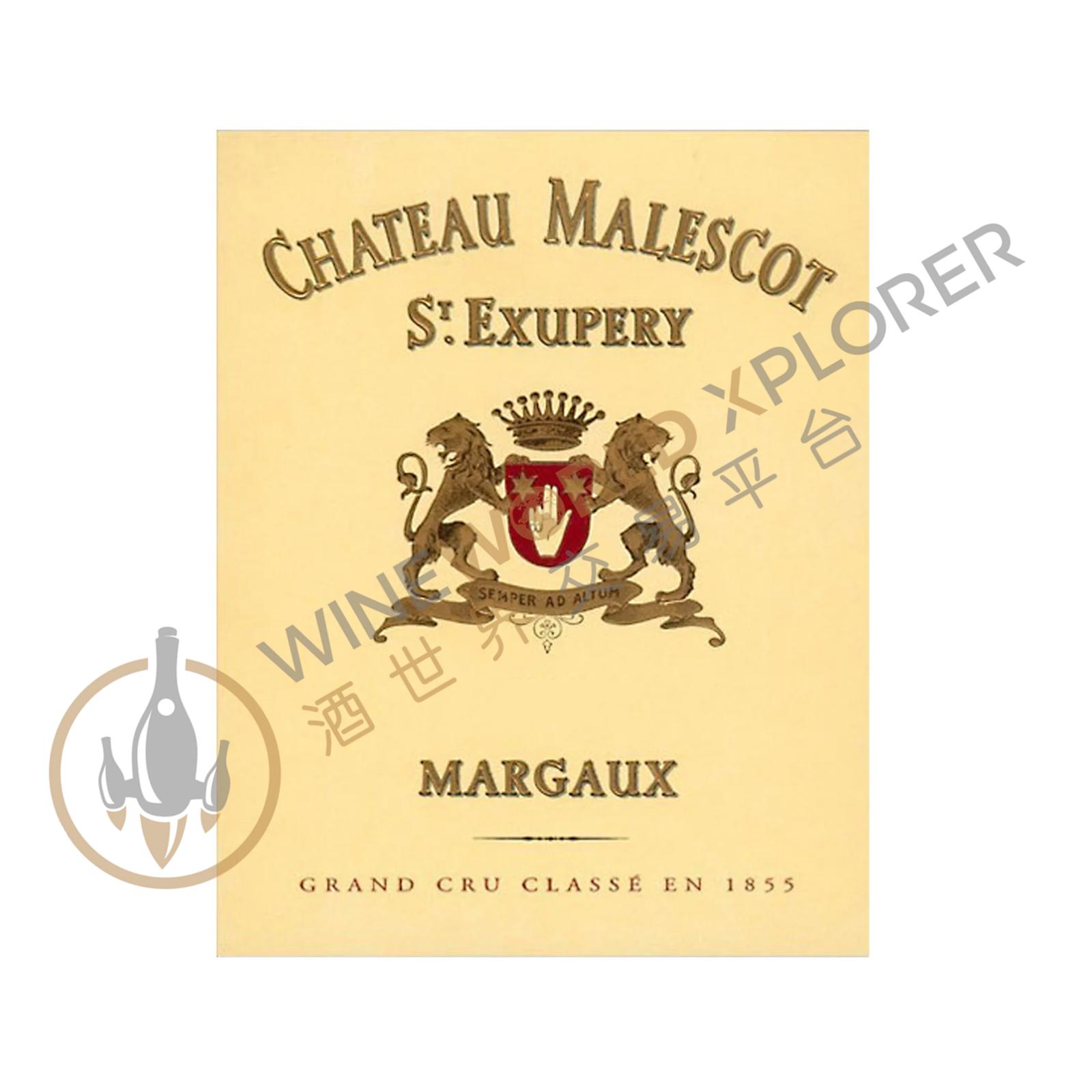
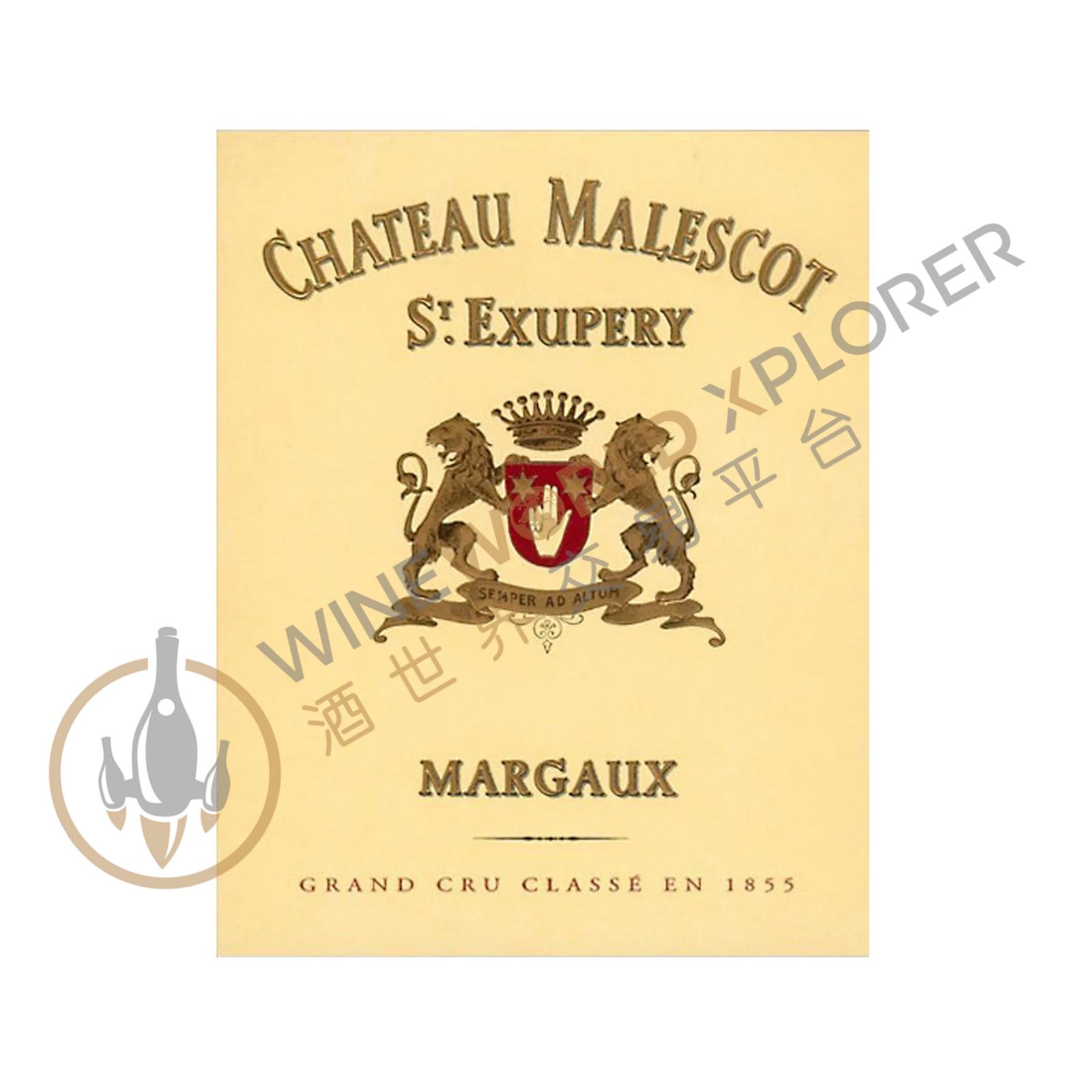
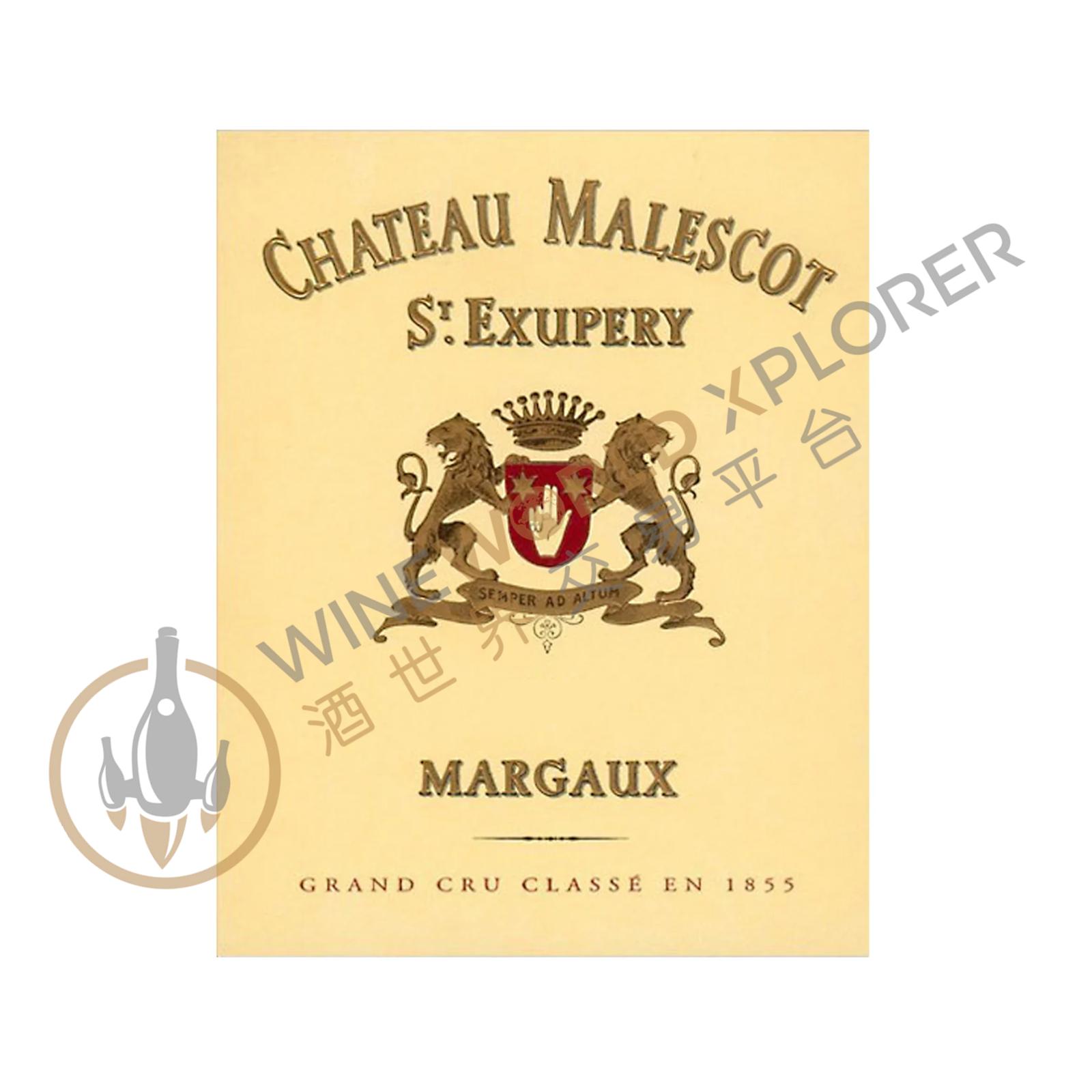
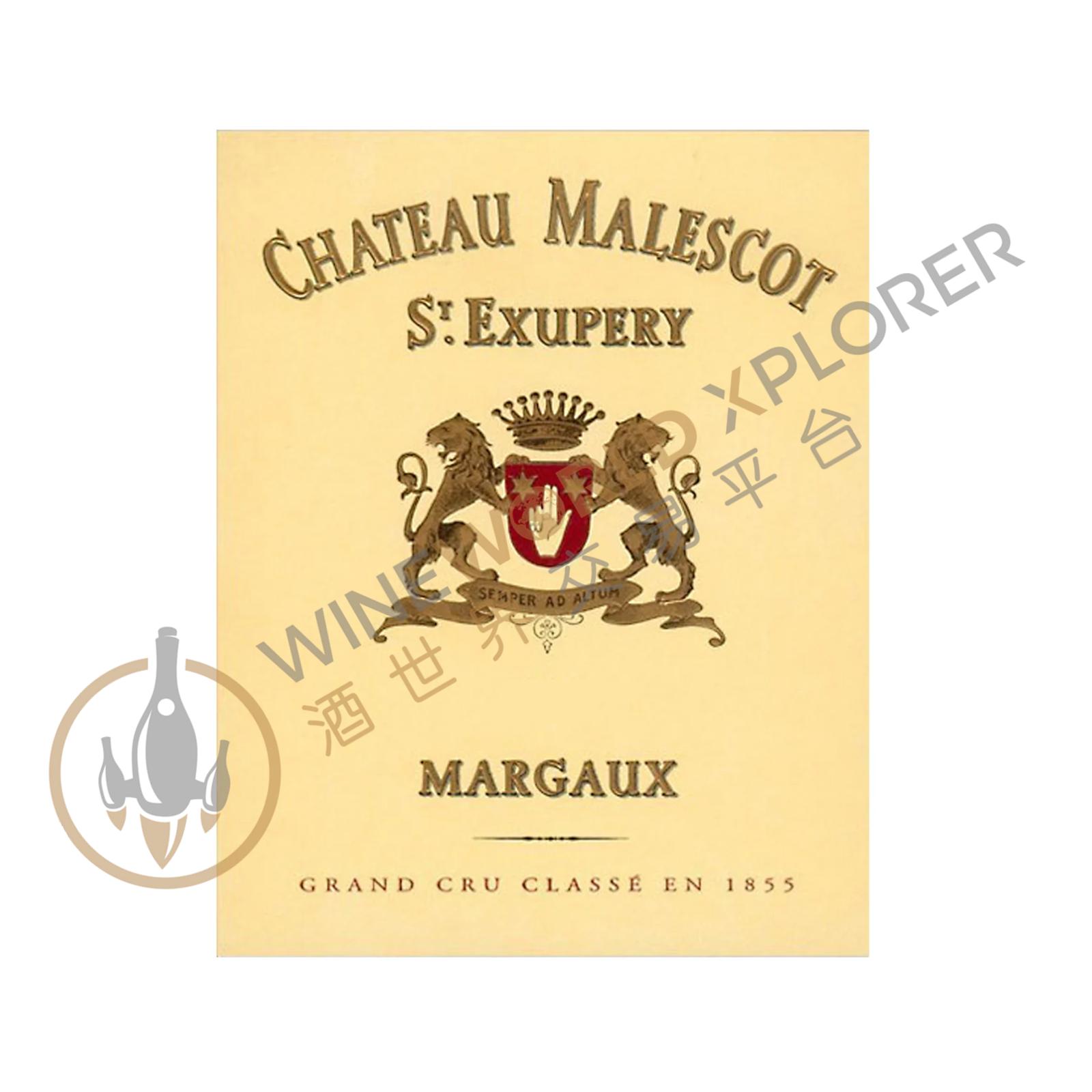
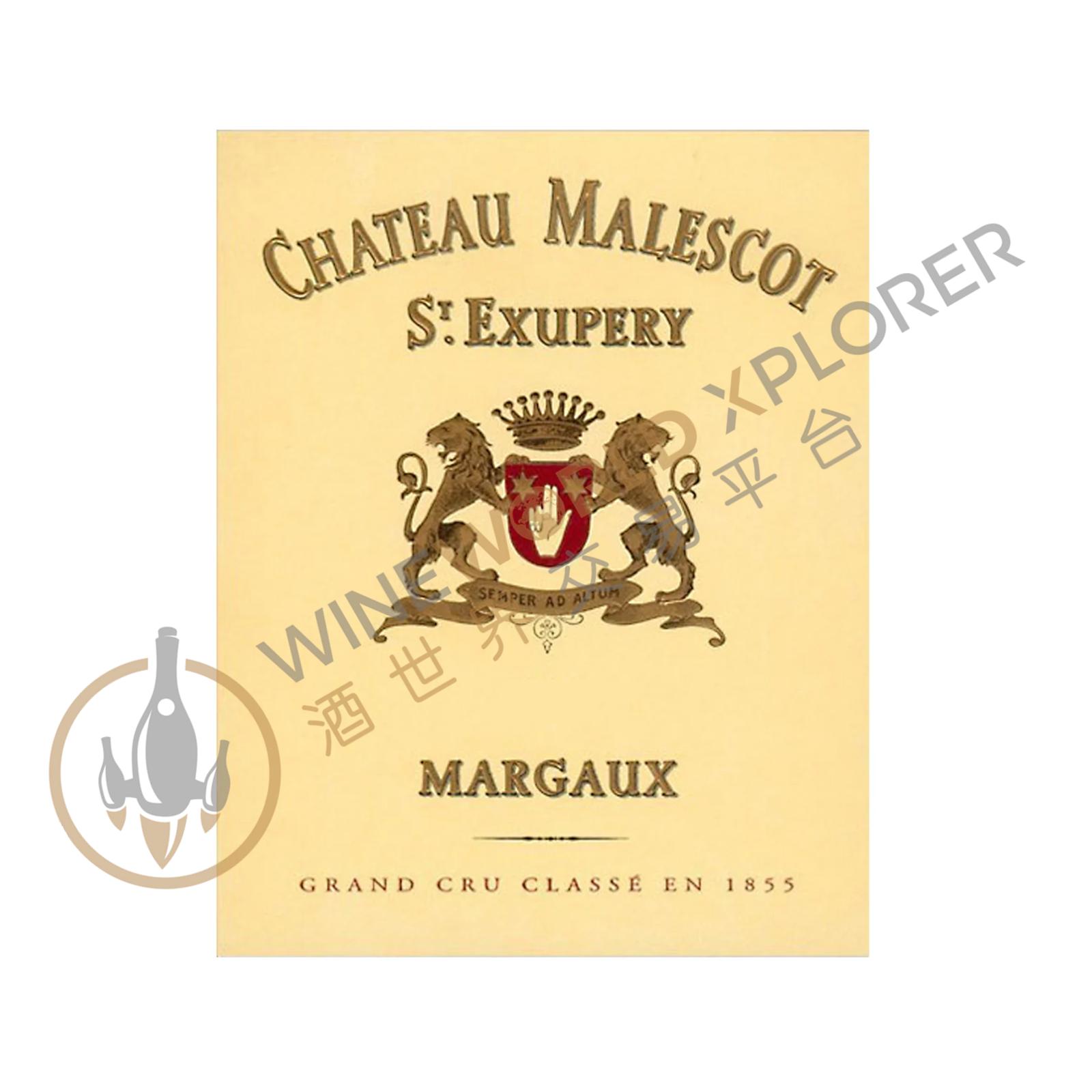
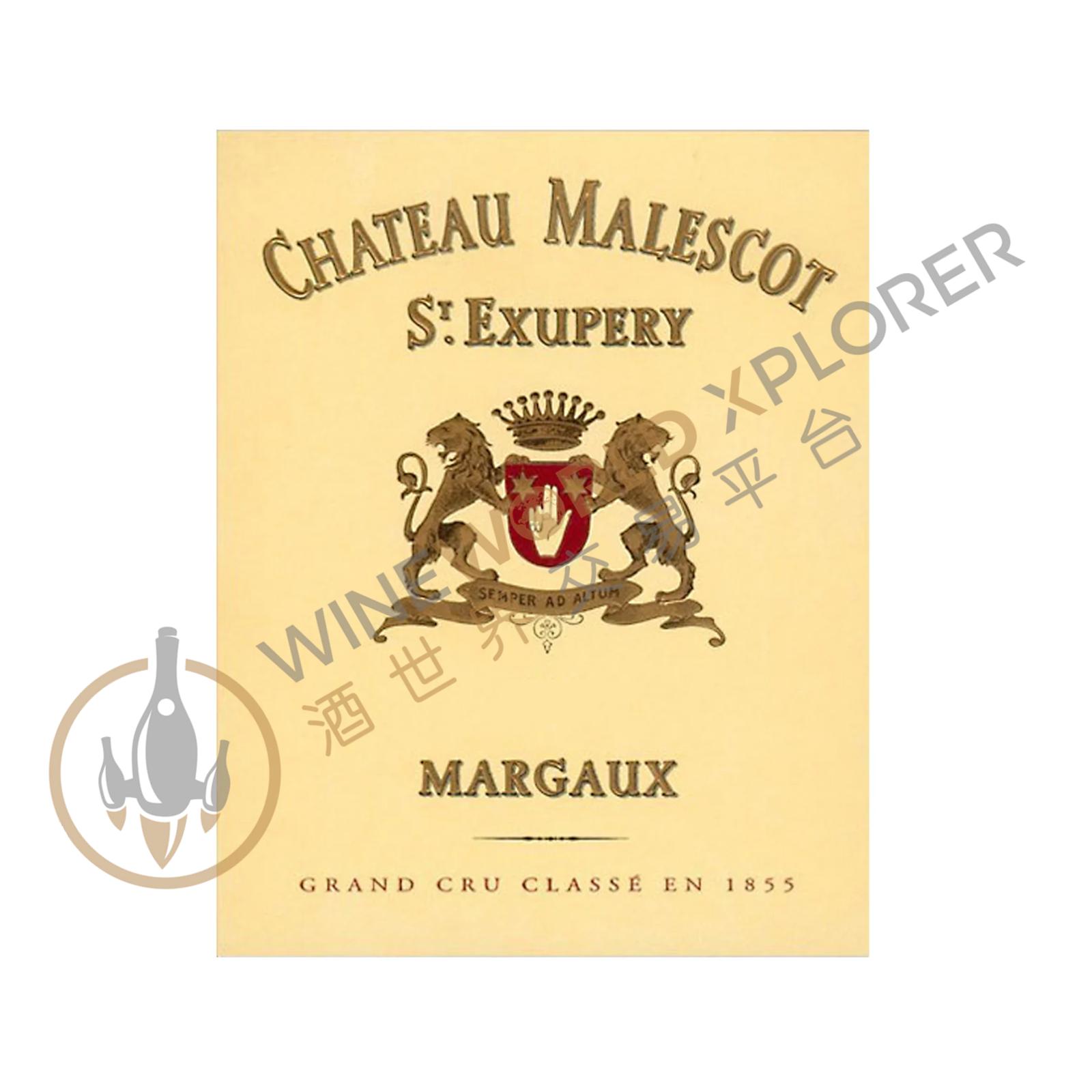
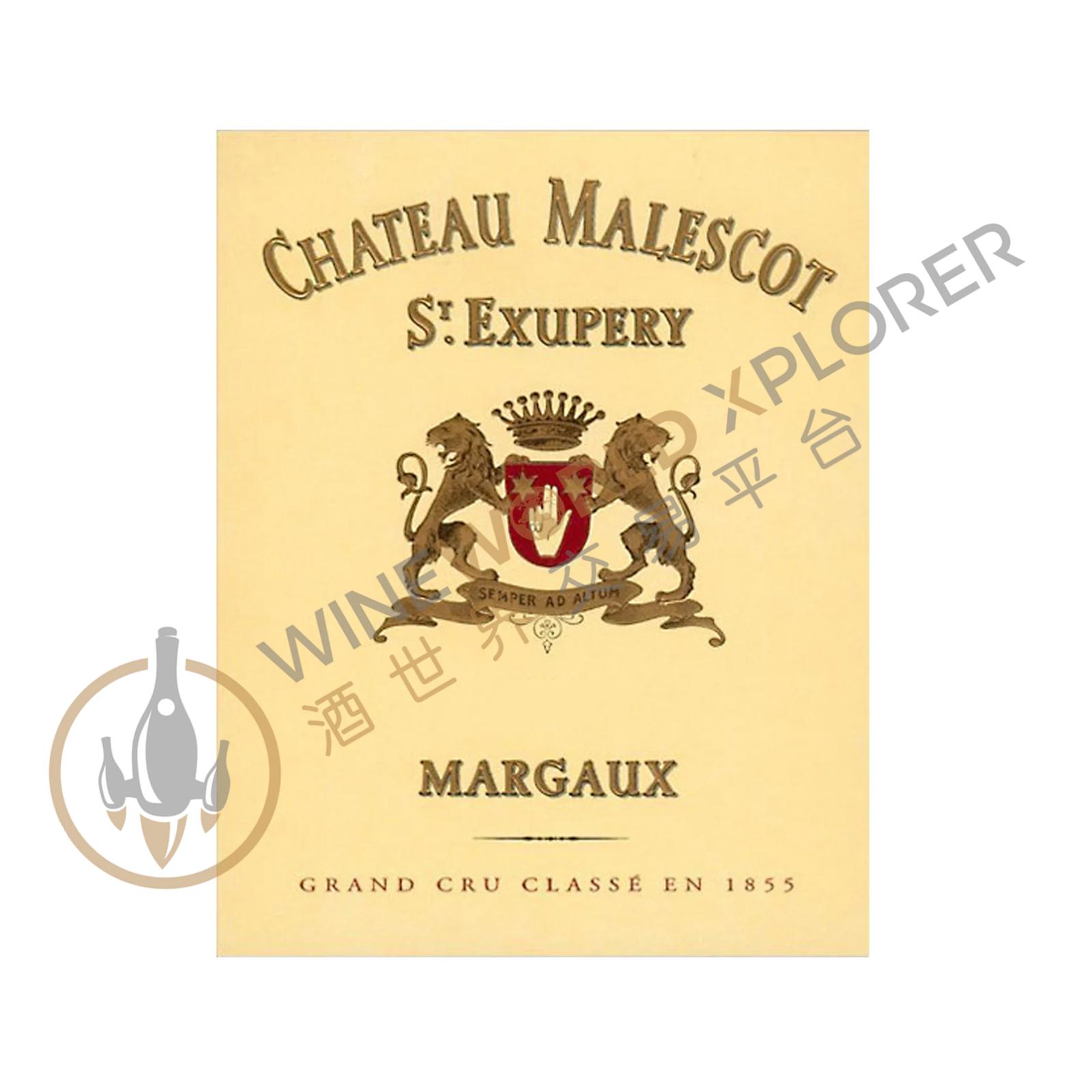
Malescot St Exupery 2009


Description
Tasting notes

Reviewed by: Robert M. Parker, Jr.
An inky/purple color is followed by notes of Asian plum sauce, forest floor, creme de cassis, black raspberries and a floral component that is unusual for a Margaux. A wine of exceptional intensity and purity with a full-bodied, sumptuous texture, lots of fresh vibrancy and excellent definition, this beautiful 2009 exhibits high but sweet tannin. It is more sexy than the 2005 was at a similar age, although their level of extract and concentration is relatively equal. Something about the 2009 reminds me of a Margaux version of St.-Julien's Leoville Poyferre ... if that makes any sense. Anticipated maturity: 2018-2040. This is another fabulous effort from an estate that has been doing extraordinary work over the last 10-15 years. I enjoyed the 2009 as much as the 2005, perhaps even slightly more because while it has structure, the tannins are less aggressive and there is more succulence, flesh and texture in the 2009.
Reviewed by: Neal Martin
Tasted at a negociant. A blend of 51% Cabernet Sauvignon, Petit Verdot 4%, Merlot 35% and Cabernet Franc 8% picked between 29th September until 16th October. This has a ripe, black cherry, briary, graphite tinged bouquet that exudes purity, feminine charm and unlike some other Margaux wine, does not forget where it was born. The palate is medium-bodied with a lively, slightly peppery entry, very fine but robust tannins, very focused with a sense of “controlled power” on the finish. This is a very classy, sophisticated Margaux demonstrating great persistency and elan. Excellent. Tasted March 2010.
Reviewed by: Robert M. Parker, Jr.
it's going to take a lot for this wine to equal or eclipse the 2005, but it is a different style of wine. While the 2005 is slightly more structured, with more aggressive tannin, this has more fat, texture, and more tactile magnetism going for it. I suppose the best thing is to own both. Opaque ruby/purple, with a beautiful nose of charcoal, forest floor, and black fruits, the wine hits the palate with great intensity, a sumptuous texture, yet brilliant precision and purity. This is a superb wine that should drink well for 20-25 years. (Tasted three times.)
Reviewed by: Neal Martin
Tasted at Wine Future Hong Kong. The Malescot St. Exupery has a tightly wound bouquet that needs coaxing from the glass, but it has very fine delineation with rich ripe blackberry, dark plum, a touch of cassis and well-integrated vanillary new oak that will need several years to integrate. The palate is medium-bodied with svelte tannins, sumptuous in style, sleek and stylish. The word that sums up this Margaux is panache...sheer panache. Tasted November 2011.
Reviewed by: Neal Martin
Served blind at the Southwold 2009 tasting. The Malescot-St-Exupery '09 is unruly at first, but it settles down nicely to become a well behaved pupil: boysenberry, lifted cassis and violet aromas all very clean and well defined, the oak subtly enmeshed. The palate is medium-bodied with a succulent entry. Lovely ripe, filigree tannins and a lovely elegant caressing finish make this an excellent Margaux. Tasted January 2013.
Reviewed by: Ian d'Agata
Opaque inky purple. Watermelon and pomegranate on the nose, complicated and lifted by a floral topnote. Enters so smooth and suave that it almost seems too light at first, then shows juicy, lively flavors of cherry and raspberry, with richer, riper black plum and smoky blackberry jam emerging at the back. Finishes with extremely silky tannins and wonderful floral lift. Strong but harmonious acids give outstanding clarity and cut to the flavors and convey an exhilarating sense of balance. This should age extremely well but is so crammed with seductive up-front fruit that I wonder how many bottles will make it to a ripe old age.
Reviewed by: Neal Martin
The 2009 Malescot St. Exupery has such a sweet and honeyed bouquet, more McClaren Vale Shiraz than Margaux! The palate is sweet on the entry, huge extraction here, honeyed in style with a rather cloying finish. I am not sure what to make of this bottle because I have encountered marvelous examples in the past. I will re-taste and defer judgement for now. Tasted blind at Farr Vintners’ 2009 Bordeaux tasting.
Reviewed by: Stephen Tanzer
Inky ruby. Ripe aromas of plum, blackberry jam and sweet balsamic vinegar. Rich and ripe in the mouth, with lively acidity lifting the creamy black fruit flavors and extending the wine's lightly peppery, very suave finish. Not the most refined or subtle Margaux you'll ever taste but immensely drinkable, and with plenty of depth and concentration to its aromas and flavors.
Reviewed by: James Suckling
The length on this wine is phenomenal with gorgeous blueberries and blackberries that last for minutes on the palate. It might be the greatest MSE ever. Can it be better than 2005? Excited to see how it evolves. Barrel sample.
Reviewed by: James Suckling
A wine, with intense spice and berry character, with hints of sweet tobacco. It changes all the time from flowers to fruit and wet earth. Full-bodied, with super fine tannins and ripe fruit. It's long and juicy with lovely fruit. Super long and beautiful, with fine tannins that last for minutes. Tight now, but juicy and gorgeous. Best ever from here. Try in 2020.
About the Producer
Chateau Malescot St-Exupery is located in the Margaux appellation on the left bank of Bordeaux in France. The third growths include Chateau Palmer and Chateau Giscours. The history of Chateau Malescot dates back to the 17th century, and its name comes from the surnames of two old estate owners: Mr. Simon Malescot, who bought the estate in 1697, and he was the King's adviser attached to the Bordeaux Parliament, while the other was Count Jean-Boptiste Saint-Exupery, who managed the estate from 1827 to 1853. The former named the winery after its own name and carefully managed it for a century, expanding its area and maintaining its integrity and unity, while the latter renamed it Marigo Saint-Eye Chateau Malescot Saint-Exupery, referred to as Chateau Malescot, has been renovated. The fate of Chateau Marigo was a bumpy one, changing owners frequently and experiencing disasters such as phylloxera, mold pests, economic crisis and war damage. Although the winery was more carefully managed and new equipment was introduced after the rating, it still failed to escape the impact of the economic crisis in the early 20th century, and experienced many changes of owners after 1900. In 1955, when Paul Zuger took over the winery, he gradually rebuilt the winery with his love for the Bordeaux winemaking industry, producing characteristic wines that meet the standards of the Grand Crus. At the same time, he also acquired the Chateau Marquis d'Alesme Becker. Today, the new owner of the winery is Jean-Luc Zuger (Jean-Luc Zuger), under his management, the quality of the winery is unanimously recognized. Chateau Margaux's vineyards are located in two gravel-dominated areas in the Margaux region, consisting of five scattered parcels, two of which are directly north and west of Chateau Margaux , with a total area of 28 hectares. The surrounding surface is dominated by a 2-10 m thick gravel layer, extending along a gentle slope to the mouth of the Gironde, while the underlying soil is marl and marl formed in the Tertiary period. clay. Parts are iron layers, or "sandstone layers". The average age of the vines in the park is 35 years, and some old vines are over 50 years old. Currently, the proportion of grape varieties is mainly Cabernet Sauvignon (Cabernet Sauvignon) about 50%, Merlot (Merlot) 35%, Cabernet Franc (Carbernet Franc) 10% and Petit Verdot (Petit Verdot) 5%. The winery hired the famous "flying winemaker" Michel Rolland as a winemaking consultant. The wines of Chateau Marigo are fermented in temperature-controlled vats without the addition of additional yeast and other additives. Then when it is aged, its original wine will be aged for 14-16 months in new oak barrels, and the second wine will be aged for the same time, but its proportion of new oak barrels is only about 50%. Intense red berries and earthiness, Marigot is known for its enticing aromas of raspberry and violet, silky texture, full-bodied balance, refined elegance, round and concentrated tannins, expressiveness, spice and balsamic vinegar The chestnut flavor is accompanied by a balanced and pleasant acidity. Some of the better years, such as 2000, have received a high score of 92 by Robert Parker.