Wine Advisor



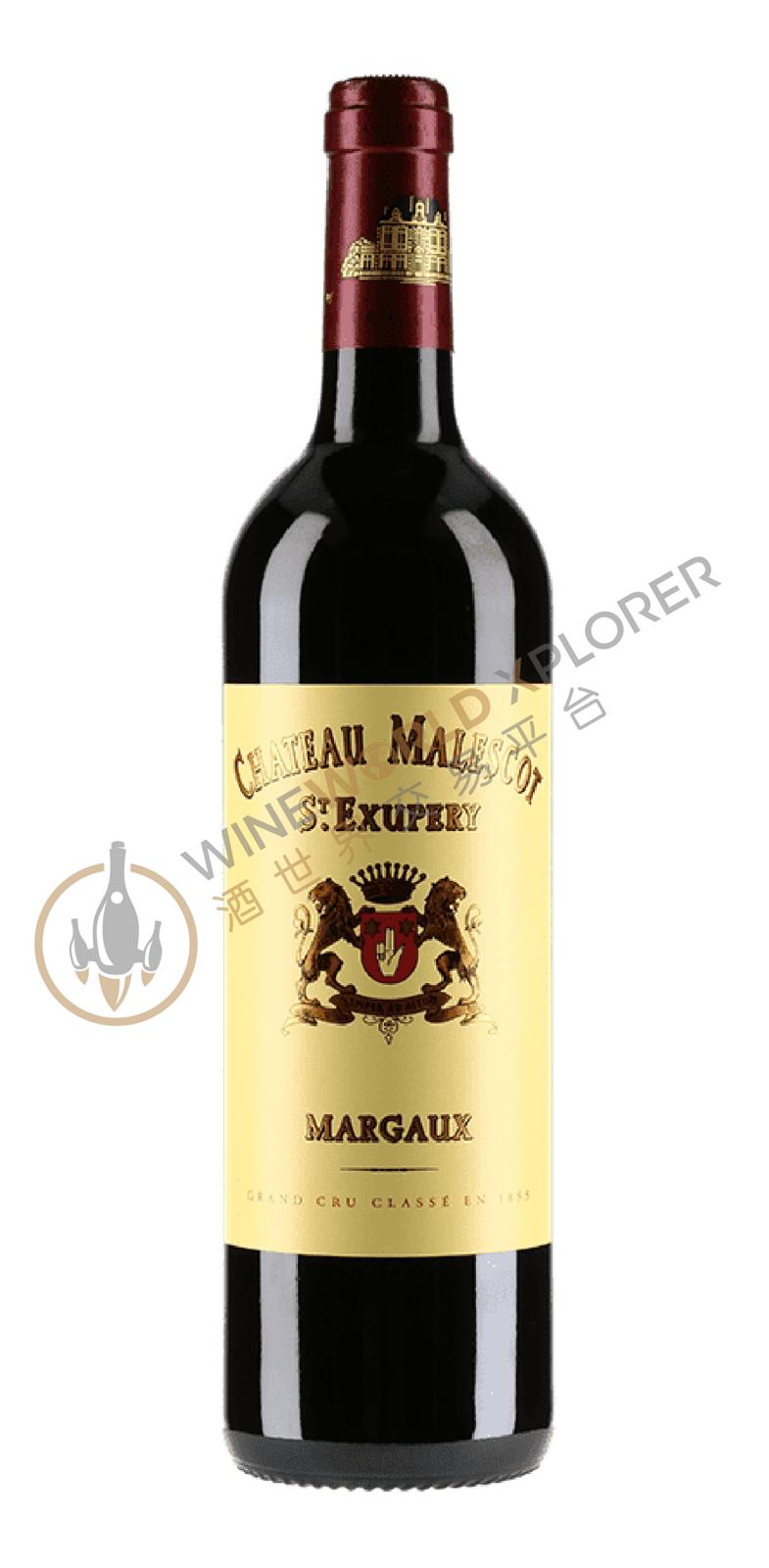
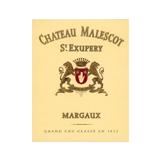
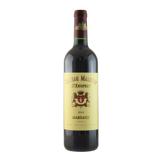
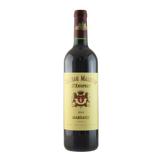
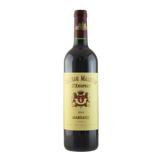
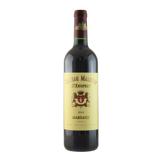
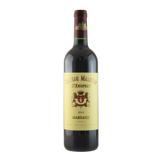
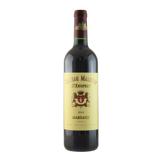
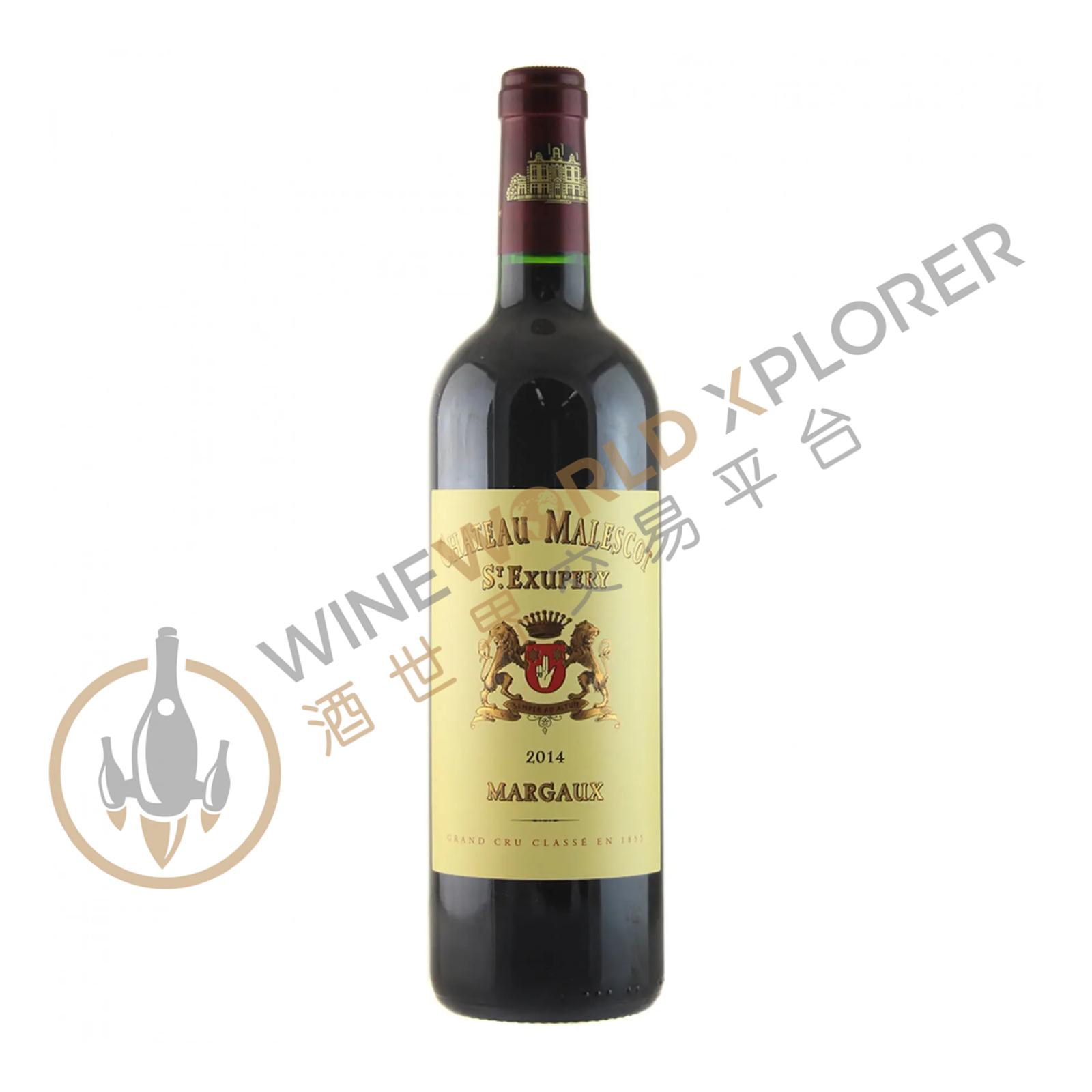
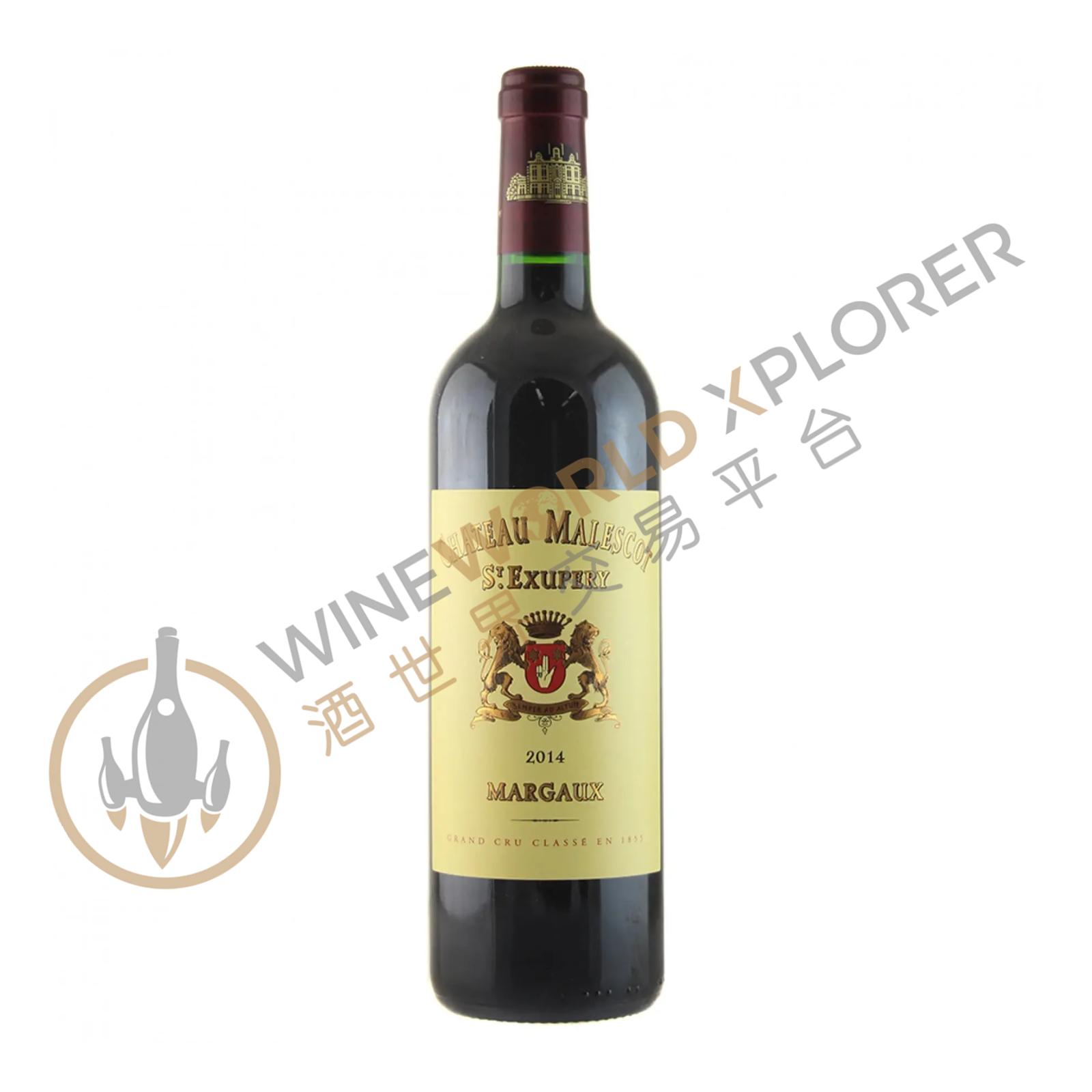
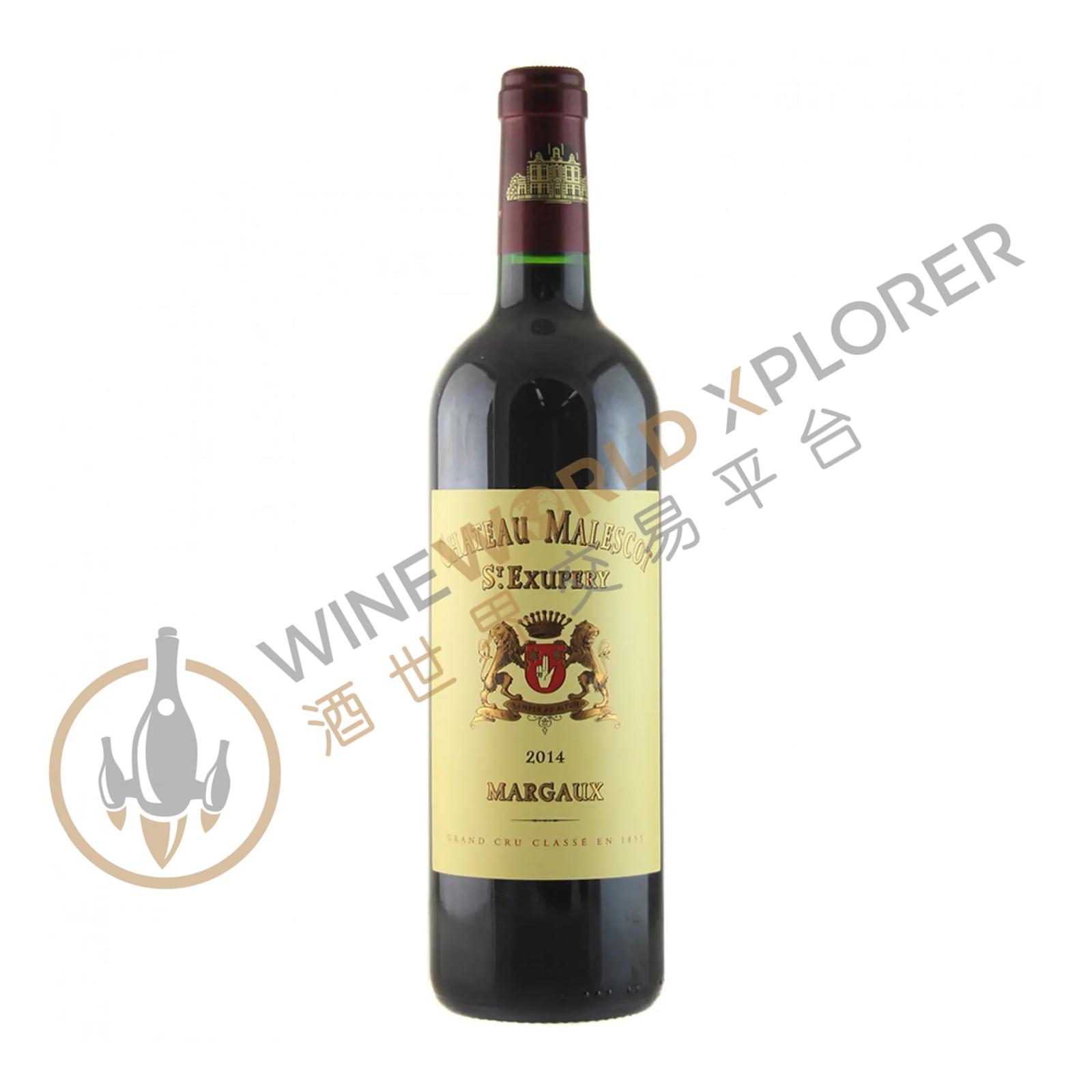
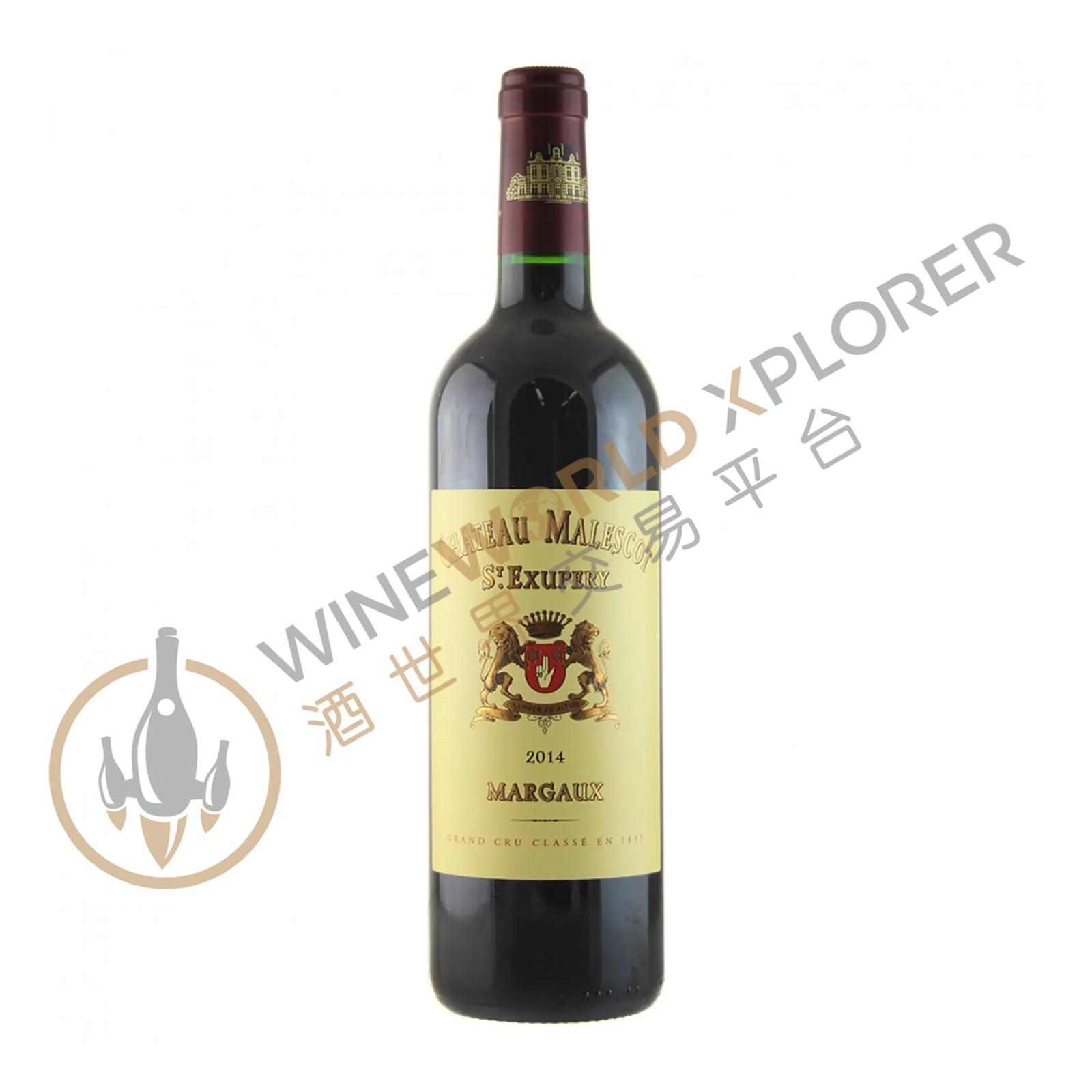
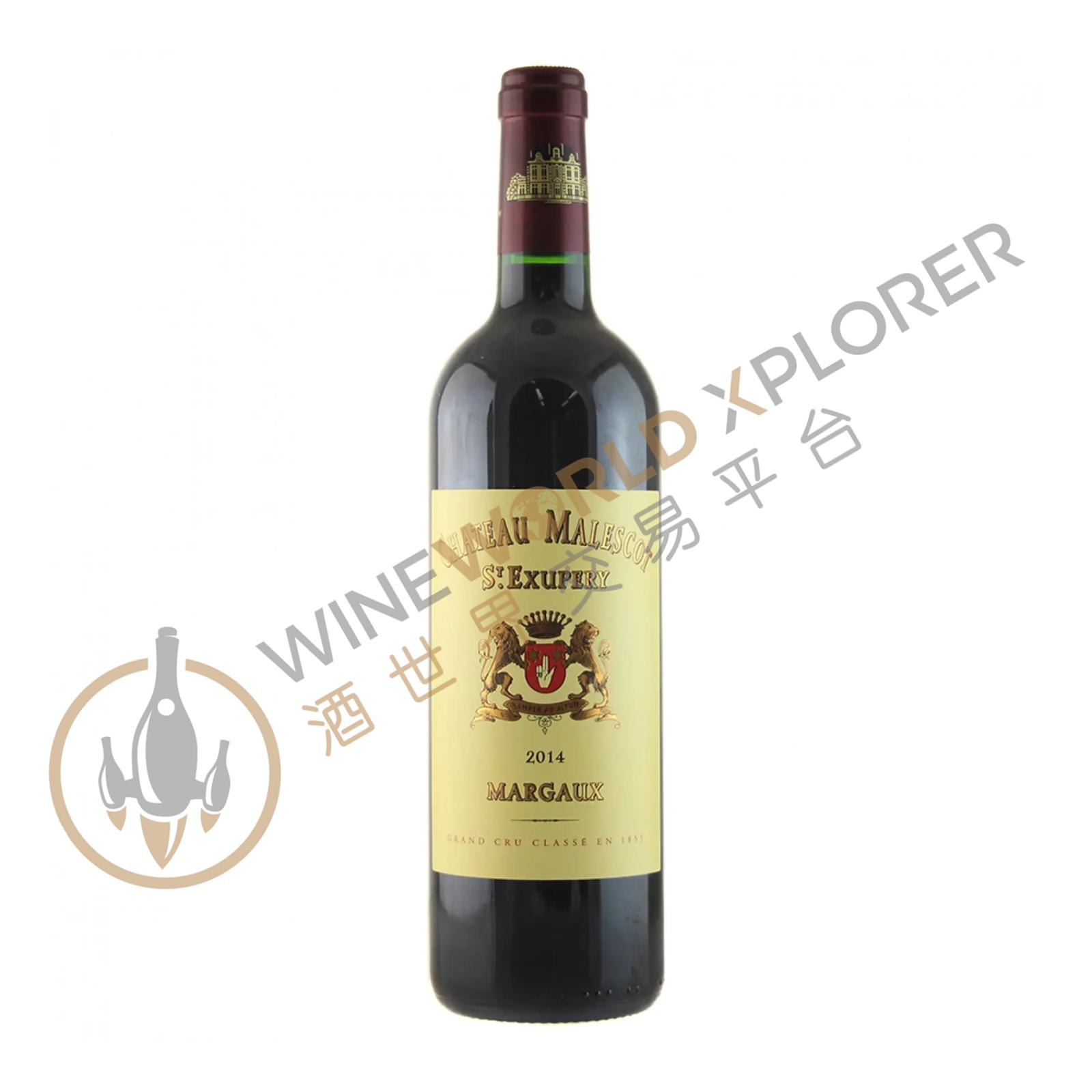
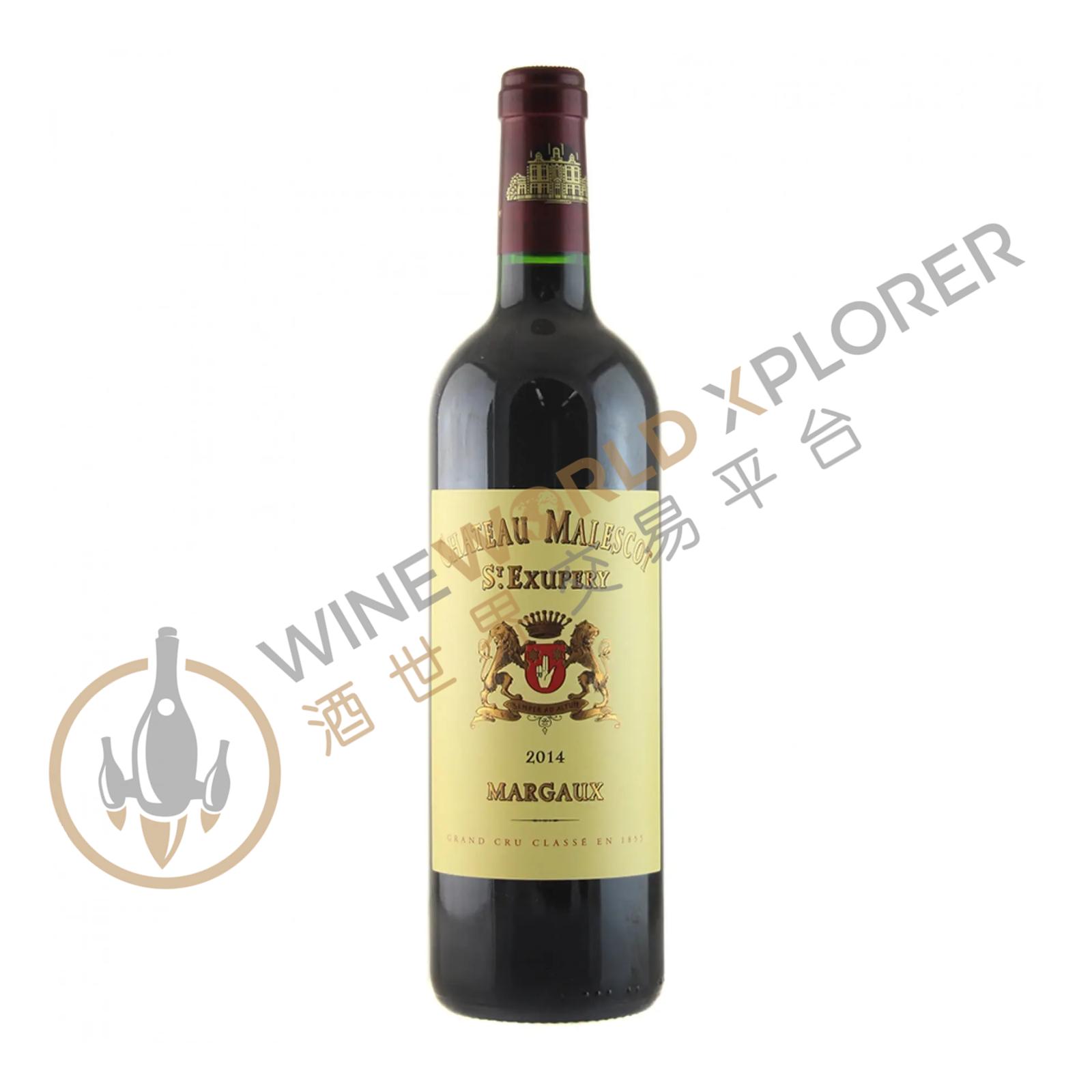
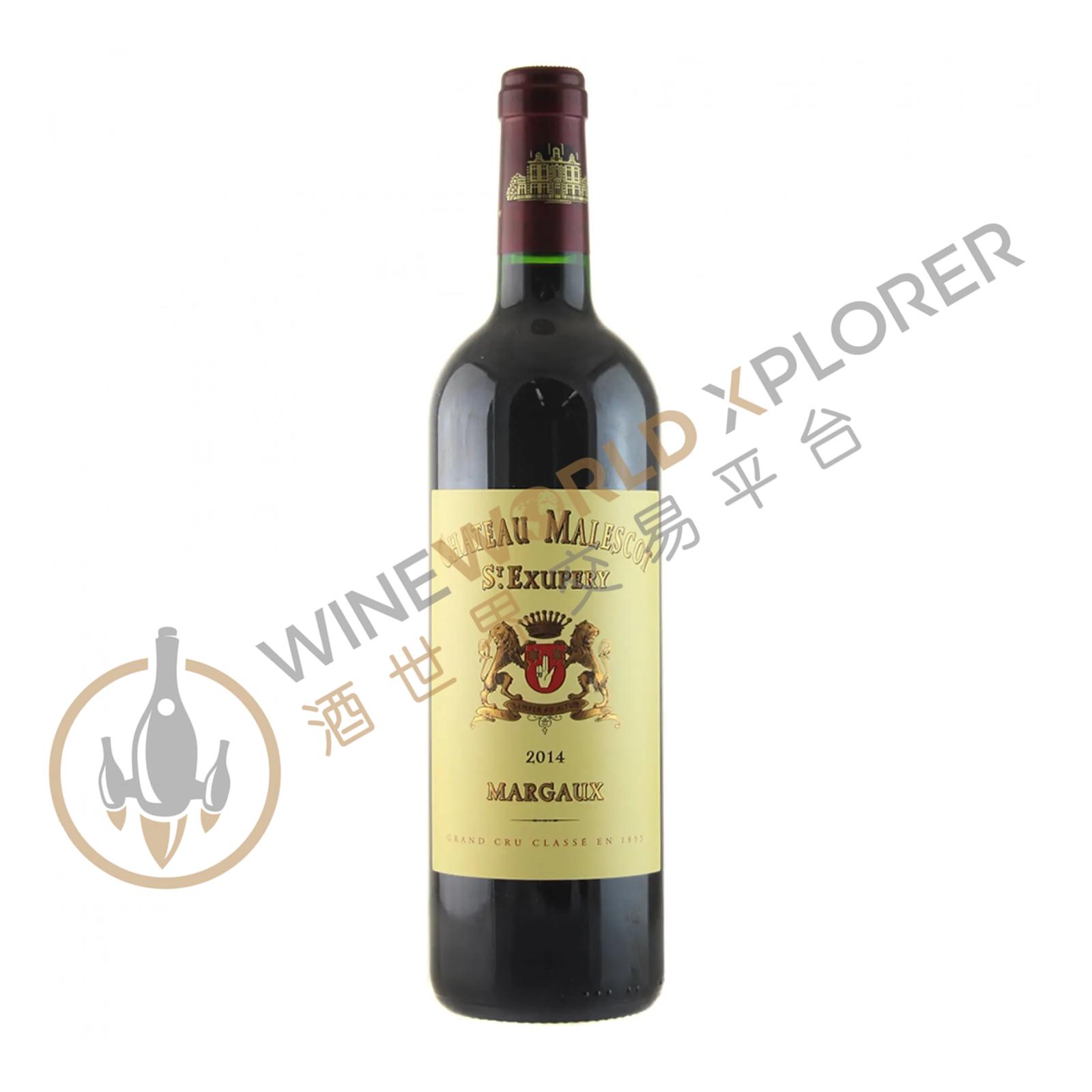
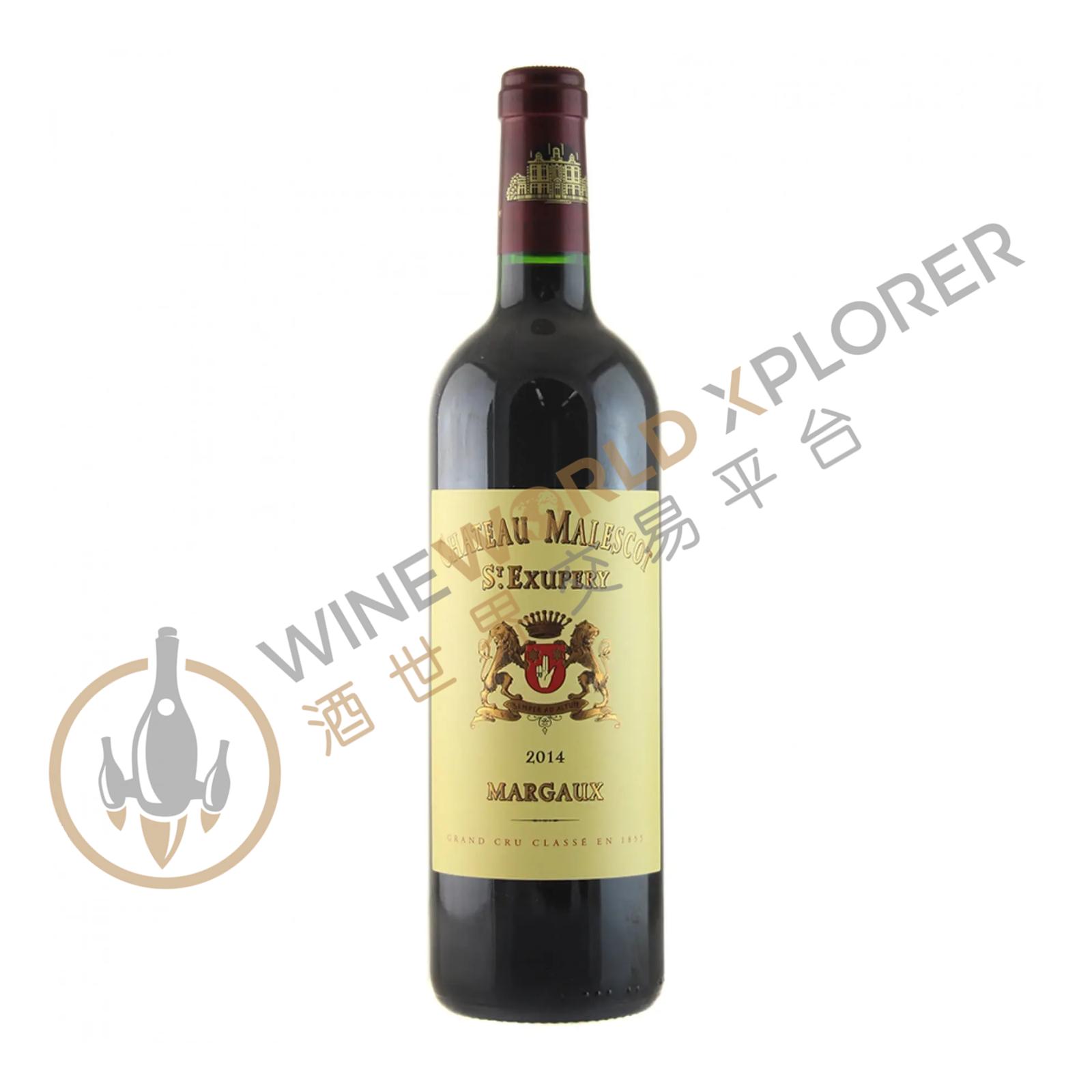
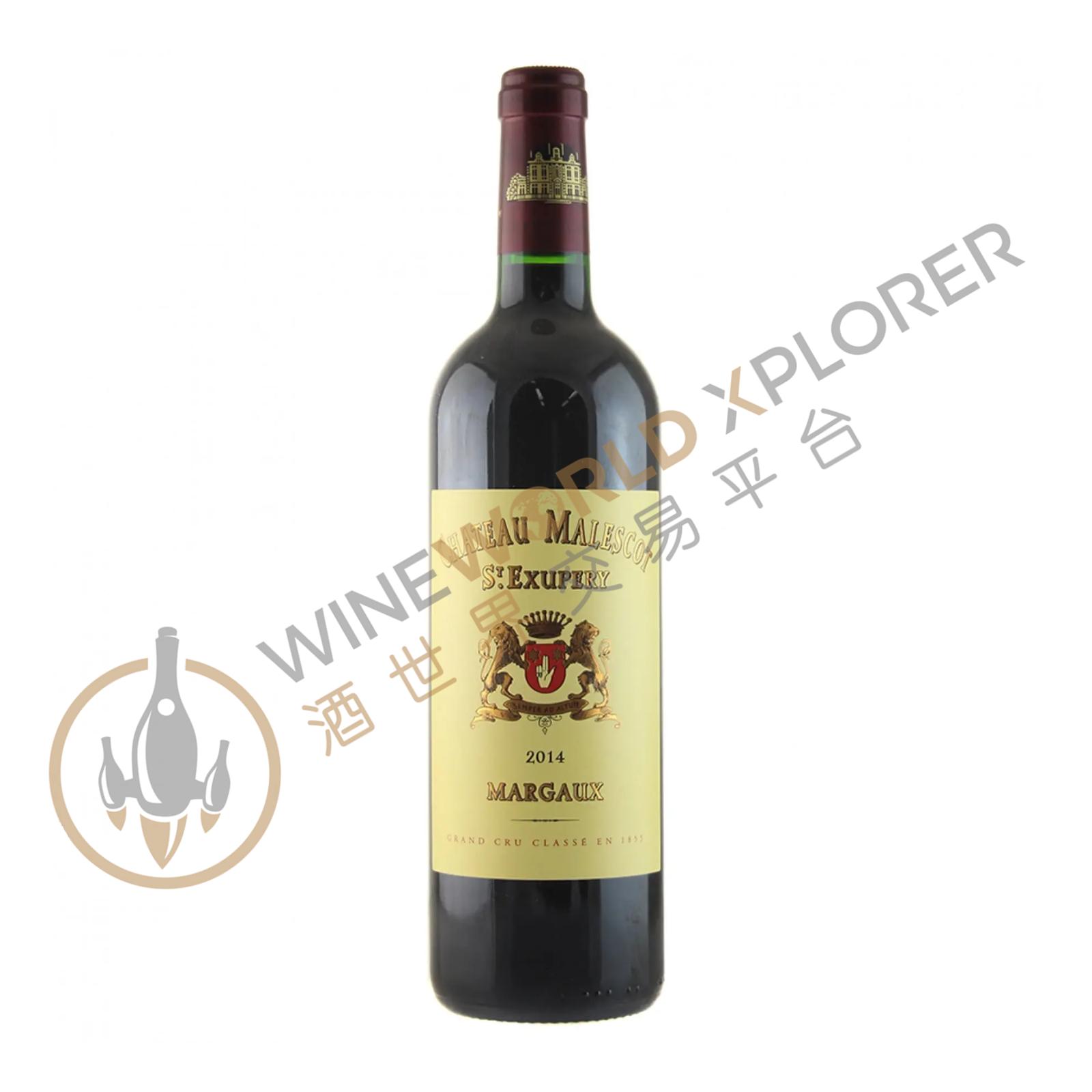
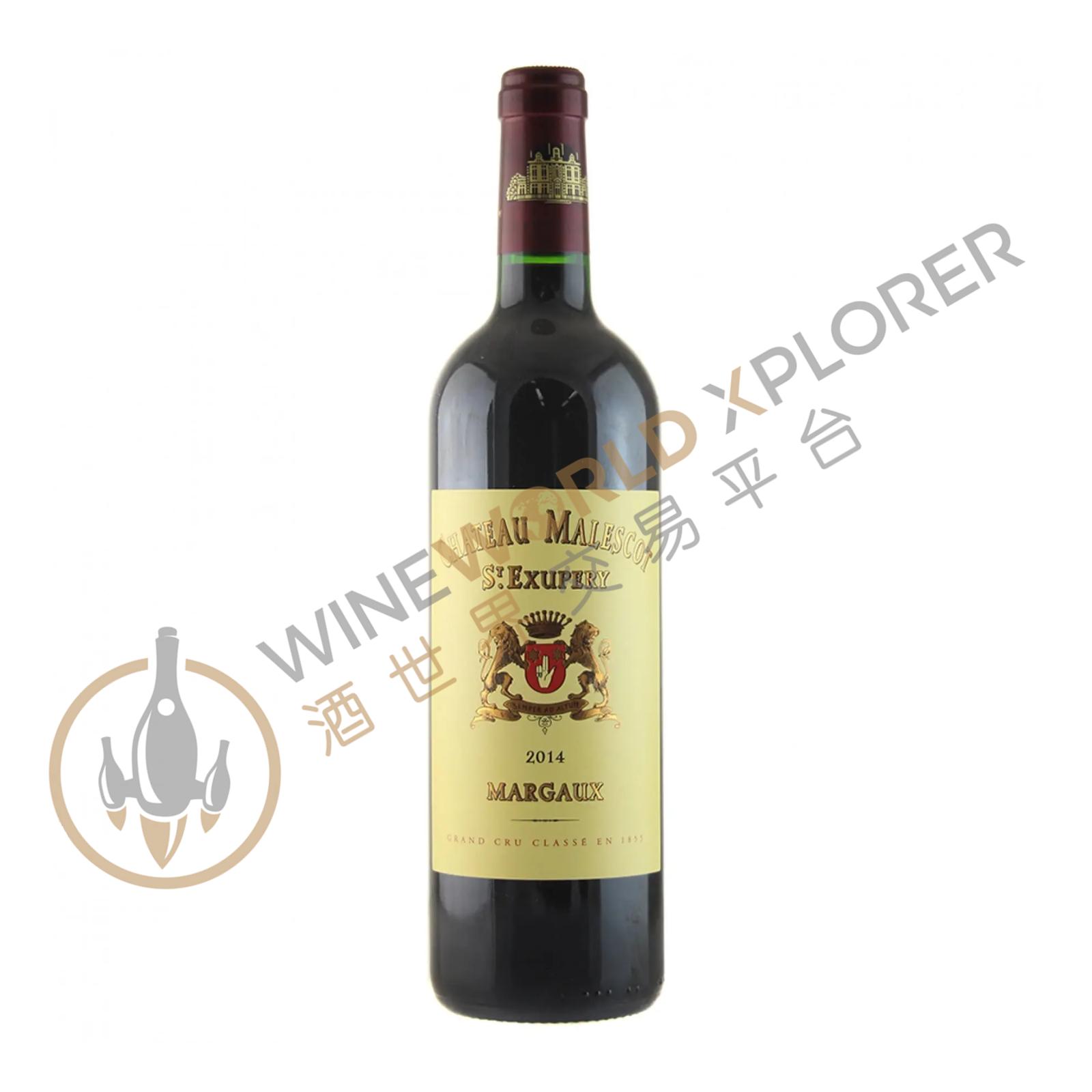
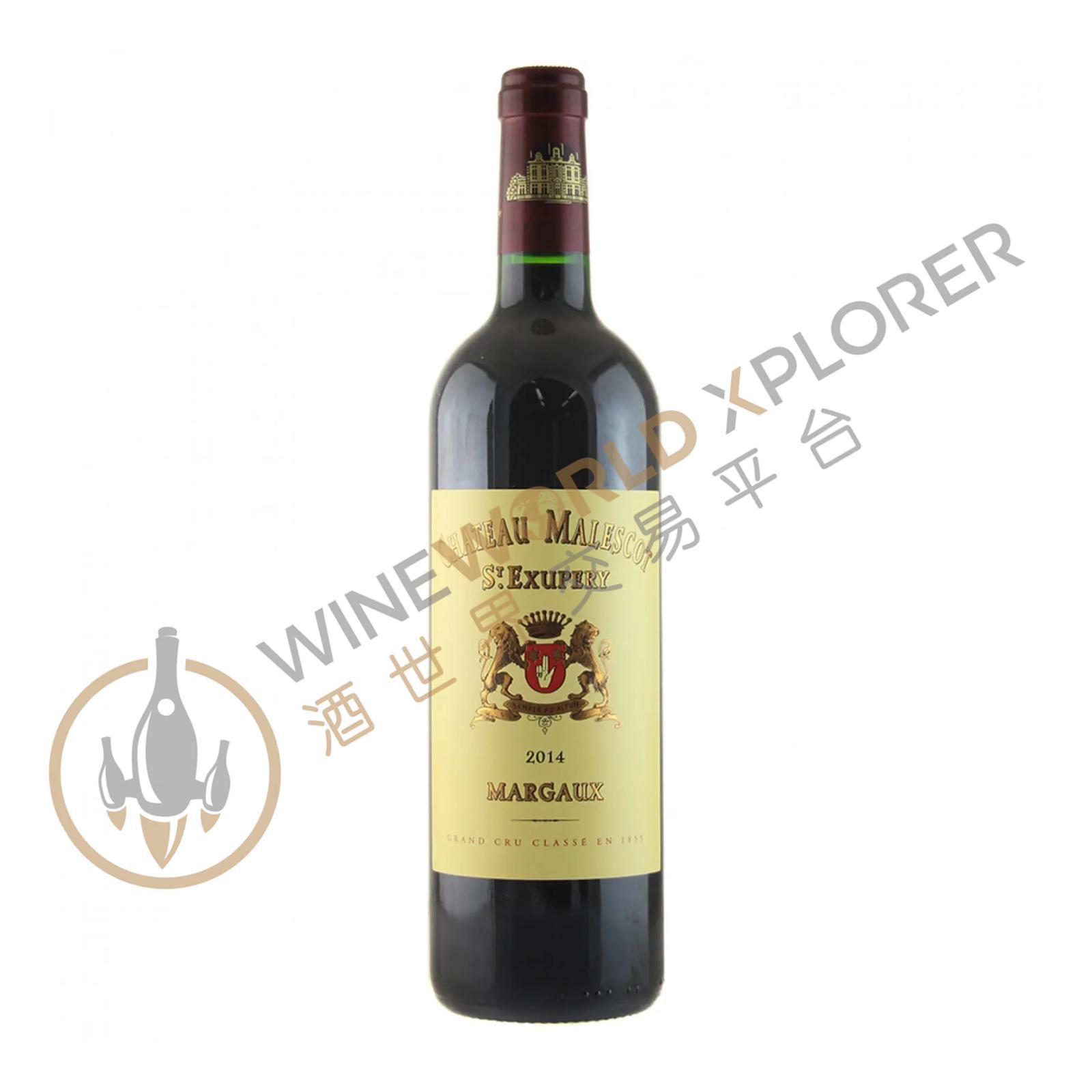
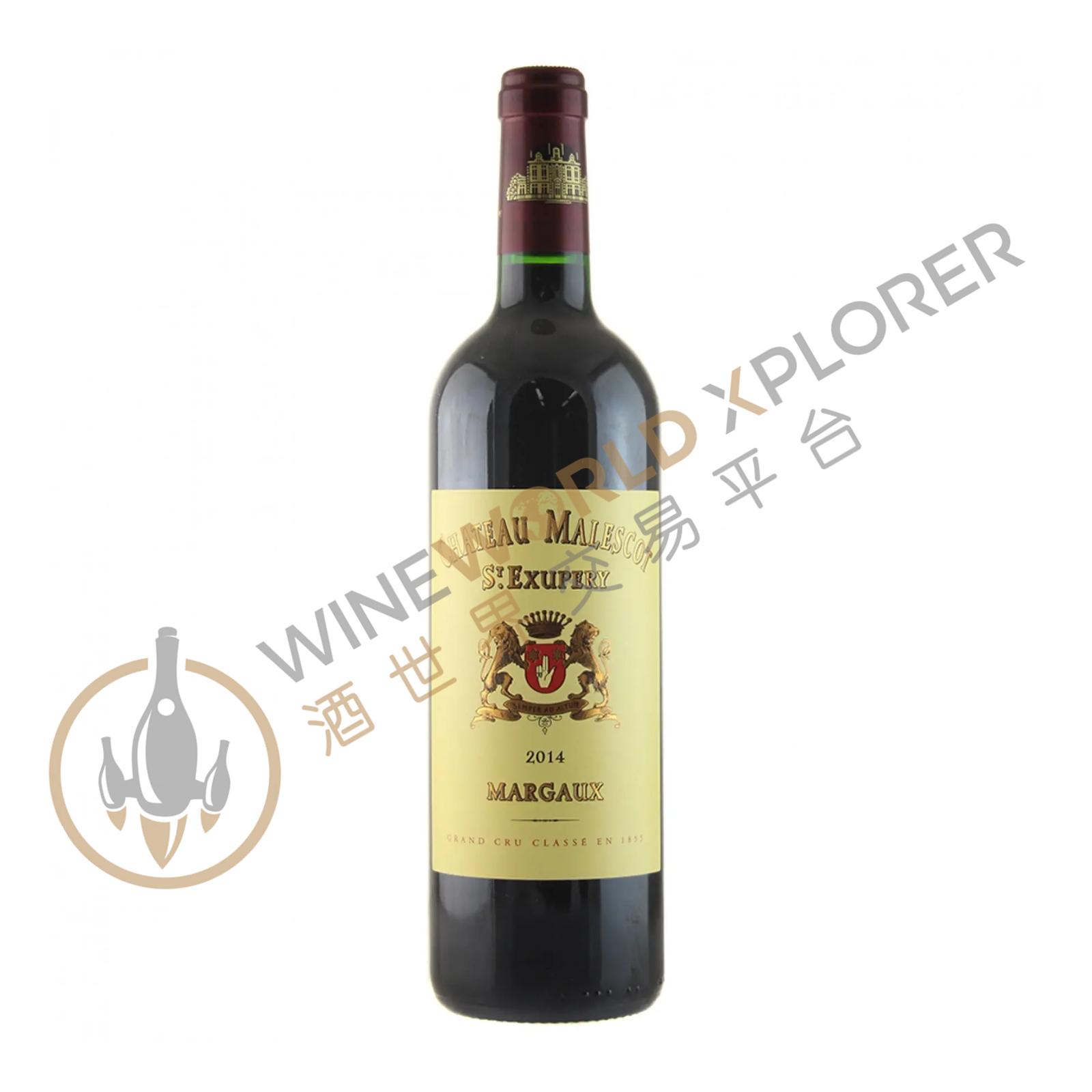
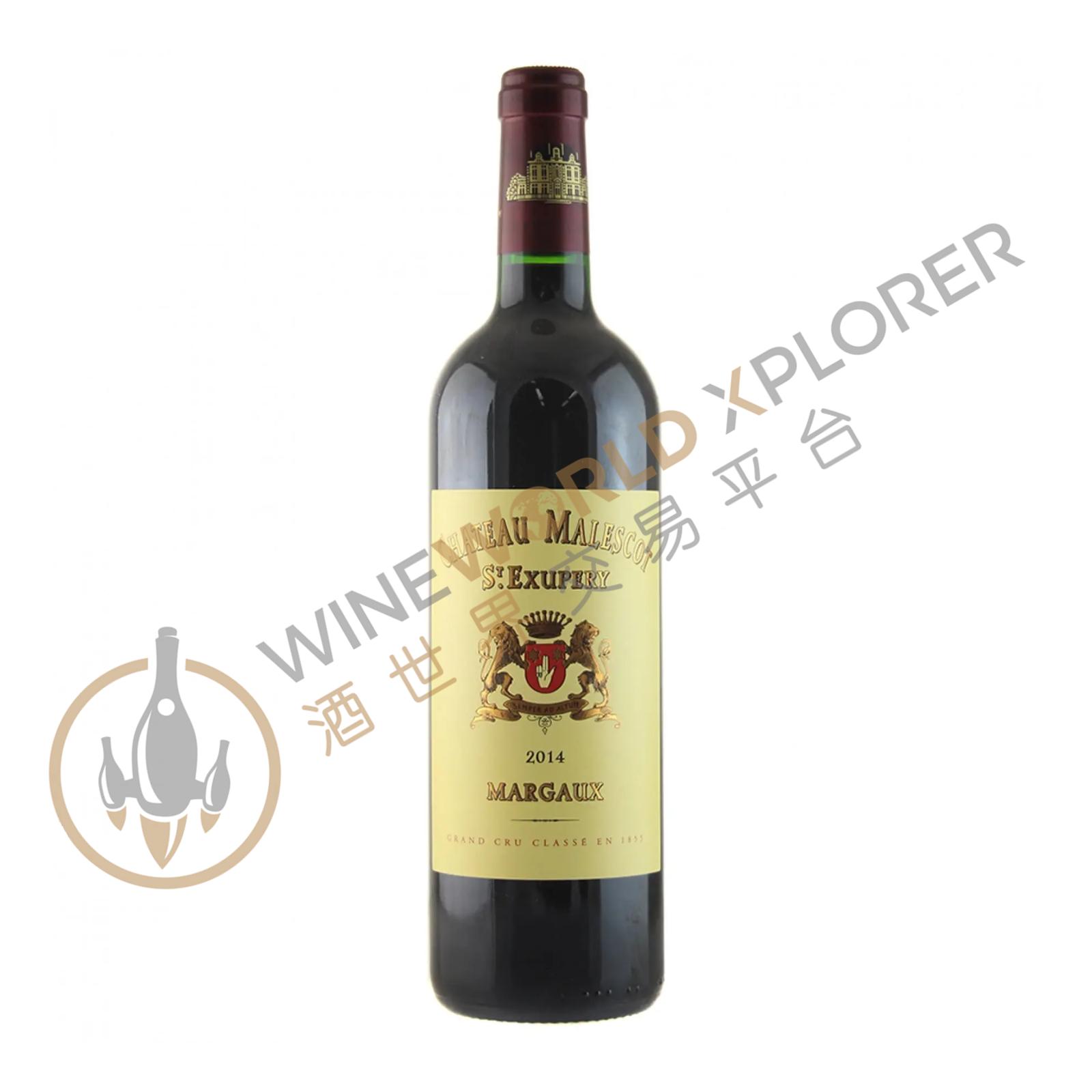
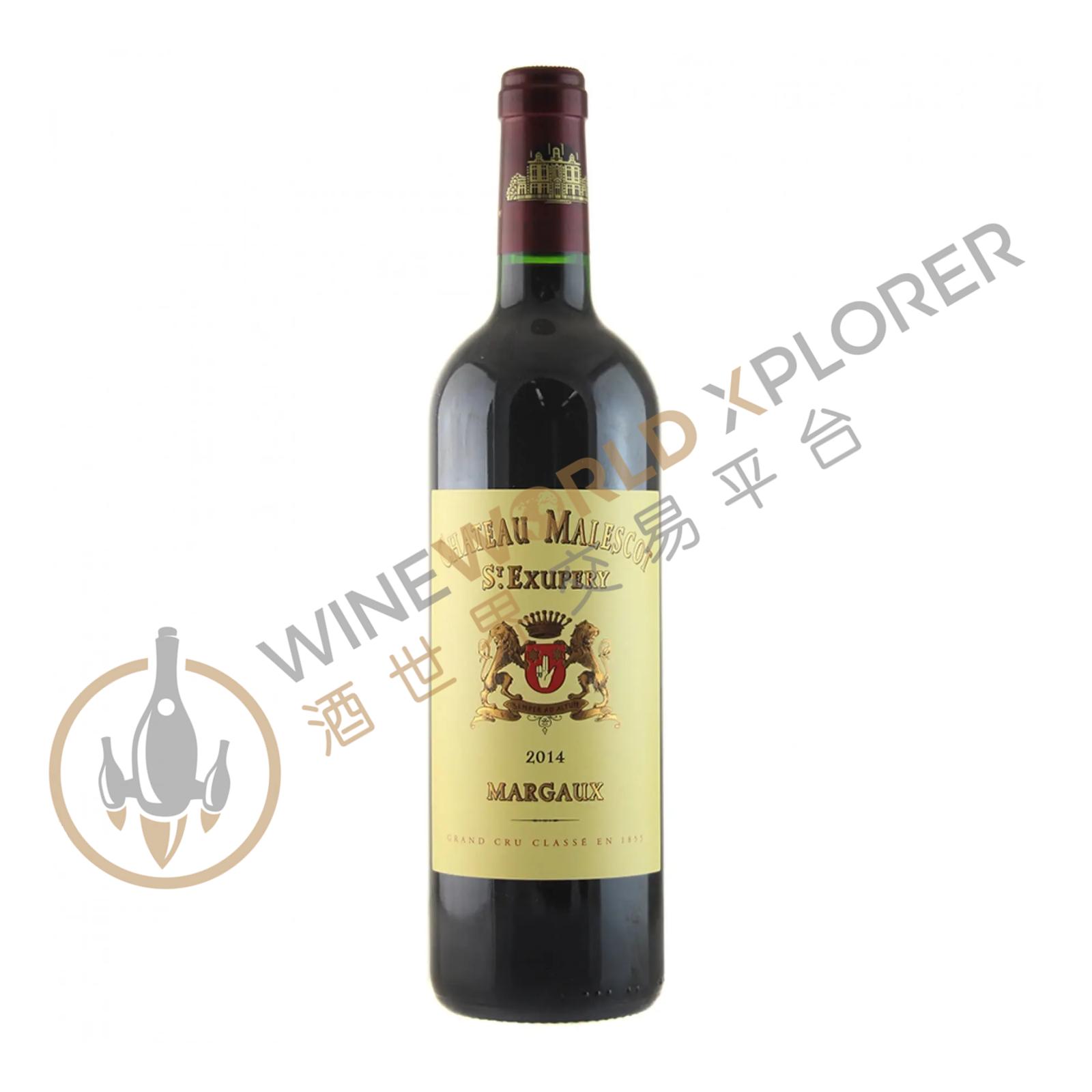
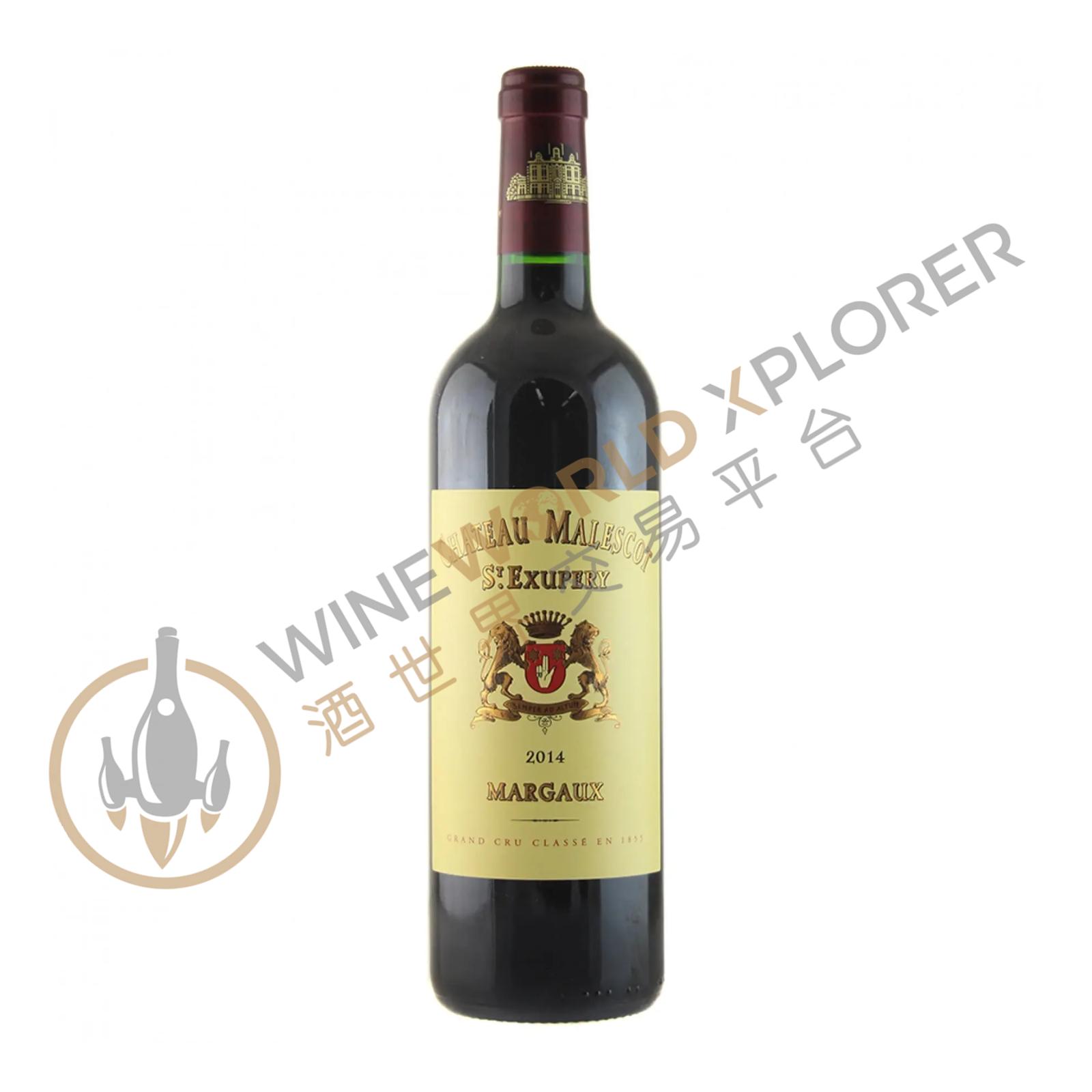
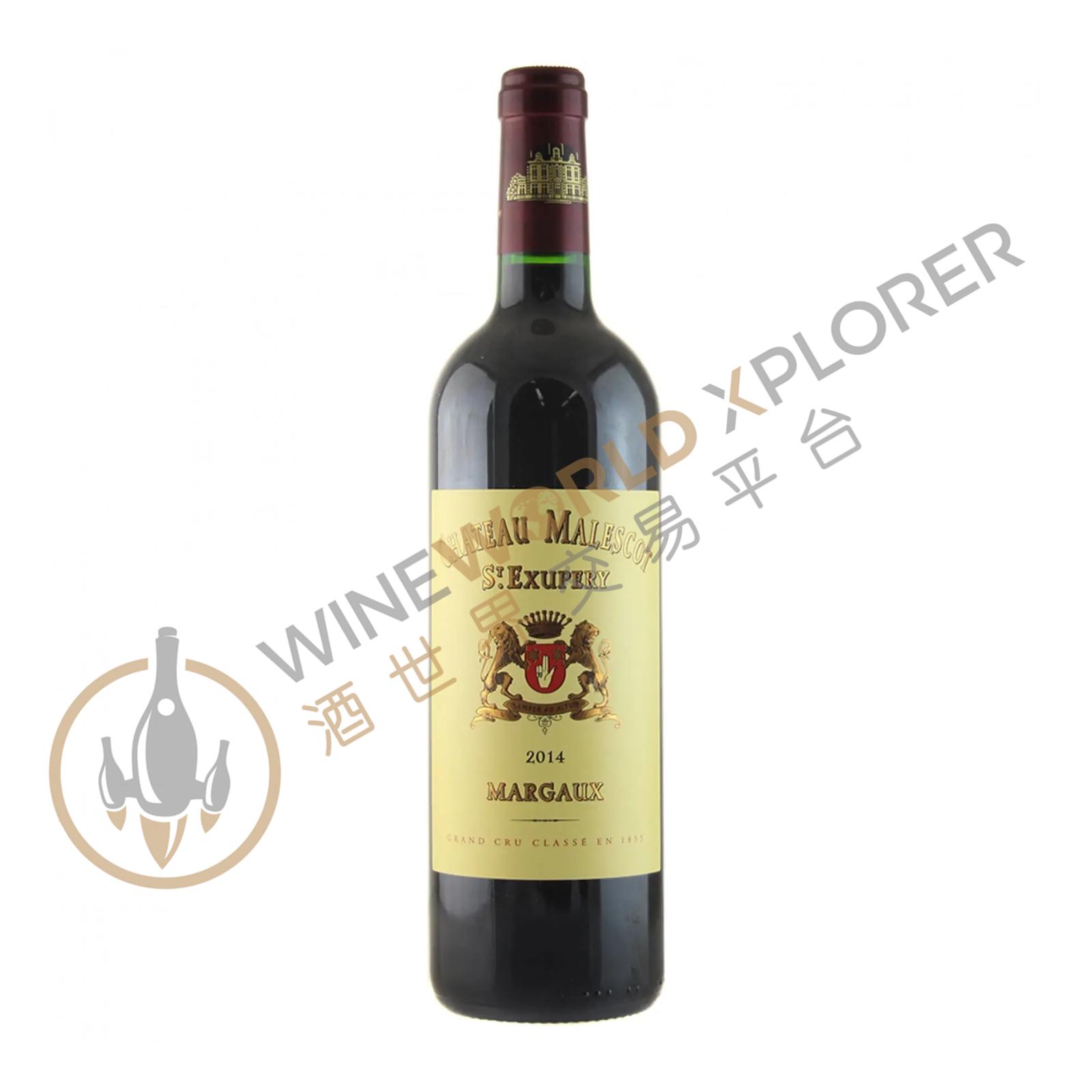
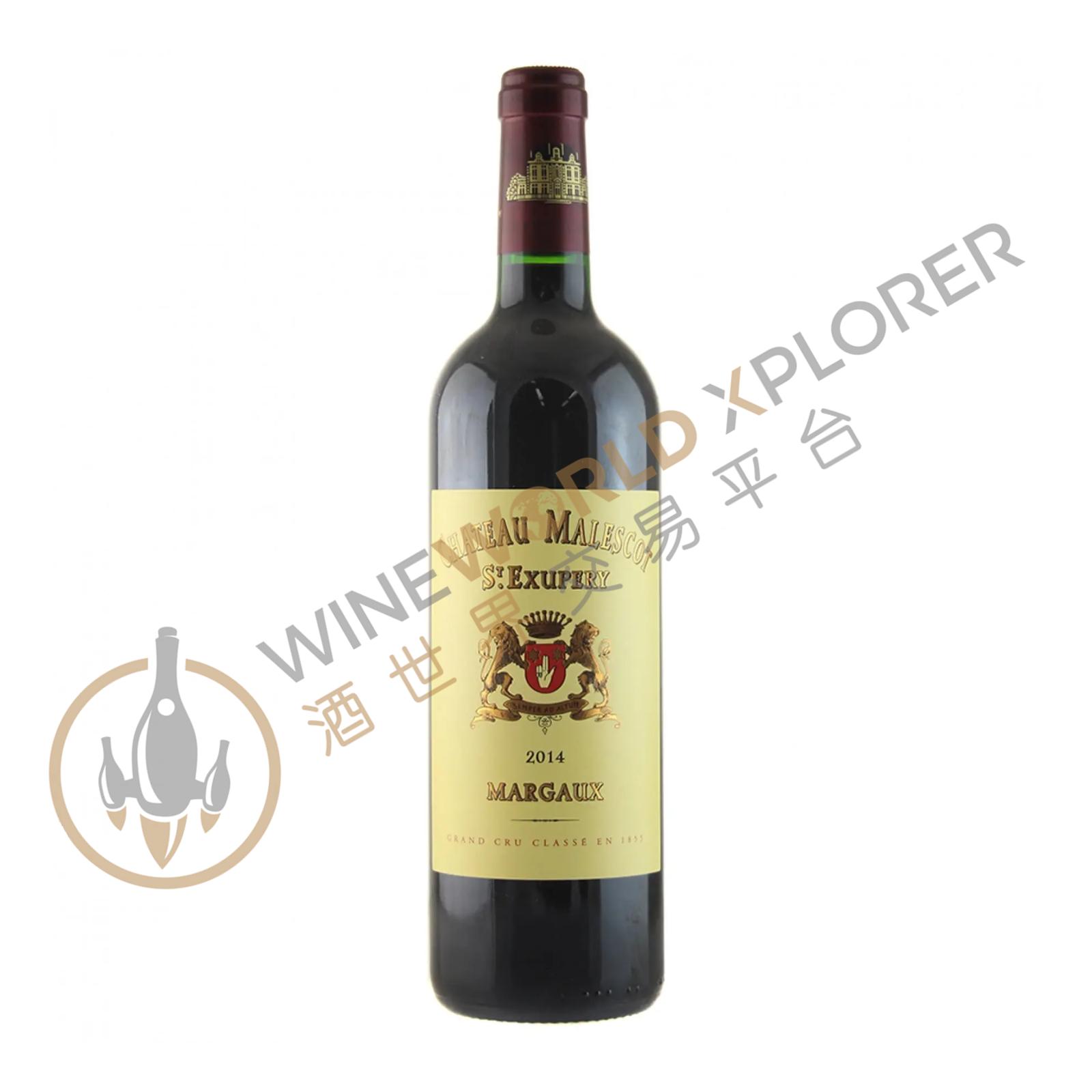
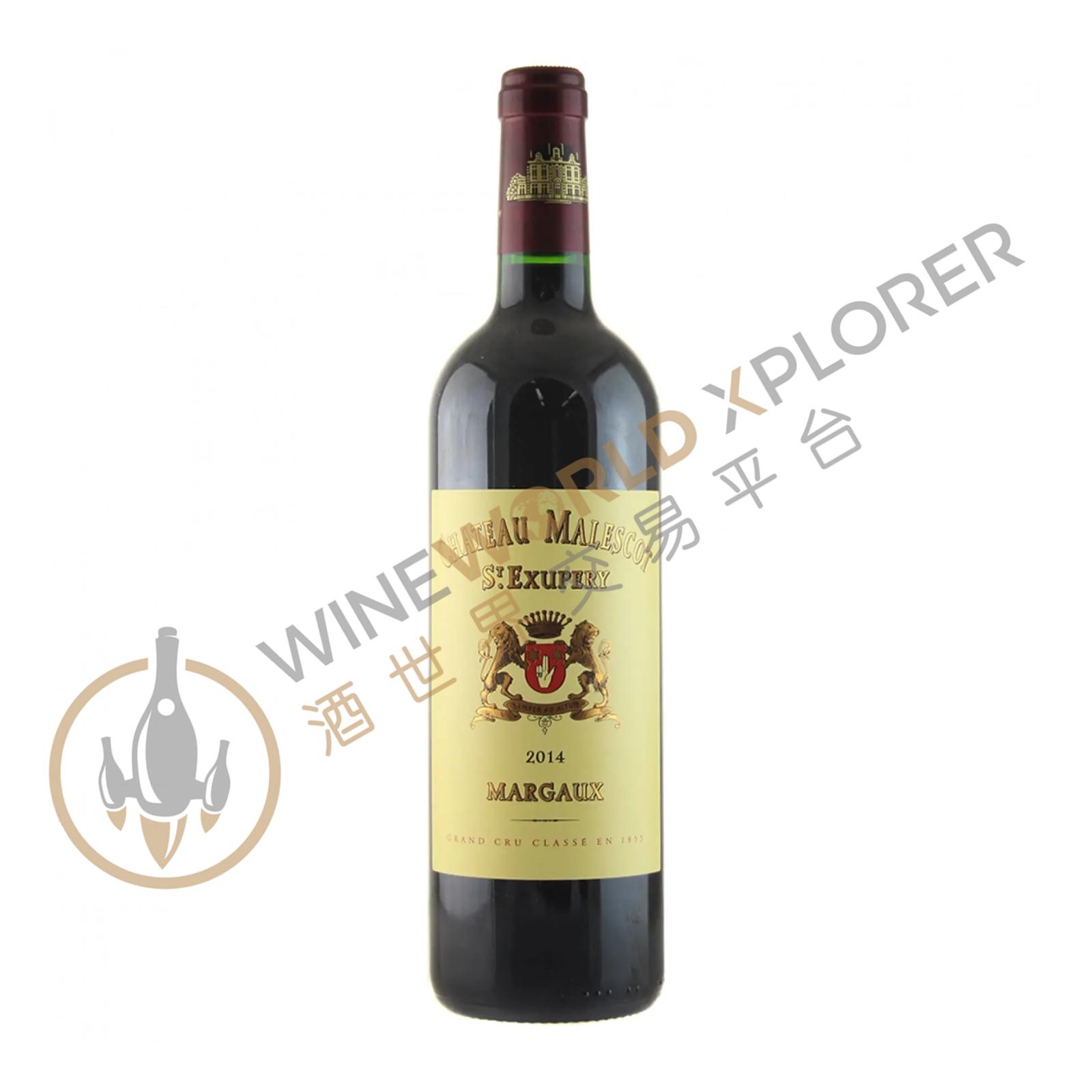
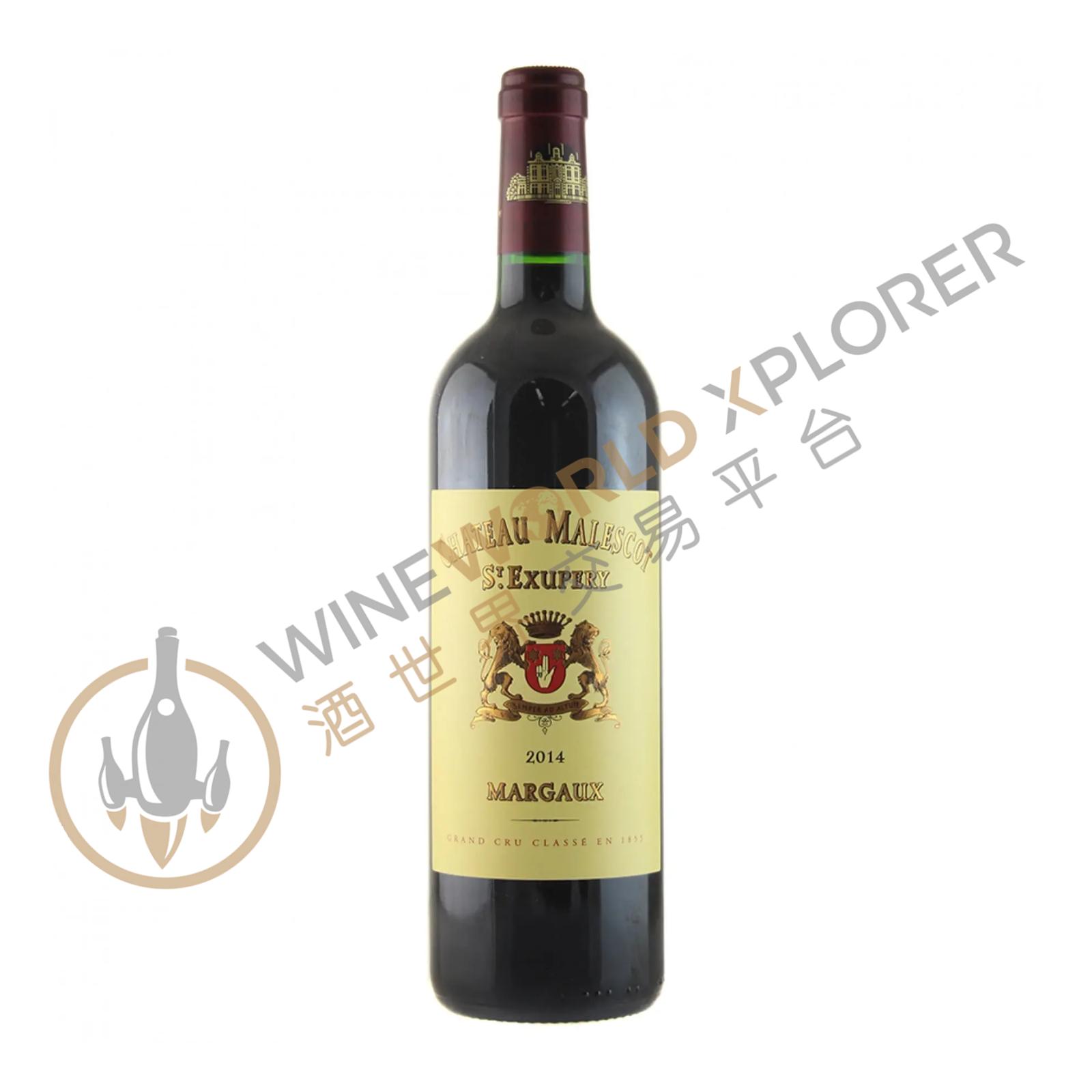
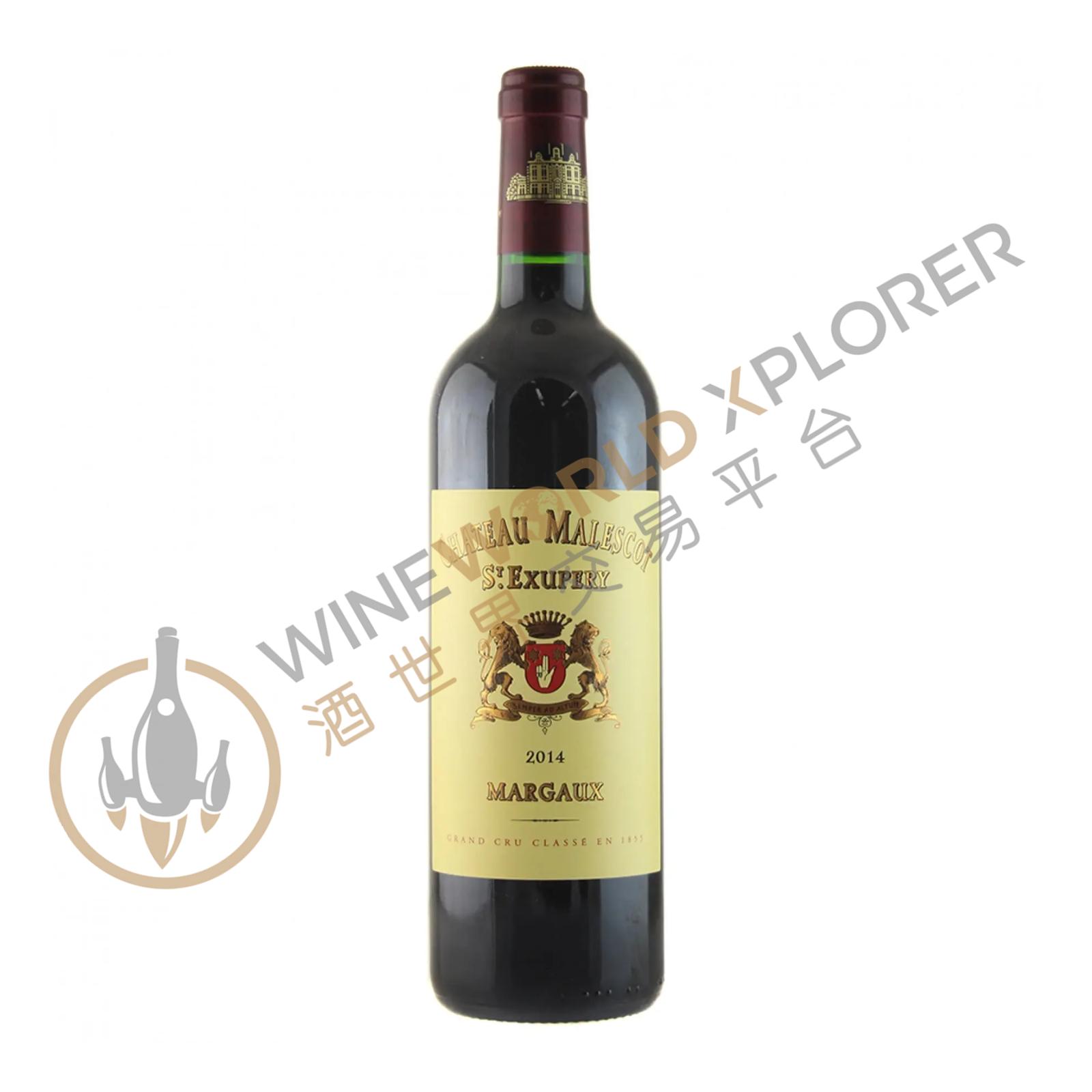
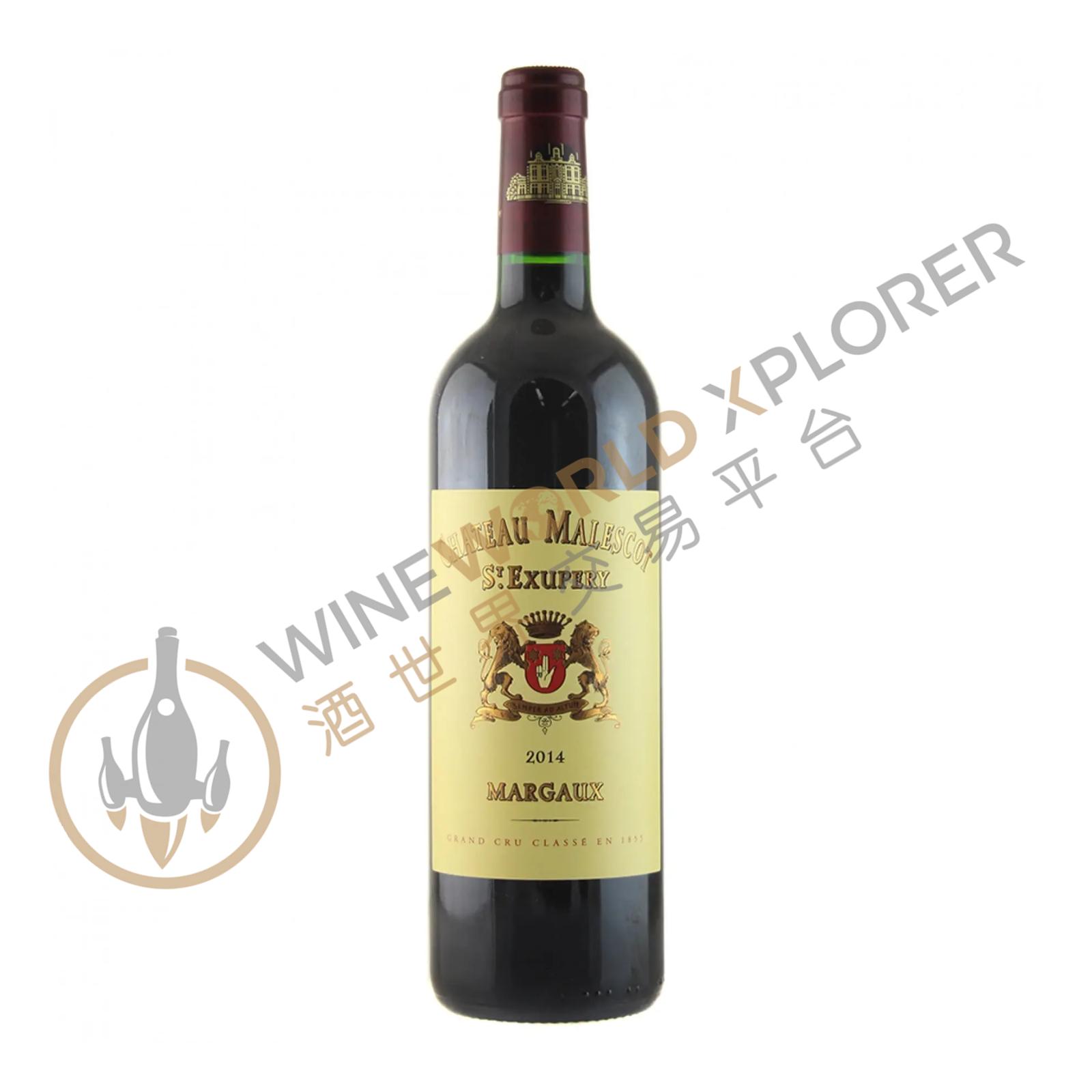
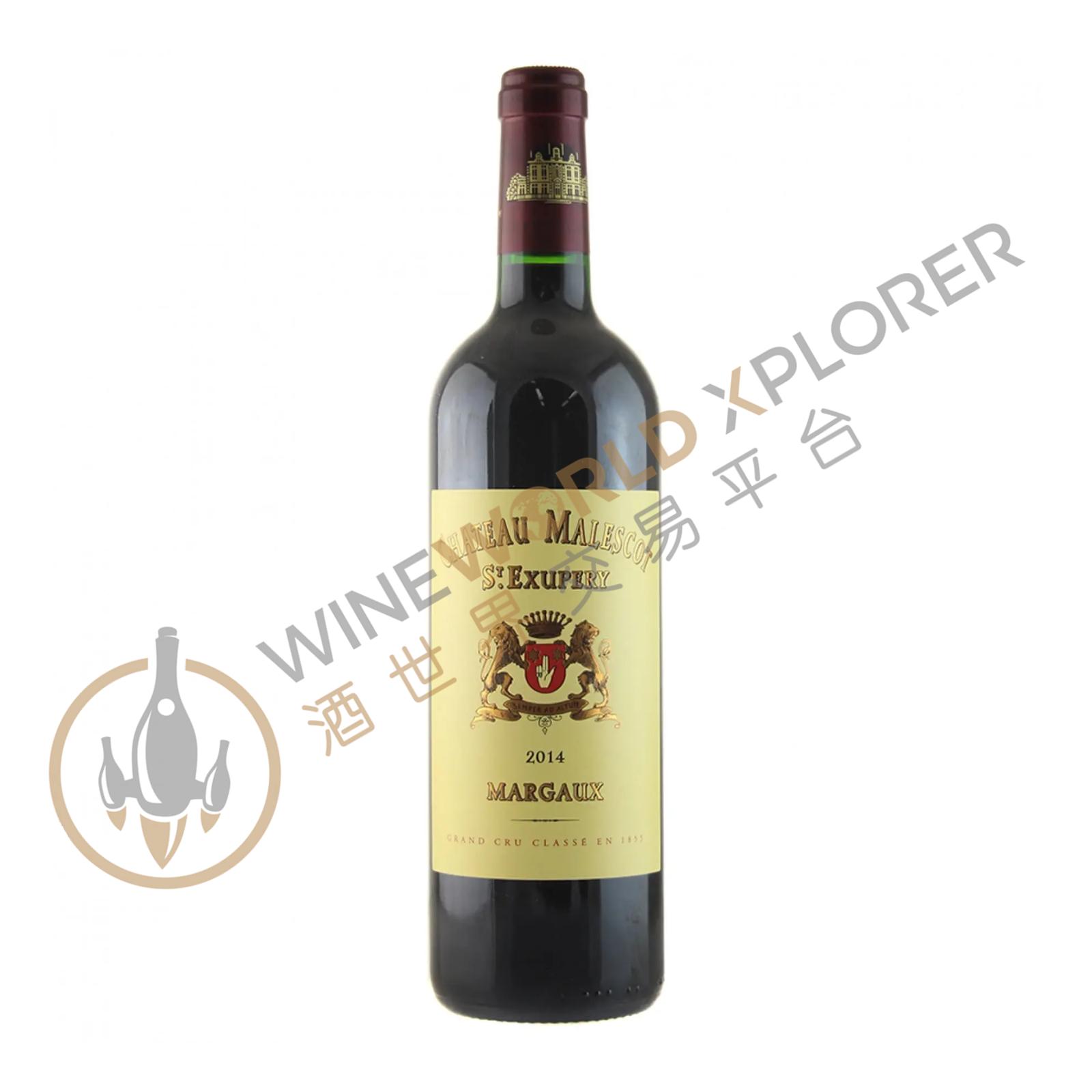
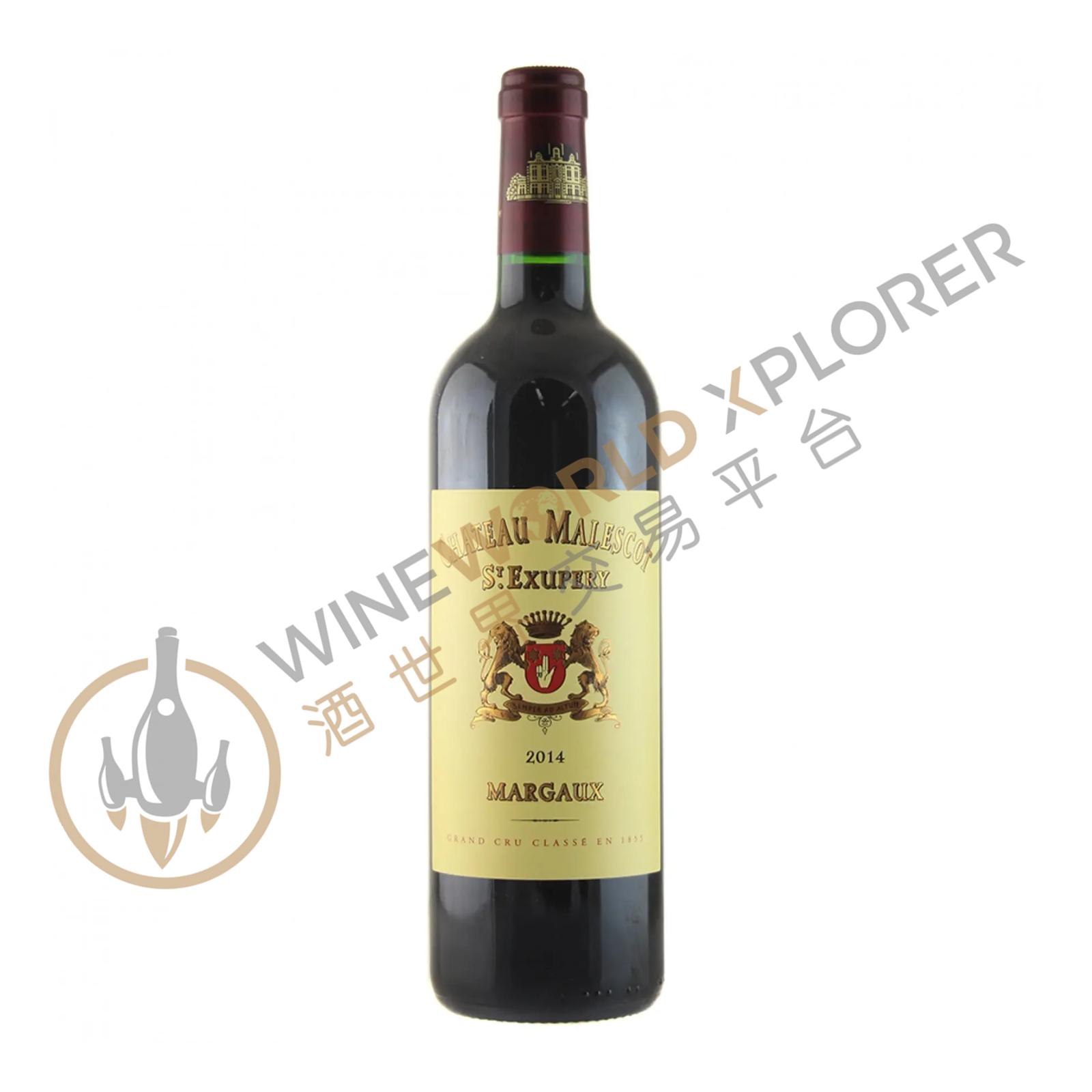
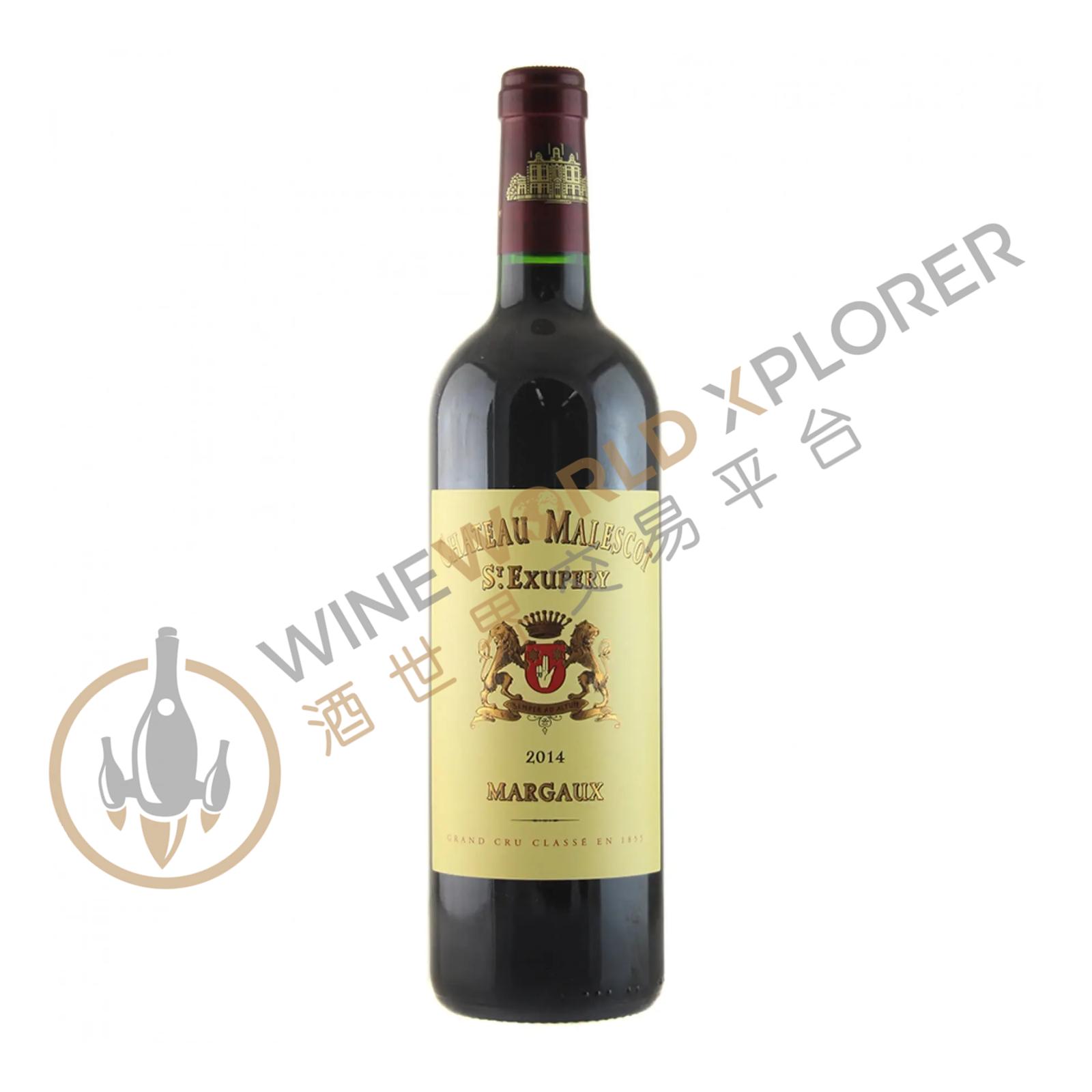
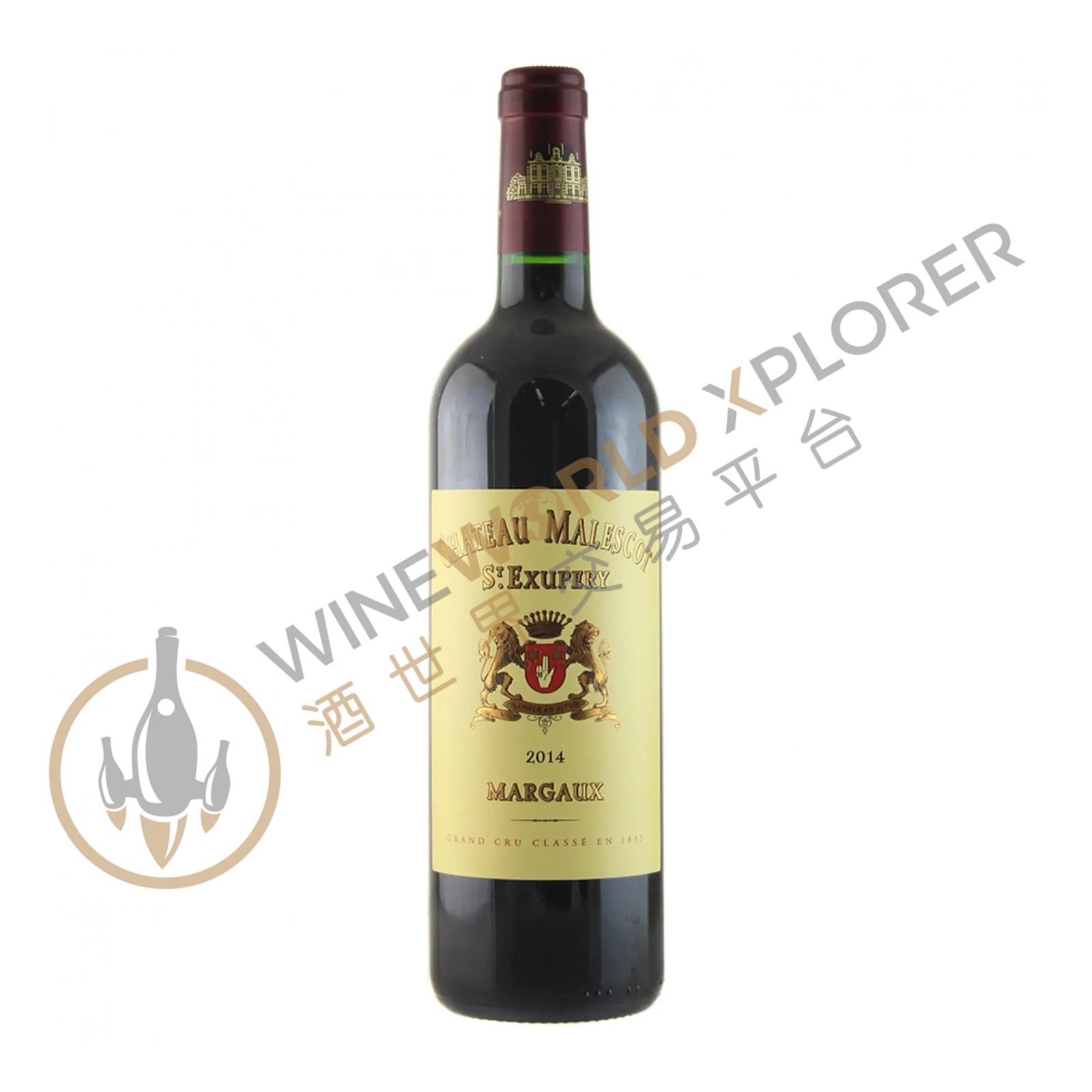
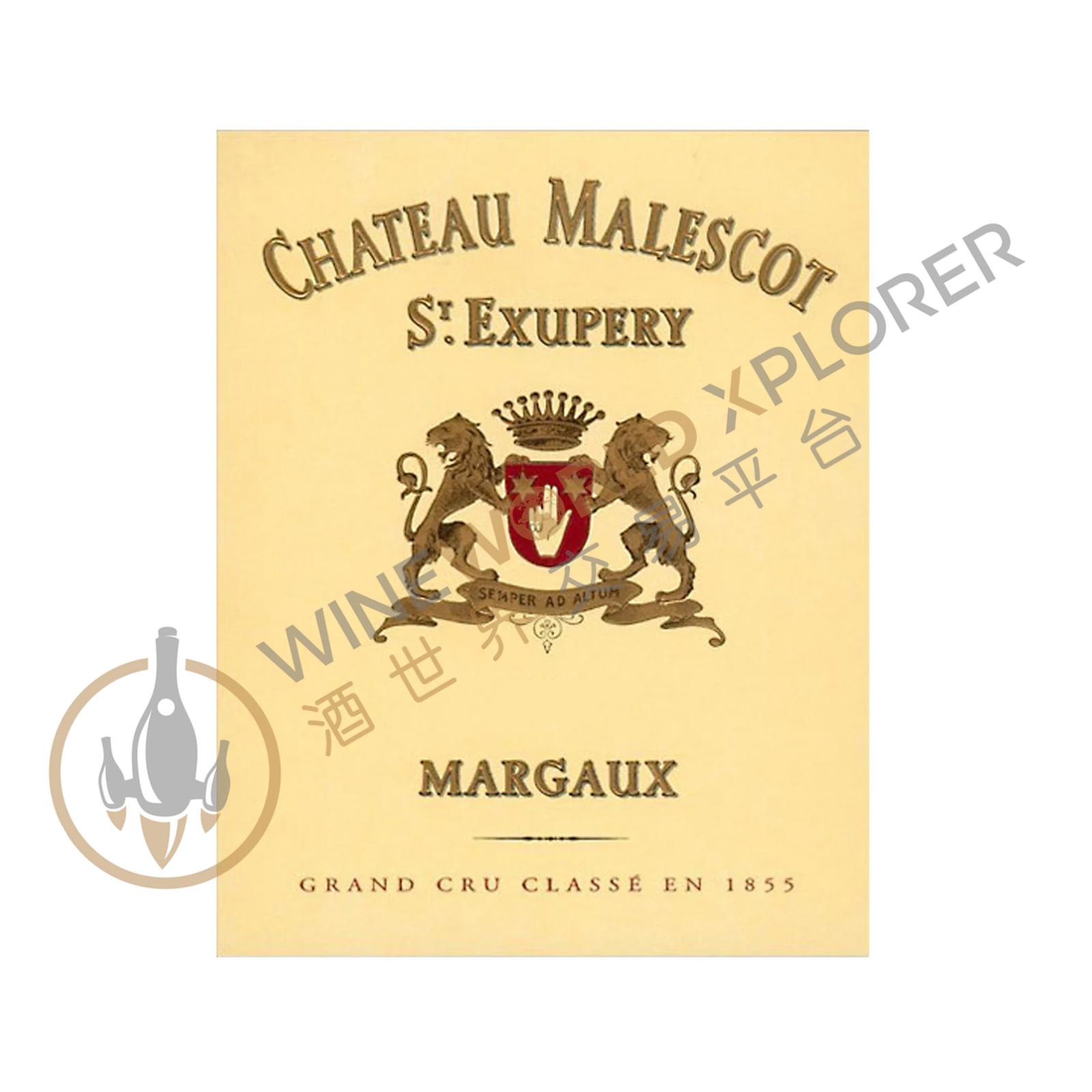
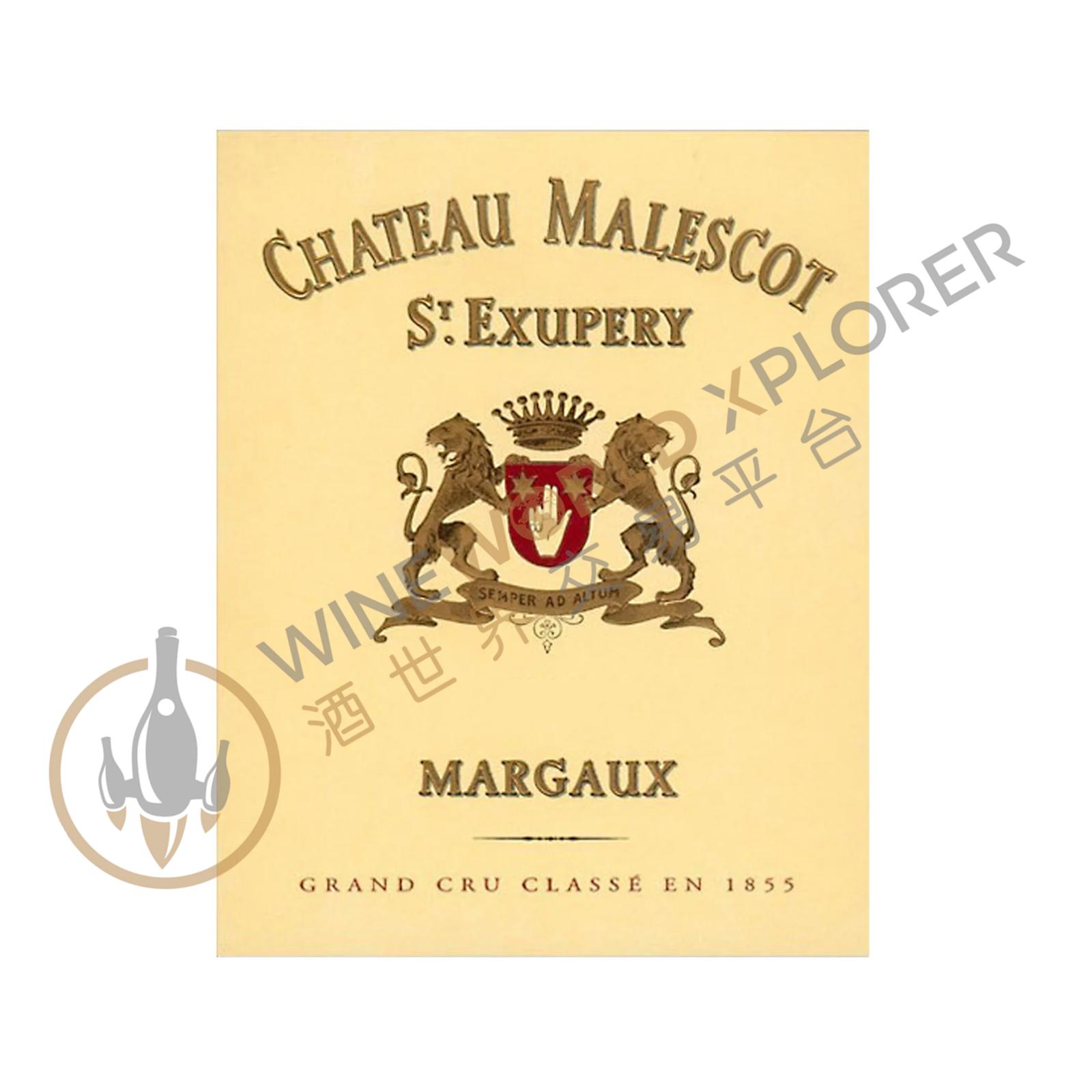
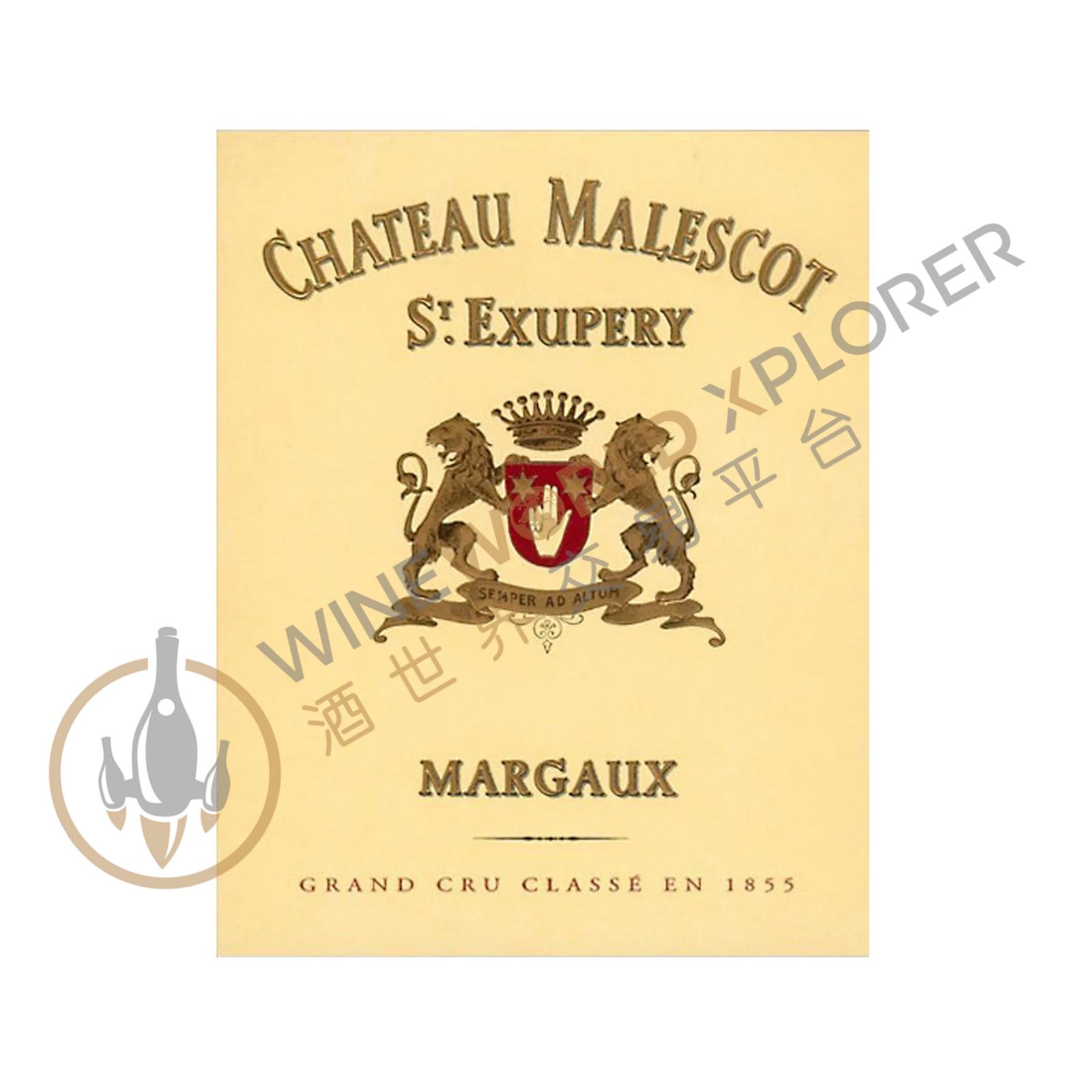
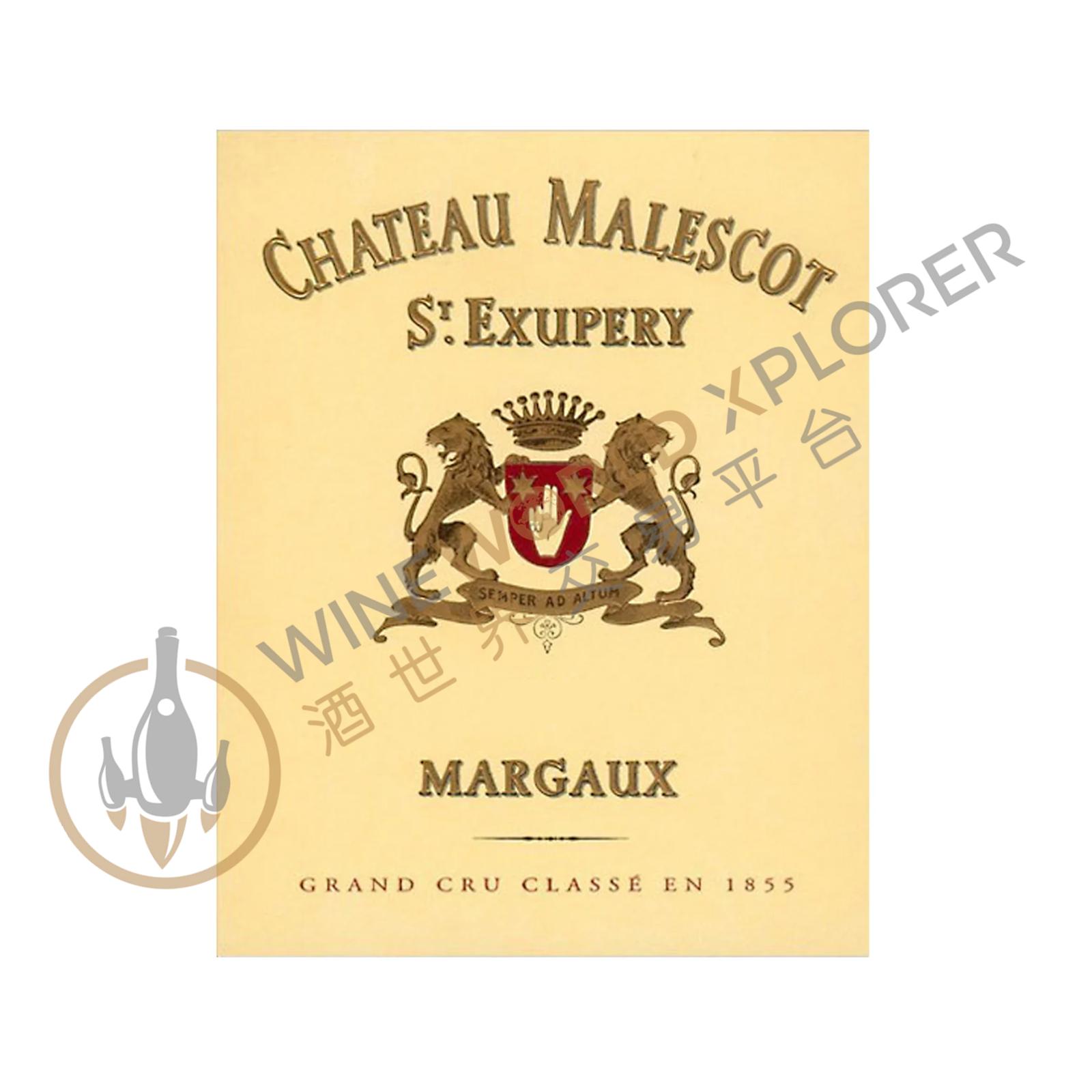
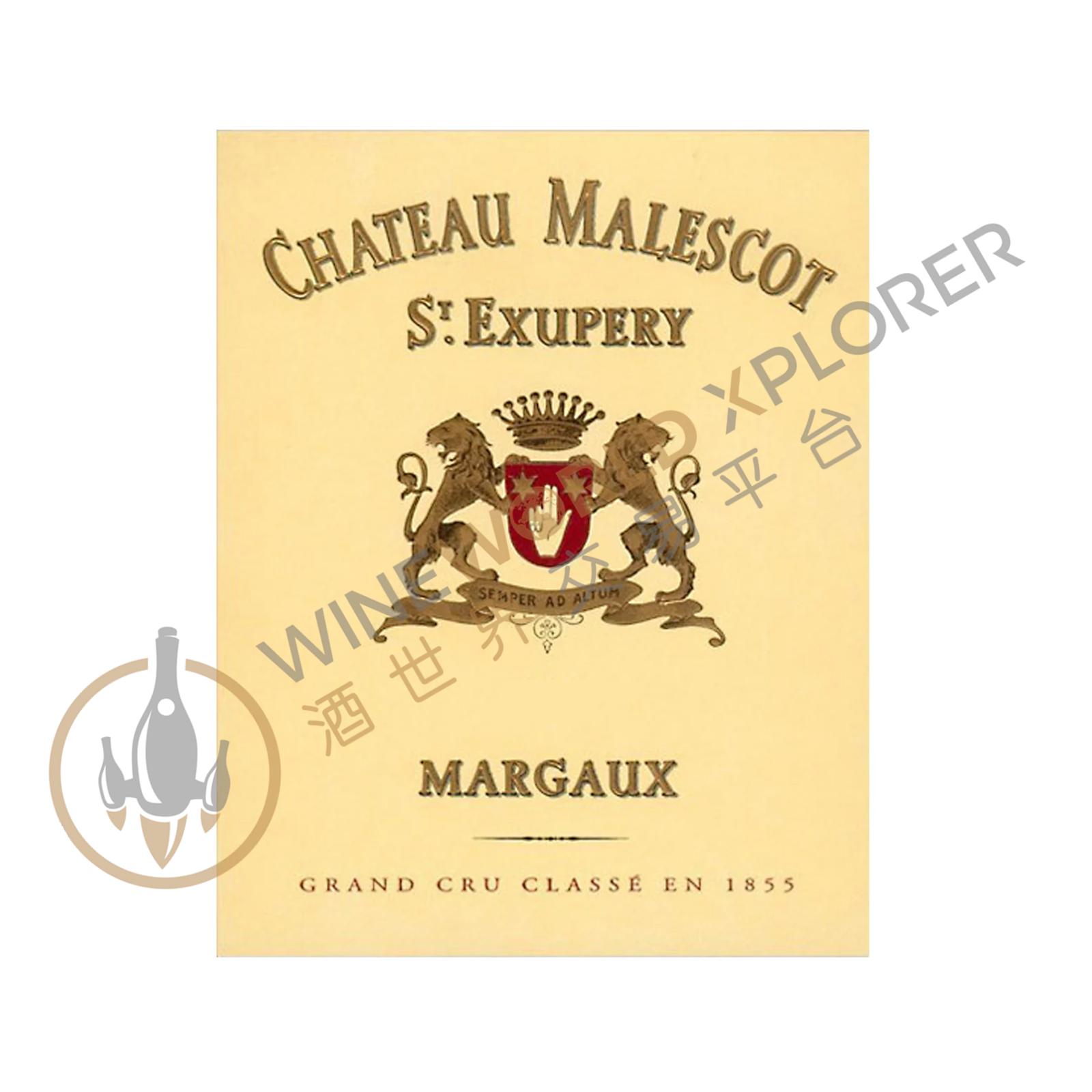
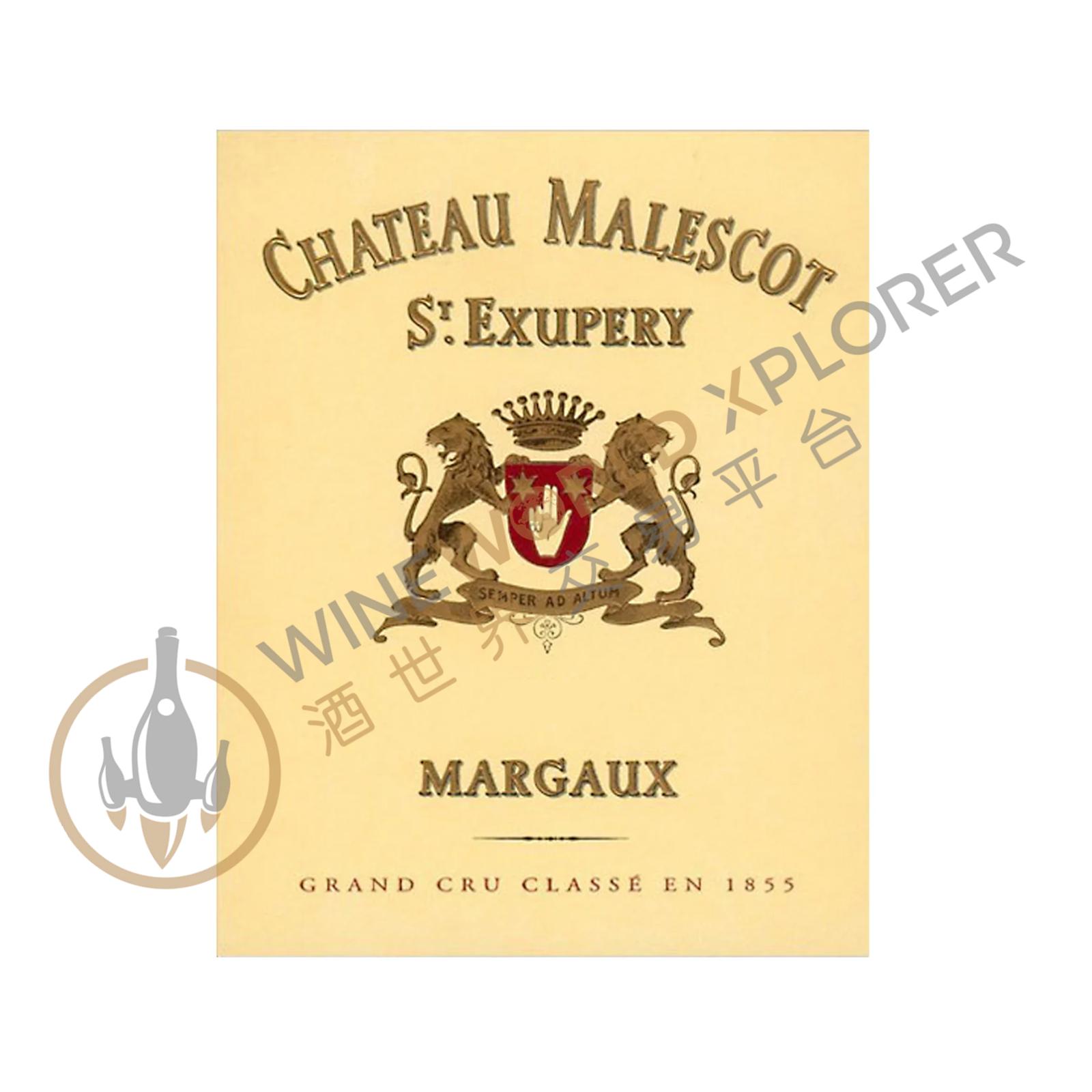
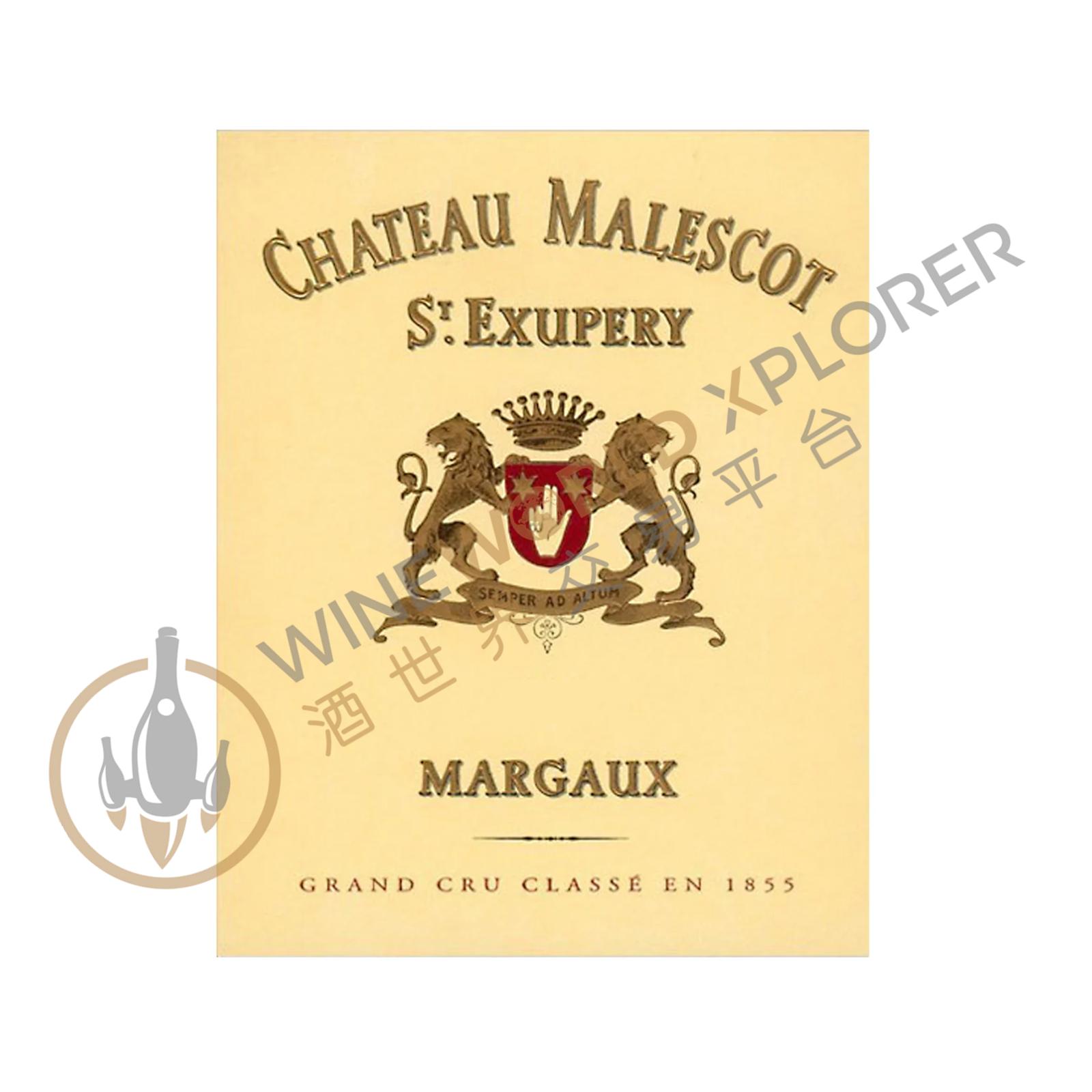
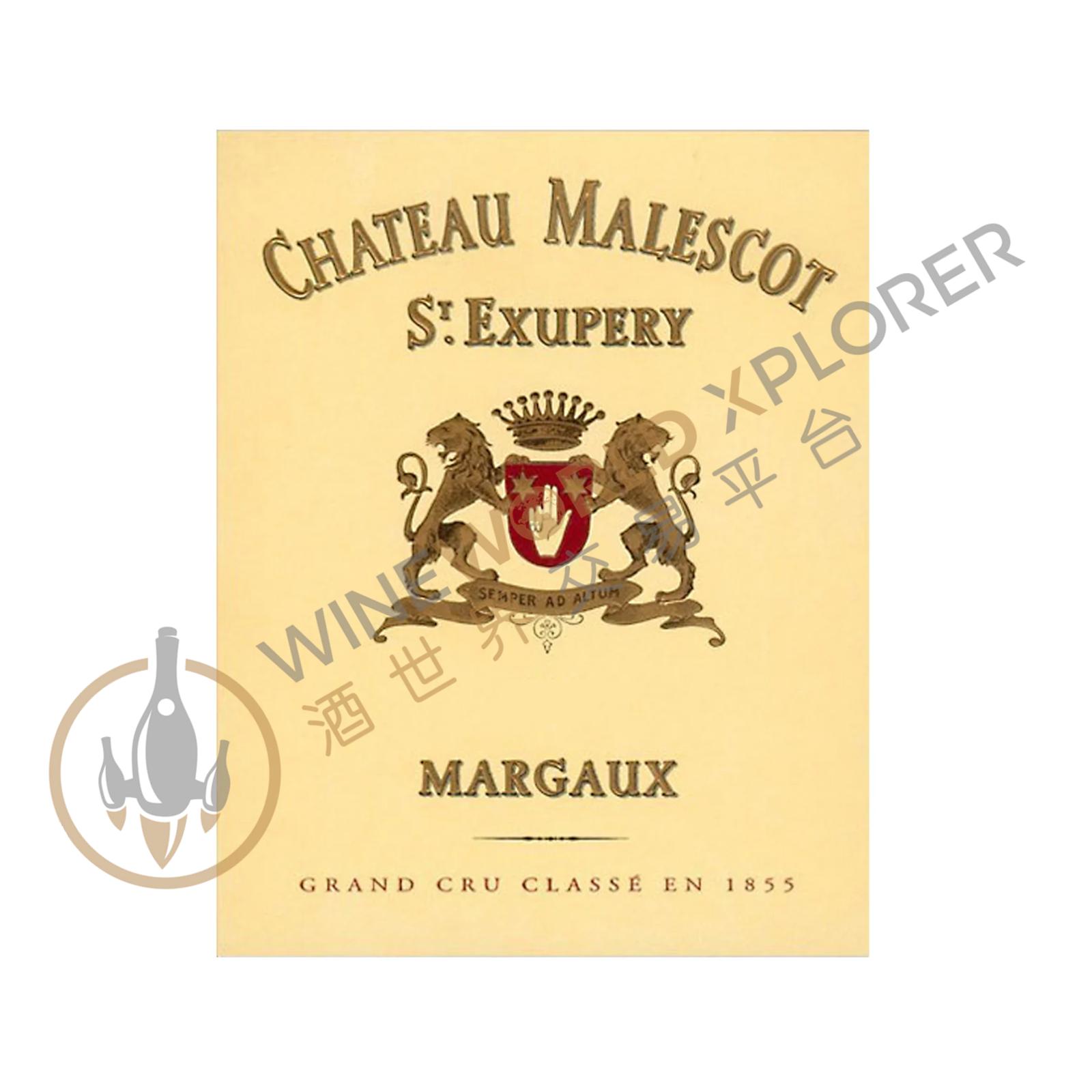
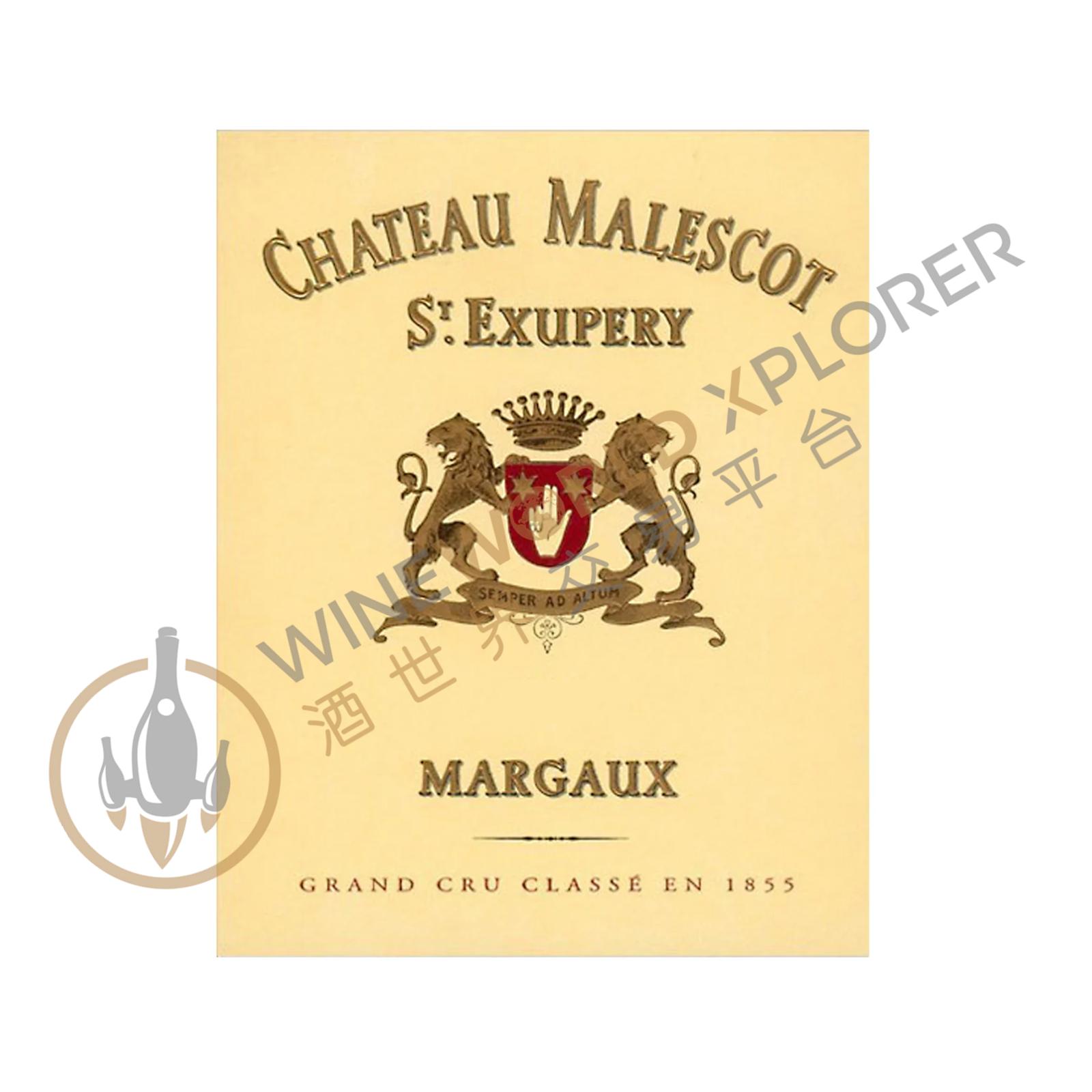
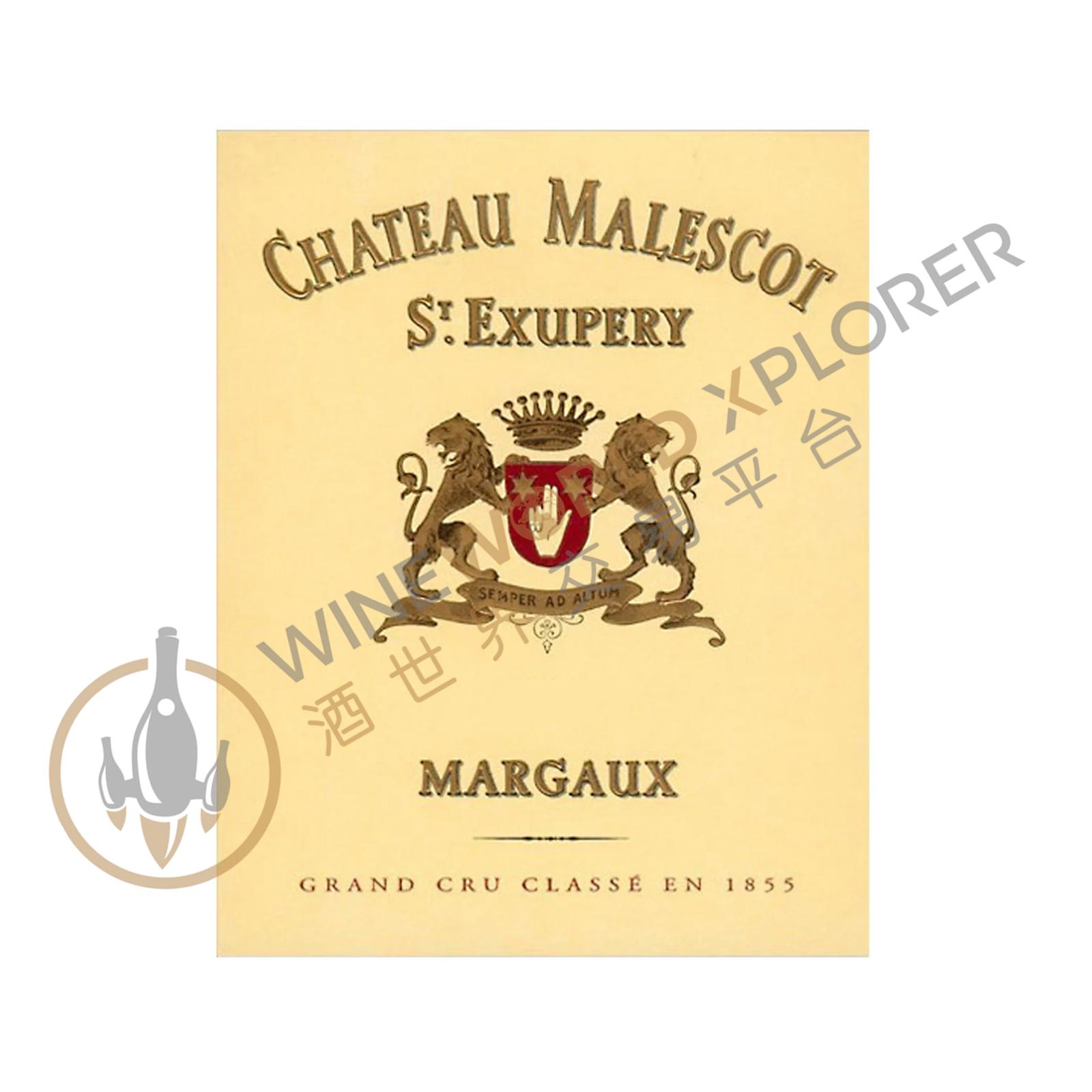
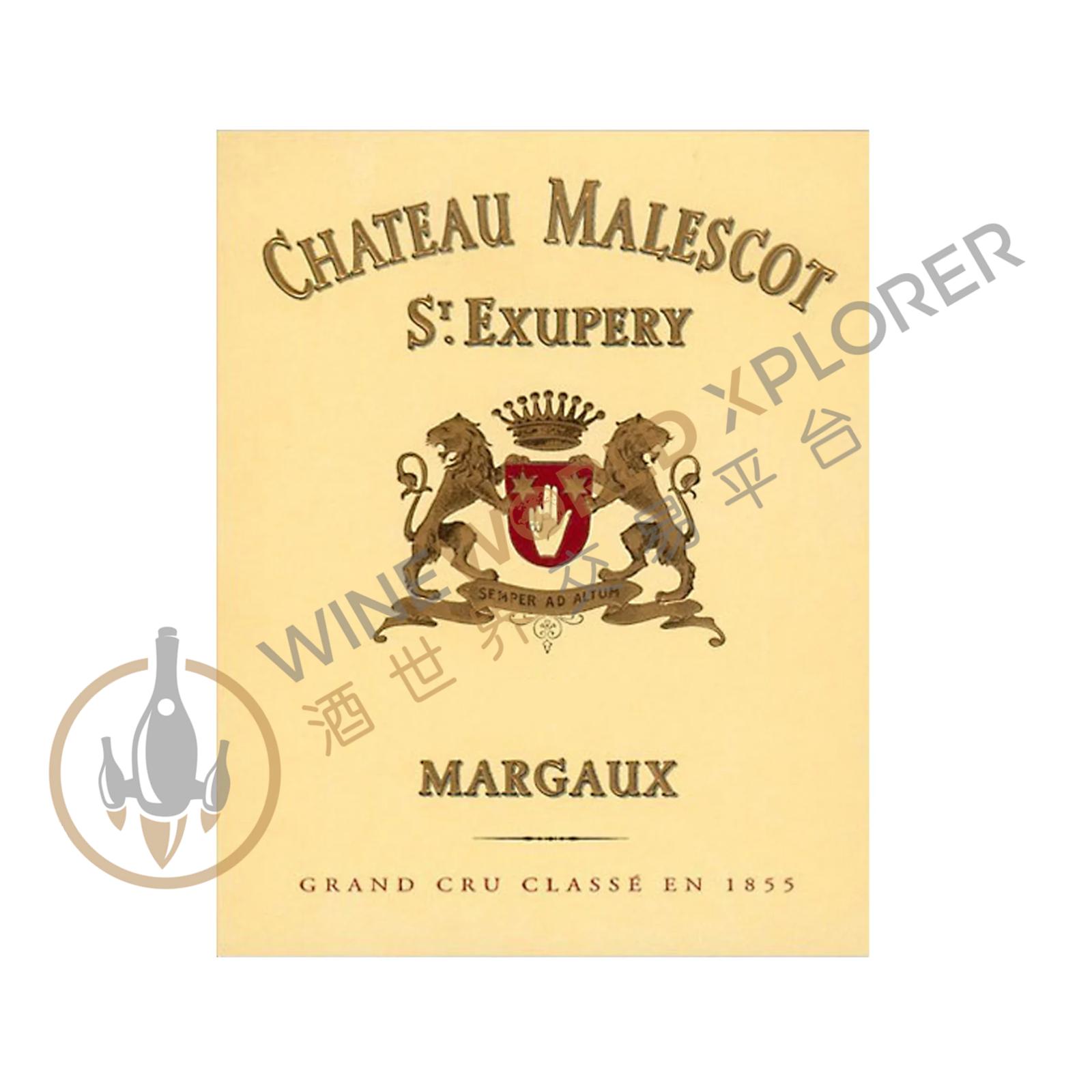
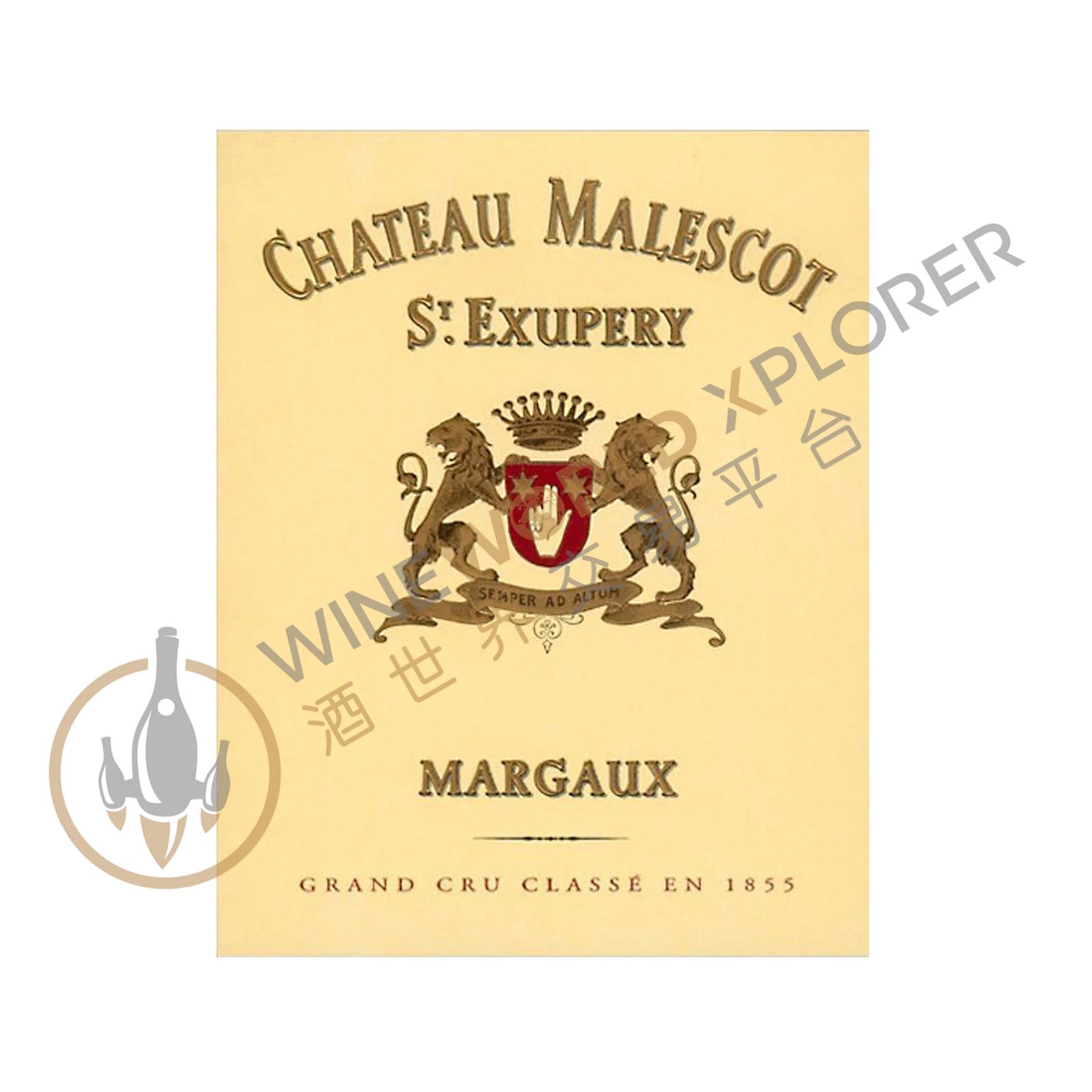
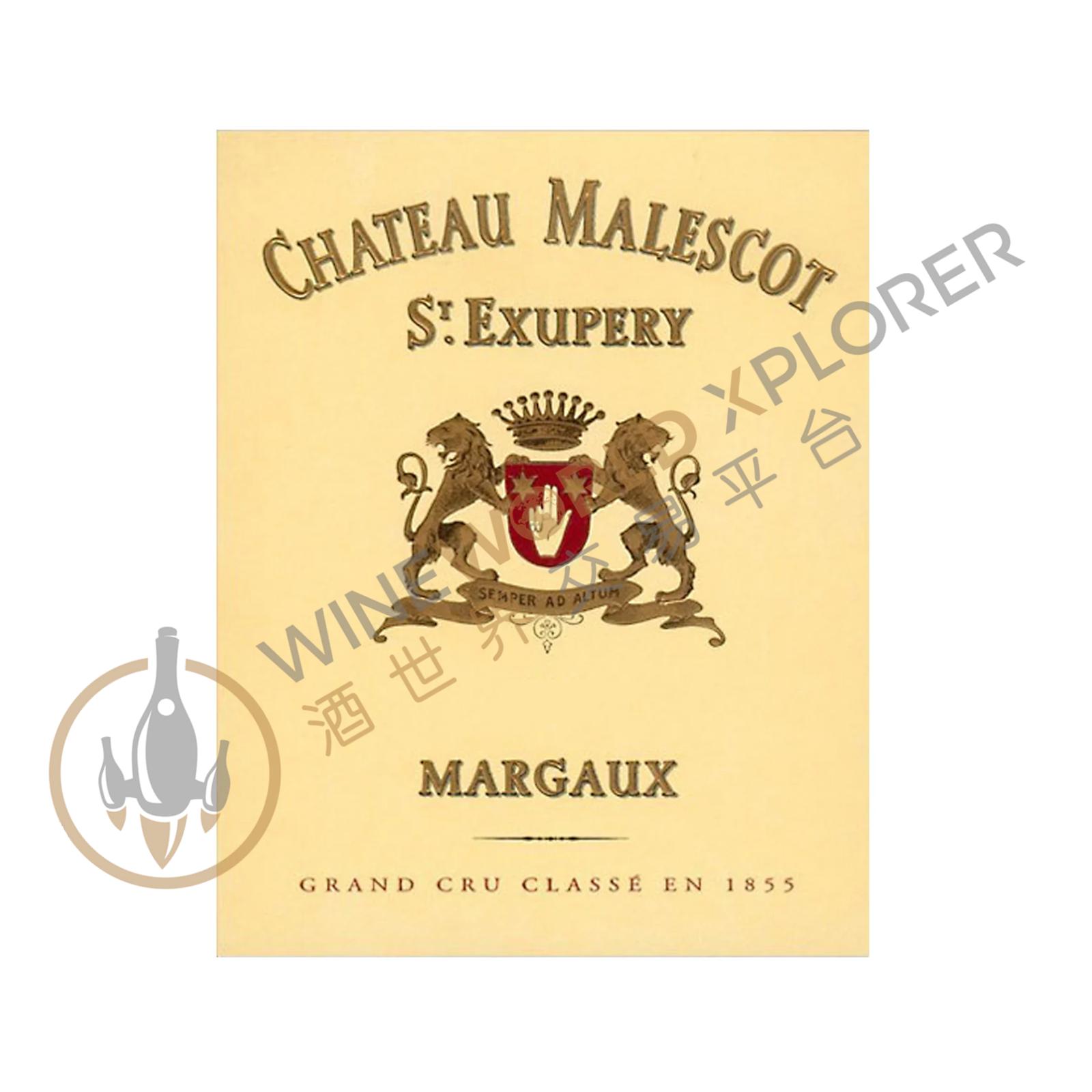
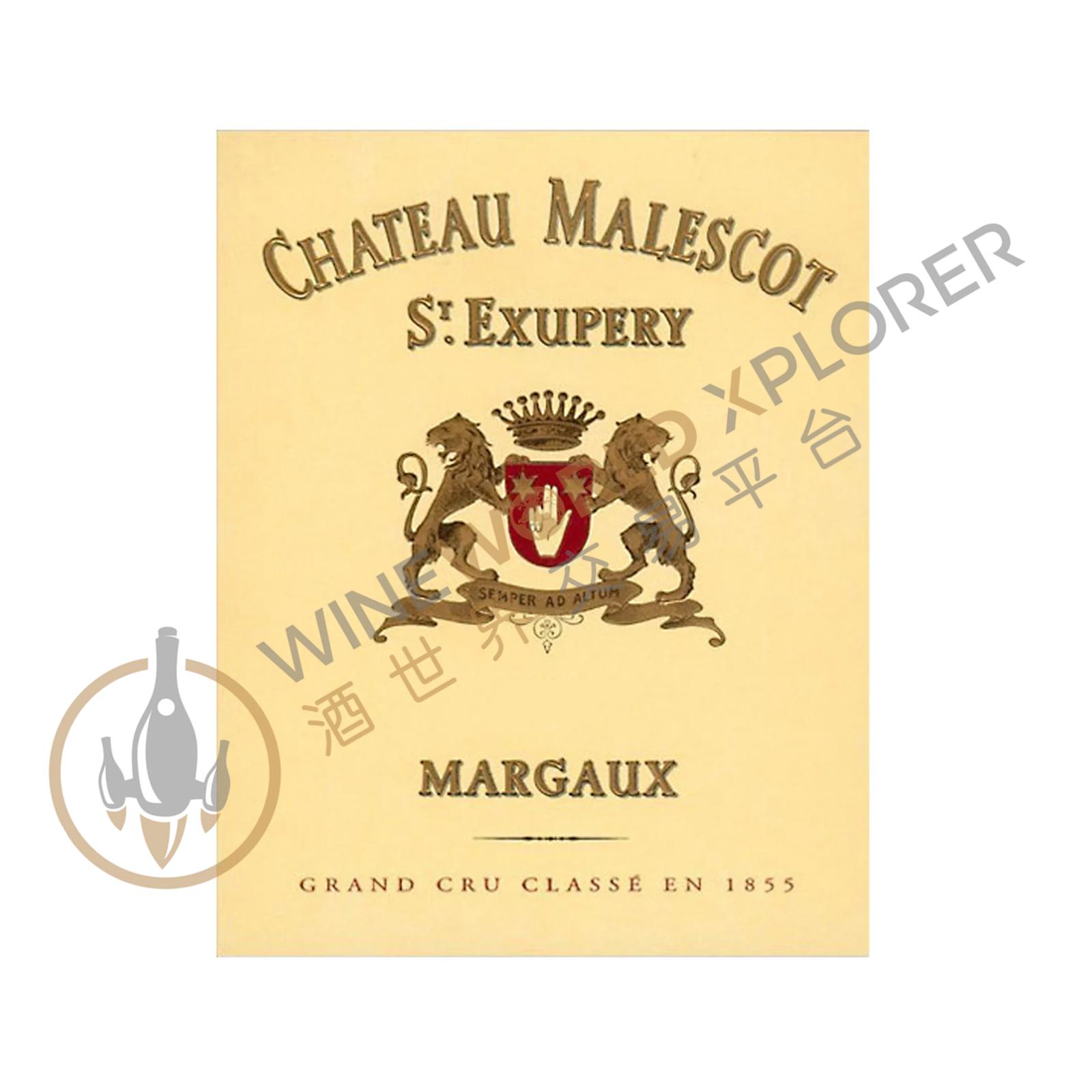
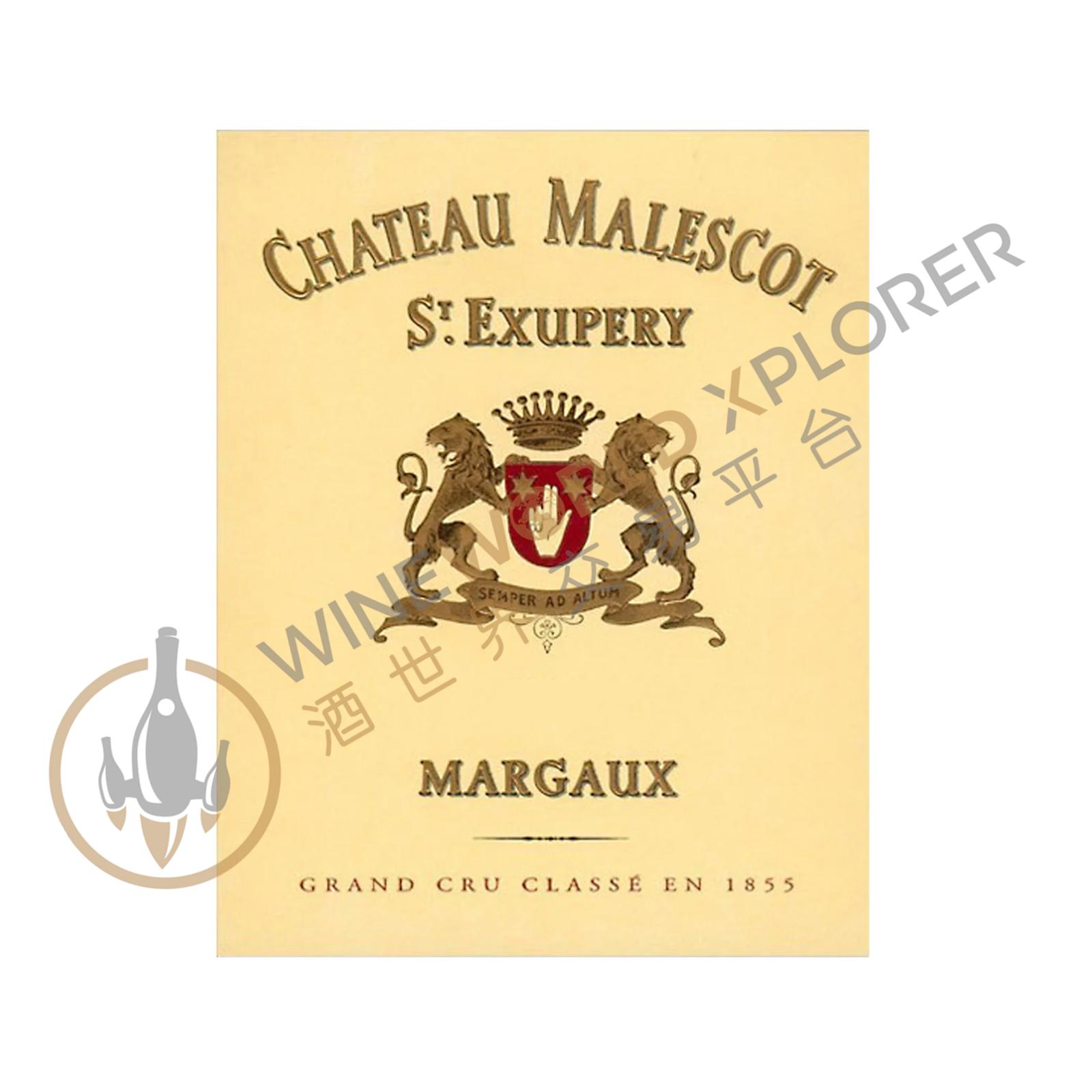
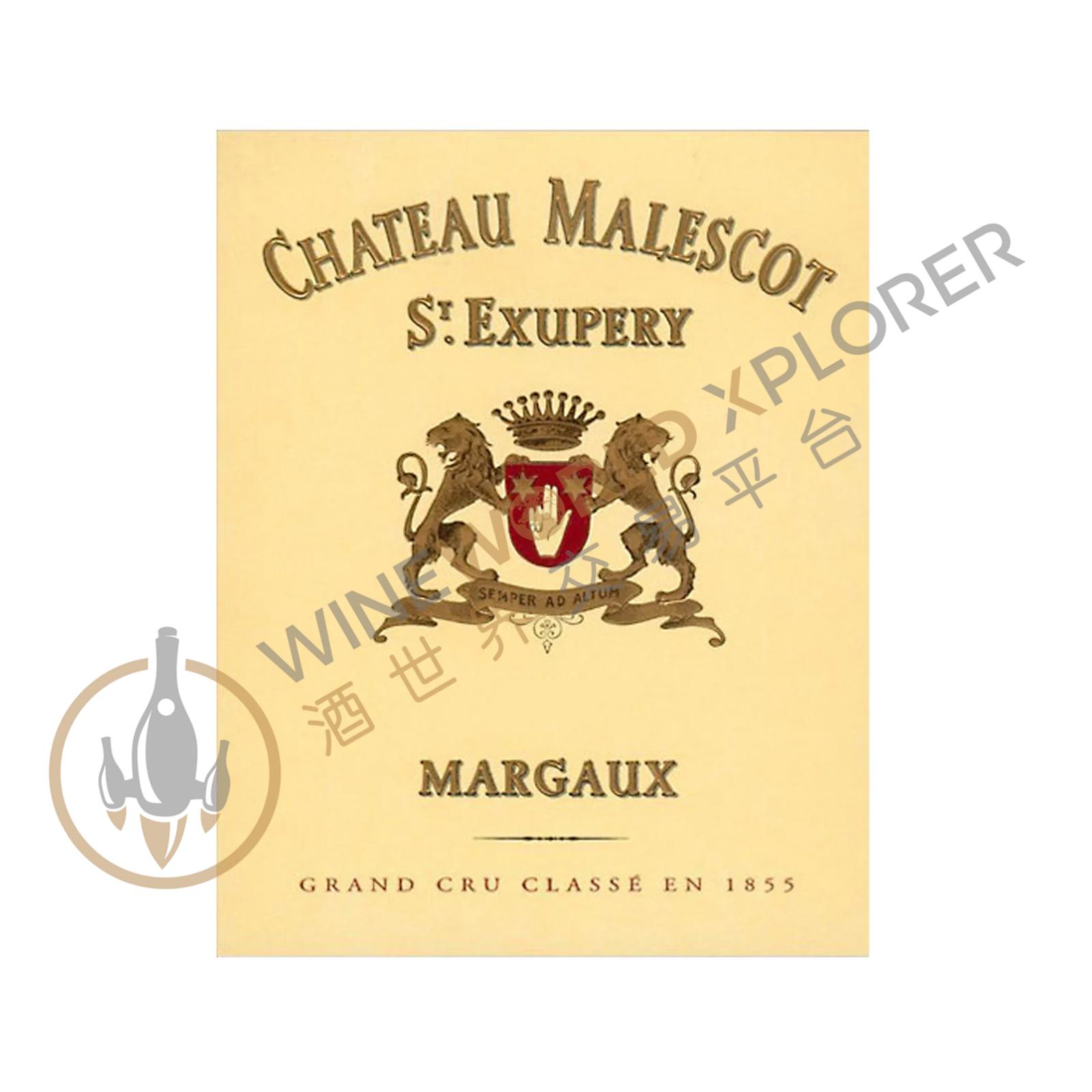
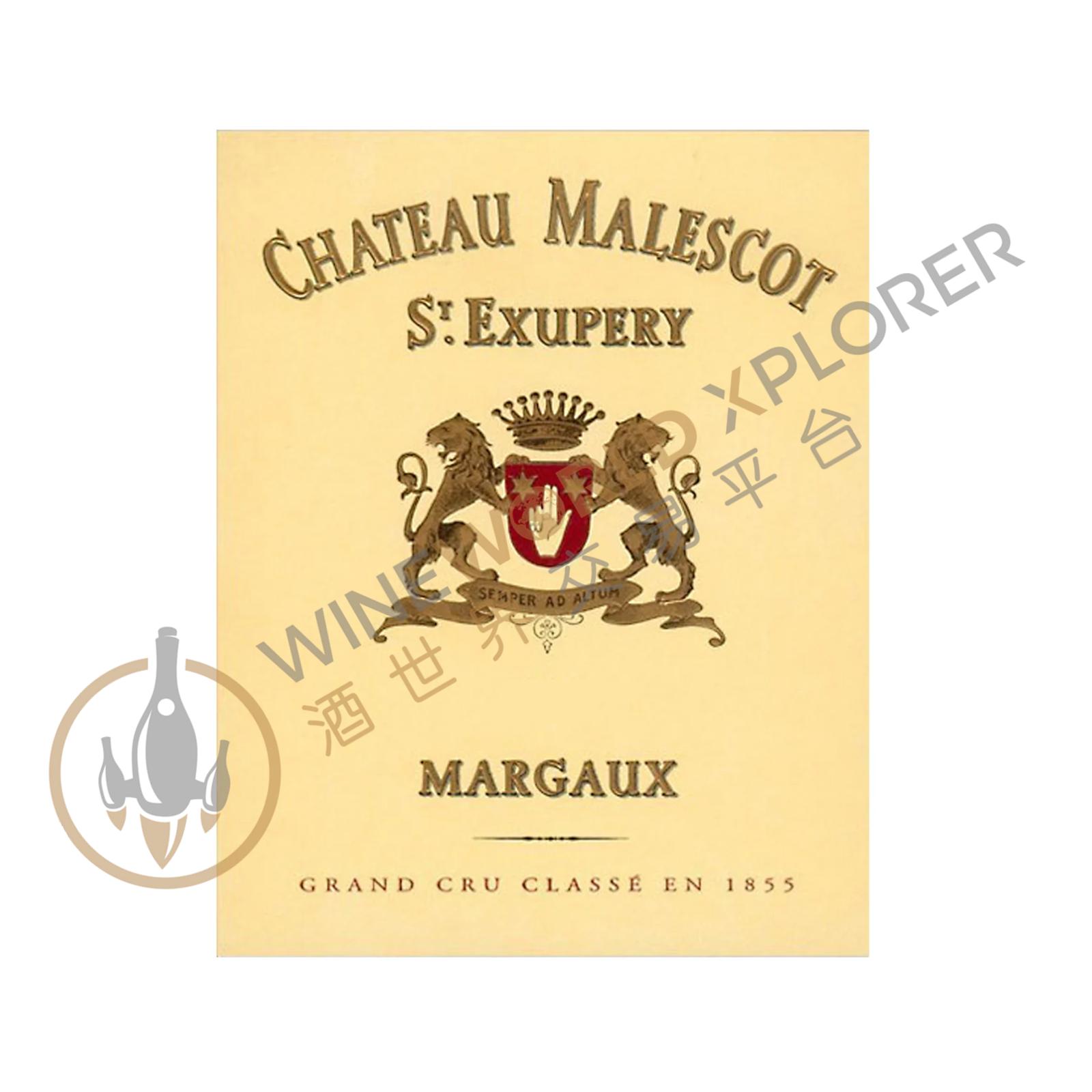
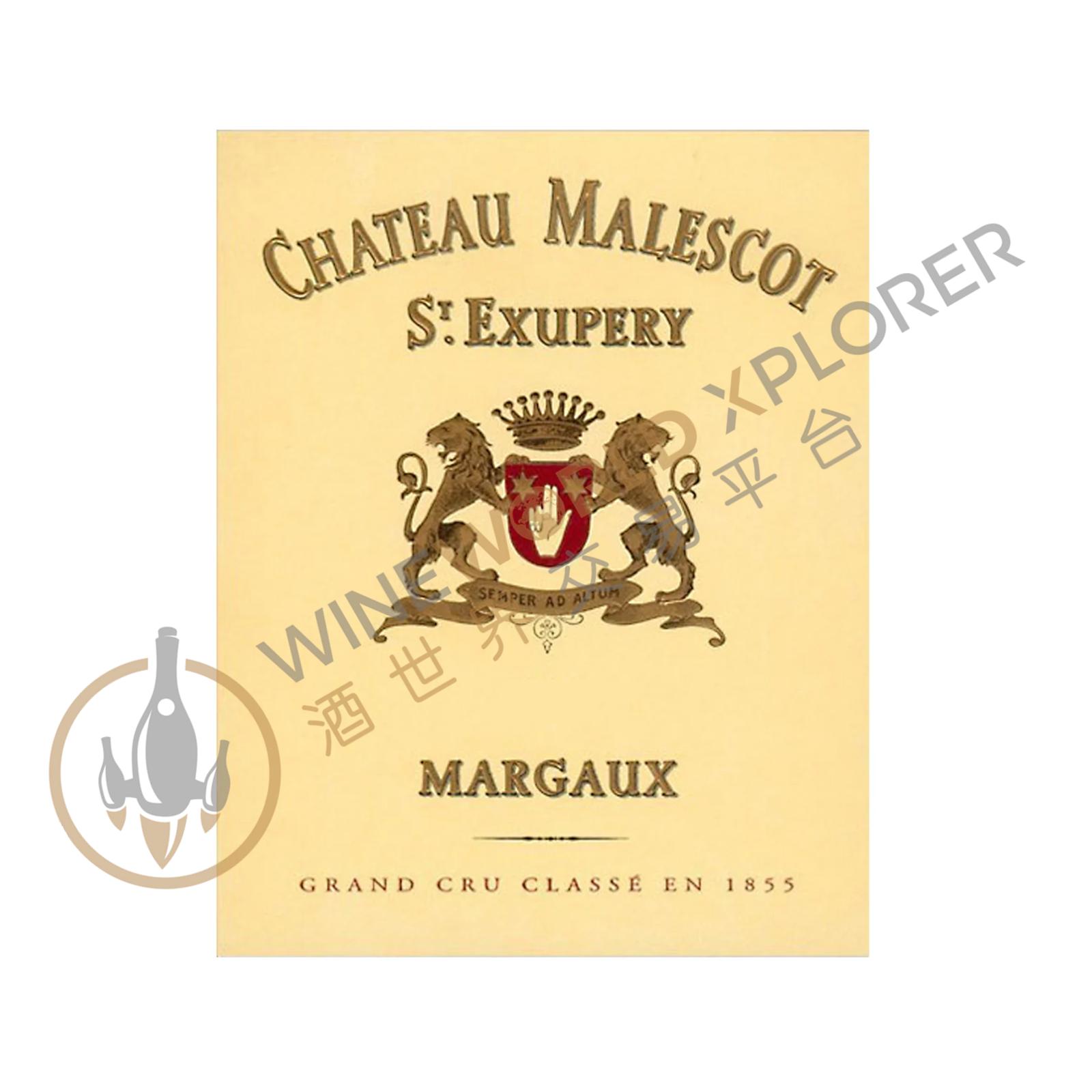
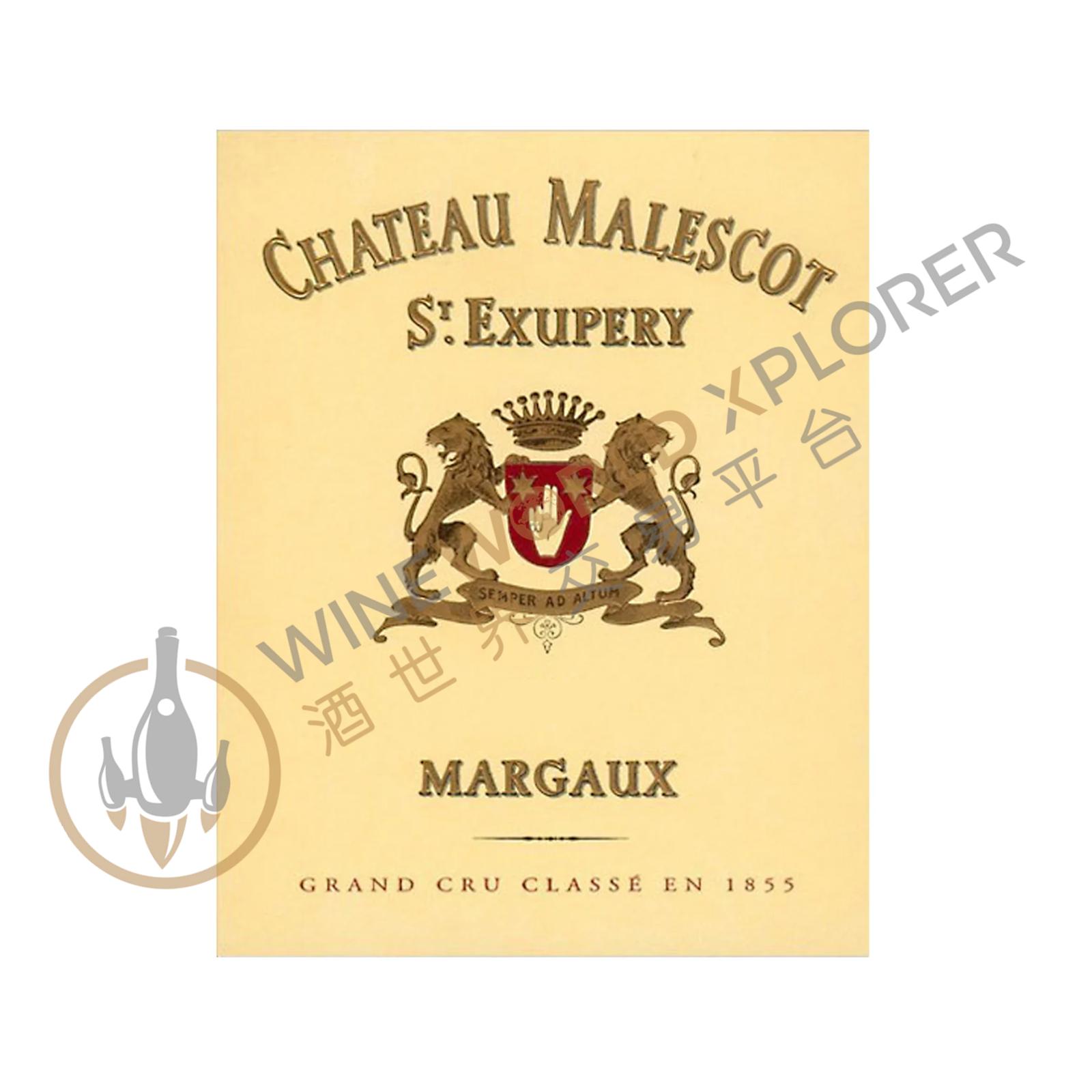
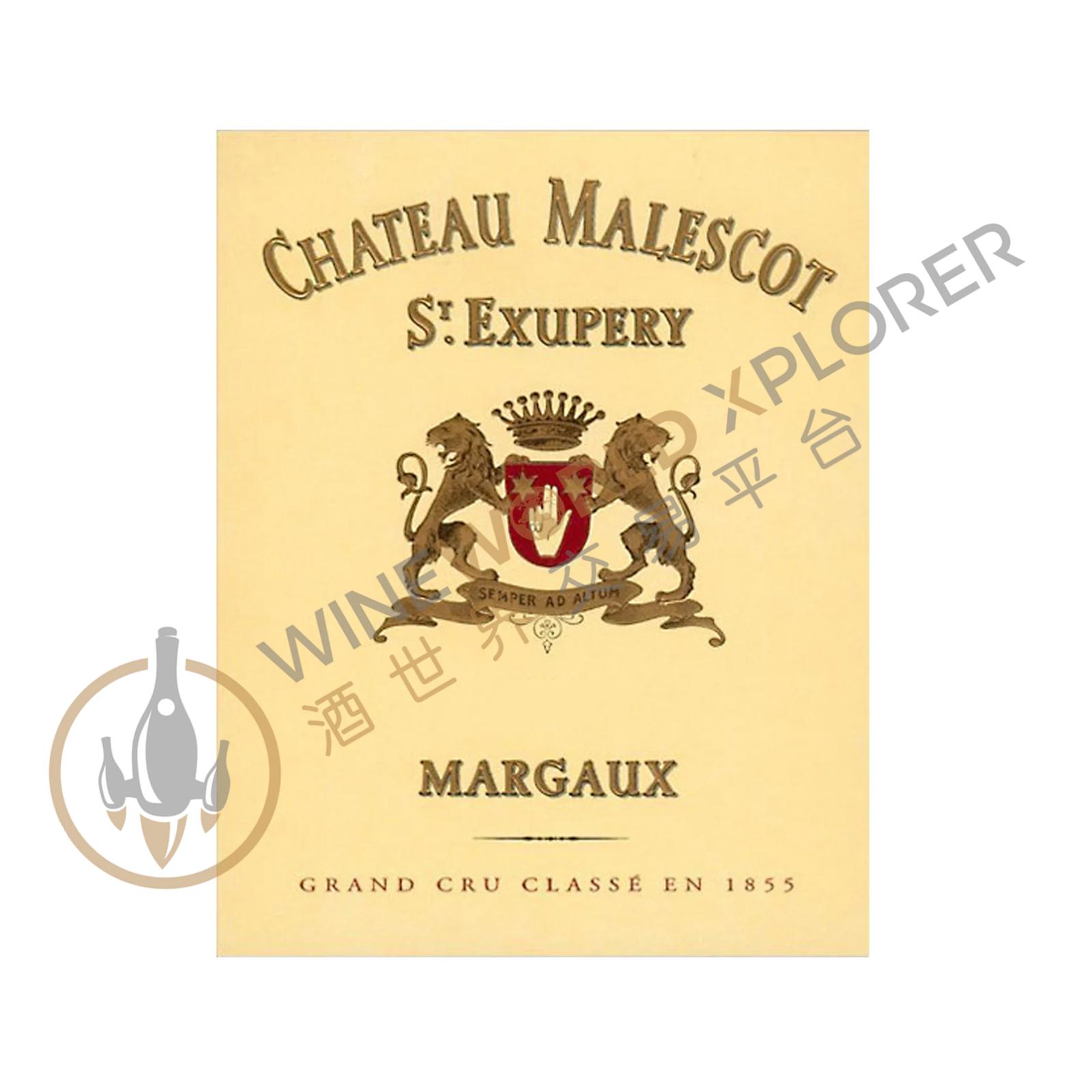
Malescot St Exupery 2013
 View analysis


Description
Tasting notes

Reviewed by: Neal Martin
A blend 62% Cabernet Sauvignon, 30% Merlot, 5% Cabernet Franc and 3% Petit Verdot, the Malescot St. Exupery has a perfumed bouquet with ripe floral cranberry and redcurrant fruit that is nicely defined, the Cabernet lending a pleasant cedar-infused aroma. The palate is medium-bodied with grainy tannins, well judged acidity and a light but focused finish that is at least fresh and precise. This is a well-crafted Margaux for the vintage and should drink well over the next 6-8 years. Tasted April 2014.
Reviewed by: Antonio Galloni
The 2013 Malescot Saint Exupéry is a bit tight and rough around the edges, but it also offers good persistence and depth. Smoke, violets, tobacco, grilled herbs and cured meats inform the tannic, somewhat burly finish. Tasted twice.
Reviewed by: Ian d'Agata
Full ruby. Fresh aromas of redcurrant, licorice and baking spices. Juicy and tight in the mouth, with moderate sweetness and intensity to the flavors of black fruits, herbs, licorice and spicy oak. Finishes moderately long but a little diffuse, with repeating spice and herb notes. Malescot is usually the most opulent of all Margaux' and a wine I normally really like, but this 2013 is currently tough as nails and a little fruit-challenged.
Reviewed by: Neal Martin
The 2013 Malescot St. Exupéry was cropped at 29hL/ha, 85% in the Grand Vin. It has a light blackberry, strawberry and sous-bois nose, with a little wild mushroom and just missing a some presence. The palate does feel quite raw on the entry with bitter tannins. There is an unignorable hollowness on the mid-palate and a touch of greenness on the aftertaste. Tasted at the château.
Reviewed by: Robert M. Parker, Jr.
A healthy dense ruby/purple color is followed by sweet cassis fruit and floral notes, excellent texture, and a medium-bodied mouthfeel in this fresh, lively, concentrated 2013. Drink this impressive, well-made Margaux over the next decade.
Reviewed by: Neal Martin
The 2013 Malescot St. Exupéry was cropped at 29hL/ha, 85% in the Grand Vin. It has a light blackberry, strawberry and sous-bois nose, with a little wild mushroom and just missing a some presence. The palate does feel quite raw on the entry with bitter tannins. There is an unignorable hollowness on the mid-palate and a touch of greenness on the aftertaste. Tasted at the château.
Reviewed by: James Suckling
A pretty wine with a solid core of fruit with blueberry and mineral character. Floral. Full body, seamless and long. Racy for the vintage. Half the production. Extremely well done.
Reviewed by: James Suckling
A pretty wine with a solid core of fruit, plus blueberry and mineral character. Floral. Full-bodied, seamless and long. Racy for the vintage. Half the usual production. Extremely well done.
Reviewed by: James Suckling
Very pretty wine with blueberry, currant and mineral aromas and flavors. Full to medium body, ultra-fine tannins and a delicious finish. Drink of hold.
About the Producer
Chateau Malescot St-Exupery is located in the Margaux appellation on the left bank of Bordeaux in France. The third growths include Chateau Palmer and Chateau Giscours. The history of Chateau Malescot dates back to the 17th century, and its name comes from the surnames of two old estate owners: Mr. Simon Malescot, who bought the estate in 1697, and he was the King's adviser attached to the Bordeaux Parliament, while the other was Count Jean-Boptiste Saint-Exupery, who managed the estate from 1827 to 1853. The former named the winery after its own name and carefully managed it for a century, expanding its area and maintaining its integrity and unity, while the latter renamed it Marigo Saint-Eye Chateau Malescot Saint-Exupery, referred to as Chateau Malescot, has been renovated. The fate of Chateau Marigo was a bumpy one, changing owners frequently and experiencing disasters such as phylloxera, mold pests, economic crisis and war damage. Although the winery was more carefully managed and new equipment was introduced after the rating, it still failed to escape the impact of the economic crisis in the early 20th century, and experienced many changes of owners after 1900. In 1955, when Paul Zuger took over the winery, he gradually rebuilt the winery with his love for the Bordeaux winemaking industry, producing characteristic wines that meet the standards of the Grand Crus. At the same time, he also acquired the Chateau Marquis d'Alesme Becker. Today, the new owner of the winery is Jean-Luc Zuger (Jean-Luc Zuger), under his management, the quality of the winery is unanimously recognized. Chateau Margaux's vineyards are located in two gravel-dominated areas in the Margaux region, consisting of five scattered parcels, two of which are directly north and west of Chateau Margaux , with a total area of 28 hectares. The surrounding surface is dominated by a 2-10 m thick gravel layer, extending along a gentle slope to the mouth of the Gironde, while the underlying soil is marl and marl formed in the Tertiary period. clay. Parts are iron layers, or "sandstone layers". The average age of the vines in the park is 35 years, and some old vines are over 50 years old. Currently, the proportion of grape varieties is mainly Cabernet Sauvignon (Cabernet Sauvignon) about 50%, Merlot (Merlot) 35%, Cabernet Franc (Carbernet Franc) 10% and Petit Verdot (Petit Verdot) 5%. The winery hired the famous "flying winemaker" Michel Rolland as a winemaking consultant. The wines of Chateau Marigo are fermented in temperature-controlled vats without the addition of additional yeast and other additives. Then when it is aged, its original wine will be aged for 14-16 months in new oak barrels, and the second wine will be aged for the same time, but its proportion of new oak barrels is only about 50%. Intense red berries and earthiness, Marigot is known for its enticing aromas of raspberry and violet, silky texture, full-bodied balance, refined elegance, round and concentrated tannins, expressiveness, spice and balsamic vinegar The chestnut flavor is accompanied by a balanced and pleasant acidity. Some of the better years, such as 2000, have received a high score of 92 by Robert Parker.
1962(1)1979(1)1996(4)2000(2)2003(1)2004(2)2005(1)2006(6)2007(4)2008(3)2009(10)2010(6)2011(6)2012(3)
Package Size