Wine Advisor



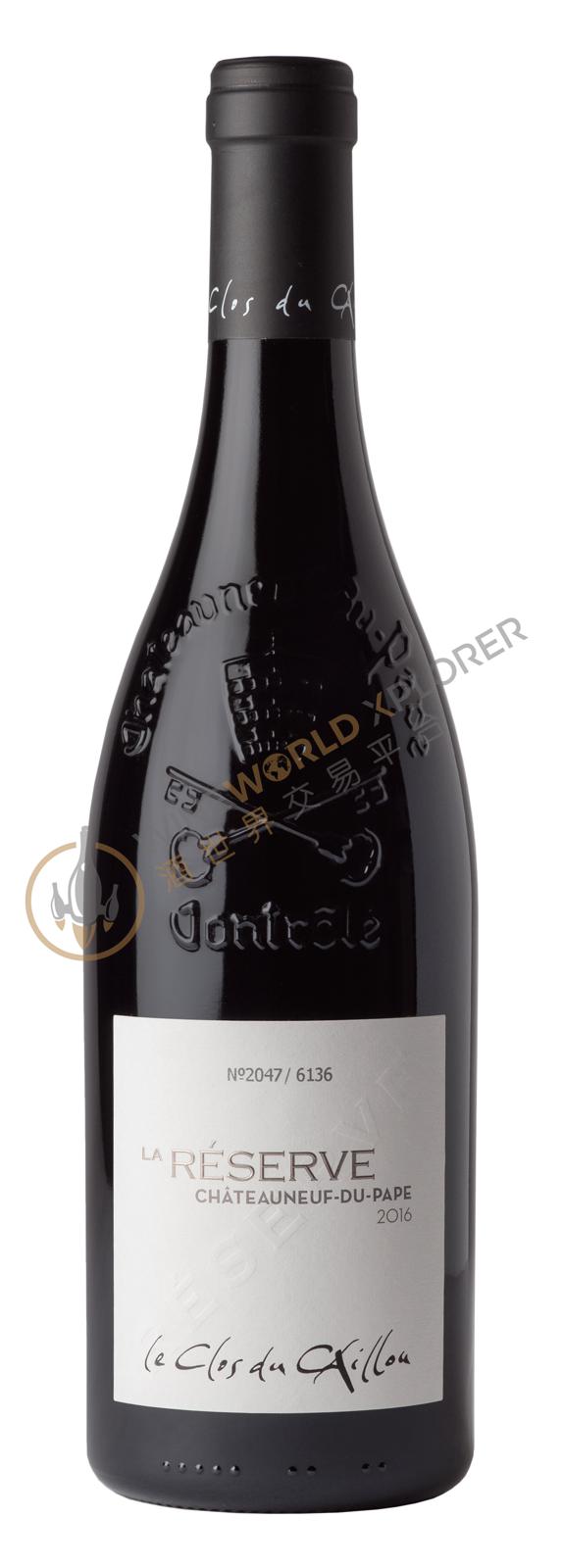
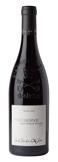
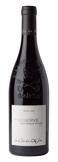
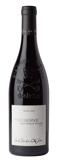
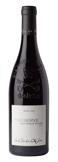
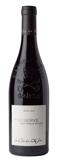
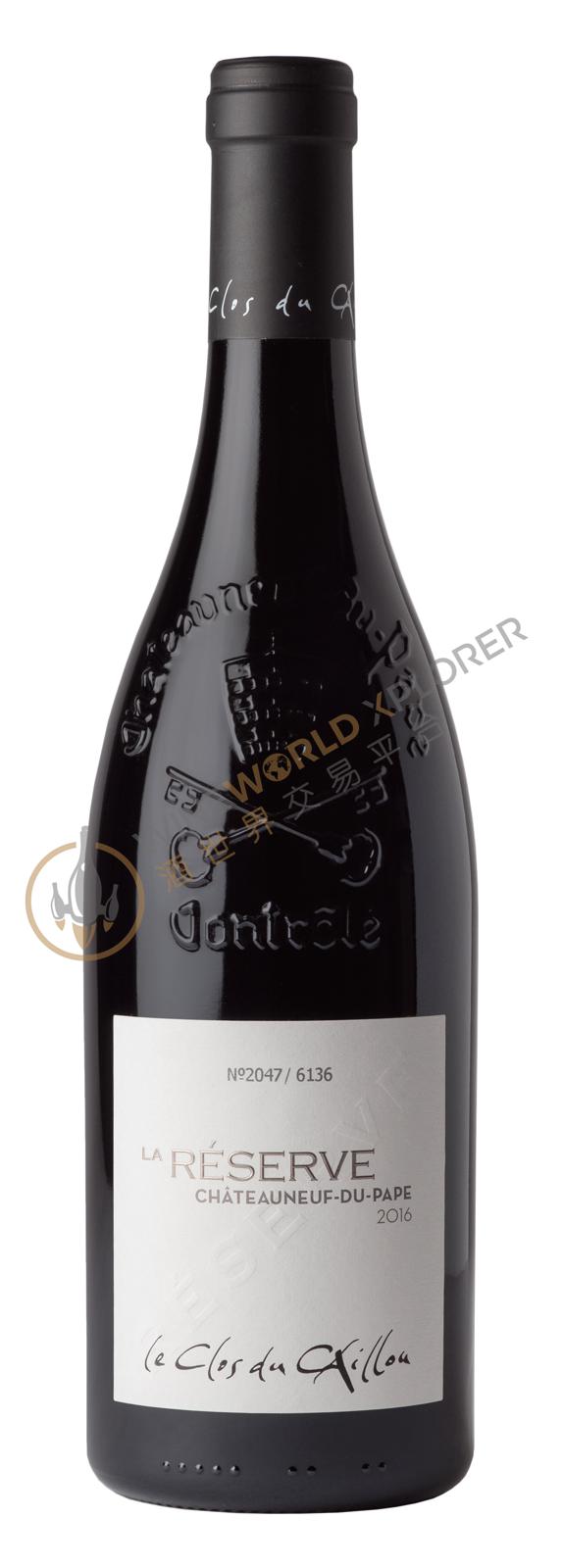
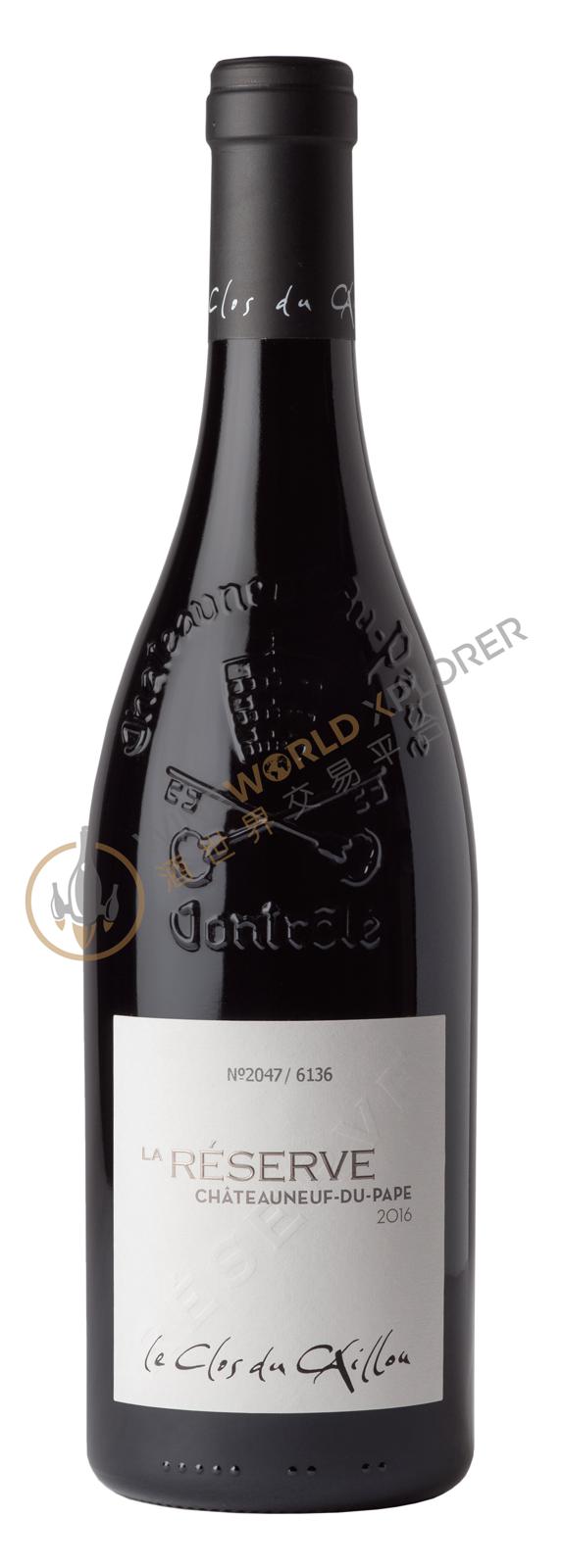
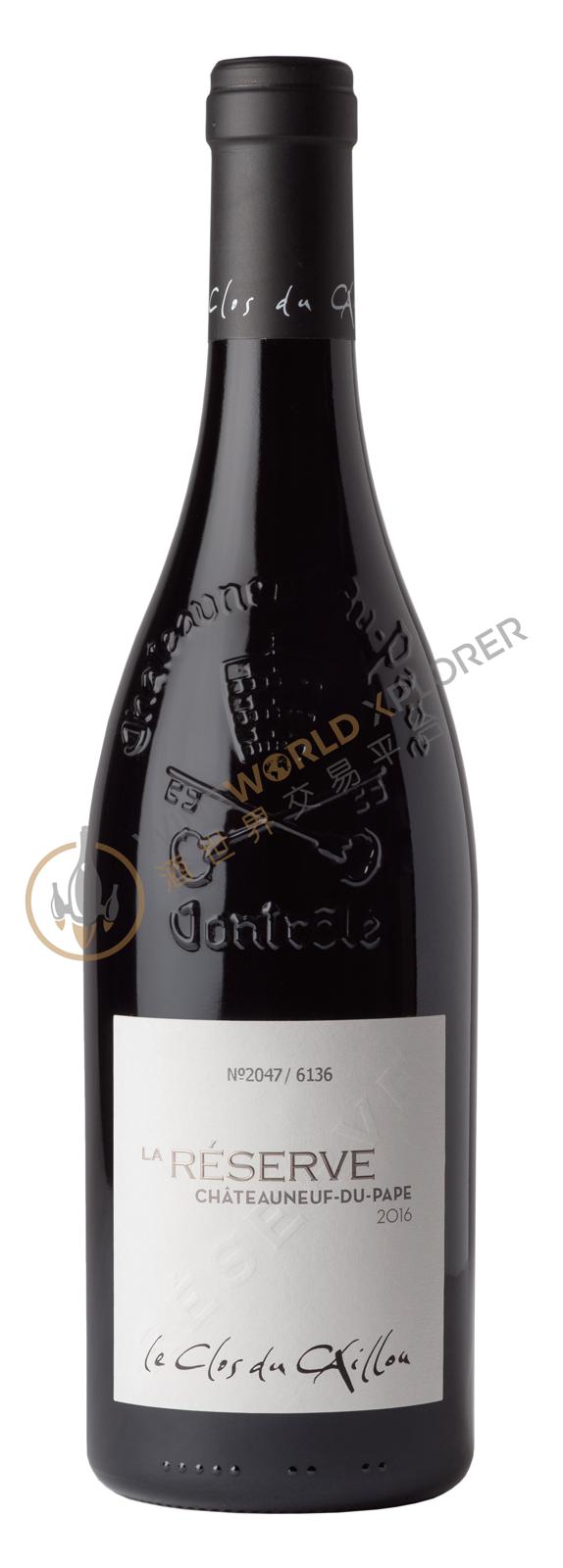
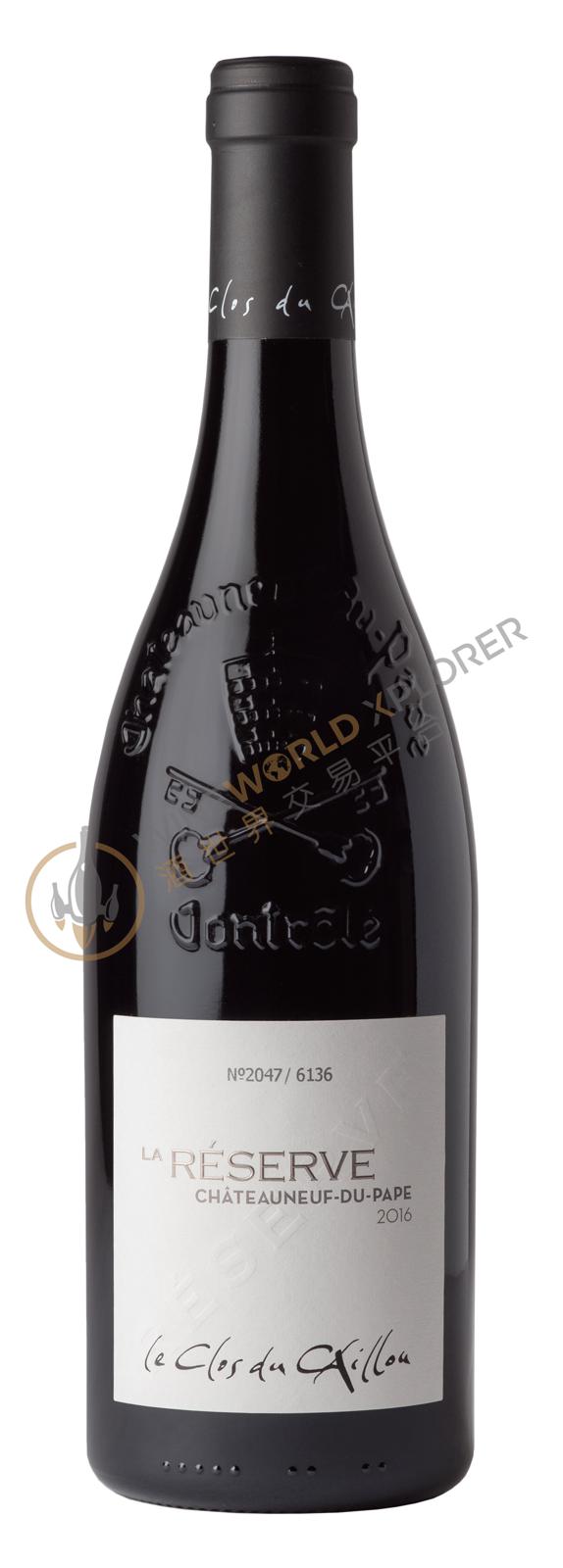
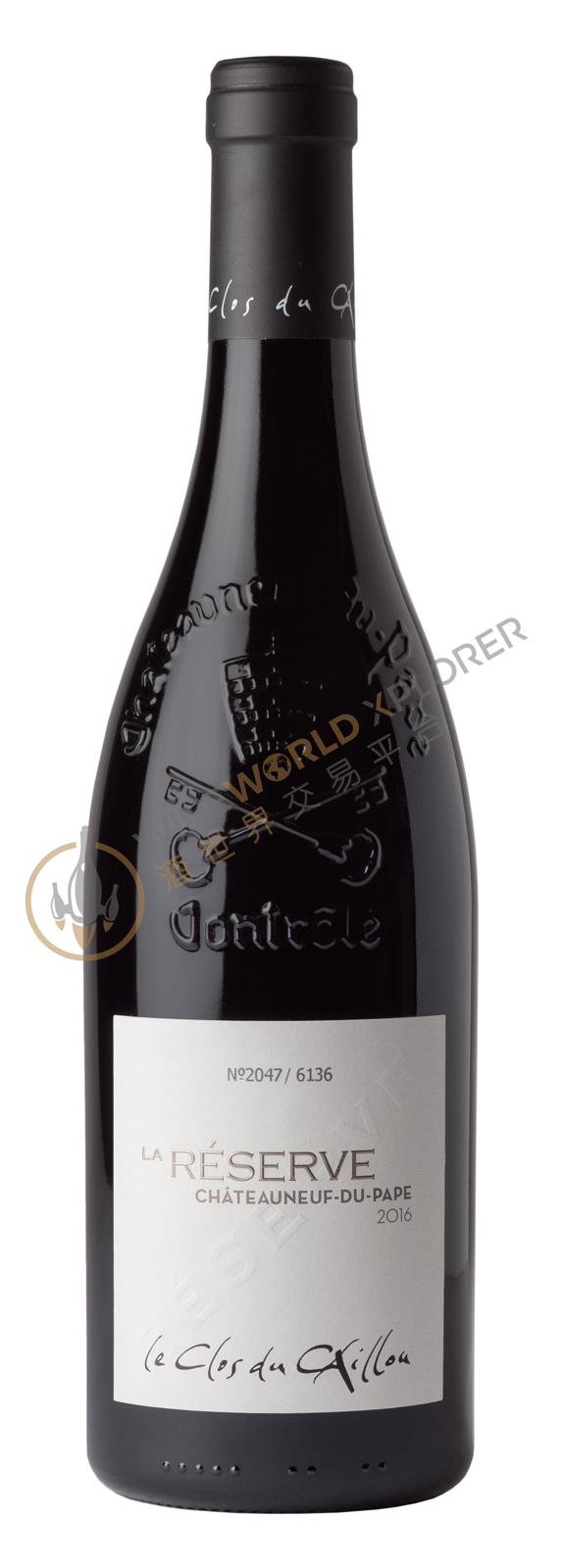
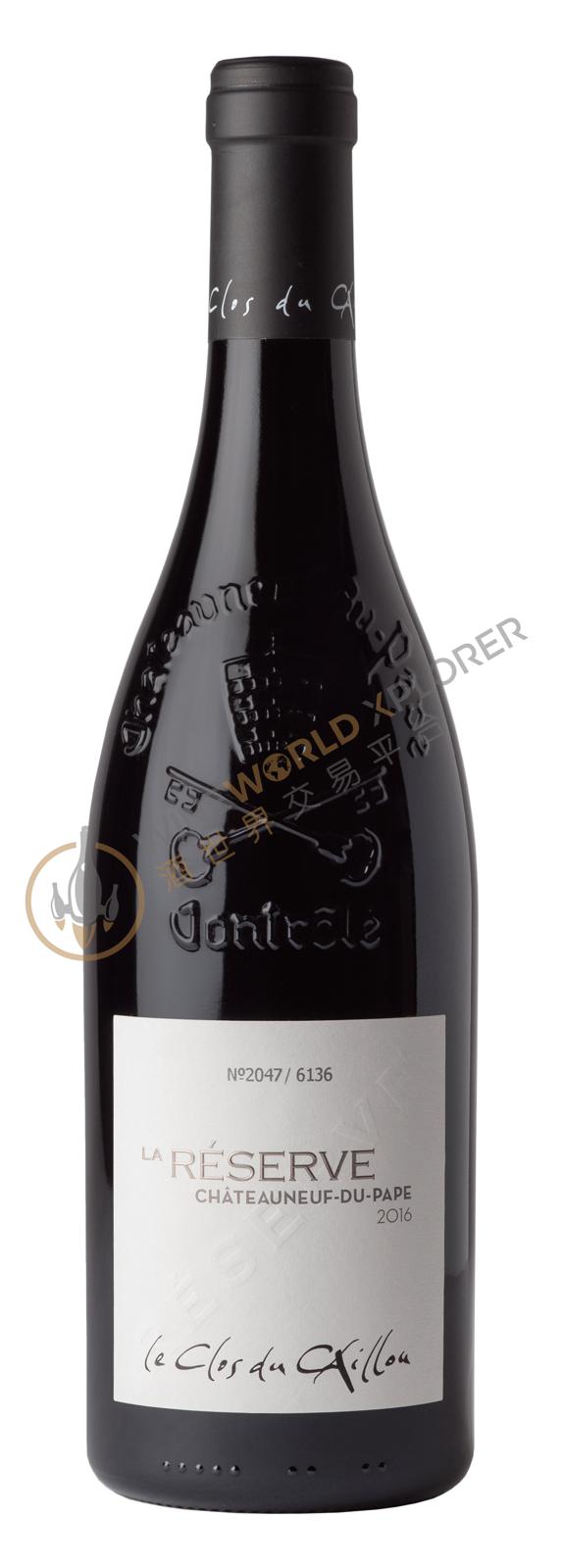
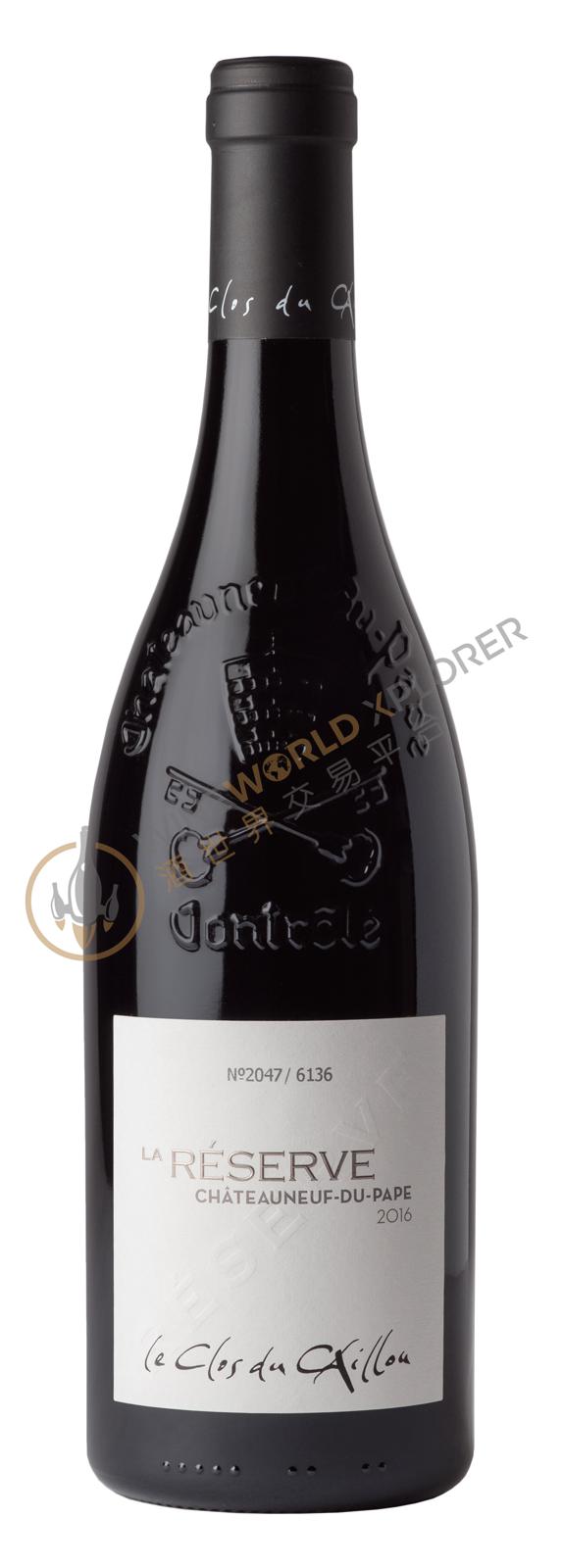
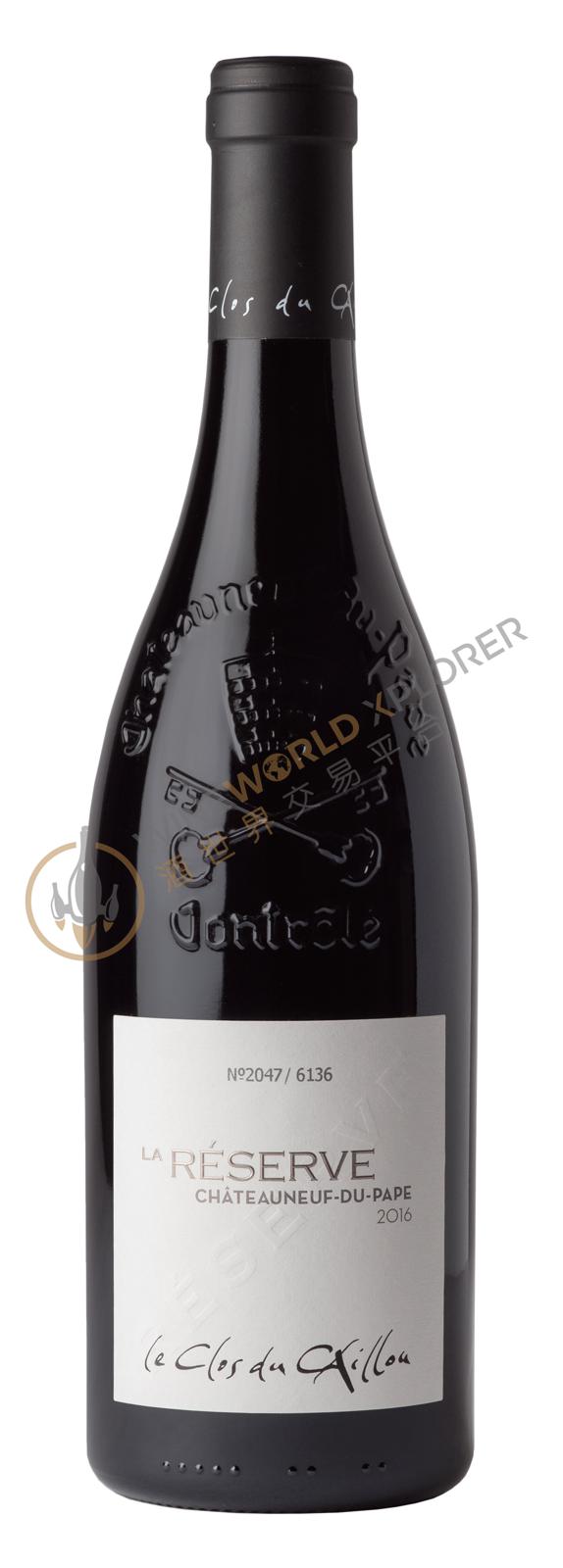
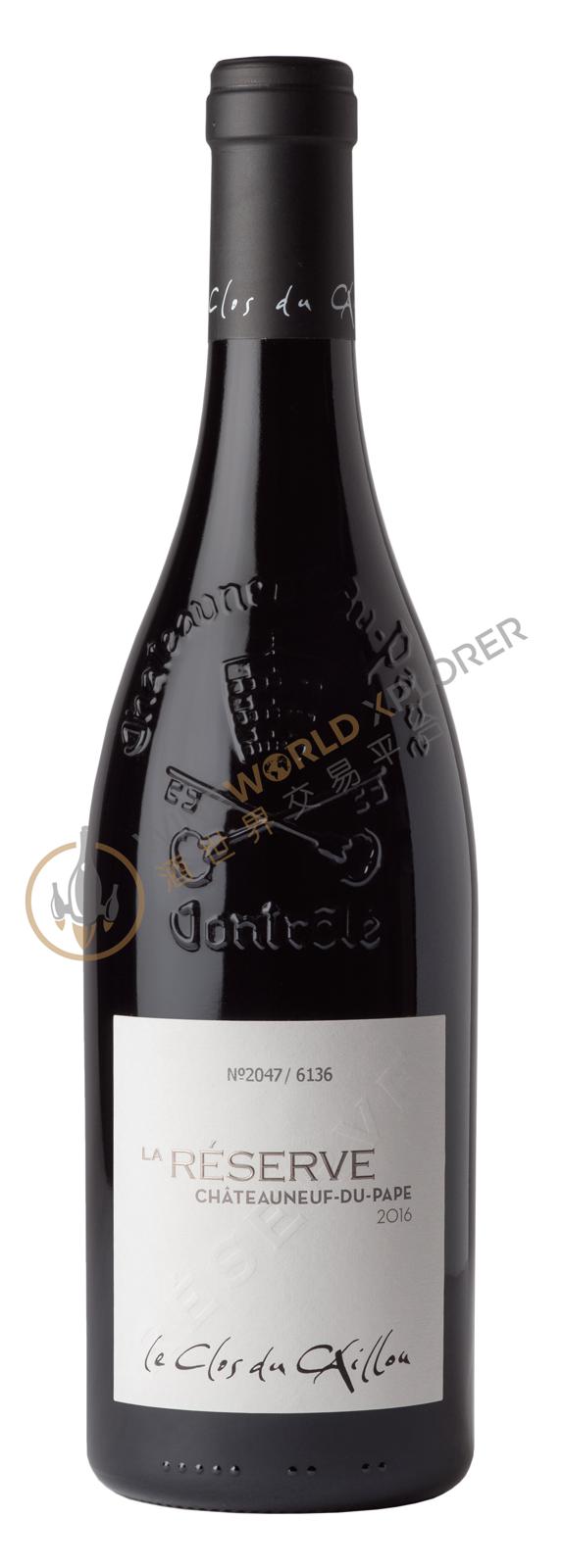
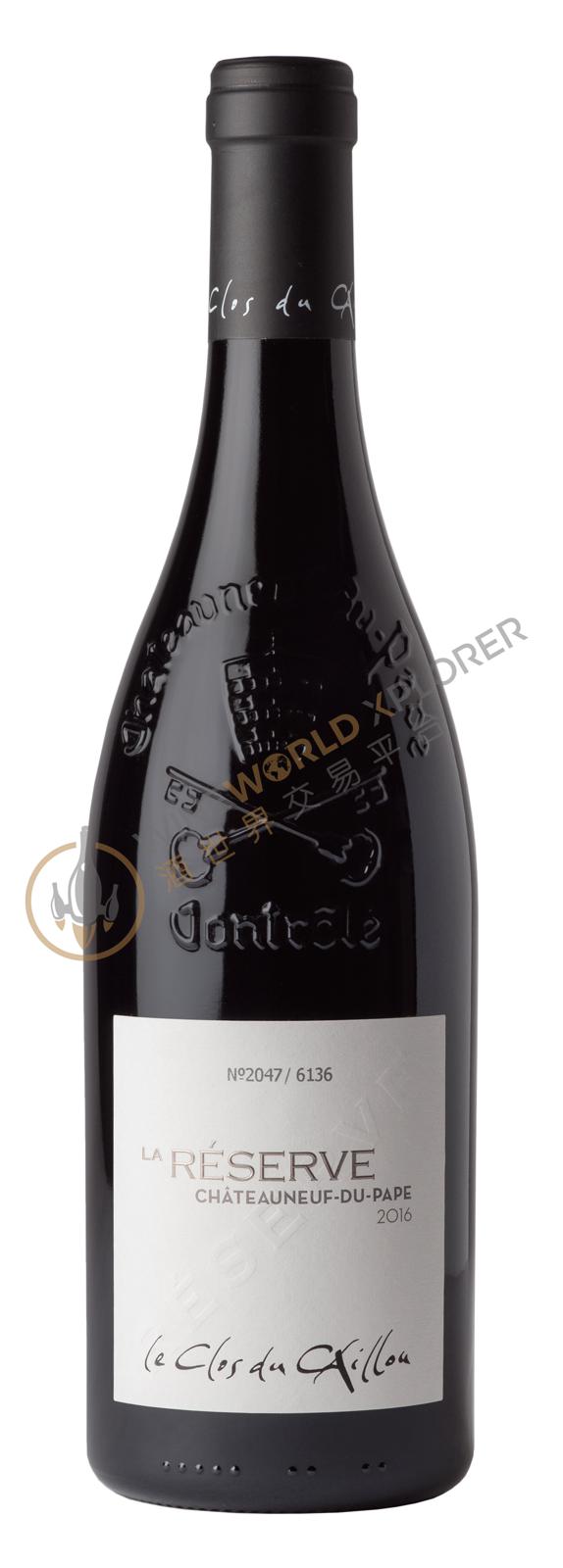
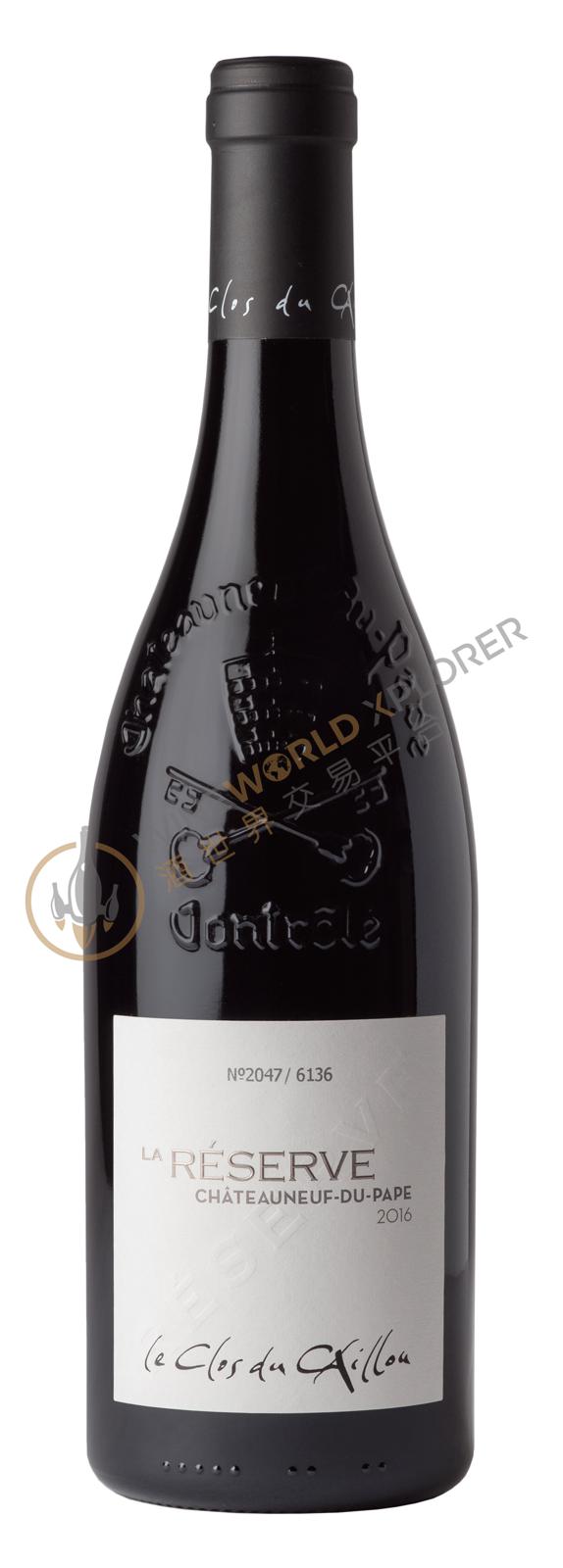
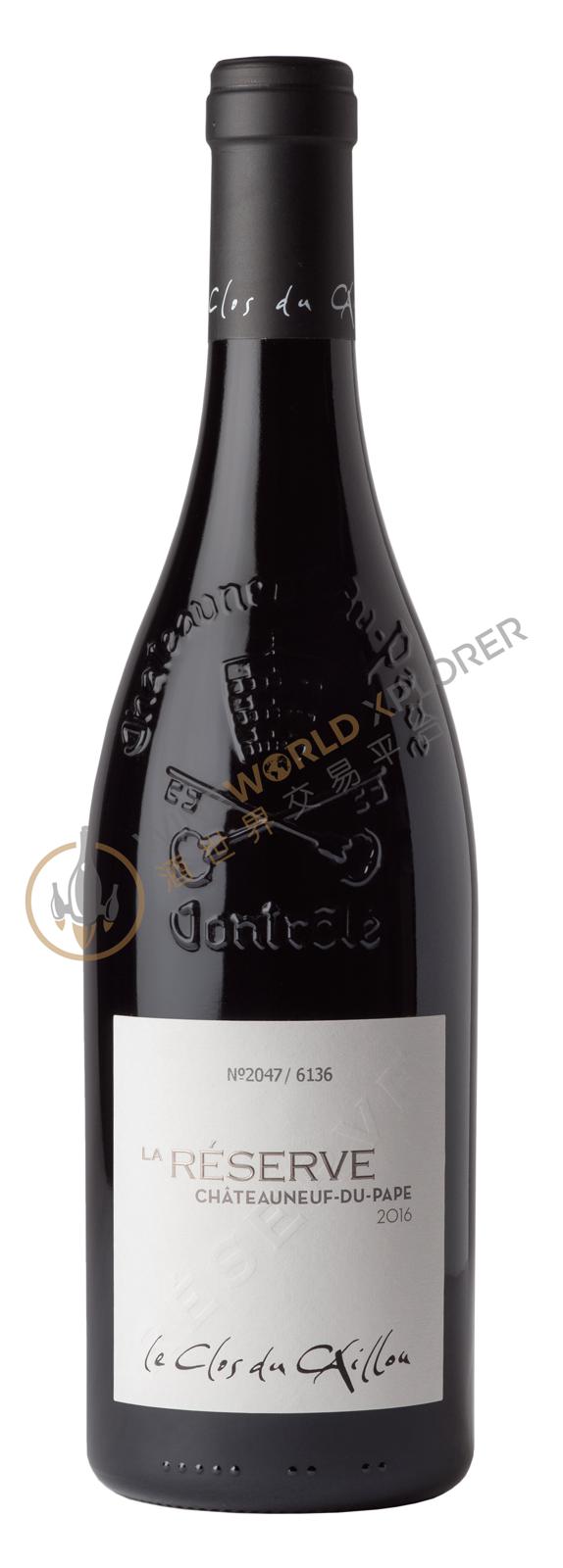
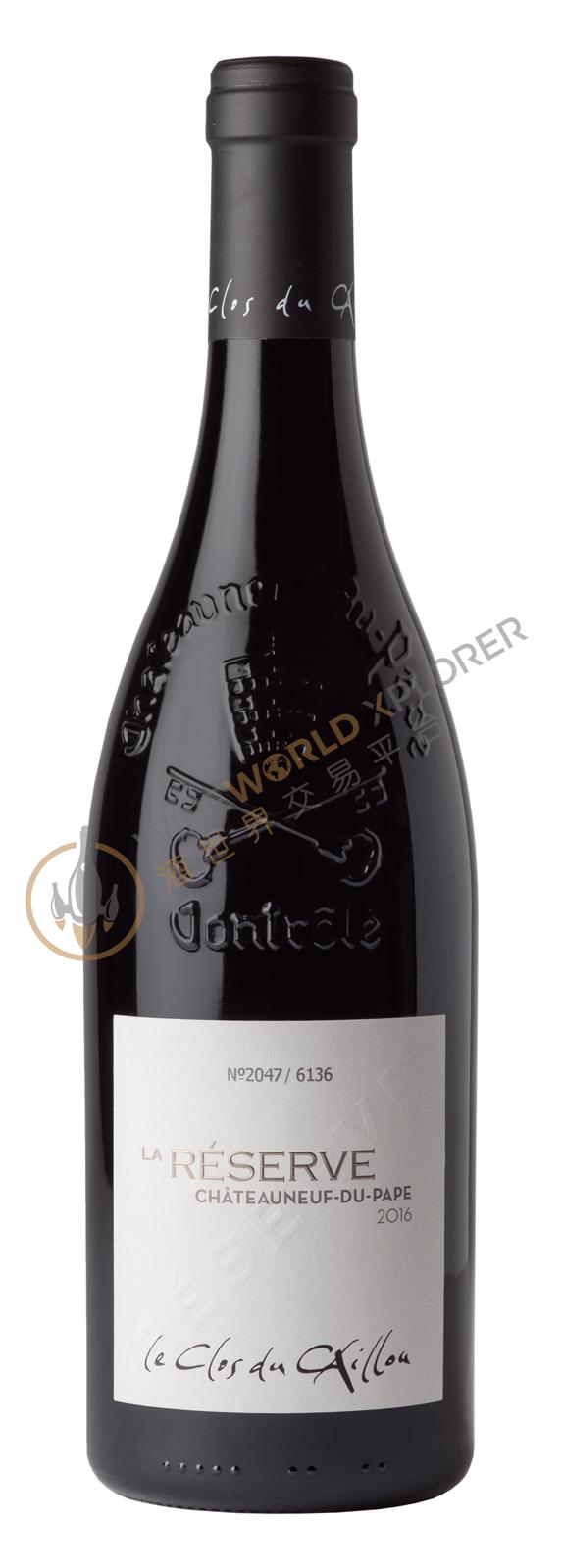
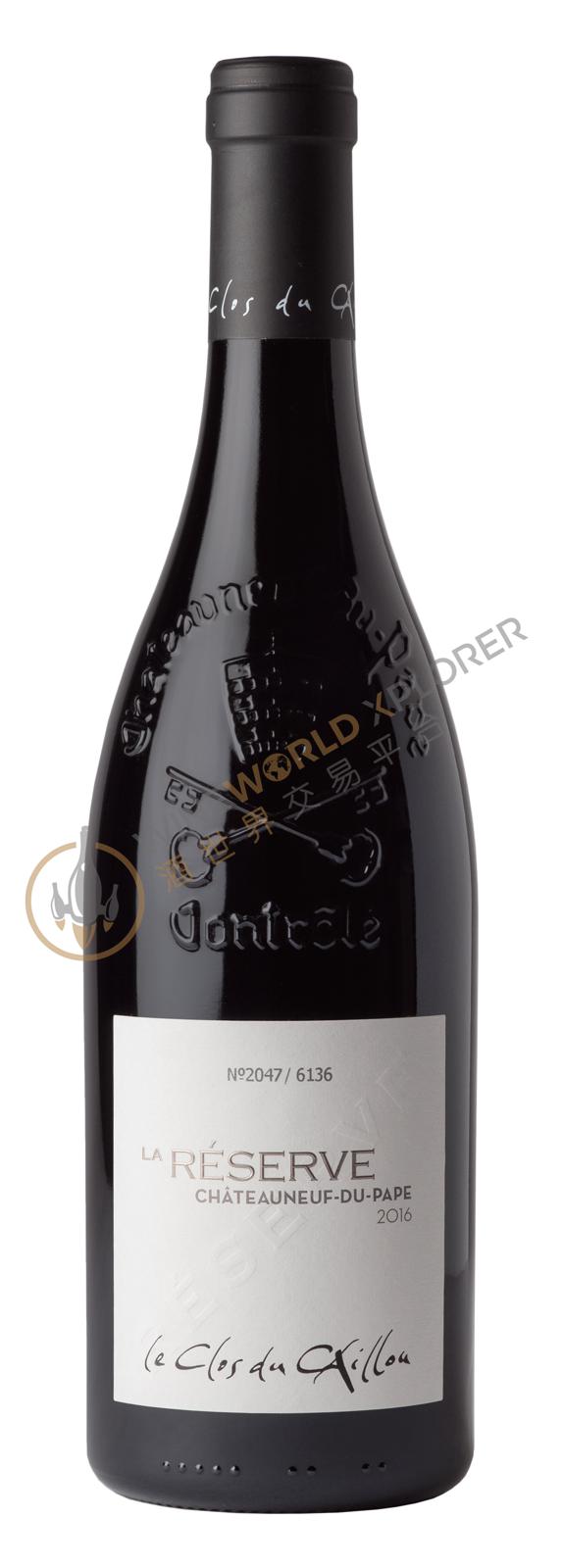
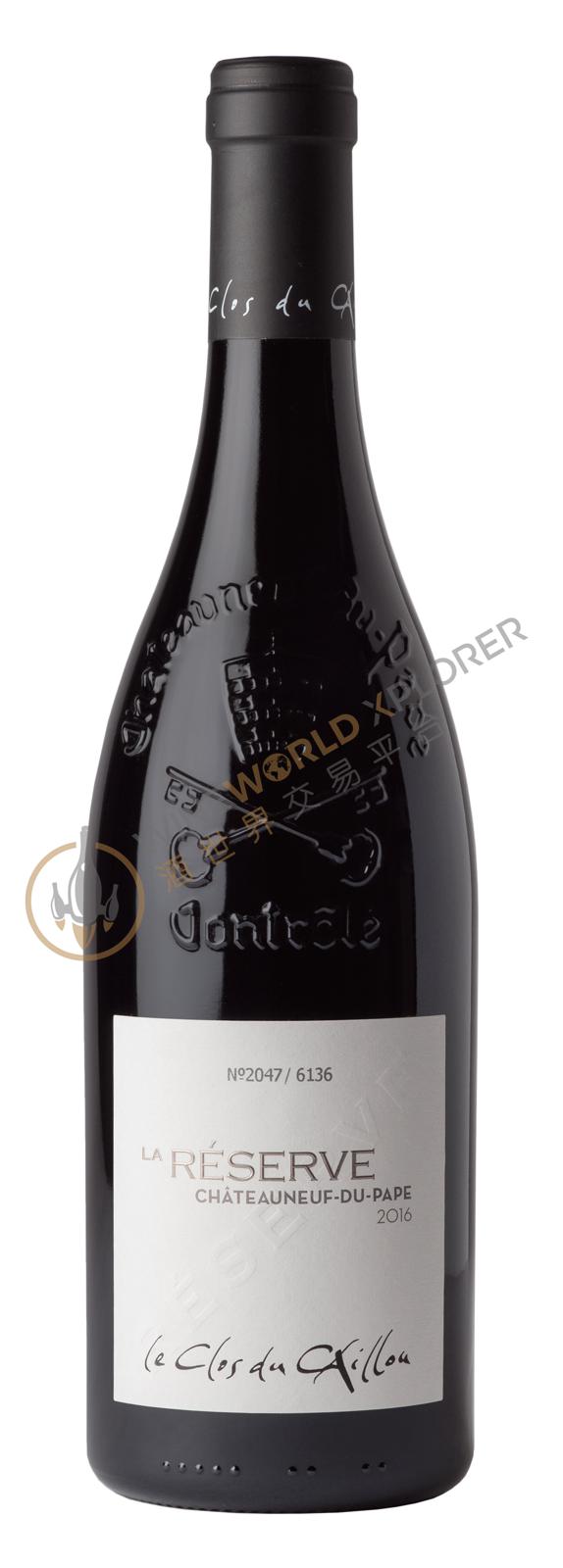
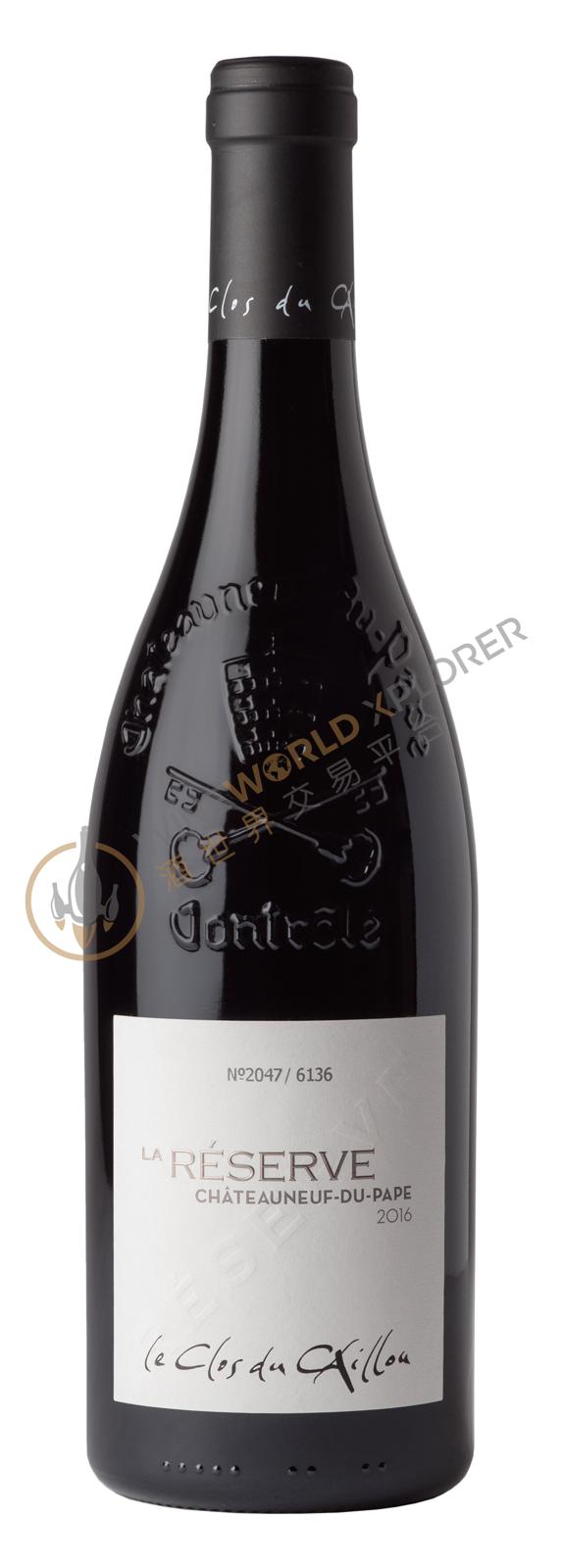
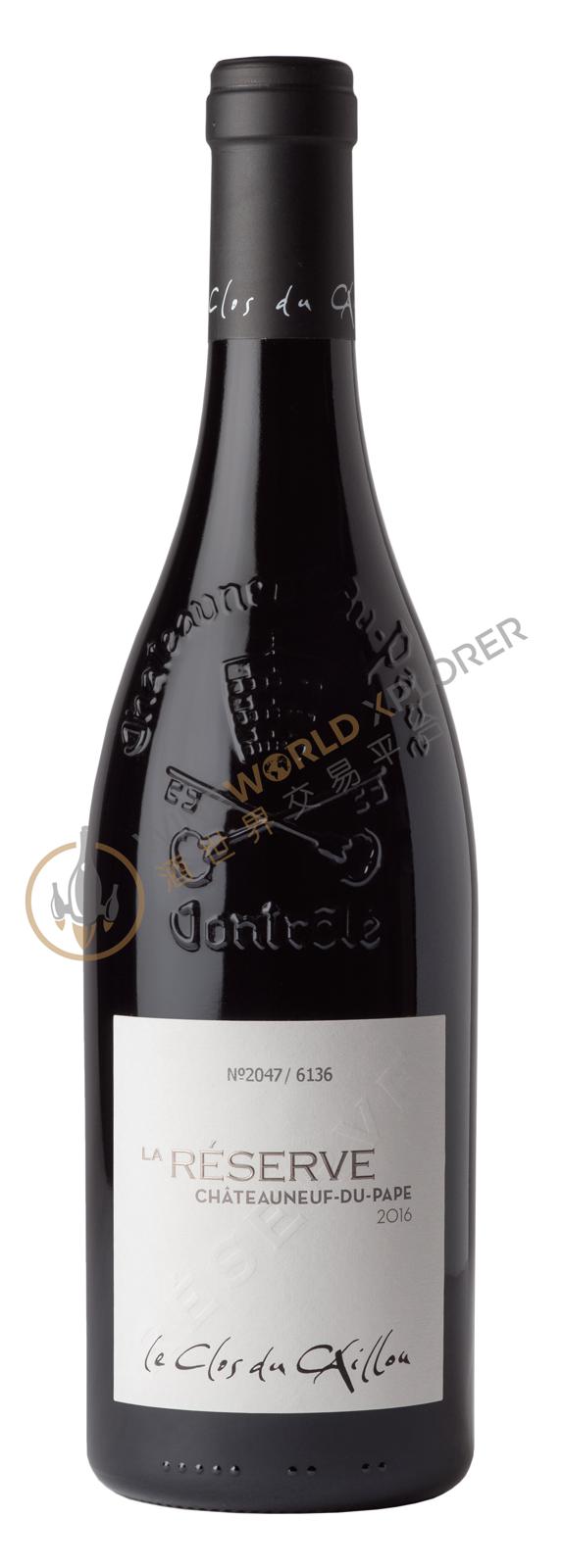
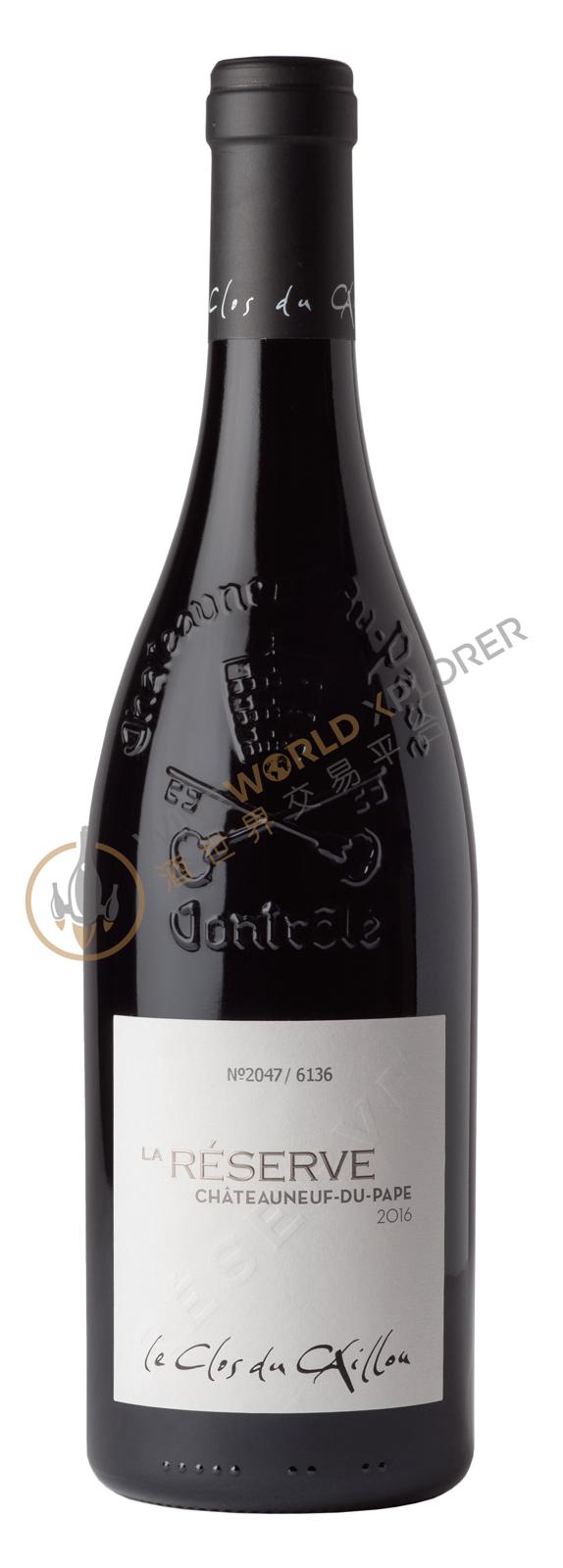
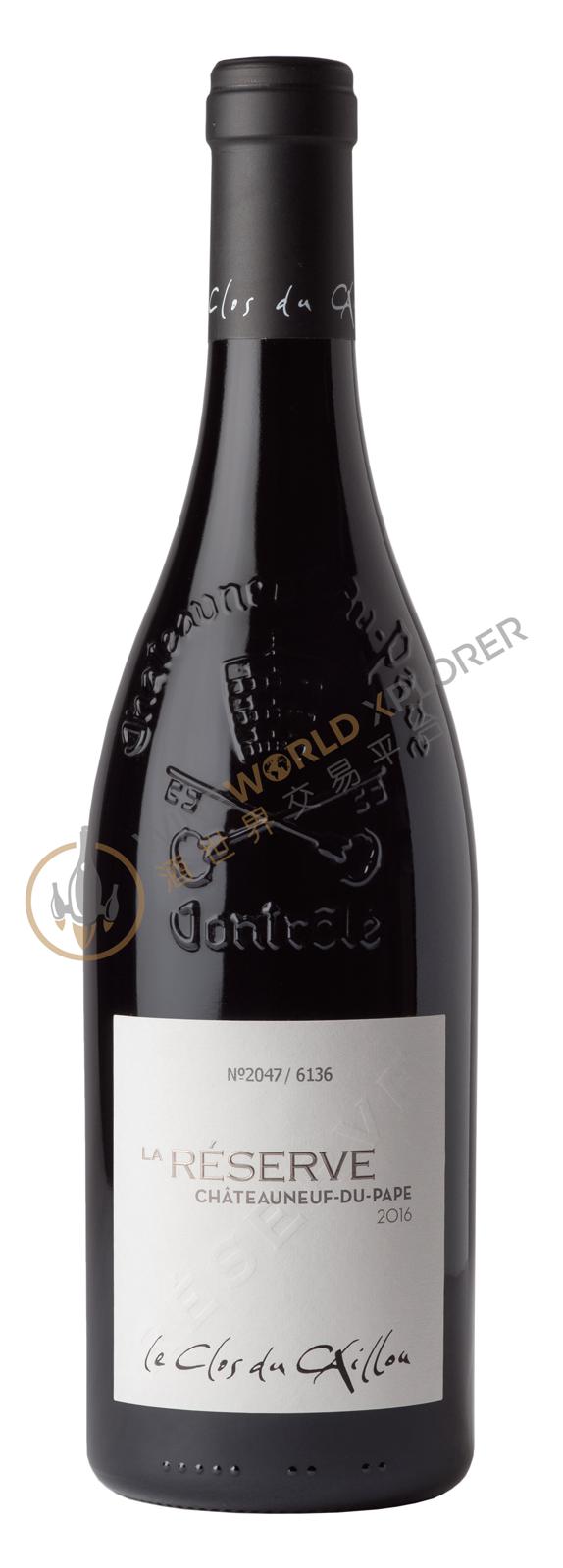
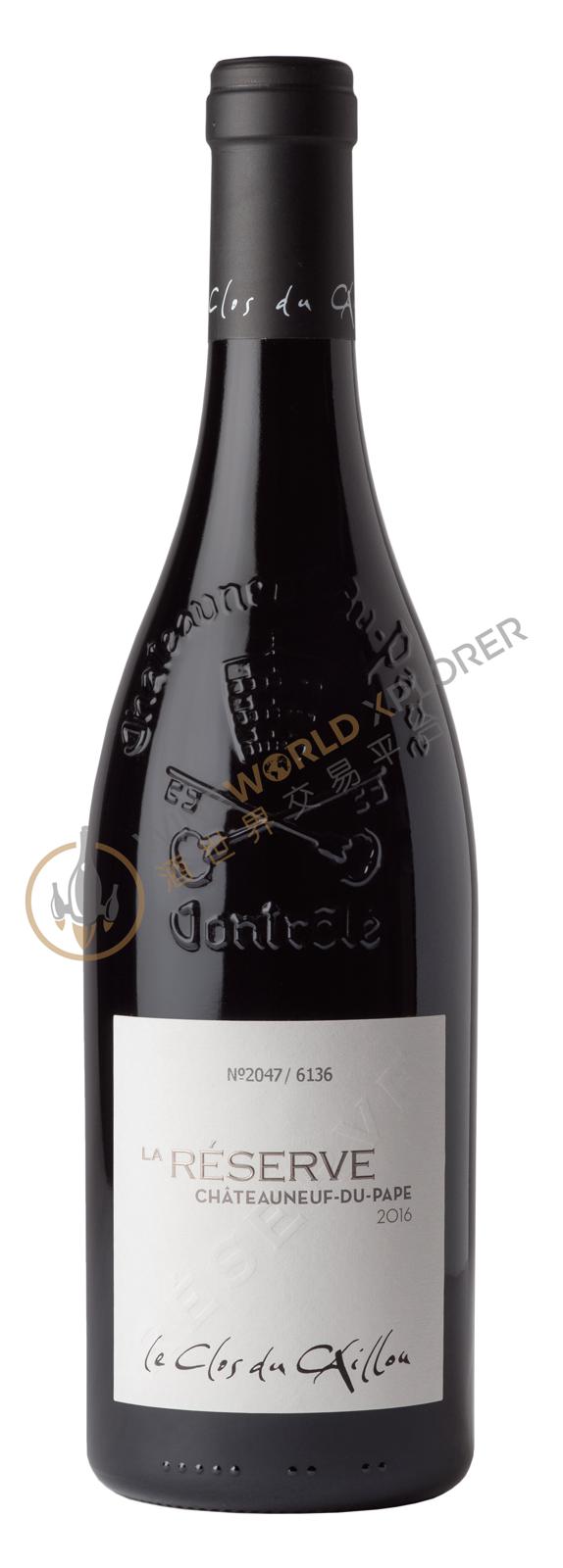
Le Clos du Caillou, Chateauneuf Du Pape La Reserve 2021
 View analysis


Description
Tasting notes

Reviewed by: Joe Czerwinski
Cherries and darker berries combine easily on the nose of the 2021 Chateauneuf du Pape La Reserve, which is its usual proportions of 60% Grenache and 40% Mourvèdre. There's an attractive note of pine resin this year as well. Medium to full-bodied, it's not as rich as in the best vintages, but it's still a great wine, concentrated and silky, with a long, lingering finish.
Reviewed by: Stuart Pigott
On the front palate it’s hard to believe that this silky and elegant expression of Chateauneuf has 15% alcohol. That’s party due to the solid tannin structure that underlies the generous body. However, at the finish you feel the alcohol slightly. A cuvee of 55% grenache and 45% mourvedre. From organically grown grapes. Drink now.
Reviewed by: Nicolas Greinacher
The 2021 Châteauneuf-du-Pape La Réserve turned out magnificently and is one of the highlights of the vintage. The 2021 La Réserve was vinified from organically grown grapes - almost equally Grenache and Mourvèdre. Attractive aromas of predominantly red fruits, crushed flowers, thyme and exotic spices waft from the glass. It seamlessly lingers across the palate, dazzling with polished tannins and excellent freshness. The persistent finish is remarkable, with new flavors emerging long after the wine has left.
About the Producer
Our vineyard is rich of traditional red variety, such as Mourvèdre, Syrah, Cinsault, Carignan, Counoise and also some white variety: Viognier, Roussanne, Clairette, Bourboulenc, without forgetting the Grenache, native god red and white. Grounds are worked in the respect of the nature, by regular ploughing without weedkiller and without chemical produce, using only phytosanitary treatment of sulfur and copper in a lower quantity. Grapes are picked by hand and sorting at the vineyard. Grape varieties are vinified separately to respect their own character, aromas and originality. The red vinification is usually preceded by a cold maceration during few days. Pomp-over, punch-down and delestage are made during all the maceration (1 month to 40 days depending on the vintage and the cuvee). The alcoholic maceration start naturally by the wild yeast present on the grapes. We use stainless tanks for the vinification of the white and rose wine and wooden and cement tank for the vinification of the red. Red wines are then aged in foudres and in oak barrels during one year and more, in the underground cellar, built in the safres, with a natural temperature (13 to 15°C). Foudres and demi-muids composed the maturing cellar. Natural cultural practices at Le Clos du Caillou have been started with Claude Pouizin in 1950 : regular plough, organic compost. Since the early years of the vineyard, we put all our efforts to work in a natural way. Thats is why, Jean-Denis Vacheron started the organic agriculture when he arrived on the vineyard in 1996. We got the certification on 2010 vintage. To continue our philosophy, we engage in 2007 in biodynamic agriculture. It permits to produce qualitative grapes by improving the fertility of the soils. Today, it is of major importance to give back to the soils their total vitality. These practices permitted to give to our vines a new youth thanks to the use of horn-manure and silica preparations, sprayed in the vines while respecting the rythm of the cosmos and the nature cycle.